Cultural artifacts can make a room feel alive. They carry stories, color, and quiet wonder.
1. Shadow Box Wall Gallery
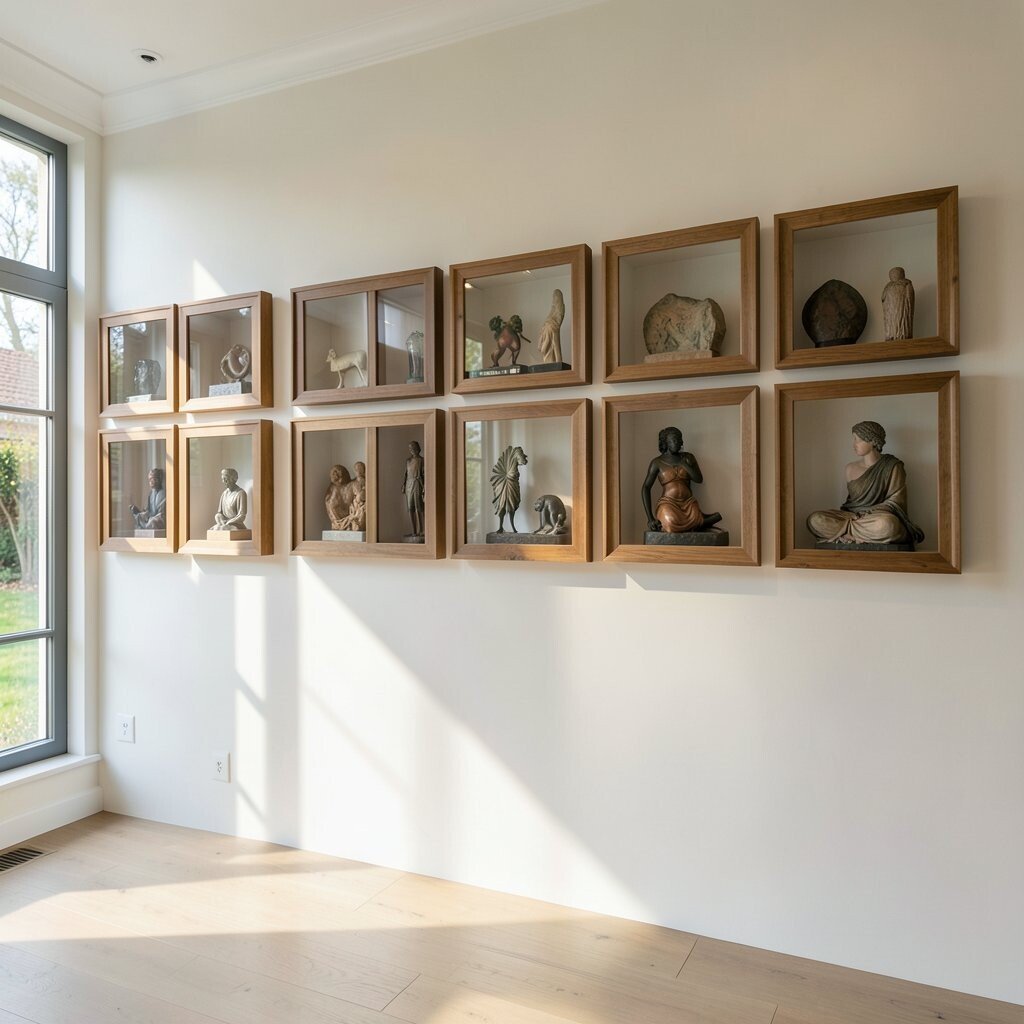
A shadow box wall can make small artifacts feel precious and calm. Glass, wood, and soft backing let each object stand out with clear shape and gentle depth.
This style works well for coins, beads, tools, and tiny textiles because they stay safe and easy to see. It is a smart choice for tight budgets too, since ready-made frames and simple foam backing can keep costs low while still looking polished.
2. Floating Shelf Story Line
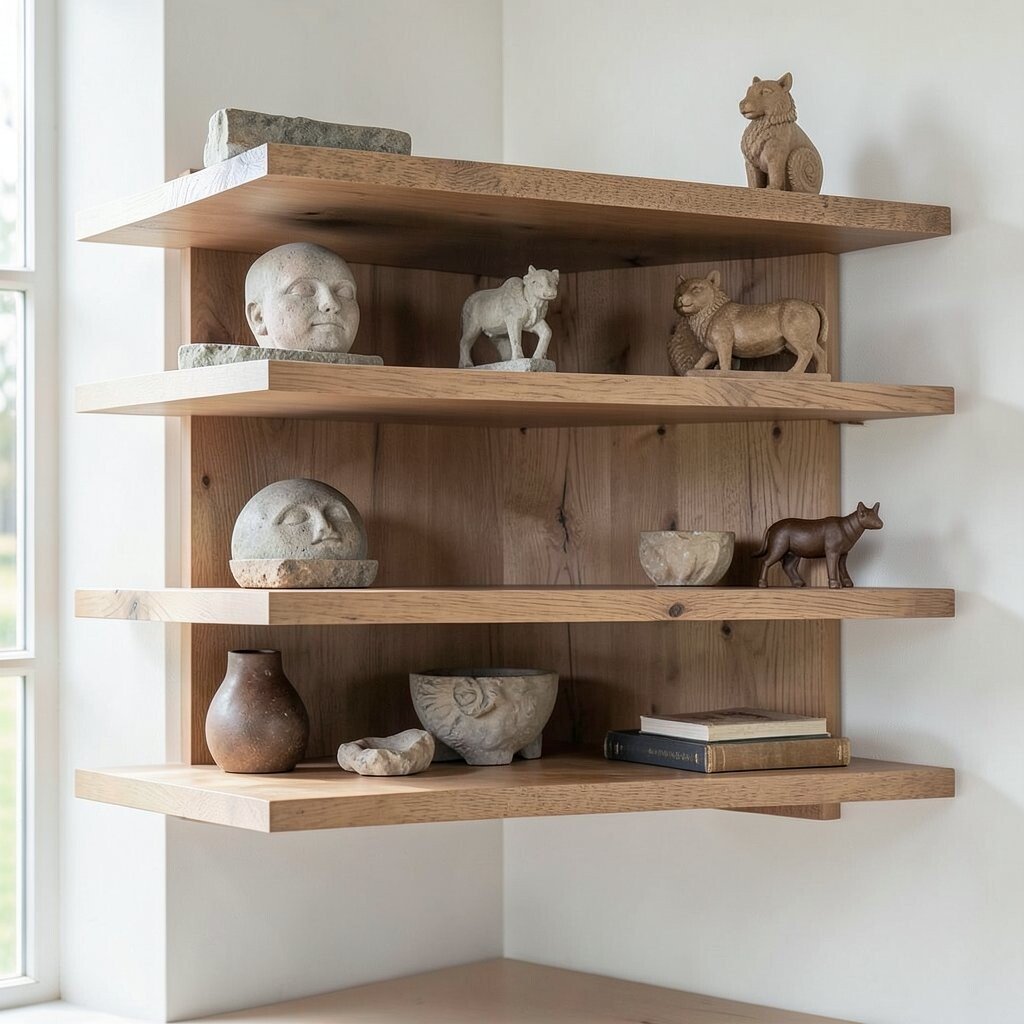
Floating shelves give artifacts a clean stage with lots of breathing room. The look feels modern and neat, and each piece can cast a soft shadow that adds charm.
You can group items by color, place, or family history to make the display feel personal. Narrow shelves are often cheaper than full cabinets, and they fit well with the current love for simple, airy rooms that do not feel crowded.
Try mixing one tall item with a few shorter ones so the eye moves easily across the shelf. That small change can make a plain wall feel thoughtful and unique without much effort.
3. Glass Dome Centerpiece
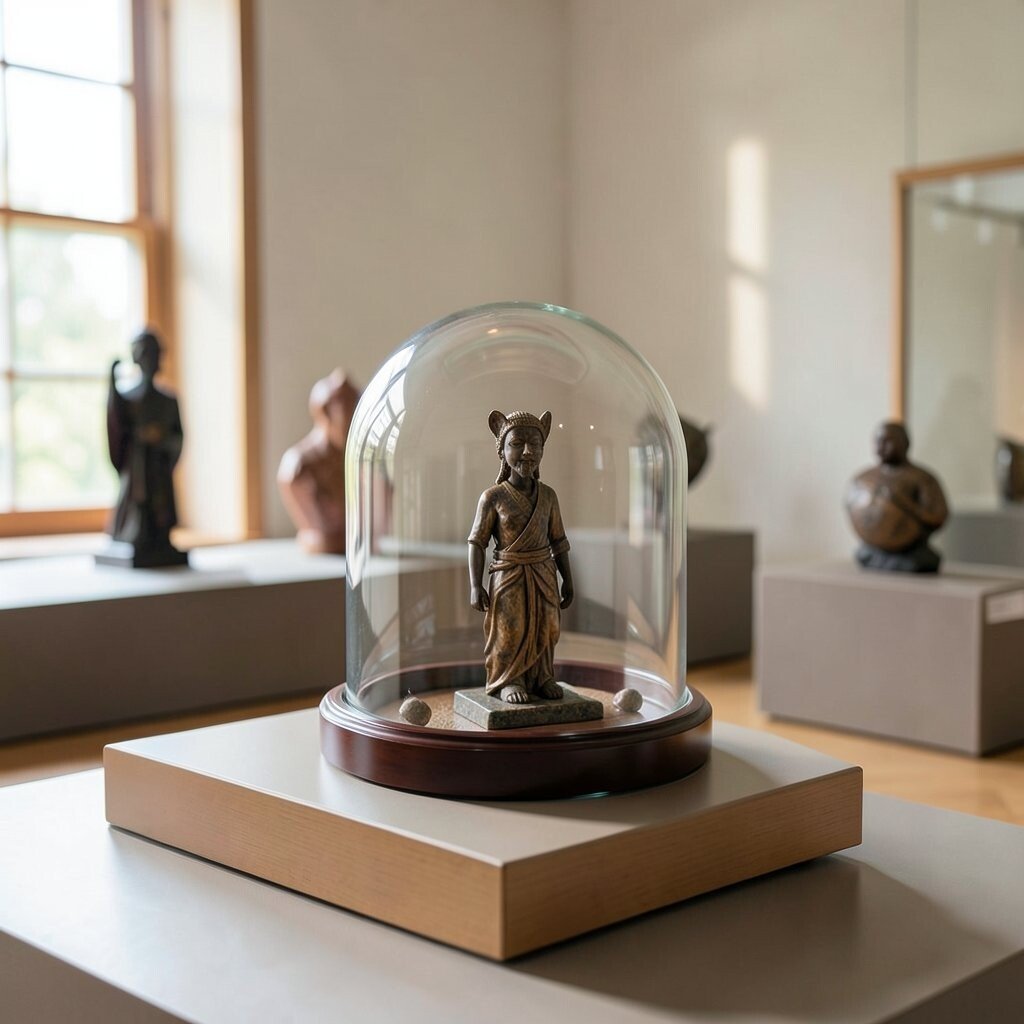
A glass dome brings a delicate, museum-like feeling to a table or mantel. The clear cover makes the artifact feel special, and the round shape adds softness to the room.
This idea works nicely for a mask, a carved figure, or a treasured natural item tied to a culture. It also protects the object from dust, and you can add a small card or fabric base to make the story feel more personal without spending a lot.
Many people like this look because it feels both old-fashioned and fresh at the same time. A thrifted cloche or baking dome can be a low-cost way to get the style.
4. Textile Backdrop Display
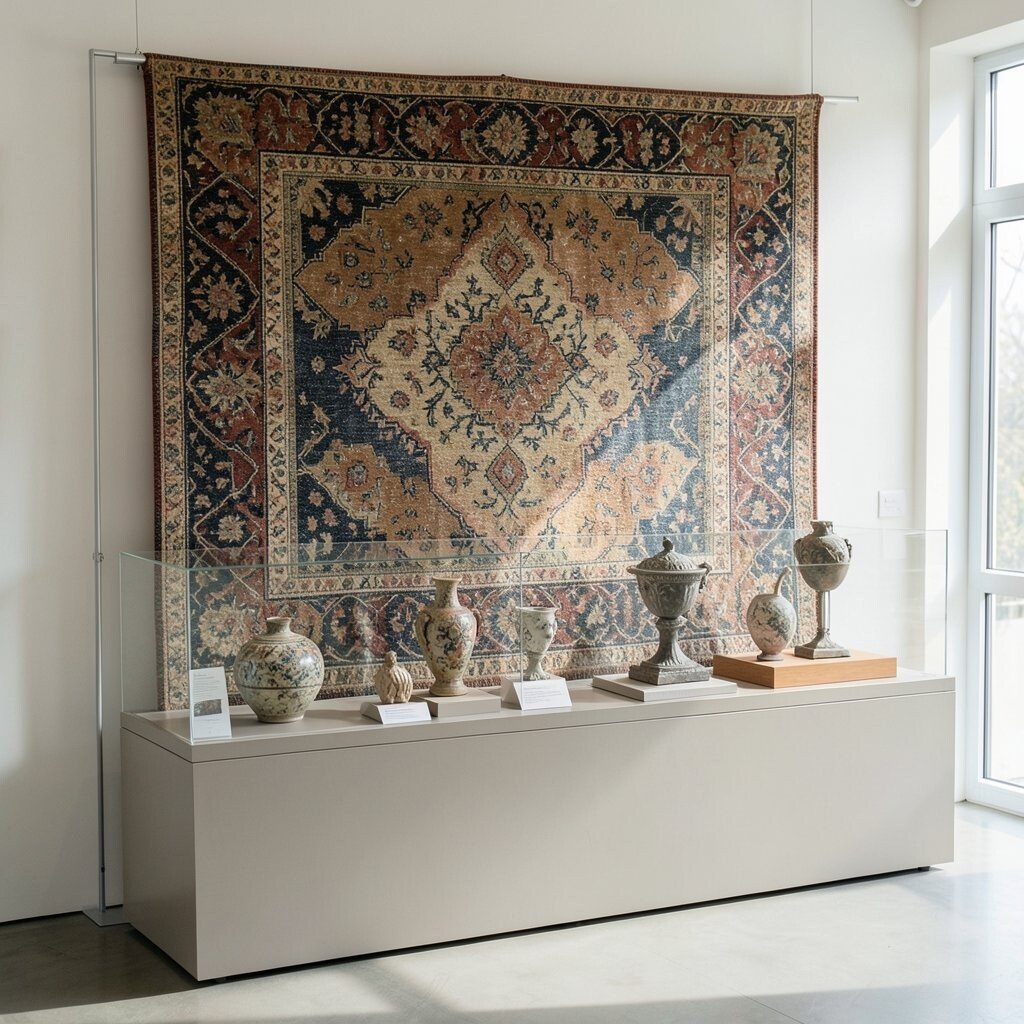
Some artifacts look best against cloth that echoes their home traditions. A woven blanket, dyed fabric, or printed textile can make colors pop and add warmth to the display.
This method is useful for masks, jewelry, and wall pieces because the background helps them stand out without a busy frame. You can use fabric from a meaningful trip or family collection to make the setup feel more personal, and many textile pieces are budget-friendly if you shop secondhand or use small cuts.
5. Wall Niche Moment
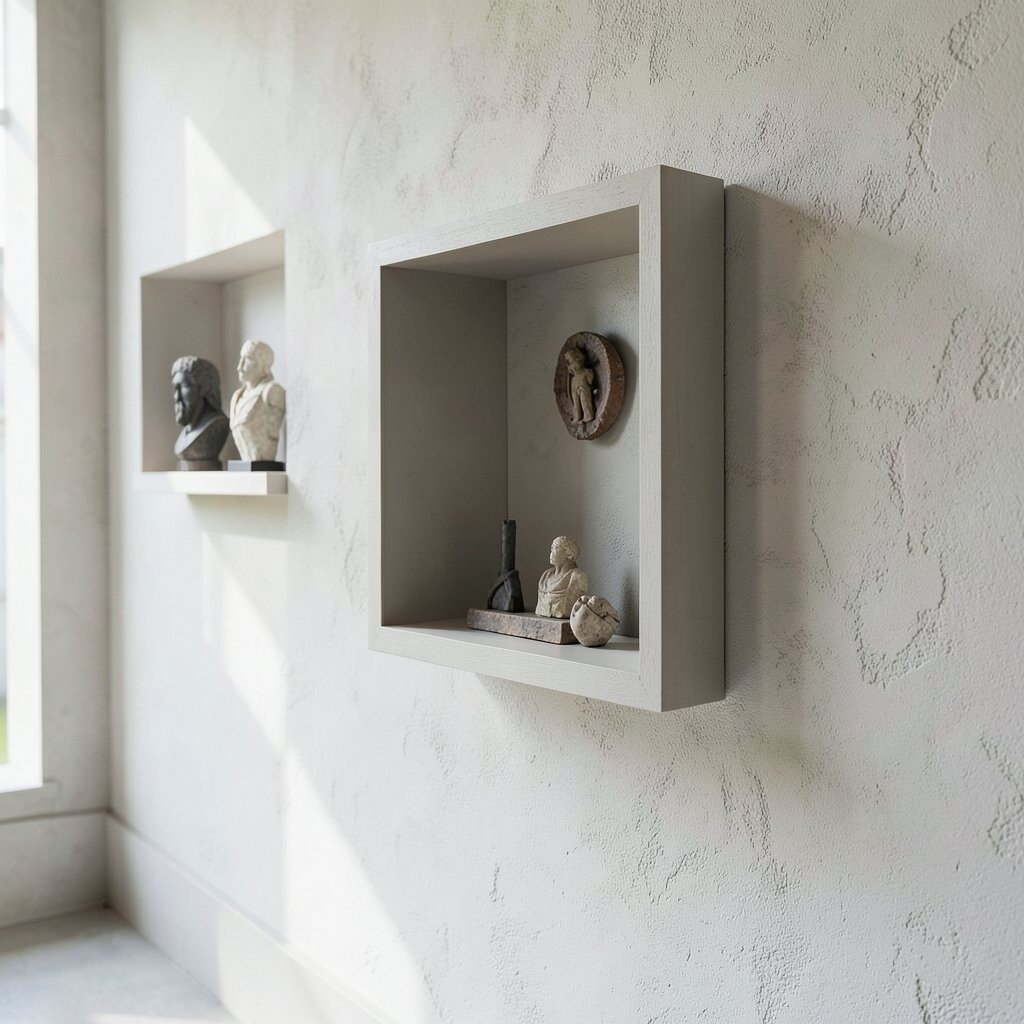
A small wall niche can turn one artifact into a quiet focal point. The recessed space feels calm and safe, almost like a tiny room for a single special object.
This works well in hallways, entryways, and beside staircases where a narrow display makes sense. Paint the niche in a deep or warm shade for contrast, and use a tiny light if you want a current gallery look that feels elegant without a big cost.
6. Vintage Tray Arrangement
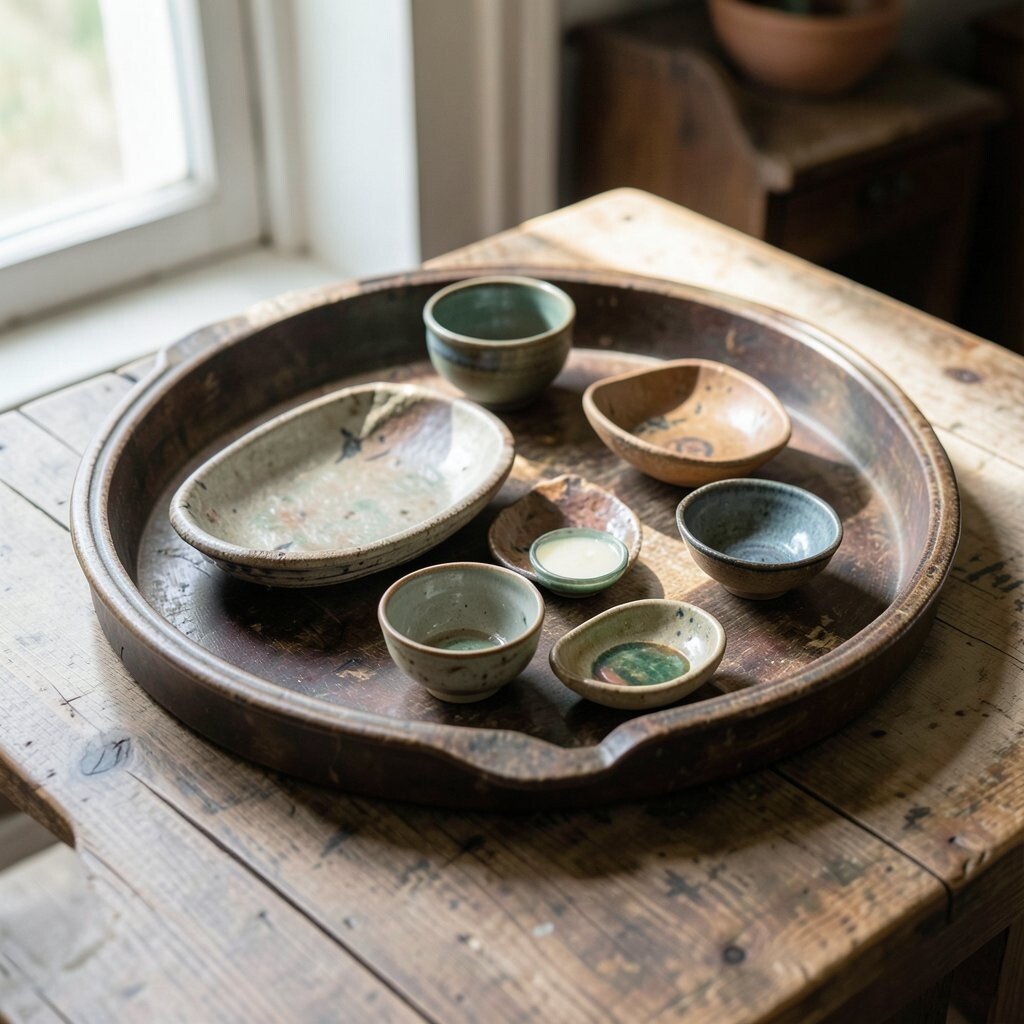
A tray can gather several cultural pieces into one neat scene. Brass, wood, or painted trays add texture, and the edges help the display feel tidy and intentional.
This is a flexible option for tables, desks, and sideboards because you can change it often with little effort. It is also kind to your wallet, since trays are easy to find at thrift shops and flea markets, and you can make the group feel personal by adding a small note, coin, or fabric scrap from the same place or era.
Mix items with different heights to keep the arrangement lively. That small trick gives the eye a path to follow and keeps the display from looking flat.
7. Bookcase With Cultural Corners
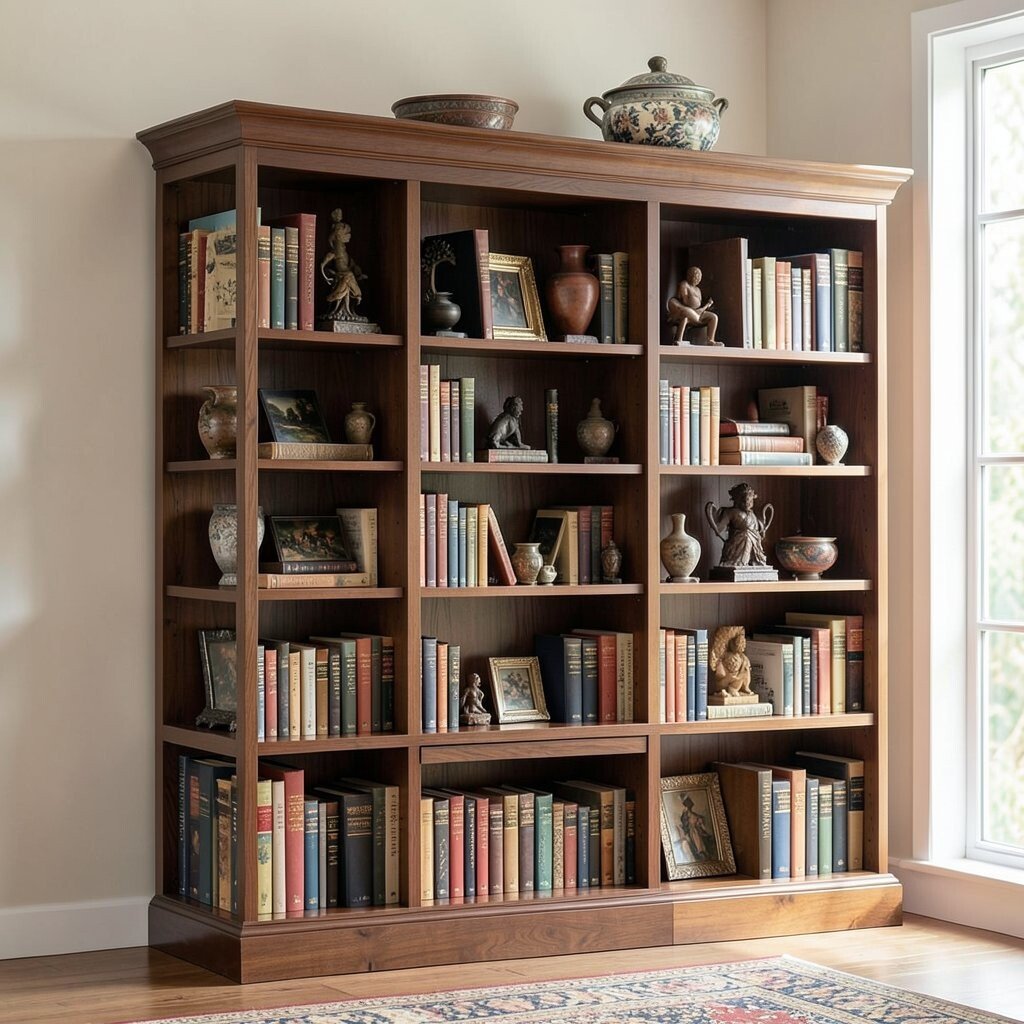
A bookcase can do more than hold books when you set aside a few shelves for artifacts. The mix of spines, pottery, and carved pieces creates a rich, lived-in look that feels smart and warm.
This idea is great for people who want inspiration close by during daily life. Use bookends, small stands, and a few framed photos to make the corner feel personal, and keep costs down by using pieces you already own instead of buying a whole new cabinet.
Current home style leans toward mixing decor with meaning, so this approach feels very fresh. It also lets you swap items with the seasons or your mood.
8. Illuminated Curio Cabinet
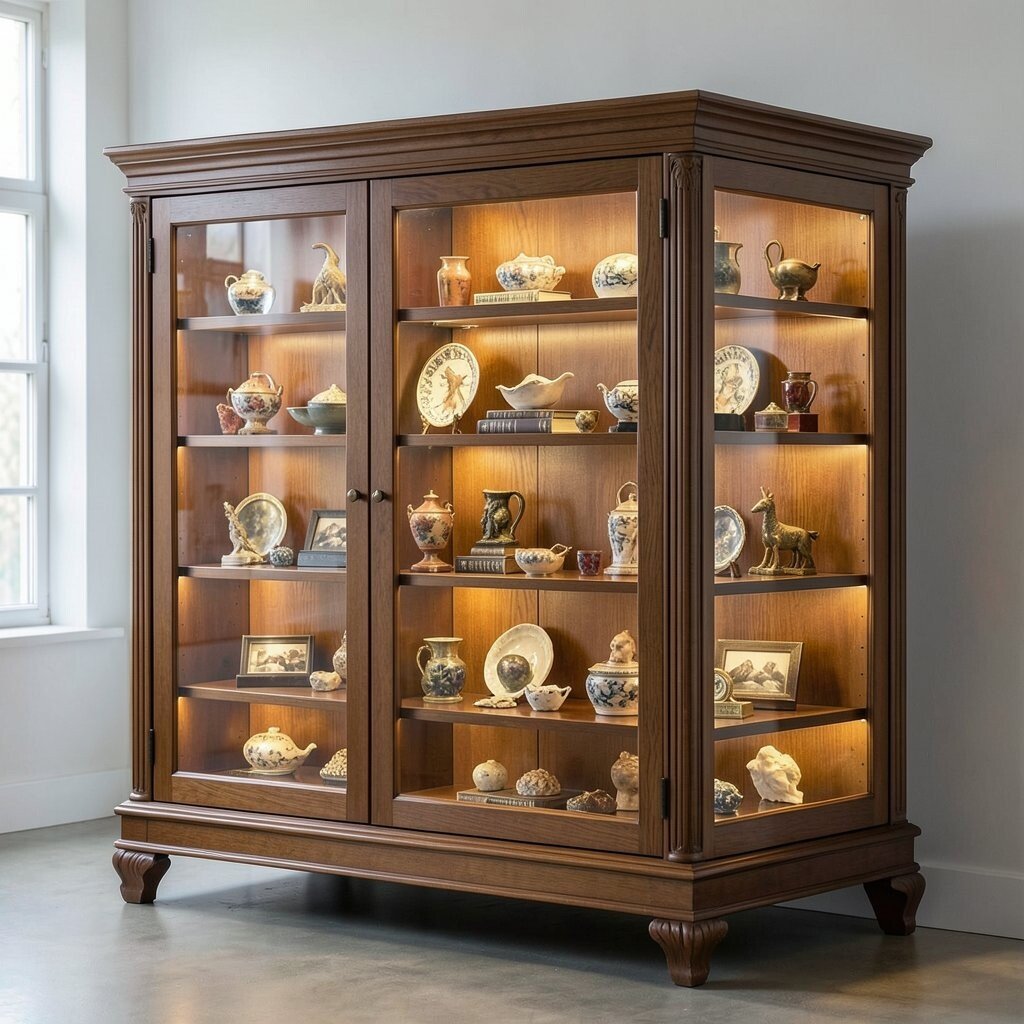
An illuminated curio cabinet gives artifacts a soft glow that feels elegant and safe. The light can bring out carved lines, painted details, and shiny surfaces in a gentle way.
This is a strong choice for fragile pieces that need protection from dust and touch. LED strips or small puck lights can keep power use low, and many people like this setup because it has a classic feel while still fitting modern homes and modest budgets.
9. Hanging Ribbon Display
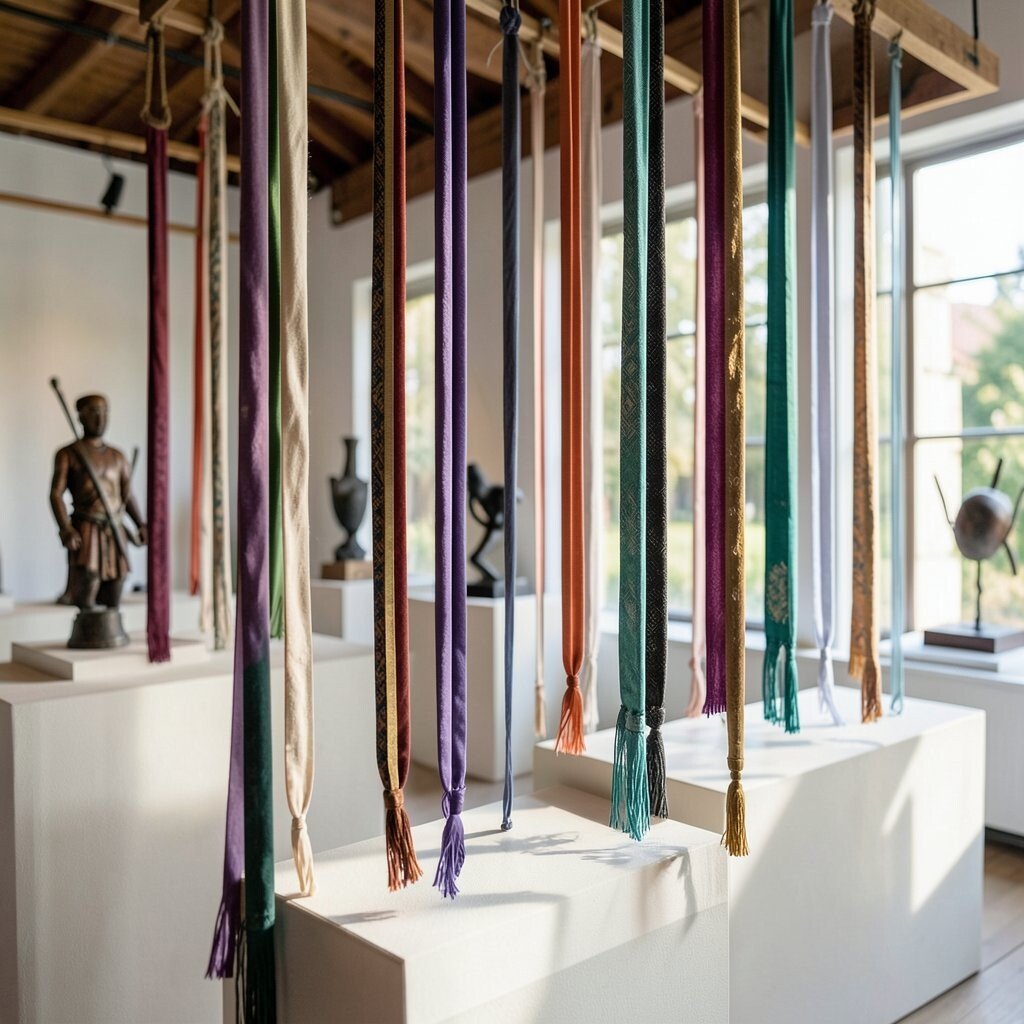
Some lightweight artifacts look beautiful when they hang from ribbons or cords. The movement brings life to the display, and the vertical lines can make a wall feel taller.
Use this idea for medallions, small textiles, fans, or flat craft pieces that can rest safely on clips or hooks. It is easy to change for special events or holidays, and the cost stays low because ribbons, dowels, and simple hooks are all affordable.
You can choose ribbon colors that echo the artifact itself or the room around it. That little match makes the display feel planned and personal.
10. Tabletop Cluster With Mixed Heights
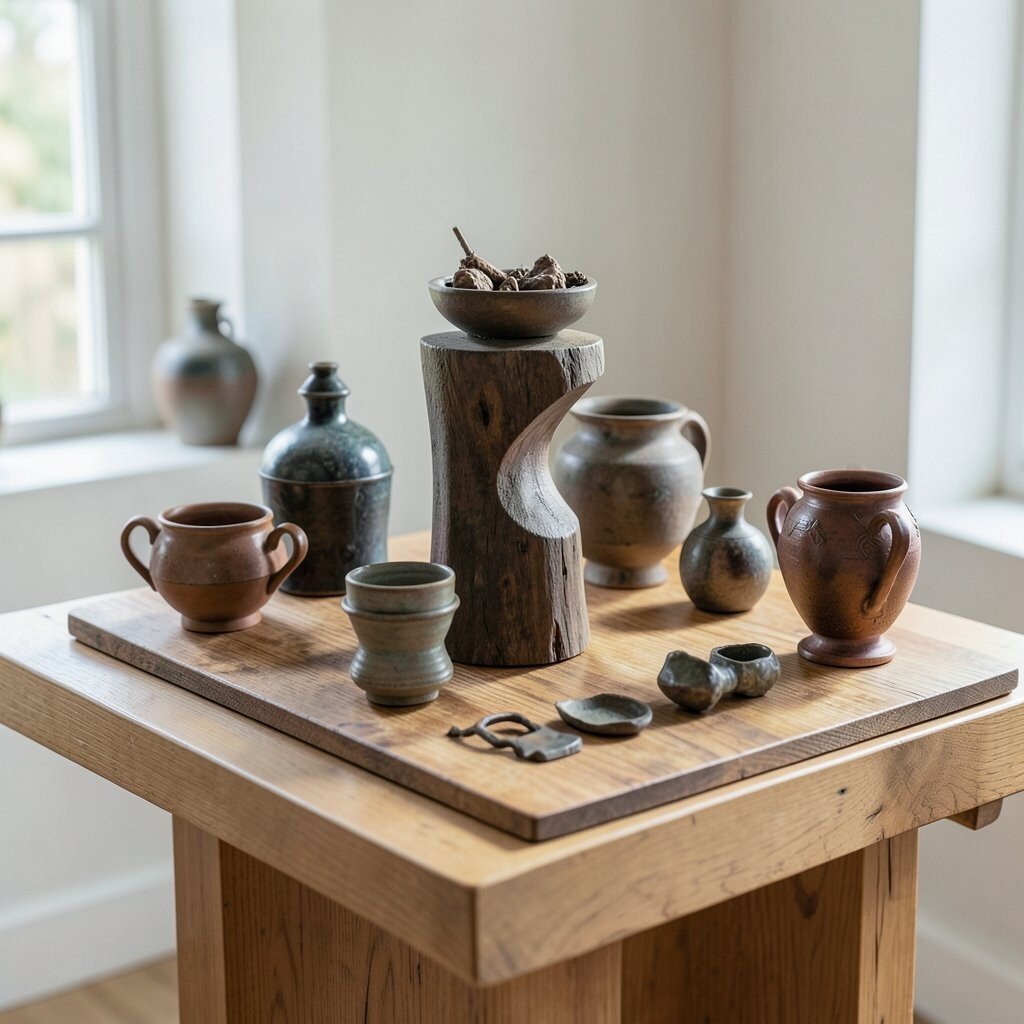
A tabletop cluster lets you build a tiny landscape of memory. Tall, medium, and short objects create movement, while different shapes make the whole group feel rich and full.
This style works well on console tables, dining sideboards, and coffee tables where a close view matters. A small stack of books, a stand, and one natural object can add interest without raising the price much, and the mix feels current because layered decor is still very popular.
Keep some open space so the pieces can breathe. That simple choice helps the display feel calm instead of crowded.
11. Framed Textile Panel
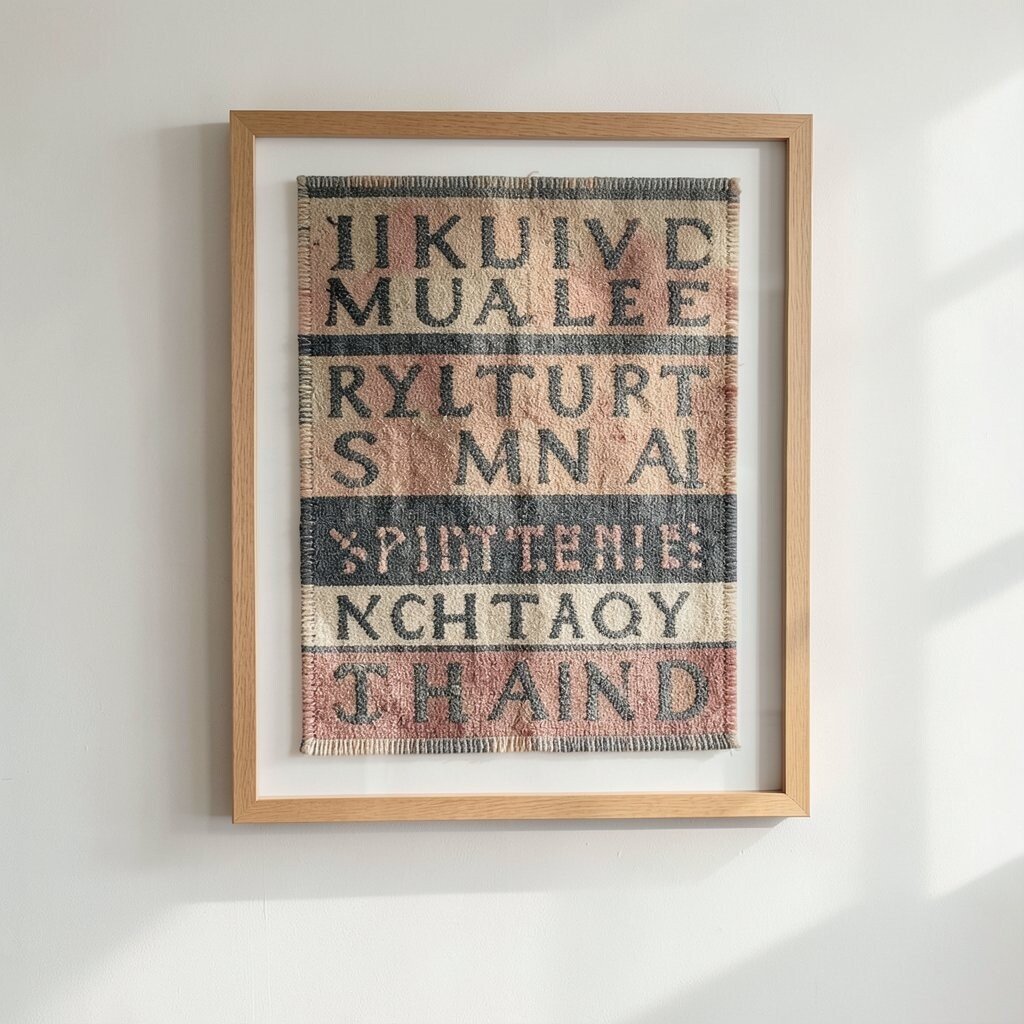
A framed textile panel can turn fabric into wall art with a polished edge. The frame gives the piece shape, while the cloth brings softness, pattern, and history into the room.
This is useful for fragile cloth items that should not be folded or handled often. You can mount the fabric in a simple frame to keep costs moderate, and a piece from a family event or market trip can make the display feel deeply personal.
Neutral mats work well when the fabric already has strong color or detail. If the textile is simple, a bolder frame can help it stand out.
12. Antique Ladder Display
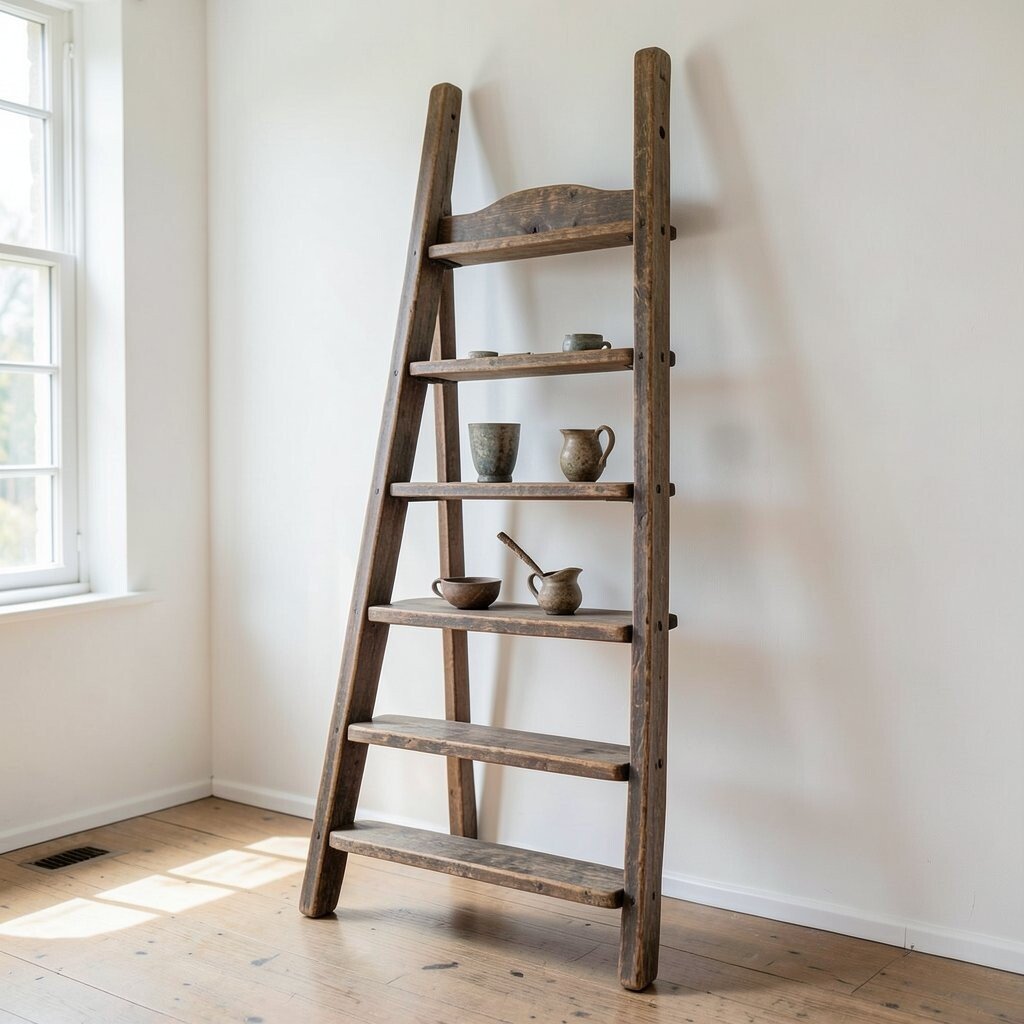
An old wooden ladder can become a striking stage for artifacts. The slanted rails and worn wood create a rustic backdrop that feels honest and full of character.
You can rest baskets, textiles, and small framed pieces on each step for a layered look. This trend has a handmade feel that many people love now, and it can be very low cost if you find a used ladder and clean it up well.
Try placing heavier items lower and lighter ones higher for balance. A soft lamp nearby can make the wood grain and artifact details glow in the evening.
13. Glass Shelf With Hidden Supports
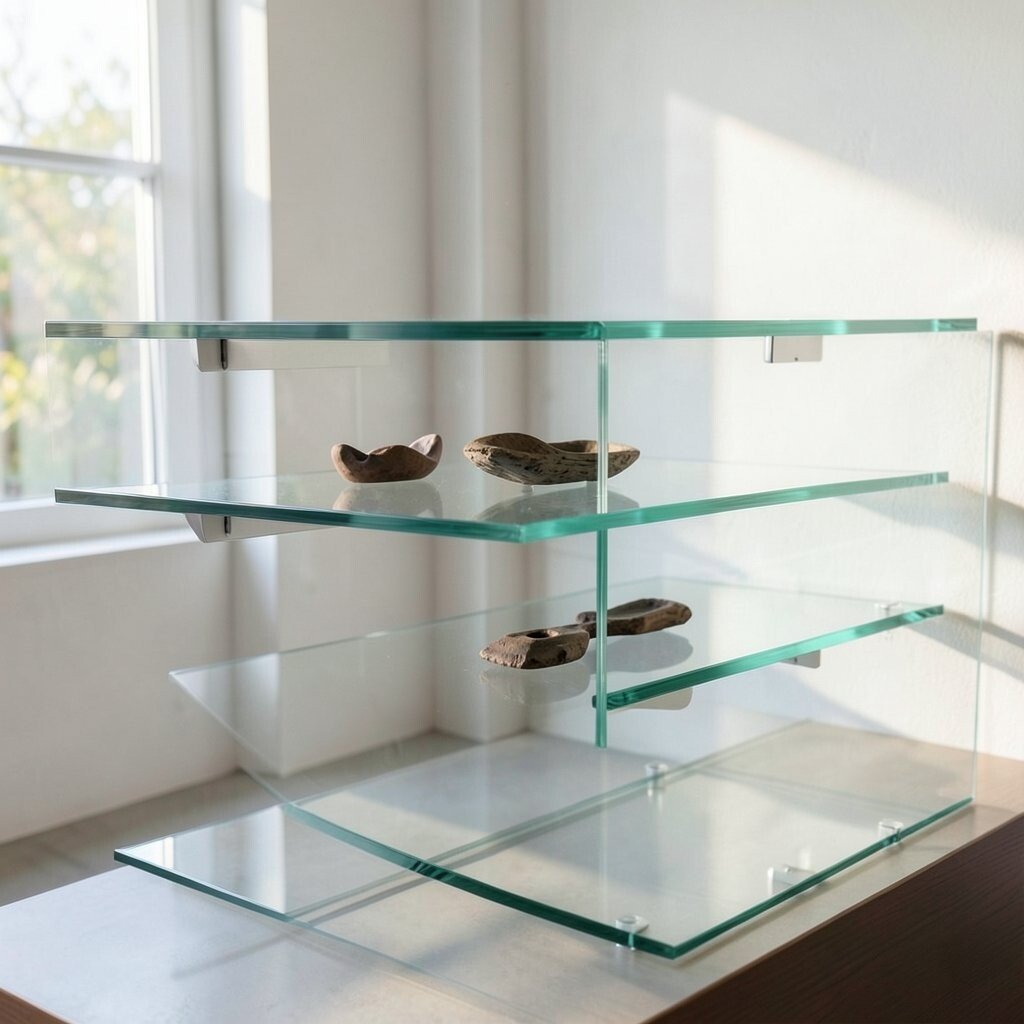
Glass shelves can make artifacts seem to float in space. The clear surface keeps attention on the object, and hidden supports create a clean, modern view.
This choice is good for pieces with strong shapes, such as pottery, small statues, or polished stone items. It can cost more than simple wood shelves, but a single glass shelf in a special spot can still fit a modest plan and feels very current in bright, minimal rooms.
Use a solid wall color behind the shelf so the artifact has better contrast. That small touch helps the display read clearly from across the room.
14. Rotating Pedestal Stand
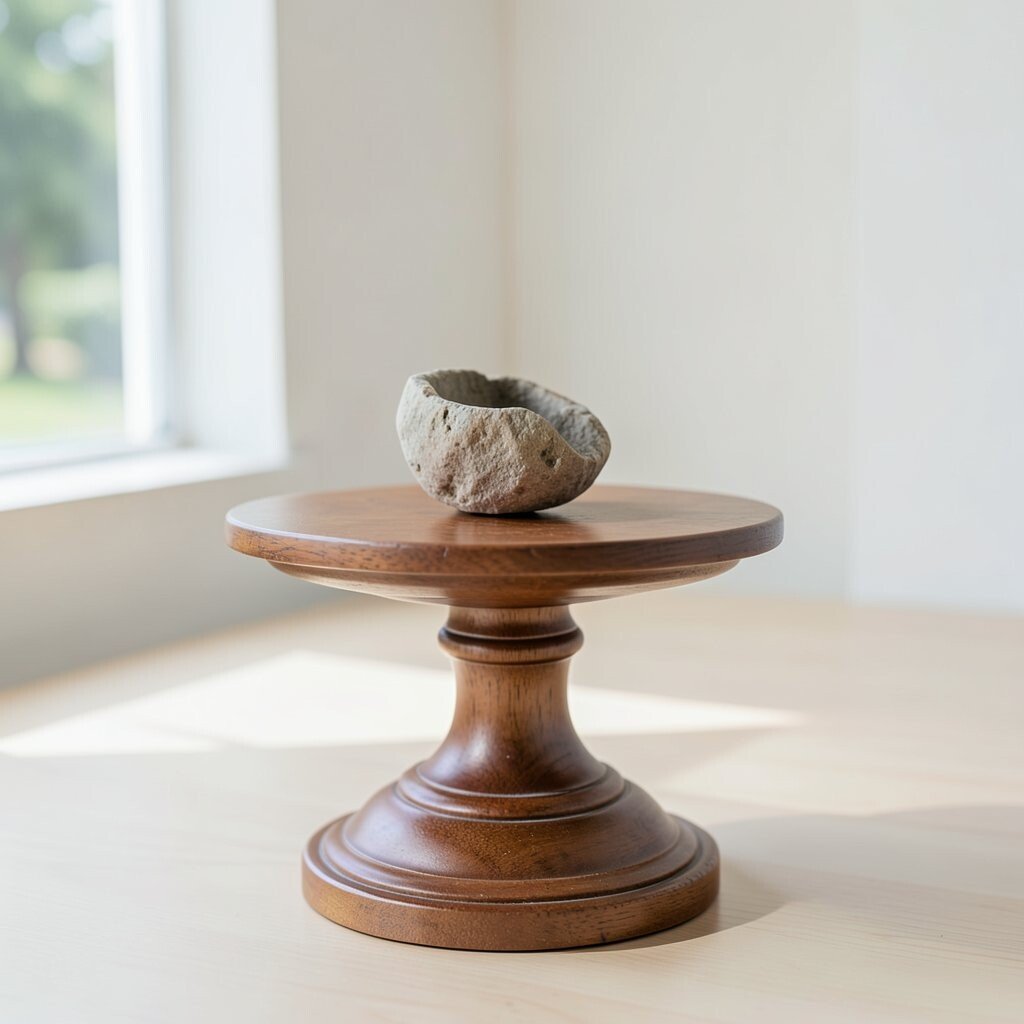
A rotating pedestal adds motion and makes every side of an artifact easy to see. The slow turn invites closer looking, which can be exciting for guests and useful for study.
This works well for sculpted pieces, carved bowls, and objects with detail on all sides. Battery-powered turntables come in many price ranges, and you can personalize the setup with a small cloth mat or label card that shares a family or cultural note.
Because the piece moves, lighting matters a lot. A soft spotlight can make the surfaces shine without feeling harsh.
15. Layered Mantel Scene
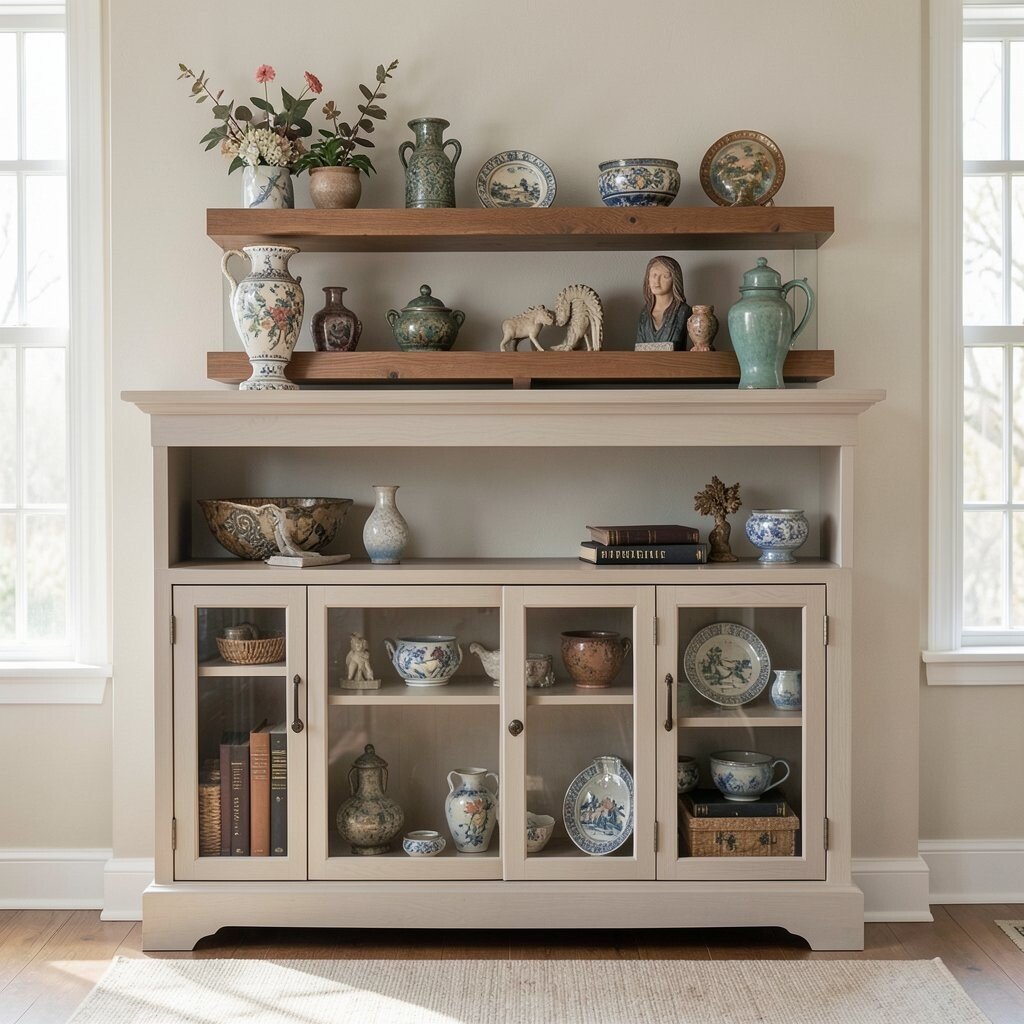
A mantel is a natural place for a layered cultural display. Tall objects in back, smaller objects in front, and a few framed pieces can make the whole area feel rich and warm.
This style helps a room feel collected over time, not rushed or staged. You can keep costs low by using what you already own, and the layered look fits today’s cozy decorating trend that values texture, stories, and personal meaning.
Place one strong centerpiece so the eye has a clear resting point. Then let the rest of the items support that main idea without crowding it.
16. Basket and Vessel Pairing
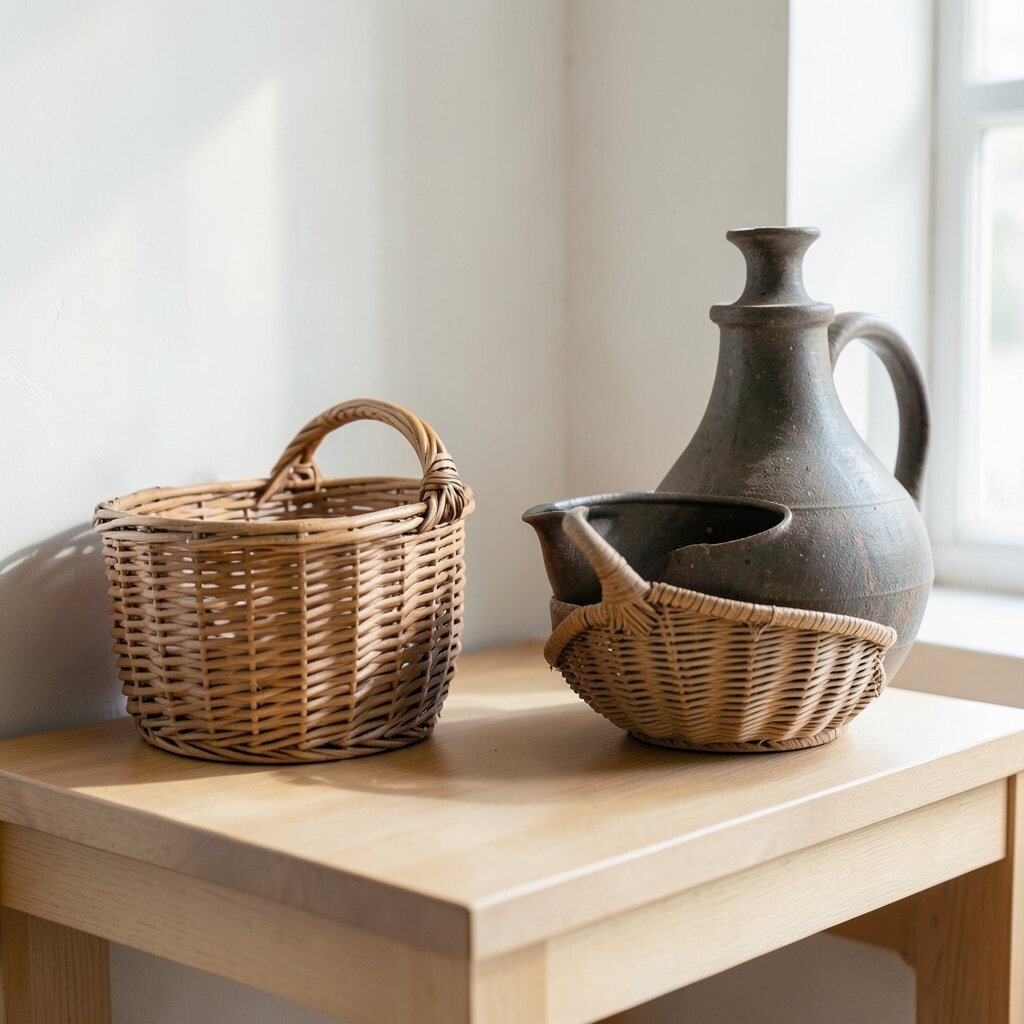
Baskets and vessels work beautifully together because their shapes feel natural and grounded. The woven texture beside clay, metal, or glass gives the display a warm, handmade feeling.
This idea is easy to style on floors, shelves, or low tables. It is also practical for storage, since many baskets can hold small related items, and you can make the arrangement more personal by grouping objects from the same region or craft tradition.
Look for handmade or secondhand pieces if you want to save money. A simple pair can feel special when the colors and materials speak to each other.
17. Color-Matched Vignette
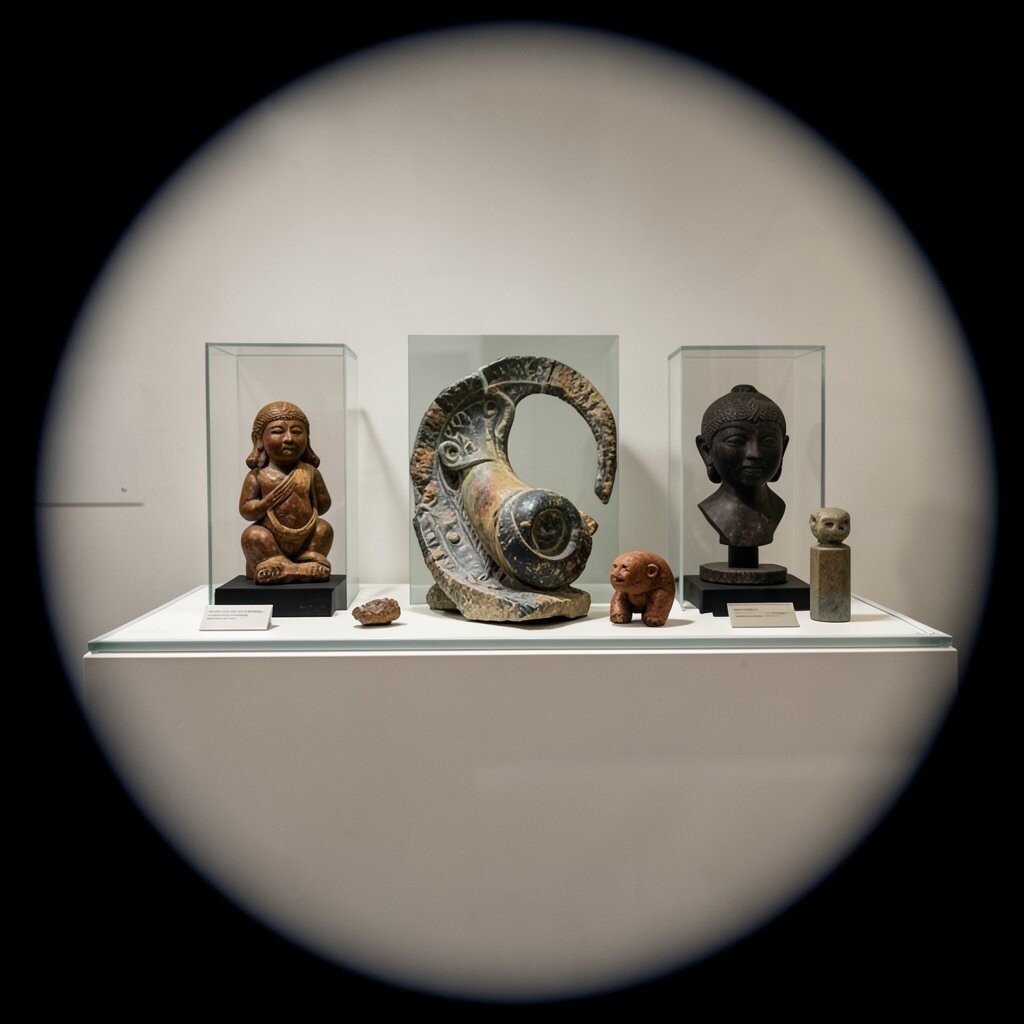
A color-matched vignette creates a calm and polished look. When the artifact, backdrop, and nearby decor share a few tones, the display feels neat and thoughtful.
This is a helpful approach for bright ceramics, painted masks, or patterned cloths that need a clear visual home. It also fits current styling trends that favor tone-on-tone layers, and you can build the look with low-cost items like paint samples, fabric scraps, or simple frames.
To make it personal, choose colors linked to a trip, a family place, or a traditional palette. That connection gives the display extra meaning without making it complicated.
18. Open Case On A Desk
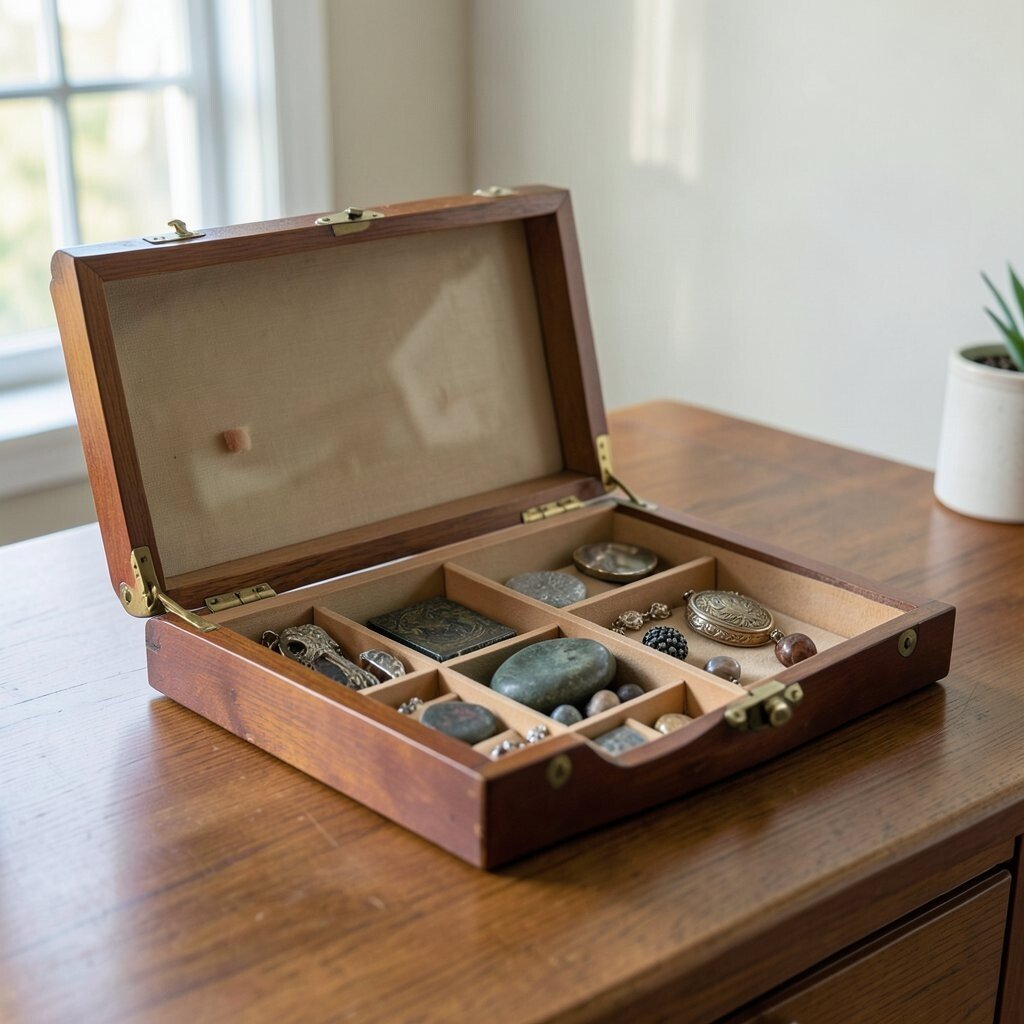
An open case on a desk keeps artifacts close during work or study. The clear top or front helps protect them, while the small size makes the display feel easy and useful.
This is a good option for inspiring daily writing, drawing, or planning because the pieces stay in sight. Small acrylic cases are often less costly than full furniture, and they can be arranged with a favorite postcard or handwritten note to make the setup feel more personal.
Choose one or two objects instead of many so the case stays restful. A simple display can still carry a lot of character.
19. Window Ledge Light Play
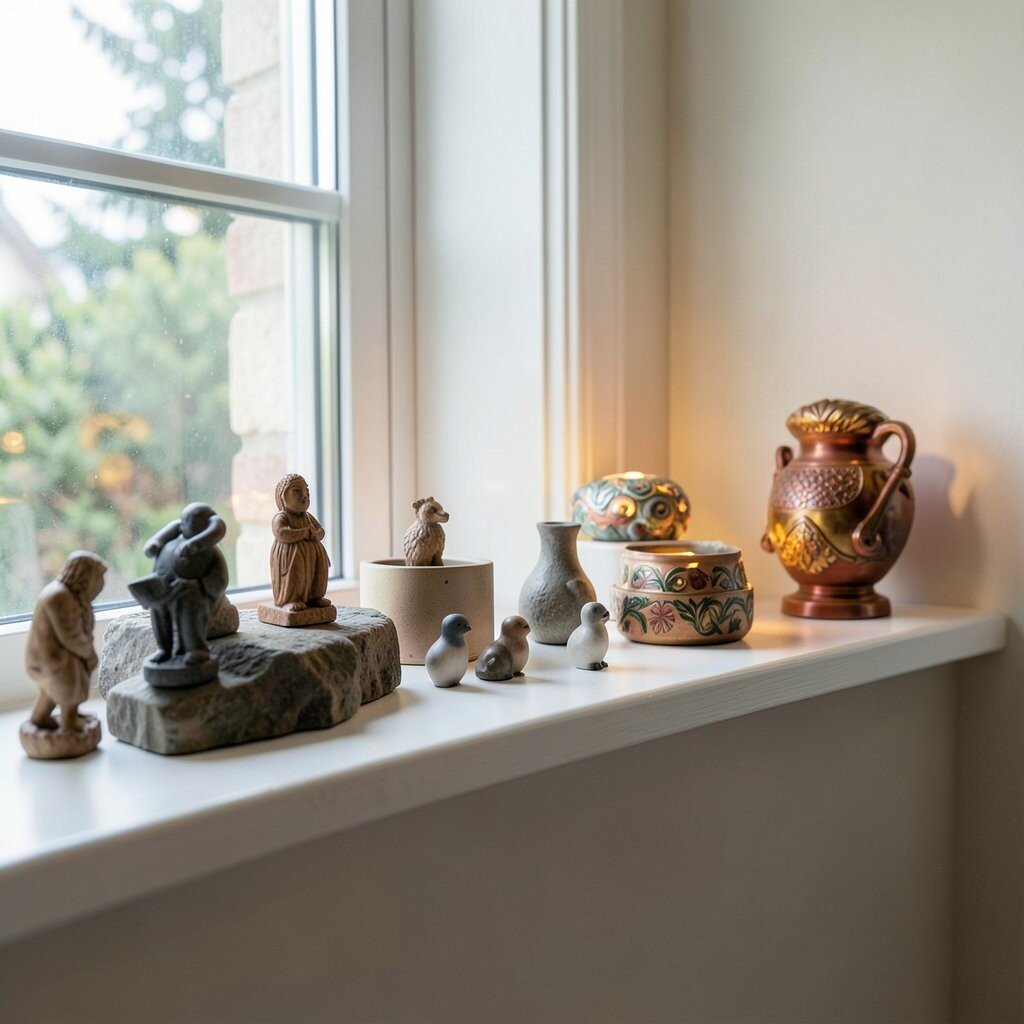
A window ledge can give artifacts soft natural light that changes through the day. The glow can bring out texture, color, and shape in a very gentle way.
This idea is lovely for sturdy objects that can handle light without damage, like pottery, carved wood, or sealed pieces. It costs almost nothing to try, and the fresh, airy look fits a lot of current interiors that use sunlight as part of the decor.
Move the items a little during the day if glare becomes strong. A sheer curtain can help soften the light while keeping the display bright.
20. Wall Grid With Clips
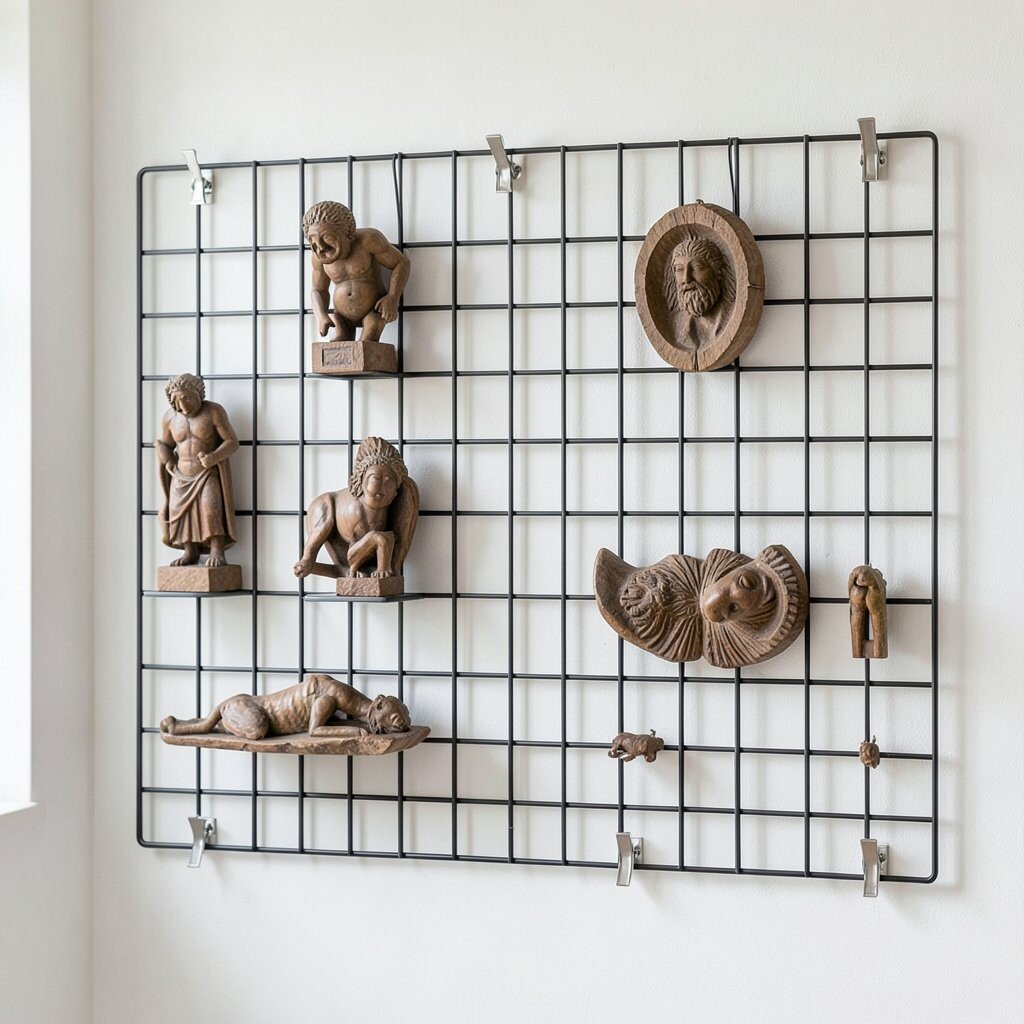
A wall grid gives a flexible frame for flat artifacts and printed cultural pieces. The metal lines feel crisp and modern, while clips let you switch items fast when you want a new look.
This is ideal for postcards, small textile samples, festival tickets, and thin objects that do not need deep protection. The price is usually friendly, and the style supports personalization because you can mix art, notes, and mementos from different places in one lively grid.
Leave a little space between items so each one can be seen clearly. That small bit of order helps the whole wall feel intentional.
21. Memory Table With Changing Finds
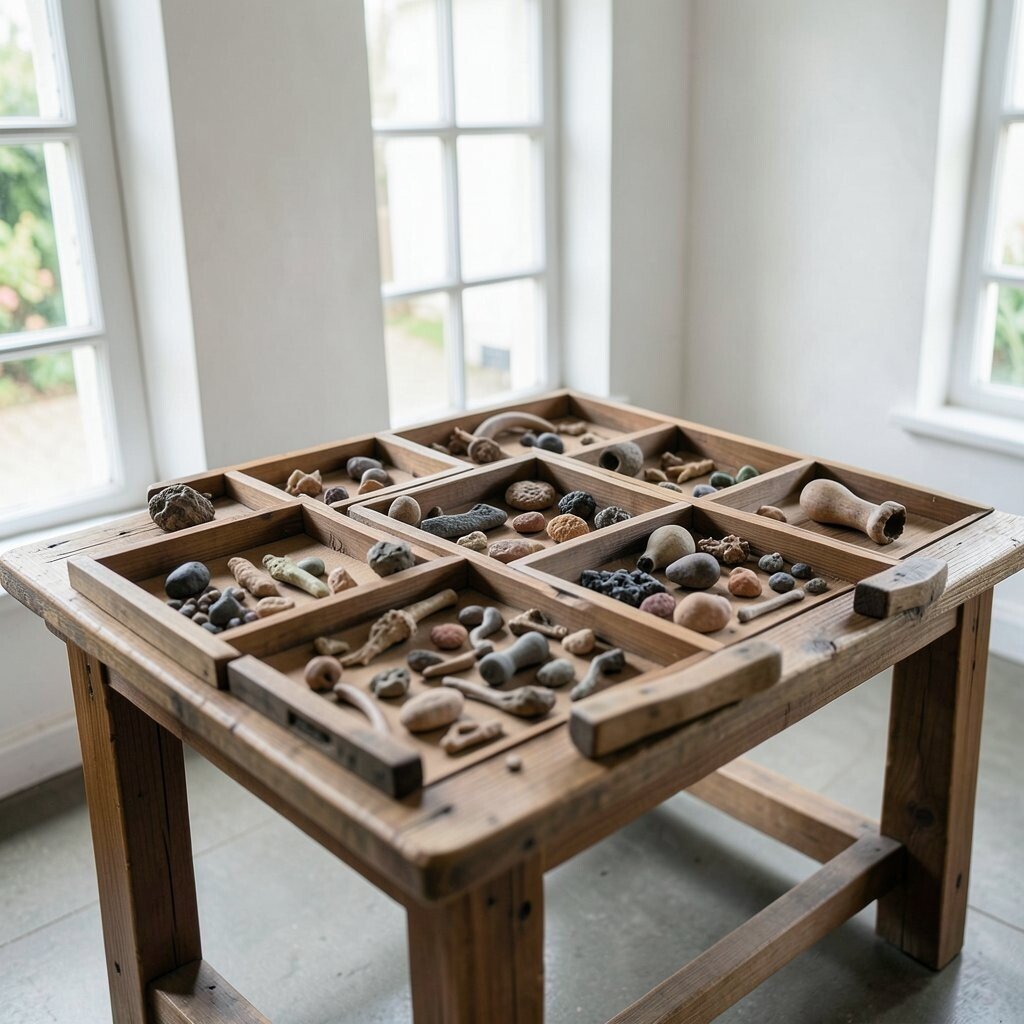
A memory table can hold one changing set of artifacts that grows with your life. The surface becomes a living display, with each object adding color, shape, and a small story.
This is a wonderful choice for people who like to refresh their space often, since you can swap in new pieces after trips, family visits, or special events. It can be built on nearly any budget, and the personal touch is the real beauty because the table shows what matters to you right now.
Keep the layout simple so each object feels important. A cloth runner, a small stand, and one natural item can be enough to make the scene feel complete.