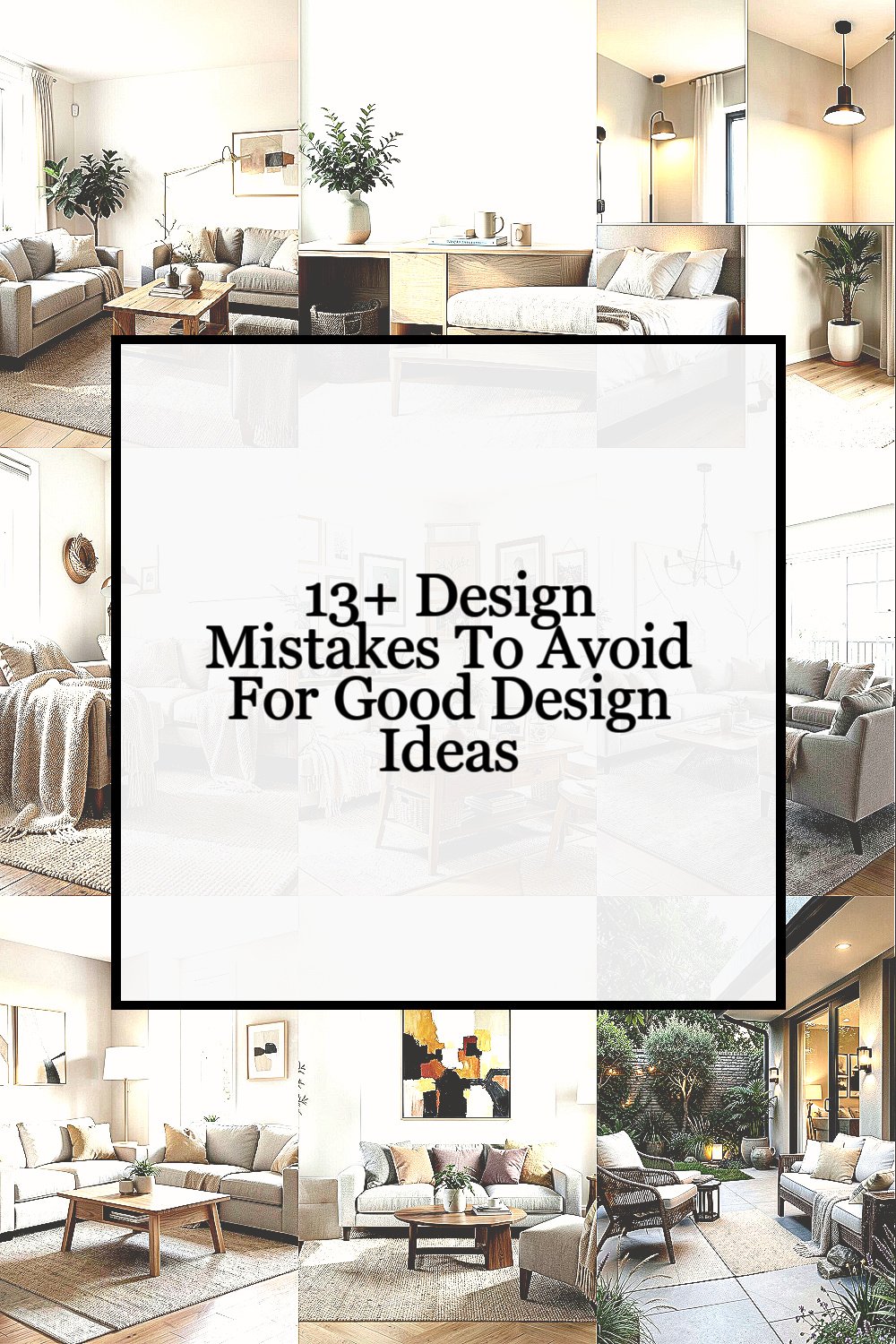
Imagine walking into a room that feels just right, or wearing an outfit that perfectly reflects your personality. Sometimes, the smallest mistakes can turn what could be a masterpiece into a mishap.
1. Overcrowding Spaces
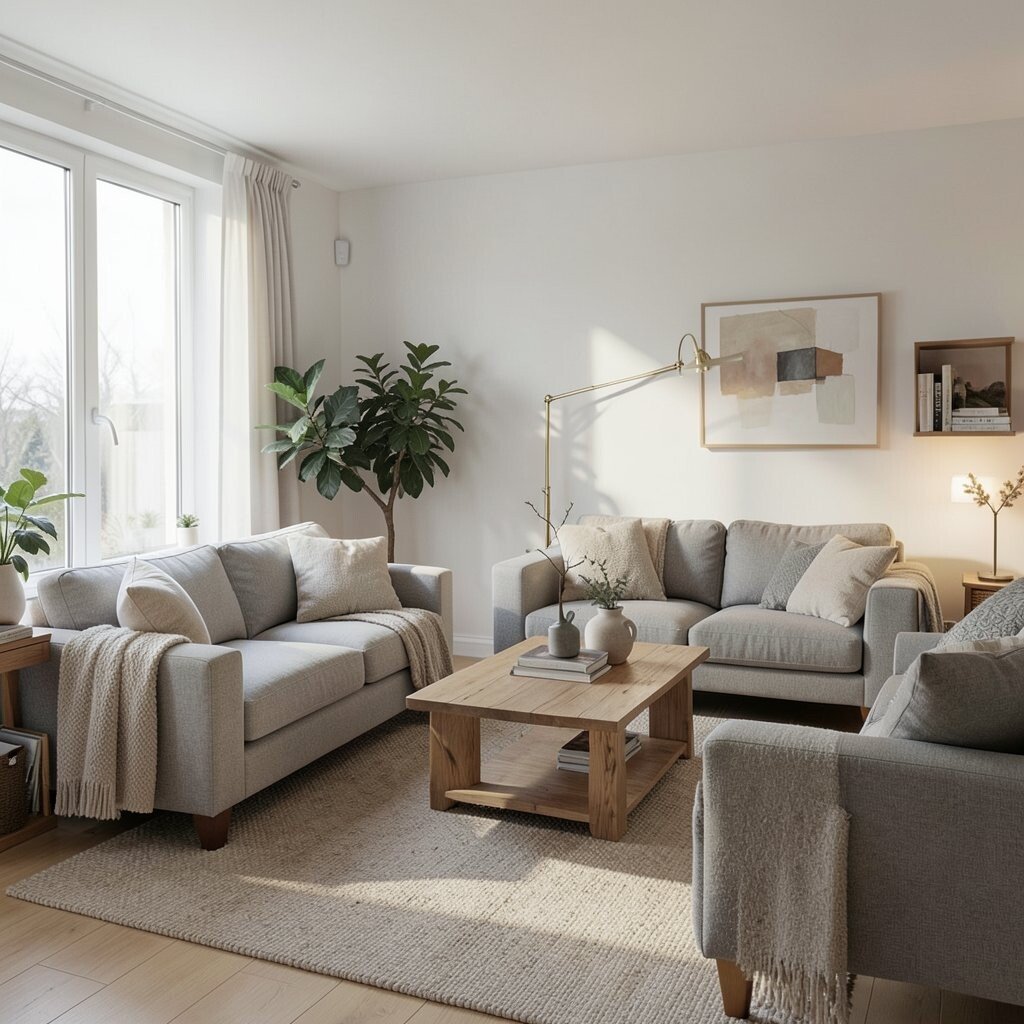
Too much furniture or decor in a room can make it feel cramped and overwhelming. Keep it simple and let each piece breathe.
Opt for a few statement pieces that define the space. This makes rooms feel larger and more welcoming.
Consider multi-functional furniture for smaller spaces. It’s trendy, practical, and cost-effective.
2. Ignoring Color Harmony
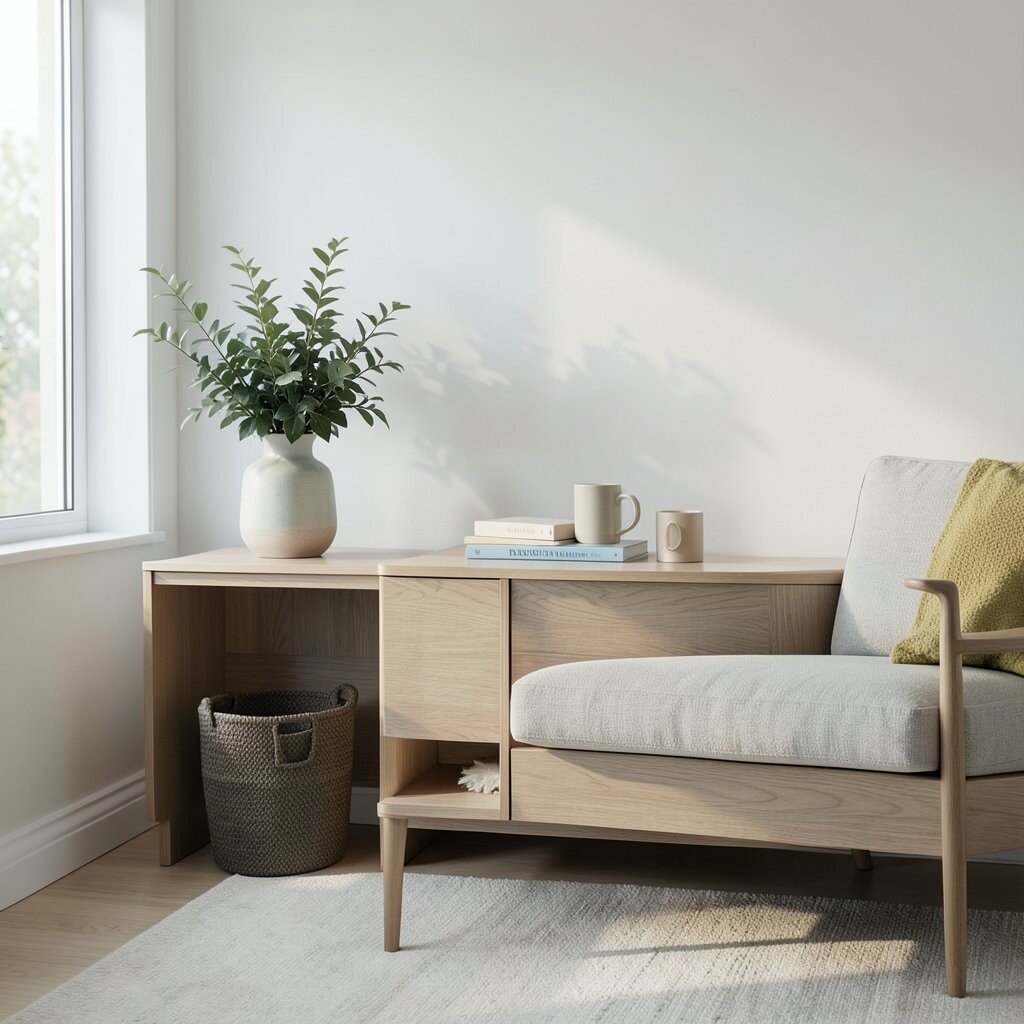
Color clashes can distract and unsettle. Stick to a cohesive palette for a calm and unified look.
Explore color wheels and choose complementary shades. This brings balance and harmony to your environment.
Incorporating pops of color through accessories can add interest without overwhelming.
3. Poor Lighting Choices
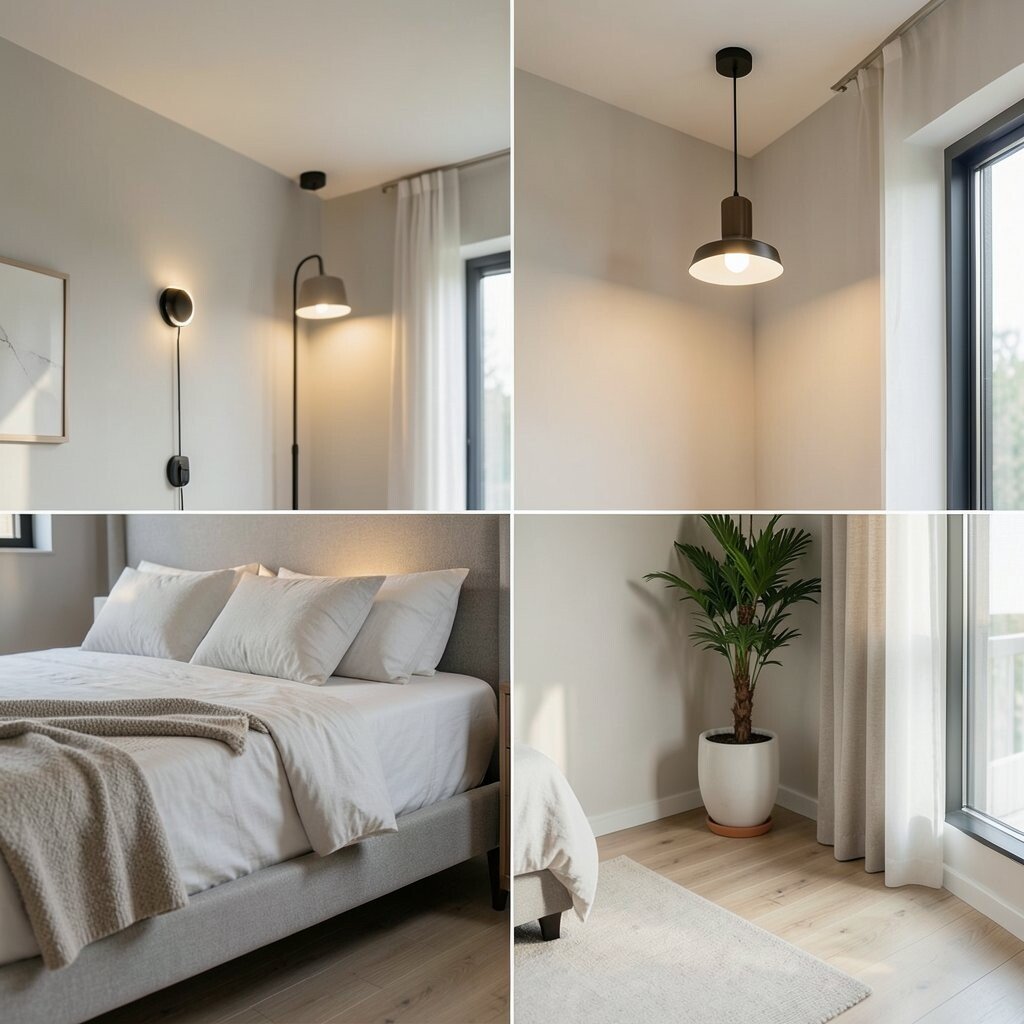
Lighting sets the mood and enhances design. Avoid harsh or dim lights that can distort colors and vibes.
Layer different types of lighting: ambient, task, and accent. This adds depth and functionality.
Invest in dimmers for flexibility. They offer customizable ambiance at your fingertips.
4. Neglecting Textures
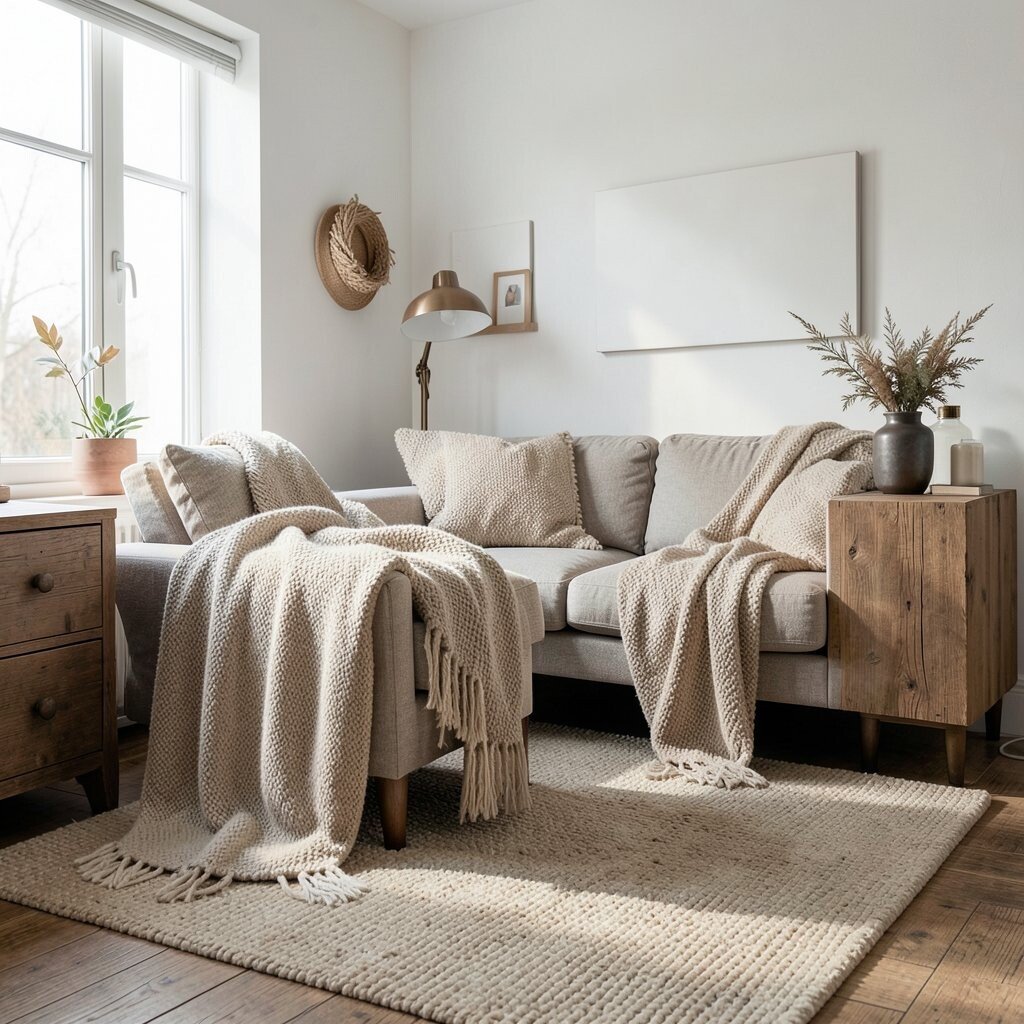
A room without texture can feel flat and lifeless. Mix materials like wood, metal, and fabric for dimension.
Textures add warmth and interest. Think of cozy throws, rugged rugs, and smooth finishes.
This trend is budget-friendly. Swap out items seasonally for a fresh, updated look.
5. Not Personalizing
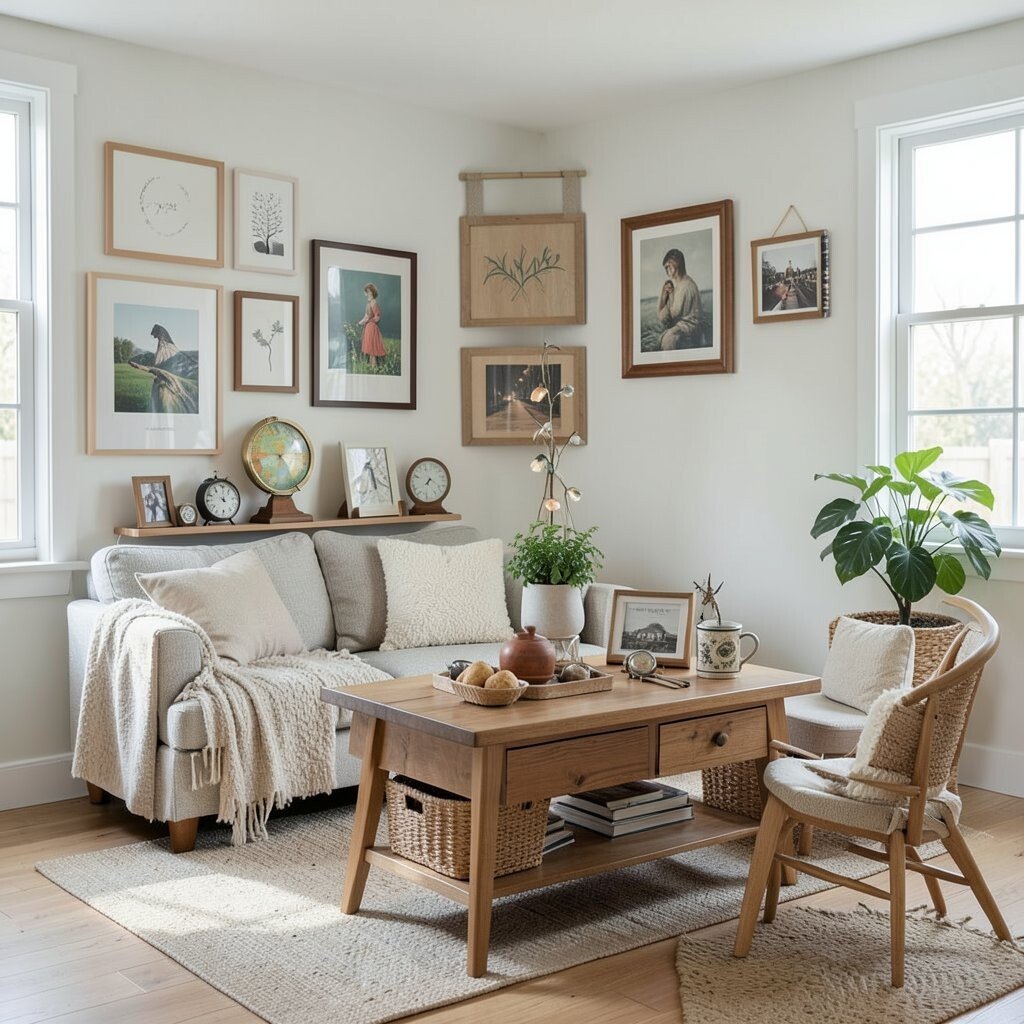
A space without personal touches can feel sterile. Infuse personality with photos, art, and souvenirs.
Personalization makes spaces feel like home. It tells your story and can spark conversations.
DIY projects can be a fun, cost-effective way to add personal flair.
6. Disregarding Scale and Proportion
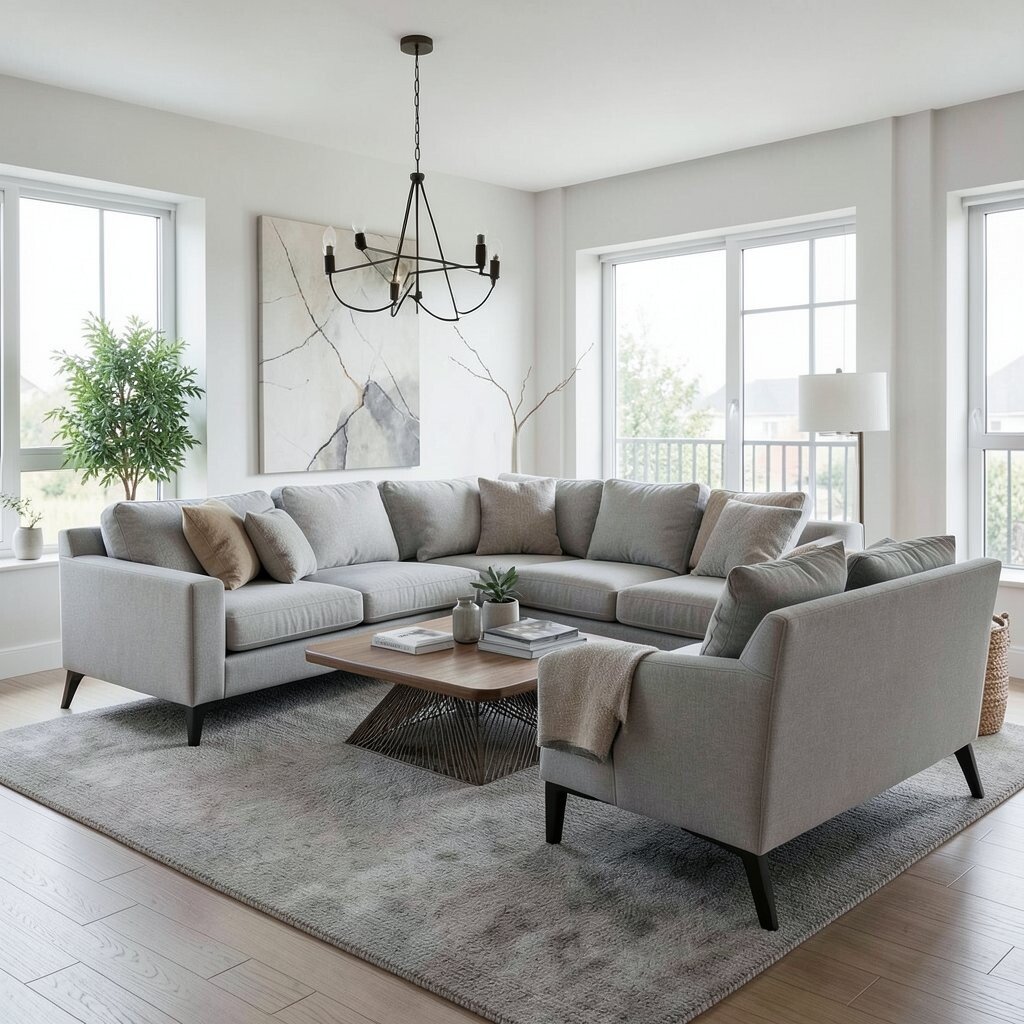
Furniture that’s too big or too small can throw off the balance. Measure first to ensure a good fit.
Proportionate designs are pleasing to the eye. They create a sense of harmony and elegance.
Consider using design apps to visualize space before purchasing. It’s a smart, modern approach.
7. Forgetting Functionality
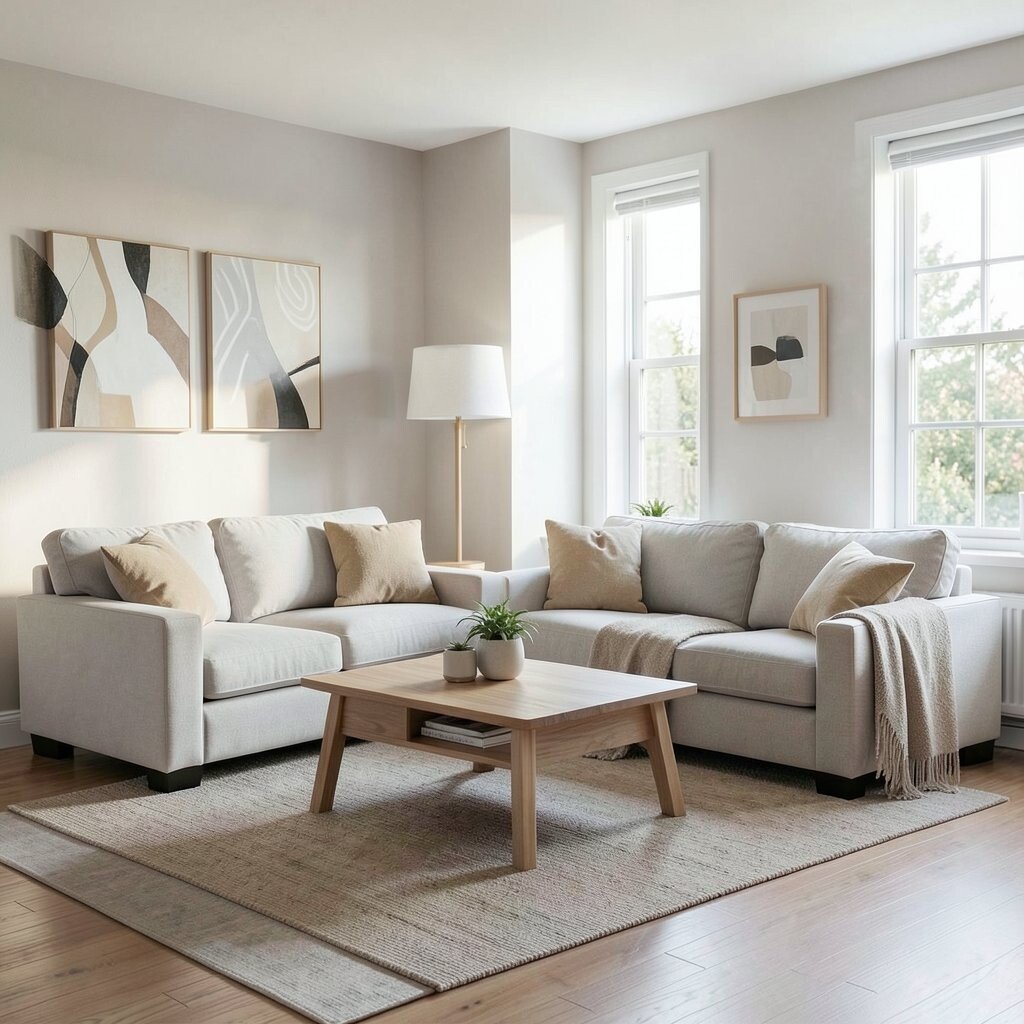
Design should not only look good but also serve a purpose. Prioritize comfort and usability.
Functional spaces improve quality of life. They are practical and cater to your needs.
Customizable furniture can adapt to changing needs, offering long-term value.
8. Overlooking Focal Points
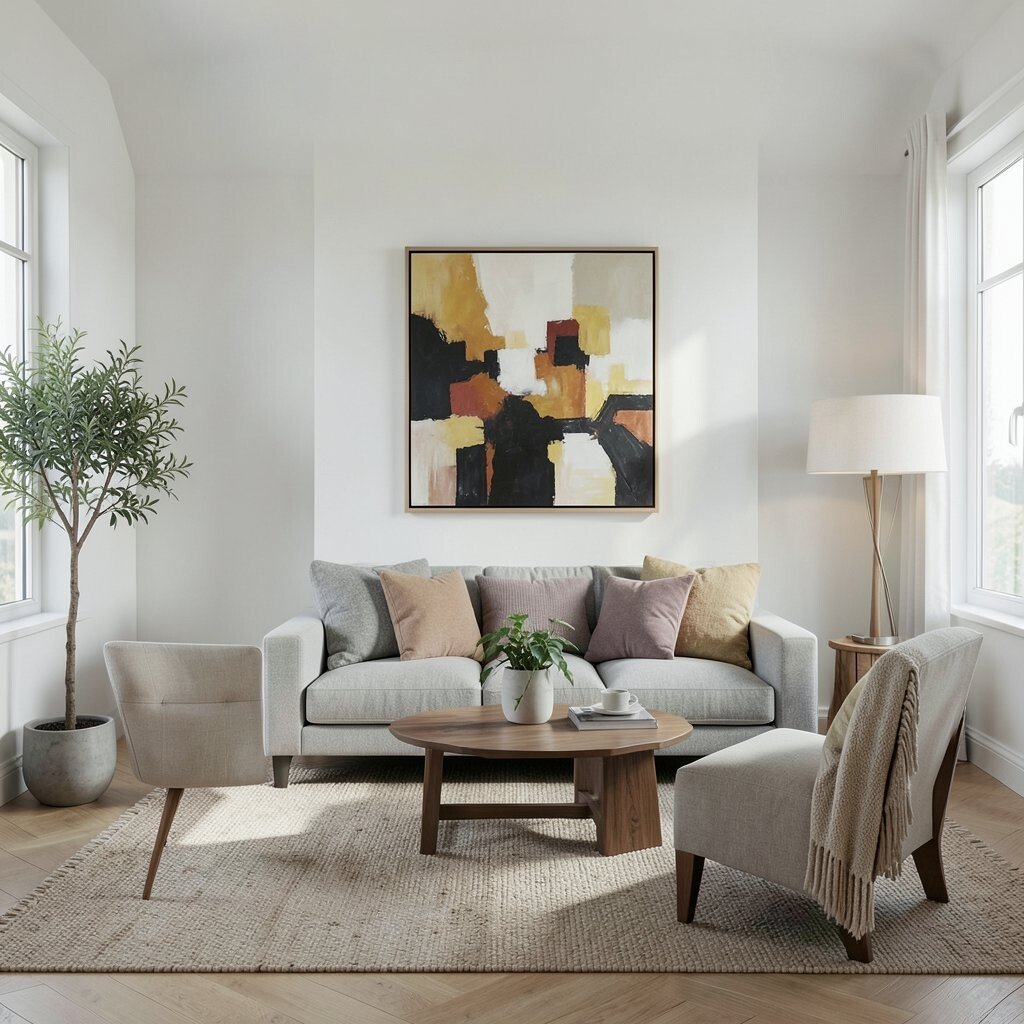
Every room benefits from a focal point. It draws the eye and anchors the space.
Create a focal point with art, furniture, or architecture. It adds interest and focus.
An impactful focal point doesn’t have to be expensive. Sometimes, less is more.
9. Ignoring Outdoor Spaces
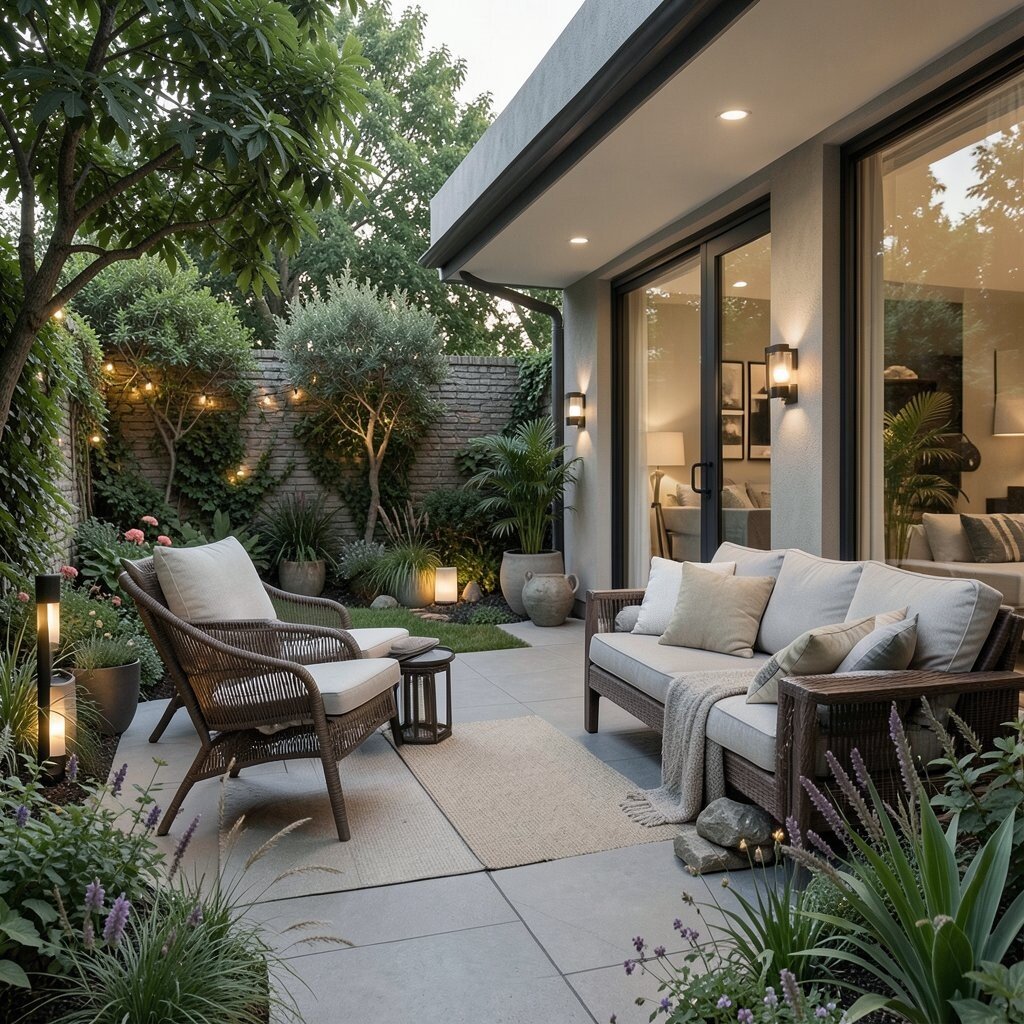
Outdoor areas are extensions of your home. Treat them with the same attention as interiors.
Well-designed outdoor spaces can enhance living experiences. They’re perfect for relaxation and entertainment.
Simple additions like lights and plants can transform a patio into a cozy retreat.
10. Misjudging Patterns
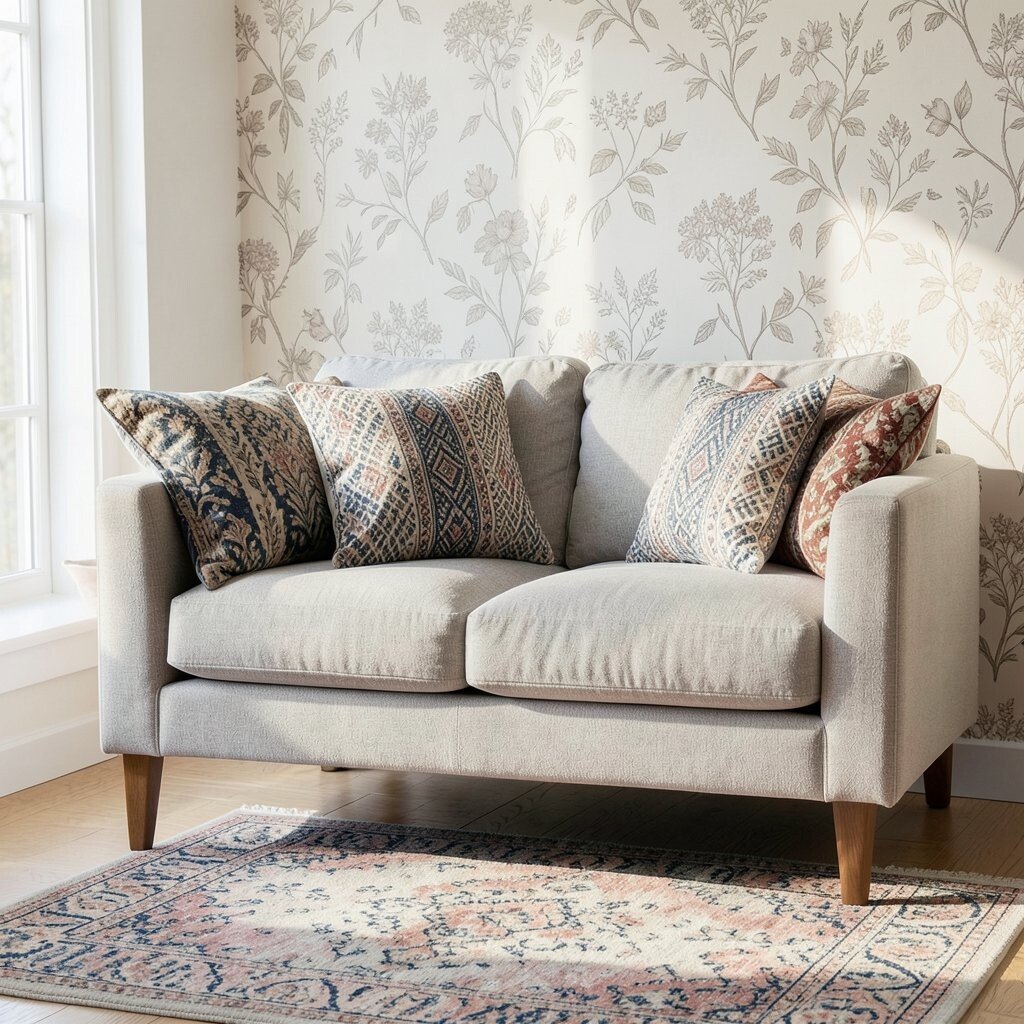
Too many patterns can clash, while too few can be dull. Balance is key.
Patterns can add energy and character. Mix and match with care for a cohesive look.
Pillows, rugs, and wallpaper are cost-effective ways to introduce patterns.
11. Over-Accessorizing
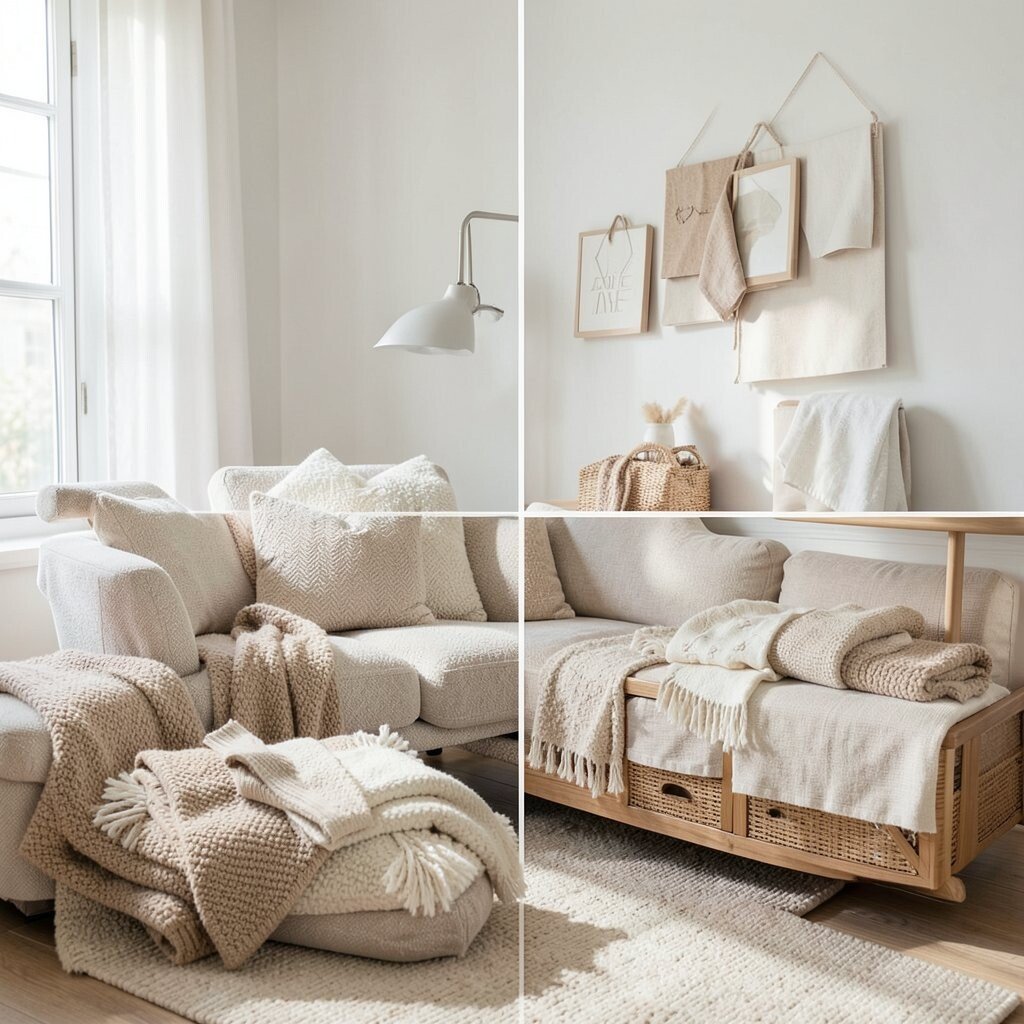
Too many accessories can clutter a space. Choose a few meaningful pieces instead.
Less is often more. Curated collections are more impactful and easier to maintain.
Rotate accessories seasonally to keep the look fresh and interesting.
12. Overlooking Floor Space
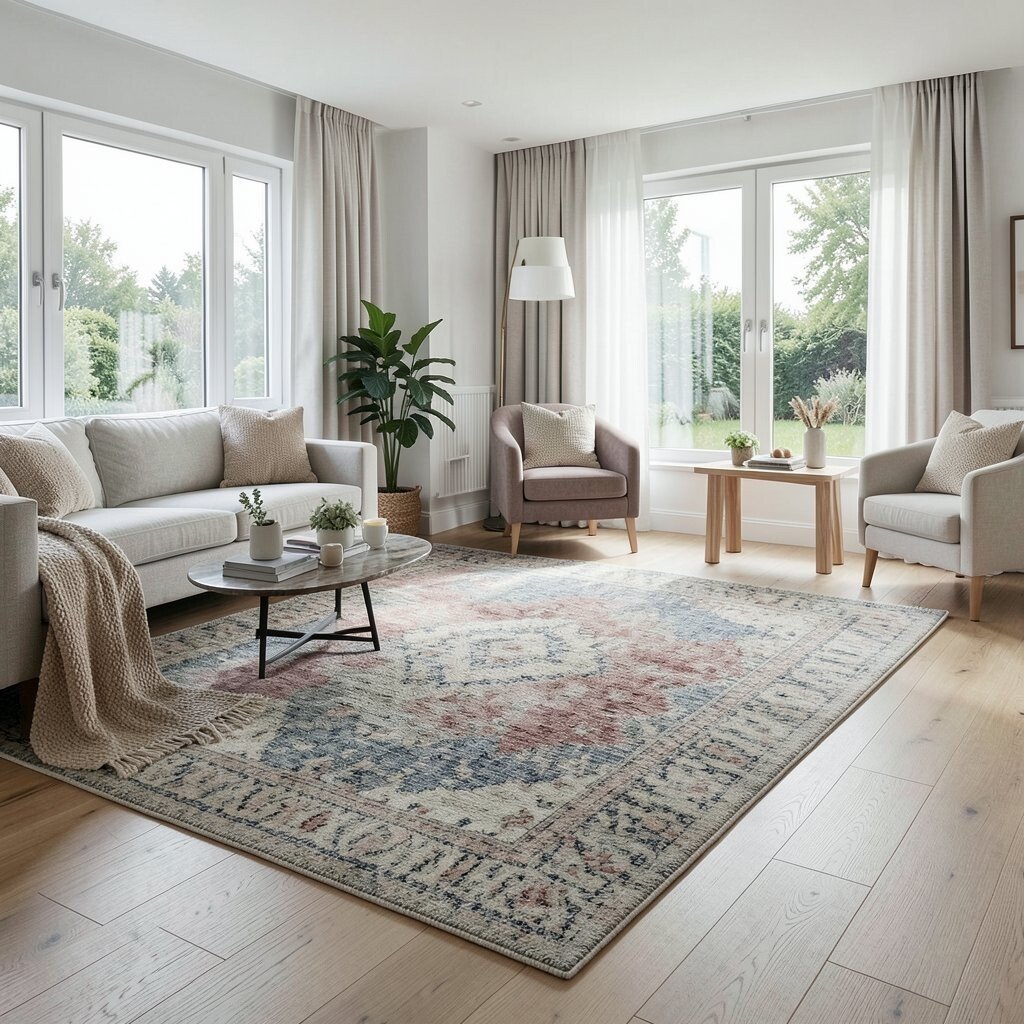
The floor is a large design element. Don’t ignore its potential to tie a room together.
Rugs can define areas and add comfort. Choose styles that complement your overall design.
Flooring can be an investment. Durable materials are often worth the cost in the long run.
13. Not Considering Maintenance
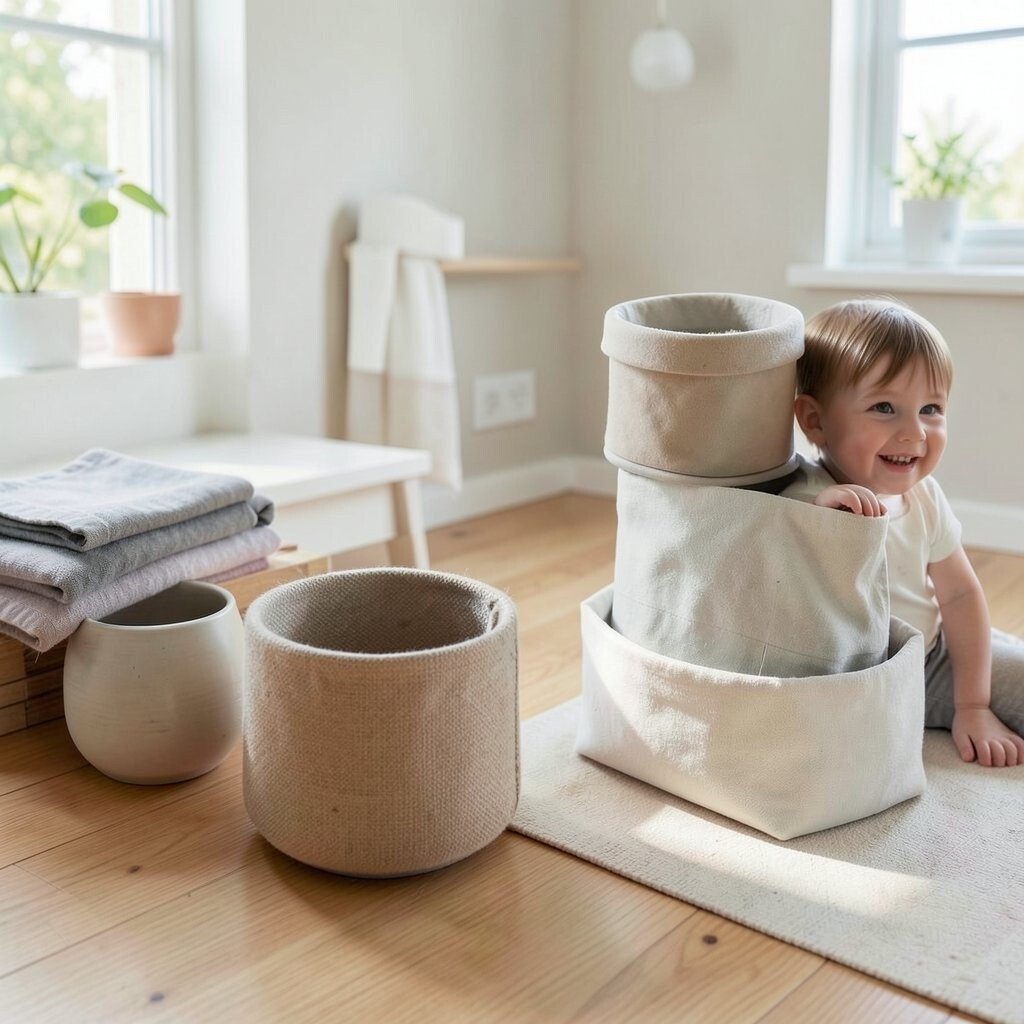
High-maintenance designs can be a headache. Choose materials and designs that fit your lifestyle.
Low-maintenance options save time and stress. They’re ideal for busy households.
Opt for washable fabrics and easy-to-clean surfaces. They’re practical and family-friendly.
14. Forgetting About Sustainability
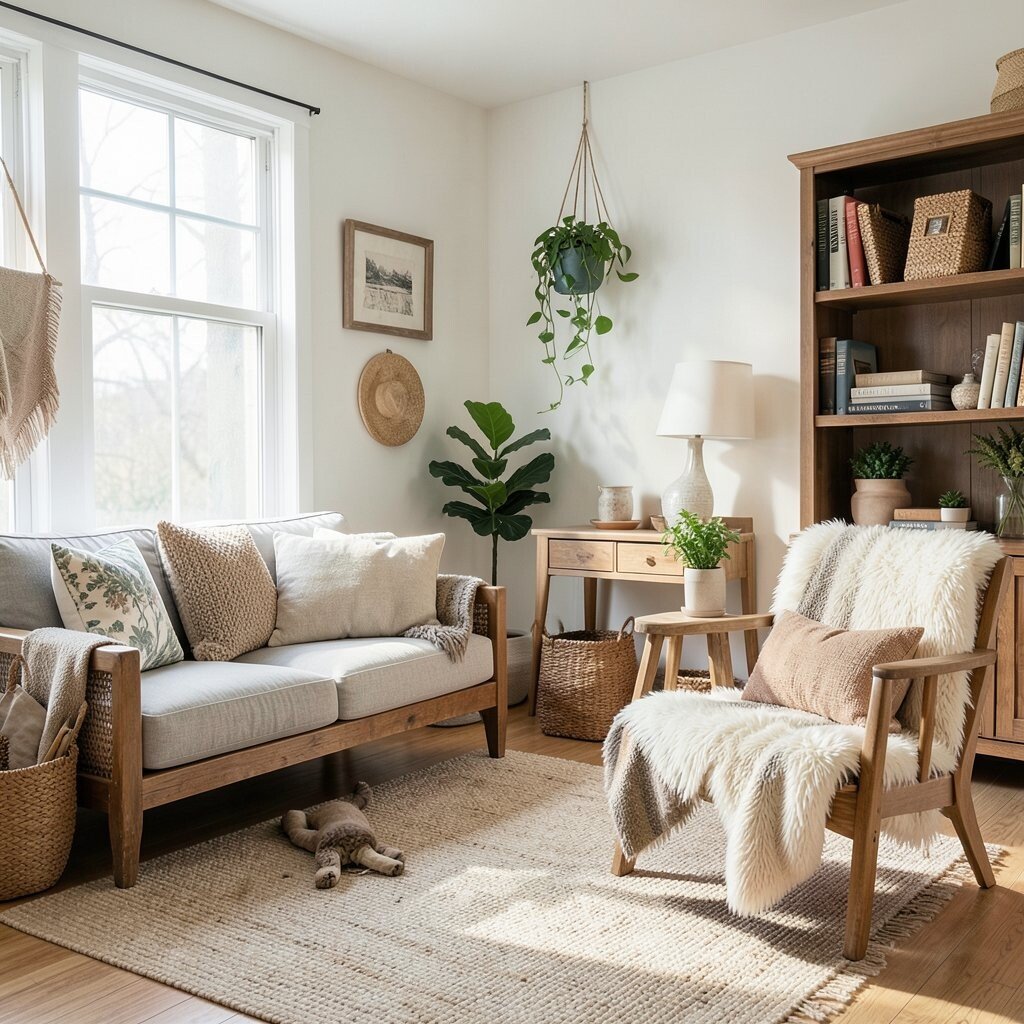
Sustainable design is not just a trend; it’s a necessity. Consider eco-friendly materials and practices.
Sustainability benefits the planet and can be cost-effective. Look for energy-efficient options.
Thrifted decor and upcycled furniture are unique and budget-friendly. They add charm and consciousness to your space.