Magic has a way of turning ordinary days into bright memories. The trick is planning so your best moments happen at the right time.
From choosing the right resort vibe to timing park days, you can build a trip that feels personal and fun. Use the ideas below to shape an itinerary that fits your family, your budget, and your energy level.
1. Pick the Right Home Base for Your Family

Choosing where you sleep can set the mood for the whole trip. A resort with the right theme can make your mornings feel cheerful, and your evenings feel calmer.
Look at how far you are from the parks and how easy it is to get back for breaks. Many families love staying somewhere that offers helpful transportation and a comfortable schedule. If you want a quieter vibe, prioritize resorts with a relaxed feel, and if you want more activity, choose a place with lively options nearby.
2. Match Your Park Days to Real Energy
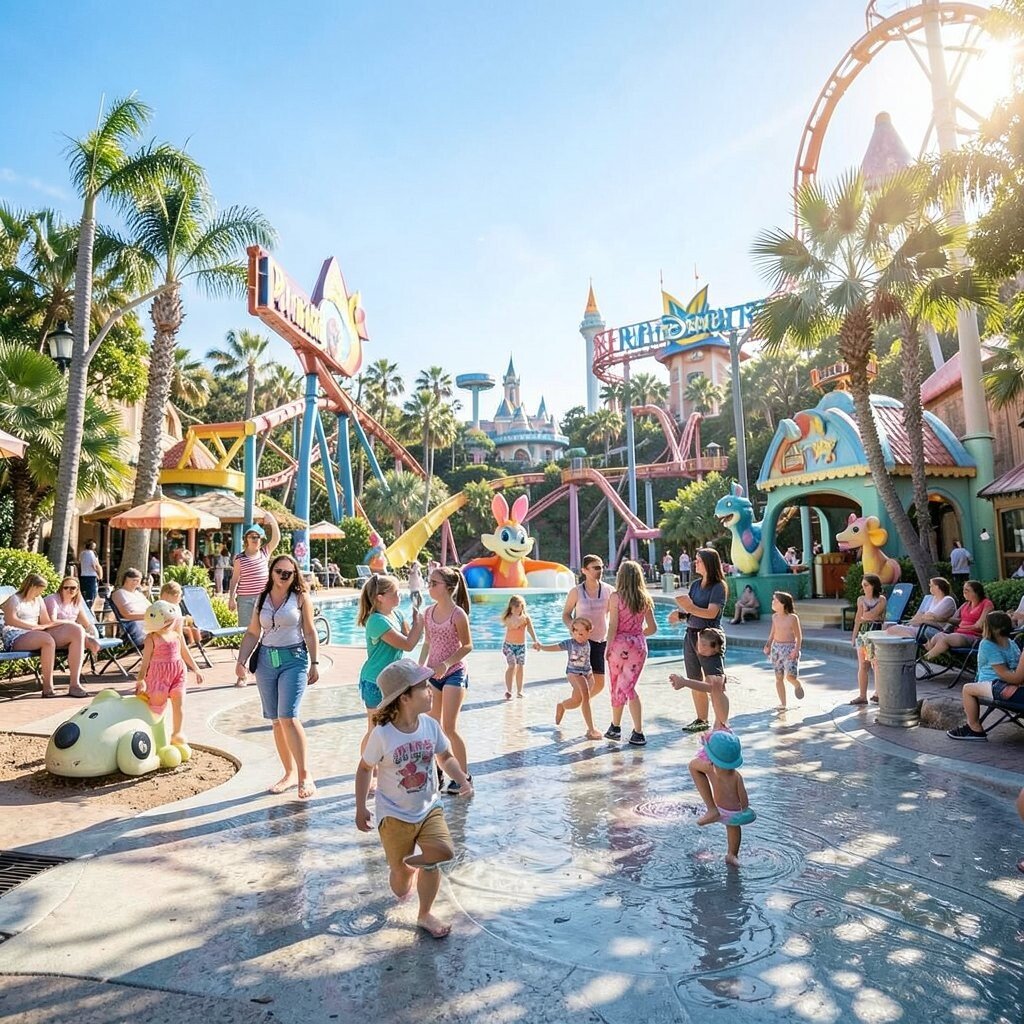
Planning by energy helps you avoid the “too tired to enjoy it” feeling. Some days should be packed with rides, and other days should be slower and more flexible.
Try pairing high-energy parks with times when your group is usually most awake. Build in short breaks for snacks, naps, and relaxed shows so everyone stays in a good mood. When your schedule has breathing room, it becomes easier to try a new plan if weather changes or plans shift.
You can also group attractions that feel similar, like family-friendly favorites in one stretch and thrill rides later. This keeps your feet happier and helps kids remember what they loved most.
3. Create a “Must-Do” List That Still Leaves Space

A short list of must-do moments gives your trip direction. When your group knows the big wins, the rest of the day feels less stressful.
Write down a few favorites for each person, then add a couple “maybe” choices for flexibility. It is smart to include at least one classic attraction plus one newer favorite so your day feels balanced. Keep your list realistic, because pacing matters as much as excitement.
To make it personal, think about the story your family wants to live through. For example, a movie-enthusiast might prioritize characters and shows, while a nature lover might enjoy scenic areas and outdoor activities. Then you can build your route around those themes.
4. Use Early Mornings Wisely for the Big Rides
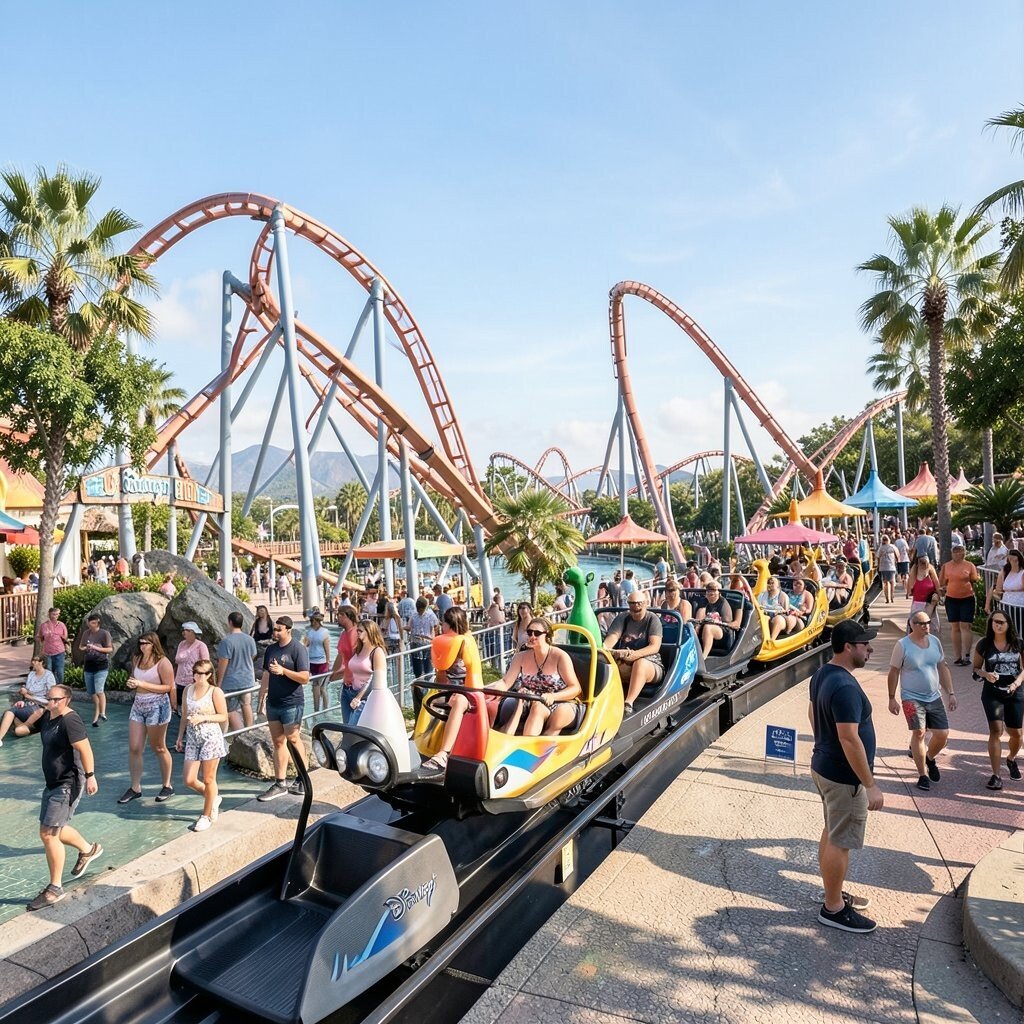
Starting the day early can make the park feel wide open. You get to enjoy popular attractions with less rushing, and your photos come out brighter when the light is softer.
Consider arriving early for your top rides and shows, especially on busier days. If you have young kids, plan an easy first stop so they feel successful right away. The benefit is not just fewer lines, but also a smoother rhythm that helps everyone stay patient.
5. Time Your Meals Around Shows and Crowd Flow

Food planning can be as fun as ride planning when you treat it like part of the day. A well-timed meal gives you energy without stealing your best moments.
Pay attention to meal times that match your favorite shows, so you can eat before or after without missing anything. If your family likes character meals, reserve early because popular options fill fast. For a budget-friendly approach, compare quick-service spots and consider splitting costs by sharing meals when portions allow.
Also consider snacks as tiny milestones. If you plan for a snack break near a less crowded area, it feels like a mini celebration instead of a long wait. Keep your group fueled and you will enjoy more of the day.
6. Build Your Route Using Real Maps and Smart Landmarks
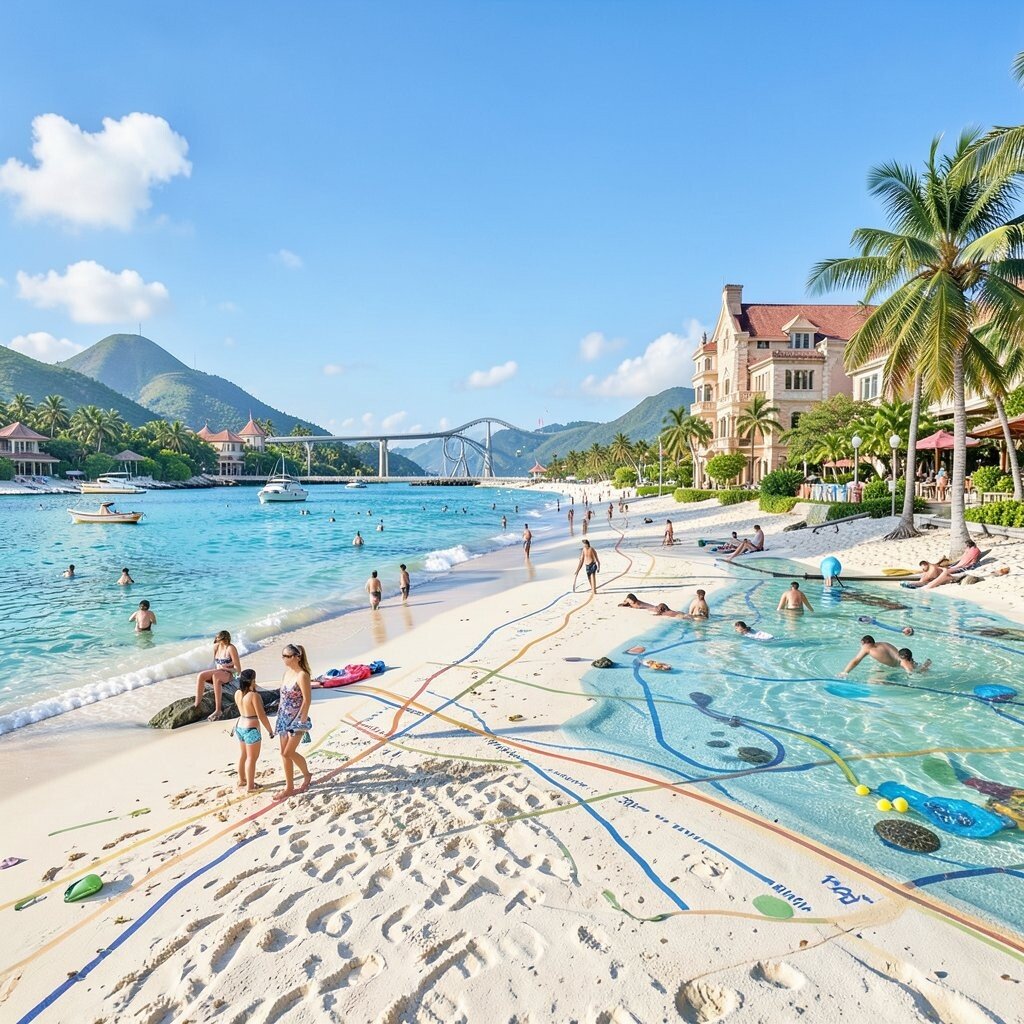
Using a park map is not boring when you do it with a simple goal. Pick a few landmarks as “anchors,” then plan between them like a fun scavenger route.
Start by thinking about where you enter, where you want to see characters, and which rides are far apart. Then group attractions so you are not constantly backtracking. This saves time, reduces walking stress, and helps you feel organized without feeling strict.
For personalization, anchor your route around what your group loves most. If your kids love animals, place scenic areas and family shows near each other. If your teens want thrill rides, cluster those stops, then balance with calmer attractions afterward.
7. Plan Photo Moments Like You’re Storyboarding

Great photos are easier when you plan them at natural times. Instead of hunting for the “perfect shot” all day, you can schedule a few moments when your group is ready.
Look for areas with iconic scenery, then aim for times when crowds thin out. Golden light in the morning and softer evening lighting can make even simple snapshots look magical. If you want to include everyone, stand near clear visual backdrops so the background always looks great.
For cost considerations, skip expensive add-ons by using your own camera and a steady plan. Bring a small portable phone tripod if you want group shots without waiting for others. And if you have a stroller or wheelchair, choose photo spots with smooth paths so everyone feels comfortable.
8. Add a Character Meet Plan That Doesn’t Eat Your Whole Day
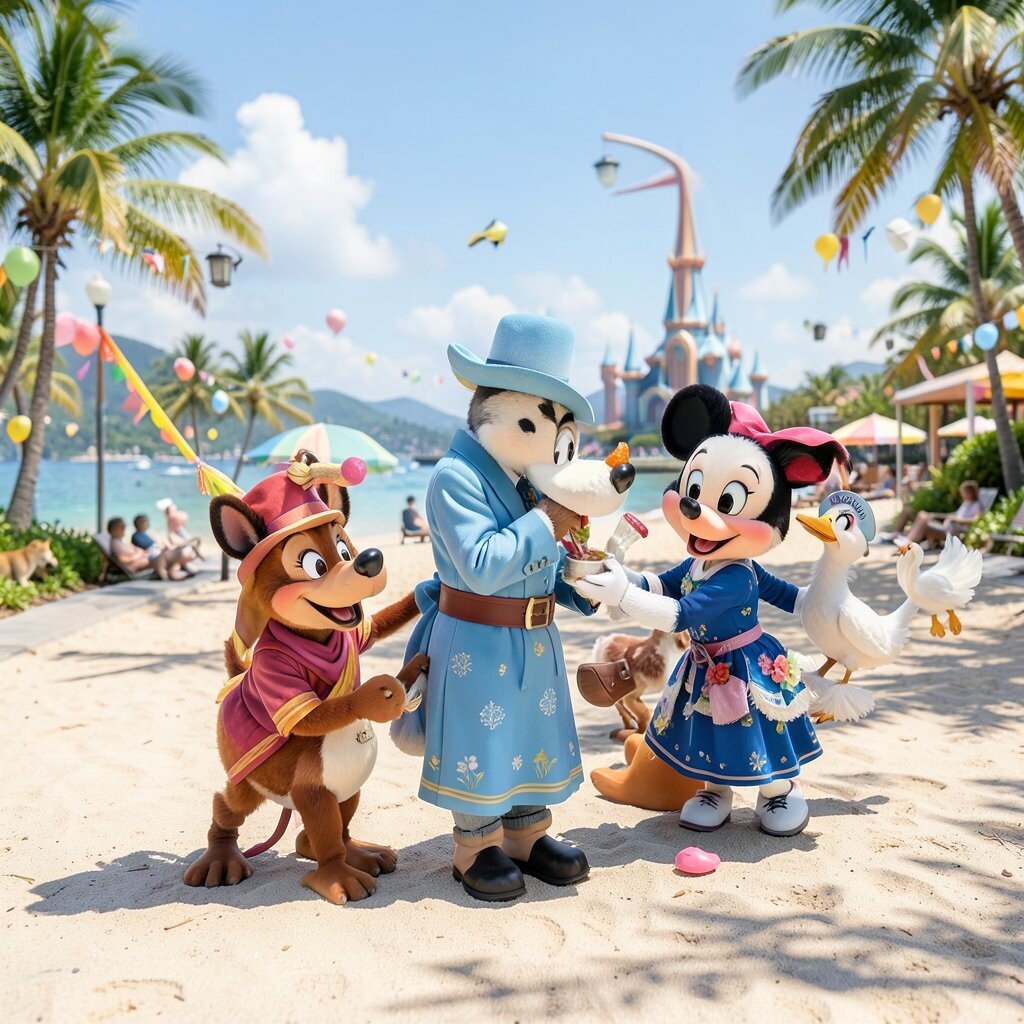
Meeting characters can be a highlight, but it works best when you plan it gently. When you schedule it thoughtfully, it becomes a joyful stop, not a stressful one.
Choose character meet times that match your group’s attention span. If your kids get tired fast, pick a shorter window and then move on to nearby attractions. It helps to look at which characters appear in areas close to your route, so you do not travel far just for one photo.
Consider your uniqueness by picking characters that match your family’s story. A fan of classic characters might love heritage spots, while a movie fan might prefer themed meet-and-greets. Keep expectations realistic, and focus on the smiles more than perfect timing.
9. Bring Comfort Items That Make Lines Feel Easier

Small comfort items can make a big difference when you spend hours on your feet. When your family feels prepared, the day feels lighter and more enjoyable.
Think about lightweight ponchos for rain, refillable water bottles, and portable snacks for picky eaters. Sunglasses, sunscreen, and a hat help with sunny afternoons, while a small fan can keep kids comfortable. For practical planning, store items in an easy-access bag so you do not dig during busy moments.
To personalize, add small favorites that match each traveler. A child might love a tiny autograph book, while a teen might prefer a cool towel or music during breaks. Budget-friendly choices like reusable items can reduce waste and save money across the trip.
One more helpful approach is to decide how often you will take bathroom breaks. If you follow a simple rhythm, you avoid last-minute stress and keep the whole group happier.
10. Make Souvenirs Feel Thoughtful Instead of Random
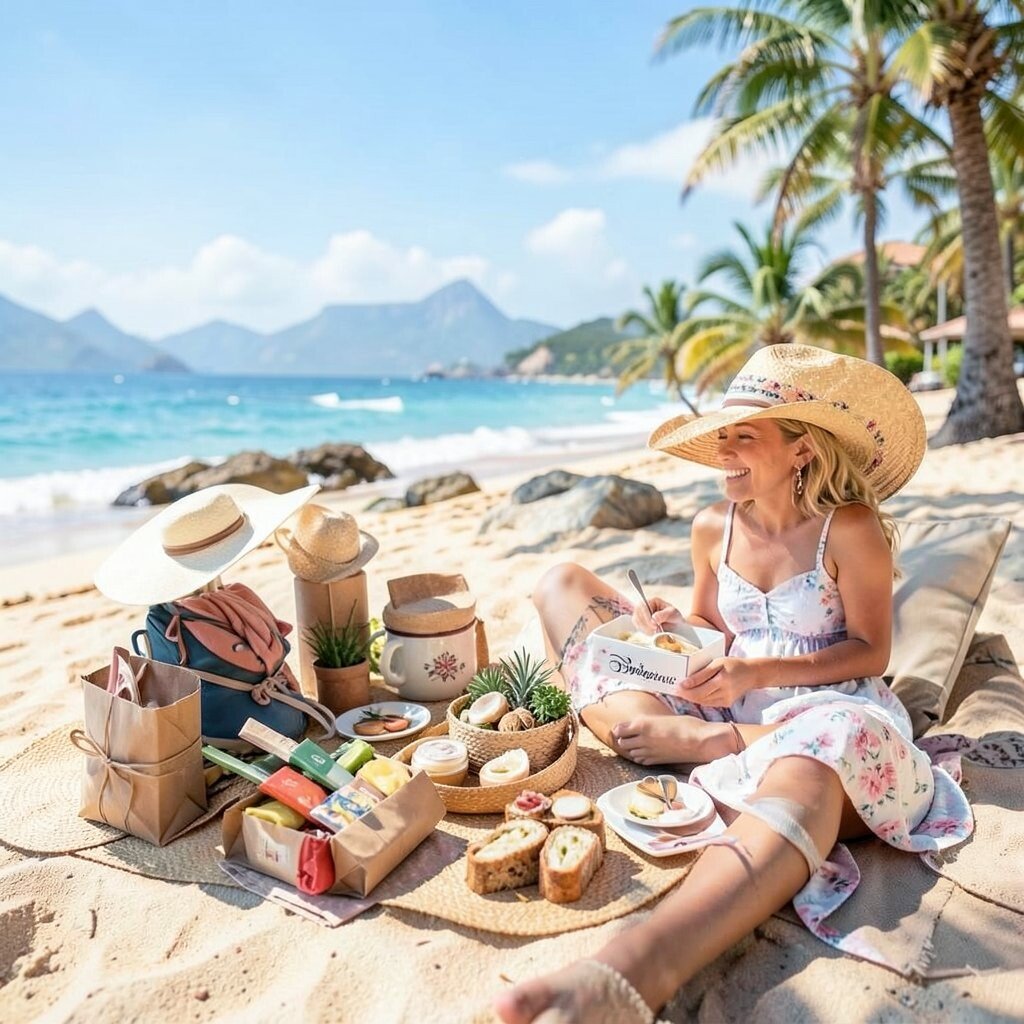
Shopping can be fun, but it can also turn into impulse buys if you do not plan. A little structure helps you end up with items you genuinely want.
Set aside one planned shopping moment instead of browsing everywhere. Many families like choosing a “souvenir budget” early so spending feels calm, not chaotic. Then pick a few categories, like one wearable item, one character collectible, and one keepsake for the home.
For uniqueness, aim for items tied to the rides or shows your family actually did. That way, the souvenir reminds you of a specific memory. If you want to save money, compare prices across shops and consider limited-time items during special seasons.
11. Choose Shows and Parades That Match Your Group
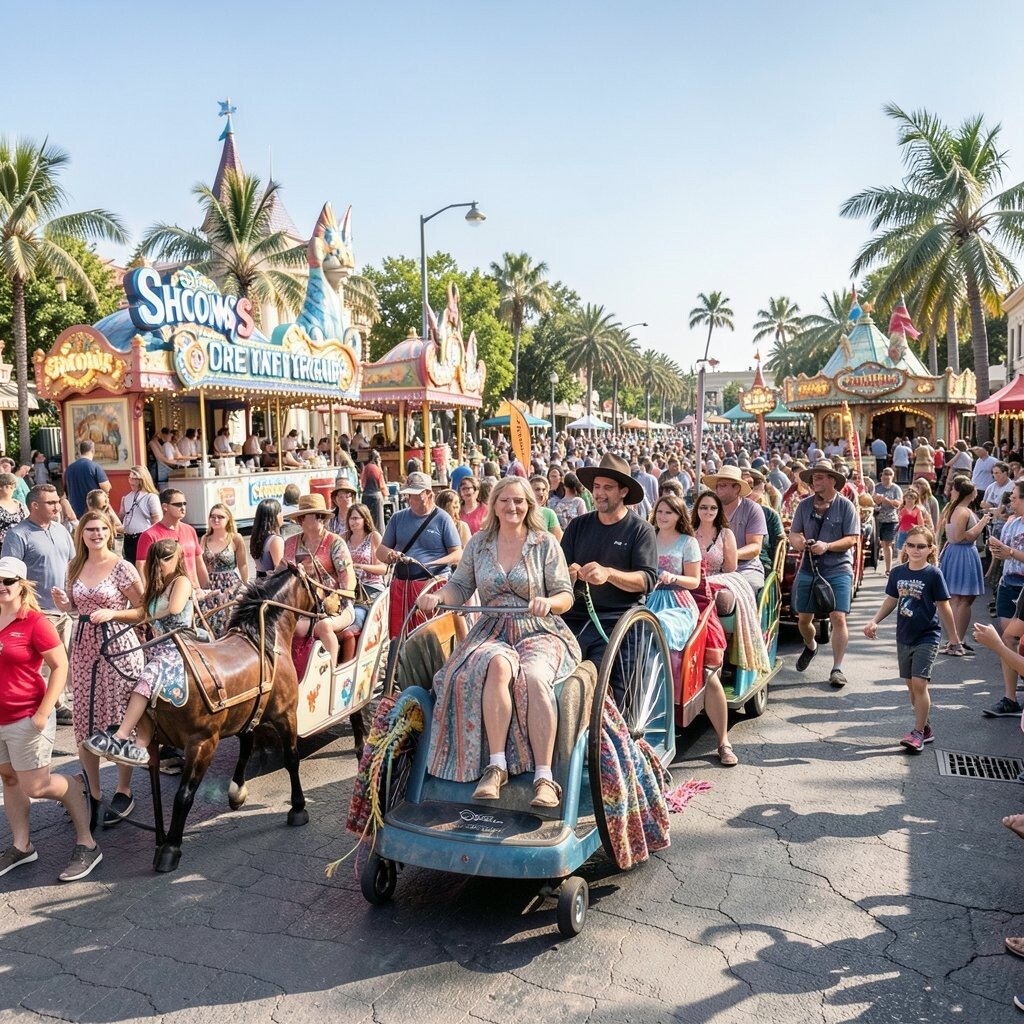
Shows and parades are a great way to enjoy the magic without riding back and forth. They also help when you need a break from walking.
Pick experiences that fit your family’s attention span. If you travel with little kids, choose shorter shows or those with clear, repeat moments. If you have older kids or teens, look for productions with high energy, special effects, and character moments.
To keep planning practical, build show times into your schedule rather than treating them as extras. When you know where you will be, you can plan meals and attractions around those times. This often reduces stress and helps your group feel like the day has a rhythm.
12. Use Seasonal Events and Current Trends for Extra Spark

Seasonal celebrations add a special layer of color, sound, and story to a trip. Even familiar parks feel fresh when holiday details and themed snacks show up.
Recent trends often include themed photo spots, seasonal character costumes, and limited-time merchandise. Families who enjoy planning ahead like to check what is new each season so they can chase the freshest experiences. If you enjoy planning, build your schedule around event days that match your interests.
Budget-wise, seasonal snacks and souvenirs can add up, so decide on a small number of “treat moments.” Then your choices feel exciting instead of overwhelming. You can also prioritize one big event night and keep other evenings open for relaxed fun.
13. Create a Simple Budget Plan That Still Feels Fun
A budget plan is not about limiting joy. It is about giving your money a job, so you can spend confidently where it matters most.
Look at the biggest cost categories first, like lodging, tickets, dining, and transportation. Then consider how often you want extras, such as snacks, character experiences, and special tours. Many families find it helps to set a daily spending range for treats so spending stays predictable.
To personalize, match spending to what your group values most. If your family loves food, set aside more for meals and enjoy fewer add-on purchases. If your group loves photos, invest in a couple of photo-friendly moments and use your own gear for the rest.
Also remember that timing can affect cost, especially for hotels and ticket-related decisions. Being flexible with travel dates can sometimes help you keep more money for experiences you will remember.
14. Plan One “Surprise Day” for Flexibility

Even the best plan can change, and that is okay. A surprise day gives you room for weather changes, new ideas, and spontaneous joy.
Pick a day where you keep the must-do list short and leave space for whatever your group feels like. You can revisit a favorite area, try a ride you missed, or slow down for snacks and shows. This approach helps your trip feel personal because it responds to your actual mood, not just a schedule on paper.
For uniqueness, use your surprise day to honor what you learned on earlier days. If you realized your family loves a certain type of attraction, center the day around that. If someone feels overwhelmed by crowds, switch to calmer experiences, like slower attractions and outdoor scenes.
To keep it practical, set one “anchor” plan like a show or meal, then let the rest stay open. That way you still feel grounded, but you do not feel boxed in.