A curious room can feel like a magic workshop for little minds. Try these playful ideas that turn everyday moments into creative fuel.
Each one is simple enough to try fast and flexible enough to match your child’s interests.
1. Nature Collage Safari
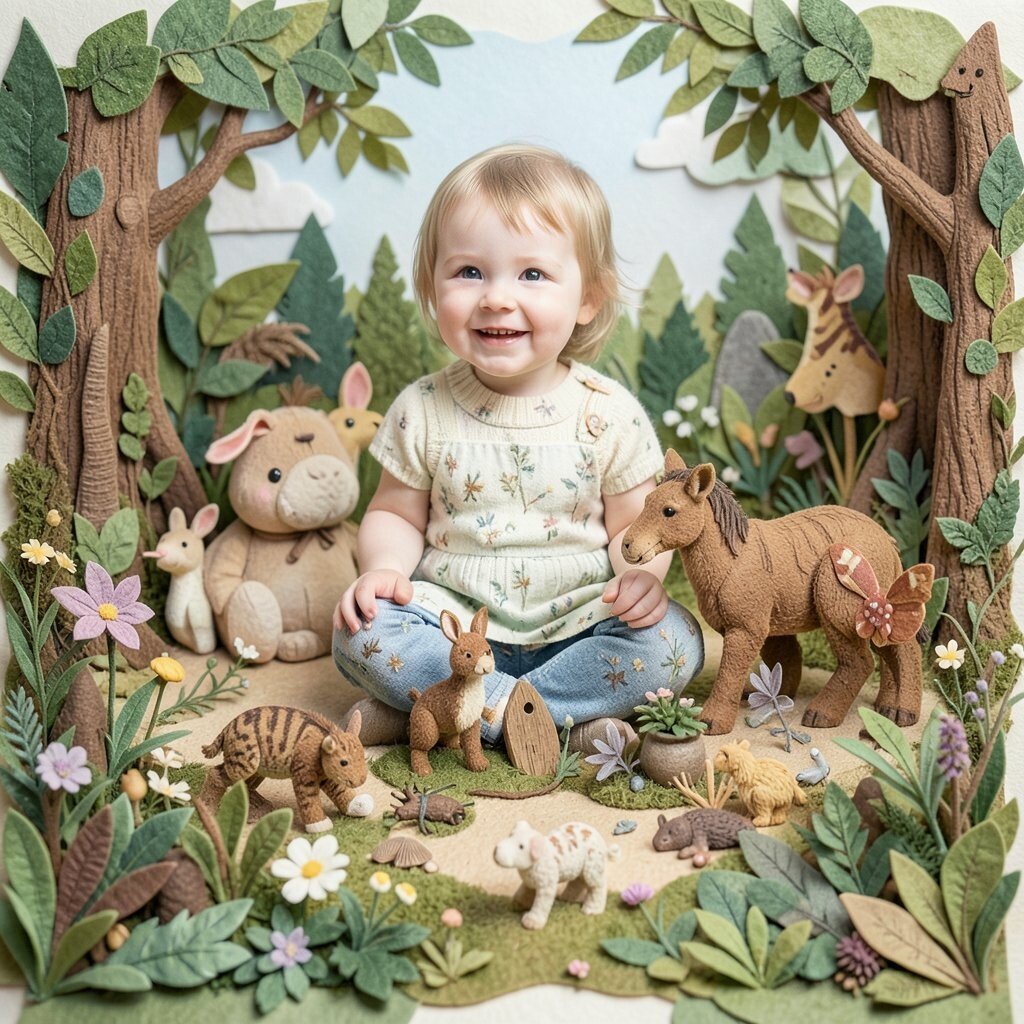
Step outside with a small basket and look closely at leaves, twigs, and flower petals. Back inside, spread the materials on a table and help your child arrange them into a collage on paper.
Watch how colors and shapes pop when everything is pressed down gently with glue or a glue stick. This activity builds fine-motor control and teaches children that real life can become art.
To personalize, use a theme like “ocean beach” with shells or “spooky forest” with darker leaves. For cost, collect what you already have outside, and only buy plain cardstock if you want a sturdier base.
2. Story Stones With Picture Prompts
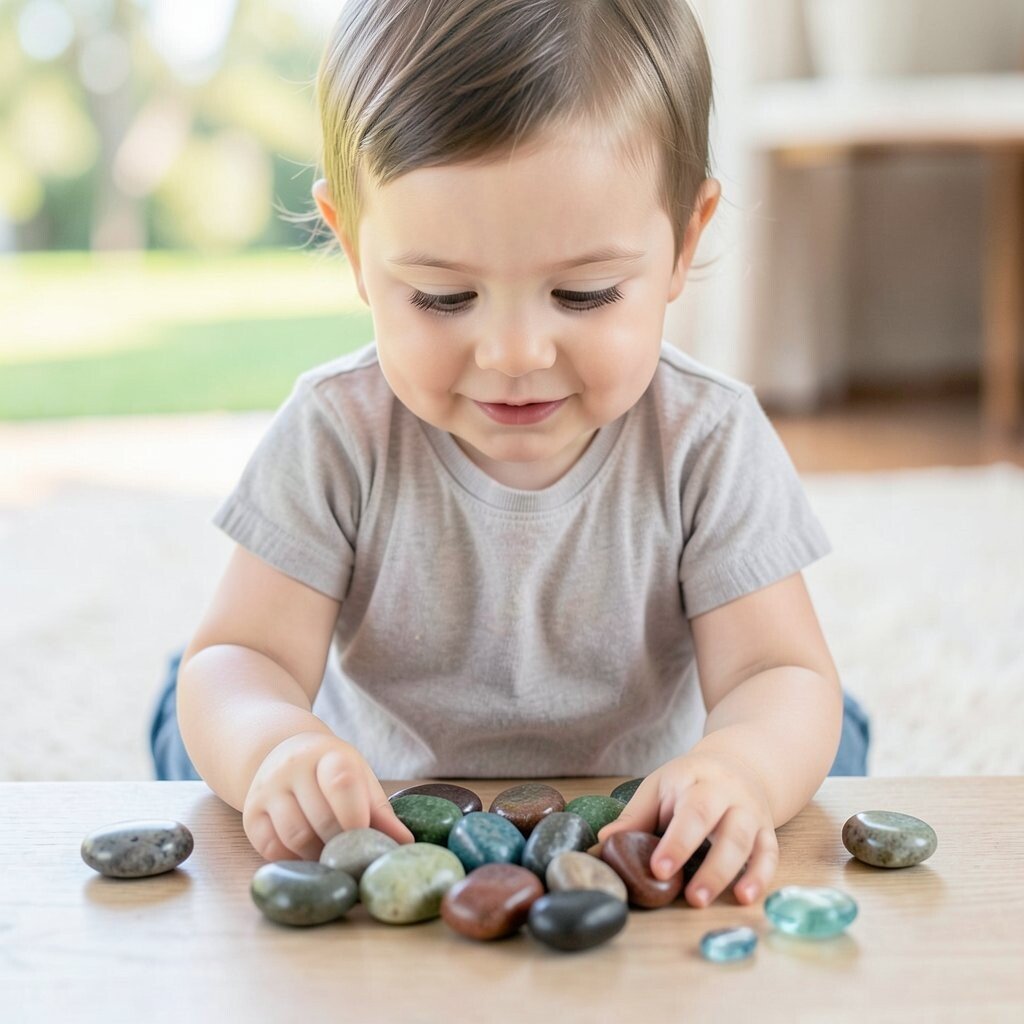
Gather smooth stones, then paint simple pictures on them, like a sun, a house, a cat, or a cloud. Each stone becomes a character or setting, and your child can pick a few to start a story.
As you roll or scatter the stones on the floor, ask your child to make up what happens next. This boosts language skills and confidence, because the story grows from their own choices.
To keep it practical, use washable paint or craft markers and seal with a clear coat when dry. It’s also great for trends like “prompt play,” where kids use images as springboards for imagination.
Personalize the set with pictures that match your home, family members, or favorite animals, and add blank stones for “whatever I feel like today.”
3. Homemade Rhythm Parade
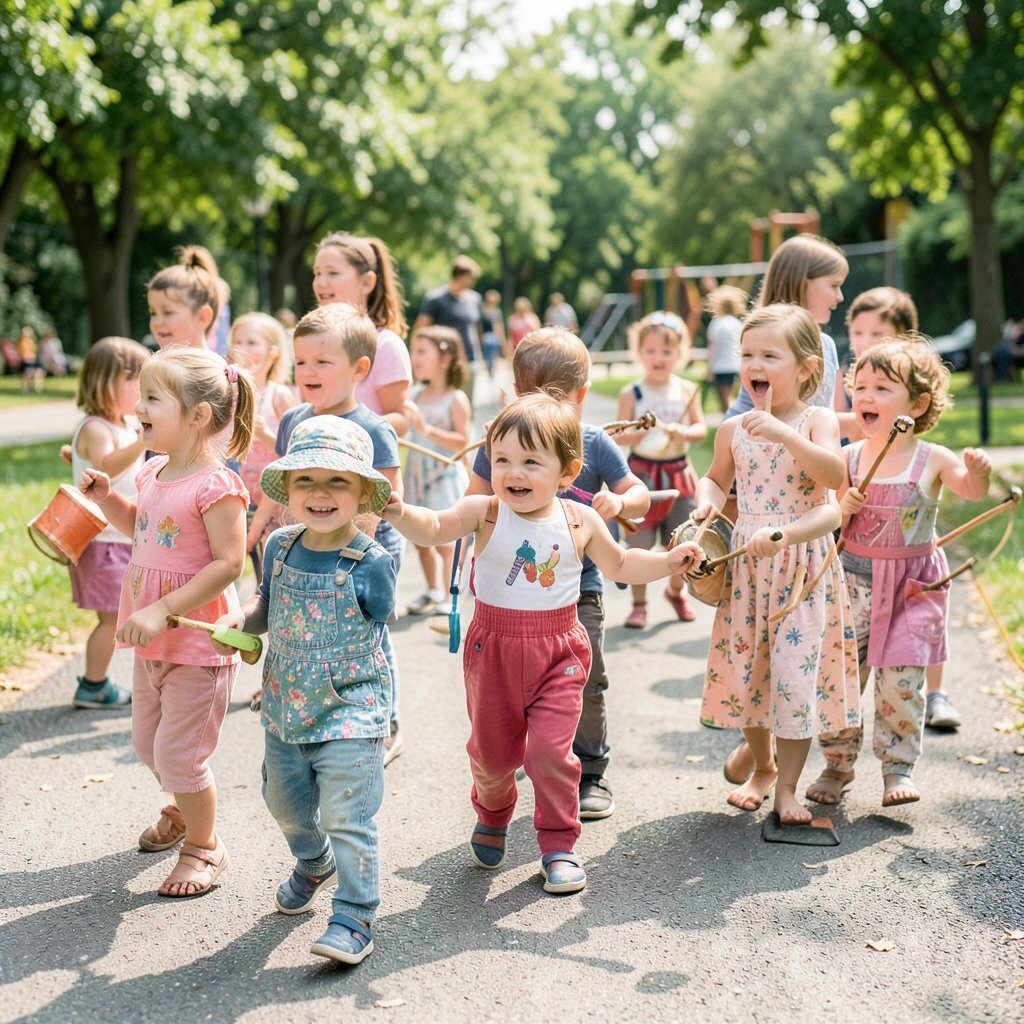
Give your child safe items to make sound, like wooden spoons, paper cups, shakers, or rhythm sticks. March around the room and clap patterns, then pause so your child can choose what sound comes next.
This kind of sensory play helps children notice beat and timing while building attention and self-expression. When you play together, you create a warm moment that feels like a mini performance.
For practical setup, keep a small bin of instruments in reach and rotate items so it feels new. To personalize, match the rhythm to their mood with slow stomps for calm and faster taps for excited energy.
If you want a low-cost upgrade, fill empty bottles with rice or beans for homemade shakers, then cover them tightly with tape.
4. Rainbow Window “Painting” With Tape
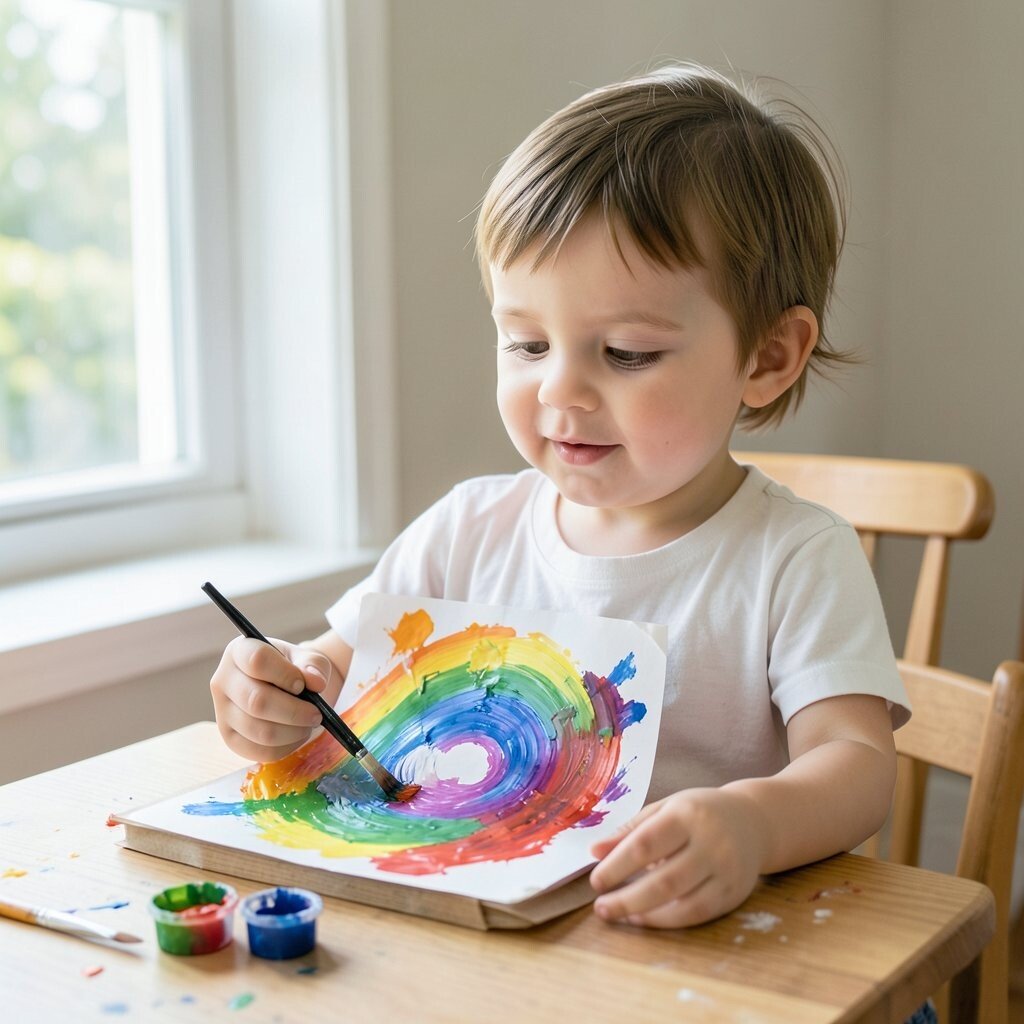
Place painter’s tape on a clean window in wide stripes or swirly lines, and let your child “paint” by spraying water or colored mist over it. The tape creates bright borders as the colors spread in soft streaks.
Kids love watching the visual effect change as the water moves, and it encourages patience while they observe. This activity supports early science skills too, because children see how materials behave on different surfaces.
Use washable colors and keep a towel nearby for easy cleanup. Personalize by making a color story like warm colors at one end and cool colors at the other, or by adding shapes such as circles for “planets.”
For cost, tape is usually already at home, and colored mist can be made with a few drops of food coloring in a spray bottle.
5. Pretend Grocery Store Role Play
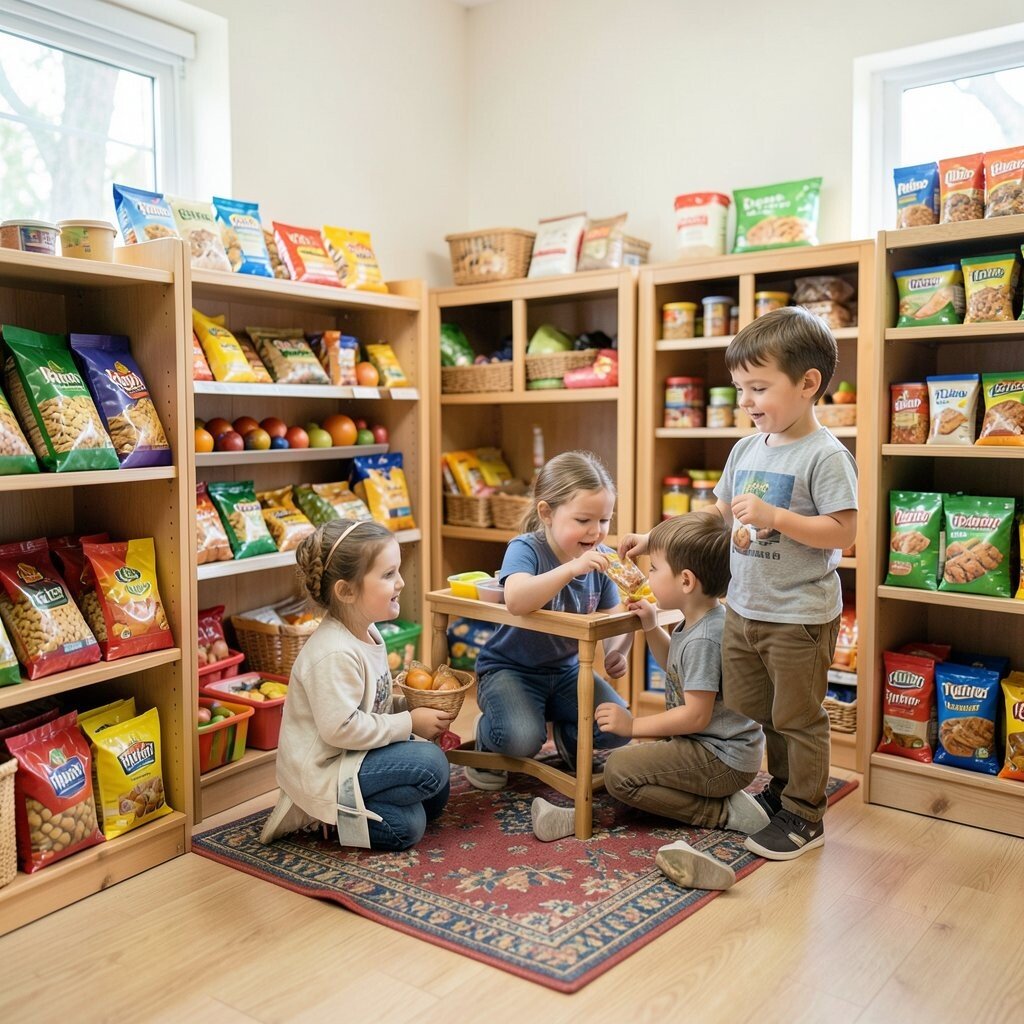
Set up a corner with a small basket, a toy cash register if you have one, and “food” made from cardboard or safe plastic items. Let your child sort items by color, shape, or pretend category like fruits, snacks, or meals.
Role play strengthens social skills and helps children practice vocabulary in a fun, real-world way. It also gives caregivers a chance to model kind phrases like “Can I help you?” and “Thank you.”
Personalize by including foods your child likes and adding labels with pictures so it feels meaningful. Keep costs low by recycling food-shaped packaging or drawing pictures on paper and cutting them into cards.
As a current trend, many families are using “home micro-markets,” where kids run small themed businesses using everyday objects. You can even set a timer for “shopping,” then switch roles so your child becomes the cashier.
6. Kinetic Sand Treasure Letters
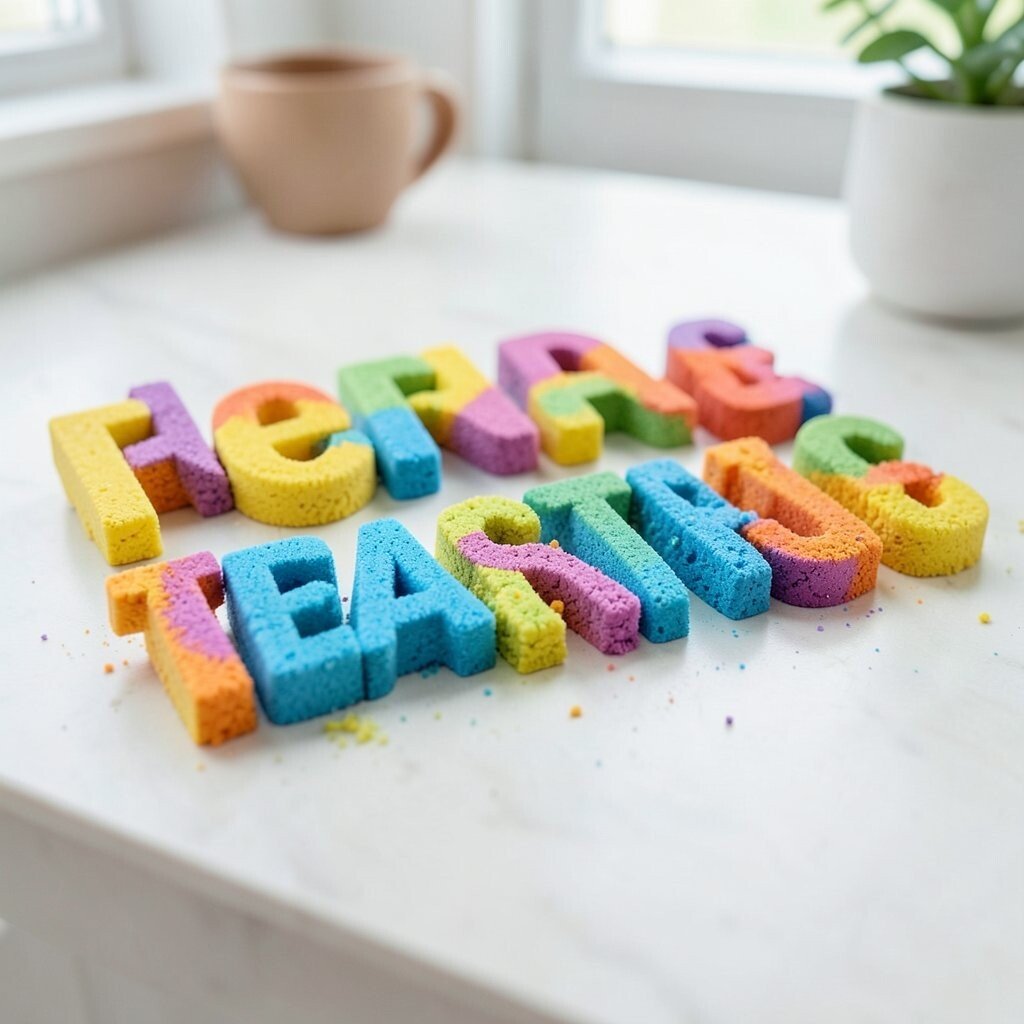
Use sensory sand or a homemade alternative with play sand and a little conditioner to make it clump-friendly. Hide small objects or letter cards inside a shallow tray so your child can “dig” to find them.
When fingers search and scoop, children build strength and coordination while practicing early literacy concepts. The visual reward of uncovering hidden treasures keeps engagement high.
For practical tips, keep a tray with a rim to reduce mess, and offer a few tools like a small shovel or measuring cup. Personalize by hiding favorite animal figurines, names, or simple shapes that match what your child is learning.
Cost stays reasonable because sand is easy to find and reuse, and you can add treasures from old toys or craft supplies. If you want a modern twist, make it seasonal with “snow letters” for winter or “garden seeds” for spring.
7. Music and Movement Freeze Garden
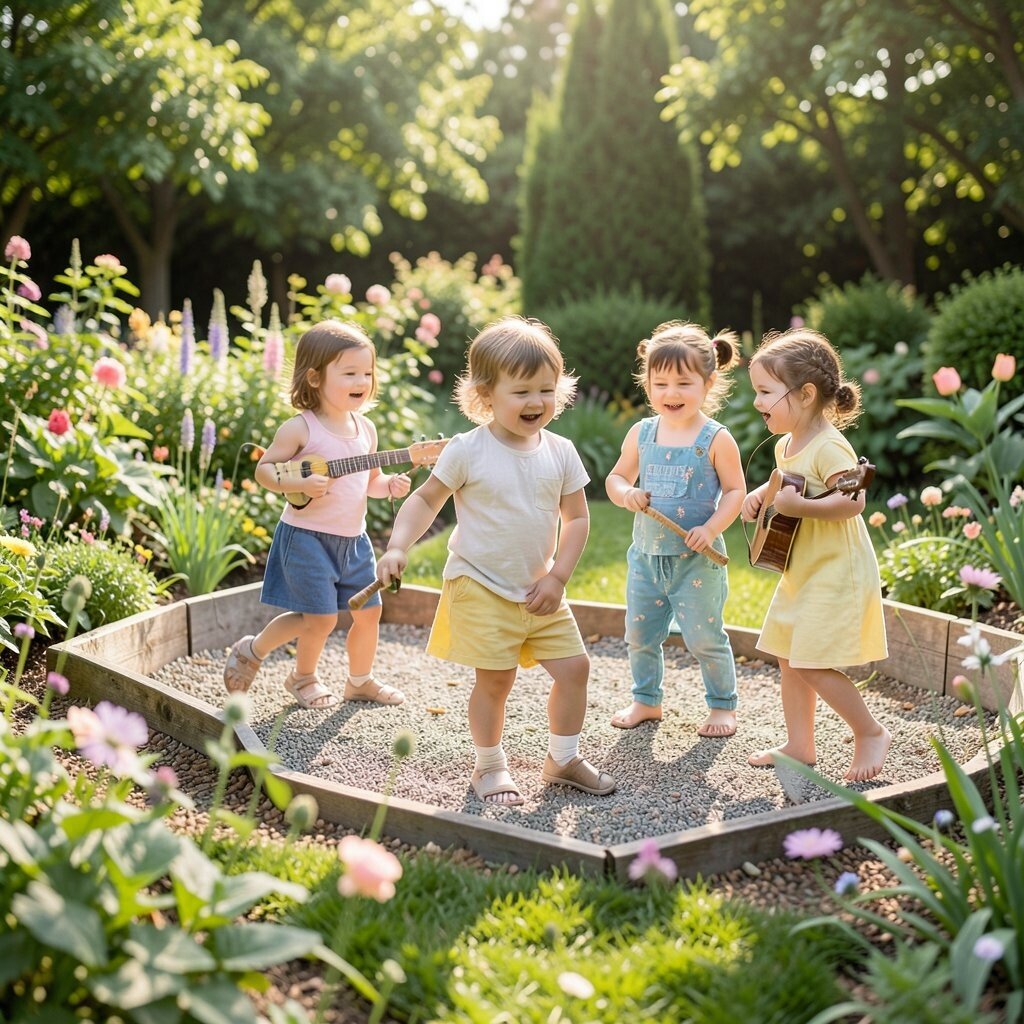
Play a short song and invite your child to move like a plant growing, like reaching sunlight. When the music stops, your child freezes in a pose like a flower statue.
This game blends body control with emotion learning, because children get used to pausing and restarting together. You can also model breathing and calm movements when the music slows.
For a practical setup, choose songs with clear starts and stops, and keep the space clear of breakables. Personalize movement by assigning “roles” like butterfly, tree, or raindrop so kids feel ownership of the action.
It’s a popular type of play right now, with many families using short movement games that fit busy days. If you’re mindful about cost, use your phone for music and use only what you already have for props.
8. Upcycled Texture Book
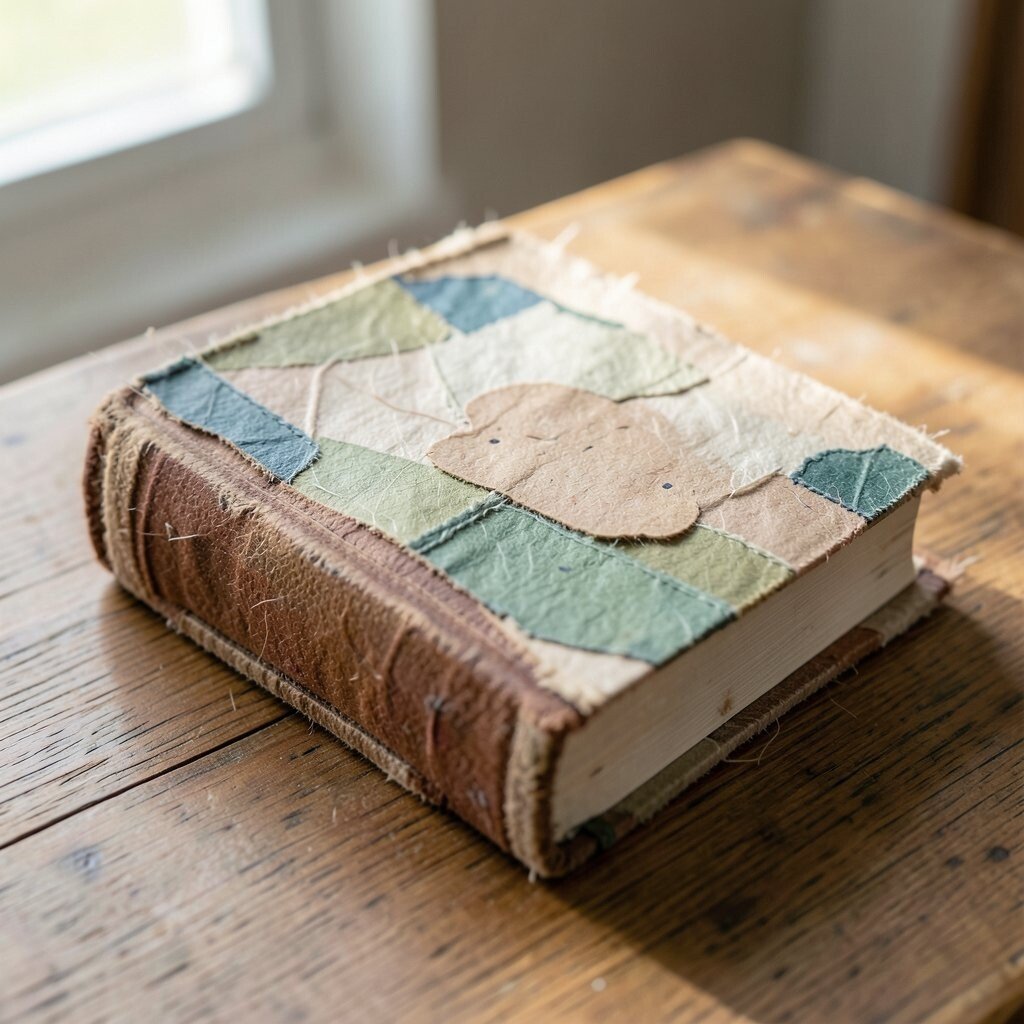
Collect scraps of fabric, paper, bubble wrap, string, and cardboard, then glue small pieces onto cardstock pages. Create a “touch book” where each page has a different texture your child can feel and name.
The variety of textures builds sensory awareness and helps children describe what they notice. It also supports language growth, since kids learn new words like smooth, bumpy, and soft.
Keep it practical by using a thick glue layer and rounded corners so nothing peels easily. Personalize it with your child’s interests, like a “dragon scales” page with crinkly material or a “cloud blanket” page with fleece.
For cost, this is a bargain because most supplies come from old clothes, packaging, and craft remnants. A fun trend is sensory storytelling, where children touch textures that match the story characters in your shared read-aloud time.
9. Build-Your-Own Fort City
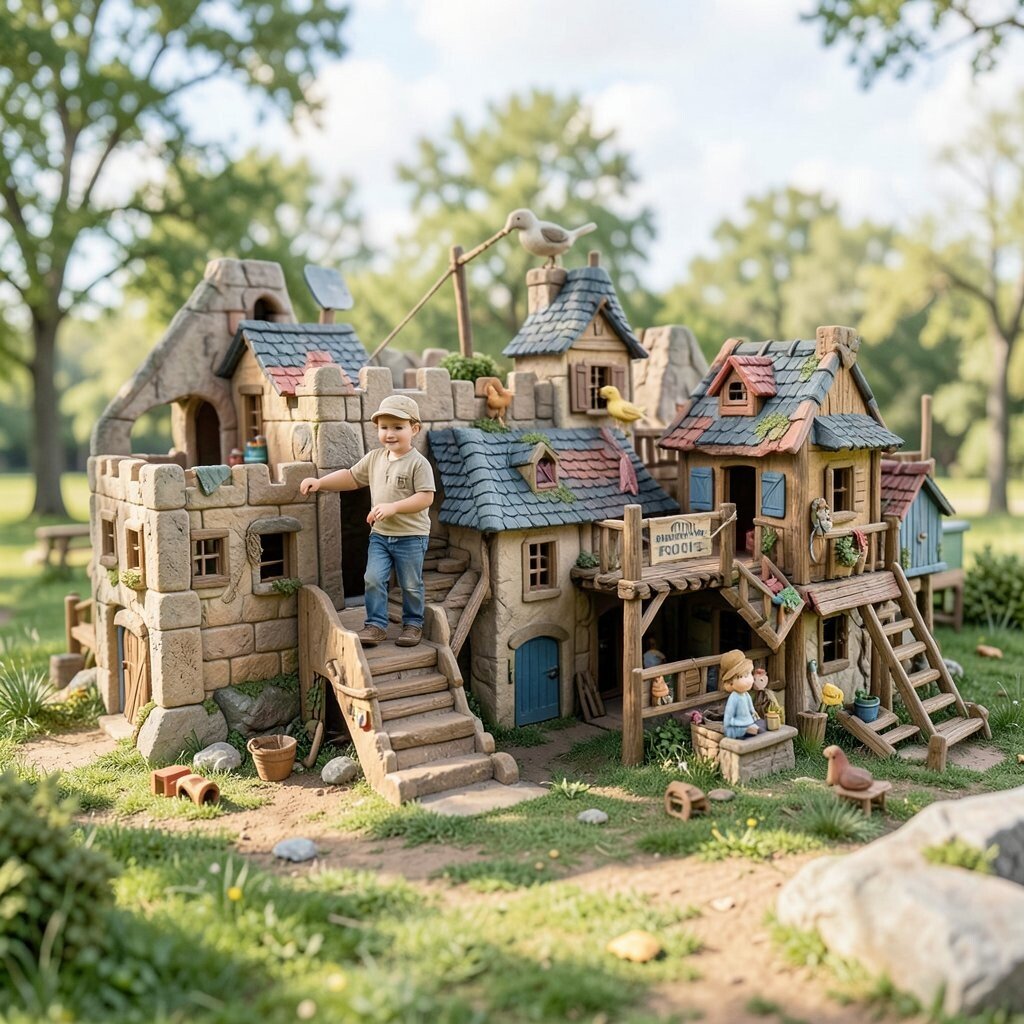
Use blankets, chairs, pillows, and cardboard boxes to create a cozy fort with several “rooms.” Encourage your child to add pretend features like a bridge made of a scarf or a window made from paper.
Fort play supports creativity, problem-solving, and cooperative communication, especially when you build together. The visual atmosphere of a hidden world sparks big imaginative talk and quiet focus.
To make it practical, set a clear boundary for safe climbing and keep lighting gentle. Personalize with a theme such as space station, jungle hideout, or detective office so every session feels unique.
For cost considerations, you can use mostly household items, and cardboard boxes are often free or very cheap. Many families are leaning into “small-world building,” where children design mini environments that they revisit and change over days.
10. Collage Letter Creatures
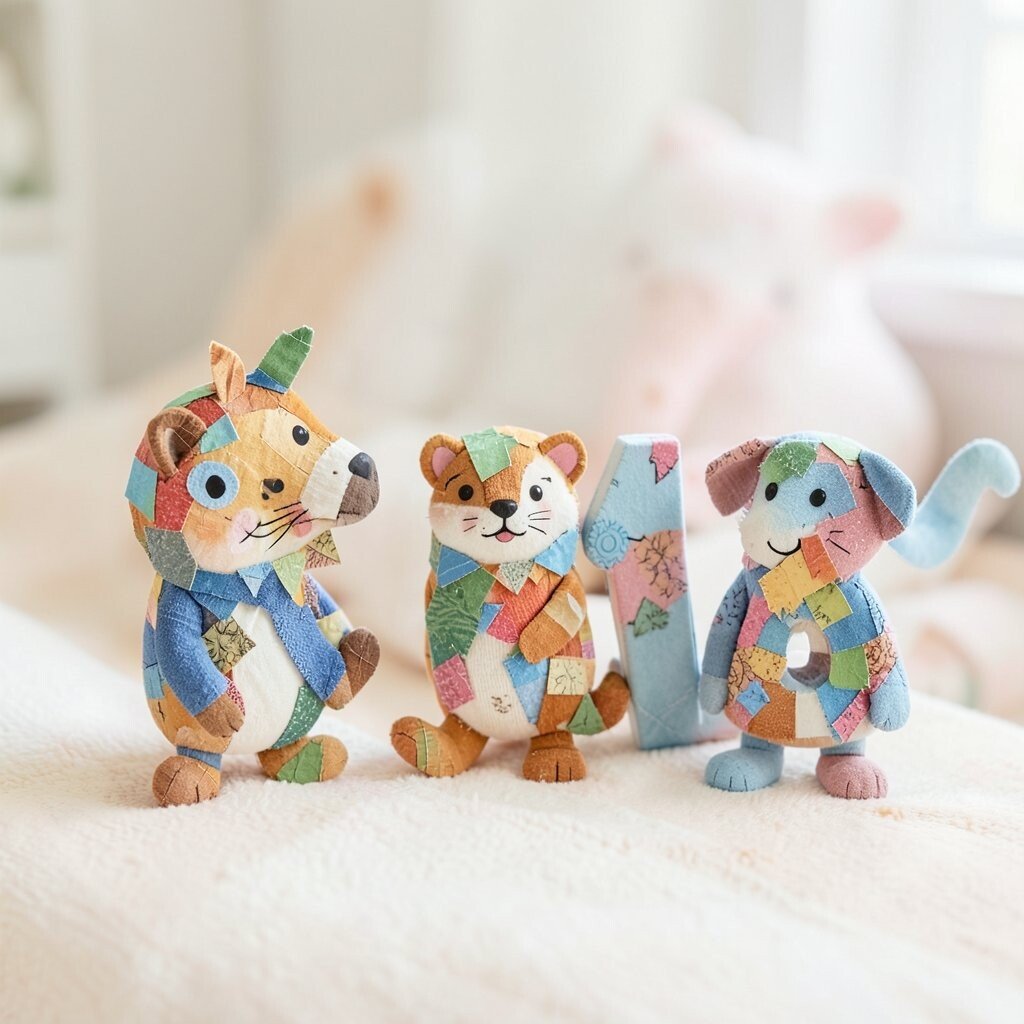
Pick one letter at a time and turn it into a creature using cut paper, stickers, and bits of yarn. Your child can glue pieces to make a body, add eyes with small dots, and choose wings or tails.
Kids practice early phonics in a playful way while also strengthening fine-motor skills. The best part is the visual surprise when a letter becomes something lively and personal.
For practical tips, use thick paper and pre-cut shapes so the gluing step feels smooth. Personalize by using colors your child loves and adding their favorite animal traits, like bear paws or fish scales.
To control costs, use scrap paper, old magazines, and leftover stickers from previous crafts. If you want a modern touch, mirror current “crafting with scraps” trends and label nothing, just create freely.
11. “Kitchen Scientist” Sink Experiments

Set up safe experiments with water, like floating objects, sinking comparisons, and boat races with different materials. Give your child small cups and spoons, and let them predict what will happen before testing.
This builds early scientific thinking and careful observation while keeping everything real and simple. The visual fun of bubbles, splashes, and moving boats makes the learning feel like play.
For practical setup, choose a shallow tray to catch spills and use items that are easy to rinse and reuse. Personalize by letting your child choose the materials, such as a feather, sponge, or plastic toy, based on what’s already in your home.
Cost stays low because you’re using everyday household items, and you can rotate objects instead of buying new supplies. A current trend is using “everyday STEM,” and this fits right into that idea because it uses what you already have.
12. Feelings Weather With Paper Clouds

Cut cloud shapes out of white paper and let your child color them with crayons to show feelings. Create a small “sky” on the wall or bulletin board with a blue background, then place clouds there as emotions come up.
Linking feelings to visual cues helps children learn emotional language and self-regulation. When your child points to a cloud, you can reflect and guide with gentle, supportive words.
Keep it practical by using large shapes and thicker paper so they hold up to play. Personalize by adding your child’s favorite characters on the clouds, like a smiling sun on happy days or a rainy face on sad days.
Cost is minimal because paper and crayons are usually already around, and you can make new clouds as feelings change. Many families are using emotion visuals now, especially in child-friendly routines that make transitions easier.
13. Shadow Drawing on a Sunny Day
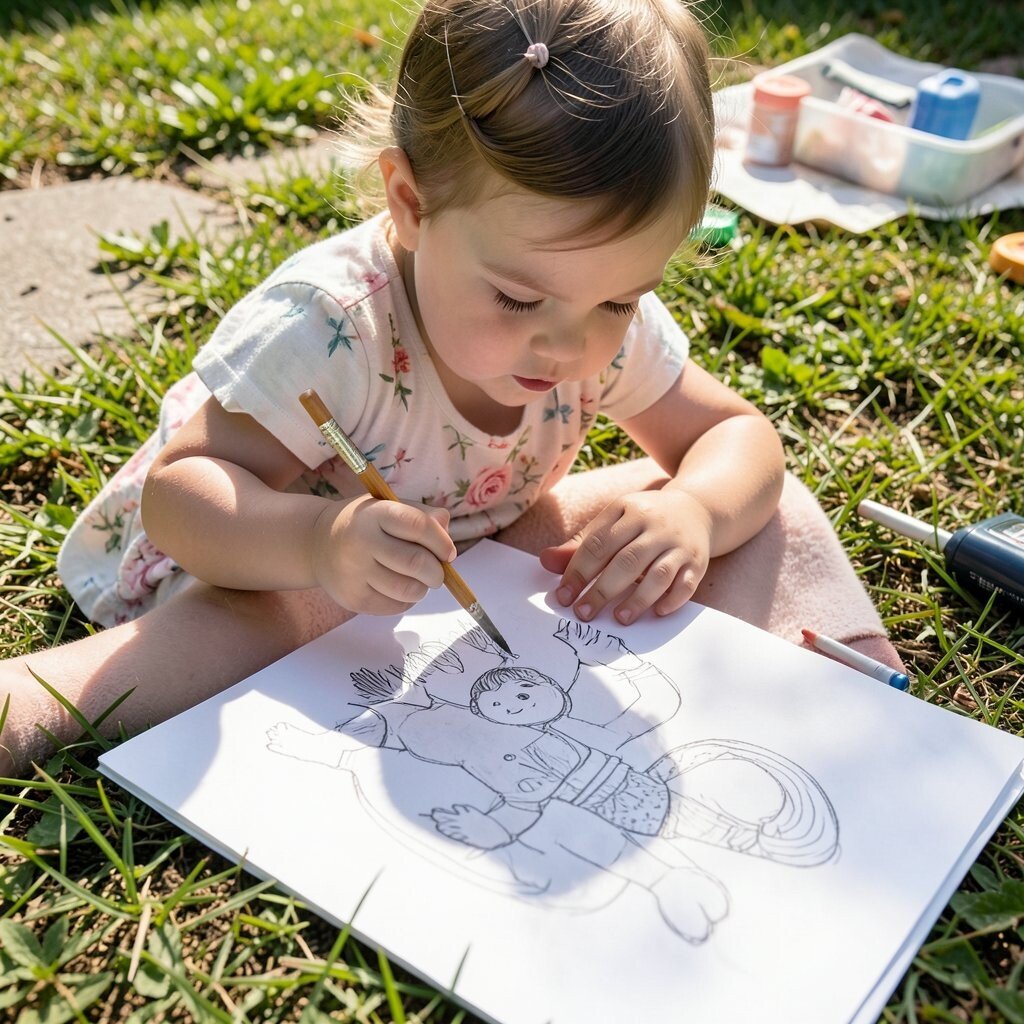
Place a small toy or leaf on paper outdoors and trace the shadow it makes on the sunny ground. Move the object slightly and trace again so your child sees shapes shifting with light.
This activity feels like magic because children notice how the sun creates drawings without a pencil moving. It supports observational skills and helps children understand cause and effect in a kid-sized way.
For practical tips, choose a sturdy clipboard or place paper on a flat board, and use chunky crayons or markers for clear lines. Personalize by tracing favorite objects, then turning the collection into a “shadow gallery” inside.
If cost matters, all you need is paper and something to draw with, and nature items are free. A current trend is “light and shadow” play in early learning spaces, and this works beautifully with a simple outdoor moment.
14. Builder Blocks Community With Story Rules
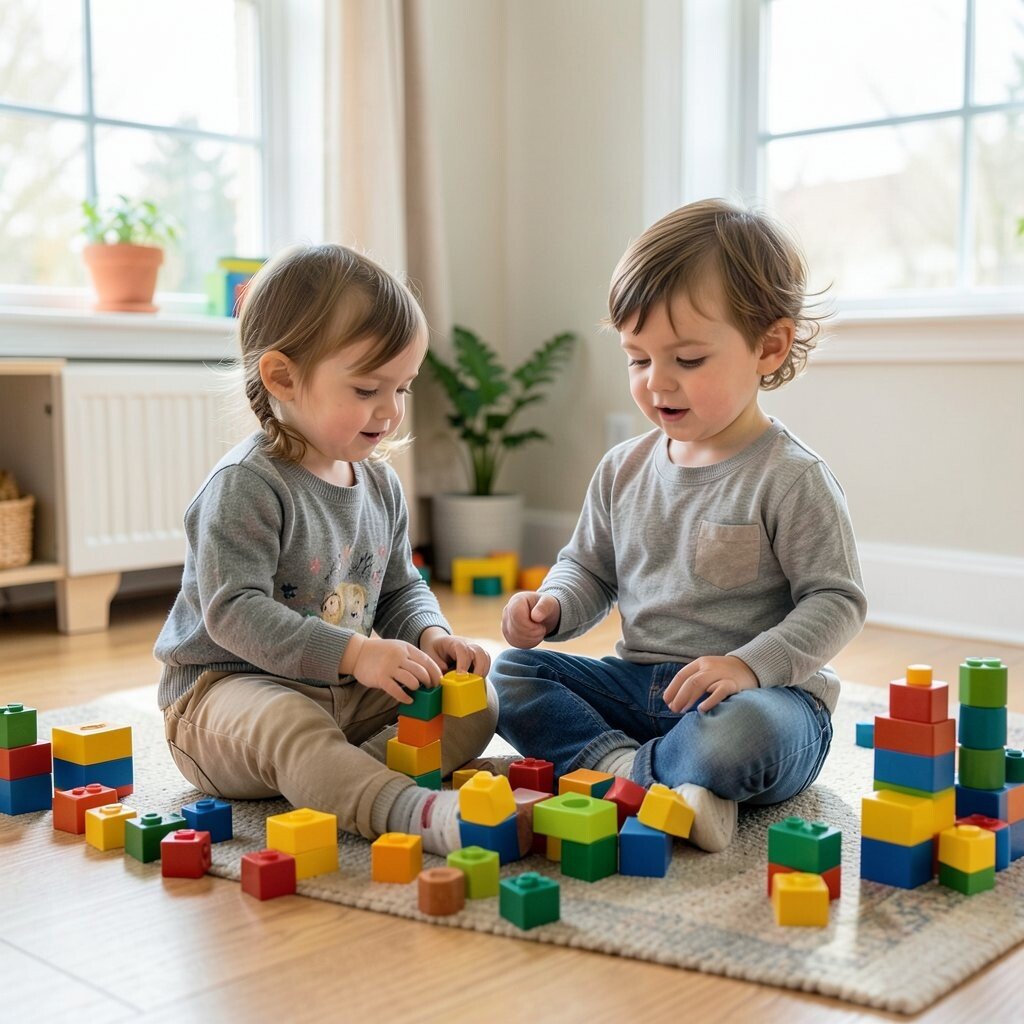
Create a building challenge using blocks, cups, or cardboard pieces, but add story rules your child chooses. For example, “Make a tall tower for a gentle giant,” or “Build a bridge for a tiny car that needs to cross.”
This turns building into storytelling, which strengthens planning and flexibility. The visual focus of structures growing in front of you keeps kids engaged and proud of their work.
To make it practical, set a small play zone and remind your child that building can be rebuilt, not just finished. Personalize by offering rule cards with pictures so your child can pick the theme quickly.
Cost is manageable because you can use what you already have, and cardboard can be cut for bridges and walls. You’ll also notice many classrooms using storytelling constraints right now, since it helps children stay creative longer.
15. DIY Sensory Paint With Safe Food Color Mixes
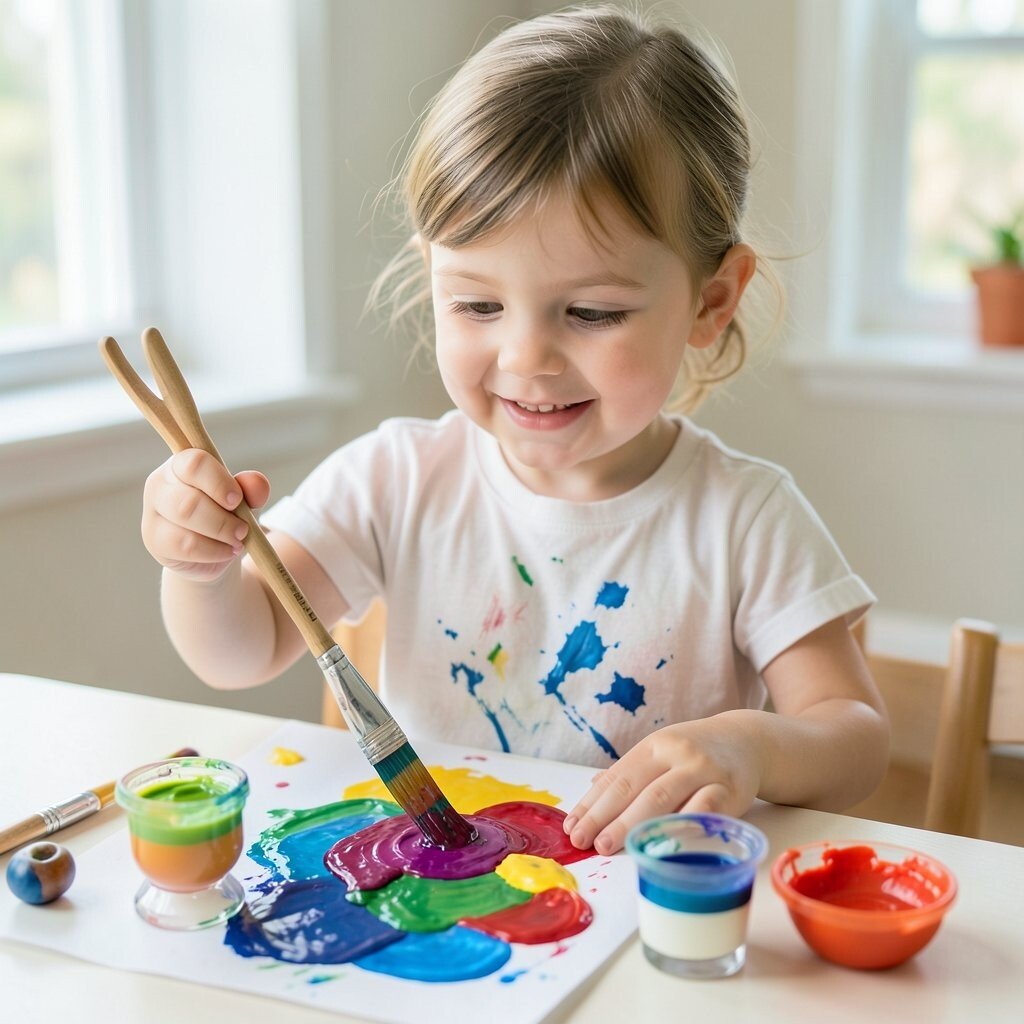
Mix a small amount of cornstarch and water to create a thicker base, then add food coloring to make safe sensory paint. Let your child paint with fingers or thick brushes on paper or sturdy cardboard.
Thick paint creates raised textures that children can feel with their hands, which is perfect for sensory curiosity. It also supports creativity because kids can smear, swirl, dot, and blend in their own way.
For practical tips, start with a thick consistency so it doesn’t run too fast, and cover the area with an easy-to-wash mat. Personalize by adding themed colors, like “forest greens” or “rainbow streaks,” and by painting with tools like sponges or leaves.
Cost considerations are friendly since food coloring and basic pantry items are usually easy to find. A trend you’ll see more of is sensory, edible-adjacent materials that still keep safety in mind for young children.
16. Friendship Mailbox With Picture Letters
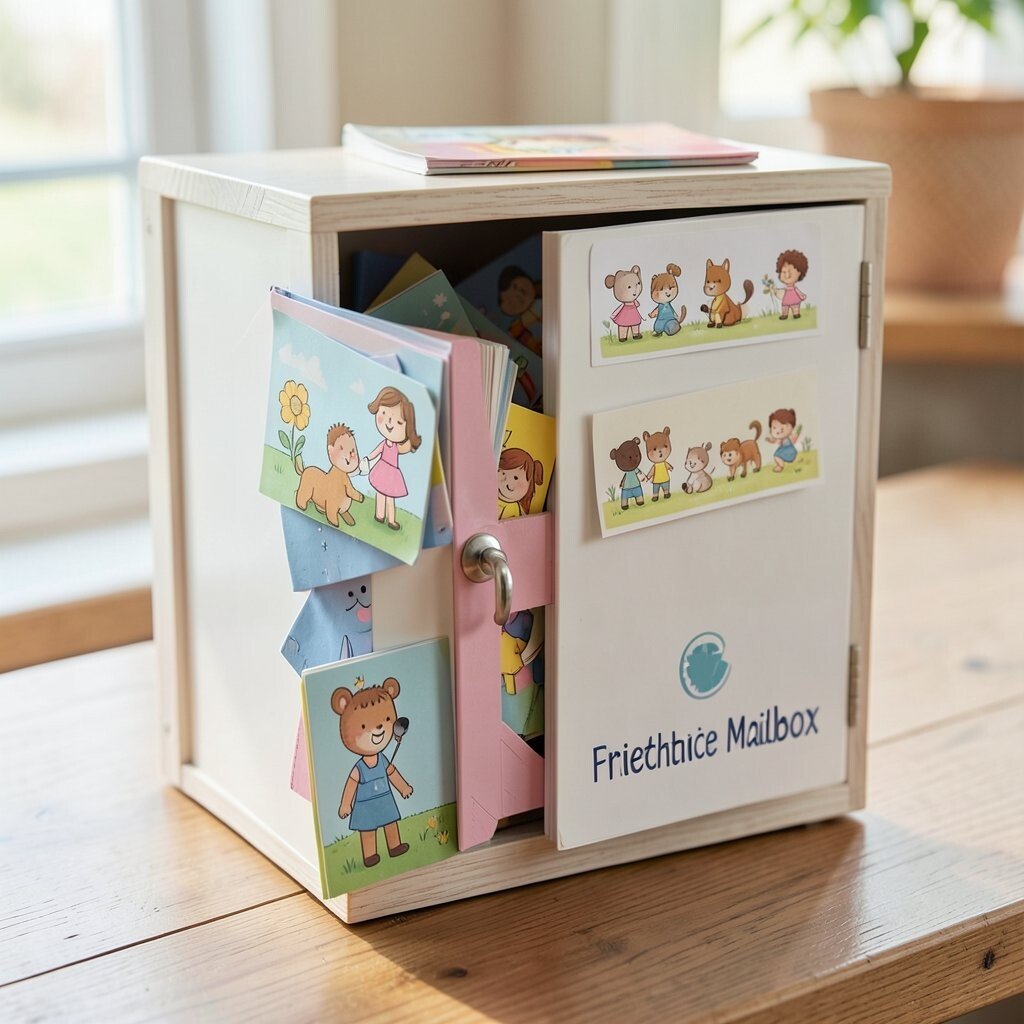
Make a small mailbox out of a shoebox or sturdy paper container and decorate it with a flap your child can open. Create picture “letters” using drawn hearts, stick figures, or cut-out shapes, then write simple notes by helping your child choose words or symbols.
This activity builds connection and empathy because children share messages and feel seen. The visual excitement of receiving and opening mail helps children practice patience and social turn-taking.
For practical setup, choose a few regular recipients like family members or favorite stuffed friends, and keep a mailbox spot where mail can be added easily. Personalize by using your child’s interests in the pictures, such as dinosaurs, cars, or princess crowns on each message.
Costs are low since you’re mostly using boxes and scrap paper, plus you can reuse envelopes from packages. Many caregivers are using “picture mail” routines now to support communication during busy days and reduce frustration.