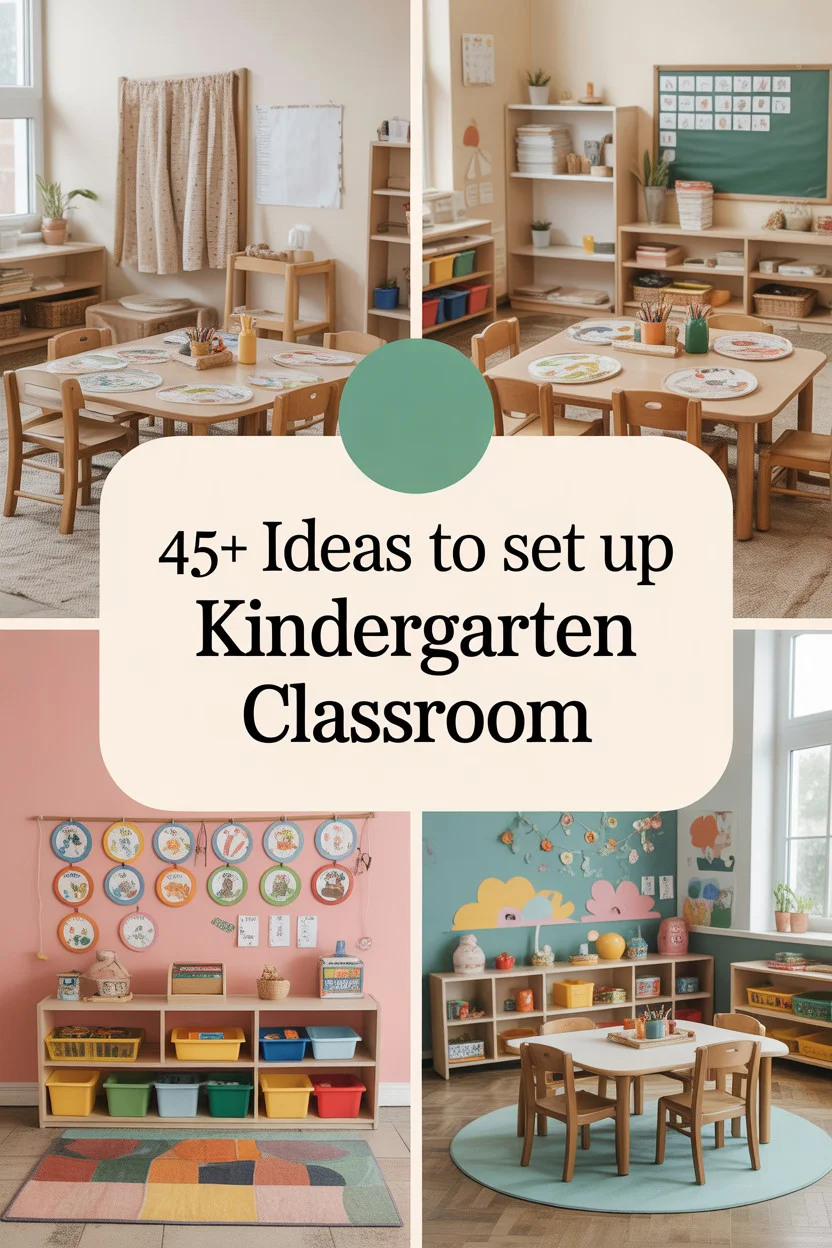
Stepping into a kindergarten classroom is like entering a world of wonder and imagination. The possibilities are endless, and the excitement is palpable. Here are some ideas that will make your classroom both functional and magical.
1. Cozy Reading Nook
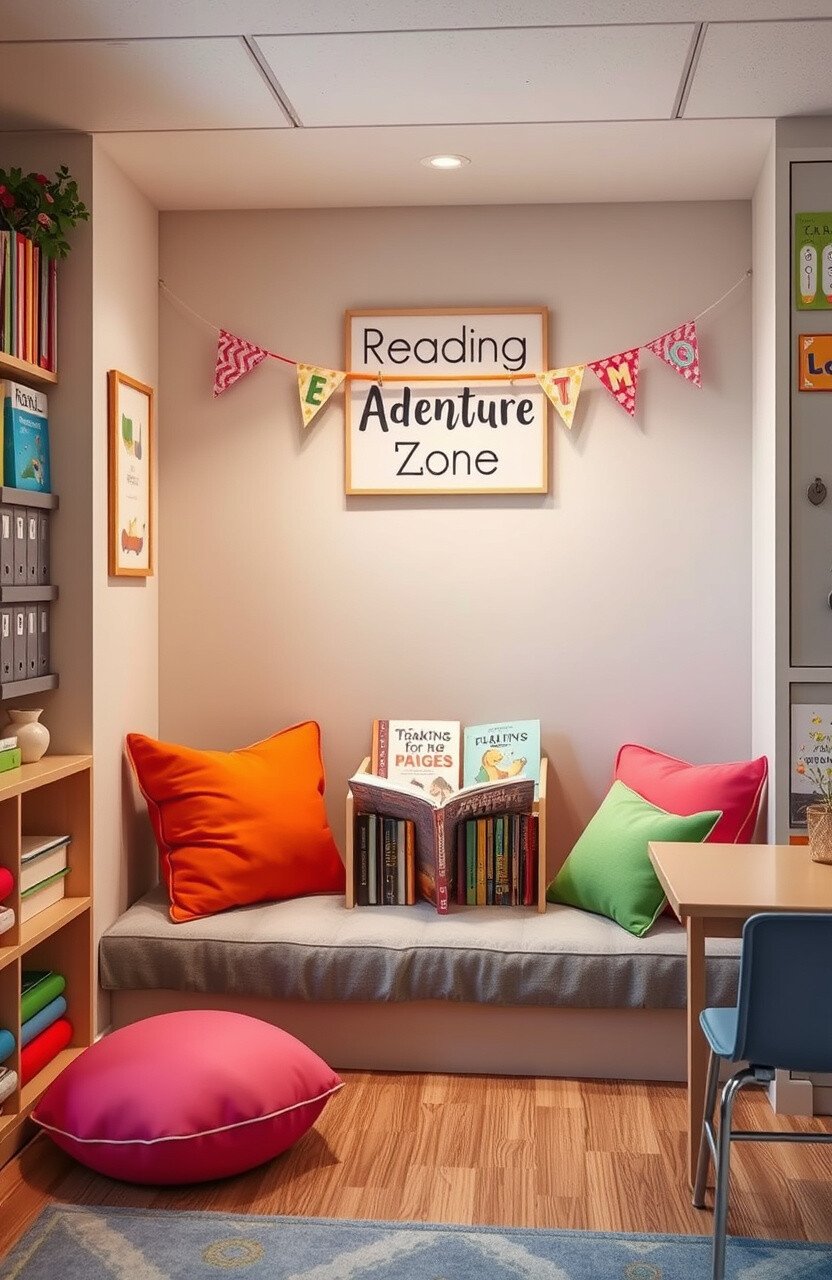
Create a special place where kids can escape into a world of books. A reading nook with soft cushions and a small bookshelf can make reading feel like an adventure.
Children love having a space that feels just for them. This nook will encourage them to pick up a book and enjoy a quiet moment.
Use bright colors for cushions to make the nook inviting. Personalize it with a little sign that says “Reading Adventure Zone.”
You can find budget-friendly cushions and bookshelves at thrift stores. It’s a small investment with a big impact on learning.
2. Art Station
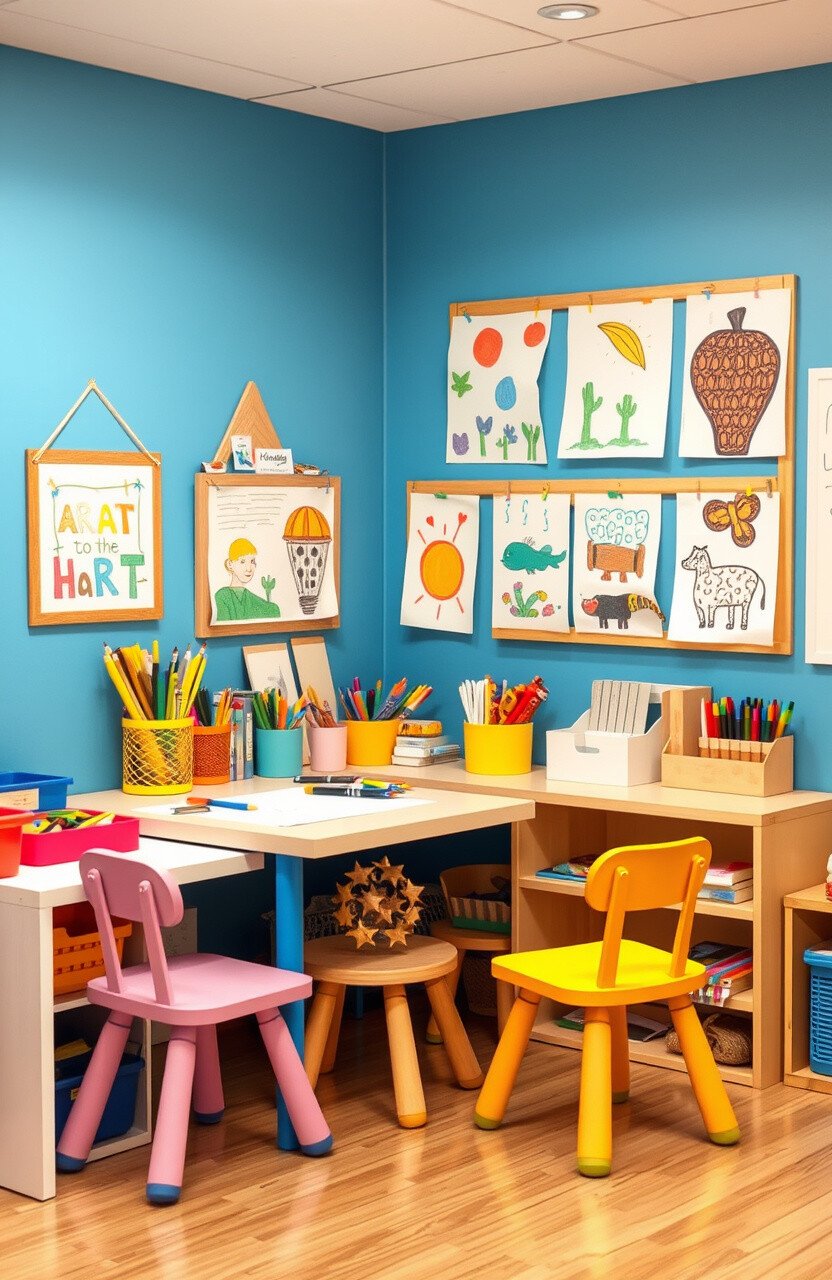
An art station can spark creativity and imagination in young minds. Stock it with paper, crayons, markers, and other art supplies.
This is a space where kids can express themselves and develop fine motor skills. Art is a universal language that every child understands.
Make it unique by displaying their artwork on a gallery wall. It’s a great way to boost their confidence and pride in their creations.
Look for sales on art supplies to keep costs down. Encourage parents to donate materials as well.
3. Sensory Table
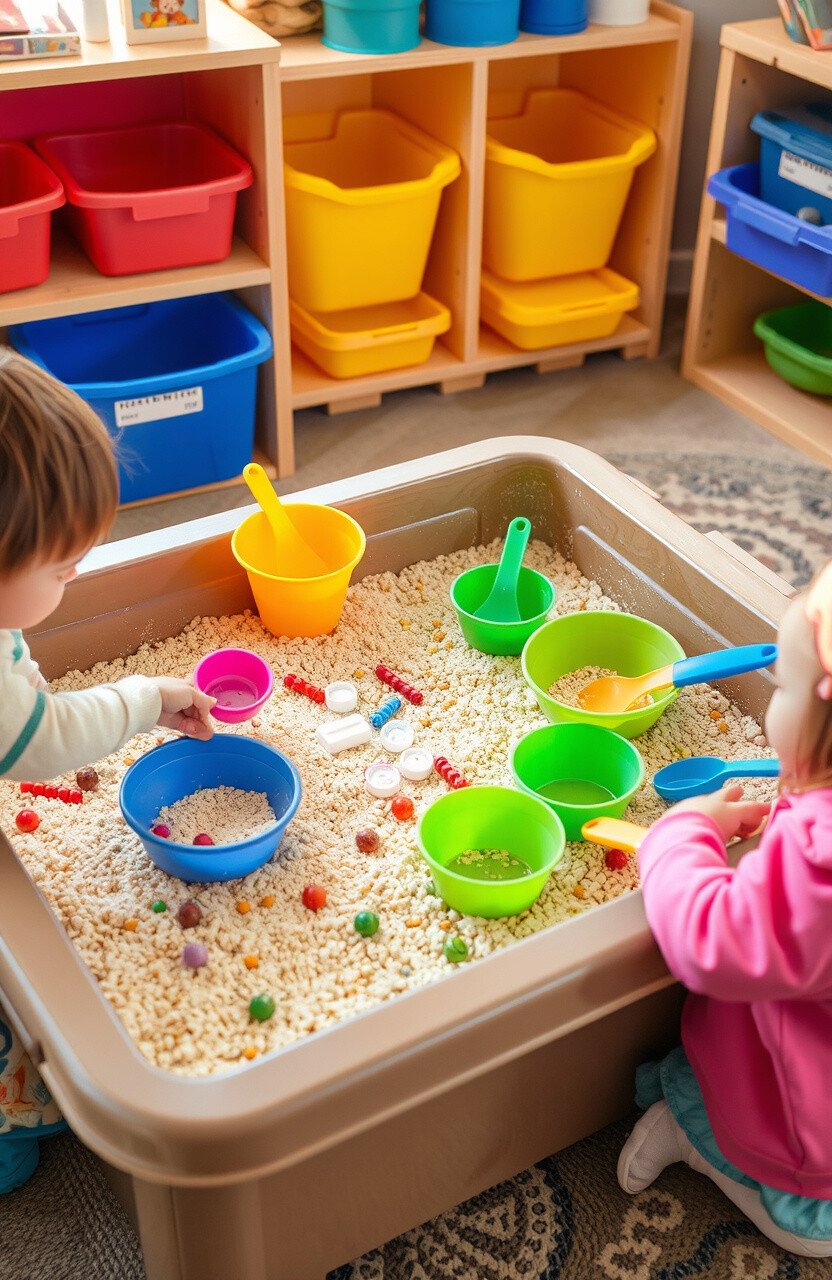
Sensory tables are perfect for hands-on learning and exploration. Fill it with sand, water, or rice for tactile experiences.
Children can learn about textures and improve their cognitive skills. It’s also a fantastic way to keep them engaged and entertained.
Change the materials in the table regularly to keep it fresh and exciting. Add scoops, cups, and funnels for extra fun.
You can make a DIY sensory table with a plastic bin. It’s an affordable and effective learning tool.
4. Nature Corner
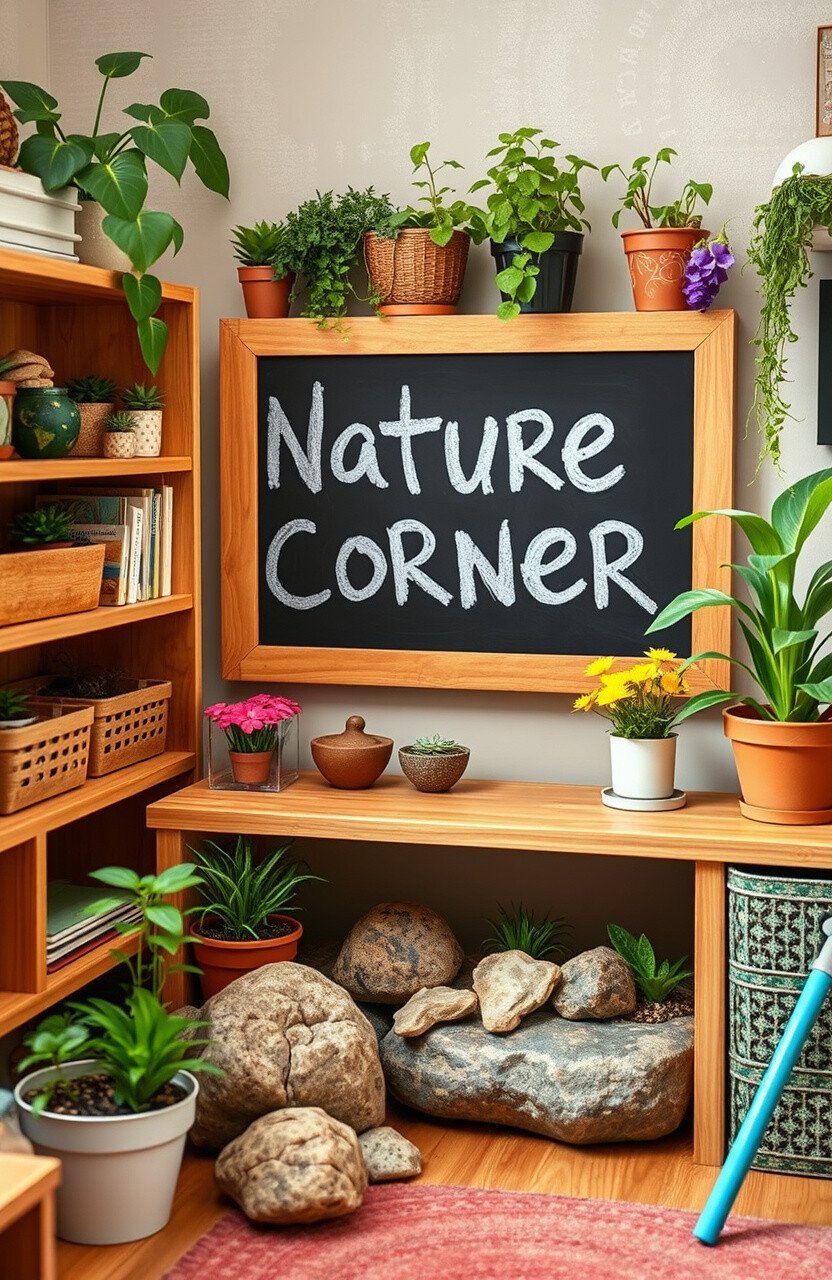
Bring a bit of the outside world into your classroom with a nature corner. Plants, rocks, and even a small pet can make it special.
Kids learn about responsibility and the environment through caring for plants or small animals. It’s a hands-on biology lesson every day.
Personalize the corner with a small chalkboard for kids to write down observations. It adds a scientific touch to their explorations.
Look for low-maintenance plants or consider a class pet like a fish. This corner can be both educational and calming.
5. Block Building Area

A block building area encourages creativity and problem-solving. Provide a variety of blocks for endless construction possibilities.
Kids can develop spatial awareness and teamwork skills here. It’s a space where their imagination can run wild.
Organize blocks by color or size for easy access. Add signs with building challenges to inspire new creations.
Blocks can be found at discount stores or homemade from recycled materials. This area is a staple in any kindergarten classroom.
6. Dramatic Play Zone
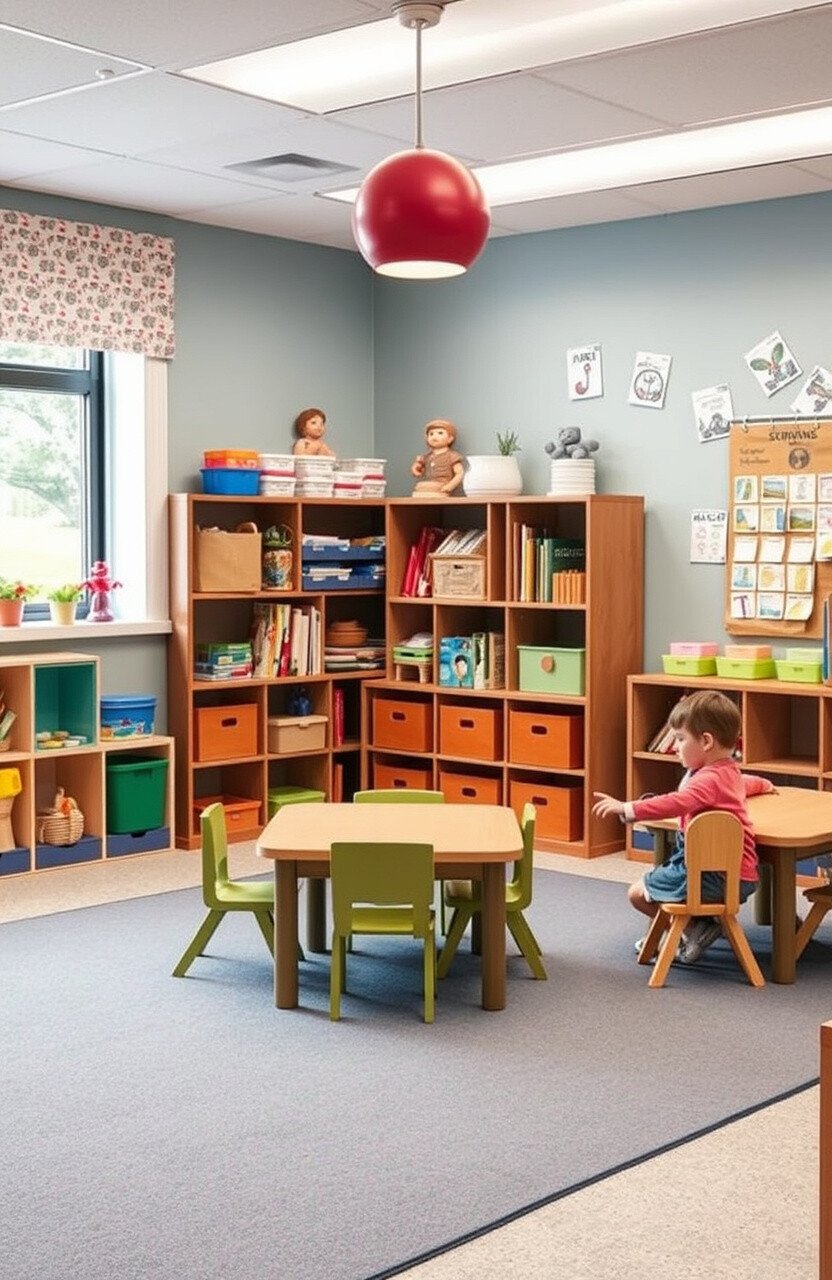
Set up a dramatic play zone for role-playing and storytelling. Costumes and props make it even more engaging.
Imaginative play is crucial for social and emotional development. Kids can be anything they want to be in this zone.
Change the theme regularly to keep it fresh. One week it could be a grocery store, the next a post office.
Thrift stores are great for finding costumes and props. This zone can be a vibrant and dynamic part of your classroom.
7. Music Corner
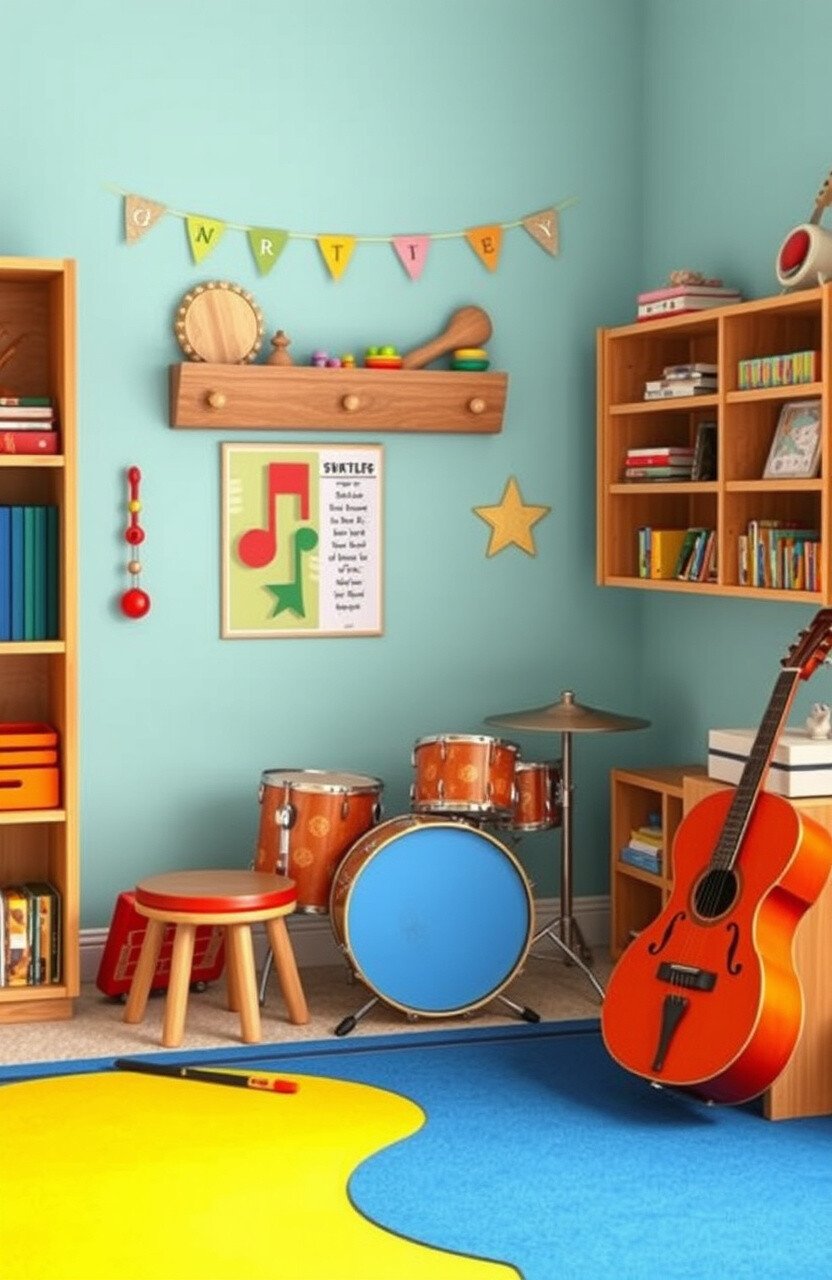
A music corner with instruments like tambourines and drums can be a hit. It allows children to explore rhythm and sound.
Music enhances cognitive development and boosts mood. It’s a joyful way for kids to express themselves.
Encourage kids to create their own songs. Display a playlist of their favorite tunes for inspiration.
Look for second-hand instruments to keep costs low. Music can be a magical addition to your classroom environment.
8. Puzzle Station
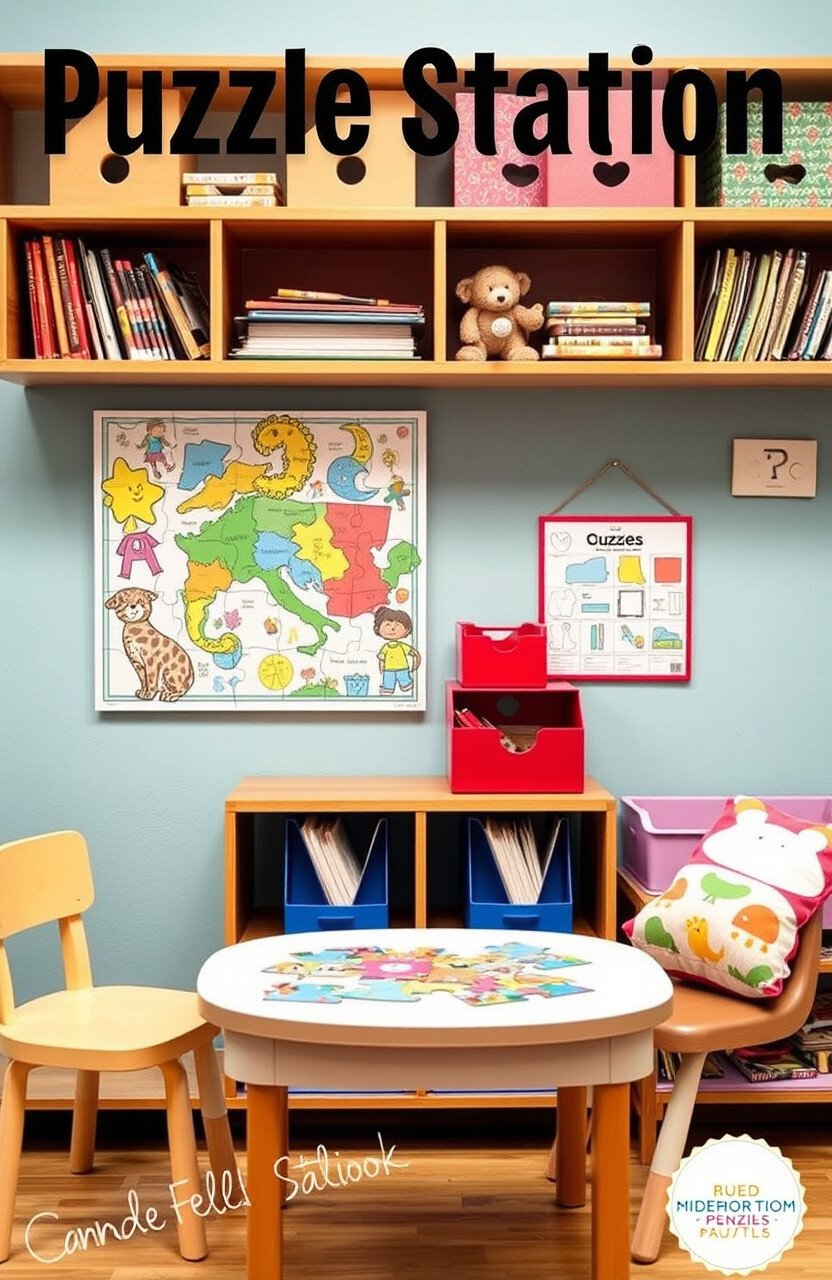
Puzzles are great for developing problem-solving skills. A puzzle station can be a quiet and focused area.
Kids learn patience and perseverance through puzzles. It’s a rewarding activity that challenges their minds.
Offer puzzles of varying difficulty to cater to different skill levels. Rotate them regularly to maintain interest.
Puzzles can be found affordably at garage sales. This station is a valuable addition to any classroom.
9. Science Lab
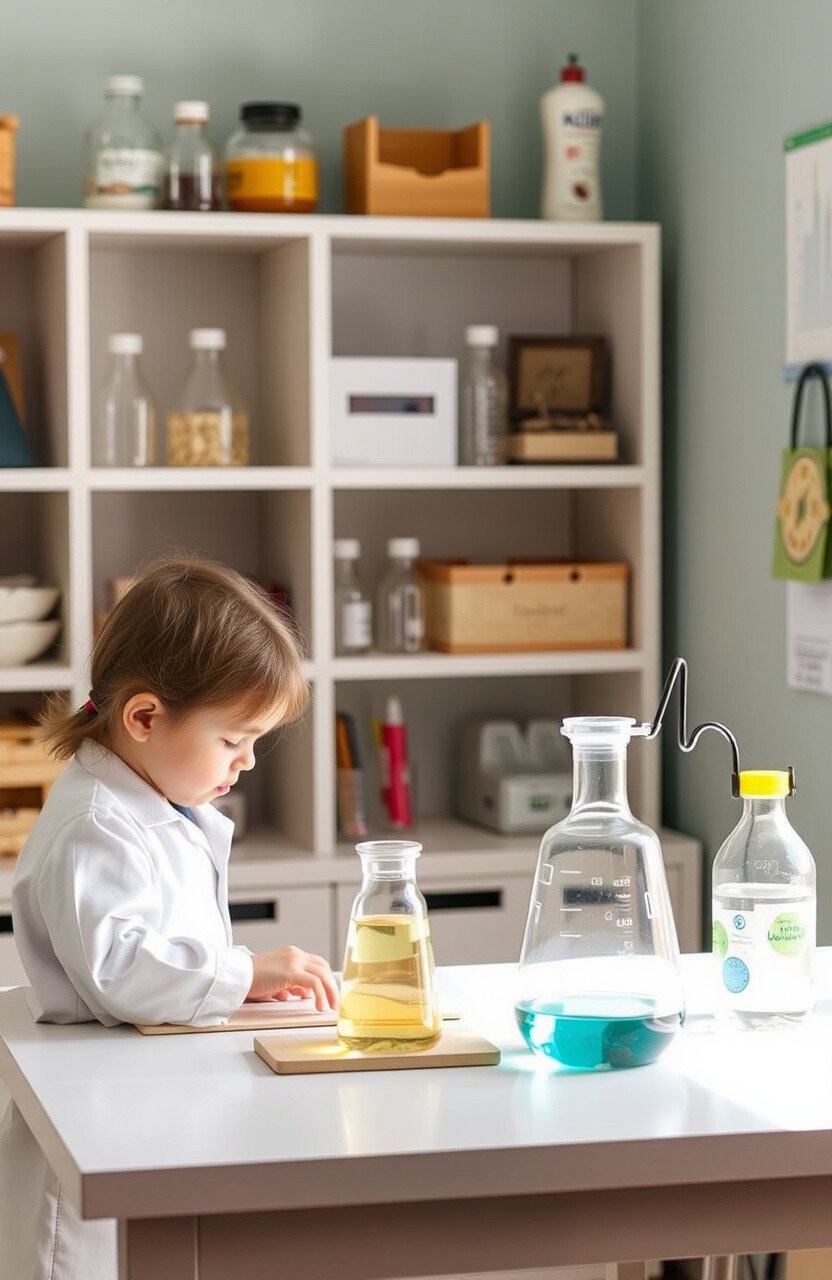
A mini science lab can ignite curiosity and love for science. Simple experiments can teach complex concepts in a fun way.
Kids can learn about cause and effect through hands-on activities. It’s a space where questions turn into discoveries.
Personalize the lab with lab coats and goggles for a professional touch. Display experiment results for everyone to see.
Use household items for experiments to keep costs down. It’s an exciting and educational area for young scientists.
10. Math Center
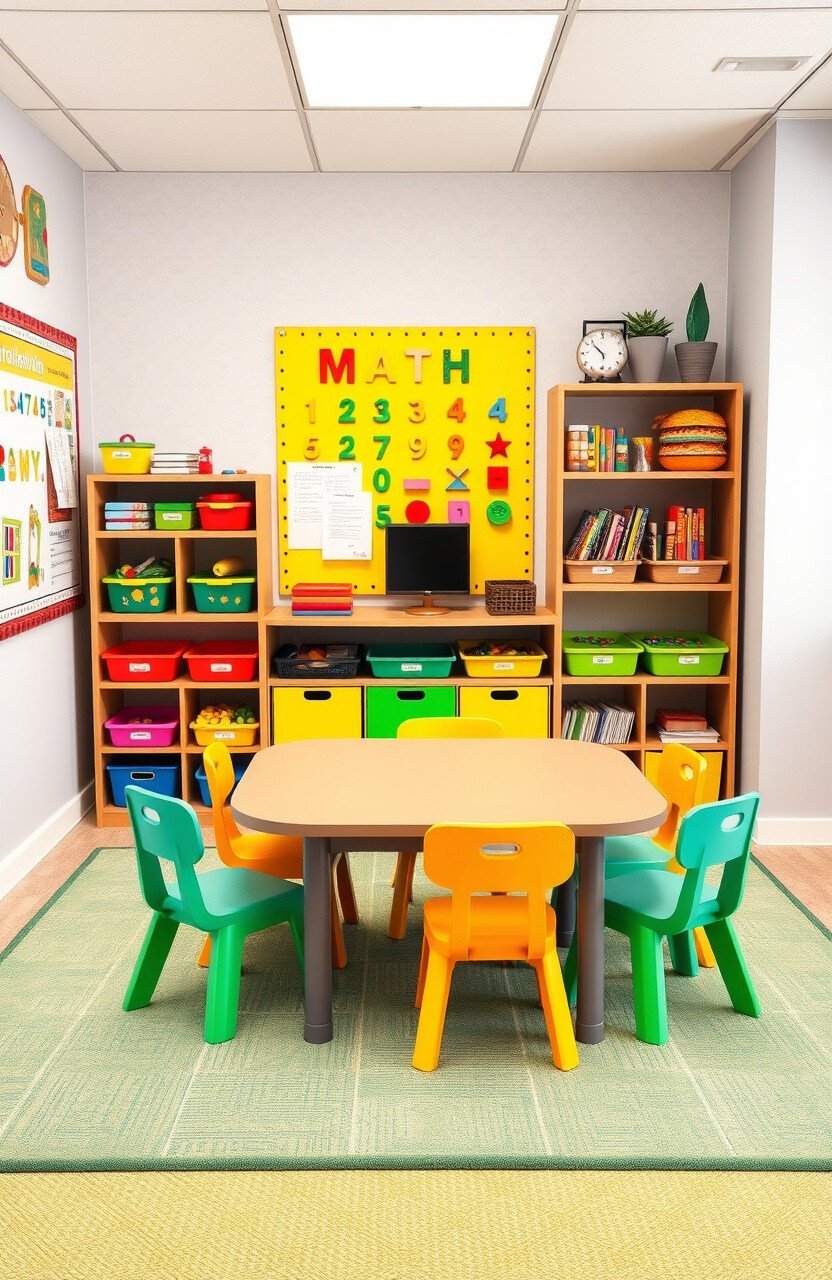
A math center with games and manipulatives makes learning numbers fun. It’s where math comes to life for young learners.
Children can develop number sense and problem-solving skills here. It’s a playful approach to a fundamental subject.
Use colorful math manipulatives to make concepts tangible. A counting wall can be a visually appealing feature.
Many math games and tools are available for free online. This center can inspire a love for math early on.
11. Quiet Zone

A quiet zone is perfect for relaxation and reflection. It offers a break from the hustle and bustle of the classroom.
Kids can recharge and manage their emotions in a calming space. It’s an essential area for mental well-being.
Use soft lighting and calming colors to set the mood. Add a cozy chair or beanbag for ultimate comfort.
Decor can be minimal, keeping costs low. A peaceful corner can make a big difference in a busy classroom.
12. Interactive Wall

An interactive wall can be a dynamic part of your classroom. Use Velcro-backed pieces for activities that change daily.
Kids can engage with the wall through storytelling and games. It’s a versatile space for creativity and learning.
Feature themes like seasons or animals to keep it interesting. Encourage kids to contribute their own creations.
DIY options make this affordable and customizable. An interactive wall can quickly become a classroom favorite.
13. Calendar Area
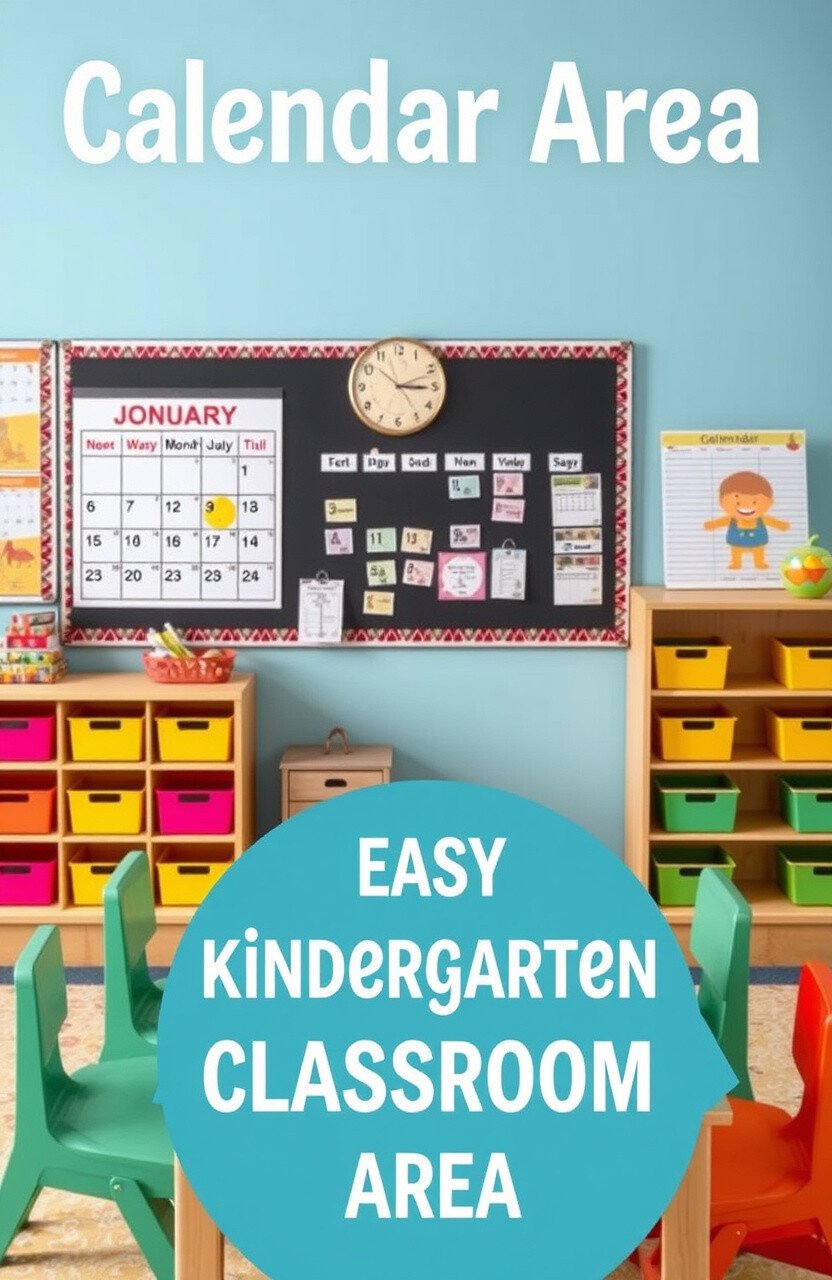
A calendar area helps kids understand time and routines. It’s a daily ritual that brings structure to their day.
Kids learn about days, months, and seasons. It’s a practical way to introduce them to the concept of time.
Make it engaging with a weather chart and job board. Kids can take turns updating the calendar.
Printable calendar sets are available online for free. This area is a simple yet effective educational tool.
14. Kindness Corner

A kindness corner promotes empathy and positive behavior. It’s a place for kids to celebrate acts of kindness.
Kids learn the importance of being kind and respectful. It’s a heartwarming addition that fosters a supportive environment.
Feature a “kindness tree” where kids can add leaves for kind acts. It’s a visual reminder of the power of kindness.
Materials can be simple, like paper and markers. A kindness corner can create a welcoming atmosphere for everyone.
15. Storytelling Stage

A storytelling stage can be a small platform or area for performances. Kids love to narrate stories and act them out.
It encourages public speaking and boosts confidence. Kids learn to express themselves in front of their peers.
Add a curtain and simple props for dramatic effect. Invite kids to share their own stories and ideas.
Use recycled materials to build a simple stage. This area is where imagination takes center stage.
16. Cultural Corner
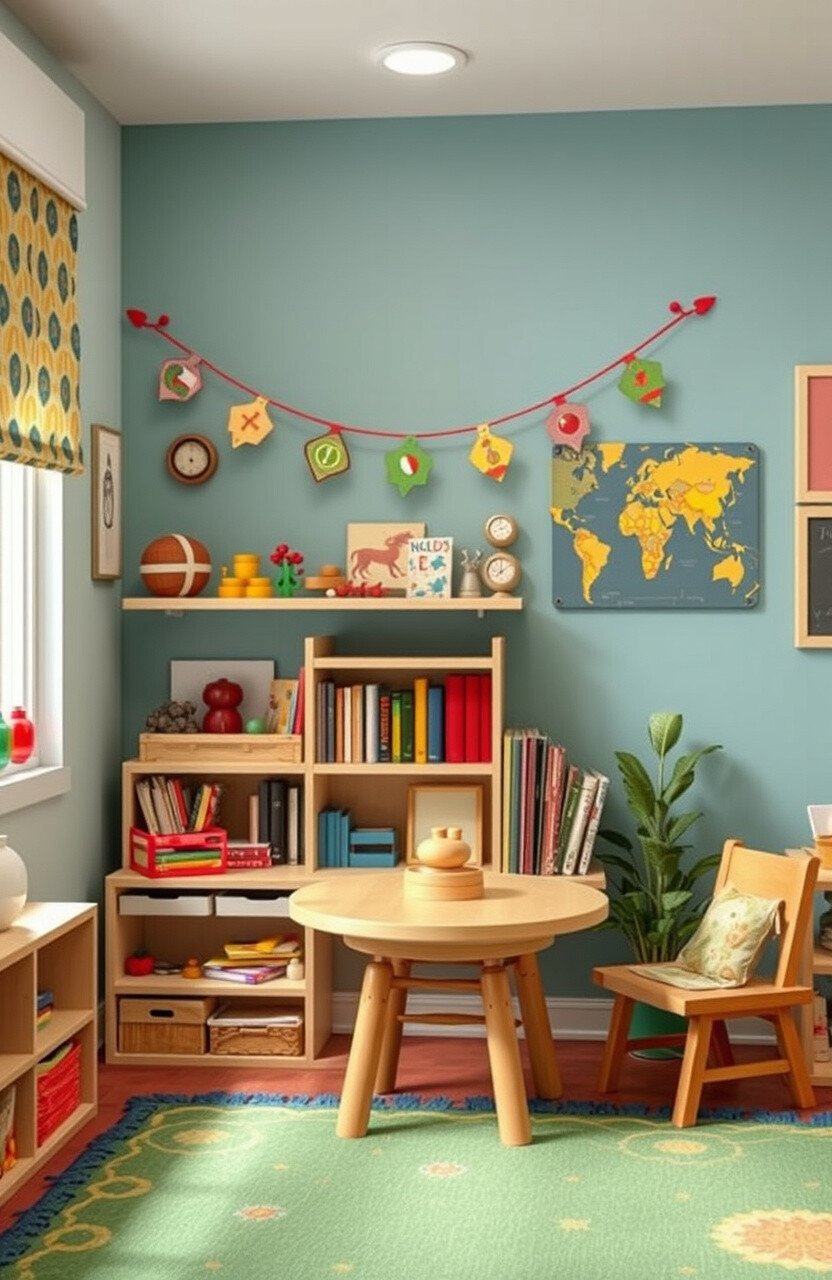
A cultural corner introduces kids to different cultures and traditions. It’s a space for celebrating diversity and inclusion.
Kids learn about the world and different ways of life. It’s a step towards fostering global awareness from a young age.
Feature cultural artifacts and books to spark interest. Encourage kids to share about their own cultural backgrounds.
Many resources can be found online or through community donations. A cultural corner is a window to the world.
17. Technology Zone

A technology zone with tablets or computers introduces kids to digital learning. It’s a blend of fun and education.
Kids develop digital literacy skills that are essential in today’s world. It’s a gateway to endless learning possibilities.
Feature educational apps and games for interactive learning. Set guidelines to ensure safe and responsible use.
Look for grants or donations to fund this zone. Technology can be an exciting and modern addition to your classroom.
18. Snack Station
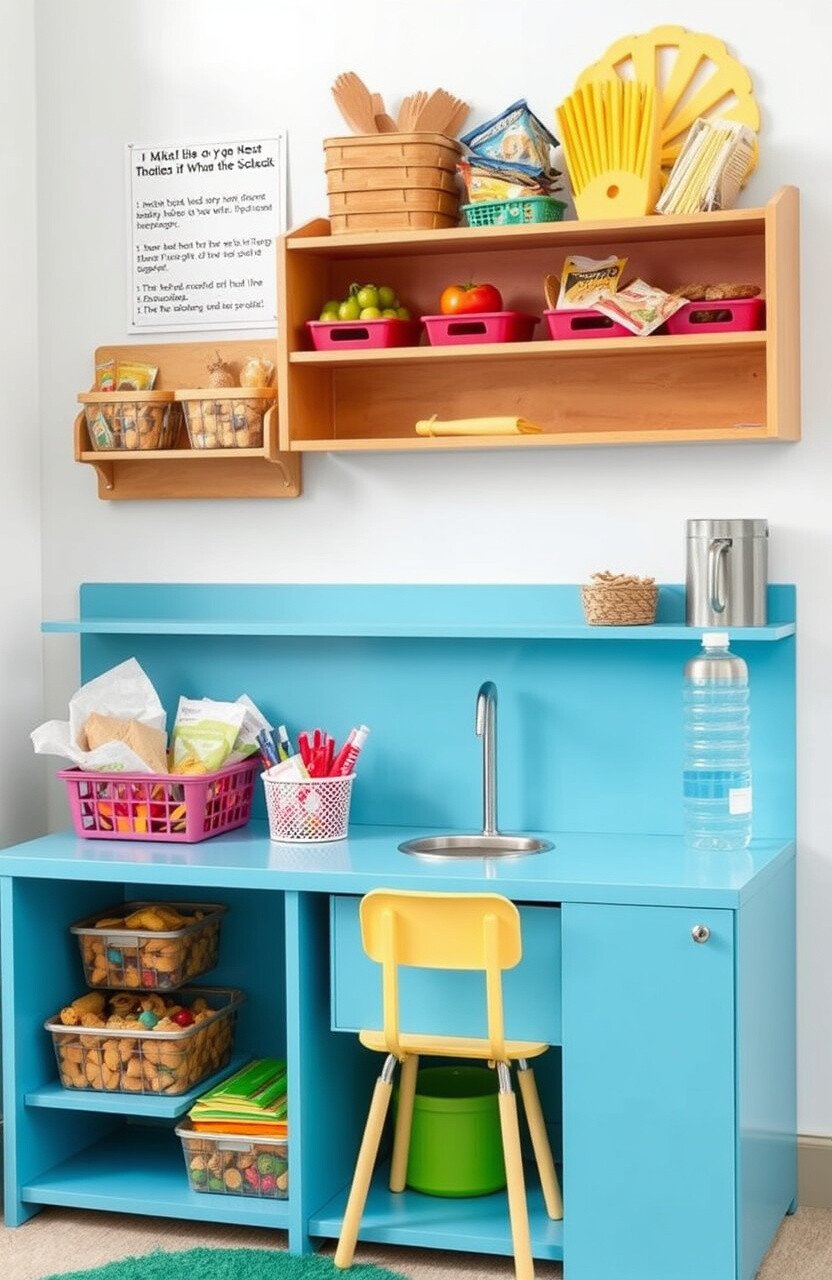
A snack station teaches kids about healthy eating and independence. It’s where they can grab a quick bite and recharge.
Kids learn about nutrition and making healthy choices. It’s a practical life skill that they’ll carry with them.
Feature healthy snacks and a water station. Encourage kids to help themselves and clean up afterward.
Work with parents to provide snacks or look for affordable options. A snack station is a tasty addition to the classroom.
19. Weather Watch

A weather watch station makes learning about weather fun. Kids can observe and record daily weather changes.
It’s a hands-on way to learn about science and the environment. Kids develop observation and recording skills.
Include tools like thermometers and rain gauges. Feature a weather chart for kids to update daily.
Many weather tools can be DIY or found affordably. This station is a great way to connect with nature.
20. Planting Area
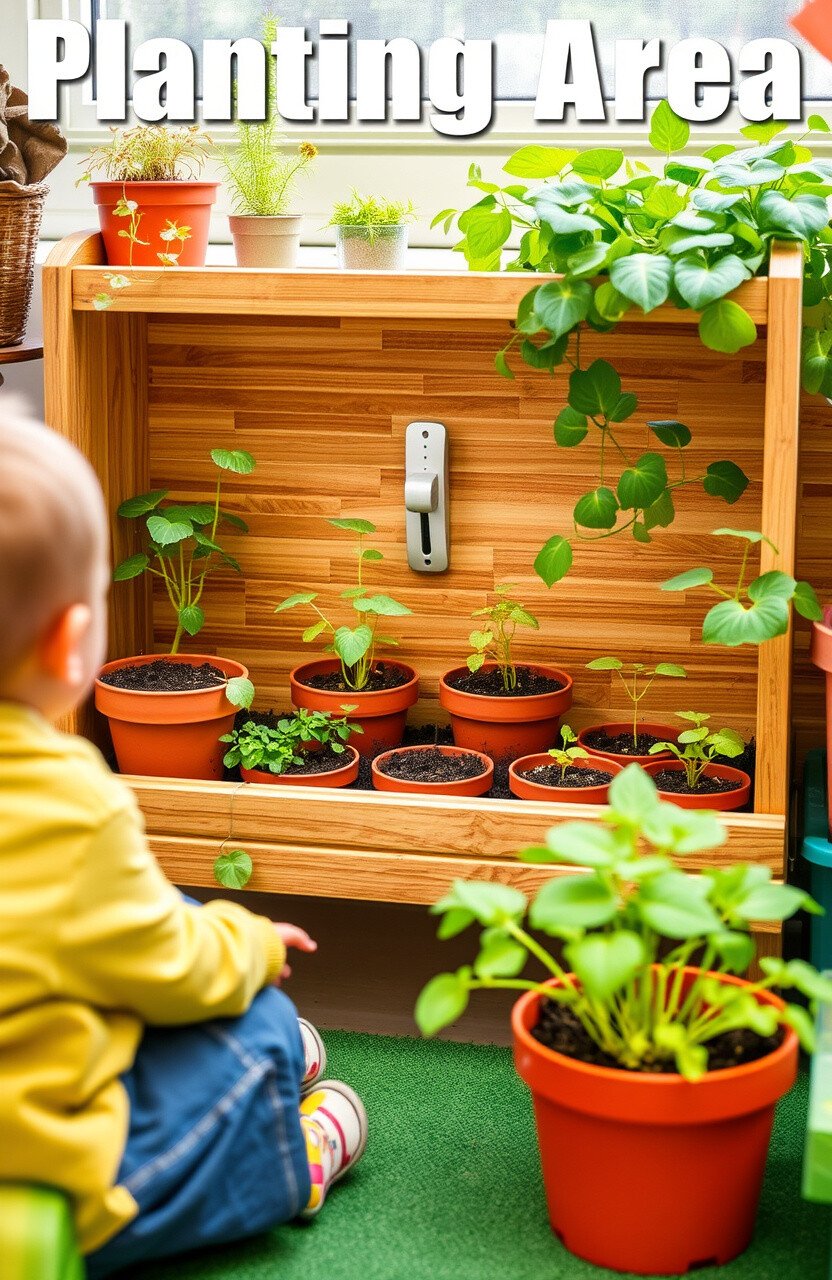
A planting area invites kids to explore gardening. It’s a green space for learning about plants and growth.
Kids learn responsibility through caring for plants. It’s a chance to connect with nature and see the fruits of their labor.
Feature a variety of plants and a watering schedule. Encourage kids to take turns caring for the garden.
Seeds and pots can be found inexpensively. A planting area adds a touch of nature to your classroom.
21. Alphabet Wall
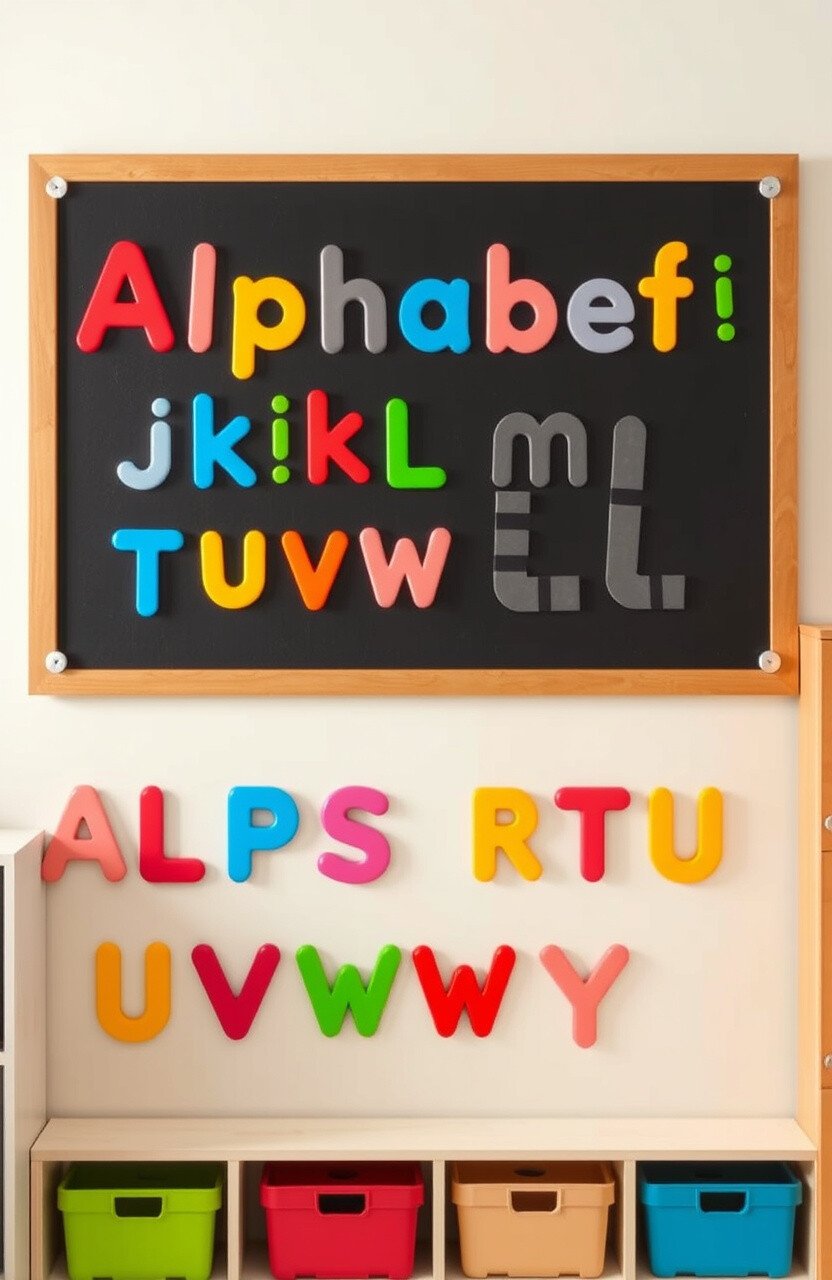
An alphabet wall is a colorful display of letters. It’s a visual and interactive way to learn the ABCs.
Kids learn letter recognition and phonetics. It’s a fundamental skill that sets the foundation for reading.
Feature letters in different fonts and colors for variety. Include tactile elements for a sensory experience.
Printable alphabet sets are available online for free. An alphabet wall is a bright and educational feature.
22. Birthday Board
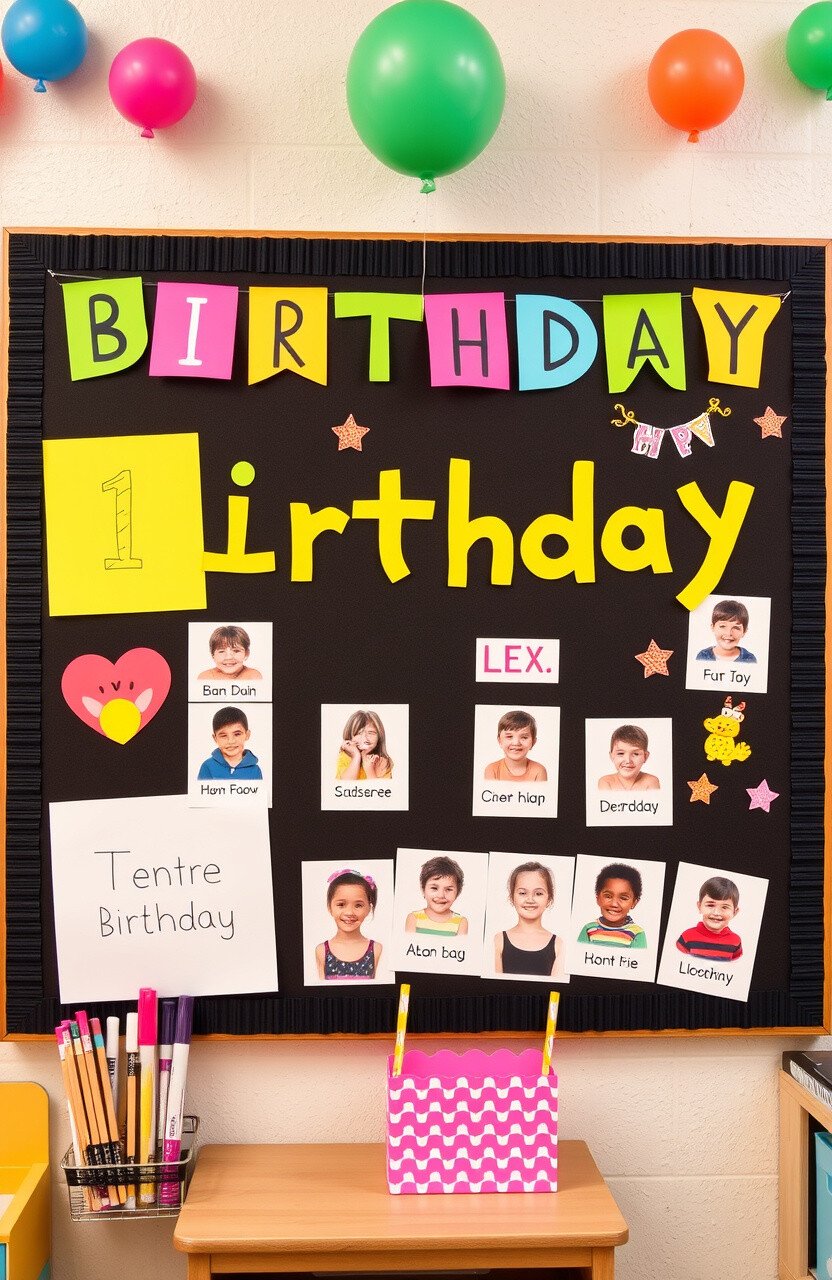
A birthday board celebrates each child’s special day. It’s a fun and festive way to acknowledge birthdays.
Kids feel valued and special when their birthday is celebrated. It fosters a sense of community and belonging.
Feature each child’s name and birthday for easy reference. Add photos and decorations for a personal touch.
Materials can be simple, like paper and markers. A birthday board is a joyful addition to your classroom.
23. Play Dough Table

A play dough table is perfect for hands-on creativity. Kids can shape, mold, and explore textures.
It’s a sensory activity that develops fine motor skills. Kids can let their imagination run wild with endless possibilities.
Feature homemade play dough in different colors and scents. Add tools like rollers and cutters for extra fun.
Play dough can be made with simple ingredients at home. This table is a fun and budget-friendly activity area.
24. Puppet Theater
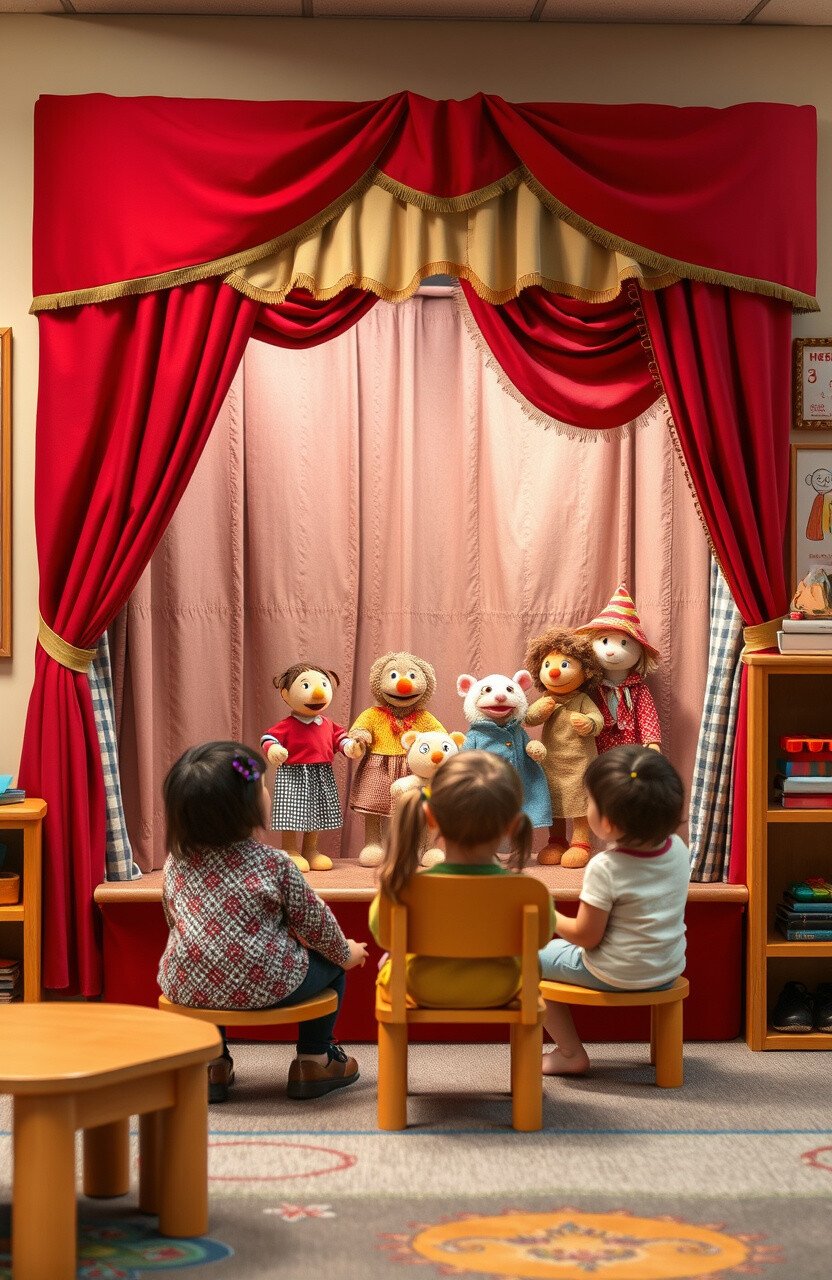
A puppet theater is a whimsical space for storytelling. Kids can create and perform their own shows.
It encourages creativity and boosts confidence in public speaking. Kids learn to express emotions through characters.
Feature a variety of puppets and a small stage for performances. Encourage kids to write their own scripts.
Use recycled materials to create a simple puppet theater. This area can be a source of endless entertainment.
25. Friendship Bench

A friendship bench is a place for kids to make new friends. It’s a special spot for socializing and building connections.
Kids learn to include others and build friendships. It’s a heartwarming way to encourage social interaction.
Decorate it with positive messages and bright colors. Encourage kids to sit and chat with someone new.
A bench can be found affordably or donated by the community. A friendship bench fosters a welcoming atmosphere.
26. Science Discovery Bottles
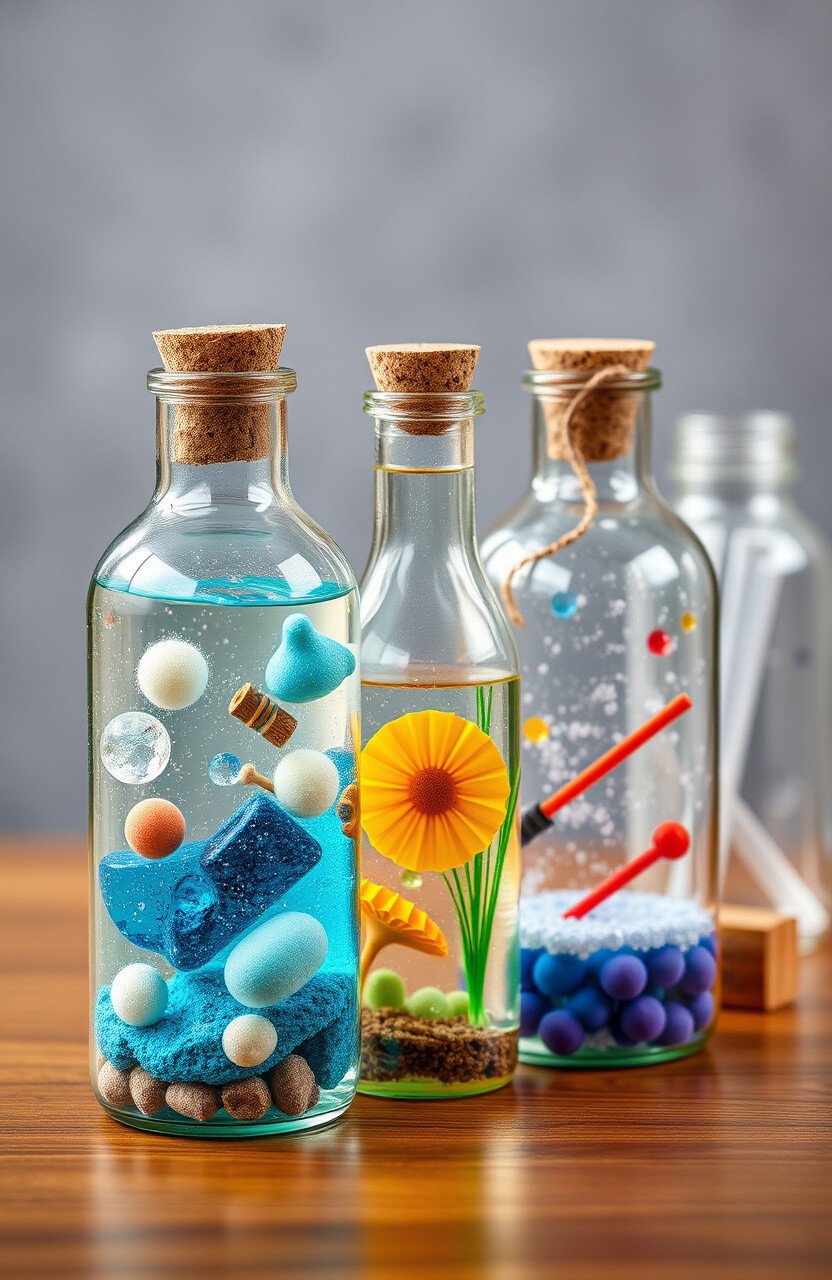
Science discovery bottles are mini-experiments sealed in bottles. They offer endless possibilities for exploration and learning.
Kids can learn about different scientific concepts through observation. It’s a hands-on way to spark curiosity and wonder.
Feature different themes like ocean waves or floating objects. Encourage kids to shake and examine the contents.
Bottles can be made with recycled materials and household items. This activity is a fun and educational way to explore science.
27. Mindfulness Area
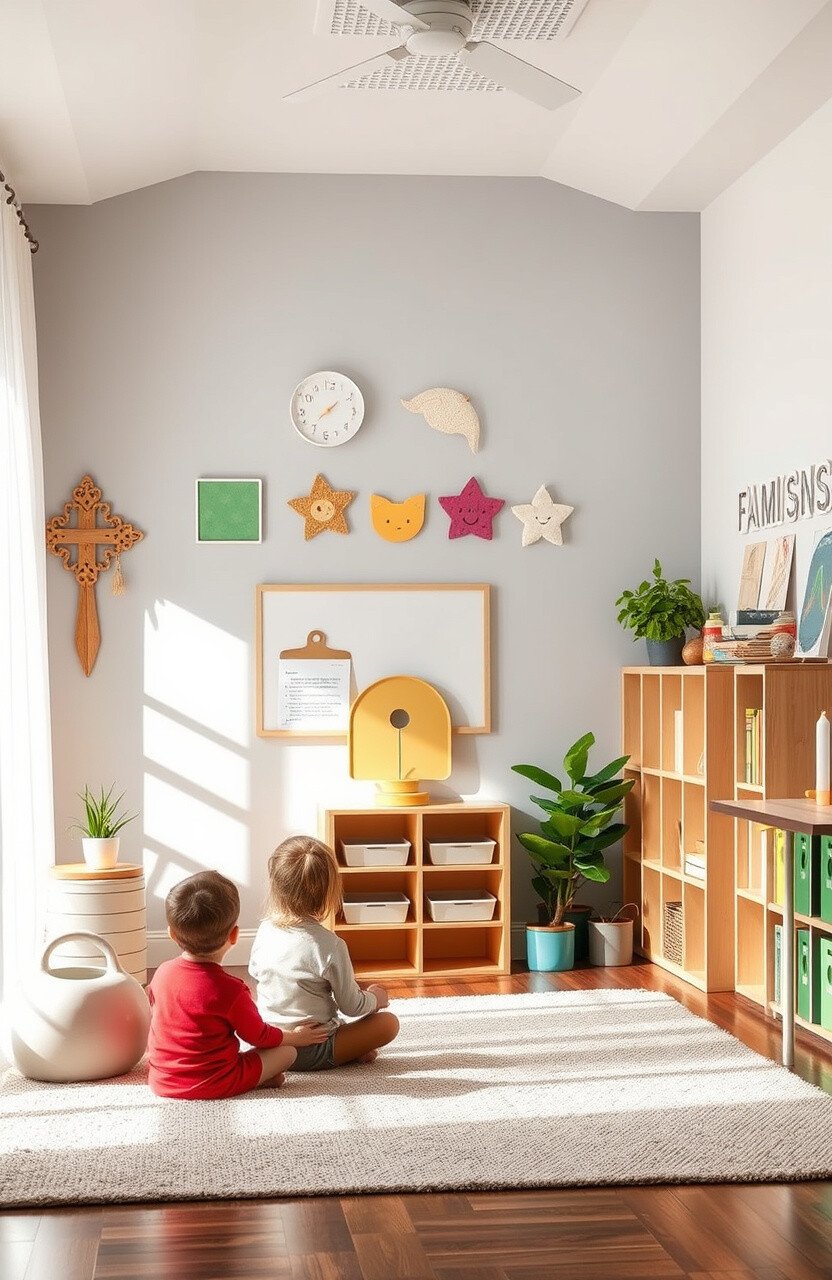
A mindfulness area promotes relaxation and focus. It’s a space for kids to practice mindfulness and self-awareness.
Kids learn to manage their emotions and reduce stress. It’s a valuable life skill that enhances well-being.
Feature calming activities like breathing exercises and yoga poses. Add soft lighting and peaceful sounds for ambiance.
Mindfulness activities can be free or inexpensive. This area is a peaceful addition to your classroom environment.
28. Treasure Hunt Adventure
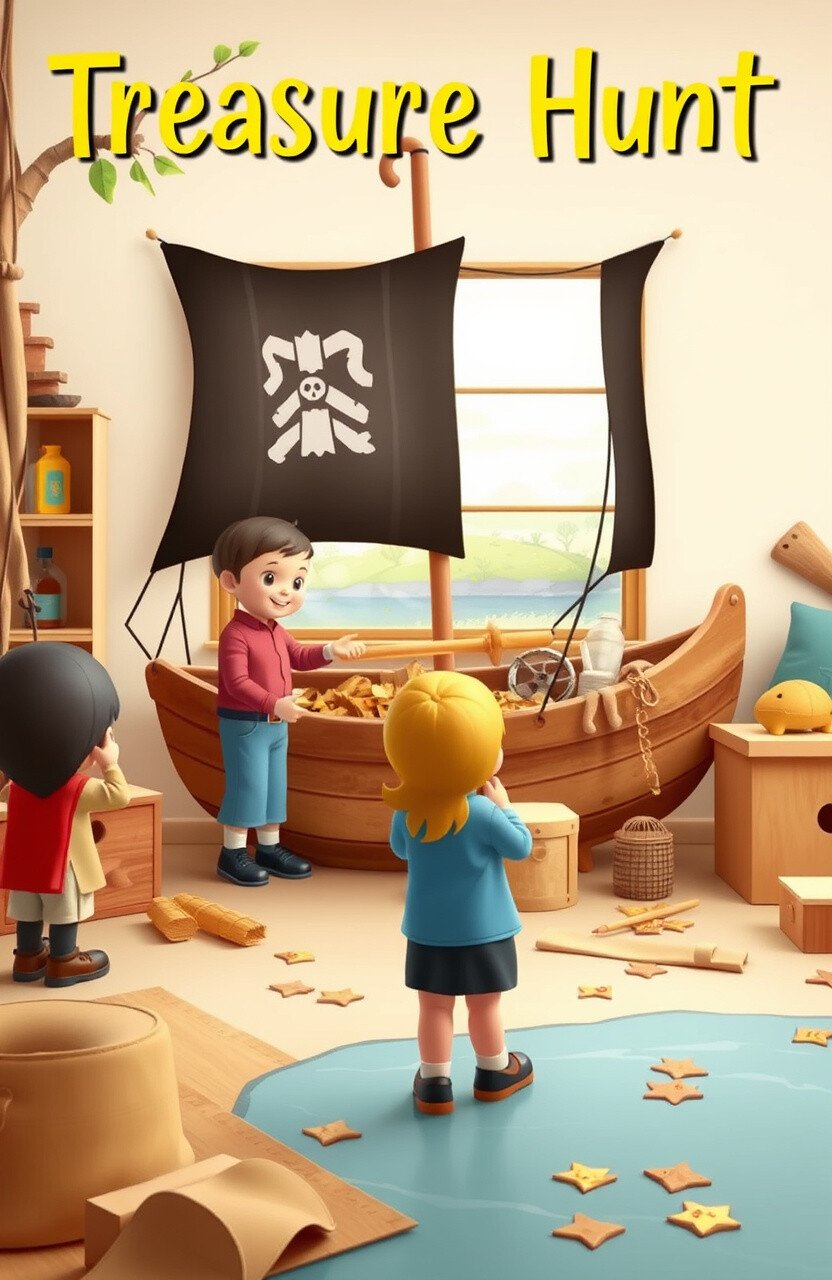
A treasure hunt adventure is a fun and engaging activity. Kids can follow clues and discover hidden treasures.
It’s a way to develop problem-solving skills and teamwork. Kids love the thrill of the hunt and the joy of discovery.
Feature themed hunts like pirates or explorers. Encourage kids to create their own treasure maps.
Materials can be simple, like paper and small trinkets. A treasure hunt adds excitement and adventure to learning.
29. Language Lab

A language lab introduces kids to new languages and cultures. It’s a space for learning and communication.
Kids develop language skills and cultural awareness. It’s a step towards becoming global citizens.
Feature audio recordings and language games for practice. Encourage kids to share words in their own languages.
Many language resources are available online for free. A language lab is an enriching addition to your classroom.
30. Craft Corner

A craft corner is a place for hands-on creativity. Kids can explore different materials and techniques.
It’s a space for self-expression and fine motor development. Kids love creating and showcasing their art.
Feature a variety of craft supplies like paper, glue, and glitter. Encourage kids to create and share their masterpieces.
Craft supplies can be found affordably or donated. A craft corner is a colorful and creative space for young artists.
31. Role Play Costumes
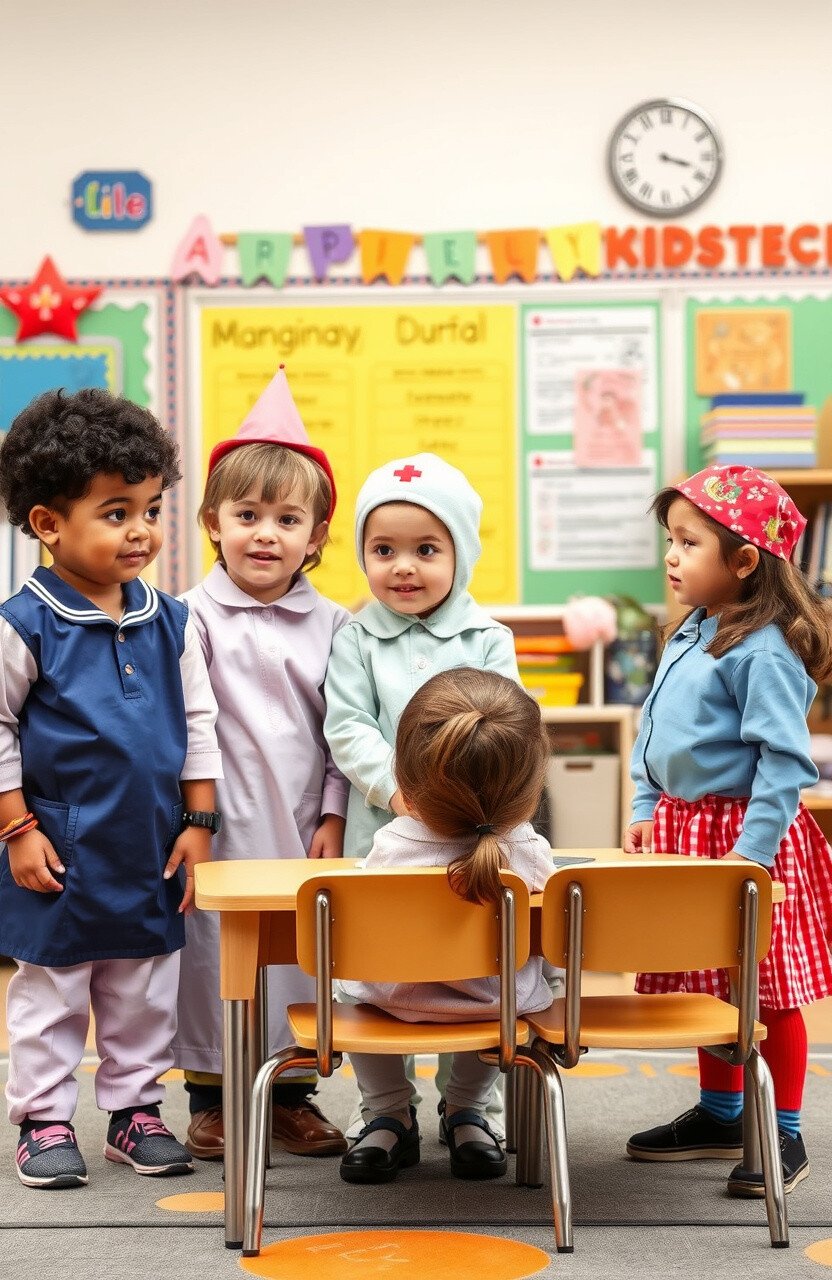
Role play costumes allow kids to step into different characters. It’s a fun way to encourage imagination and storytelling.
Kids learn about different roles and responsibilities. It’s a way to explore new identities and perspectives.
Feature a variety of costumes from different professions and cultures. Encourage kids to create their own role play scenarios.
Costumes can be found affordably at thrift stores. Role play costumes add a touch of magic to any classroom.
32. Number Line on the Floor
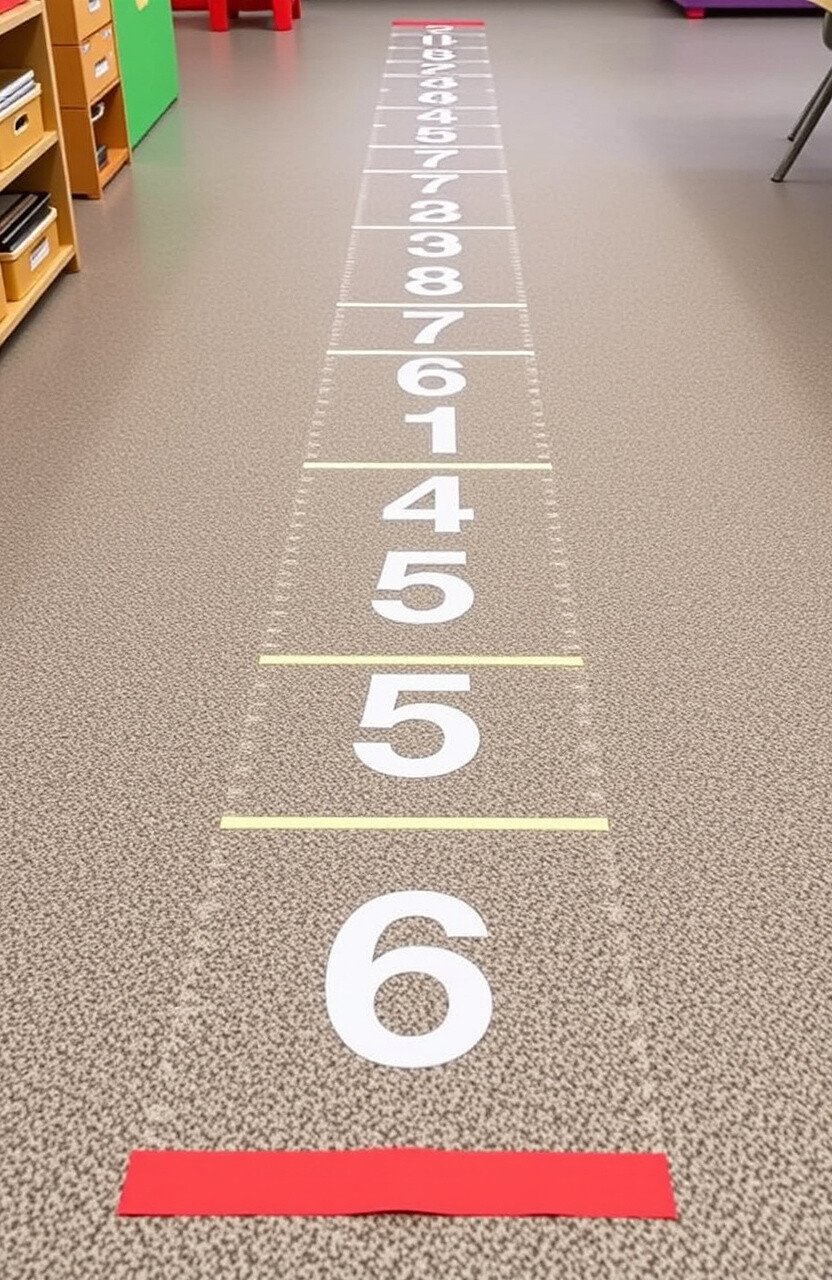
A number line on the floor is a visual and interactive way to learn numbers. Kids can hop, skip, and jump along the line.
It’s a way to develop number sense and counting skills. Kids love the physical activity combined with learning.
Feature numbers in different colors and sizes for variety. Encourage kids to use the line for math games and exercises.
A number line can be made with tape or paint. It’s an affordable and engaging addition to your classroom.
33. Mystery Box

A mystery box is a fun and intriguing activity. Kids can reach in and guess what’s inside based on touch.
It’s a way to develop sensory and descriptive skills. Kids love the element of surprise and discovery.
Feature different themes like textures or sounds. Encourage kids to describe what they feel before revealing the item.
A mystery box can be made with recycled materials. It’s a simple and exciting way to engage young minds.
34. Construction Zone
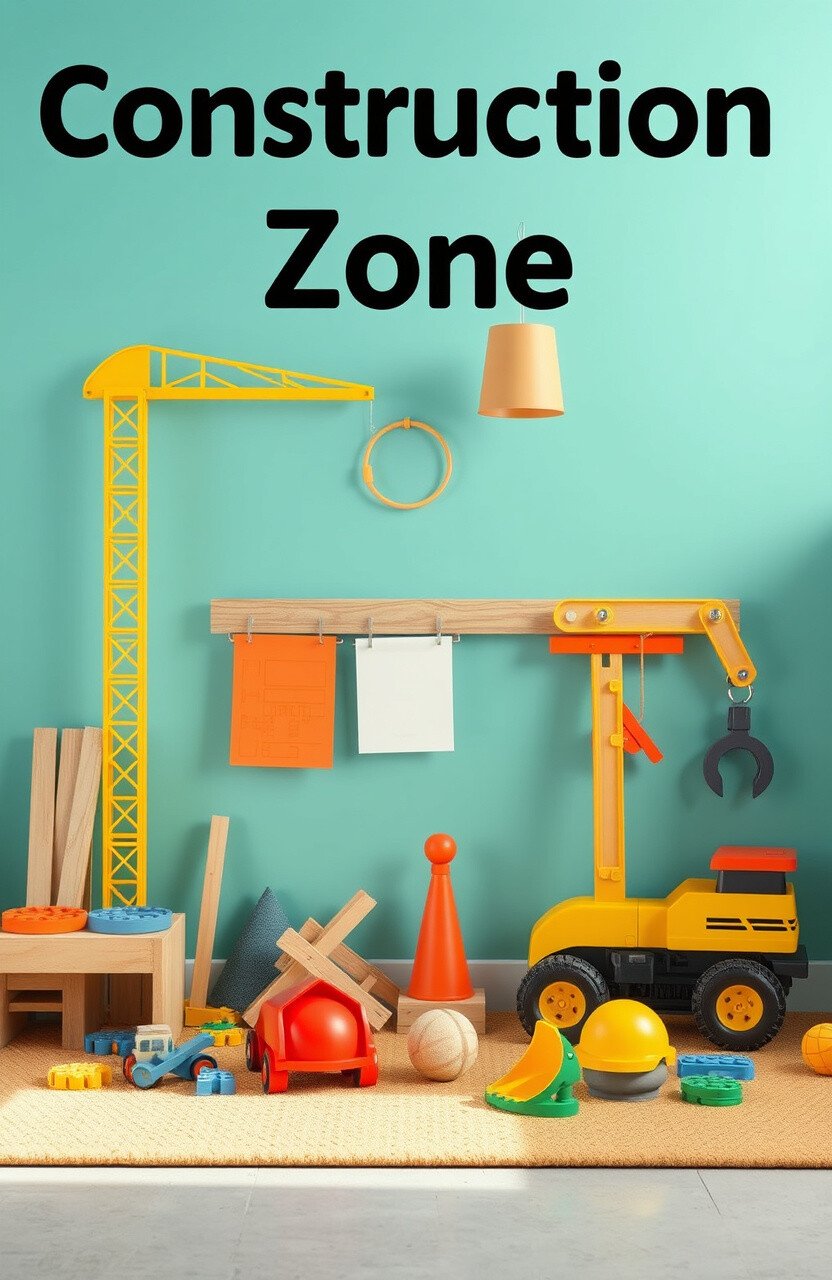
A construction zone is a space for building and engineering. Kids can explore different materials and structures.
It’s a way to develop spatial awareness and problem-solving skills. Kids love the challenge of creating and innovating.
Feature a variety of building materials like blocks and tools. Encourage kids to design and build their own projects.
Materials can be found affordably or donated. A construction zone is a dynamic and creative space for young engineers.
35. Gratitude Wall

A gratitude wall is a place to express thankfulness. Kids can write or draw things they are grateful for.
It’s a way to develop a positive mindset and appreciation. Kids love sharing their thoughts and expressing gratitude.
Feature colorful paper and markers for kids to use. Encourage kids to add to the wall regularly.
Materials are simple and inexpensive. A gratitude wall is a heartwarming addition to your classroom.
36. Nature Walk Journal
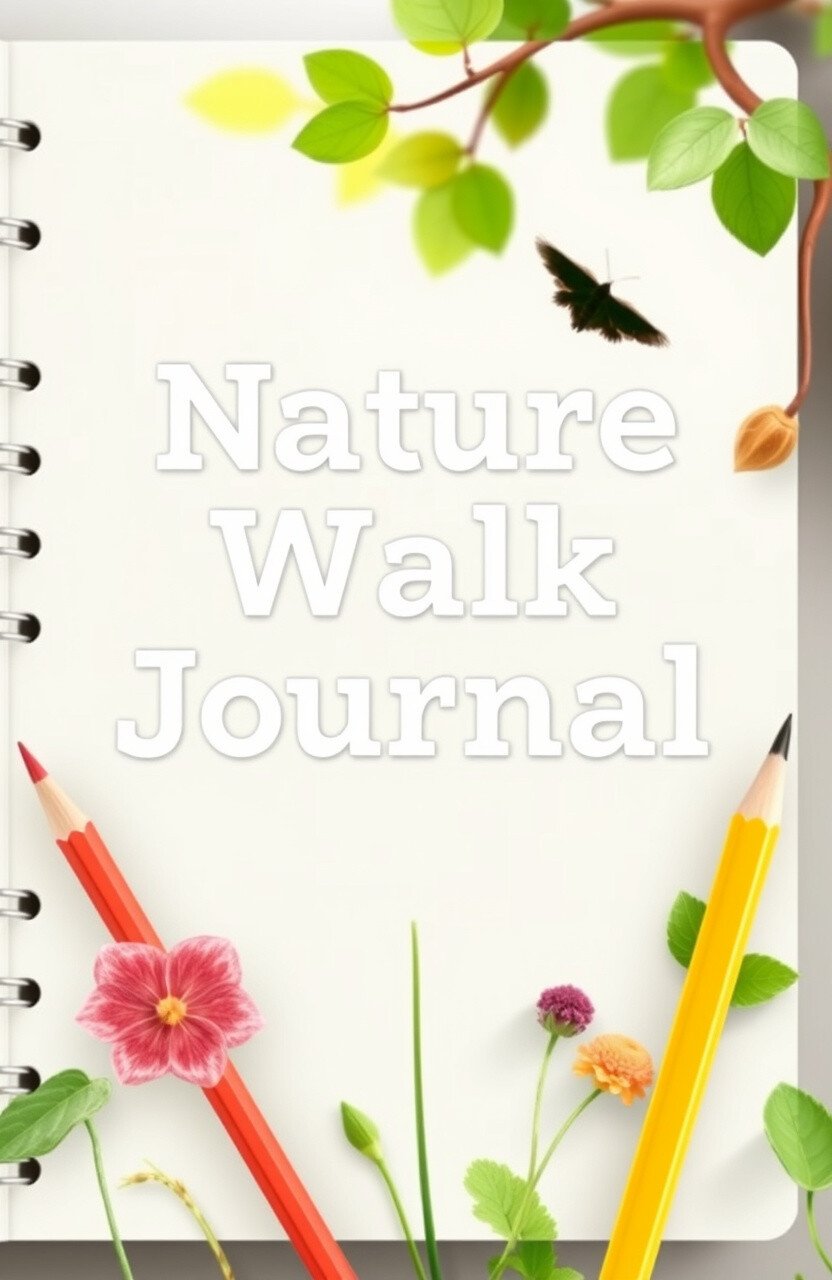
A nature walk journal is a way to document outdoor adventures. Kids can observe and record their findings in nature.
It’s a way to develop observation and recording skills. Kids love exploring and connecting with the natural world.
Feature journals and pencils for kids to use. Encourage kids to draw and write about their experiences.
Materials can be found affordably. A nature walk journal is a fun and educational way to explore the outdoors.
37. Storybook Corner
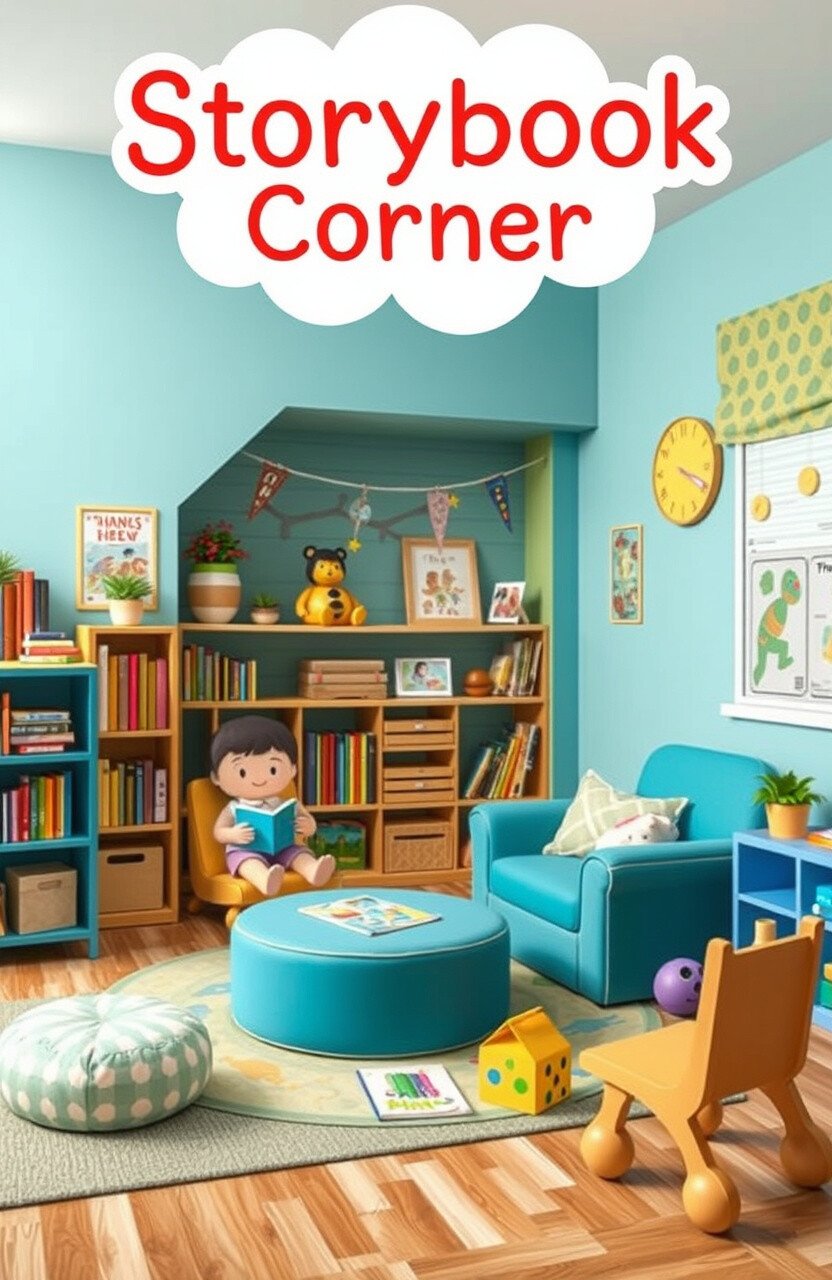
A storybook corner is a cozy place for reading and storytelling. Kids can enjoy a wide variety of books and tales.
It’s a way to develop literacy and imagination. Kids love getting lost in stories and exploring new worlds.
Feature a variety of books and comfortable seating. Encourage kids to share and recommend their favorite books.
Books can be found affordably or donated. A storybook corner is a magical addition to your classroom.
38. Animal Habitat
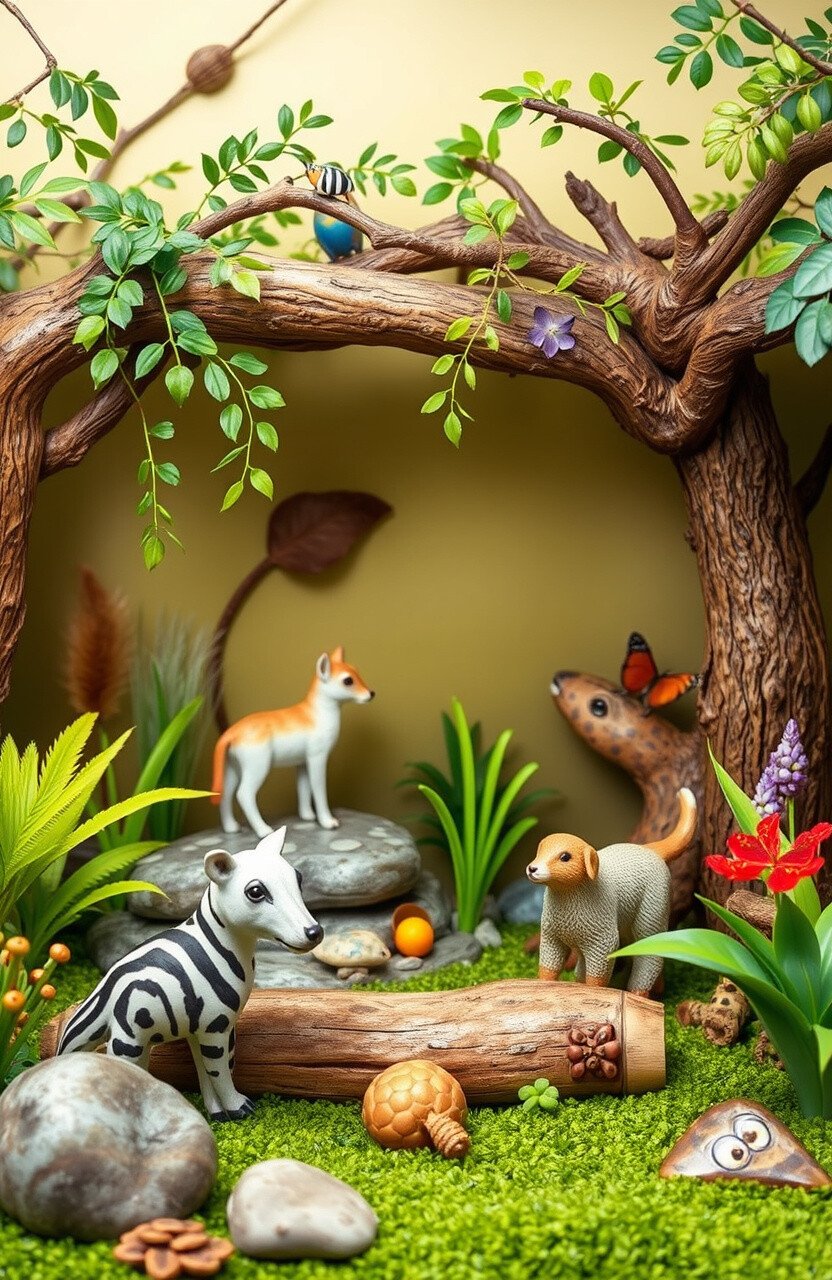
An animal habitat is a space for learning about wildlife. Kids can explore different animals and their environments.
It’s a way to develop a love for nature and wildlife conservation. Kids love observing and learning about animals.
Feature animal models and habitats for kids to explore. Encourage kids to create and share their own animal stories.
Materials can be found affordably or donated. An animal habitat is a wild and wonderful addition to your classroom.
39. Community Helpers Display
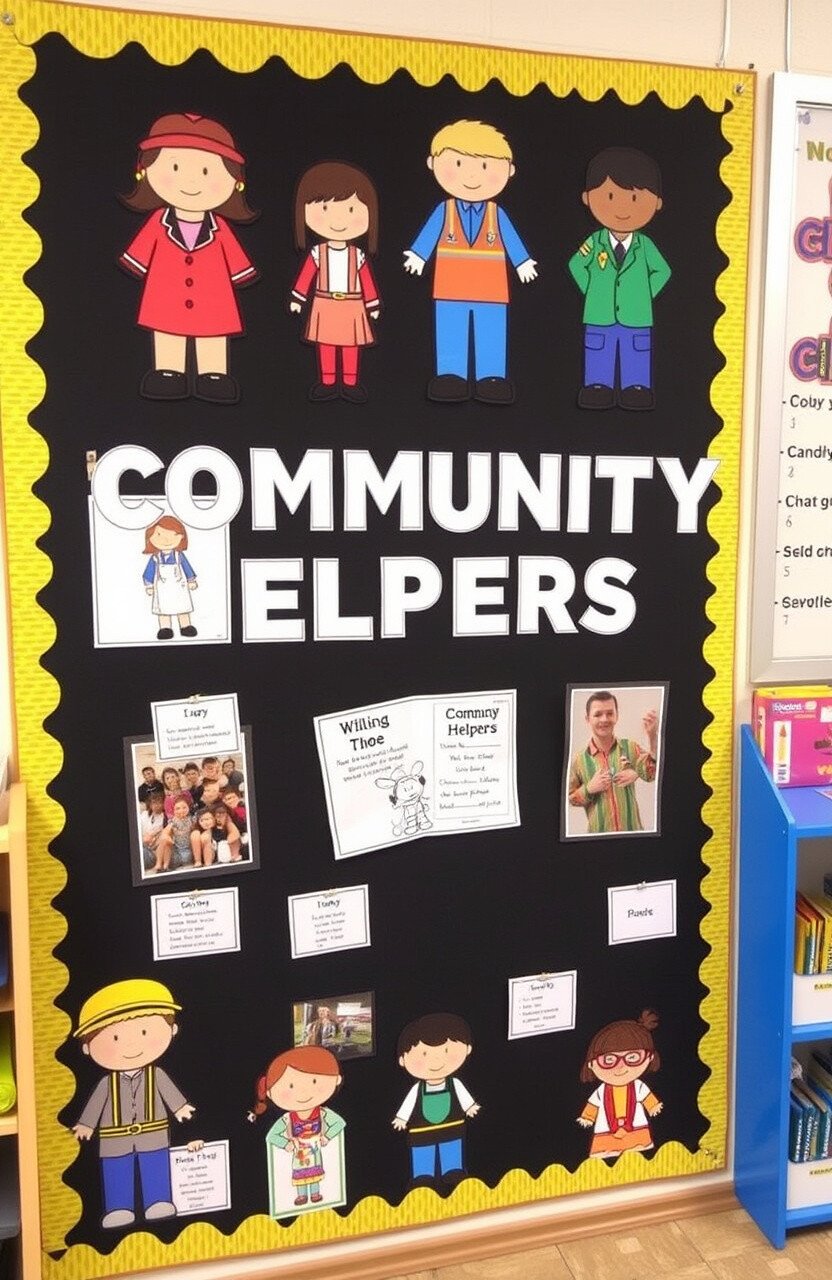
A community helpers display highlights different roles in the community. Kids can learn about various professions and their importance.
It’s a way to develop an appreciation for community and teamwork. Kids love learning about the people who help their community.
Feature pictures and descriptions of different community helpers. Encourage kids to share stories about their own experiences.
Materials can be found affordably. A community helpers display is an educational and inspiring addition to your classroom.
40. Dance and Movement Area
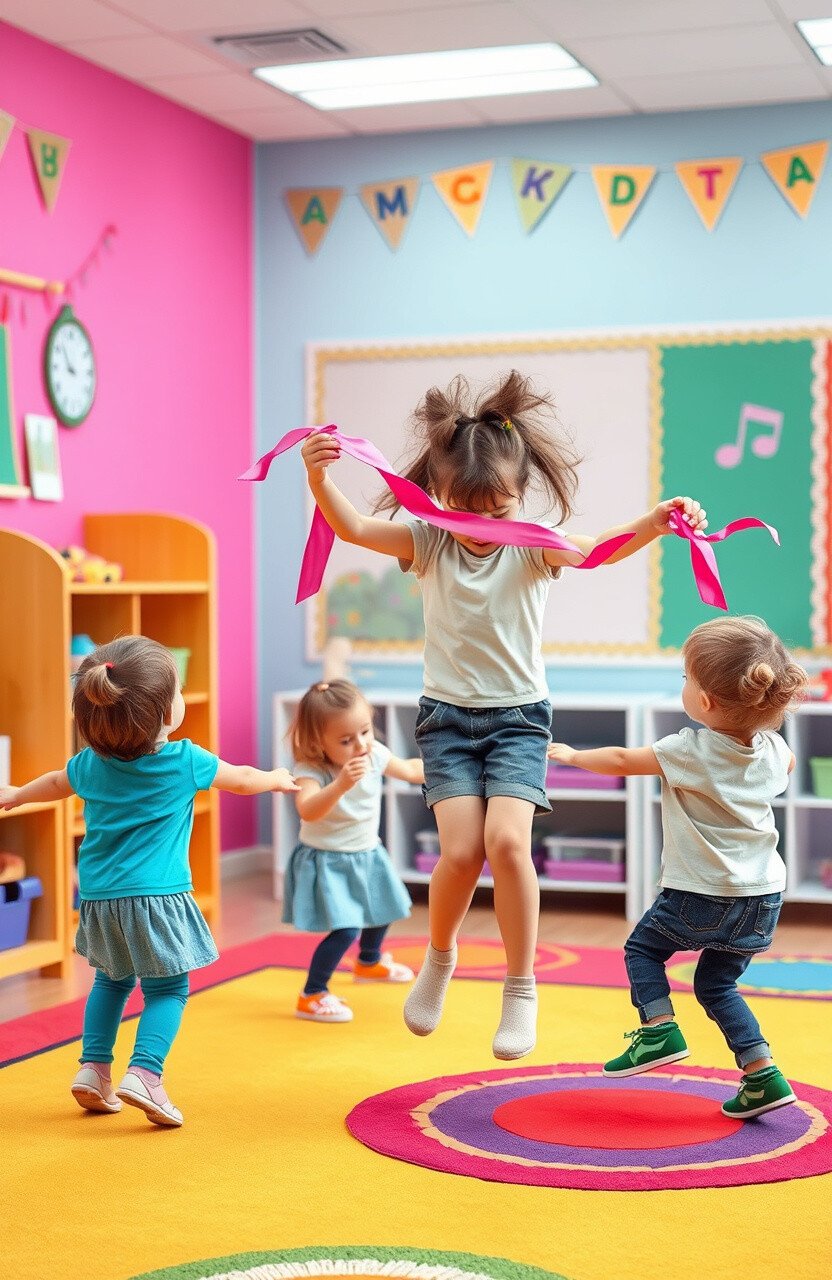
A dance and movement area is a space for physical activity and fun. Kids can explore different movements and dances.
It’s a way to develop coordination and self-expression. Kids love moving and grooving to their favorite tunes.
Feature music and props like scarves and ribbons. Encourage kids to create their own dance routines.
Materials can be found affordably. A dance and movement area is a lively and energetic addition to your classroom.
41. Recycling Station
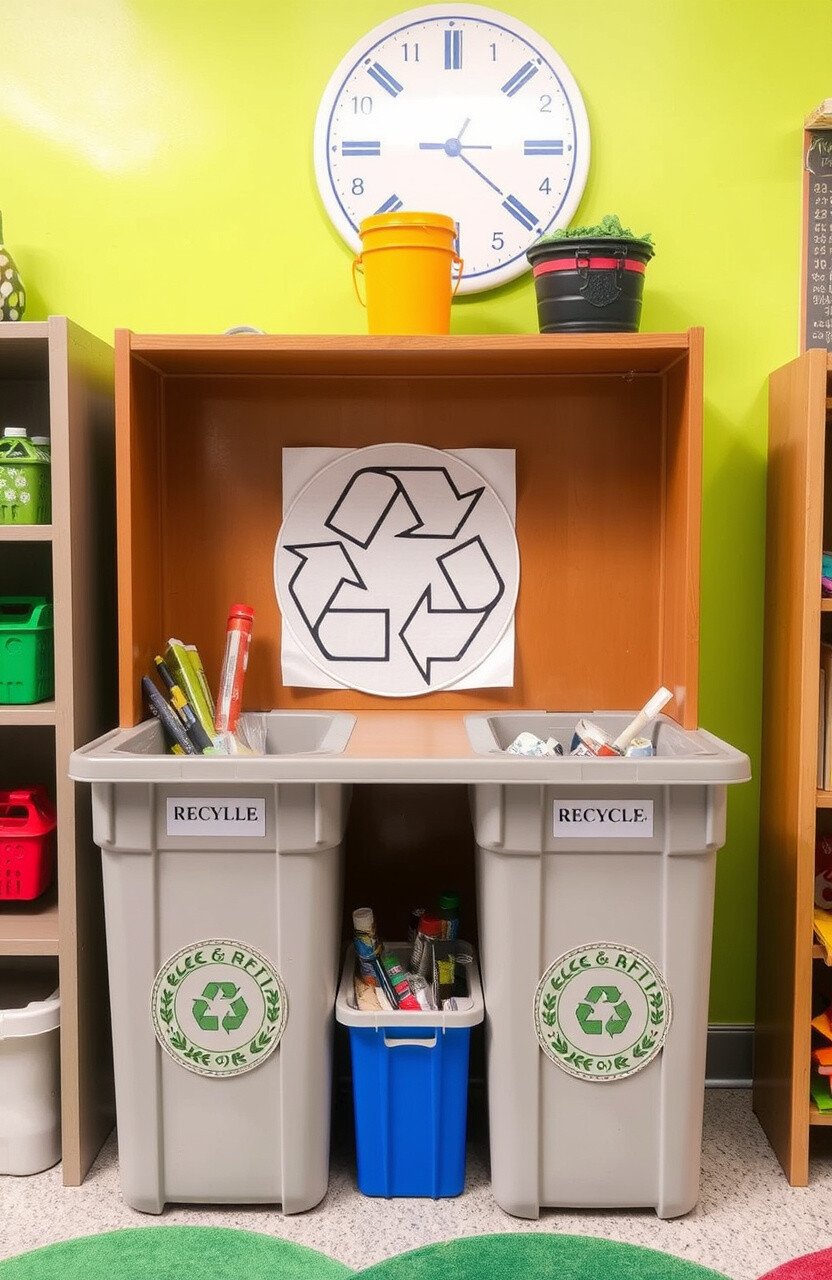
A recycling station encourages environmental responsibility. Kids can learn about sorting and recycling materials.
It’s a way to develop eco-friendly habits and awareness. Kids love being part of a positive change for the planet.
Feature bins for different types of recyclables. Encourage kids to participate in recycling projects and activities.
Materials can be found affordably. A recycling station is a green and impactful addition to your classroom.
42. Letter Writing Station
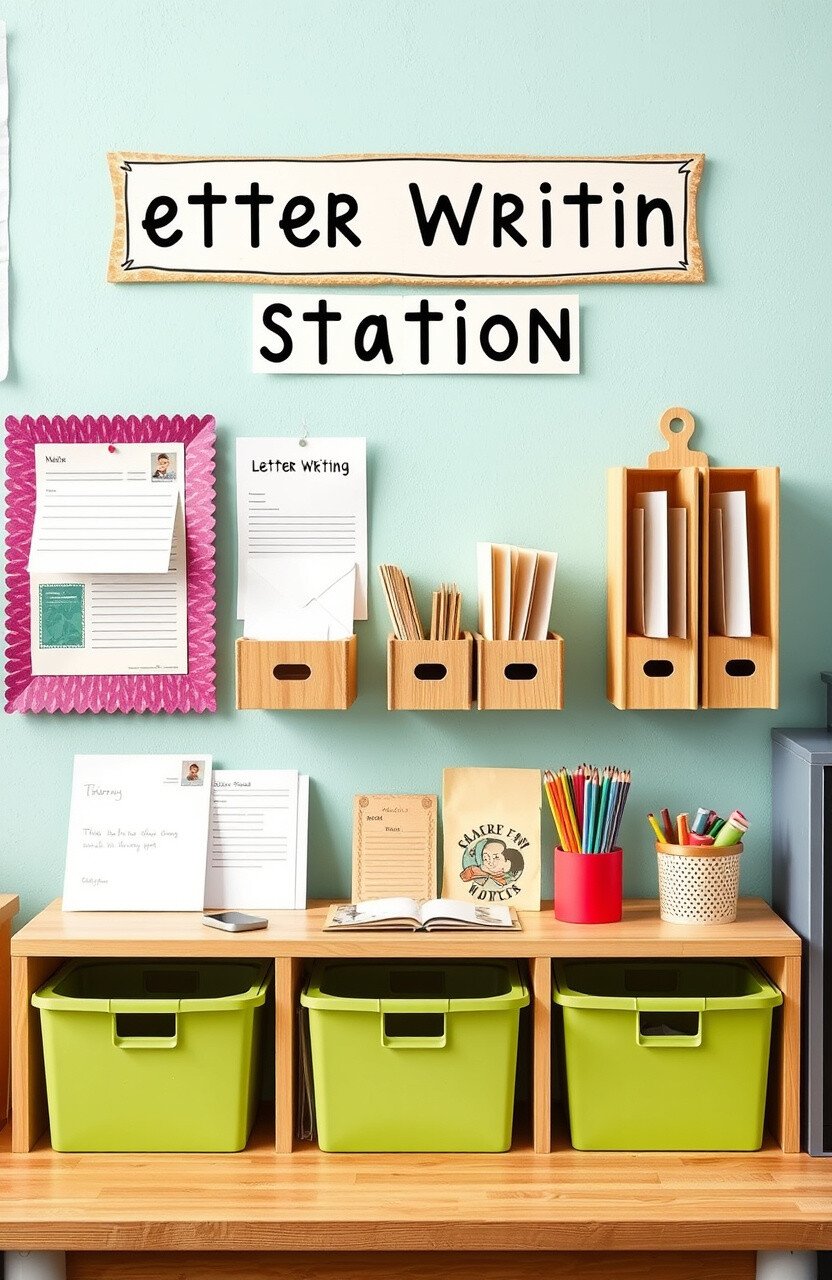
A letter writing station is a place for communication and creativity. Kids can write and send letters to friends and family.
It’s a way to develop writing and social skills. Kids love expressing their thoughts and connecting with others.
Feature paper, envelopes, and stamps for kids to use. Encourage kids to write and share their letters.
Materials can be found affordably or donated. A letter writing station is a warm and personal addition to your classroom.
43. Science Exploration Kits

Science exploration kits are hands-on activities for learning and discovery. Kids can explore different scientific concepts and experiments.
It’s a way to develop curiosity and problem-solving skills. Kids love experimenting and discovering new things.
Feature kits with different themes and materials. Encourage kids to share their findings and ideas.
Materials can be found affordably or donated. Science exploration kits are an exciting and educational addition to your classroom.
44. Alphabet Soup Game
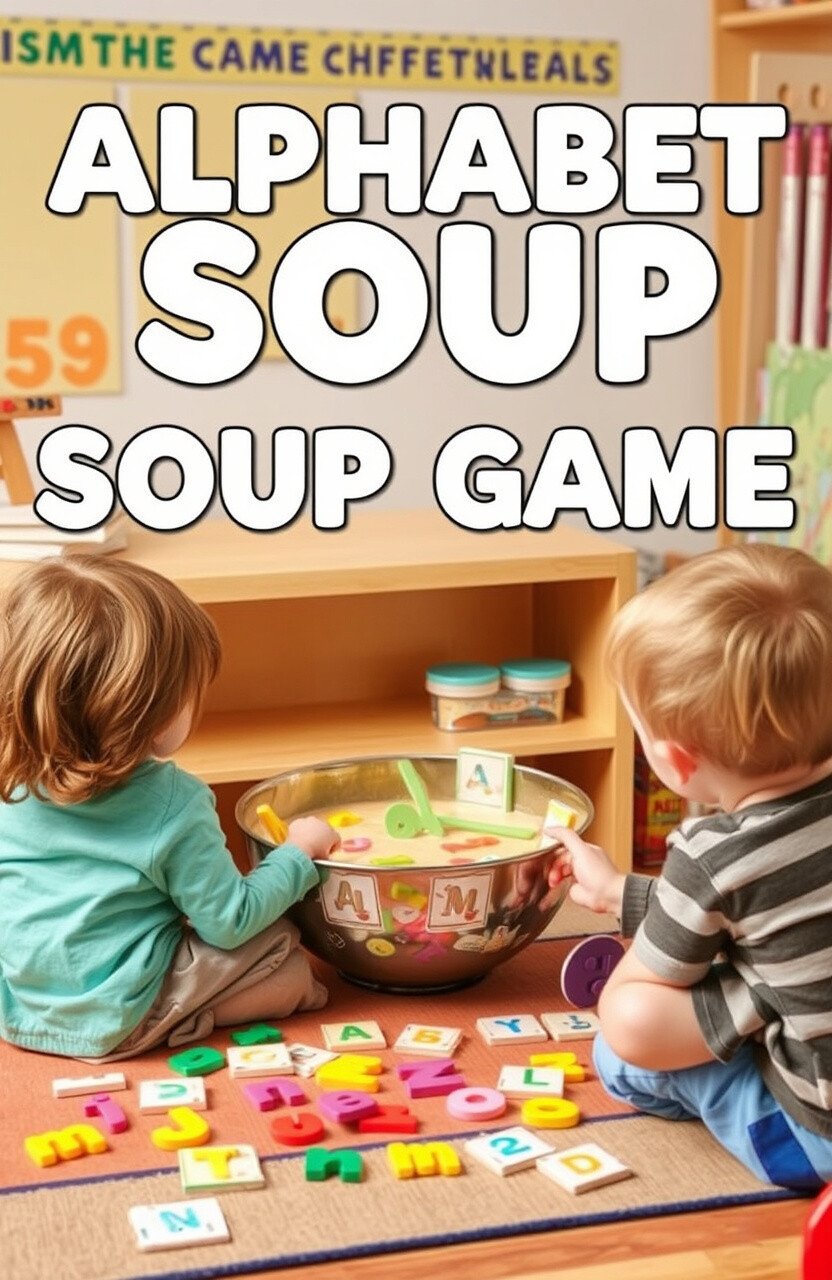
The Alphabet Soup Game is a fun way to learn letters and words. Kids can mix and match letters to create words and stories.
It’s a way to develop literacy and creativity. Kids love playing with letters and creating new combinations.
Feature letter tiles or cards for kids to use. Encourage kids to create and share their own stories.
Materials can be found affordably or made at home. The Alphabet Soup Game is a playful and educational addition to your classroom.
45. Sensory Pathway
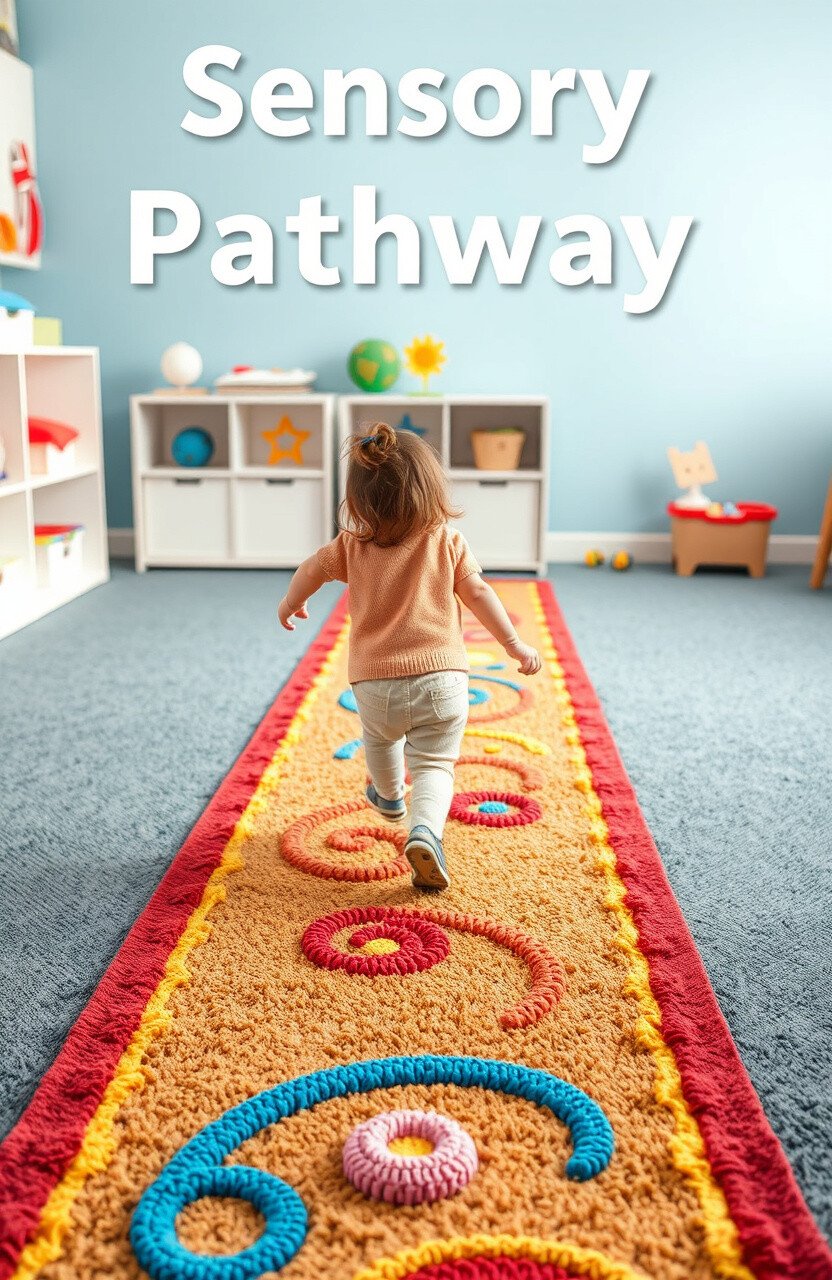
A sensory pathway is a fun and interactive way to move and explore. Kids can follow the path and engage their senses.
It’s a way to develop sensory and motor skills. Kids love the adventure and challenge of the pathway.
Feature different textures and patterns for kids to experience. Encourage kids to follow the path and explore new movements.
Materials can be found affordably or made at home. A sensory pathway is a fun and engaging addition to your classroom.
46. Mystery Reader Program
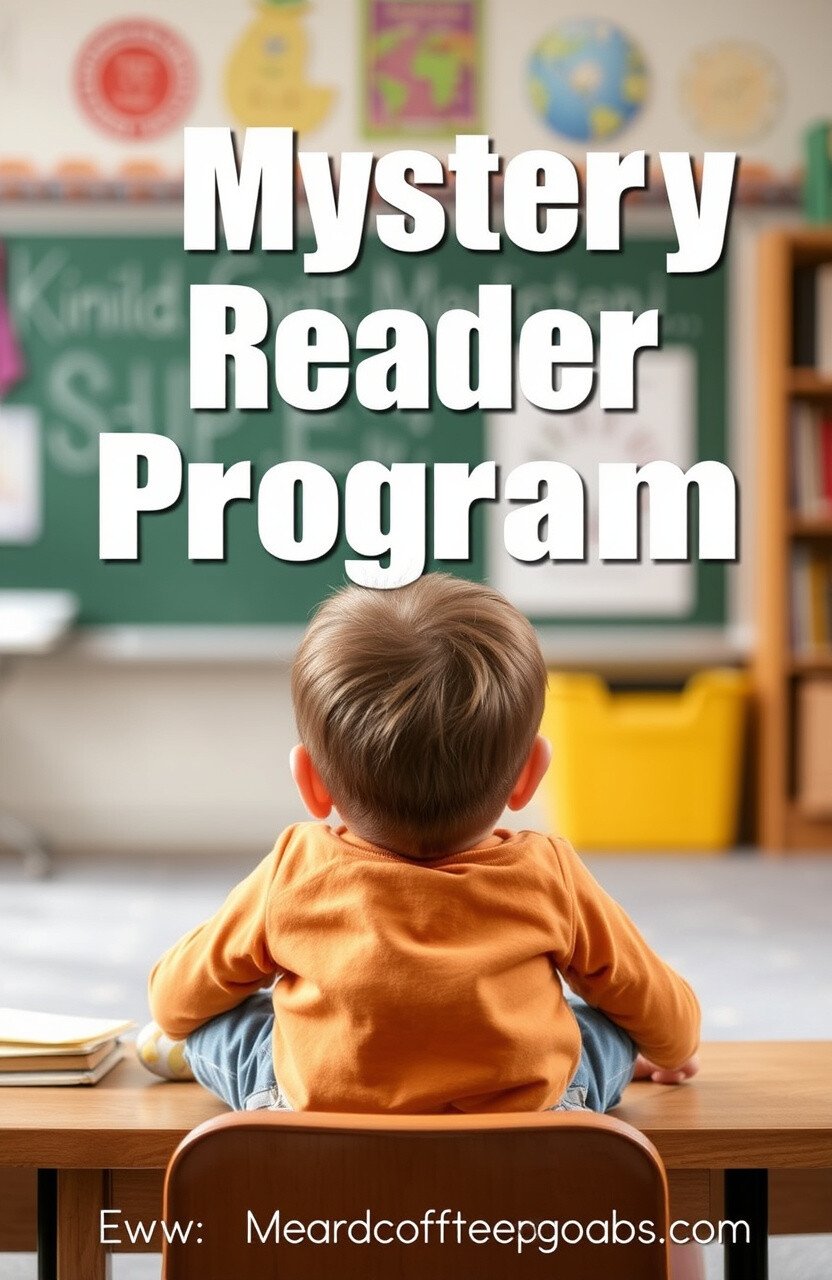
A Mystery Reader Program invites surprise guests to read to the class. Kids can enjoy a variety of stories from different readers.
It’s a way to develop listening and comprehension skills. Kids love the excitement and anticipation of a mystery reader.
Feature different readers and stories for variety. Encourage kids to guess the identity of the mystery reader.
Materials can be found affordably or donated. A Mystery Reader Program is a delightful and engaging addition to your classroom.