Sunlight is wonderful, but drafts and fading worries can steal the joy. With the right window choices, your home can feel brighter and more comfortable at the same time.
Let’s walk through smart, energy-saving ideas that also make your rooms look inviting. You’ll find practical steps, flexible budget thoughts, and plenty of room for your own style.
1. Upgrade to Triple-Pane Windows With Better Insulation
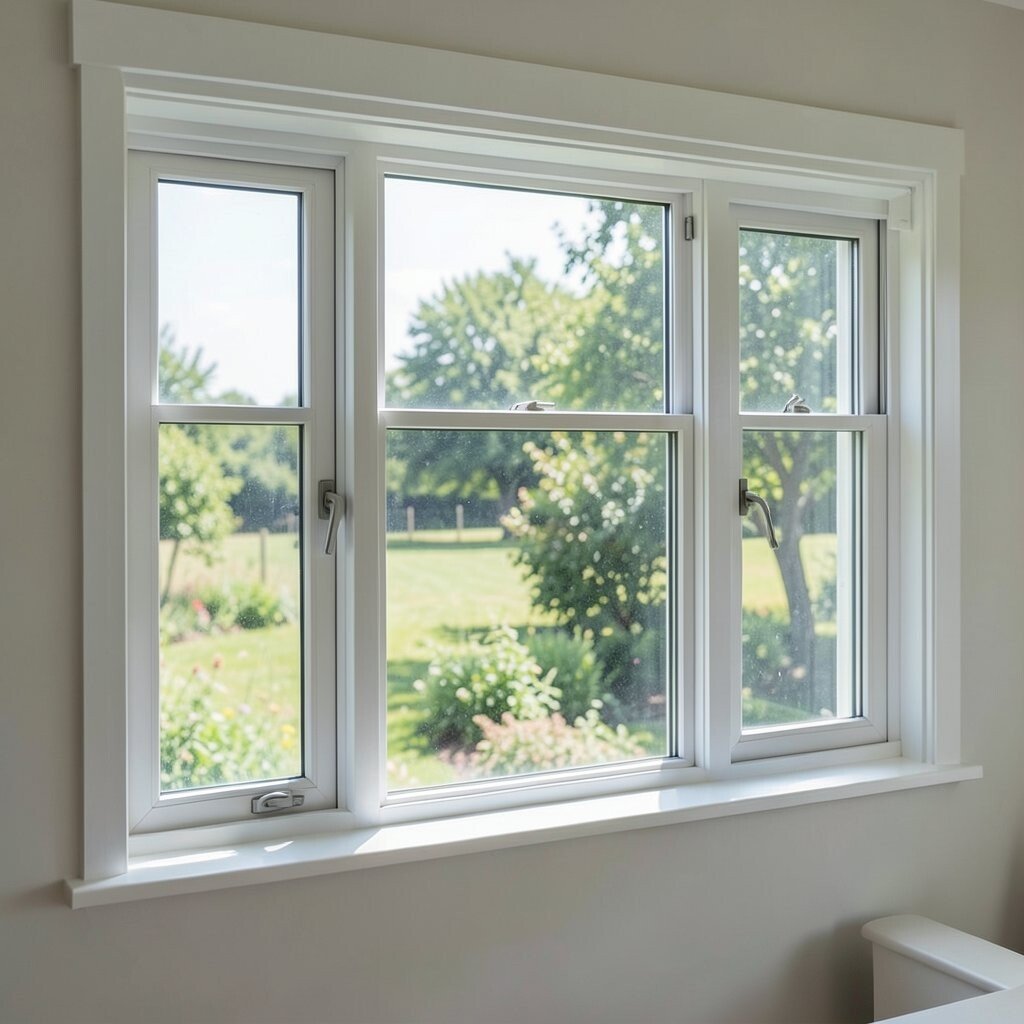
Triple-pane windows use extra glass layers to slow down heat loss and heat gain. You’ll notice the difference when the room stays steady during hot afternoons and chilly evenings.
Look for a clear, strong view through the glass, but also pay attention to how the window feels near the frame. A good install reduces drafts, so your furniture looks less affected by temperature swings. For practical results, ask about low-emissivity coatings and spacer technology, since these details help a lot. If you want a brighter look, choose models with high visible light transmission so the glass doesn’t feel dark.
2. Choose Low-E Glass to Keep Light and Block Heat
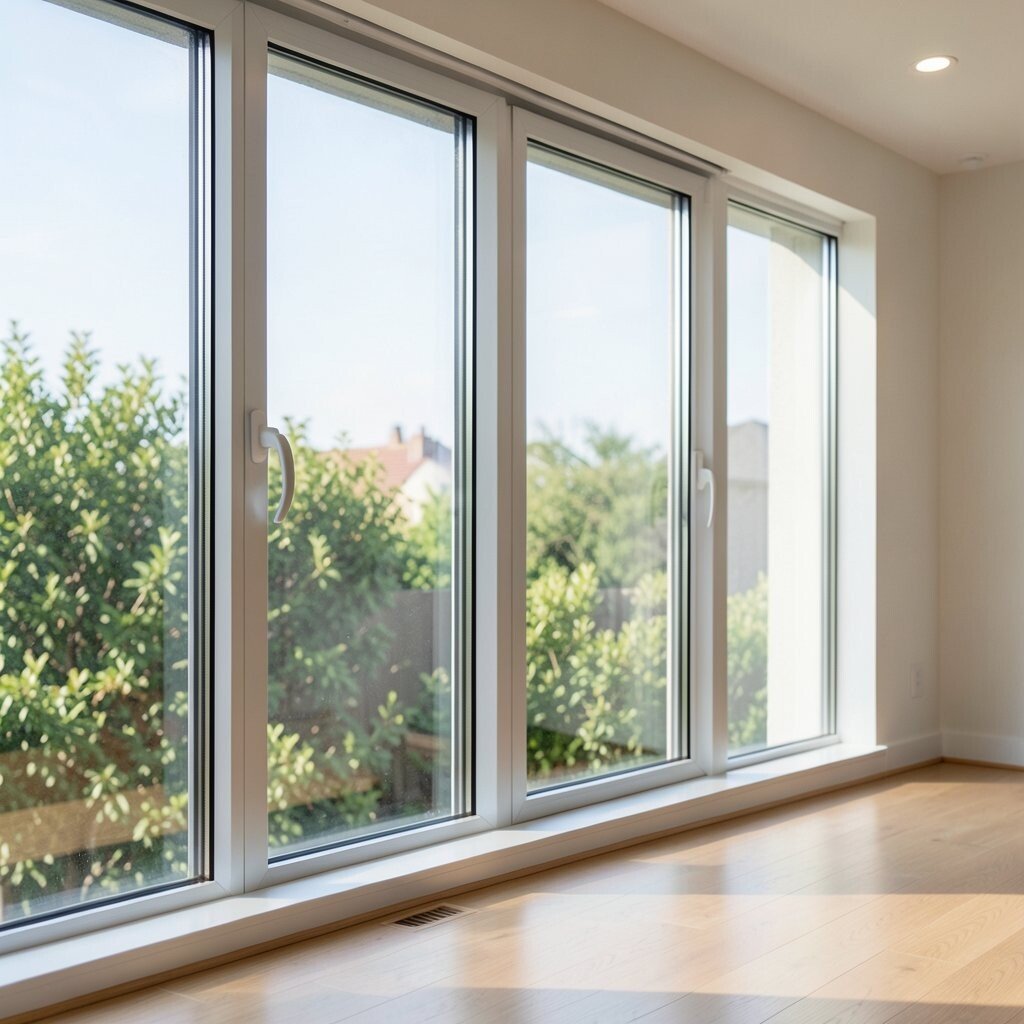
Low-E glass is made to let in bright daylight while reflecting unwanted heat. In many homes, this means you get a sunlit room without the same level of glare and overheating.
When you stand by the window, notice how the surface temperature feels more even. That calmer feel can make your space more comfortable and can also help your HVAC system work less. If your home gets strong sun in the afternoon, this is a great option to pair with sheer curtains for a soft, cozy glow.
For personalization, pick a tint or coating style that matches your aesthetic. Even small choices, like how the glass reflects outdoors, can change how your home looks from the street.
3. Seal Around the Window to Stop Drafts Immediately
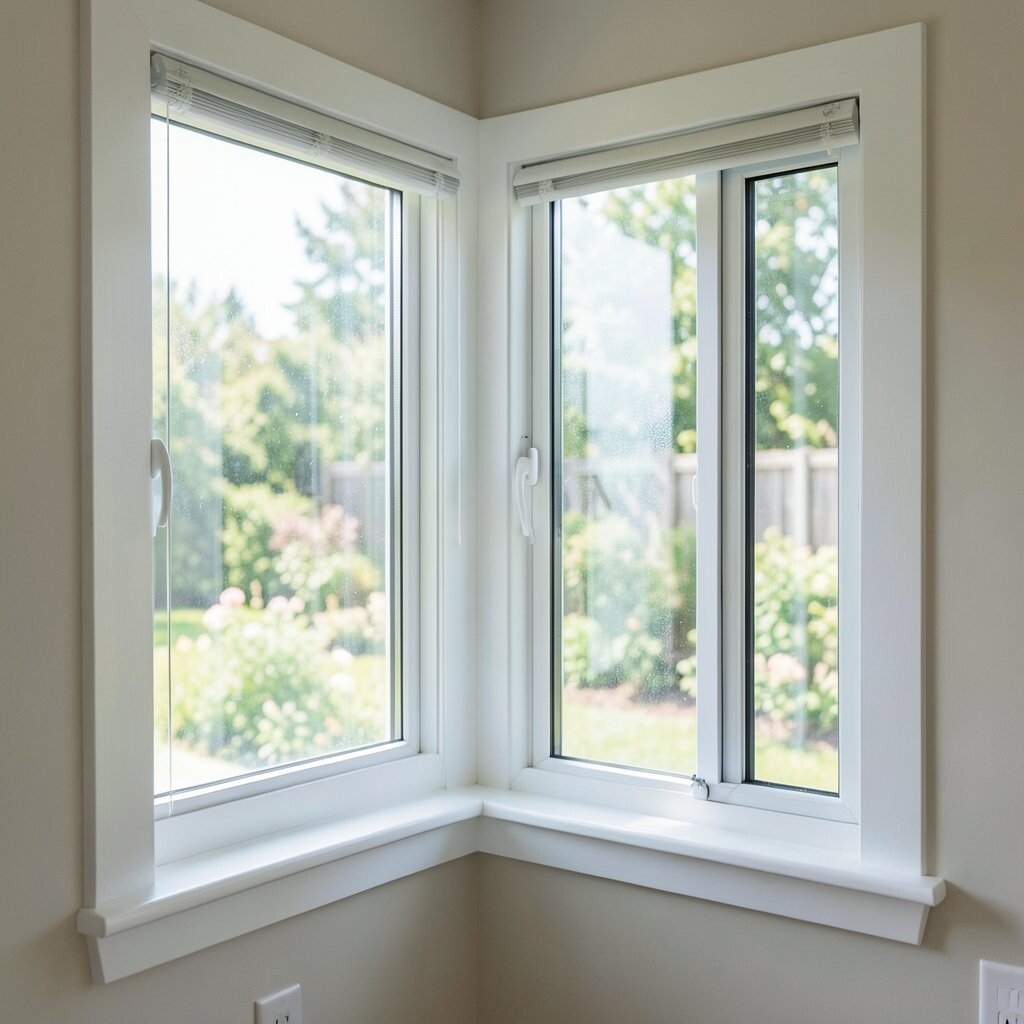
Sometimes the best “upgrade” is also the simplest. Weatherstripping and gap sealing can cut cold air leaks and keep indoor warmth from escaping.
Take a quiet moment on a windy day and feel where air moves near the corners or along the trim. You can also use a thin strip of tissue to find gaps without special tools. Once sealed, the window area often feels noticeably calmer, and blinds or curtains hang better because air isn’t tugging at them. To keep airflow healthy, avoid over-sealing areas that need controlled ventilation.
4. Install Window Inserts for a Fast, Budget-Friendly Boost

Window inserts add an extra insulating layer without replacing the whole window. They can brighten your rooms by improving comfort while keeping your current window style.
These inserts are especially useful in older homes where the original frames have charm. Measure carefully, clean the frame thoroughly, and confirm the insert type fits how your window opens and closes. If your budget is tight, start with the rooms you use most, like the living room and bedroom.
5. Use Smart Window Film for Daytime Glow and Heat Control
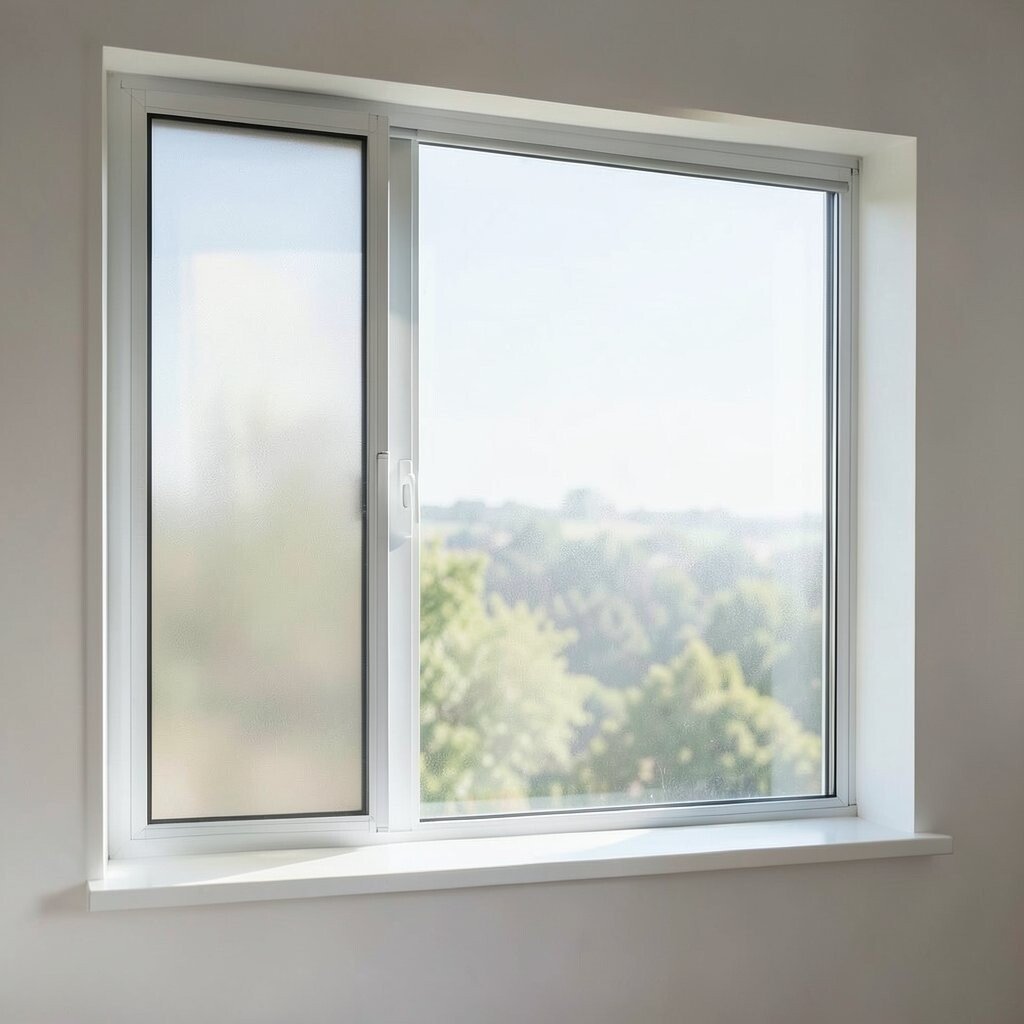
Window film can change how sunlight behaves, balancing bright light with less heat buildup. It often gives your home a more even feel, especially in rooms with sunny glare.
For a visual effect, choose films that soften harsh reflections while still letting the sky show through. You’ll enjoy how the room looks calmer, with fewer hot spots near the glass. Make sure the film is compatible with your window type and follow the recommended installation method for a smooth finish. Taking the time to apply it without bubbles is worth it because the view stays crisp.
If you like a seasonal look, some films can be adjusted or replaced more easily than full window replacement. This makes it easier to personalize without committing to a major project all at once.
6. Consider Gas-Filled Panes for Extra Thermal Performance
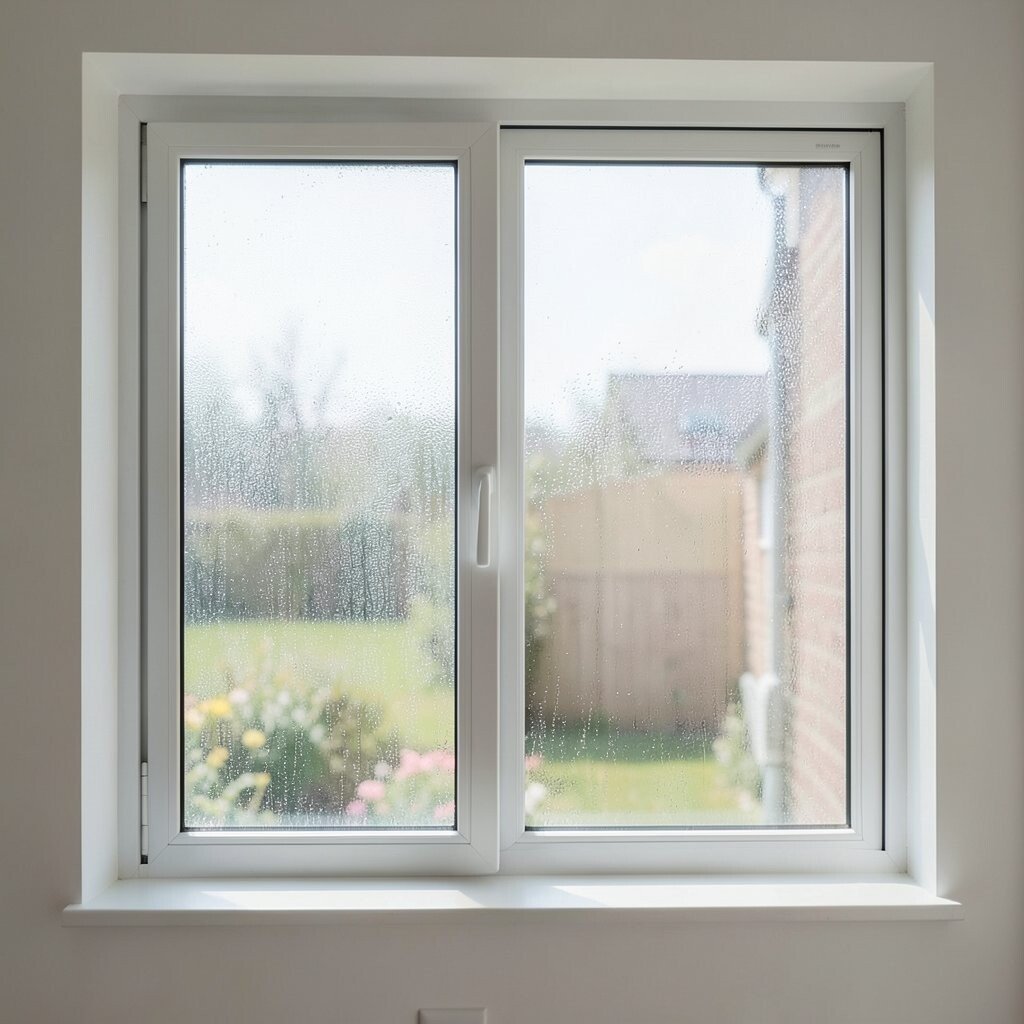
Some energy efficient windows use gas between panes, such as argon or krypton, to improve insulation. This creates a better barrier, so indoor temperatures stay more stable.
From inside, you may notice the window area feels less chilly in winter. From outside, the window can look just as clean, without bulky additions that change your curb appeal. When you compare options, ask how the gas is sealed and whether the glass edges are engineered to reduce heat flow.
Budget wise, gas-filled upgrades can cost more than basic glazing, but they often pay back through lower energy use. If you’re upgrading only one or two windows first, choose the ones that get the most direct sun or the strongest winds.
7. Pick Frames With Strong Thermal Breaks
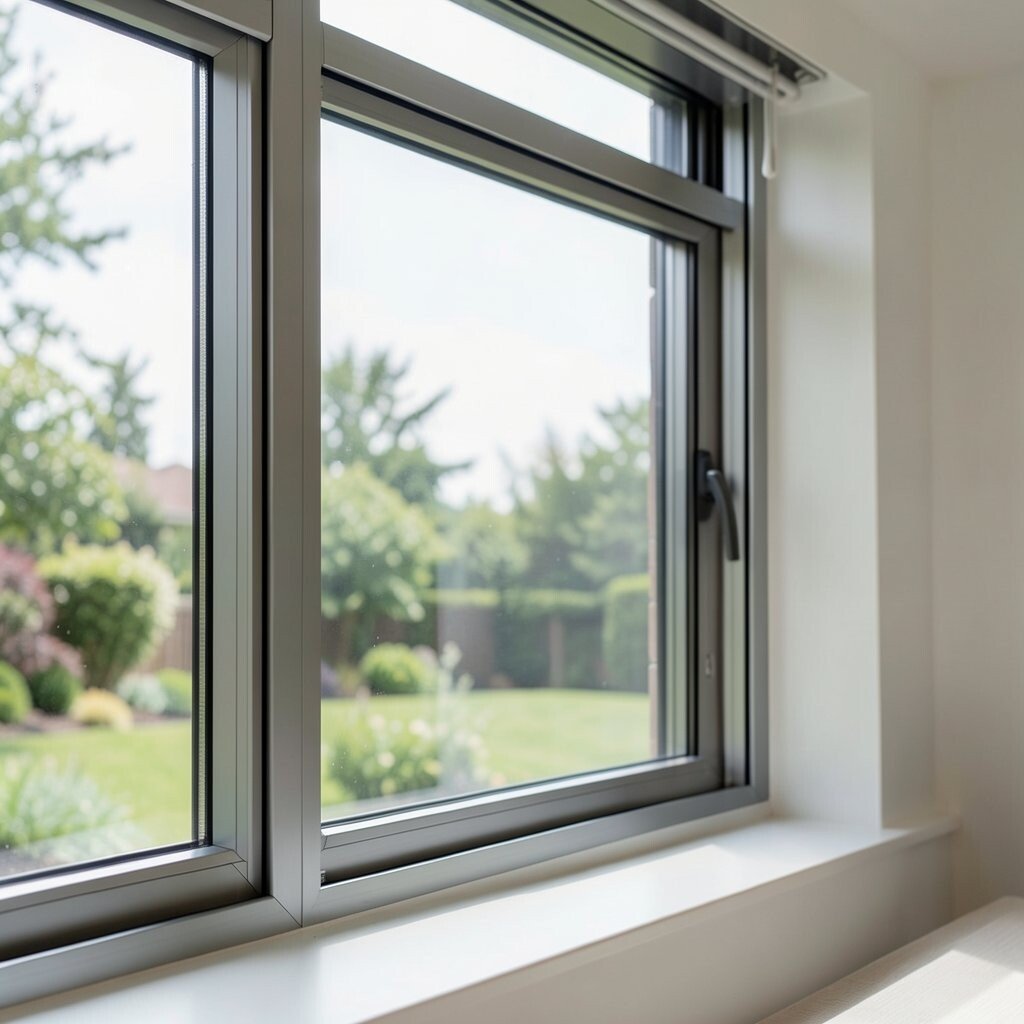
Even with great glass, frames matter when it comes to comfort. Frames with thermal breaks help stop heat from racing through the metal parts.
When you touch the window frame near the corner, a thermal break can make that area feel closer to room temperature. That means less discomfort from radiating surfaces and fewer cold-air sensations. Many modern frame systems keep a slim, clean look, so you still get a bright view.
To personalize, consider color options that match your home. A well-chosen frame tone can make daylight feel warmer and make the whole room look more styled.
8. Use Insect Screens and Storm Panels That Work as Insulation
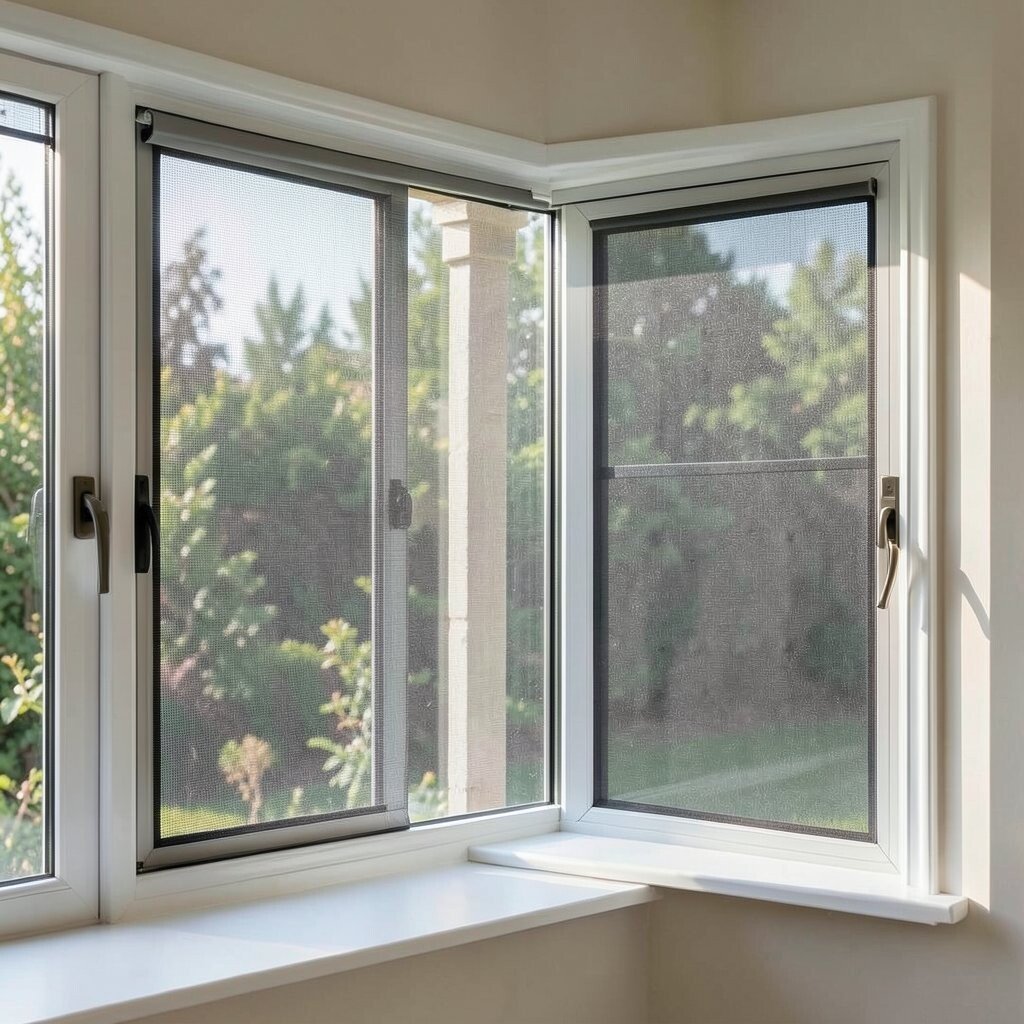
In many homes, storm panels can add an insulating layer while still protecting your view. When they’re designed well, they help reduce drafts and keep indoor temperatures steady.
Check that your storm panels close tightly and that the hardware doesn’t allow easy air movement. You can keep the main window open and enjoy fresh air in mild weather while still using the panel for better comfort at other times. This setup can be a nice middle ground if you want energy savings without replacing everything.
9. Pair Light Colors With Reflective Interior Shades
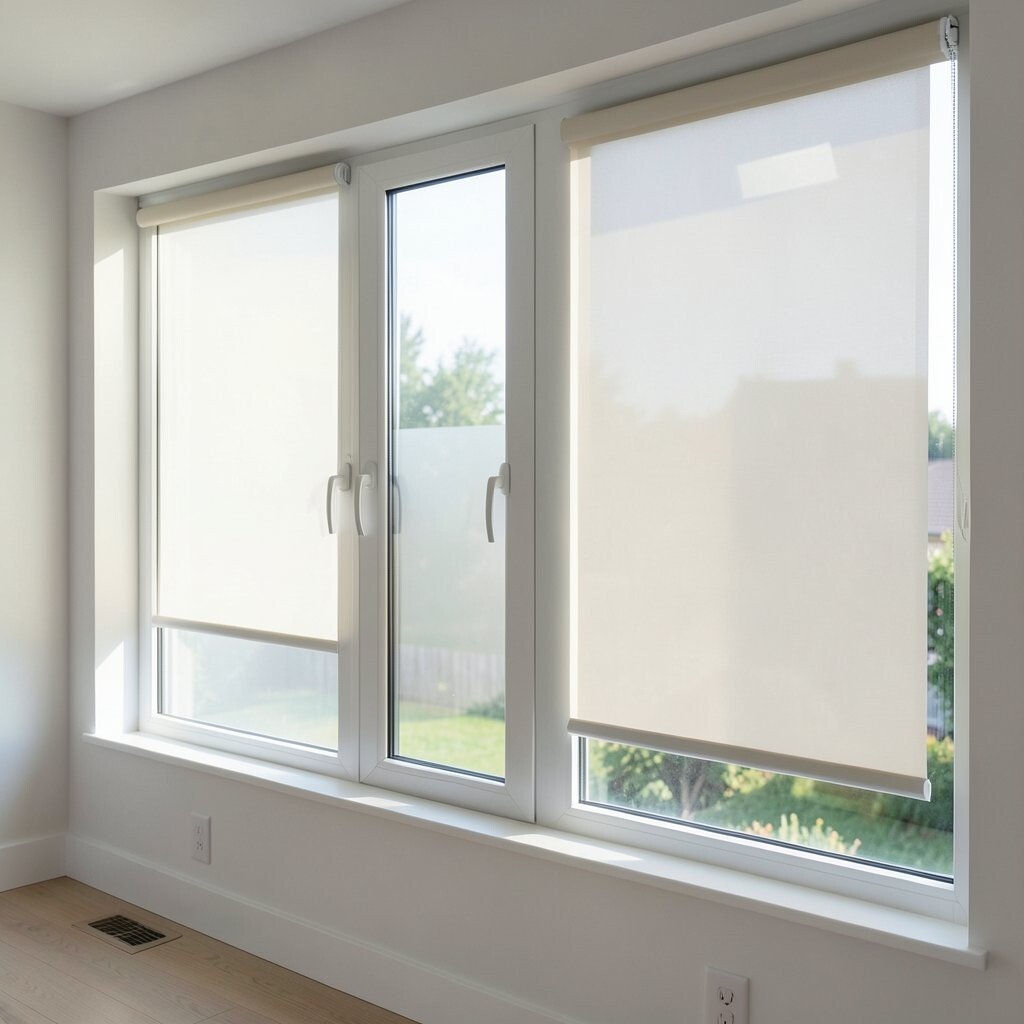
Energy efficient windows work even better when interior shading helps manage sunlight. Light-colored shades can reflect daylight deeper into the room while reducing glare.
Try woven or fabric shades in soft neutrals for a bright, airy look. When sunlight hits the window, you’ll see how the room glows without harsh spots on the floor. If you like a more modern vibe, choose roller shades with a smooth finish that still feels warm.
10. Install Exterior Shading Like Pergolas or Louvers
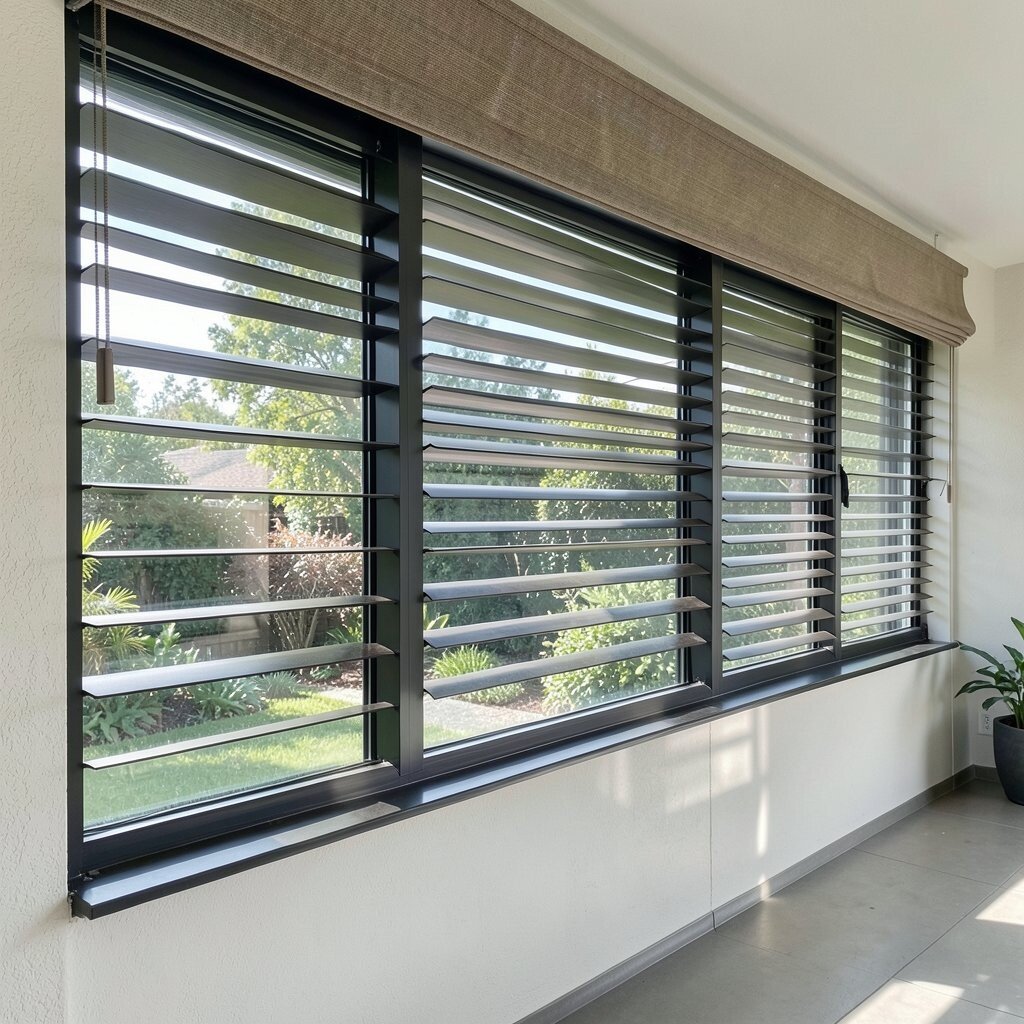
Preventing heat before it hits the glass is one of the smartest moves you can make. Exterior shading can block the sun’s strongest rays while leaving daylight available for the rest of the day.
Look at the path of sunlight across your windows and aim shading where it matters most. A pergola, adjustable louvers, or even a simple awning can change how the room feels by reducing overheating. This approach can also protect curtains and furniture from fading, which keeps your decor looking fresh longer.
As a cost consideration, start with the easiest, most visible areas first, like windows in the living room or a sunny kitchen. Many homes see quick comfort improvements once the direct summer sun is handled.
11. Choose the Right Window Orientation and Placement Strategy
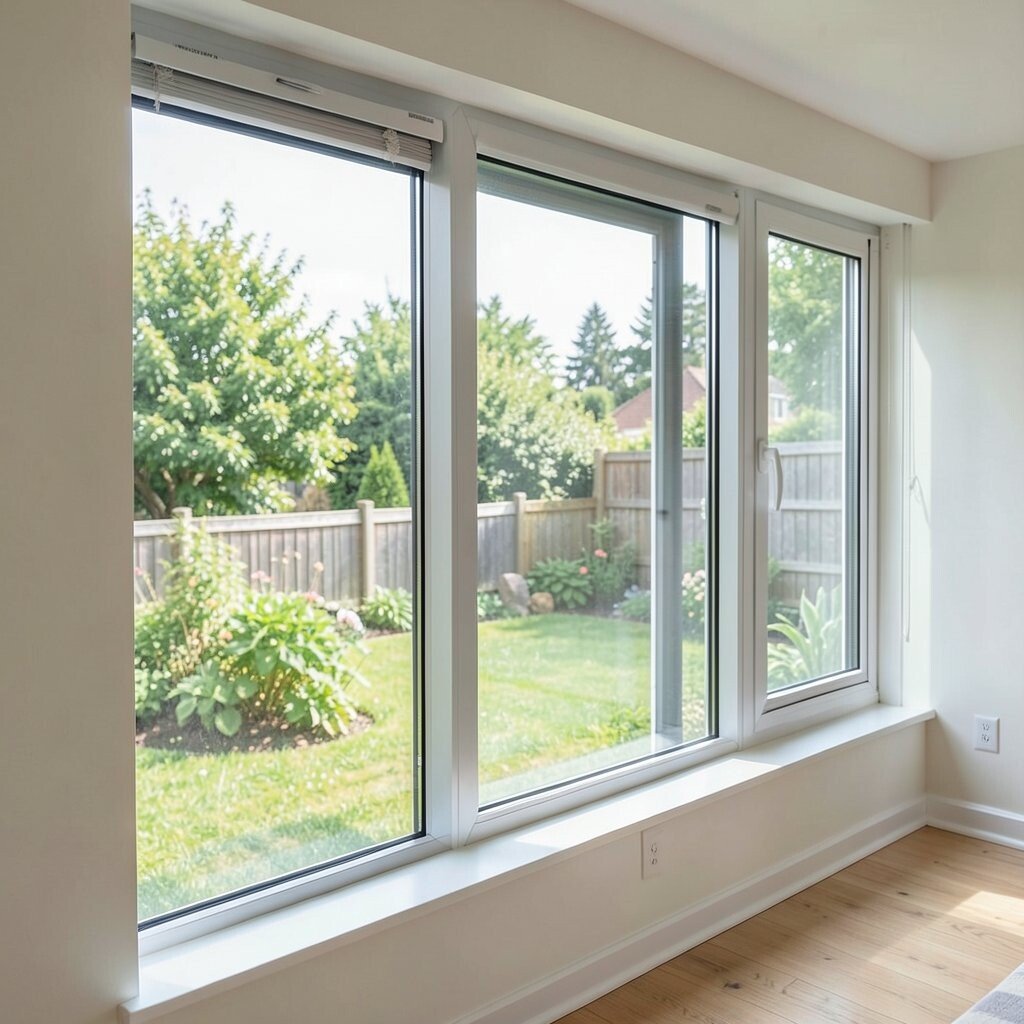
Some windows are naturally better for daylight than others, depending on how your home sits. When you plan future upgrades or renovations, think about which rooms need brightness most.
South-facing and west-facing windows often receive intense sun, so insulation and shading choices matter even more. East-facing windows can feel delightful in the morning, so you might prioritize clarity and glare control rather than heavy tint. By matching the window choice to the sunlight pattern, you can brighten the right rooms without sacrificing comfort.
This is also a great place to personalize, since you can aim for a specific mood. A bright breakfast nook might benefit from maximum visible light, while a living room with lots of afternoon sun might need more heat reduction.
12. Match Window Hardware and Locks to Reduce Air Leakage
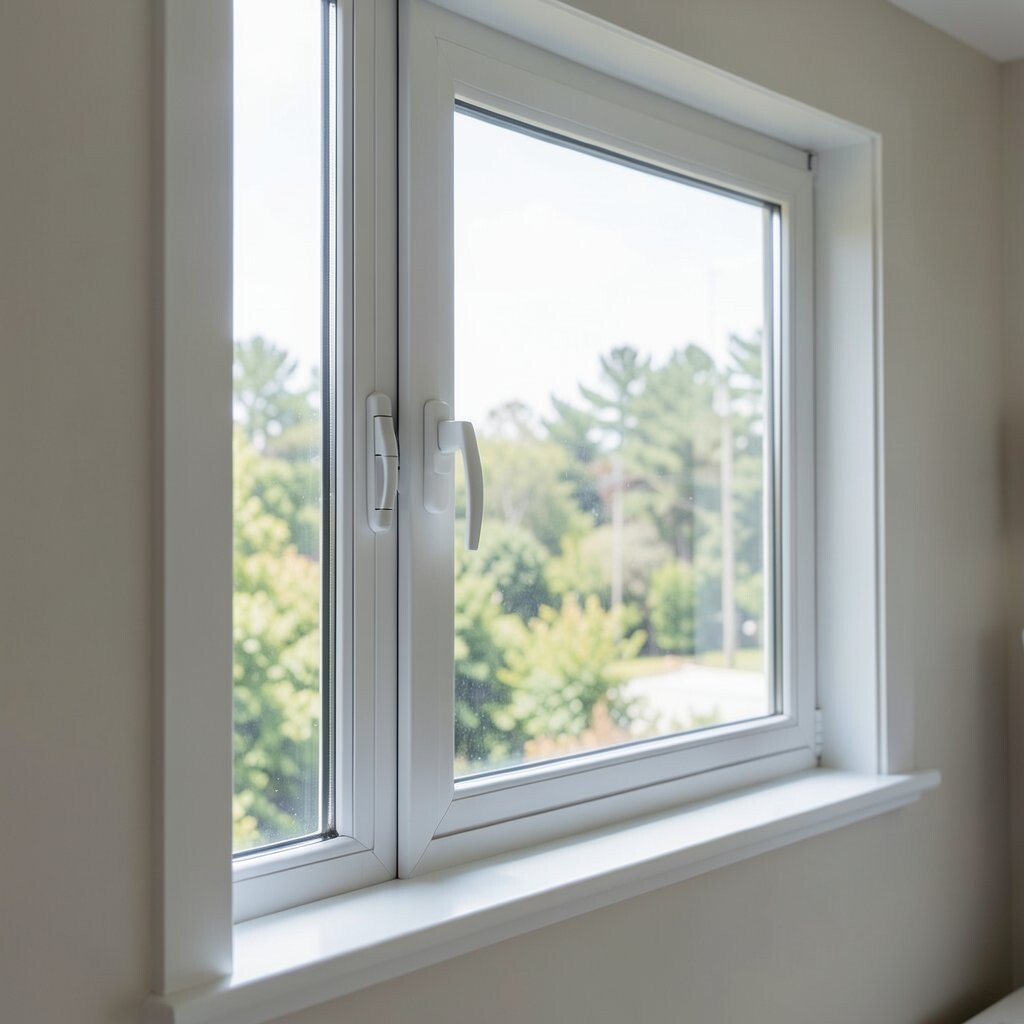
Sometimes the difference between a good window and a great one is how well it closes. Solid hardware and well-aligned locks help the window seal evenly around the frame.
Check how the window feels when you lock it, especially at the top corners and along the sides. If it doesn’t sit flush, even a high-quality glass package won’t reach its full performance. Lubricate moving parts if the manufacturer recommends it, and keep tracks clean so the window can close smoothly.
13. Add Heat-Reflective Curtains or Thermal Drapes
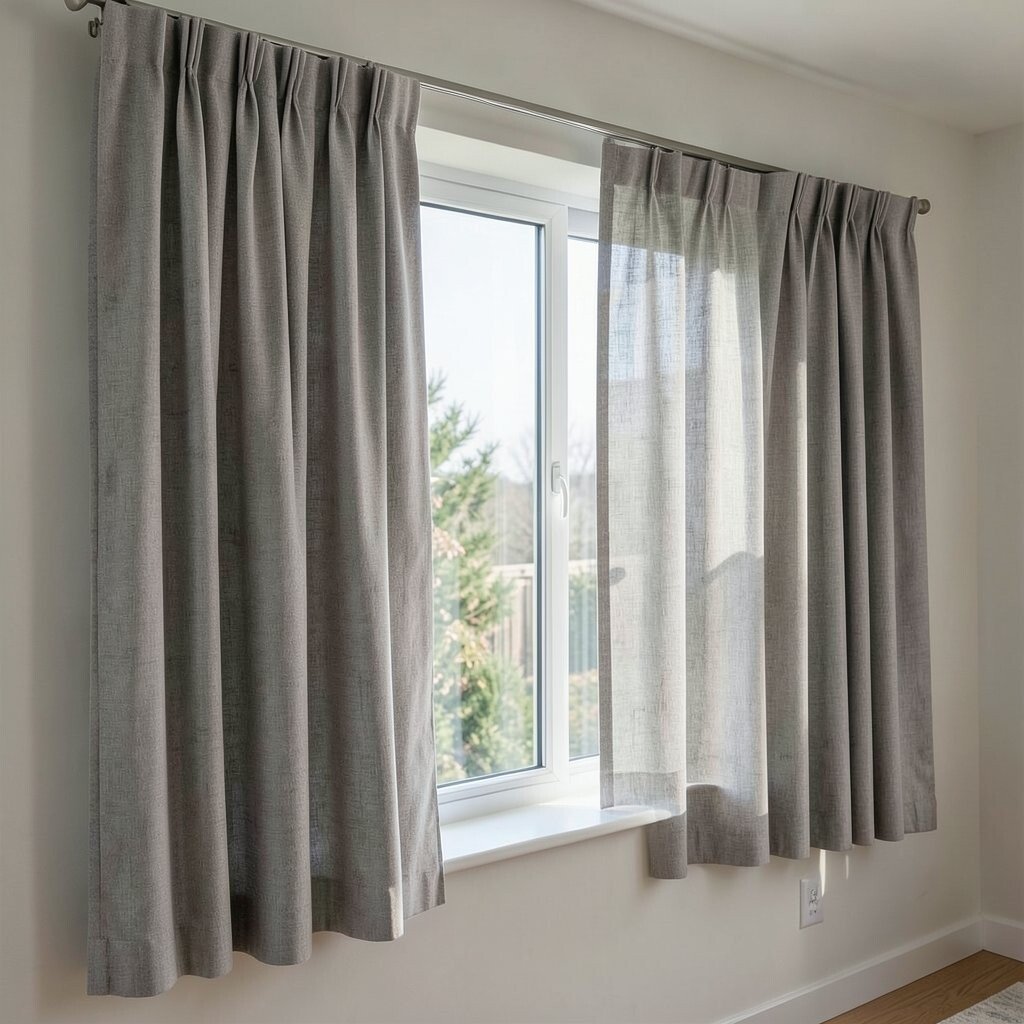
Thermal curtains can soften drafts and slow down heat transfer at night. In daytime, you can open them to keep the view bright and welcoming.
For a visual effect, choose curtains that fall neatly to frame the window, which makes the whole room look polished. If you like a cozy style, pair a light interior fabric with a thicker layer behind it. This gives you the best of both worlds, since the room can look bright while the glass is protected from temperature swings.
When thinking about cost, consider whether you’ll use the curtains year-round. If you do, investing in thicker drapes often feels worth it because you’ll notice comfort changes quickly.
If you rent or want flexibility, look for curtain options that install without major changes to your walls. That way, you can personalize your look without locking yourself into one setup.
14. Plan a Layered Upgrade Path for Maximum Savings
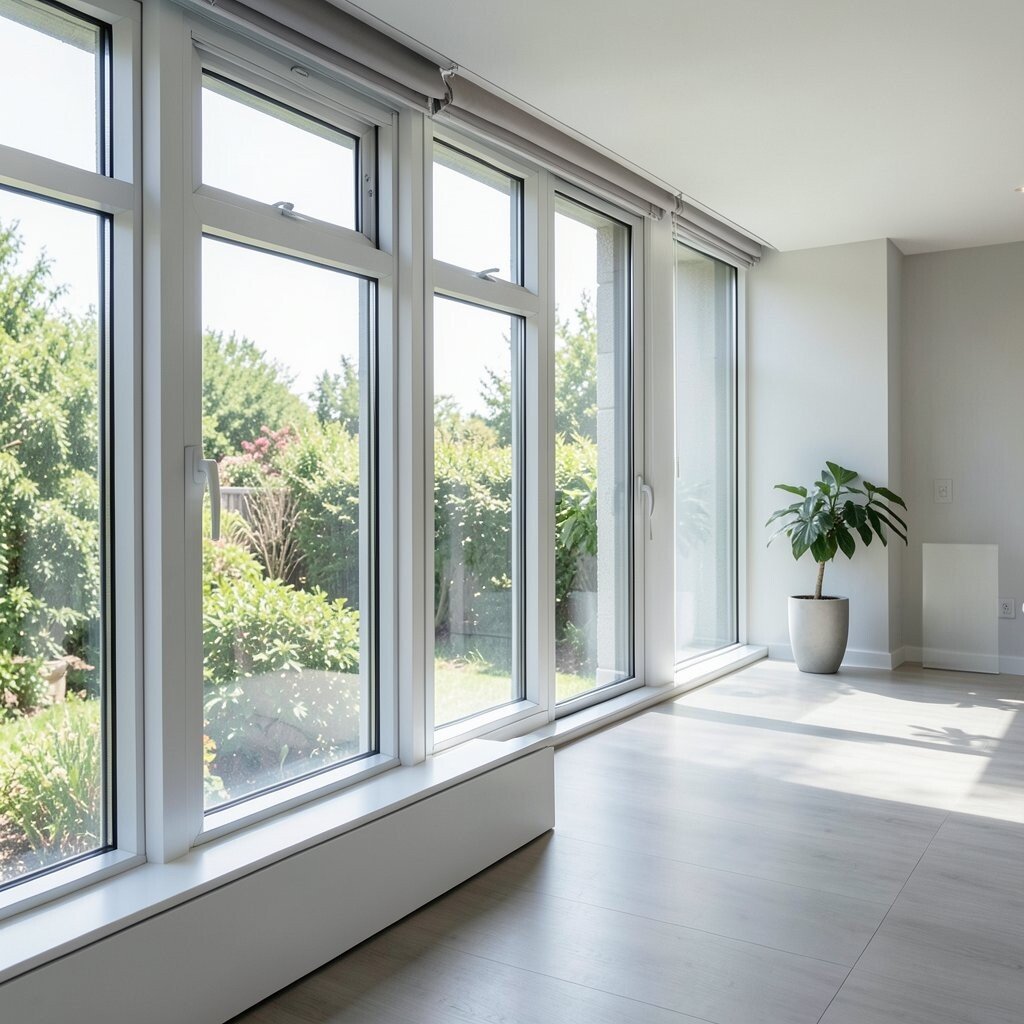
Rather than changing everything at once, you can build savings in stages. Layering window glass improvements, sealing, shading, and interior treatments often works better for real life budgets.
Start where comfort issues are biggest, like rooms with drafts, glare, or noticeable temperature swings. Then move to adjacent improvements such as weatherstripping, smart film, or exterior shading. This approach helps you manage cost and still achieve a brighter, more stable home feel.
To personalize the process, choose one or two windows at a time that match the style you want most. You might keep the charm of older frames in some rooms while upgrading performance where your comfort needs are strongest.
Many current trends focus on quiet comfort and visual clarity, so prioritize options that keep the view crisp. When the daylight looks better and the air feels steadier, energy savings stop being a vague promise and start feeling real every day.