The world outside your door has stories written in light, water, and wind. When you pay attention, everyday places start feeling like art.
These ideas are meant to be done slowly, noticed deeply, and tailored to your own life.
1. Morning Light Walks
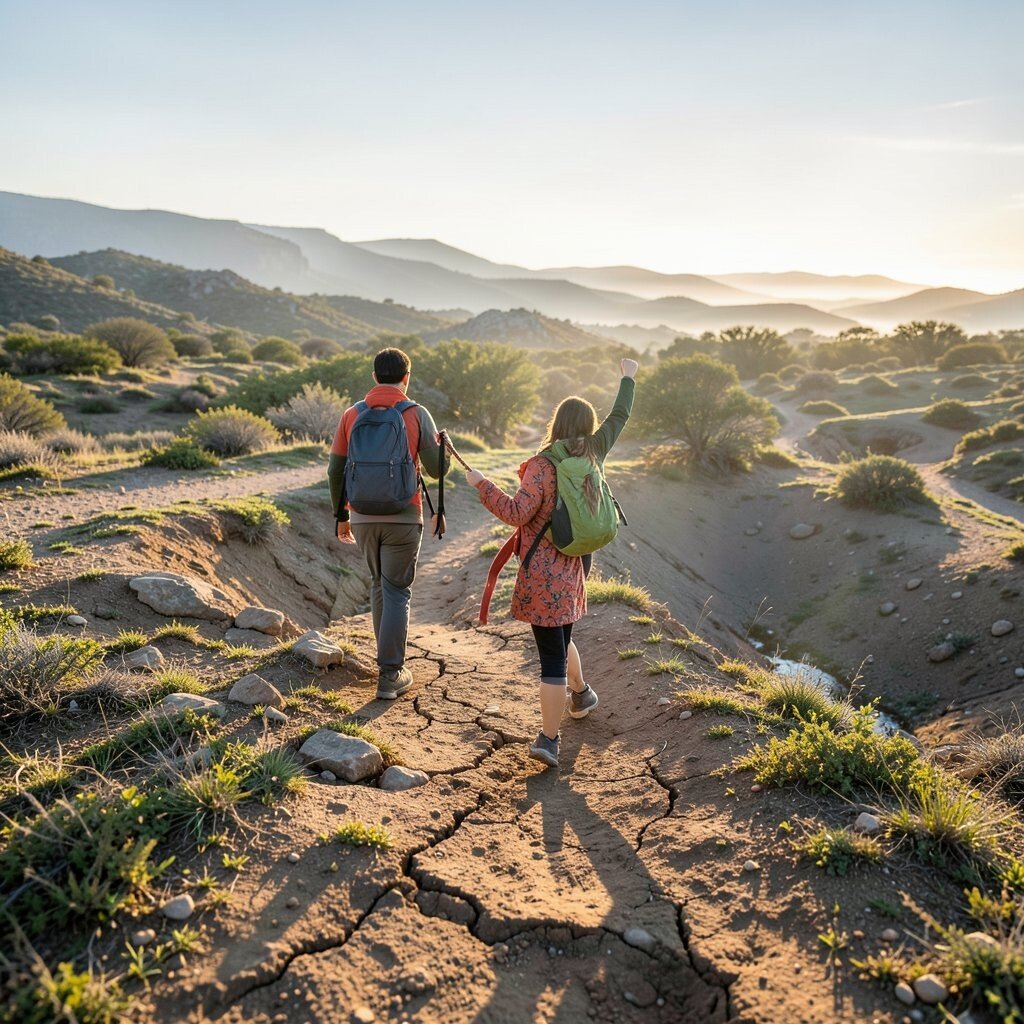
Step outside during the softest part of the day and look at how shadows behave on sidewalks and fences. Notice how the same street can look warm one morning and cool the next.
Try taking a small notebook or your phone and jot down three things you see, like the color of sky through trees or the angle of sunlight on a window. For an easy benefit, this kind of walk can clear mental clutter and help your body wake up gently. Make it unique by choosing one theme each time, such as “patterns,” “quiet corners,” or “things made of stone.”
2. Map a Tiny Neighborhood Cycle

Pick one short route you already know and ride or walk it in reverse direction, then pay attention to what changes. You may spot a hidden view, a new mural, or a different smell near the same intersection.
Create a simple plan for repeat visits, like going on different days or different times. This builds practical observation skills and helps you find safe shortcuts, rest spots, and even friendly places to pause. Consider the cost, because this idea can be free if you use a bike you already have, or low-cost if you rent one for an afternoon.
To personalize it, bring a “question of the day” such as what materials you see most often or how water moves during a light rain. Pair it with current trends too, like using a map app for offline photos or following local “micro-adventures” that people share online.
3. Build a Backyard Weather Log
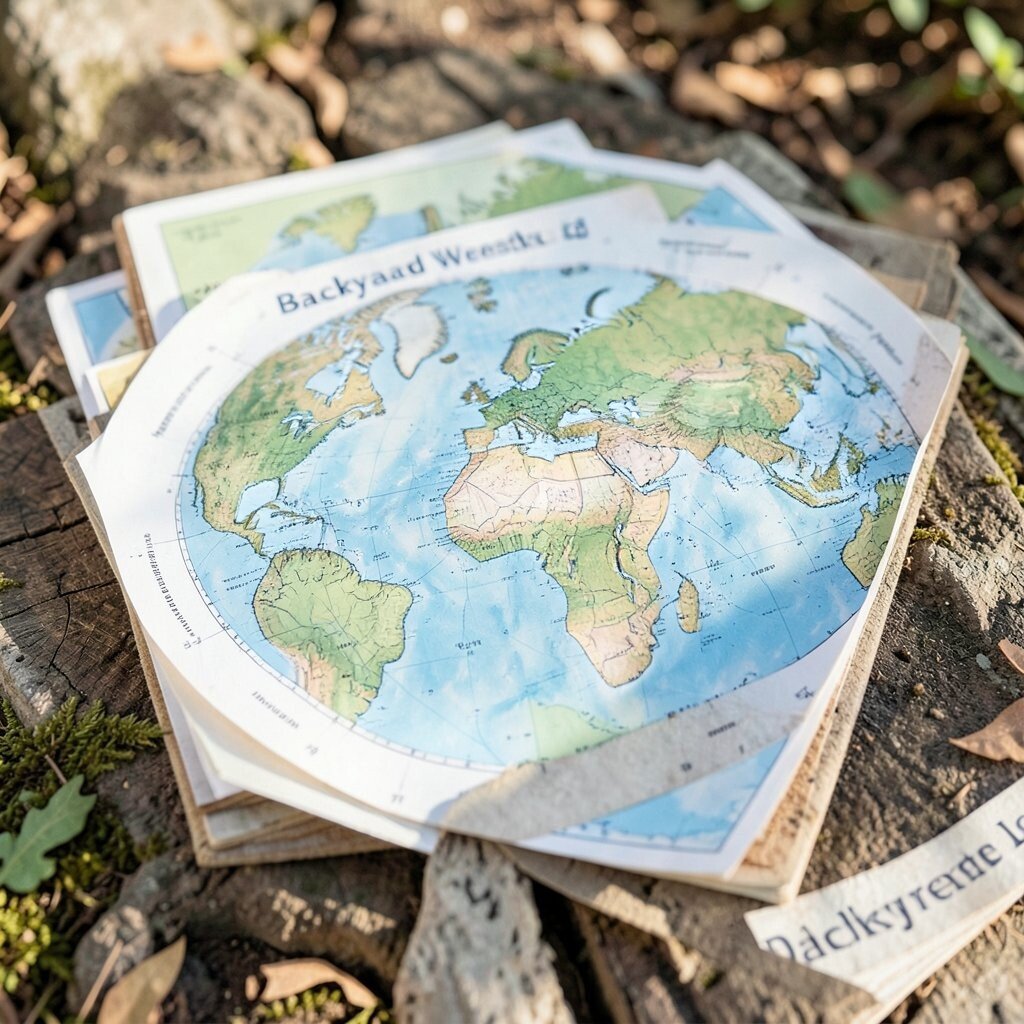
Track the sky for a week, even if your view is just a porch, balcony, or small yard. Write down cloud types, wind feel, and the way temperatures shift by late afternoon.
For visual inspiration, watch how rain creates darker soil and how puddles mirror clouds like tiny windows. You’ll gain practical learning because you start predicting what weather might do next, which can improve planning for outings. Keep uniqueness by comparing “feel” notes, such as whether the air feels crisp, heavy, or dry.
Personalize it by adding small sketches or using colored pens for different conditions. If you want a trend-friendly upgrade, use a cheap digital thermometer or a simple weather widget on your phone to match your notes to local forecasts.
This stays budget-friendly and can be done with what you already own, like a notebook and a pen.
4. Follow a River Soundscape
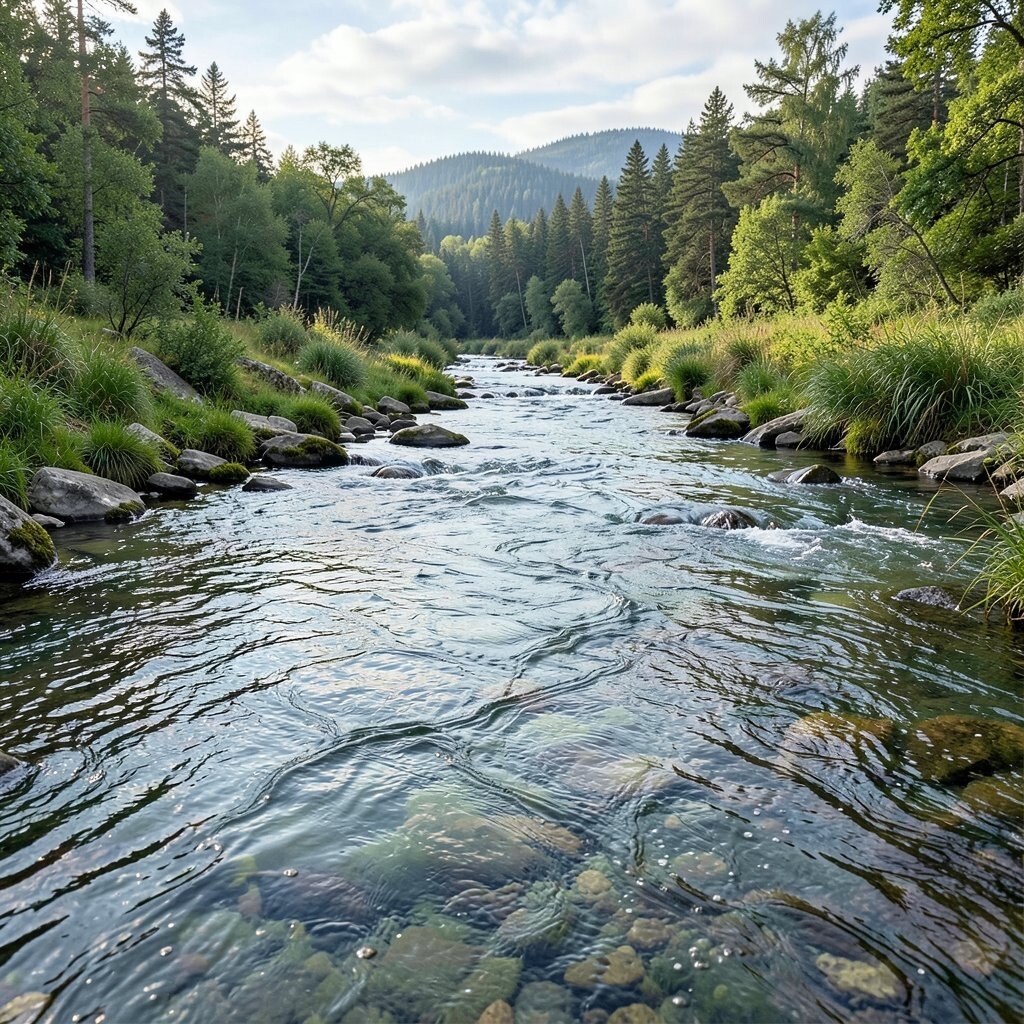
Choose a river, creek, canal, or even a drainage ditch that runs through your area and spend time listening. Stand in one spot long enough to hear how the sound layers change with distance and movement.
When you close your eyes for a moment, you may notice rushing over rocks, softer water under leaves, and echoes bouncing off walls. The benefit is calm focus, because sound can pull you into the present. Make it practical by wearing comfortable shoes and checking ground conditions before you get close to slick banks.
5. Create a “Found Color” Photo Set
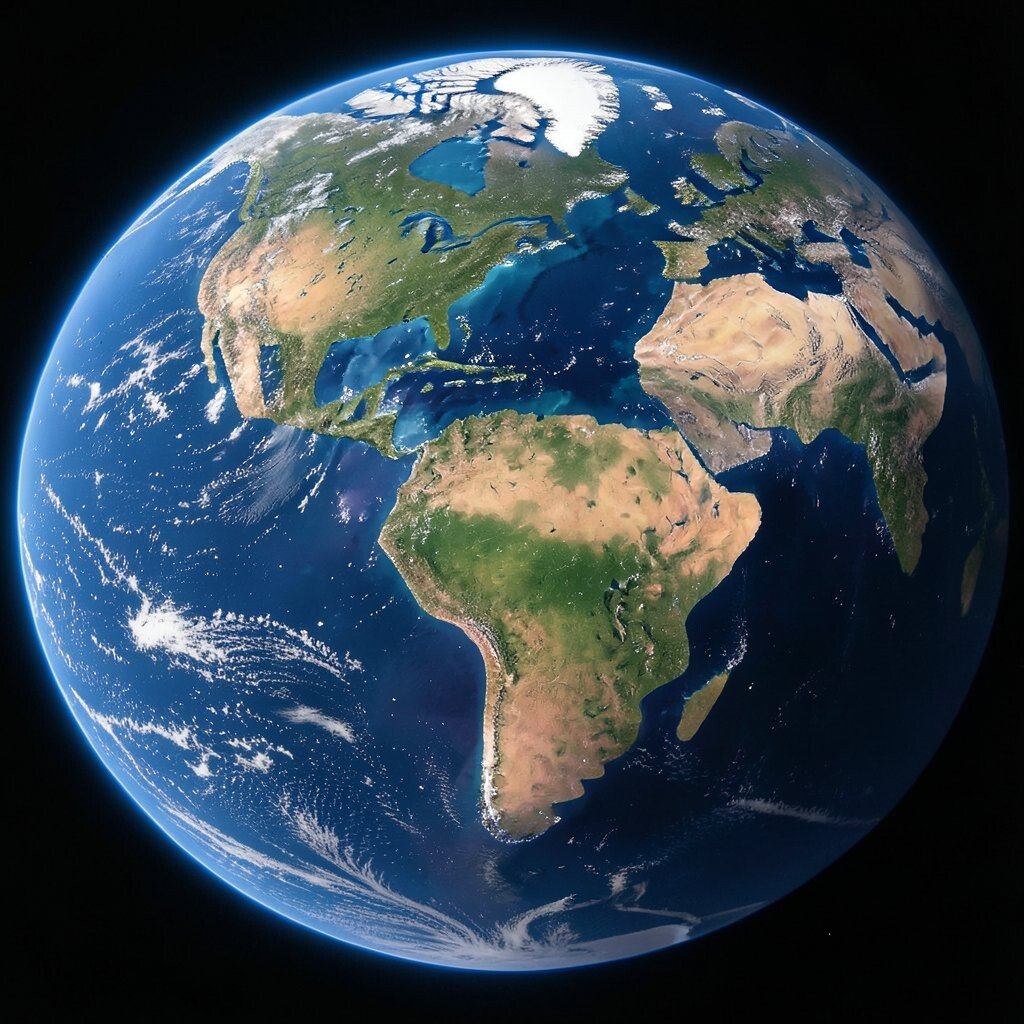
Pick one item to guide you, like “blue things” or “wood tones,” and search for photos that match. Aim for variety, because the same color shows up in paint, berries, reflections, and rust.
As you shoot, you’ll start noticing details you usually miss, like textures on peeling bark or gradients in wet pavement. That visual attention is a real benefit for creativity, since it trains your eye to see composition and contrast. Keep it unique by choosing a personal rule such as only capturing surfaces, only photographing shadows, or only taking pictures with one size shape.
Keep costs low by using the camera you already carry, and personalize by saving your best shots into folders named after moods. If you like current trends, try a short “week theme” challenge similar to what people post on social apps, then put your own spin on it.
6. Join a Local Clean-Up as a Craft Day
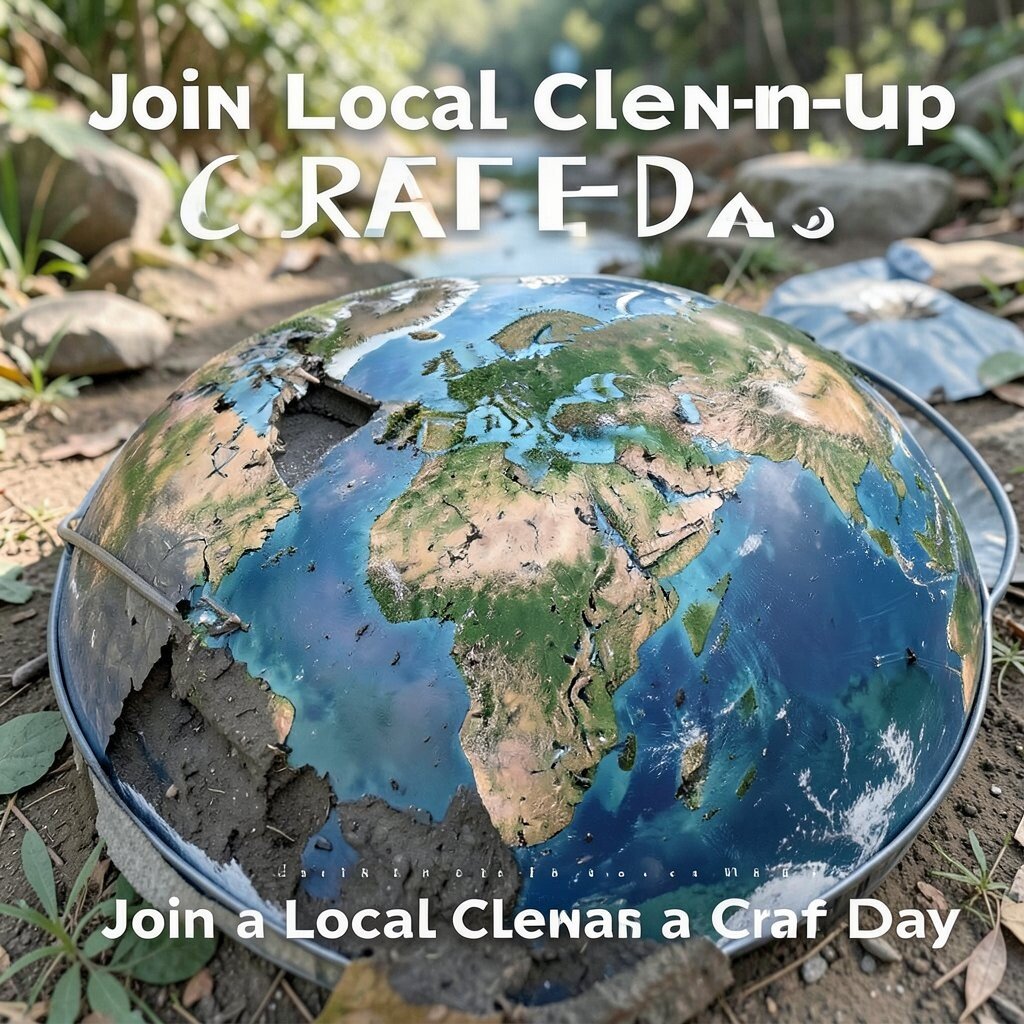
Instead of thinking of clean-up as chores, treat it like a design hunt that happens outdoors. Bring gloves and a bag, then look at what you find as clues about litter patterns and human habits.
When you finish, sort items by type and take a few photos of the “before” scene, then the “after” space. This gives a meaningful benefit because your action improves health, safety, and local beauty. Make it personal by choosing a small goal, like clearing a stretch of path you walk often.
7. Learn One Native Plant by Character
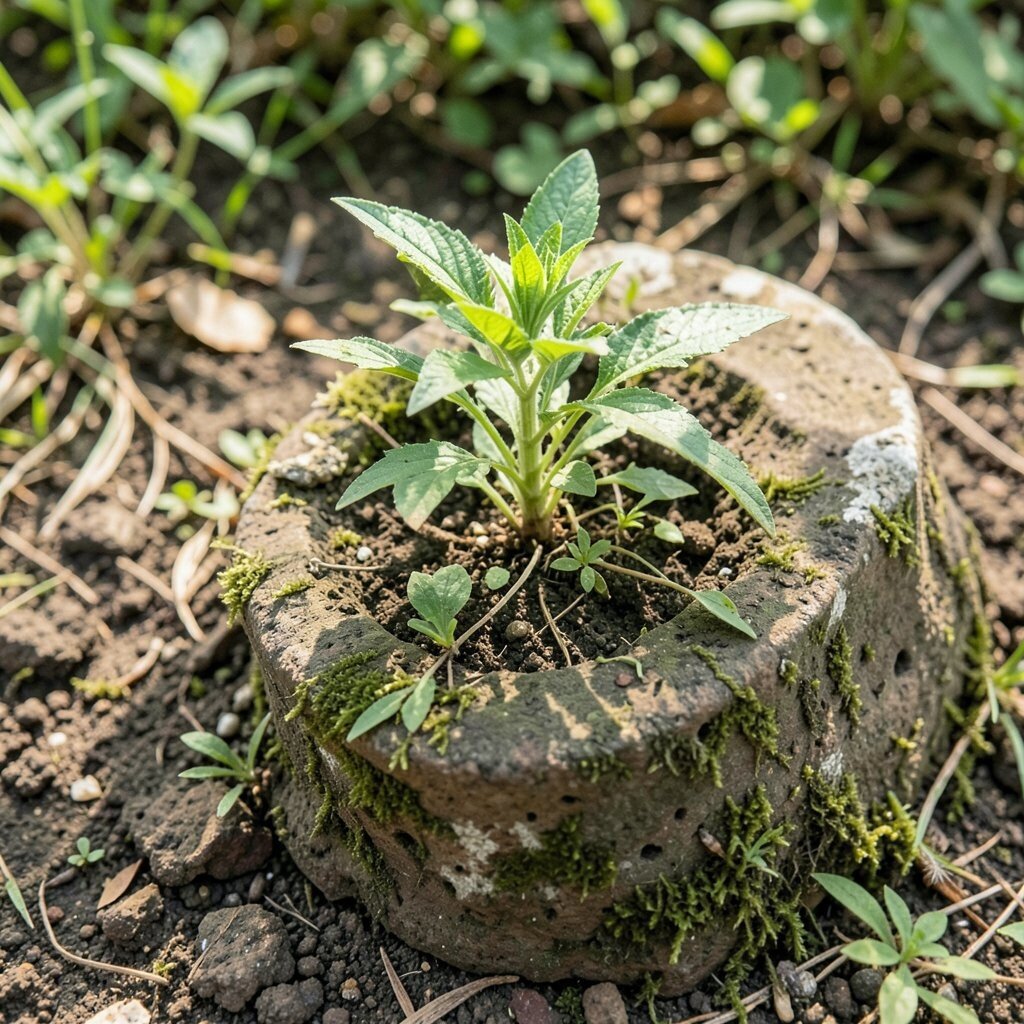
Pick a single plant species in your area and learn how to recognize it by leaf shape, scent, or seasonal change. Use simple sources like local parks websites or a nearby nursery conversation.
You’ll gain practical benefits because identifying plants improves respect for ecosystems and helps you avoid damaging fragile areas. For uniqueness, connect it to your life, like choosing a plant that appears near your favorite trail or window. Consider cost, because many plant lists are free and a field guide from the library can be the most budget-smart option.
Personalize the experience by sketching the plant once a month, then comparing how it grows. If you want a trend-friendly angle, look for “native plant” community events where people swap seeds and share tips.
8. Night Sky Practice with a Simple Stare
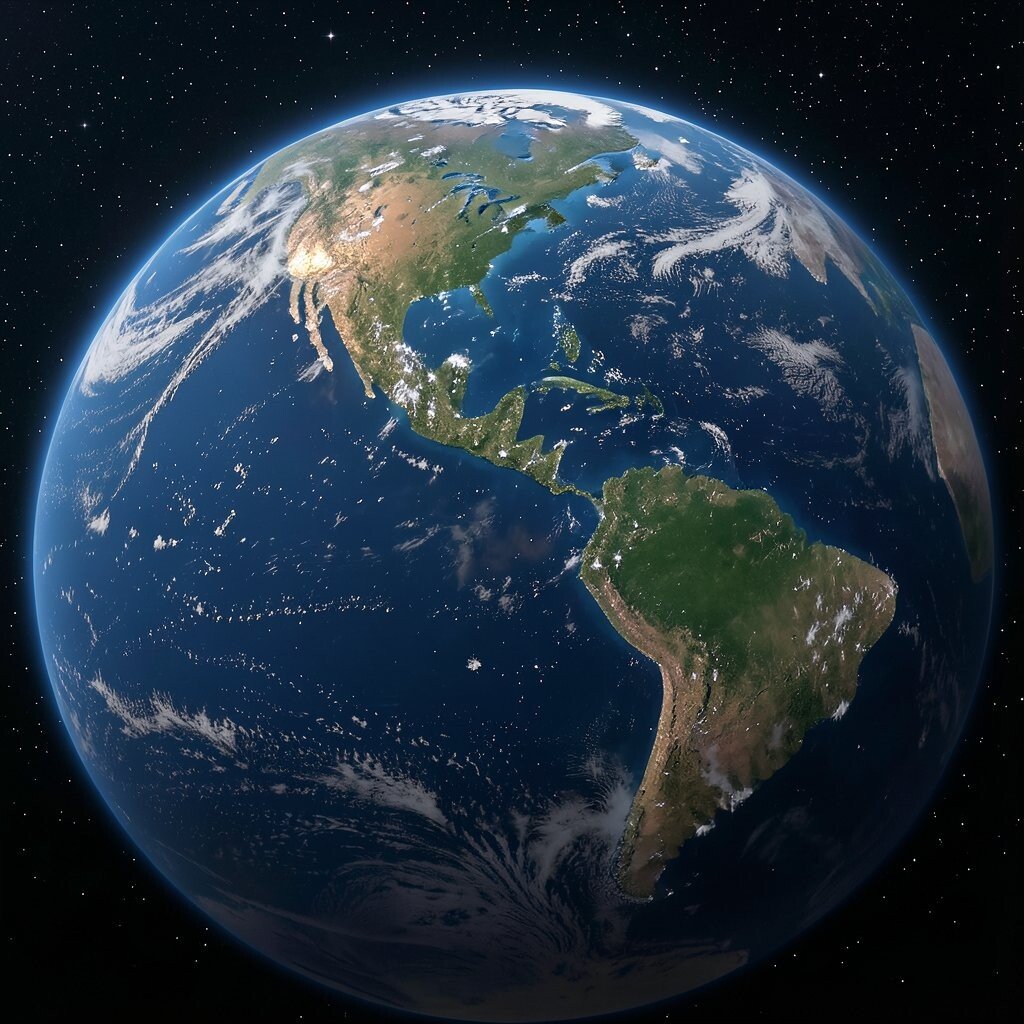
Find a dark area, turn off bright distractions, and practice looking at the sky without rushing. Give your eyes time, then watch how stars appear and how clouds drift across the view.
This offers a calming benefit, and it also strengthens patience because you learn to notice slow changes. Make it unique by choosing one “guest” object to track, like the shape of a constellation or the color of moonlight on rooftops. Keep practical safety in mind, such as using a flashlight with a red filter or covering it with cloth to protect your night vision.
9. Walk the Same Staircase With New Questions
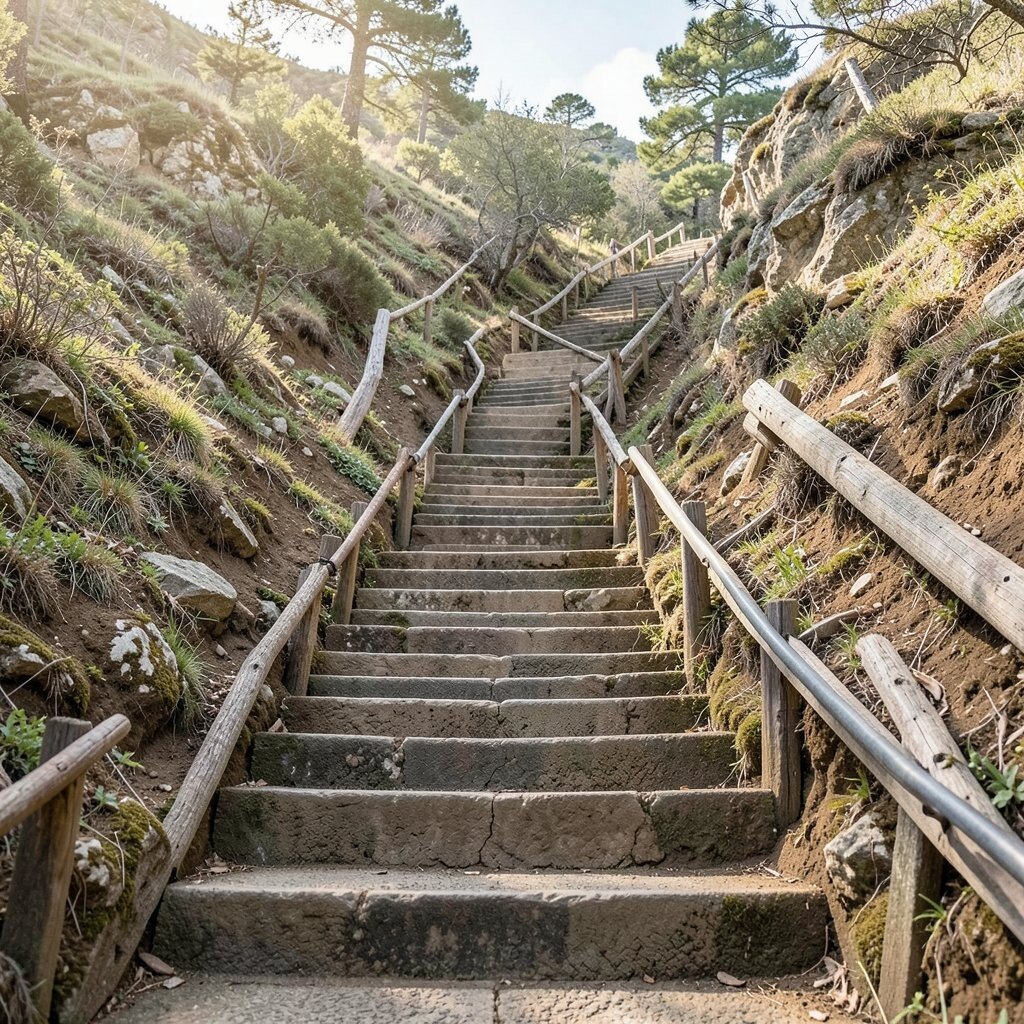
Choose a staircase in your building, park stairs, or a set of steps outside, then visit it more than once. Instead of just moving up and down, ask what the steps sound like, what the rails reflect, and what plants line the edges.
As you do this, your brain starts building memory from small details, which is a creative benefit for writing and art. It’s also practical because noticing your surroundings helps you feel more grounded and aware of footing. Personalize by timing your walks in different weather and recording how the air feels at the top.
Cost is almost nothing, since your “gear” can be comfortable shoes and a phone for a few notes. If you enjoy current trends, try a short journaling habit that matches popular micro-habits, but keep it personal and gentle.
10. Take “Earth Samples” Without Taking Anything
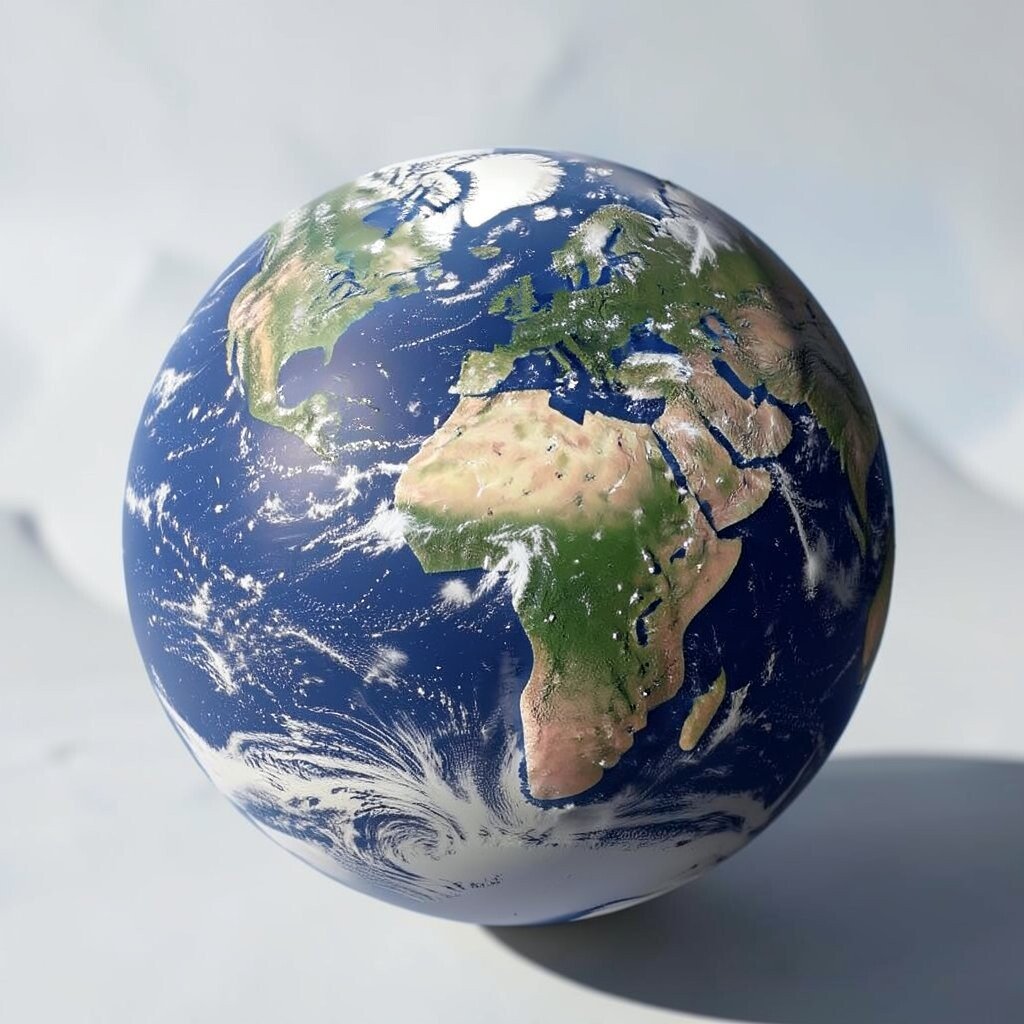
Search your area for textures you can describe rather than remove. Think of the feeling of river stones underfoot, the look of moss on a wall, or the pattern of sand near a shoreline.
Write sensory notes that turn observation into art, like how a rock surface looks matte in shade but shines in sun. The benefit is that you learn to appreciate without harming, which keeps places healthier. Make it practical by sticking to safe distance, watching where you step, and using photos to capture details.
11. Water Bottle Challenge for a Local Source
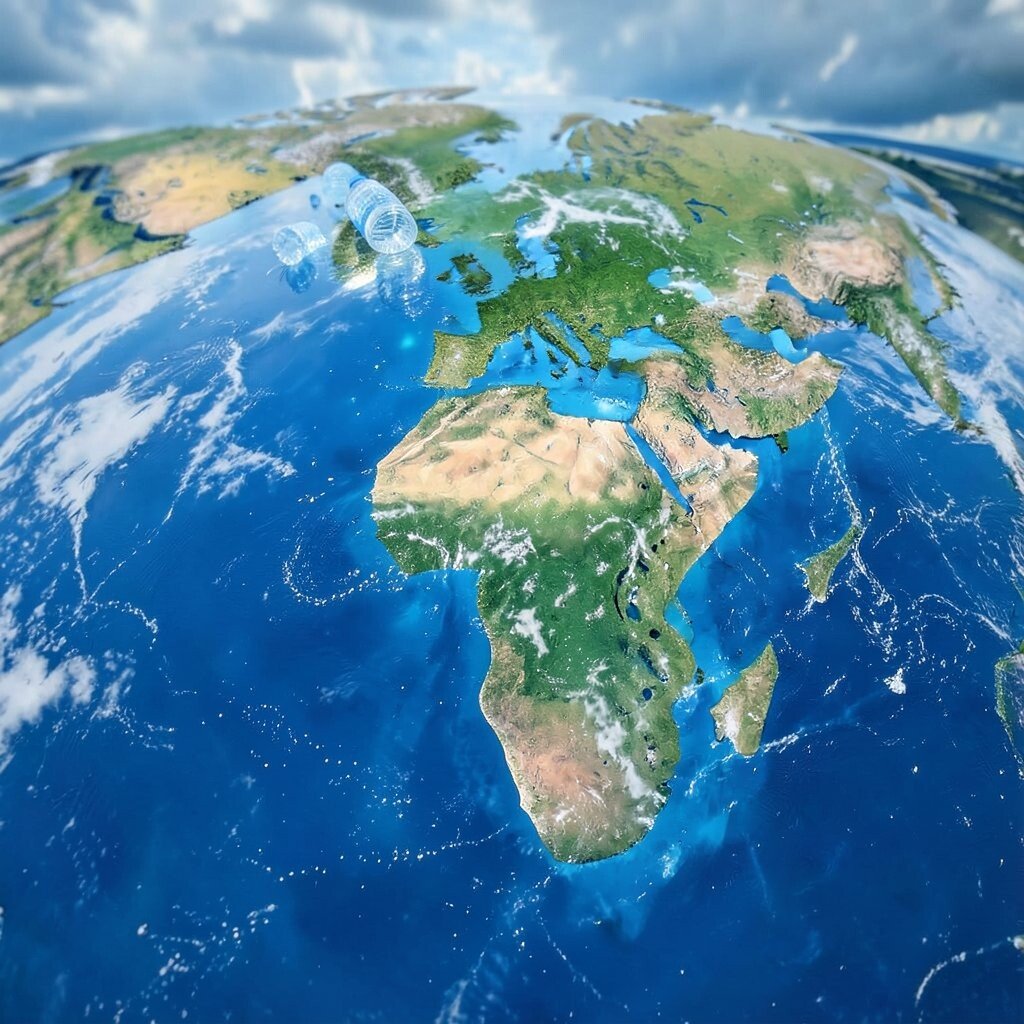
Find where your drinking water originates in your community, then read a simple overview of the system. You might learn about reservoirs, treatment steps, and how pipes bring water to homes.
Even though you won’t do a tasting test, the visual side of infrastructure can inspire awe, like the clean geometry of tanks and the quiet function of pumps. You gain practical benefits because understanding systems helps you make smarter choices about conserving water. Consider cost, because this can be mostly reading and a short walk to see an outdoor access area from a safe spot.
Personalize it by mapping your route from home to the nearest water feature and noting the signs of repair or maintenance you notice. To match current trends, look for community water quality updates and follow local groups who share simple, clear explanations.
12. Make a Personal Trail Playlist
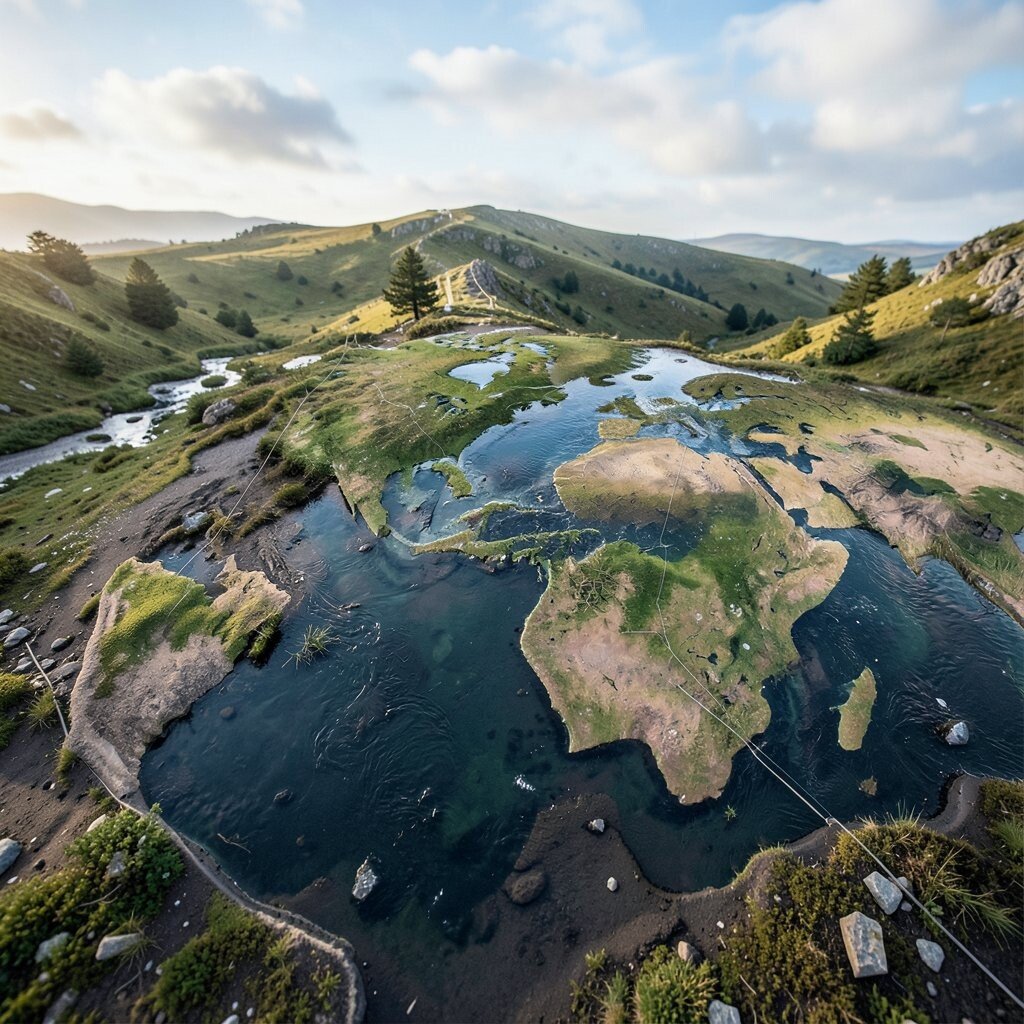
Choose music that matches the pace of an outdoor route you like, then head out with a playlist that feels right. Afterward, write a few notes about where the music fit best and where it distracted you.
The benefit is a focused mood shift, because sound can guide your breathing and walking rhythm. Keep it unique by designing “acts” for the route, like an energetic segment for climbing and a softer song for a calm viewpoint. Personalize it by using sounds from nature too, such as recording wind or birds, then mixing them into your next walk.
13. Study Street Art Like It’s a Weather Report
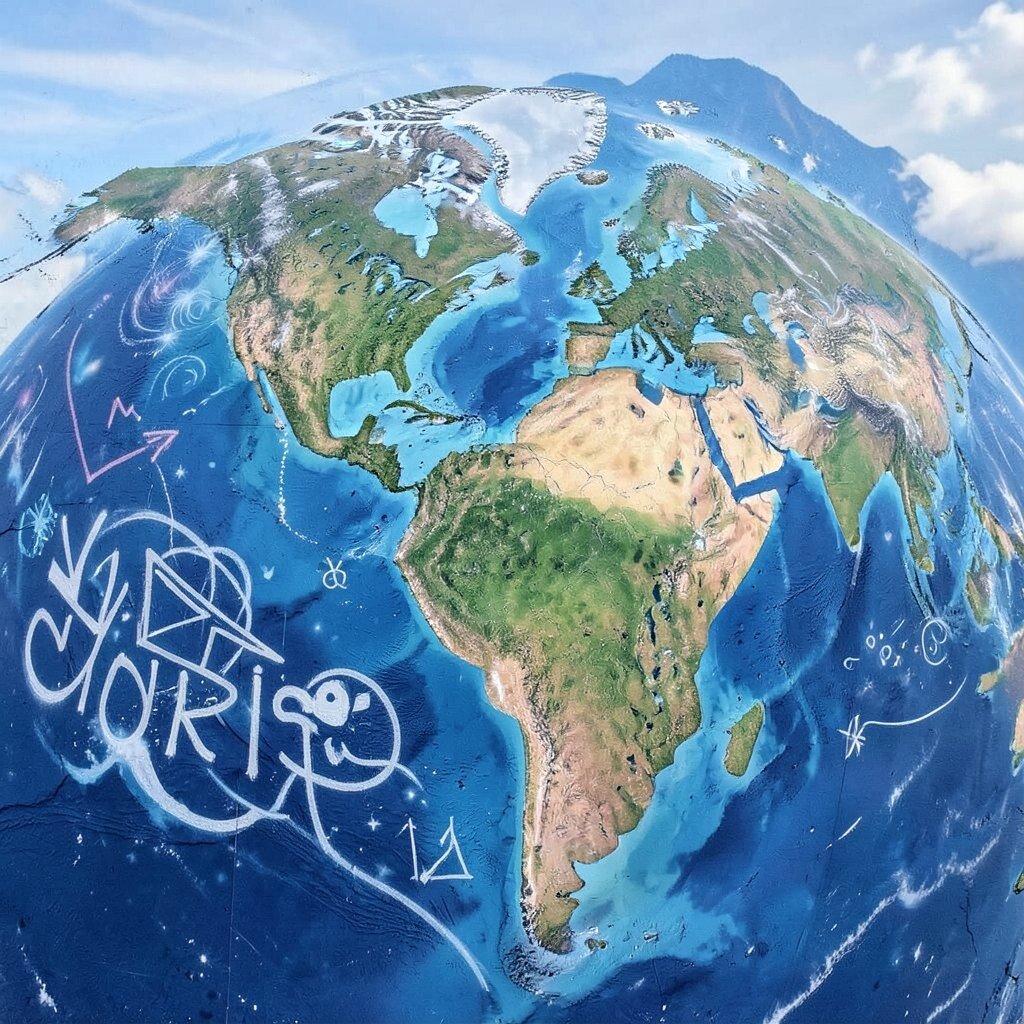
Walk through a neighborhood with murals and graffiti, then look for how artists respond to place. Notice how colors might echo sunsets, how shapes mimic waves, and how lettering changes with wall age.
This gives you a visual boost for creativity, because you see how artists translate landscape into style. It’s practical too, since paying attention to art builds respect for public spaces and encourages safer, more careful walking. Make it unique by choosing a single artist style to compare across locations, or by focusing only on community themes.
Keep costs low by using free photo storage or just your memory. If you like current trends, look for augmented reality mural apps or community tours that people post for quick, self-guided routes.
14. Follow the Wind With a Paper Kite or Ribbon

On a breezy day, take a simple kite, streamer, or even a ribbon tied to a stick. Watch how it moves, then observe how gusts change direction when it hits corners and open space.
This is playful and calming, and it teaches you practical cause and effect about wind flow. It can be unique because your “instrument” is personal and your route matters, like a park field versus a narrow alley. For cost, kites and ribbons are often cheap, and you can even make a streamer from scrap fabric and string.
Personalize by drawing the path the ribbon makes in your head and describing it in words after you land. If you want a trend-friendly angle, search for simple backyard “wind science” experiments that fit busy schedules.
15. Cook a Meal Inspired by a Market Walk
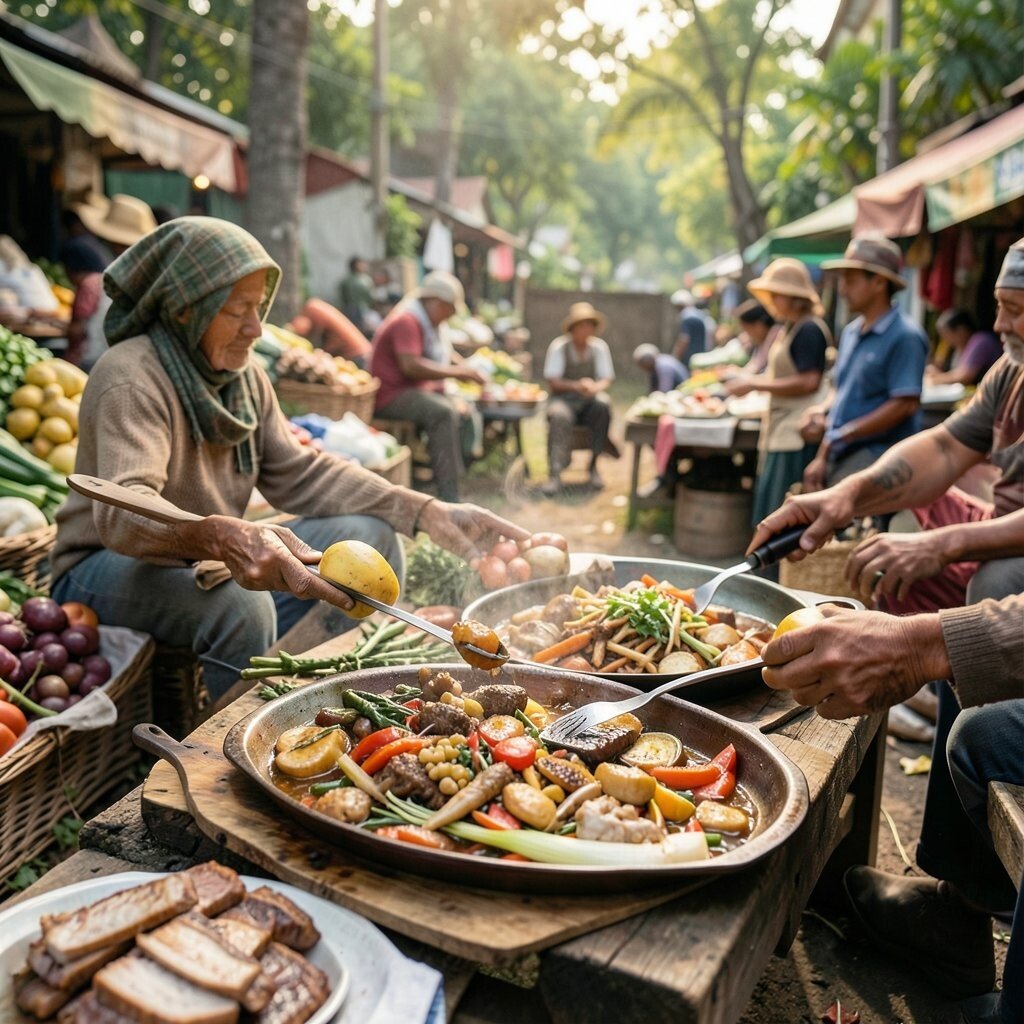
Go to a local market, small shop, or even a farmers stall, and pick ingredients based on what looks freshest. Look at colors, smells, and textures like you’re building a palette for a painting.
The visual inspiration carries into the kitchen, and the benefit is joy that feels connected to your place. Keep it practical by choosing foods that match your cooking time, like quick greens, tomatoes, or simple grains. Make it unique by writing a short story for each ingredient about where it grew, who might have tended it, and what it reminds you of.
Consider cost by planning around what’s on sale or bringing a reusable bag to avoid extra fees. Personalize it with a “theme meal,” such as one dish per color category or one recipe that uses a seasonal produce list.
16. Take a Museum Day Outside
Spend time in a park, botanical garden, or historical site and treat it like an outdoor museum. Read signs slowly, but also look beyond them for shapes, shadows, and the way paths invite movement.
You’ll gain practical benefits because learning in place improves memory, and it can also help you find quiet routes for future walks. Make it unique by focusing on one theme, like water features, native landscaping, or architecture details. Keep cost considerations in mind, since many public gardens have low fees or free days, and you can plan around them.
17. Practice a “Question Map” on Your Phone Notes

As you go outside, save questions you genuinely wonder about, like why certain trees keep their leaves longer or where rainwater seems to gather. Keep the notes short so you can add them quickly without slowing down too much.
This helps you build a habit of curiosity, which is a creative benefit for anyone who likes learning. It’s practical because your future walks become more meaningful when you already have a list of things to check. Make it unique by turning questions into mini missions, like observing one question twice a week and comparing answers.
Personalize by choosing a “favorite” question type such as wildlife, weather, or building design. If you want current trends, use photo metadata and quick tags to match your questions to later searches, which many people now do for organized learning.
18. Trace Landmarks With Your Fingers on a Map
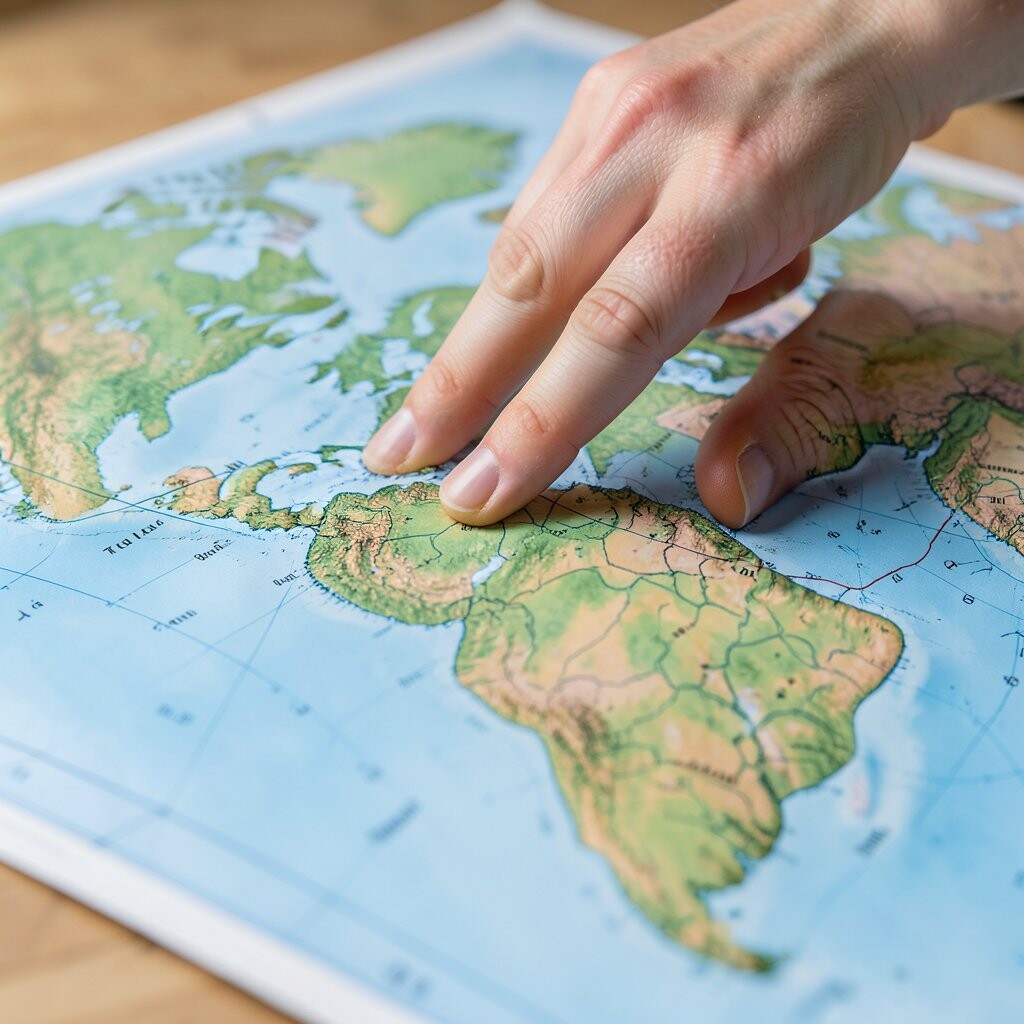
Use a paper map or a digital map and trace routes with your fingers at home before you go out. Mark places that feel meaningful, like a hill, a lake, a bridge, or the path you always pass without thinking.
Then do a real outing and look for the same shapes in the physical world. The benefit is practical orientation, because you understand how land forms connect in your head, which can reduce getting lost. Make it unique by pairing the map trace with a writing prompt about what the route might have looked like long ago.
Cost is usually low since maps can be free online, and printing a page is optional. Personalize it by adding personal symbols, like stars for safe spots or circles for places you want to revisit after different seasons.
19. Seasonal Swap of One Habit Outdoors
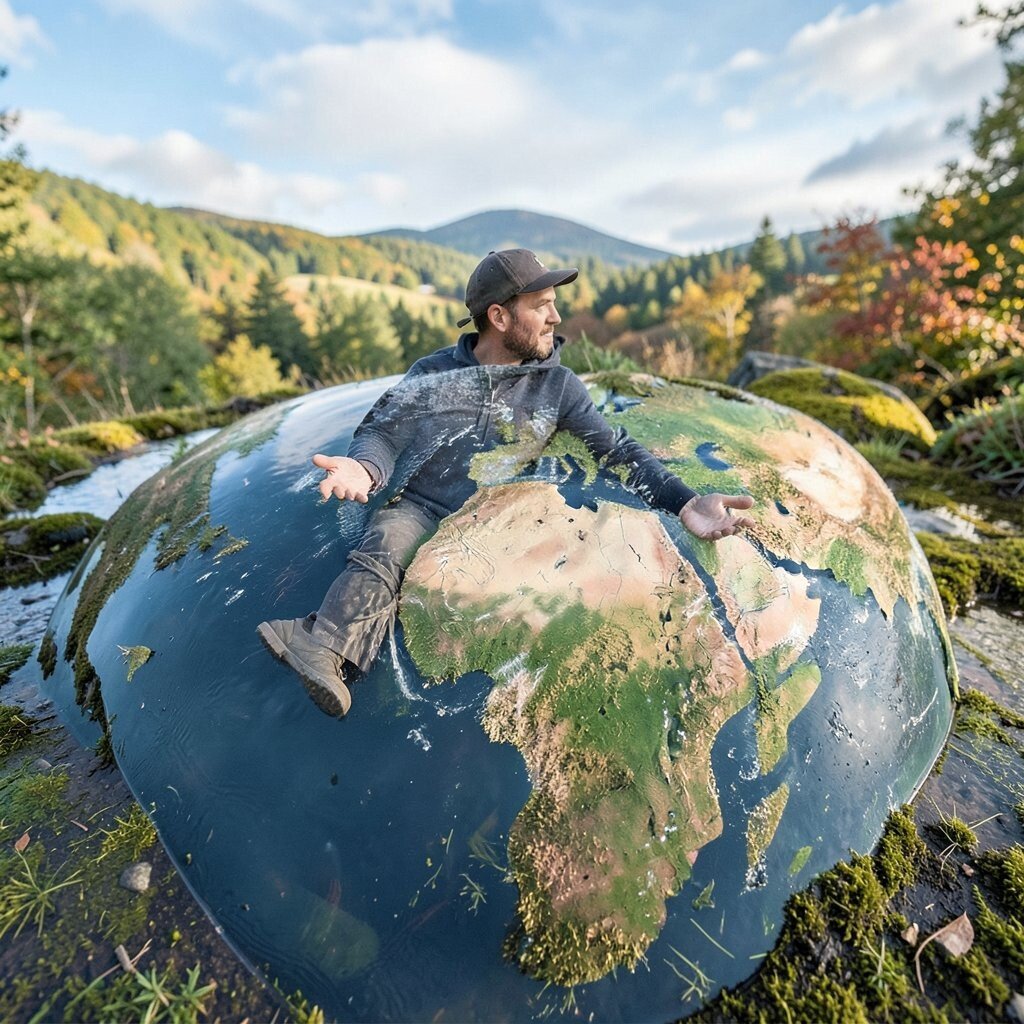
Pick one small outdoor habit and change it by season, like shifting your walk time, choosing different routes, or trying a new outdoor drink. The goal is to notice how your environment changes your routine.
You’ll build a practical benefit because seasonal planning makes outings more comfortable, safer, and more enjoyable. Keep it unique by writing “before and after” notes each time, such as how your senses feel different in spring compared to winter. Consider cost, since this can be done with items you already own, like a light jacket, a thermos, or a scarf.
Personalize it with a small ritual, like a photo at the same spot each time or a tiny scavenger hunt for one seasonal color. If you like current trends, follow seasonal challenge posts online, then adjust them to your own pace and comfort.
When you do this, Earth starts feeling less like a background and more like a living partner in your daily inspiration.