Imagine a space where curiosity sparks and learning feels like play. Here, the environment supports creativity and knowledge grows in every corner. These ideas will help you craft a unique learning atmosphere that excites and inspires.
1. Cozy Reading Nook
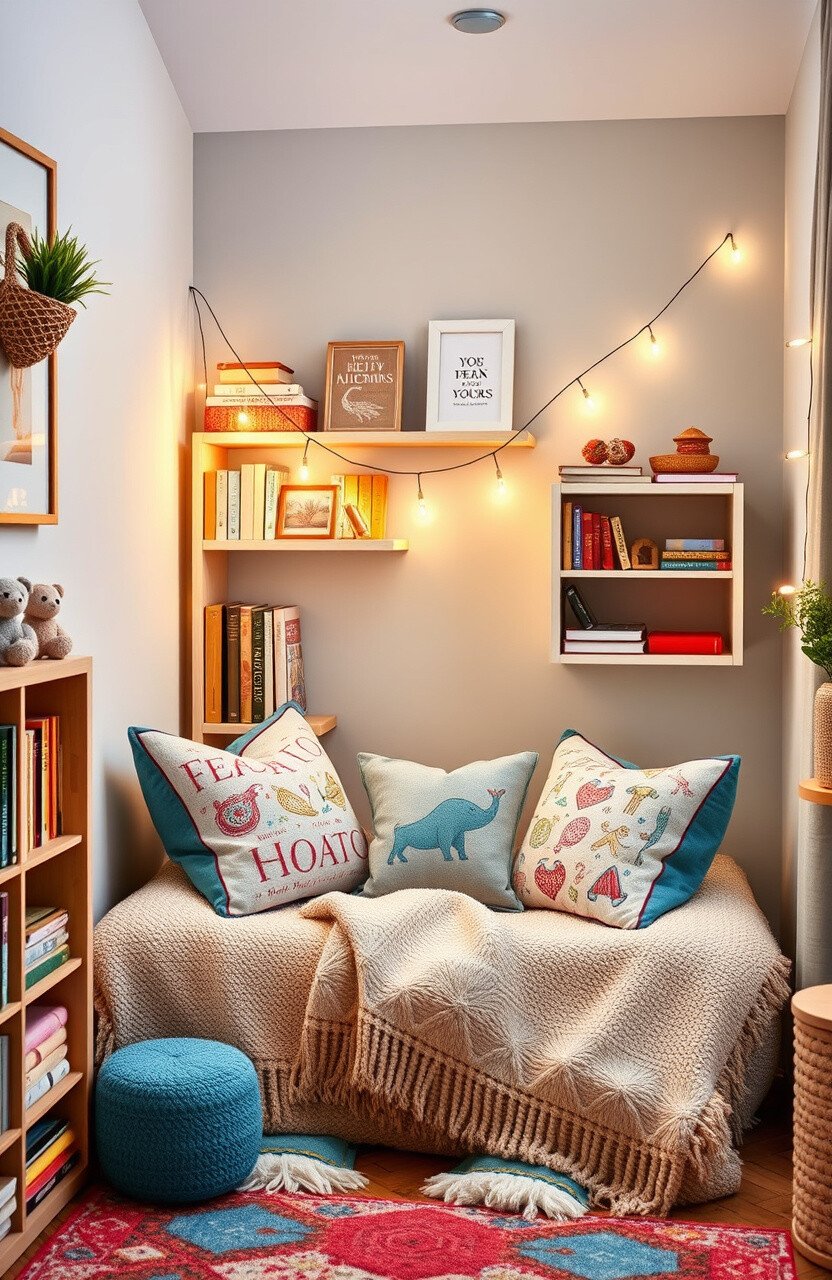
A cozy reading nook invites young learners to dive into books. Picture a corner with fluffy pillows and a warm blanket.
This setup makes reading feel like an adventure. It’s a quiet place for focus and imagination.
Select a corner with good lighting and add a small bookshelf. Personalize it with your child’s favorite colors.
Cost remains low by using items you already have. Add a string of fairy lights for a magical touch.
2. Nature-Inspired Classroom
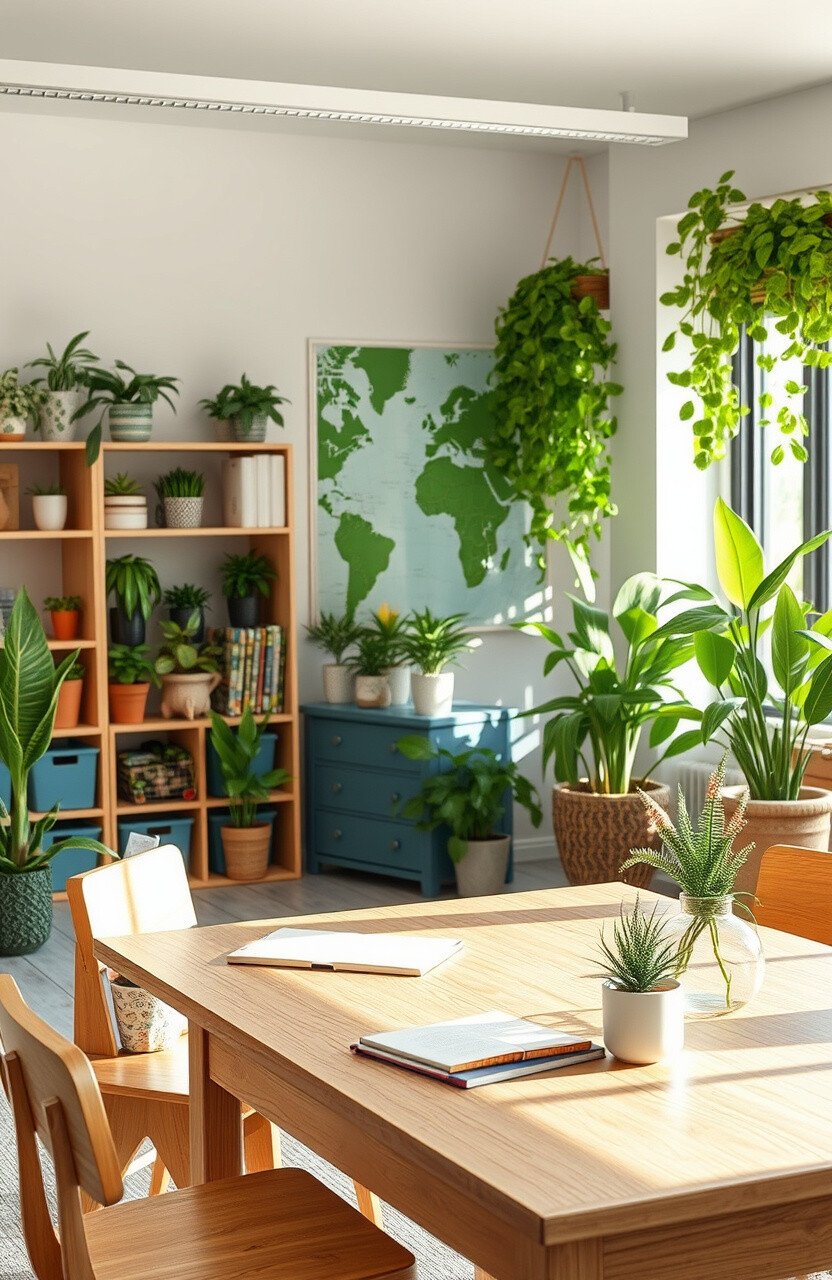
Bring the outdoors inside for a refreshing learning environment. Use plants and natural textures to create a calming space.
Nature-themed areas improve concentration and reduce stress. Kids feel more relaxed and connected to the world.
Incorporate wooden furniture and green accents. Try using a large map or globe to spark curiosity about the planet.
Start with a few potted plants, which are affordable and easy to care for. Let your child pick out their favorite plant.
3. Art Gallery Wall
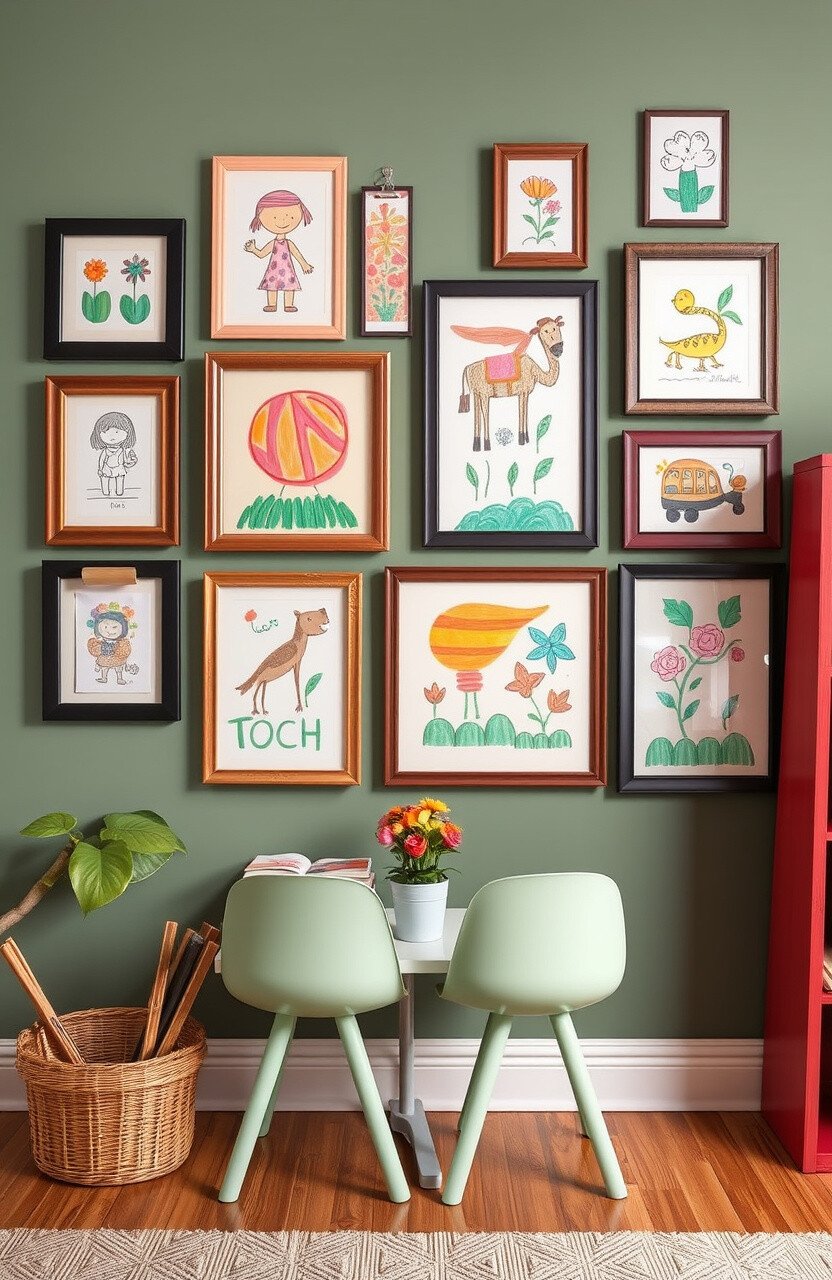
Create an art gallery wall to showcase your child’s creativity. Use frames or clips to display their artwork.
This encourages self-expression and boosts confidence. It’s a visual reminder of their accomplishments.
Choose a prominent wall and arrange the art in a fun pattern. Swap out pieces regularly to keep the gallery fresh.
Use inexpensive frames or DIY options to keep costs down. Involve your child in selecting which pieces to display.
4. Interactive Science Station
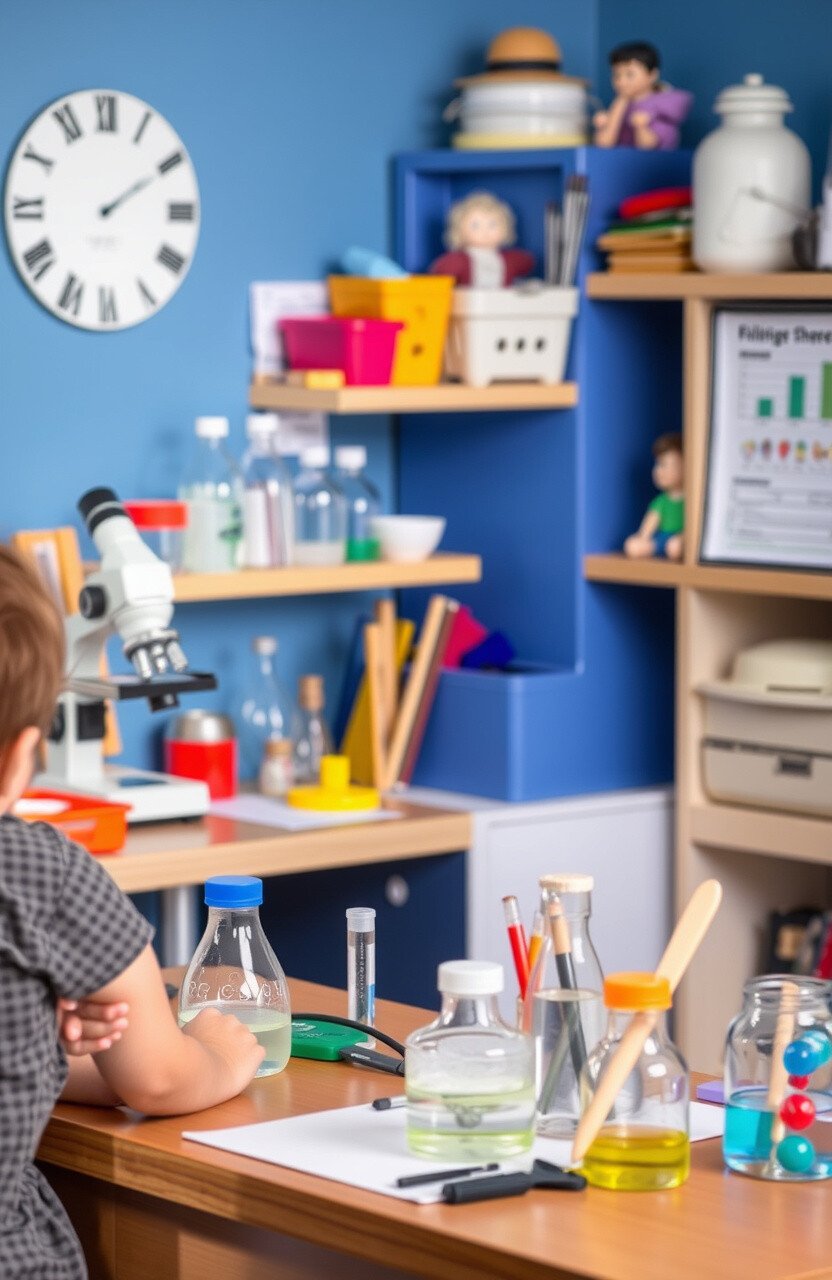
A science station filled with experiments and tools grabs attention. It’s a hands-on way to learn about the world.
Kids love experimenting and seeing real-world results. This setup fosters curiosity and critical thinking.
Include a microscope, magnifying glass, and simple science kits. Rotate the experiments to keep interest high.
Many science supplies are affordable and reusable. Encourage your child to ask questions and seek answers.
5. Flexible Seating Options
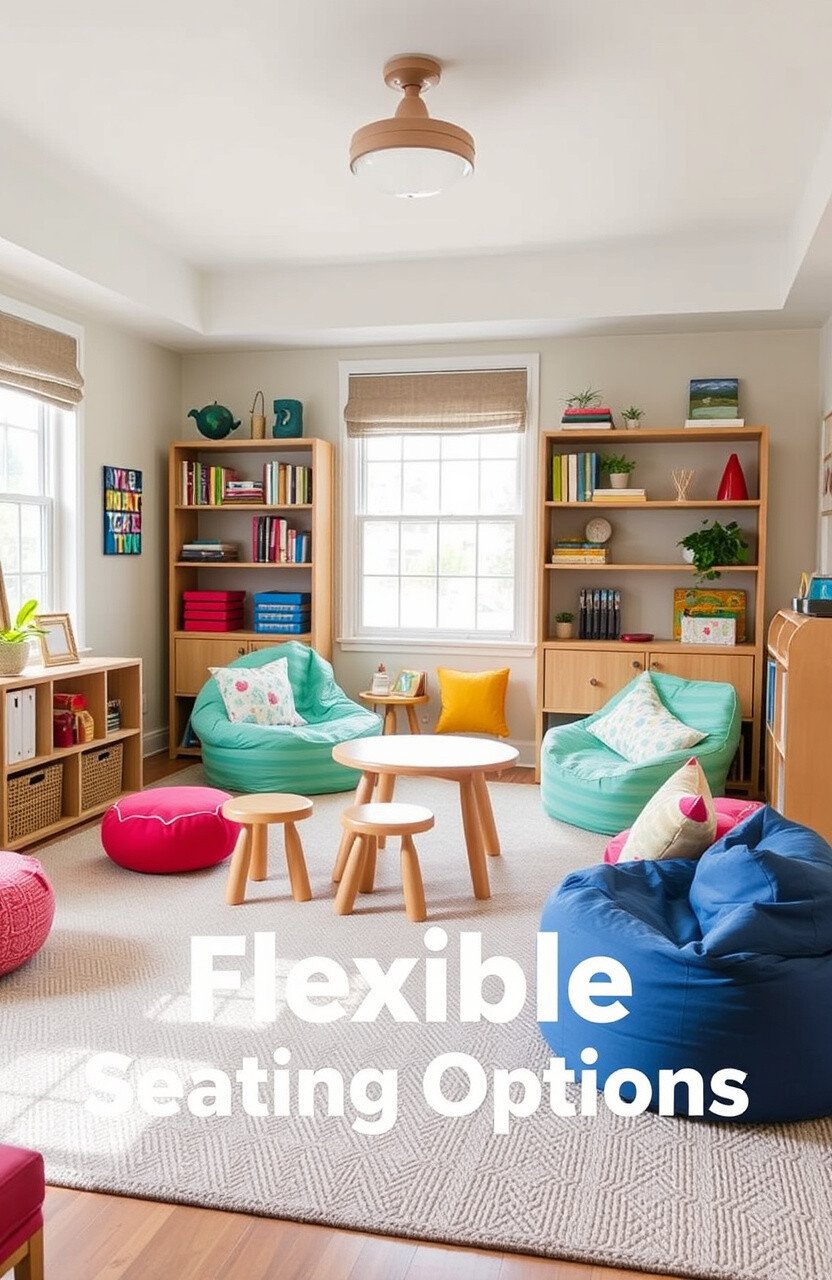
Offer a variety of seating options to suit different moods. Think bean bags, stools, and cushions for comfort.
Flexible seating supports focus and comfort. Kids can choose what works best for them throughout the day.
Arrange seats around the room for different activities. Personalize with colorful covers or patterns.
Use what you have or find budget-friendly options online. Let your child help pick out their favorite seats.
6. Learning Zones
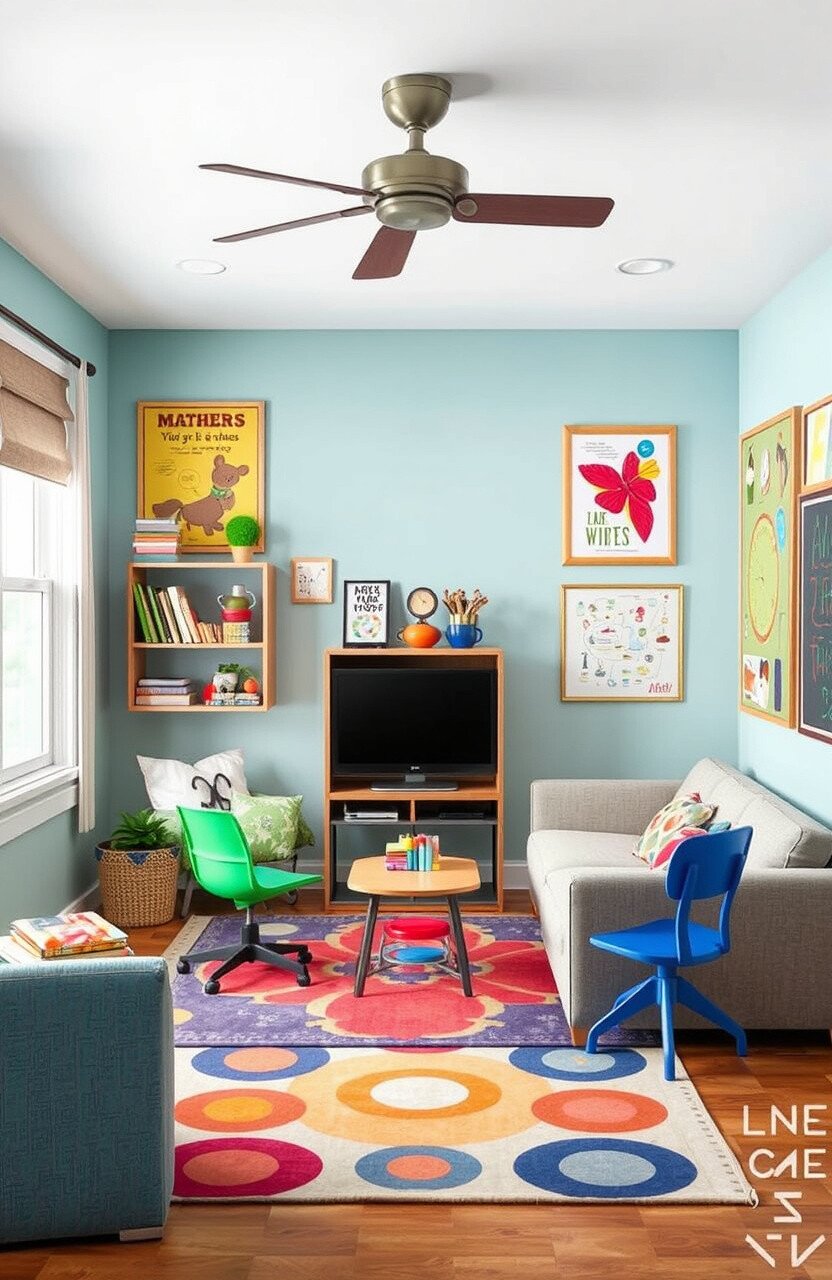
Divide the room into zones for different subjects. Create distinct areas for reading, math, science, and art.
This organization helps kids focus on the task at hand. It provides structure and makes transitions smoother.
Use rugs or furniture to define each zone. Personalize with subject-related decor.
Rearranging existing furniture can be a no-cost solution. Add themed posters to enhance each area.
7. DIY Chalkboard Wall
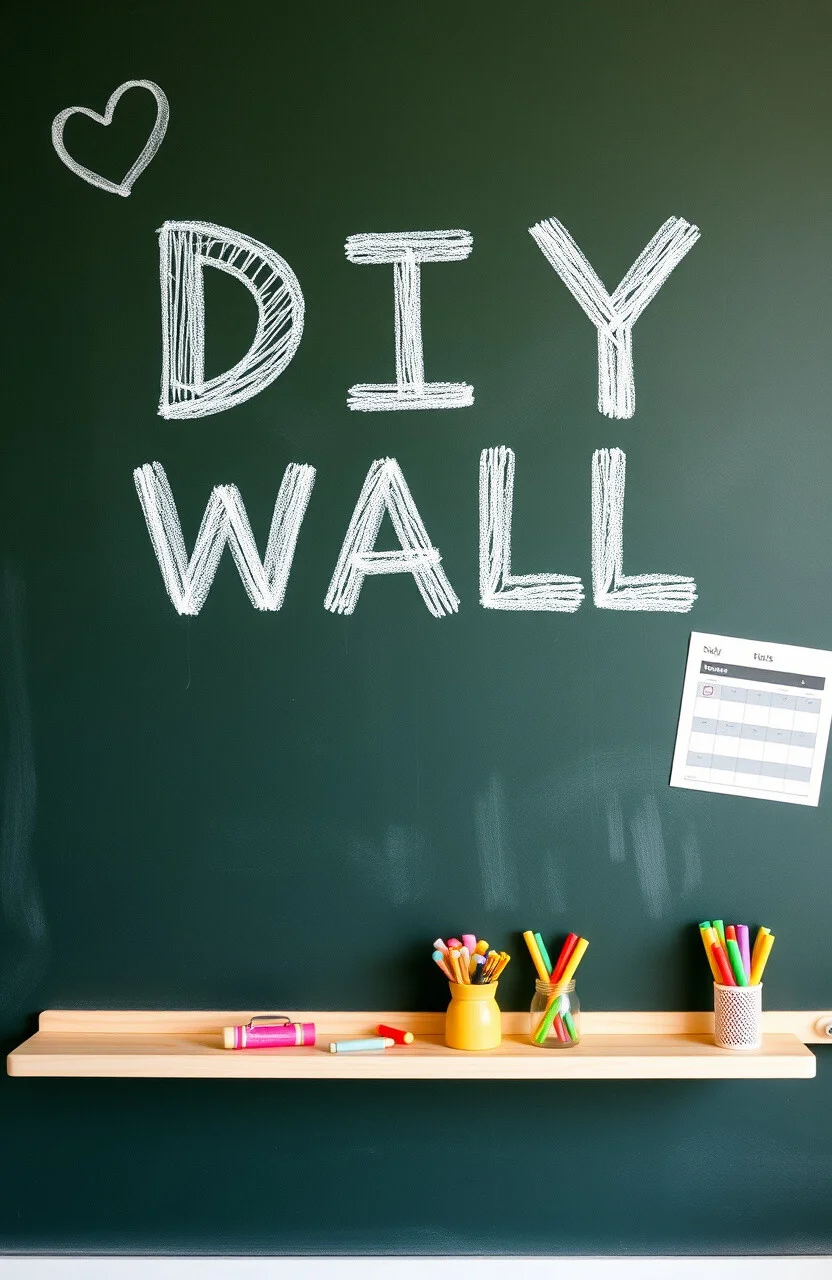
A chalkboard wall invites creativity and learning. Kids can draw, write, and solve problems in a fun way.
This interactive wall makes learning dynamic. It encourages practice and hands-on engagement.
Paint a section of the wall with chalkboard paint. Provide colorful chalk for added fun.
Chalkboard paint is affordable and easy to apply. Let your child use the wall for both art and academics.
8. Sensory Learning Space
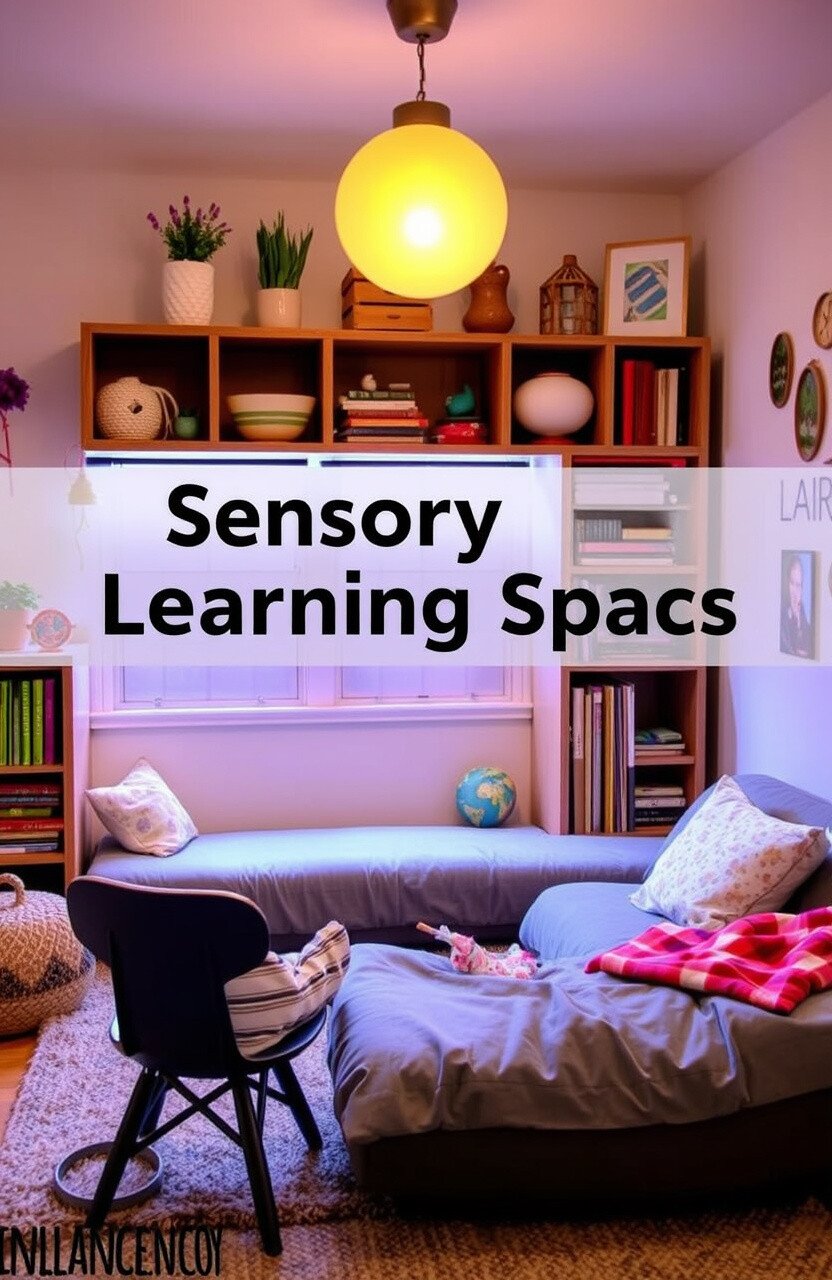
A sensory space engages all the senses for immersive learning. Include textures, sounds, and scents for a full experience.
This setup aids focus and memory retention. It’s especially beneficial for children with sensory needs.
Incorporate soft fabrics, soothing sounds, and gentle lighting. Personalize with your child’s favorite textures.
Use items from around the house for cost-effective options. Create a safe and calming environment.
9. Personalized Learning Desks
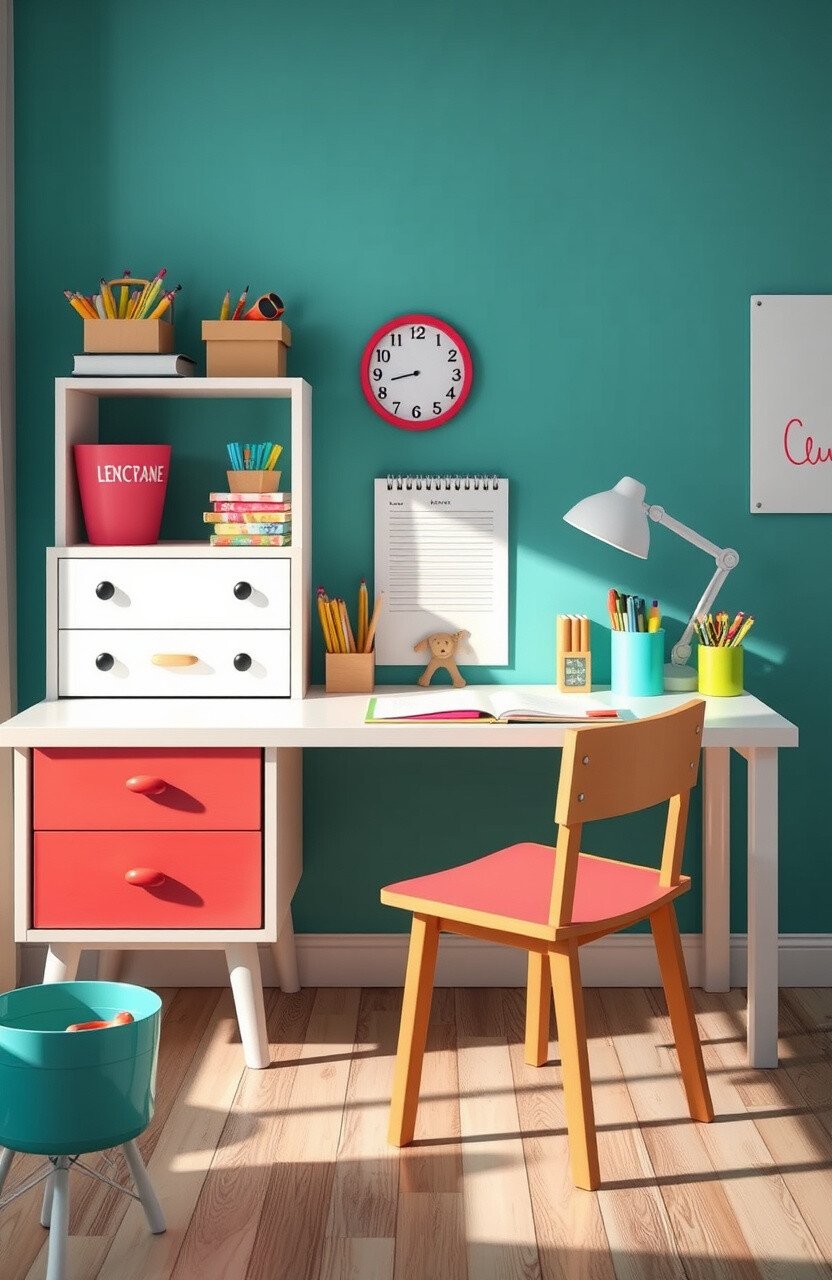
Each child gets a desk tailored to their needs and interests. Decorate with their favorite colors and themes.
Personalized desks make learning feel special. They provide a sense of ownership and motivation.
Use stickers, nameplates, and themed supplies. Make it a space where your child feels inspired and focused.
Repurpose old furniture to save money. Let your child help design their ideal workspace.
10. Creative Storage Solutions
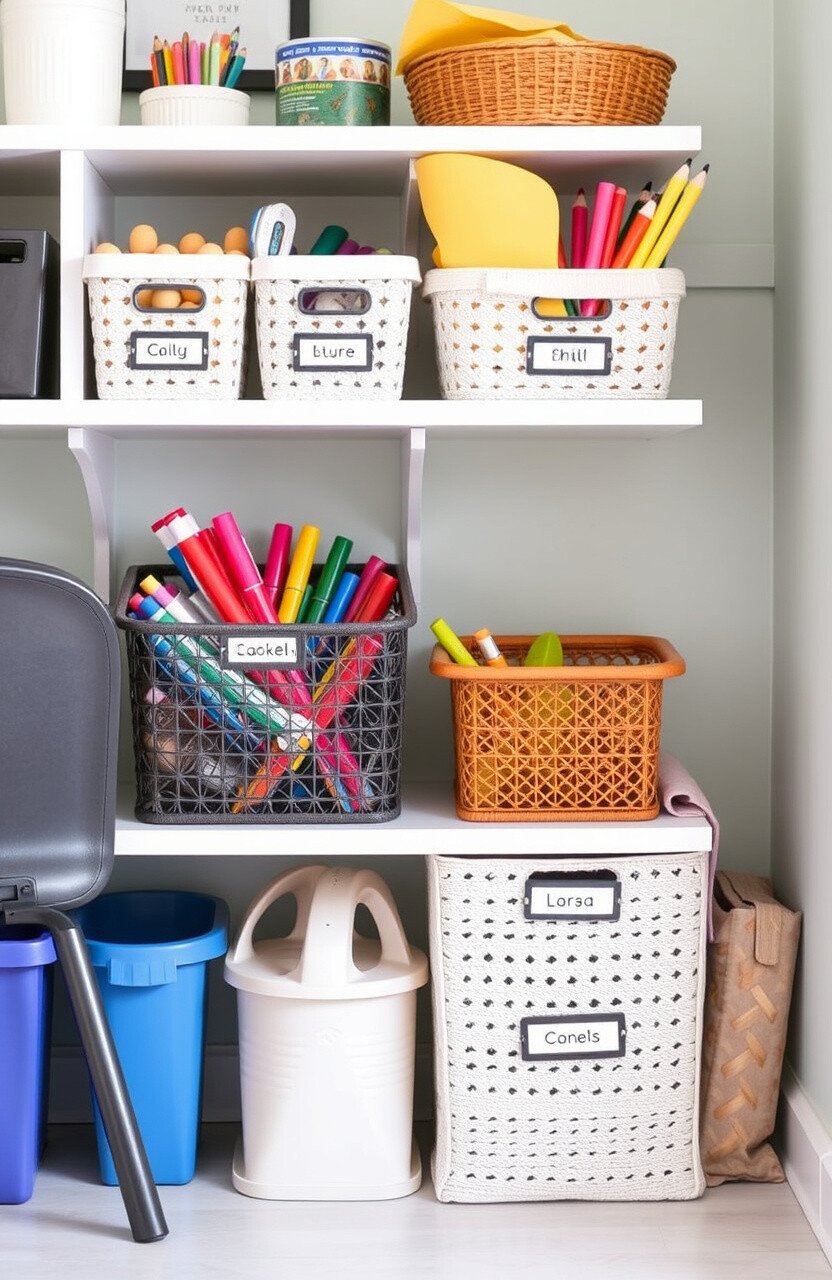
Organize supplies with creative storage to keep the space tidy. Use baskets, shelves, and bins for easy access.
Good organization reduces stress and saves time. Kids learn to take responsibility for their materials.
Label containers for easy identification. Personalize with colors and styles that match the room.
Upcycle containers for budget-friendly options. Encourage your child to help maintain order.
11. Magnetic Wall for Learning
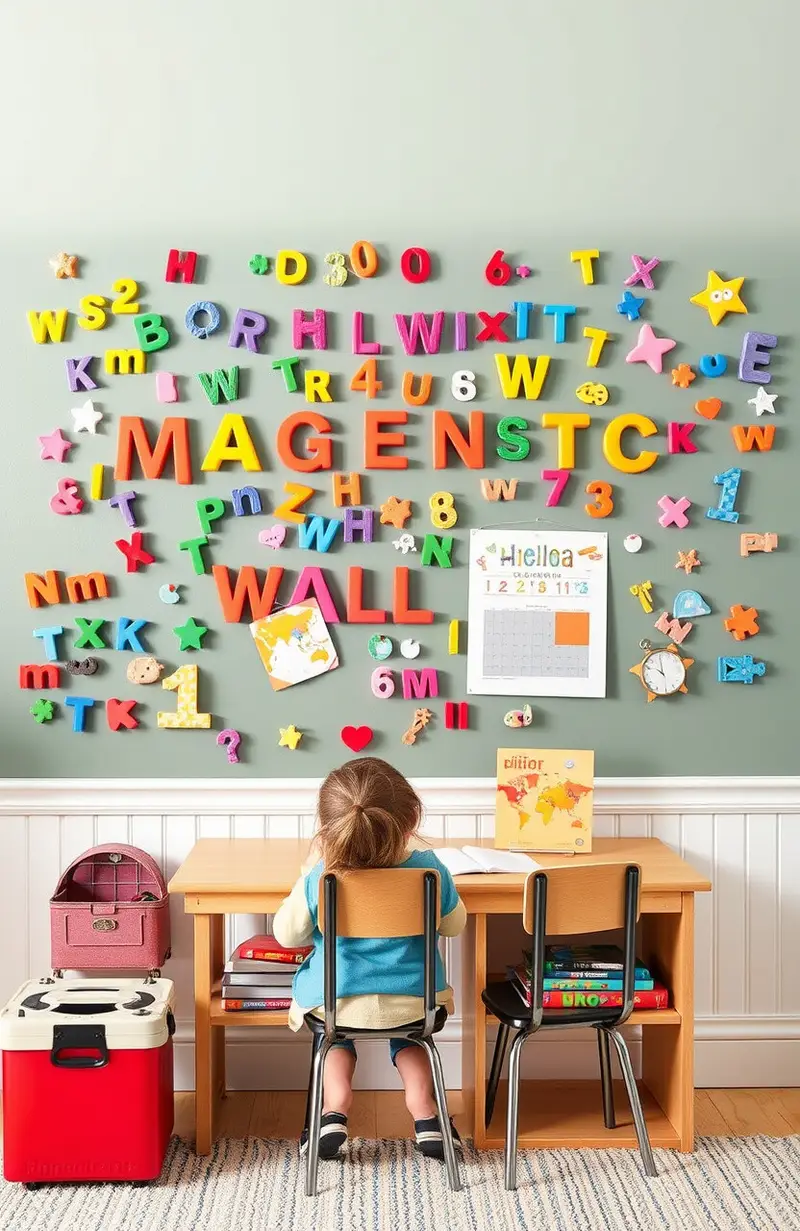
A magnetic wall is a versatile learning tool. Use magnets for letters, numbers, and puzzles.
This interactive feature makes learning tactile and fun. It’s perfect for practicing spelling and math.
Cover a section with magnetic paint or panels. Add colorful and educational magnets.
Magnetic supplies are affordable and reusable. Change the magnets regularly to keep things fresh.
12. Math Manipulatives Station
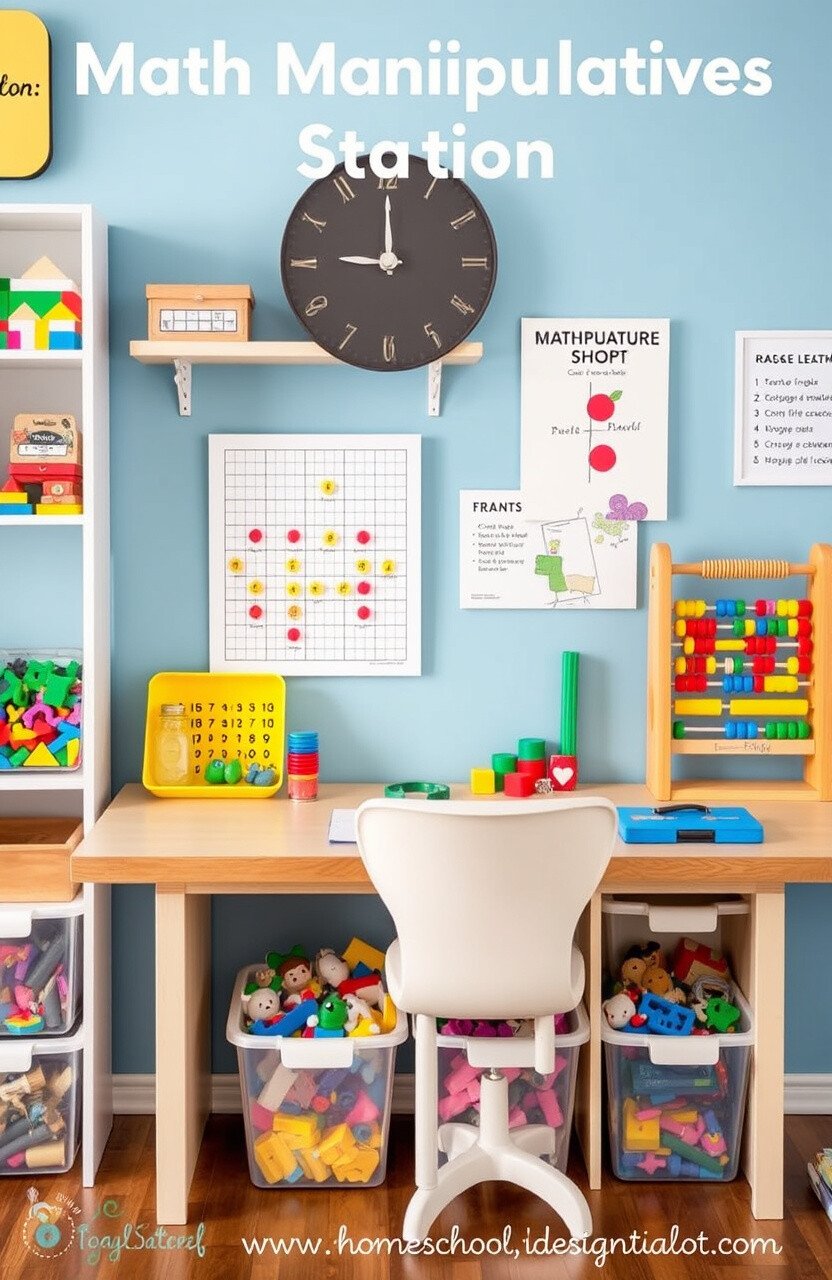
A dedicated station for math manipulatives enhances understanding. Include blocks, counters, and abacuses.
Hands-on learning makes math concepts tangible. Kids grasp ideas more quickly with visual aids.
Arrange manipulatives in bins or trays for easy access. Personalize with colorful options that appeal to your child.
Many manipulatives are inexpensive and durable. Rotate tools to match current lessons.
13. Tech-Friendly Learning Area
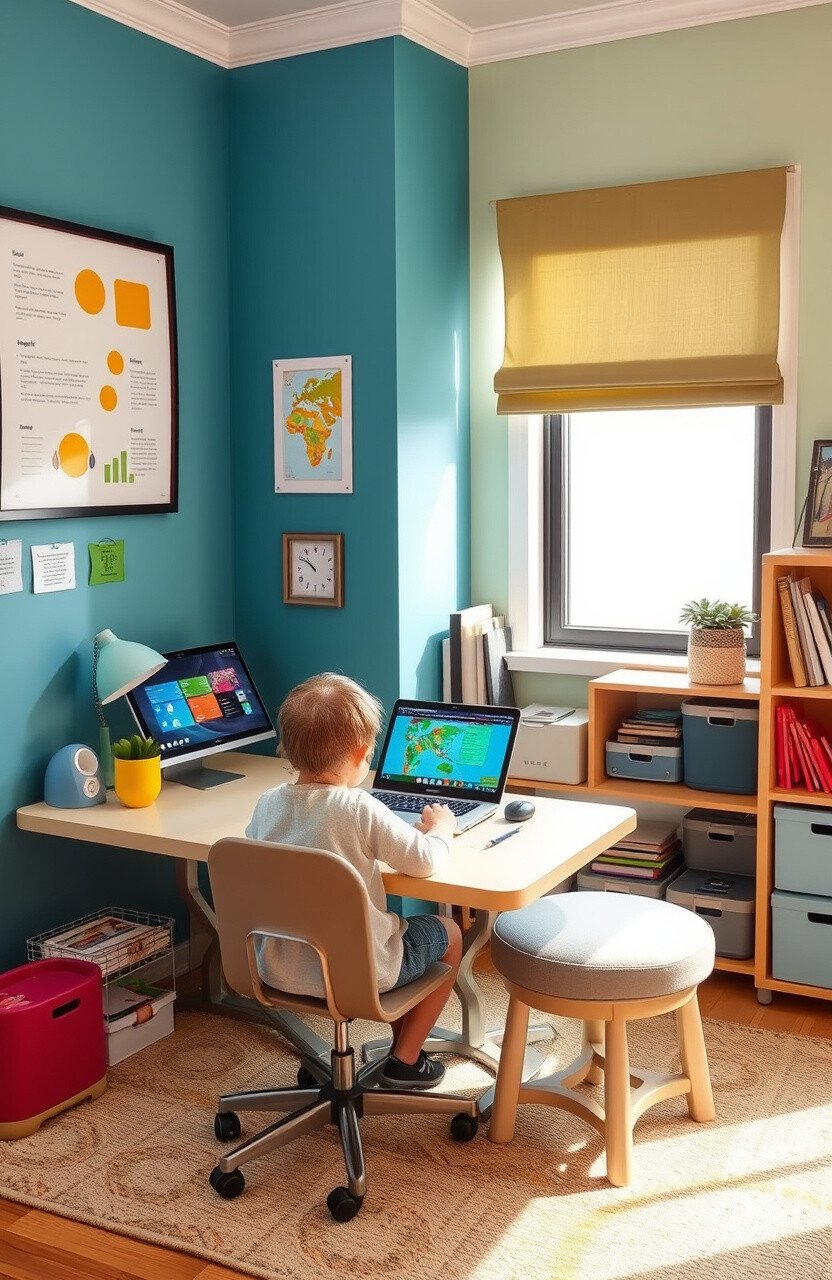
Incorporate technology into a dedicated area for digital learning. Add a tablet or computer with educational apps.
Technology engages kids with interactive content. It supports varied learning styles and subjects.
Set up a comfortable desk with proper lighting. Personalize with fun tech accessories.
Use existing devices to minimize costs. Monitor usage to ensure a balanced approach.
14. Bright, Inspiring Colors
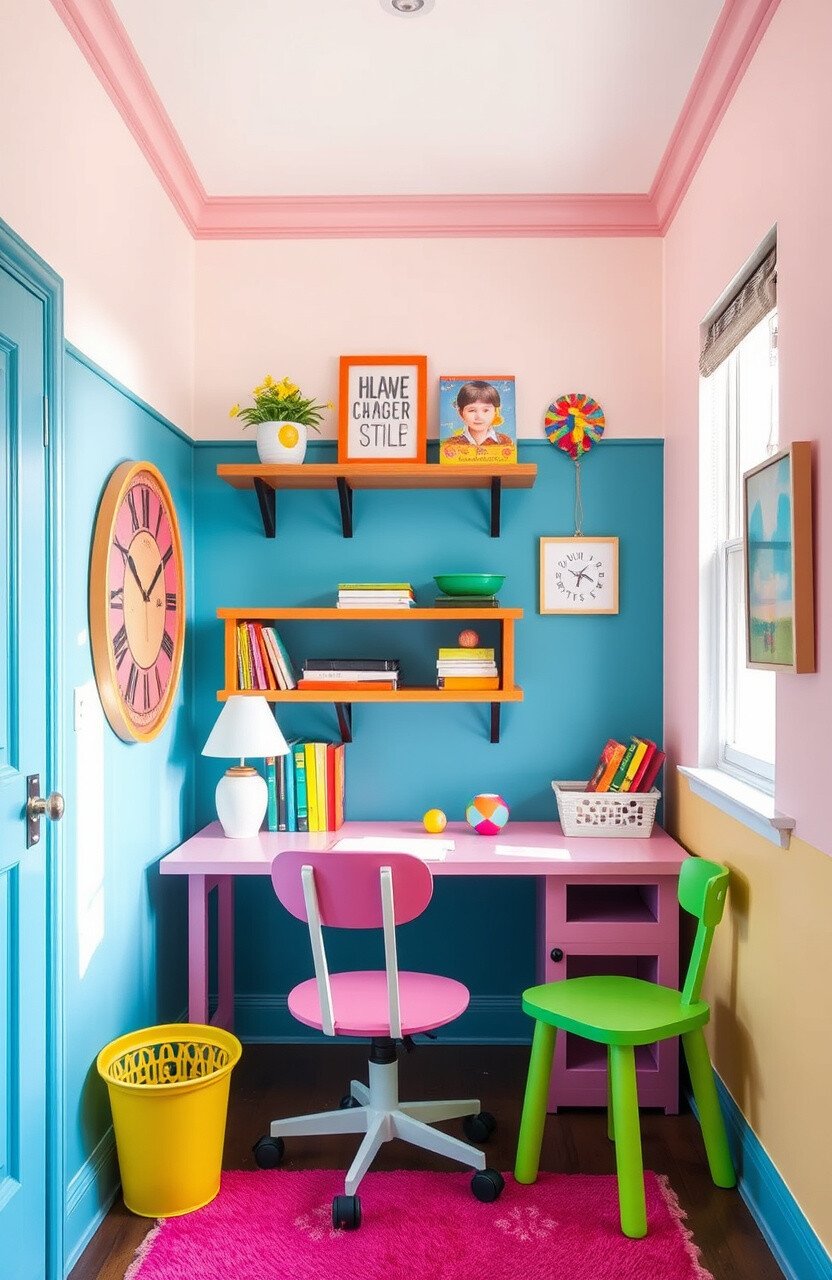
Use bright colors to energize and inspire. Paint walls or add colorful decor to stimulate learning.
Colors can affect mood and focus. Vibrant hues make the space feel lively and inviting.
Choose colors that your child loves and that boost creativity. Personalize with colorful wall art or furniture.
Paint is an affordable way to transform a room. Mix and match colors for a playful effect.
15. Minimalist Study Space
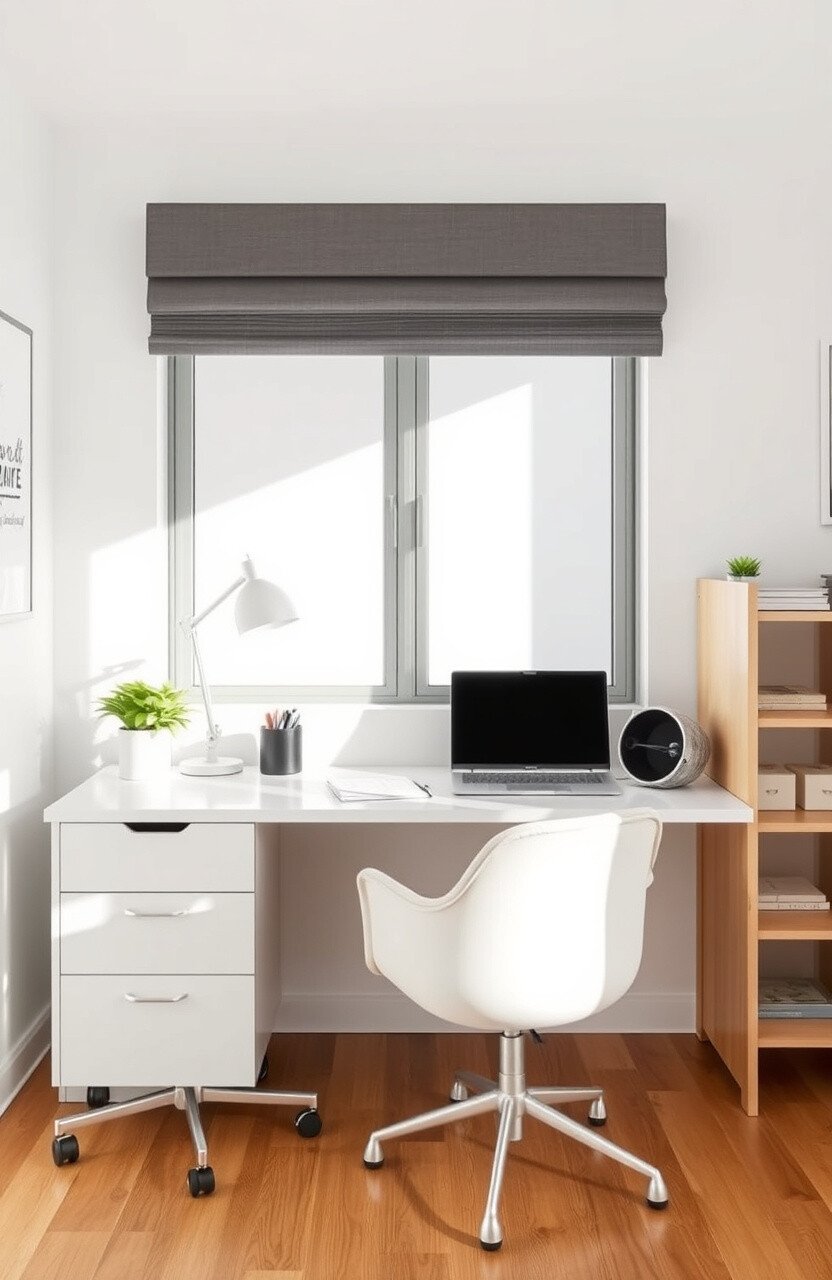
A minimalist space reduces distractions and promotes focus. Keep it simple with clean lines and minimal decor.
This setup helps kids concentrate on their work. A clutter-free environment boosts productivity.
Use neutral colors and simple furniture. Personalize with a few meaningful items.
Minimalist design can be budget-friendly. Encourage your child to keep the space tidy.
16. Educational Posters and Charts
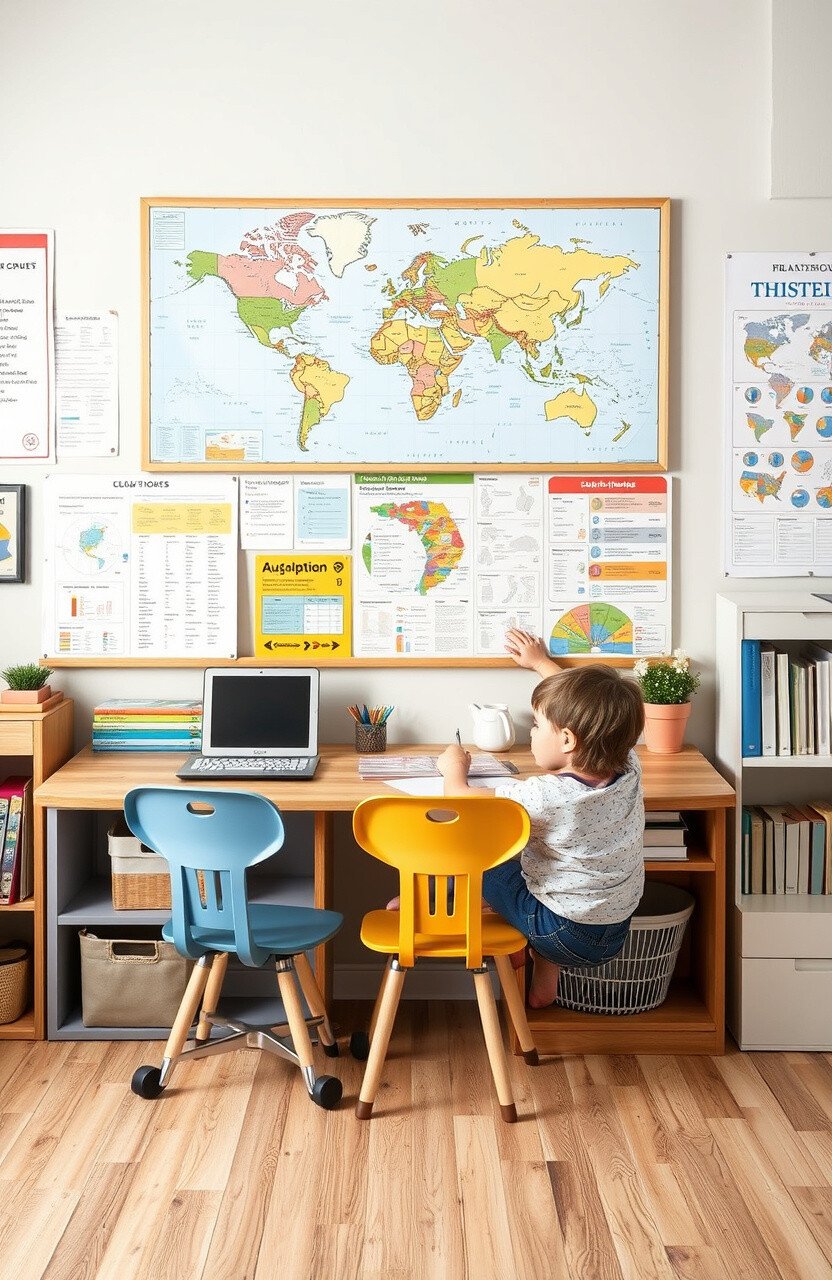
Decorate walls with educational posters and charts. Include maps, timelines, and subject-specific guides.
Visual aids reinforce learning and make information accessible. Kids can refer to them during lessons.
Choose posters that align with current topics. Personalize with your child’s favorite subjects.
Find affordable options online or DIY with printouts. Rotate posters to match changing interests.
17. Comfortable Study Corner
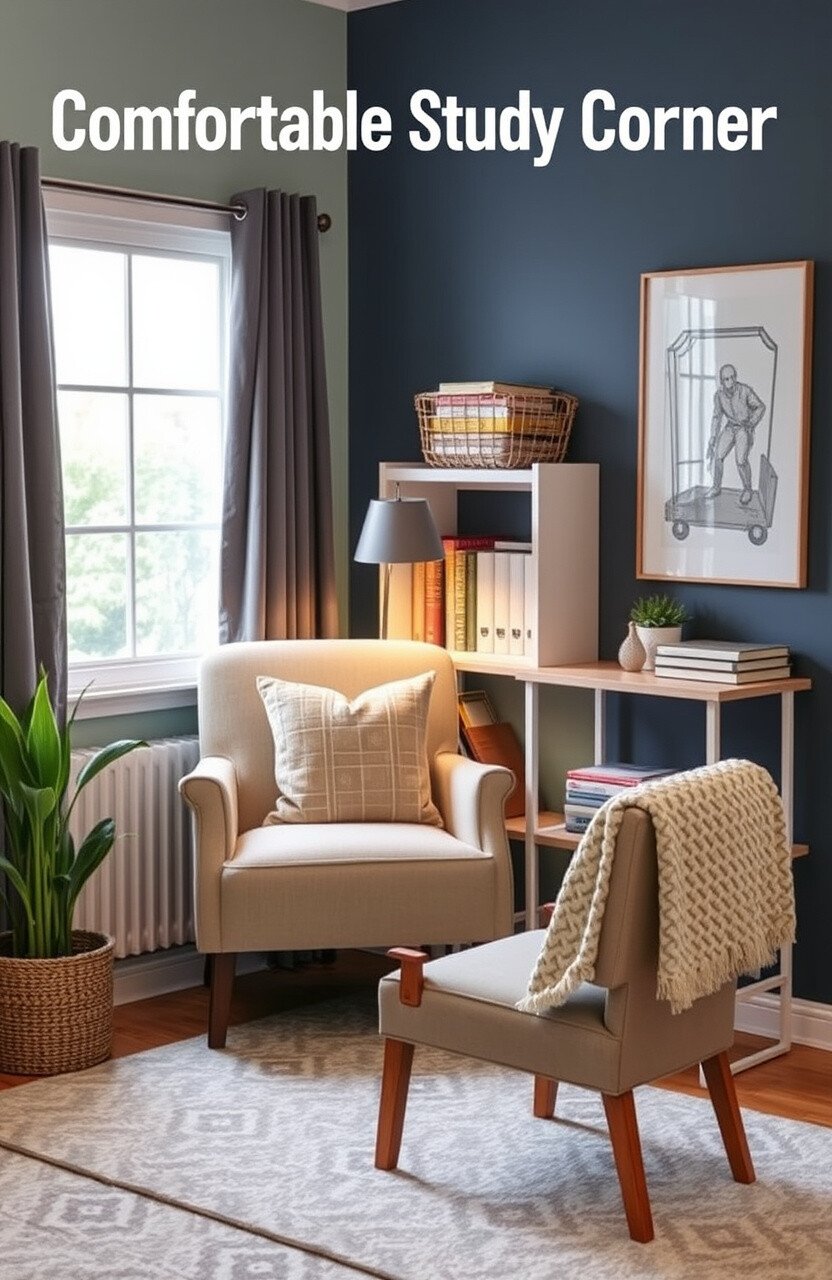
Create a comfortable corner with a chair and small table. This is a quiet spot for reading or working on projects.
Comfort aids concentration and learning. A dedicated space helps establish routine and focus.
Choose a cozy chair and add a small table. Personalize with a soft throw or cushion.
Repurpose furniture for an economical setup. Let your child arrange their corner to their liking.
18. Wall-Mounted Learning Board
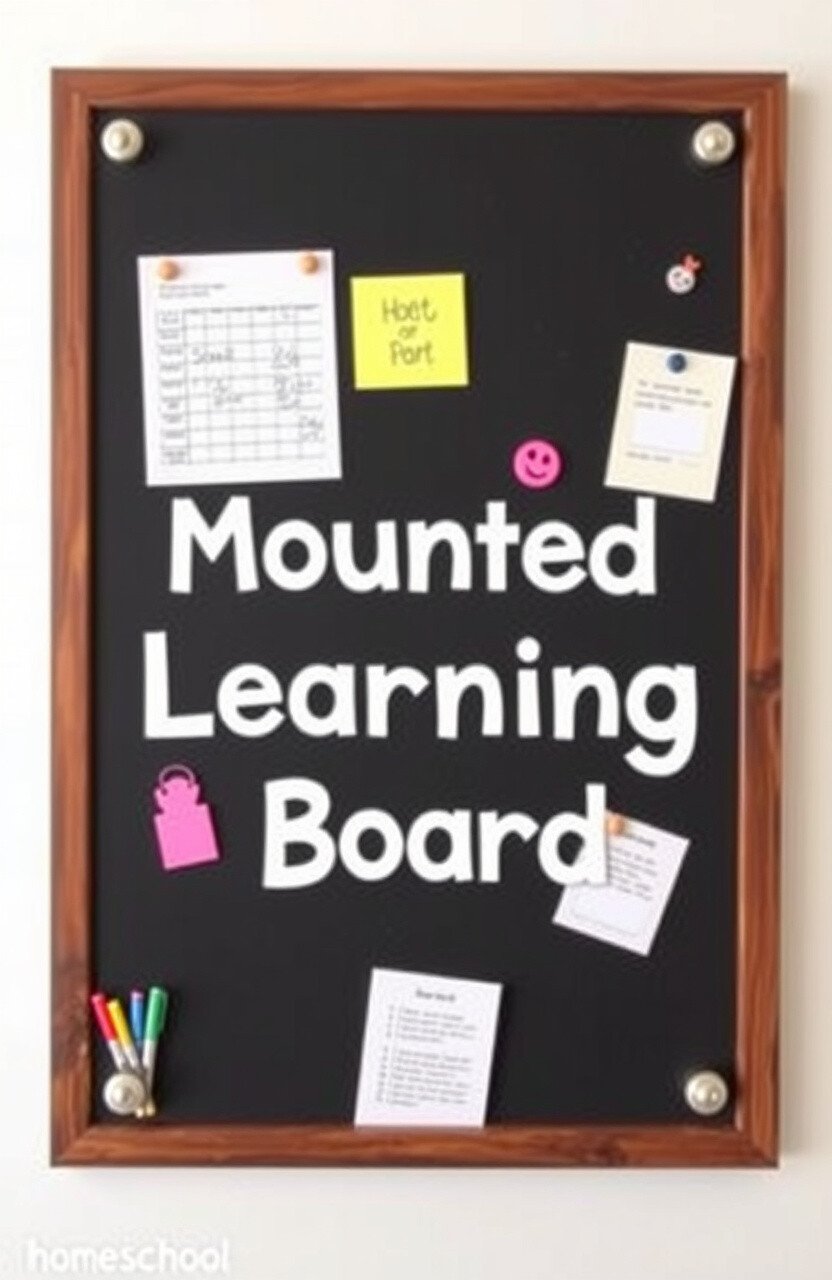
Install a wall-mounted board for notes and reminders. Use it for schedules, goals, and inspirational quotes.
This helps kids stay organized and motivated. It’s a visual way to keep track of tasks and achievements.
Choose a corkboard or whiteboard for flexibility. Personalize with fun magnets or colorful markers.
Boards are affordable and come in various sizes. Encourage your child to update it regularly.
19. Theme-Based Learning Rooms
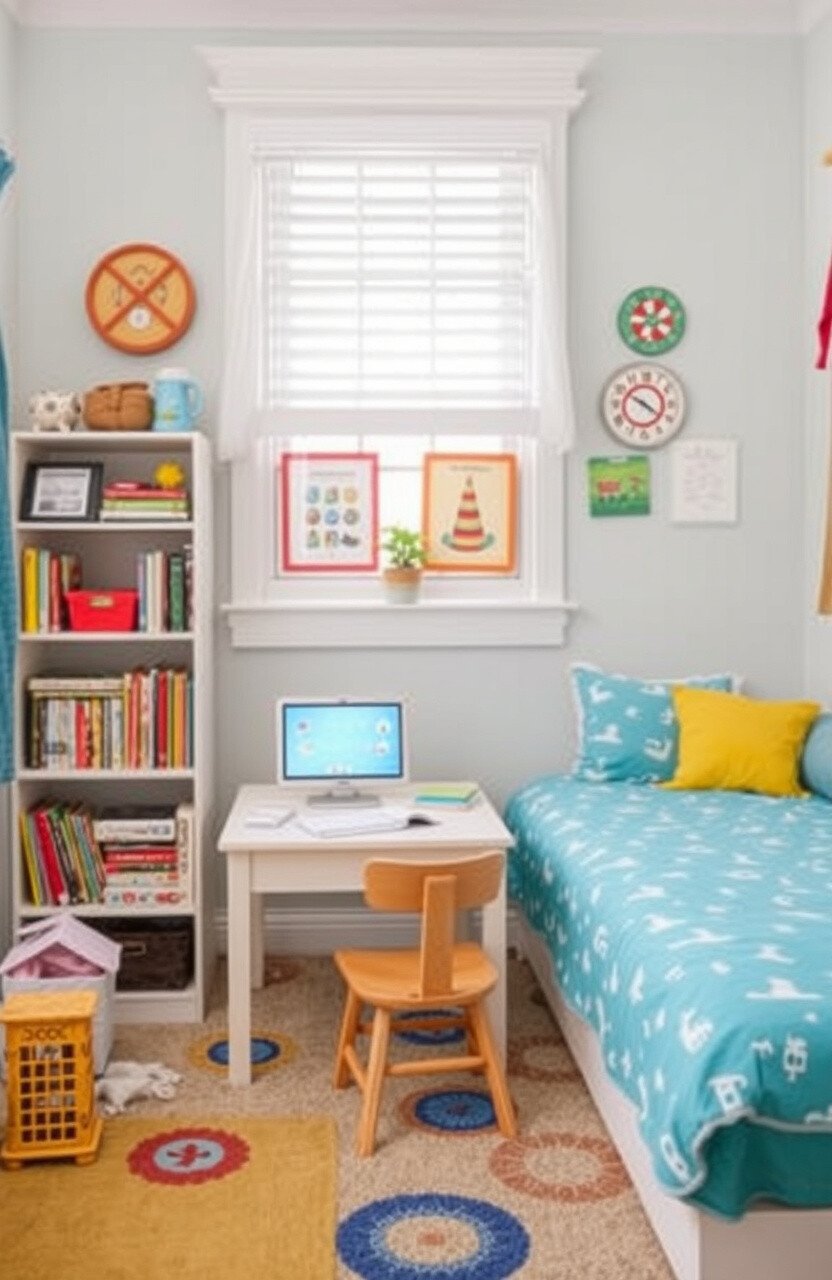
Create a themed room around a favorite book or subject. Decorate with related items to immerse in the topic.
Themed rooms make learning exciting and memorable. They encourage deeper exploration and interest.
Choose a theme your child loves and gather related decor. Personalize with DIY crafts and accessories.
Use existing toys and decor for a budget-friendly approach. Let your child help with the theme selection.
20. Craft and Creativity Station
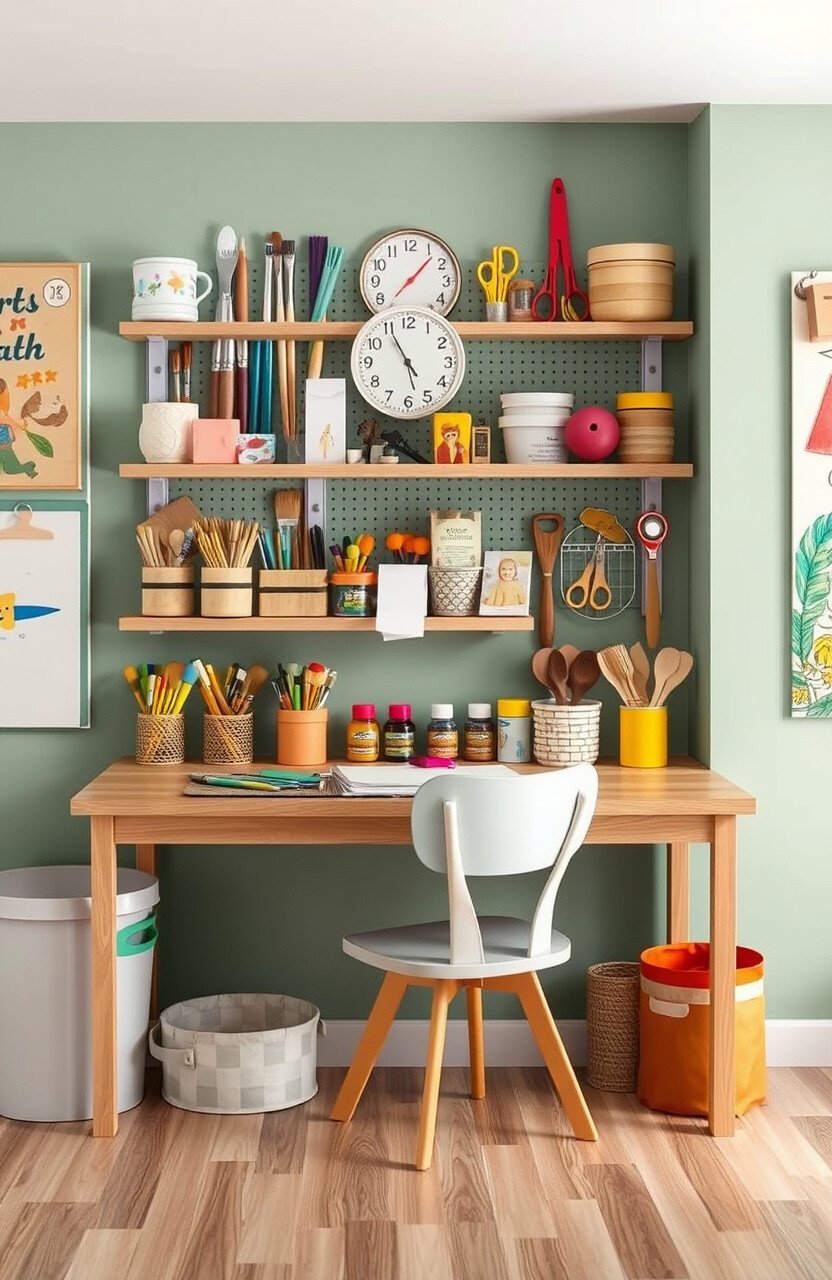
Set up a station for arts and crafts with supplies and tools. Encourage creativity and artistic expression.
This area inspires imagination and skill-building. Kids can explore different mediums and techniques.
Include paints, brushes, paper, and scissors. Personalize with your child’s favorite craft supplies.
Many craft supplies are inexpensive and easy to find. Rotate materials to keep the station fresh and engaging.
21. Outdoor Learning Space
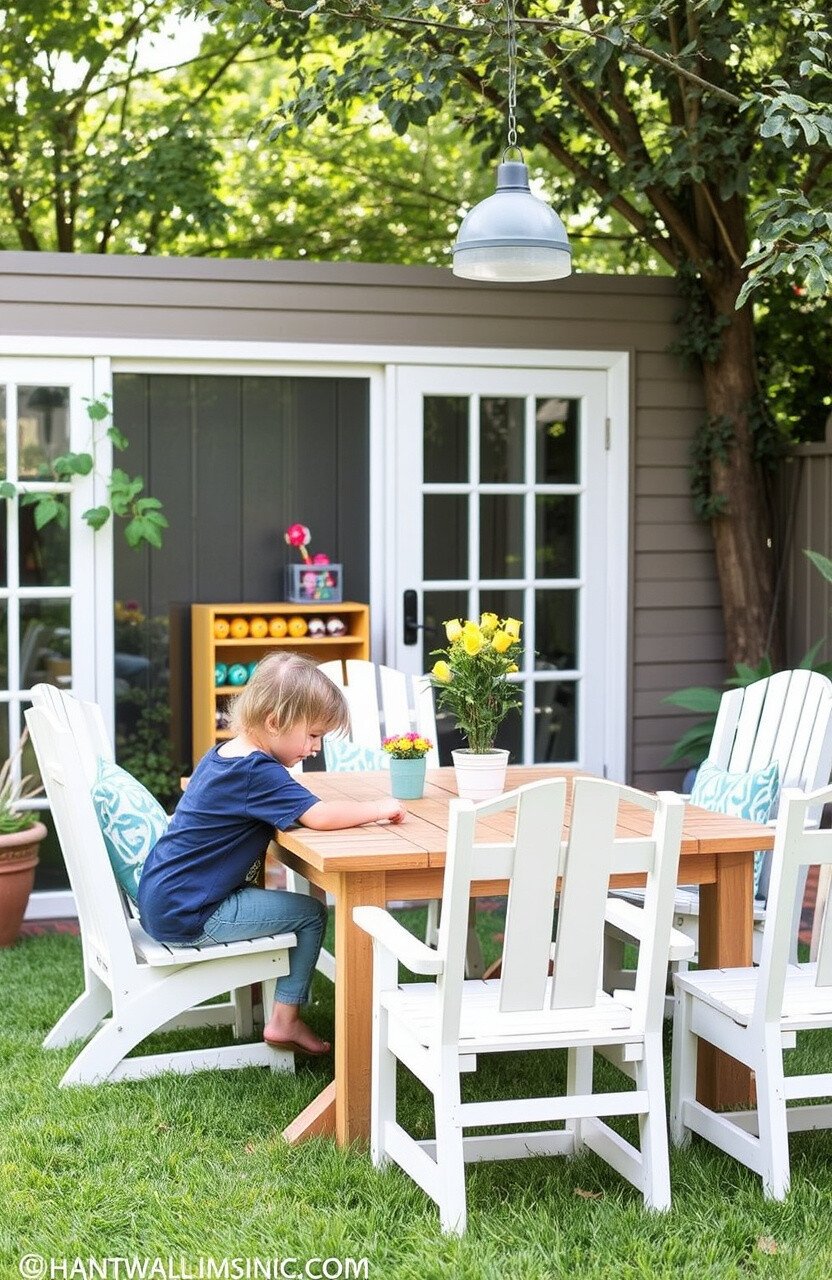
Create an outdoor learning area for fresh air and discovery. Use a garden or patio for lessons and activities.
Nature provides a stimulating backdrop for learning. Kids benefit from the change of scenery and environment.
Set up a table and chairs outside. Personalize with outdoor-friendly decor and supplies.
Use what you have to keep costs low. Encourage outdoor exploration and observation.
22. Multi-Use Learning Table
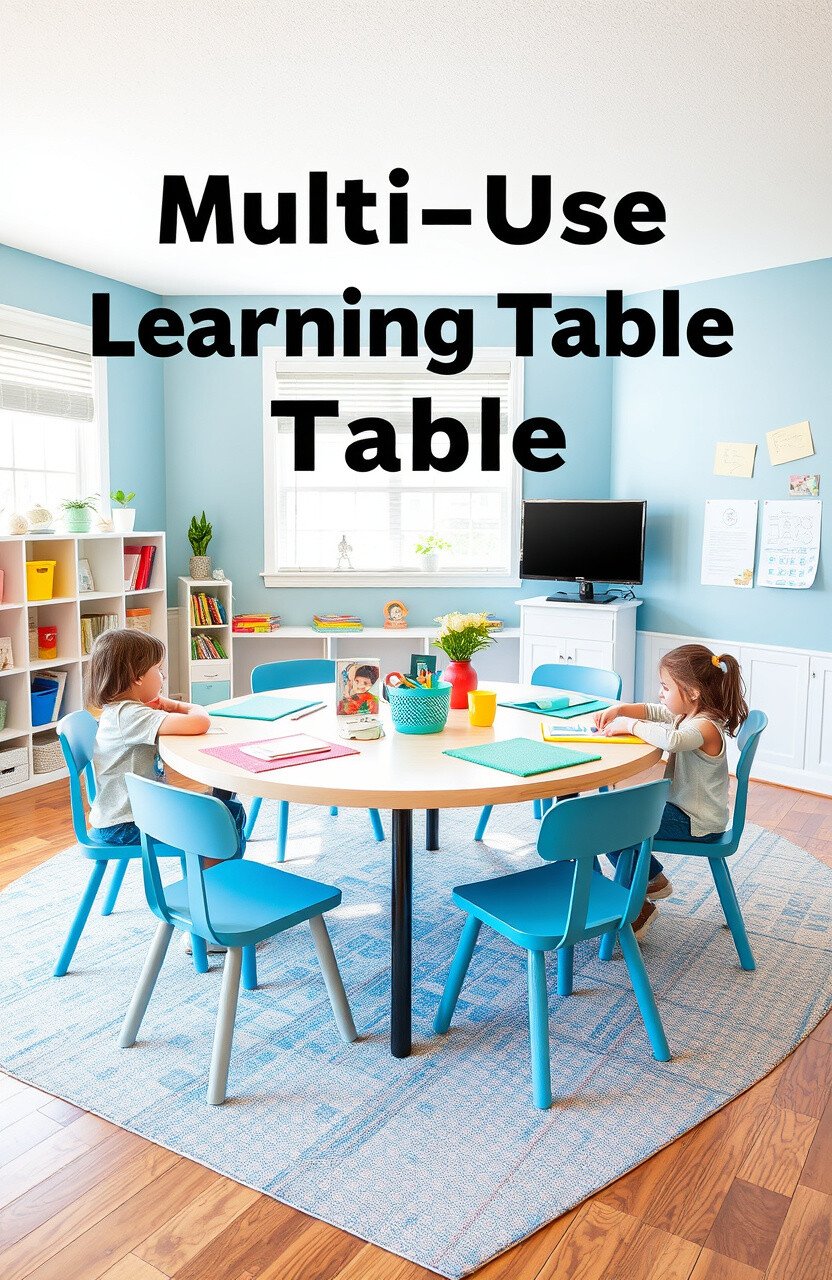
A large, versatile table can host various activities and subjects. It’s a central hub for collaboration and projects.
This setup supports group work and individual tasks. A spacious table offers flexibility and convenience.
Choose a durable table with ample space. Personalize with colorful tablecloths or mats.
Repurpose a dining table for a cost-effective solution. Let your child help set up the table for different activities.
23. Quiet Reflection Corner
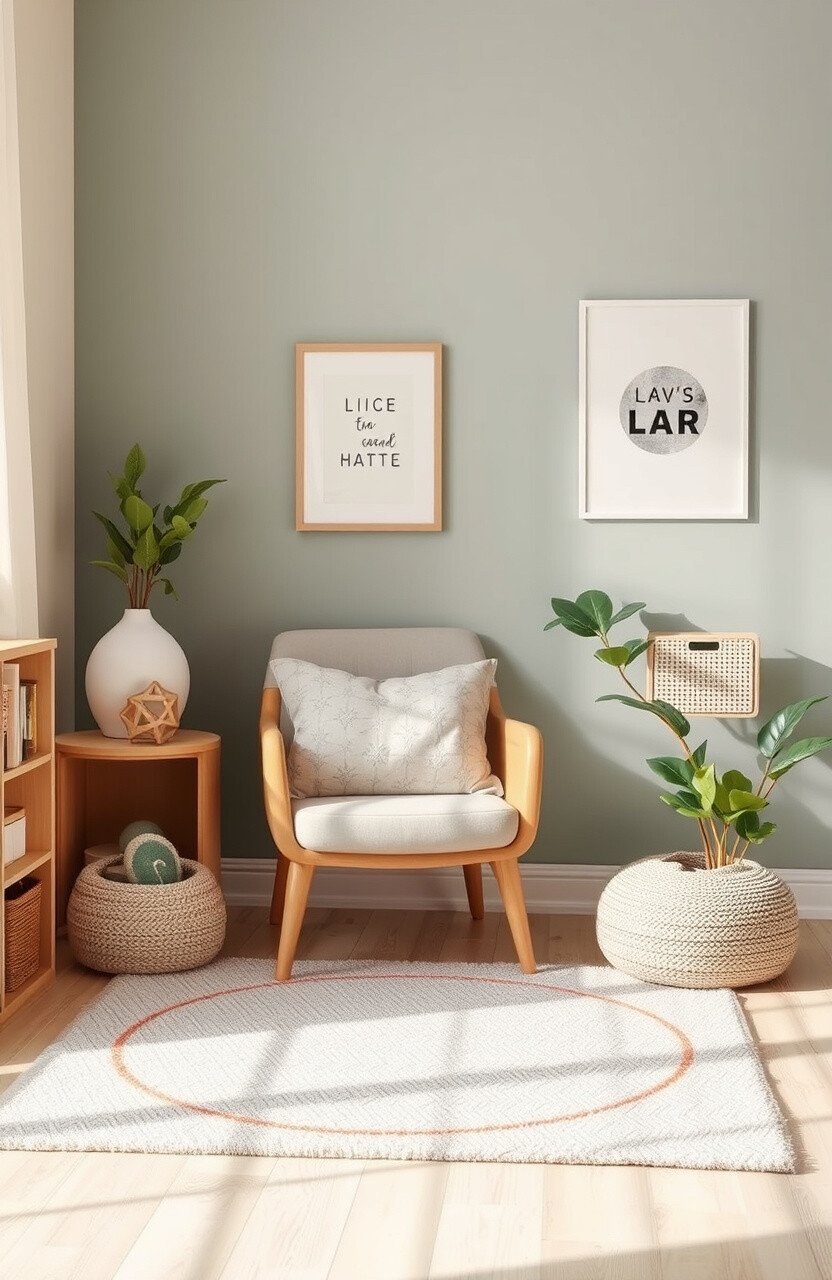
A quiet corner with a comfortable chair or mat invites reflection and mindfulness. It’s a space for reading or meditation.
Quiet time helps kids relax and recharge. It supports emotional well-being and focus.
Include a soft chair or cushion and calming decor. Personalize with soothing colors and textures.
Use items you already have for an economical option. Encourage your child to use the space for downtime.
24. Language Learning Area
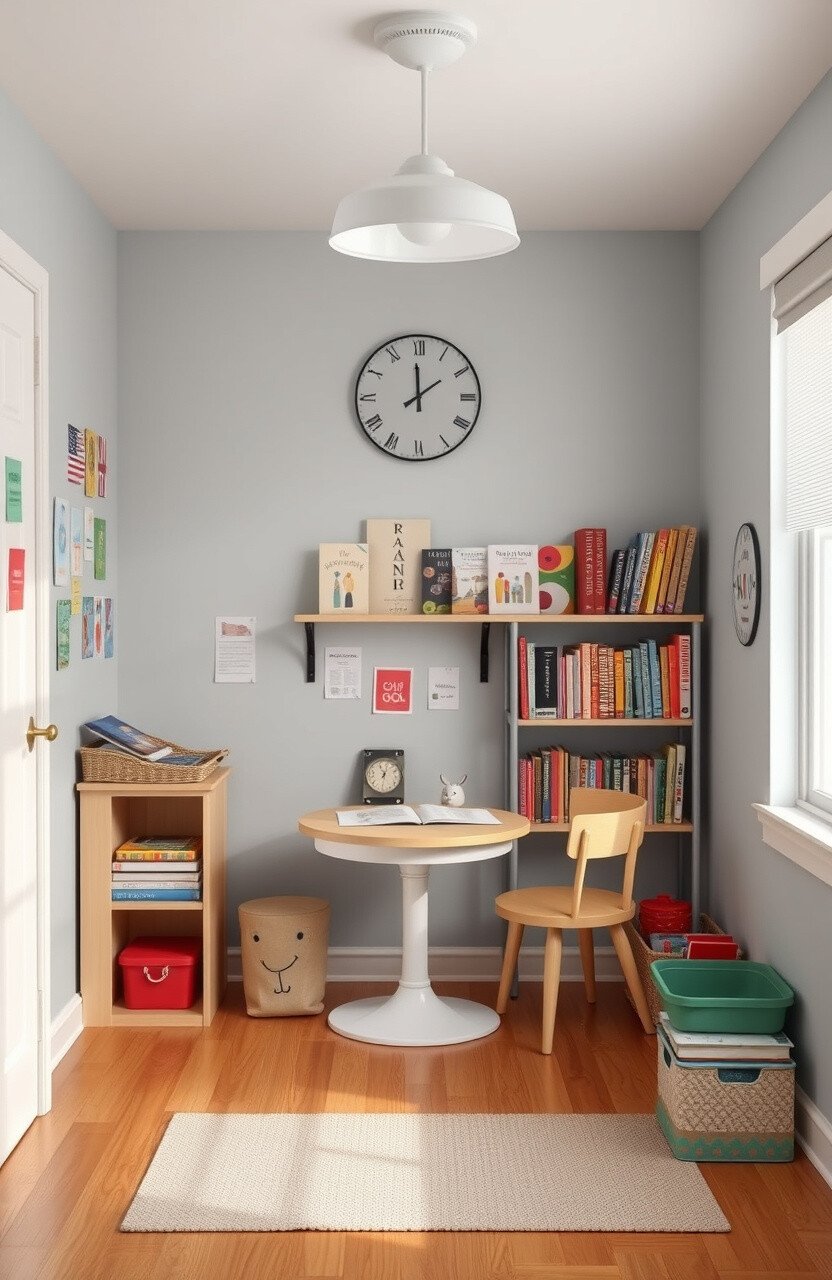
Dedicate a space to language learning with books and tools. Include flashcards, dictionaries, and language apps.
This area supports vocabulary building and language skills. Kids can explore new languages and cultures.
Create a cozy nook with a small table and chair. Personalize with multilingual posters or decor.
Use library resources and free apps to keep costs down. Encourage daily practice and exploration.
25. Storytelling Stage
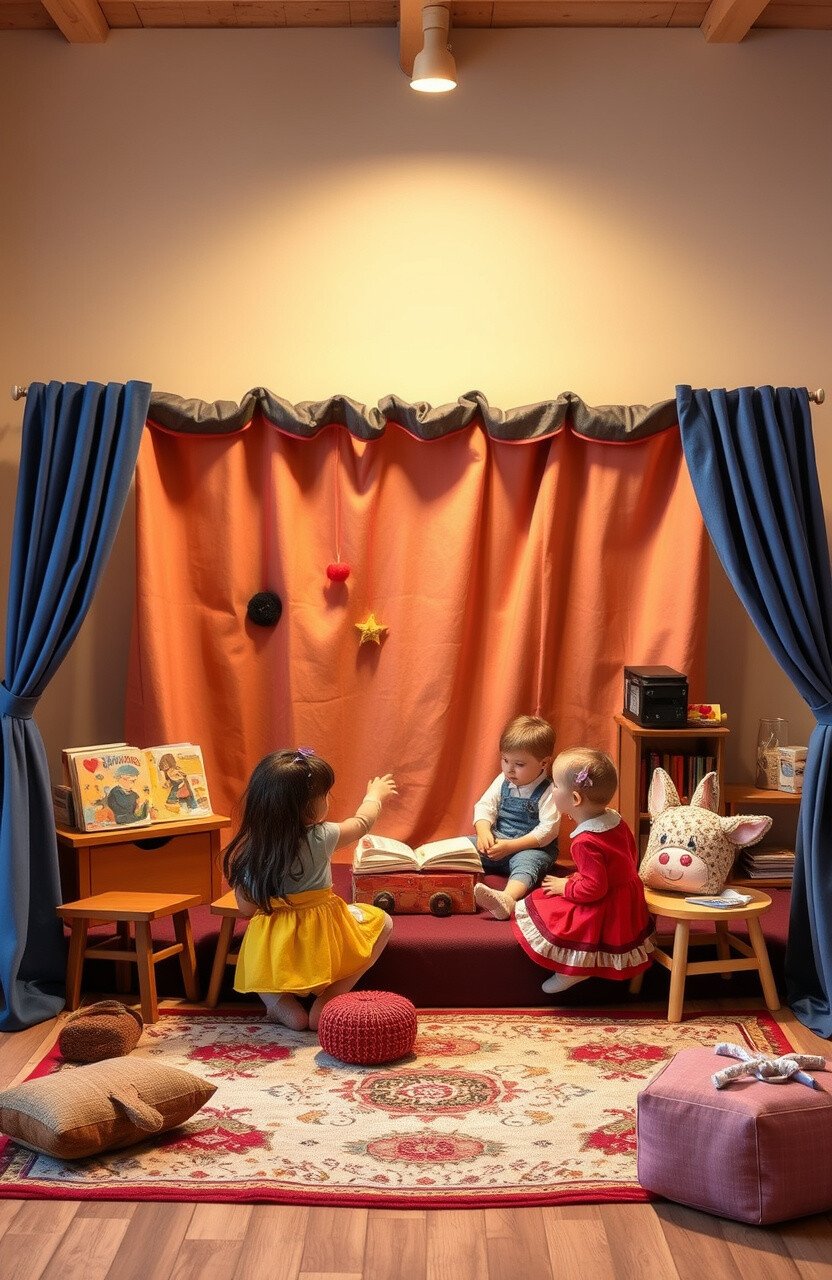
A small stage with props and costumes invites storytelling and drama. It’s a fun way to encourage imagination.
This setup boosts creativity and confidence. Kids love performing and sharing stories.
Use a rug or platform to create the stage. Personalize with costumes and props from home.
Get creative with DIY props to save money. Encourage your child to put on shows for family and friends.
26. Puzzle and Game Zone
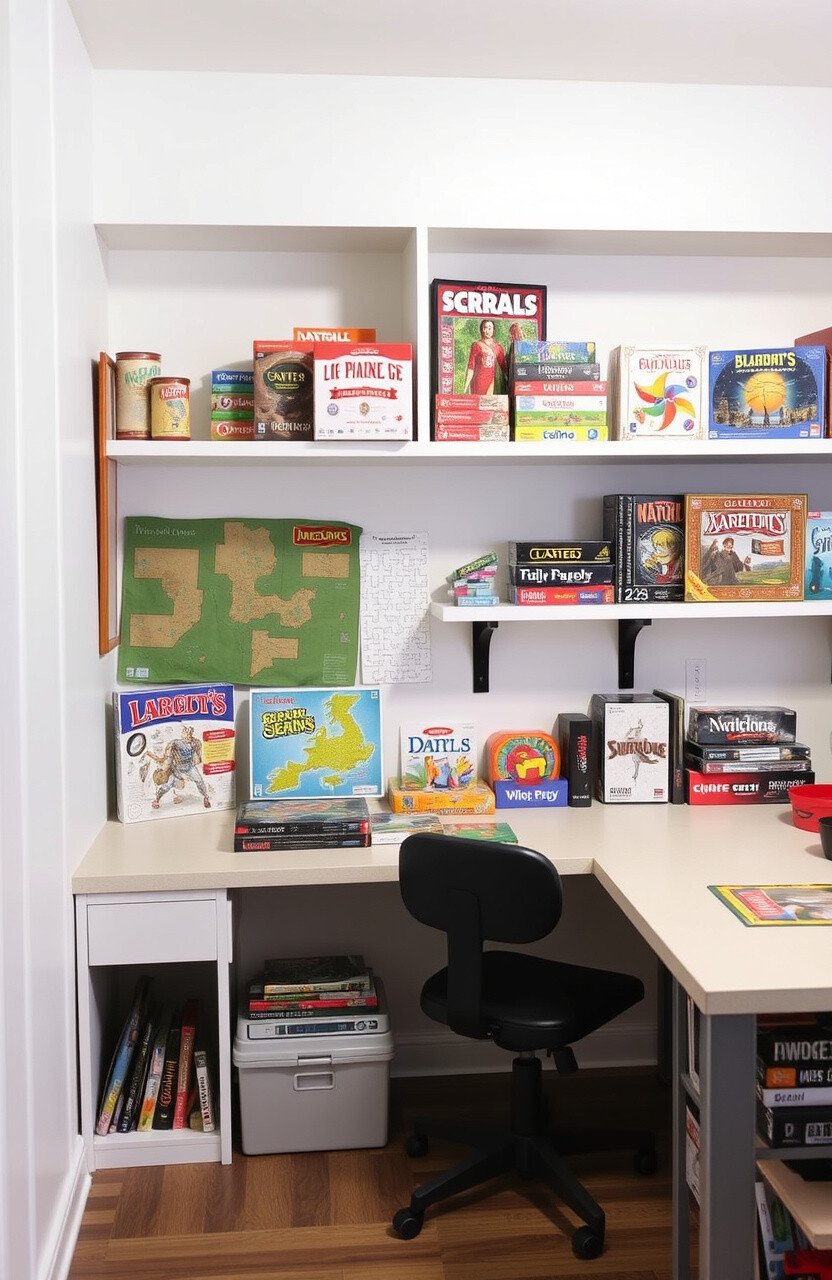
Designate an area for puzzles and games. Include board games, jigsaw puzzles, and brain teasers.
This zone fosters problem-solving and critical thinking. It’s a fun way to learn and bond with family.
Arrange games on shelves for easy access. Personalize with colorful game-themed decor.
Use existing games to minimize costs. Schedule regular game nights for family fun.
27. Music Exploration Corner
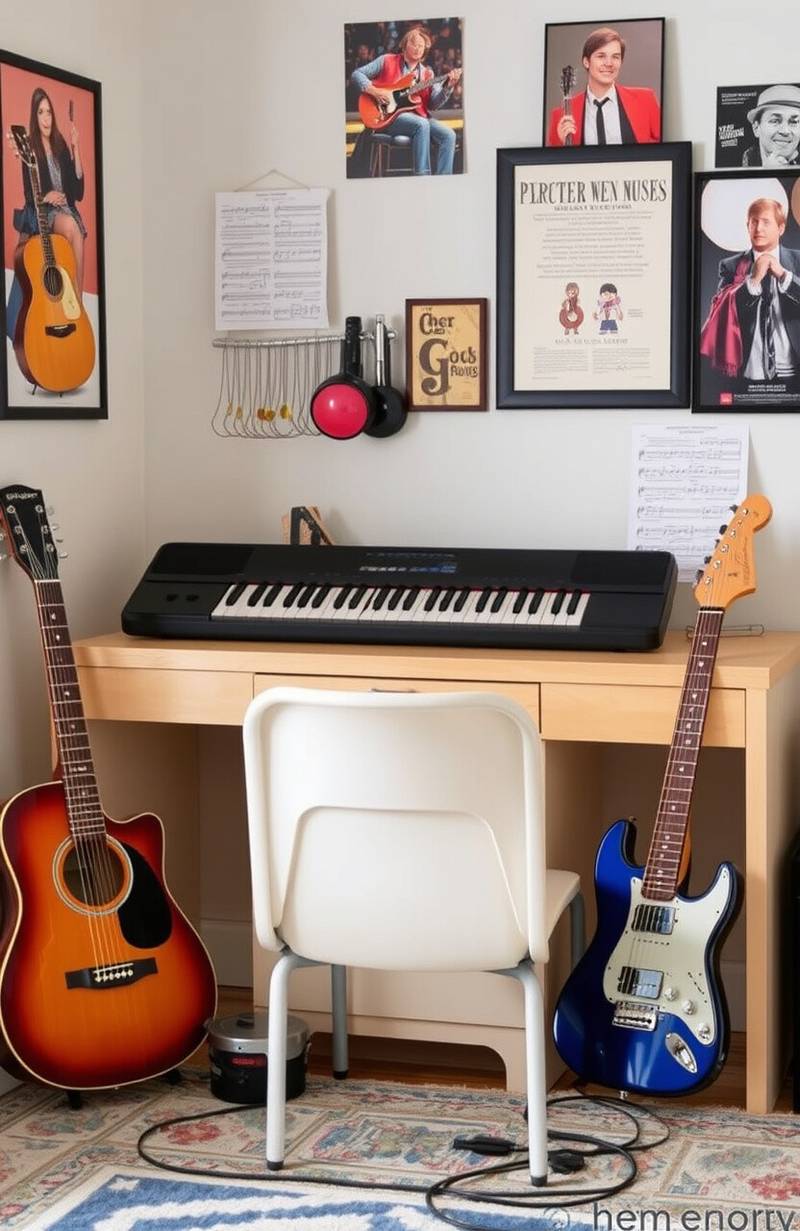
A music corner with instruments and resources inspires musical discovery. Include a keyboard, guitar, or percussion instruments.
Music supports creativity and emotional expression. Kids can explore sounds and rhythms.
Set up a small area with instruments and sheet music. Personalize with posters of favorite musicians.
Use affordable or borrowed instruments. Encourage regular practice and experimentation.
28. History Time Travel Zone
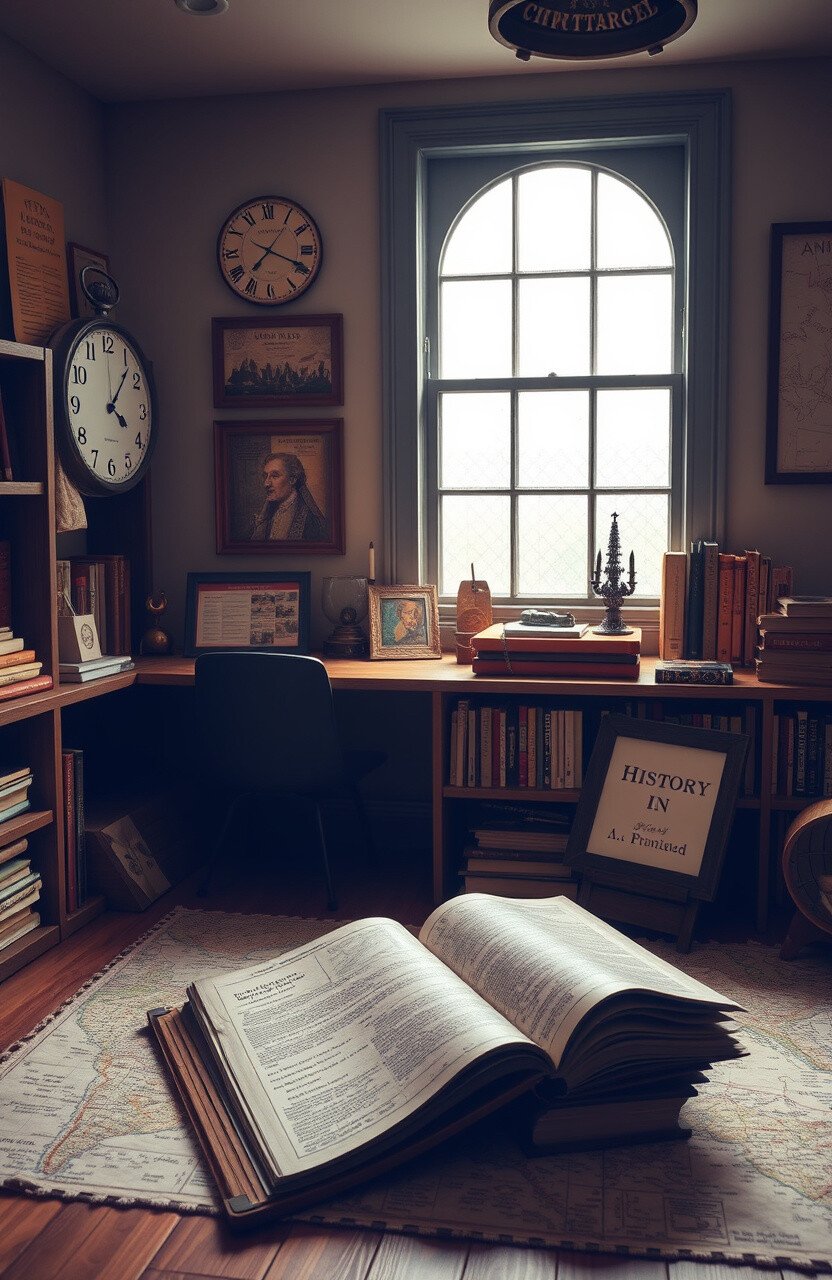
Create a time-travel zone with historical artifacts and books. Include timelines, maps, and costumes.
This area brings history to life and sparks curiosity. Kids can explore different eras and cultures.
Decorate with historical maps and themed decor. Personalize with DIY artifacts or models.
Use library resources for a cost-effective approach. Encourage imaginative play and exploration.
29. Science Fiction Study Space
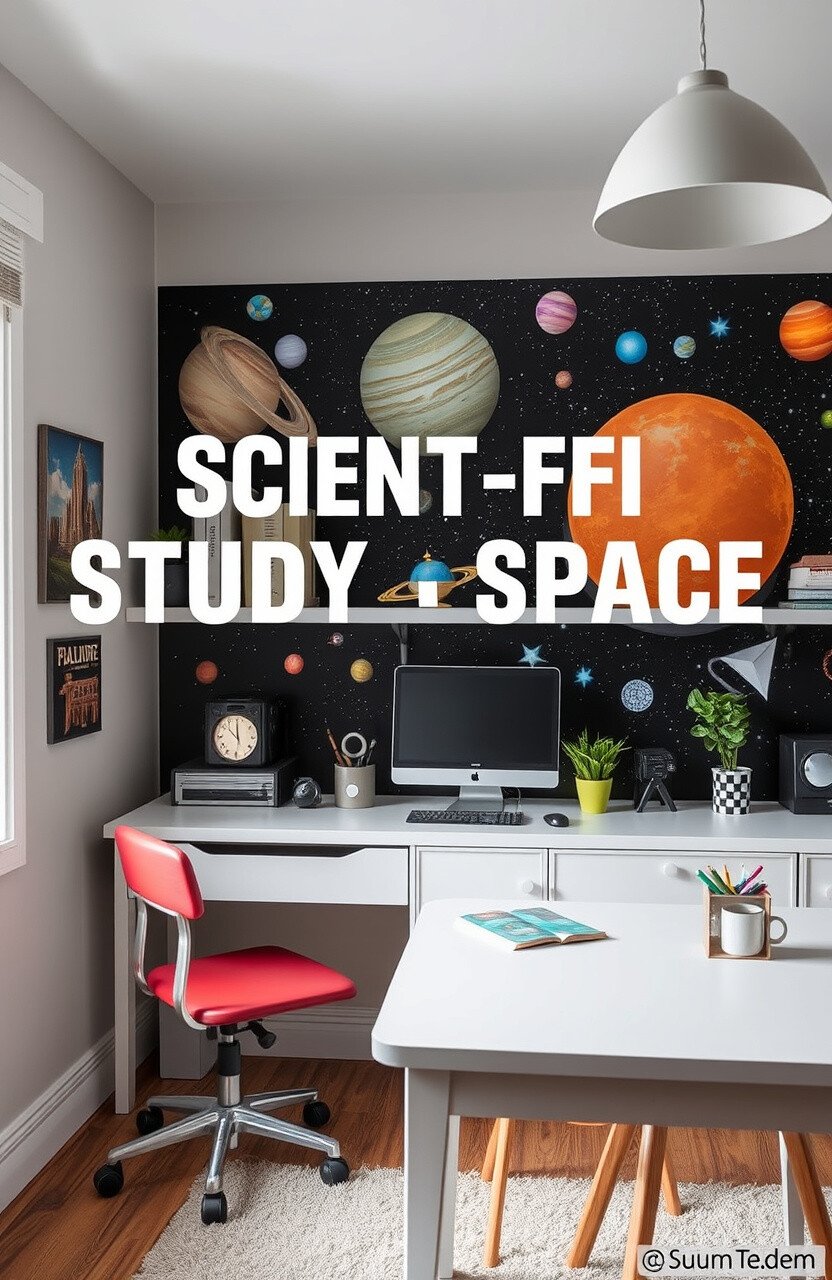
A sci-fi-themed study space ignites imagination and wonder. Decorate with planets, stars, and futuristic elements.
This theme inspires creative thinking and exploration. Kids love the excitement of space and technology.
Use glow-in-the-dark stars and sci-fi posters. Personalize with models or toys from your child’s favorite stories.
Repurpose existing decor to keep costs down. Encourage discussions about science and the future.
30. Geography Exploration Zone
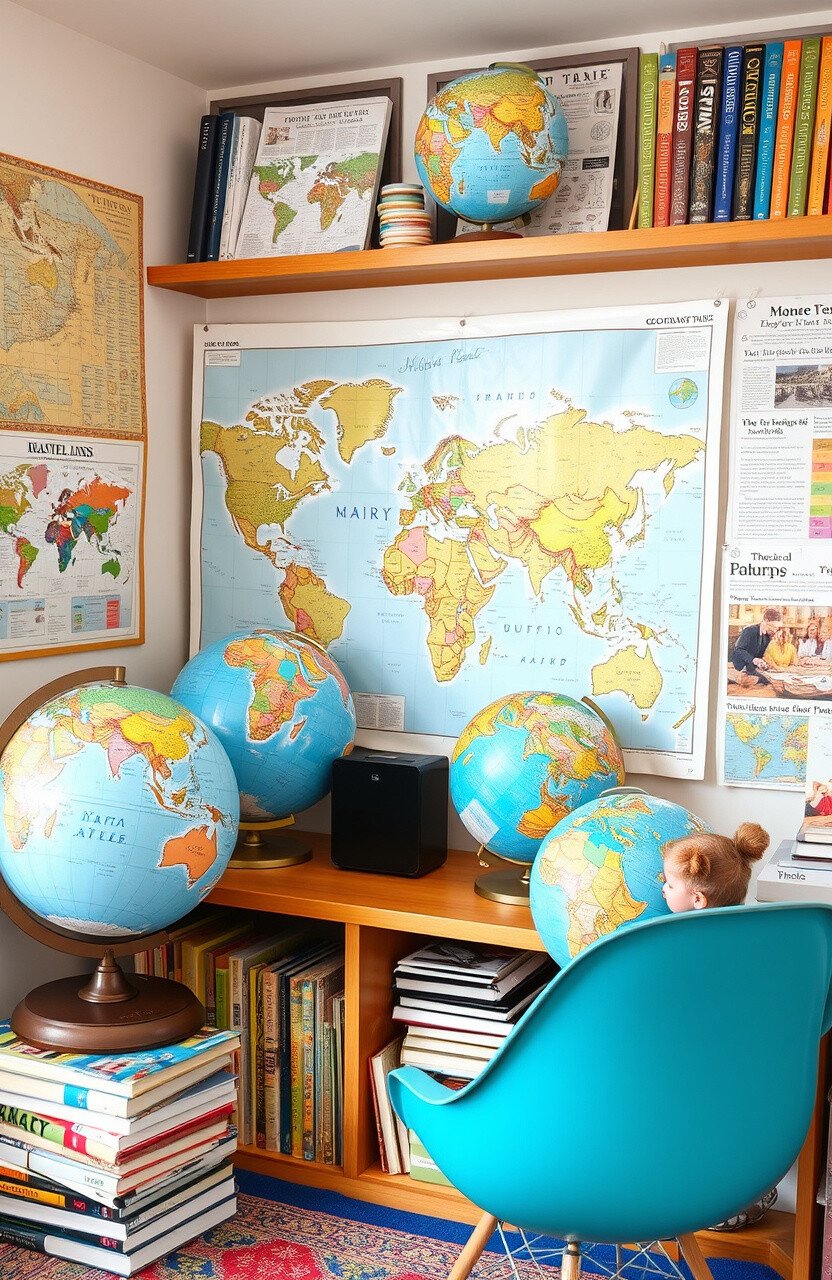
Create a geography zone with maps, globes, and atlases. Include travel guides and cultural resources.
This area sparks curiosity about the world. Kids can learn about different places and cultures.
Decorate with colorful maps and travel-themed decor. Personalize with souvenirs from past trips.
Use library books and online resources for an economical setup. Encourage world exploration and learning.
31. Inspirational Quote Wall
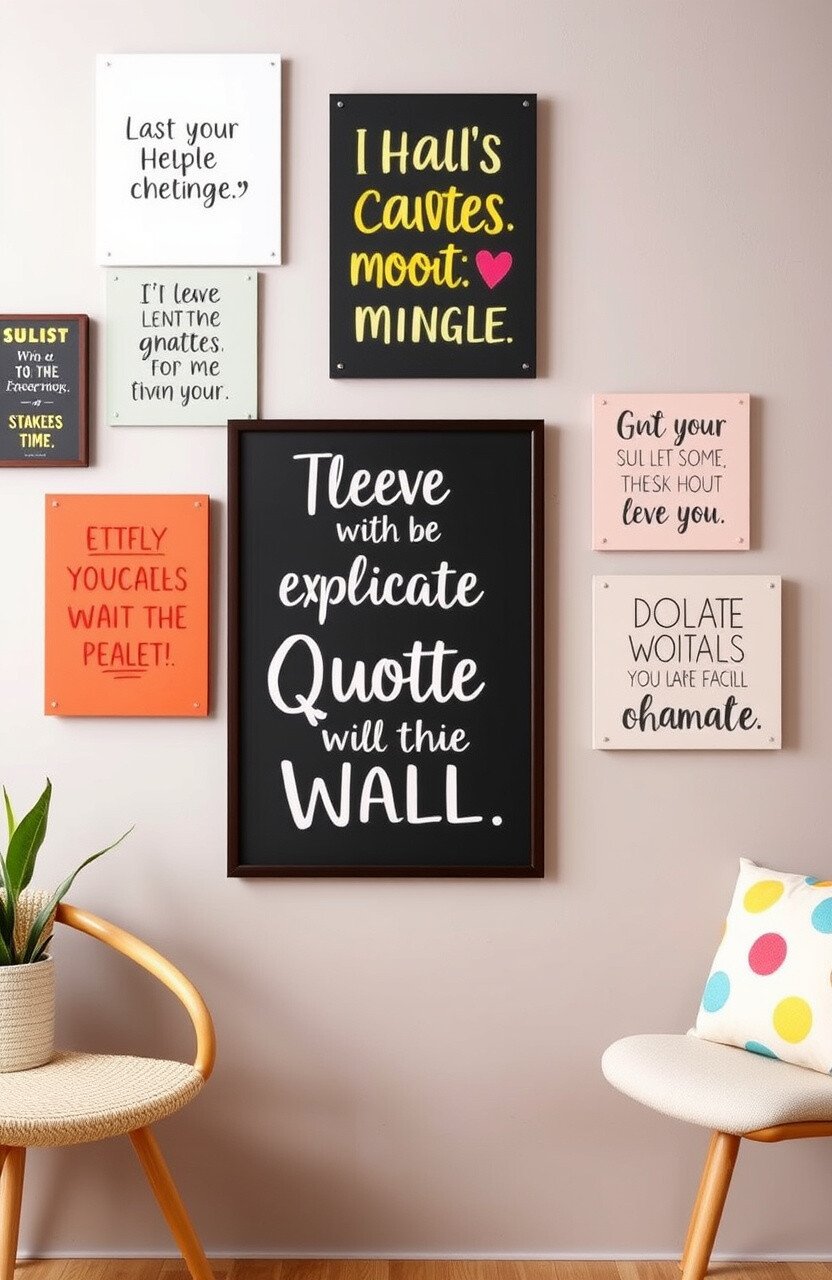
Decorate a wall with inspirational quotes and affirmations. Use posters or DIY crafts to display them.
Quotes motivate and uplift. They encourage positive thinking and persistence.
Choose quotes that resonate with your child. Personalize with colorful fonts and designs.
Use printable templates for a budget-friendly option. Encourage your child to add their own favorite quotes.
32. Technology-Free Zone
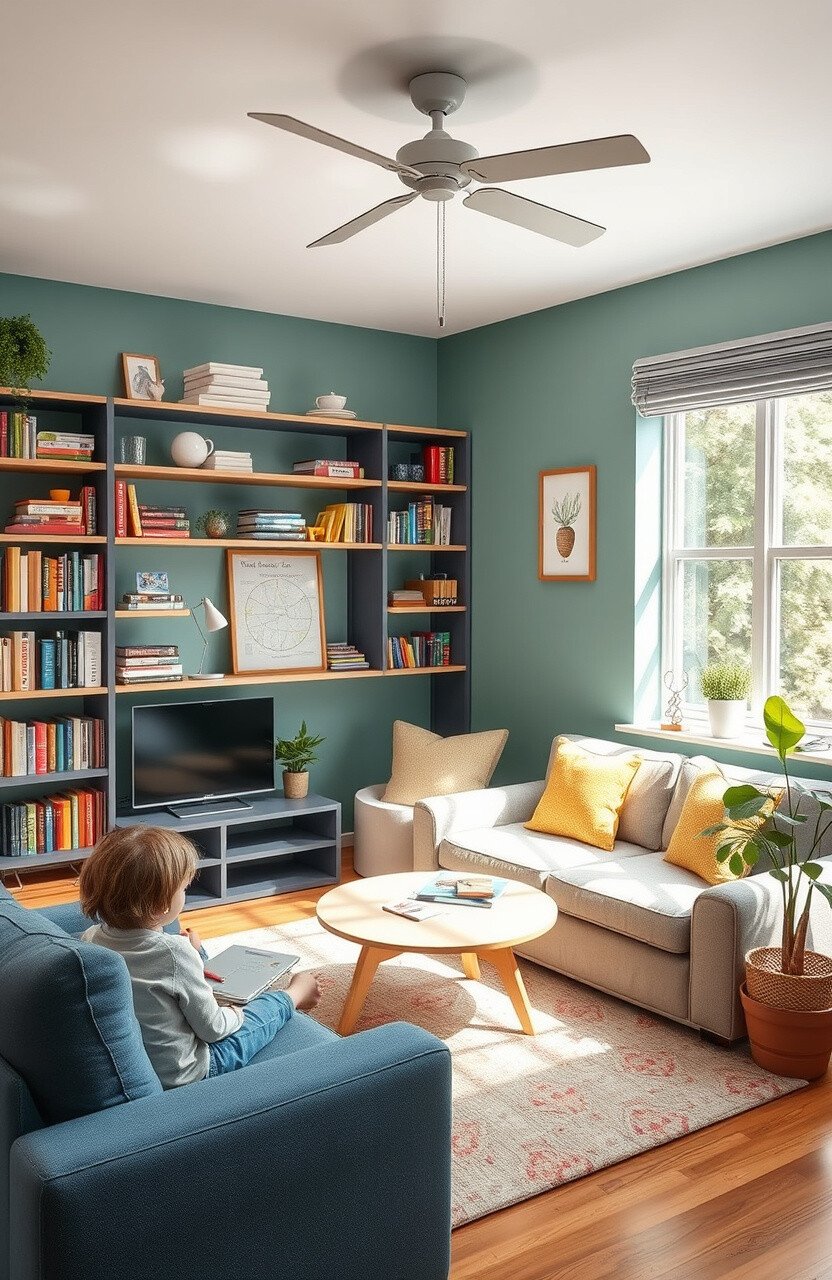
Create a tech-free zone for unplugged learning and play. Fill it with books, puzzles, and crafts.
This area encourages downtime and creativity. Kids can focus without digital distractions.
Use comfortable seating and natural lighting. Personalize with decor that promotes relaxation and focus.
Repurpose existing items to keep costs low. Encourage regular tech-free time for balance.
33. Bright and Airy Study Loft
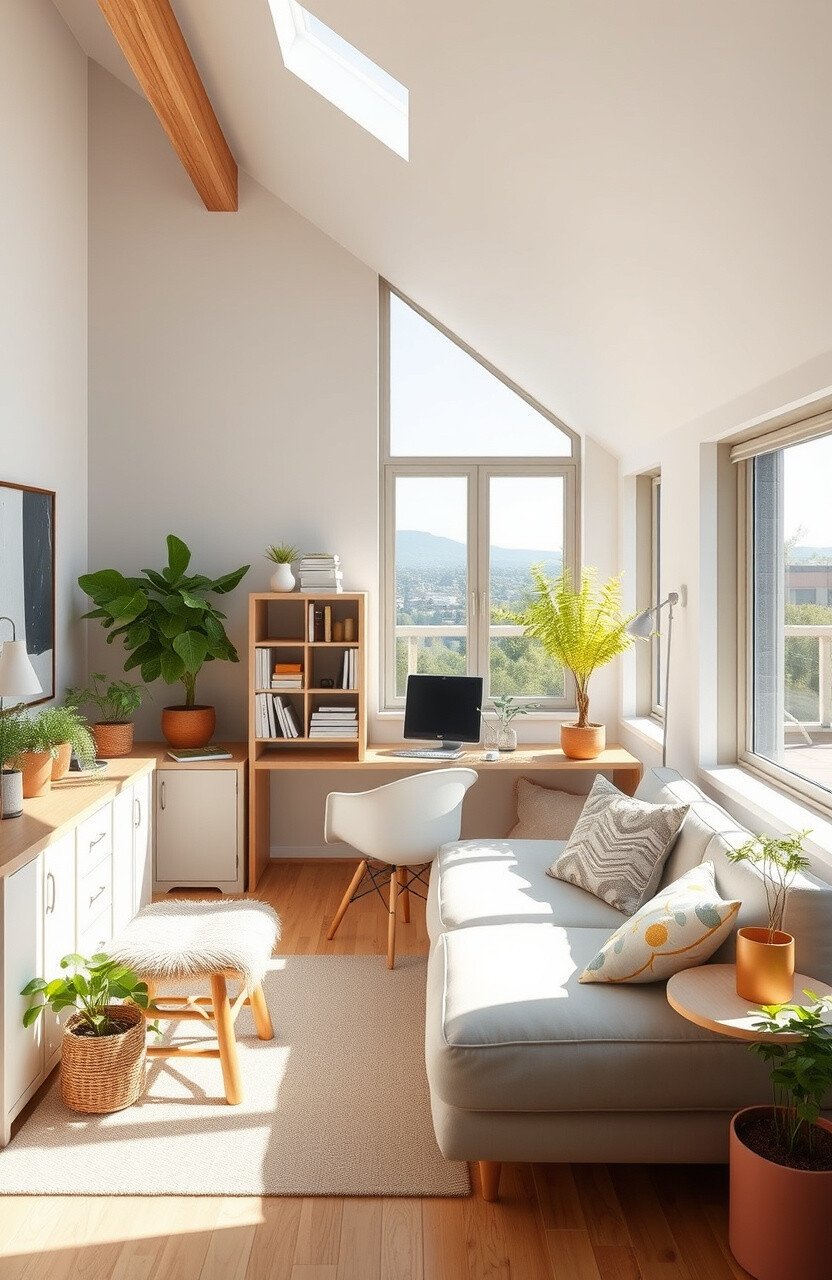
A loft space with natural light and open views creates an inspiring study area. Include a desk and comfortable seating.
Natural light boosts mood and focus. An airy loft invites creativity and learning.
Decorate with light colors and minimalist decor. Personalize with plants or artwork.
Use what you have to create a cost-effective loft space. Encourage your child to enjoy the views while studying.
34. Science Lab Corner
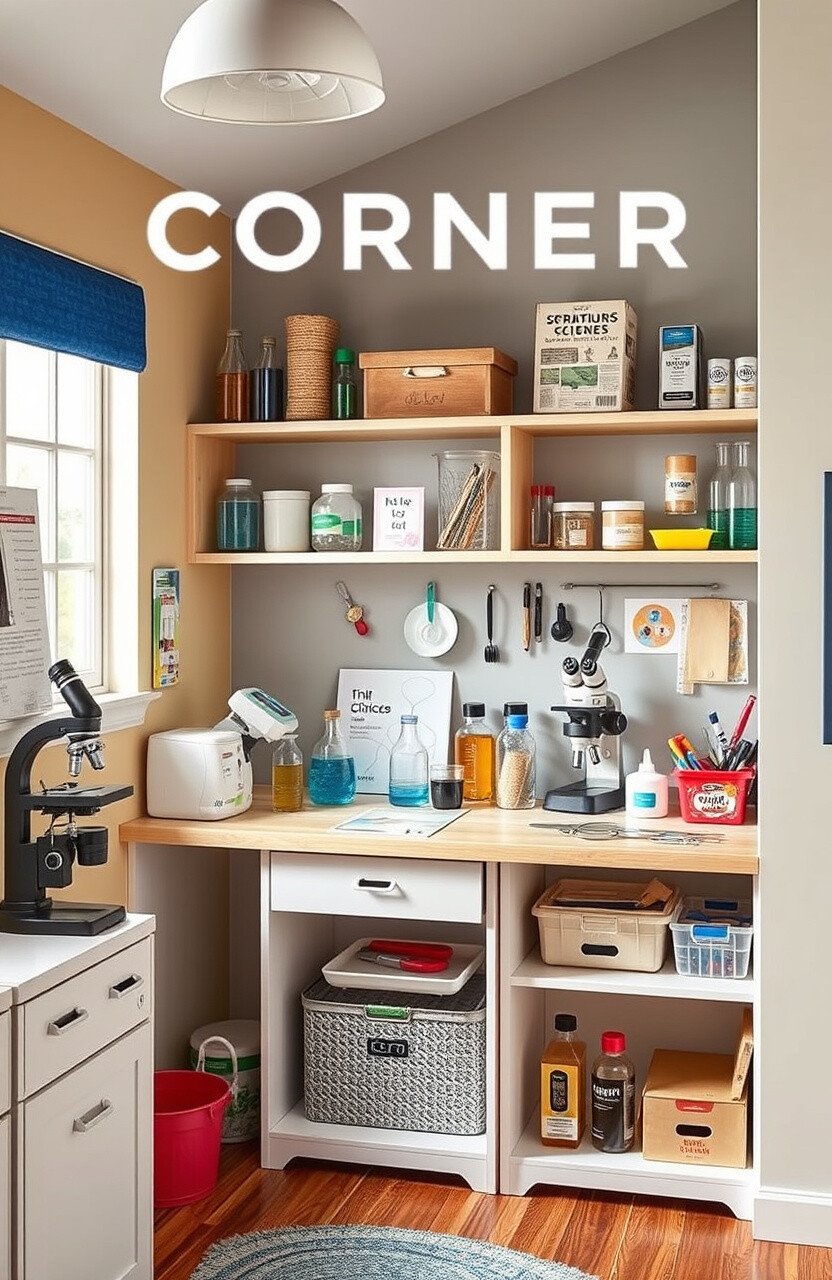
Set up a science lab corner with tools and experiments. Include microscopes, beakers, and science kits.
This area supports hands-on learning and discovery. Kids can explore the wonders of science.
Arrange supplies on shelves for easy access. Personalize with science-themed decor.
Use affordable kits and resources. Encourage regular experiments and exploration.
35. Eco-Friendly Study Space
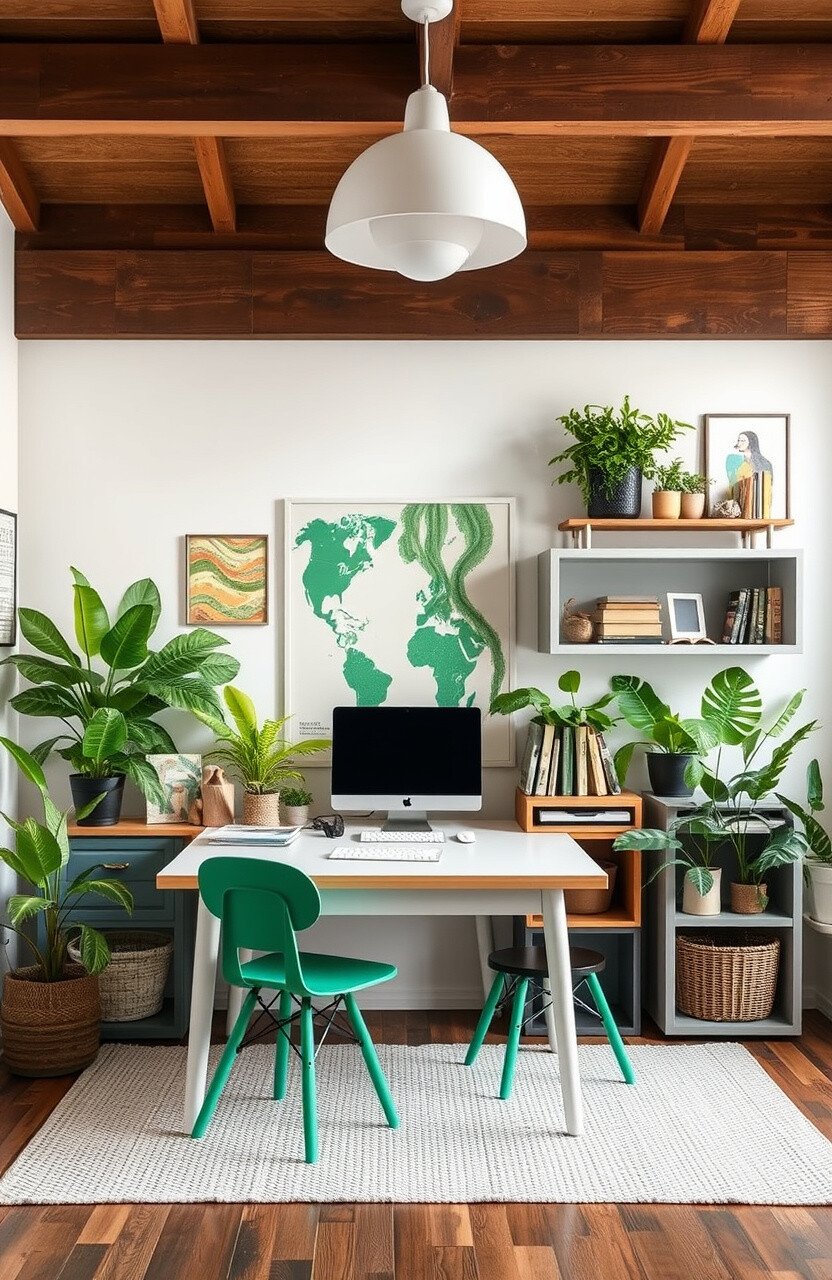
Create an eco-friendly space with sustainable materials. Use recycled furniture and organic decor.
This setup promotes environmental awareness. Kids learn about sustainability and caring for the planet.
Decorate with natural elements and eco-friendly products. Personalize with DIY crafts from recycled materials.
Use what you have and shop second-hand to keep costs low. Encourage discussions about sustainability.
36. Interactive Whiteboard Area
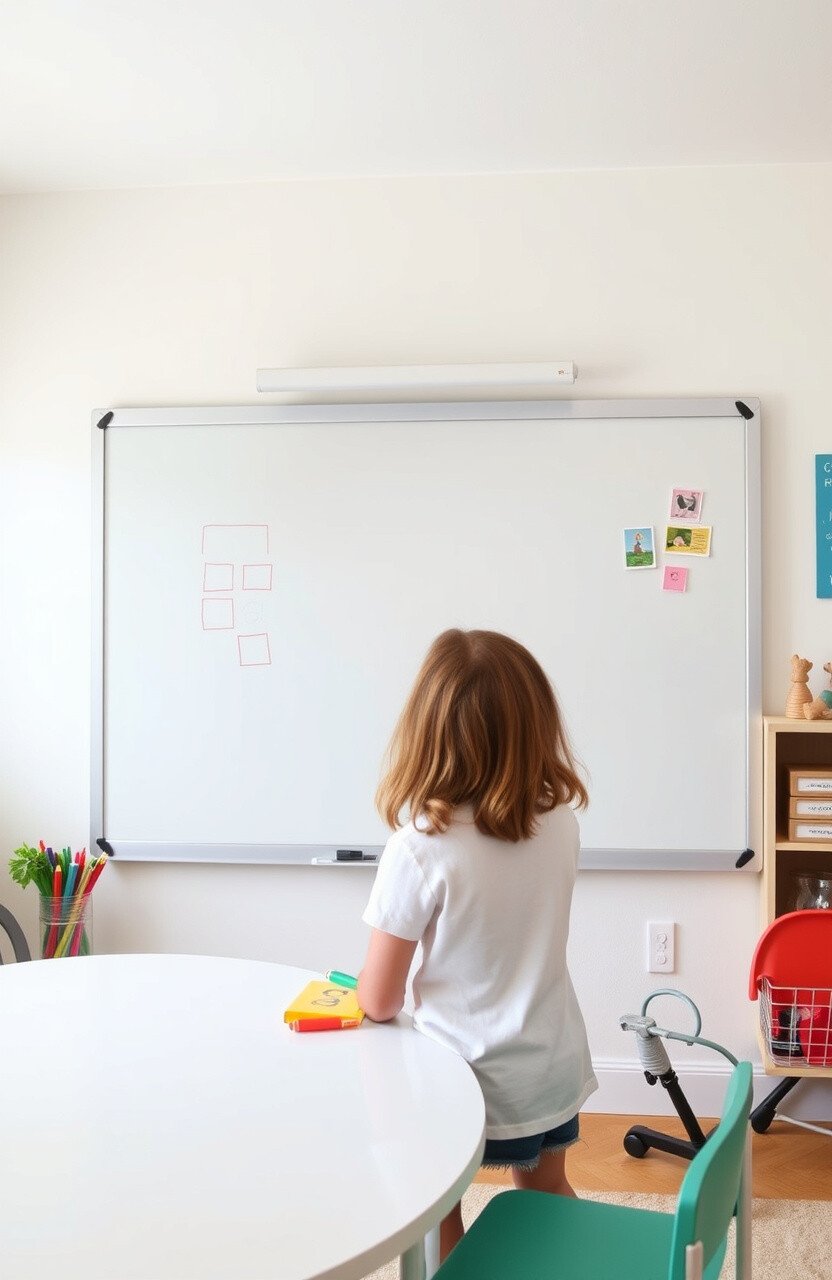
Install an interactive whiteboard for dynamic learning. Use it for lessons, brainstorming, and games.
This tool makes learning interactive and engaging. Kids love the hands-on experience.
Set up a dedicated space with proper lighting. Personalize with colorful markers and magnetic accessories.
Find affordable options online. Encourage your child to use it for both education and fun.
37. Zen Study Retreat
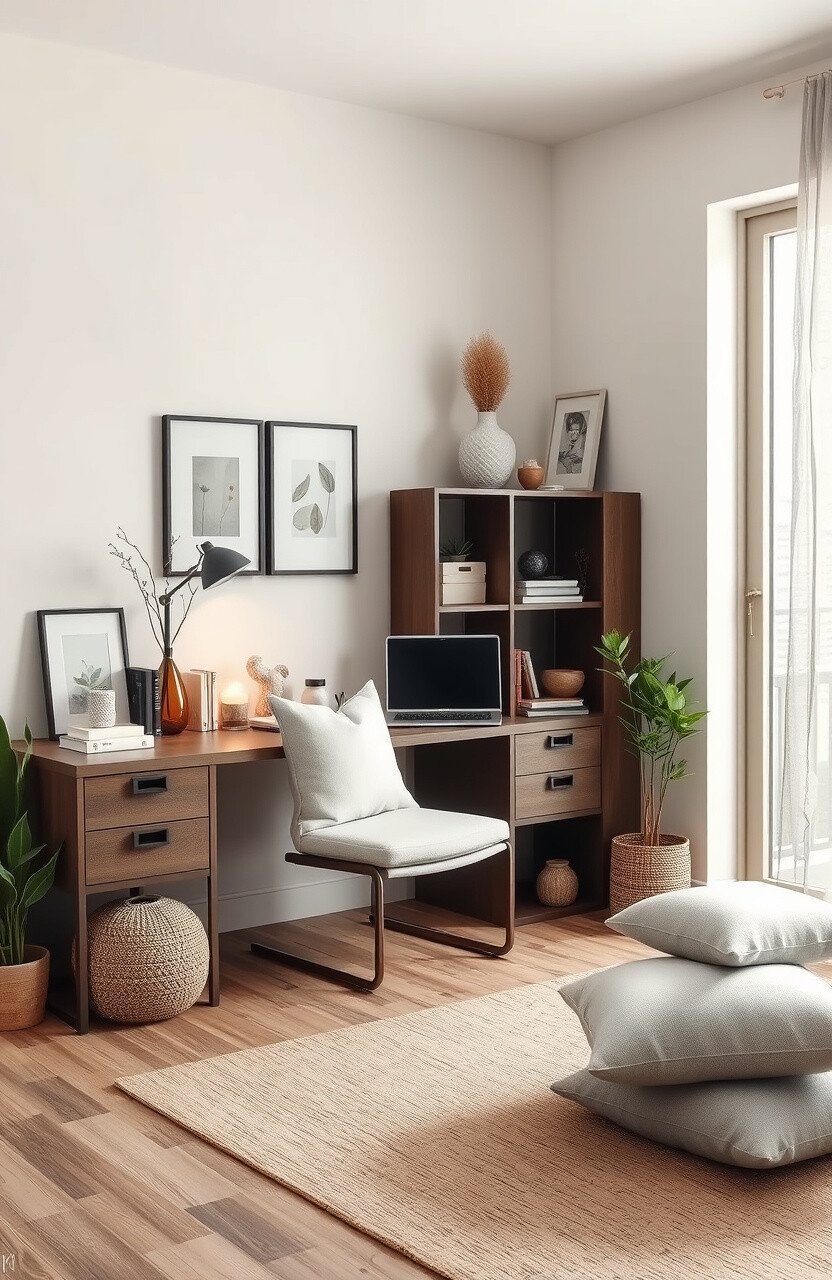
A zen-inspired study space promotes calm and focus. Use neutral colors and minimal decor for a tranquil environment.
This setup reduces stress and enhances concentration. A peaceful space supports effective learning.
Include a comfortable chair and soothing decor. Personalize with soft textures and gentle lighting.
Repurpose existing items for a budget-friendly option. Encourage mindfulness and relaxation in the space.
38. Mystery and Adventure Nook
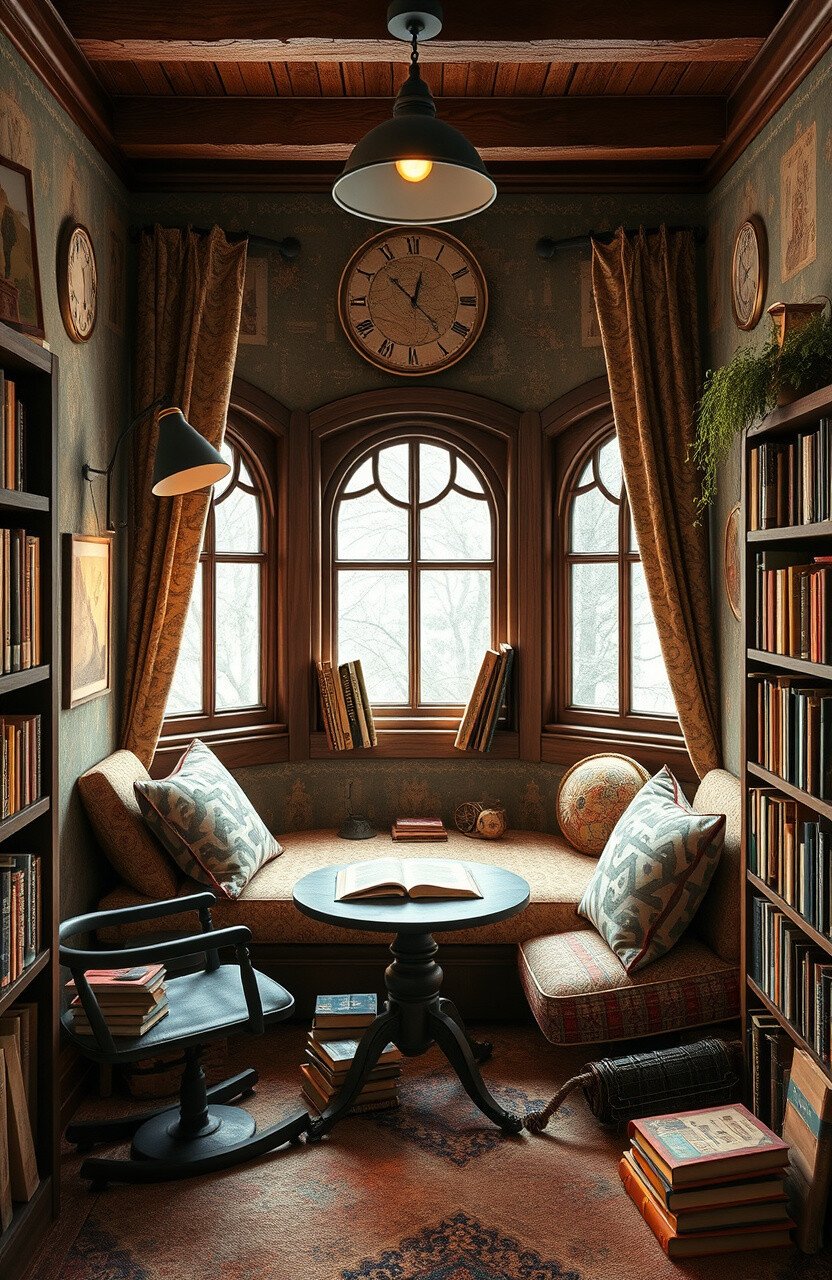
Create a nook filled with mystery and adventure books. Decorate with themes from detective stories and quests.
This area ignites imagination and curiosity. Kids love the thrill of solving mysteries and going on adventures.
Use book-themed decor and cozy seating. Personalize with spy gadgets or adventure maps.
Use library books and DIY crafts to keep costs down. Encourage imaginative play and storytelling.
39. Cultural Exploration Zone
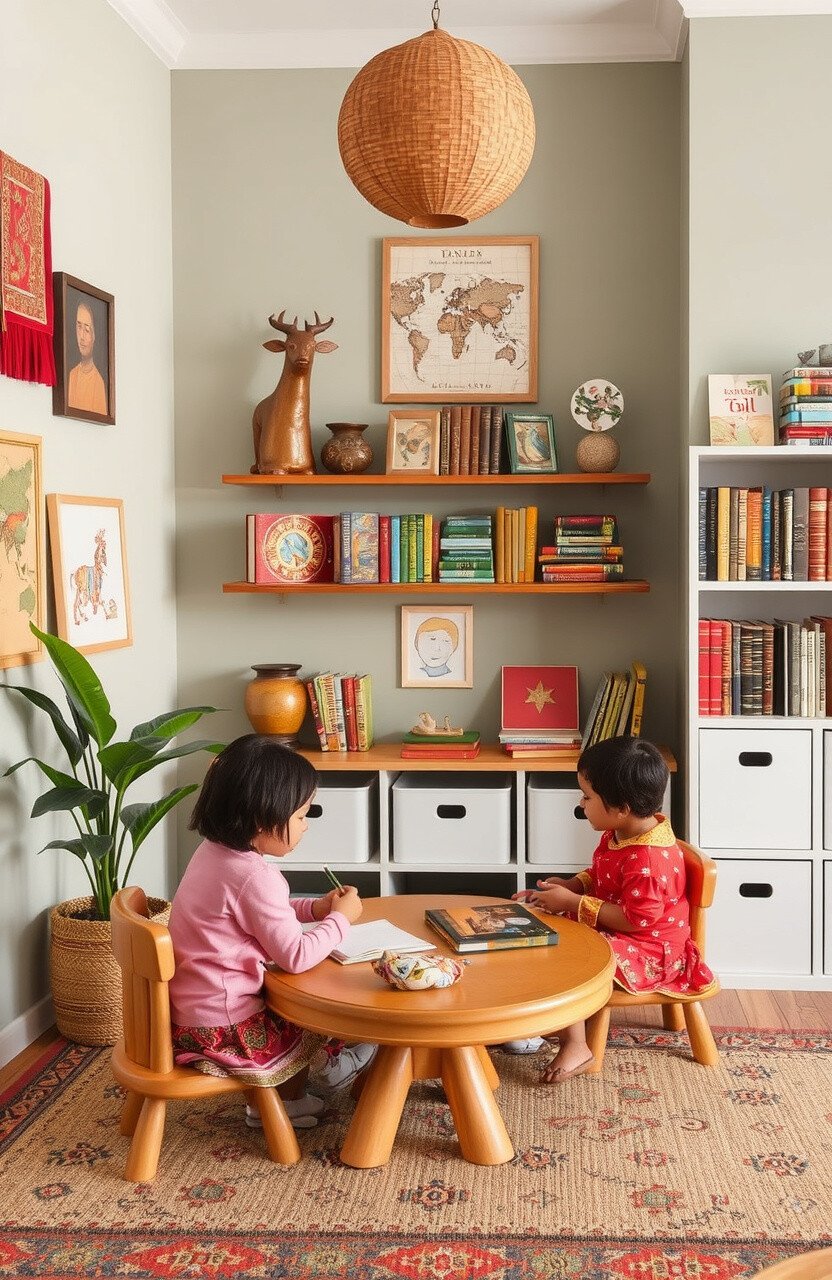
Set up a zone for cultural exploration with books and artifacts. Include music, art, and traditional crafts.
This area fosters appreciation for diversity and cultures. Kids can learn about different traditions and histories.
Decorate with cultural items and themed decor. Personalize with projects and crafts from various cultures.
Use library resources and DIY projects for an economical setup. Encourage cultural learning and exchange.
40. Astronomy Observation Area
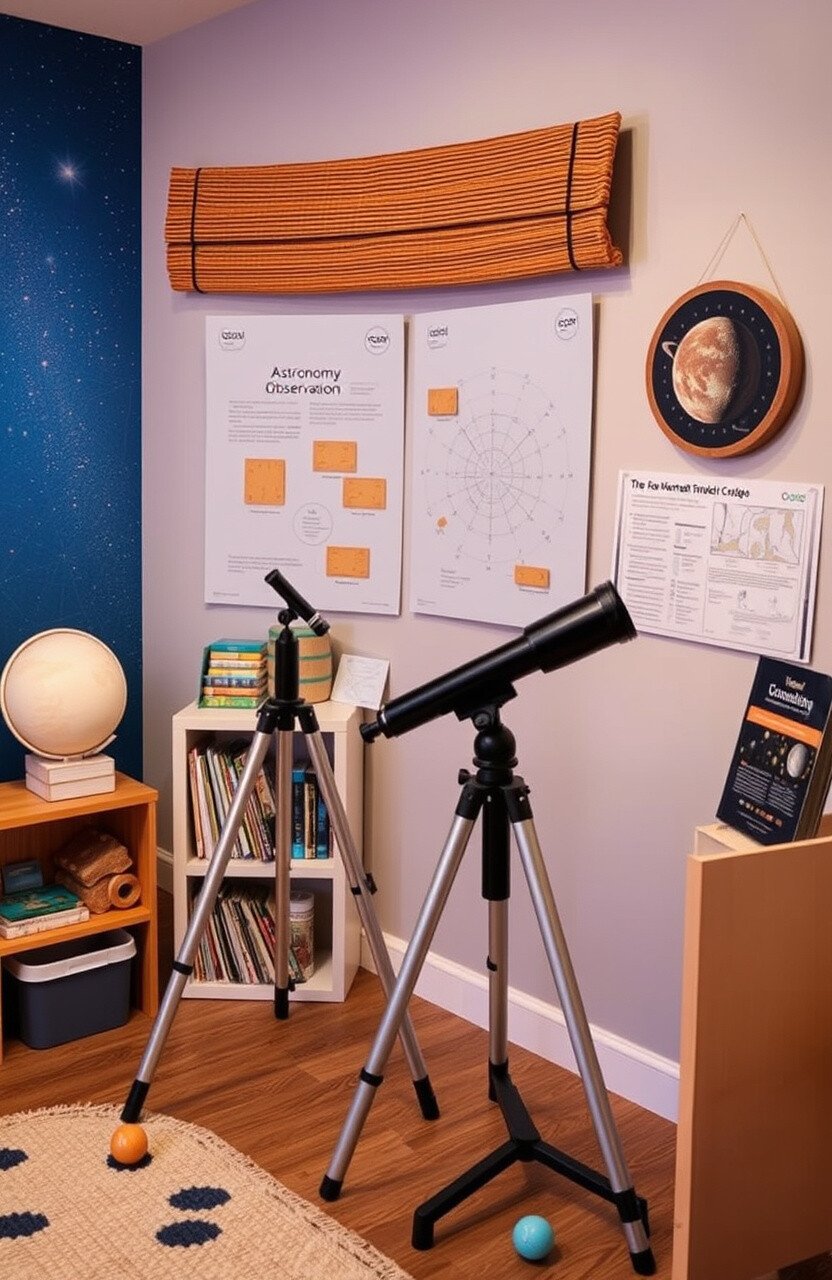
Create an astronomy area with a telescope and star charts. Include books and apps about space.
This setup inspires wonder about the universe. Kids love exploring stars and planets.
Set up a comfortable spot with a telescope and charts. Personalize with glow-in-the-dark stars or planet models.
Use affordable tools and resources. Encourage regular sky-watching and exploration.