Science isn’t just about textbooks and exams; it’s about the wonders that can be created with everyday items. This list is full of exciting activities that will spark curiosity and make you see science in a whole new light.
1. Rainbow Milk Magic
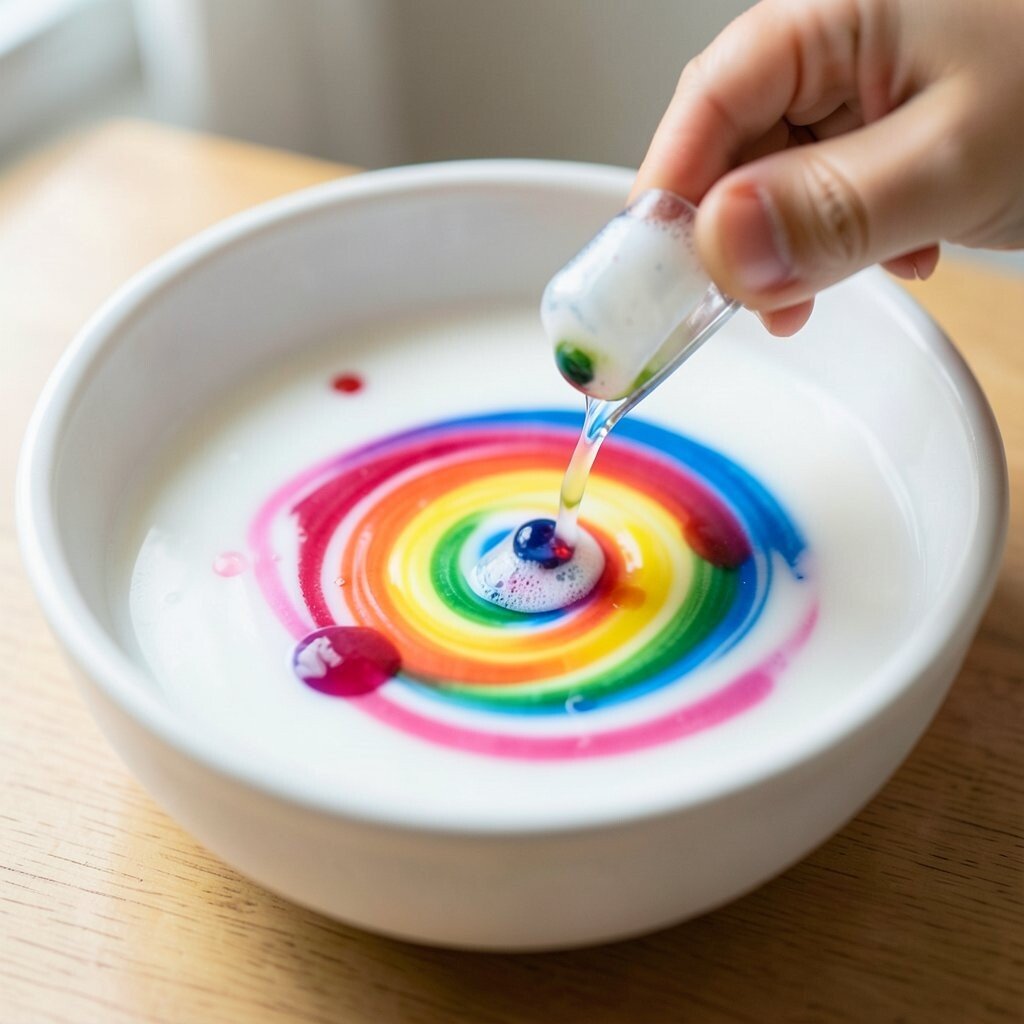
Start with a shallow dish of milk, add a few drops of food coloring, and then introduce a drop of dish soap. Watch as the colors swirl and dance like a magical rainbow. This activity is a visual treat and demonstrates the concept of surface tension.
All you need is milk, food coloring, and dish soap, making it a low-cost experiment. Kids will love the vibrant colors and the seemingly magical effect, and it’s a great way to introduce them to chemistry.
2. Dino Egg Excavation
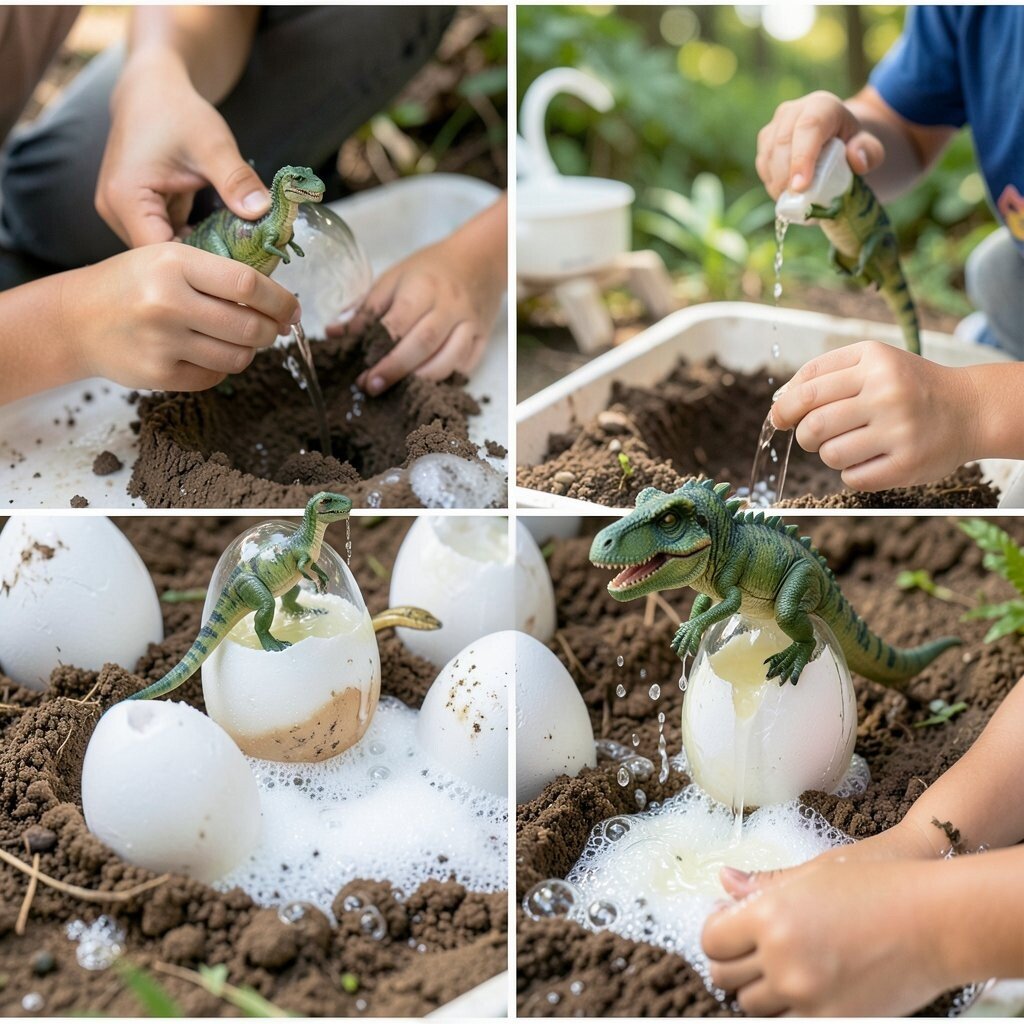
Create your own dinosaur eggs with baking soda, water, and mini dinosaur toys. Once shaped and frozen, kids can excavate the dinos using vinegar, which fizzes and bubbles delightfully. This activity is a hands-on adventure in paleontology.
It’s unique because it combines crafting with science, and the cost is minimal. This is perfect for dinosaur enthusiasts and teaches about chemical reactions in a fun way.
3. Homemade Lava Lamp
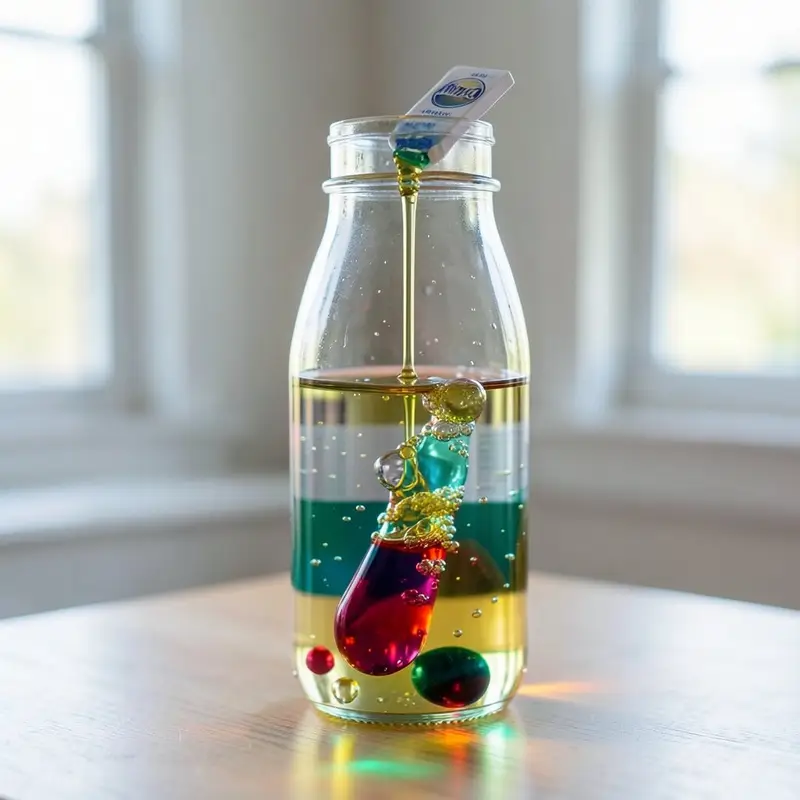
Fill a bottle with water, add some food coloring, and then pour in vegetable oil. Drop in an Alka-Seltzer tablet and watch as bubbles form and float like a lava lamp. This experiment is a simple introduction to density and chemical reactions.
Use colorful lights to enhance the visual effects. It’s an inexpensive way to bring the 70s vibe to your home, and kids will be fascinated by the bubbly dance.
4. Balloon-Powered Cars
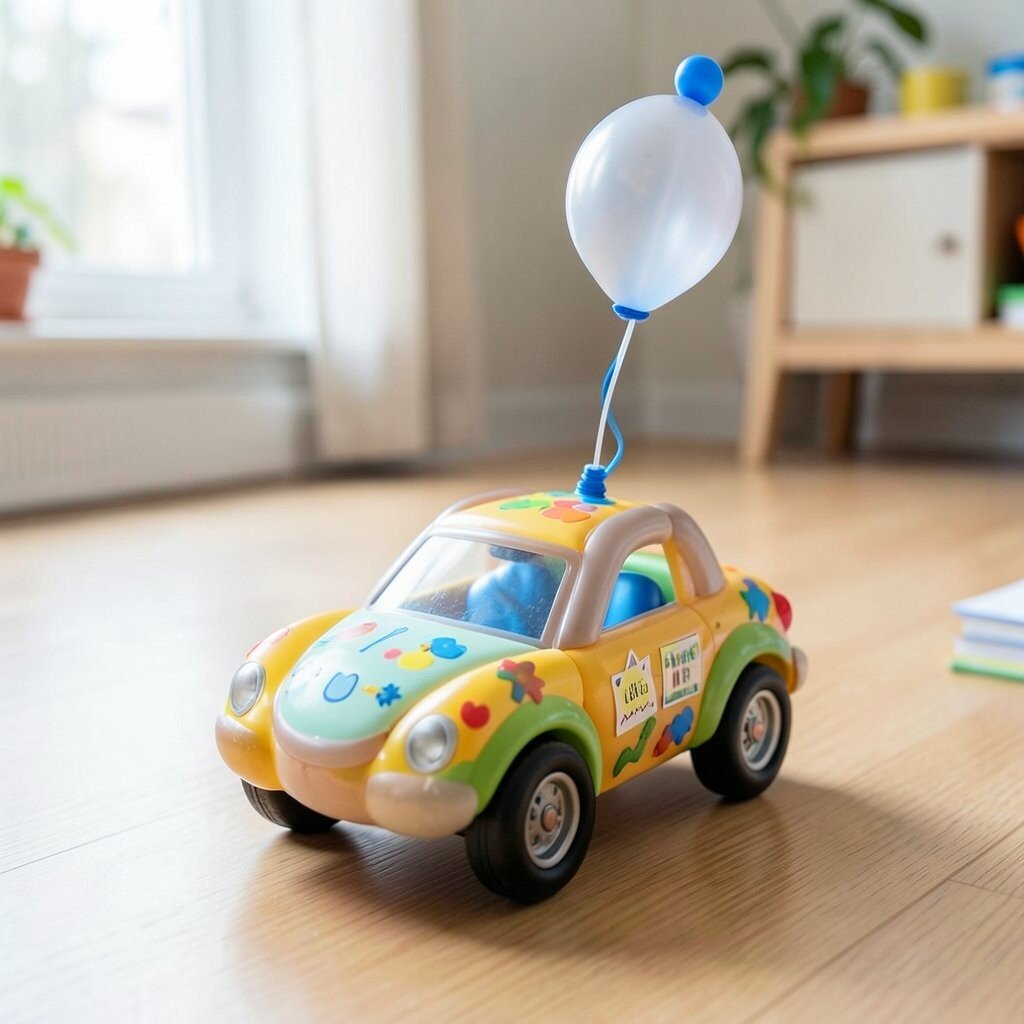
Using recycled materials, build a simple car that moves with the power of a balloon. Blow up the balloon, attach it to the car, and release it to see how far it travels. This activity is an exciting way to learn about physics and engineering.
Encourage kids to personalize their cars with fun decorations. It’s budget-friendly and promotes creativity and problem-solving skills.
5. Crystal Geode Eggs
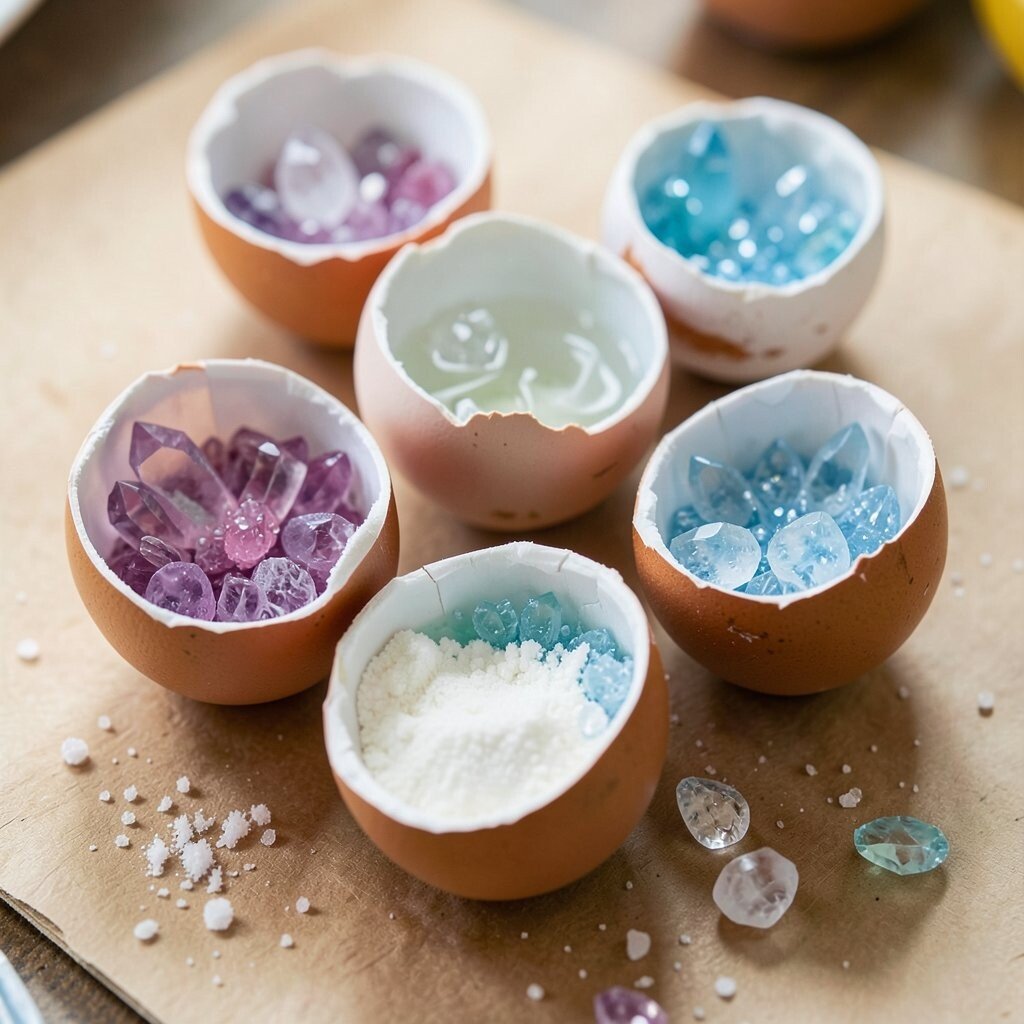
Hollow out eggshells and fill them with a solution of water and alum powder. Over a few days, watch as beautiful crystals form inside the shells. This project is a fascinating exploration of crystallization.
It’s a bit like growing your own gems and perfect for kids who love sparkly things. Though it requires patience, the end result is stunning and educational.
6. Color-Changing Flowers
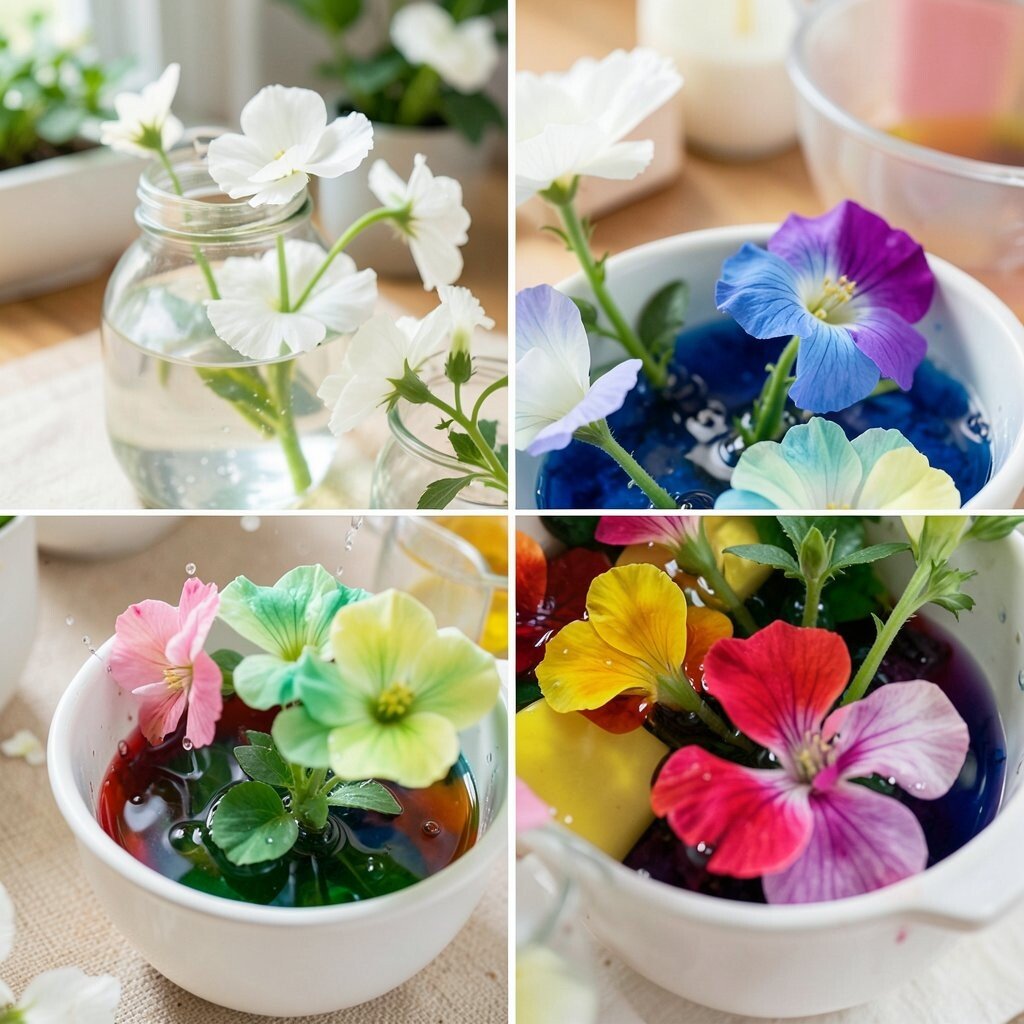
Place white flowers in water mixed with food coloring. Over time, the petals will change color, showcasing how plants absorb water. This simple yet mesmerizing activity introduces kids to plant science.
Experiment with different colors and flower types to see varied results. It’s a cheap way to bring a splash of color into your home while teaching an essential biological process.
7. Fizzy Lemon Volcano
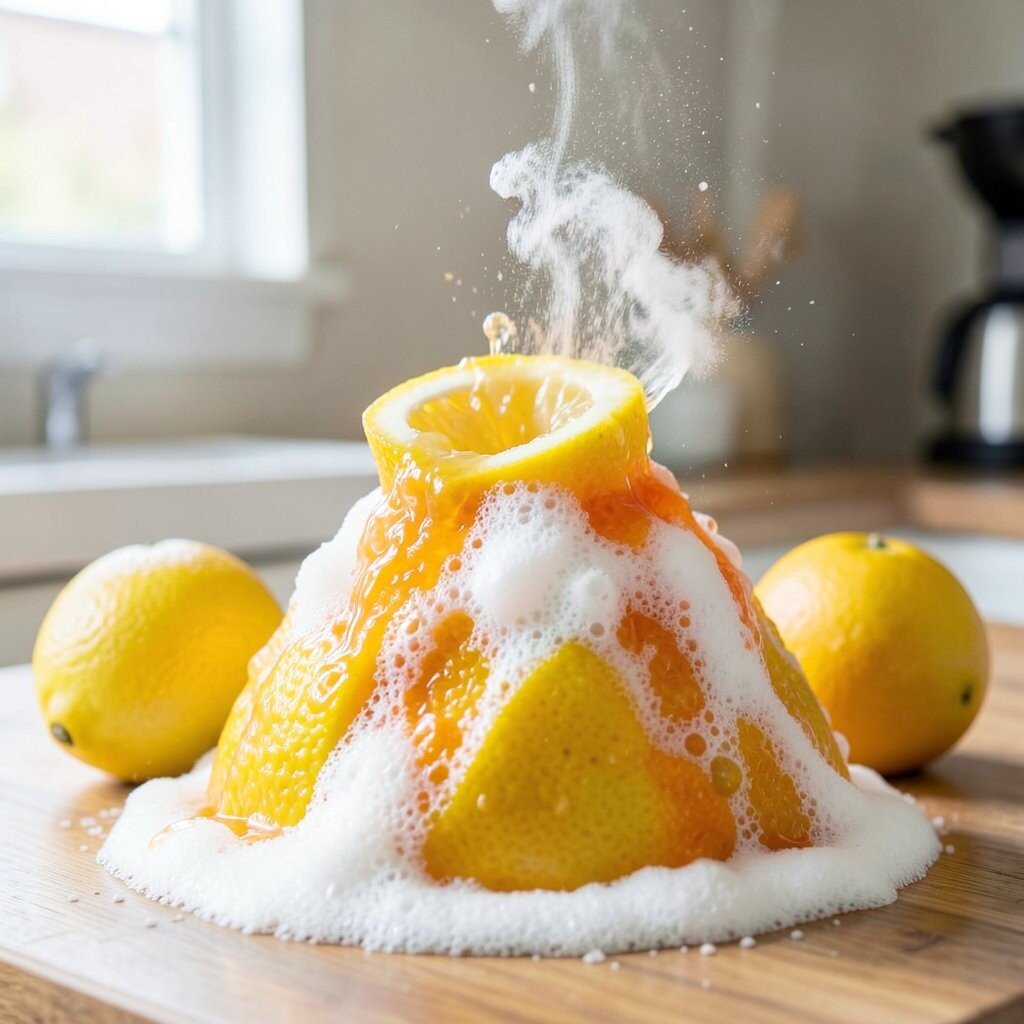
Turn a lemon into a mini volcano! Cut the top, squeeze a bit of juice out, then add baking soda. The fizzing reaction is both fun and educational, explaining the basics of acids and bases.
Use different citrus fruits for varied effects. This low-cost experiment is a great kitchen science project that smells as good as it looks.
8. Magnetic Slime
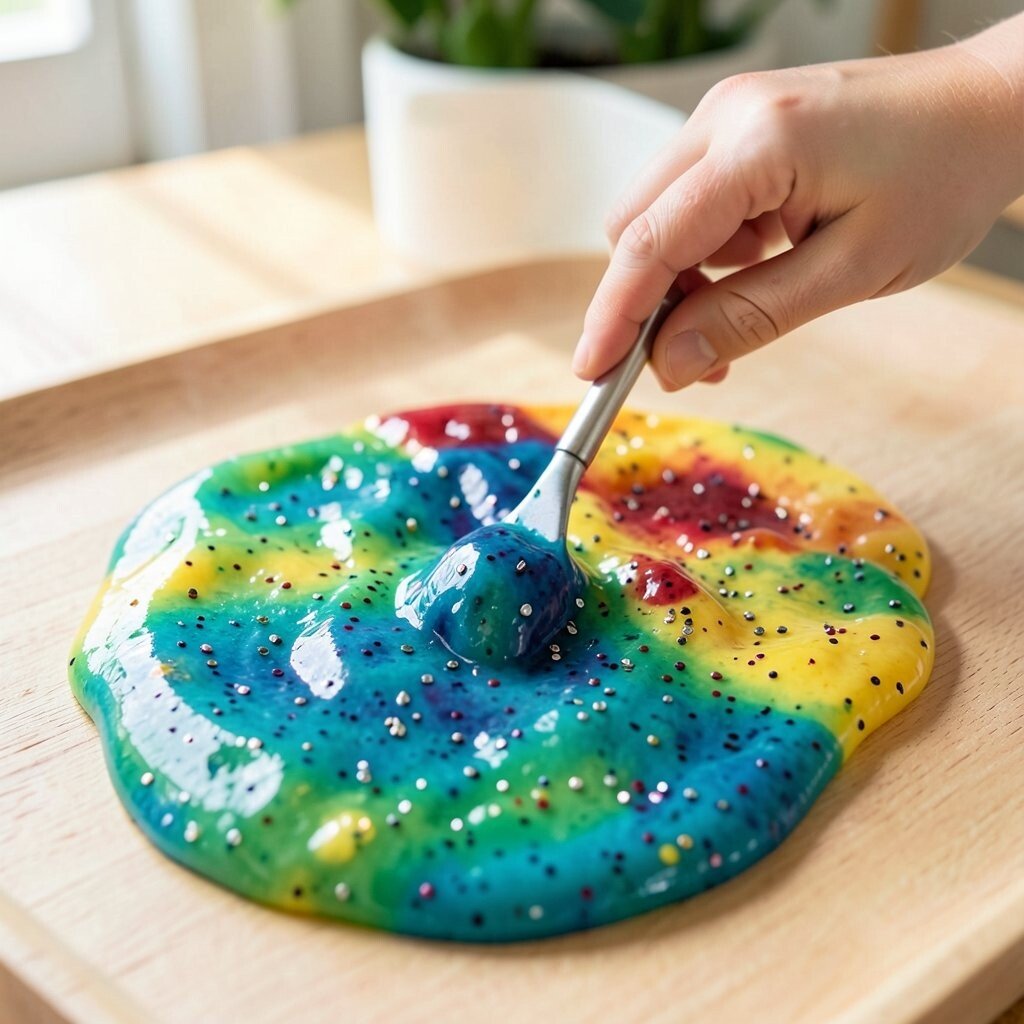
Create stretchy, gooey slime that responds to magnets using iron filings. This activity is a squishy introduction to magnetism that kids can mold and manipulate.
Personalize the slime with different colors. It’s a tactile experience that combines creativity with scientific principles, and it’s inexpensive to make.
9. Water Xylophone
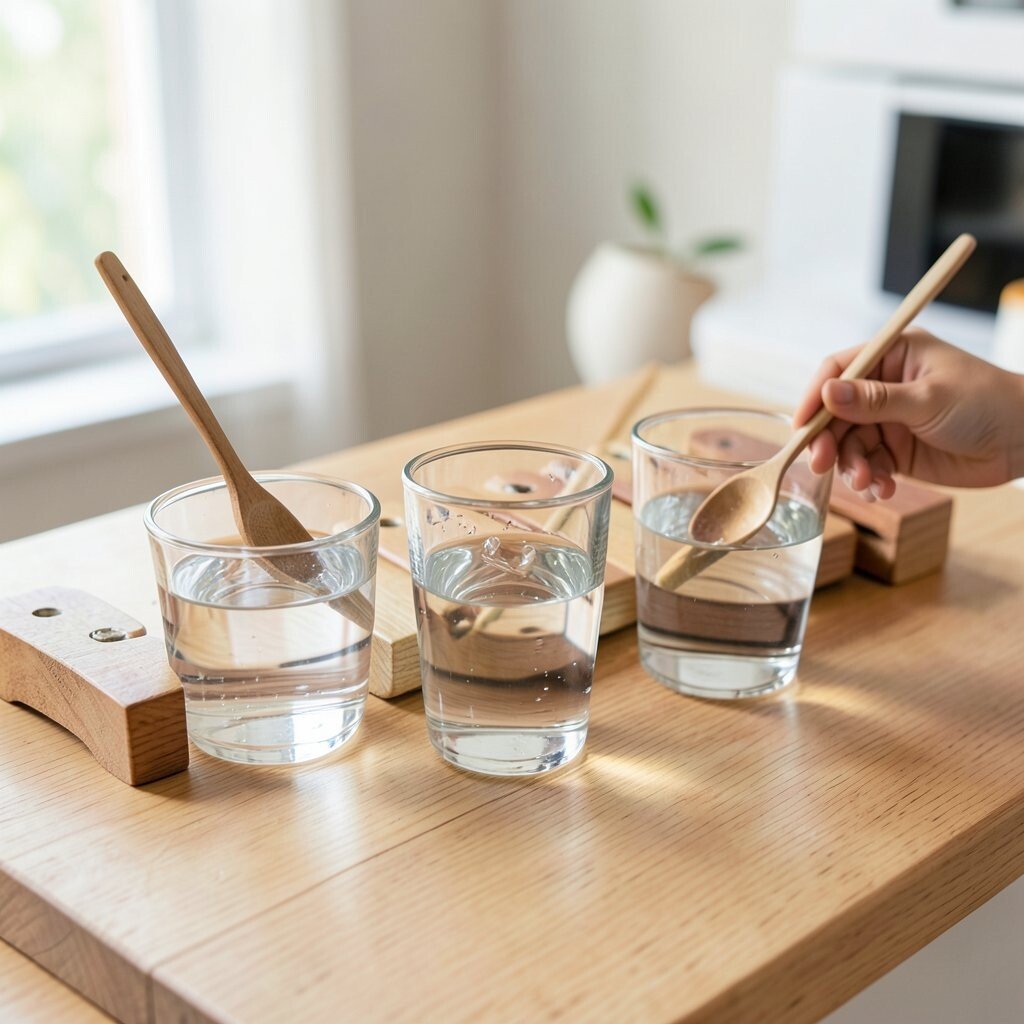
Fill glasses with different amounts of water, and tap them with a spoon to create musical notes. This simple activity explores sound waves and musical theory.
Arrange the glasses like a xylophone and enjoy creating tunes. It’s a delightful way to combine music and science without spending a dime.
10. DIY Compass
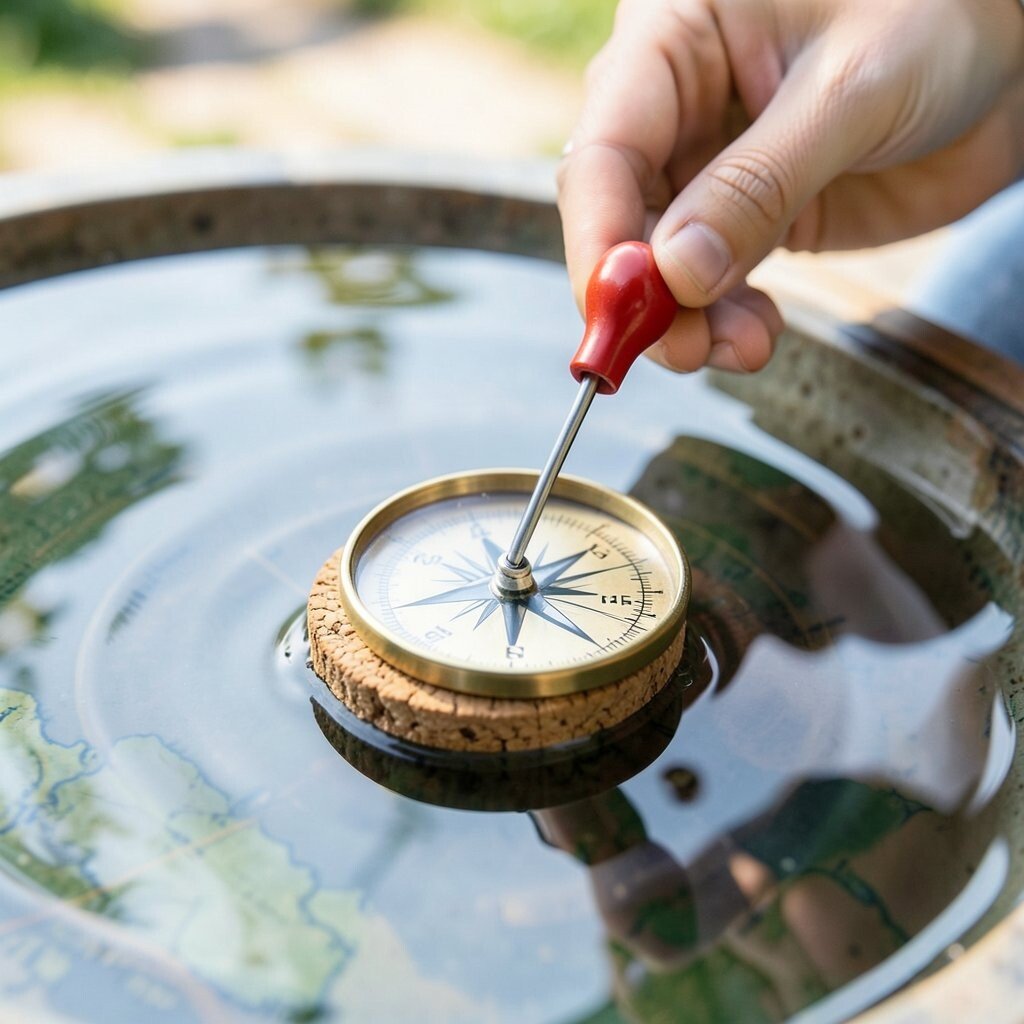
Magnetize a needle by rubbing it against a magnet, and then float it on water with a piece of cork. Watch as it aligns with the earth’s magnetic field, acting as a compass.
This activity links geography with physics in a fun way. It’s a cost-effective project that can spark conversations about navigation and exploration.
11. Bouncing Egg Experiment
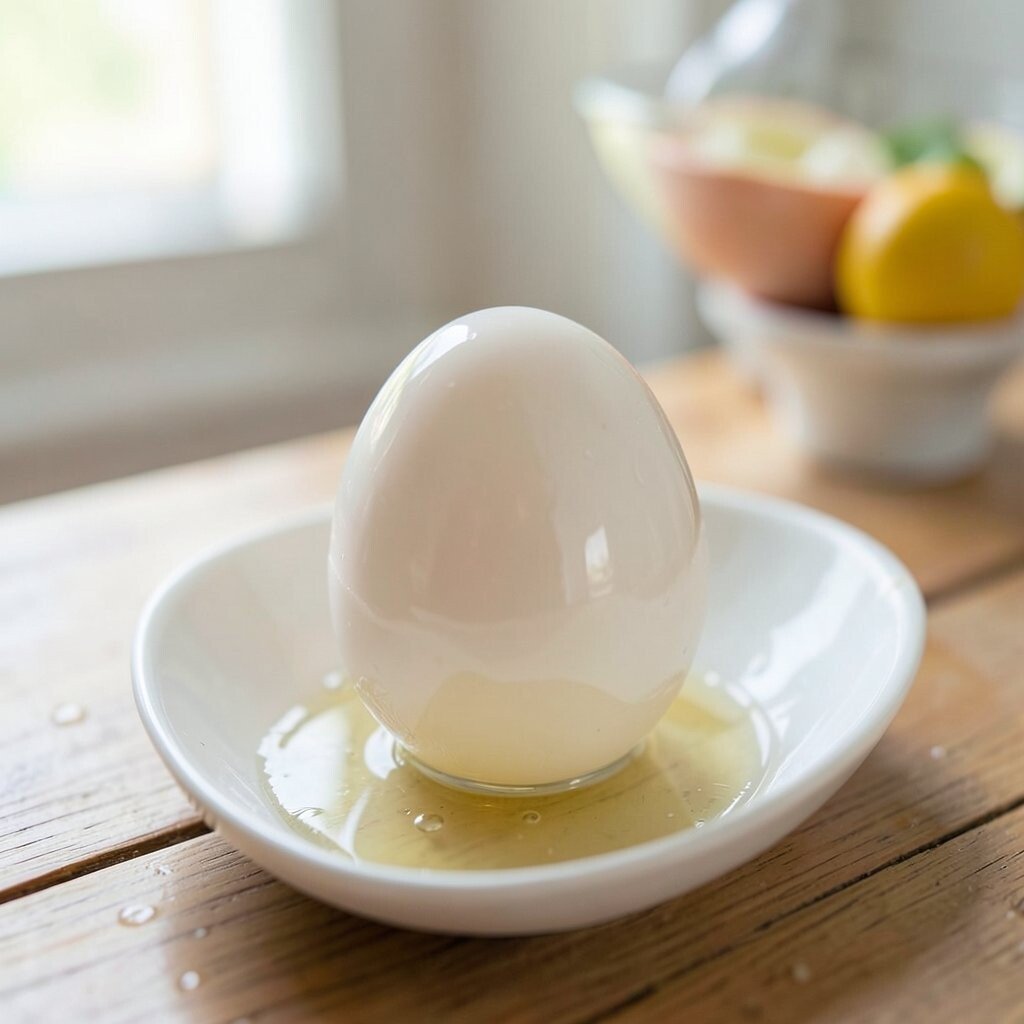
Soak a raw egg in vinegar and watch as the shell dissolves, leaving behind a bouncy, rubbery egg. This experiment is a unique way to learn about chemical reactions.
Kids will be amazed at how the egg transforms, and it’s an engaging way to teach about acids and bases. Plus, it only requires household items.
12. Static Electricity Butterflies
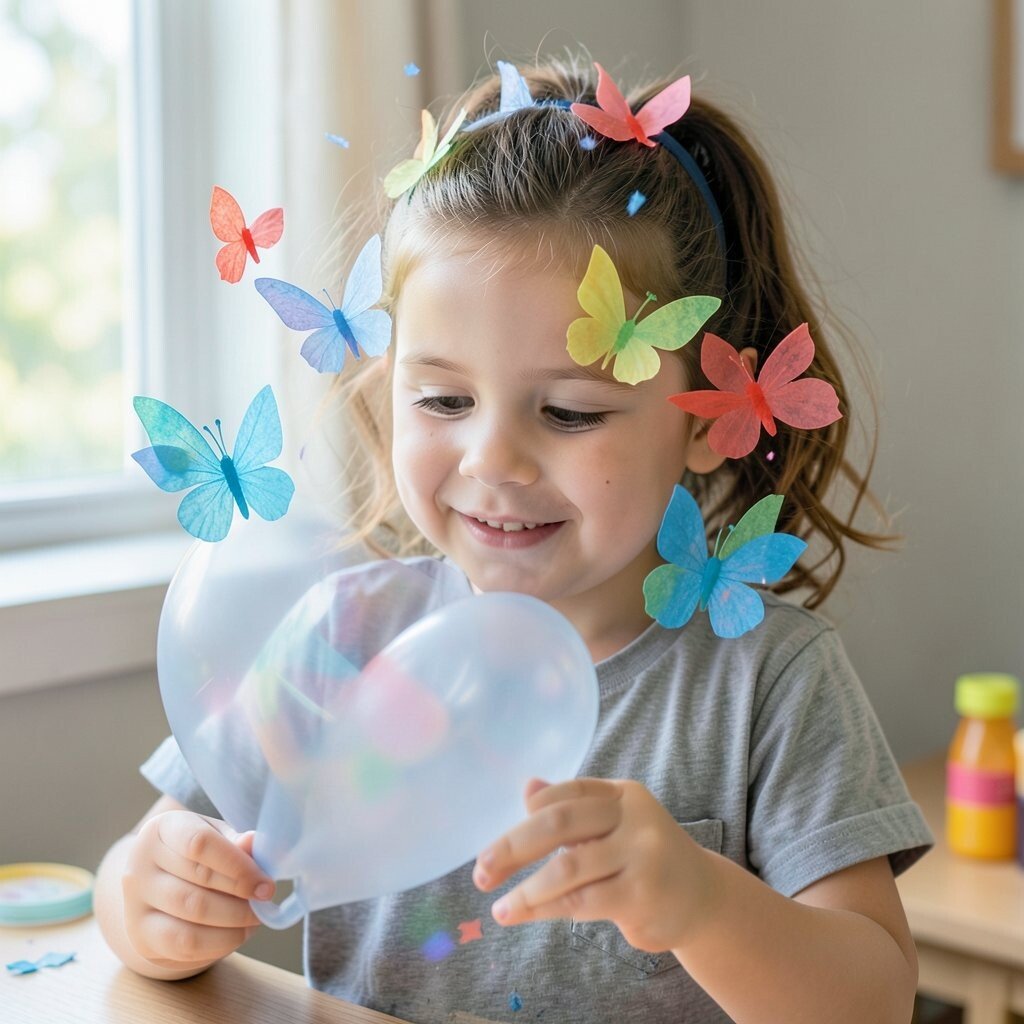
Use tissue paper to cut out butterfly shapes, then rub a balloon on your hair to create static. Watch as the butterflies “dance” and stick to the balloon.
This activity is both art and science, giving kids a visual understanding of static electricity. It’s a low-cost project that brings science to life in an engaging way.
13. DIY Sundial
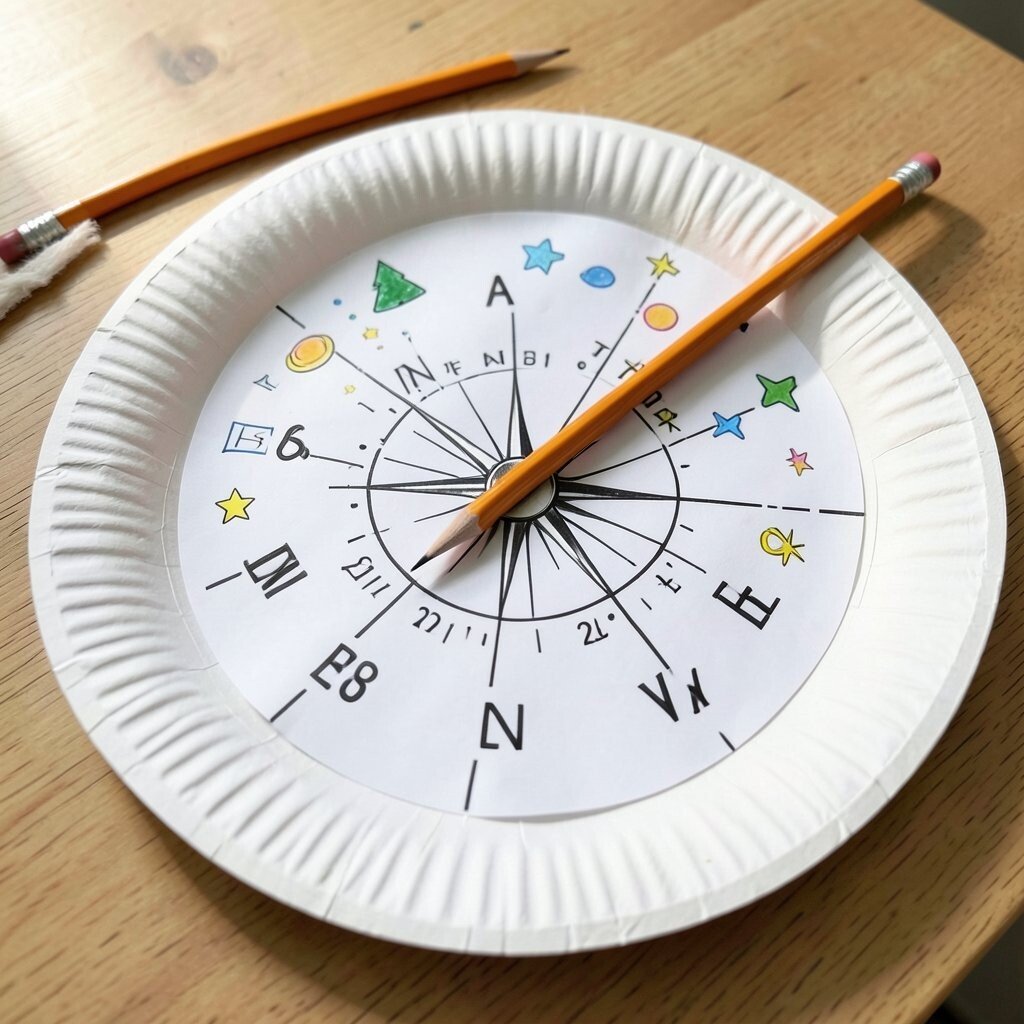
Using a paper plate and a pencil, create a simple sundial that tracks the sun’s movement across the sky. This activity is a practical introduction to astronomy and timekeeping.
Decorate the sundial with markers or stickers. It’s an educational and creative project that costs next to nothing and makes learning about the earth’s rotation fun.
14. Edible DNA
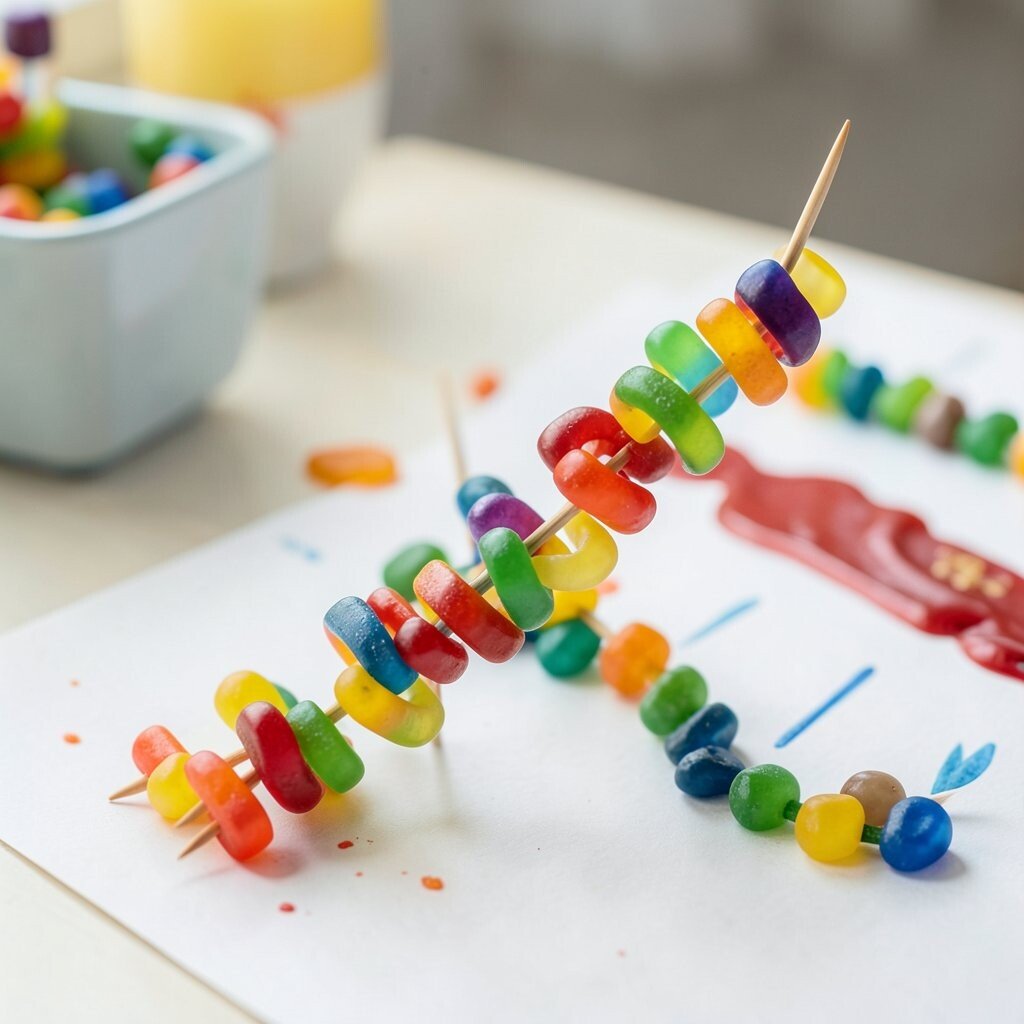
Build a model of DNA using candy and toothpicks. This tasty project teaches kids about the structure of DNA while satisfying their sweet tooth.
It’s a delicious way to learn about genetics, and kids can personalize their models with different candy colors. This project is both fun and educational, and who doesn’t love candy?
15. Invisible Ink Messages
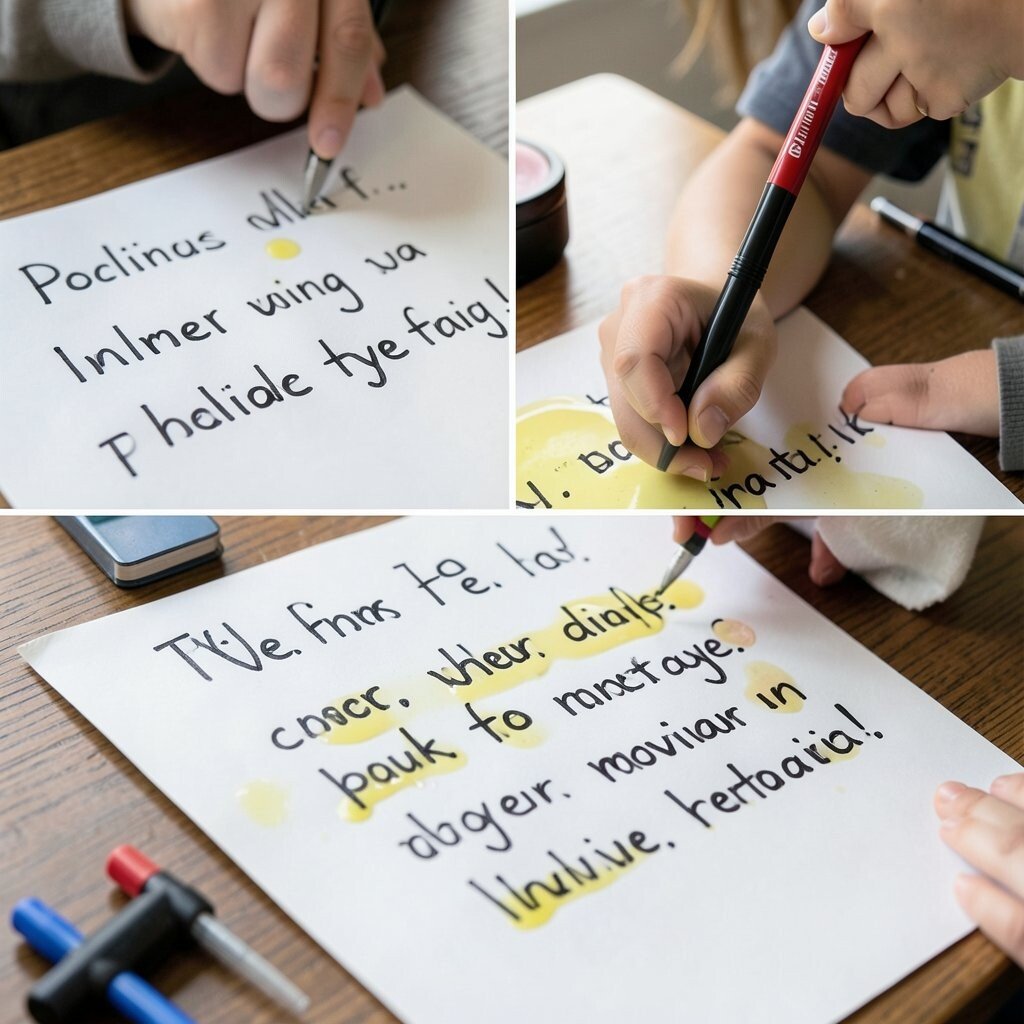
Write secret messages using lemon juice, then reveal them by gently heating the paper. This activity introduces kids to the concept of chemical reactions in a spy-themed way.
It’s an exciting and mysterious experiment that costs pennies. Kids will feel like secret agents as they decode their invisible messages.
16. Cloud in a Jar
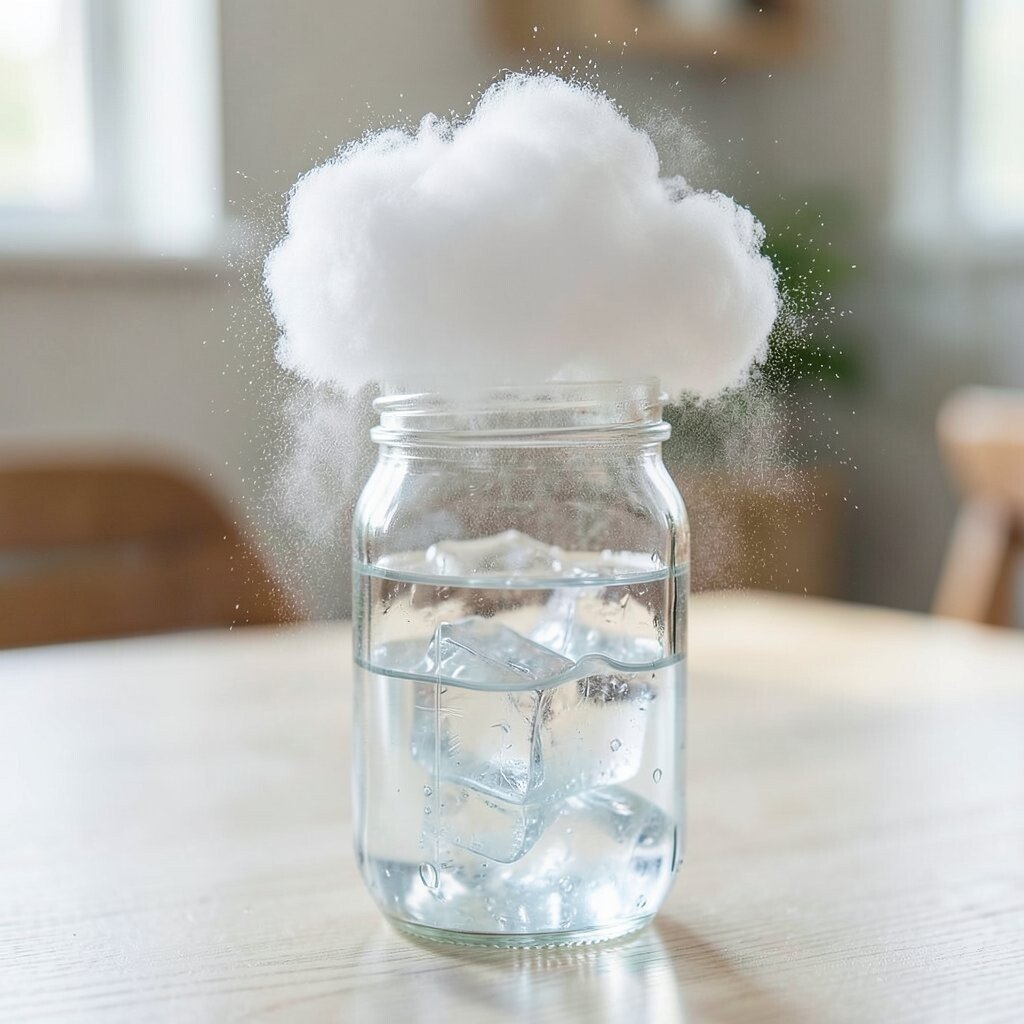
Create a cloud using a jar, hot water, and ice. By misting hairspray into the jar, you can watch a cloud form, demonstrating the water cycle’s basics.
It’s a visually captivating activity that teaches about weather phenomena. With just a few household items, kids can see the science behind clouds and rain.
17. Kaleidoscope Craft
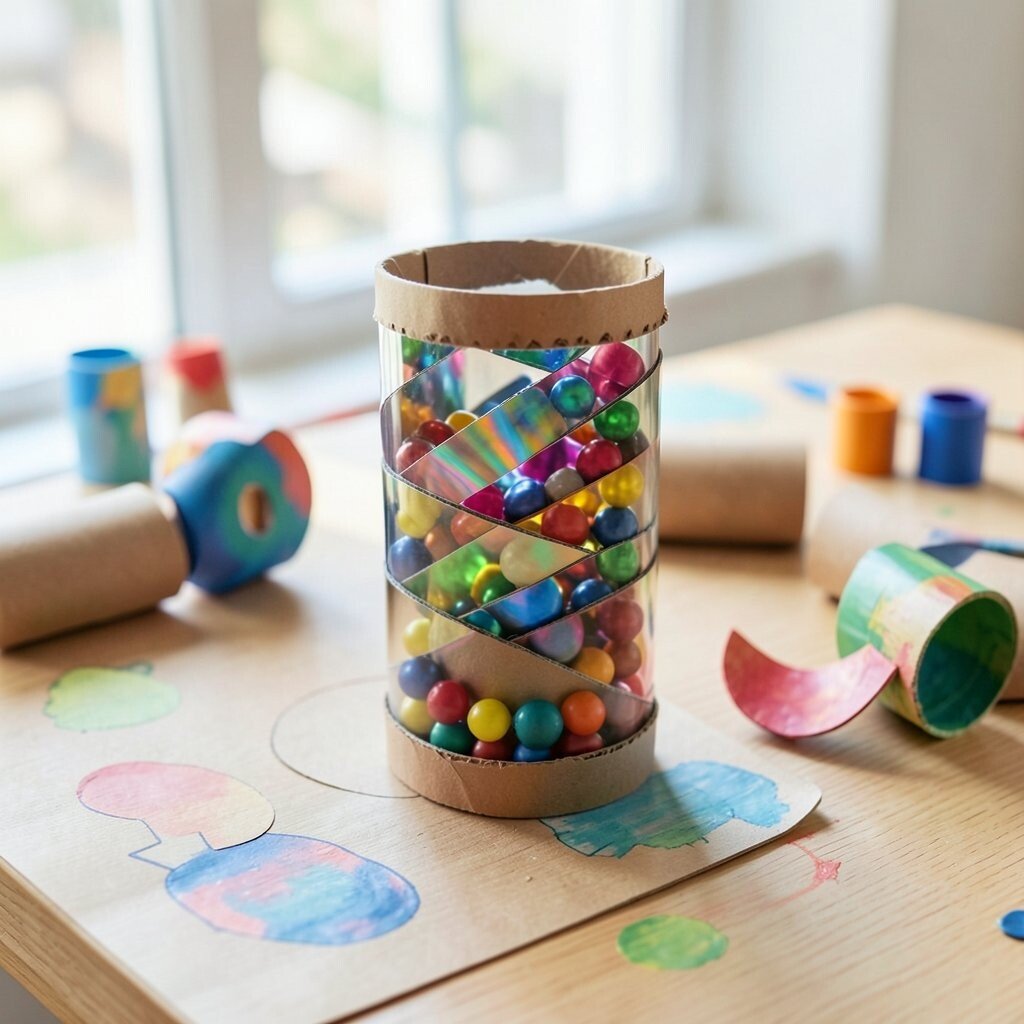
Using cardboard tubes, mirrors, and colored beads, create a kaleidoscope that reveals beautiful patterns. This project is a hands-on lesson in light reflection.
Personalize it with different colors and shapes. It’s an artistic and scientific activity that is both fun to make and mesmerizing to use, without breaking the bank.
18. Egg Carton Greenhouse
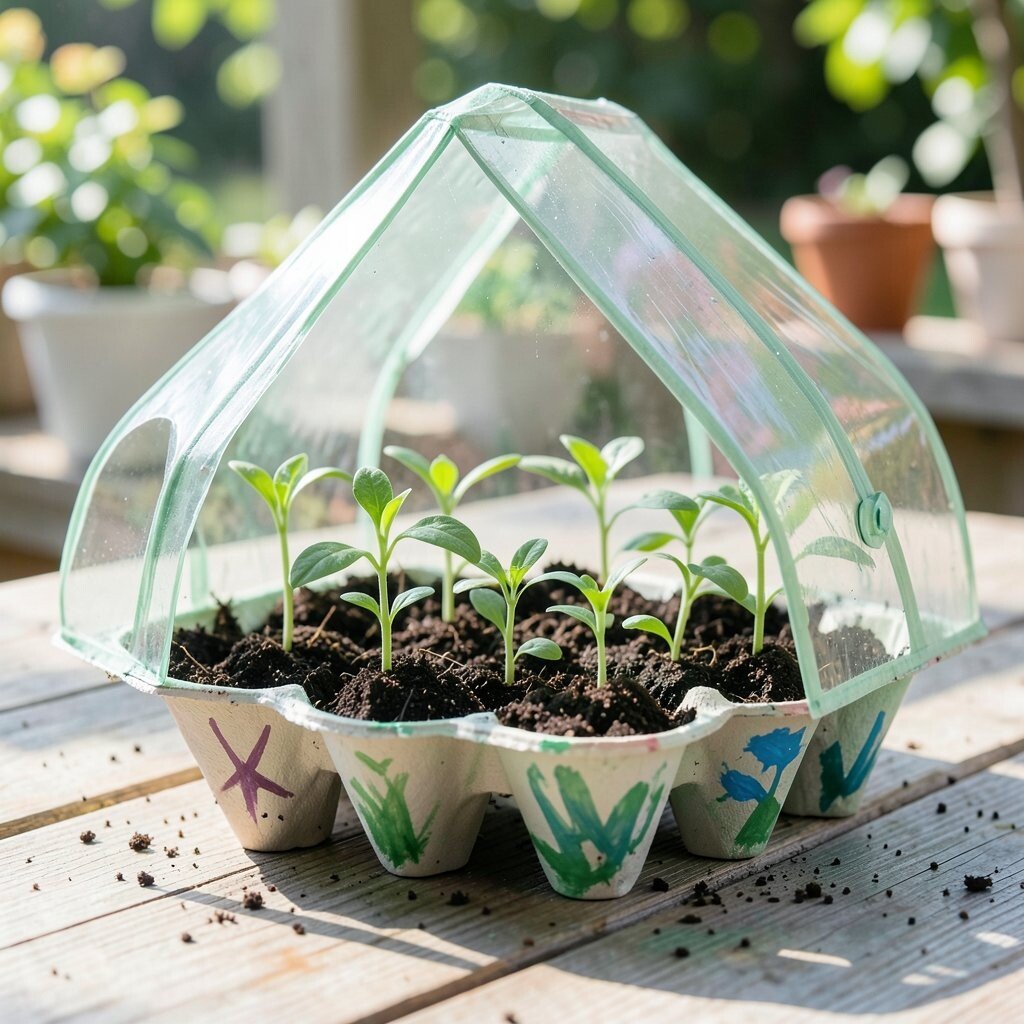
Use an egg carton to plant seeds and create a mini greenhouse. This activity teaches kids about plant growth and the importance of sunlight and water.
Watch as seedlings sprout and grow, and personalize by painting the carton. It’s a green-thumb project that costs little and connects children with nature.
19. Ice Cream in a Bag
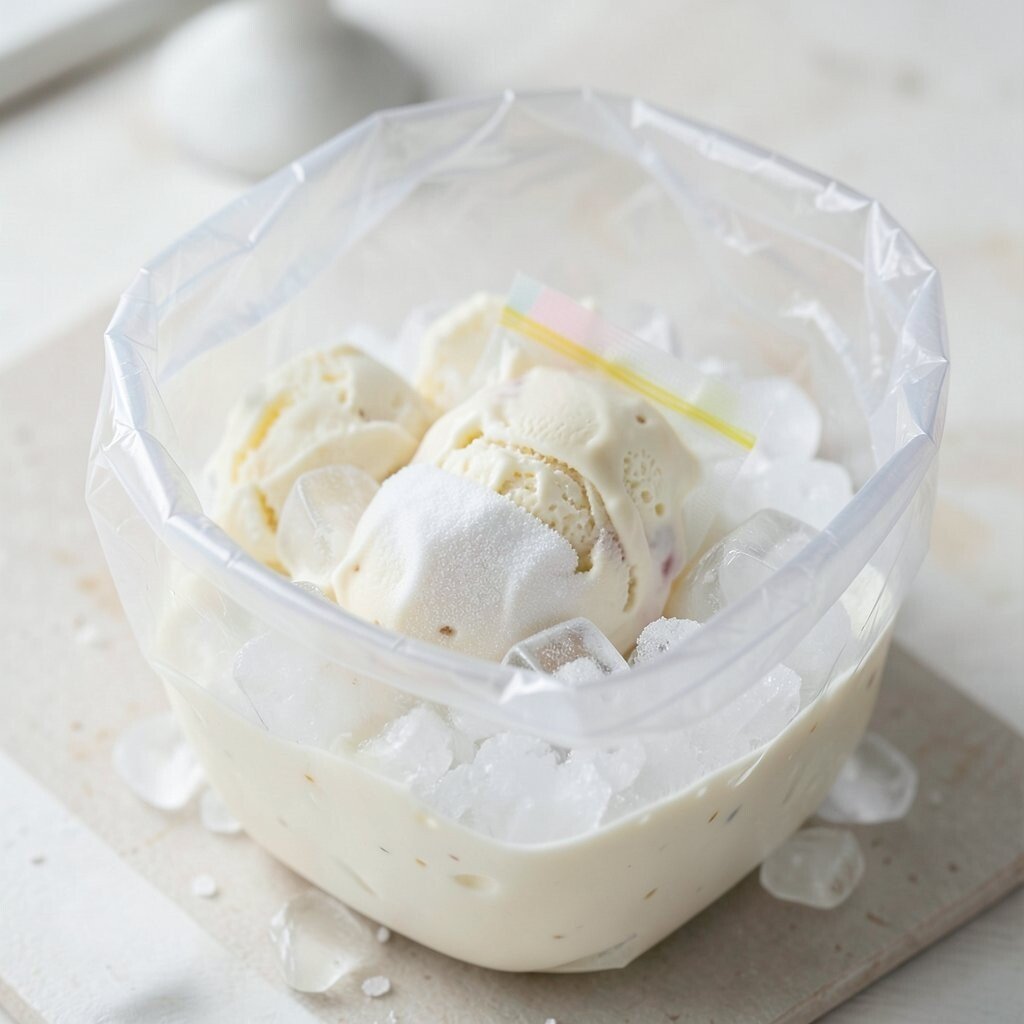
Mix cream, sugar, and vanilla in a small bag, then place it in a larger bag with ice and salt. Shake it up to make homemade ice cream, learning about freezing points.
This tasty science experiment involves physical activity and rewards with a sweet treat. It’s a delicious way to learn about states of matter and thermodynamics.
20. Paper Helicopter
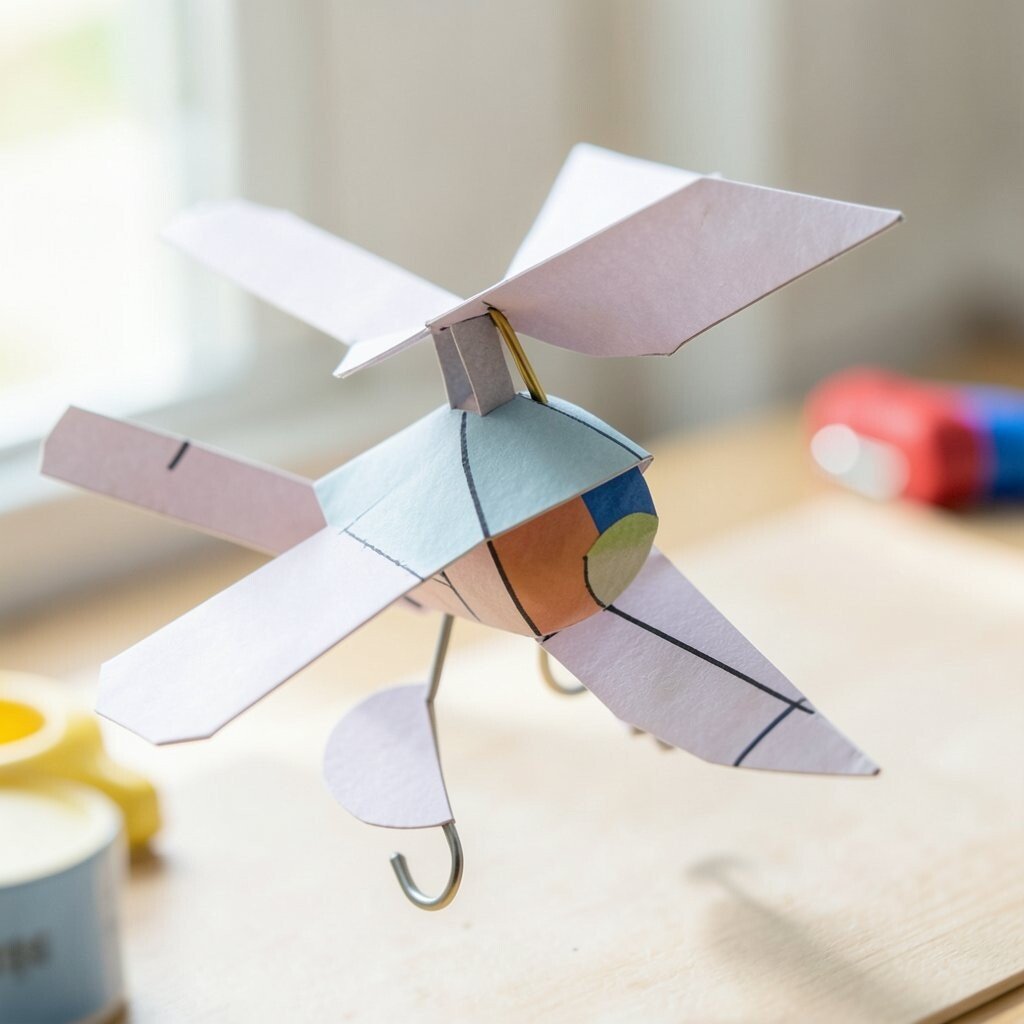
Create a simple helicopter with paper and a paperclip, then watch it spin as it falls. This project introduces the concepts of gravity and aerodynamics.
Experiment with different designs to see which spins best. It’s a quick and easy activity that costs nothing and brings the principles of flight to life.
21. Solar Oven S’mores
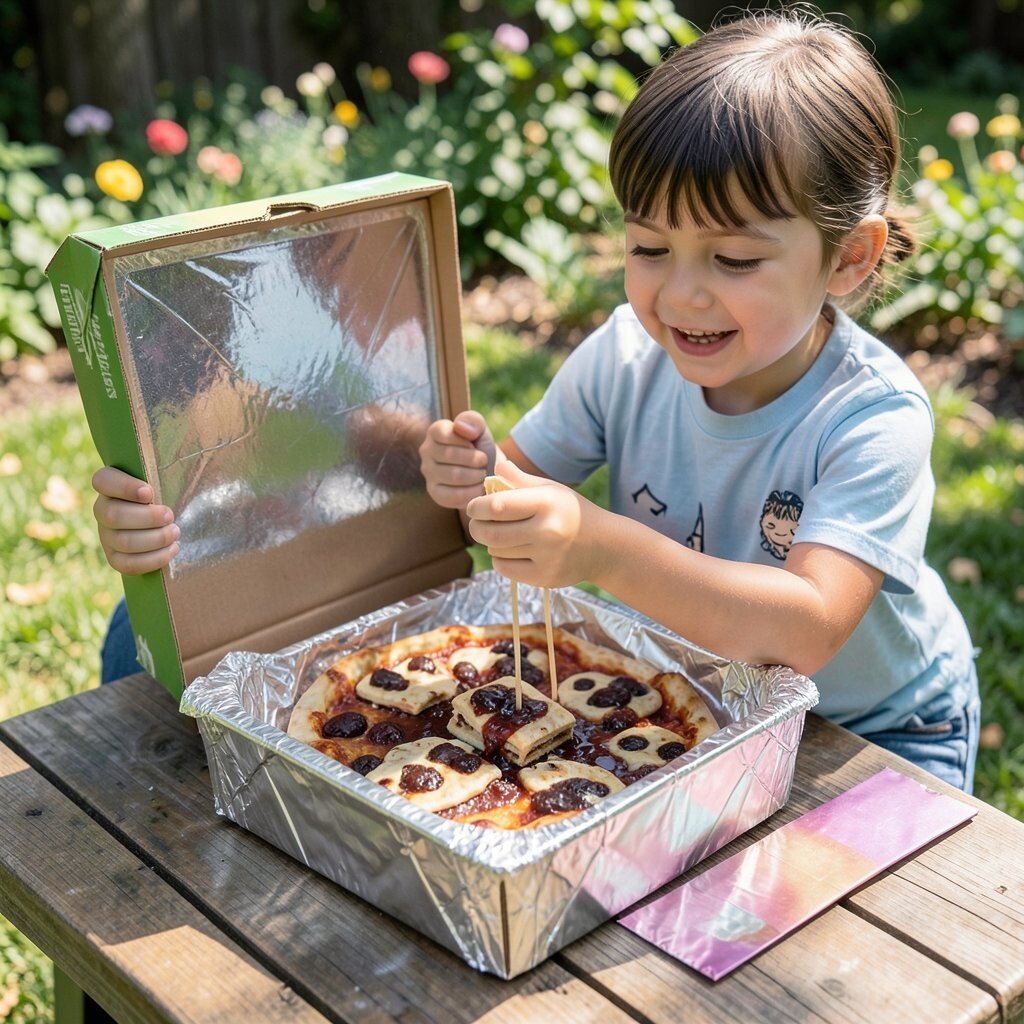
Build a solar oven using a pizza box, foil, and plastic wrap, then use it to make s’mores. This activity is a delicious way to learn about solar energy.
It’s a perfect outdoor project that combines science with a favorite treat. With minimal cost, kids can understand renewable energy while enjoying gooey s’mores.