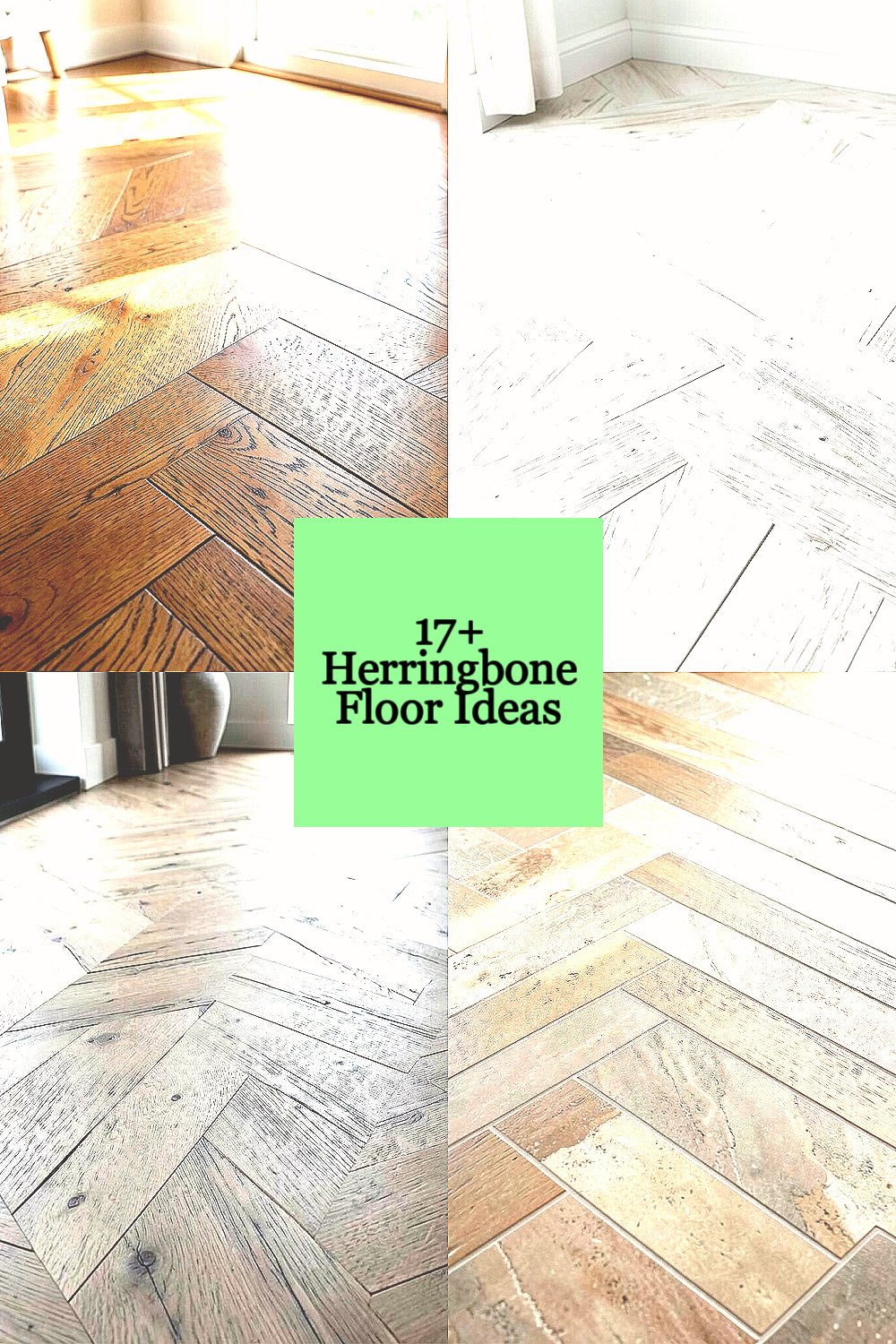
The floor can be the quiet hero of a room. A herringbone pattern adds movement and warmth without needing bold color.
Whether you rent, own, or plan a weekend refresh, there are styles that fit your life. From classic oak to modern tile, these ideas give you plenty to choose from.
1. Classic Oak Herringbone With Soft Oil Finish
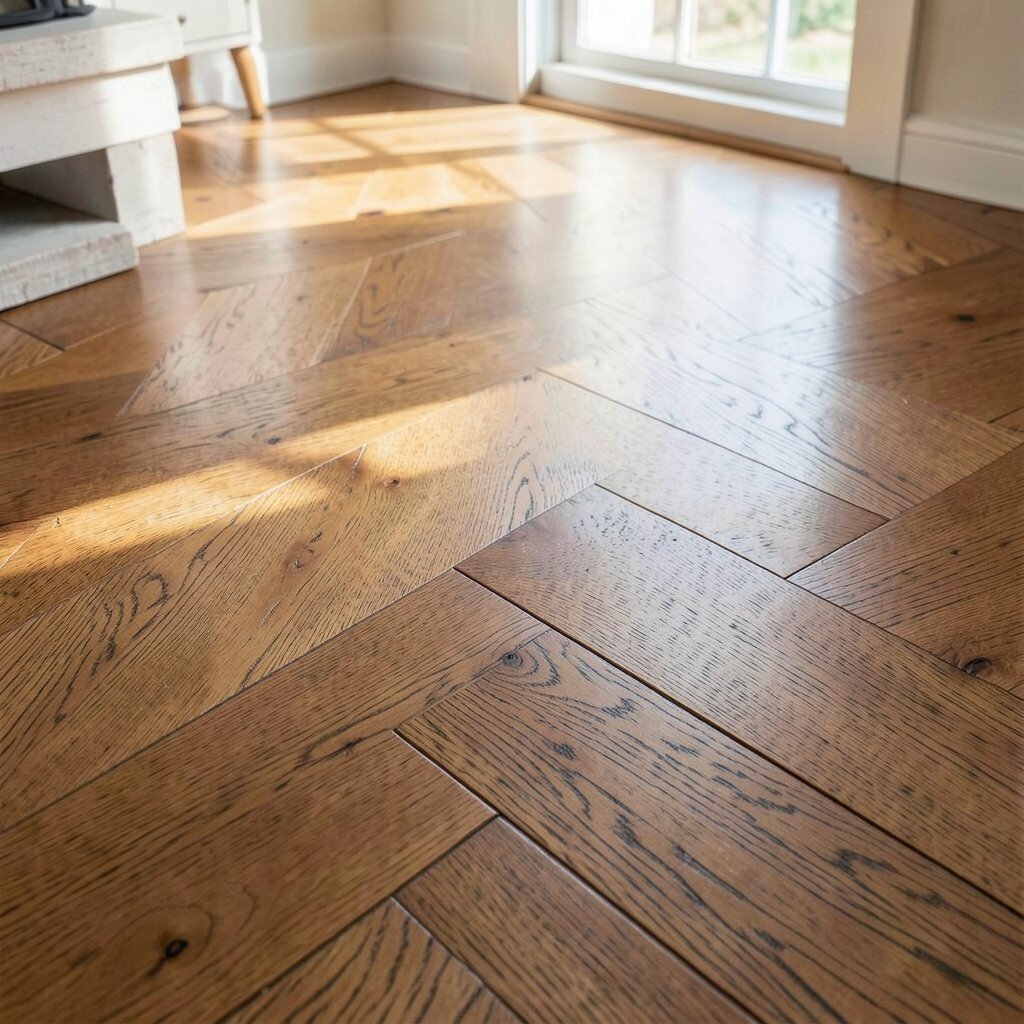
Picture a warm oak herringbone running through your hallway like a gentle wave. The boards catch light along the angled lines, so the floor looks inviting even on cloudy days.
This style works with traditional furniture and also with simple modern pieces. For practicality, choose a durable finish and place felt pads under chairs and small tables to prevent scuffs.
2. Whitewashed Herringbone for Bright, Airy Rooms
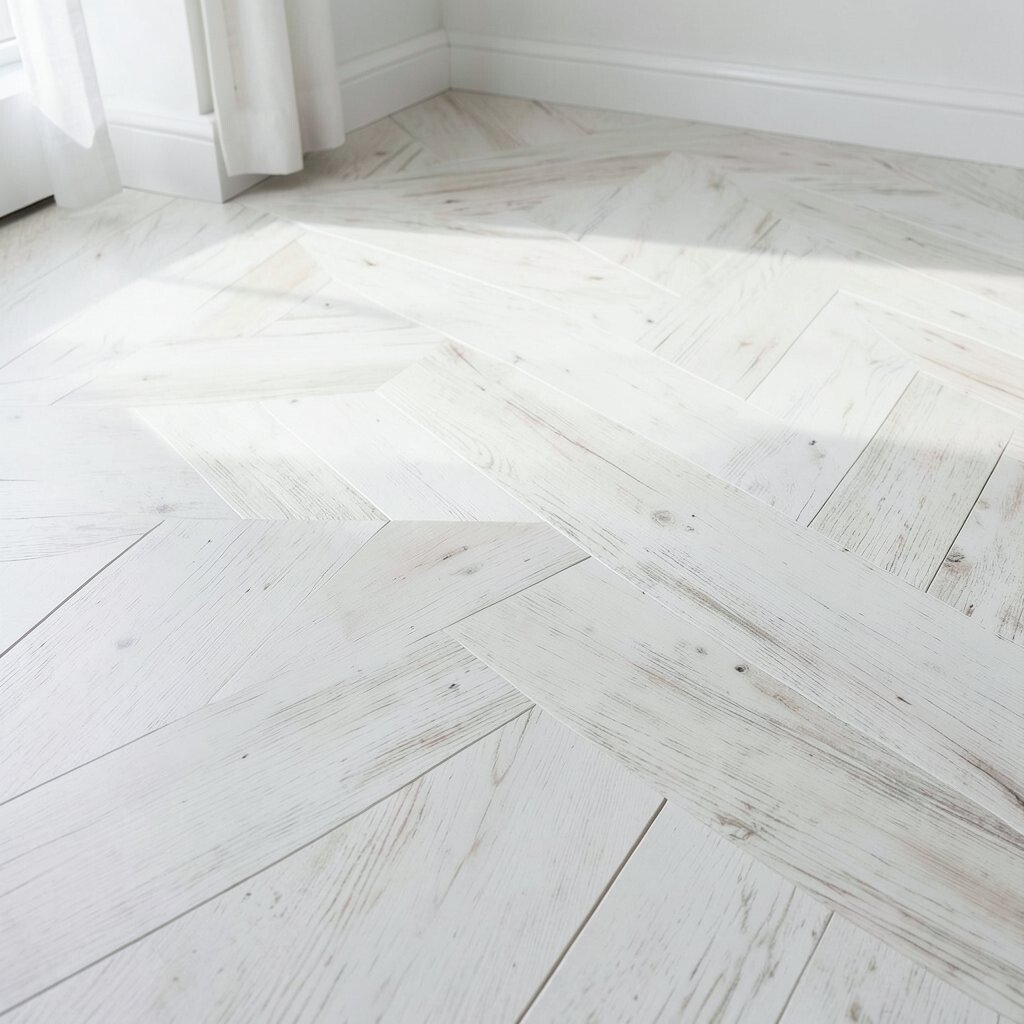
Imagine pale wood herringbone that looks crisp but not sterile. The pattern adds structure, so the room feels designed, even if the walls stay calm and light.
Whitewashed floors can help smaller spaces feel open, especially when you use soft lighting. To keep the look fresh, wipe with a gentle cleaner and dry right away so streaks don’t form.
If you want personality, pair it with a slightly darker baseboard or simple black metal accents. This choice usually costs less than full custom inlay while still giving a high-end feel.
3. Wide-Plank Herringbone for a Modern, Low-Key Look

Think of bigger boards laid in a tight herringbone rhythm. The wider planks make the pattern feel bold, while the overall look stays relaxed and clean.
You’ll enjoy how it visually reduces grout lines and can feel less busy underfoot. For a smoother result, plan the layout carefully and acclimate the flooring so it settles correctly.
To personalize it, match the board tone to your cabinetry and trim instead of chasing a trend. Wide-plank herringbone often sits in the mid-to-high price range, but it can feel worth it because fewer pieces show up.
If you’re budget-conscious, ask for end-of-run stock or look for prefinished options that reduce installation steps.
4. Matte Porcelain Herringbone in Warm Stone Tones
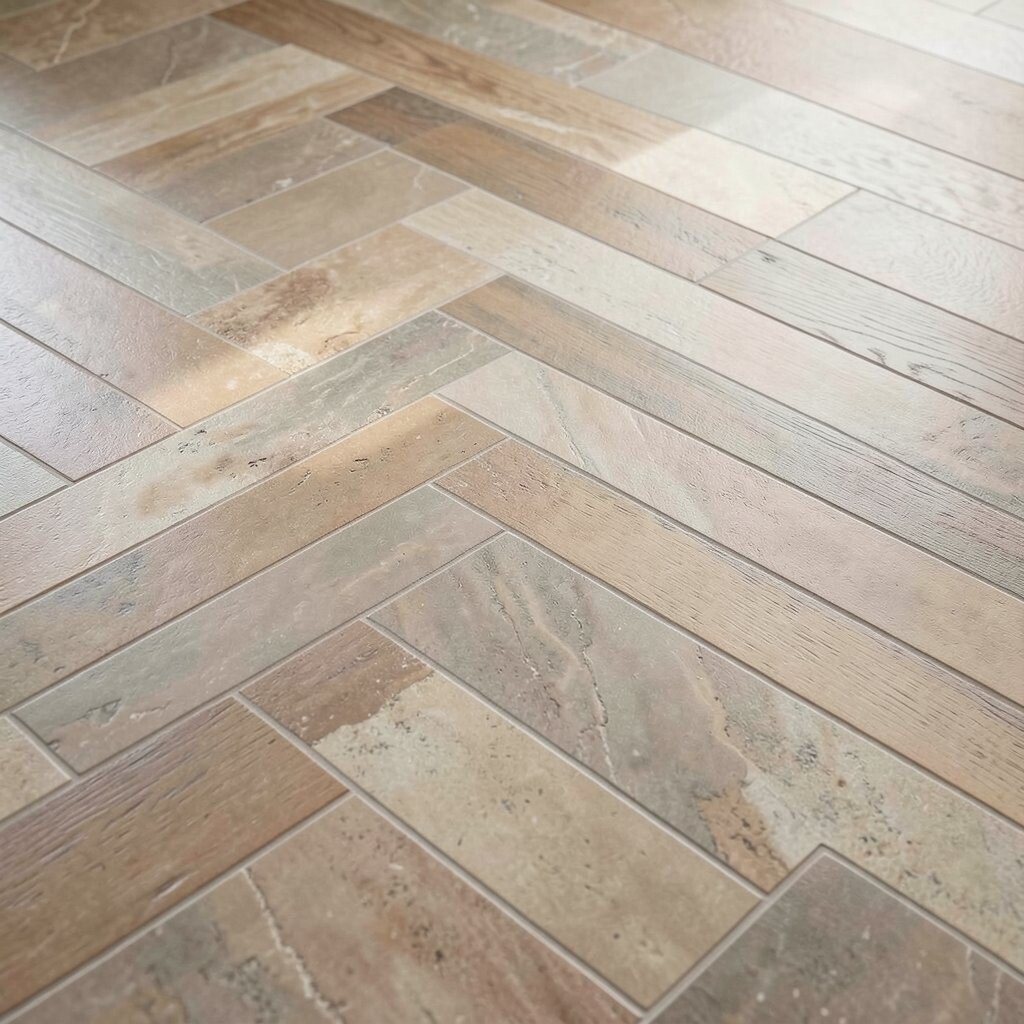
Picture herringbone tile that mimics natural stone, with a matte surface that resists glare. The angled pattern makes the room feel more detailed, like it was styled by a designer.
This is a great option for kitchens, mudrooms, and baths because porcelain handles moisture and daily wear. Choose a slip-resistant finish for safety, especially near sinks or entry doors.
5. Glossy Black Herringbone Tile for Dramatic Contrast
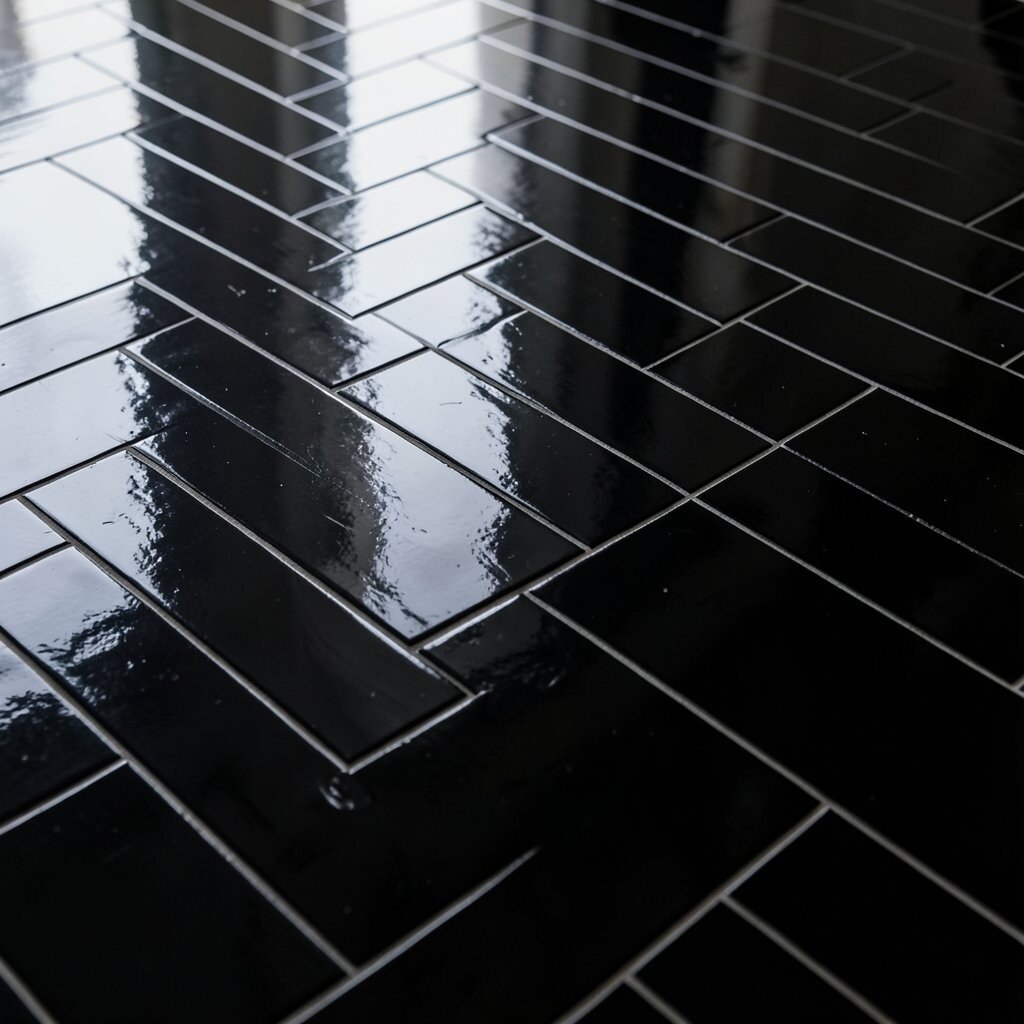
Envision glossy black tiles arranged in herringbone, so the pattern sparkles with every angle. The shine turns plain lighting into a little gallery effect across the floor.
You’ll love how it frames simple furniture, making even a basic rug look intentional. To keep it looking sharp, use a grout color that blends with the tiles and clean with pH-neutral products.
If you want it less intense, use black herringbone only in a foyer or behind a bar cart. This can also help with cost because you’re limiting the tile area while still getting maximum impact.
6. Budget-Friendly Peel-and-Stick Herringbone Vinyl
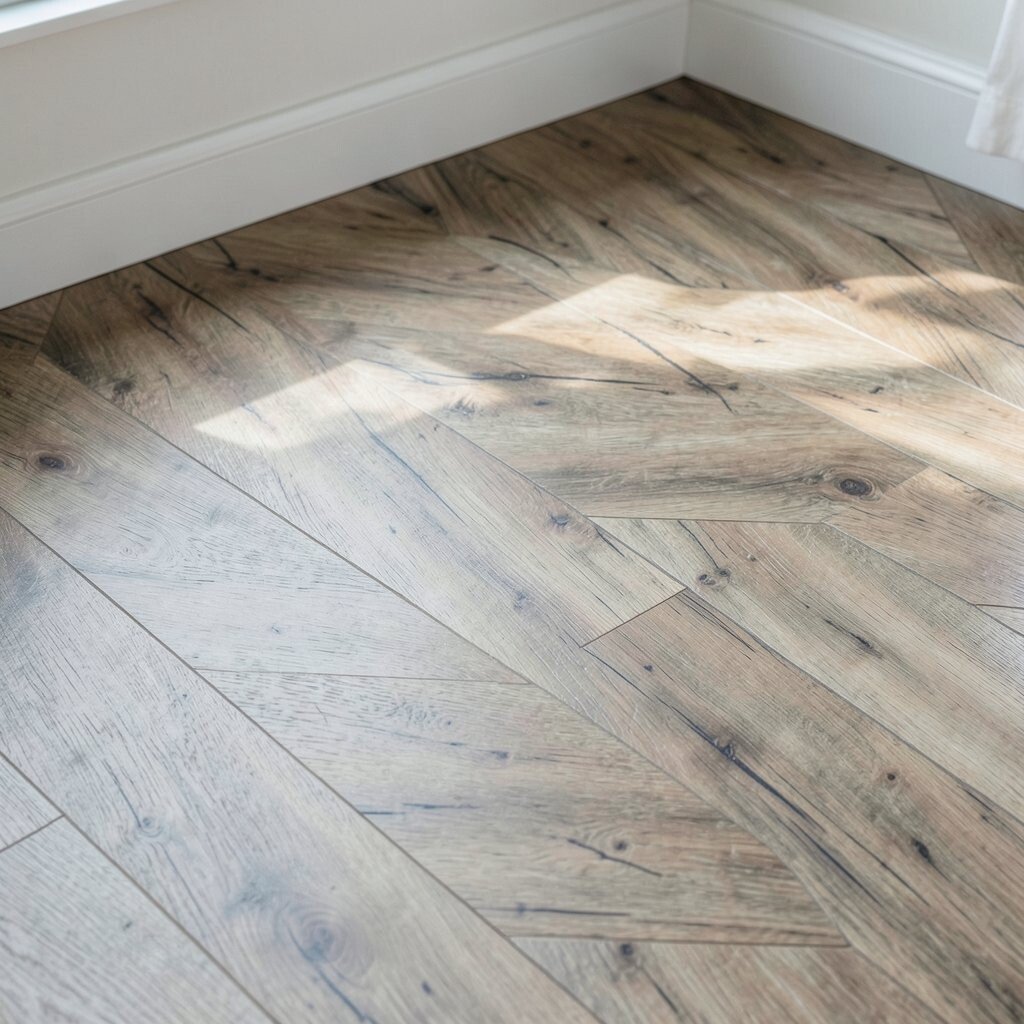
Imagine herringbone vinyl that looks like real wood from a few steps away. It’s the kind of floor that upgrades your room fast, without the stress of a major renovation.
This works well for rentals or for anyone who likes to change styles over time. For best results, prep the subfloor carefully, keep the room at stable temperatures, and press firmly along the edges.
Personalize it by choosing a colorway that matches your existing trim, like honey oak or cool gray. Vinyl costs less than many traditional installs, and you can often finish a room on a weekend.
7. Cement-Style Herringbone for a Trendy Loft Feel
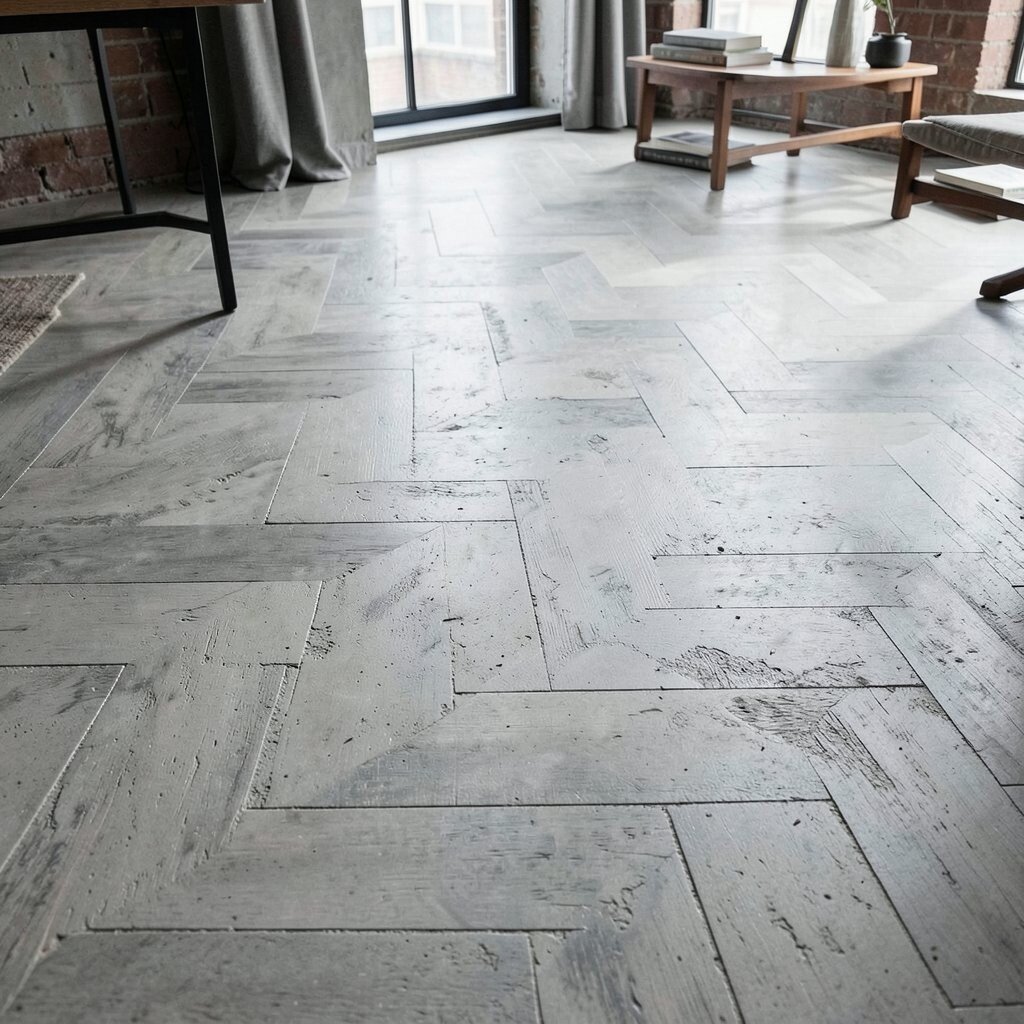
Picture herringbone floor tiles with a cement look, like they belong in an urban loft. The small variations in color make each section feel natural and lived-in.
This style fits contemporary homes and complements metal, concrete textures, and simple open shelving. To keep it practical, seal if the product recommends it and use a soft mop to avoid scuffs.
If you want extra charm, add a warm area rug in a complementary neutral. Cement-style herringbone can run mid-range, and choosing the right grout shade can make the look feel custom.
It’s also a great way to bring trend-forward visuals without changing your walls.
8. Herringbone Patterned Laminate With Realistic Grain
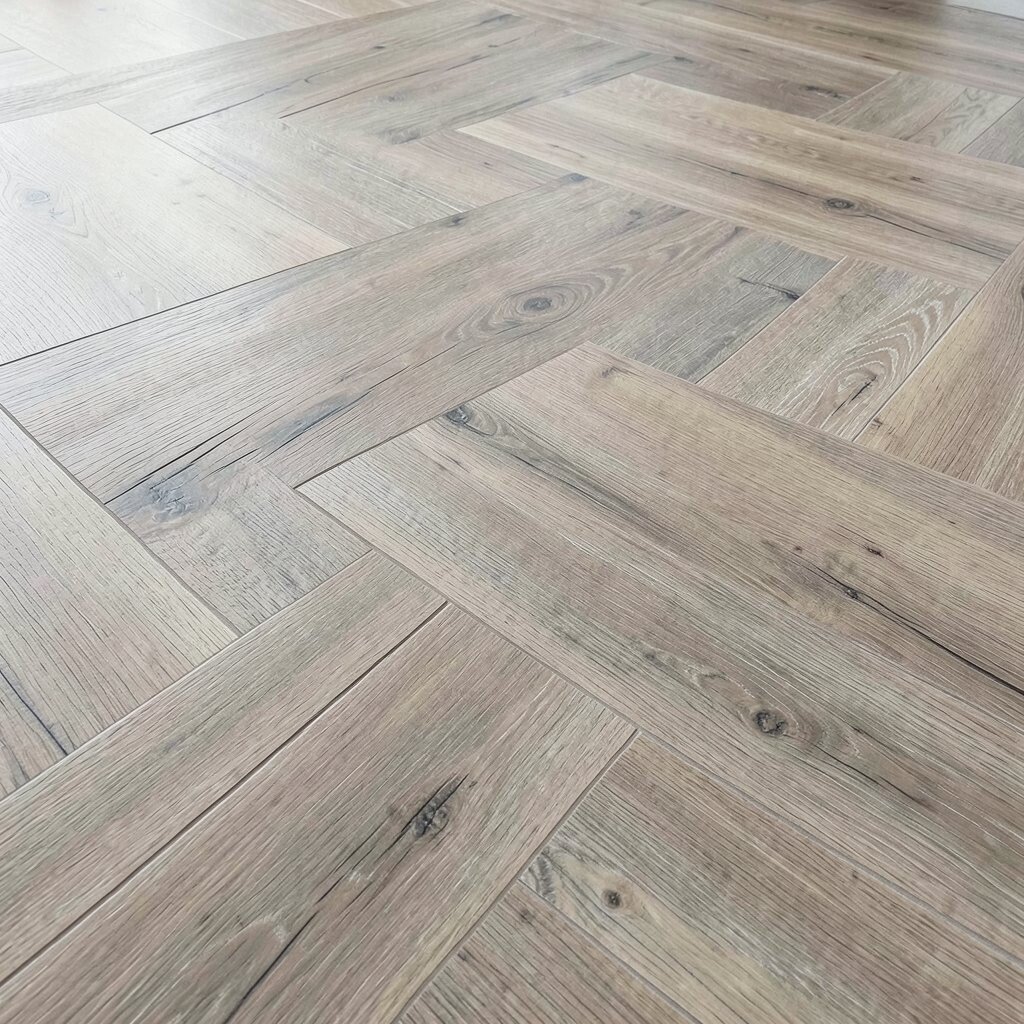
Imagine a laminate floor with detailed wood grain that still shows the herringbone pattern clearly. From a distance it looks crisp, and up close you get a surprising amount of texture.
This is a smart choice when you want the look of wood but need something easier to maintain. Choose a thicker wear layer for better dent resistance, especially if you have pets or heavy chairs.
9. Oak and Walnut Mixed Herringbone Layout
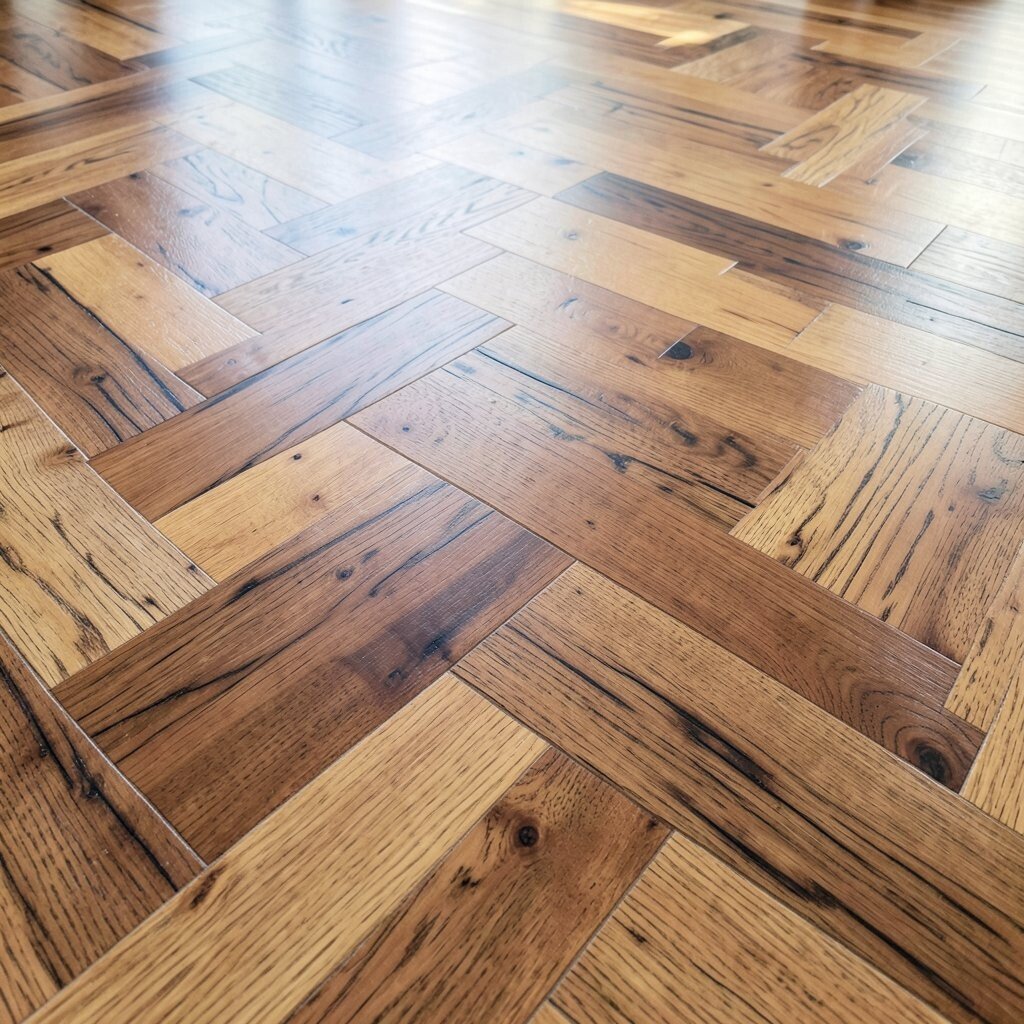
Picture alternating oak and walnut boards forming a herringbone rhythm that feels rich and intentional. The contrast makes the pattern pop without relying on flashy color.
You get uniqueness right away, because few floors look the same when two species are mixed. For practical results, use boards from similar thicknesses and match the sheen so the floor doesn’t look patchy.
Personalize the mix by going subtle with mostly oak and small walnut accents, or go bold with a more even split. Cost depends on materials, but you can control spending by limiting the darker wood to specific zones.
10. Small-Format Herringbone for a Cozy Entryway
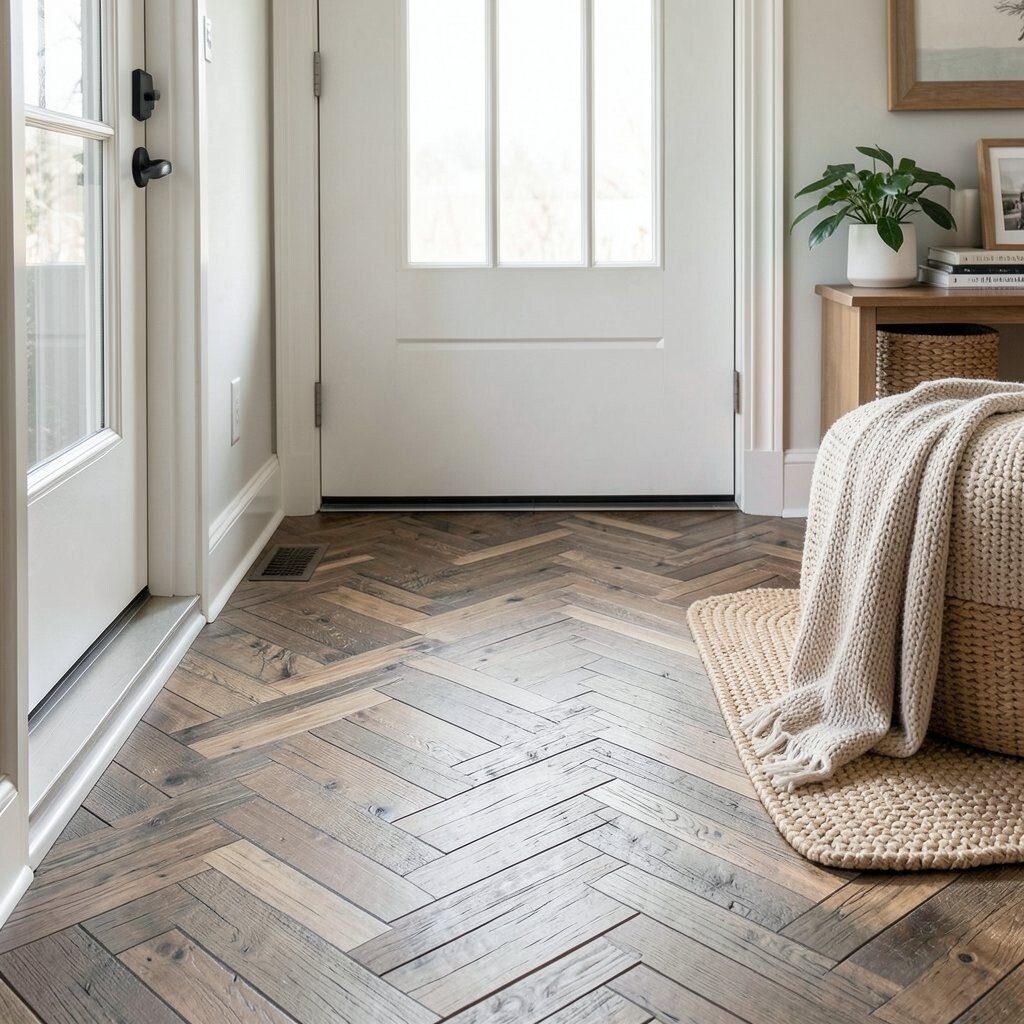
Think about smaller tile or smaller planks laid in herringbone at the front door. The scale helps the pattern read clearly in a tight space, and the floor becomes a warm welcome.
This idea is great because entryways take a beating, and shorter layouts can be easier to install around doorways. Choose a grout and seal plan that fits your cleaning habits, since entryway dirt shows up fast.
11. Herringbone With a Contrasting Border or Frame
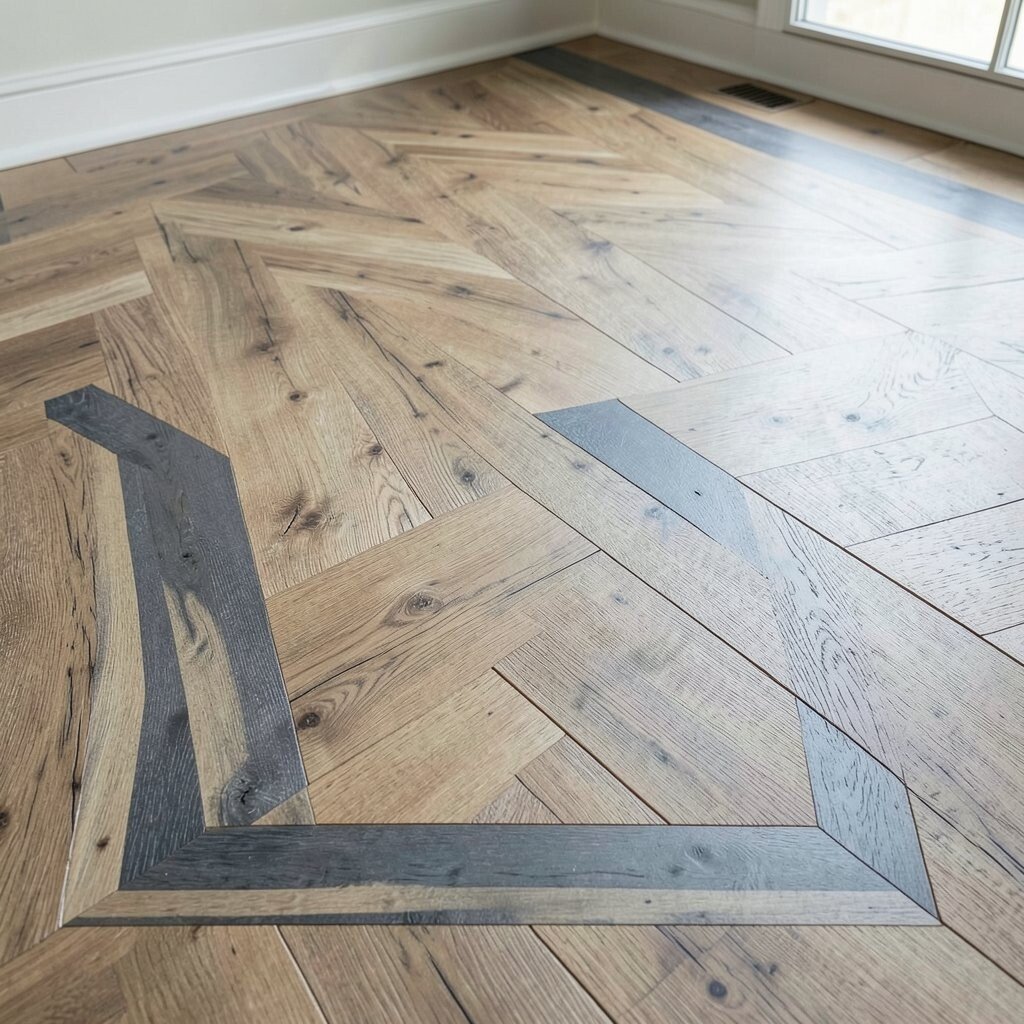
Imagine a calm herringbone field wrapped by a different material or shade. That frame effect makes your room feel finished, like there’s a design “signature” under the furniture.
You’ll benefit from the way borders visually guide the eye, especially in open-plan homes. For personalization, match the border to your cabinet hardware, window trim, or even a fireplace surround.
Cost can be higher if you add custom cuts or specialty trim pieces, but you can often keep it manageable by using one extra product line. This is a great option if you want uniqueness without fully custom work.
12. Pattern-Within-a-Pattern Herringbone With Inset Medallions
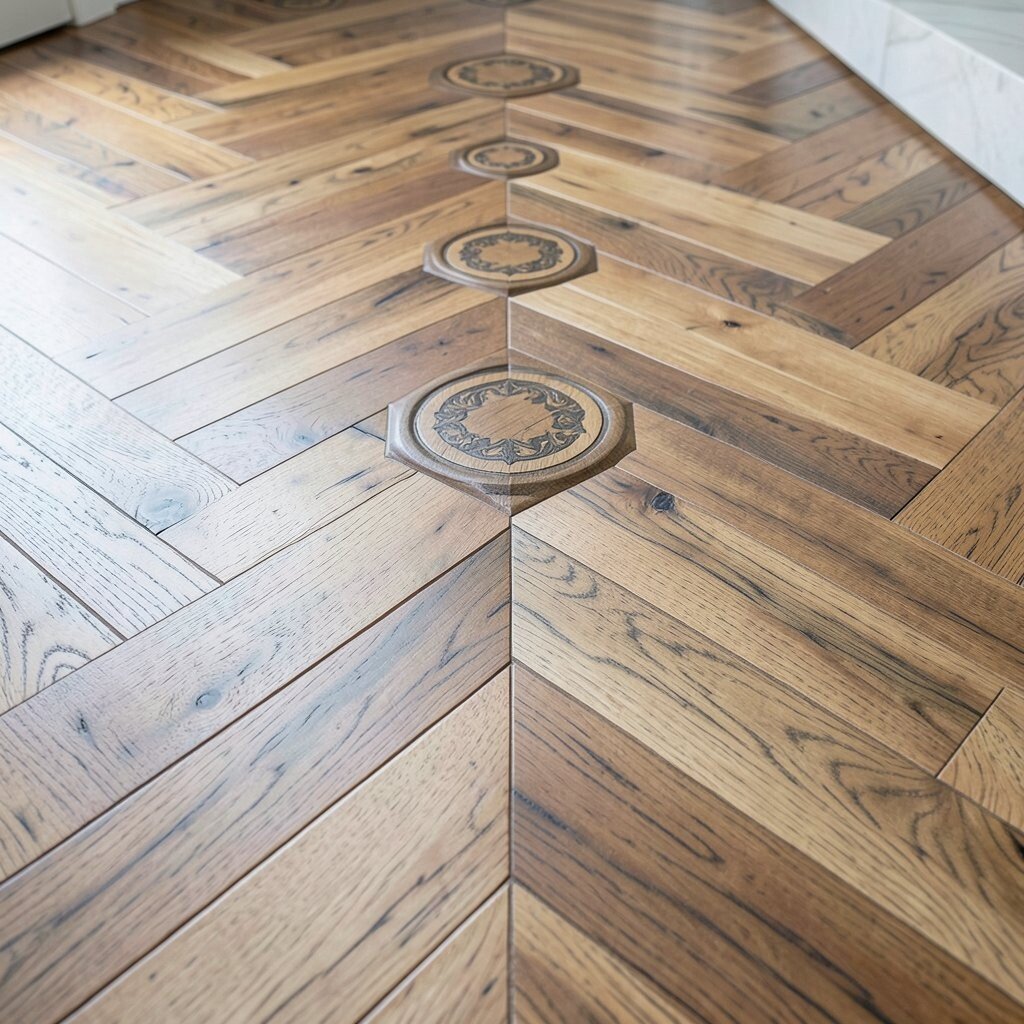
Picture a classic herringbone floor interrupted by a small inset medallion at the center. The result feels elegant, like a rug made of tile or wood.
This style adds personality and makes a room feel special for everyday life, not just holidays. For practical tips, keep the medallion simple in color and avoid high-gloss surfaces if you prefer low maintenance.
You can personalize by choosing the inset to match a nearby backsplash, shower tile, or hearth design. While medallions can raise cost, using a smaller feature or a prefabricated tile can keep the project more budget-friendly.
If your room is small, one inset near a focal point offers plenty of impact.
13. Two-Tone Gray Herringbone for Calm, Modern Interiors

Imagine gray herringbone boards that range from cool light tones to slightly deeper shades. The slight movement keeps the floor interesting without turning the room into a loud design.
This look pairs nicely with white walls, warm fabrics, and simple black accents. For best results, pick a consistent finish and seal the surface so spills wipe clean and don’t stain easily.
14. Herringbone Terrazzo-Look Tile for Playful Texture
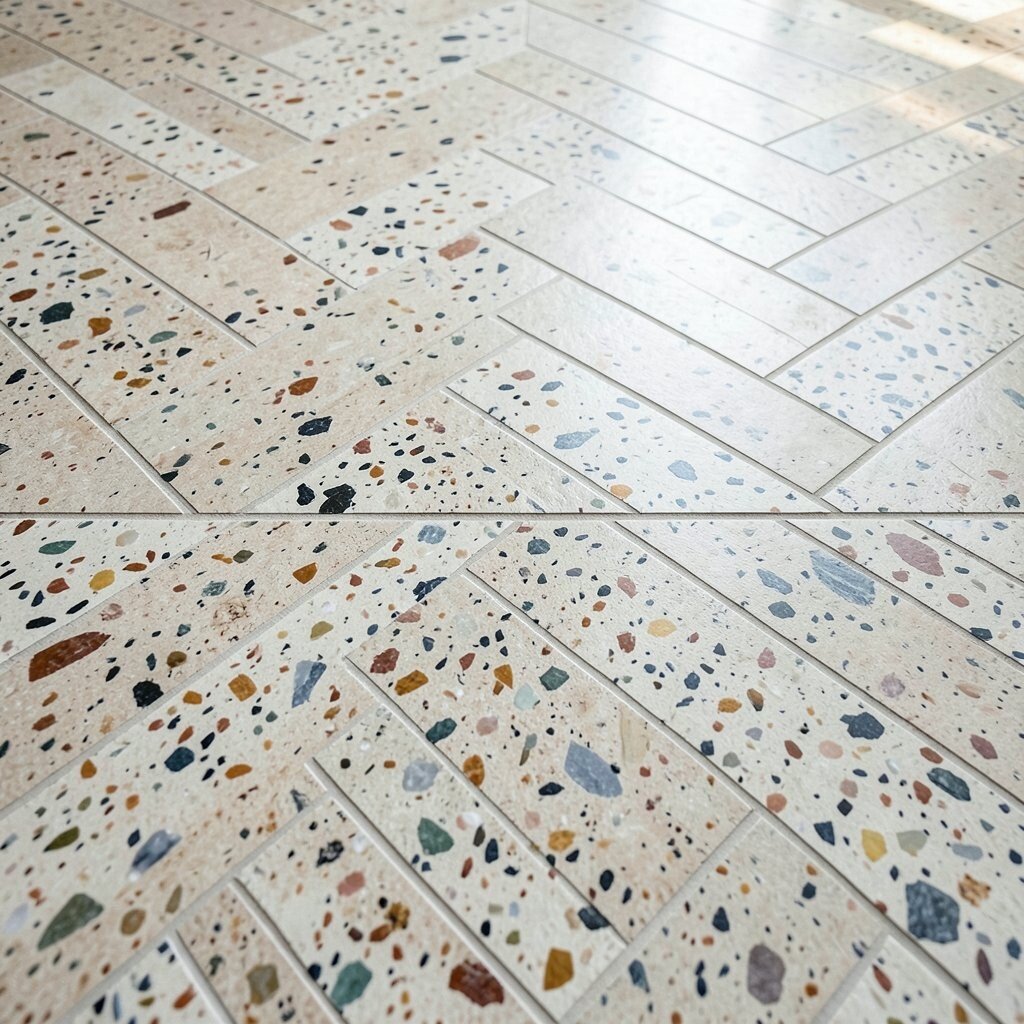
Think of terrazzo-style herringbone tile with speckles that feel fun and lively. The angled pattern adds even more depth, like the floor is always catching tiny sparks of color.
You get a unique look that stands out, yet it still works with neutral décor because the speckling does the visual talking. To keep it practical, use a grout and cleaner meant for the specific finish, and avoid harsh scrubbing pads.
Personalize it by choosing speckle colors that echo your curtains, art frames, or bar stools. Terrazzo-look options can vary in cost, but many are more affordable than true terrazzo while keeping a similar vibe.
15. Rustic Hand-Scraped Herringbone With Texture and Character
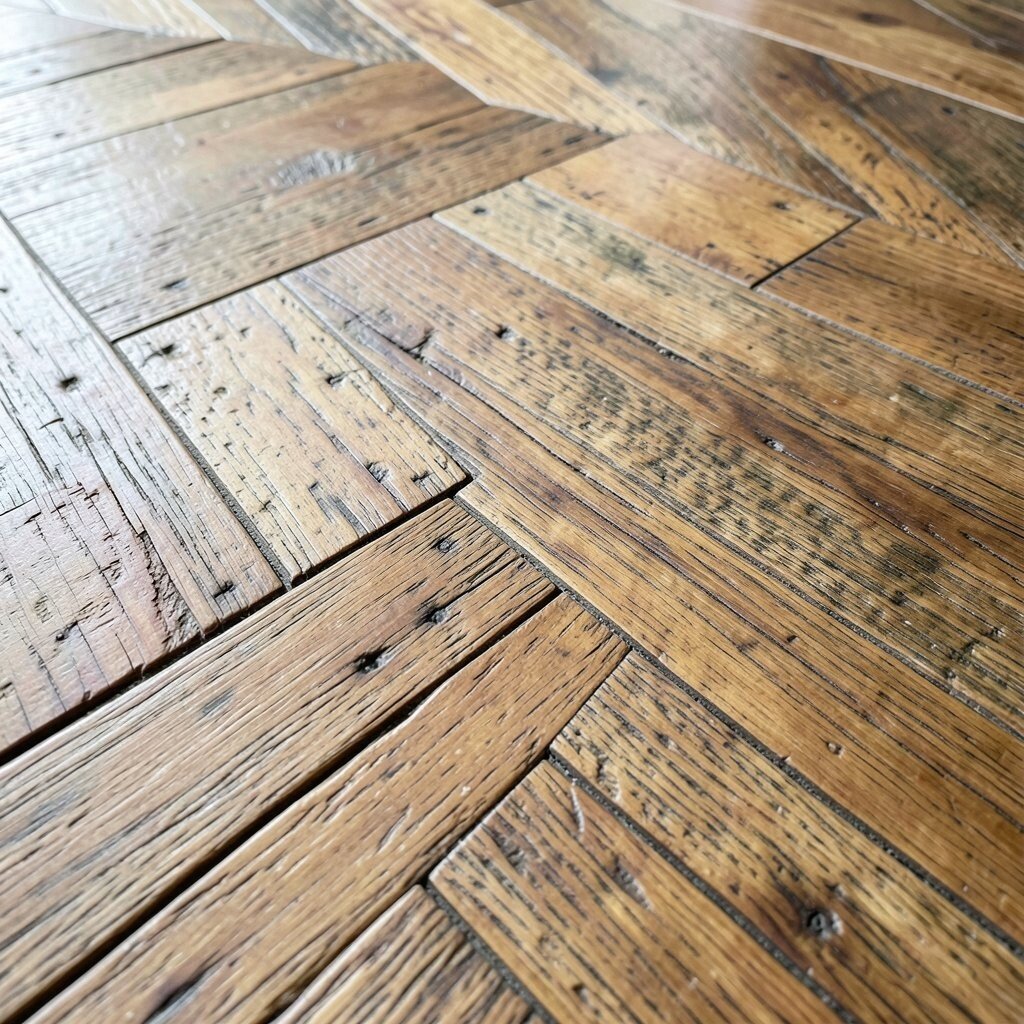
Picture hand-scraped wood herringbone with gentle ridges and natural-looking marks. The texture makes the pattern feel more organic and adds character even before you add any décor.
This style hides everyday wear better than ultra-smooth floors, which is a real-life benefit. For practical care, use a microfiber mop and avoid soaking the surface.
You can personalize with warm lighting, natural fibers, and a rug that brings in another earth tone. Rustic finishes can be mid-range, and buying prefinished planks often saves time and reduces mess.
16. Herringbone Flooring in a Wet Room With Waterproof Materials

Imagine a herringbone floor in a shower or wet room that stays crisp and clean. Using waterproof tile systems helps the pattern look neat even after long steam sessions and splashes.
You’ll appreciate the benefits of a unified look that ties the shower zone to the rest of the room. Choose a water-resistant underlayment, correct slope planning, and grout that can handle moisture.
17. Herringbone With Color-Pop Grout Lines
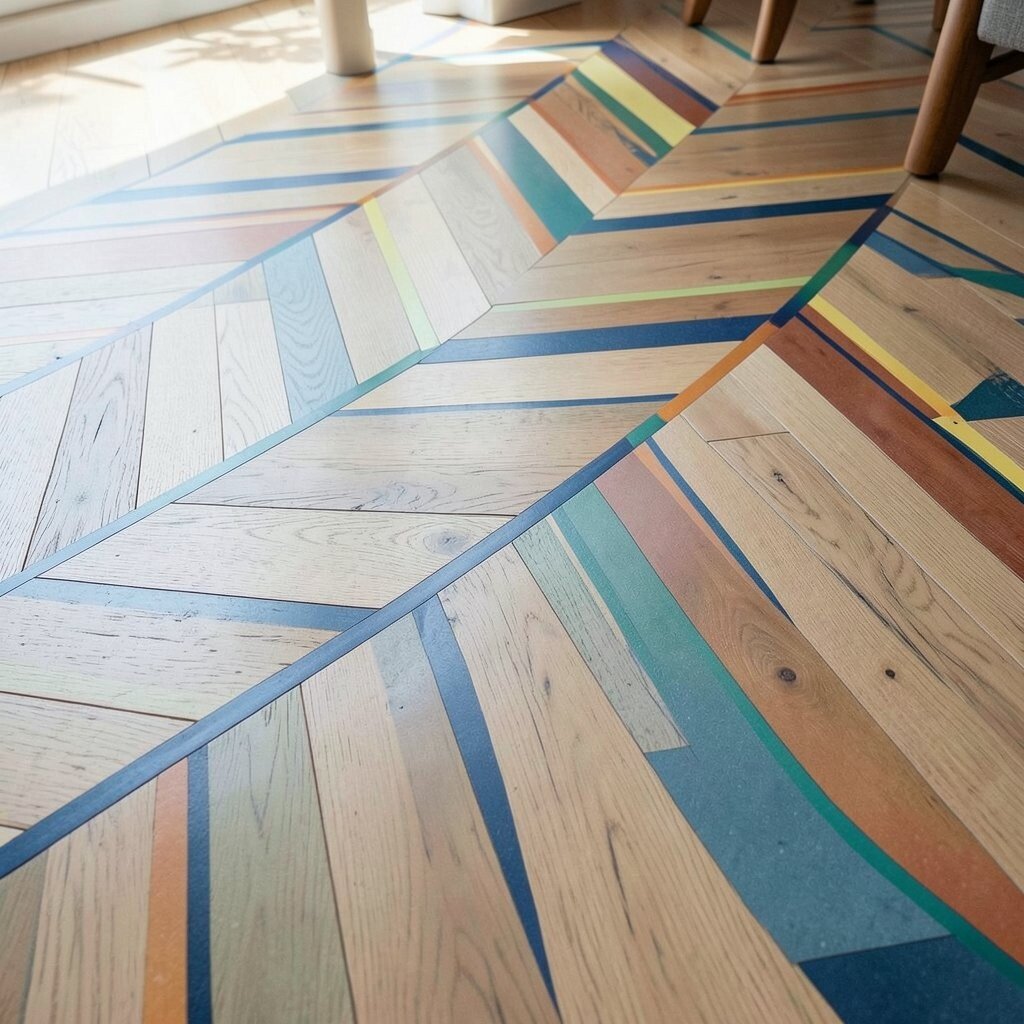
Picture a mostly neutral herringbone floor with grout lines tinted in a subtle accent color. The pattern becomes even more defined, so it looks crisp from every angle.
This is a fun way to add uniqueness without painting walls or buying new furniture. For practicality, pick grout that’s easier to maintain and keep your cleaning routine consistent so the color stays even.
Personalize the grout color to echo your backsplash, doorknobs, or countertop edges. Cost is usually reasonable because grout upgrades are often smaller line items than changing the entire flooring type.
If you’re unsure, try a sample in a hidden corner before committing across the whole room.
18. Warm Off-White Herringbone for a Scandinavian-Inspired Home
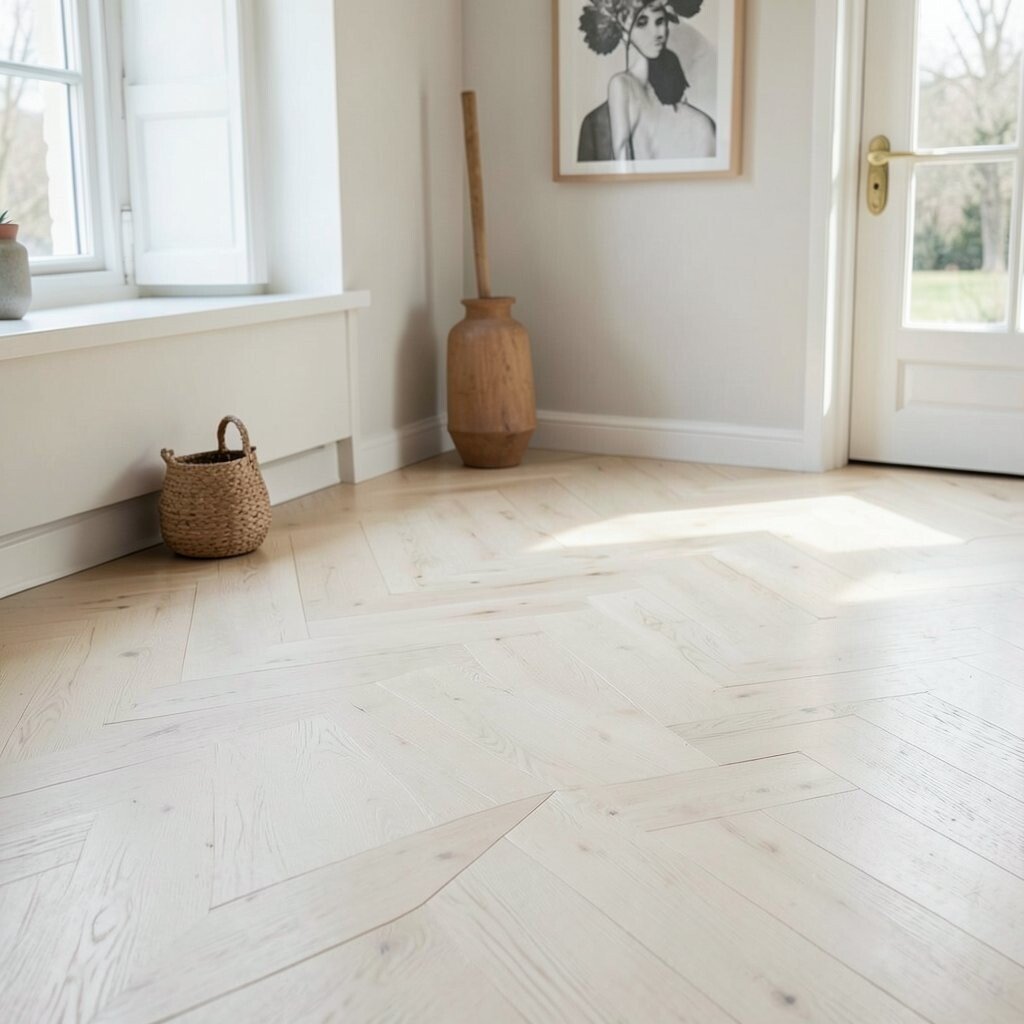
Envision off-white herringbone that feels bright, cozy, and quietly modern. The angled pattern gives structure to minimal rooms while still keeping the palette soft.
This style pairs beautifully with light woods, knit textures, and simple greenery. For practical tips, choose a finish that resists scuffs and wipe up spills quickly since lighter tones show mess sooner.
Personalize it with layered rugs, light curtains, and understated accessories in black or soft brown. Depending on the material you choose, off-white herringbone can fit a range of budgets, especially if you select standard plank sizes and avoid specialty cutouts.
The result feels welcoming every day, not just on design days.