Herringbone floors have a way of making even simple rooms feel special. They add movement, warmth, and a design story you can feel under your feet.
From classic and cozy to bold and modern, the pattern works with many home styles. With a few smart choices, you can make the look match your life and budget.
1. Classic Oak Herringbone for Timeless Warmth
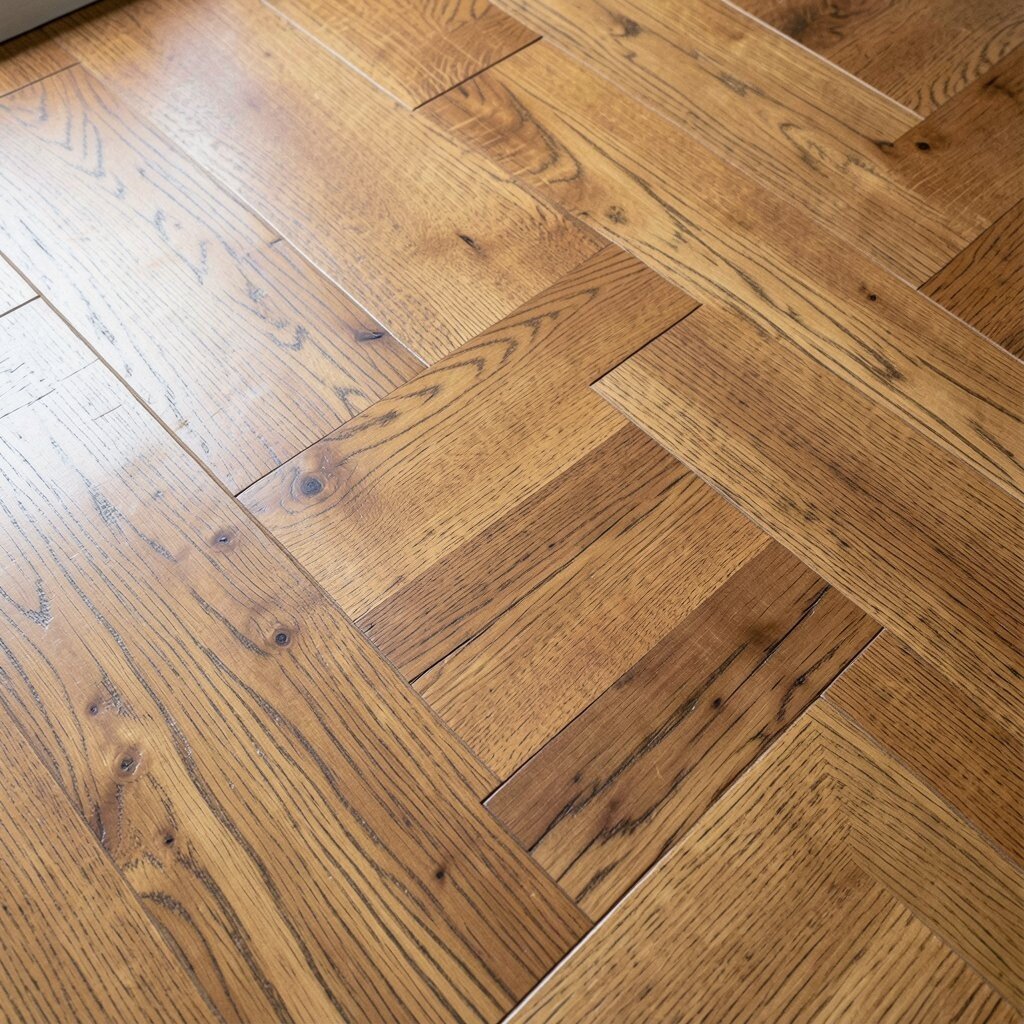
A golden oak herringbone floor looks like it was made for everyday living. The angled lines catch light as you walk, so the room feels brighter and more welcoming.
Oak stays practical for busy homes because it handles daily scuffs better than many softer woods. Choose a matte or satin finish to reduce glare and make the grain look richer. Keep furniture legs and rugs simple so the pattern stays the star, and vacuum with a soft attachment to protect the surface.
2. Whitewashed Herringbone for Airy, Modern Rooms
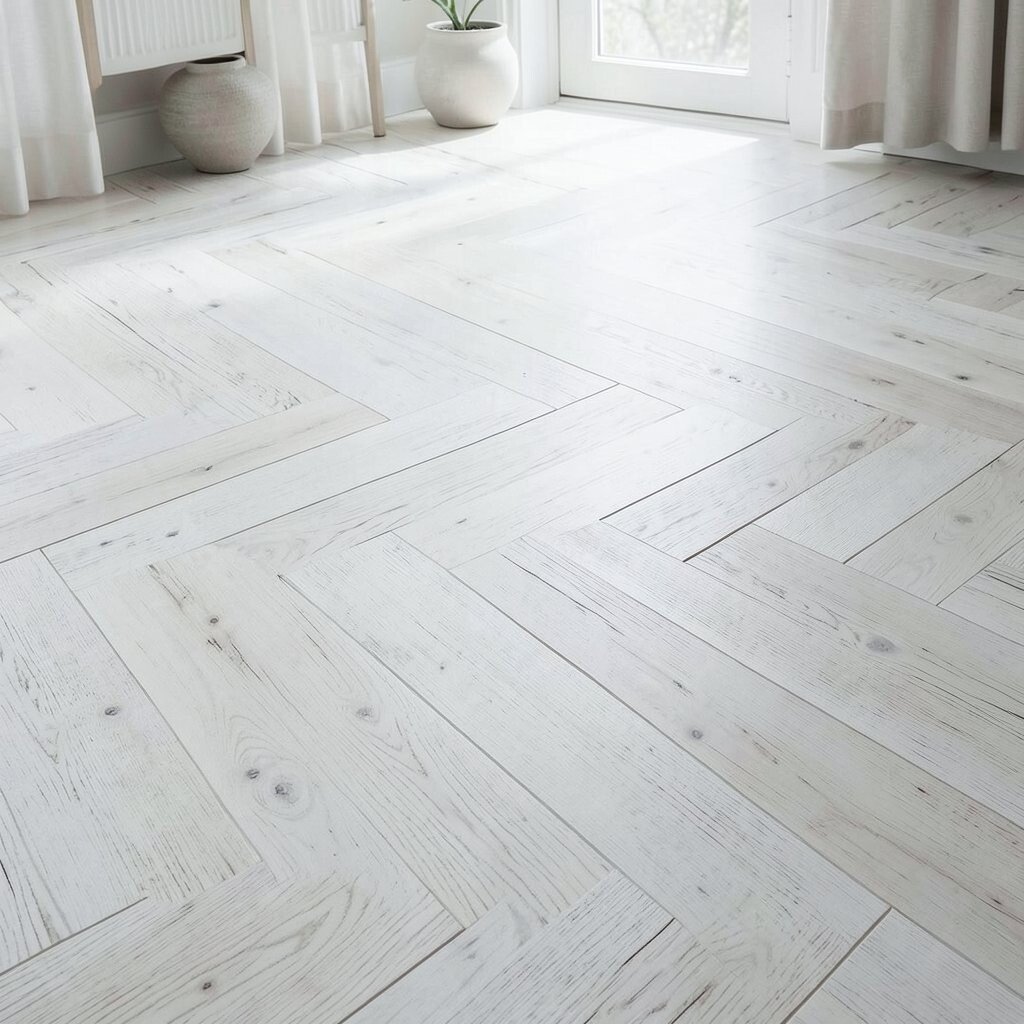
A whitewashed herringbone floor makes walls feel taller and spaces feel calmer. The pattern still shows strong detail, but the soft color gives the room a clean, airy mood.
This look pairs nicely with light gray, crisp whites, and black accents. Use a water-based finish and keep spills wiped quickly so the pale surface stays fresh. For personalization, add a chunky textured rug that brings cozy contrast without fighting the pattern.
Budget-wise, whitewashing can be done with specific stains and finishes, which may cost less than full specialty flooring. If you want the same vibe without high cost, consider selecting wider planks within the herringbone layout. Make sure subfloor is smooth so the small pattern lines sit evenly.
3. Deep Walnut Herringbone for a Luxury Glow
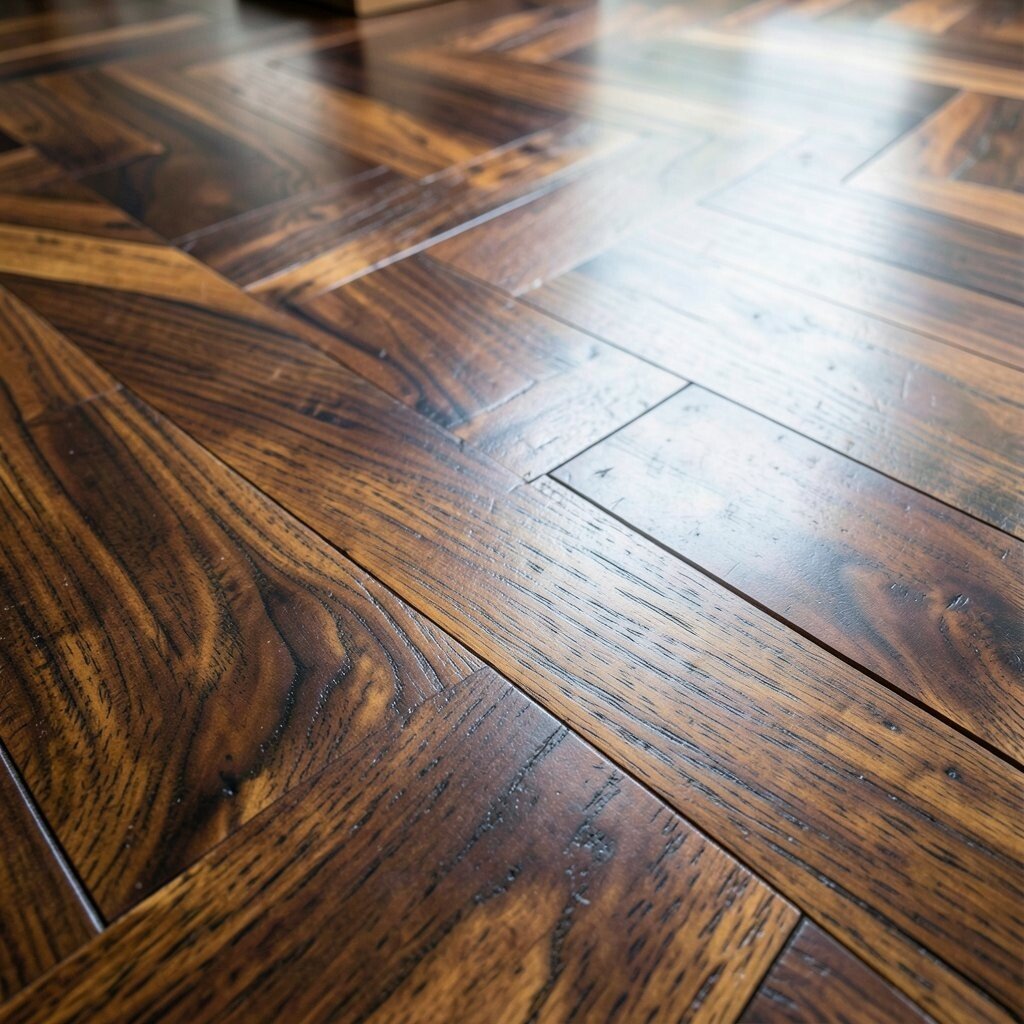
Deep walnut herringbone brings a dark, rich glow that feels like high-end design. The V-shape pattern creates depth, so corners and doorways look more dramatic.
Walnut tends to hide wear better because the tone blends scuffs into the grain. Pair it with warm lighting, like amber bulbs, to make the floor feel cozy rather than heavy. Keep baseboards simple and paint them a matching warm neutral to create a seamless look.
If you love a more formal feel, choose a slightly longer plank length to emphasize the pattern lines. Expect higher material cost than lighter woods, but the overall effect is bold and durable. For practicality, use protective felt pads and a gentle cleaner made for wood floors.
4. Two-Tone Herringbone With Natural and Stained Sections
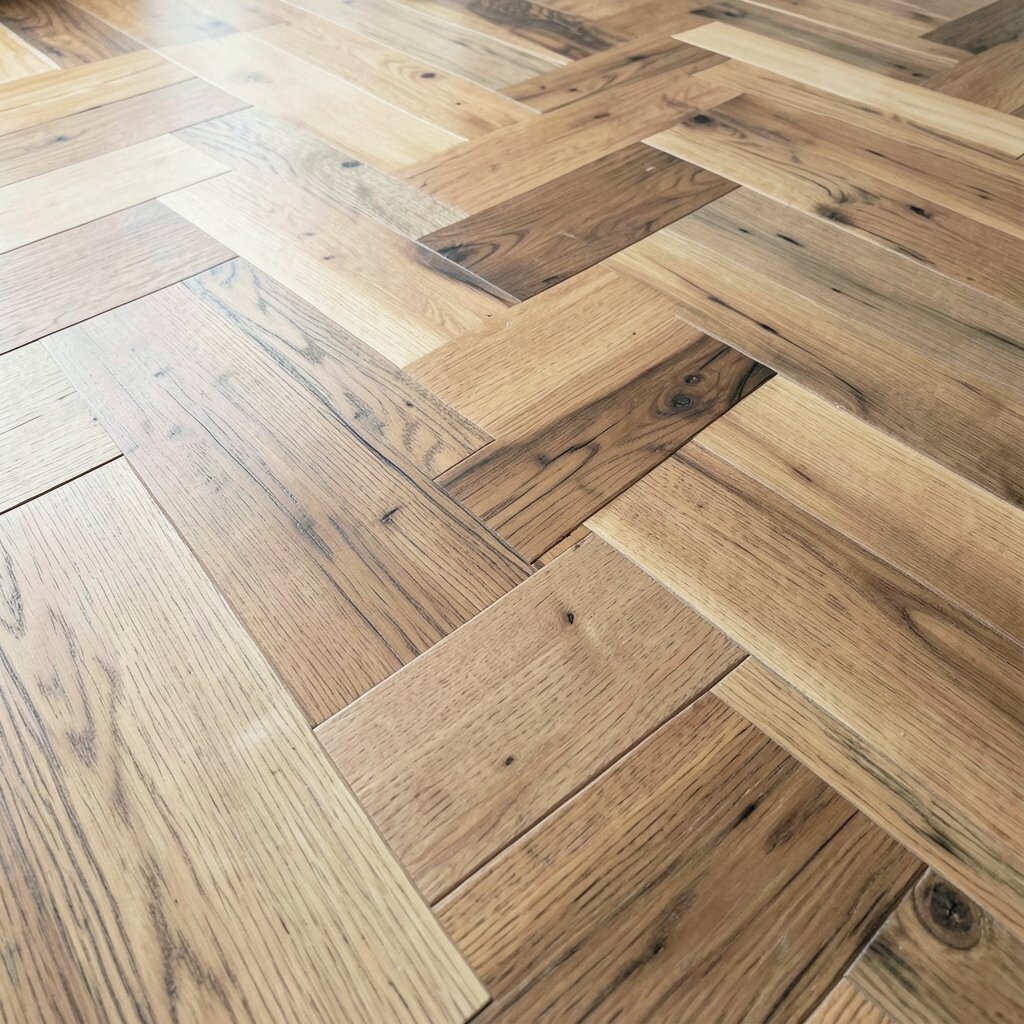
Two-tone herringbone looks like art because it mixes warm natural tones with deeper stain. You can create contrast by alternating finished sections or using a second wood shade in a few runs.
The benefit is that you can define zones, like a dining area or entry path, without adding walls. For a realistic DIY-friendly approach, ask your installer to map the alternation pattern before any boards go down. Keep the surrounding walls in a calm color so the floor colors stay balanced.
5. Small-Scale Herringbone for Cozy Hallways
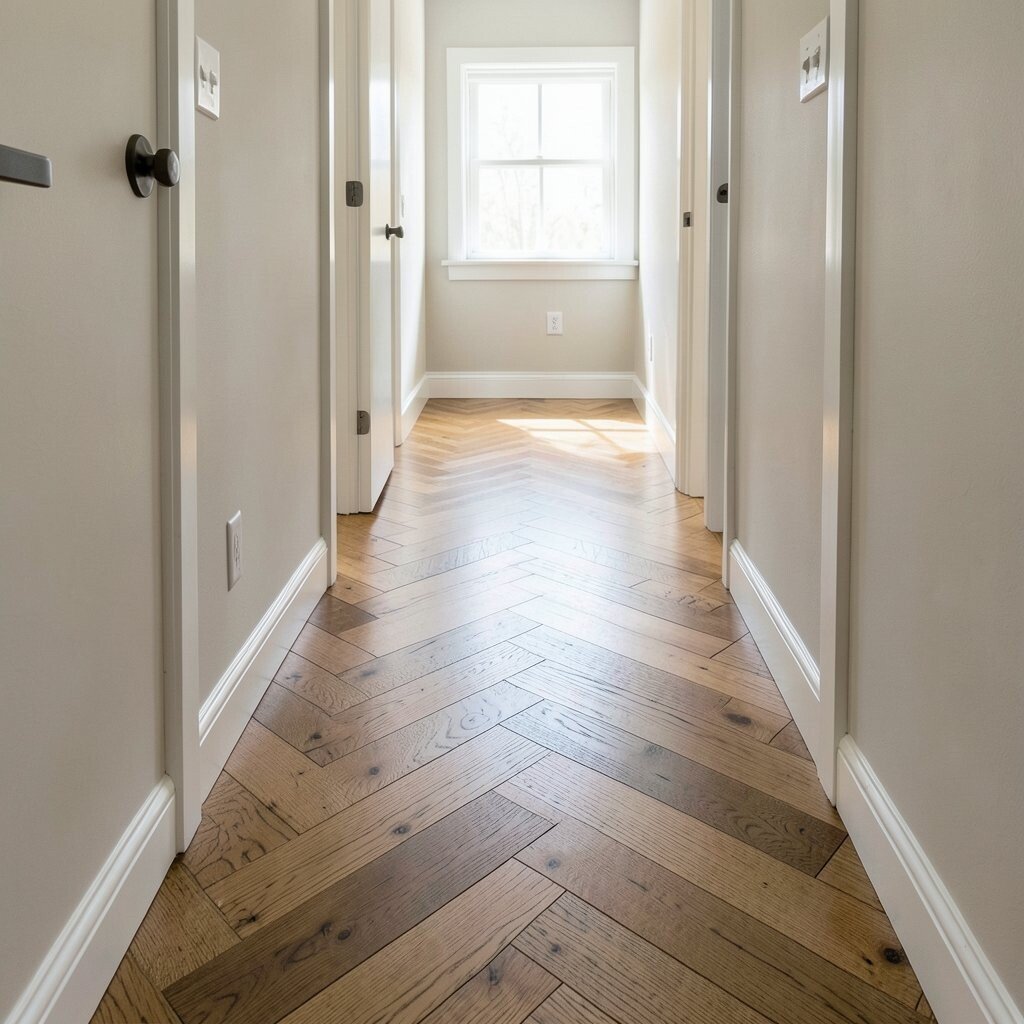
A smaller herringbone pattern can make a hallway feel inviting instead of narrow. The tight zigzag lines guide the eye forward, and that visual flow helps the space feel longer.
This works especially well in homes where you want style in a high-traffic area. Choose durable topcoats and plan for easy maintenance with a routine that includes dry sweeping and a lightly damp mop when needed. For personalization, add a runner that matches the wall color, then stop it slightly before the first room to show off the floor.
If cost is a concern, small-scale layouts can reduce waste when paired with careful measurements. Ask about trimming allowances and how your installer handles corners. Buying extra boards for pattern matching is usually worth it to avoid mismatched runs.
6. Wide Plank Herringbone for Grand, Open Spaces
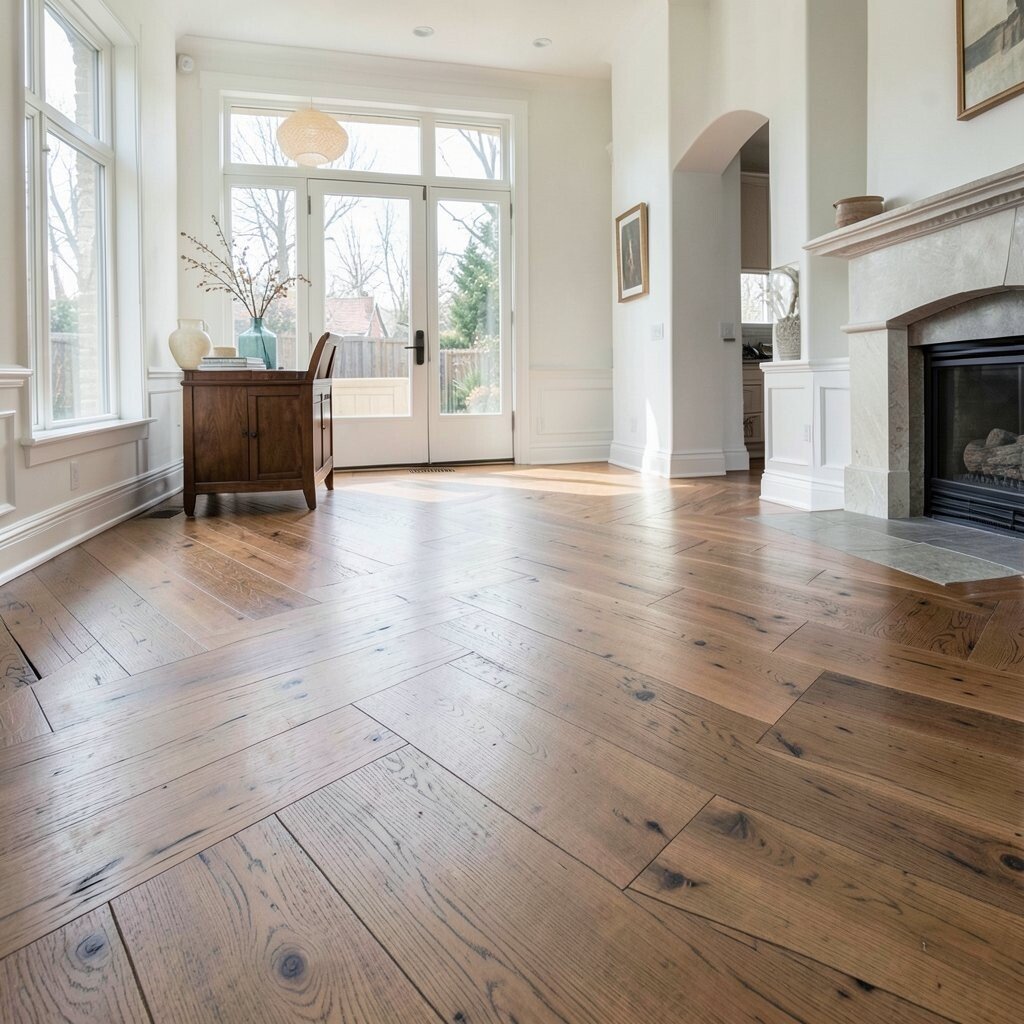
Wide plank herringbone gives a room a more open and upscale feel. Each board becomes a canvas, and the angled pattern reads clearly from across the space.
This style is great for living rooms and open-plan kitchens where you want the floor to anchor everything. It can also make the ceiling feel higher because the lines look larger and calmer. Keep cabinetry and wall lines simple so the floor stays clean and modern.
Wide planks may cost more due to board size and availability, but they can reduce the need for extra pieces. When shopping, confirm the wood has enough consistent grain for the wide format. Installing with careful spacing helps the boards expand and contract without gaps.
7. Herringbone With Matte Black Streaks for Bold Contrast

For a dramatic look, consider herringbone with dark accents that feel like subtle streaks. The contrast makes the pattern pop, especially in rooms with modern lighting.
You get visual energy without needing bright colors, and that’s why it works in many styles. Pair it with a warm white wall or light stone so the black tones feel intentional. For personalization, choose a rug with simple geometry that echoes the zigzag shape.
8. Light Birch Herringbone for Scandinavian Calm
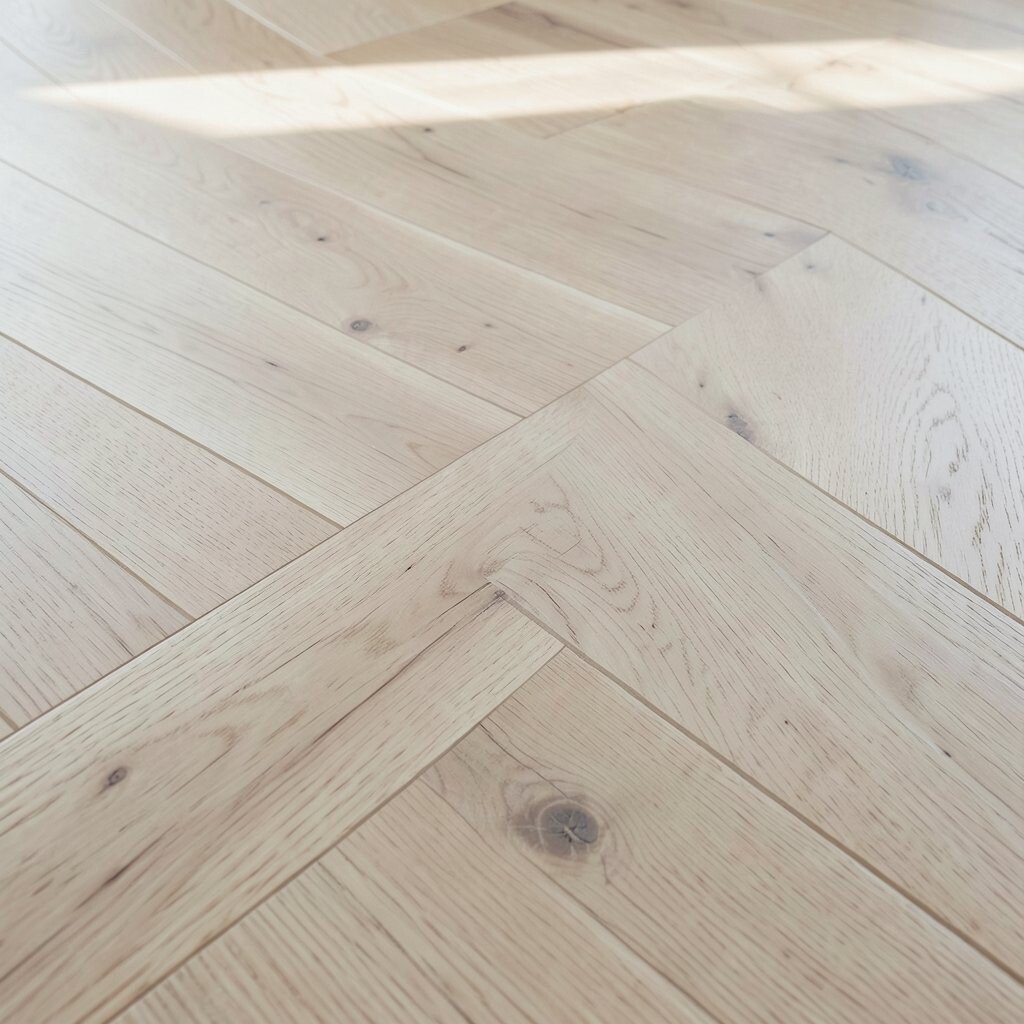
Light birch herringbone brings a clean Scandinavian vibe with a soft, natural grain. The floor looks bright even in shade, and the pattern adds gentle structure.
This option is a good fit for homes that want airy design with a cozy feel. Birch can be an excellent choice when you want a lighter wood without going too pale. Keep it simple with pale wood furniture and add a few textured pieces like wool throws or linen curtains.
When thinking about cost, birch can be a mid-range choice compared with premium hardwoods. A durable finish matters most here because light floors show grit and dust more easily. Use entry mats and schedule regular sweeping to keep it looking fresh.
To personalize further, choose a slightly warmer stain than you think you need. The extra warmth helps the grain look lively, especially under natural morning light.
9. Herringbone Engineered Wood for Stable Installation
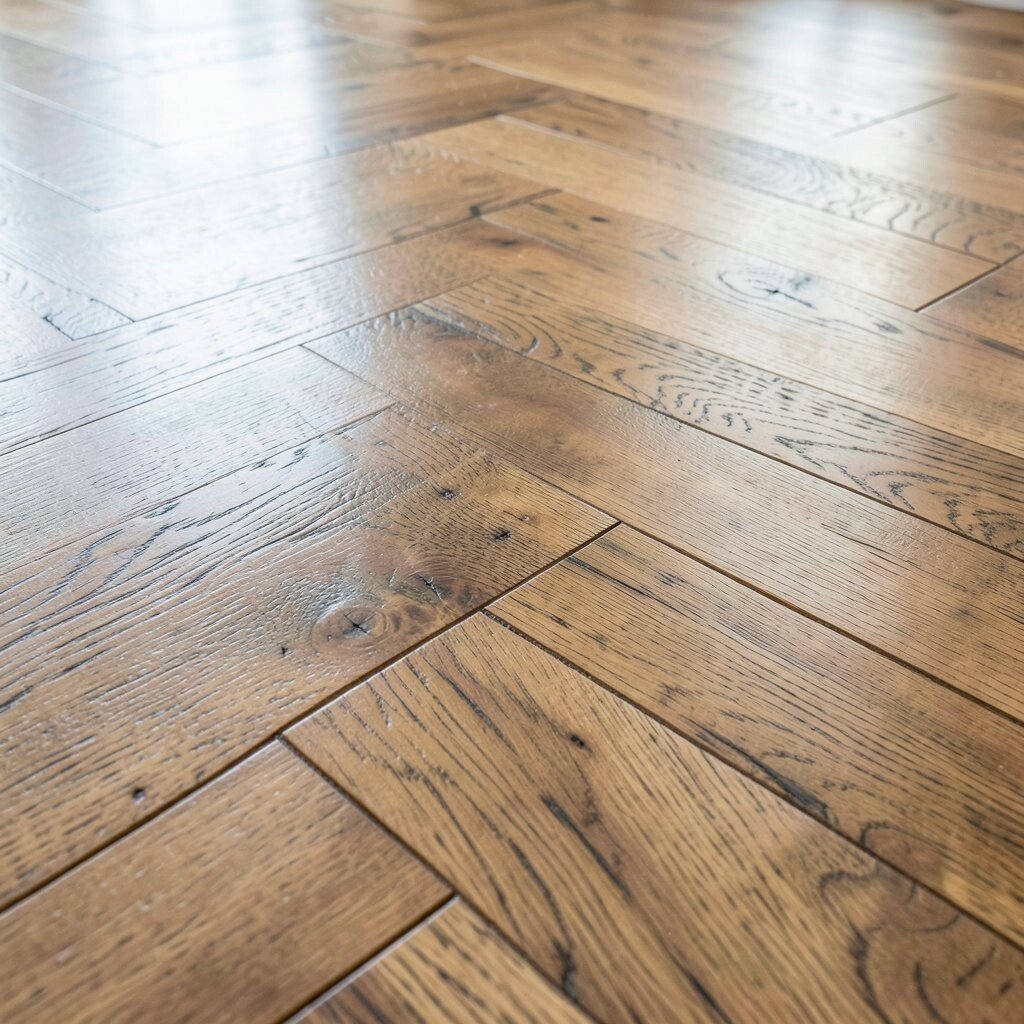
Engineered herringbone floors help you get the look with strong stability. They’re built in layers, which can handle changes in humidity better than solid wood in some homes.
This means fewer worries about expansion gaps, especially in basements or near big windows. Choose a quality wear layer so the floor remains beautiful for years. Ask about warranty terms and confirm how the system is meant to be installed for your subfloor type.
If you’re trying to control cost, engineered wood often gives you a higher-end look for less than some solid options. You still get that sharp pattern and the satisfaction of real wood texture. Add a felt pad set and use a hardwood-friendly cleaner to keep the finish safe.
10. Herringbone With Hand-Scraped Texture for Depth

A hand-scraped herringbone floor feels natural and full of character. The texture adds small shadows in the grain, making the zigzag pattern look even more dimensional.
This is a smart choice if you want the floor to hide everyday wear like light scratches. It can also make a room feel more rustic while staying stylish and clean. Pair it with warm metals like brushed brass or matte bronze to keep the look grounded.
Cost can vary because scraping is a finish process that may raise price a bit. Still, you may save money by choosing a mid-grade wood that looks richer with texture. When caring for the floor, avoid harsh wax buildup and stick to manufacturer-approved maintenance.
11. Herringbone in a Narrow Entry With Built-In Storage
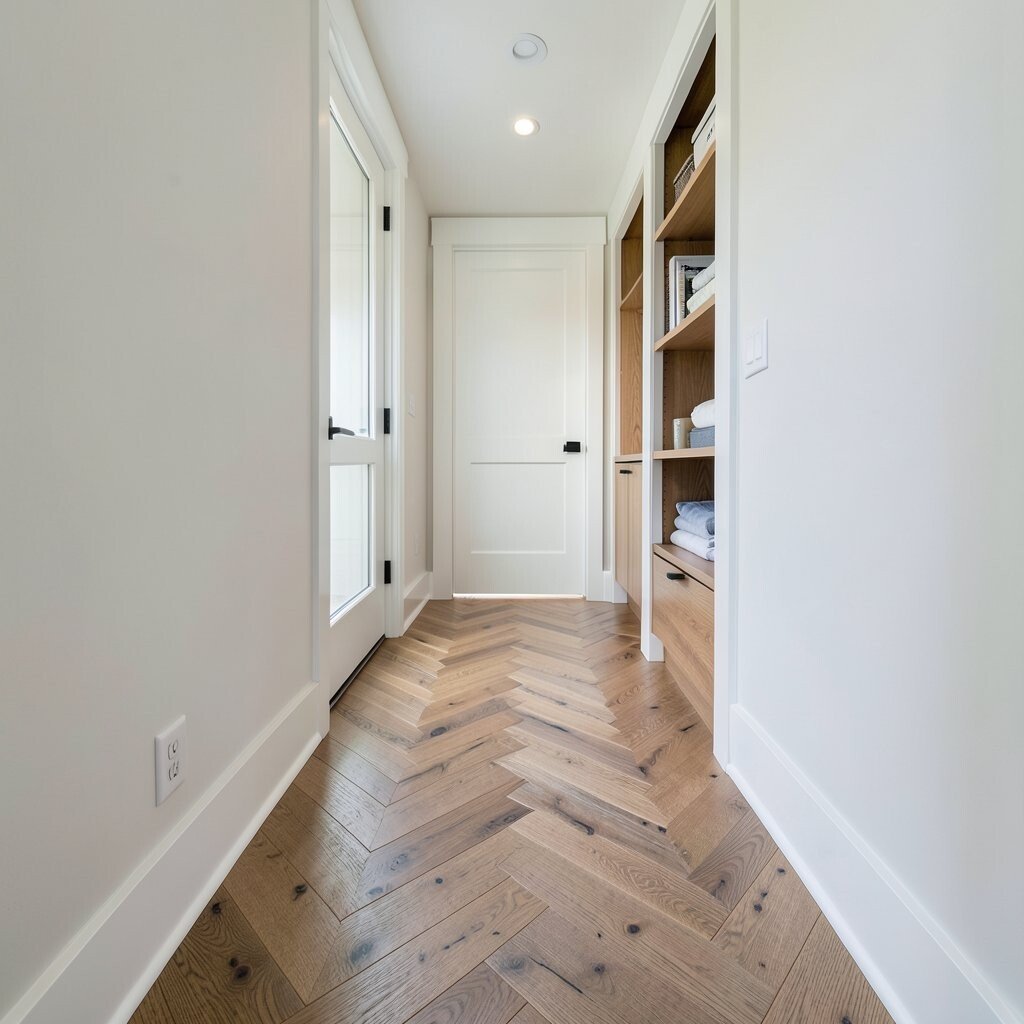
When your entryway is small, a herringbone floor can add instant interest. The pattern frames your front door and makes the space feel designed, not accidental.
Use durable boards and plan for frequent cleaning since this area collects grit. Add a storage bench or cabinets that echo the floor’s warmth, and keep hardware finishes consistent. For a practical personalization, choose a boot tray that prevents moisture from reaching the wood.
12. Herringbone Over Radiant Heat for Cozy Comfort
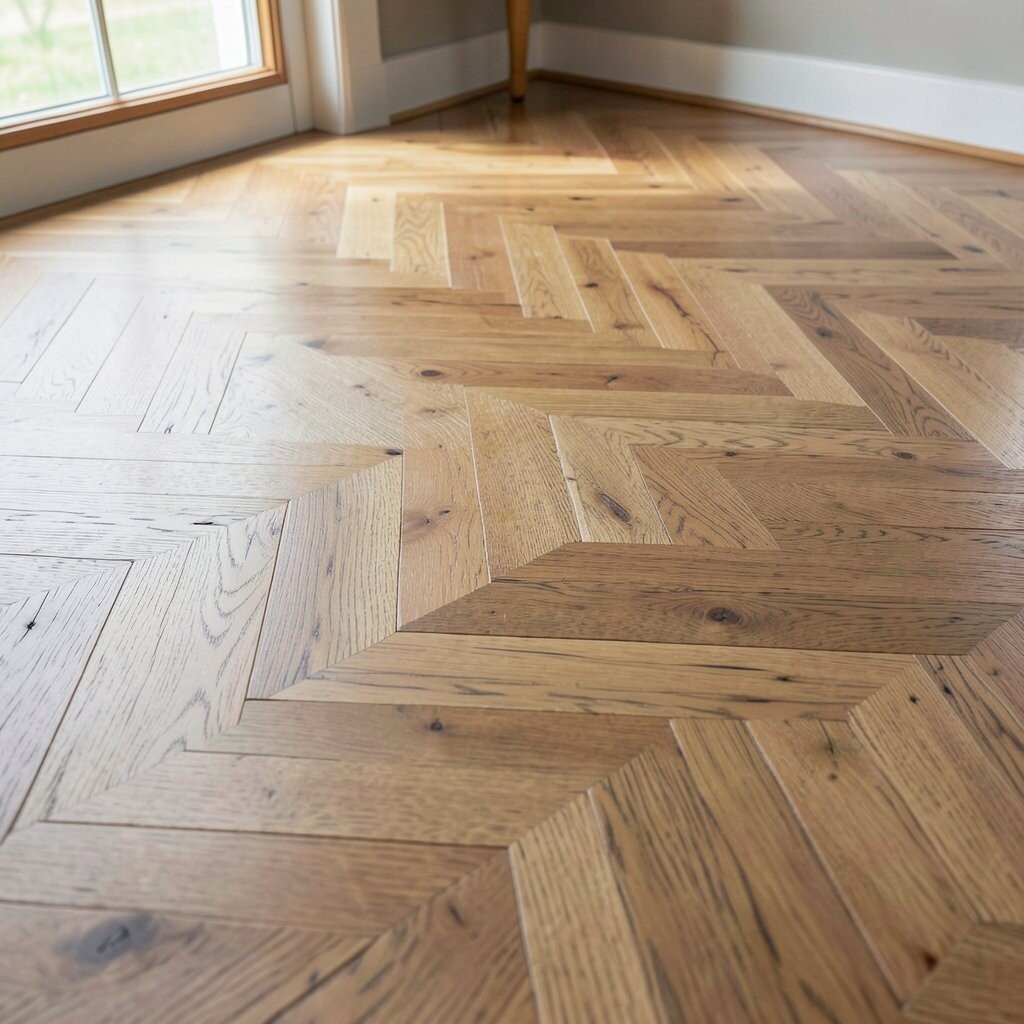
Herringbone floors can feel extra comforting when paired with radiant heat. The pattern stays warm underfoot, and it makes a chilly room feel welcoming in minutes.
This setup can be great for kitchens, bathrooms, and living rooms where comfort matters. Choose an engineered wood product rated for radiant heat and confirm installation steps with your contractor. Use a thermostat and keep temperature changes gradual so the wood behaves well over time.
Cost depends on the system and installation, but the comfort upgrade is often worth it. Think about insulation under the subfloor to improve heat efficiency. Pair the warmth with a soft rug that doesn’t trap too much heat in one spot.
13. Herringbone Stair Landing With Matching Steps
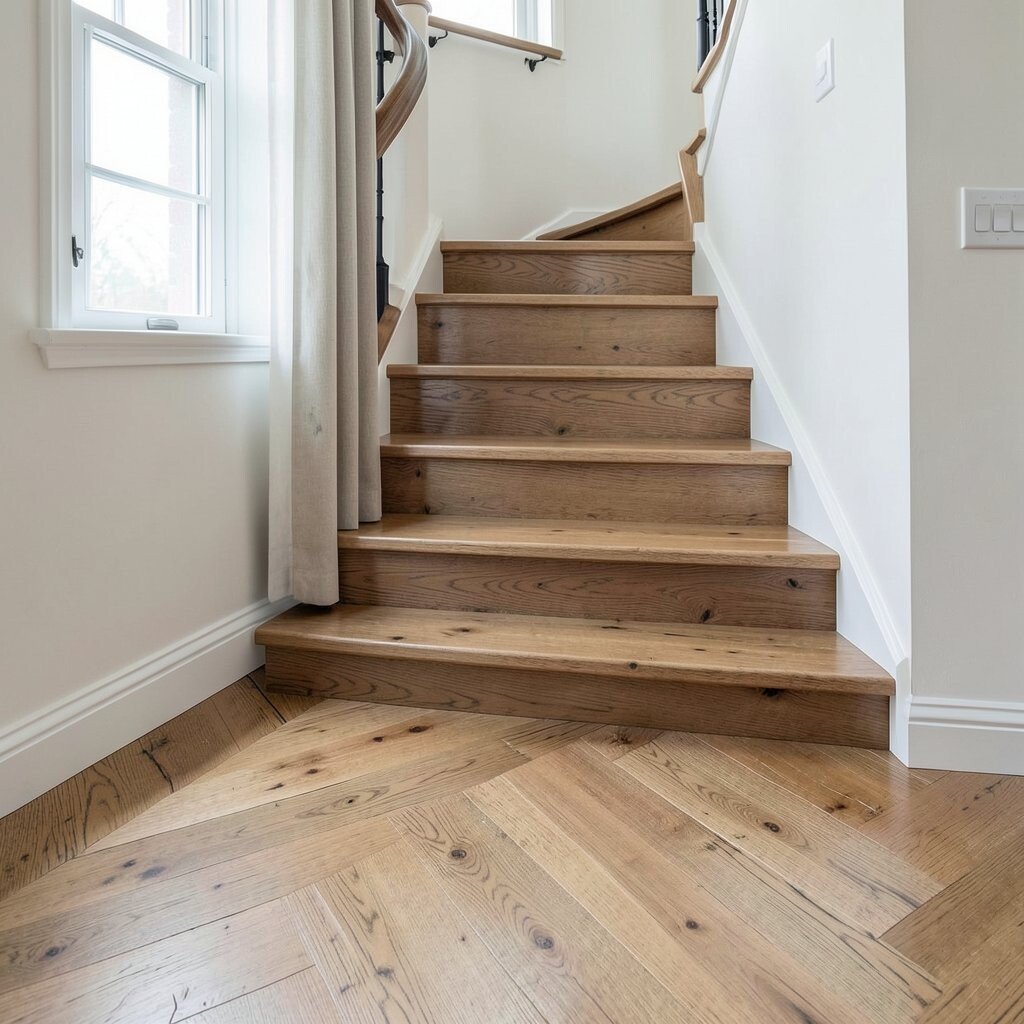
Matching herringbone flooring on stairs and landings creates a smooth visual path. Instead of breaking up design, the pattern can guide the eye up and down the home.
The biggest benefit is cohesion, especially when you have open railings. Use slip-resistant finishes on treads and pick a stain that matches the floor tone closely. For personalization, you can add a contrasting stair border that still respects the herringbone geometry.
Expect extra cost for stair installation because it requires careful cutting and finishing. Still, the payoff is huge since stairs are one of the most visible surfaces in daily life. Work with an installer who has experience with stair transitions so the lines stay crisp.
14. Herringbone With a Subtle Gray Smoke Stain
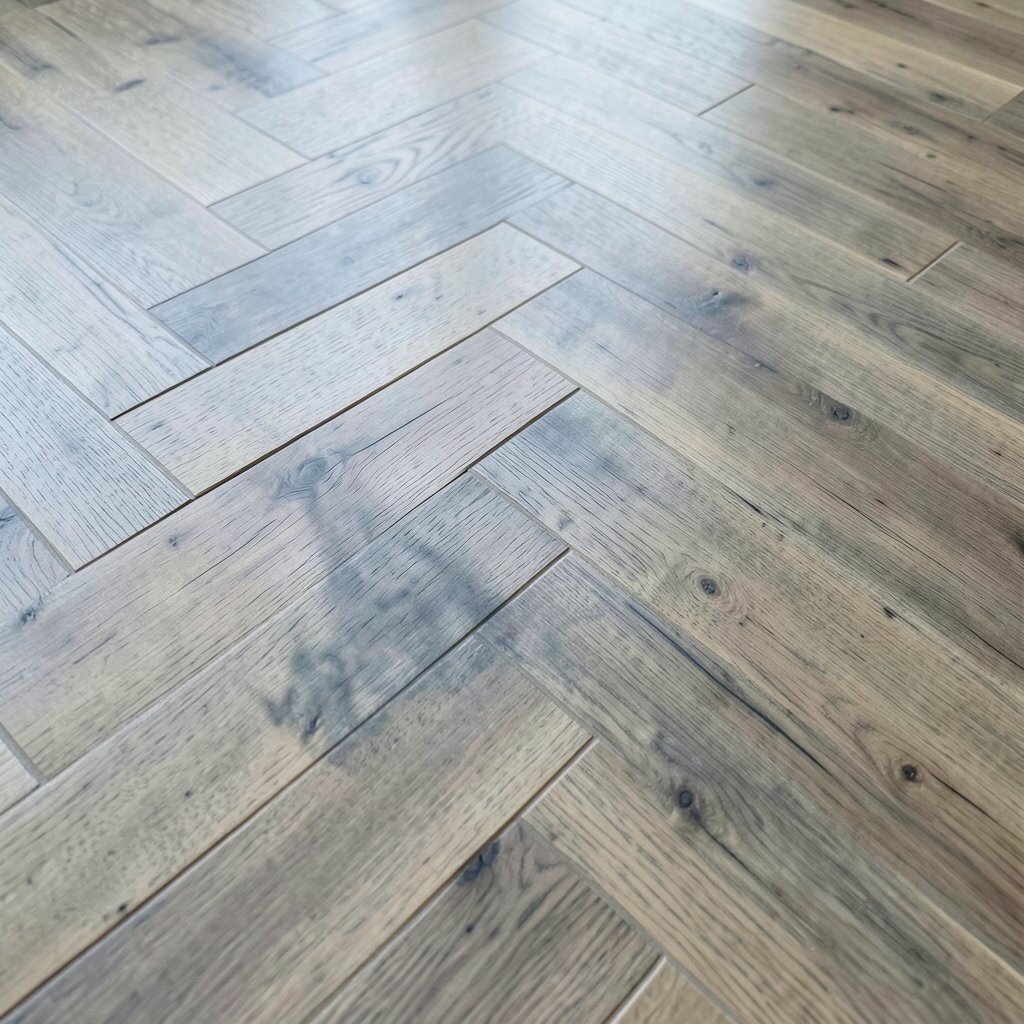
A gray smoke stain over herringbone gives a soft, modern look without feeling cold. The zigzag pattern adds structure, while the gray tones keep everything calm and clean.
This pairs beautifully with cool whites, stainless appliances, and soft stone countertops. Choose a finish that resists fingerprints and makes the floor easy to keep looking neat. To personalize, add warm wood furniture details so the gray doesn’t feel too stark.
15. Herringbone in a Rustic Cabin for Real-World Charm
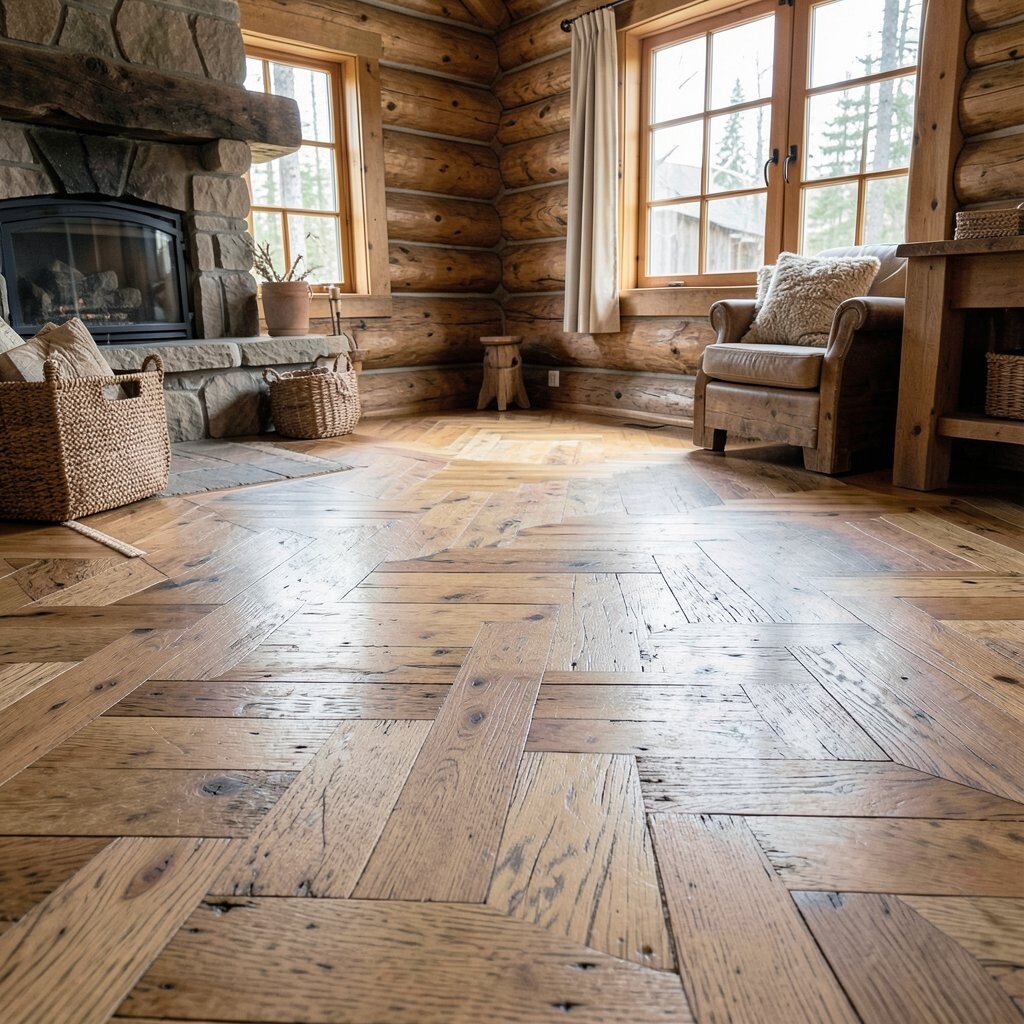
Herringbone in a cabin makes the space feel warm and lived-in from day one. The pattern adds a little polish, while the wood tone keeps the mood down-to-earth.
Rustic charm comes from choosing a wood that shows character, like knots and varied grain. Go for a more matte finish so the cabin atmosphere stays cozy and natural. Practical tip is to use rugs with non-slip backing so people move safely on textured finishes.
Cost considerations are often easier with rustic styles because there are many wood grades available. Still, ask about board consistency so the pattern stays attractive rather than chaotic. If you love the look, extend the pattern into adjacent rooms for a connected flow.
16. Herringbone With Brass Inlays for a Statement Edge
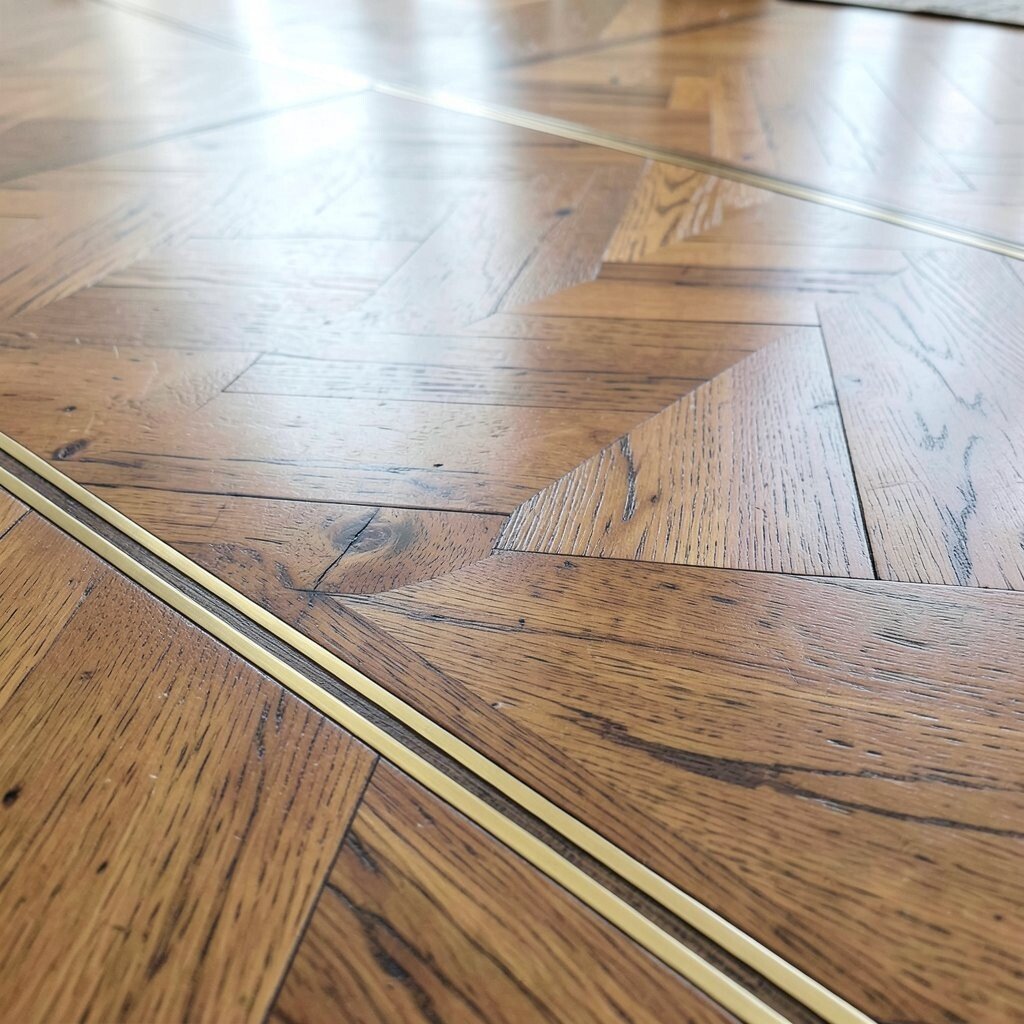
Brass inlays near seams or borders can make a herringbone floor feel like jewelry. The warm metal catches light and highlights the pattern at key points.
This is a great way to add uniqueness without painting the walls or changing your furniture style. Keep the rest of your finishes aligned, like brass faucets or cabinet pulls, so it feels intentional. For personalization, place the inlays more heavily in the main living area and keep transitions simpler elsewhere.
Inlay details can raise cost, but they create a standout feature you’ll notice every day. Ask your installer how the inlay is secured and what finish matches best to prevent discoloration. You may also want extra care with cleaners to keep the metal looking bright.
17. Herringbone in a Small Kitchen for High-Style Durability
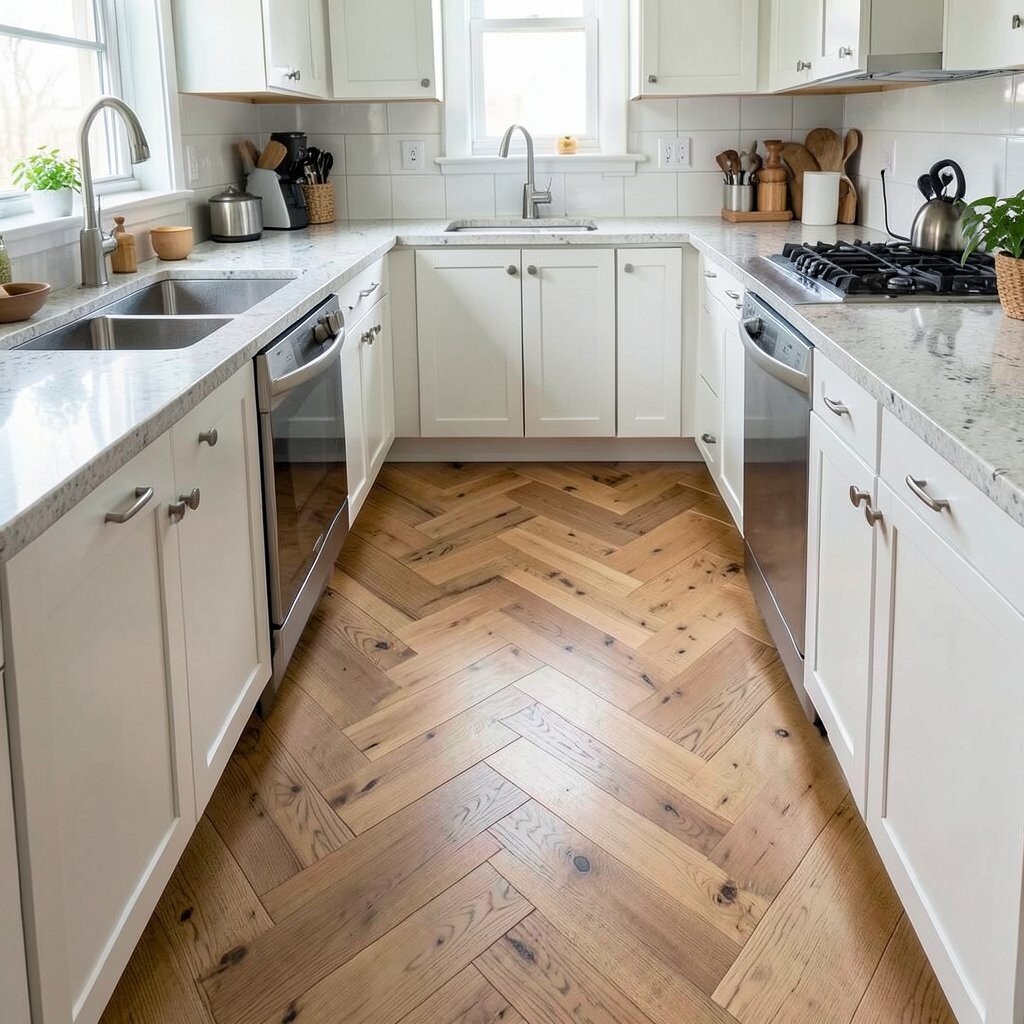
Even a compact kitchen can look designer with a herringbone wood floor. The pattern adds movement, and the wood warmth makes hard countertops feel softer.
For kitchen benefits, wood underfoot can feel nicer for long cooking days. Choose a finish that resists moisture and wipe up spills quickly, especially near sinks and dishwashers. Add a floor mat at the sink area to reduce wear while preserving the look.
Cost can be manageable when you plan layout well, since kitchens often have fewer open areas to cover. Ask for a board plan that minimizes leftover pieces and reduces waste. Personalize by selecting plank width that matches your cabinet style, so the whole kitchen feels coordinated.
18. Herringbone Floor With Color-Matched Baseboards
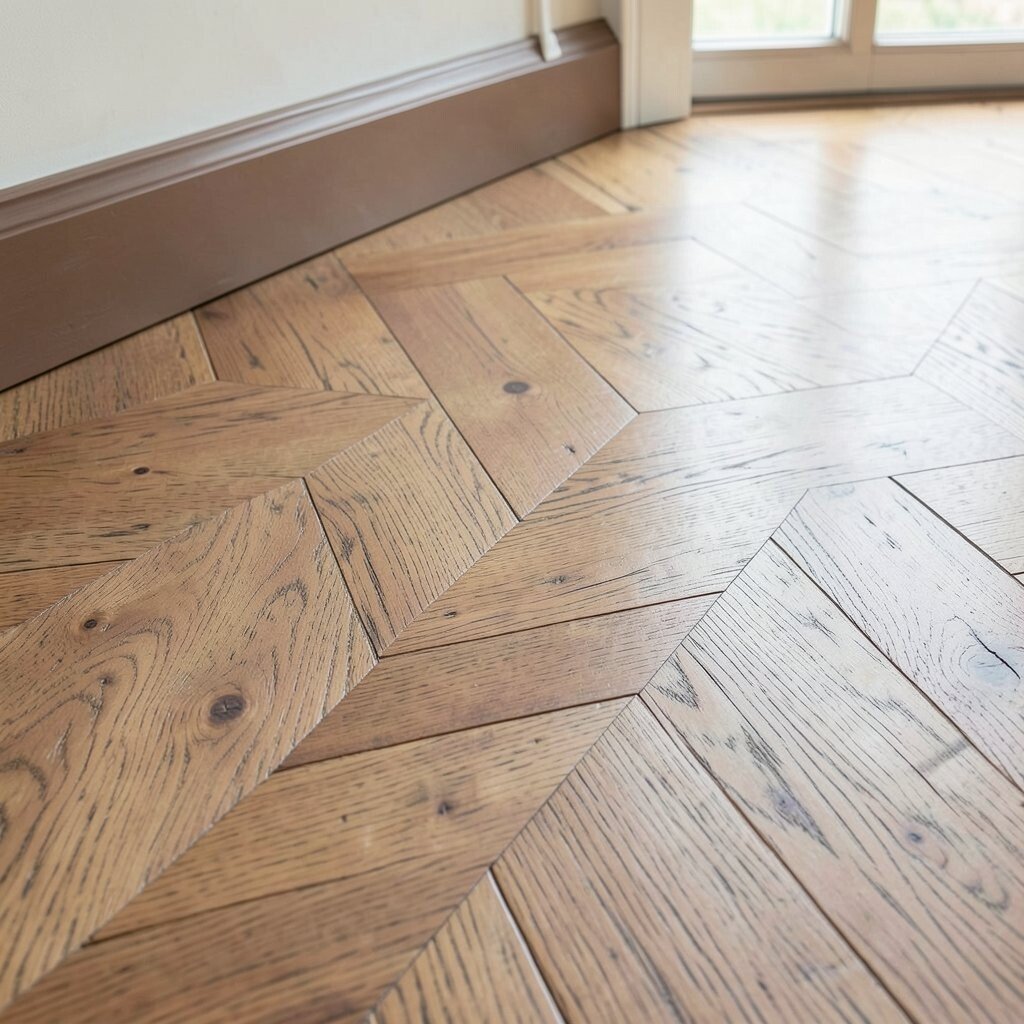
Color-matched baseboards make a herringbone floor look more polished and complete. When the wood tones blend into the trim, the pattern feels like it extends naturally through the room.
This is a simple way to boost visual harmony, especially in older homes with lots of openings. Choose baseboards in the same stain level as the floor, or slightly warmer for a cozy edge. For practical finishing, ensure caulk lines are neat so the trim looks crisp under changing light.
19. Herringbone With a Rug-Ready Layout for Easy Style Changes
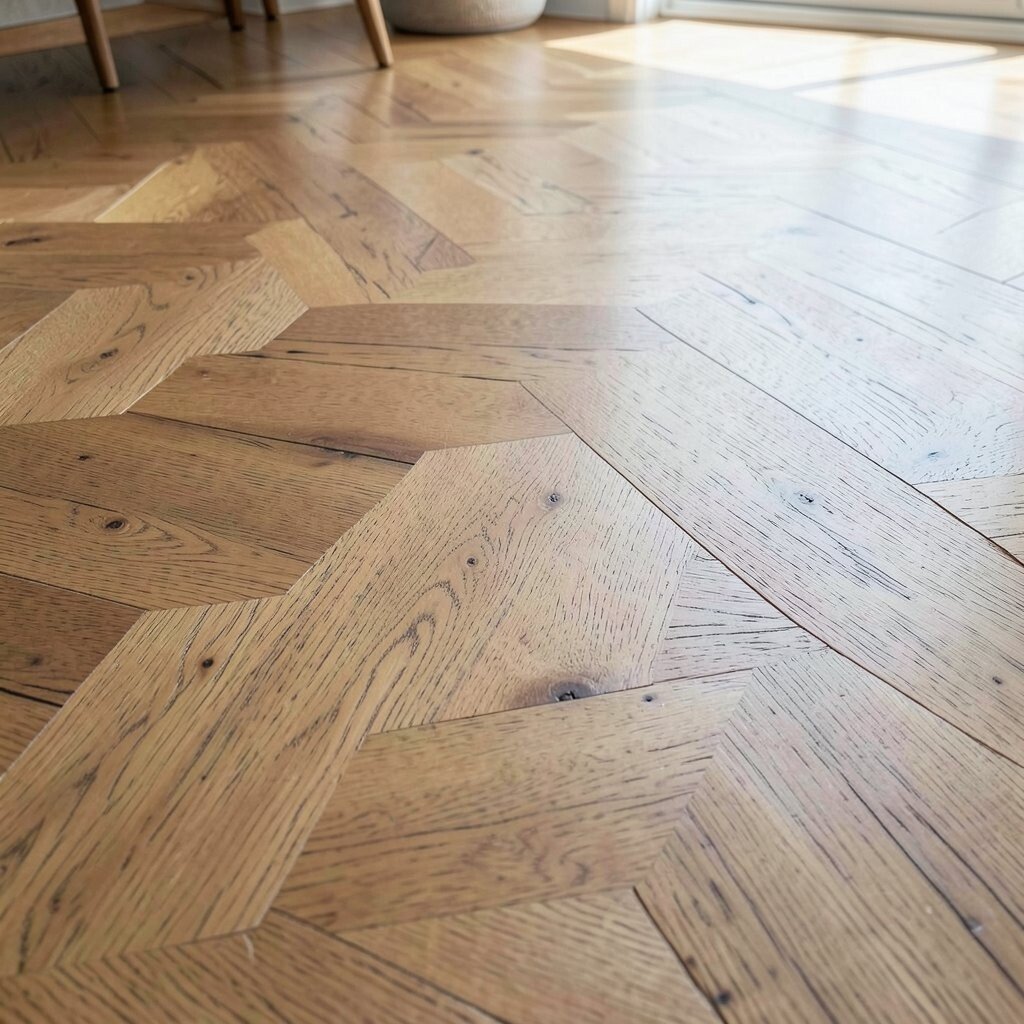
If you love switching decor, design your herringbone layout to work with rugs. The pattern gives beauty even when a rug is out, but it also frames your textiles like a border.
Try keeping the main area rug centered on furniture so the floor pattern stays visible around it. Use a thicker rug pad for comfort and to reduce movement on wood. Personalization can be as easy as changing rug colors with the seasons while keeping the wood floor as your steady base.
Budget-wise, rugs are a flexible investment compared with changing floors. If you plan ahead, buy a rug that covers the high-wear zones where foot traffic is heaviest. Then you get both style and practicality without extra demolition.
20. Herringbone With a Clear Protective Finish for Everyday Life

A clear protective finish helps herringbone floors stay bright and clean-looking. When the topcoat is right, the grain looks alive without turning too shiny.
This benefit is mostly about everyday care, since a good finish can resist light stains and make messes easier to wipe away. Ask what level of protection the finish provides and choose based on your household habits. If you have pets, consider a finish known for stronger wear resistance and follow recommended cleaning products.
Cost can be influenced by finish quality, but paying a bit more for protection may save money long term. Personalization can still happen through stain choice, plank width, and lighting rather than risky add-ons. The goal is a floor that stays beautiful even when life gets busy.
For best results, keep humidity steady and avoid steam mops, even if they’re tempting. With the right routine, your herringbone will keep its crisp pattern for years.
21. Blackened Herringbone for High-Contrast, Modern Homes
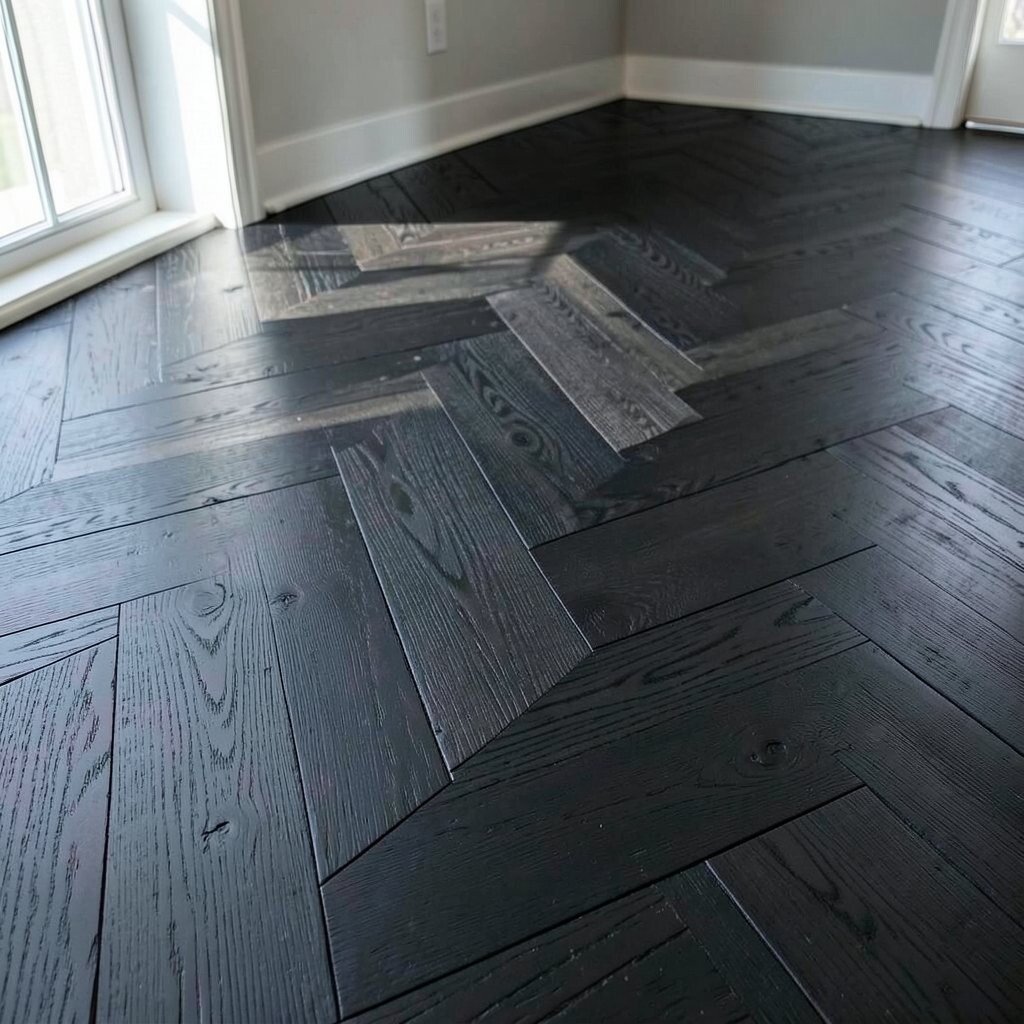
Blackened herringbone brings bold contrast that feels modern and confident. The zigzag pattern becomes almost graphic, especially under clean, minimal lighting.
This look suits contemporary spaces with simple furniture lines and sleek hardware. Use warm textures like linen curtains or a soft leather sofa to keep the room from feeling too sharp. For practical tips, place rugs at entry zones to catch dust and prevent grit from dulling the finish.
22. Herringbone With Stair-Step Transitions Into New Rooms
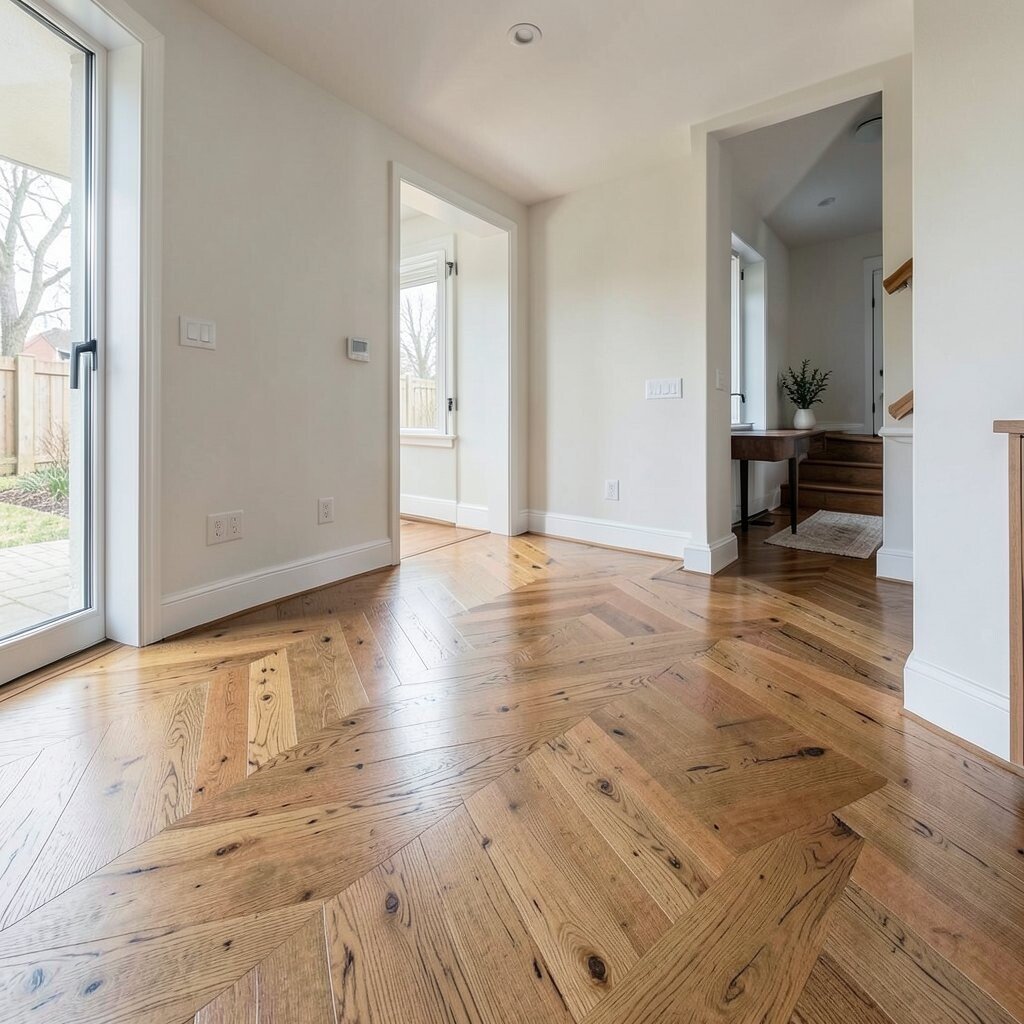
Creating smooth transitions from one room to another makes herringbone feel like part of a bigger design plan. When the pattern aligns at thresholds, the home feels connected and intentional.
This benefit matters because mismatched transitions can visually break the floor story. Use consistent board direction where possible, and plan transitions near doorways so seams land where they look best. Personalize by matching the floor tone to your wall color so the pattern feels like it belongs to the whole interior.
Cost considerations include additional labor for careful alignment, but it often costs less than redoing the install later. Ask your installer for a layout mock-up and check how the pattern will look from different angles. When everything lines up, the result feels seamless, custom, and truly yours.
If you want a little extra style, add a small threshold detail that echoes the wood tone. It’s a subtle finishing touch that makes the entire floor feel deliberate.