
Your home can feel more welcoming with just a little smart help. Small changes can make daily life smoother and brighter.
From lights that respond to you to routines that start on their own, automation can be both fun and practical. When everything works together, your space feels calmer, safer, and easier to enjoy.
1. Motion-Sensing Entry Lighting

Picture walking into your home and having warm lights greet you right away. Motion sensors can turn on lights in hallways and entryways the moment you step inside.
These setups reduce fumbling for switches and help you feel more secure, especially at night. Choose fixtures with adjustable sensitivity so they catch motion without triggering from every shadow. For a brighter vibe, aim for softer white bulbs in the evening and set them to ramp up gradually instead of snapping on.
2. Smart Dimming for Every Room
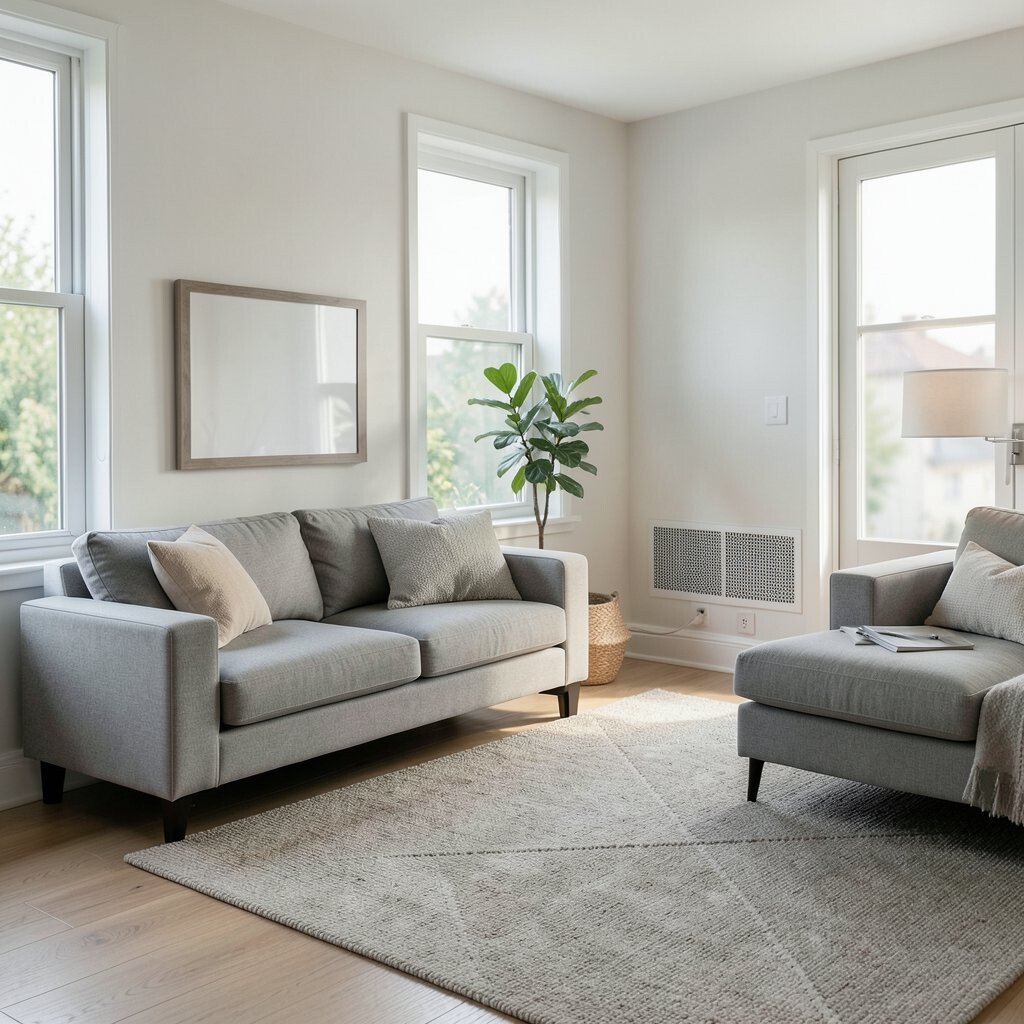
Bright rooms can also be too bright, especially in the evening. Smart dimmers let you fine-tune light levels so your living room feels cozy instead of harsh.
With scenes, you can switch from reading light to movie light in one tap. Start by testing a few favorite brightness levels, then match them to what you do most often. Many homeowners like schedules that dim earlier on work nights and brighten for weekend plans.
If you’re budgeting, consider retrofitting one room first, since adding dimming can be the most noticeable upgrade. Look for dimmers that work with common bulbs you already own to avoid extra costs.
3. Voice-Controlled Lighting That Feels Effortless
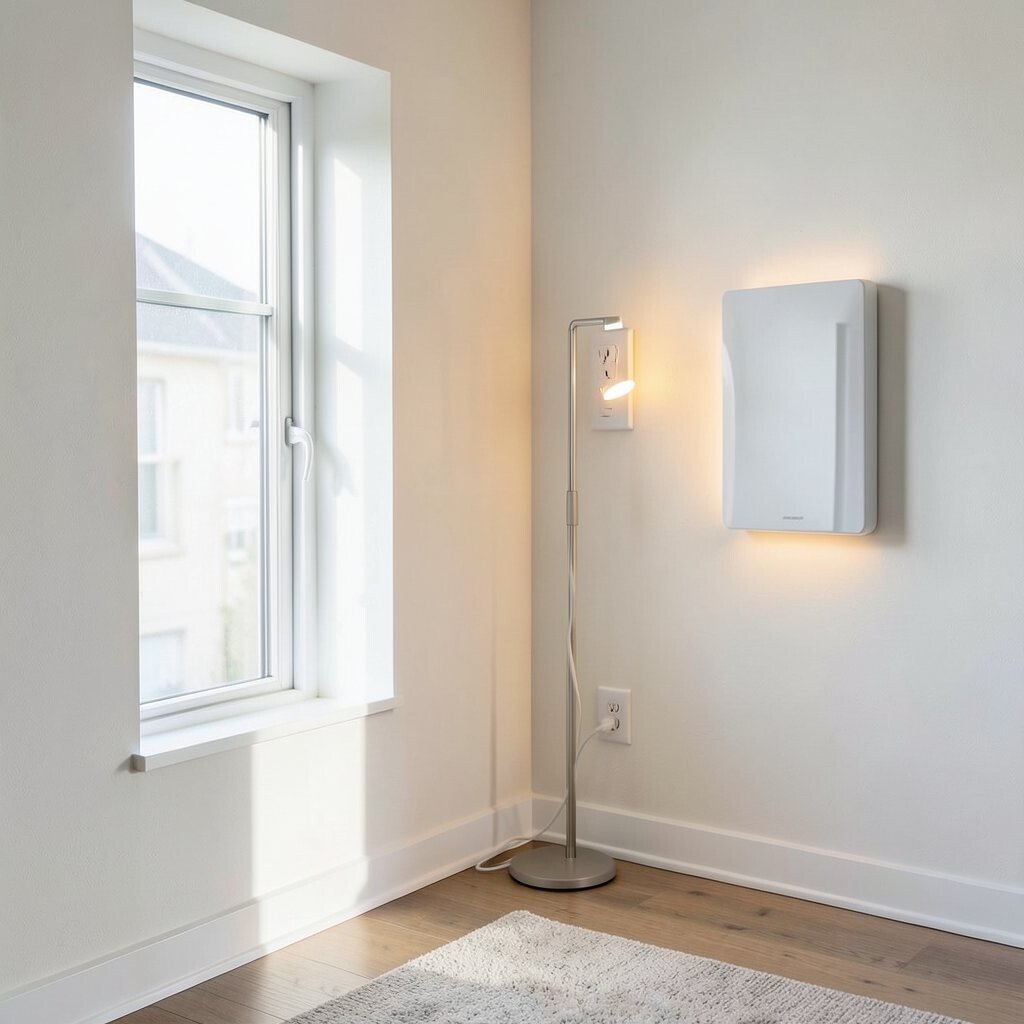
Imagine saying a simple command and having lamps adjust to your mood instantly. Voice control can make lighting feel hands-free, especially when you’re carrying groceries or wrangling kids.
You can personalize commands for different habits, like turning on “kitchen calm” or “movie time.” Many people find that grouping lights by room makes voice control smoother and less confusing. If you have family members, create a shared set of easy phrases everyone can remember.
To keep it reliable, place compatible hubs where Wi-Fi signals are strong. Voice control can also pair well with motion sensors so lights react even when your hands are full.
When planning costs, compare voice options that rely on your existing smart ecosystem rather than buying brand-new accessories. The goal is quick comfort without turning your shopping list into a second job.
4. Smart Thermostat With Gentle Scheduling
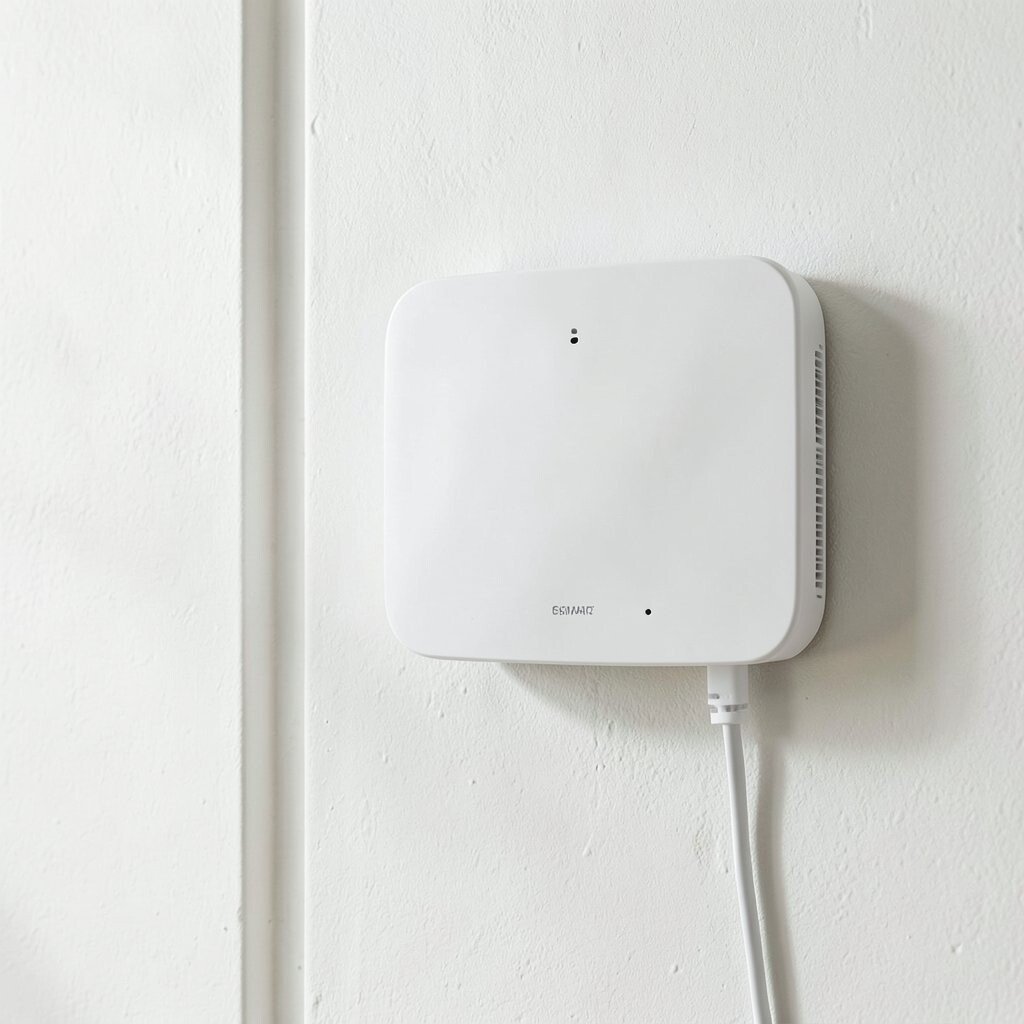
Even the nicest space feels off when the temperature is always guessing. A smart thermostat can learn patterns and keep your home comfortable without constant tweaks.
Set schedules around real life, like cooler evenings and warmer mornings, so you’re not waiting for comfort. Many models also use geofencing or occupancy hints to reduce heating and cooling when nobody’s home. It’s one of those upgrades that quietly saves energy while keeping your rooms feeling just right.
5. Window Blinds That Automate Sunlight

Sunlight can be magical, but it can also glare on screens and heat up rooms fast. Motorized blinds help you control brightness without pulling cords or remembering schedules.
Automate them to open in the morning, soften glare during the hottest hours, and close in the evening for privacy. This kind of automation makes rooms feel more intentional, like you’re adjusting the mood with one simple action. For personalization, choose preset levels that match how your furniture is laid out.
If you’re on a tighter budget, start with blinds in the room you use most, like a home office or bedroom. Measure carefully and look for options that integrate with your smart system to avoid extra remotes.
6. Smart Plugs for Lamps and Small Appliances

Not everything needs to be fully smart to benefit from automation. Smart plugs turn everyday devices into controllable, scheduled tools with minimal installation.
You can power on a lamp before you arrive home, switch off a fan automatically at bedtime, or prevent forgotten electronics from running all night. This is a great way to test smart home habits without buying a lot of specialized gear. Many people enjoy using smart plugs with holiday lights too, because the timing can be set once and reused.
To keep costs reasonable, focus on items that are used daily or that you often forget. Check watt limits for heaters or high-energy devices so you choose safe options. If your home has pets, schedules can also reduce needless runtime for devices that should be off while you’re away.
7. Multi-Room Audio That Matches Your Day
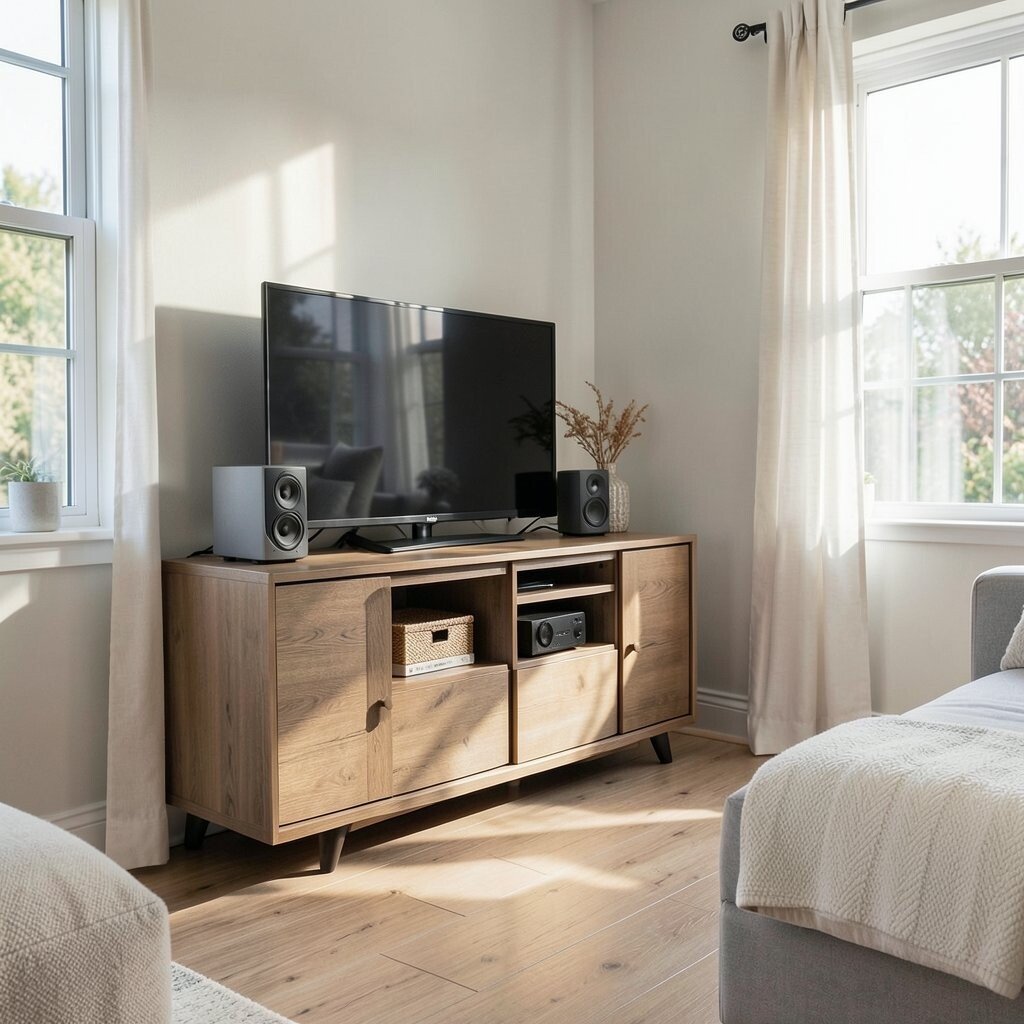
Music changes how a space feels, even when you keep the same furniture. Multi-room audio lets different rooms play the right sound level at the right time.
Try setting a calm playlist for the kitchen in the morning and something upbeat for the living room in the afternoon. You can also sync audio with activities, like turning on a podcast during chores or keeping volume softer near bedrooms. This kind of automation makes your home feel lively, not cluttered with buttons.
When planning upgrades, start with one speaker and expand only if you love how it fits your routine. Look for systems that support grouping rooms so you don’t manage separate controls all day. Cost varies, but choosing a flexible platform can save money long term.
8. Smart Locks for Smoother Entrances
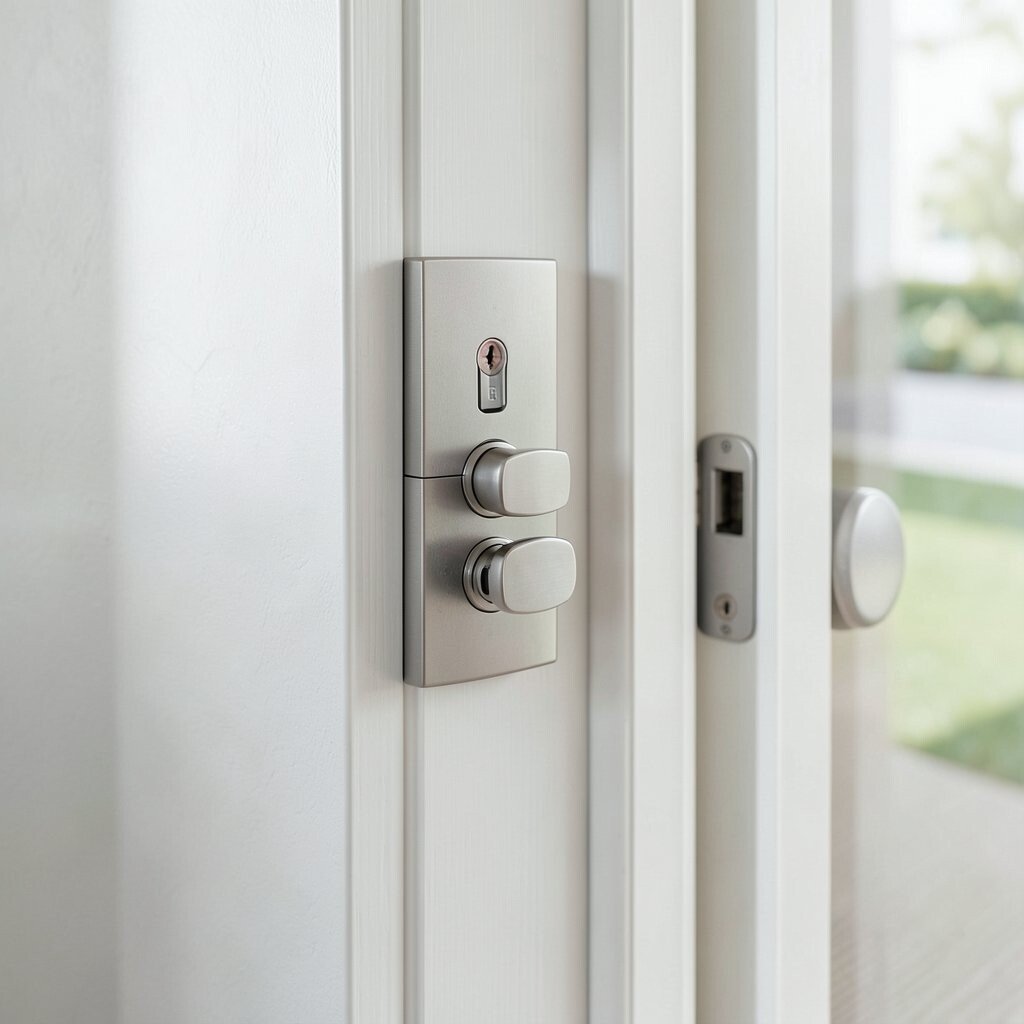
Locking the door shouldn’t be a mental checklist. Smart locks help you manage entry from your phone and reduce worries when your schedule is busy.
Some setups send alerts when a door is opened, while others let you create temporary access for guests or service visits. This is especially useful if you share your home or host friends often. For a practical personalization touch, add codes that expire automatically so you don’t keep track of old entries.
Consider power options and installation ease before buying, since some locks need specific door hardware. Even if the upfront cost is higher than a plug or bulb, many people feel the value quickly because daily life becomes simpler.
9. Automated Curtains for Privacy and Calm

Privacy can feel effortless when your curtains know what to do. Automated curtain tracks can open and close with schedules, scenes, or even sunrise cues.
This makes mornings less abrupt and evenings more restful, especially in bedrooms with early light. You can pair curtain timing with lighting so the room gradually becomes brighter, which feels gentle and natural. Many homeowners also like using automation during rainy afternoons when outdoor views are less pleasant.
To keep it realistic for your budget, focus on one window first, then expand if you love the effect. Measure track length carefully and choose hardware that fits your wall or ceiling style. A well-matched system looks tidy and modern, which adds to the overall “easy and bright” feel.
When you customize scenes, your home can shift from day mode to night mode without any extra effort from you.
10. Scene Buttons or Switches for One-Tap Comfort
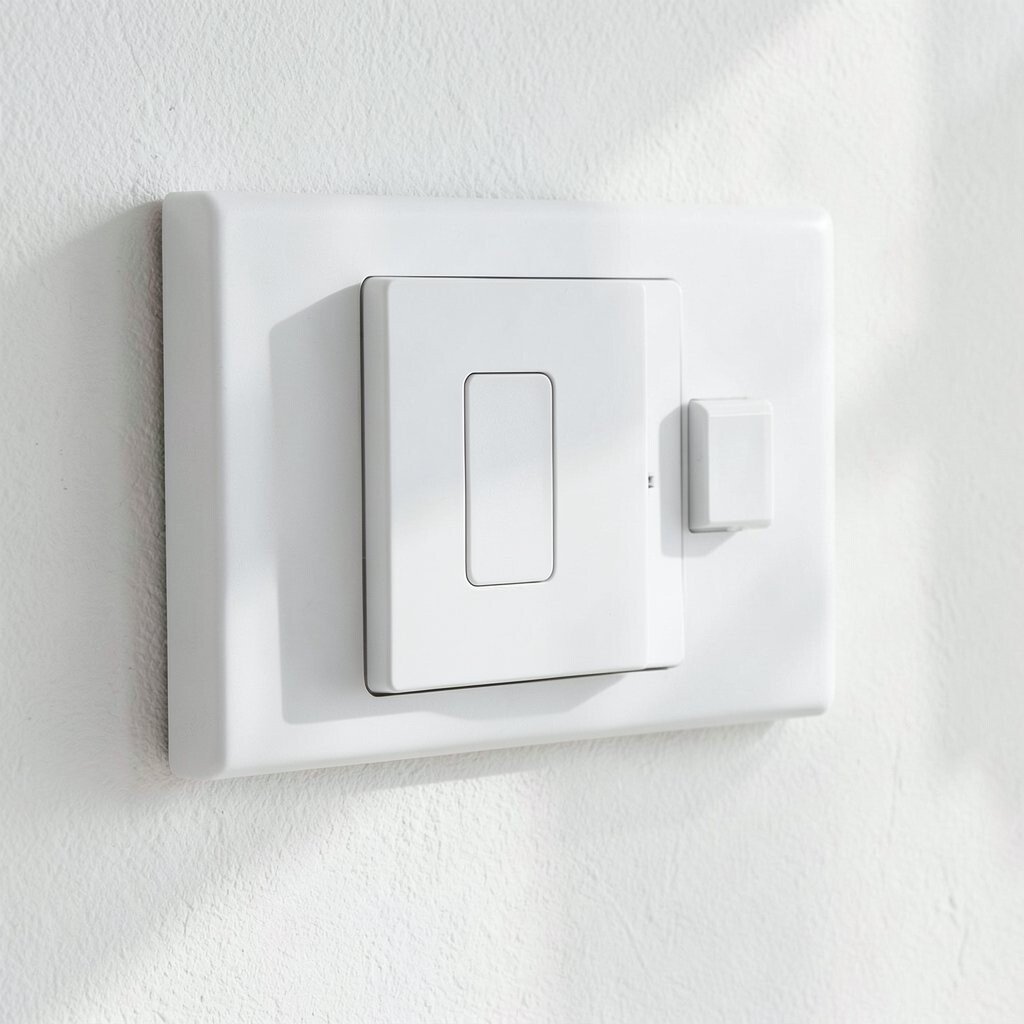
Sometimes a room needs more than a single light change. Scene buttons and smart switches let you trigger sets of actions, like turning on lights, adjusting brightness, and starting an audio track.
Think about how you move through your home and choose scenes that match those moments. A “homecoming” scene can light your entry, soften the living room, and start a warm playlist. An “unwind” scene can dim everything and lock in calm without you thinking about it.
For personalization, include lighting temperatures you truly like, not what looks good in a showroom. If you’re cost-conscious, start with one central scene switch and grow your set over time. Many systems also let you use existing smart devices, so you can keep expenses lower.
11. Smart Smoke and Water Leak Alerts That Act Fast
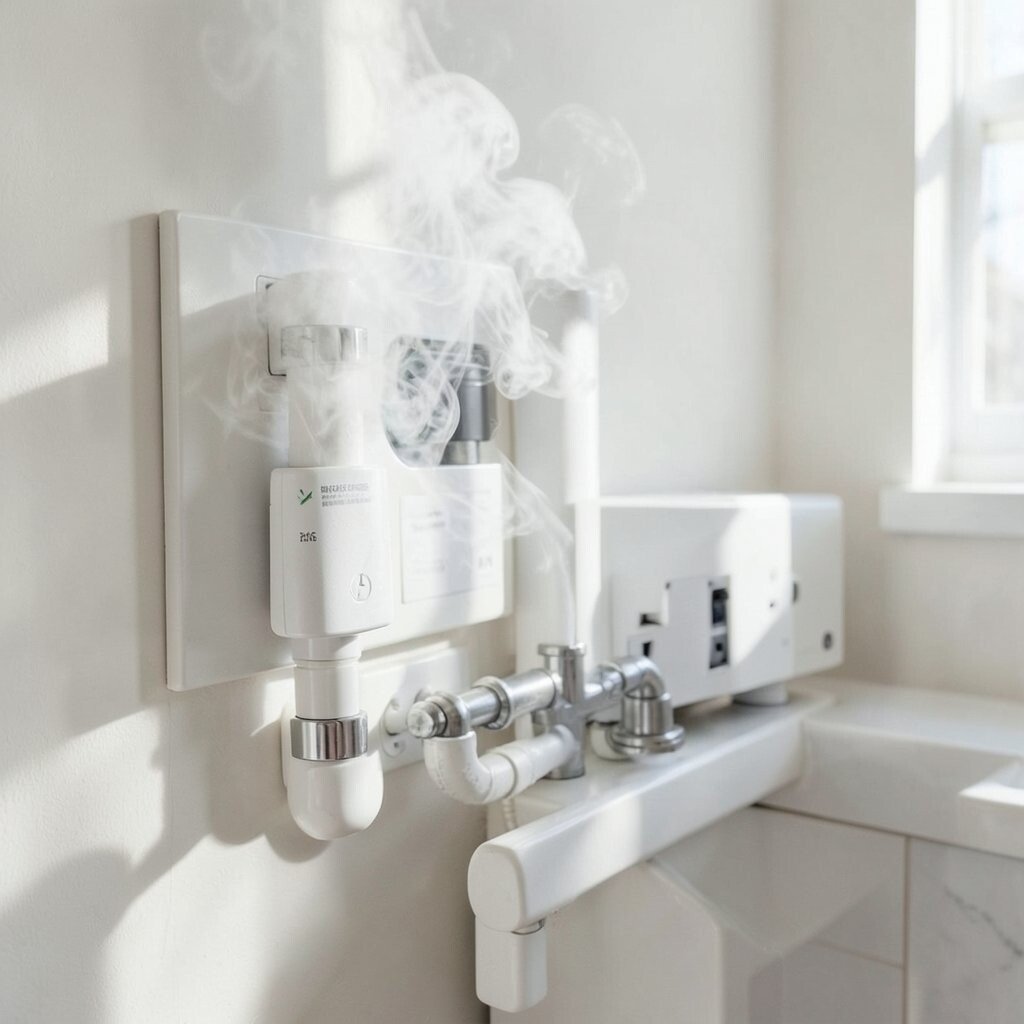
Safety automation doesn’t have to be scary. Smart detectors and leak sensors can alert you right away if something is wrong, even when you’re not in the room.
Placing sensors near kitchens, laundry areas, and bathrooms helps you catch problems early. Many systems send push notifications and can sound alarms locally too. This makes your home feel brighter in a different way, because peace of mind changes how you live.
When planning your setup, check battery backup options and sensor placement guides so coverage makes sense. Costs vary, but even a basic kit can be worth it if it helps you respond sooner. People often choose to add these sensors in phases, starting with the area that worries them the most.
12. Automated Kitchen Workflow Lighting
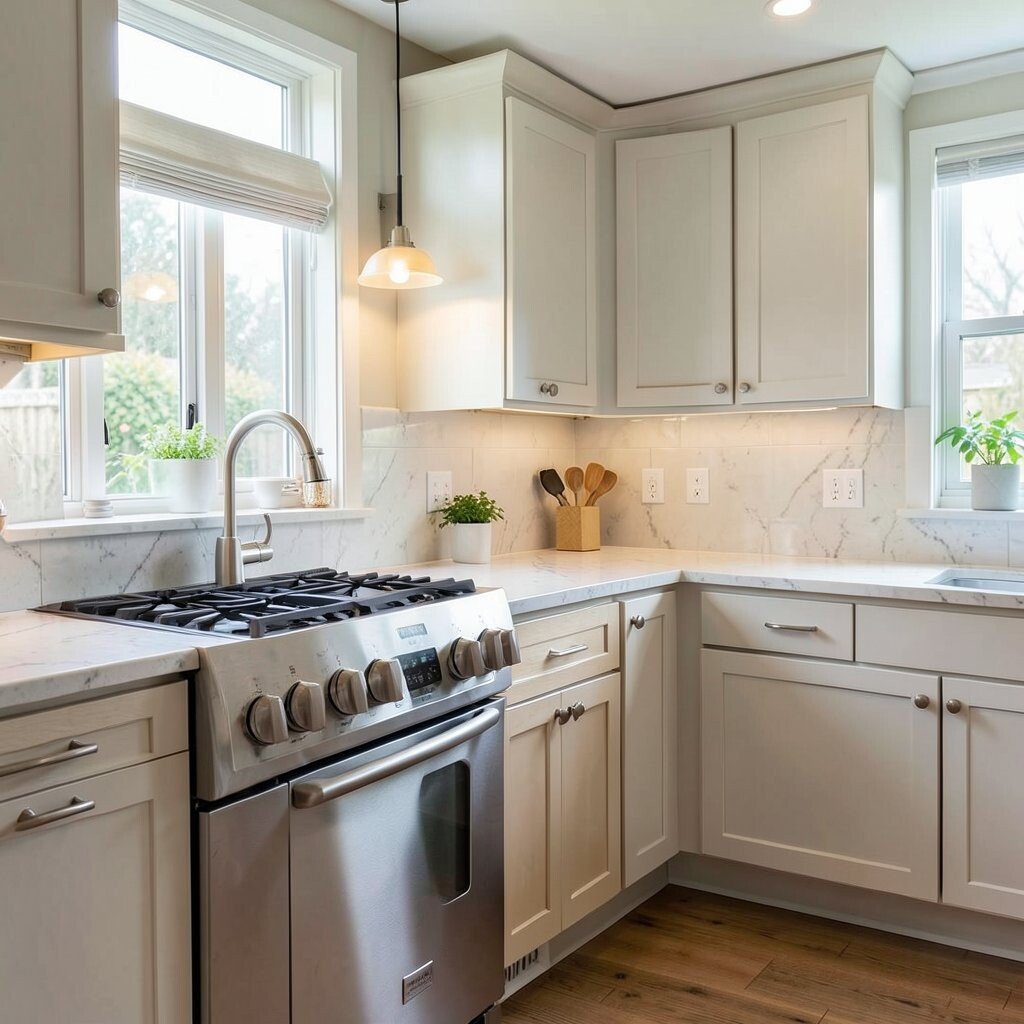
The kitchen is where brightness matters most because you’re chopping, mixing, and cleaning. Under-cabinet lighting controlled by smart automation can make tasks clearer without shining harsh light into your eyes.
Motion triggers can turn on lights when you enter, and schedules can keep evening cooking comfortable. For personalization, set different brightness levels for cooking versus winding down after dinner. Many homeowners also enjoy syncing kitchen lighting with the thermostat so the room feels warm and welcoming.
If you want a budget-friendly route, you can start with smart LED strips and upgrade later if you want harderwired fixtures. Choose warm tones for evenings and neutral tones for daylight-like accuracy when cooking. The result feels modern, organized, and easy from the moment you walk in.
Good lighting makes your counters look cleaner and your space feel more “ready” all the time.
13. Humidity and Air Quality Monitoring for Fresher Rooms
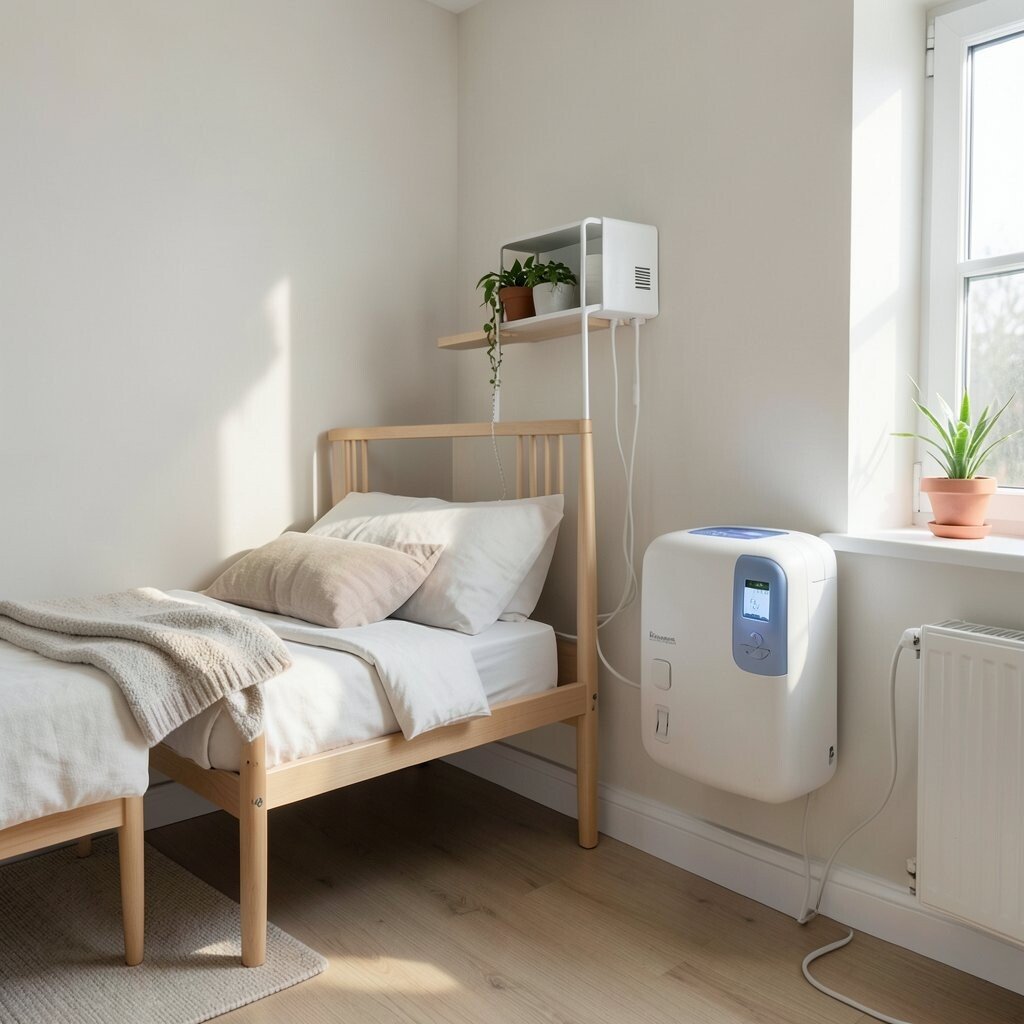
Fresh air is part of feeling comfortable, and smart sensors can help you get there. Humidity monitors and air quality trackers can show when your home needs ventilation or dehumidifying.
When you know the moisture level, you can reduce that stuffy feeling and help prevent musty smells. Some systems can connect to fans or HVAC settings so changes happen automatically. This kind of automation supports everyday comfort, and it often makes people feel like their home is “cleaner” even when they didn’t change anything.
To keep things simple, place sensors in areas that represent the room you care about most, like living areas or bedrooms. Consider pairing monitoring with simple habits, like opening windows after cooking when possible. Cost is usually moderate, and the value shows up as better comfort and fewer surprises.
14. Smart Energy Dashboard and Personalized Routines
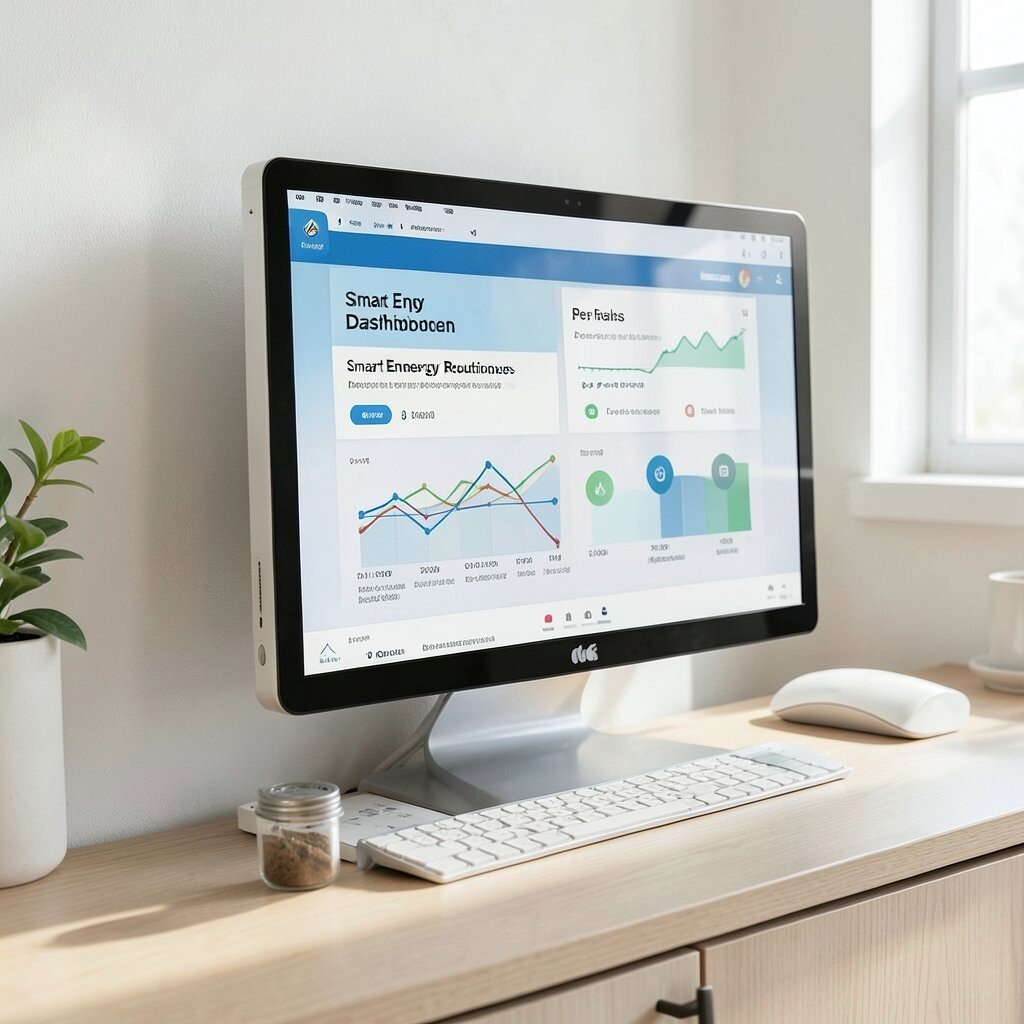
Seeing what your home uses can make energy feel less mysterious. Smart energy dashboards can show patterns and help you adjust routines so your comfort stays high while waste stays low.
Create automated routines that match your life, like turning off certain devices at night or scheduling laundry for off-peak hours. Even small changes can add up when you do them consistently. For personalization, focus on the appliances that matter most to your household, like heaters, dehumidifiers, or entertainment systems.
If you’re trying to keep costs down, start with monitoring and only add extra smart plugs where the data shows the biggest impact. Many platforms also offer helpful charts that make trends easier to understand at a glance. When your routine becomes guided by real info, your space feels easier and brighter because it runs smoothly in the background.
Over time, the dashboard helps you fine-tune settings until your home feels like it’s tuned for you.