Home entrances do more than welcome guests. They can also help stop slips, trips, and strange surprises.
A smart entryway feels calm, bright, and easy to use. Small changes there can protect kids, older adults, pets, and busy hands carrying bags.
1. Keep the Front Path Clear and Easy to Walk On
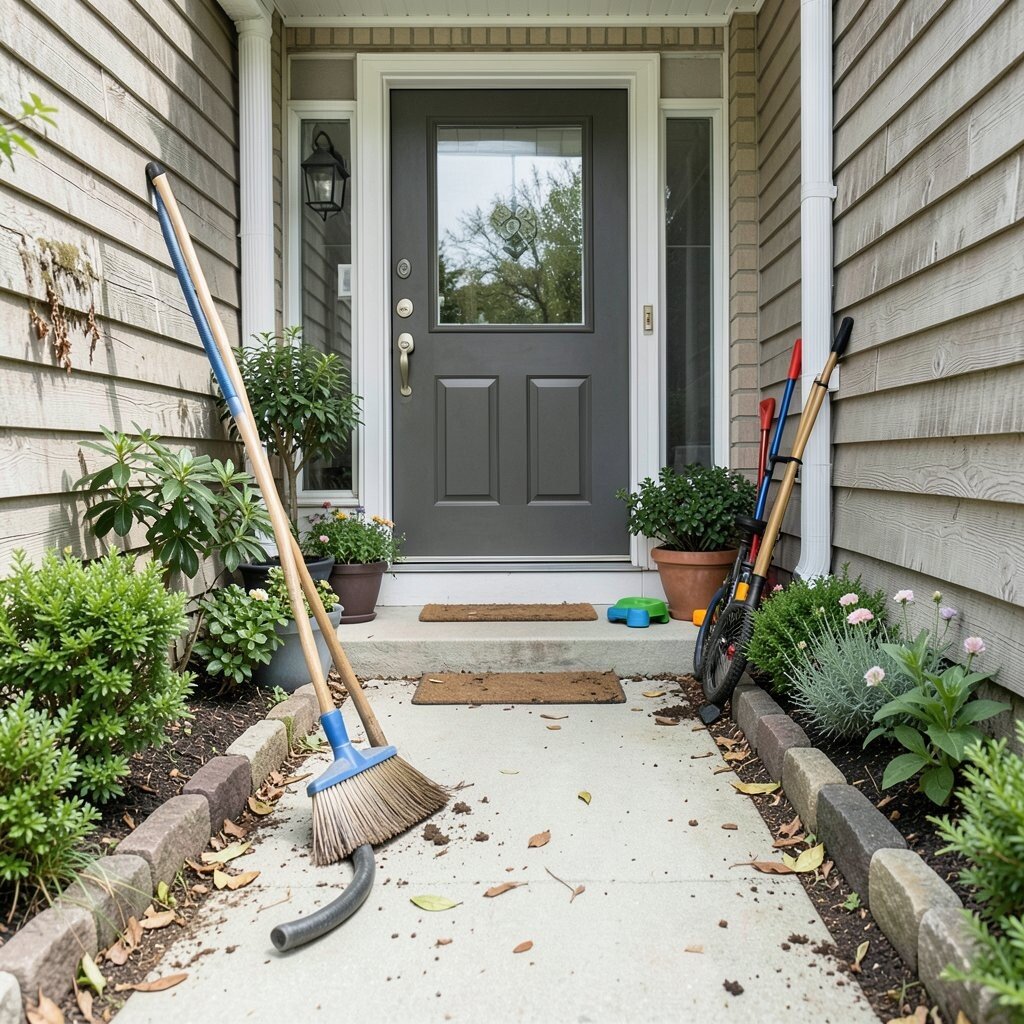
A clean path makes the whole entrance look neat and friendly. It also helps people see where to step without guessing.
Use a broom, leaf blower, or hose to clear dirt, leaves, and mud. Trim plants that lean into the walkway and move toys, bikes, and tools to a safe spot. If the path feels plain, add a few potted plants or a simple border so it still has charm.
2. Add Bright Lighting Near the Door
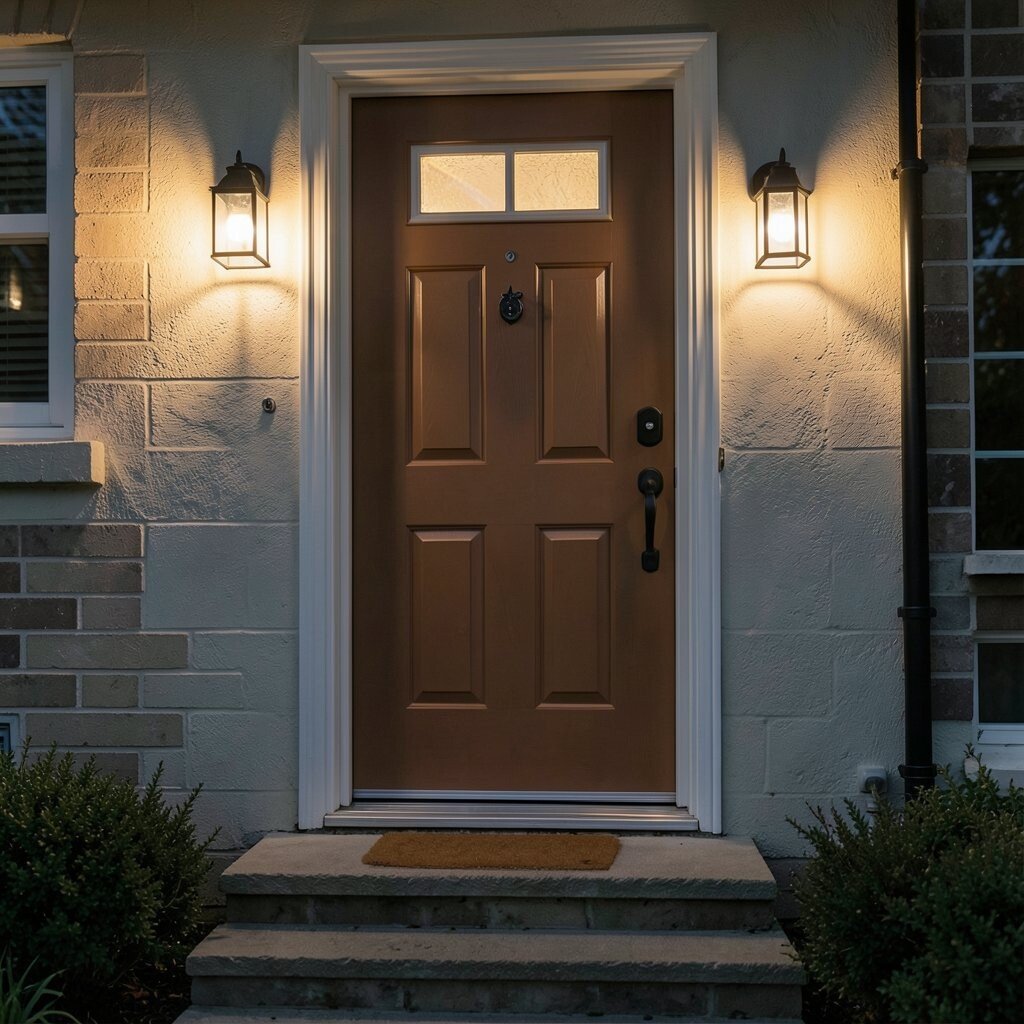
Good light makes a front door feel warm and safe at the same time. It helps people spot steps, keys, and faces more easily.
Wall lights, motion lights, and solar lights are popular choices right now. Motion lights are great for saving power, and solar lights can keep costs low if the sun reaches the area. You can also pick light styles that match your home, from modern black metal to soft lantern shapes.
Think about where shadows fall at night, not just where the bulb hangs. A small light by the doorbell or lock can make a big difference when someone arrives late.
3. Use a Strong Doormat That Stays in Place
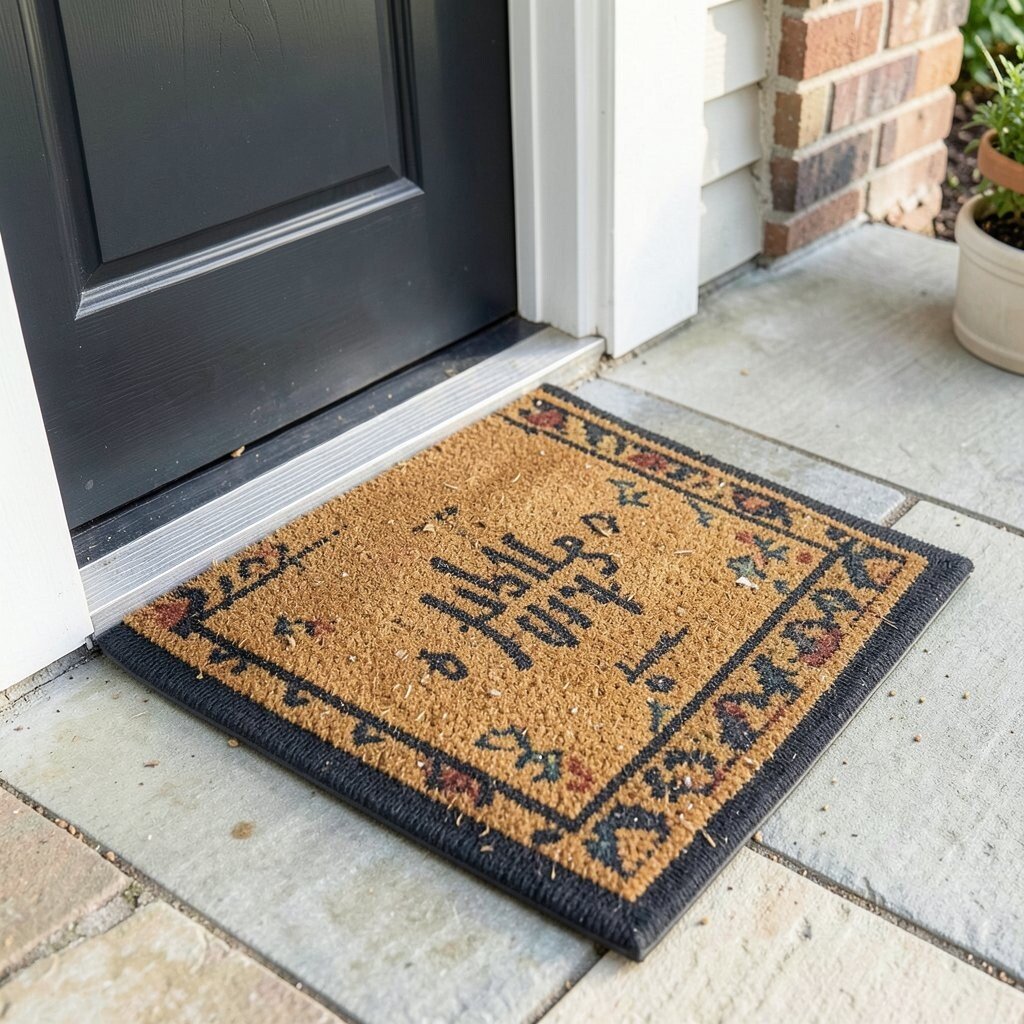
A sturdy mat can catch dirt and water before it gets inside. It also gives guests a steady place to wipe their shoes.
Choose a mat with a grippy back so it does not slide around. Low-cost mats can work well, but thicker ones often last longer and feel nicer underfoot. For a personal touch, pick a color or pattern that fits your porch style.
Shake the mat out often so it does not become heavy with grit. If rain or snow is common where you live, a water-trapping mat can be a smart upgrade.
4. Make the Door Easy to Open and Lock
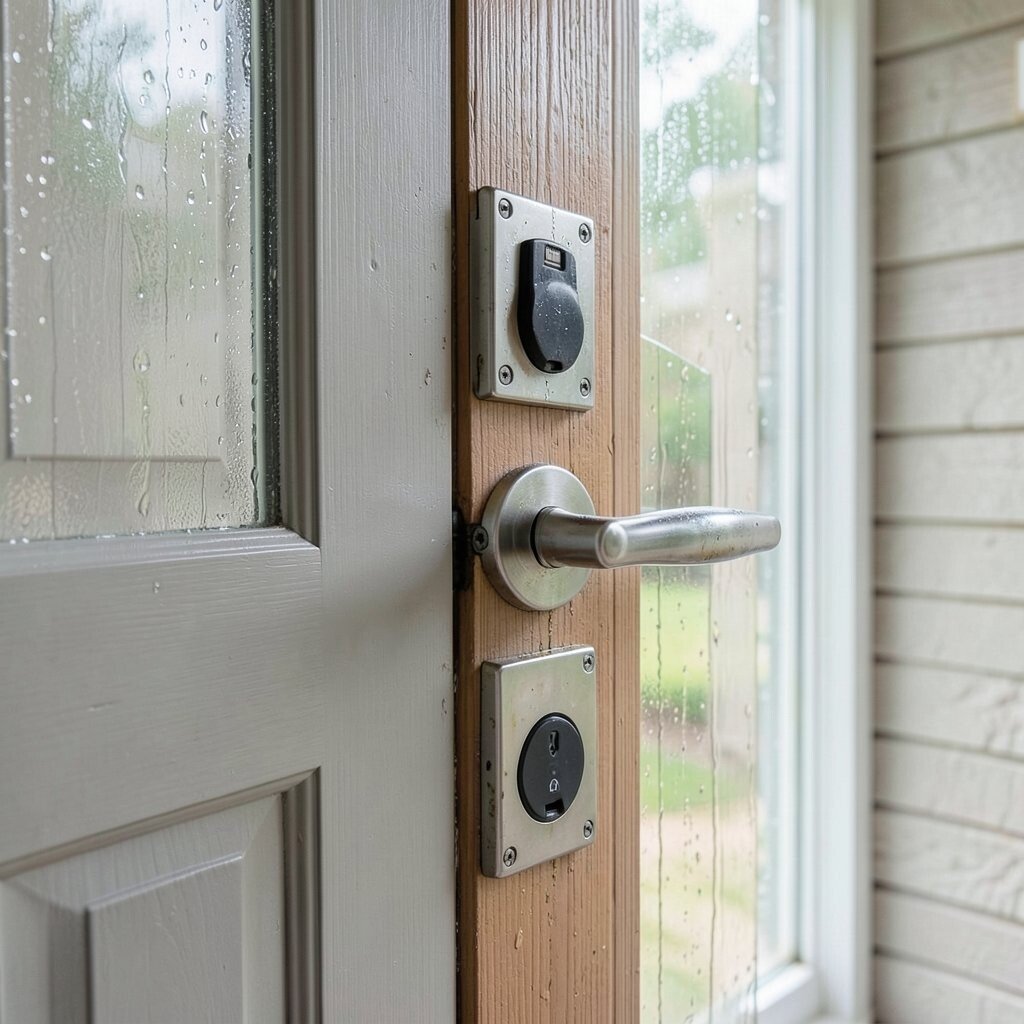
A door should open smoothly without sticking or jamming. That helps people get inside fast in bad weather or during an emergency.
Check the hinges, latch, and lock often. A little oil or a simple repair can cost far less than replacing the whole door. Some homes now use smart locks, which can be handy for families who want key codes instead of spare keys.
Keep the handle at a comfortable height for everyone who uses the entrance. If children or older family members visit often, a lever handle may feel easier than a round knob.
5. Add Handrails Where Steps or Slopes Appear
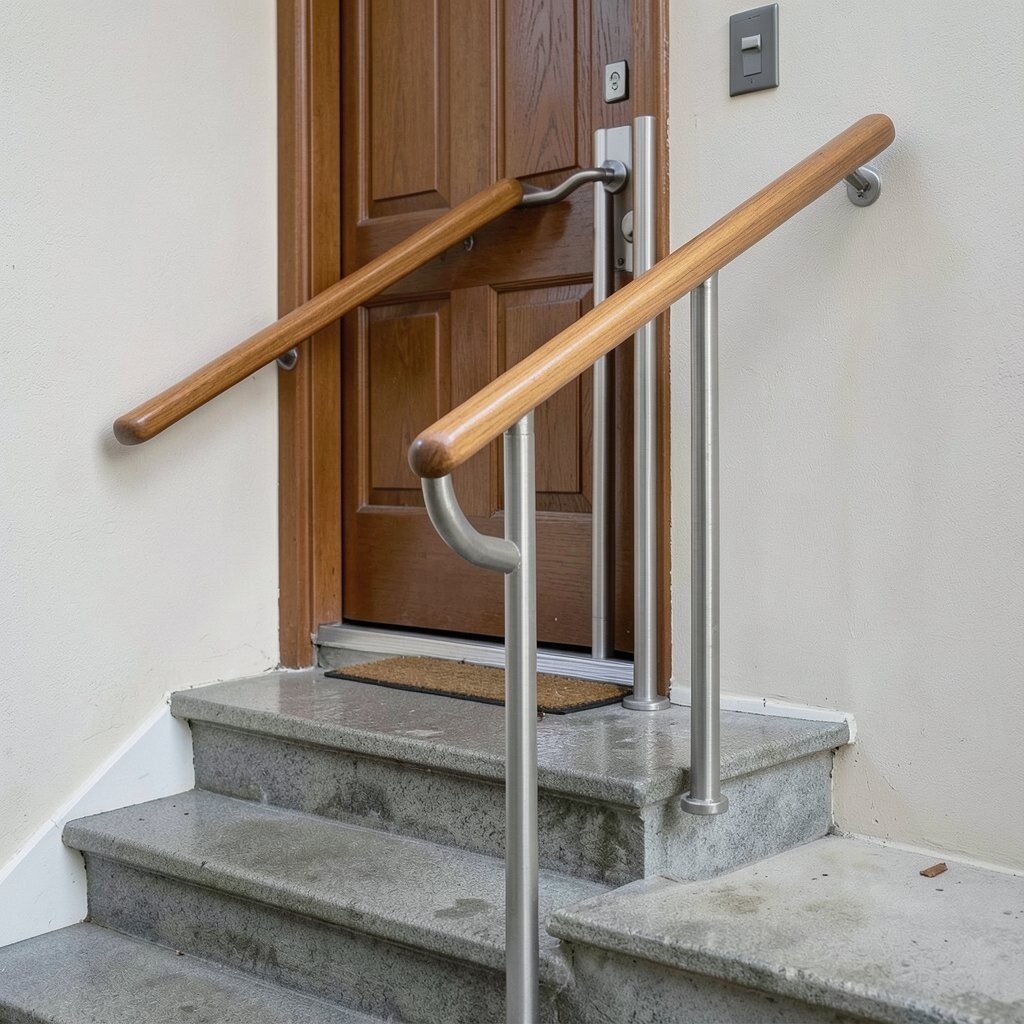
Handrails give people something steady to hold. They are especially helpful when shoes are wet, hands are full, or the light is dim.
Choose a rail that feels strong and smooth to the touch. Painted wood can look warm, while metal rails often last longer with less care. Installation costs can vary, but a simple rail is usually cheaper than dealing with a fall.
You can match the rail color to the door trim for a neat look. For extra safety, make sure the rail is easy to grip from top to bottom.
6. Mark Steps and Edges So They Stand Out
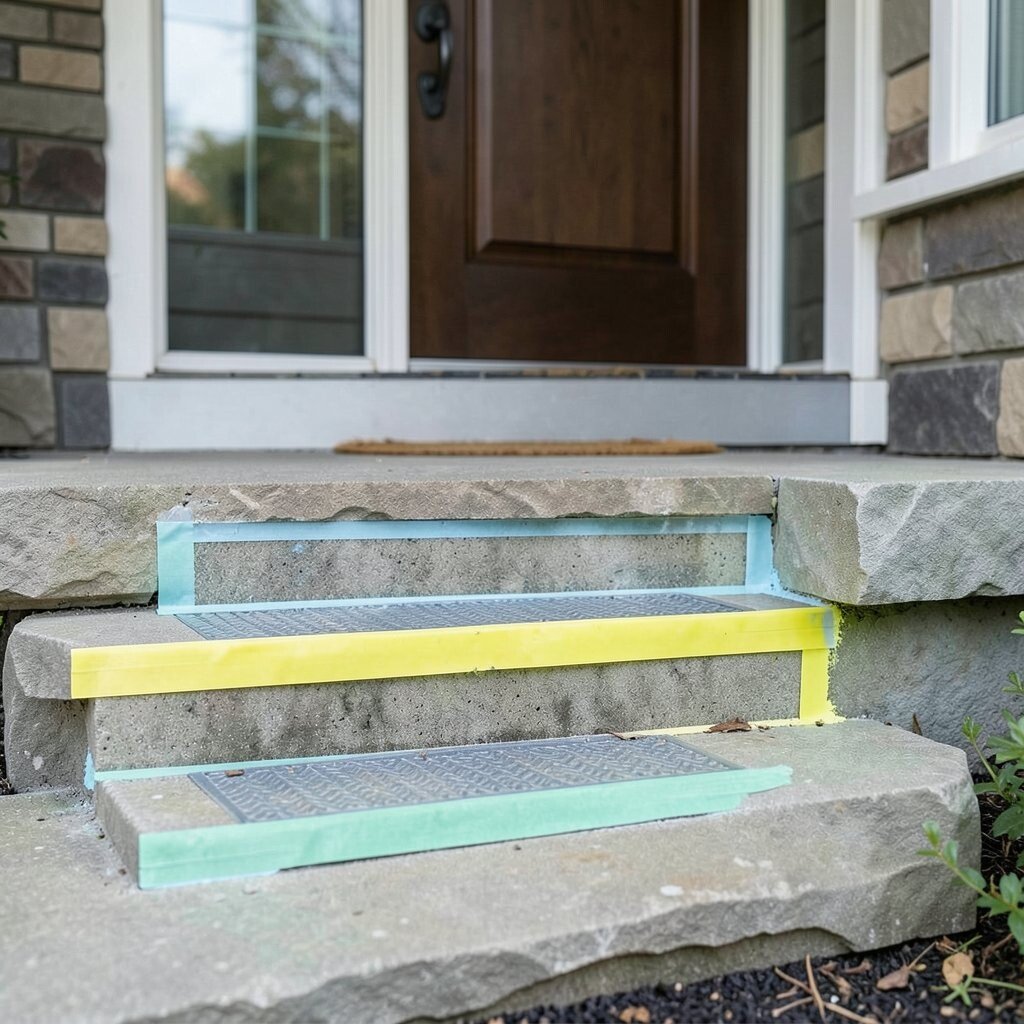
Steps can blend into a porch if the colors are too close together. Clear markings help the eye know where one level ends and the next begins.
Use bright edge paint, tape, or a contrasting strip on each step. This is a low-cost fix that can make a big safety gain. Some homes use glow strips or textured treads, which are trendy because they look clean and help in the dark.
If your entrance has stone or wood steps, test a small spot first so the finish still looks good. A little contrast can make the whole front entry feel sharper and easier to use.
People with tired eyes or moving in a hurry will notice the edges faster. That can help prevent a misstep before it happens.
7. Secure Rugs, Mats, and Loose Floor Coverings
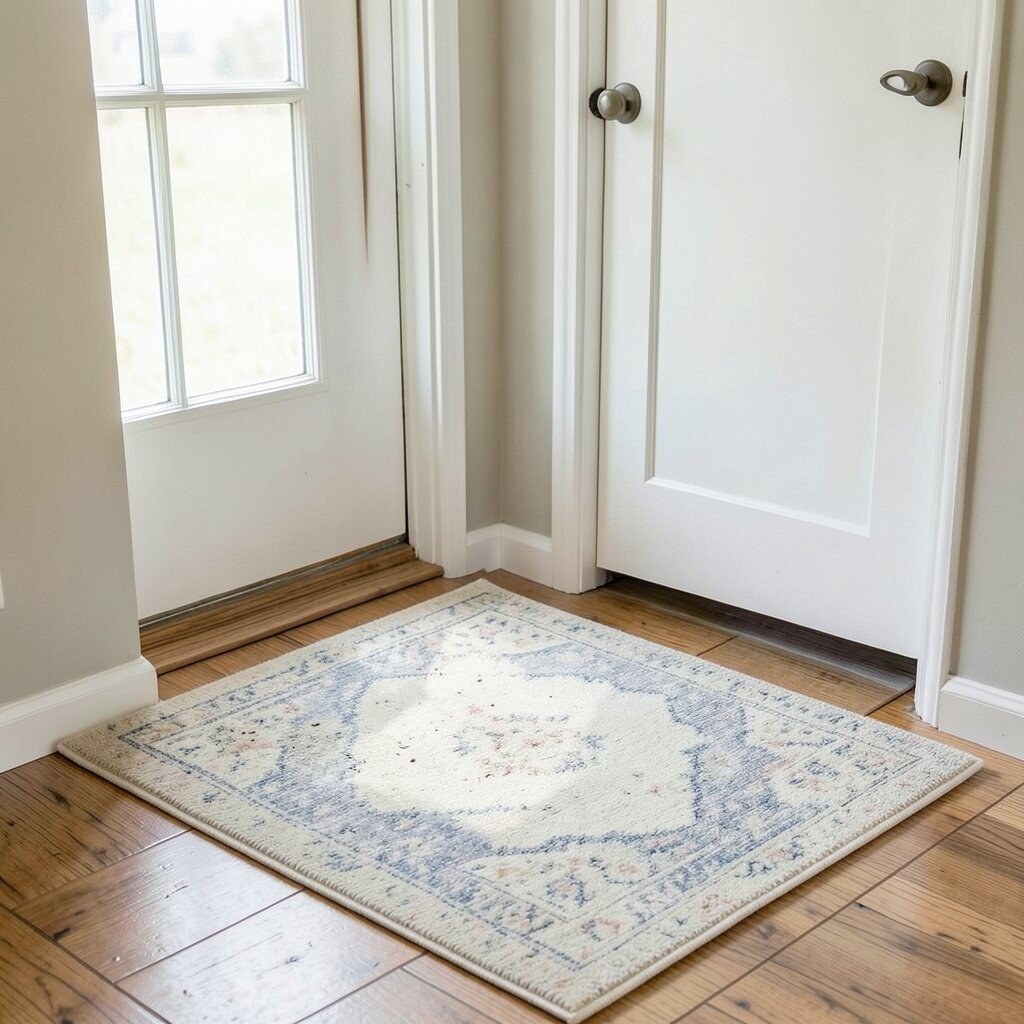
Loose rugs can bunch up and cause a trip. At the entrance, that risk grows because shoes bring in water and dirt.
Use rug pads, double-sided tape, or non-slip backing to hold them down. These items are usually low cost and easy to replace. If you like a cozy look, choose a rug with a simple pattern that hides dirt but still feels cheerful.
Check corners often, especially after vacuuming or wiping the floor. A flat rug looks tidy and helps the doorway feel calm instead of cluttered.
8. Keep Keys, Bags, and Packages in One Spot
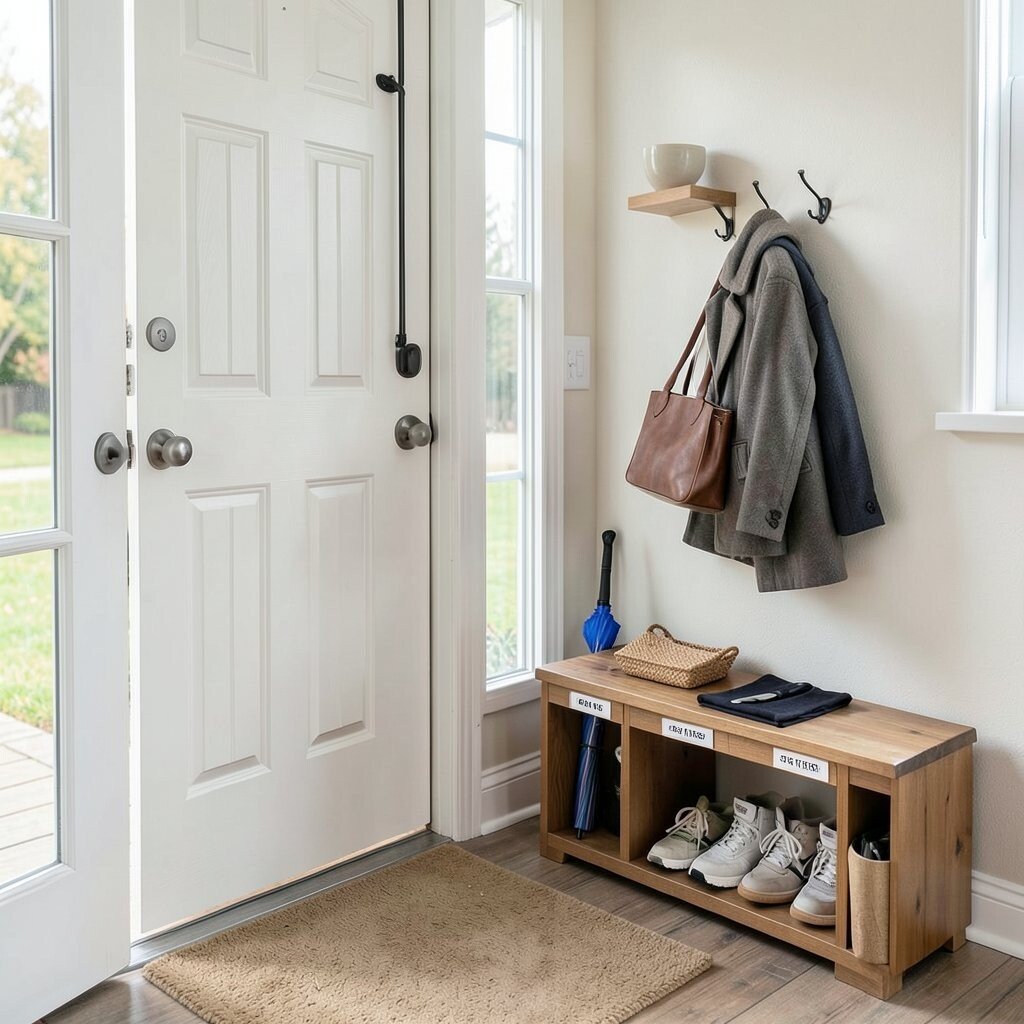
Clutter near the entrance can hide hazards and slow people down. A small shelf, bowl, or hook area helps keep the doorway open and safe.
Wall hooks are a cheap way to stop coats and bags from piling on chairs or the floor. A small bench with storage can be useful too, especially for shoes and umbrellas. Many families like a custom setup with labeled spots so everyone knows where things belong.
When packages arrive, move them inside soon so they do not block the door. A clear entry makes it easier to see who is coming and going.
9. Add a Peephole, Camera, or Smart Doorbell
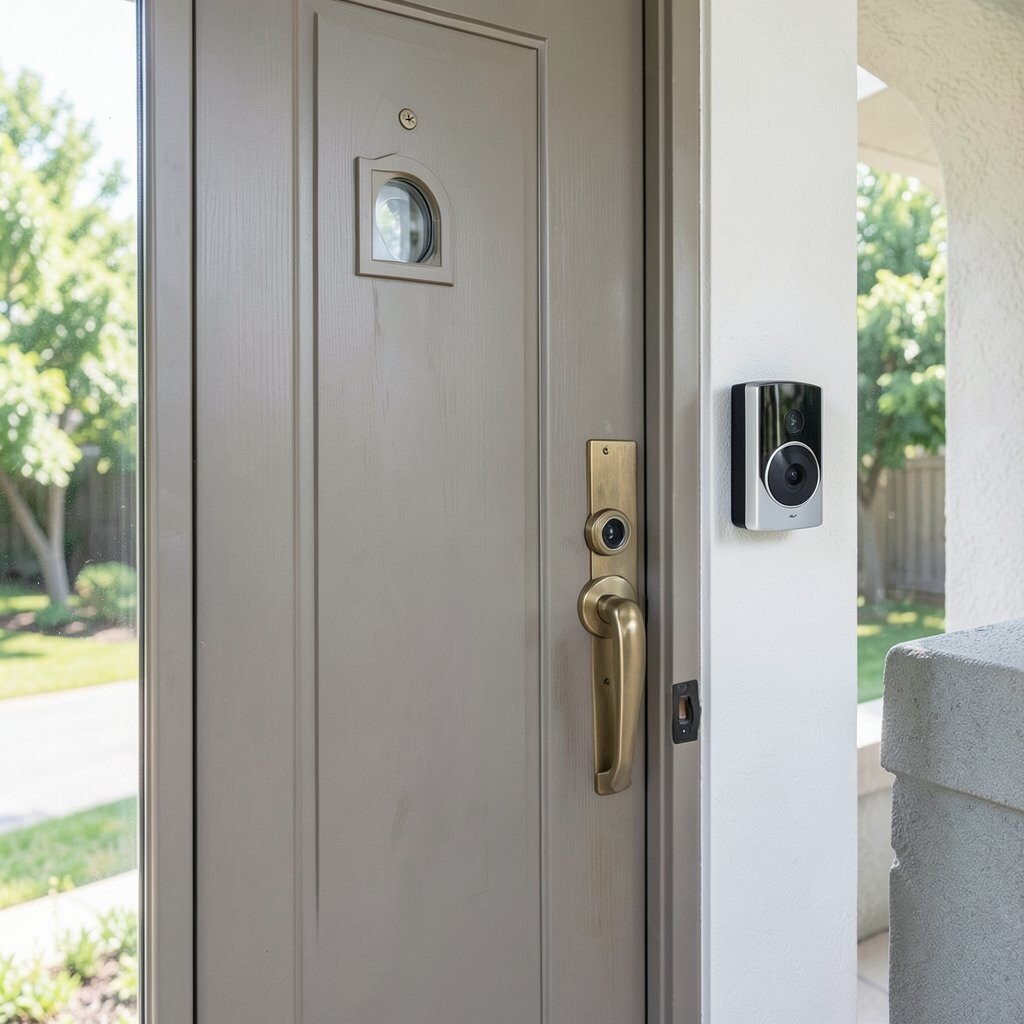
Seeing who is outside before opening the door can bring peace of mind. It is a simple way to feel more in control at home.
A peephole costs very little and works without power. Video doorbells and smart cameras cost more, but they can send alerts to a phone and record motion. These tools are popular now because they fit busy lives and can help with package safety too.
Pick the option that matches your home and budget. If privacy matters, set the camera angle carefully so it covers the door without watching too much of the street.
10. Use Child-Safe and Pet-Safe Door Features
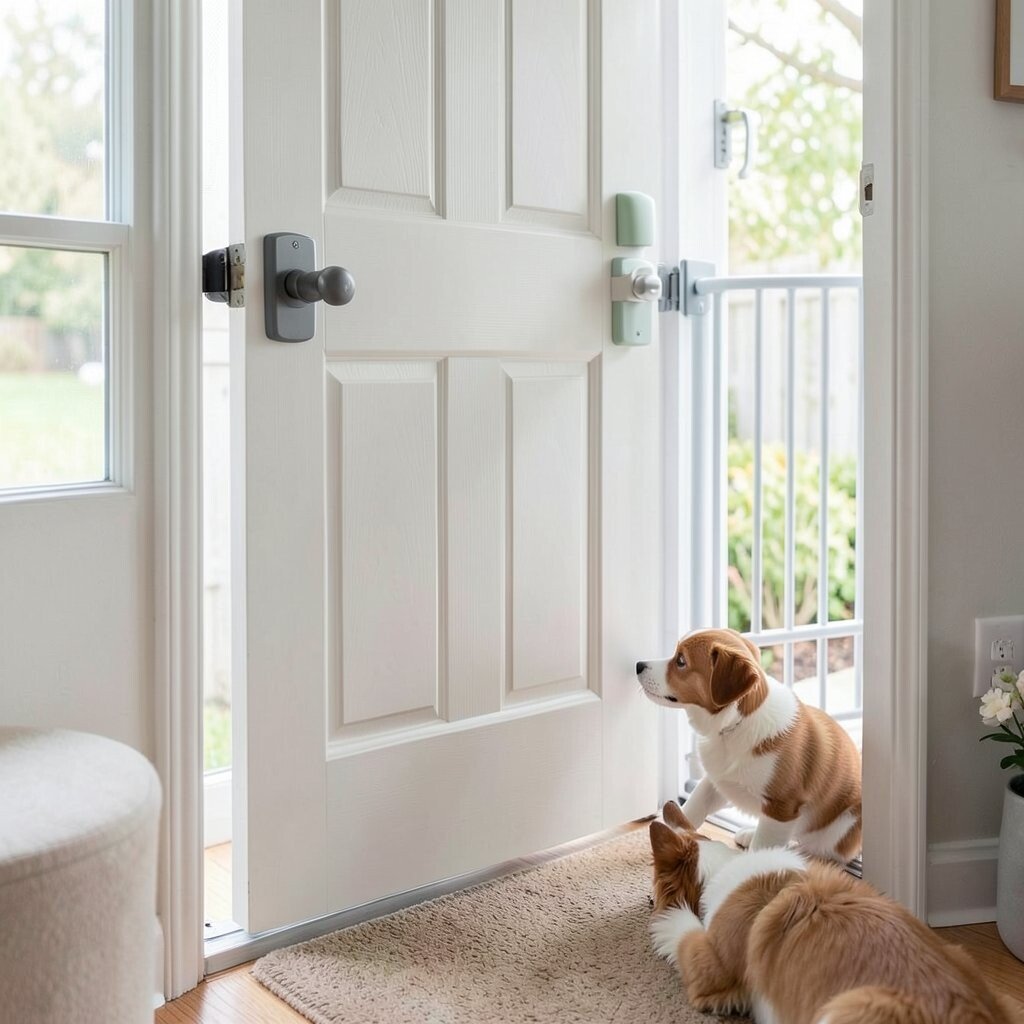
Little hands and curious pets can get into trouble fast near an entryway. Safety features can help keep them from slipping outside or touching risky items.
Install high locks, door guards, or childproof latches if needed. A door stop can also protect fingers from getting pinched. For a pet-friendly touch, some families add a small barrier or a gate inside the doorway when visitors arrive.
These changes do not have to look harsh or plain. Many modern safety pieces come in soft colors and simple shapes that blend in well.
Think about your daily routine before choosing hardware. The best setup is one that is safe and still easy for grown-ups to use every day.
11. Keep the Porch and Entry Dry
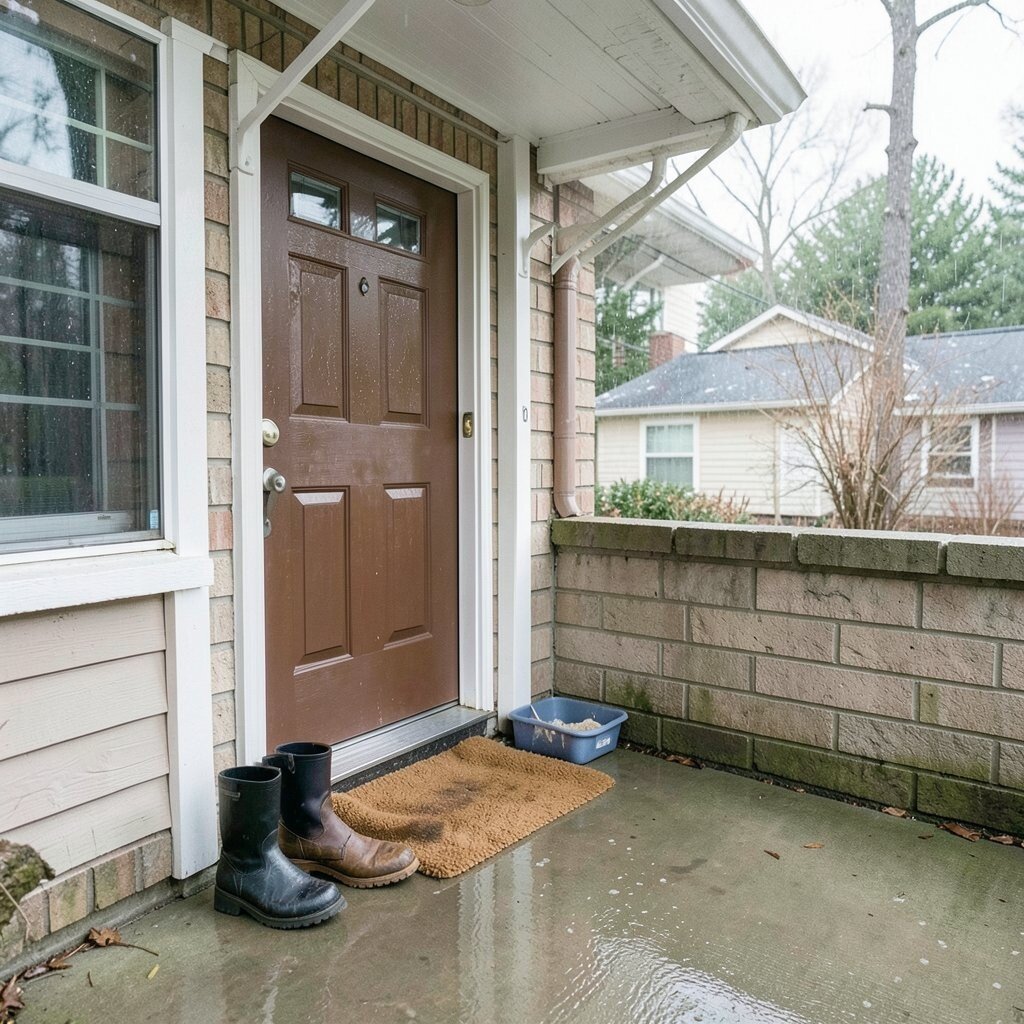
Water on the ground is one of the biggest entrance dangers. Wet shoes, rain, and snow can turn a nice doorway into a slippery spot.
Fix leaks, clean gutters, and make sure water drains away from the door. A covered porch, awning, or weather shield can help a lot, though those upgrades may cost more than a simple repair. Even a small roof overhang can make the entrance more comfortable and less messy.
Place a towel, boot tray, or absorbent mat near the door during wet weather. That small habit keeps floors safer and cuts down on cleaning time.
12. Check the Area for Good Visibility From the Street
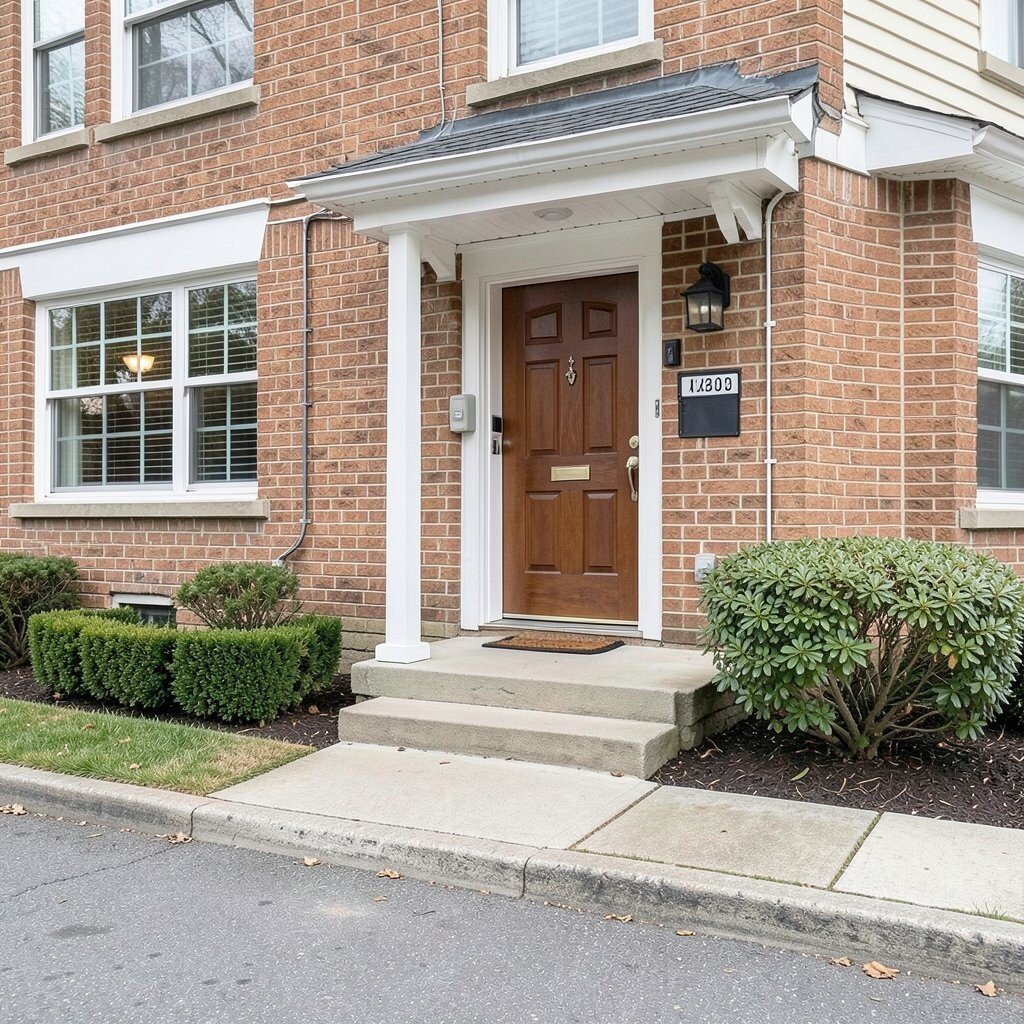
A visible entrance can feel safer because neighbors and passersby can notice what is happening. It also helps guests find the door without confusion.
Keep shrubs trimmed low enough that they do not block windows or hide the doorway. If your home has a dark corner, add a light or remove an object that creates a blind spot. Some homeowners now use clear house numbers in bold styles so delivery drivers and visitors can spot the home fast.
Try standing at the curb and looking toward your door. If the entrance feels hidden, a few small changes can make it look open and welcoming.
13. Make a Simple Safety Check Routine
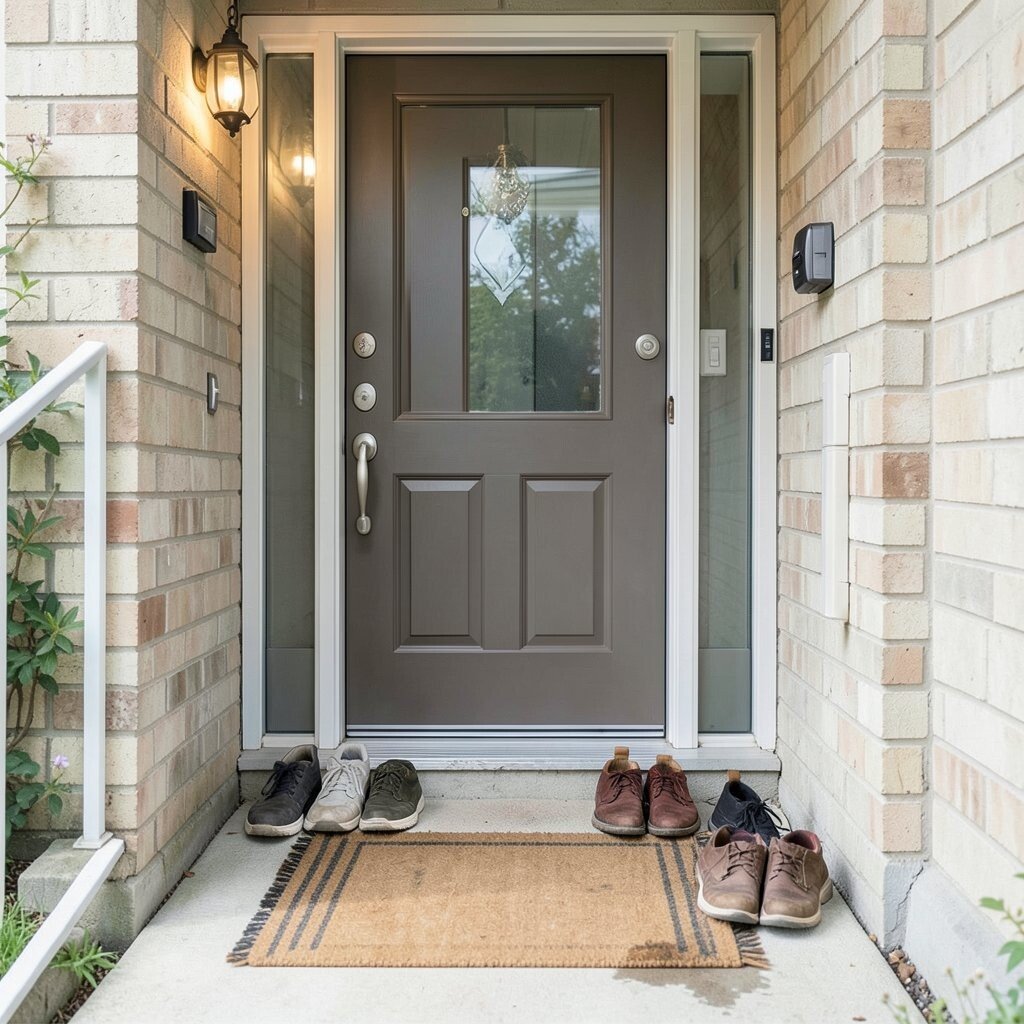
A safety routine keeps small problems from growing into big ones. It can also help the whole entrance stay neat and ready for guests.
Walk through the entry once a week and look for loose mats, burned-out bulbs, sticky locks, or wet spots. This habit costs nothing and can save money by catching repairs early. You can make it personal by tying the check to trash day, grocery day, or another easy reminder.
Ask each family member to help by putting shoes away, closing the door fully, and keeping the path clear. When everyone shares the job, the entrance stays safer and feels more cared for.