A safer home can still feel warm, stylish, and lived-in. The best upgrades are the ones that match your routine and your taste.
1. Start With a Strong Entryway Light
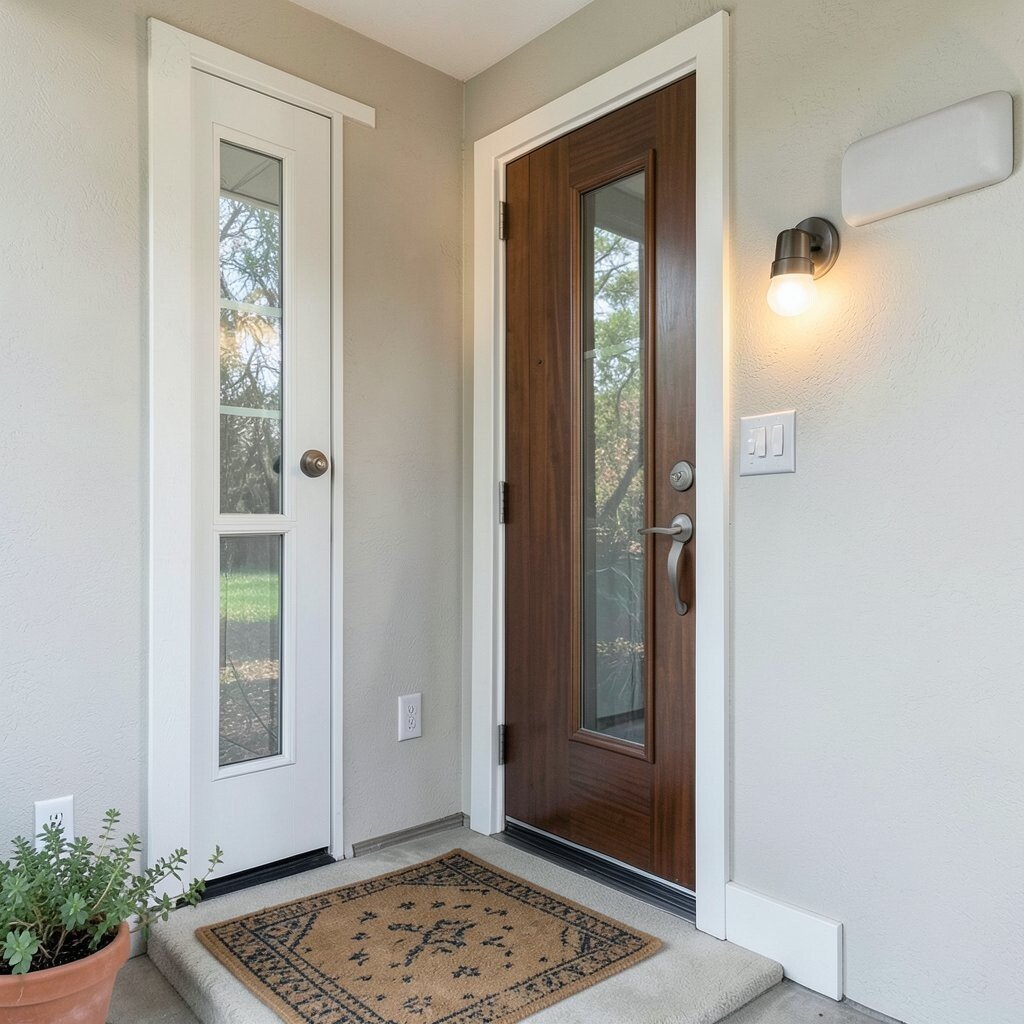
You’ll notice the difference the moment you step outside at dusk. Bright, even lighting helps people see hazards and helps cameras capture faces.
Try wall-mounted lights on both sides of the door so shadows don’t hide key areas. Choose warm white for a welcoming look, but use motion sensors so the light turns on when someone approaches.
2. Upgrade Your Door With a Real Security Frame
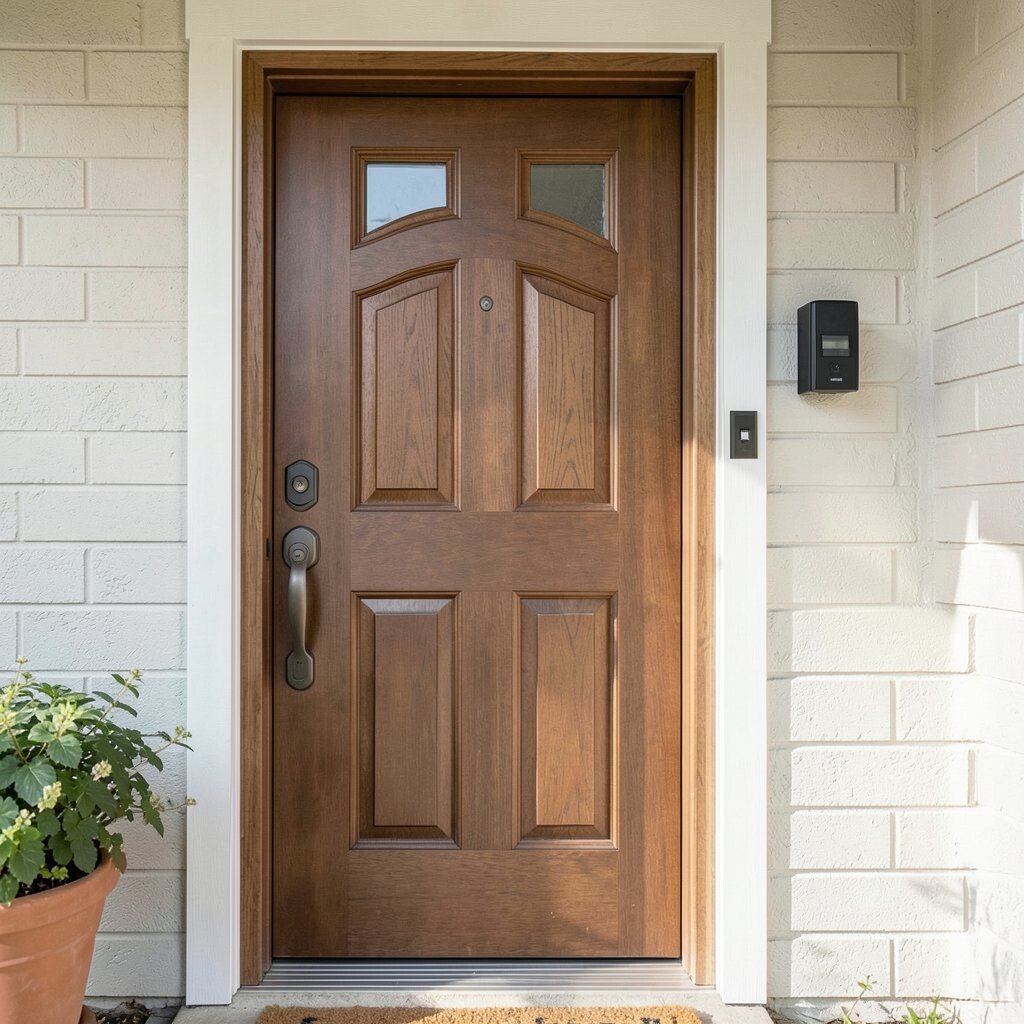
A door can look solid yet still wobble in a weak frame. Reinforcing the frame helps locks work better and makes forced entry harder.
Seal gaps with weatherstripping and use longer screws that grip the framing, not just the trim. If your door sticks, fix alignment first, since a misaligned latch is a small problem that can become a big one.
For budget-friendly wins, focus on the strike plate, screws, and hinge screws before changing the whole door. This approach keeps the look you like while improving how it performs.
3. Add a Peephole Camera for Packages and Visitors
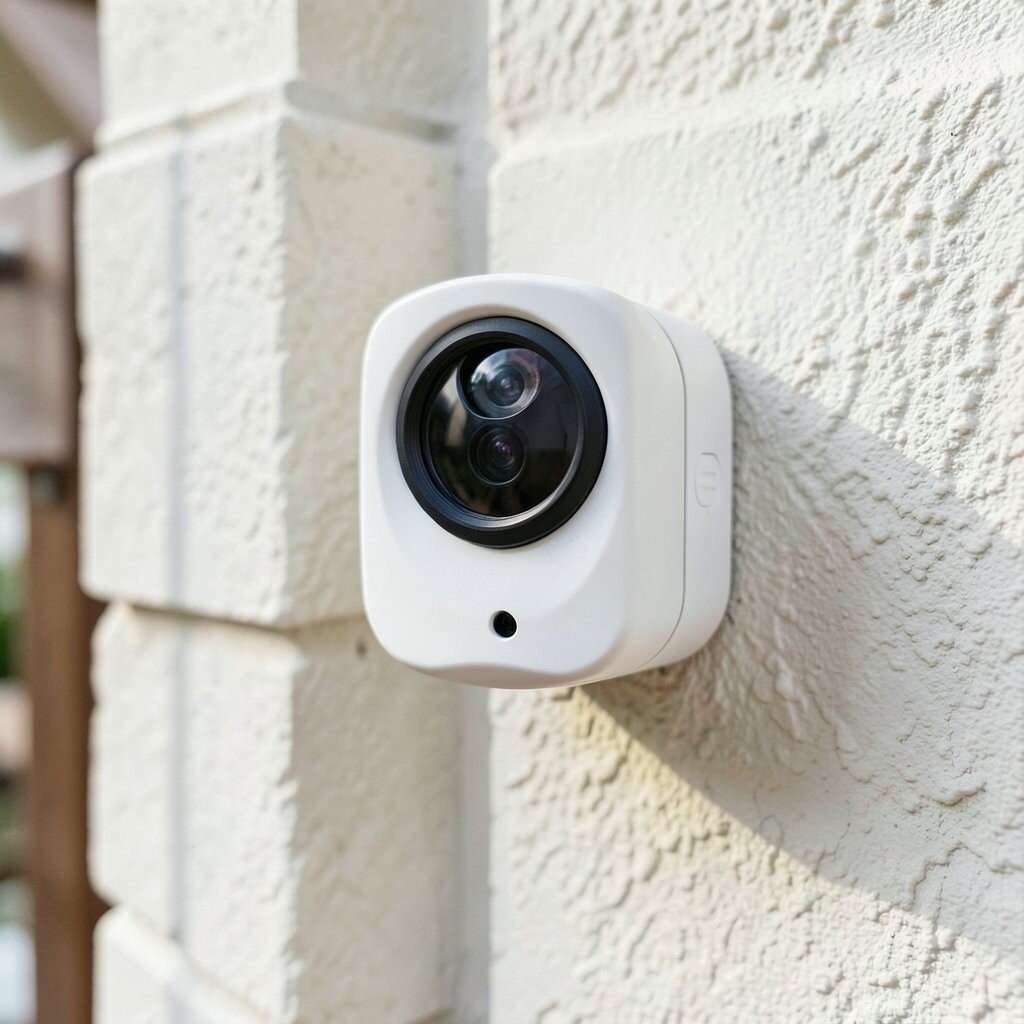
Watching your front steps from your phone feels modern and reassuring. A door-view camera also helps you keep track of deliveries without hovering by the door.
Look for a clear wide-angle view and night vision that actually works in your lighting. Place it so mail and packages are in view, not just the door handle.
To personalize it, choose a model with customizable alerts and activity zones, so you only get notified about real movement. Many systems also let you store short clips, which is helpful when something goes missing.
If you’re on a tighter budget, consider a wired model for stable power and fewer battery hassles. Trends in door cameras keep moving toward easier app controls and smarter motion filtering.
4. Use Smart Locks With Auto-Lock and Code Sharing
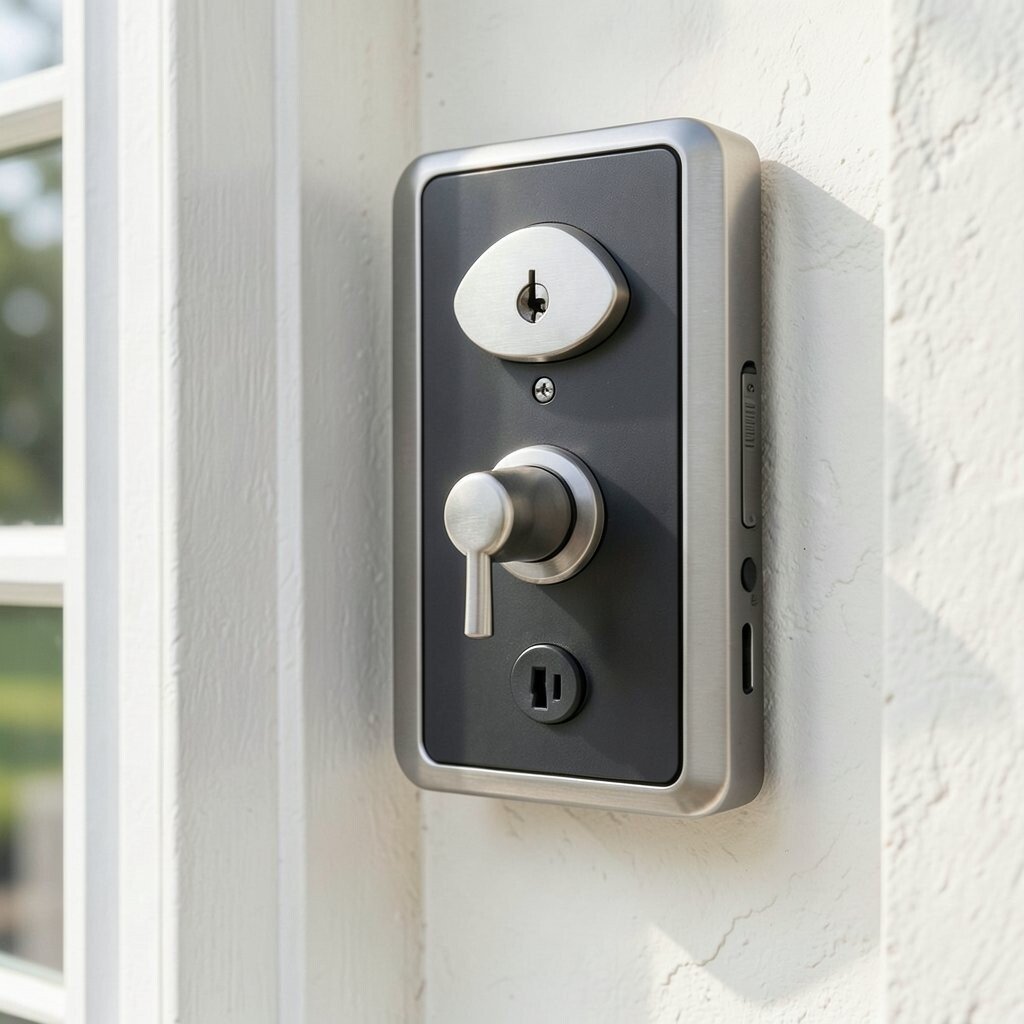
Smart locks can make your home feel more effortless and more secure at the same time. Auto-lock means you don’t have to wonder if the door is still open.
Share temporary codes for guests, neighbors, or workers so you don’t need to hand over a key. If you live in a busy household, manage access from the app and keep logs of who entered.
5. Place a Simple Door and Window Alarm Set
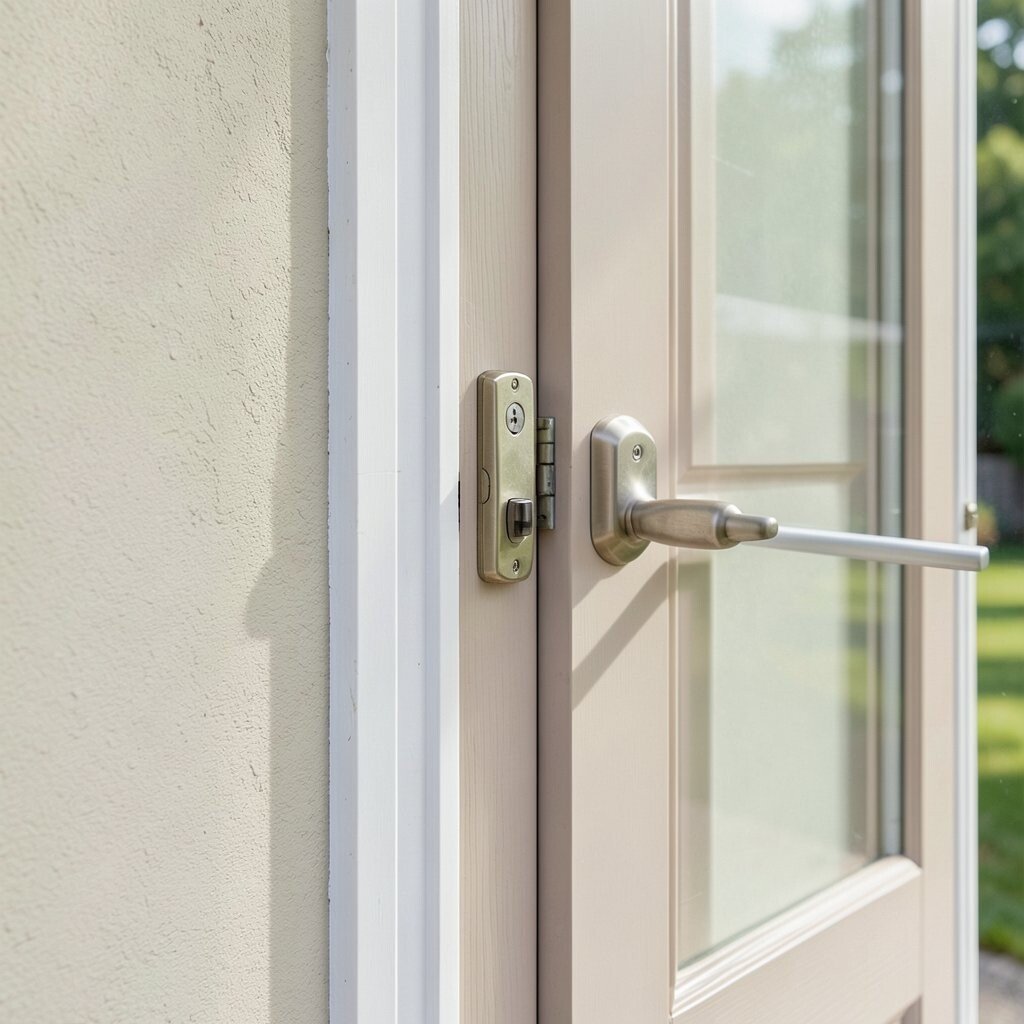
Small alarms are like friendly “do you realize this?” nudges. When a door or window opens, you get an alert, even if you’re not home.
Use sensors on the most common entry points, like ground-floor windows and the back door. Many kits pair with a hub, letting you expand later without restarting from scratch.
For a tidy look, place sensors where they won’t be seen from the street. Consider battery life and test the range so alerts reach the areas where you spend time.
6. Strengthen Hinges With Security Pins
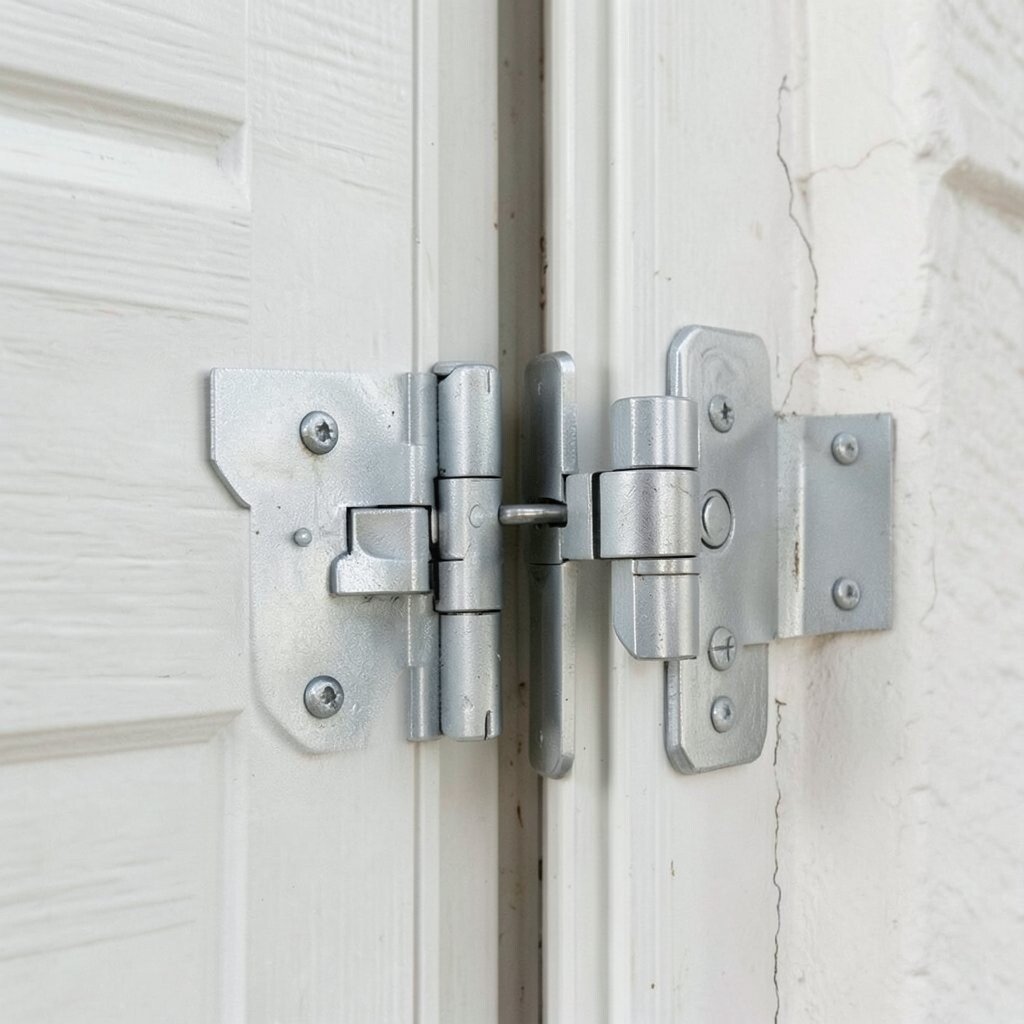
Hinges are often overlooked, yet they’re a common weak spot. Security pins help prevent doors from lifting off their hinges if someone tries to pry them.
Check how many hinges your door uses and replace the vulnerable ones with pins made for that design. This is a quick upgrade that doesn’t change the appearance of your door.
If you’re renting, you can still improve safety by tightening hinge screws and adding a sturdy strike plate. It’s one of those practical fixes that feels small but adds real protection.
Pick hardware that matches your door thickness and hinge style so it fits cleanly. You can usually find good options at common hardware stores.
7. Add Window Film for Privacy and Added Resistance
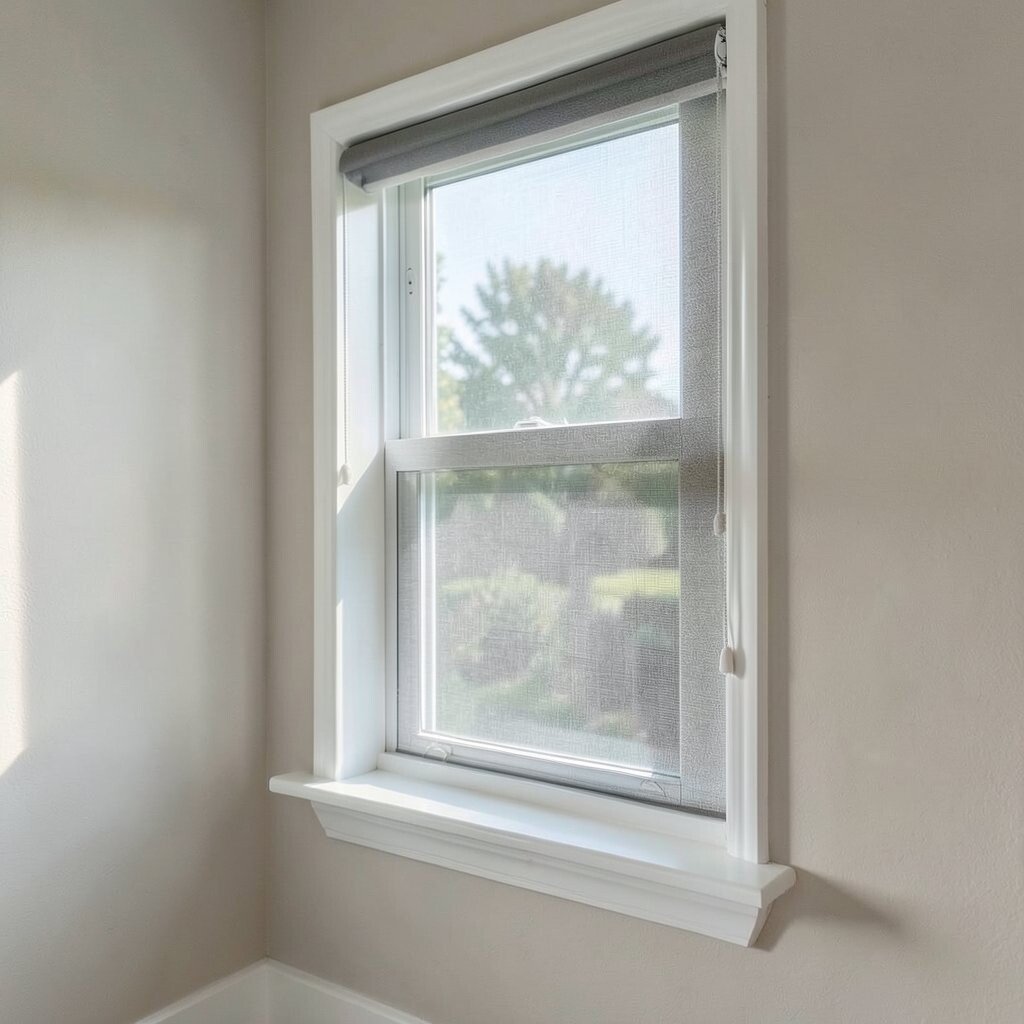
Privacy matters, and window film can deliver both style and safety. Frosted or patterned film makes it harder for someone to see inside while you keep natural light.
For extra strength, choose a film made to hold glass together if it breaks. In many climates, this also helps with heat control, so comfort improves while security gets a boost.
Measure carefully and apply slowly for smooth edges. If you want personalization, match the look to your curtains or entry rug colors.
Many people are leaning toward subtle, modern designs rather than loud frosted sheets, and that trend looks great in real homes.
8. Use a Smart Video Doorbell Chime Indoors

Sometimes the door camera is great, but you still miss the signal. An indoor chime helps you hear and respond quickly when someone arrives.
Choose a chime with clear tones for day and night so you don’t get confused. Pair it with your phone alerts so you’re covered even when you’re in another room.
9. Install a Motion-Activated Camera Over the Back Path
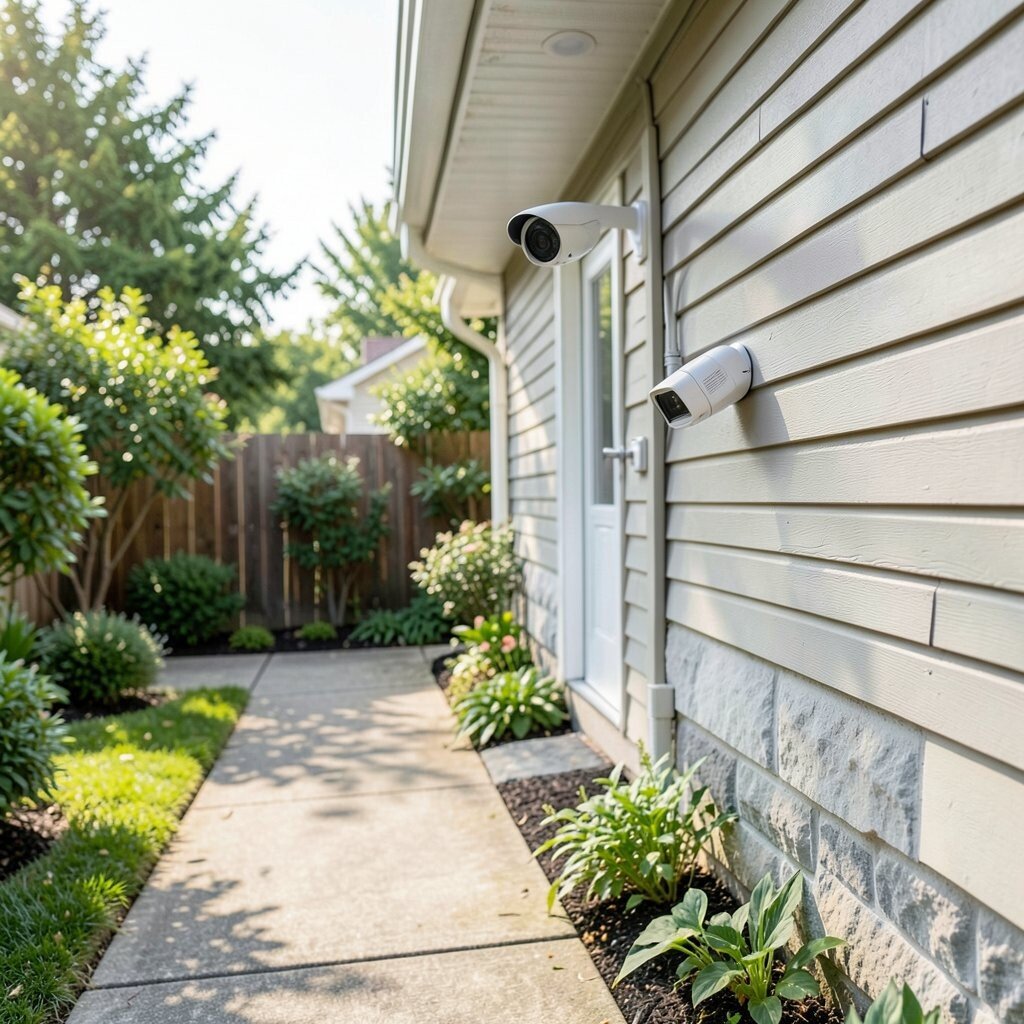
Backyards and side gates are the “in-between” spaces where attention slips. A motion camera aimed at the path helps you spot activity before it becomes a problem.
Mount it high enough to avoid easy tampering, but angle it to capture faces as people approach. Use activity zones to focus on the walkway and ignore swings or passing trees.
To personalize the coverage, consider where your doors open and where packages usually land. This keeps the system useful instead of constantly noisy.
10. Secure Sliding Doors With Track Locks
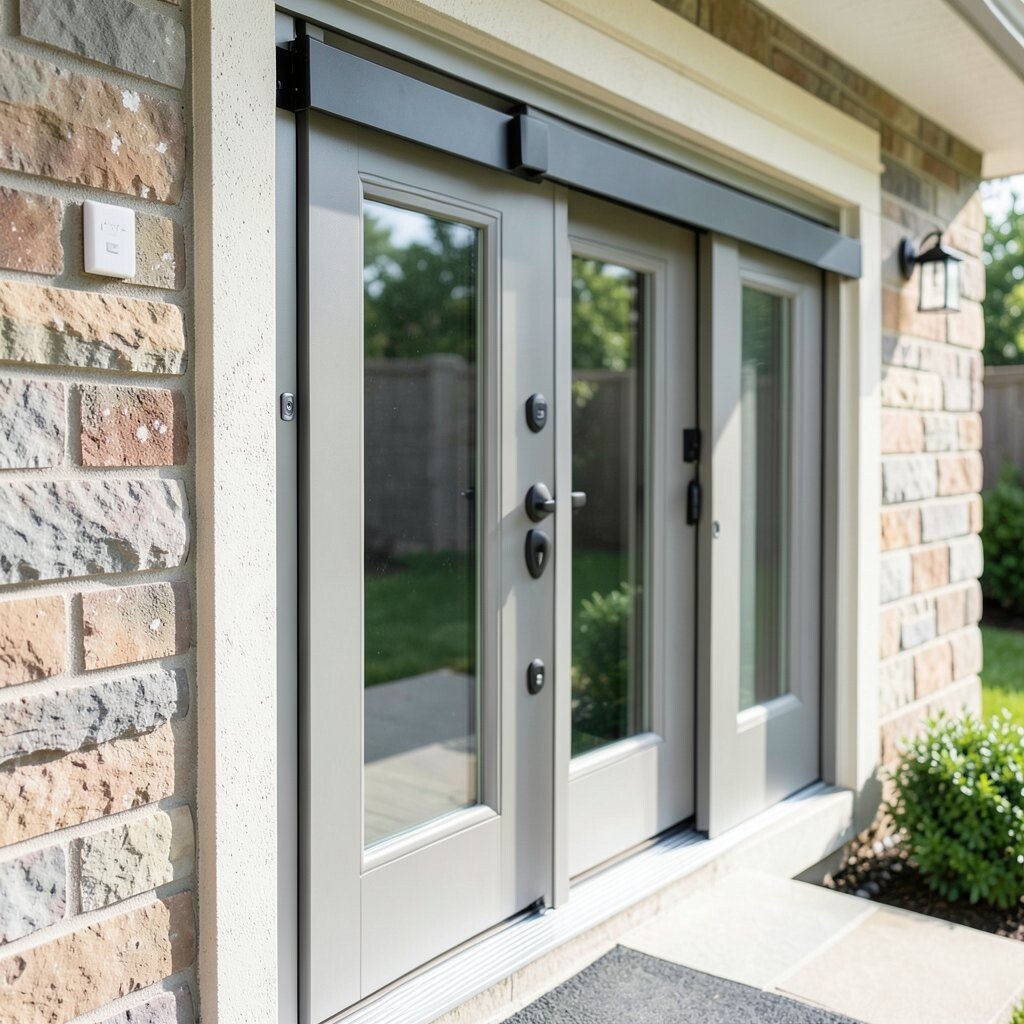
Sliding doors can feel easy to open, which is exactly why they need extra attention. Track locks limit how far the door can slide, adding a real barrier.
Choose locks that match your track type and install them so the door stays aligned. Pair them with a door sensor for alerts if the door is nudged.
If you have kids or pets, double-check that emergency exit still works smoothly. Safety upgrades should make daily life simpler, not stressful.
11. Put a Safe Where You’ll Actually Use It
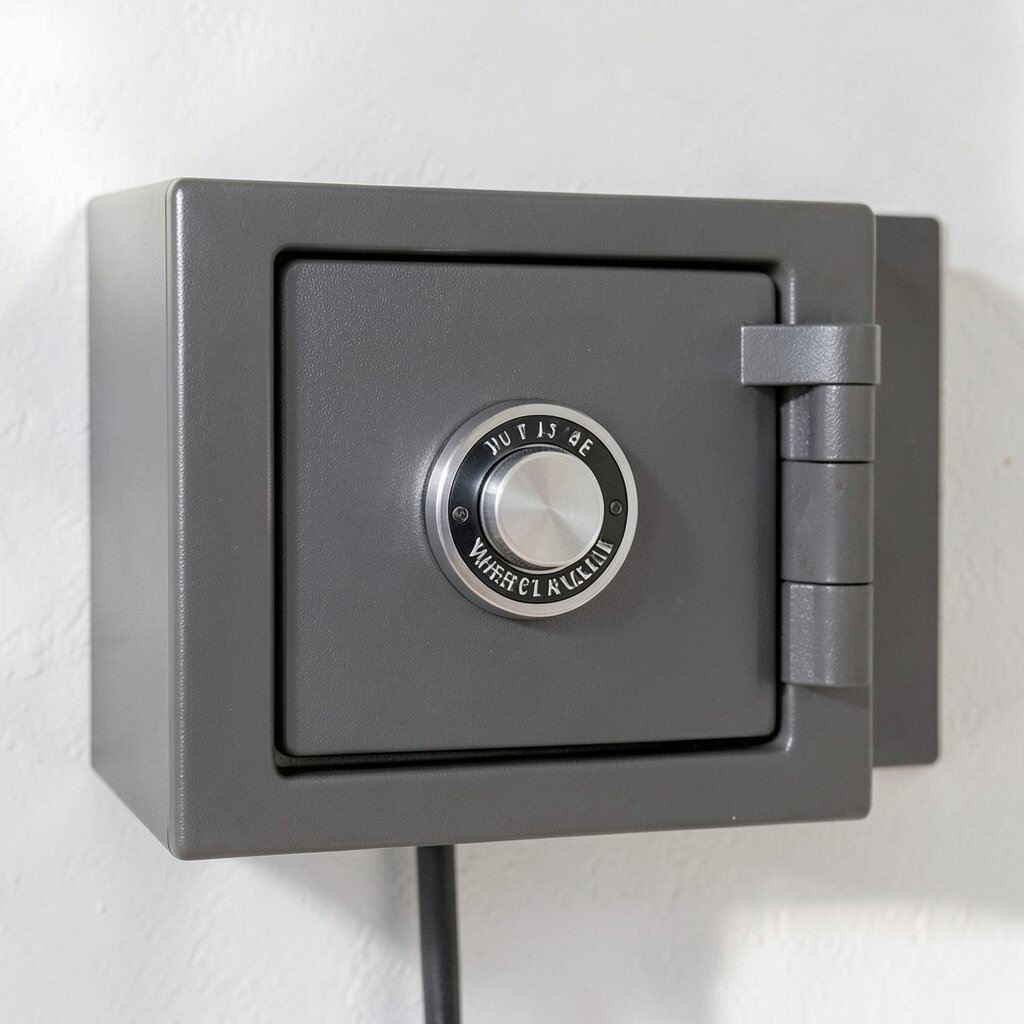
A safe protects valuables, but only if it’s placed where you’ll remember it. Put it in a room you already use, like a closet near your daily routine.
Look for a small fire-resistant safe if you store important documents, jewelry, or spare keys. Anchor the safe if you can, since even a small safe works better when it can’t be carried away.
Personalize the inside with a simple organizer tray so items are easy to find. Many homeowners choose compact models now because they fit apartments and small homes well.
Cost varies a lot, so set a clear budget and focus on the level of fire protection you want most. It’s a security upgrade that also reduces stress during busy days.
12. Add Window Contact Sensors on Basement Rooms
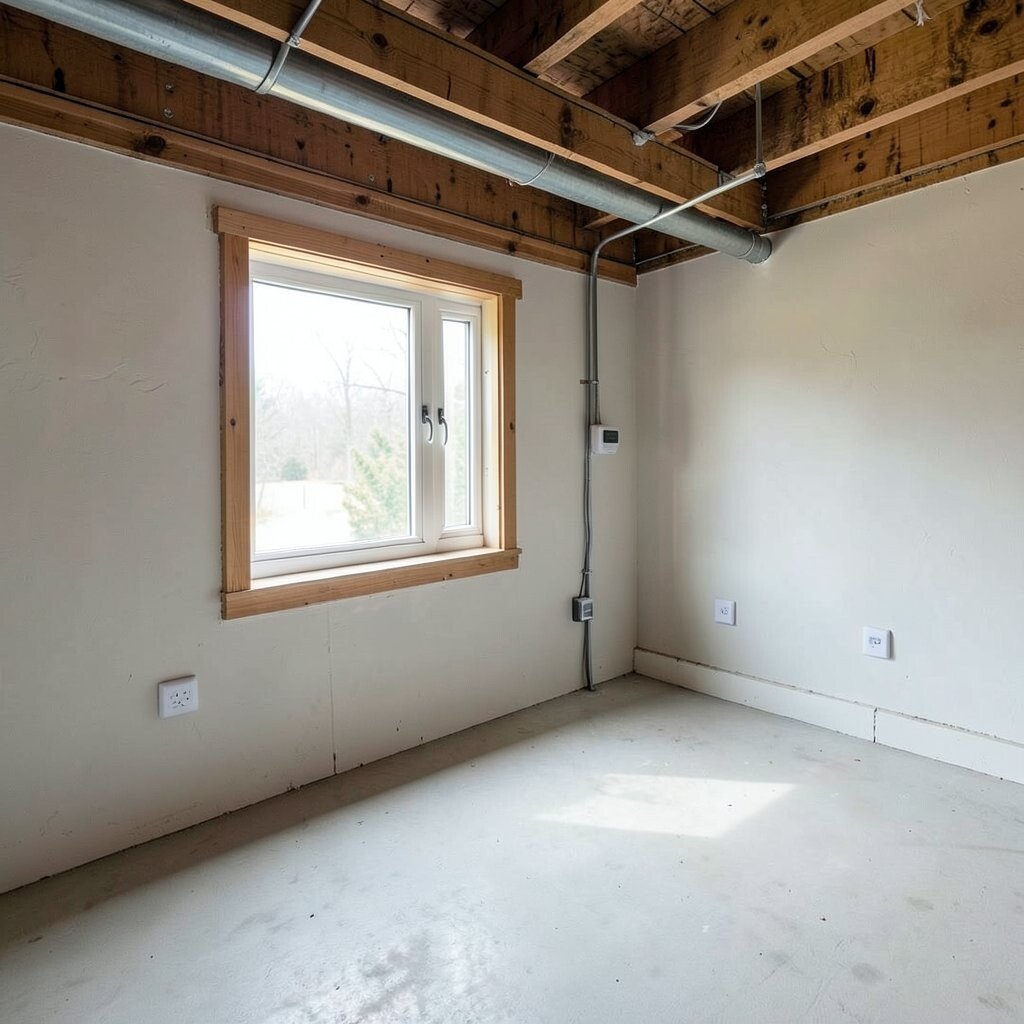
Basements often have windows that feel “out of sight,” which can mean out of mind. Contact sensors make those openings part of your security plan.
Mount the sensors so they trigger reliably when windows slide or tilt. Pair them with an alarm system so you get notifications right away.
To keep it neat, run wires neatly or use battery units placed where they’re hard to reach. Many people combine these sensors with lighting changes so the basement feels safer and more controlled.
13. Use Smart Plugs for Timers and Vacation Mode
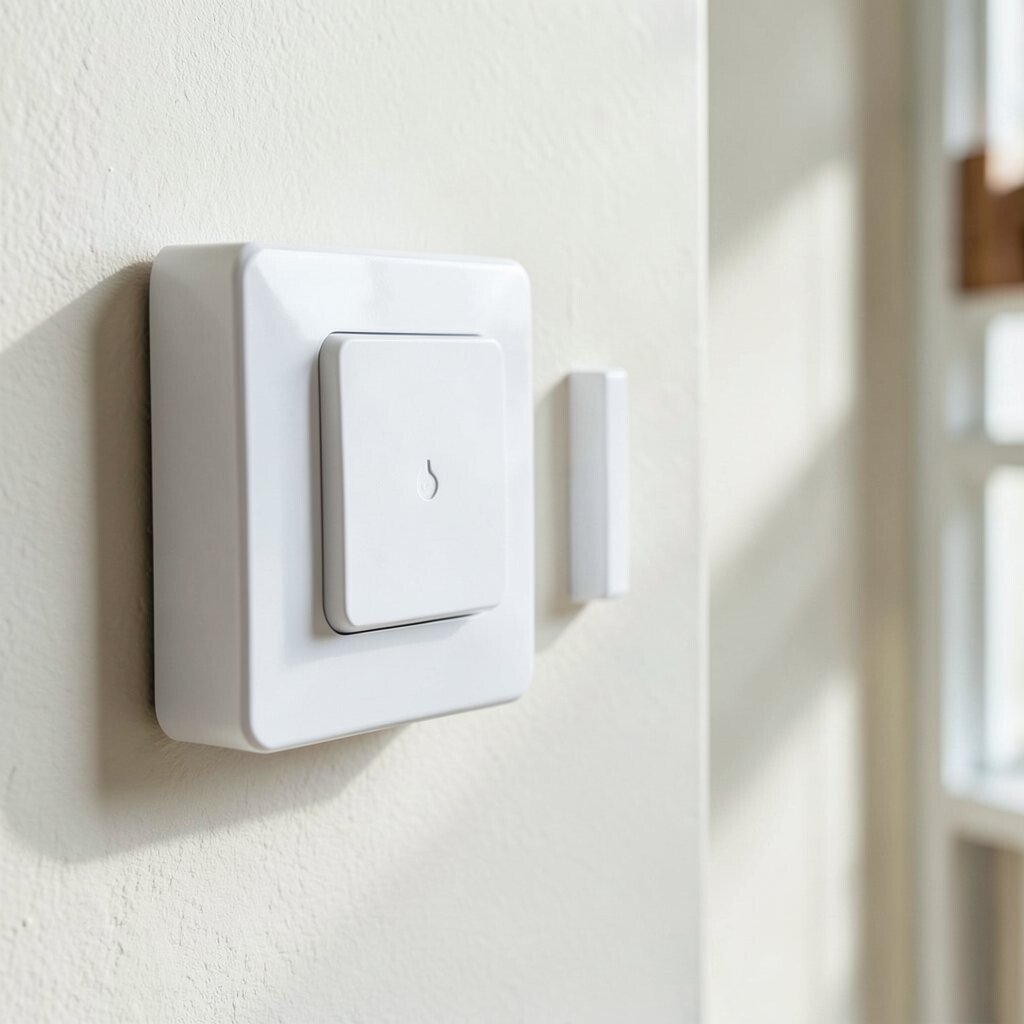
When lights turn on at the right time, the home can look occupied. Smart plugs make it easy to set schedules, even if your travel plans change.
Choose lamps for the evening, like a hallway lamp or a living room light, and vary the patterns slightly for realism. Many systems can sync with weather or sunset, matching your local light changes.
If you want personalization, link plugs to specific routines like “movie night” or “late cooking.” This helps your security choices blend into your lifestyle instead of feeling robotic.
14. Add a Heavy-Duty Door Brace or Strike Reinforcement
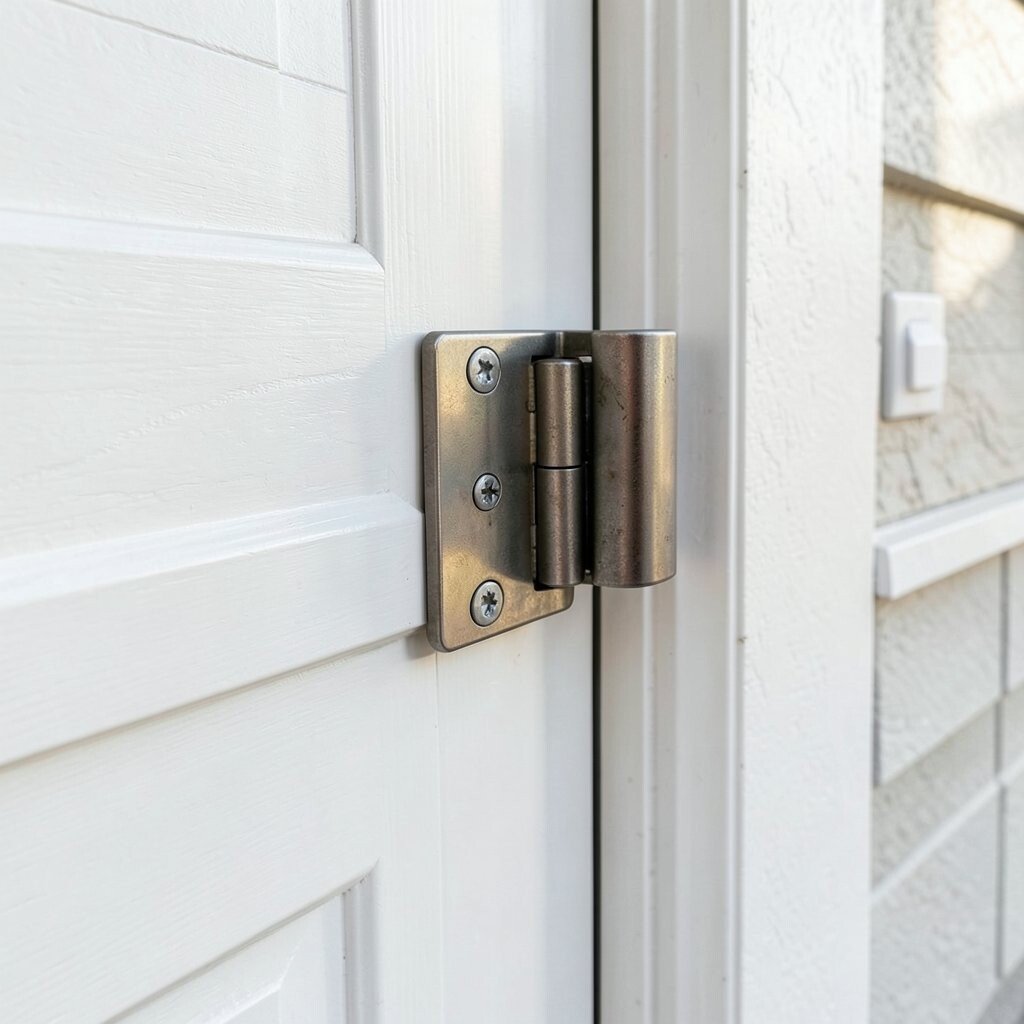
A door brace gives extra strength right where people try to push. Strike reinforcement supports the lock area, which is one of the most important parts of a door.
Check your current strike plate screws and add stronger hardware that bites into the frame. This usually improves both security and the way the door closes.
Pick finishes that match your hardware so it doesn’t look mismatched. It’s a practical upgrade that often costs less than a full door replacement.
15. Improve Landscaping With Pruned, Clear Sight Lines
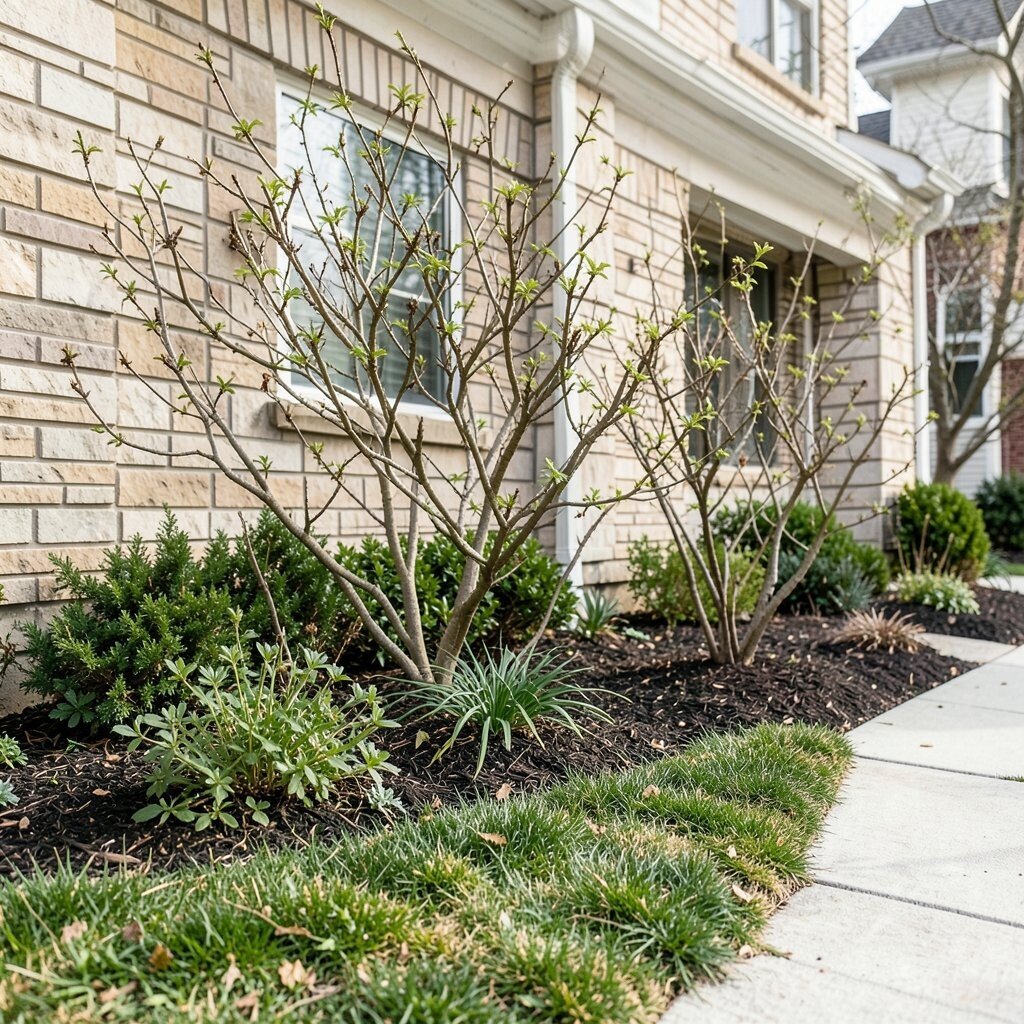
Thick shrubs can make a home feel private, but they can also hide someone. Pruning to keep clear sight lines helps cameras and people spot movement sooner.
Keep bushes below window height and trim branches that block front pathways. Use ground cover instead of tall growth near entry points if you want a clean look.
For uniqueness, choose planters that frame the steps and add lighting in the landscaping. This is a security idea that doubles as curb appeal, and it’s a trend many homeowners love right now.
If you’re planning changes, do a quick “walk-by check” in the evening to see what’s visible from the street.
16. Install a Fence Lock and Gate Sensor
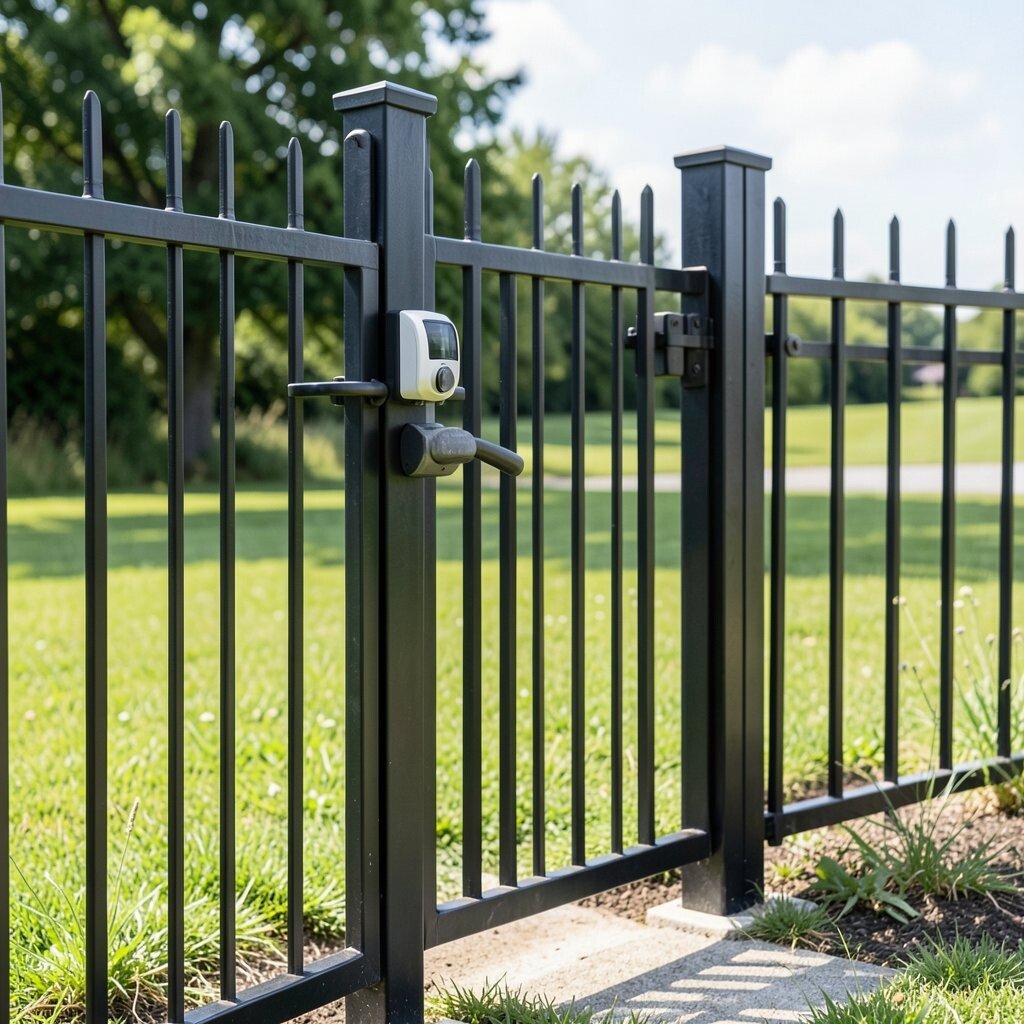
Fences can be part of your safety, but only when gates stay secure. A gate lock plus a sensor gives you alerts if the gate moves unexpectedly.
Use a lock designed for outdoor weather and apply protective coatings if your climate is harsh. Consider a sensor that can handle outdoor temperatures and moisture.
To personalize, match the lock finish to your gate hardware so it looks intentional. Many homeowners now prefer sleek, low-profile sensors so the setup stays discreet.
17. Cover Dark Corners With Pathway Lighting
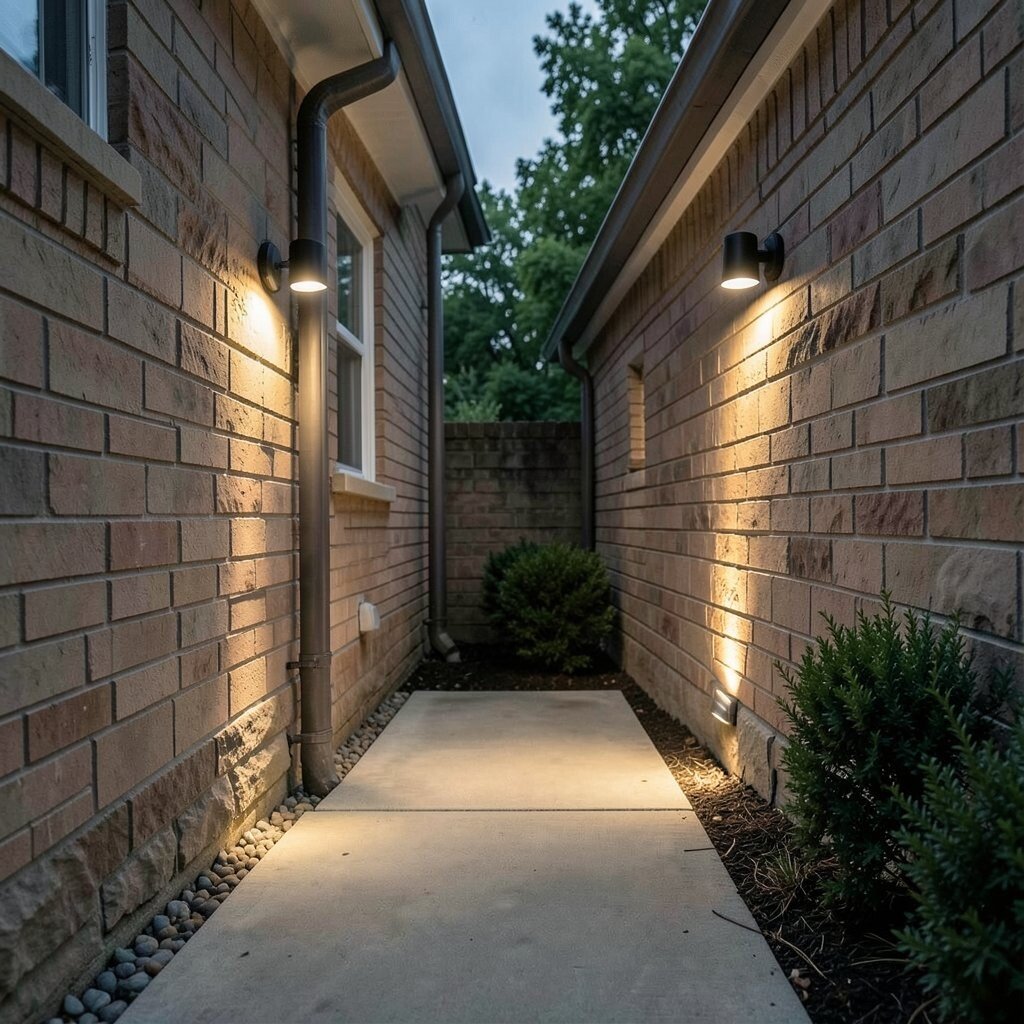
Dark corners can make people hesitate and can hide risks. Pathway lights guide you at night and help cameras catch activity.
Choose solar lights if you have easy sun exposure, or select wired lighting for consistent brightness. Place lights at regular intervals so the path looks even, not patchy.
For a stylish feel, pick lantern-style fixtures or modern low-glow designs that match your outdoor décor. Even small lighting changes can make a home look more welcoming while improving safety.
18. Protect Garage Doors With Stronger Hardware
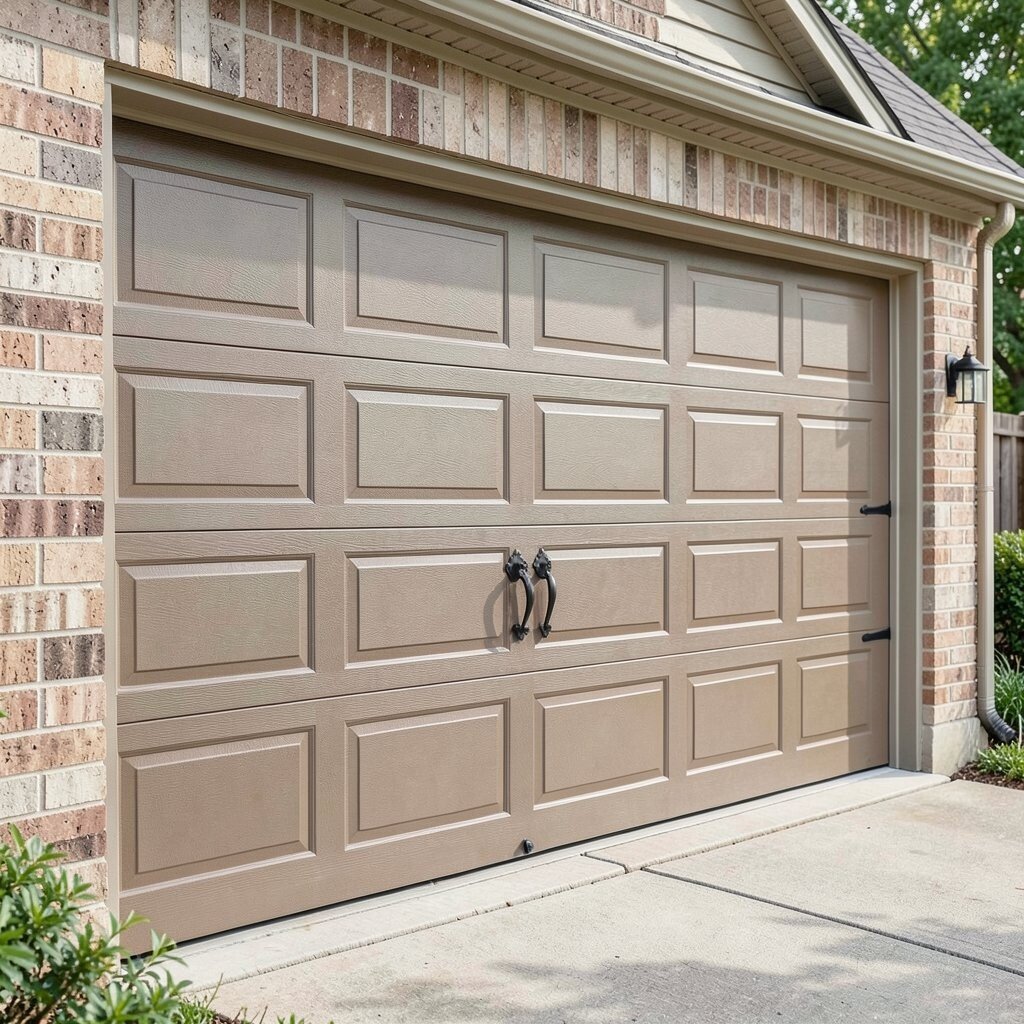
Garages often connect to doors inside, so securing them matters. Reinforced garage door hardware helps resist forced lifting and tampering.
Start with the tracks, rollers, and the locking mechanism, since poor maintenance can weaken performance. If your garage door has older springs or worn parts, replace them for reliability.
Consider adding a sensor on the garage door and a sensor on the door between the garage and the home. This multi-layer approach helps even if one layer is missed.
Trends in home security also show more people paying attention to garage vulnerabilities, especially because many homes are quiet there at night.
19. Use a Secure Key Management Plan
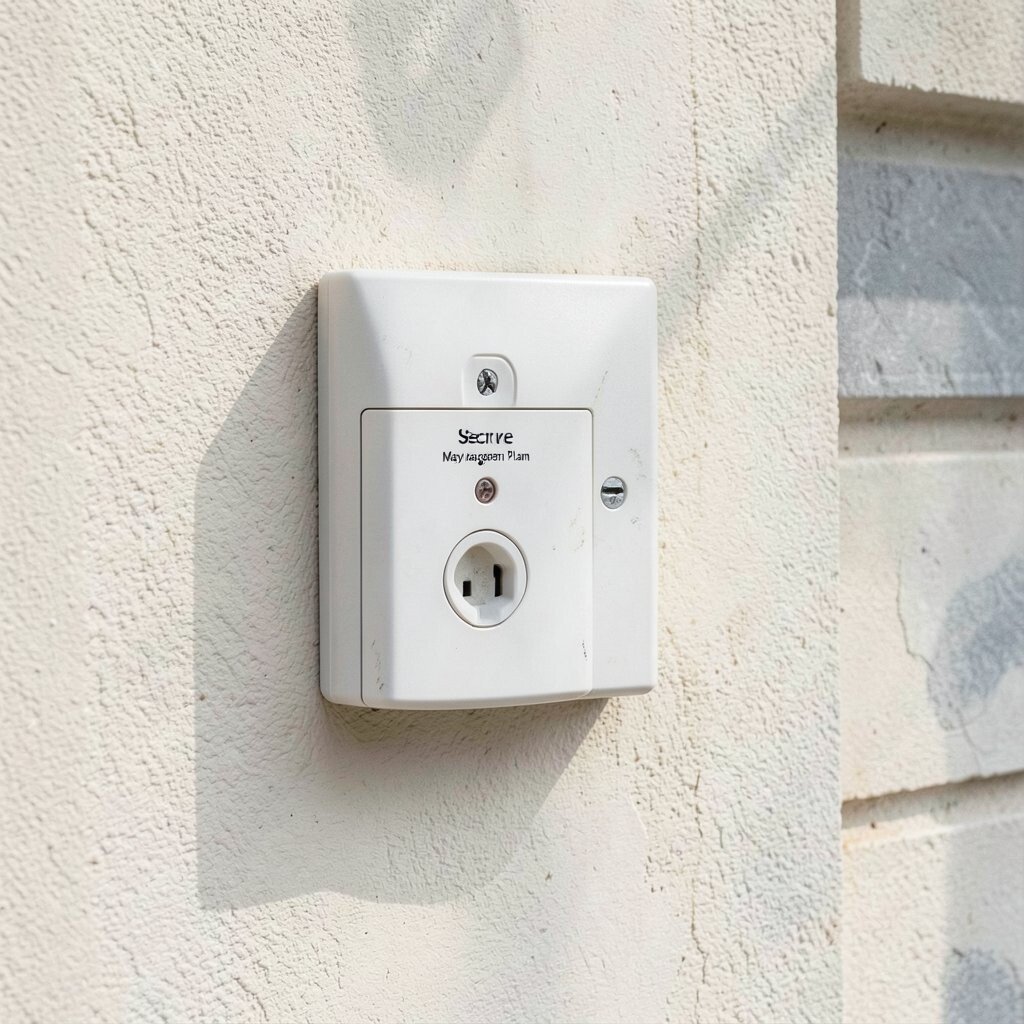
Keys are small, but they can create big problems if they’re handled loosely. A clear system reduces the chance of a lost key turning into a security hole.
Store spare keys inside a safe or lockbox instead of hiding them outside. If you do share keys, use a plan that limits who can access them and when.
For personalization, choose a lockbox that matches your entryway style so it doesn’t look like an afterthought. Many modern key systems also allow quick code updates, which is helpful for households that rotate caregivers or cleaners.
20. Place Signs and Stickers Strategically
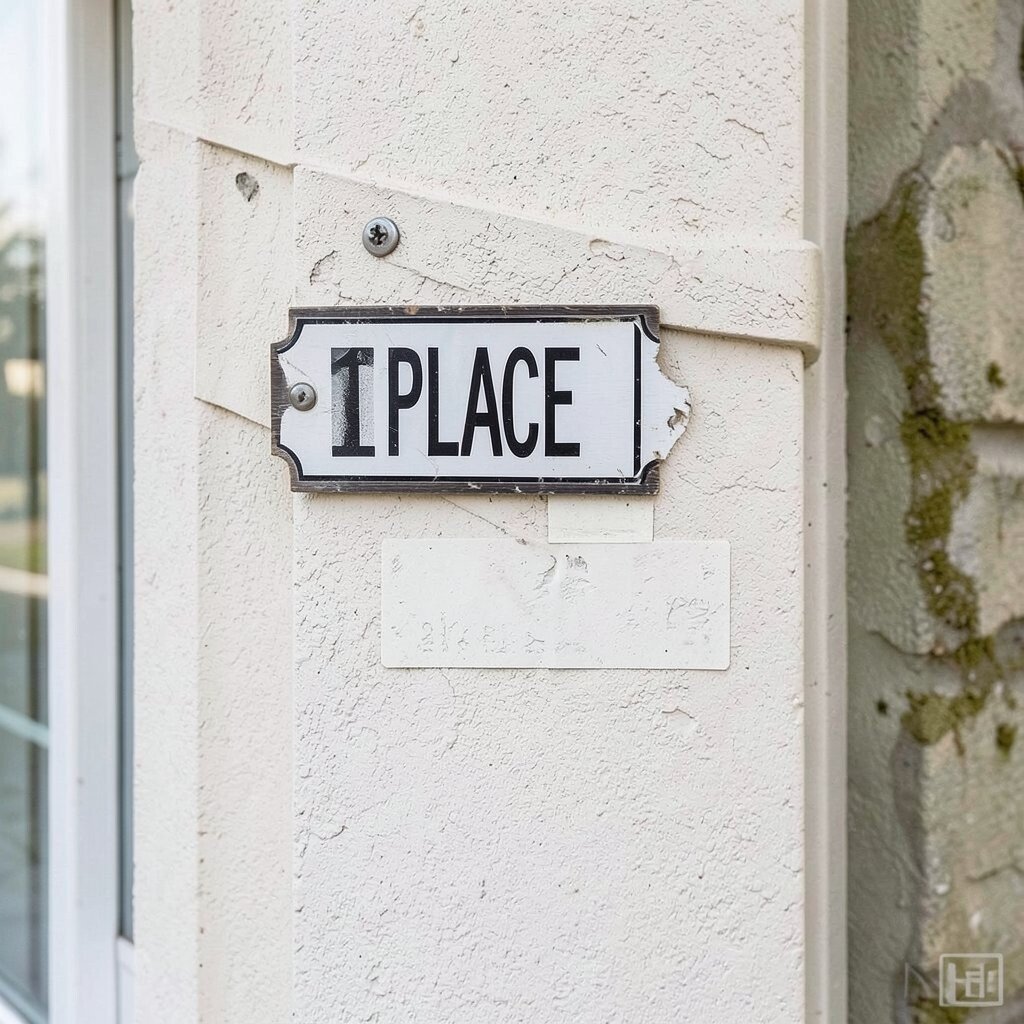
Not every security move needs to be hidden. Visible signs can discourage casual tampering because they signal monitoring and awareness.
Put stickers near doorways and windows where they’re easy to see, but avoid placing them on every surface. Keep the look clean, and focus on the entry points that matter most.
This idea works best with real equipment installed, so it should match your setup. The uniqueness here is that you’re communicating security without cluttering your home.
21. Choose Safe Lighting Colors for Different Rooms
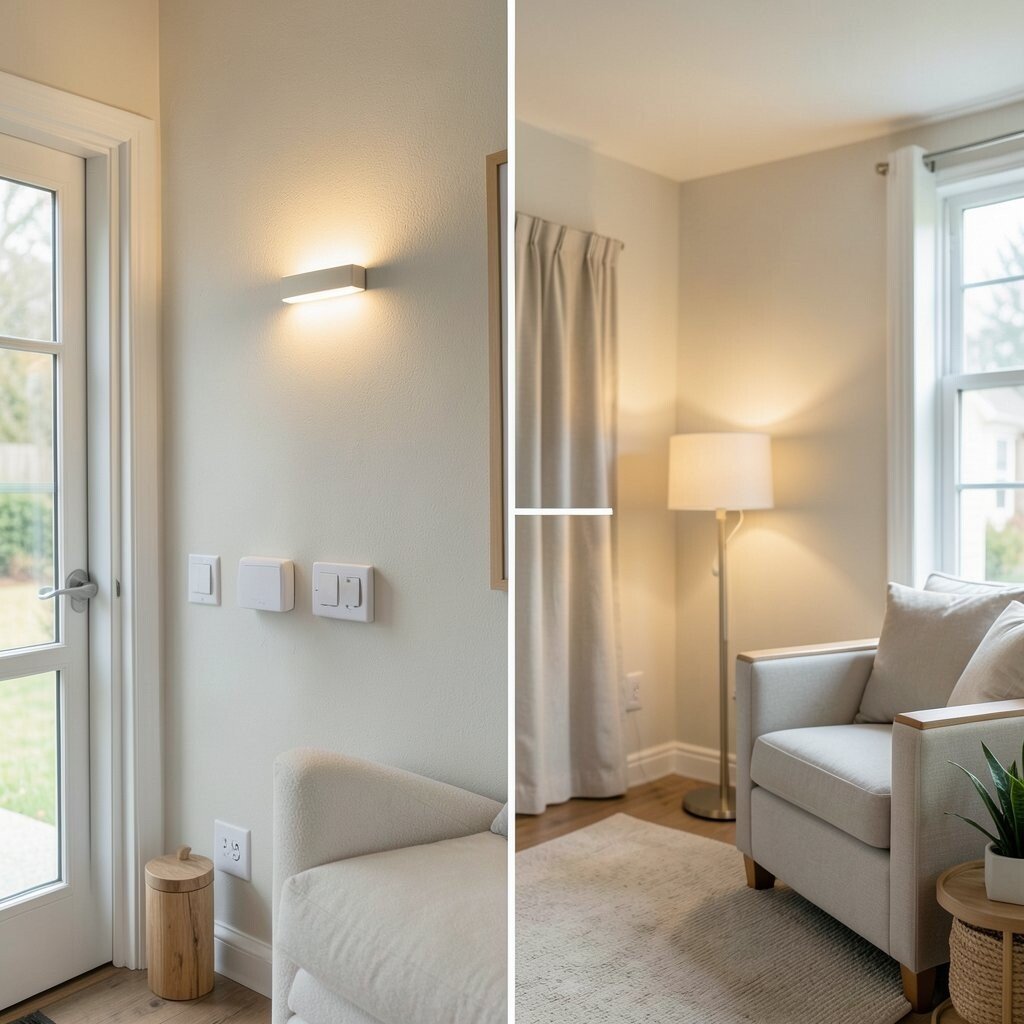
Lighting affects how a space feels and how it looks to cameras. Warm light can look cozy inside, while brighter, cooler outdoor lighting can improve clarity.
Use smart bulbs so you can set schedules and adjust brightness when you want. If you have a front porch or patio, pick lighting that highlights entry areas without glare that washes out images.
Personalize by using scenes for evenings, like a softer living room and a brighter exterior. Many homeowners are trending toward color-tuning because it lets security feel like décor.
22. Keep a Photo Inventory of Valuables
If something goes missing, details matter. A simple photo inventory helps with insurance claims and speeds up replacement decisions.
Take clear pictures of serial numbers and store the photos in a secure cloud folder or a safe document area. This is security in a different way, supporting recovery even when prevention isn’t perfect.
To personalize, organize items by room and add a quick note in your file name like “living room TV” or “bedroom jewelry.” Cost is usually just your time, or a small subscription for cloud storage if you want extra protection.
This trend has grown because people want to be prepared without needing a complicated system. When your record is ready, stress drops and actions become easier.