
A tidy home can feel like a deep breath. Small changes in storage can make your everyday routine calmer.
1. Start With Vertical Zones
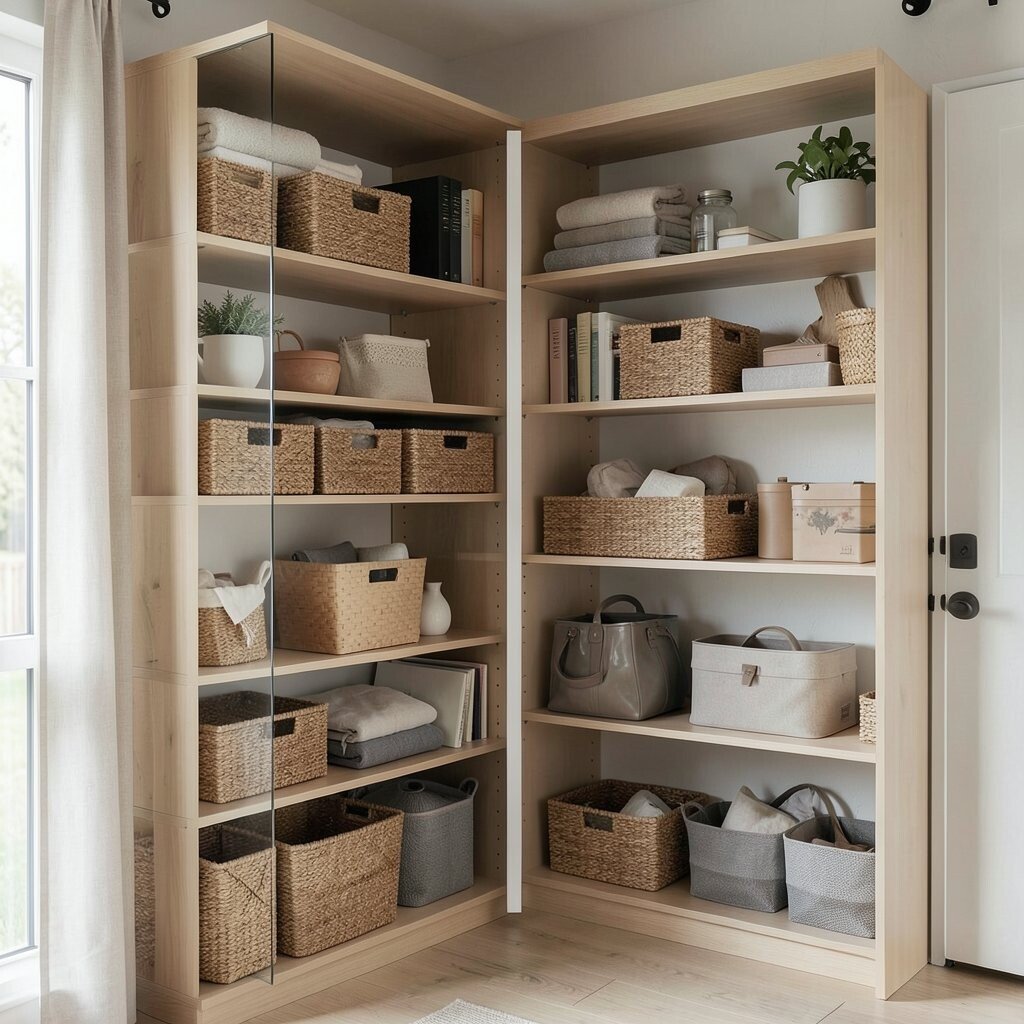
Look around your room and notice how much space sits above your head. When you use vertical zones, shelves and hooks turn blank walls into helpful landing spots.
Try stacking storage by height, like tall bins for seasonal items and lower shelves for daily extras. You can add a peg rail for bags and small tools, then mount slim organizers beside doors for things you reach for every day. For personalization, match shelf colors to your decor so storage looks part of the design instead of an afterthought.
2. Create a Landing Pad by the Door
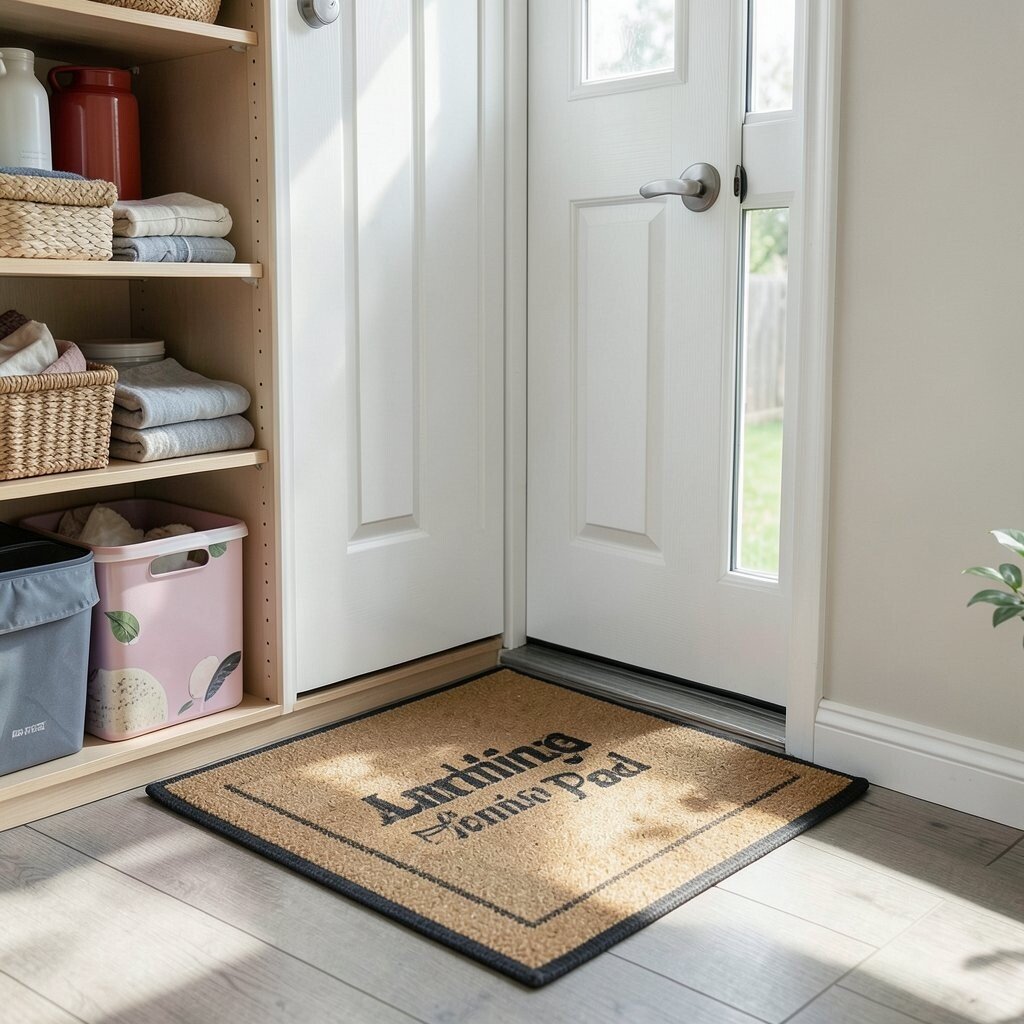
The best storage idea is the one that saves you from piles. A landing pad near your entry keeps keys, mail, and bags from spreading across the house.
Use a wall-mounted tray for letters, a small hook row for backpacks, and a basket for hats and gloves. Set a shallow shoe tray or a slim mat so footwear stays tidy without needing a full shoe cabinet. If you want it to feel unique, paint the tray a favorite shade or wrap baskets with fabric that matches your curtains.
For cost control, start with one wall hook set and one basket, then grow the system over time. This kind of setup also fits current trends toward “drop zones” that look neat even when life gets busy.
3. Use Drawer Dividers That Fit Your Habits
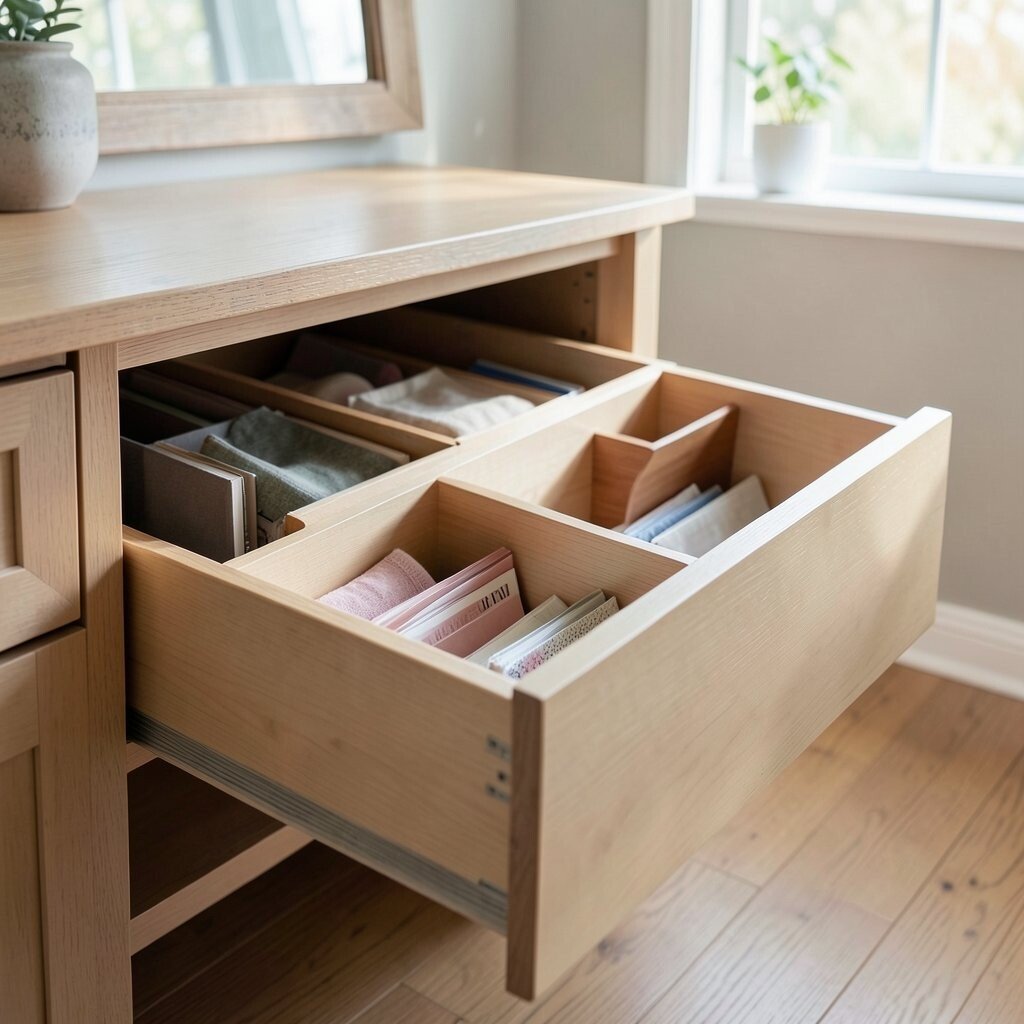
Open any drawer and you can usually see where things get mixed up. Dividers help you keep similar items together so you don’t have to dig.
Choose organizers that match your everyday routine, like sections for chargers, lip products, or office supplies. A simple split in a kitchen drawer can keep scissors, tape, and tools from tangling. If you prefer a softer look, use removable cloth dividers or modular plastic pieces that you can rearrange.
Consider a small investment in quality dividers because they last and make daily cleanup faster. People are leaning toward custom-fit organization right now, and you can mimic that style using budget-friendly modular systems.
4. Turn Under-Bed Space Into a Storage Library
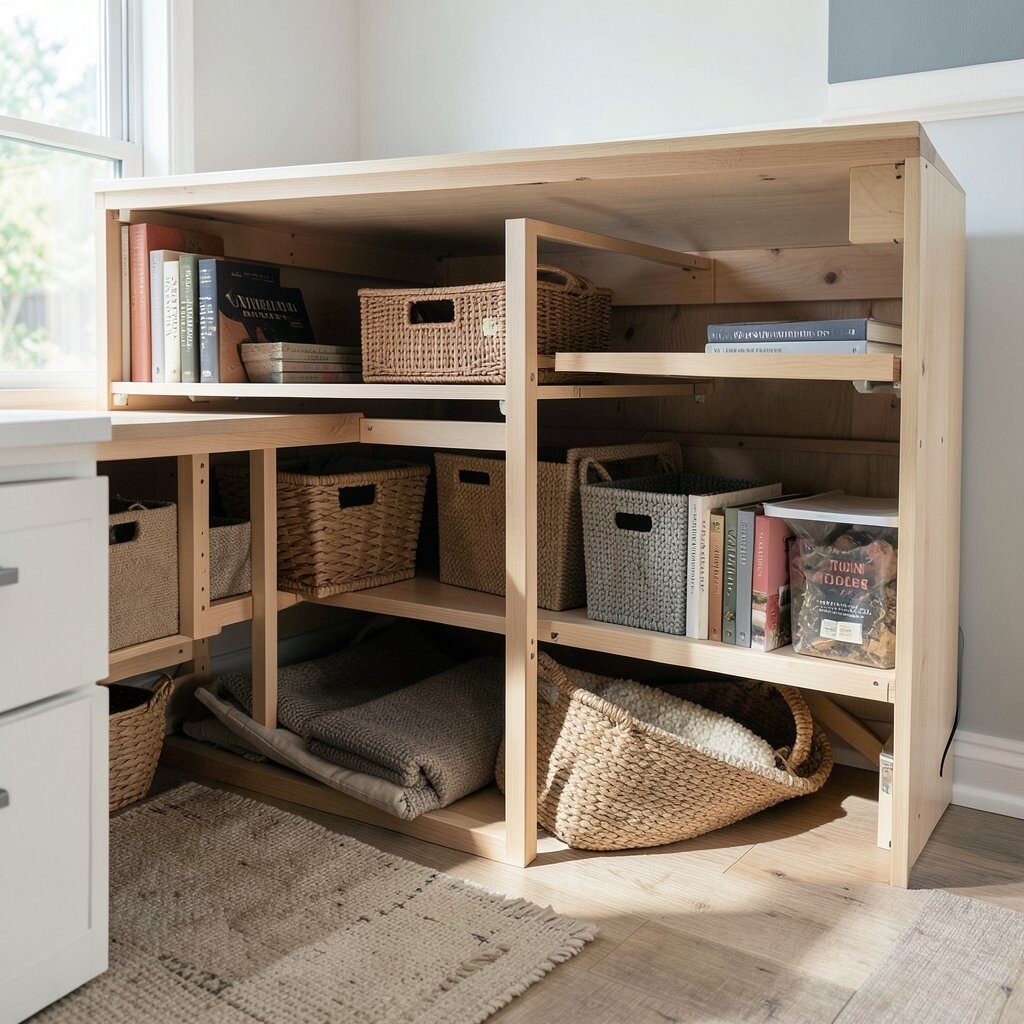
Under the bed is prime real estate that stays out of sight. Sliding bins beneath it can store extra blankets, spare linens, or shoes you don’t wear often.
Pick rolling drawers or flat fabric containers so pulling them out is easy. Use labels on the outside so you know what’s where without opening everything. For a fun personalization twist, choose bin sets with matching patterns and keep the front edges consistent so the area still looks tidy.
5. Add Inside-Door Organizers
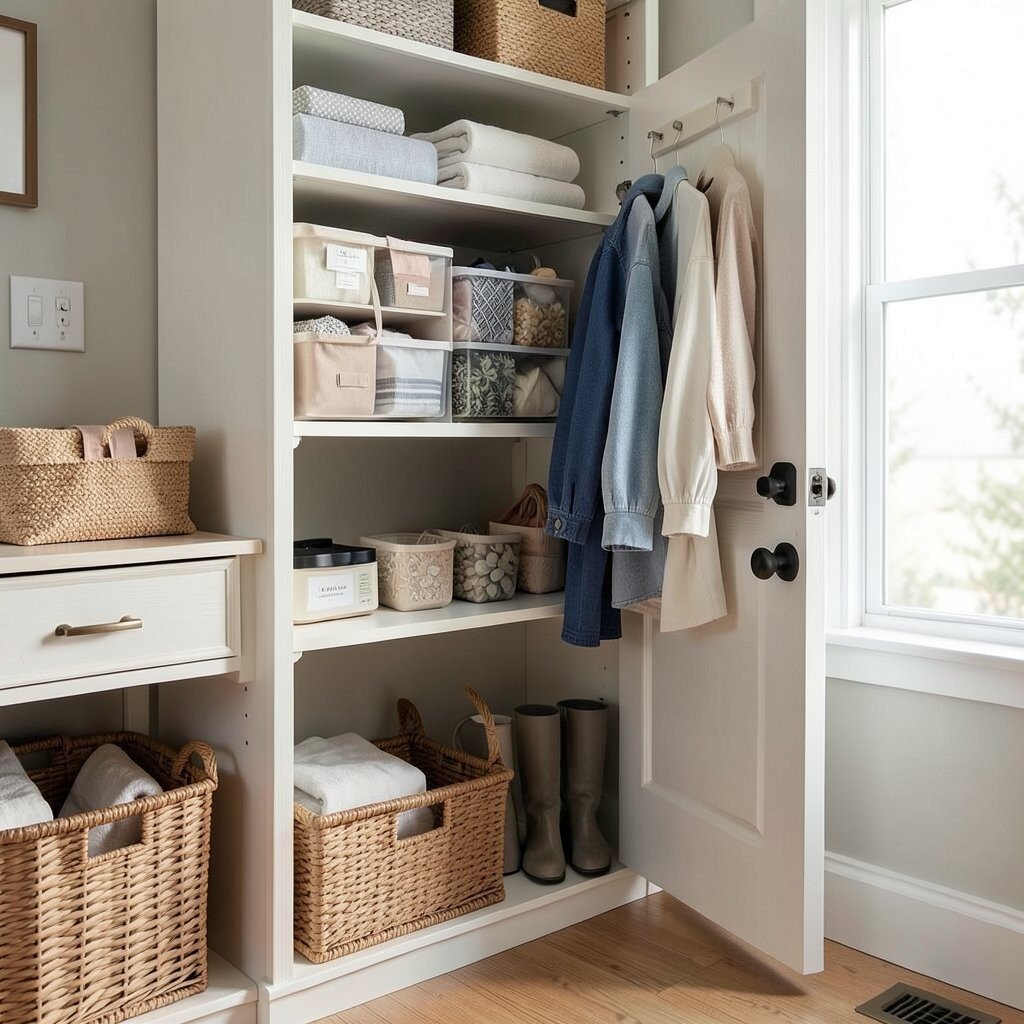
Your closet and cabinet doors have hidden potential. Hinged storage helps you use areas that are easy to overlook.
Try door baskets in bathrooms for hair accessories, in pantries for snacks, or in bedrooms for scarves. Choose clear organizers when you want quick visibility and solid bins when you want a calmer look. If you love matching, pick one metal finish or color and stick with it across rooms for a consistent style.
This is a budget-friendly way to add function without buying bigger furniture. It also matches the current trend of using “small spaces” for daily convenience rather than waiting for a full room makeover.
6. Build a Cable Calm Station

Photo a tangled mess of cords near your TV or desk. It looks chaotic, and it also makes it harder to find what works.
A cable calm station can be as simple as a small box with a divider inside. Route chargers through a cable clip or a short channel so cords stay grouped, then store extra cables in labeled pouches. Personalize it with a fabric sleeve that fits your decor, so the storage looks intentional instead of messy.
7. Store Kitchen Items by Use, Not by Type
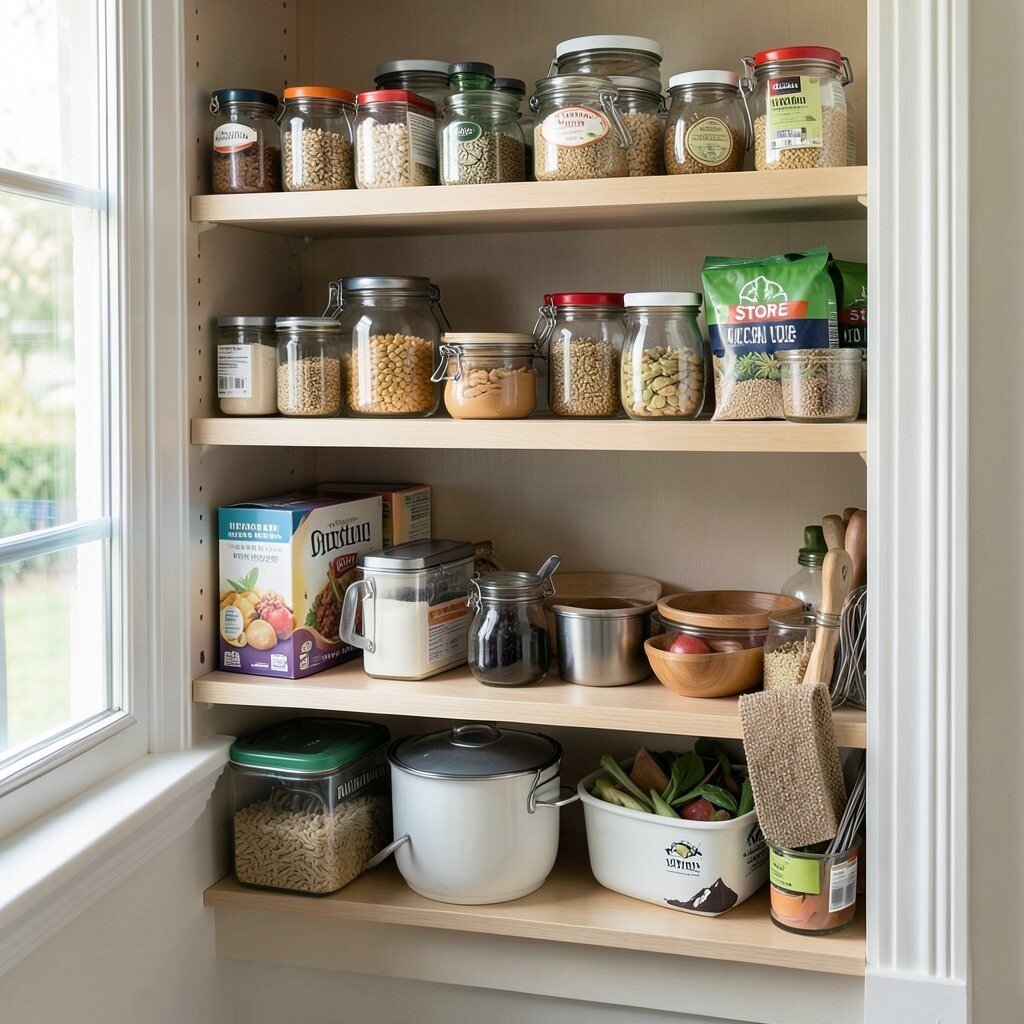
Your kitchen becomes easier when items live where you need them. Instead of putting everything “by category,” think about what you reach for during cooking.
Keep oils, spices, and frequently used utensils near your stove, and move baking tools closer to where you measure ingredients. Put backup items in higher cabinets, while the daily favorites stay at eye level. A practical tip is to do a quick inventory of what you grab most often, then place those items in the smoothest-to-reach spots.
8. Create a Linen Closet That Makes Sense

A linen closet can turn into a confusing pile fast. When you give each item a home, the closet becomes simple and satisfying to open.
Fold towels uniformly, then arrange them by size so you can spot what you need quickly. Use a tiered shelf or a small drawer for toiletries and cleaning extras so the top doesn’t become a “junk shelf.” For personalization, add a small scent sachet or a decorative tray that matches your bathroom style, so it feels welcoming.
9. Make the Most of the Wall Behind the Sofa
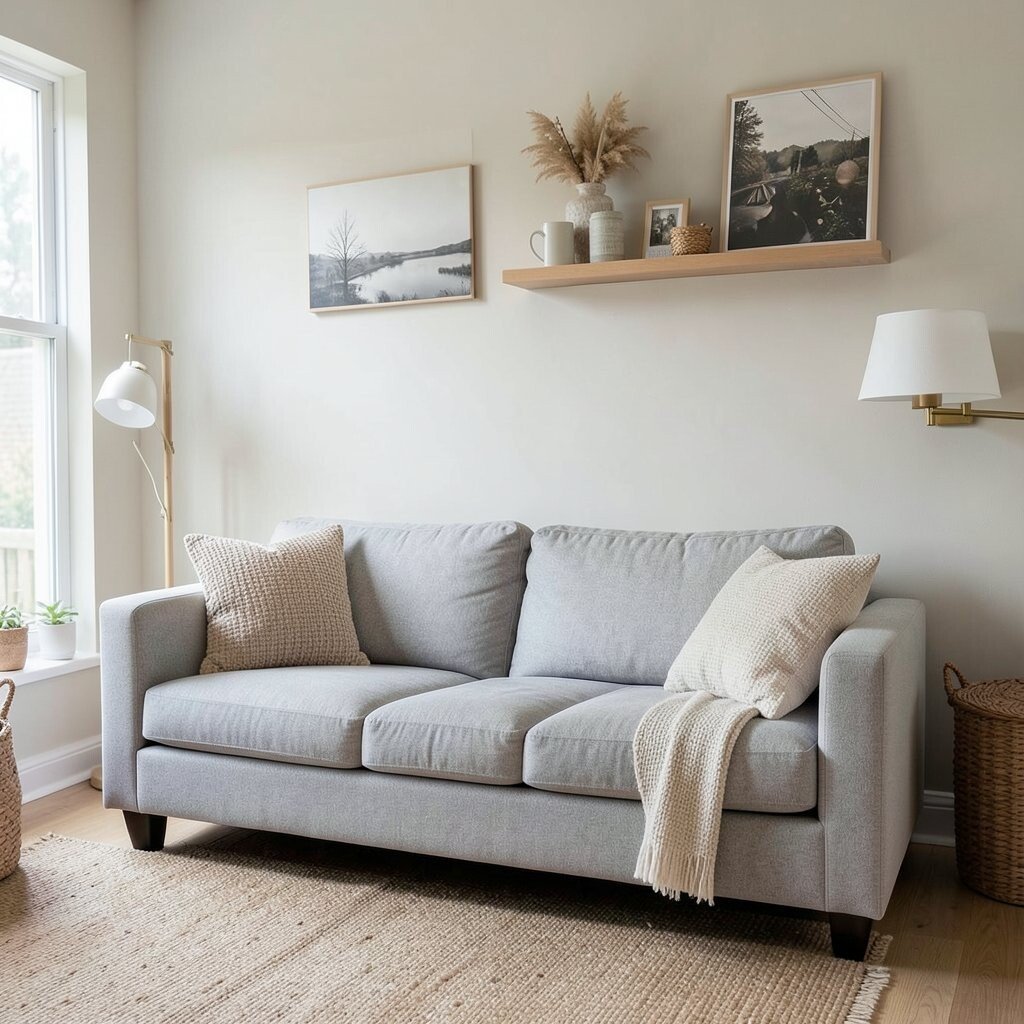
That wall behind your sofa is often empty, which makes storage feel lacking. With the right setup, it can hold blankets, games, or books without taking floor space.
Try a combination of floating shelves and a slim cabinet, or use a ladder-style shelf for baskets. Store board games in labeled bins so kids and guests can clean up quickly. If you want uniqueness, pick a shelf layout that matches your room’s lines, like staggered shelves for a modern look.
10. Use Clear Bins for Quick Visual Checks
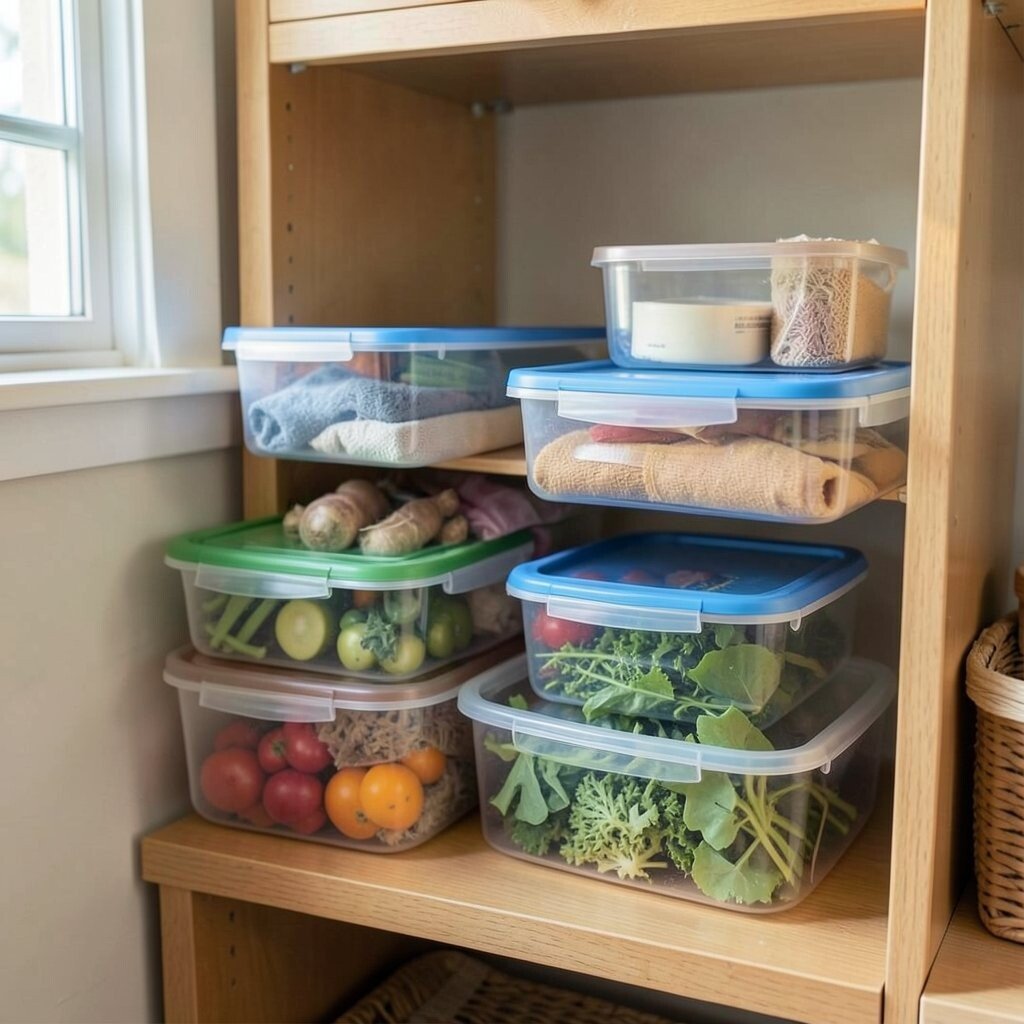
Clear storage makes it easier to see what’s inside at a glance. It also helps you stop buying duplicates because you can spot what you already own.
Use transparent bins for craft supplies, seasonal decor, or pantry backups so you know your inventory. Add a colored label card behind the bin so the look stays neat while still being easy to read. Consider cost by mixing sizes and using what you already have, since even a few clear bins can change how you manage clutter.
11. Upgrade Your Bookshelf With Hidden Storage
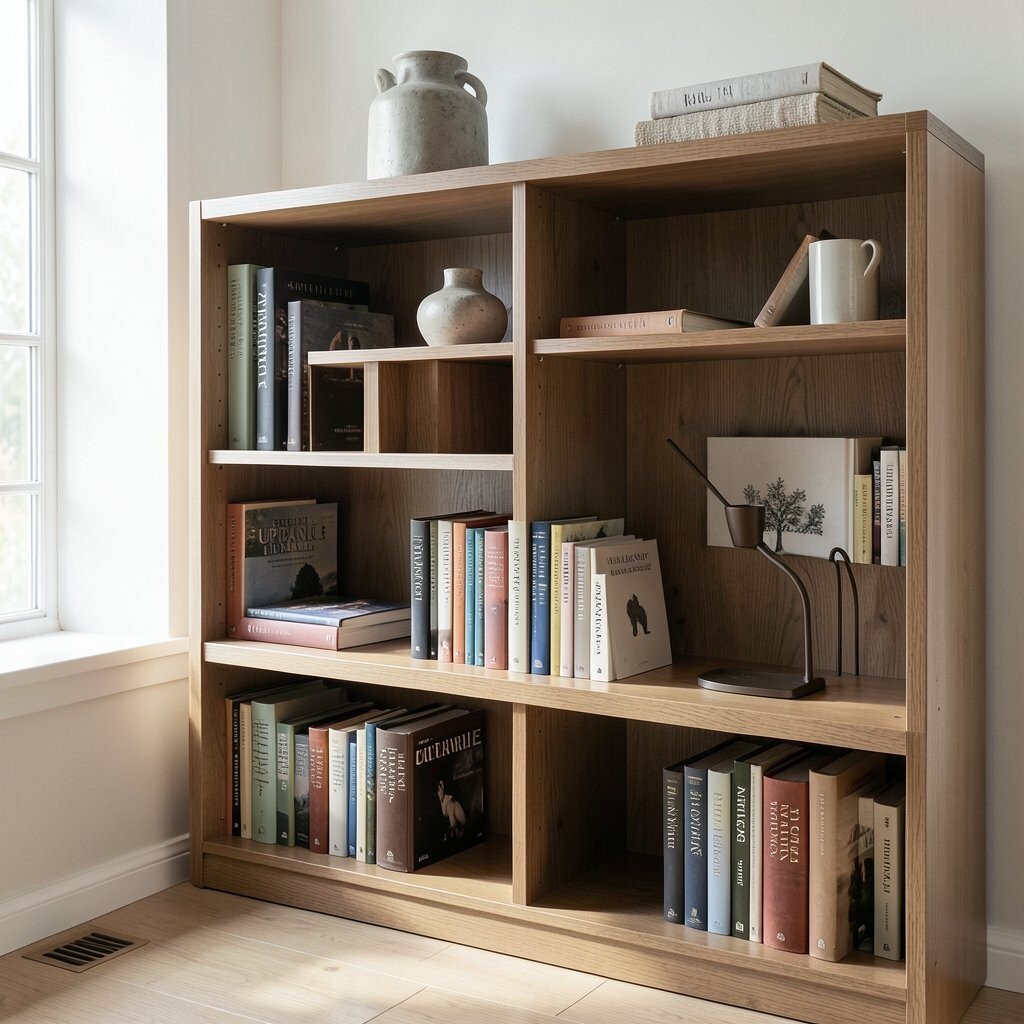
Bookshelves don’t just hold books, and they shouldn’t only look decorative. When you plan storage around the shelf, your living room feels both styled and functional.
Use baskets on the lower shelf for extra throws, or add small drawers to keep remotes and charging devices nearby. A strong visual trick is to alternate book spines with a few curated storage pieces so it still looks intentional. For personalization, display a favorite object on top and match bin colors across the shelf so the whole unit looks coordinated.
Many people are leaning toward “blended storage” right now, where storage is stylish enough to stay visible. This idea helps you follow that trend without buying custom built-ins.
12. Store Laundry Supplies in One Easy Drawer

When laundry supplies spread out, you end up doing extra trips. Keeping everything together makes laundry feel smoother.
Set up one drawer or caddy with detergent, stain remover, and small tools like a stain brush. Place it near the laundry area so you can grab it fast, then store refills in a nearby bin. Personalize it with a small sticker label system or a color-coded set of containers so it matches your home vibe.
13. Make Your Bathroom Counter Feel Like a Spa
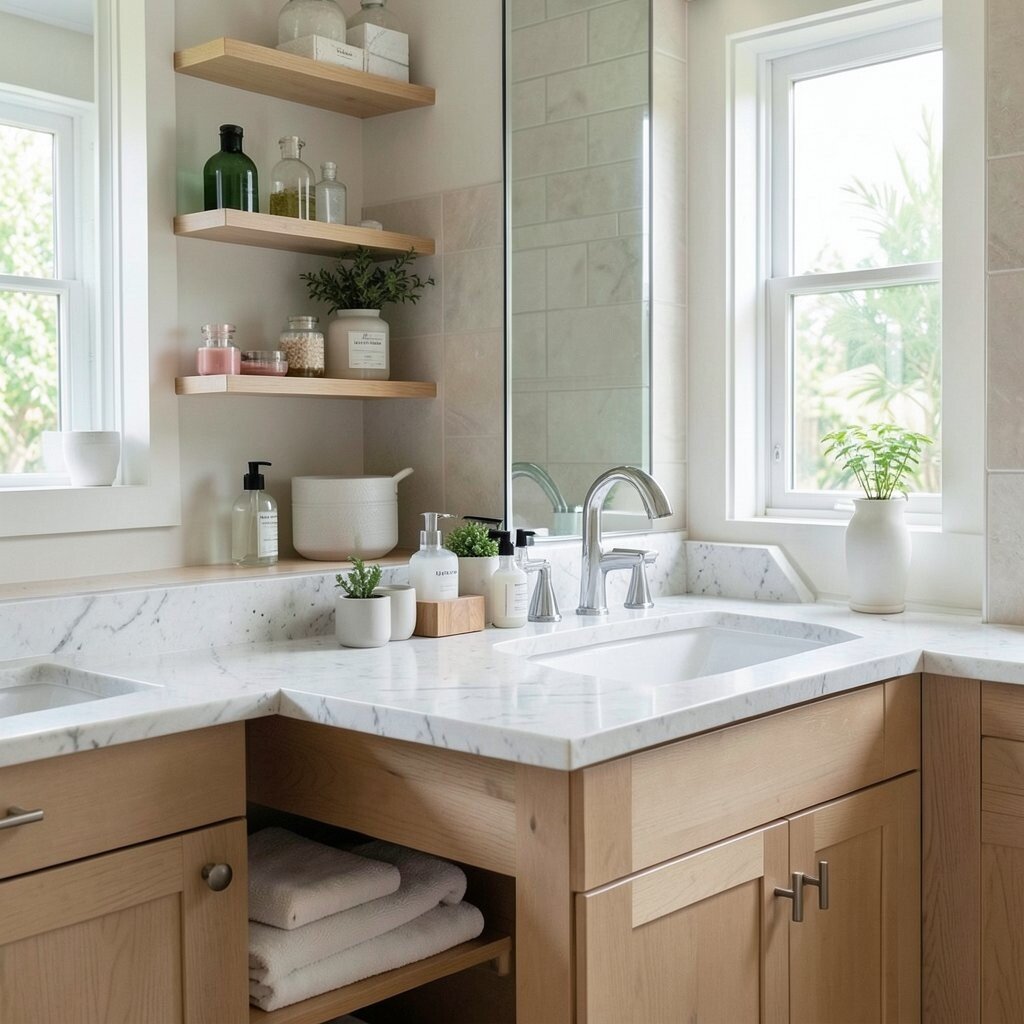
A cluttered counter steals calm from your day. Even if you don’t have a huge cabinet, you can create a more soothing setup.
Store daily items in a small tray so everything has a boundary, and keep backups in drawers or a cabinet organizer. Use drawer dividers for cotton pads, hair ties, and brushes so they look neat and stay easy to grab. If you want a unique touch, choose containers with calming textures like bamboo, ceramic, or frosted glass.
This approach also fits current trends toward “intentional minimalism,” where fewer items sit out and everything else stays ready behind the scenes.
14. Put a Small Shelf Above the Washer and Dryer
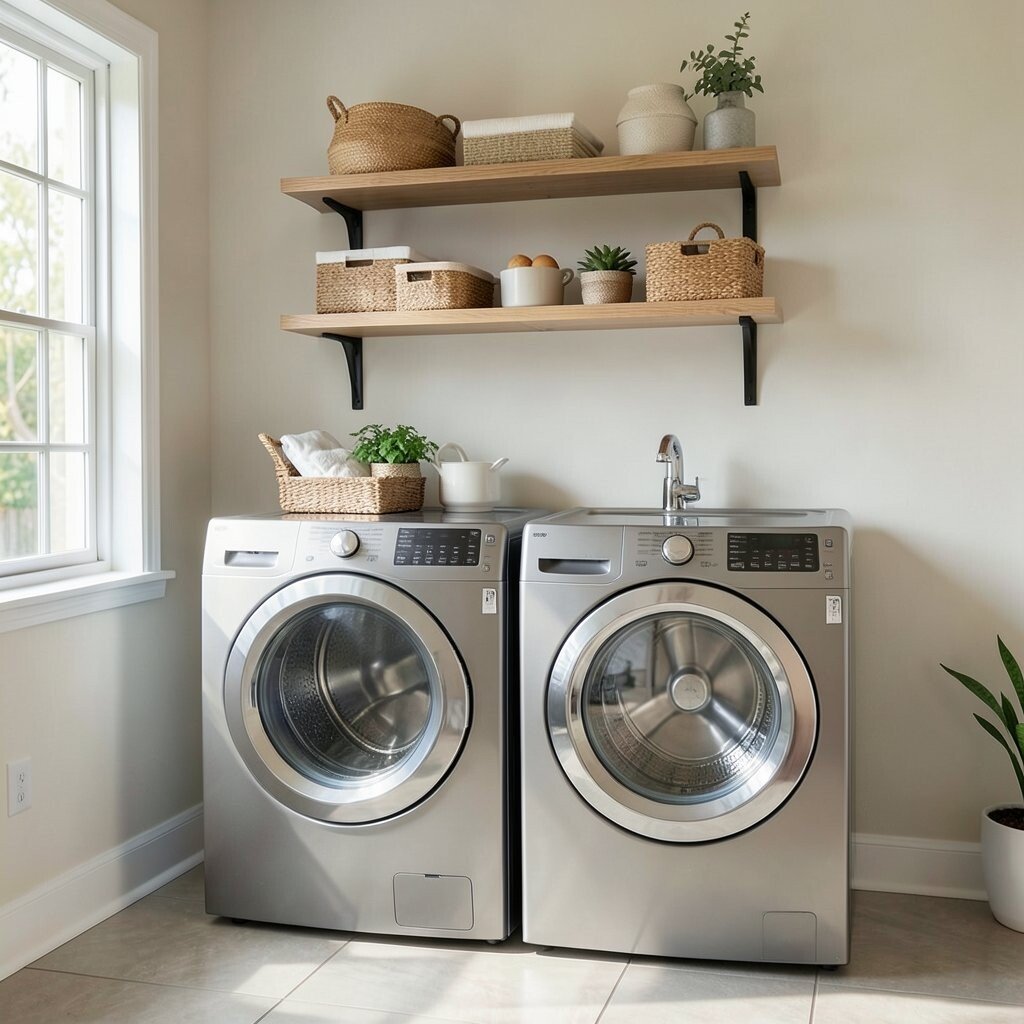
That upper space is usually too tall for everyday items, but perfect for backups. A small shelf can hold extra detergent, towels, and cleaning sprays.
Keep frequently used items at the front and less-used supplies toward the back. Use baskets or a canister set so bottles don’t look chaotic, and set up one spot for seasonal stain boosters. For practical personalization, paint shelf brackets to match your room or add a soft liner inside bins to prevent scratches.
15. Store Seasonal Clothes With a Color System
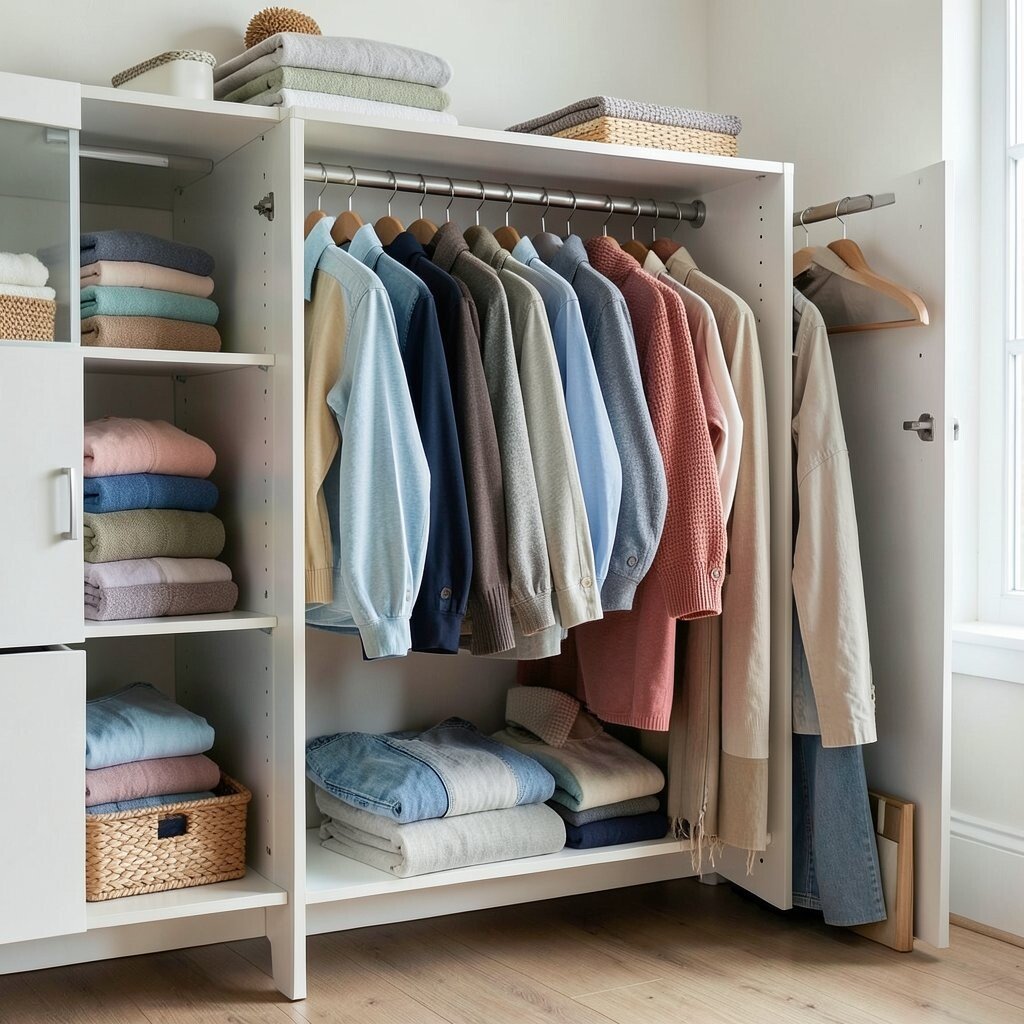
Seasonal storage can feel overwhelming when you can’t quickly tell what’s inside. Using color cues makes seasonal swaps faster and less stressful.
Pack bins by season and add a color sticker or ribbon so summer items and winter items are easy to spot. Use garment bags for delicate fabrics and vacuum-seal bags only for items that don’t crush easily. A practical tip is to keep one “maybe” bin out of the mix so you can decide later without opening everything.
Cost-wise, start with a few sturdy bins and reuse bags you already have. This method also matches current closet trends that focus on quick seasonal rotation instead of long-term clutter.
16. Add a Pantry Labeling Method Without Making It Look Busy

Labels can bring order, but only if they’re simple. The goal is to make shelves easy to scan while keeping the look clean.
Use consistent label size and place them at eye level, then keep the shelves organized by category of use. Try grouping snacks in one section and baking items in another, with clear containers for what you restock often. For personalization, choose a label style that fits your kitchen, like kraft paper for a cozy feel or sleek white labels for a modern look.
17. Build a Hobby Corner With Storage That Matches the Craft

Hobbies deserve space that supports your energy. When supplies have a home, you start quicker and clean up faster.
For crafts like sewing, use a pegboard for scissors and measuring tools, plus clear boxes for thread and small beads. For art, store brushes upright in a container and keep paper flat with a folder system. To personalize, color-match organizers to your favorite materials, like muted tones for a calm studio or bright bins for a playful vibe.
Many people are embracing “maker spaces” at home, and that trend makes storage more visible and inviting. You can follow it with affordable organizers that keep your hobby corner looking ready for action.
18. Use a “One In, One Out” Storage Reset
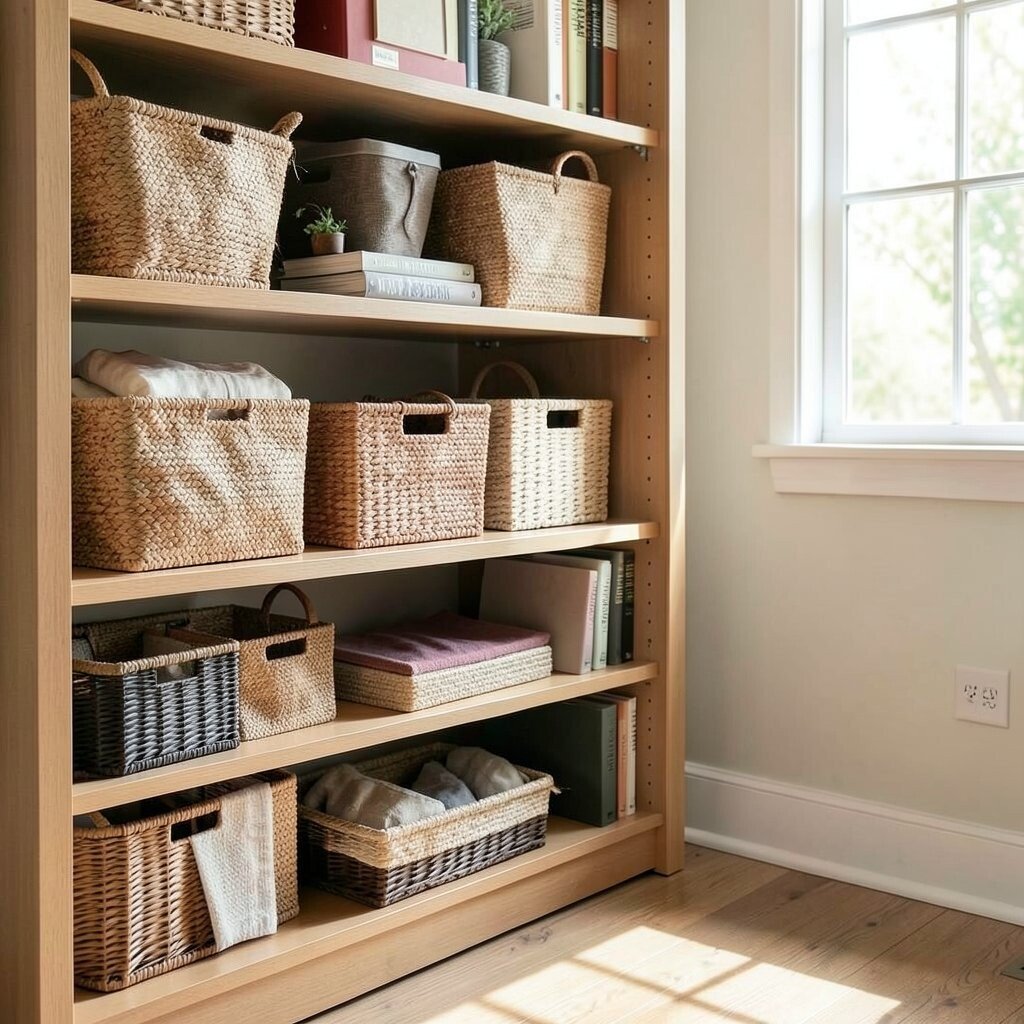
Storage inspiration isn’t only about adding shelves. It’s also about maintaining the space you already made.
When you bring something new home, remove an item from the same storage area. This helps the drawer or closet stay at a size that feels comfortable, not crowded. Personalize it by choosing what counts as the swap, like donating duplicates, recycling old packaging, or moving seldom-used items to deeper storage.
19. Store Cleaning Supplies Together With a Dedicated Cart

Cleaning feels faster when supplies move with you. Instead of hunting for spray bottles across the house, keep them in one easy carrier.
A rolling cart works great for bathrooms, kitchens, and even entryways, especially if you store cloths, gloves, and refills in labeled pockets. Choose bins with handles so you can lift and go, and keep one “staple set” at the top for daily tasks. For uniqueness, pick a cart color that stands out or blends in with your floors, then add small tags in your favorite style.
Cost considerations are manageable because you can start with a small cart or even a sturdy caddy. The practicality is high, and it matches the current interest in efficient routines and easy-to-maintain homes.
20. Turn a Closet Rod Into a Multi-Level System
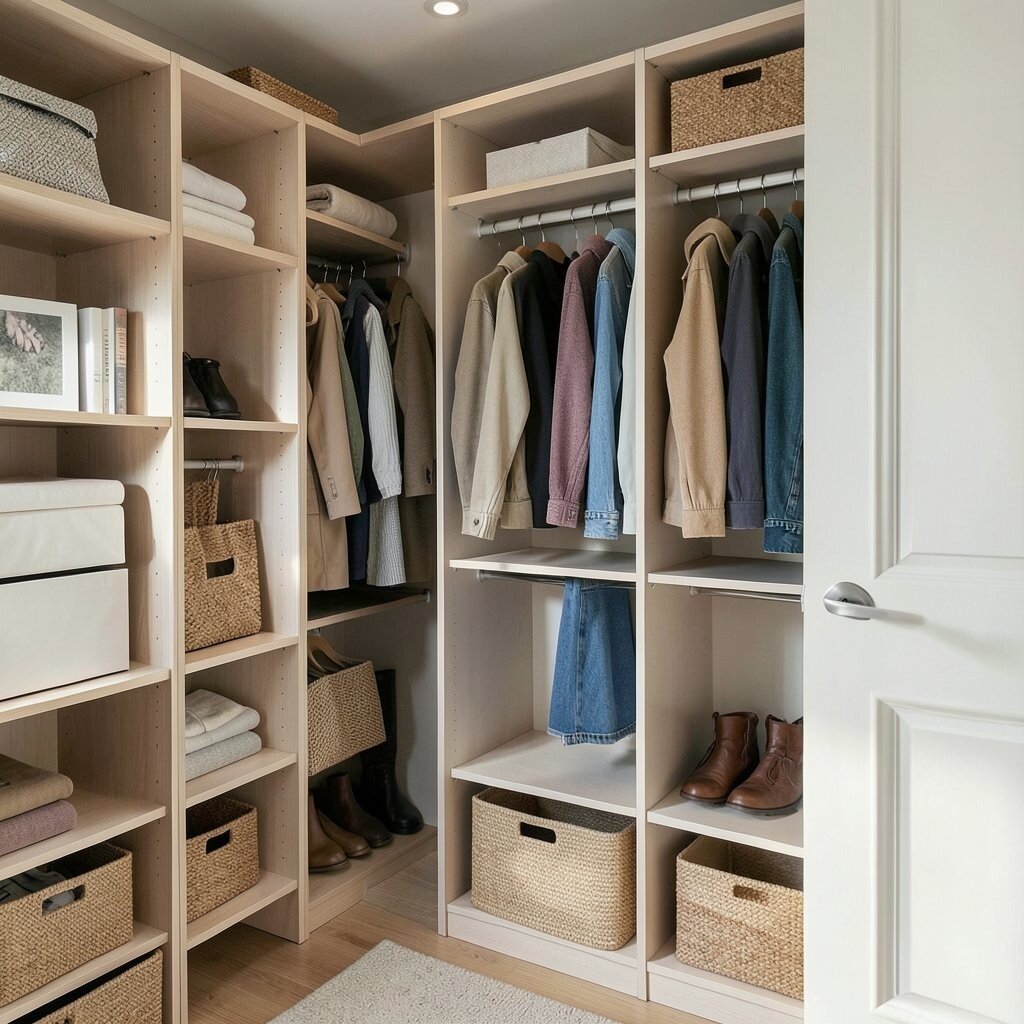
Closet rods often hold too much empty air and not enough organization. With clever multi-level storage, you can use the same closet space more effectively.
Add stackable shelves above, use slim hangers to make room, and attach a shoe rack on the side. Store belts, bags, and scarves with specialized hooks or hanging organizers that match the closet layout. For personalization, keep the shelf color consistent and pick hardware finishes that blend with your bedroom style.
21. Make a “Tech Drawer” for Remote Controls and Small Gear

Nothing slows down movie night like searching for a remote. A tech drawer keeps small electronics from hiding in random places.
Use a drawer tray with sections for remotes, batteries, and small accessories. Keep a small pouch for chargers and adapters, and store spare batteries in a labeled container to reduce mess. A practical tip is to keep your most-used devices near the front edge so you don’t have to lift everything out.
This setup is popular now because many homes rely on streaming and small devices, and quick access feels like a luxury. You can keep costs low by using a repurposed drawer organizer or divider kit from a previous project.
22. Refresh Old Storage With Fabric, Paint, or New Labels
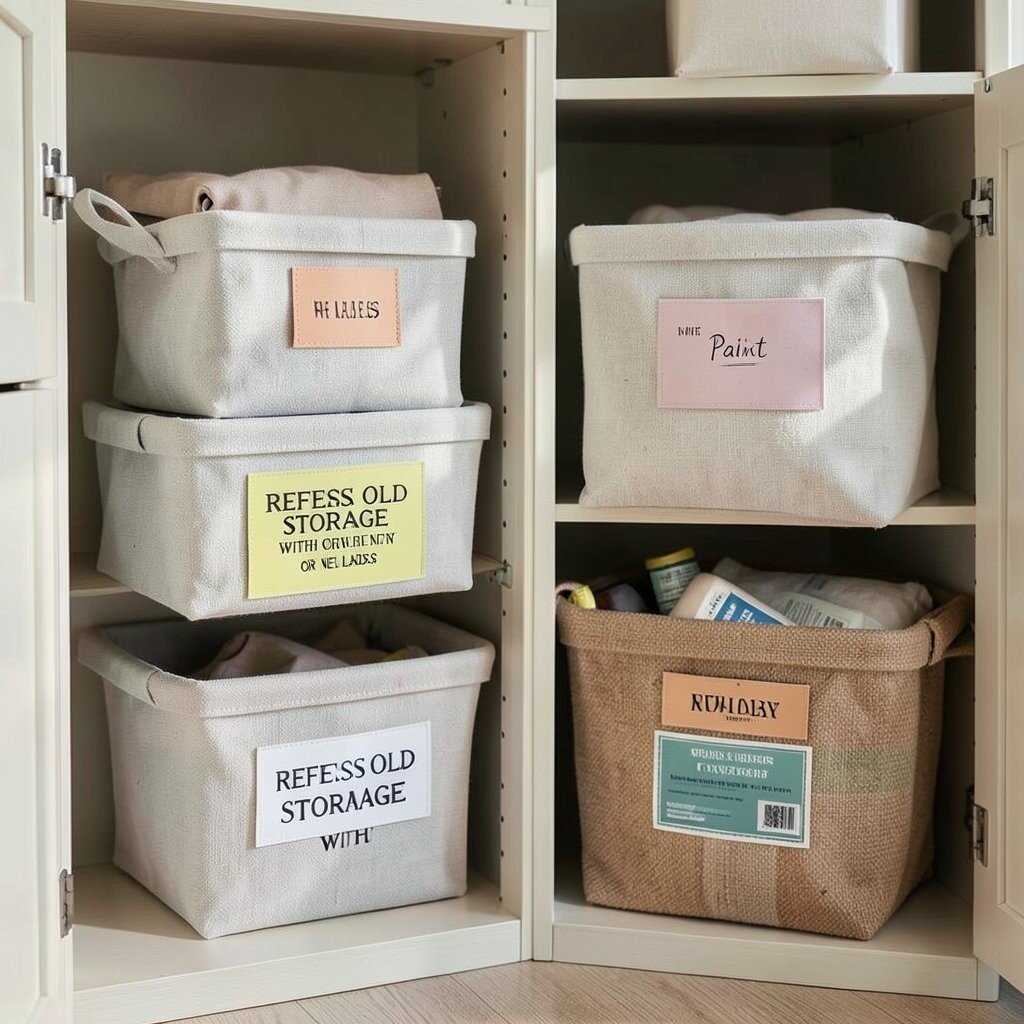
You don’t have to buy everything new to make storage look better. Small upgrades can give your existing bins a fresh look and feel.
Wrap baskets with fabric trim, paint worn shelf boards, or add new label cards that fit your current style. If you love change, choose removable label holders so you can update as your needs shift. For cost considerations, this is one of the most budget-friendly approaches because you reuse what’s already sturdy and helpful.