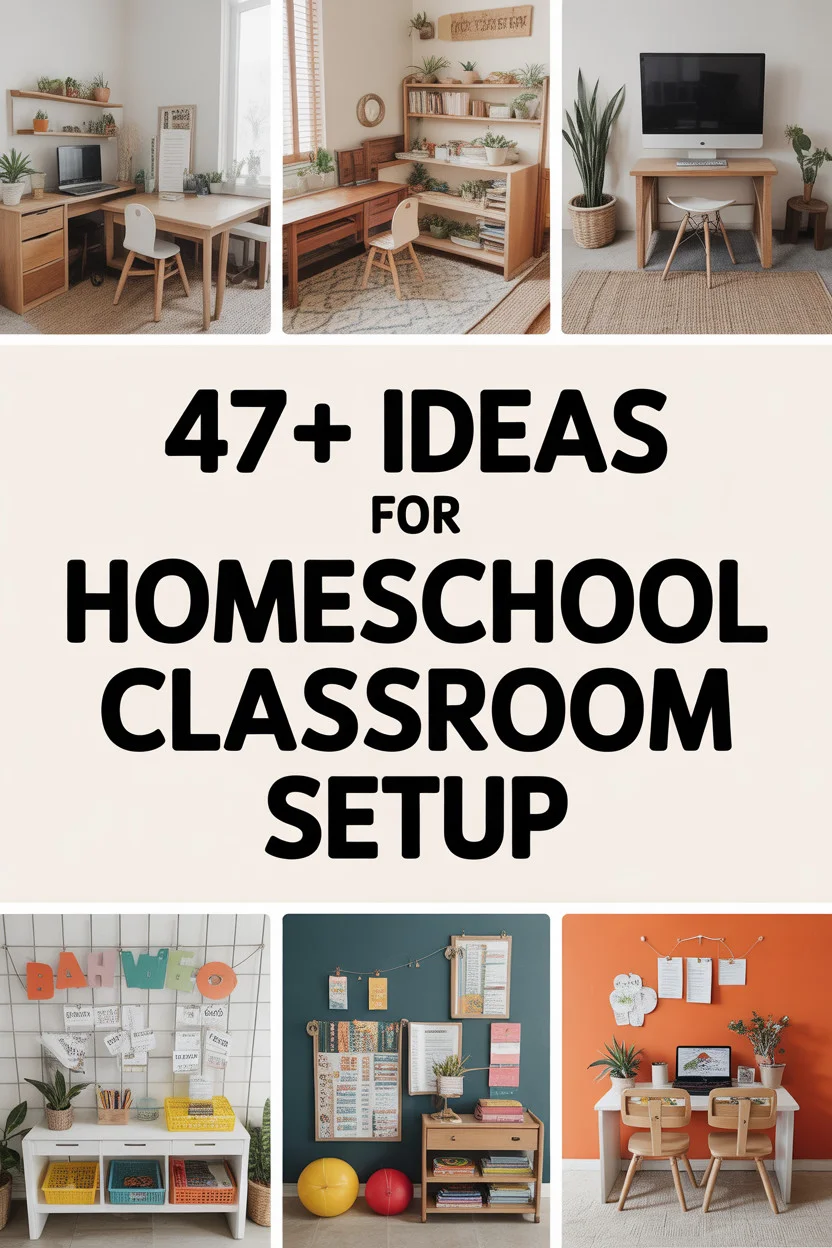
Imagine a space where learning becomes a daily adventure, right in the comfort of your home. Your living room can be a magical place full of creativity and knowledge. Get ready to see how small changes can lead to big inspirations.
1. Cozy Reading Nook
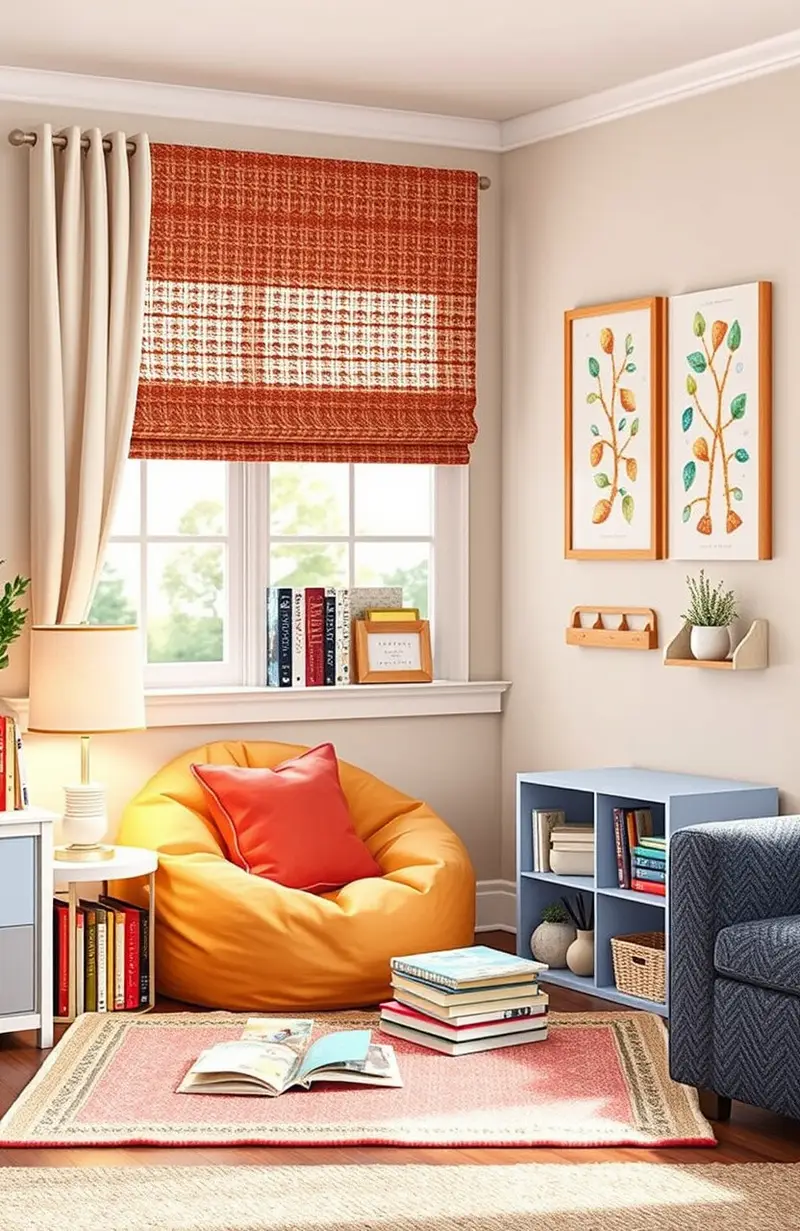
A cozy reading nook can be the heart of your living room classroom. All you need is a comfy beanbag or a large, soft chair.
Adding some colorful pillows and a small bookshelf can make it unique. It encourages children to spend more time reading.
Keep it affordable by using items you already have around the house. Personalize it with your child’s favorite books and a small lamp.
This setup creates a peaceful spot where imaginations can soar. It’s like a little retreat for young bookworms.
2. Art Corner
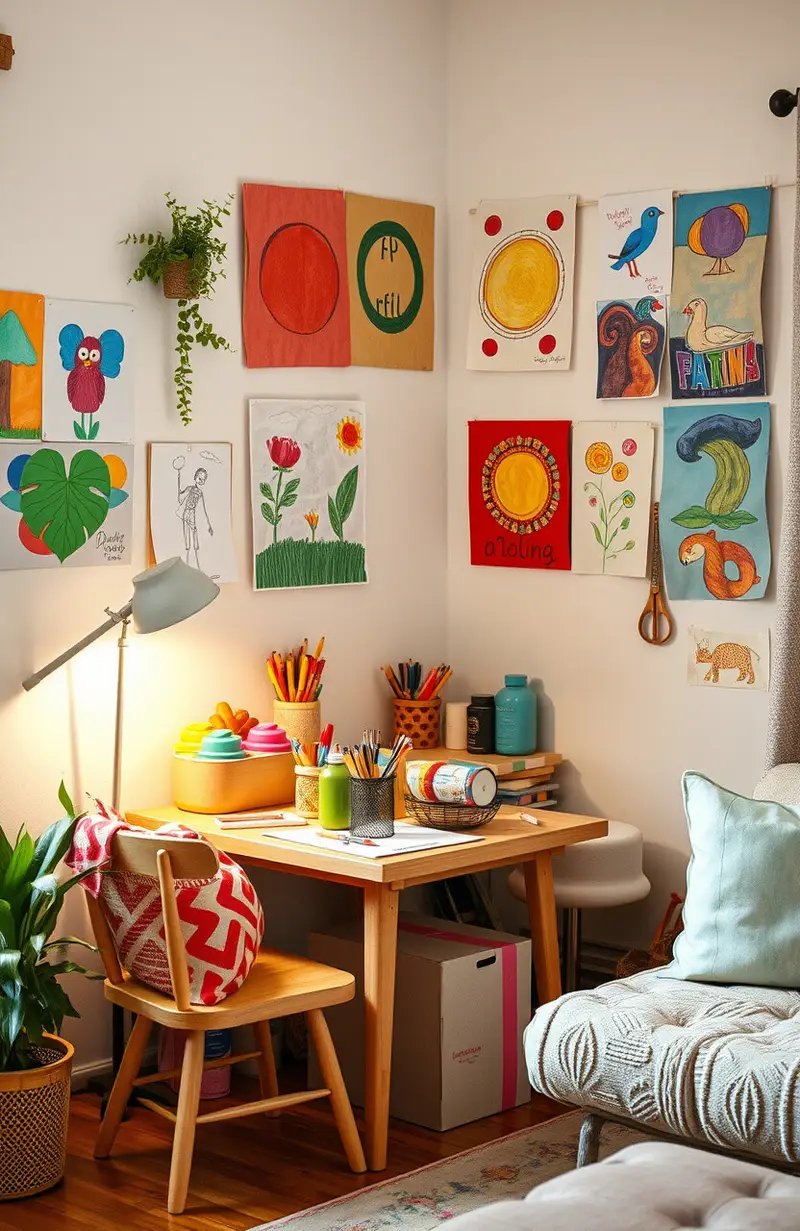
Transform part of your living room into an art corner filled with creativity. A small table with art supplies can work wonders.
Kids can explore their artistic talents and express themselves freely. It’s a place where imagination has no limits.
Reuse old jars and containers to organize supplies. Display their artwork on the wall to make it personal and inspiring.
This setup can be a colorful addition to your living room. It encourages creativity and adds a unique touch to your space.
3. Science Station
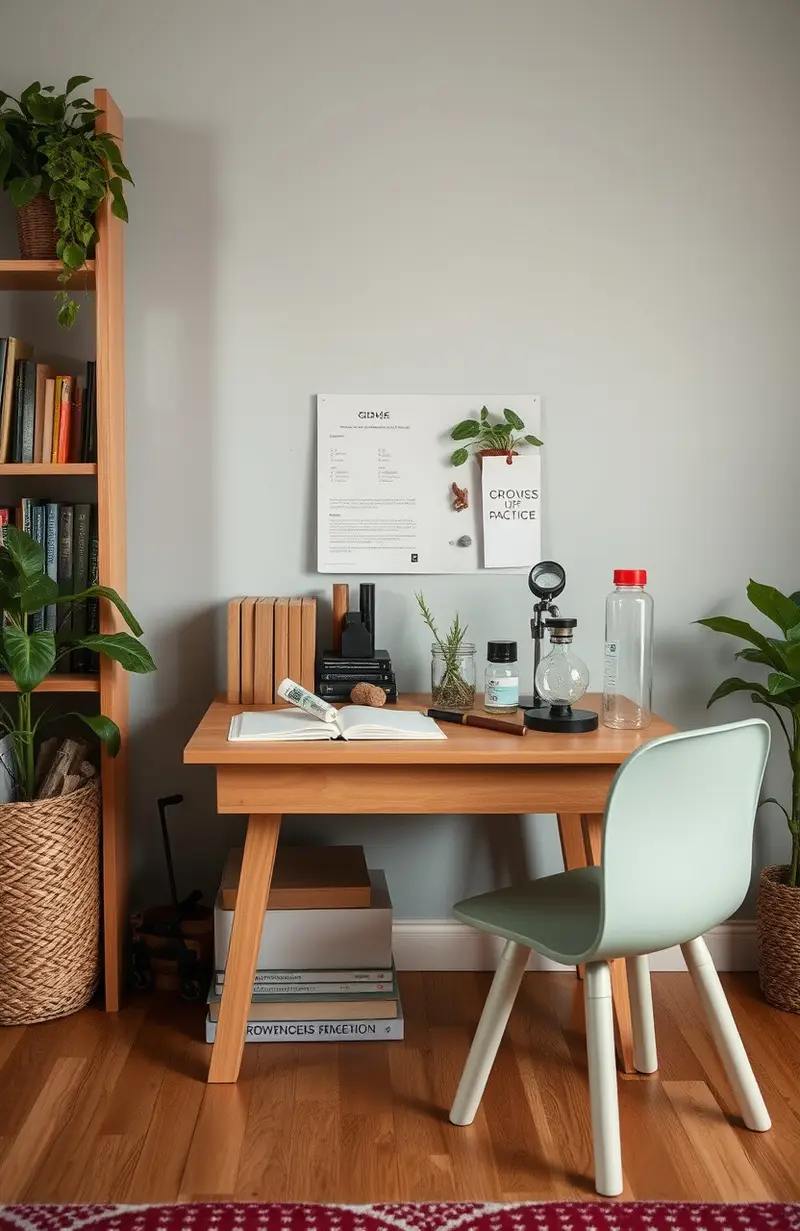
Create a mini science station with a small table and some basic tools. Add a magnifying glass, some rocks, and plant samples.
This area can spark curiosity and a love of learning. It’s like having a little laboratory at home.
Keep it budget-friendly by using recycled materials. Personalize it with your child’s favorite science books.
This setup makes science accessible and fun. It’s perfect for kids who love to explore the natural world.
4. Nature Display
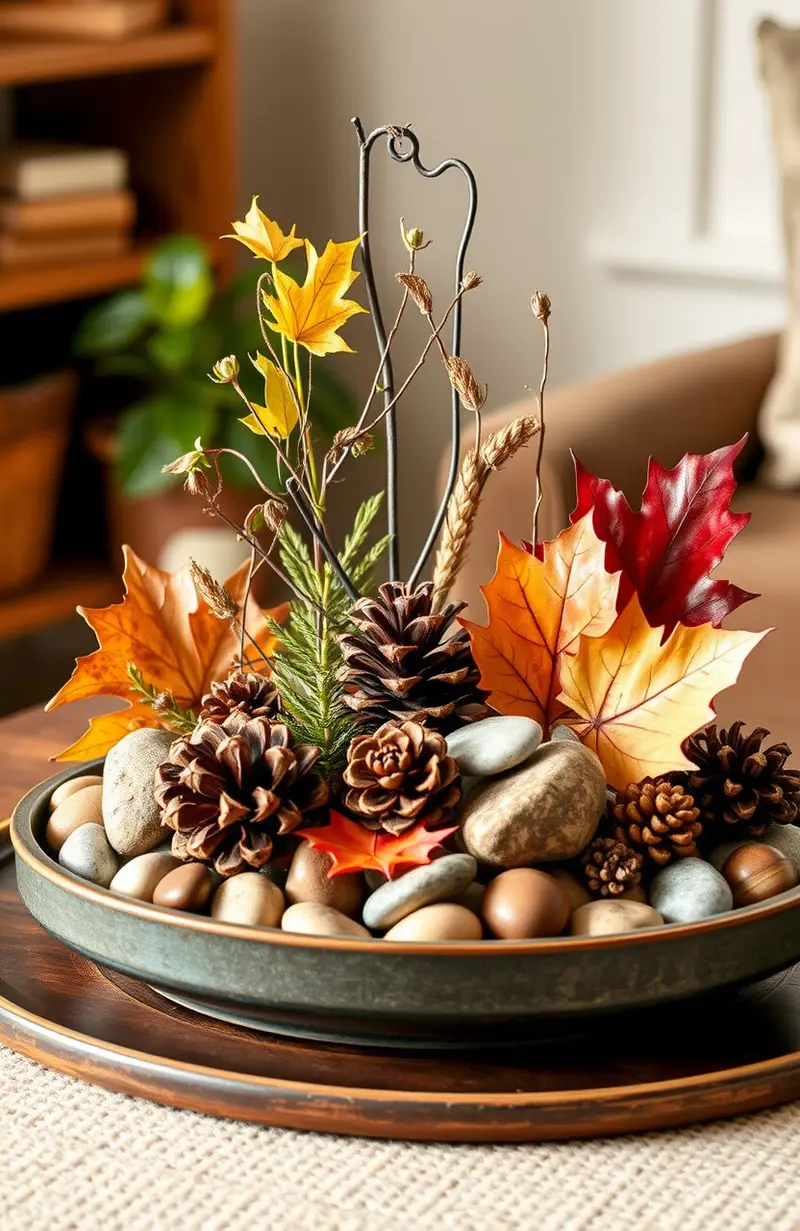
Bring the outdoors inside with a nature display. Collect leaves, pinecones, and stones to create a natural centerpiece.
This display can teach kids about nature and seasons. It’s a simple way to connect with the environment.
Use a tray or a large bowl to keep it organized. Personalize it by changing items with the seasons.
It’s a peaceful and educational addition to your living room. Plus, it’s an ever-changing display that keeps things fresh.
5. Interactive Wall
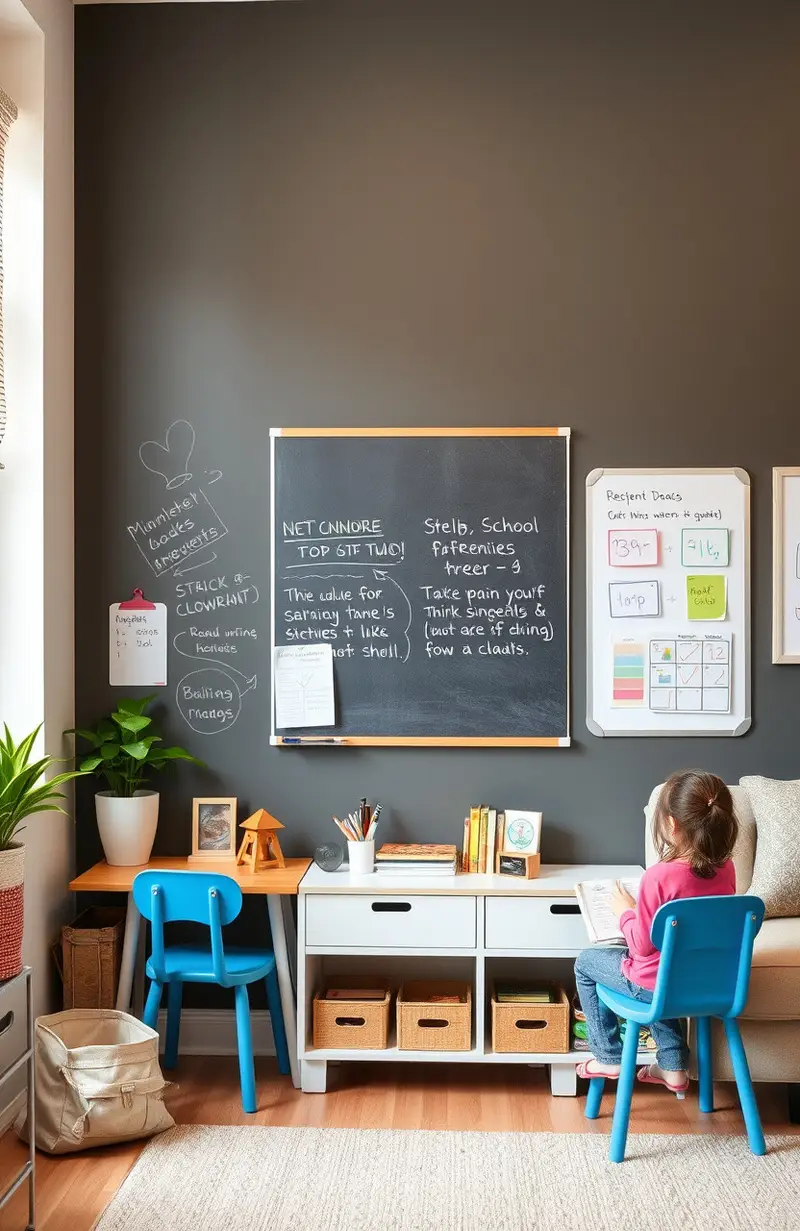
Make one wall interactive with a chalkboard or whiteboard. Kids can write, draw, and solve problems right on the wall.
This setup encourages hands-on learning and creativity. It’s a dynamic way to engage children in their studies.
Use chalkboard paint for a DIY project or buy stick-on whiteboards. Personalize it with colorful markers or chalk.
An interactive wall is both fun and functional. It turns learning into a playful activity that kids will love.
6. Learning Rug
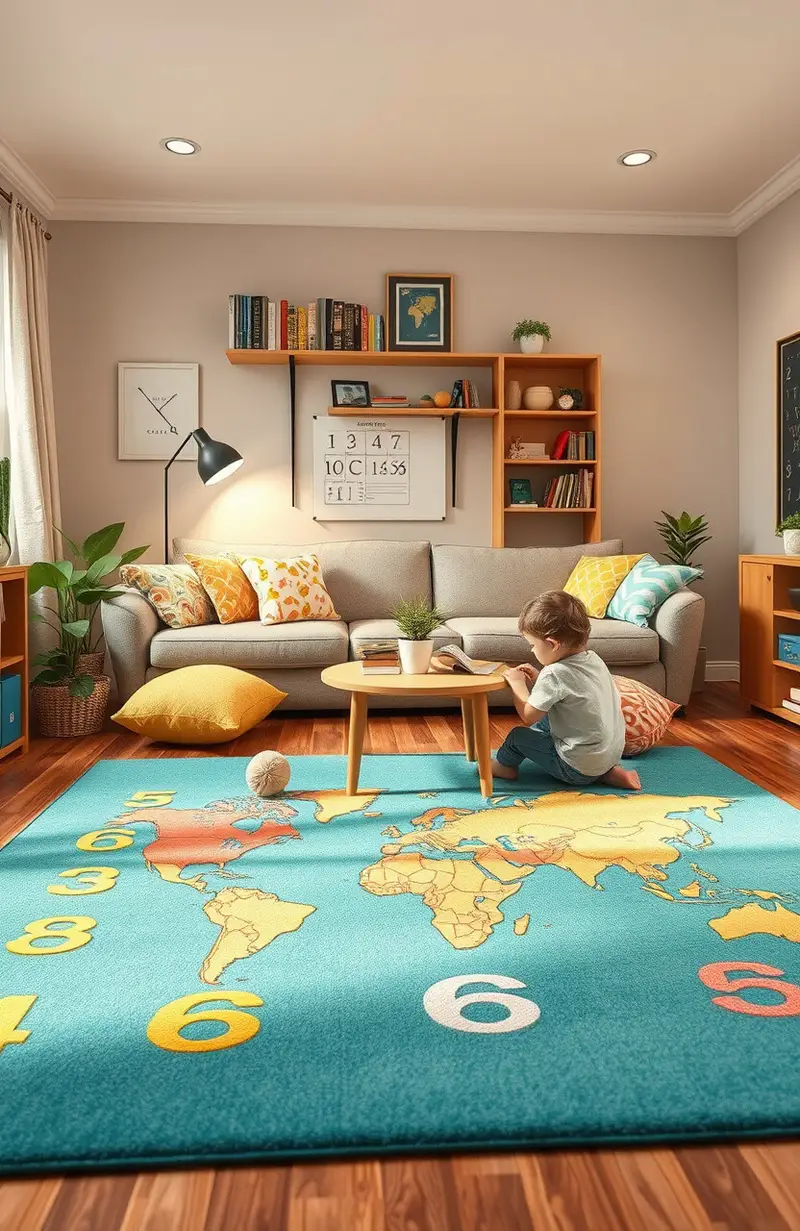
A learning rug can define a special learning area. Choose one with numbers, letters, or a world map.
It adds color and interest to your living room. Kids can sit or lay on it while they study or play.
Look for rugs on sale or use an existing one. Personalize the area with matching cushions or a small table.
This setup makes learning feel like a cozy experience. It’s an inviting space where kids can explore and learn.
7. Music Spot
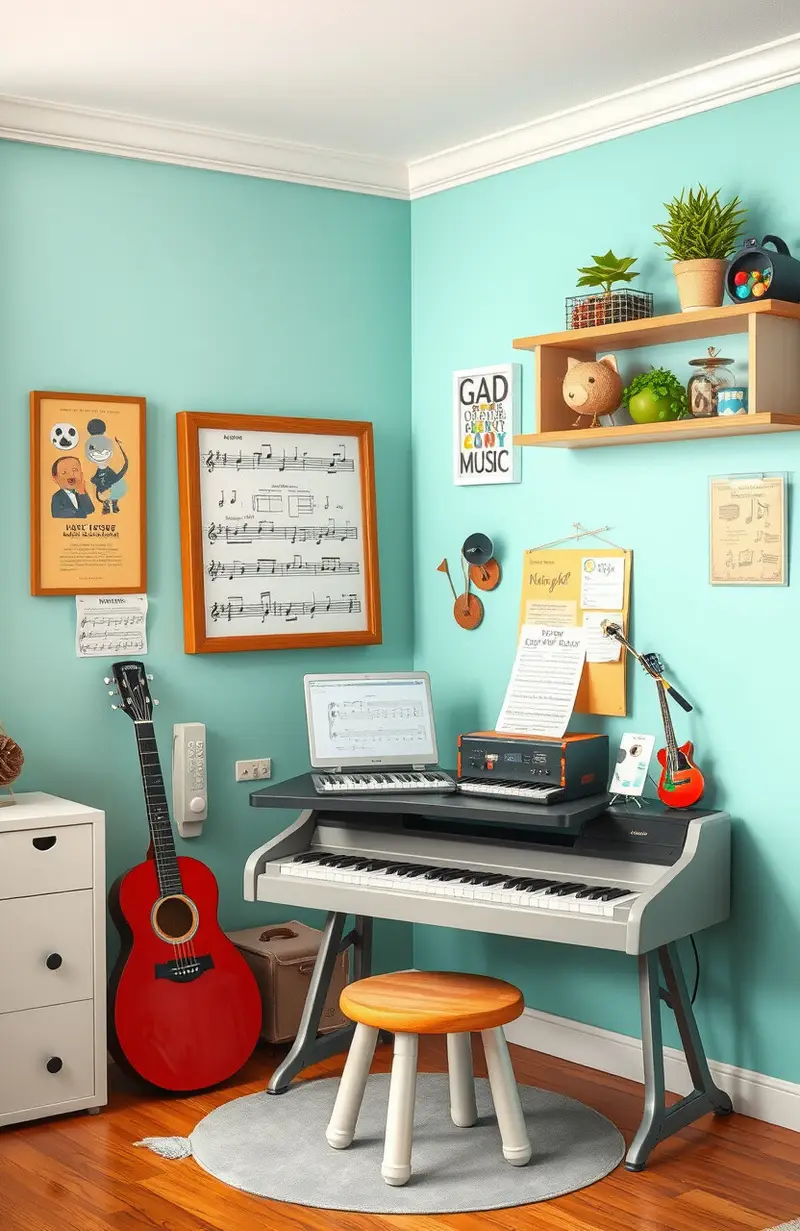
Create a music spot with a small keyboard or a few instruments. Encourage your child to make music and explore sounds.
Music education can boost creativity and concentration. It’s a fun way to introduce kids to musical concepts.
Find second-hand instruments to keep costs low. Personalize it with a music-themed poster or a small stool.
A music spot can be a joyful addition to your home. It’s a great way for kids to express themselves and have fun.
8. Puzzle Area
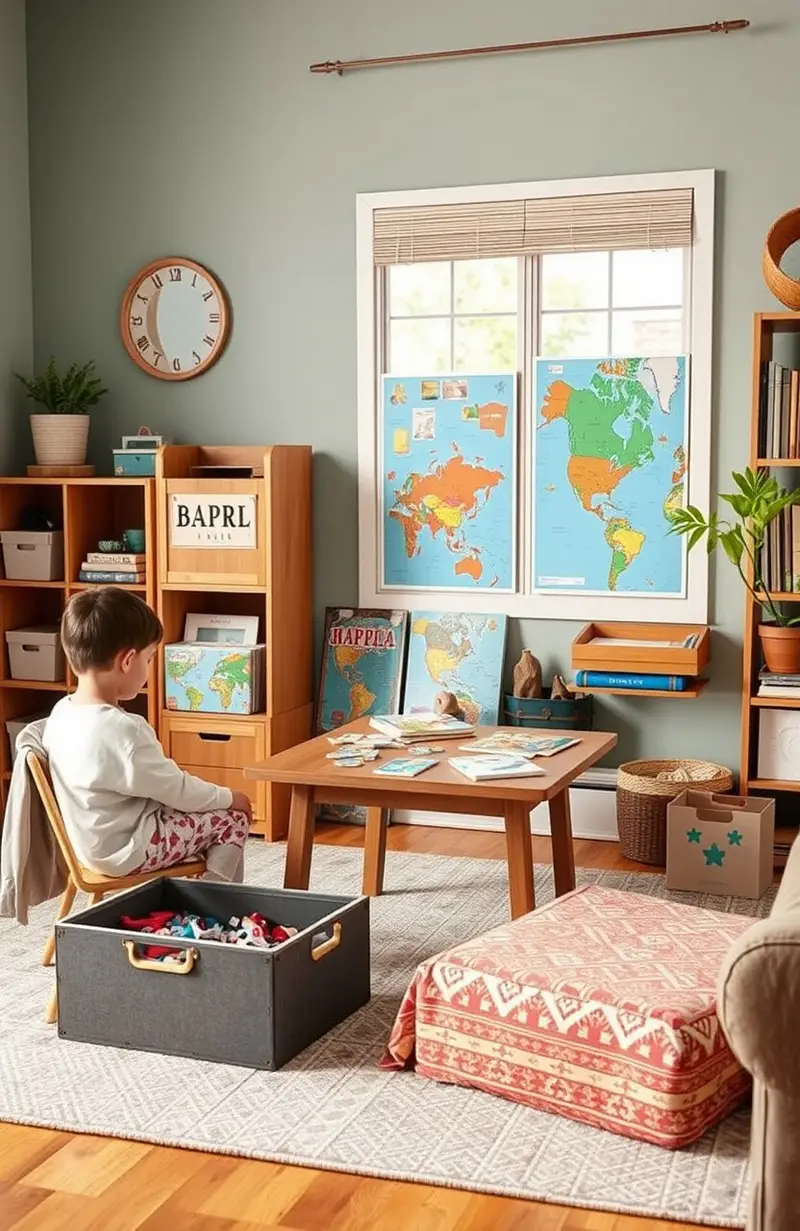
Set up a puzzle area with a low table and a variety of puzzles. It’s a great way to keep little minds engaged.
Puzzles enhance problem-solving skills and patience. This setup encourages kids to think critically while having fun.
Use puzzles you already own or find them at thrift stores. Personalize it with a storage box for loose pieces.
This area becomes a go-to spot for quiet play. It’s an engaging and educational addition to any homeschool setup.
9. Flashcard Station
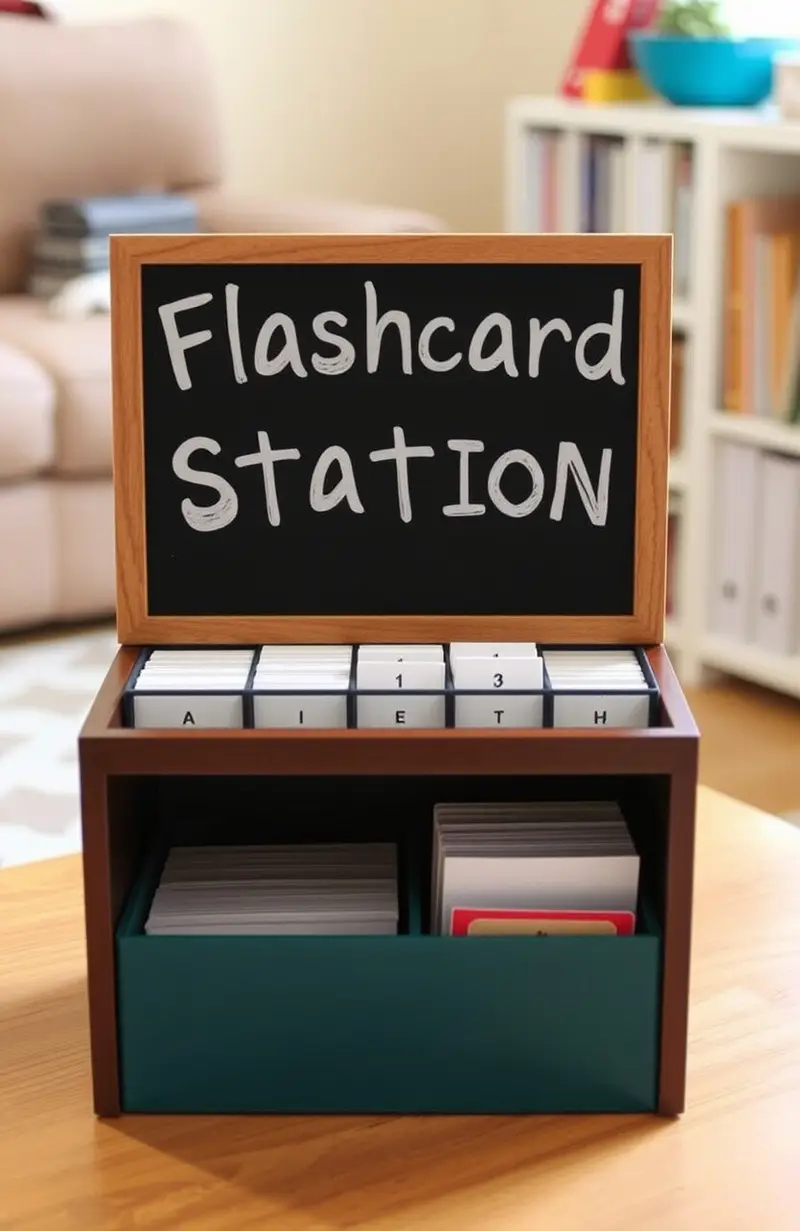
A flashcard station can be a simple yet effective learning tool. Use a small box to keep flashcards organized.
This setup helps with memorization and quick recall. It’s perfect for practicing vocabulary, math, or any subject.
Create your own flashcards to save money. Personalize it with a small board to display the card of the day.
A flashcard station is a versatile learning aid. It’s a straightforward way to reinforce lessons in a fun manner.
10. Storytelling Space
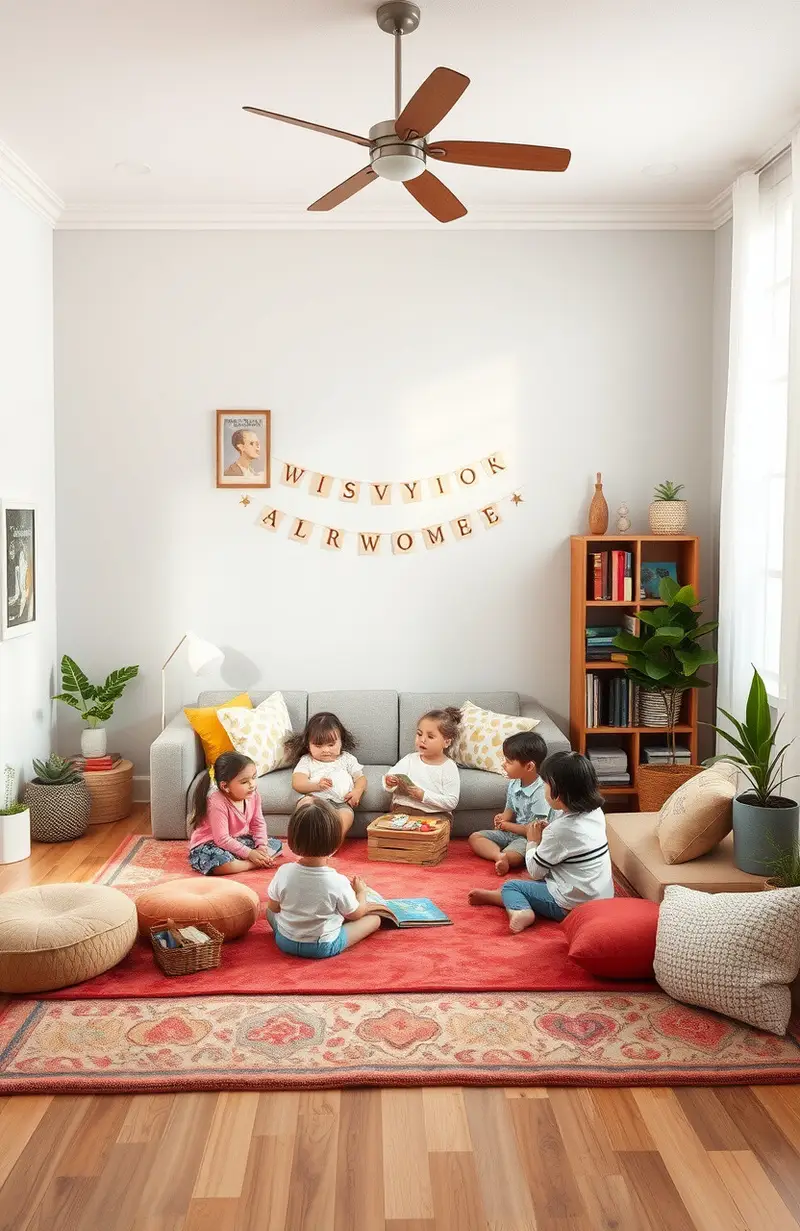
Create a storytelling space with a soft rug and some cushions. Gather around for storytime and let imaginations run wild.
Storytelling fosters language skills and creativity. It’s a special time for bonding and learning together.
Use a few props or puppets for extra fun. Personalize it with a favorite book or a small bookshelf nearby.
This setup makes storytelling an enchanting experience. It’s a delightful way to end the day with laughter and learning.
11. Craft Table
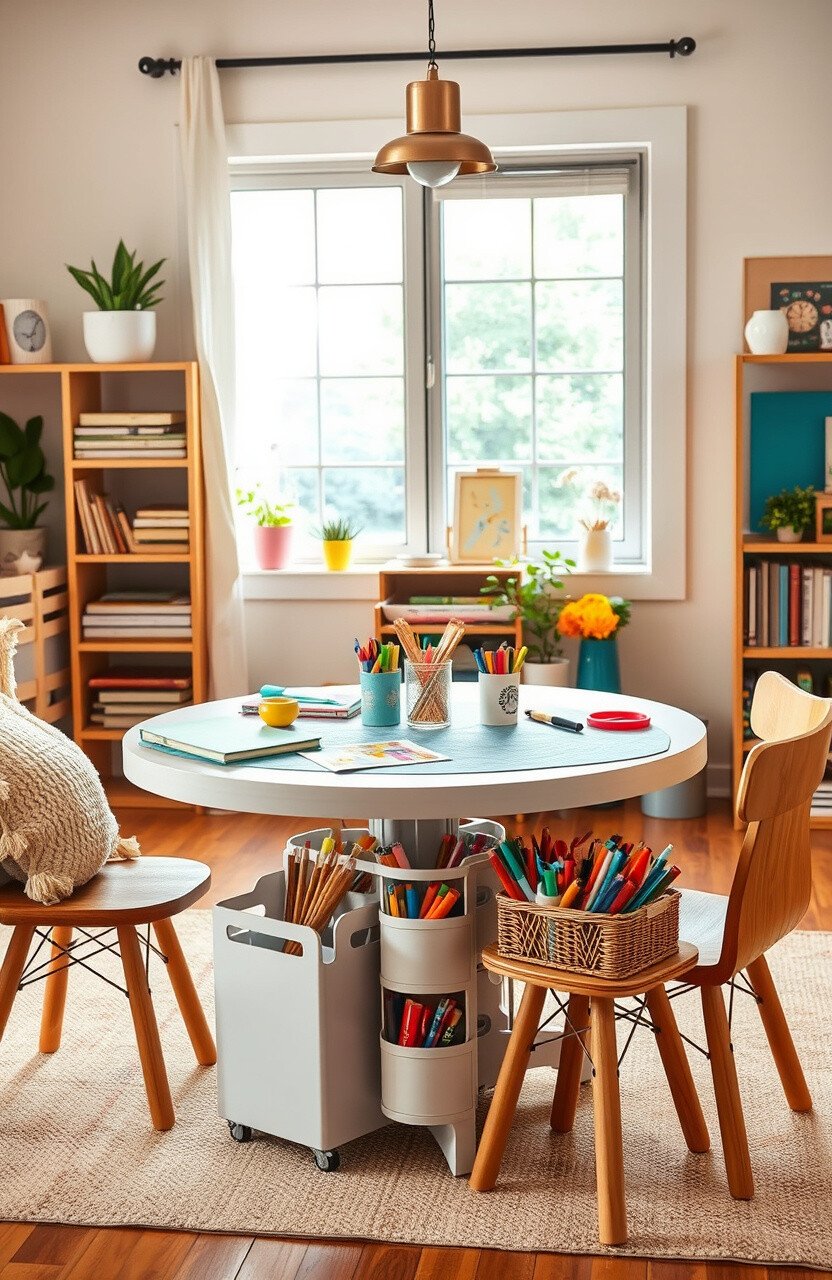
A craft table can be a hub of creativity. Equip it with paper, glue, scissors, and other craft supplies.
Crafting enhances fine motor skills and artistic expression. It’s a hands-on way to encourage imagination.
Repurpose an old table or buy a budget-friendly one. Personalize it with a rotating organizer for easy access.
This setup brings color and creativity into the living room. It’s a joyful space where kids can create to their heart’s content.
12. Homework Desk
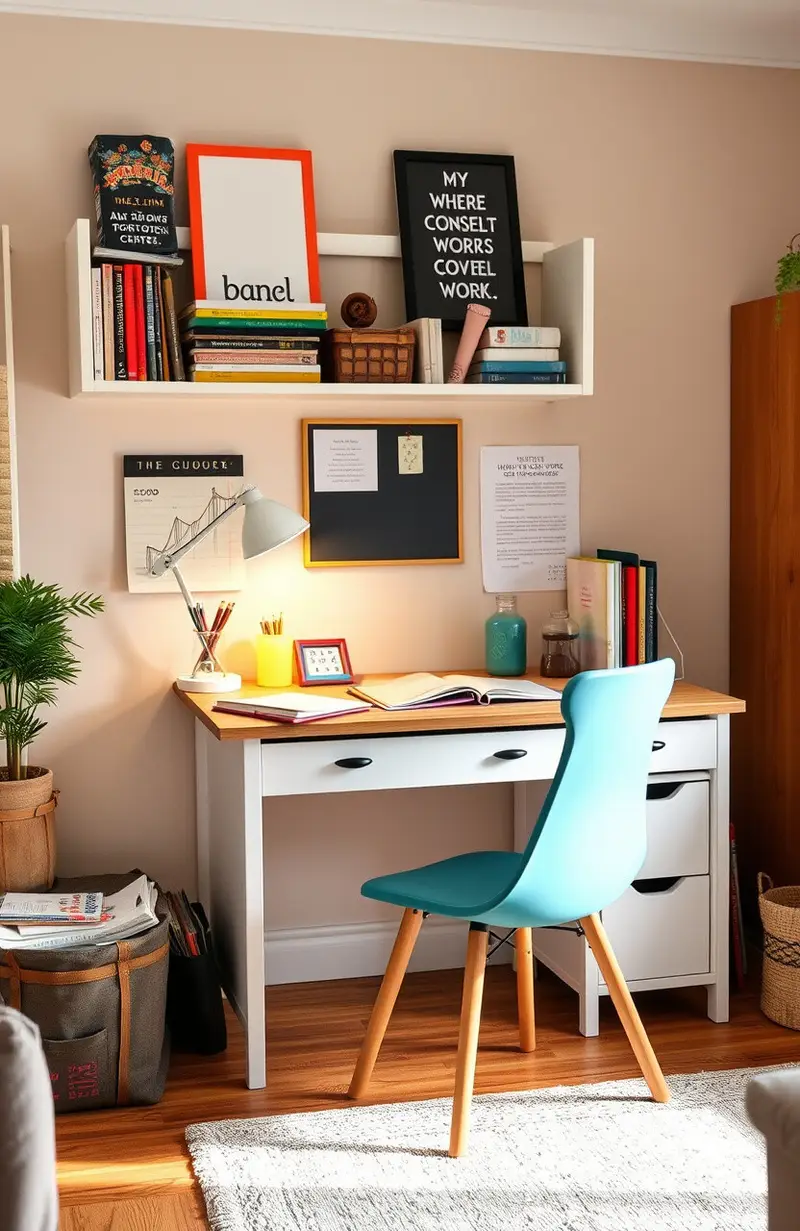
A dedicated homework desk can help with focus and organization. Keep it simple with a small desk and a chair.
This setup provides a quiet place for concentration. It’s a space where kids can tackle assignments without distractions.
Use an existing desk or find a second-hand one. Personalize it with a desk lamp and a few motivational quotes.
A homework desk makes studying more structured. It’s a practical addition that supports academic success.
13. Geography Zone
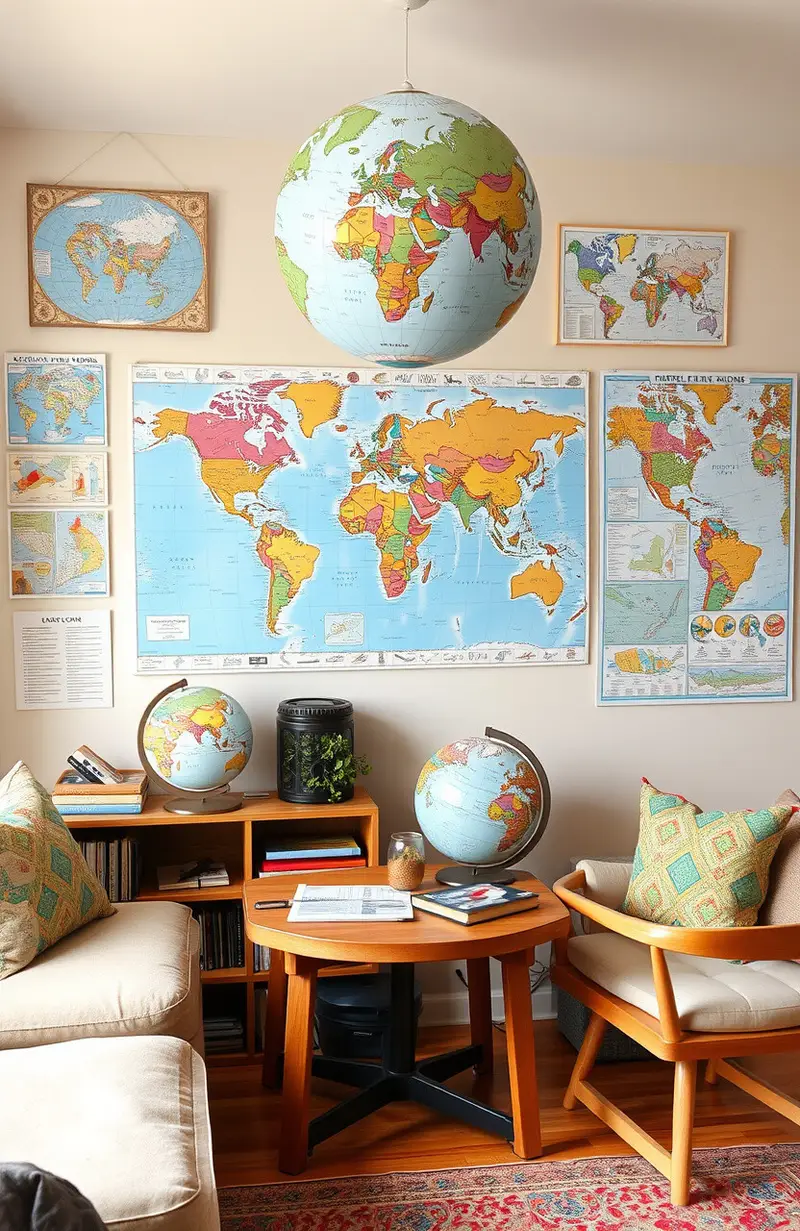
Create a geography zone with maps and globes. It’s a visual way to learn about the world and different cultures.
This setup can spark a love for travel and exploration. It’s a window to the vastness and diversity of our planet.
Use maps you already have or find inexpensive ones online. Personalize it with travel souvenirs or postcards.
A geography zone adds an educational aspect to your space. It inspires curiosity about the world and its wonders.
14. Math Manipulatives
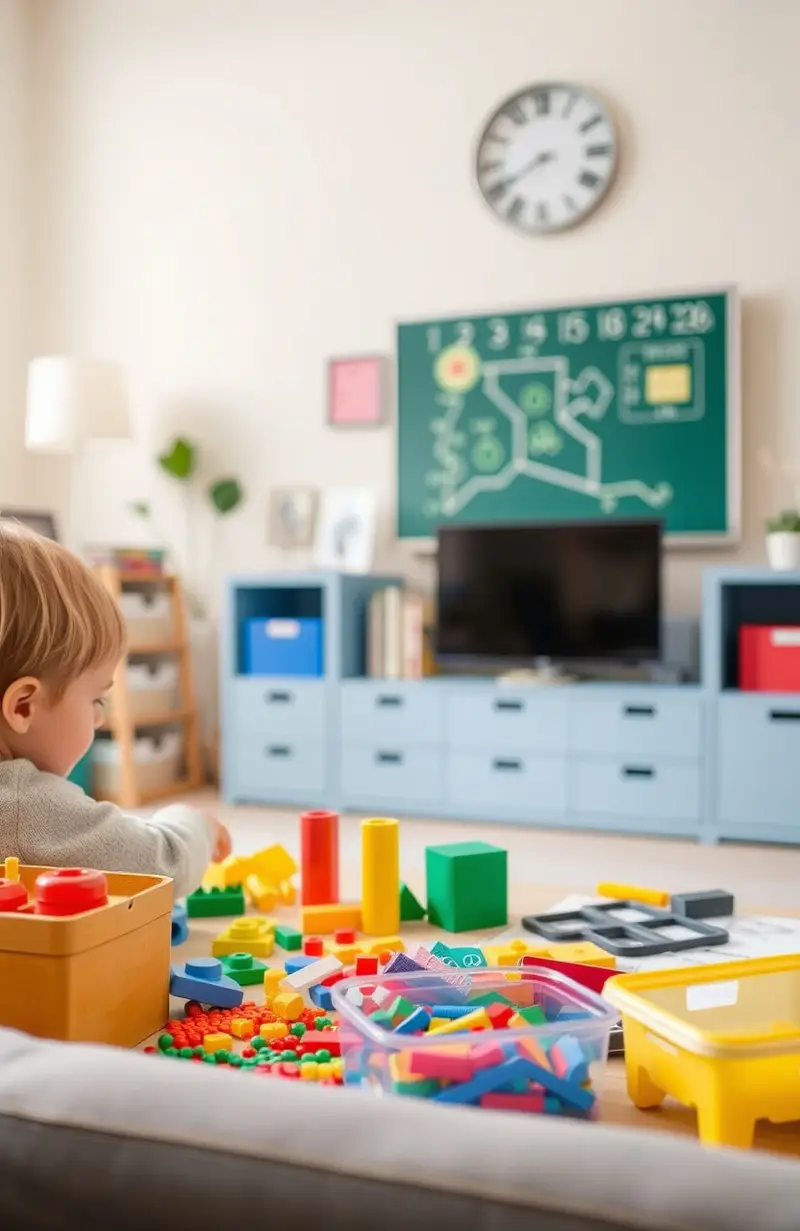
Introduce math manipulatives to make math tangible. Use blocks, beads, or other objects for hands-on learning.
This approach helps kids understand abstract concepts. It’s a fun and engaging way to learn math fundamentals.
Find affordable manipulatives or make your own. Personalize it with a small container to keep things organized.
Math manipulatives make math lessons lively and interactive. It’s a practical tool for building strong math skills.
15. Language Learning Corner
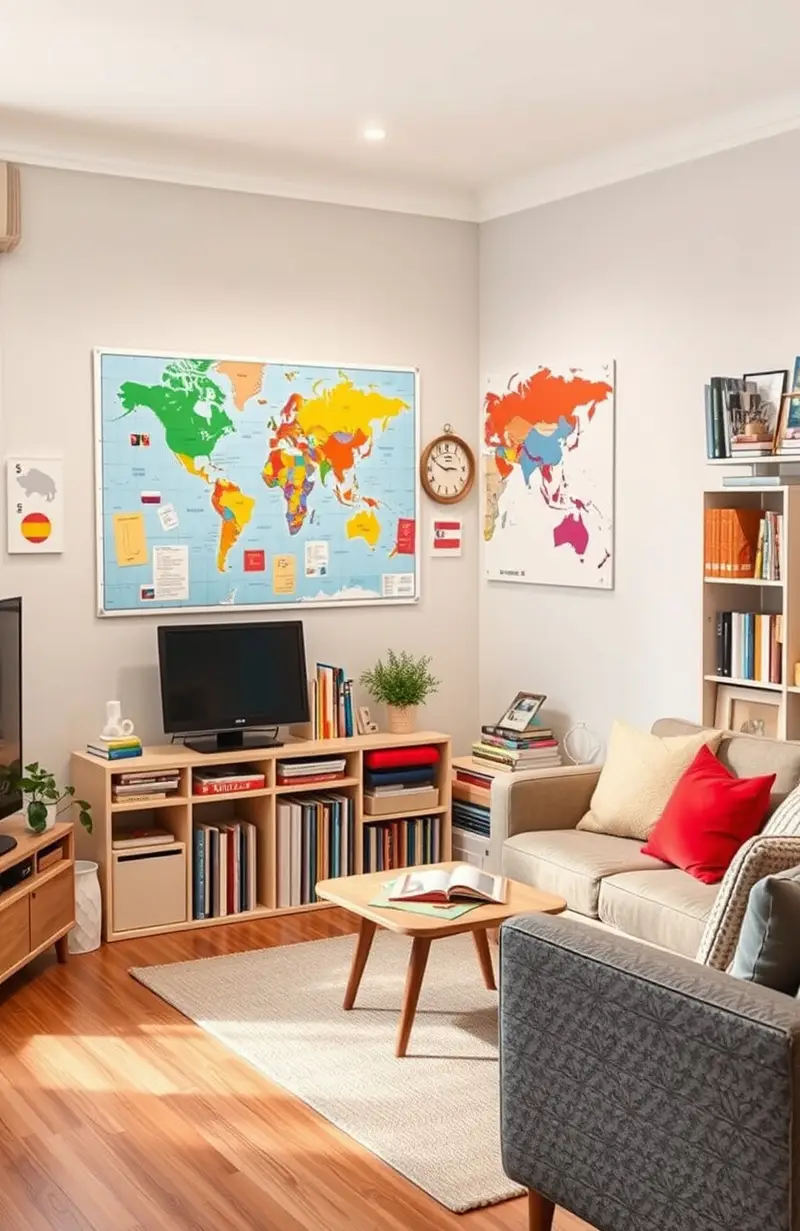
A language learning corner can be filled with resources for learning new languages. Include flashcards, books, and audio tools.
This setup supports multi-language education and cultural awareness. It’s a space for expanding vocabulary and language skills.
Use free online resources or library books to save costs. Personalize it with a world map showing different languages spoken.
A language corner adds diversity to your learning environment. It’s an exciting way to open doors to new cultures.
16. Writing Station
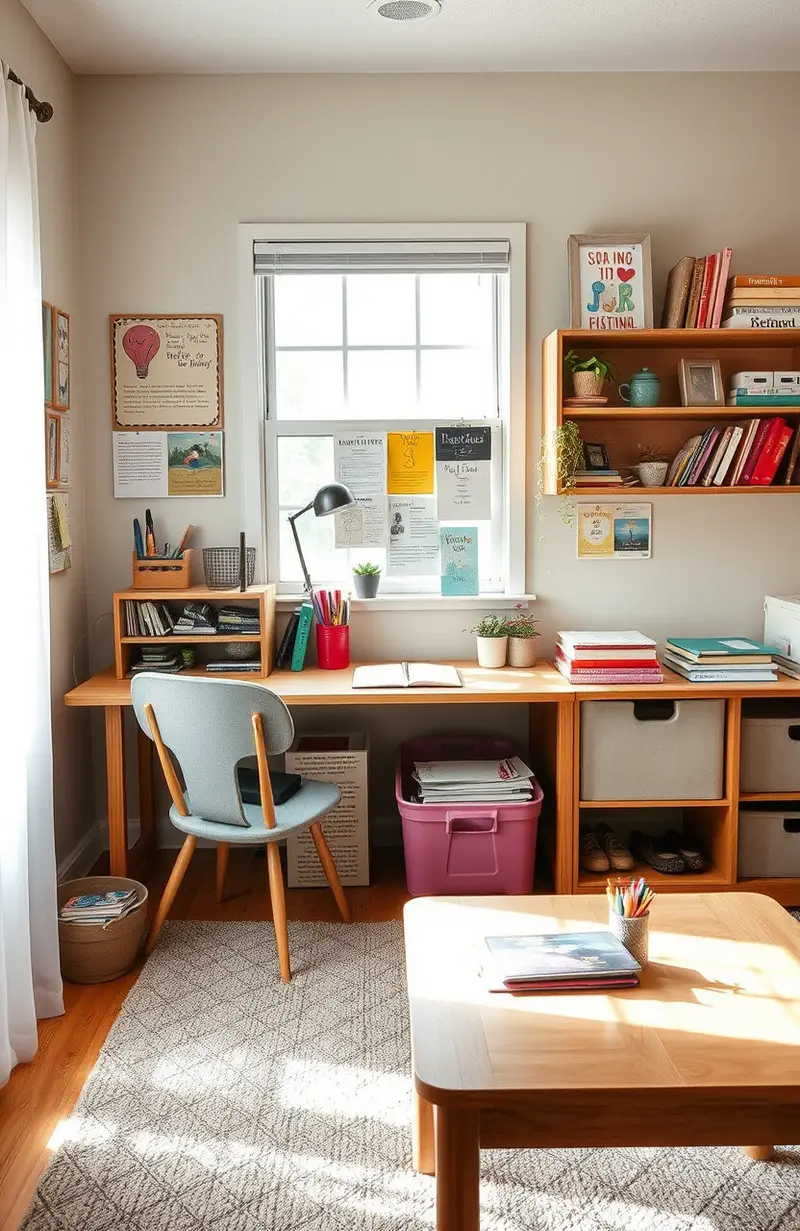
A writing station can encourage storytelling and journaling. Provide notebooks, pens, and a comfortable chair.
This area promotes literacy and creative expression. It’s a haven for budding writers and thinkers.
Reuse materials you already have or find budget-friendly alternatives. Personalize it with a display for showcasing written work.
A writing station makes words come alive. It’s an inviting spot for kids to express themselves through writing.
17. Sensory Space
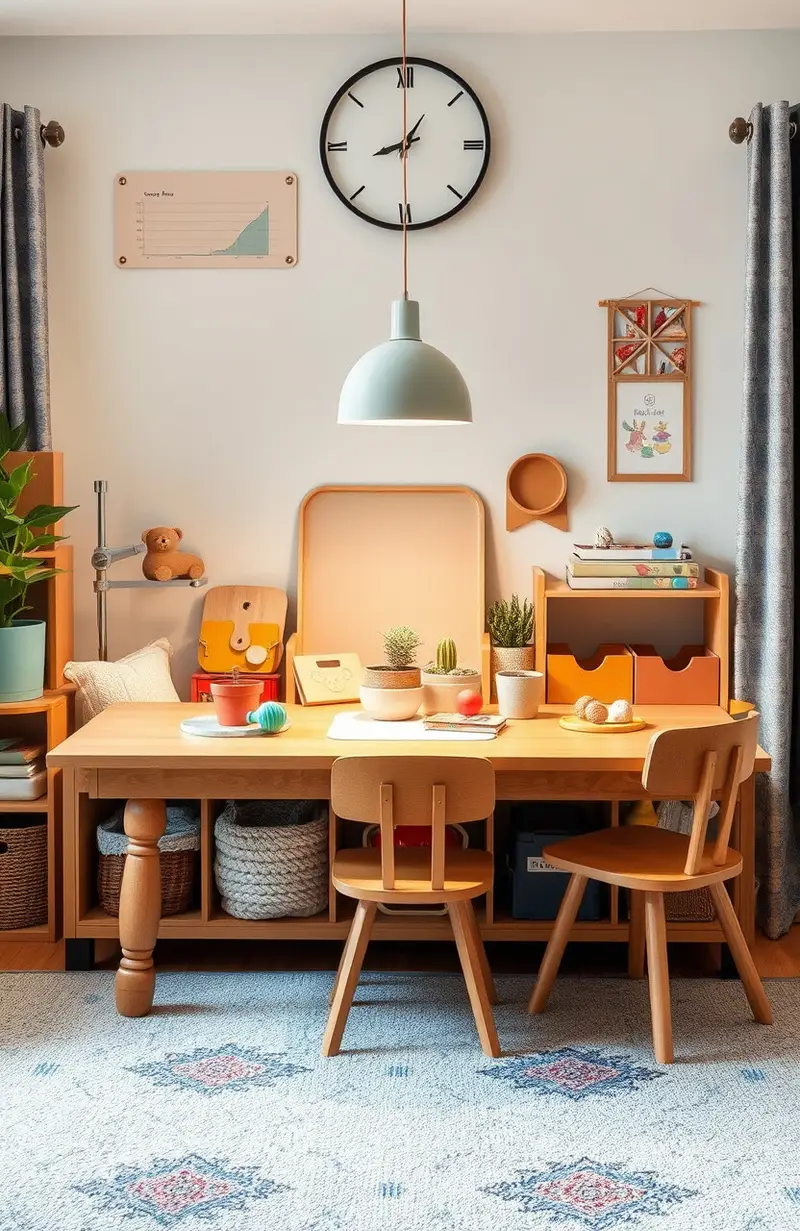
A sensory space can engage multiple senses. Include textures, scents, and sounds for a full sensory experience.
This setup can calm or stimulate depending on the items used. It’s an inclusive space for children with different sensory needs.
Use household items or inexpensive sensory toys. Personalize it with your child’s favorite textures or scents.
A sensory space adds a unique dimension to learning. It’s a comforting place where kids can explore their senses.
18. Building Block Area
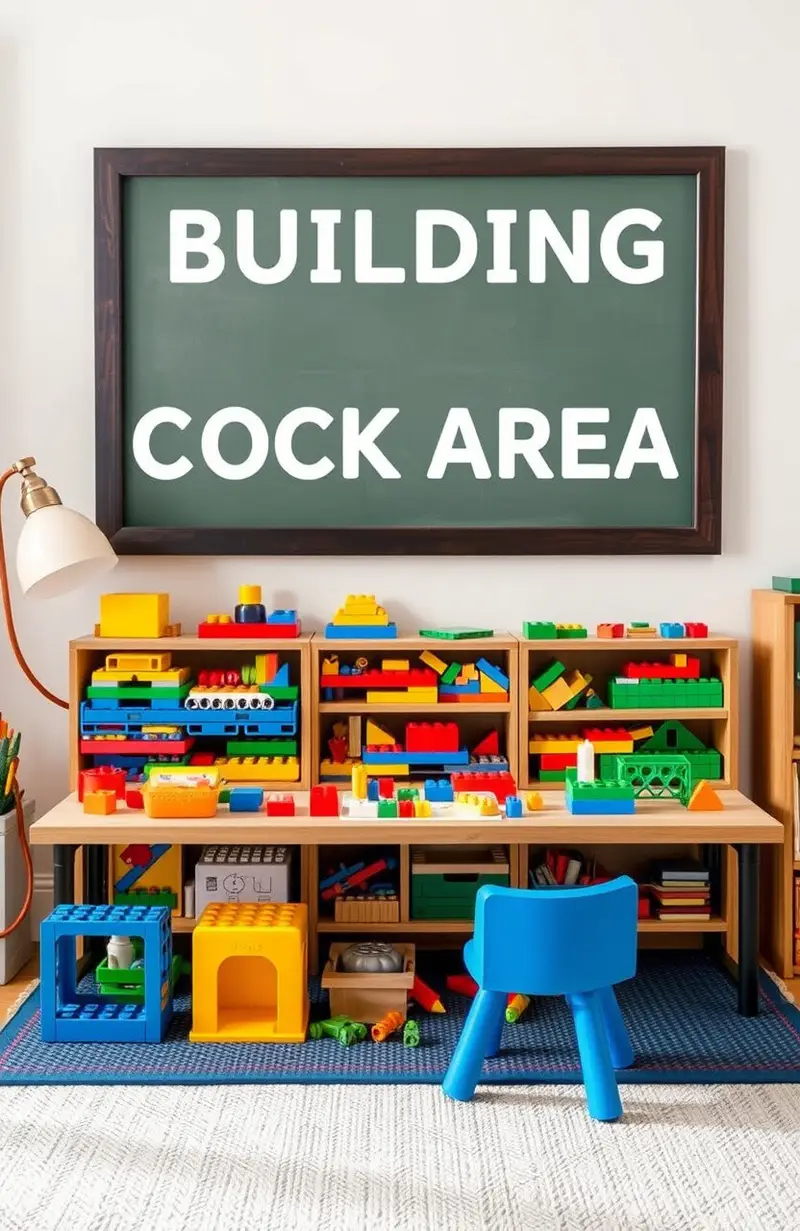
A building block area can be a hands-on engineering lab. Provide a variety of blocks for endless construction possibilities.
This setup fosters creativity and problem-solving skills. It’s a playground for young engineers and architects.
Use blocks you already have or find them second-hand. Personalize it with a small mat to define the building area.
A building block area is a fun addition to any homeschool setup. It’s a space where imagination and innovation come together.
19. Digital Learning Spot
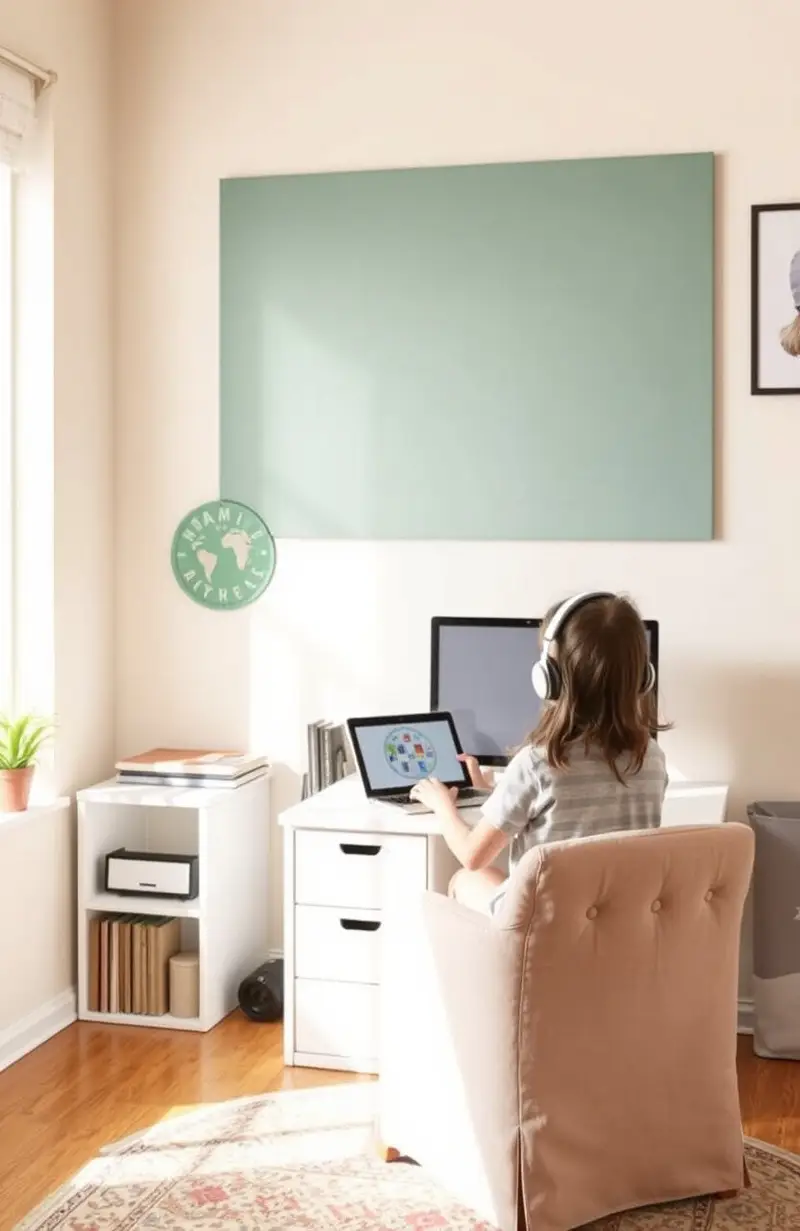
Set up a digital learning spot with a tablet or computer. It’s a gateway to online educational resources and fun learning apps.
This area supports tech-savvy education. It’s a modern approach to learning that kids enjoy.
Use existing devices to keep costs low. Personalize it with headphones and a comfortable chair for focused learning.
A digital learning spot is a bridge to the digital world. It’s an engaging way to access interactive educational content.
20. Nature Study Area
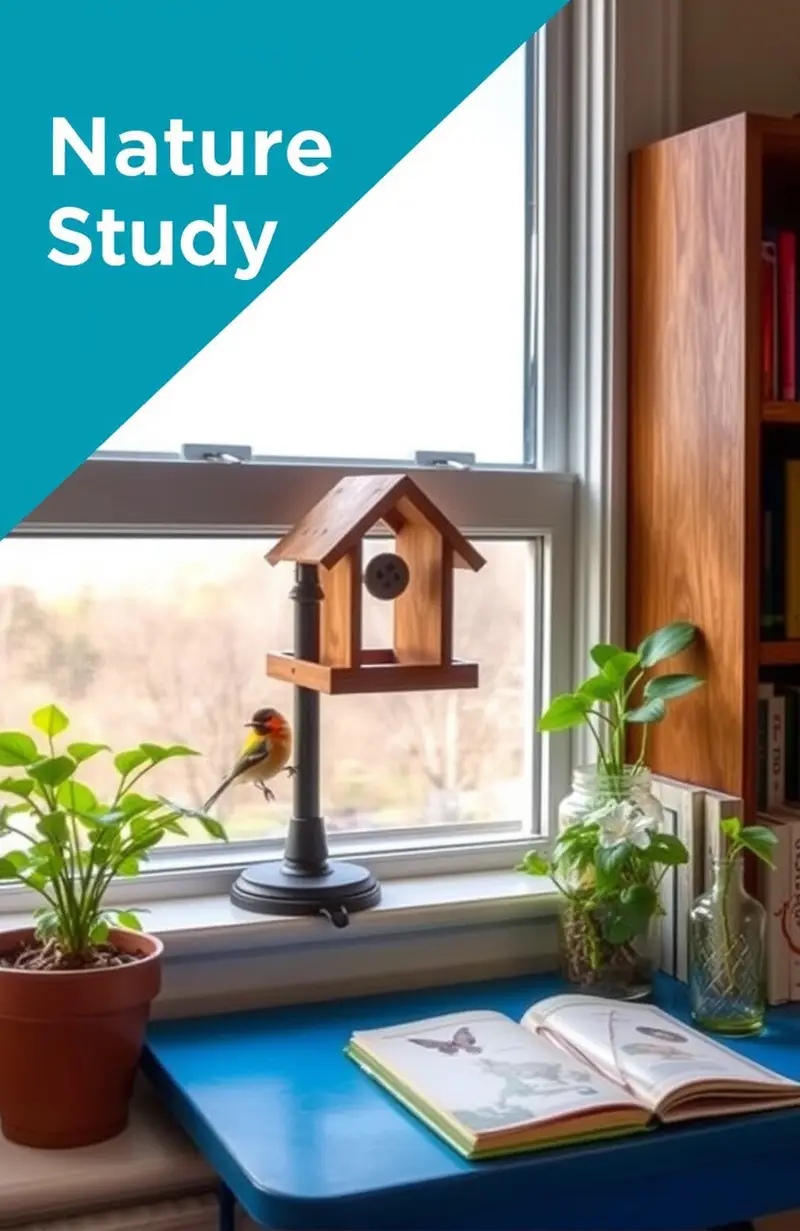
A nature study area can be a window to the world outside. Add a bird feeder or a small plant to observe nature up close.
This setup encourages observation and a love of nature. It’s a simple way to bring the outdoors into your home.
Use a windowsill or a small table to set it up. Personalize it with a nature journal to record observations.
A nature study area adds a touch of green to your space. It’s a peaceful place for learning about the natural world.
21. History Zone
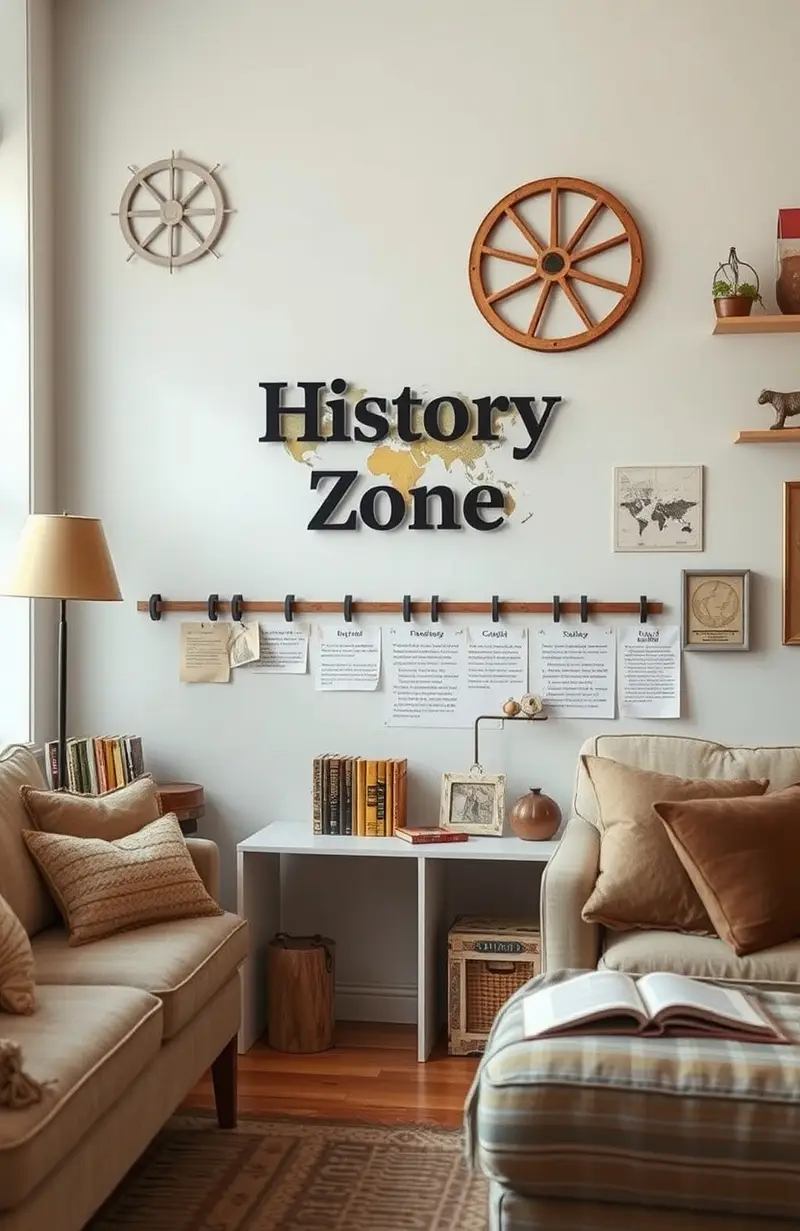
Turn a corner into a history zone with timelines and artifacts. It’s a visual way to learn about the past and its stories.
This setup sparks curiosity about historical events. It’s an engaging way to understand the world and its evolution.
Find items at antique shops or create your own timelines. Personalize it with books or replicas of historical artifacts.
A history zone brings the past to life in your living room. It’s a fascinating way to explore history’s rich tapestry.
22. Physical Activity Corner
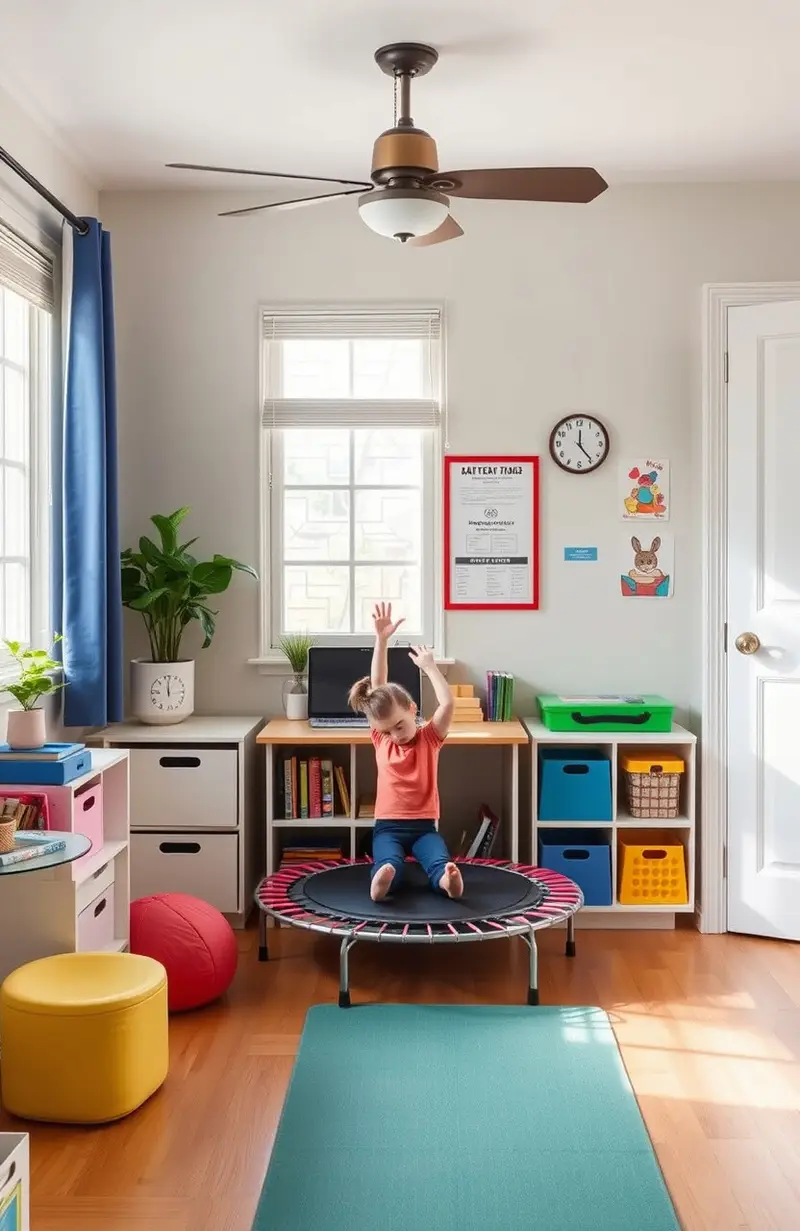
Create a physical activity corner with space for movement. Include a yoga mat or a small trampoline for active breaks.
This area supports physical health and energy release. It’s a fun way to incorporate exercise into the school day.
Use items you have or find affordable alternatives. Personalize it with a small timer for exercise intervals.
A physical activity corner keeps kids active and alert. It’s a dynamic addition that balances learning with movement.
23. Inspirational Wall
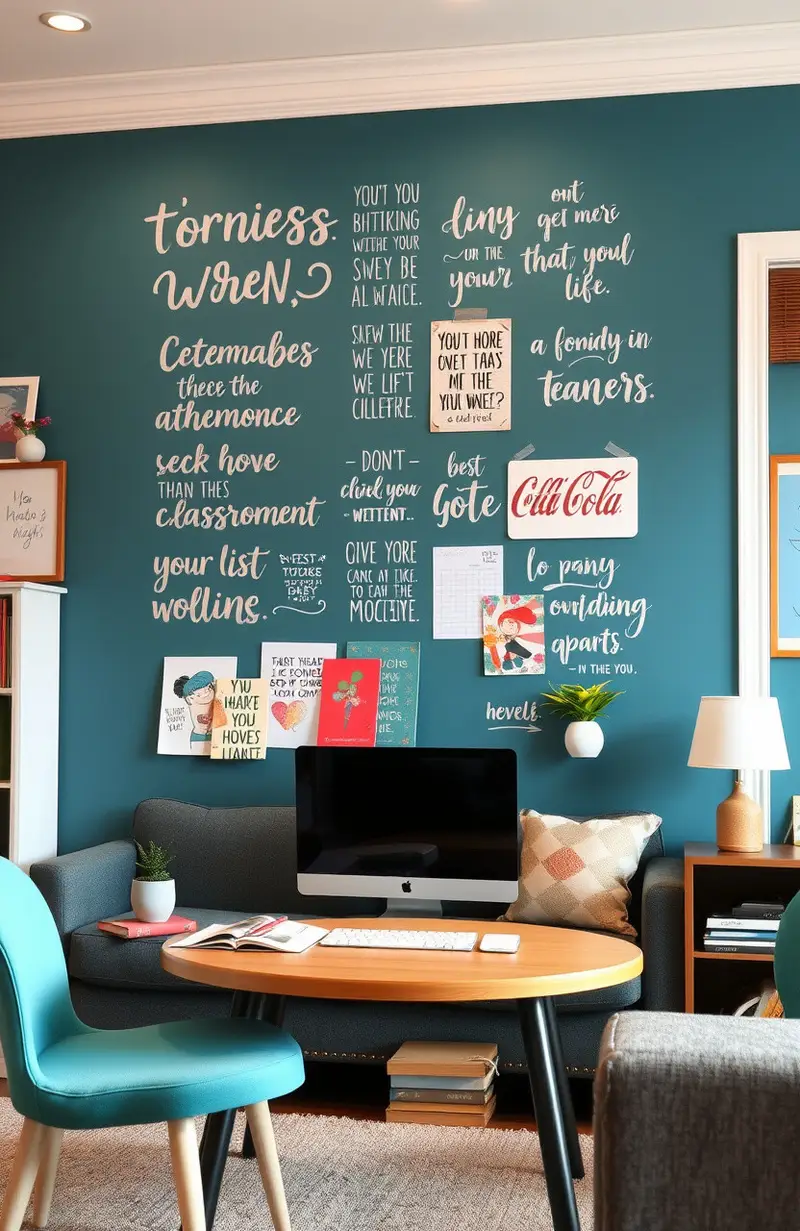
Design an inspirational wall with quotes and affirmations. It’s a positive backdrop for your homeschool classroom.
This setup promotes motivation and a growth mindset. It’s a daily reminder of the power of positive thinking.
Use printable quotes or write your own. Personalize it with artwork or photos that inspire your child.
An inspirational wall adds a touch of encouragement. It’s a bright and uplifting feature in any learning space.
24. Technology Station
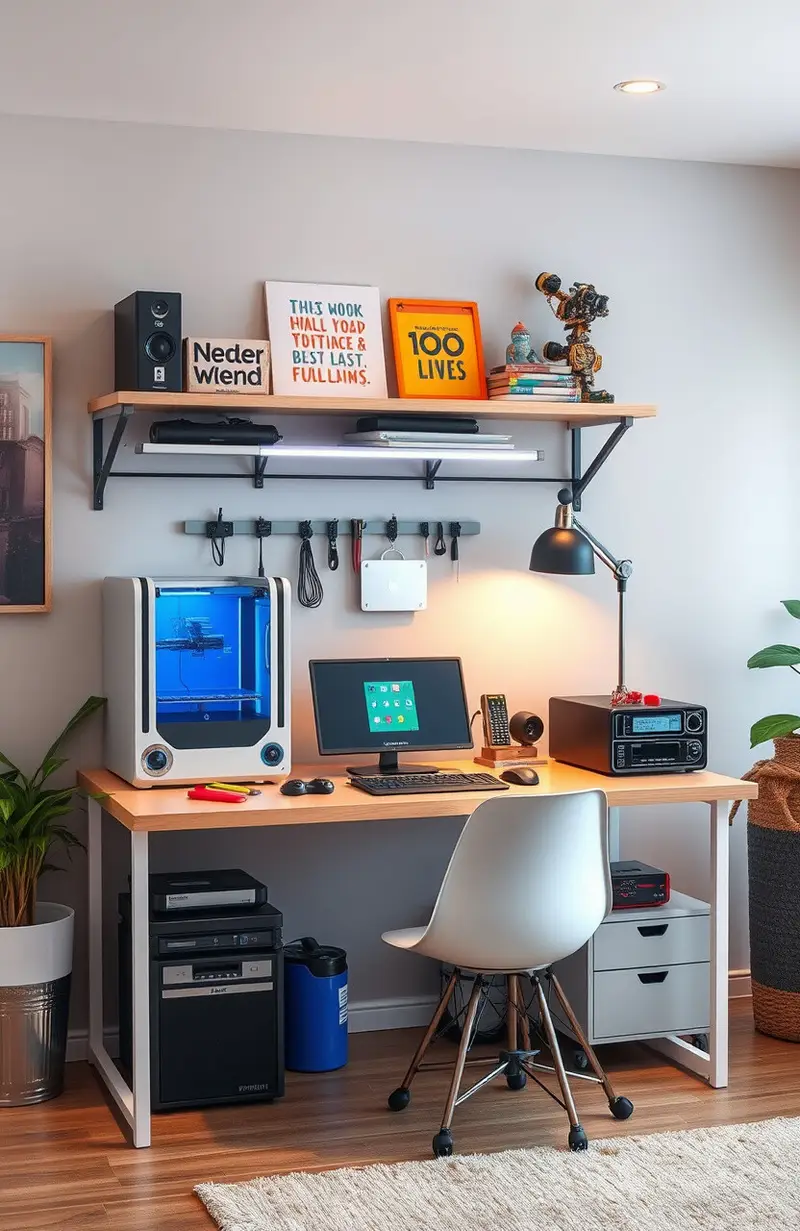
A technology station can include tools like a 3D printer or robotics kits. It’s a space for innovation and tech exploration.
This setup supports STEM education and creativity. It’s a hands-on way to engage with technology and its possibilities.
Reuse existing tech or find affordable kits. Personalize it with a small shelf for organizing tech gadgets.
A technology station is a futuristic addition to your living room. It’s an exciting place for kids to tinker and invent.
25. Dramatic Play Area
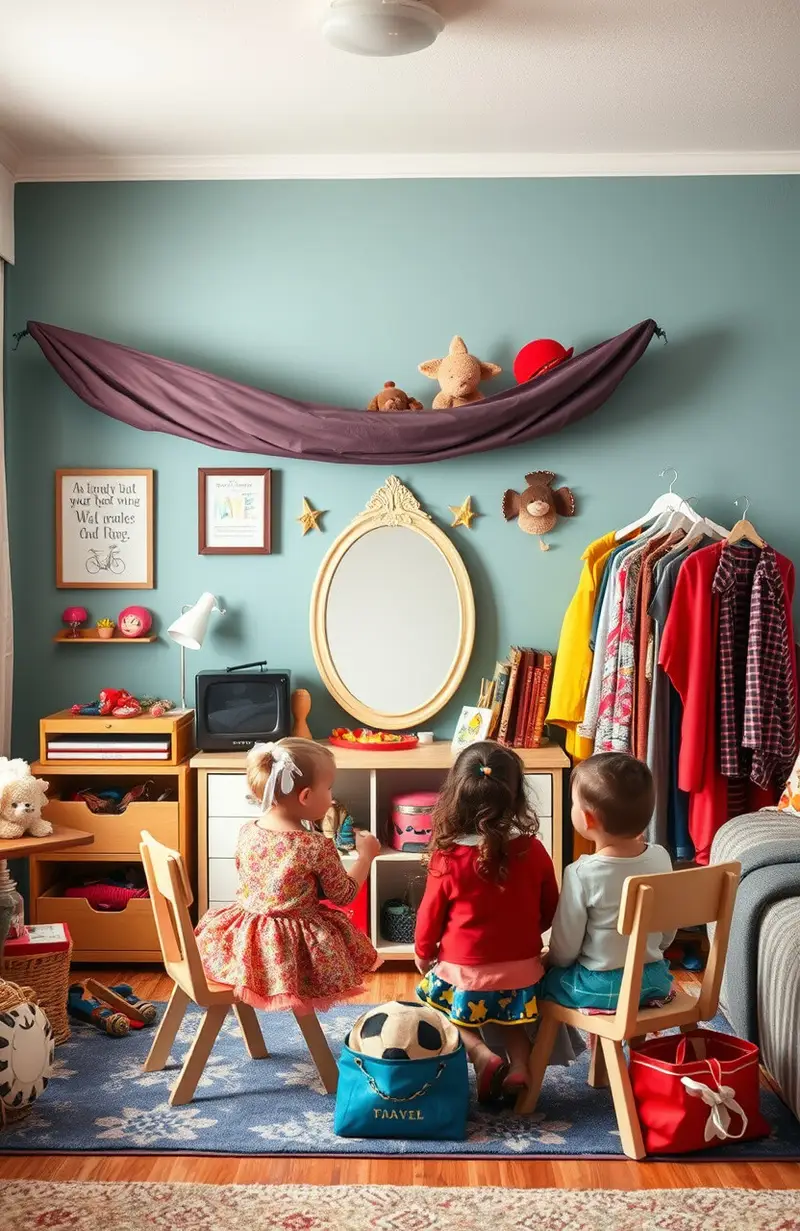
Create a dramatic play area with costumes and props. It’s a stage for imagination and role-playing.
This setup encourages creativity and social skills. It’s a playful way to learn about different roles and scenarios.
Use costumes you already have or find them at thrift stores. Personalize it with a small mirror for dress-up fun.
A dramatic play area adds a theatrical touch to your space. It’s a lively spot where stories and characters come to life.
26. Meditation Corner
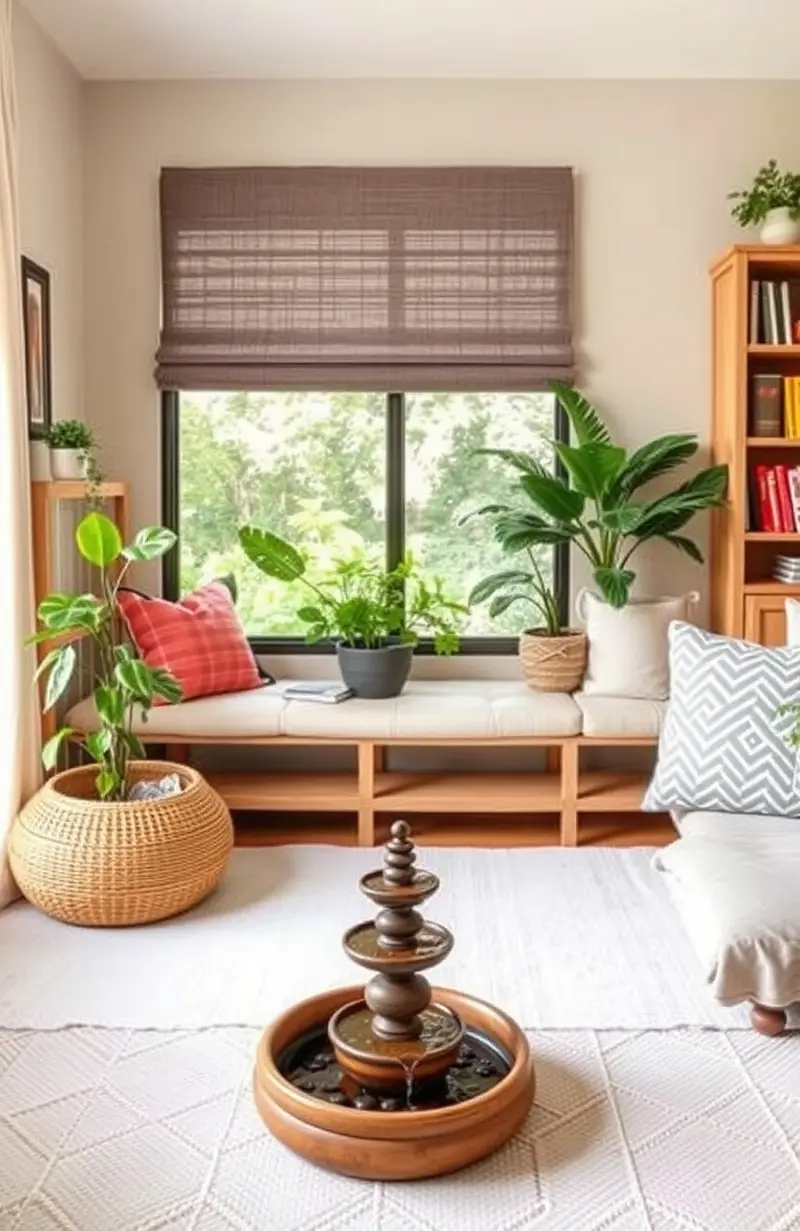
A meditation corner can be a peaceful retreat. Add soft cushions and a calming element like a small fountain.
This area supports mindfulness and relaxation. It’s a quiet place for reflection and inner peace.
Use items you already own or find budget-friendly options. Personalize it with a small book of meditations or a zen garden.
A meditation corner adds serenity to your living room. It’s a calming space for mental clarity and relaxation.
27. Cultural Exploration Space
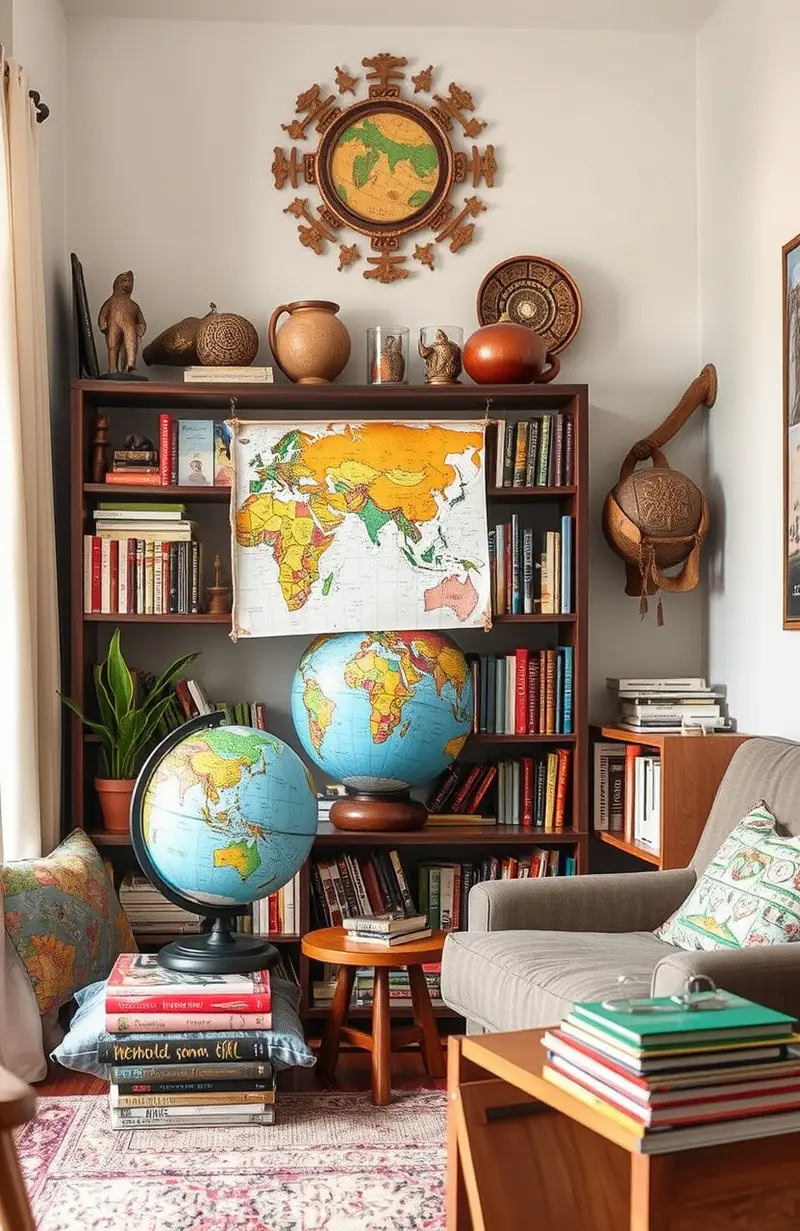
Create a cultural exploration space with artifacts and books. It’s a window to the world’s diverse cultures and traditions.
This setup fosters appreciation and respect for diversity. It’s a journey of discovery and understanding.
Find items at cultural fairs or online. Personalize it with a globe or a world map to explore different regions.
A cultural exploration space enriches your homeschool environment. It’s a vibrant way to learn about the world’s cultures.
28. Board Game Zone
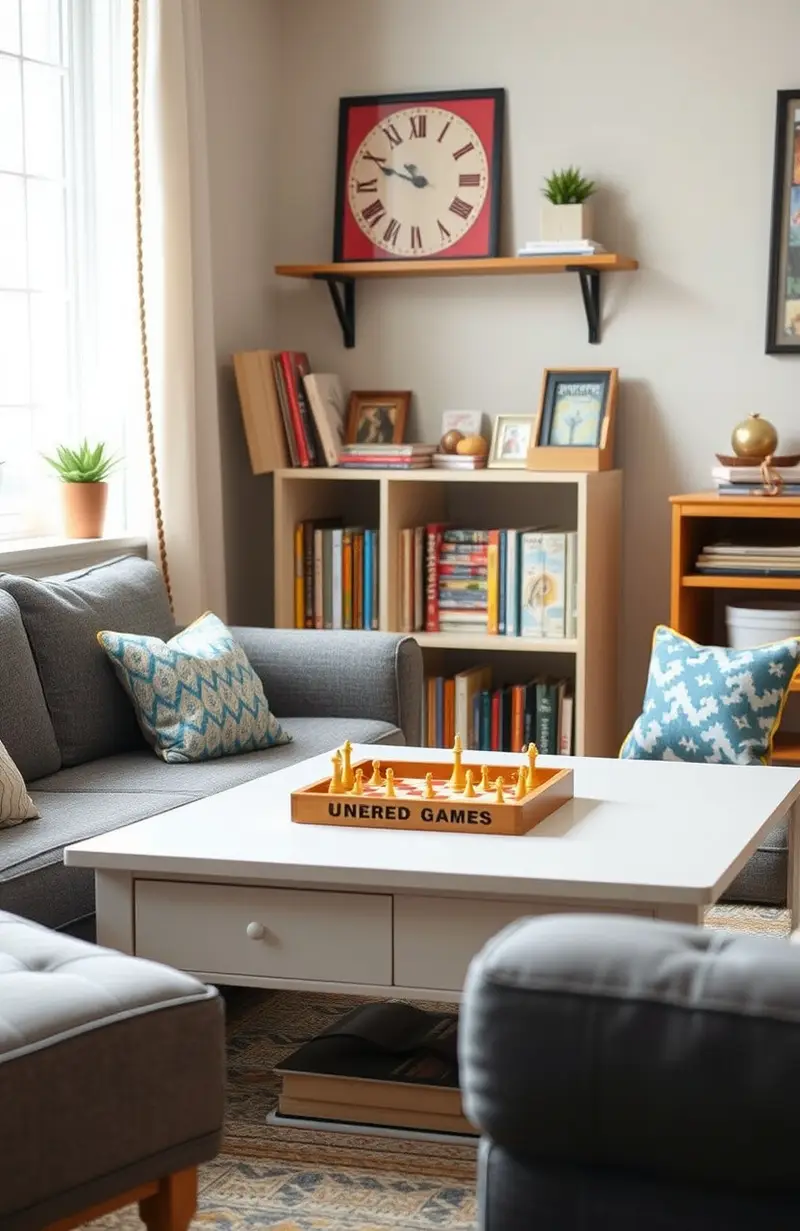
A board game zone can be a fun educational tool. Include games that challenge the mind and encourage strategic thinking.
This setup promotes social skills and critical thinking. It’s a playful way to learn and have fun together.
Use games you already own or find them second-hand. Personalize it with a small shelf to keep games organized.
A board game zone adds a playful element to your space. It’s a lively area where learning and laughter go hand in hand.
29. Nature Art Gallery
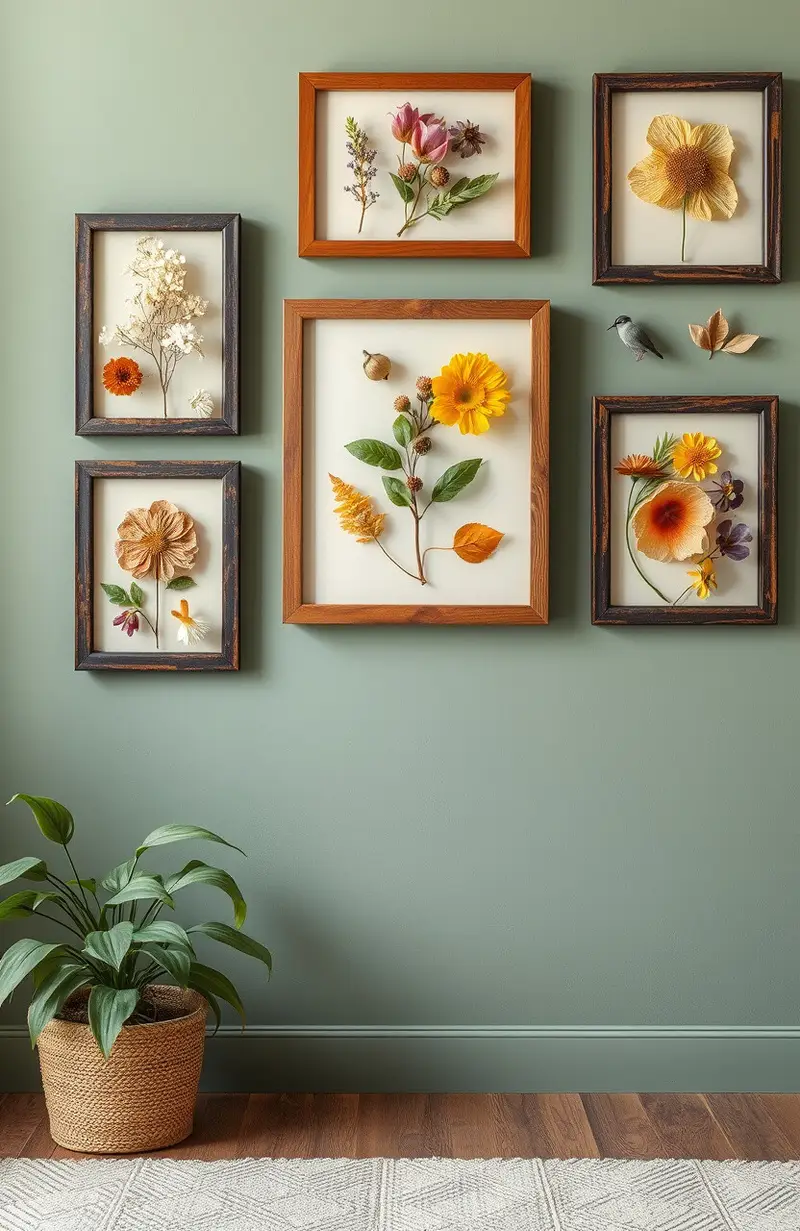
Turn a wall into a nature art gallery with pressed flowers and leaves. It’s a beautiful way to celebrate nature’s art.
This setup combines art with nature education. It’s an elegant display that changes with the seasons.
Use frames you already have or find affordable alternatives. Personalize it with seasonal themes or nature poems.
A nature art gallery brings the beauty of the outdoors inside. It’s a refreshing and educational addition to your home.
30. Exploration Bin
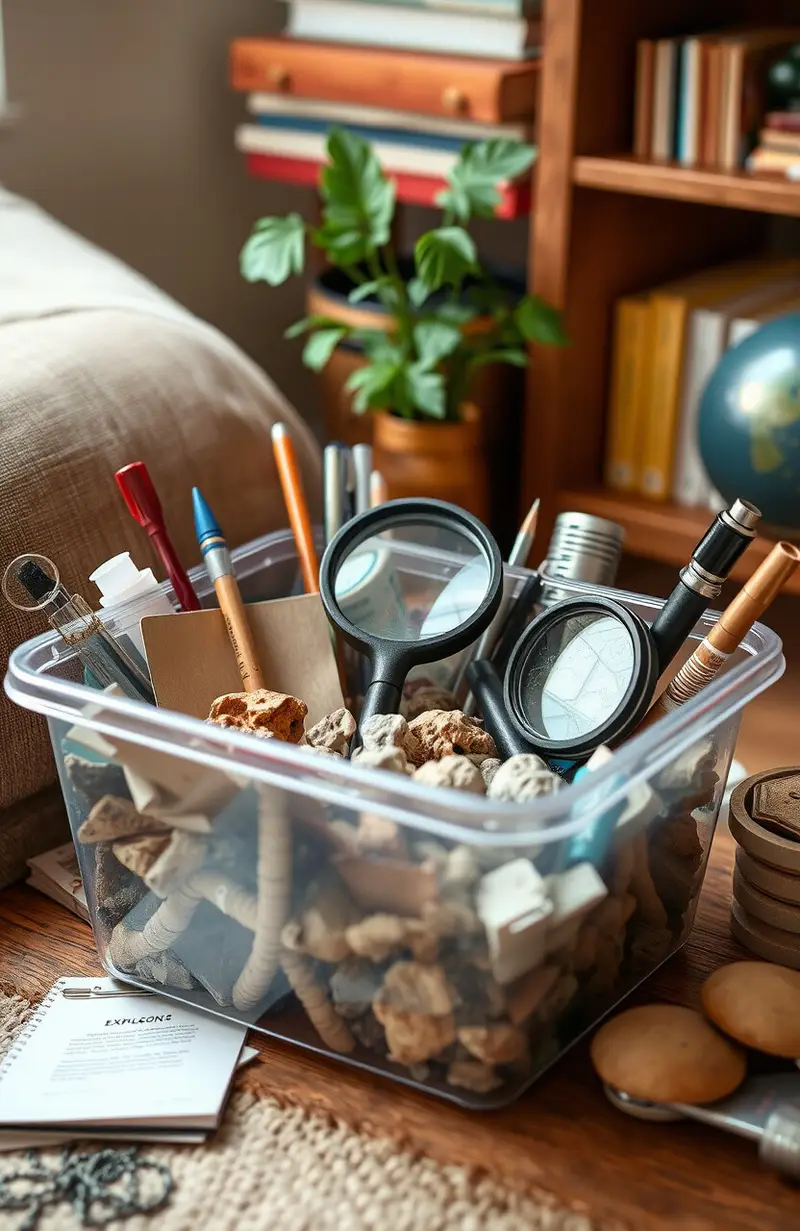
An exploration bin can be full of interesting items to investigate. Include magnifying glasses, fossils, and small gadgets.
This setup encourages curiosity and hands-on learning. It’s a treasure chest of discovery and excitement.
Use items you already have or find them at flea markets. Personalize it with a small notebook for recording findings.
An exploration bin adds a sense of adventure to your space. It’s a captivating way to inspire young explorers.
31. Mini Greenhouse
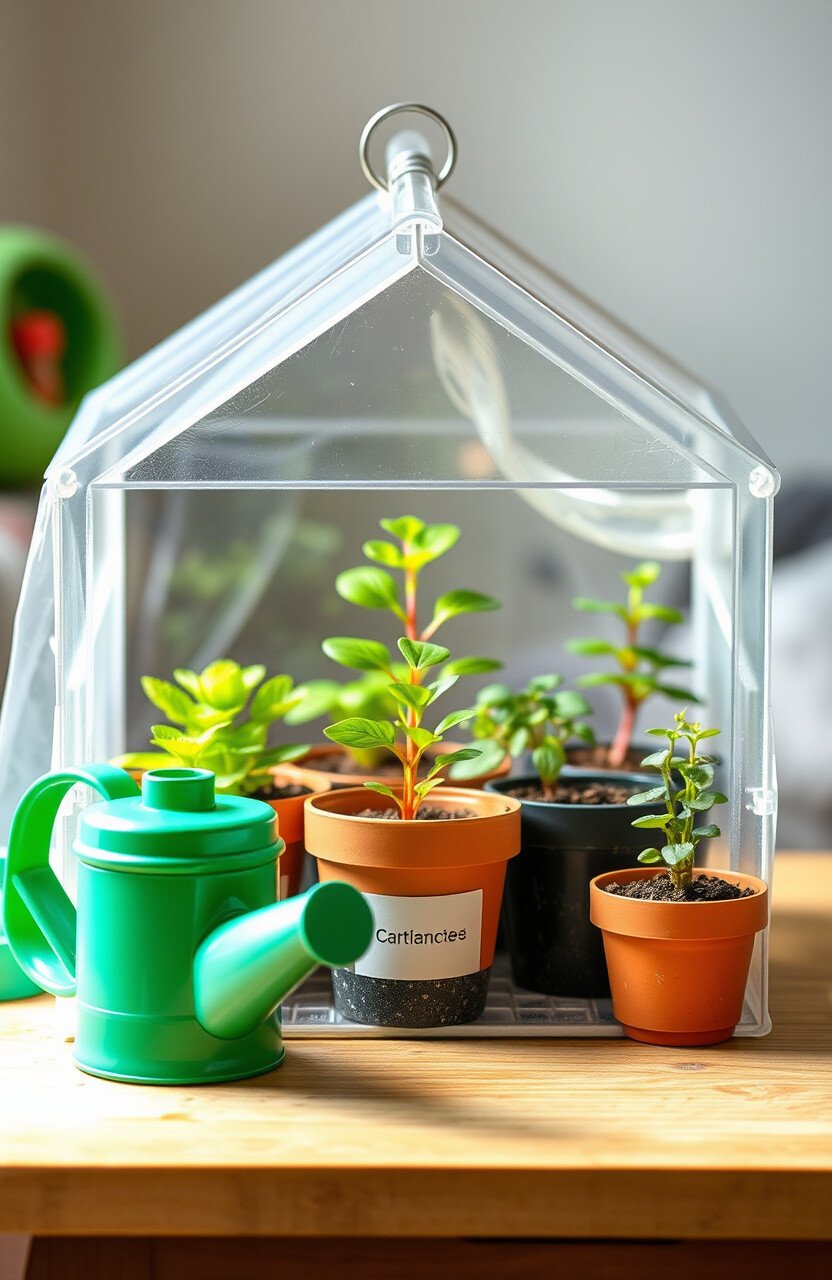
Create a mini greenhouse with small pots and seeds. It’s a hands-on way to teach about plant growth and care.
This setup encourages responsibility and a love of nature. It’s a living project that changes over time.
Use recycled containers to save costs. Personalize it with plant labels or a small watering can.
A mini greenhouse adds a touch of green to your living room. It’s a nurturing space where kids can watch nature bloom.
32. Language Board
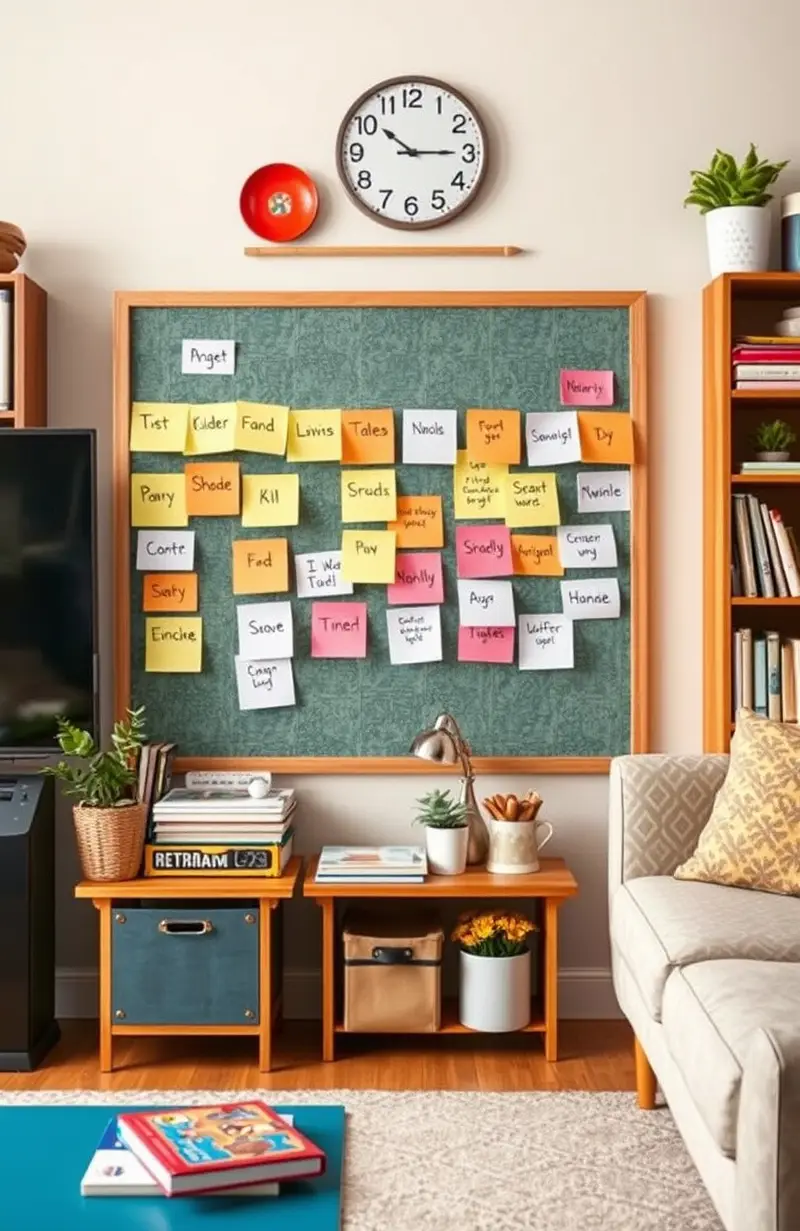
A language board can be a dynamic tool for vocabulary building. Use sticky notes or magnets to display new words.
This setup supports language learning in a visual way. It’s an interactive approach to expanding vocabulary.
Use materials you already have or find them inexpensively. Personalize it with themed words relevant to current studies.
A language board makes learning words fun and engaging. It’s a versatile addition to your homeschool setup.
33. Wildlife Watching Zone
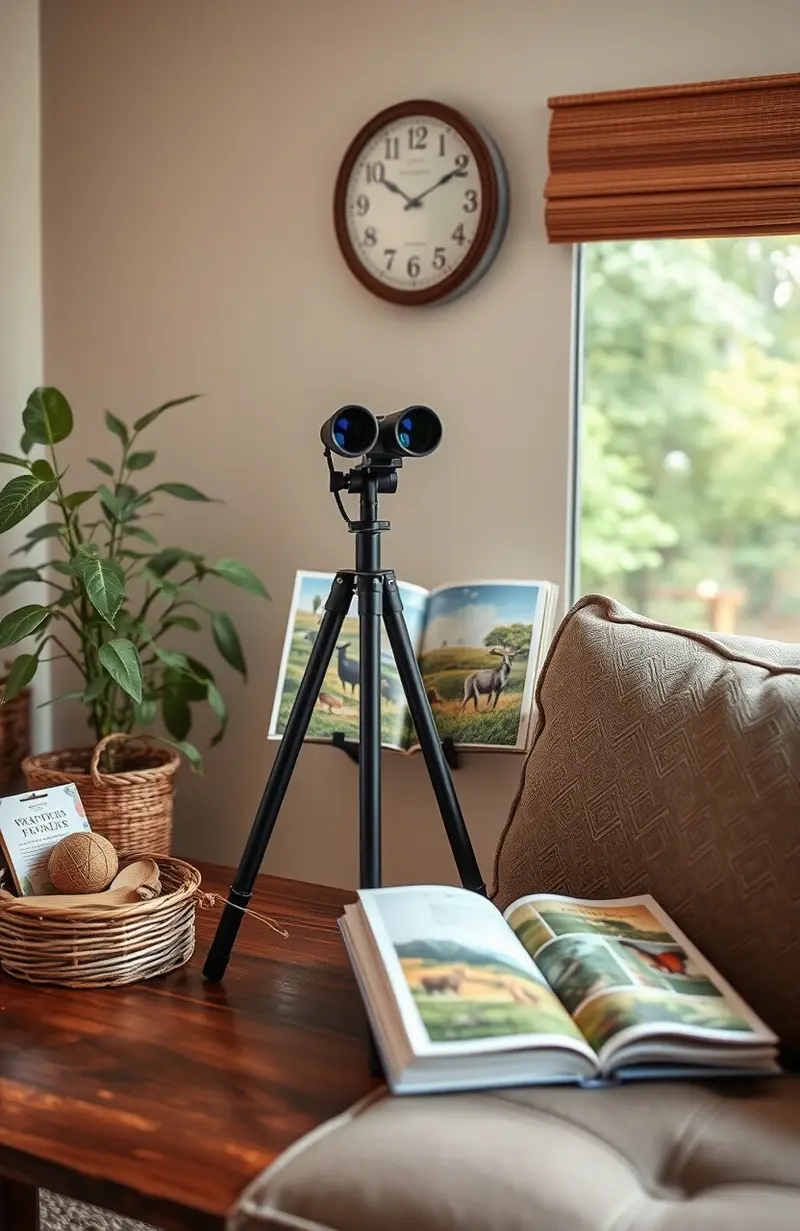
Create a wildlife watching zone with binoculars and a nature book. It’s a space for observing and learning about local wildlife.
This setup fosters a love for animals and nature. It’s a quiet place for peaceful observation and learning.
Use items you already own or find affordable alternatives. Personalize it with a small chart for recording wildlife sightings.
A wildlife watching zone adds an element of wonder to your space. It’s a delightful way to connect with the natural world.
34. Calendar Center
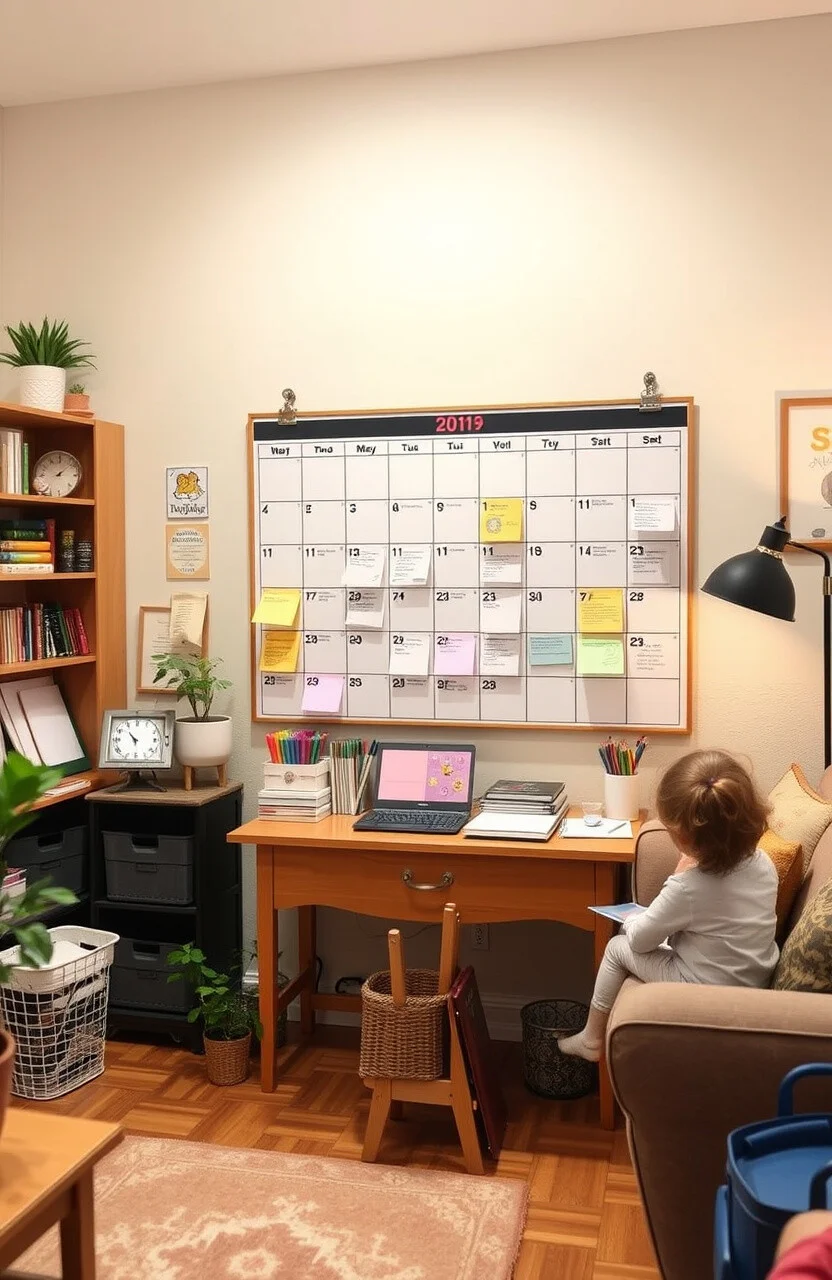
A calendar center can teach time management and planning. Use a large calendar or a DIY version to track important dates.
This setup promotes organization and responsibility. It’s a visual way to plan and prepare for upcoming events.
Use a calendar you already have or create your own. Personalize it with colorful markers and stickers for special days.
A calendar center keeps your homeschool schedule on track. It’s a practical tool for managing time and activities.
35. Problem-Solving Table
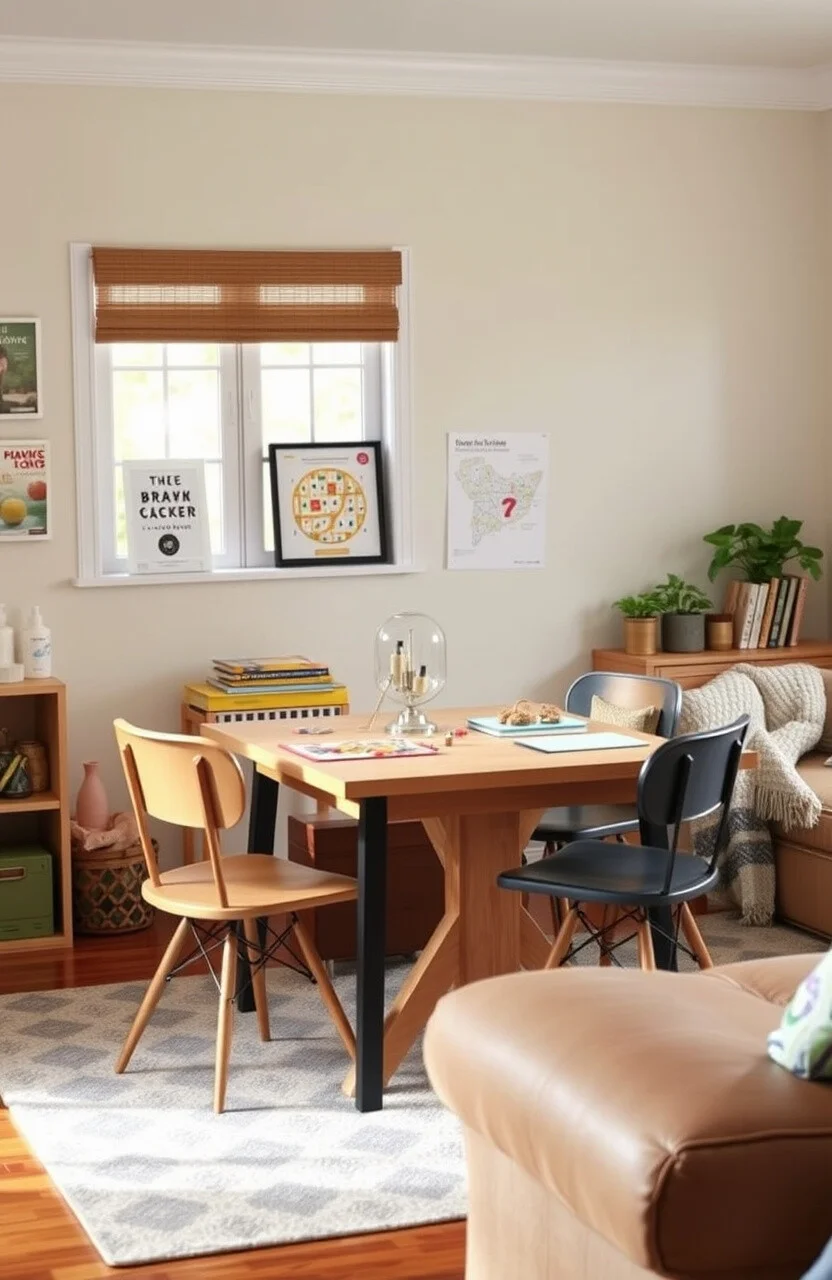
A problem-solving table can be a spot for brain teasers and challenges. Include puzzles, riddles, and logic games.
This setup enhances critical thinking and perseverance. It’s a fun way to tackle tricky problems with a smile.
Use puzzles you already own or find them second-hand. Personalize it with a small timer to make it more challenging.
A problem-solving table adds a playful challenge to your space. It’s an inviting spot for mental gymnastics and fun.
36. Interactive Map
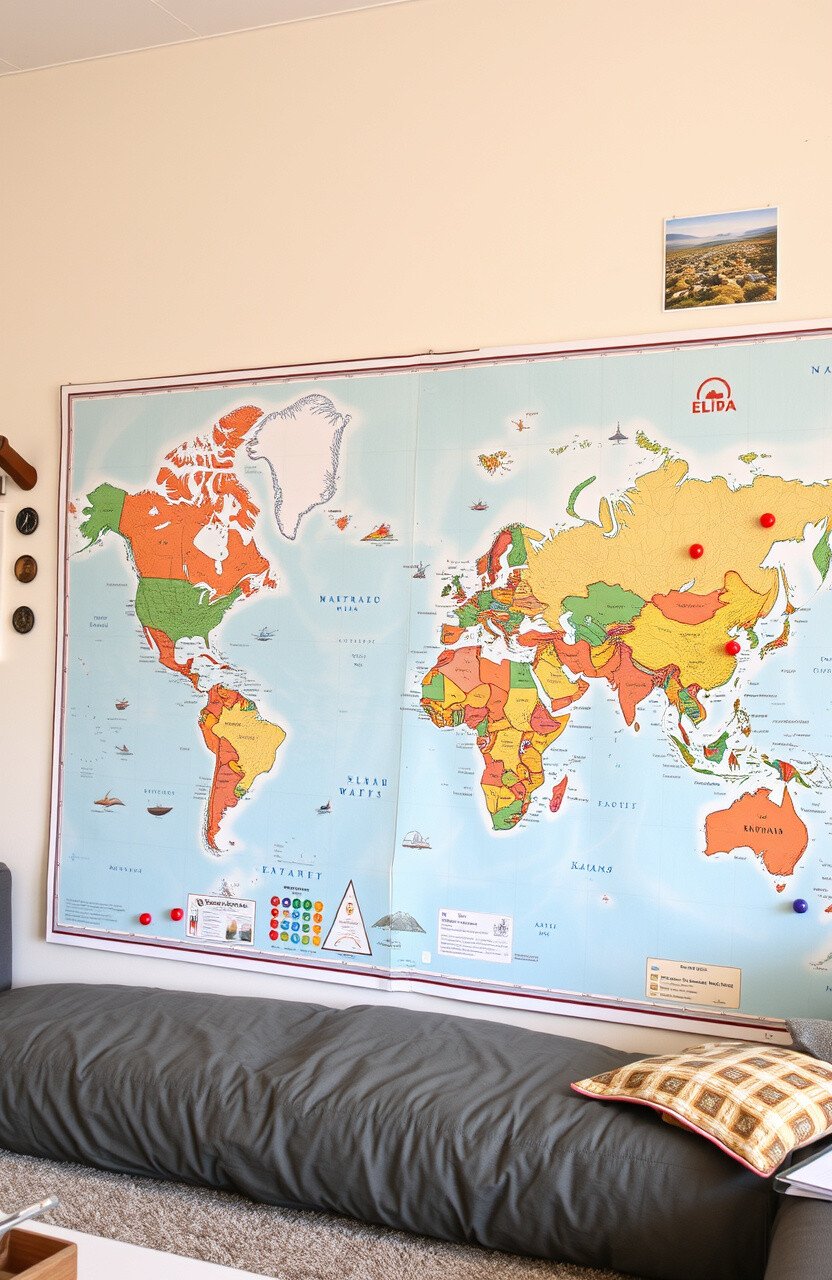
An interactive map can turn geography into an adventure. Use pins or stickers to mark places you’ve learned about.
This setup makes learning about the world engaging and hands-on. It’s a colorful way to explore geography together.
Use a map you already have or find one affordably. Personalize it with photos or souvenirs from different locations.
An interactive map adds a global view to your living room. It’s a fun way to visualize the vastness of our planet.
37. Creative Writing Desk
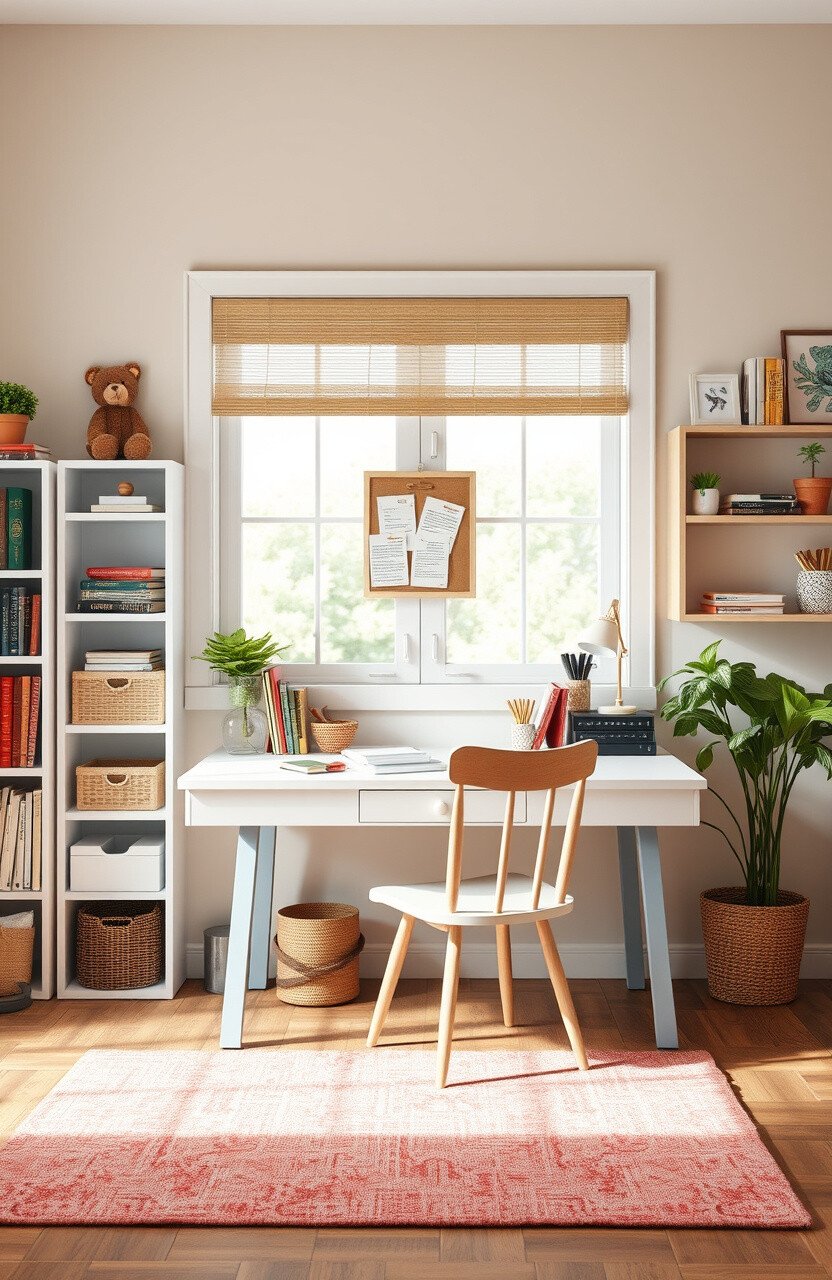
A creative writing desk can be a space for storytelling. Provide prompts, notebooks, and a comfy chair for inspiration.
This area promotes imagination and literacy. It’s a welcoming spot for young authors to create their own tales.
Use materials you already have or find budget-friendly options. Personalize it with a small bulletin board for displaying stories.
A creative writing desk makes writing an exciting adventure. It’s a cozy corner for crafting stories and dreams.
38. Discovery Shelf
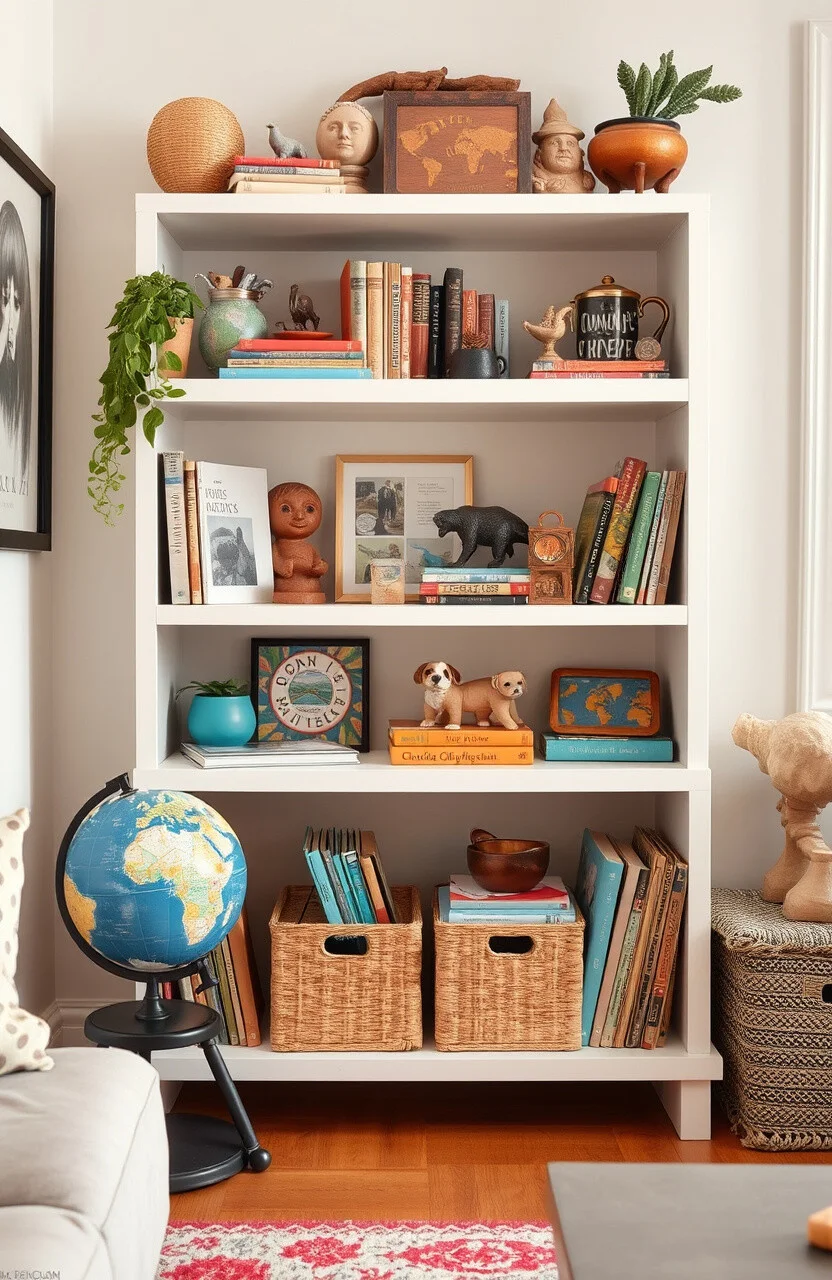
A discovery shelf can be filled with interesting objects and books. It’s a place for curious minds to explore and learn.
This setup encourages independent learning and inquiry. It’s a treasure trove of knowledge waiting to be discovered.
Use items you already have or find them at thrift stores. Personalize it with a small globe or a magnifying glass.
A discovery shelf adds a sense of curiosity to your space. It’s a captivating area for little explorers to investigate.
39. Math Game Corner
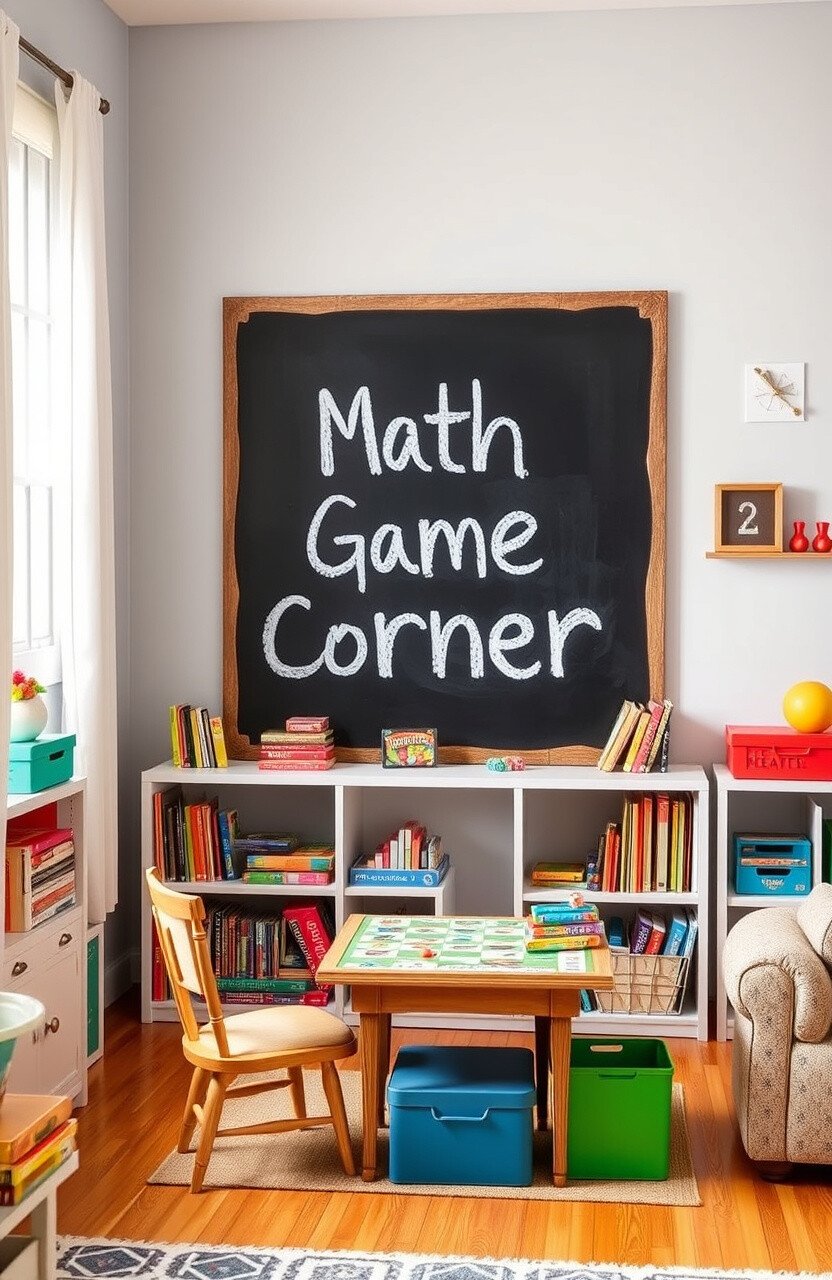
A math game corner can make math fun and interactive. Include board games and card games that focus on math skills.
This setup reinforces math concepts through play. It’s a lively way to engage with numbers and operations.
Use games you already have or find them second-hand. Personalize it with a small chalkboard for scorekeeping.
A math game corner turns math into an enjoyable challenge. It’s a playful addition that makes learning math a joy.
40. Relaxation Zone
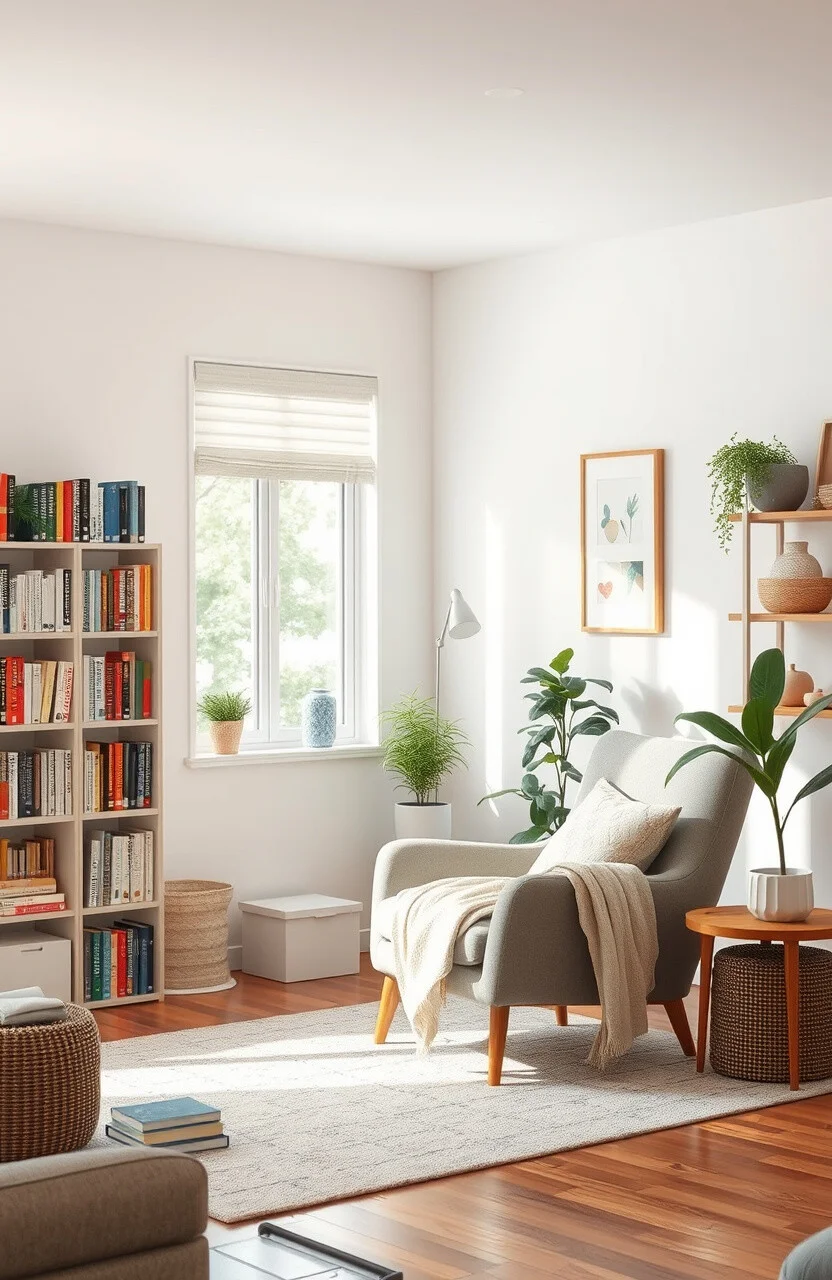
A relaxation zone can be a place to unwind. Add a soft chair and some calming books for a peaceful retreat.
This area supports mental well-being and rest. It’s a quiet spot for reflection and relaxation after a busy day.
Use items you already have or find budget-friendly alternatives. Personalize it with a small plant or a scented candle.
A relaxation zone adds tranquility to your living room. It’s a serene space for recharging and finding peace.
41. Science Exploration Kit
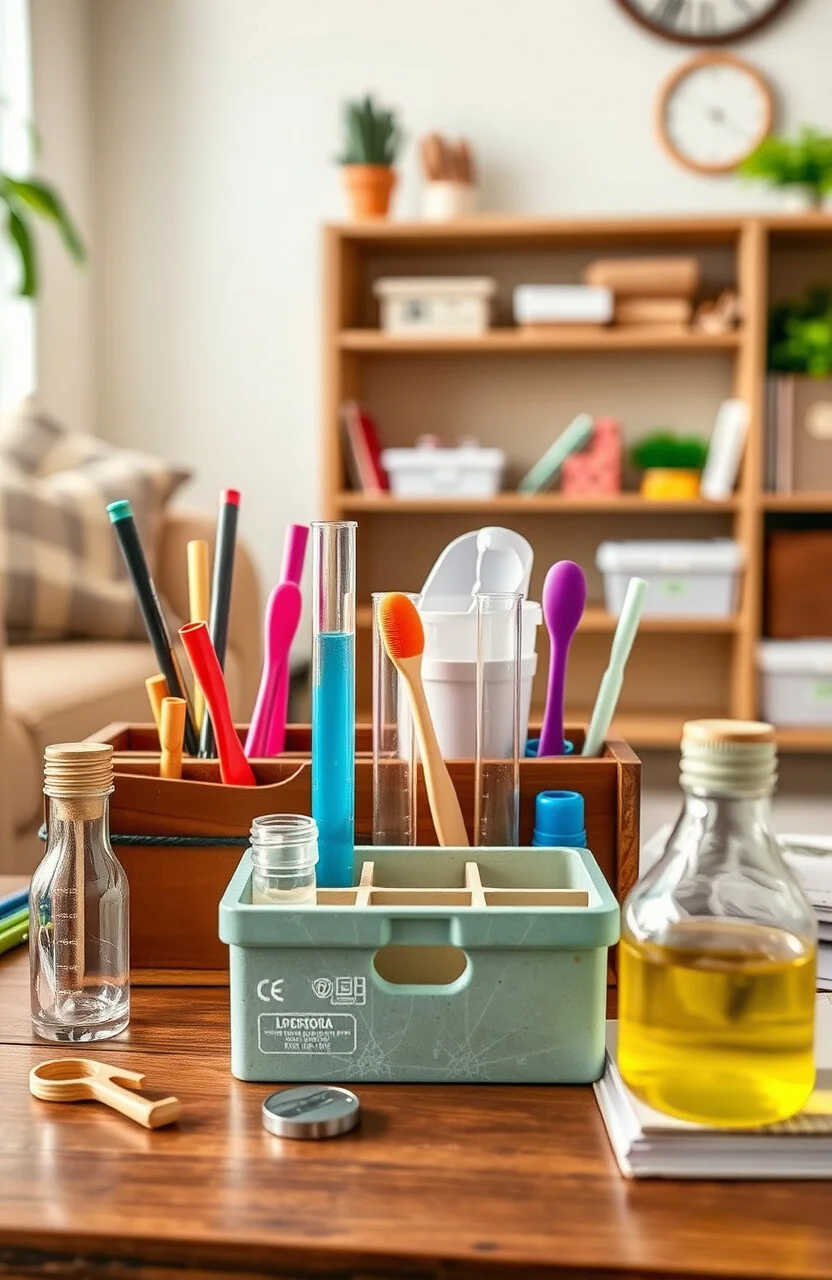
Create a science exploration kit with tools and materials for experiments. Include test tubes, measuring spoons, and a journal.
This setup makes science tangible and exciting. It’s a hands-on way to learn about scientific concepts and inquiry.
Use materials you already have or find them affordably. Personalize it with a small storage box for organizing supplies.
A science exploration kit adds a touch of experimentation to your home. It’s a thrilling way to delve into the world of science.
42. Historical Artifact Display
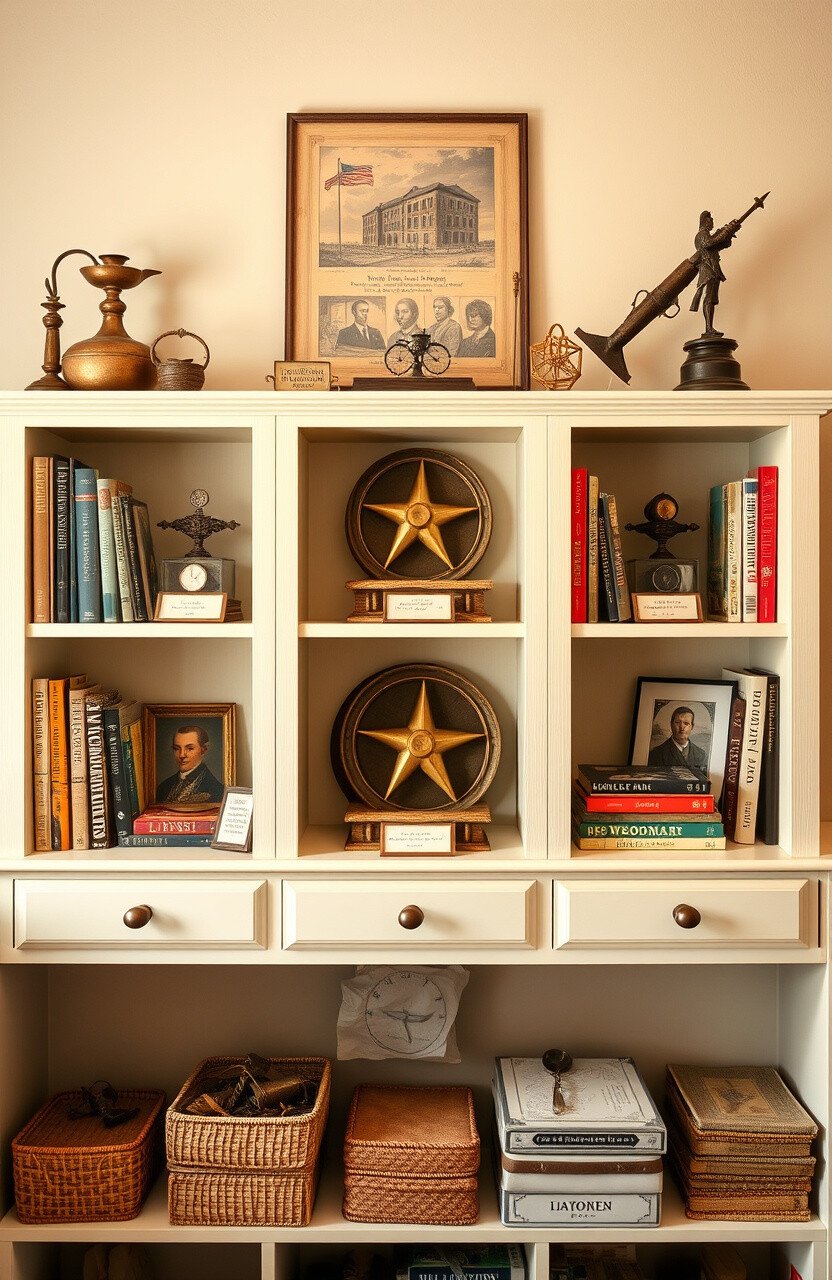
Turn a shelf into a historical artifact display with replicas and books. It’s a window to the past and its stories.
This setup sparks curiosity about history and its lessons. It’s a visual way to learn about different eras and cultures.
Find items at antique shops or create your own replicas. Personalize it with a small placard describing each artifact.
A historical artifact display brings history to life. It’s a fascinating addition that enriches your learning environment.
43. Creative Arts Section
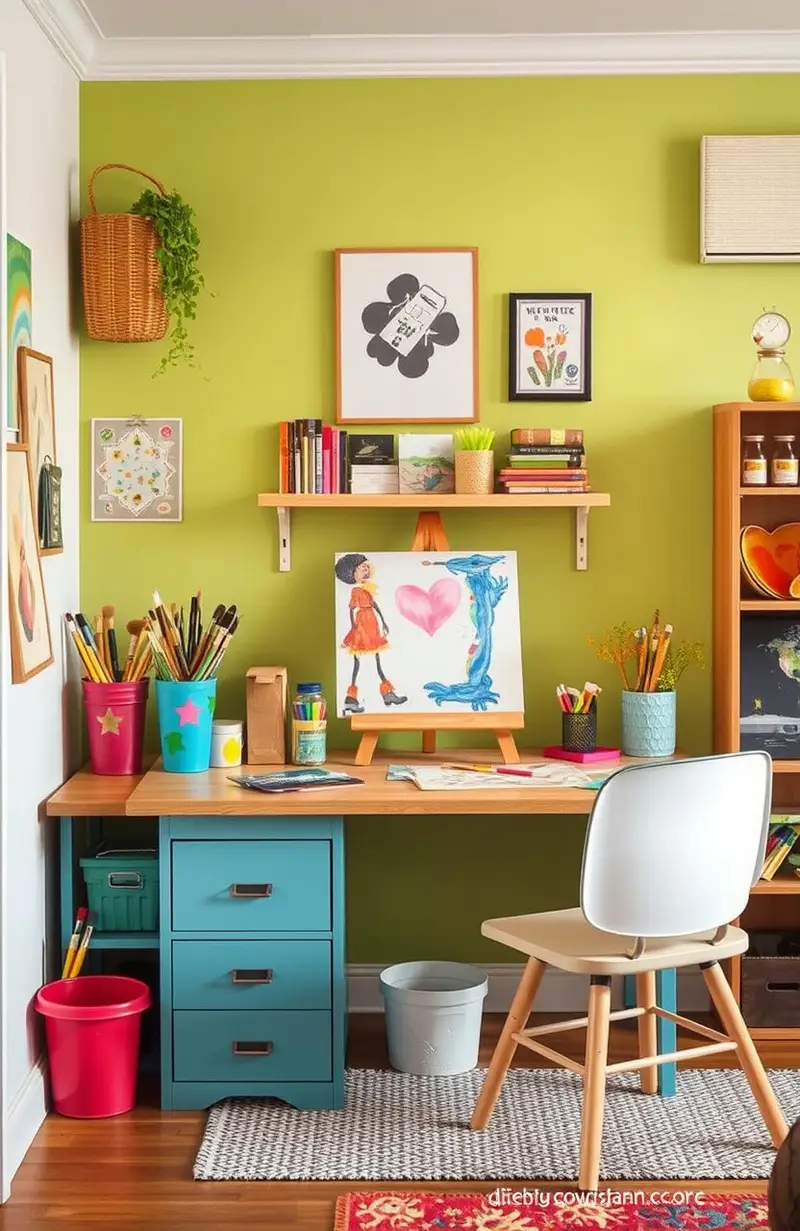
A creative arts section can encourage artistic expression. Provide paints, brushes, and a canvas for young artists.
This area promotes creativity and self-expression. It’s a colorful space for painting and artistic exploration.
Use supplies you already have or find them at discount stores. Personalize it with a small easel for displaying artwork.
A creative arts section adds a splash of color to your space. It’s an inspiring area for budding Picassos and Monets.
44. STEM Challenge Corner
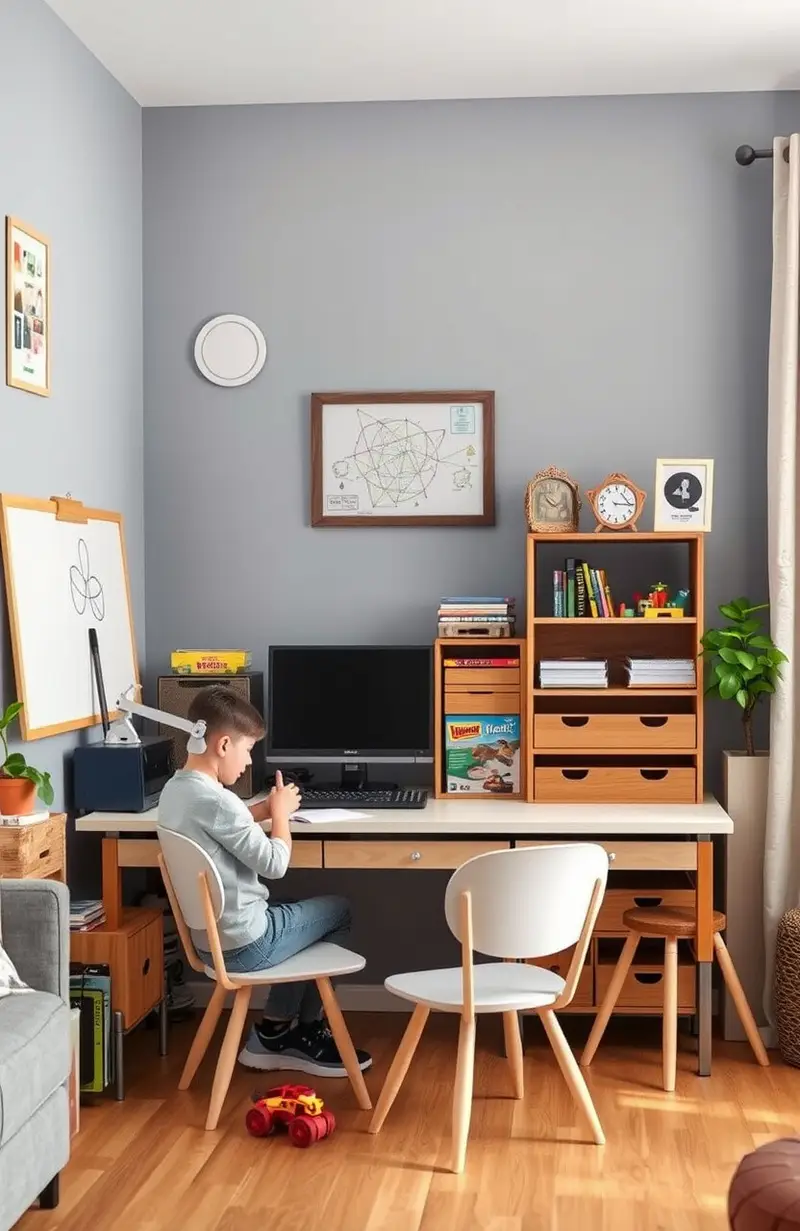
Set up a STEM challenge corner with building kits and puzzles. It’s a space for problem-solving and innovation.
This setup supports STEM education and critical thinking. It’s a playful way to engage with science, technology, engineering, and math.
Use kits you already have or find them affordably. Personalize it with a small whiteboard for sketching ideas.
A STEM challenge corner adds a sense of discovery to your home. It’s an exciting spot for tackling new challenges and ideas.
45. Gardening Station
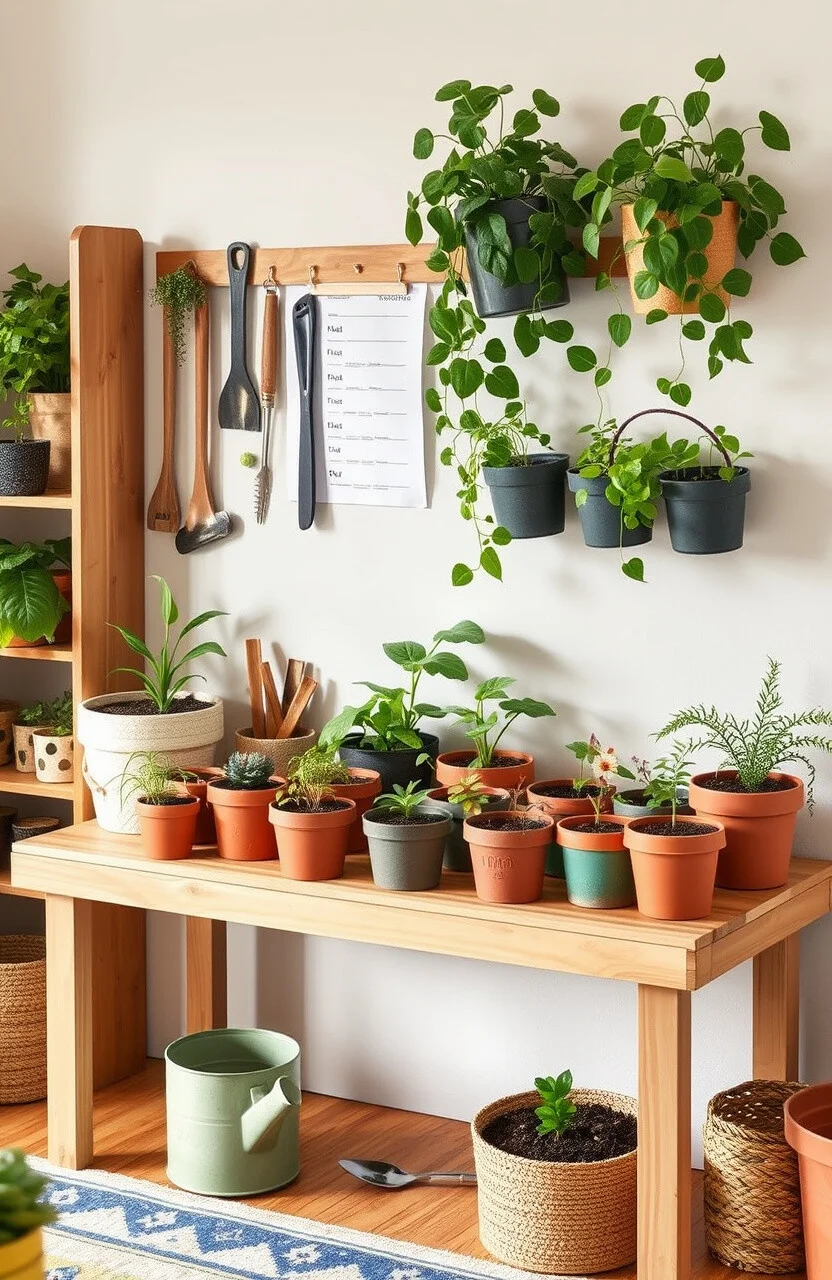
Create a gardening station with tools and pots for planting. It’s a hands-on way to learn about plant care and growth.
This area encourages responsibility and a love of nature. It’s a living project that evolves over time.
Use recycled containers to save costs. Personalize it with plant labels or a small watering can.
A gardening station brings the outdoors inside. It’s a nurturing space where kids can watch nature bloom.
46. Book Exchange Shelf
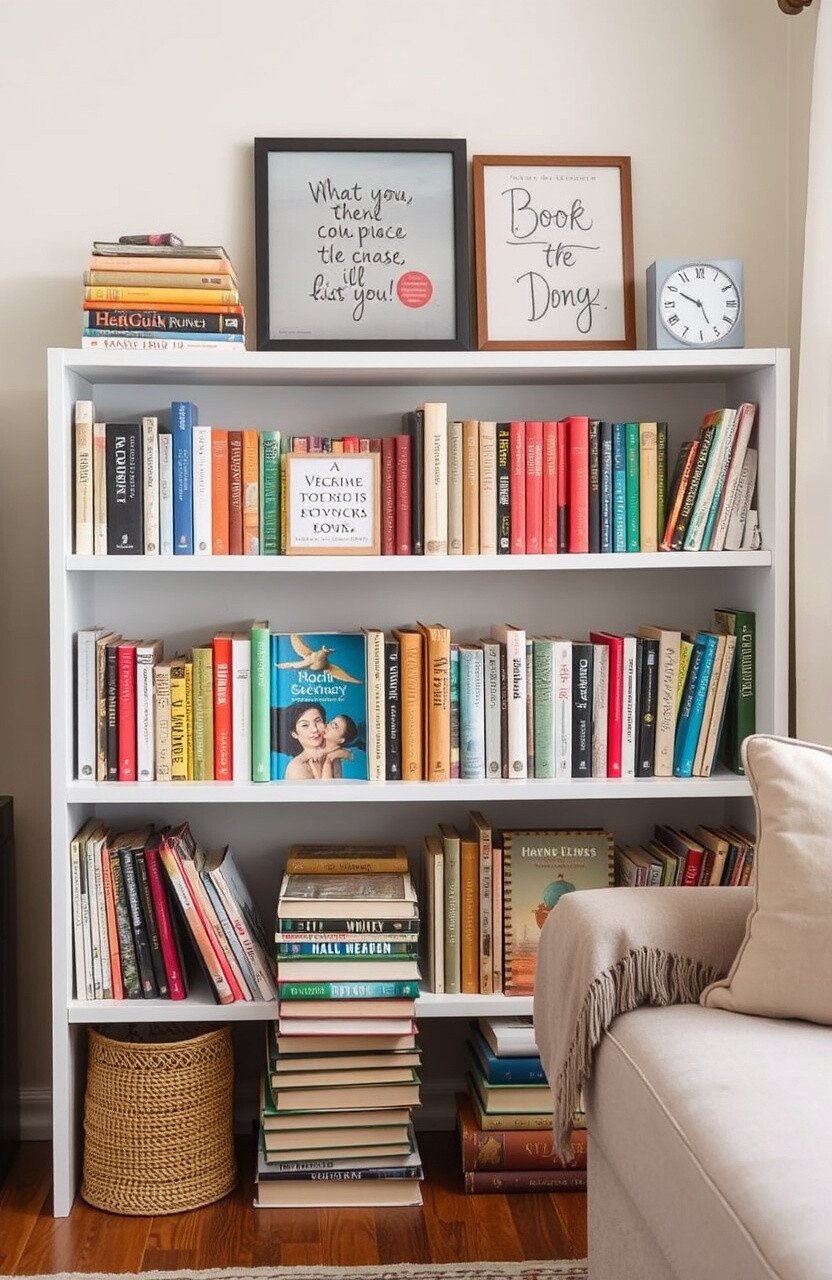
A book exchange shelf can encourage reading and sharing. Include a variety of books and invite friends to swap.
This setup promotes literacy and community. It’s a fun way to discover new books and authors together.
Use shelves you already have or find them second-hand. Personalize it with a small sign inviting others to participate.
A book exchange shelf adds a communal element to your space. It’s a lively spot for book lovers to connect and share.
47. Story Creation Station
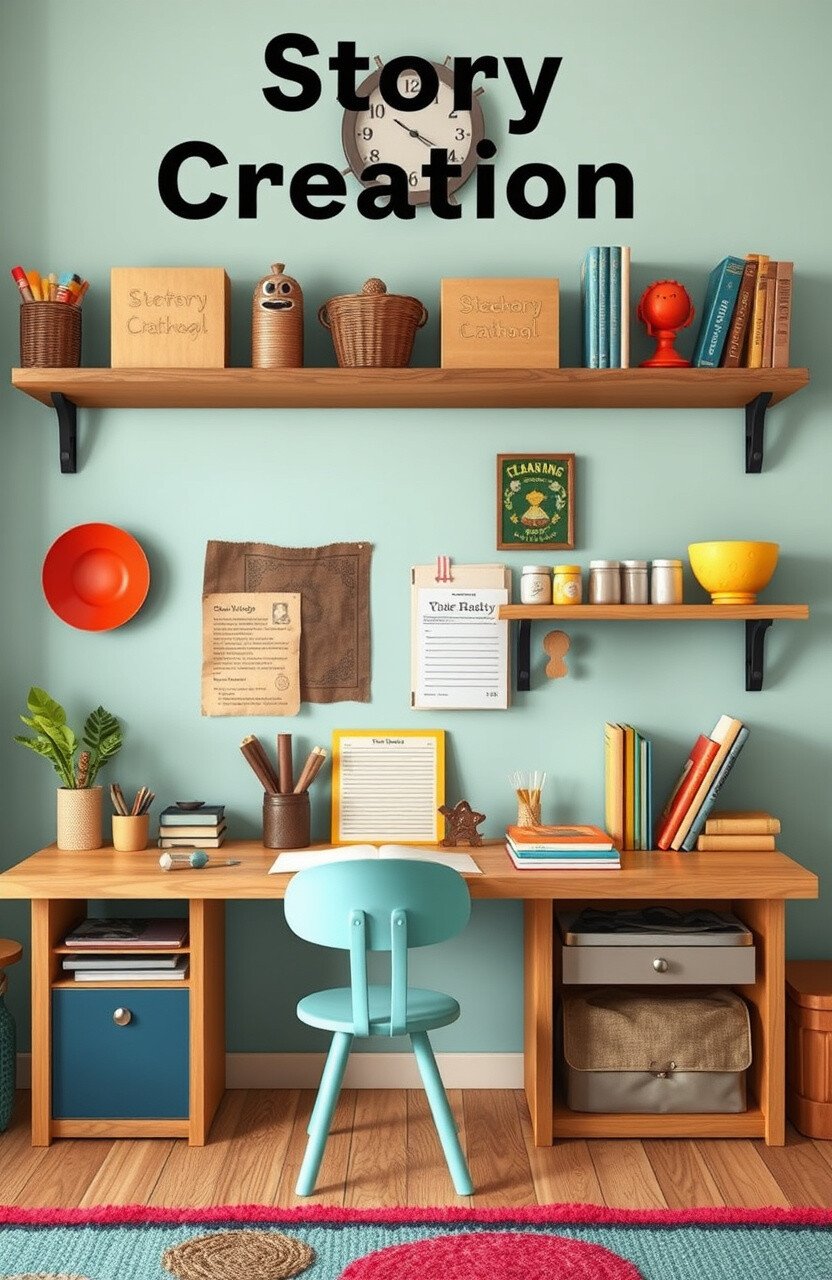
Create a story creation station with prompts and craft supplies. It’s a space for kids to invent their own tales and characters.
This area promotes creativity and literacy. It’s a welcoming spot for young storytellers to let their imaginations soar.
Use supplies you already have or find them at discount stores. Personalize it with a small stage for puppet shows or readings.
A story creation station makes storytelling an exciting adventure. It’s a cozy corner for crafting tales and dreams.
48. World Culture Corner
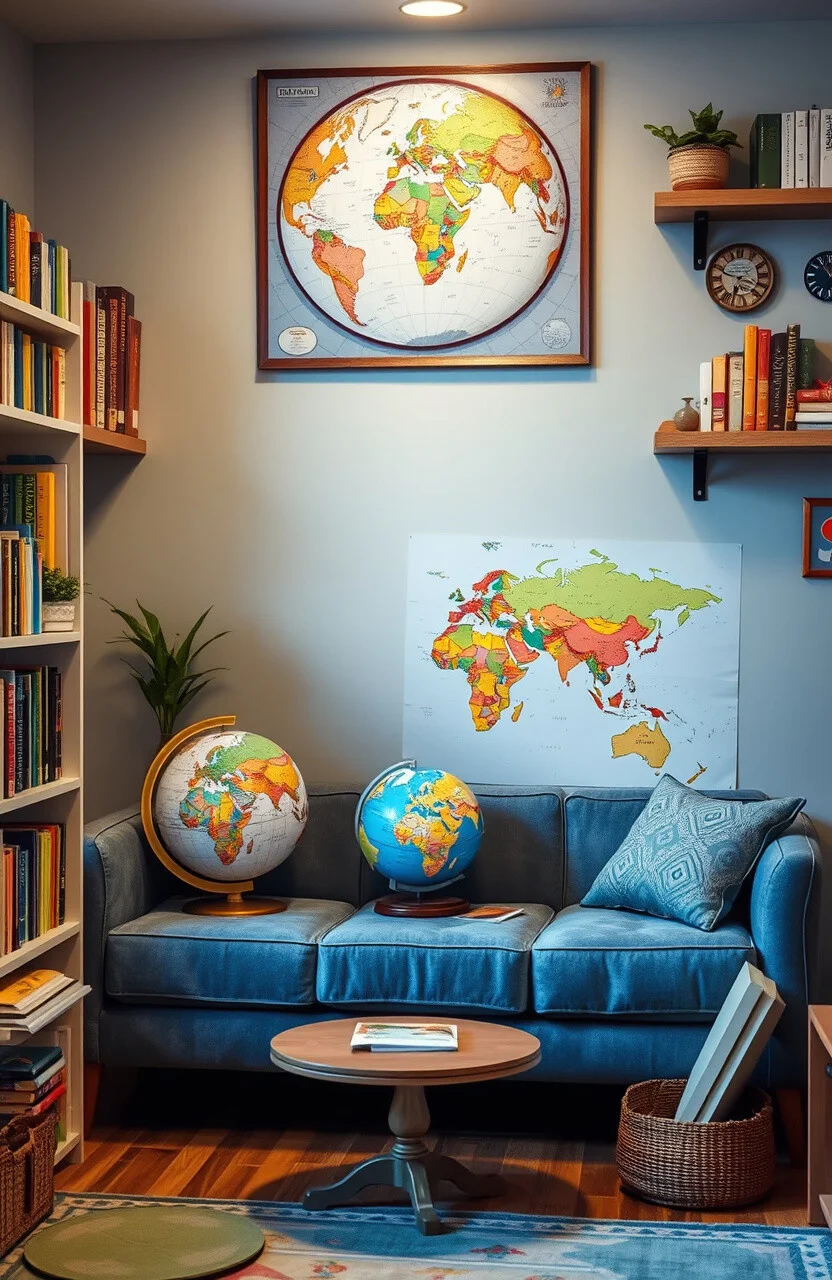
A world culture corner can showcase artifacts and books from around the globe. It’s a window to the world’s diverse traditions and customs.
This setup fosters appreciation and respect for global diversity. It’s a journey of discovery and understanding.
Find items at cultural fairs or online. Personalize it with a globe or a world map to explore different regions.
A world culture corner enriches your homeschool environment. It’s a vibrant way to learn about the world’s cultures.