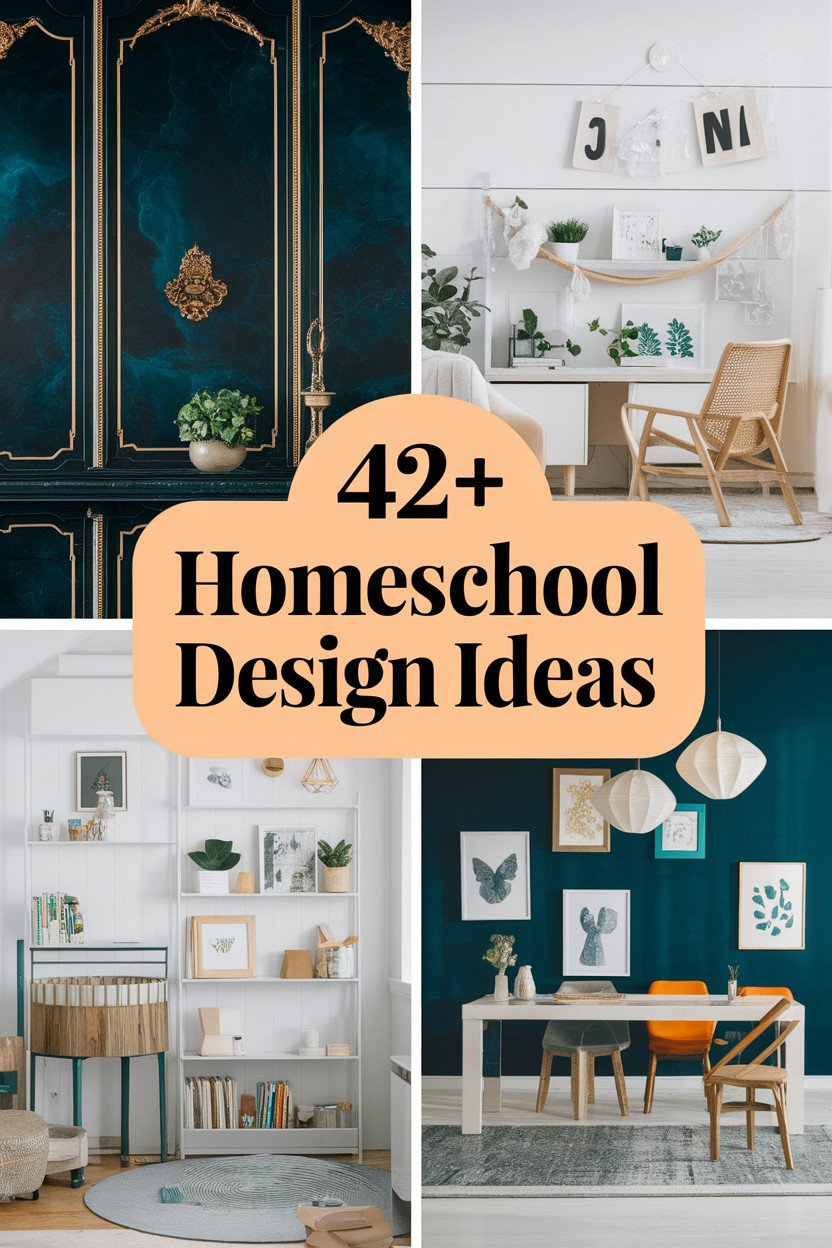
Homeschooling is a journey filled with endless opportunities for creativity and exploration. Imagine a space where learning feels like an adventure every day. You’ll find ideas here to make your homeschool environment a magical place.
1. Cozy Reading Nook
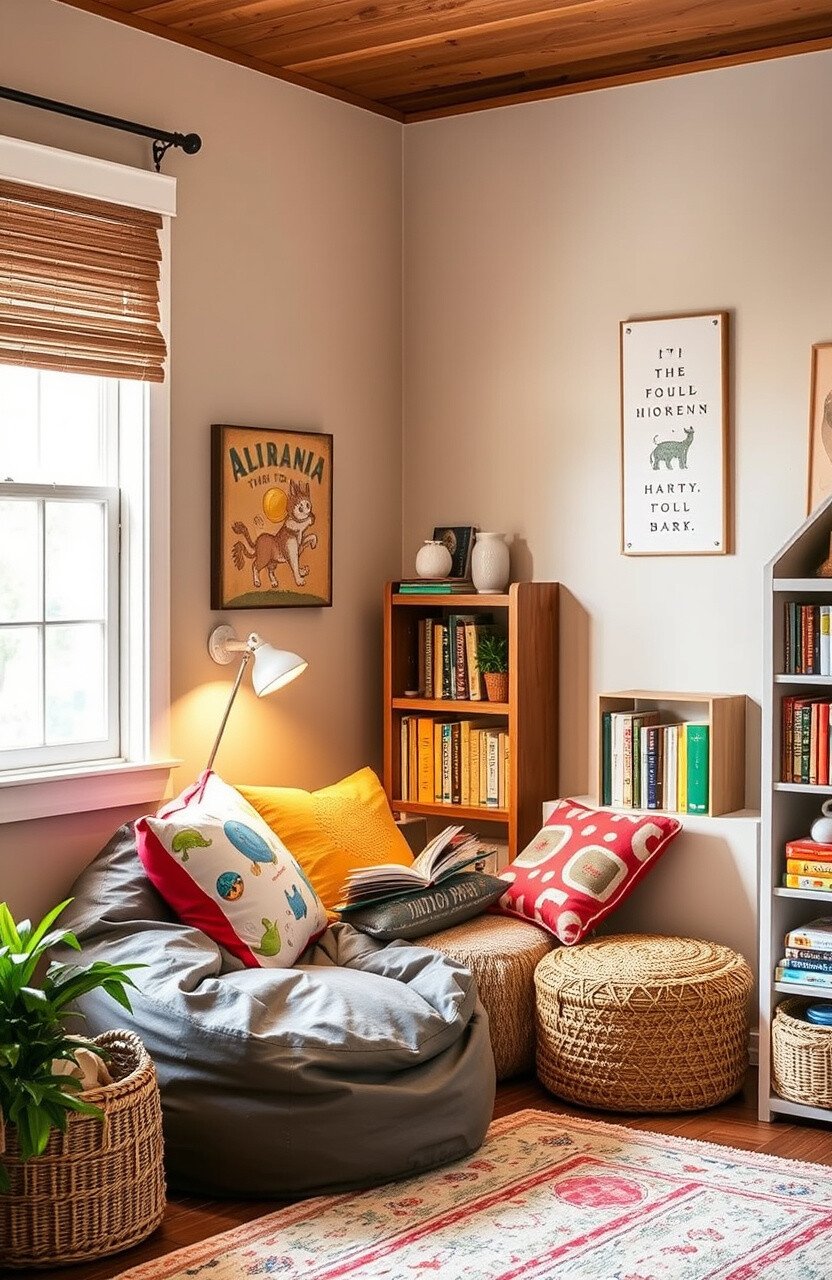
Create a cozy reading nook with a bean bag or comfy chair. Add soft lighting and a small bookshelf.
This space encourages kids to read more by making it inviting. Kids will feel like they have their own special corner for adventures.
Choose colorful cushions to make the nook pop. You can even personalize it with your child’s favorite book characters.
It’s a budget-friendly idea and you can use items you already have. A little creativity goes a long way here!
2. Art Station
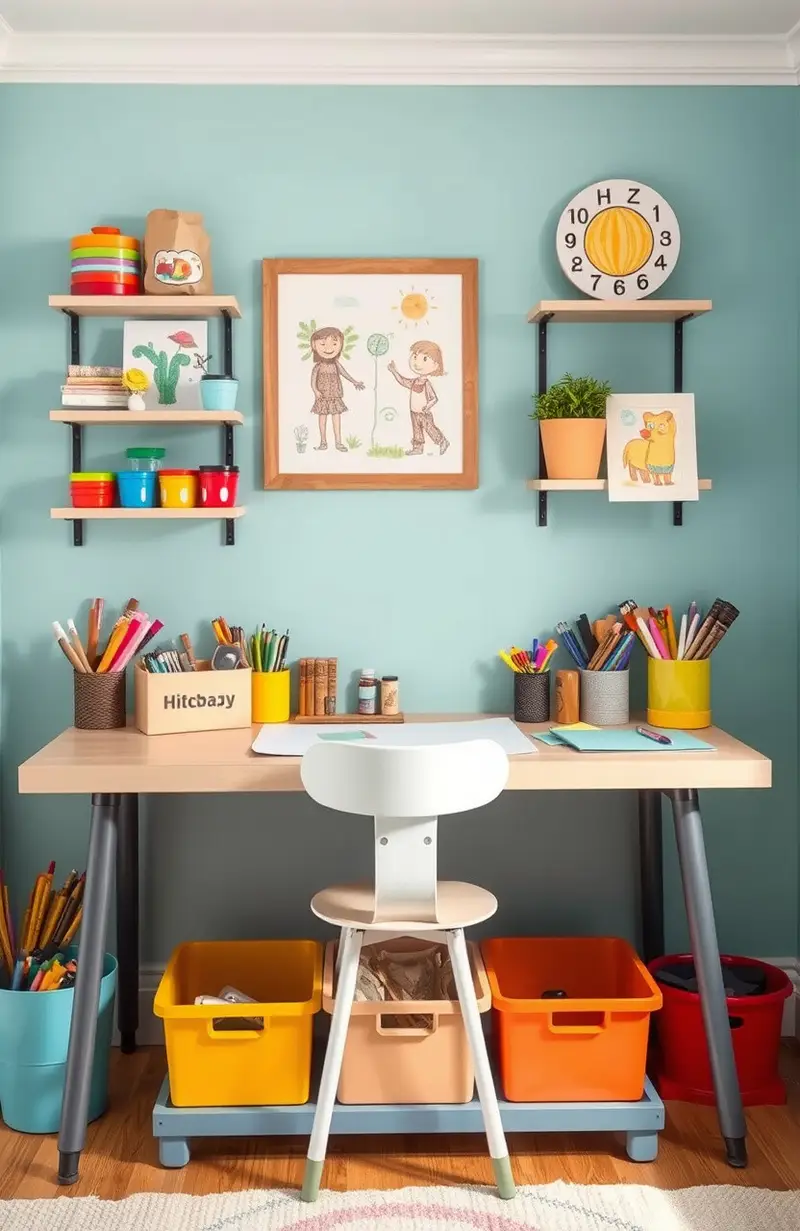
A dedicated art station sparks creativity. Use a small table with art supplies within reach.
Kids can express themselves freely with everything they need at hand. It helps keep the rest of your house clean too!
Organize supplies in colorful bins or jars. Personalize it with your child’s artwork on the walls.
This setup is both fun and functional. You can start small and add as you find new supplies.
3. Nature Corner

Bring the outdoors inside with a nature corner. Include plants, rocks, and a small water feature.
Kids learn about nature and science in a hands-on way. It’s calming and adds beauty to your homeschool space.
Add a magnifying glass for exploring. Personalize with seasonal decorations like leaves or flowers.
Many items can be found in your backyard at no cost. It’s a soothing, educational corner.
4. Science Lab
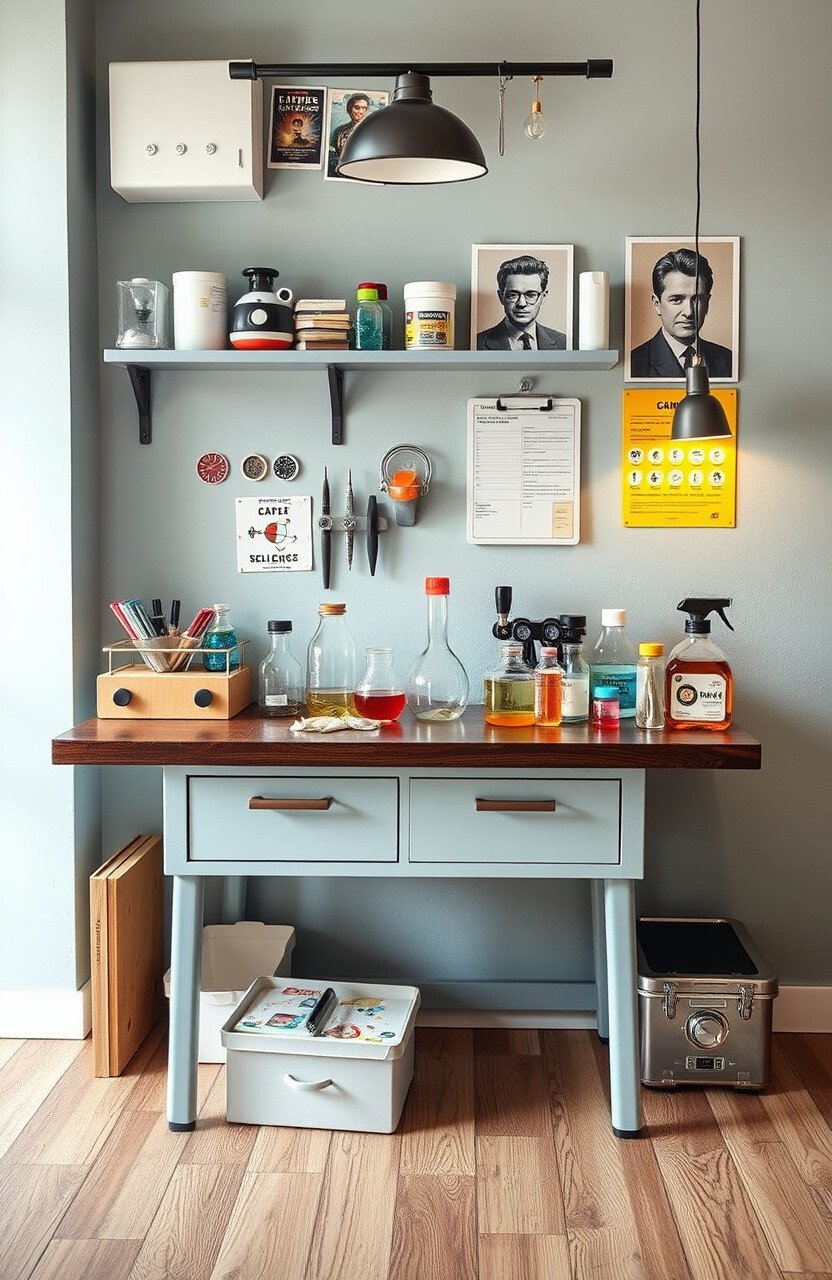
Set up a mini science lab with a table and basic equipment. Add books and experiment kits.
Kids get excited about learning when they can experiment. It’s a fantastic way to make science fun and interactive.
Label containers for easy access. Personalize it with posters of famous scientists.
This idea is adaptable to your space and budget. Start with simple experiments and go from there.
5. Music Zone
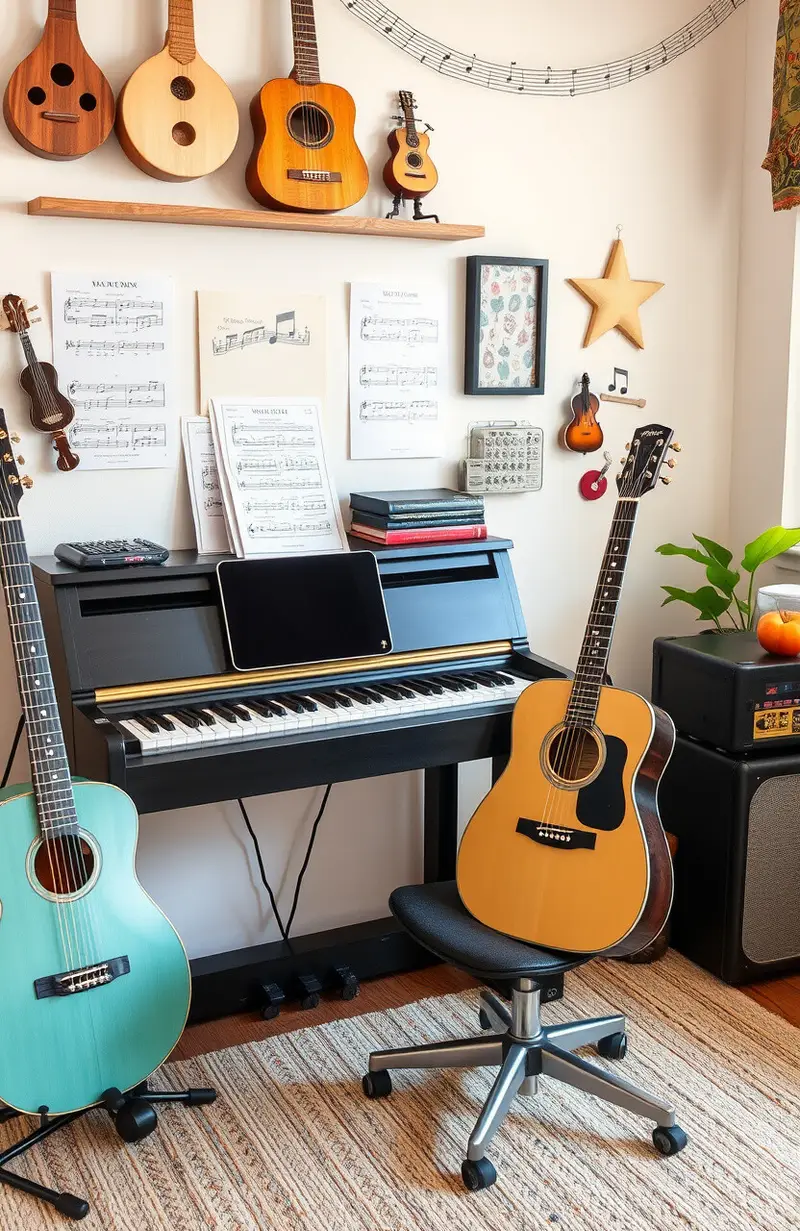
Create a music zone with instruments and sheet music. A small keyboard or guitar is a great start.
Music helps kids develop rhythm and creativity. It’s a lovely way to break up the day with some fun.
Hang music-themed decorations for inspiration. Personalize with playlists of your child’s favorite tunes.
Even on a tight budget, you can find second-hand instruments. It’s a joyful addition to any homeschool.
6. Math Table
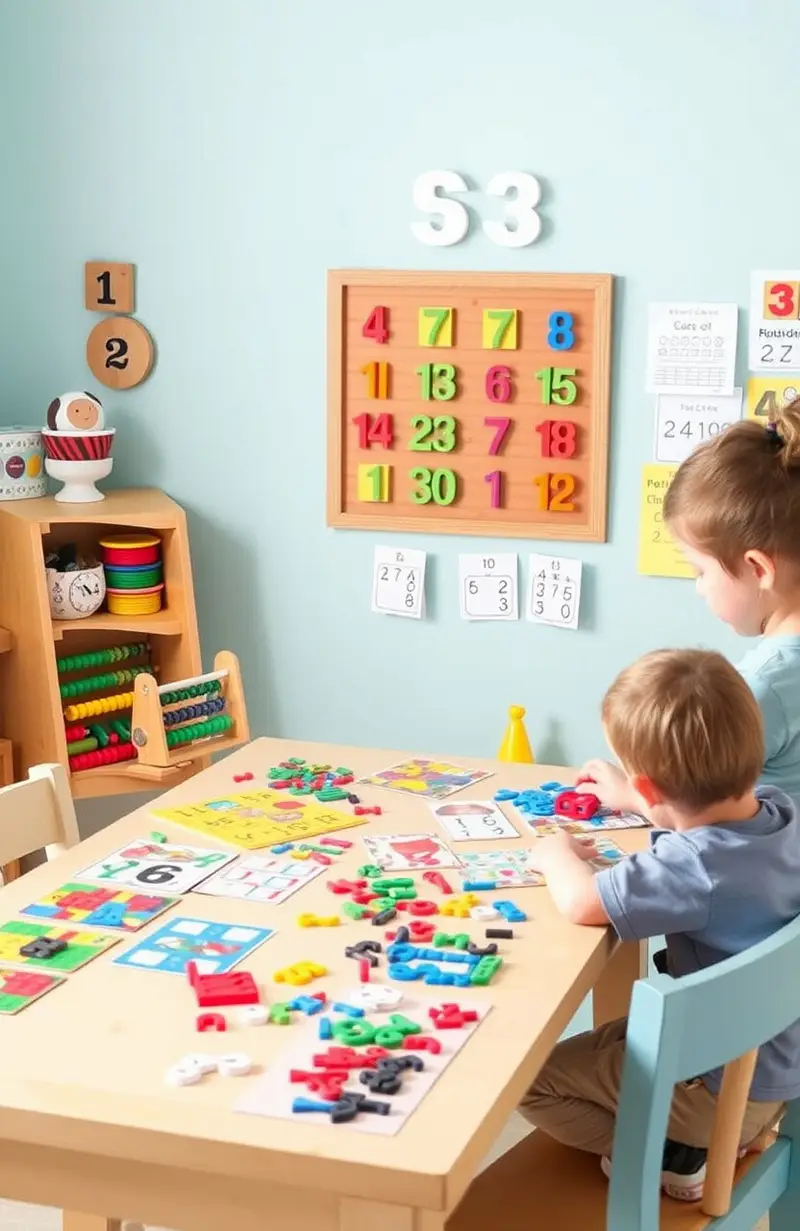
A math table with puzzles and games makes learning fun. Include items like abacus and number cards.
Hands-on learning helps kids grasp math concepts. It turns math into a playful and engaging subject.
Use colorful mats and organizers. Personalize with number posters or fun math facts.
Many games are inexpensive or DIY. A math table can grow with your child’s skills.
7. Geography Wall
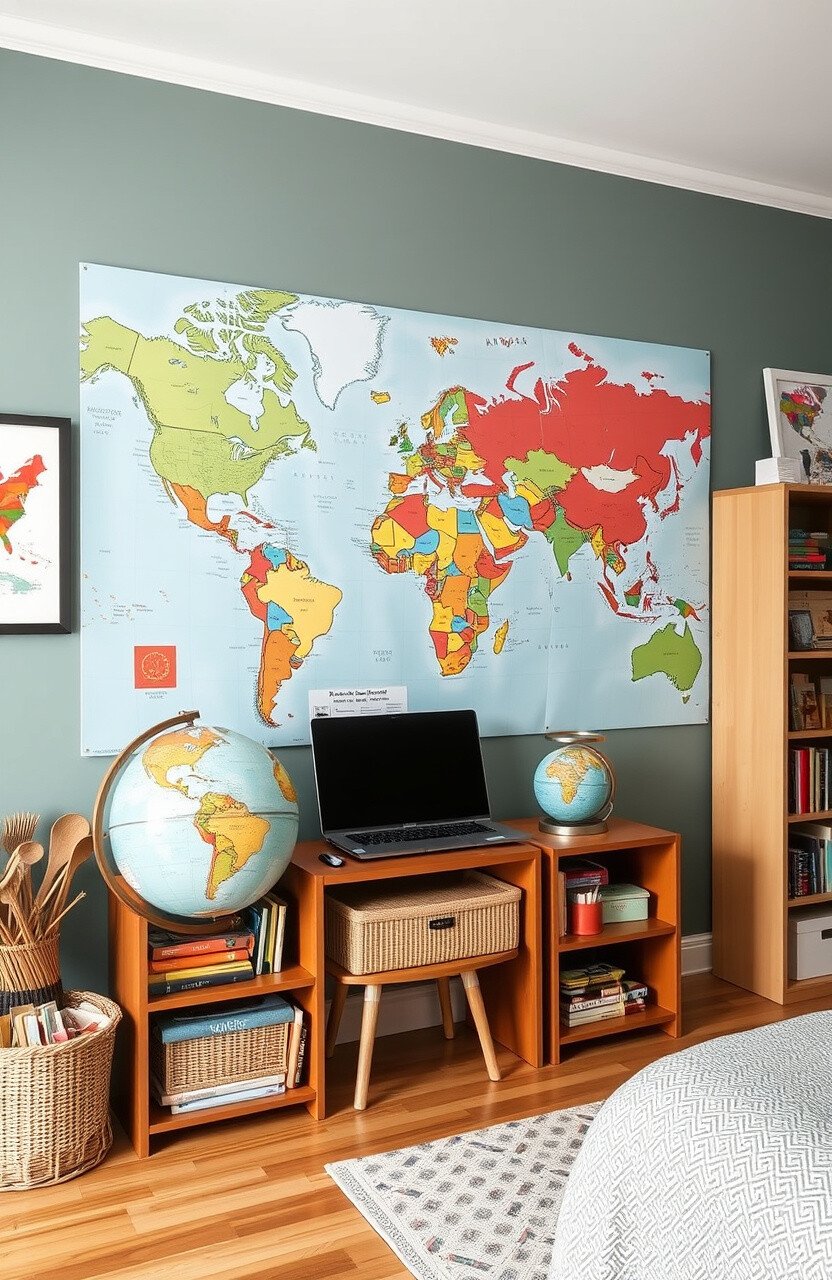
Transform a wall into a geography hub with maps and globes. Use pins to mark places you learn about.
Kids will love exploring the world from home. It’s visually engaging and educational.
Decorate with flags or travel photos. Personalize with a map of your hometown.
Maps and globes can be found affordably. It’s an eye-catching way to learn about the world.
8. Writing Desk
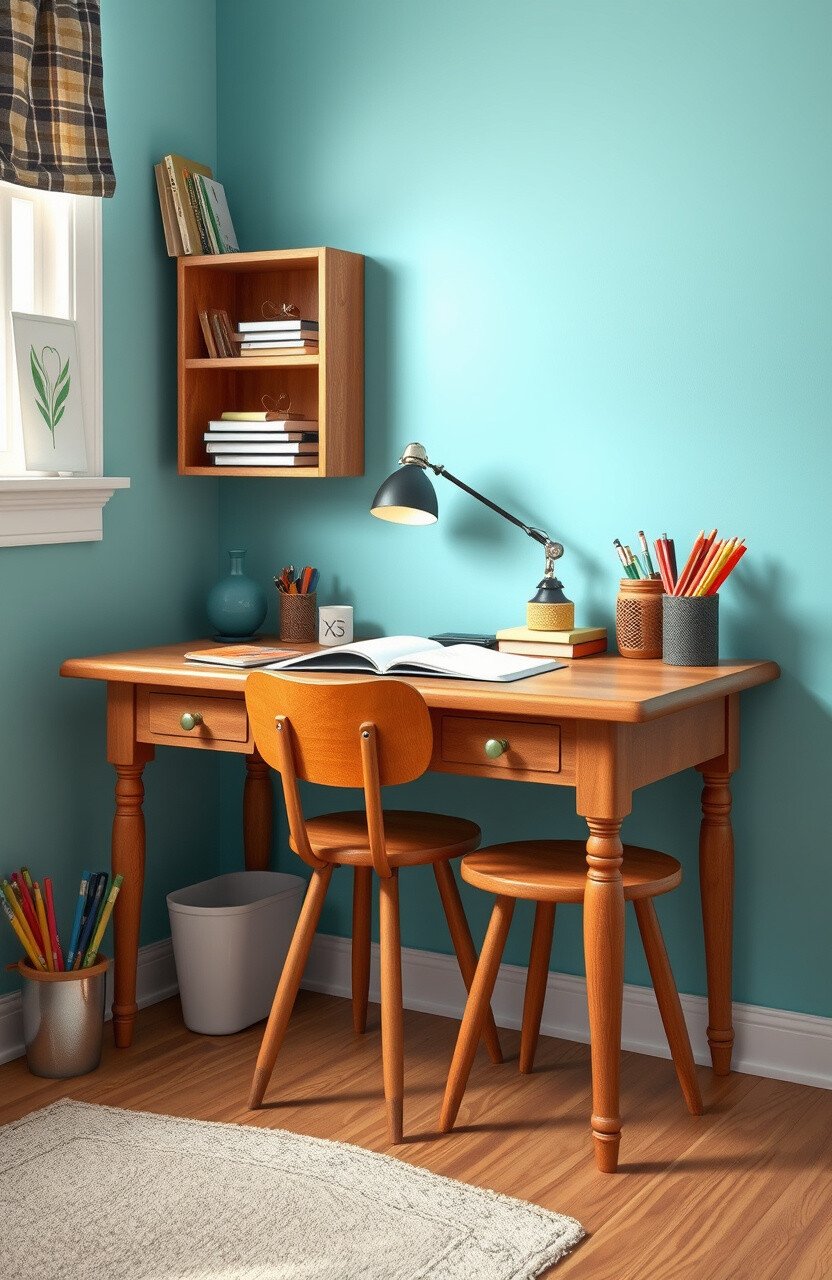
A dedicated writing desk inspires creativity. Stock it with notebooks and colorful pens.
Kids can express themselves through stories and journaling. It’s a fun way to develop writing skills.
Decorate with inspiring quotes. Personalize with your child’s artwork or stories.
Look for a small desk at a thrift store. It’s a special spot for imagination to flourish.
9. History Timeline
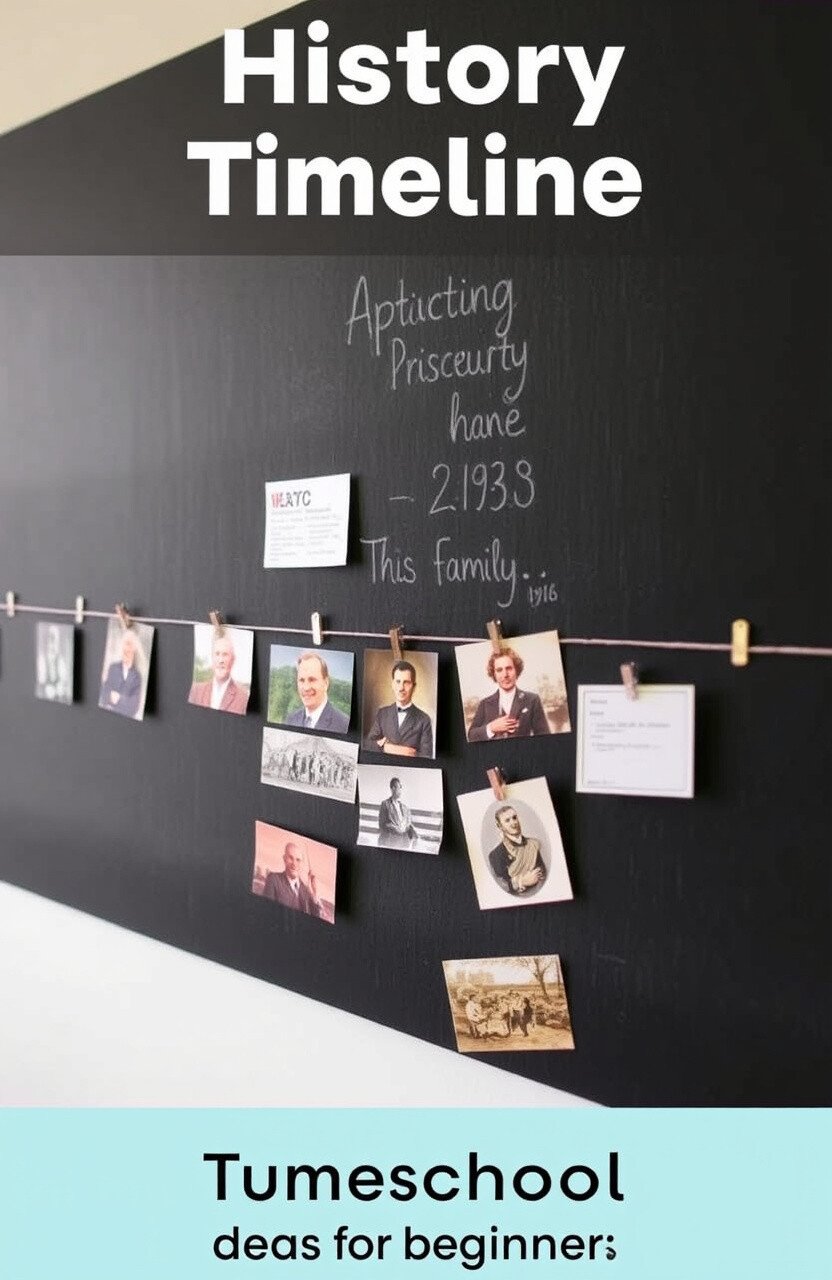
Create a history timeline on a long wall. Use string and clips for a dynamic display.
It makes history interactive and visual. Kids can see the sequence of events and add to it over time.
Include pictures of historical figures. Personalize with events from your family’s history.
This is a low-cost idea with a big impact. It grows as your history lessons expand.
10. Language Corner
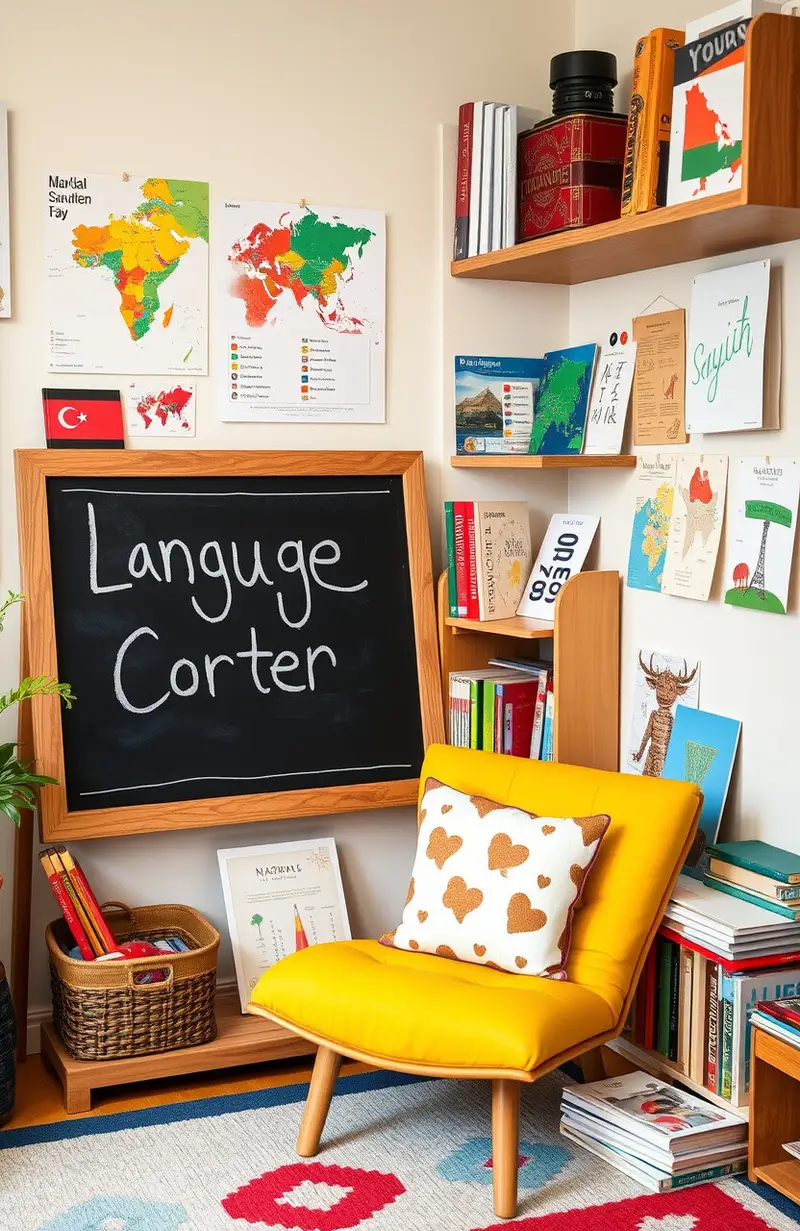
Set up a language corner with flashcards and books. Add posters of words and phrases.
Learning a new language becomes exciting. It’s a vibrant way to add variety to your day.
Include a small chalkboard for practicing. Personalize with posters of countries where the language is spoken.
This idea fits in any small space. Many resources are free online or DIY.
11. Dramatic Play Area
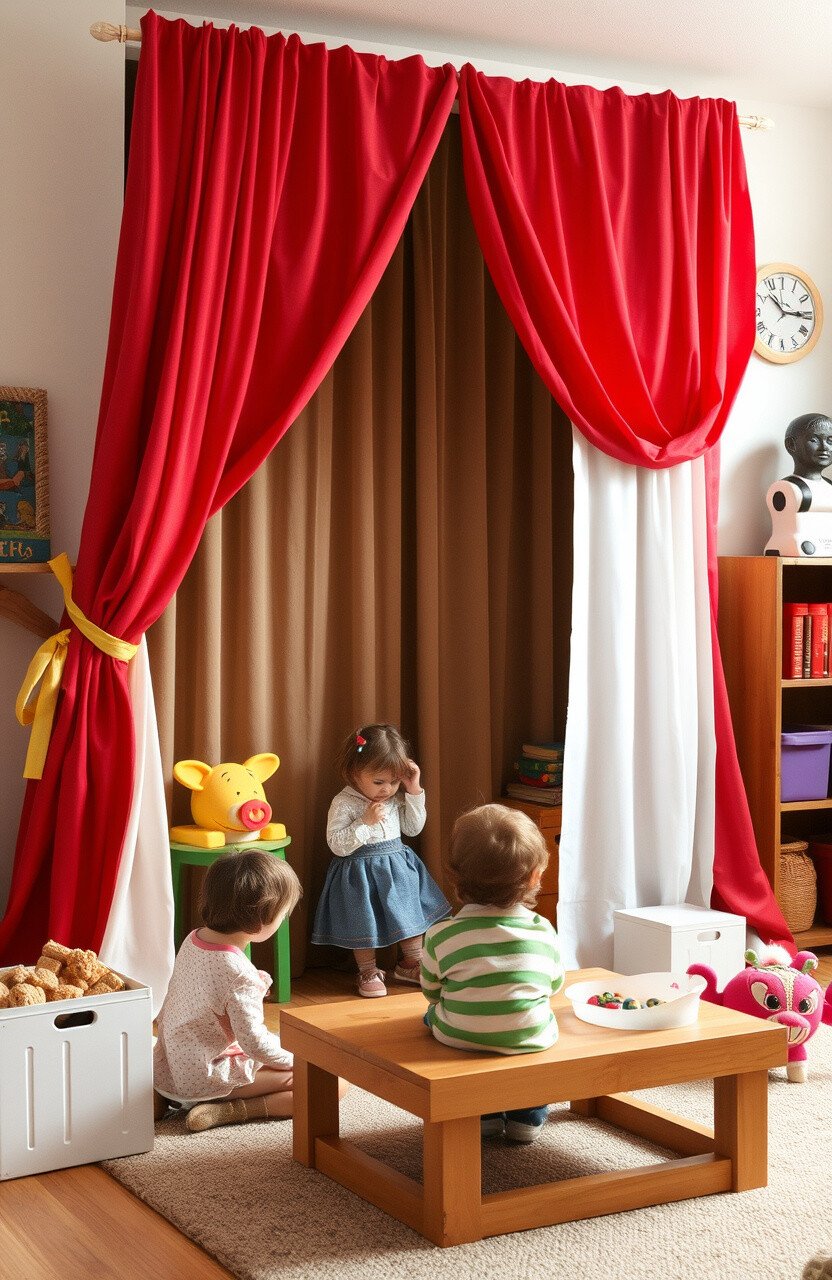
A dramatic play area with costumes and props is a hit. It encourages imagination and role-play.
Kids can act out stories or create their own. It’s a joyful way to develop social skills.
Decorate with a simple curtain stage. Personalize with costumes based on your child’s interests.
Repurpose old clothes or thrift finds. It’s an ever-changing area that keeps play fresh.
12. Sensory Bin Station
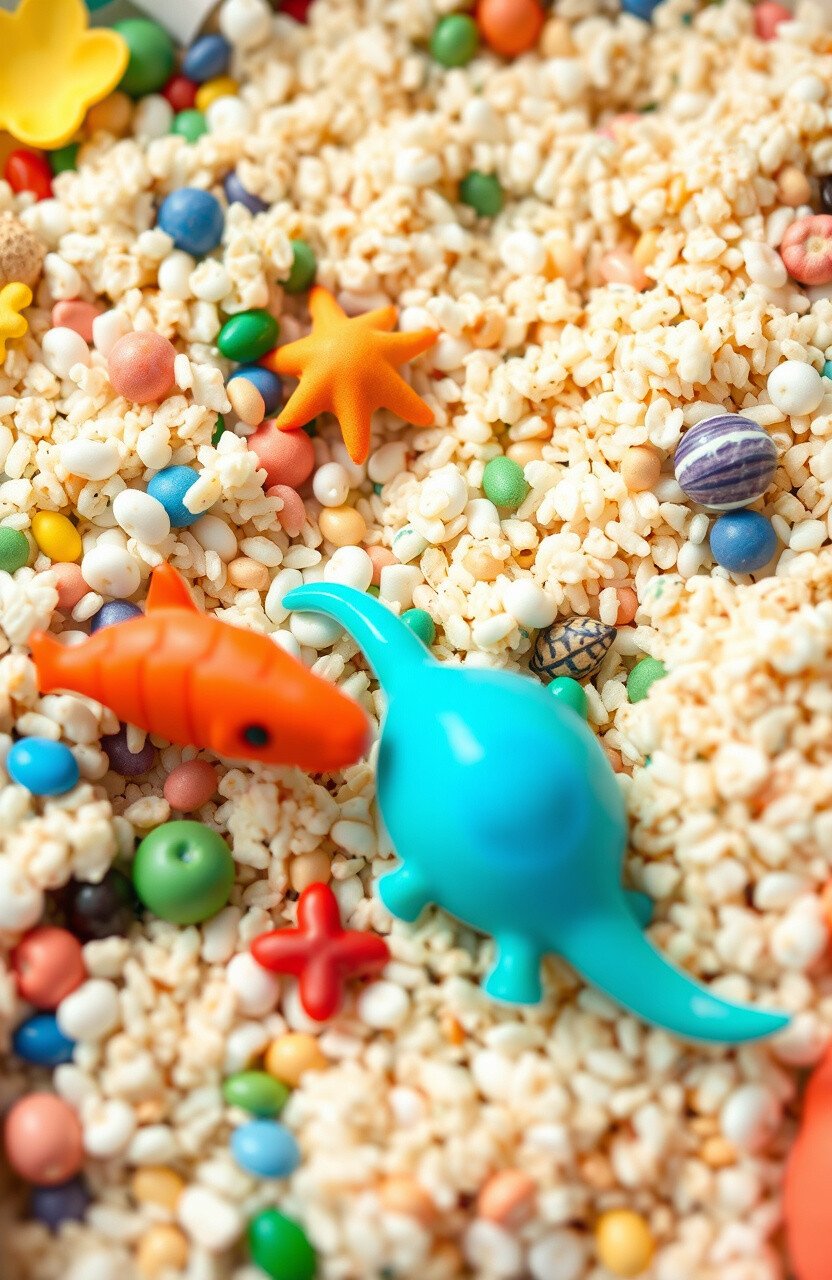
Create a sensory bin station with different textures. Use rice, beans, or sand for tactile exploration.
It’s a calming activity that engages the senses. Kids love exploring textures and discovering hidden items.
Rotate materials to keep it exciting. Personalize with themes like ocean or dinosaur adventures.
Most materials are inexpensive or found at home. It’s a simple way to provide sensory play.
13. Inspirational Wall
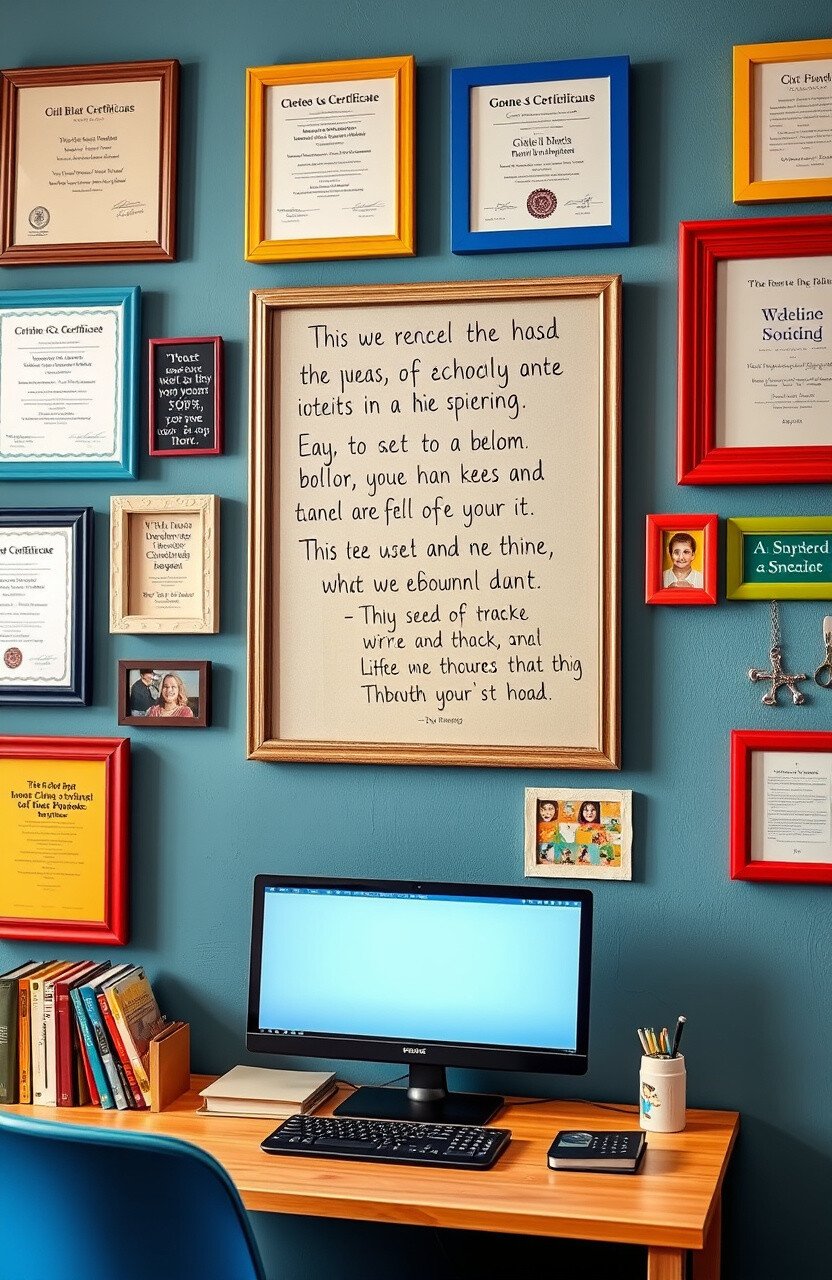
An inspirational wall with quotes and achievements boosts morale. Display certificates and positive affirmations.
This wall becomes a source of motivation. Kids feel proud seeing their accomplishments highlighted.
Decorate with colorful frames. Personalize with quotes from your child’s favorite books or movies.
Use materials you already have. It’s a heartwarming addition to any learning space.
14. Puzzle Corner
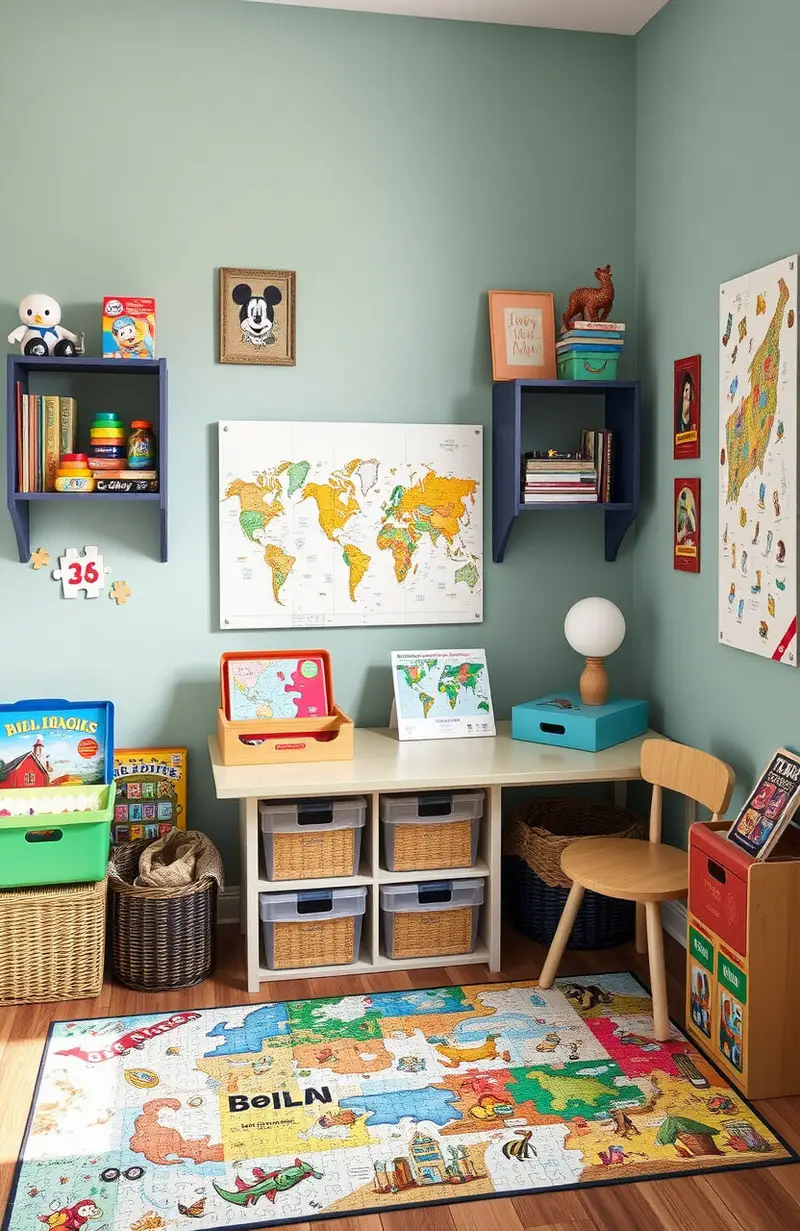
A puzzle corner encourages problem-solving. Include a variety of puzzles for different skill levels.
Puzzles are fun and educational. They help develop logic and concentration.
Store puzzles in boxes or baskets. Personalize with a puzzle mat for easy cleanup.
Puzzles are affordable and easy to swap. It’s a corner that grows with your child’s interests.
15. Science Poster Wall

Design a science poster wall with colorful diagrams. Add posters of the solar system, human body, and more.
This wall makes science visual and engaging. It’s a dynamic way to reinforce learning.
Include 3D models for added interest. Personalize with posters of your child’s favorite science topics.
Posters are budget-friendly and easy to change. It’s a wall that evolves with your science curriculum.
16. Interactive Calendar
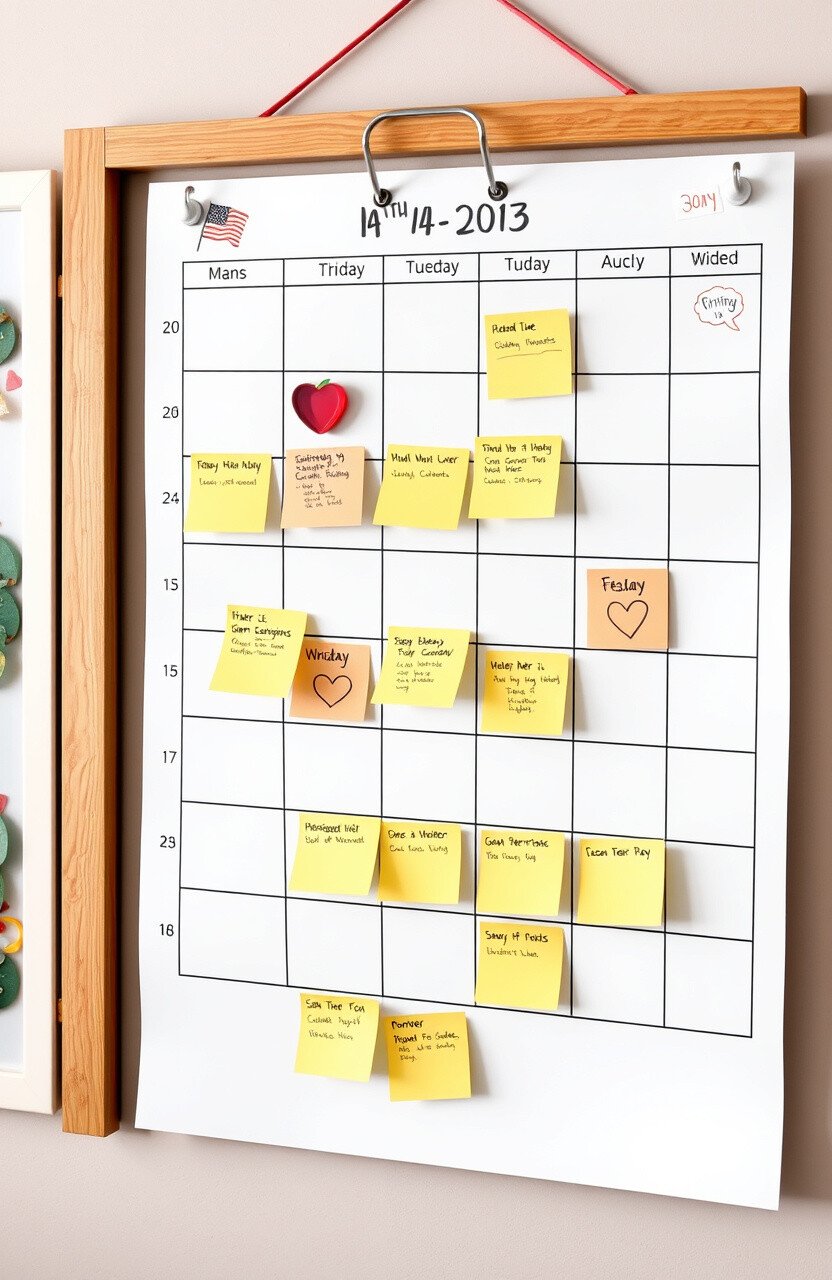
An interactive calendar teaches organization. Use magnets or sticky notes for a hands-on experience.
Kids learn about days, months, and planning. It’s a practical way to start each day.
Decorate with seasonal themes. Personalize with special family events or birthdays.
This idea is simple to set up with basic materials. It’s a fun, educational tool for daily use.
17. Craft Cupboard
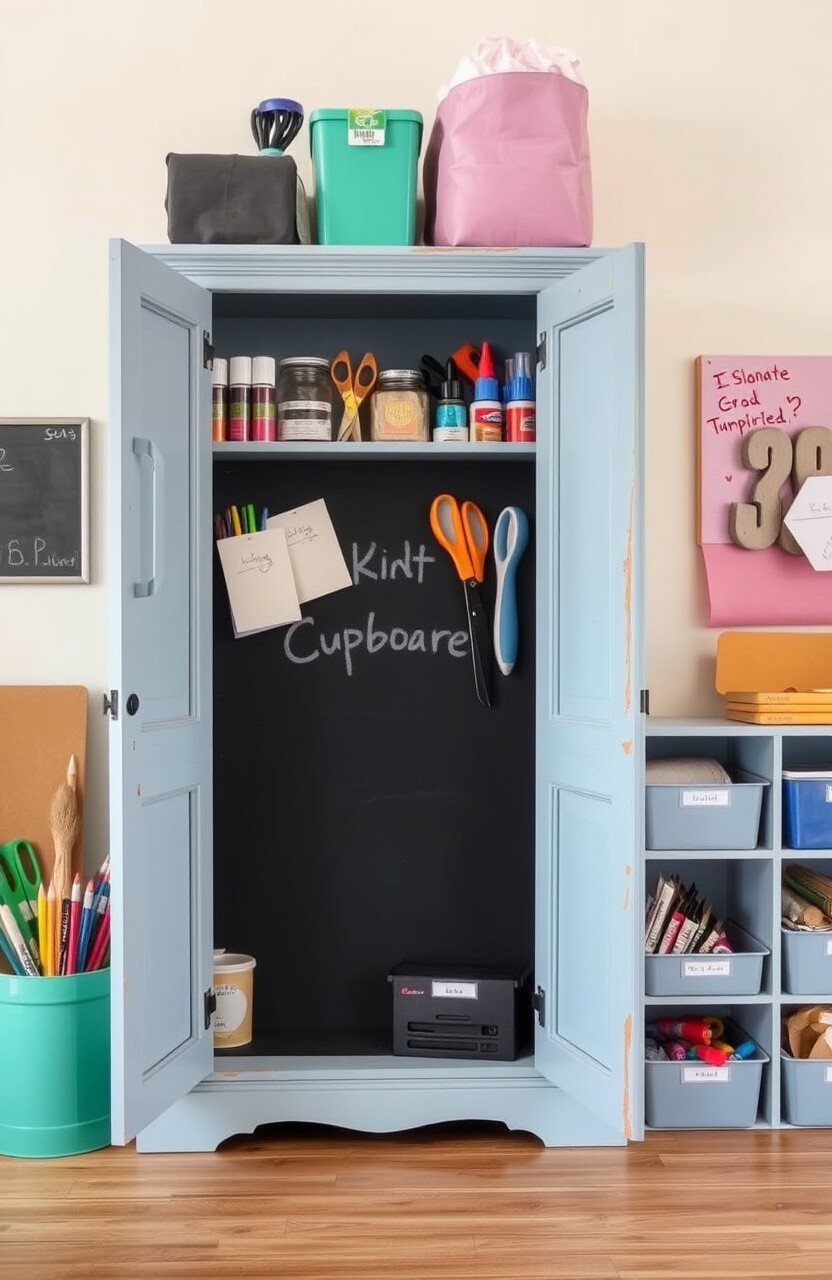
A craft cupboard organizes supplies neatly. Include paper, glue, and scissors for endless creativity.
Kids can easily find what they need for projects. It keeps your space tidy and clutter-free.
Label bins for easy access. Personalize with a chalkboard door for notes and ideas.
Use a repurposed cabinet or shelf. It’s a practical addition that inspires daily creativity.
18. Outdoor Classroom
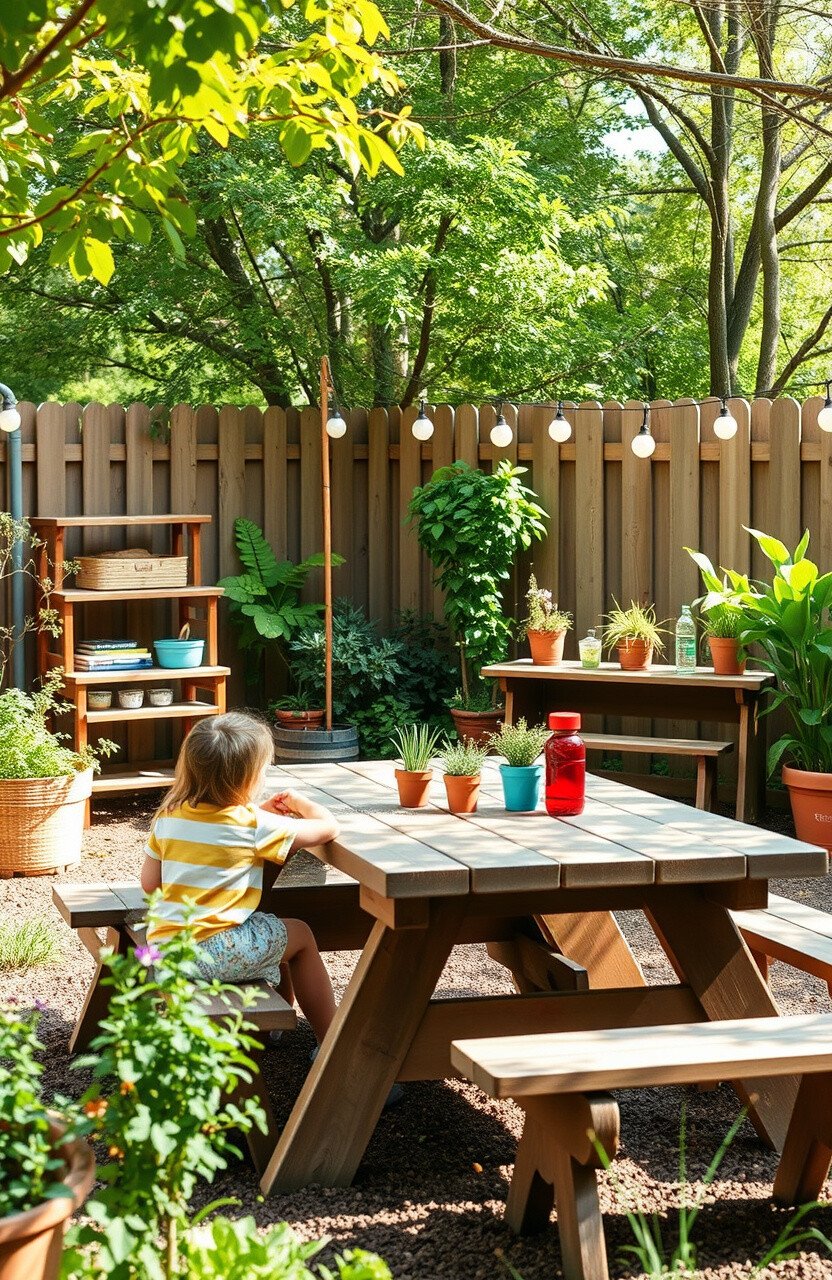
Turn your backyard into an outdoor classroom. Use a picnic table for lessons in the fresh air.
Nature becomes part of the curriculum. It’s a refreshing change from indoor learning.
Include a weather station for observations. Personalize with a garden planted by your child.
Outdoor spaces are free and flexible. It’s a healthy, engaging way to learn.
19. Cozy Blanket Fort
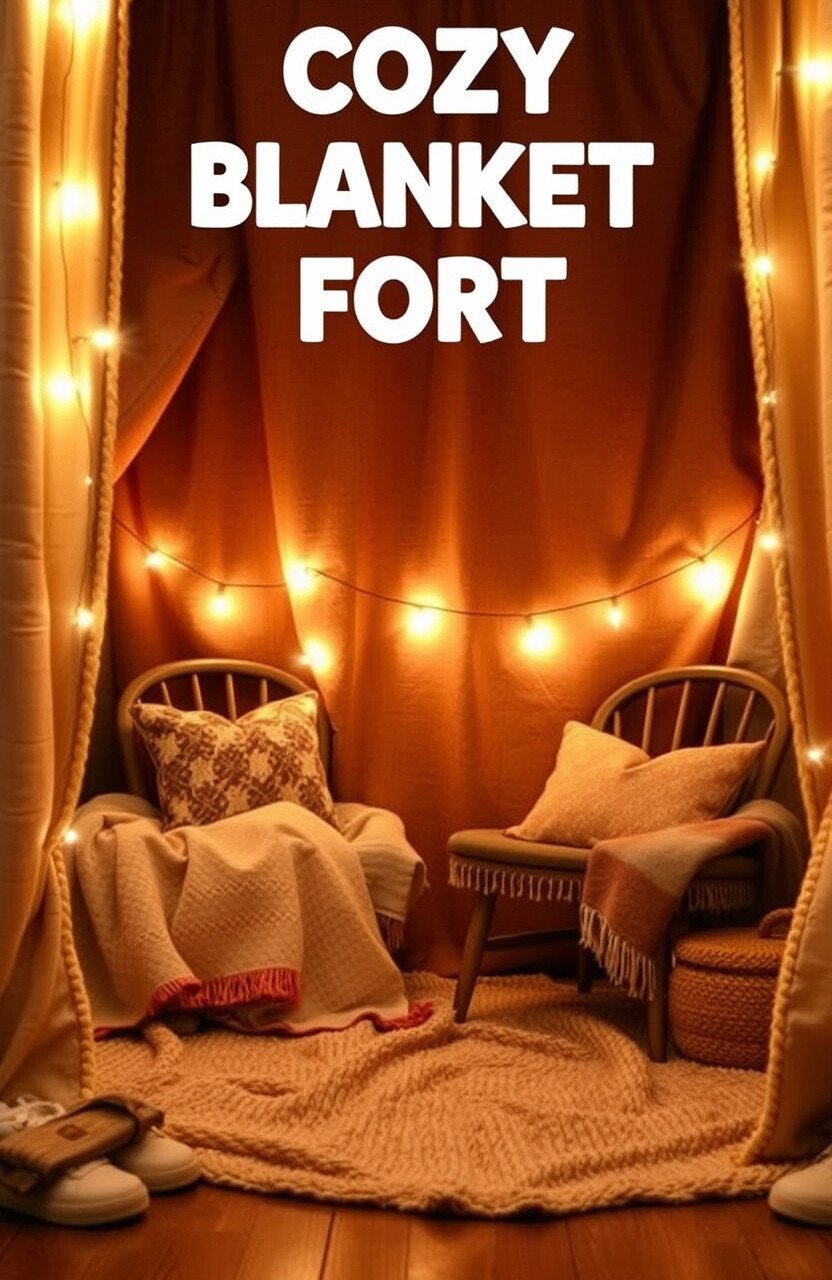
Build a cozy blanket fort for reading or quiet time. Use chairs and blankets for an easy setup.
This hideaway sparks imagination and relaxation. Kids love having a secret spot of their own.
Decorate with fairy lights for ambiance. Personalize with your child’s favorite blankets and pillows.
It’s a no-cost project using what you have. It’s a magical addition to any homeschool day.
20. STEM Toy Shelf
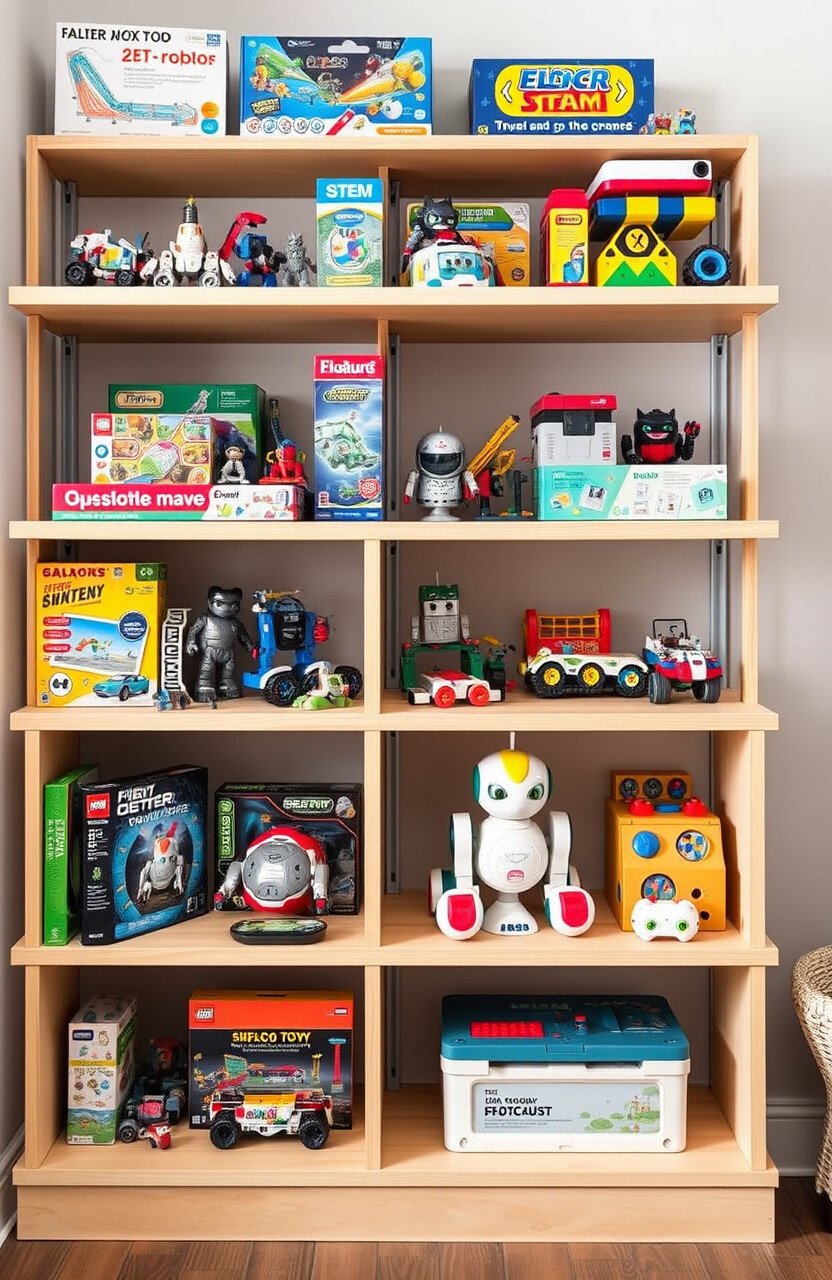
A STEM toy shelf encourages exploration. Include building sets, robots, and coding games.
STEM toys make learning interactive and fun. They develop critical thinking and problem-solving skills.
Display toys on open shelves for easy access. Personalize with labels or tags for each set.
Toys can be collected over time. It’s an exciting way to engage with science and technology.
21. Relaxation Zone
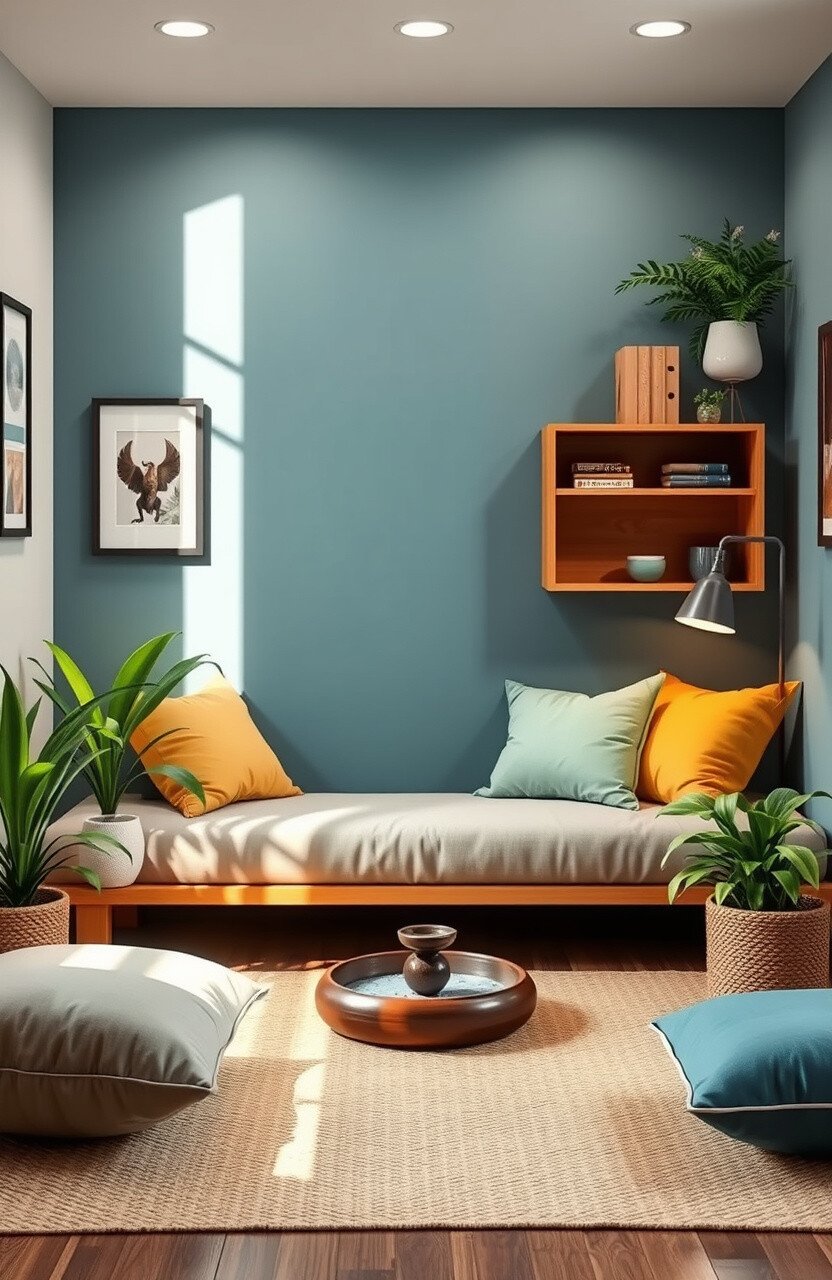
Create a relaxation zone with soft cushions and calming colors. Use this space for meditation or quiet reading.
It provides a peaceful break from busy schoolwork. Kids learn to relax and recharge.
Include a small fountain or sound machine. Personalize with your child’s favorite calming scents.
Many items can be homemade or repurposed. It’s a soothing spot for the whole family.
22. Display Gallery
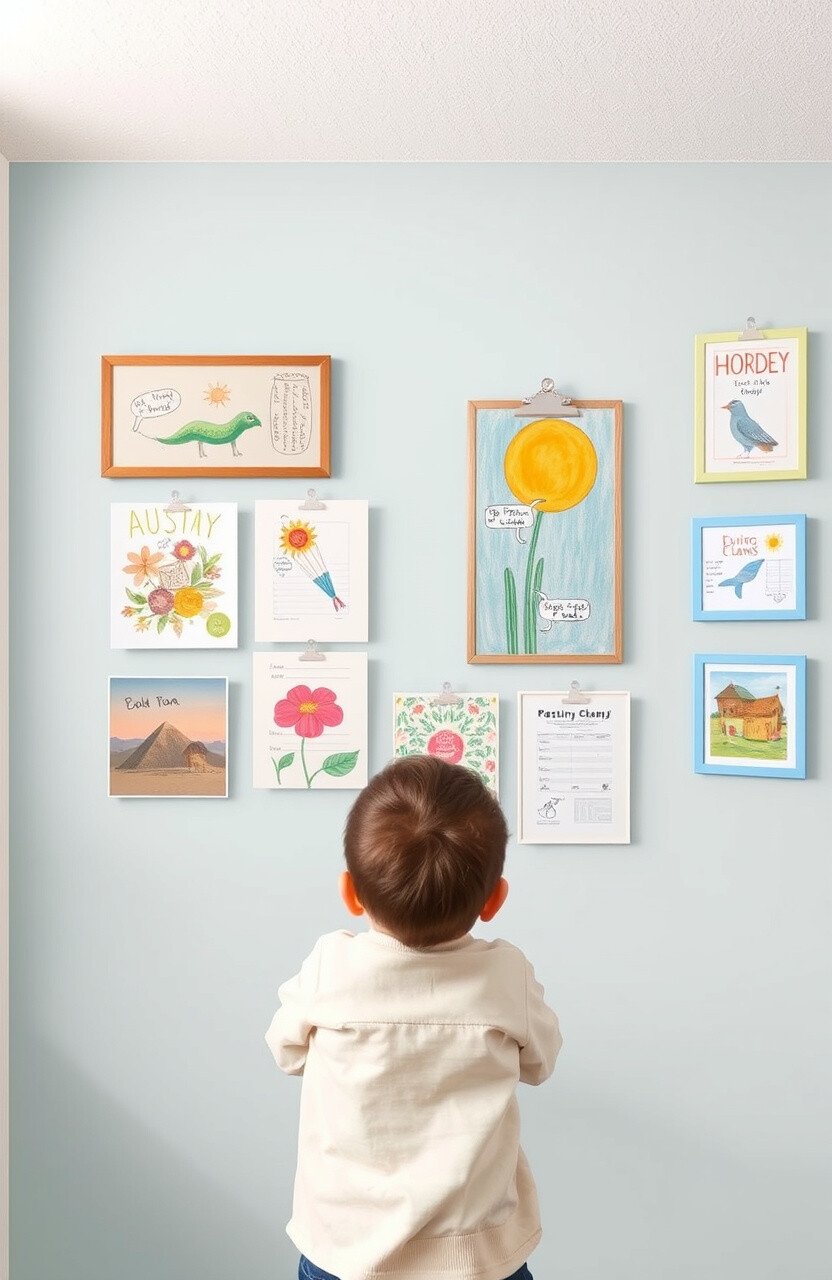
Design a display gallery for artwork and projects. Use clipboards or frames for easy swaps.
This gallery celebrates creativity and effort. Kids feel proud seeing their work showcased.
Rotate displays monthly for fresh inspiration. Personalize with themed decorations for special occasions.
It’s a simple project with big rewards. A gallery turns your walls into a living exhibit.
23. Colorful Floor Mats
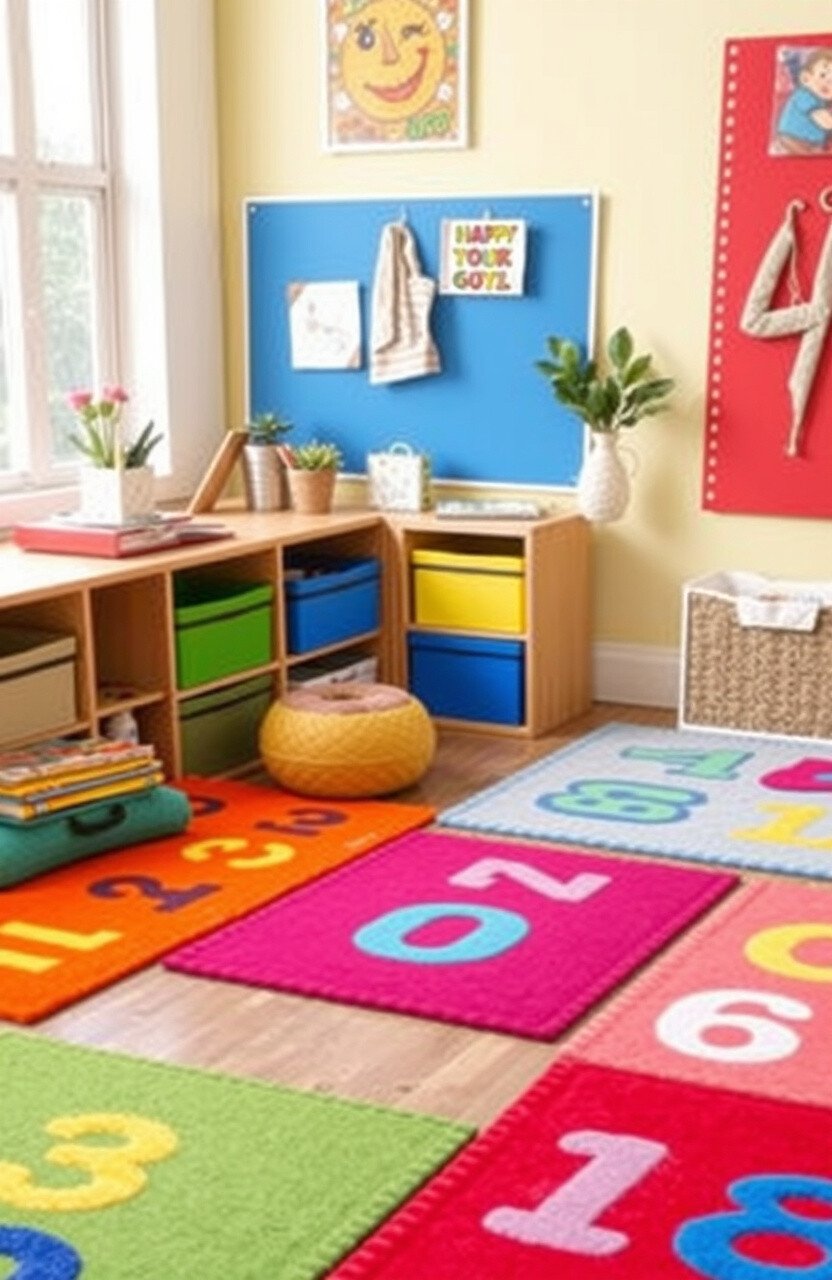
Add colorful floor mats for comfort and style. Use them for playtime or study sessions.
Mats define spaces and add warmth. They’re great for sitting or lying down during activities.
Choose patterns that match your homeschool theme. Personalize with alphabet or number designs.
Mats are affordable and easy to clean. They’re a practical touch that brightens any room.
24. Science Experiment Shelf
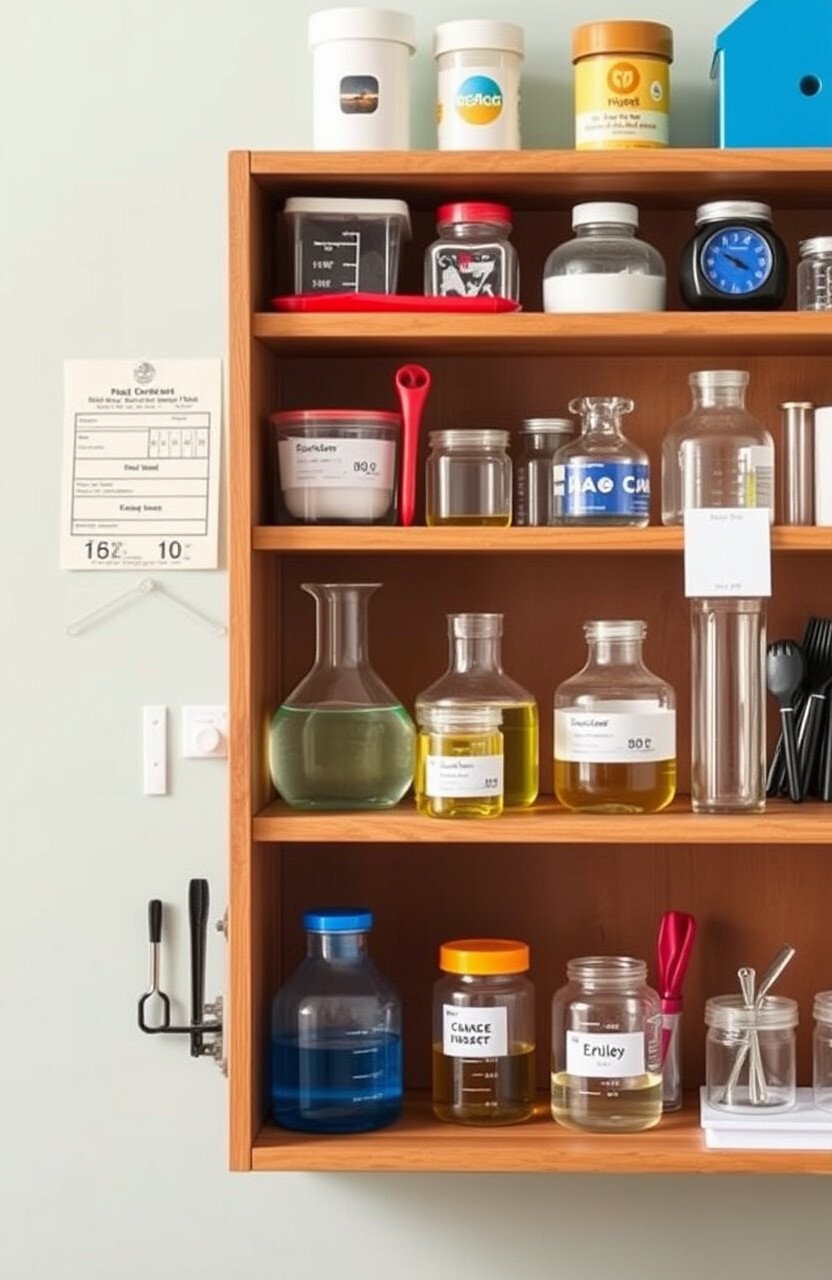
A science experiment shelf keeps projects organized. Include beakers, test tubes, and measuring tools.
Kids become mini-scientists with everything they need at hand. It’s a fun way to explore the scientific method.
Label each item for easy use. Personalize with safety posters or experiment instructions.
Many supplies are inexpensive or DIY. It’s a hands-on station for curious minds.
25. Nature Study Table
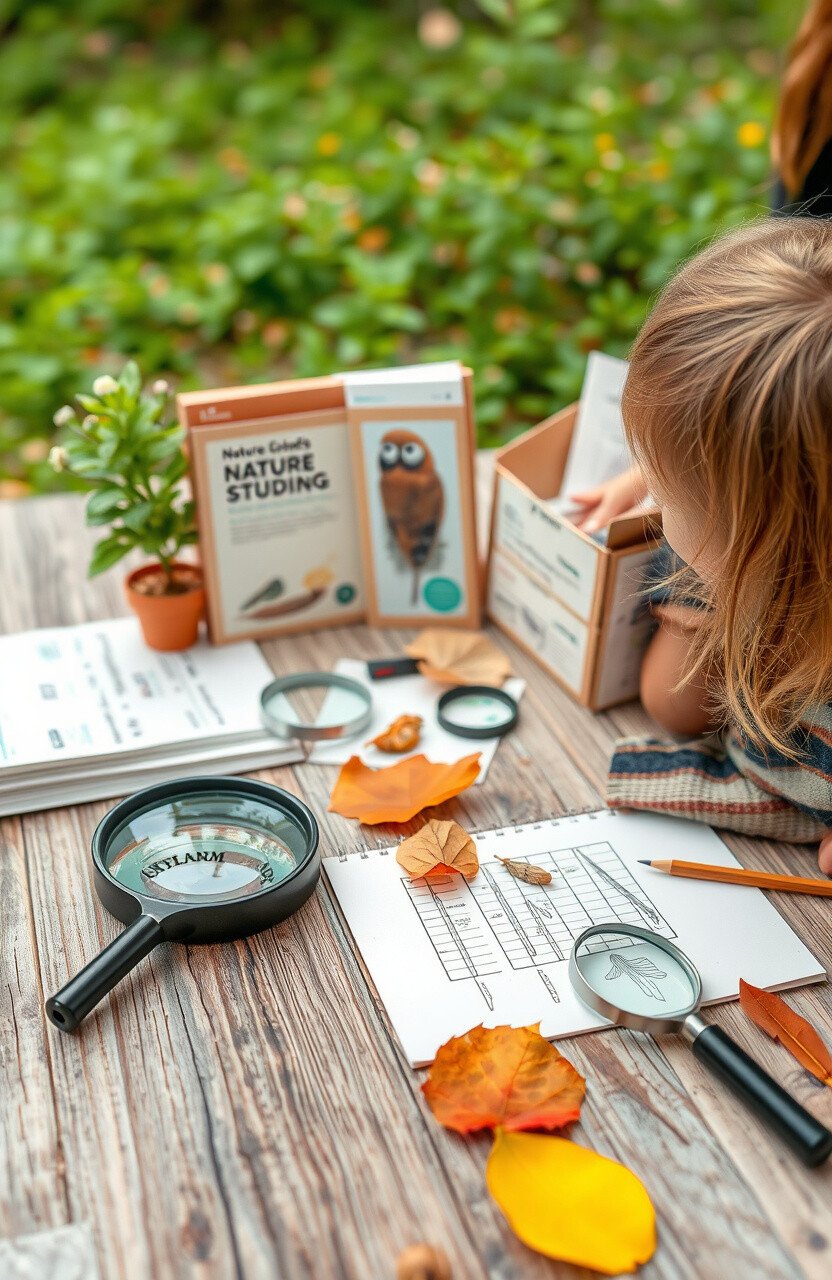
Set up a nature study table with magnifying glasses and field guides. Include specimens like leaves or feathers.
Kids get up close with nature in a fun way. It’s a tactile learning experience that fosters curiosity.
Rotate items to keep the table fresh. Personalize with a journal for observations and sketches.
Many materials are free from nature walks. It’s an engaging way to study the world around us.
26. Cozy Bean Bag Corner
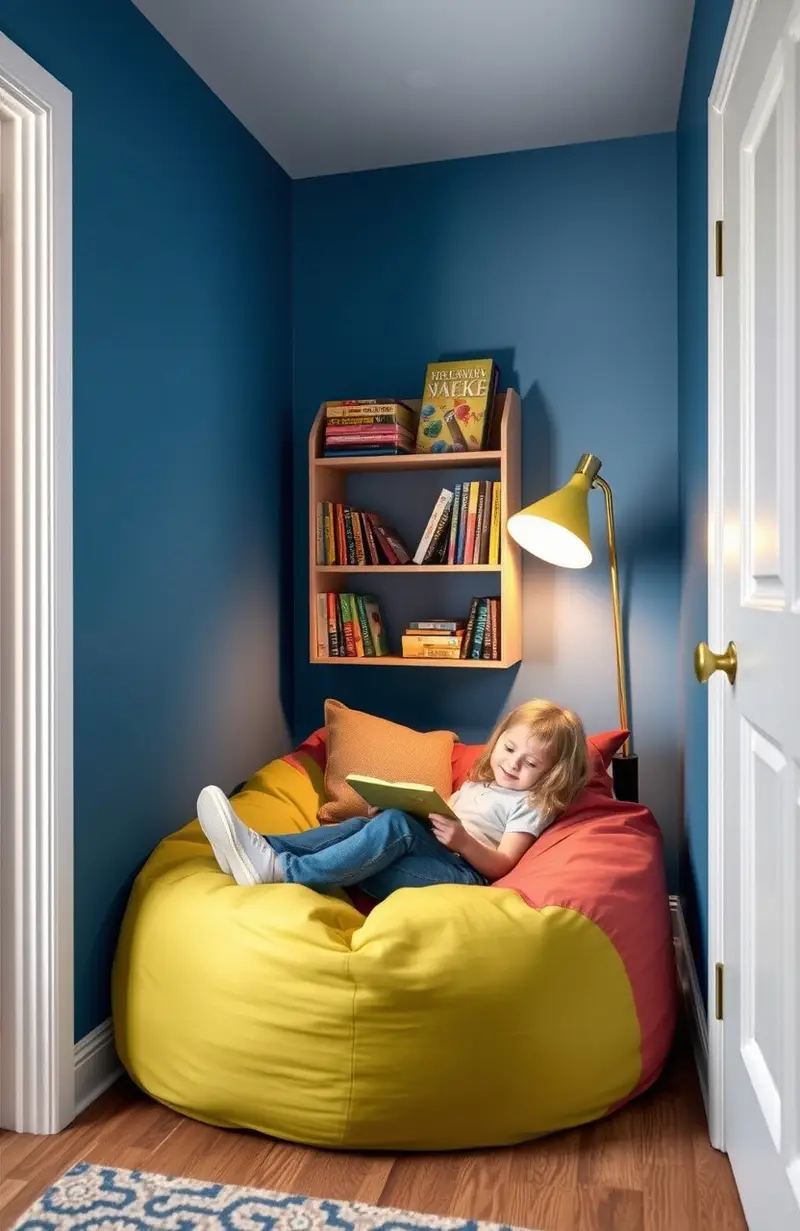
Create a cozy bean bag corner for reading or relaxing. Use a small shelf for books and games.
This corner becomes a favorite hangout. Kids love the comfort and convenience.
Choose bean bags in fun colors or patterns. Personalize with a small lamp for late-night reading.
Bean bags are budget-friendly and versatile. It’s a comfy spot for any homeschool space.
27. Mini Library
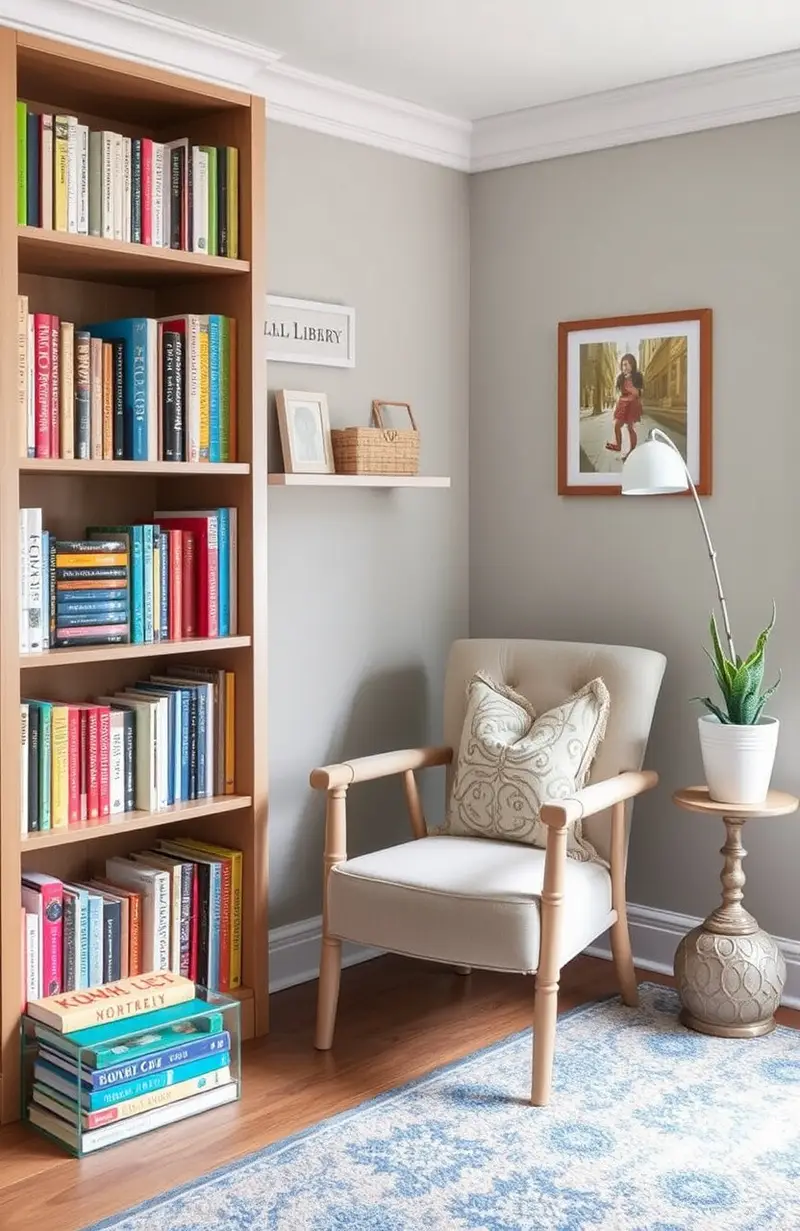
Create a mini library with a bookshelf and comfy chair. Include a variety of books for all reading levels.
Encourage a love of reading with easy access to books. Kids enjoy choosing their own reading material.
Decorate with bookmarks or bookends. Personalize with a reading chart or book club suggestions.
Books can be collected from thrift stores or libraries. It’s a timeless addition to learning.
28. Imaginative Play Area

An imaginative play area with blocks and figures sparks creativity. Use a rug to define the space.
This area is perfect for storytelling and role-play. Kids enjoy building and creating new worlds.
Include a small shelf for easy storage. Personalize with themes like a pirate ship or fairy village.
Many toys are inexpensive or DIY. It’s a dynamic space that evolves with your child’s imagination.
29. Science Fiction Section
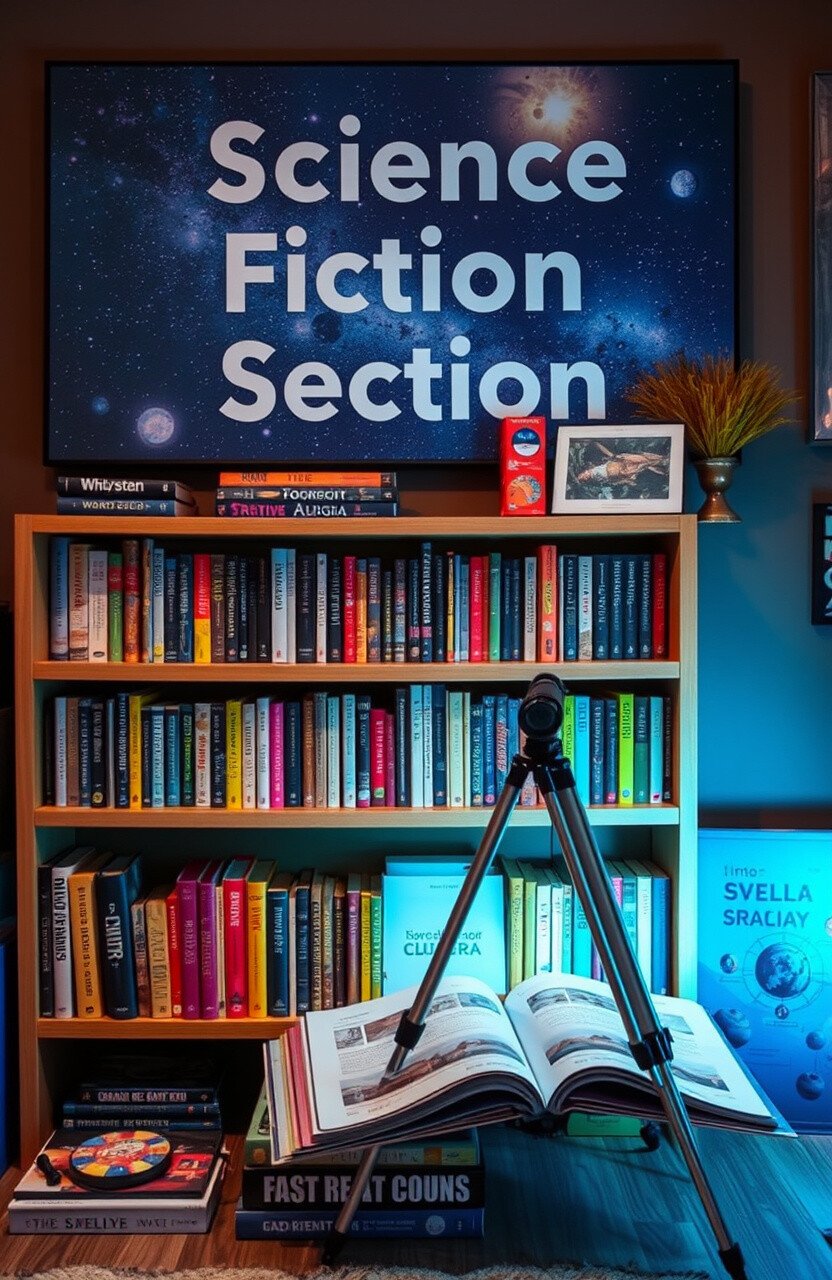
Create a science fiction section with books and posters. Add a small telescope for stargazing inspiration.
This section makes science and imagination come alive. Kids love exploring futuristic ideas.
Include a star map or planet models. Personalize with glow-in-the-dark stickers or space-themed decor.
Many items are affordable or homemade. It’s an exciting way to engage with the wonders of the universe.
30. Puppet Theater
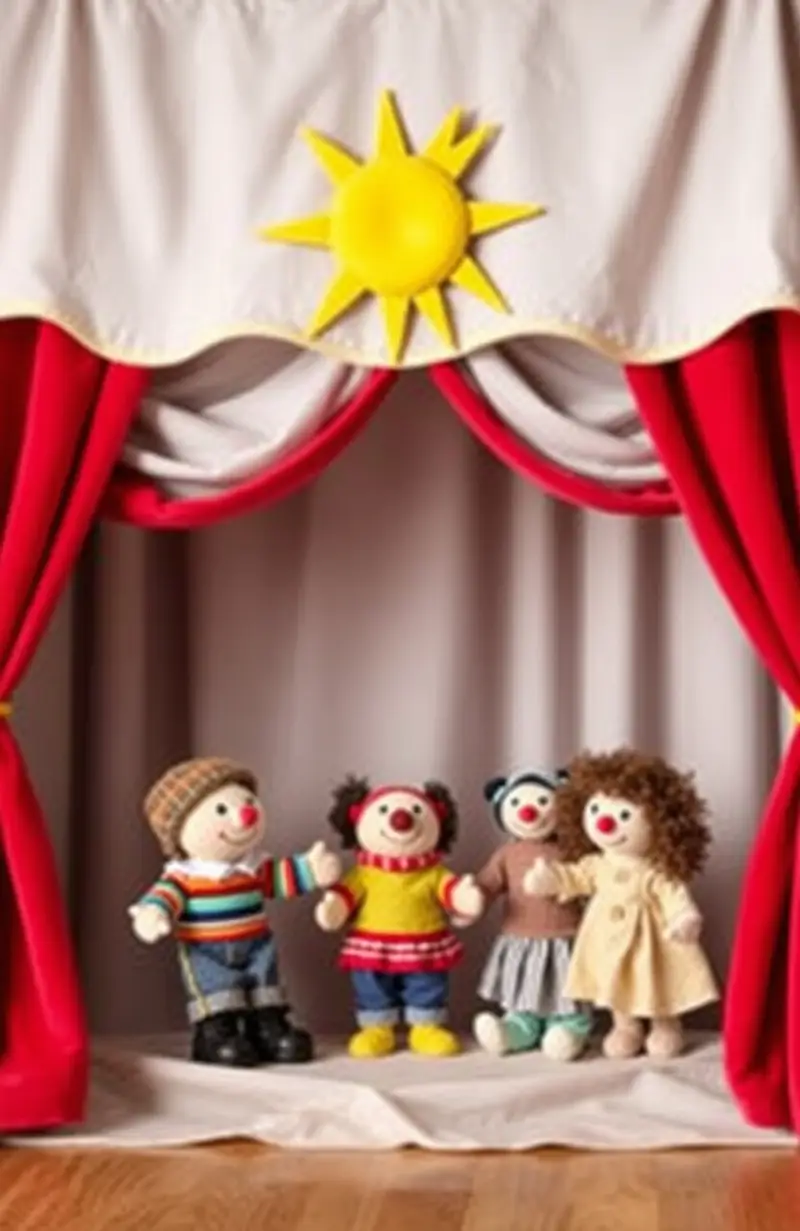
A puppet theater encourages storytelling and creativity. Use a simple curtain and stage setup.
Kids love putting on shows and using their imagination. It’s a fun way to develop language and social skills.
Include hand puppets or DIY sock puppets. Personalize with a backdrop of your child’s choice.
Many materials are found at home or thrift stores. It’s a delightful addition to any homeschool space.
31. Homeschool Command Center
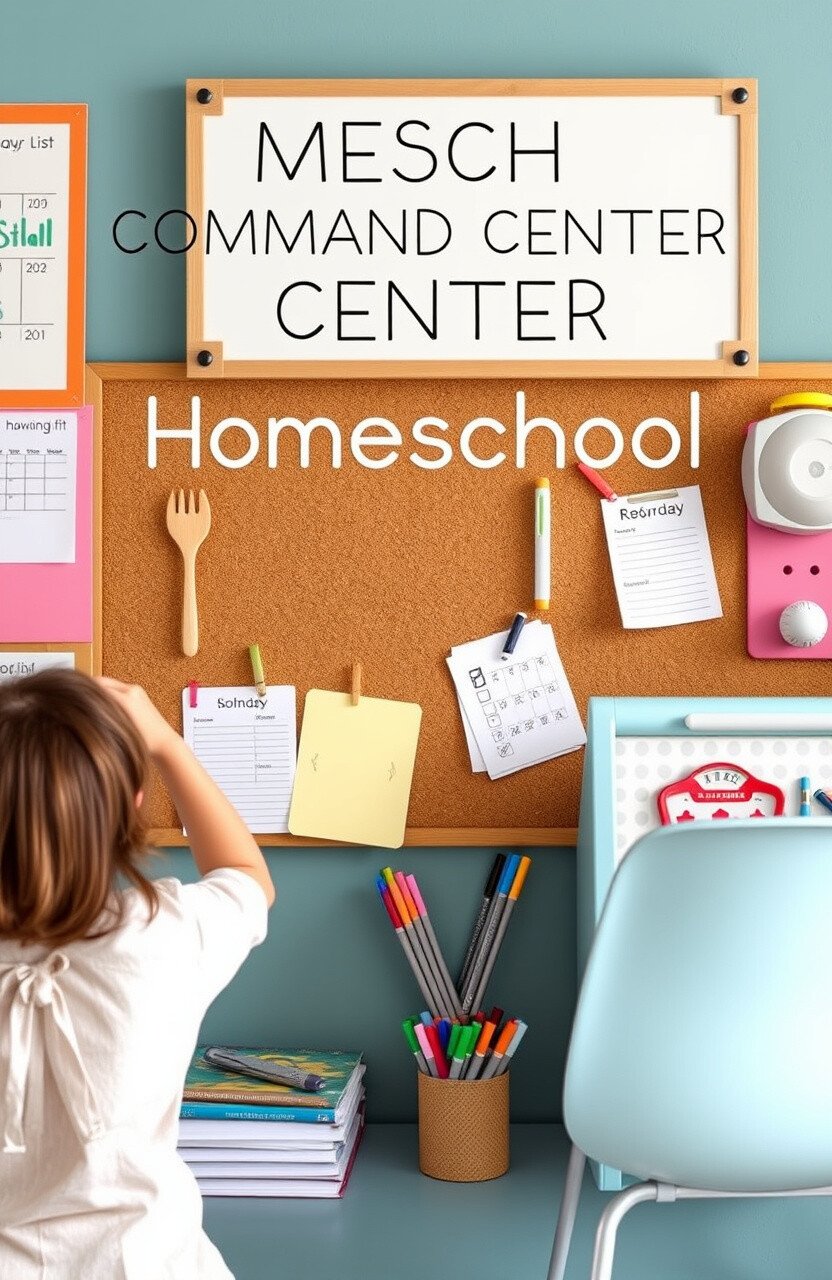
A homeschool command center keeps everyone organized. Use a corkboard or whiteboard for schedules and reminders.
This center helps manage daily activities and lessons. Kids learn to plan and stay on track.
Include a family calendar or to-do list. Personalize with color-coded markers or magnets.
Many tools are low-cost or DIY. It’s an efficient way to streamline your homeschool day.
32. Lego Learning Lab
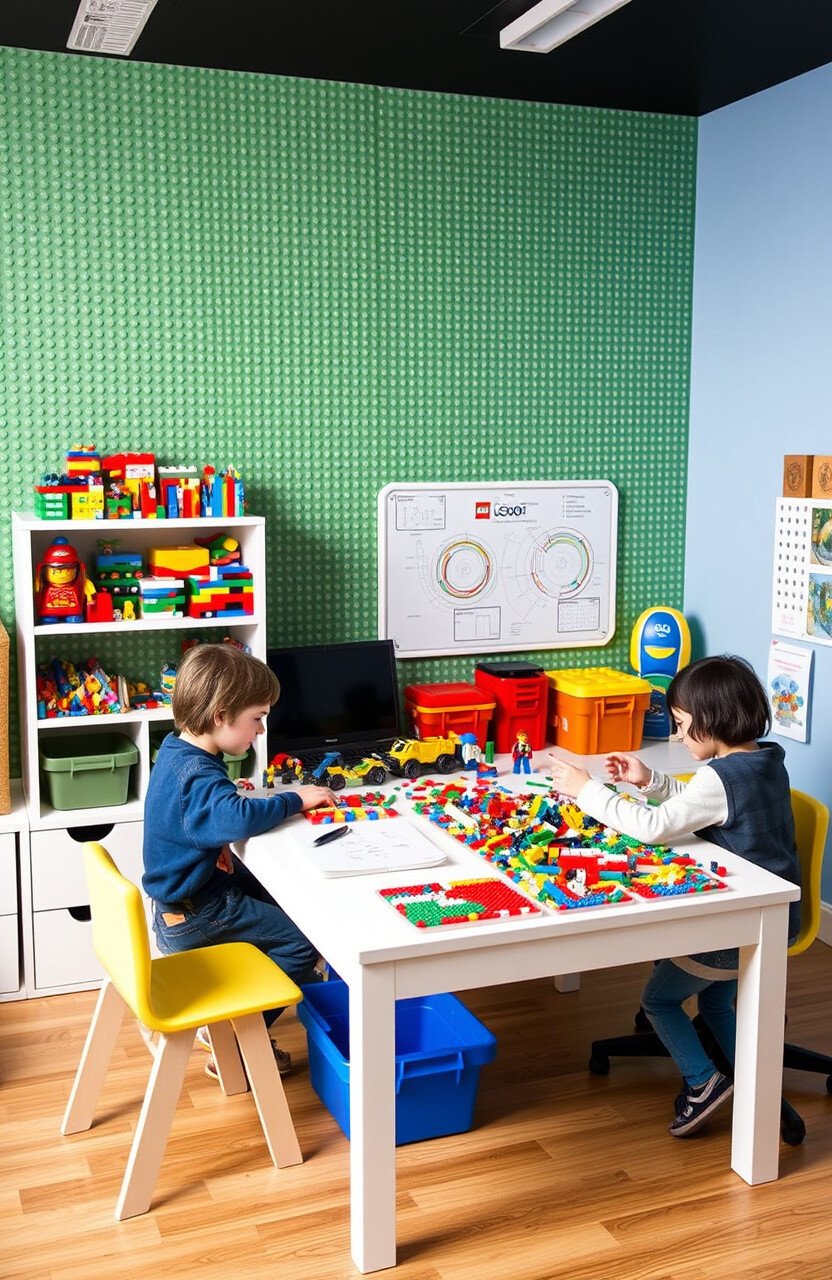
A Lego learning lab combines fun and education. Use a table with storage bins for bricks.
Kids learn through building and problem-solving. It’s an engaging way to explore math and engineering concepts.
Include challenge cards or building prompts. Personalize with a display area for creations.
Legos can be collected over time or second-hand. It’s a hands-on lab that inspires creativity.
33. Theater Space
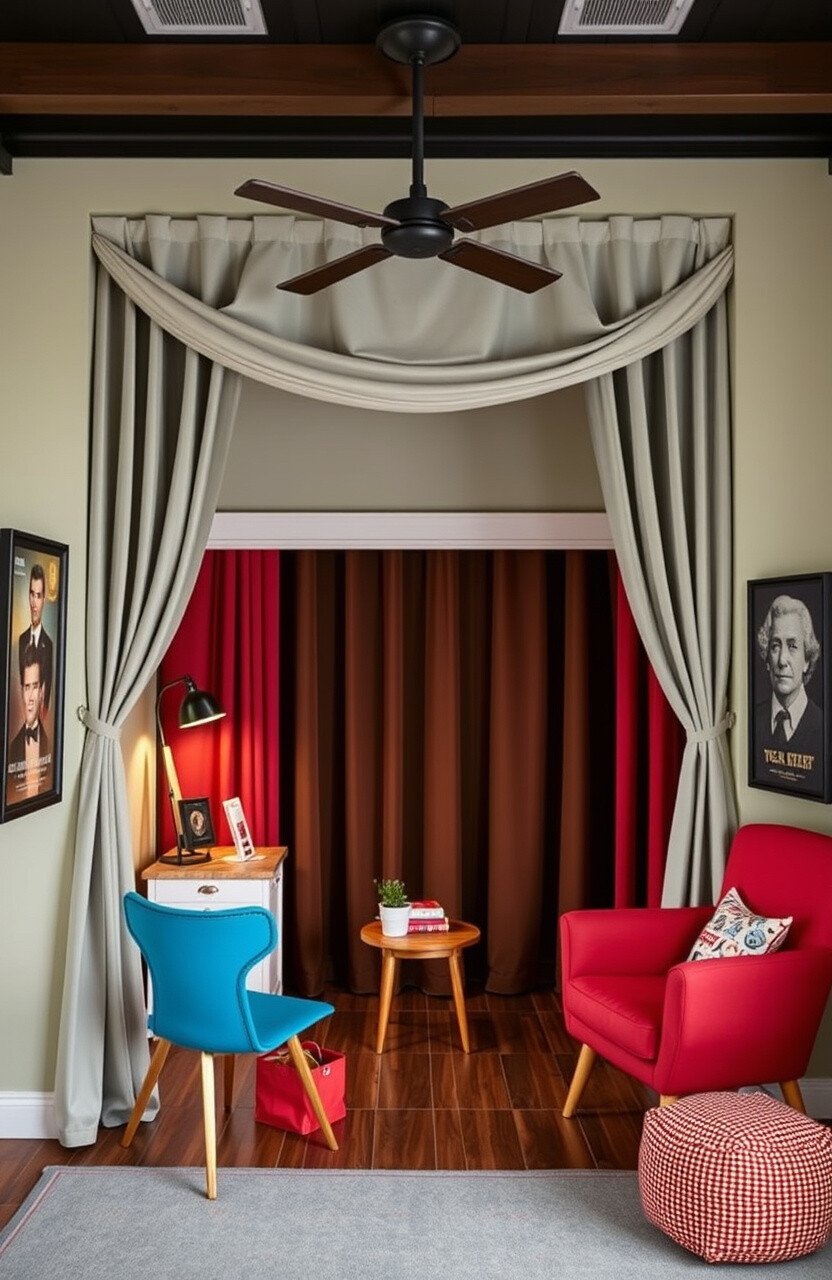
Create a theater space with a small stage and props. Use curtains for a dramatic effect.
This space encourages performance and public speaking. Kids love acting out stories or creating their own plays.
Include a costume box for dress-up fun. Personalize with posters of famous plays or movies.
Many props are DIY or thrift finds. It’s an exciting space for budding actors and directors.
34. Interactive Whiteboard
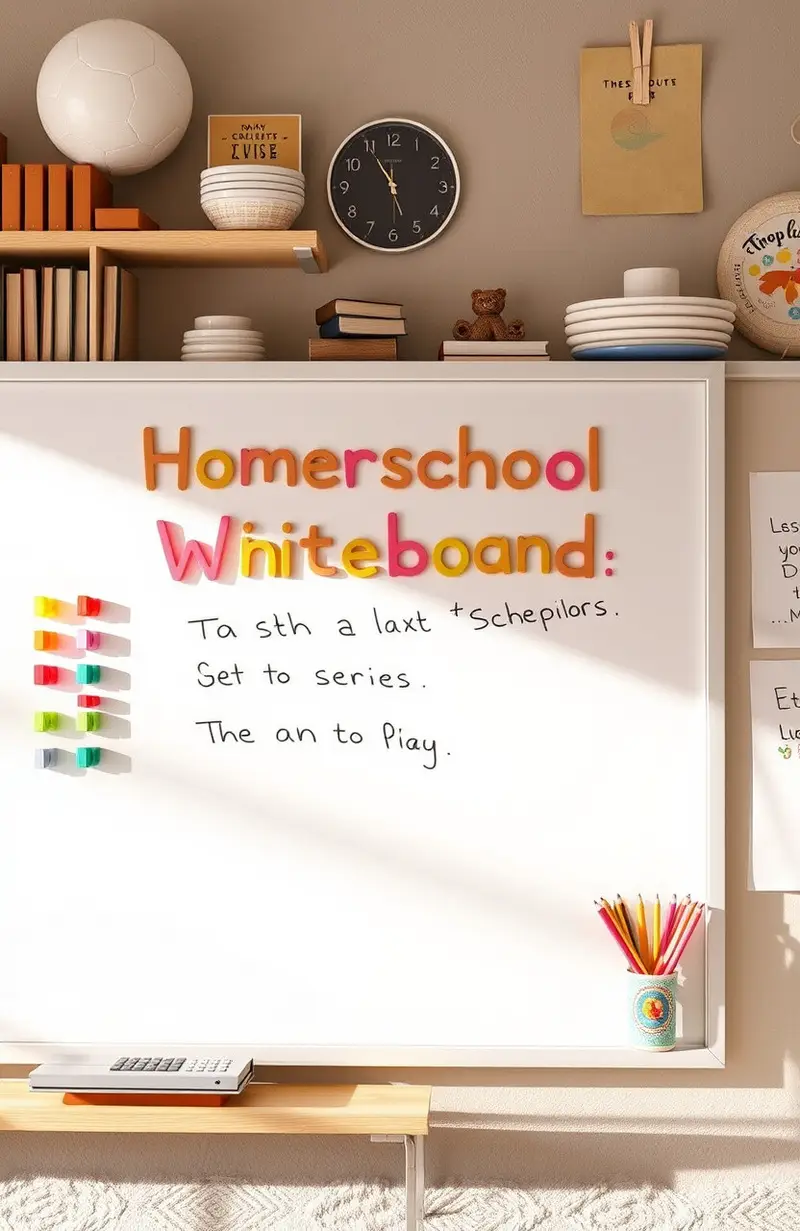
An interactive whiteboard makes lessons dynamic. Use markers or magnets for a hands-on experience.
Kids enjoy participating in lessons actively. It’s a versatile tool for any subject.
Include colorful markers or magnetic letters. Personalize with borders or themed decor.
Whiteboards are affordable and reusable. It’s a practical addition to your homeschool setup.
35. Meditation Corner
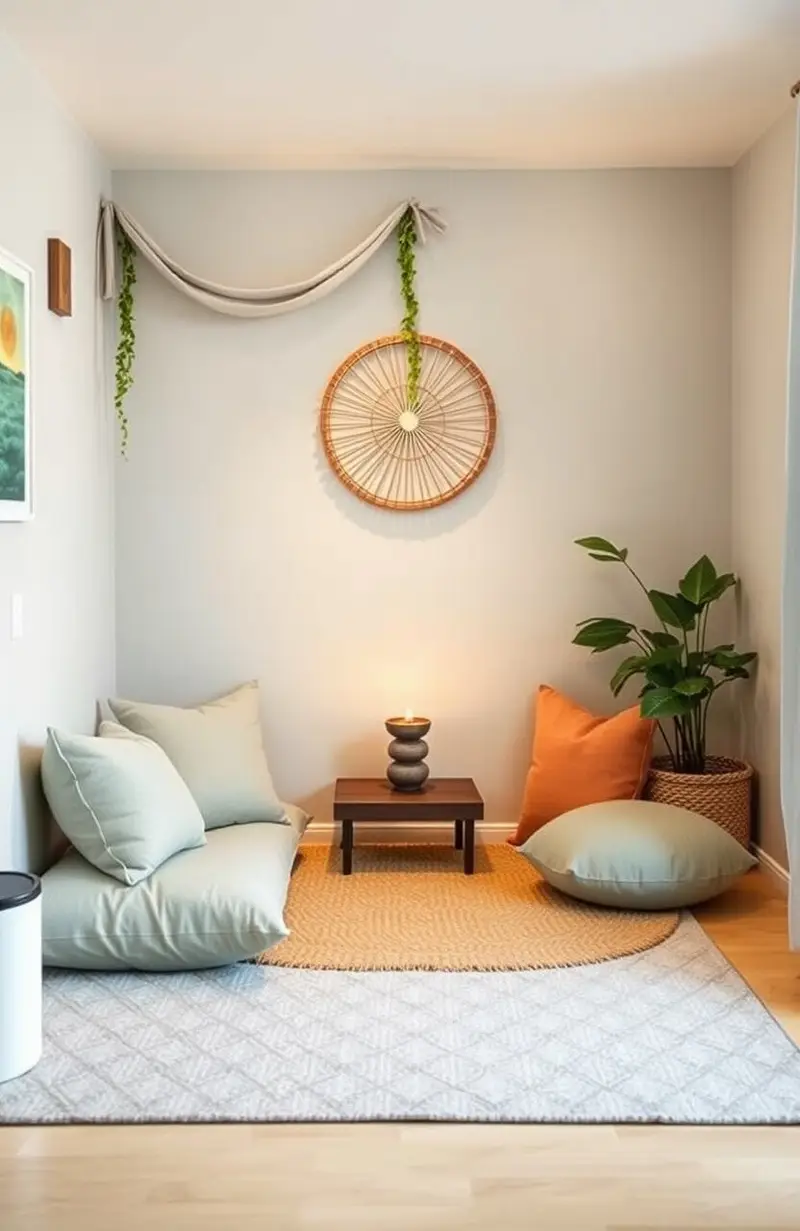
Create a meditation corner with cushions and soft lighting. Use this space for quiet reflection or mindfulness exercises.
This corner provides a peaceful retreat during busy days. Kids learn to relax and focus.
Include a small water fountain or incense. Personalize with calming colors or textures.
Many items are DIY or inexpensive. It’s a calming space for everyone to enjoy.
36. Outdoor Art Studio
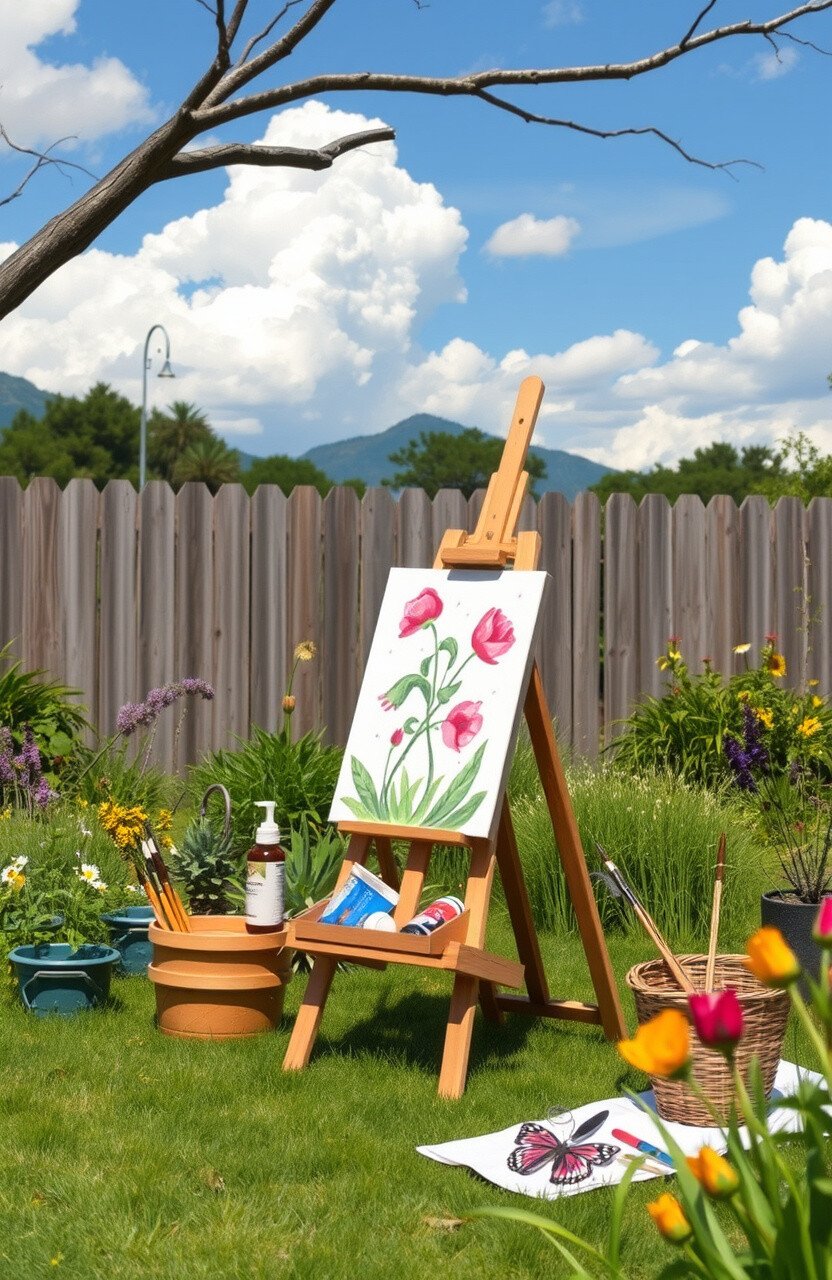
An outdoor art studio brings creativity to the backyard. Use an easel and supplies for painting in nature.
Kids love the freedom of painting outdoors. It’s a refreshing way to inspire creativity.
Include washable paints and brushes. Personalize with a gallery for outdoor exhibits.
Many materials are found at home or thrift stores. It’s a wonderful way to combine art and nature.
37. Coding Corner
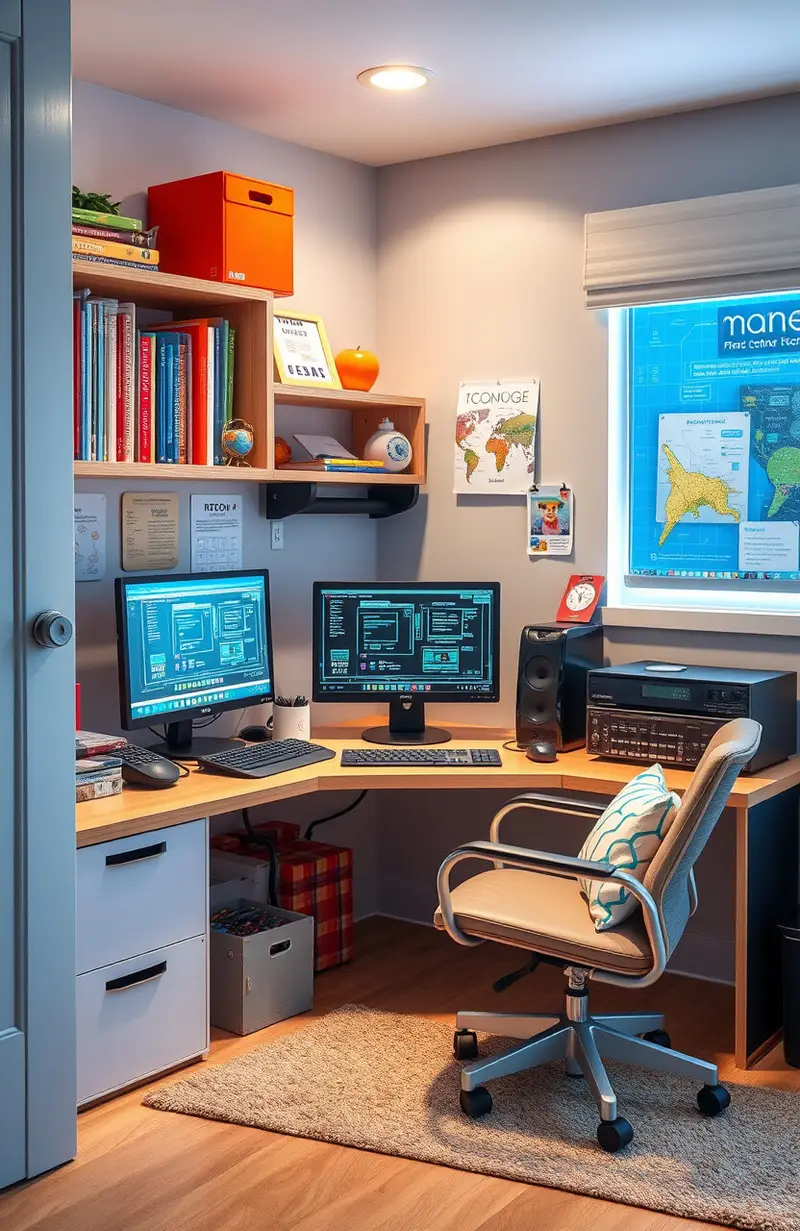
A coding corner with a computer and resources ignites interest in technology. Use online platforms to learn coding skills.
Kids can explore programming through games and challenges. It’s a practical way to learn tech skills.
Include coding books or activity guides. Personalize with tech-themed decorations or posters.
Many resources are free online. It’s an engaging way to dive into the digital world.
38. Indoor Camping Spot
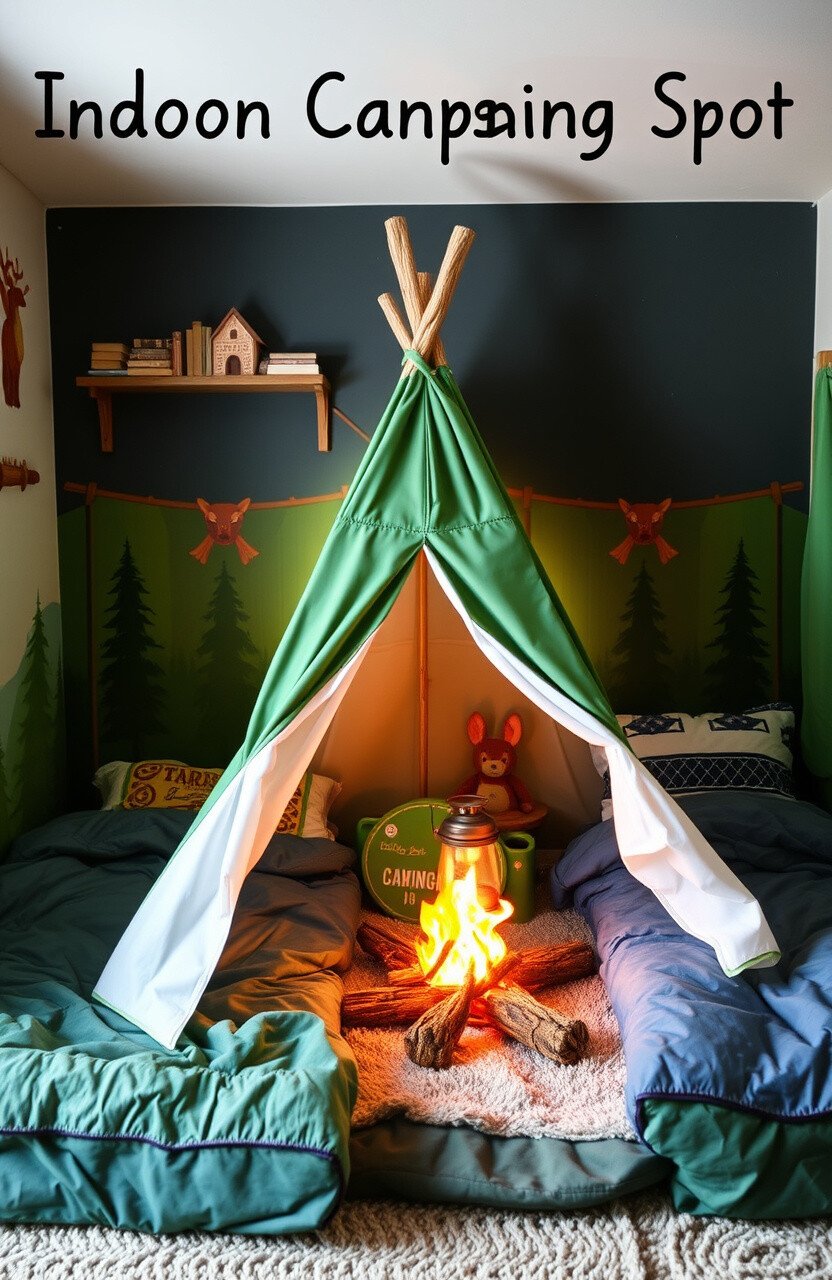
Create an indoor camping spot with a small tent and sleeping bags. Use this space for reading or pretend play.
This spot brings the adventure of camping indoors. Kids love the novelty and fun of an indoor campsite.
Include a lantern or campfire prop. Personalize with nature sounds or wildlife decor.
Many items are homemade or budget-friendly. It’s a cozy, imaginative escape for any day.
39. DIY Science Kits

Make DIY science kits with household items. Use jars and bags for easy organization.
Kids love the hands-on fun of homemade experiments. It’s a creative way to explore science.
Label each kit with instructions. Personalize with themes like volcanoes or weather.
Many materials are found at home. It’s a cost-effective way to bring science to life.
40. Herb Garden
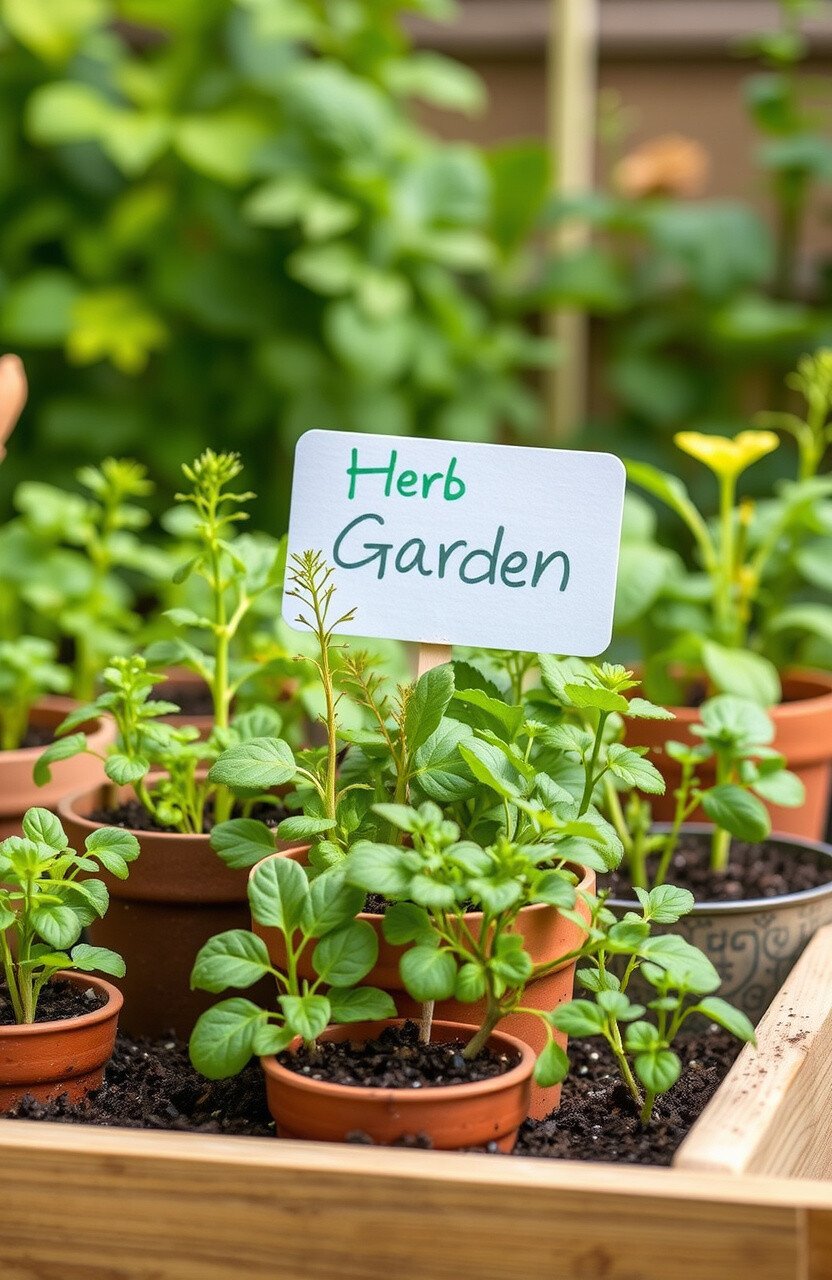
Start a small herb garden for a hands-on science project. Use pots or a small garden bed.
Kids learn about plant growth and care. It’s a rewarding way to explore nature and science.
Include labels for each herb. Personalize with decorative pots or garden markers.
Many supplies are low-cost or homemade. It’s a green addition to your homeschool space.
41. Wall of Inspiration
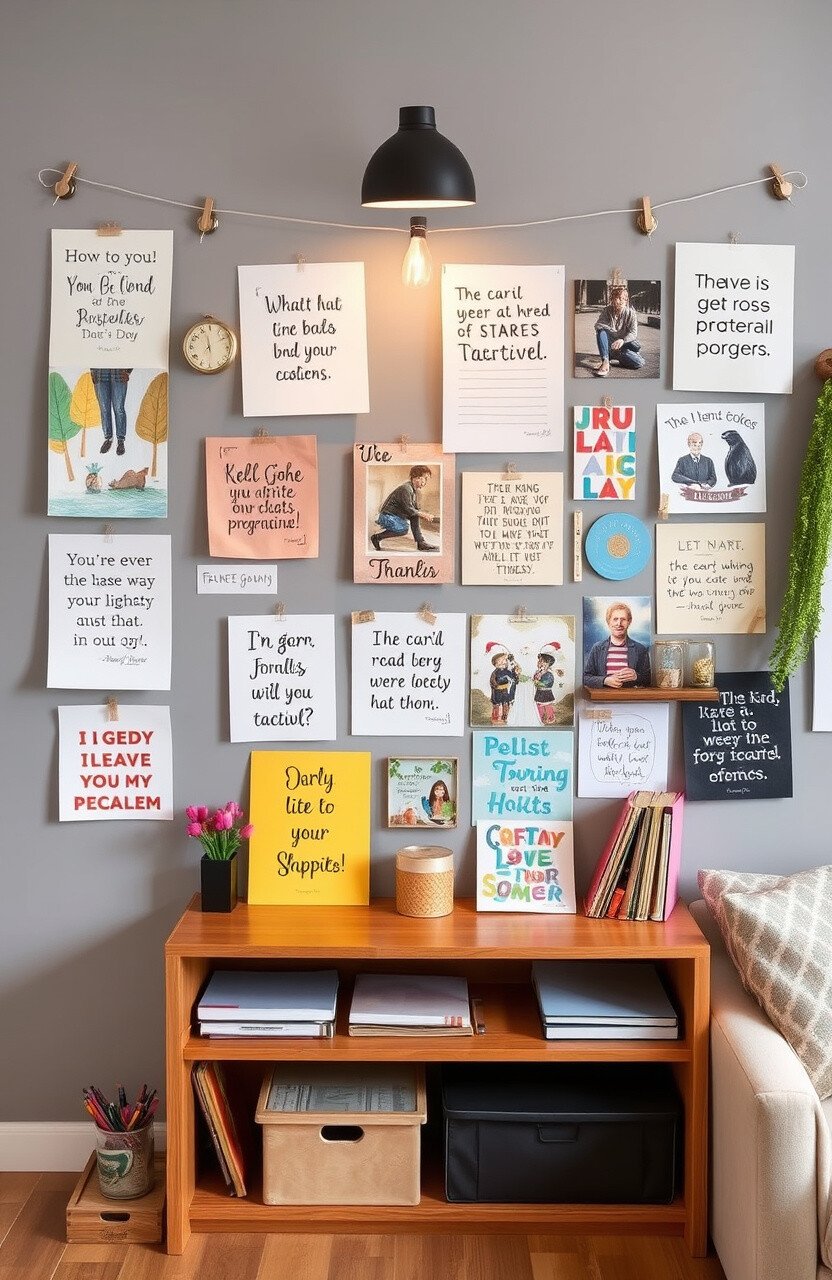
Create a wall of inspiration with quotes, photos, and artwork. Use a bulletin board or string with clips.
This wall motivates and uplifts. Kids feel inspired by seeing positive messages every day.
Include a mix of personal and famous quotes. Personalize with seasonal updates or themes.
Many materials are found at home or online. It’s a heartwarming centerpiece for learning.
42. DIY Planetarium
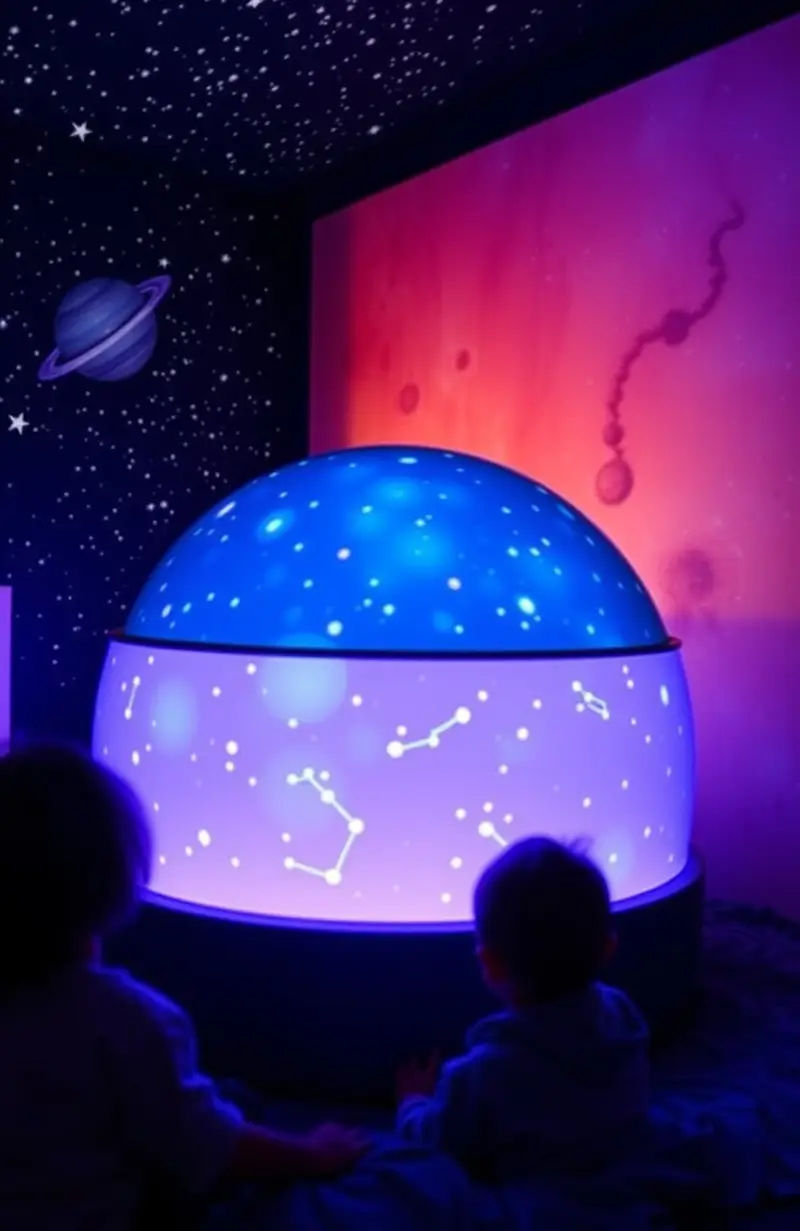
Build a DIY planetarium with a projector or glow-in-the-dark stars. Use a dark room for the best effect.
Kids love learning about space in a fun way. It’s a magical experience that brings the stars indoors.
Include star charts or constellation guides. Personalize with a rocket or astronaut theme.
Many materials are low-cost or DIY. It’s an exciting journey through the cosmos.
43. Indoor Obstacle Course
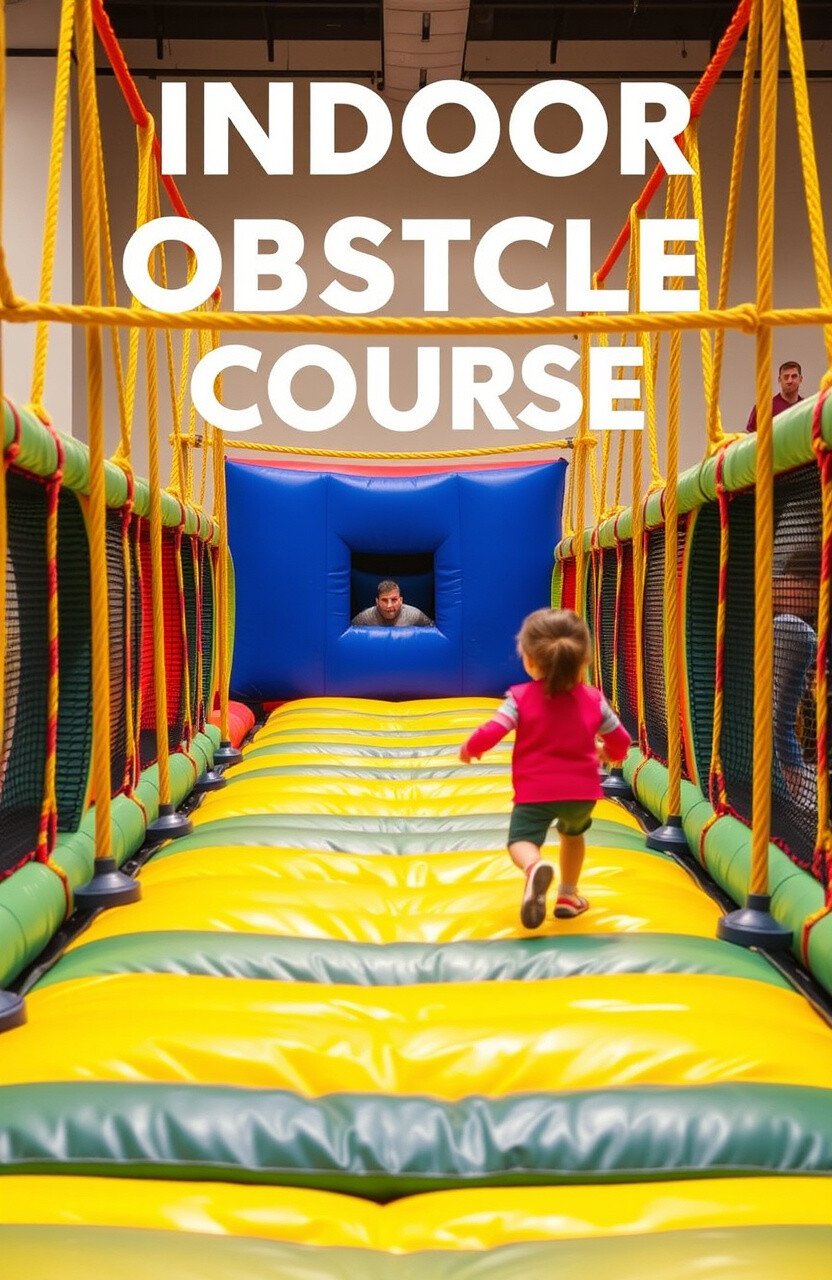
Create an indoor obstacle course for physical activity. Use cushions, tunnels, and ropes for fun challenges.
This course provides exercise and entertainment. Kids love the thrill of a personal gym at home.
Include stopwatches for timing races. Personalize with themes like jungle or superhero.
Many items are found at home or thrift stores. It’s a fun, energetic way to stay active.