
Imagine a learning space so inviting, your little ones can’t wait to start their lessons. The magic lies in the details, and even the smallest missteps can make a big difference. Here’s a treasure trove of tips to help you craft the perfect homeschool environment.
1. Overcrowding the Space
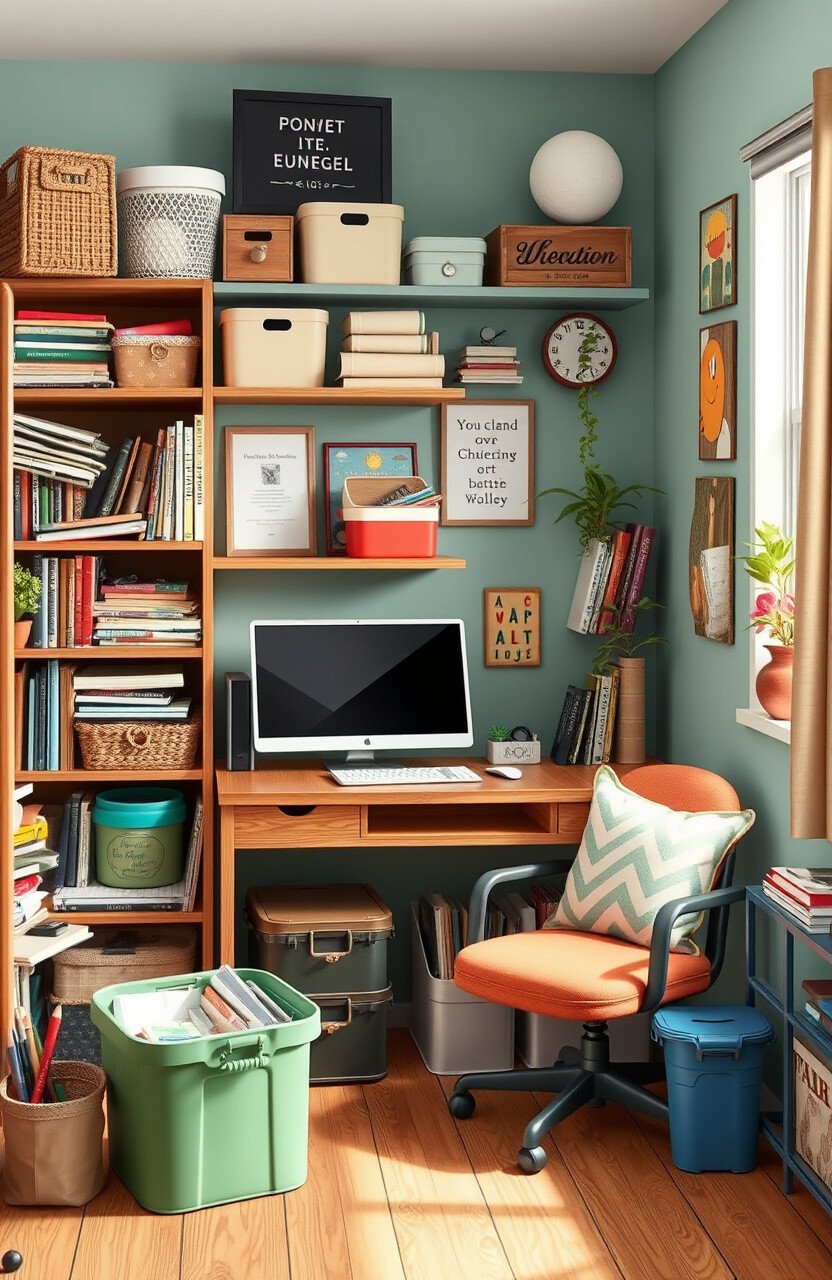
Clutter is the enemy of focus, yet it’s easy to let it creep in. A tidy room with just the essentials can boost concentration.
By keeping the homeschool area simple, you create a calm and inviting atmosphere. Use shelves and storage bins to keep extras out of sight.
Personalization is key—let your child choose a few favorite items to display. This way, the space feels like their own special corner.
Decluttering doesn’t have to cost a thing; just a bit of time and creativity can transform your space.
2. Ignoring Natural Light
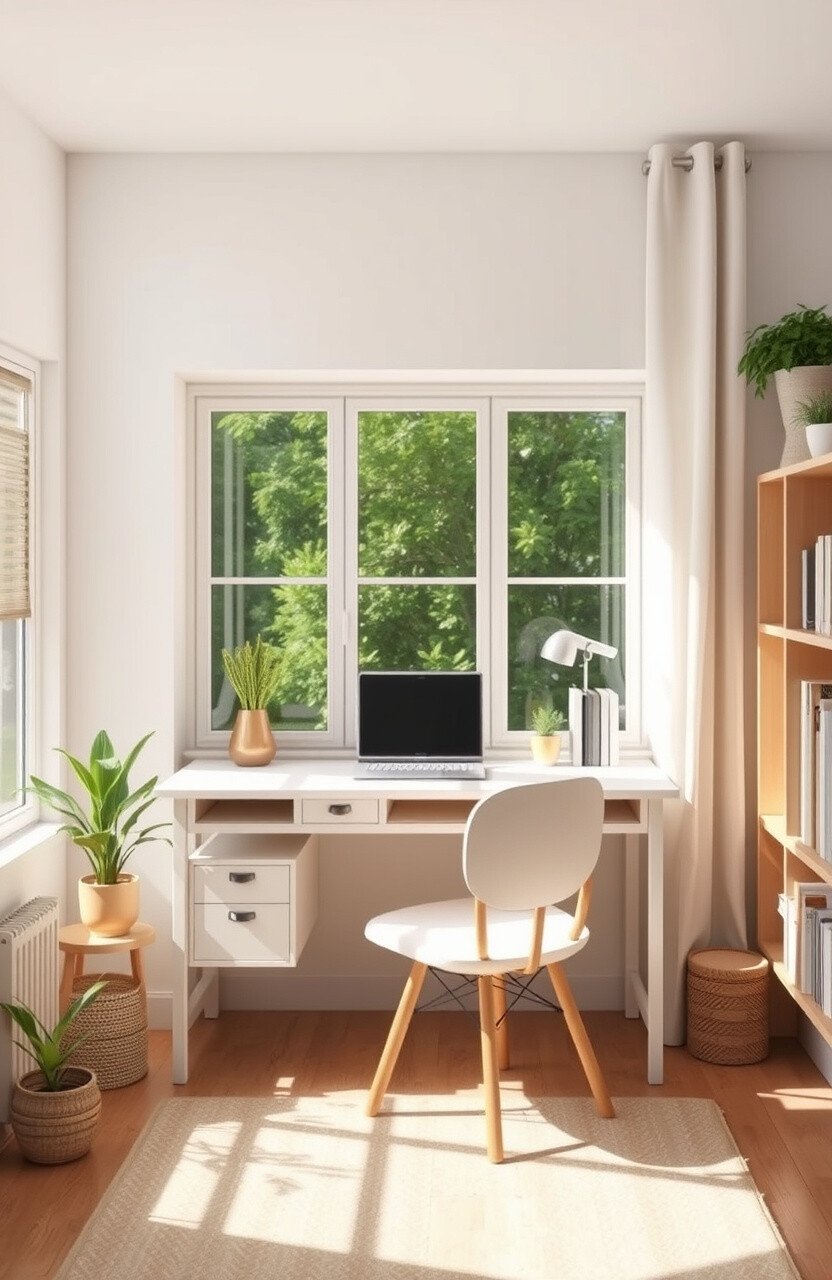
Natural light can make a room feel alive and vibrant. It’s known to improve mood and increase productivity.
Position your child’s desk near a window to maximize daylight. This simple change can make study time more enjoyable.
Consider sheer curtains to soften the light while still letting it in. It creates a warm and inviting glow.
Use mirrors strategically to reflect light around the room. It’s a cost-effective way to brighten any space.
3. Uncomfortable Seating

Comfort is crucial when it comes to learning. A hard chair can make it hard to focus.
Invest in a chair with proper support to keep your child comfortable. It helps maintain good posture and focus.
Add a cushion or a cozy blanket for a personal touch. This can make the space feel more inviting and special.
Look for budget-friendly options or even DIY solutions. A little creativity can go a long way.
4. Lack of Organization
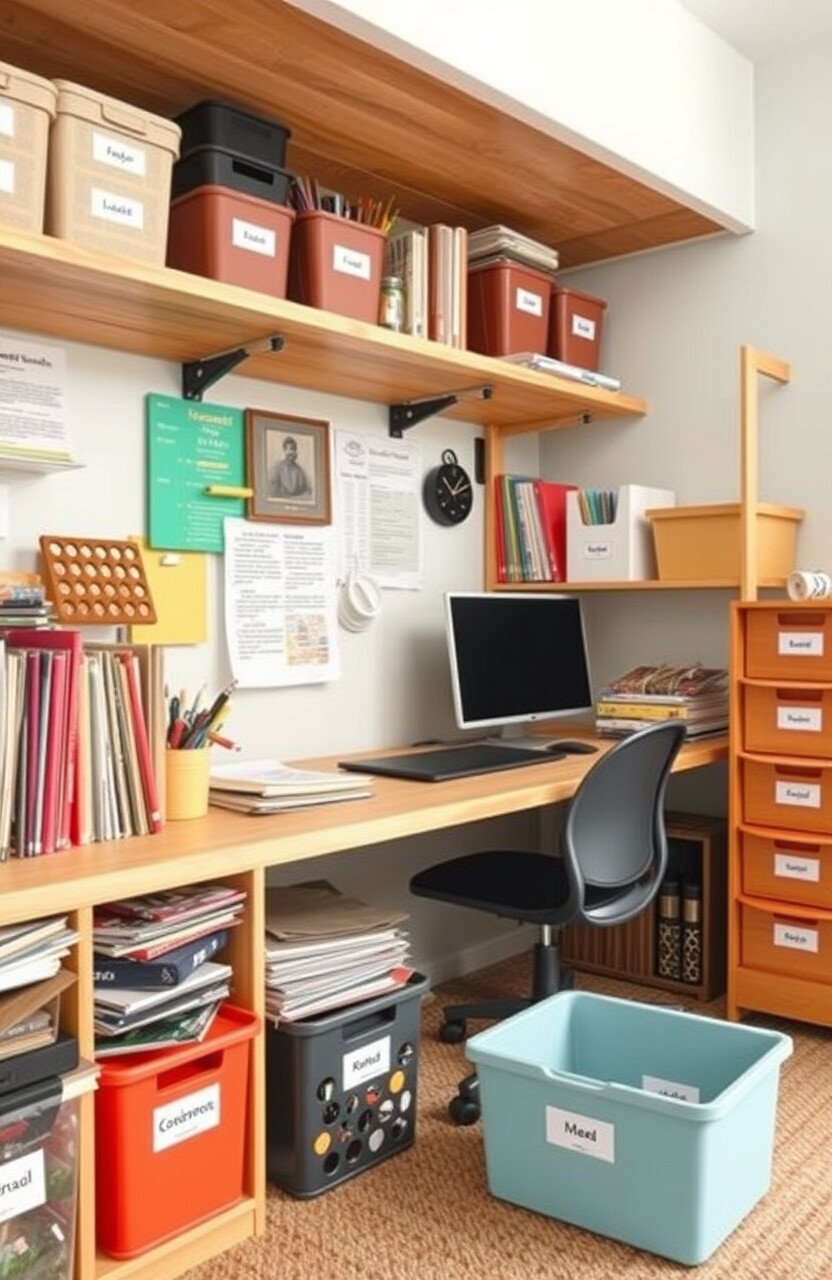
An organized space makes it easy to find what you need. It also helps reduce stress and increase productivity.
Use labeled bins and folders to keep everything in its place. This makes cleanup a breeze and keeps the area neat.
Encourage your child to help with organizing, adding their personal touch. It teaches responsibility and ownership.
Many organizing solutions are inexpensive or even free. Repurpose boxes or jars for a creative touch.
5. Forgetting About Color

Color can influence mood and energy levels. A dull room can make learning feel like a chore.
Choose bright, cheerful colors to inspire and energize. Even small touches can make a big difference.
Let your child pick some favorite colors for a personalized feel. This can make the space truly theirs.
Paint is an affordable way to transform a room. Consider a fun accent wall or colorful decor.
6. Too Much Technology
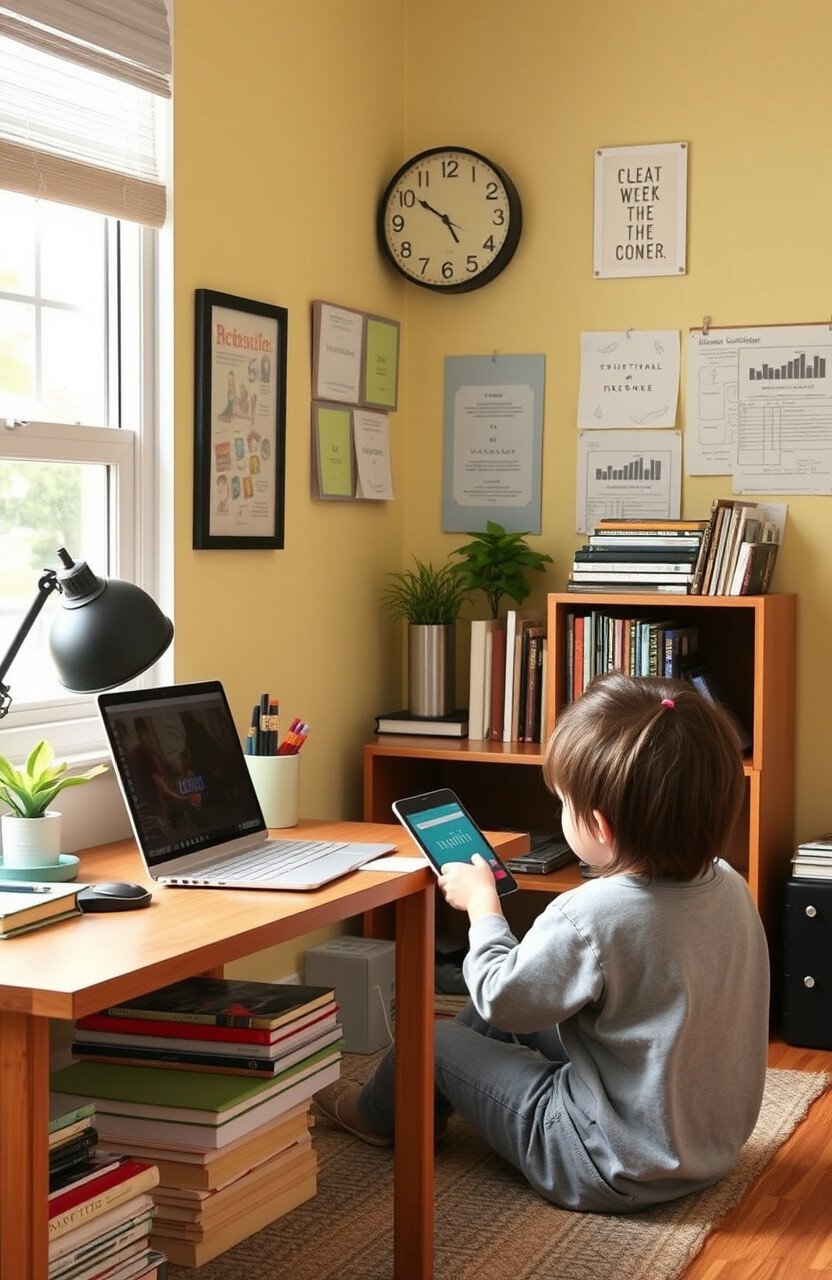
Technology is a helpful tool but can be distracting. Balance is key to keeping focus on learning.
Set boundaries for tech use, ensuring it’s used for educational purposes only. This keeps the focus on learning.
Consider tech-free zones for a break from screens. Personalize these areas with books and hands-on activities.
Use existing gadgets wisely without overspending. Sometimes less is more when it comes to tech.
7. Ignoring Personal Preferences

Every child is unique, and their learning space should reflect that. A generic room might not inspire or motivate.
Consider your child’s interests and hobbies when designing the space. This makes it more engaging and exciting.
Involve your child in the decorating process for a personal touch. This can make them feel more invested in their learning.
Personalization doesn’t have to be expensive. Simple, thoughtful touches can make the space feel special.
8. Neglecting Storage Solutions
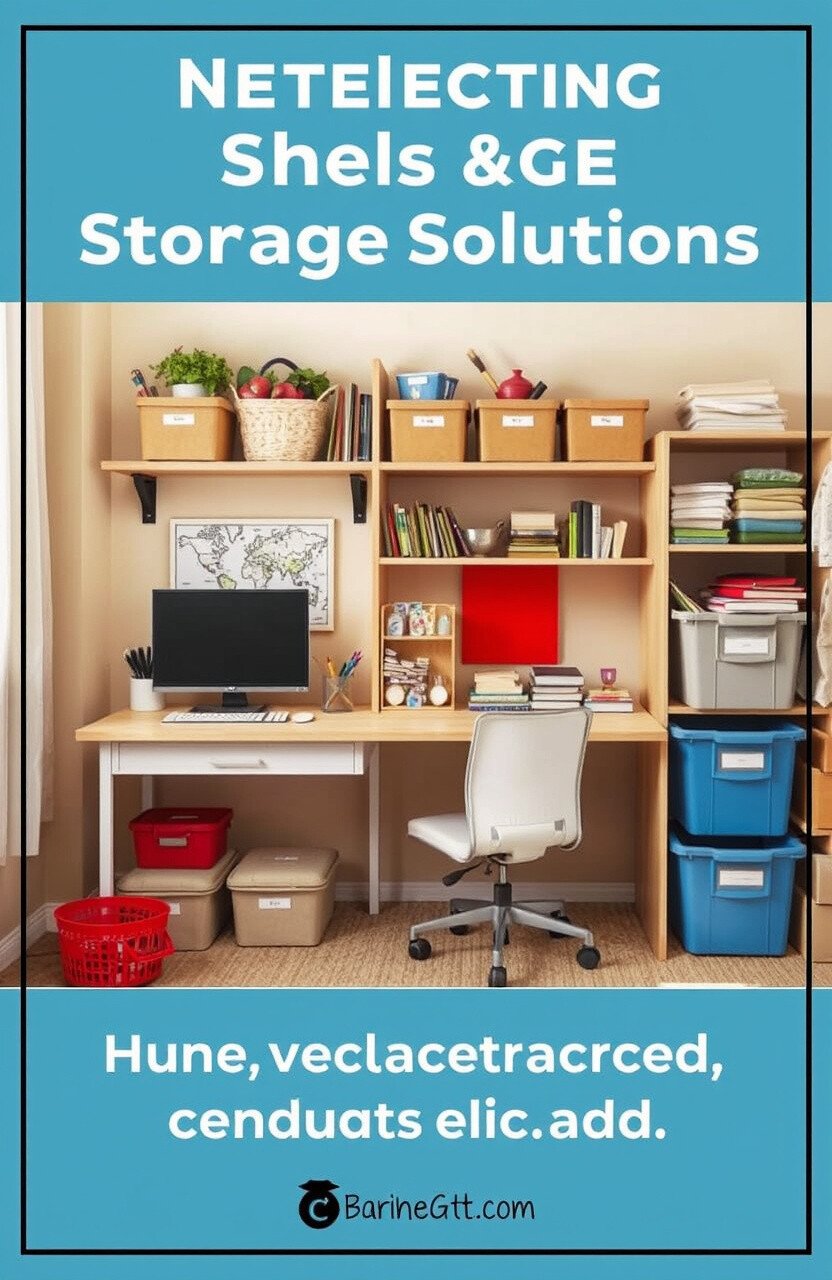
Without proper storage, it’s easy for a space to become messy. A clutter-free room is more conducive to learning.
Invest in shelves and storage bins to keep things tidy and accessible. This makes it easy to find what you need.
Labeling storage can add a personal touch and help with organization. Involve your child in this process for added fun.
Second-hand stores often have affordable storage solutions. A little creativity can go a long way in organizing a space.
9. Overlooking a Dedicated Space
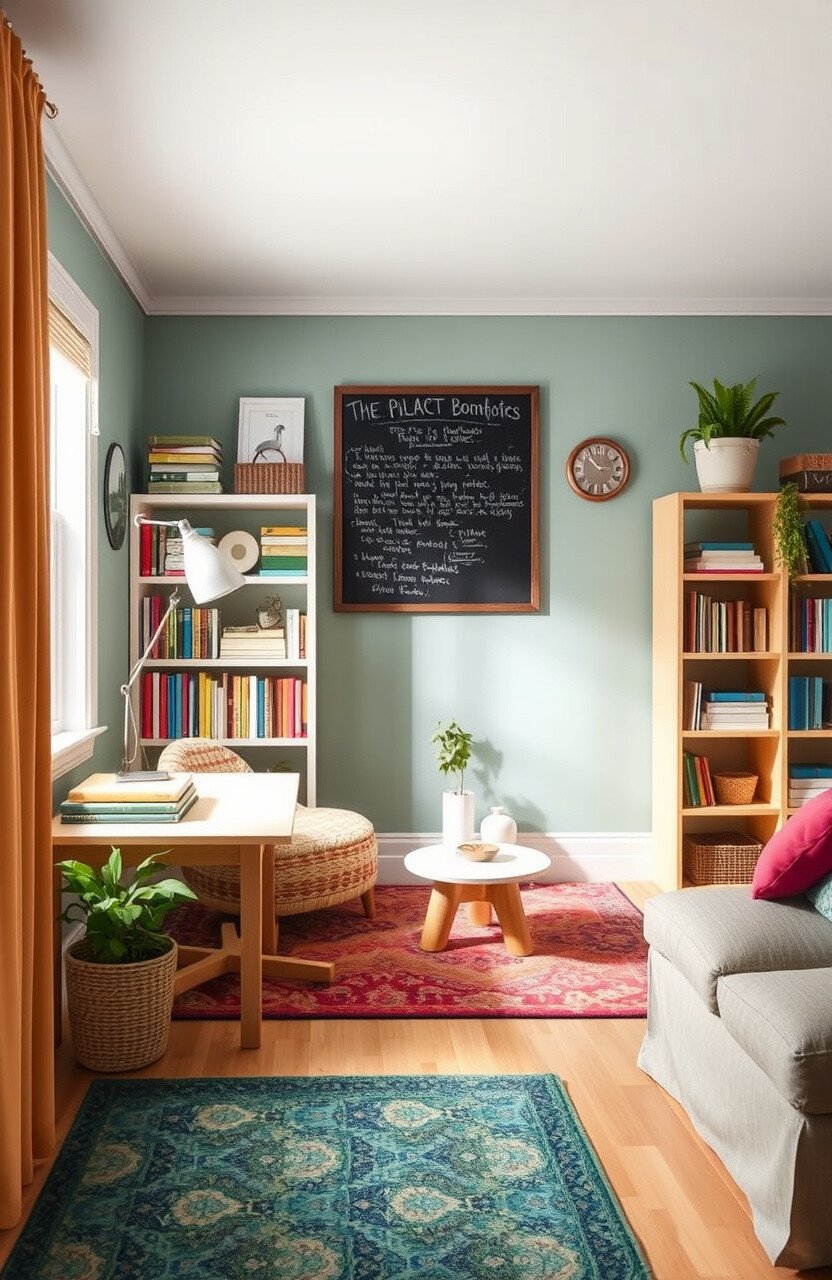
A designated learning area helps set boundaries. It signals to your child that it’s time to focus.
Even a small corner can be transformed into a special learning spot. Use rugs or partitions to define the area.
Personalize the space with your child’s favorite colors or themes. This makes it more inviting and fun.
You don’t need to spend a lot to create a dedicated space. Use what you have and get creative.
10. Missing a Homeschool Routine
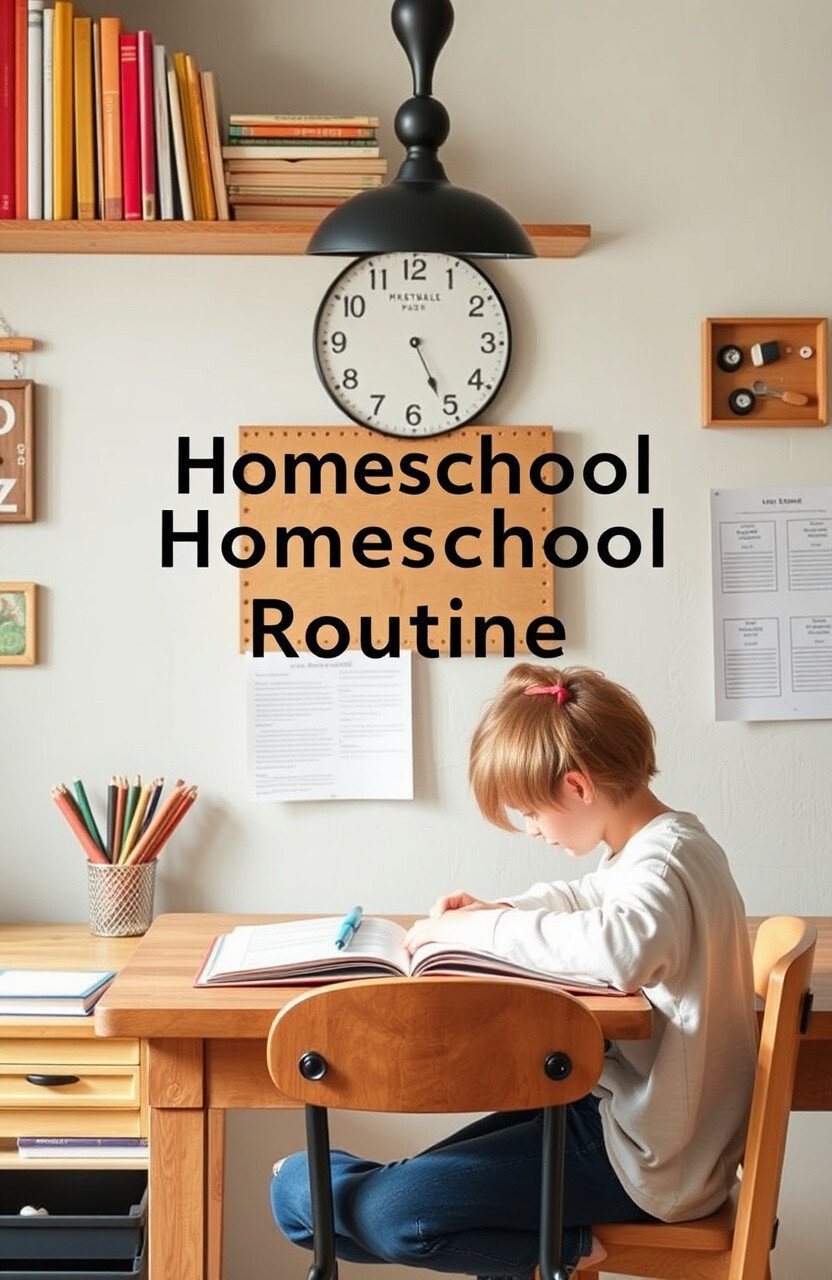
A consistent routine helps provide structure and predictability. It can make learning more effective and enjoyable.
Create a schedule that works for your family and stick to it. This helps everyone know what to expect each day.
Involve your child in creating the schedule for a personal touch. This can increase their motivation and investment.
Crafting a routine is cost-free and invaluable. It’s all about time management and consistency.
11. Not Allowing for Flexibility

Flexibility in learning can keep it exciting and fresh. Sticking too rigidly to a plan can stifle creativity.
Encourage breaks and spontaneity for a more dynamic learning experience. This helps maintain interest and enthusiasm.
Let your child lead sometimes, choosing topics or activities. This personalizes the experience and boosts engagement.
Flexibility doesn’t cost anything but requires an open mind. It’s all about adapting to your child’s needs.
12. Lack of Inspirational Decor

Inspirational decor can spark creativity and motivation. A plain room might not encourage imaginative thinking.
Use posters, quotes, or artwork to liven up the space. This creates a more stimulating and enjoyable environment.
Allow your child to pick their favorite inspirational pieces. This personalizes the space and makes it more meaningful.
DIY decor can be a fun and affordable option. Get creative with materials you already have at home.
13. Overcomplicating the Design

Simplicity is often more effective when designing a learning space. Too much decoration can be overwhelming.
Focus on function over form for a practical and inviting space. This helps keep attention on learning.
Involve your child in choosing key elements to keep it personal. This ensures the space is both functional and appealing.
Simple designs often cost less and require fewer materials. Less can definitely be more in this case.
14. Not Considering Multi-Use Furniture

Multi-use furniture can save space and increase functionality. A cluttered room can limit creativity and focus.
Opt for desks with storage or foldable tables for more flexibility. This maximizes space and keeps the area tidy.
Personalize with cushions or covers to make them unique. Your child can help choose patterns or colors.
Look for second-hand options to keep costs down. Creativity can turn any piece into something special.
15. Overlooking Outdoor Spaces

Outdoor learning can be refreshing and inspiring. Staying indoors all day might lead to boredom.
Incorporate nature by using the backyard or a park as a classroom. Fresh air and sunshine boost mood and energy.
Personalize outdoor spaces with blankets or portable tables. Your child can help set up their outdoor classroom.
Using outdoor spaces is free and full of potential. It’s a wonderful way to add variety to the school day.
16. Lack of Creative Materials

Creative materials can make learning hands-on and fun. A lack of resources might limit imagination.
Stock up on art supplies, building blocks, or science kits. These can make lessons more interactive and engaging.
Let your child choose their favorite materials for a personal touch. This makes learning more exciting and personal.
Look for sales or use household items to save money. Often, you can find creative solutions right at home.
17. Forgetting About Comfort
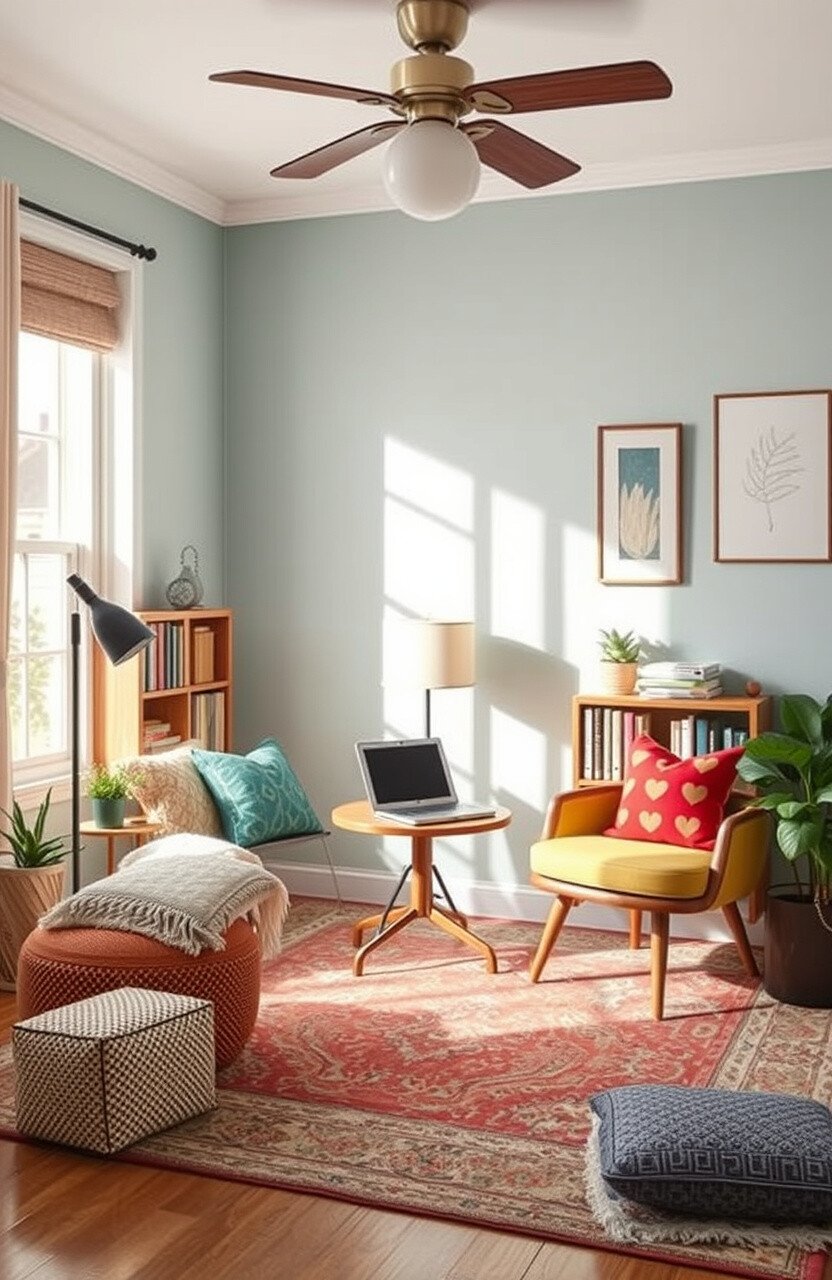
Comfort is key to maintaining focus during study time. An uncomfortable environment can be distracting.
Ensure the room is a pleasant temperature and has comfy seating. This makes learning more enjoyable and productive.
Personalize with soft cushions, blankets, or rugs. Your child can pick colors or textures they love.
Comfort doesn’t have to come with a high price tag. Simple, thoughtful touches can make a big difference.
18. Ignoring the Power of Plants

Plants can bring life and color to a learning space. They also help clean the air and boost mood.
Choose easy-to-care-for plants like succulents or ferns. They add a touch of nature and serenity to the room.
Let your child pick out a plant and decorate the pot. This personal touch can make them feel more connected to the space.
Plants are a low-cost, high-impact decor choice. They can be found at garden centers or even propagated at home.
19. Overlooking the Importance of Breaks
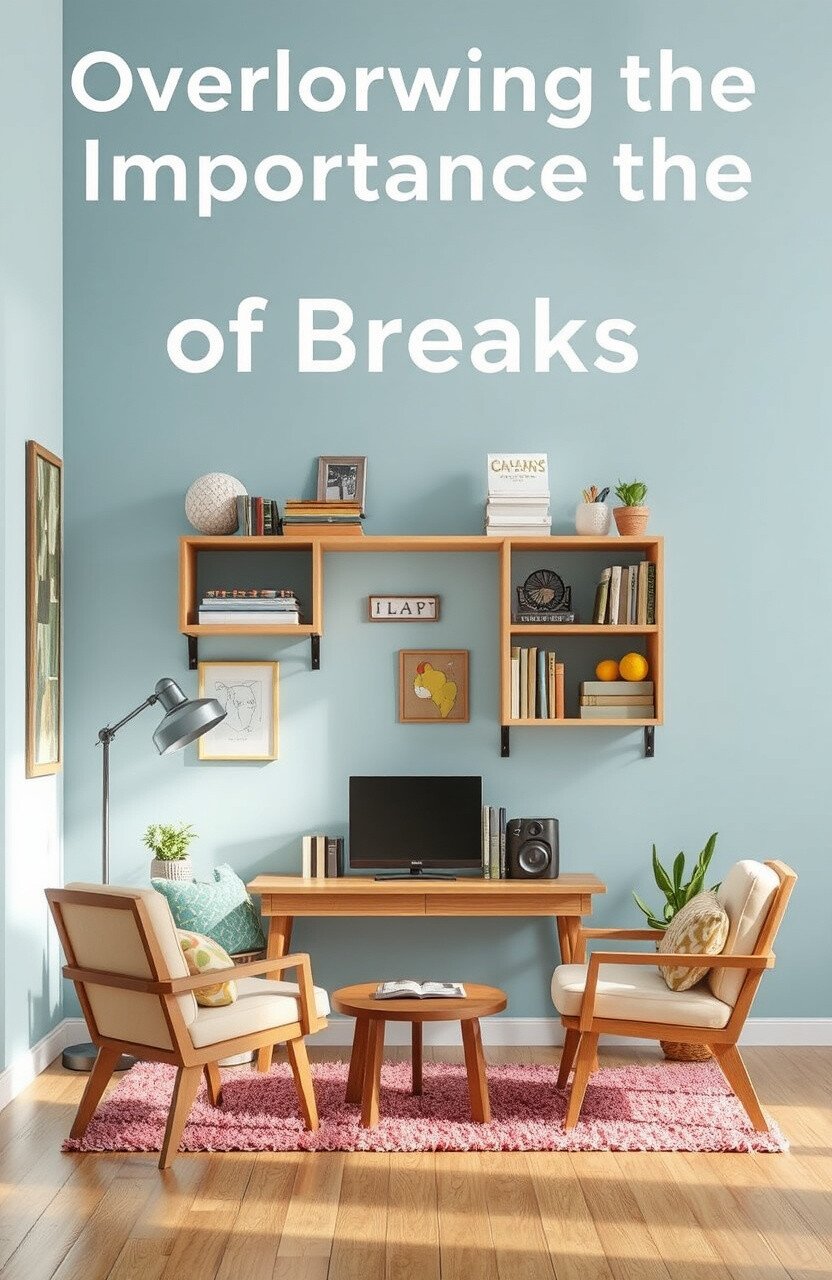
Breaks are vital for maintaining energy and focus. Without them, learning can become tedious.
Incorporate regular breaks into the schedule for a balanced day. This helps prevent burnout and keeps spirits high.
Designate a special break area with comfy seating or activities. Personalize it to make it a fun and inviting retreat.
Creating a break space doesn’t have to be expensive. Use items you already have to make it cozy and special.
20. Not Involving Your Child in Planning
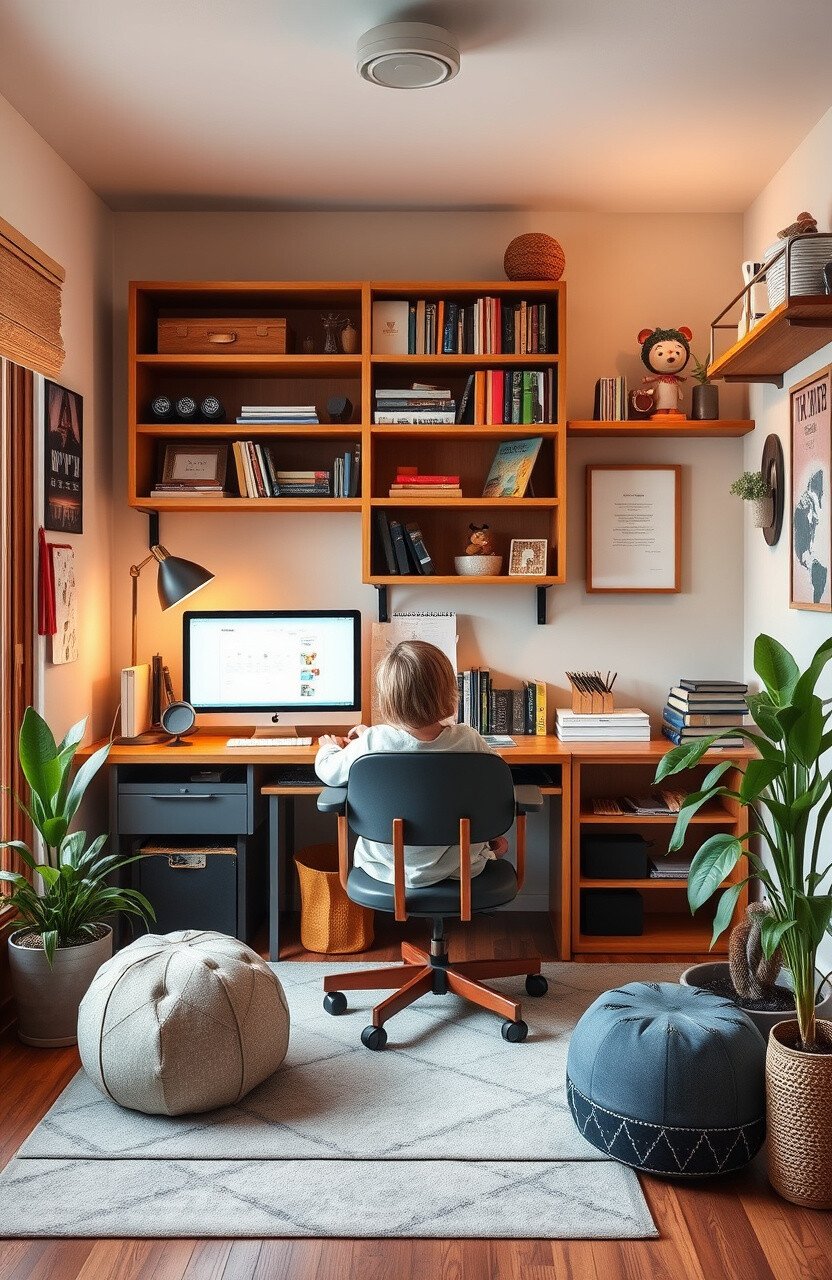
Involving your child in planning can increase their investment. A space designed without their input might not engage them.
Ask for their opinions and preferences when setting up the space. This makes it feel like their own and boosts motivation.
Personalize the area with items or themes they love. This ensures it’s a place they enjoy spending time in.
Involving your child doesn’t cost anything but can have priceless benefits. It’s all about communication and collaboration.
21. Neglecting Sensory Needs

Sensory needs can greatly impact a child’s learning. Ignoring these can lead to discomfort and distraction.
Consider sensory-friendly materials like soft fabrics or calming lights. This makes the space more comfortable and focused.
Personalize with items like fidget tools or textured cushions. Let your child choose what makes them feel at ease.
Sensory-friendly options don’t have to break the bank. Many solutions can be homemade or low-cost.
22. Forgetting to Display Achievements

Displaying achievements can boost confidence and motivation. A bare room might not celebrate your child’s successes.
Create a designated wall or board for certificates, art, or projects. This highlights their hard work and progress.
Let your child choose what to display for a personal touch. This makes them feel proud and valued.
Using a bulletin board or string line is an affordable option. It’s a simple way to highlight accomplishments.
23. Overemphasizing Academic Learning

Focusing solely on academics can lead to burnout. A well-rounded approach keeps learning enjoyable.
Incorporate arts, crafts, and physical activities into the schedule. This variety keeps the day exciting and balanced.
Let your child suggest activities for a personalized touch. This makes learning more relevant and fun.
Many activities can be done with items you already own. It’s a great way to mix things up without added cost.
24. Not Using Vertical Space

Vertical space is often overlooked in small rooms. Utilizing it can free up floor space and create a more organized area.
Install shelves or hooks to store supplies and display work. This keeps everything within easy reach and adds interest.
Let your child help arrange items on the shelves for a personal touch. This ensures the space is functional and appealing.
Using vertical space can be done affordably with DIY solutions. Repurpose items or find budget-friendly options to save money.
25. Overlooking the Power of Music

Music can enhance mood and concentration during study time. Silence can sometimes lead to boredom or distraction.
Play soft, instrumental music to create a calming atmosphere. This can help improve focus and enjoyment.
Allow your child to choose playlists for a personalized experience. This makes the environment more enjoyable and engaging.
Using music is a cost-free way to enhance the space. Streaming services offer a wide variety of options to suit any taste.
26. Ignoring the Importance of Movement

Movement is essential for a healthy and active mind. Sitting still for too long can lead to restlessness.
Incorporate movement breaks or active learning activities. This keeps energy levels up and improves focus.
Let your child suggest their favorite ways to move for a personal touch. This ensures the activities are fun and engaging.
Movement doesn’t require expensive equipment. Simple exercises or dance sessions can be done in the comfort of your home.
27. Not Encouraging Independent Learning

Independent learning fosters confidence and self-reliance. A lack of autonomy can hinder growth and exploration.
Provide resources and opportunities for self-directed study. This encourages curiosity and self-motivation.
Let your child choose topics or projects that interest them. This personalizes learning and makes it more meaningful.
Encouraging independence is cost-free and rewarding. It simply requires trust and support in your child’s abilities.
28. Overlooking Community Resources

Community resources can enrich the homeschool experience. Relying solely on home resources might limit opportunities.
Explore local libraries, museums, or clubs for educational programs. These can provide valuable learning experiences.
Get your child involved in choosing activities or outings. This personalizes the experience and makes it more enjoyable.
Many community resources are free or low-cost. It’s a budget-friendly way to expand learning beyond the home.
29. Ignoring the Value of Reflection

Reflection helps consolidate learning and personal growth. Without it, important lessons might be overlooked.
Incorporate reflection time into the schedule, allowing for review and discussion. This deepens understanding and appreciation.
Let your child choose how they reflect, such as journaling or drawing. This personalizes the process and makes it more engaging.
Reflection is a cost-free activity with valuable benefits. It simply requires time and an open mind.
30. Not Creating a Reading Nook

A cozy reading nook encourages a love for books. Without a special spot, reading might feel like a chore.
Create a comfy corner with pillows, blankets, and good lighting. This makes reading more inviting and enjoyable.
Let your child personalize the nook with their favorite books or decorations. This makes it a special and cherished space.
Setting up a reading nook can be done with items you already own. It’s a simple way to foster a love for literature.
31. Not Keeping the Space Fresh
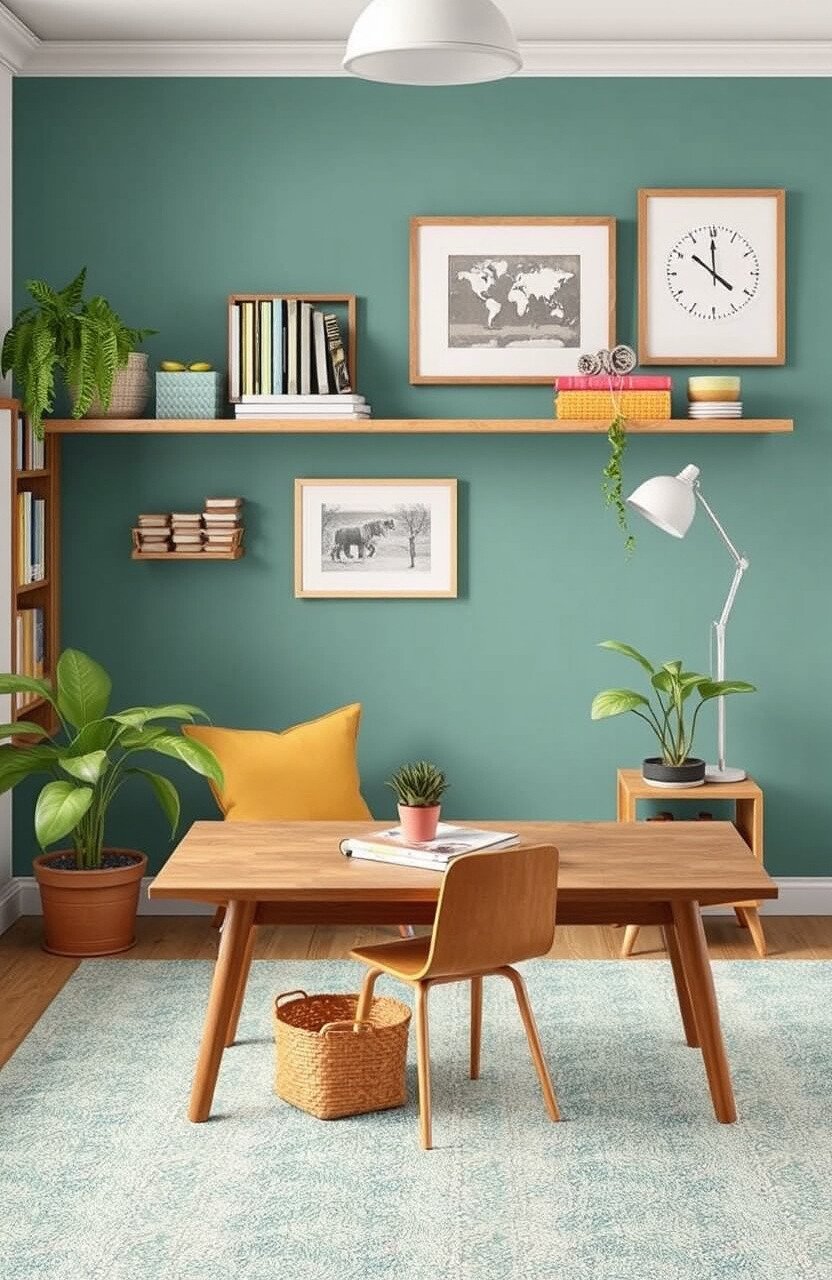
A stale learning environment can dampen enthusiasm. Regular updates keep the space exciting and inspiring.
Change up decorations or rearrange furniture for a fresh feel. This keeps the room dynamic and engaging.
Involve your child in updating the space to reflect their evolving tastes. This personalizes the area and keeps it relevant.
Refreshing a space doesn’t have to be expensive. Small changes can have a big impact on the overall vibe.
32. Neglecting the Role of Curiosity
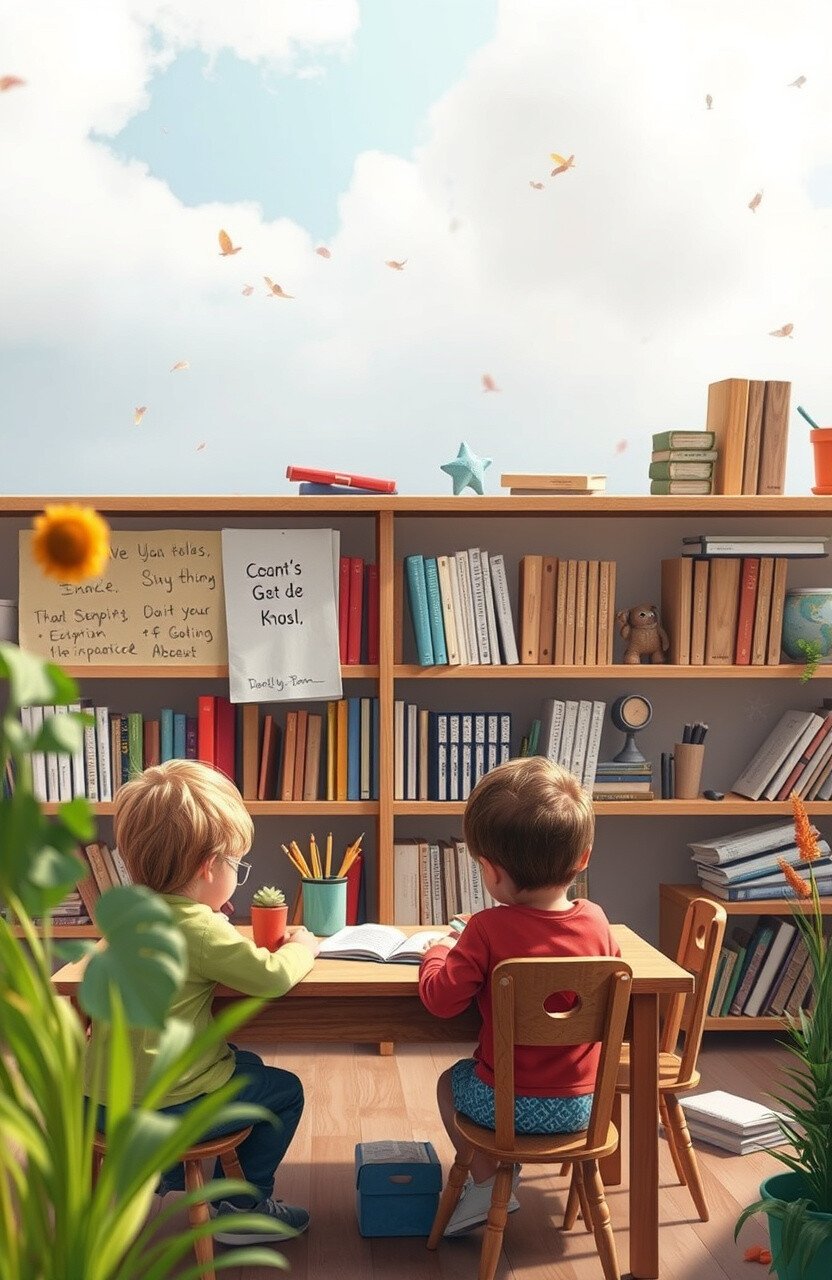
Curiosity is a powerful driver for learning. Without it, lessons might feel forced or uninspiring.
Encourage questions and exploration to foster curiosity. This makes learning more engaging and enjoyable.
Let your child lead investigations or projects that interest them. This personalizes learning and keeps it exciting.
Fostering curiosity is cost-free and incredibly rewarding. It’s all about creating an open and supportive environment.
33. Not Considering Different Learning Styles
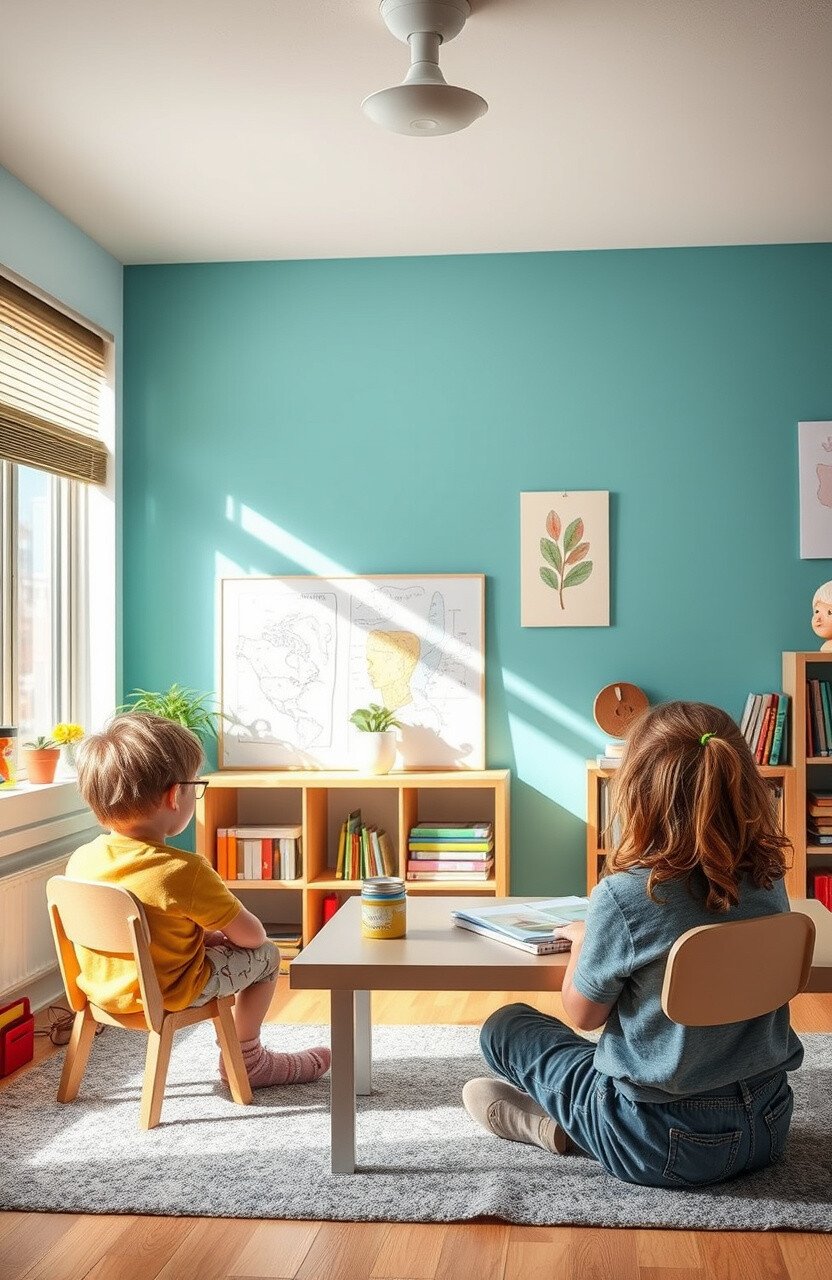
Every child learns differently, and a one-size-fits-all approach may not work. Ignoring this can hinder effective learning.
Incorporate visual, auditory, and kinesthetic activities to cater to different styles. This ensures a more comprehensive learning experience.
Let your child experiment with different methods to see what they enjoy. This personalizes their education and boosts effectiveness.
Adapting to learning styles doesn’t require extra costs. It’s about being mindful and flexible in your teaching approach.
34. Overlooking the Power of Positive Reinforcement

Positive reinforcement encourages effort and progress. Without it, motivation can wane.
Celebrate achievements, big or small, to encourage continued effort. This boosts confidence and fosters a love for learning.
Let your child set and reach personal goals for additional motivation. This personalizes their learning journey and makes it more rewarding.
Positive reinforcement is a cost-free way to enhance learning. It’s all about encouragement and support.
35. Not Incorporating Real-World Connections
Real-world connections make learning relevant and engaging. Without them, concepts might feel abstract or unimportant.
Relate lessons to everyday life or current events to enhance understanding. This keeps learning grounded and practical.
Encourage your child to find connections in their interests or experiences. This personalizes learning and makes it more meaningful.
Incorporating real-world connections is free and effective. It simply requires creativity and observation.
36. Overemphasizing Perfection
Perfection can be a barrier to creativity and risk-taking. Focusing too much on it can stifle learning.
Encourage effort and progress over perfect results. This fosters a growth mindset and resilience.
Celebrate your child’s unique approach and ideas. This personalizes their learning journey and builds confidence.
Shifting focus away from perfection is cost-free. It’s about valuing process and effort over outcomes.
37. Ignoring the Value of Collaboration

Collaboration fosters communication and teamwork skills. Learning in isolation can limit social development.
Encourage group activities or projects to build collaboration skills. This makes learning more dynamic and interactive.
Let your child work with peers or family members for a personal touch. This makes the process more enjoyable and meaningful.
Collaboration doesn’t have to cost anything. It’s about fostering an environment of cooperation and support.
38. Not Utilizing Online Resources

Online resources can offer a wealth of information and activities. Relying solely on physical materials might limit options.
Explore educational websites, videos, and games for diverse learning experiences. This enriches the curriculum and keeps it engaging.
Let your child choose online resources that interest them. This personalizes learning and makes it more exciting.
Many online resources are free or low-cost. They provide an accessible way to expand learning opportunities.
39. Overlooking the Importance of Feedback
Feedback helps guide improvement and growth. Without it, progress might stall or be misdirected.
Provide constructive and supportive feedback regularly. This encourages development and boosts confidence.
Encourage your child to reflect on feedback and set goals. This personalizes their learning journey and makes it more effective.
Offering feedback doesn’t cost anything but is invaluable. It’s about communication and support.
40. Not Setting Realistic Expectations

Setting realistic expectations helps maintain motivation and progress. Unrealistic goals can lead to frustration and disappointment.
Work with your child to set achievable and meaningful goals. This encourages success and boosts self-esteem.
Personalize expectations to match your child’s abilities and interests. This makes learning more enjoyable and relevant.
Setting realistic expectations is cost-free and beneficial. It’s about understanding and supporting your child’s unique journey.
41. Not Valuing Play as a Learning Tool

Play is a powerful tool for learning and creativity. Dismissing it can limit exploration and joy.
Incorporate play-based activities to enhance learning and engagement. This makes the experience more enjoyable and effective.
Let your child choose games or activities they love. This personalizes their learning and makes it more relevant.
Many play-based activities can be done at no cost. It’s about creativity and having fun while learning.
42. Overlooking the Power of Storytelling

Storytelling can make concepts more relatable and memorable. Without it, lessons might feel dry or disconnected.
Use stories to illustrate ideas and engage your child’s imagination. This enhances understanding and enjoyment.
Encourage your child to create and share their own stories. This personalizes their learning and makes it more meaningful.
Storytelling is a free and effective teaching tool. It’s about creativity and connection.
43. Not Encouraging Questions

Questions are the gateway to deeper understanding. Without them, learning might remain superficial.
Encourage your child to ask questions and explore answers. This fosters curiosity and critical thinking.
Let your child lead discussions or investigations based on their questions. This personalizes their learning journey and makes it more engaging.
Encouraging questions is cost-free and invaluable. It’s about creating an open and supportive environment.
44. Ignoring the Importance of a Balanced Schedule

A balanced schedule helps maintain energy and focus throughout the day. Without it, burnout or boredom might occur.
Incorporate a mix of activities and breaks for a well-rounded day. This keeps learning dynamic and enjoyable.
Let your child have input in creating the schedule for a personal touch. This ensures it’s both effective and engaging.
Creating a balanced schedule doesn’t cost anything. It’s about time management and consideration.
45. Overemphasizing Structure

Too much structure can stifle creativity and spontaneity. A rigid schedule might not suit every child’s learning style.
Allow for flexibility and exploration within the routine. This keeps learning fresh and exciting.
Let your child have some control over their day for personalization. This makes the experience more enjoyable and meaningful.
Balancing structure and flexibility is cost-free. It’s about adapting to your child’s needs and preferences.
46. Not Incorporating Hands-On Activities

Hands-on activities make learning tangible and engaging. Without them, lessons might feel abstract and dull.
Incorporate experiments, crafts, and projects to enhance understanding. This makes learning more interactive and fun.
Let your child choose activities that interest them. This personalizes the experience and boosts engagement.
Many hands-on activities can be done with items you already own. It’s a cost-effective way to enrich learning.
47. Overlooking the Importance of a Clean Space
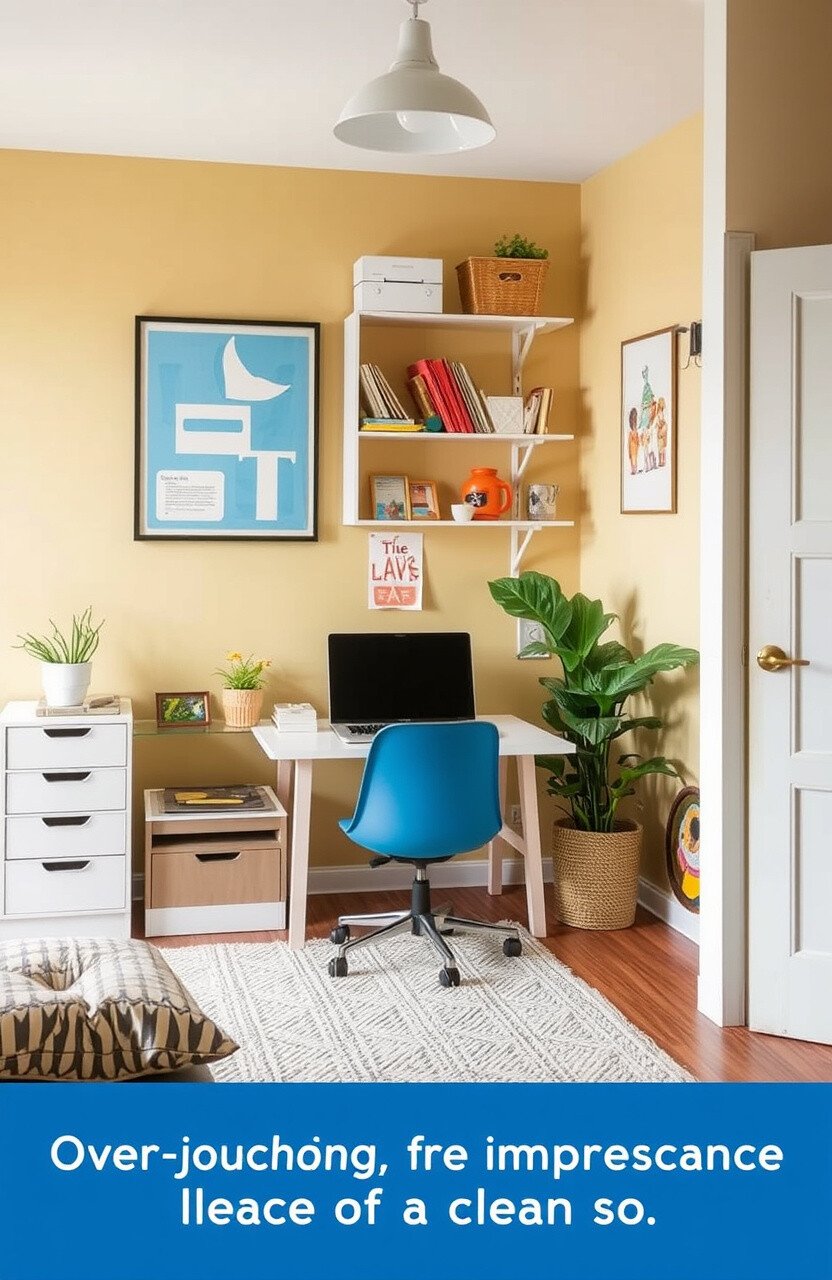
A clean space promotes focus and productivity. A messy environment can be distracting and stressful.
Regularly tidy up the learning area to maintain a pleasant atmosphere. This makes it more inviting and functional.
Involve your child in the cleaning process for a personal touch. This teaches responsibility and ownership.
Keeping a space clean is cost-free and essential. It’s about consistency and teamwork.
48. Not Encouraging a Growth Mindset
A growth mindset fosters resilience and a love for learning. Without it, challenges might seem insurmountable.
Encourage effort and perseverance over innate ability. This builds confidence and motivation.
Let your child set and achieve their own goals for personalization. This makes their learning journey more meaningful.
Fostering a growth mindset is cost-free and invaluable. It’s about encouragement and support.
49. Ignoring the Benefits of Routine

A routine provides structure and predictability. Without it, the day might feel chaotic or unproductive.
Create a consistent schedule that works for your family. This helps set expectations and maintain focus.
Involve your child in creating the routine for a personal touch. This ensures it’s both effective and engaging.
Establishing a routine doesn’t cost anything. It’s about time management and consistency.
50. Not Allowing for Mistakes
Mistakes are valuable learning opportunities. Without them, growth and exploration might be limited.
Encourage a supportive environment where mistakes are seen as part of the process. This fosters resilience and creativity.
Celebrate your child’s unique approach and ideas. This personalizes their learning journey and builds confidence.
Allowing for mistakes is cost-free and essential. It’s about valuing process and effort over perfection.
51. Overlooking the Value of Rest

Rest is crucial for a healthy mind and body. Without it, learning and focus can suffer.
Ensure your child gets enough sleep and downtime. This helps maintain energy and well-being.
Let your child have input on their rest schedule for a personal touch. This ensures it’s both effective and comfortable.
Prioritizing rest is cost-free and invaluable. It’s about balance and care.