
The world of homeschooling opens up endless possibilities for creativity and learning. Imagine a space where education and play blend seamlessly, creating an environment that sparks curiosity and joy. Here’s a collection of ideas that might just inspire you to create a magical learning nook.
1. Cozy Reading Nook
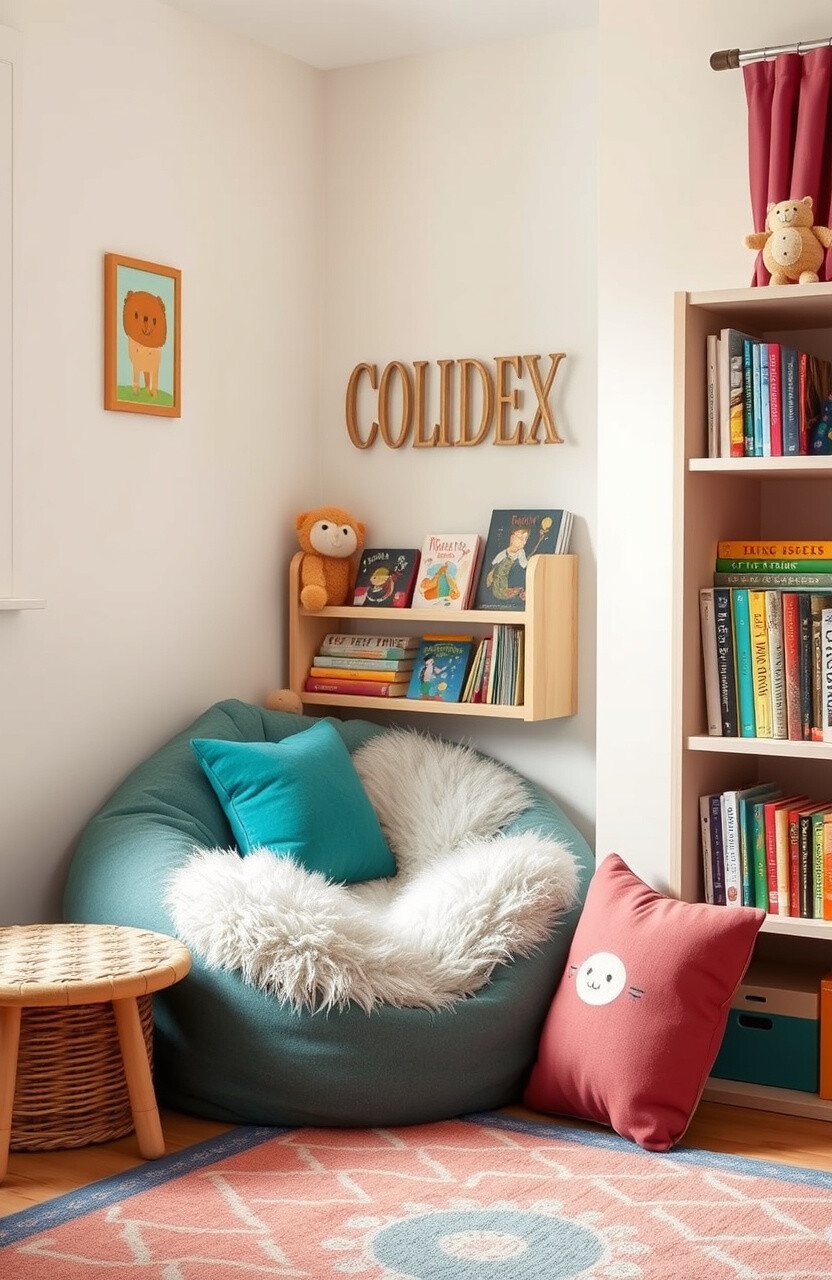
Picture a small corner with a beanbag, some fluffy cushions, and a shelf of colorful books. It’s a cozy reading nook waiting to be discovered.
This setup invites kids to snuggle up with their favorite stories, making reading time feel like a treat. It’s a space that encourages imagination and relaxation.
Choose soft lighting and add a small rug for extra comfort. Personalize it with your child’s favorite book characters or themes.
You can create this magical corner with a modest budget, especially if you repurpose items from around the house.
2. Nature-Inspired Study Area
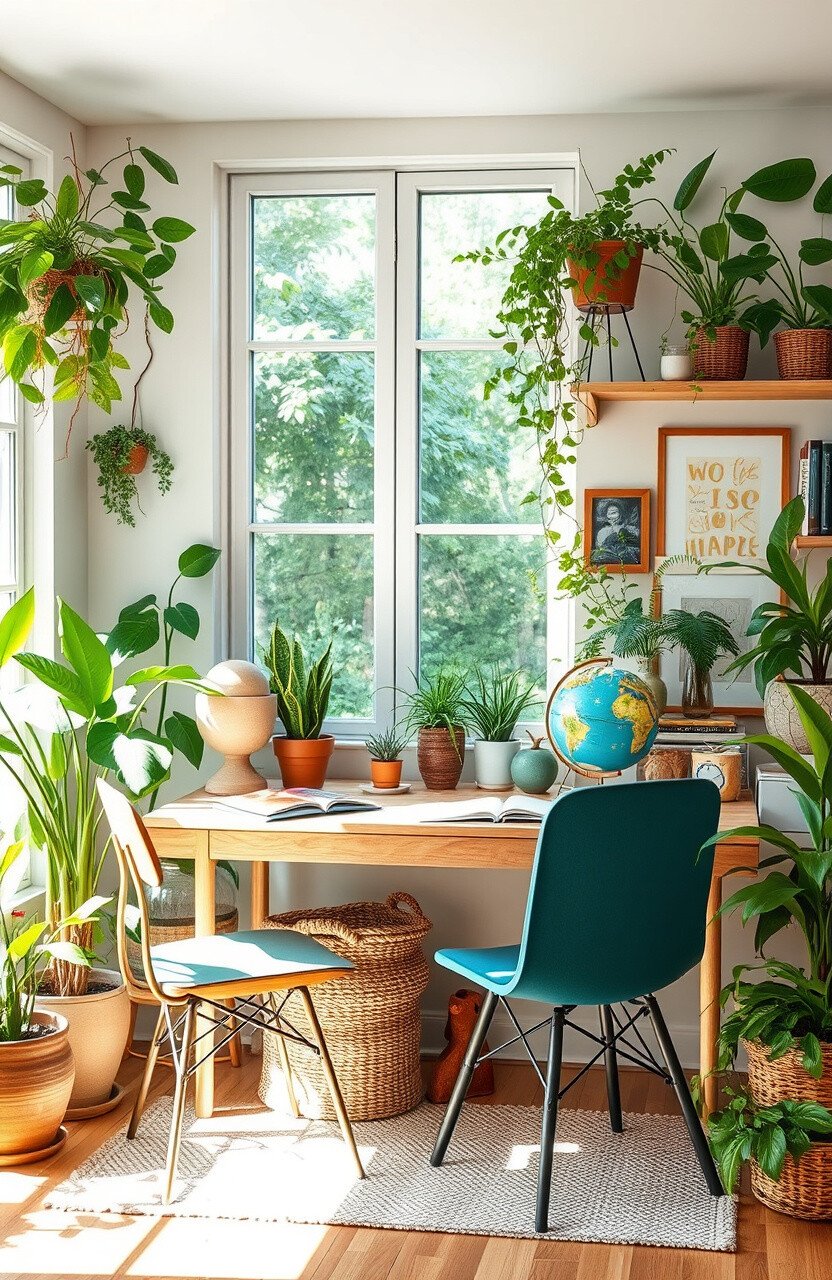
Bring the outdoors in with a nature-inspired study area filled with plants and natural light. It feels like a breath of fresh air.
This setup encourages a peaceful and focused atmosphere, ideal for studying and creativity. It’s also a gentle reminder of the beauty of nature.
Incorporate elements like a wooden desk, a globe, or even a small indoor fountain. Personal touches like nature-themed art make it unique.
Plants can be affordable, and thrift stores often have great deals on wooden furniture, making this setup budget-friendly.
3. Interactive Wall Art

Transform a plain wall into an interactive canvas with chalkboard paint or whiteboard stickers. It’s like having an art studio at home.
This encourages creative expression and makes learning fun and engaging. Kids can solve math problems or create masterpieces anytime.
Use colorful chalk or markers to add vibrancy. Personalize with magnets or clips for displaying artwork or achievements.
Chalkboard paint and whiteboard stickers are affordable and available at most home improvement stores, making this an easy update.
4. Sensory Play Station
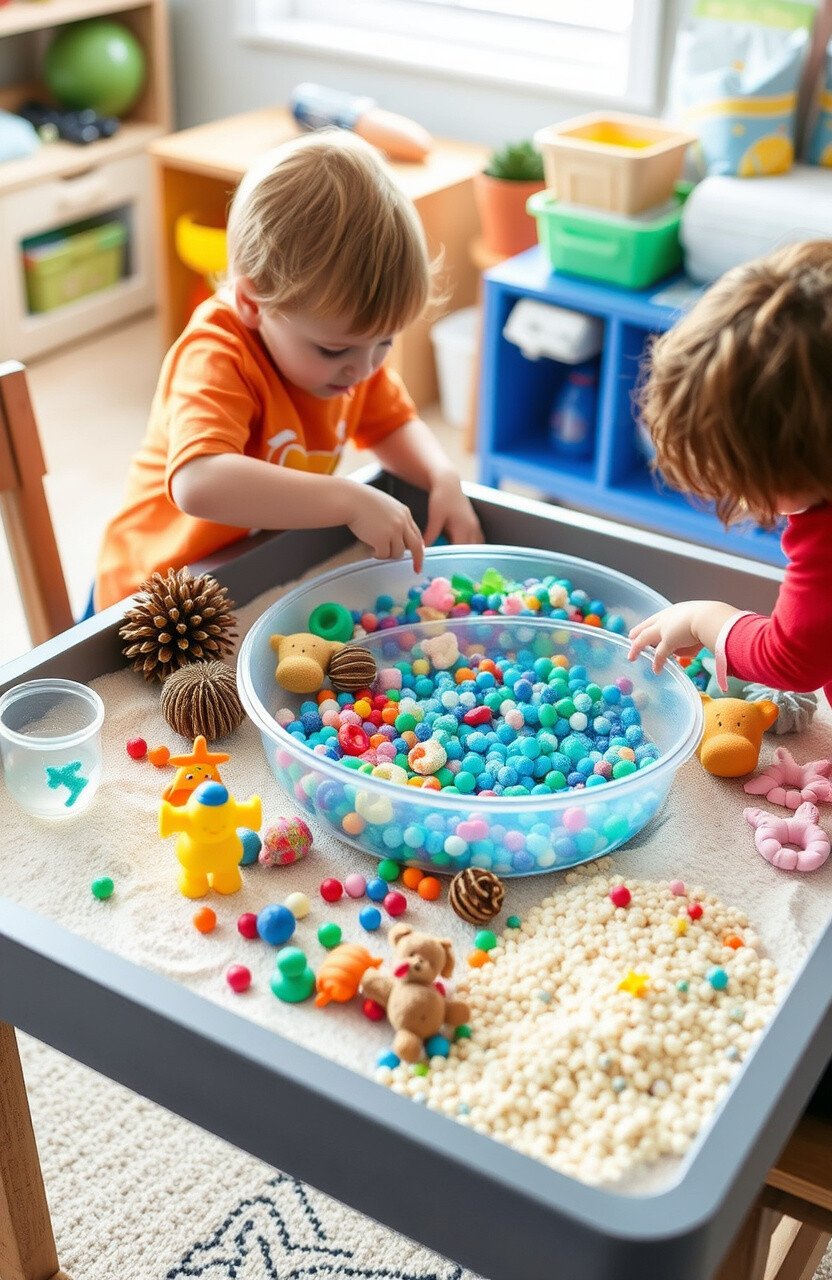
Imagine a table filled with kinetic sand, water beads, and textured toys. It’s a sensory play station that invites exploration.
This setup supports sensory development and can be calming for kids. It’s a hands-on way to learn about textures and materials.
Rotate sensory materials to keep things fresh and exciting. Personalize with containers or trays that match your play area theme.
Many sensory materials are inexpensive and reusable, making this a cost-effective addition to your homeschool space.
5. Art Corner with Easel

An art corner with an easel, paints, and brushes is a dream come true for budding artists. It’s a space where creativity takes center stage.
This setup encourages artistic expression and can be a soothing activity. Kids can explore different mediums and techniques.
Personalize with aprons and a drying line for completed artwork. Consider adding a small gallery wall to display creations.
Look for deals on art supplies or repurpose existing items. A simple easel can be a game-changer in the art corner.
6. STEM Exploration Table
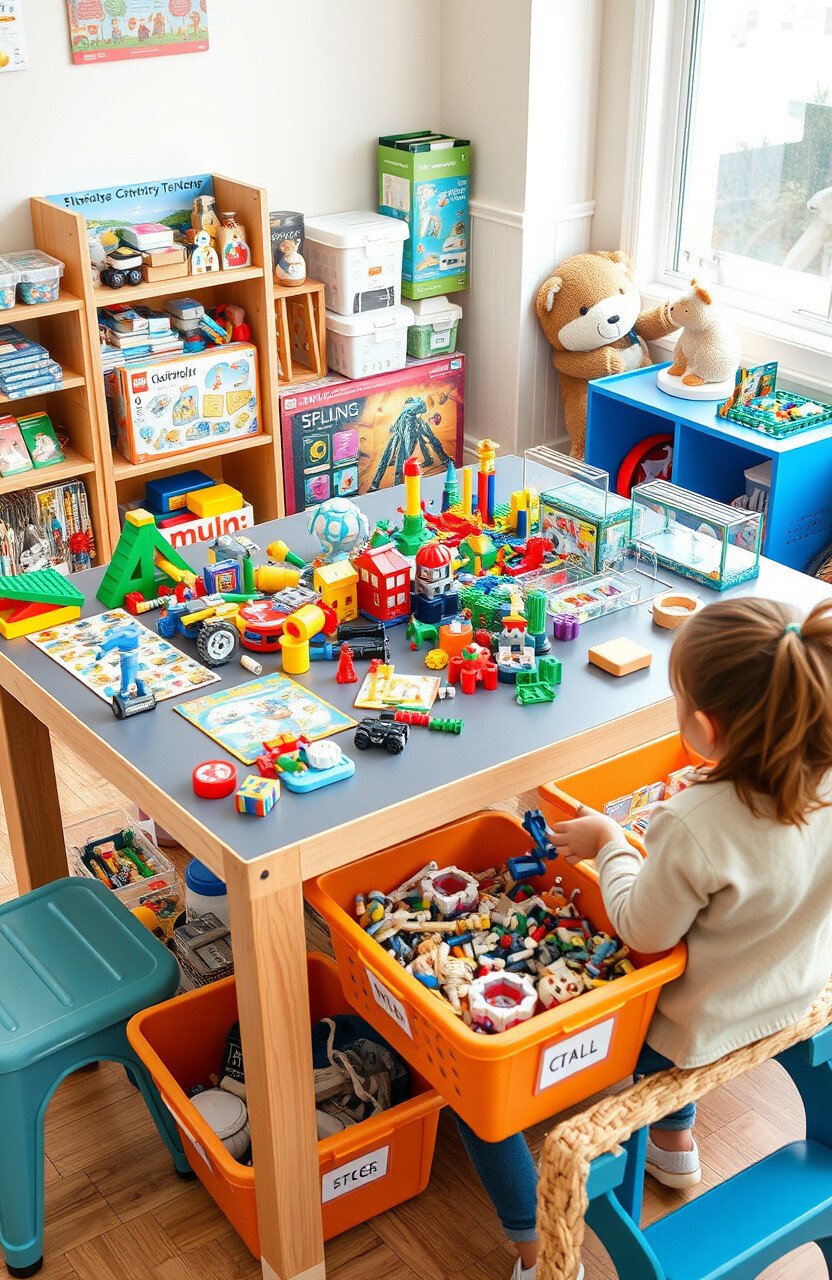
Imagine a table filled with building blocks, science kits, and puzzles. It’s a STEM exploration table brimming with possibilities.
This setup fosters critical thinking and problem-solving skills. Kids can build, experiment, and discover new concepts.
Rotate materials to cover different STEM topics. Personalize with storage bins labeled for easy access and organization.
Many STEM materials can be found at reasonable prices, and rotating resources keeps the cost manageable over time.
7. Quiet Meditation Zone
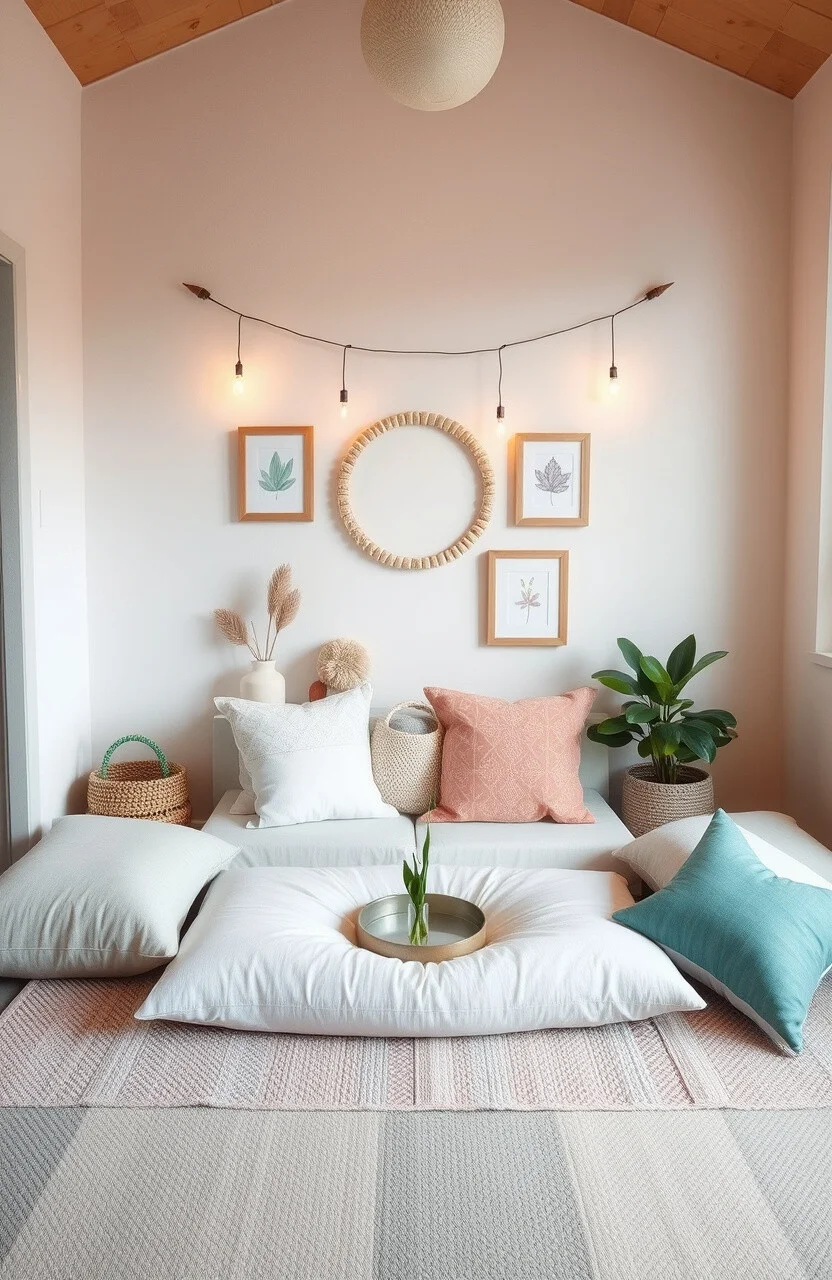
A quiet meditation zone with soft cushions and calming decor is a serene escape. It’s a place to unwind and find inner peace.
This setup promotes mindfulness and relaxation, which can enhance focus and emotional well-being. It’s a peaceful retreat.
Consider adding a small water feature or nature sounds for ambiance. Personalize with your child’s favorite calming colors or themes.
Cushions and decor can be budget-friendly, especially when using items you already have at home to create this tranquil space.
8. Music and Rhythm Area
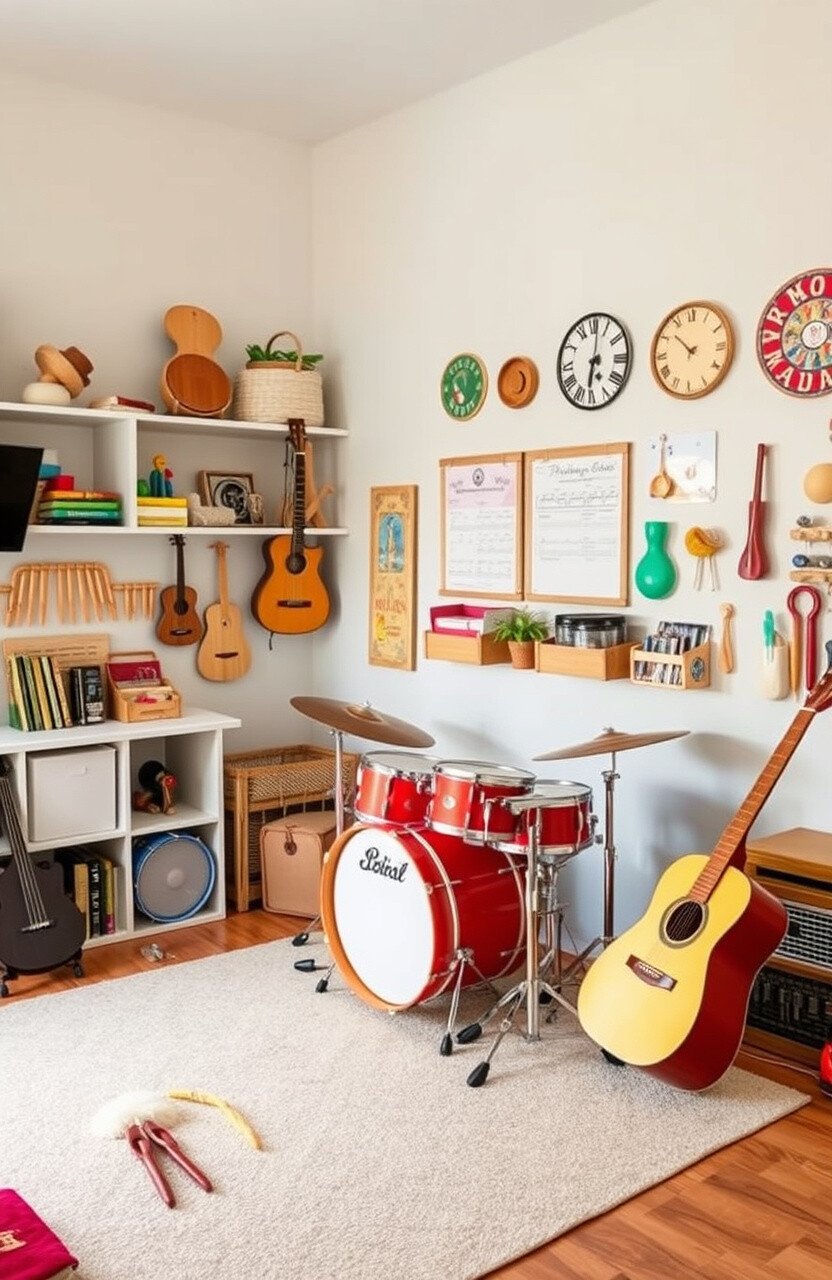
Imagine an area with musical instruments and rhythm tools. It’s a music and rhythm area for budding musicians.
This setup encourages musical exploration and creativity. Kids can express themselves through sound and movement.
Include a variety of instruments and rotate them regularly. Personalize with music-themed decor or a playlist of favorite tunes.
Instruments can be purchased affordably or even crafted from household items, making this a budget-friendly music zone.
9. Language Learning Station
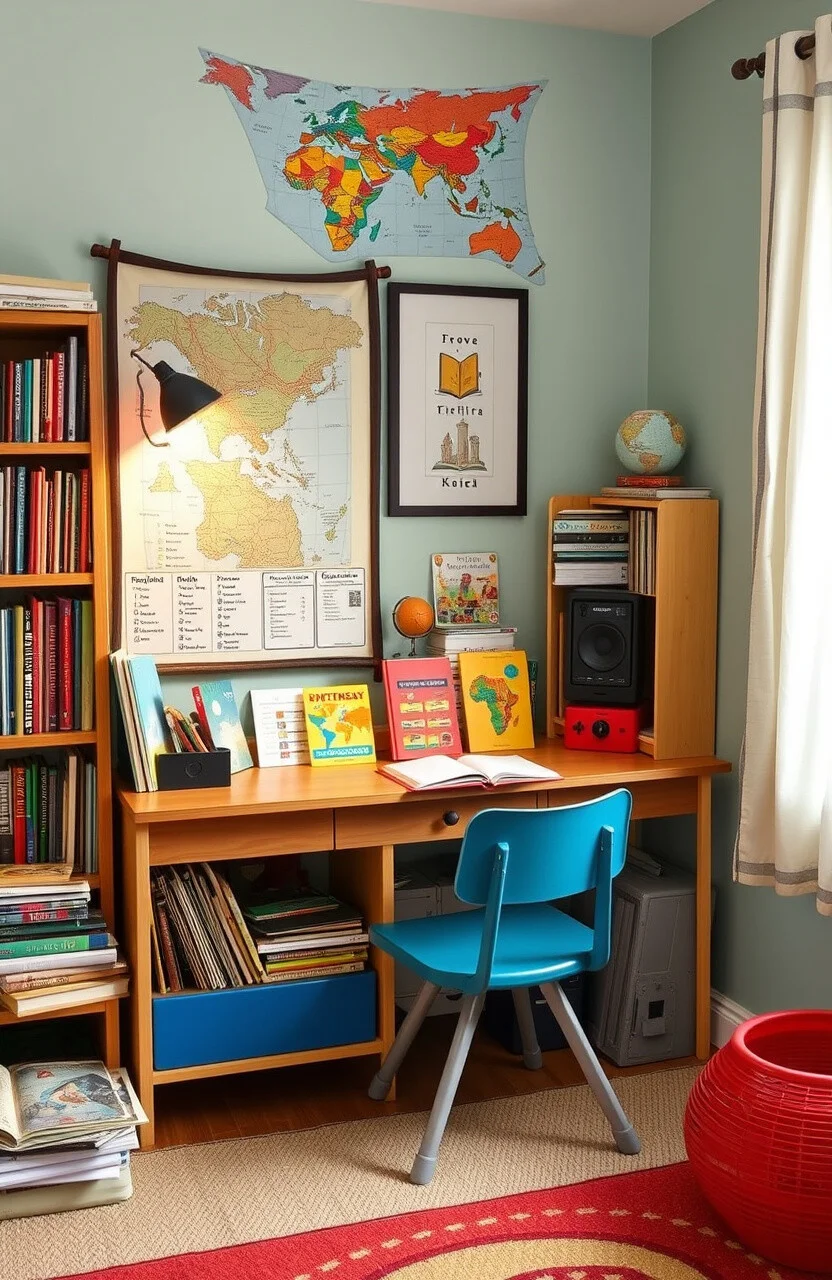
A language learning station with flashcards, books, and audio resources is a portal to new cultures. It’s a space for language adventures.
This setup supports language development and broadens cultural understanding. Kids can practice vocabulary and pronunciation.
Incorporate language games or apps for interactive learning. Personalize with maps or flags to celebrate different cultures.
Many language resources are available for free or at low cost, making this an accessible and enriching addition to your homeschool.
10. Cozy Blanket Fort
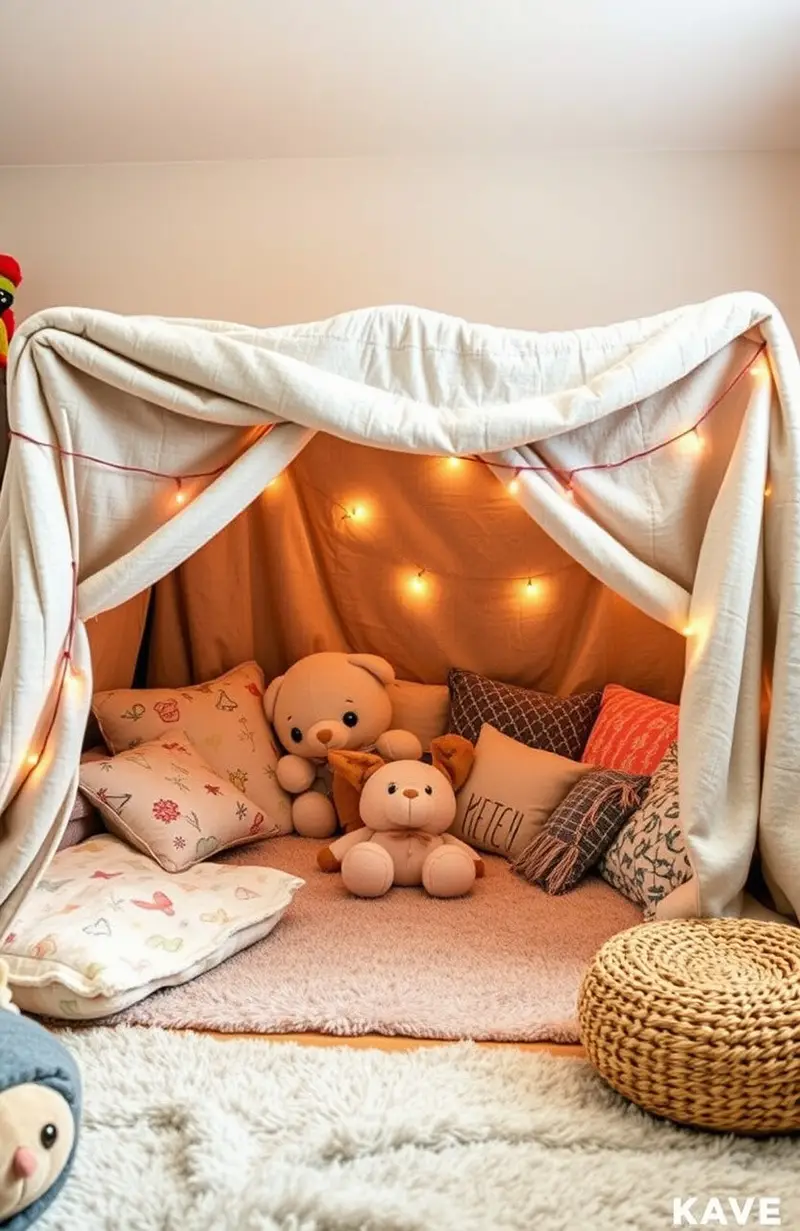
A cozy blanket fort made with blankets and cushions is a magical hideaway. It’s a place for stories and imagination.
This setup fosters creativity and can be a comforting retreat. Kids can enjoy books, games, or quiet time in their personal nook.
Encourage kids to decorate the fort with fairy lights or drawings. Personalize with themed bedding or favorite plush toys.
Blanket forts are easy to create with items you already have at home, making them a fun and cost-free addition to playtime.
11. Math Manipulatives Shelf
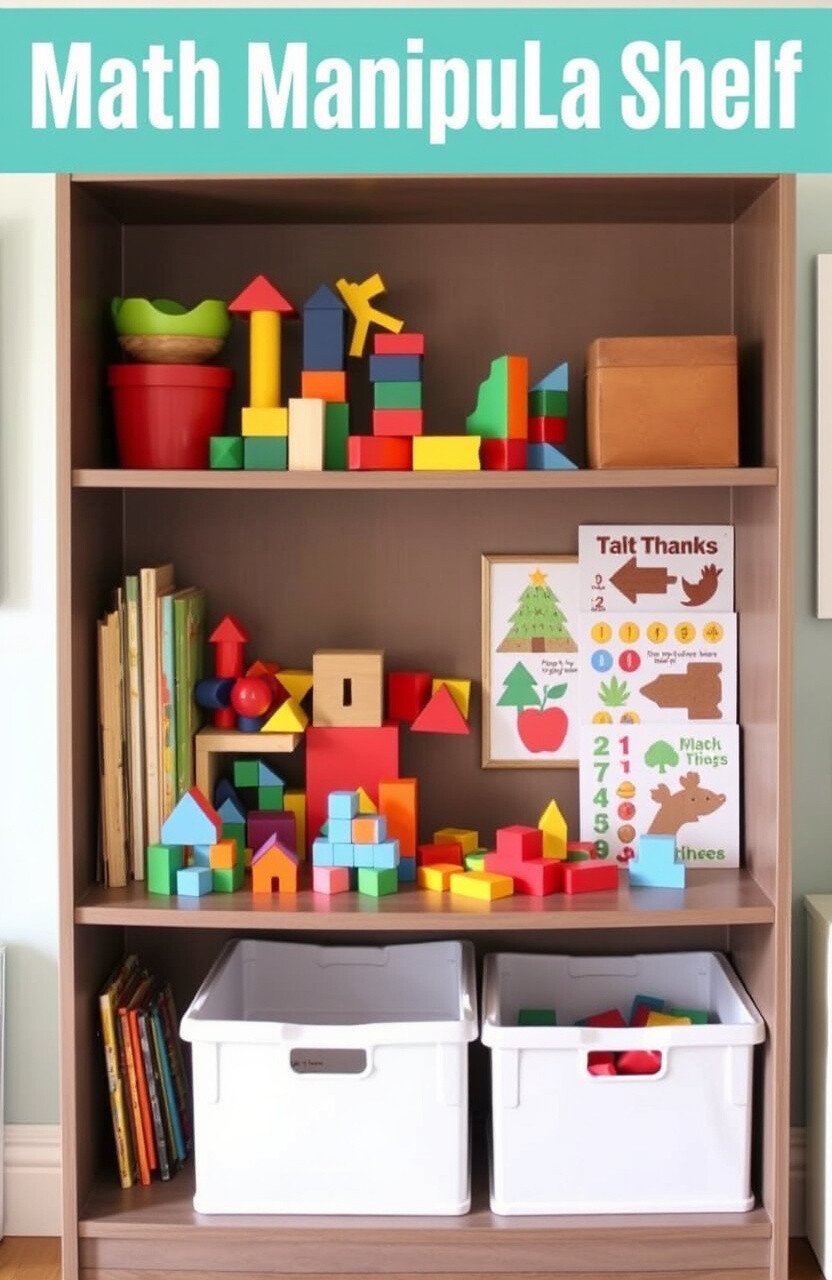
A shelf filled with math manipulatives like counting blocks and shape puzzles is a hands-on math lab. It’s a space for number fun.
This setup enhances math skills through play and exploration. Kids can visualize concepts and solve problems creatively.
Rotate manipulatives to align with learning goals. Personalize with math-themed posters or a chalkboard for equations.
Many manipulatives can be found at low cost, and incorporating everyday items can make this setup even more budget-friendly.
12. Dramatic Play Zone
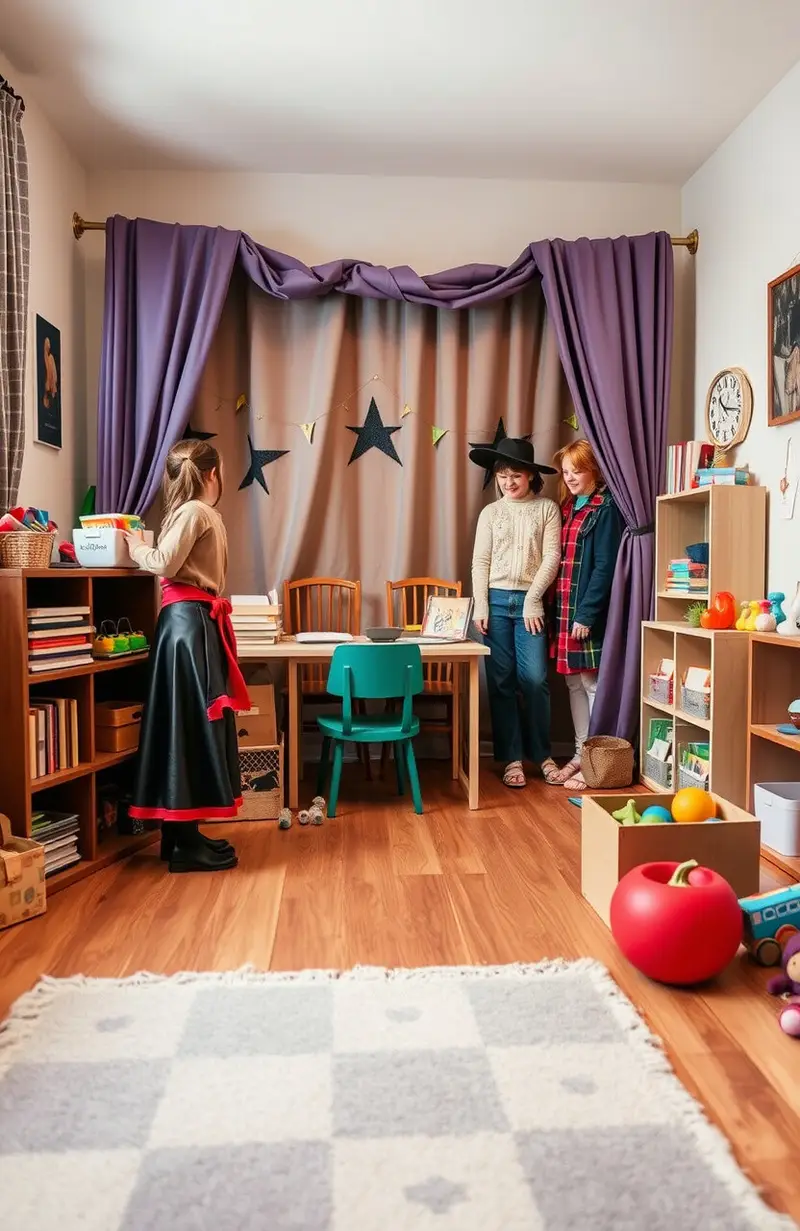
A dramatic play zone with costumes and props is a stage for imagination. It’s a place where stories come to life.
This setup encourages role-playing and social skills. Kids can explore different scenarios and characters through play.
Rotate costumes and props to keep the play fresh. Personalize with a small stage or backdrop for added excitement.
Costumes can be made from old clothes, and props can be crafted, making this a creative and affordable play area.
13. Puzzle and Game Corner
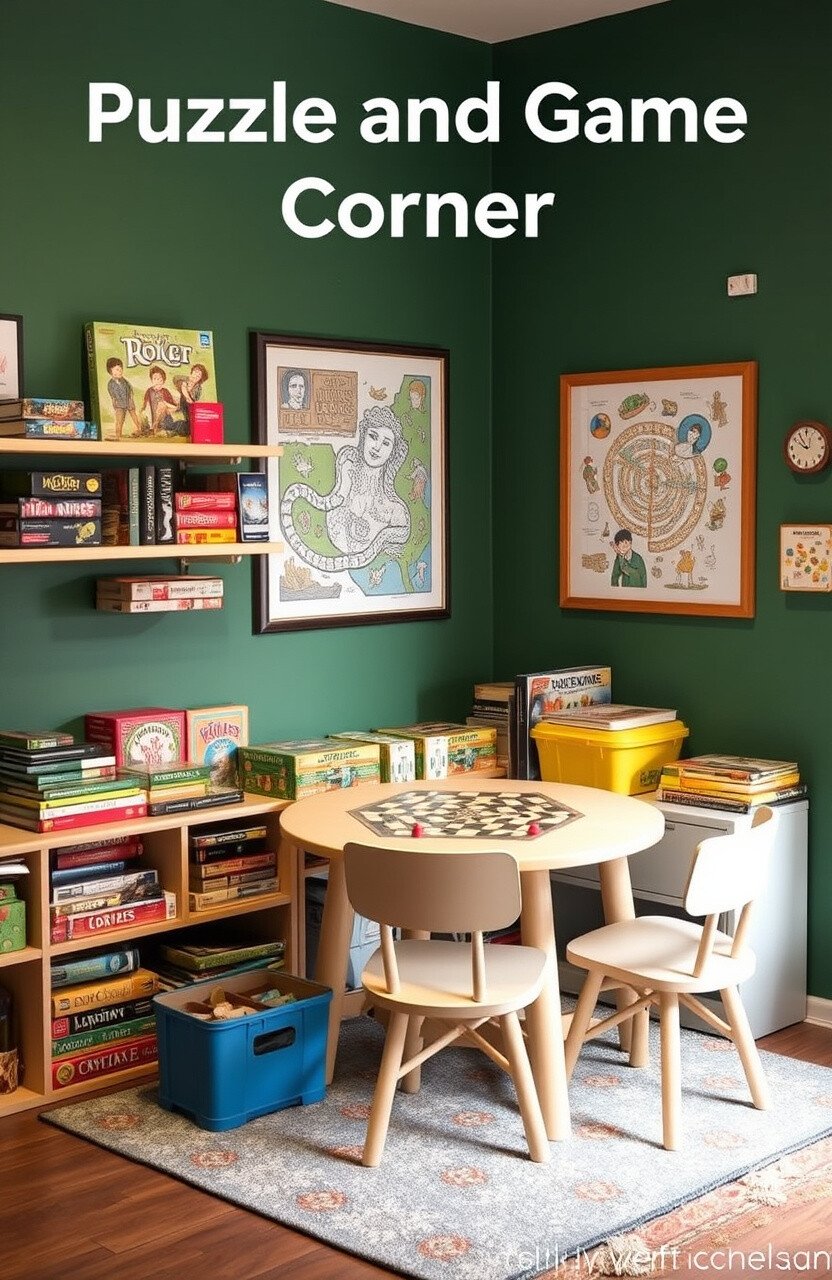
A puzzle and game corner filled with board games and jigsaw puzzles is a hub of family fun. It’s a space for friendly competition.
This setup promotes critical thinking and teamwork. Kids can challenge themselves and enjoy quality time with family.
Rotate games to keep the collection exciting. Personalize with a game table or custom shelves for organization.
Many games and puzzles are available at various price points, allowing you to build a collection that fits your budget.
14. Science Experiment Hub
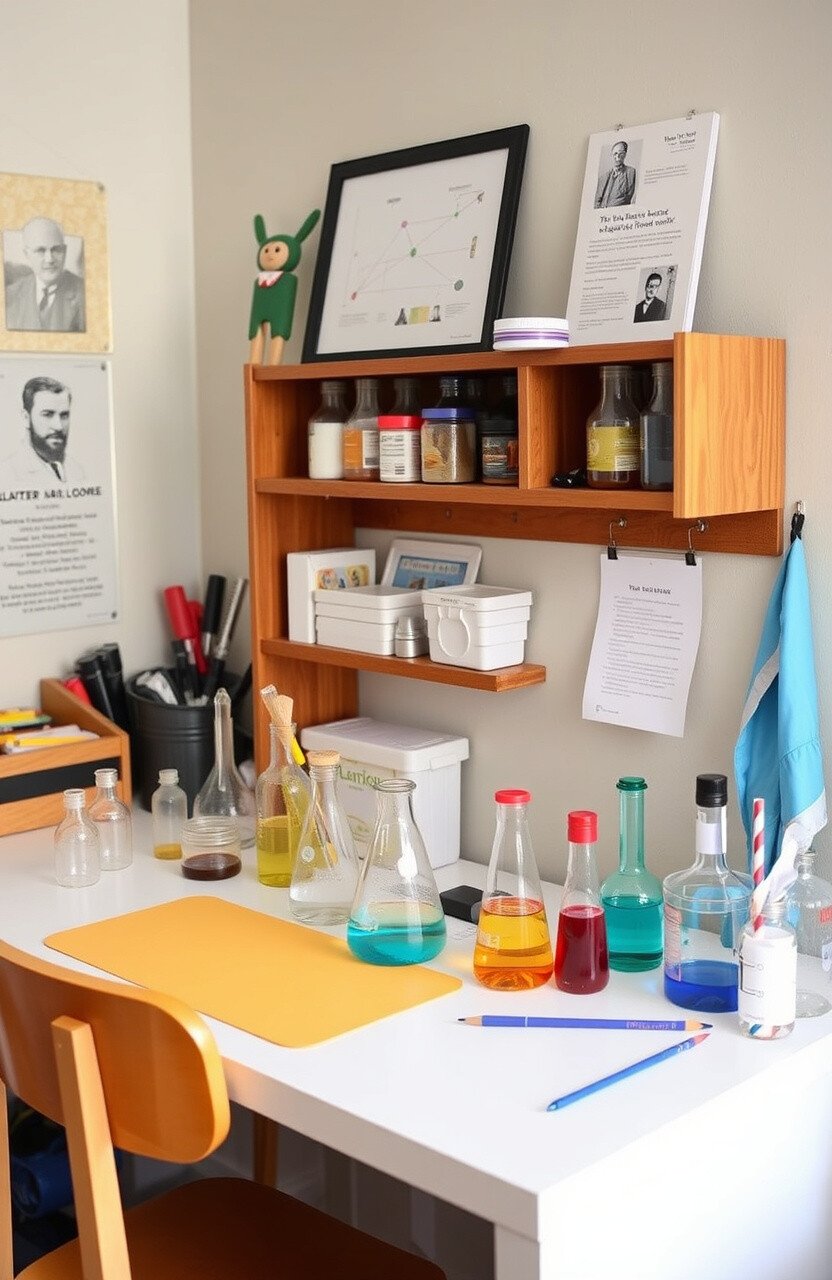
A science experiment hub with test tubes and beakers is a mini-laboratory. It’s a place for discovery and exploration.
This setup nurtures curiosity and scientific thinking. Kids can conduct experiments and learn about the world around them.
Include a lab coat and safety goggles for authenticity. Personalize with posters of famous scientists or science quotes.
Science kits and materials can be found at reasonable prices, and many experiments use common household items.
15. Craft and Creation Desk
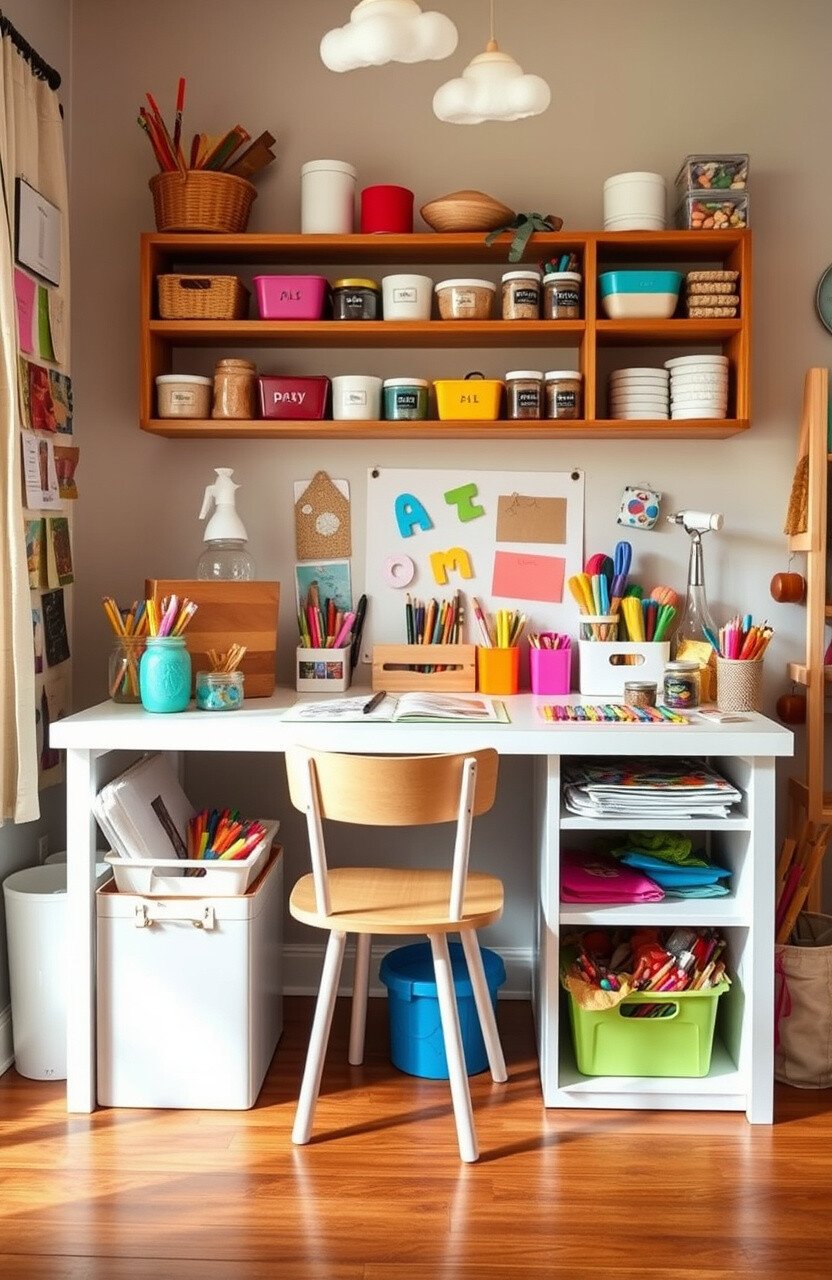
A craft and creation desk with colorful papers and art supplies is an artist’s paradise. It’s a space for endless creativity.
This setup encourages artistic expression and fine motor skills. Kids can craft, draw, and create to their heart’s content.
Organize supplies in jars or bins for easy access. Personalize with creative prompts or a rotating display of finished artwork.
Many craft supplies are inexpensive, and recycling materials can make this setup both economical and eco-friendly.
16. Cozy Writing Nook
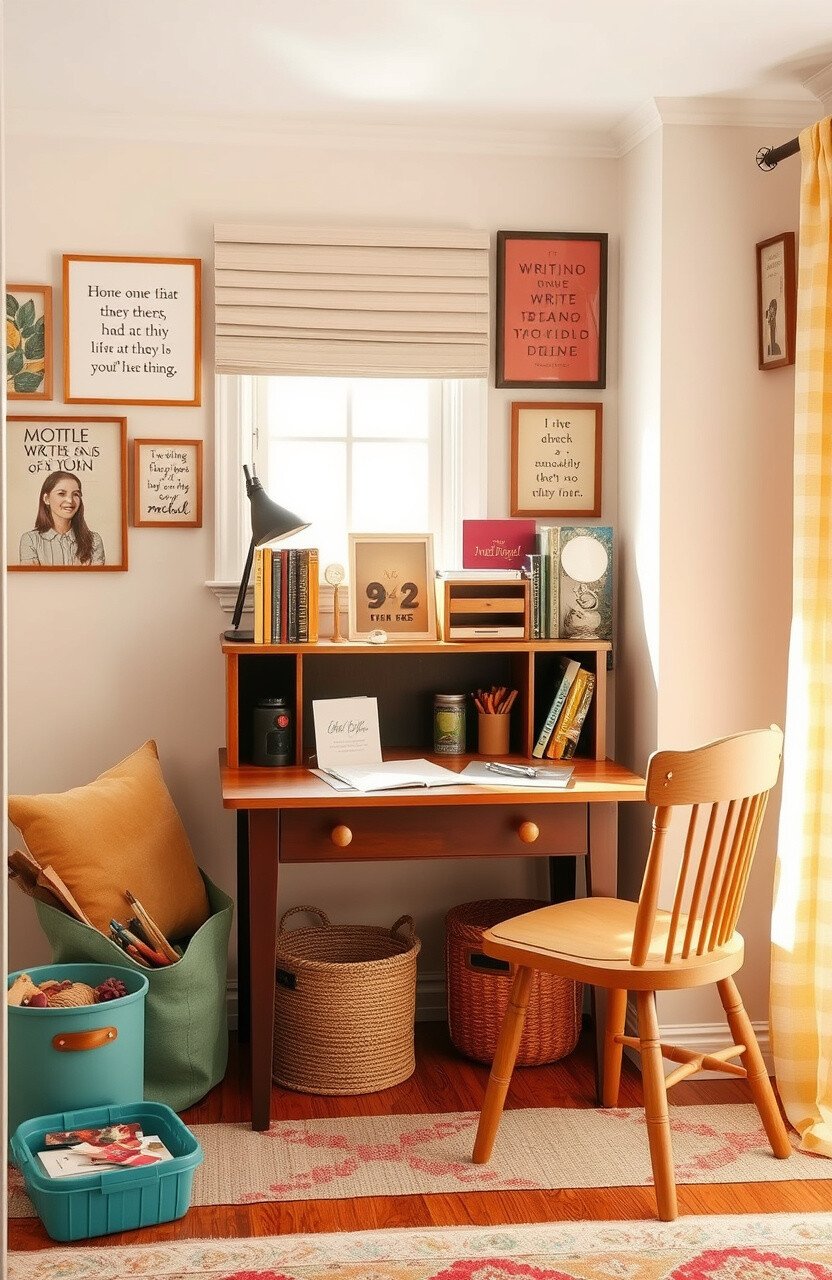
A cozy writing nook with a small desk and stationery is a writer’s dream. It’s a space for capturing stories and ideas.
This setup inspires writing and communication skills. Kids can pen stories, letters, or journals in their special spot.
Decorate with inspiring quotes or a photo of a favorite author. Personalize with unique stationery or a special writing tool.
Creating a writing nook can be affordable by repurposing furniture and using supplies you already have at home.
17. DIY Science Wall
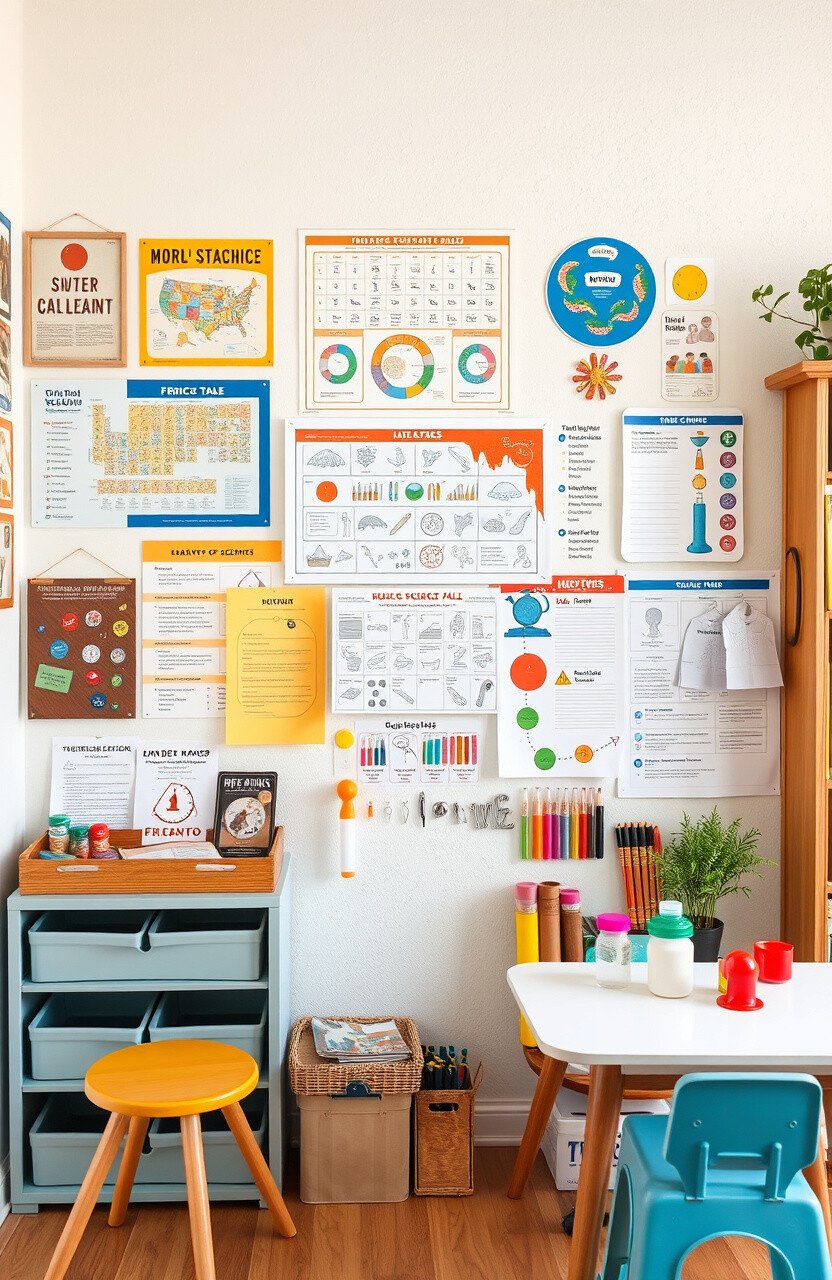
A DIY science wall with posters and interactive elements is a scientific wonder. It’s a space for learning and discovery.
This setup supports scientific exploration and curiosity. Kids can interact with charts, diagrams, and hands-on activities.
Include elements like a periodic table or life cycle models. Personalize with homemade experiments or science-related crafts.
Many resources for a science wall can be printed at home or created with craft supplies, making this a budget-friendly project.
18. Relaxing Reading Hammock
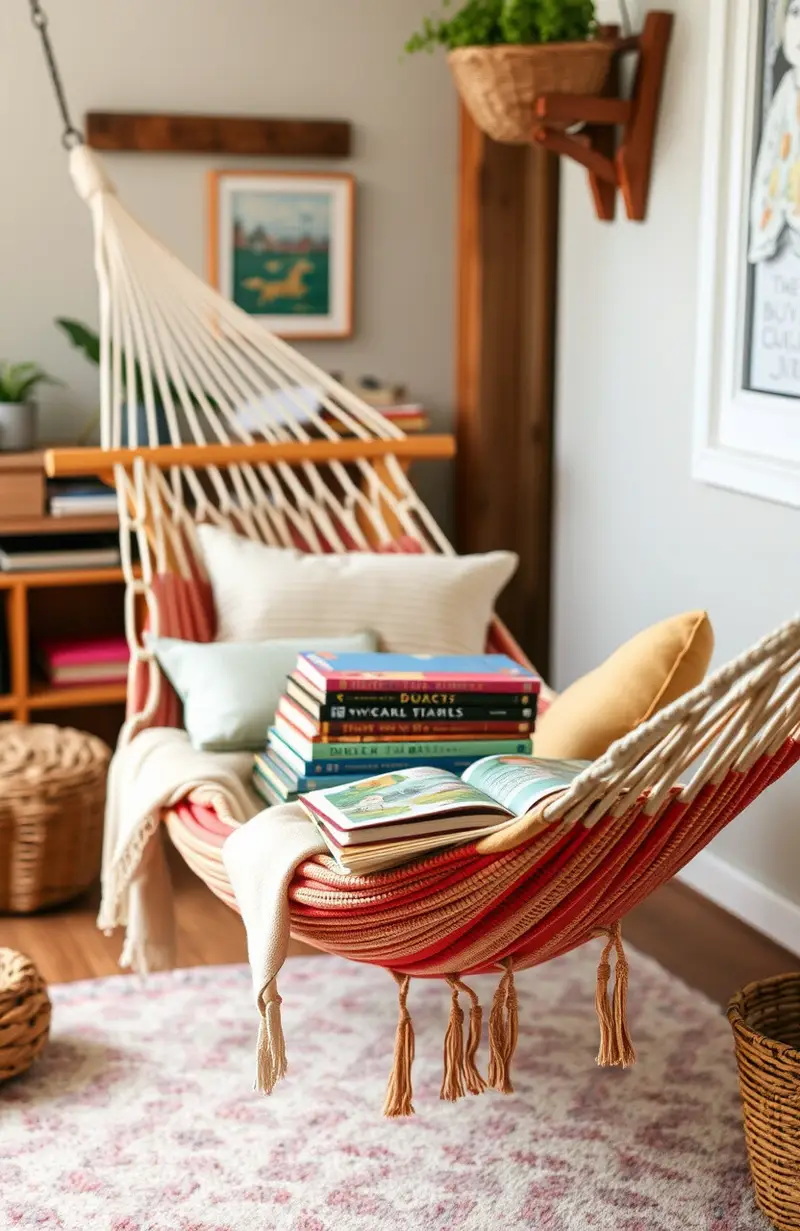
A relaxing reading hammock with a stack of books is a reader’s paradise. It’s a place to swing into stories.
This setup encourages relaxation and reading enjoyment. Kids can find a peaceful escape with their favorite books.
Add a small shelf or basket for book storage. Personalize with cozy blankets or a reading log to track adventures.
Hammocks can be found at various price points, and repurposing an old one can make this setup even more affordable.
19. History Timeline Wall

A history timeline wall with dates and events is a journey through time. It’s a space for exploring the past.
This setup enhances historical understanding and critical thinking. Kids can visualize timelines and connect events.
Include key events, figures, and artifacts for interest. Personalize with photos or drawings related to historical periods.
Creating a history timeline can be low-cost by using printed materials and crafting elements from household items.
20. Garden-Inspired Learning Space
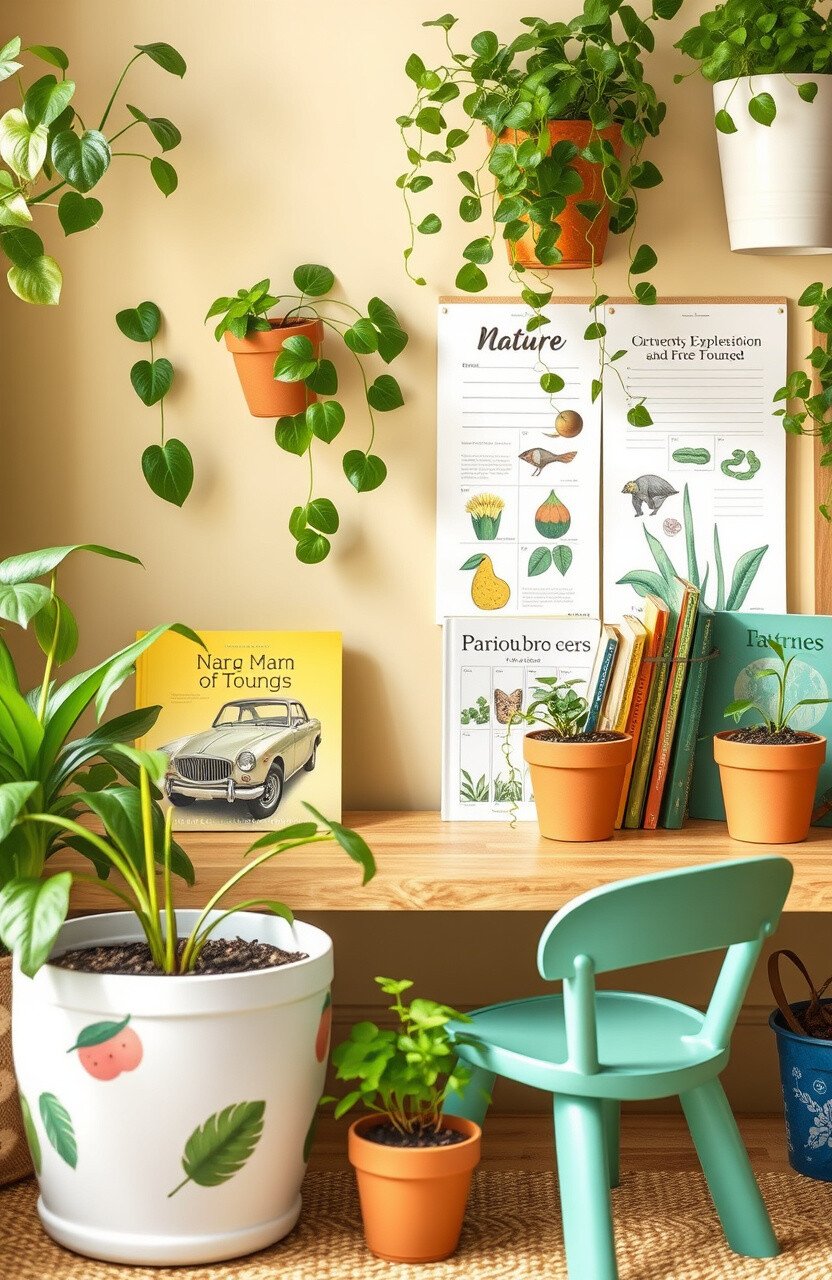
A garden-inspired learning space with plants and nature books is a green oasis. It’s a place for growth and learning.
This setup encourages environmental awareness and curiosity. Kids can learn about plants, ecosystems, and sustainability.
Include a small indoor garden or terrarium. Personalize with nature journals or a calendar to track plant growth.
Plants and gardening supplies can be affordable, and repurposing containers makes this setup budget-friendly.
21. Imaginative Storytelling Stage
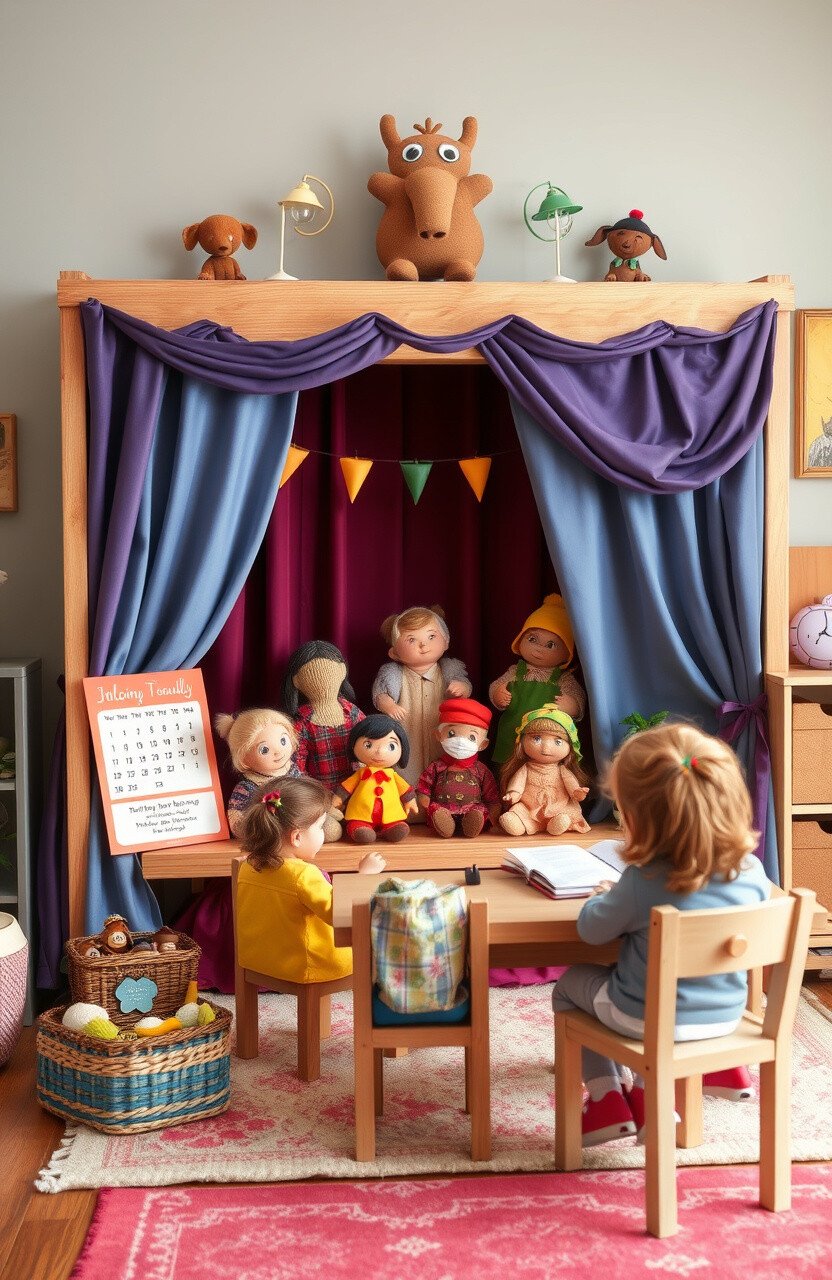
An imaginative storytelling stage with props and puppets is a theater of tales. It’s a place for stories to come to life.
This setup inspires creativity and communication skills. Kids can perform stories and explore different roles.
Include a small stage or curtain for dramatic effect. Personalize with a storytelling schedule or themed costumes.
Props can be crafted or gathered from around the house, making this an economical way to encourage imaginative play.
22. World Map Adventure Wall
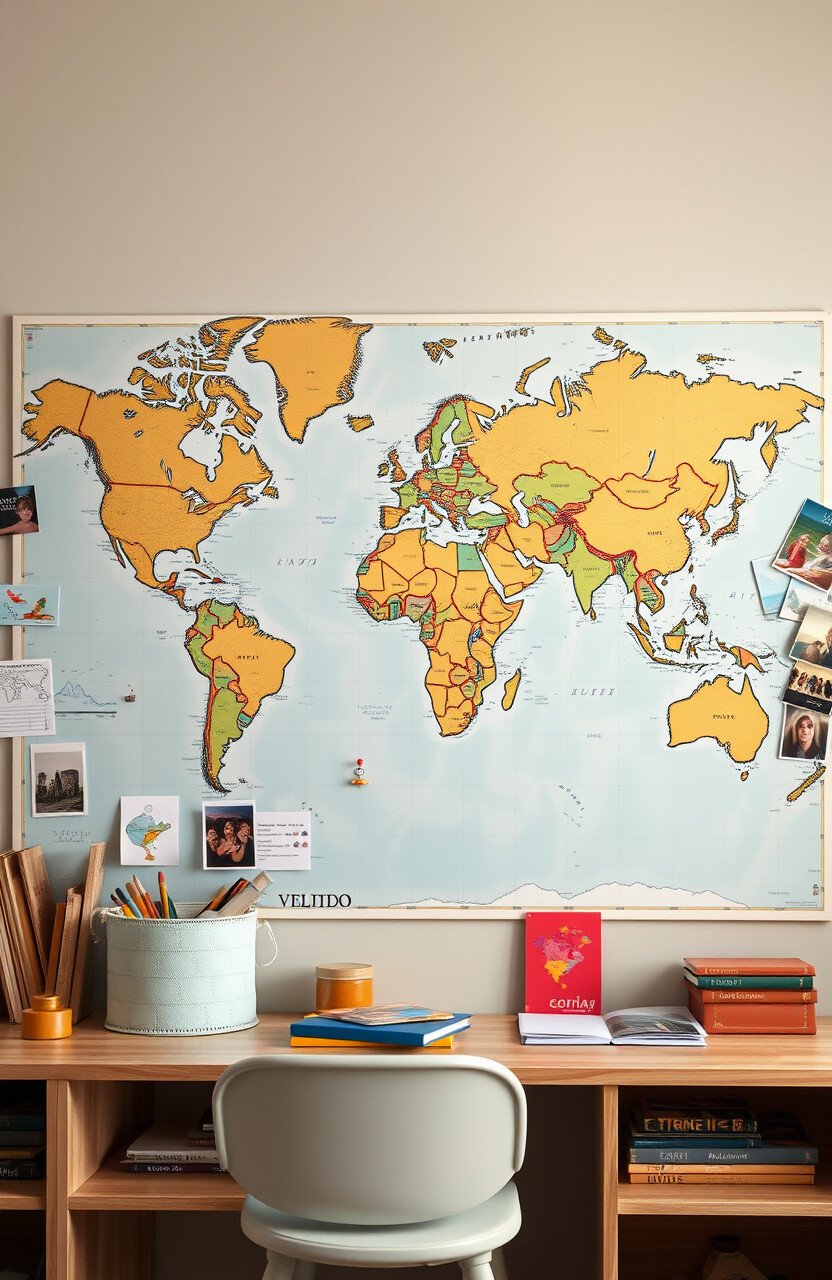
A world map adventure wall with pins and postcards is a global journey. It’s a space for exploring the world.
This setup fosters geographical knowledge and cultural awareness. Kids can learn about countries and landmarks.
Include travel photos or souvenirs for personalization. Personalize with a travel journal or map-themed decor.
Maps and pins are cost-effective, and collecting postcards from friends or family adds a personal touch.
23. Quiet Reflection Tent

A quiet reflection tent with cushions and soft lighting is a sanctuary of peace. It’s a place to unwind and reflect.
This setup promotes mindfulness and emotional well-being. Kids can enjoy quiet time or meditation in their cozy retreat.
Include calming elements like a sound machine or soft music. Personalize with favorite colors or comforting items.
Using an old tent or creating one from sheets makes this setup affordable and easy to assemble.
24. Language and Culture Corner
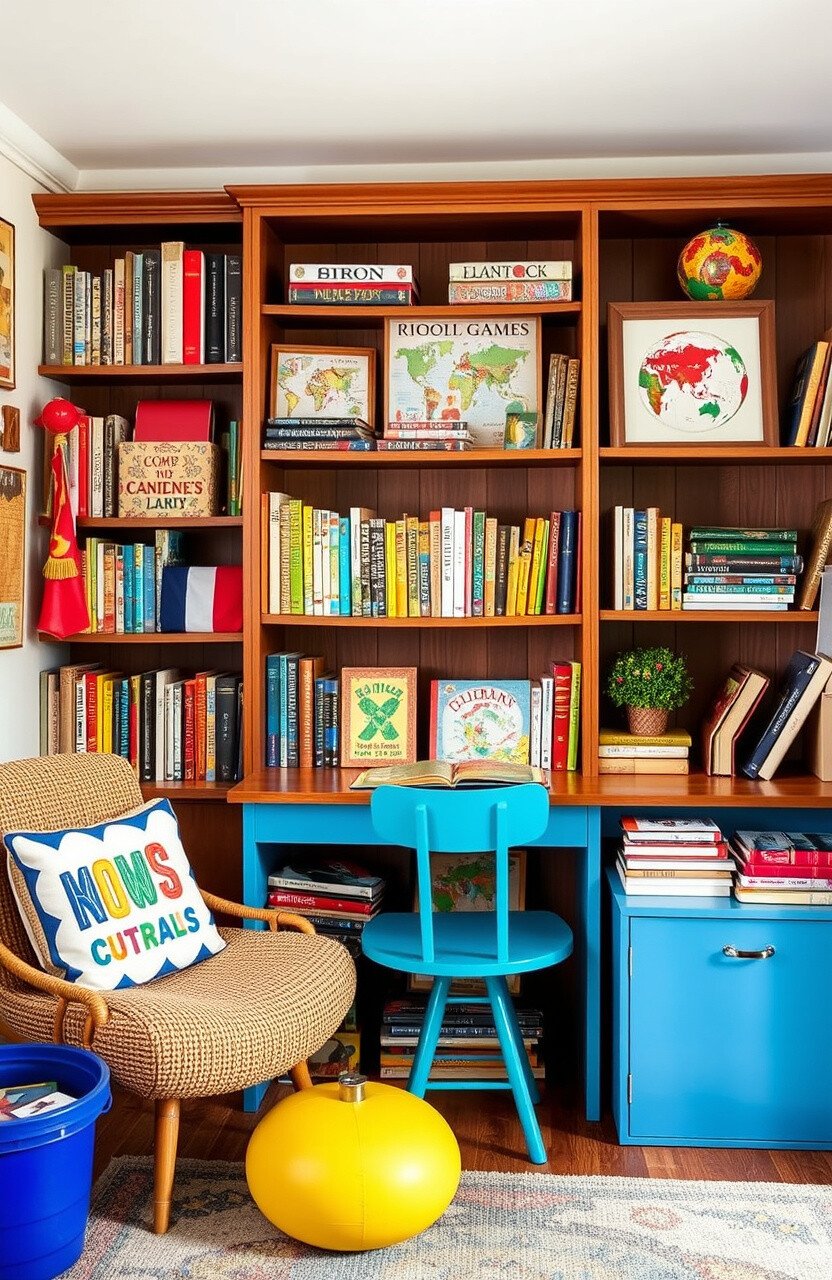
A language and culture corner with books and artifacts is a window to the world. It’s a space for cultural exploration.
This setup encourages language learning and appreciation of diversity. Kids can explore different cultures and traditions.
Include cultural games or crafts for hands-on learning. Personalize with flags or art from different countries.
Books and cultural items can be found at thrift stores or borrowed from libraries, making this an economical choice.
25. Creative Writing Wall
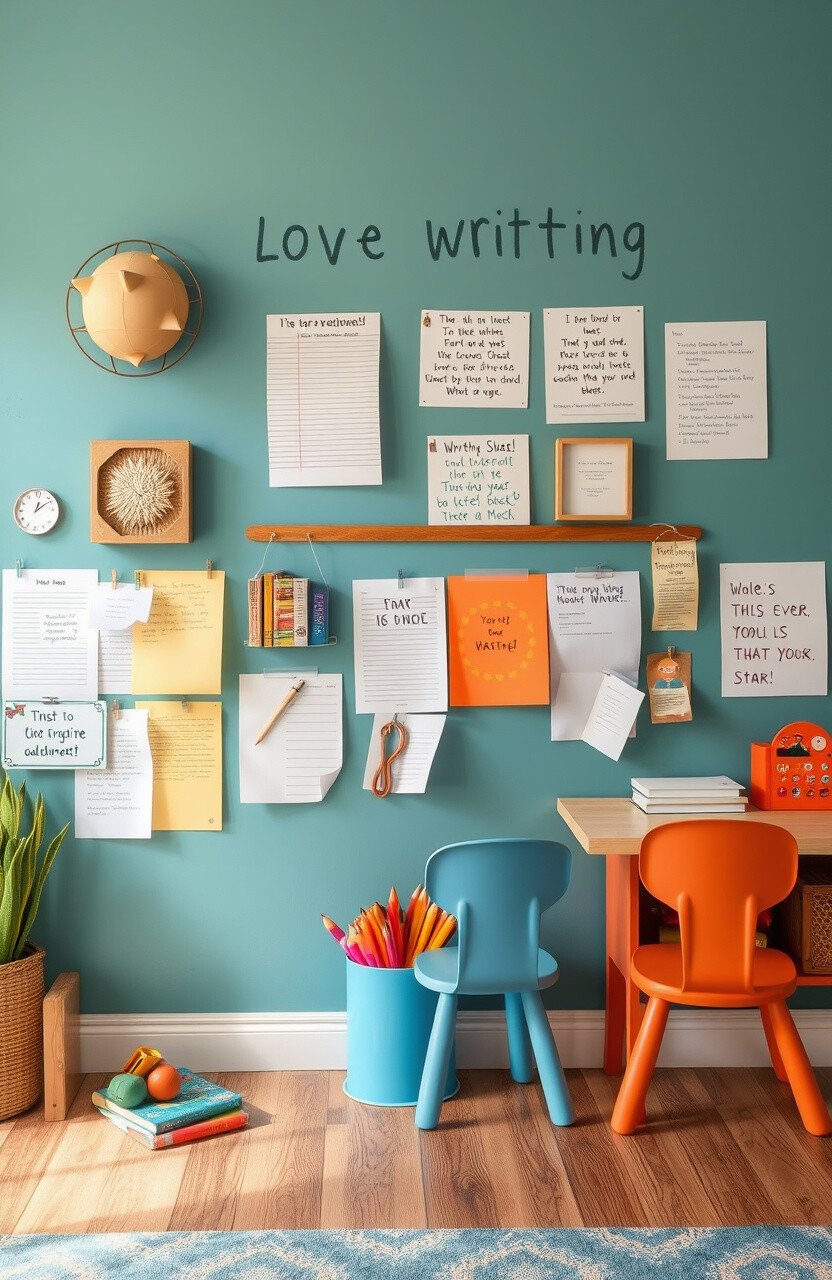
A creative writing wall with prompts and story starters is a writer’s muse. It’s a space for stories to take shape.
This setup inspires writing and imagination. Kids can explore different genres and styles of writing.
Include inspiring quotes or word banks for creativity. Personalize with a rotating gallery of written pieces or poems.
Prompts and materials can be created at home, making this a budget-friendly addition to your homeschool space.
26. DIY Music Station
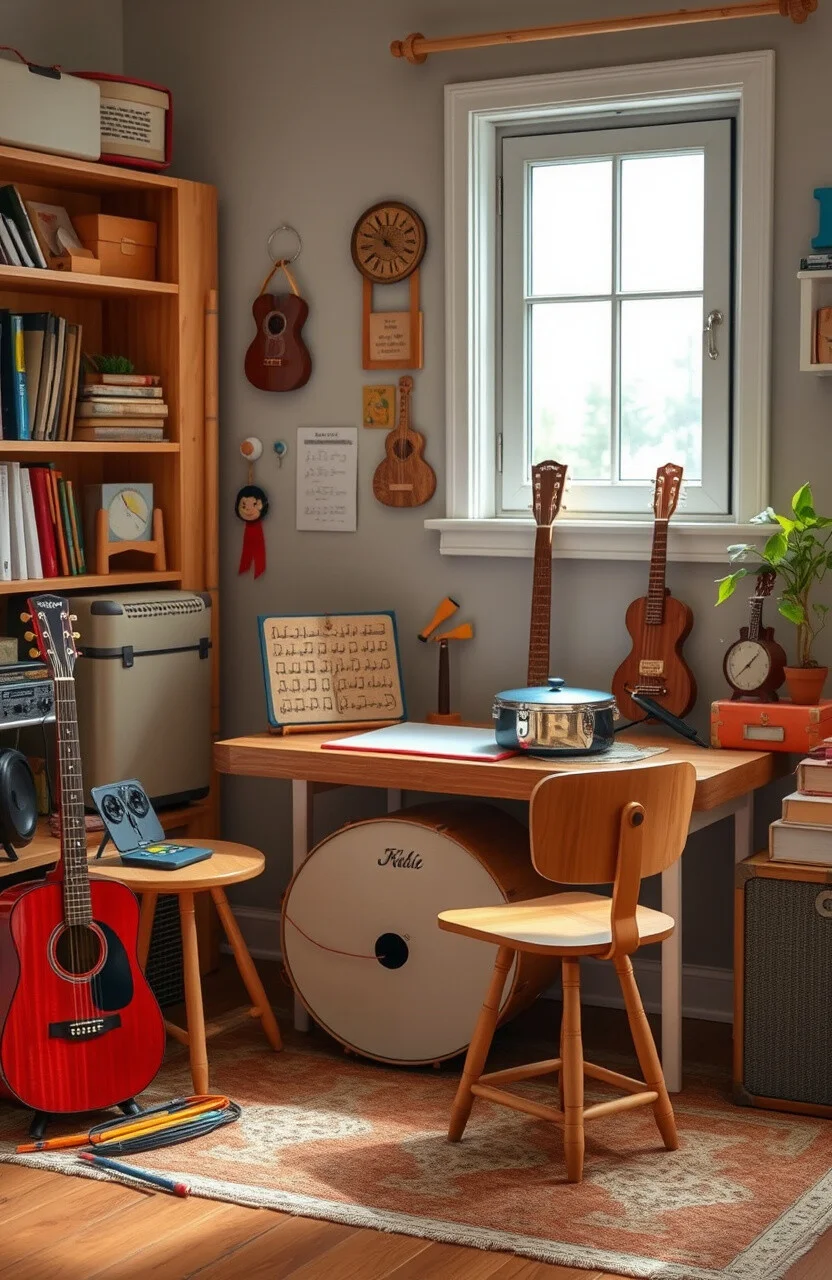
A DIY music station with homemade instruments is a symphony of sound. It’s a place for musical exploration.
This setup encourages creativity and musical skills. Kids can make their own instruments and discover rhythms.
Include a variety of materials for crafting instruments. Personalize with a playlist of songs to inspire music-making.
Using household items and recycled materials makes this a cost-effective and environmentally friendly project.
27. STEM Challenge Corner
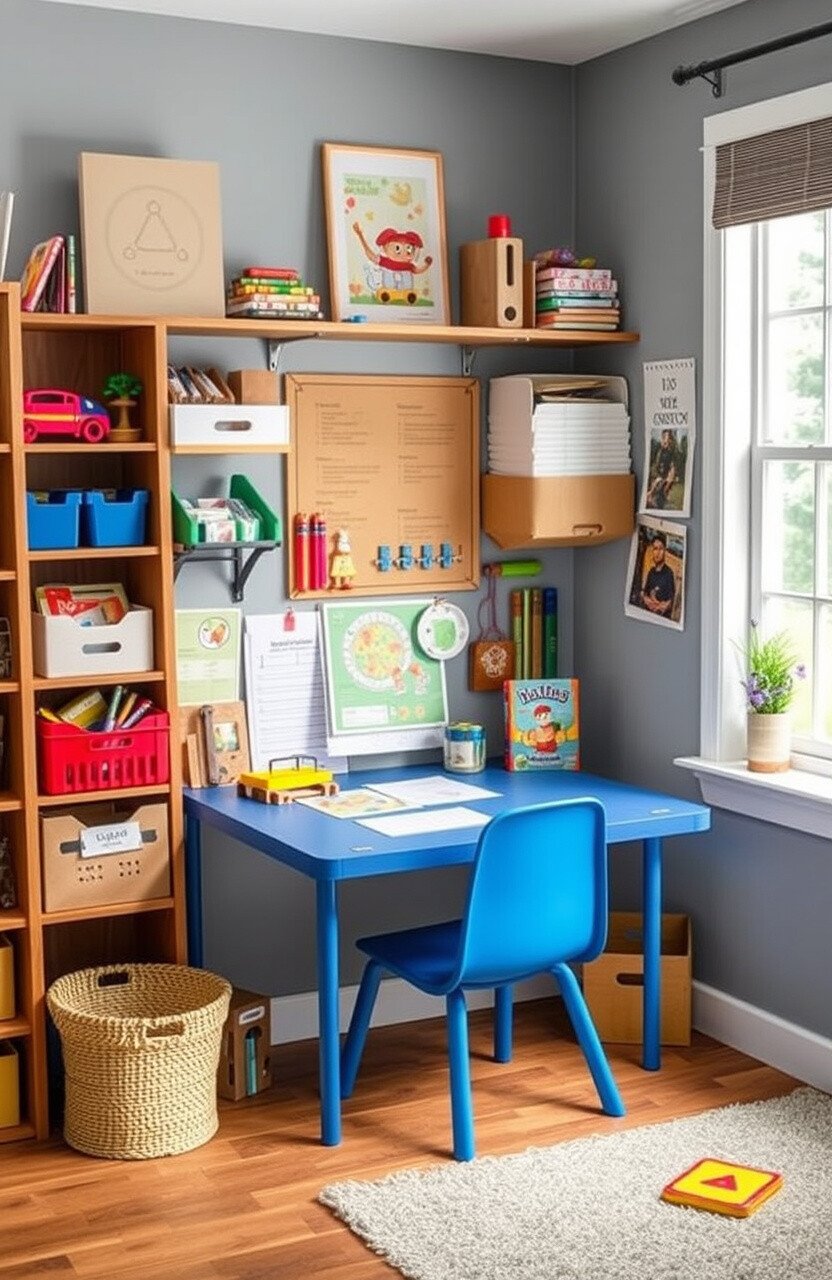
A STEM challenge corner with building materials and puzzles is an inventor’s workshop. It’s a space for innovation.
This setup promotes problem-solving and critical thinking. Kids can tackle challenges and create innovative solutions.
Include a variety of challenges to keep things engaging. Personalize with a leaderboard or challenge certificates.
Many challenge materials can be found affordably, and rotating resources keeps the cost manageable over time.
28. Historical Role-Play Zone
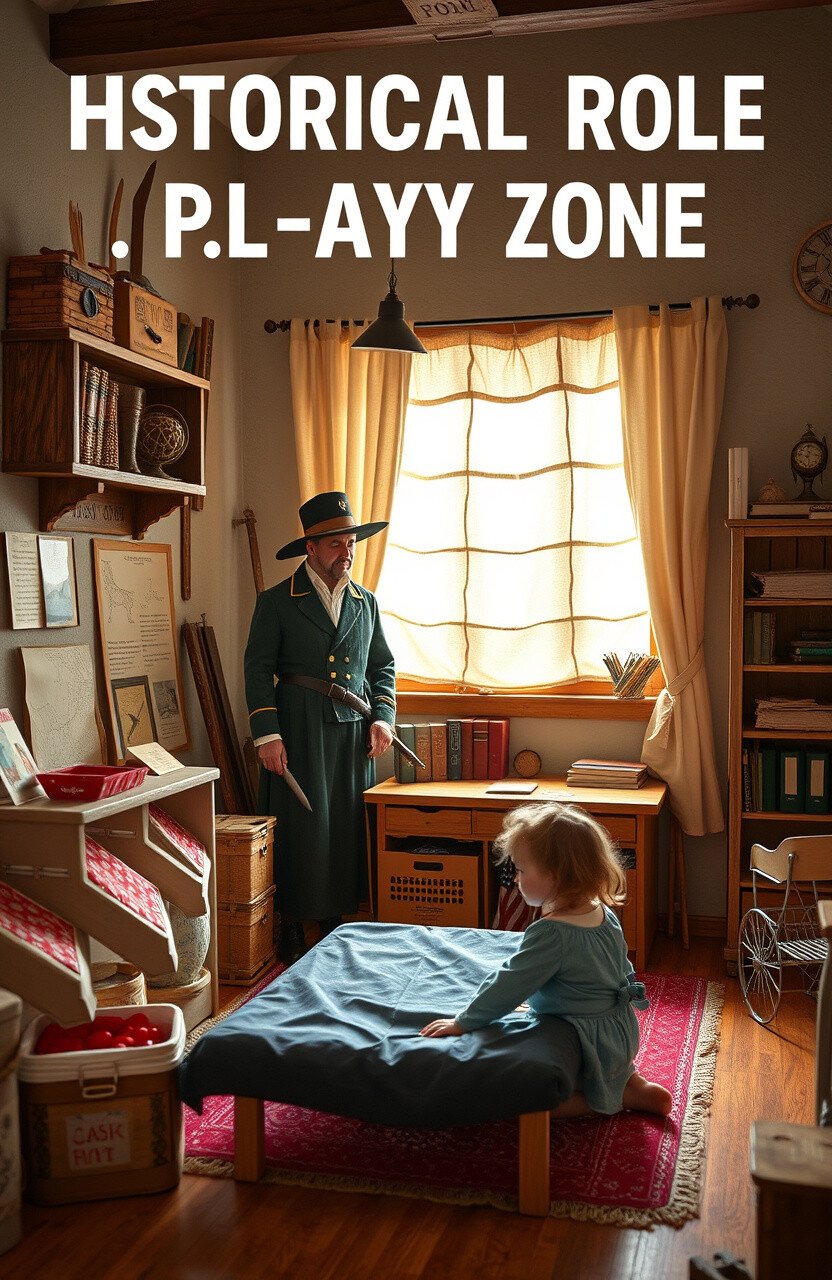
A historical role-play zone with costumes and props is a time traveler’s dream. It’s a place for historical adventures.
This setup encourages exploration of history and storytelling. Kids can step into the shoes of historical figures.
Include scripts or storylines for guided play. Personalize with a timeline or historical artifact replicas.
Costumes and props can be crafted or gathered from second-hand stores, making this a budget-friendly play area.
29. Garden Discovery Table

A garden discovery table with seeds and magnifying glasses is a botanist’s lab. It’s a space for plant exploration.
This setup encourages scientific observation and curiosity. Kids can explore plant life and learn about nature.
Include a small planting area or herb garden. Personalize with nature journals or a calendar for tracking plant growth.
Seeds and gardening tools can be found affordably, and using recycled containers makes this setup budget-friendly.
30. Relaxation and Reflection Spot
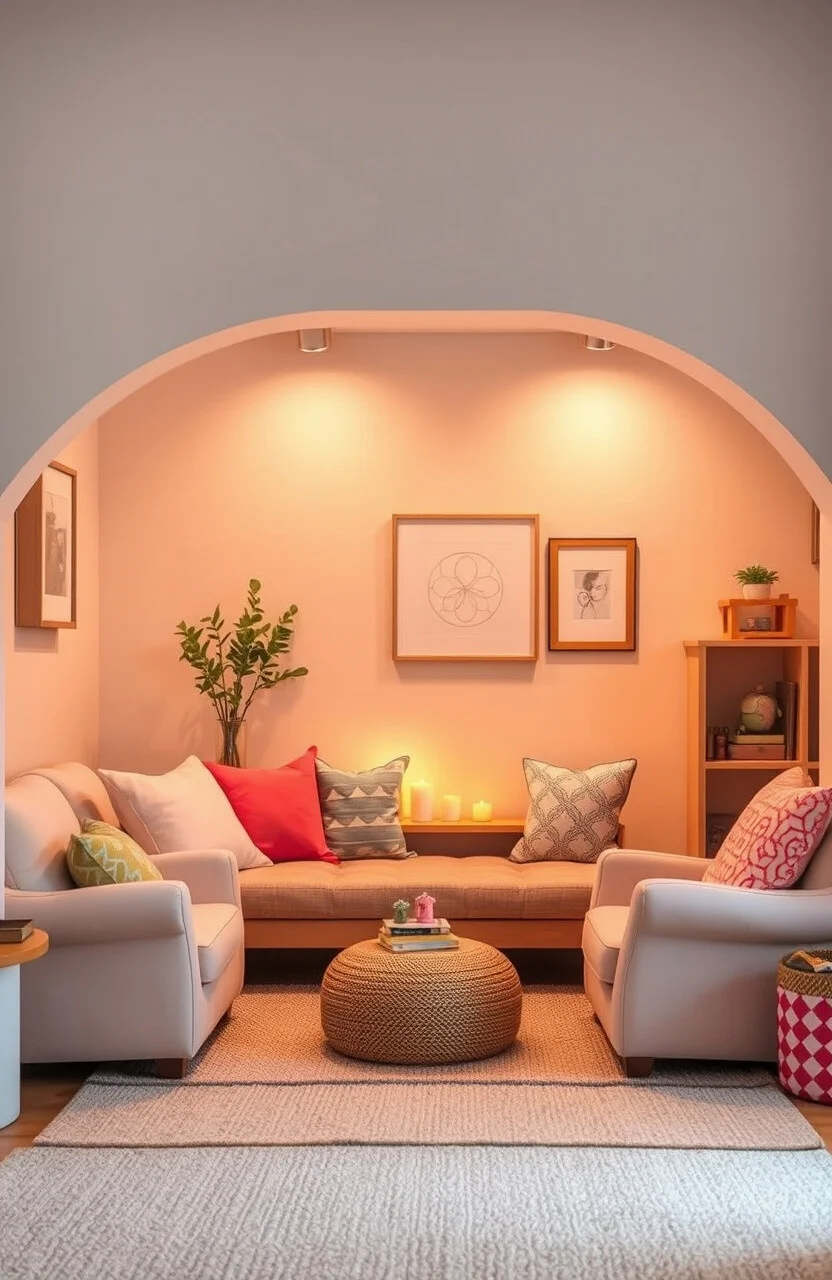
A relaxation and reflection spot with soft seating and calming decor is a peaceful retreat. It’s a place to find tranquility.
This setup promotes mindfulness and emotional well-being. Kids can enjoy quiet time or meditation in their serene space.
Include calming elements like scented candles or soft music. Personalize with favorite colors or comforting items.
Using existing furniture and decor can make this setup affordable and easy to create.
31. Cultural Exploration Shelf
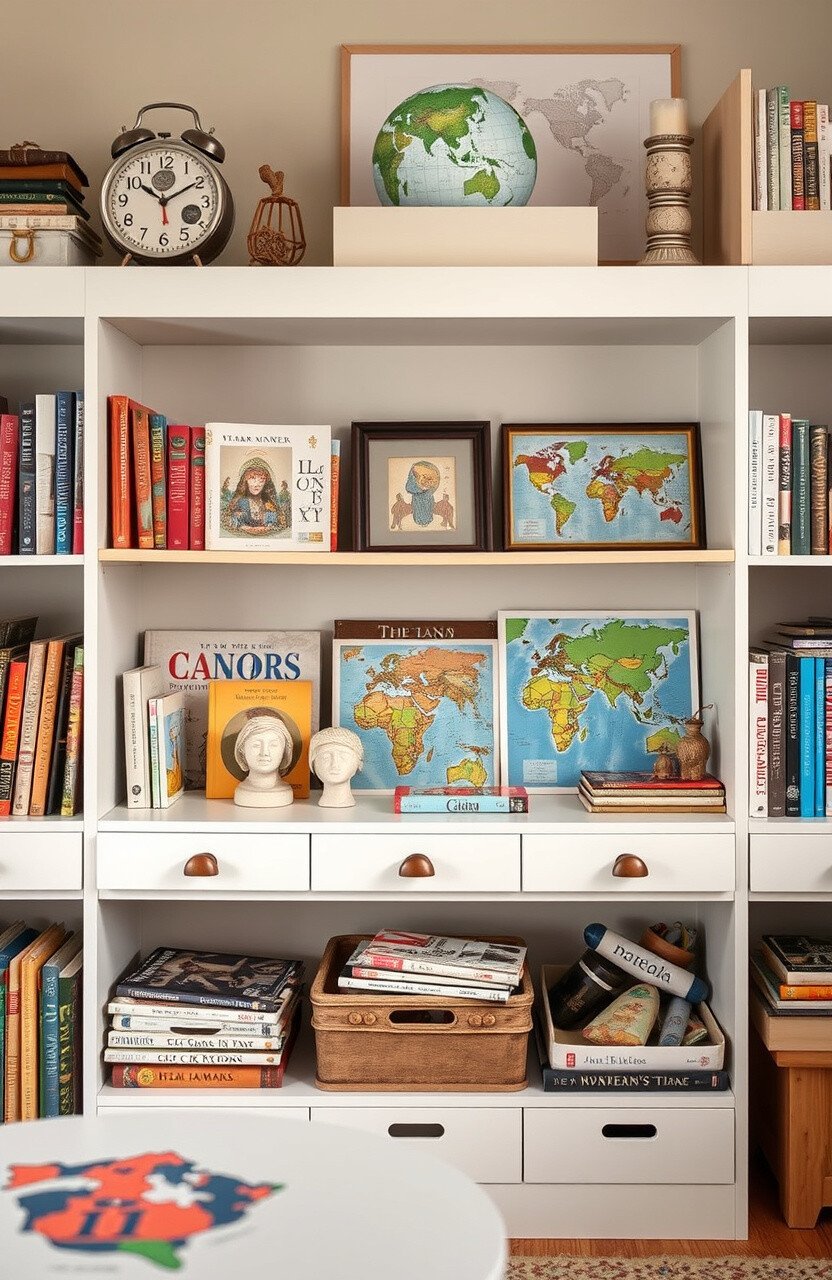
A cultural exploration shelf with books and artifacts is a gateway to the world. It’s a space for discovering new cultures.
This setup fosters appreciation for diversity and global awareness. Kids can learn about different traditions and customs.
Include cultural games or crafts for hands-on learning. Personalize with flags or art from different countries.
Books and cultural items can be found at thrift stores or borrowed from libraries, making this an economical choice.
32. Creative Craft Corner
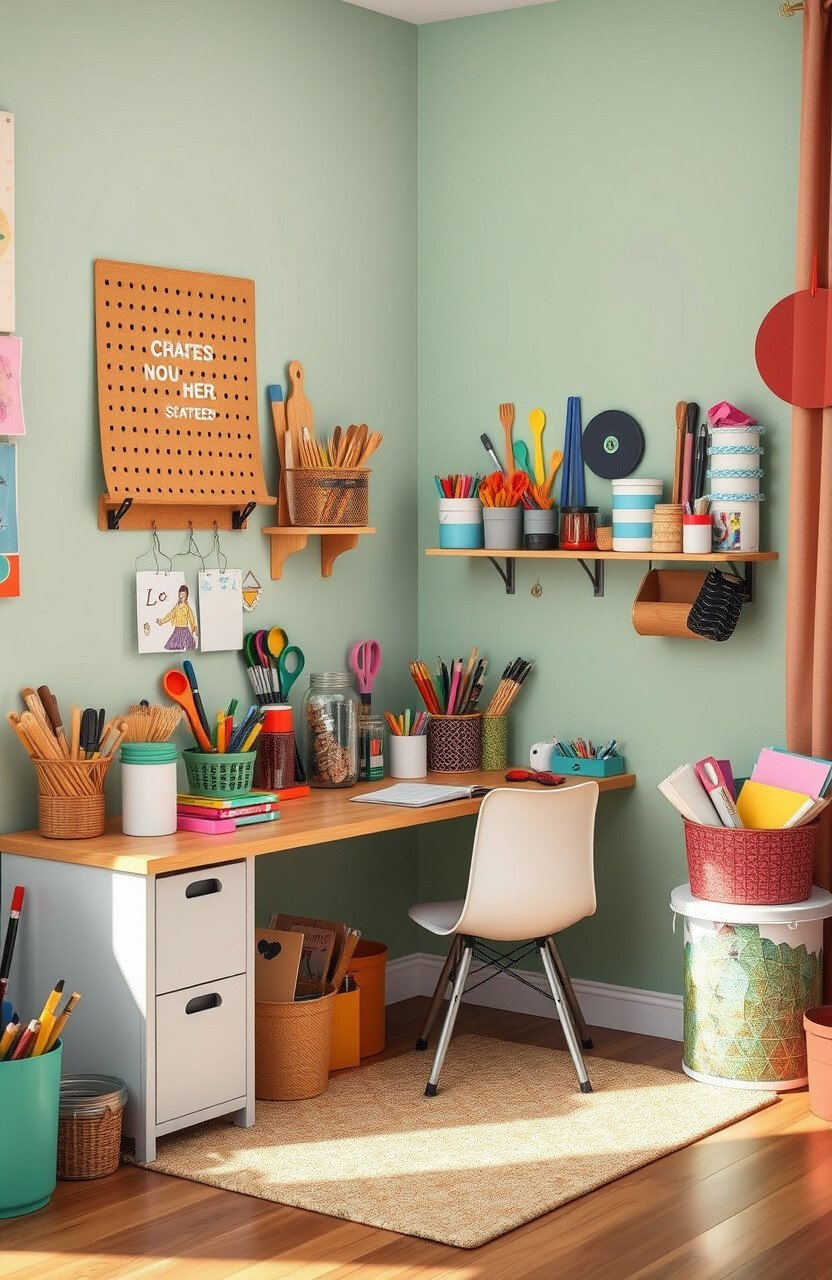
A creative craft corner with supplies and tools is an artist’s haven. It’s a space for crafting and creativity.
This setup encourages artistic expression and fine motor skills. Kids can craft, draw, and create to their heart’s content.
Organize supplies in jars or bins for easy access. Personalize with creative prompts or a rotating display of finished artwork.
Many craft supplies are inexpensive, and recycling materials can make this setup both economical and eco-friendly.
33. Science Discovery Shelf
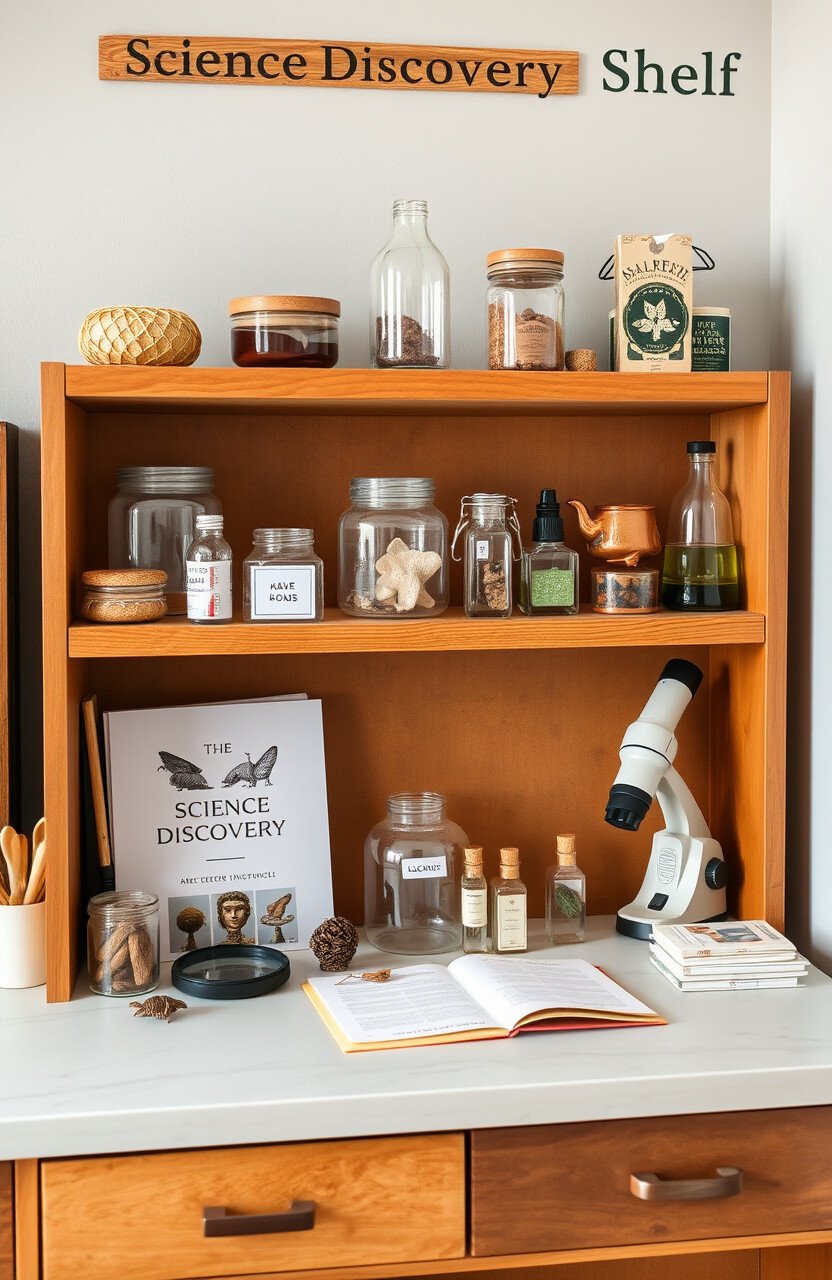
A science discovery shelf with specimens and tools is a scientist’s dream. It’s a space for hands-on learning.
This setup nurtures curiosity and scientific thinking. Kids can interact with specimens and explore scientific concepts.
Include a magnifying glass or microscope for observation. Personalize with a science journal or experiment log.
Specimens and tools can be found affordably or crafted at home, making this an accessible addition to your homeschool.
34. Language and Literacy Lab
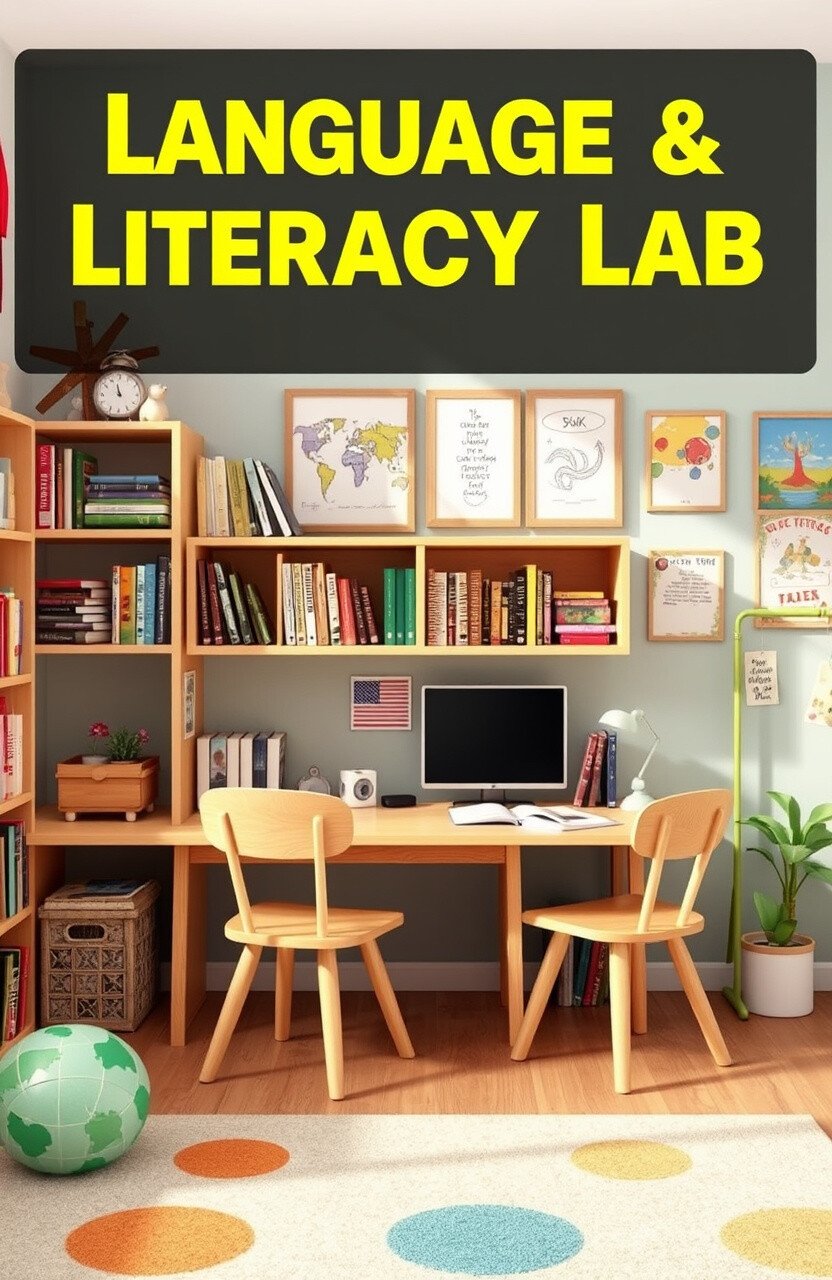
A language and literacy lab with books and games is a reader’s paradise. It’s a space for language learning.
This setup supports language development and literacy skills. Kids can explore vocabulary, phonics, and reading comprehension.
Include language apps or games for interactive learning. Personalize with a reading log or book-themed decor.
Many resources are available for free or at low cost, making this an enriching addition to your homeschool space.
35. DIY Art Studio
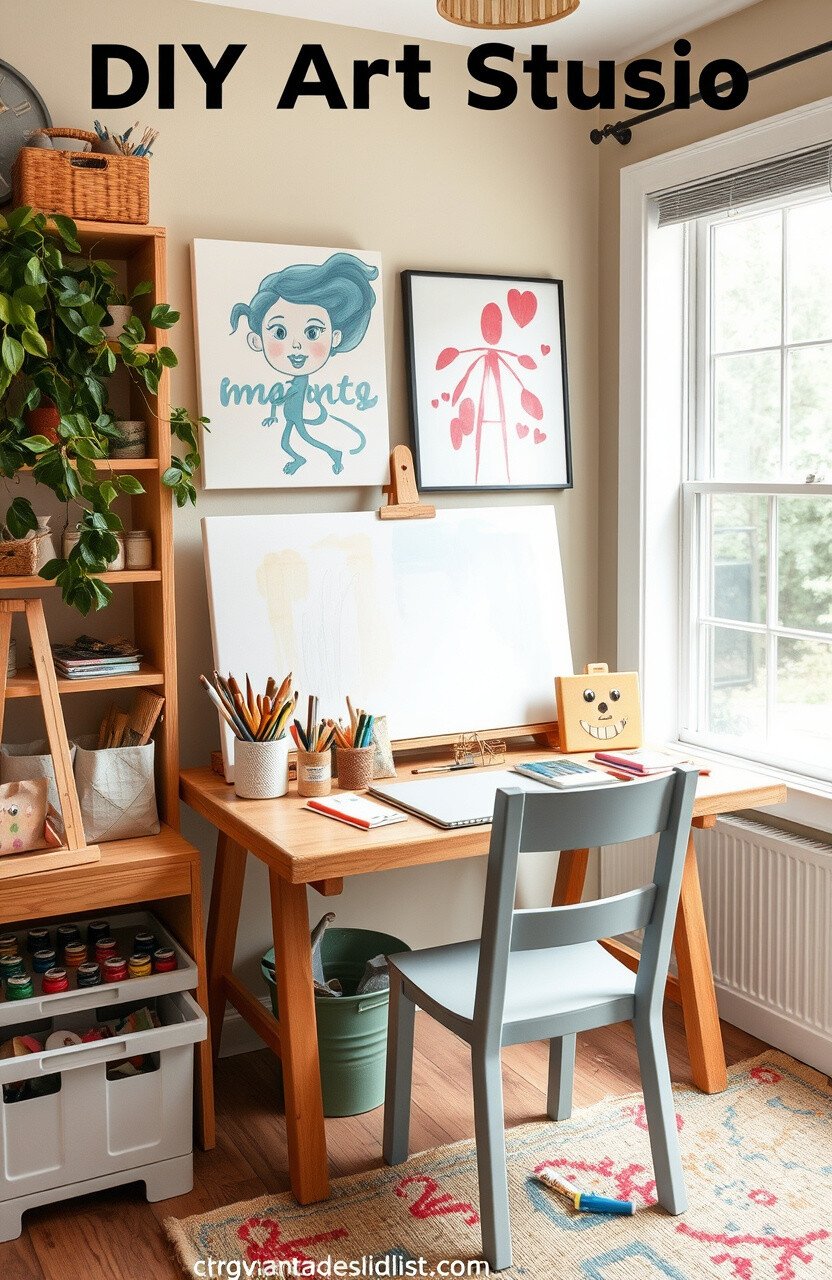
A DIY art studio with canvases and paints is an artist’s playground. It’s a space for creativity and expression.
This setup encourages artistic exploration and skill development. Kids can experiment with different mediums and techniques.
Include a drying rack or display area for finished pieces. Personalize with art-themed quotes or a creative inspiration board.
Many art supplies can be found affordably, and using recycled materials makes this setup both economical and eco-friendly.
36. Nature Observation Station
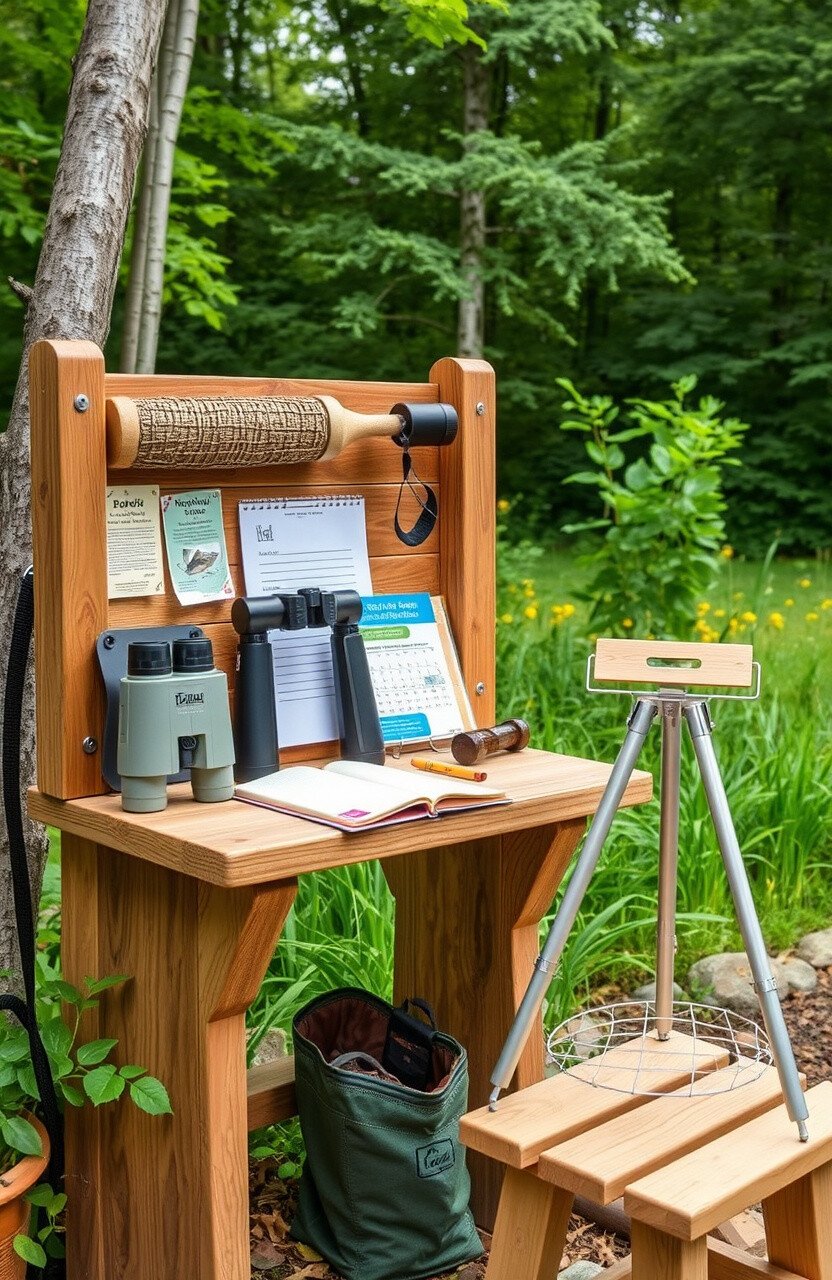
A nature observation station with binoculars and field guides is an explorer’s base. It’s a space for discovering nature.
This setup encourages observation and scientific inquiry. Kids can explore the natural world and record their findings.
Include a nature journal or sketchbook for notes. Personalize with a calendar to track sightings or seasonal changes.
Binoculars and field guides can be found affordably, and using everyday items makes this setup budget-friendly.
37. History Exploration Table
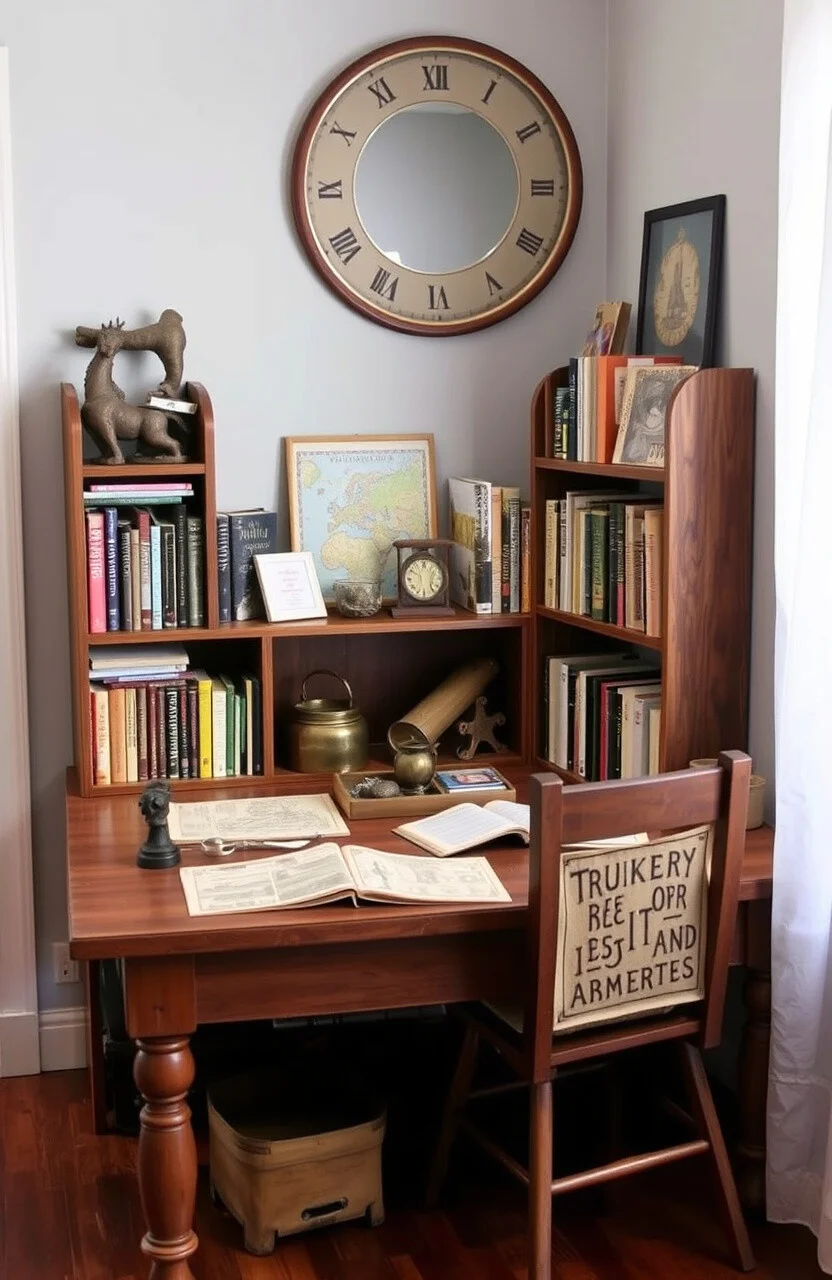
A history exploration table with artifacts and books is a time traveler’s desk. It’s a space for exploring the past.
This setup enhances historical understanding and critical thinking. Kids can learn about different periods and events.
Include replica artifacts or historical maps for interest. Personalize with a timeline or history-themed decor.
Many resources can be crafted or found at thrift stores, making this an economical addition to your homeschool space.
38. Relaxing Nature Retreat
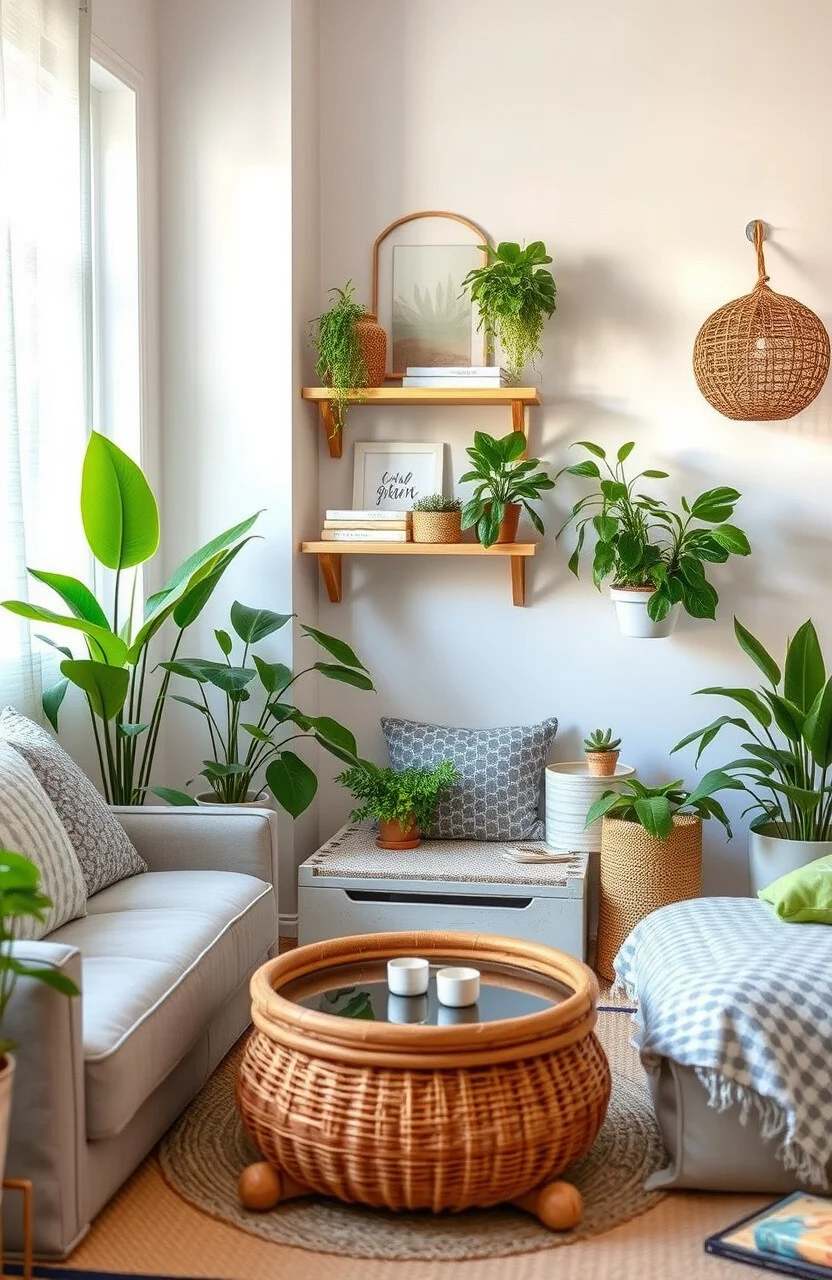
A relaxing nature retreat with plants and calming decor is a peaceful oasis. It’s a place to unwind and connect with nature.
This setup promotes mindfulness and relaxation. Kids can enjoy quiet time or meditation in their serene space.
Include calming elements like a water feature or nature sounds. Personalize with favorite colors or comforting items.
Using existing furniture and decor can make this setup affordable and easy to create.
39. Cultural Storytelling Corner
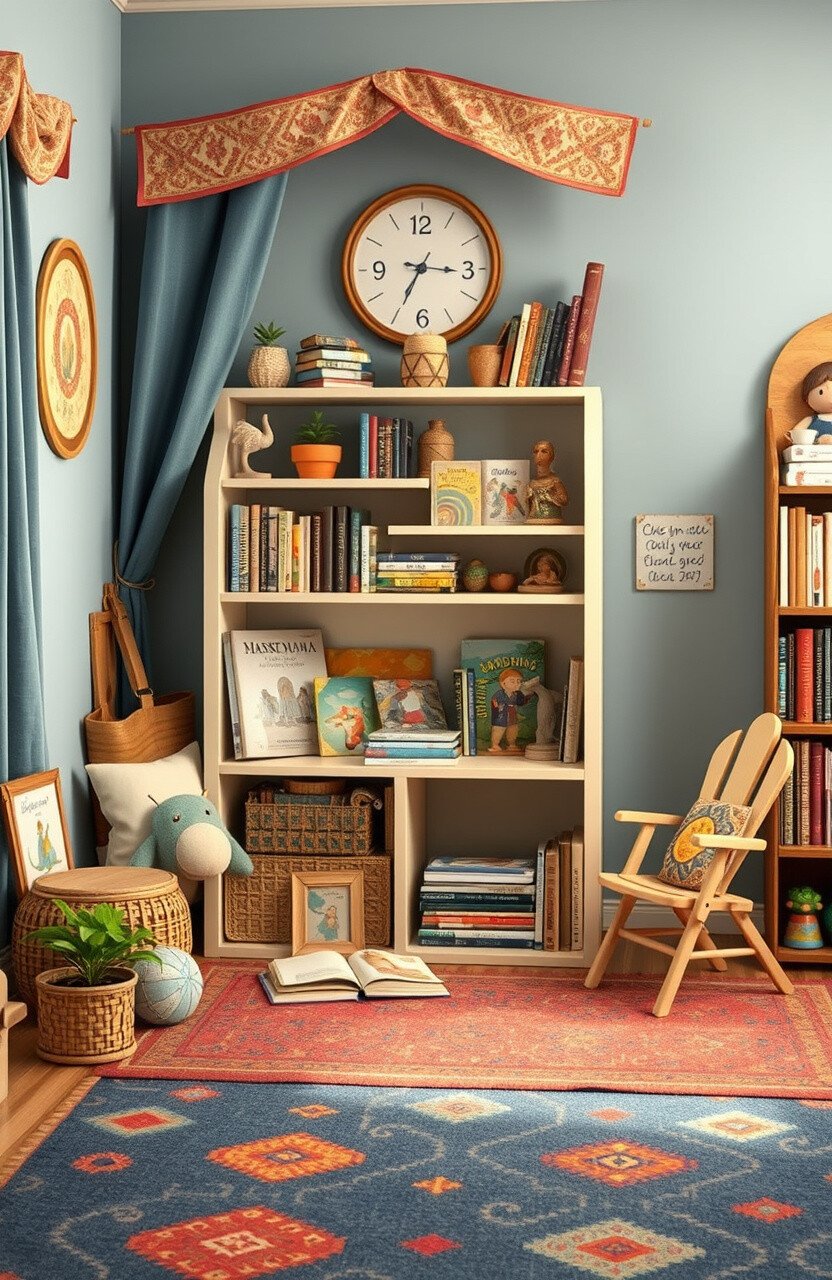
A cultural storytelling corner with books and artifacts is a storyteller’s stage. It’s a space for sharing tales.
This setup encourages exploration of different cultures and traditions. Kids can learn through stories and role-play.
Include props or costumes for interactive storytelling. Personalize with a storytelling schedule or themed decor.
Books and cultural items can be found at thrift stores or borrowed from libraries, making this an economical choice.
40. Science Experiment Lab
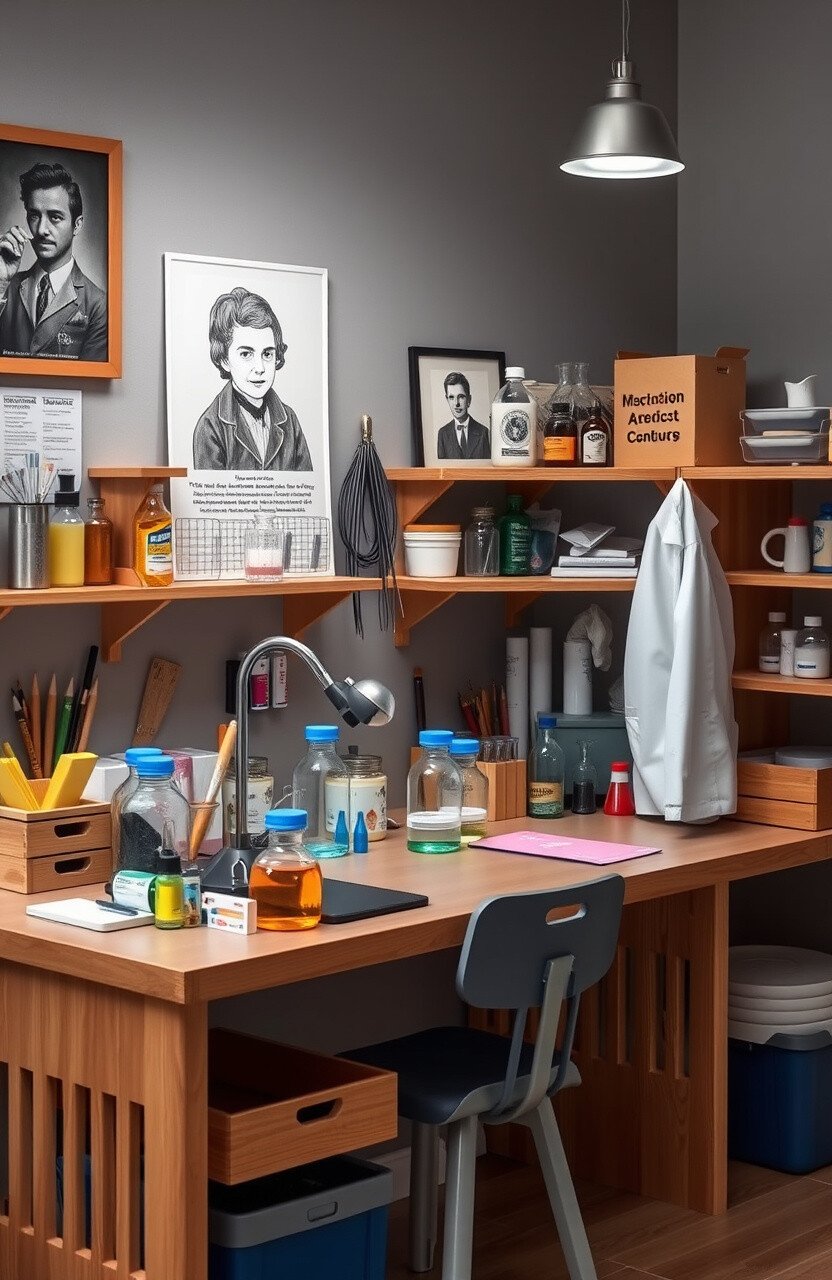
A science experiment lab with tools and materials is a scientist’s playground. It’s a space for discovery and exploration.
This setup nurtures curiosity and scientific thinking. Kids can conduct experiments and learn about the world around them.
Include a lab coat and safety goggles for authenticity. Personalize with posters of famous scientists or science quotes.
Science kits and materials can be found at reasonable prices, and many experiments use common household items.
41. DIY Puppet Theater

A DIY puppet theater with puppets and scripts is a stage of imagination. It’s a space for creative storytelling.
This setup encourages role-playing and communication skills. Kids can create their own stories and bring characters to life.
Include a small stage or curtain for dramatic effect. Personalize with themed backgrounds or a puppet-making kit.
Puppets and props can be crafted or gathered from around the house, making this an economical way to encourage imaginative play.
42. Relaxing Zen Corner

A relaxing Zen corner with cushions and calming decor is a haven of peace. It’s a place to find tranquility and balance.
This setup promotes mindfulness and emotional well-being. Kids can enjoy quiet time or meditation in their serene space.
Include calming elements like a sound machine or soft music. Personalize with favorite colors or comforting items.
Using existing furniture and decor can make this setup affordable and easy to create.
43. Global Exploration Table
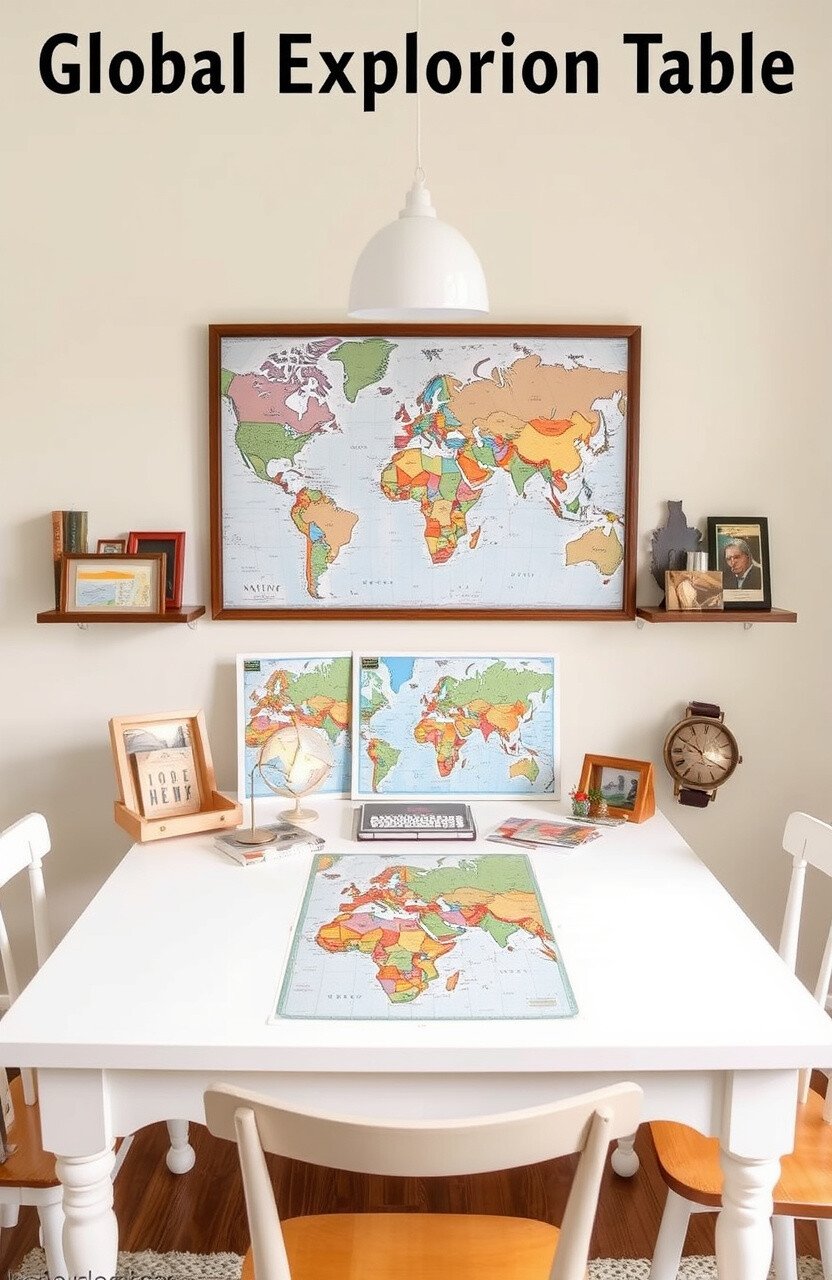
A global exploration table with maps and artifacts is a traveler’s desk. It’s a space for discovering the world.
This setup fosters geographical knowledge and cultural awareness. Kids can learn about countries and landmarks.
Include travel photos or souvenirs for personalization. Personalize with a travel journal or map-themed decor.
Maps and artifacts can be found affordably, and collecting postcards from friends or family adds a personal touch.
44. Nature-Inspired Art Space
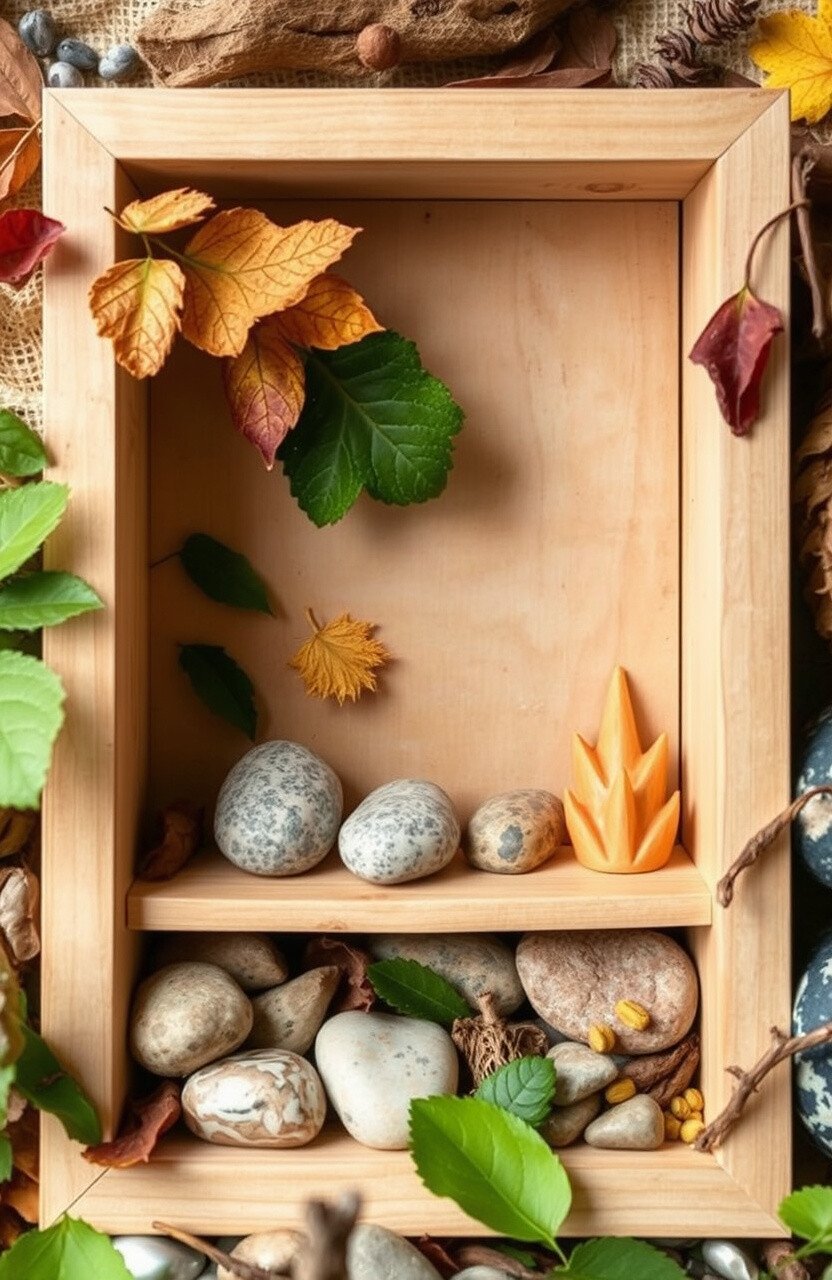
A nature-inspired art space with leaves and stones is an artist’s canvas. It’s a place for creativity and expression.
This setup encourages artistic exploration and connection with nature. Kids can create art using natural materials.
Include a variety of natural elements for inspiration. Personalize with nature-themed art or a creative inspiration board.
Many natural materials can be gathered from the outdoors, making this setup both economical and eco-friendly.
45. DIY Costume Corner
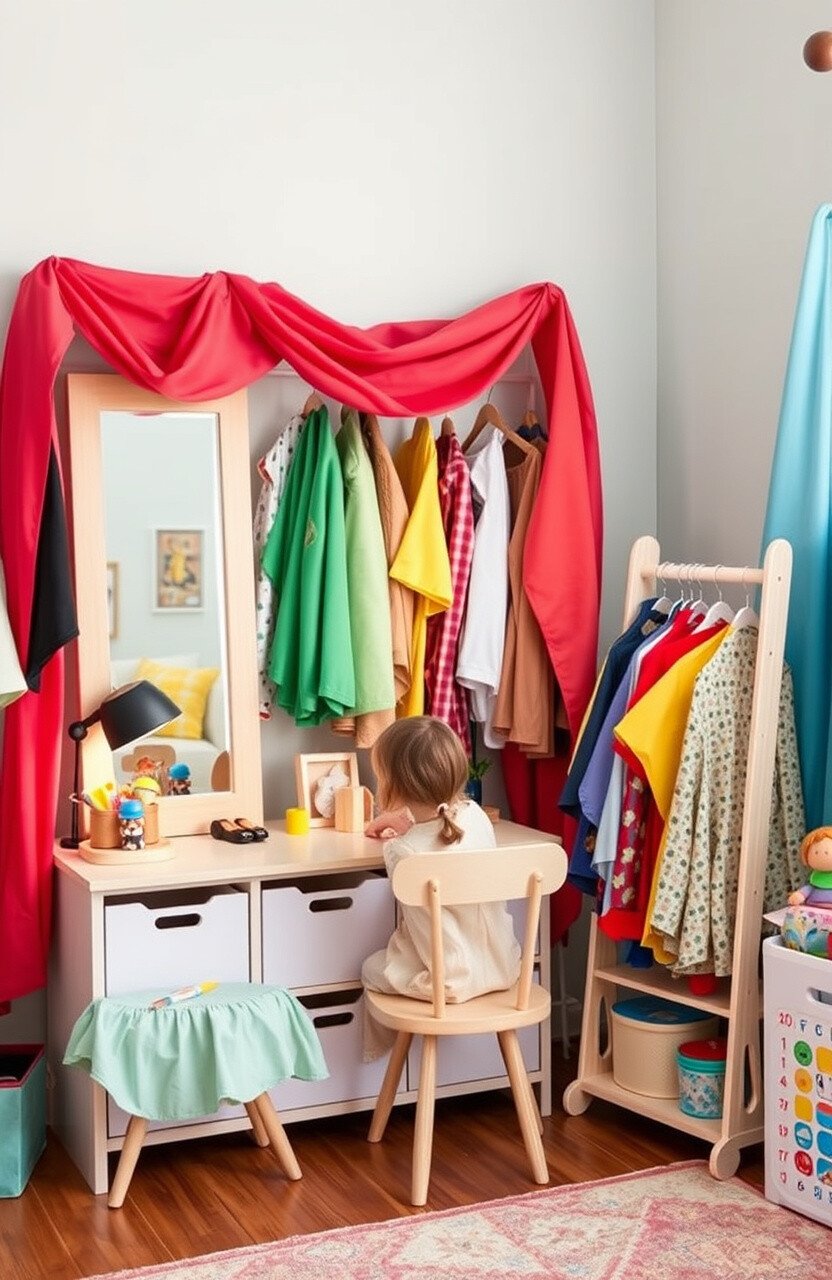
A DIY costume corner with fabrics and accessories is a stage for imagination. It’s a space for role-play and creativity.
This setup encourages imaginative play and storytelling. Kids can create costumes and explore different characters.
Include a mirror for dress-up and a storage rack for costumes. Personalize with themed accessories or a costume-making kit.
Fabrics and accessories can be crafted or found at thrift stores, making this an economical way to encourage imaginative play.
46. Science and Nature Wall
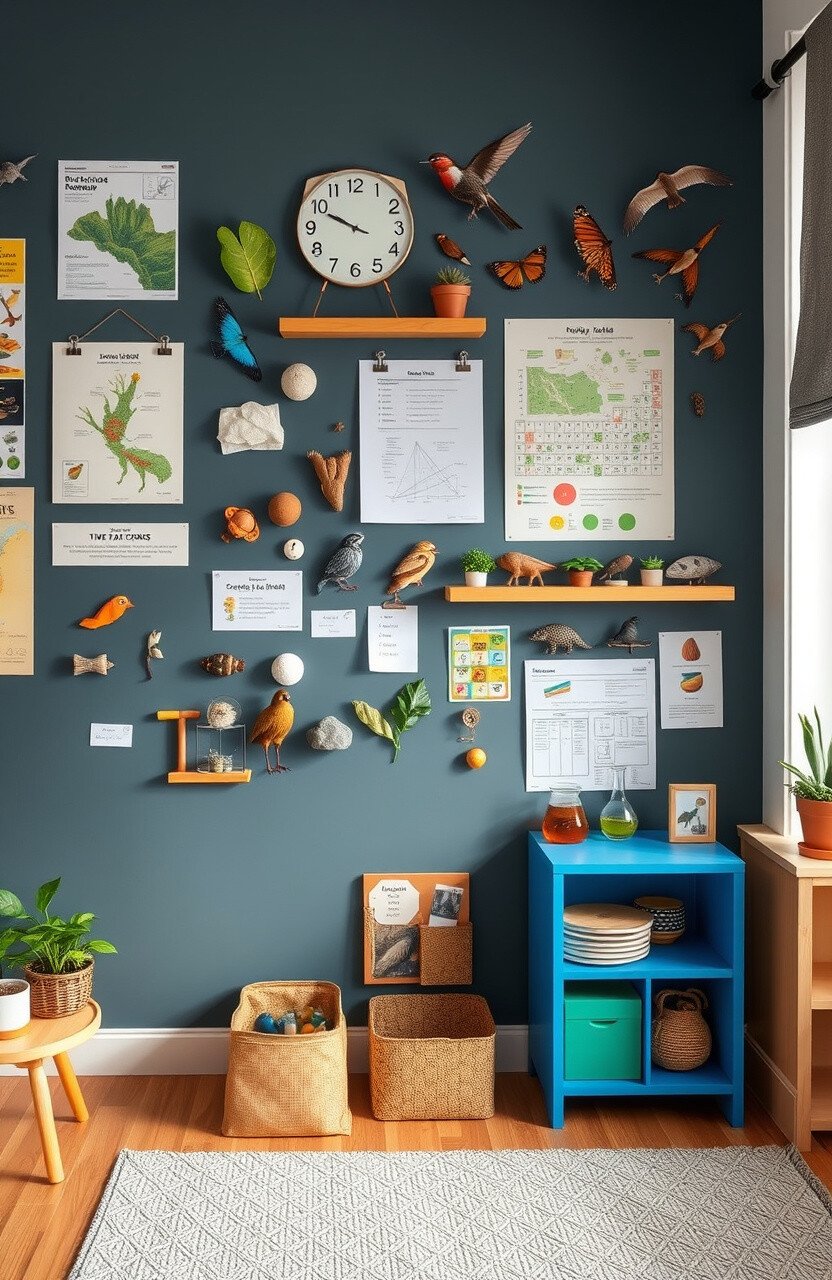
A science and nature wall with posters and specimens is a window to the world. It’s a space for exploration and learning.
This setup supports scientific inquiry and curiosity. Kids can interact with charts and diagrams related to science and nature.
Include elements like a periodic table or life cycle models. Personalize with homemade experiments or science-related crafts.
Many resources for a science wall can be printed at home or created with craft supplies, making this a budget-friendly project.
47. Writing and Literacy Shelf
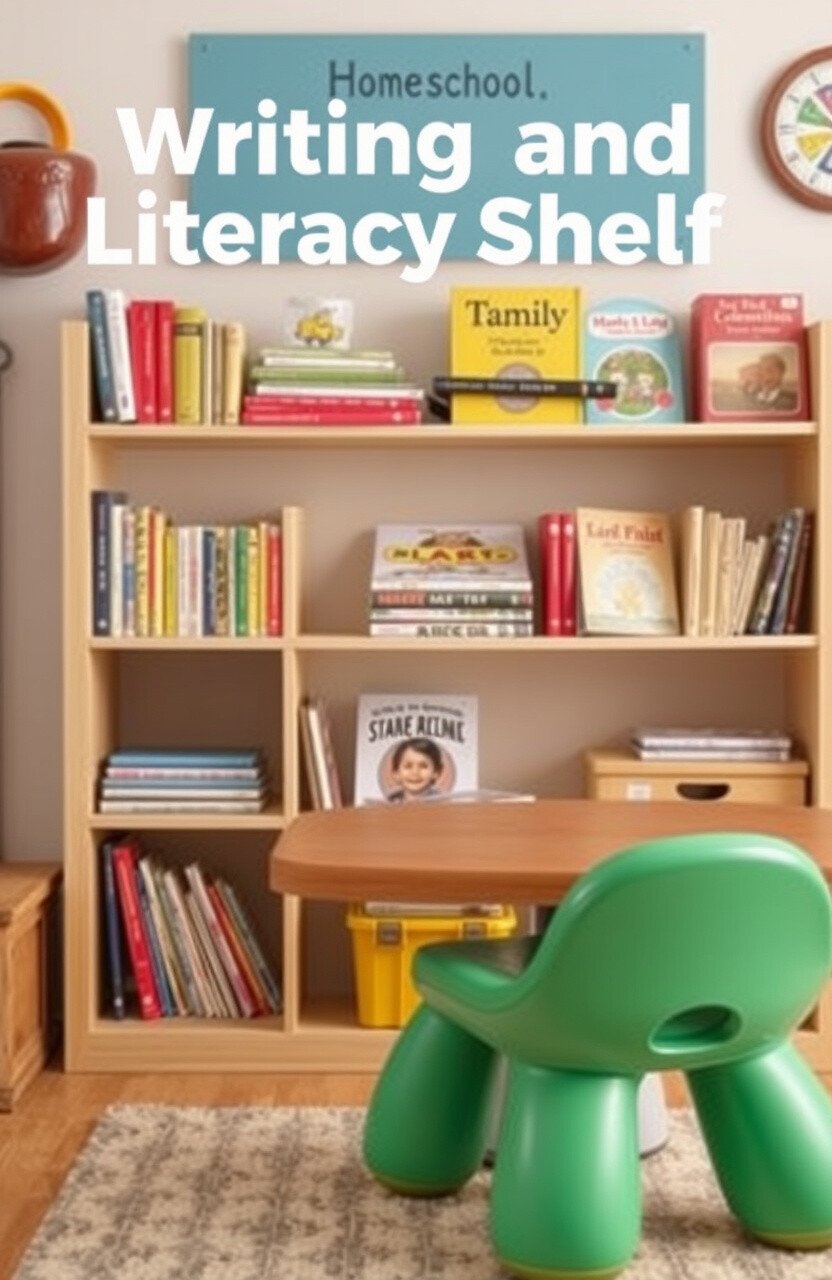
A writing and literacy shelf with books and games is a reader’s delight. It’s a space for language learning and creativity.
This setup supports language development and literacy skills. Kids can explore vocabulary, phonics, and reading comprehension.
Include language apps or games for interactive learning. Personalize with a reading log or book-themed decor.
Many resources are available for free or at low cost, making this an enriching addition to your homeschool space.
48. DIY Science Kit Station
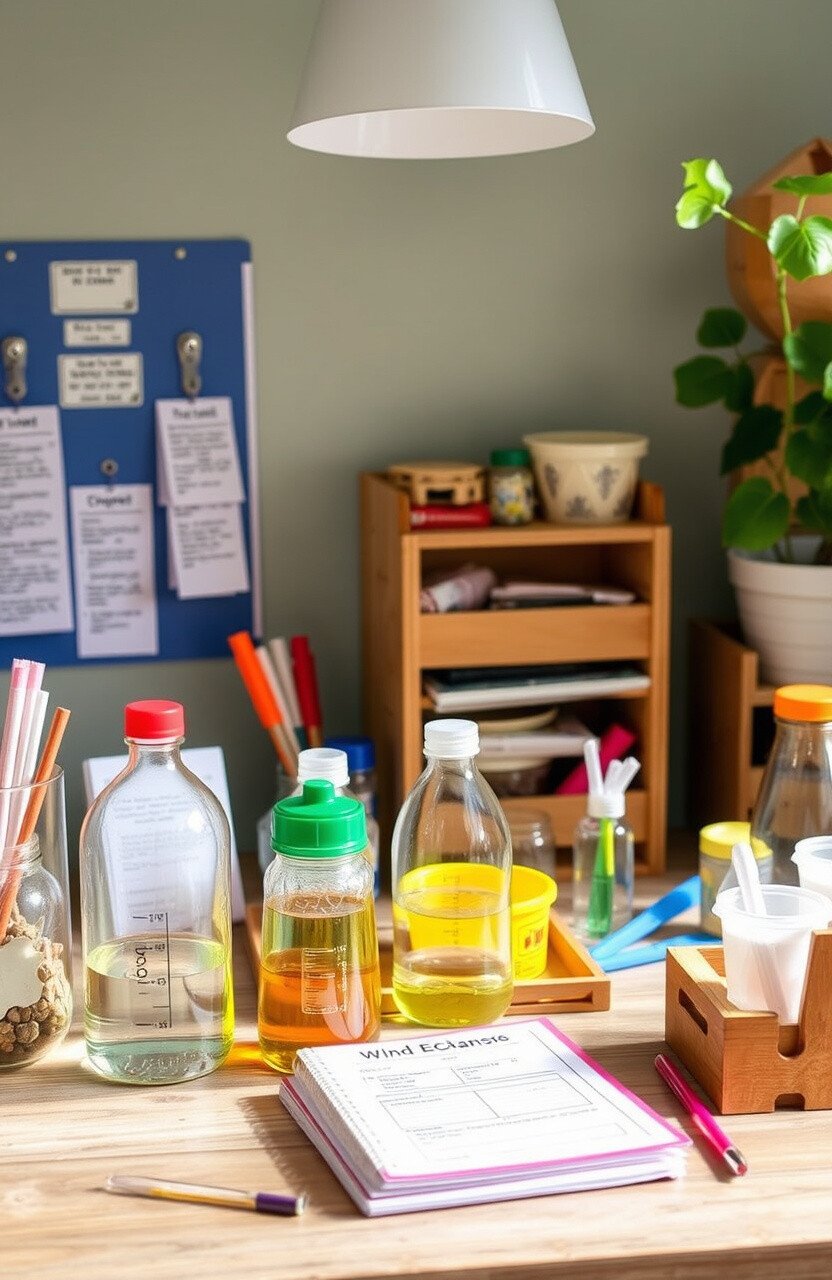
A DIY science kit station with materials and instructions is an experimenter’s dream. It’s a space for scientific discovery.
This setup nurtures curiosity and scientific thinking. Kids can assemble kits and conduct experiments independently.
Include a variety of materials for different types of experiments. Personalize with a science journal or experiment log.
Many materials can be found affordably, and using household items makes this setup budget-friendly and engaging.
49. Cozy Storytime Tent
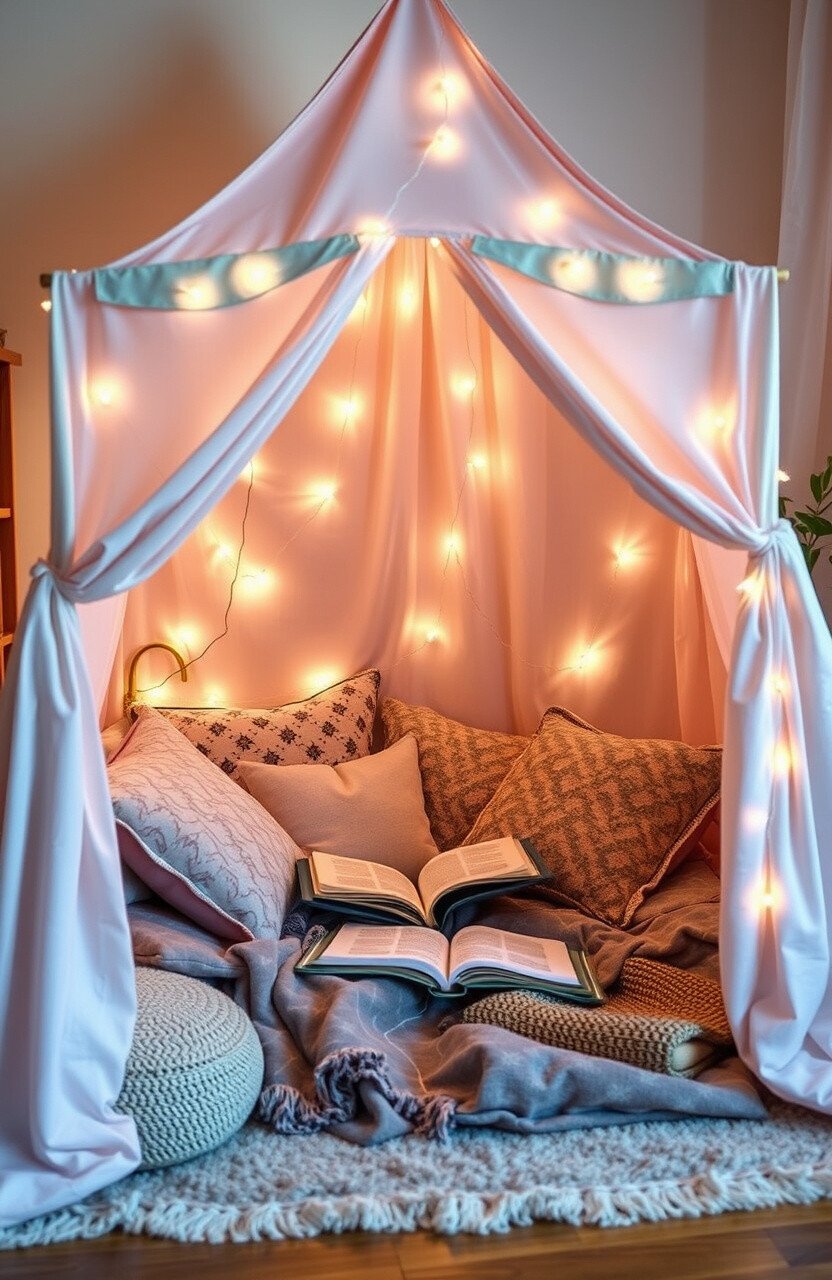
A cozy storytime tent with cushions and fairy lights is a reader’s haven. It’s a place to escape into the world of books.
This setup encourages relaxation and reading enjoyment. Kids can find a peaceful escape with their favorite stories.
Add a small shelf or basket for book storage. Personalize with cozy blankets or a reading log to track adventures.
Tents can be crafted from sheets or found affordably, making this magical setup accessible and enchanting.