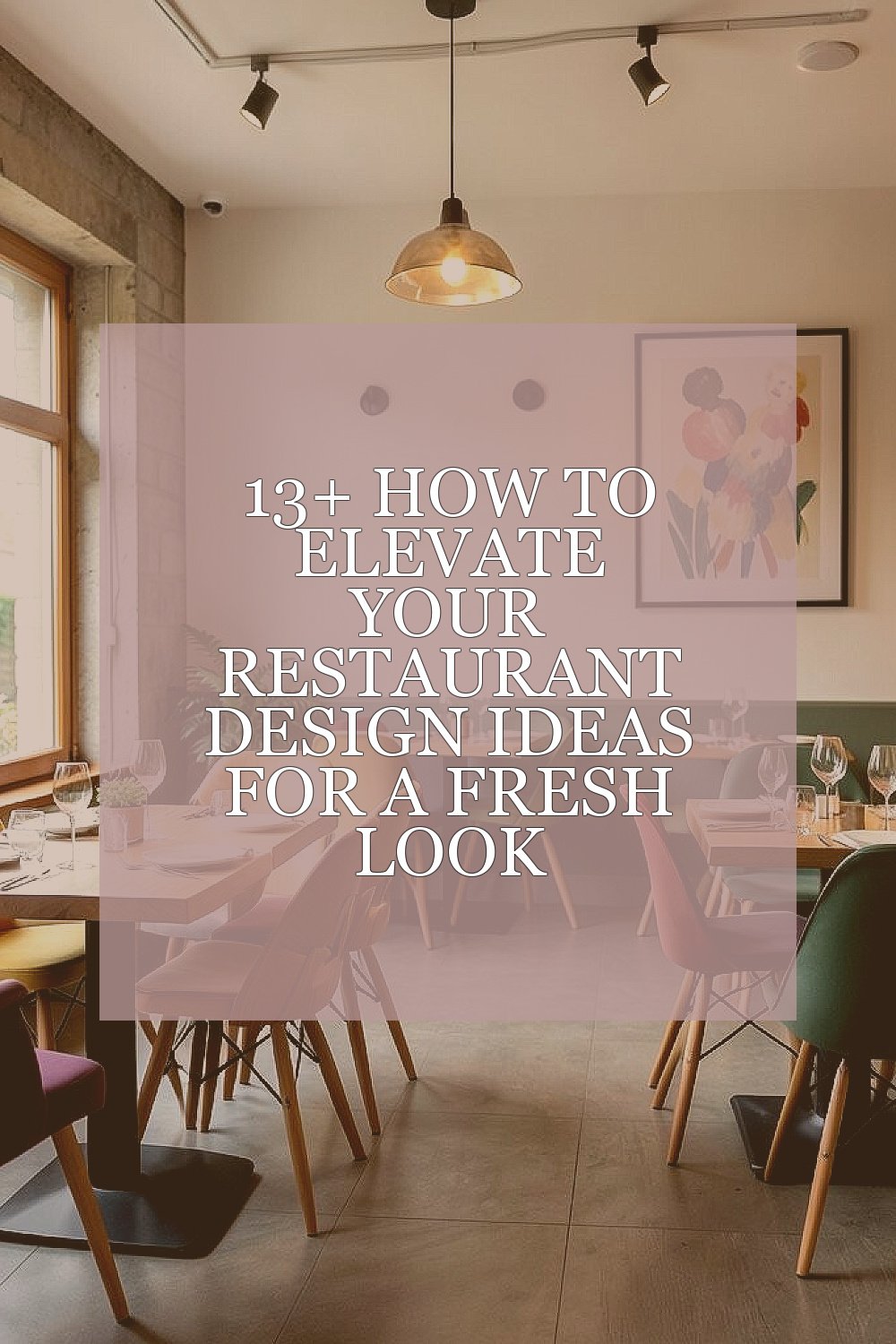
Fresh spaces make people linger longer. Small design changes can spark a big mood shift.
1. Start With A Clear Style Story

A restaurant feels stronger when every choice points to one clear look. Think cozy, sleek, playful, or rustic, and let that idea guide the room.
This helps the space feel neat and memorable, not random. Pick colors, chairs, art, and table pieces that match the same mood. A simple style story can also save money because you avoid buying things that do not fit.
2. Use Lighting To Set The Mood
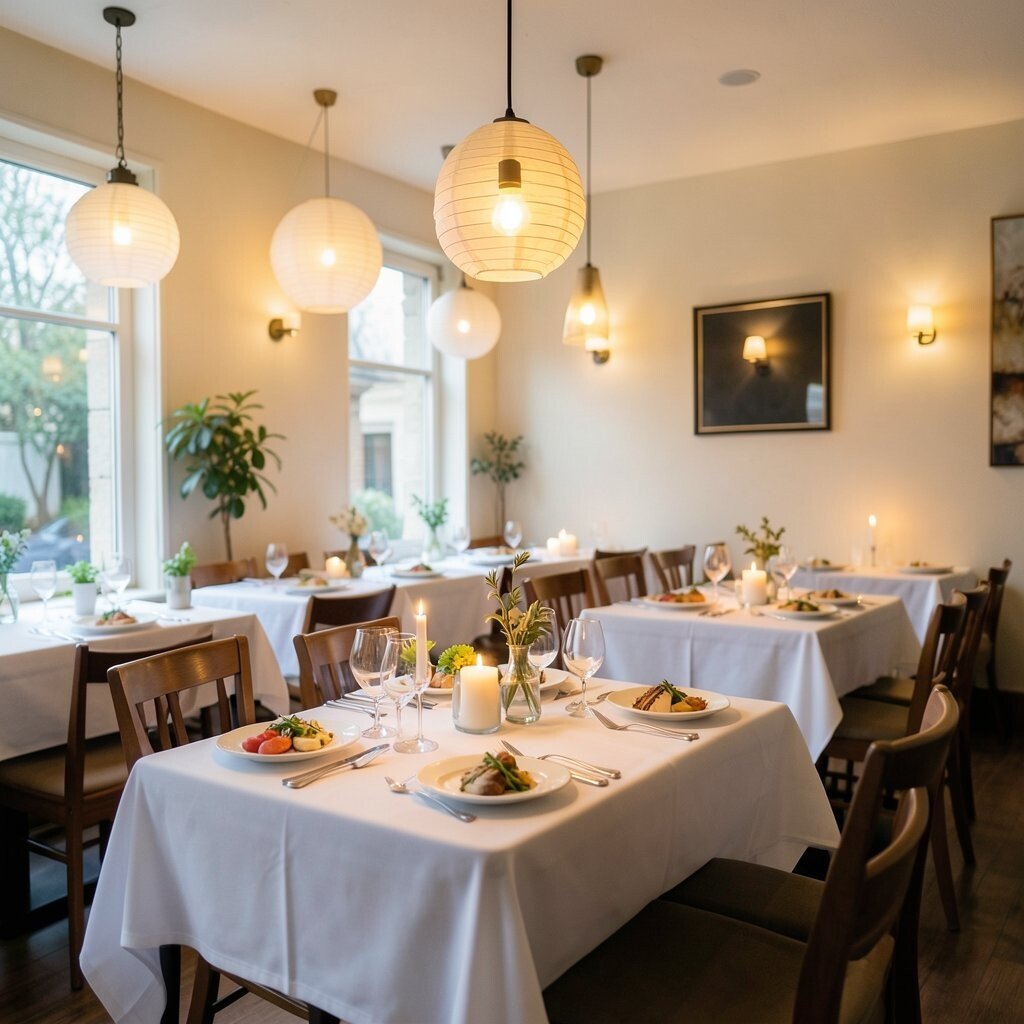
Lighting can make food look better and faces look warmer. Soft glow, hanging lamps, and small wall lights can turn a plain room into a welcoming one.
Try mixing bright task light with gentle accent light so the space works for both lunch and dinner. Dimmer switches are a smart choice because they let you change the mood without changing the fixtures. Warm bulbs are very popular right now, and they often make a room feel more calm and inviting.
If your budget is tight, swap a few old lights instead of replacing everything. You can also use candle-style lights, paper lanterns, or slim LED strips for a fresh touch. The key is to make the lighting feel layered, not flat.
3. Bring In Natural Textures
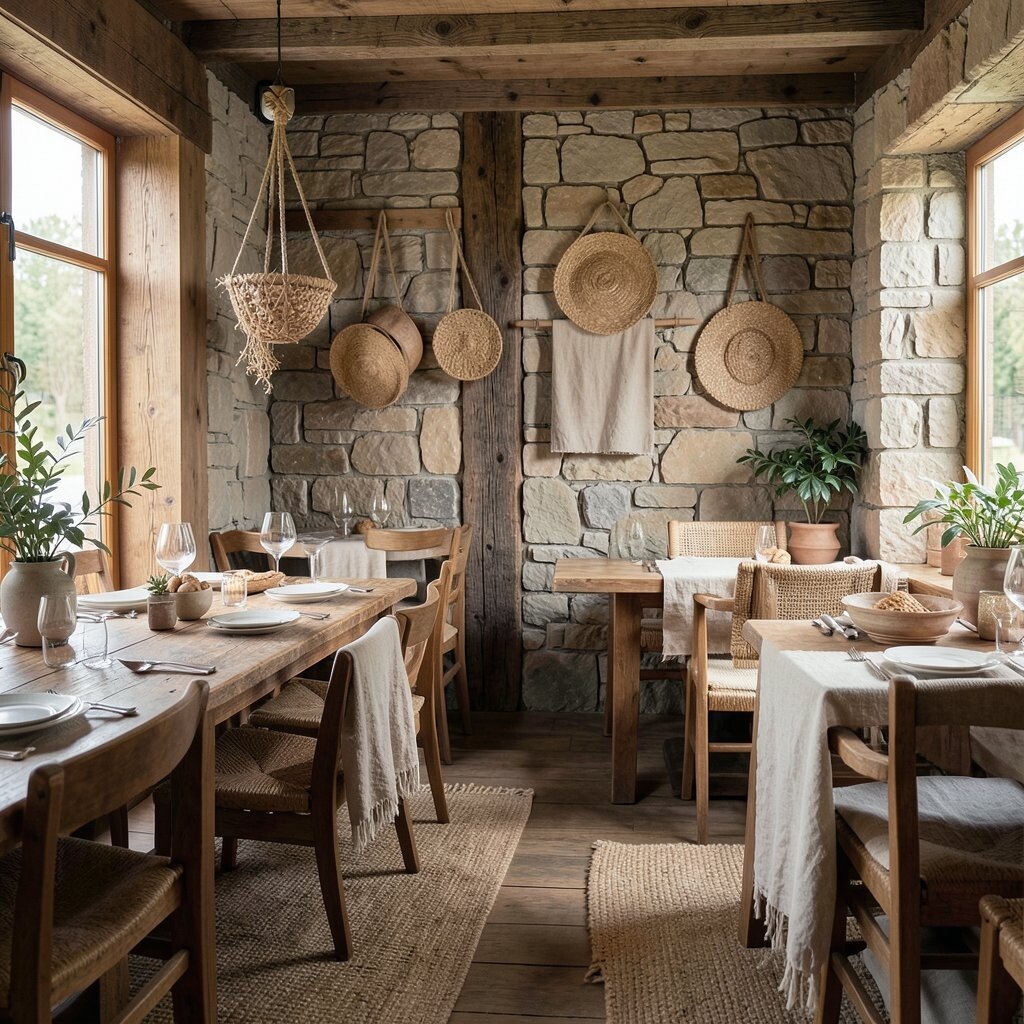
Wood, stone, linen, and woven pieces add warmth right away. These textures make a room feel rich and real without needing loud colors.
They also give guests a sense of comfort because the space feels softer and more human. Mix smooth and rough surfaces so the room has depth and charm. Reclaimed wood and handmade decor are trendy choices that can also make your restaurant stand out.
For a personal touch, use local materials or items made by nearby craftspeople. That can tell a story about your town and your brand. Some natural pieces cost more at first, but they often last longer and age beautifully.
4. Make The Entry Feel Special
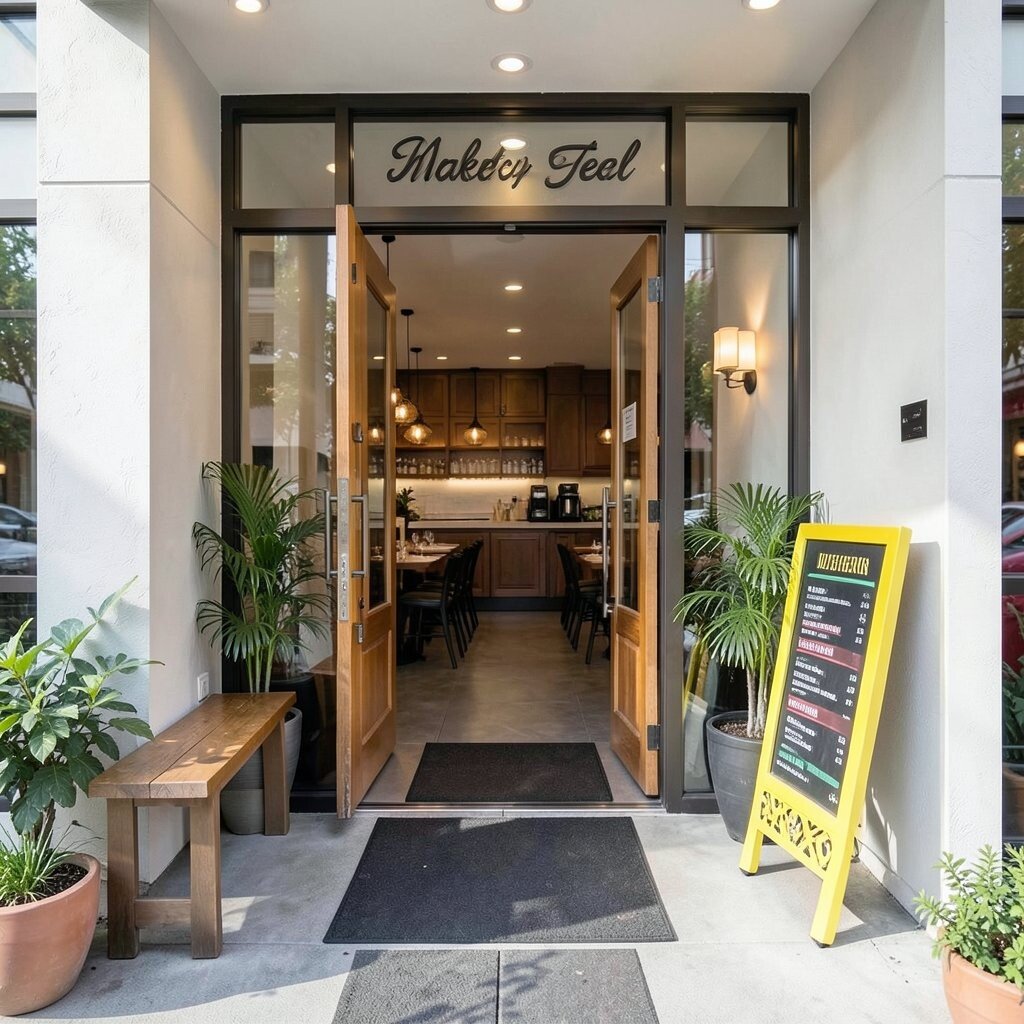
The front door is the first hello, so it should feel exciting. A bold sign, clean path, and well-placed plants can make guests want to step inside right away.
Use the entry to show off your style before anyone even sees the dining room. A small bench, a bright menu board, or a unique host stand can add charm and help with flow. This area does not need to be huge to make a strong first impression.
5. Add Art That Feels Local And Personal
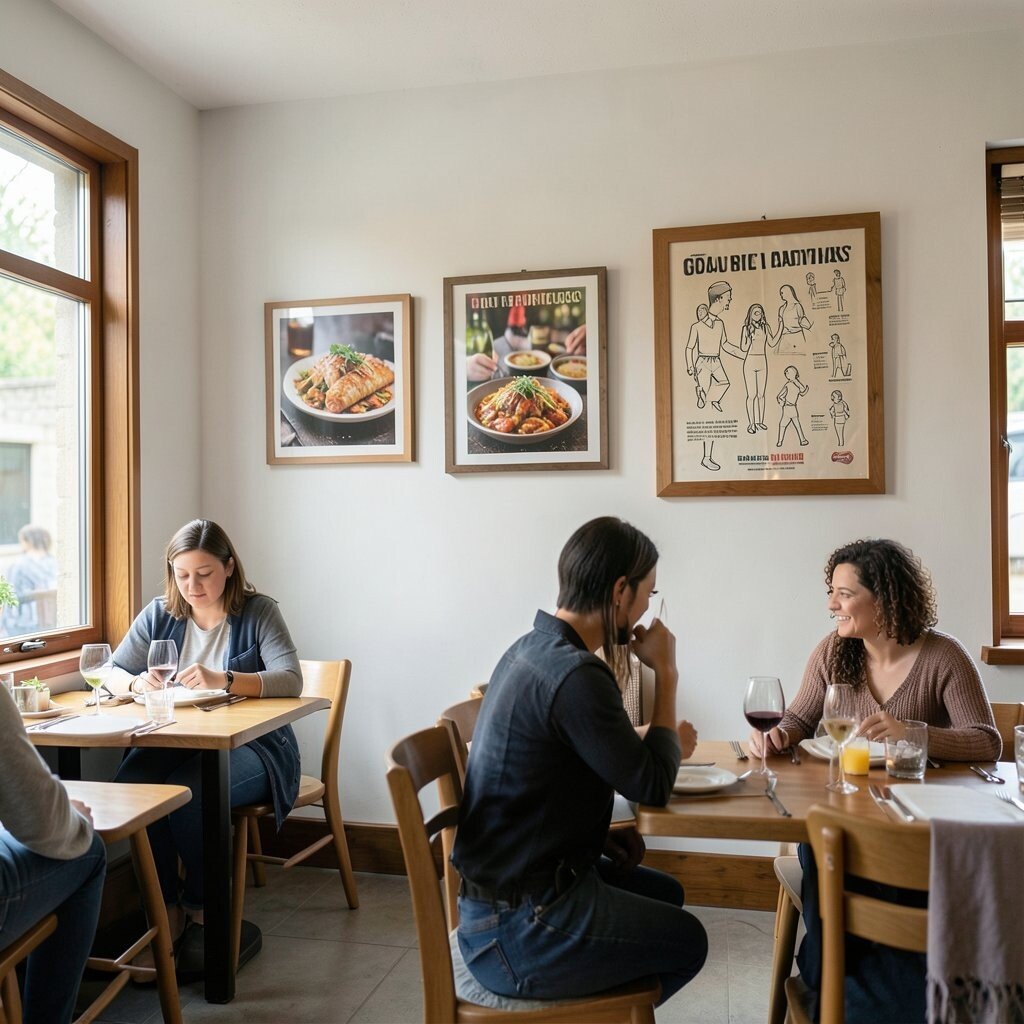
Art gives a restaurant soul. A blank wall can feel cold, but a few strong pieces can make it feel alive.
Choose prints, murals, photos, or handmade work that match your food and your story. You can feature local artists, which adds uniqueness and helps your community at the same time. Rotating art now and then keeps the space fresh without a full remodel.
Art can also be a smart budget move because one large piece may cost less than many small decor items. Try framing menus, vintage posters, or simple line art for a clean look. Guests often remember art that feels personal and unexpected.
6. Upgrade Seating For Comfort And Style
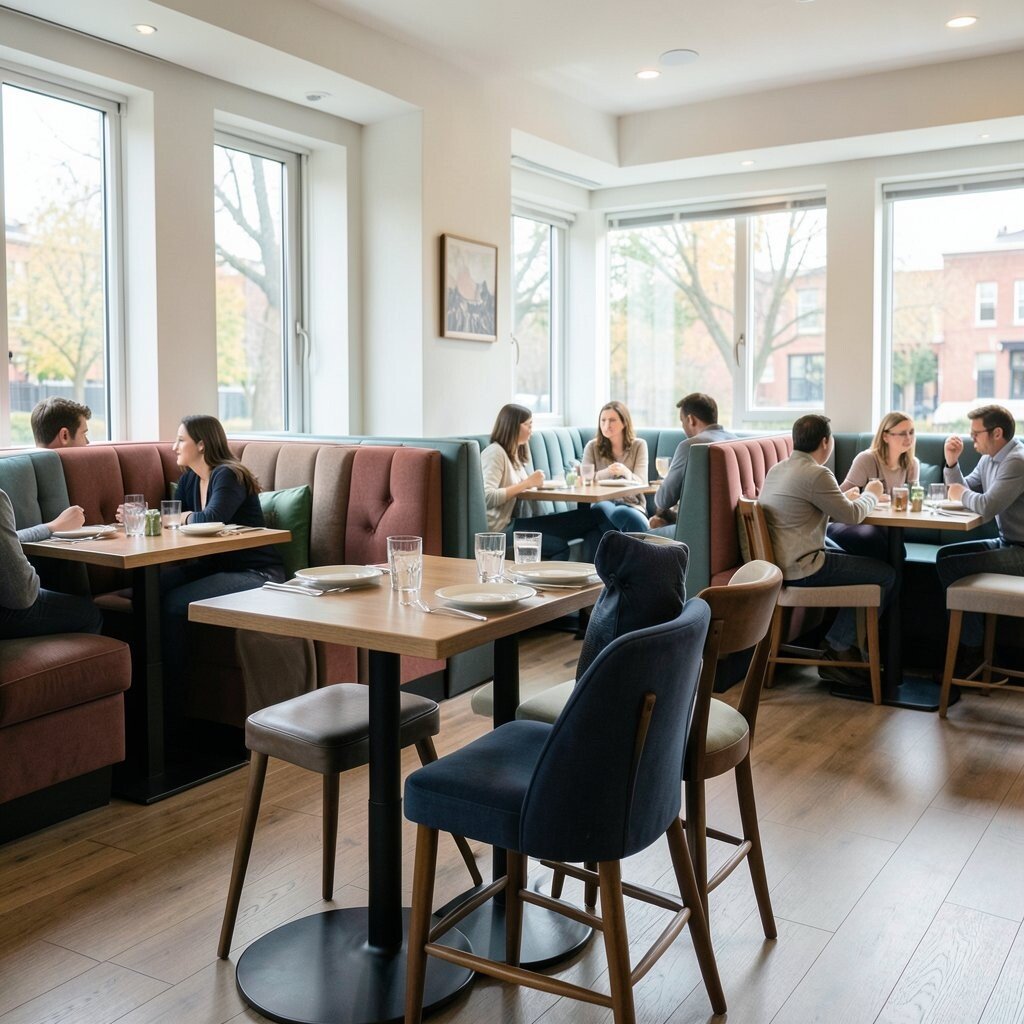
Good seating changes how long people stay and how they feel while they eat. Chairs and booths should look nice, but they also need to feel sturdy and easy to clean.
Mix seat types to make the room more lively, such as booths, bar stools, and small tables. This gives guests more choices and helps different group sizes fit in well. Upholstered seats are still popular because they feel soft and inviting.
If you want to save money, reupholster old seats or repaint wooden chairs instead of replacing everything. Add cushions in your brand colors for a quick update. Comfort is a big part of design, and it can help guests stay longer and order more.
7. Create A Strong Color Palette
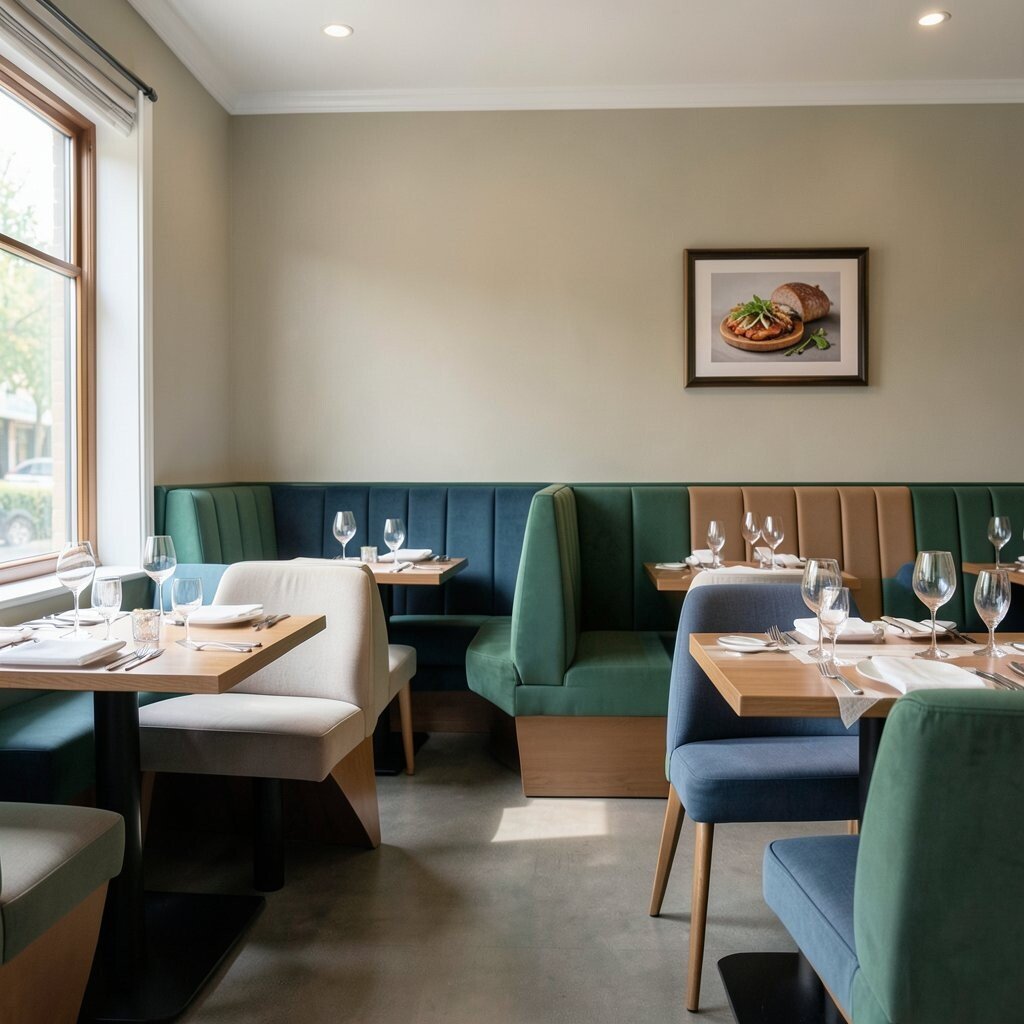
Color can change the whole mood of a restaurant in a fast, easy way. Calm tones feel relaxed, while bold shades can feel lively and fun.
Choose a small group of colors and repeat them in the walls, menus, napkins, and decor. This makes the room feel polished and helps guests remember your brand. Earth tones, deep greens, and dusty blues are common trends because they feel modern and timeless.
You do not need to paint every wall to make an impact. A feature wall, painted trim, or colorful booth backs can do a lot. If you want a personal touch, use shades that connect to your logo or your food style.
8. Use Open Shelving With Care
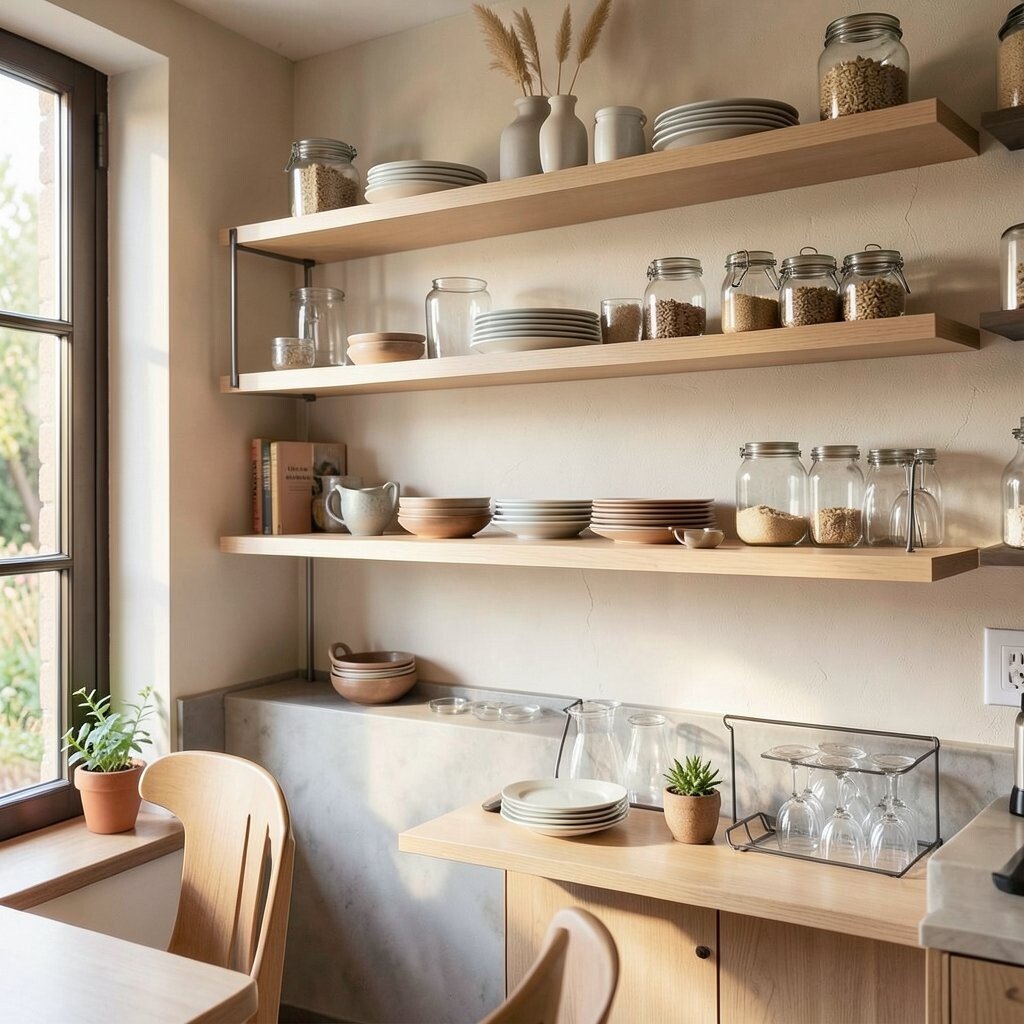
Open shelves can make a restaurant feel airy and warm. They also give you a place to show off plates, jars, glassware, or small decor pieces.
Keep the shelves neat so they look stylish instead of messy. Use items that match in color or shape for a clean feel. Floating shelves and slim metal racks are popular because they look light and modern.
This idea can be budget-friendly if you already have nice dishes or display items. It also lets you change the look with the seasons by swapping out a few pieces. Just make sure the shelves are easy to reach and simple to clean.
9. Bring Nature Inside

Plants can make a room feel fresh and calm right away. Even a few leafy greens can soften hard edges and add life to the space.
Use hanging plants, tall floor plants, or small herb pots near the windows. Greenery works well with many styles, from simple modern rooms to warm farmhouse looks. Guests often enjoy spaces that feel close to nature because they seem less stiff.
If real plants are hard to care for, use high-quality faux plants in spots that need color. You can also add dried flowers or branches for a low-maintenance touch. Nature-inspired details are a smart way to refresh the room without a huge cost.
10. Design A Memorable Bar Or Service Area
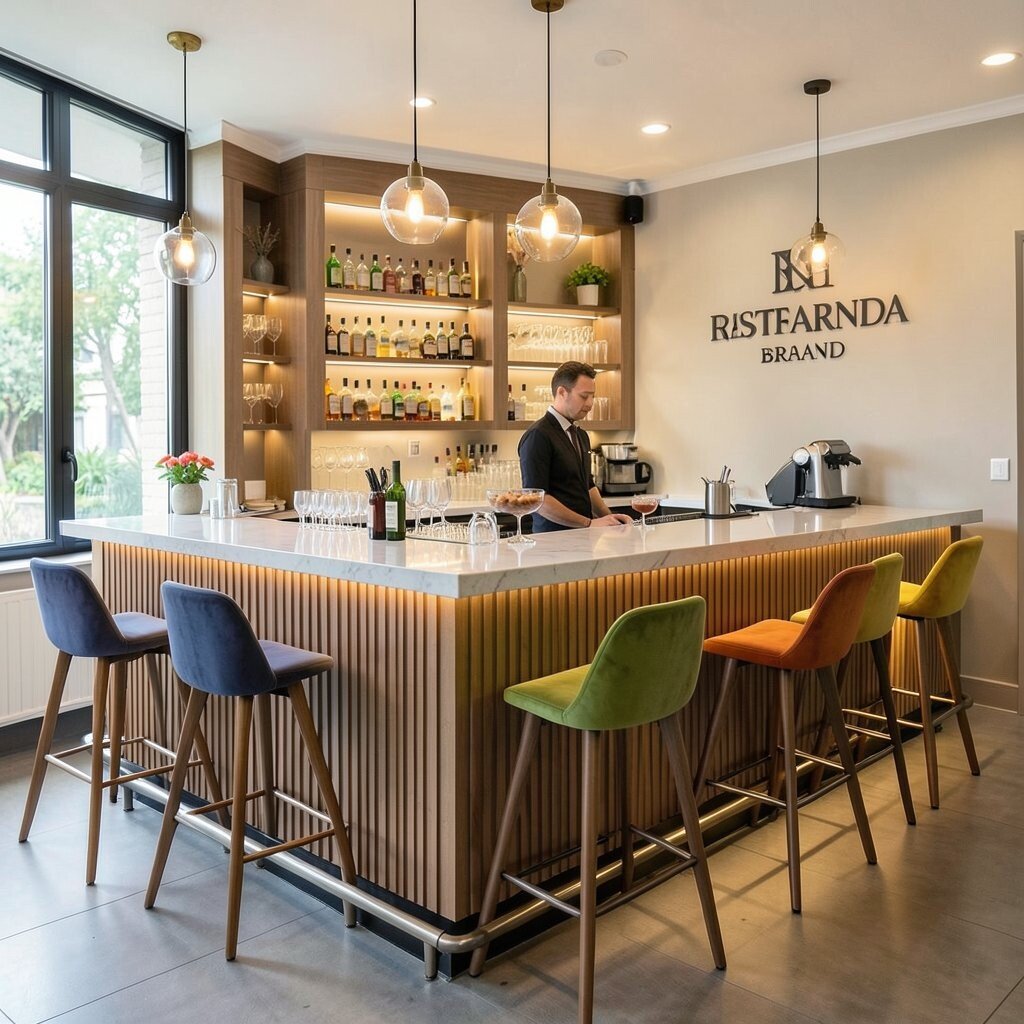
A bar or service counter can become the heart of the room. When it looks polished, the whole restaurant feels more put together.
Try using a unique counter front, eye-catching stools, or a back bar with well-arranged bottles and glassware. Good lighting here makes drinks and desserts look even better. A strong service area also helps staff work smoothly, which is a big benefit for busy nights.
Personal touches can make this spot stand out, like custom shelving or a wall feature that shows your brand name. If you need to watch costs, update only the front panel, shelves, or lighting instead of rebuilding the whole area. A clean, stylish bar can feel fresh without needing a full overhaul.
11. Make The Ceiling Part Of The Design
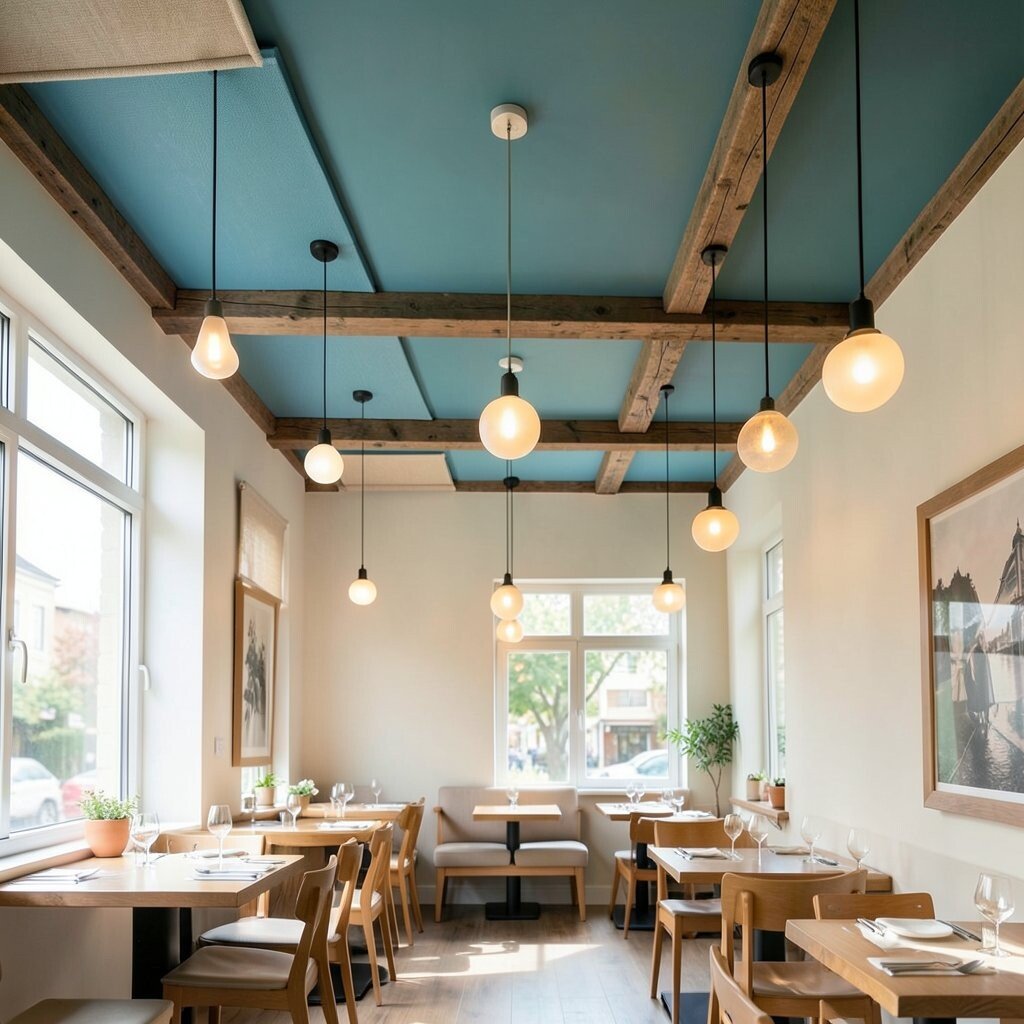
Ceilings are often ignored, but they can change the whole feel of a room. A painted ceiling, wood beams, or simple hanging decor can pull the eye upward and make the space feel special.
This works well in small rooms because it can make them feel taller and more open. Pendant lights, fabric panels, and subtle patterns are all strong choices. Ceiling details are also a current trend because they add surprise in a smart, stylish way.
If your budget is limited, try paint before anything else. Even one bold ceiling color can create a fresh look. Keep the rest of the room simple so the ceiling detail can shine.
12. Add Smart And Stylish Wall Features
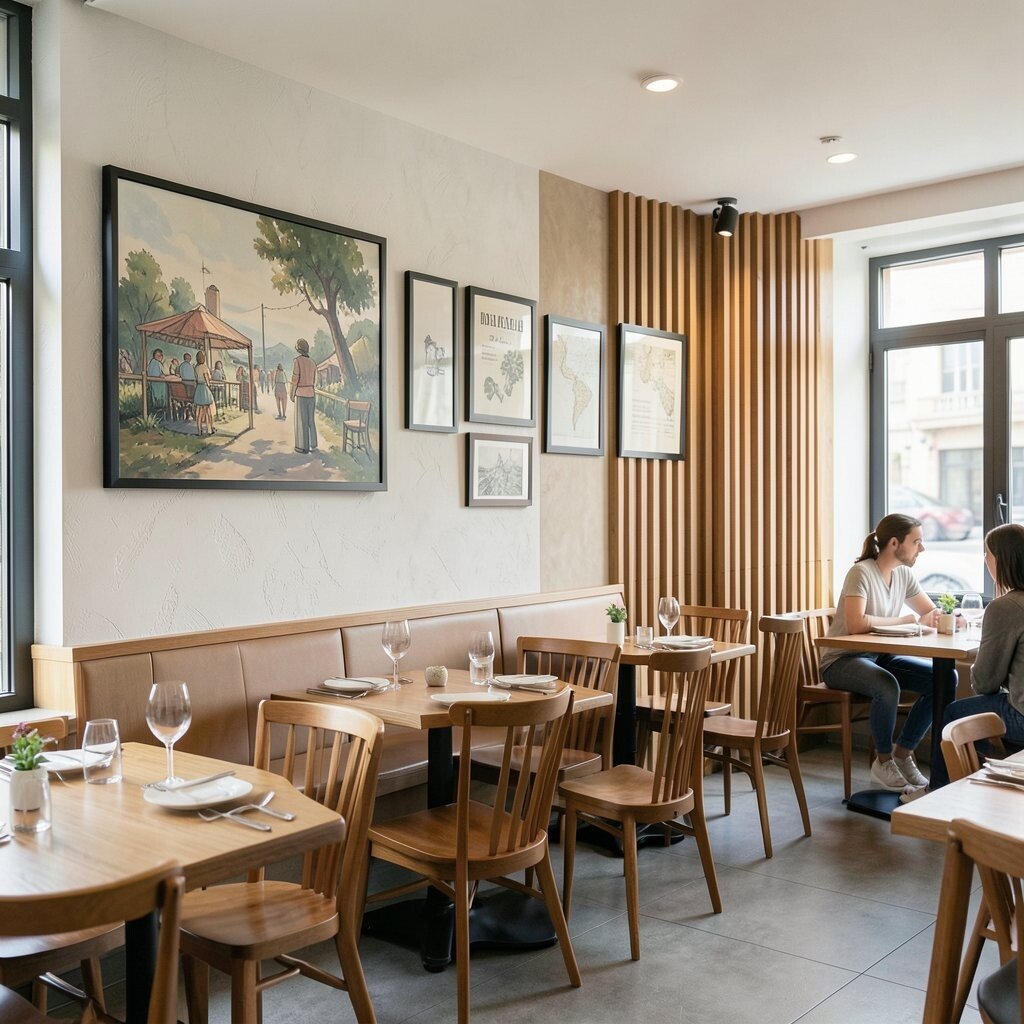
Walls offer a big chance to shape the mood of the restaurant. A mural, texture panel, or framed display can turn a plain surface into a focal point.
Choose wall features that fit your story and your space size. For example, a hand-painted scene can feel artistic, while wood slats can feel warm and modern. Guests often notice wall design first because it frames the whole room.
To keep costs in check, use one statement wall instead of decorating every wall. You can also mix simple paint with a few standout pieces for balance. Personal details like quotes, local maps, or old photos can make the room feel one of a kind.
13. Refresh Tabletop Details
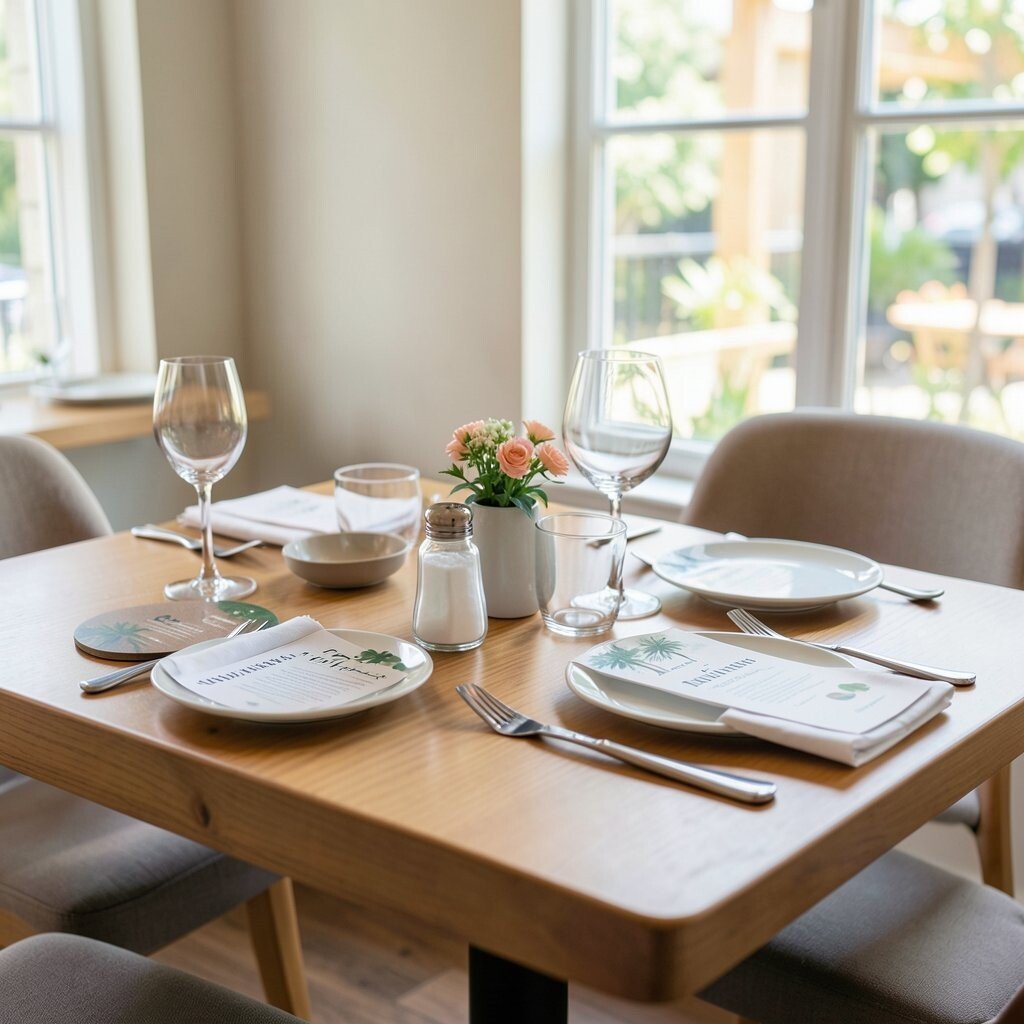
Small tabletop pieces can have a big effect on the guest experience. Plates, glasses, napkins, salt shakers, and menus all help tell your design story.
Pick items that feel neat, easy to use, and true to your brand. Matching tabletop pieces can make even a simple room feel more polished. Many restaurants are choosing reusable and eco-friendly items because they look good and support a cleaner image.
You can personalize the table with custom coasters, printed menus, or small flowers. These touches do not need to cost a lot, but they can make guests feel cared for. A thoughtful tabletop setup can make the whole meal feel more special.
14. Build Little Moments Of Surprise
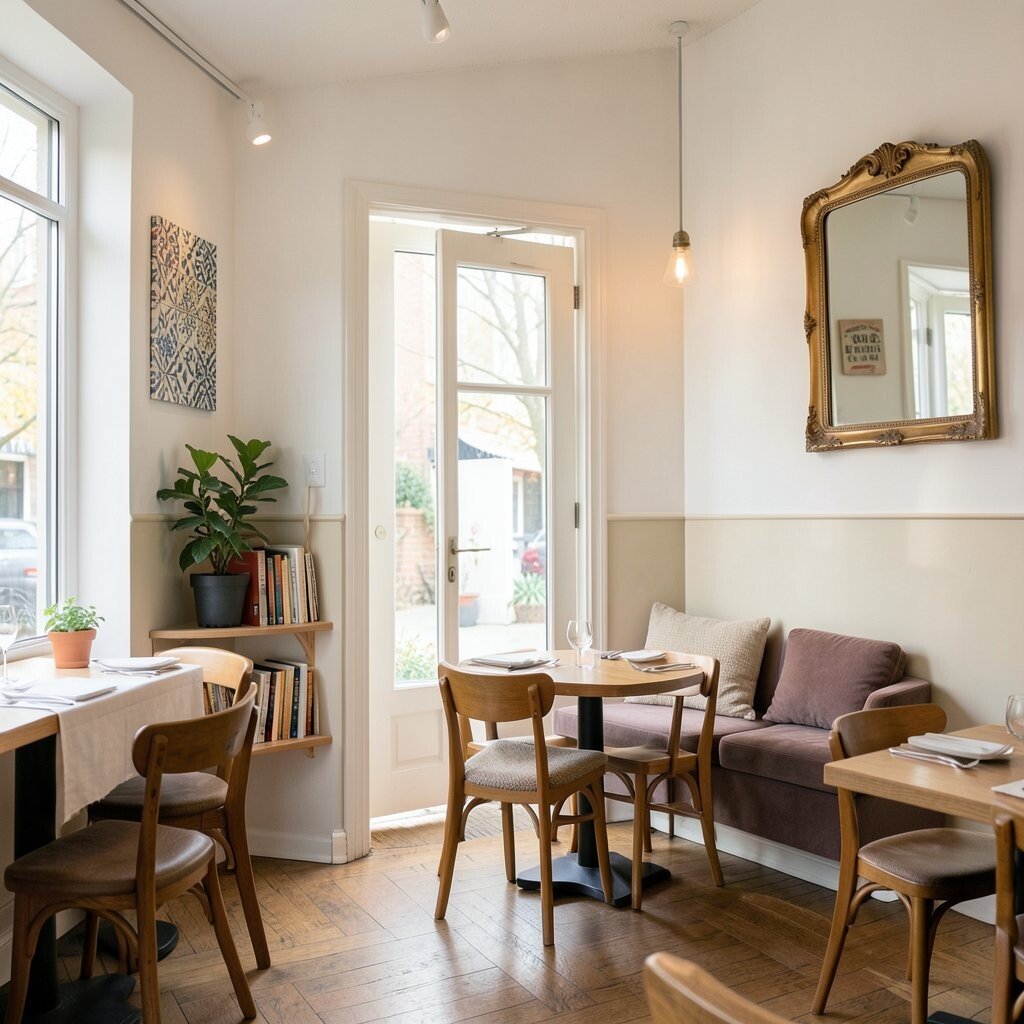
Unexpected details make a restaurant feel fun to return to. A hidden nook, a bright doorway, or a playful sign can give guests something to talk about.
These little moments help your space feel unique instead of copied. They can also guide people through the room and make the layout more interesting. Current design trends often favor these small surprises because they create strong memories.
Try adding one surprise in each main area, such as a patterned tile patch, a cozy reading corner, or a statement mirror. Keep the idea simple so it feels charming, not crowded. Even small changes can make the whole restaurant feel fresh and full of personality.