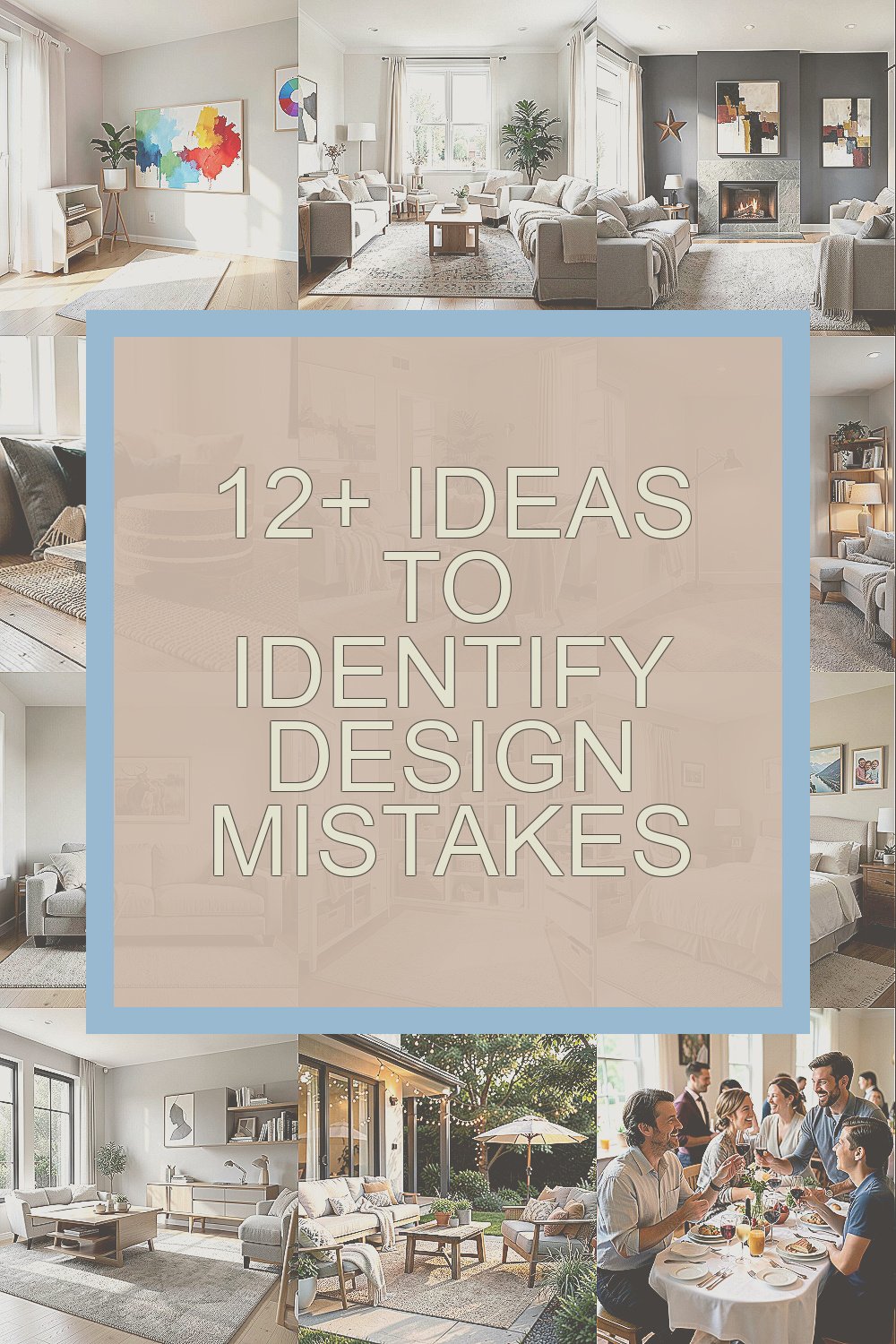
Design is a magical world where creativity meets functionality, but it’s easy to overlook the little things that can derail your masterpiece. Avoid these common pitfalls to ensure your designs are both stunning and practical.
1. Ignoring Color Harmony
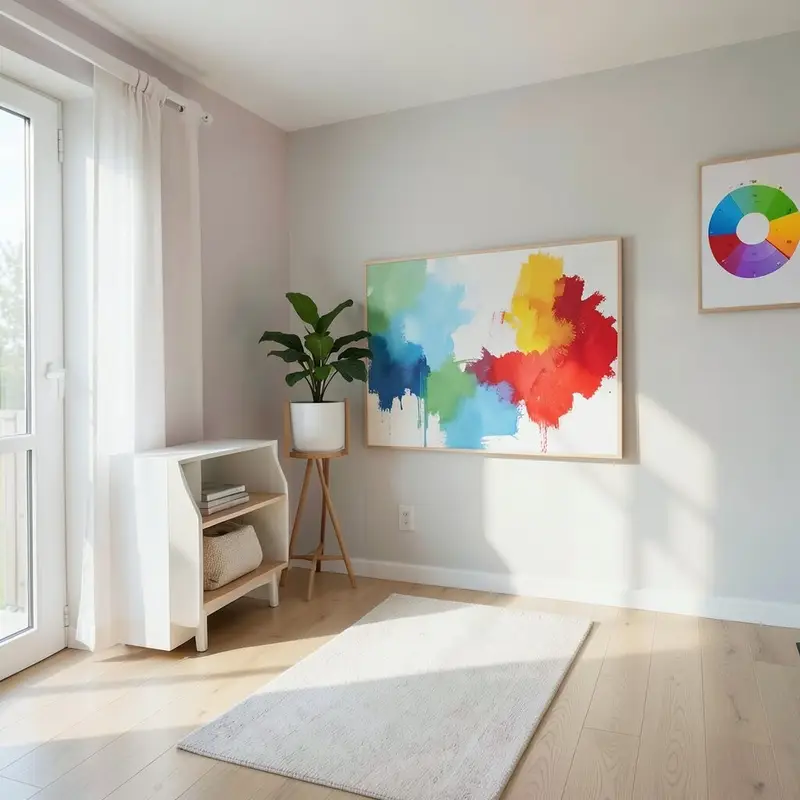
Colors can make or break your design. Think of them as the mood-setters. When colors clash, it’s like a band playing out of tune. Choose a palette that sings together, like soft pastels or bold primaries.
Creating harmony doesn’t mean everything has to match perfectly. It’s about balance. Try using a color wheel to guide you. Complementary colors can add contrast while analogous colors soothe the eye.
Colors are not just about looks; they evoke emotions. Want energy? Go for reds and yellows. Need calm? Blues and greens are your friends. And the best part? Playing with paint is one of the cheapest ways to transform a space.
2. Overcrowding the Space
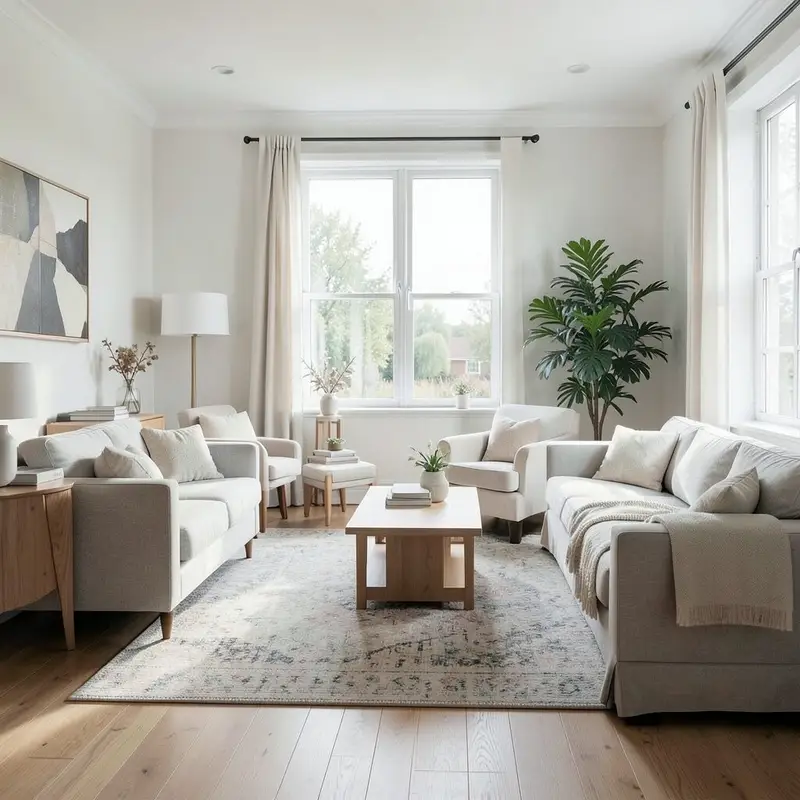
Imagine walking into a room where every piece of furniture screams for attention. Overcrowding can make even the most spacious areas feel cramped. It’s like trying to read a book with too many words on a page.
Less is more. Choose a few standout pieces and let them breathe. Your space will feel airy and inviting. Remember, empty space is as important as the furniture itself.
Think of it as giving your favorite pieces a stage. They deserve the spotlight! Plus, having fewer items means less cleaning and more room for dancing.
3. Forgetting the Focal Point
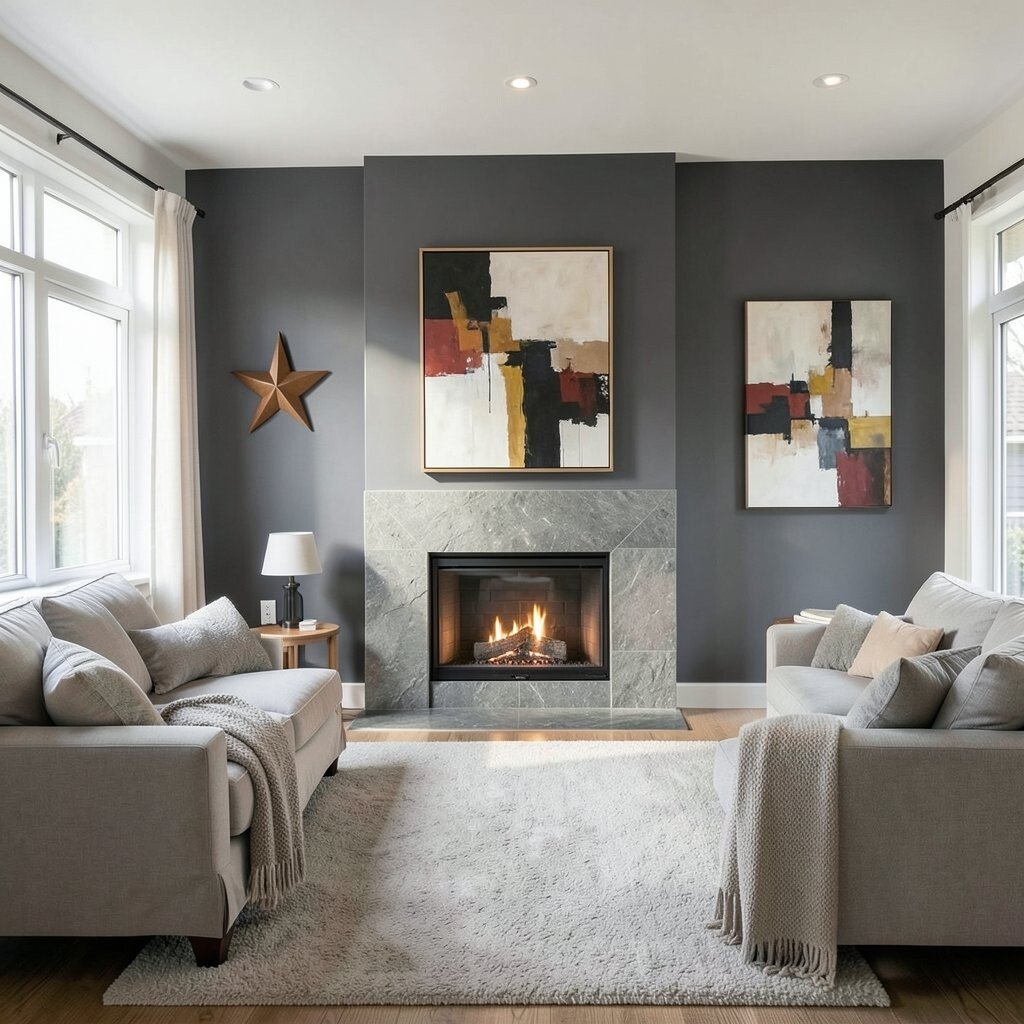
Every room needs a star, a focal point that draws the eye. Without it, designs can feel directionless. It’s like a story without a main character.
Your focal point could be a striking piece of art, a stunning fireplace, or even a bold feature wall. Let it shine by keeping surrounding elements understated.
Highlighting a focal point can add personality and purpose to your space. It’s your chance to showcase what you love. Plus, it’s a great conversation starter when guests visit.
4. Neglecting Texture
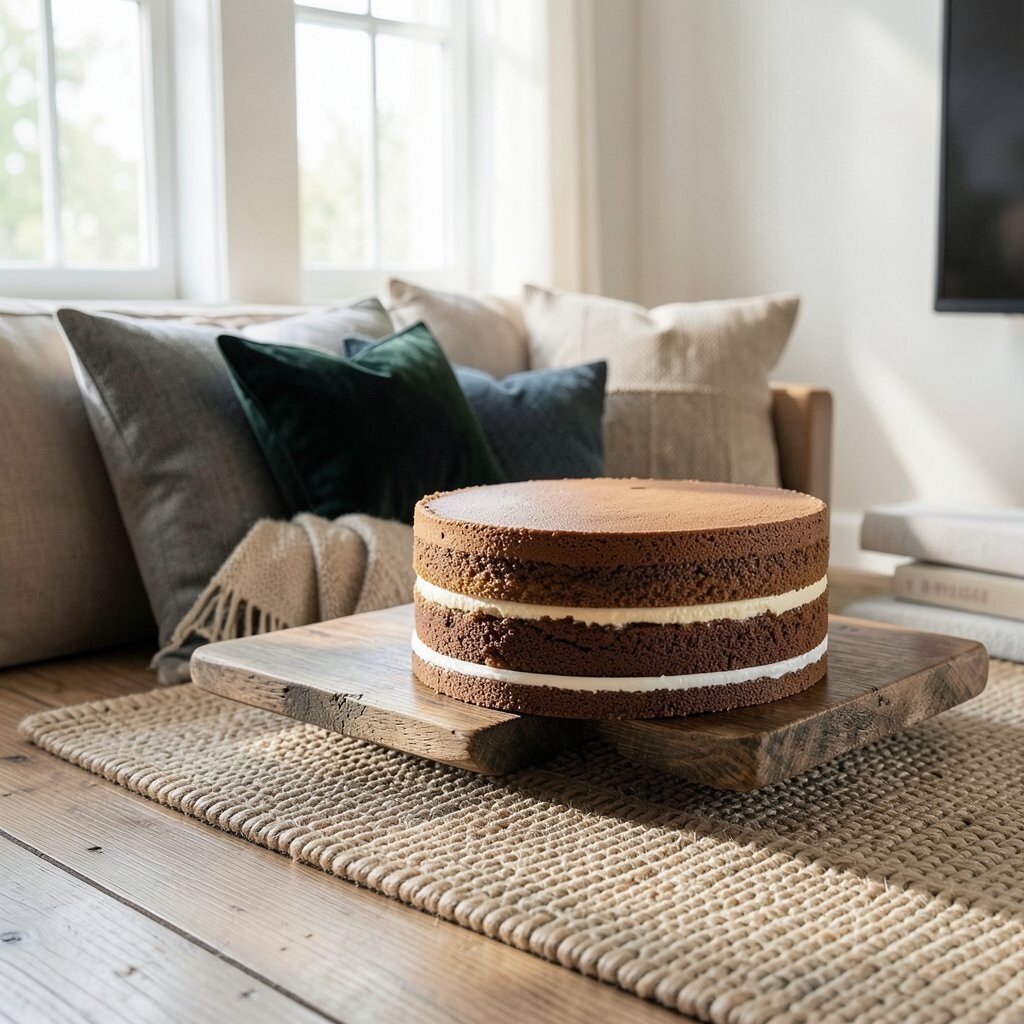
Flat designs are a missed opportunity. Texture adds depth and richness. Imagine a room with just smooth surfaces; it feels incomplete, right?
Mix materials like wood, metal, and fabric to create interest. A velvet cushion here, a woven rug there. Texture engages the senses beyond the visual.
It’s like adding layers to a cake. Each one brings something delightfully different. Plus, textures can be subtle, so they’re perfect for personalizing a design without overwhelming it.
5. Choosing Style Over Comfort
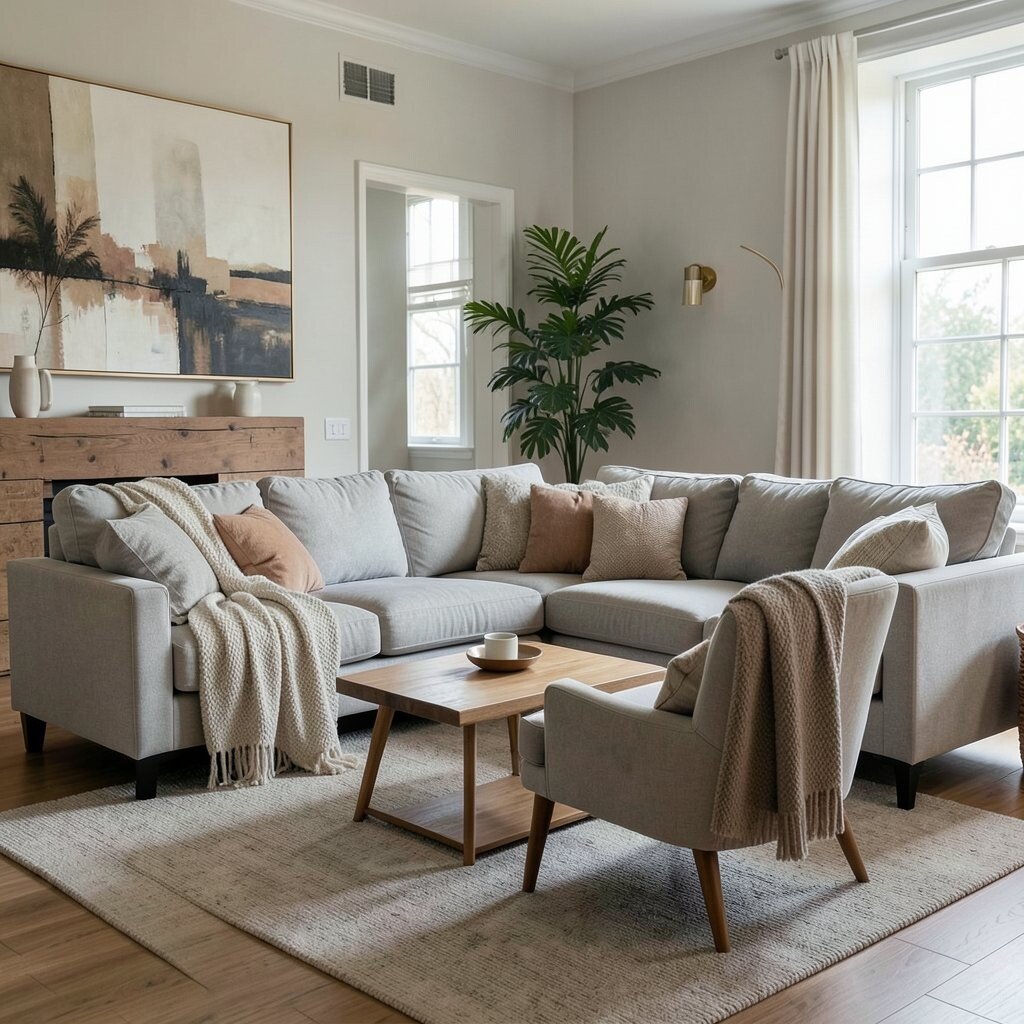
Ever sat on a beautiful chair that felt like a rock? Style doesn’t have to come at the cost of comfort. It’s possible to have both!
Think about how you use your space. If you love lounging, prioritize plush sofas and cozy throws. Comfort adds an inviting warmth that style alone cannot achieve.
Design should make you feel good. When you blend comfort with style, your space becomes a haven. And the best part? You don’t need to sacrifice one for the other.
6. Overlooking Lighting
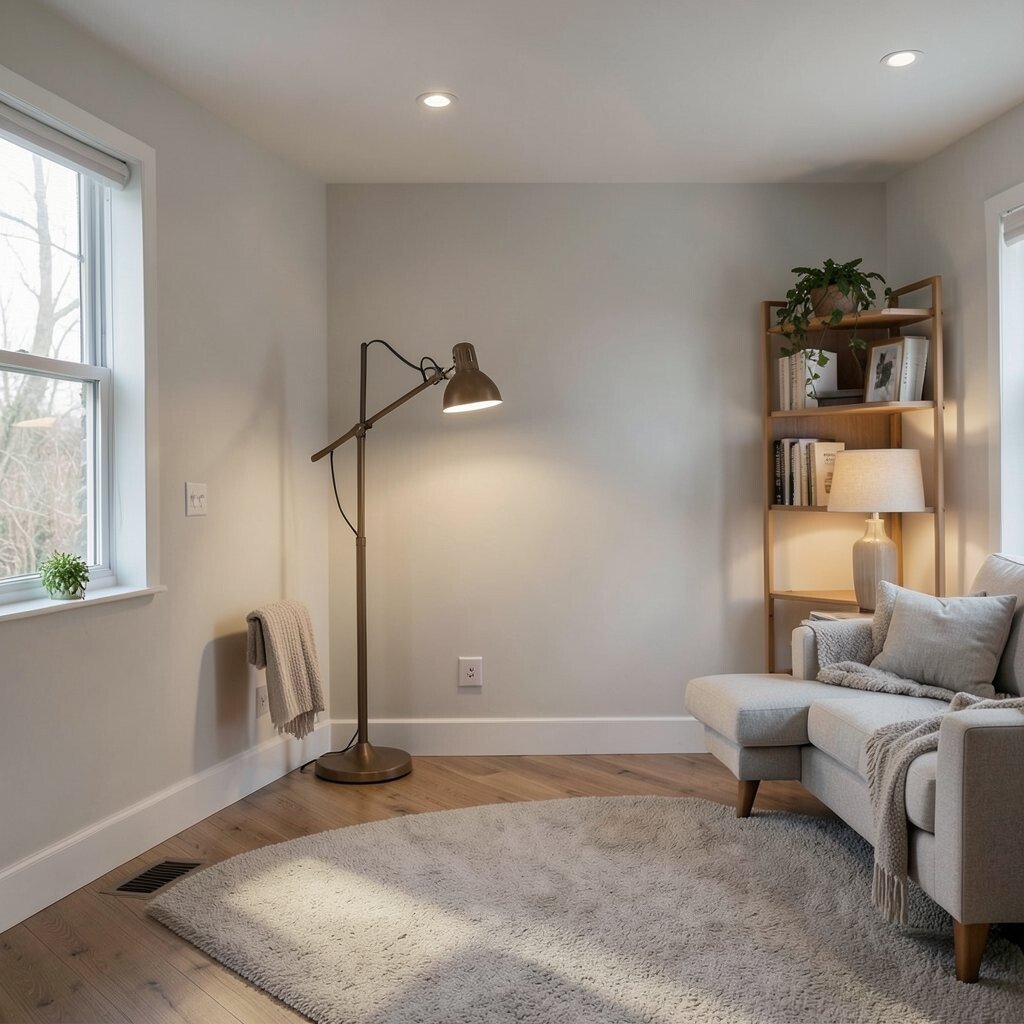
Lighting can change everything. It’s like the director of a play, setting the mood and guiding the eye. Yet, it’s often an afterthought.
Layering is key. Use ambient lighting for overall illumination, task lighting for specific functions, and accent lighting to highlight features. This creates a dynamic and flexible environment.
Good lighting can make colors pop and textures sing. Plus, it’s a fantastic way to change the vibe of a room as the day progresses, all with a simple dimmer switch!
7. Skipping Scale and Proportion
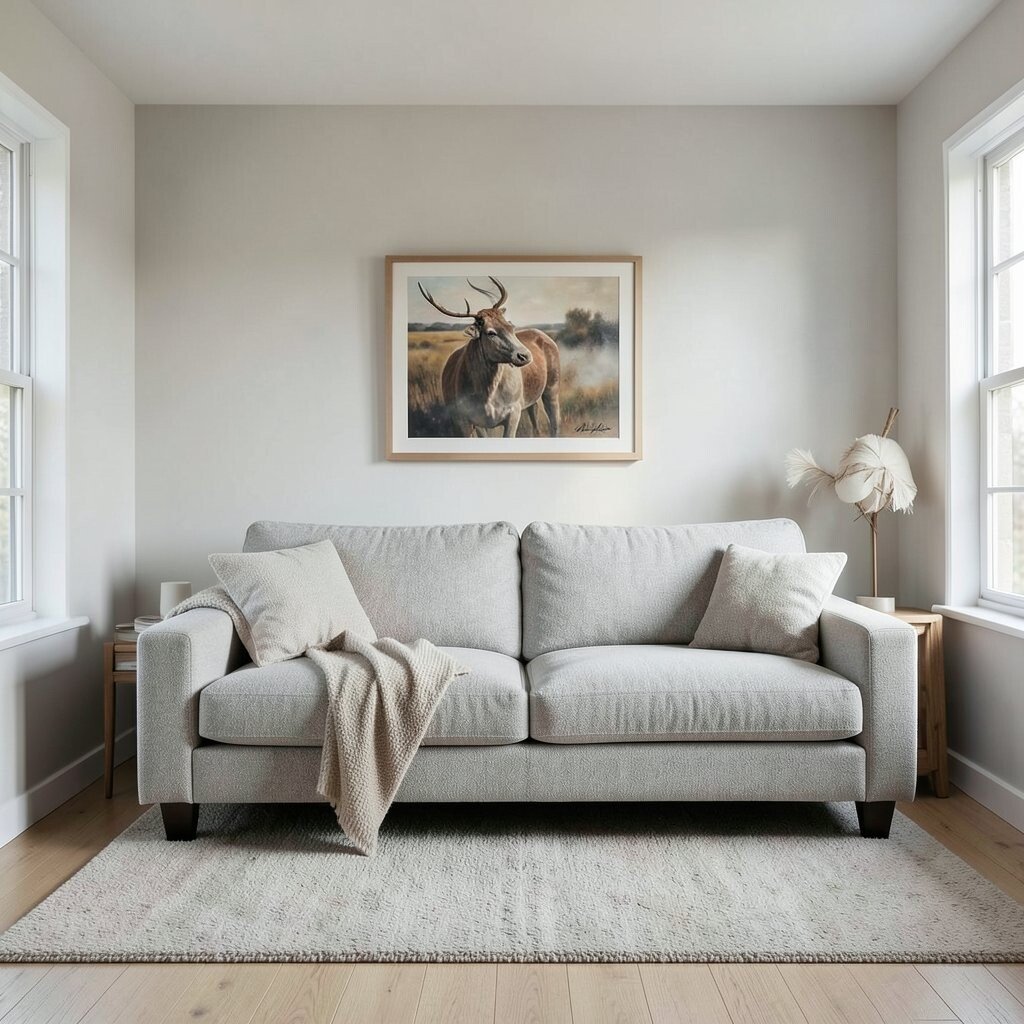
A giant sofa in a tiny room or a tiny artwork on a big wall can feel awkward. Scale and proportion give balance to a design.
Consider the size of the room and the items within it. Mix large and small elements for contrast, but keep it in proportion. This creates harmony and flow.
Think of it like a dance. Each piece needs to move gracefully within the space. When everything is just the right size, it feels right.
8. Underestimating Storage Needs
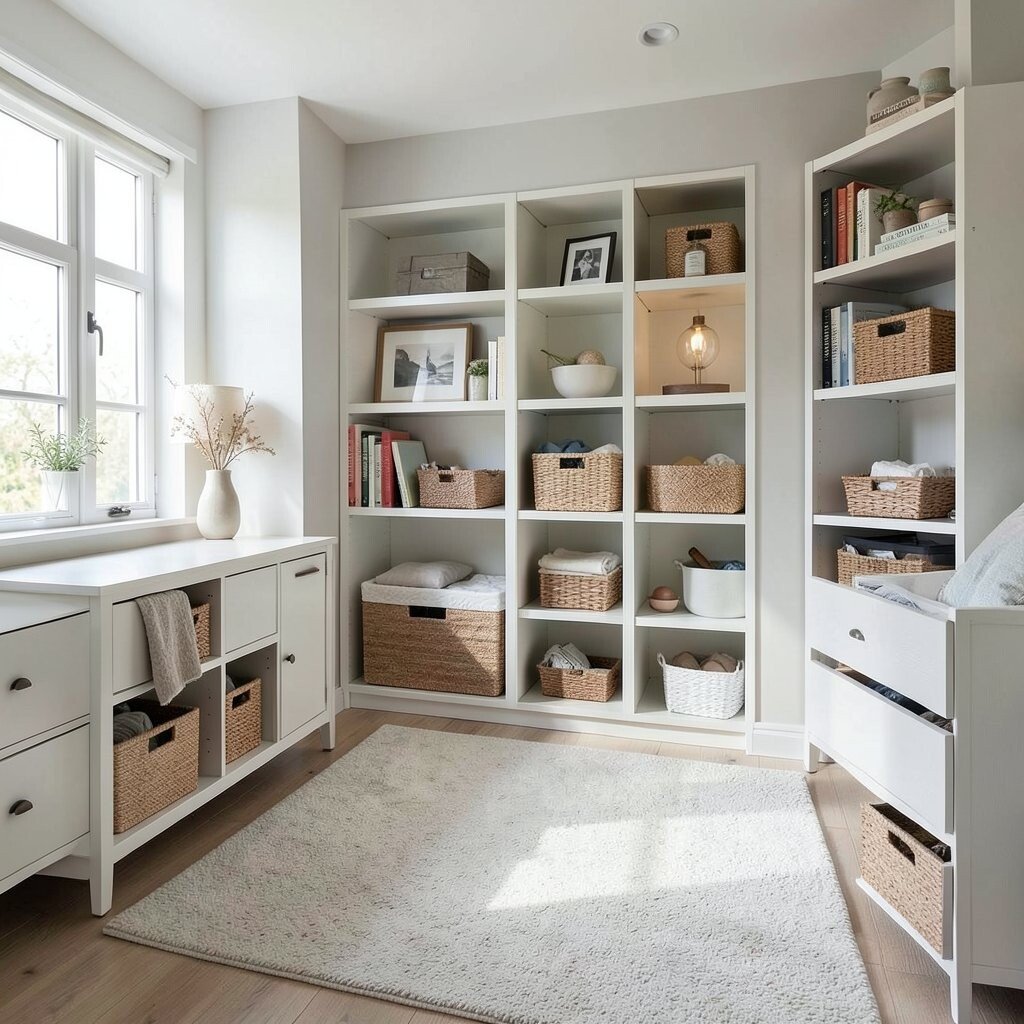
Clutter can creep up on you, turning a beautiful space into chaos. Storage is your secret weapon. It’s like a superhero cape for your home.
Look for furniture with hidden storage, like ottomans or beds with drawers. Open shelving can show off your favorite items while keeping the rest tucked away.
Good storage keeps your space tidy and your mind clear. It’s about making life easier and more organized. Plus, it means you’re always ready for a spontaneous guest visit!
9. Ignoring Personal Touches
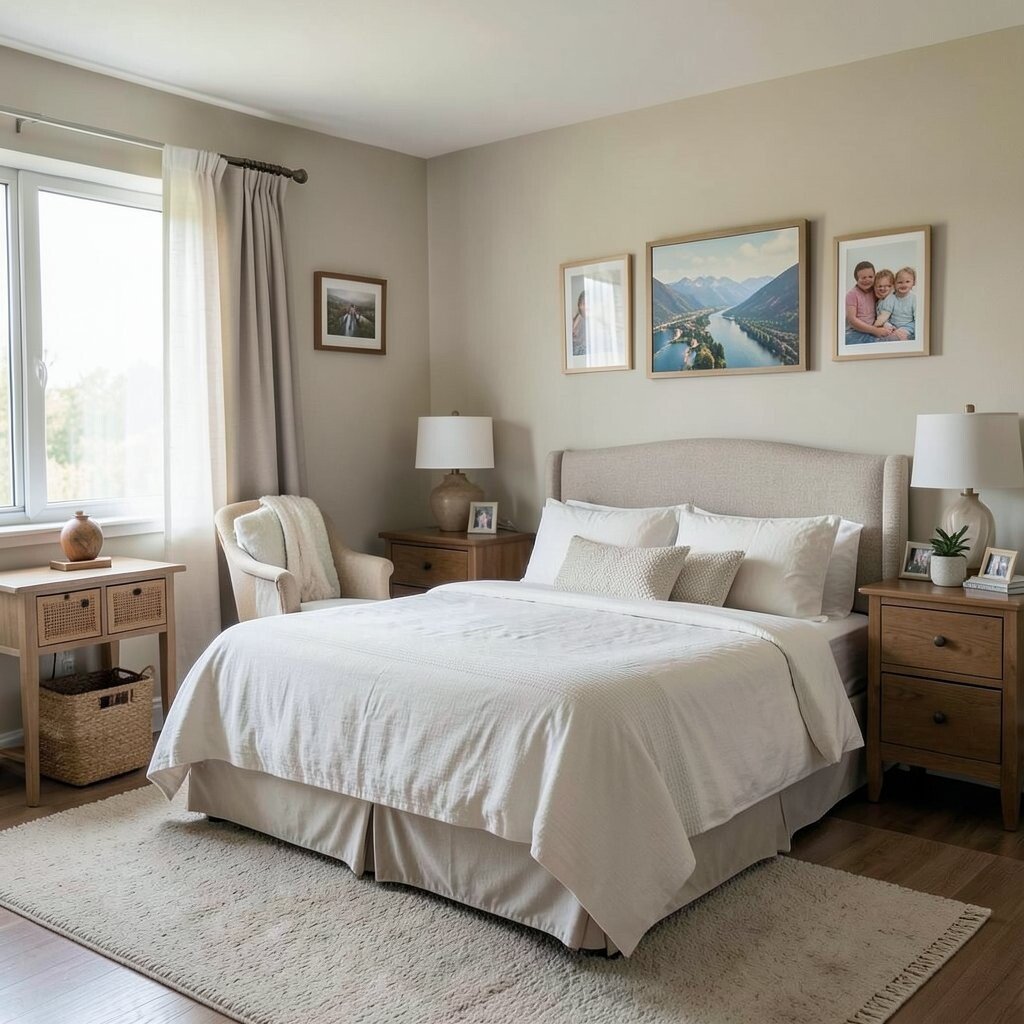
A space without personal touches can feel like a hotel room. Your home should tell your story, reflect your personality.
Add family photos, travel souvenirs, or artwork you love. These are the things that make a house a home and spark joy whenever you see them.
Personal touches make your space uniquely yours. They’re conversation starters and memory keepers. Plus, they often come with a story that makes them priceless.
10. Overlooking Functionality
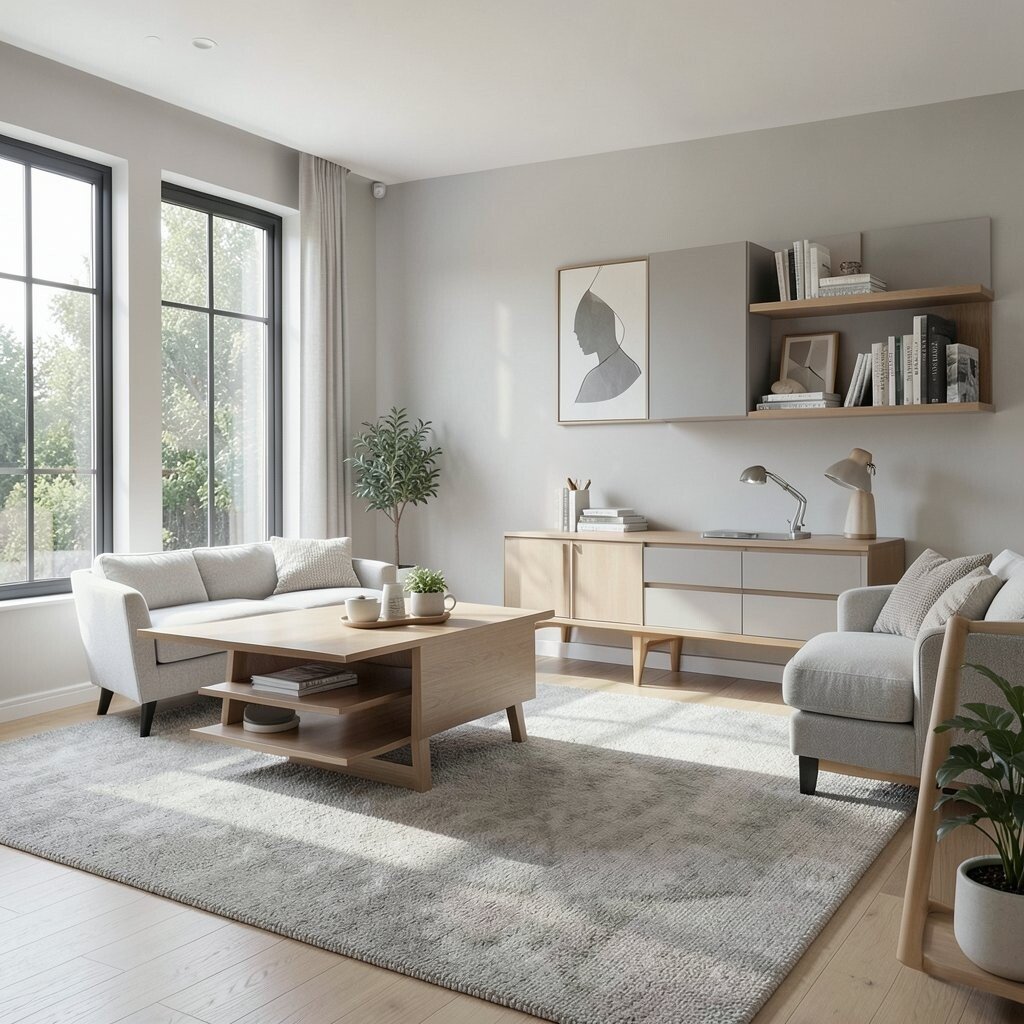
A beautiful design is useless if it doesn’t work for you. Functionality is the backbone of any good design.
Think about how you use your space daily. Ensure there’s enough room to move around, and everything is within reach. The design should make life easier, not harder.
Functionality ensures your space serves you, not the other way around. It’s like having a personal assistant in design form. And who wouldn’t want that?
11. Forgetting About Outdoor Spaces
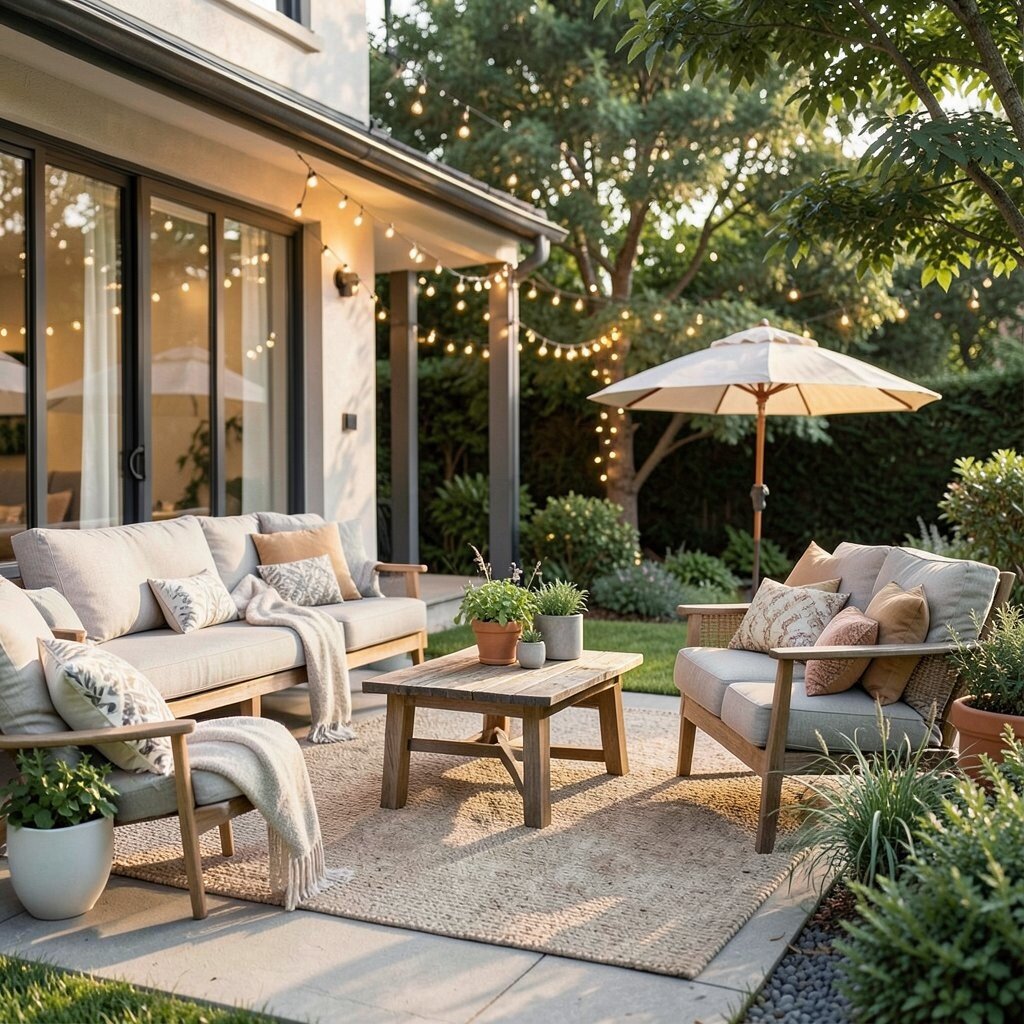
Outdoor areas are often overlooked, but they’re extensions of your home. Treat them with the same love and creativity.
Consider cozy seating, fairy lights, or a small herb garden. These spaces can be an oasis, a retreat from the hustle and bustle.
Your outdoor area can be a haven for relaxation and entertainment. It’s like having a slice of paradise, and it doesn’t have to cost much!
12. Over-Matching Designs
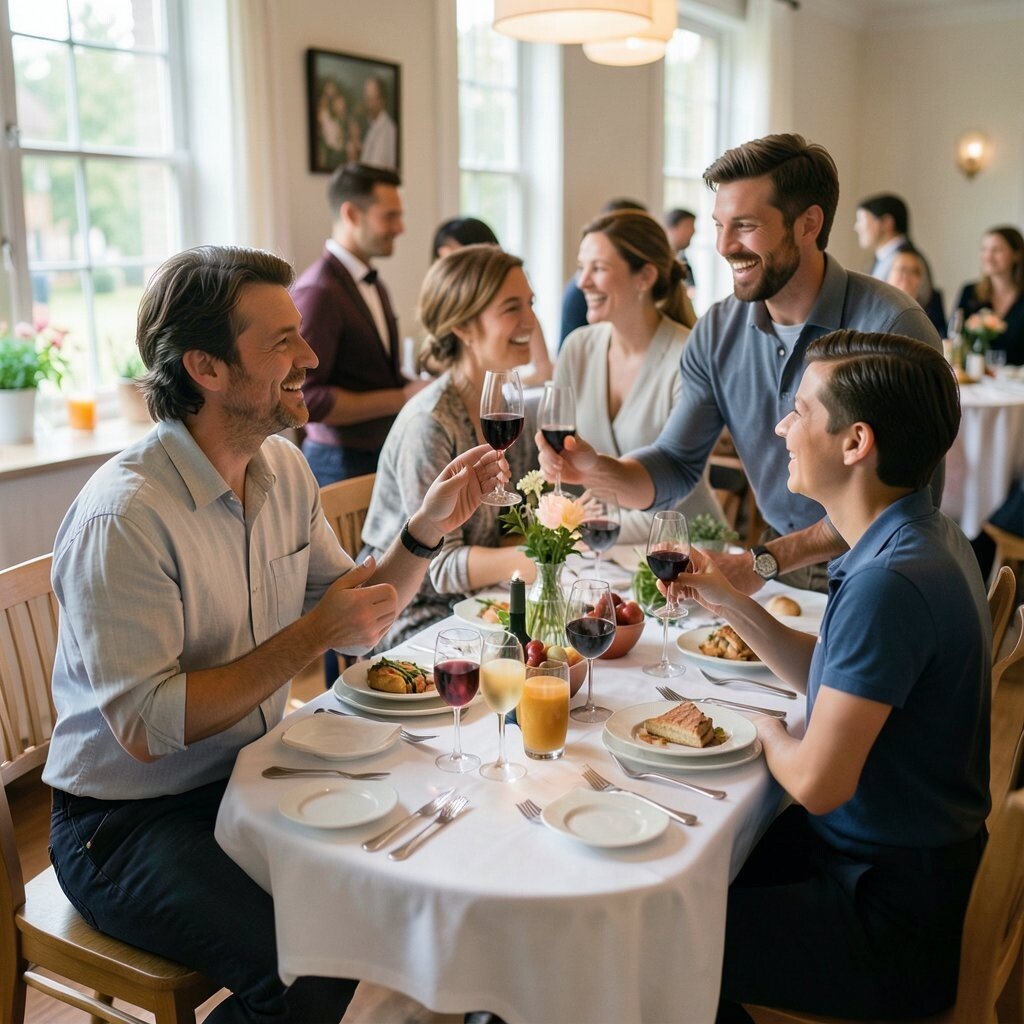
Matchy-matchy can feel stiff and uninspired. Design thrives on variety and surprise.
Mix patterns, styles, and eras for a more dynamic look. It’s like a party where everyone’s invited, and they all get along splendidly.
Embrace the unexpected. It adds character and keeps things interesting. And who doesn’t love a little bit of excitement in their design?
13. Setting a Fixed Budget
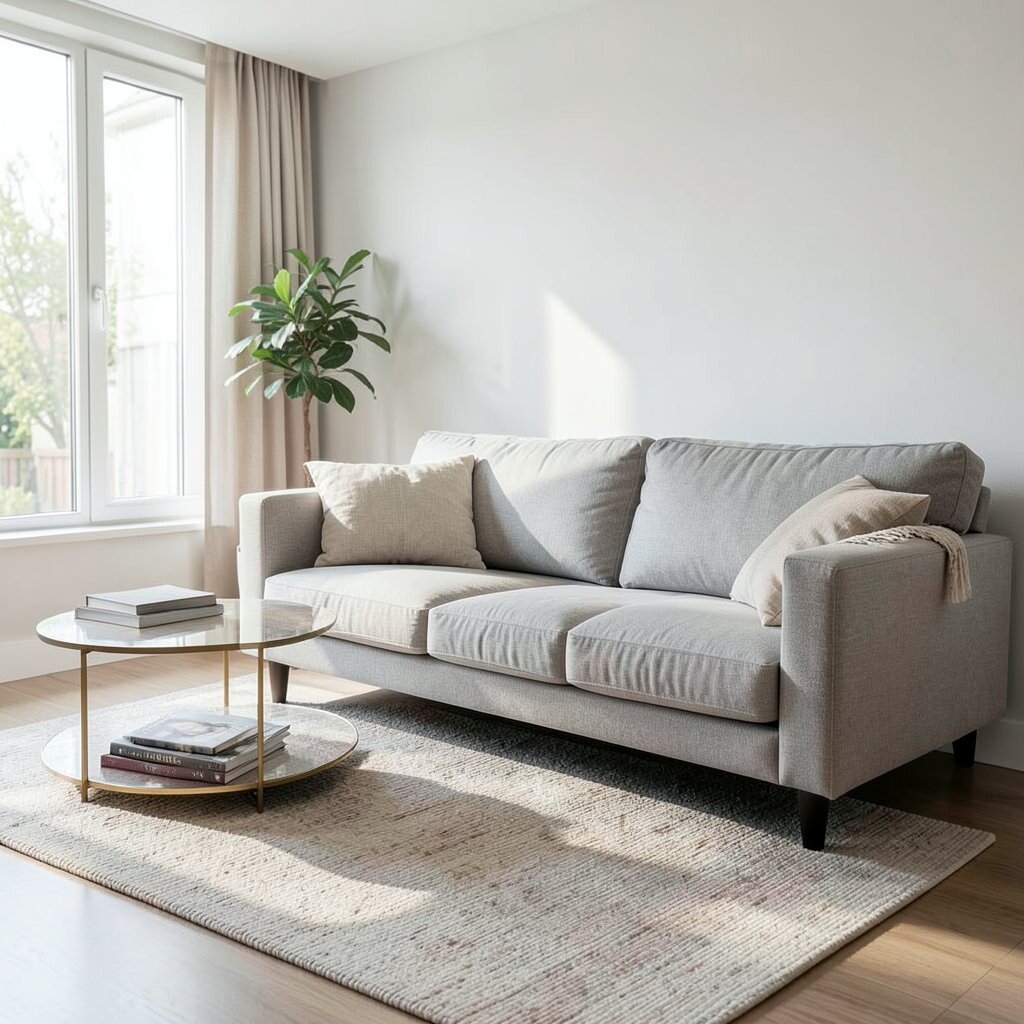
A fixed budget can be limiting. Be flexible, and allow room for those irresistible finds that make your heart sing.
Prioritize what’s important, and splurge where it counts. Maybe it’s that statement piece you’ve been eyeing or a high-quality sofa.
Design should be joyful, not stressful. A flexible budget gives you freedom and the chance to create something truly special.