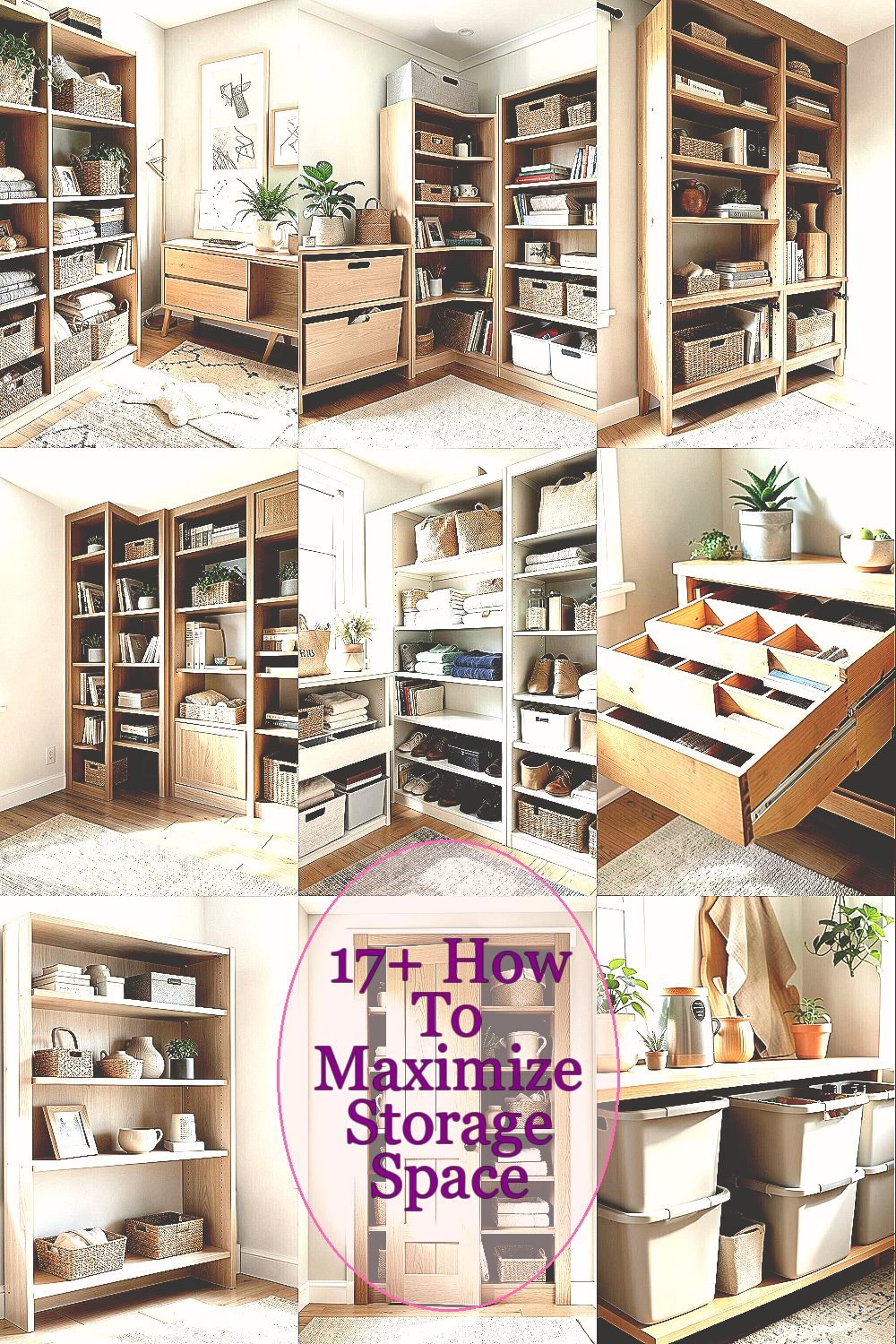
Your rooms can feel calm even when life gets busy. With smart storage choices, every item can have a home.
1. Start With A Visual Map Of Your Clutter
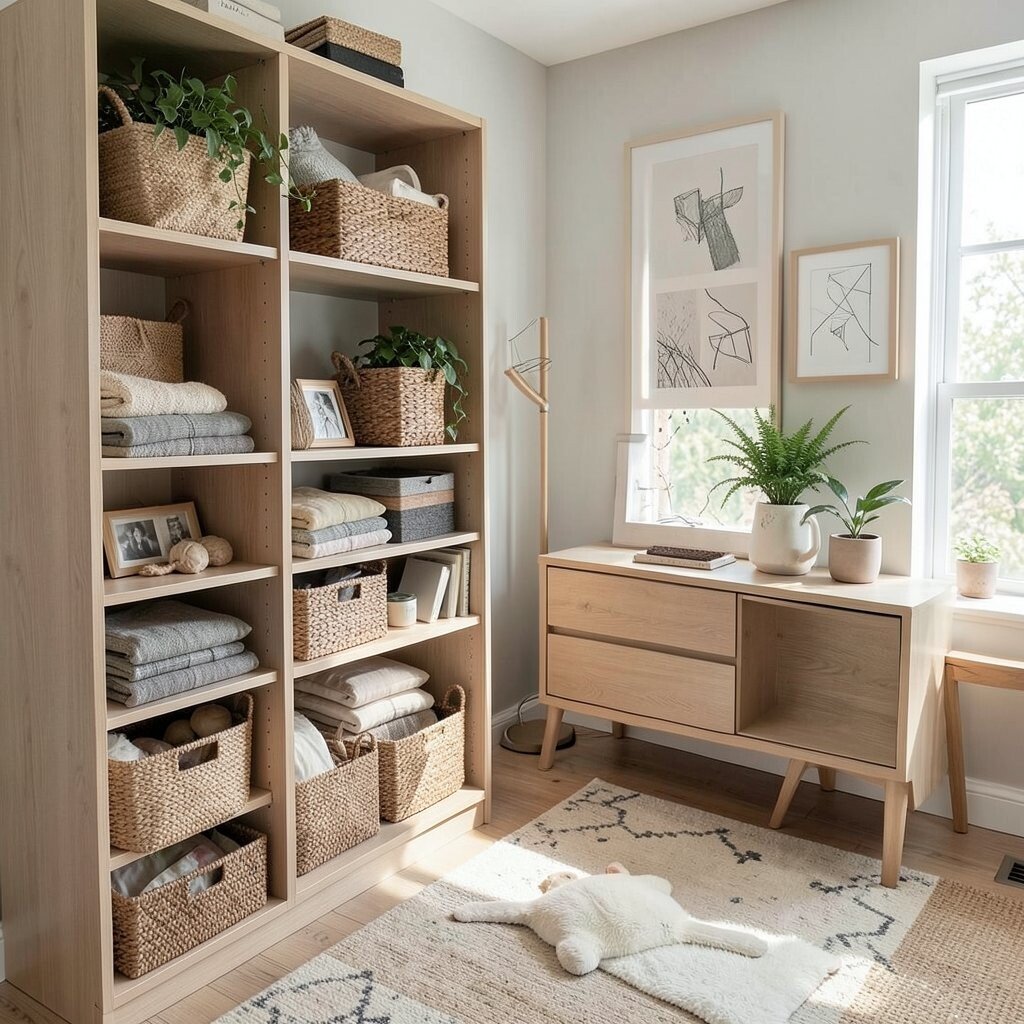
Look around and notice patterns, not just mess. Pick one area, like a corner or a desk, and watch what always piles up there.
As you study the space, imagine where each item naturally reaches. You will see empty walls, unused under-shelf gaps, and spots beside furniture that beg for baskets. This helps you match storage to real habits, which keeps the tidy look from slipping.
2. Choose Storage That Fits Your Real Room Shape
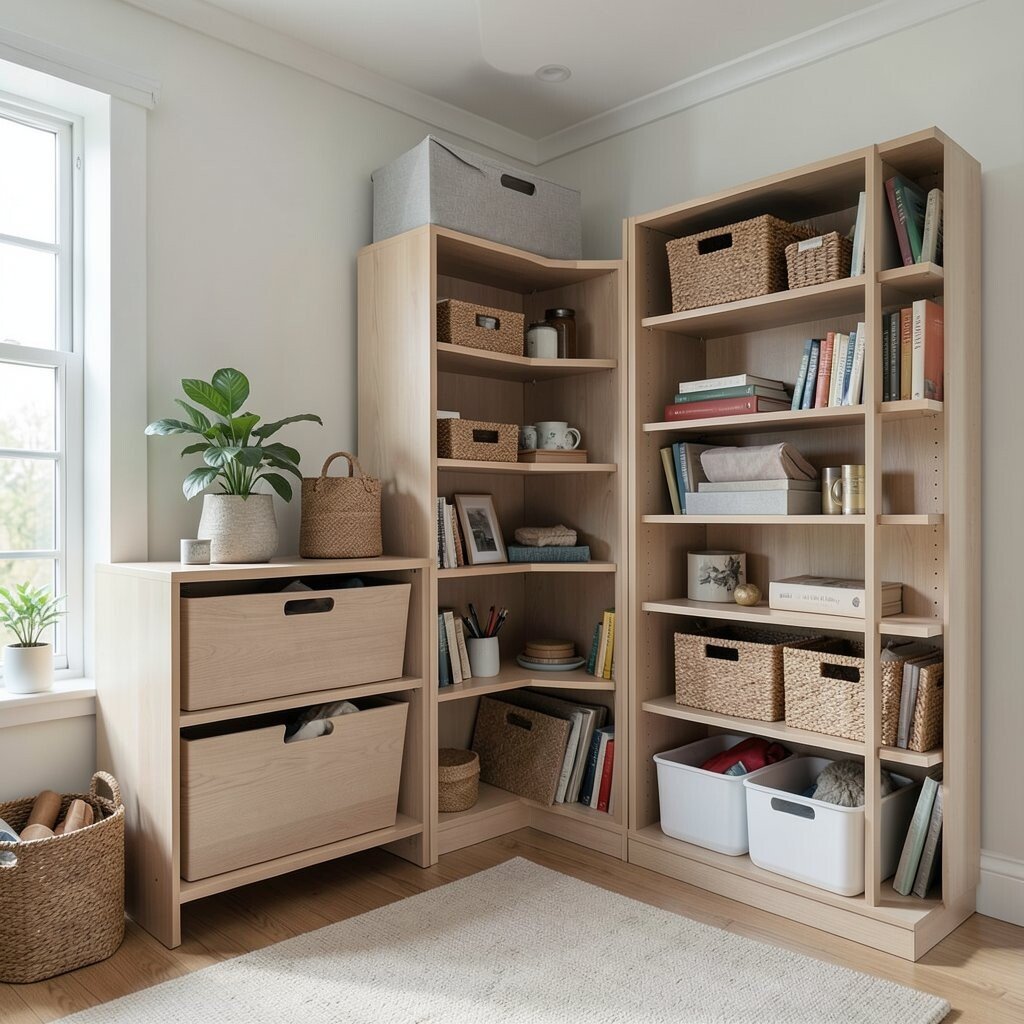
Don’t force storage to look perfect if it fights your room layout. Measure the narrow spaces near doors, the depth under windows, and the width of awkward alcoves.
When your storage matches the shape of the room, it feels built-in and calmer. Try slim organizers for tight spots, shallow shelves for book spines, and corner stands for things that need easy access. The best fit looks neat and makes daily routines smoother.
For a more personalized feel, color-match bins to your wall tones or pick clear fronts for quick scanning. Many homeowners now lean toward mix-and-match sets in soft neutrals because they look tidy even when bins are not fully packed. The benefit is clear labeling without visual clutter, and you can upgrade gradually as you learn what fills each zone.
3. Use Vertical Space With Shelves That Pull Their Weight
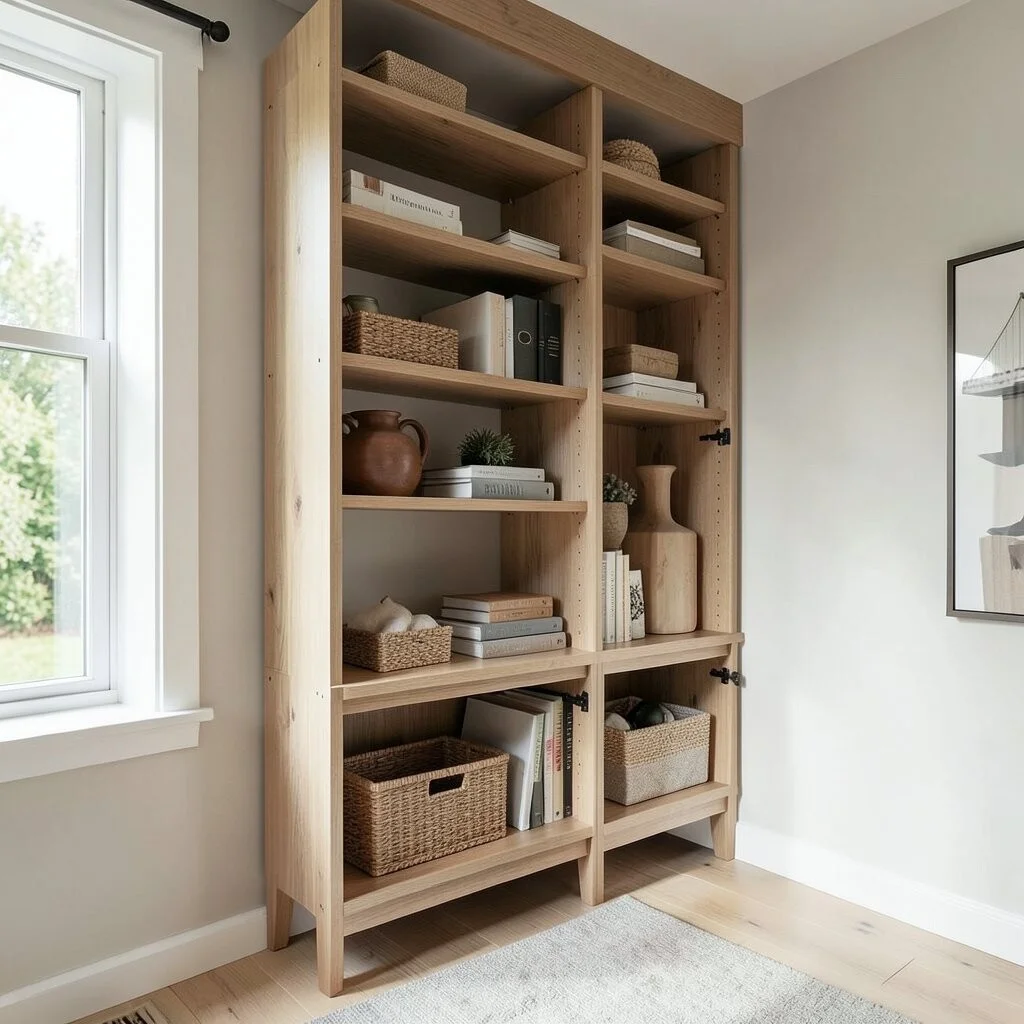
When floor space is tight, go up. Tall shelving, wall ledges, and stacked bookcases help you store more while keeping pathways open.
Picture a blank wall turning into a neat ladder of useful levels, with books at eye height and bins above. You can group items by how often you use them so daily grabs stay easy. The practical tip is to place heavier items on lower shelves to keep things stable.
For uniqueness, mix shelf heights so the display looks intentional, not uniform. Current trends favor warm wood tones and mixed materials like metal brackets, which add a modern touch. Cost can stay reasonable if you start with one strong shelf unit and add smaller wall ledges later.
4. Add Hidden Storage Behind The Things You Already Own
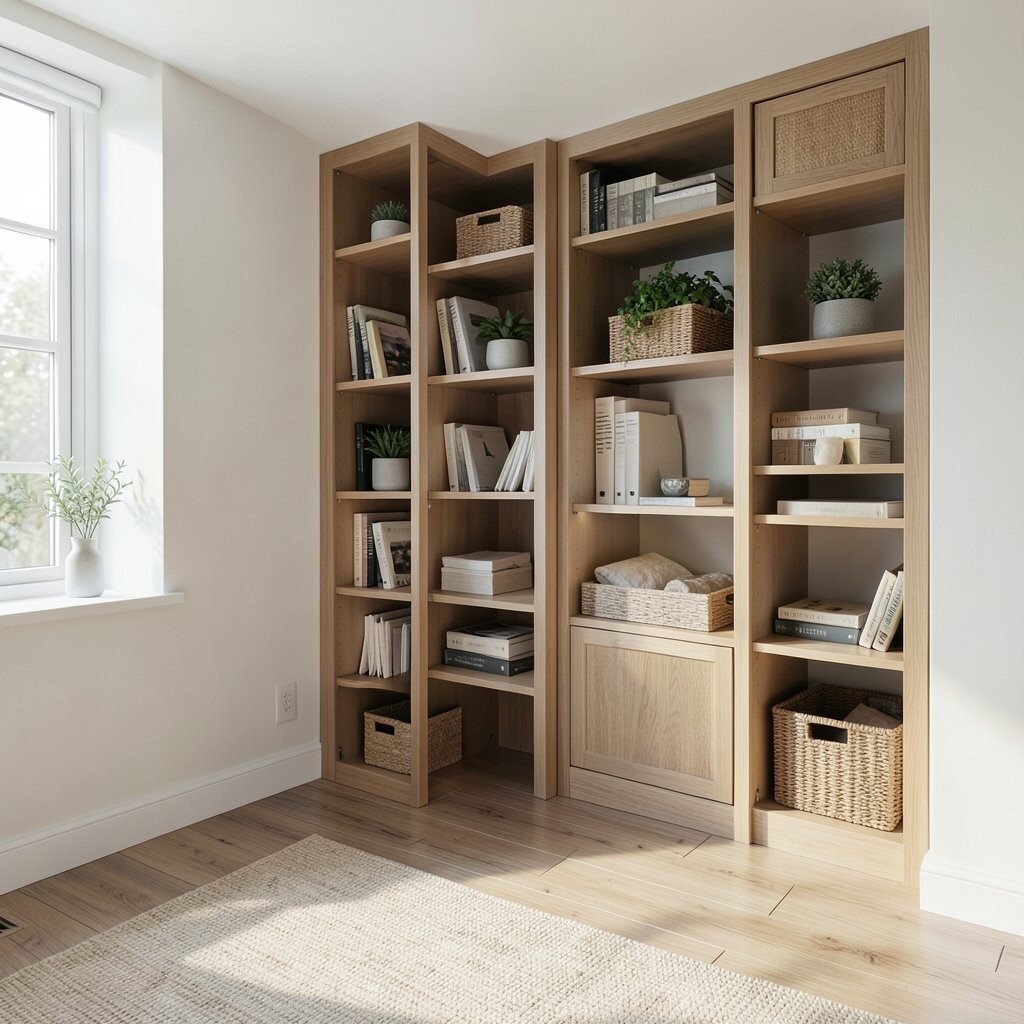
Small changes can hide clutter without making your room feel crowded. Look at what you already have, like a bench, coffee table, or bed frame, and see where you can add a cover or insert.
Think of a closed storage ottoman that quietly holds blankets, or a drawer organizer inside a dresser that keeps cords from tangling. When items disappear from sight, the room feels cleaner fast. You can also personalize this by choosing fabric inserts that match your style.
Hidden storage also makes cleaning easier because you can put things away in one motion. It helps reduce decision fatigue on busy days, since you always know what goes where. If you want lower cost, search for secondhand pieces with storage or add simple bins to existing furniture.
5. Make One Landing Zone For Daily Belongings
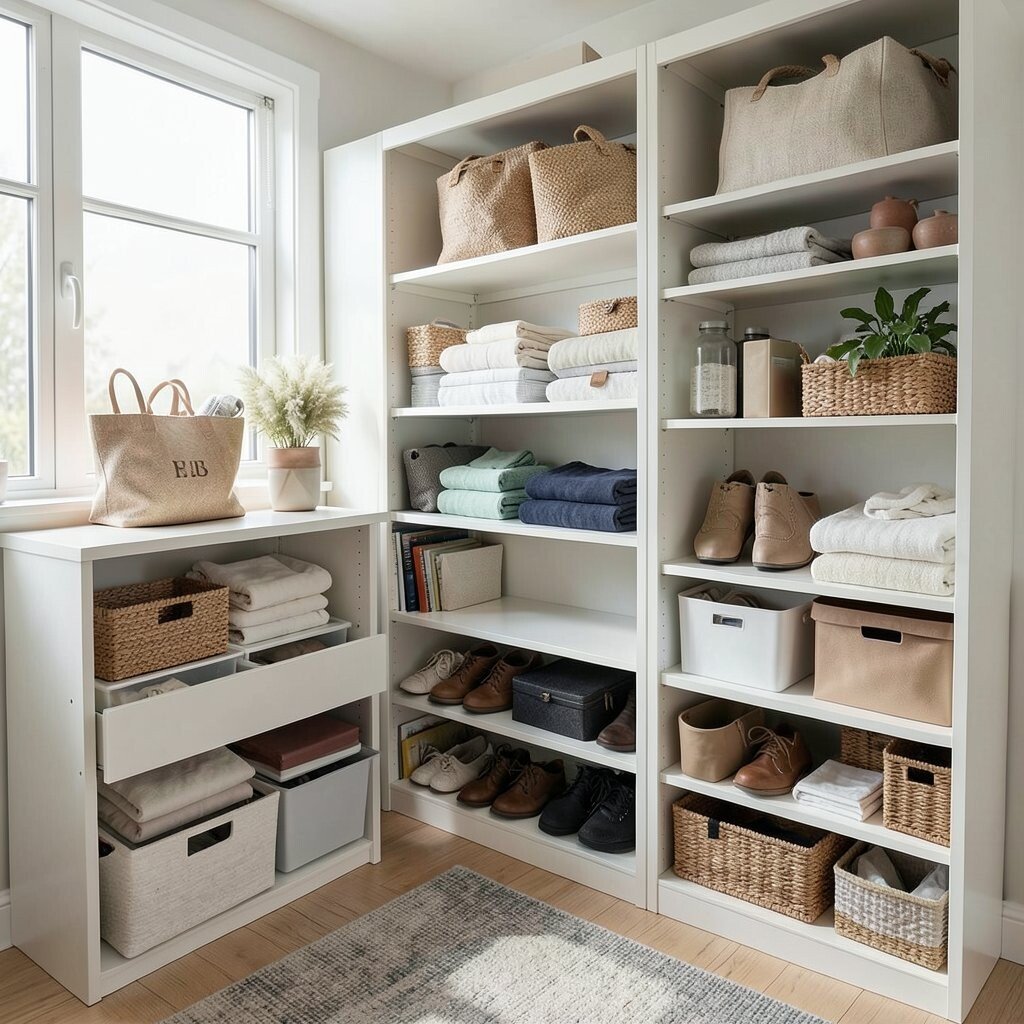
Most mess starts at arrival points, like entryways, side tables, and near closets. Create a dedicated landing zone for keys, bags, mail, and small daily items.
Visualize a small tray with a catch-all bowl for keys, plus a basket for mail that needs sorting. When you place items there immediately, the rest of the room stays calm. This is one of the most practical ways to keep order because it matches real routines.
To personalize it, choose a tray shape that fits the surface and pick colors that match your decor. A current trend is using minimalist trays and stacking organizers that look neat even when they are partially filled. Depending on your budget, you can start with a single tray and one basket, then upgrade when needed.
6. Upgrade Drawers With Simple Dividers
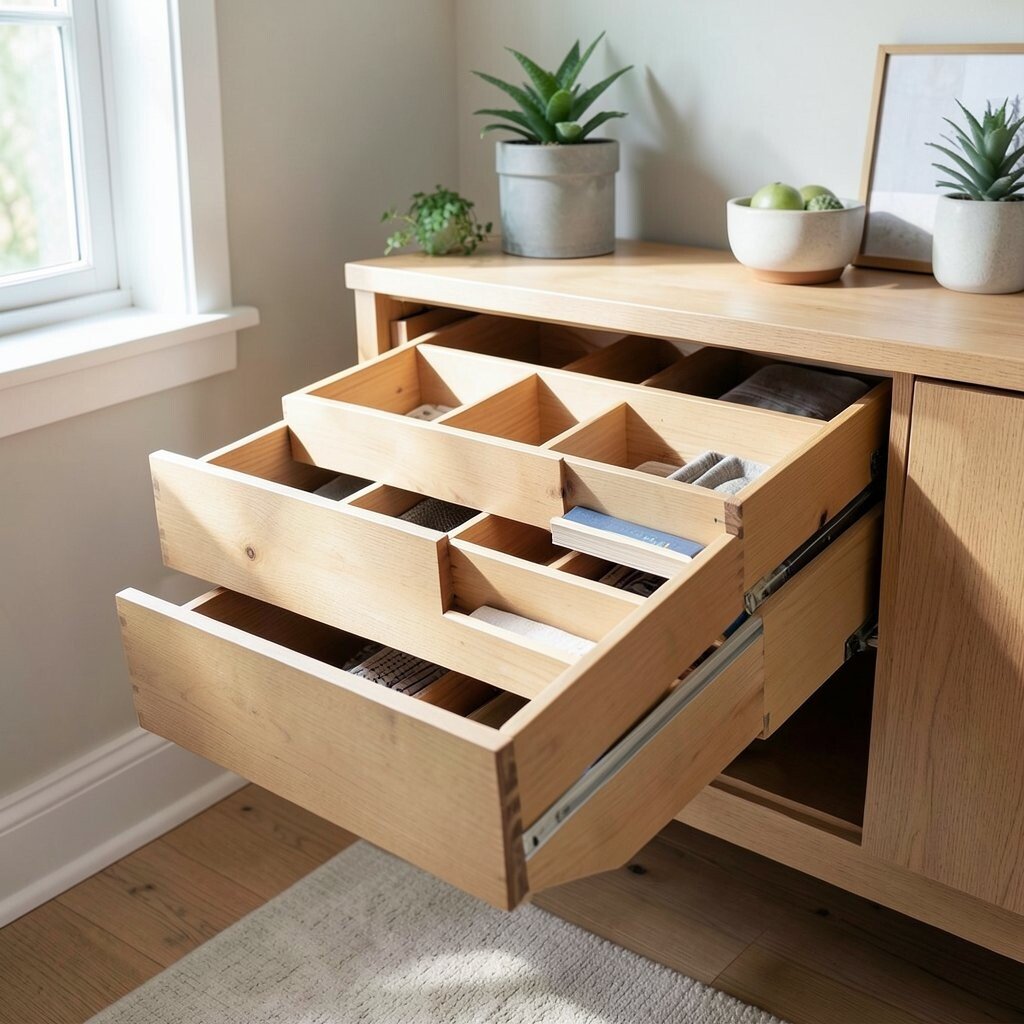
Drawer clutter is sneaky because it feels out of sight. Add dividers so each item has a lane, like socks in one section and accessories in another.
When compartments are clear, you can grab what you need without rummaging. A practical tip is to measure your drawer length and pick flexible organizers that adjust as you change items. This small setup saves time and helps the drawer stay tidy.
7. Keep Shelves Light And Easy To Reset
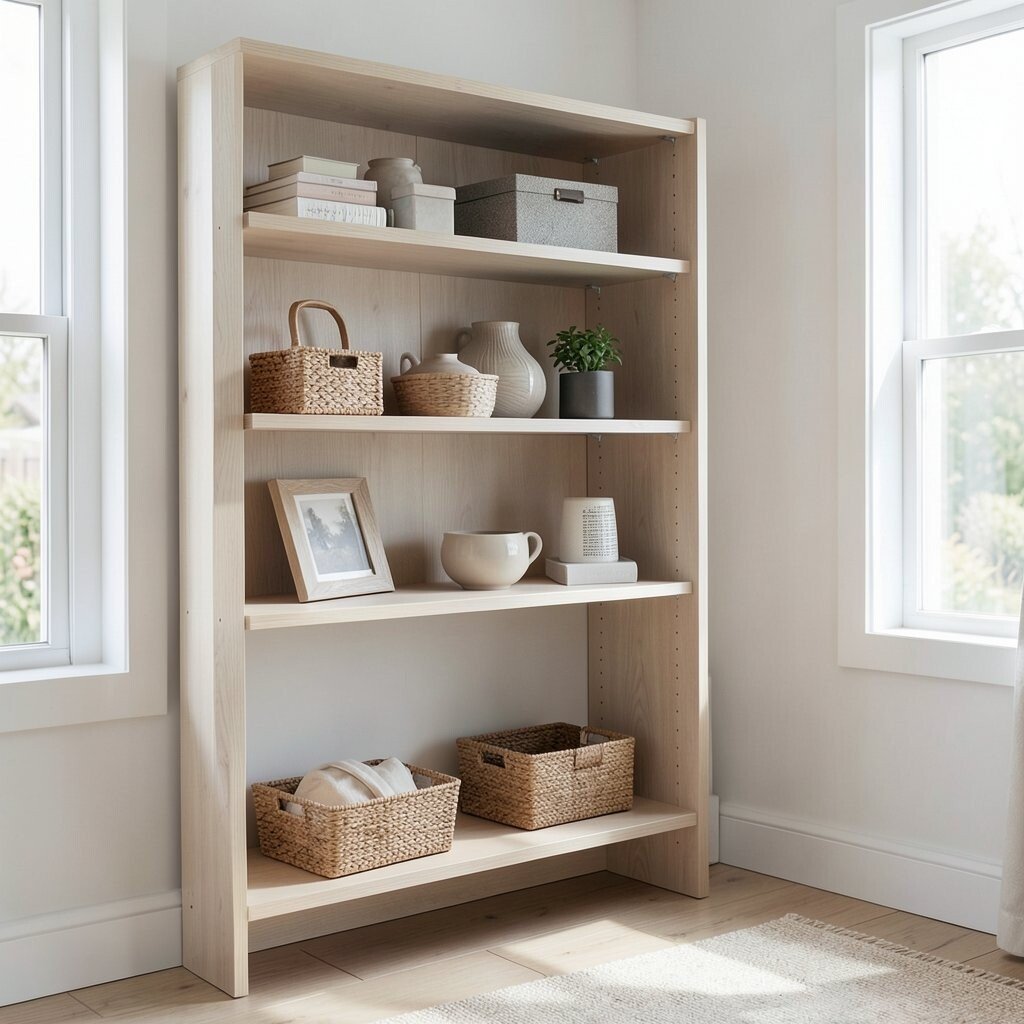
Too many heavy stacks on a shelf can make tidying feel like a chore. Instead, use lightweight baskets and shelf liners so items slide back neatly.
Picture a bookshelf where clutter cannot “migrate” because bins hold it in place. You can store scarves, games, or extra papers in labeled baskets that move as a set. The benefit is quick resets, which helps your room stay tidy during busy weeks.
For personalization, choose woven textures for a cozy vibe or slim clear bins for a sleek look. Current trends also favor soft, muted storage that blends with decor. Cost considerations matter here, since durable baskets can be purchased one category at a time without redoing the whole room.
8. Use The Back Of Doors For Vertical Storage
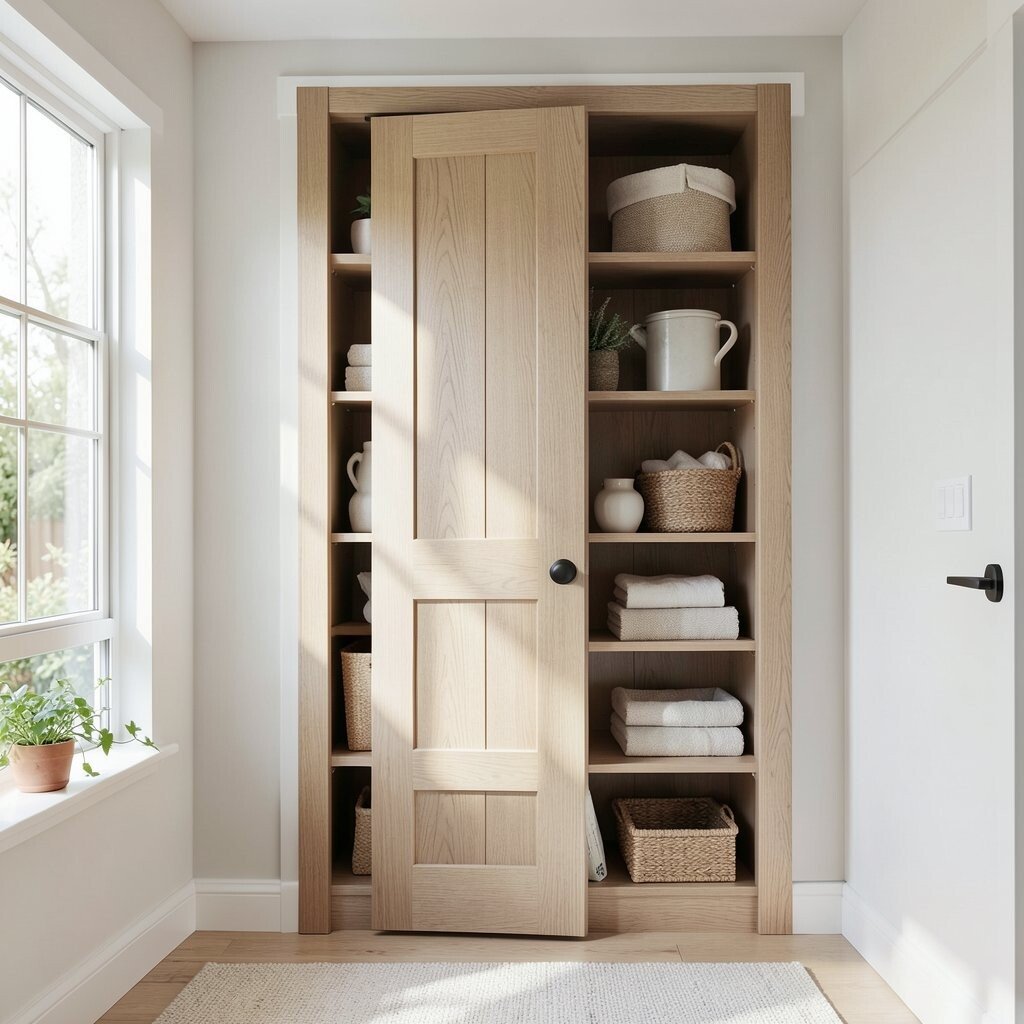
The back of a door is prime real estate that usually goes unused. Hang organizers for shoes, bags, cleaning supplies, or even small tools.
Imagine a door that opens to reveal neat pocket rows or sturdy hooks holding everyday items in order. It keeps items off counters, which makes surfaces look instantly cleaner. This approach is practical because it uses a space you already walk past every day.
9. Choose Bins With Handles For Daily Momentum
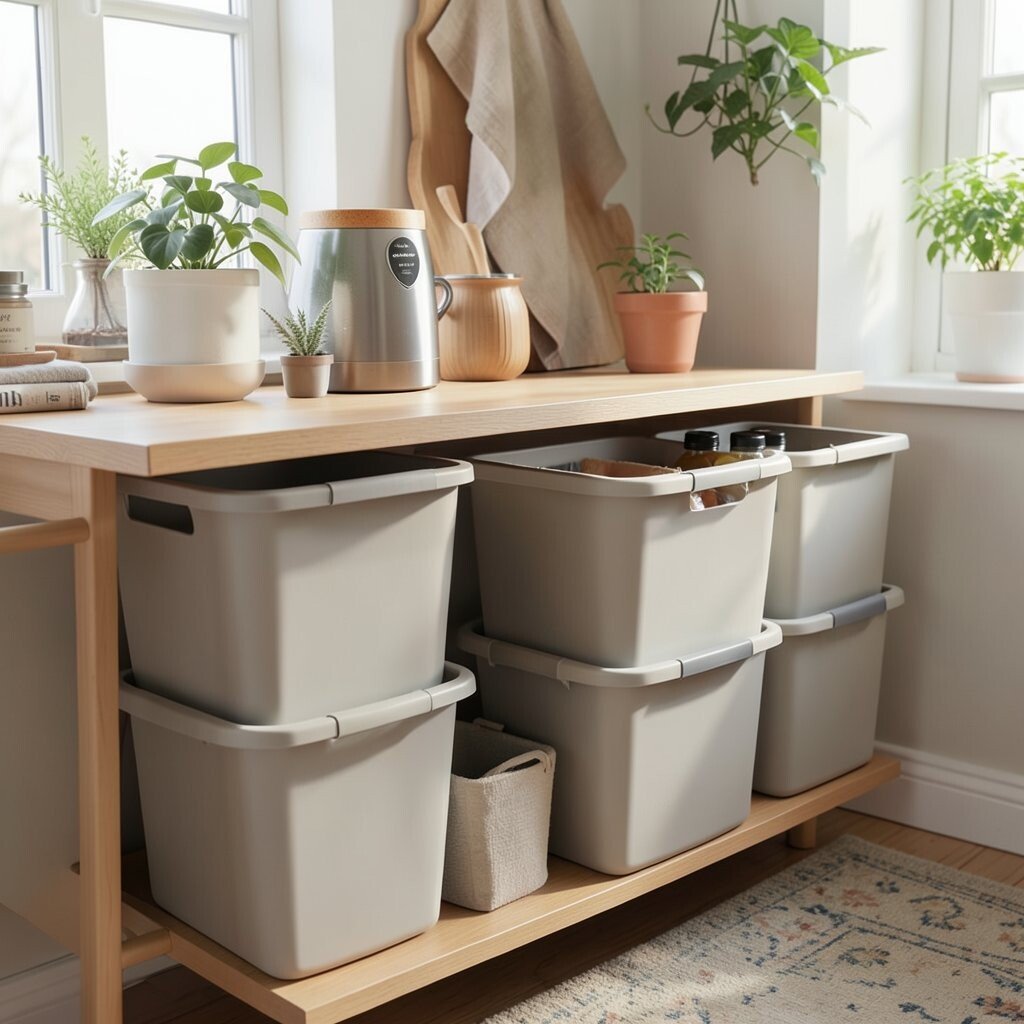
When you can carry items easily, you are more likely to put them away right away. Look for bins with handles, pull tabs, or grab-friendly designs.
Visualize a row of handled bins on a shelf, so you can lift one, sort contents, and set it back without struggling. That small motion supports a tidy habit because it feels simple. Benefits show up in less mess during the week, since you can reset quickly after use.
To personalize, match bin sizes to the items you store, like larger bins for toys and smaller ones for craft supplies. Many people are leaning toward stackable handled bins because they create neat, modular storage. Cost can be managed by starting with bins for one problem area, such as the closet floor.
10. Store Cables Like You Mean It
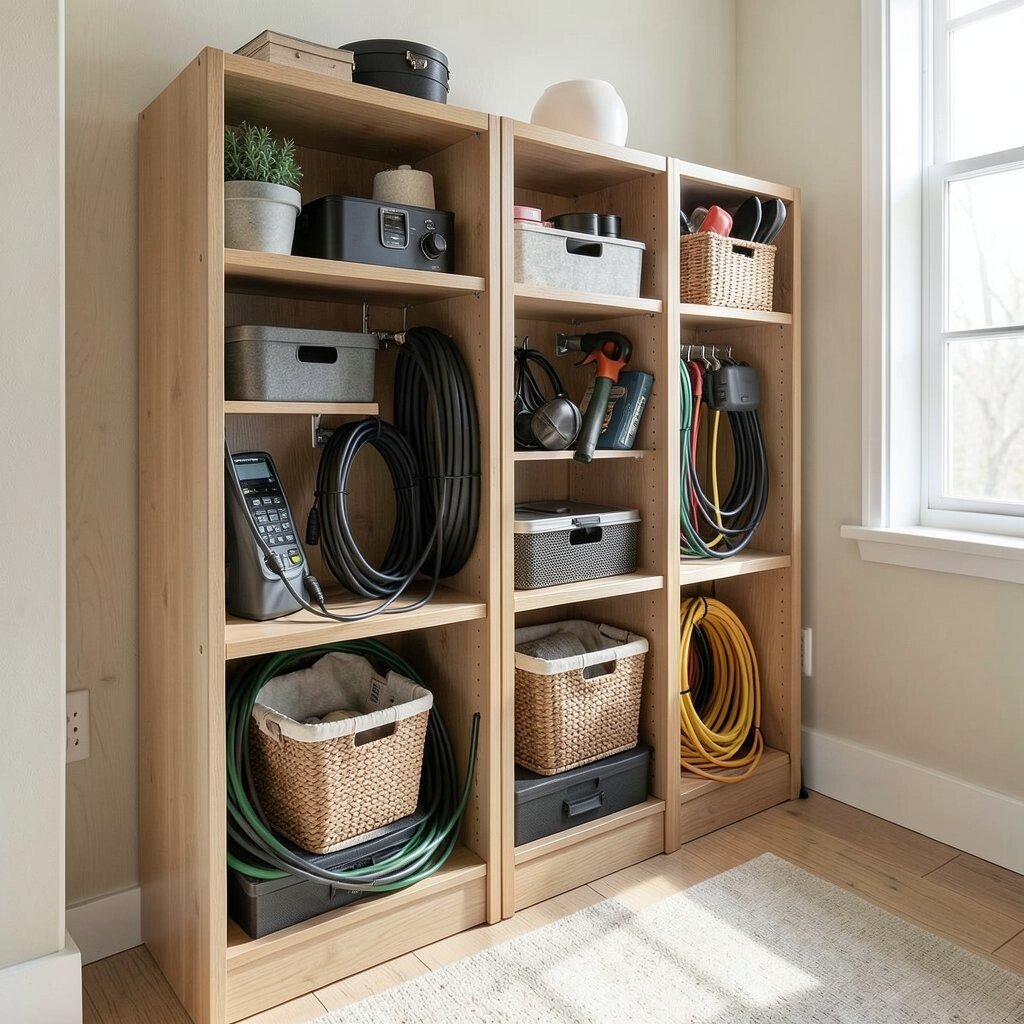
Cords and chargers can turn any room into a tangle fast. Gather them using cable clips, cord sleeves, and simple zip ties that you can reuse.
Picture a neat bundle behind your TV stand or desk, with labels that make setup feel calm again. This reduces the frustration of hunting for the right charger. A practical tip is to route cords along edges so they stay out of sight and stay untangled.
11. Use Under-Bed Storage With Clear Seasons In Mind
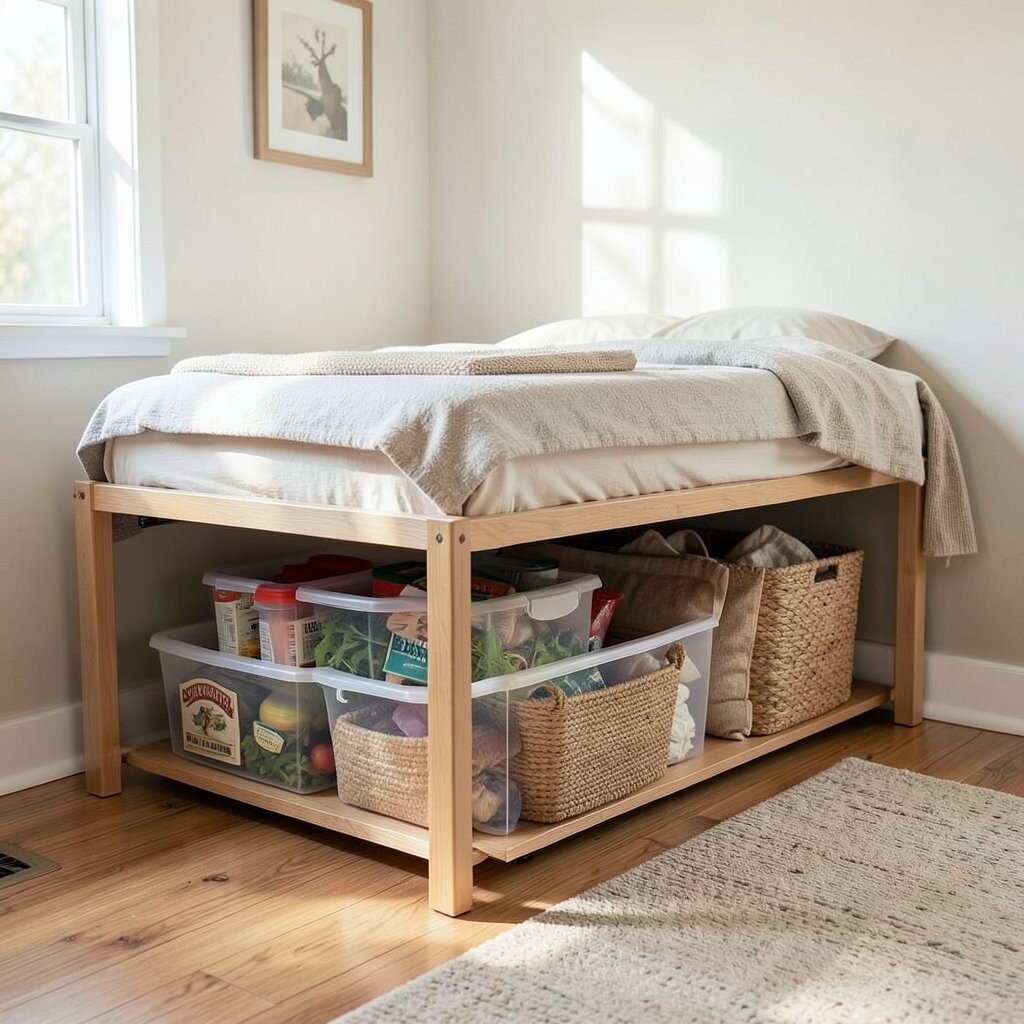
Under-bed space is great, especially when you store items you use by season. Try low-profile drawers or rolling bins that slide in and out easily.
Imagine winter scarves sealed in a bin, then swapped for summer blankets when the weather changes. This keeps closet space available while protecting items from dust. The benefit is fewer piles in living areas, since seasonal stuff has a planned location.
For personalization, add a simple color system with matching bin lids or tags. Current trends include sleek under-bed containers that look more like furniture than storage. Cost considerations can be friendly if you use sturdy plastic bins you already own, then upgrade only the most worn ones.
12. Create A Mini Library System For Books And Papers
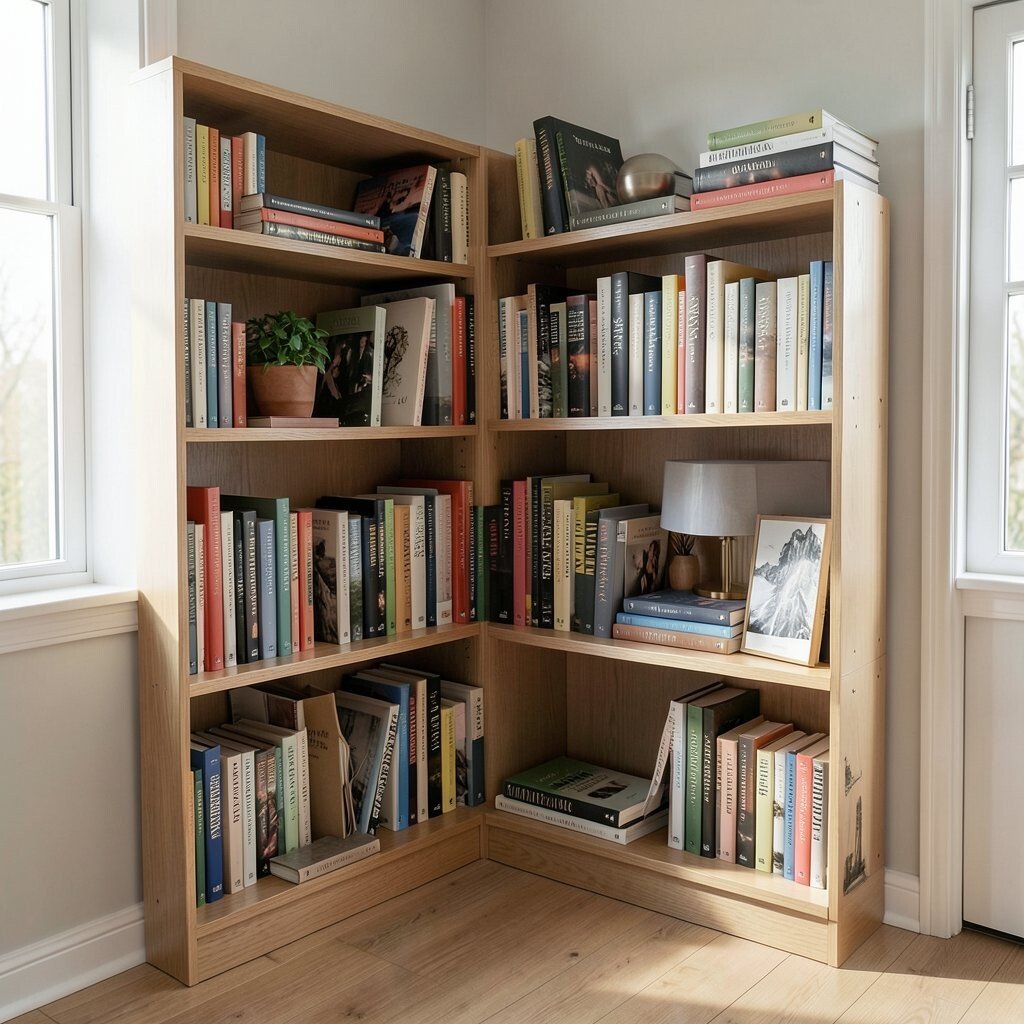
Papers grow because they do not have a clear route back. Use a small system so mail, notes, and reference items do not spread across tables.
Picture a neat stack that can rotate, with a spot for “to review,” a spot for “to file,” and a spot for “keep.” When you keep categories simple, you reduce stress and keep the room looking intentional. This is practical because it helps you maintain a tidy look without constant effort.
To personalize, choose organizer colors that match your decor or use a tray that fits your desk size. Many homeowners now prefer small, compact paper systems because they save space and look clean. If budget is tight, repurpose magazine holders or shoe organizers and add label stickers.
13. Put Most-Used Items At Comfortable Eye Level
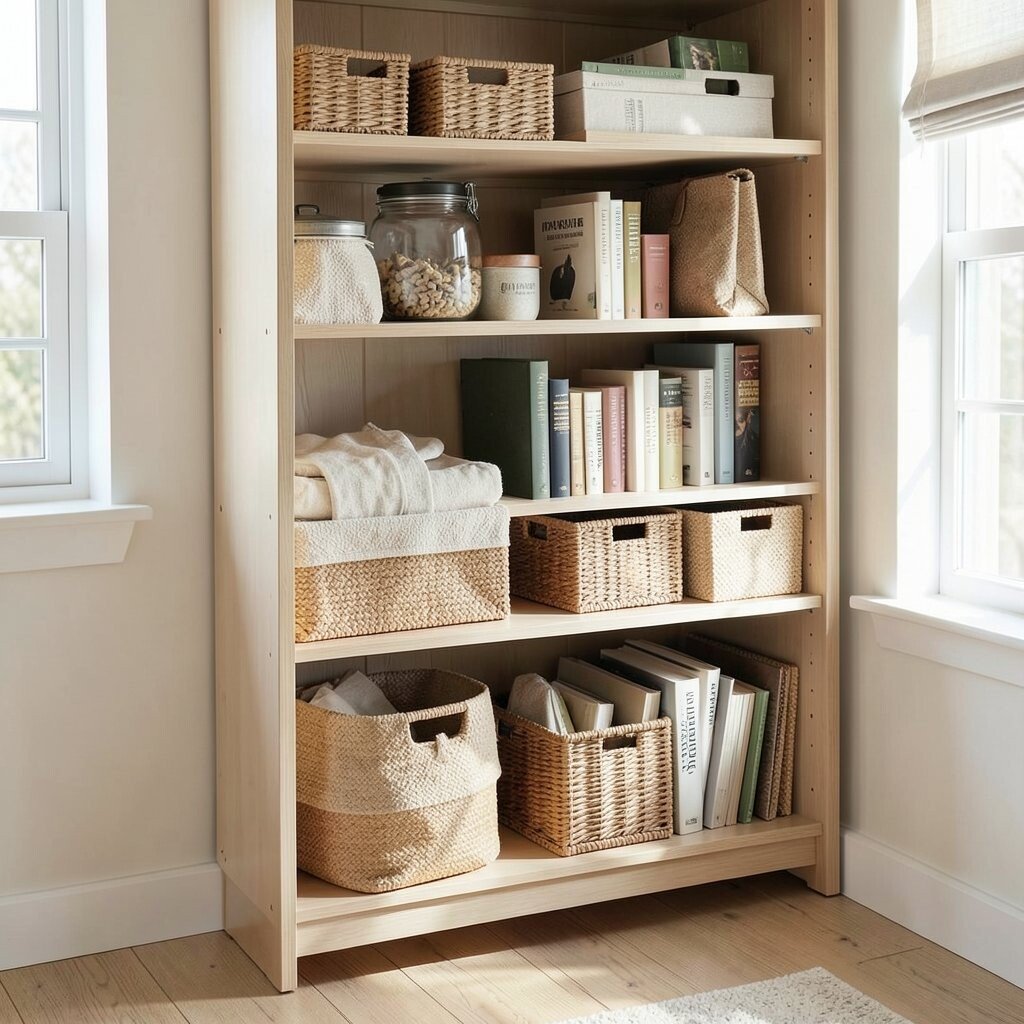
If you have to reach too high or bend too low, storage will feel annoying. Place daily items where your hands naturally land.
Think of mugs near the coffee maker, cleaning tools where you can grab them fast, and frequently used spices at counter height. This keeps you from leaving items on surfaces “temporarily.” The benefit is fewer counter piles and less time spent searching.
14. Add A Peg Rail Or Hook Wall For Frequent Tools
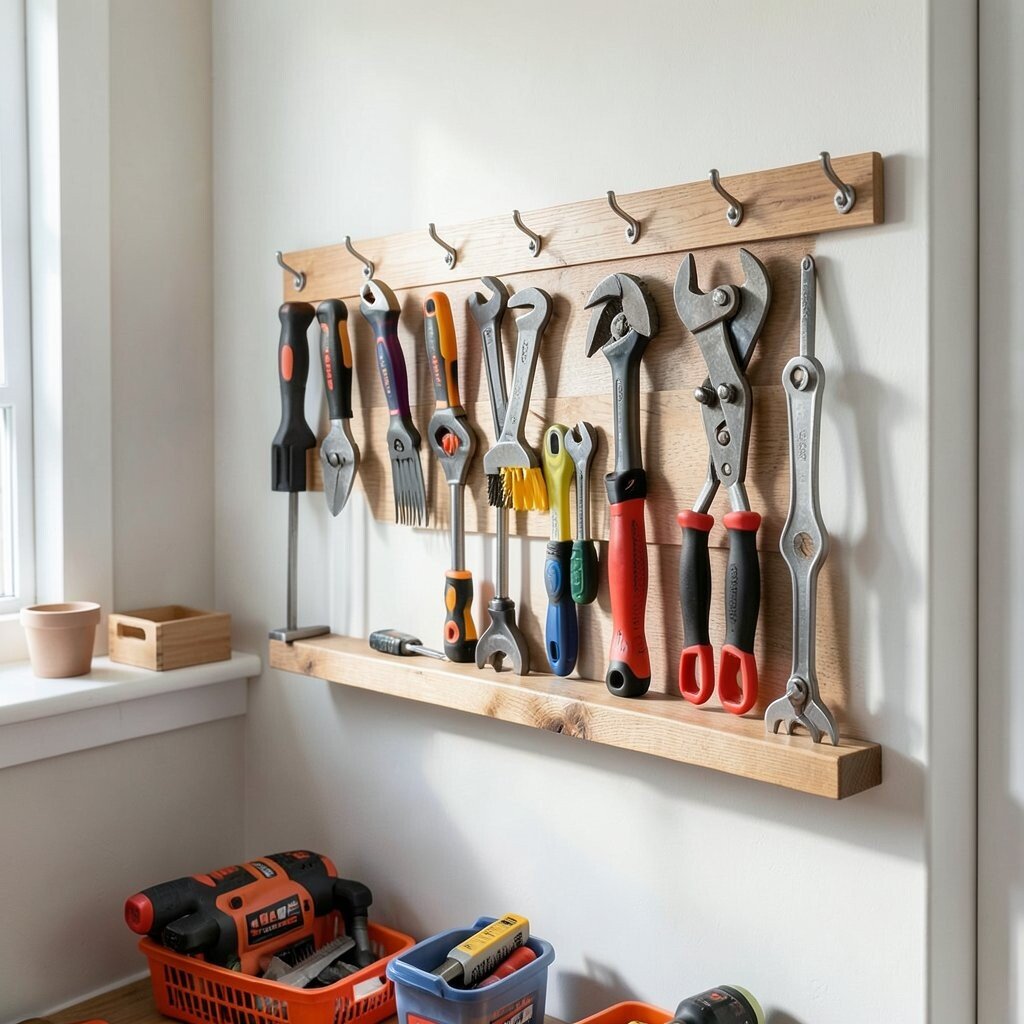
Hooks are a simple way to keep tools, bags, and accessories visible and ready. A peg rail or hook wall can act like a command center without adding bulk.
Visualize coats and bags hanging in a tidy row, with umbrellas placed on hooks that keep them dry. Tools on hooks mean fewer items in drawers that become hard to manage. This approach is unique because it turns everyday items into a neat display while still being practical.
Personalization is easy with hook placement and color choices, like black rails for modern style or light wood for a warm look. Current trends like “functional decor” make peg walls popular because they look purposeful. Cost can be controlled by starting with hooks for one entry spot and expanding as you get used to the system.
15. Use Storage Lids That Match Your Decor Mood
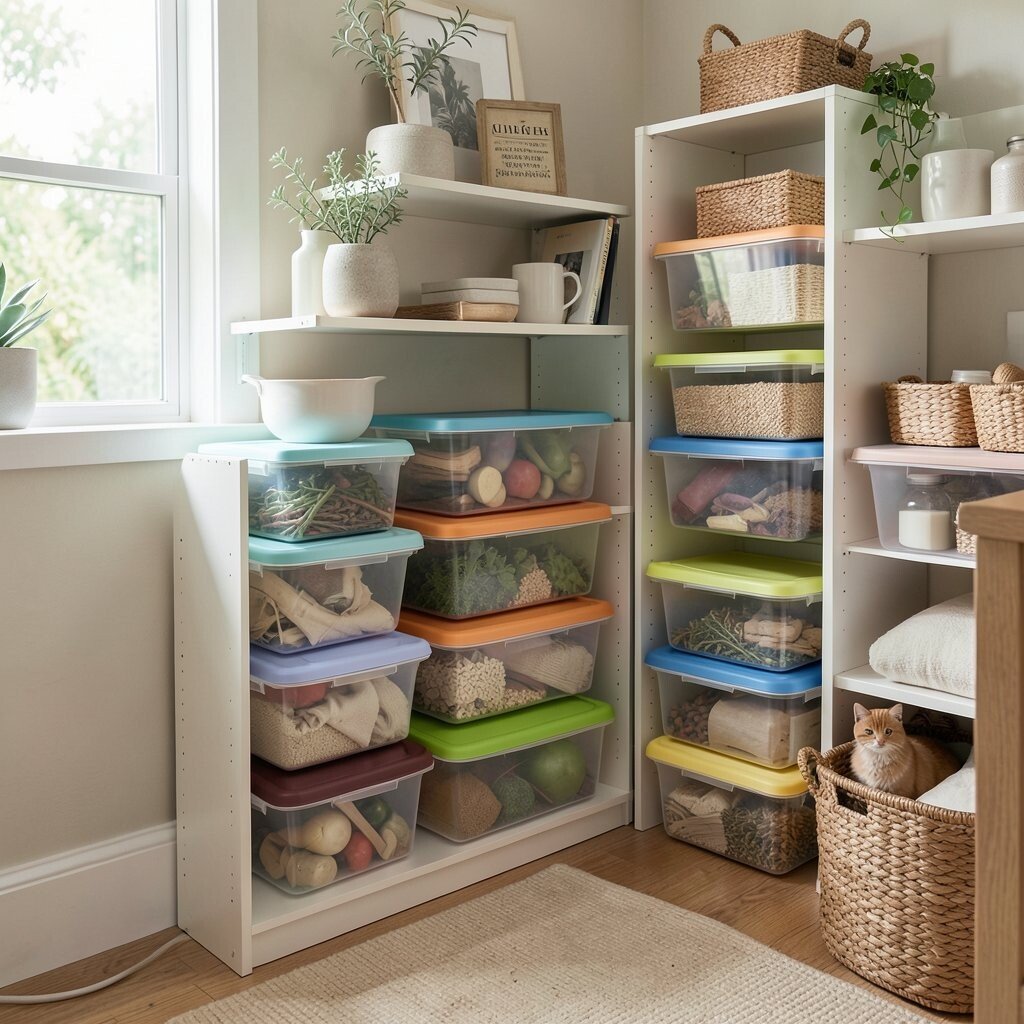
Storage looks better when it blends with your room style. Choose bins, baskets, or containers with lids, woven textures, or fabric covers that match your colors.
Imagine a shelf where the containers look like decor, not like random boxes. When lids hide items, the room feels calm even during active weeks. The practical tip is to keep bins labeled and lids easy to lift so the system stays usable.
16. Turn Corners Into Useful Zones With Corner Shelves
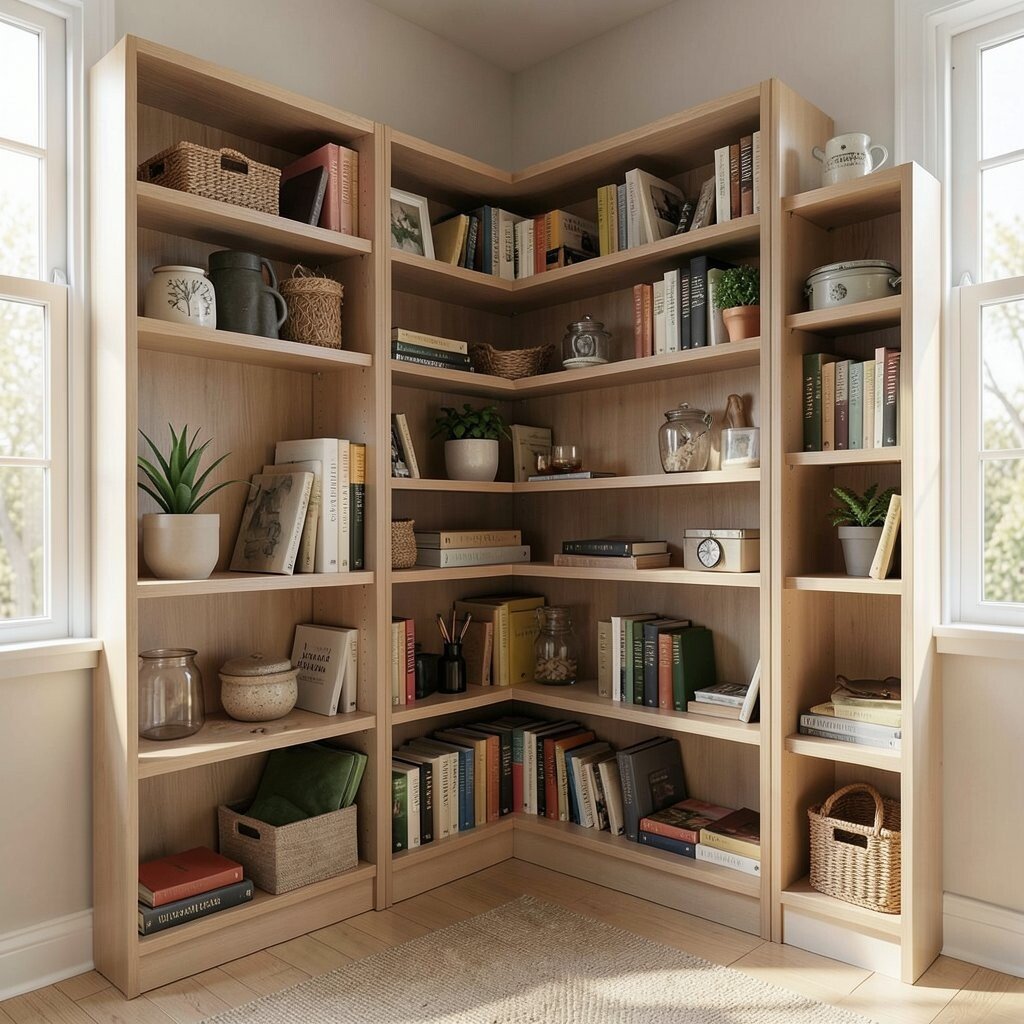
Corners often stay empty even though they hold untapped storage potential. Add corner shelves, corner cabinets, or rotating stands to use that space well.
Picture a corner with a small shelf ladder, where baskets and books fit naturally without blocking walks. This keeps bulky items from taking over other areas like the center of the room. The benefit is more organized flow and fewer items scattered around.
For personalization, choose a corner unit that fits your height needs, like a tall narrow shelf or a low nook for decor. Current trends also show more compact, space-saving furniture because many homes are smaller now. Cost can stay fair if you measure carefully and choose one corner investment rather than spreading money across many small add-ons.
17. Group Items By How You Use Them, Not Just By What They Are
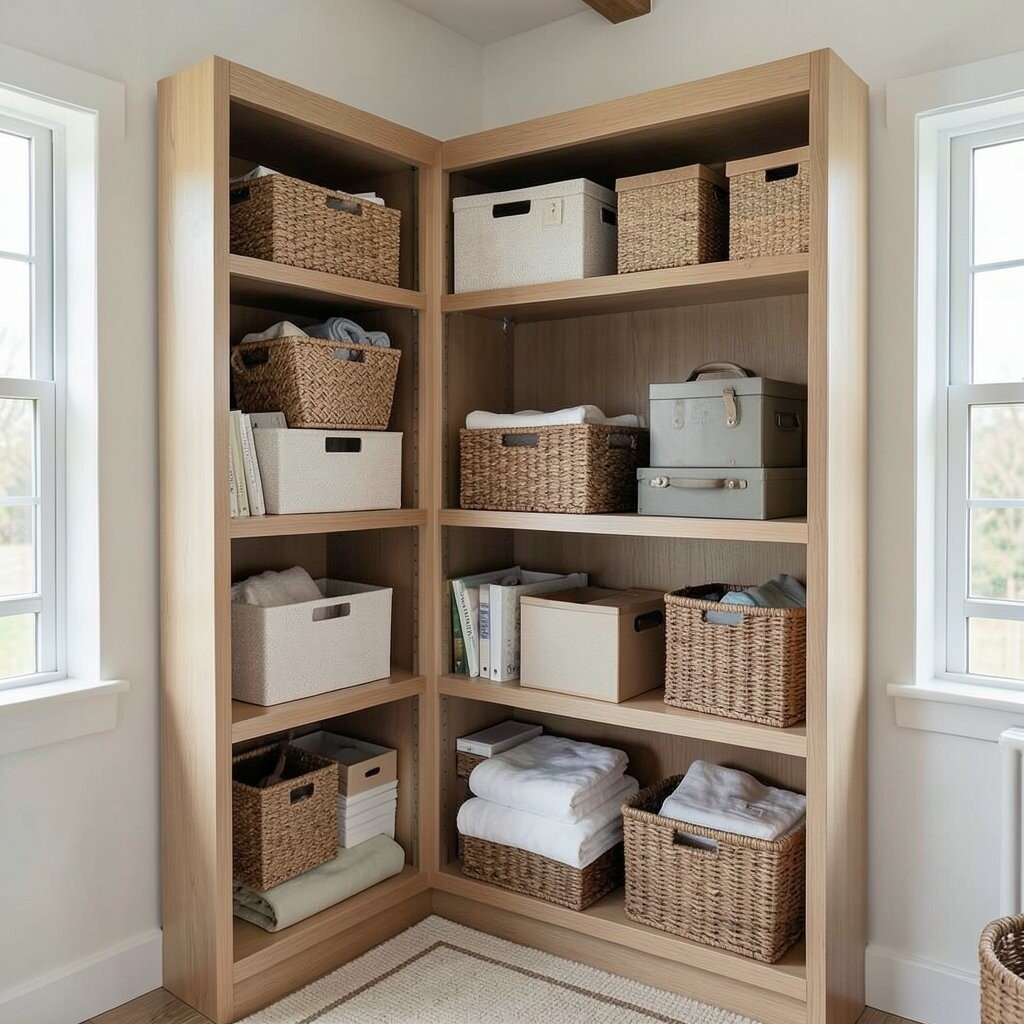
Grouping by “use” makes storing feel natural. Instead of sorting only by category, try sorting by frequency, such as daily, weekly, and occasional.
Imagine your kitchen shelf with baking tools together, plus a separate spot for snacks you grab often. In a bedroom, keep everyday skincare and hair tools where you can reach in seconds, while backup supplies sit higher or deeper. This approach gives you a tidy space that matches your life.
To personalize, adjust groupings based on your routines, like storing pet supplies near feeding areas or art supplies near a craft chair. Many people now follow this lifestyle-based approach because it helps systems stay consistent. If budget is a concern, you can reorganize with what you already have and add only a few labels or small bins to tighten the flow.
18. Set Up A Reset Routine That Takes Only A Few Minutes
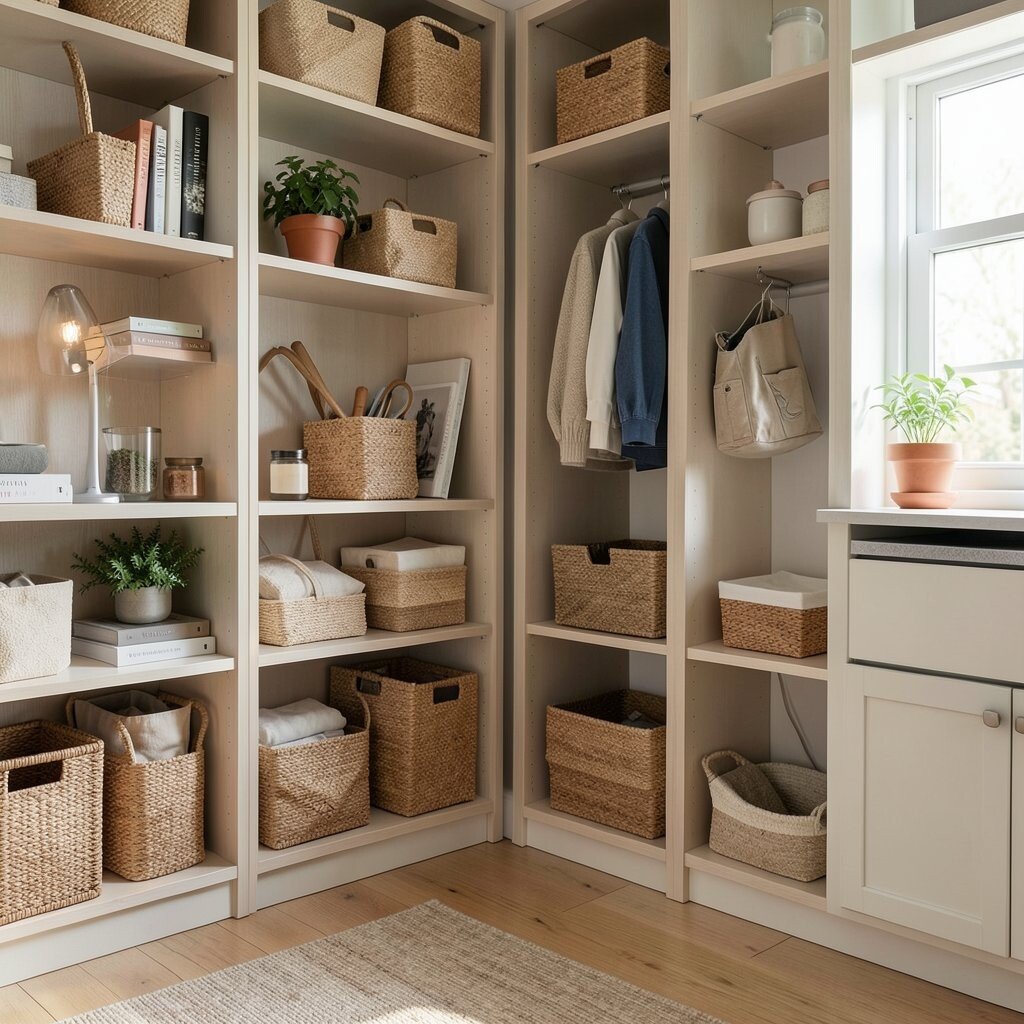
A tidy room is not luck, it is a habit. Create a short reset routine that puts things back before clutter multiplies.
Picture a simple rhythm, where you clear surfaces, return items to their zones, and straighten one shelf. When you do this regularly, storage ideas feel even better because they match your pace. The benefit is that your room stays guest-ready and your mind feels lighter.
For personalization, set the routine time based on your schedule and choose tasks that feel doable, like bin swaps or quick cord checks. Current trends focus on “small wins” routines because they fit real life. Cost considerations are minimal since this relies mostly on your setup, not new purchases.