Your space talks to you every day, even when you don’t notice. A few smart changes can make it feel brand new.
1. Start With a Color Story That Feels Like You
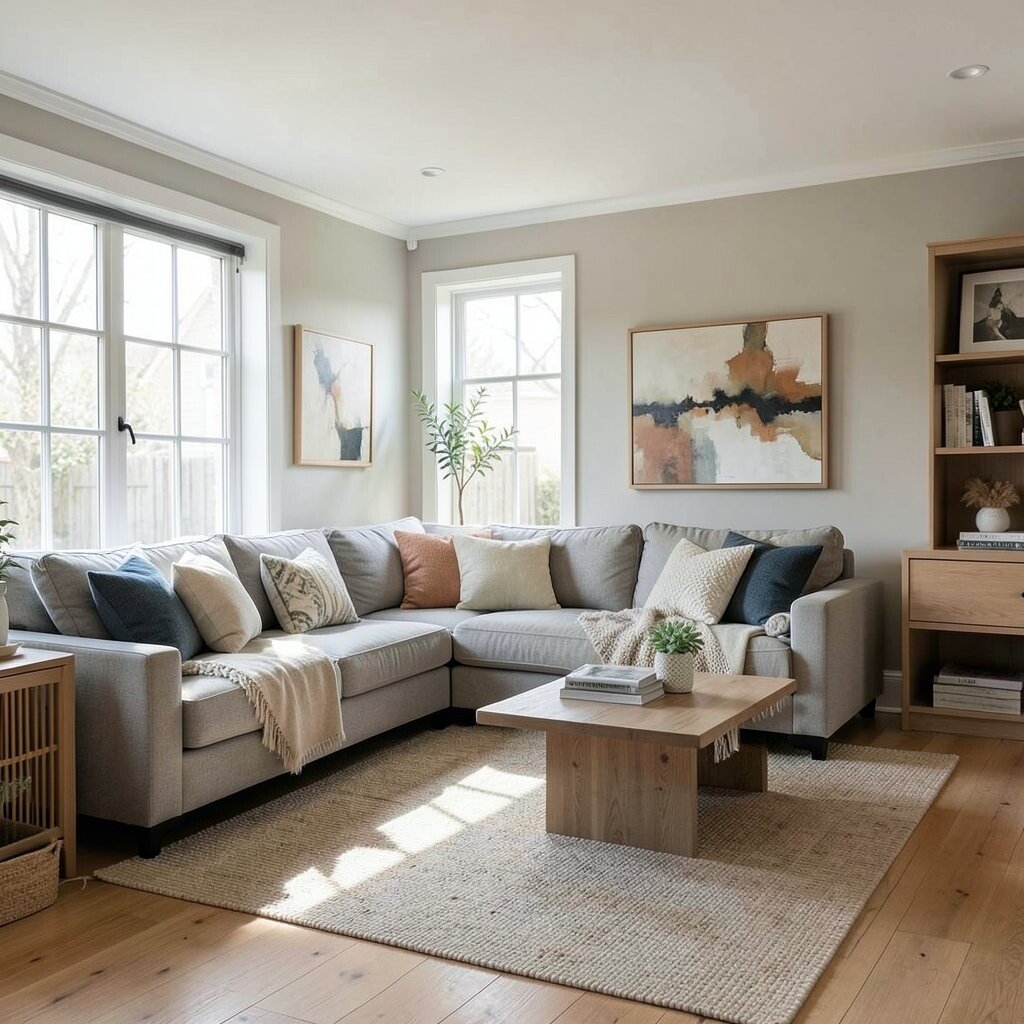
Pick a small color story and let it guide your choices. Think about the mood you want when you walk in the room, like calm, cozy, or energized.
Look at what you already own and choose a main color plus a supporting shade. You can paint just one wall or use peel-and-stick wallpaper to test the vibe without a big commitment. For a quick win, swap in curtains, pillow covers, and a rug that tie the colors together so the room looks planned.
2. Use Lighting Layers for a Room That Flows

Good lighting changes everything, from how colors look to how the room feels. Try mixing overhead lights with table lamps and a soft floor lamp.
Place the brighter light where you do tasks, then add warmer light near seating for comfort. Use bulbs with similar color temperature so the room looks steady, not spotty. A dimmer switch is a small upgrade that can feel surprisingly luxurious.
For personalization, add a lamp shade that matches your style, like linen for airy spaces or textured fabric for a cozy look. If you’re working with a tight budget, thrift a lamp base and replace only the shade. When you use more than one light source, the room feels balanced even if the layout stays the same.
3. Rearrange Furniture to Fix the Layout Without Buying Much
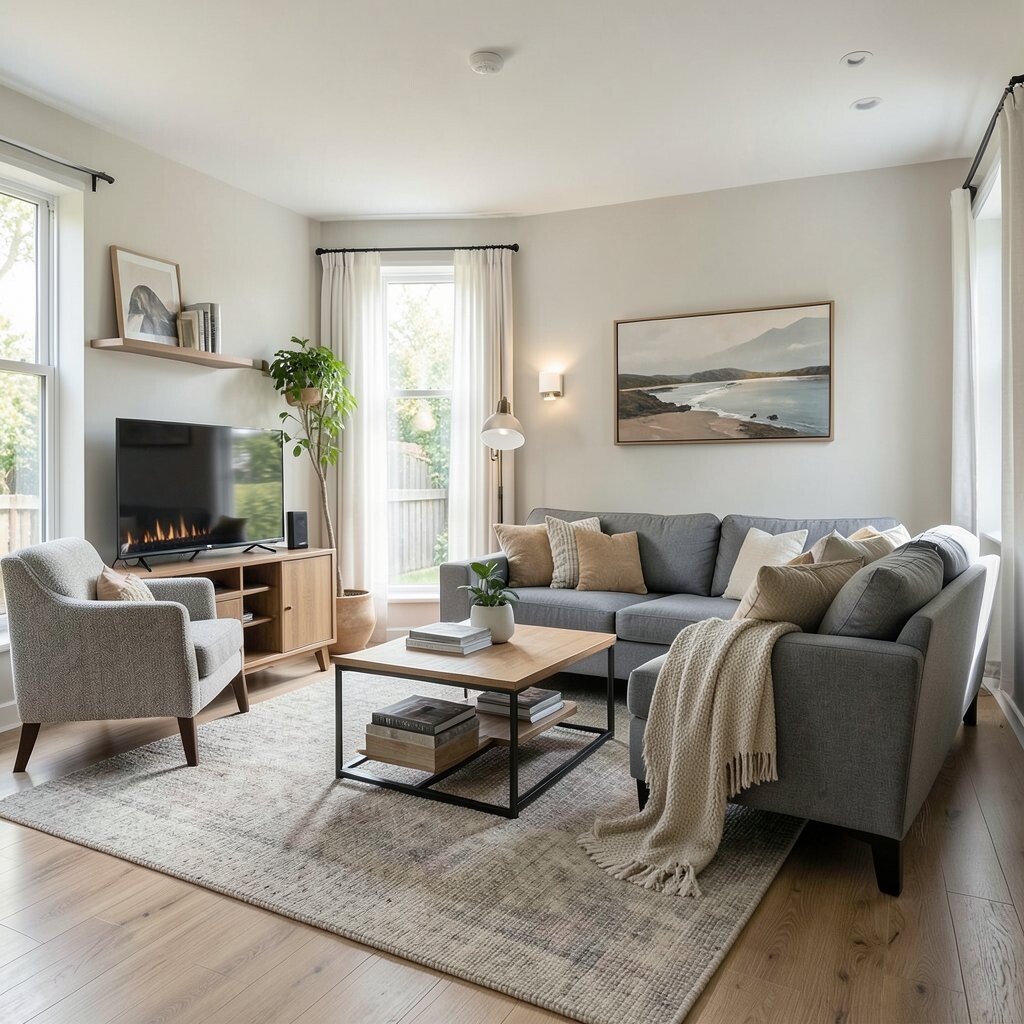
Before you shop, try moving things around for a fresh perspective. Often the best change is simply shifting the seating area or opening up walking paths.
Start by mapping traffic flow so people can move easily from door to main zones. If you have a couch, pull it slightly away from the wall and face it toward your focal point, like a TV, fireplace, or window view. When the room suddenly feels easier to navigate, you’ll notice the difference right away.
For a unique touch, create a small reading nook by angling a chair toward a lamp or corner shelf. Measure key distances so you don’t end up with cramped edges, especially for small rooms. Even a simple rotation can make your space feel like it grew without spending extra money.
4. Make a Focal Point That Draws the Eye
Every room needs one strong visual anchor, or it can feel scattered. Choose something you can see from the doorway, like a statement art piece, a mirror, or a bold cabinet.
Hang artwork at eye level and keep it centered above furniture to make the look feel calm. If you prefer a softer look, use a large framed photo gallery with a few larger pieces instead of many tiny ones. For current trends, natural textures like rattan, warm wood, and matte black accents are showing up everywhere.
5. Add Texture With Rugs, Throws, and Wall Finishes

Texture gives your room depth, so it feels rich even when it’s simple. A chunky throw, a layered rug, or a woven wall hanging can add instant warmth.
Try layering a smaller patterned rug over a solid base rug for a stylish, modern feel. Mix materials you can touch, like cotton, wool blends, and boucle-like fabrics, so the room looks lived-in rather than staged. If you’re budget-minded, update just one or two texture pieces and keep the rest neutral.
Personalize the vibe by choosing textures that match your lifestyle, like easy-wipe rugs for busy areas. When the room has tactile variety, it looks designer without needing major renovations.
6. Refresh the Walls With Wallpaper or Paint Accents
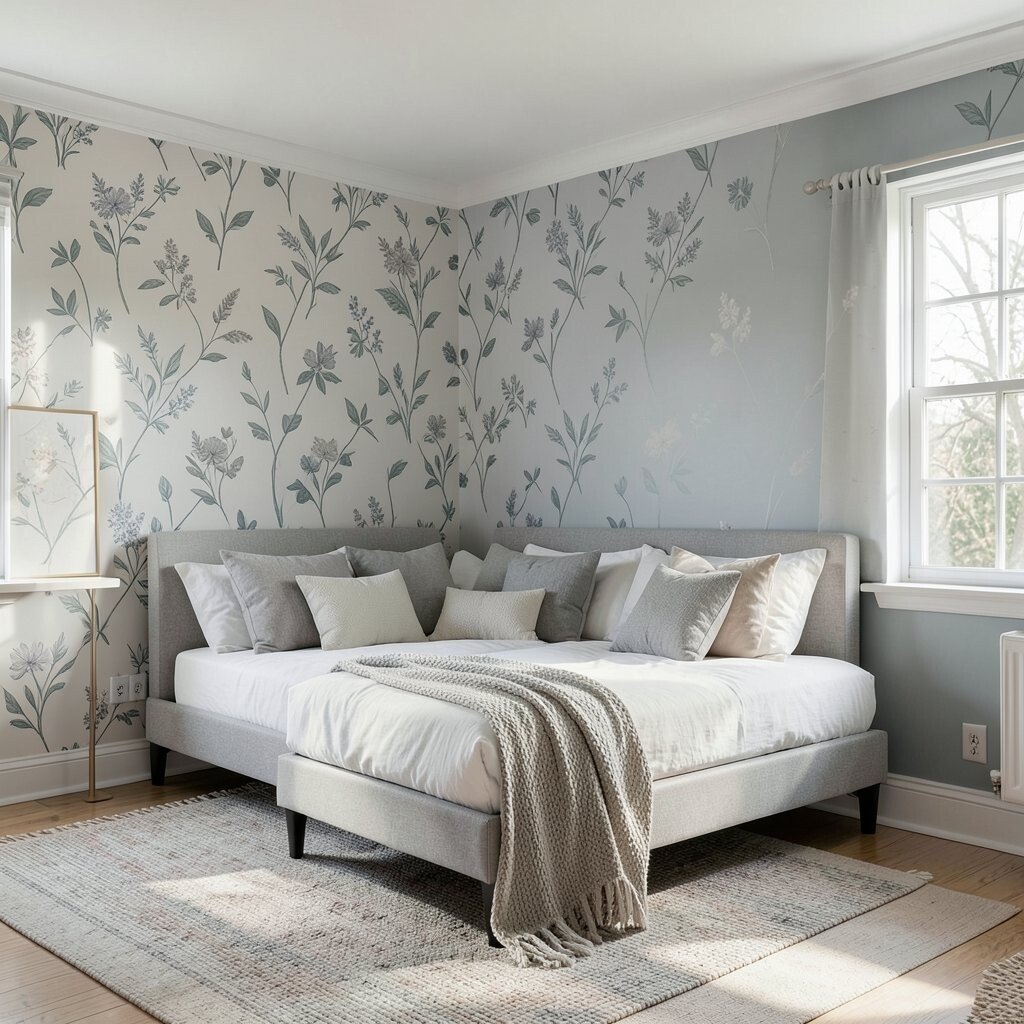
Walls are the easiest place to make a big visual change. You can go bold with wallpaper or stay gentle with paint accents.
Choose a single accent wall behind your bed, sofa, or desk so the rest of the room stays soothing. Peel-and-stick wallpaper is great for renters because it’s removable and gives quick results. If you love current looks, consider soft botanical prints, subtle geometric patterns, or warm tonal stripes.
For cost considerations, paint is often the most affordable route, while wallpaper can be mid-range depending on the design. Use painter’s tape carefully for clean edges and invest in a good roller for smoother coverage. You can also update trim with a crisp coat of paint to make the whole room look sharper.
7. Choose Smart Storage That Looks Good Too
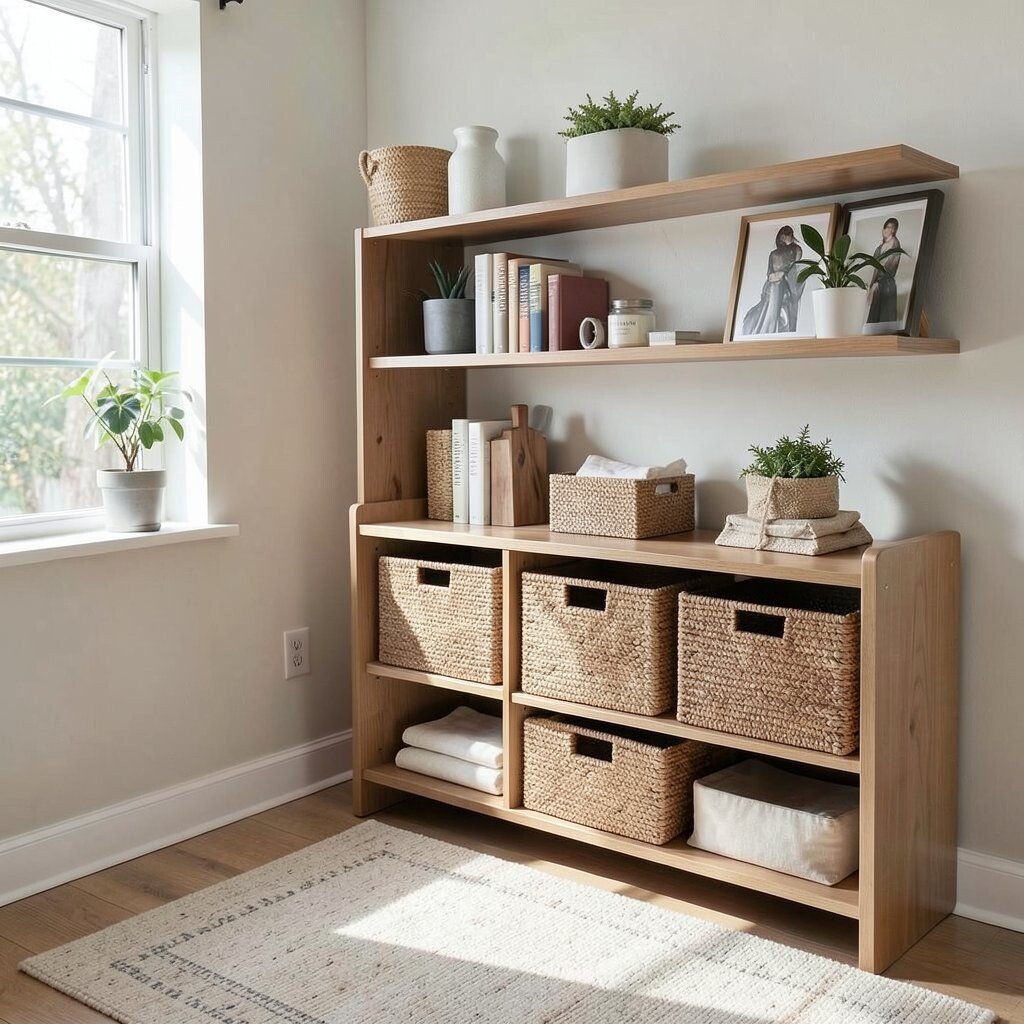
Clutter can steal the beauty from even the best furniture. Storage that looks nice helps your room stay calm and usable.
Pick storage that matches your style, like matching bins, baskets, or closed cabinets. Clear bins work for quick searches, while closed doors hide daily mess. In small spaces, under-bed storage and vertical shelving can free up floor space fast.
Try adding a set of matching trays on shelves for small items like keys, chargers, and candles. When everything has a home, your room stays photo-ready without extra effort. This is a great place to personalize with your favorite colors or materials while staying organized.
8. Create Cozy Zones for Different Daily Moments

A room feels better when it supports more than one activity. You can give your space separate zones for rest, work, and social time.
Place a comfy chair near a lamp for reading, then create a more open area for gatherings. Use a rug to gently mark each zone so the layout looks intentional. If you have an open-plan space, add a divider effect using a bookcase, curtain, or large plant.
For benefits, zoning improves how you move through the room and reduces stress because you always know where things belong. Pick decor that fits each moment, like softer textiles in the relaxation area and brighter accents near the task spot. Even a small corner can feel like a mini getaway with the right lighting and textures.
9. Update Hardware and Fixtures for an Instant Upgrade
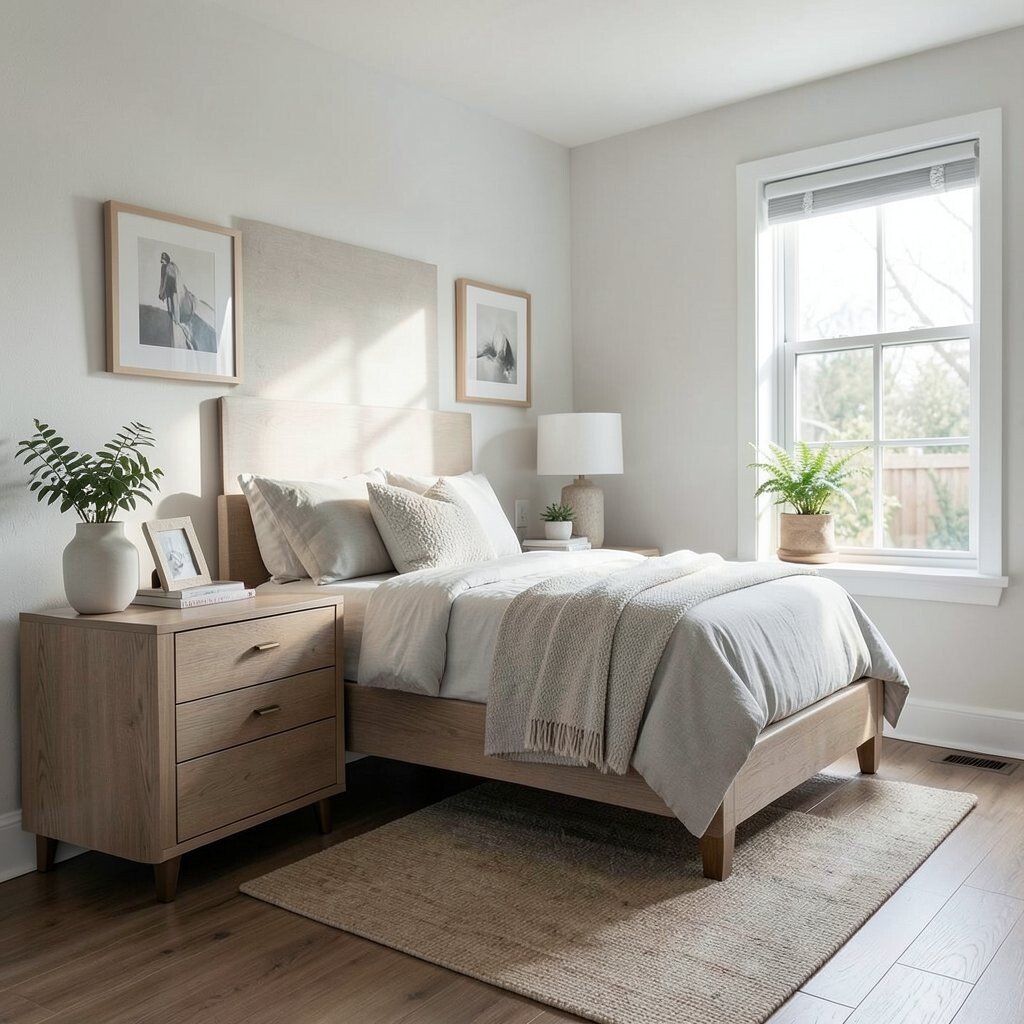
Small changes can make a room feel freshly styled. Swapping knobs, pulls, faucet parts, or cabinet handles is a simple way to get a new look.
Choose finishes you already love, like brushed brass for warmth or matte black for contrast. Make sure the hardware matches other metals in the room so everything feels cohesive. If you’re revamping a kitchen or bathroom, this upgrade often looks high-end without a full remodel.
When planning, check sizes and drill patterns so you don’t run into surprises. For a cost-friendly approach, replace hardware first and paint or update the surrounding surfaces later. This can also match current trends since warm metals and clean shapes keep showing up in home design.
10. Hang Curtains the Right Way for Height and Drama
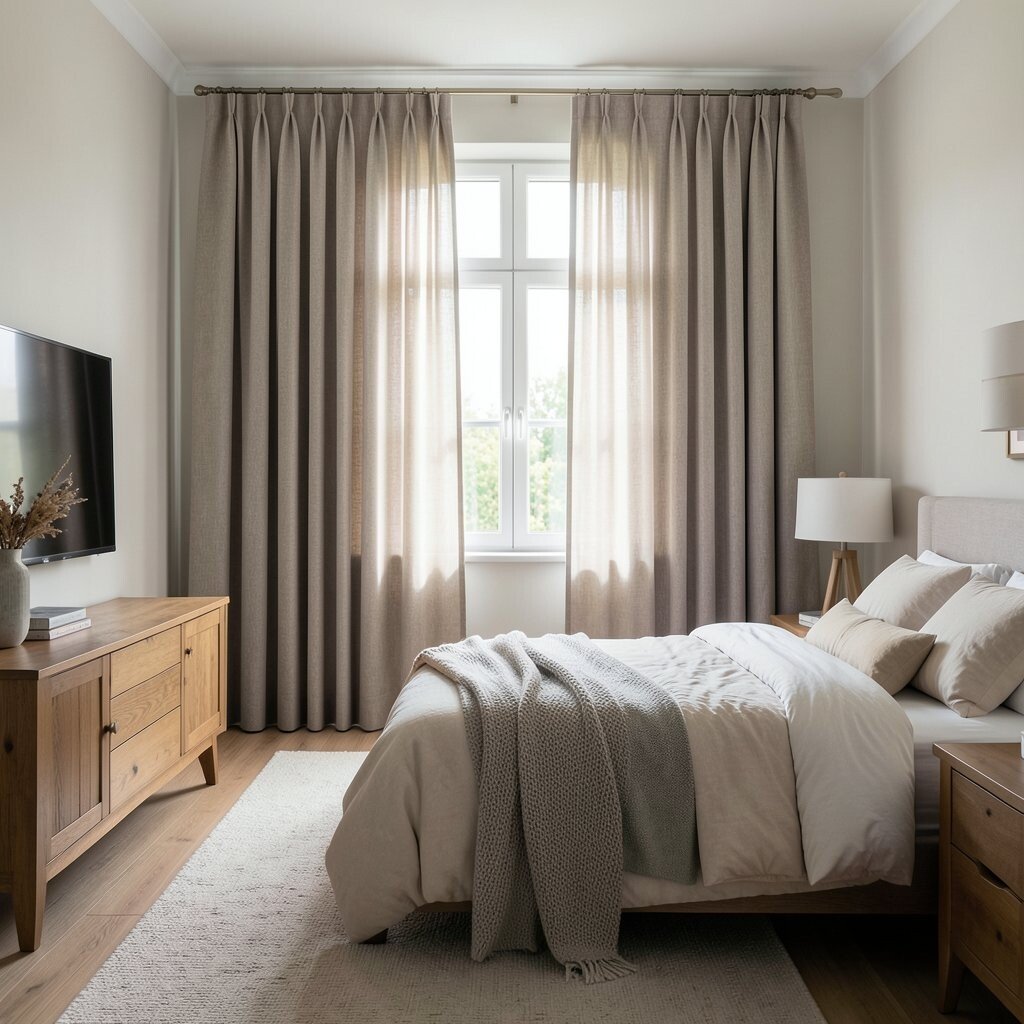
Curtains can make ceilings look taller and rooms look more finished. Even if you keep the same furniture, better curtain placement creates a huge impact.
Mount the curtain rod higher than the window and let the panels skim the floor or break slightly onto it. Choose fabric that suits the room’s needs, like light and breezy for airy spaces or heavier drapes for privacy. If you want a modern look, consider neutral linen blends or subtle texture.
For renters, tension rods are handy for smaller windows, but a proper rod is more stable. Budget-wise, ready-made curtains can be affordable, and customizing hem length is a simple DIY. Personalize with tiebacks, patterned lining, or a color that echoes your color story.
11. Style Shelves With the Rule of Repeating Shapes

Shelves are like a stage for your favorite things. When they look styled, the room instantly feels intentional.
Choose a few repeating shapes, like circles, vertical books, or stacked boxes, and repeat them in different spots. Mix heights so the display has movement, but keep the colors tied to your palette. Add a plant, a small framed photo, and one interesting object like a ceramic bowl for personality.
If you want a unique, modern vibe, use asymmetry with one larger piece and a cluster of smaller items. This is also a smart way to save money because you’re using what you already own. When you style with purpose, the shelves become a focal point instead of a catch-all.
12. Bring in Plants for Color, Calm, and Life
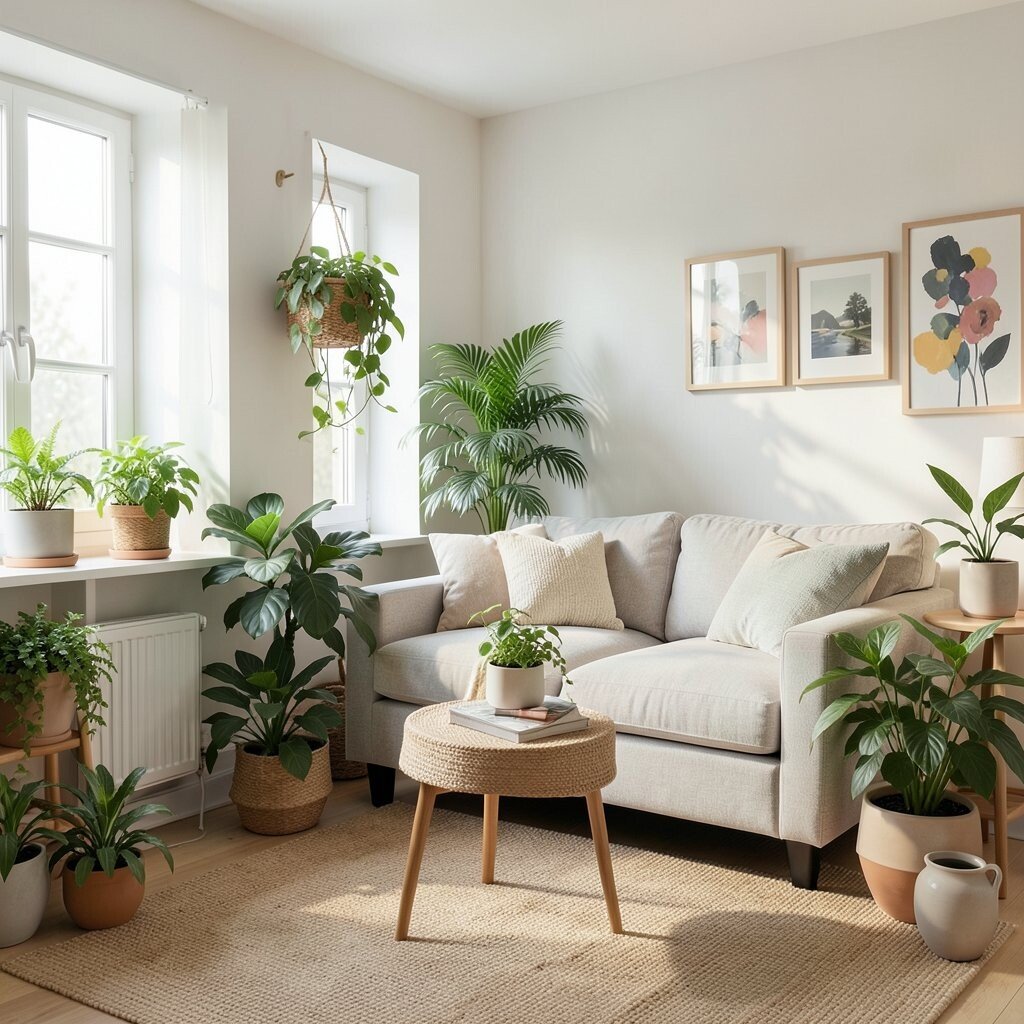
Plants make rooms feel more alive and more welcoming. Even one plant can soften hard edges and add a fresh green note.
Pick plants that match your light, like a pothos for medium light or a snake plant for low light. Use pots that match your decor, such as matte ceramic for modern spaces or woven planters for a natural look. For benefits, plants can also make the room feel calmer and help you slow down in day-to-day moments.
Budget-friendly options include starting with a small plant or using cuttings to grow new ones. If you’re not confident with care, choose low-maintenance varieties and keep a simple watering routine. Personalize by adding a plant stand, a colorful pot, or grouping plants of different heights for a lush style.
13. Add Mirrors to Brighten and Open Up the Room
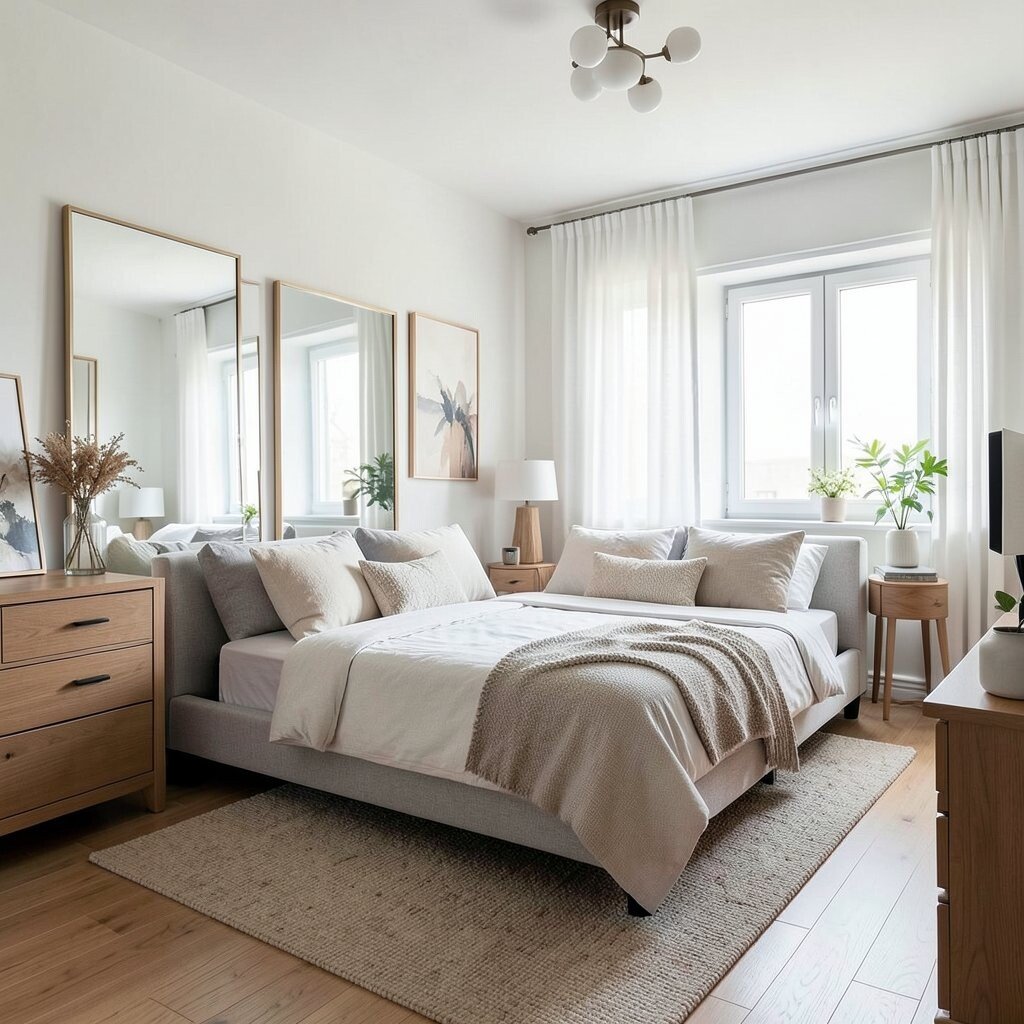
Mirrors reflect light and make spaces feel larger. They’re perfect when you want an airy upgrade without changing furniture.
Place a mirror across from a window or near a lamp so it bounces light around the room. Choose a frame style that matches the rest of the decor, like sleek black for modern homes or ornate gold for a classic feel. In smaller rooms, a tall mirror can create a strong vertical line that adds height.
If you’re working with a budget, look for thrifted mirrors and refinish the frame with paint or stain. Just make sure the mirror is securely hung for safety. This kind of change often feels uniquely tailored because mirrors can match your exact style in seconds.
14. Refresh Your Entryway With Small, Helpful Details
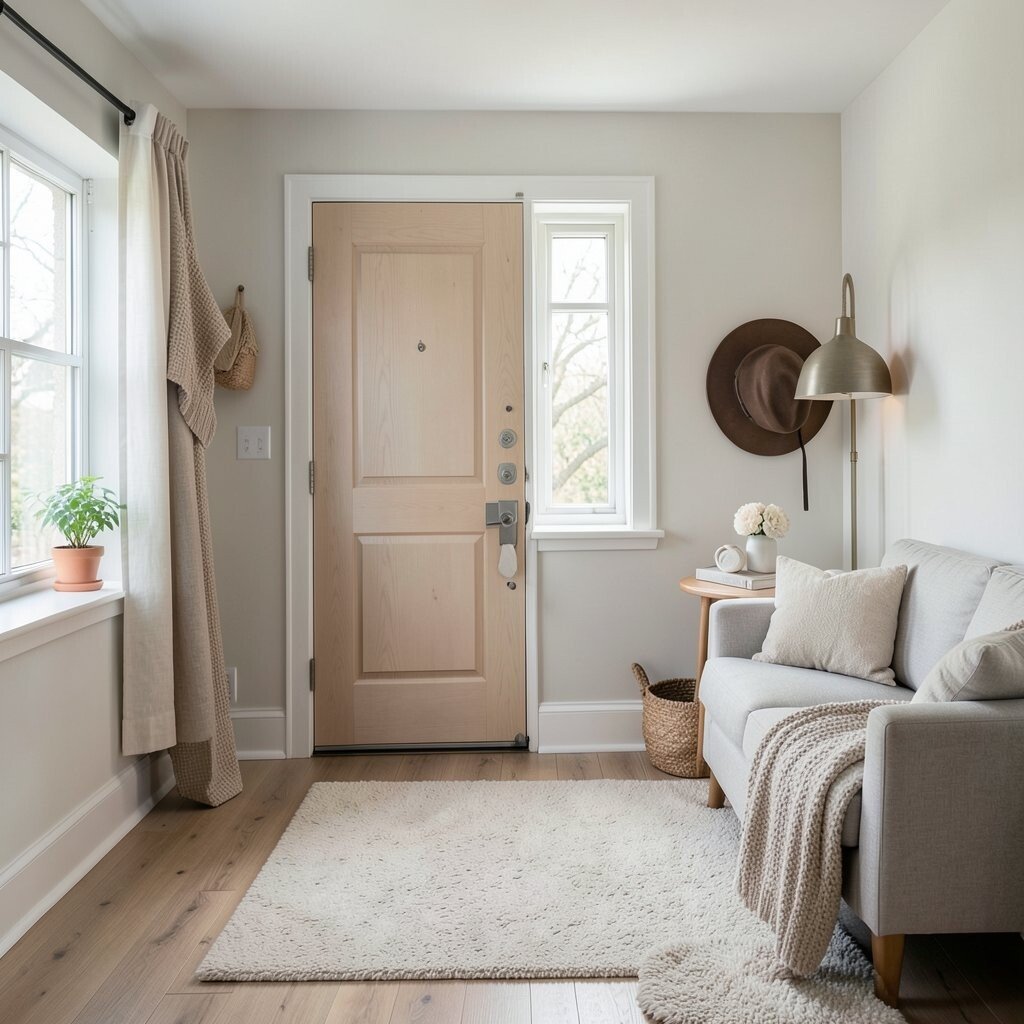
The entryway sets the mood for the whole home. When it looks tidy, the rest of the space usually feels more welcoming too.
Add a small console table, a slim bench, or even a wall hook set to give items a place. Include a tray for keys and a simple basket for shoes or bags so the area stays neat. For practical tips, keep a small seasonal switch nearby so you don’t end up with clutter from coats and scarves.
Personalize with a runner rug, a framed print, or a small mirror that makes the entry brighter. Cost considerations are flexible because you can start with a hook and a tray, then build gradually. Current trends often favor natural materials like wood tones and woven textures in entry spaces.
15. Give Your Bed a Strong, Comfort-Focused Makeover
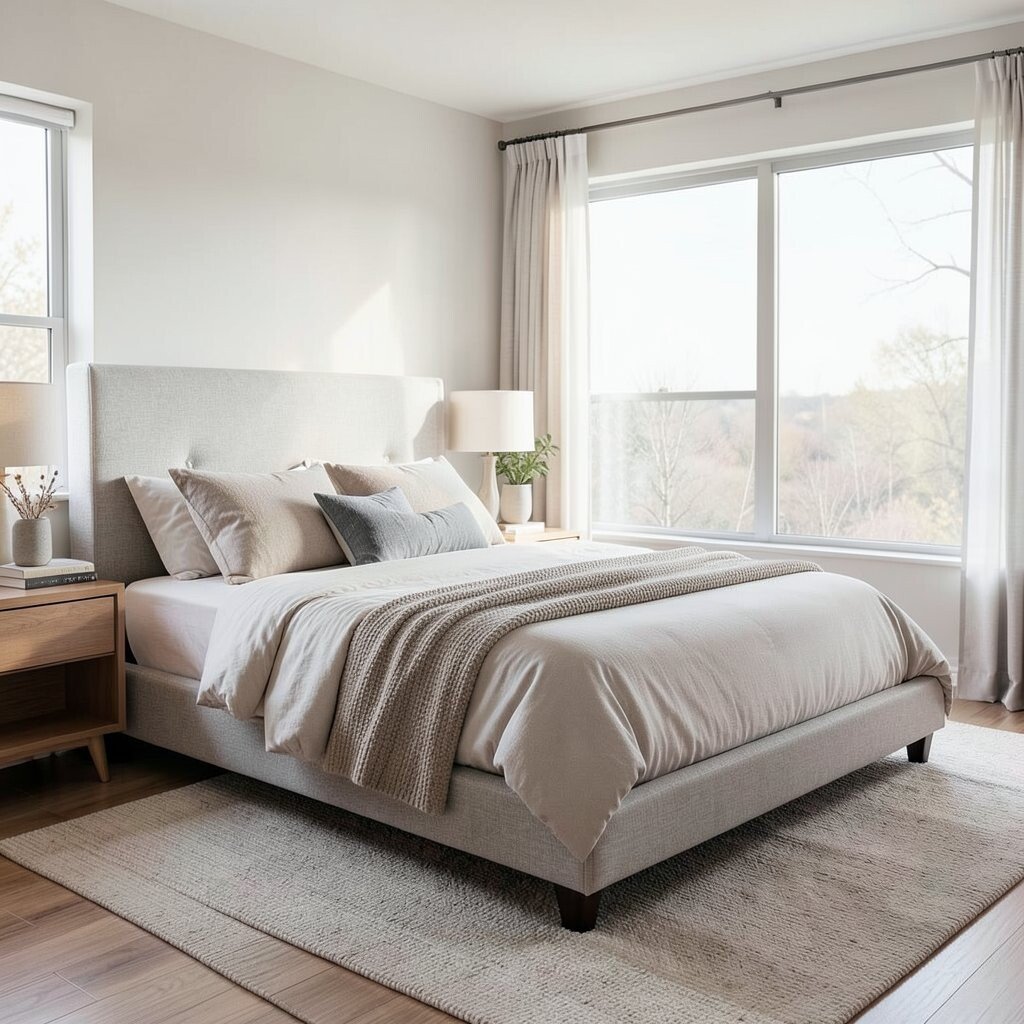
Your bedroom should feel like a calm retreat, not a storage area. A comfortable bed setup can instantly make the room look styled and feel soothing.
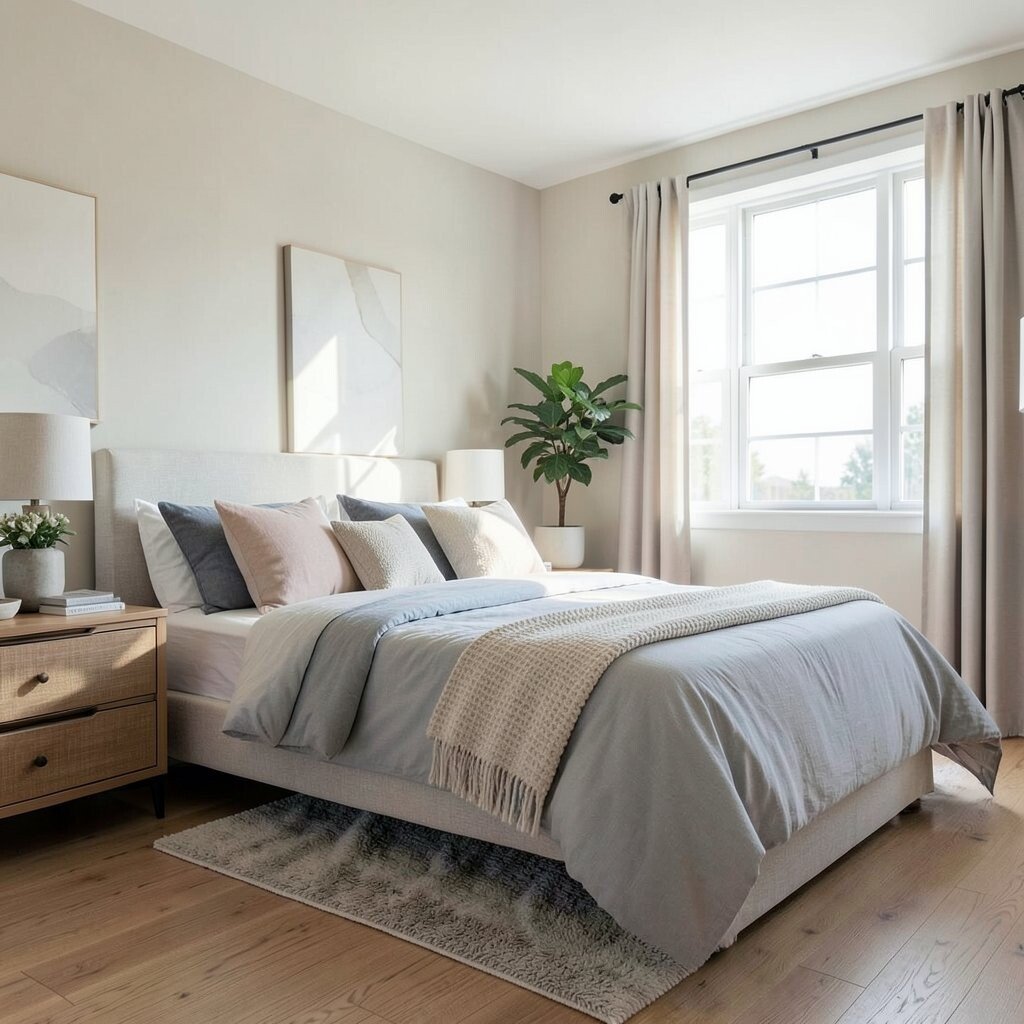
Choose bedding in a color story that matches the mood you want, like cool whites for a clean feel or warm neutrals for cozy nights. Layer a duvet cover, a couple of throw pillows, and a soft throw blanket to add depth. If you want a unique look, mix pillow shapes, like a long lumbar pillow paired with two standard ones.
For benefits, better bedding also makes daily routines nicer, like faster mornings and easier wind-down evenings. Budget-wise, start with a duvet cover and pillow covers, then upgrade sheets when you’re ready. This is a great place to personalize with a favorite pattern or a subtle accent color that shows your taste.
16. Make a Work Corner That Actually Supports Focus
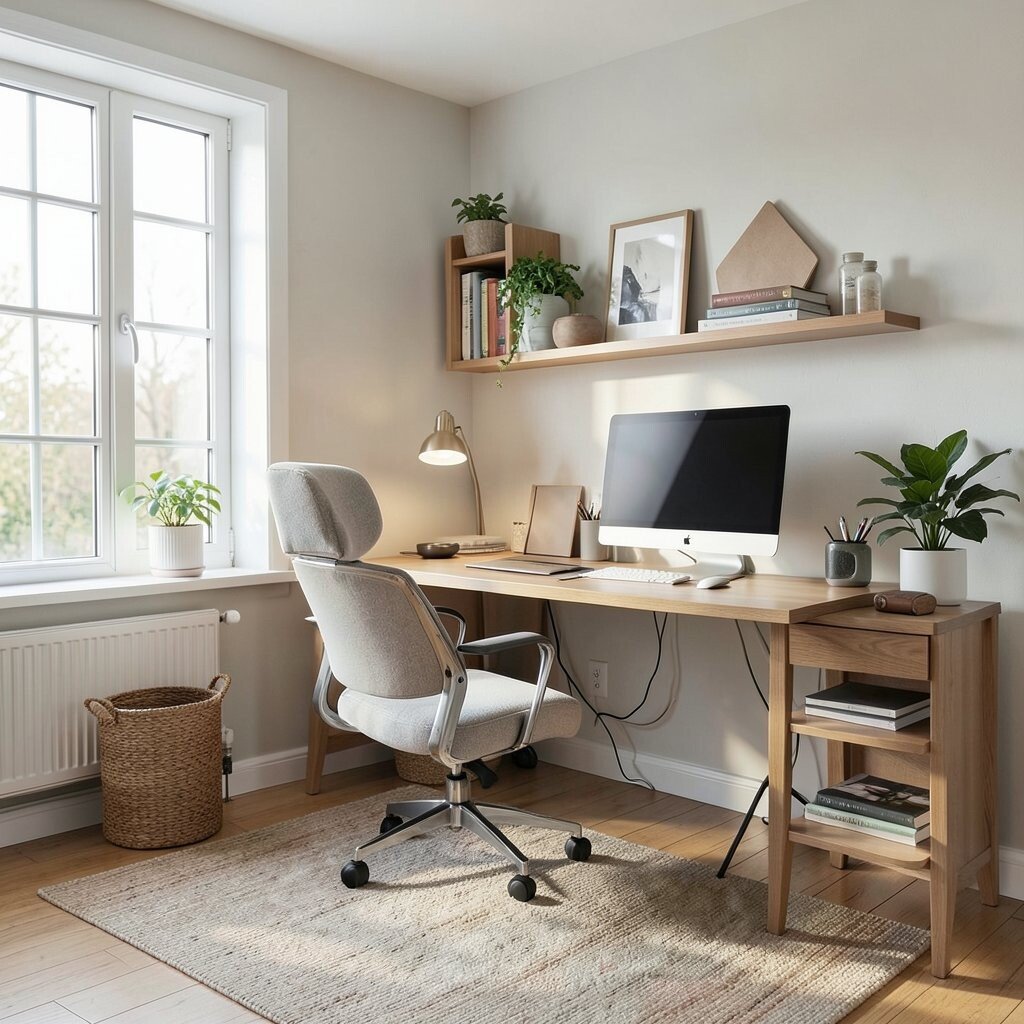
A workspace works best when it’s set up for how you move and think. Even a small corner can feel productive with the right setup.
Keep the desk clutter under control using a tray for pens, a small organizer for papers, and a spot for your charger. Position your desk so you get comfortable light, ideally facing a window or using a lamp that doesn’t glare. Add a comfortable chair cushion if you want to upgrade feel without replacing furniture.
Personalize the corner with a vision board, framed notes, or a small plant near the monitor. Current trends include minimal desk setups with warm accents, so a wood tray or matte desk accessory fits right in. Cost considerations are easy here because small organizers and lighting upgrades can make a big difference.
17. Style the TV or Media Area Without Making It Feel Heavy

Media areas can look bulky, but they don’t have to. A lighter, more balanced setup makes the whole room feel calmer.
Mount the TV or place it on a low console that leaves open space around it. Use shelves or cabinets with doors to hide games, remotes, and cords. If you need a unique touch, add a decorative panel behind the TV in a neutral tone or textured finish.
Layer lighting with an LED strip behind the media unit or a nearby lamp to reduce harsh glare. This supports comfort during movie nights and helps the room feel cozy even in daylight. For budget thinking, start with cable management and a few decor pieces, then upgrade storage later when you’re ready.
18. Personalize the Details With Art, Photos, and Meaningful Objects
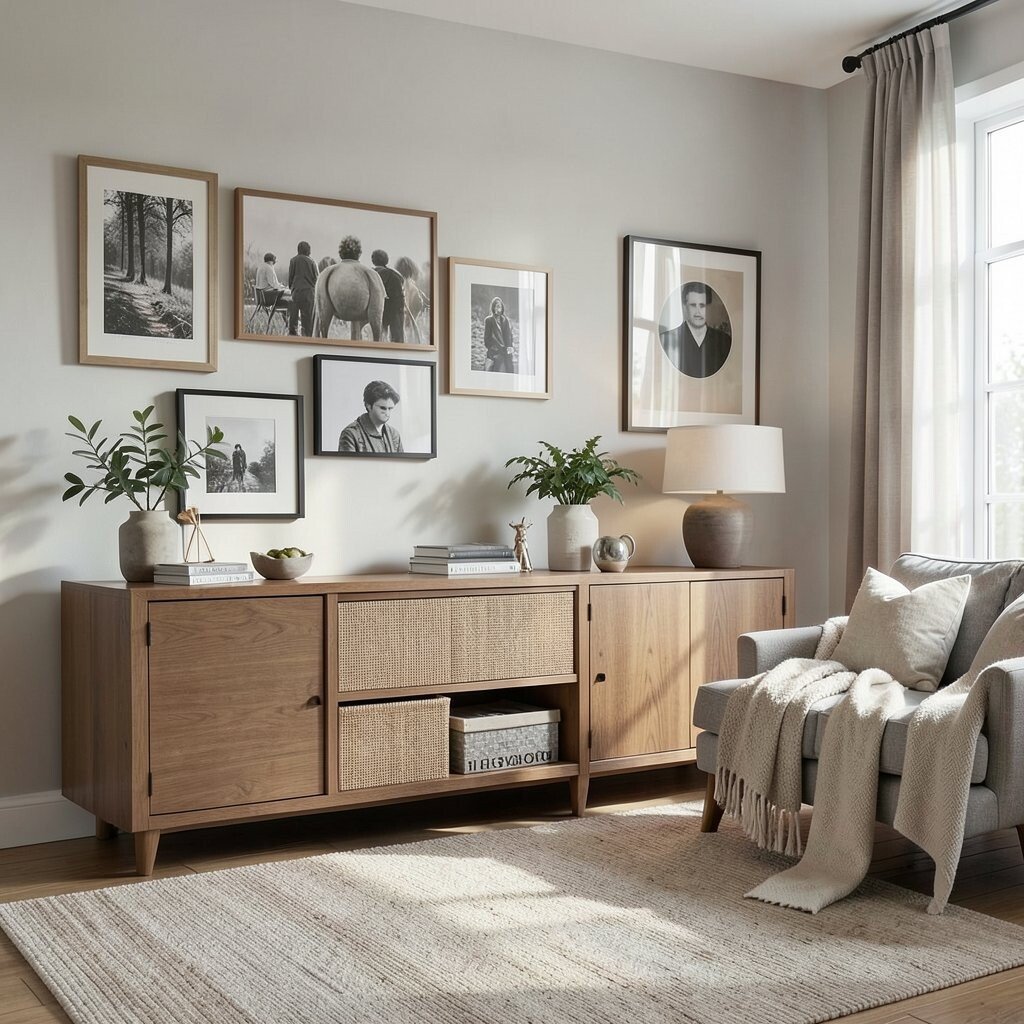
Personal details turn a room from nice to truly yours. Art and photos make your space feel like a living story.
Create a gallery wall or a single statement piece, but keep spacing consistent for a polished look. Mix frames in a gentle way by sticking to one metal finish or one color family. Add meaningful objects like travel souvenirs, handmade items, or a favorite book stack for individuality.
For uniqueness, choose one element that feels special to you, like a large piece of fabric framed as art or a bold print in your color story. Cost considerations are friendly because you can print photos, thrift frames, and use what you already own. The best part is that personalization is flexible, so you can refresh it whenever your taste shifts.
19. Use DIY Upgrades to Match Your Budget and Style

DIY changes help you steer your room toward your own taste. You can make improvements with simple tools and a clear plan.
Paint old furniture legs, reupholster small cushions, or swap out light switch covers for a cleaner finish. You can also create custom wall art with canvas, fabric scraps, or bold craft paper in your chosen palette. For benefits, DIY work often makes you more connected to the space because you’re not just placing items, you’re shaping the look.
Keep it practical by choosing projects that match your time and comfort level, like easy peel-and-stick updates or straightforward painting. For cost considerations, buy only what you need, and test colors on a small area before committing. When the final result looks like you, the room feels more unique and more inviting from the first day.