
Imagine walking into a classroom that feels like a cozy nook of inspiration. Picture spaces that spark creativity and make learning feel like an adventure. Keep reading to uncover ideas that will make your classroom the talk of the school.
1. Color-Coded Bins
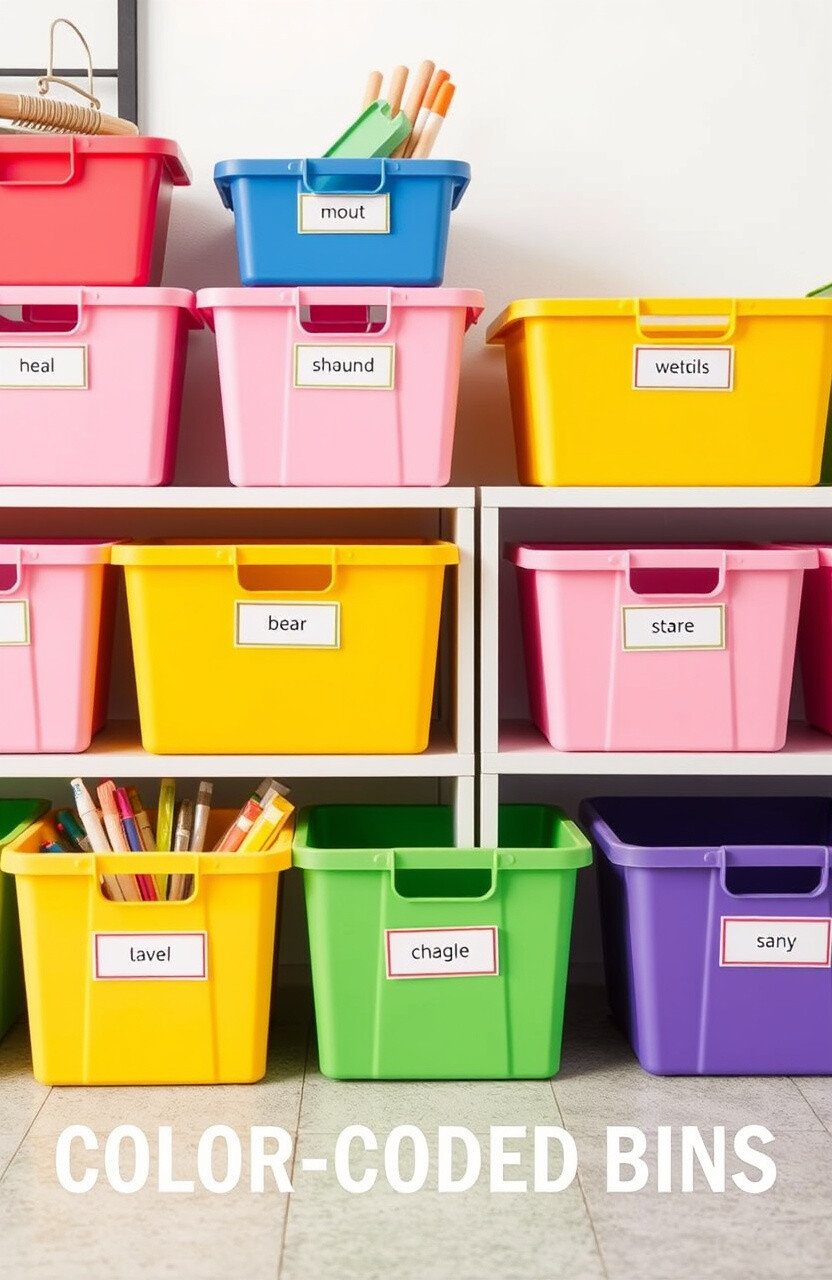
Color-coded bins are a simple yet effective way to keep everything in its place. They make the classroom look bright and cheerful while helping students find what they need quickly.
Using different colors for different subjects or activities can make organizing fun and easy. It’s a great way to teach students about colors and sorting too!
You can find bins in all shapes and sizes, and they are usually pretty affordable. Add labels to each bin for extra clarity and a personal touch.
Trendy pastel colors are popular now, giving a soft and inviting look. You could even let the kids decorate their bins for some extra personalization.
2. Hanging File Folders
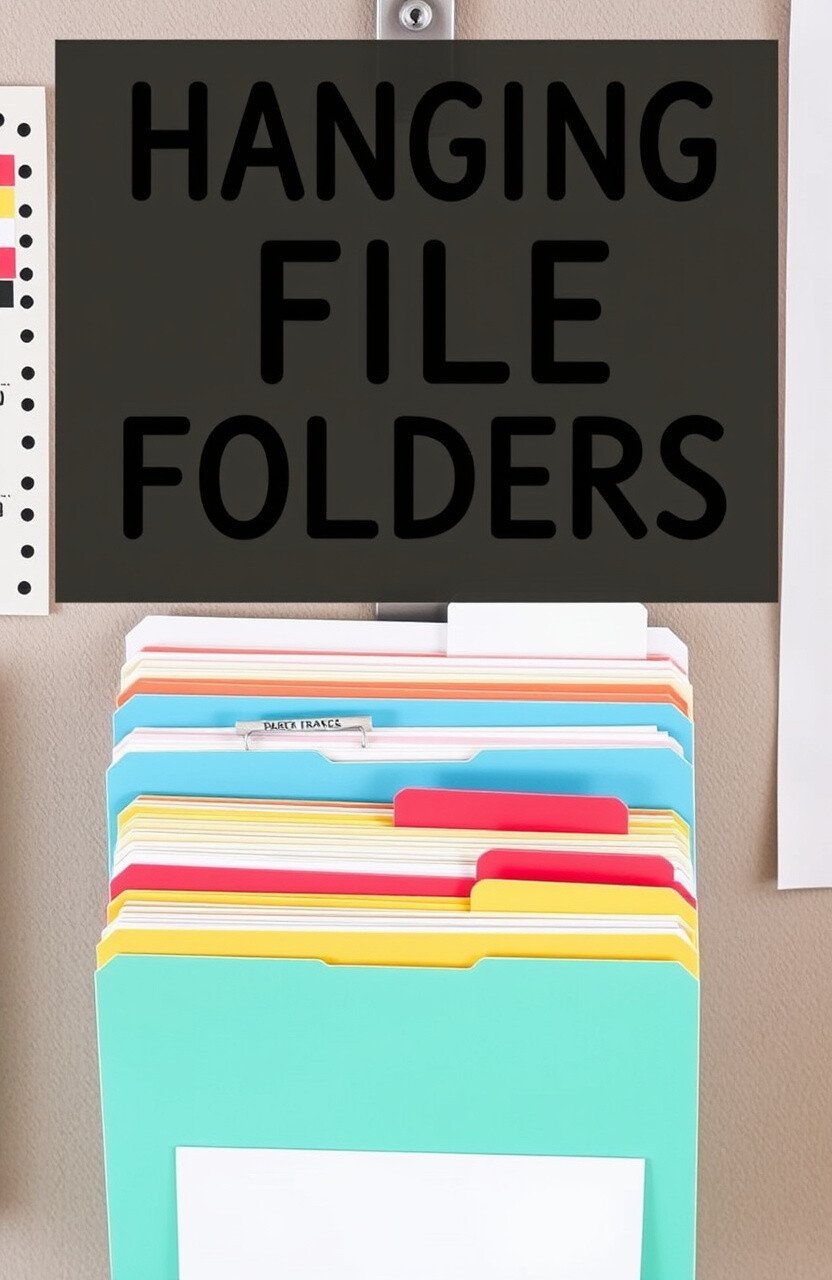
Hanging file folders are perfect for keeping papers neat and tidy. They can be hung on walls or a bulletin board, saving precious desk space.
These folders are great for organizing assignments, permission slips, and notes. They make it easy for students to grab what they need and stay on top of their work.
Find them in fun colors or patterns to add some flair to your classroom walls. They’re usually inexpensive and can be found at any office supply store.
Try labeling each folder with the student’s name or the subject to keep everything orderly. This small change can make a big impact on classroom organization.
3. Magnetic Strips
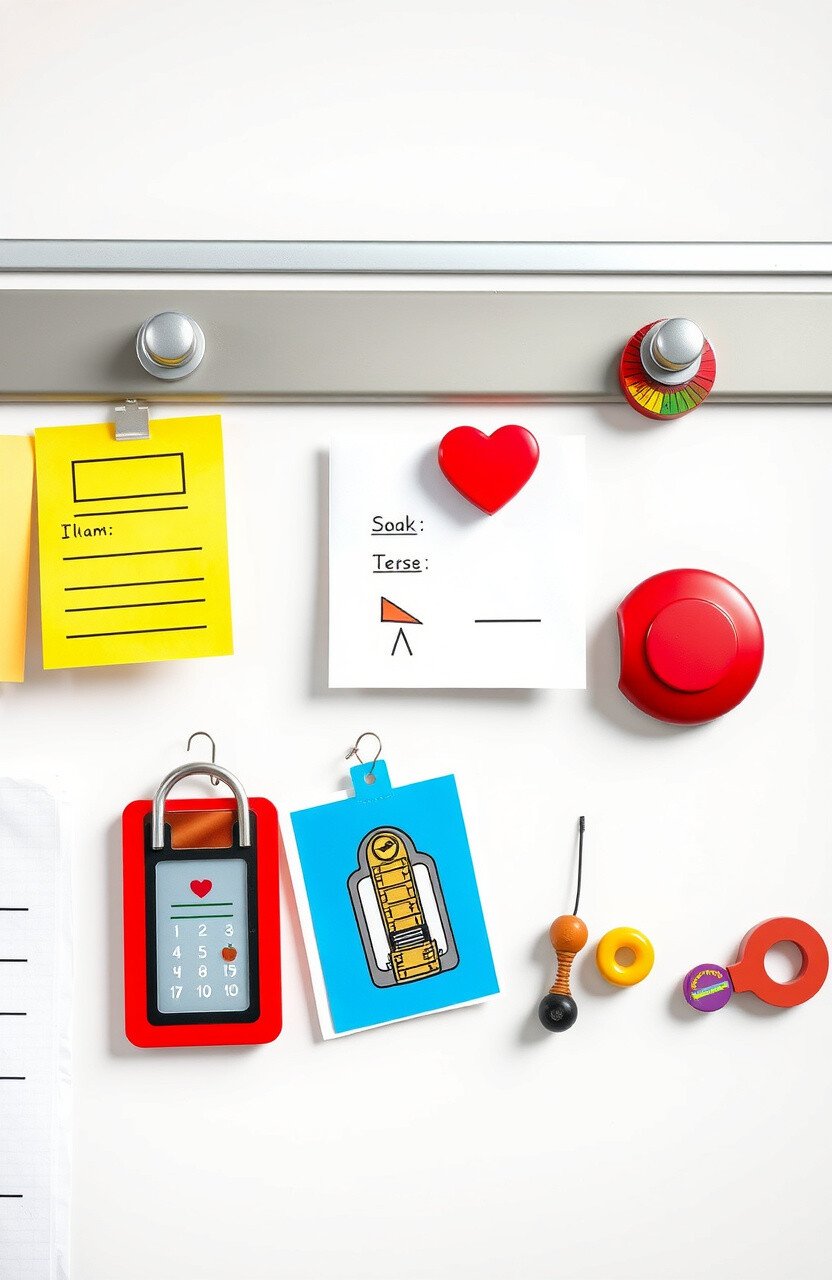
Magnetic strips are a fantastic tool for displaying art or important notices. They keep items in view without cluttering up the space.
These strips can be placed on walls or whiteboards to hold papers or lightweight objects. They’re a great way to showcase students’ work and make them feel proud.
Available in various lengths and strengths, magnetic strips can fit any classroom need. They’re durable and usually quite affordable.
Consider adding some decorative magnets to make the display more fun. You could even let students create their own magnets as a craft project.
4. Pegboards
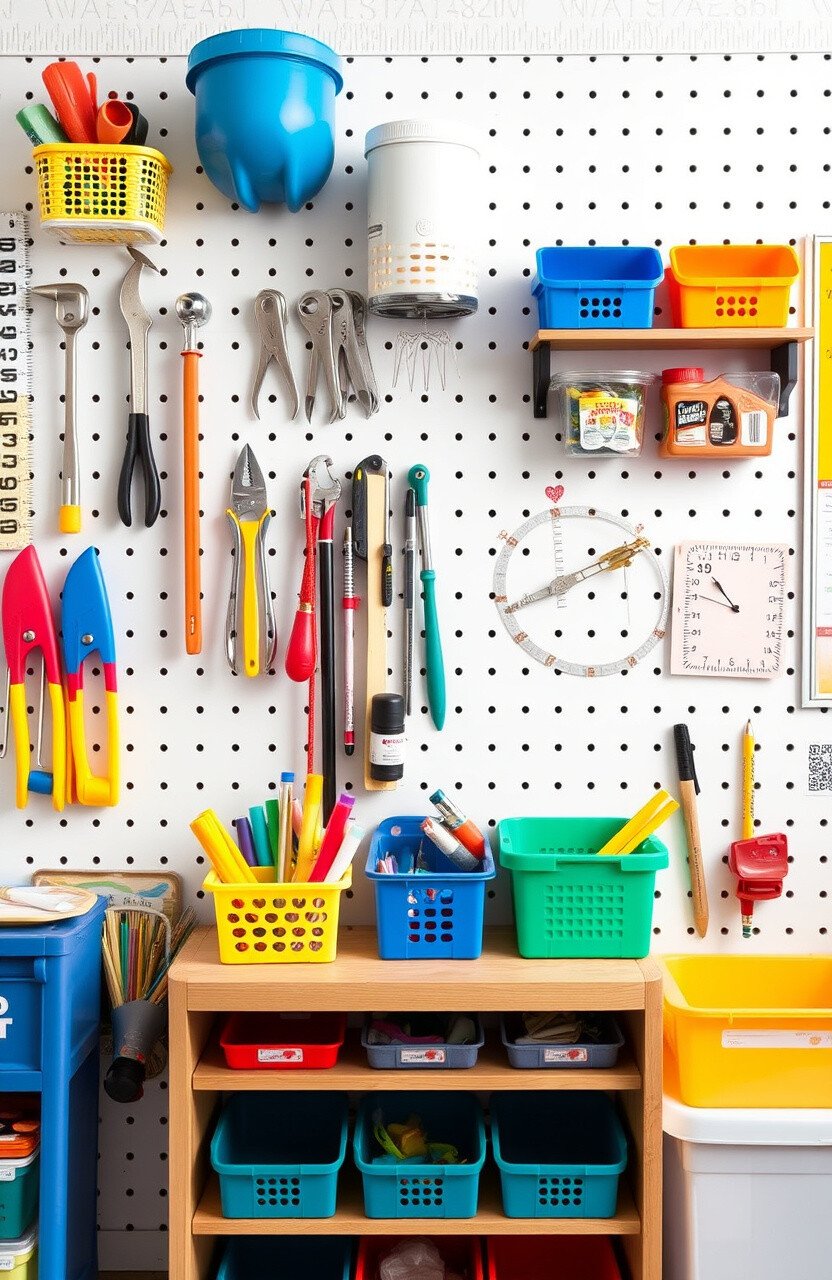
Pegboards are a versatile way to keep classroom supplies organized. They allow you to hang tools, art supplies, or learning aids neatly.
Using hooks, baskets, or shelves on the pegboard can help keep everything within reach. It’s like having a mini command center in your classroom!
Pegboards come in various sizes and can be painted to match your classroom theme. They are a bit more of an investment but worth it for long-term organization.
Try creating zones on the pegboard by subject or activity. This makes it easy for students to know where to find what they need.
5. Rolling Carts
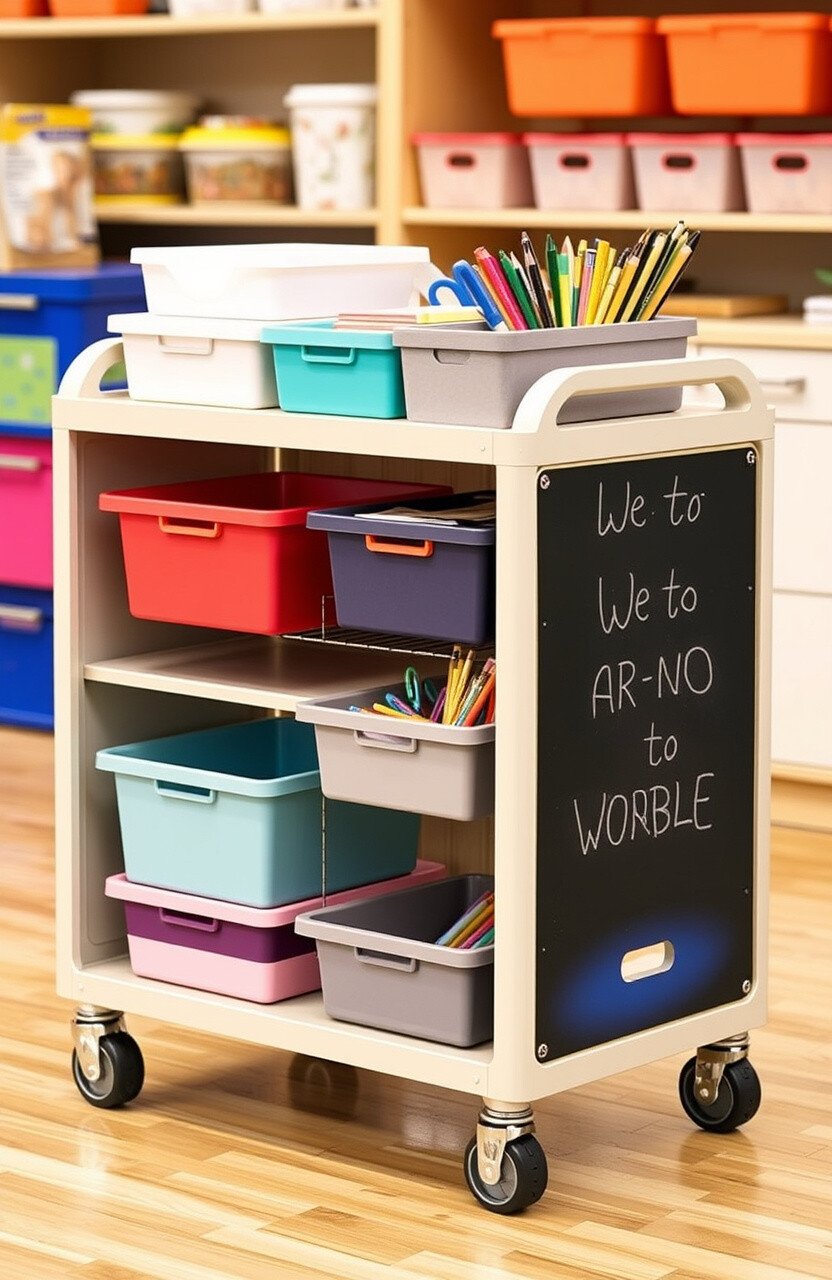
Rolling carts bring flexibility and mobility to classroom organization. They offer a way to move supplies around easily, adapting to different learning setups.
With multiple tiers, rolling carts can hold everything from books to art supplies. They are great for creating mobile learning stations.
These carts are available in various styles and colors, often with adjustable shelves. They can be a bit pricier, but their versatility pays off.
Consider a cart with a chalkboard or whiteboard side for quick notes or labeling. This adds functionality and a fun touch to your classroom.
6. Command Centers

A classroom command center can be a game-changer for organization. It’s a dedicated space where you can keep schedules, important notices, and daily tasks.
Having a central place for information helps students stay on track. It also allows teachers to manage their day more effectively.
Command centers can be customized with corkboards, whiteboards, or calendars. They can be a fun DIY project or purchased ready-made.
Add some character with colorful borders or stickers. Personalize it with student contributions to make it a collaborative space.
7. Activity Stations
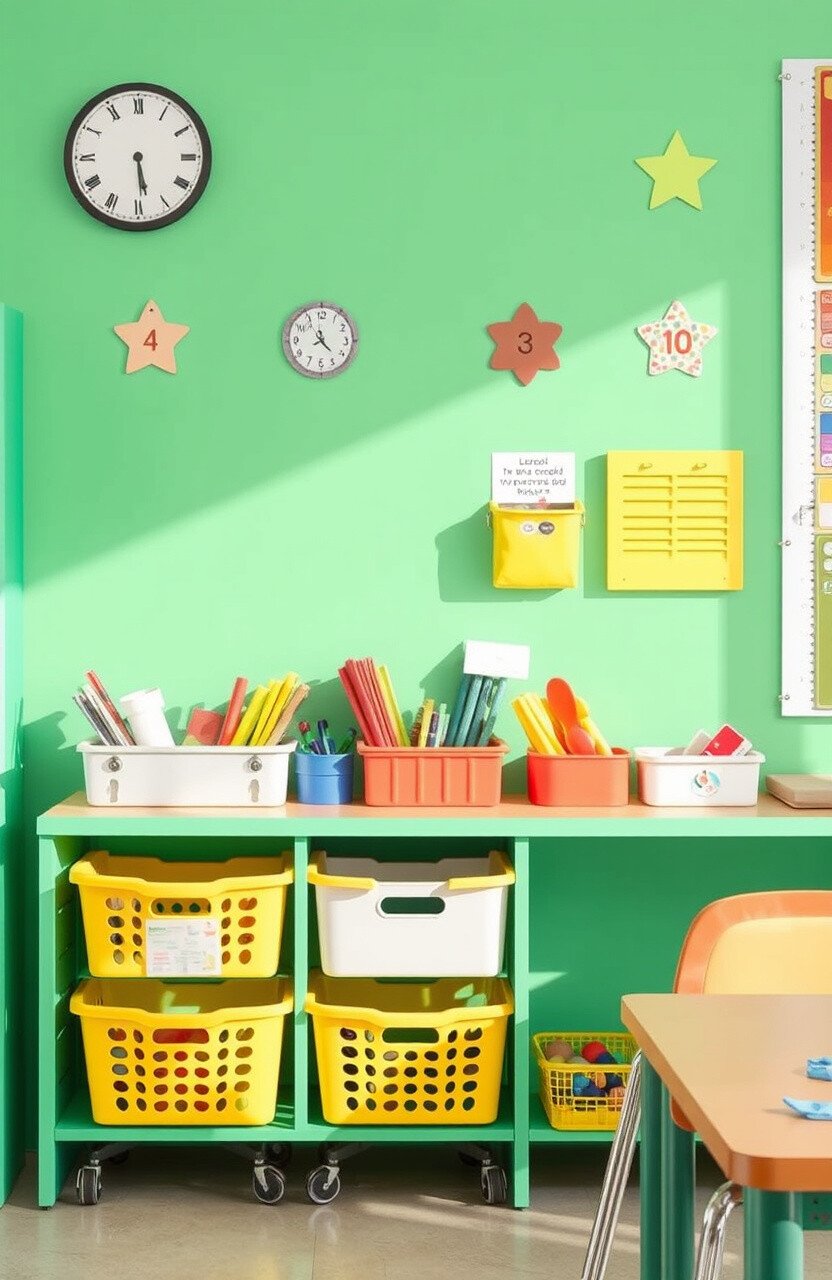
Activity stations encourage independent learning and exploration. They provide a dedicated area for specific subjects or projects.
These stations can be rotated throughout the week to keep things fresh and exciting. They help in managing classroom flow and keeping students engaged.
Set them up with baskets or trays to organize materials. This can be done at a low cost using items you already have.
Get creative with themes or decorations to match the subject. Let students help set up the stations for a sense of ownership.
8. Book Nooks
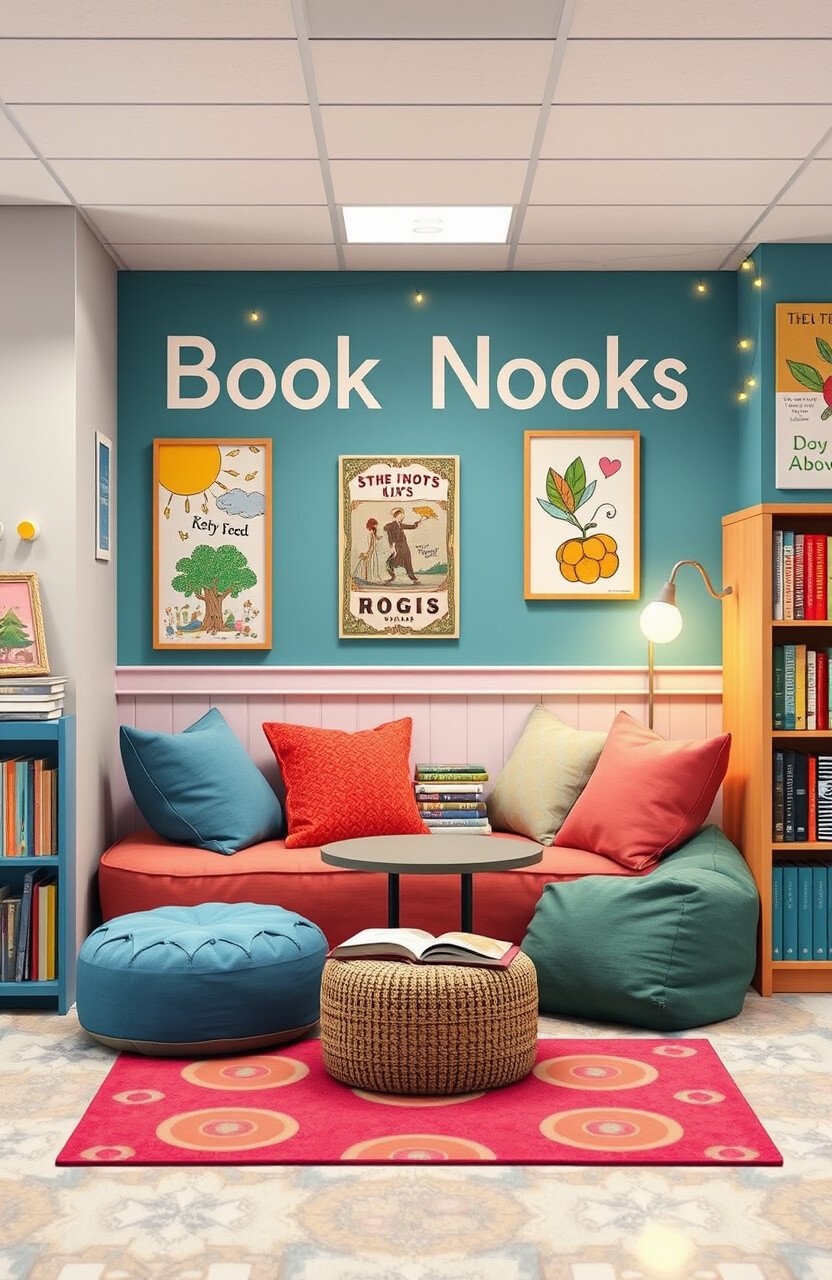
Creating a cozy book nook invites students to dive into reading. It’s a special spot where they can enjoy books in a comfortable setting.
A book nook can be as simple as a corner with cushions and a small shelf. It encourages a love for reading and offers a quiet retreat.
Use colorful rugs or bean bags to make the space inviting. Check thrift stores for affordable seating options.
Consider adding some twinkle lights for a magical touch. Personalize the nook with students’ favorite books or artwork.
9. DIY Supply Caddies
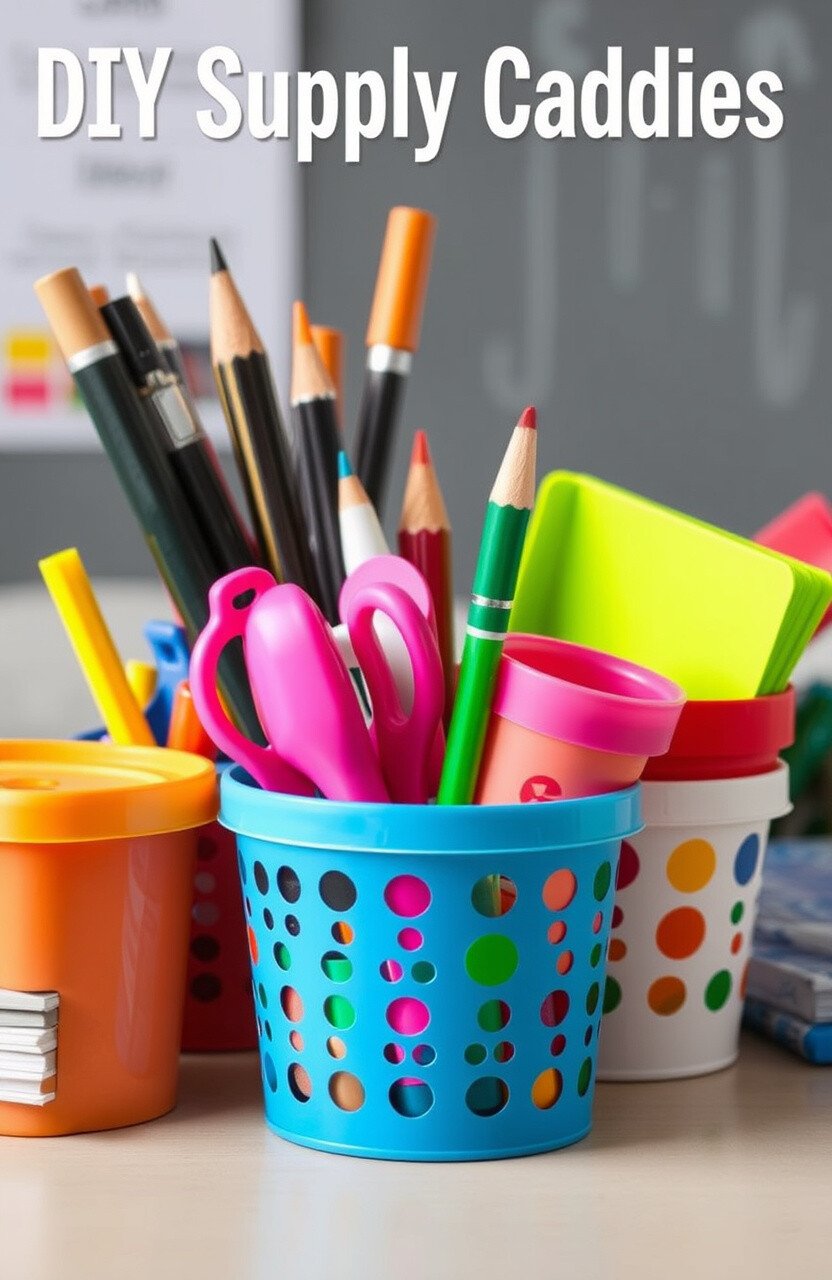
DIY supply caddies are a creative way to keep desks tidy. Each student can have their own caddy with essential supplies.
Making these caddies can be a fun class project. It teaches responsibility and helps students keep track of their items.
You can use recycled containers to make it eco-friendly. Add some paint or stickers to personalize each caddy.
These caddies are cost-effective and can be tailored to fit any desk size. Encourage students to decorate their caddies for a personal touch.
10. Wall Pockets
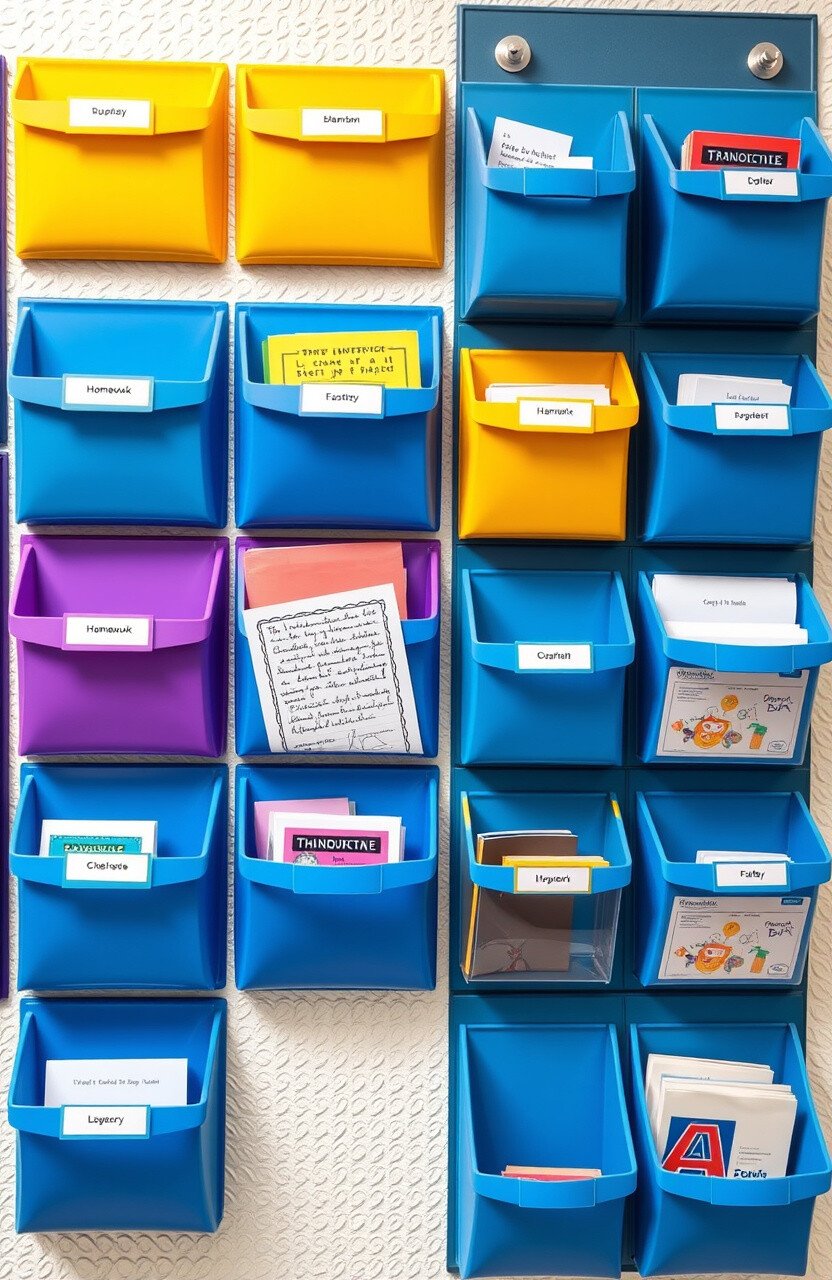
Wall pockets are a neat way to store papers and small items. They keep surfaces clear and make use of vertical space.
These pockets are perfect for organizing homework, notes, or flashcards. They help students access their materials easily.
Available in various colors and materials, wall pockets can suit any classroom style. They’re budget-friendly and simple to install.
Add labels to each pocket for clarity. Allow students to personalize their pockets with stickers or drawings.
11. Cable Management Solutions

Keeping cables organized is essential in tech-enabled classrooms. It prevents tangling and keeps the area safe and tidy.
Cable ties, clips, and sleeves help manage the chaos of wires. They make the space look neat and professional.
These solutions are inexpensive and can be found at any hardware store. Choose colorful options for a fun twist.
Consider labeling cables to know which one belongs to what device. This makes tech management smoother and more efficient.
12. Personalized Desks
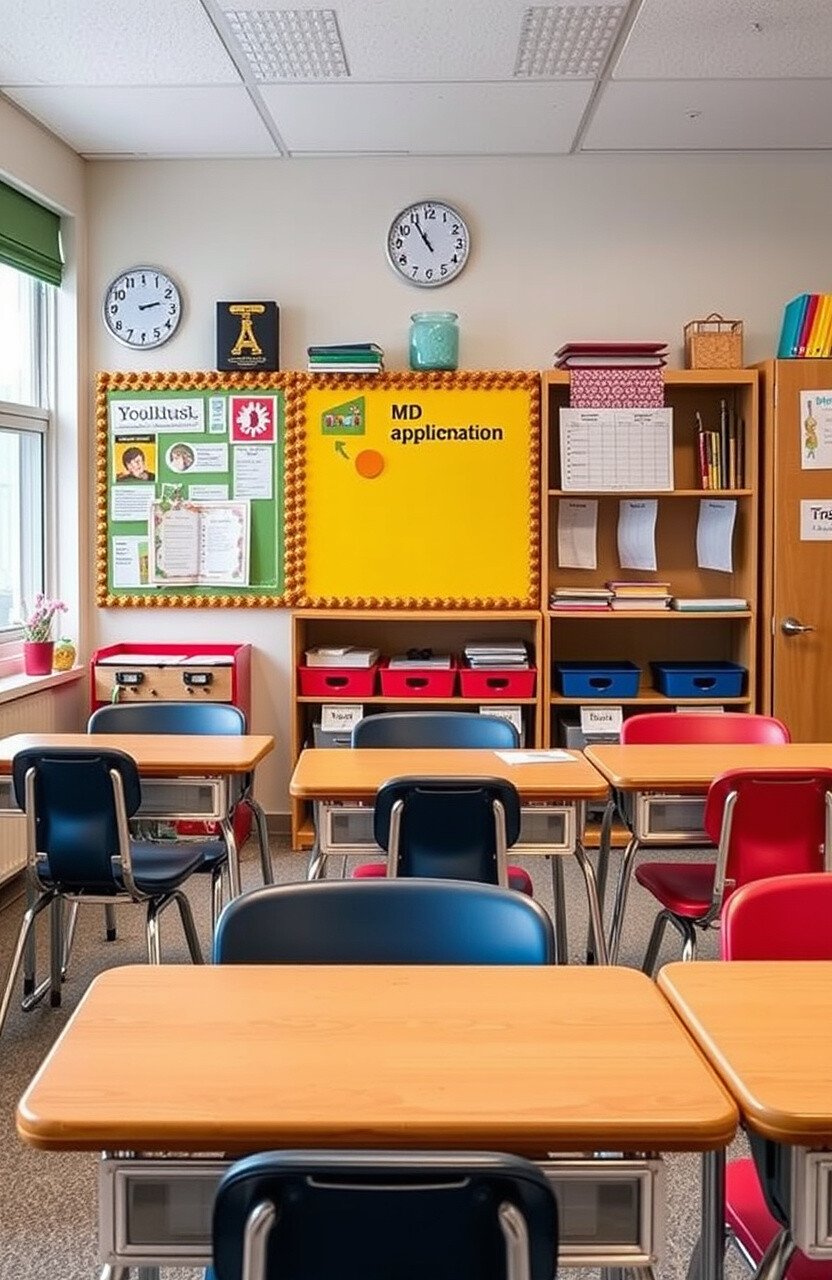
Personalized desks make students feel special and unique. It’s a way for them to express their individuality within the classroom.
Allowing students to decorate their desks can boost their morale and engagement. It creates a sense of ownership and responsibility.
Provide materials like stickers, name tags, or small decor items. This can be a fun and low-cost activity.
Encourage students to keep their desks tidy and organized. This balance between personalization and order is key to a harmonious space.
13. Interactive Bulletin Boards
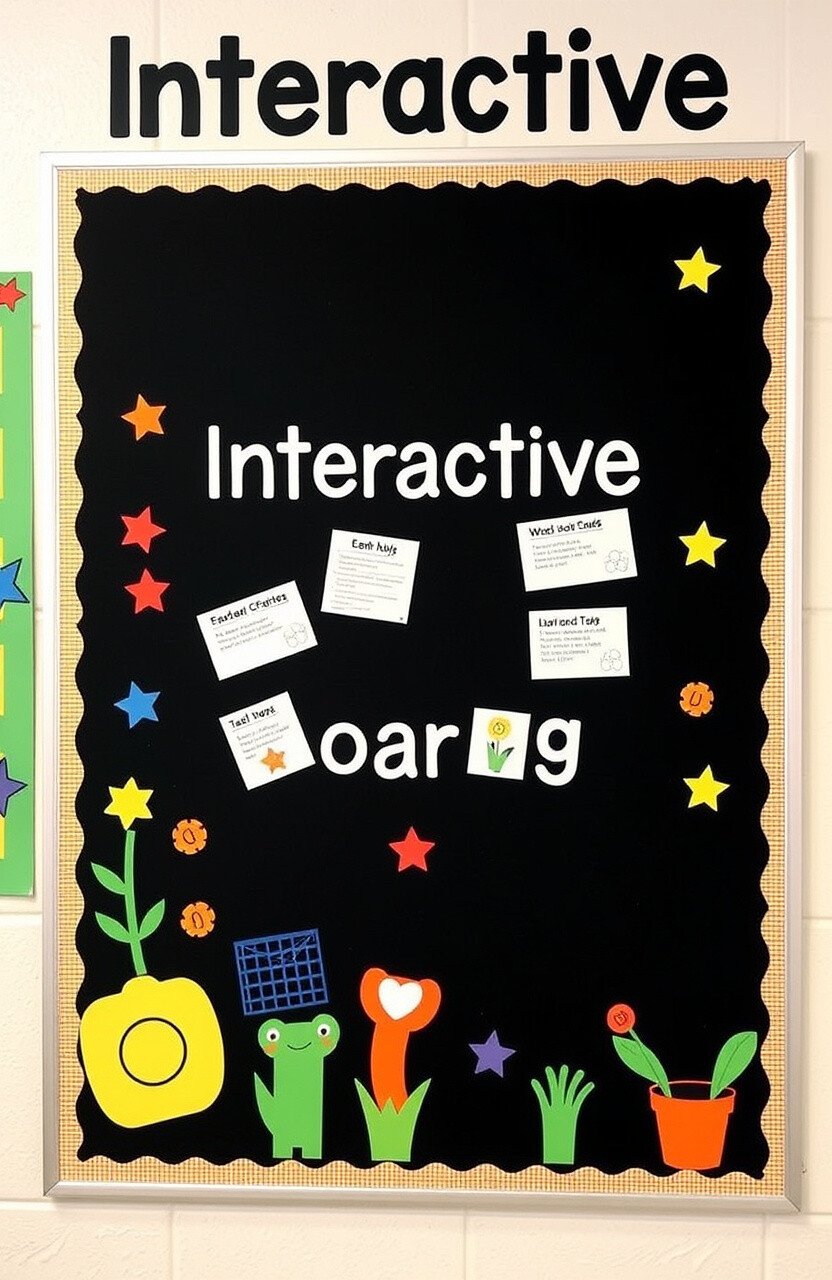
Interactive bulletin boards engage students in a dynamic way. They allow for creativity and participation in classroom activities.
These boards can be used for games, learning aids, or showcasing student work. They keep students involved and learning exciting.
Use colorful paper and fun shapes to create eye-catching displays. Bulletin boards are an affordable way to change up the classroom look.
Rotate the themes or activities regularly to keep things fresh. Involve students in updating the board for a collaborative effort.
14. Flexible Seating
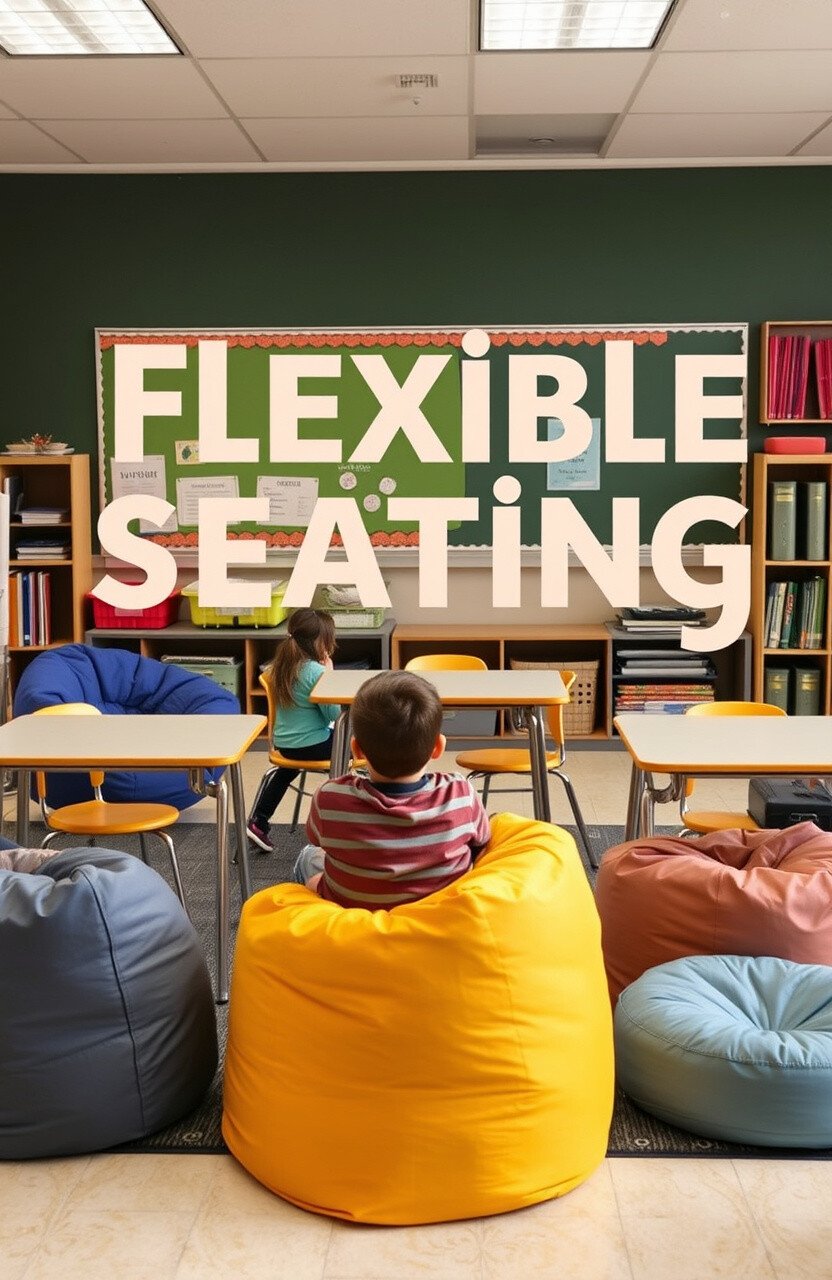
Flexible seating offers students choice and comfort. It caters to different learning styles and creates a dynamic classroom environment.
Options like bean bags, floor cushions, or standing desks can energize the space. They encourage movement and comfort, boosting focus.
Seek out affordable options or DIY solutions to keep costs down. Garage sales or thrift stores can be treasure troves for unique seating.
Arrange seating to allow for easy rearrangement. This flexibility helps adapt to various classroom activities and needs.
15. Classroom Plants
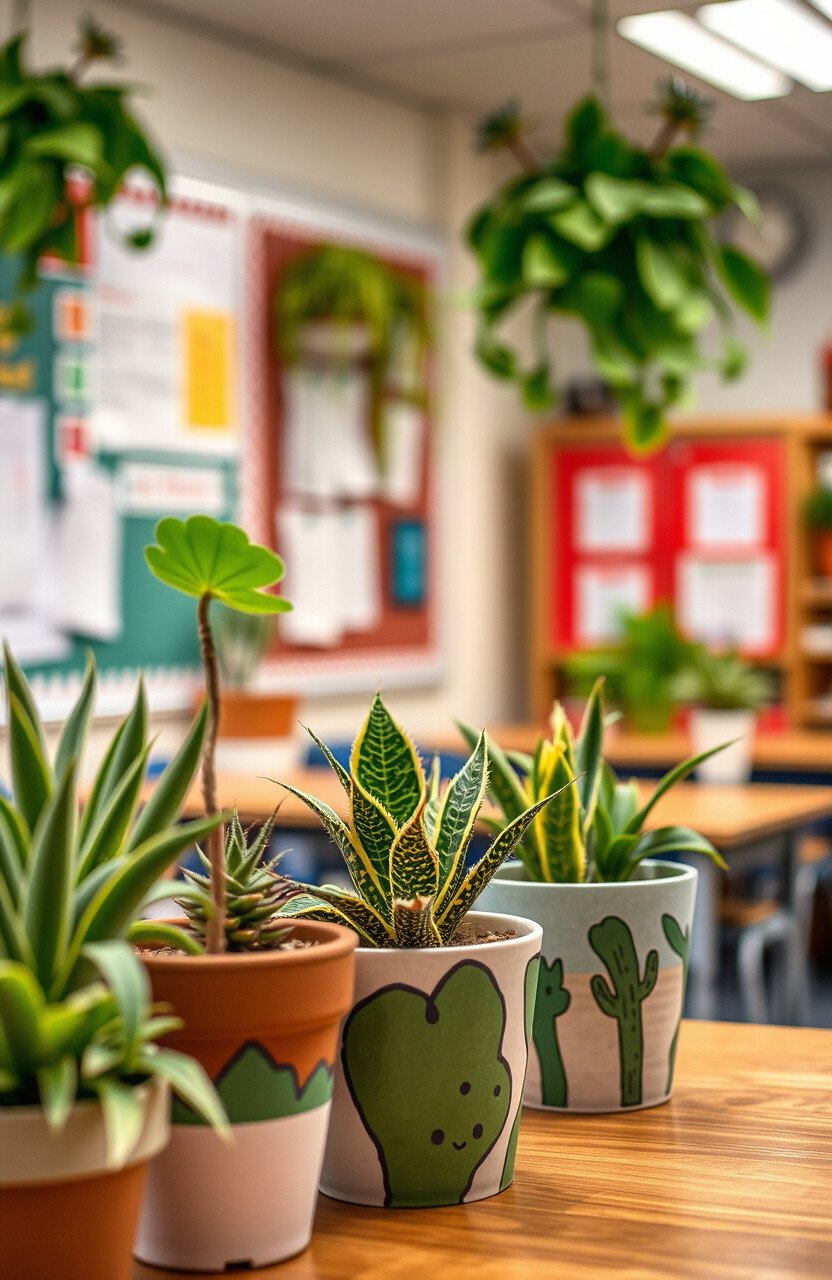
Plants bring a touch of nature into the classroom, creating a calming atmosphere. They improve air quality and add life to the space.
Choose low-maintenance plants like succulents or snake plants. They’re easy to care for and thrive in a classroom environment.
Plants can be a bit of an investment, but they last a long time. Consider involving students in watering and caring for them.
Decorate pots with fun designs for added personality. This can be a great art project that results in a green, vibrant classroom.
16. DIY Whiteboard Walls
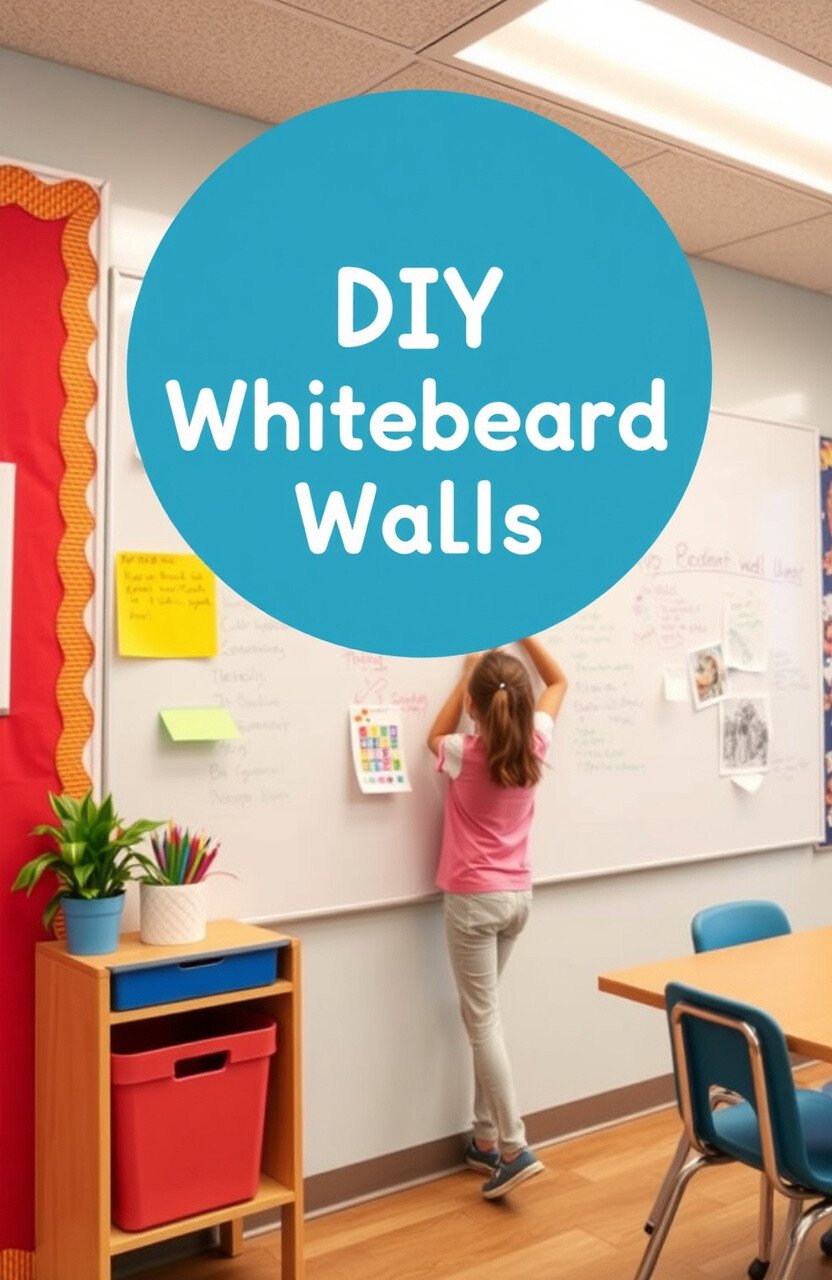
Whiteboard walls turn any surface into a space for creativity and learning. They offer a large canvas for ideas and problem-solving.
Using whiteboard paint or adhesive sheets, you can transform a wall affordably. It’s a fun and functional addition to any classroom.
Encourage students to use the wall for brainstorming or collaborative work. This promotes teamwork and active learning.
Personalize the area with colorful markers or themed boarders. Make it a space that’s inviting and inspiring for students.
17. Themed Decor
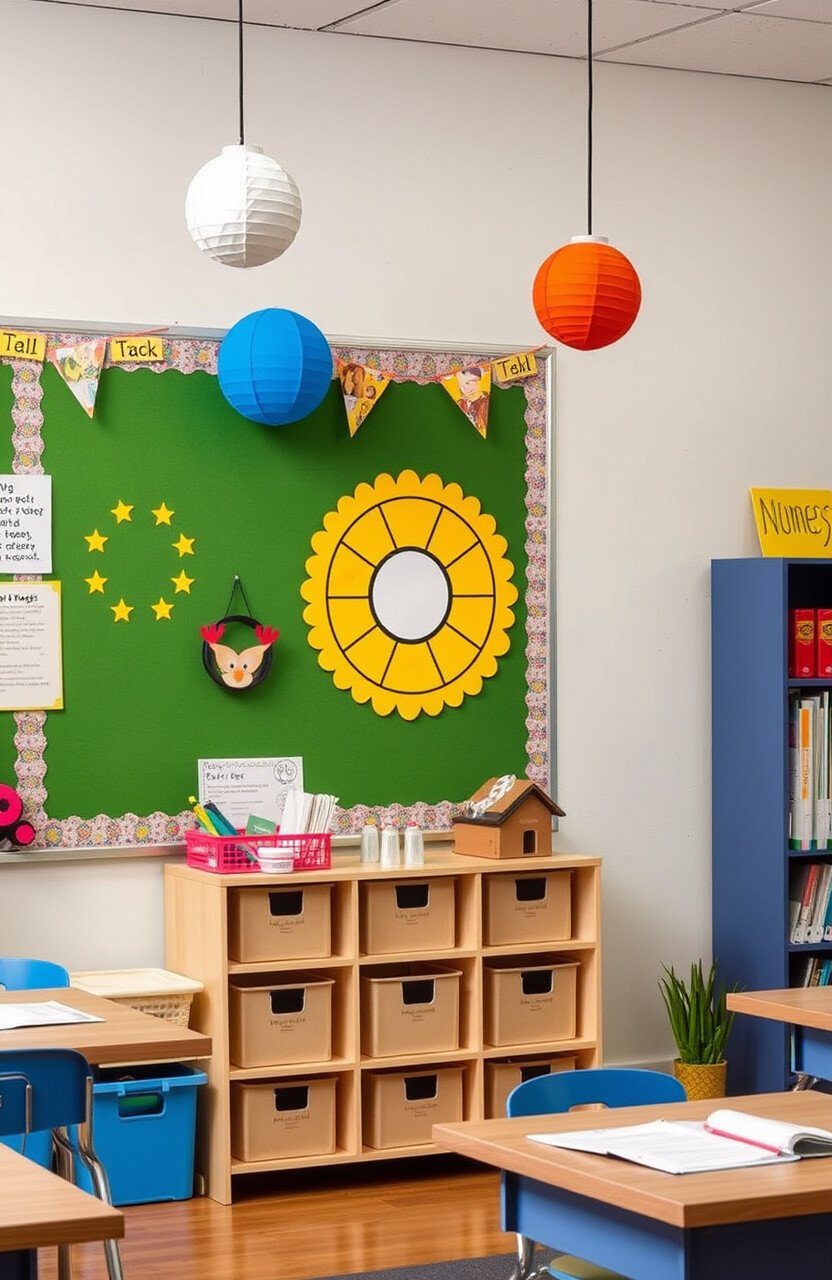
Themed decor ties the classroom together with a cohesive look. It makes the space feel intentional and welcoming.
A theme can be based on a subject, season, or even a book. This adds excitement and helps students engage with the material.
Shop for decorations at dollar stores or make your own to save money. Themes can be changed throughout the year to keep things fresh.
Involve students in choosing and creating decor. This participation can make them feel more connected to the classroom environment.
18. Student Mailboxes
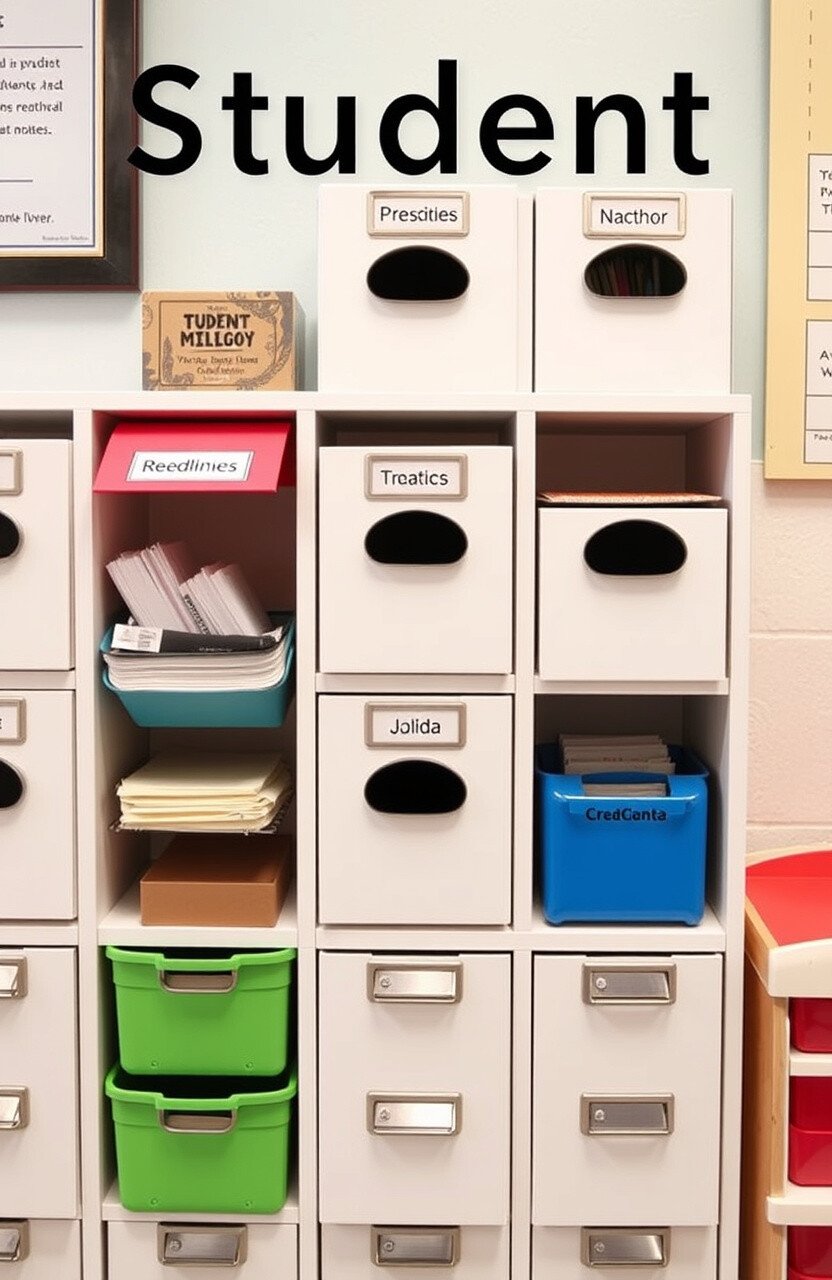
Student mailboxes are a fun way to manage paperwork and communication. They give each student a dedicated space for notes and assignments.
These mailboxes help keep the classroom organized and students accountable. They’re a simple solution to managing paper clutter.
You can create mailboxes using cardboard organizers or buy ready-made ones. Personalize them with student names for a special touch.
Encourage students to check their mailboxes daily. This routine helps them stay on top of their work and communication.
19. Label Everything

Labels bring clarity and order to the classroom. They help students and teachers find what they need quickly and efficiently.
From shelves to supply bins, labeling makes organization a breeze. It’s a small change with a big impact on classroom management.
Use a label maker or printable labels for a polished look. This investment pays off in time saved looking for items.
Let students help create labels for a personal touch. This involvement can make them more mindful of keeping things organized.
20. Reading Corner Rugs
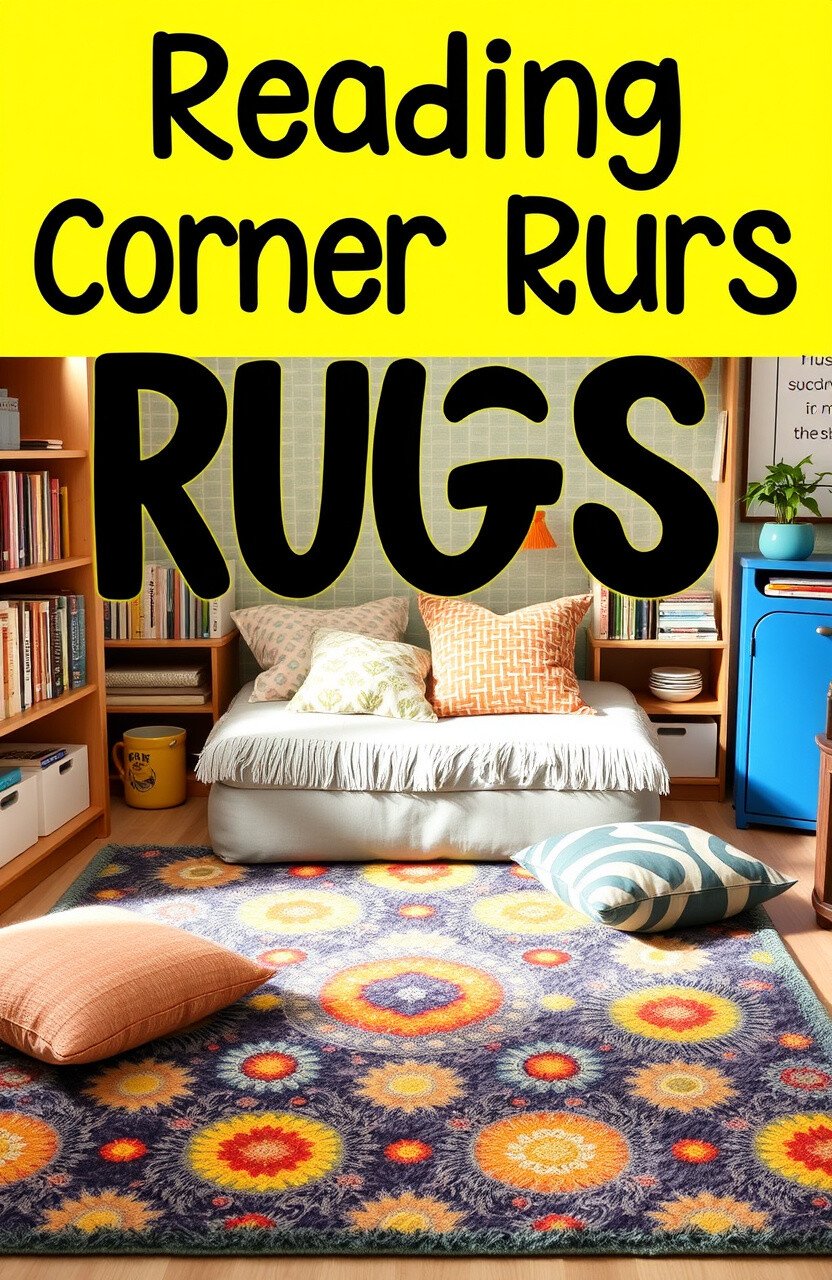
A cozy rug transforms a reading corner into a welcoming retreat. It adds comfort and defines the space, making it inviting for students.
Choose soft, durable rugs that can stand up to classroom use. They create a warm, homely atmosphere that encourages reading.
Rugs can be found in all sorts of colors and patterns to match your theme. Look for sales or discounts for more affordable options.
Consider adding some cushions or pillows for extra coziness. This can make reading time a highlight of the day for students.
21. Multi-Purpose Furniture

Multi-purpose furniture maximizes classroom space and functionality. It adapts to different activities and needs throughout the day.
Look for items like storage ottomans or convertible desks. They offer flexibility and keep the space organized.
These pieces may be an investment but provide great value. Seek out sales or second-hand options to save on costs.
Arrange furniture to allow for easy transitions between activities. This adaptability makes the classroom more dynamic and efficient.
22. Drawer Dividers

Drawer dividers bring order to chaos, keeping supplies in their place. They make it easy to find what you need without rummaging.
These dividers can organize everything from pencils to paper clips. They save time and keep the classroom running smoothly.
Find them in various sizes to fit any drawer. They’re affordable and can be found at most home stores.
Consider colorful dividers for a fun twist. This adds a touch of personality and makes organization enjoyable.
23. Daily Schedule Chart
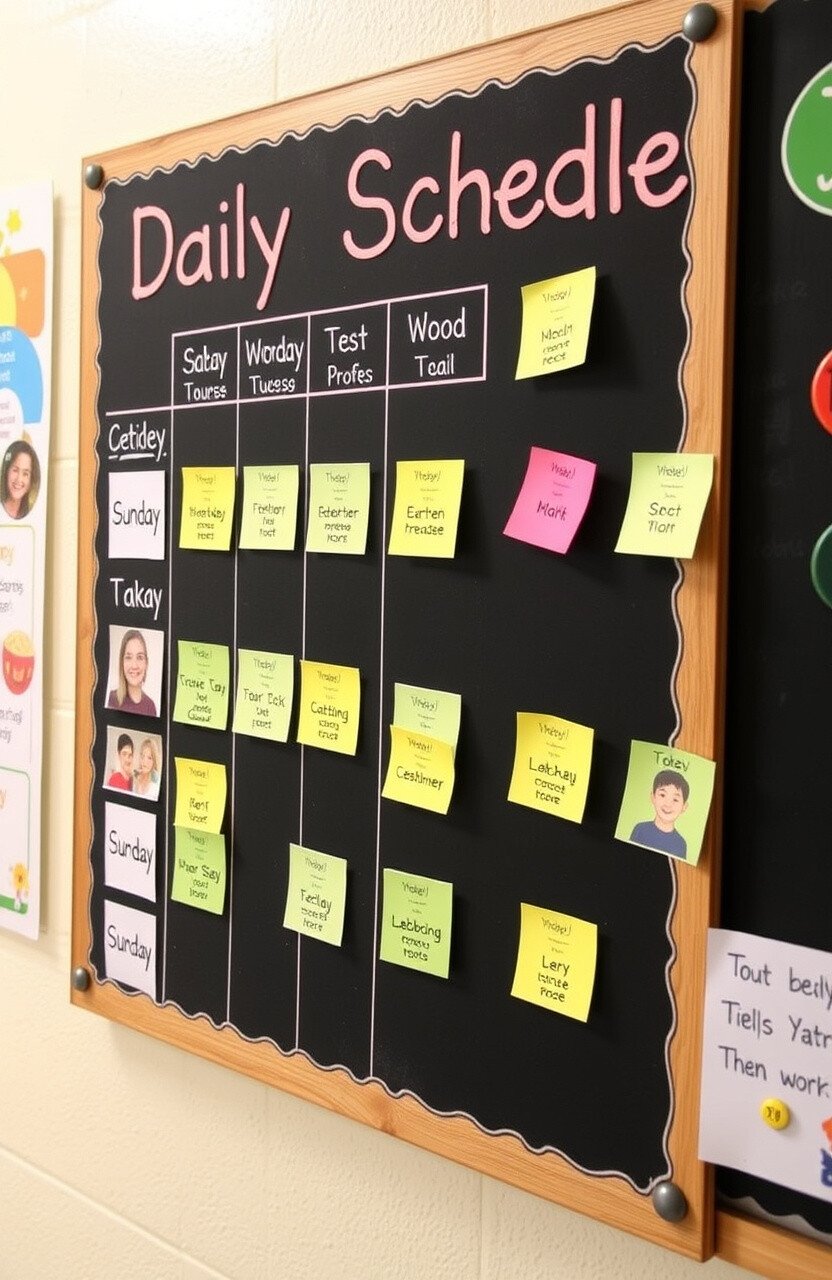
A daily schedule chart helps students understand their routine. It provides a visual guide to the day’s activities, reducing anxiety.
These charts can be interactive, allowing students to move or change tasks. This keeps them engaged and aware of their schedule.
Create a chart using magnets or Velcro for easy updates. It’s a low-cost solution with high impact on classroom management.
Decorate the chart with fun designs or student photos. This makes it more appealing and relatable for students.
24. Storage Cubes
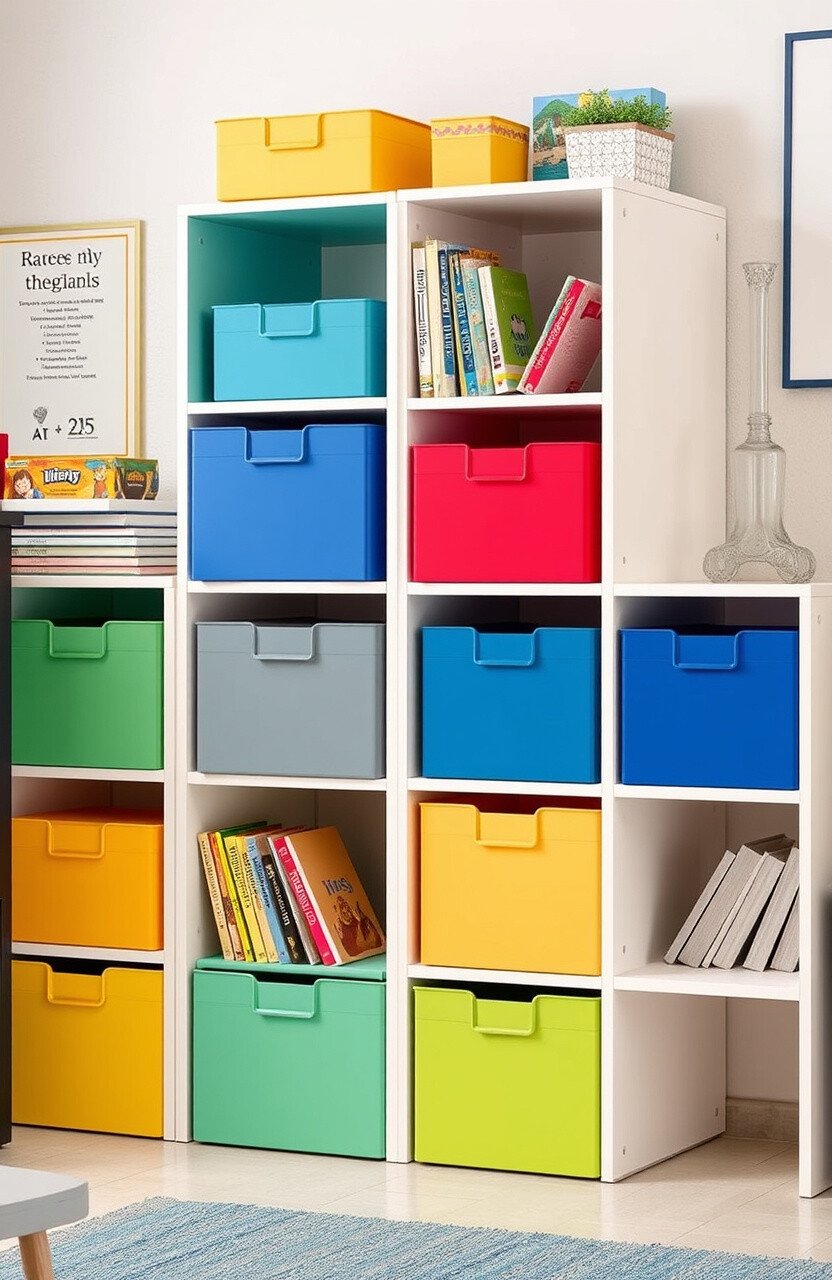
Storage cubes are a versatile and stylish solution for classroom organization. They provide ample space for books, games, and supplies.
These cubes can be stacked or arranged in different configurations. They adapt to your classroom needs and make use of vertical space.
Available in various colors and materials, they can match any decor. They’re an investment but offer long-term benefits.
Consider labeling each cube for easy identification. This makes finding and returning items a breeze for students.
25. DIY Art Display
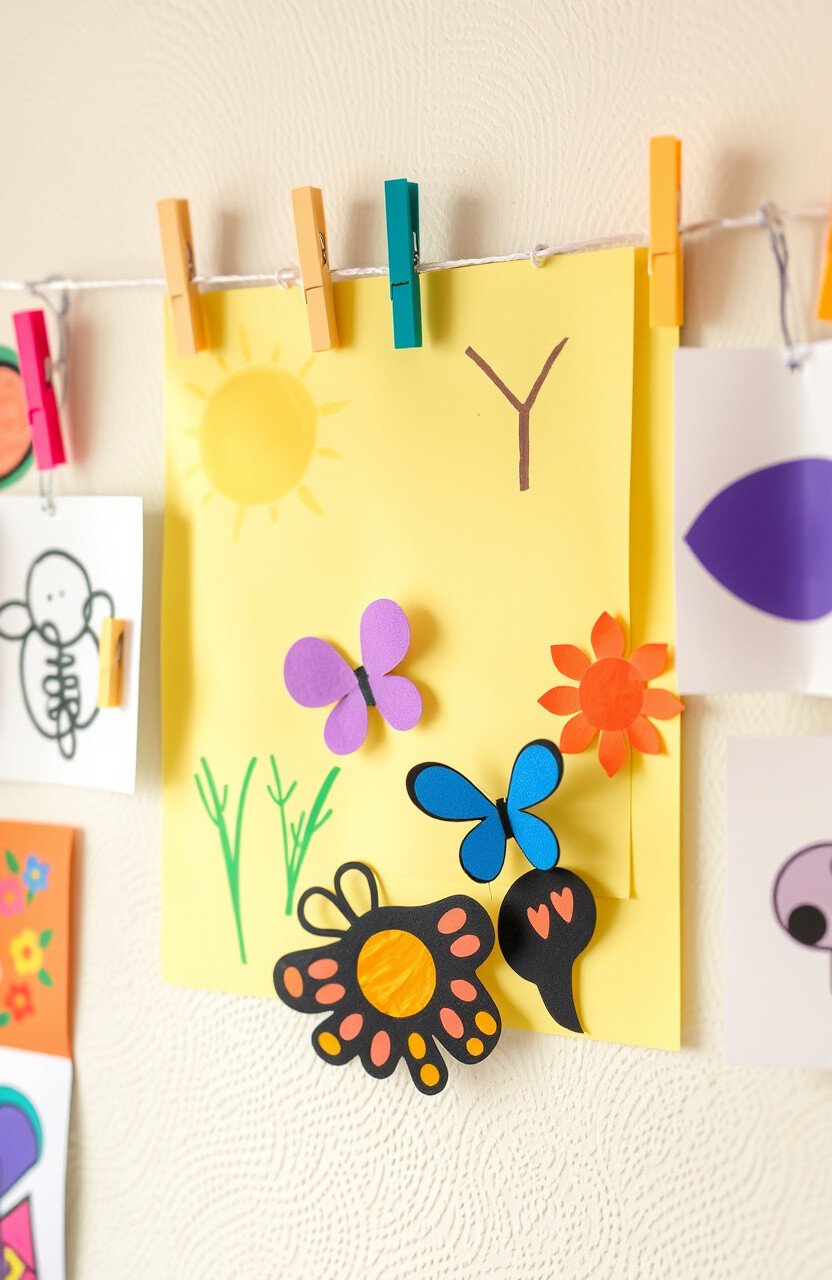
A DIY art display showcases students’ creations, adding color and personality to the classroom. It celebrates their work and boosts confidence.
Use string and clothespins for a simple, flexible display. This lets you change artwork easily and involves students in the process.
Find affordable materials at craft stores or use what you have on hand. This project can be as simple or elaborate as you like.
Encourage students to take turns displaying their work. This rotation keeps the display fresh and inclusive.
26. Subject-Specific Zones
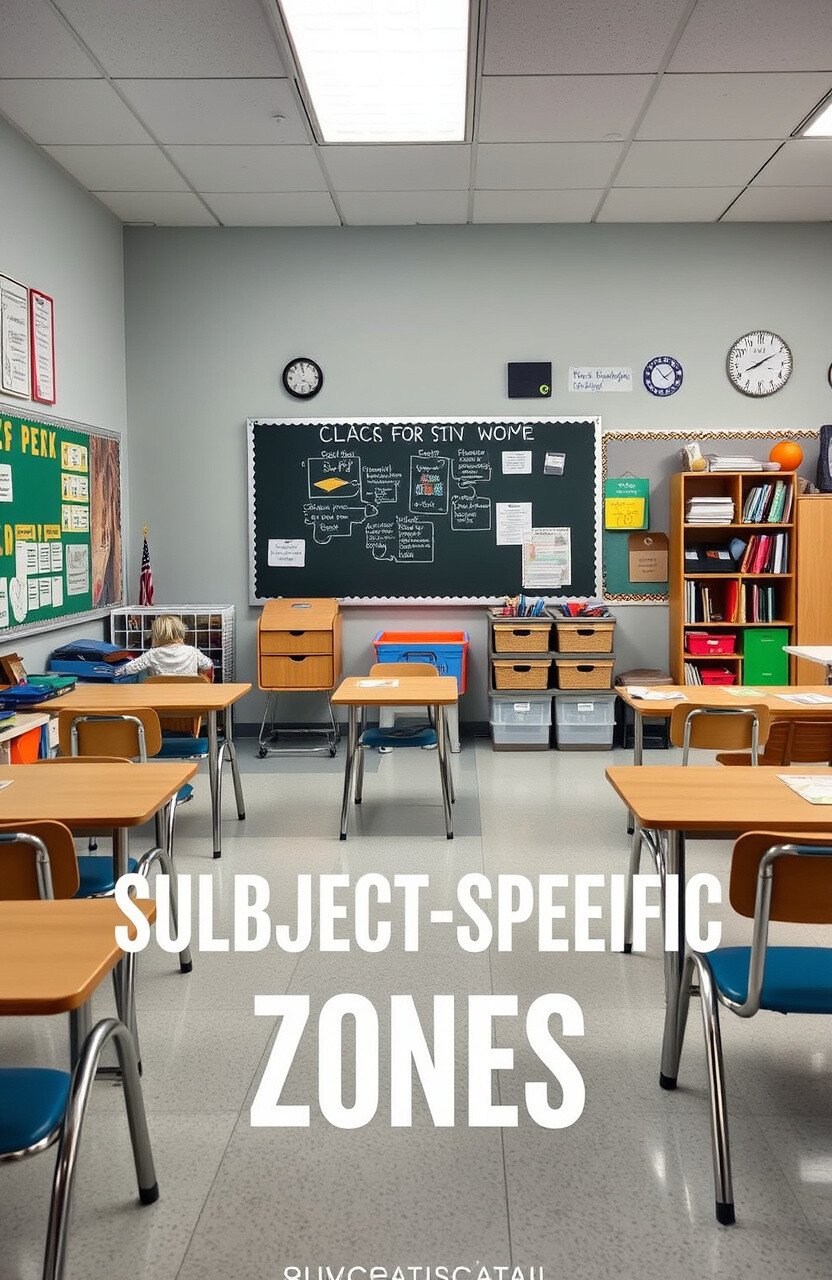
Dividing the classroom into subject-specific zones makes learning organized and focused. Each area is dedicated to a particular subject or theme.
These zones help students transition between activities smoothly. They provide structure and make the classroom feel cohesive.
Use signs or color codes to define each zone. Materials for this can be low-cost but make a big difference.
Encourage students to respect and maintain each zone. This responsibility fosters a sense of ownership and pride in their space.
27. Interactive Learning Walls
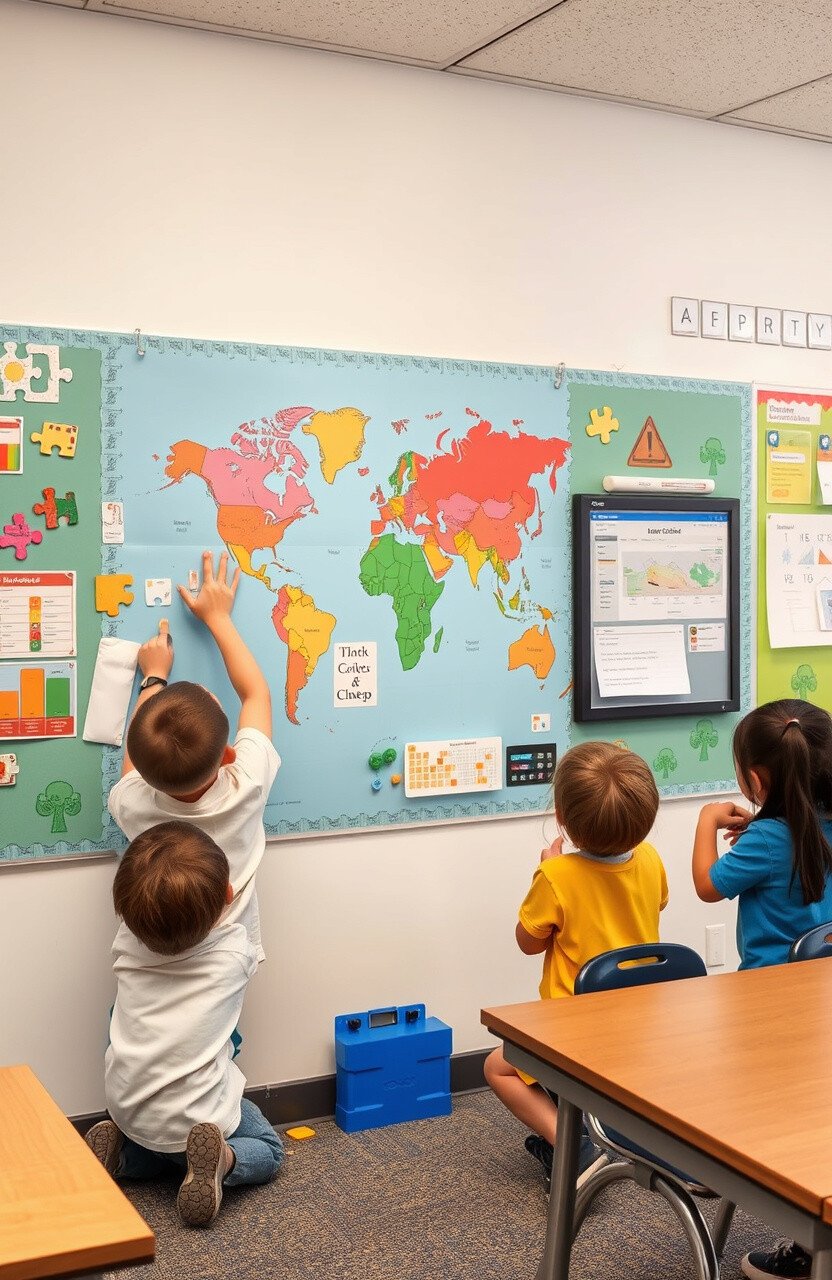
Interactive learning walls engage students with hands-on activities. They transform walls into active spaces for exploration and discovery.
These walls can feature puzzles, maps, or science experiments. They make learning fun and encourage curiosity.
Materials like Velcro or magnetic sheets can create dynamic displays. They’re a bit of an investment but offer endless possibilities.
Rotate the content regularly to keep students interested. This keeps the wall fresh and a focal point of the classroom.
28. Homework Station
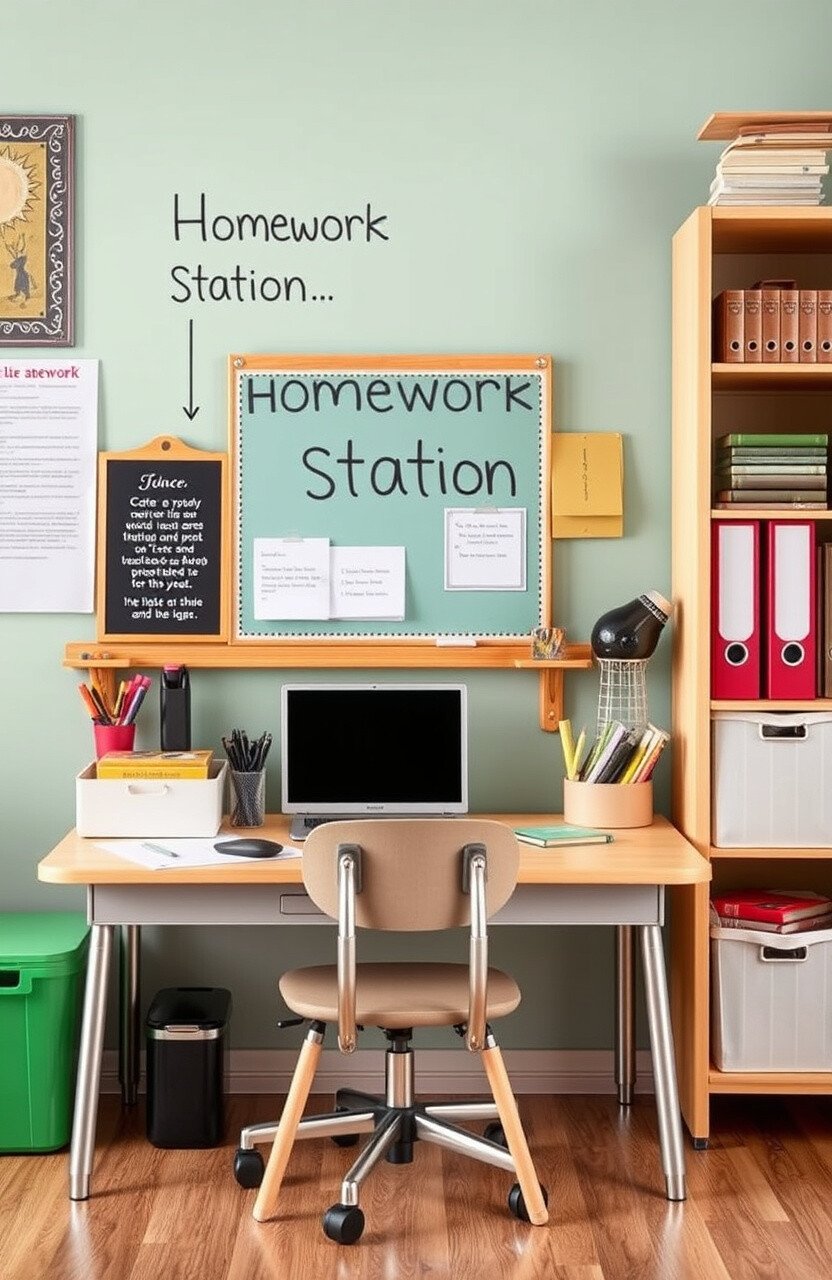
A dedicated homework station helps students manage assignments. It provides a structured space for focus and productivity.
Having all the necessary supplies at hand reduces distractions. It encourages good study habits and organization skills.
Set up the station with a desk, chair, and supplies. This can be done affordably with items you already own.
Personalize the area with motivational quotes or student artwork. This makes it a positive and inviting place to work.
29. Clipboards for Each Student
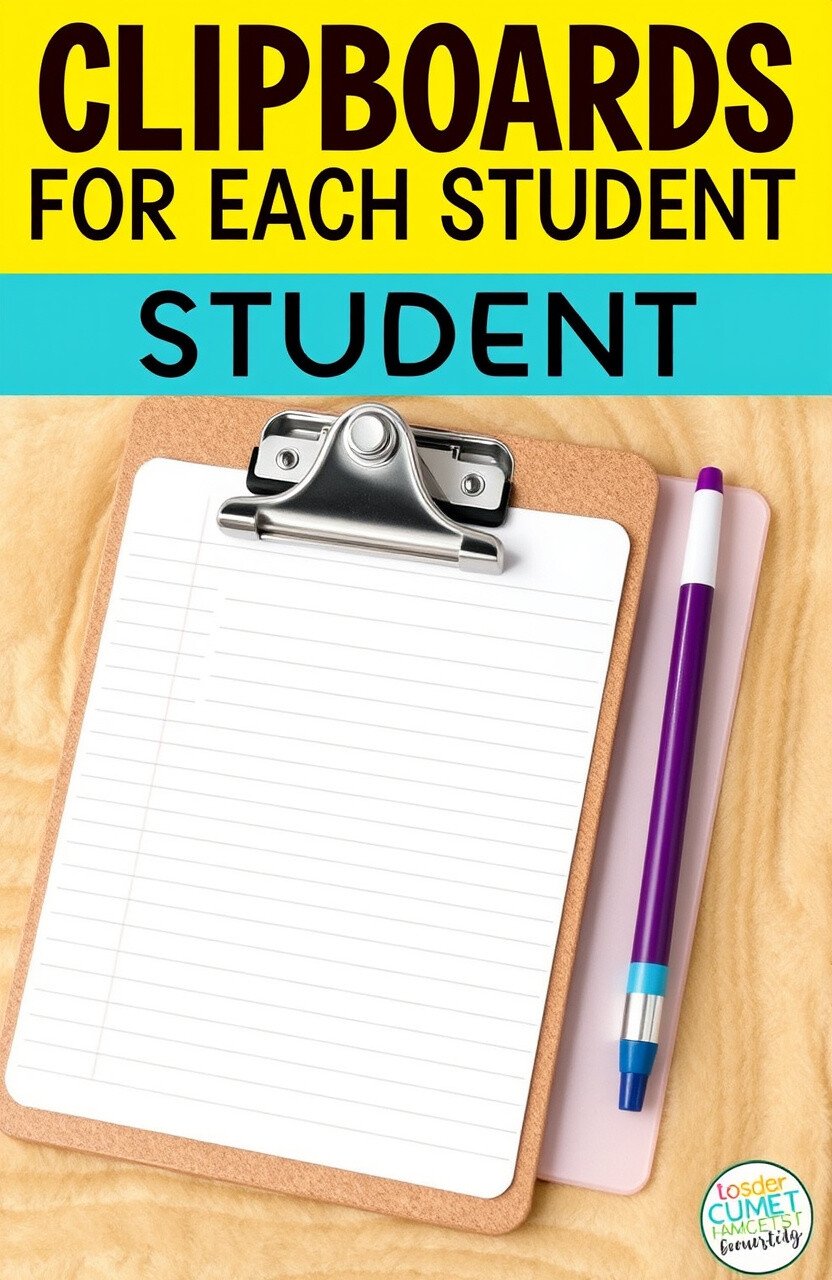
Clipboards give students a portable writing surface. They make it easy to work from anywhere in the classroom.
Personalized clipboards can be a fun project and help students keep track of their work. They add a sense of responsibility and pride.
Decorate clipboards with stickers, paint, or washi tape. This makes them unique and a cherished tool for each student.
Clipboards are affordable and can be found in bulk at office supply stores. They’re a simple addition that enhances classroom functionality.
30. Sensory Corner
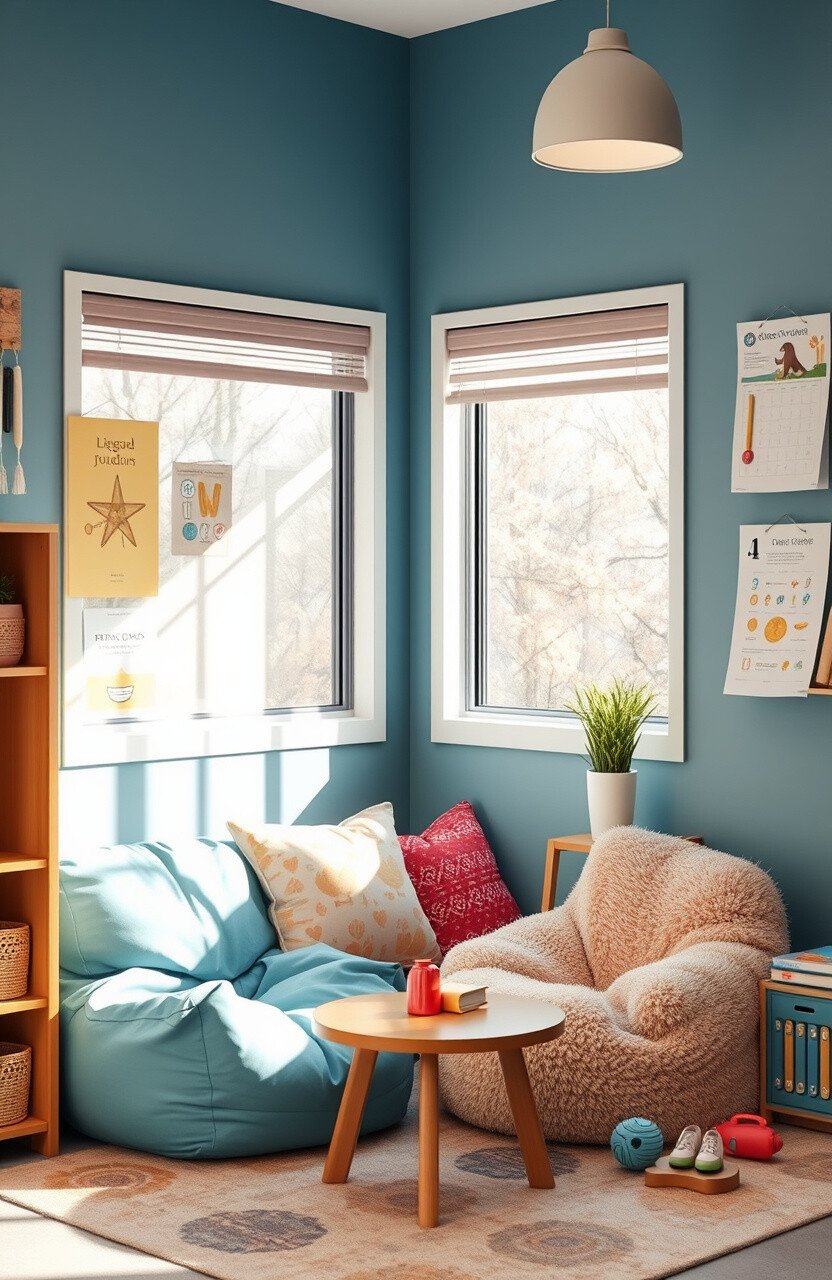
A sensory corner provides a calming space for students to relax. It’s a refuge from the busy classroom environment.
This area can include soft lighting, textures, and calming activities. It supports mental health and emotional regulation.
Items like bean bags or fidget toys can be included at a low cost. Sales or thrift finds can help furnish the corner affordably.
Personalize the space with soothing colors and student input. This ensures it meets the needs of those who use it.
31. Learning Resource Binders

Resource binders organize teaching materials efficiently. They keep everything from lesson plans to student records in one place.
These binders make it easy to find and update information. They streamline preparation and classroom management.
Use dividers and tabs to categorize contents. This organization makes it a breeze to flip through and find what you need.
Consider color-coding binders for different subjects or classes. This visual system adds clarity and efficiency to your workflow.
32. Mobile Whiteboards
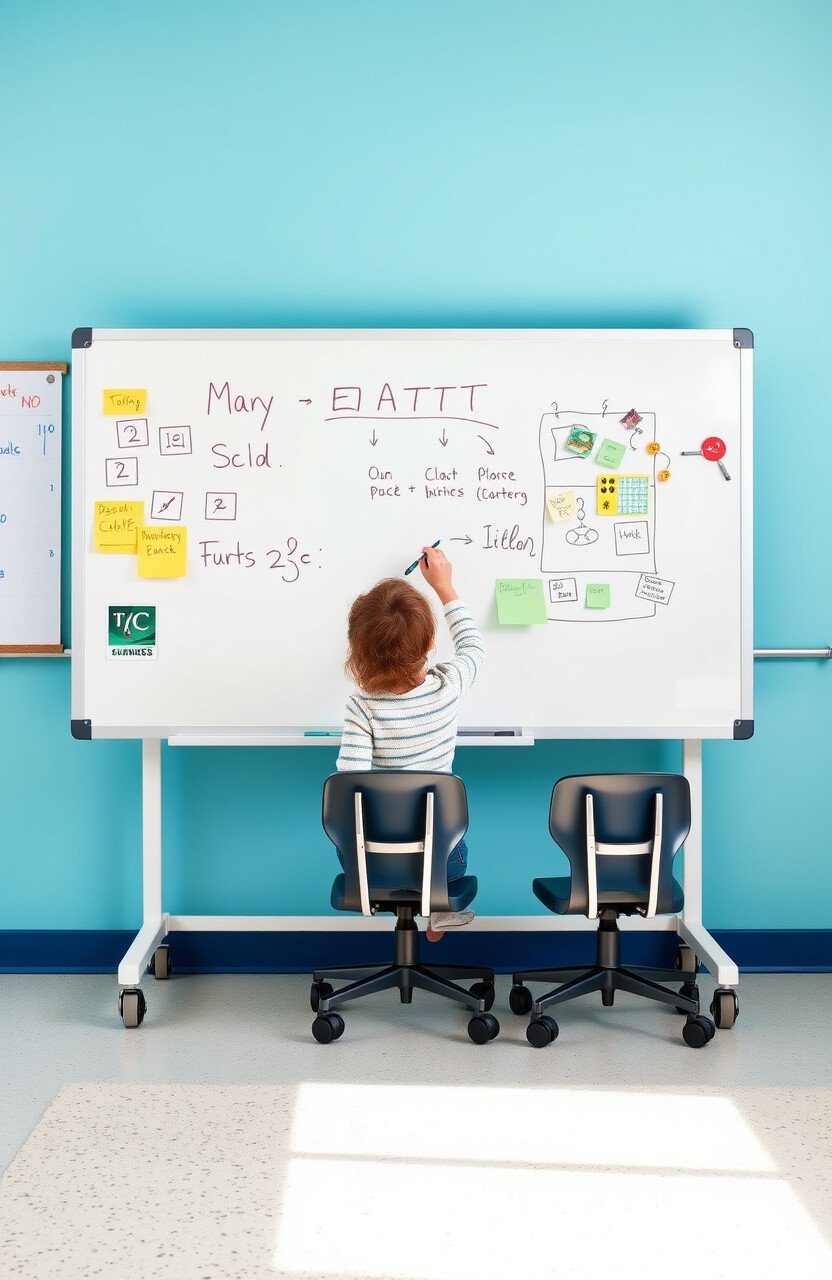
Mobile whiteboards offer flexibility in teaching and learning. They can be moved around to suit different classroom needs.
These boards encourage group work and interactive lessons. They’re a dynamic tool for engaging students.
Look for boards with wheels for easy maneuverability. They’re an investment but add great versatility to the classroom.
Personalize the whiteboard with colored markers and fun magnets. This adds a bit of flair and makes lessons more engaging.
33. Technology Charging Station
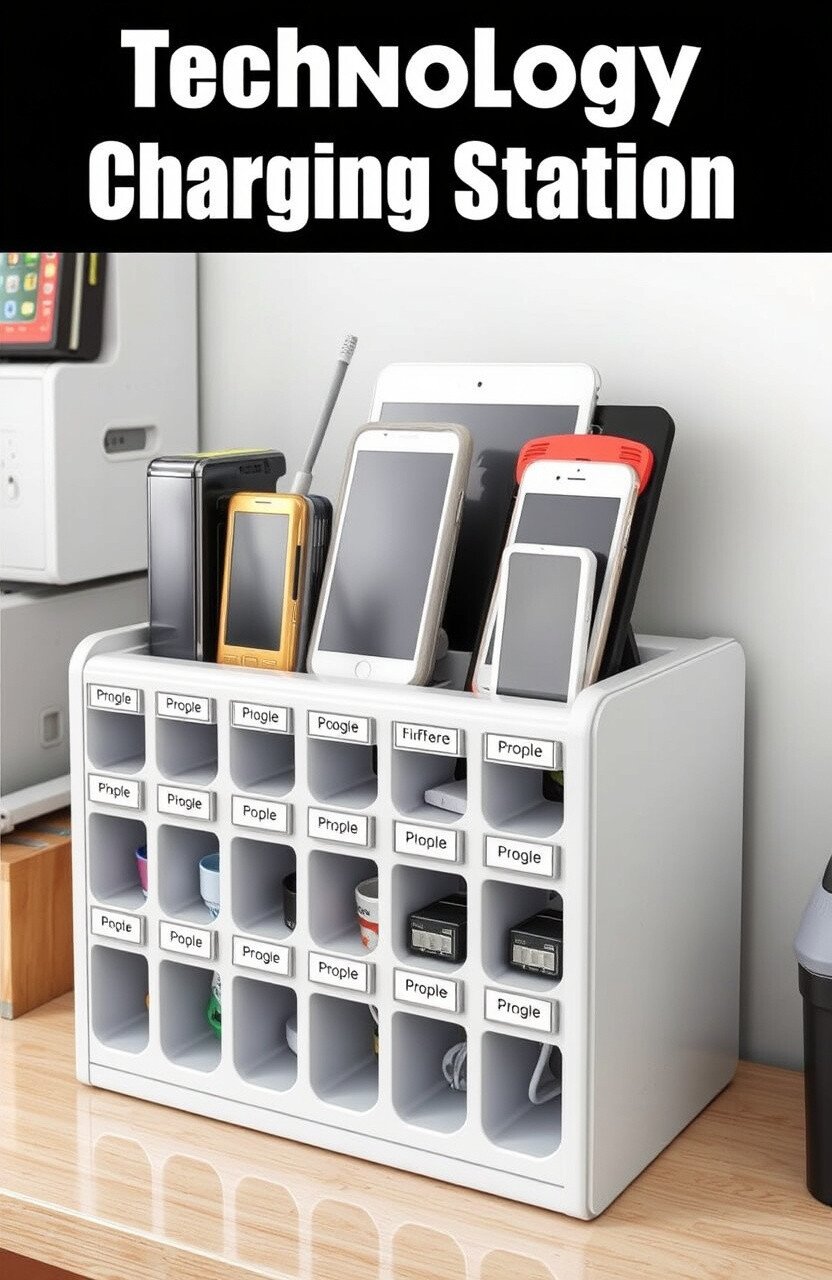
A charging station keeps devices organized and ready to use. It prevents clutter and ensures technology is always available.
These stations can charge multiple devices at once, saving time and hassle. They support a tech-friendly classroom environment.
Find affordable charging solutions online or at electronics stores. Consider DIY options to keep costs down.
Label each slot for easy identification and management. This adds order and ensures everyone’s devices are accounted for.
34. Customizable Shelving
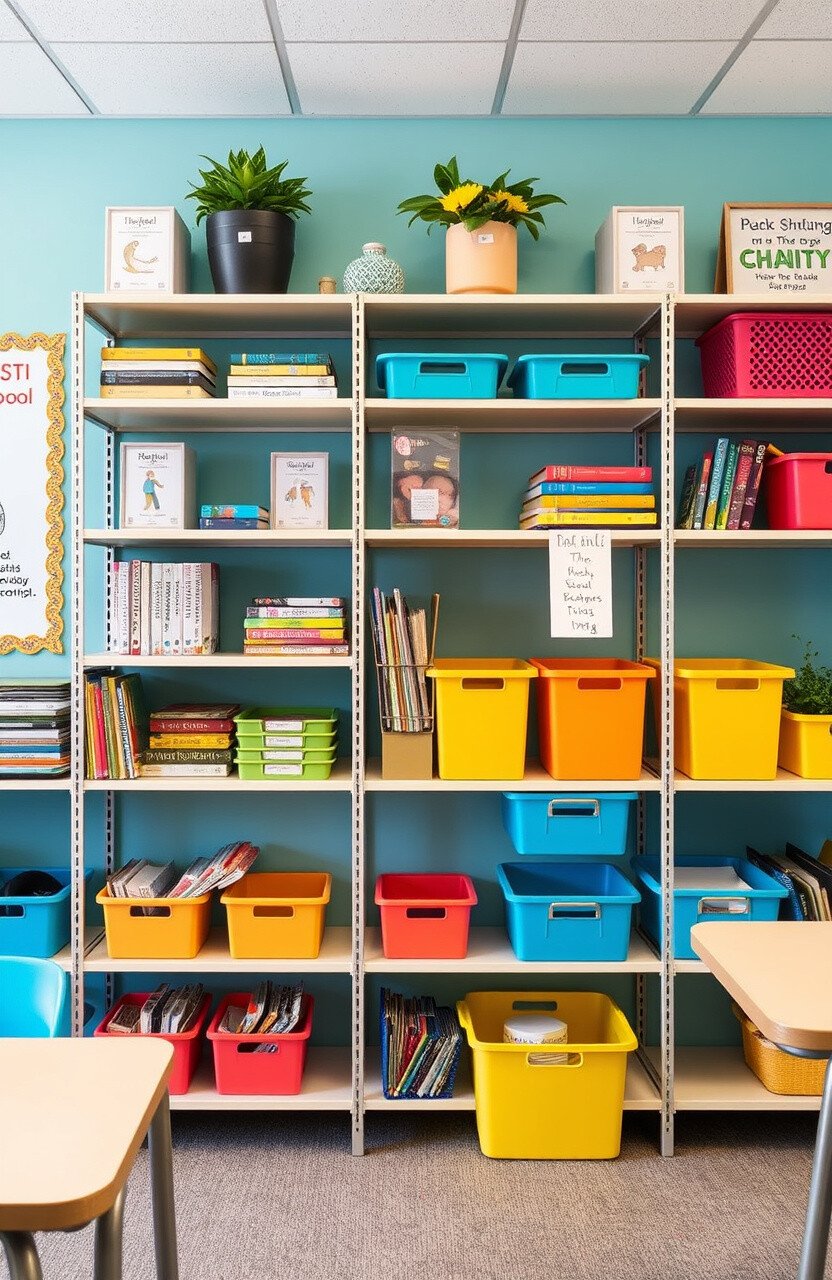
Customizable shelving adapts to your classroom’s unique needs. It provides ample storage and can be rearranged as required.
These shelves make organizing books and supplies straightforward. They help utilize space efficiently and keep items accessible.
Look for shelving units that allow for adjustments. They’re a bit of an investment but offer long-term flexibility.
Personalize shelves with bins or baskets in fun colors. This adds personality and encourages students to keep the space tidy.
35. Classroom Timer
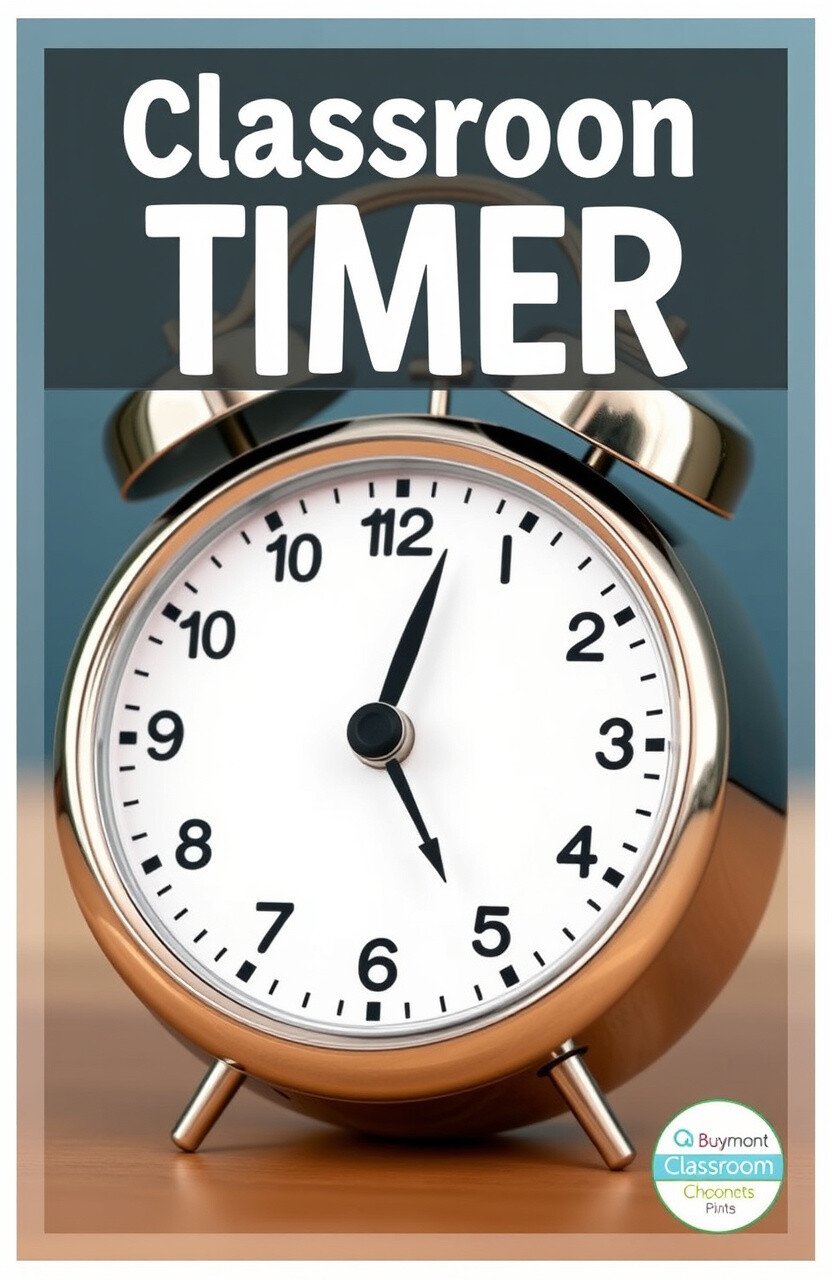
A classroom timer helps manage time and keeps everyone on track. It sets clear boundaries for activities and transitions.
Timers can be used for everything from tests to free play. They teach students time management and self-regulation.
Find digital or visual timers that suit your classroom’s needs. They’re affordable and can be found at most educational stores.
Consider timers with fun sounds or lights for added engagement. This makes managing time a fun and interactive experience.
36. Craft Supply Organizer

An organizer for craft supplies keeps creativity flowing. It ensures students have access to materials without the mess.
These organizers can house everything from paint to glue sticks. They keep supplies sorted and ready for any project.
Look for units with multiple compartments or drawers. They’re a great investment for maintaining order in creative endeavors.
Label each section for different materials. This encourages students to clean up after themselves and respect the supplies.
37. Homework Folders

Homework folders help students keep track of assignments. They provide a dedicated space for important papers and notes.
These folders make it easy for students to stay organized and responsible. They’re a simple yet effective tool for managing schoolwork.
Customize folders with student names or subjects. This personalization makes them more engaging and helps prevent lost papers.
Consider durable materials for long-lasting use. They’re an inexpensive addition that supports effective learning habits.
38. Interactive Table Covers
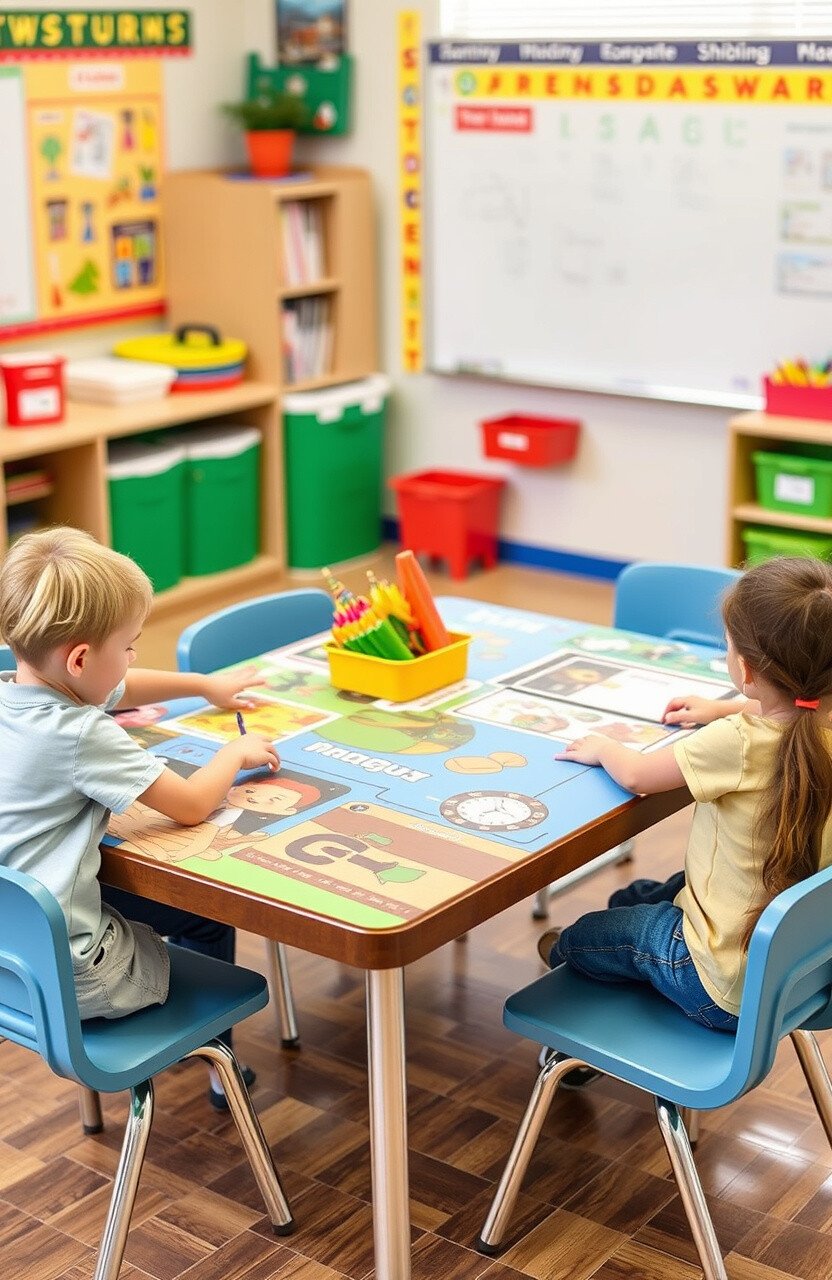
Interactive table covers turn surfaces into learning tools. They can feature games, puzzles, or educational themes.
These covers make tables a dynamic part of the classroom. They encourage hands-on learning and exploration.
Look for washable or reusable covers for practicality. They’re a fun investment that adds excitement to daily lessons.
Rotate covers regularly to keep students engaged. This keeps the learning environment fresh and stimulating.
39. Recycled Material Projects

Using recycled materials for projects teaches sustainability. It encourages creativity and environmental responsibility.
These projects can turn everyday items into learning tools. They make students more aware of their impact on the planet.
Gather materials like bottles or cardboard for crafting. This approach is budget-friendly and eco-conscious.
Involve students in collecting materials for projects. This participation fosters a sense of community and shared responsibility.
40. Student-Created Rules Chart
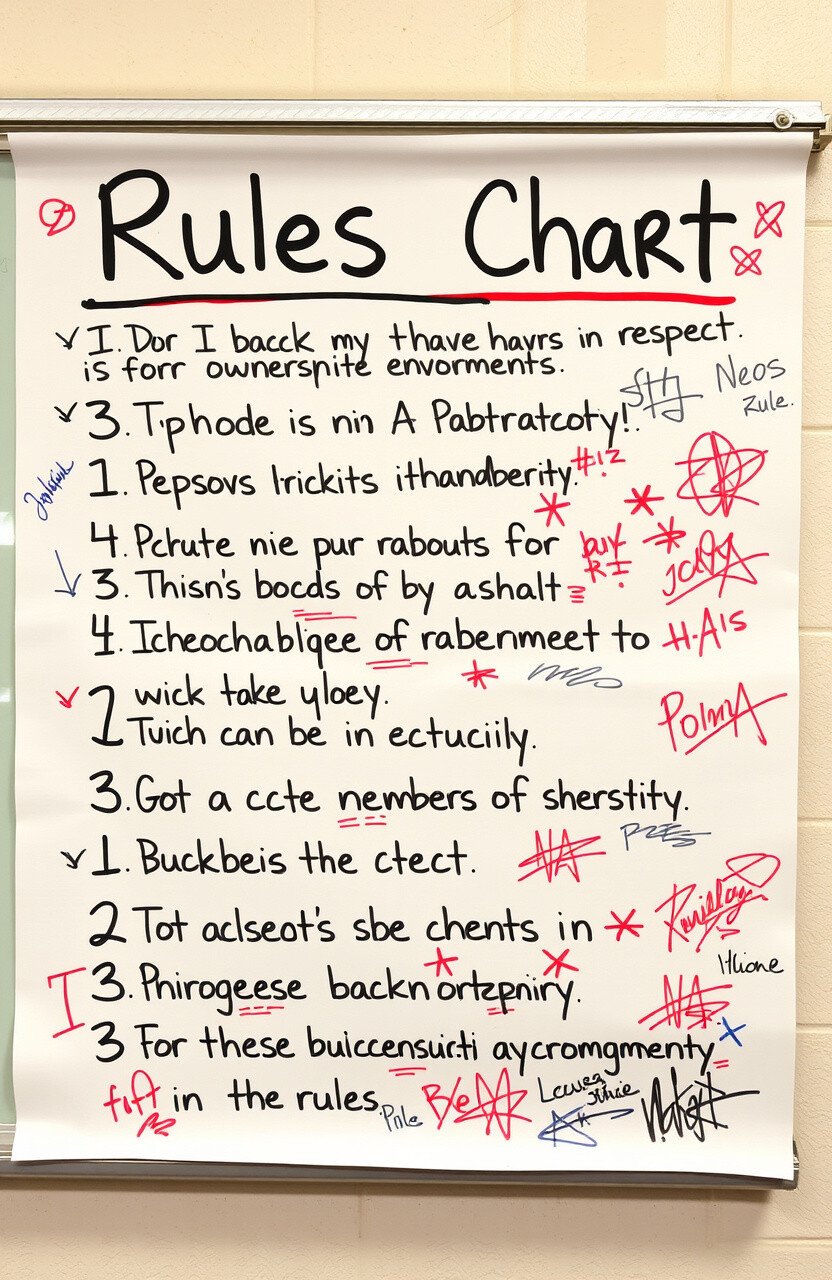
A rules chart created by students encourages ownership and respect. It helps establish a positive and cooperative classroom environment.
This chart reminds students of the guidelines they agreed upon. It fosters accountability and community spirit.
Use large paper or a board for the chart. This can be a collaborative and creative activity.
Decorate the chart with student art or signatures. This personalization reinforces their commitment to the rules.
41. Desk Shields
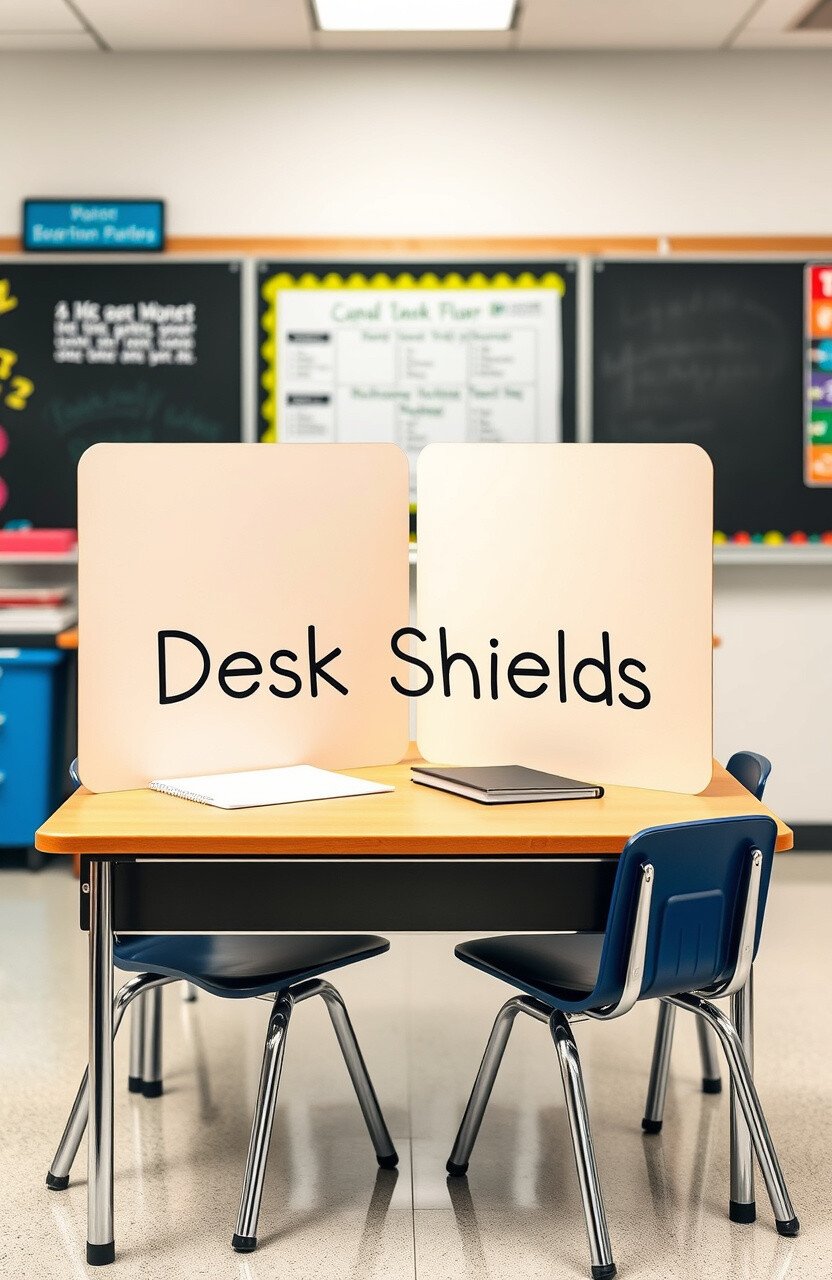
Desk shields provide personal space and focus. They help minimize distractions and create a sense of privacy.
These shields can be used during tests or quiet activities. They support a focused and calm learning environment.
Look for affordable shields online or create your own with cardboard. They’re a simple way to enhance classroom dynamics.
Personalize shields with student names or decorations. This makes them more inviting and encourages respectful use.
42. Classroom Mascot
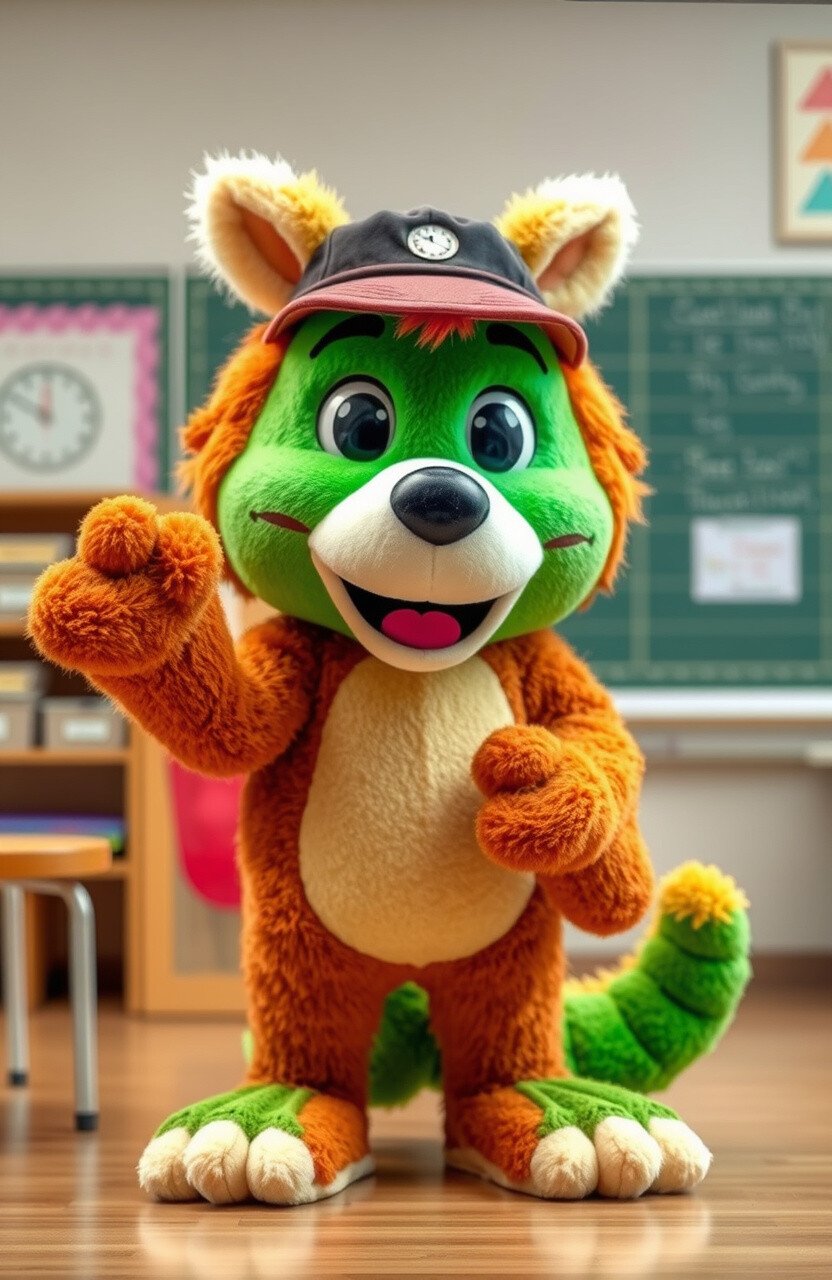
A classroom mascot brings fun and unity. It can be a plush toy or a character that represents the class spirit.
This mascot can be part of stories, activities, or rewards. It fosters a sense of belonging and community.
Choose a mascot that resonates with your students. This investment brings joy and a sense of identity to the classroom.
Involve students in naming and caring for the mascot. This interaction makes it a beloved part of their daily experience.