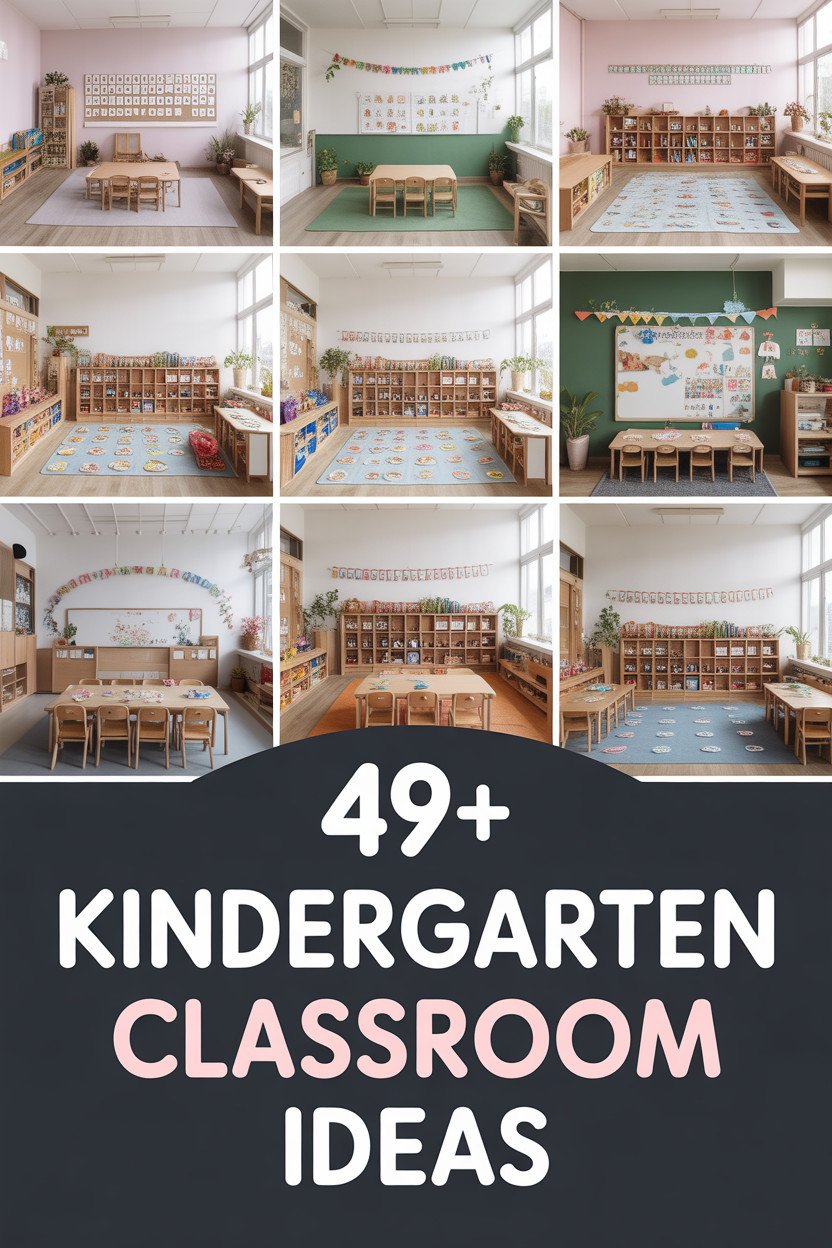
Imagine a place where colors dance off the walls and every corner holds a new adventure. Picture a setting that tickles the mind and invites little hands to create. This is no ordinary classroom, but a world where creativity takes flight.
1. Creative Corner Nooks
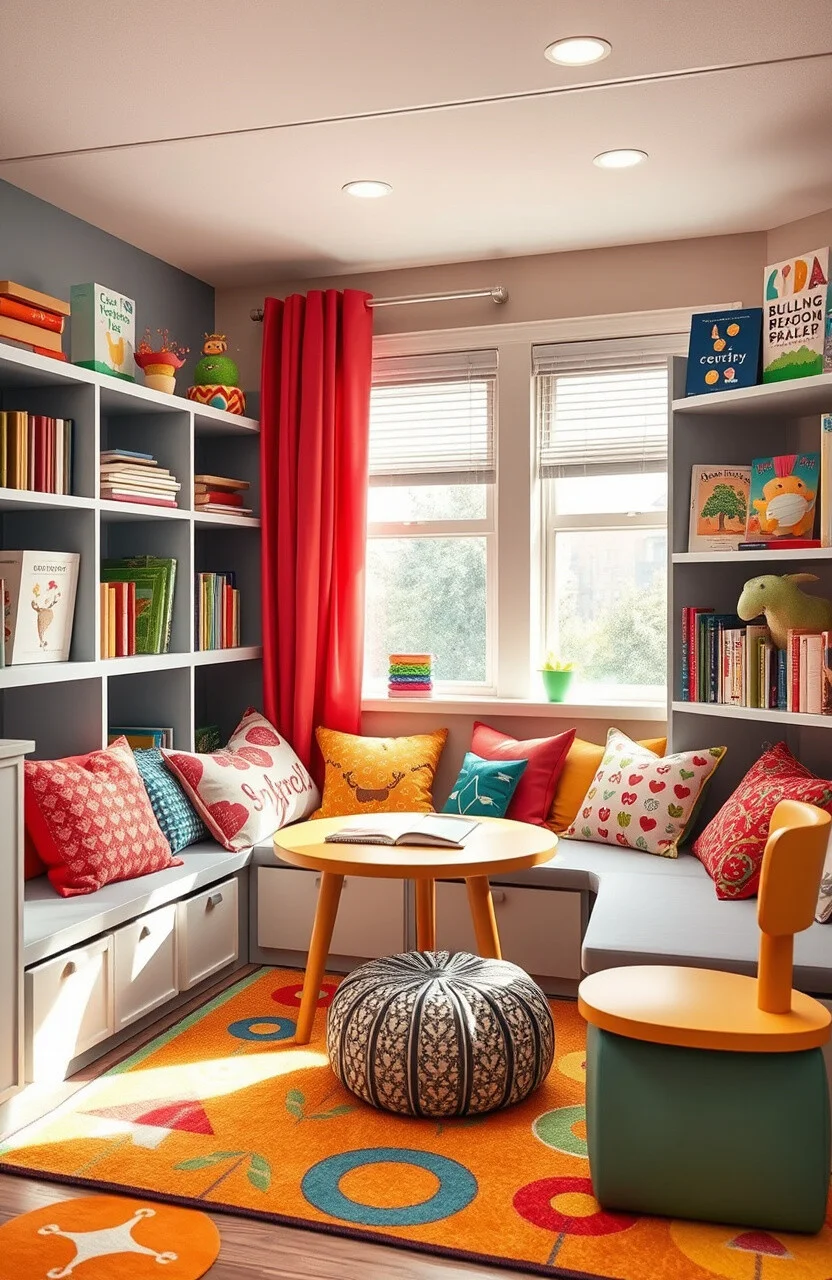
Imagine cozy little corners filled with pillows and bookshelves. These nooks are perfect for sparking curiosity in young minds.
They offer a quiet retreat for reading or reflection, promoting relaxation and focus. Kids love the feeling of a private space just for them.
Adding colorful cushions and vibrant rugs can personalize these spaces. You can even switch out themes to match the seasons or classroom topics.
With a bit of DIY spirit, you can create these on a budget using thrifted items or donations. They are not only affordable but also highly customizable to fit any classroom theme.
2. Interactive Story Walls
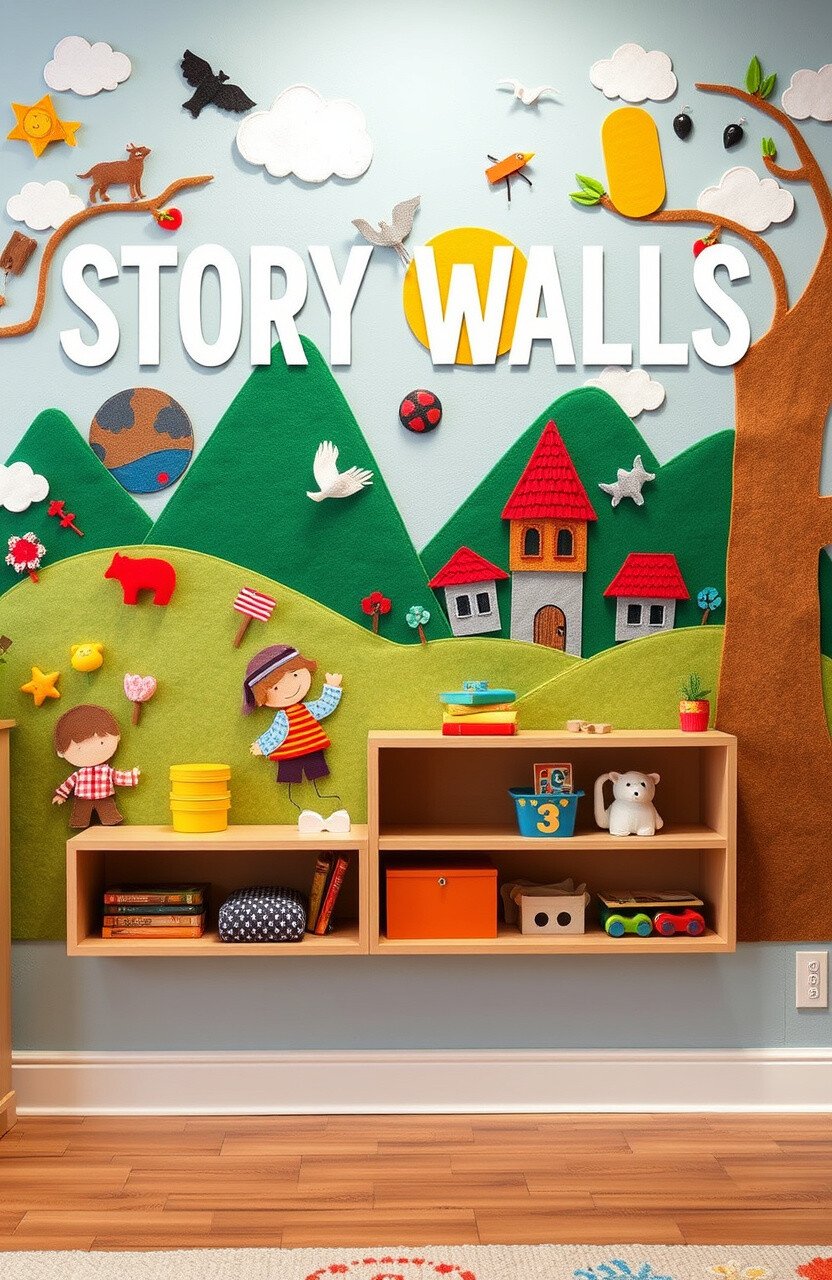
Turn your walls into storytelling adventures with interactive story walls. Use detachable felt characters and scenery to bring stories to life.
This idea helps develop narrative skills and enriches vocabulary. Kids can even create their own stories, enhancing their creativity.
The beauty of this idea is in its flexibility. Characters and scenes can be easily swapped to keep the stories fresh and exciting.
Materials like felt and Velcro are inexpensive and can be bought in bulk. Creating these walls is both fun and cost-effective.
3. Recycled Art Stations
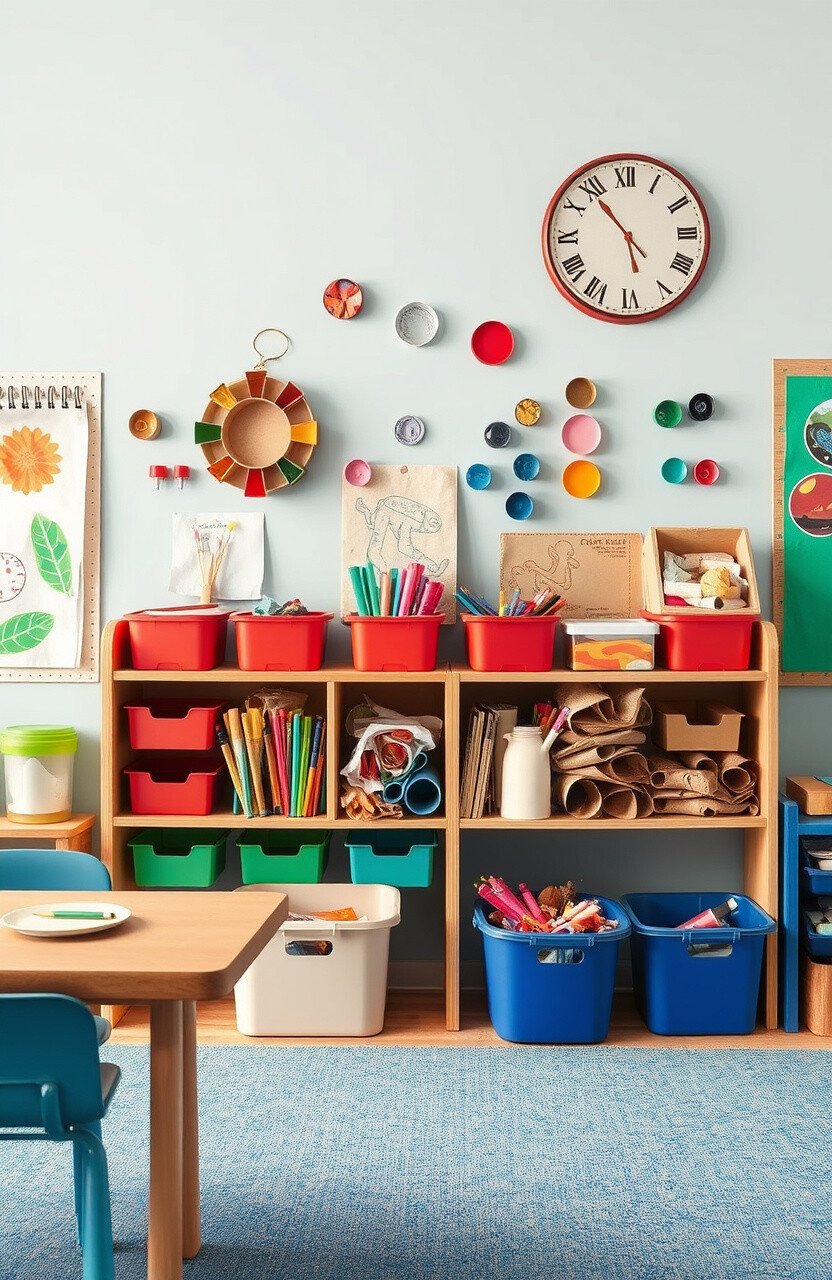
Set up art stations using recycled materials like paper rolls and bottle caps. These stations encourage eco-friendly creativity.
Kids learn the importance of reusing materials while expressing their artistic side. It’s a win-win for the environment and their imagination.
You can personalize these stations with bins labeled for different materials. Encourage parents to donate clean recyclables for a diverse selection.
Recycled materials are free or very cheap, making this a budget-friendly option. Plus, it teaches a valuable lesson about sustainability.
4. Sensory Gardens
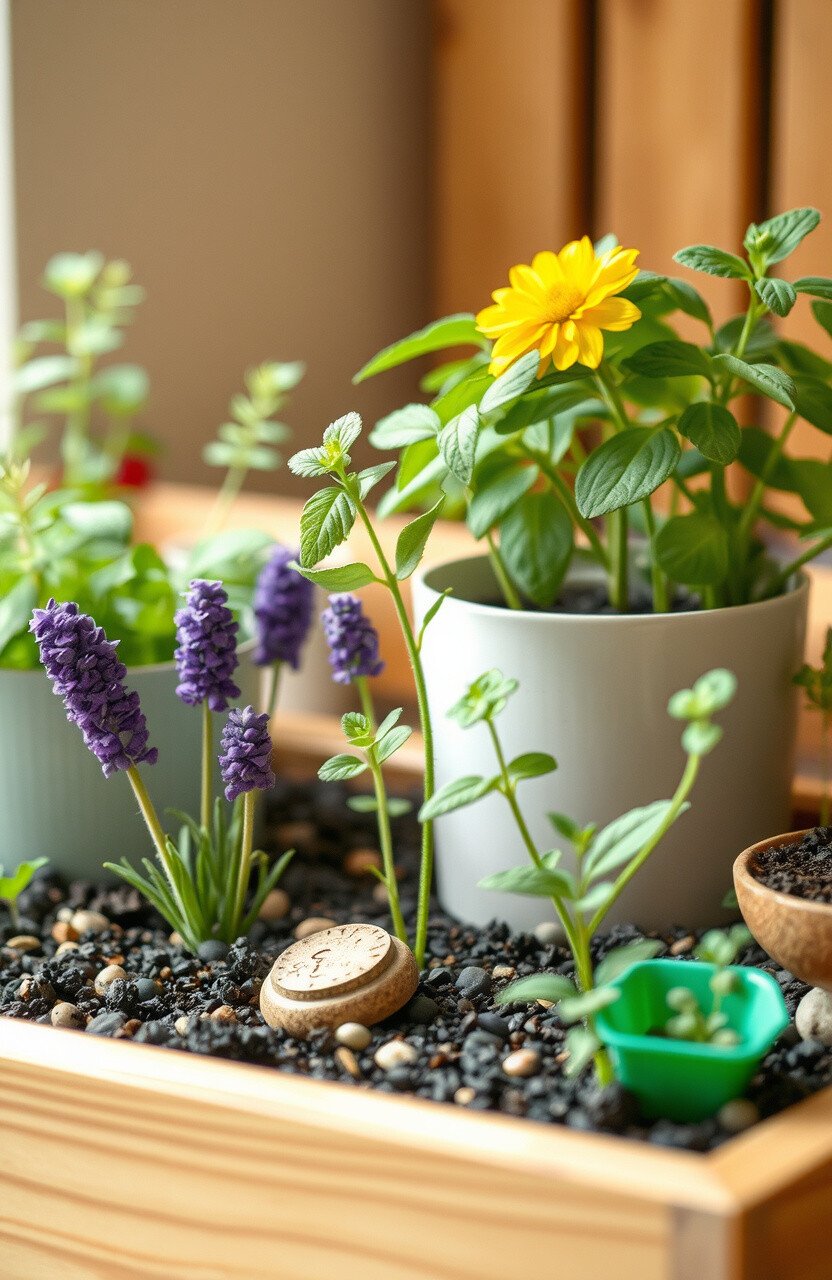
Create a small indoor garden with various textures and scents. Include plants like lavender and mint to engage the senses.
Sensory gardens help kids explore through touch and smell, promoting sensory development. They also introduce basic gardening skills.
Personalize the garden with labeled plant markers and child-sized tools. Kids can take turns watering and caring for the plants.
Many plants can be grown from cuttings or seeds, making it an inexpensive project. It brings a touch of nature into the classroom.
5. Dramatic Play Areas
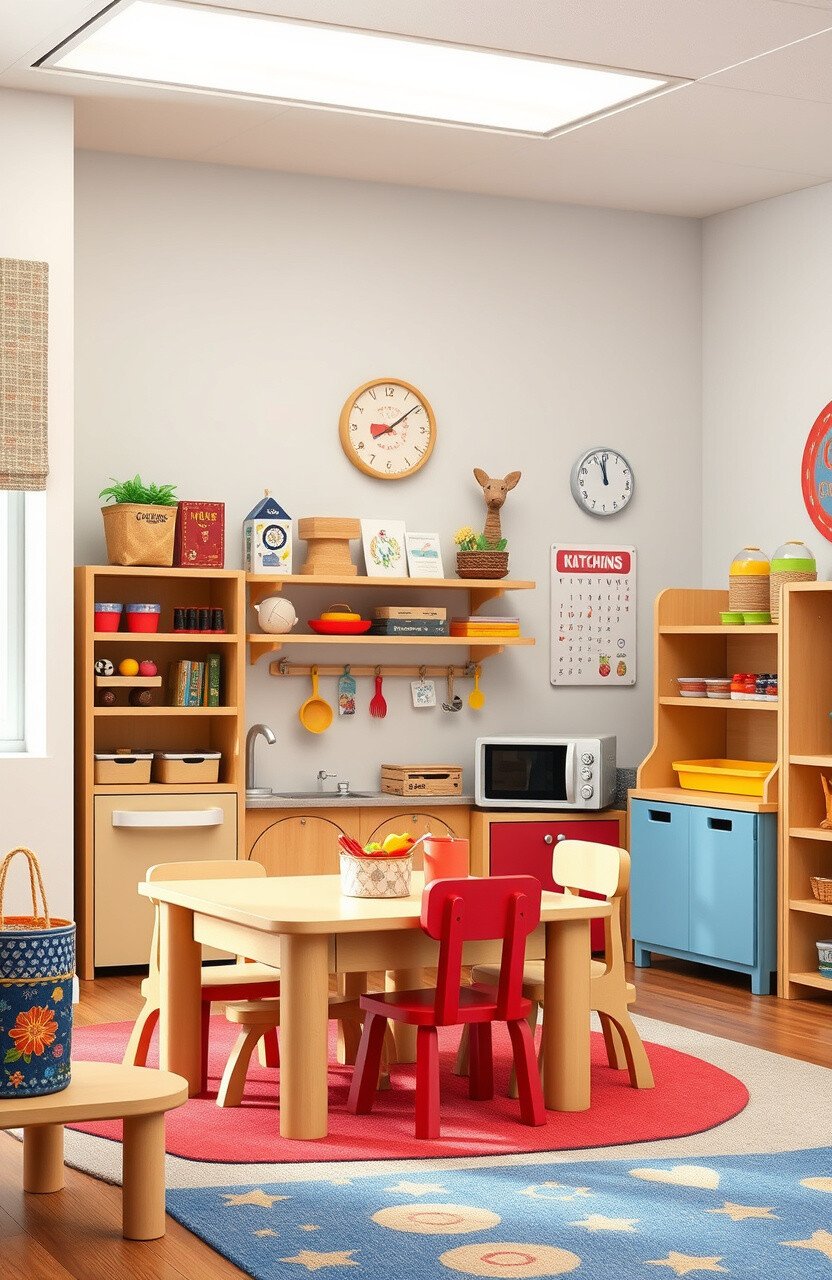
Create themed play areas like a mini kitchen or a pretend post office. These zones are perfect for imaginative play and role-playing.
They help kids develop social skills and creativity through role-playing. Each theme can teach a new set of vocabulary and concepts.
Switch out themes regularly to keep the area exciting. Encourage kids to bring in items from home to personalize their play.
You can often find props at thrift stores or through donations. This keeps costs down while providing endless fun and learning.
6. Nature-Inspired Reading Spaces
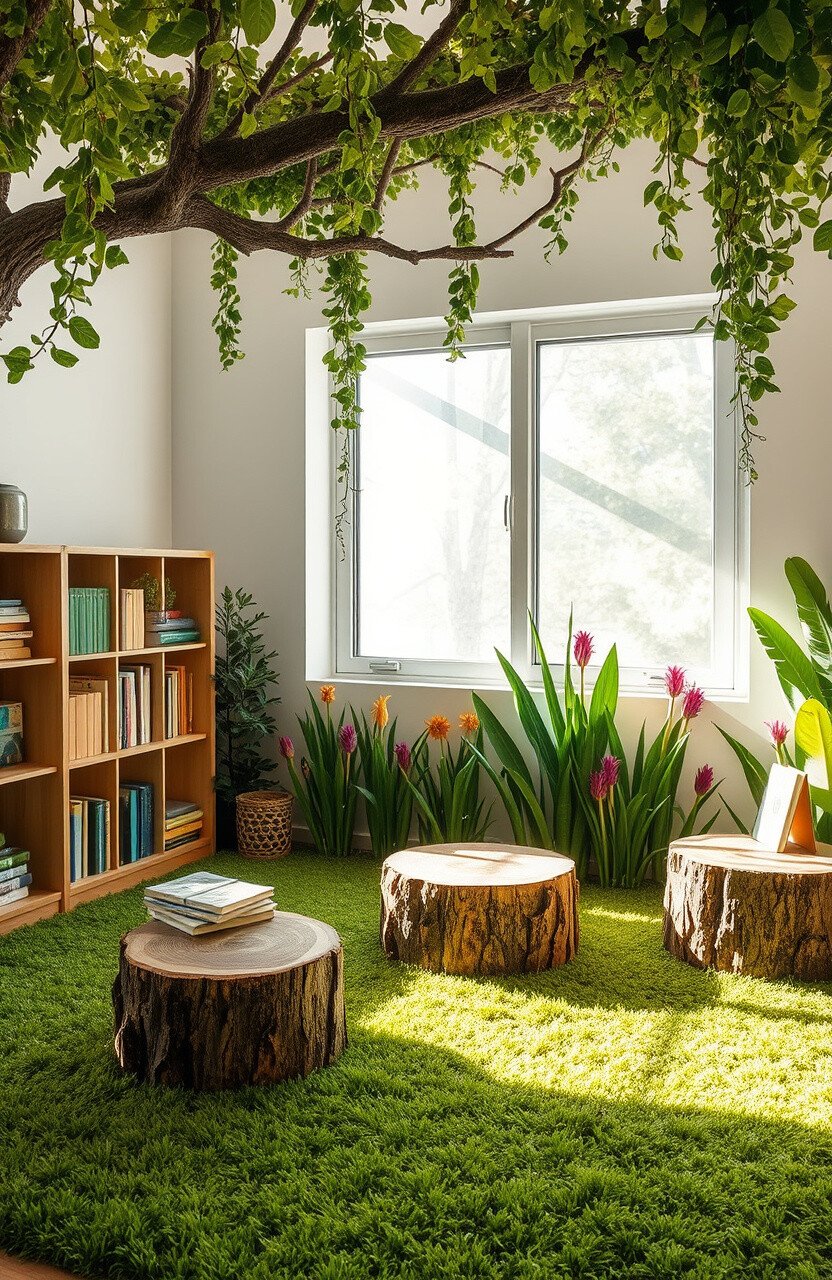
Transform a reading area with elements of nature like faux grass rugs and tree stump seats. This space invites children into a woodland wonderland.
Nature-inspired settings can calm the mind and boost concentration. They provide a serene backdrop for diving into the world of books.
Personalize with fairy lights or themed book selections. Change the setup to reflect different natural habitats like forests or jungles.
Using artificial grass and second-hand furniture keeps costs low. You can create a magical space without breaking the bank.
7. Art Gallery Displays
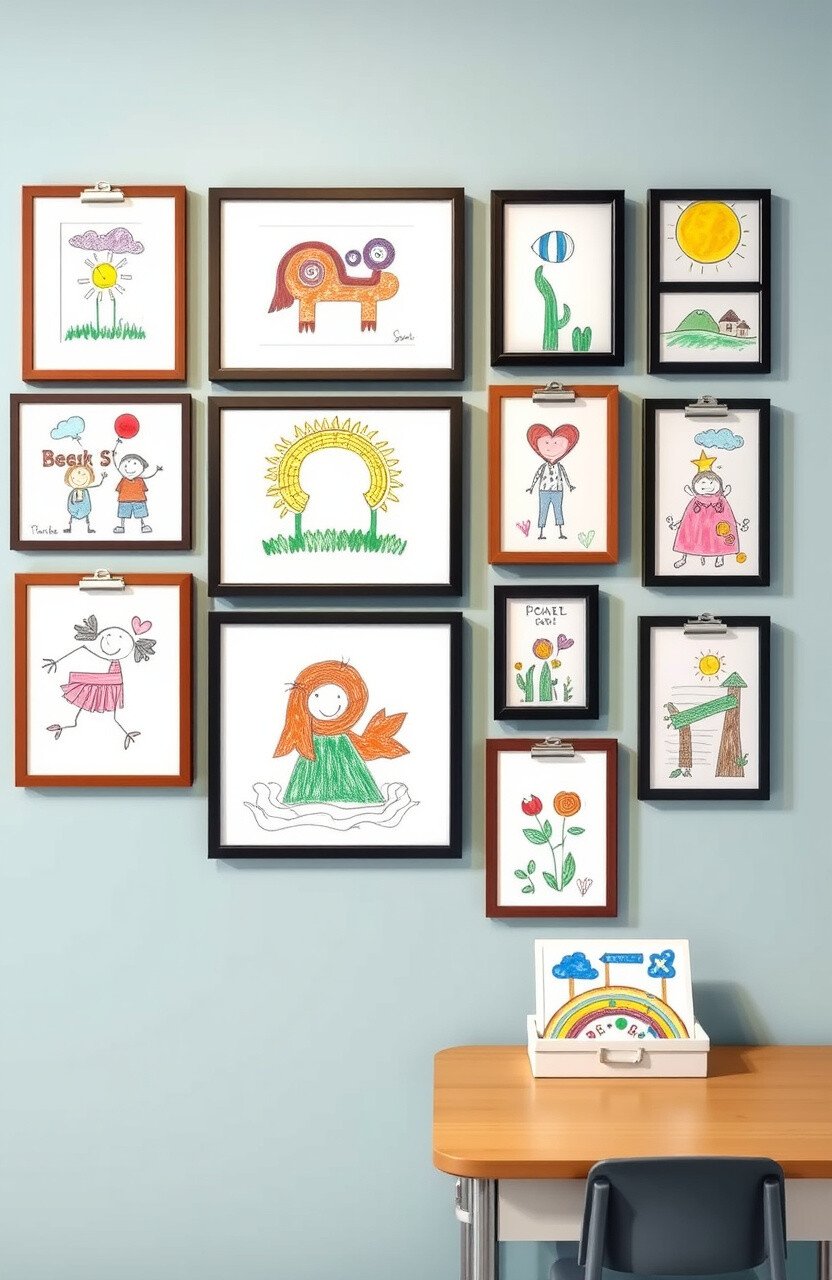
Dedicate a wall to displaying student artwork. Use frames or clipboards for an ever-changing gallery.
This display celebrates each child’s creativity and boosts self-esteem. It also encourages kids to take pride in their work.
Personalize the gallery with themed exhibitions or artist spotlights. You can change the display monthly to keep it fresh.
Frames can be thrifted or made from cardboard, making this a budget-friendly idea. It’s a simple way to showcase talent.
8. Cozy Reading Tents
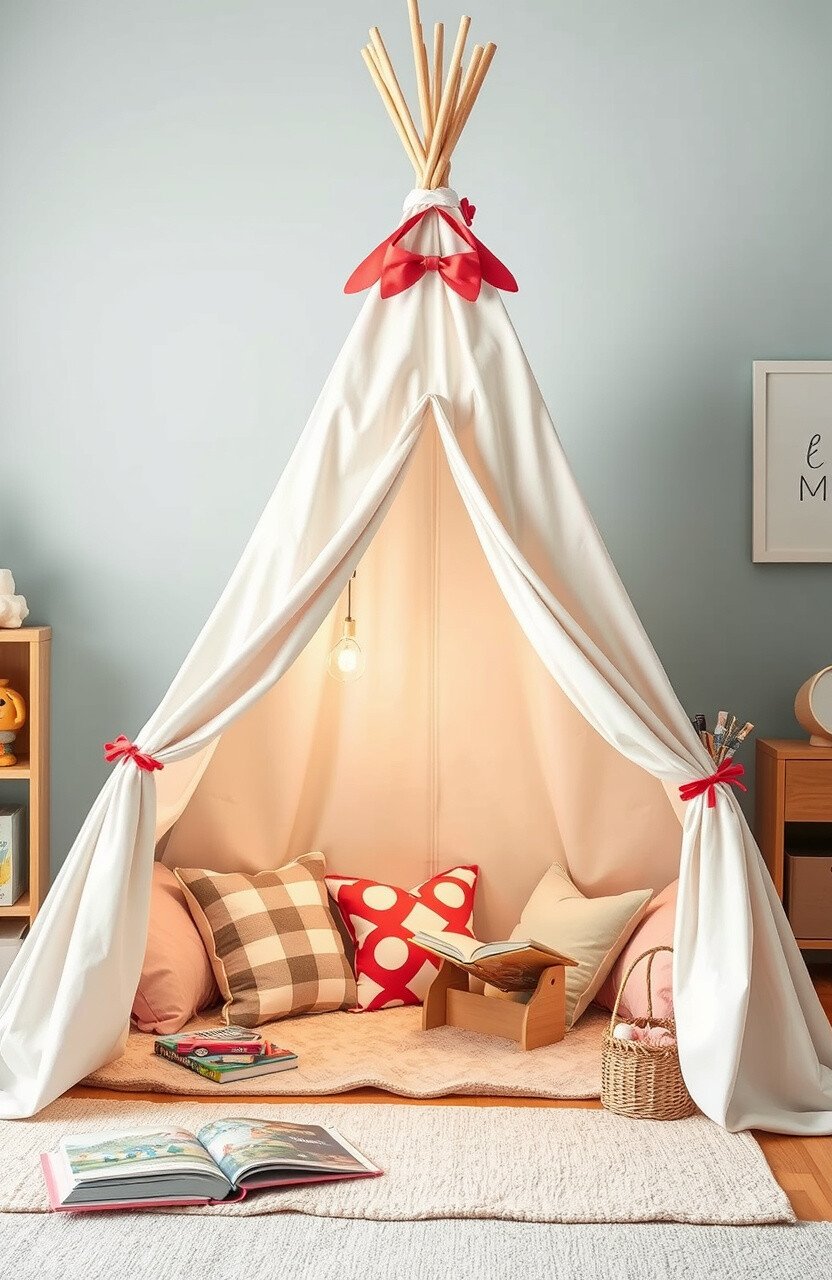
Set up small tents or teepees as reading nooks. These spaces offer a sense of adventure and a quiet place to enjoy a book.
They create a cozy, enclosed environment that encourages reading. Kids love the novelty of a tent indoors.
Add cushions and a small lamp to make the space inviting. Personalize with themed decorations or a selection of favorite books.
Tents can be homemade from sheets and poles, keeping costs down. They’re a fun and practical addition to any classroom.
9. Music and Movement Zones
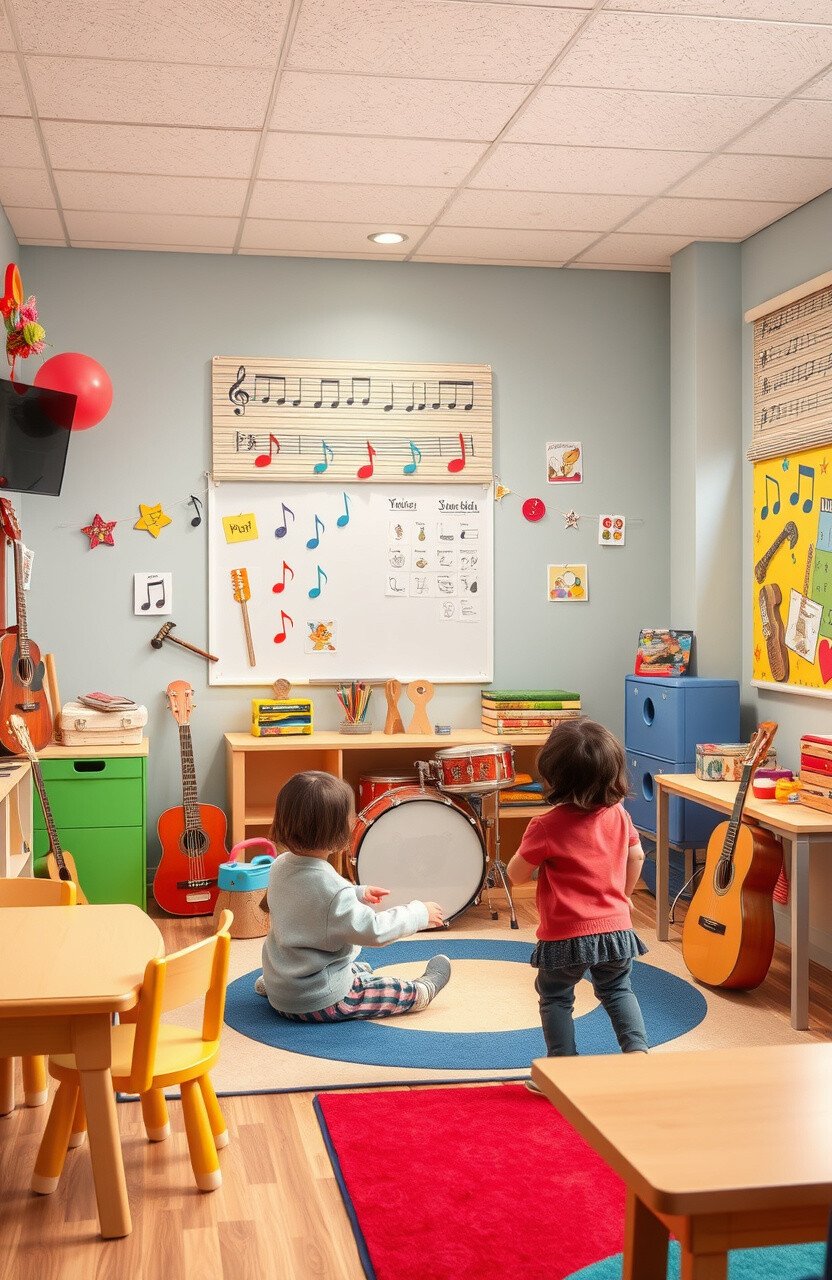
Create a space dedicated to music and movement with instruments and dance props. Encourage kids to express themselves through rhythm and dance.
This area promotes physical activity and musical exploration. It helps develop coordination and rhythm in young learners.
Switch out instruments and props to keep the area engaging. Personalize with music-themed decorations or a playlist of favorite tunes.
Instruments can often be found second-hand or made from household items. This keeps the project affordable and fun.
10. STEM Exploration Stations
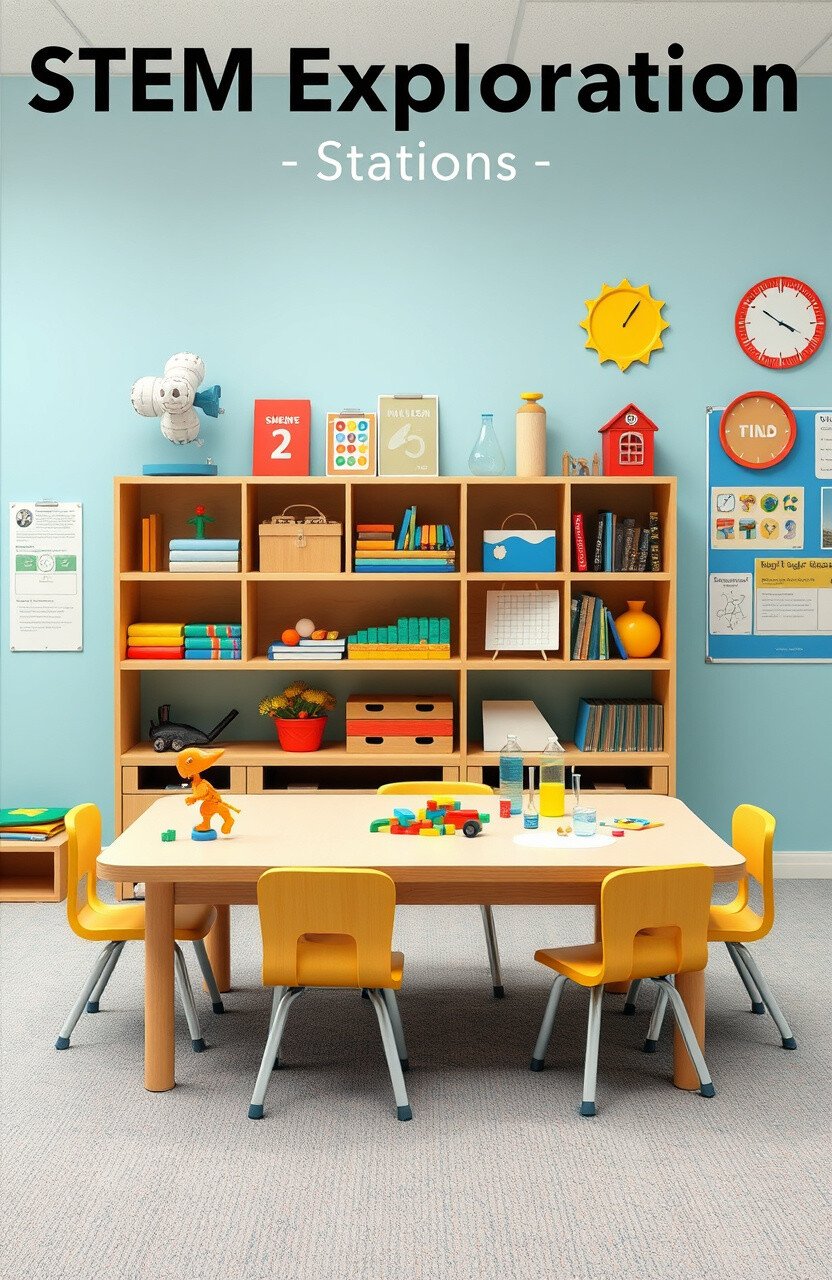
Introduce STEM concepts with hands-on exploration stations. Include building blocks, simple machines, and science experiments.
These stations encourage critical thinking and problem-solving. Kids learn through play, fostering a love for science and technology.
Rotate themes to cover different STEM topics. Personalize with charts or posters that explain the concepts being explored.
Using everyday materials and DIY kits keeps costs manageable. It’s a great way to introduce complex ideas in a fun way.
11. Cultural Corners
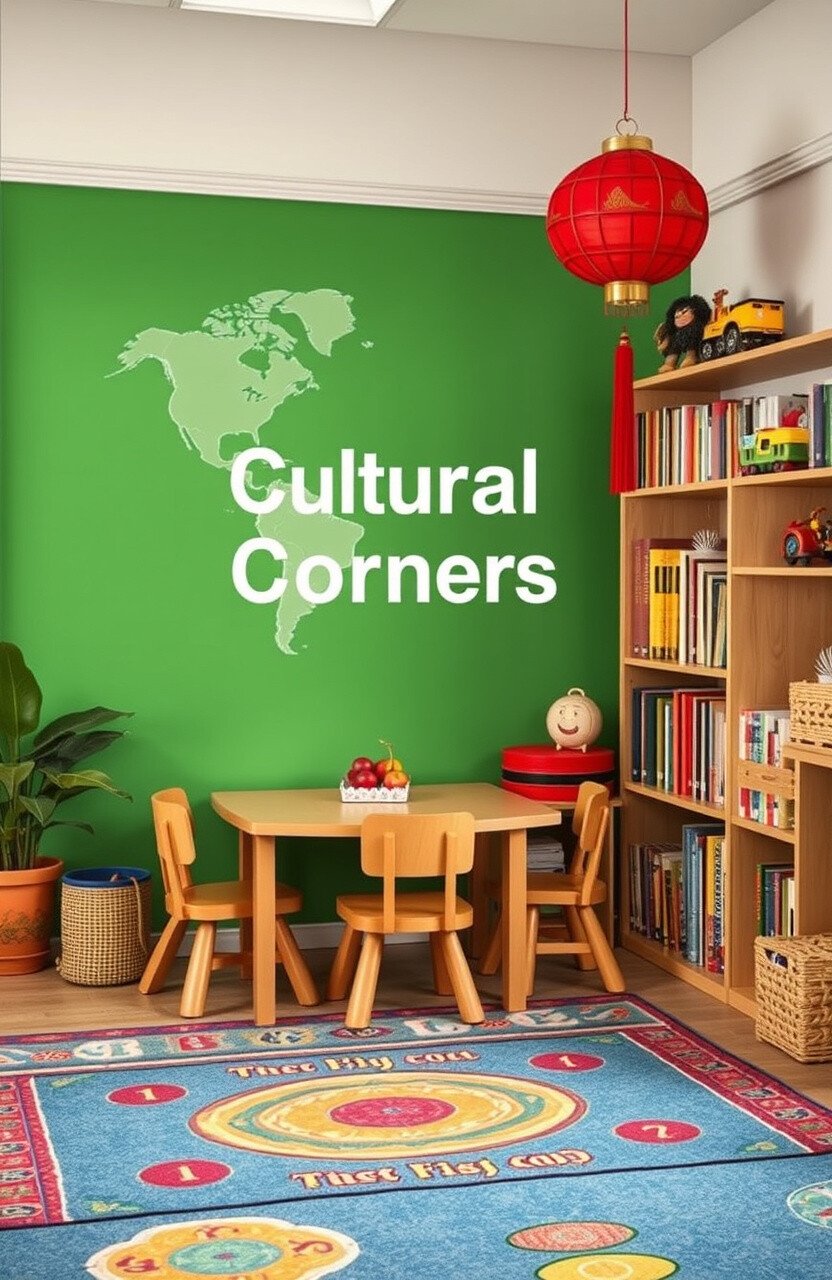
Create a space that celebrates different cultures with artifacts and books. This area is perfect for teaching diversity and inclusion.
It encourages curiosity and respect for different traditions. Kids can learn about the world without leaving the classroom.
Personalize by rotating cultural themes or highlighting specific countries. Encourage students to share their cultural backgrounds.
Many items can be borrowed from families or found inexpensively online. It’s a meaningful addition to any classroom.
12. Math Manipulative Centers
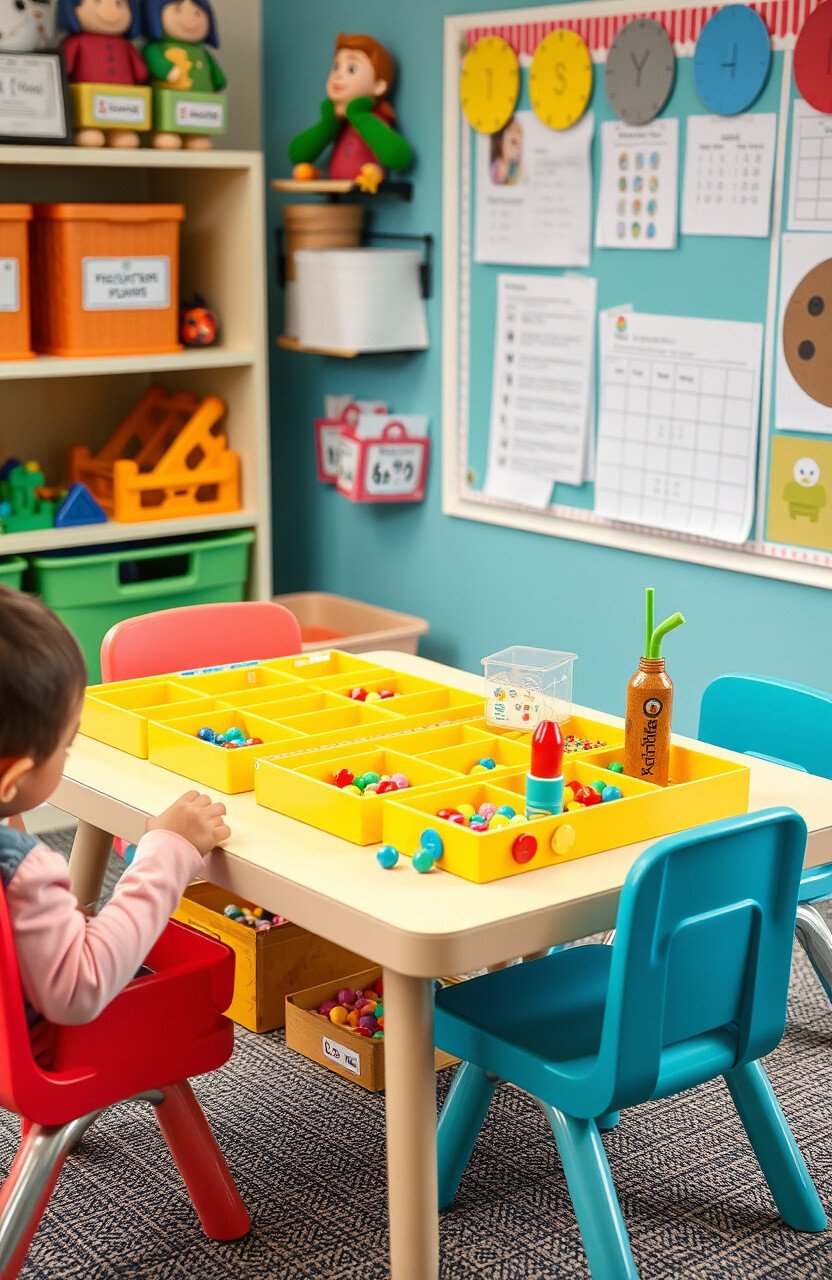
Set up centers with manipulatives like counting beads and shape sorters. These tools make math concepts tangible and fun.
They help kids visualize numbers and develop problem-solving skills. Hands-on activities make learning math engaging.
Personalize with themed manipulatives or challenge cards. Change up the activities to match the current math curriculum.
Many manipulatives can be made from household items, keeping costs low. It’s a practical and educational setup for any classroom.
13. Language Learning Labs
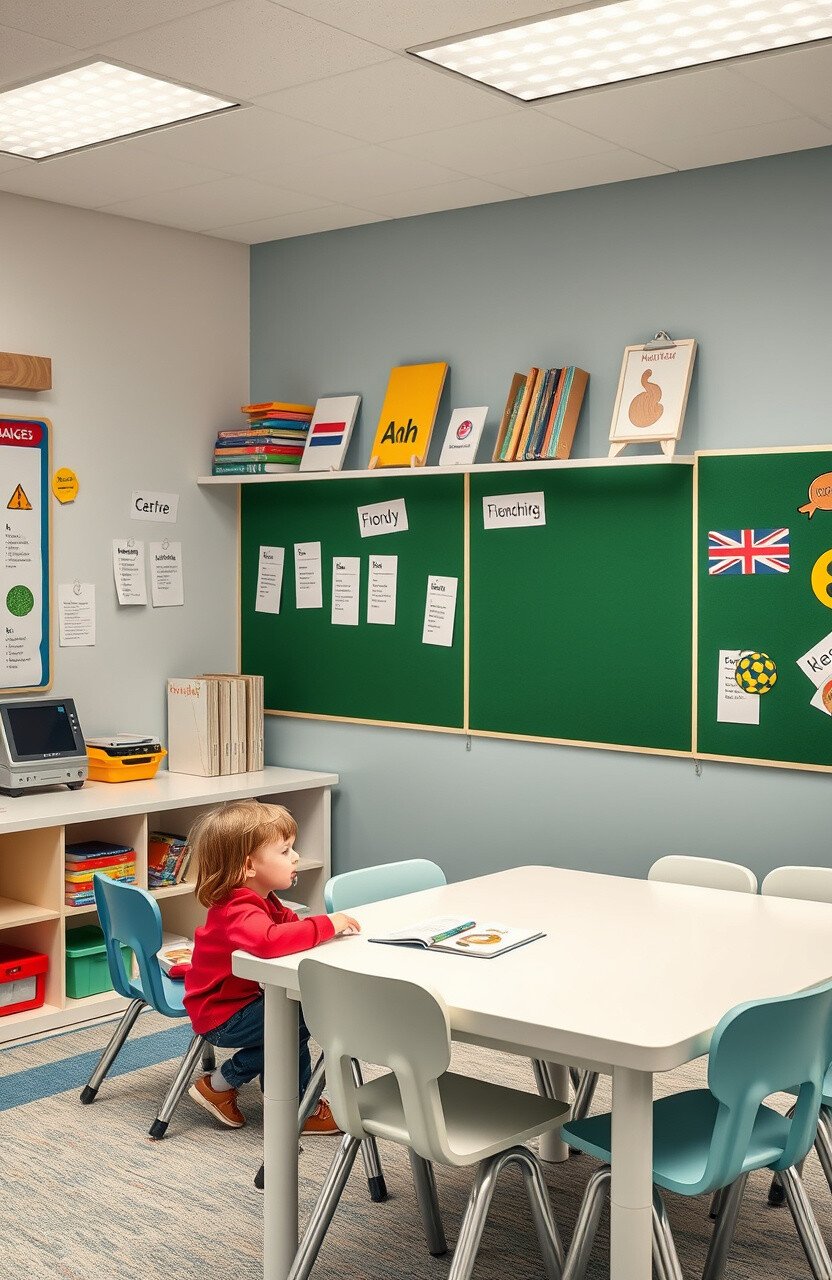
Create a language lab with flashcards and audio resources. This area supports language development and bilingual education.
It provides a fun environment for learning new words and phrases. Kids can practice pronunciation and listening skills.
Personalize with language games and themed word walls. Include books and music in the target language for immersive learning.
Many resources can be created or downloaded for free, making it affordable. It’s a valuable addition for language-rich classrooms.
14. Puzzle and Game Stations
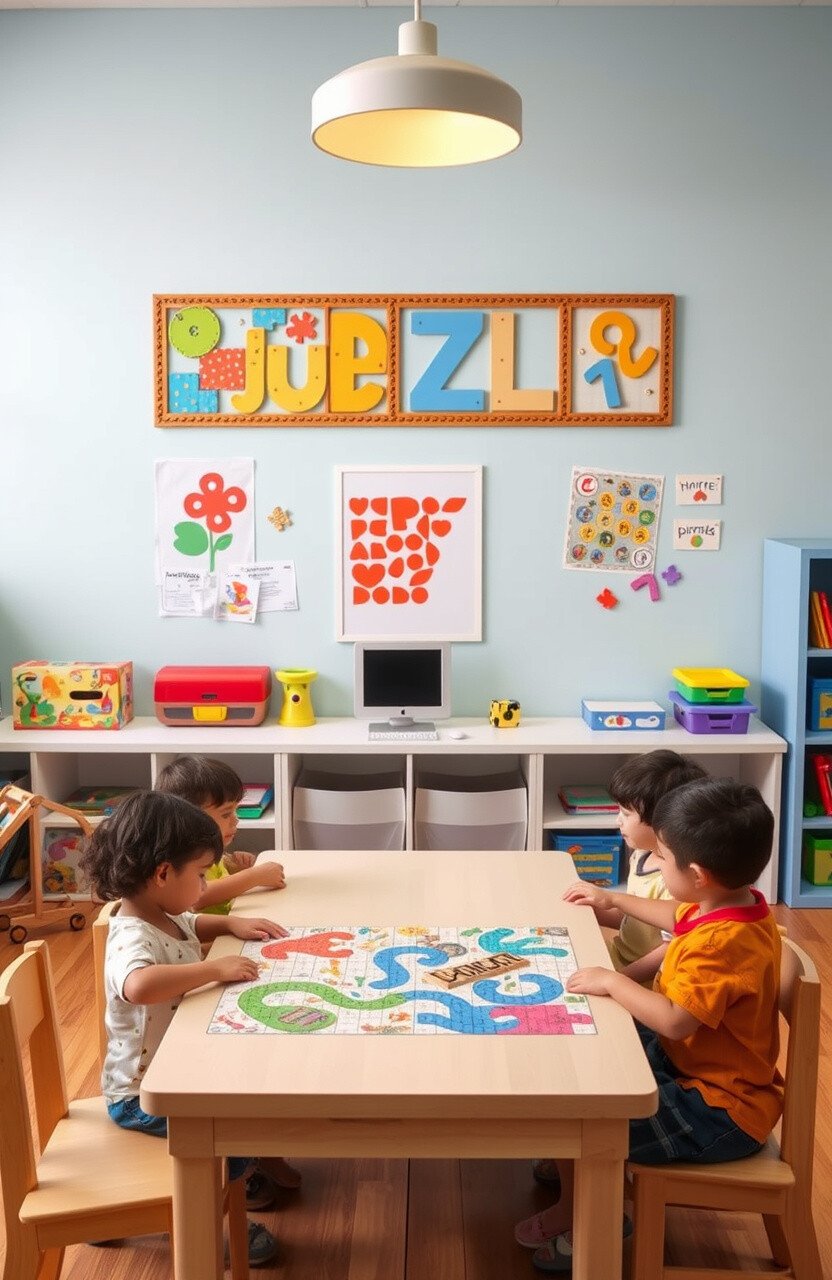
Introduce problem-solving with a variety of puzzles and board games. These stations offer a playful approach to critical thinking.
They foster teamwork and strategic thinking in a fun setting. Kids learn patience and perseverance through play.
Personalize by rotating games or hosting puzzle challenges. Encourage kids to bring in their favorite games from home.
Many games can be found second-hand, keeping costs low. It’s a fun way to develop important cognitive skills.
15. Craft and Creation Tables
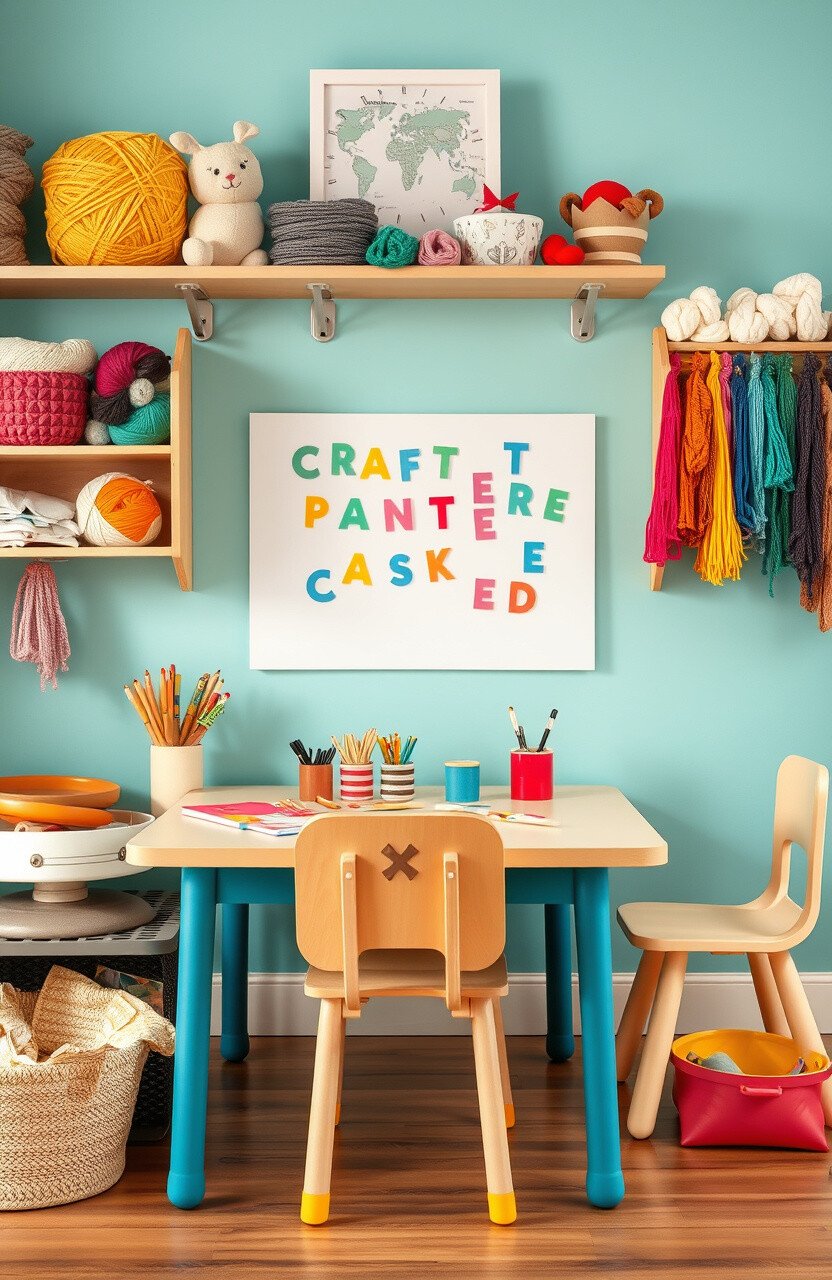
Set up tables stocked with craft supplies like yarn, paper, and paint. These tables are a creative haven for young artists.
They encourage self-expression and fine motor skills development. Kids can experiment with different materials and techniques.
Personalize with themed crafts or seasonal projects. Encourage students to share their creations with the class.
Many supplies can be sourced from donations or sales, making it cost-effective. It’s a vibrant addition to any creative classroom.
16. Light and Shadow Play Areas
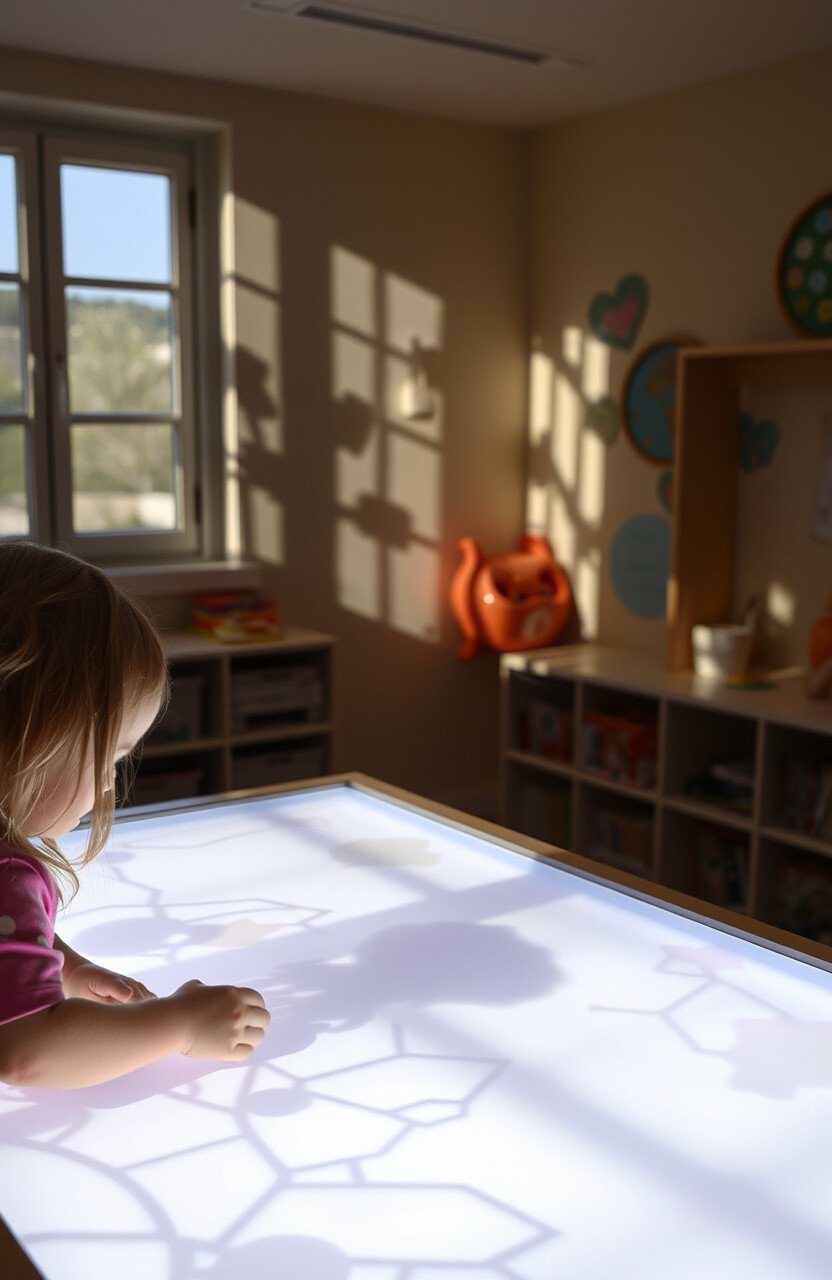
Introduce light tables and shadow play stations for exploration. These areas invite kids to discover the magic of light and shadow.
They promote scientific inquiry and creativity. Kids can experiment with translucent materials and create shadow stories.
Personalize with colored gels or themed objects for shadow play. Rotate activities to keep the area fresh and exciting.
Light tables can be DIY projects, keeping costs down. It’s a unique way to combine art and science in one space.
17. Nature Exploration Stations
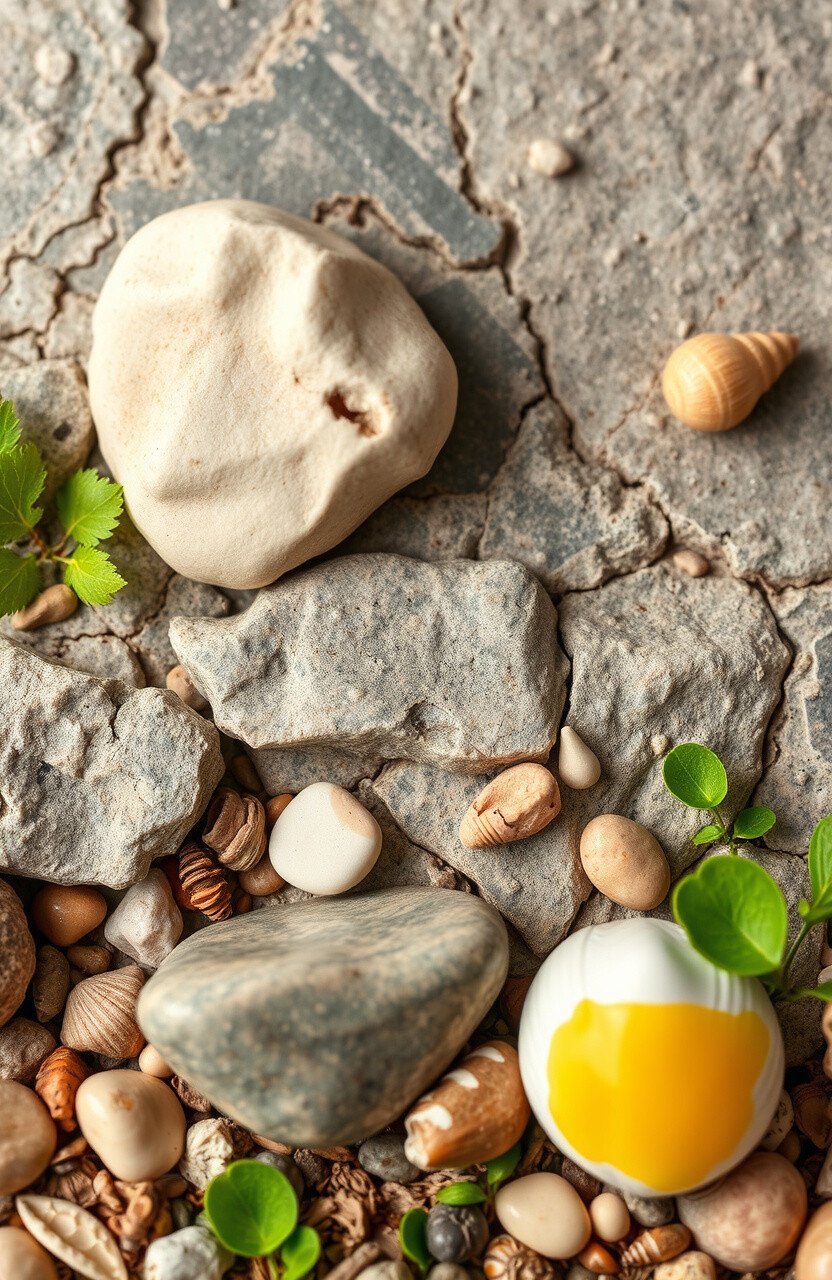
Set up stations with natural elements like rocks, leaves, and shells. These stations invite hands-on exploration of the natural world.
They encourage observational skills and environmental awareness. Kids can learn about textures, patterns, and ecosystems.
Personalize with magnifying glasses or themed exploration kits. Change up the materials to reflect different natural topics.
Many materials can be collected from nature walks, making it free. It’s a wonderful way to bring the outdoors inside.
18. Collaborative Art Projects
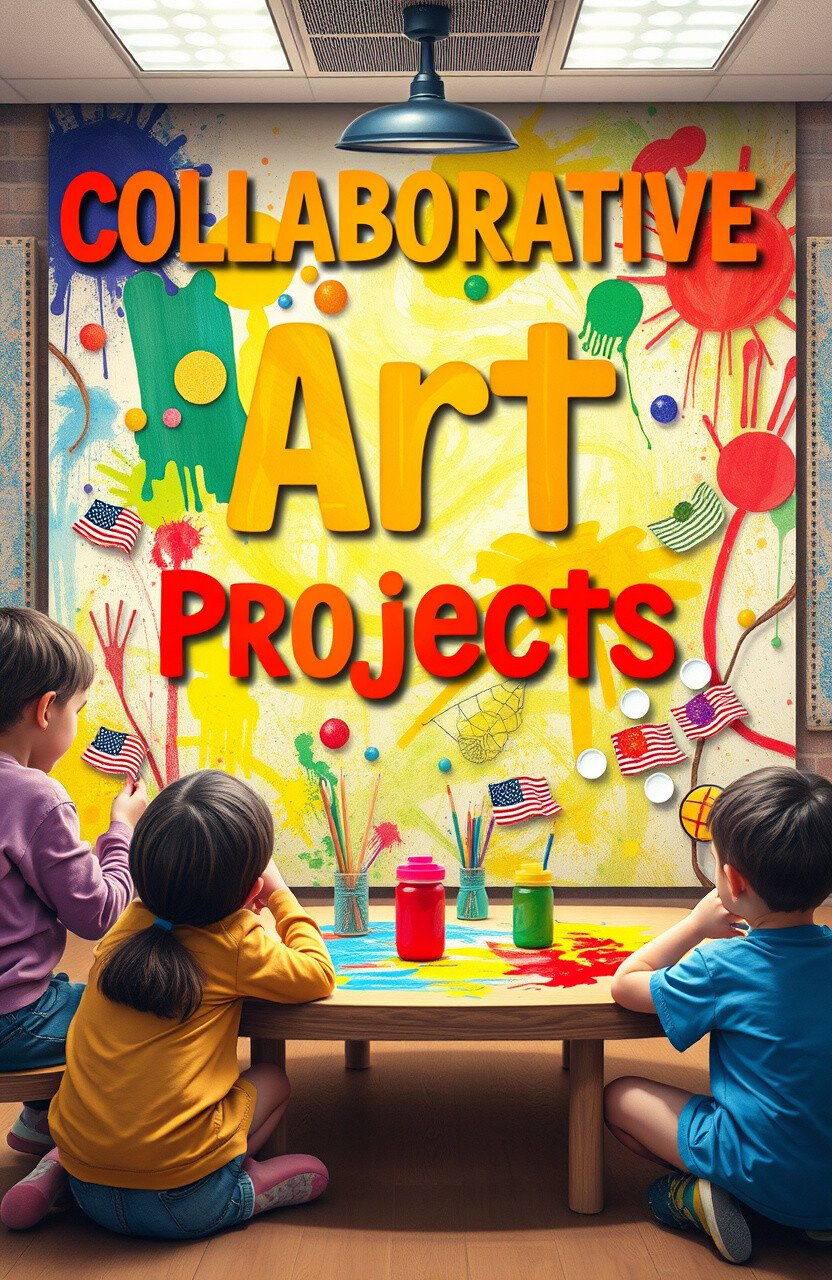
Encourage teamwork with large-scale art projects. These projects foster collaboration and collective creativity.
They teach cooperation and communication skills. Kids can take pride in creating something big together.
Personalize with themes or specific art techniques. Rotate projects to keep the excitement alive.
Materials can often be donated or sourced cheaply, keeping costs low. It’s a great way to build community in the classroom.
19. Science Discovery Labs
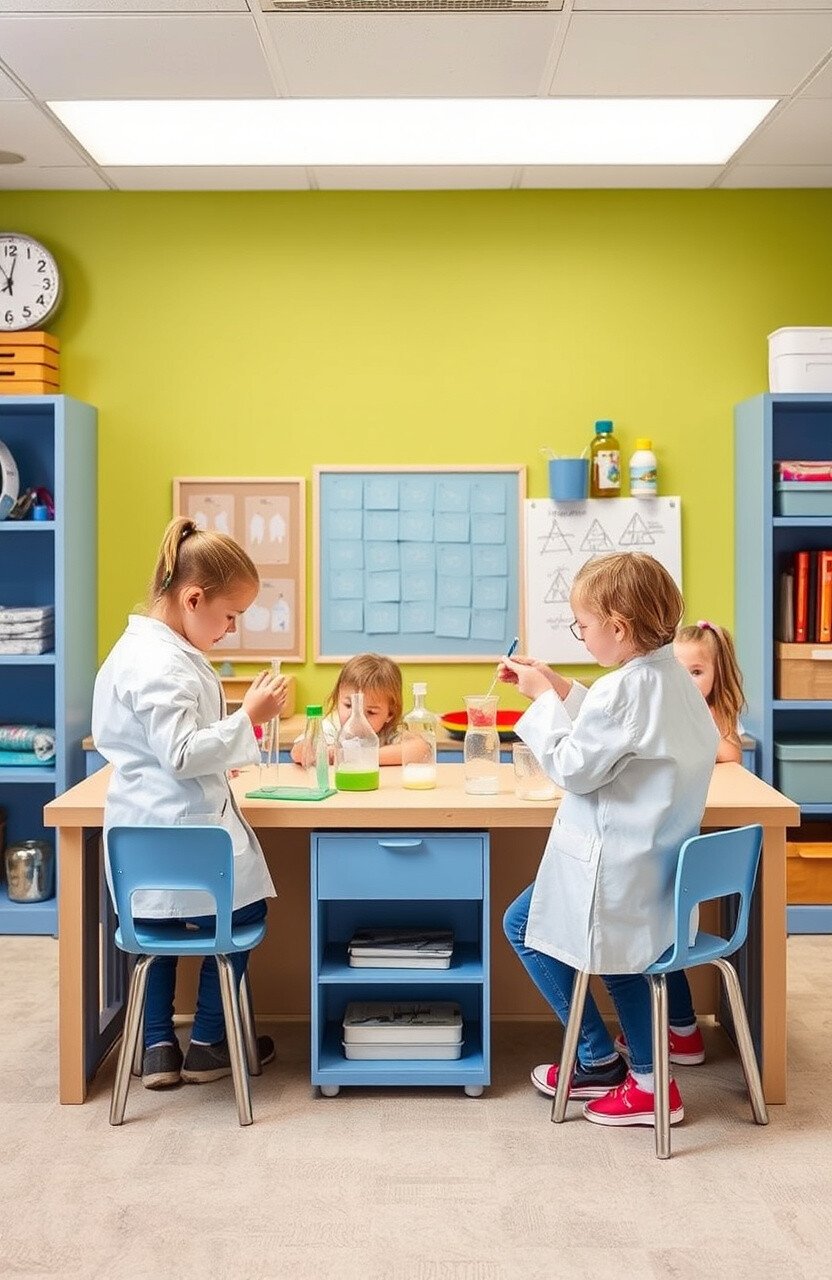
Create a mini science lab with simple experiments and tools. This area is perfect for budding scientists and curious minds.
It promotes inquiry-based learning and scientific thinking. Kids can engage in hands-on experiments and observations.
Personalize with lab coats or themed experiment days. Encourage kids to bring in objects of interest for study.
Many experiments can be done with household items, making it economical. It’s a fun way to ignite a passion for science.
20. Calm Down Corners
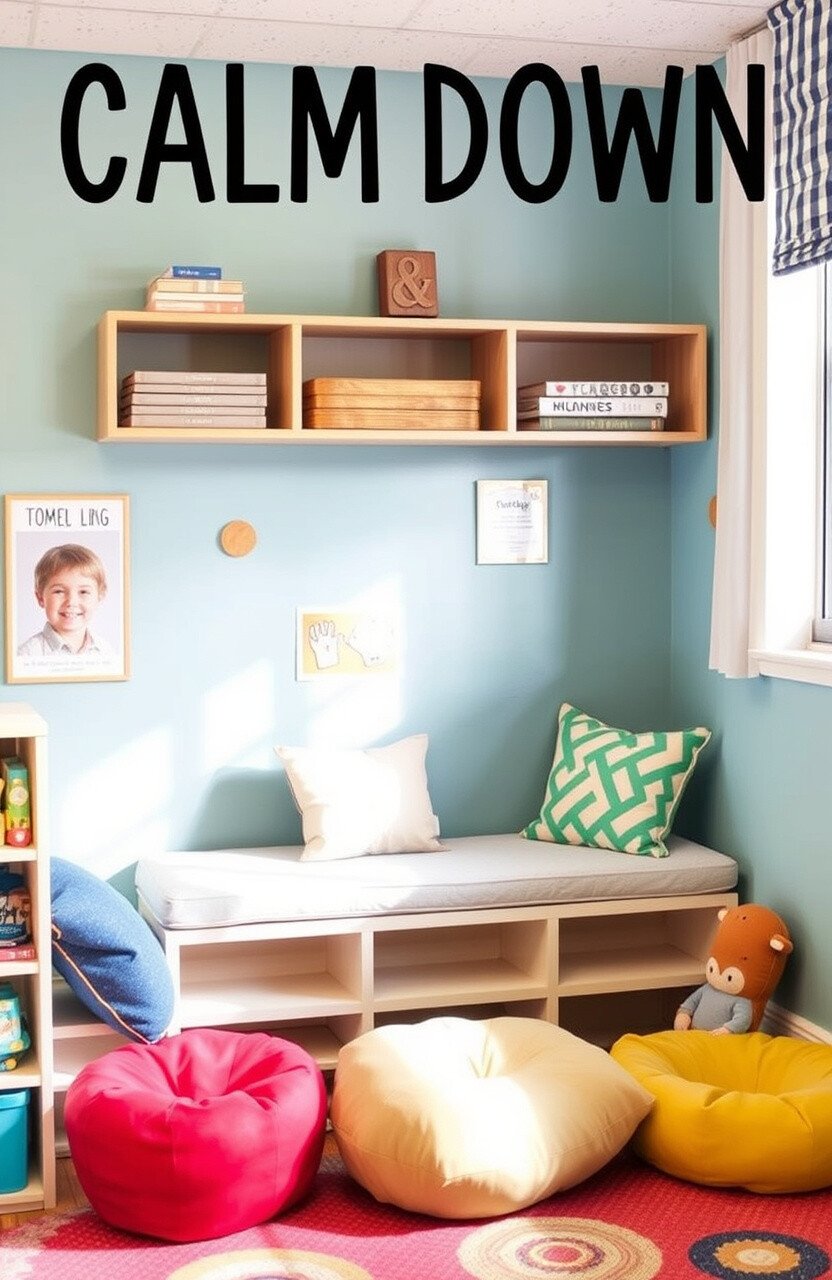
Designate a quiet corner with soft seating and calming activities. These corners provide a safe space for kids to relax.
They help manage emotions and promote self-regulation. Kids can take a break and return to learning refreshed.
Personalize with sensory tools or calming visuals. Change the setup to include seasonal or themed decorations.
Many items can be homemade or thrifted, keeping costs low. It’s a thoughtful addition to support emotional well-being.
21. Building and Construction Zones
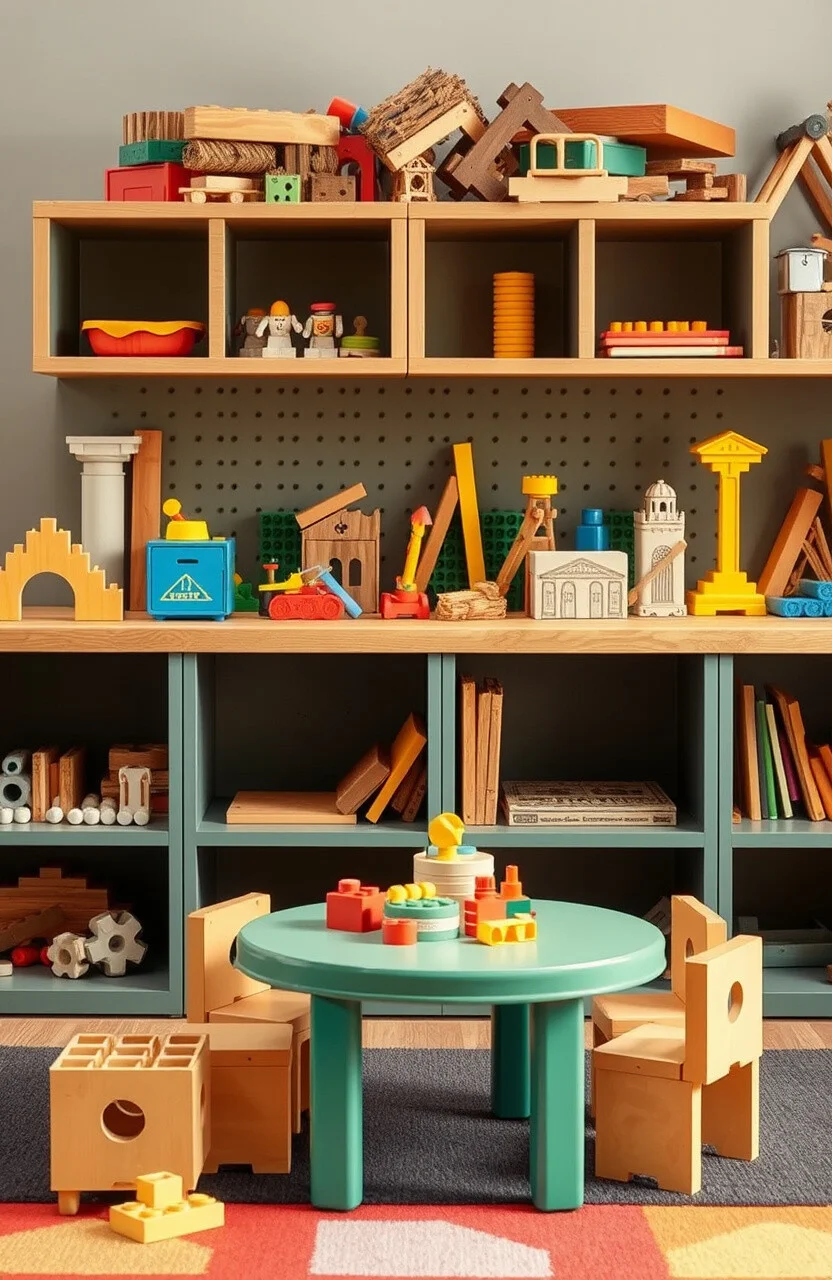
Introduce zones with building blocks and construction tools. These areas are perfect for little engineers and architects.
They promote spatial awareness and problem-solving skills. Kids can experiment with structures and design.
Rotate building materials or introduce themed challenges. Encourage kids to bring in recyclable materials for building.
Many building materials can be found second-hand or donated. It’s an engaging and educational way to explore construction.
22. Alphabet Adventure Areas
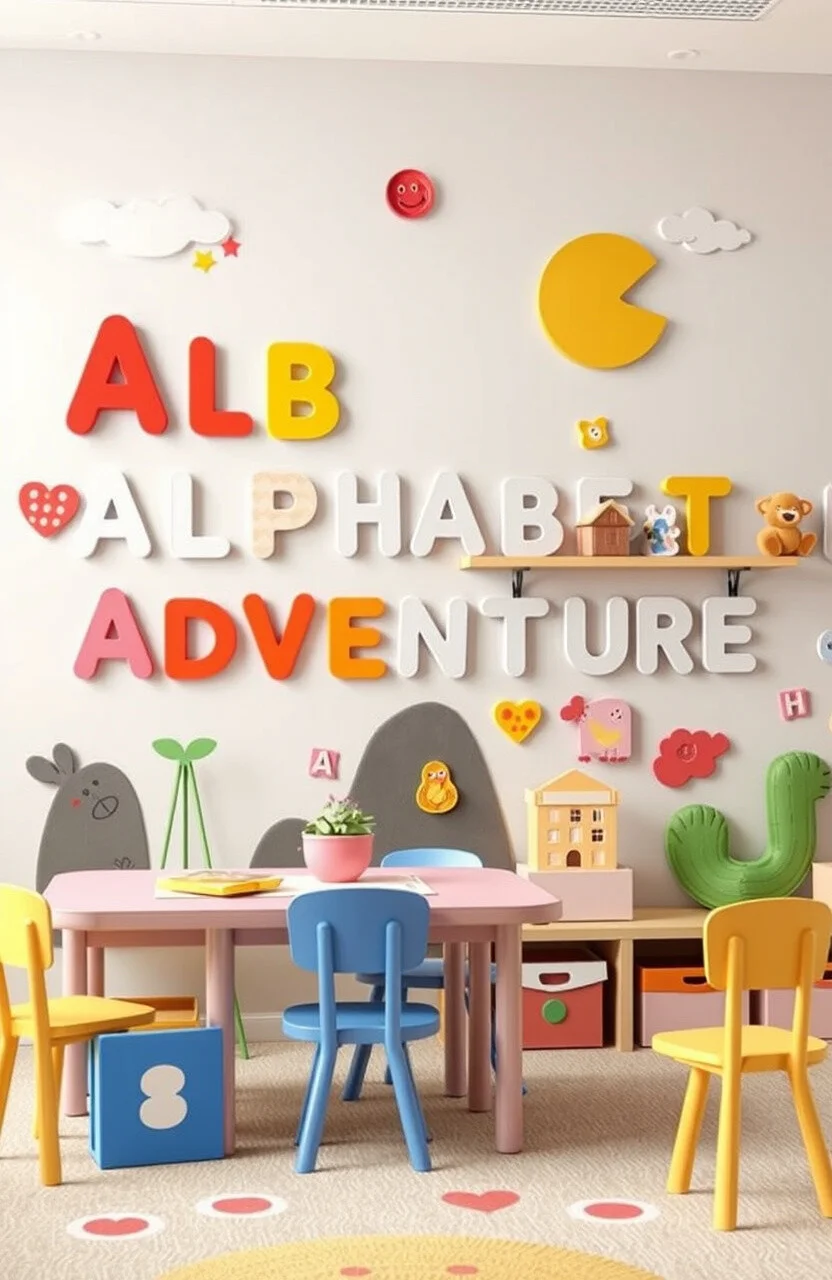
Create themed areas focused on letter recognition and phonics. These areas turn learning the alphabet into an exciting adventure.
They support literacy development and phonemic awareness. Kids can engage with letters in a playful and interactive way.
Personalize with themed letter games or activities. Rotate themes to cover different letters or sounds.
Many materials can be made from paper or recycled items, keeping costs low. It’s a fun way to make learning letters exciting.
23. Imaginative Storytelling Zones
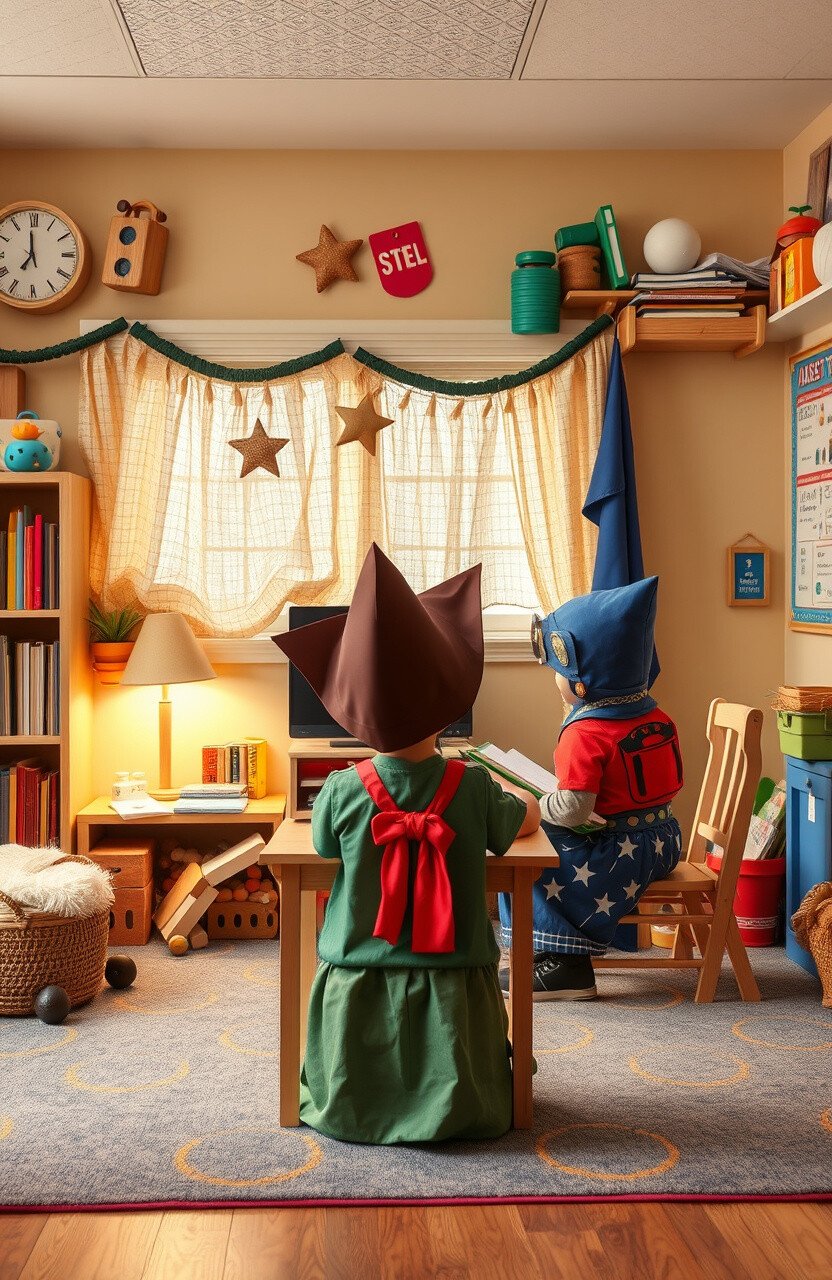
Create spaces dedicated to storytelling with props and costumes. These zones invite kids to invent and share their own stories.
They promote creativity and narrative skills. Kids can explore different characters and plotlines through play.
Rotate themes or introduce new story prompts. Encourage kids to bring in their favorite props or costumes.
Many props can be homemade or thrifted, keeping costs low. It’s a magical way to inspire imagination and storytelling.
24. Water and Sand Play Stations
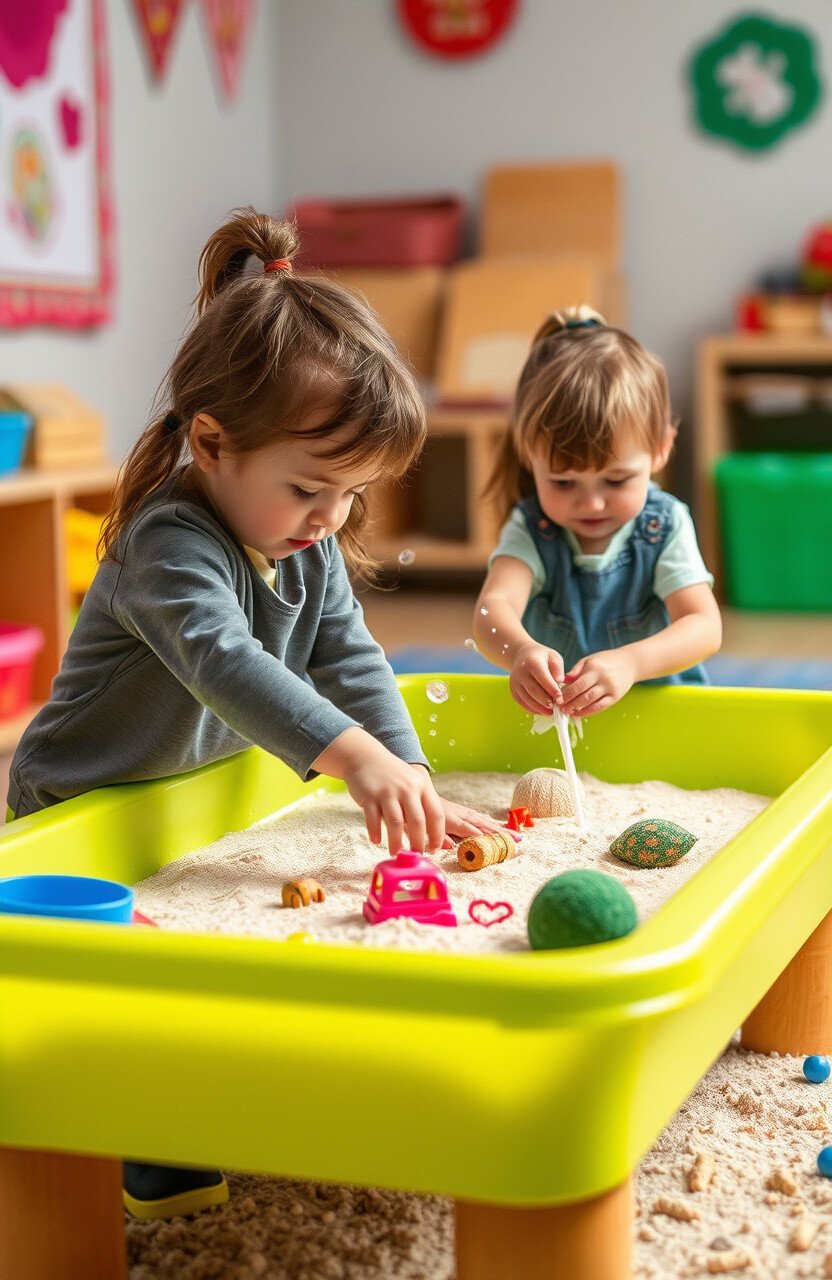
Set up stations with water tables and sandboxes. These areas encourage sensory exploration and creativity.
They promote fine motor skills and problem-solving. Kids can experiment with textures and build structures.
Personalize with themed toys or challenges. Rotate materials to keep the play fresh and engaging.
Many materials can be sourced from nature or donations, keeping costs low. It’s a delightful way to explore through play.
25. Color Exploration Stations
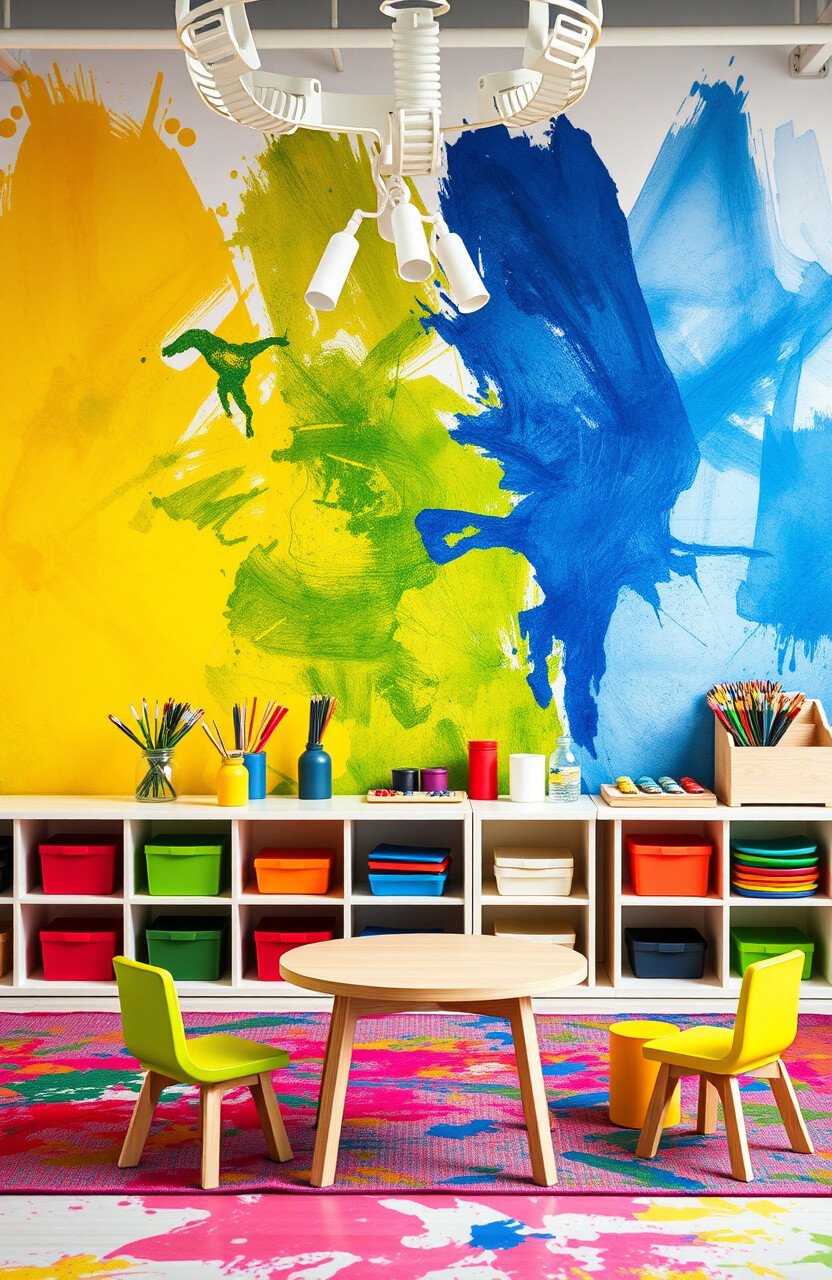
Introduce areas focused on color mixing and exploration. These stations encourage creativity and experimentation with colors.
They promote scientific thinking and artistic expression. Kids can discover new shades and combinations through play.
Personalize with themed color challenges or activities. Rotate materials to cover different color concepts.
Many materials can be found at home or donated, keeping costs low. It’s a vibrant way to explore the world of colors.
26. Mindful Breathing Spaces
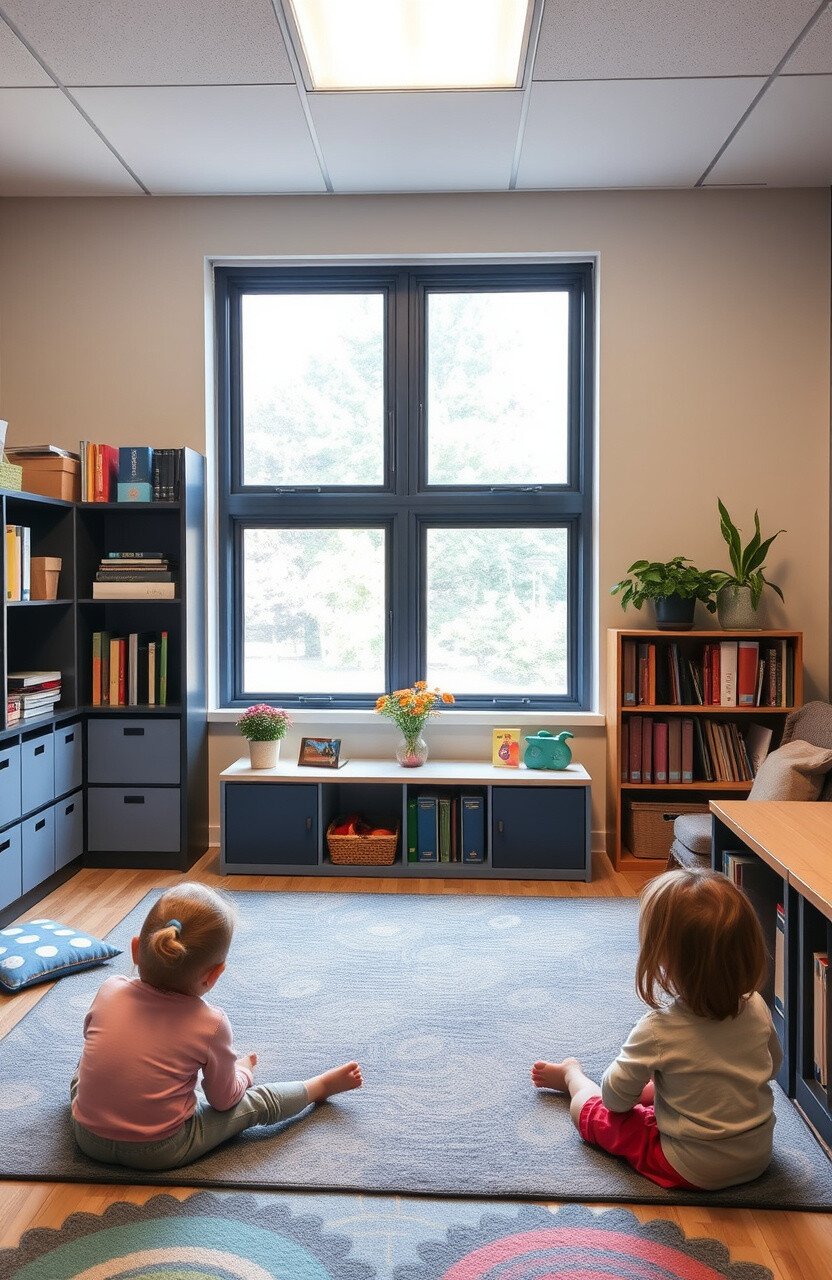
Create spaces for mindfulness with breathing exercises and calming visuals. These areas promote relaxation and emotional regulation.
They help kids manage stress and focus on the present. Kids can learn techniques for calming their minds and bodies.
Personalize with mindfulness tools or themed decorations. Rotate activities to keep the space inviting.
Many materials can be homemade or found inexpensively, keeping costs low. It’s a supportive addition to any classroom.
27. Technology Exploration Zones
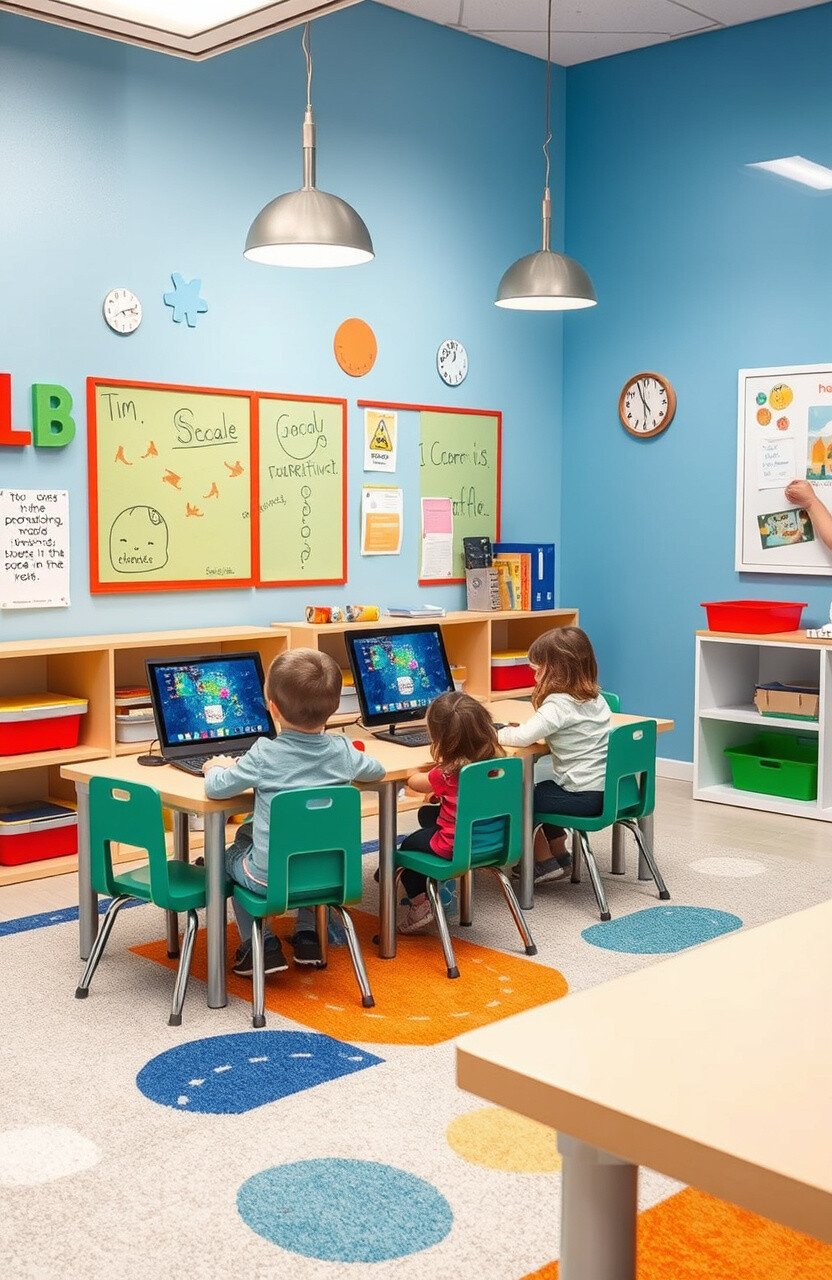
Introduce zones with tablets or computers for tech exploration. These areas support digital literacy and technology skills.
They promote critical thinking and problem-solving. Kids can engage with educational apps and programs.
Personalize with themed tech challenges or activities. Rotate apps to keep the exploration diverse and engaging.
Many educational apps are free or low-cost, making it affordable. It’s a modern way to incorporate technology into learning.
28. Outdoor Learning Spaces
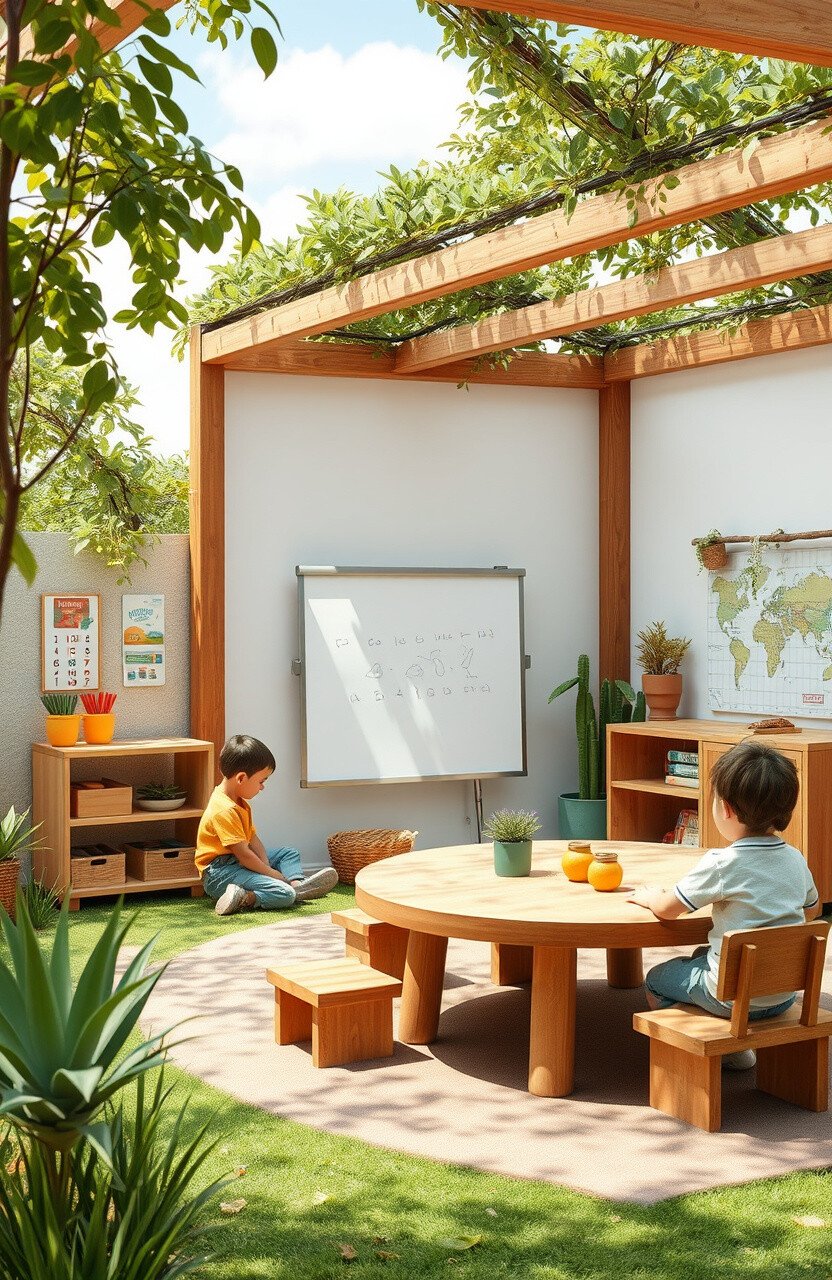
Create outdoor areas for learning and exploration. These spaces bring education to the fresh air and open skies.
They promote physical activity and environmental awareness. Kids can engage with nature while learning new concepts.
Personalize with outdoor games or nature-focused activities. Change up the setup to reflect different learning themes.
Many materials can be sourced from nature, keeping costs low. It’s a healthy and inspiring way to learn outside.
29. Fiction and Fantasy Worlds
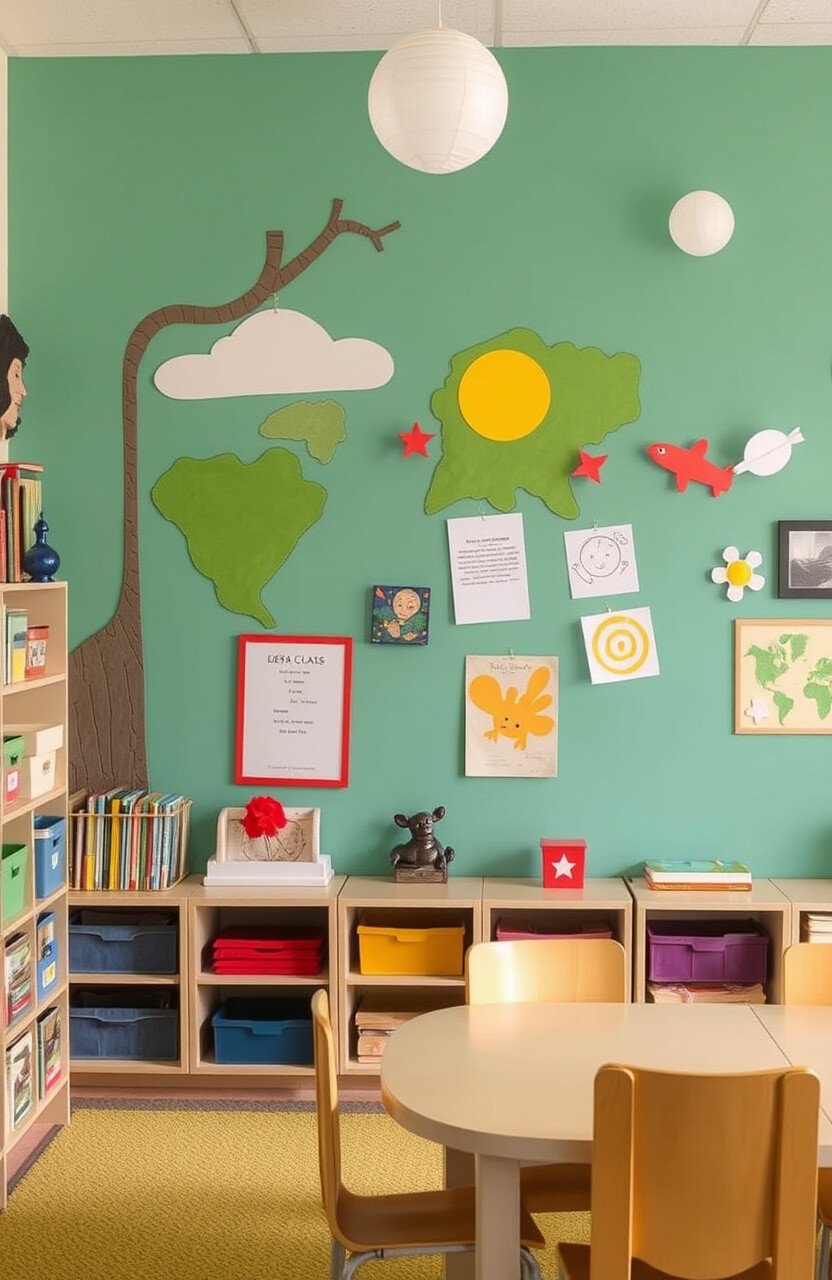
Designate areas dedicated to fictional worlds and characters. These spaces invite kids to explore the realms of fantasy and fiction.
They promote imagination and storytelling skills. Kids can dive into their favorite stories and create new ones.
Personalize with themed decorations or costumes. Rotate themes to cover different fictional worlds.
Many items can be homemade or thrifted, keeping costs low. It’s a magical way to explore creativity through fiction.
30. Time Travel Zones
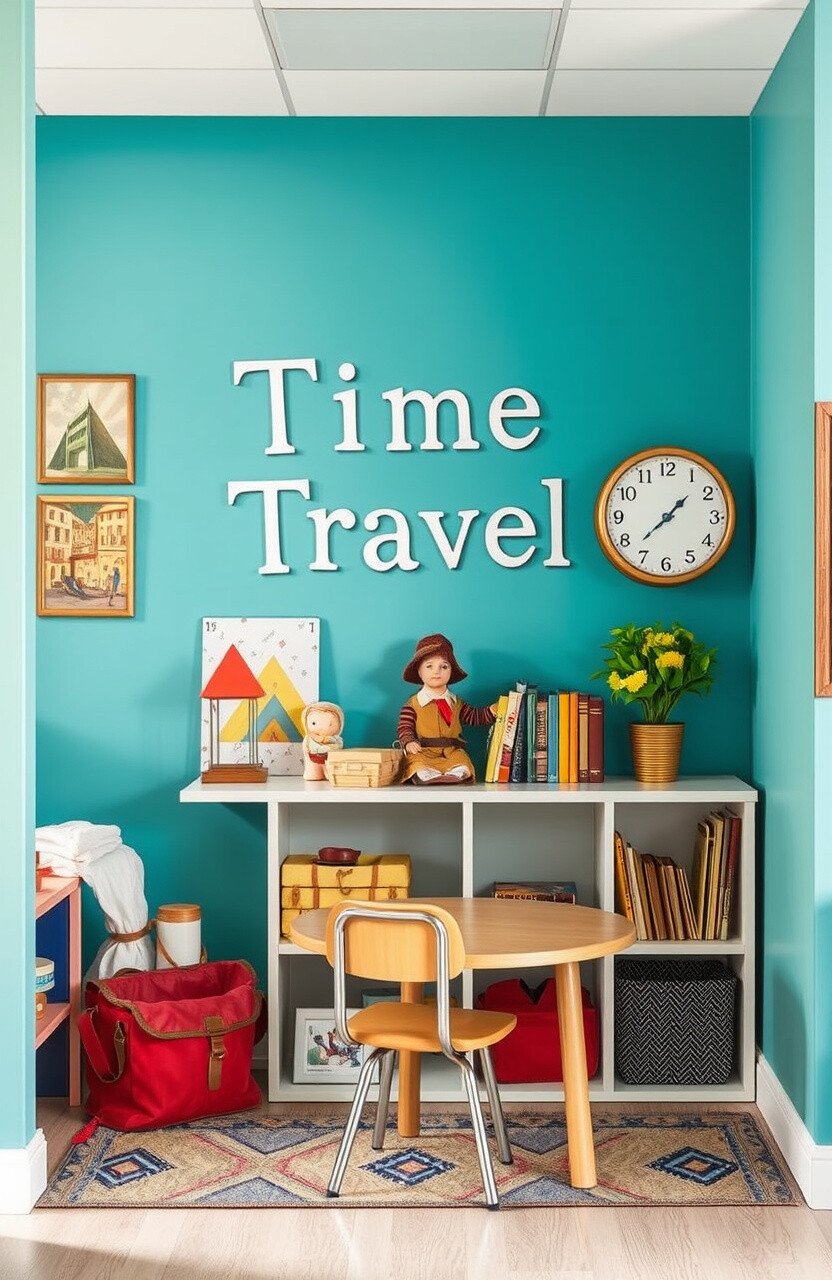
Create zones that transport kids to different historical periods. These areas offer a playful approach to history and culture.
They promote curiosity and understanding of different times. Kids can explore history through costumes and props.
Rotate themes or introduce new historical periods. Encourage kids to bring in items that represent different eras.
Many props can be found second-hand or created, keeping costs low. It’s a fun way to journey through time in the classroom.
31. Community Helper Stations
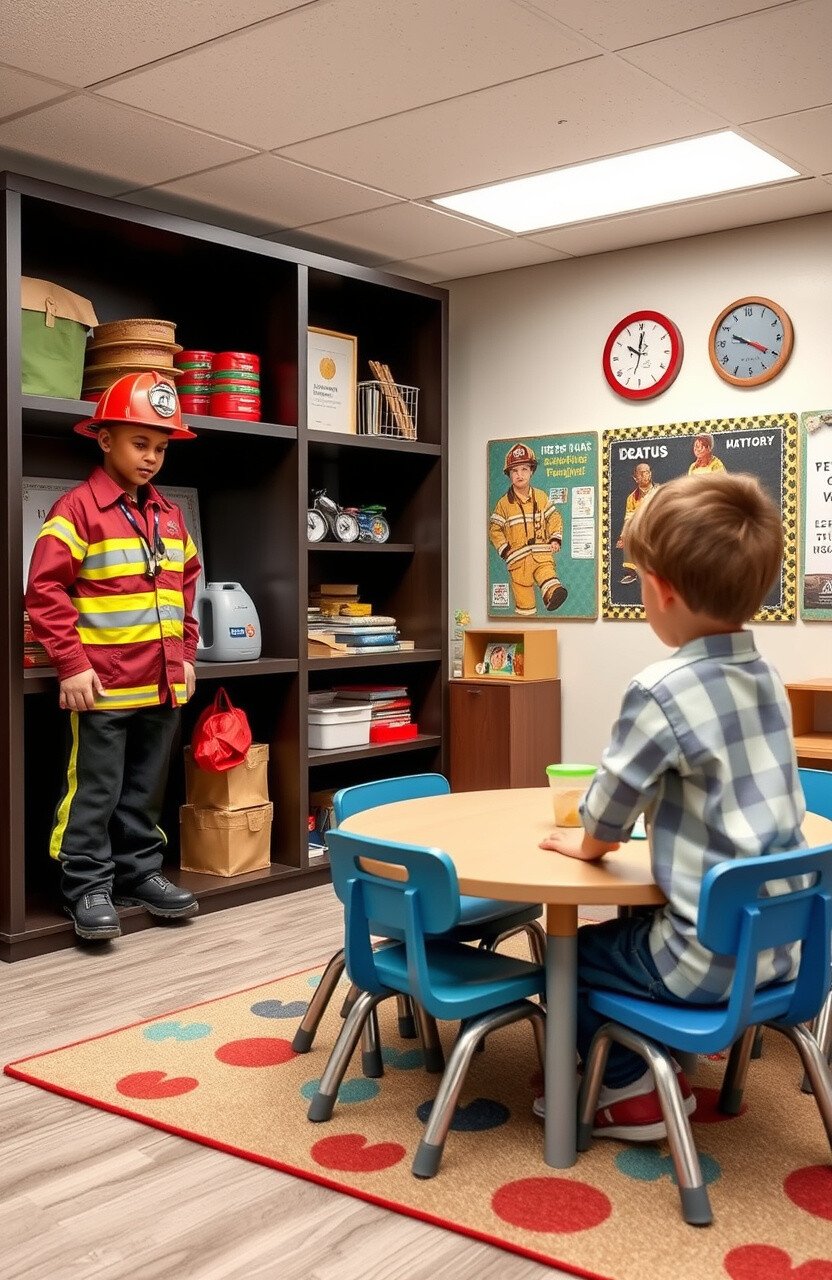
Set up stations dedicated to community helper roles. These areas introduce kids to the people who help in their community.
They promote social awareness and appreciation for helpers. Kids can role-play as firefighters, doctors, and more.
Personalize with themed props or role-play scenarios. Rotate roles to keep the area fresh and educational.
Many props can be donated or found inexpensively, keeping costs low. It’s a meaningful way to explore community roles.
32. Sensory Exploration Bins
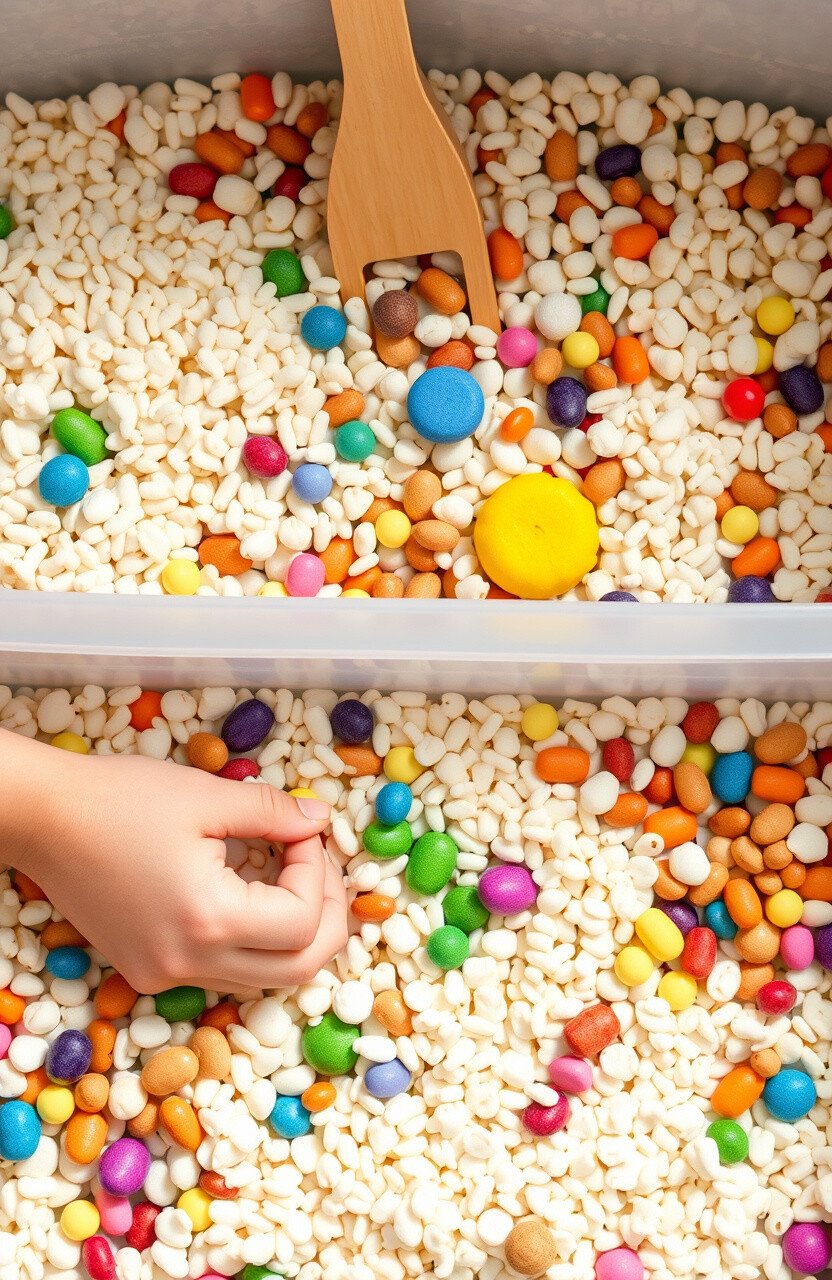
Create bins filled with different sensory materials like rice and beans. These bins invite tactile exploration and creativity.
They promote sensory development and fine motor skills. Kids can experiment with textures and materials through play.
Rotate materials or introduce themed sensory bins. Encourage kids to explore with different tools and techniques.
Many materials can be sourced from donations, keeping costs low. It’s a delightful way to engage the senses in learning.
33. Science Fiction Exploration Areas
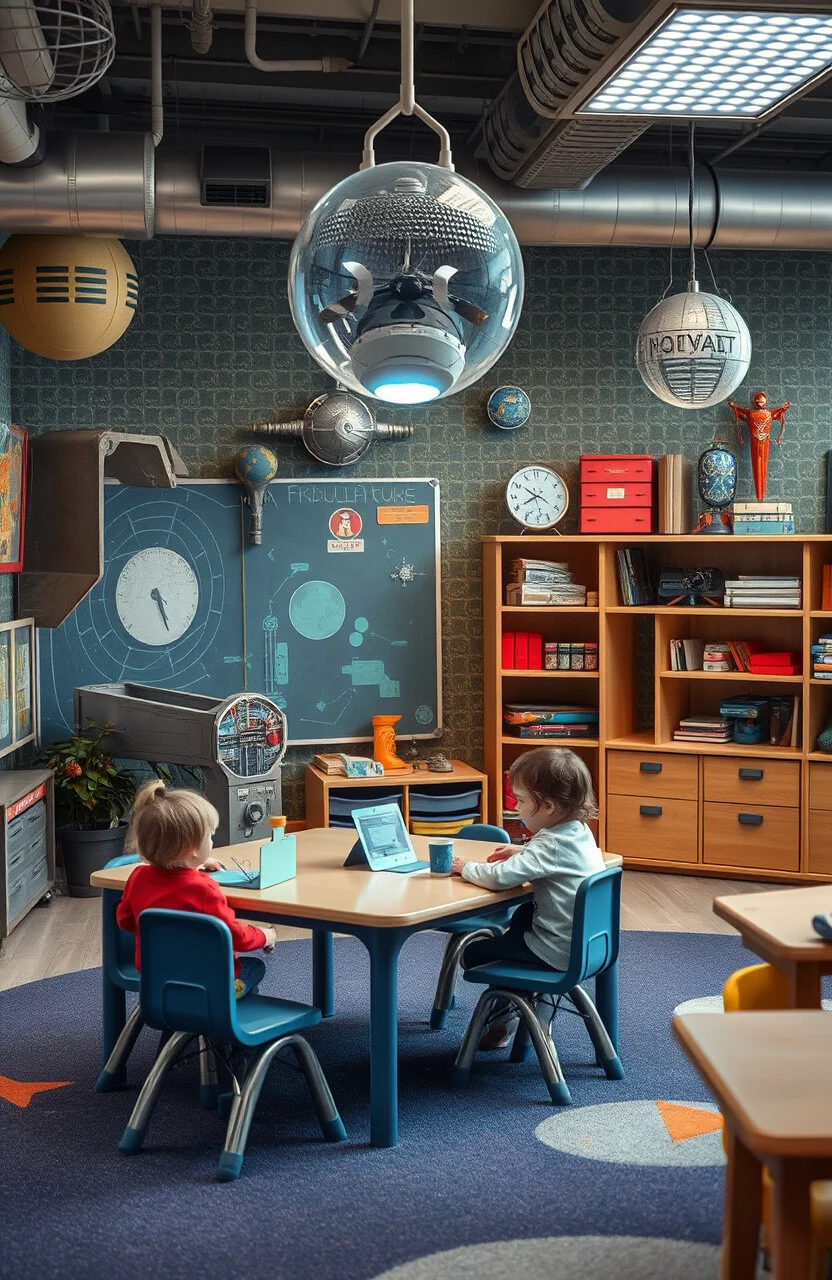
Create spaces dedicated to sci-fi themes and exploration. These areas invite kids to imagine the possibilities of the future.
They promote creativity and scientific inquiry. Kids can explore futuristic concepts and technologies through play.
Rotate themes or introduce new sci-fi concepts. Encourage kids to create their own sci-fi stories or art.
Many props can be homemade or thrifted, keeping costs low. It’s a fun way to blend science and imagination.
34. Music Creation Corners
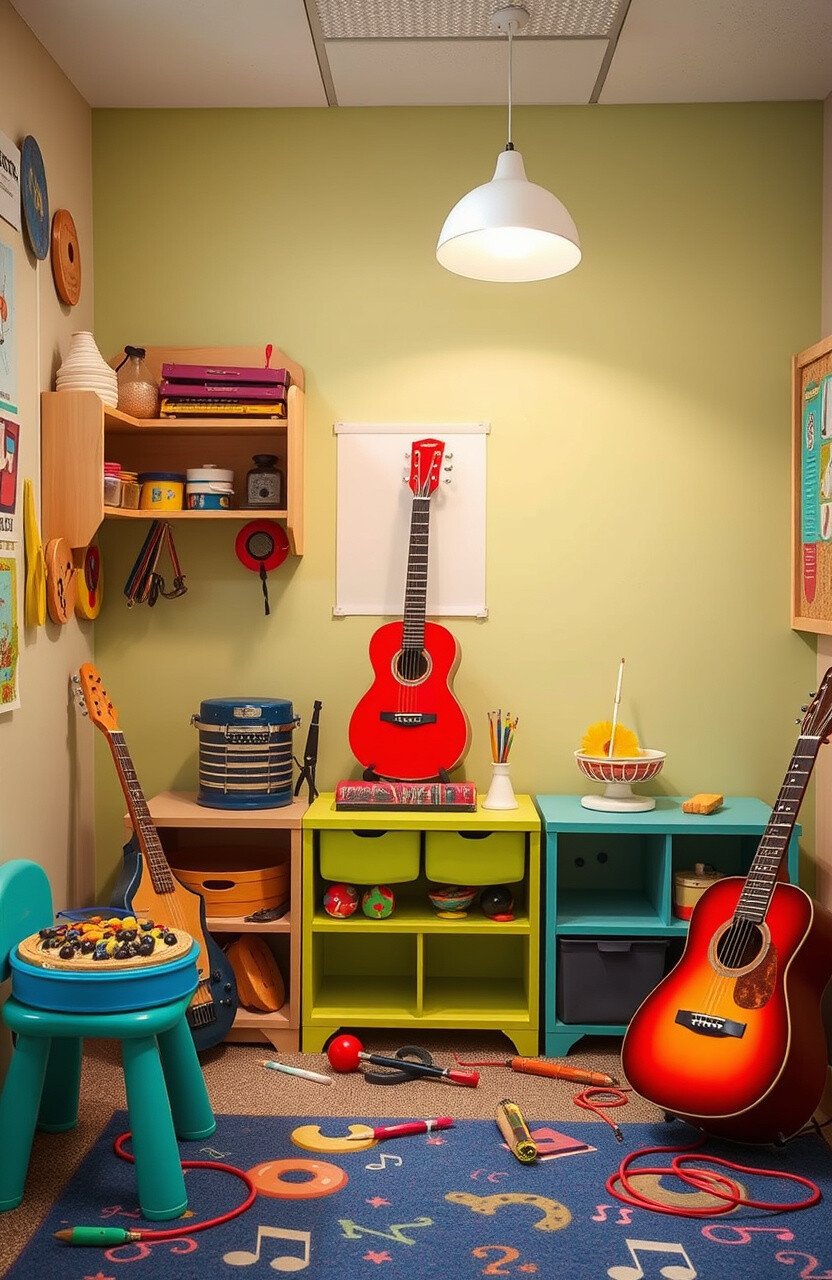
Introduce corners with instruments and music-making tools. These areas invite kids to create and explore music.
They promote auditory skills and creativity. Kids can experiment with sounds and rhythms through play.
Personalize with themed music challenges or activities. Rotate instruments to keep the area engaging and diverse.
Many instruments can be found second-hand, keeping costs low. It’s a harmonious way to explore music in the classroom.
35. Weather Exploration Stations
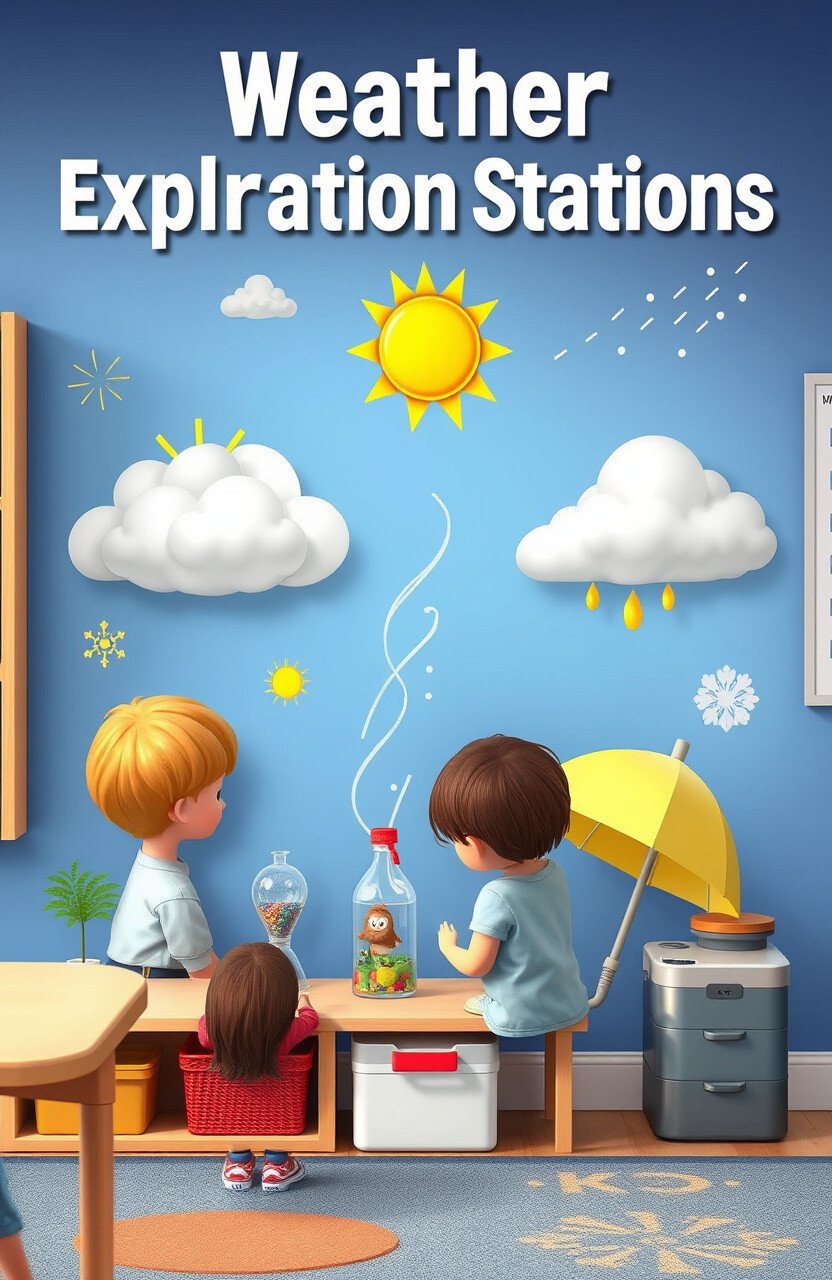
Set up stations with weather-themed activities and tools. These areas invite kids to discover and learn about weather patterns.
They promote scientific inquiry and environmental awareness. Kids can explore weather concepts through play and observation.
Personalize with themed weather experiments or activities. Rotate tools to cover different weather topics.
Many materials can be homemade or found inexpensively, keeping costs low. It’s a fun way to explore the wonders of weather.
36. Creative Writing Corners
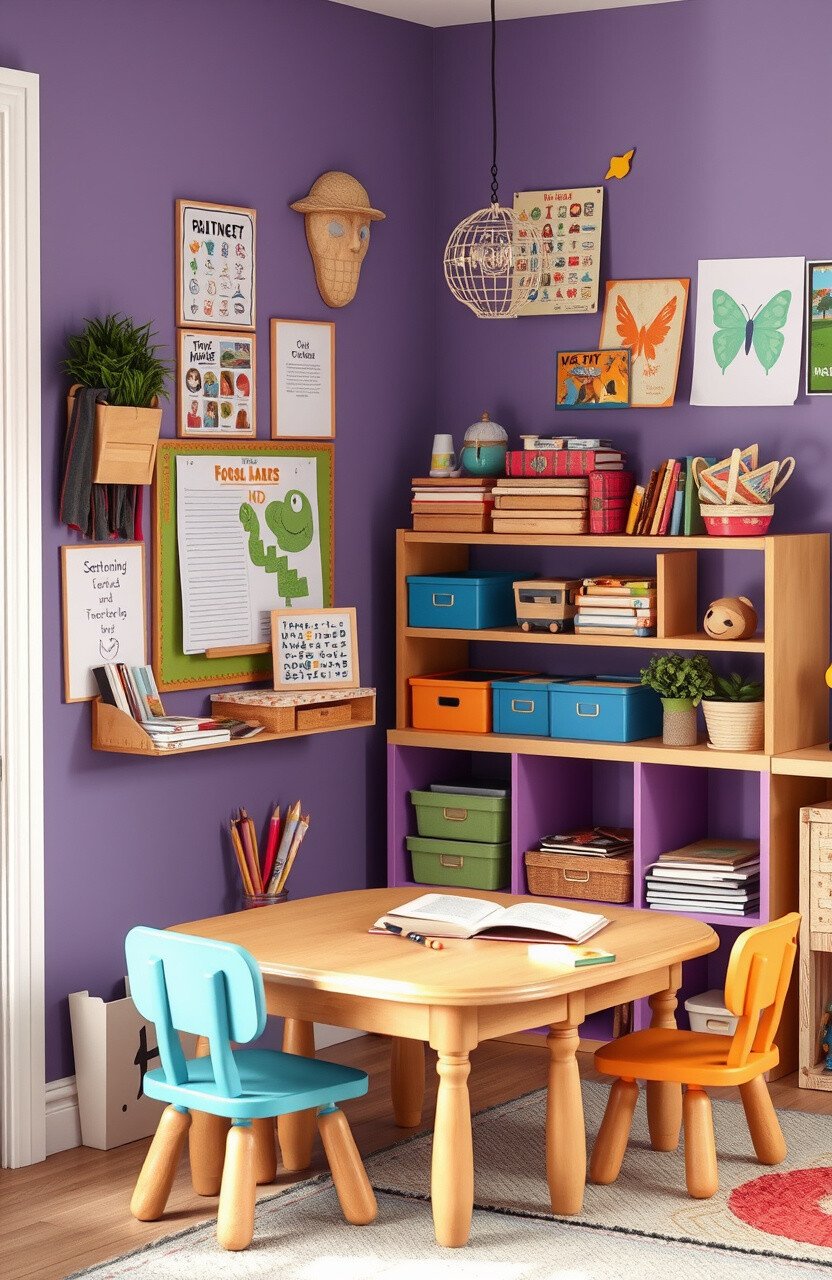
Create corners dedicated to writing and storytelling. These areas invite kids to express their thoughts and ideas through words.
They promote literacy and creativity. Kids can explore different writing styles and techniques through play.
Personalize with themed writing prompts or activities. Rotate materials to keep the area inspiring and engaging.
Many tools can be found at home or donated, keeping costs low. It’s a wonderful way to explore the world of writing.
37. Mystery and Detective Zones
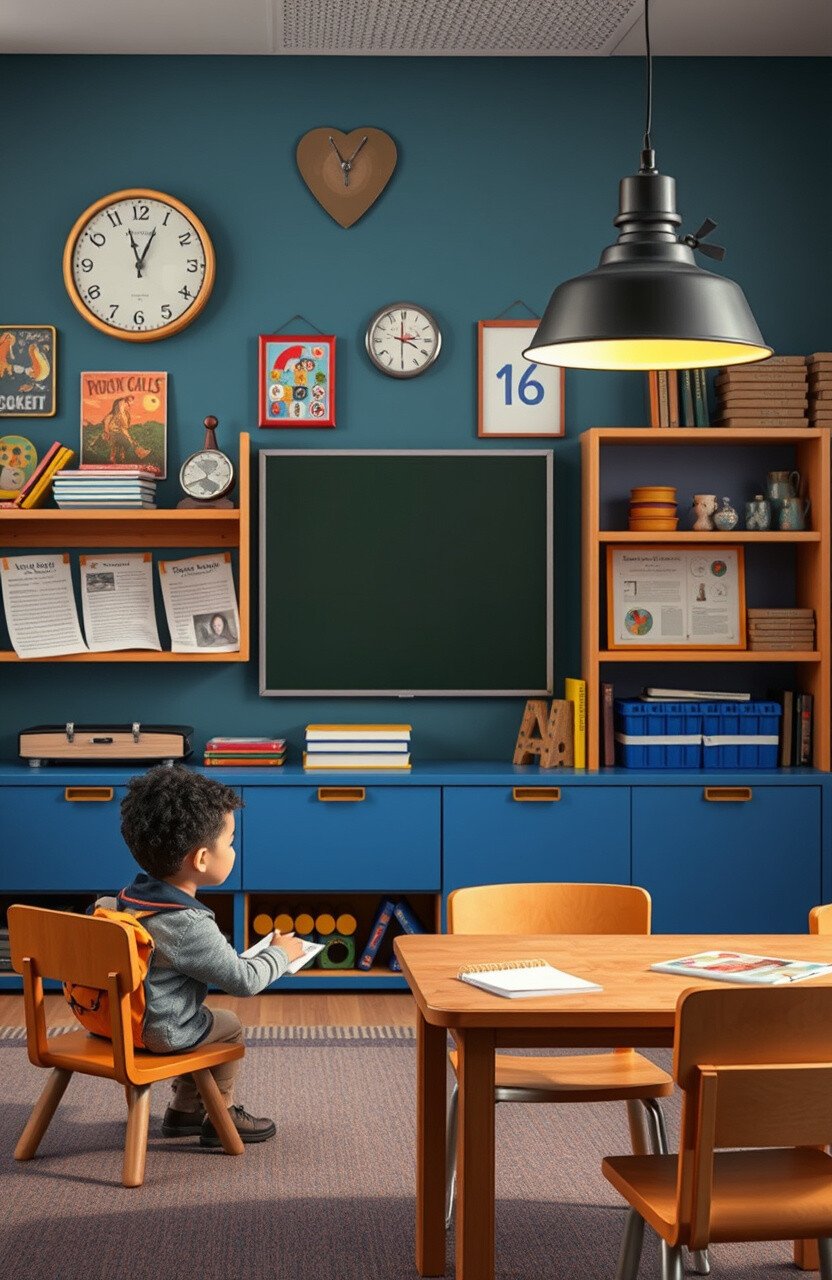
Designate areas for mystery-solving and detective play. These zones invite kids to explore the world of mystery and investigation.
They promote critical thinking and problem-solving skills. Kids can engage in detective stories and solve mysteries through play.
Rotate themes or introduce new mysteries to solve. Encourage kids to create their own detective stories or games.
Many props can be homemade or thrifted, keeping costs low. It’s an exciting way to explore the world of mystery and intrigue.
38. Garden and Planting Stations
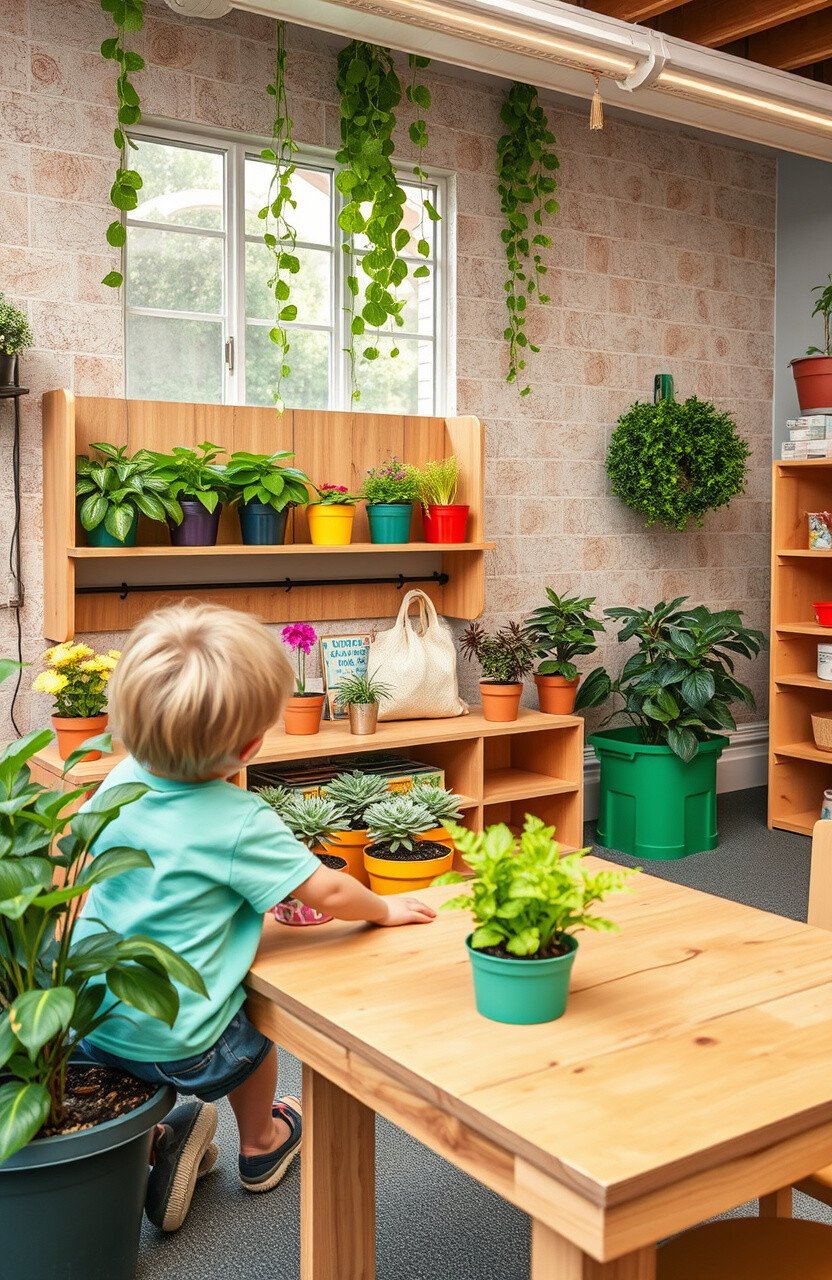
Create stations for planting and gardening activities. These areas invite kids to explore the wonders of nature and growth.
They promote environmental awareness and responsibility. Kids can engage in planting and caring for plants through play.
Personalize with themed gardening challenges or activities. Rotate plants to keep the area fresh and engaging.
Many materials can be sourced from nature, keeping costs low. It’s a green way to explore the wonders of gardening.
39. Building Blocks of Math Areas
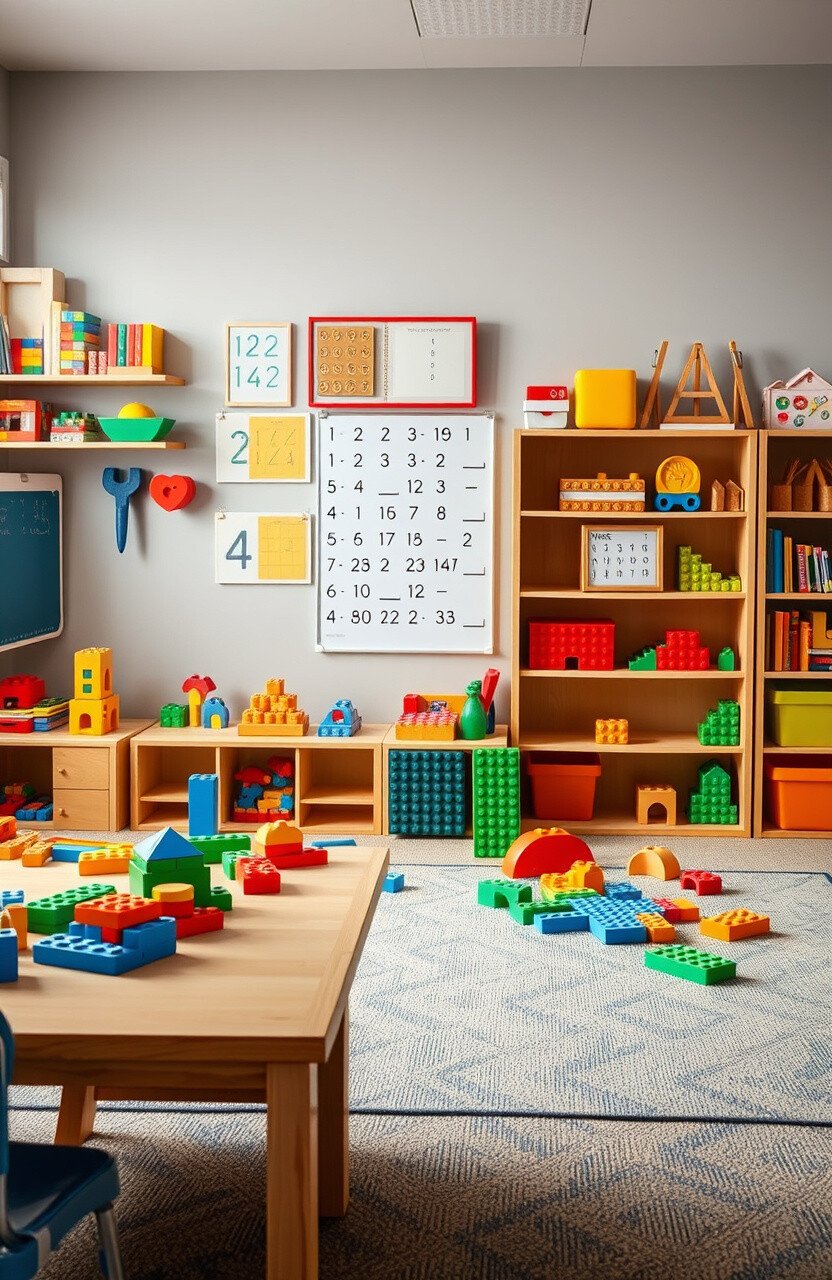
Introduce areas with building blocks and math tools. These areas invite kids to explore math concepts through building and play.
They promote mathematical thinking and creativity. Kids can experiment with numbers and shapes through play.
Rotate materials or introduce new math challenges. Encourage kids to create their own math games or activities.
Many blocks can be found second-hand or donated, keeping costs low. It’s a fun way to explore math in the classroom.
40. Fairy Tale Worlds
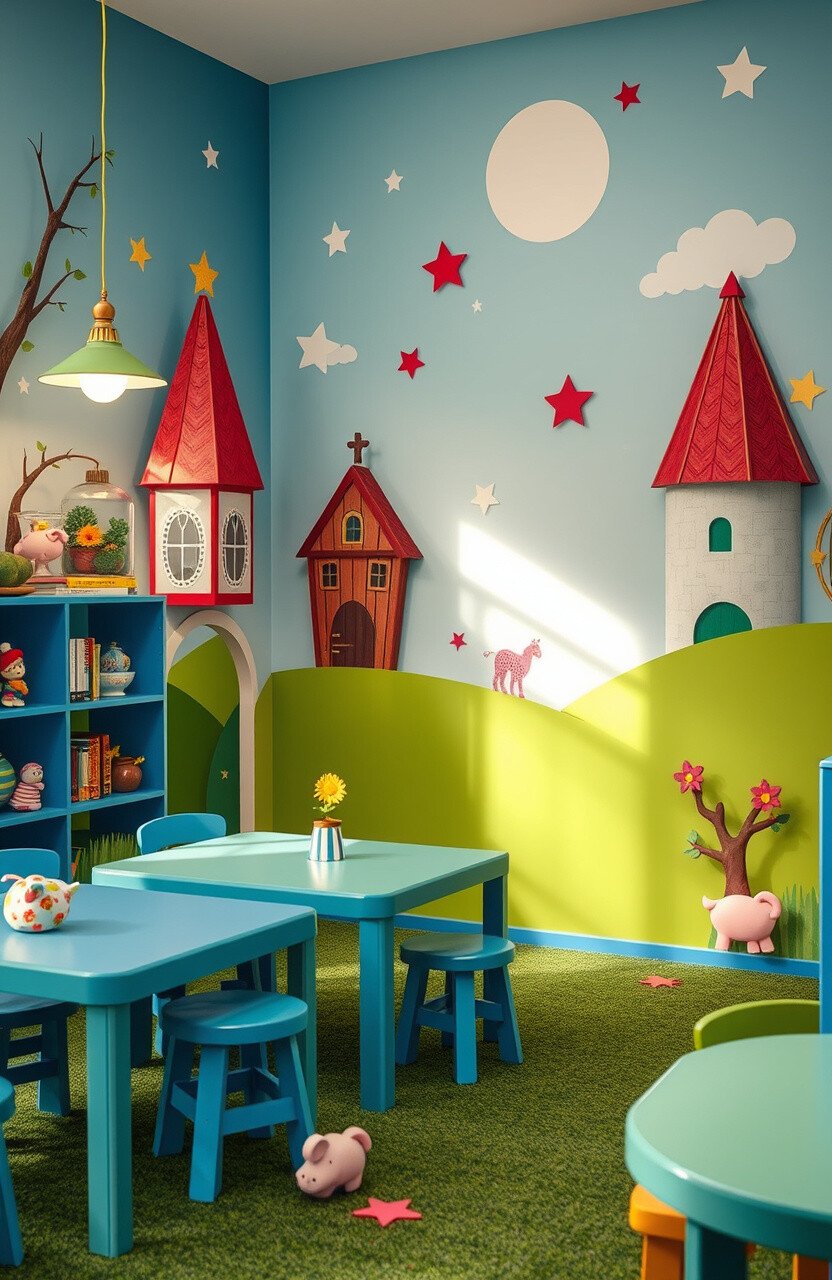
Designate areas dedicated to fairy tale stories and characters. These spaces invite kids to explore the magical world of fairy tales.
They promote imagination and storytelling skills. Kids can dive into their favorite fairy tales and create new ones.
Personalize with themed decorations or costumes. Rotate themes to cover different fairy tales and characters.
Many props can be homemade or thrifted, keeping costs low. It’s a magical way to explore creativity through fairy tales.
41. Astronomy Exploration Zones
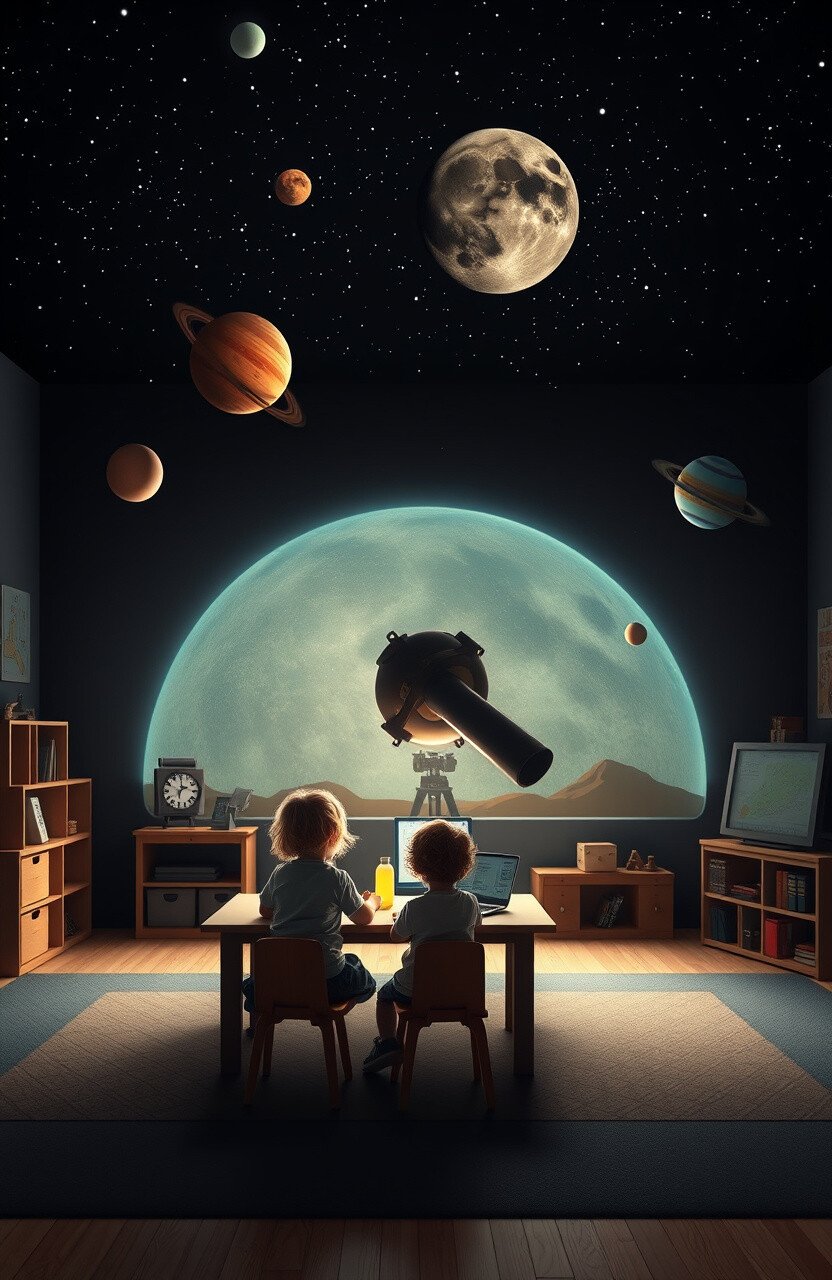
Create zones dedicated to astronomy and space exploration. These areas invite kids to explore the wonders of the universe.
They promote scientific inquiry and curiosity. Kids can engage with space concepts through play and observation.
Personalize with themed space activities or experiments. Rotate tools to cover different astronomical topics.
Many materials can be homemade or found inexpensively, keeping costs low. It’s an out-of-this-world way to explore space.
42. Cooking and Baking Corners
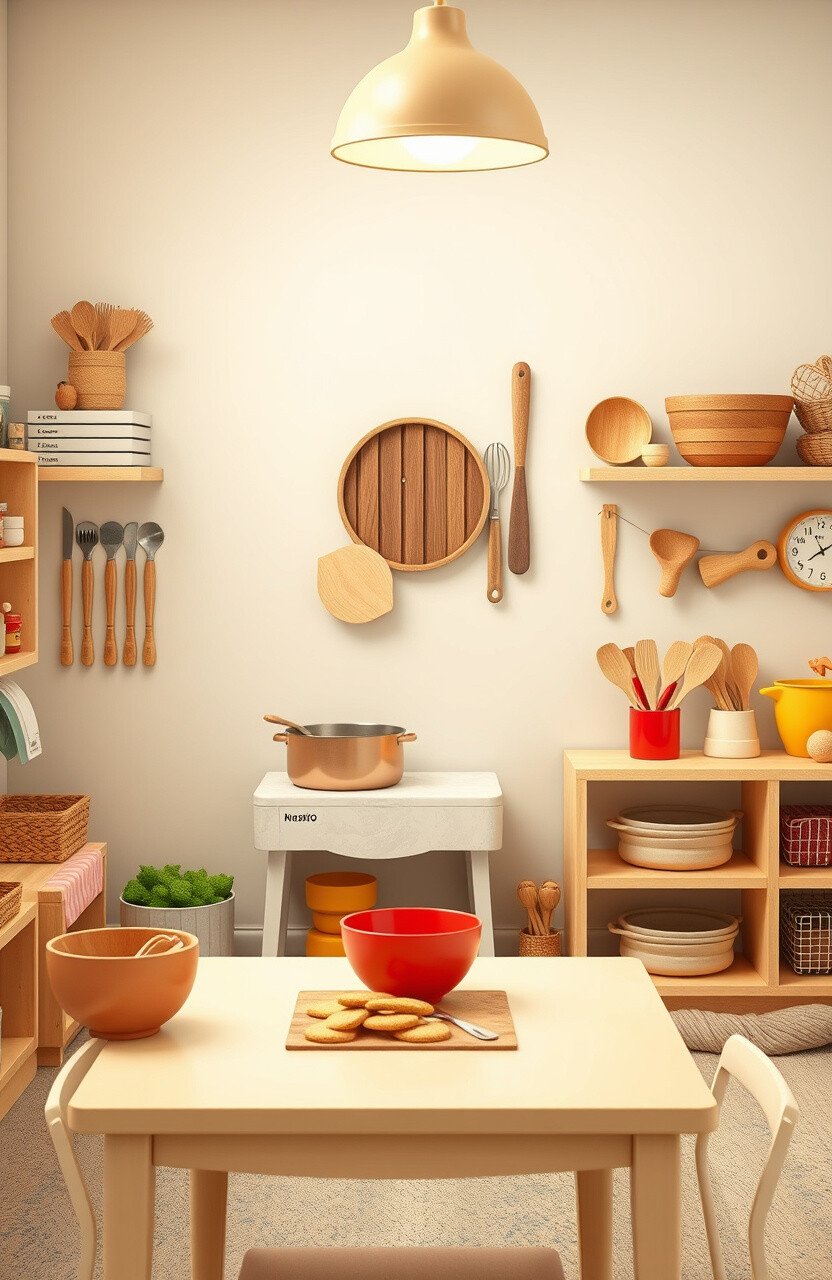
Introduce corners with cooking tools and recipes. These areas invite kids to explore the world of cooking and baking.
They promote culinary skills and creativity. Kids can experiment with recipes and ingredients through play.
Personalize with themed cooking challenges or activities. Rotate recipes to keep the area engaging and diverse.
Many tools can be found at home or donated, keeping costs low. It’s a delicious way to explore cooking in the classroom.
43. Underwater Exploration Areas
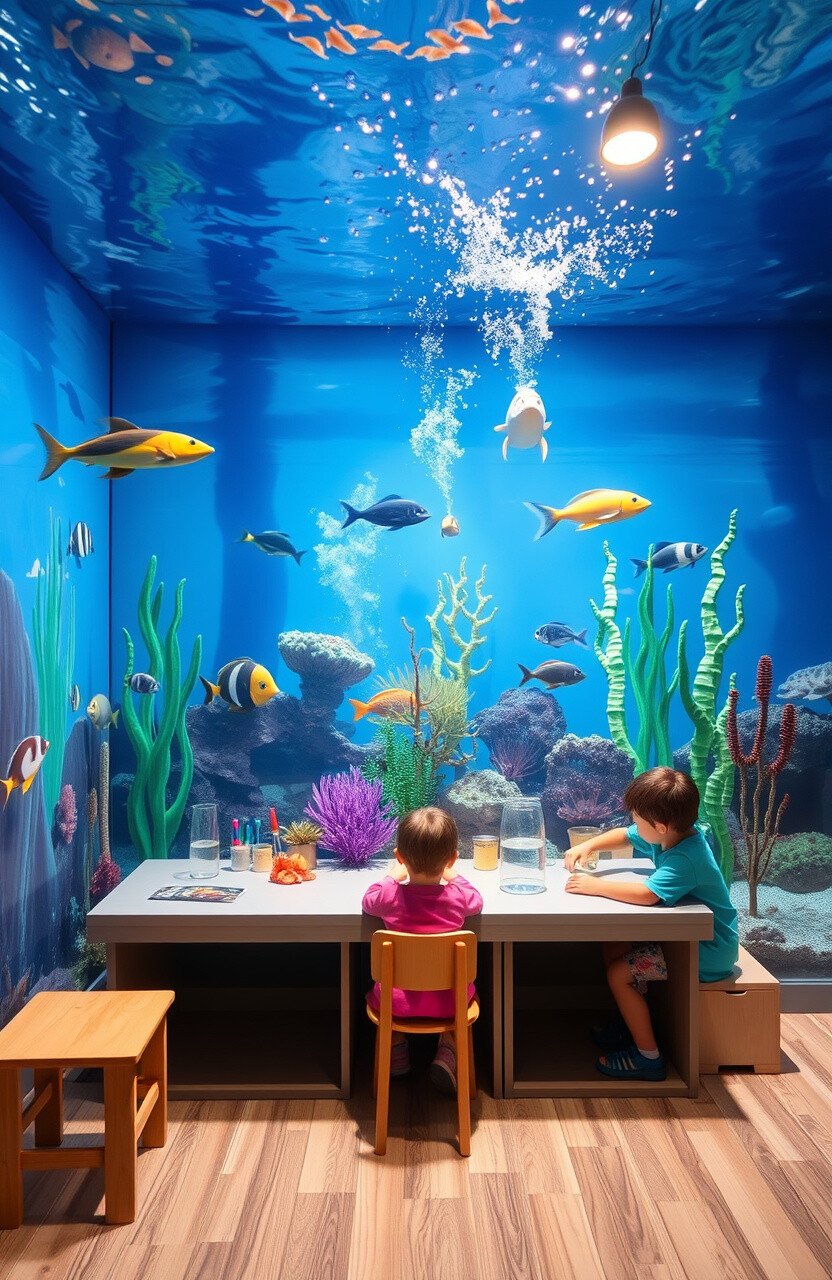
Create areas dedicated to underwater themes and exploration. These spaces invite kids to explore the wonders of the ocean.
They promote environmental awareness and curiosity. Kids can engage with ocean concepts through play and observation.
Personalize with themed underwater activities or experiments. Rotate tools to cover different ocean topics.
Many materials can be homemade or found inexpensively, keeping costs low. It’s a deep dive into the wonders of the sea.
44. Poetry and Prose Corners
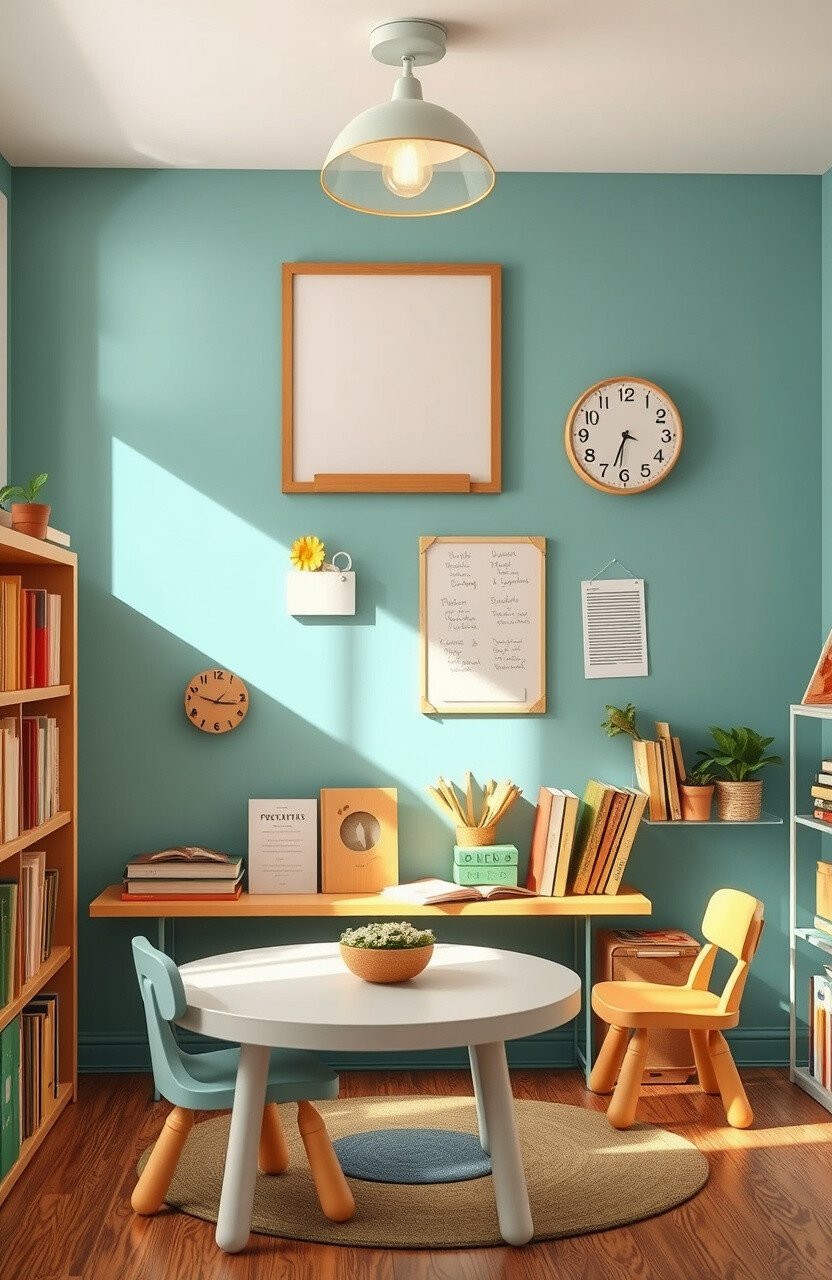
Create corners dedicated to poetry and prose. These areas invite kids to express their thoughts and ideas through writing.
They promote literacy and creativity. Kids can explore different writing styles and techniques through play.
Personalize with themed writing prompts or activities. Rotate materials to keep the area inspiring and engaging.
Many tools can be found at home or donated, keeping costs low. It’s a poetic way to explore the world of writing.
45. Dinosaur Discovery Zones
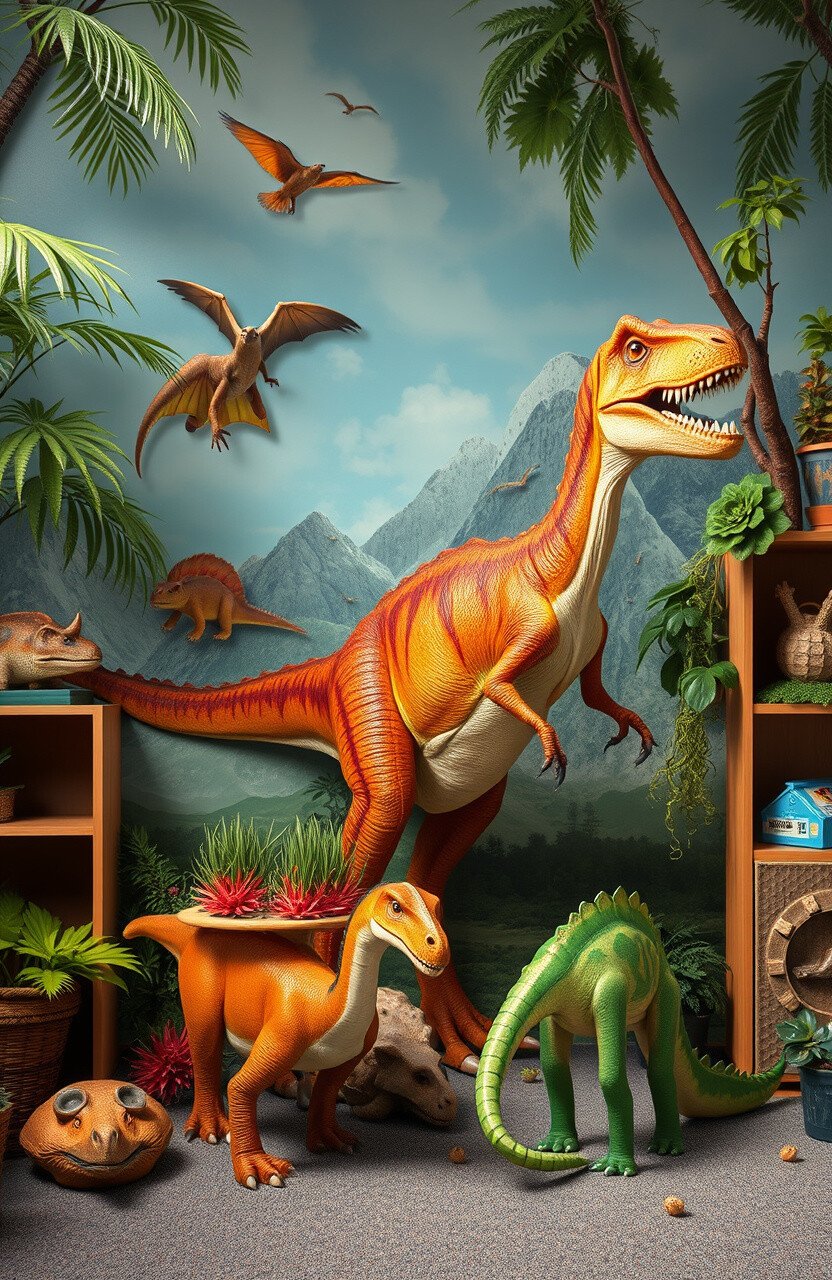
Designate areas for dinosaur exploration and play. These zones invite kids to explore the prehistoric world of dinosaurs.
They promote scientific inquiry and curiosity. Kids can engage with dinosaur concepts through play and observation.
Rotate themes or introduce new dinosaur species. Encourage kids to create their own dinosaur stories or art.
Many props can be homemade or thrifted, keeping costs low. It’s a roaring way to explore the world of dinosaurs.
46. Seasonal Celebration Areas
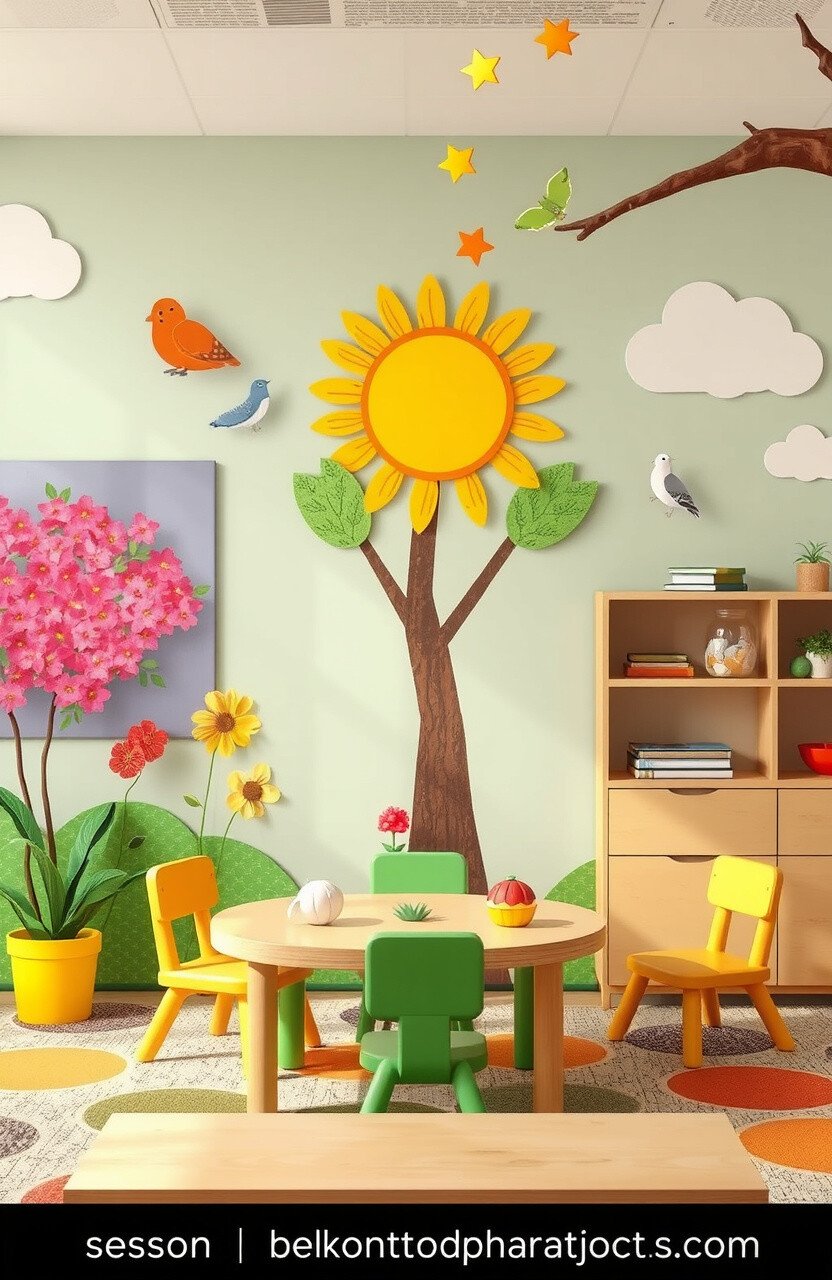
Create areas dedicated to celebrating different seasons. These spaces invite kids to explore the wonders of each season.
They promote environmental awareness and curiosity. Kids can engage with seasonal concepts through play and observation.
Personalize with themed seasonal activities or decorations. Rotate tools to cover different seasonal topics.
Many materials can be homemade or found inexpensively, keeping costs low. It’s a seasonal way to explore the wonders of nature.
47. Space and Rocket Science Zones
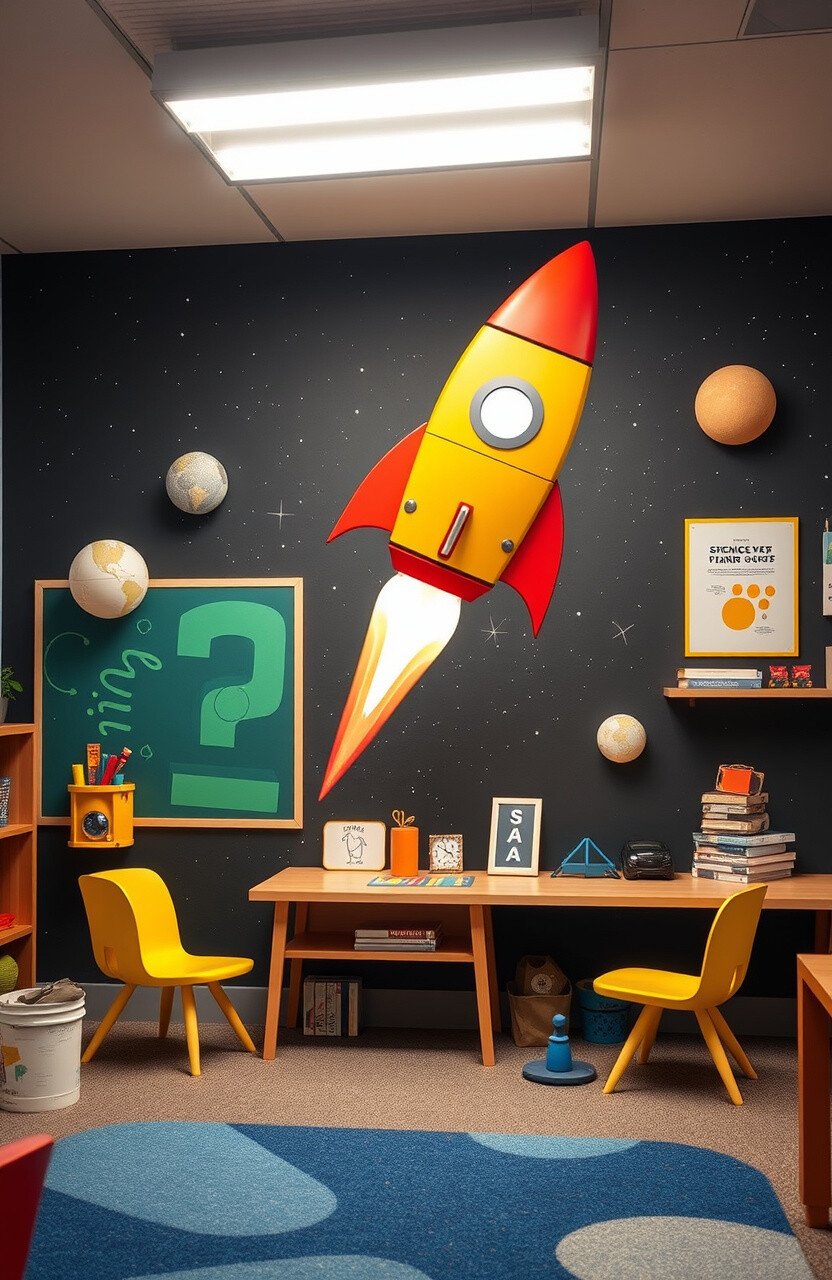
Introduce zones dedicated to rocket science and space exploration. These areas invite kids to explore the wonders of space.
They promote scientific inquiry and curiosity. Kids can engage with space concepts through play and observation.
Personalize with themed space activities or experiments. Rotate tools to cover different astronomical topics.
Many materials can be homemade or found inexpensively, keeping costs low. It’s a fun way to explore space in the classroom.
48. Superhero Training Areas
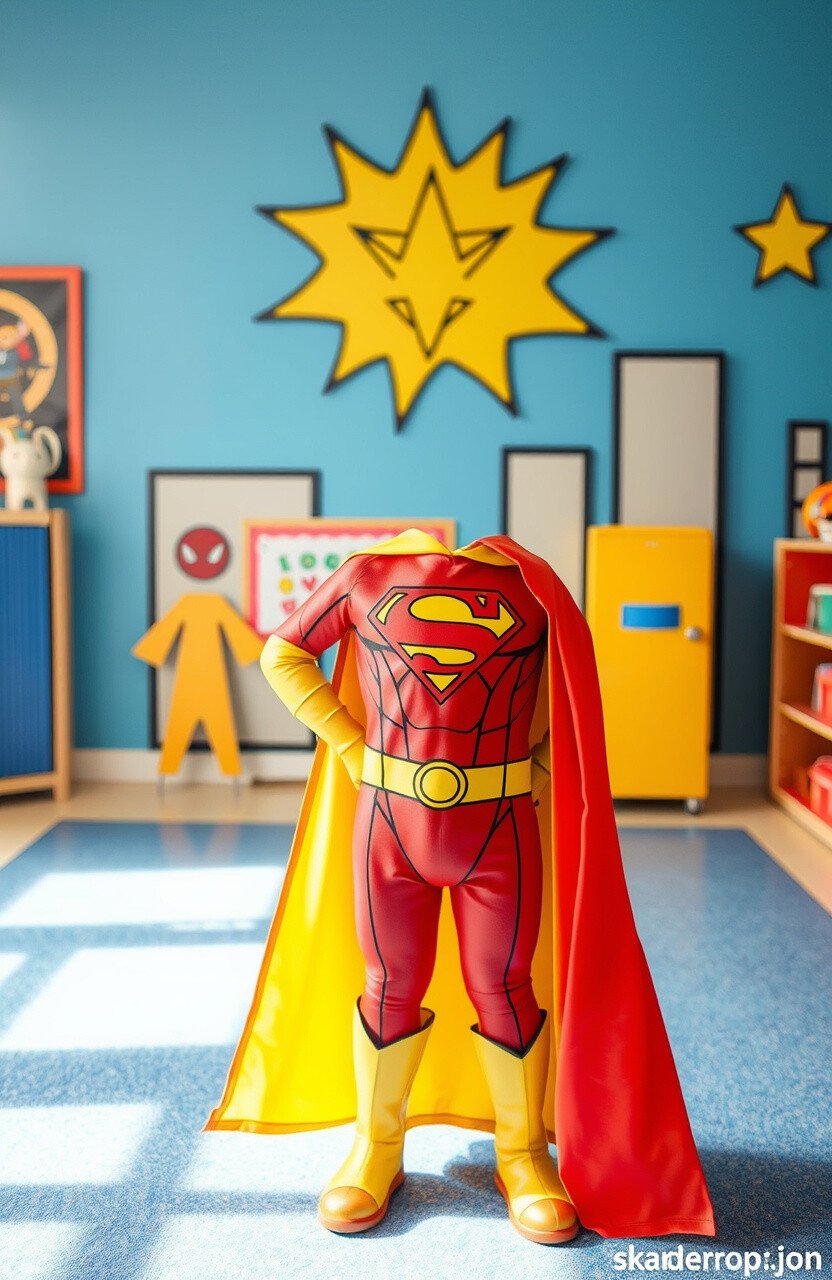
Create areas dedicated to superhero themes and activities. These spaces invite kids to explore the world of superheroes.
They promote creativity and imagination. Kids can engage with superhero concepts through play and storytelling.
Personalize with themed superhero activities or costumes. Rotate themes to cover different superhero characters.
Many props can be homemade or thrifted, keeping costs low. It’s a super way to explore creativity through superheroes.
49. Oceanography Exploration Zones
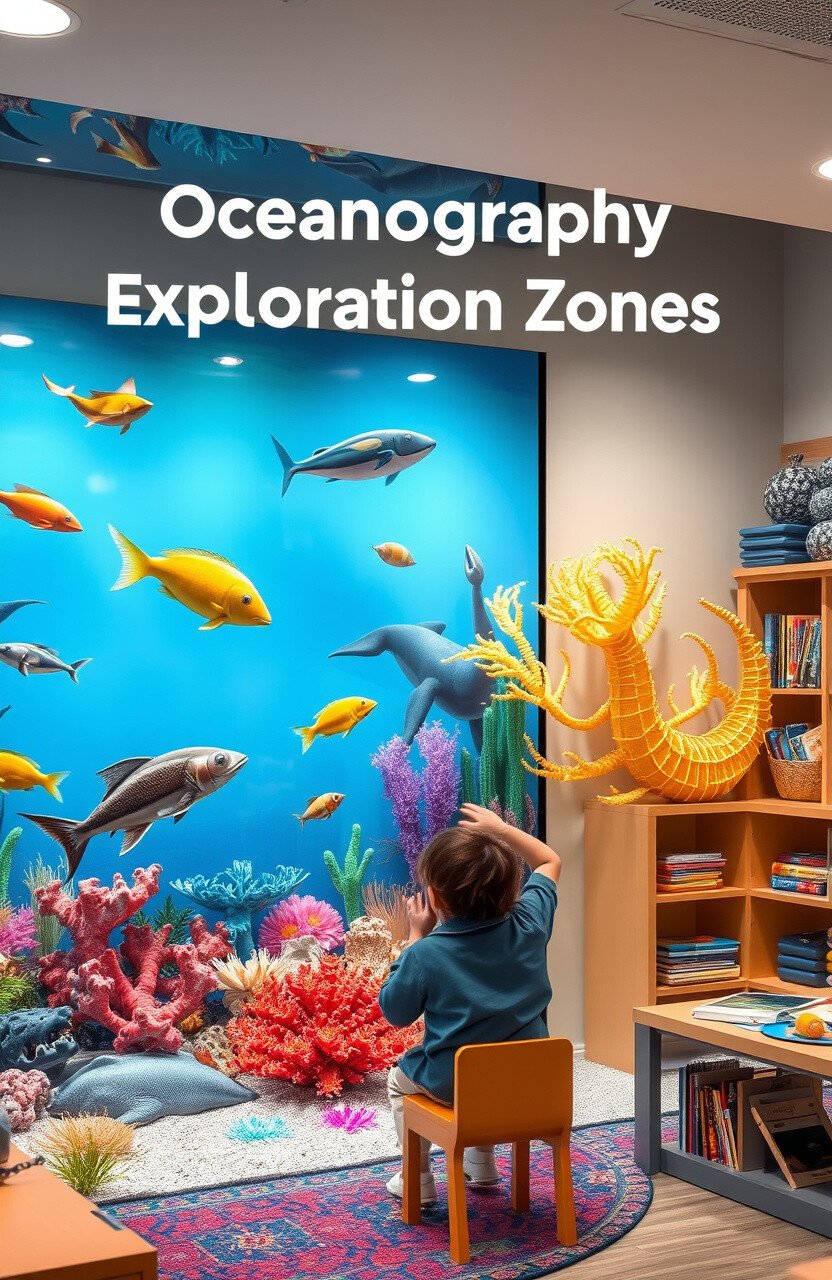
Create zones dedicated to oceanography and marine exploration. These areas invite kids to explore the wonders of the sea.
They promote scientific inquiry and curiosity. Kids can engage with ocean concepts through play and observation.
Personalize with themed ocean activities or experiments. Rotate tools to cover different marine topics.
Many materials can be homemade or found inexpensively, keeping costs low. It’s a splashy way to explore the wonders of the ocean.
50. Adventure and Exploration Areas
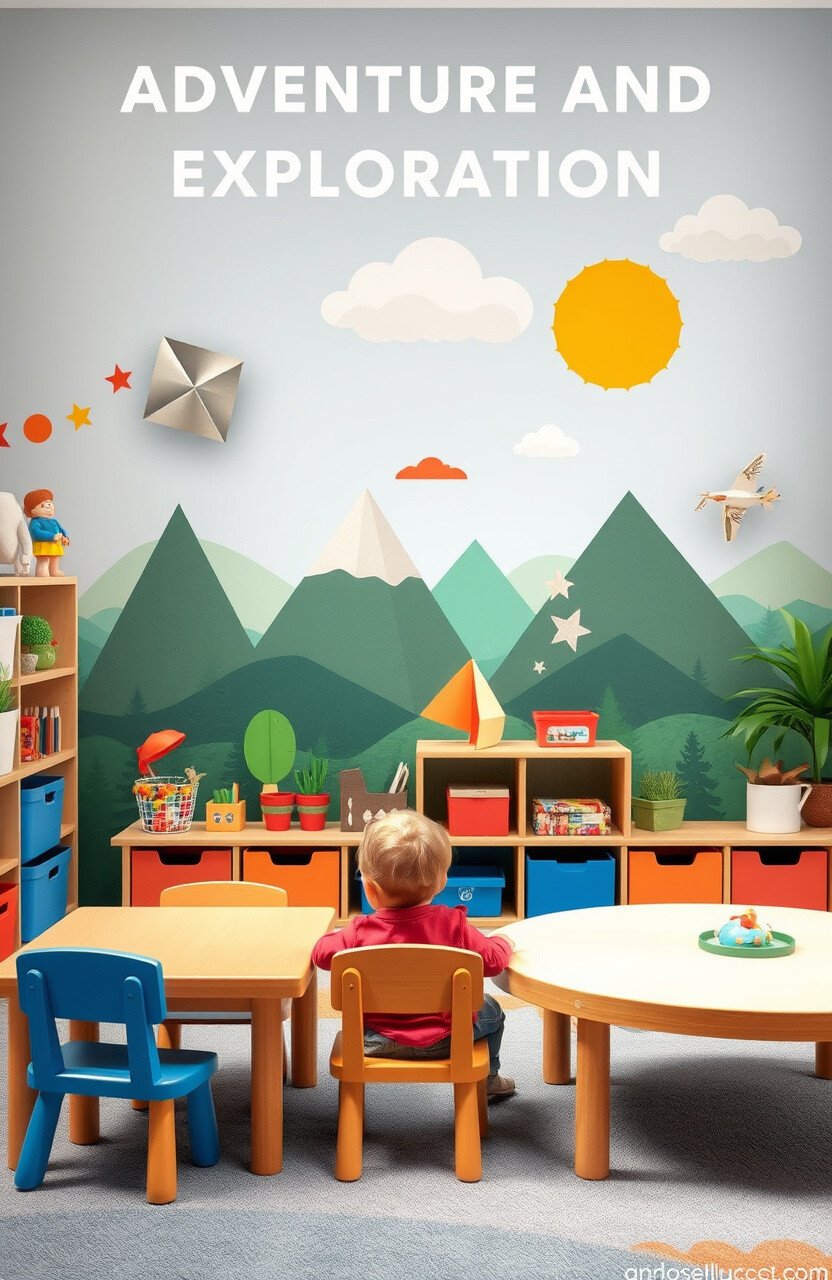
Create areas dedicated to adventure and exploration themes. These spaces invite kids to explore the world around them.
They promote curiosity and creativity. Kids can engage with adventure concepts through play and storytelling.
Personalize with themed exploration activities or decorations. Rotate themes to cover different adventure topics.
Many materials can be homemade or found inexpensively, keeping costs low. It’s an adventurous way to explore creativity in the classroom.