Imagine a room that sparks joy and creativity in both kids and adults. The perfect kindergarten classroom blends fun with function, creating a magical learning space. Let’s journey through inspiring ideas that will make your classroom the talk of the school.
1. Cozy Reading Nook
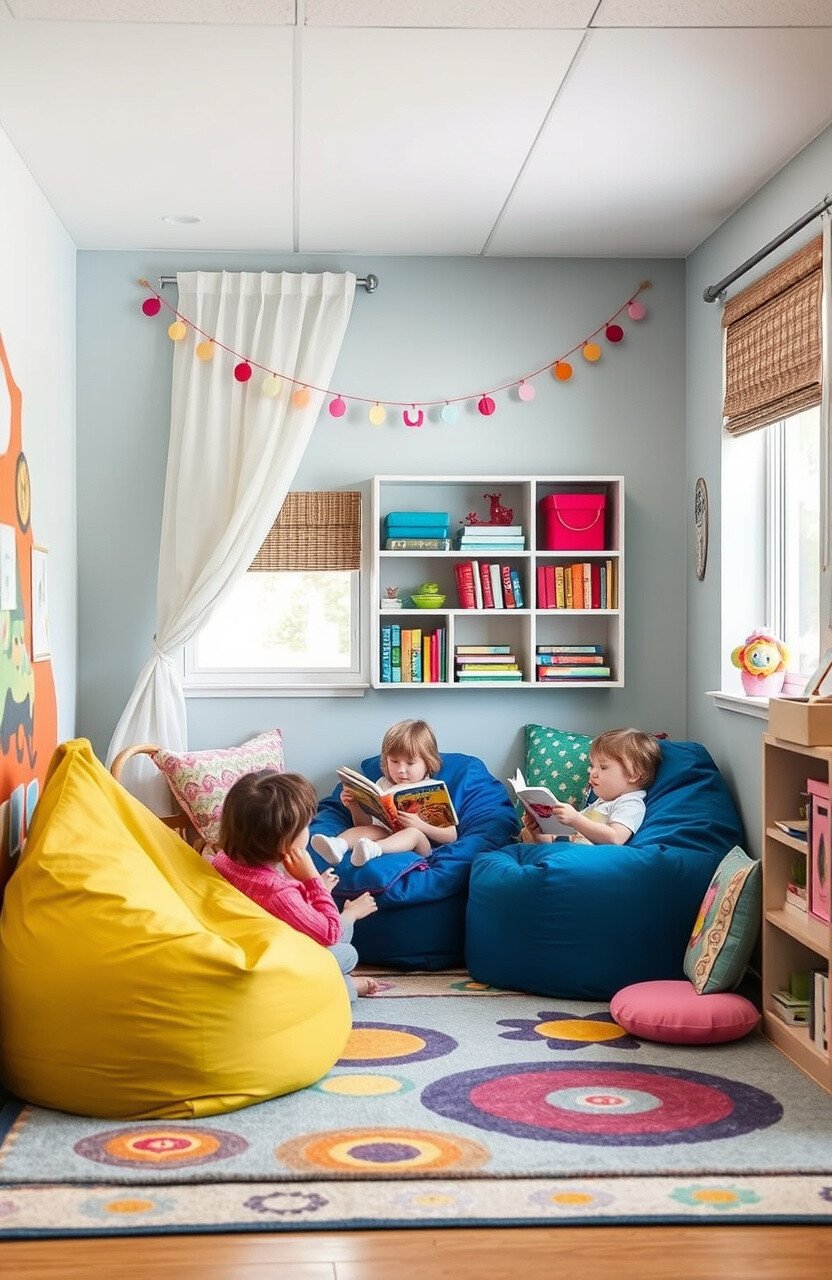
Picture a corner filled with bean bags and soft cushions where kids dive into storybooks. This cozy reading nook becomes a magical escape for young minds.
Creating a sense of wonder, it encourages a love for reading. You can personalize it with colorful rugs and themed decorations.
Bean bags are available in various sizes and colors, fitting any classroom theme. They are budget-friendly, with prices ranging from $20 to $50 each.
Adding a small bookshelf with their favorite tales will make this nook irresistible. A curtain or canopy can add an extra touch of enchantment.
2. Interactive Wall Murals
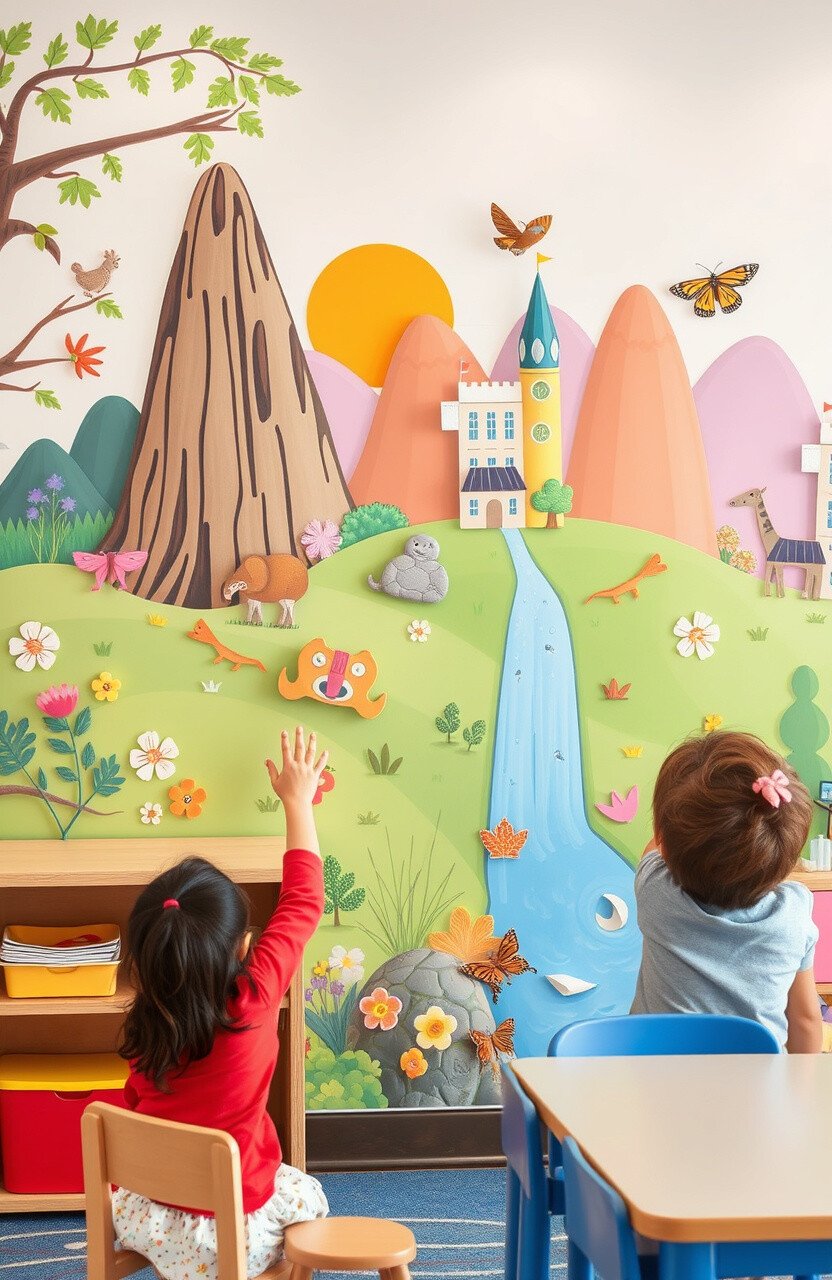
Transform a plain wall into a vibrant mural where kids can interact and learn. These murals can depict anything from a nature scene to a bustling cityscape.
The interactive elements, like removable pieces, add a playful educational aspect. Kids learn through touch, enhancing their sensory experience.
Wall decals and stickers offer an affordable way to create these murals. Prices can start as low as $10, depending on size and complexity.
Incorporate themes that align with your curriculum, like the alphabet or numbers. Regularly update the mural to keep it fresh and engaging.
3. Sensory Play Area
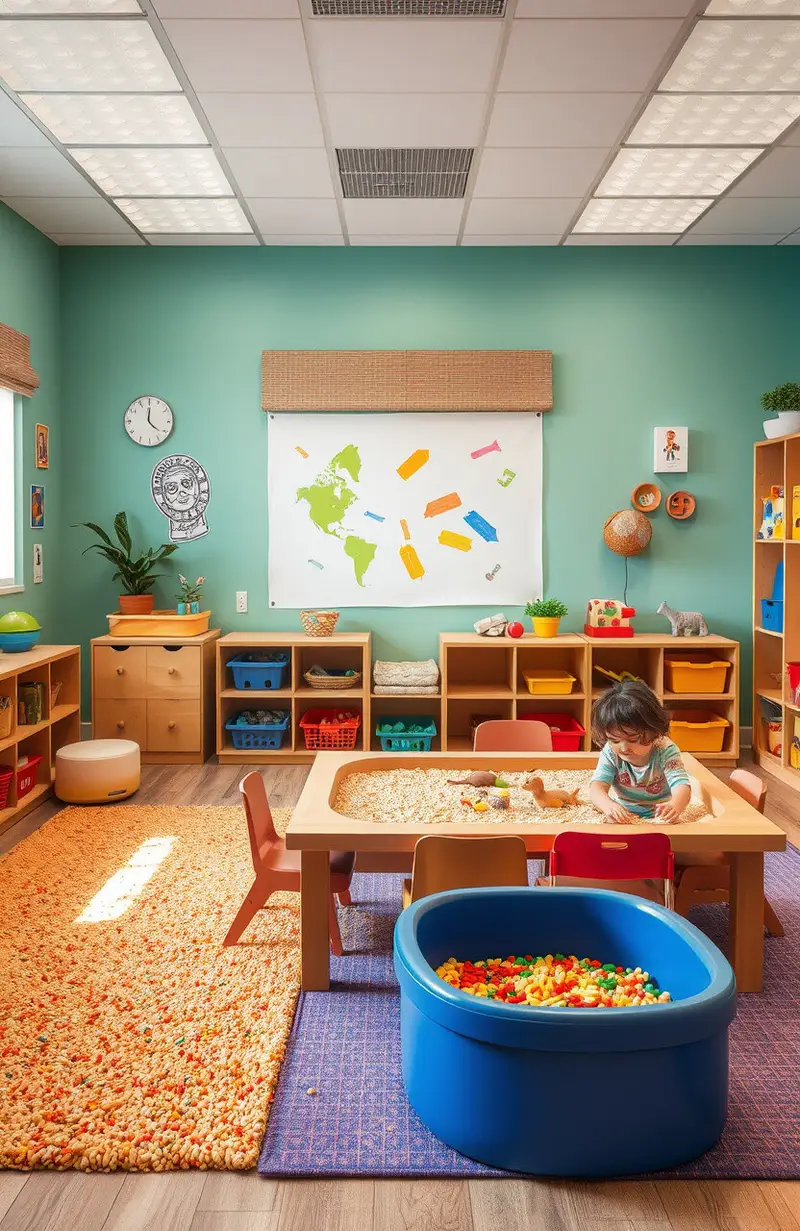
A sensory play area filled with textures and colors stimulates children’s senses. It includes items like sand, water tables, and textured mats.
This area supports cognitive development and fine motor skills. It’s a hands-on way for kids to explore their world.
DIY options abound, and costs can be kept low by using items like rice or pasta. Tables with built-in bins are available starting at $50.
Rotate sensory materials to keep the area exciting. Add themed objects to match current lessons or seasons.
4. Nature-Inspired Classroom
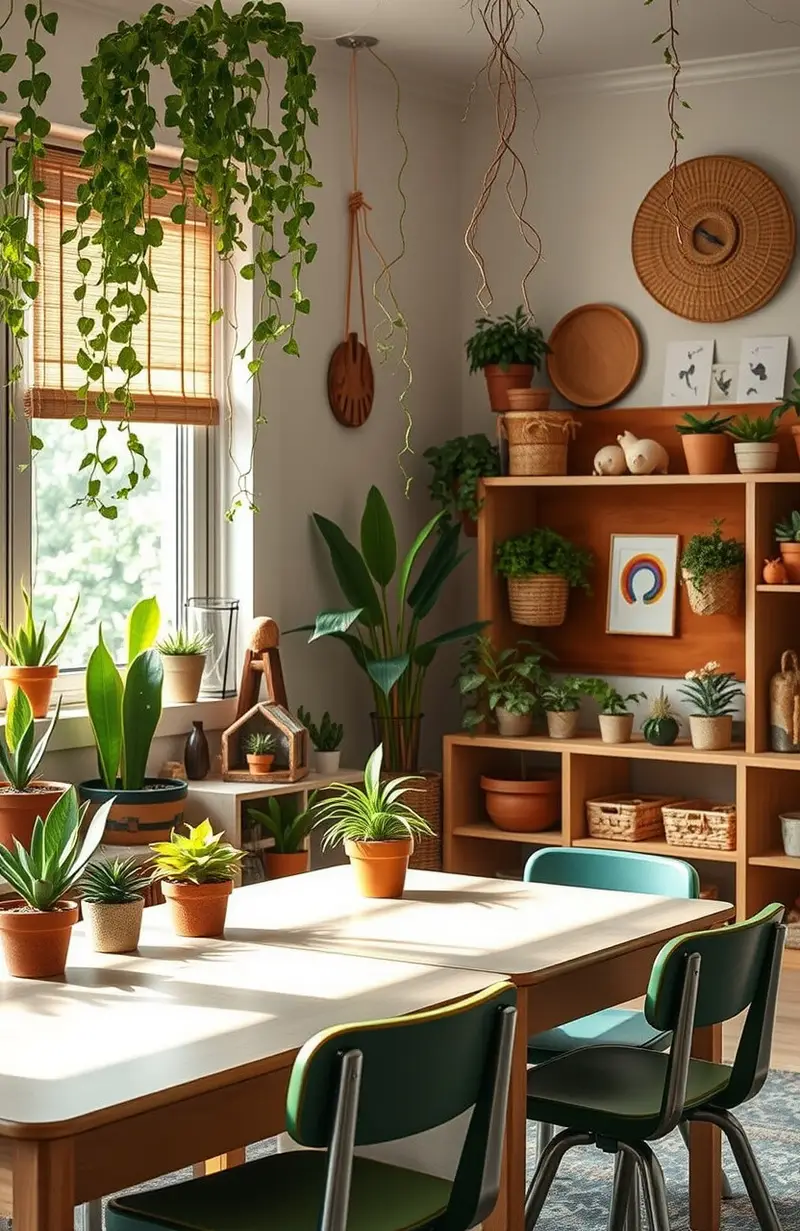
Bringing the outside in can create a calming learning environment. Use plants, natural materials, and earthy tones to craft a nature-inspired space.
Plants improve air quality and can teach kids responsibility through plant care. Natural elements create a soothing atmosphere conducive to learning.
Succulents and small potted plants are low-cost and low-maintenance options. Thrift stores offer affordable baskets and wooden decor items.
Incorporate nature-themed art or projects. Encourage students to bring in items like rocks or leaves for display.
5. Themed Learning Centers
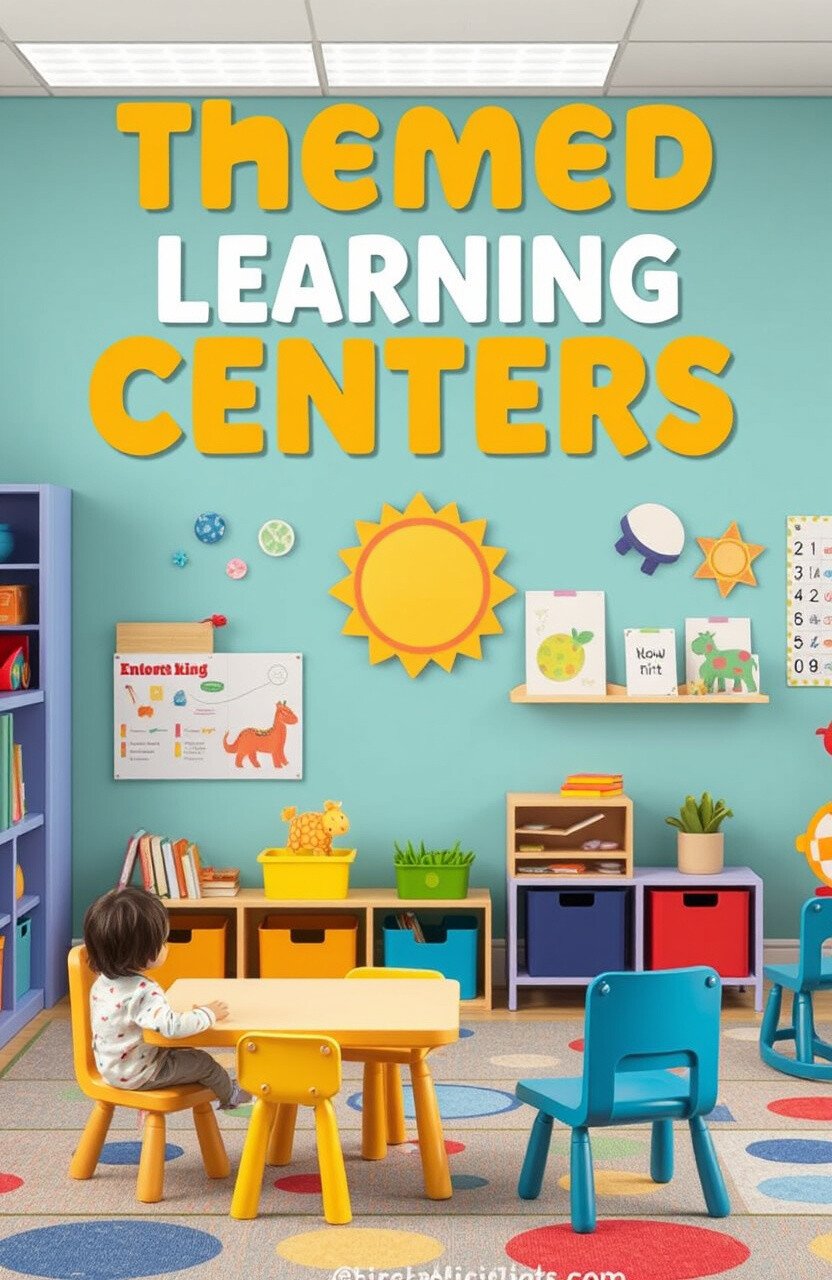
Design learning centers based on themes like space, animals, or art. Each center focuses on a specific subject, making learning hands-on and fun.
By rotating themes, you keep the classroom dynamic and engaging. It allows kids to explore different interests and skills.
Start with simple themes using what you already have. Add new items gradually, keeping costs down.
Personalize the centers with student artwork or projects. Encourage kids to contribute ideas for future themes.
6. Flexible Seating Options
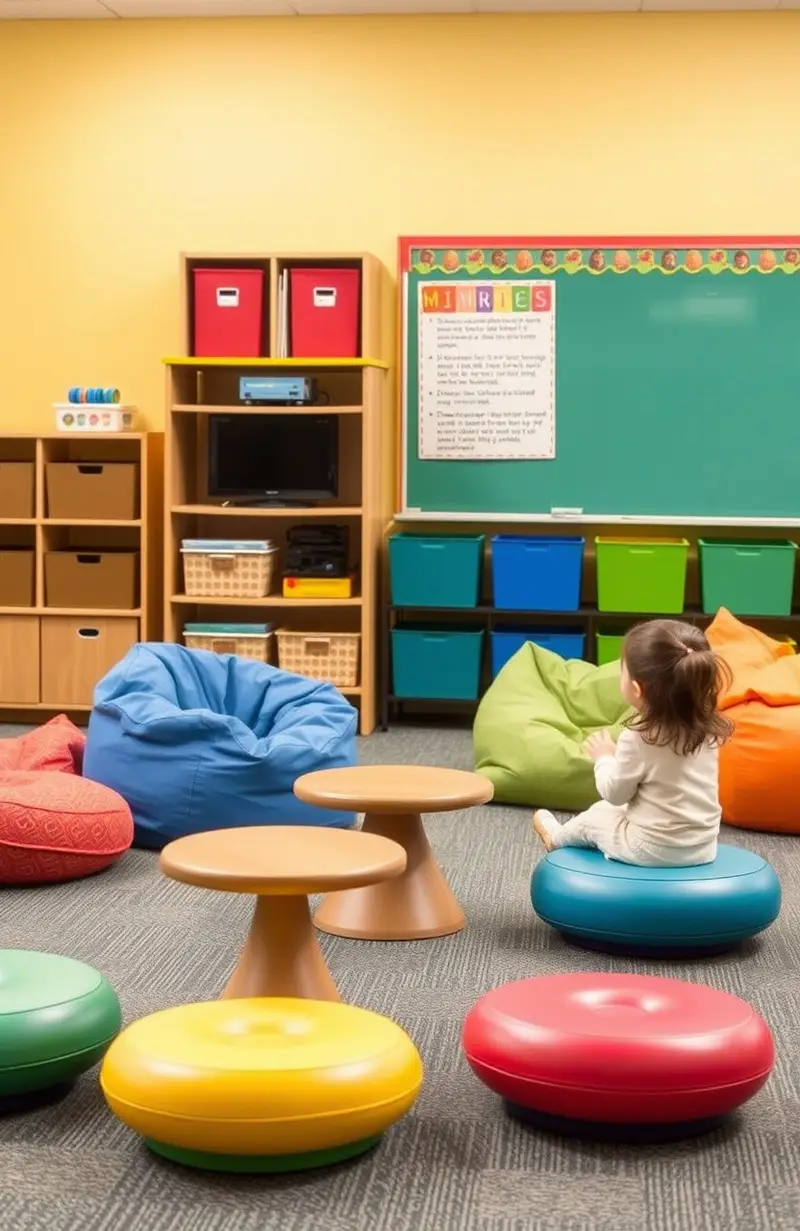
Say goodbye to rows of desks and hello to flexible seating. Bean bags, floor cushions, and wobble stools offer choices for sitting.
This setup promotes comfort and focus, letting kids choose how they learn best. It also fosters collaboration and communication.
Mix and match seating types to suit your budget. Start with a few pieces, with prices from $30 upwards.
Encourage students to try different seats and share feedback. Adjust seating arrangements based on their preferences.
7. Art Display Gallery
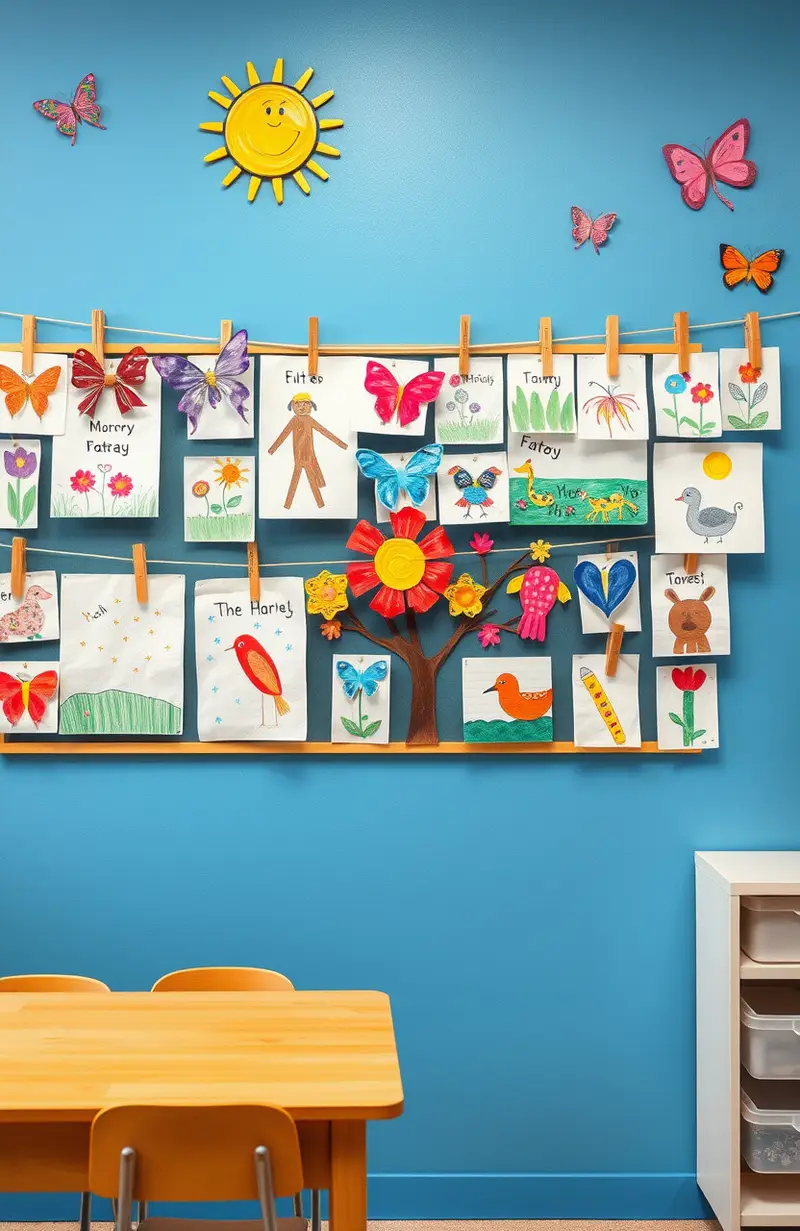
Turn your walls into a gallery showcasing student artwork. Display boards or strings with clips can hold their masterpieces.
Having their work on display boosts self-esteem and pride. It also adds a personal touch to the classroom decor.
Use inexpensive materials like clothespins and strings to create displays. Corkboards and magnetic strips are also great options.
Rotate artwork regularly to feature every student. Create themed exhibitions to coincide with lessons or seasons.
8. Classroom Library
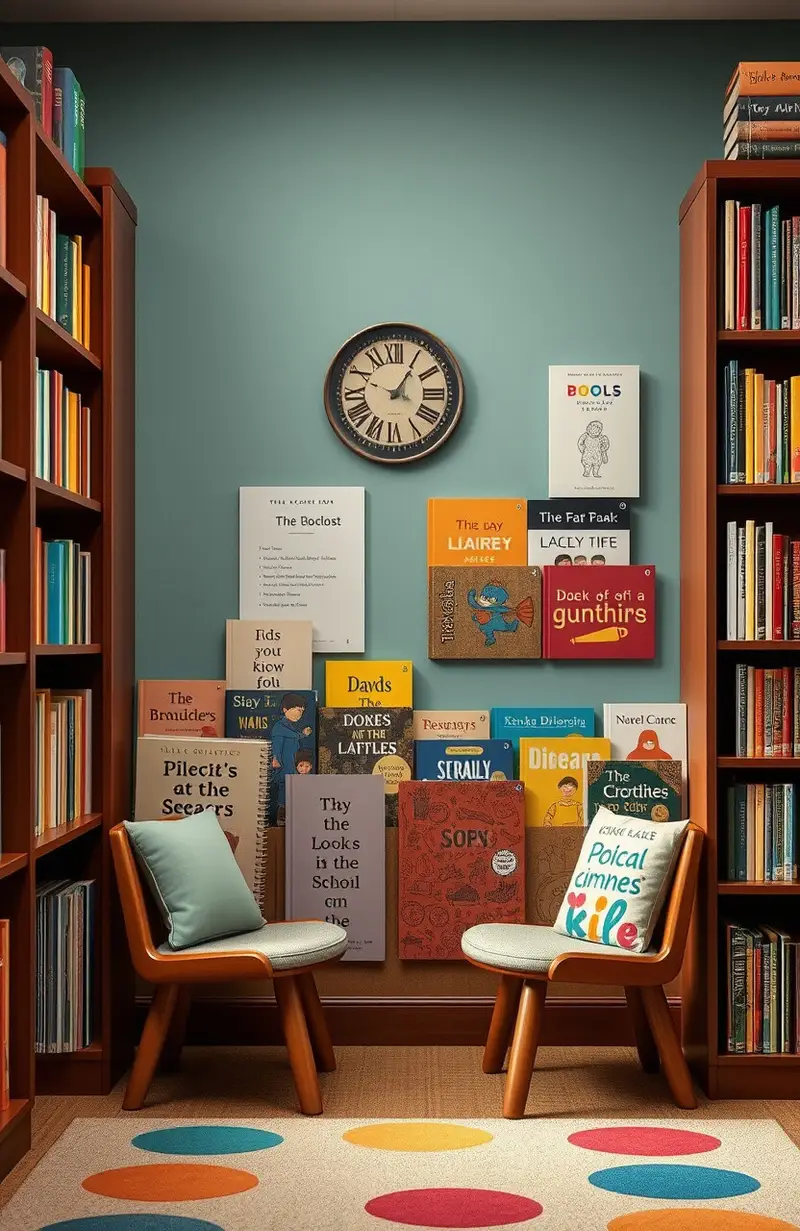
A well-stocked library corner invites kids to explore new worlds through books. Shelves filled with colorful titles can inspire a lifelong love of reading.
Organizing books by theme or reading level makes selection easy. It also encourages independent reading habits.
Many books can be acquired through donations or thrift shops. Adding comfy seating like small chairs or pillows enhances the space.
Personalize the library with student-recommended books. Use book covers or themes to decorate the area.
9. DIY Craft Station

A craft station filled with paper, scissors, and glue is a haven for creativity. It encourages kids to express themselves through art projects.
This station allows for imaginative play and fine motor skill development. It’s a place where ideas come to life through crafting.
Use recycled materials to keep costs low and teach sustainability. Organizers and bins help keep supplies tidy and accessible.
Encourage students to bring in materials from home for crafts. Display their creations around the classroom to celebrate their work.
10. Technology Corner
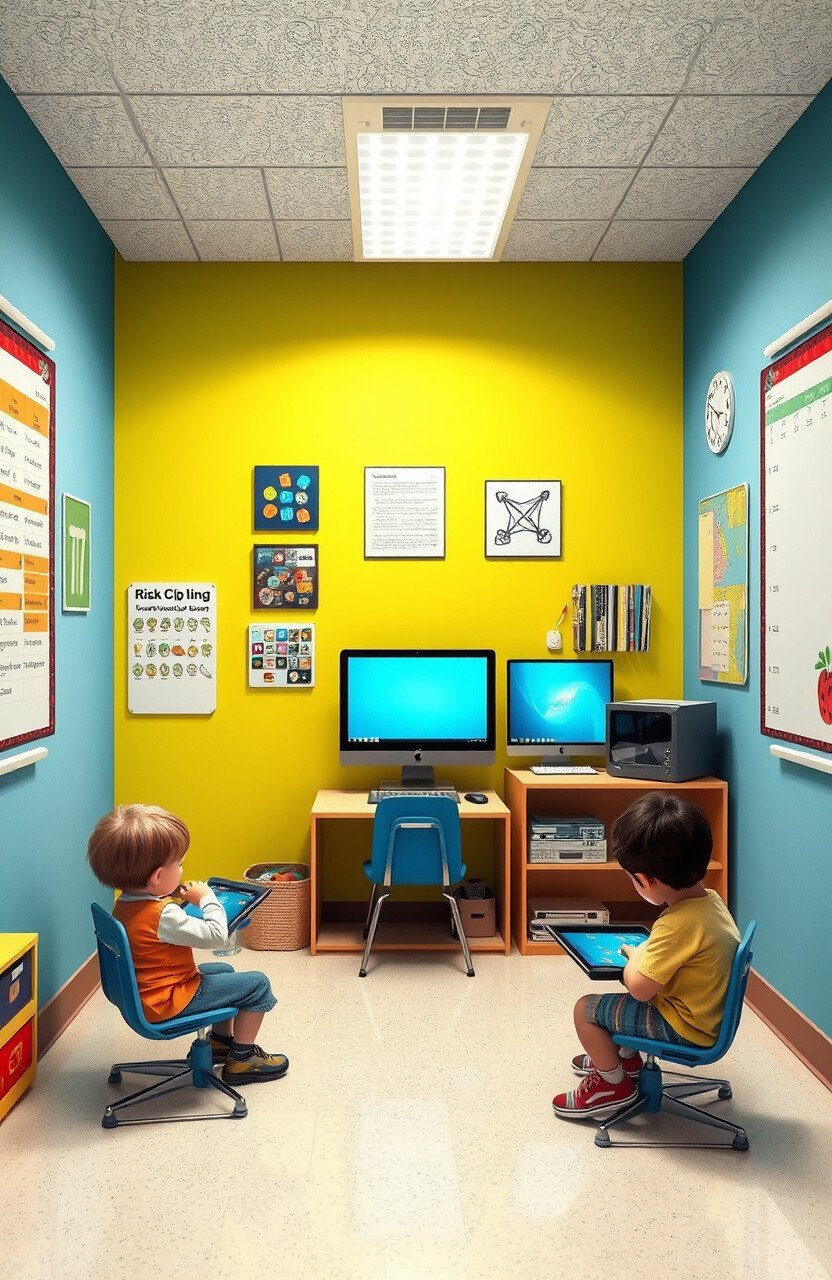
Incorporating technology in the classroom can enhance learning. A designated tech corner with tablets or computers supports digital literacy.
Interactive apps and educational games can make lessons fun. It also prepares kids for future tech-based learning environments.
Look for grants or donations to acquire technology at minimal cost. Set up rules and schedules for fair usage among students.
Customize devices with educational apps that match your curriculum. Encourage students to explore tech responsibly and creatively.
11. Calm Down Zone
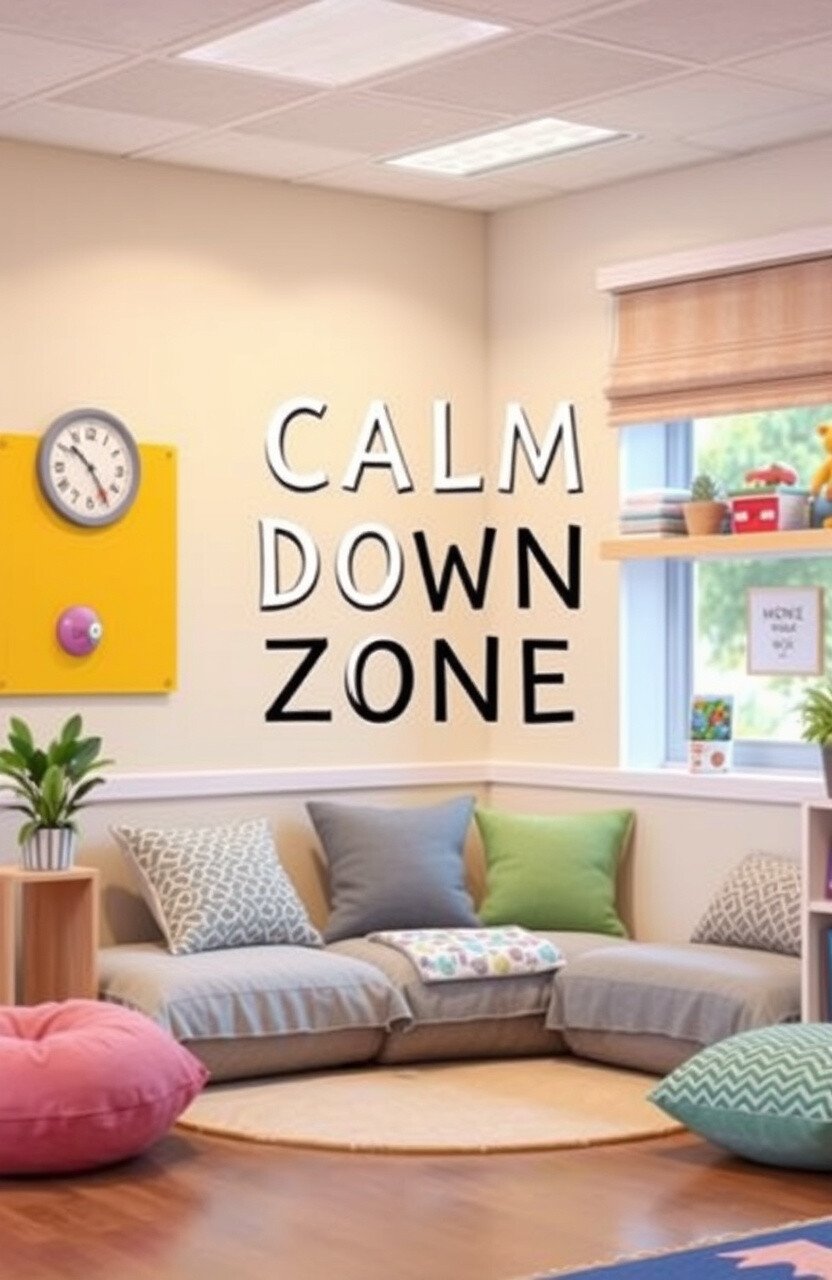
A calm down zone helps kids manage emotions and find peace. Soft lighting, cushions, and calming activities create a tranquil space.
This zone promotes emotional regulation and self-awareness. It’s a safe space for kids to relax and recharge.
Use soft colors and gentle lighting to set a calming mood. Items like stress balls and fidget toys are affordable additions.
Encourage kids to use the zone when feeling overwhelmed. Rotate calming activities to keep the space inviting and effective.
12. Creative Writing Center
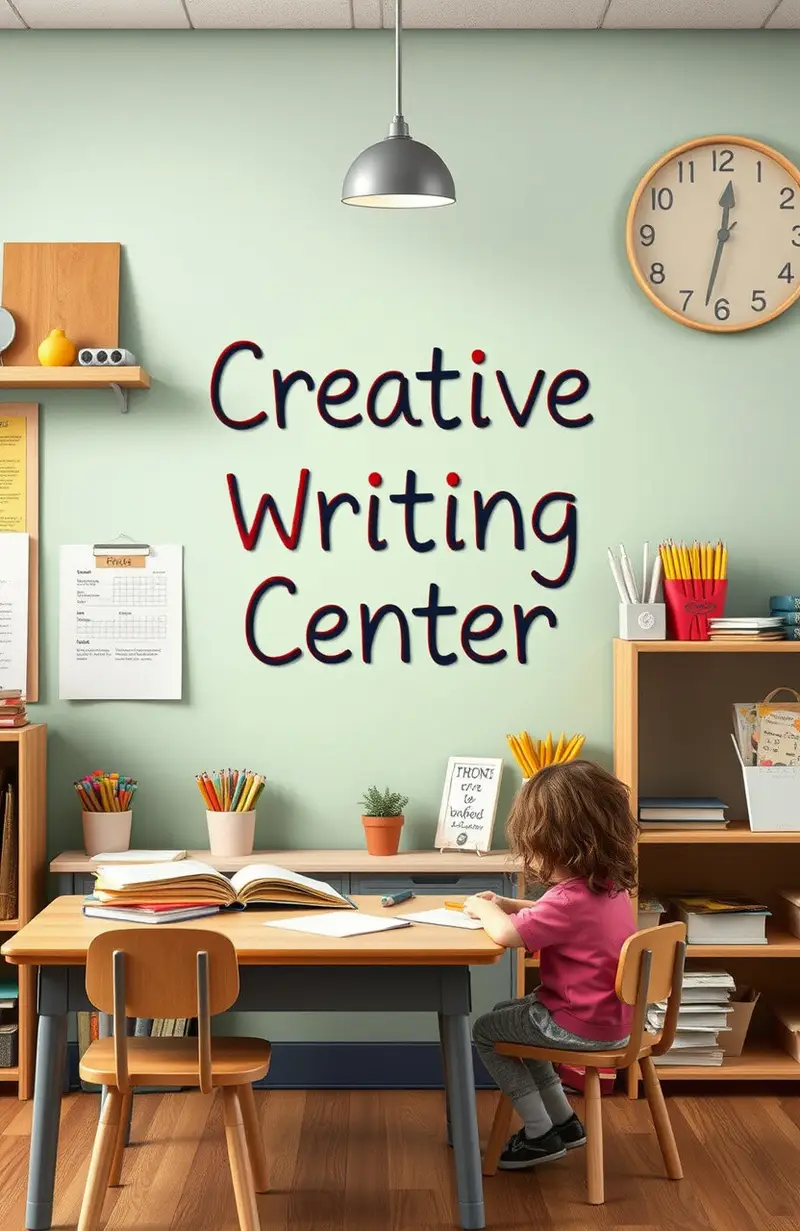
Foster imagination with a creative writing center. Stock it with paper, pencils, and inspiring prompts.
This center encourages storytelling and literacy skills. It’s a place where young authors can let their creativity flow.
Use recycled paper and donated supplies to keep costs low. Prompts can be themed or tied to current lessons.
Display student stories on a dedicated board. Celebrate writing achievements with small rewards or recognition.
13. Science Exploration Table
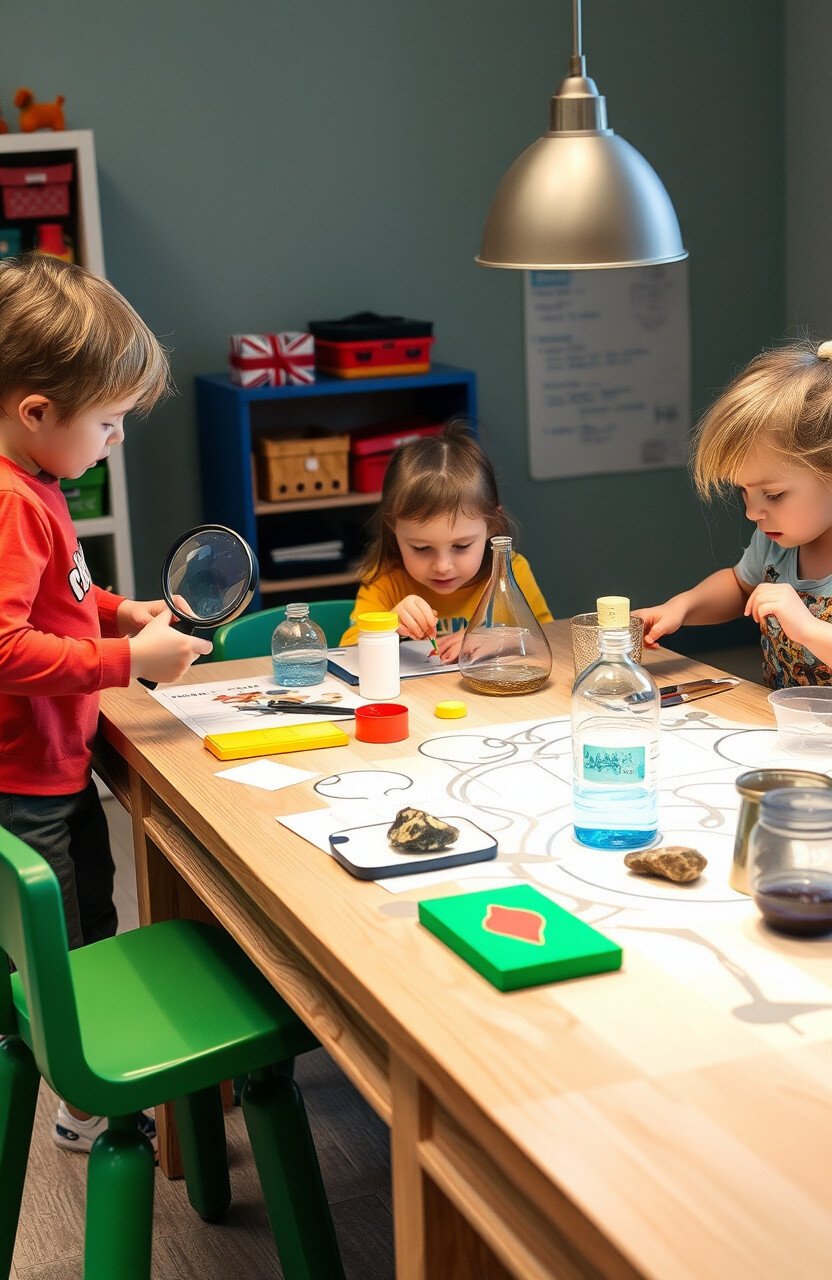
A science table invites curious minds to explore and experiment. Magnifying glasses, rocks, and simple science kits can intrigue young scientists.
This hands-on approach to science fosters inquiry and discovery. It’s a place where curiosity leads to learning.
Gather supplies from nature or use affordable science kits. Rotate themes to keep the exploration fresh and exciting.
Encourage students to ask questions and record observations. Personalize the table with student-led experiments or projects.
14. Dramatic Play Area
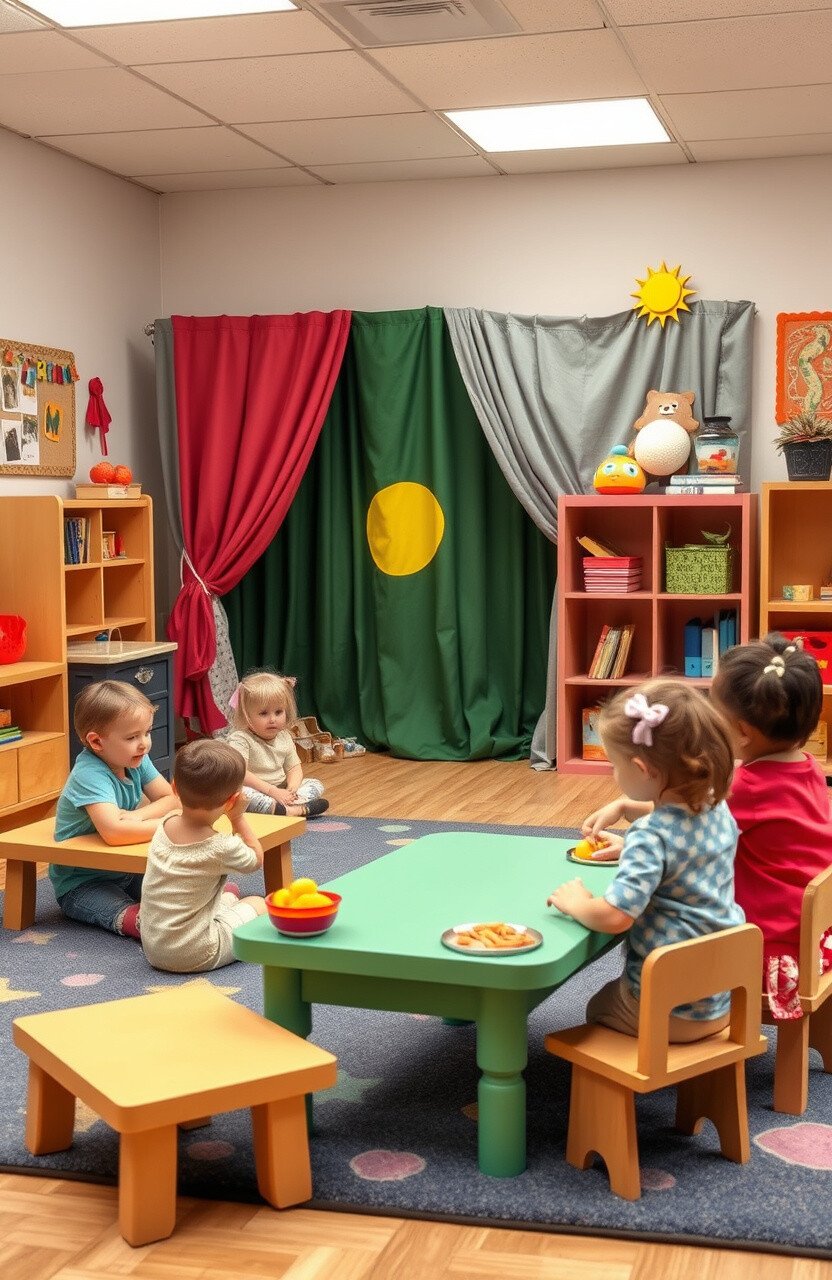
A dramatic play area lets kids act out stories and scenarios. Costumes, props, and themed backdrops inspire imaginative play.
This area supports social skills and creativity. It’s where kids can be anyone or anything they dream.
Thrift stores are great for finding affordable costumes and props. Use cardboard or fabric to create simple backdrops.
Change themes regularly to keep play dynamic. Encourage students to contribute ideas for new scenarios.
15. Math Manipulative Station
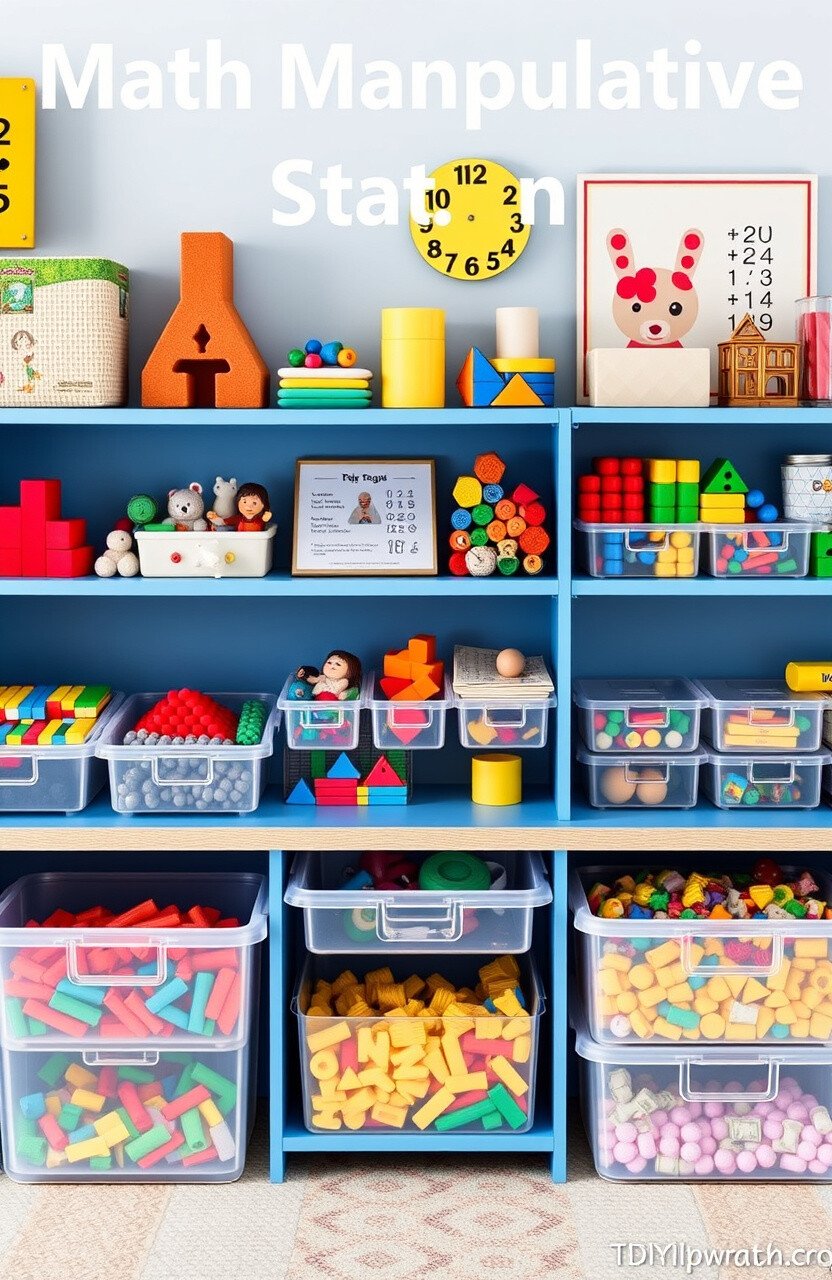
Hands-on math manipulatives make learning numbers fun. Blocks, beads, and puzzles help kids understand math concepts.
This station encourages problem-solving and logical thinking. It’s a tactile way to engage with mathematics.
Many manipulatives can be DIY or found at discount stores. Use clear bins to organize materials for easy access.
Integrate manipulatives into daily math lessons. Encourage kids to invent their own math games using the materials.
16. Cultural Exploration Corner

Celebrate diversity with a cultural exploration corner. Books, maps, and artifacts introduce kids to different cultures.
This corner fosters appreciation and understanding of global diversity. It’s a gateway to exploring the world from the classroom.
Collect items from travels or borrow from the community. Libraries or donations can provide multicultural books.
Feature a different culture each month to keep the corner lively. Encourage students to share their cultural backgrounds.
17. Outdoor Learning Space

Take learning outside with an outdoor classroom. Nature becomes a backdrop for lessons and activities.
This space connects kids with nature and fresh air. It’s a healthy, dynamic environment for learning and play.
Use benches, picnic tables, or even blankets for seating. Nature itself provides most of the materials you need.
Plan activities that incorporate natural elements. Encourage students to observe and document their outdoor experiences.
18. Music and Movement Area
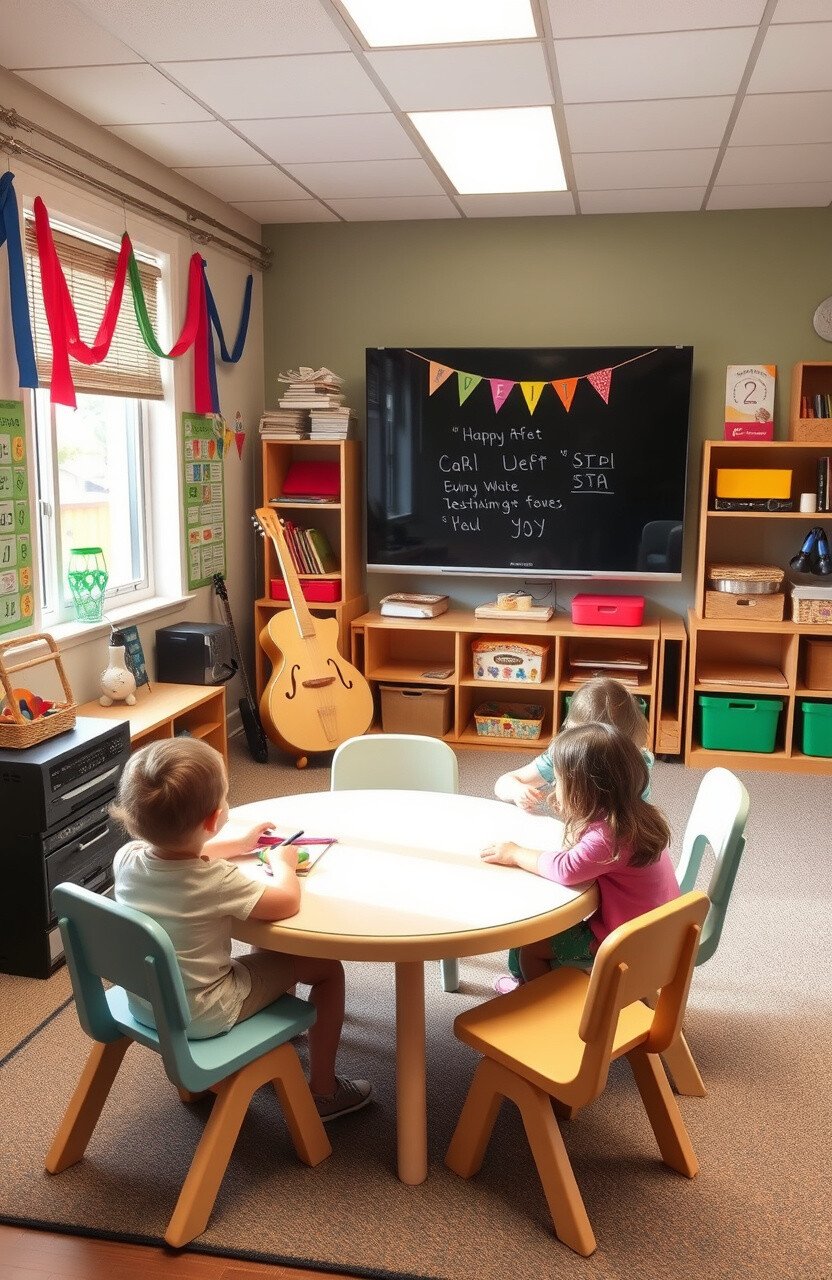
A space dedicated to music and movement can energize the classroom. Instruments, scarves, and a music player set the stage for fun.
This area supports physical development and self-expression. It’s where kids can dance, sing, and explore rhythm.
Simple instruments can be made or bought affordably. Use streaming services or CDs for a variety of music.
Introduce new songs and dances regularly. Encourage students to create their own music and movements.
19. Puzzle and Game Station
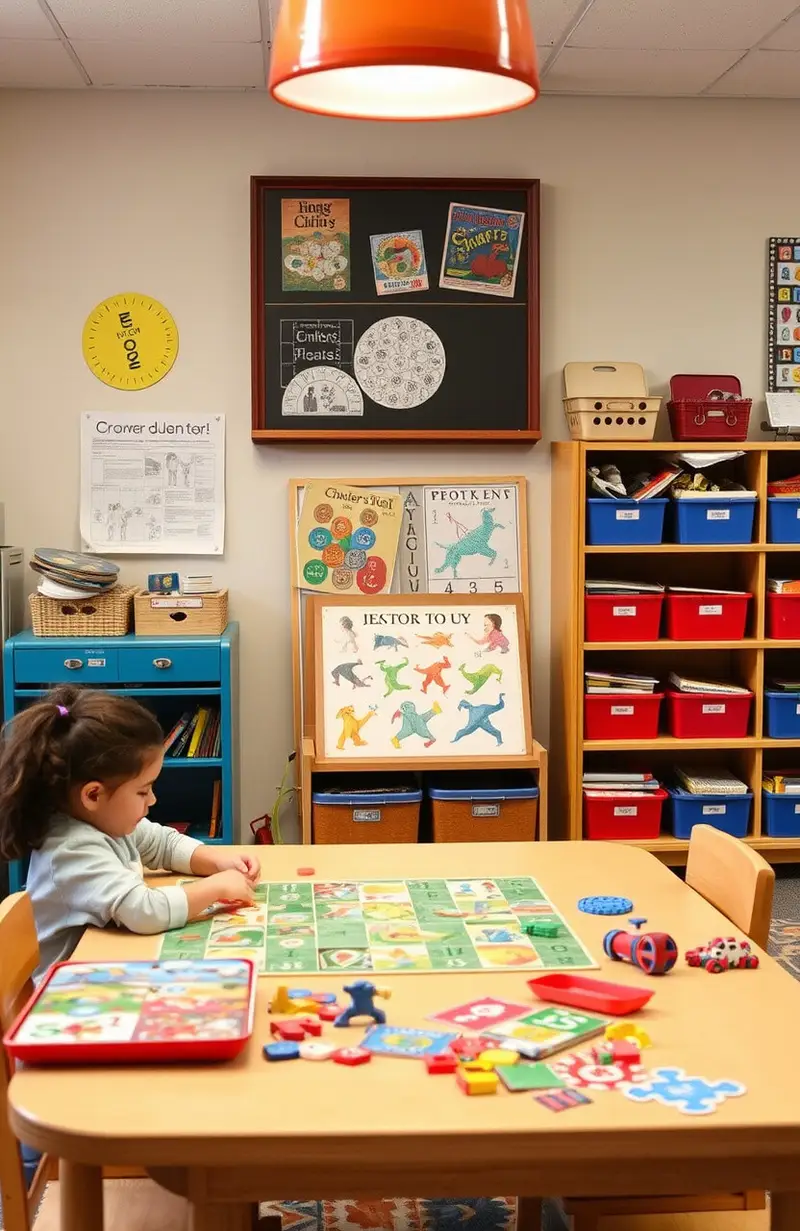
A station filled with puzzles and games promotes critical thinking. It’s a fun way to develop problem-solving skills.
This station encourages cooperation and strategy. It’s a place where learning feels like play.
Puzzles and games can be found at thrift stores or made from simple materials. Keep a variety of options to engage all interests.
Rotate games to maintain interest and challenge. Encourage students to create their own games and puzzles.
20. Outdoor Garden
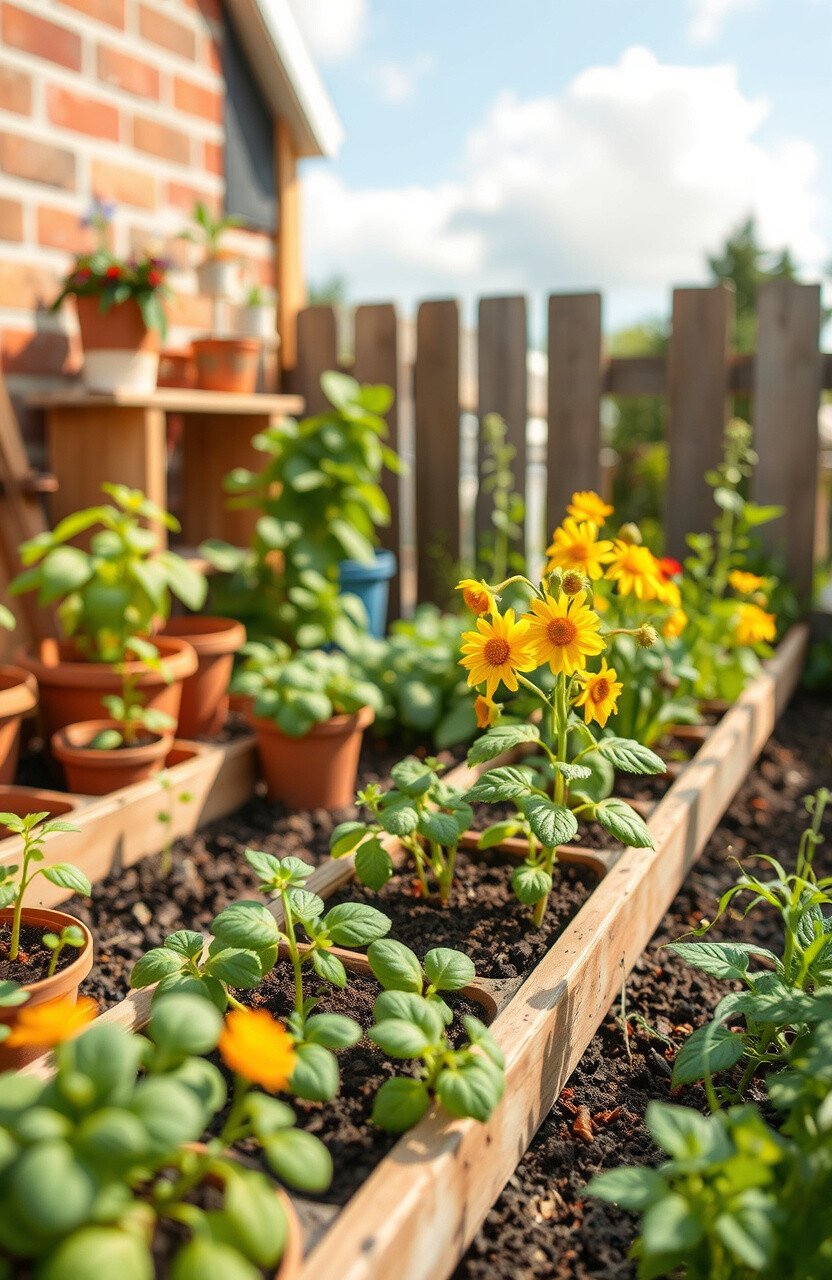
Involve kids in growing their own plants with an outdoor garden. It’s a hands-on way to learn about nature and responsibility.
This garden supports science learning and environmental awareness. It’s a living classroom just outside your door.
Seeds and soil are inexpensive, and many supplies can be donated. Use recycled containers for planting to keep costs low.
Assign garden tasks to students and track growth. Celebrate harvests with a classroom feast or plant sale.
21. Storytelling Stage
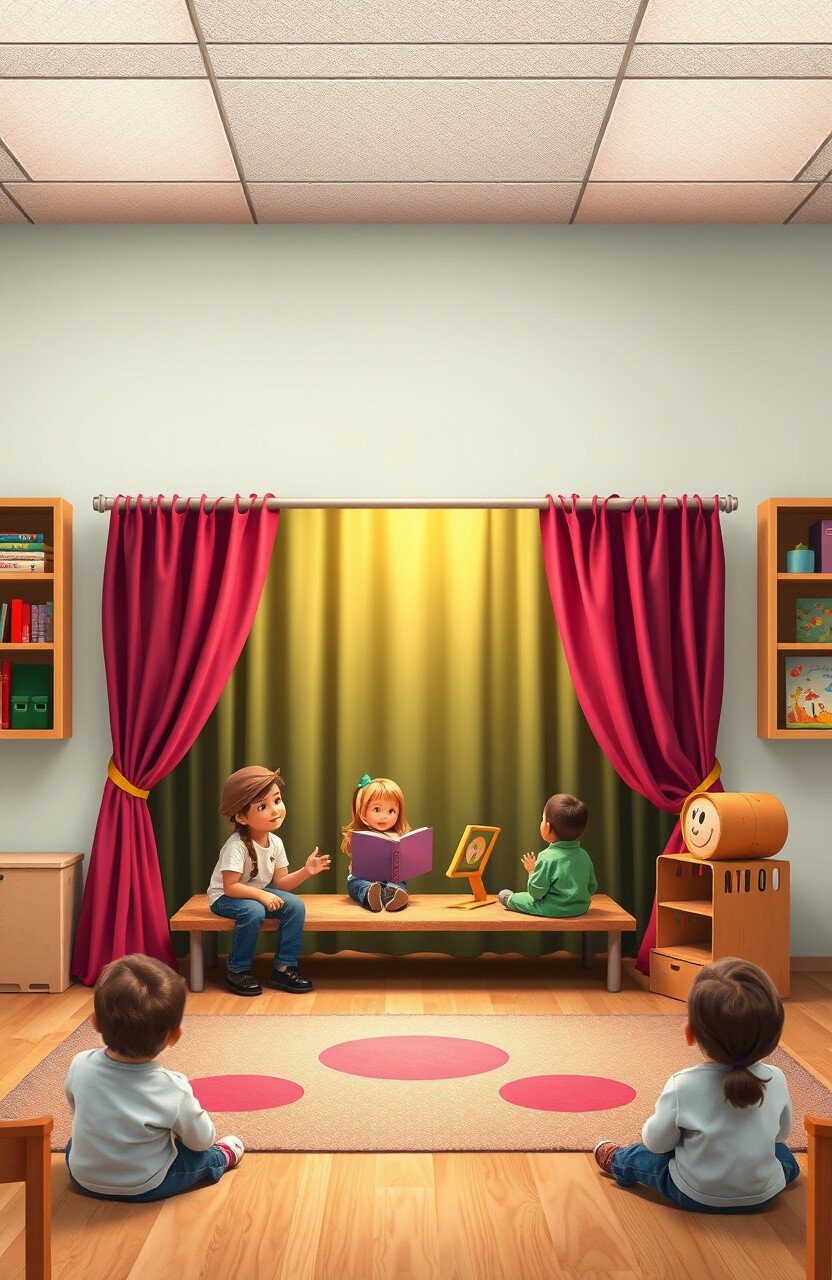
A small stage invites young storytellers to shine. Curtains, costumes, and props set the scene for dramatic tales.
This stage develops confidence and communication skills. It’s a spotlight for creativity and performance.
Use cardboard boxes or fabric for a simple stage setup. Costumes and props can be thrifted or donated.
Encourage students to write and perform their stories. Host regular storytelling events for the class or parents.
22. Mindfulness Corner
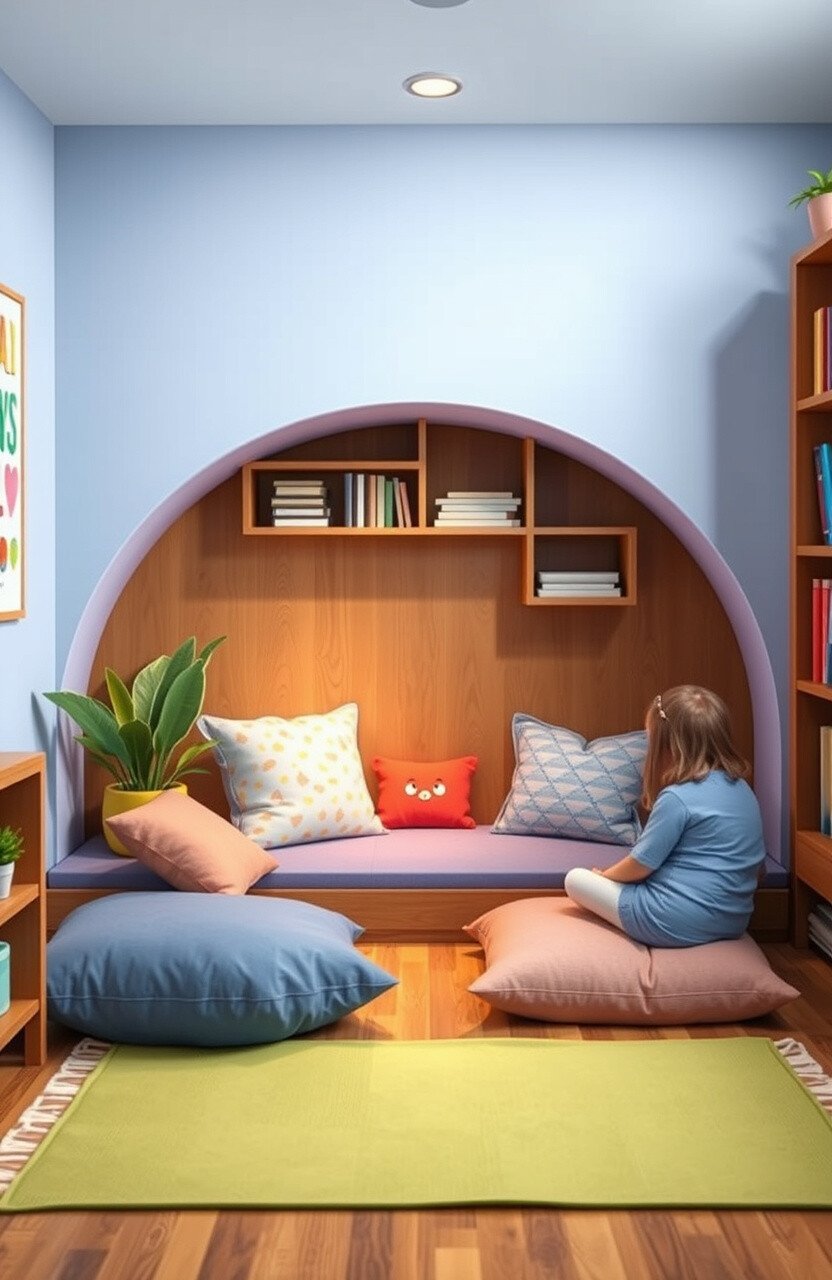
A mindfulness corner helps kids practice focus and relaxation. Cushions, calming images, and guided exercises create a peaceful oasis.
This corner supports emotional well-being and concentration. It’s a place for reflection and mental rest.
Use yoga mats or cushions for comfortable seating. Guided mindfulness exercises can be found online for free.
Introduce new exercises and techniques regularly. Encourage students to share their mindfulness experiences.
23. Language Learning Center

A language center with books, flashcards, and audio resources boosts language skills. It’s a playful space for discovering new words.
This center supports literacy and communication. It’s where kids can explore languages through fun activities.
Many materials can be DIY or borrowed from libraries. Use apps or CDs for interactive language learning.
Feature a new language or theme each month. Encourage students to practice and share new words.
24. Science Lab Cart

A mobile science lab cart brings experiments to any part of the classroom. It’s stocked with tools and materials for discovery.
This cart supports hands-on learning and scientific inquiry. It’s a rolling gateway to exploration.
Use trays and containers to organize supplies on the cart. Many science tools are affordable or can be DIY.
Plan regular experiments and demonstrations. Encourage student-led experiments and sharing of results.
25. Seasonal Decor Rotations
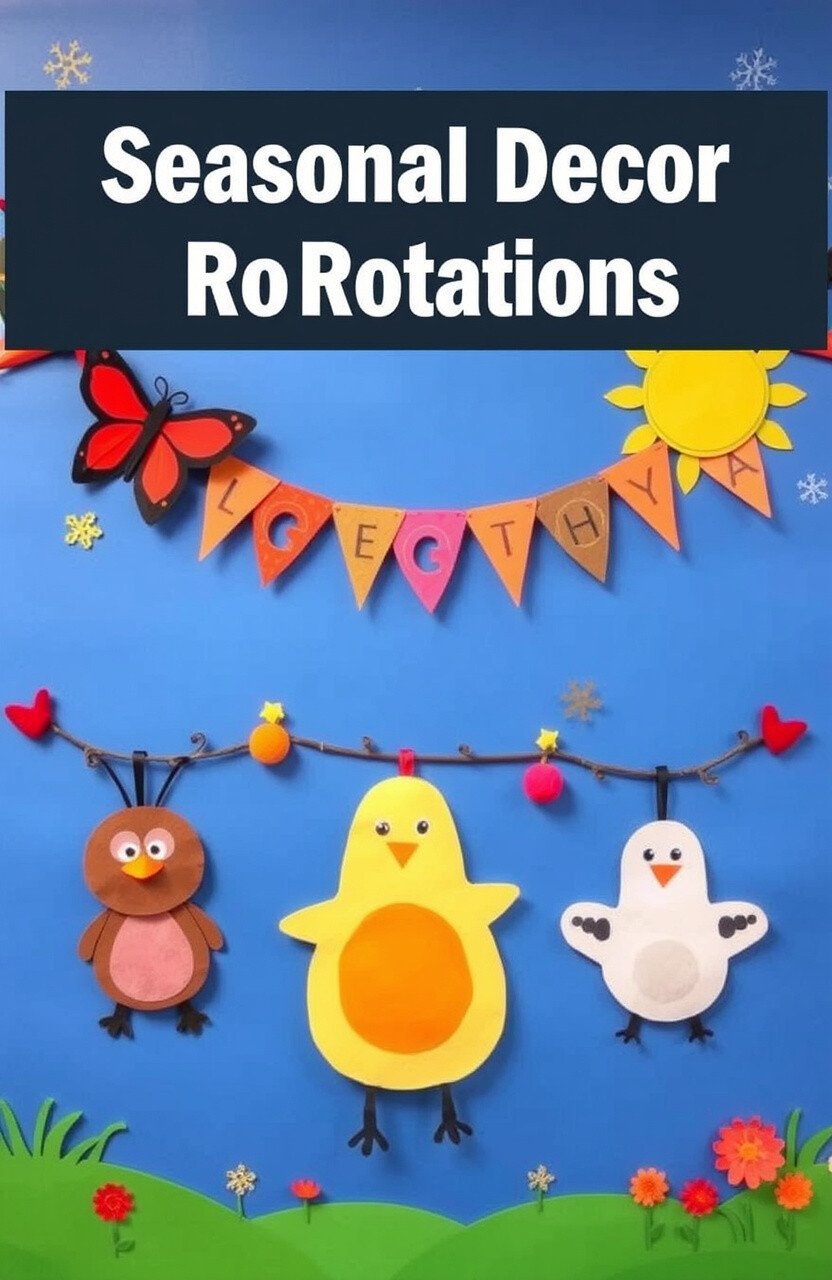
Keep the classroom feeling fresh with seasonal decorations. Changing themes bring excitement and anticipation.
This rotation celebrates the passing seasons and holidays. It’s a simple way to make the classroom vibrant.
Use paper, fabric, or natural elements for budget-friendly decor. Many decorations can be saved and reused each year.
Involve students in creating and setting up decorations. Encourage them to share their ideas for seasonal themes.
26. Personalized Student Spaces
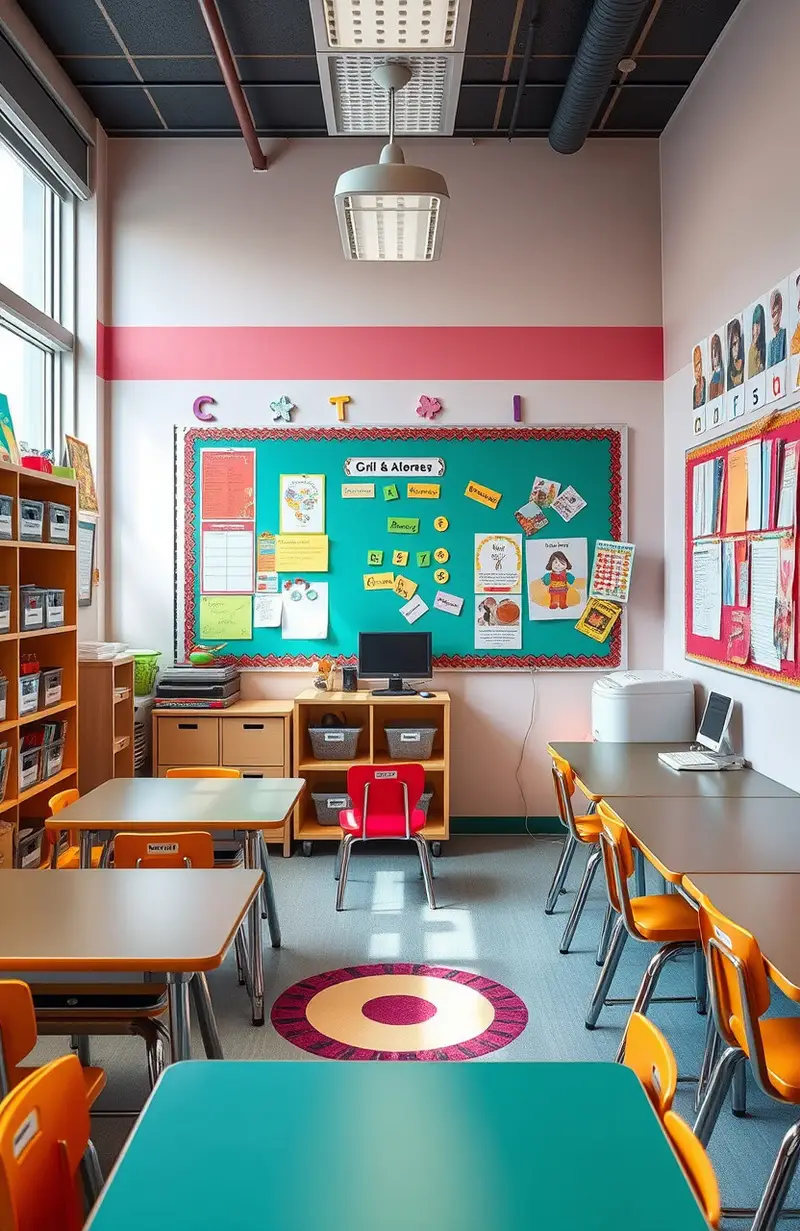
Give each student a space to call their own with personalized desks or cubbies. Name tags and decorations make it special.
This personalization fosters a sense of belonging and ownership. It’s a small touch that means a lot to kids.
Use inexpensive materials like paper or stickers for personalization. Encourage students to bring items from home to decorate.
Rotate and refresh decorations to keep spaces engaging. Celebrate students’ unique personalities through their spaces.
27. Bulletin Board Bonanza
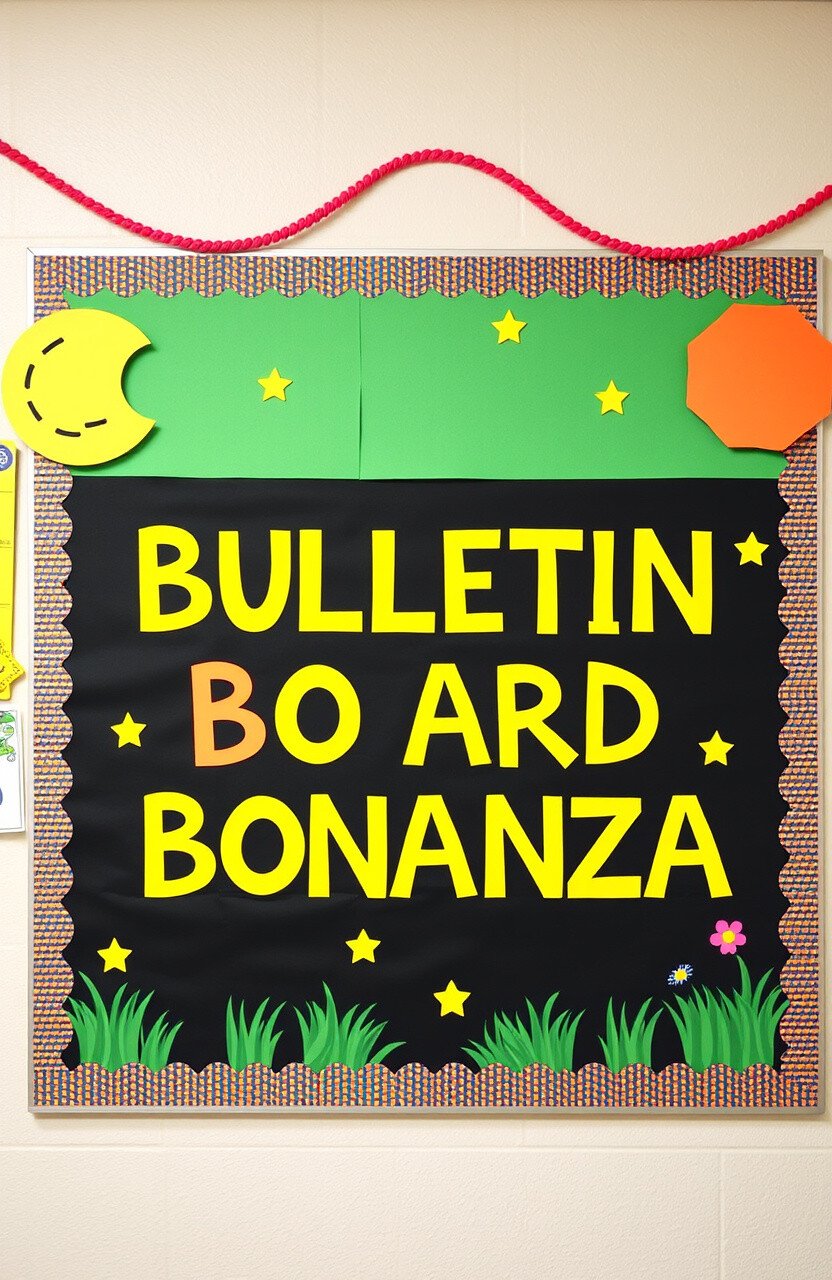
Transform bulletin boards into interactive displays. Use them to showcase student work, learning goals, or themed content.
This bonanza keeps the classroom dynamic and student-centered. It’s a canvas for creativity and information.
Use colorful paper and borders for budget-friendly designs. Regularly update boards to reflect current lessons and achievements.
Encourage students to help design and contribute to boards. Use boards for interactive learning activities and challenges.
28. Technology-Free Zone
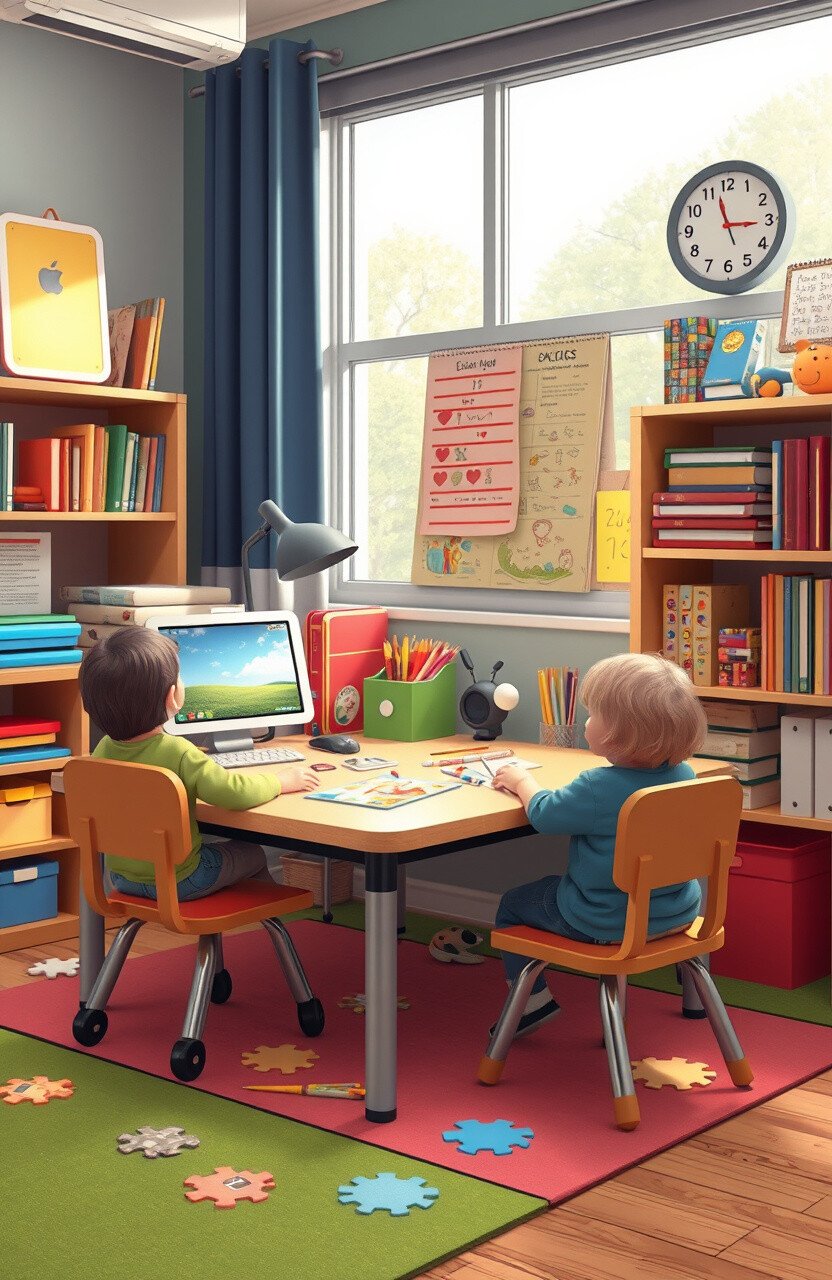
Create a space for unplugged activities and creativity. Books, puzzles, and art supplies offer a tech-free break.
This zone supports focus and imaginative play. It’s a reminder of the joys of offline activities.
Use existing classroom materials to create this zone. Encourage students to bring in tech-free activities from home.
Rotate activities to keep the zone engaging. Encourage students to share their experiences and discoveries.
29. Eco-Friendly Initiatives
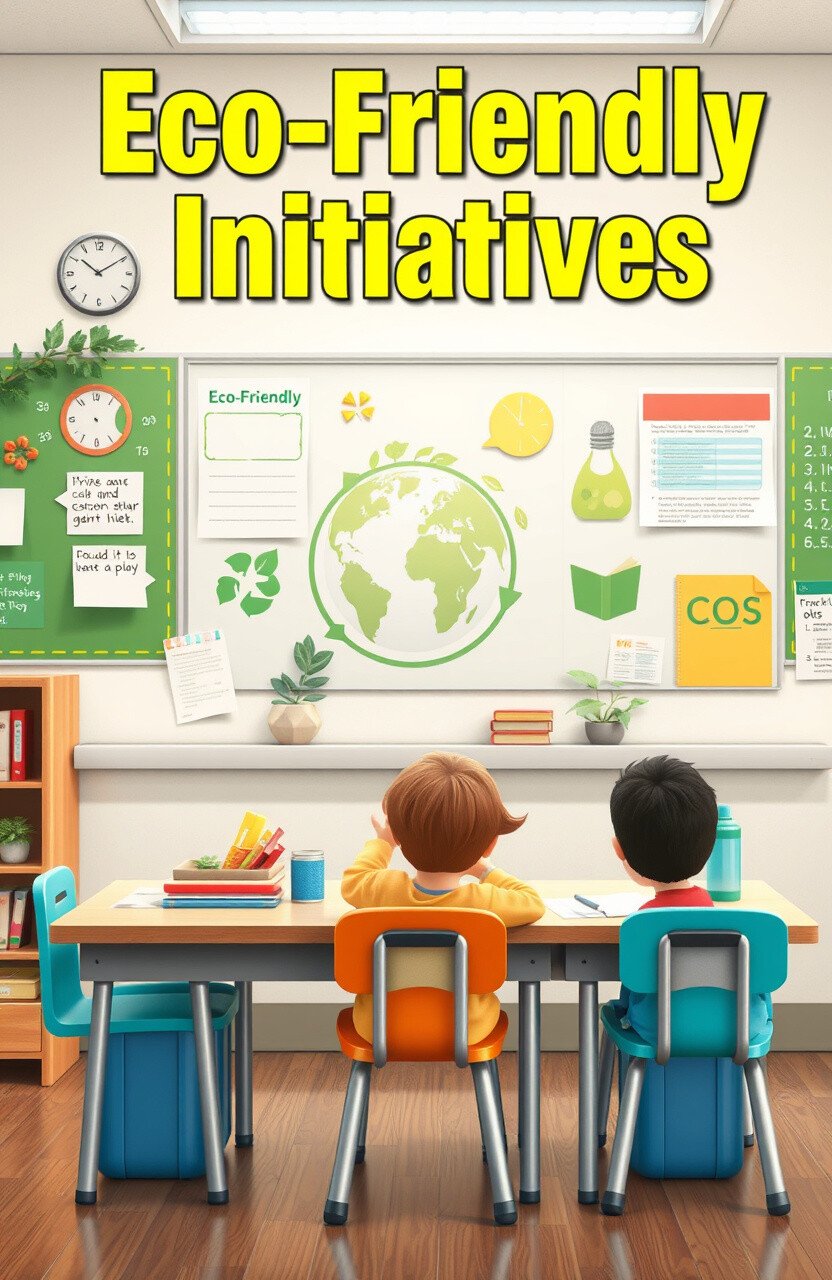
Incorporate eco-friendly practices into the classroom. Recycling bins, reusable materials, and energy-saving tips make a difference.
This initiative supports environmental responsibility and awareness. It’s a way to teach kids about sustainability.
Many eco-friendly practices are cost-free. Use signage and discussions to reinforce green habits.
Encourage students to suggest and lead eco-friendly projects. Celebrate successes and share results with the class.
30. Visual Timetable
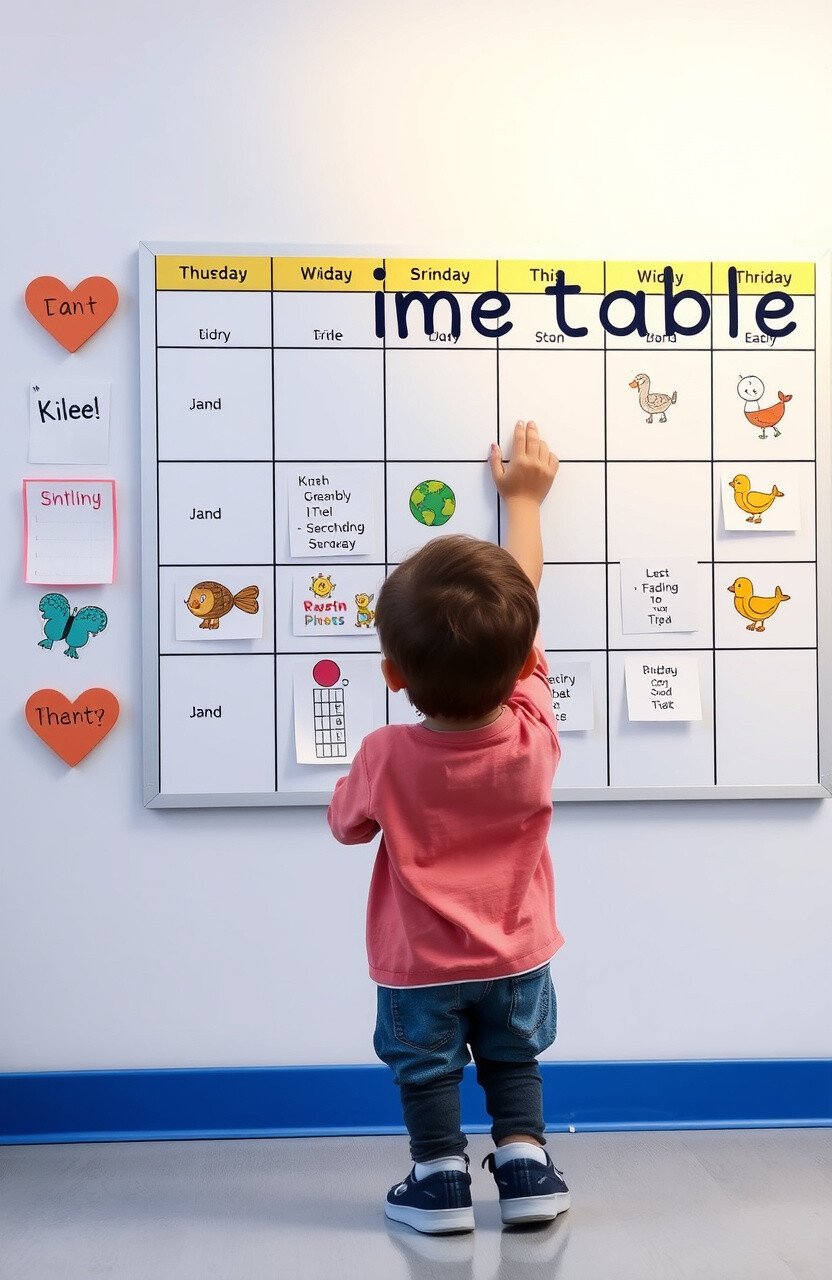
A visual timetable helps kids understand and manage their day. Pictures and symbols make it accessible and easy to follow.
This tool supports routine and independence. It’s a visual guide to the day’s activities.
Use laminated cards or a whiteboard for a flexible timetable. Many resources can be printed or created for free.
Encourage students to help update the timetable daily. Use it as a tool for discussion and planning.
31. Mini Makerspace
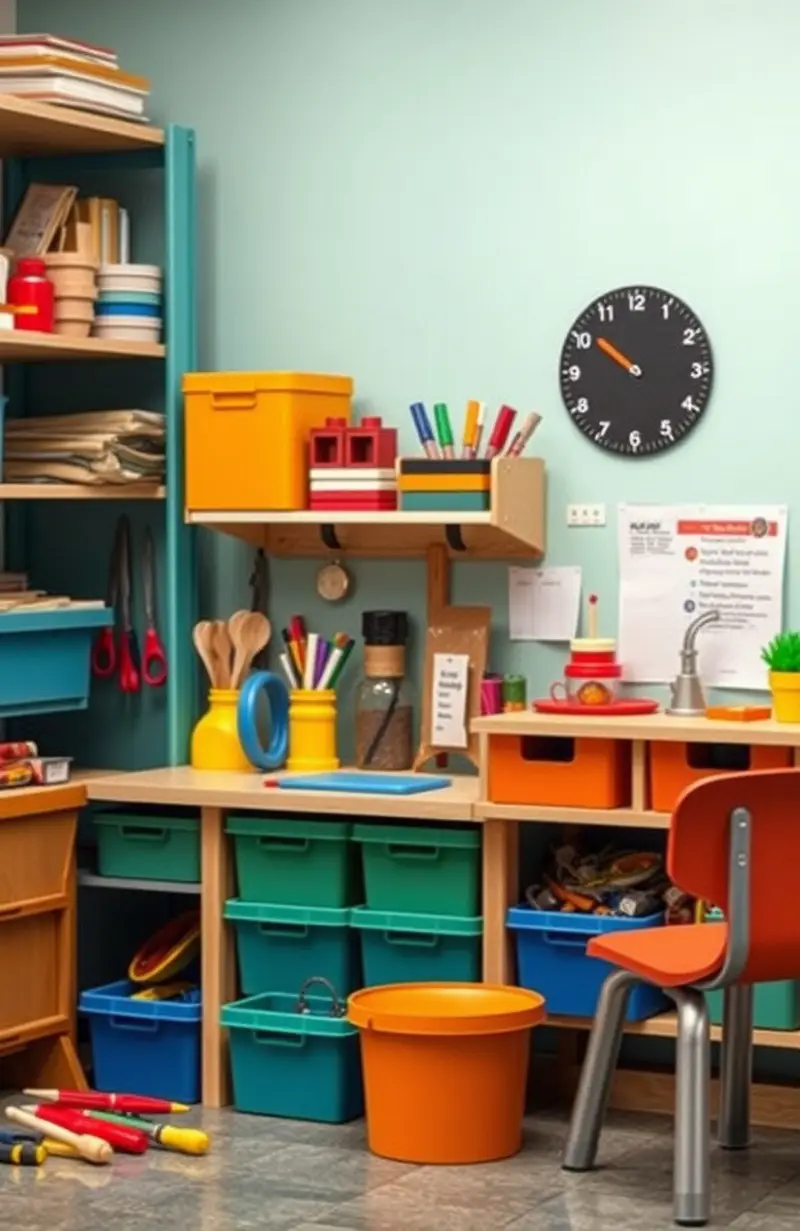
A mini makerspace fosters creativity and invention. Tools and materials invite kids to build, design, and explore.
This space supports STEM learning and innovation. It’s a hub for hands-on activities and problem-solving.
Many supplies can be donated or sourced affordably. Use storage bins to organize and manage materials.
Encourage open-ended exploration and project creation. Celebrate and display student inventions and creations.
32. Cultural Celebrations
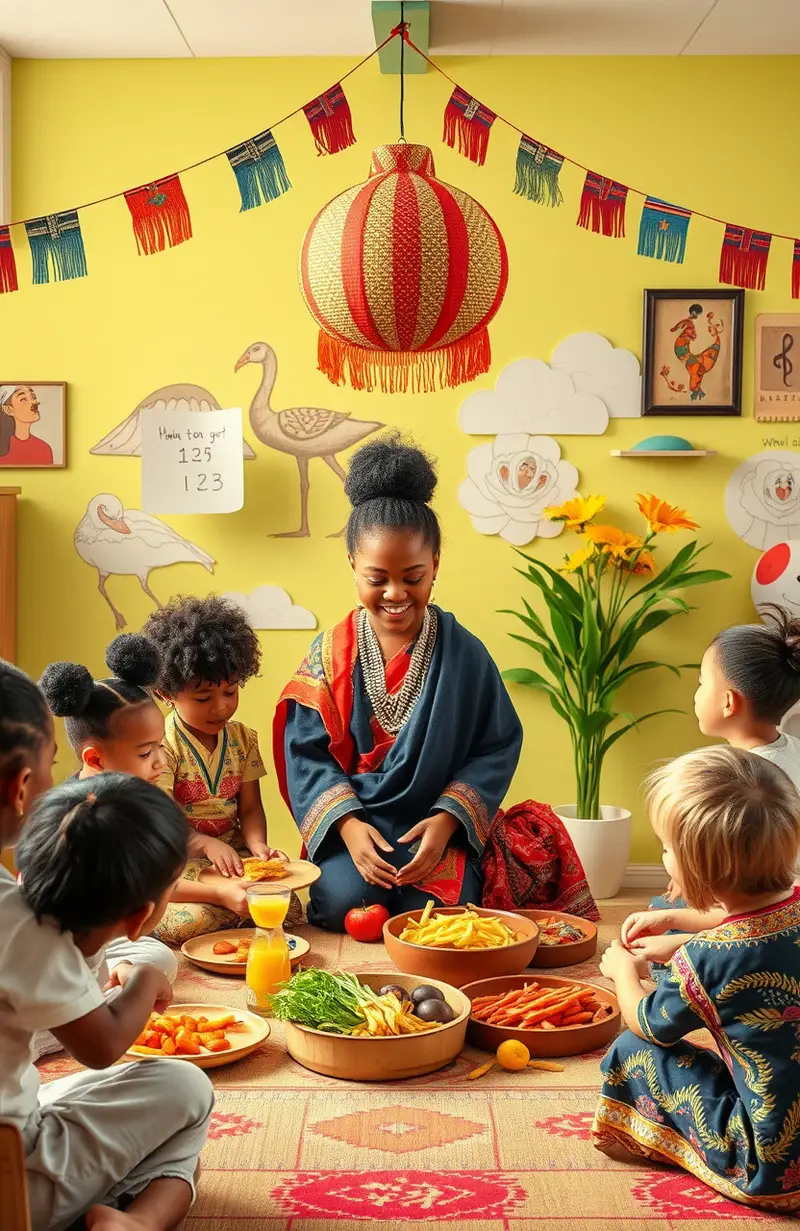
Embrace diversity with cultural celebrations and events. Food, music, and stories bring cultures to life in the classroom.
This celebration fosters appreciation and understanding. It’s a vibrant way to honor different backgrounds.
Many cultural elements can be sourced from the community. Involve families in sharing traditions and stories.
Plan regular celebrations to feature different cultures. Encourage students to share their heritage and experiences.
33. Gratitude Wall

A gratitude wall reminds kids of things to be thankful for. Notes, drawings, and photos create a joyful mosaic.
This wall supports positive thinking and appreciation. It’s a visual reminder of the good things in life.
Use sticky notes or paper for easy contributions. Encourage students to add to the wall regularly.
Celebrate contributions and discuss gratitude as a class. Rotate themes or prompts to keep the wall fresh.
34. Volunteer Corner
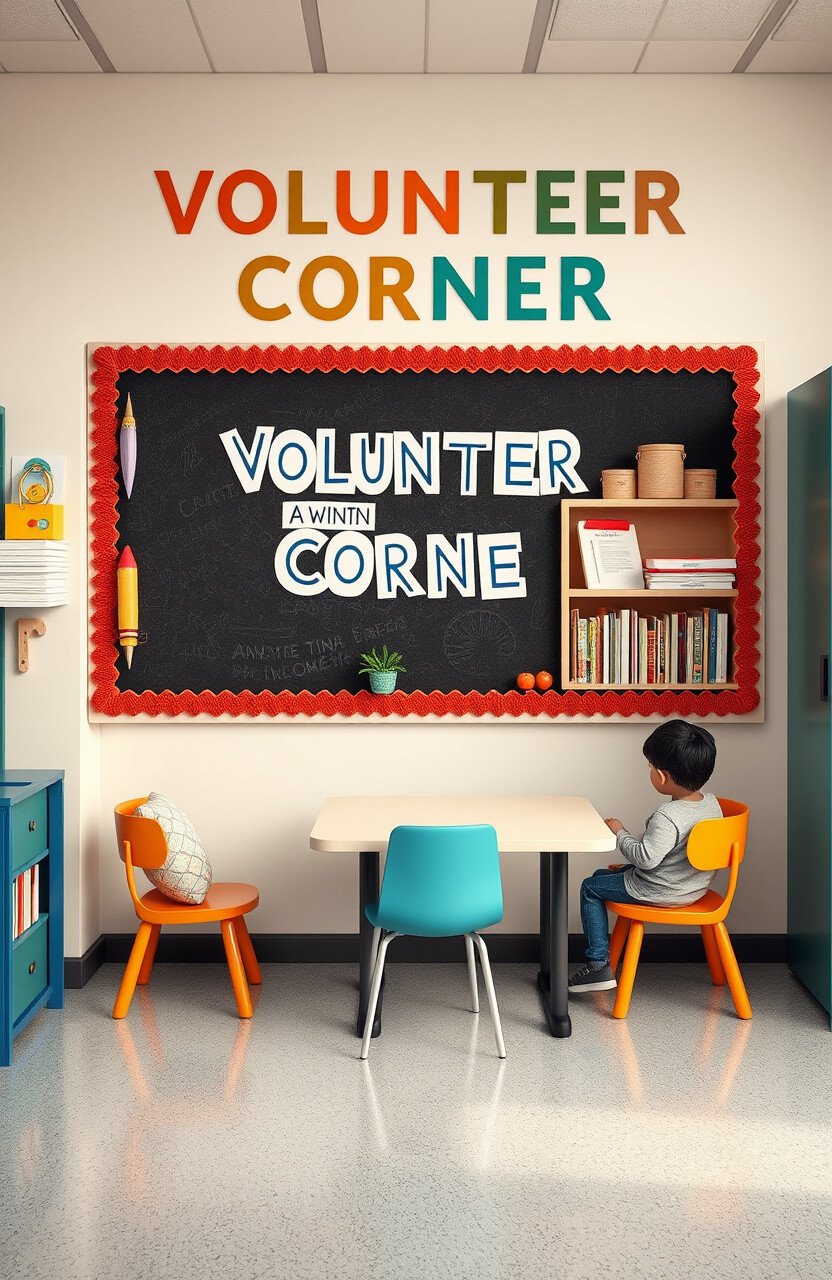
A volunteer corner connects students with helping opportunities. It features projects and stories of community impact.
This corner supports social responsibility and empathy. It’s a gateway to making a difference.
Many volunteer opportunities can be coordinated with local organizations. Use photos and stories to showcase student efforts.
Encourage students to suggest and lead volunteer projects. Celebrate successes and share impact stories with the class.
35. Daily Affirmations
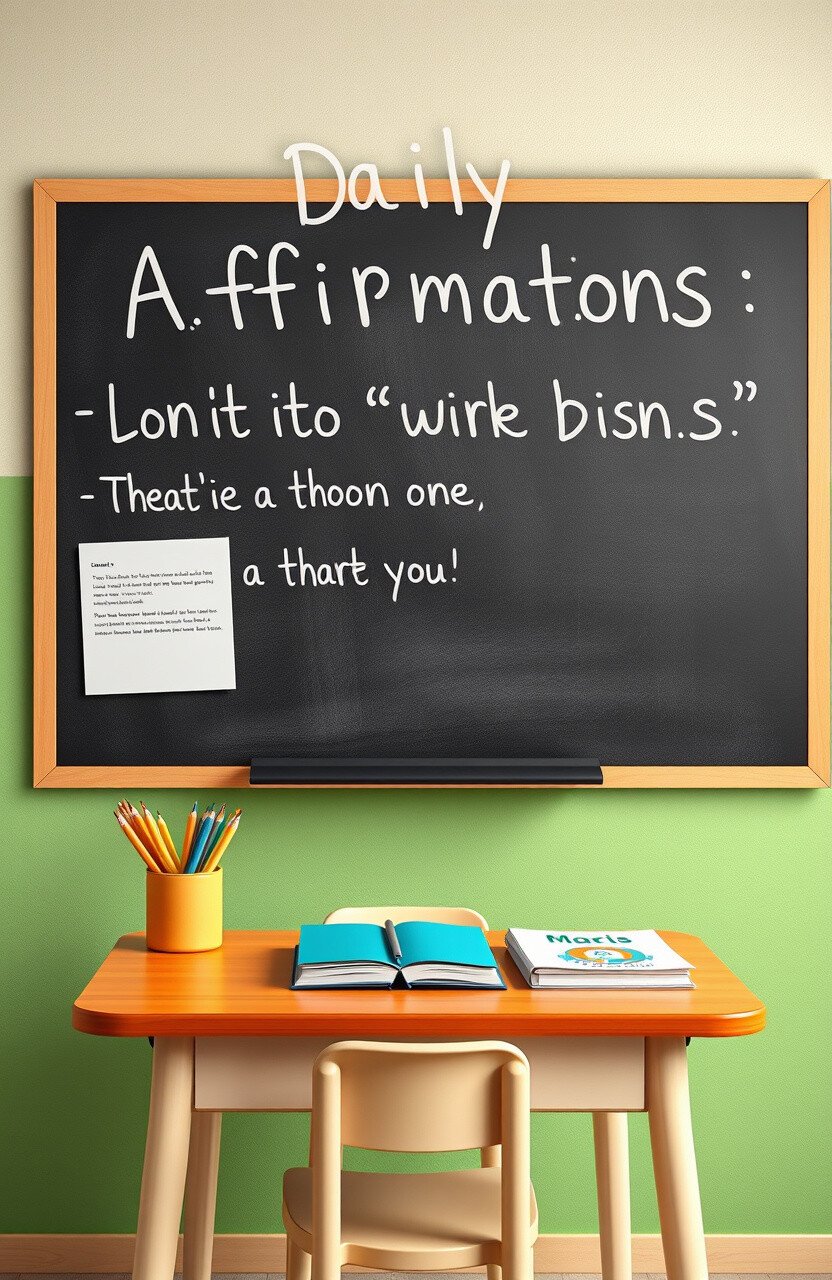
Start the day with positive affirmations. A board or space for daily messages sets a positive tone.
This practice supports confidence and self-esteem. It’s a small act with a big impact.
Use a whiteboard or poster for daily affirmations. Encourage students to contribute their own affirmations.
Discuss affirmations and their meaning as a class. Rotate messages and encourage sharing of personal experiences.
36. Classroom Mascot
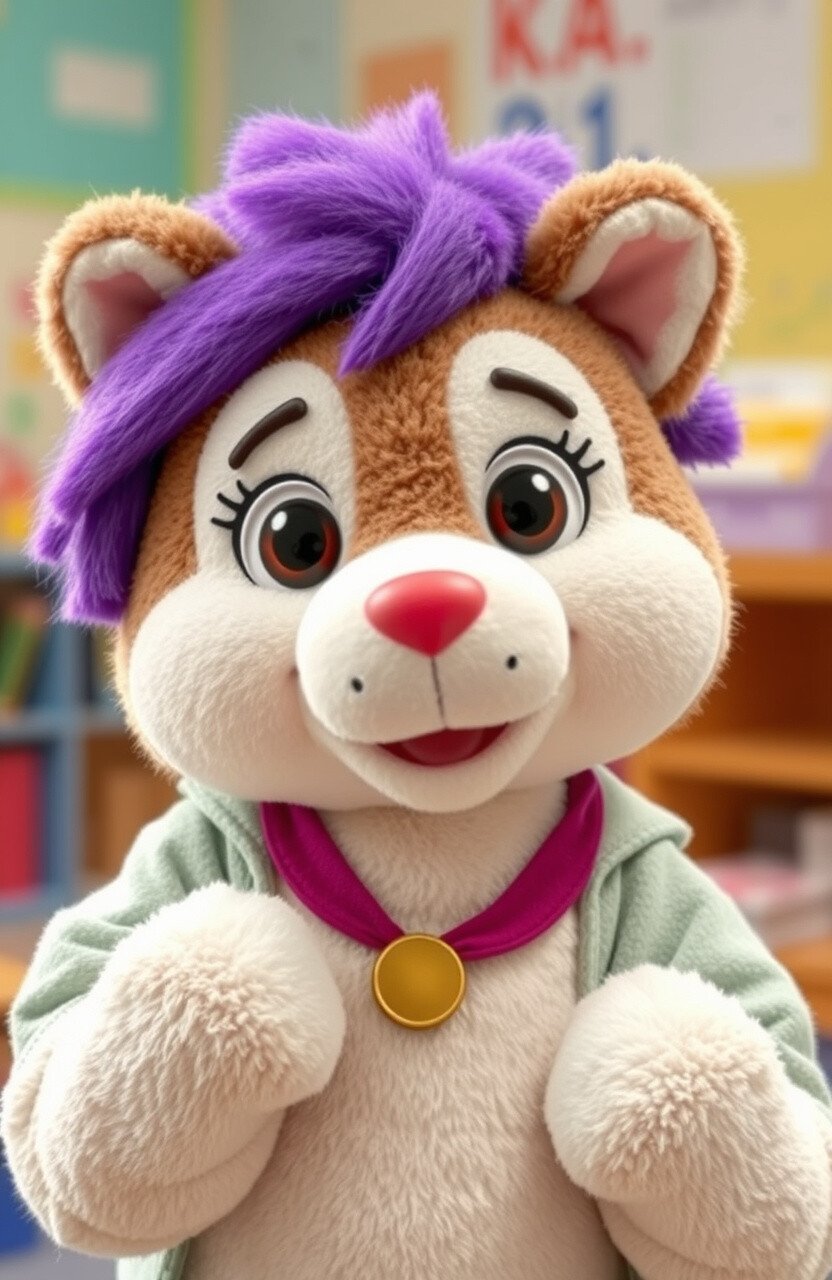
Introduce a classroom mascot for fun and engagement. A stuffed animal or puppet can become a beloved character.
This mascot supports community and creativity. It’s a playful addition to the classroom dynamic.
Use a toy or create a character with students. Encourage storytelling and adventures with the mascot.
Rotate mascot responsibilities among students. Use the mascot for lessons or as a reward system.