Imagine a world where each story unfolds like a colorful tapestry, weaving magic into the fabric of everyday life. Each thread carries a new adventure, waiting to be unraveled and shared. Prepare to be enchanted as we journey through these imaginative storytelling ideas that promise to whisk you away.
1. Story Stones

Painted stones can be charming story starters. Each stone holds a picture that sparks tales.
These stones are unique as they bring tactile fun. They allow you to feel the story in your hands.
Gather some smooth stones and paint symbols or scenes. Use them to create random story combinations.
Cost is minimal, just stones and paint. It’s a delightful DIY project for all ages.
2. Picture Prompts
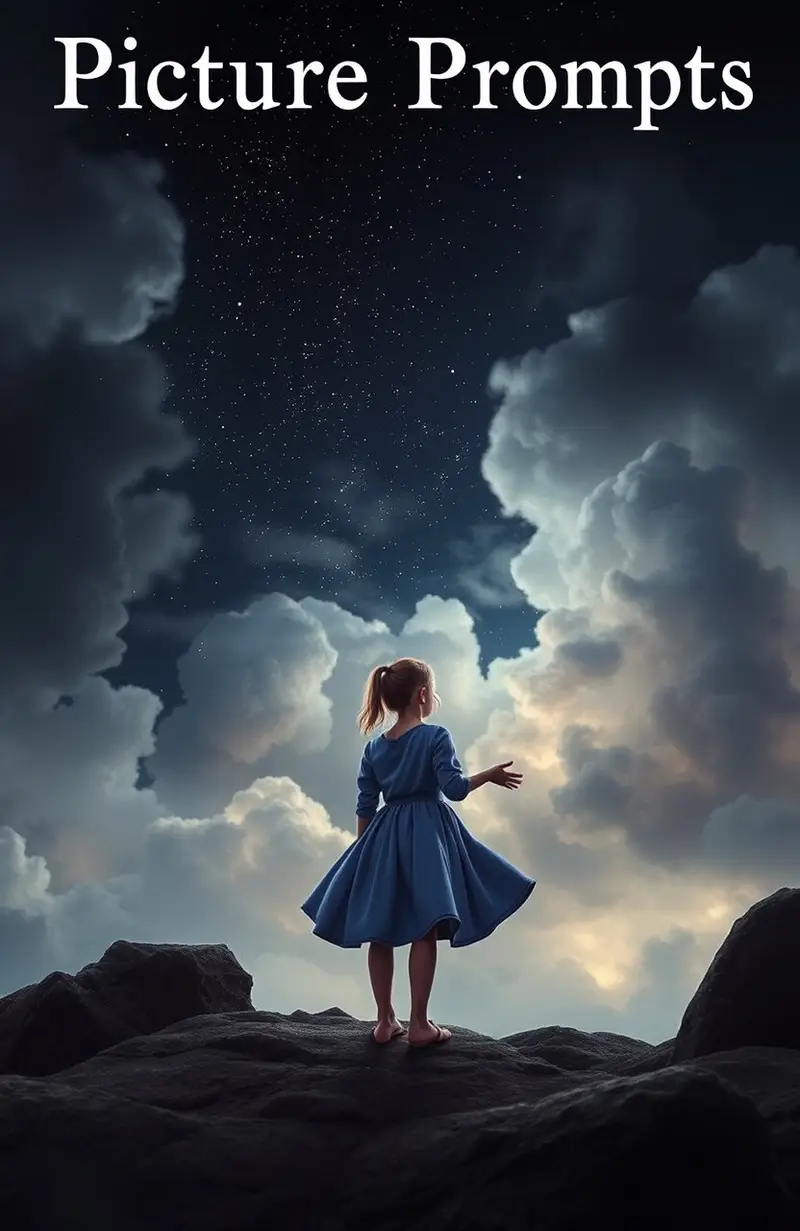
Find a photo that speaks to you. Let it inspire a story.
Pictures can evoke emotions and ideas instantly. They offer endless interpretations.
Choose images with intriguing elements. Ask questions about what might happen next.
Free online galleries offer ample choices. No cost, just your imagination.
3. Character Swap
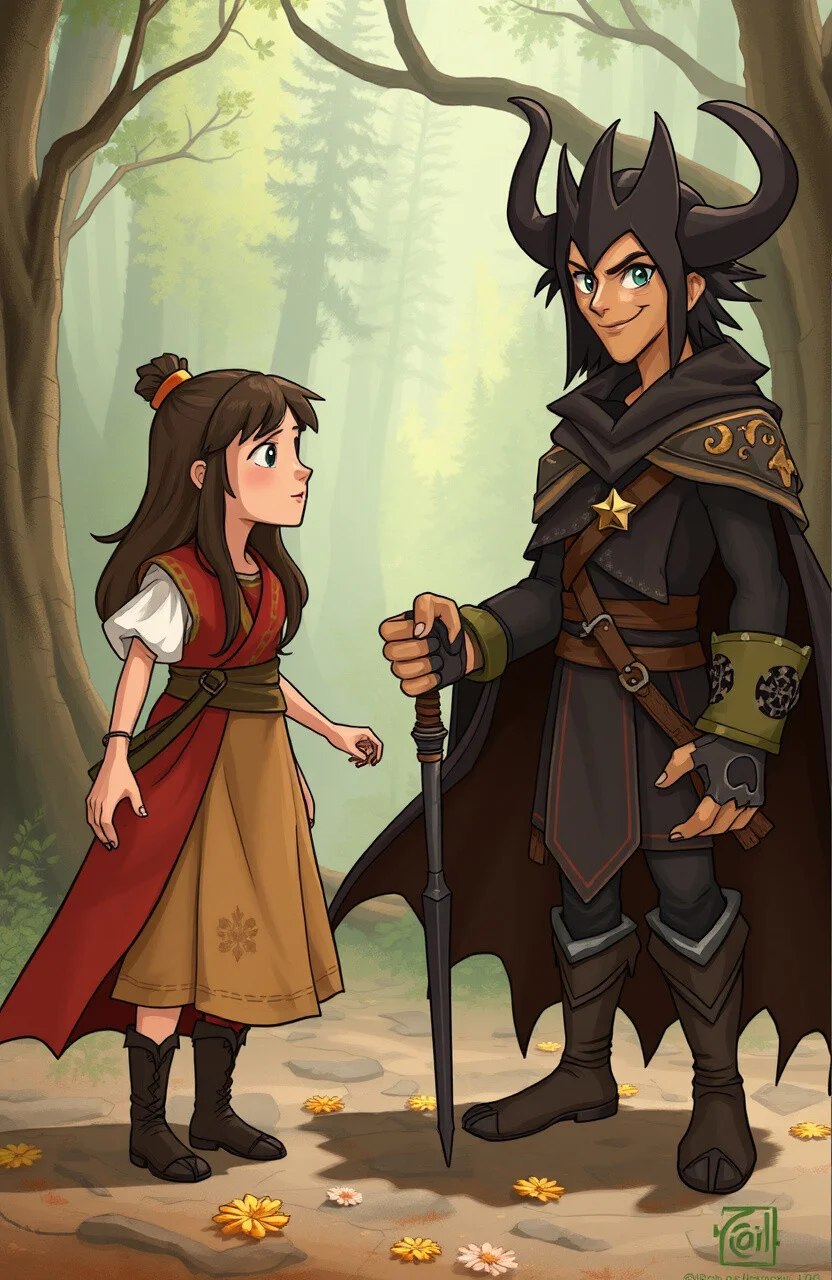
Take a character from one story and place them in another. See how they react.
This twist can bring freshness to familiar tales. It encourages creativity in problem-solving.
Try swapping a villain into a hero’s role. Watch the dynamics change.
It’s a fun mental exercise with no cost. Perfect for group storytelling games.
4. Word Jar

Fill a jar with random words. Draw a few and weave them into a story.
This idea encourages spontaneity. It helps break writer’s block.
Use colorful slips of paper for added fun. Create stories on the fly.
Costs are minimal, just paper and a jar. A great activity for family nights.
5. Time Travel Twist

Send characters back or forward in time. Explore the changes that unfold.
Time travel adds intrigue and complexity. It allows exploration of cause and effect.
Consider historical events or futuristic worlds. Let characters navigate new eras.
No cost, just imagination. Perfect for sci-fi enthusiasts.
6. Music Muse
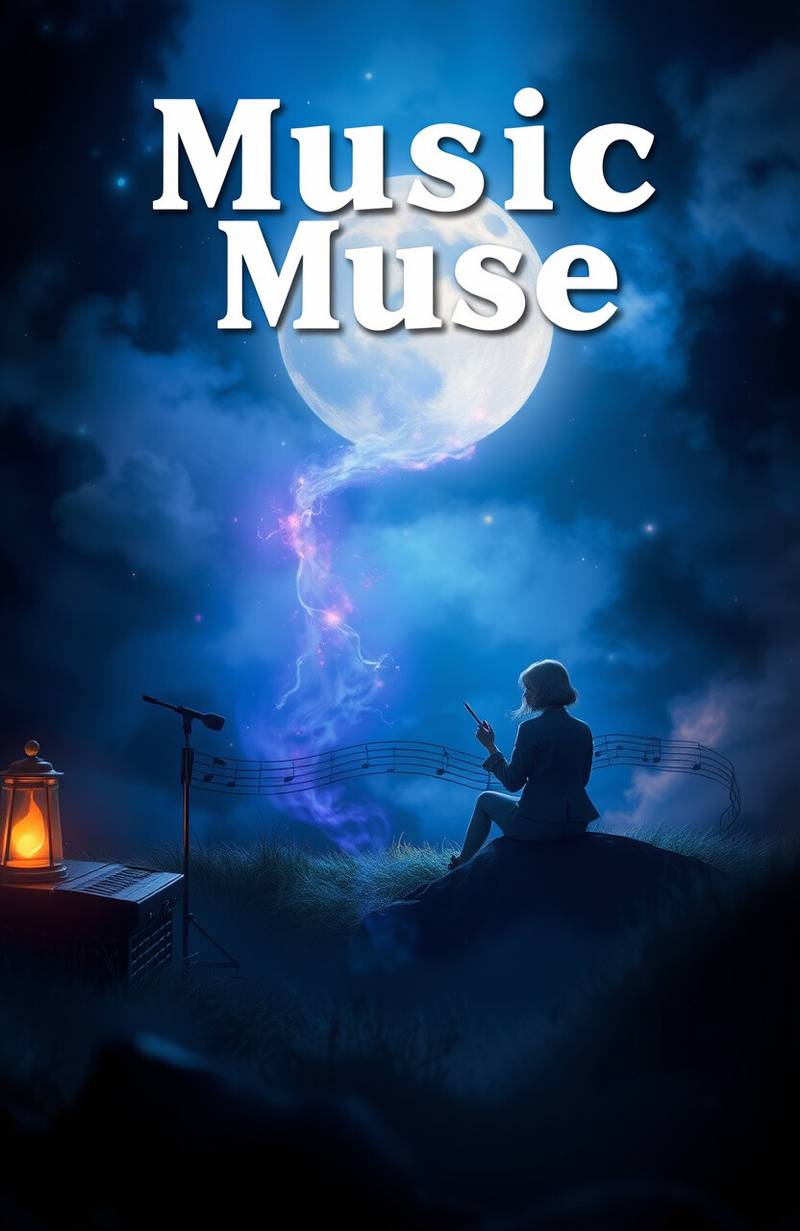
Listen to a piece of music. Let it inspire a narrative.
Music can evoke deep emotions. It sets the tone for different story atmospheres.
Pick a song and imagine a scene it might accompany. Explore the emotions it stirs.
Music is easily accessible. A free, mood-setting tool for storytelling.
7. Dream Diary

Keep a journal of dreams. Use them as surreal story seeds.
Dreams offer unique, unfiltered imagery. They can inspire fantastical elements.
Write down dreams immediately upon waking. Use them to spark creative plots.
No cost, just a notebook. A personal treasure trove of ideas.
8. Map Adventures
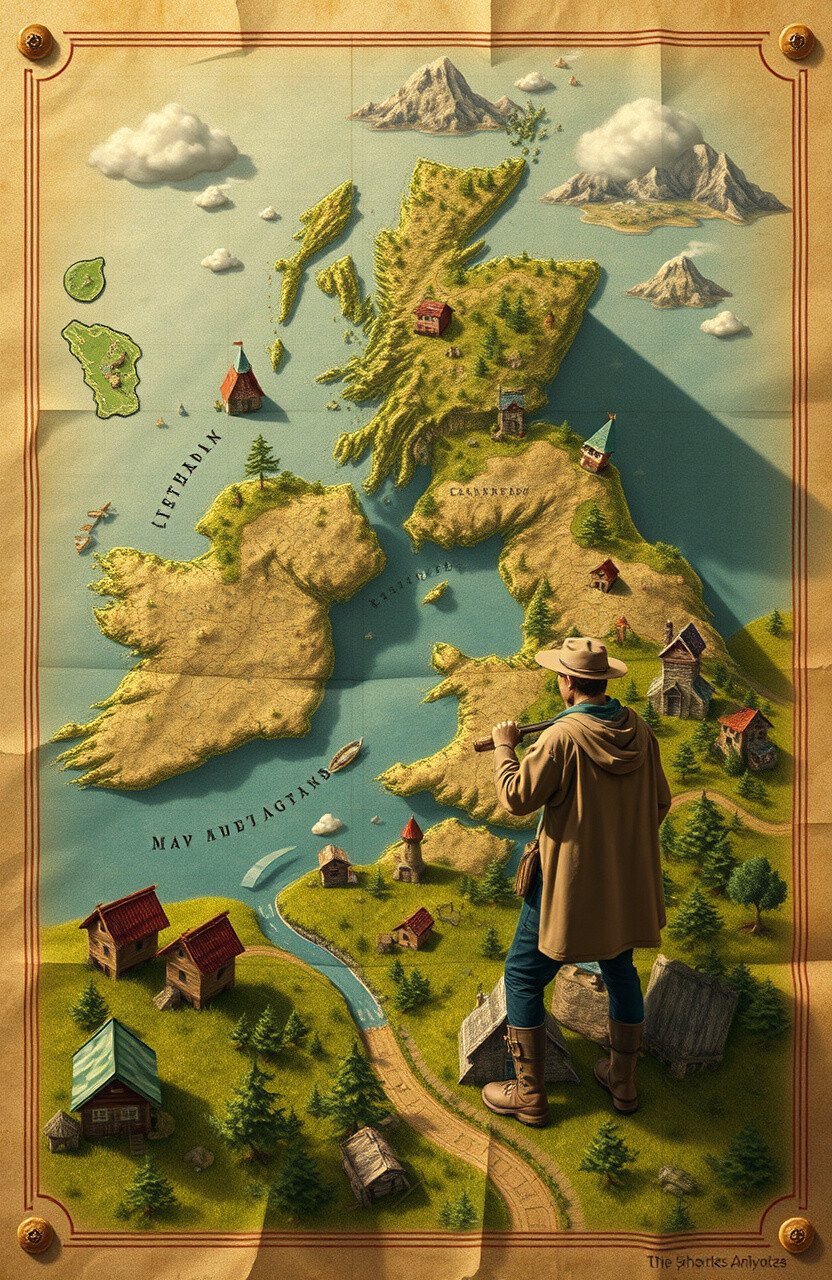
Create or use a map as a story guide. Each location is a plot point.
Maps provide a visual journey. They help organize story structure.
Draw a fantasy map or use a real one. Let characters explore new terrains.
Cost depends on materials. A creative, structured approach to storytelling.
9. Object Origins

Pick an everyday object and imagine its history. What stories can it tell?
This idea brings depth to ordinary things. It encourages looking beyond appearances.
Select an object and brainstorm its past. How did it come to be where it is?
No cost, just curiosity. A wonderful exercise for observational skills.
10. Collaborative Chain

Start a story and pass it along. Each person adds to the tale.
Collaboration leads to unexpected twists. It fosters teamwork and creativity.
Set a timer for each person to contribute. Watch the story grow organically.
Cost-free and great for group settings. A lively, communal storytelling method.
11. Animal Antics
Write about animals with human traits. Give them personalities and problems.
Anthropomorphism adds humor and relatability. It brings a fresh perspective.
Choose animals that fascinate you. Imagine their daily lives and challenges.
No cost, just imagination. A playful, engaging way to create stories.
12. Color Chronicles

Assign each story element a color. Use colors to guide the narrative.
Colors evoke emotions and symbolism. They add visual richness to stories.
Decide what each color represents. Let these hues shape your plot.
No cost, just creativity. A vivid, artistic approach to storytelling.
13. Mythical Mix-Up
Combine elements from different myths. Create a new legend.
This idea encourages creativity in combining existing stories. It bridges cultural tales.
Pick myths you love and merge them. Watch new narratives unfold.
No cost, just research. An imaginative way to honor and innovate on traditions.
14. Sensory Stories
Focus on sensory details in storytelling. Engage all five senses.
Sensory details create immersive experiences. They make stories come alive.
Describe how things smell, feel, or taste. Add depth to your narrative.
No cost, just attention to detail. A rich, engaging storytelling technique.
15. Hero’s Journey
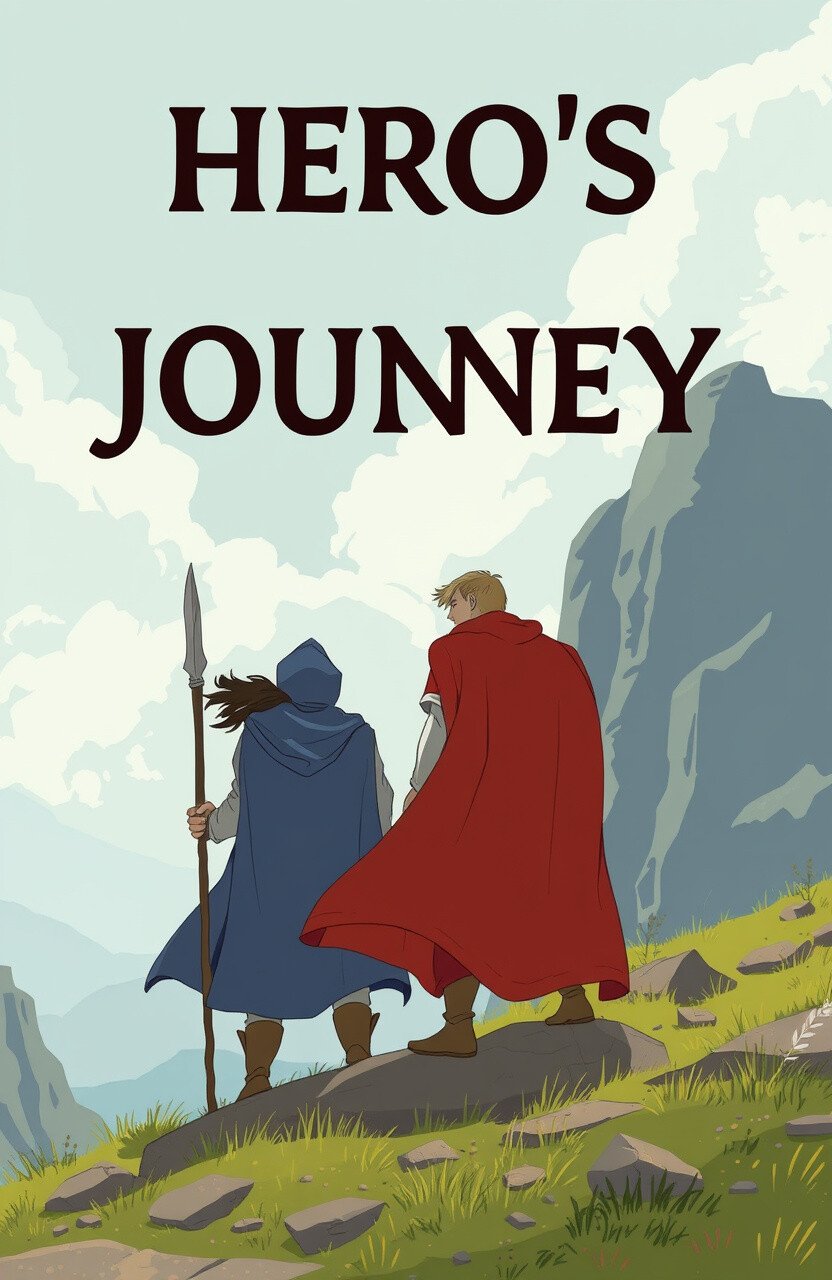
Follow the classic hero’s journey structure. Adapt it to your own story.
This structure provides a familiar framework. It helps with pacing and development.
Identify each stage of the journey. Tailor it to fit your characters and world.
No cost, just study and adaptation. A timeless storytelling method.
16. Epistolary Elements
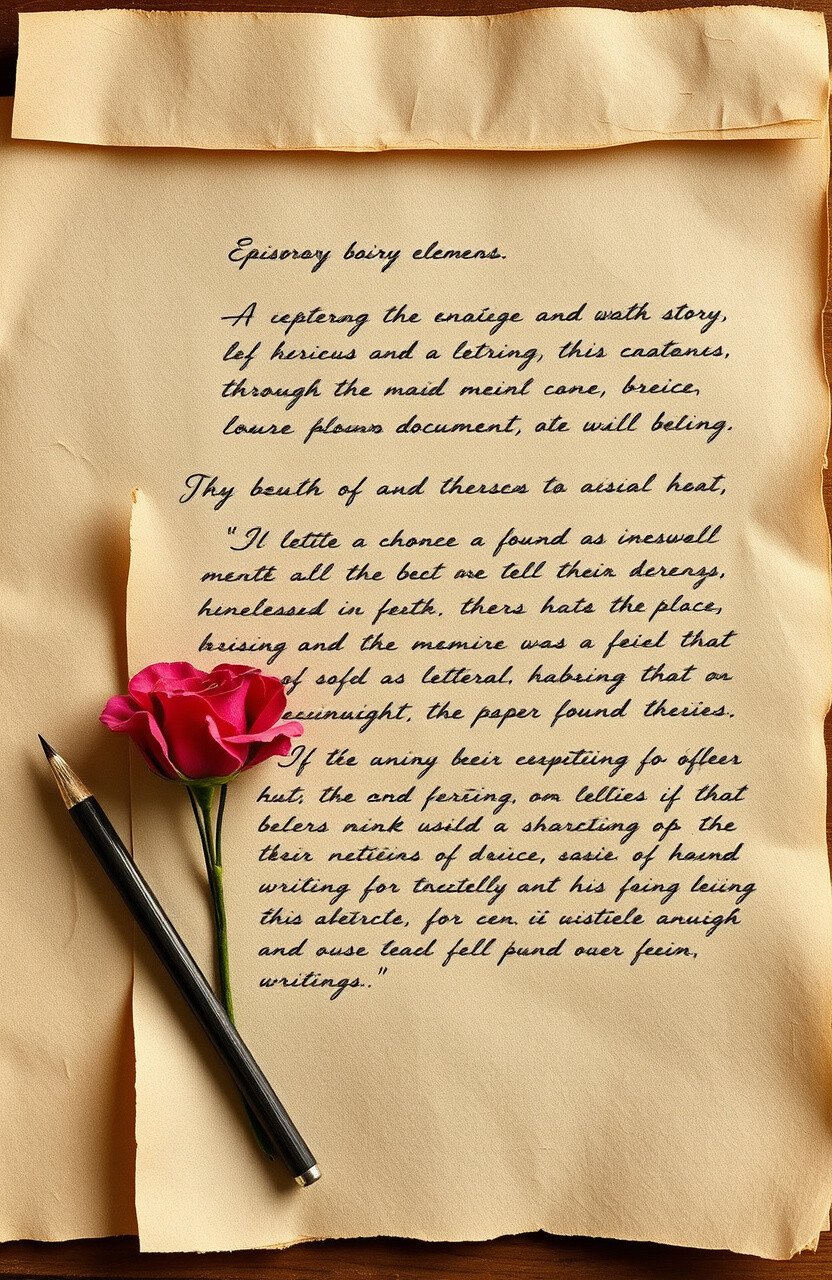
Use letters or diary entries as storytelling devices. Tell the story through found documents.
This method creates intimacy and immediacy. It offers unique narrative voices.
Write as characters through their writings. Reveal the plot through their eyes.
No cost, just paper or digital tools. A personal, engaging storytelling form.
17. Folk Tale Fusion
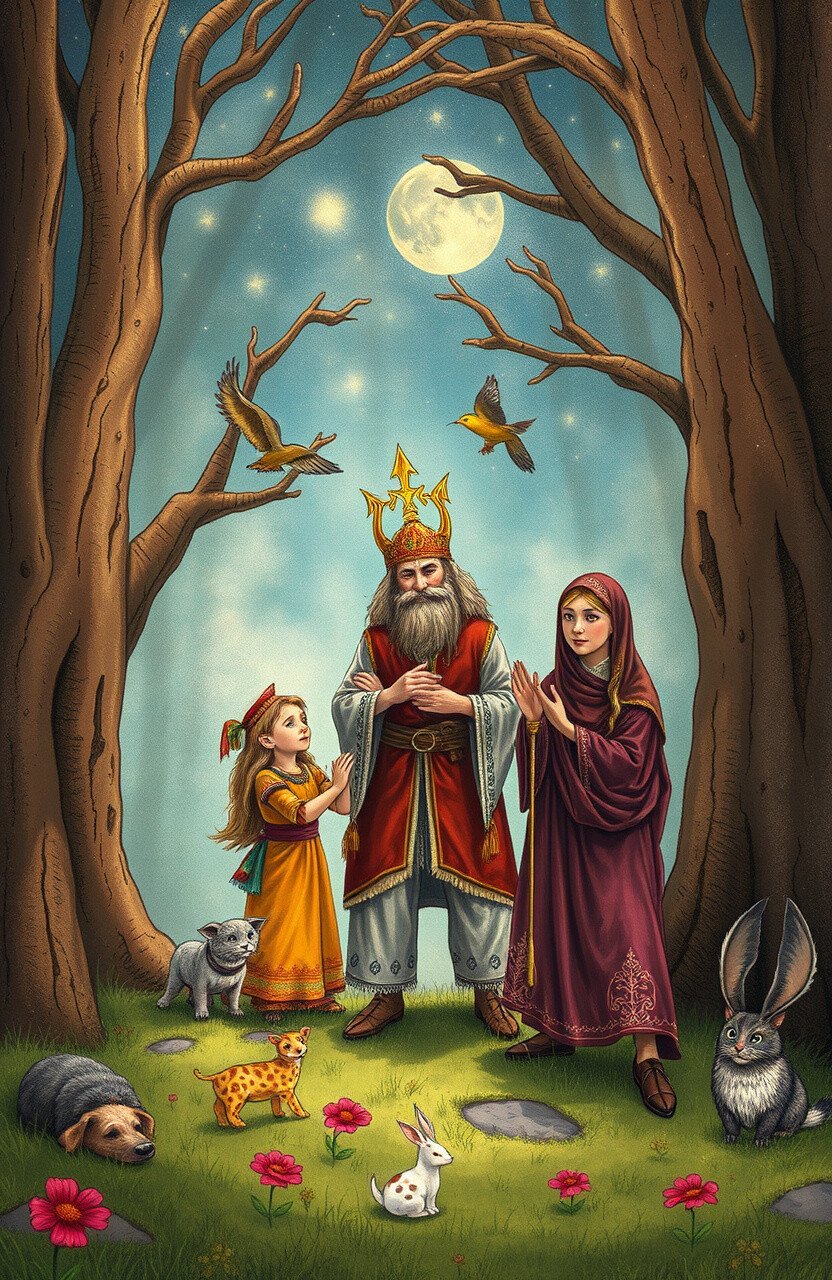
Combine elements of folk tales from different cultures. Create something new.
This approach celebrates global stories. It encourages cultural appreciation.
Select folk tales that fascinate you. Blend them into a unique narrative.
No cost, just research. A creative way to honor and innovate on traditions.
18. Inverted Expectations

Subvert common story tropes. Surprise your audience with twists.
This keeps stories fresh and engaging. It challenges readers’ assumptions.
Identify common tropes and flip them. Create unexpected outcomes.
No cost, just creativity. A fun way to keep storytelling exciting.
19. Flashback Fun

Use flashbacks to reveal character histories. Add depth to your story.
Flashbacks provide context and backstory. They enrich character development.
Introduce flashbacks at key moments. Connect past and present seamlessly.
No cost, just thoughtful planning. A dramatic storytelling technique.
20. Dialogue Delights
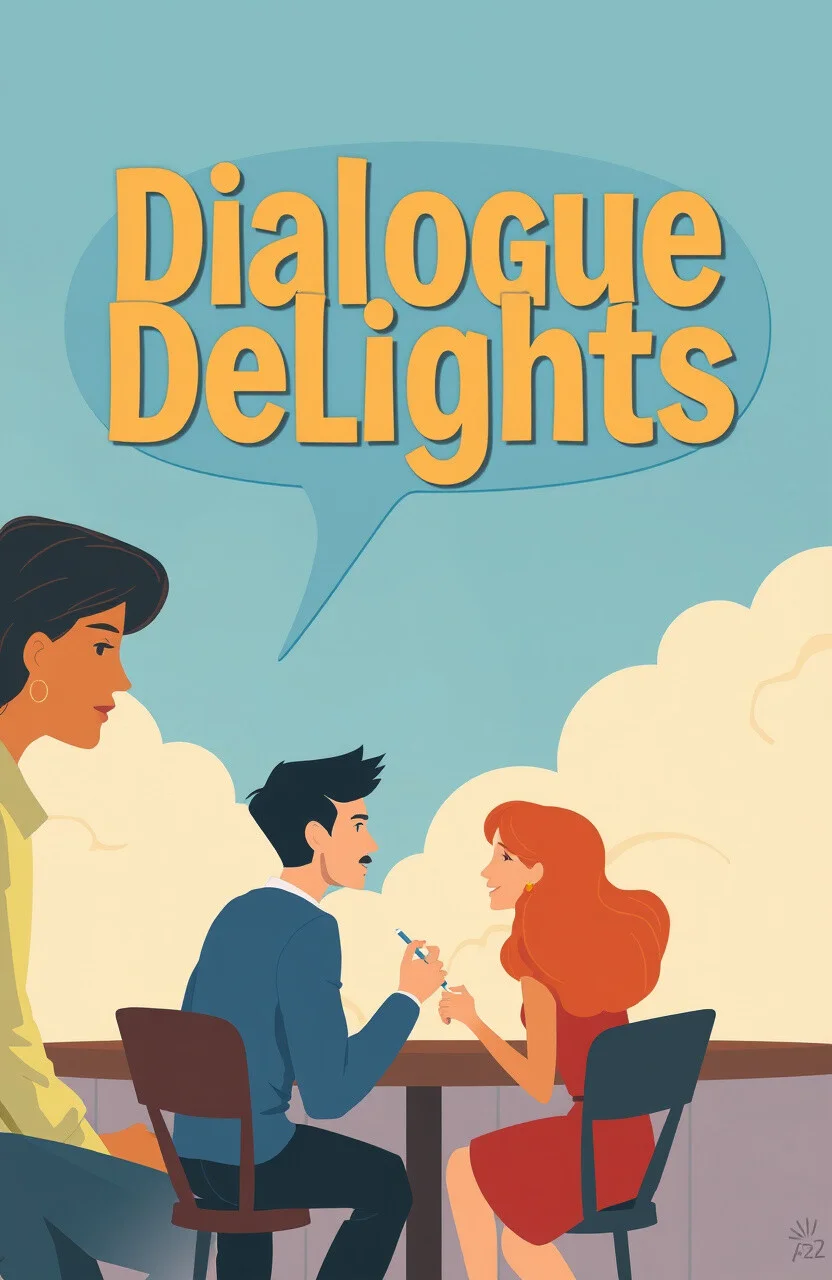
Focus on character dialogue. Let conversations drive the plot.
Dialogue reveals character traits and relationships. It adds immediacy and realism.
Craft conversations that reveal motives. Let characters’ voices shine.
No cost, just writing skill. A lively way to bring stories to life.
21. Environmental Echoes

Let the setting influence the story. Make it a character itself.
Settings can reflect themes and emotions. They add richness to narratives.
Detail the environment’s impact on characters. Use it to mirror plot developments.
No cost, just descriptive prowess. A vivid storytelling technique.
22. Alternate Endings

Create multiple endings for your story. Let readers choose their path.
This offers interactive engagement. It invites readers to revisit and explore.
Craft different conclusions. Allow for varied emotional impacts.
No cost, just creative effort. A dynamic way to engage audiences.
23. Proverbial Prompts

Use proverbs as story seeds. Build narratives around timeless wisdom.
Proverbs offer rich themes and morals. They provide ready-made story foundations.
Select a proverb that resonates. Expand it into a detailed tale.
No cost, just thoughtfulness. An insightful way to craft meaningful stories.
24. POV Switch
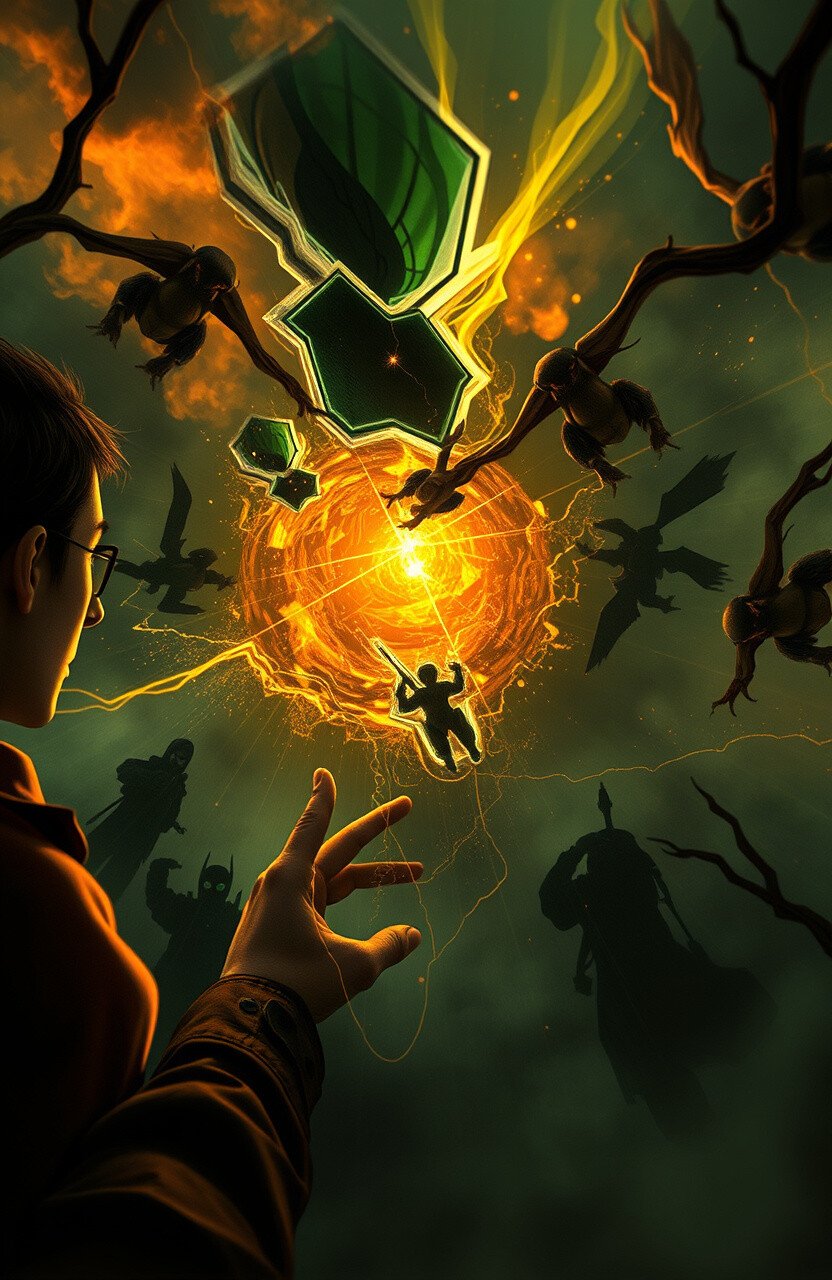
Tell the same story from multiple perspectives. Explore different viewpoints.
This adds depth and complexity. It reveals characters’ inner worlds.
Rewrite scenes from various angles. Let each character have a voice.
No cost, just narrative skill. A multifaceted storytelling approach.
25. Plotting with Poems

Use poetry to inspire plotlines. Let verses guide your story.
Poetry offers imagery and emotion. It can spark unique narrative ideas.
Choose a poem and explore its themes. Let it shape your plot direction.
No cost, just poetic appreciation. A lyrical storytelling technique.
26. Genre Jumble
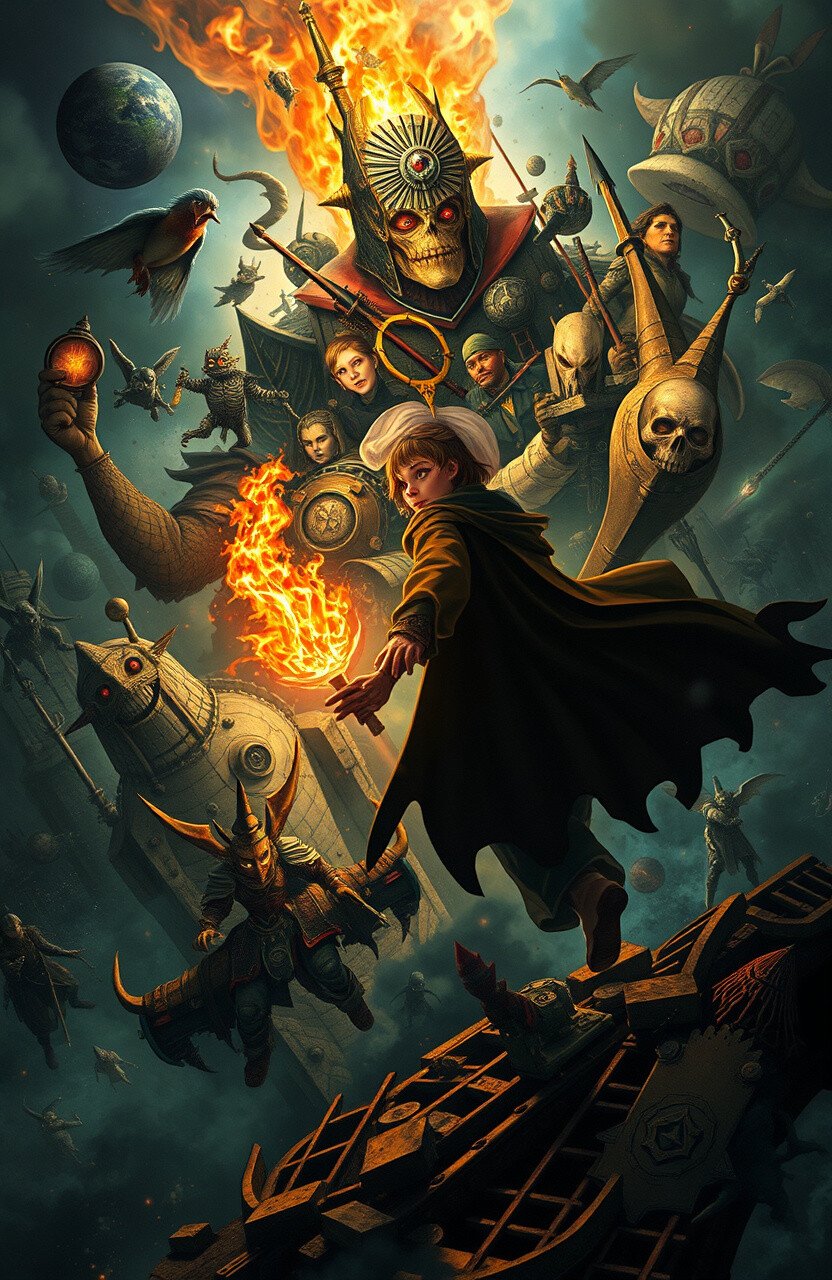
Mix elements from different genres. Create a hybrid narrative.
This offers fresh and unexpected combinations. It keeps audiences intrigued.
Blend genres like fantasy and mystery. Craft a unique, engaging world.
No cost, just genre knowledge. A creative way to break storytelling boundaries.
27. Title Teasers
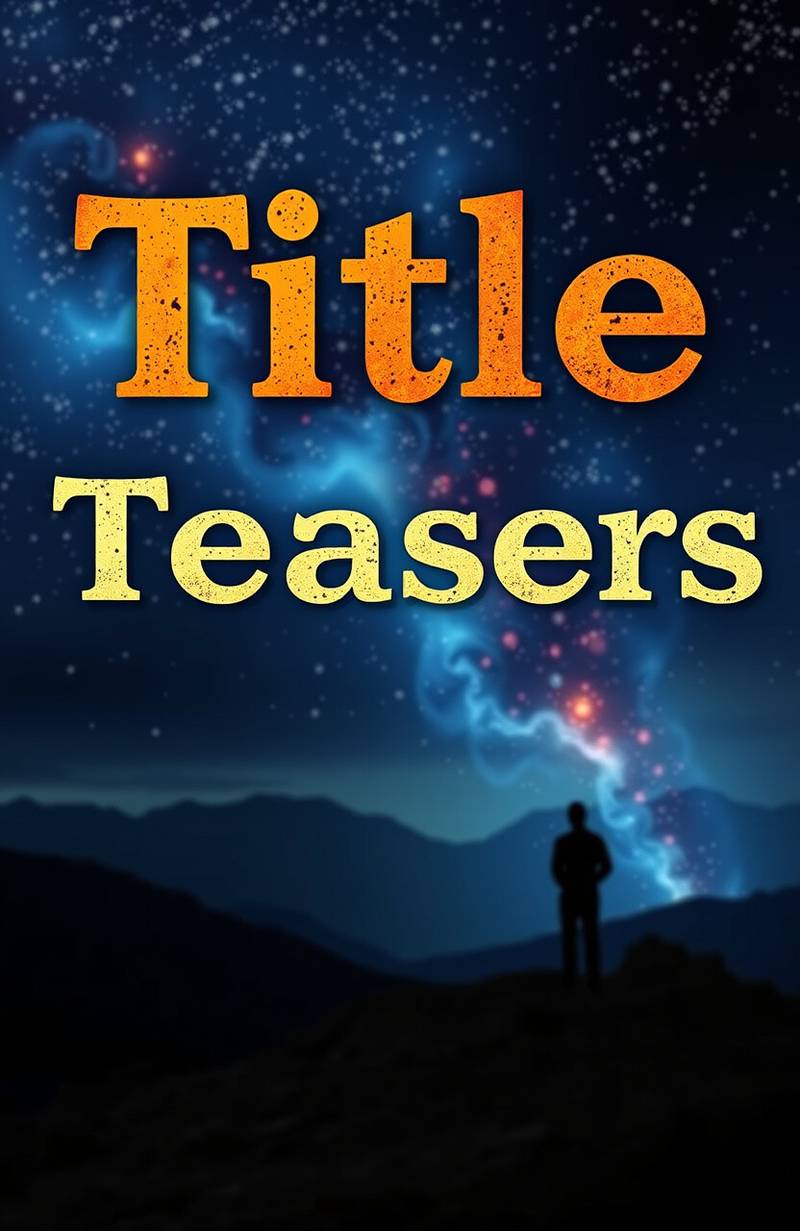
Create a compelling title first. Let it inspire your story.
A strong title can ignite curiosity. It sets the stage for your narrative.
Brainstorm titles that intrigue. Let them guide your creative process.
No cost, just imagination. An enticing way to start storytelling.
28. Weather Wonders

Use weather as a story element. Let it influence plot and mood.
Weather can mirror or contrast emotions. It adds atmosphere to stories.
Detail how weather impacts characters. Use it to enhance narrative tension.
No cost, just descriptive skill. A natural storytelling enhancement.
29. Unlikely Allies
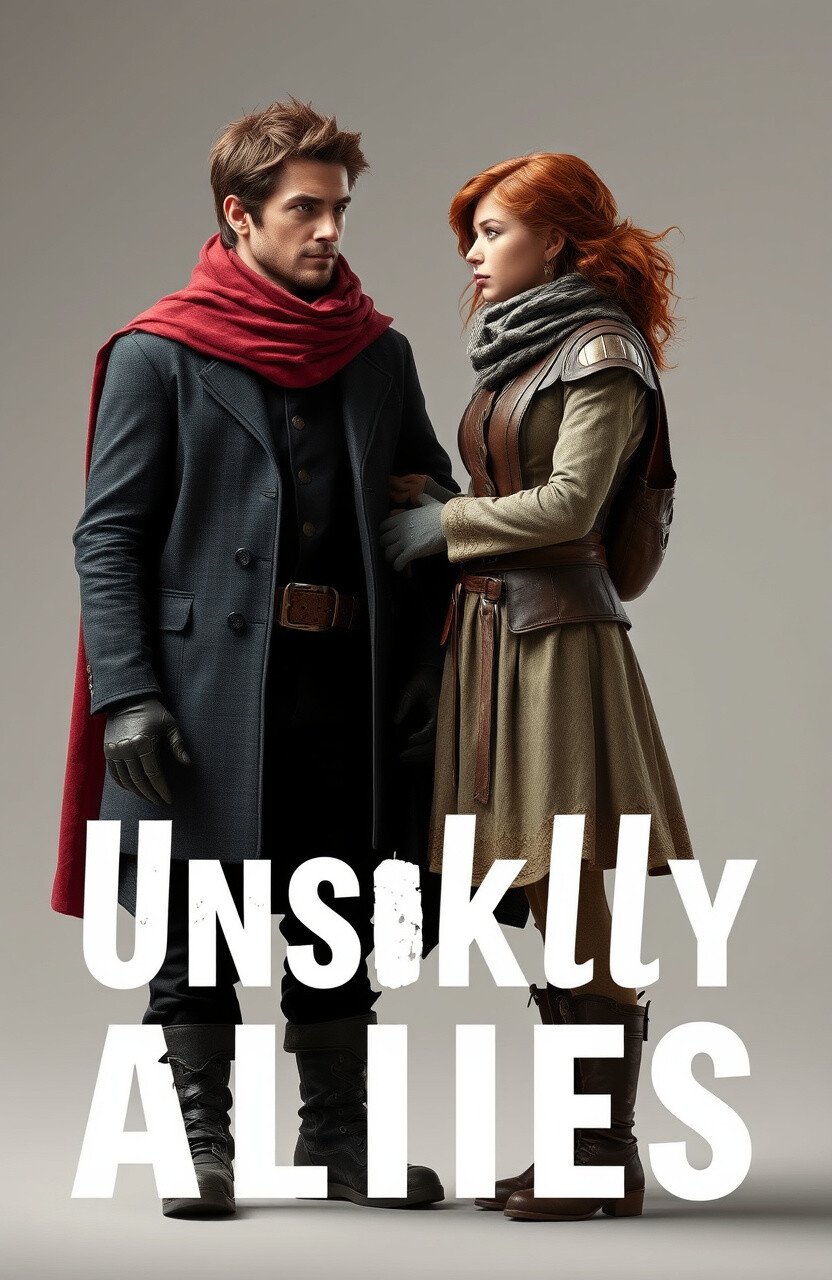
Pair characters who are opposites. Watch how they interact.
This dynamic creates tension and growth. It encourages character development.
Select contrasting characters and explore their bond. Let them challenge each other.
No cost, just character creation. A compelling way to evolve narratives.
30. Inner Monologues
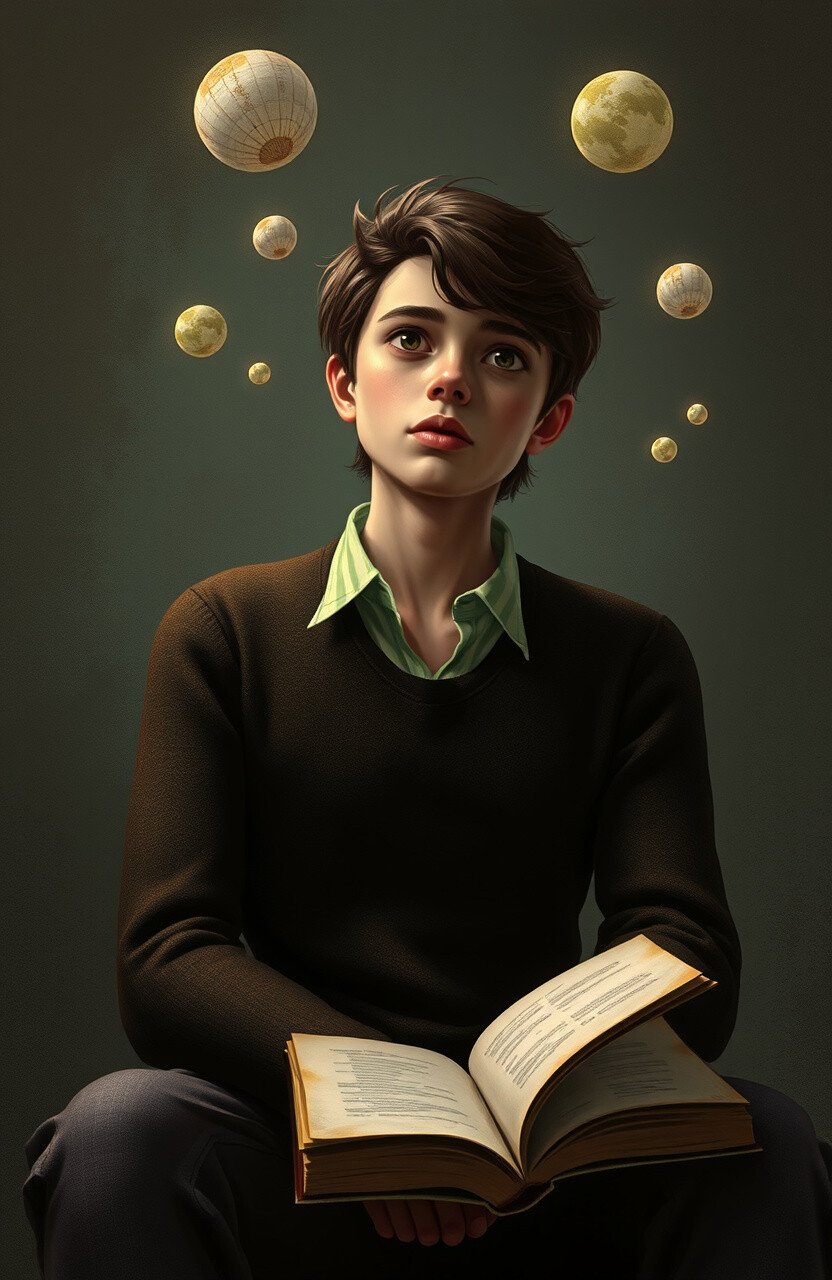
Let characters’ thoughts drive the story. Reveal their inner worlds.
Monologues offer insight and depth. They create intimate connections.
Explore characters’ internal conflicts. Use thoughts to propel the plot.
No cost, just introspection. A revealing storytelling device.
31. Cultural Connections

Incorporate diverse cultural elements. Celebrate different traditions.
This enriches stories with authenticity. It fosters cultural understanding.
Research cultures that inspire you. Integrate them respectfully into your tales.
No cost, just research and respect. A meaningful way to diversify stories.
32. Prophecy Plots
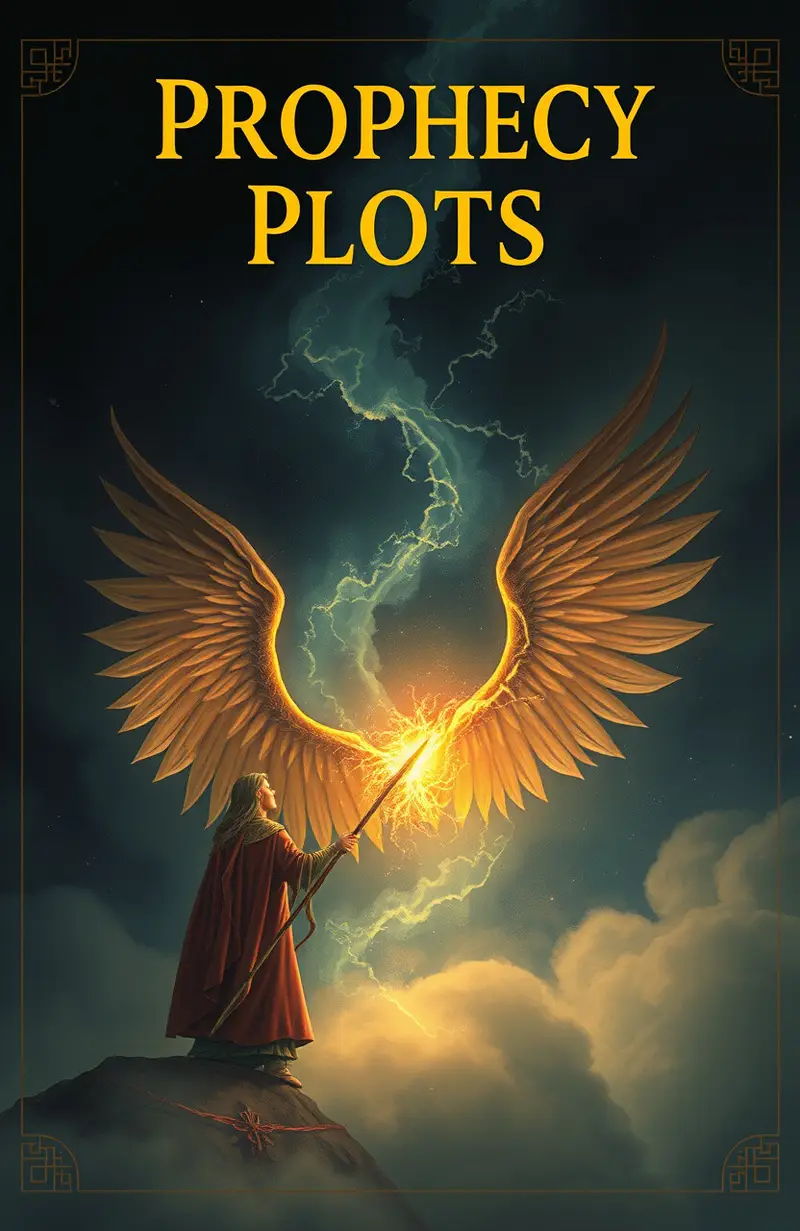
Use prophecies to drive your story. Let them shape characters’ destinies.
Prophecies add tension and mystery. They guide characters’ journeys.
Create a compelling prophecy. Watch how characters respond to its call.
No cost, just creativity. A captivating storytelling element.
33. Wordless Wonders
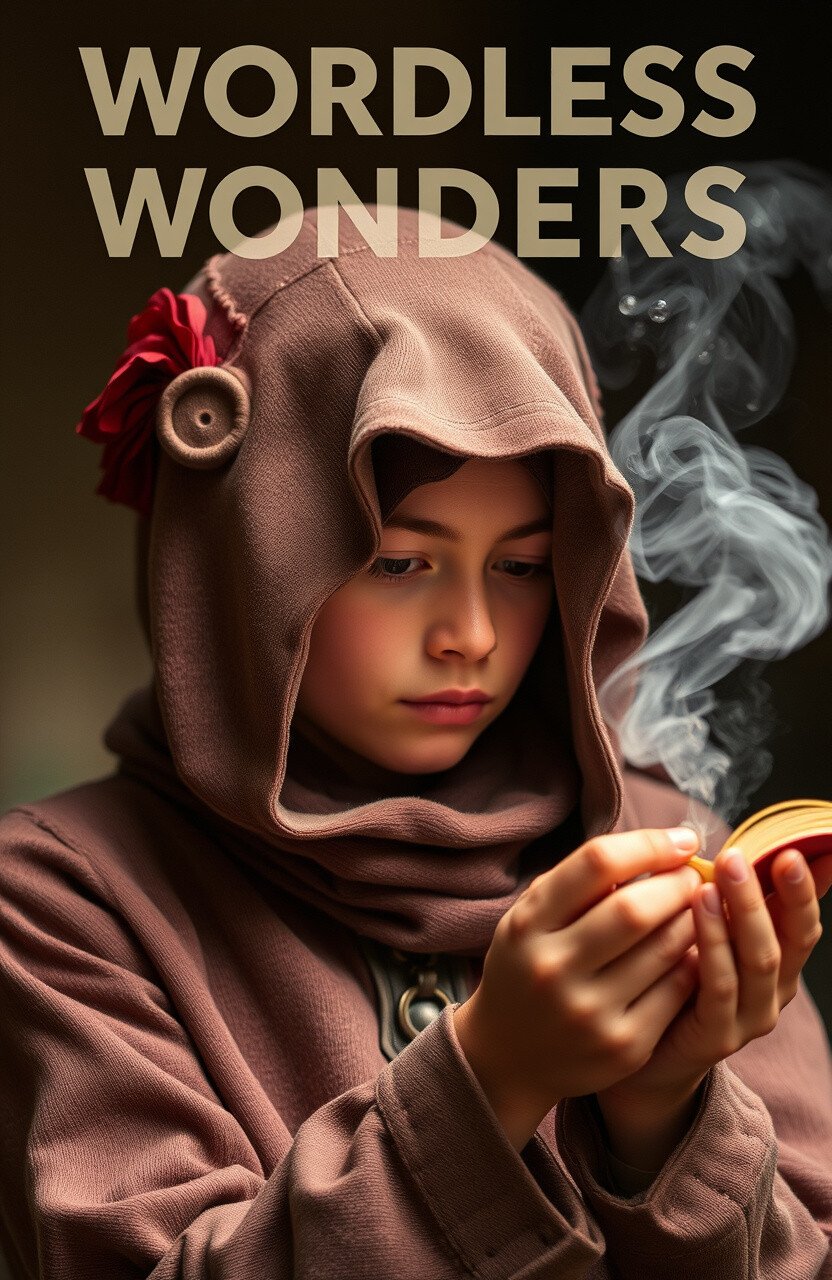
Tell a story without words. Use images or actions instead.
This challenges traditional storytelling. It encourages visual expression.
Create a series of images that convey a plot. Let actions speak volumes.
Cost varies with materials. A unique, expressive storytelling form.
34. Fairy Tale Reimagining
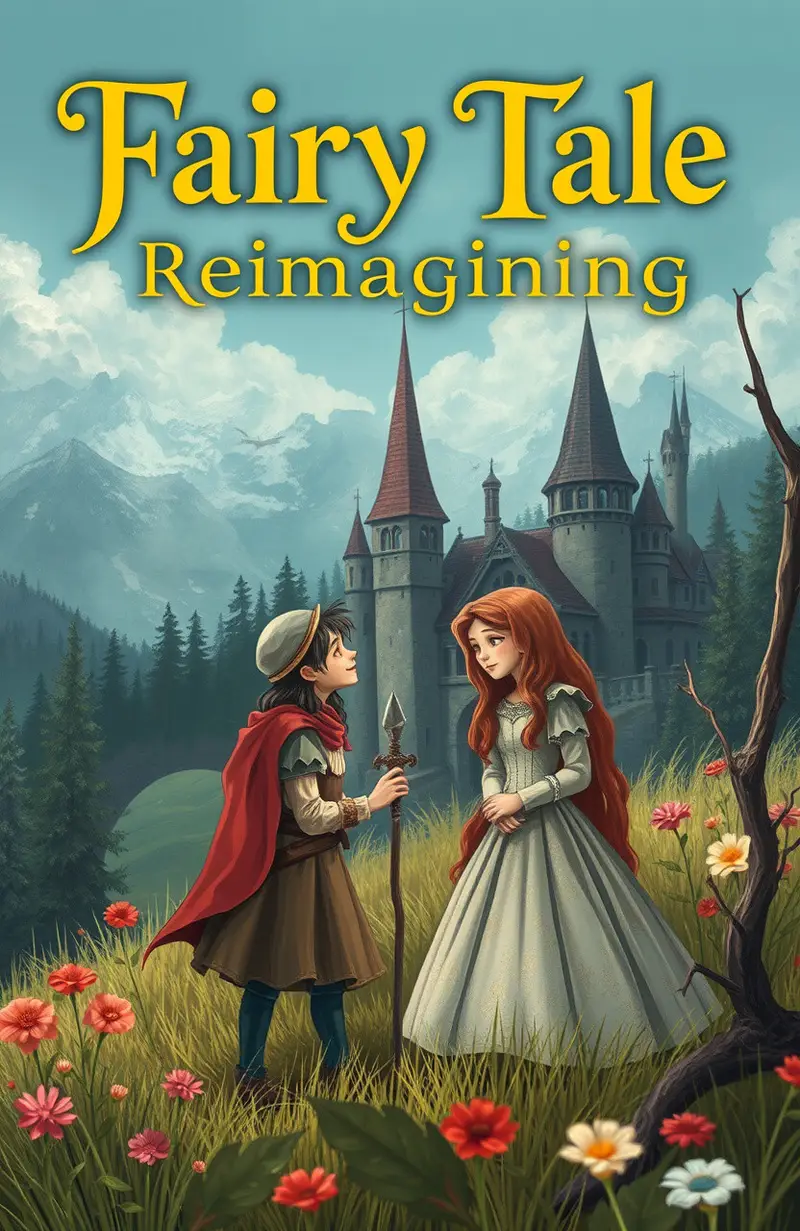
Rework classic fairy tales with modern twists. Add new layers to old stories.
This offers familiarity with innovation. It breathes life into beloved tales.
Identify core elements of a fairy tale. Reinterpret them in contemporary settings.
No cost, just creativity. A fun way to honor and innovate on classics.
35. Symbolic Storytelling
Use symbols to enhance your story. Add layers of meaning.
Symbols enrich narratives with depth. They invite interpretation and reflection.
Select symbols that resonate with your theme. Weave them into the narrative fabric.
No cost, just thoughtful integration. A layered, meaningful storytelling approach.
36. Found Object Stories

Use objects you find to inspire a tale. Let them spark creativity.
Found objects offer unexpected inspiration. They encourage resourcefulness.
Collect intriguing items and imagine their stories. Let them guide your plot.
No cost, just a keen eye. A creative, scavenger-style storytelling method.
37. Dialogue-Only Tales

Craft a story entirely through dialogue. Let conversations reveal the plot.
This format is dynamic and engaging. It requires sharp dialogue skills.
Create lively exchanges that reveal character and plot. Let voices drive the story.
No cost, just dialogue prowess. An energetic storytelling challenge.
38. Urban Legends
Invent your own urban legend. Craft a modern myth.
Urban legends capture local flavor and intrigue. They blend reality with fiction.
Think of a mysterious event or place. Build a story that explains its origins.
No cost, just imagination. A thrilling way to create contemporary folklore.
39. Language Lens

Use language as a story element. Play with words and meanings.
Language can shape perception and experience. It adds depth and nuance.
Explore linguistic quirks and idioms. Let them influence your narrative style.
No cost, just linguistic curiosity. A playful, enriching storytelling technique.
40. Moral Maze

Create a story around a moral dilemma. Explore its complexities.
Moral dilemmas add depth and tension. They encourage critical thinking.
Craft scenarios with no easy answers. Let characters navigate moral gray areas.
No cost, just ethical exploration. A thought-provoking storytelling method.
41. Silent Films

Imagine a story as a silent film. Focus on visuals and expressions.
This format emphasizes non-verbal storytelling. It encourages visual creativity.
Visualize scenes without sound. Let gestures and expressions convey emotion.
Cost varies with medium. A classic, expressive storytelling form.
42. Story Dice
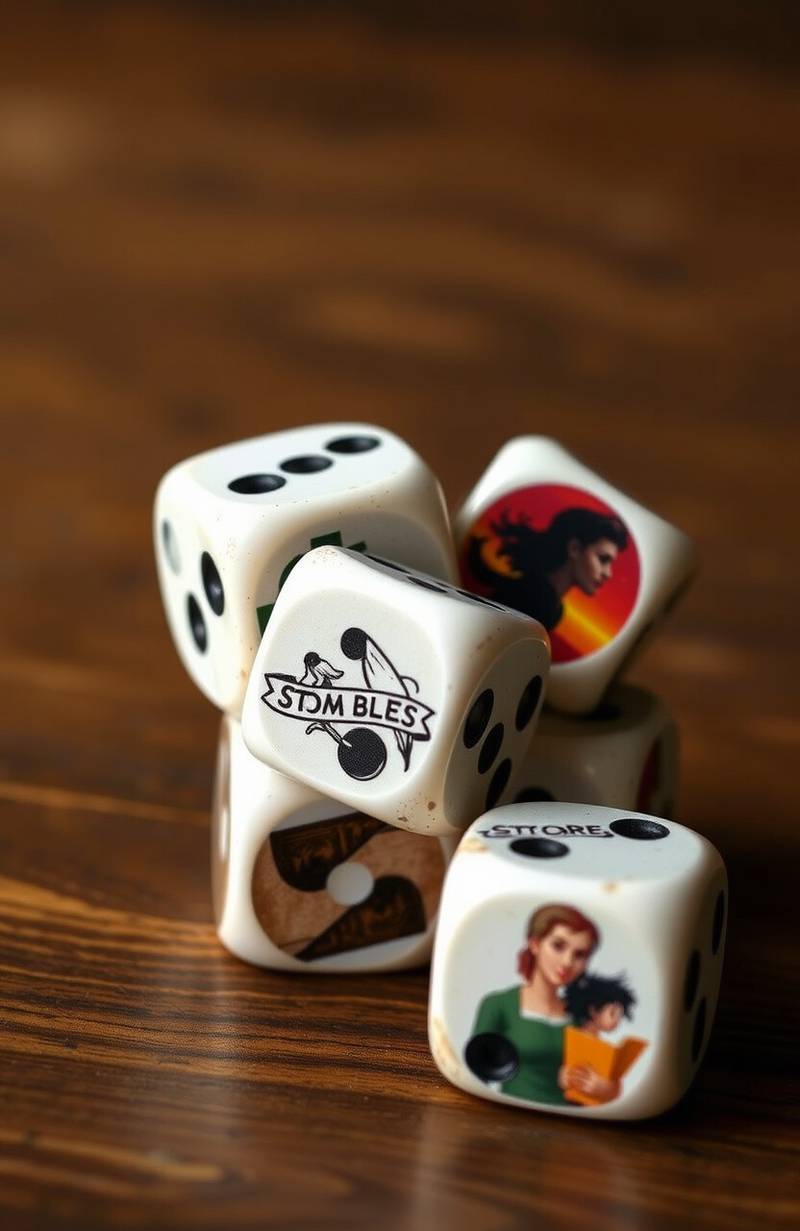
Roll dice with images to generate story ideas. Let chance guide you.
Story dice add an element of surprise. They spark creativity and spontaneity.
Roll the dice and combine images into a plot. Let randomness inspire you.
Cost varies with dice sets. A fun, playful storytelling tool.
43. Backward Narratives
Write a story that unfolds in reverse. Reveal the ending first.
This structure creates intrigue and suspense. It challenges conventional storytelling.
Start with the conclusion and work backward. Unravel the events leading up to it.
No cost, just creative planning. A unique, engaging storytelling approach.