Imagine a place where students eagerly engage and creativity flows effortlessly. The classroom can be a magical space filled with inspiring elements that capture the imagination. Dive into a world where learning becomes an adventure with these captivating ideas.
1. Flexible Seating
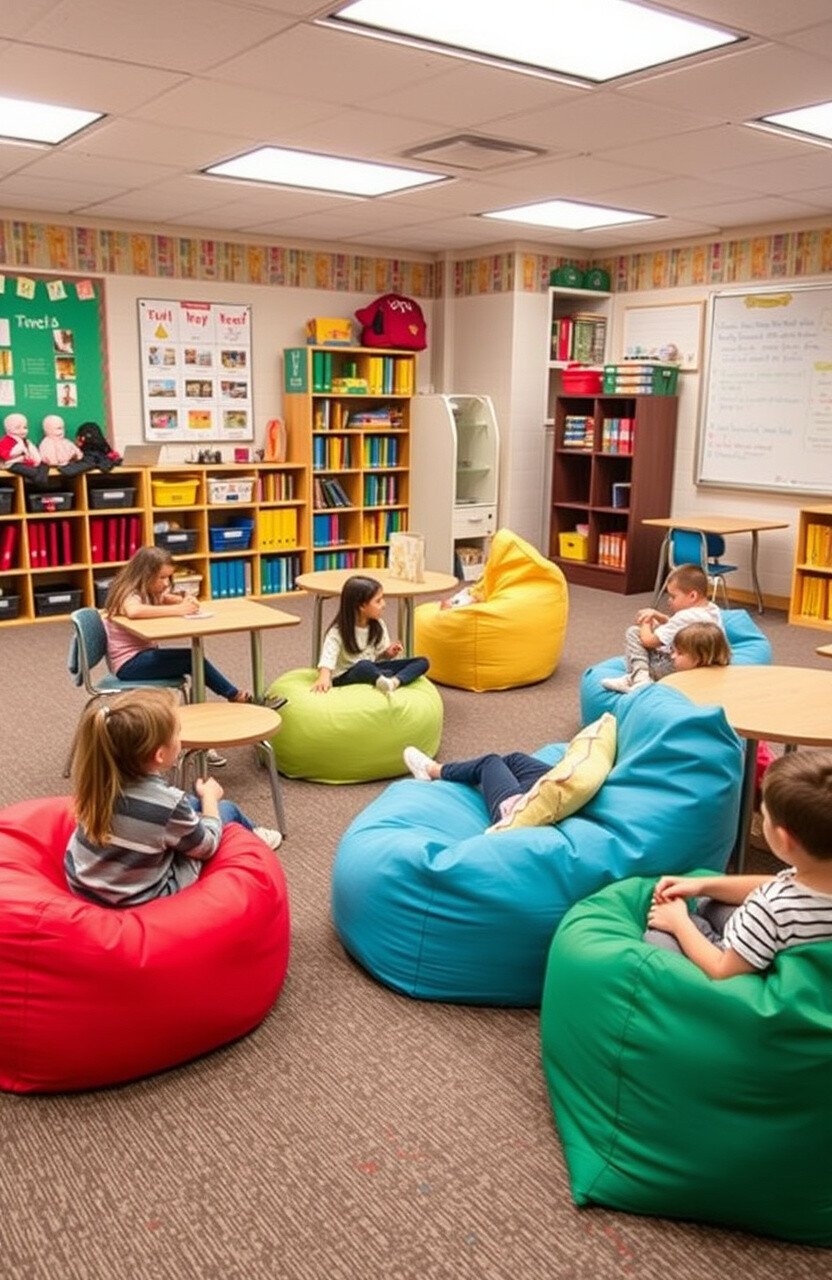
Flexible seating allows students to choose where and how they sit, fostering comfort and creativity. Imagine bean bags, standing desks, and floor cushions that make learning feel cozy and fun.
This arrangement promotes collaboration and communication, as students can easily move and work in groups. It’s a great way to cater to different learning styles, making everyone feel included.
To make it unique, try incorporating colorful seating options that match your classroom’s theme. You could even let the students help pick out their favorite spots!
Costs can vary depending on the type of seating chosen, but starting small with a few options can be budget-friendly. Thrift stores or DIY options can keep costs low while adding a personal touch.
2. Interactive Whiteboards
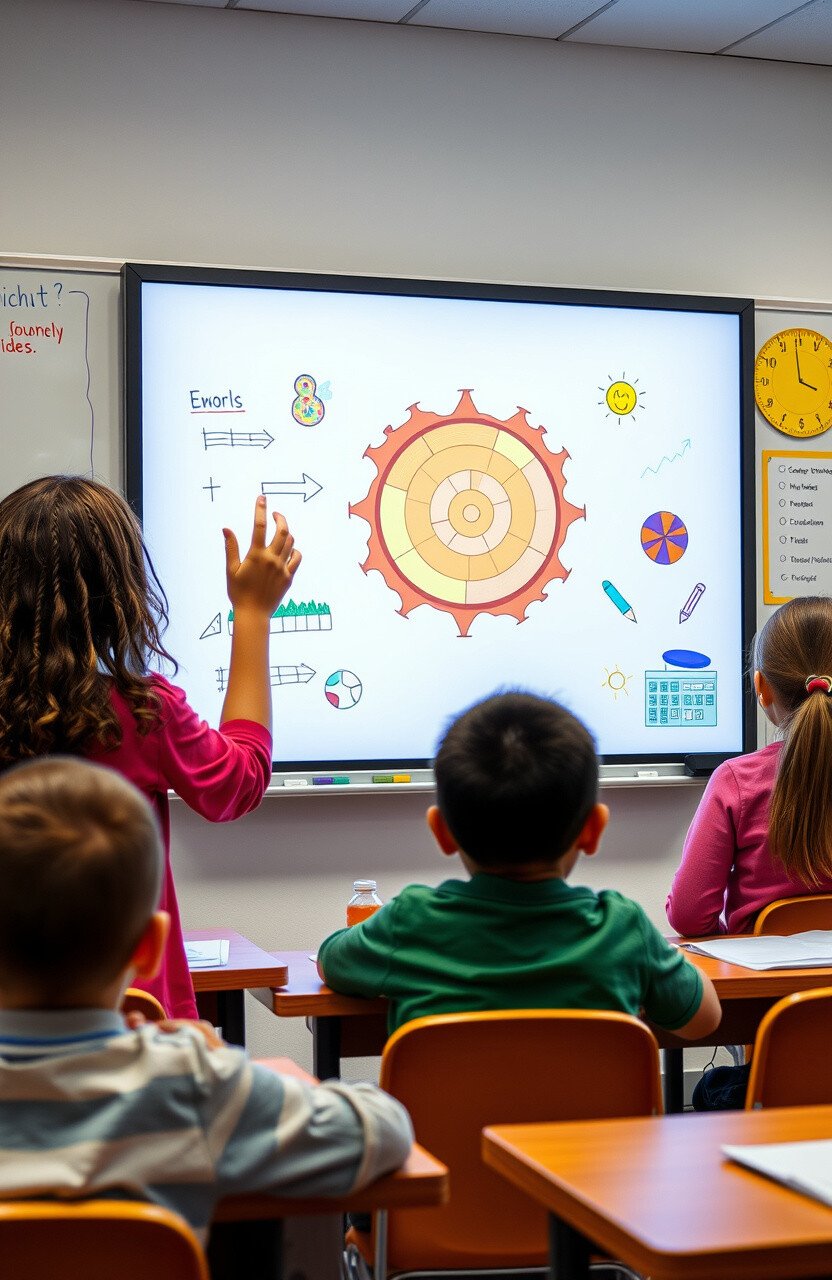
Interactive whiteboards bring lessons to life with touch-sensitive screens that make learning dynamic. These boards can display videos, games, and activities that captivate young minds.
Their benefits include enhancing engagement and providing interactive learning experiences. Students can also contribute to lessons, making them feel more involved.
Uniquely, you can personalize lessons with interactive quizzes and drawing tools. Trends show that digital literacy is more important than ever, and these boards help build those skills.
While they can be a bit pricey, many schools find them a worthwhile investment. Grants and educational discounts can help offset costs.
3. Art Corners
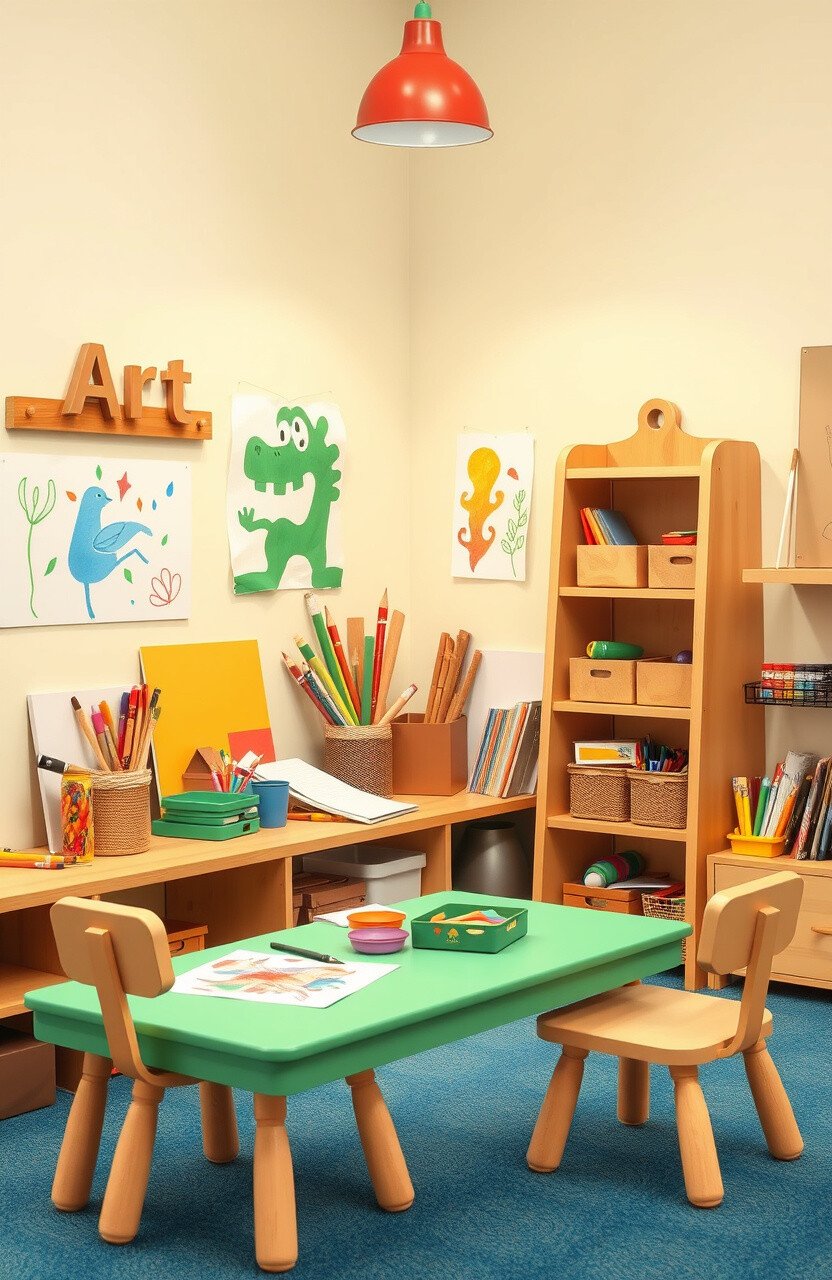
An art corner stocked with supplies can inspire creativity and self-expression. Think of colorful paints, sketchpads, and various craft materials that invite exploration.
Encouraging artistic activities helps develop fine motor skills and boosts confidence. It’s a fun way for kids to express themselves and share their unique perspectives.
Make it unique by rotating themes or projects regularly. Encourage students to share their work in a mini-gallery display!
Art supplies can be affordable, especially if you take advantage of sales or bulk purchasing. Consider asking for donations from local businesses or parents.
4. Reading Nooks
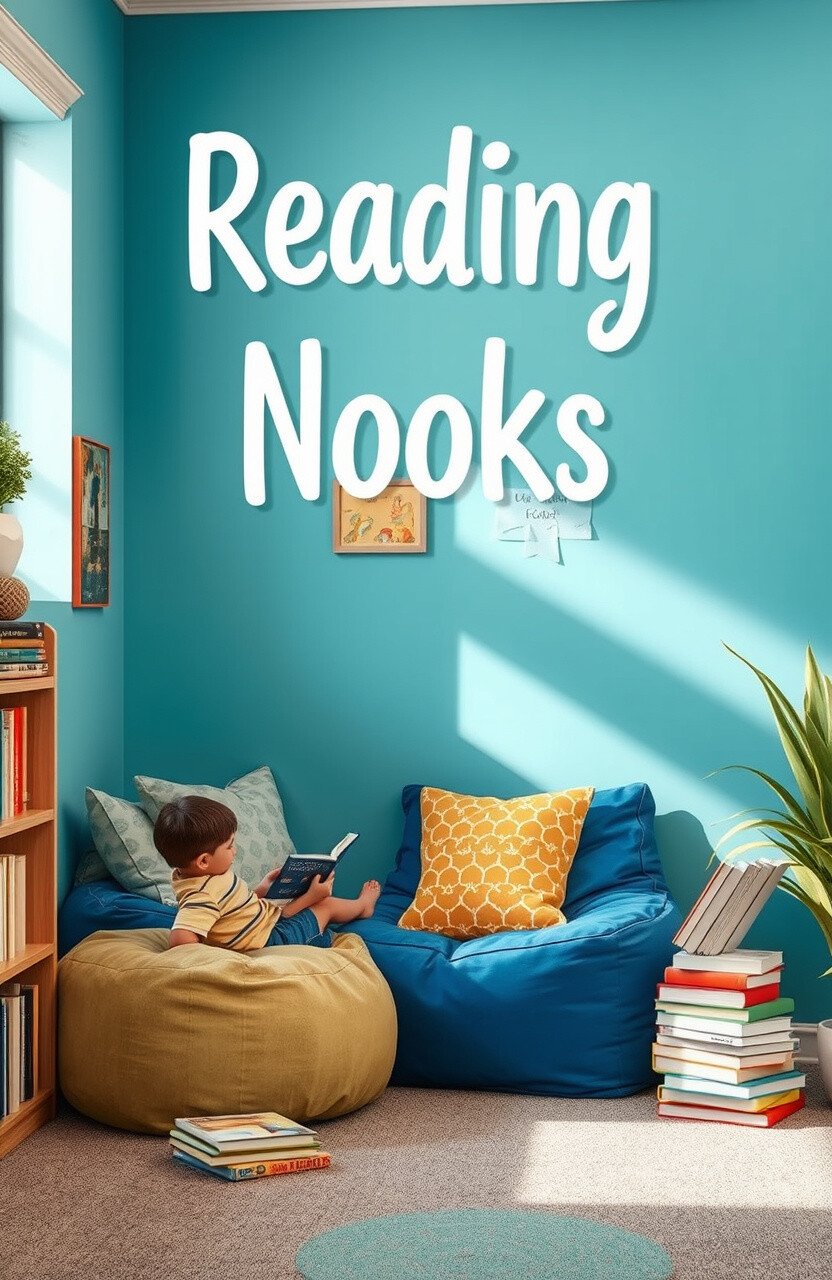
Reading nooks create a cozy escape for students to immerse themselves in books. Picture a quiet corner with bean bags and a variety of books for all levels.
This element fosters a love for reading and enhances literacy skills. It’s also a great way for students to take a break and recharge.
Make it unique with themed nooks, like a jungle or outer space adventure. Personalized bookmarks or reading challenges can add excitement.
Creating a nook doesn’t have to be expensive. Use donated books and cushions, and even enlist students to help decorate.
5. Classroom Gardens
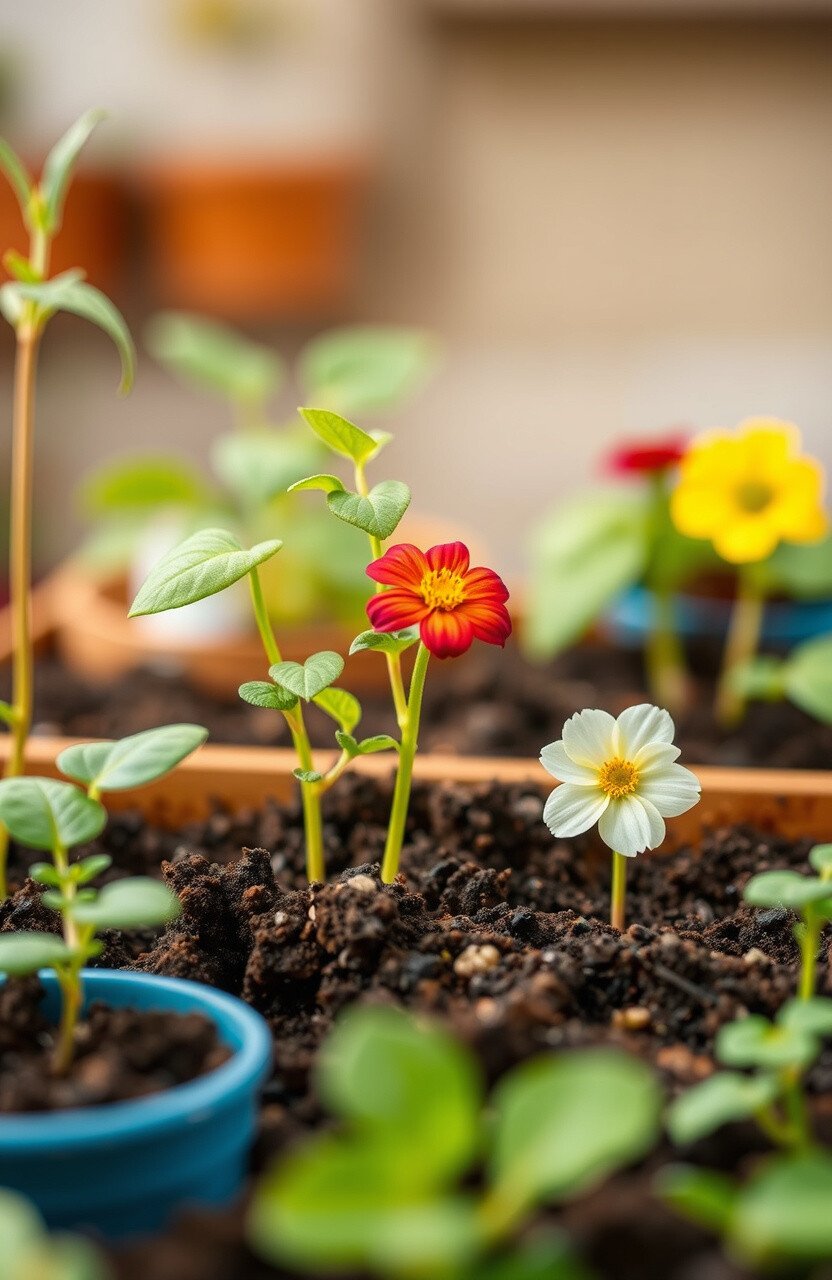
Classroom gardens offer hands-on learning about nature and responsibility. Students can plant seeds, watch them grow, and learn about plants and ecosystems.
Gardening teaches patience and environmental stewardship. It’s a calming activity that connects students to the natural world.
Uniquely, you can incorporate science lessons about plant life cycles or create a sensory garden with different textures and scents. Seasonal planting keeps the garden dynamic.
Starting a garden can be low-cost with donations of seeds or supplies. Recycled containers make excellent planters!
6. STEM Stations
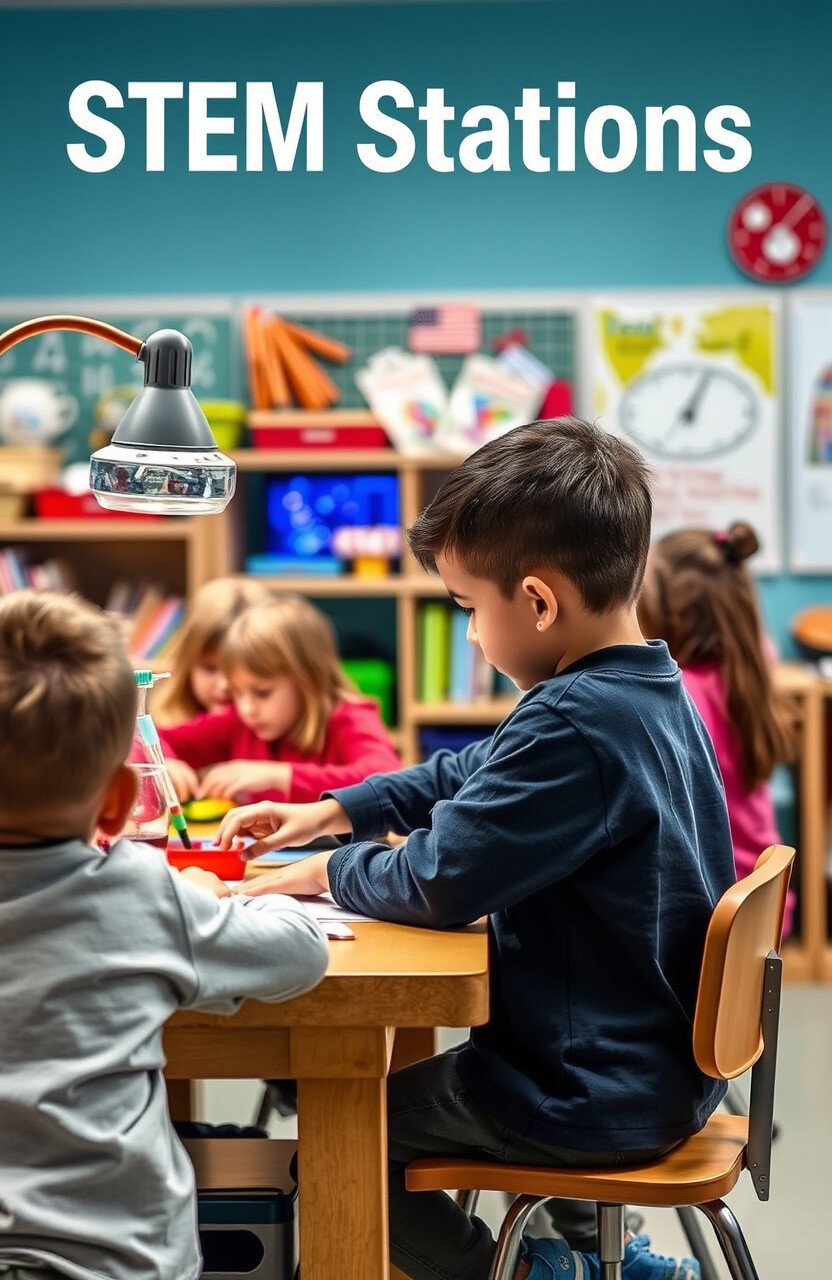
STEM stations packed with science, technology, engineering, and math activities can ignite young minds. Imagine building blocks, coding tools, and science kits that invite exploration.
These stations promote critical thinking and problem-solving skills. Kids learn by doing, which makes the experience memorable and fun.
Keep it unique by rotating activities and incorporating current STEM trends. Encourage students to become mini-experts in their favorite areas.
While some kits can be costly, many affordable options are available. Try DIY projects or open-source software to keep costs manageable.
7. Creative Writing Spaces

Creative writing spaces with inspiring prompts and cozy writing materials can spark students’ imaginations. Think of journals, colorful pens, and a quiet corner to write.
These spaces encourage storytelling and improve writing skills. It’s a wonderful way for students to express their thoughts and ideas.
Personalize it with themed writing challenges or prompt jars. Displaying students’ work can boost confidence and pride.
Costs are minimal, with materials like paper and pens being quite affordable. Encourage students to bring in their favorite writing tools.
8. Mindfulness Zones
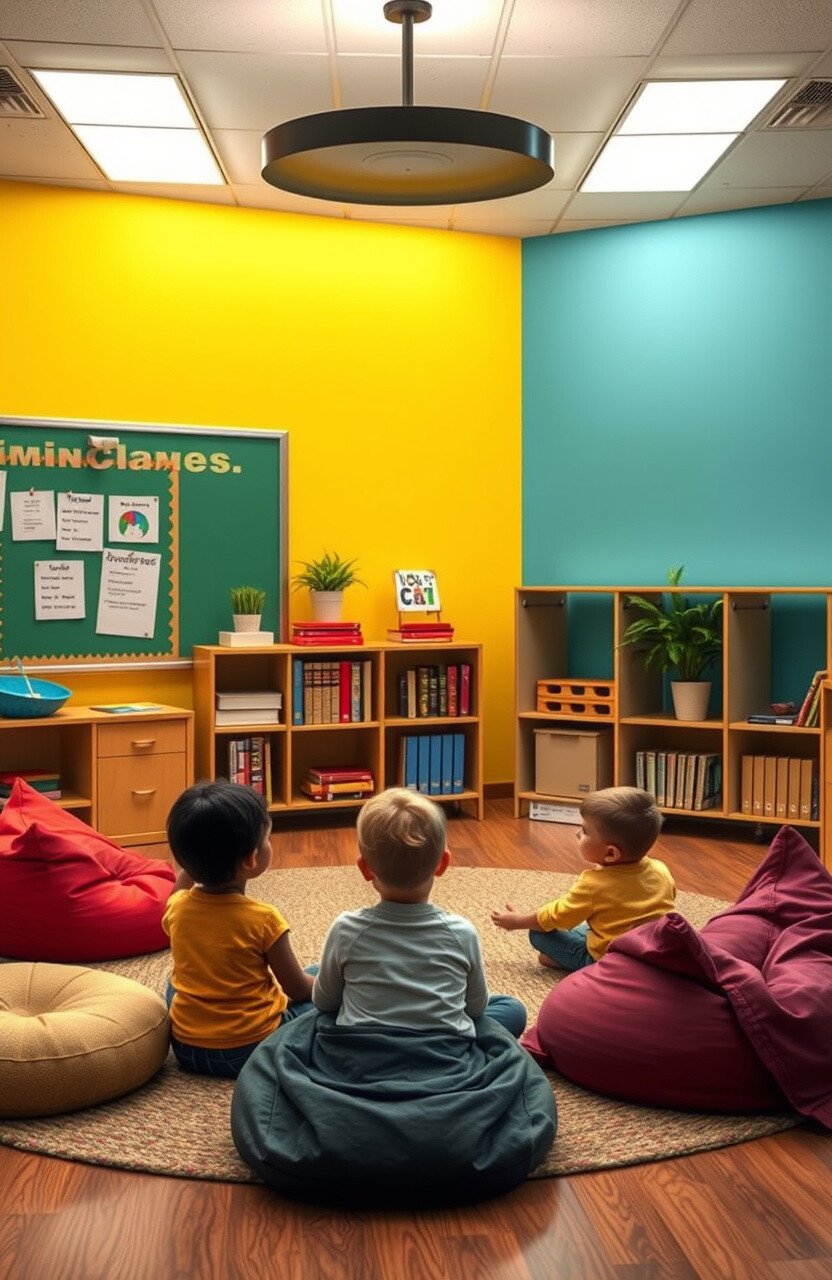
Mindfulness zones offer a calming retreat where students can relax and refocus. Picture a quiet space with soft lighting and calming activities like puzzles or coloring.
These zones help manage stress and improve concentration. They teach kids valuable mindfulness techniques that can benefit them beyond the classroom.
Make it special with soothing music or guided meditation sessions. Personalize with elements that resonate with your students’ needs.
Creating a mindfulness zone can be cost-effective. Use existing resources and seek donations for items like bean bags or coloring books.
9. Puzzle Corners

Puzzle corners filled with jigsaw puzzles, brain teasers, and logic games can be a fun challenge. They invite students to solve problems and work together.
These activities boost critical thinking and teamwork skills. They’re a fantastic way for students to take a break while still learning.
Uniquely, you can create themed puzzle challenges or competitions. Keep the selection fresh by rotating puzzles regularly.
Puzzles can be inexpensive, especially if you find them second-hand. Consider asking for donations or swapping puzzles with other teachers.
10. Music Stations

Music stations with instruments and listening activities can unleash musical creativity. Picture drums, keyboards, and headphones for exploring tunes.
These stations enhance musical skills and provide an outlet for self-expression. Music can also be a powerful tool for learning other subjects.
Keep it unique by introducing different music genres or creating a class band. Encourage students to compose their own music pieces.
While instruments can be costly, starting with simple options like percussion instruments can be affordable. Look for grants or community donations for support.
11. Digital Creation Labs

Digital creation labs with tablets and design software can inspire tech-savvy creativity. Students can create digital art, animations, and interactive stories.
These labs enhance digital literacy and creative skills. They’re a fantastic way to incorporate technology into the classroom.
Make it special by showcasing students’ digital creations on a class website. Keep up with digital trends to keep the lab exciting.
While technology can be expensive, many schools offer resources or grants. Free software options can also minimize costs.
12. Drama Corners
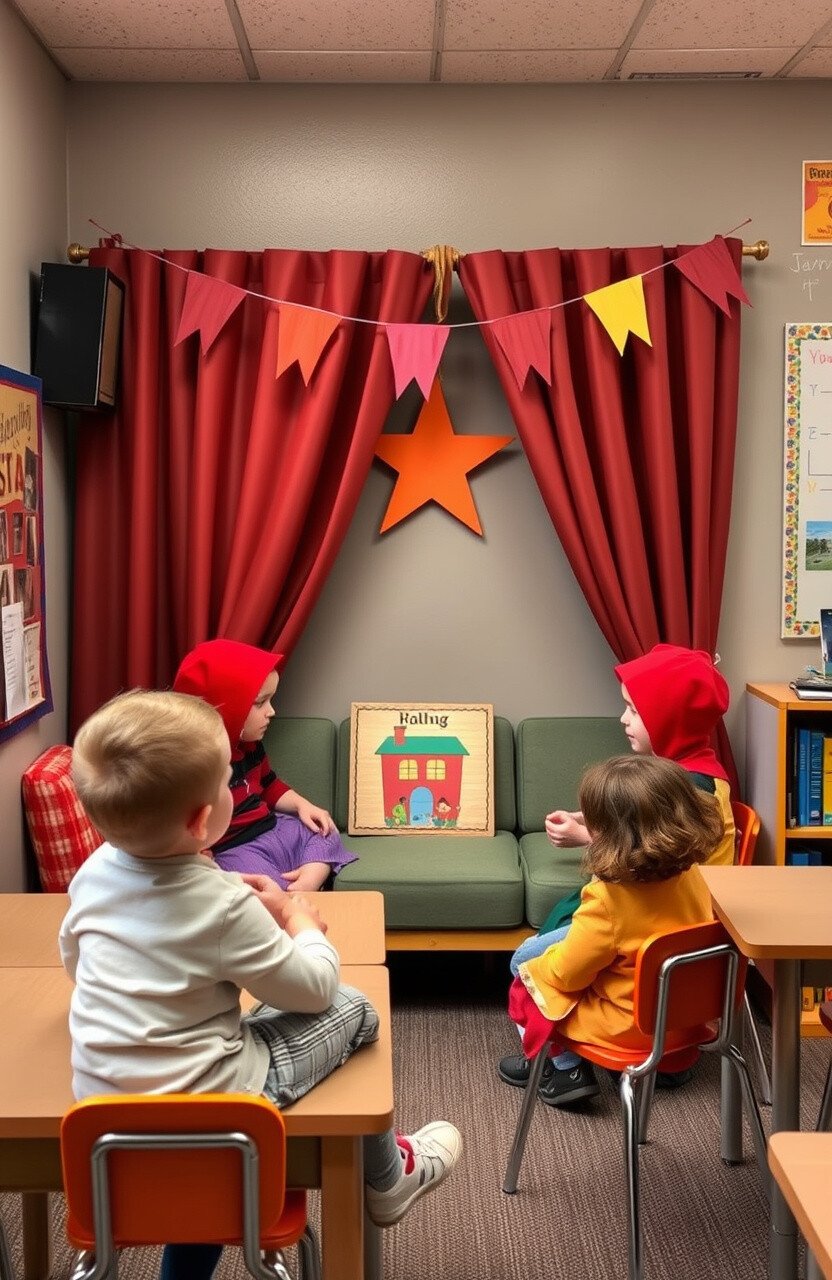
Drama corners with costumes and props invite students to step into different roles. Imagine a space where creativity and confidence can shine through acting.
These corners enhance social skills and boost self-esteem. They’re a great way for students to explore emotions and storytelling.
Make it unique with themed drama challenges or rotating props. Encourage students to write their own plays or skits.
Costumes and props can be sourced affordably from thrift stores or donations. Creativity in repurposing items can also keep costs low.
13. Science Exploration Areas

Science exploration areas with hands-on experiments and models invite curiosity and discovery. Picture a space where students can dive into the wonders of science.
These areas foster critical thinking and scientific inquiry. They’re a fun way to make science tangible and exciting.
Keep it special with themed science weeks or challenges. Encourage students to become mini-scientists and explore their interests.
Experiment materials can be affordable, especially with creative DIY options. Seek donations or borrow resources from other classrooms.
14. Cultural Corners
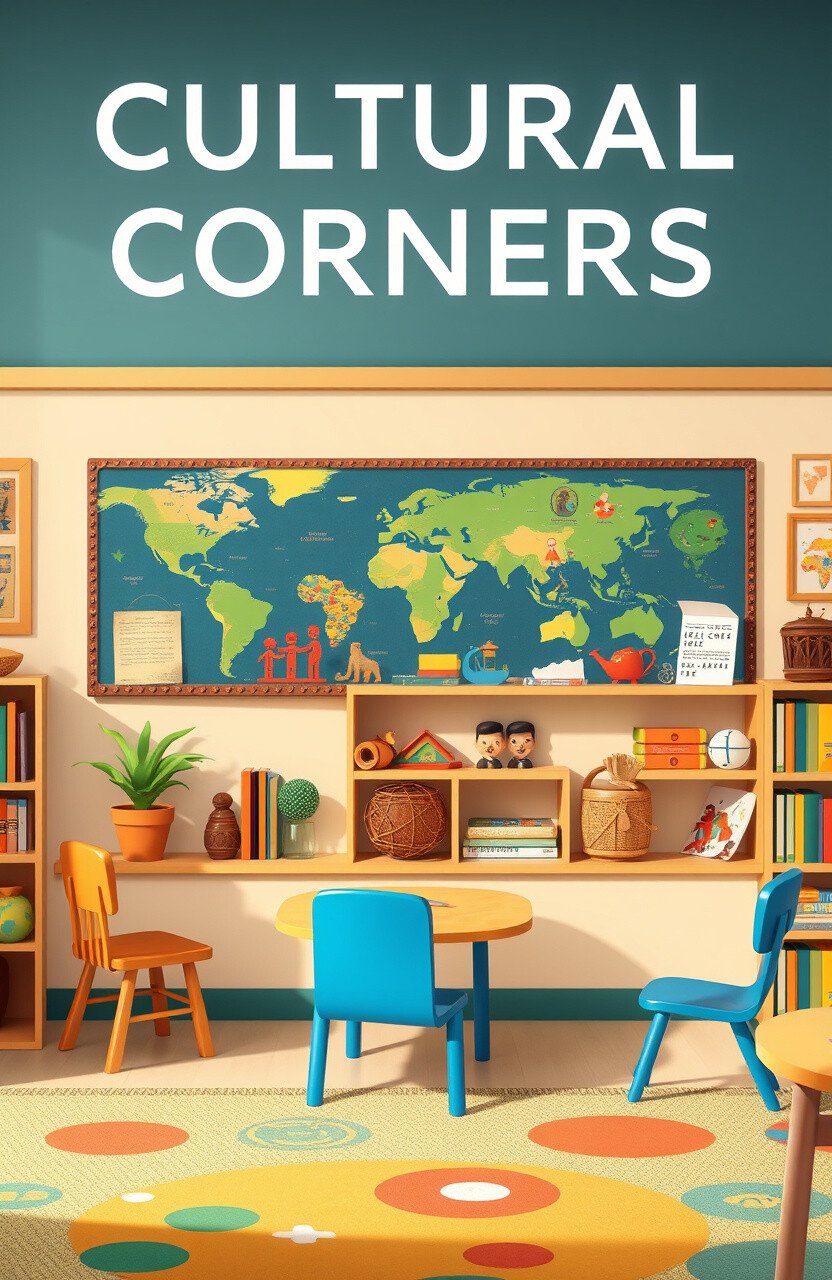
Cultural corners filled with artifacts and stories from around the world invite exploration of different cultures. Imagine a space that celebrates diversity and understanding.
These corners enhance cultural awareness and respect. They’re a fantastic way to broaden students’ horizons and build empathy.
Make it special by rotating cultural themes or inviting guest speakers. Encourage students to share their own cultural backgrounds.
Cultural items can be sourced affordably through donations or thrift stores. Encourage families to contribute artifacts or stories.
15. Storytelling Areas
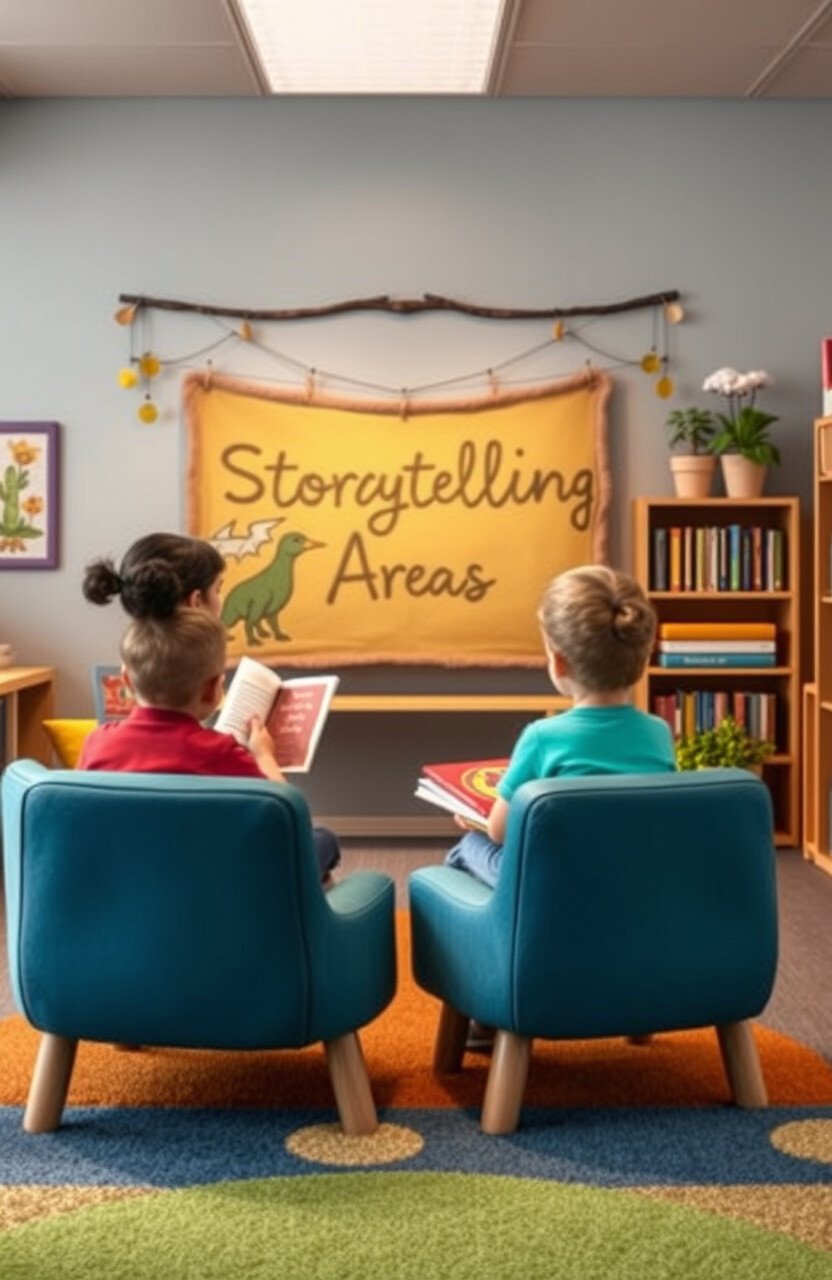
Storytelling areas with cozy seating and props invite imagination and engagement. Picture a space where students can listen to and share stories.
These areas enhance communication and listening skills. They’re a wonderful way to build community and share experiences.
Keep it unique with themed storytelling sessions or puppet shows. Encourage students to create and share their own stories.
Props and seating can be affordable, especially with DIY options. Encourage students to bring in items that inspire their storytelling.
16. Language Learning Zones
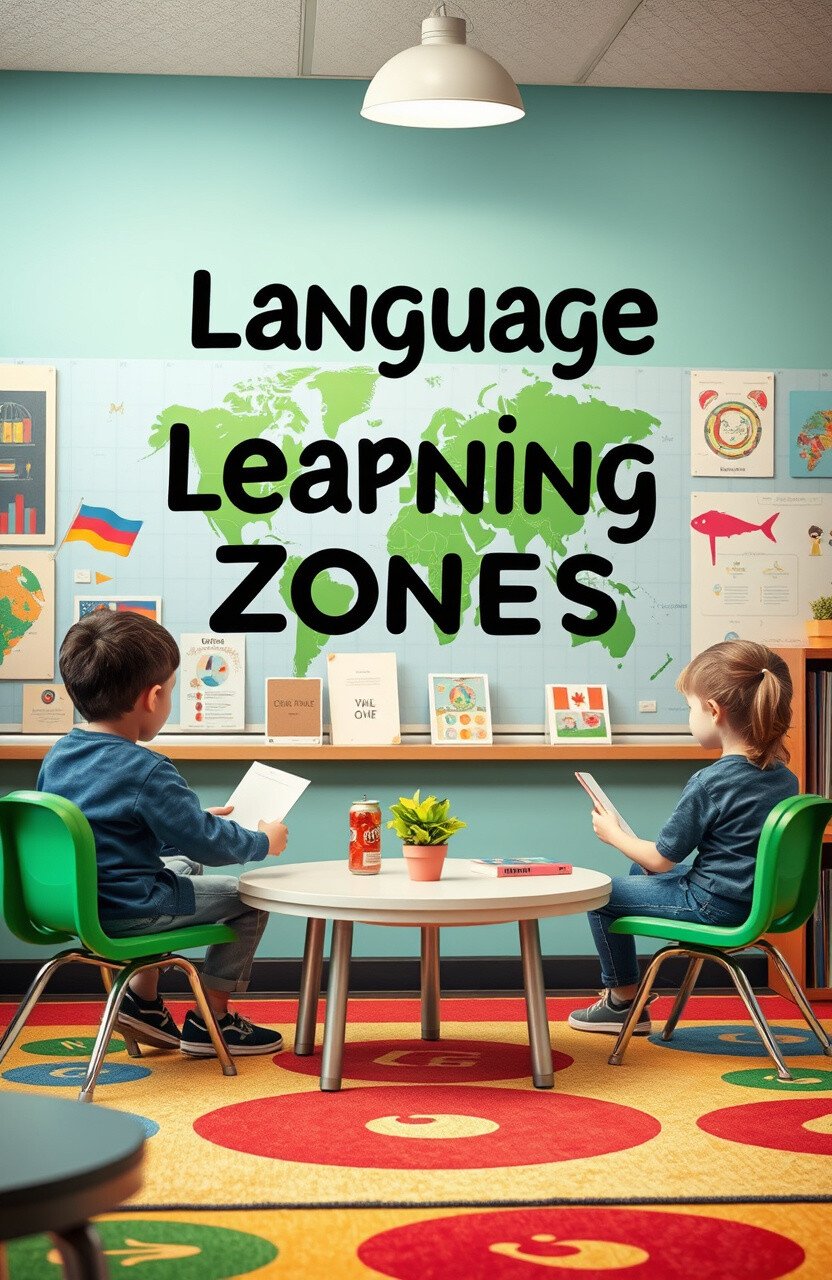
Language learning zones with interactive games and materials invite language exploration. Imagine a space where students can practice new languages in a fun way.
These zones enhance language skills and cultural understanding. They’re a great way to make language learning feel accessible and enjoyable.
Make it special with language challenges or cultural exchange activities. Encourage students to share phrases or stories in different languages.
Materials can be affordable, especially with the use of free online resources. Encourage students to bring in language materials or games.
17. Technology Corners
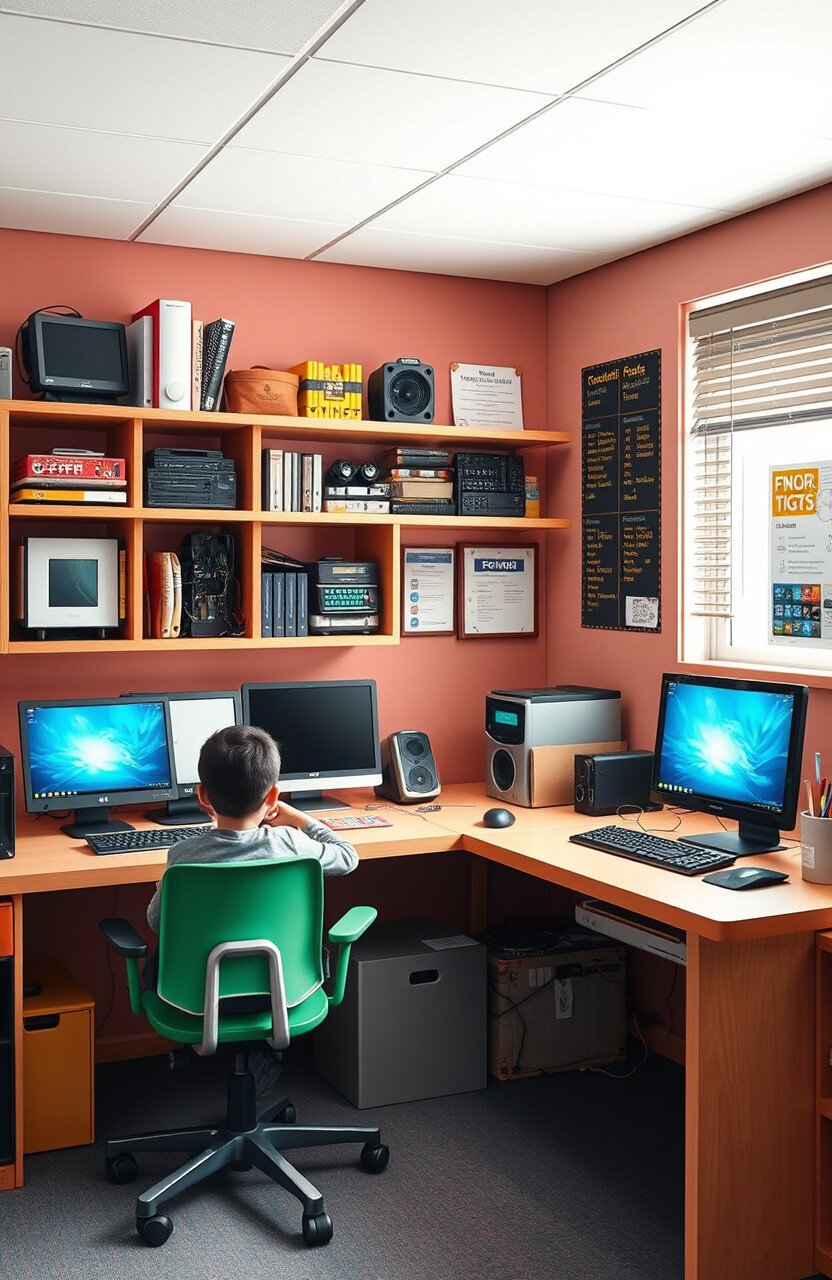
Technology corners with computers and gadgets invite exploration of the digital world. Picture a space where students can learn coding and technology skills.
These corners enhance digital literacy and problem-solving skills. They’re a fantastic way to integrate technology into learning.
Keep it unique with coding challenges or tech projects. Encourage students to become tech mentors and share their skills.
While technology can be costly, many free resources and grants are available. Encourage students to explore open-source software.
18. Outdoor Learning Spaces

Outdoor learning spaces invite students to learn in nature. Imagine a classroom without walls, with lessons under the sky.
These spaces enhance engagement and provide a refreshing change of environment. They’re a fantastic way to connect learning with the natural world.
Make it special with nature-based projects or outdoor games. Encourage students to explore and document their findings.
Outdoor spaces can be low-cost, using existing school grounds. Encourage students to bring in materials for outdoor lessons.
19. Craft Stations
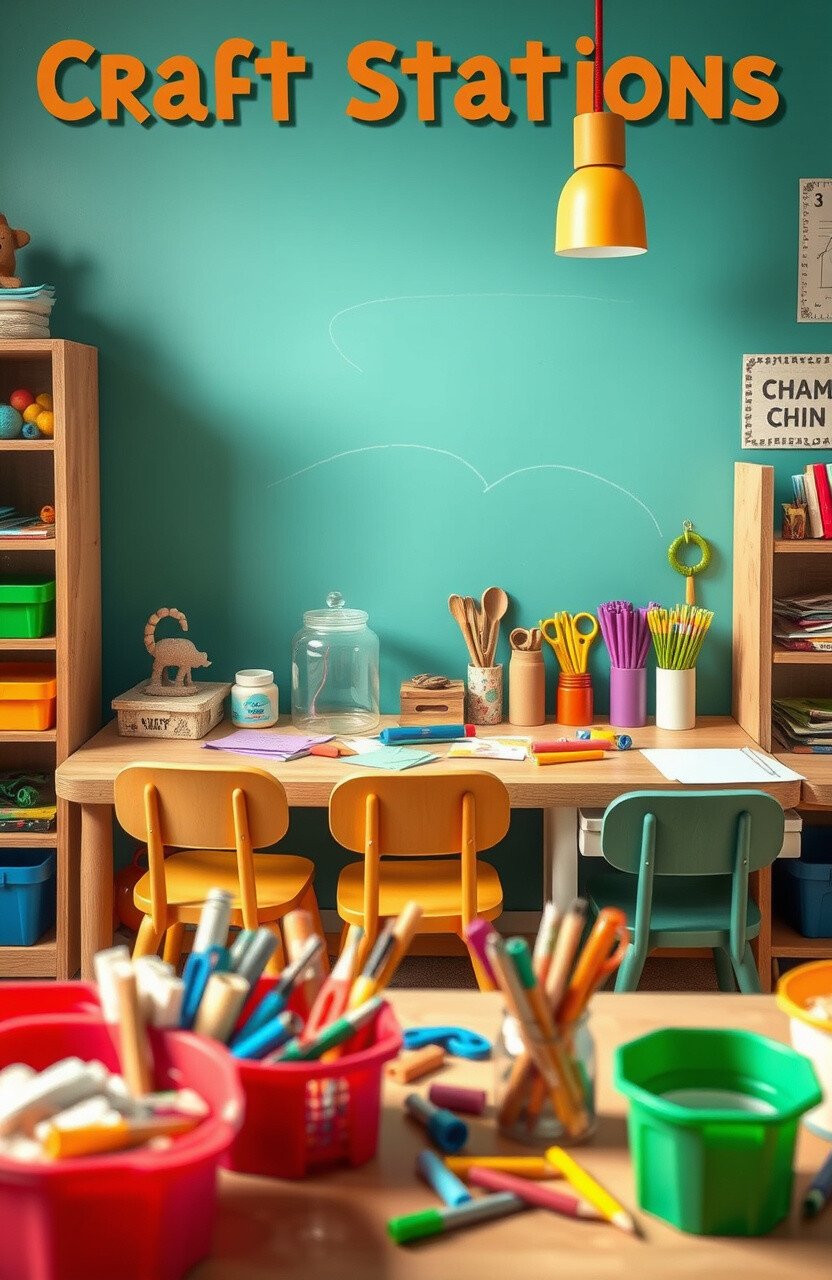
Craft stations with a variety of materials invite creativity and hands-on learning. Picture a space where students can make and create.
These stations enhance fine motor skills and creativity. They’re a fun way for students to express themselves through art.
Keep it unique with themed craft projects or challenges. Encourage students to share and display their creations.
Materials can be sourced affordably through bulk purchasing or donations. Encourage students to bring in craft supplies.
20. Collaborative Workspaces
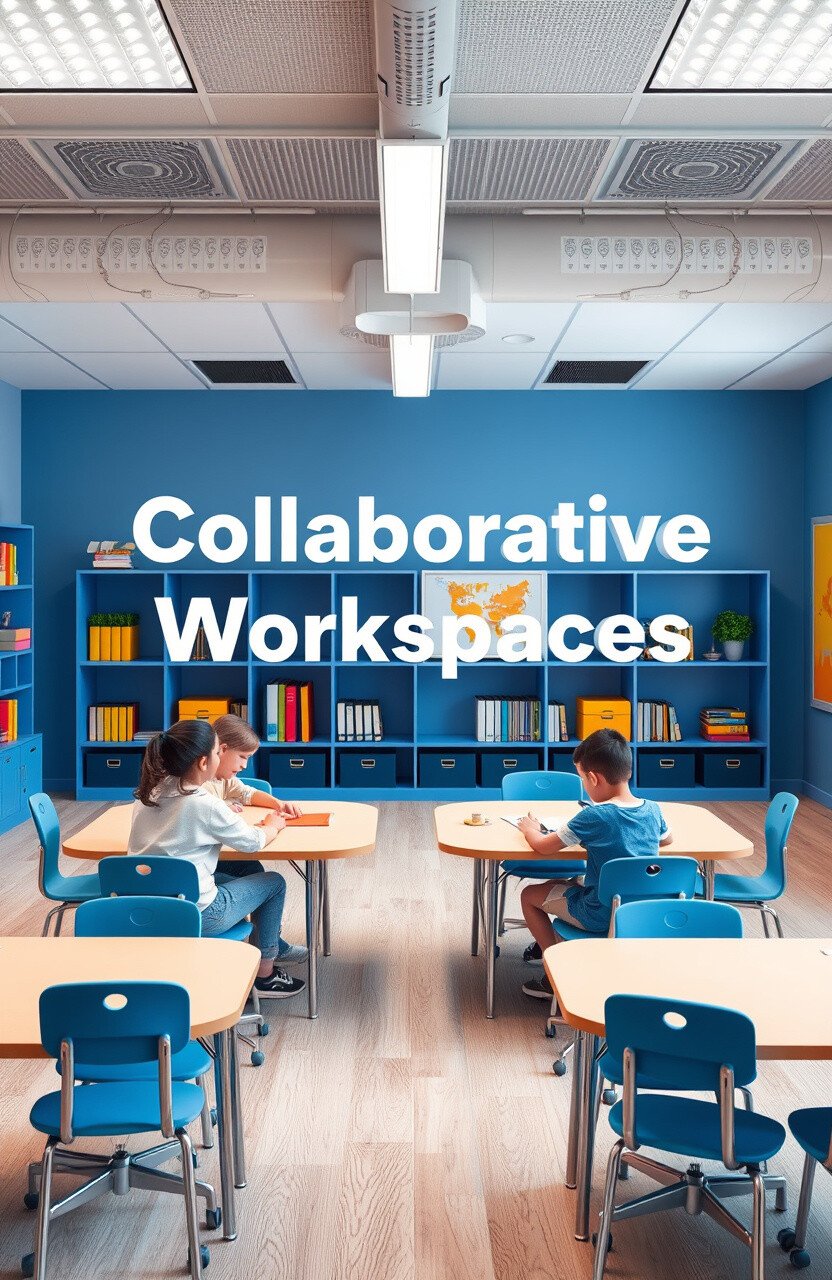
Collaborative workspaces with movable furniture invite teamwork and communication. Imagine a space where students can work together effortlessly.
These spaces enhance social skills and collaboration. They’re a great way to make group projects feel dynamic and engaging.
Make it special with themed group challenges or projects. Encourage students to take on different roles within their groups.
Furniture can be costly, but starting with movable tables or chairs can be budget-friendly. DIY options can also keep costs low.
21. Virtual Reality Experiences
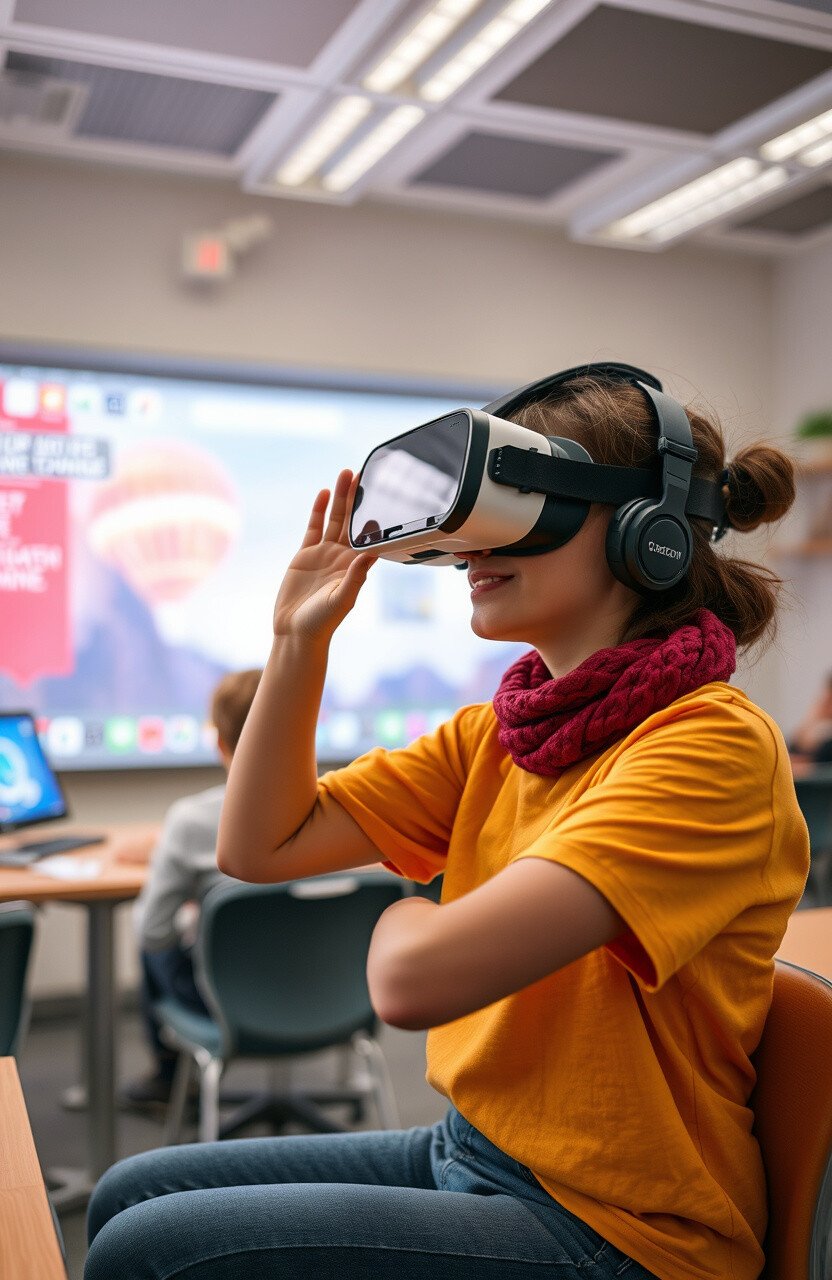
Virtual reality experiences invite students to explore new worlds. Picture a space where they can immerse themselves in different environments.
These experiences enhance engagement and provide unique learning opportunities. They’re a fantastic way to make lessons feel real and exciting.
Keep it unique with themed virtual reality lessons or challenges. Encourage students to create their own VR content.
VR technology can be costly, but many affordable options or grants are available. Encourage students to explore free VR apps or content.
22. Debate Areas
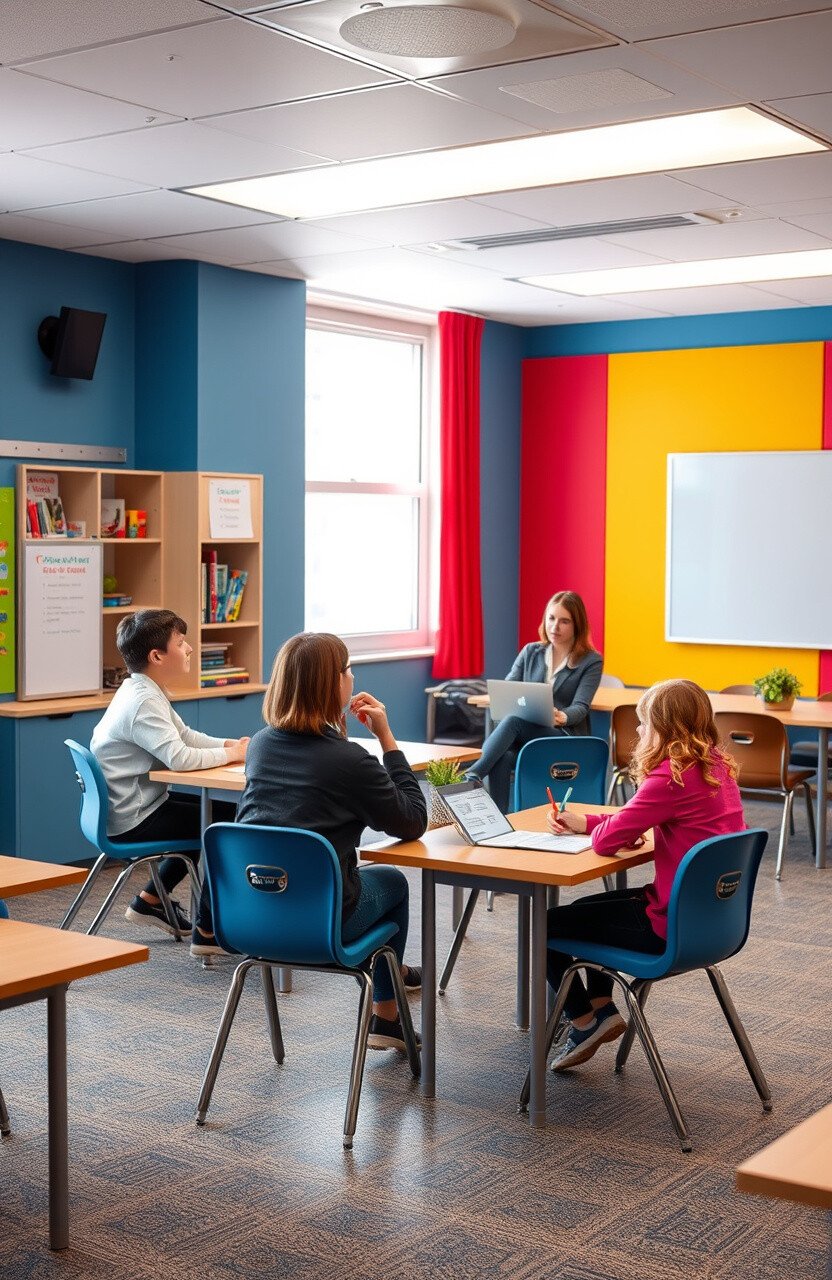
Debate areas invite students to engage in discussions and express their opinions. Imagine a space where they can develop their argument skills.
These areas enhance public speaking and critical thinking skills. They’re a great way to encourage respectful dialogue and understanding.
Keep it special with themed debate topics or challenges. Encourage students to research and present their findings.
Debate areas can be low-cost, using existing classroom space. Encourage students to contribute topics or resources.
23. Nature Centers
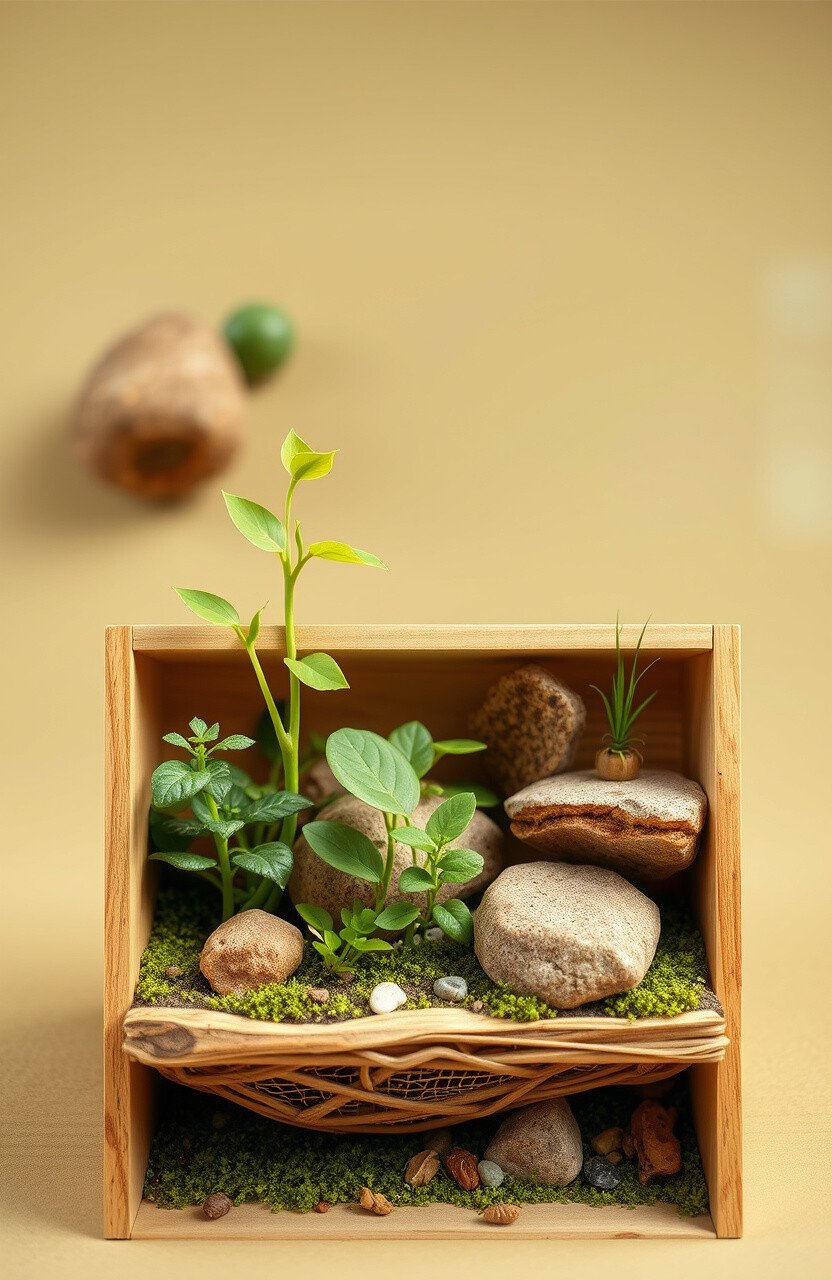
Nature centers invite students to explore the wonders of the natural world. Picture a space filled with plants, rocks, and natural artifacts.
These centers enhance environmental awareness and curiosity. They’re a fun way to connect science with everyday life.
Make it special with themed nature projects or challenges. Encourage students to bring in natural items for exploration.
Materials can be sourced affordably through donations or found objects. Encourage students to contribute to the nature center.
24. Storybook Corners
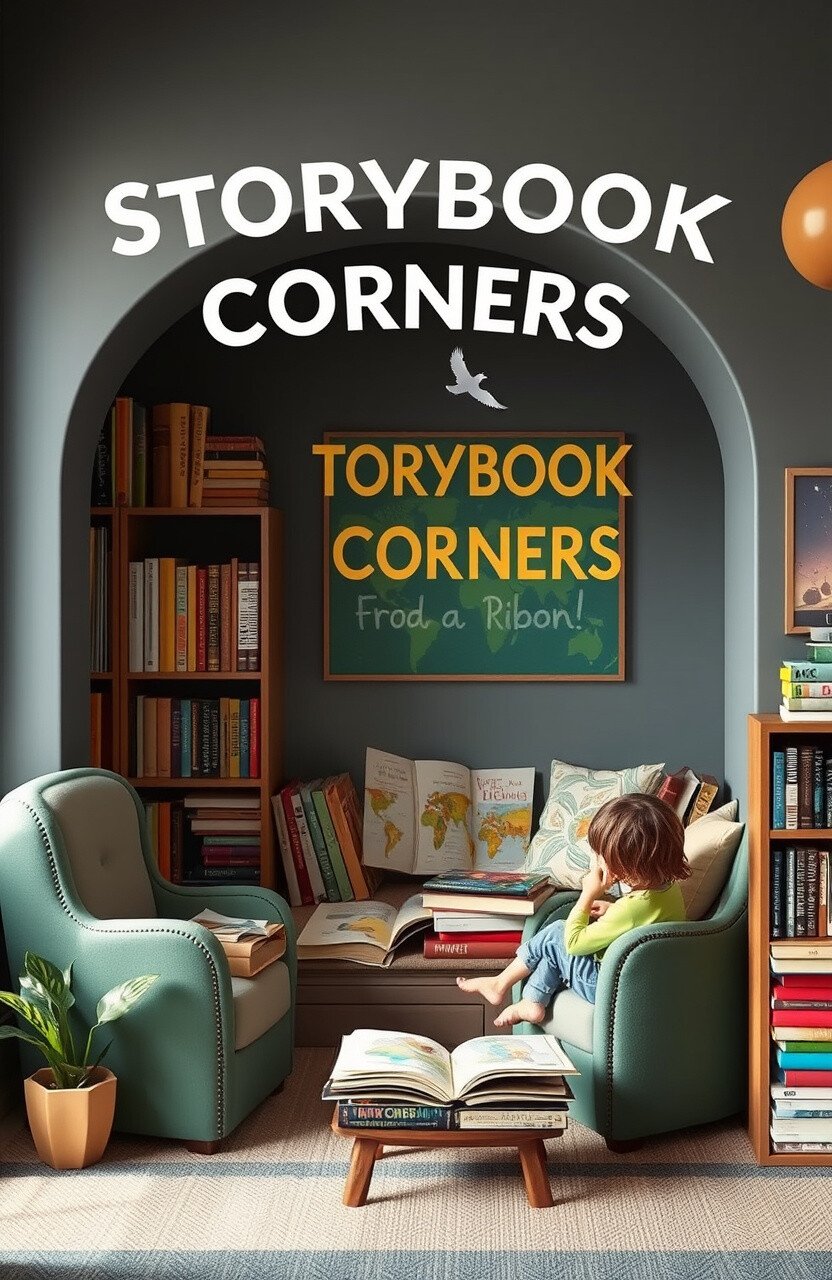
Storybook corners invite students to dive into the world of literature. Imagine a cozy space filled with books and reading materials.
These corners enhance literacy skills and a love for reading. They’re a wonderful way to provide a quiet and inviting reading environment.
Keep it unique with themed reading sessions or challenges. Encourage students to share their favorite books and stories.
Books can be sourced affordably through donations or thrift stores. Encourage students to contribute books to the corner.
25. DIY Science Labs

DIY science labs invite students to conduct their own experiments. Picture a space where they can explore science hands-on.
These labs enhance critical thinking and scientific inquiry. They’re a fun way to make science tangible and engaging.
Make it special with themed science projects or challenges. Encourage students to create and present their own experiments.
Materials can be sourced affordably through donations or DIY options. Encourage students to bring in materials for their experiments.
26. History Corners
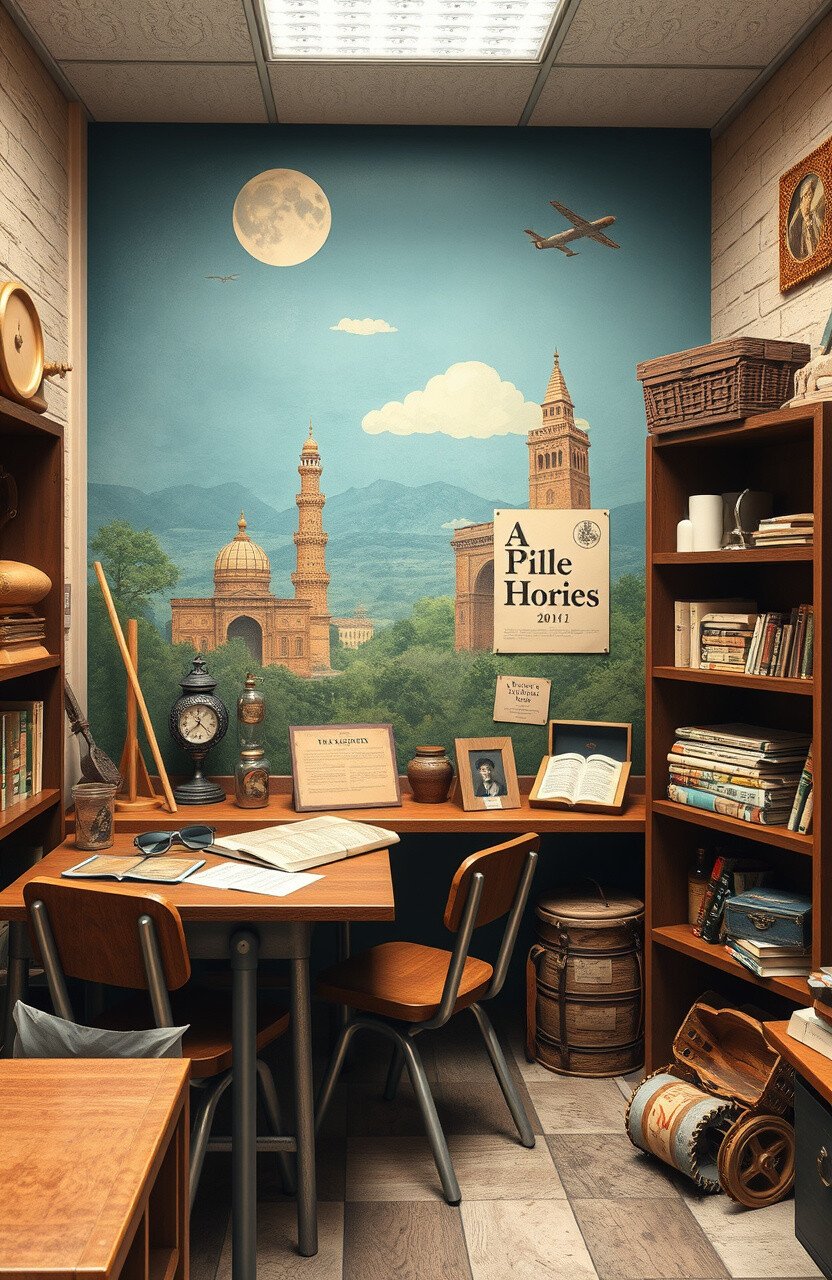
History corners invite students to step back in time. Imagine a space filled with artifacts and stories from the past.
These corners enhance historical understanding and curiosity. They’re a great way to make history feel real and engaging.
Keep it unique with themed history projects or challenges. Encourage students to contribute stories or artifacts.
Artifacts can be sourced affordably through donations or thrift stores. Encourage students to bring in history-related items.
27. Robotics Stations

Robotics stations invite students to explore the world of robotics. Picture a space where they can build and program robots.
These stations enhance problem-solving and engineering skills. They’re a fantastic way to integrate technology into learning.
Make it special with themed robotics challenges or projects. Encourage students to create and present their own robots.
Robotics kits can be costly, but many affordable options are available. Encourage students to explore open-source robotics projects.
28. Cultural Exchange Zones
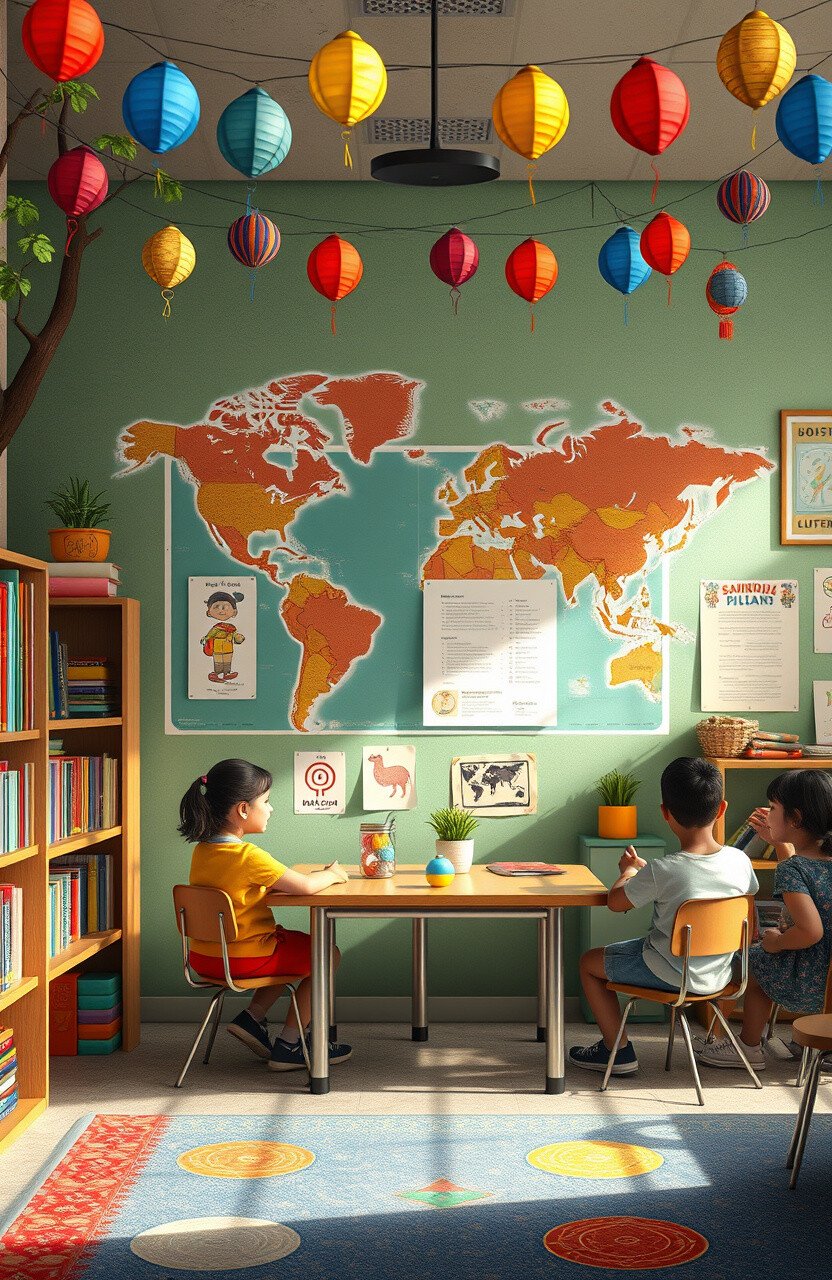
Cultural exchange zones invite students to learn about different cultures. Imagine a space where they can celebrate diversity.
These zones enhance cultural awareness and respect. They’re a fantastic way to build empathy and understanding.
Keep it unique with themed cultural exchange activities or projects. Encourage students to share their own cultural backgrounds.
Materials can be sourced affordably through donations or thrift stores. Encourage students to contribute cultural items or stories.
29. Eco-Friendly Spaces
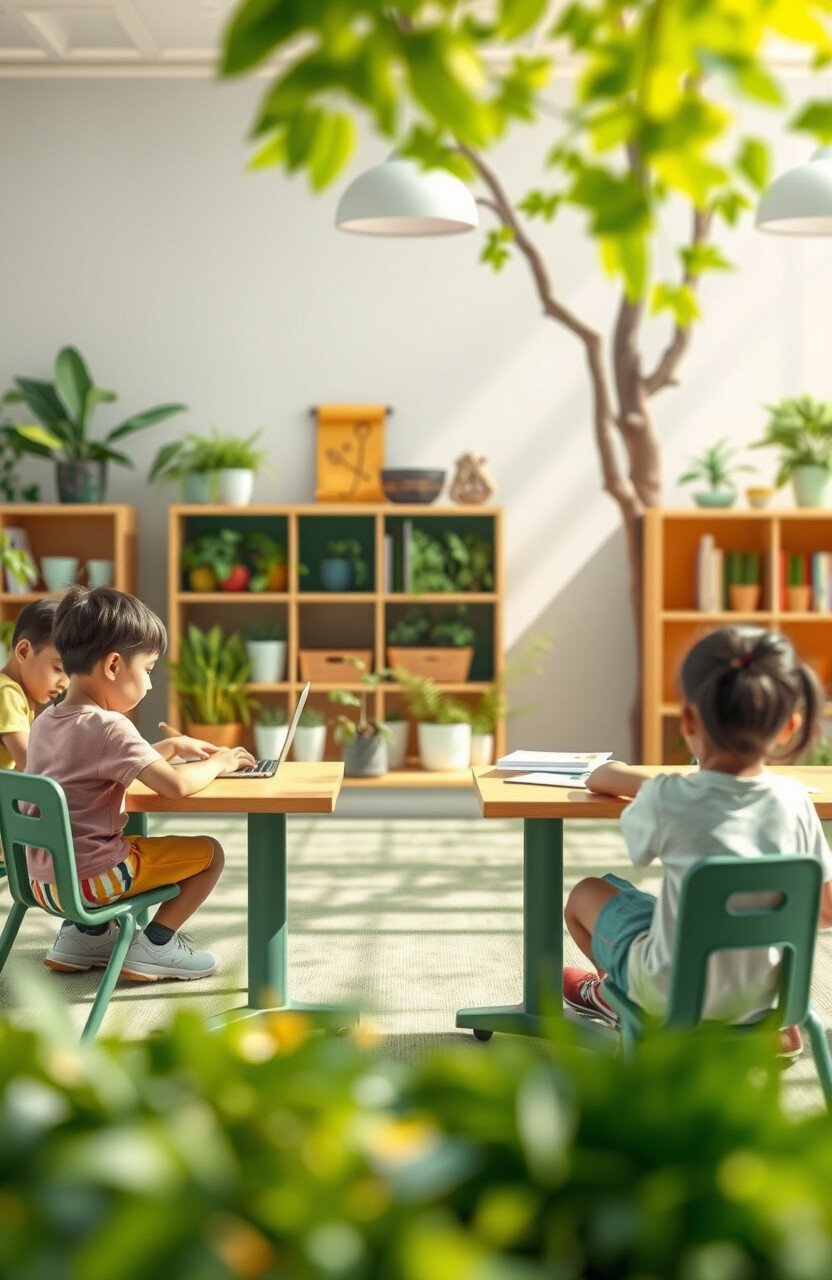
Eco-friendly spaces invite students to explore sustainable practices. Picture a space where they can learn about the environment.
These spaces enhance environmental awareness and stewardship. They’re a great way to connect learning with real-world issues.
Make it special with themed eco projects or challenges. Encourage students to create and present their own eco-friendly solutions.
Materials can be sourced affordably through donations or DIY options. Encourage students to contribute to the eco-friendly space.
30. Language Exchange Areas

Language exchange areas invite students to practice new languages. Imagine a space where they can engage in language activities.
These areas enhance language skills and cultural understanding. They’re a great way to make language learning feel accessible and enjoyable.
Keep it special with themed language activities or challenges. Encourage students to share phrases or stories in different languages.
Materials can be sourced affordably through free online resources. Encourage students to contribute language materials or games.
31. Interactive Wall Murals

Interactive wall murals invite students to engage with art and information. Picture a wall where they can add their own creative touches.
These murals enhance creativity and collaboration. They’re a fun way to make the classroom environment dynamic and engaging.
Make it special with themed mural projects or challenges. Encourage students to contribute to the mural’s design and creation.
Materials can be sourced affordably through donations or DIY options. Encourage students to bring in materials for the mural.
32. Math Exploration Zones
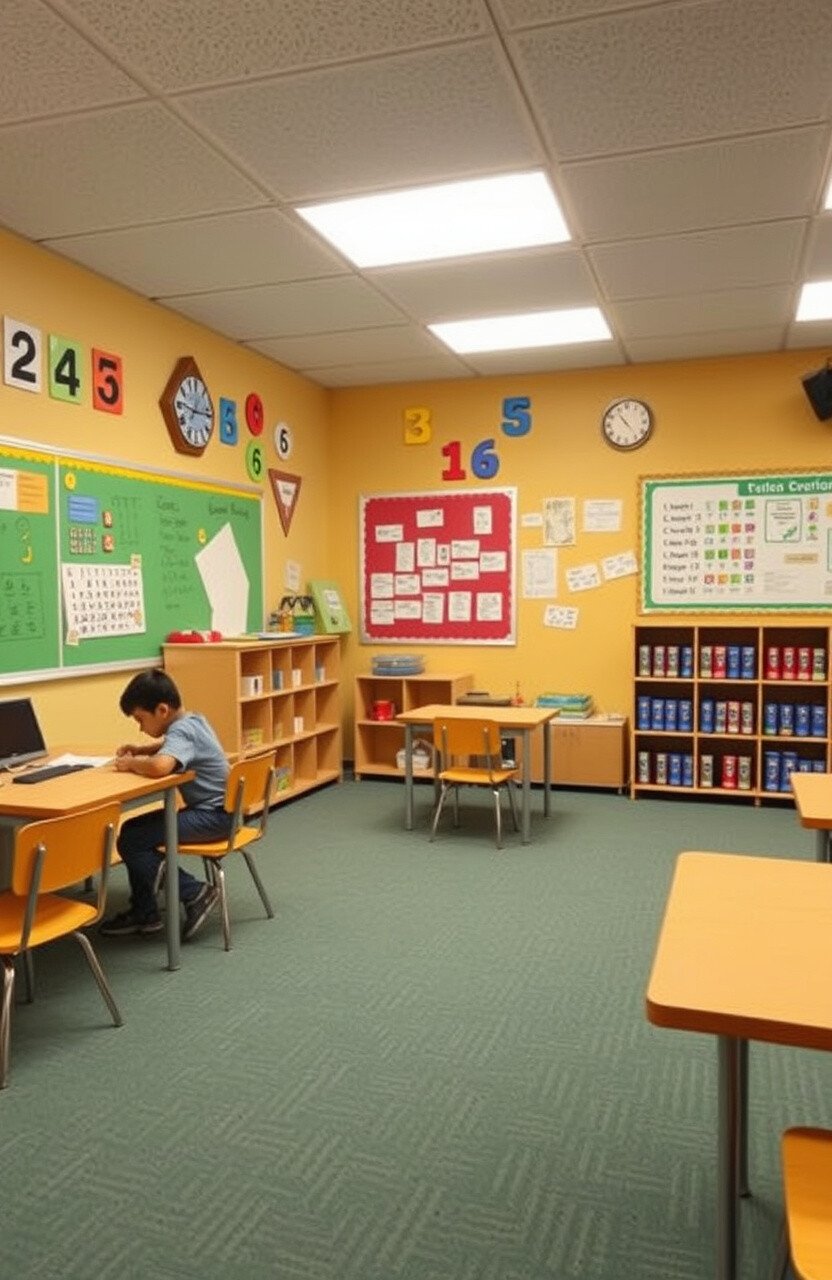
Math exploration zones invite students to engage with math in a hands-on way. Imagine a space where they can solve puzzles and play math games.
These zones enhance problem-solving and critical thinking skills. They’re a great way to make math feel accessible and enjoyable.
Keep it unique with themed math projects or challenges. Encourage students to create and present their own math games.
Materials can be sourced affordably through donations or DIY options. Encourage students to bring in math-related items.
33. Science and Nature Walks
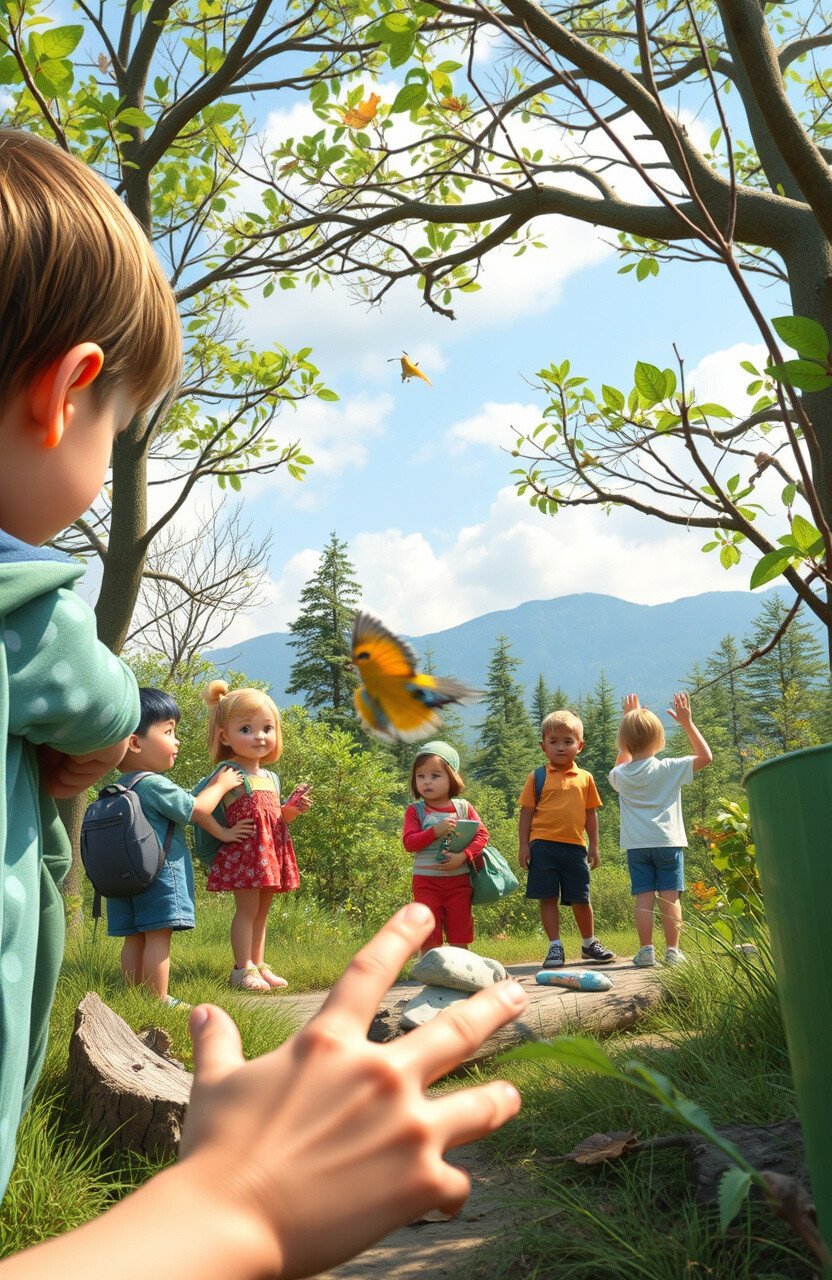
Science and nature walks invite students to explore the outdoors. Picture a space where they can connect learning with nature.
These walks enhance environmental awareness and curiosity. They’re a great way to make learning dynamic and engaging.
Make it special with themed nature walks or challenges. Encourage students to document and present their findings.
Nature walks can be low-cost, using existing school grounds. Encourage students to bring in materials for outdoor lessons.
34. Storytelling Mats
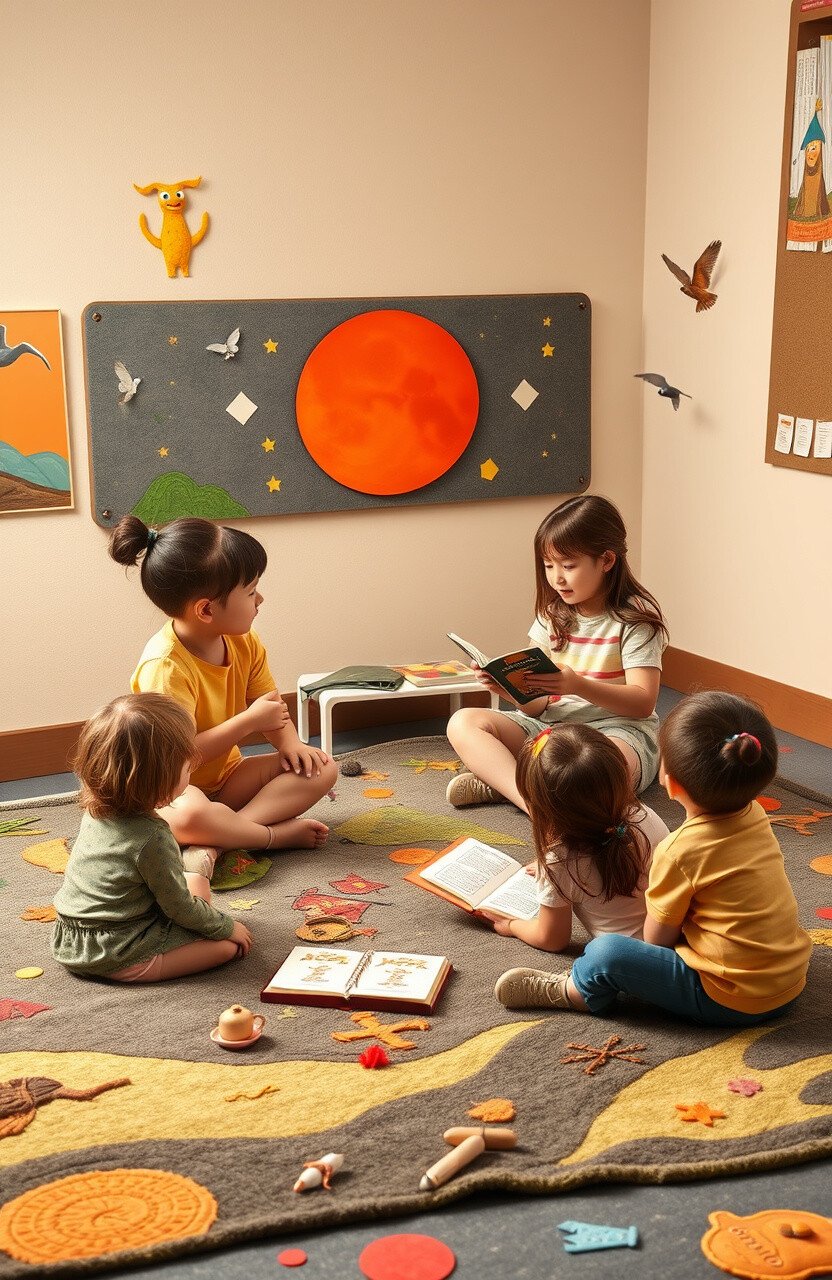
Storytelling mats invite students to engage with stories in a tactile way. Imagine a space where they can create and share stories.
These mats enhance communication and creativity. They’re a fun way to make storytelling dynamic and engaging.
Keep it unique with themed storytelling activities or challenges. Encourage students to contribute to the storytelling mats.
Mats can be sourced affordably through donations or DIY options. Encourage students to bring in materials for the mats.
35. Science Discovery Tubs
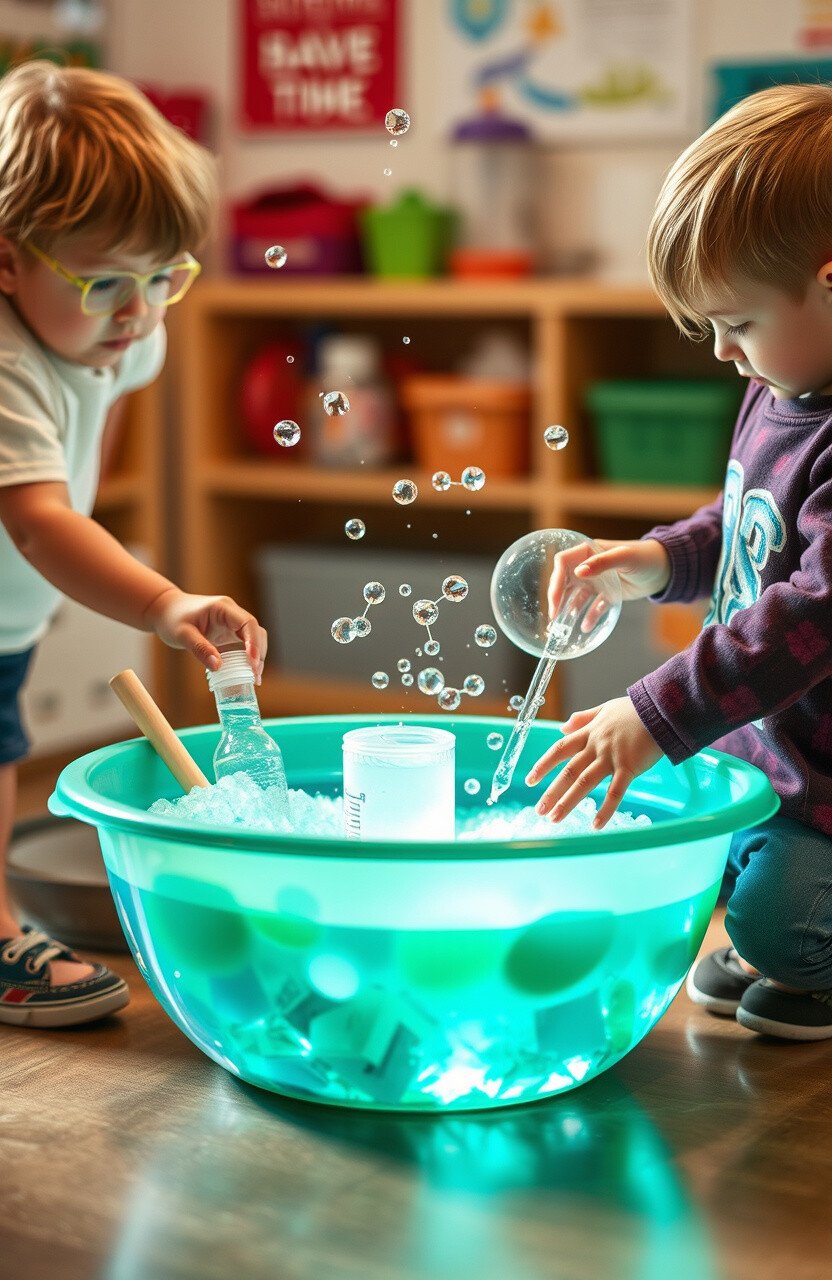
Science discovery tubs invite students to explore science in a hands-on way. Picture a space where they can experiment and discover.
These tubs enhance critical thinking and scientific inquiry. They’re a fun way to make science tangible and engaging.
Make it special with themed science tubs or challenges. Encourage students to contribute to the discovery tubs.
Materials can be sourced affordably through donations or DIY options. Encourage students to bring in materials for the tubs.
36. Art Exploration Walls
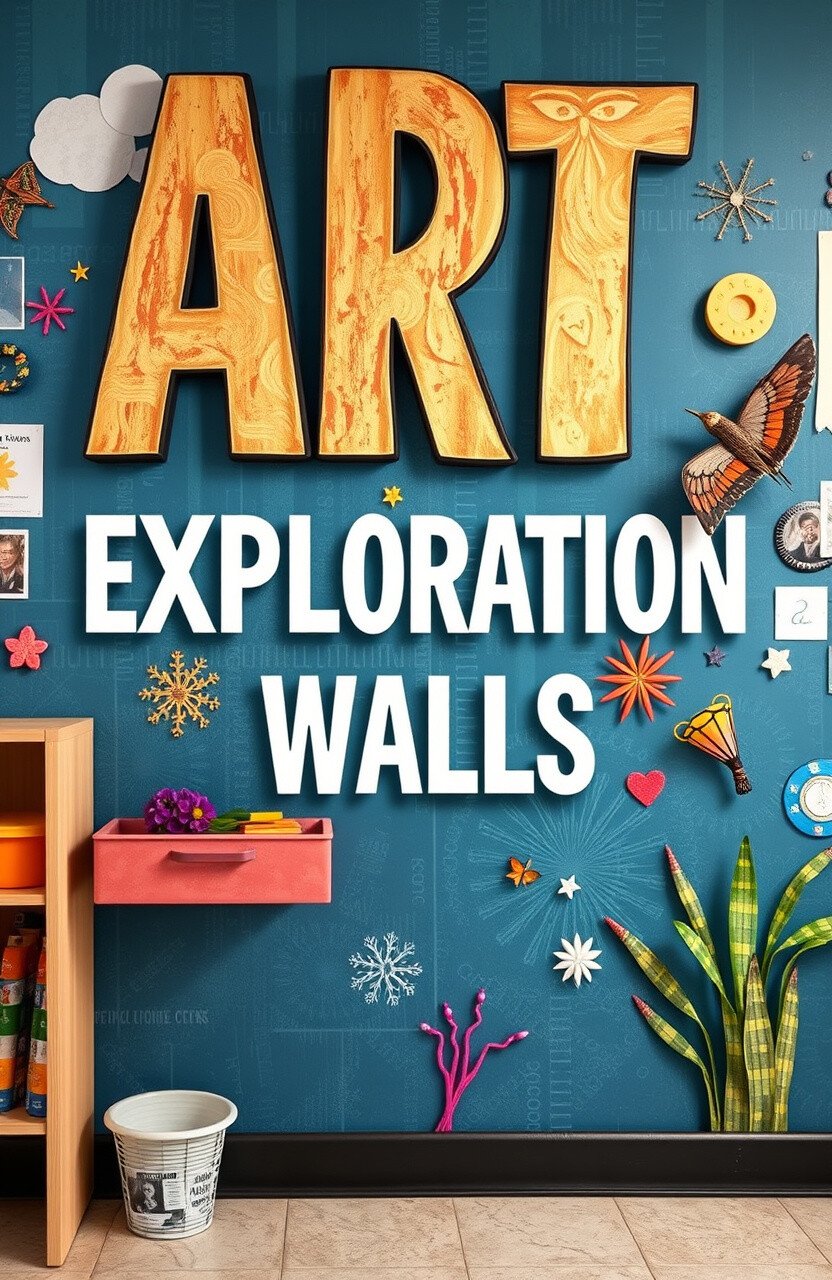
Art exploration walls invite students to engage with art in a dynamic way. Picture a space where they can add their own creative touches.
These walls enhance creativity and collaboration. They’re a fun way to make the classroom environment dynamic and engaging.
Keep it unique with themed art projects or challenges. Encourage students to contribute to the wall’s design and creation.
Materials can be sourced affordably through donations or DIY options. Encourage students to bring in materials for the wall.
37. Science Experiment Stations

Science experiment stations invite students to conduct experiments. Imagine a space where they can explore science hands-on.
These stations enhance critical thinking and scientific inquiry. They’re a fun way to make science tangible and engaging.
Make it special with themed science projects or challenges. Encourage students to create and present their own experiments.
Materials can be sourced affordably through donations or DIY options. Encourage students to bring in materials for the stations.
38. History Exploration Tables

History exploration tables invite students to engage with history. Picture a space filled with artifacts and stories from the past.
These tables enhance historical understanding and curiosity. They’re a great way to make history feel real and engaging.
Keep it unique with themed history projects or challenges. Encourage students to contribute stories or artifacts.
Artifacts can be sourced affordably through donations or thrift stores. Encourage students to bring in history-related items.
39. Math Challenge Corners
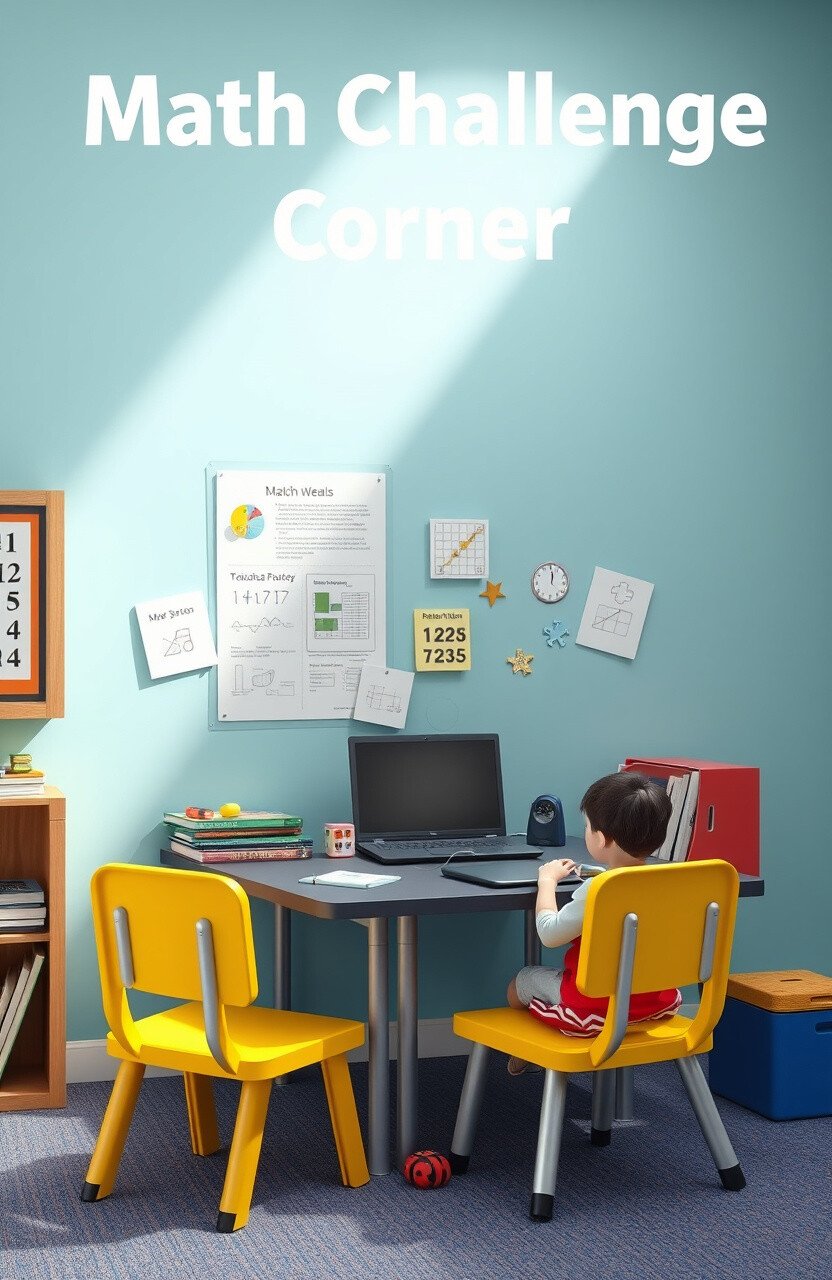
Math challenge corners invite students to engage with math puzzles. Imagine a space where they can solve problems and work together.
These corners enhance problem-solving and critical thinking skills. They’re a fantastic way to make math feel dynamic and engaging.
Keep it special with themed math challenges or competitions. Encourage students to create and present their own math puzzles.
Puzzles can be sourced affordably, especially if you find them second-hand. Encourage students to contribute math-related items.
40. Science and Nature Tables
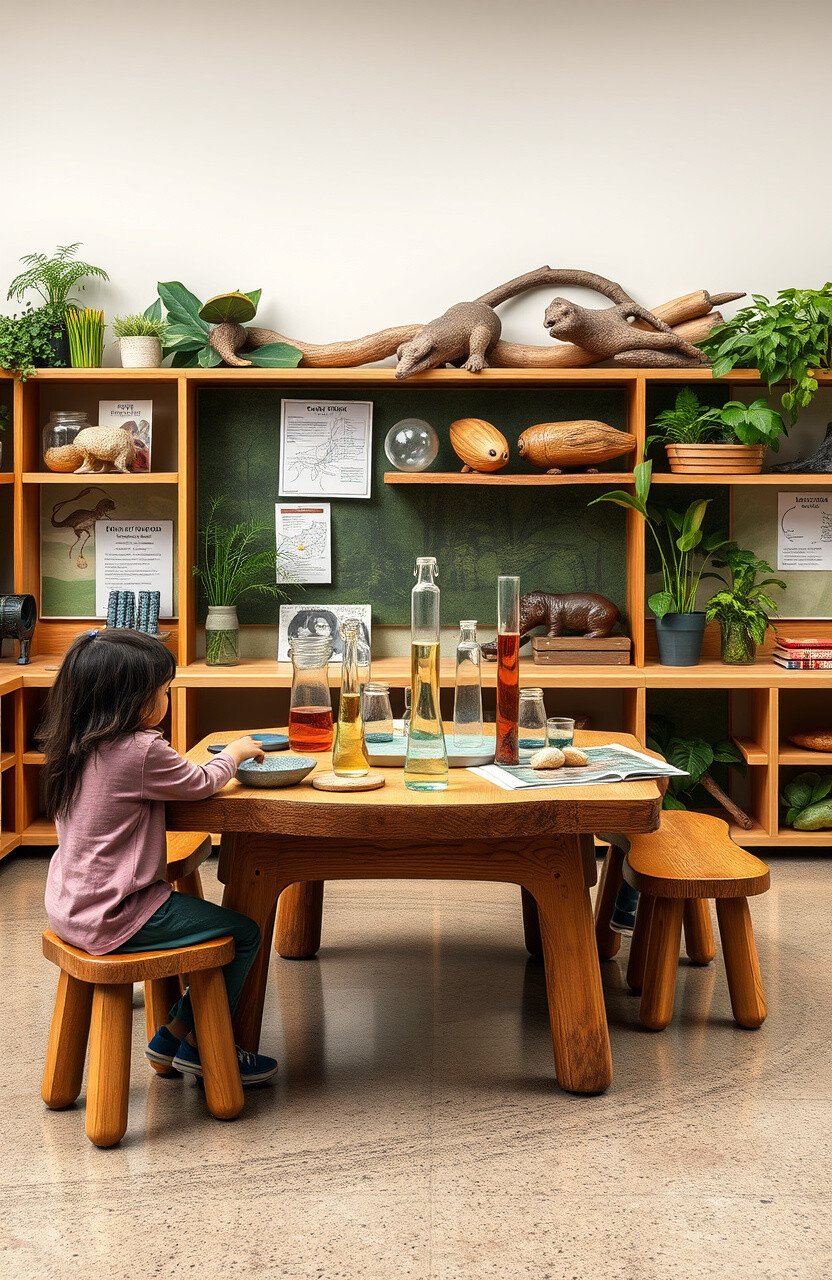
Science and nature tables invite students to explore science and nature. Picture a space filled with natural artifacts and science experiments.
These tables enhance curiosity and scientific inquiry. They’re a great way to make science and nature feel real and engaging.
Make it special with themed nature projects or challenges. Encourage students to contribute to the science and nature tables.
Materials can be sourced affordably through donations or DIY options. Encourage students to bring in materials for the tables.
41. Outdoor Exploration Zones

Outdoor exploration zones invite students to learn in nature. Imagine a space where they can connect learning with the outdoors.
These zones enhance engagement and provide a refreshing change of environment. They’re a fantastic way to connect learning with the natural world.
Keep it special with nature-based projects or outdoor games. Encourage students to explore and document their findings.
Outdoor spaces can be low-cost, using existing school grounds. Encourage students to bring in materials for outdoor lessons.
42. Cultural Learning Corners
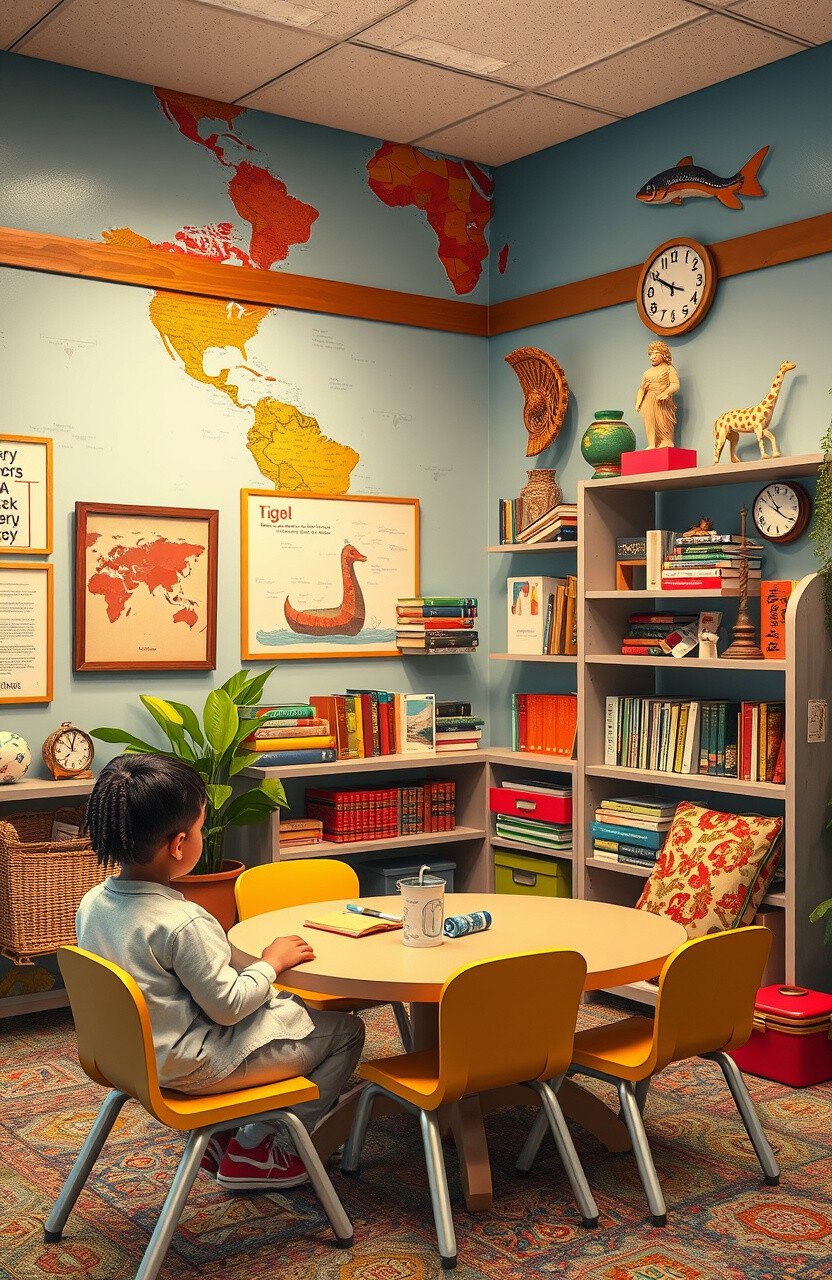
Cultural learning corners invite students to explore different cultures. Imagine a space filled with artifacts and stories from around the world.
These corners enhance cultural awareness and respect. They’re a fantastic way to broaden students’ horizons and build empathy.
Make it unique with themed cultural projects or challenges. Encourage students to share their own cultural backgrounds.
Cultural items can be sourced affordably through donations or thrift stores. Encourage students to contribute artifacts or stories.
43. Language Practice Stations
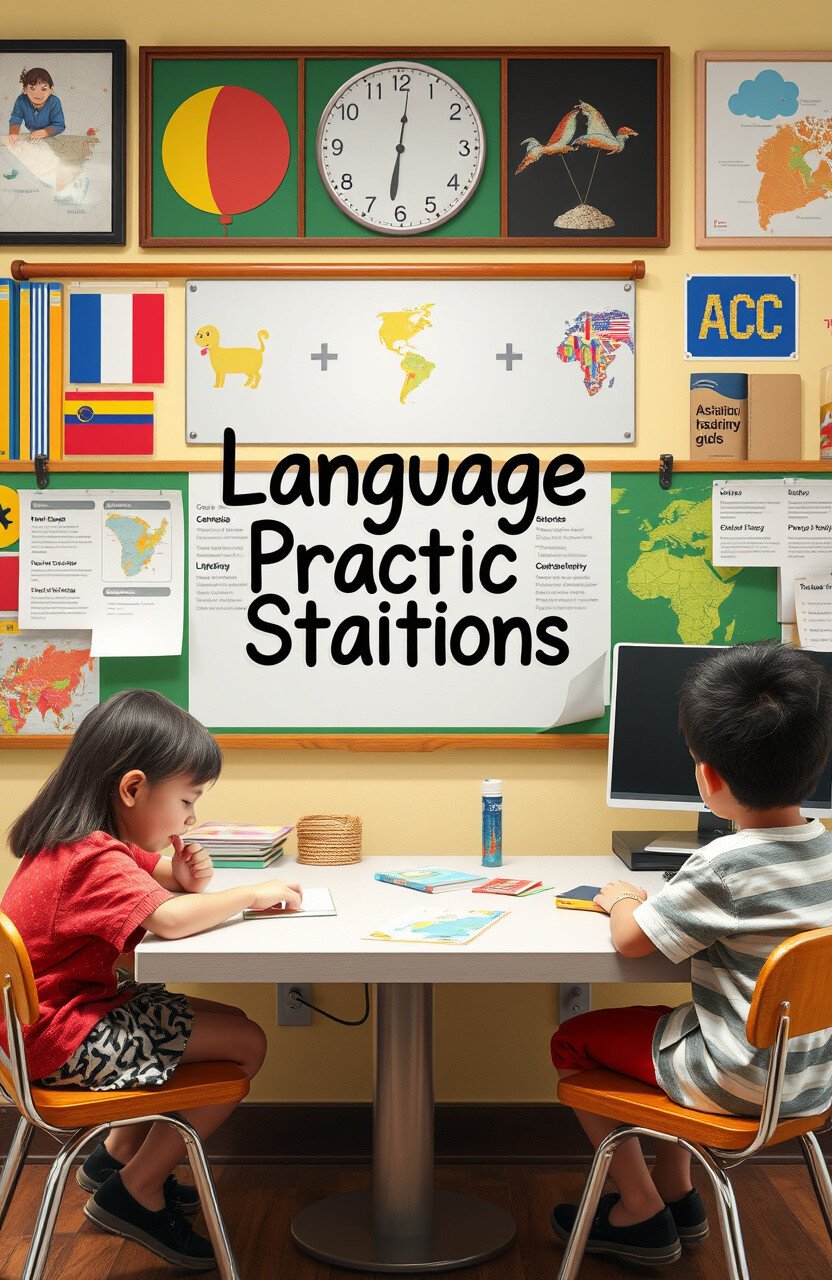
Language practice stations invite students to engage in language activities. Imagine a space where they can practice new languages.
These stations enhance language skills and cultural understanding. They’re a great way to make language learning feel accessible and enjoyable.
Keep it special with themed language activities or challenges. Encourage students to share phrases or stories in different languages.
Materials can be sourced affordably through free online resources. Encourage students to contribute language materials or games.
44. Interactive Geography Maps
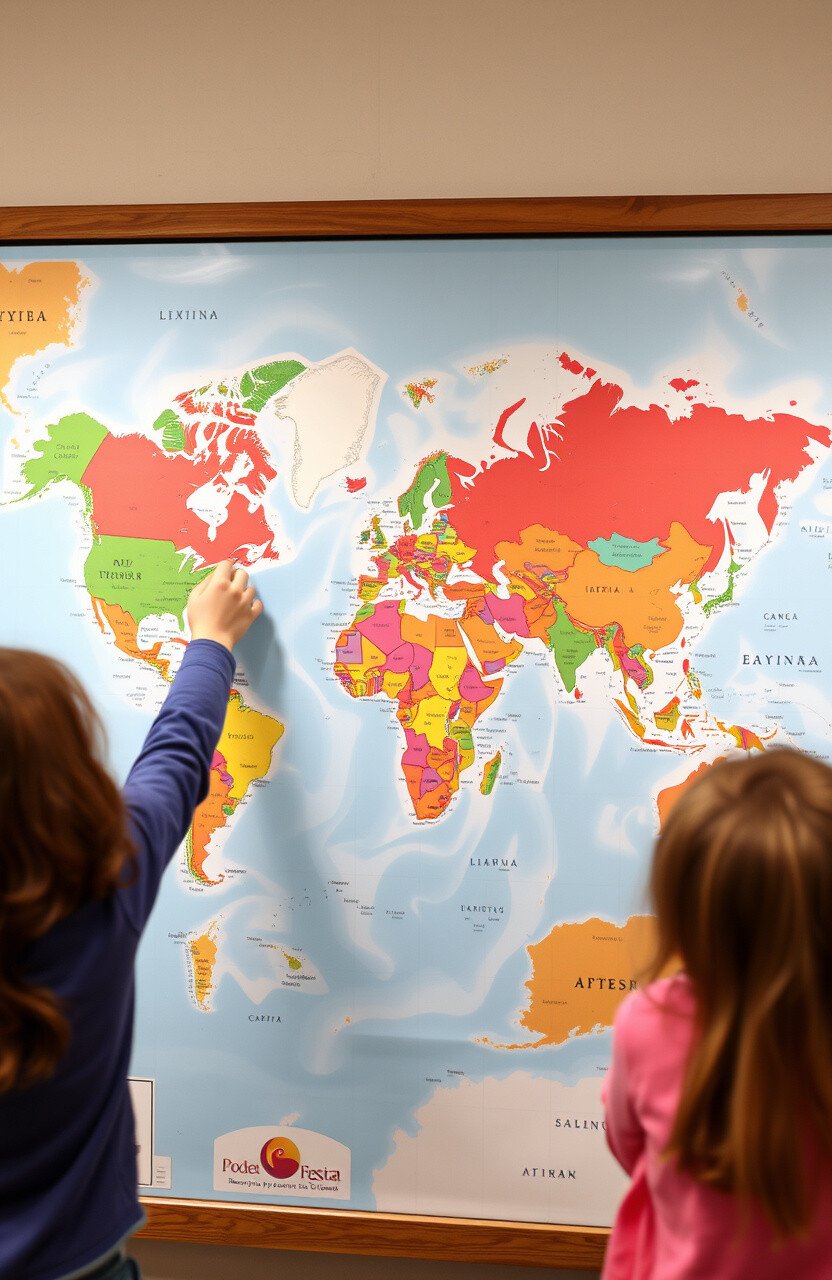
Interactive geography maps invite students to explore the world. Picture a map where they can add their own geographical discoveries.
These maps enhance geographical understanding and curiosity. They’re a fun way to make geography feel real and engaging.
Make it special with themed geography projects or challenges. Encourage students to contribute to the map’s details.
Materials can be sourced affordably through donations or DIY options. Encourage students to bring in geography-related items.
45. Science Adventure Boxes
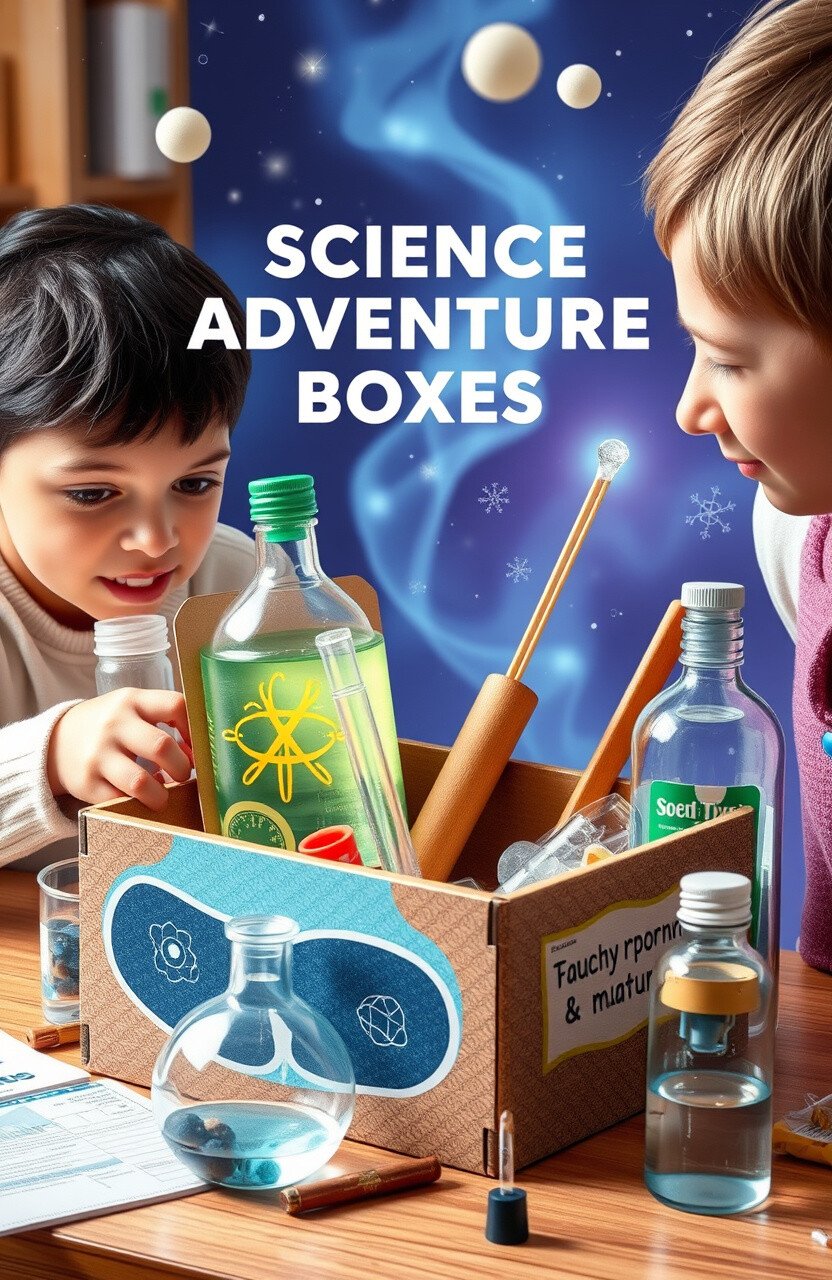
Science adventure boxes invite students to explore science in a hands-on way. Picture a space where they can experiment and discover.
These boxes enhance critical thinking and scientific inquiry. They’re a fun way to make science tangible and engaging.
Make it special with themed science boxes or challenges. Encourage students to contribute to the adventure boxes.
Materials can be sourced affordably through donations or DIY options. Encourage students to bring in materials for the boxes.
46. Art Creation Spaces
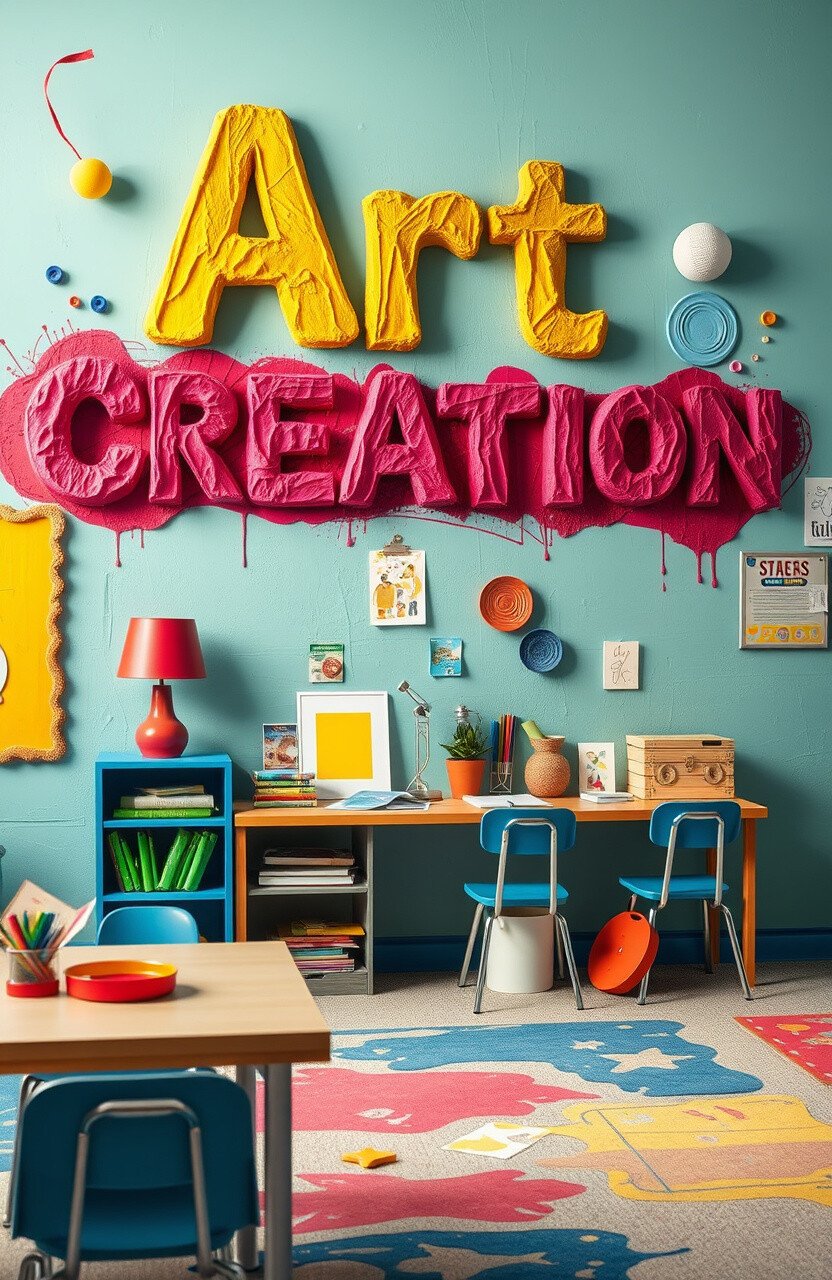
Art creation spaces invite students to engage with art in a dynamic way. Picture a space where they can add their own creative touches.
These spaces enhance creativity and collaboration. They’re a fun way to make the classroom environment dynamic and engaging.
Keep it unique with themed art projects or challenges. Encourage students to contribute to the space’s design and creation.
Materials can be sourced affordably through donations or DIY options. Encourage students to bring in materials for the space.
47. Math Exploration Tables
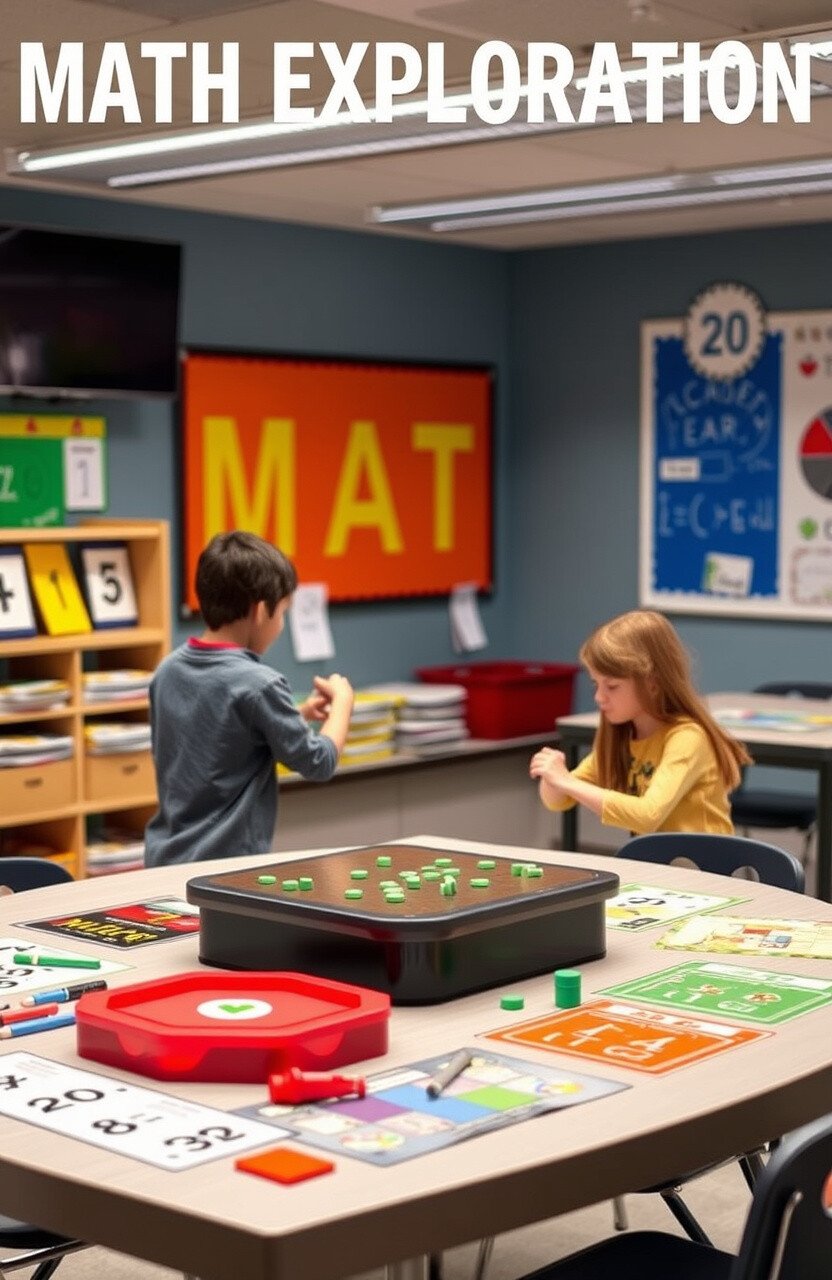
Math exploration tables invite students to engage with math in a hands-on way. Imagine a space where they can solve puzzles and play math games.
These tables enhance problem-solving and critical thinking skills. They’re a great way to make math feel accessible and enjoyable.
Make it special with themed math projects or challenges. Encourage students to create and present their own math games.
Materials can be sourced affordably through donations or DIY options. Encourage students to bring in math-related items.
48. Science and Nature Exploration Zones
Science and nature exploration zones invite students to explore the outdoors. Imagine a space where they can connect learning with nature.
These zones enhance environmental awareness and curiosity. They’re a great way to make learning dynamic and engaging.
Keep it special with themed nature projects or challenges. Encourage students to document and present their findings.
Nature exploration can be low-cost, using existing school grounds. Encourage students to bring in materials for outdoor lessons.
49. Storytelling Walls
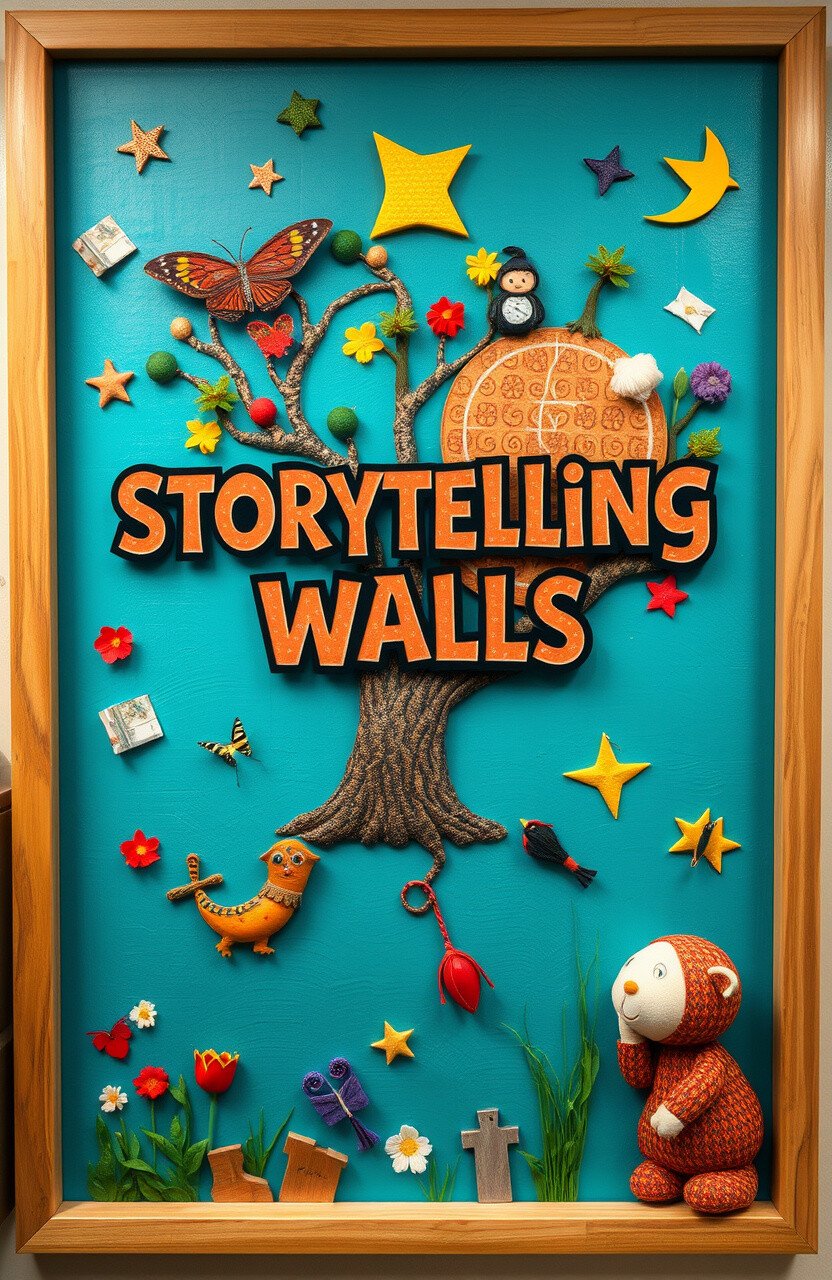
Storytelling walls invite students to engage with stories in a dynamic way. Picture a wall where they can add their own creative touches.
These walls enhance communication and creativity. They’re a fun way to make storytelling dynamic and engaging.
Make it unique with themed storytelling activities or challenges. Encourage students to contribute to the storytelling wall.
Materials can be sourced affordably through donations or DIY options. Encourage students to bring in materials for the wall.
50. Science and Nature Discovery Stations

Science and nature discovery stations invite students to explore the natural world. Picture a space filled with natural artifacts and science experiments.
These stations enhance curiosity and scientific inquiry. They’re a great way to make science and nature feel real and engaging.
Make it special with themed nature projects or challenges. Encourage students to contribute to the discovery stations.
Materials can be sourced affordably through donations or DIY options. Encourage students to bring in materials for the stations.
51. Outdoor Learning Stations
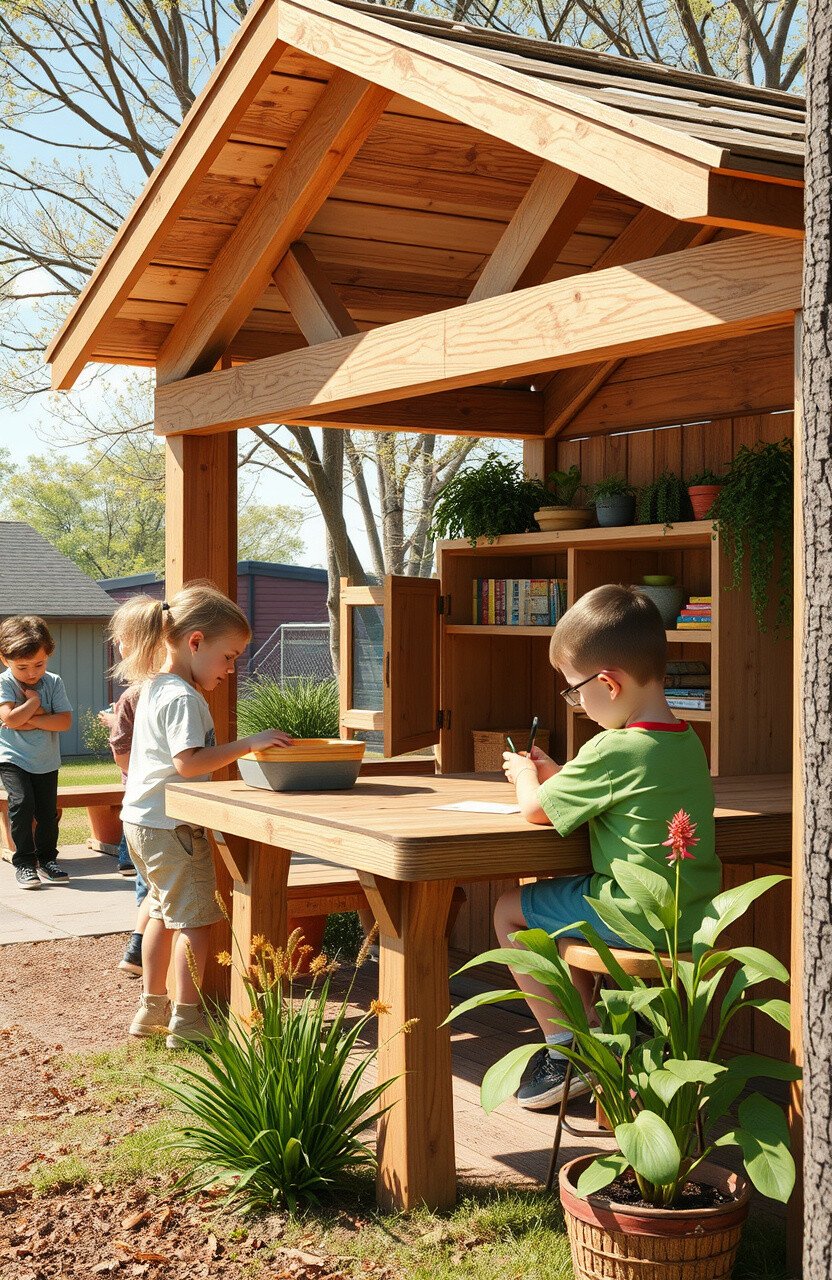
Outdoor learning stations invite students to learn in nature. Imagine a space where they can connect learning with the outdoors.
These stations enhance engagement and provide a refreshing change of environment. They’re a fantastic way to connect learning with the natural world.
Keep it special with nature-based projects or outdoor games. Encourage students to explore and document their findings.
Outdoor stations can be low-cost, using existing school grounds. Encourage students to bring in materials for outdoor lessons.
52. Cultural Exploration Tables
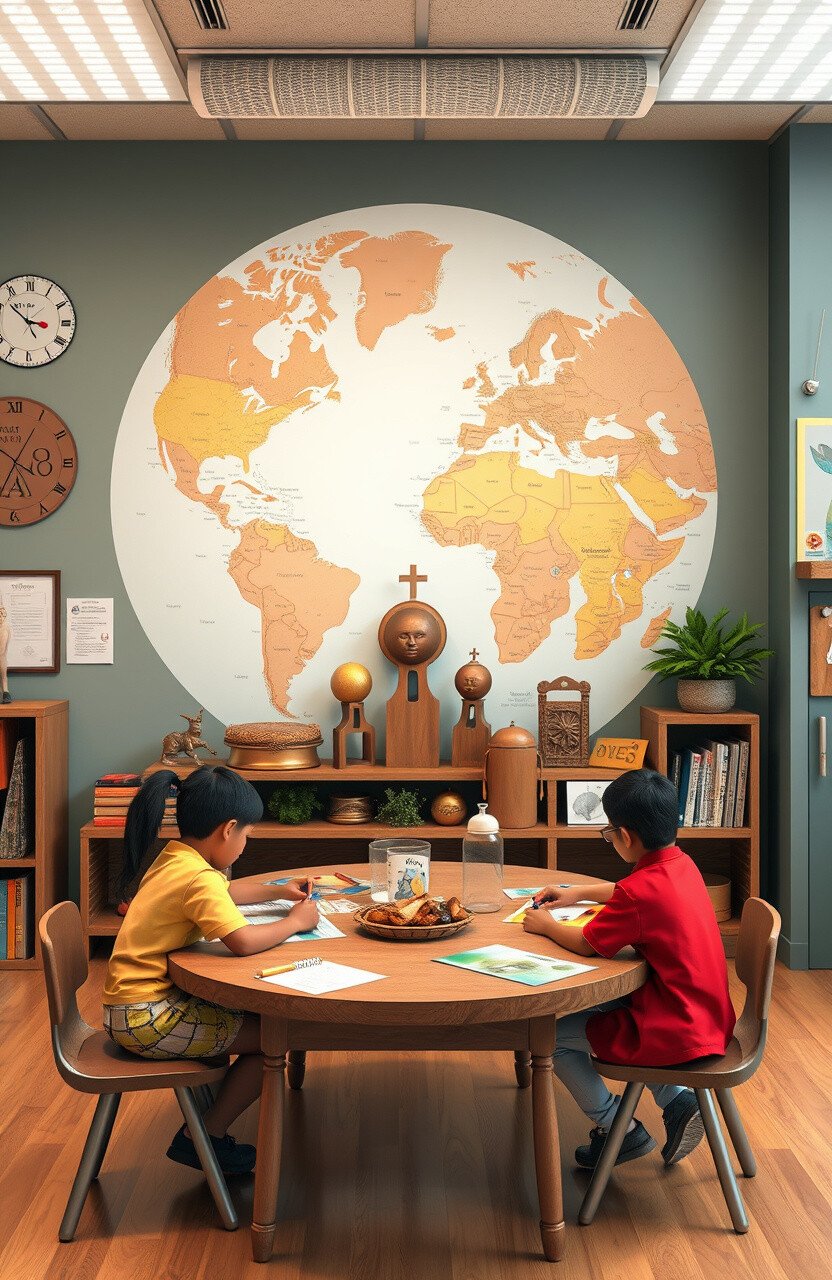
Cultural exploration tables invite students to learn about different cultures. Imagine a space filled with artifacts and stories from around the world.
These tables enhance cultural awareness and respect. They’re a fantastic way to broaden students’ horizons and build empathy.
Make it unique with themed cultural projects or challenges. Encourage students to share their own cultural backgrounds.
Cultural items can be sourced affordably through donations or thrift stores. Encourage students to contribute artifacts or stories.