Doors can change the whole mood of a room. Some feel bold and classic, while others seem to vanish into the wall.
1. Traditional Hinged Interior Doors Bring a Familiar Look
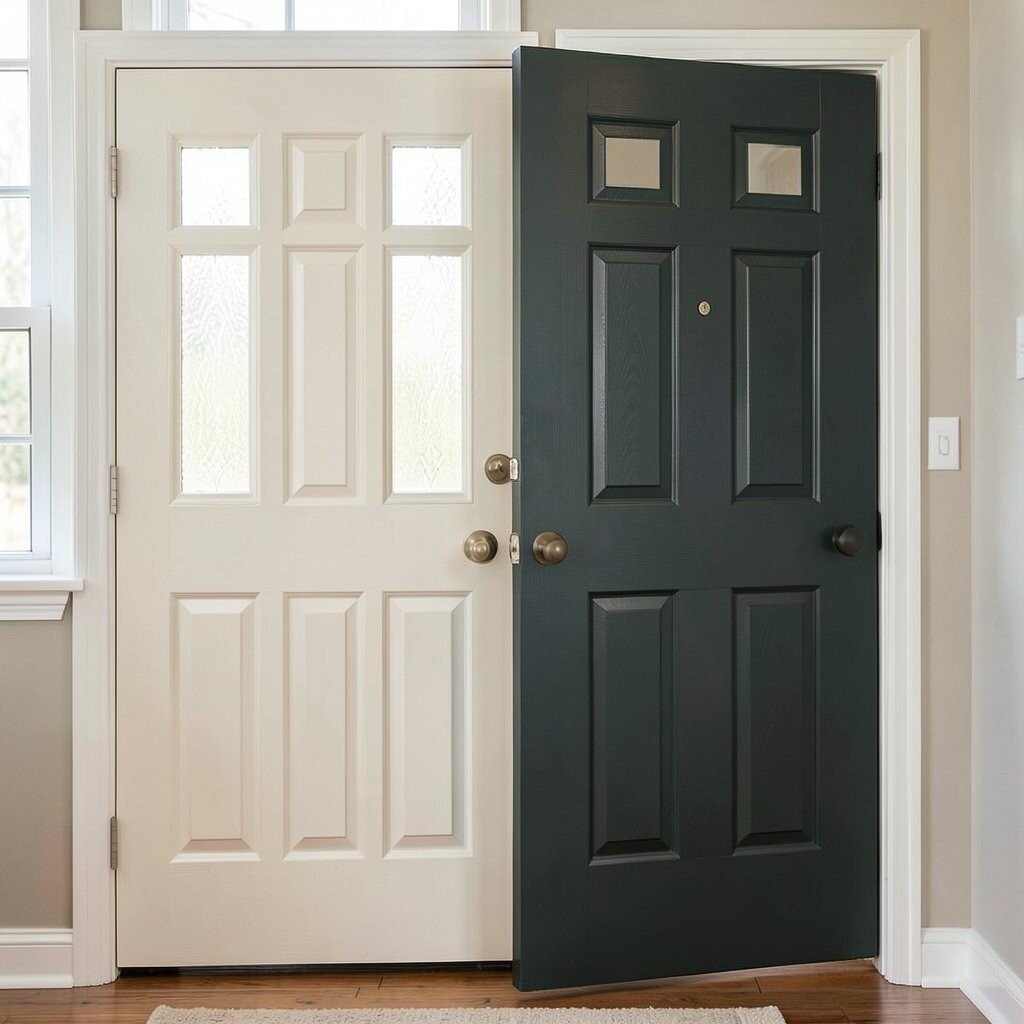
Hinged interior doors are the classic choice most homes know well. They swing open with a clear, steady motion that feels simple and dependable.
Their look can be plain and clean, or rich and detailed with panels, glass inserts, or bold paint. If you want a cozy, timeless feel, this style fits many rooms and many budgets. A fresh color, new knob, or trim detail can make the door feel personal without much effort.
2. Pocket Doors Save Floor Space in Tight Rooms
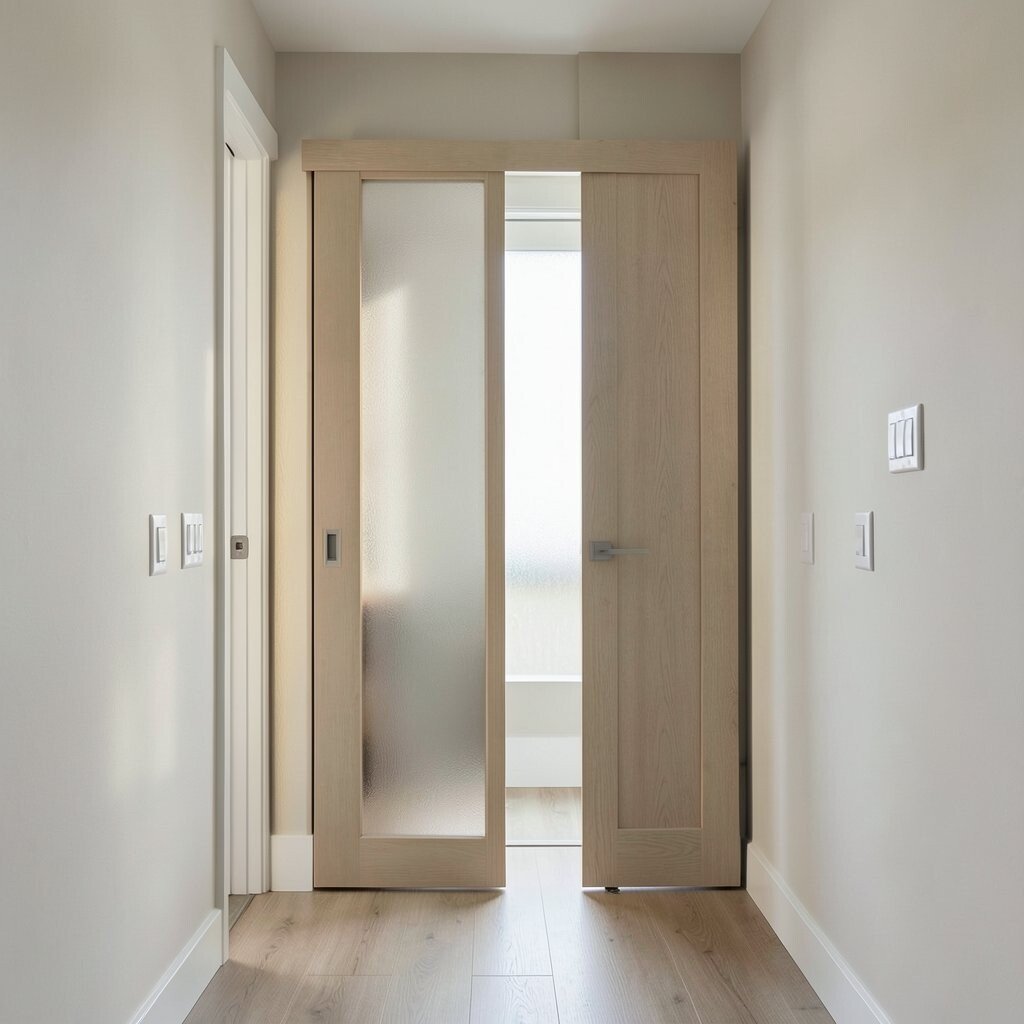
Pocket doors slide into the wall, so they do not need swing room. That makes them a smart pick for small bathrooms, laundry spots, closets, and narrow halls.
Their hidden movement gives a room a neat and airy look. They can also help furniture fit better because there is no door arc to plan around. If you are updating a small home, this style can feel like a clever space trick.
Many people like pocket doors because they make cramped spaces feel calmer and less crowded. They can also support a cleaner design style that is popular in many modern homes. For a custom touch, you can choose frosted glass, wood grain, or a painted finish that matches nearby walls.
3. Interior Doors Can Add Strong Style to a Room
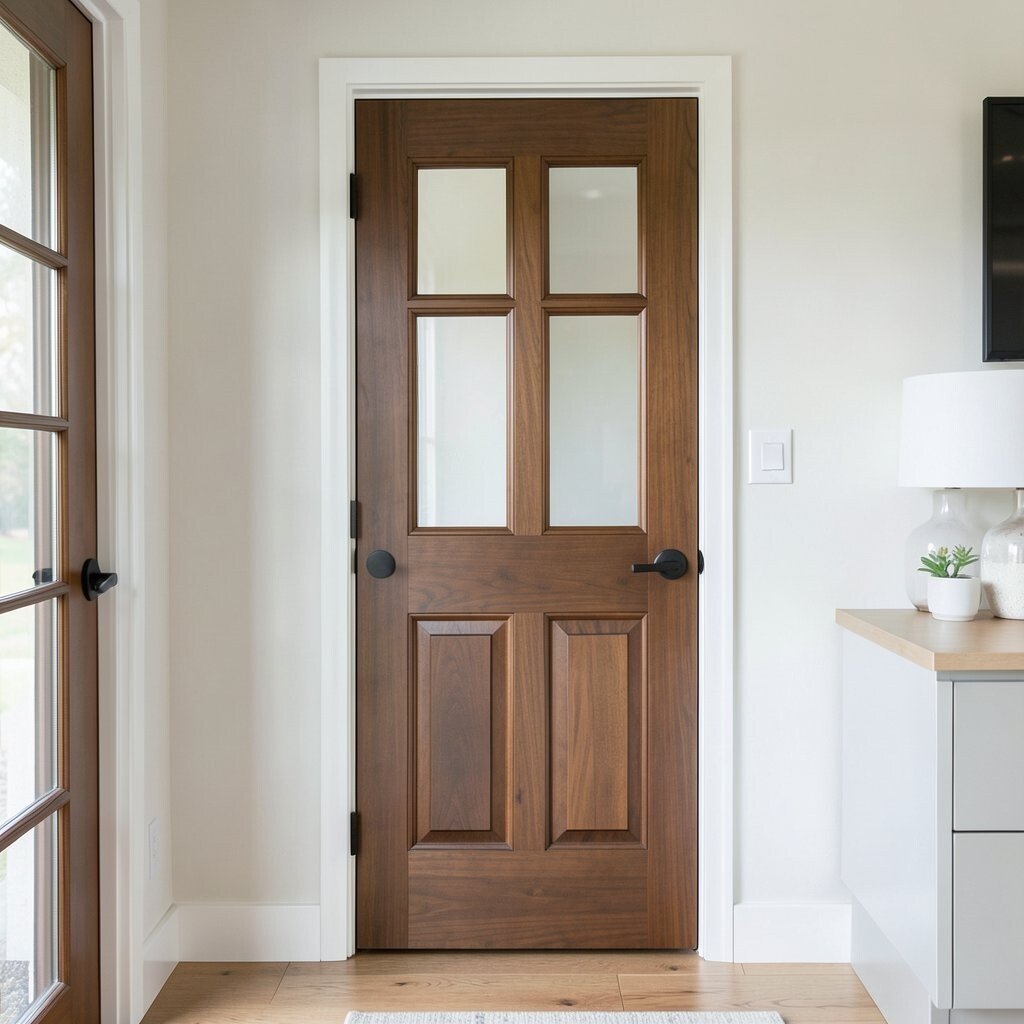
A solid interior door can act like a design piece, not just a divider. With the right finish, it can frame a room like artwork.
Raised panels, sleek slabs, and glass panes each create a different mood. You can make the door stand out with dark stains, soft whites, or a bright color that pops. If you enjoy decorating, this is an easy place to show taste and personality.
These doors are also easy to match with many home styles, from farmhouse to modern. A simple hardware swap can give the whole room a fresh feel without a full remodel. Today, many homeowners like matte black handles, warm oak tones, and clean lines.
When choosing one, think about the room next to it and the feeling you want. A bedroom may call for quiet and privacy, while a living area may welcome glass or light detail. Small choices like hinge color and trim shape can make the final look feel more custom.
4. Pocket Doors Work Well for Open, Flexible Living
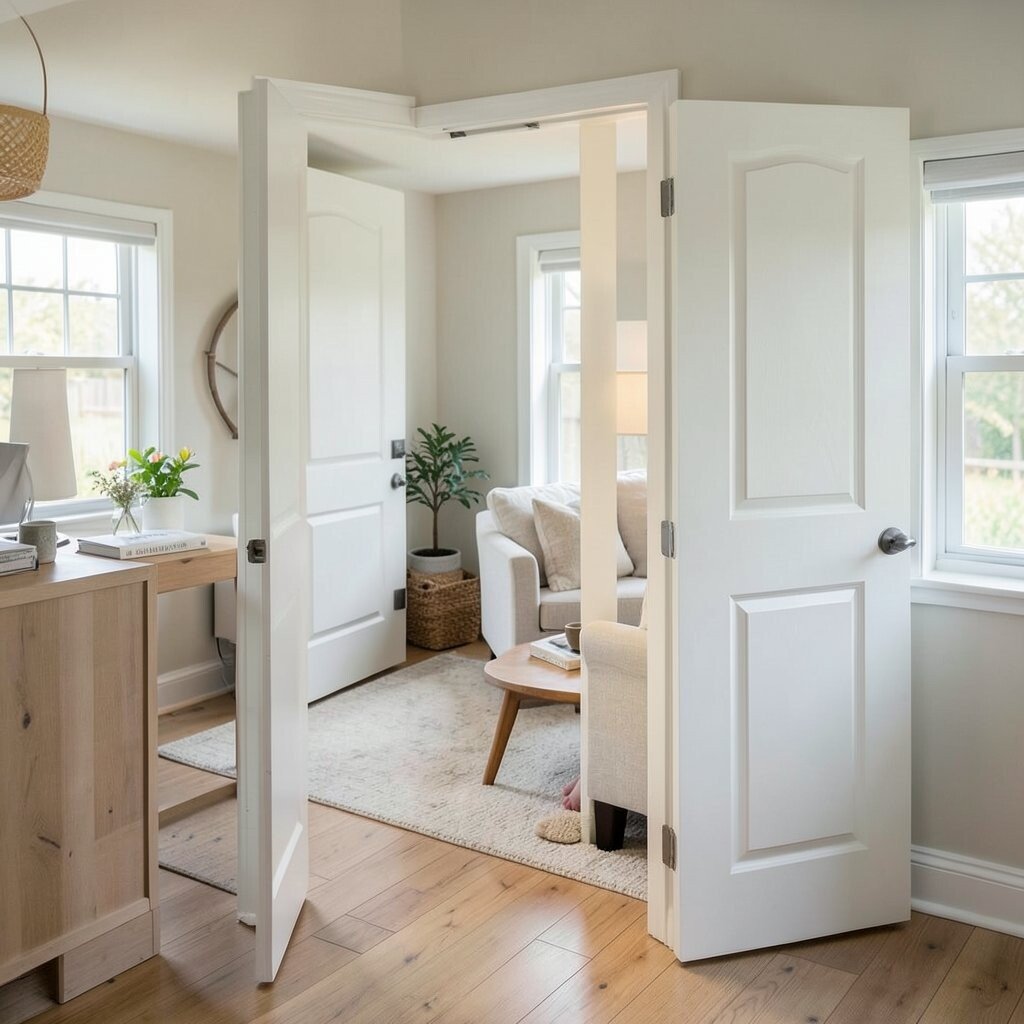
Because pocket doors slide away, they help rooms feel open when needed. Then they can close off a space fast when privacy matters.
This makes them useful in homes that want flexible layouts. You can separate a home office, hide a pantry, or close off a den without losing precious square footage. They are especially helpful in homes that mix work, play, and family time in the same area.
5. Hinged Doors Are Usually Easier to Install
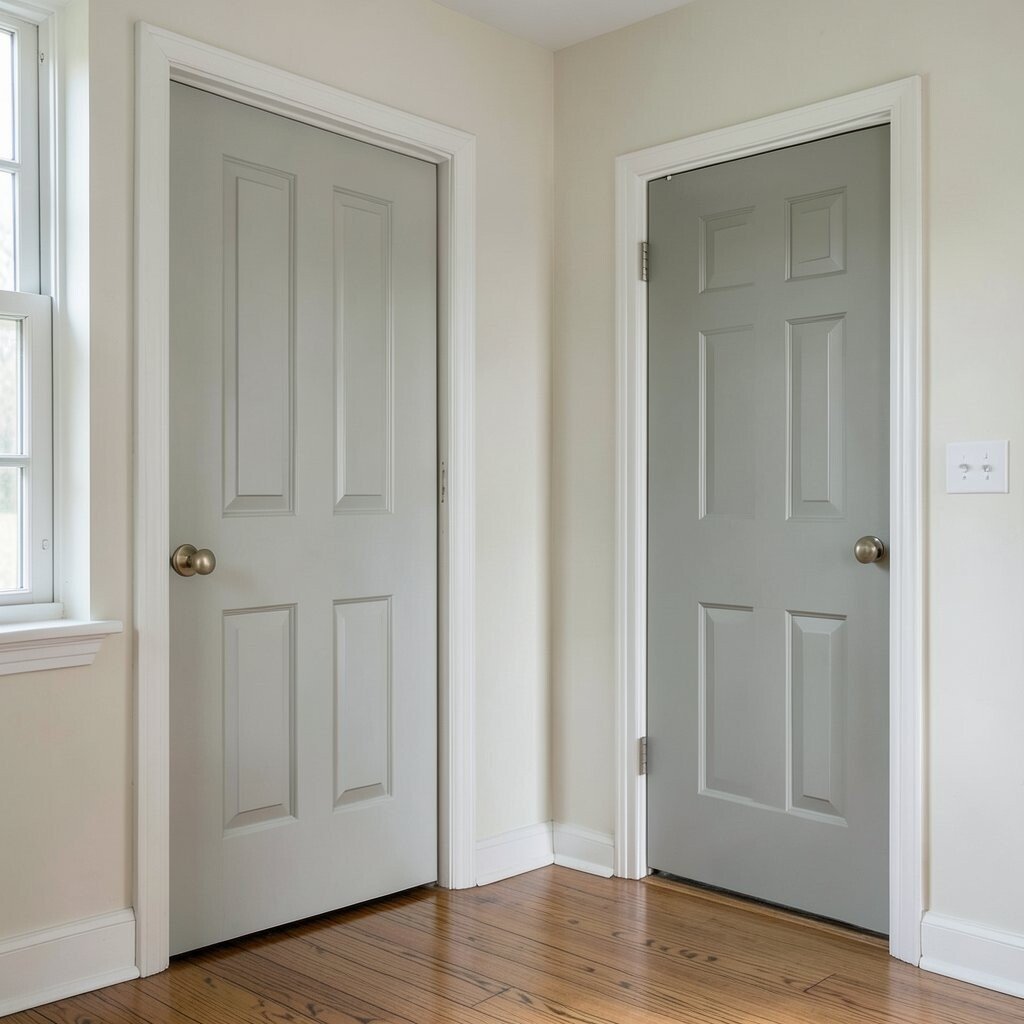
Most interior hinged doors are simple to put in, especially during a repair or swap. They do not need a wall cavity or special framing inside the wall.
That often means lower labor costs and fewer surprises during the job. If you are updating many doors at once, the savings can add up fast. For a personal touch, you can pick different knobs or paint each door in a soft matching shade.
Because the install is easier, these doors are often a good fit for older homes. They work well when you want a fast update without opening walls. Many homeowners choose them when they want a smooth project and a dependable result.
6. Pocket Doors Need Careful Planning Before Installation
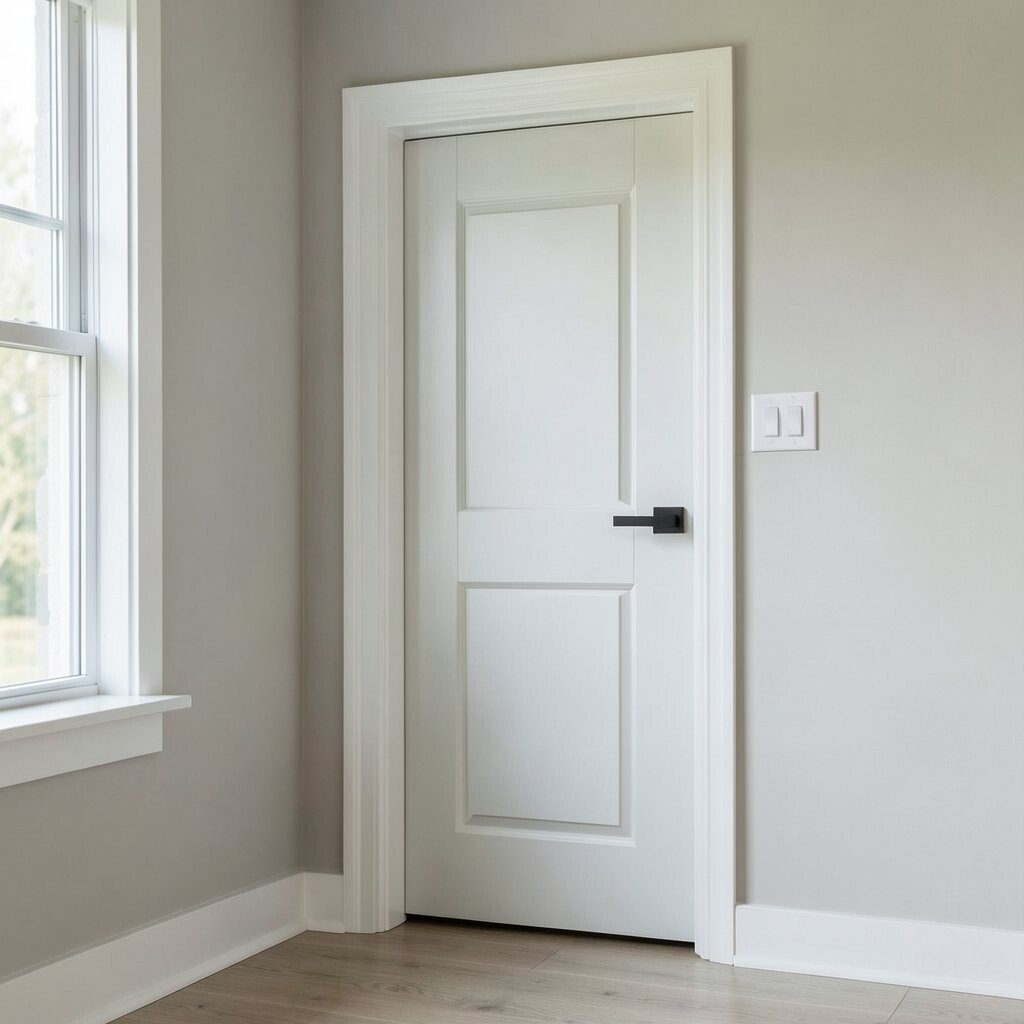
Installing a pocket door takes more thought because the wall must hold the track and the door. The wall space also needs to stay clear of wires, pipes, and other hidden parts.
That extra planning can raise the price, but it can also bring a big payoff in function. If you want a clean, built-in look, the effort may be worth it. A pro can help make sure the door slides well and stays quiet over time.
It is smart to plan the handle style, frame finish, and wall material early. These details help the door feel like part of the room instead of an afterthought. Many current designs use slim pulls and soft-close hardware for a smoother feel.
7. Interior Doors Offer Better Sound Control in Many Cases
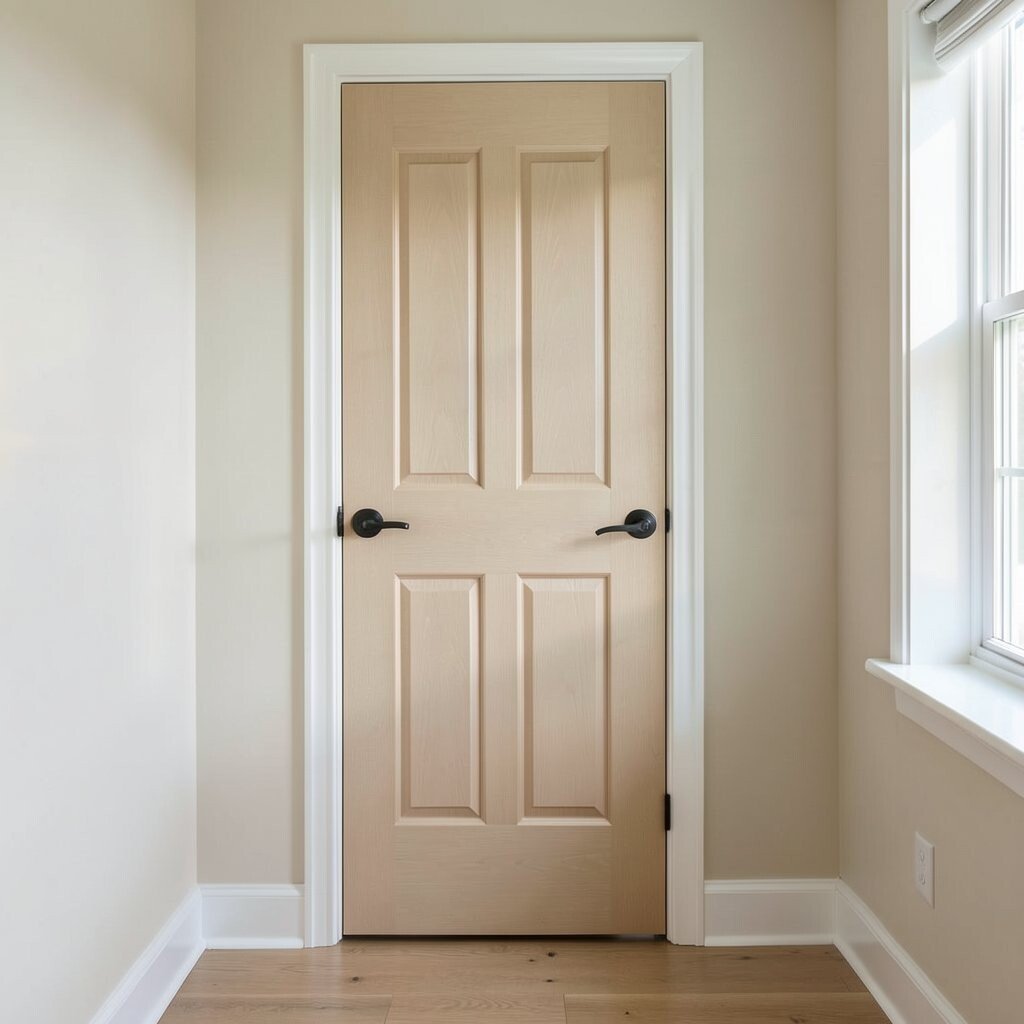
A solid hinged door can help block sound better than a hollow one. That can matter a lot in bedrooms, nurseries, and home offices.
Thicker materials and snug seals can cut down noise from busy parts of the house. If you need a quiet space, this is a big plus. You can also choose heavier hardware and weather-like seals to improve the feel even more.
For a home with kids or frequent guests, this can make daily life easier. The door can help a room feel private and calm. Some people also like the more solid, secure feel when the door closes.
8. Pocket Doors Can Feel Less Private if Built Poorly
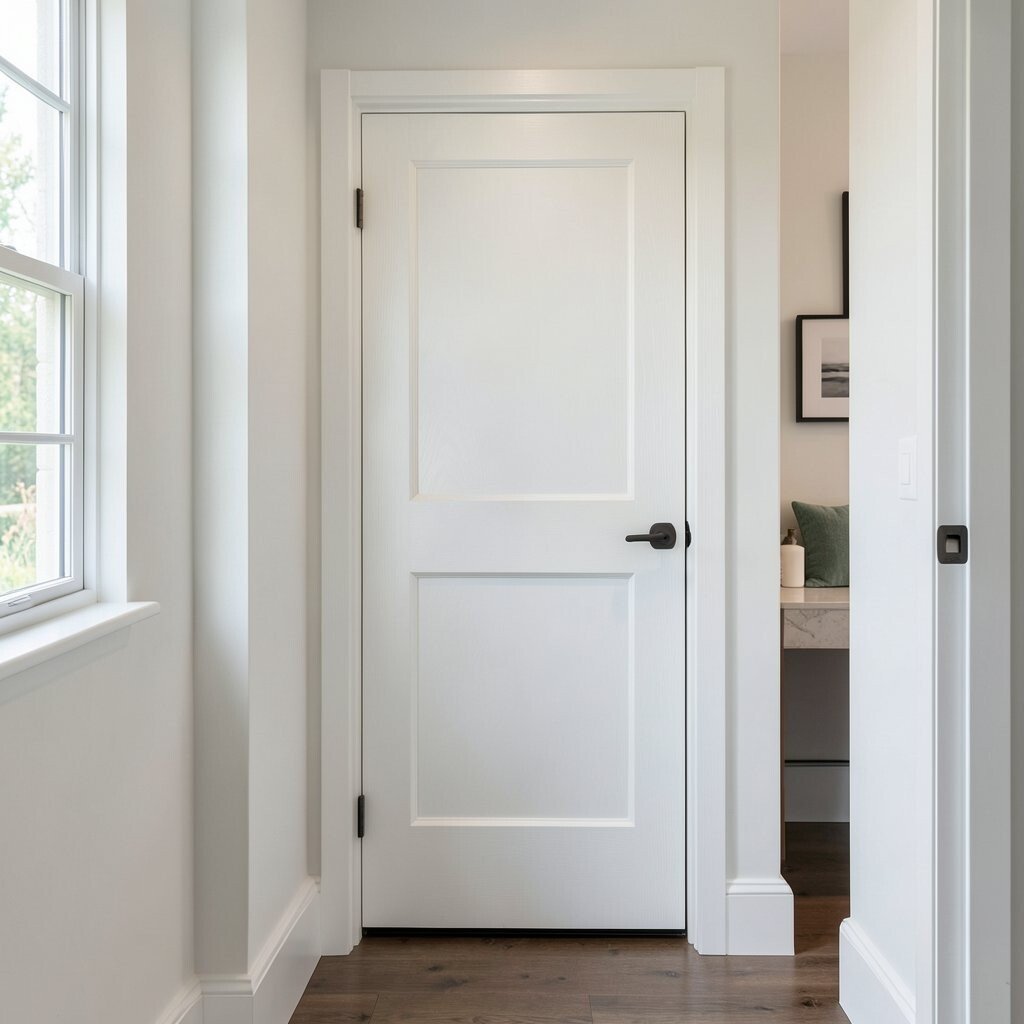
A pocket door can work beautifully, but it needs the right fit and hardware. If the wall is thin or the door is light, sound and sight lines may slip through more than you want.
That is why good materials matter so much. Strong tracks, sturdy frames, and well-made panels help the door feel secure and smooth. If privacy is key, choose a thicker door and ask about seals or soft-close parts.
These doors are often best when style and space matter more than heavy sound blocking. They can look elegant and neat in a hallway or dressing area. Many homeowners like them for a fresh, tidy feel that still saves room.
9. Interior Doors Come in Many Easy-to-Match Materials
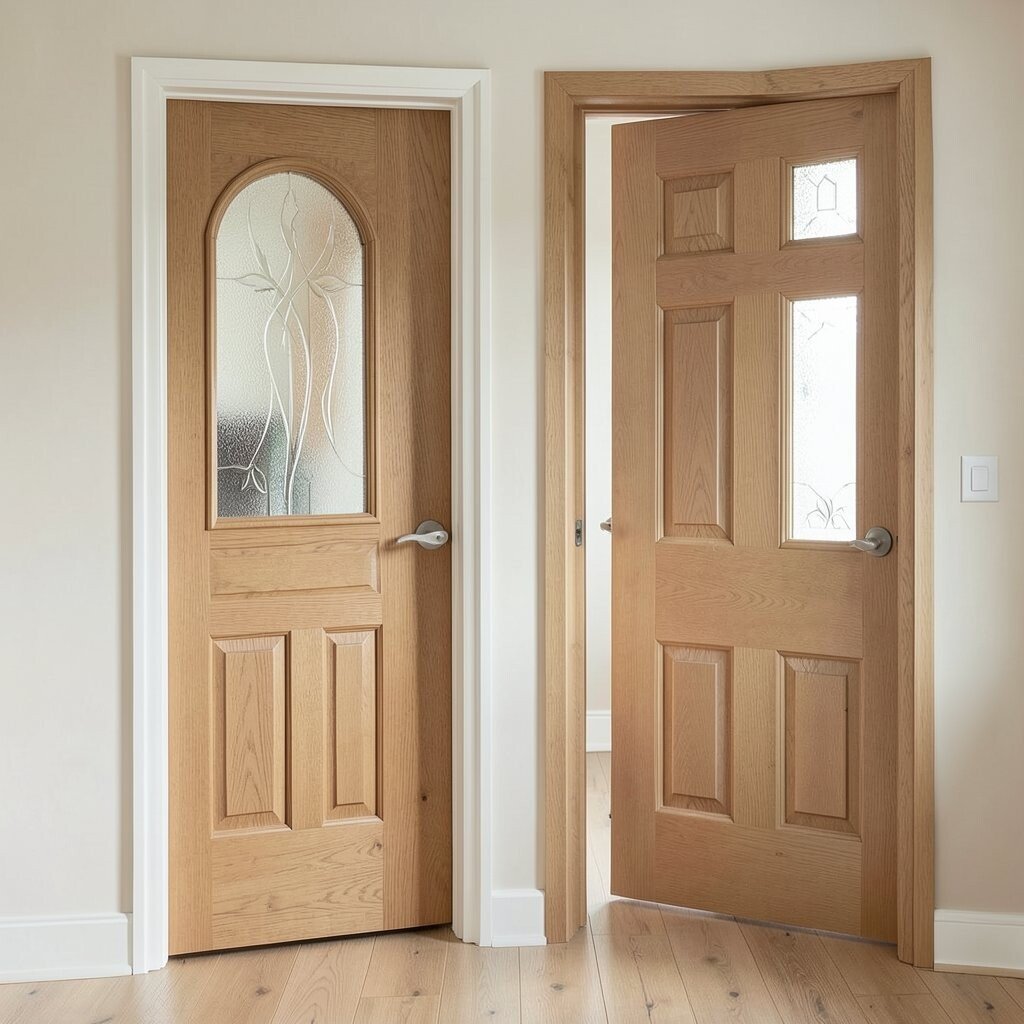
Wood, MDF, hollow core, and glass are all common choices for interior doors. Each one has its own look, weight, and price.
This variety makes it easy to match your home and your budget. A painted MDF door can look polished without costing as much as solid wood. If you want a richer look, wood grain and panel detail can bring warmth and charm.
Material choice also affects how the door feels when you use it every day. A heavier door may seem more sturdy, while a lighter one can be easier to open. For a personal touch, you can add frosted glass, carved lines, or a bold color finish.
Current trends often lean toward smooth slab doors and natural wood tones. Still, classic panel doors remain popular because they feel warm and easy to live with. The best choice is the one that fits your room, your taste, and your budget.
10. Pocket Doors Can Make Small Homes Feel Bigger
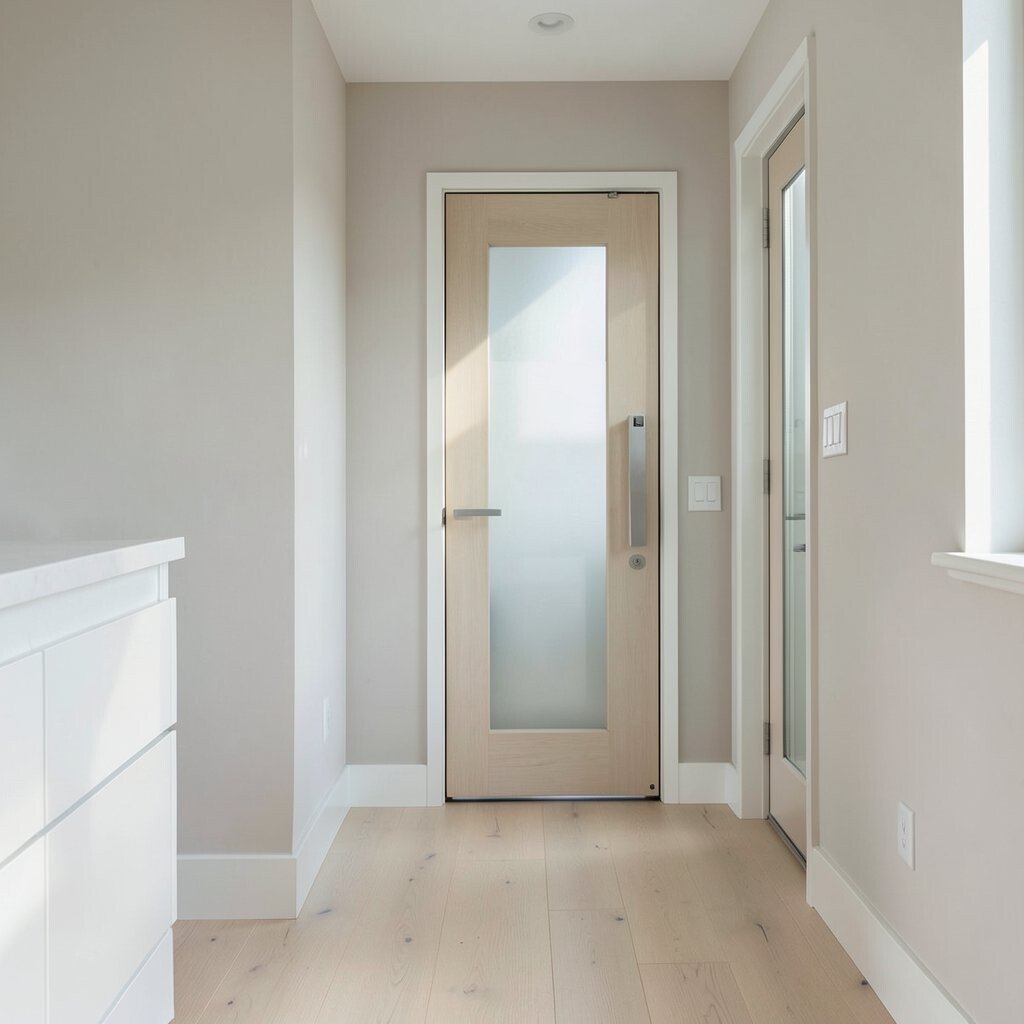
When a door disappears into the wall, the room can feel less crowded. That open look helps tight spaces feel brighter and more free.
This is one reason pocket doors are loved in small homes and apartments. They reduce visual clutter and can make moving around easier. If you have a narrow hallway or a tiny bath, the extra space can feel like a gift.
You can make the door even more unique with glass, color, or a sleek handle that blends in. Many designers now use pocket doors in modern homes to keep lines clean. They work especially well when paired with simple wall colors and light wood floors.
11. Hinged Doors Give You More Hardware Choices
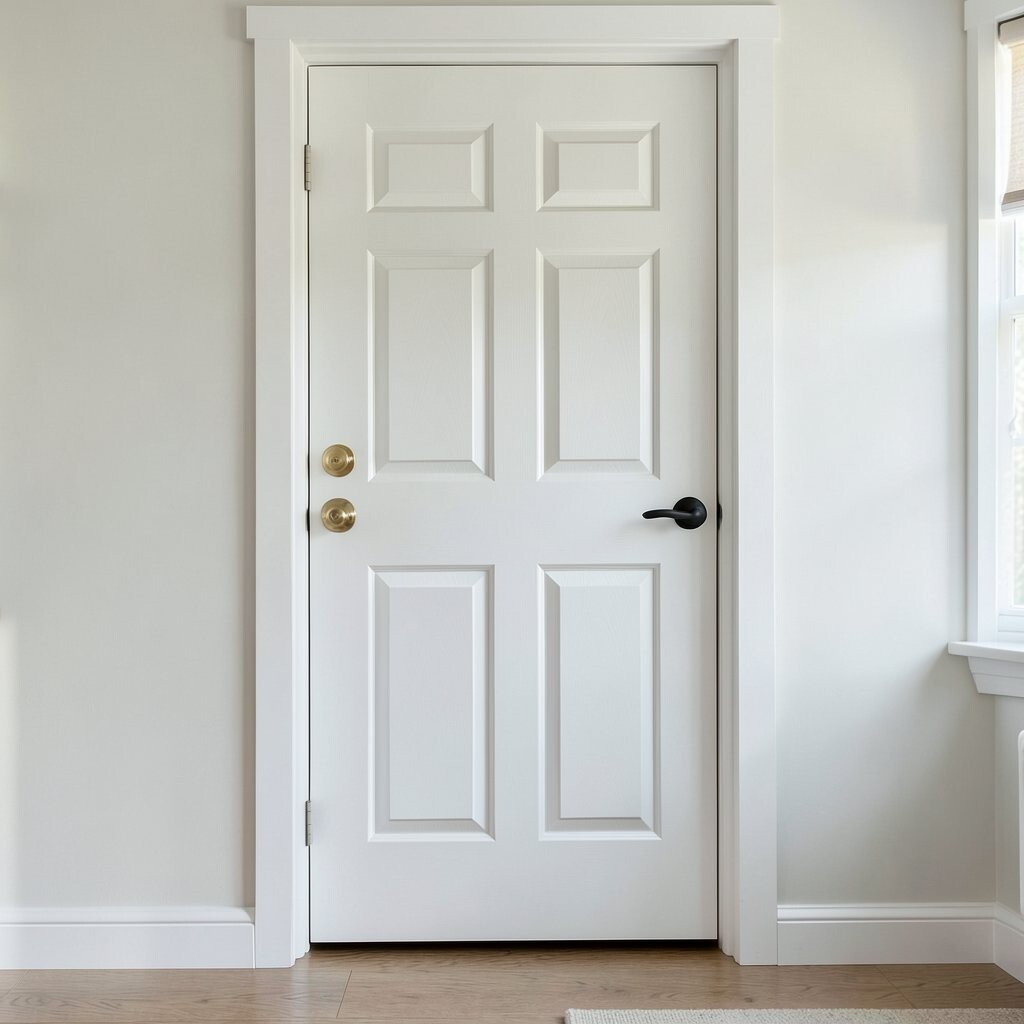
With a hinged door, you can pick from many knobs, levers, locks, and hinges. That makes it easy to match the rest of your home.
Hardware can be shiny, matte, rustic, or modern, so the style options are wide open. A small change like a brass handle or black lever can make a big visual difference. If you like mixing details, this is a fun way to add personality.
These doors also make future updates simple. You can repaint the door, change the trim, or swap the handle without much trouble. That flexibility is helpful if your style changes over time.
For cost, hardware can range from very affordable to quite fancy. That means you can keep it simple or spend more on a standout look. Either way, the door can feel fresh and tailored to your home.
12. Pocket Doors Can Be a Smart Pick for Accessible Living
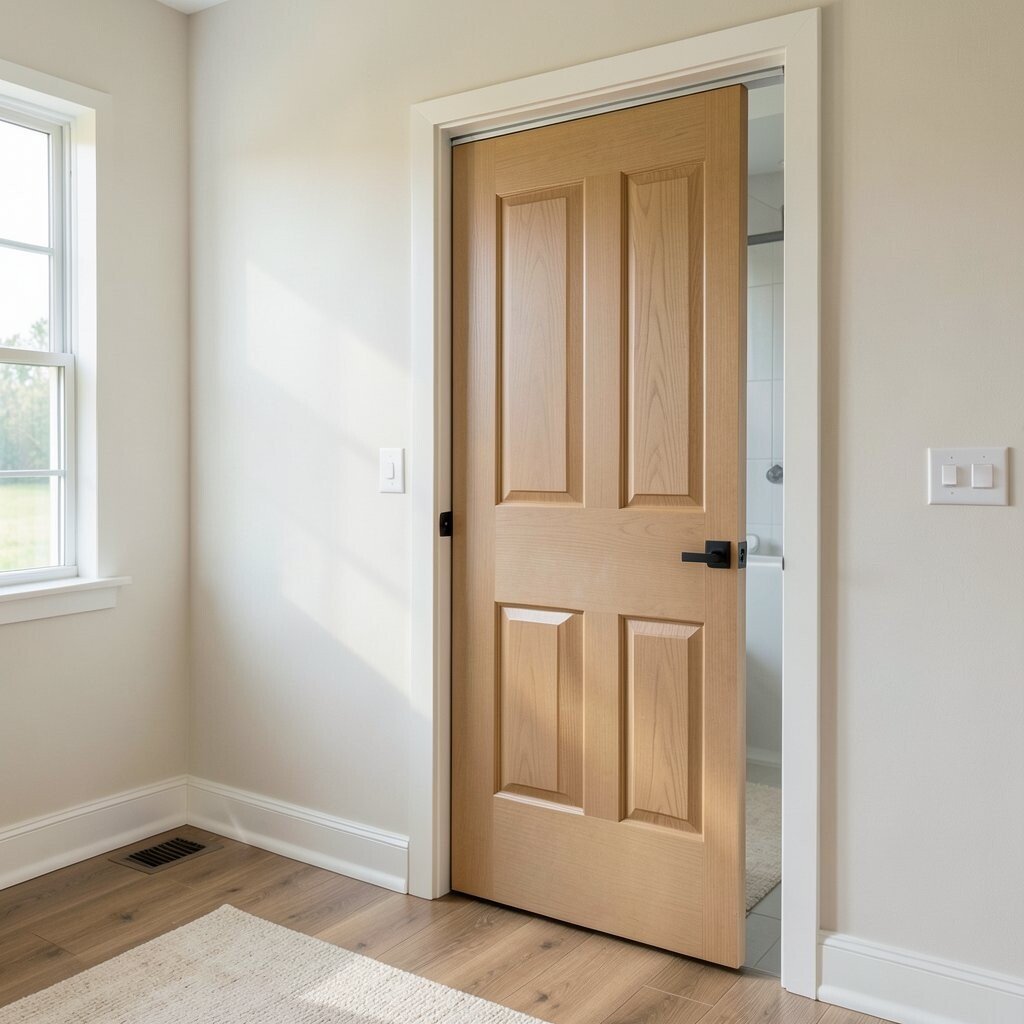
Because they slide instead of swing, pocket doors can make moving through a home easier. This can help in spaces where wheelchair access or easier walking paths matter.
They also reduce the chance of a door blocking someone in a tight area. That can be useful in bathrooms, closets, and shared spaces. A smooth glide and easy pull can make the door feel friendly for many ages.
If accessibility matters in your home, ask about handle height, opening force, and track quality. Those details can make daily use much better. A well-made pocket door can feel both smart and stylish at the same time.
13. Interior Doors Can Be More Budget-Friendly Overall
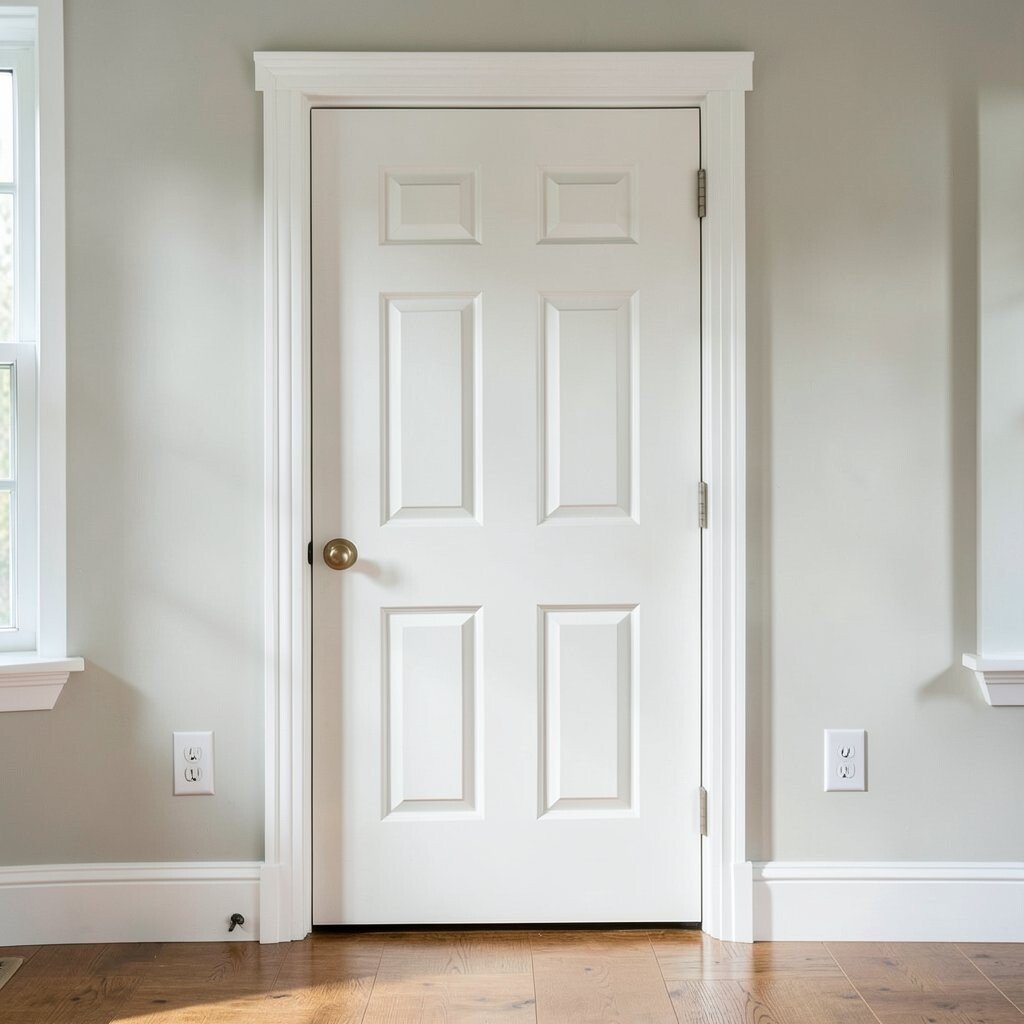
Many hinged interior doors cost less to buy and install than pocket doors. That makes them a strong choice for large projects or simple room updates.
They are also easier to repair if something goes wrong. A loose hinge or worn knob is often a quick fix. If you want to refresh a whole house, this lower cost can leave room in the budget for paint, trim, or new flooring.
Even a modest door can look special with the right details. A crisp white coat, a warm wood stain, or a stylish handle can improve the whole room. This is a nice option when you want value and charm together.
Many homeowners still choose hinged doors because they are familiar and reliable. They fit well in older homes, new homes, and everything in between. The simple setup is part of their lasting appeal.
14. Pocket Doors Can Add a High-End Feel
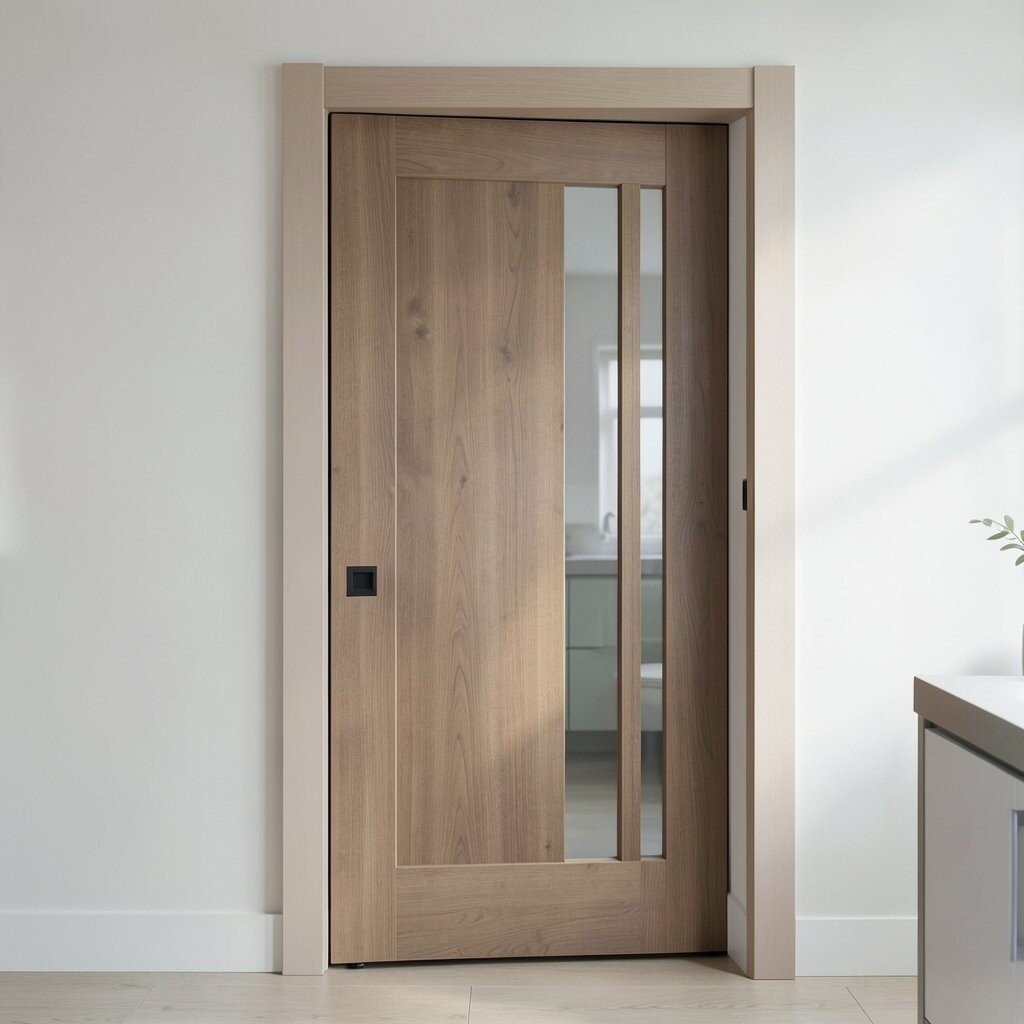
A smooth pocket door can make a home feel custom and polished. The hidden slide gives a neat, built-in look that many people love.
This style often feels special because it is not as common as a basic swing door. It can make a room seem thoughtfully planned and a little more upscale. For a personal twist, try a wood finish, a glass panel, or a painted color that matches the wall.
Designers often use pocket doors in modern homes, spa-like baths, and sleek closets. They help create a clean backdrop for the rest of the room. If you enjoy a neat and calm look, this door style can fit right in.
15. The Best Choice Depends on How You Live
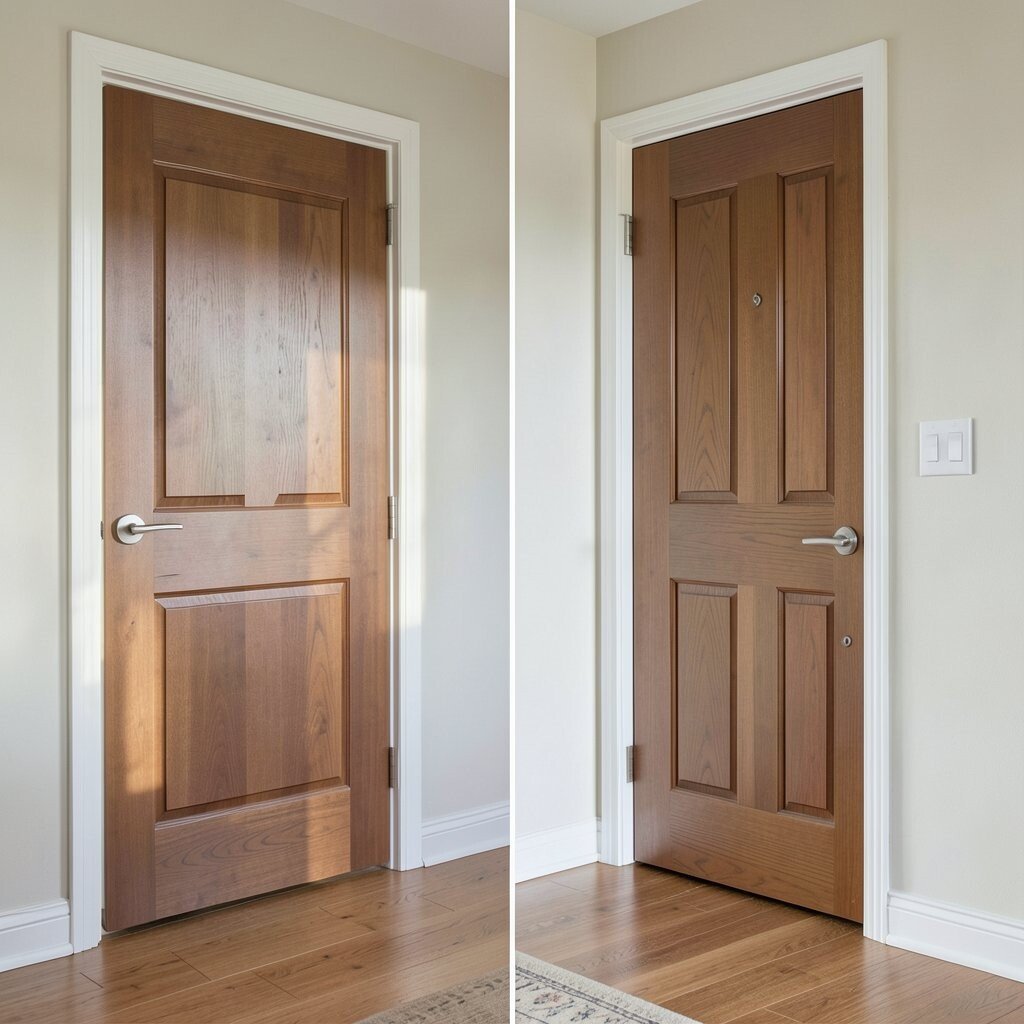
Interior doors and pocket doors each shine in different ways. The right one depends on space, style, privacy needs, and the size of your budget.
If you want easy installation and broad style choices, a hinged door may be the better fit. If you need more floor space and a tidy look, a pocket door may win. Think about how often the door will open, who will use it, and what feeling you want every day.
You can also mix both types in one home for the best result. Use hinged doors where sound control matters most and pocket doors where space is tight. That balance can make your home feel more useful, more personal, and more comfortable.