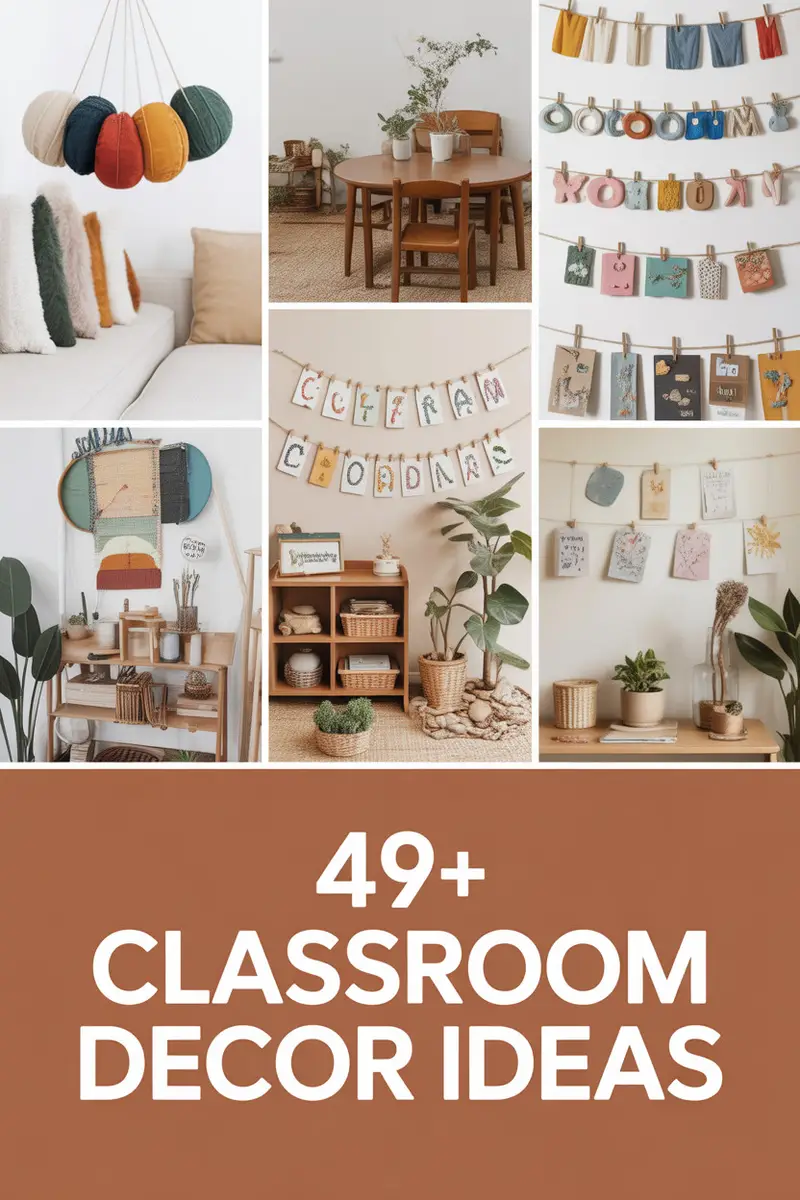
Imagine a place where stories come alive, where characters dance off the pages, and imagination knows no bounds. This isn’t just any ordinary corner; it’s a magical storytelling nook that beckons young minds to dream big. Step into a world filled with wonder and creativity, where each element whispers tales of adventures waiting to unfold.
1. Cozy Reading Nook
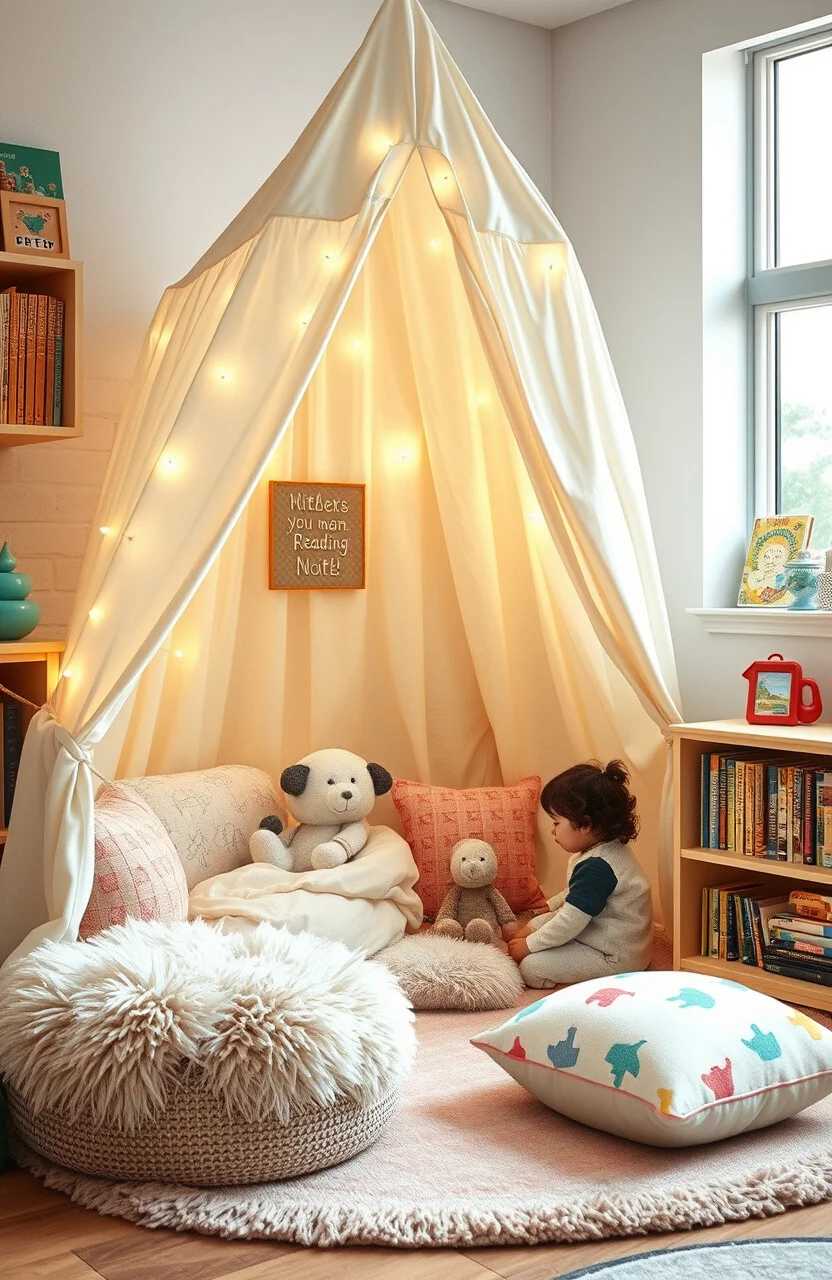
Think of a small space filled with fluffy cushions and soft blankets, inviting kids to snuggle in and read. This cozy nook can be a simple corner with a few bean bags or an elaborate tent with fairy lights.
The benefit is a warm, inviting atmosphere that encourages reading. It provides a sense of security and comfort, making it easier for kids to lose themselves in a story.
Uniquely, you can personalize this space with themed pillows or blankets that reflect popular book titles. Add a low bookshelf within reach to keep their favorite stories close.
Costs can be managed by using thrifted blankets or DIY cushions. A few fairy lights from a dollar store can add a magical touch without breaking the bank.
2. Story Wall Murals

Imagine walls covered with vivid scenes from classic tales or mythical lands. These murals could depict a pirate’s ship or a magical forest.
They inspire children’s imaginations and set the mood for storytelling. Every look at the wall becomes a prompt for a new story.
You could invite students to help paint the mural, making it a community project. This adds a personal touch and gives them ownership of their space.
Hiring a local artist can be an option, but DIY wall decals are budget-friendly alternatives. They’re easy to apply and remove whenever you want a change.
3. Character Cut-Outs
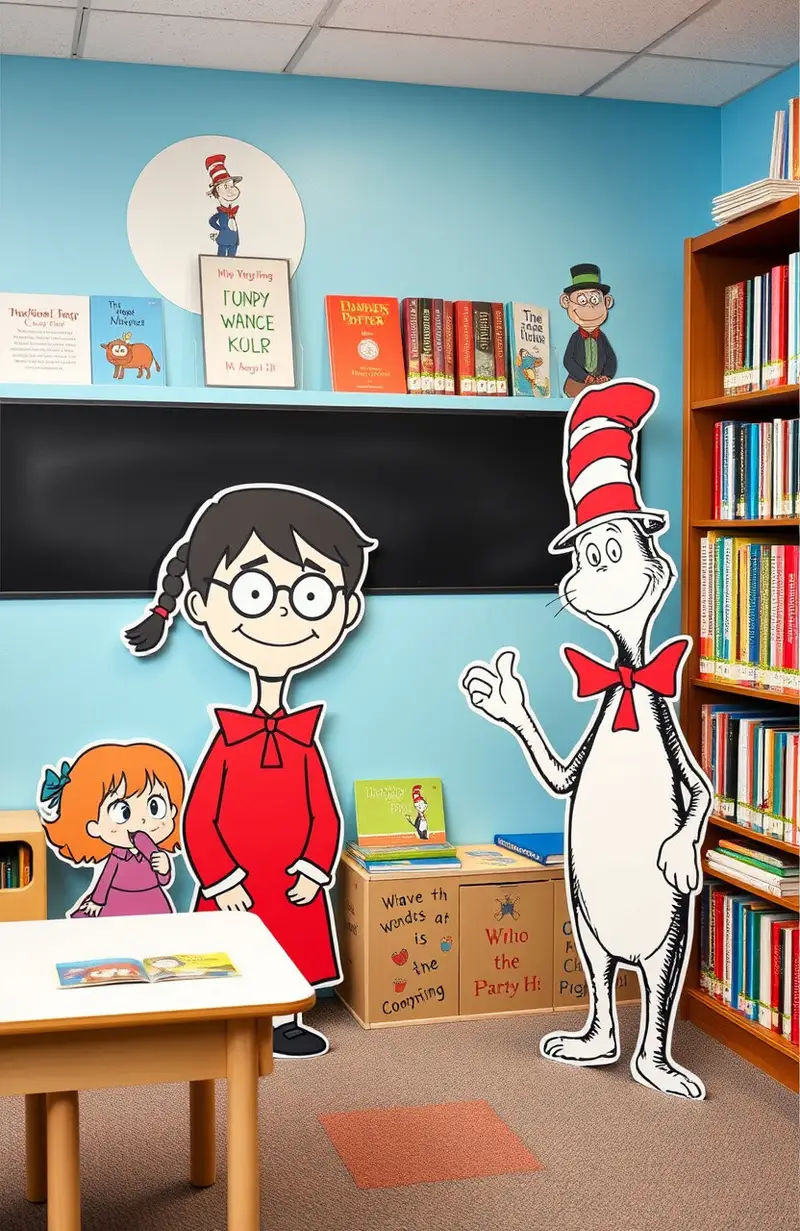
Large cut-outs of popular storybook characters can be positioned around the storytelling corner. Imagine Harry Potter, Matilda, or the Cat in the Hat standing guard.
These figures make stories more relatable and tangible. Kids love seeing their favorite characters come to life around them.
Cut-outs can be personalized by students, who can add speech bubbles or accessories. This interactive element brings fun to the decor.
Cardboard cut-outs are cost-effective and can be easily swapped or updated as interests change. Look for sales at party supply stores for great deals.
4. Themed Rugs

Think of a rug shaped like a giant open book or one that resembles a map of a fantasy land. These rugs can define the space and add warmth.
They create a distinct boundary for the storytelling area, making it a special spot. Plus, they add coziness to the space.
Choose rugs with vibrant colors and designs that ignite imagination. A circular rug with a world map can spark stories of global adventures.
Rugs can vary in price, but searching thrift stores or online marketplaces can yield affordable and unique finds. Look for durable materials that can withstand heavy use.
5. DIY Story Stones
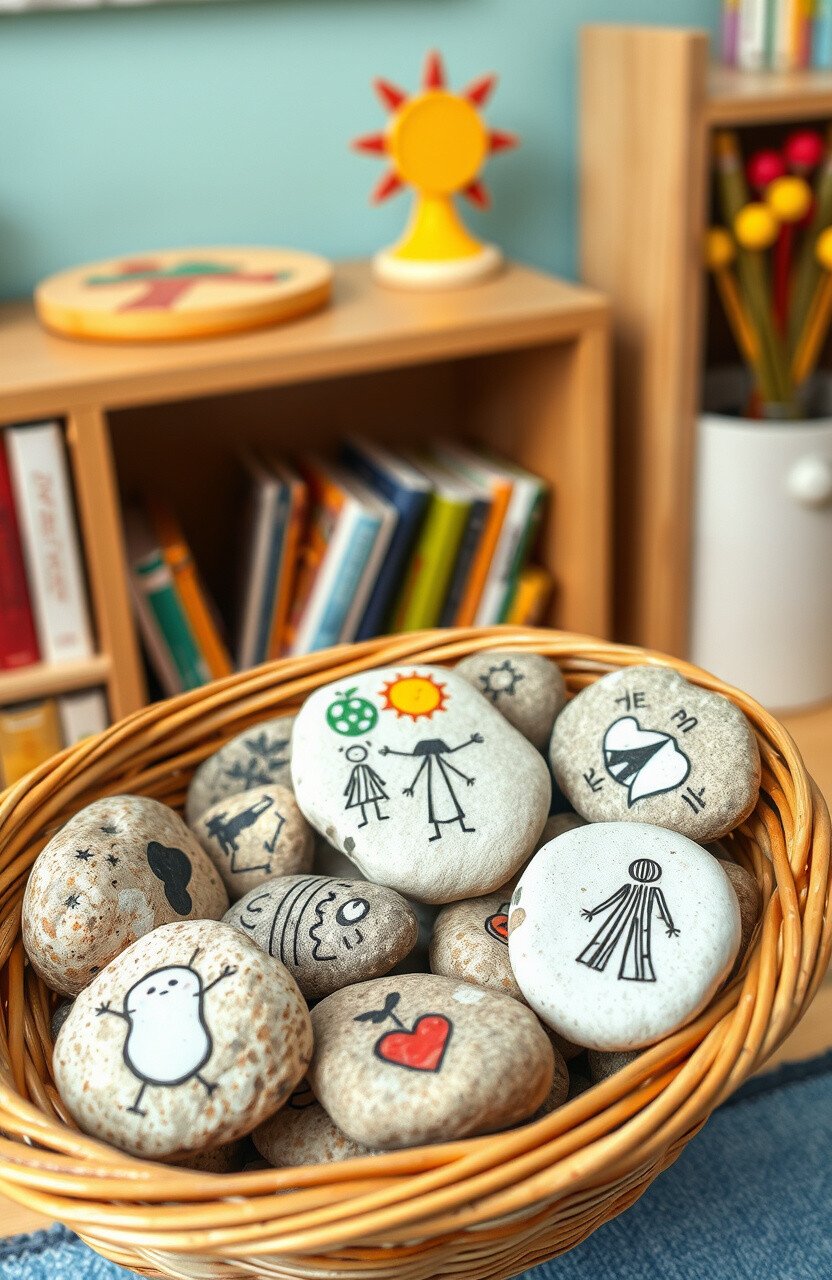
Collect smooth stones and paint them with simple symbols or characters from stories. These can be kept in a basket for children to create their own tales.
Story stones encourage creativity and help with narrative skills. They’re a tactile way to engage with storytelling.
Each stone can be personalized with a child’s favorite character or item. This makes the activity more engaging and personal.
Stones are free if you collect them from nature, and paint pens are inexpensive. This is a fun, low-cost project that can be done with the kids.
6. Magical Lighting
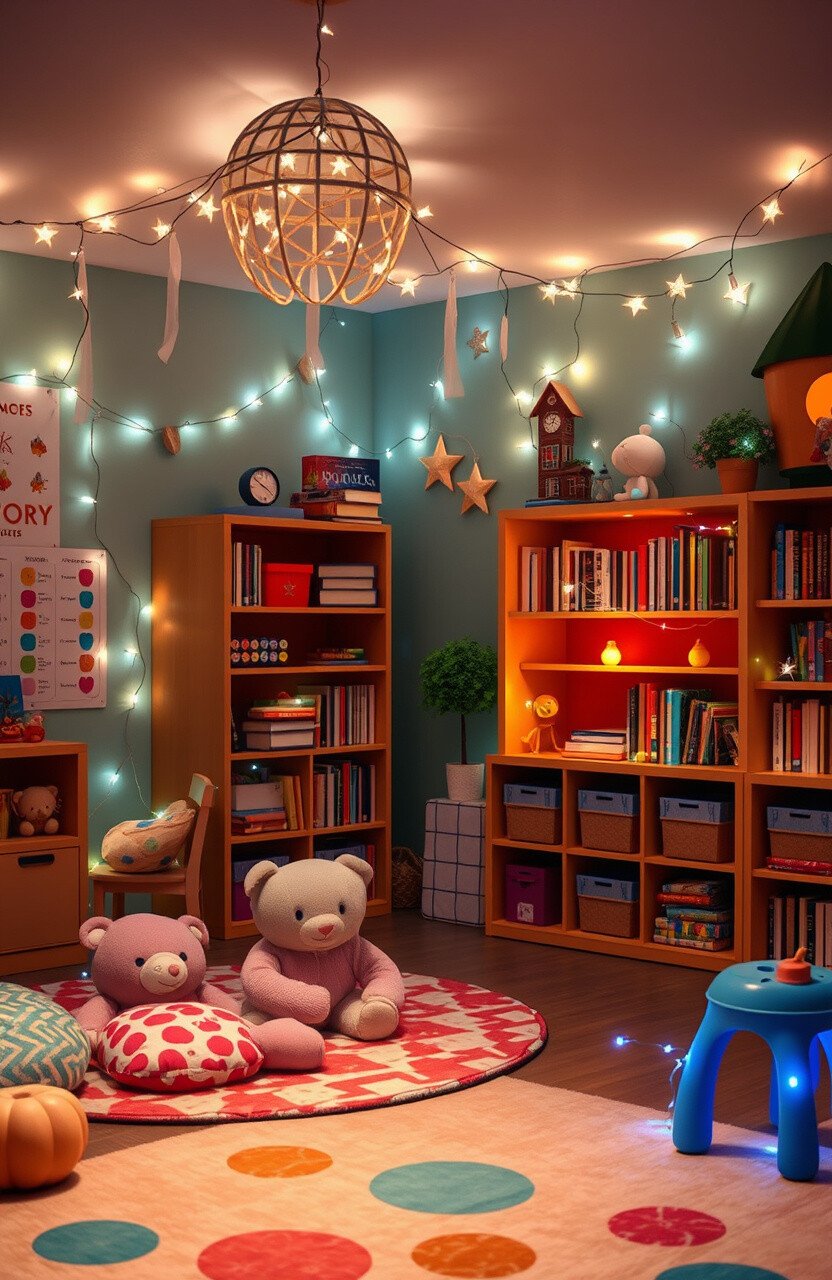
Twinkling fairy lights or LED stars can create an enchanting atmosphere. Imagine the corner glowing softly with lights that mimic a starry night.
Lighting sets the mood and can be calming and inviting. It transforms the corner into a magical space that feels special.
Consider using lights with a dimmer switch to adjust the brightness. This feature can help create different storytelling moods.
Fairy lights are affordable and safe. Battery-operated options eliminate the need for outlets and are easy to set up anywhere.
7. Interactive Story Maps

Large maps with tokens or markers that move can bring stories to life. Children can follow characters on their adventures or create new paths.
These maps engage kids with stories in a physical way, enhancing comprehension and interest. They’re perfect for interactive storytelling sessions.
Maps can be personalized with landmarks from favorite books or student-created worlds. This adds depth and personalization to the activity.
Printable maps are available online for free, and using everyday items as tokens keeps costs down. This is a budget-friendly, educational tool.
8. Storytelling Throne

A special chair or throne for the storyteller can add excitement. Imagine a grand seat with cushions and perhaps a decorative canopy.
This creates a focal point for storytelling, making the reader feel important and engaged. The throne becomes a symbol of storytelling power.
Personalize it with seat covers or cushions in favorite colors. Adding a small crown can make it even more special.
Thrift chairs can be upcycled with paint and fabric for a unique look. Look for second-hand options to keep costs low.
9. Book Display Ladders
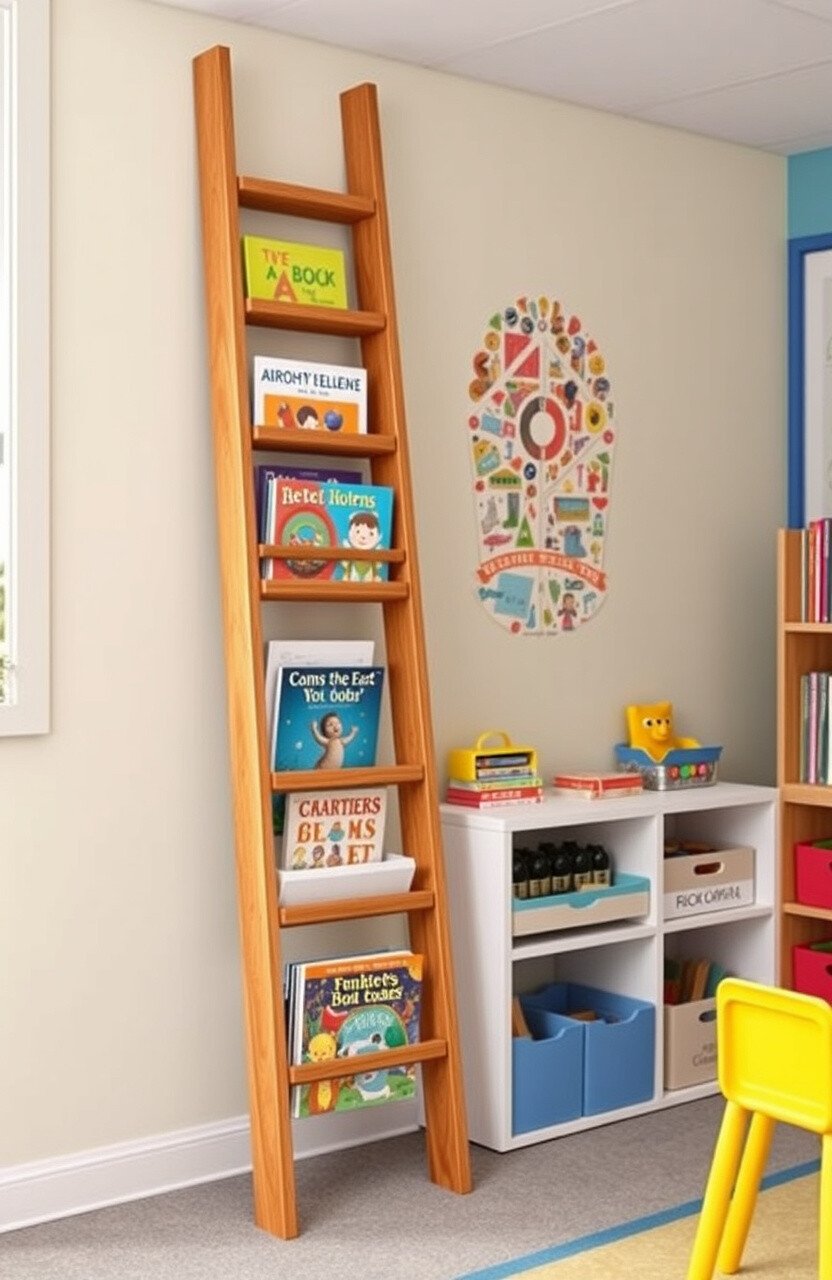
Lean a wooden ladder against the wall and use the rungs to display books. The open design allows for easy access and browsing.
This display encourages children to pick up books and explore. The ladder adds a modern, playful touch to the decor.
Personalize it with color-coded books or themed displays. Seasonal or holiday-themed books can rotate to keep the display fresh.
Old ladders can be found at garage sales or thrift stores. A coat of paint can transform them into stylish book displays on a budget.
10. Storytelling Puppets
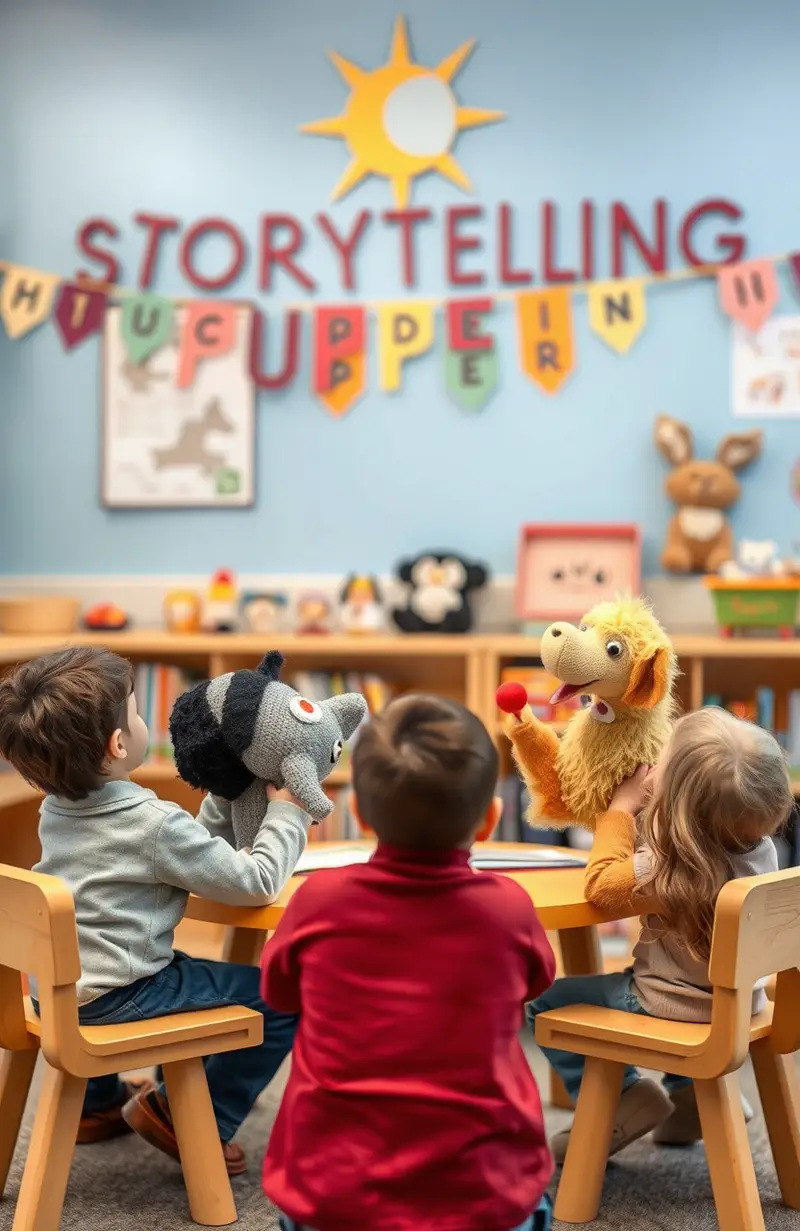
Puppets can be used to act out stories, adding a dynamic element to storytelling. They invite participation and make stories come alive.
Puppets encourage interaction and help with language skills. Kids can use them to express themselves and their interpretations of stories.
Make them personal by allowing kids to create their own puppets. This fosters creativity and makes the storytelling experience uniquely theirs.
DIY sock puppets or felt finger puppets are inexpensive to make. Craft stores often have sales on materials, making this a cost-effective activity.
11. Hanging Story Banners
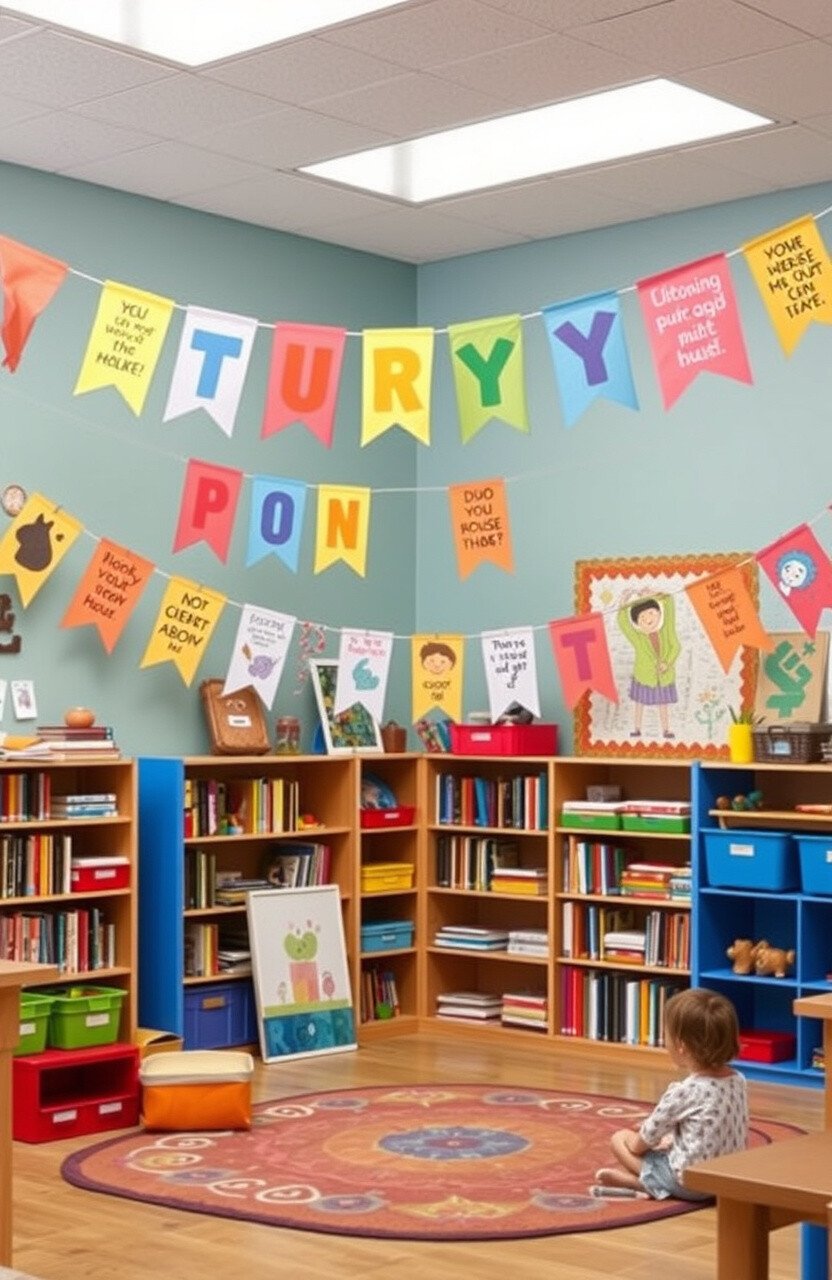
Colorful banners strung across the storytelling corner can feature famous quotes or characters. They add a festive and inspiring touch.
These banners can serve as visual reminders of favorite tales. They create an inviting and lively atmosphere.
Personalize banners with student quotes or drawings. This makes the space feel like it belongs to the students.
Banner-making kits are available at craft stores, or use construction paper and string for a DIY approach. This keeps costs manageable.
12. DIY Story Cubes
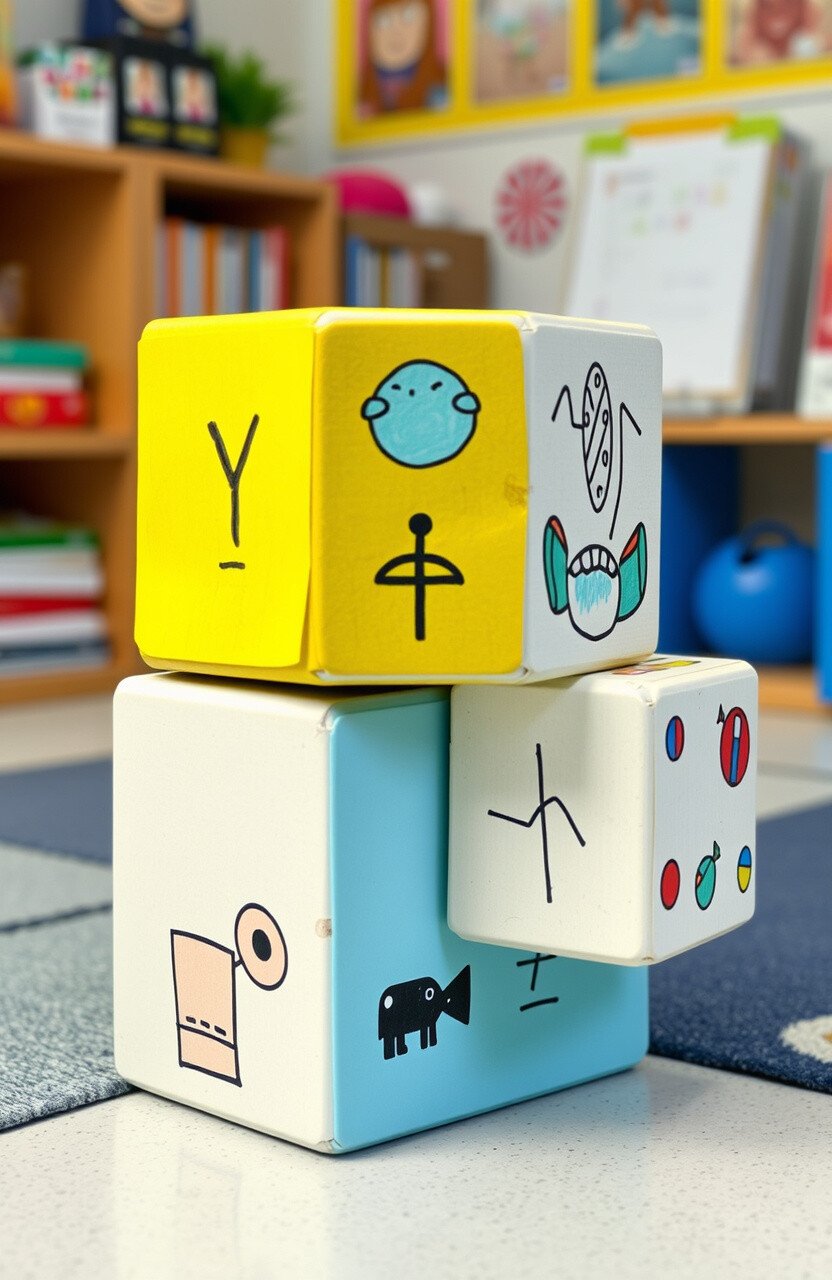
Craft cubes with images or words on each side to inspire stories. Roll them to generate story prompts like settings, characters, or plots.
Story cubes spark creativity and can be used individually or in groups. They offer endless storytelling possibilities.
Students can personalize the cubes with their drawings or words. This involvement makes them more invested in the activity.
Use cardboard boxes or wooden blocks to create cubes, with stickers or drawings for decoration. This is a low-cost, engaging tool.
13. Floating Book Shelves

Install floating shelves to display books in an organized yet stylish way. They save space and make books easy to see and reach.
These shelves encourage neatness while keeping books accessible. They’re perfect for creating a clean, modern look.
Arrange books by color or theme to add visual interest. Personal touches like bookends or small decor items add character.
Floating shelves can be found at home goods stores, often on sale. DIY options with simple brackets and wood are budget-friendly.
14. Storytelling Stage
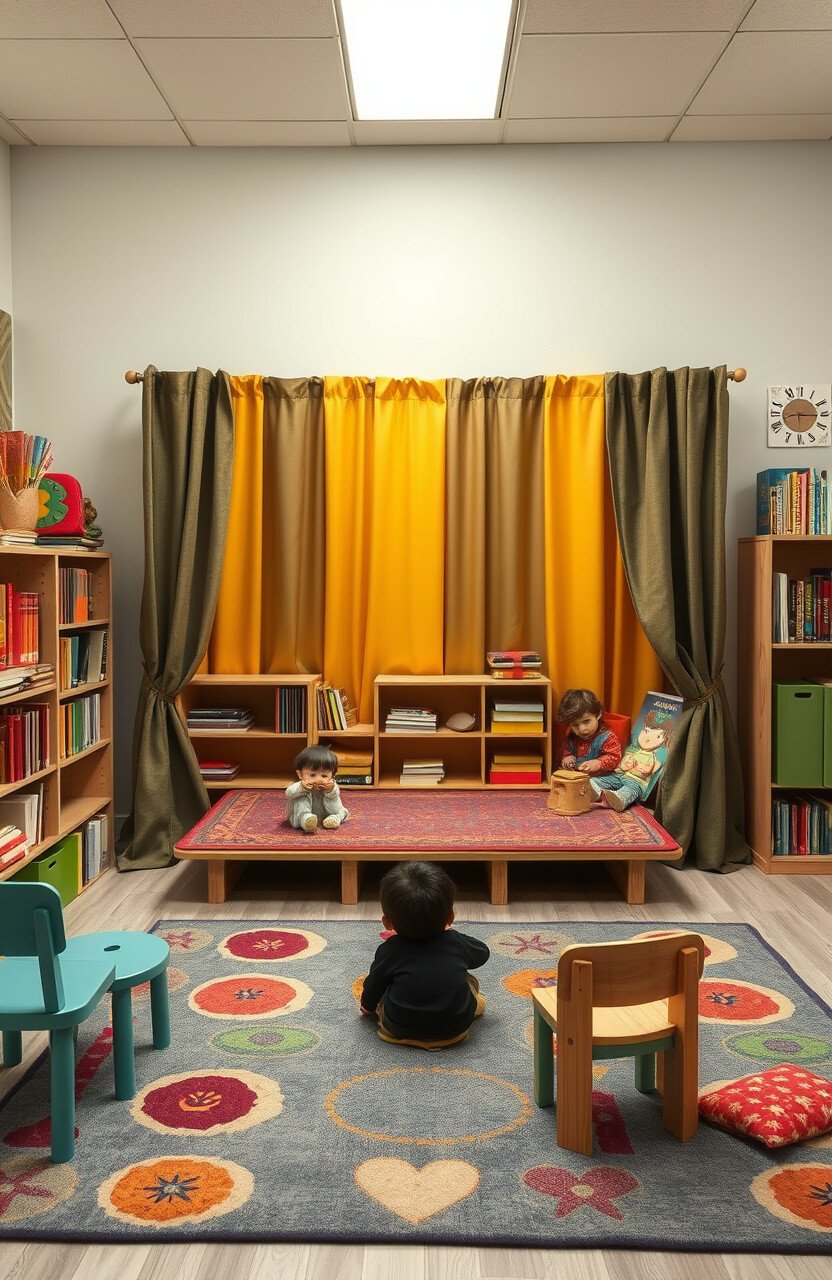
A small stage area can be created with a simple raised platform or even a rug. This becomes a dedicated space for performances.
The stage adds excitement and focus to storytelling sessions. It encourages kids to express themselves confidently.
Personalize it with curtains or props that change with the stories. This makes each performance unique and engaging.
Use old pallets or a low wooden platform for a DIY stage. Rugs or curtains from thrift stores can add flair without high costs.
15. Storytelling Art Gallery
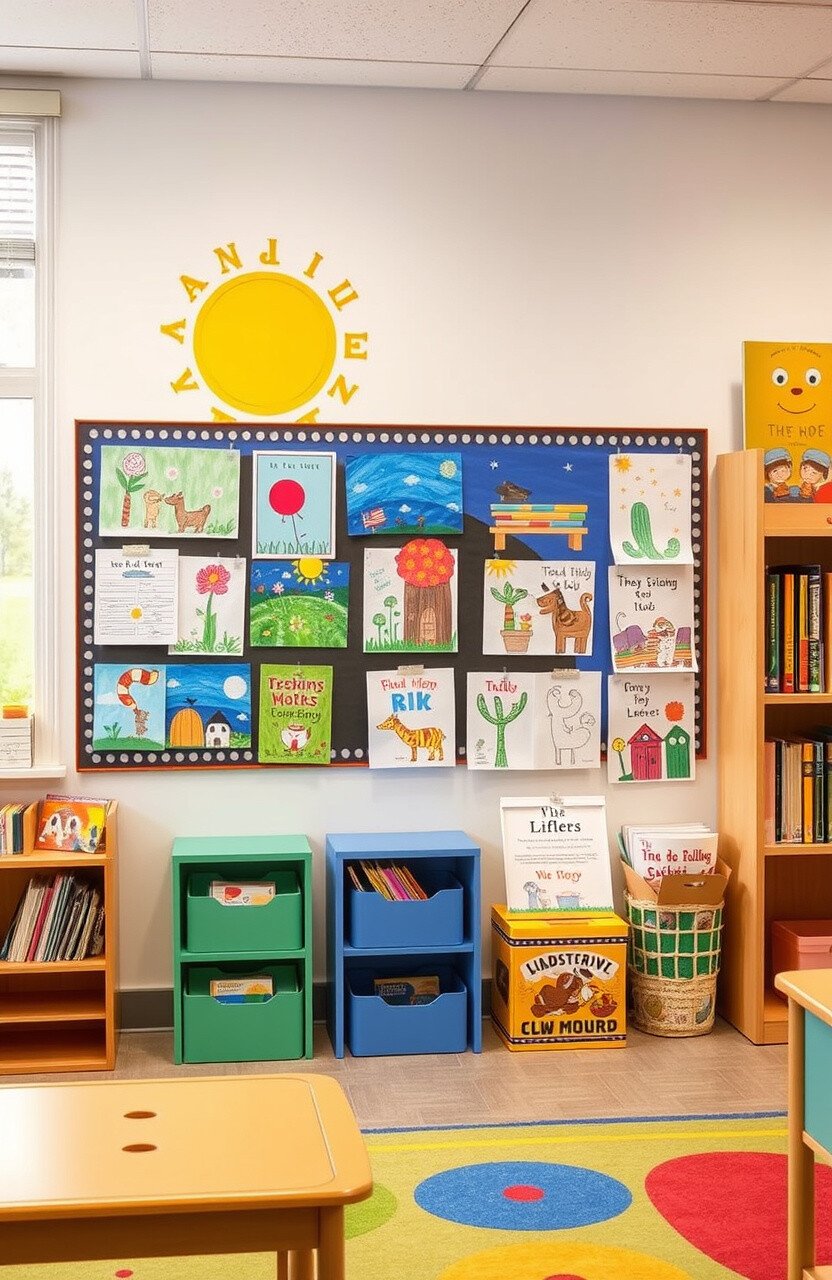
Designate a section of the wall for displaying student artwork related to stories. This turns the corner into a dynamic art gallery.
It gives students a sense of pride and accomplishment. The gallery showcases creativity and storytelling from a different perspective.
Change the displays regularly to keep the gallery fresh. Personalize it with labels or frames made by the students.
Use thumbtacks or clips to hang artwork easily, keeping costs low. This is a simple way to celebrate creativity.
16. Storytelling Tree

Create a large tree mural or structure where students can hang story leaves. Each leaf can contain a story idea or summary.
The tree becomes a living entity that grows with stories. It’s a visual representation of their storytelling journey.
Personalize leaves with unique colors or patterns. This allows for individual expression within the collective story.
Paper or fabric leaves are inexpensive to make. A tree decal or painted mural is a one-time investment that grows over time.
17. Book Character Masks

Provide masks of popular book characters for kids to wear during storytelling. This adds a fun, theatrical element to the sessions.
Masks encourage kids to step into characters’ shoes, enhancing empathy and understanding. They make storytelling sessions lively and engaging.
Allow students to decorate masks with their designs. This personalization adds excitement and depth to the activity.
Paper or felt masks are easy to craft and are cost-effective. Use templates from the internet to save time and effort.
18. Storytelling Carpet Squares
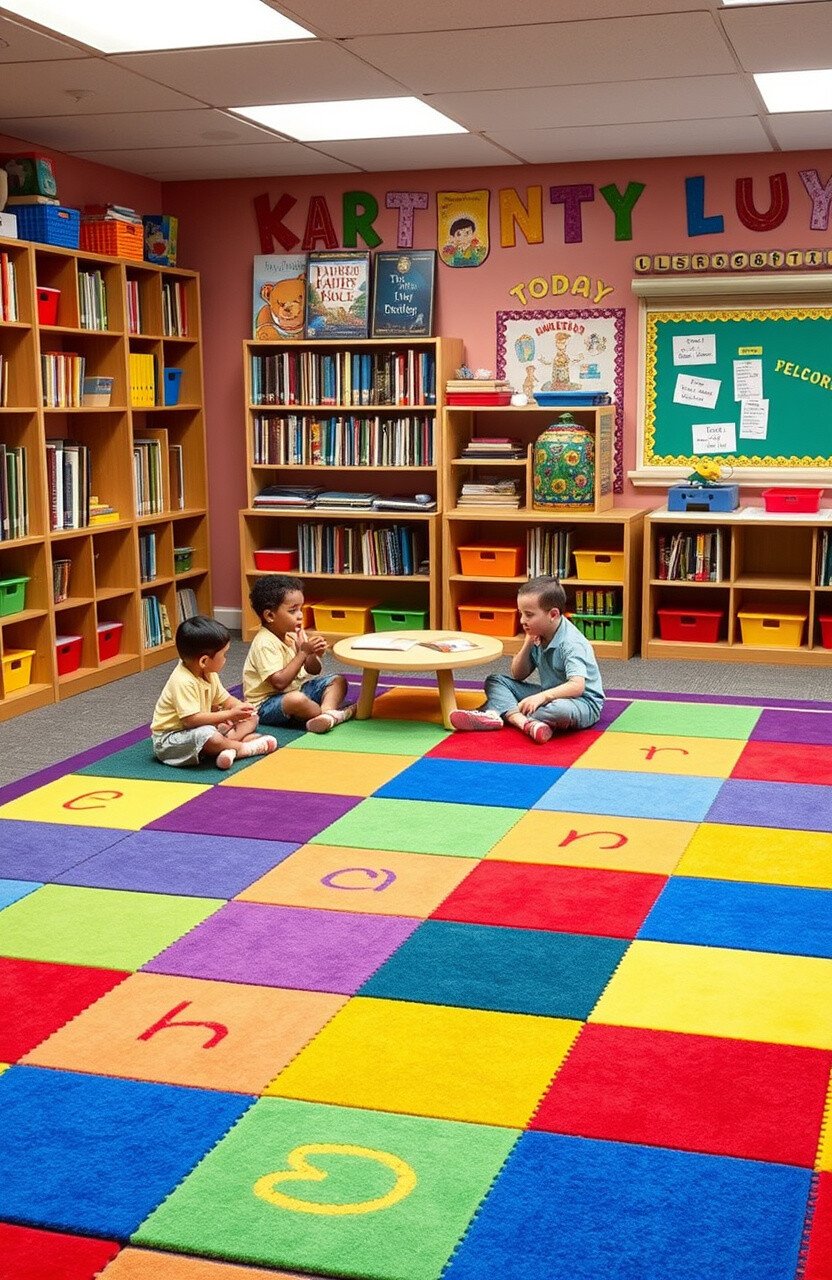
Individual carpet squares can be arranged to create a flexible storytelling space. They offer comfort and define personal space.
The squares can be moved to create different layouts, making the space versatile. They encourage a sense of ownership and belonging.
Personalize squares with student names or favorite colors. This adds a personal touch and makes each child feel special.
Carpet squares can often be sourced from remnants at carpet stores, keeping costs down. Look for durable, easy-to-clean options.
19. Storytelling Time Capsule

A time capsule can hold written stories or drawings, to be opened at a later date. This adds an element of mystery and anticipation.
It encourages kids to think about storytelling over time. The capsule becomes a treasured part of their storytelling journey.
Personalize the capsule with decorations or a special container. This makes the activity feel significant and memorable.
Use a simple box or jar for the capsule, which is an inexpensive way to engage students in long-term storytelling.
20. Storytelling Window Clings

Decorate windows with clings that depict scenes or characters. They add color and interest to the storytelling corner.
Window clings create a dynamic backdrop that changes with the light. They’re easy to apply and remove, offering flexibility.
Personalize clings with student-made designs. This allows for ever-changing decor that reflects current interests.
Store-bought clings are affordable, or create your own with cling film and markers. This is a fun, creative project for students.
21. Storytelling Adventure Tent
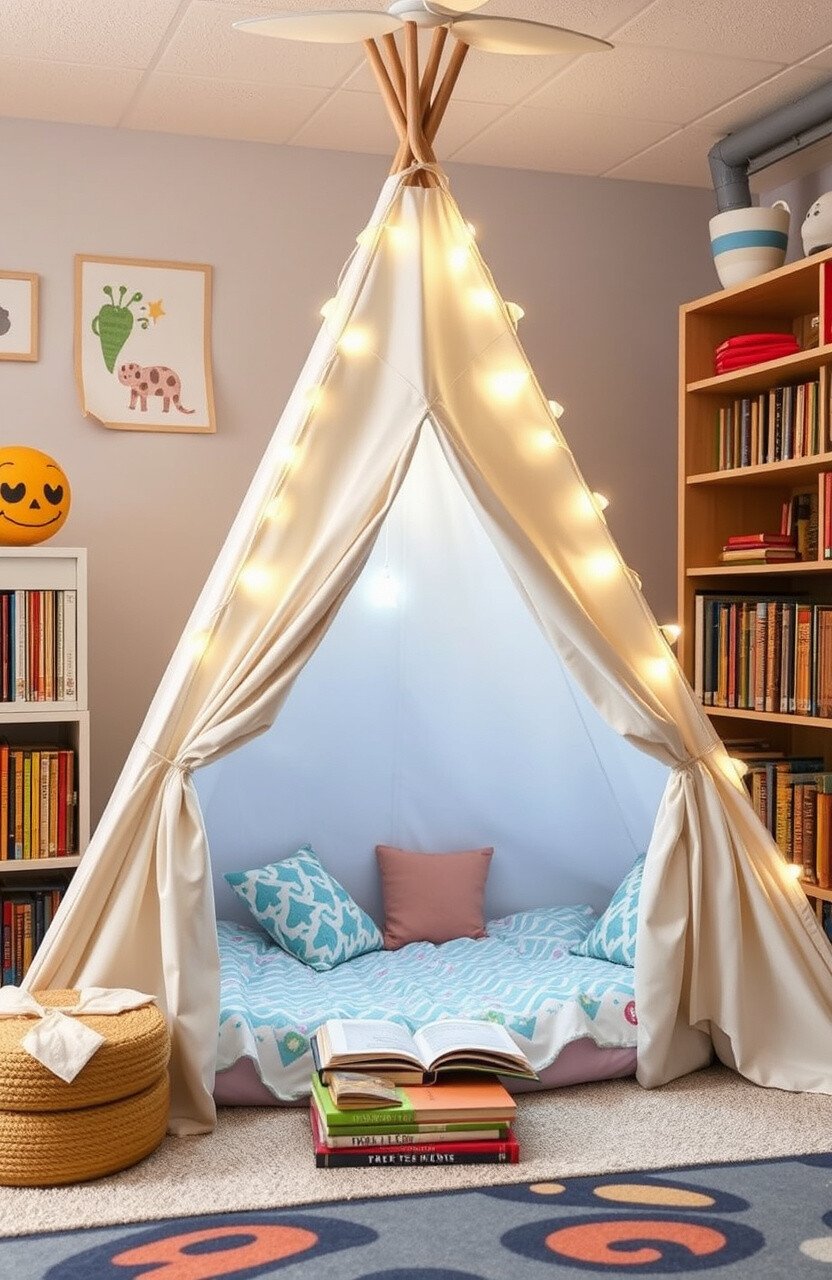
A small tent or teepee can serve as a private reading or storytelling hideaway. This creates a sense of adventure and exclusivity.
The tent provides a cozy, enclosed space that feels safe and magical. It invites children to enter a world of stories.
Personalize the tent with fairy lights or themed bedding. This makes the space feel special and inviting.
DIY tents can be made with sheets and poles, keeping costs minimal. Look for sales on camping gear for affordable options.
22. Storytelling Chalkboard Wall
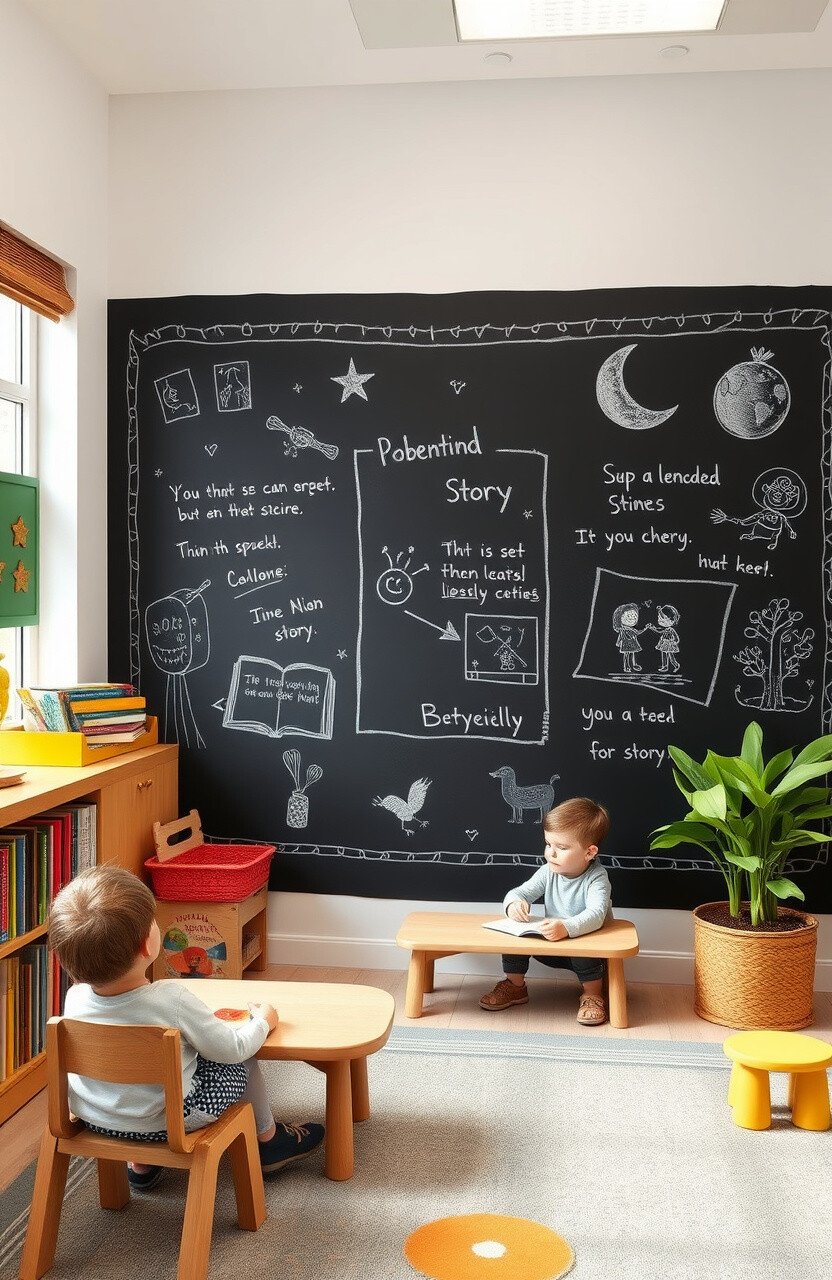
A wall painted with chalkboard paint becomes a canvas for stories and illustrations. Kids can draw scenes or write story elements.
The chalkboard wall encourages creativity and collaboration. It’s a dynamic space that changes with each storytelling session.
Personalize the wall with borders or sections for different story elements. This organization helps guide storytelling activities.
Chalkboard paint is affordable and easy to apply. Chalk is a low-cost, versatile tool for endless creativity.
23. Storytelling Sound Machine
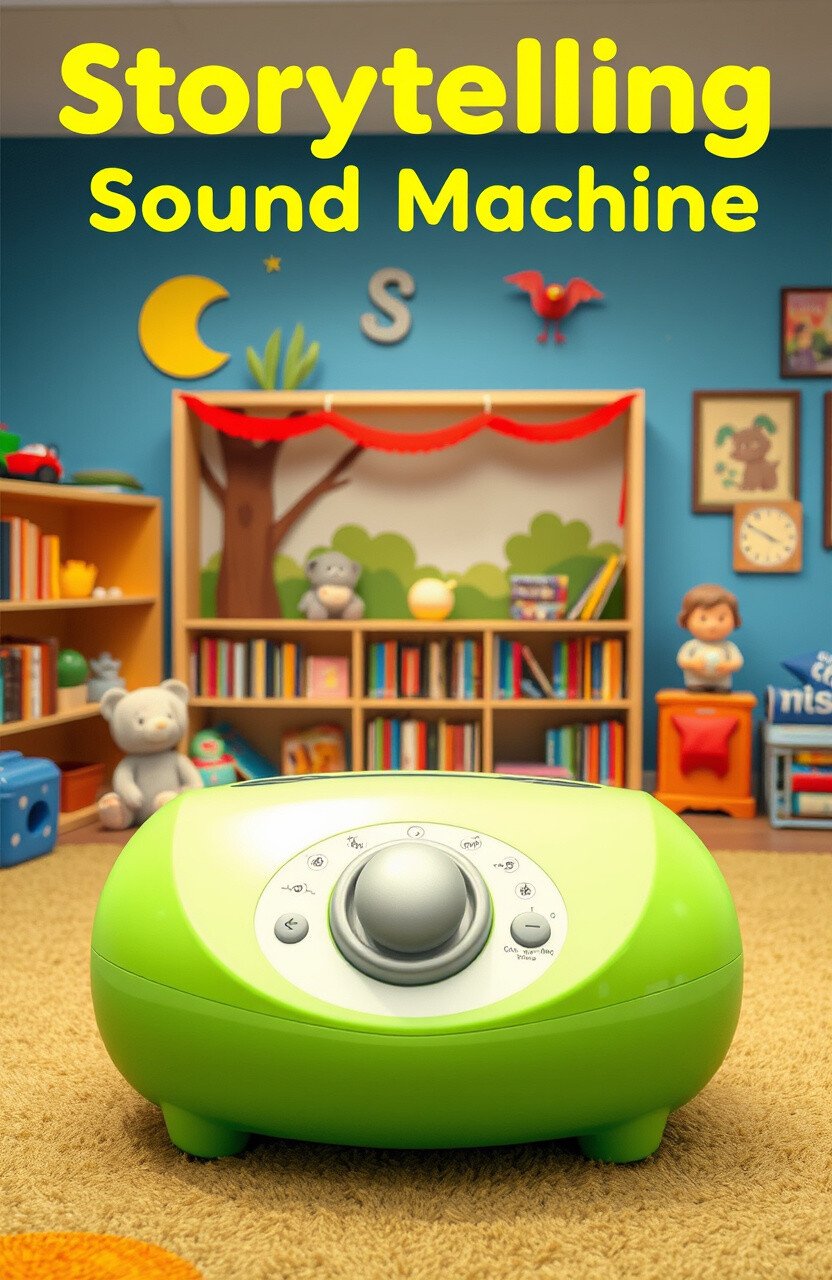
A sound machine with story-themed sounds can enhance storytelling. Imagine a background of forest sounds or ocean waves.
Sounds add depth and immersion to storytelling. They help set the scene and stimulate imagination.
Personalize sound playlists with student suggestions. This involvement makes the experience more engaging and inclusive.
Basic sound machines are affordable, with many options available online. Use free apps for an even more budget-friendly choice.
24. Storytelling Shadow Theater
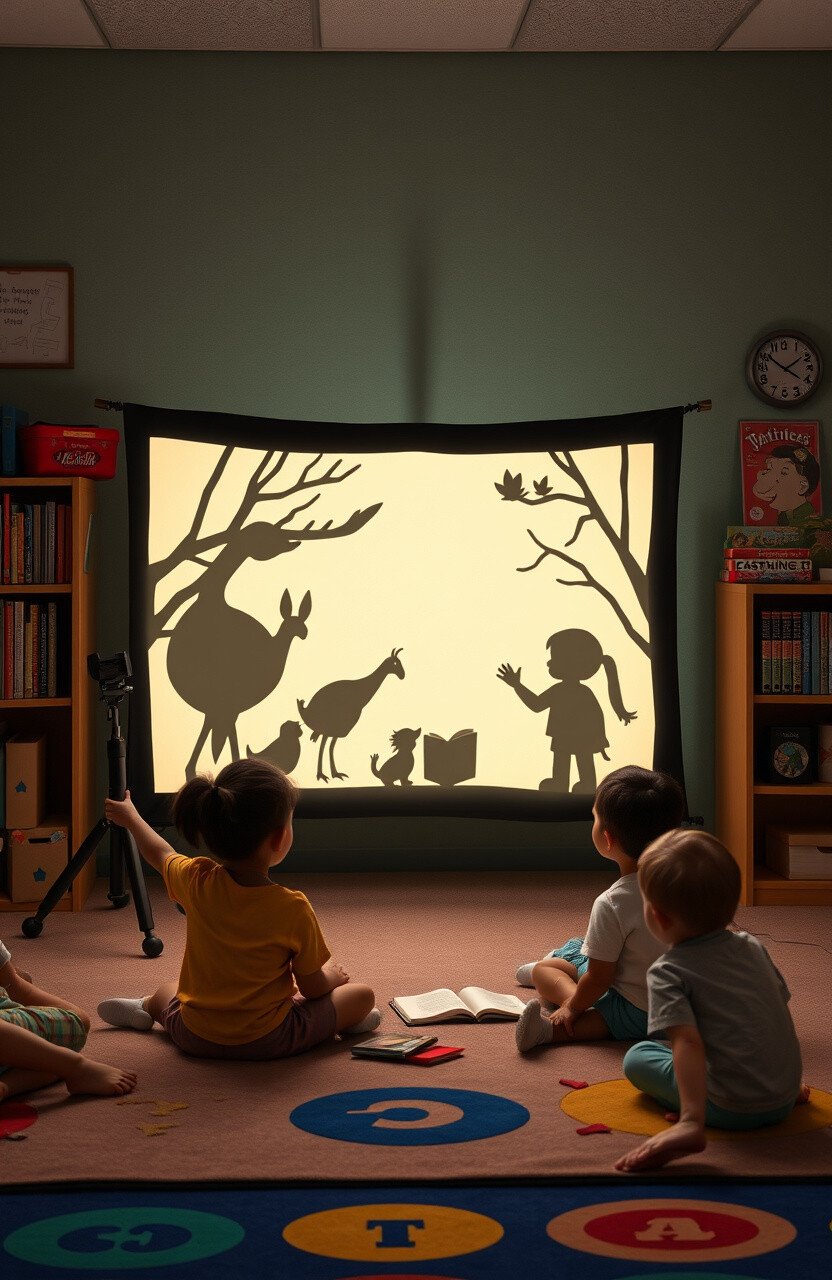
A simple shadow theater setup can bring stories to life. Use a light source and a screen for shadow puppets.
Shadow theaters engage visual and imaginative skills. They offer a unique way to tell and experience stories.
Personalize with student-made puppets and backdrops. This adds a creative, personal touch to storytelling sessions.
A flashlight and a sheet are all you need for a DIY setup. This is a cost-effective way to create magical storytelling experiences.
25. Storytelling Quote Wall

A wall decorated with inspiring quotes from books can motivate young readers. It serves as a reminder of the power of words.
Quotes inspire and provoke thought, encouraging deeper engagement with stories. They add a literary touch to the decor.
Personalize the wall with student-chosen quotes. This makes the space feel relevant and personal.
Use removable vinyl letters or handwritten quotes for a personal touch. This is an inexpensive way to add meaningful decor.
26. Storytelling Color-Changing Lights
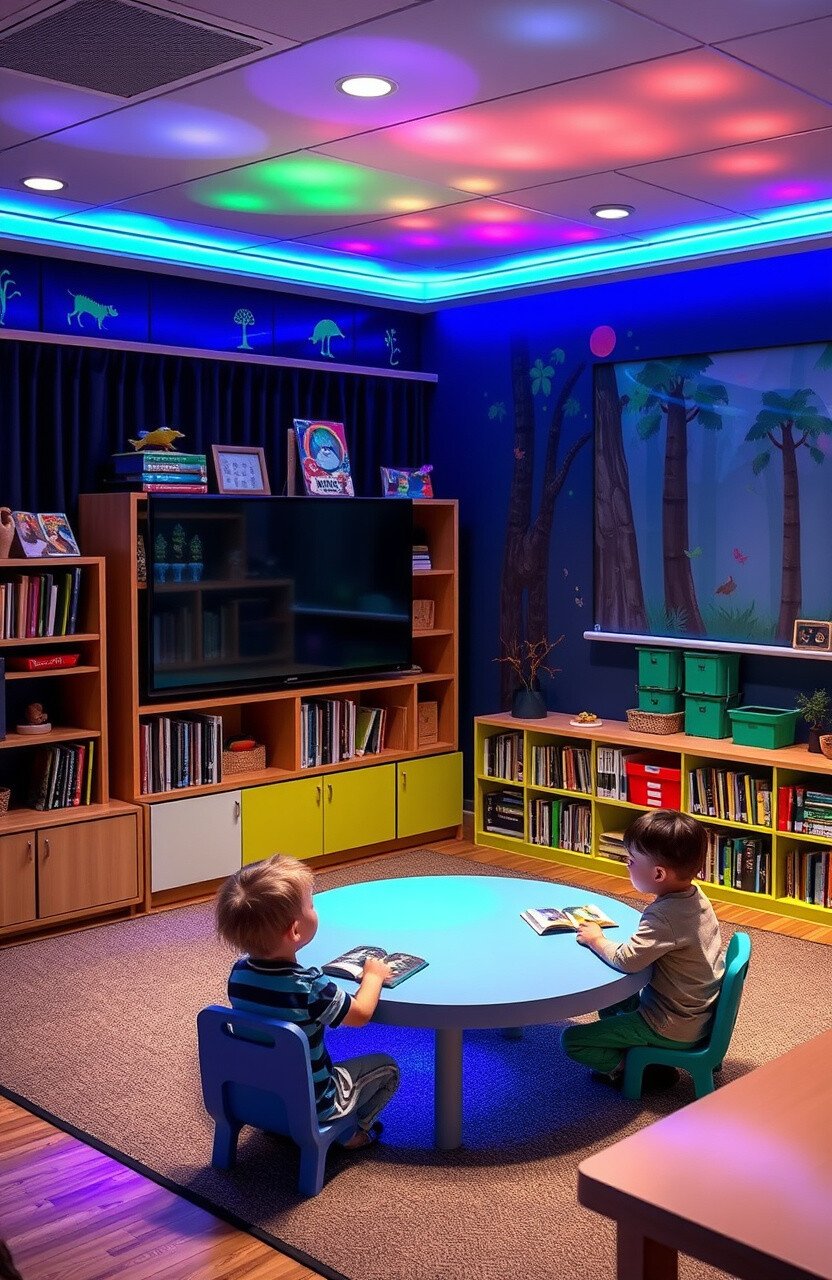
Install color-changing lights to set different moods for storytelling. Imagine a blue glow for ocean tales or green for jungle adventures.
The lights create a dynamic, immersive environment. They enhance the storytelling experience by adding visual interest.
Let students choose colors for different stories. This involvement makes sessions more interactive and engaging.
LED strips are affordable and easy to install. They offer a simple way to add excitement and adaptability to the space.
27. Storytelling Costume Box
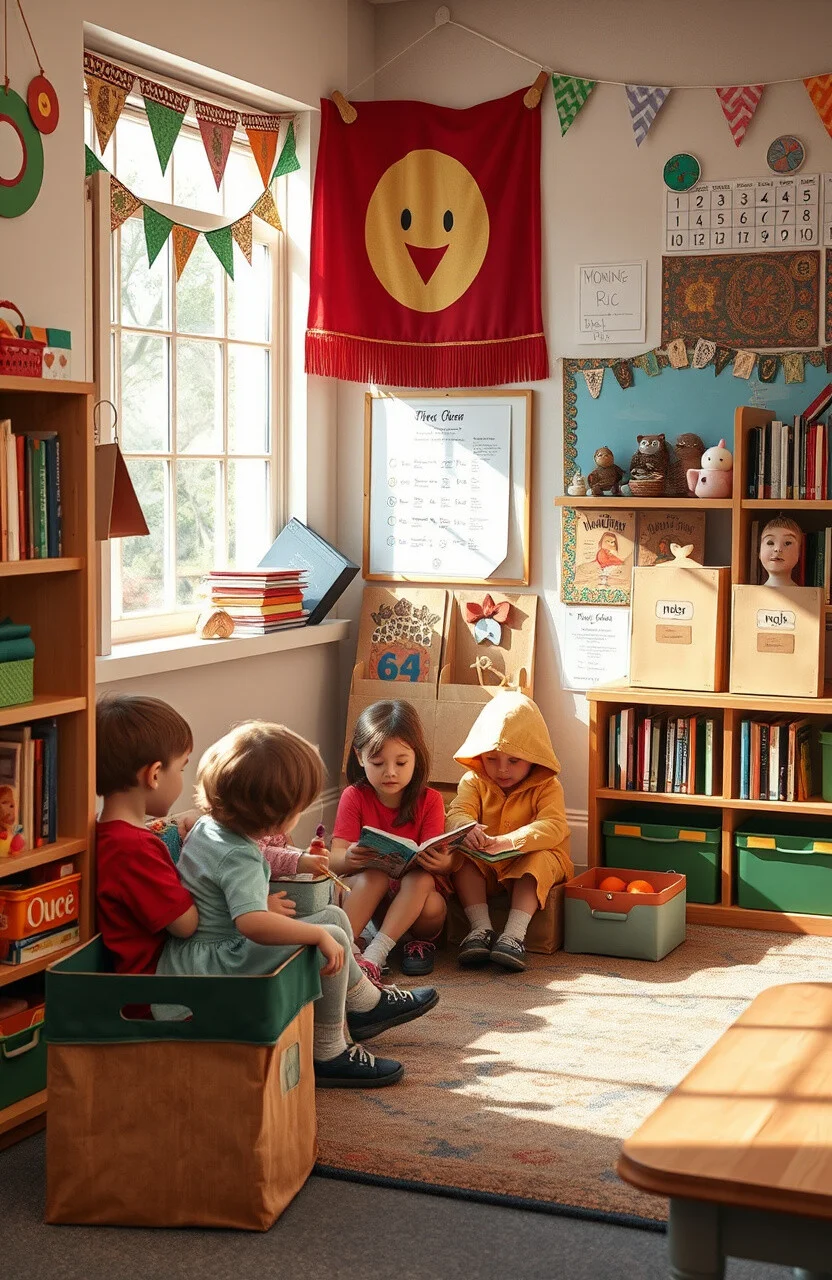
A box of simple costumes or props can enhance storytelling. Kids can dress up as characters, adding excitement and engagement.
Costumes encourage imaginative play and empathy. They make stories more tangible and interactive.
Allow students to contribute or design costumes. This personalization fosters creativity and ownership of the storytelling process.
Thrift stores are treasure troves for affordable costumes. Simple DIY props can also be made from everyday materials.
28. Storytelling Journals

Provide journals for students to write their own stories or reflect on what they’ve heard. This encourages writing and critical thinking.
Journals offer a personal space for creativity and expression. They help develop writing skills and story comprehension.
Personalize journals with student names or stickers. This makes them feel special and encourages regular use.
Notebooks can be sourced affordably during back-to-school sales. Encourage students to decorate them for a personal touch.
29. Storytelling Bookmarks
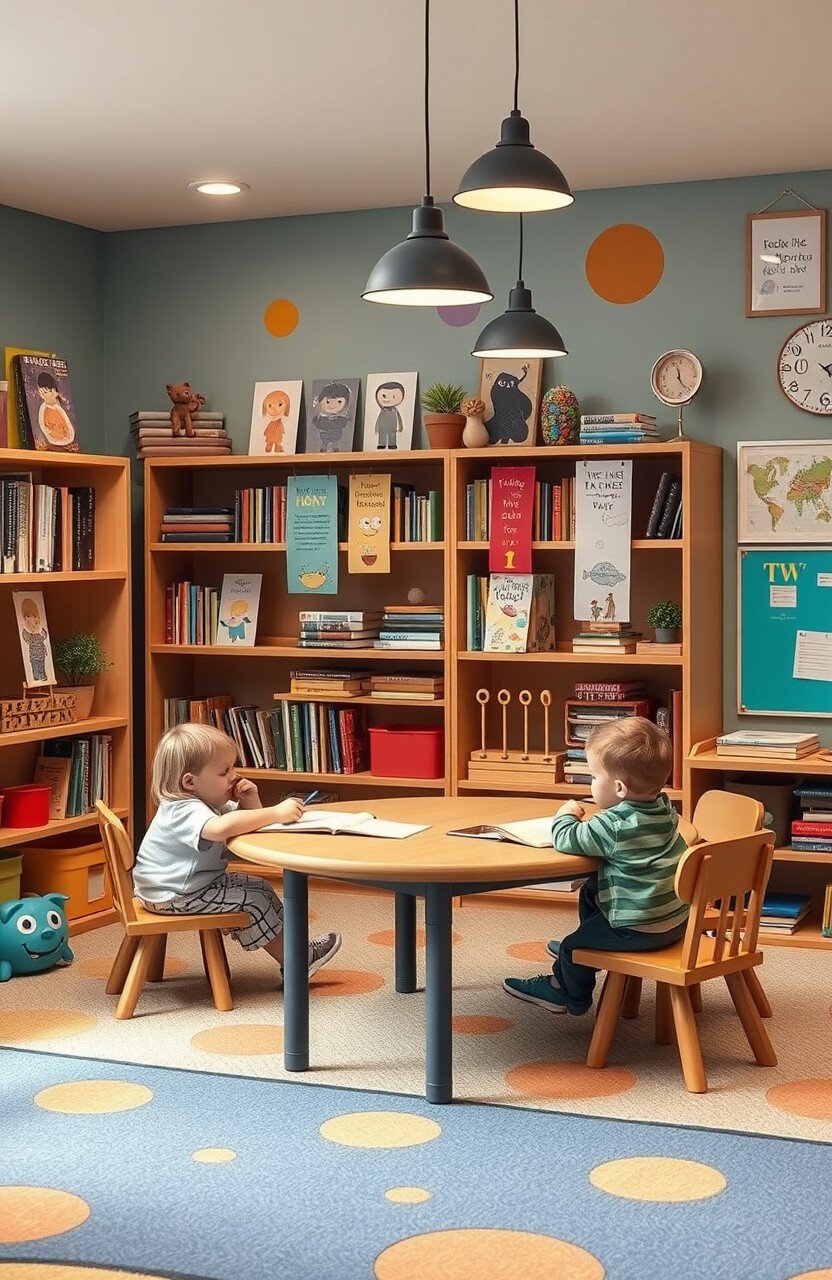
Create bookmarks that feature story prompts or character images. They serve as tools for sparking ideas and tracking reading progress.
Bookmarks make reading and storytelling more engaging. They can be a fun, interactive element of book exploration.
Personalize bookmarks with student designs or favorite characters. This makes them more meaningful and enjoyable to use.
DIY bookmarks can be made from cardstock and art supplies. This is a cost-effective, creative activity.
30. Storytelling Photo Booth

A small photo booth area with props can capture storytelling moments. Kids can pose as characters or in scenes from books.
Photo booths create lasting memories and encourage imaginative play. They offer a fun, interactive element to storytelling.
Personalize the booth with backdrops from favorite stories. This makes each photo session unique and special.
Use a camera phone and simple props for a budget-friendly setup. This is an easy way to add fun to the storytelling corner.
31. Storytelling Inspiration Board
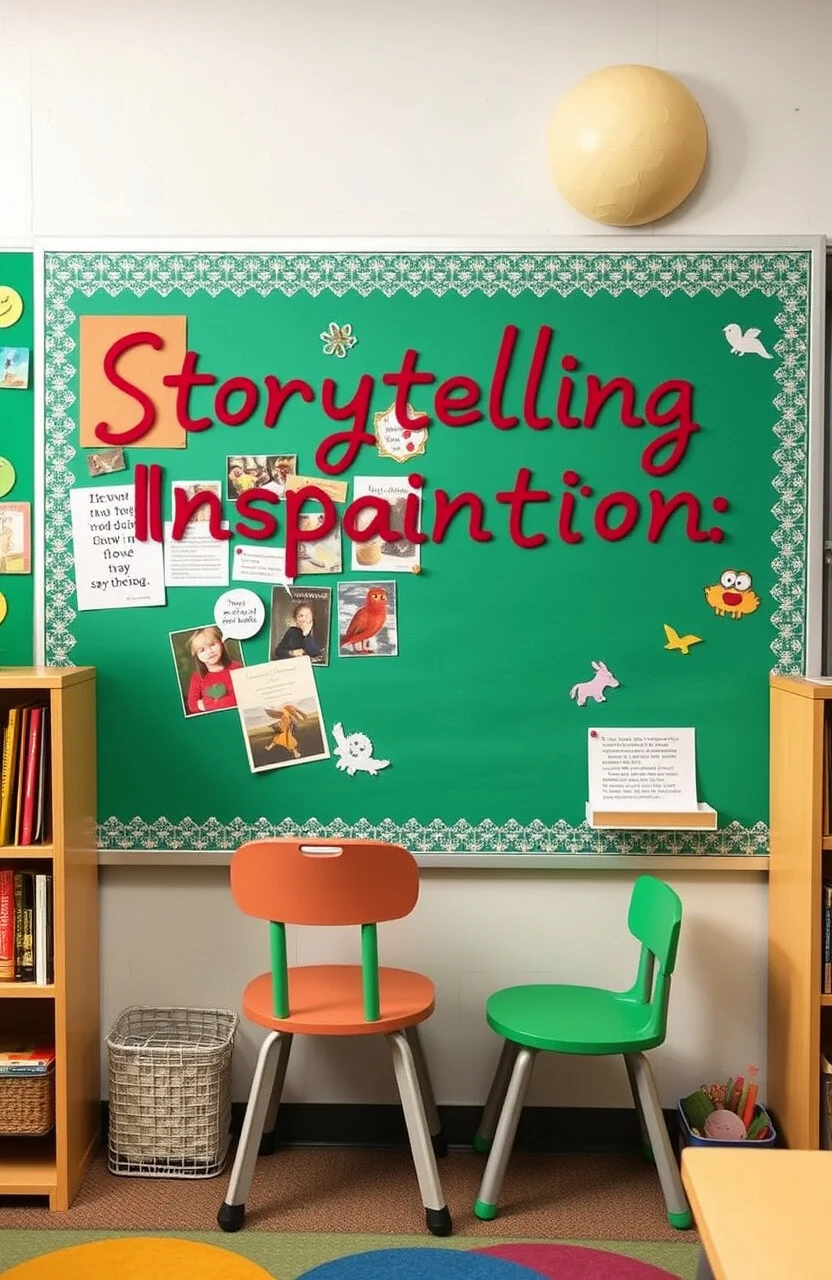
A bulletin board with images, quotes, or clips can inspire storytelling. It serves as a visual prompt for creativity.
The board encourages kids to think broadly about stories. It becomes a dynamic, interactive part of the storytelling space.
Personalize it with student contributions or themes. This makes it a collaborative, evolving project.
Bulletin boards are inexpensive and can be found at office supply stores. Use pushpins or magnets for easy updates.
32. Storytelling Calendar
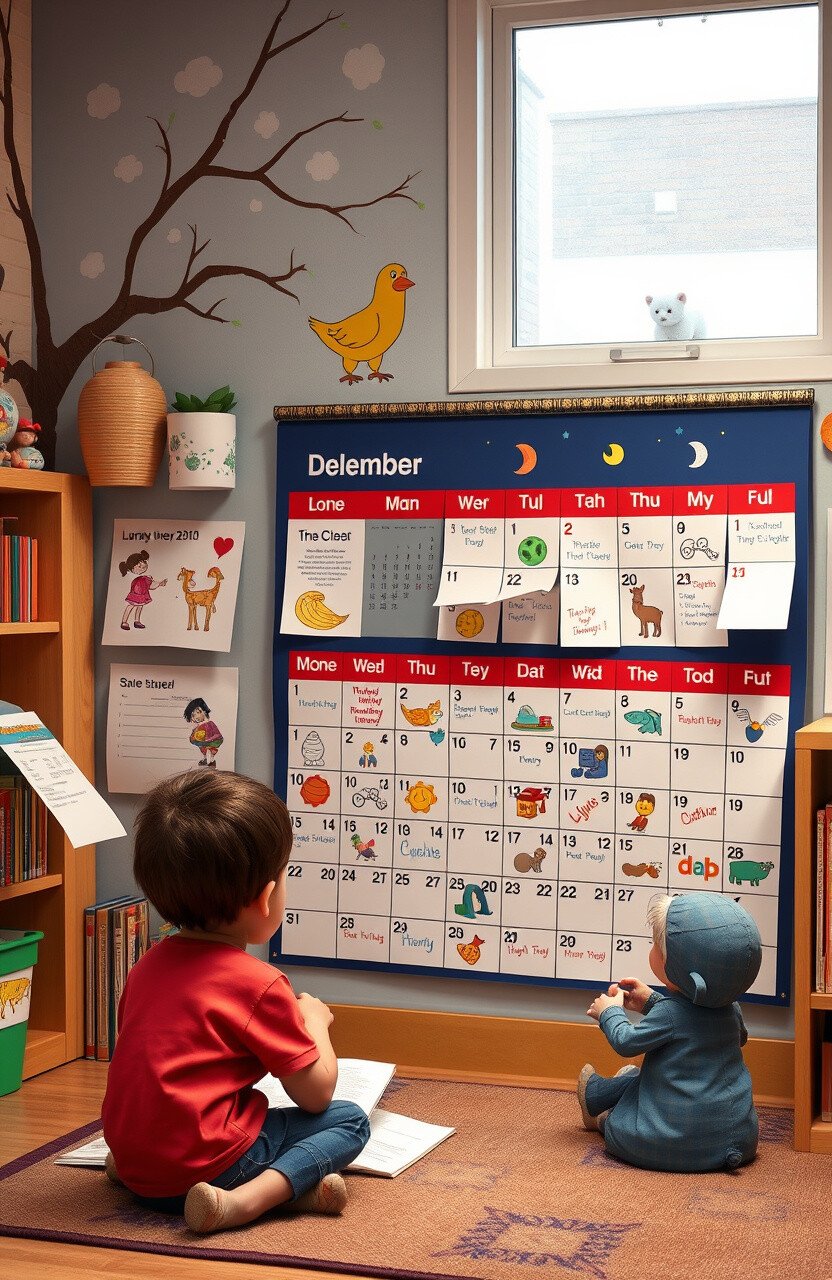
A calendar featuring storytelling events or themes can organize and excite. It helps build anticipation for upcoming activities.
Calendars keep storytelling activities structured and consistent. They make planning and participation easier and more engaging.
Personalize with student birthdays or favorite story dates. This makes the calendar feel inclusive and special.
Printable calendars are often available for free online. Decorate them with stickers or drawings for a personal touch.
33. Storytelling Role Play Area

A dedicated area with props or costumes for role play can enhance storytelling. Kids can act out scenes, making stories more interactive.
Role play encourages empathy and understanding. It transforms storytelling into a participatory, engaging experience.
Personalize the area with student-made props or decorations. This adds to the fun and makes it feel like their own space.
Use everyday items for props, keeping costs low. Thrifted costumes can add variety without high expenses.
34. Storytelling Sensory Bin
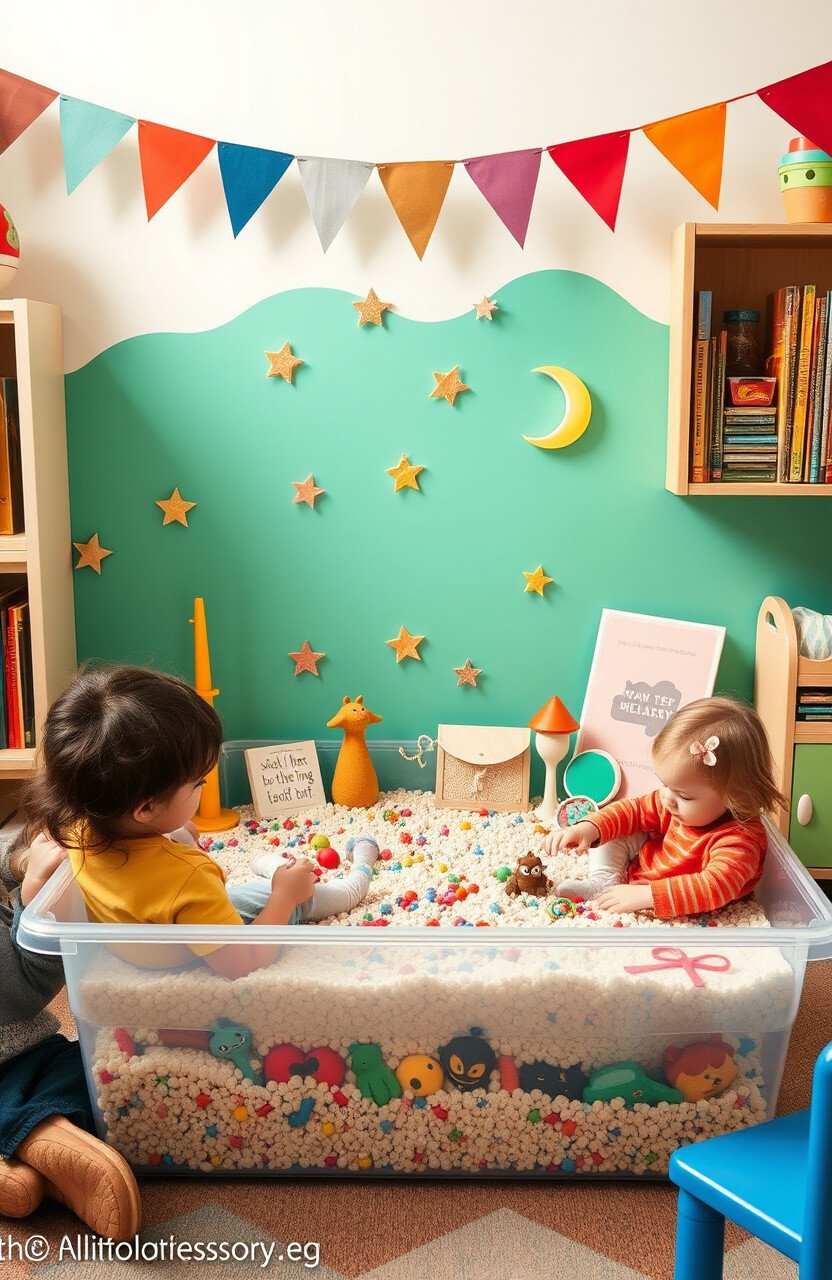
A bin filled with items related to a story theme can engage the senses. Kids can explore textures, sounds, and visuals tied to tales.
Sensory bins make stories more immersive and memorable. They stimulate curiosity and creativity in storytelling.
Personalize bins with student suggestions or themes. This involvement makes the activity more engaging and relevant.
Use inexpensive items like sand, beads, or fabric scraps. This is a budget-friendly way to add depth to storytelling.
35. Storytelling Adventure Wall
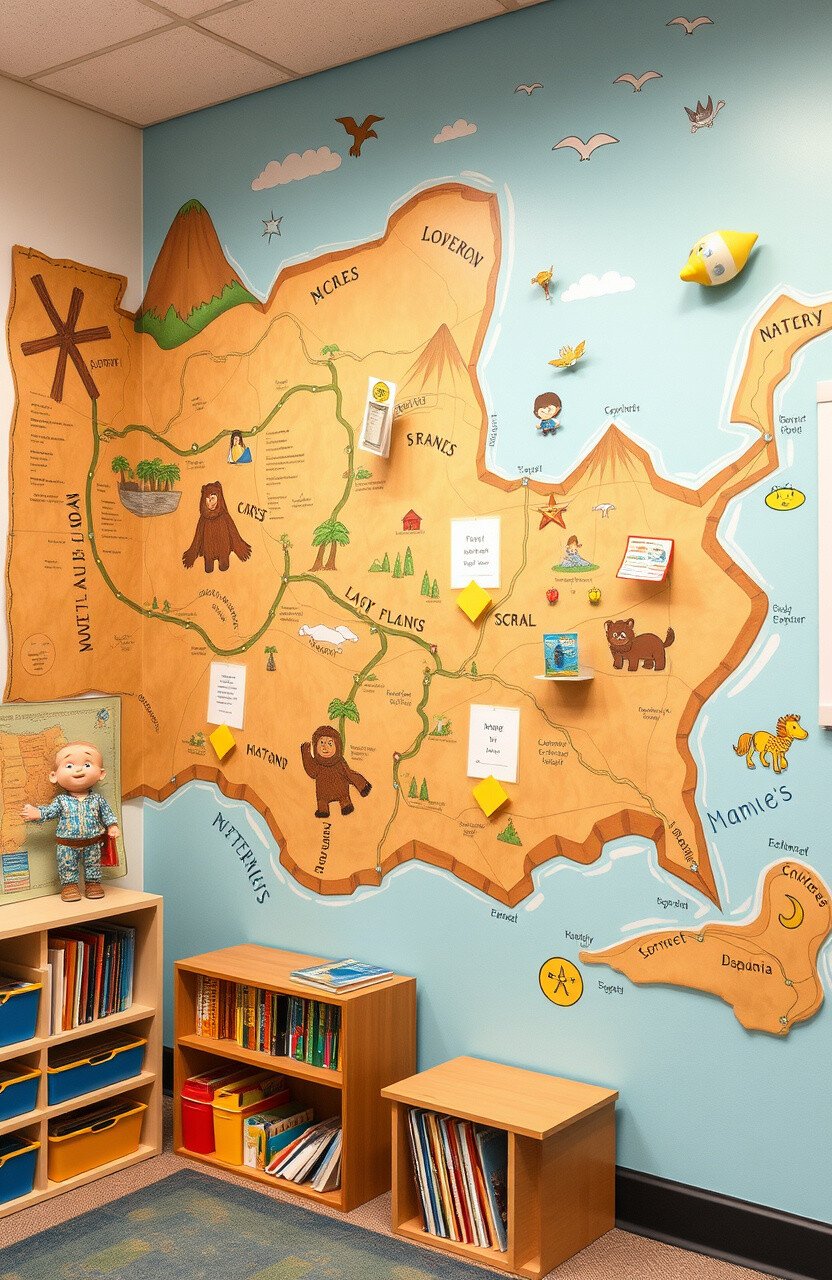
A wall with a large map or adventure path can track characters’ journeys. Kids can follow along or create new adventures.
Adventure walls make stories interactive and engaging. They encourage exploration and creativity in storytelling.
Personalize with student-drawn paths or characters. This makes the adventure unique and personal.
Printable maps or DIY drawings keep costs low. Use removable markers or stickers for easy updates and changes.
36. Storytelling Theme Days
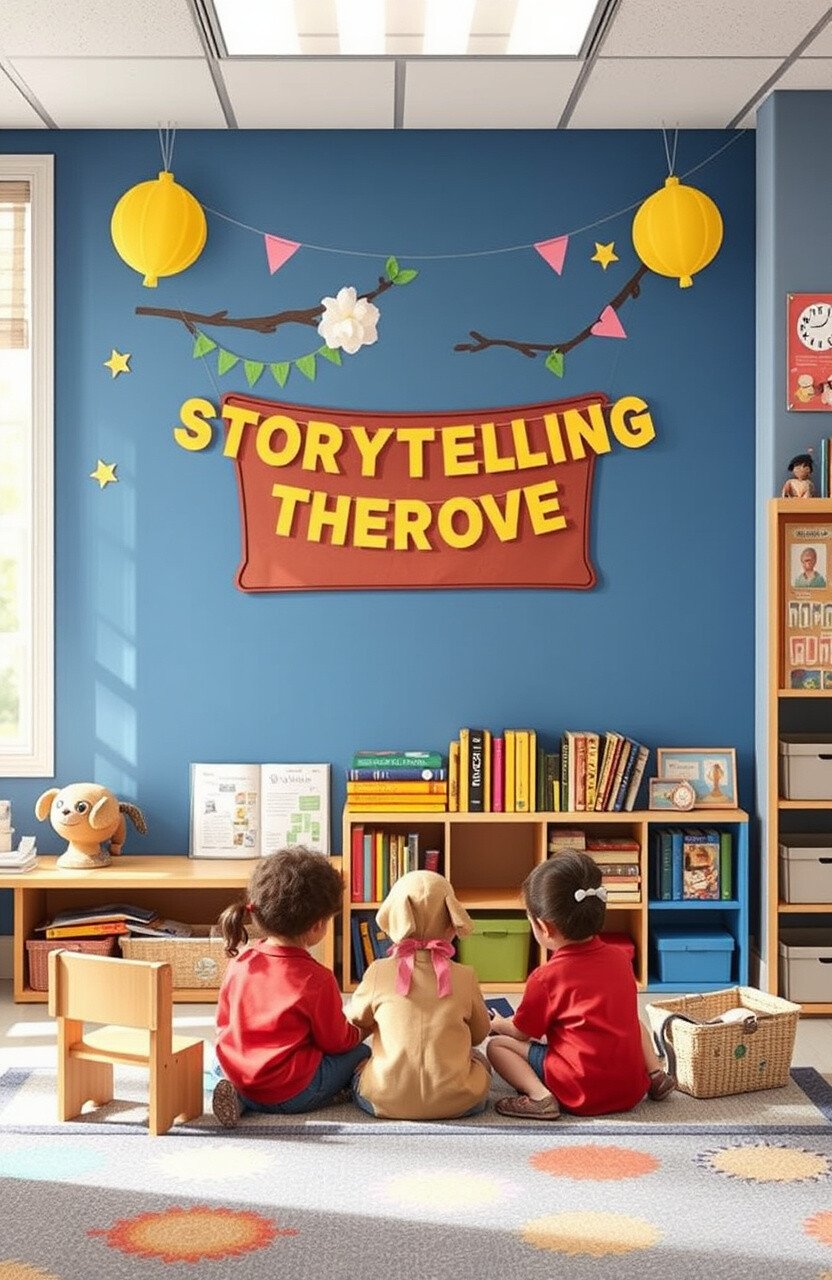
Designate days with specific themes related to stories. These can include dress-up days, book discussions, or creative activities.
Theme days make storytelling exciting and varied. They encourage participation and enhance engagement with stories.
Personalize themes with student interests or suggestions. This makes each day unique and inclusive.
Use simple decorations or activities to fit themes, keeping costs low. Encourage creativity and participation for a fun experience.
37. Storytelling Memory Wall
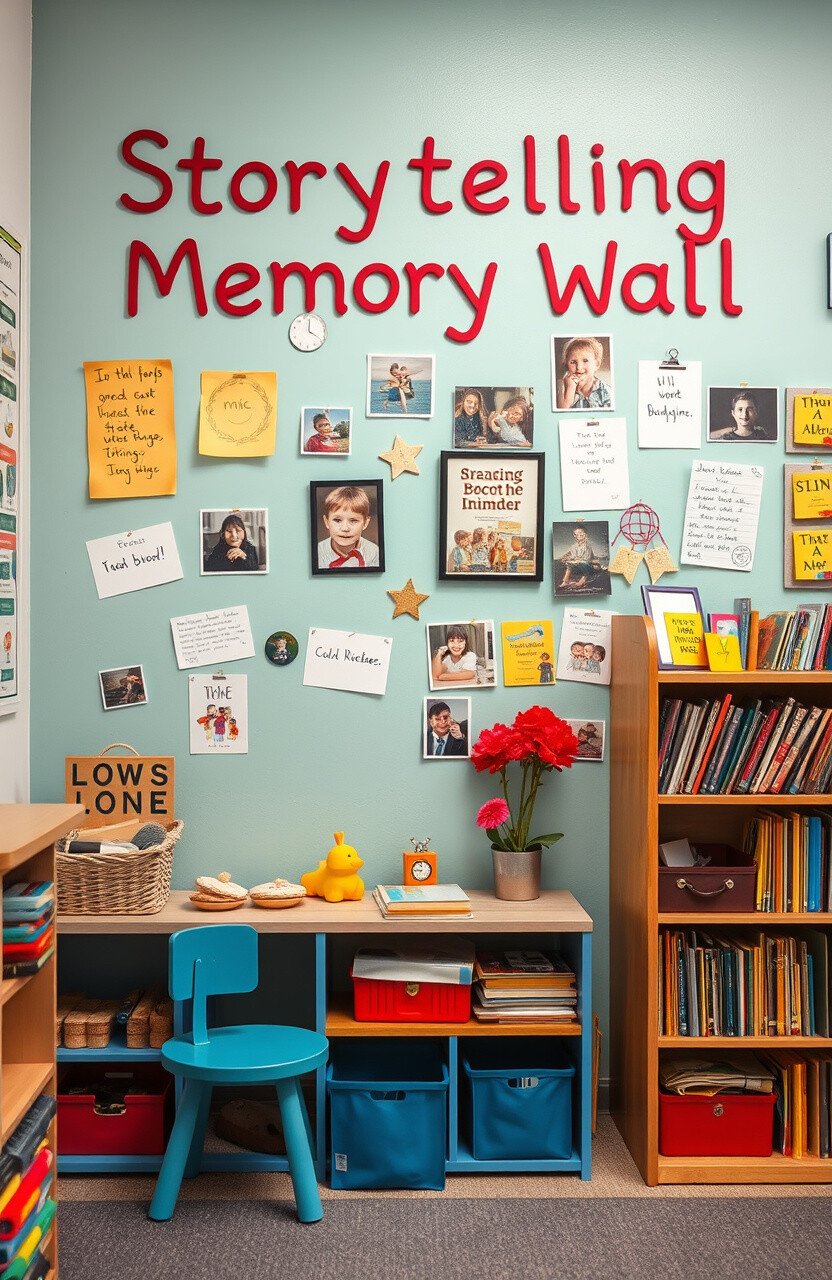
A wall dedicated to storytelling memories can include photos, quotes, or achievements. It celebrates past storytelling adventures.
The memory wall inspires and motivates. It serves as a reminder of the joy and creativity in storytelling.
Personalize with student contributions and reflections. This makes it a collaborative, cherished part of the space.
Use inexpensive frames or clips to display items. This is a simple, low-cost way to decorate meaningfully.
38. Storytelling Reward System

A system that rewards participation or creativity in storytelling can motivate kids. Rewards could include small prizes or privileges.
Rewards encourage engagement and effort in storytelling. They make participation fun and rewarding.
Personalize rewards with student input or themes. This makes them more meaningful and motivational.
Use inexpensive items or privileges as rewards. Creativity and thoughtfulness can make rewards special without high costs.
39. Storytelling Book Swap
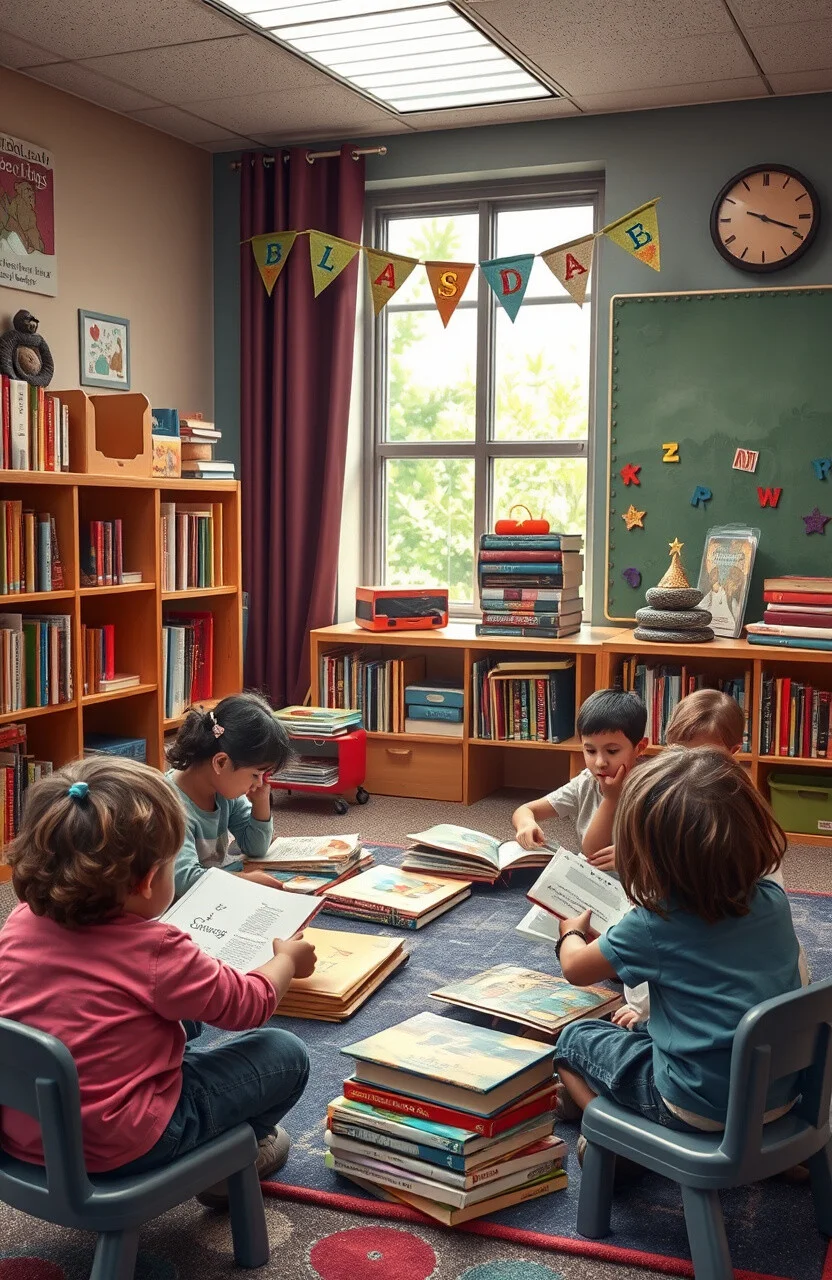
A book swap event encourages sharing and exploration. Kids can bring books to swap, discovering new favorites.
Book swaps promote reading and community. They make storytelling a shared, exciting activity.
Personalize swaps with themes or student suggestions. This adds interest and uniqueness to each event.
Encourage swaps with gently used books, keeping costs low. This is an affordable way to expand reading options.
40. Storytelling Nature Corner
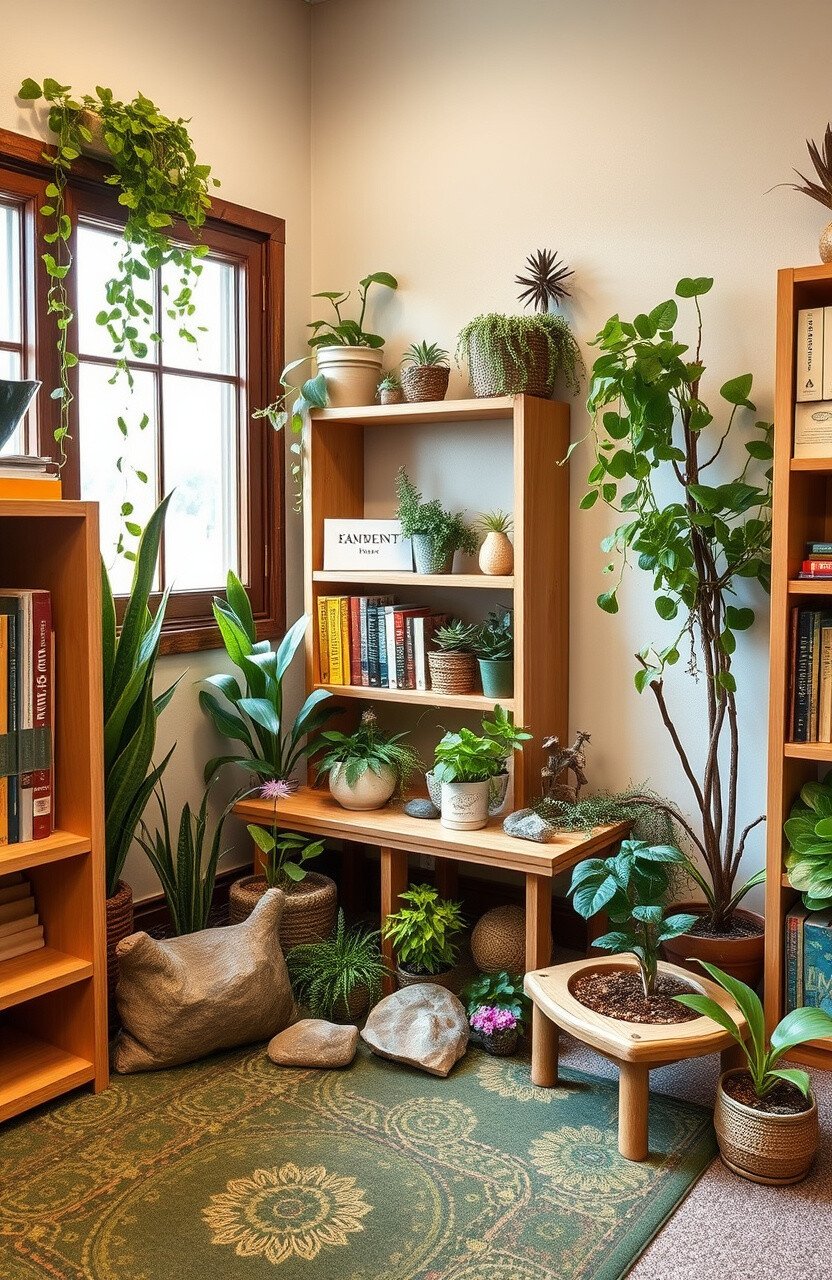
A corner with natural elements like plants or stones can bring the outdoors in. It adds a calming, inspiring touch to storytelling.
Nature elements stimulate the senses and imagination. They create a serene, inviting space for storytelling.
Personalize with student-chosen plants or nature items. This involvement adds a personal, meaningful touch.
Use easy-care plants or nature finds for a budget-friendly option. This adds beauty without high maintenance or cost.
41. Storytelling Music Corner
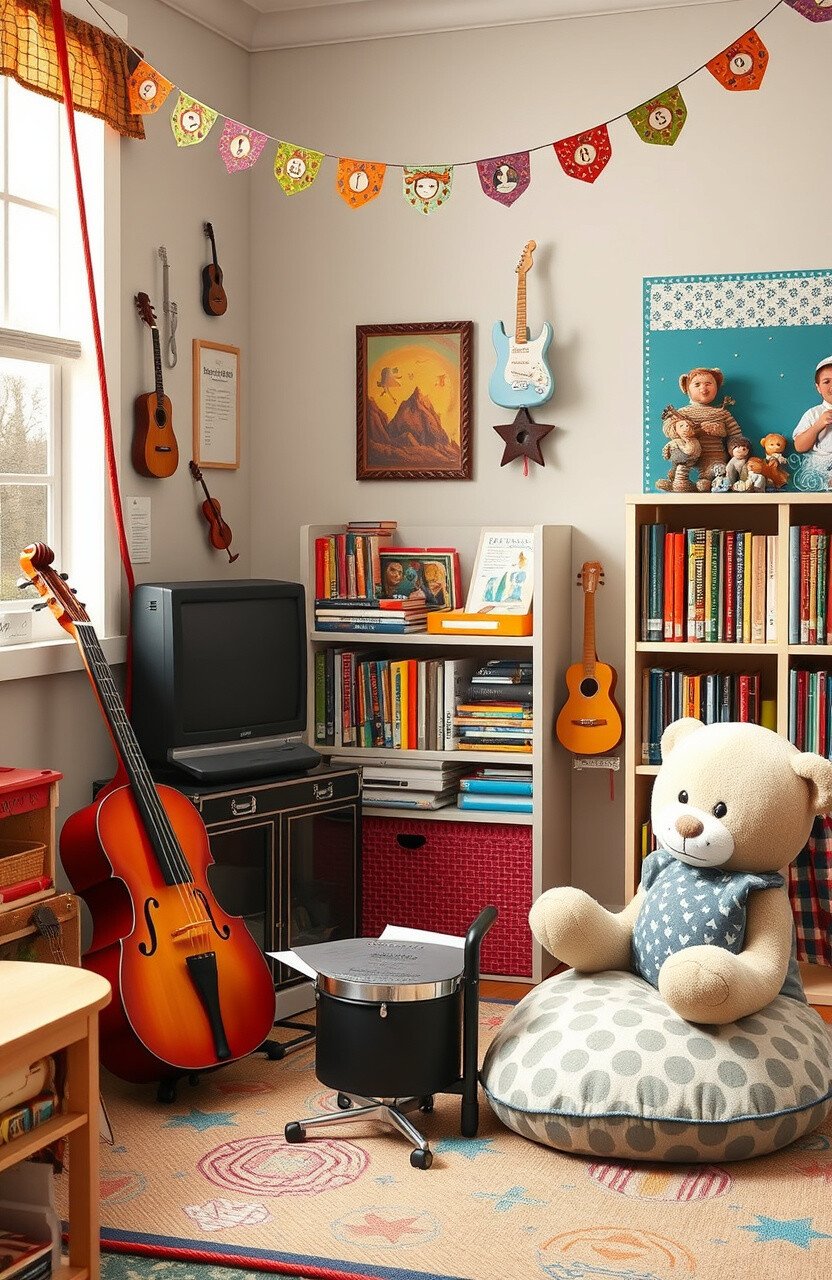
A corner with instruments or music-related items can enhance storytelling. Kids can create soundtracks or explore musical tales.
Music adds depth and emotion to stories. It encourages creativity and expression in storytelling.
Personalize with student-chosen instruments or music. This involvement makes the music corner engaging and unique.
Use simple instruments or DIY options to keep costs low. This is a fun, interactive way to enrich storytelling.
42. Storytelling Friendship Wall

A wall dedicated to friendships from stories or within the class celebrates connections. It highlights the importance of relationships.
The friendship wall inspires empathy and community. It reinforces themes of friendship and cooperation in storytelling.
Personalize with student stories or friendship symbols. This makes the wall meaningful and inclusive.
Use paper or simple decorations to create a low-cost display. This is an easy way to add value and connection to the space.
43. Storytelling Peek-A-Boo Books
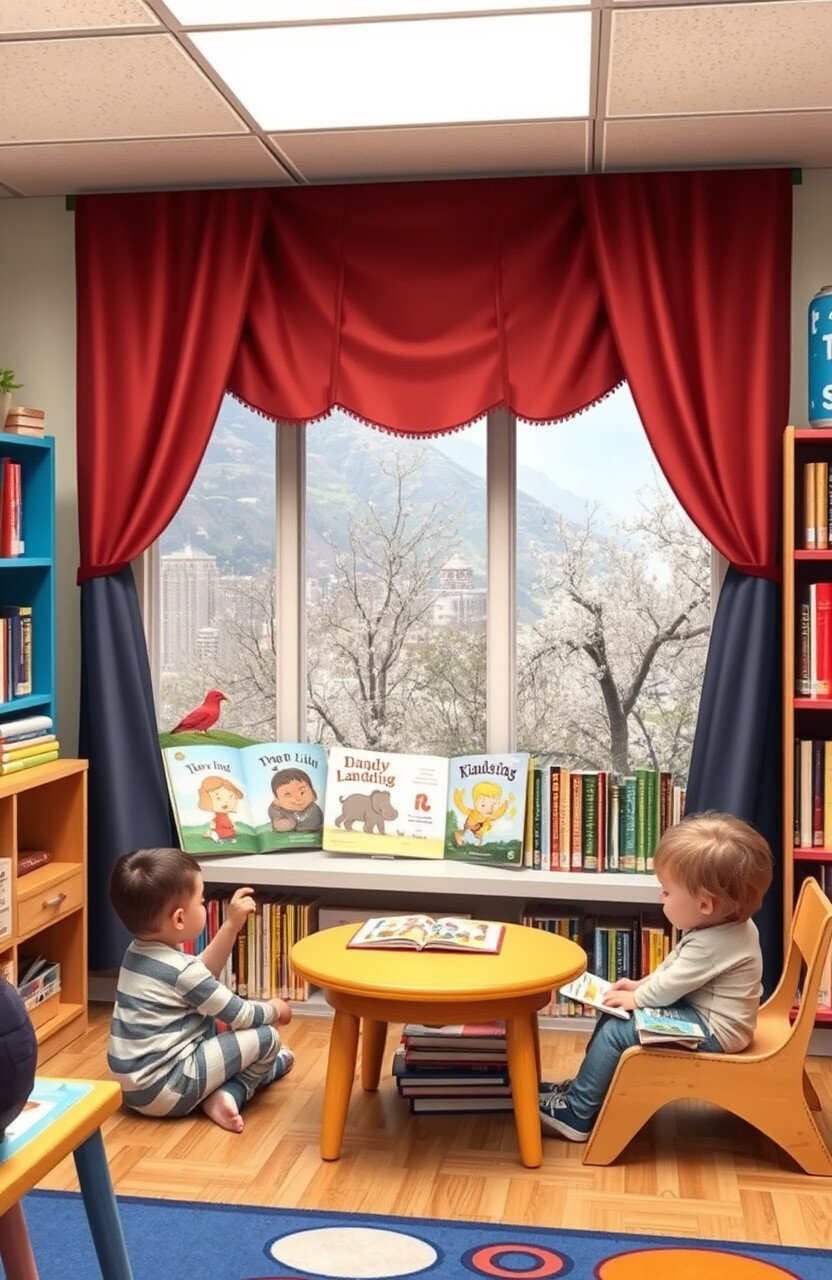
Books with interactive flaps or hidden elements add fun to reading. They engage curiosity and make storytelling interactive.
Peek-a-boo books encourage exploration and surprise. They make reading an exciting, playful activity.
Personalize with student-made flaps or stories. This involvement adds creativity and ownership.
Use library or thrift store finds for a budget-friendly option. This adds variety and fun without high costs.
44. Storytelling Explorer Kits

Kits with tools like magnifying glasses or compasses can inspire adventure tales. They encourage exploration and creativity.
Explorer kits make storytelling interactive and engaging. They add a sense of adventure and discovery.
Personalize kits with student-chosen items or themes. This makes them unique and relevant to their interests.
Use inexpensive items or DIY options to keep costs low. This is a fun, imaginative way to enrich storytelling.
45. Storytelling Puppet Theater
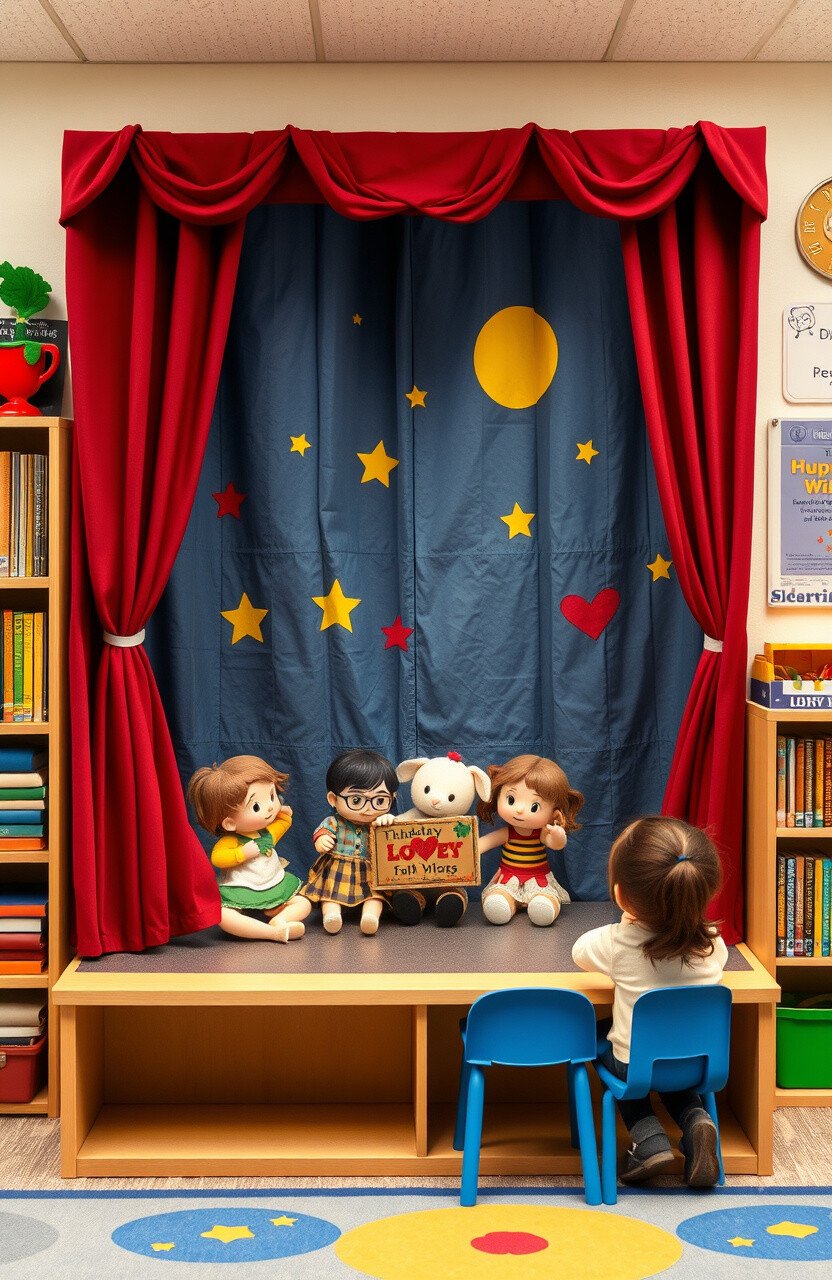
A simple puppet theater setup can bring characters to life. Kids can perform stories, adding excitement and engagement.
Puppet theaters encourage expression and creativity. They make storytelling dynamic and interactive.
Personalize with student-made puppets or backdrops. This adds creativity and personal touch to performances.
Use a cardboard box or fabric for a DIY theater. This keeps costs low while providing endless fun.
46. Storytelling Travel Trunk

A trunk filled with travel-themed items can inspire global tales. It encourages exploration and curiosity.
The travel trunk makes storytelling adventurous and engaging. It adds depth and variety to tales.
Personalize with student-chosen items or destinations. This makes the trunk unique and relevant.
Use thrifted or DIY items to keep costs low. This is a fun, educational way to enhance storytelling.
47. Storytelling Imagination Station

A station with art supplies or materials for creating can spark imagination. Kids can create scenes or characters from stories.
The imagination station encourages creativity and expression. It adds a hands-on, interactive element to storytelling.
Personalize with student-chosen materials or themes. This makes the station engaging and unique.
Use inexpensive supplies or recycled materials to keep costs low. This is a budget-friendly way to foster creativity.
48. Storytelling Inspiration Jar

A jar filled with story prompts or ideas can inspire creativity. Kids can draw from the jar for new stories or ideas.
The inspiration jar makes storytelling dynamic and engaging. It adds surprise and variety to sessions.
Personalize with student-contributed prompts or themes. This makes the jar relevant and exciting.
Use a simple jar and paper for a low-cost option. This is an easy, effective way to spark creativity.
49. Storytelling Adventure Passport

Passports with space for stamps or stickers can track storytelling adventures. They add a sense of journey and exploration.
Adventure passports make storytelling interactive and fun. They encourage engagement and participation.
Personalize with student-designed stamps or themes. This makes the experience unique and personal.
Use printable templates or inexpensive notebooks for a budget-friendly option. This adds excitement without high costs.
50. Storytelling Cozy Critters
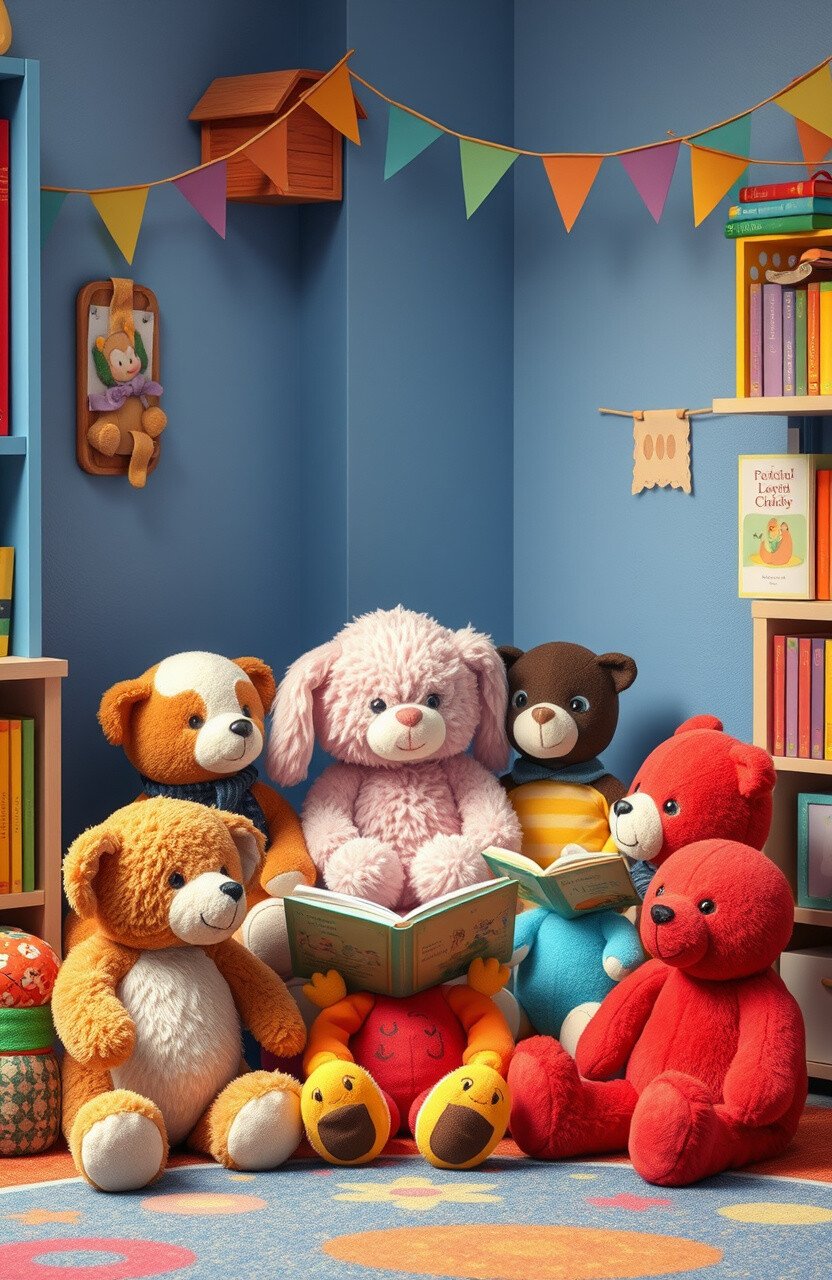
Stuffed animals or plush toys can join storytelling sessions. They add comfort and companionship to the corner.
Cozy critters make storytelling warm and inviting. They encourage empathy and connection with stories.
Personalize with student-chosen toys or themes. This makes the critters special and engaging.
Use thrifted or donated toys for a low-cost option. This adds warmth and fun without high expenses.