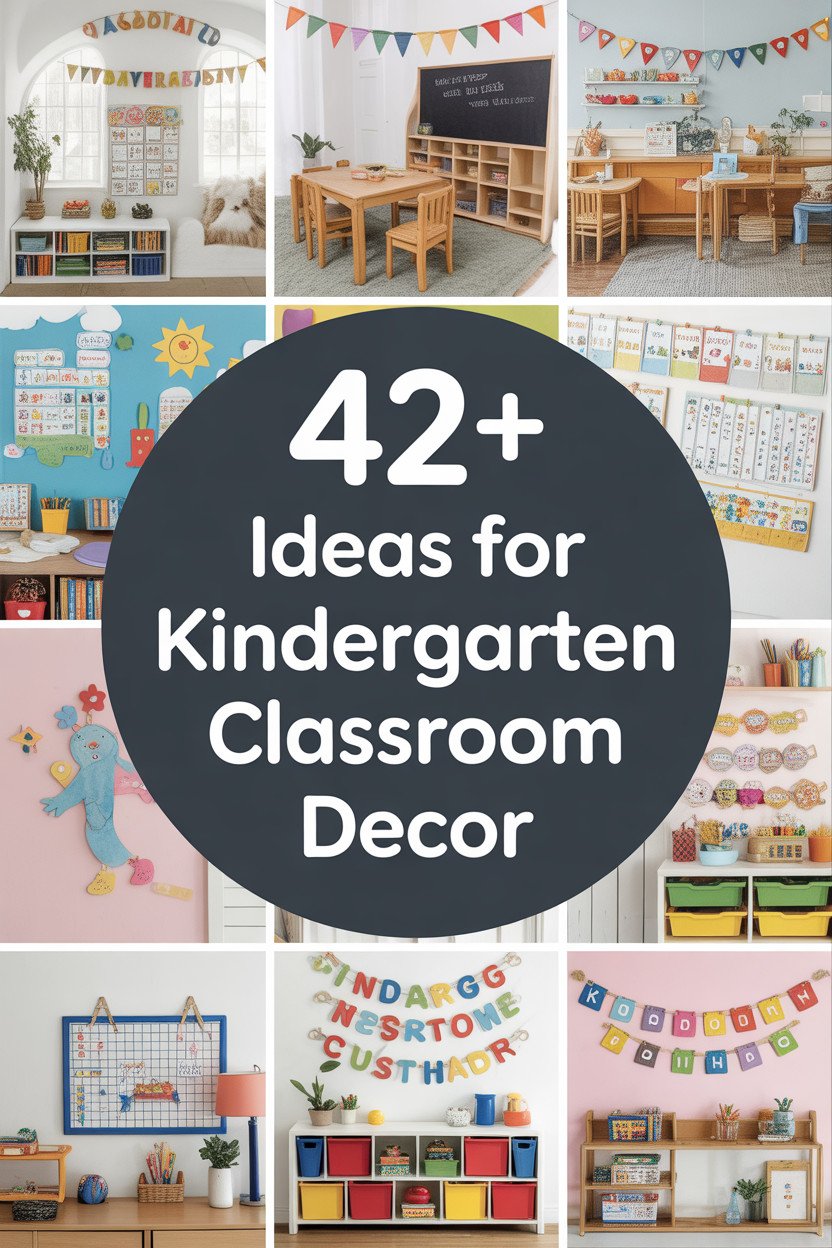
The kindergarten classroom is a magical place where young minds embark on colorful adventures. What if you could make this space even more enchanting with creative decor ideas? Imagine a classroom filled with wonder and interactive play areas that captivate every child’s imagination.
1. Rainbow Reading Nook
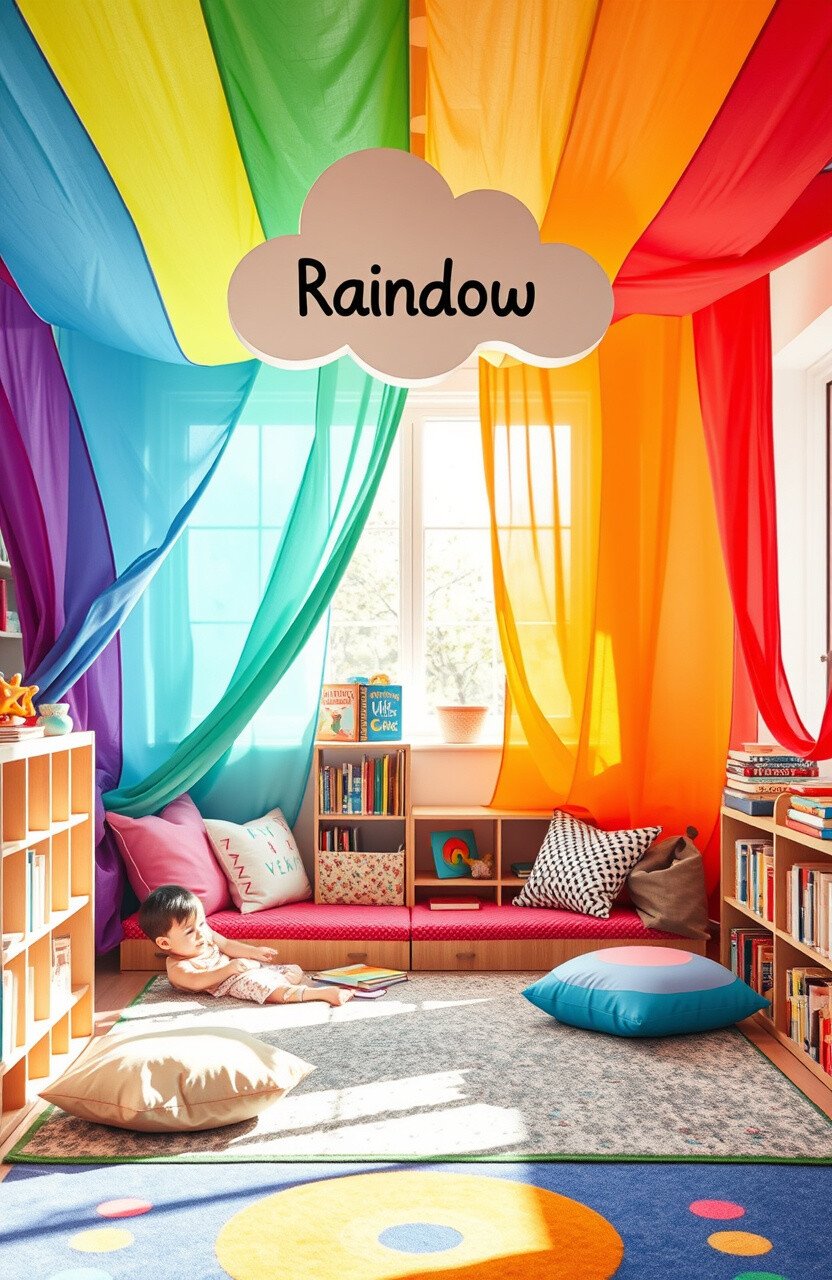
Imagine a cozy corner filled with soft pillows and books, all under a canopy of rainbow colors. This idea turns reading time into an exciting adventure under a vibrant sky.
The colorfulness of the nook attracts kids to sit and read, enhancing their literacy skills. It’s a simple way to foster a love for books.
Use different color fabrics to drape over a simple frame or rod. The materials are inexpensive and can be easily swapped out.
Personalize it with each child’s name on a cloud cutout above. This creates a unique space they can call their own.
2. Nature Explorer’s Corner
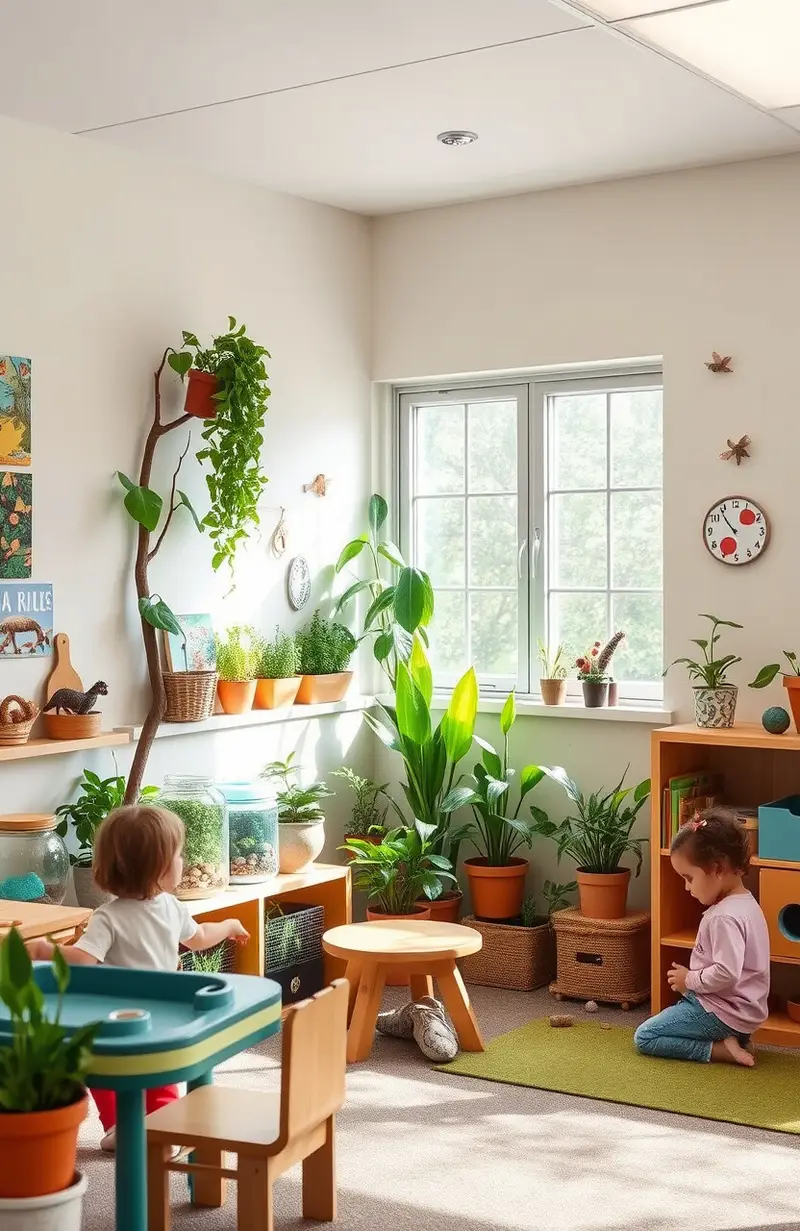
Bring the outside in with a corner dedicated to nature exploration. Filled with plants, rocks, and even a small water feature, it sparks curiosity.
Children learn about the environment through hands-on interaction. This boosts their understanding of nature and science.
Decorate with artificial plants and nature-themed decor to keep costs down. Add a small aquarium for an interactive element.
Let kids add their findings to the corner, making it a dynamic, evolving space. Each visit offers something new to discover.
3. Interactive Wall Murals
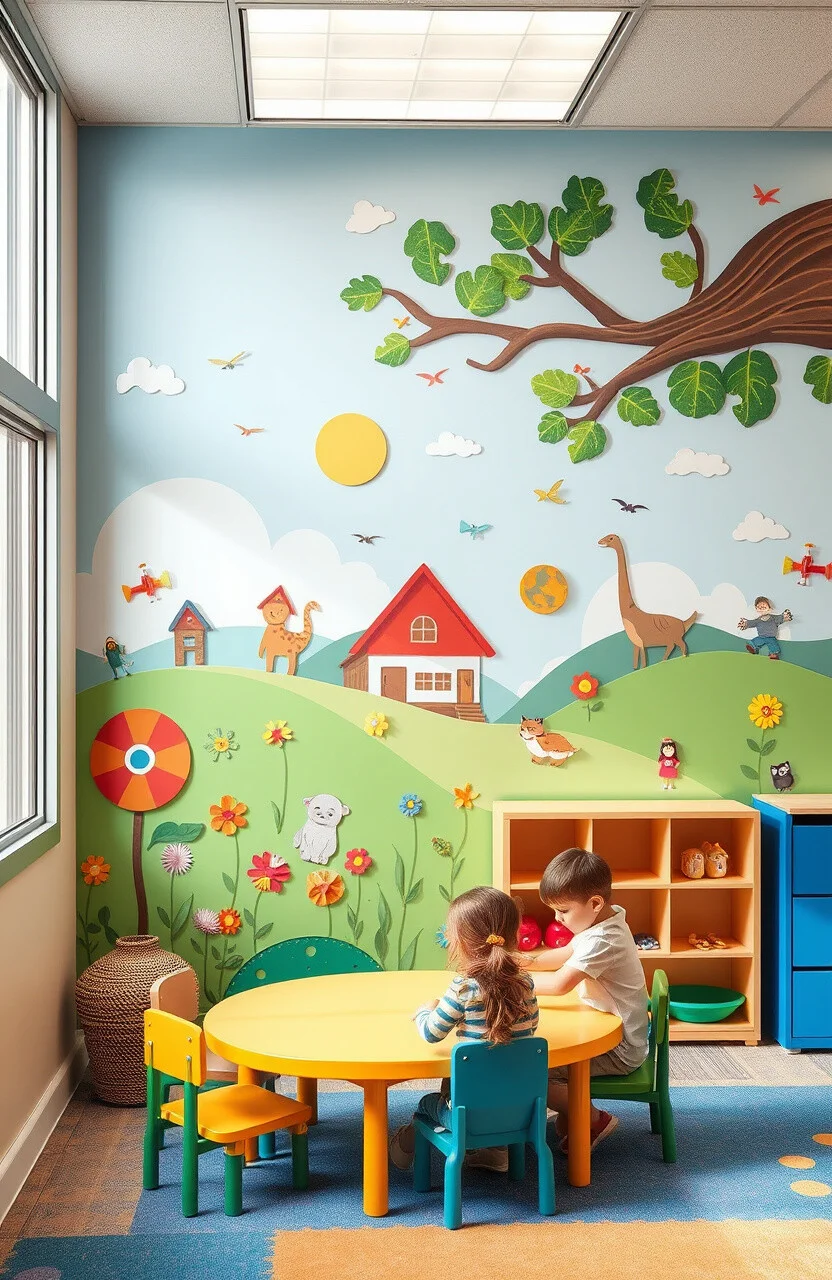
Transform a plain wall into a vibrant mural that tells a story. Include elements kids can touch and move, like Velcro-attached characters.
This engages children in storytelling and imaginative play. They become part of the mural’s ever-changing narrative.
Use washable paints and durable materials for the mural. Velcro pieces are affordable and easily replaceable.
Incorporate themes that change with the seasons or curriculum. This keeps the mural fresh and relevant throughout the year.
4. Themed Learning Stations
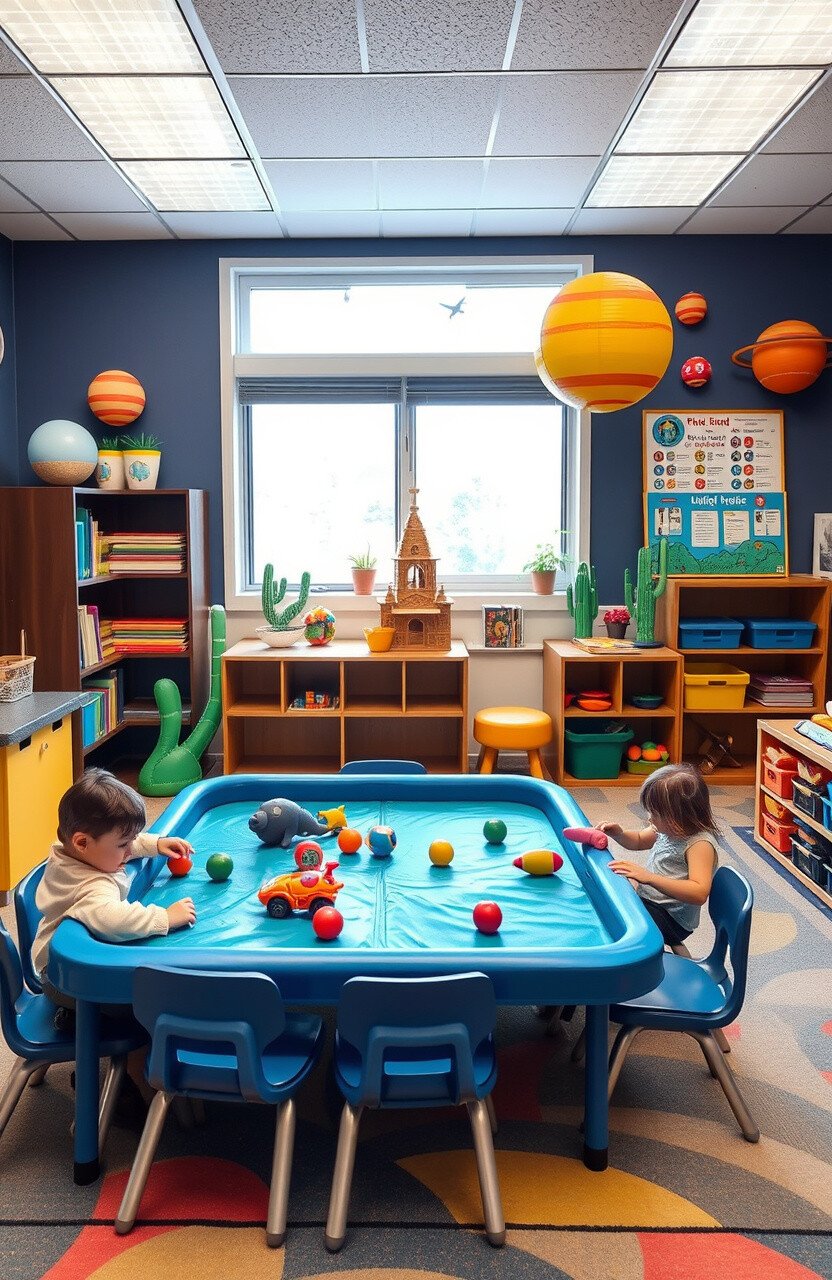
Set up different areas in the classroom, each with its own theme, like space or ocean life. Each station offers themed activities and decor.
Kids can rotate between stations, keeping their interest high. This method encourages diverse learning experiences.
Use props like inflatable planets or sea creatures to decorate. These are cost-effective and easy to store.
Customize stations with student artwork or projects. It makes the space feel personal and gives kids a sense of pride.
5. Sensory Play Zone
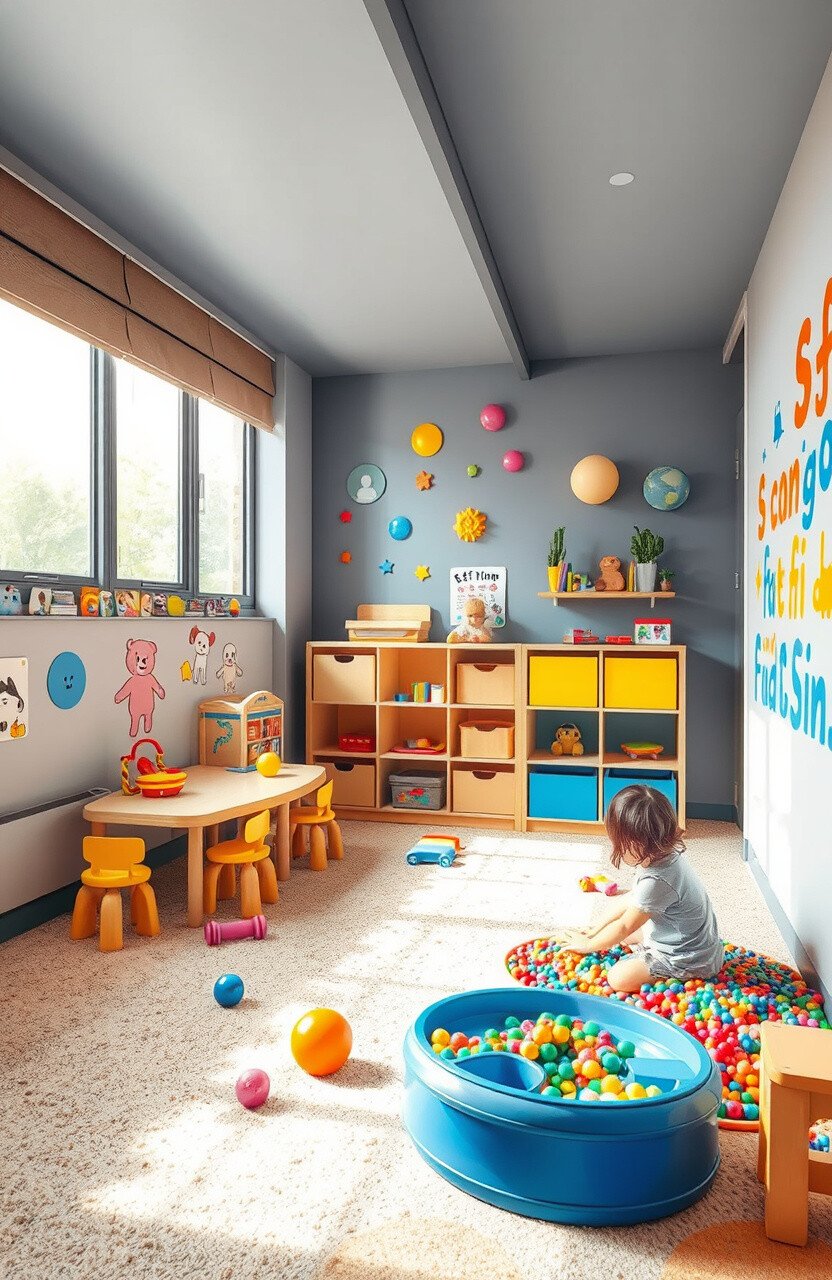
Create a zone dedicated to sensory exploration with various textures and sounds. It’s a space where kids can engage all their senses.
This helps children with sensory processing and relaxation. It’s also a fantastic way for them to explore and learn.
Use materials like sand, fabric, and water beads. These are affordable and provide a wide range of sensations.
Rotate sensory items regularly to keep the experience fresh. Kids will love the new surprises each time they visit.
6. Storybook Pathway
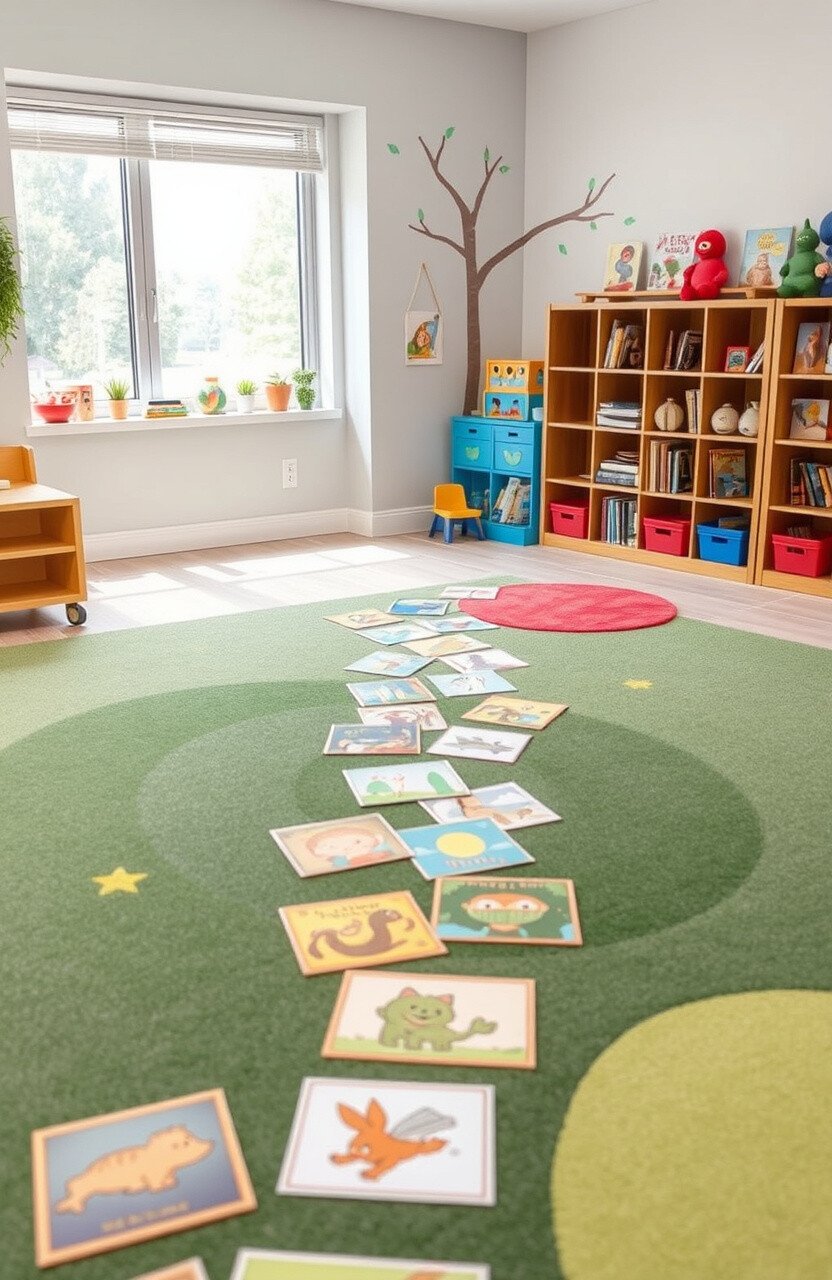
Lay down a pathway that takes kids on a journey through a beloved story. Each step is a page, leading to a cozy reading area.
This turns reading into an adventure, encouraging kids to follow the path to new tales. It enhances their storytelling skills.
Use foam tiles or laminated pages to create the path. These materials are easy to clean and rearrange.
Personalize the pathway with children’s favorite books. Each child can suggest a book to be included, making it special.
7. Creative Art Gallery
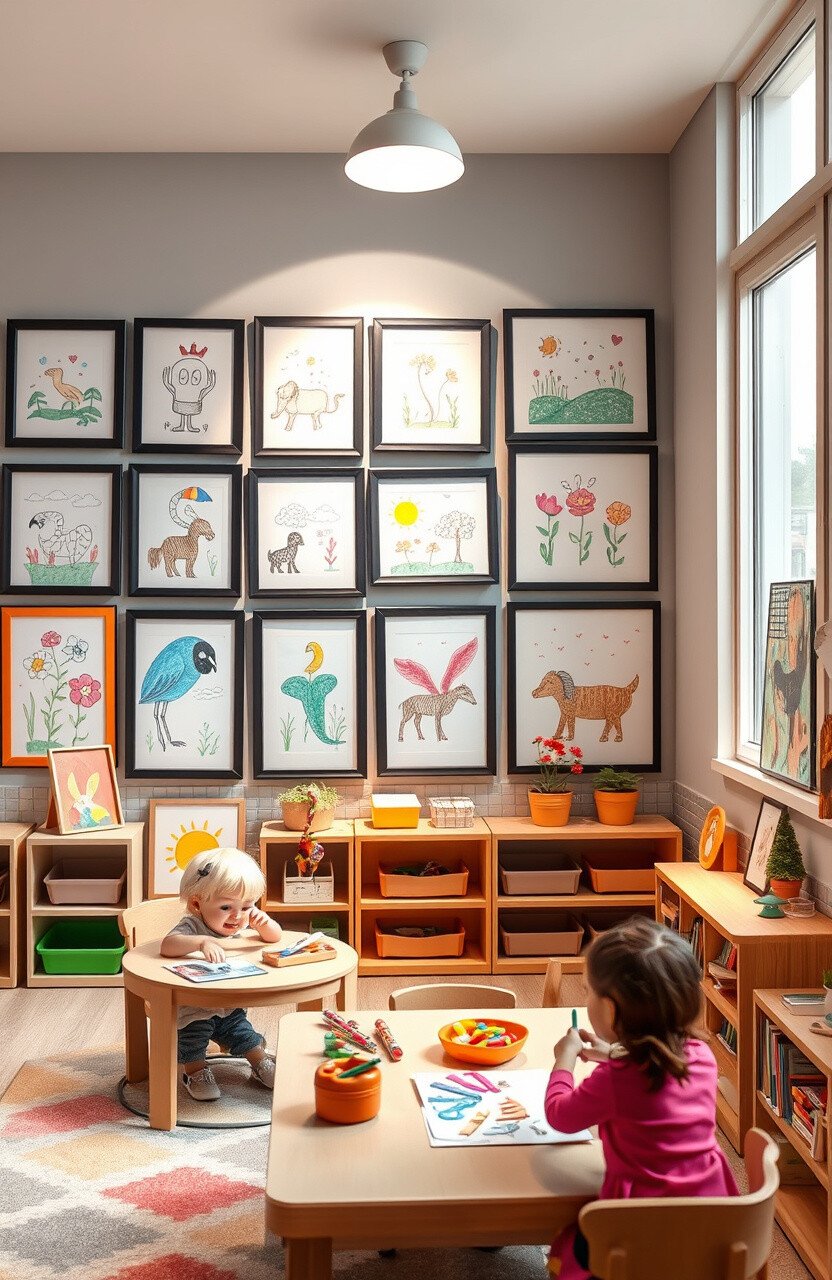
Dedicate a section of the classroom to displaying children’s artwork in a gallery style. Frames and labels make it feel official.
Kids take pride in seeing their work displayed like real artists. It boosts their confidence and appreciation for art.
Use inexpensive frames or even DIY ones made from cardboard. The gallery can be updated regularly with new art.
Include a spotlight or fairy lights to highlight the art. This adds a touch of magic and draws attention to their creations.
8. Cozy Campfire Reading Area
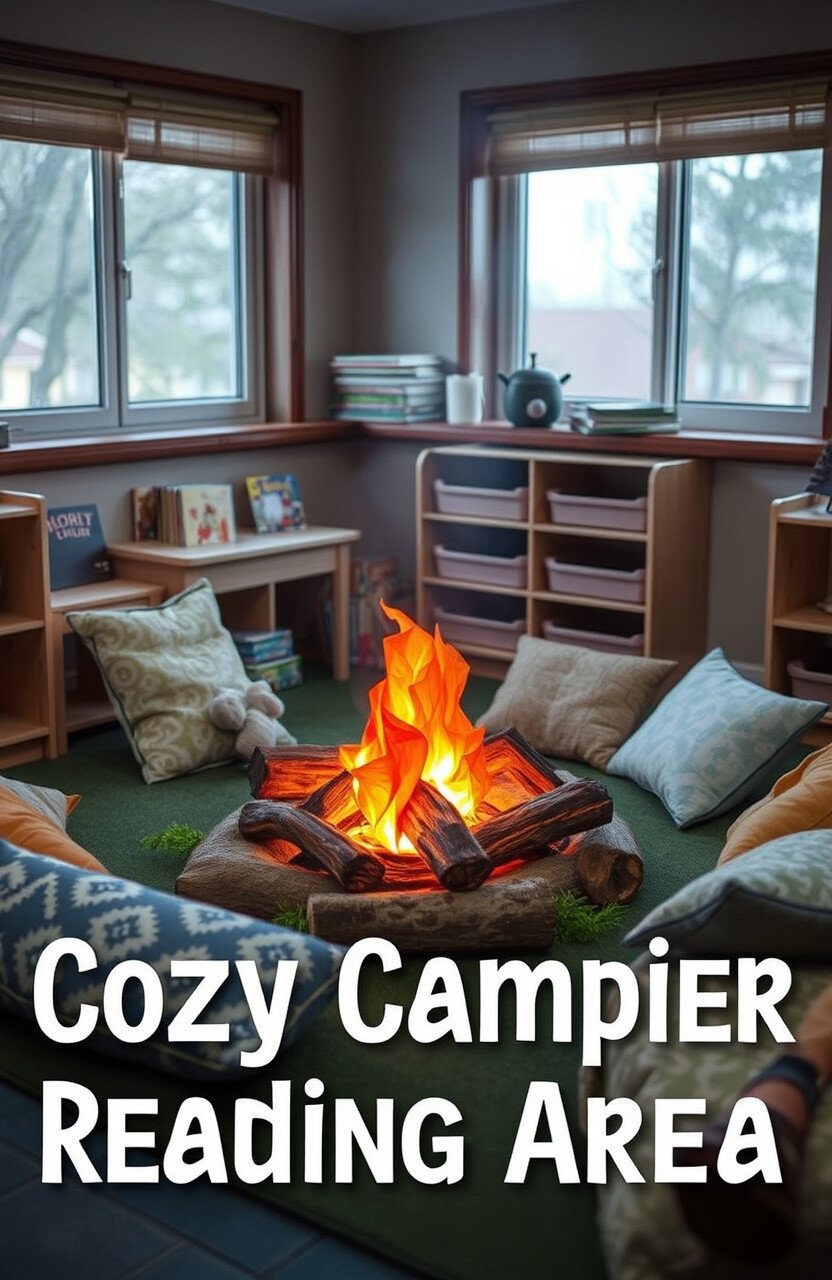
Set up a pretend campfire using tissue paper and LED lights. Surround it with logs and pillows for a cozy reading spot.
This creates a warm and inviting atmosphere for reading. Kids can gather around for stories as if they’re on a camping trip.
Craft the campfire using budget-friendly materials like paper and plastic. LED lights provide a safe, flickering effect.
Add storybooks about camping and nature nearby. This enhances the theme and encourages themed reading.
9. Alphabet Garden
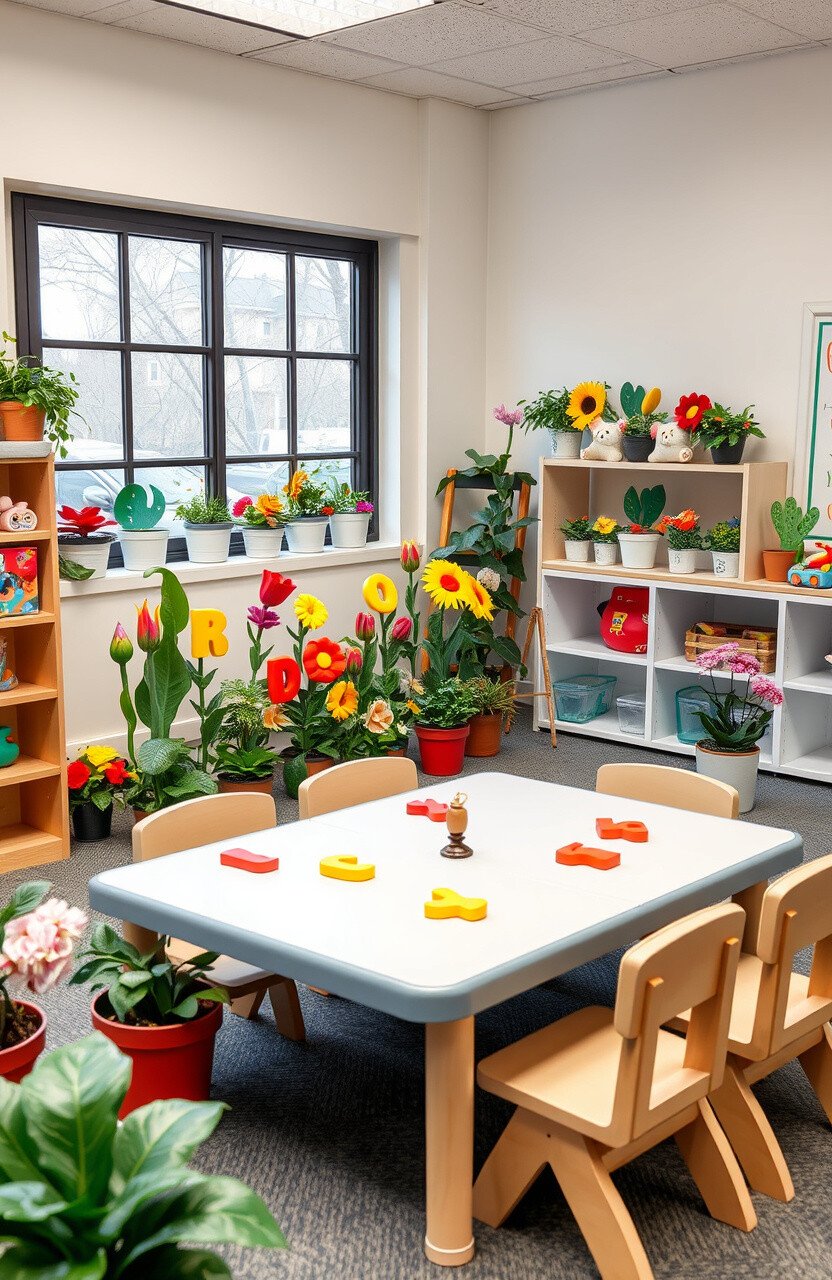
Design a garden-themed area where each plant or flower represents a letter of the alphabet. Kids can explore letters hands-on.
This makes learning the alphabet fun and interactive. Children can connect letters with words and nature.
Use foam letters and artificial plants to keep it low-cost. Arrange them in pots or garden beds for a realistic touch.
Encourage kids to bring in items starting with different letters. This personalizes the garden and involves them in learning.
10. Under-the-Sea Adventure
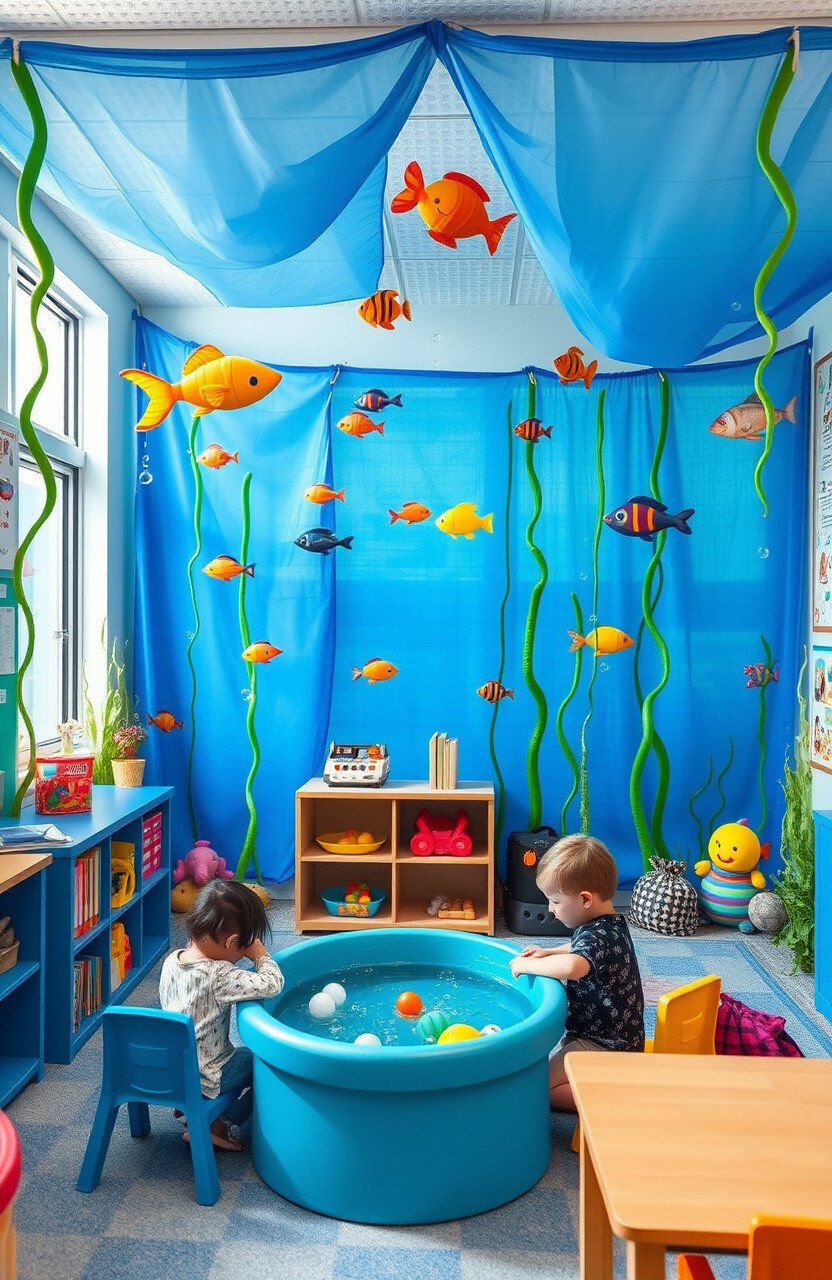
Transform a part of the classroom into an underwater world with fish, seaweed, and bubbles. It’s a splash of fun and color.
Children will feel like little explorers diving into the ocean. It’s great for themed lessons on marine life.
Use blue fabric and inflatable sea creatures for decor. These are affordable and create an immersive environment.
Include interactive elements like a small water table. It adds a tactile experience to their learning adventure.
11. Dinosaur Dig Site
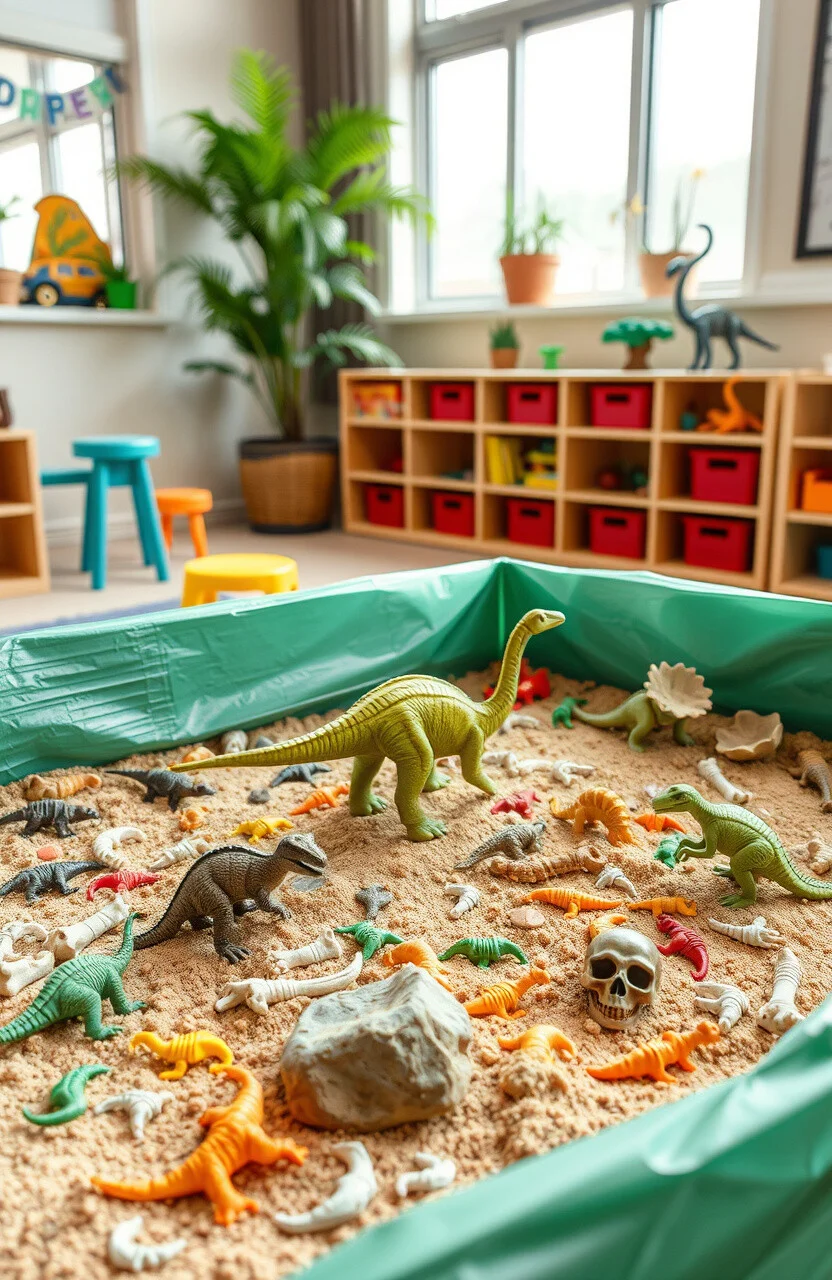
Set up a mini excavation site with sand and toy dinosaur bones. Kids can dig and discover like real paleontologists.
This encourages exploration and curiosity about history. It’s a hands-on way to learn about dinosaurs.
Use a sandbox and plastic bones to create the dig site. These materials are both affordable and reusable.
Rotate the bones and add new fossils to keep it exciting. Kids will love finding something new each time.
12. Space Station Corner
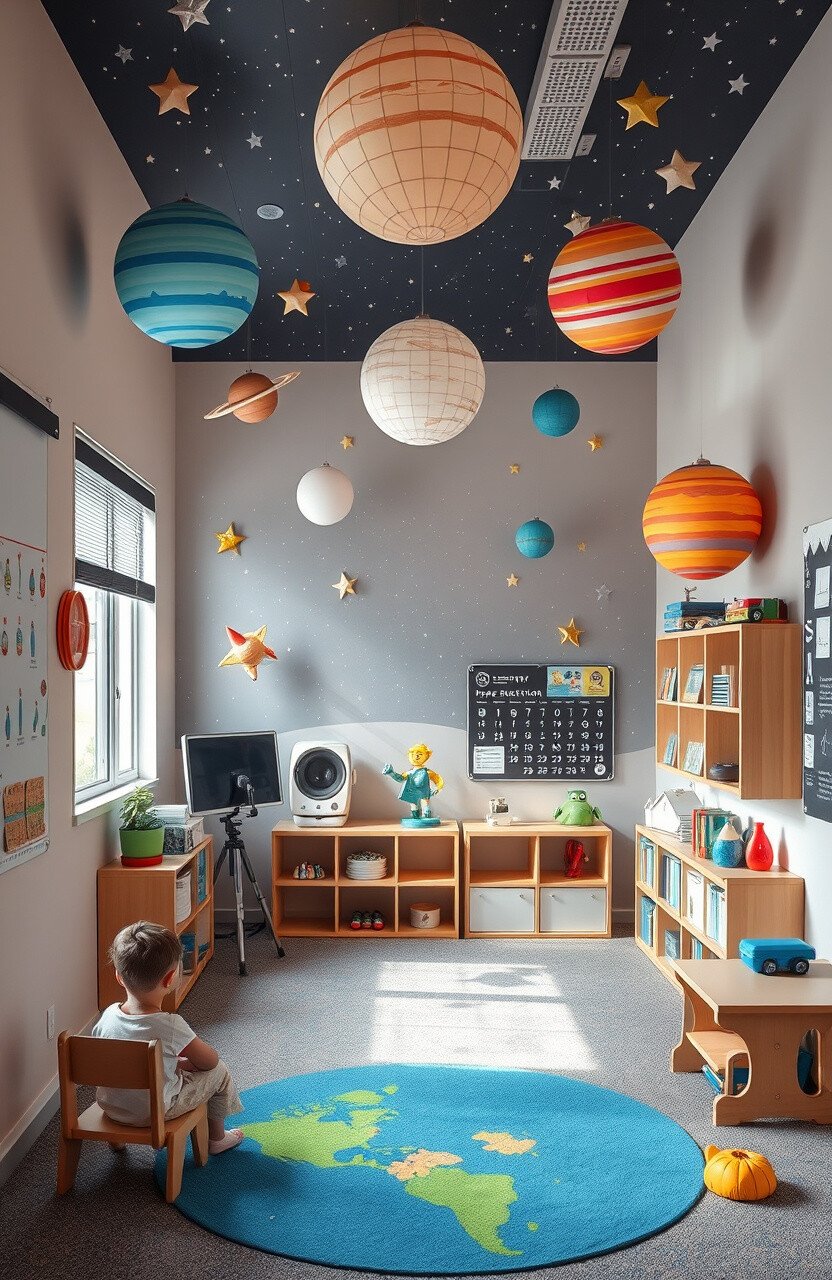
Create a corner dedicated to outer space with planets, stars, and astronaut gear. It’s an out-of-this-world learning hub.
Children can imagine themselves as astronauts exploring the galaxy. It’s perfect for sparking interest in science.
Decorate with glow-in-the-dark stars and inflatable planets. These are budget-friendly and create an atmospheric feel.
Incorporate interactive elements like a telescope or space puzzles. It makes the experience more engaging.
13. Jungle Safari Area
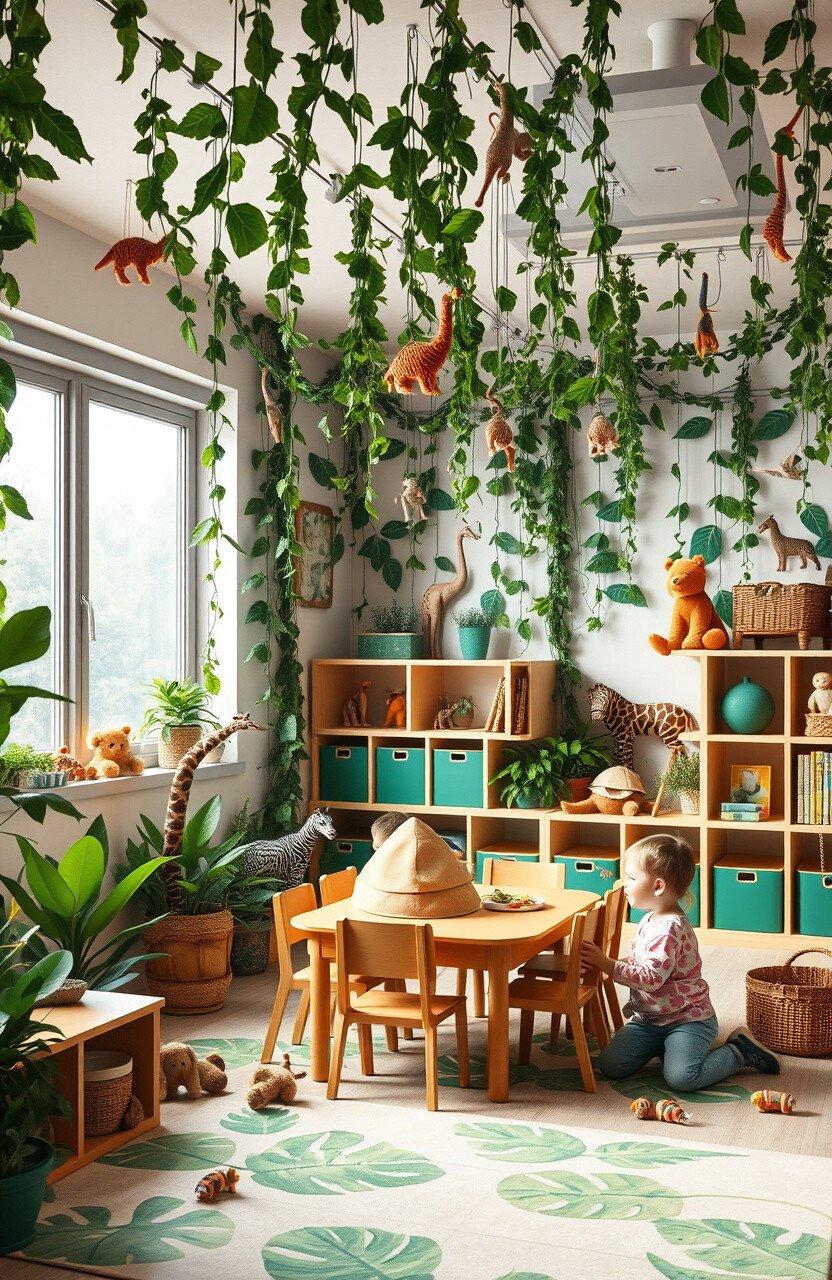
Turn a part of the classroom into a jungle with vines, animals, and safari hats. Kids can explore like little adventurers.
This brings excitement and wonder to learning about animals. It’s a fun way to introduce them to different species.
Use green streamers and stuffed animals for decoration. These items are inexpensive and easy to set up.
Encourage kids to dress up as explorers, adding to the theme. This personalization makes it even more fun.
14. Music and Movement Zone
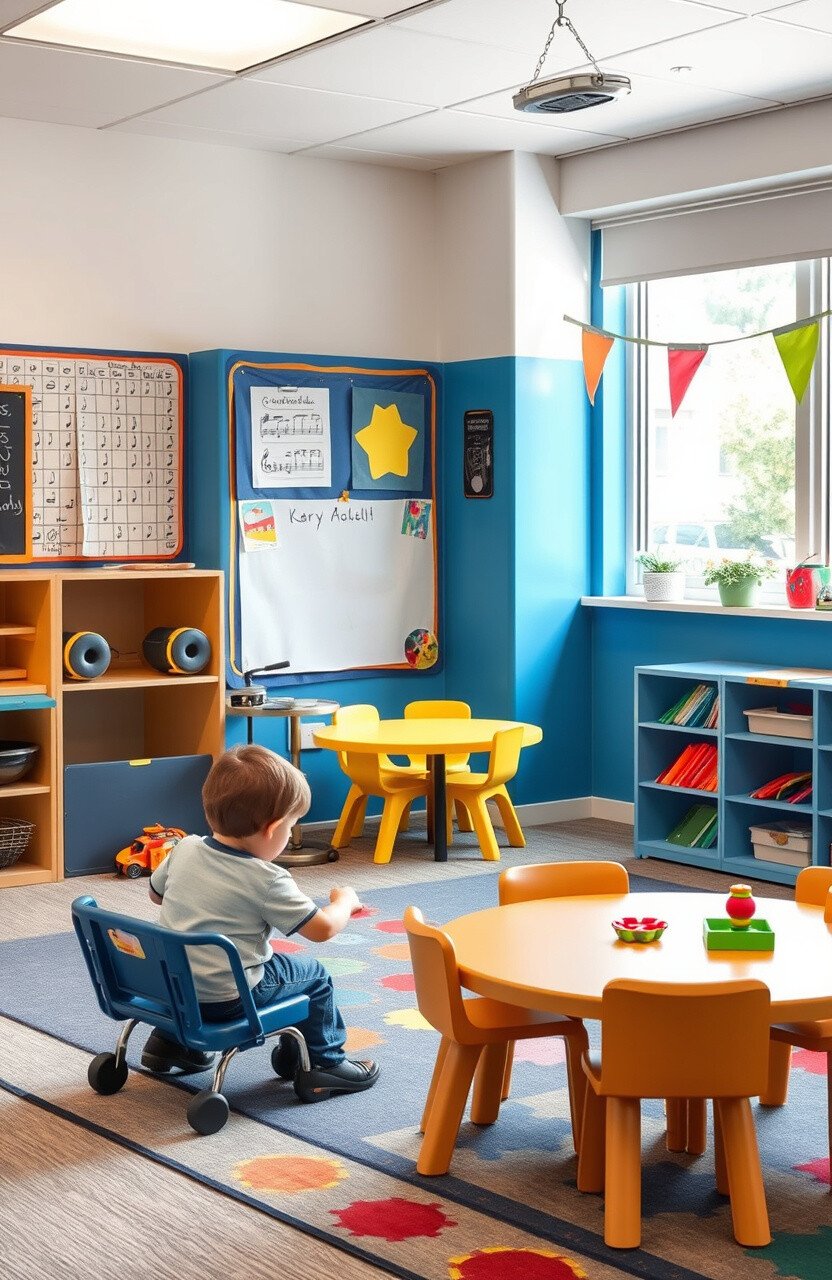
Create a space where children can express themselves through music and dance. Instruments and rhythm props enhance the area.
This encourages physical activity and creativity. It’s a joyful way to learn about music and rhythm.
Use simple instruments like tambourines and maracas. These are affordable and perfect for little hands.
Rotate the music and dance themes to keep it exciting. Kids will love trying new moves and sounds.
15. Fairy Tale Forest
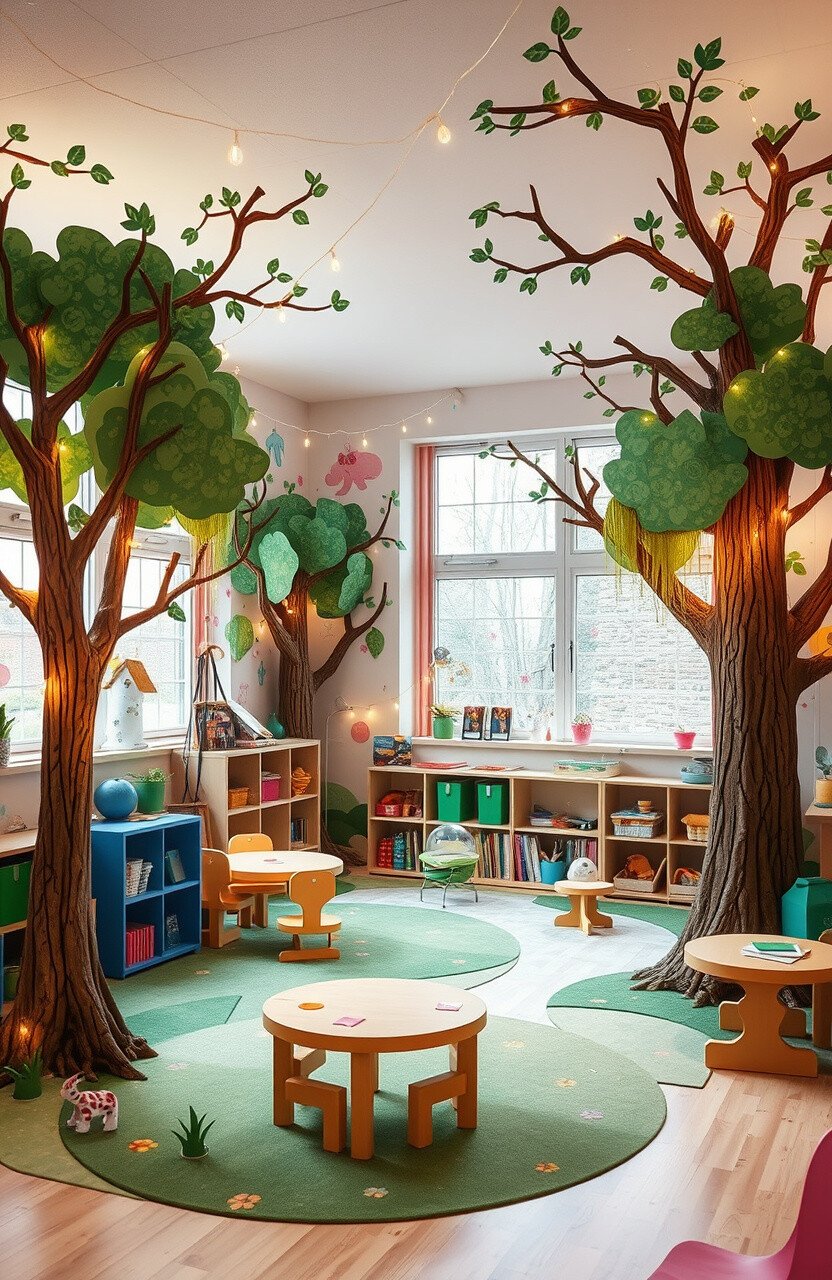
Design a magical forest with trees, fairies, and mythical creatures. It’s a place where stories come to life.
Children can let their imaginations run wild in this enchanting space. It’s perfect for storytelling and role play.
Decorate with cardboard trees and fairy lights. These create an inviting and whimsical atmosphere.
Encourage kids to create their own fairy tales in the forest. This personalization makes the stories even more magical.
16. Construction Zone
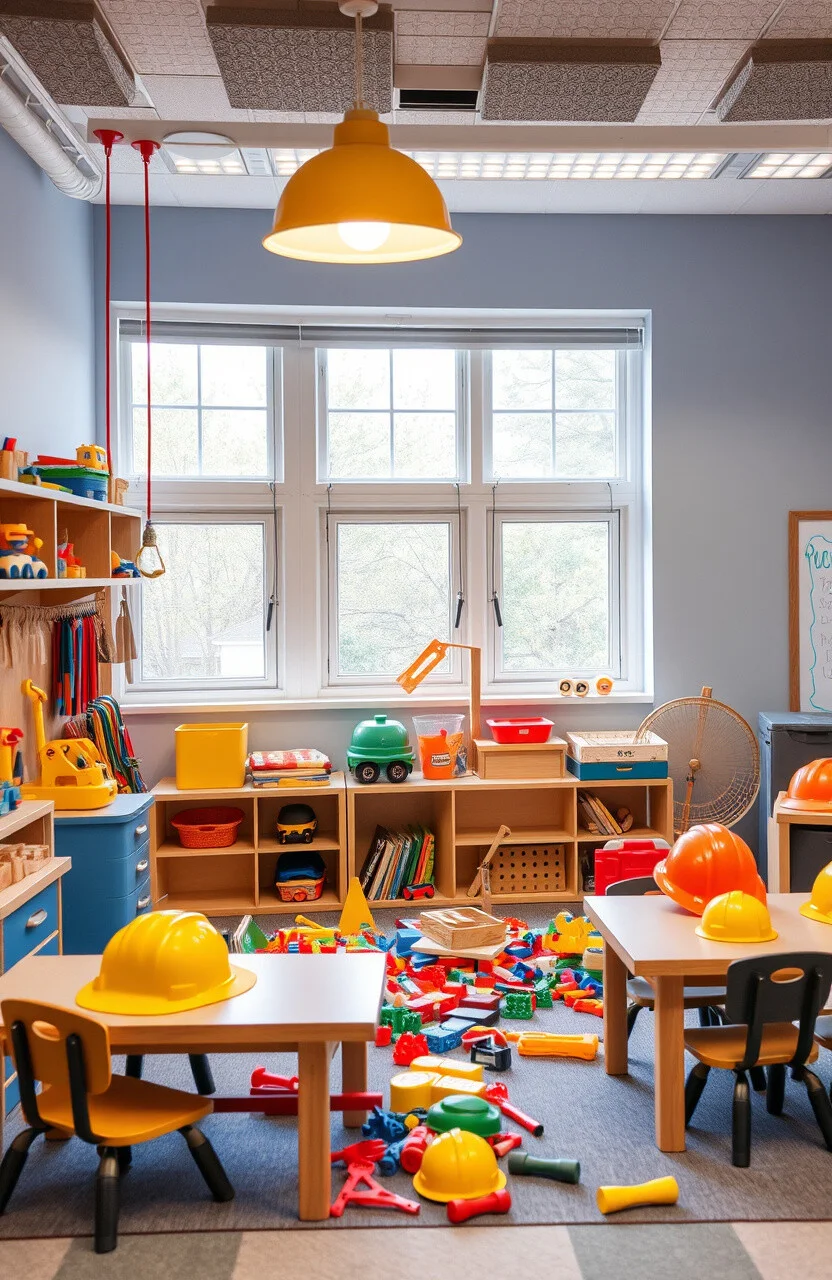
Set up a zone with building blocks, tools, and construction hats. Kids can build and create to their hearts’ content.
This enhances spatial awareness and problem-solving skills. It’s a hands-on way to learn about engineering.
Use foam blocks and plastic tools to keep it safe. These materials are cost-effective and durable.
Rotate building challenges to keep it engaging. Kids will love tackling new projects and designs.
17. Magical Castle
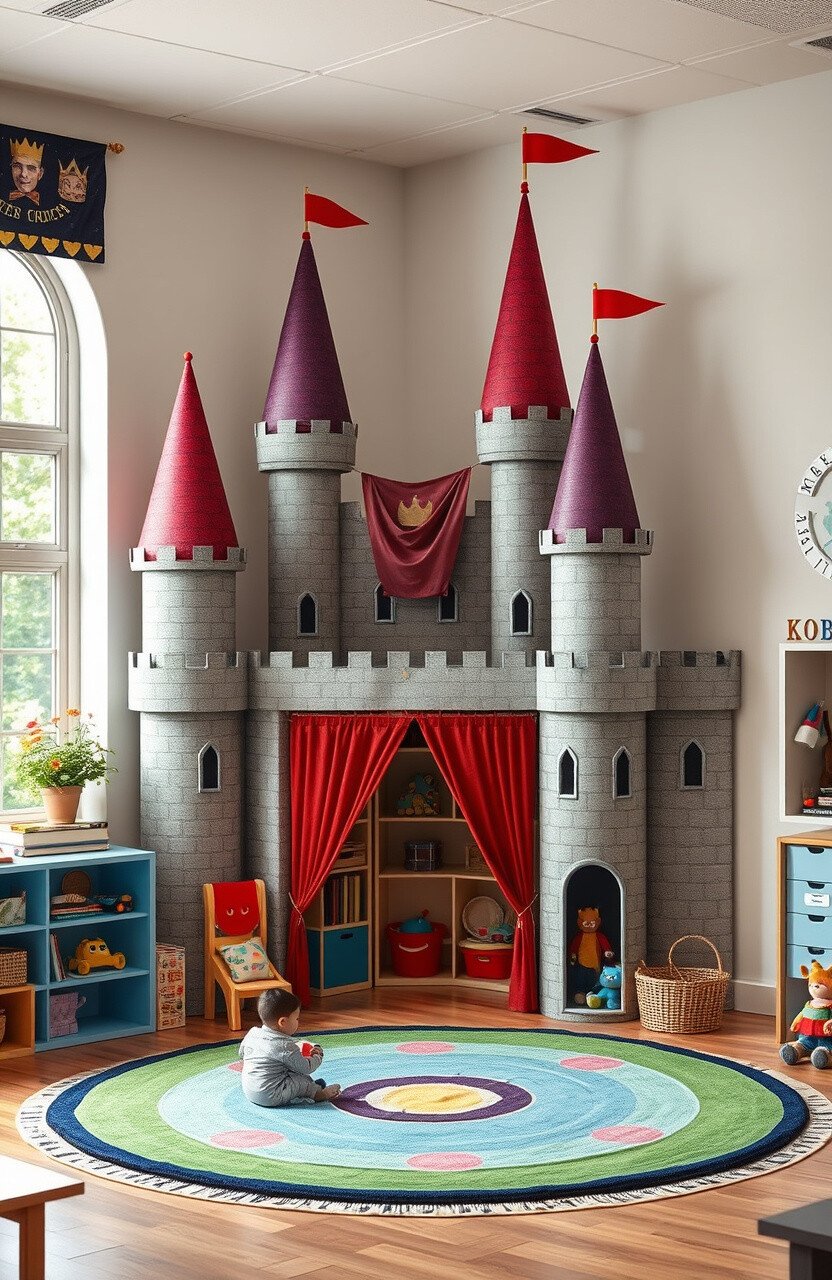
Create a castle corner with turrets, banners, and royal decor. Kids can feel like kings and queens in their own kingdom.
This sparks creativity and imagination, allowing for endless role play. It’s a fun way to learn about history and royalty.
Use cardboard and fabric to construct the castle. These materials are budget-friendly and easy to assemble.
Encourage kids to create their own royal stories. This personalization makes the castle even more special.
18. Weather Station
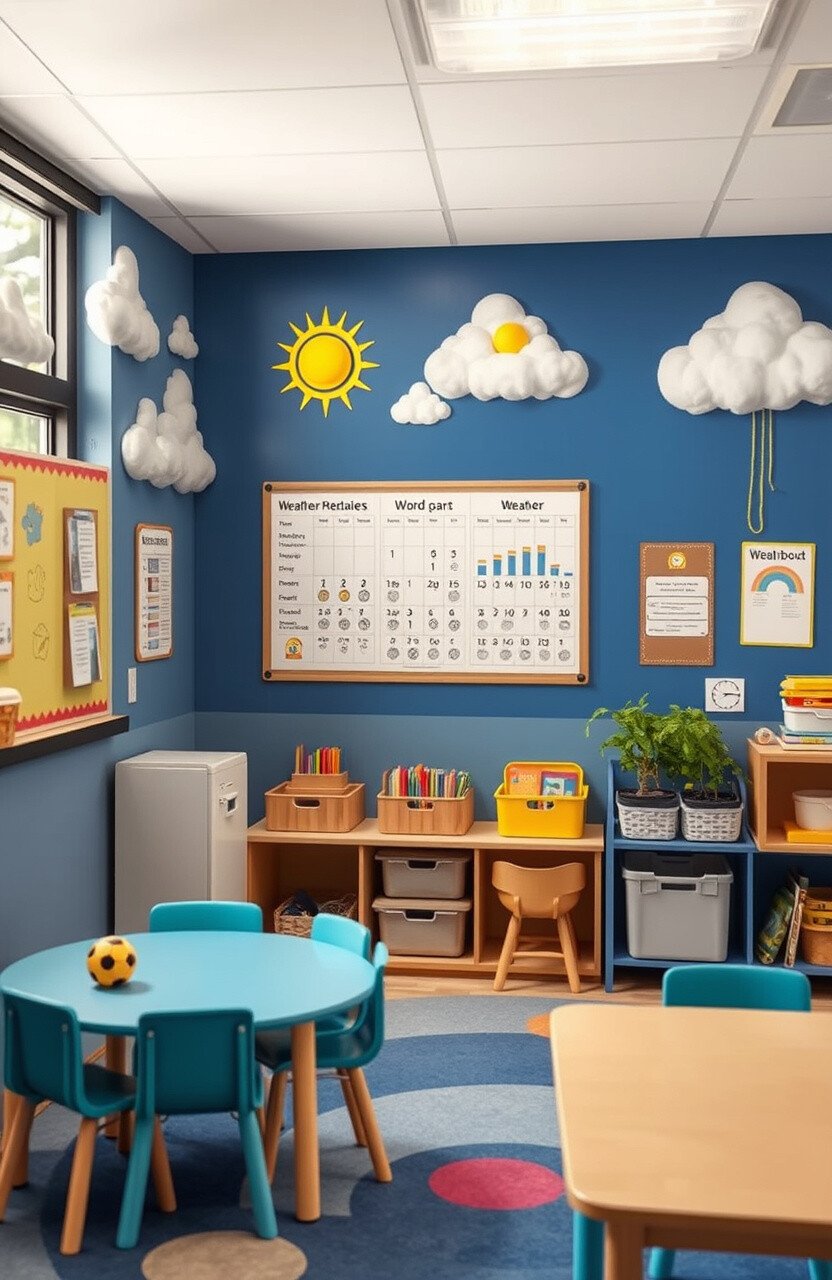
Create a space dedicated to learning about the weather with clouds, suns, and weather charts. It’s a meteorologist’s dream.
This encourages curiosity about the natural world and science. It’s a hands-on way to learn about weather patterns.
Use cotton for clouds and paper for charts. These materials are inexpensive and easy to update.
Include interactive weather activities like making rainbows. This keeps kids engaged and learning through play.
19. Farm Life Corner
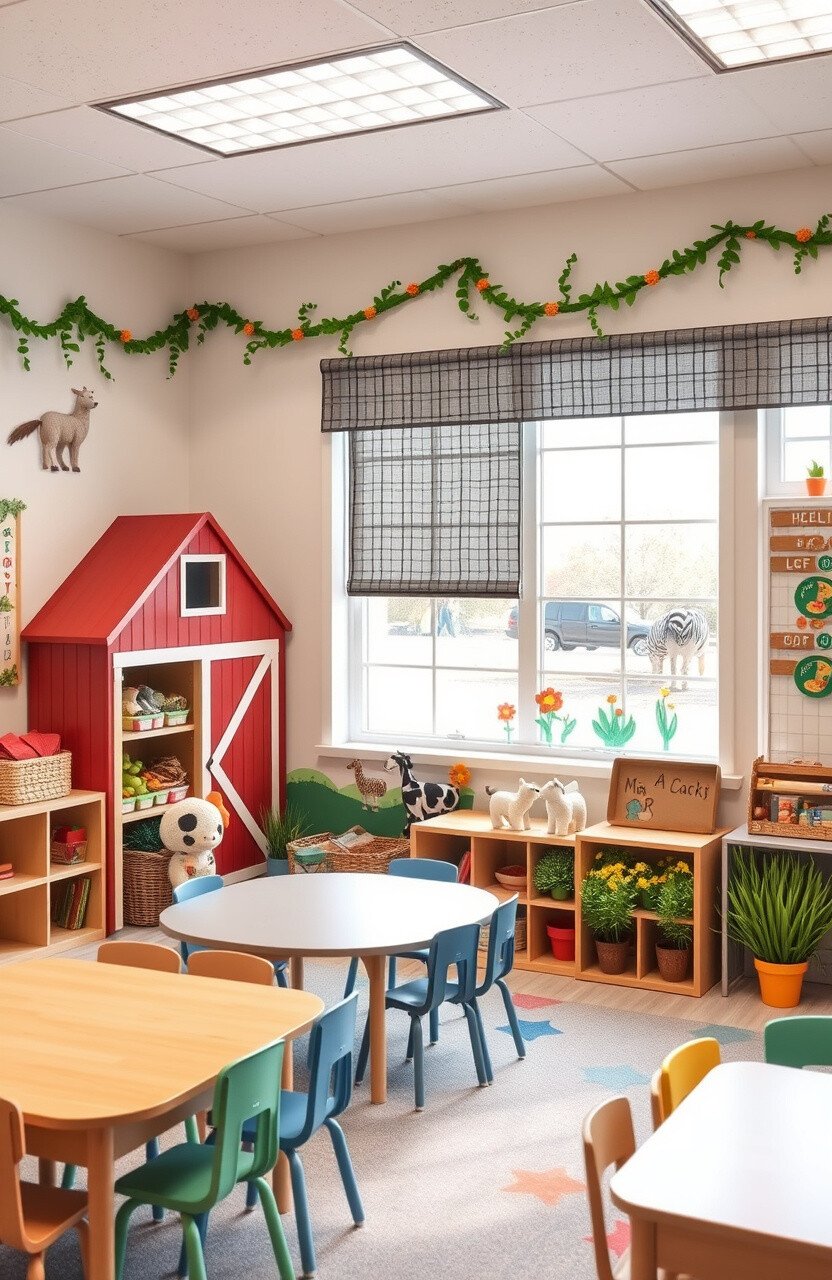
Design a corner that resembles a farm with animals, crops, and a barn. Kids can explore rural life in the classroom.
This introduces children to agriculture and animal care. It’s a fun way to learn about where food comes from.
Use stuffed animals and cardboard barns for decoration. These items are affordable and reusable.
Encourage role play with farmer hats and tools. This personalization makes the experience interactive and fun.
20. Time Travel Tunnel
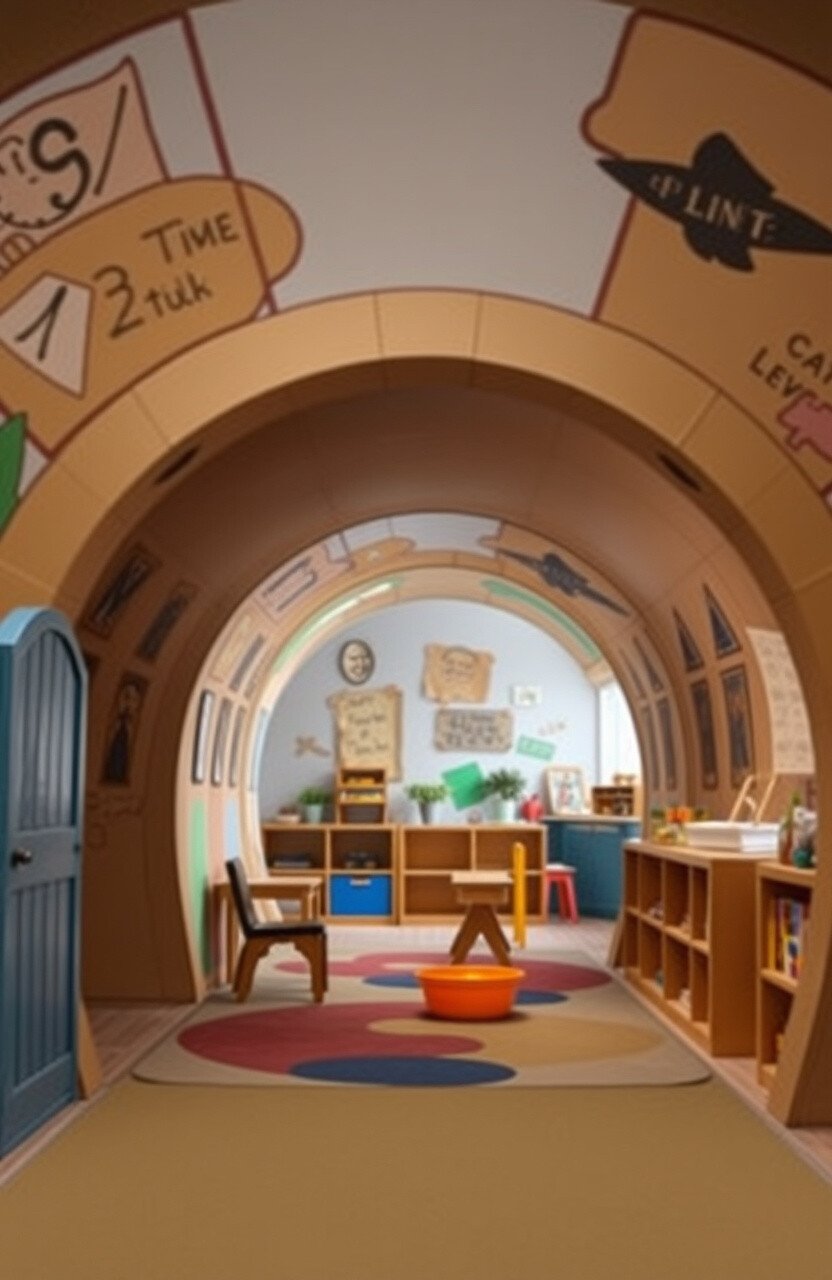
Create a tunnel that takes kids back in time to different historical periods. Each section of the tunnel represents a different era.
This sparks interest in history and storytelling. It’s an adventurous way to learn about the past.
Use cardboard and paint to create the tunnel. These materials are budget-friendly and easy to customize.
Encourage kids to add their own historical facts or drawings. This personalization makes history feel alive and engaging.
21. Space Galaxy Ceiling
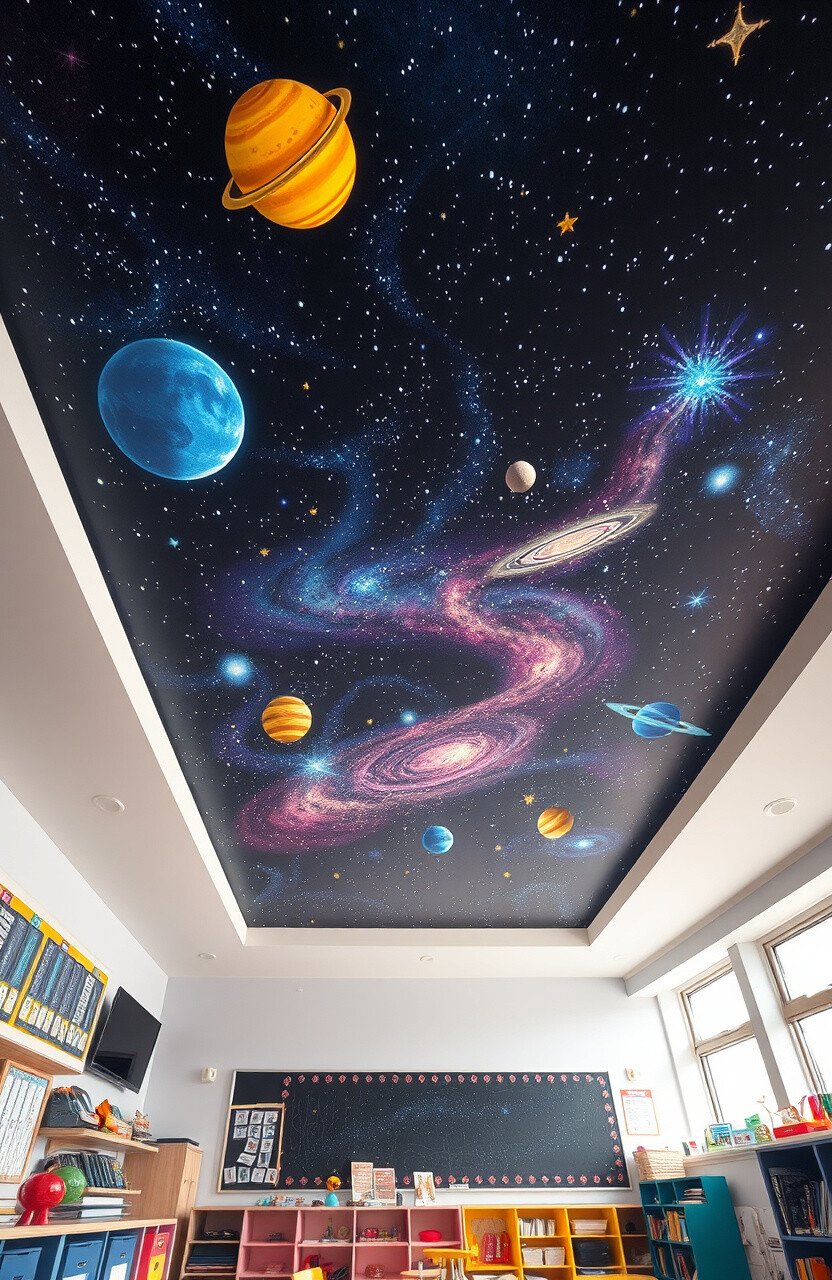
Decorate the ceiling with stars, planets, and galaxies. Kids can gaze up and imagine themselves traveling through space.
This fosters curiosity about astronomy and the universe. It’s a great way to encourage scientific thinking.
Use glow-in-the-dark stickers and paint for the ceiling. These create a mesmerizing effect without breaking the bank.
Encourage kids to create their own constellations. This personalization adds a creative twist to their learning.
22. Cultural Celebration Wall
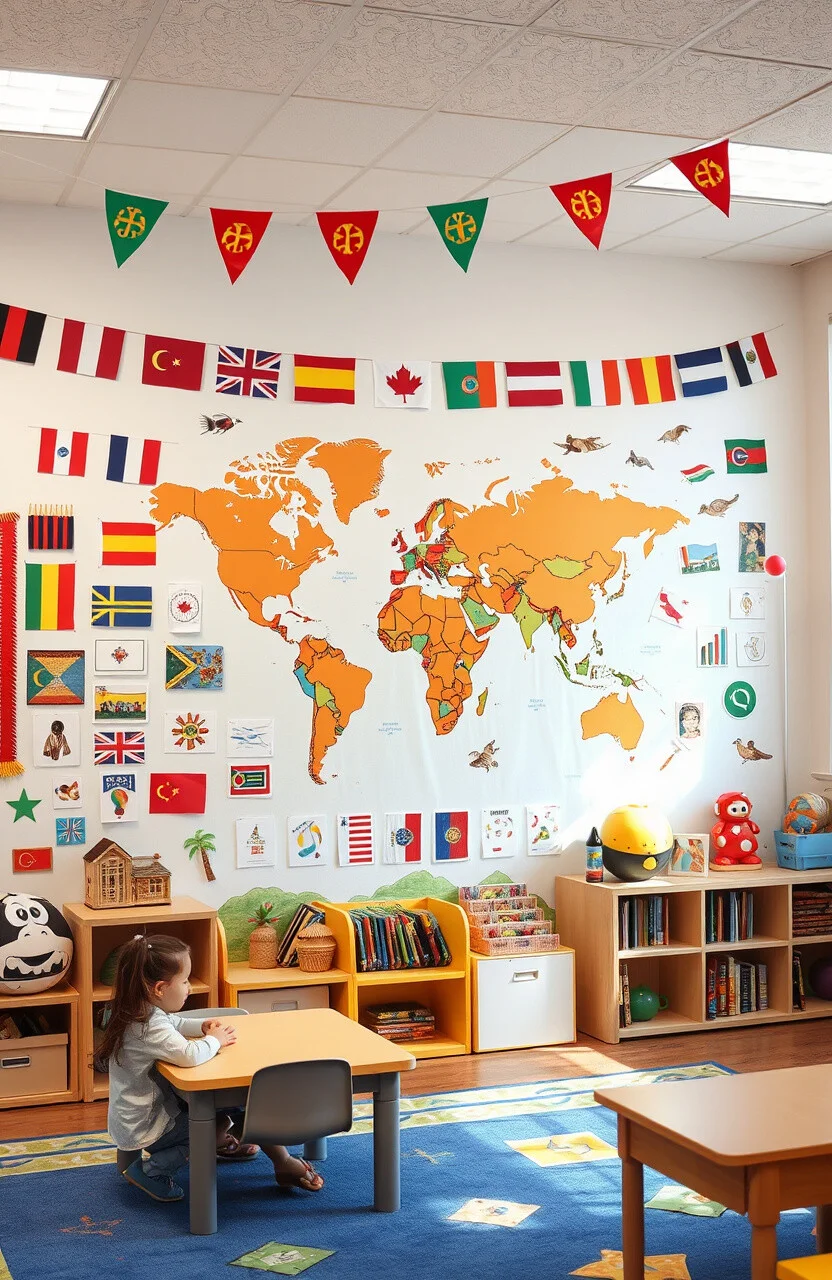
Design a wall that celebrates different cultures with flags, photos, and traditional items. It’s a world tour in one spot.
This promotes diversity and understanding among children. It’s a wonderful way to learn about global traditions.
Use paper and fabric for flags and decor. These materials are cost-effective and easy to update.
Encourage kids to bring items from their own cultures. This personalization makes the wall feel inclusive and special.
23. Pirate Ship Adventure
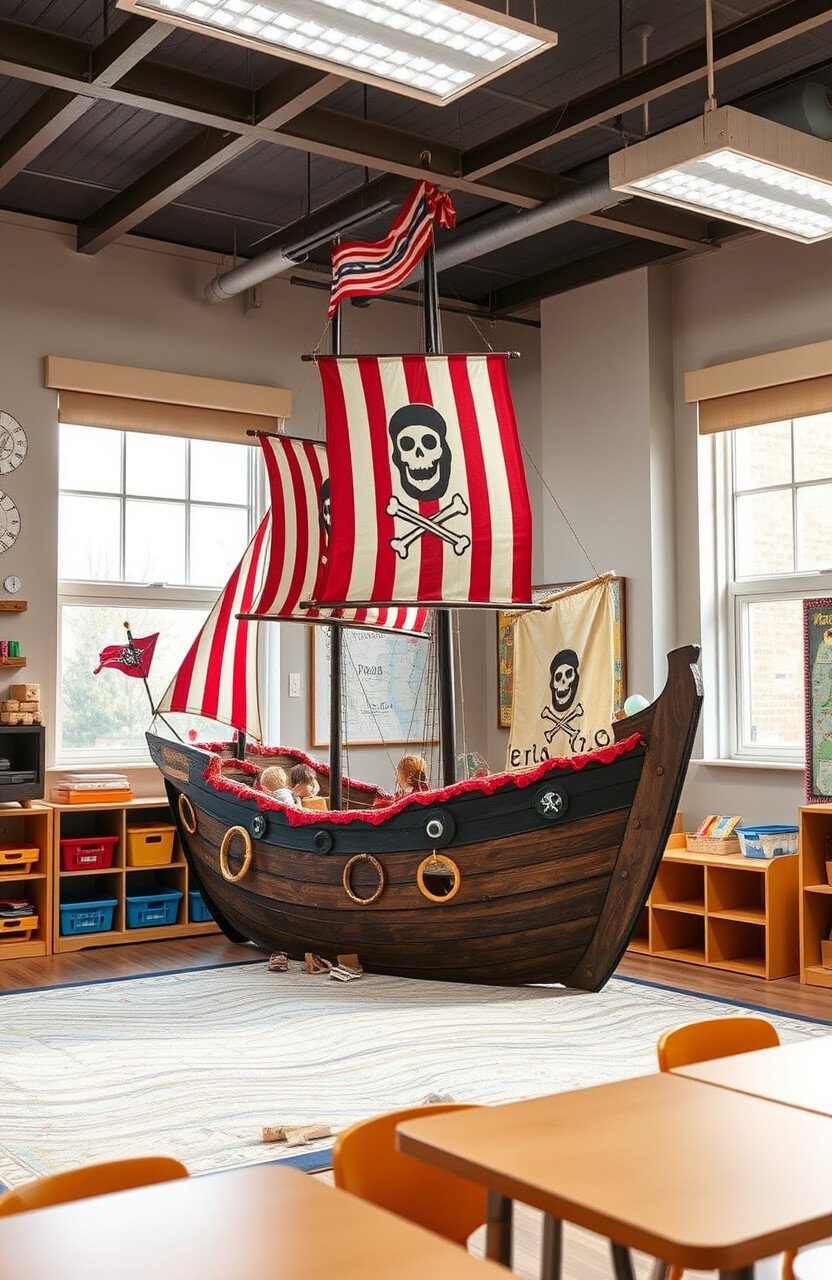
Transform a part of the classroom into a pirate ship with sails, treasure, and maps. Kids can set sail on imaginary adventures.
This encourages creativity and storytelling. It’s a fun way to learn about navigation and exploration.
Use cardboard and fabric to create the ship. These materials are affordable and easy to assemble.
Encourage kids to create their own pirate stories. This personalization makes the adventure even more exciting.
24. Medieval Market
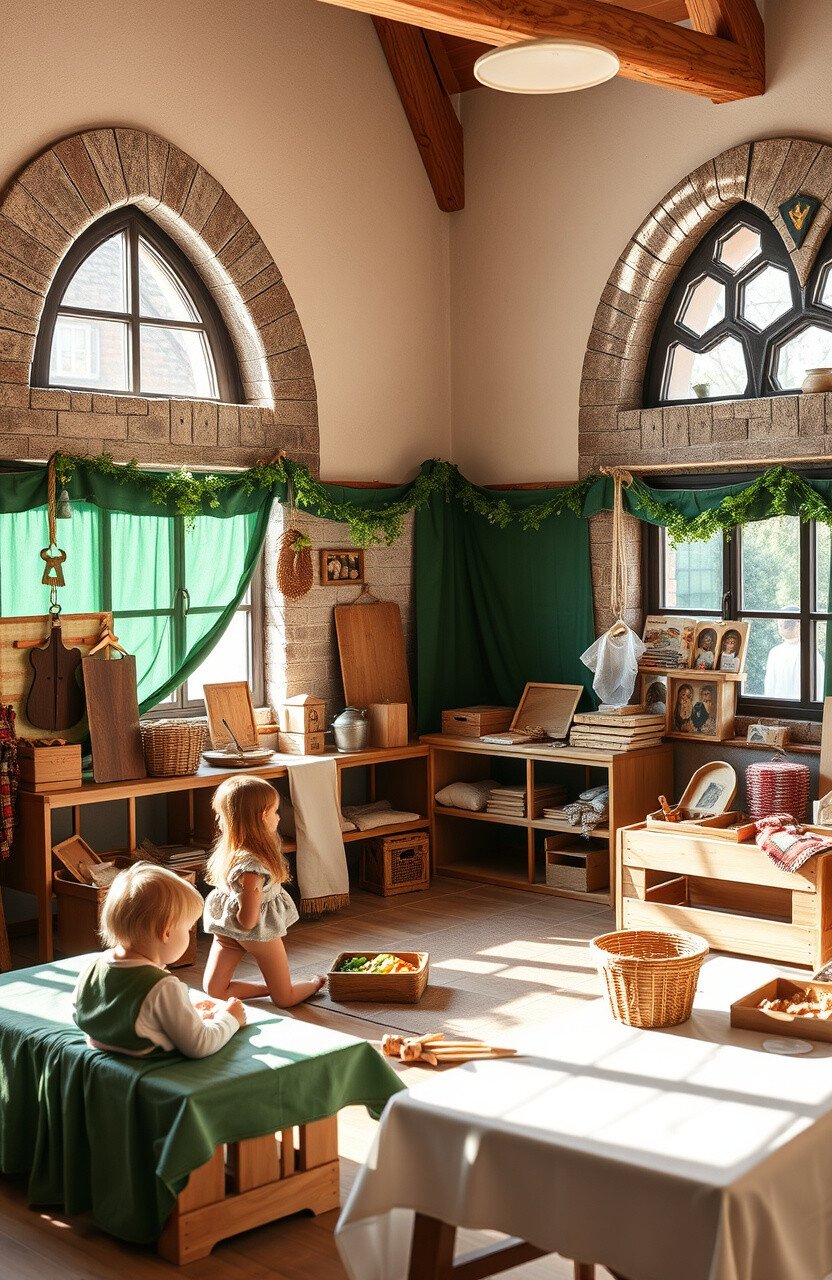
Design a corner that resembles a medieval market with stalls, goods, and costumes. Kids can explore trade and commerce.
This introduces children to history and economics. It’s a hands-on way to learn about medieval life.
Use cardboard and fabric for stalls and goods. These items are inexpensive and easy to set up.
Encourage role play with medieval costumes and props. This personalization makes the market experience interactive and fun.
25. Woodland Wonderland
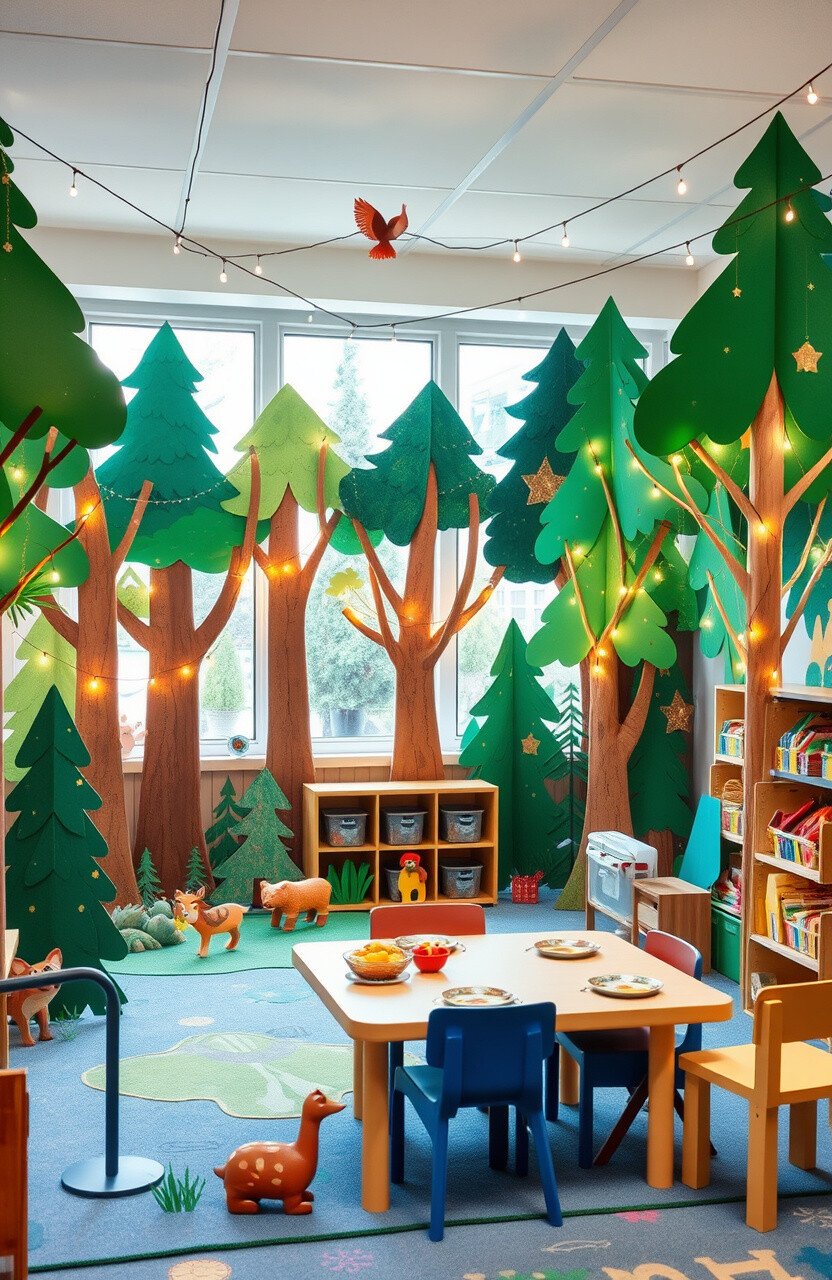
Create a woodland-themed area with trees, animals, and fairy lights. It’s a magical forest adventure for kids.
This fosters a love for nature and creativity. It’s a fun way to learn about wildlife and habitats.
Use cardboard and fabric for trees and animals. These materials are budget-friendly and easy to assemble.
Encourage kids to create their own woodland stories. This personalization makes the forest feel alive and engaging.
26. Community Helpers Corner
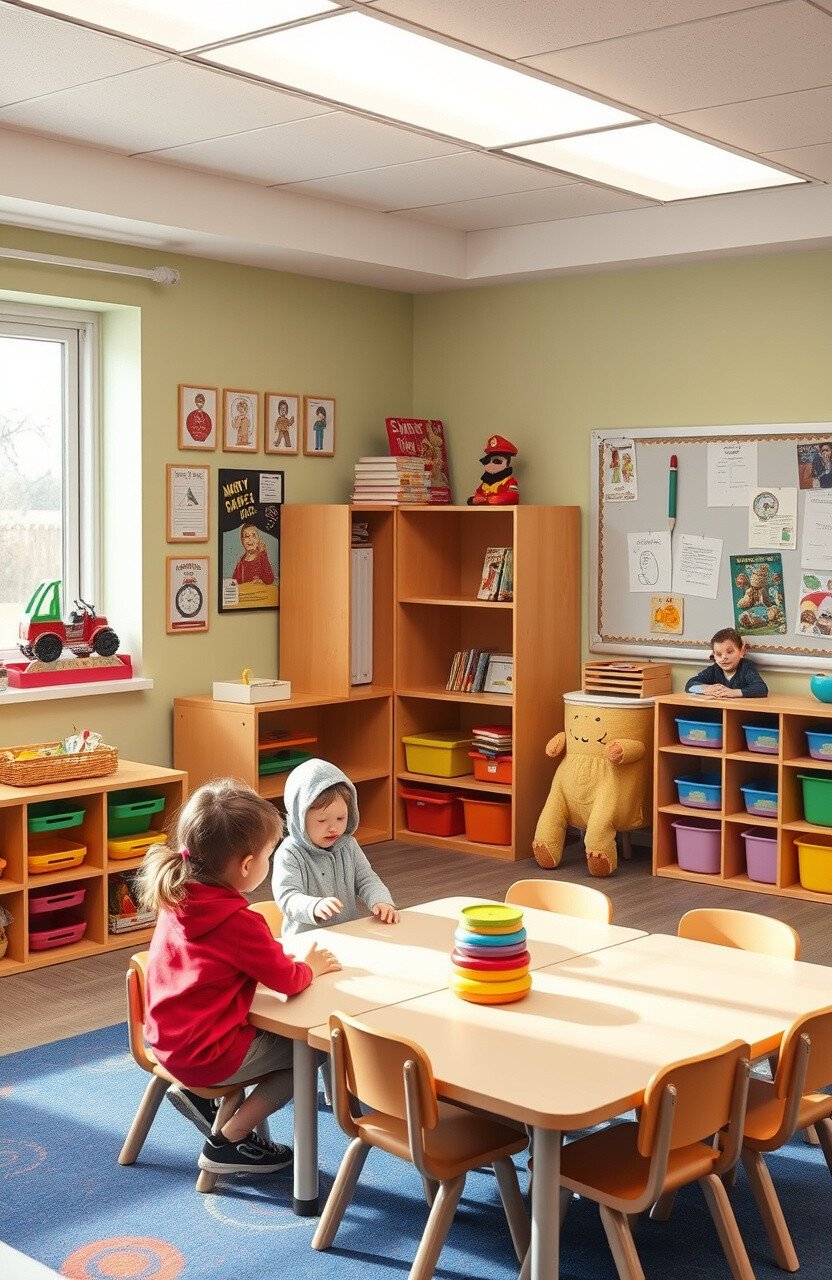
Design a space dedicated to community helpers like firefighters, doctors, and teachers. Kids can learn about important roles in society.
This promotes respect and understanding of different professions. It’s a hands-on way to learn about community roles.
Use costumes and props to represent different helpers. These items are affordable and easy to set up.
Encourage role play with community helper scenarios. This personalization makes the experience educational and fun.
27. Underwater Cave

Create a cave-like area with rocks, sea creatures, and blue lighting. It’s an underwater adventure for kids to explore.
This encourages curiosity about marine life and ecosystems. It’s a hands-on way to learn about the ocean.
Use cardboard and fabric for rocks and creatures. These materials are budget-friendly and easy to set up.
Encourage kids to create their own underwater stories. This personalization makes the cave feel magical and engaging.
28. Circus Fun Fair
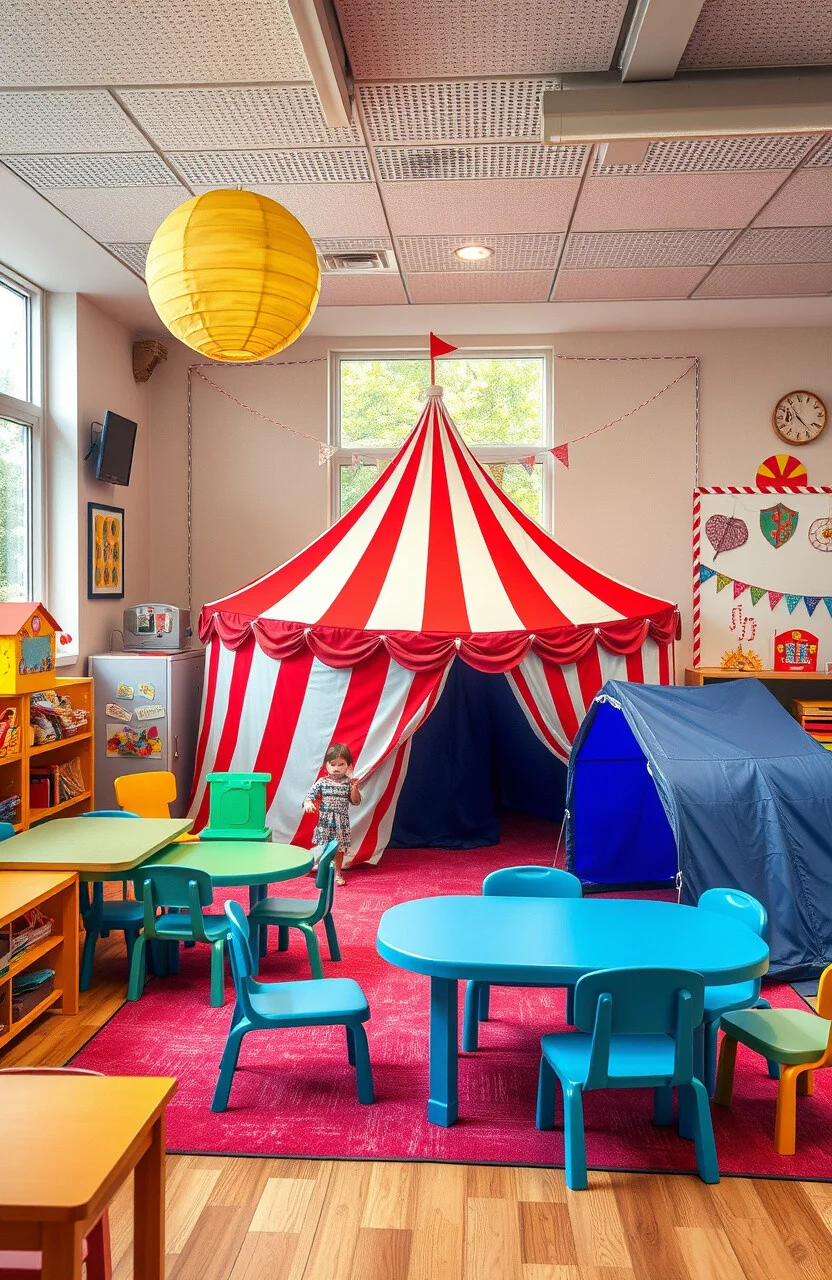
Transform a part of the classroom into a circus with tents, clowns, and games. Kids can enjoy the excitement of the big top.
This promotes creativity and imagination. It’s a fun way to learn about circus life and entertainment.
Use cardboard and fabric for tents and games. These materials are affordable and easy to assemble.
Encourage kids to create their own circus acts. This personalization makes the fun fair feel lively and engaging.
29. Superhero Headquarters
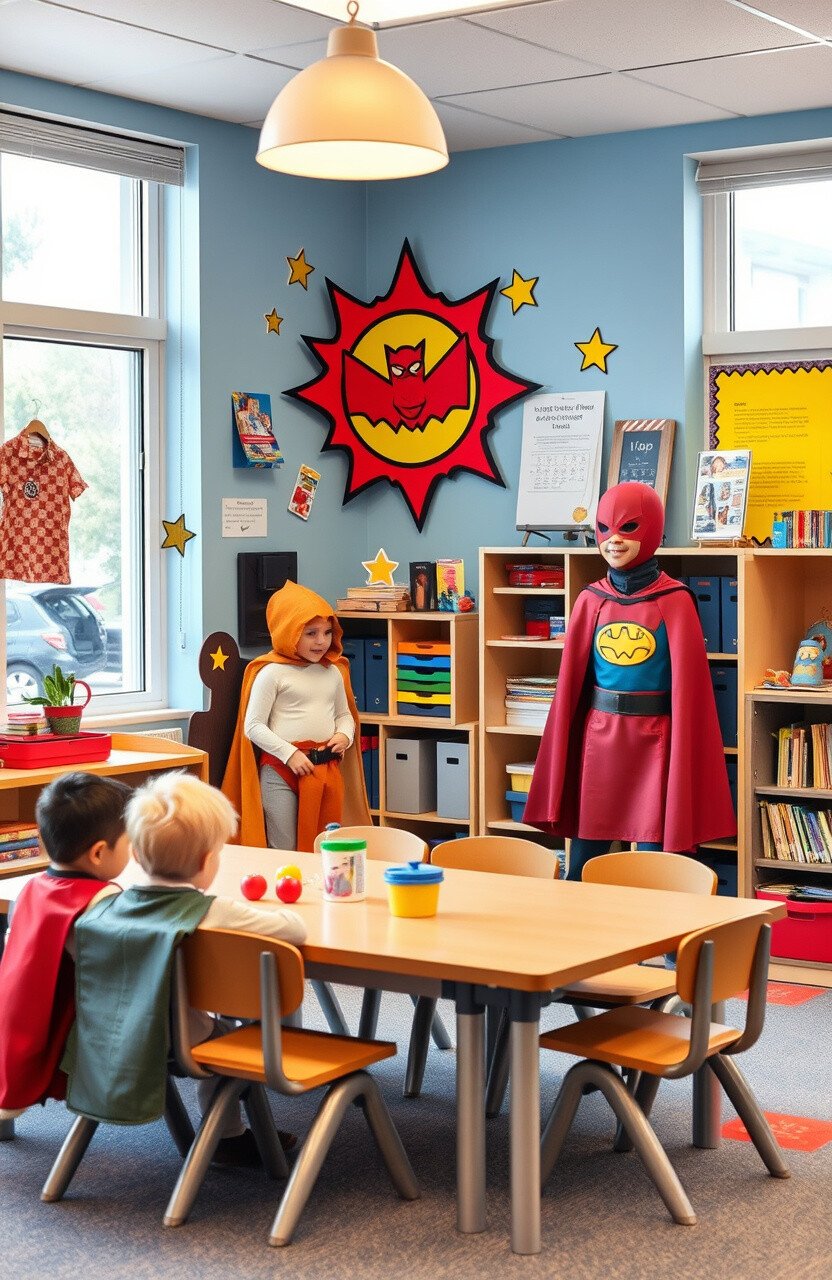
Design a corner that resembles a superhero headquarters with capes, masks, and gadgets. Kids can become their favorite heroes.
This encourages creativity and imagination. It’s a fun way to learn about heroism and teamwork.
Use cardboard and fabric for capes and gadgets. These items are affordable and easy to set up.
Encourage kids to create their own superhero stories. This personalization makes the headquarters feel exciting and special.
30. Animal Kingdom Play Area
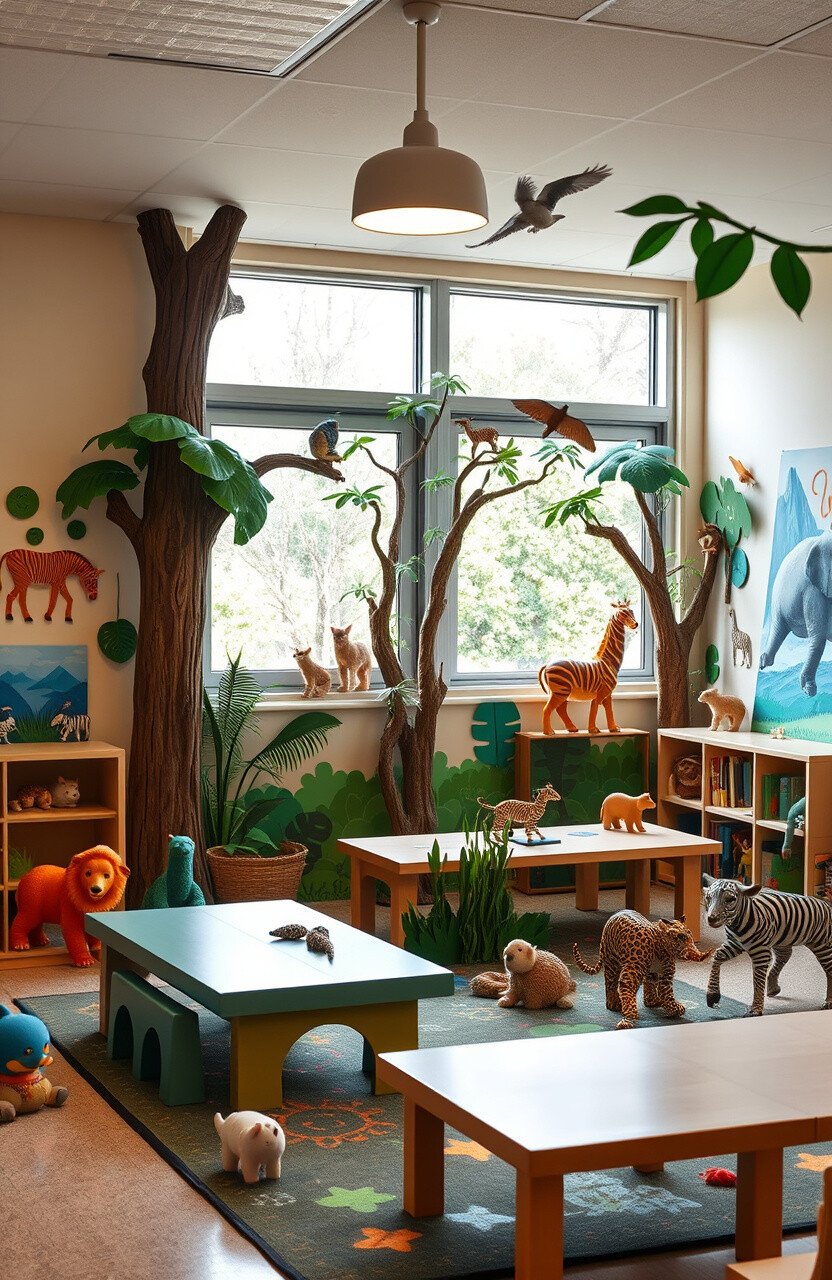
Create a play area with animals from around the world, habitats, and sounds. It’s a wild adventure for kids to explore.
This fosters a love for wildlife and conservation. It’s a hands-on way to learn about different species.
Use cardboard and fabric for animals and habitats. These materials are budget-friendly and easy to set up.
Encourage kids to create their own animal stories. This personalization makes the kingdom feel alive and engaging.
31. Treasure Island
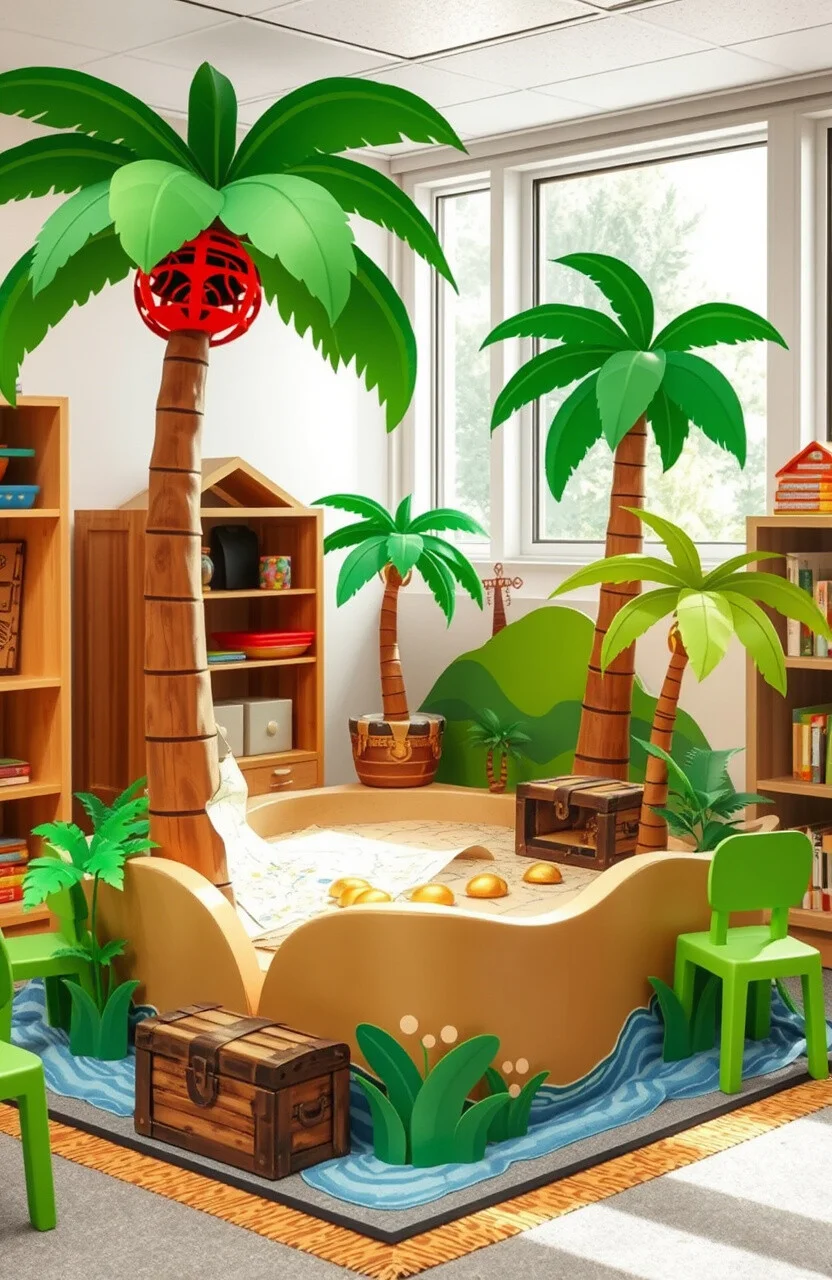
Design a corner that resembles a treasure island with palm trees, treasure chests, and maps. Kids can search for hidden gold.
This encourages creativity and storytelling. It’s a fun way to learn about navigation and exploration.
Use cardboard and fabric for trees and chests. These items are affordable and easy to set up.
Encourage kids to create their own treasure maps. This personalization makes the island adventure feel thrilling and special.
32. Time Machine
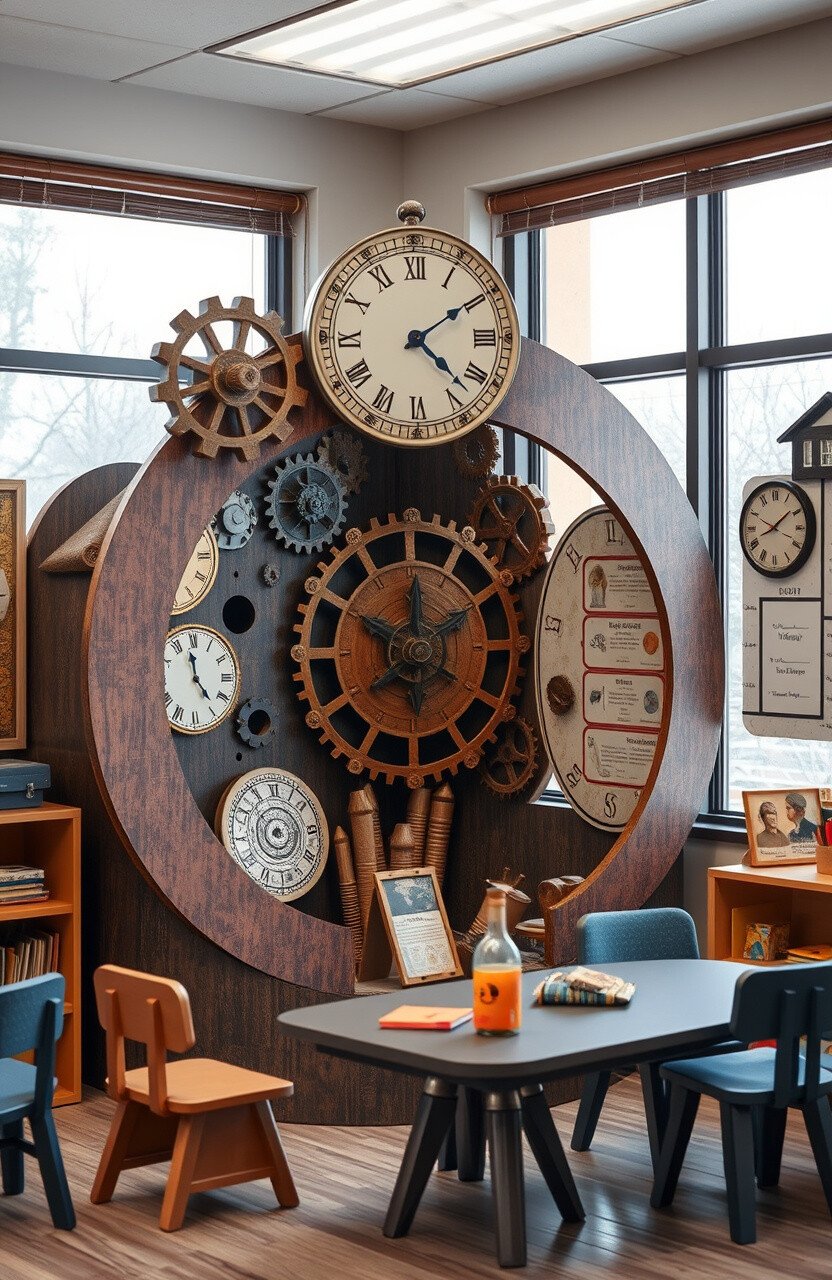
Create a time machine area with gears, clocks, and historical artifacts. Kids can travel through time and learn about history.
This sparks interest in history and storytelling. It’s an adventurous way to learn about the past.
Use cardboard and paint for gears and clocks. These materials are budget-friendly and easy to customize.
Encourage kids to add their own historical facts or drawings. This personalization makes time travel feel alive and engaging.
33. Magic School Bus
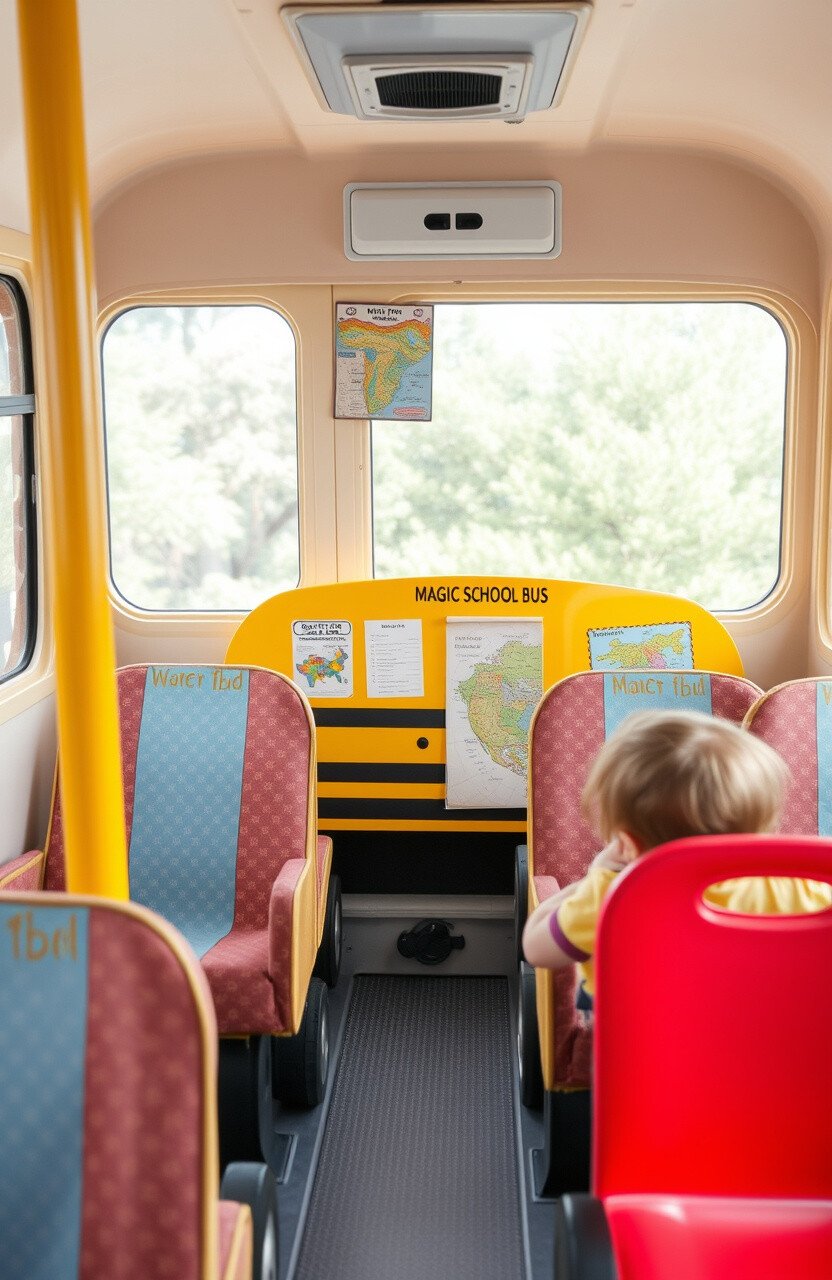
Transform a part of the classroom into a magic school bus with seats, wheels, and adventure maps. Kids can go on imaginary trips.
This encourages creativity and storytelling. It’s a fun way to learn about different locations and adventures.
Use cardboard and fabric for seats and wheels. These materials are affordable and easy to assemble.
Encourage kids to create their own adventure stories. This personalization makes the bus trips feel exciting and special.
34. Garden of Imagination
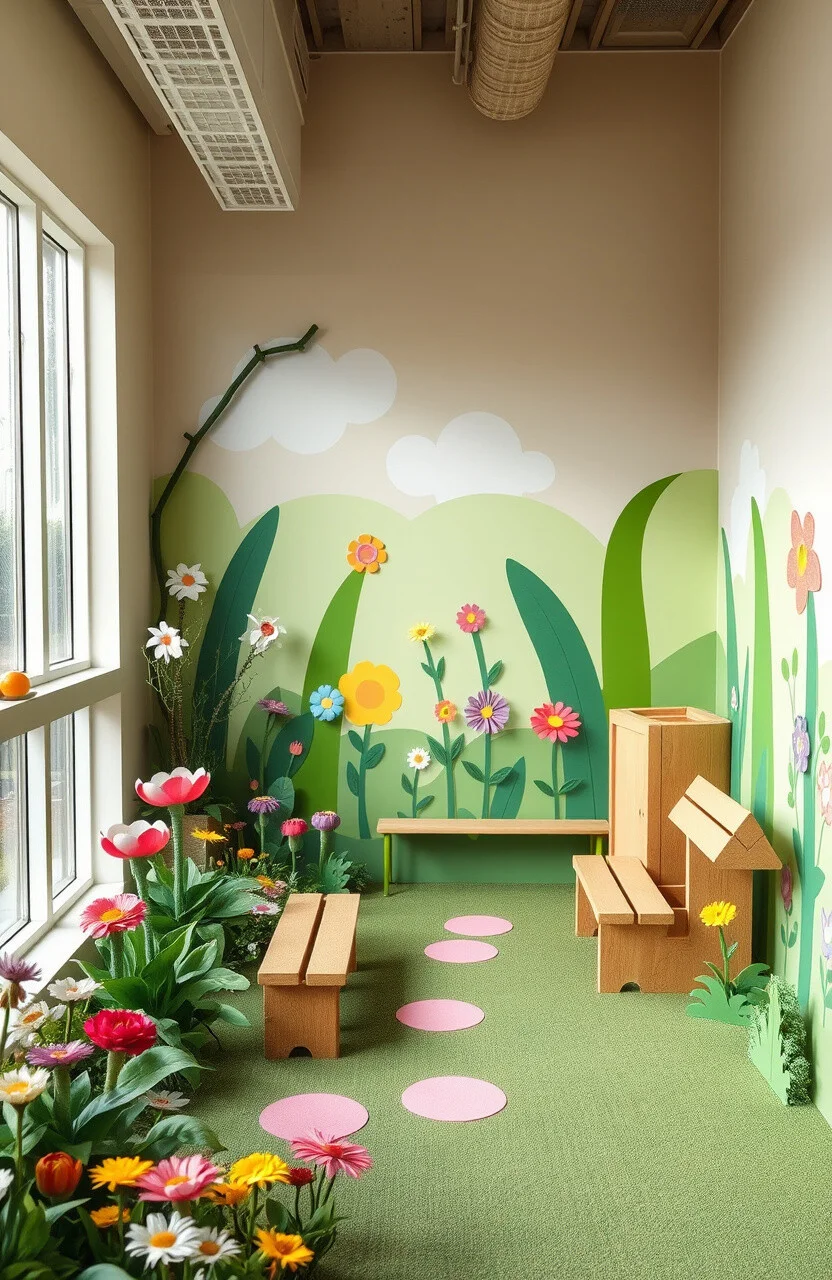
Create a garden-themed area with flowers, benches, and fairy tales. Kids can imagine themselves in a magical landscape.
This fosters creativity and storytelling. It’s a fun way to learn about nature and imagination.
Use cardboard and fabric for flowers and benches. These materials are budget-friendly and easy to set up.
Encourage kids to create their own garden stories. This personalization makes the garden feel enchanting and special.
35. Space Shuttle Launch Pad
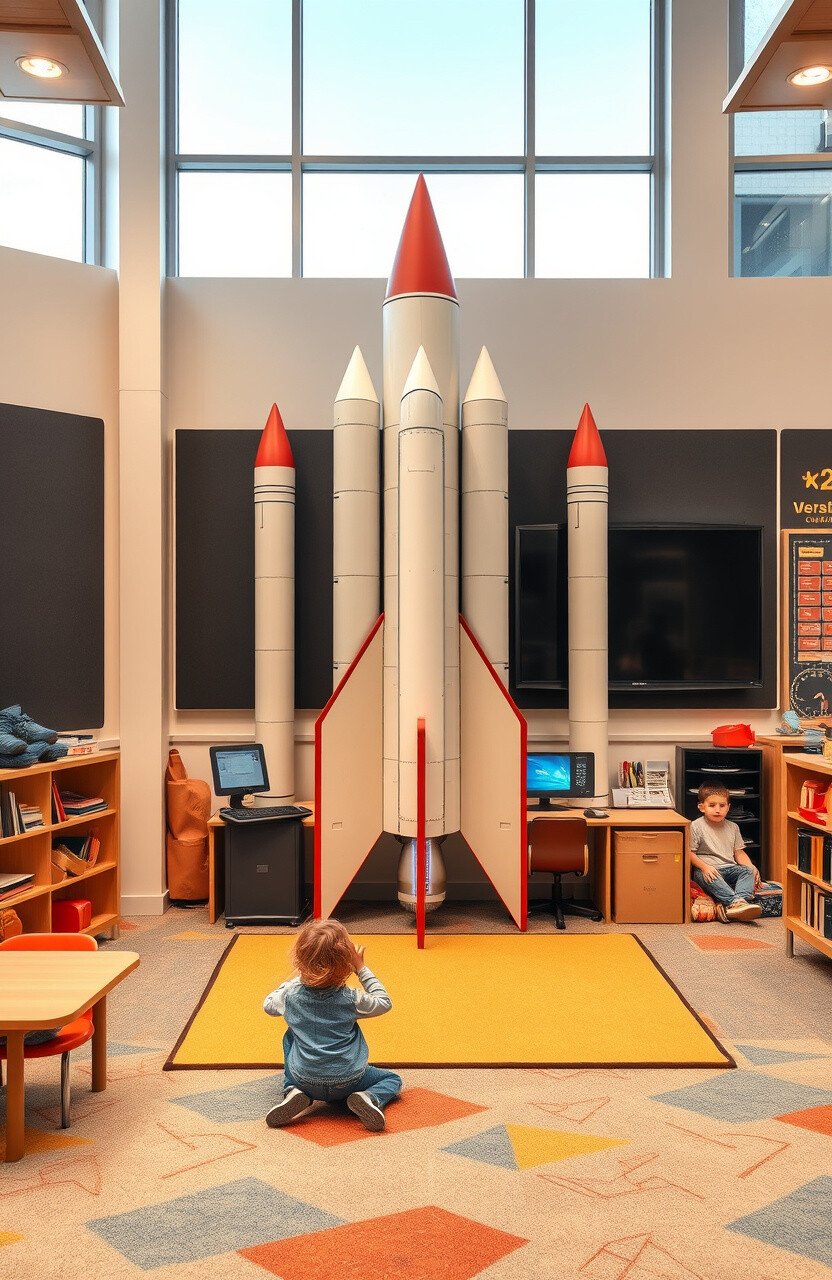
Design a space shuttle launch pad with rockets, control panels, and astronaut gear. Kids can blast off on imaginary missions.
This encourages curiosity about space and exploration. It’s a hands-on way to learn about space travel.
Use cardboard and fabric for rockets and gear. These materials are affordable and easy to assemble.
Encourage kids to create their own space missions. This personalization makes the launch pad feel thrilling and special.
36. Wild West Frontier
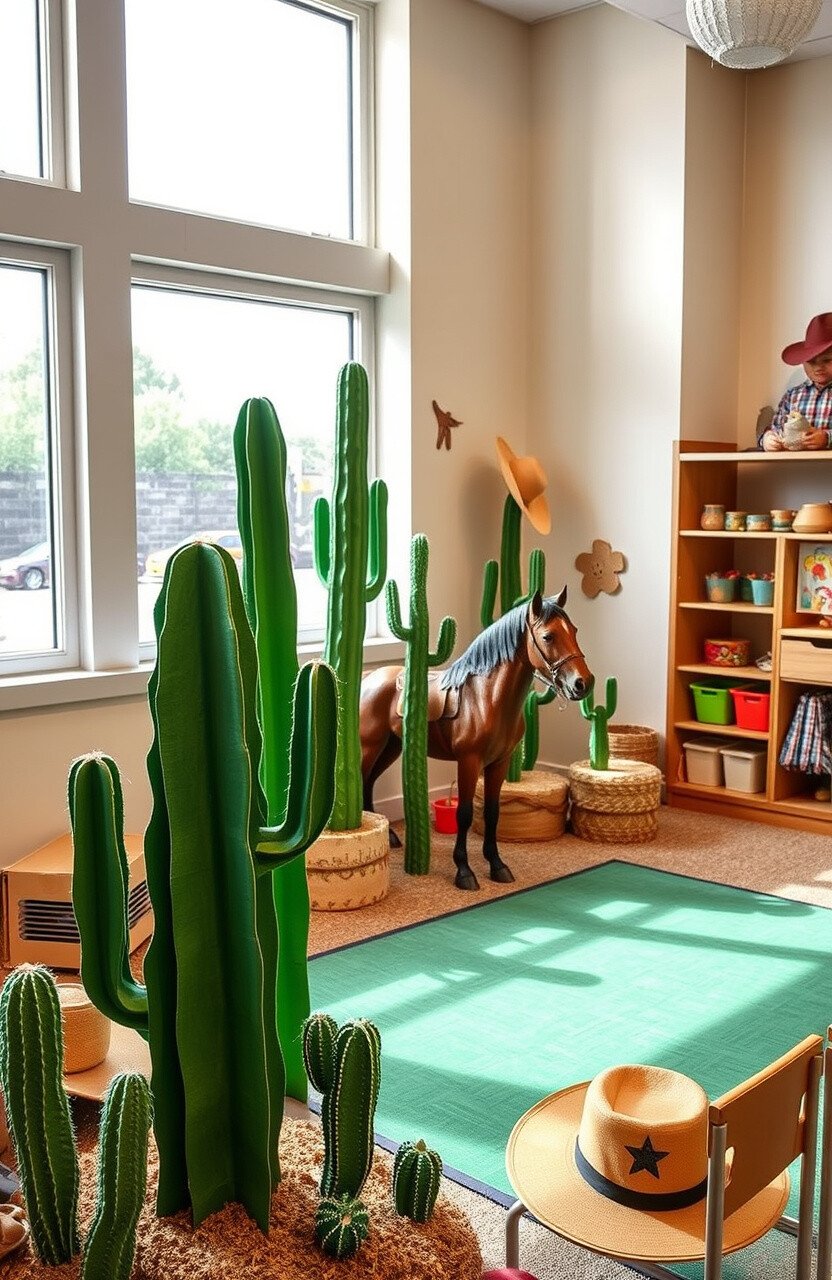
Transform a part of the classroom into a wild west frontier with cacti, horses, and cowboy hats. Kids can explore the old west.
This introduces children to history and adventure. It’s a fun way to learn about the wild west.
Use cardboard and fabric for cacti and horses. These materials are affordable and easy to set up.
Encourage role play with cowboy costumes and scenarios. This personalization makes the frontier feel alive and engaging.
37. Enchanted Forest
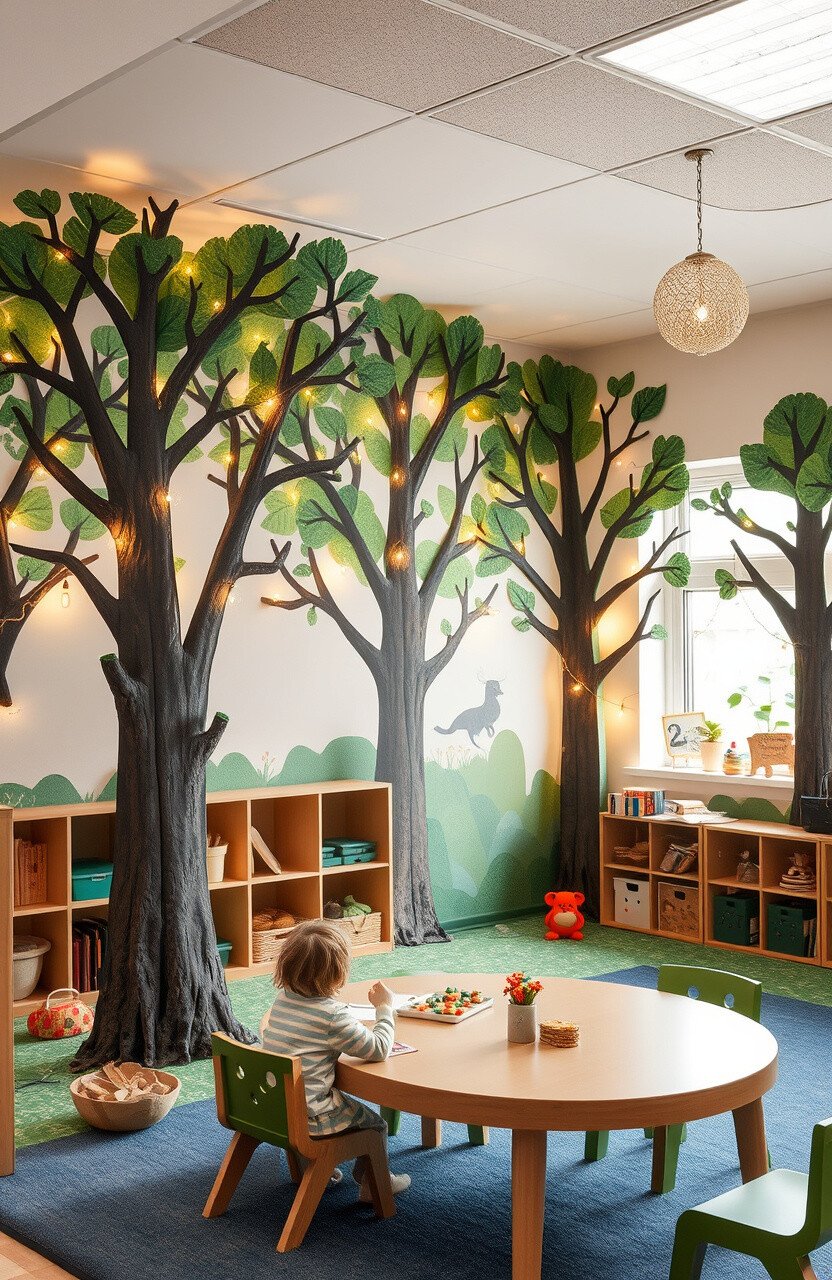
Create an enchanted forest with mythical creatures, trees, and fairy lights. Kids can imagine themselves in a magical world.
This fosters creativity and storytelling. It’s a fun way to learn about nature and imagination.
Use cardboard and fabric for trees and creatures. These materials are budget-friendly and easy to set up.
Encourage kids to create their own enchanted stories. This personalization makes the forest feel magical and special.
38. Robot Workshop
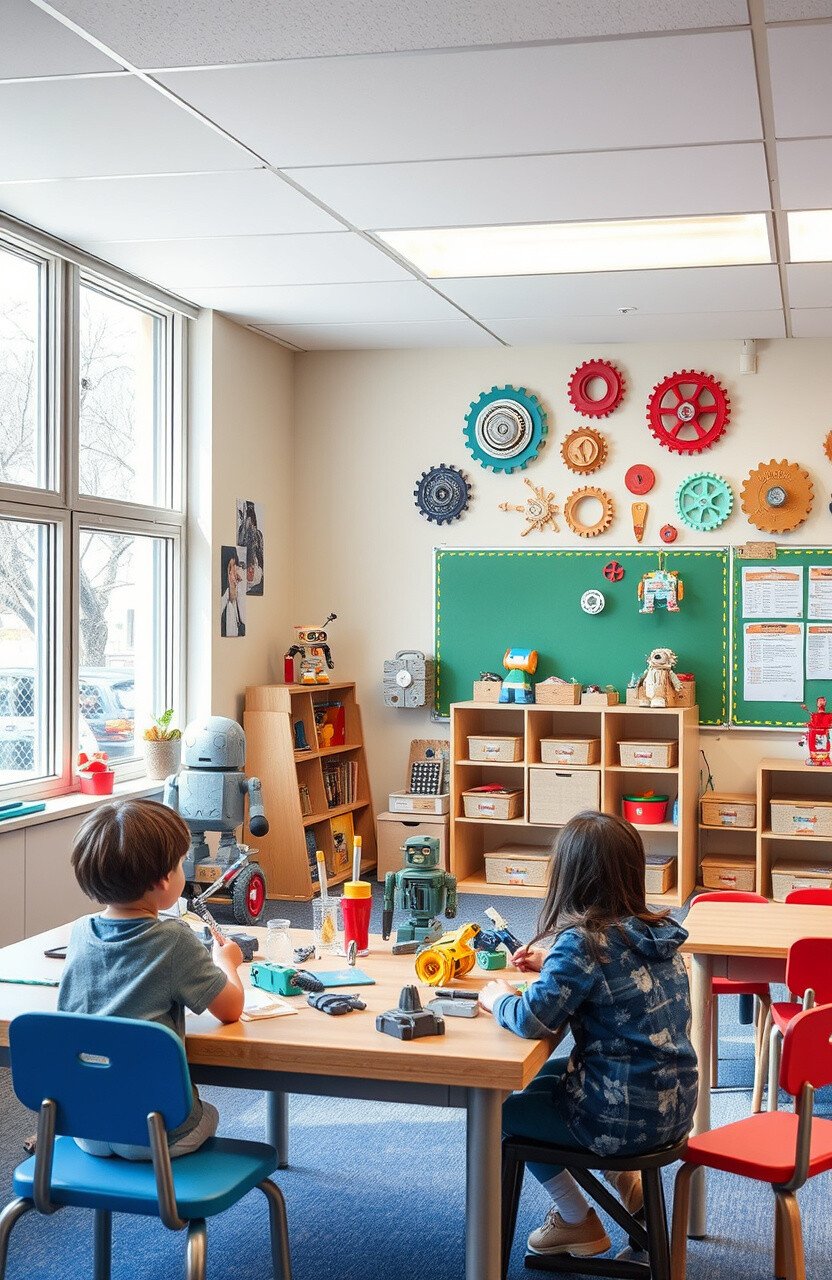
Design a workshop with gears, tools, and robot parts. Kids can build and create their own futuristic machines.
This enhances problem-solving and engineering skills. It’s a hands-on way to learn about robotics.
Use cardboard and fabric for gears and parts. These materials are affordable and easy to assemble.
Encourage kids to create their own robot designs. This personalization makes the workshop feel inventive and special.
39. Desert Oasis
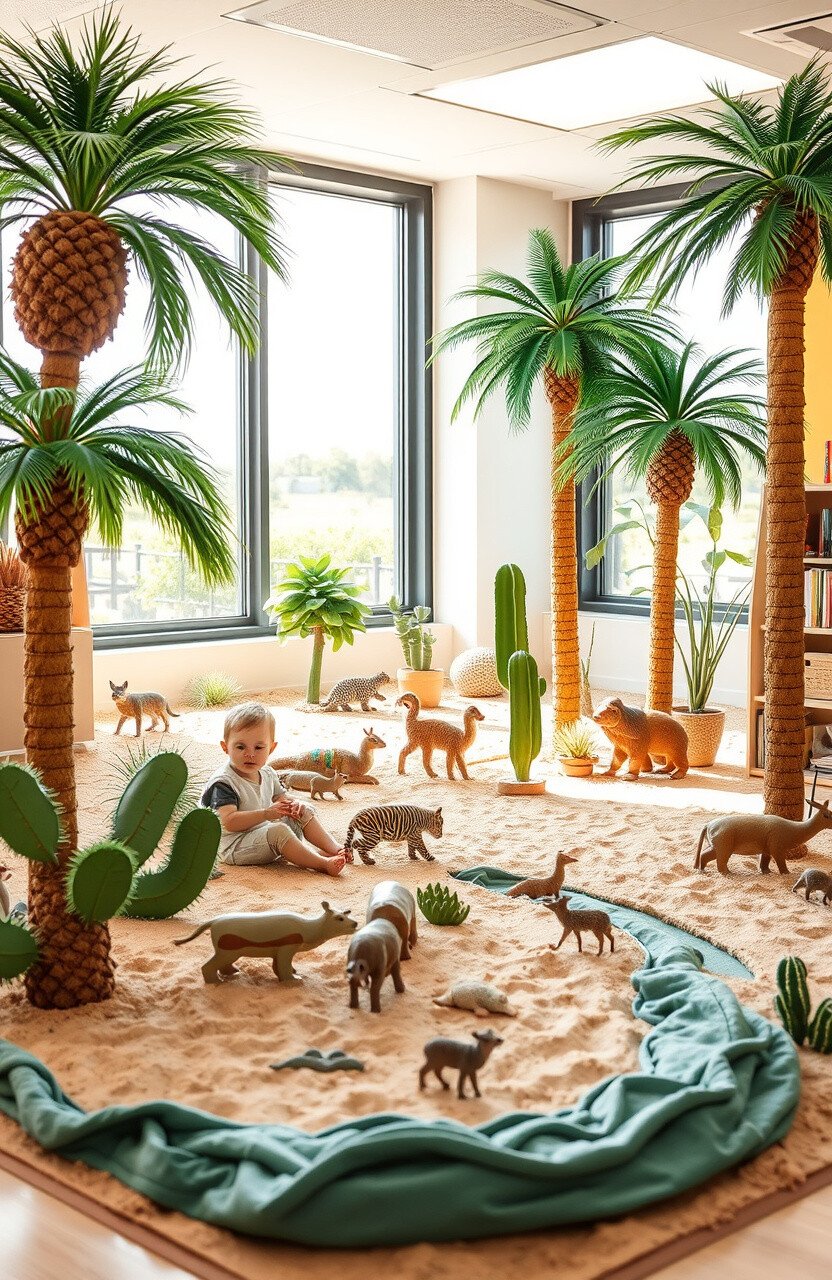
Create an oasis with sand, palm trees, and desert animals. Kids can explore the wonders of the desert environment.
This introduces children to diverse ecosystems and wildlife. It’s a hands-on way to learn about the desert.
Use cardboard and fabric for sand and trees. These materials are budget-friendly and easy to set up.
Encourage kids to create their own desert stories. This personalization makes the oasis feel vivid and engaging.
40. Medieval Castle
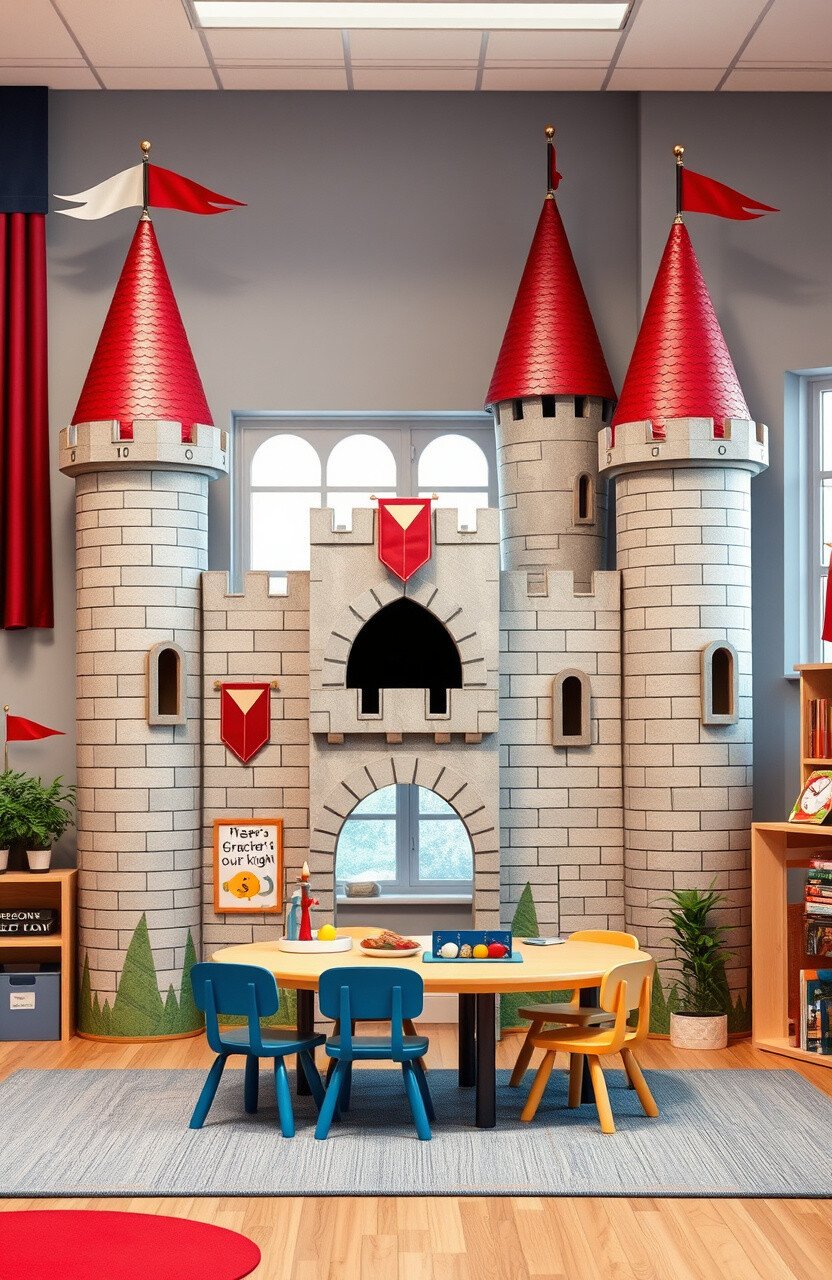
Design a medieval castle with turrets, banners, and royal decor. Kids can feel like kings and queens in their own kingdom.
This sparks creativity and imagination, allowing for endless role play. It’s a fun way to learn about history and royalty.
Use cardboard and fabric to construct the castle. These materials are budget-friendly and easy to assemble.
Encourage kids to create their own royal stories. This personalization makes the castle even more special.
41. Arctic Adventure

Create an arctic-themed area with icebergs, polar animals, and snowflakes. Kids can imagine themselves in a winter wonderland.
This fosters curiosity about cold climates and wildlife. It’s a fun way to learn about the arctic.
Use cardboard and fabric for icebergs and animals. These materials are budget-friendly and easy to set up.
Encourage kids to create their own arctic stories. This personalization makes the adventure feel frosty and special.
42. Ancient Egypt
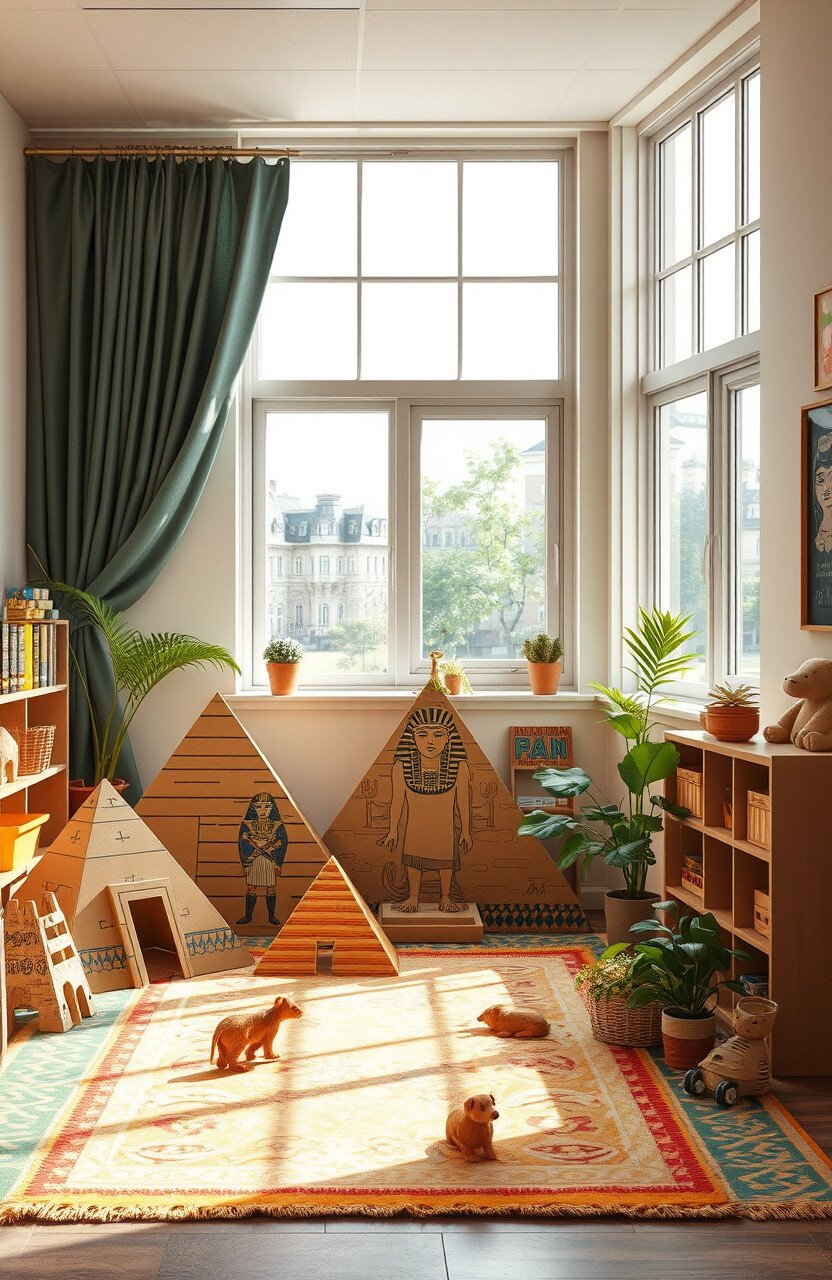
Design a corner that resembles ancient Egypt with pyramids, pharaohs, and hieroglyphics. Kids can explore the wonders of the past.
This introduces children to history and archaeology. It’s a hands-on way to learn about ancient civilizations.
Use cardboard and fabric for pyramids and decor. These materials are affordable and easy to set up.
Encourage kids to create their own Egyptian stories. This personalization makes the experience educational and engaging.
43. Galactic Quest
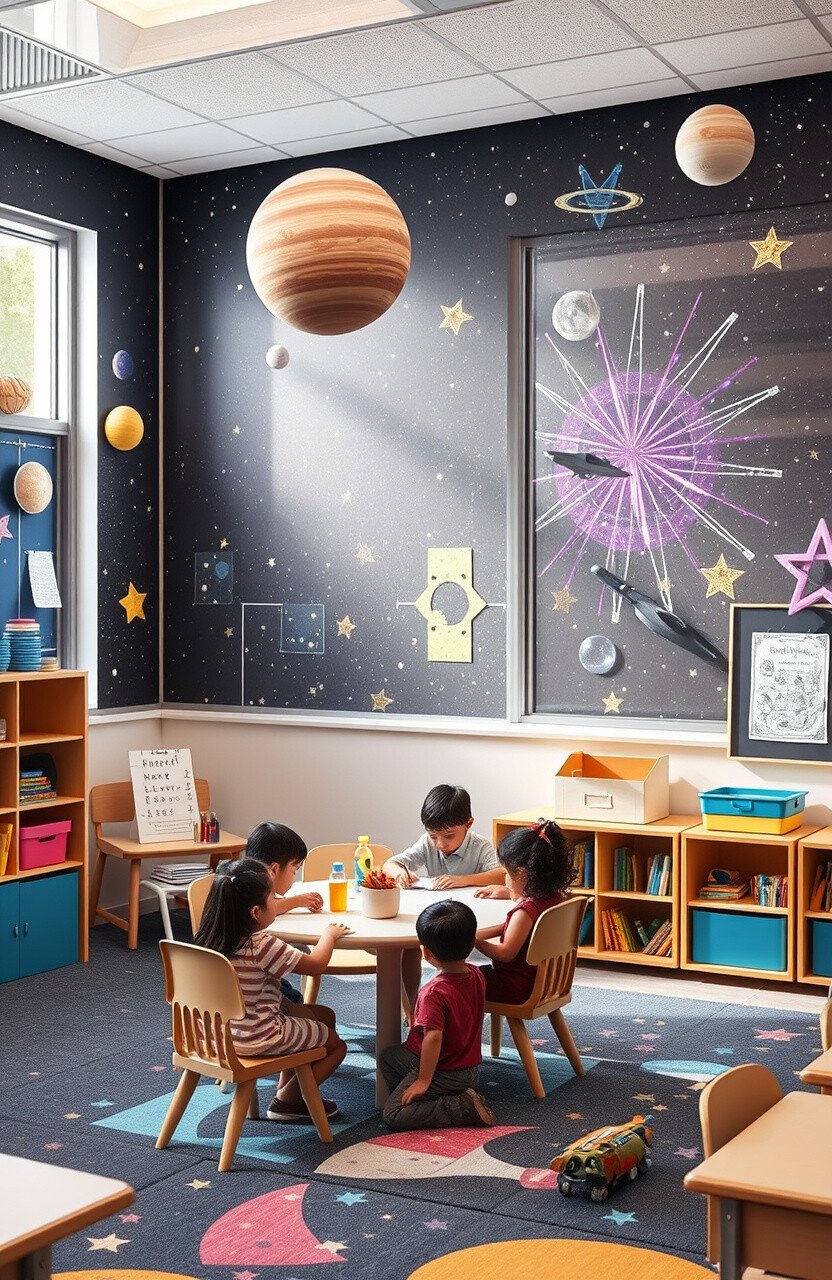
Transform a part of the classroom into a galactic quest with planets, stars, and spaceships. Kids can embark on cosmic adventures.
This encourages curiosity about the universe and exploration. It’s a fun way to learn about space and astronomy.
Use cardboard and fabric for planets and spaceships. These materials are affordable and easy to assemble.
Encourage kids to create their own galactic stories. This personalization makes the quest feel vast and exciting.