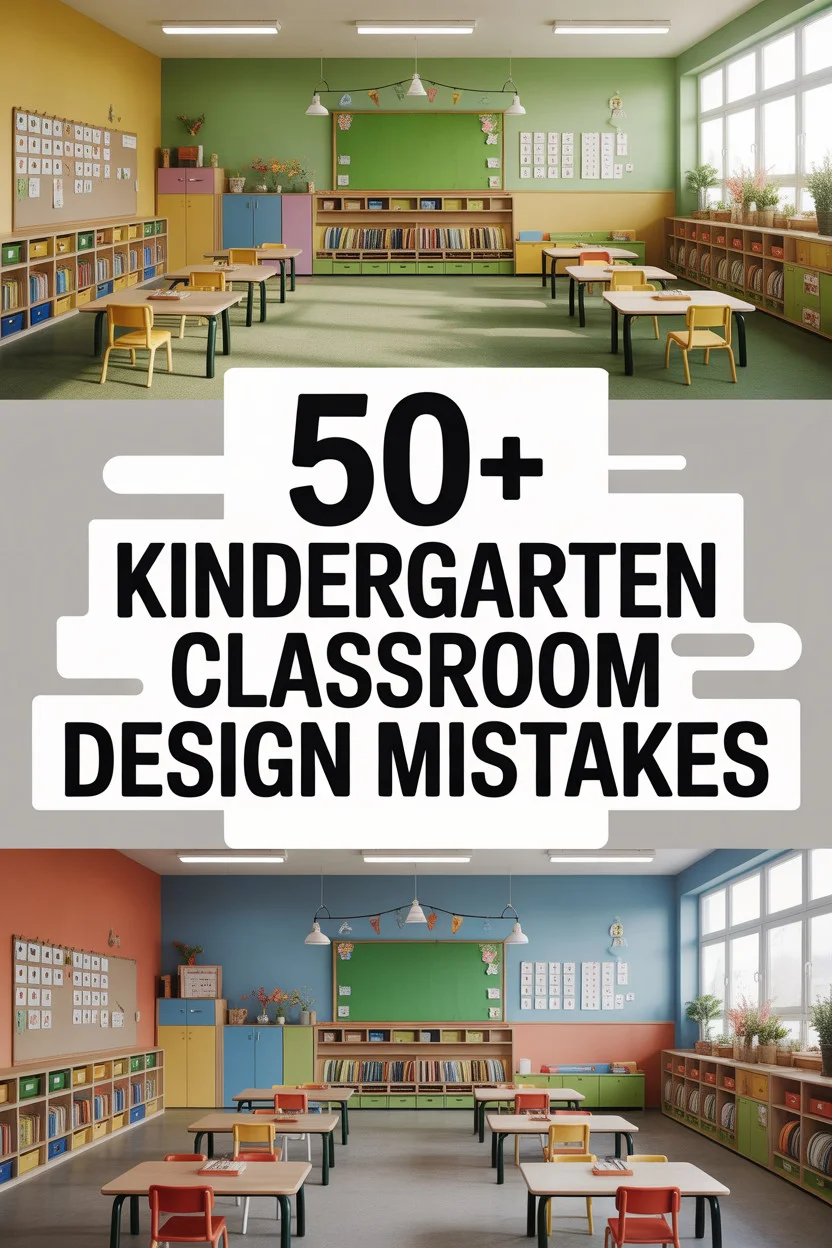
Designing a kindergarten classroom is like crafting a magical world where young minds can flourish. But sometimes, even well-intentioned decisions can lead to less-than-ideal environments. Let’s delve into common pitfalls that could hinder the magic from happening.
1. Overcrowding with Furniture
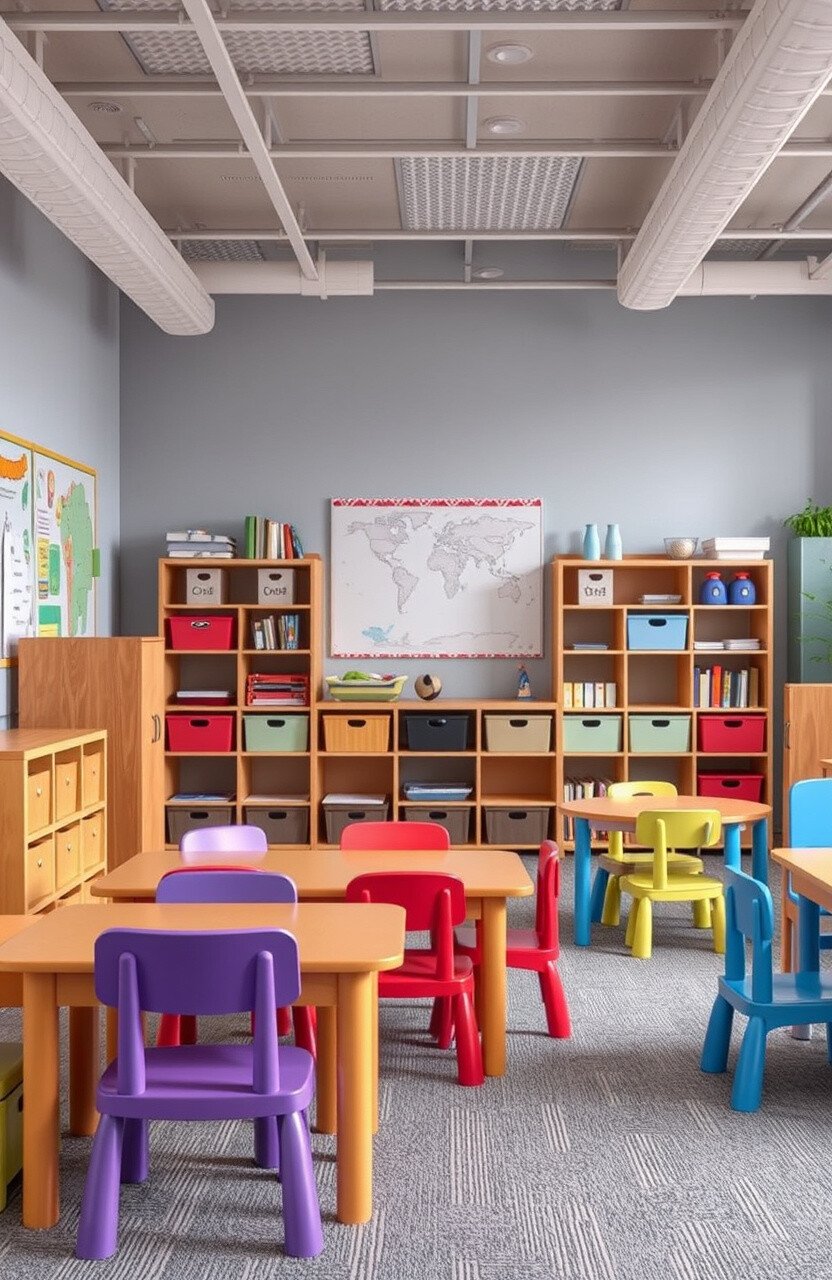
Too much furniture can make a classroom feel cramped and overwhelming. It limits movement, leaving little space for children to play and learn freely.
Think about the benefits of a spacious room where kids can explore. Unique spaces encourage creativity and collaboration among young learners.
Try removing unnecessary pieces to see the difference it makes. Modern trends lean towards minimalism, focusing on quality over quantity.
You can personalize it by selecting multifunctional furniture. This choice not only saves costs but also enhances the room’s functionality.
2. Ignoring Color Psychology
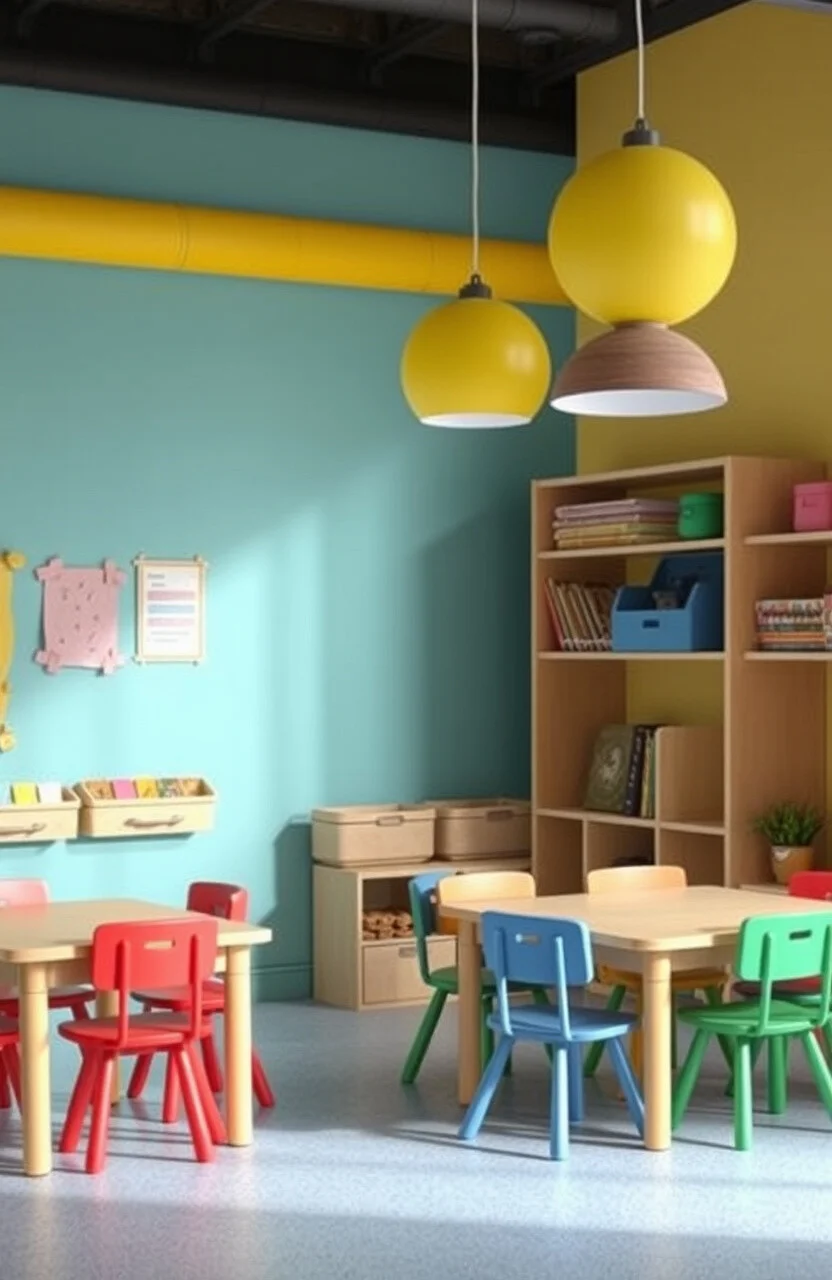
Colors can greatly affect moods and behaviors. A classroom with harsh colors might feel chaotic or stressful to children.
Imagine a soft, calming color palette that nurtures concentration and calmness. Colors like light blue or green can make a big impact.
Consider introducing calming colors on walls and furniture. This aligns with trends favoring soothing, neutral tones in learning environments.
Personalize with vibrant splashes through art or accessories. This approach is cost-effective and keeps the room lively yet serene.
3. Neglecting Natural Light
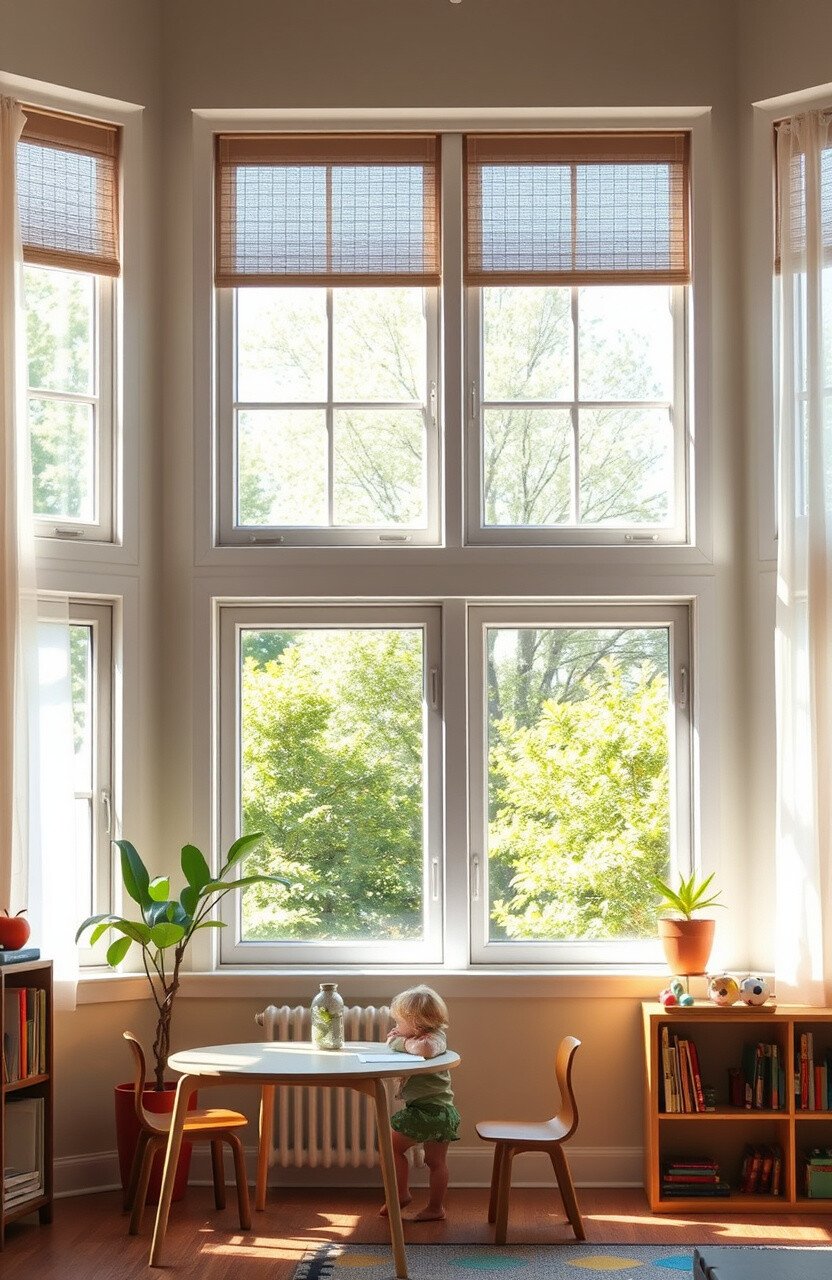
Blocking windows with heavy curtains or furniture reduces natural light. It makes the room feel dim and less inviting.
Natural light boosts mood and energy, which is vital for young learners. A bright space encourages enthusiasm and engagement.
Open up the windows and use sheer curtains to let the light in. Current trends embrace biophilic design, connecting interiors with nature.
Adding mirrors can amplify natural light, personalizing the space beautifully. This is a budget-friendly way to enhance brightness.
4. Skipping Storage Solutions
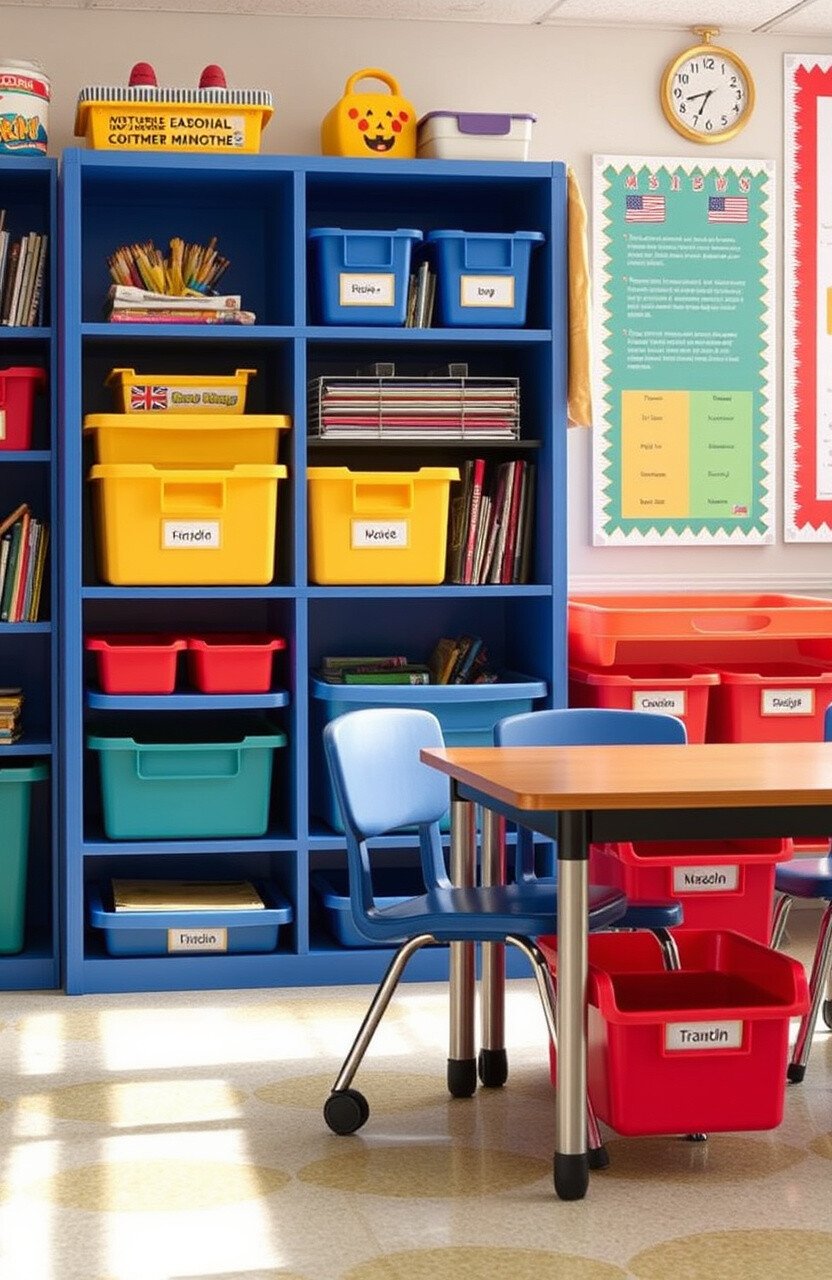
Without proper storage, classrooms can quickly become cluttered. Chaos can hinder both teaching and learning experiences.
Effective storage keeps supplies organized, making it easier for kids to access what they need. It fosters independence and responsibility.
Consider using labeled bins or shelves at children’s height. Look for innovative trends like modular storage that adapts to changing needs.
Personalize storage with colorful labels and designs. This simple touch is both affordable and fun, involving kids in the organization process.
5. Overlooking Acoustics
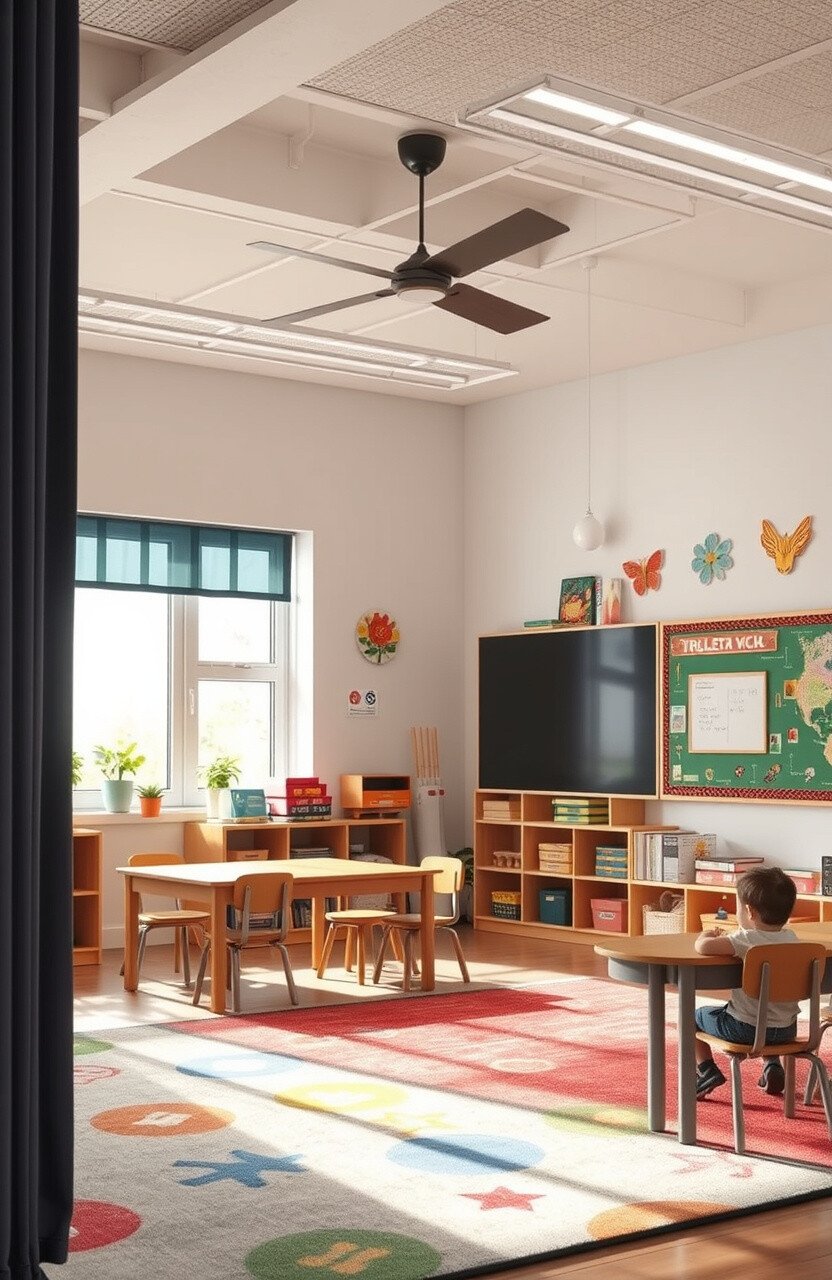
Hard surfaces can create echoes, making it hard for kids to hear and concentrate. A noisy environment can easily lead to distractions.
Improving acoustics ensures clear communication, fostering better learning. It enhances focus and reduces teacher and student fatigue.
Incorporate soft materials like rugs and curtains to absorb sound. The trend leans towards creating intimate spaces that feel cozy and quiet.
Personalize with themed rugs or wall hangings that absorb sound. These are often budget-friendly and add charm to the room.
6. Using Complex Furniture
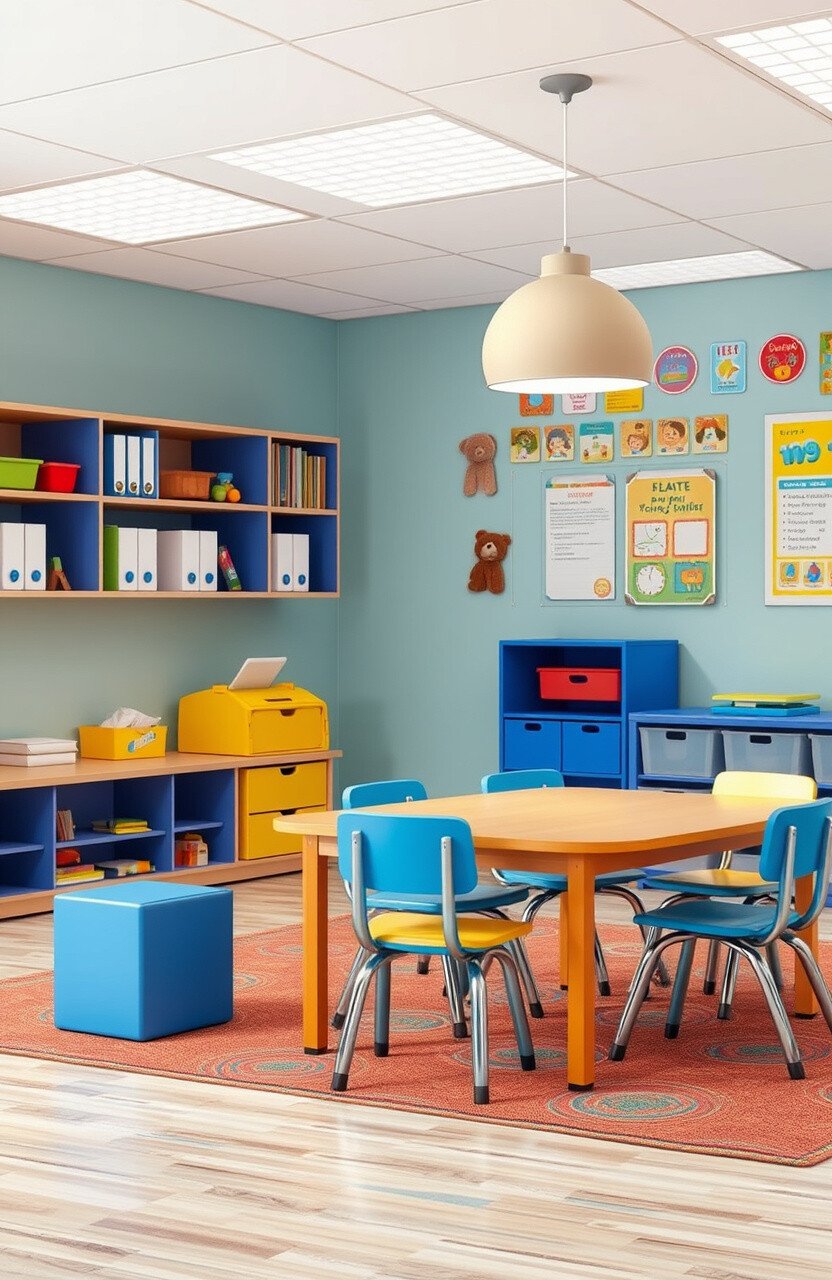
Complicated furniture might look cool, but it can be challenging for little ones to use. It might also consume more space than necessary.
Simple, kid-friendly furniture boosts usability and safety. The right pieces encourage independence and confidence in children.
Choose furniture that’s easy for kids to manage on their own. Look for current trends that emphasize simplicity and ergonomic design.
Personalize by choosing colors or patterns that excite children. Opt for durable materials that offer longevity and cost savings.
7. Forgetting to Create Zones
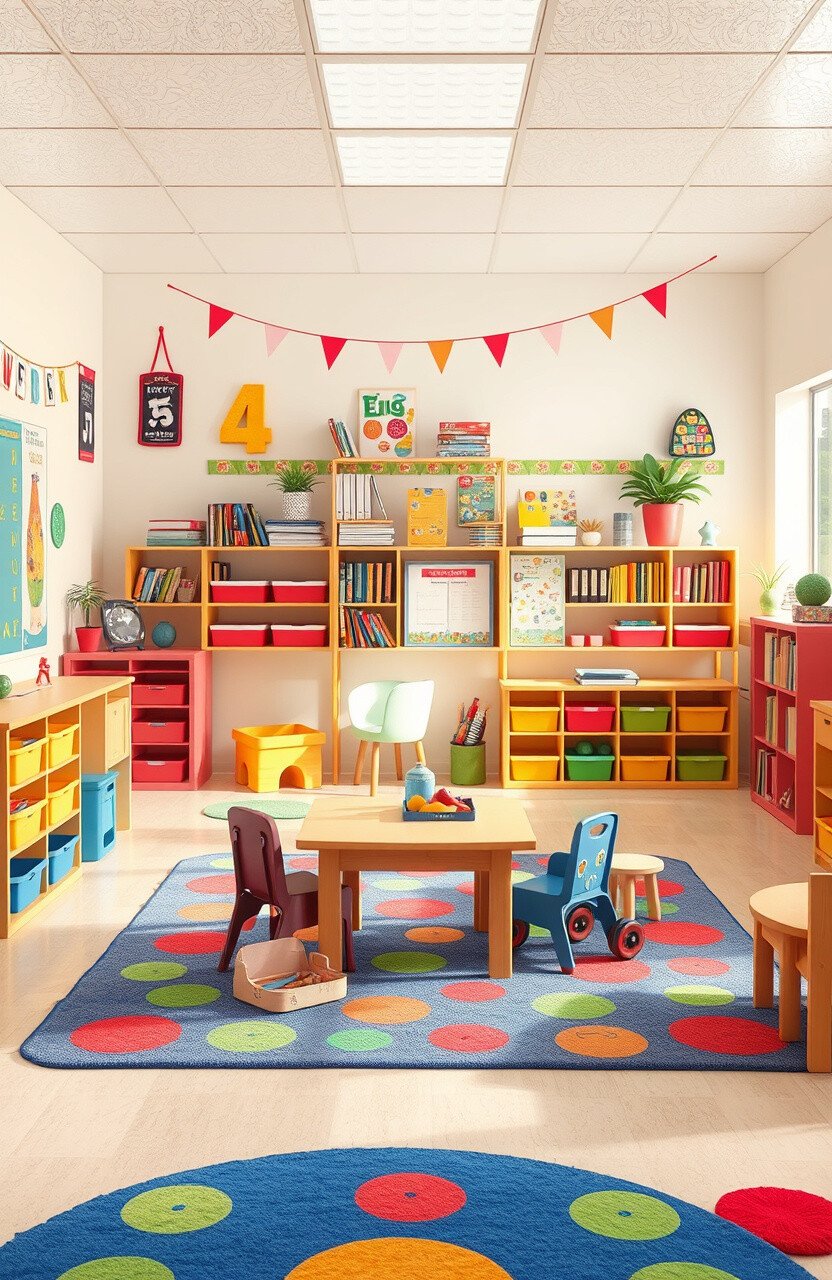
A single open space can be overwhelming and confusing for young children. Without distinct zones, activities might blend into chaos.
Designated areas for reading, playing, and learning help structure activities and behavior. It promotes order and clarity in the classroom.
Use rugs or furniture to define different zones clearly. Trendy classrooms often mimic a home-like environment with distinct activity areas.
Personalize zones with thematic decorations and colors. This adds personality and can be done on a budget with DIY projects.
8. Overdecorating
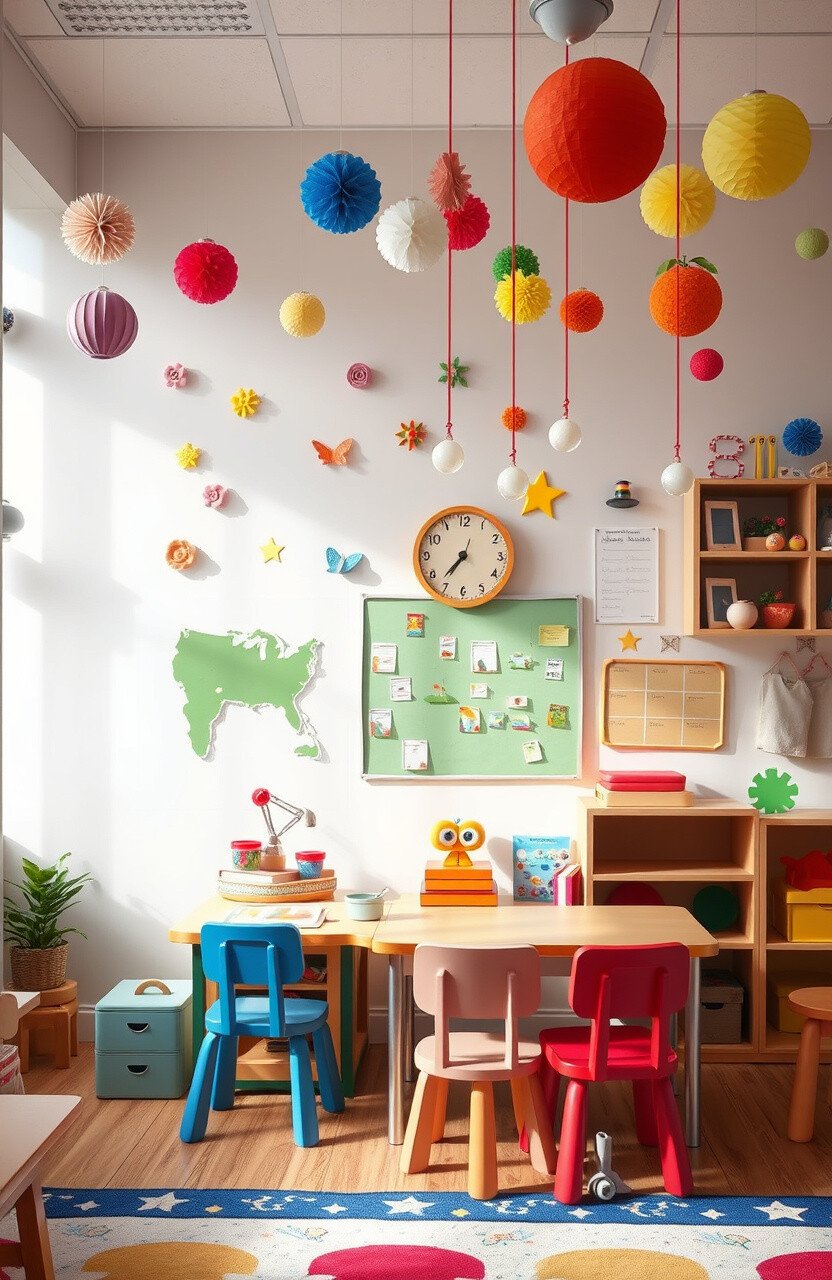
Too many decorations can create visual clutter, overwhelming young minds. It might also make it hard for children to differentiate key learning materials.
A balanced, thoughtfully decorated room enhances focus and learning. Decorations should inspire without distracting from education.
Opt for a few impactful pieces rather than cluttering every surface. Current trends favor clean, simple aesthetics with targeted decor.
Personalize by rotating decorations based on seasons or themes. This keeps the room fresh and interesting without added cost.
9. Ignoring Safety Hazards
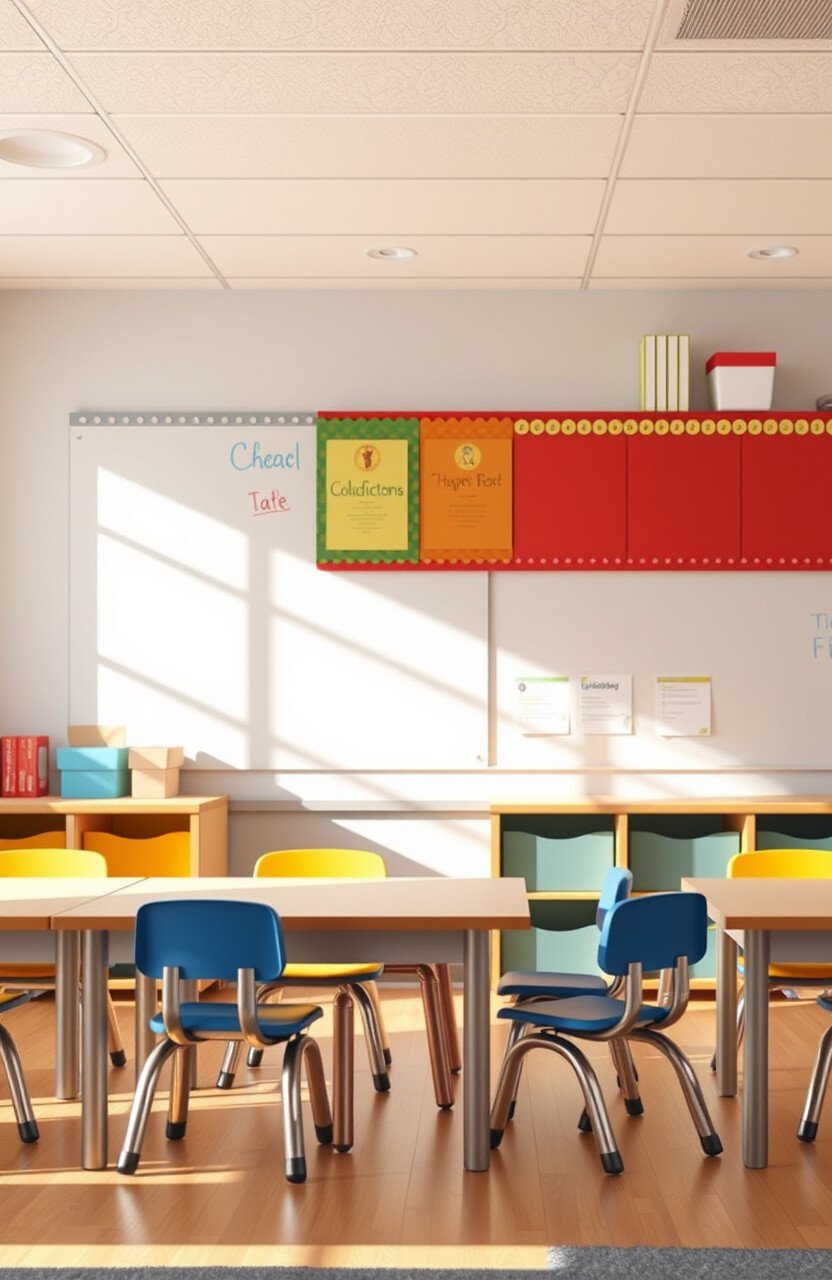
Overlooking sharp edges or unstable items can pose safety risks. These hazards can lead to accidents, disrupting the learning environment.
A safe classroom promotes confidence and security among children and teachers. Ensuring safety is a foundational aspect of effective design.
Regularly assess and update furniture for safety compliance. The trend is moving toward furniture that’s both safe and stylish.
Personalize safety features like corner guards or padding. Many options are budget-friendly and can match the classroom’s theme.
10. Neglecting Cultural Representation
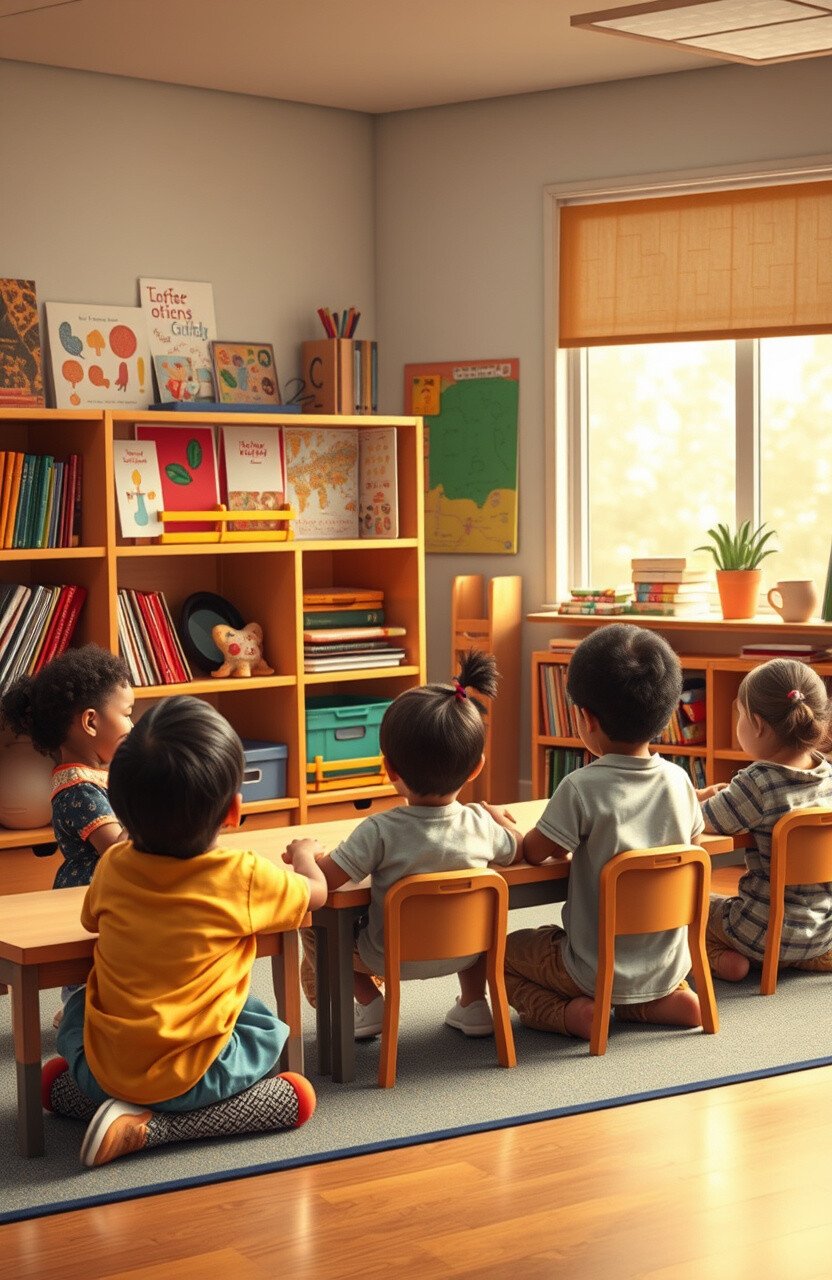
A classroom that lacks cultural representation might make some children feel excluded. It’s important for every child to see themselves reflected in their environment.
Incorporating diverse elements fosters inclusivity and respect. It broadens worldviews and encourages empathy among young learners.
Include books, art, and materials that reflect different cultures. Trends in education emphasize diversity and cultural awareness.
Personalize with multicultural artwork or crafts. These can be homemade, making them a cost-effective addition to the classroom.
11. Not Incorporating Nature
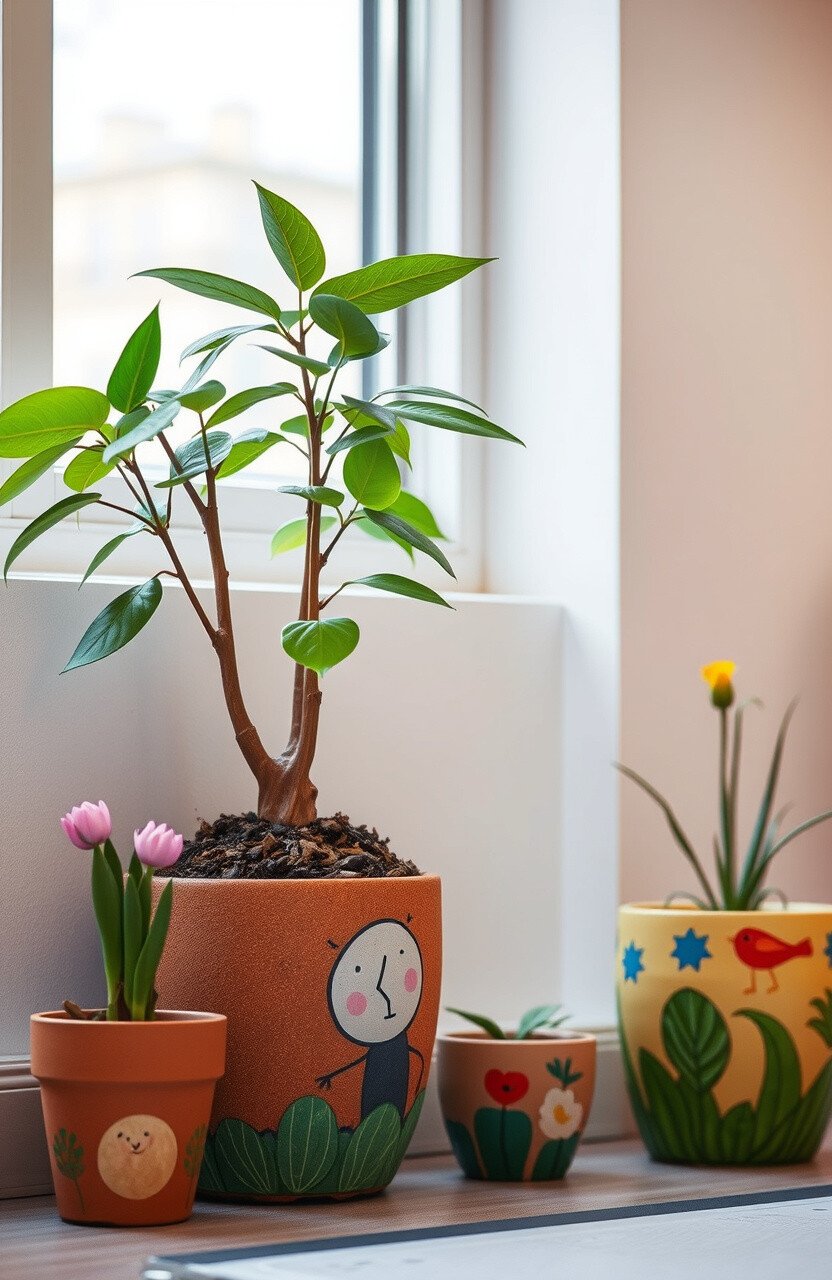
Without nature elements, classrooms might feel sterile and uninspiring. Connection to nature enhances well-being and creativity.
Nature in the classroom can calm and motivate students. It creates a nurturing environment where children thrive.
Add plants or nature-themed decorations to bring the outside in. Biophilic design is a trend that promotes harmony with nature.
Personalize with plant pots decorated by the kids. This is an affordable way to involve them in creating their space.
12. Skipping Interactive Elements
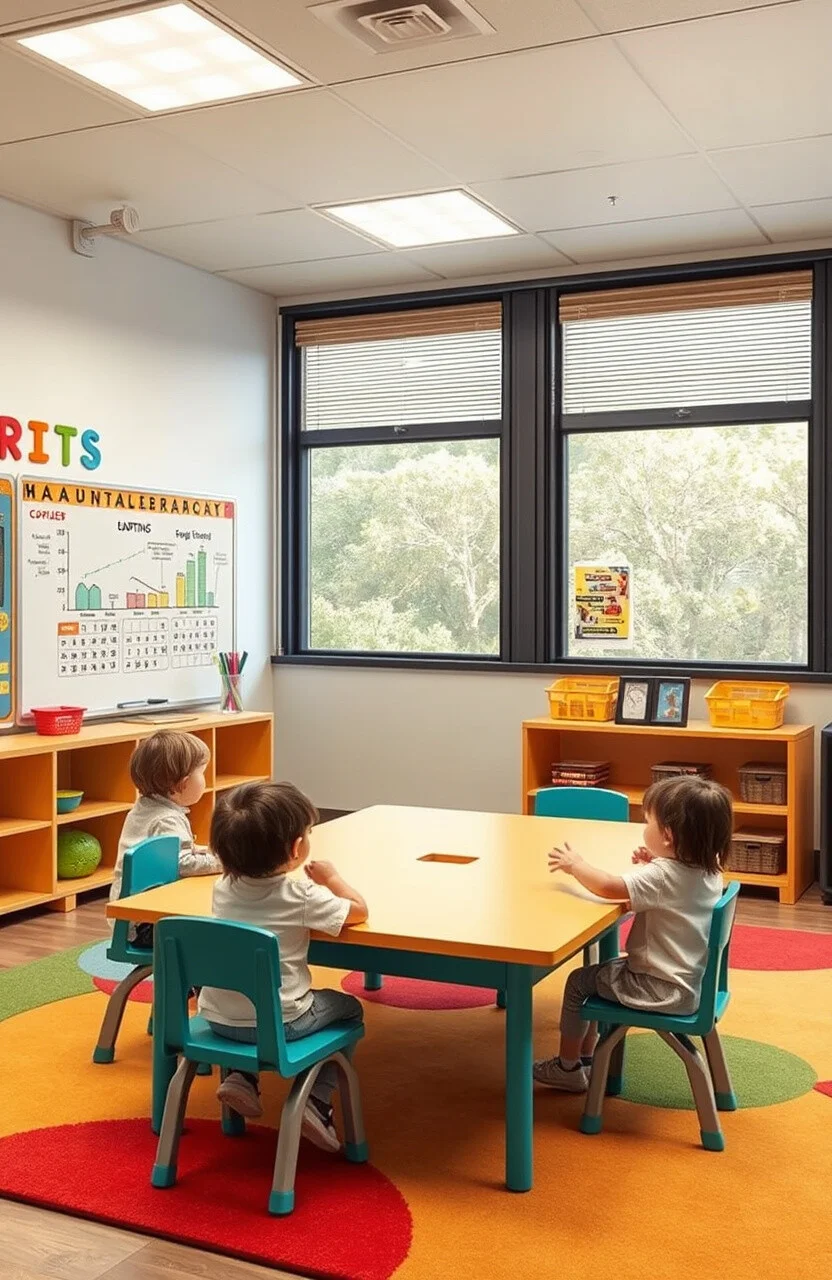
A classroom without interactive elements can become dull and passive. Interactive tools engage children, making learning exciting.
Interactive elements like boards or games stimulate curiosity and learning. They encourage hands-on experiences that children love.
Incorporate interactive walls or stations where kids can explore. Current trends favor learning by doing, especially in early education.
Personalize interactive elements with themes or favorite topics. Many DIY options are available that are both fun and cost-effective.
13. Lack of Personal Touch
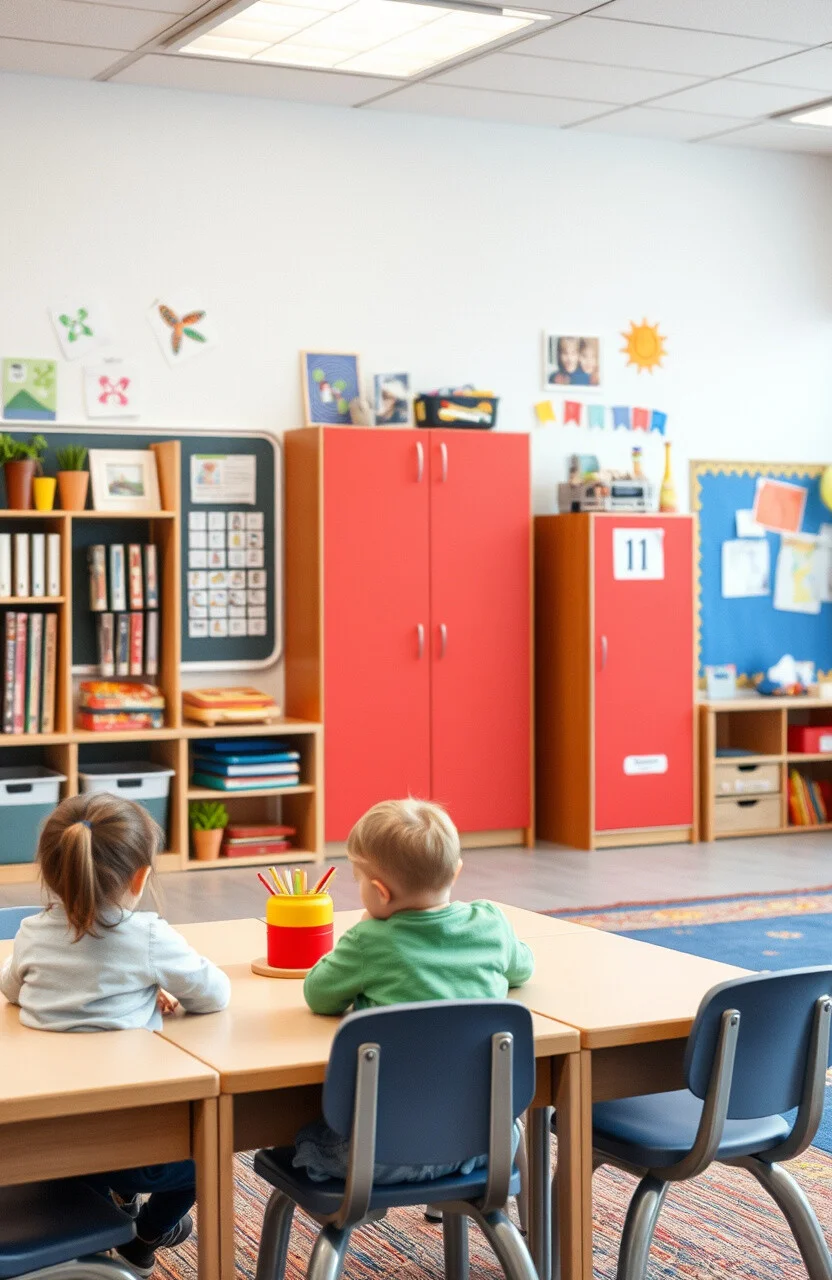
A classroom that feels impersonal might not fully engage children. Personal touches make the environment more welcoming and relatable.
Personalization fosters a sense of ownership and belonging among students. It can make a huge difference in classroom dynamics.
Add personal touches like student artwork or photos. Trends support personalized learning environments tailored to students’ interests.
Personalize by letting kids choose some decor elements. This involvement is inexpensive and makes them feel valued and included.
14. Underutilizing Vertical Space
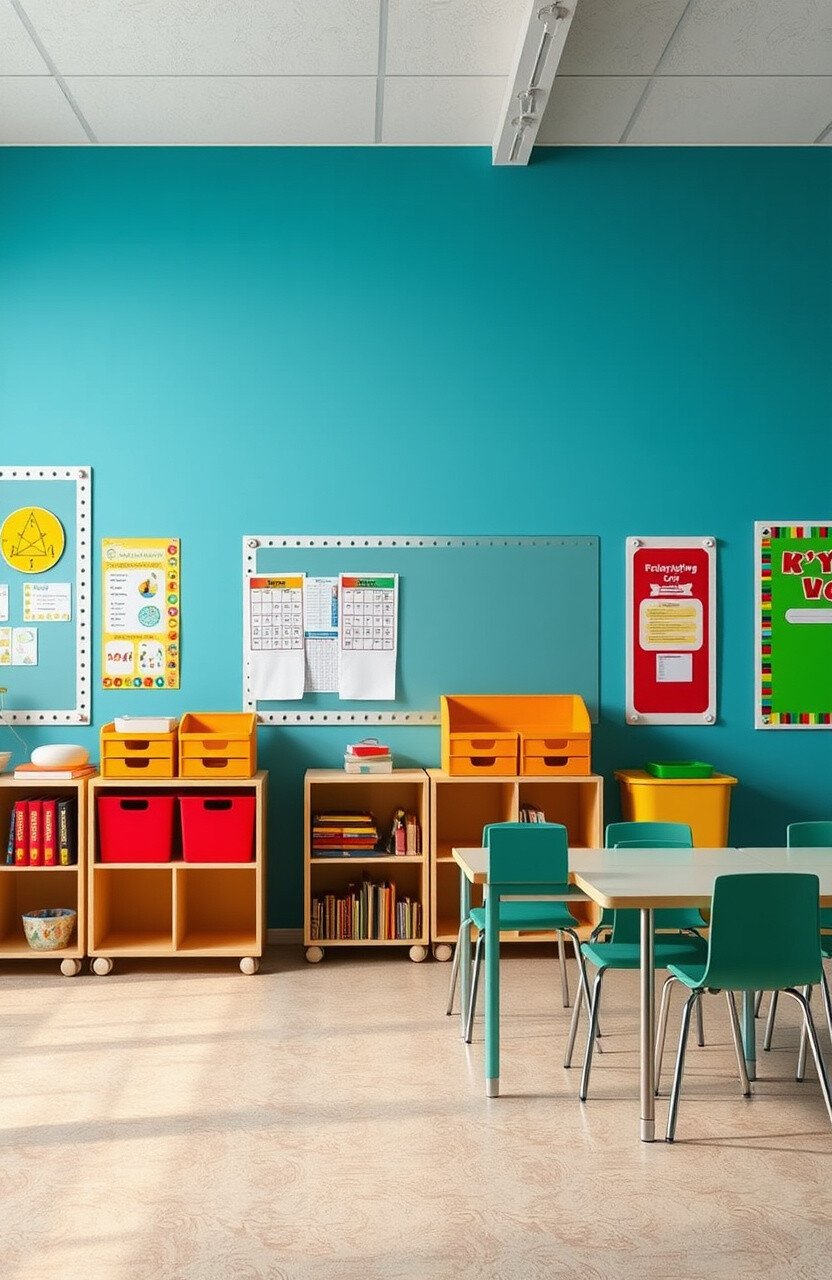
Ignoring walls can waste valuable space in a classroom. Vertical space can be a powerful tool for organization and creativity.
Utilizing walls efficiently can make the room feel larger and more organized. It helps in decluttering and maximizing the available area.
Use wall shelves or hooks for storage and display purposes. The trend is shifting towards functional and visually appealing wall designs.
Personalize vertical spaces with colorful wall art or charts. Many options are budget-friendly and can be updated regularly.
15. Poor Lighting Choices
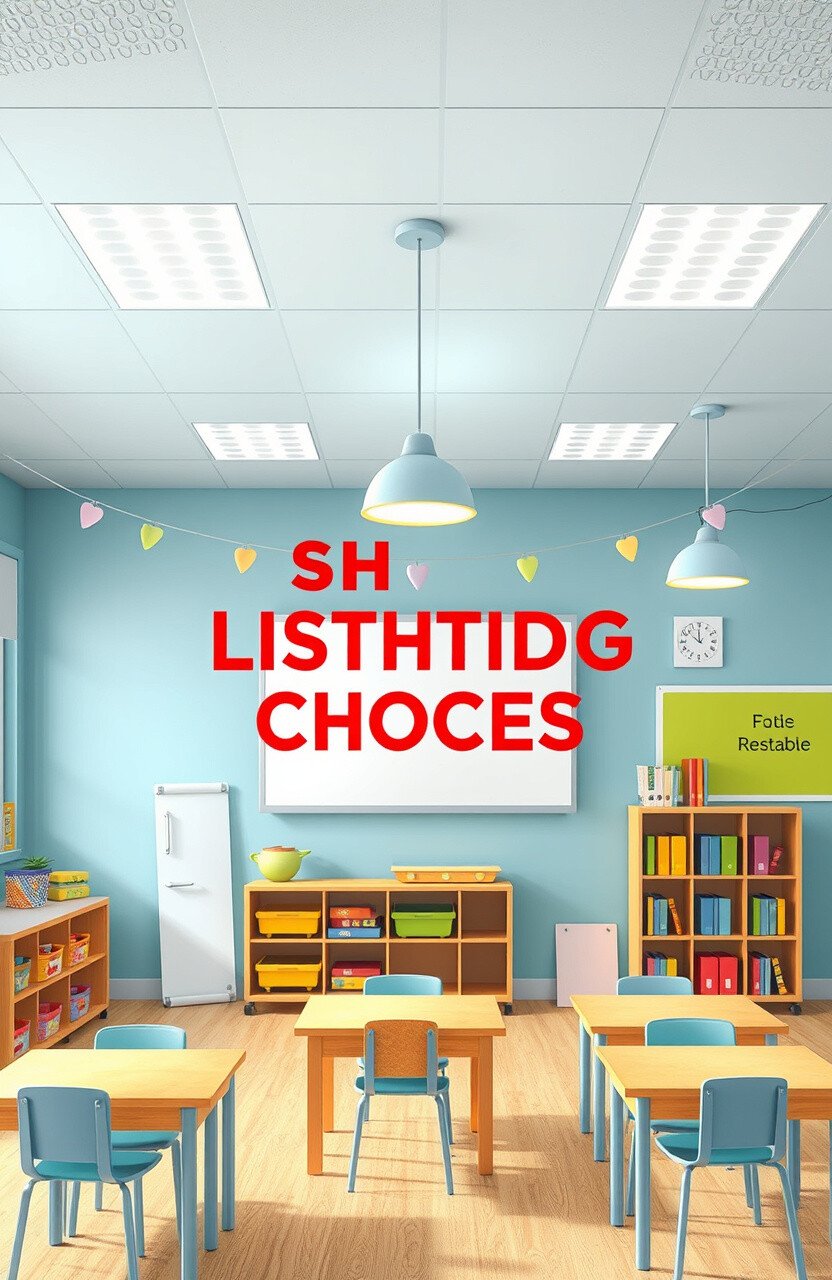
Artificial lighting that’s too harsh or dim can affect mood and focus. The right lighting is crucial for an effective learning environment.
Proper lighting enhances visibility and reduces eye strain for young learners. It sets the tone for an energetic and positive atmosphere.
Choose adjustable lighting options to cater to different activities. Trends are moving towards natural and adjustable lighting solutions.
Personalize lighting with fun lamps or string lights. They’re affordable and can add a whimsical touch to the classroom.
16. Neglecting Technology Integration
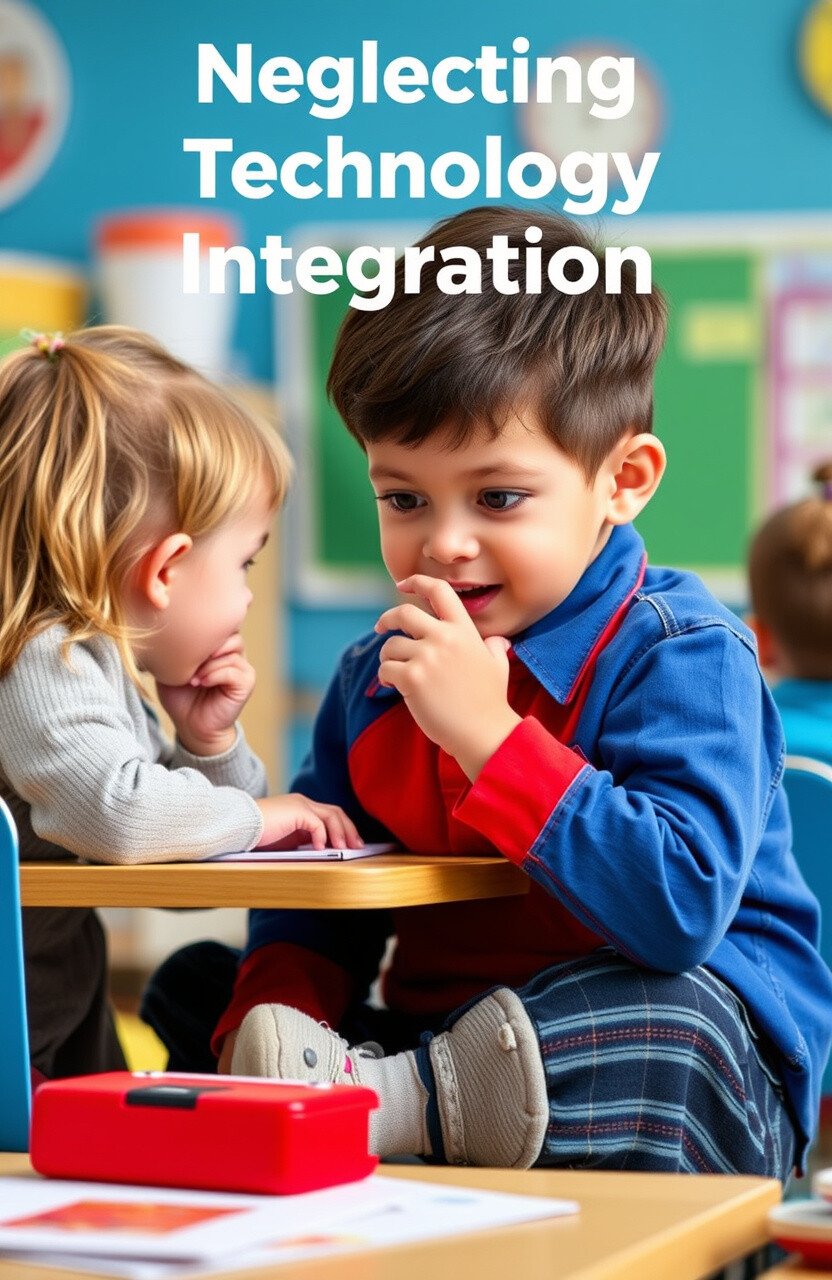
Ignoring technology in the classroom can leave children behind. Technology is a vital tool in modern education, enhancing learning experiences.
Integrating technology prepares students for the future and enriches lessons. It makes learning more interactive and accessible.
Include tablets or smart boards for dynamic teaching. Trends highlight the importance of tech-savvy classrooms in today’s world.
Personalize tech tools with educational apps and games. Many options are free or low-cost, offering diverse learning experiences.
17. Overlooking Flexibility
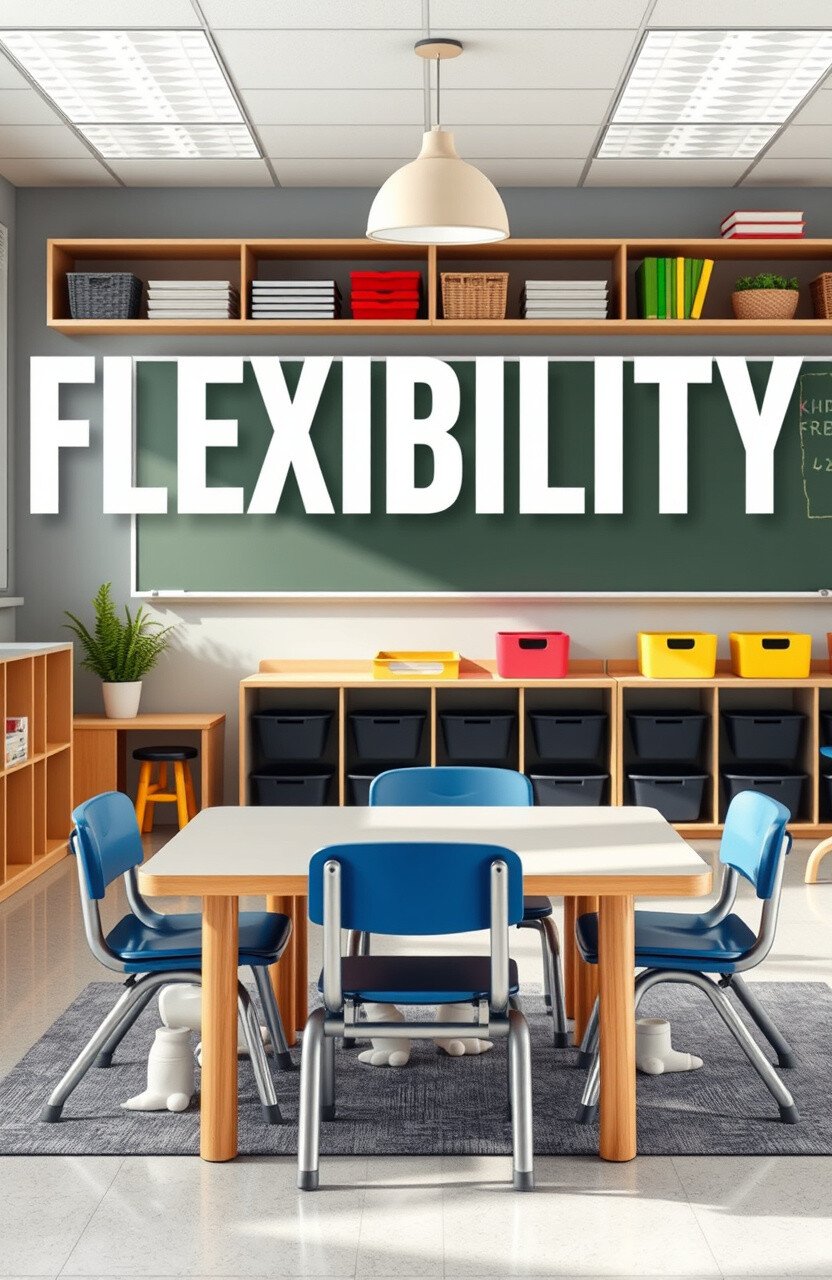
A rigid classroom layout can limit creativity and adaptability. Flexible designs cater to various activities and learning styles.
Flexibility in the classroom encourages movement and dynamic learning. It allows for easy reconfiguration to suit different needs.
Opt for movable furniture and adaptable layouts. Trends in education emphasize the need for versatile learning spaces.
Personalize flexibility with foldable tables or stackable chairs. They’re cost-effective and make the room versatile and engaging.
18. Ignoring Student Input
A classroom designed without student input might miss the mark. Involving students can lead to a more engaging and relevant environment.
Listening to student preferences ensures the space meets their needs. It encourages ownership and pride in their learning space.
Conduct surveys or discussions to gather student ideas. Current trends highlight the importance of student-centered learning environments.
Personalize based on student suggestions, fostering inclusion. This approach is budget-friendly and enhances classroom dynamics.
19. Using Non-Durable Materials
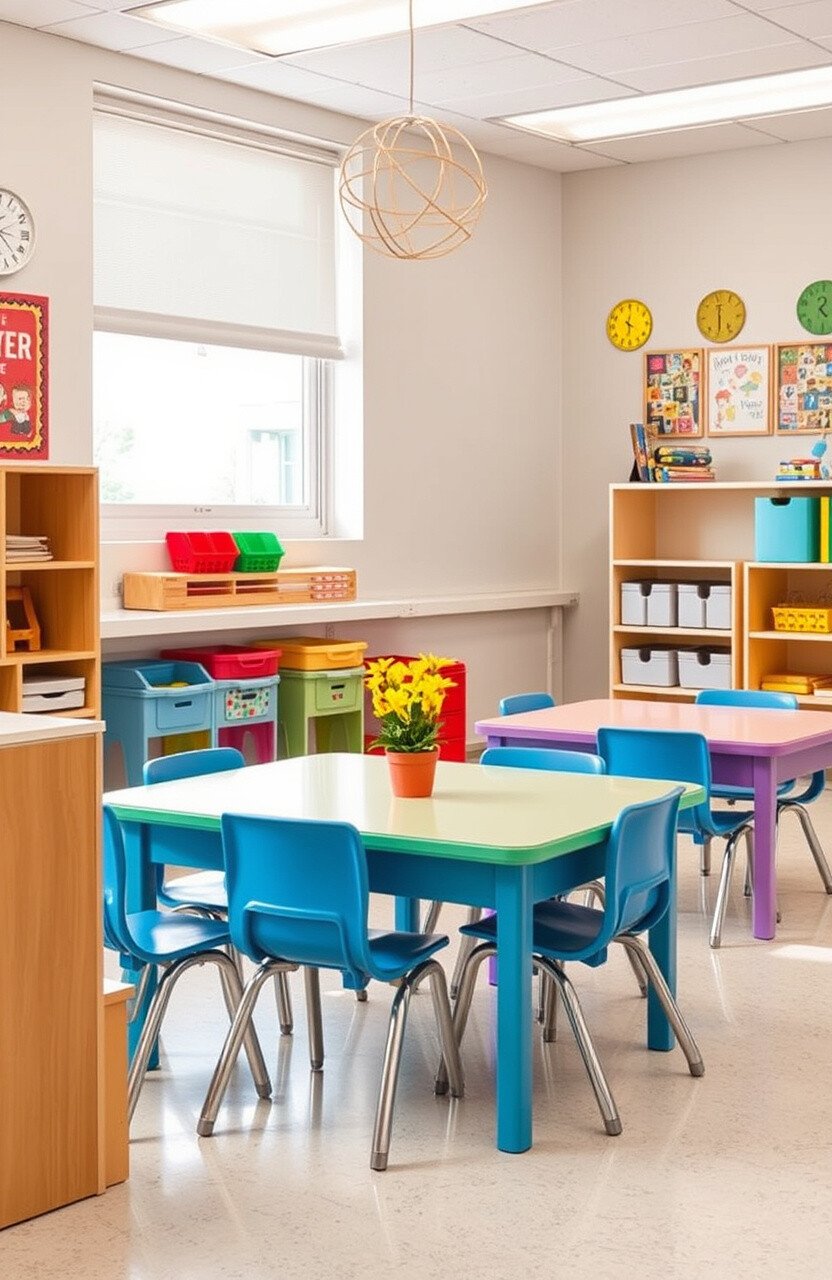
Materials that wear out quickly can be costly and frustrating. Durability is essential for maintaining a functional classroom over time.
Durable materials ensure longevity and reduce replacement costs. They offer stability and reliability in a busy learning environment.
Opt for high-quality, robust materials in furniture and fixtures. Trends favor sustainable and long-lasting products in classroom design.
Personalize with durable yet colorful materials that appeal to kids. Investing in quality can save money in the long run and enhance aesthetics.
20. Lack of Sensory-Friendly Options

Ignoring sensory needs can affect children’s comfort and learning. Sensory-friendly options accommodate diverse needs and preferences.
Sensory-friendly elements create an inclusive and supportive environment. They help all students feel comfortable and engaged.
Include sensory tools like soft cushions or fidget toys. The trend is moving towards classrooms that cater to diverse sensory needs.
Personalize sensory options with varied textures and colors. Many options are affordable and can be tailored to individual preferences.
21. Disregarding Classroom Flow
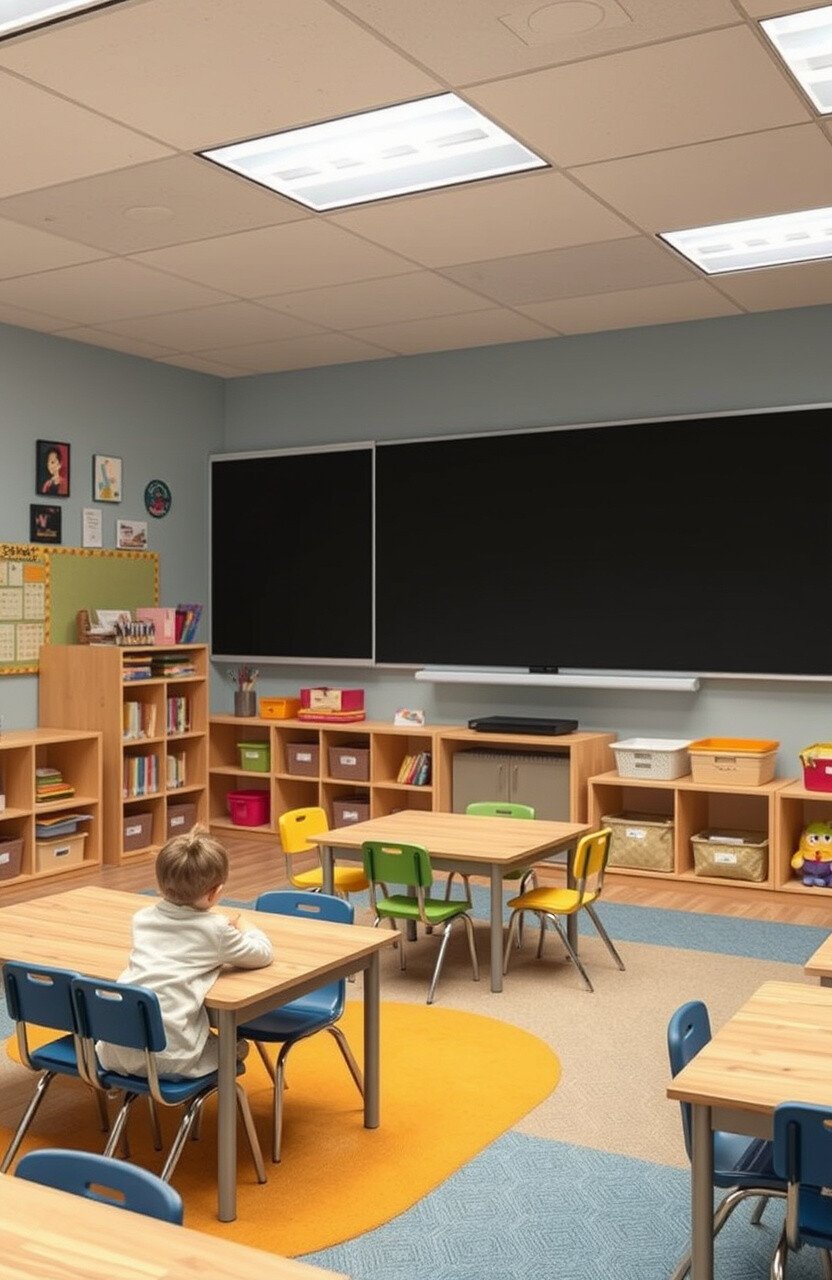
Poor room layout can disrupt the flow of movement and activities. A thoughtful layout enhances accessibility and efficiency.
Effective classroom flow supports seamless transitions and activities. It minimizes disruptions and maximizes learning opportunities.
Plan layouts that facilitate easy movement and interaction. Trends emphasize open, flowing spaces that adapt to various activities.
Personalize flow by arranging furniture to suit specific lesson plans. Flexibility in layout is often cost-effective and enhances functionality.
22. Overlooking Teacher’s Space
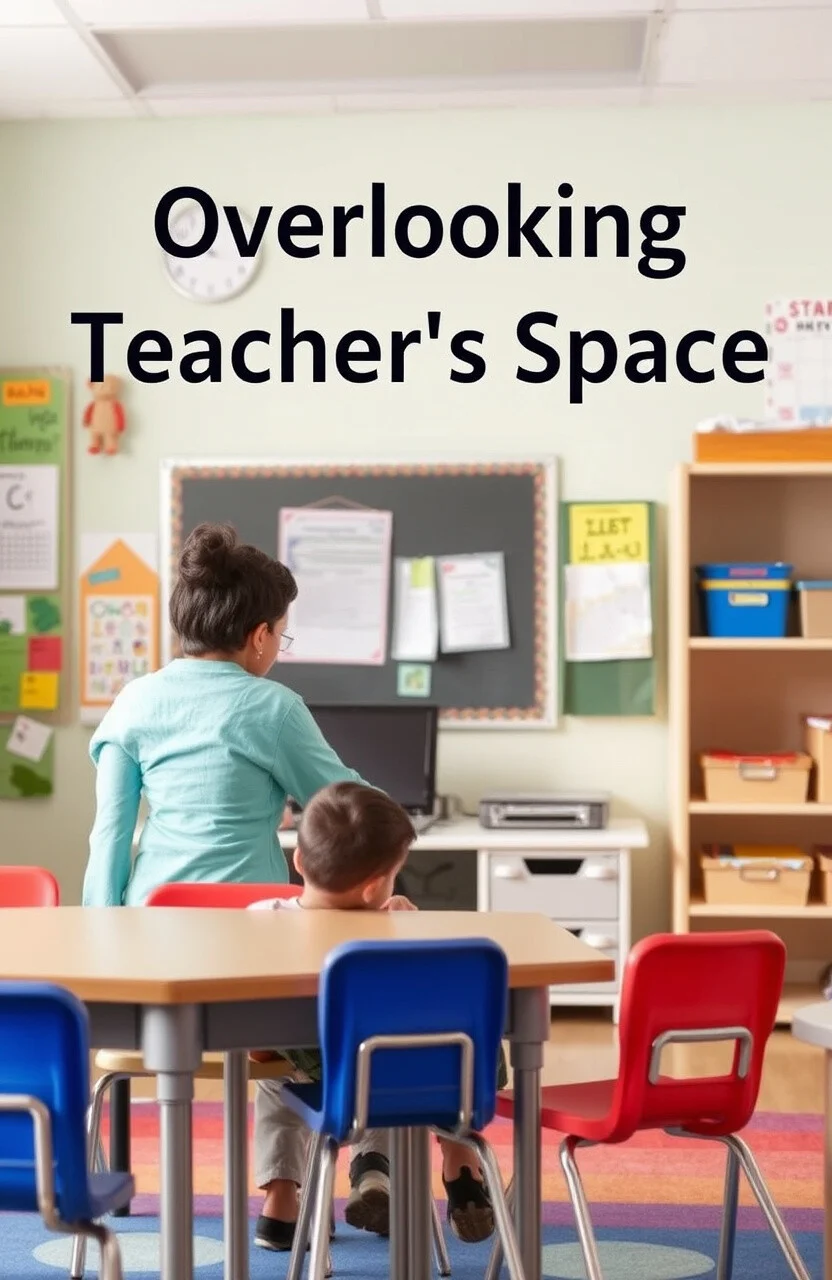
A teacher’s area that’s overlooked can affect classroom dynamics. Teachers need a well-organized space to manage classroom activities.
A dedicated teacher’s space enhances organization and efficiency. It supports effective teaching and classroom management.
Allocate a specific area for the teacher with essential tools. Trends highlight the importance of well-designed teacher workspaces.
Personalize the space with inspiring decor and functional organization. Simple, cost-effective solutions can make a big difference.
23. Not Accommodating Group Activities
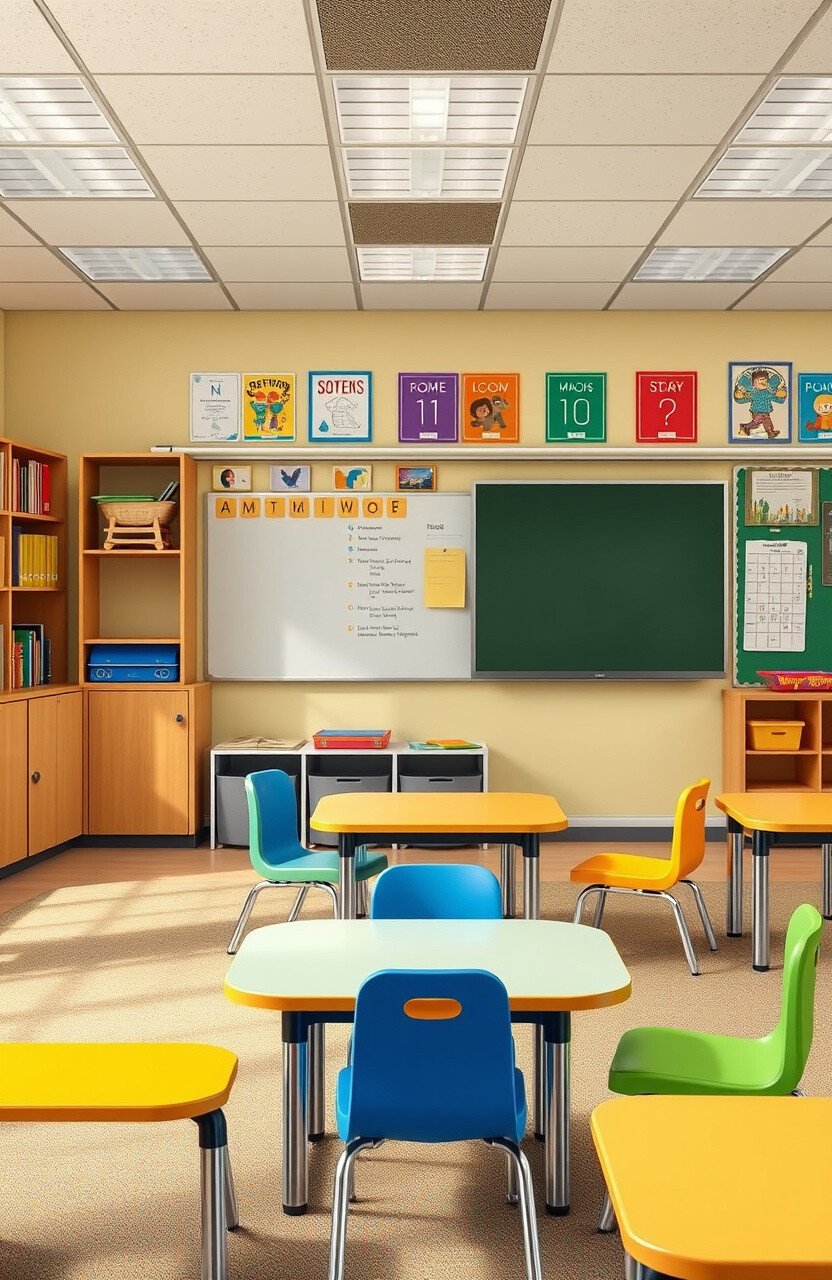
A classroom that doesn’t support group work might limit collaboration. Group activities are vital for social and academic development.
Spaces for group work foster teamwork and communication skills. They provide opportunities for collaborative learning experiences.
Designate areas with flexible seating for group activities. Trends emphasize the importance of collaborative spaces in education.
Personalize group spaces with creative seating arrangements. Many options are cost-friendly and can enhance group dynamics.
24. Disregarding Accessibility
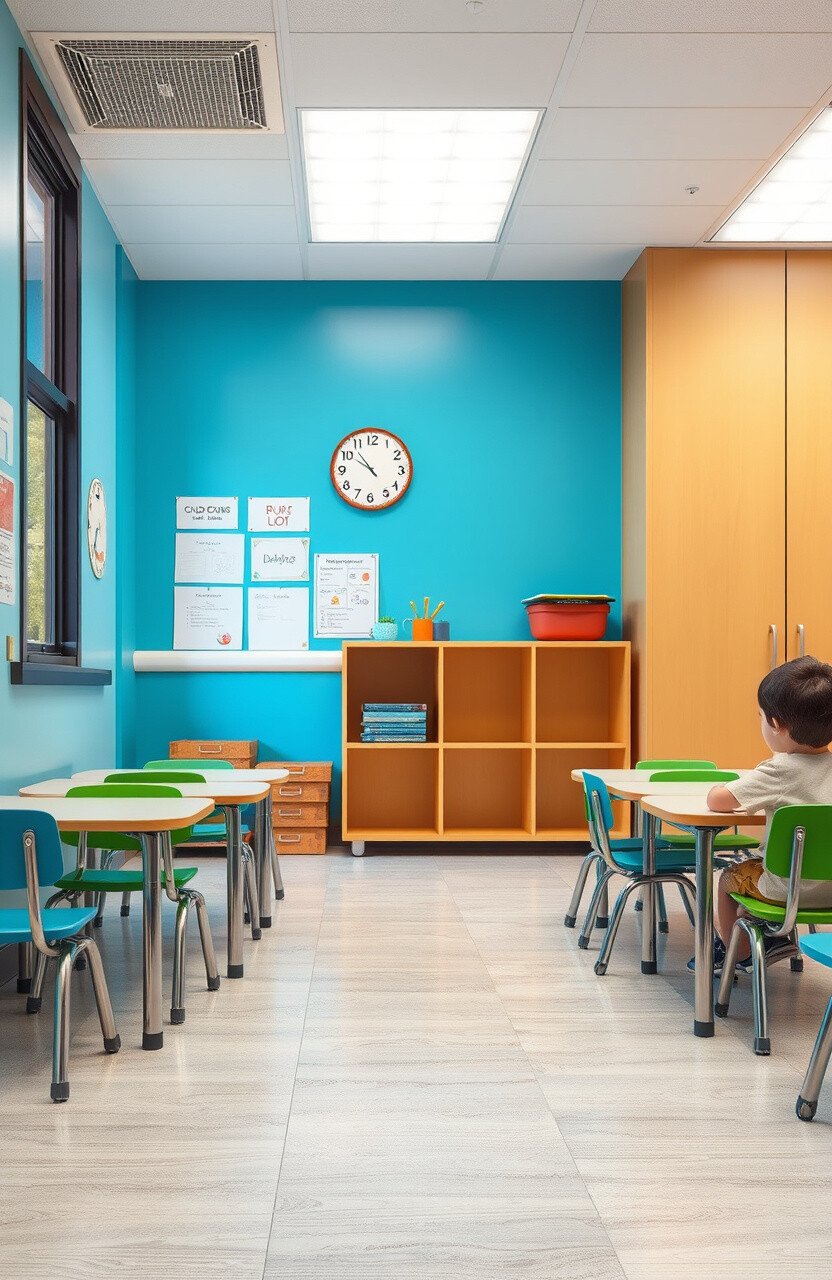
A classroom that’s not accessible can exclude some students. Accessibility ensures every child can participate fully in classroom activities.
Accessible design promotes inclusivity and equality in education. It supports diverse needs and ensures a welcoming environment for all.
Implement wide pathways and adjustable furniture for accessibility. Current trends in education highlight the importance of inclusive design.
Personalize accessibility features to suit diverse needs. Many adjustments are simple and affordable, enhancing overall classroom experience.
25. Lack of Inspirational Elements

A classroom without inspiration can feel dull and uninspiring. Inspirational elements motivate and encourage creativity and learning.
Inspiring decor and messages boost confidence and enthusiasm. They create a positive atmosphere where children feel encouraged to explore.
Include motivational quotes or art to inspire students. Trends favor classrooms that stimulate imagination and positive thinking.
Personalize inspiration with student-created art or messages. This approach is budget-friendly and enhances student engagement.
26. Overlooking Comfort
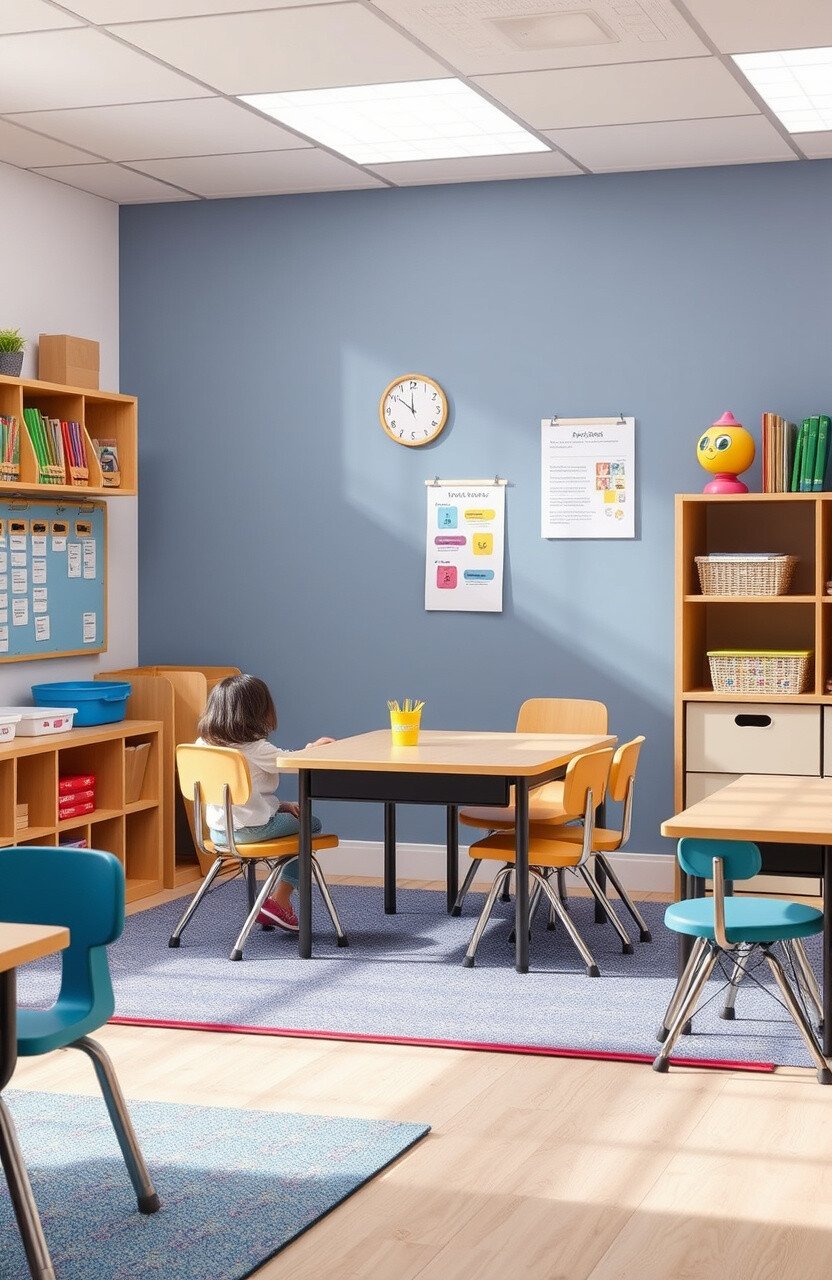
Uncomfortable seating can affect concentration and comfort. Comfortable classrooms support focus and well-being for students and teachers.
Comfortable seating and spaces enhance learning and engagement. They contribute to a welcoming and supportive learning environment.
Choose ergonomic furniture and soft furnishings for comfort. Trends focus on creating classrooms that are both functional and cozy.
Personalize comfort with cushions or cozy corners. These additions are often inexpensive and can significantly enhance the classroom experience.
27. Not Encouraging Student Creativity

A classroom that doesn’t foster creativity might stifle imagination. Encouraging creativity is vital for developing critical thinking and problem-solving skills.
Creative spaces empower students to explore and express ideas. They support diverse learning styles and stimulate intellectual growth.
Incorporate art stations or creative corners for exploration. Trends highlight the importance of creativity in early education settings.
Personalize creativity spaces with tools and materials that inspire. Many creative resources are budget-friendly and foster innovation.
28. Ignoring Routine Maintenance
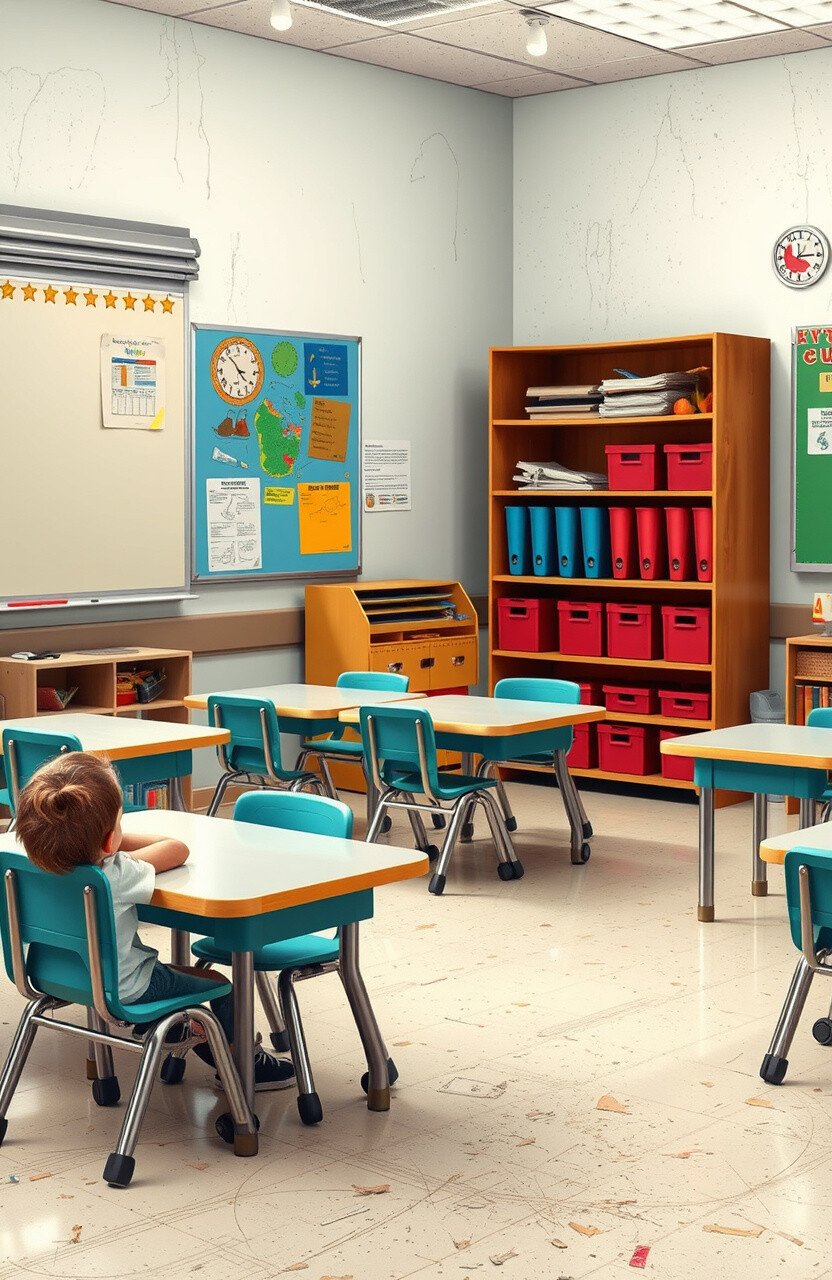
A classroom that isn’t maintained can quickly become worn and uninviting. Regular maintenance ensures a clean and functional space.
Routine upkeep enhances classroom appearance and efficiency. It supports a positive and healthy learning environment for all.
Implement regular cleaning and repair schedules for maintenance. Trends emphasize the importance of well-maintained learning spaces.
Personalize maintenance with student involvement in cleanup activities. This approach is cost-effective and teaches responsibility.
29. Overlooking Flexibility in Learning Styles
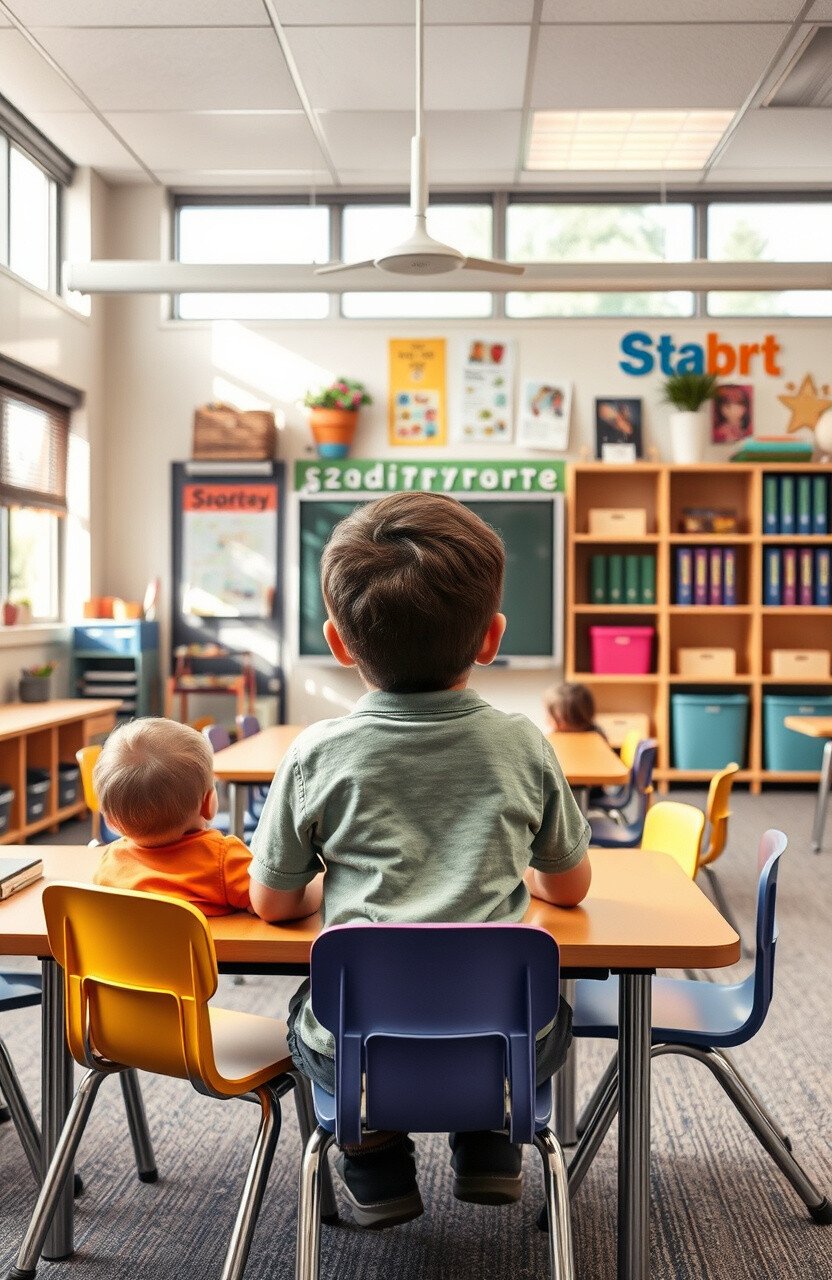
A one-size-fits-all approach might not accommodate diverse learning styles. Flexibility supports varied educational needs and preferences.
Flexible learning environments adapt to individual learning styles. They promote personalized education and student-centered learning.
Offer diverse seating and activity options for flexibility. Trends in education emphasize the need for adaptable learning environments.
Personalize flexibility by incorporating student feedback. This approach often involves minimal cost and enhances educational outcomes.
30. Disregarding Aesthetic Appeal
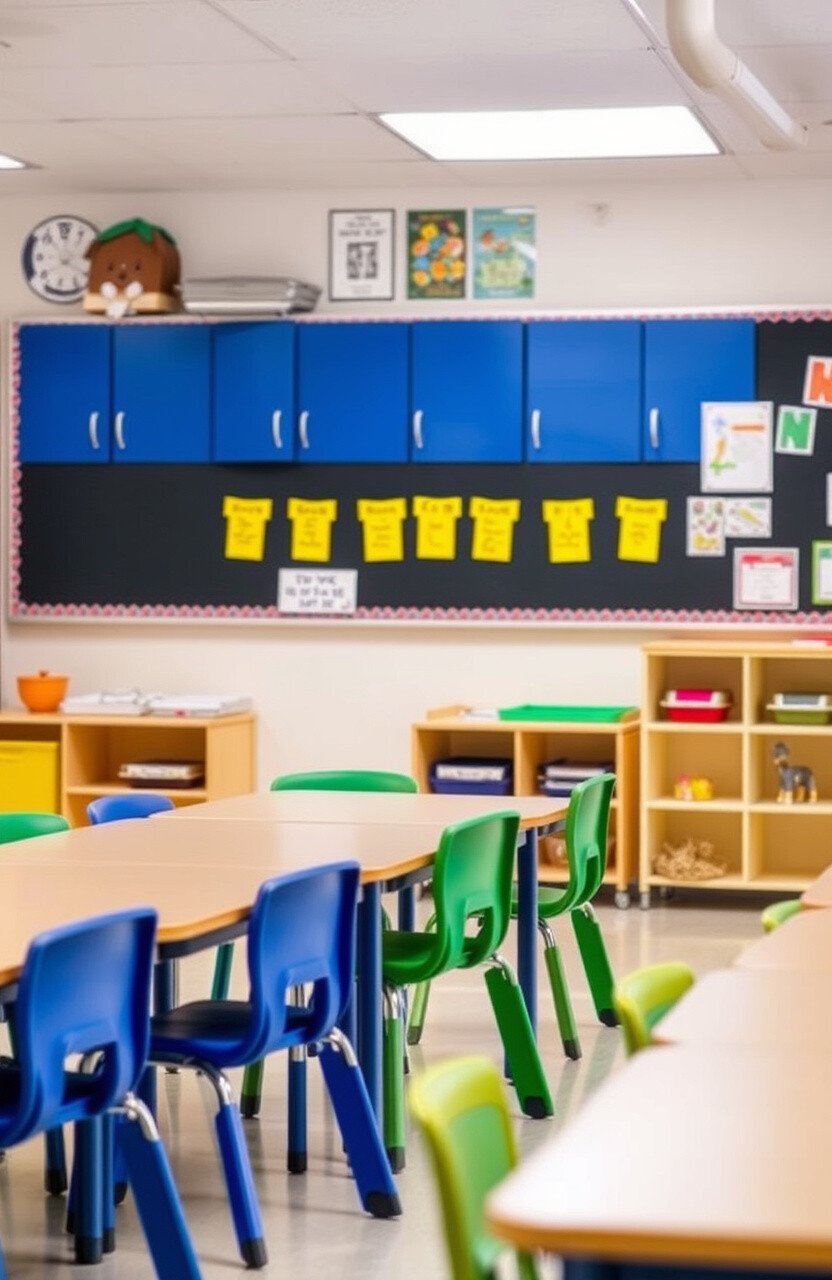
An unattractive classroom can feel uninspiring and dull. Aesthetic appeal enhances the overall learning experience and environment.
Attractive classrooms boost morale and engagement among students. They create a welcoming atmosphere that supports learning and creativity.
Incorporate cohesive colors and decor for visual appeal. Trends favor harmonious and visually stimulating classroom designs.
Personalize aesthetics with student artwork and creative displays. Many options are affordable and can enhance the classroom’s charm.
31. Not Fostering a Sense of Community
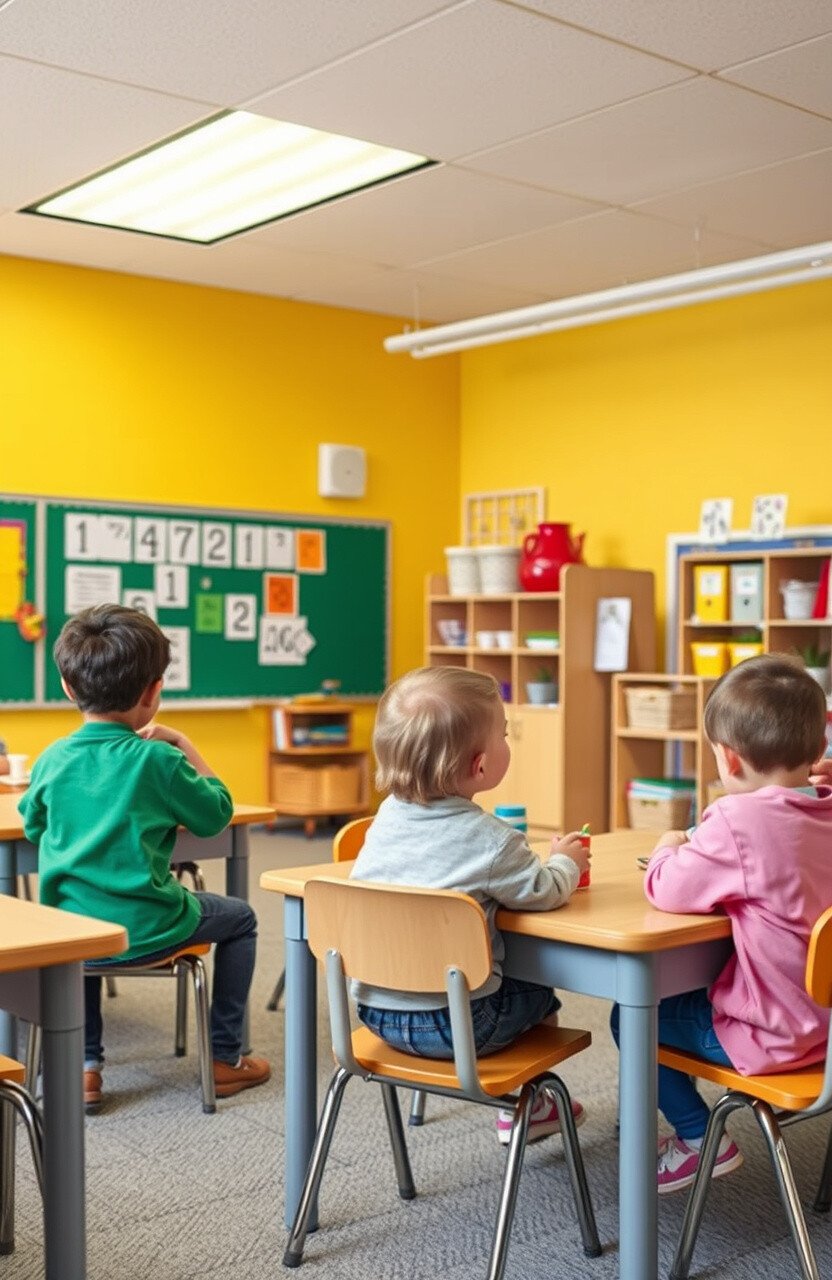
A classroom that lacks community might feel disconnected. A sense of community supports collaboration and mutual respect among students.
Community-oriented spaces encourage social interactions and teamwork. They promote positive relationships and a supportive learning environment.
Design areas for group discussions and collaborative projects. Trends highlight the importance of community in educational settings.
Personalize community spaces with shared projects and displays. These additions are often low-cost and foster a sense of belonging.
32. Using Outdated Resources
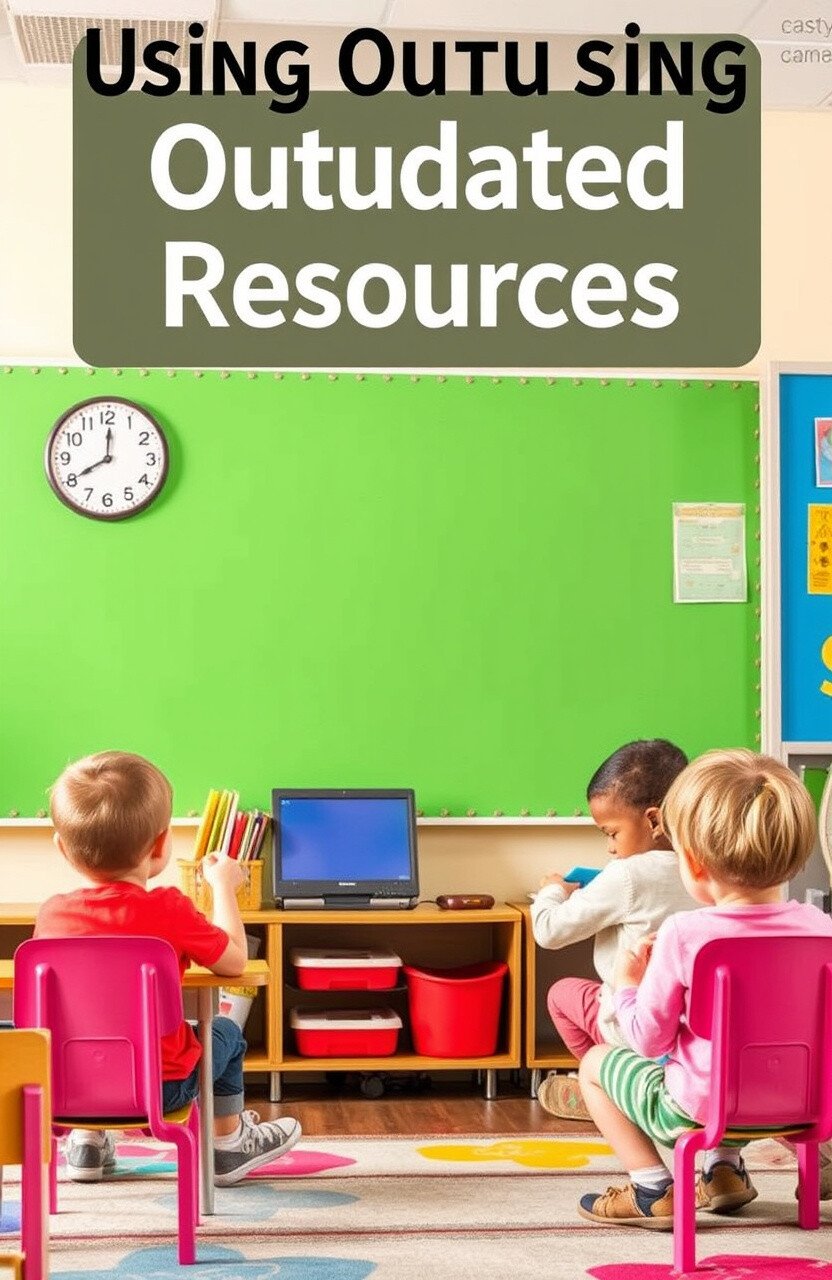
Old resources can limit learning opportunities and engagement. Modern resources offer diverse and interactive educational experiences.
Up-to-date resources enhance learning and keep students engaged. They support diverse learning styles and contemporary education needs.
Incorporate current educational tools and materials. Trends in education emphasize the importance of modern, relevant resources.
Personalize resources by selecting those that interest students. Many options are budget-friendly and offer diverse learning experiences.
33. Overlooking Emotional Well-being

A classroom that ignores emotional well-being might feel unsupportive. Supporting emotional health is crucial for overall student success.
Emotionally supportive environments foster confidence and well-being. They create a nurturing space where students can thrive and learn.
Include spaces for relaxation and emotional expression. Trends highlight the importance of emotional well-being in educational settings.
Personalize these spaces with calming colors and soft furnishings. Many options are affordable and can enhance emotional support.
34. Neglecting Teacher Collaboration Areas
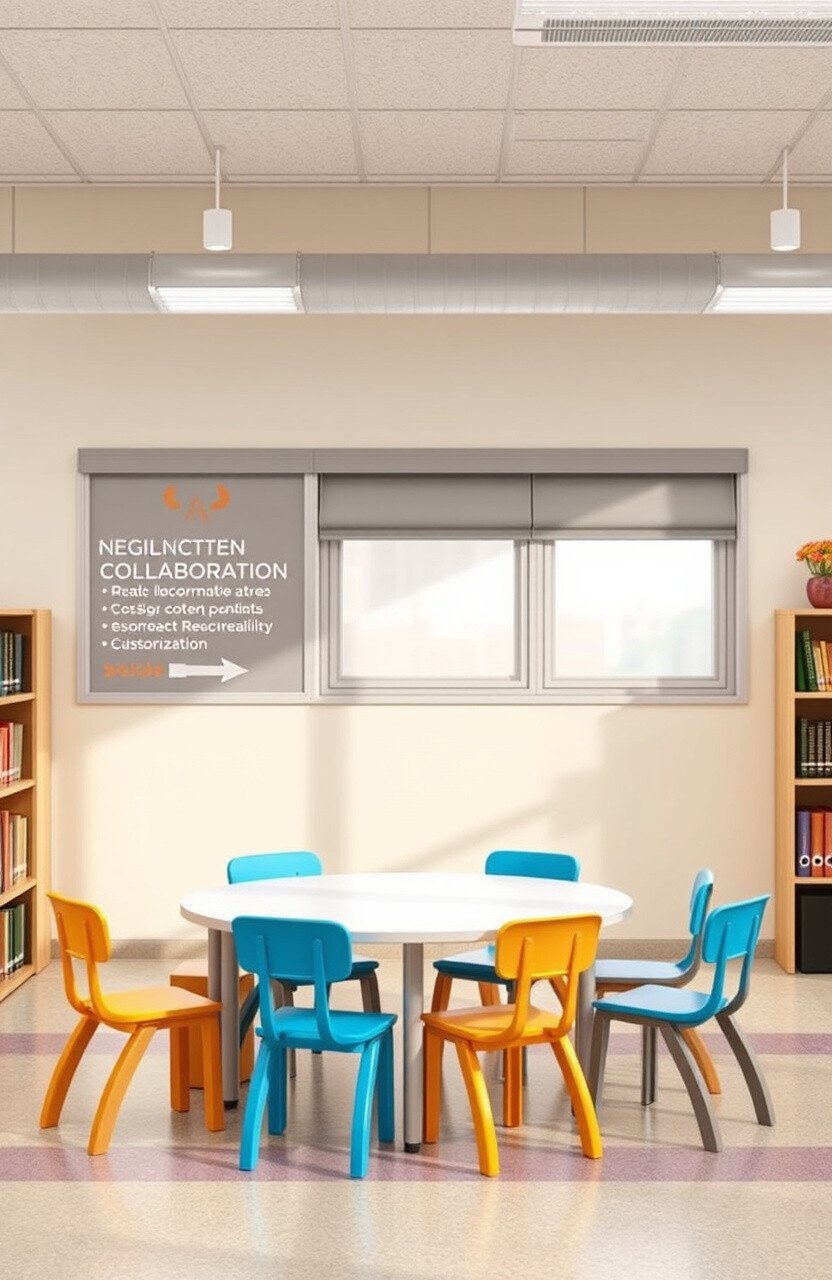
A lack of collaboration areas for teachers can hinder teamwork. Collaborative spaces support effective planning and professional development.
Teacher collaboration areas encourage sharing and innovation. They enhance teaching practices and foster professional growth.
Designate areas for teacher meetings and resource sharing. Trends emphasize the importance of collaboration in educational settings.
Personalize these areas with comfortable seating and resources. Many solutions are budget-friendly and enhance teacher collaboration.
35. Not Providing Quiet Spaces
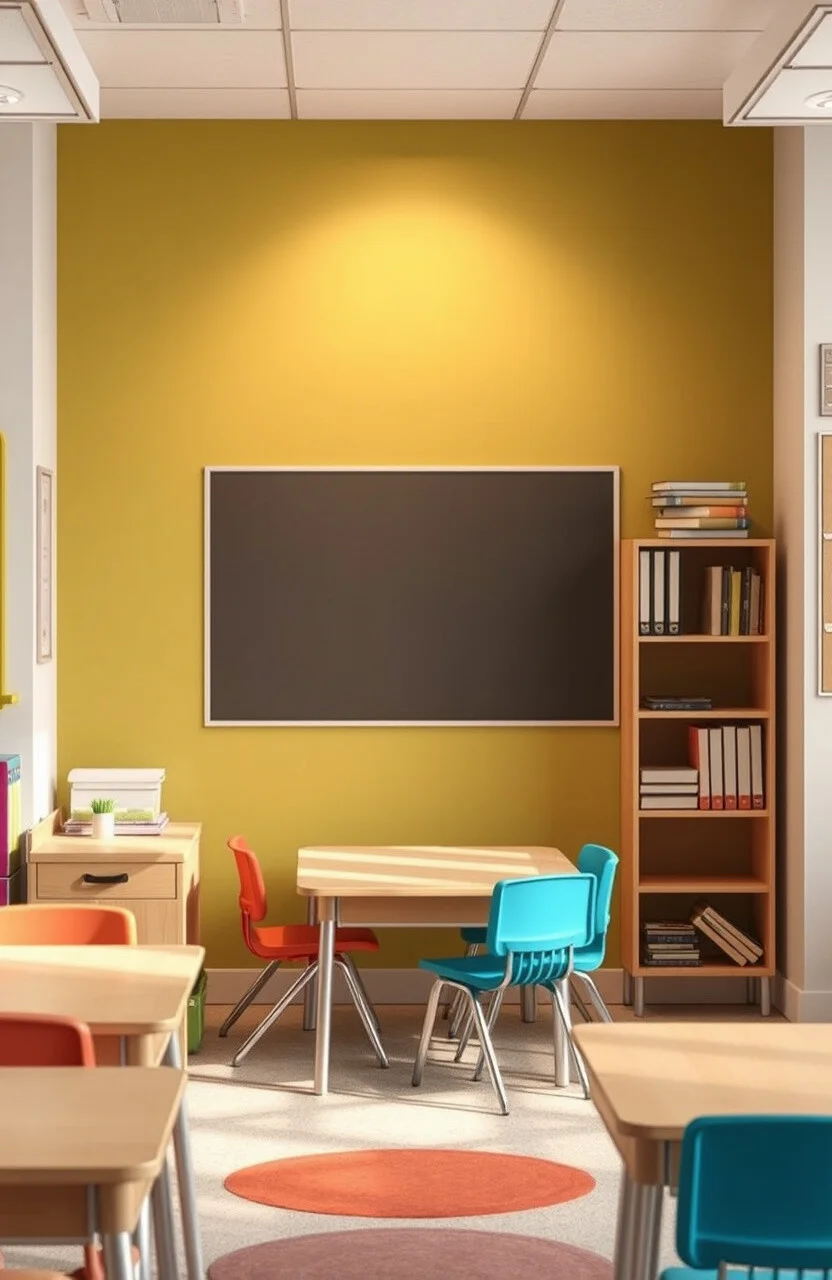
A noisy classroom can be overwhelming for students seeking focus. Quiet spaces support concentration and peaceful learning experiences.
Quiet zones encourage reflection and individual study. They provide a calm refuge for students needing a break from noise.
Incorporate cozy nooks or quiet corners for solitude. Trends highlight the importance of quiet spaces in educational environments.
Personalize quiet areas with soft lighting and comfortable seating. These additions are often inexpensive and enhance focus and relaxation.
36. Overlooking Outdoor Learning Opportunities

Ignoring outdoor learning can limit educational experiences. Outdoor environments offer diverse and engaging learning opportunities.
Outdoor learning supports hands-on exploration and discovery. It connects students with nature and enhances educational experiences.
Incorporate outdoor lessons or activities into the curriculum. Trends in education emphasize the importance of outdoor learning experiences.
Personalize outdoor spaces with student-created gardens or projects. Many options are cost-effective and enhance hands-on learning.
37. Not Prioritizing Health and Hygiene

Poor hygiene can affect health and classroom environment. Prioritizing cleanliness supports a healthy and safe learning space.
Hygienic classrooms promote well-being and reduce illness. They create a positive atmosphere conducive to learning and growth.
Implement regular cleaning schedules and hygiene practices. Trends emphasize the importance of health and hygiene in schools.
Personalize hygiene practices with student involvement in cleaning. This approach is cost-effective and teaches responsibility.
38. Overlooking the Importance of Play
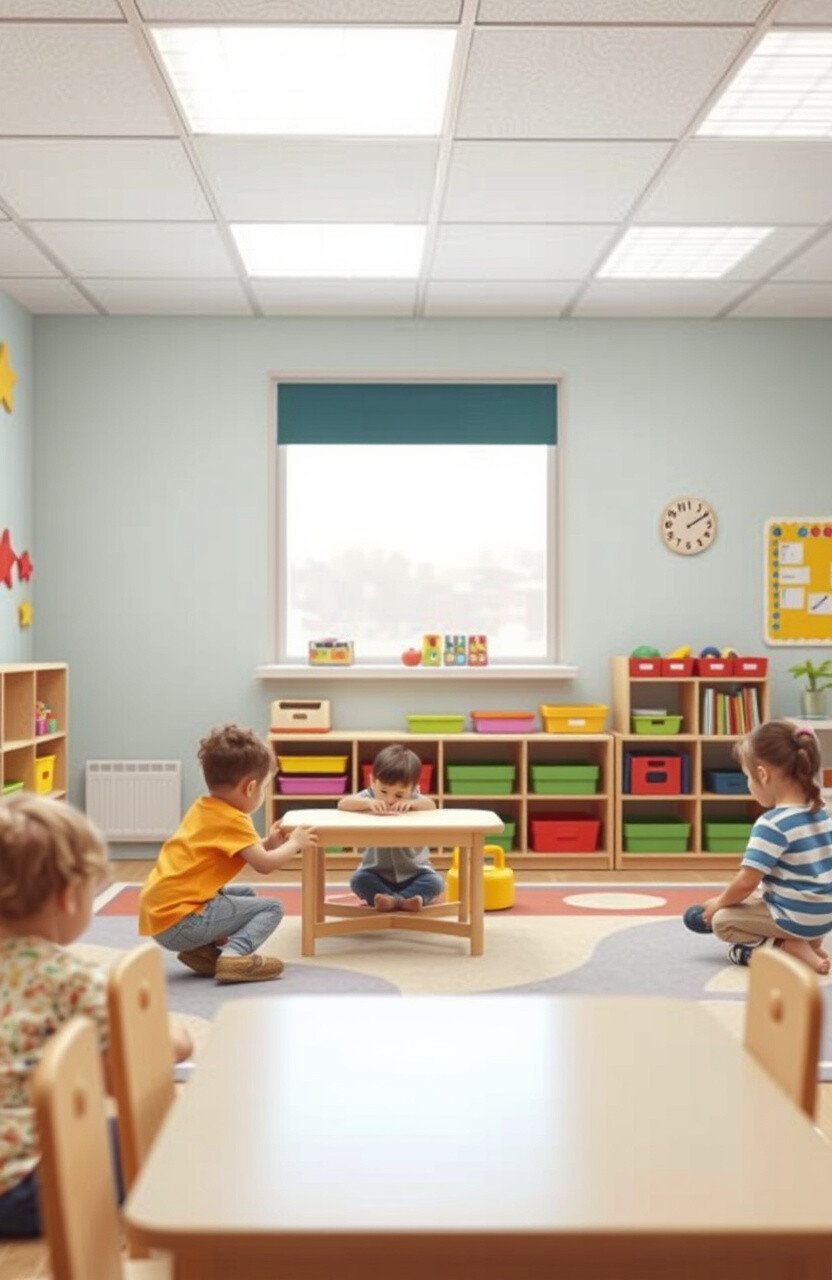
A classroom that limits play might hinder holistic development. Play is essential for social, emotional, and cognitive growth.
Play-based learning engages students and enhances creativity. It supports diverse developmental needs and learning styles.
Incorporate play areas and activities into the classroom. Trends emphasize the importance of play in early childhood education.
Personalize play spaces with student-selected games and toys. Many options are budget-friendly and enhance playful learning experiences.
39. Not Addressing Air Quality
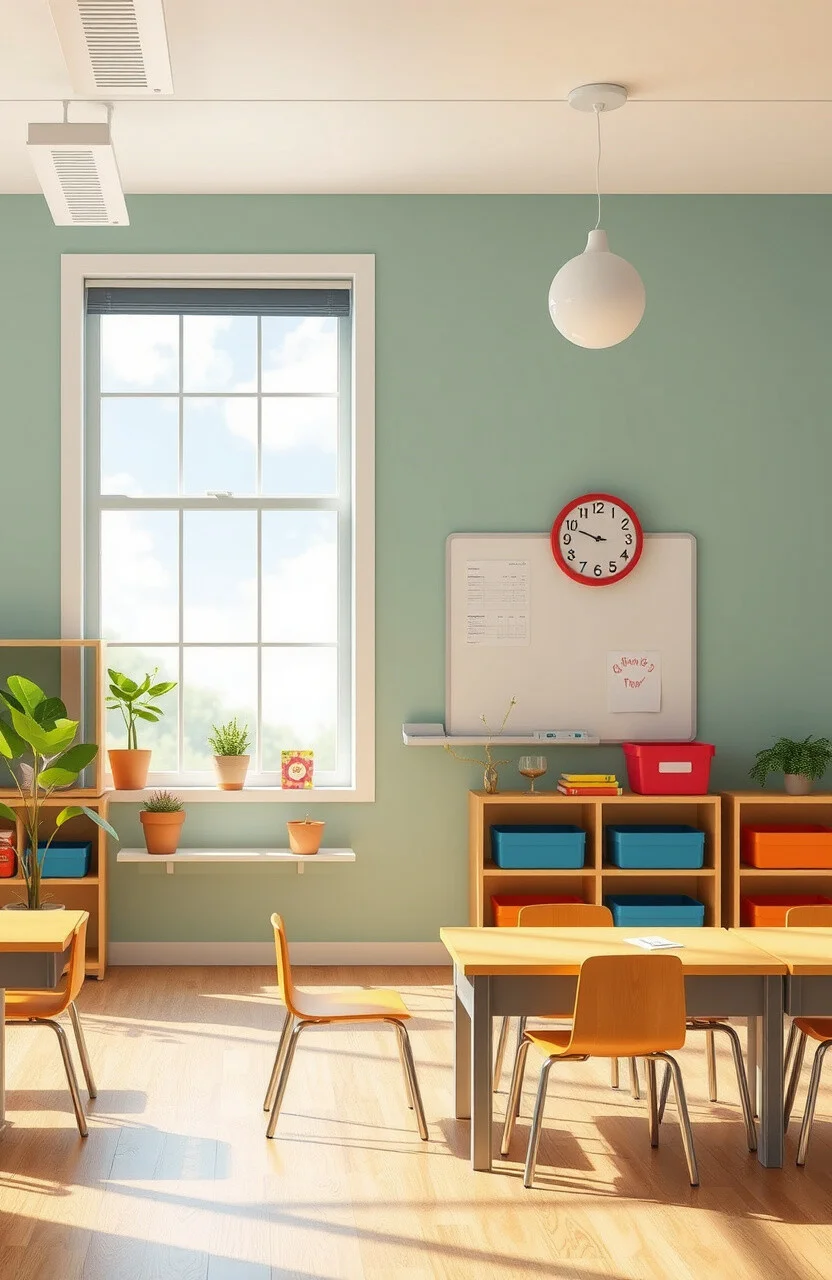
Poor air quality can affect health and learning outcomes. Good air quality supports a healthy and effective learning environment.
Clean air promotes focus and well-being among students. It creates a positive atmosphere for learning and growth.
Implement air purifiers or regular ventilation for clean air. Trends highlight the importance of air quality in educational settings.
Personalize air quality solutions with plants and air-purifying gadgets. These options are often cost-effective and enhance classroom health.
40. Ignoring Technology Management
Unmanaged technology can become a distraction in the classroom. Effective management ensures technology enhances learning experiences.
Technology management supports focus and educational engagement. It maximizes the benefits of tech tools in the classroom.
Implement guidelines and tools for managing technology use. Trends emphasize the importance of structured technology integration.
Personalize management plans based on student needs and feedback. Many strategies are cost-effective and enhance tech use in education.
41. Neglecting Parent Involvement
A classroom that doesn’t involve parents might miss valuable support. Parent involvement enhances educational experiences and outcomes.
Engaged parents contribute to student success and classroom dynamics. They provide support and resources that benefit learning and growth.
Include parent communication and involvement in classroom plans. Trends highlight the importance of parent-teacher collaboration.
Personalize involvement strategies based on parent and student needs. Many options are cost-effective and strengthen educational partnerships.
42. Overlooking Emotional Safety
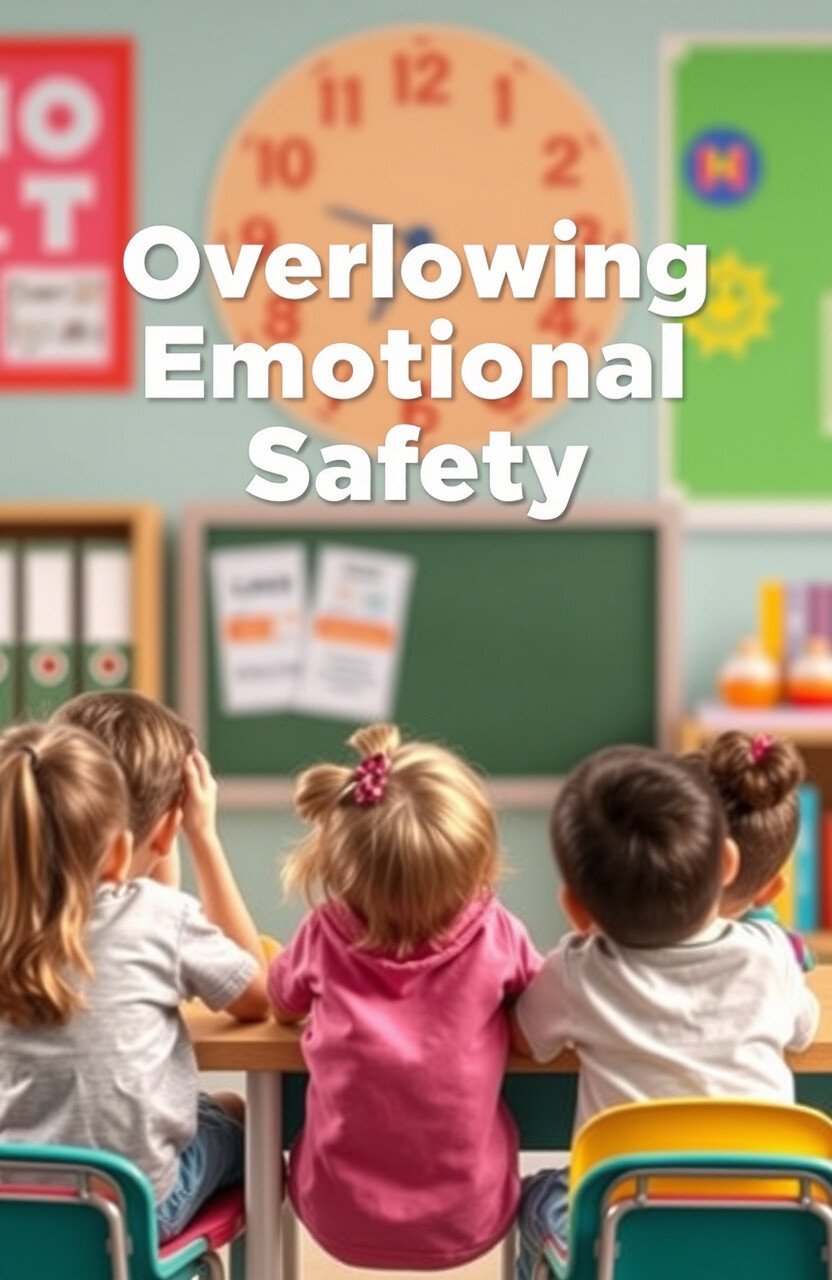
An emotionally unsafe classroom can hinder learning and development. Emotional safety supports confidence and positive student relationships.
Emotionally safe environments encourage open expression and engagement. They create a nurturing space where students feel valued and secure.
Implement activities and practices that foster emotional safety. Trends highlight the importance of emotional support in education.
Personalize emotional safety strategies with student input and preferences. Many approaches are budget-friendly and enhance classroom dynamics.
43. Ignoring Feedback and Assessment
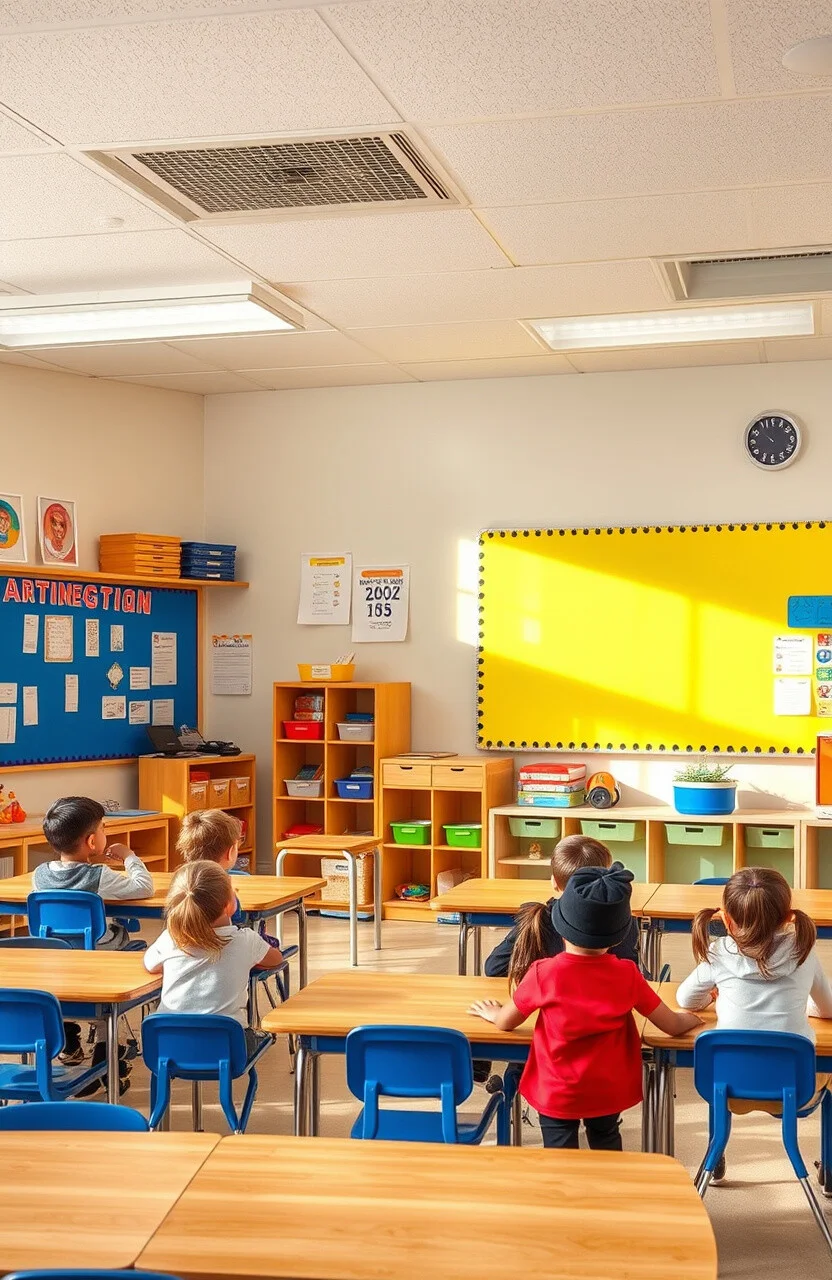
A classroom that ignores feedback might miss opportunities for improvement. Feedback and assessment support growth and learning optimization.
Regular feedback enhances teaching practices and student learning. It provides valuable insights for continuous improvement and success.
Include feedback mechanisms and assessment tools in classroom plans. Trends emphasize the importance of feedback in educational settings.
Personalize feedback strategies based on student and teacher needs. Many options are cost-effective and enhance learning experiences.
44. Not Encouraging Self-Expression
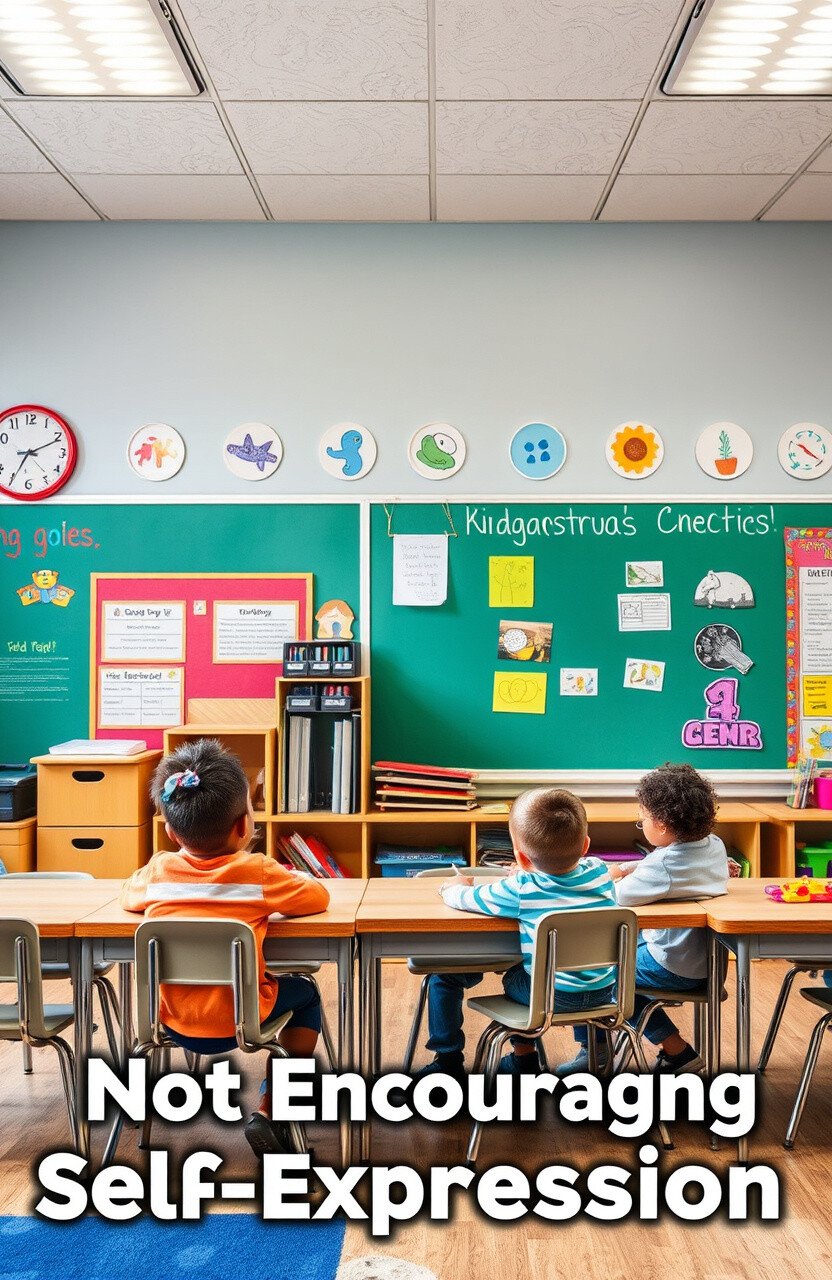
A classroom that limits self-expression might stifle individuality. Encouraging self-expression supports creativity and personal growth.
Self-expression fosters confidence and diverse learning experiences. It allows students to explore and share their unique perspectives.
Include opportunities for art, writing, and other expressive activities. Trends highlight the importance of self-expression in education.
Personalize self-expression opportunities with student input and interests. Many options are budget-friendly and enhance classroom creativity.
45. Overlooking Professional Development
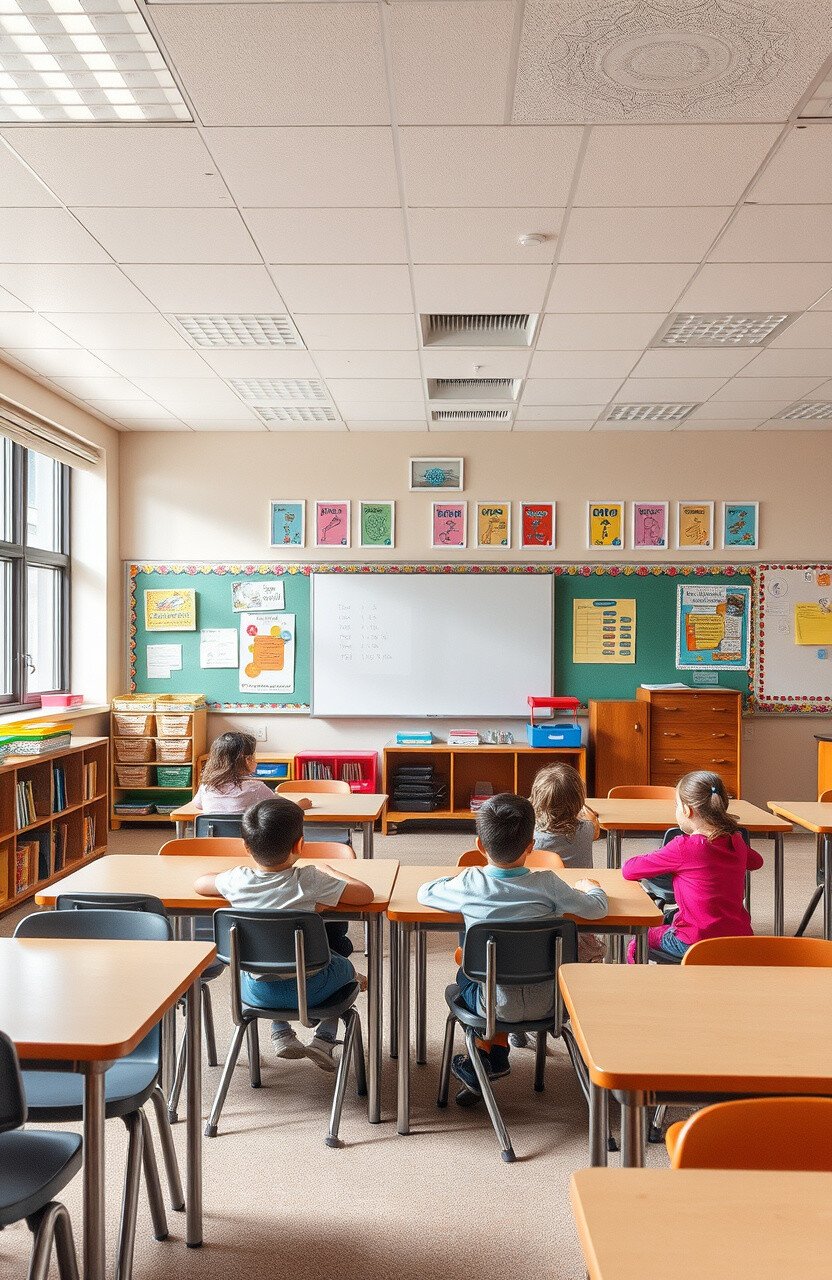
A classroom that neglects teacher development might miss growth opportunities. Professional development supports effective teaching practices.
Continuous learning enhances teaching skills and classroom dynamics. It fosters innovation and supports student success and engagement.
Include professional development opportunities for teachers. Trends emphasize the importance of lifelong learning in education.
Personalize development plans based on teacher needs and goals. Many options are cost-effective and enhance educational outcomes.
46. Not Supporting Peer Learning

A classroom that limits peer learning might hinder collaboration. Peer learning supports social skills and diverse educational experiences.
Collaborative learning environments enhance student interaction and engagement. They promote teamwork and mutual support among students.
Include group activities and projects to support peer learning. Trends highlight the importance of collaboration in educational settings.
Personalize peer learning opportunities with student input and interests. Many options are budget-friendly and enhance classroom dynamics.
47. Ignoring the Importance of Rest
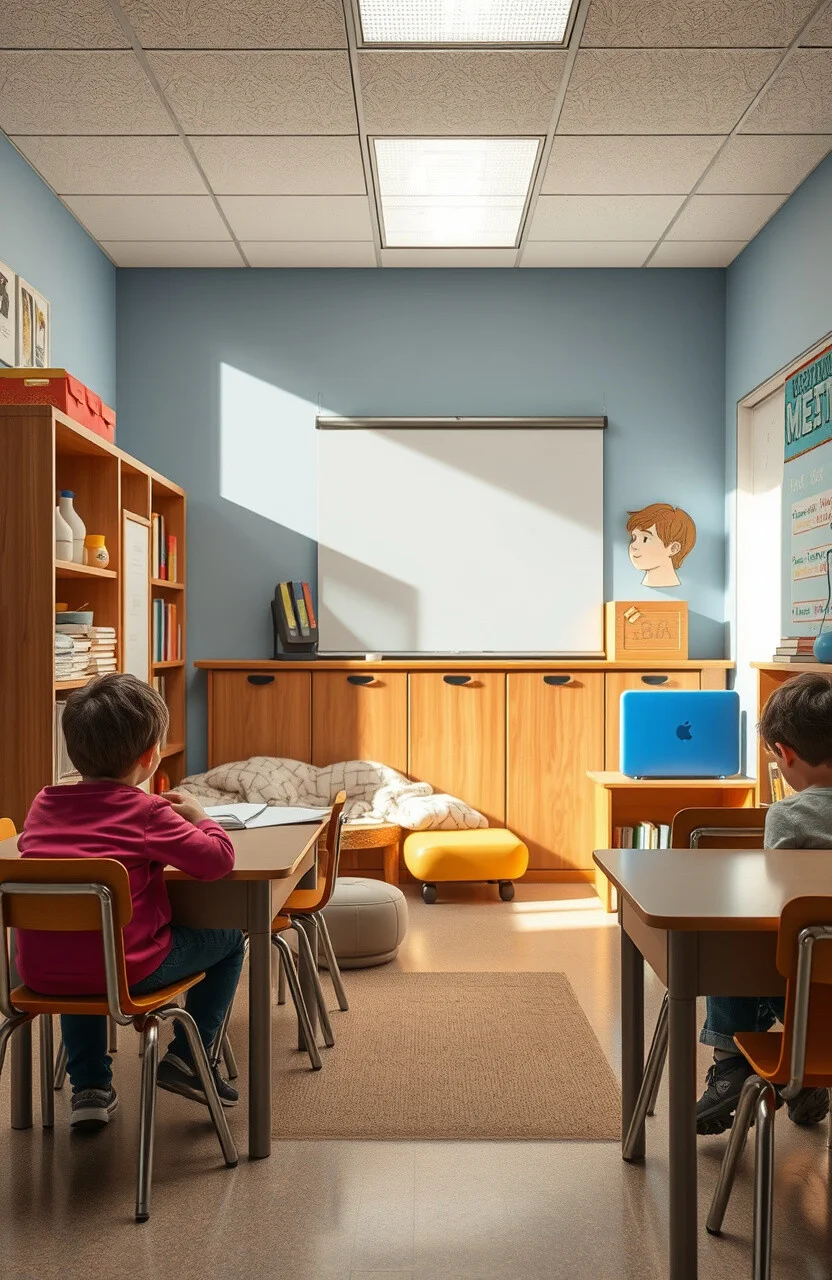
A classroom that overlooks rest might lead to fatigue and disengagement. Rest supports focus and well-being for students and teachers.
Opportunities for rest enhance learning and concentration. They create a balanced environment that supports health and productivity.
Include quiet areas or nap zones for rest and relaxation. Trends highlight the importance of rest in educational environments.
Personalize rest areas with comfortable furnishings and calming decor. Many options are affordable and enhance classroom well-being.
48. Not Encouraging Curiosity
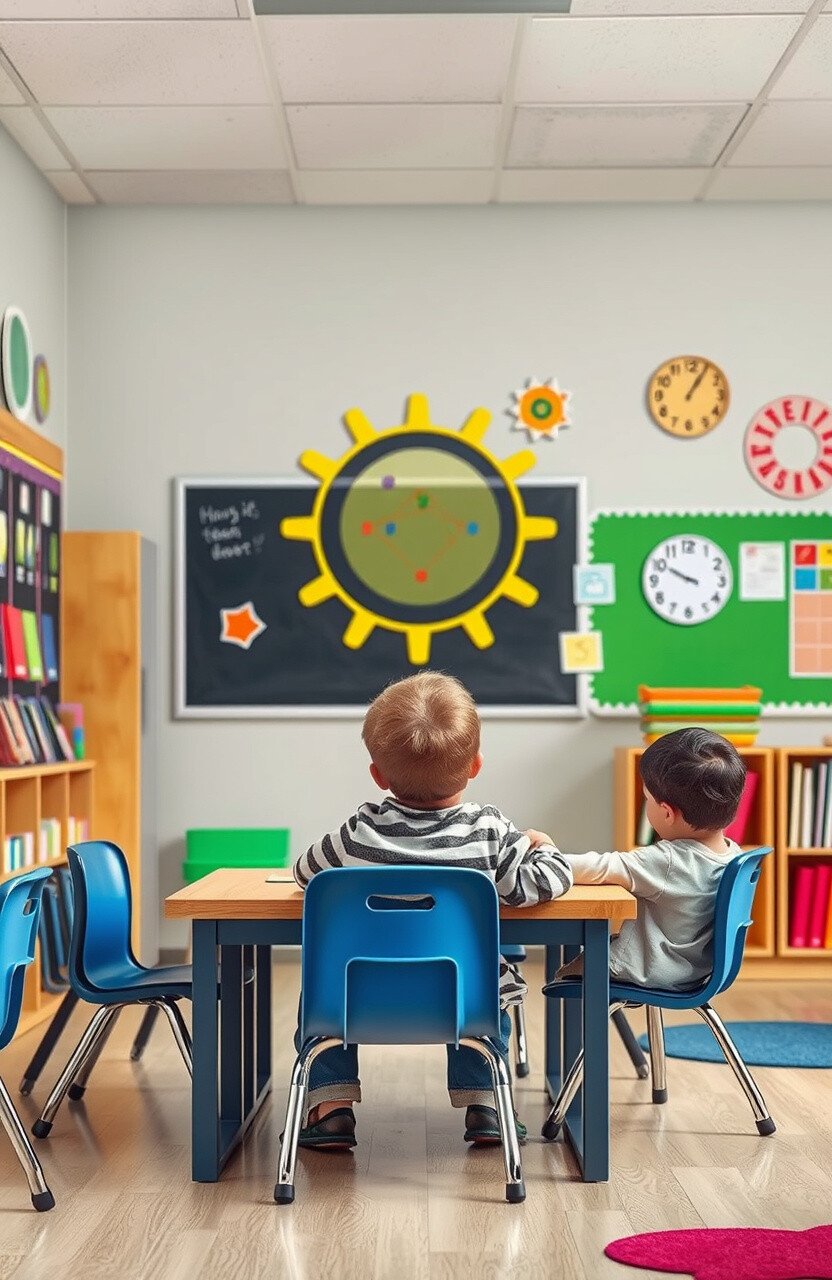
A classroom that limits curiosity might stifle exploration and discovery. Encouraging curiosity supports critical thinking and problem-solving skills.
Curiosity-driven learning engages students and enhances creativity. It fosters a lifelong love of learning and intellectual growth.
Include open-ended activities and thought-provoking questions. Trends highlight the importance of curiosity in education.
Personalize curiosity opportunities with student input and interests. Many options are budget-friendly and enhance classroom engagement.
49. Overlooking Cultural Sensitivity
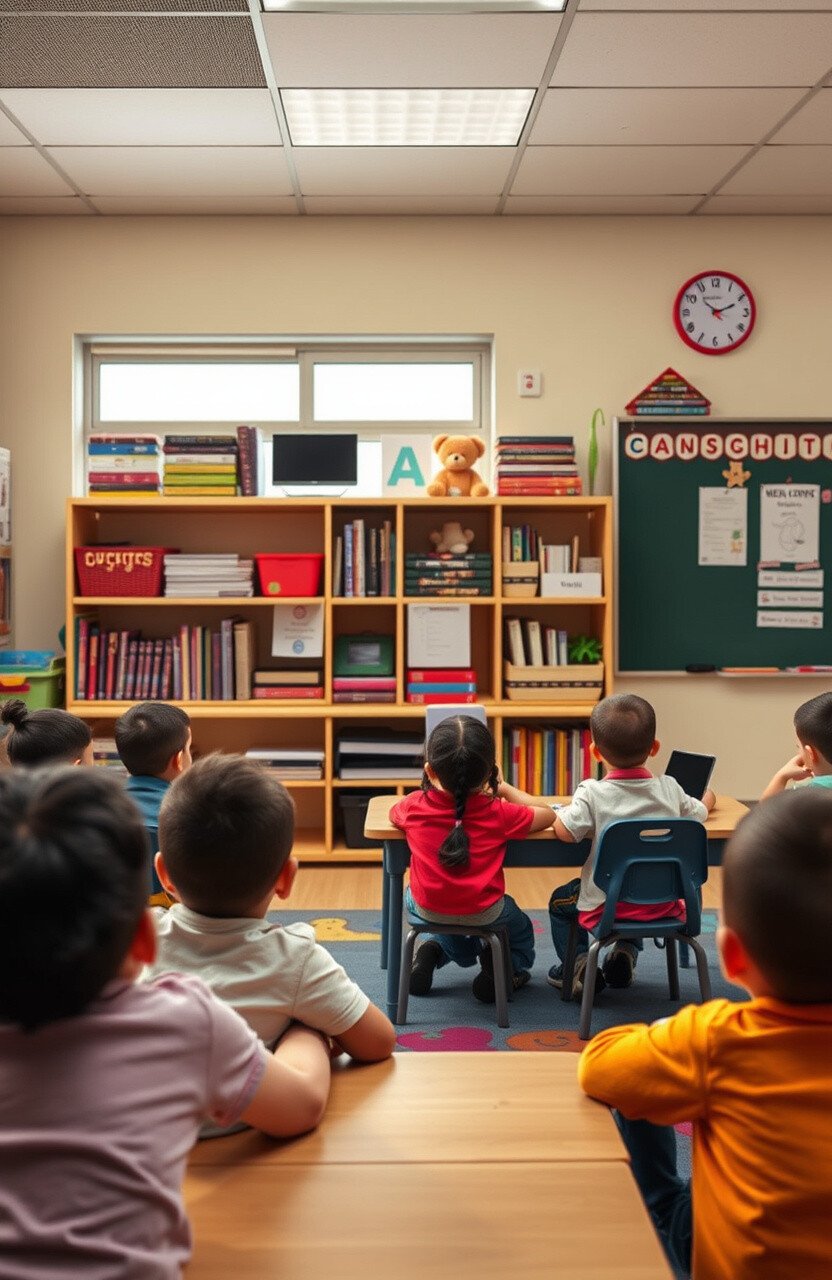
A classroom that lacks cultural sensitivity might feel exclusive. Cultural awareness supports inclusivity and mutual respect among students.
Sensitive environments encourage understanding and empathy. They create a welcoming space that celebrates diversity and individuality.
Include culturally diverse materials and activities in the classroom. Trends emphasize the importance of cultural sensitivity in education.
Personalize cultural sensitivity strategies with student and family input. Many options are cost-effective and enhance classroom inclusivity.
50. Not Supporting Environmental Awareness

A classroom that ignores environmental awareness might miss teaching opportunities. Environmental education supports sustainability and stewardship.
Environmentally conscious classrooms foster responsible citizenship. They encourage students to care for and protect the planet.
Include eco-friendly materials and practices in the classroom. Trends highlight the importance of environmental awareness in education.
Personalize environmental strategies with student projects and initiatives. Many options are affordable and enhance classroom sustainability.
51. Disregarding Student Empowerment
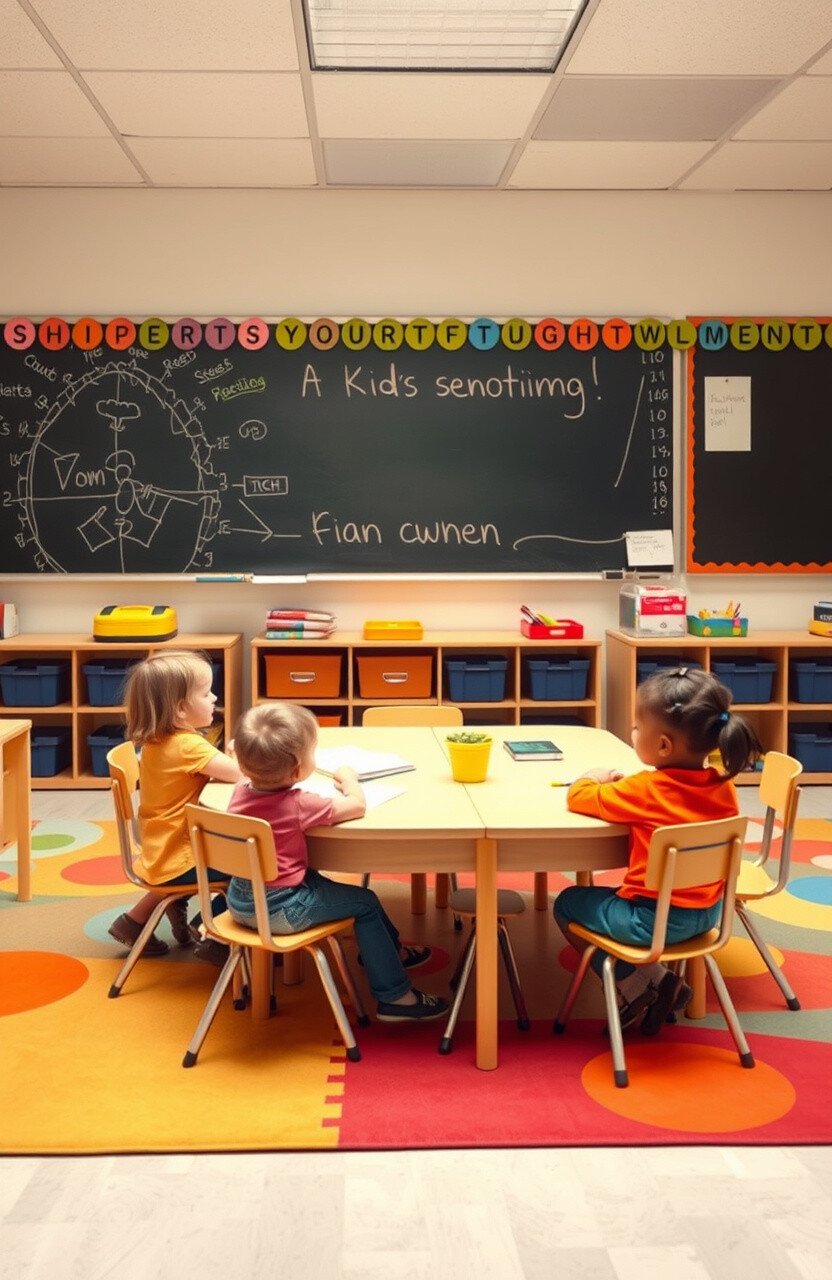
A classroom that limits empowerment might stifle potential. Empowered students take ownership of their learning and growth.
Empowerment supports confidence and self-directed learning. It encourages students to explore and pursue their interests and goals.
Include opportunities for student choice and leadership. Trends highlight the importance of empowerment in educational settings.
Personalize empowerment strategies with student input and feedback. Many options are cost-effective and enhance student engagement.