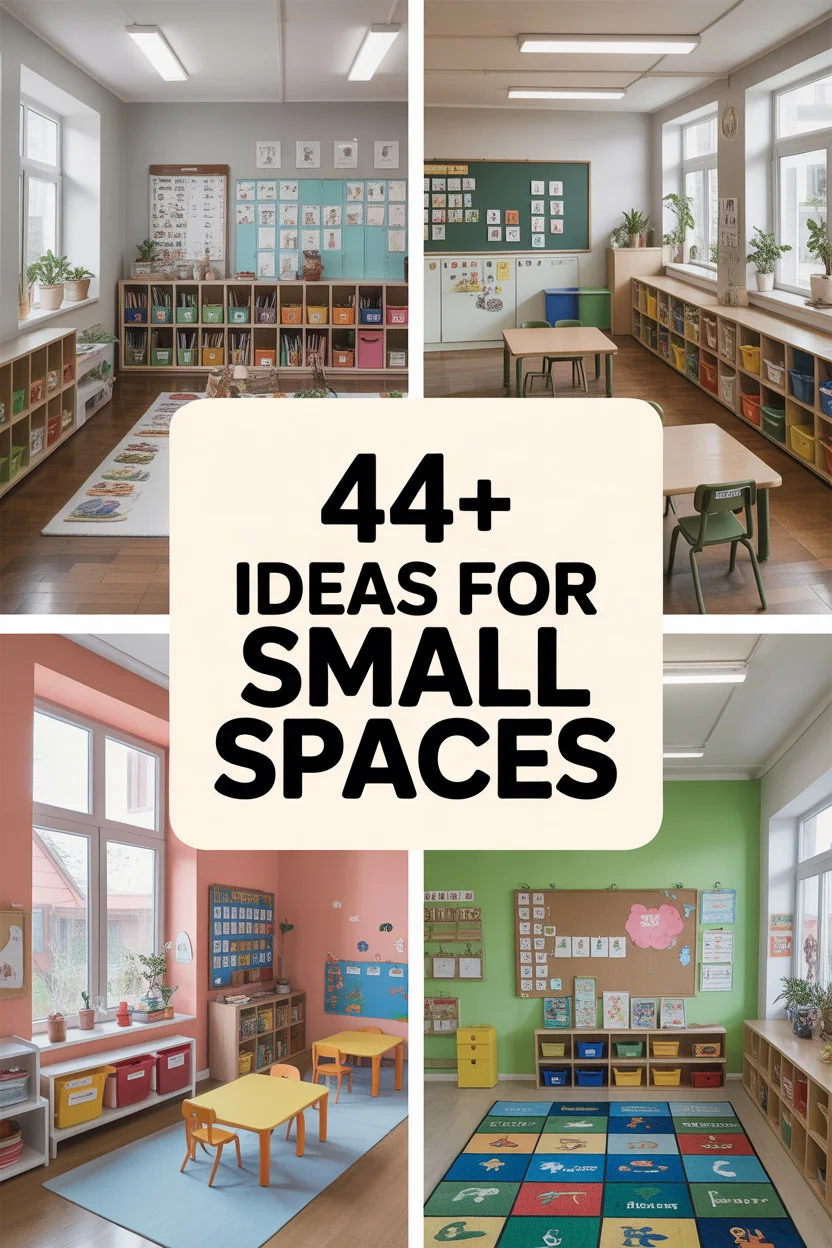
Imagine walking into a classroom where every corner tells a story, and each nook is a cozy haven for young minds. The magic of kindergarten lies in its ability to inspire creativity and wonder in even the smallest spaces. Get ready to be enchanted by a collection of ideas that transform ordinary classrooms into extraordinary learning environments.
1. Cozy Reading Nook
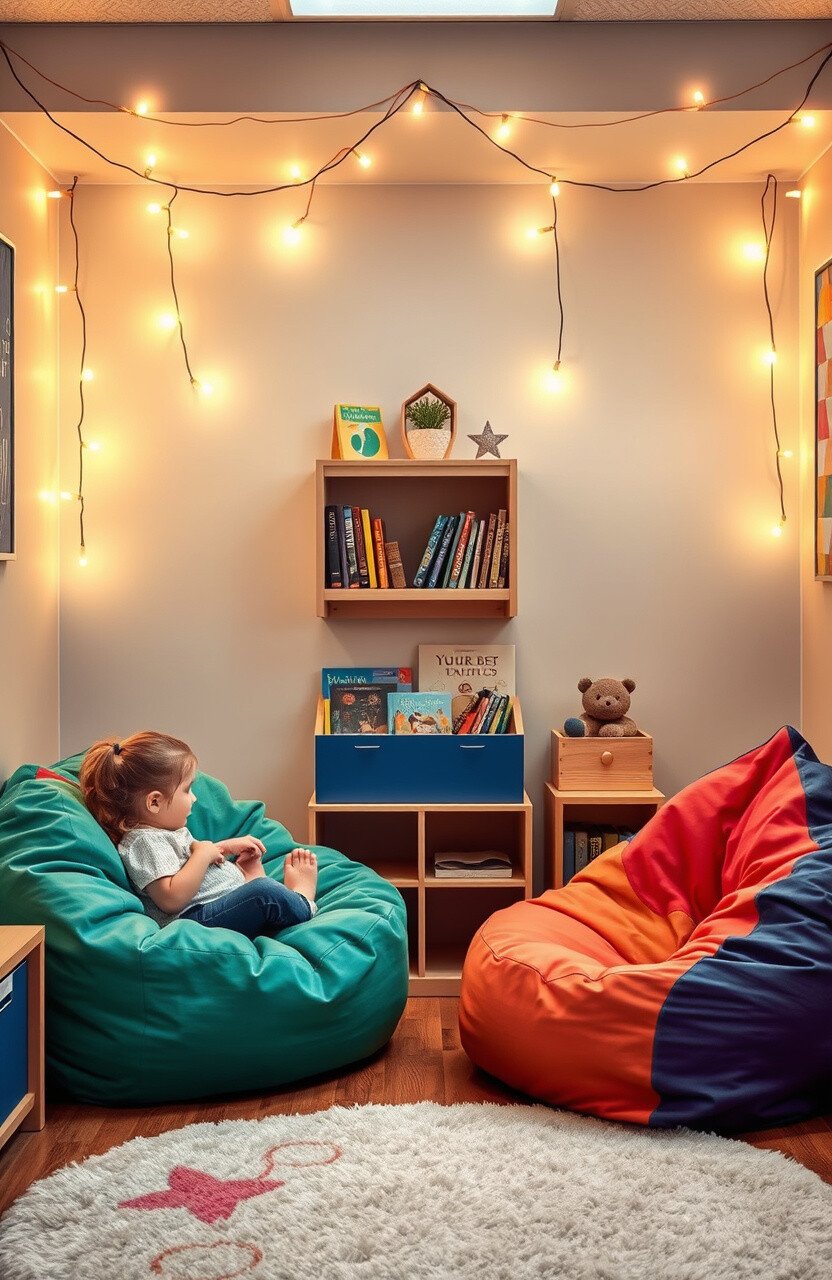
A cozy reading nook can be a magical hideaway for kids. Fill it with colorful bean bags and fairy lights to create a warm and inviting atmosphere.
Children love having a special place to call their own. This nook not only encourages reading but also provides a quiet retreat for young minds.
Personalize the space with a small bookshelf filled with age-appropriate books. Add a plush rug for comfort and style.
Creating this nook is budget-friendly with items often already in the classroom. A little creativity goes a long way in making it unique.
2. Vertical Storage Solutions
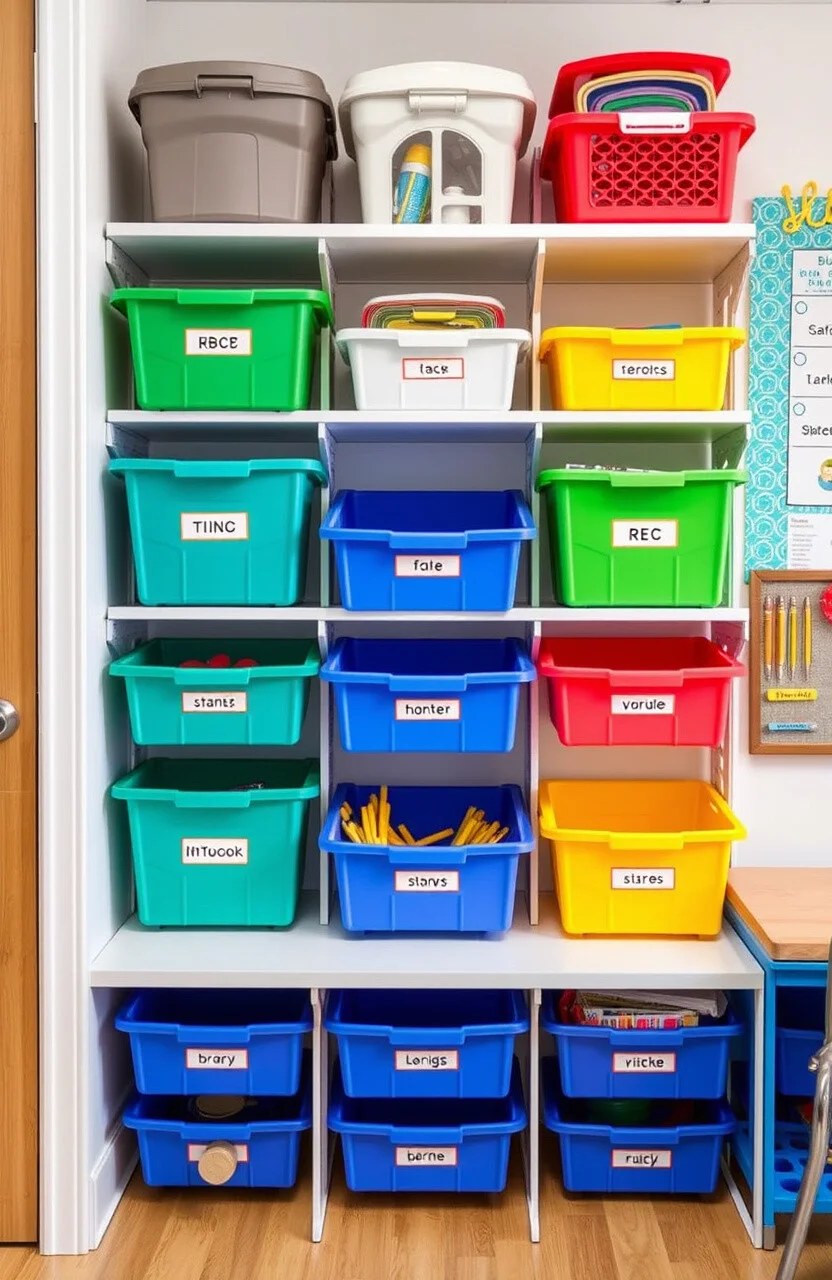
Vertical storage is a lifesaver in small classrooms. Use wall-mounted shelves to keep supplies organized and within reach.
This idea maximizes floor space, allowing more room for activities. It’s an efficient way to keep the classroom tidy and clutter-free.
Incorporate colorful bins or baskets for a touch of flair. Label them for easy access and to foster independence in children.
Cost-effective and practical, these solutions can be customized to suit any classroom theme. A true win-win for teachers and students alike.
3. Interactive Wall Displays
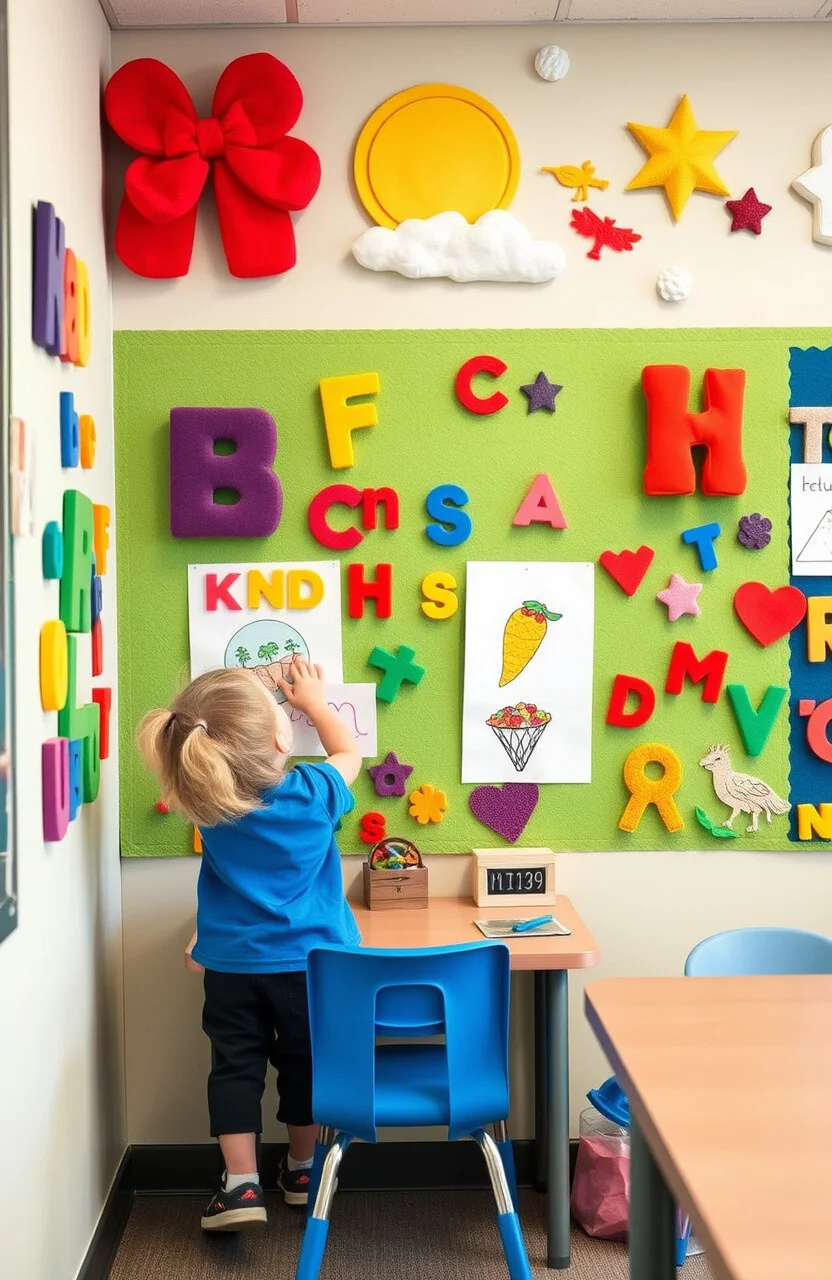
Transform walls into learning tools with interactive displays. Use felt boards or magnetic walls for endless fun and engagement.
These displays encourage hands-on learning and creativity. Kids can interact with letters, numbers, and shapes in a dynamic way.
Add seasonal themes to keep the wall fresh and exciting. Incorporate students’ artwork for a personal touch.
Materials are affordable and can be reused throughout the year. This idea is both educational and decorative, making it a classroom favorite.
4. Multi-Functional Furniture
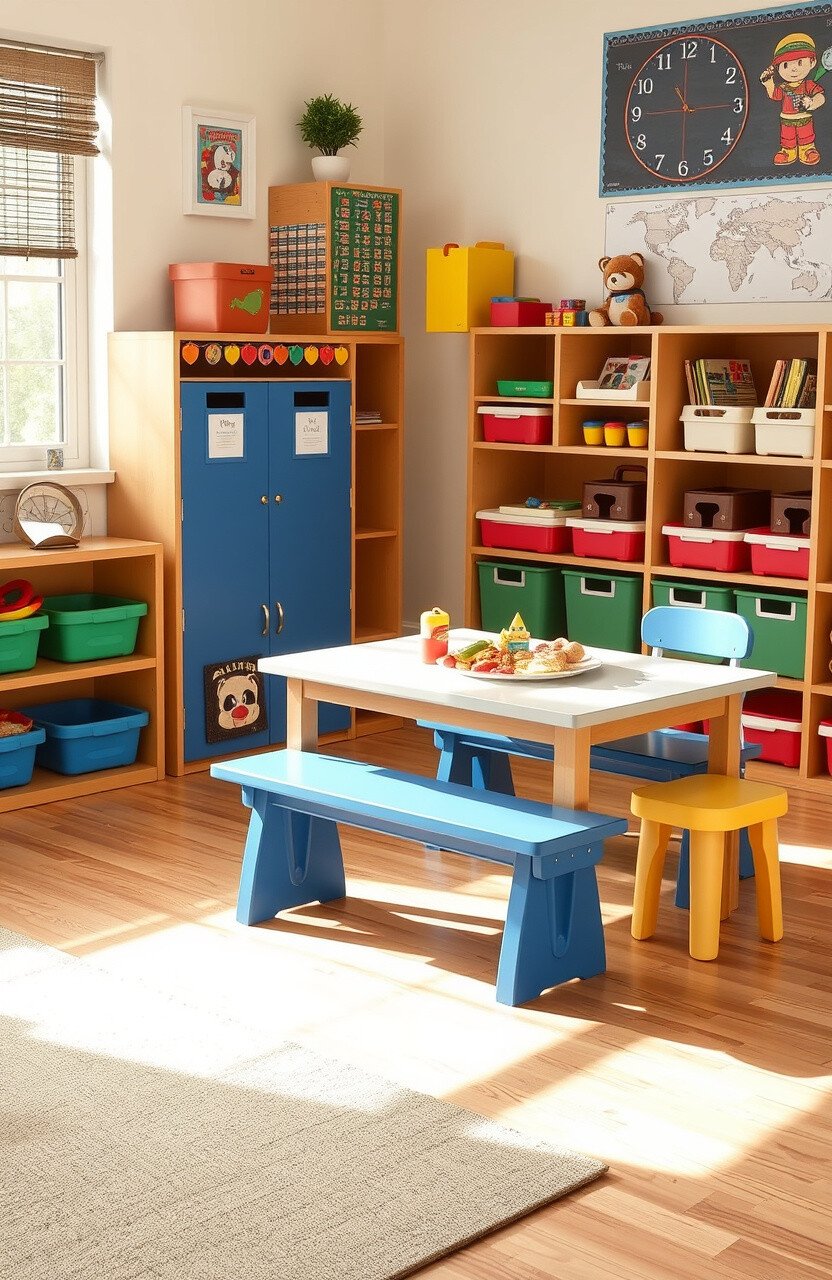
Choose furniture that serves more than one purpose. A table that doubles as storage or a bench that opens for toy storage is perfect.
This clever solution saves space and adds functionality. It keeps the classroom organized and provides easy access to materials.
Select pieces with vibrant colors to brighten the room. Look for items that are durable and easy to clean.
While some pieces might be an investment, their long-term benefits make them worth it. The versatility they offer is unmatched.
5. Nature-Inspired Decor
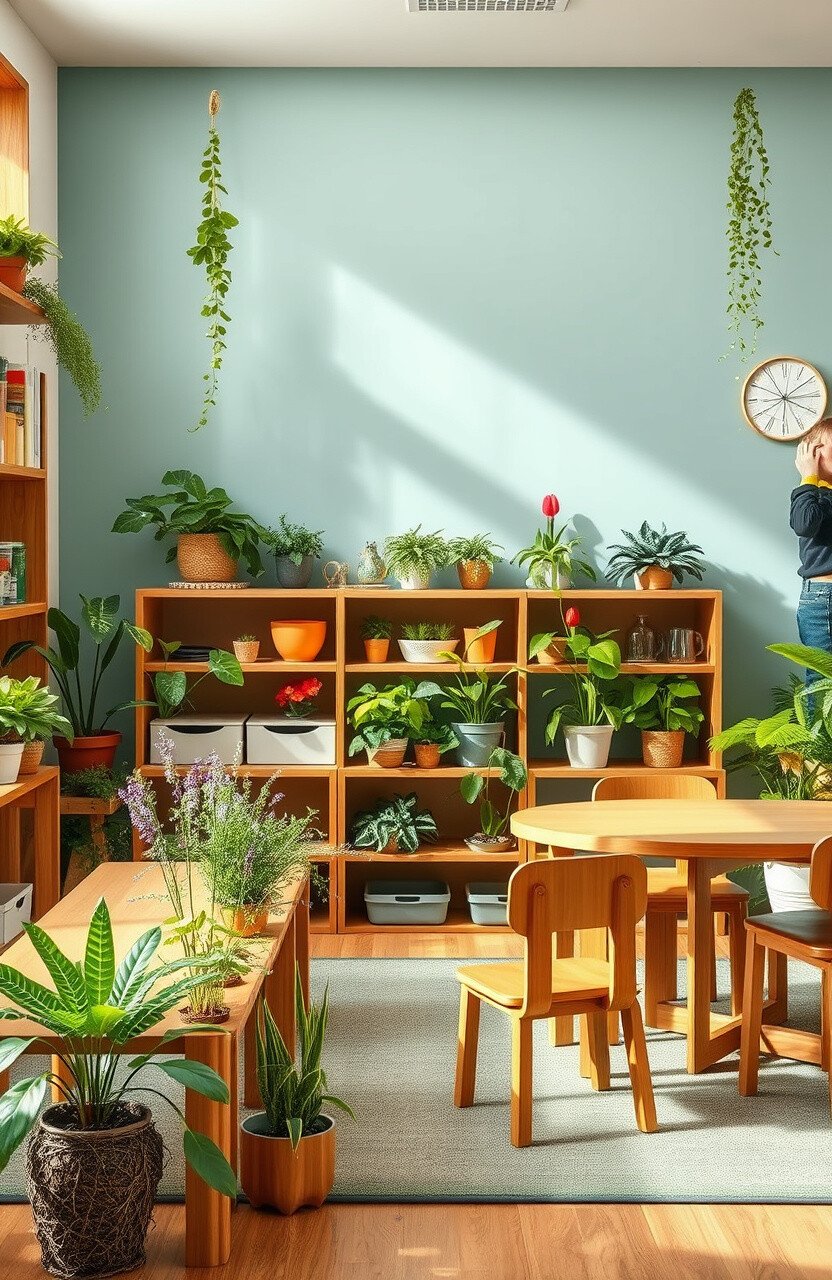
Bring the outside in with nature-inspired decor. Use plants, wooden accents, and natural light to create a calming environment.
This idea promotes a sense of peace and reduces stress. It connects children to nature and enhances their learning experience.
Personalize with a small indoor garden or a fish tank. Include nature-themed artwork for an added touch.
Plants and nature items can be inexpensive and easy to maintain. They add beauty and life to any classroom.
6. Flexible Seating Options
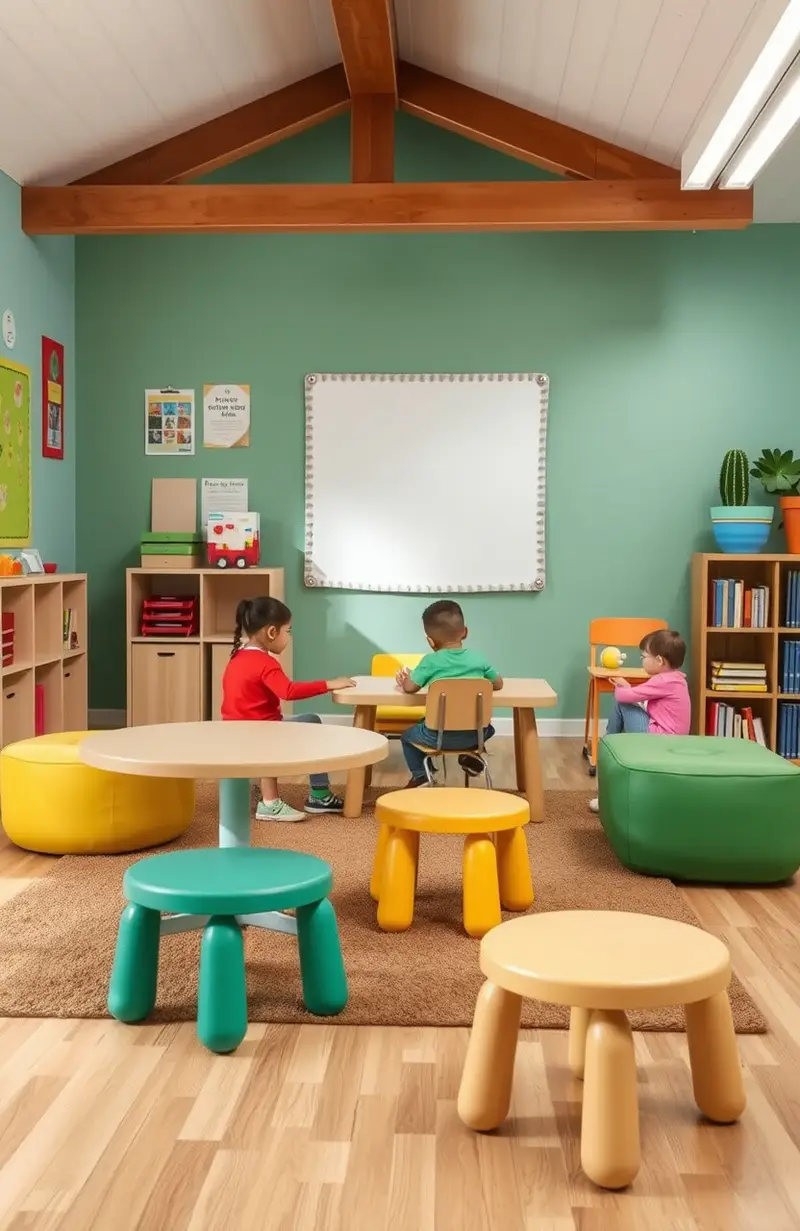
Introduce flexible seating to give children choice and autonomy. Use cushions, stools, and small chairs for variety.
This approach caters to different learning styles and needs. It encourages collaboration and communication among students.
Rotate seating arrangements regularly to keep things fresh. Allow students to choose their preferred seating for a personalized touch.
Many options are budget-friendly and can be sourced second-hand. This idea fosters independence and adaptability.
7. Art Display Gallery
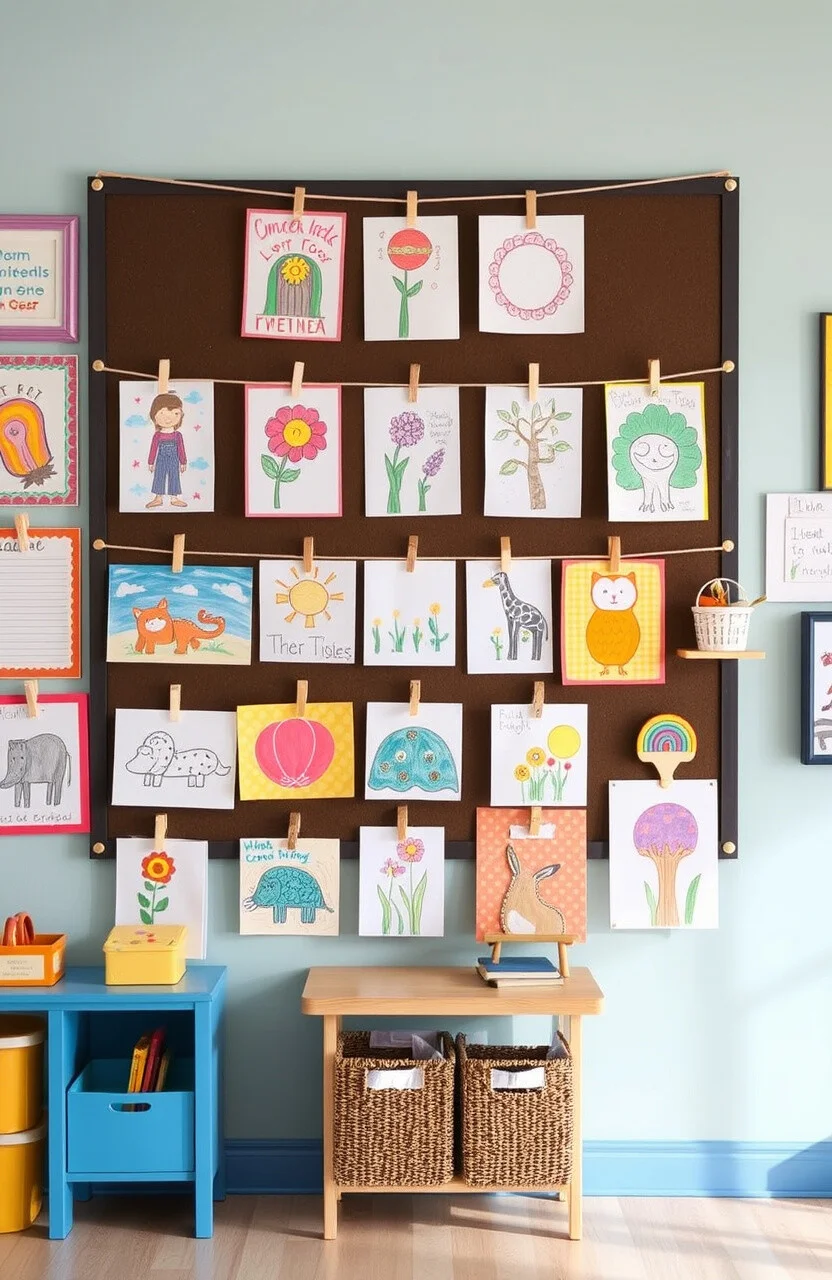
Create a gallery wall to showcase students’ artwork. Use string and clips or a corkboard for easy display.
This space celebrates creativity and boosts confidence. Children love seeing their work displayed for all to admire.
Add colorful frames or borders for extra flair. Rotate the artwork regularly to highlight different artists.
A gallery wall is simple and inexpensive to set up. It’s a vibrant way to personalize the classroom and celebrate achievements.
8. DIY Sensory Stations
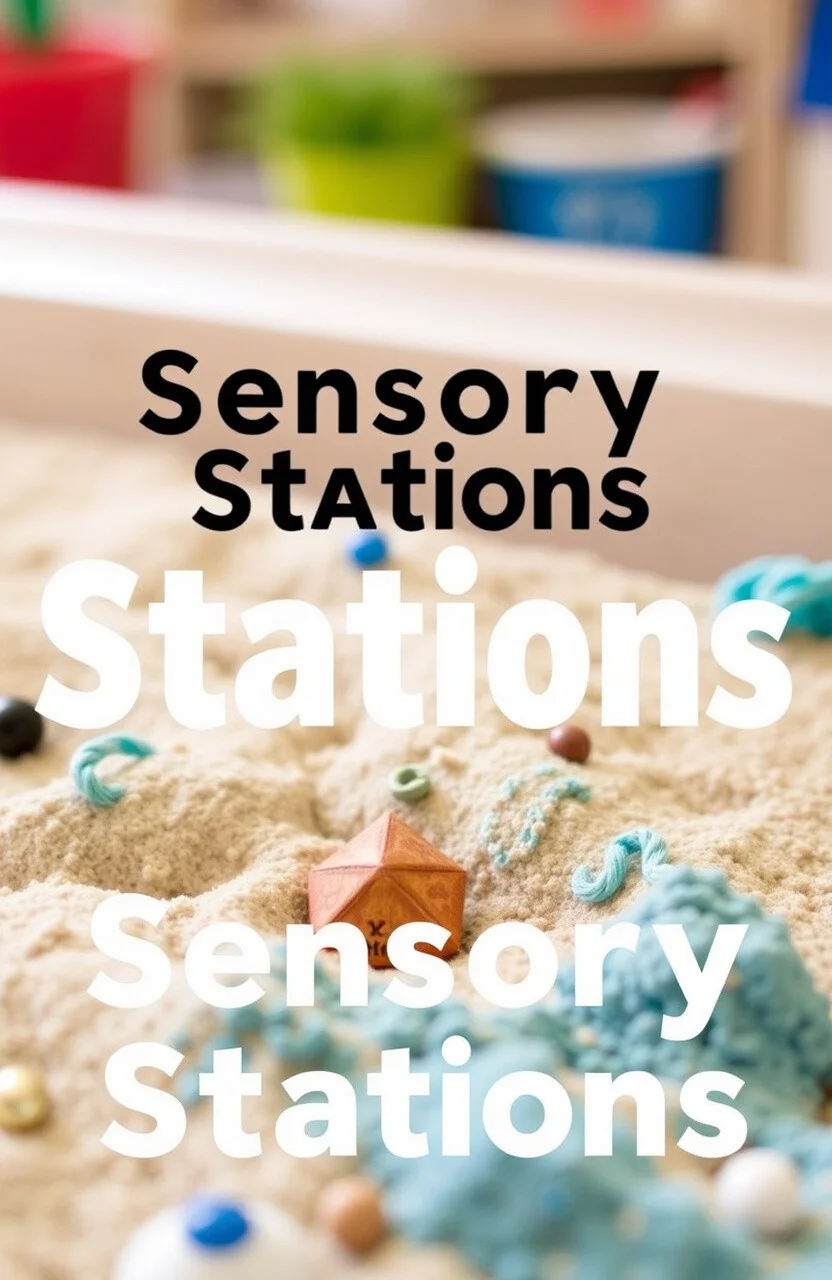
Set up sensory stations with DIY materials. Use sand, water, or textured fabrics for a tactile experience.
These stations support sensory development and exploration. They provide a hands-on approach to learning through play.
Incorporate themes like ocean or garden for variety. Ensure materials are safe and easily accessible for children.
DIY materials can be affordable and sourced from home or dollar stores. Sensory stations are a favorite among young learners.
9. Miniature Dramatic Play Areas
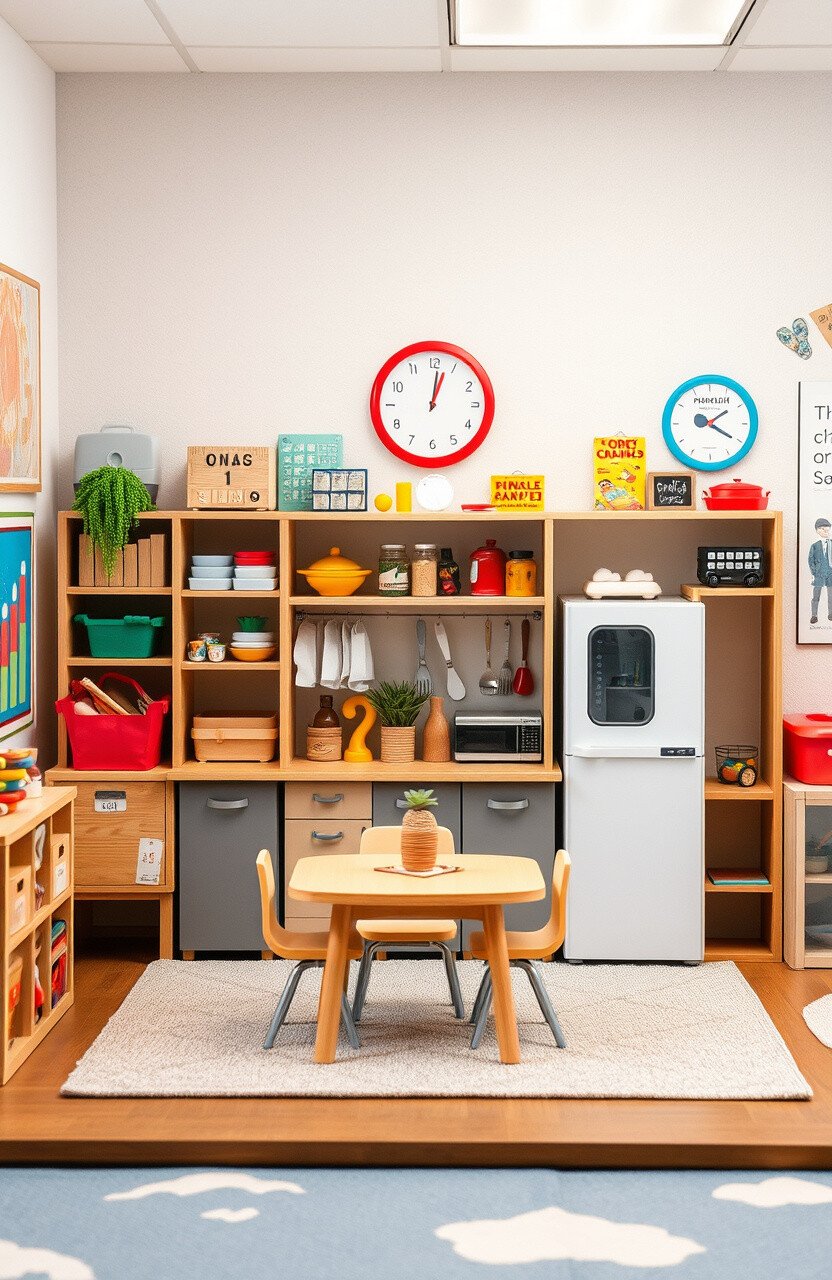
Create miniature dramatic play areas to spark imagination. Set up a mini kitchen, doctor’s office, or shop for role-playing fun.
These areas enhance social skills and creativity. Children can explore different roles and scenarios in a safe environment.
Swap themes regularly to keep the area exciting. Encourage children to contribute props for a personal touch.
Many props can be made from recycled materials or found at thrift stores. Dramatic play areas are both educational and entertaining.
10. Color-Coded Zones
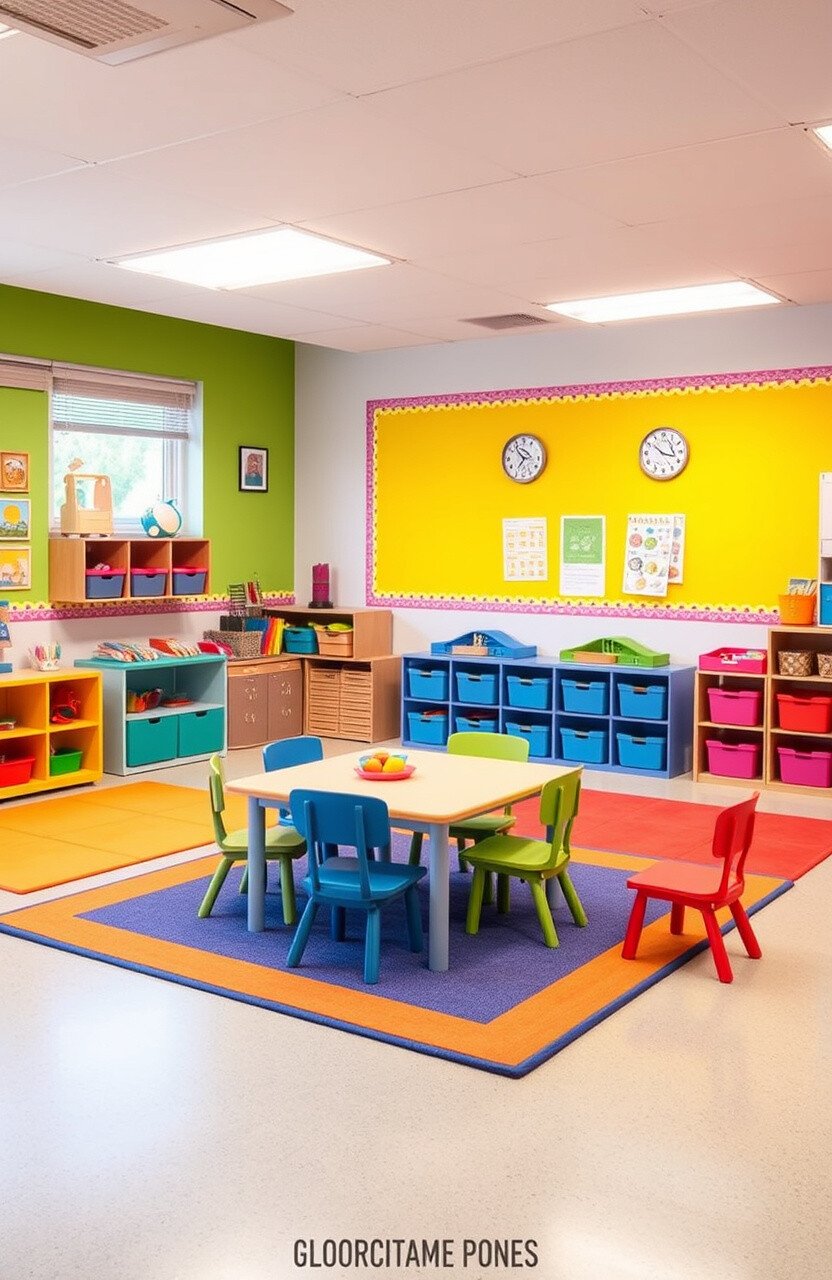
Organize the classroom into color-coded zones for different activities. Use rugs or tape to define areas like reading, art, or play.
This system helps children understand space and organization. It makes transitions between activities smooth and efficient.
Choose bright colors to make each zone stand out. Add matching bins or furniture for consistency.
Color-coding is a low-cost way to structure the classroom. It’s visually appealing and easy for children to follow.
11. Compact Science Corners
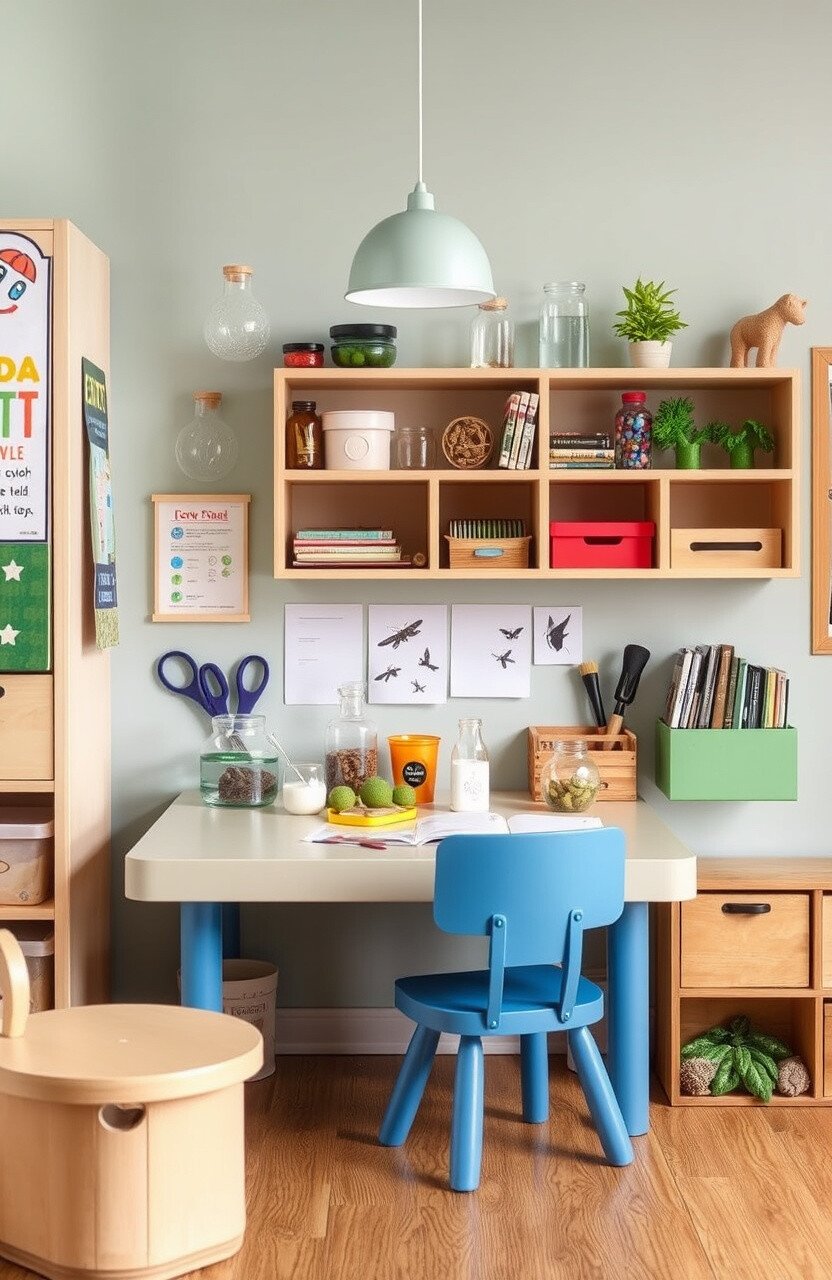
Create a compact science corner for budding scientists. Use a small table and shelves for experiments and nature collections.
This space fosters curiosity and critical thinking. Children can explore and learn about the world through hands-on activities.
Display magnifying glasses, specimen jars, and reference books. Personalize the area with rotating themes like space or insects.
Science corners can be set up with minimal cost using donated or recycled materials. They’re an exciting addition to any classroom.
12. Portable Whiteboards

Use portable whiteboards for versatile learning. They can be moved around for group work or individual practice.
This flexibility supports interactive and collaborative learning. Children can express ideas and solve problems visually.
Choose boards with colorful frames or stands for added appeal. Encourage students to use them for brainstorming sessions.
Portable whiteboards are an affordable investment. They add a dynamic element to teaching and student engagement.
13. Window Seating
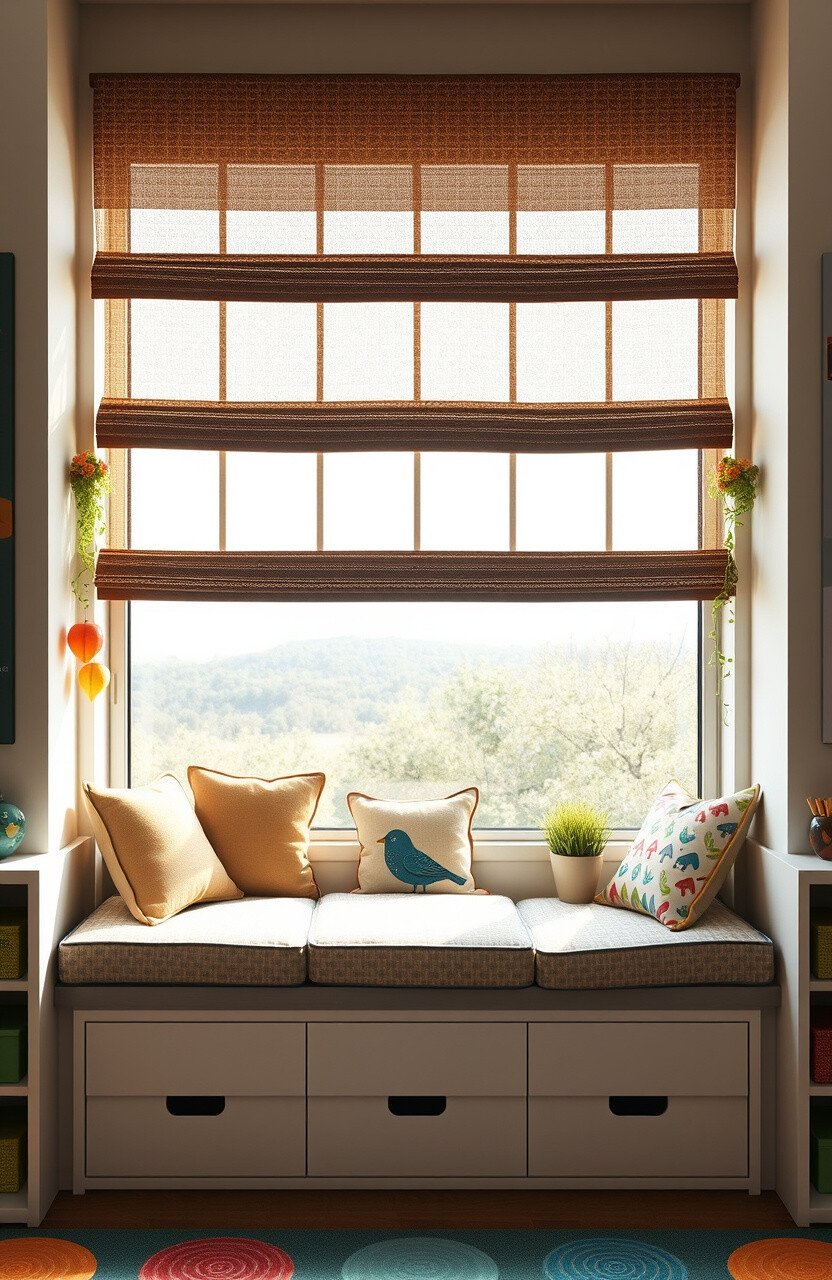
Utilize window space for seating by adding cushions or benches. It’s a great spot for reading or quiet reflection.
This idea makes use of natural light, creating a serene atmosphere. Children enjoy the view while they learn or relax.
Incorporate colorful textiles to match the classroom theme. Personalize the space with seasonal decorations or plants.
Window seating is a cost-effective way to maximize space. It offers a unique and inviting corner for students.
14. Interactive Rugs
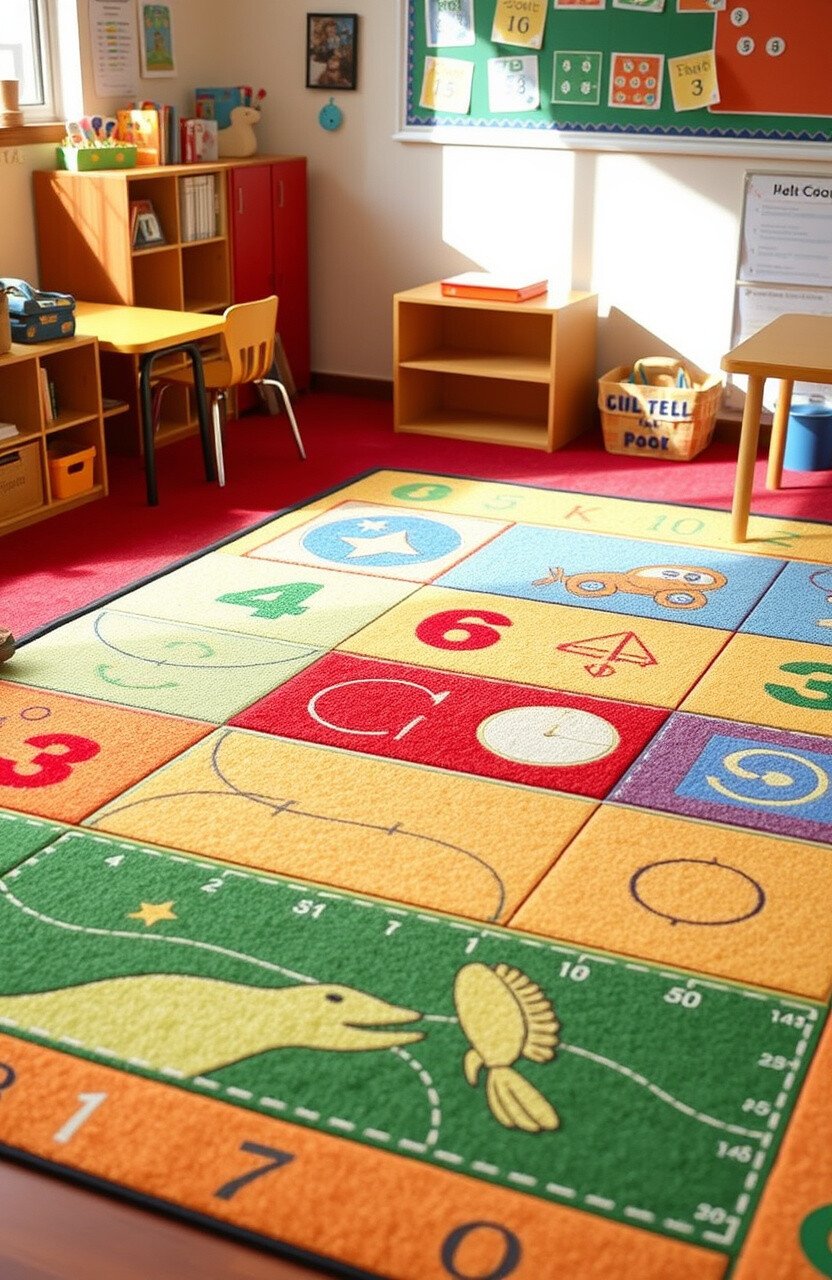
Choose interactive rugs with games or educational designs. They provide a fun and engaging learning surface.
These rugs encourage movement and active participation. They’re perfect for group activities or solo exploration.
Look for rugs with numbers, letters, or maps for variety. Rotate them to keep the classroom fresh and exciting.
Interactive rugs are an affordable way to enrich the learning environment. They add color and functionality to the room.
15. Chalkboard Paint Walls
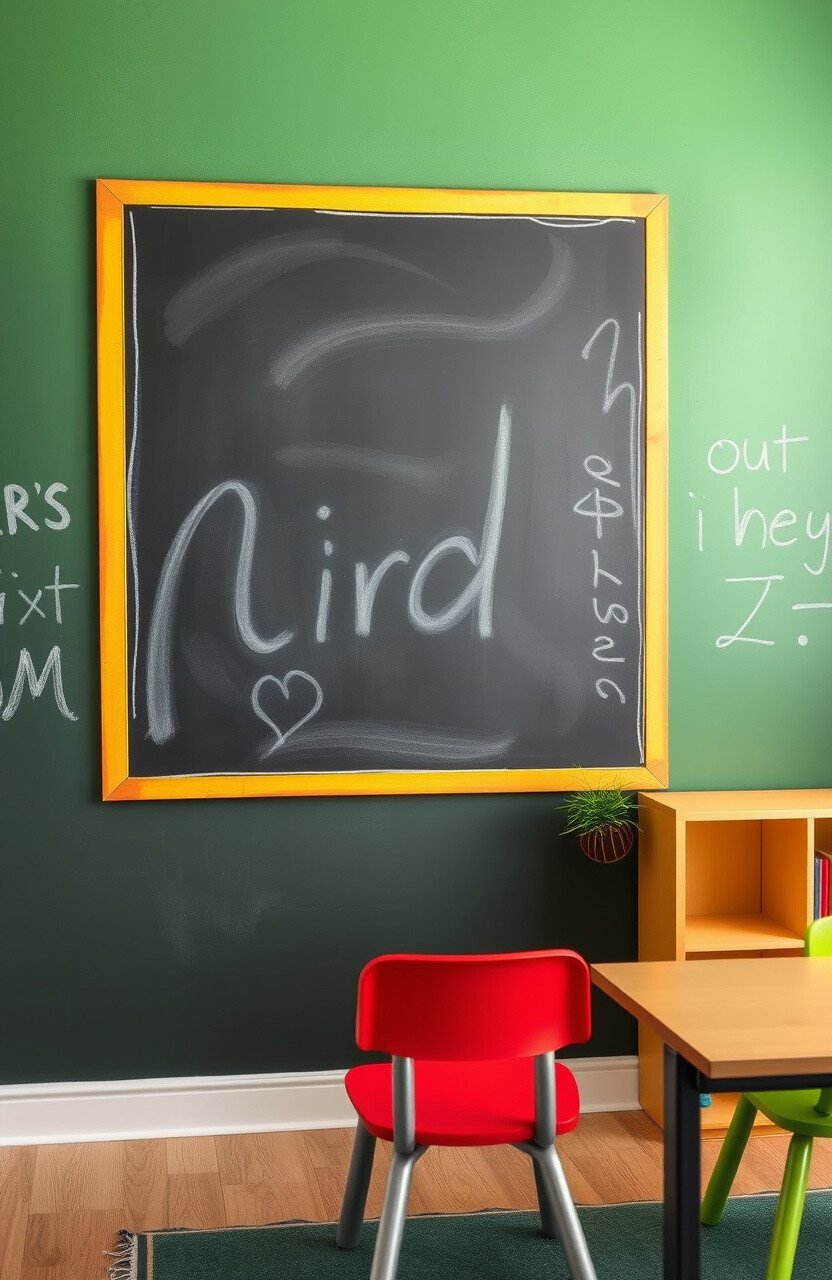
Paint a section of the wall with chalkboard paint for creativity. It’s a space where children can draw, write, and express ideas.
This wall becomes an ever-changing canvas for learning. Kids love the freedom to create and experiment with chalk.
Frame the area with colorful borders for a polished look. Encourage students to take turns showcasing their art or ideas.
Chalkboard paint is an inexpensive way to add interactivity. It transforms walls into a central hub for creativity and learning.
16. Modular Play Stations
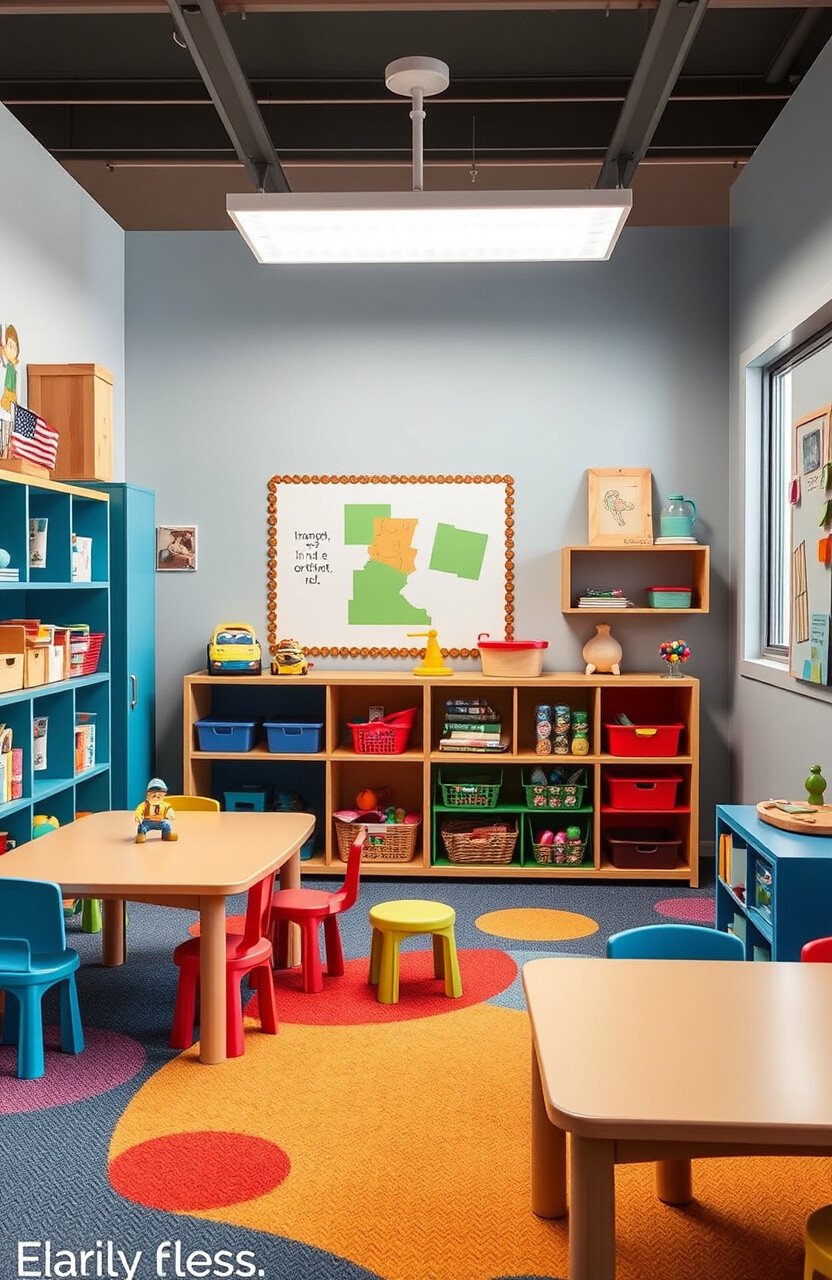
Design modular play stations for flexible learning. These stations can be rearranged for different activities or themes.
This adaptability supports varied learning experiences. Children thrive in environments that evolve with their interests.
Incorporate themes like construction or art for diverse play. Personalize with student input to reflect their preferences.
Modular stations are a smart investment, offering long-term use. They keep the classroom dynamic and engaging year-round.
17. Hanging Art Mobiles
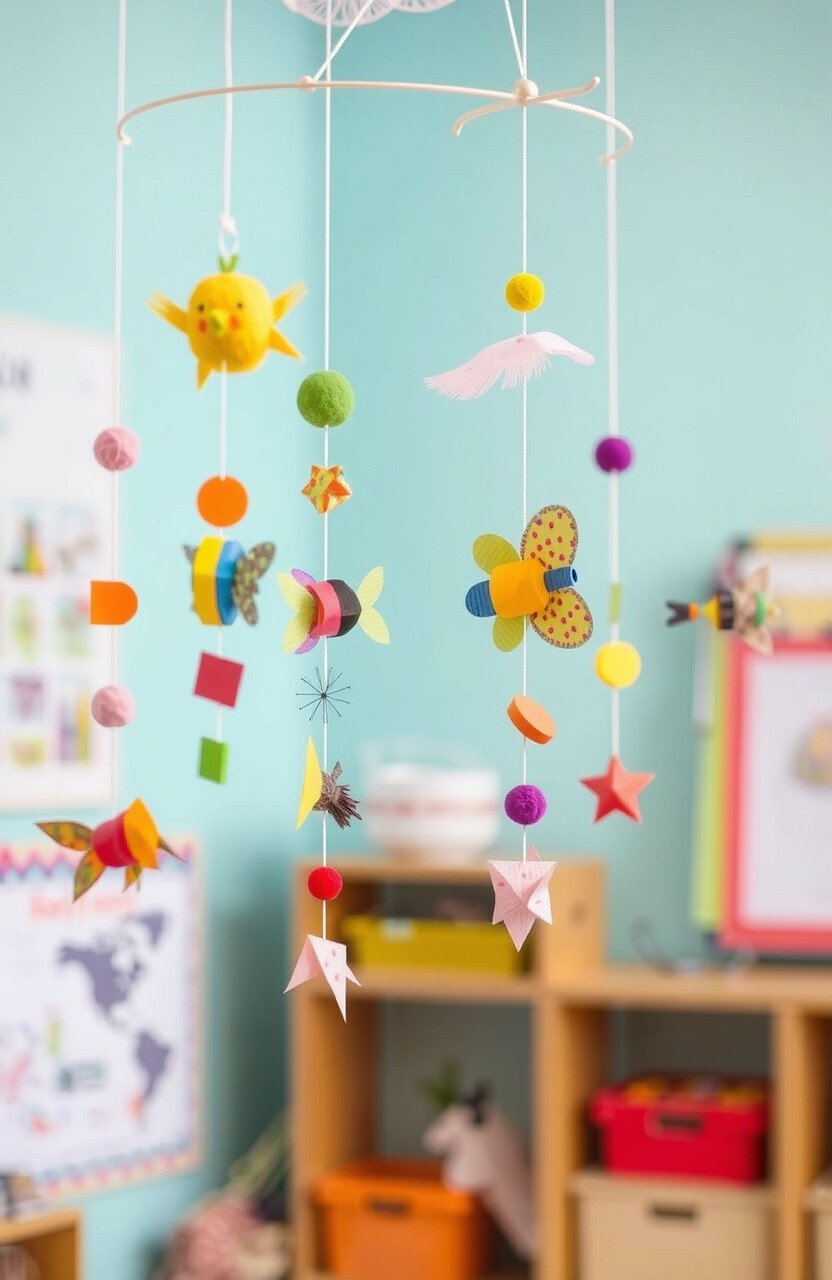
Create hanging art mobiles for a whimsical touch. Use colorful paper or recycled materials for a creative display.
These mobiles add movement and visual interest to the room. They inspire imagination and conversation among students.
Involve children in making the mobiles for personalization. Rotate designs to match current classroom themes.
Materials are low-cost and can often be found at home or in nature. Art mobiles are a delightful and educational decoration.
18. Foldable Desks
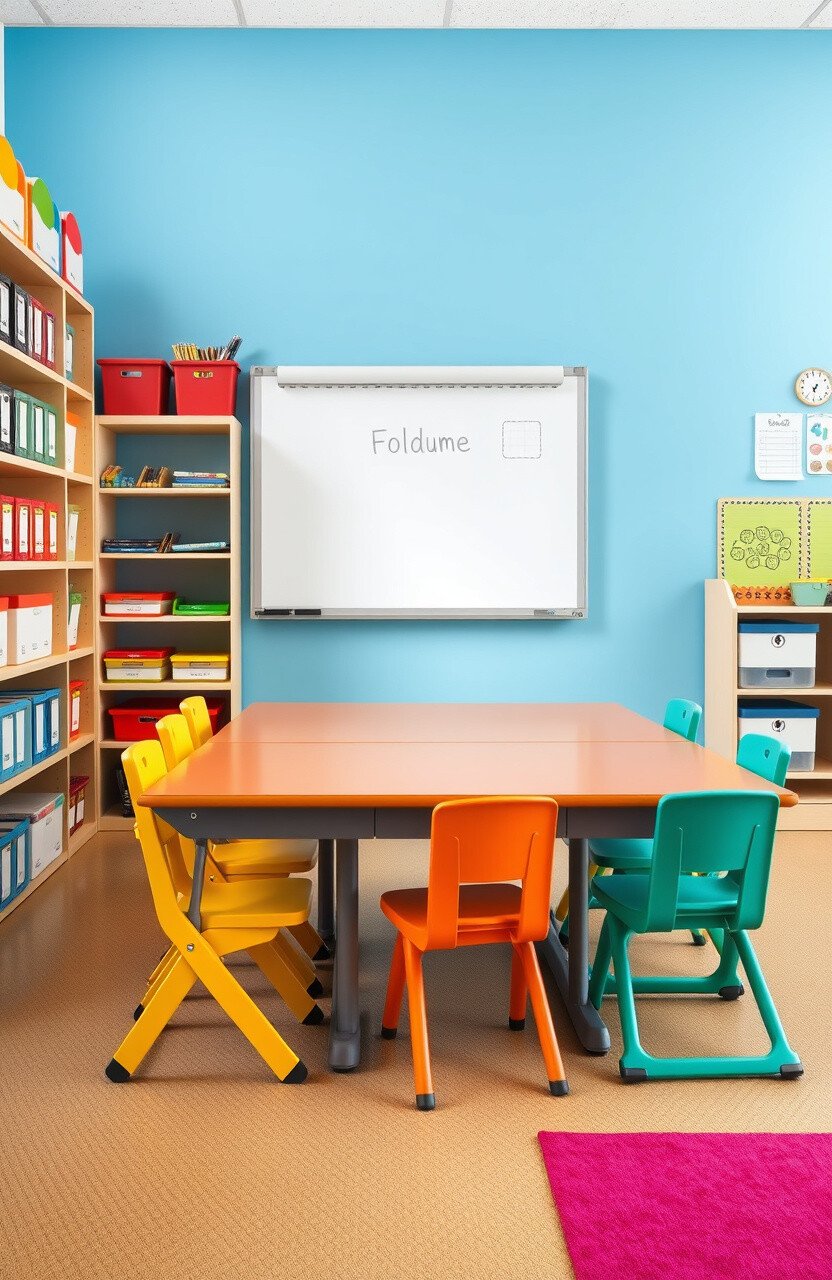
Use foldable desks for space-saving solutions. They can be stored when not in use, providing more room for activities.
These desks offer flexibility and functionality. They’re perfect for small group work or individual projects.
Choose vibrant colors to brighten the classroom. Allow students to personalize their desks with stickers or name tags.
Foldable desks are a practical investment for any classroom. They maximize available space and support diverse learning styles.
19. Sensory Wall Panels
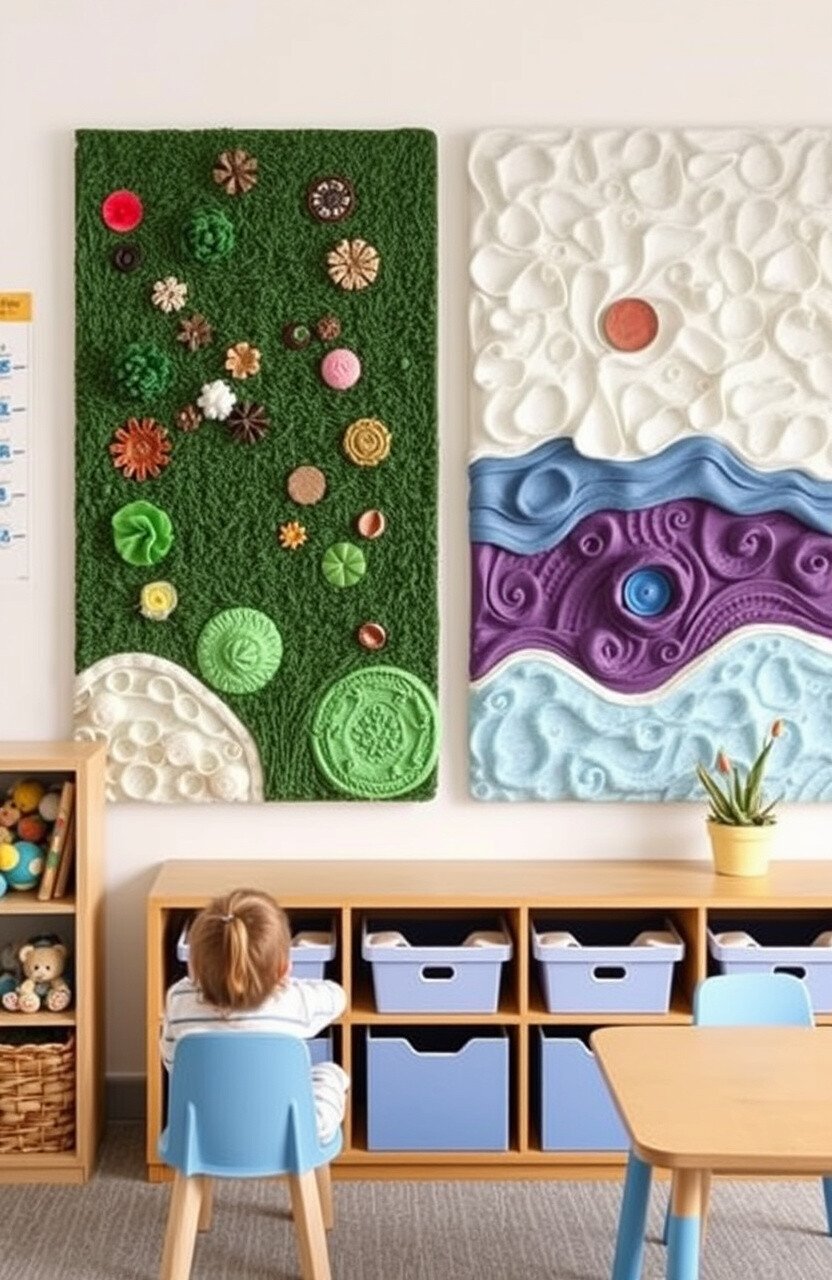
Install sensory wall panels for tactile learning. Use different textures and materials for children to explore.
These panels support sensory development and curiosity. They provide a calming and engaging experience for students.
Incorporate themes like ocean waves or forest textures. Personalize with student-made additions for a unique touch.
Sensory panels can be created with budget-friendly materials. They’re a wonderful way to enhance the classroom environment.
20. Stackable Storage Bins
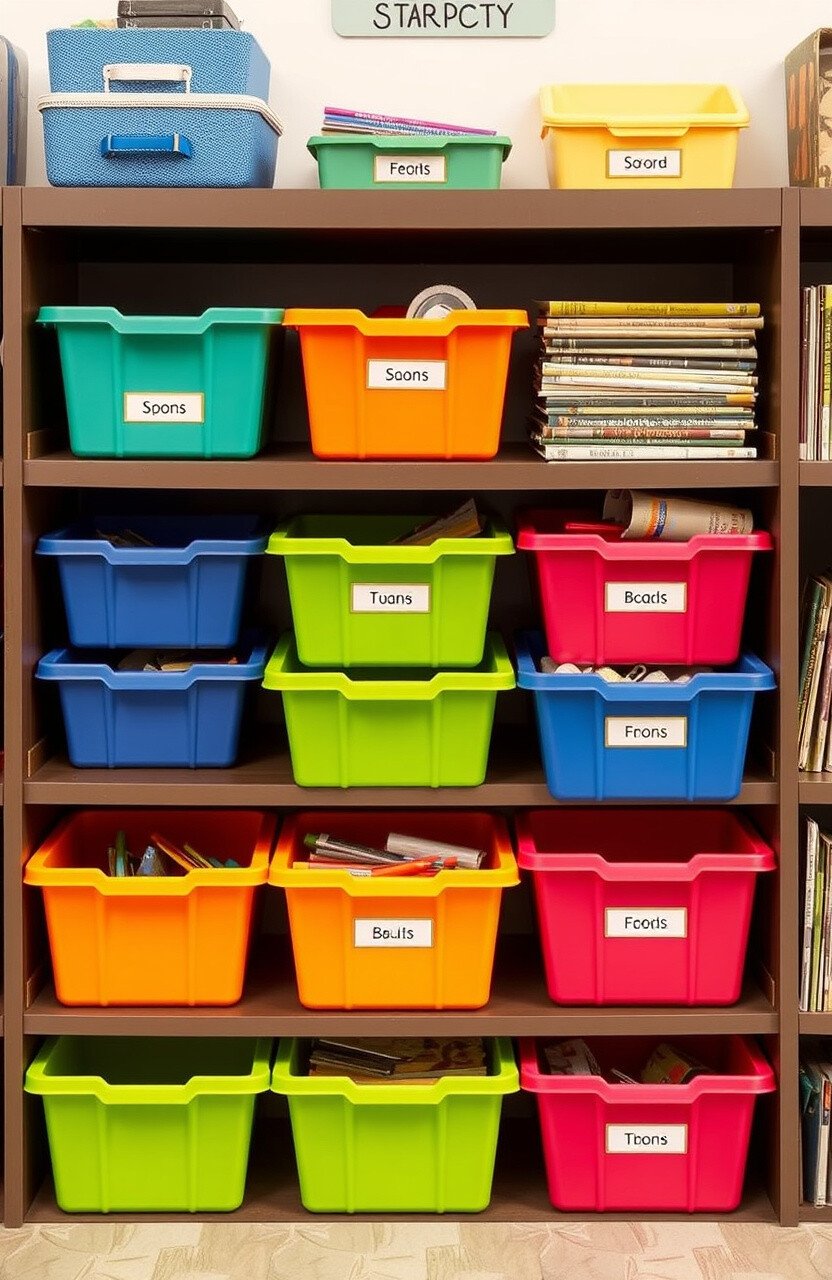
Organize supplies with stackable storage bins. They’re perfect for keeping art materials, toys, and books tidy.
These bins maximize vertical space and reduce clutter. They make it easy for children to find and return items independently.
Select bins in bright colors for a cheerful look. Label them clearly to encourage organization among students.
Stackable bins are cost-effective and versatile. They’re a must-have for maintaining an orderly and efficient classroom.
21. Compact Workstations
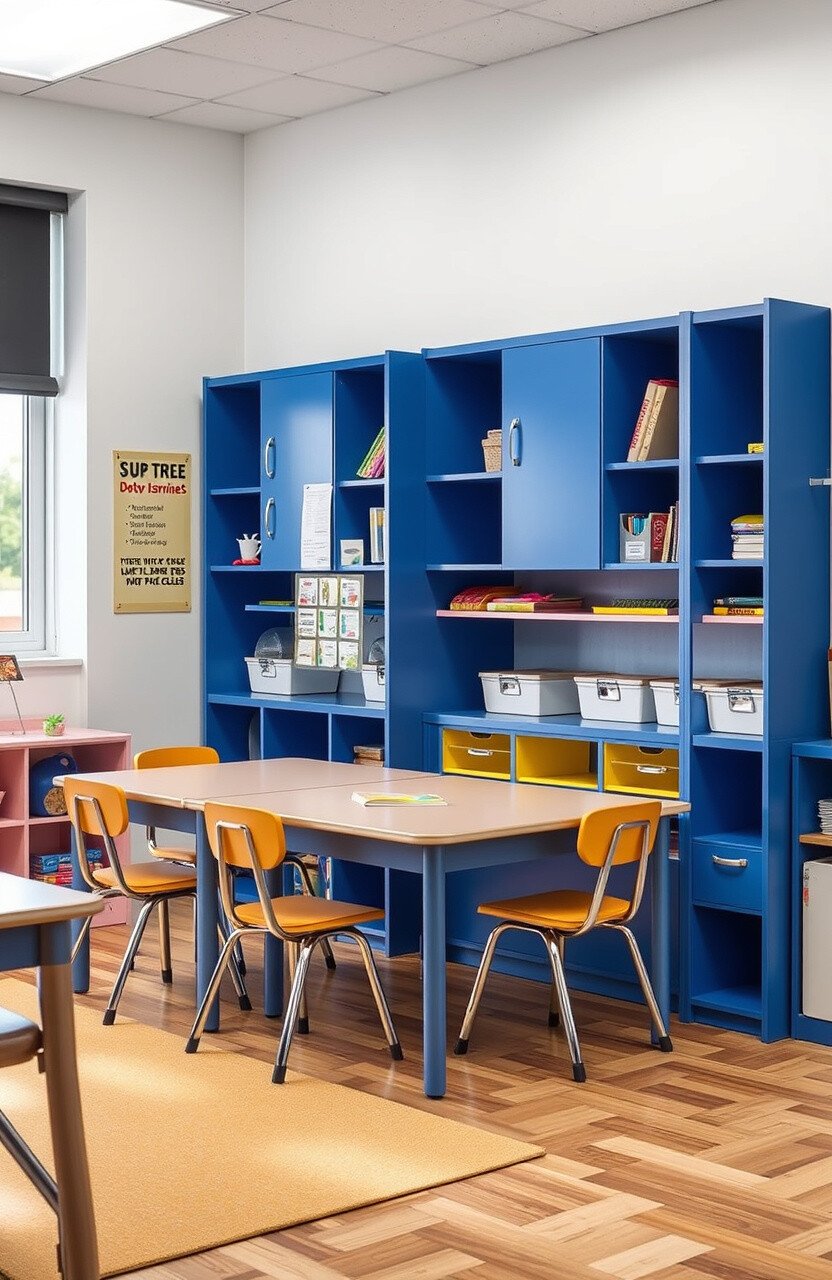
Create compact workstations for focused learning. Use small tables or desks with built-in storage for supplies.
These workstations help students concentrate on tasks. They’re ideal for individual or small group activities.
Choose colorful finishes to match the classroom theme. Allow students to personalize their space with small decorations.
Compact workstations are an affordable way to organize the classroom. They provide dedicated spaces for learning and creativity.
22. Ceiling-Mounted Decorations
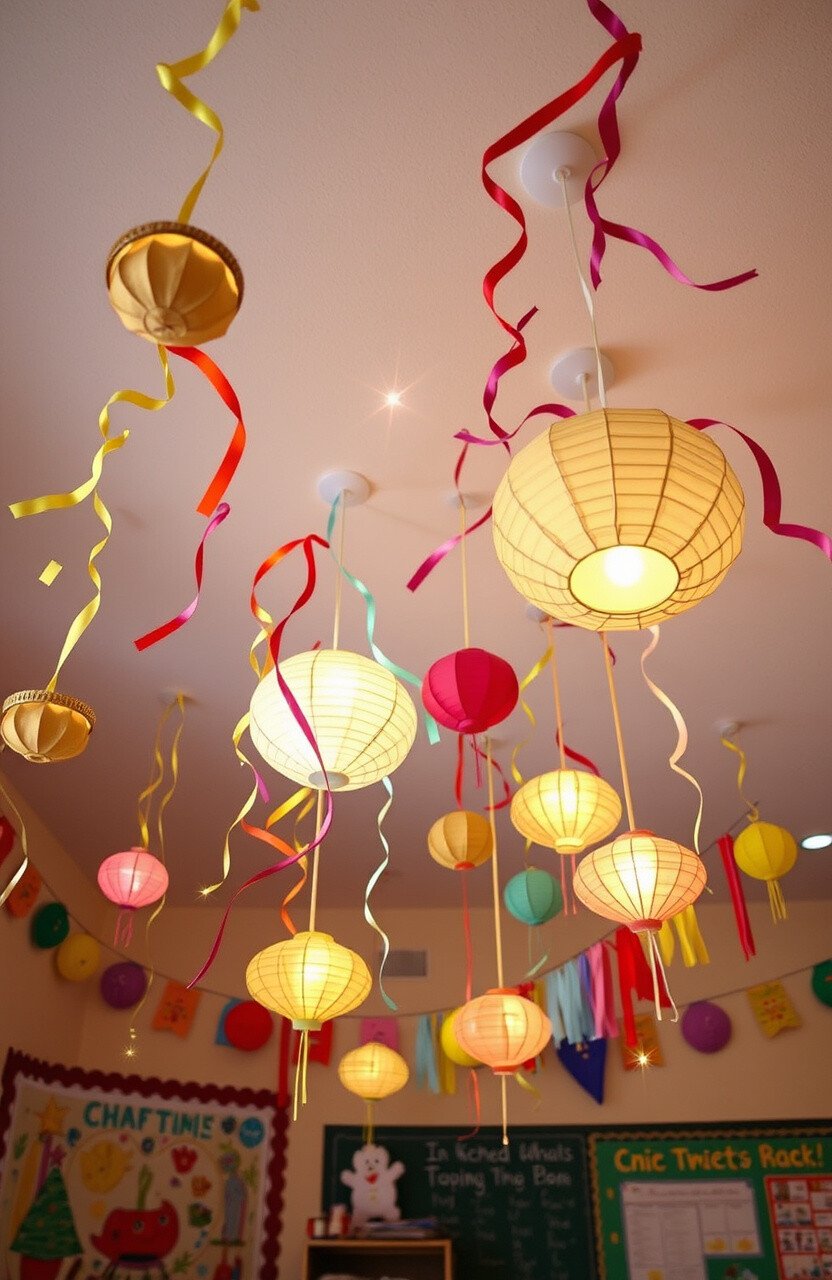
Hang decorations from the ceiling for a magical touch. Use paper lanterns or streamers to add color and movement.
These decorations create a whimsical atmosphere. They capture children’s imaginations and add depth to the room.
Incorporate seasonal themes or classroom projects. Let students contribute to the designs for personalization.
Ceiling decorations are inexpensive and easy to change. They transform the space and make it feel lively and inviting.
23. Low Partition Dividers
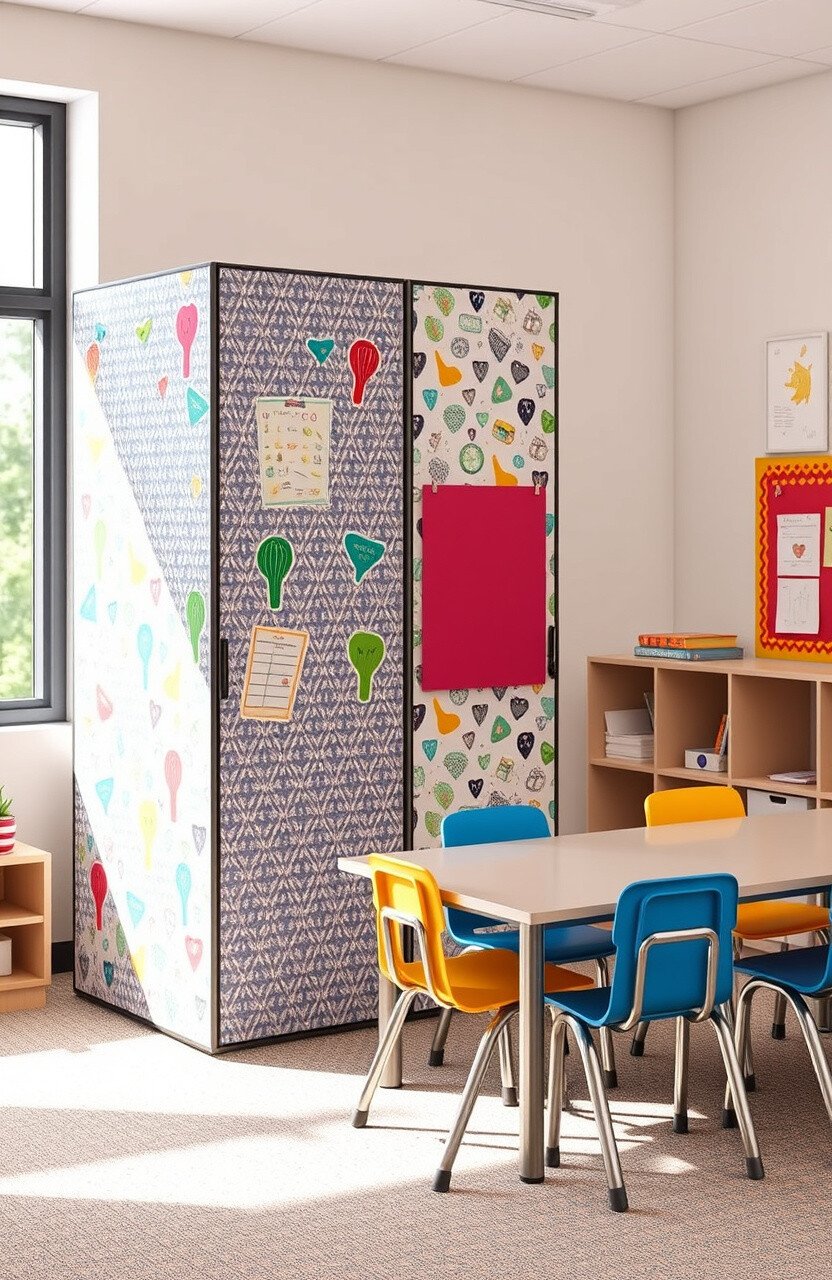
Use low partition dividers to create distinct areas. They’re perfect for separating different activity zones.
These dividers help structure the classroom without hindering supervision. They provide a sense of space and organization.
Choose dividers with colorful patterns or student artwork. Rotate them to keep the room dynamic and engaging.
Low partitions are budget-friendly and adaptable. They offer a simple solution for managing classroom layout.
24. Interactive Bulletin Boards
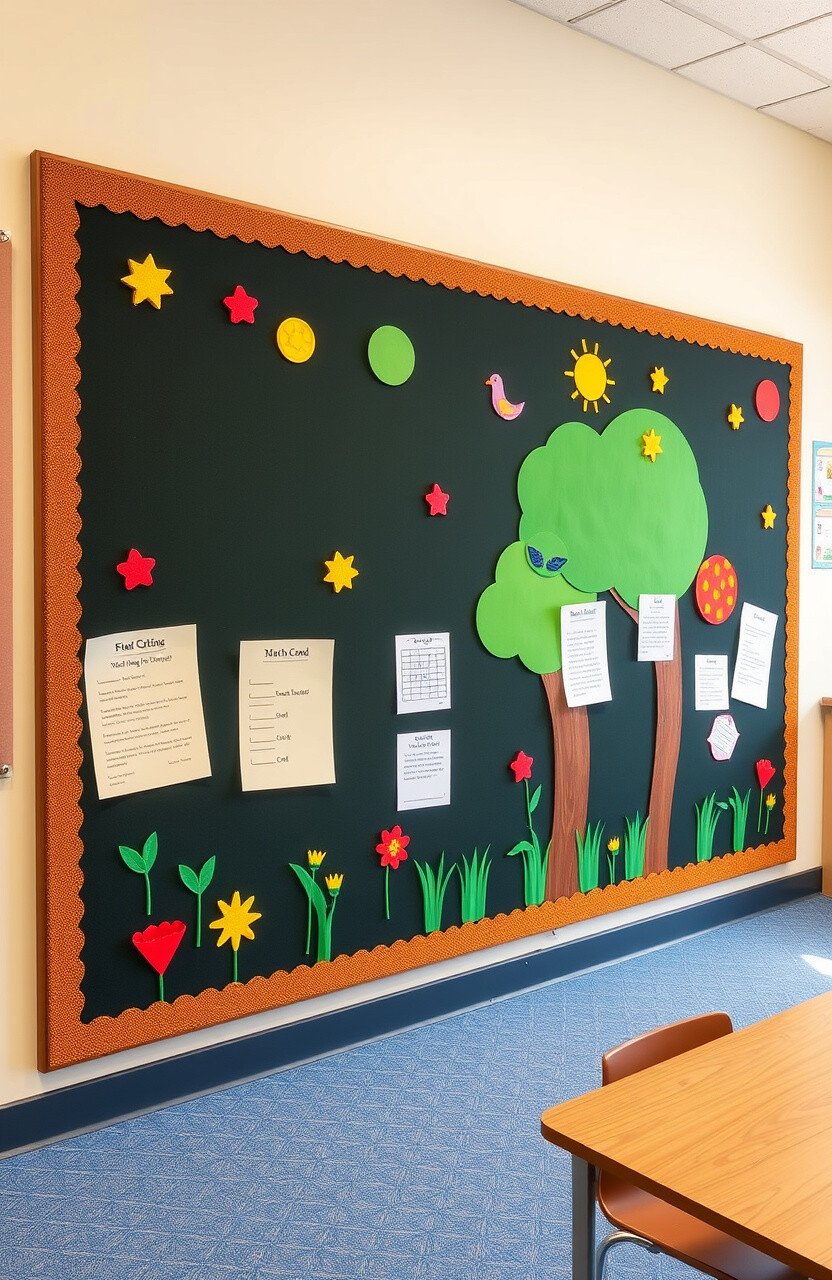
Design interactive bulletin boards for dynamic learning. Use them for storytelling, math games, or science facts.
These boards engage students and support visual learning. They encourage interaction and collaboration among peers.
Update themes regularly to keep students interested. Personalize with student contributions for a sense of ownership.
Bulletin boards are affordable and versatile. They’re a creative way to enrich the classroom experience.
25. Roll-Up Mats
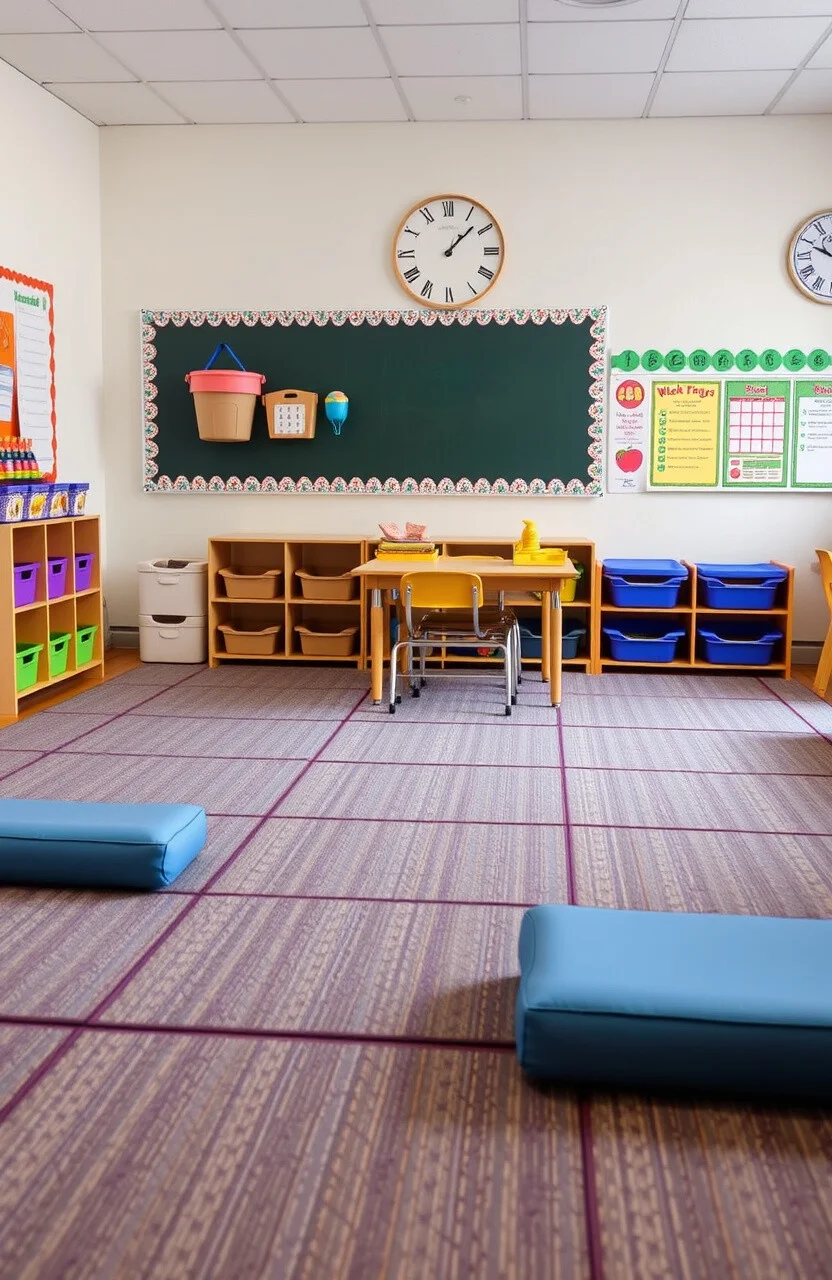
Utilize roll-up mats for versatile seating. They’re perfect for group activities or quiet time.
These mats provide comfort and flexibility. They’re easy to store and transport, making them ideal for small spaces.
Choose mats in fun colors or patterns to match the classroom. Allow students to choose their mats for a personal touch.
Roll-up mats are inexpensive and practical. They offer a simple solution for adaptable seating arrangements.
26. DIY Puppet Theater
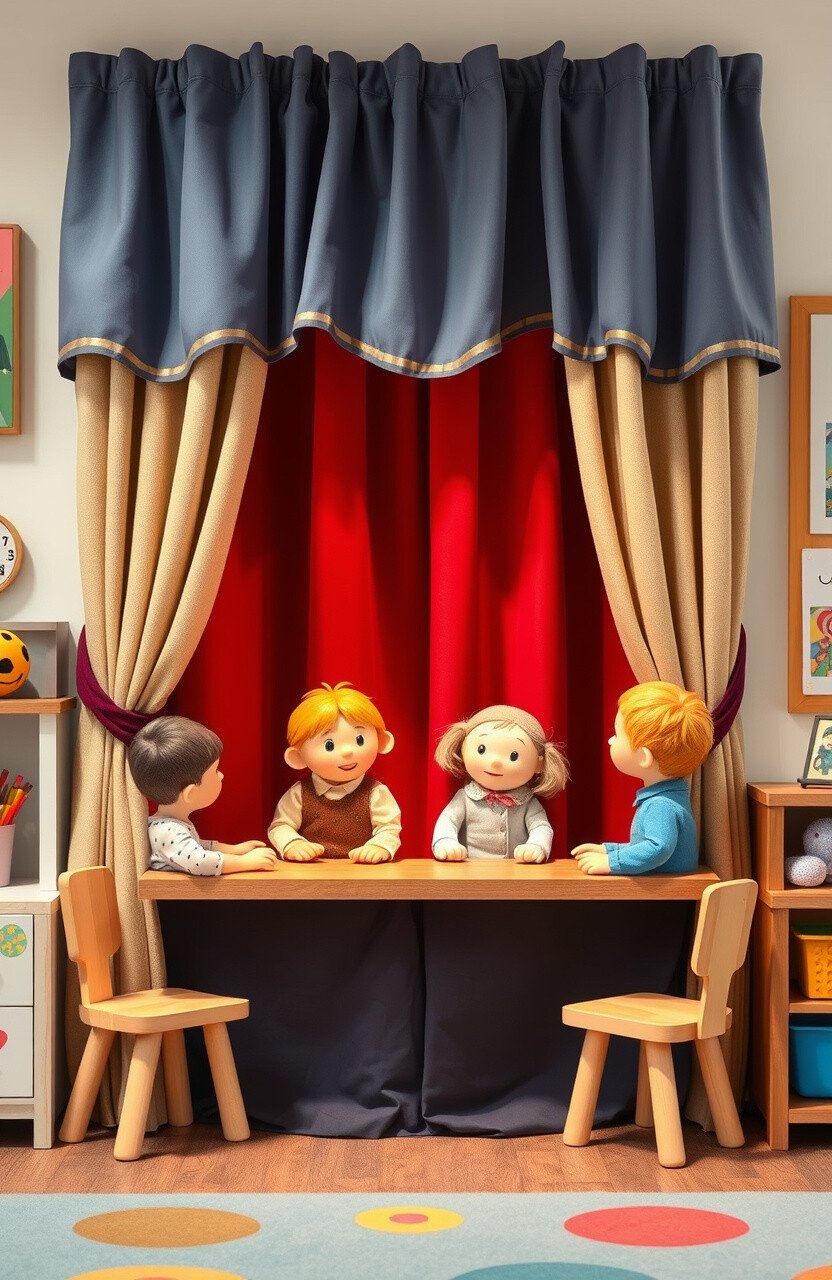
Create a DIY puppet theater for creative storytelling. Use a simple curtain and frame for an instant stage.
This theater nurtures imagination and communication skills. Children love performing and watching puppet shows.
Incorporate themes or character sets for variety. Encourage students to make their own puppets for personalization.
Materials for a puppet theater are low-cost and often found at home. It’s a delightful addition to any classroom.
27. Hanging Book Slings
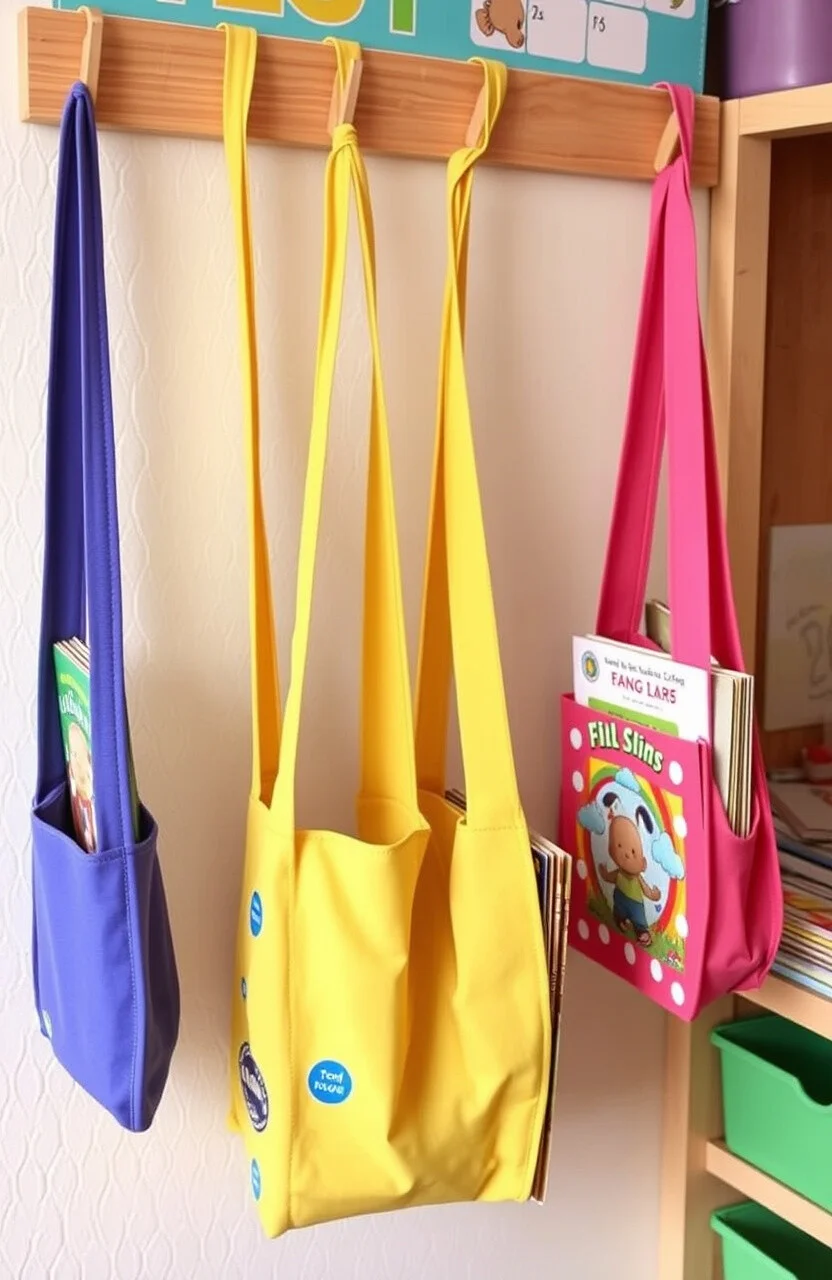
Install hanging book slings for easy access to reading materials. They’re perfect for displaying books in a small space.
These slings promote reading and organization. They make it easy for children to choose and return books independently.
Select colorful fabrics to brighten the room. Rotate the book selection to keep the slings fresh and exciting.
Book slings are an affordable and creative storage solution. They encourage a love for reading and learning.
28. Mirror Panels
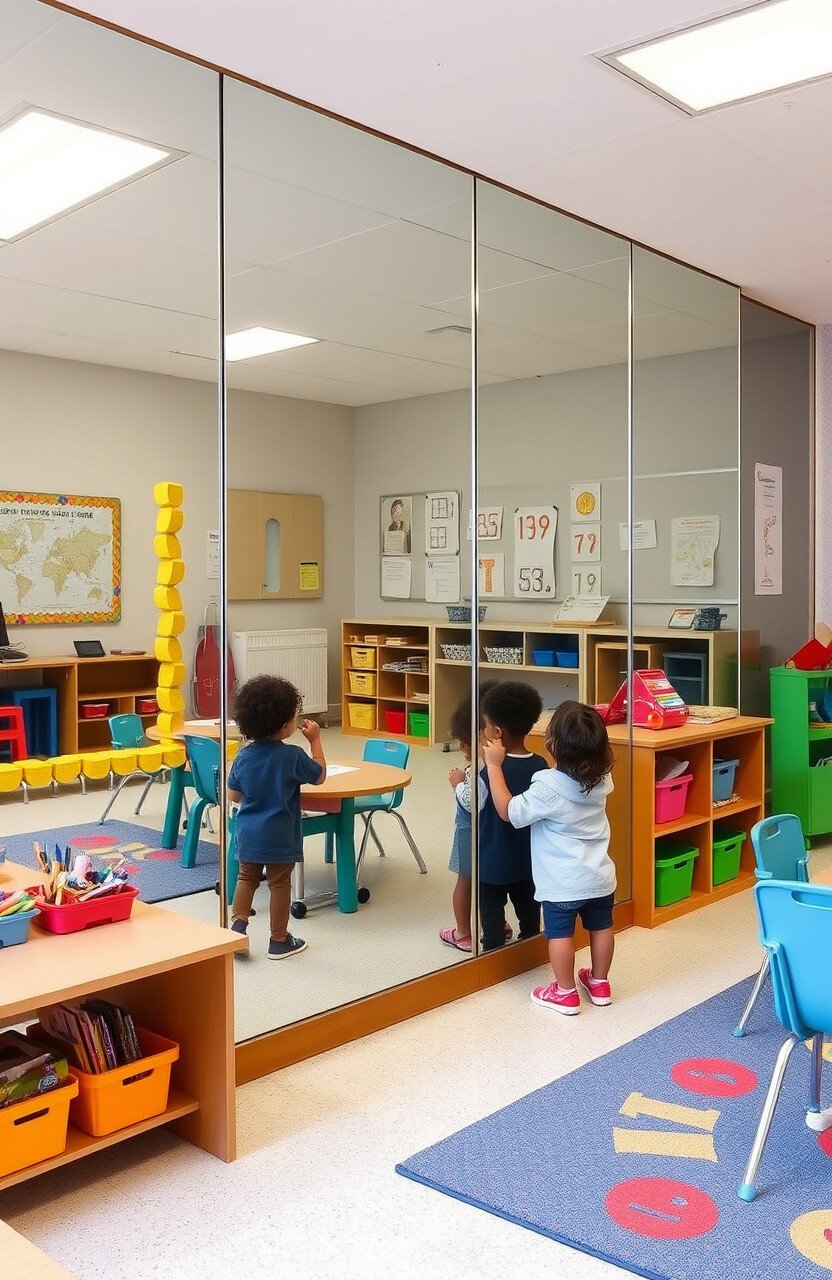
Use mirror panels to enhance the classroom space. They reflect light and make the room feel larger and brighter.
Mirrors encourage self-awareness and exploration. Children enjoy seeing their reflections and interacting with the panels.
Choose safe, shatterproof mirrors for peace of mind. Personalize with colorful frames or stickers for added interest.
Mirror panels are a cost-effective way to transform the classroom. They add depth and dimension to any space.
29. Educational Wall Decals
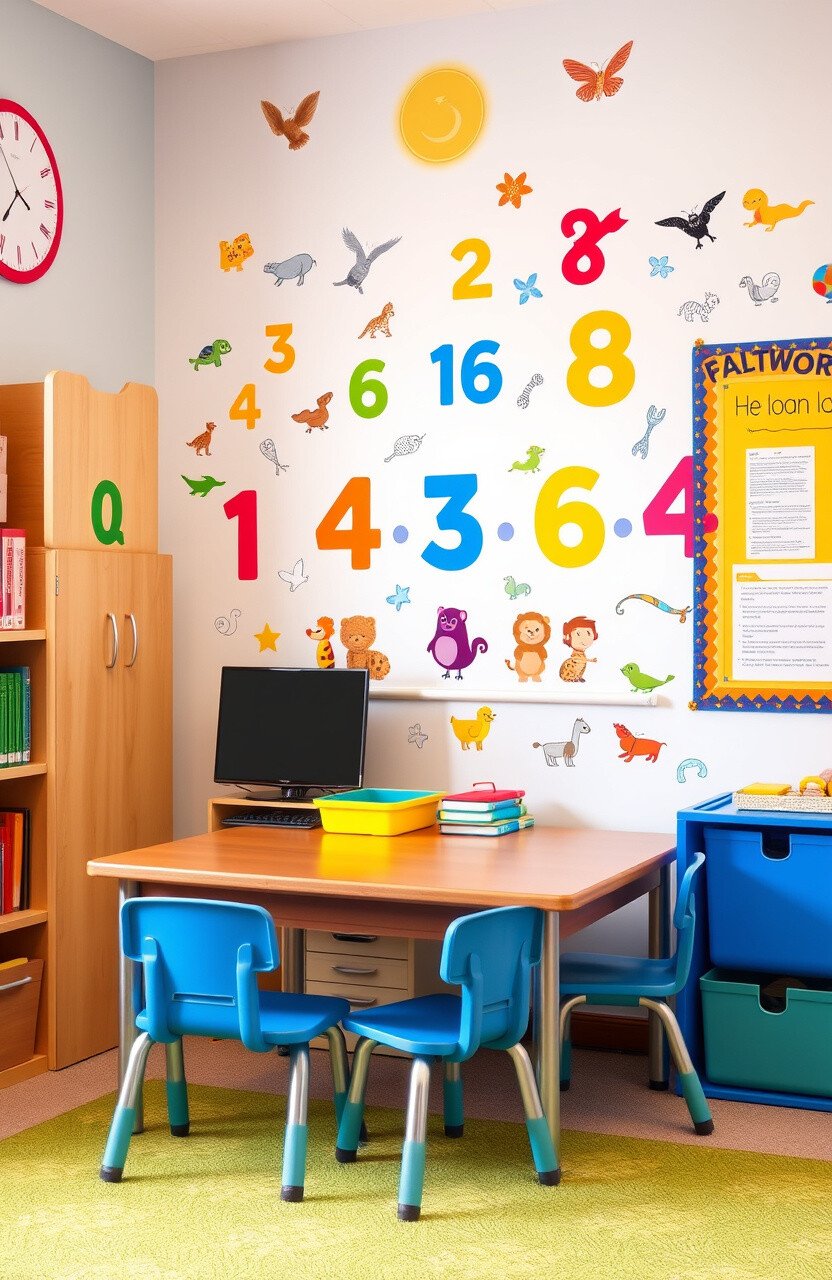
Apply educational wall decals for a learning-rich environment. Use numbers, letters, or animal designs to inspire curiosity.
These decals support visual learning and knowledge retention. They make the classroom vibrant and inviting.
Incorporate themes or rotate designs for variety. Allow students to choose decals for a personal touch.
Wall decals are affordable and easy to apply. They’re a simple way to enhance the educational atmosphere.
30. Foldable Play Tents
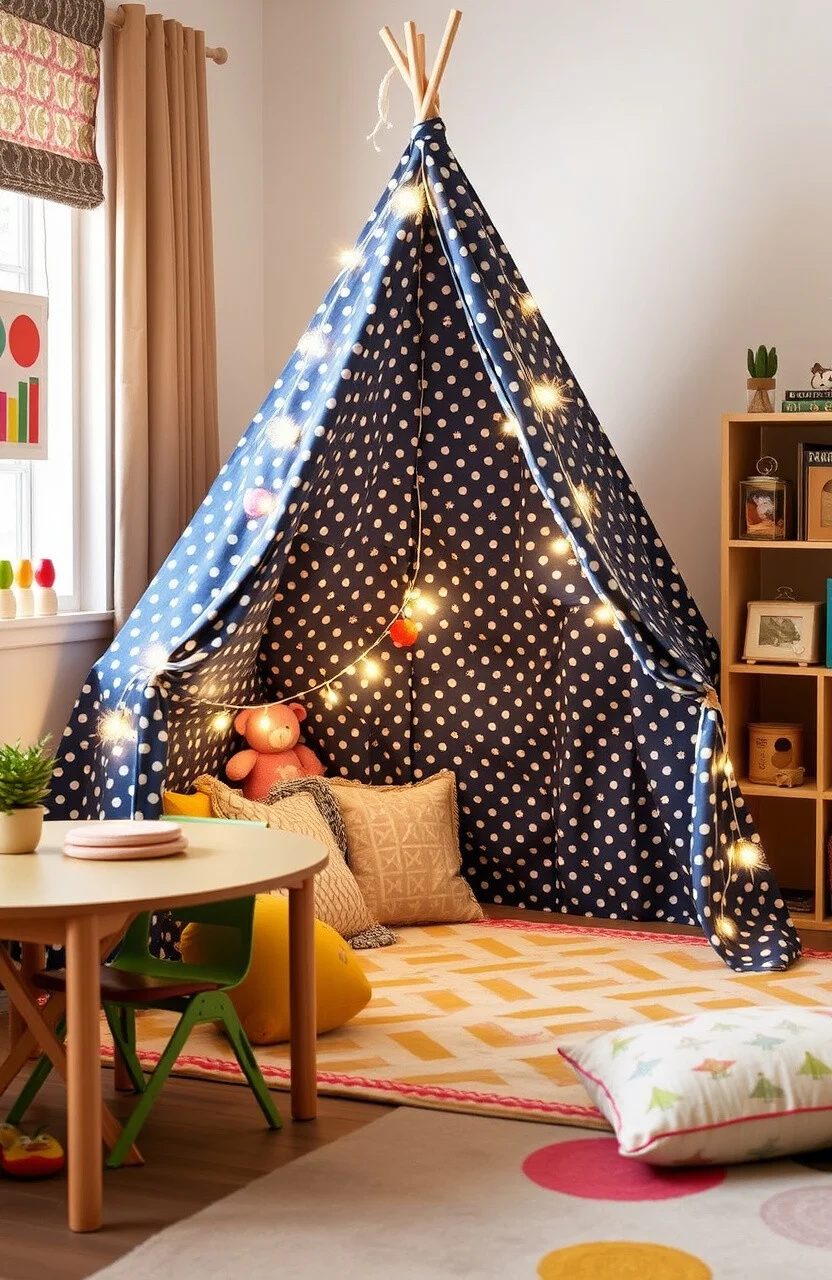
Introduce foldable play tents for imaginative play. They’re perfect for creating cozy corners or themed play areas.
These tents inspire creativity and role-playing. Children love having a private space for their adventures.
Choose tents with fun patterns or themes. Encourage students to decorate them with cushions or fairy lights.
Foldable tents are a budget-friendly addition to the classroom. They offer endless possibilities for play and learning.
31. Chalkboard Table Tops
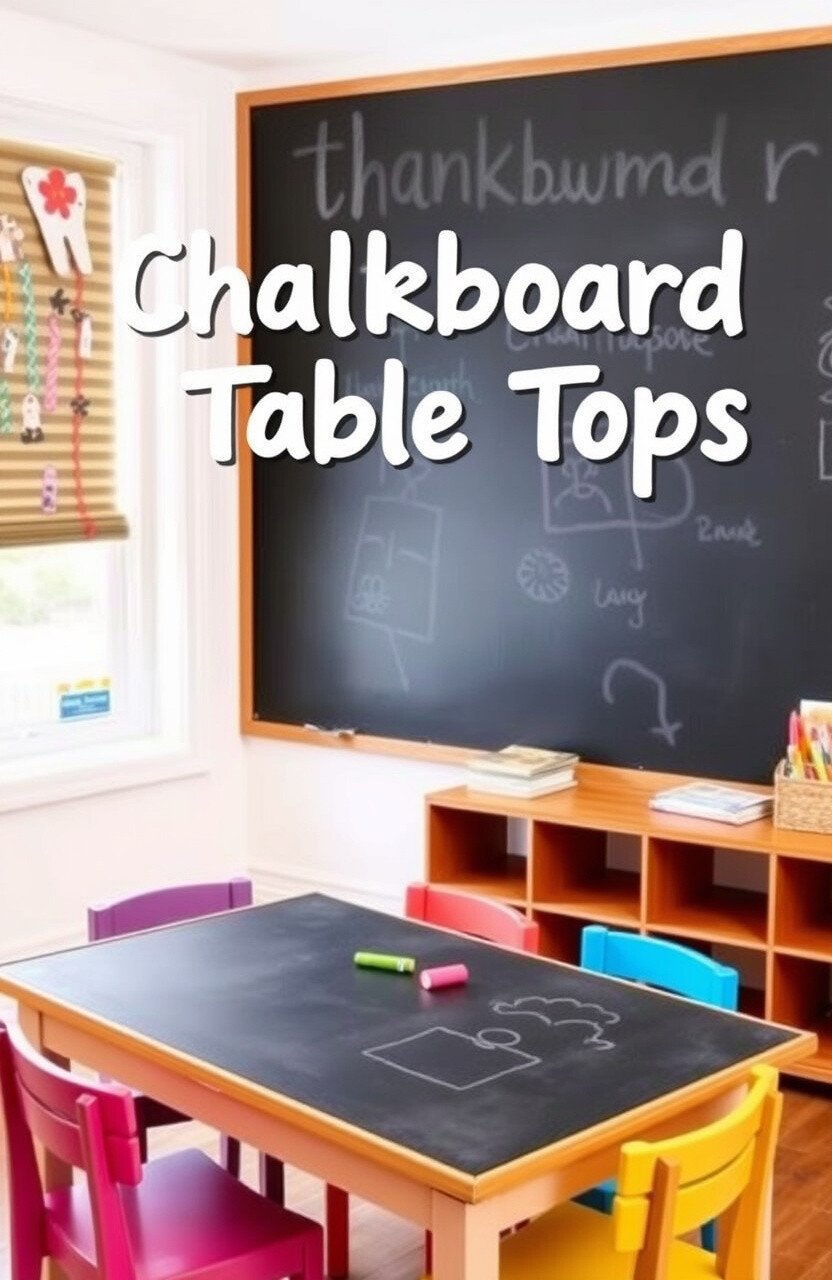
Transform table tops with chalkboard paint for creativity. Kids can draw, solve problems, or practice writing directly on tables.
This idea encourages interactive learning and self-expression. It turns tables into versatile tools for education and fun.
Add colorful chairs or stools for a complete look. Provide plenty of chalk and erasers for continuous use.
Chalkboard paint is an inexpensive way to revamp furniture. It offers a playful and educational surface for students.
32. Themed Learning Centers
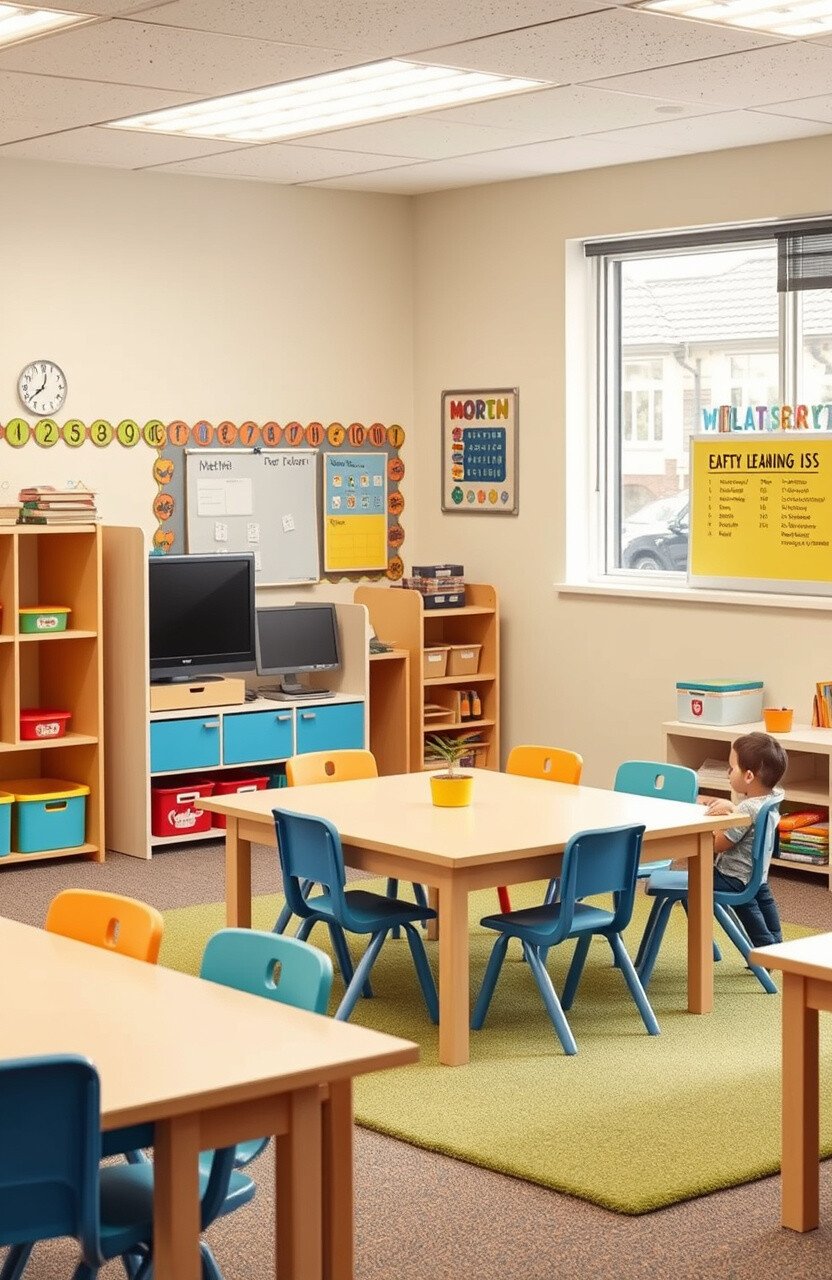
Create themed learning centers for focused exploration. Use small tables or shelves to define each area.
These centers support targeted learning and engagement. Children can explore topics like math, science, or art in depth.
Rotate themes regularly to keep interest high. Encourage student input for personalized learning experiences.
Themed centers can be set up with minimal cost using existing materials. They enrich the classroom with diverse learning opportunities.
33. Hanging Planters
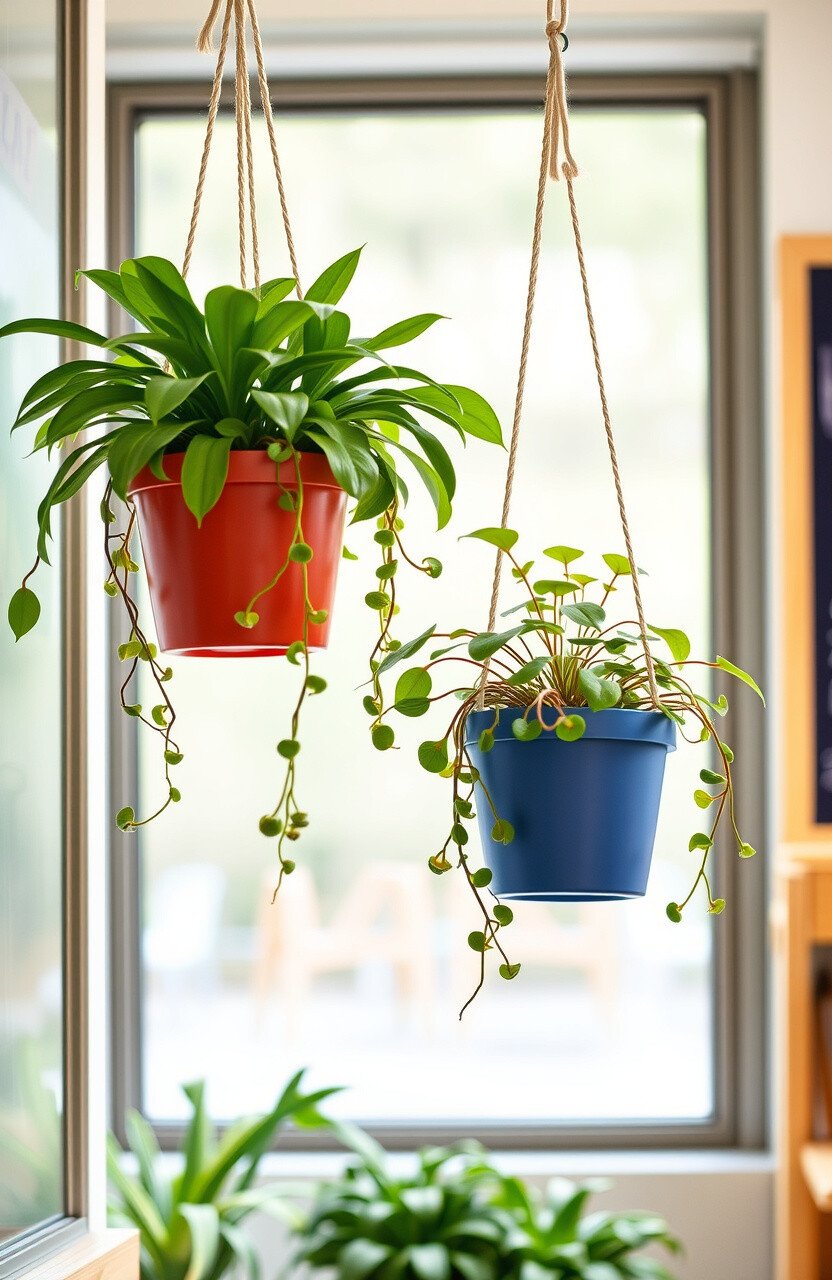
Use hanging planters to bring greenery into the classroom. They add a touch of nature and improve air quality.
These planters promote a calm and inviting atmosphere. They connect children to nature and teach responsibility through plant care.
Choose hardy, low-maintenance plants for ease. Personalize with colorful pots or plant markers.
Hanging planters are affordable and easy to install. They’re a beautiful way to enhance the classroom environment.
34. Transparent Storage Containers
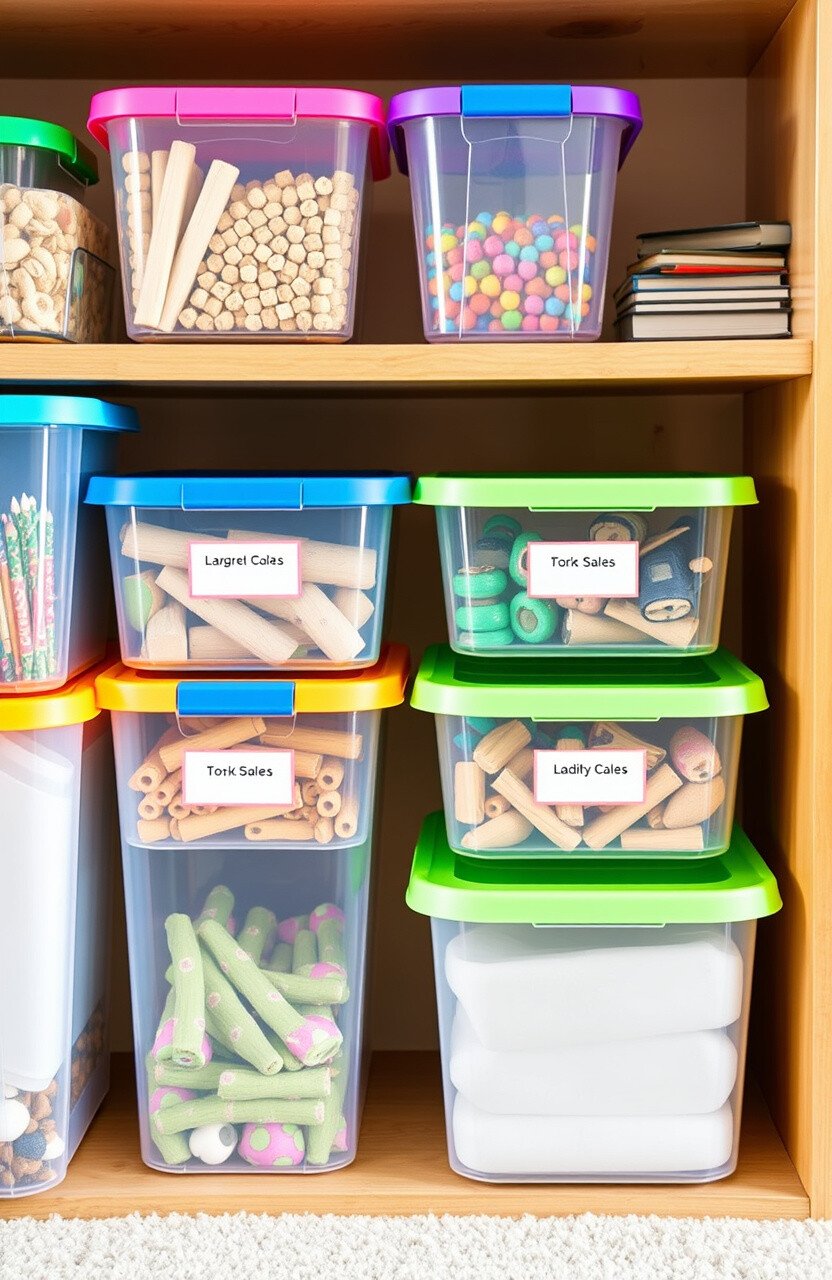
Organize supplies with transparent storage containers. They’re perfect for keeping materials visible and accessible.
These containers make it easy for children to find what they need. They promote independence and organization skills.
Select containers with colorful lids for a fun touch. Label them clearly to encourage tidiness.
Transparent containers are budget-friendly and versatile. They’re a practical solution for maintaining an orderly classroom.
35. Creative Ceiling Art

Decorate the ceiling with creative art installations. Use paper, fabric, or recycled materials for a stunning display.
These installations captivate imaginations and add depth. They create a visually stimulating environment for learning.
Incorporate themes like sky or ocean for variety. Involve students in making the art for a personal touch.
Materials are inexpensive and often available at home. Ceiling art is a unique way to transform the classroom space.
36. Interactive Floor Decals
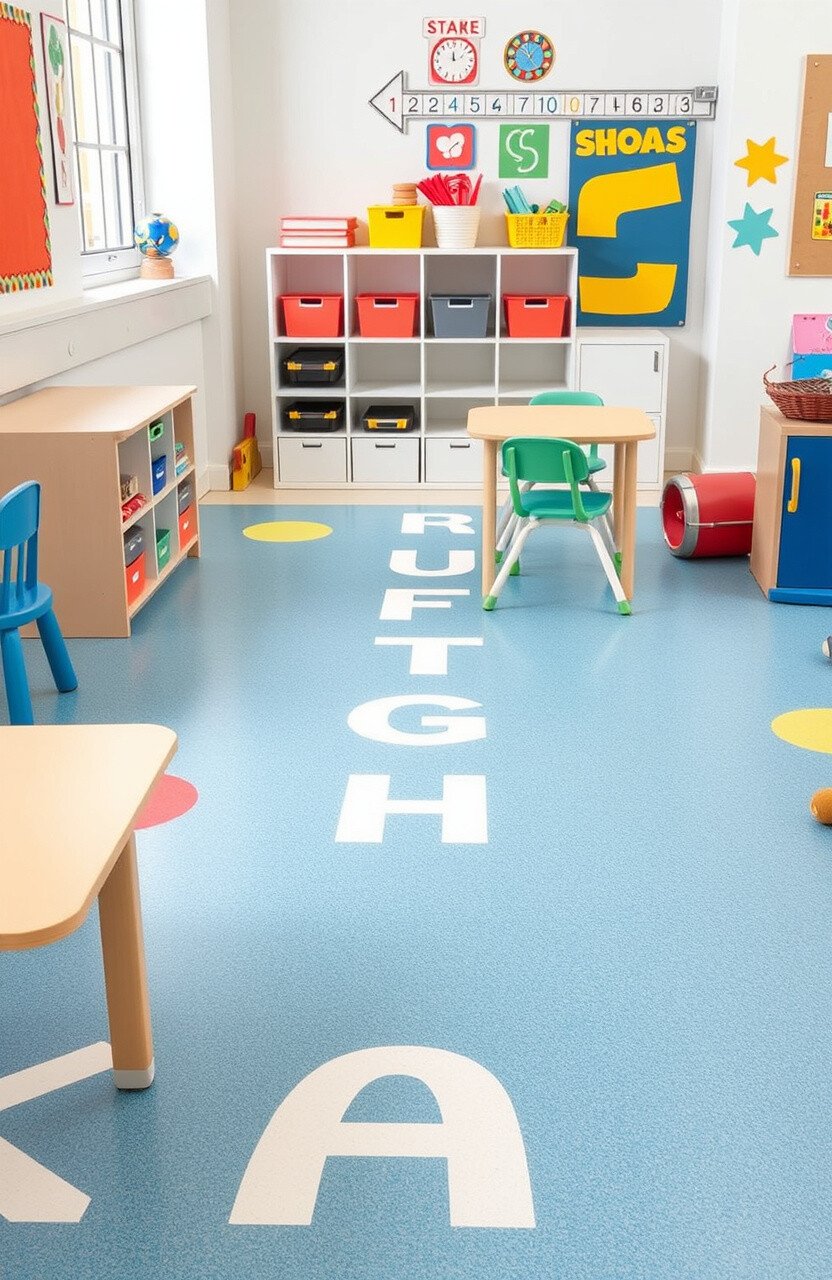
Apply interactive floor decals for educational fun. Use shapes, letters, or hopscotch designs for active learning.
These decals encourage movement and coordination. They make learning engaging and playful for students.
Choose colorful designs to match the classroom theme. Rotate decals to keep the floor dynamic and exciting.
Floor decals are affordable and easy to apply. They’re a delightful addition to any learning environment.
37. Rolling Carts
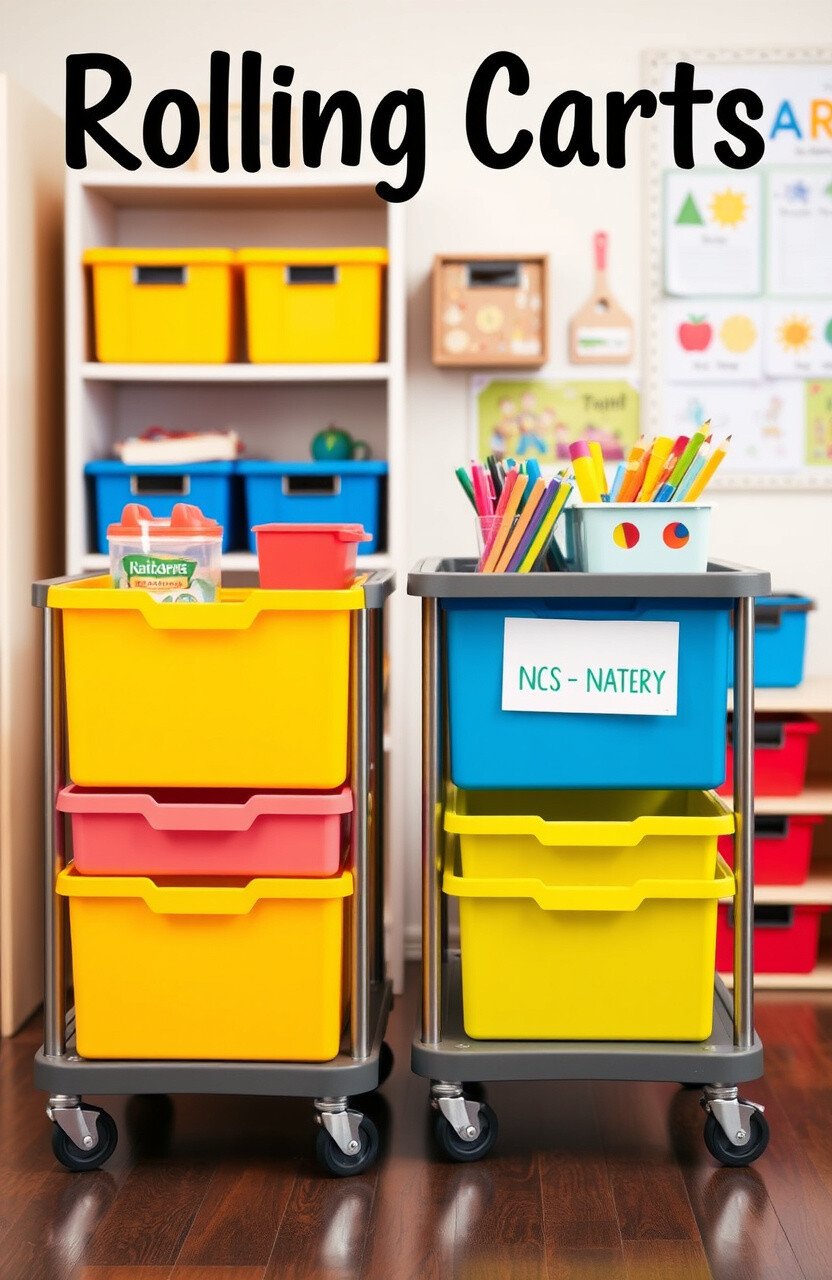
Use rolling carts for flexible storage solutions. They’re perfect for moving supplies or creating mobile stations.
These carts offer convenience and accessibility. They make it easy to organize and transport materials as needed.
Select carts in bright colors to match the classroom. Personalize with student artwork for a unique touch.
Rolling carts are a cost-effective way to enhance mobility. They’re a versatile tool for any classroom setup.
38. DIY Light Tables
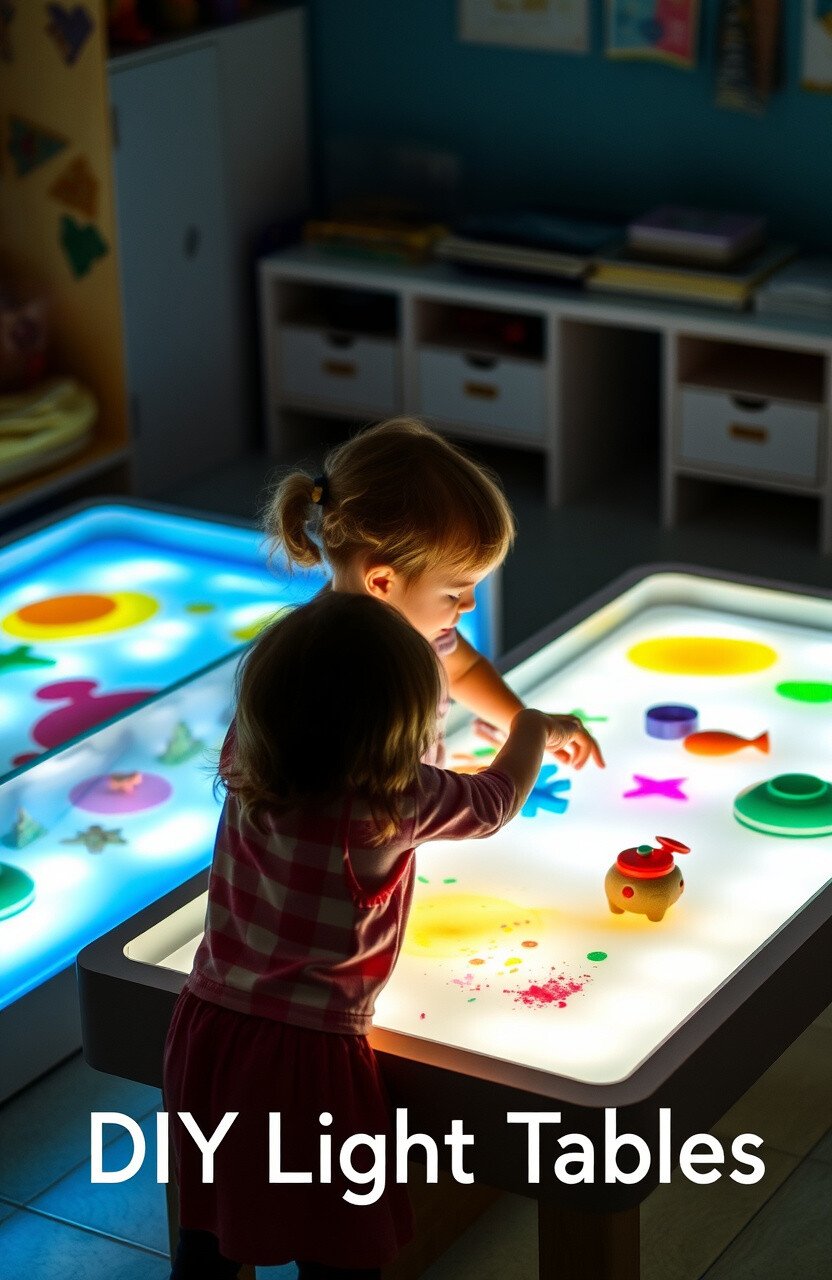
Create a DIY light table for sensory exploration. Use a clear container with LED lights for a glowing effect.
This table supports visual and tactile learning. Children can experiment with colors, shapes, and textures in a new way.
Incorporate colored films or translucent objects for variety. Personalize with themes like space or underwater scenes.
Materials for a light table are budget-friendly and easy to find. It’s a fascinating addition to any classroom.
39. Pegboard Walls
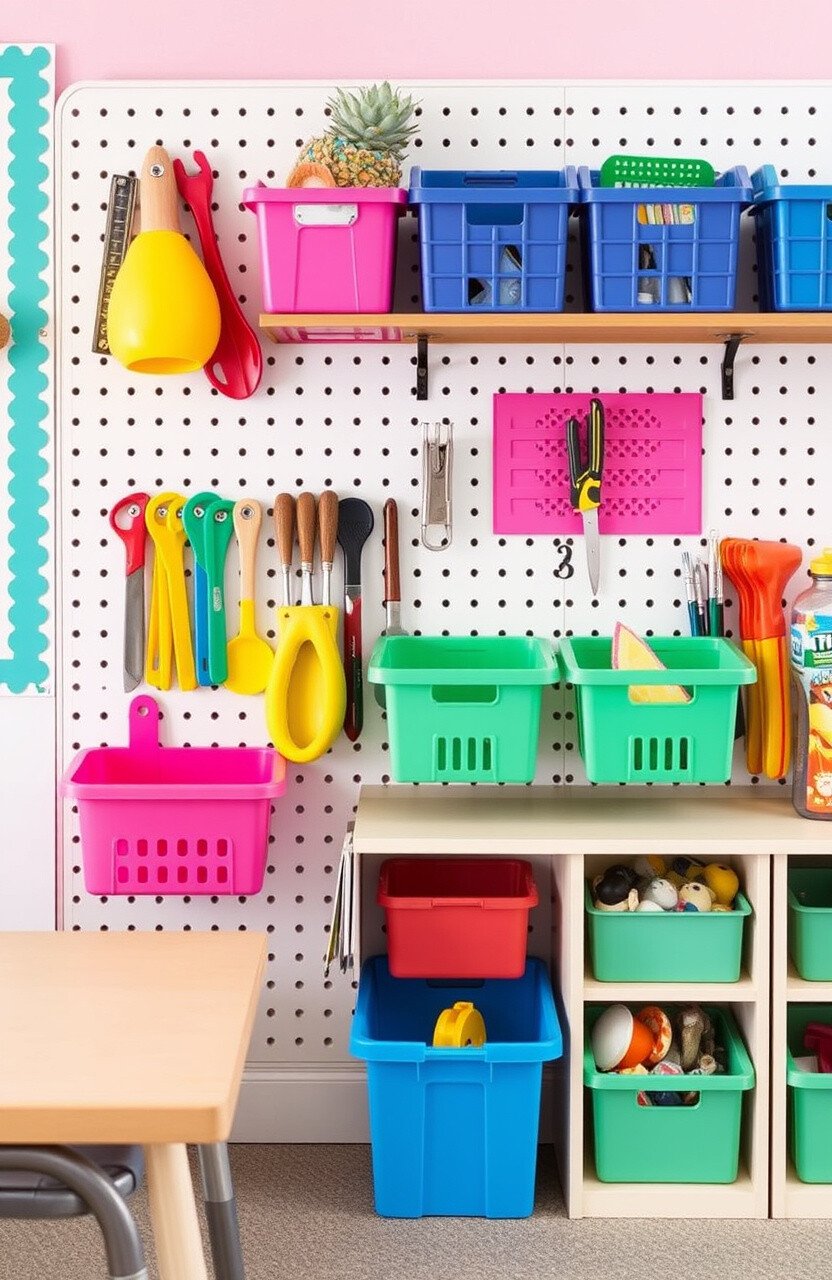
Install pegboard walls for customizable storage. Use hooks and baskets to organize tools, art supplies, or toys.
This solution maximizes wall space and keeps items tidy. It allows for easy access and encourages independence.
Choose colorful accessories for a playful look. Let students arrange their supplies for a personal touch.
Pegboards are an inexpensive way to organize the classroom. They’re a versatile and practical storage option.
40. DIY Sensory Bags
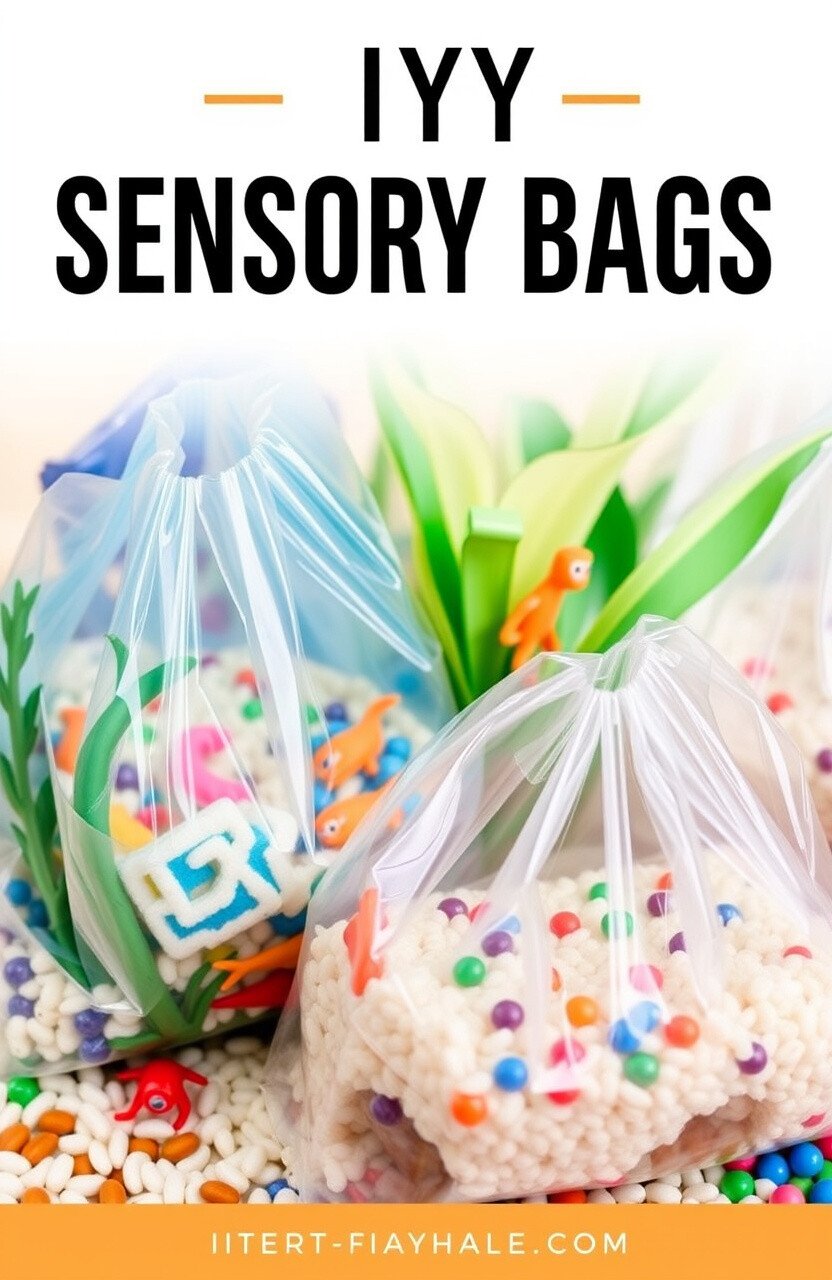
Create DIY sensory bags for hands-on exploration. Fill them with rice, beans, or gel for a tactile experience.
These bags support sensory development and relaxation. They provide a calming and engaging activity for children.
Incorporate themes like ocean or jungle for variety. Ensure materials are safe and durable for play.
Sensory bags are affordable and easy to make. They’re a popular choice for sensory-friendly classrooms.
41. Hanging Pocket Organizers
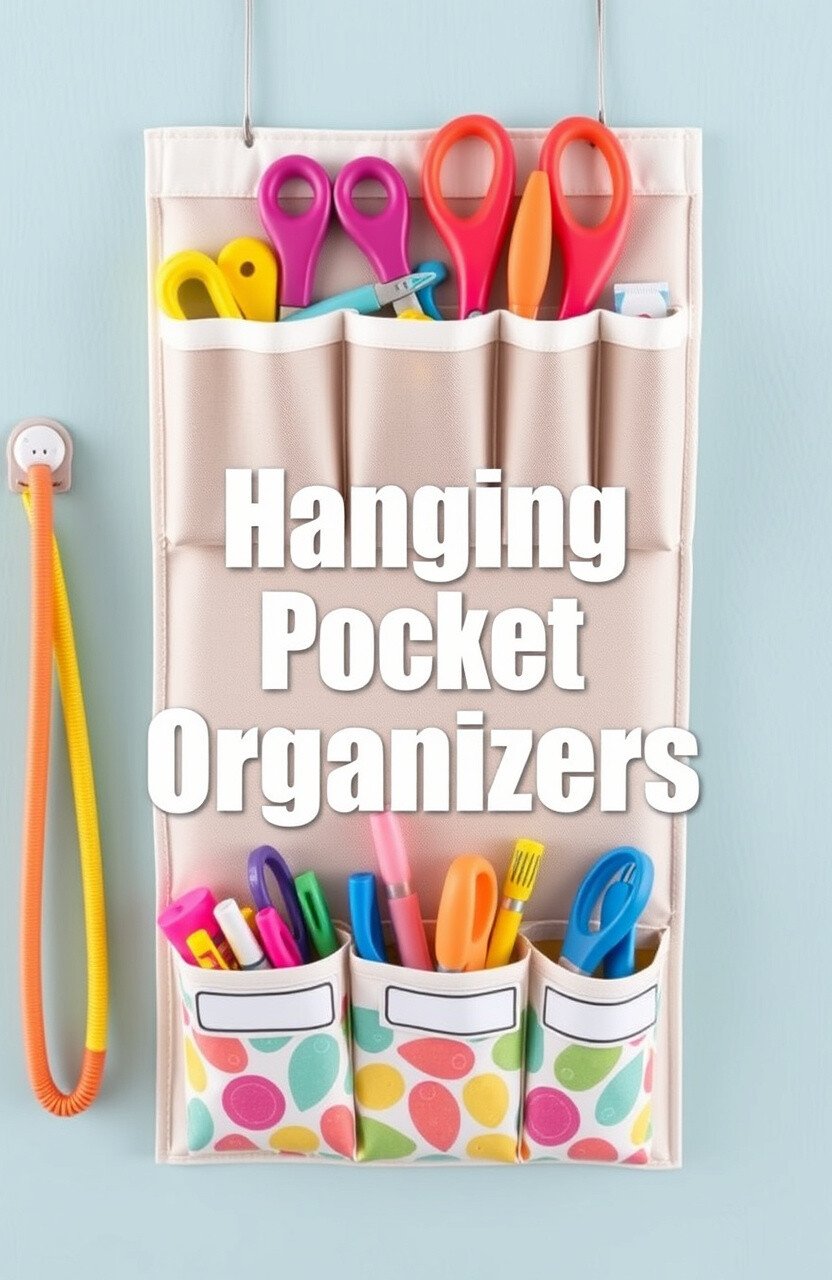
Use hanging pocket organizers for efficient storage. They’re perfect for holding papers, scissors, or small toys.
These organizers save space and reduce clutter. They make it easy for students to find and return items independently.
Select organizers with colorful patterns for a fun look. Label pockets to encourage organization among students.
Hanging organizers are budget-friendly and versatile. They’re a practical solution for maintaining order in the classroom.
42. Rotating Learning Stations
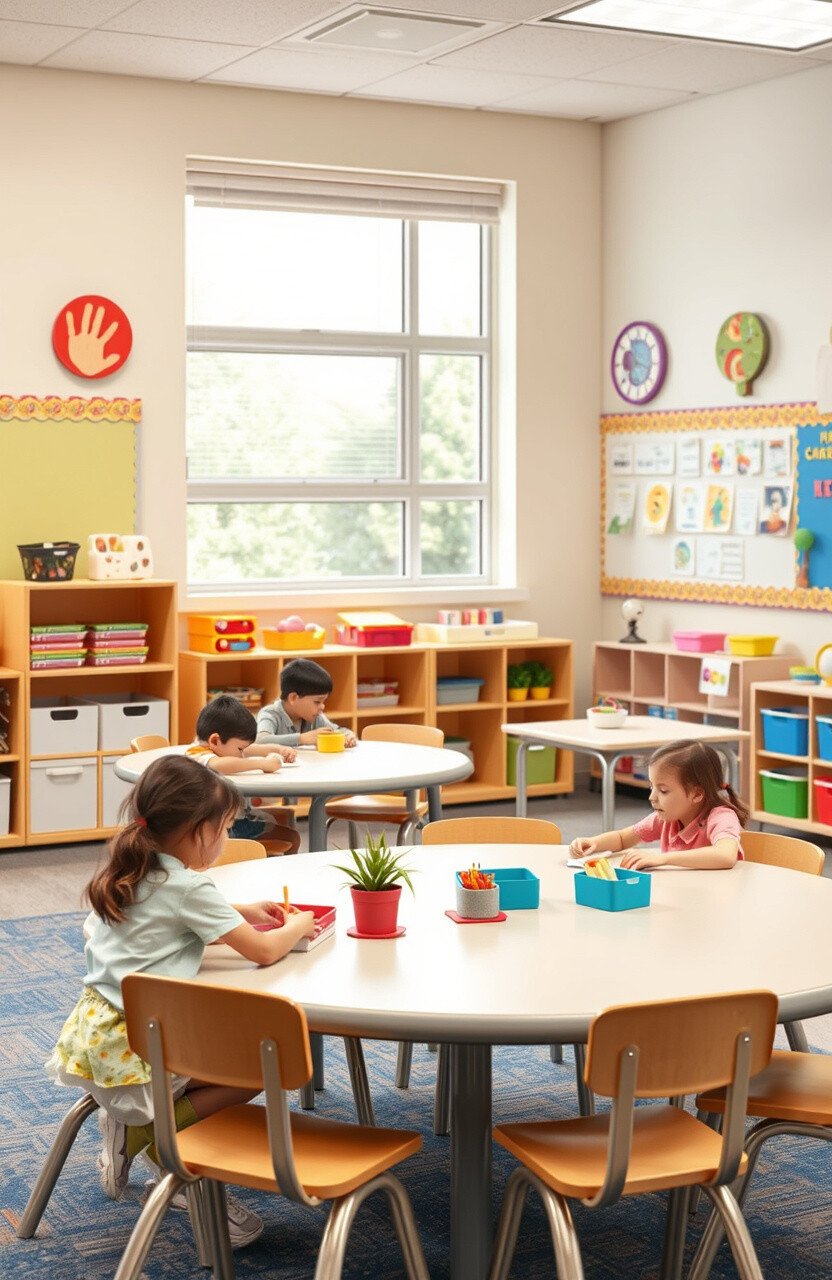
Design rotating learning stations for diverse activities. Use small tables or carts for easy movement and setup.
These stations offer varied learning experiences. They keep students engaged and foster collaboration.
Incorporate themes like technology or nature for variety. Allow students to choose stations based on interest.
Rotating stations can be set up with minimal cost using existing materials. They enrich the classroom with dynamic learning opportunities.
43. Wall-Mounted Clipboards
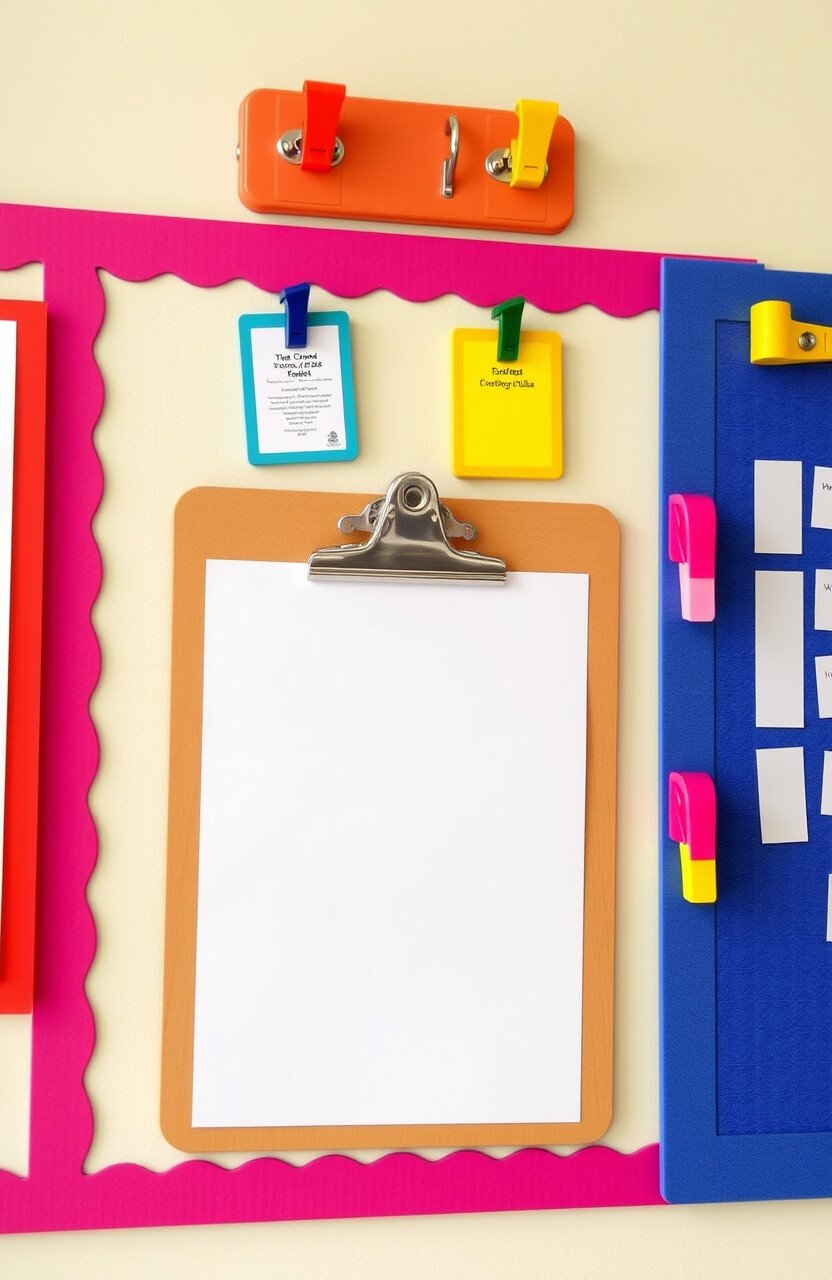
Install wall-mounted clipboards for display and organization. Use them for student work, announcements, or schedules.
These clipboards keep important information visible. They encourage responsibility and communication among students.
Choose colorful clips or frames for added appeal. Rotate the displays regularly to keep the wall engaging.
Wall-mounted clipboards are an affordable way to enhance organization. They’re a practical and creative addition to the classroom.
44. DIY Quiet Boxes
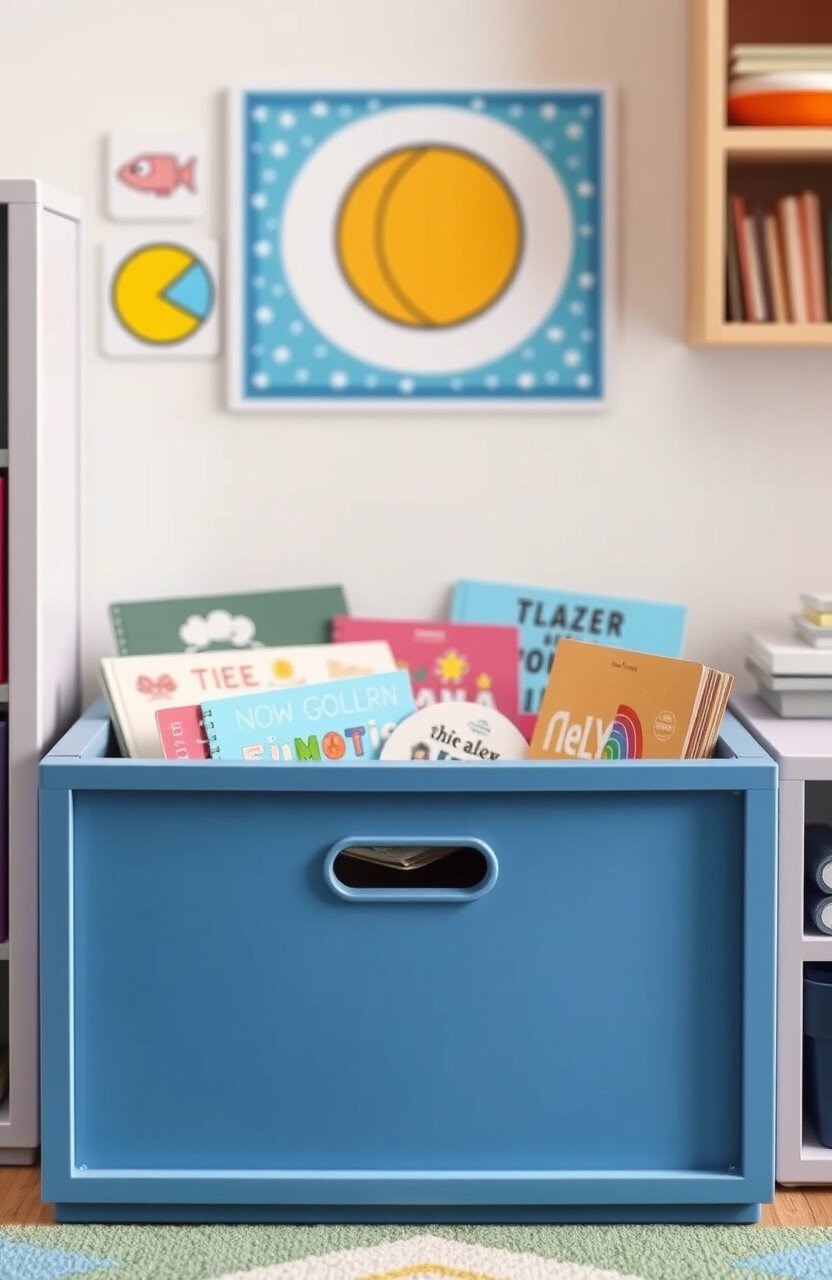
Create DIY quiet boxes for individual focus. Fill them with puzzles, books, or mindfulness activities.
These boxes support concentration and relaxation. They offer a personal space for students to unwind and recharge.
Incorporate themes like space or animals for variety. Personalize with student input for a unique touch.
Materials for quiet boxes are low-cost and easy to source. They’re a thoughtful addition to any classroom.
45. Light-Up Sensory Bottles
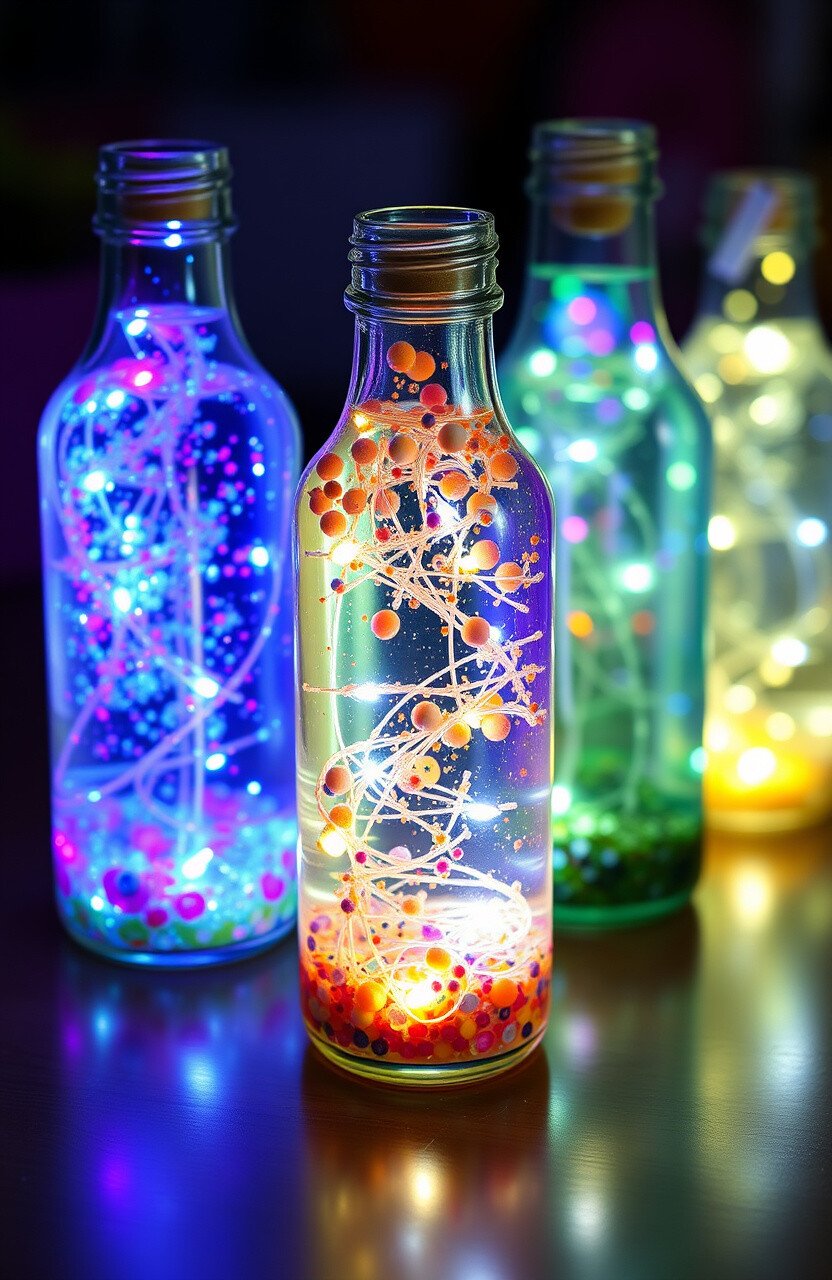
Craft light-up sensory bottles for a calming effect. Fill them with water, glitter, and LED lights for a soothing glow.
These bottles support sensory exploration and relaxation. They provide a mesmerizing activity for students.
Incorporate themes like galaxy or ocean for variety. Personalize with student-made decorations for added interest.
Sensory bottles are affordable and fun to make. They’re a delightful and relaxing addition to the classroom.