Some days you need fresh spark right away. Small changes can make your room feel calmer, brighter, and more fun.
Here are classroom hacks that are practical, budget-friendly, and easy to personalize for your little learners.
1. Morning Routine With a Calm Countdown
You can set a gentle rhythm so kids know what comes next. Pick a cozy visual that shrinks in size during the last minutes, like a paper “sun” moving behind a cloud.
Try a simple chart with velcro pieces, so children can place a sunshine icon on a board that slowly “finishes” the morning tasks. Add a soft timer sound, like a chime, and pair it with a predictable voice script so children feel safe. When the final icon is placed, you can celebrate with a quick stretch, which helps bodies settle before learning.
2. Storytime Seating That Moves With the Listener
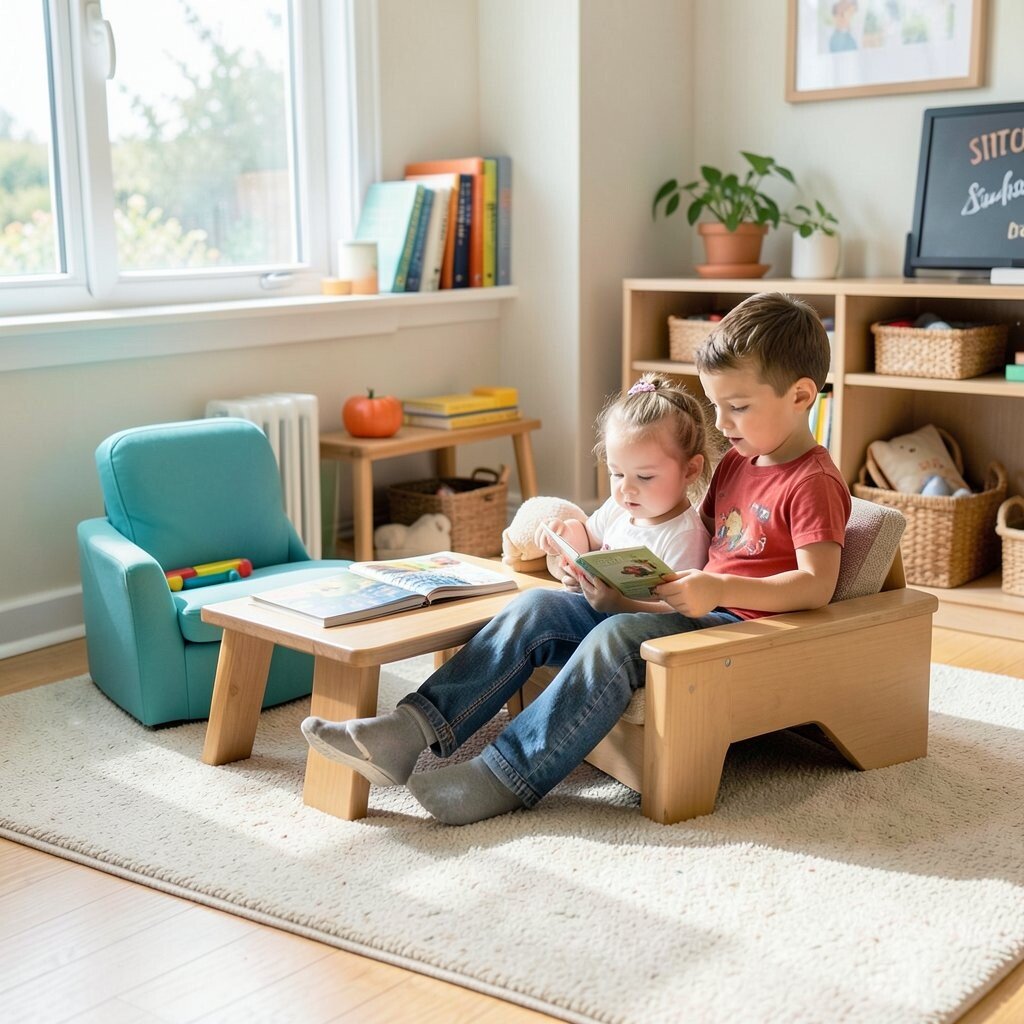
Instead of one seating spot for everyone, let kids choose a spot that matches how they feel. Picture a floor of colorful circles with footprints, beanbag zones, and a reading nook with a tiny curtain.
Create a “listener map” using tape or carpet squares so students can rotate every few days. Some kids like to sit close to you, while others prefer a slight distance, and both choices can be respectful. Keep the materials simple, like soft rugs and washable cushions, and you’ll notice fewer wiggles because they’re already part of the plan.
Personalize by placing picture cards near each zone so children can remember their favorite place. If your budget is tight, use old blankets and themed clipboards from home, then store them in labeled bins for quick resets. A current trend you’ll see in many classrooms is flexible seating, and you can start small with a few options that fit your space.
3. Build a “Sight Word Scoop” Station Using Containers
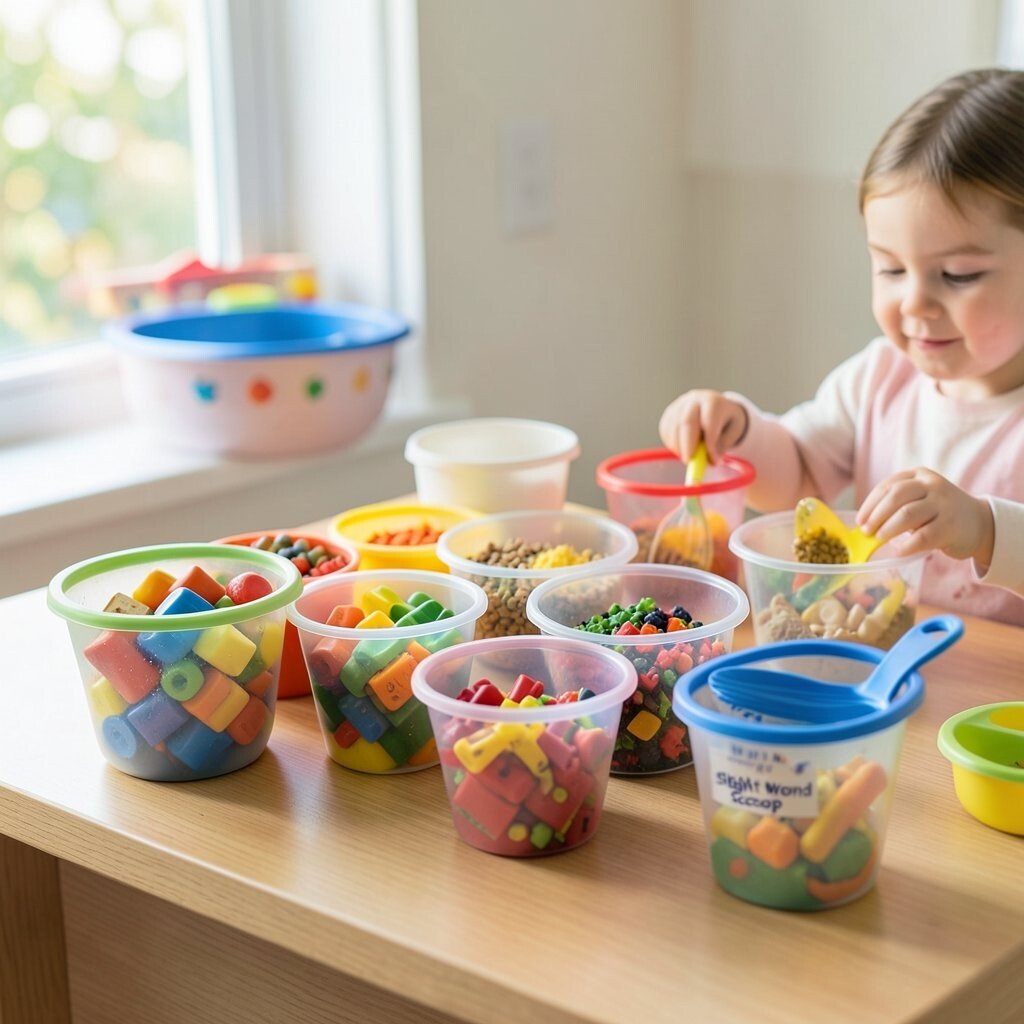
Make reading feel playful by turning sight word practice into a game. Set up a low shelf with small cups, a muffin tin, and word cards with big bold print.
Let children scoop a card, read it, and then drop it into the matching cup that has the same word written larger. For visual learners, you can add color dots so “at” has a green dot, “the” has blue, and so on. This hands-on move helps kids keep their focus because their hands do something while their brains read.
To make it unique, use themes like “dinosaurs live here” or “space friends use this word.” Personalize the sets for your class by printing only the words you’re working on this month. Costs stay low because you can reuse containers, and printing a small word set on cardstock is usually affordable.
4. Turn Art Time Into a Choice Menu
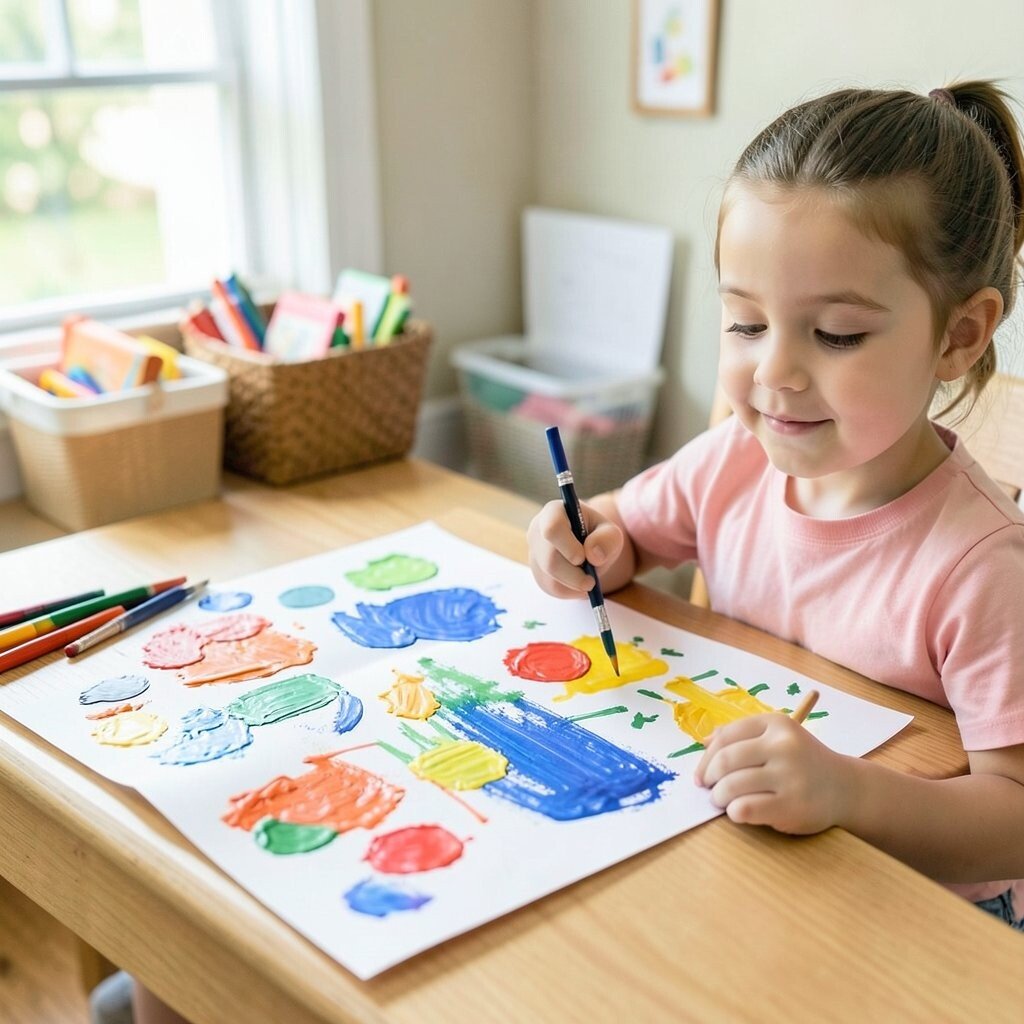
Art gets happier when kids can pick a path instead of waiting for a single direction. Imagine a wall display with pocket folders showing different materials, like texture stamps, crayon rubbing cards, and collage pieces.
Give each student a “menu card” with two or three options, then let them decide their materials before you start. Keep directions short by modeling one example and then letting them begin. This approach supports different comfort levels, and it reduces the number of questions because children know what’s allowed.
5. Use “Picture Prompts” To Make Writing Feel Easy
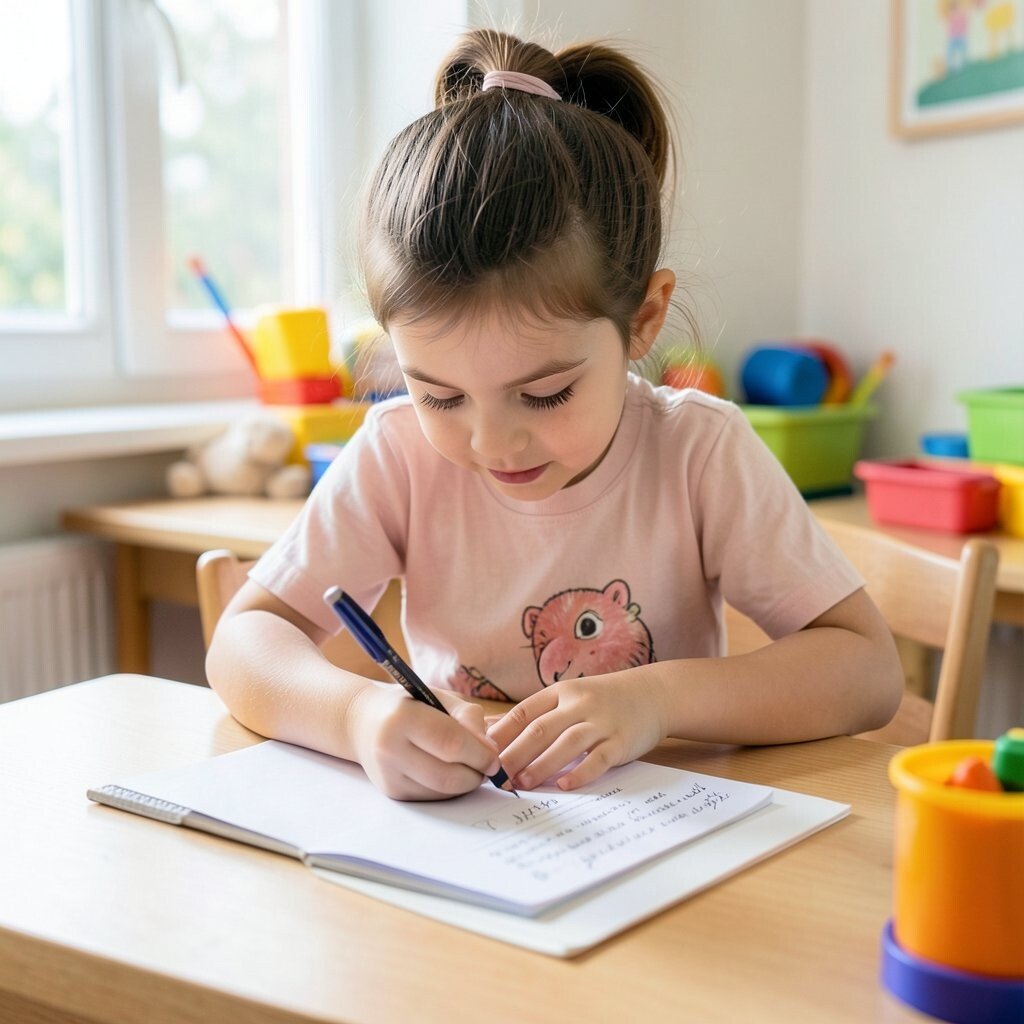
Some kids freeze when you say “write,” but they relax when a picture tells them what to do. Create a set of small cards showing a kid drawing, a house, a pet, or a favorite food with clear shapes and simple scenes.
Have students choose a card, then dictate a sentence to you or trace a few letters while they point to the picture. Their writing grows naturally because the meaning is already there, and their confidence grows because they have a starting point. For personalization, keep a few cards that match your class story, like “our classroom garden” or “the class pet.”
Keep costs down by using paper from old magazines for images and then printing your class text on top. A helpful current trend is multimodal learning, and these visual prompts let kids connect meaning, language, and movement.
6. Make Transitions Faster With a “Grab and Go” Bag
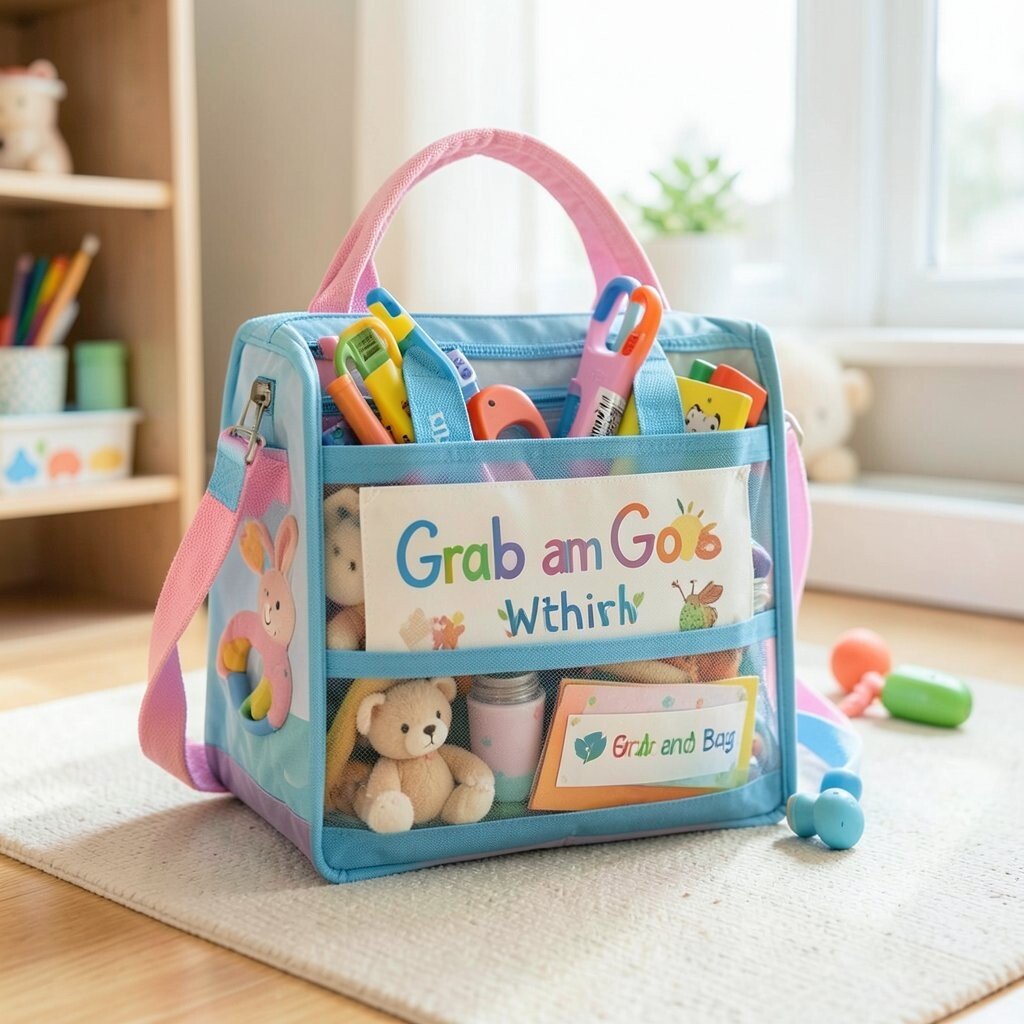
Transitions feel smoother when kids can grab the next tool without you walking around to hand things out. Make a cloth bag with pockets and put it at a consistent spot near your meeting area.
Inside, include a small set of transition supports like picture cue cards, a gentle timer, and a bookmark that signals “quiet voices.” When you call for cleanup, students take the bag and carry it to the next station, which makes the job feel important. Visual cues on the pocket labels help kids understand where things go, which reduces mess and argument.
To keep it unique, theme your bag for the season, like adding autumn leaves or winter snowflakes on the pockets. Personalize for your class by including the exact cues you use, such as “hands on lap” or “listening ears.” Cost considerations are easy here because a simple bag and a few printed cards are usually enough.
7. Create a Watercolor “Numberless” Board for Early Math
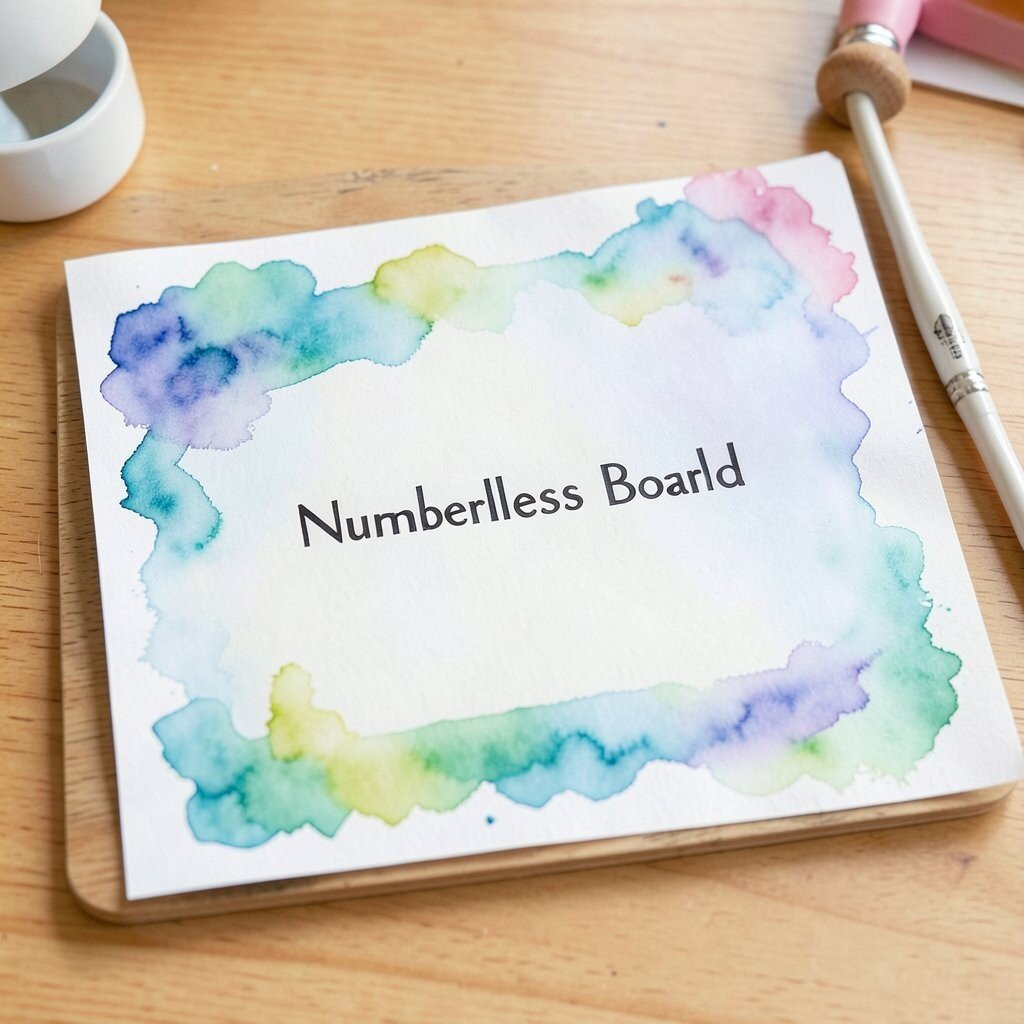
You can teach counting and quantity without relying on worksheets that feel stressful. Set up a large board with grid lines made from painter’s tape, and add watercolor spots labeled with dots, not numerals.
When kids paint, they try to match the number of dots they see with the number of spots they fill using a brush. Some learners need to count one by one, while others recognize patterns quickly, and both strategies are welcome. This visual approach keeps attention because the board looks bright and alive during the activity.
Personalize by adding themed dot cards, like “three boats” or “five stars,” and swap them based on what you’re studying. If you want a budget-friendly plan, use inexpensive watercolor palettes or even sponge stamps with diluted paint. Current trends in early math often emphasize number sense through play, and this fits right in with hands-on practice.
8. Use a “Sound Walk” With Real Objects Around the Room
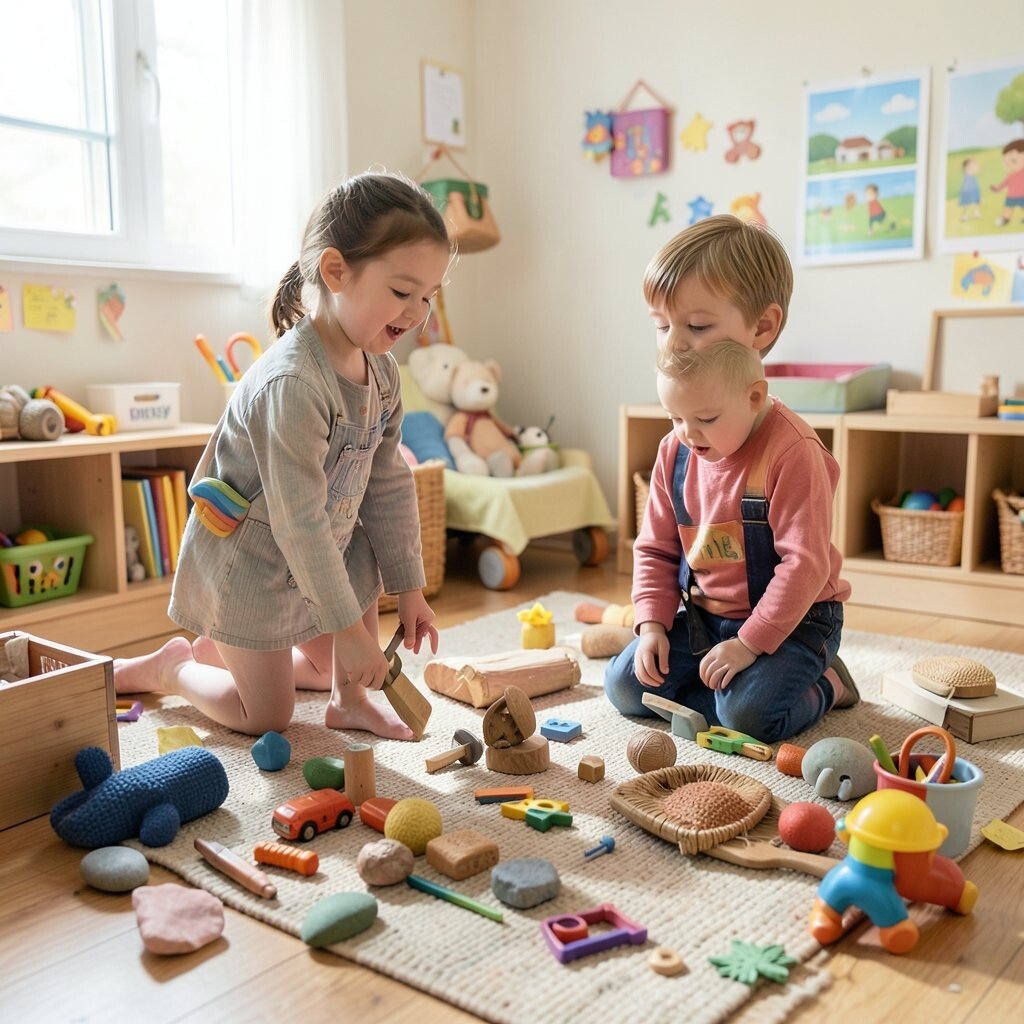
Turn listening into an adventure by guiding kids on a sound walk during center time. Place safe, gentle sound objects around the room, such as a small bell, a shaker bottle, and a soft drum.
Give each child a simple recording sheet with pictures, and let them circle what they hear as they move in a calm line. Their brains sharpen because they match sounds to objects, and that helps with phonological awareness later. Make the room feel visual and cozy by arranging objects in a trail that kids can follow without running.
Uniqueness shows up when you include objects that match your classroom theme, like sea-themed shakers or jungle rhythm sticks. Personalize by letting students bring one “sound treasure” from home, then replace it after a week so the activity stays fresh. Cost stays low if you use everyday items, and you’ll likely enjoy the new discoveries kids make about their own listening.
9. Make a Cozy “Feelings Corner” With Choice Tools
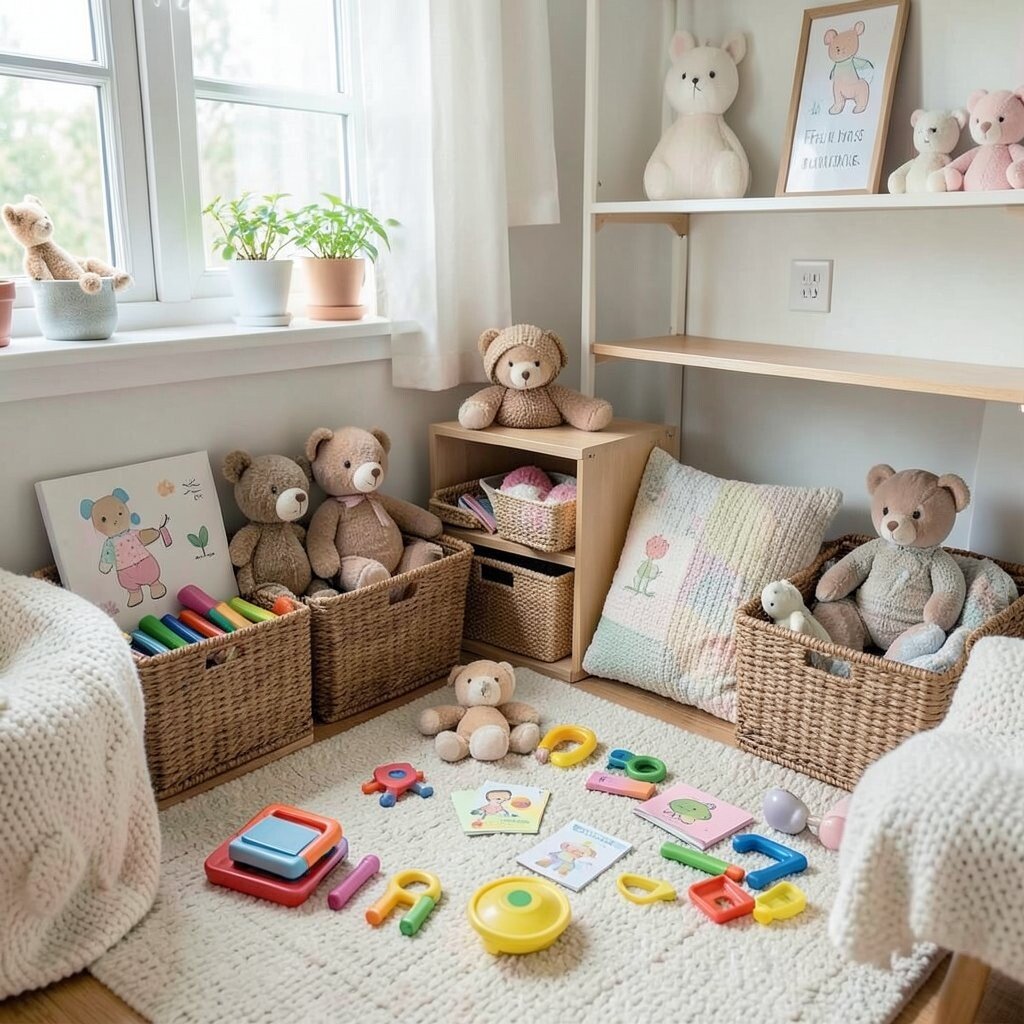
When children learn to handle big feelings, the whole day runs better. Create a corner with a soft rug, a small shelf, and comfort tools like stress balls, picture breathing cards, and a calm breathing chart.
Instead of telling kids what to do, offer choices by placing several items within reach. Some kids want to squeeze, others want to read a quiet book, and others want to do a short breathing pattern guided by pictures. Visual description helps here, because when the corner looks inviting and organized, children use it sooner and with less struggle.
To personalize, include emotions that match your class community, like “left out,” “excited,” or “frustrated,” and keep the cards at eye level. Cost considerations can be friendly by using fabrics you already have, printing emotion cards, and repurposing empty containers as storage. A growing trend is social-emotional learning through everyday routines, and this corner supports that in a natural way.
10. Make Cleanup Funny With a “Finisher” Role
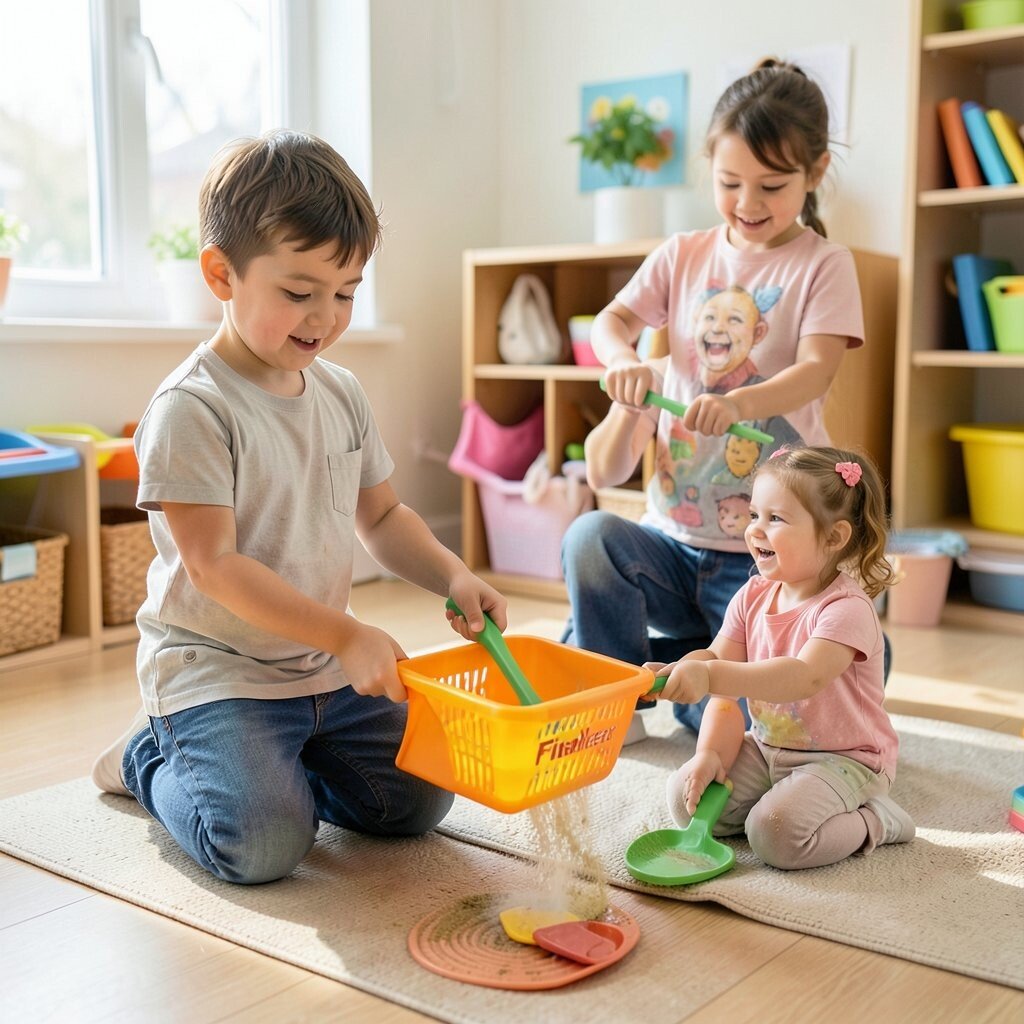
Cleanup can be less of a power struggle when kids have a fun job to finish it. Choose a rotating “finisher” role and give that student a small badge made from cardstock and ribbon.
During the last minute, the finisher helps count down silently using a picture cue, like a simple set of three icons that get crossed off. Other kids complete tasks while they watch the board, and the momentum keeps things moving. The visual scoreboard reduces arguing because children know what’s left, and you can celebrate the final checkmark with a high-five.
Make it unique by connecting the role to your theme, like “Captain Cleanup” or “Art Museum Host.” Personalize the tasks so each child can succeed, such as only placing crayons in bins or only carrying paper to the recycling tray. Costs are minimal because badges and cue cards are easy to make, and the payoff is big in daily routines.
11. Turn Science Into a Weekly Mini-Mystery
Science sticks when kids feel like detectives. Each week, set out a clear container with a safe item hidden under a lid, then let children predict what they might find using picture clues.
After predictions, let them test simple observations like looking, smelling the safe way, or feeling texture with guided rules. Visual description matters because you want the mystery to look intriguing, like a magnifying glass icon on the container and colorful labels nearby. Kids feel ownership when they talk about what they notice, and that talk supports vocabulary and reasoning.
Personalize by choosing topics that match your local world, such as garden bugs in warm months or weather changes when the seasons shift. Cost considerations are realistic because many science materials can be reused or borrowed, and you can use clear cups instead of expensive lab gear. Current trends favor inquiry-based learning, and mini-mysteries let you do that without overcomplicating planning.
12. Start Centers With a “One-Choice Preview” Card
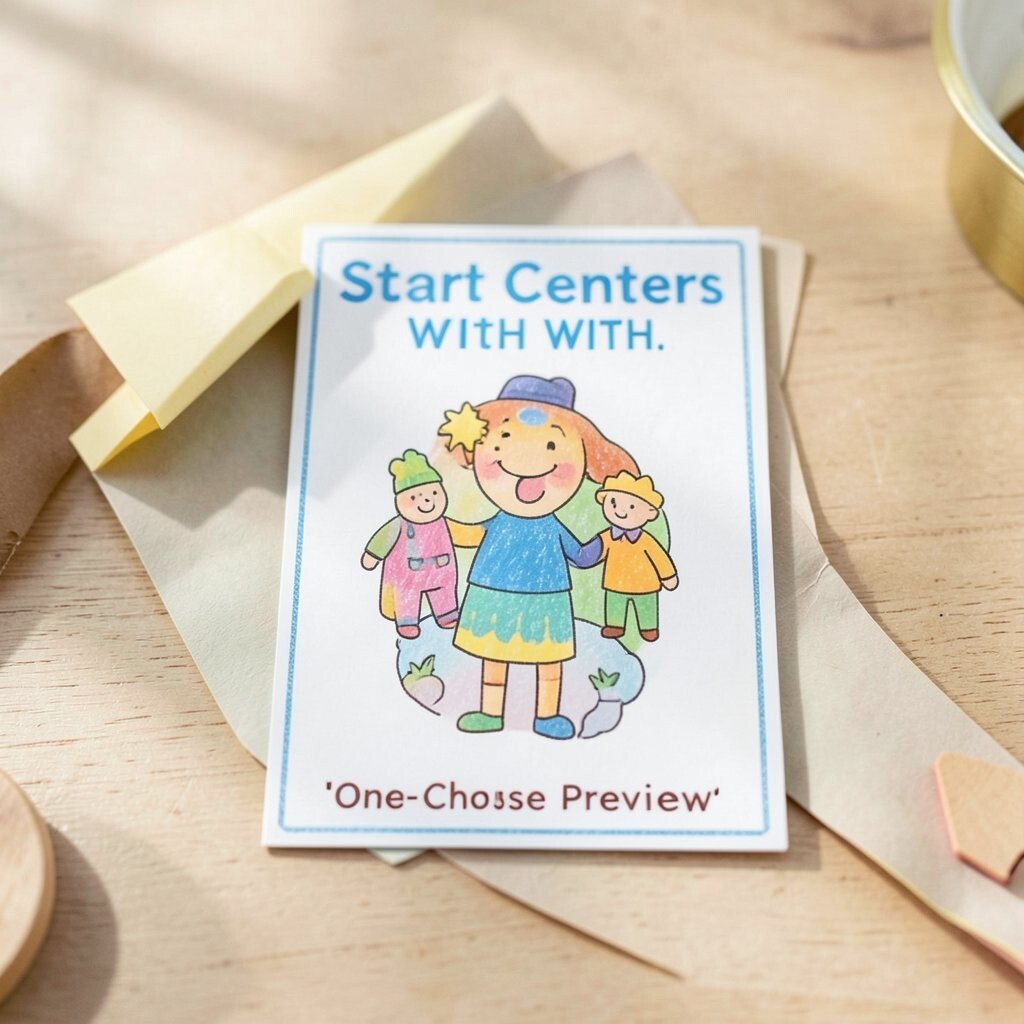
Centers run smoother when kids know what they can do before they get fully busy. Make a preview card board with three center icons, each paired with a tiny picture of what the job looks like.
Before centers begin, call out one icon and let children point to the activity they want most. Then you place a “starter token” on that icon so the first child who chooses can begin right away. This gives clear visual structure and helps reduce the rush that often leads to chaos.
Uniqueness comes from customizing icons to your classroom interests, like rocket writing, dinosaur building, or fairy collage. Personalize by rotating the preview icons based on your week’s goals, and keep a spare card set for quick changes when you add or remove materials. Cost considerations are easy because you can print icons on cardstock and laminate if you want extra durability.
As a final touch, you can add a simple reflection card at the end of center time, where kids show with a smile or a neutral face how the activity felt. That small check-in builds self-awareness and makes the next day’s choices more meaningful. When students see their preferences respected, motivation grows and transitions get calmer.