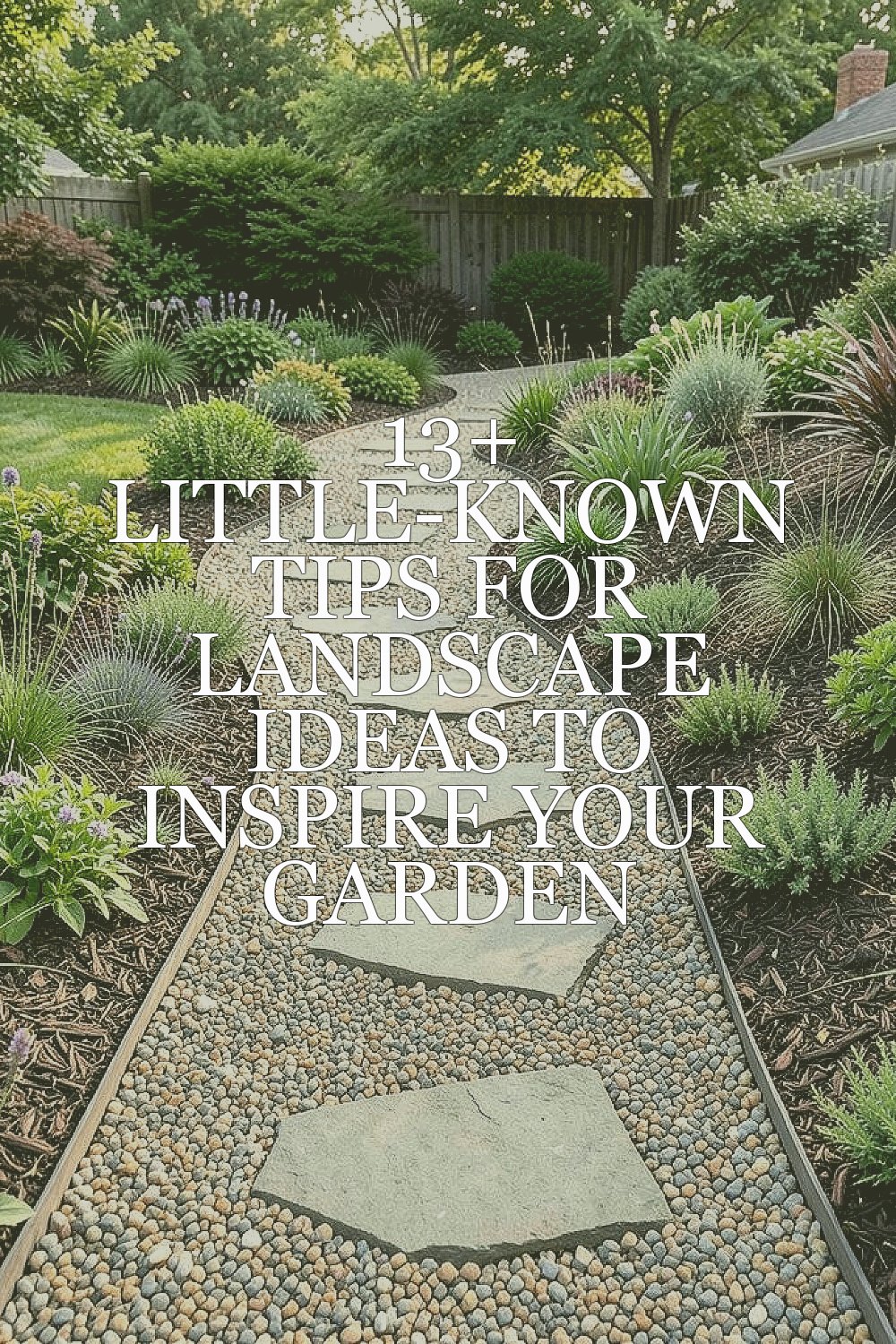
Small garden choices can create big surprises. A few smart touches can make your yard feel fresh, cozy, and full of life.
Good landscape ideas do more than look pretty. They can save money, support nature, and make outdoor time feel special.
1. Build Around One Strong Focal Point
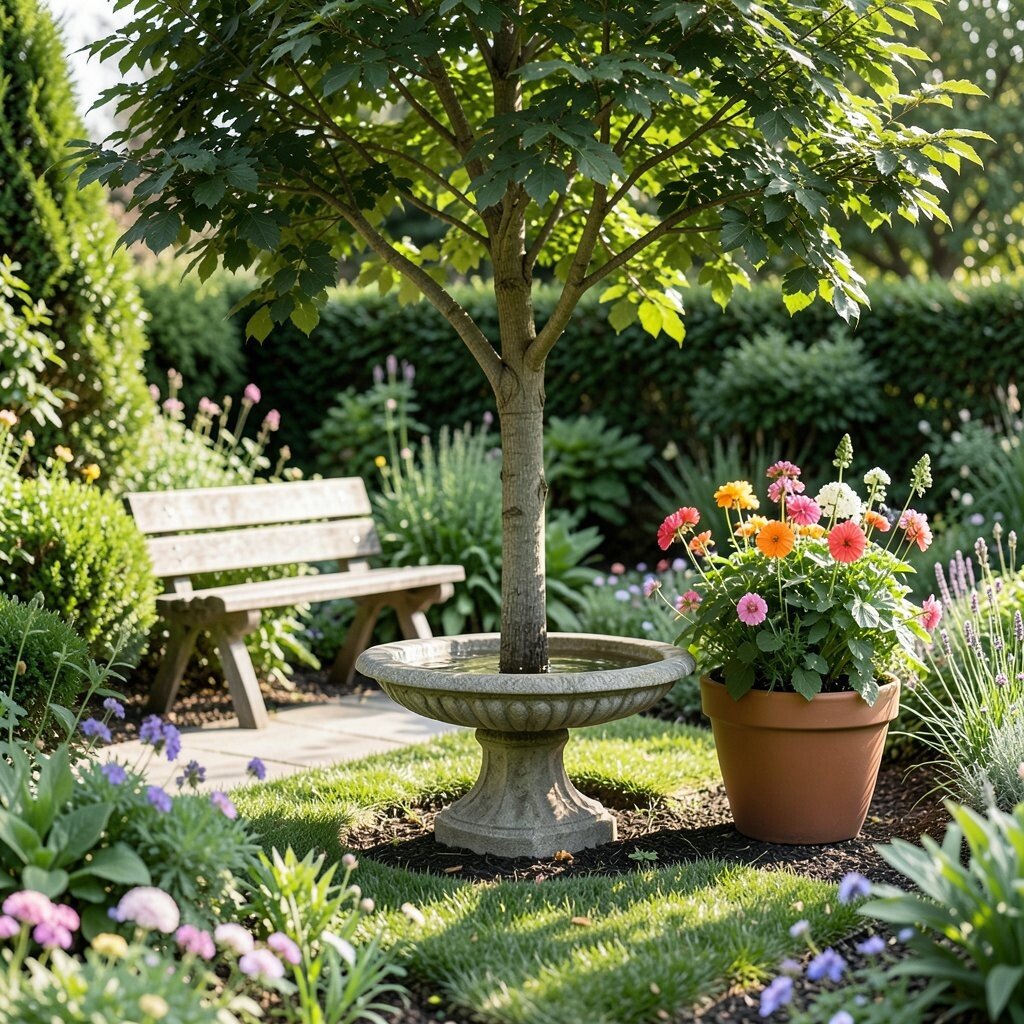
A garden feels more polished when one feature grabs attention first. That could be a tree, a bench, a birdbath, or a bright pot filled with flowers.
Pick something that matches your style and your budget. A handmade focal point can feel just as special as a pricey one, and it often gives the yard more personality. Place it where the eye naturally lands, then let the rest of the space support it with softer plants and simple shapes.
2. Use Curved Paths for a Softer Look
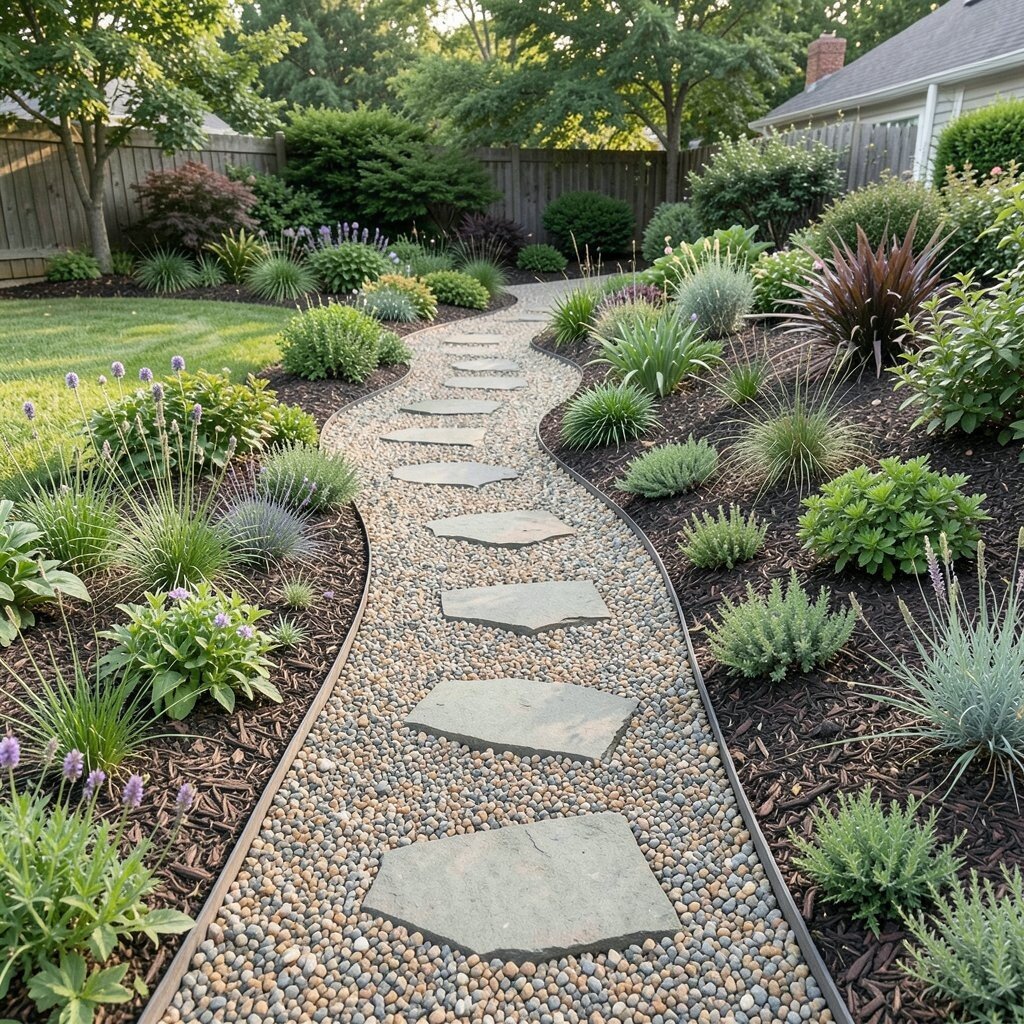
Curved paths make a garden feel calm and inviting. They also help a small yard seem larger because the eye keeps moving.
Gravel, stepping stones, and mulch can all work well here. These choices are often easier on the wallet than poured concrete, and they can be changed later if your taste shifts. Add low plants along the edges to make the path feel like it belongs in the scene.
This style fits many current garden trends because it feels natural and relaxed. A gentle bend can hide plain spots and make each turn feel like a little surprise. If you want a more personal touch, line the path with plants that remind you of a favorite place or memory.
3. Mix Plant Heights for Depth
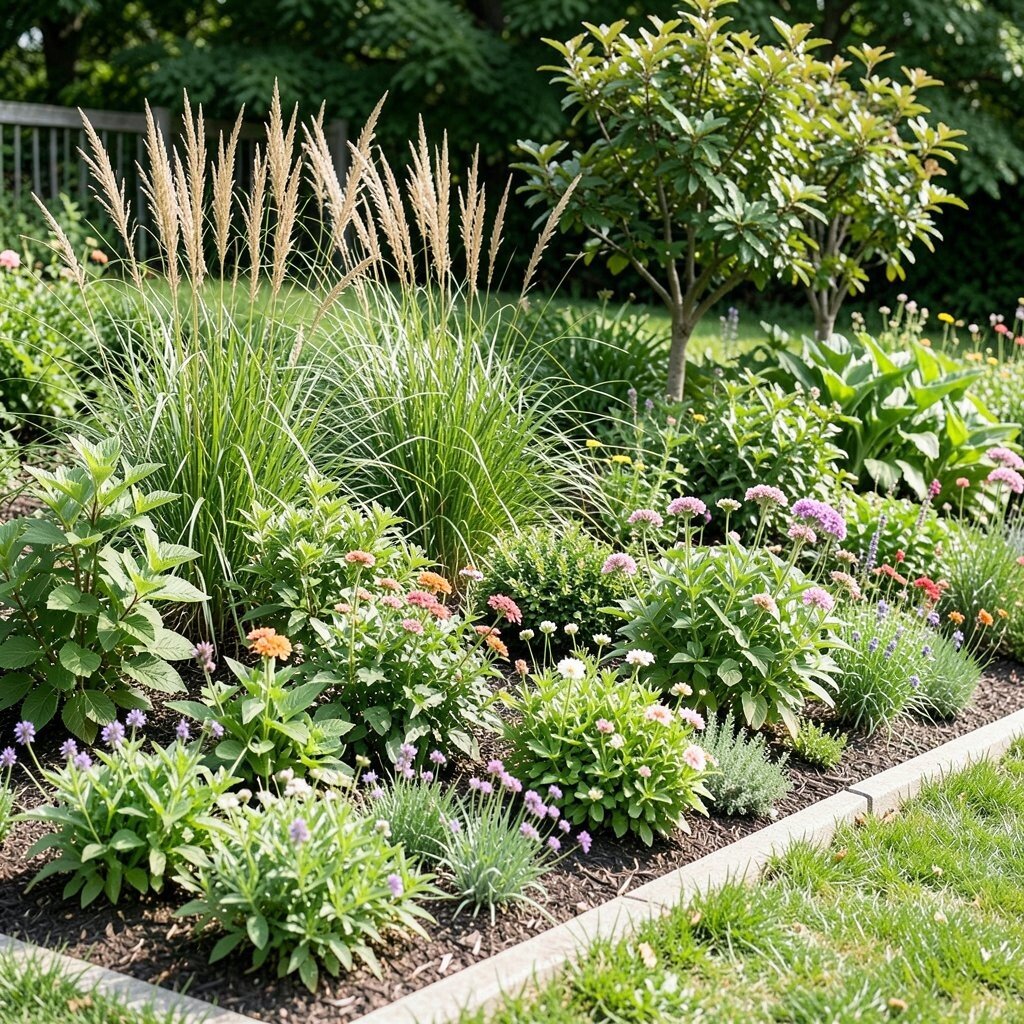
Flat planting beds can look dull, even when the flowers are lovely. Mixing tall, medium, and low plants gives the garden more shape and makes it feel full.
Tall grasses, shrubs, and small trees can stand in the back while shorter blooms fill the front. This layered look adds beauty and also helps block views you may not want, like a fence or utility box. It can be done on a small budget by using young plants and letting them grow over time.
Try repeating a few plant types in different spots so the whole yard feels tied together. That simple trick makes the design look planned instead of random. You can also choose plants with different leaf colors to add more interest without relying only on flowers.
4. Add a Tiny Seating Spot
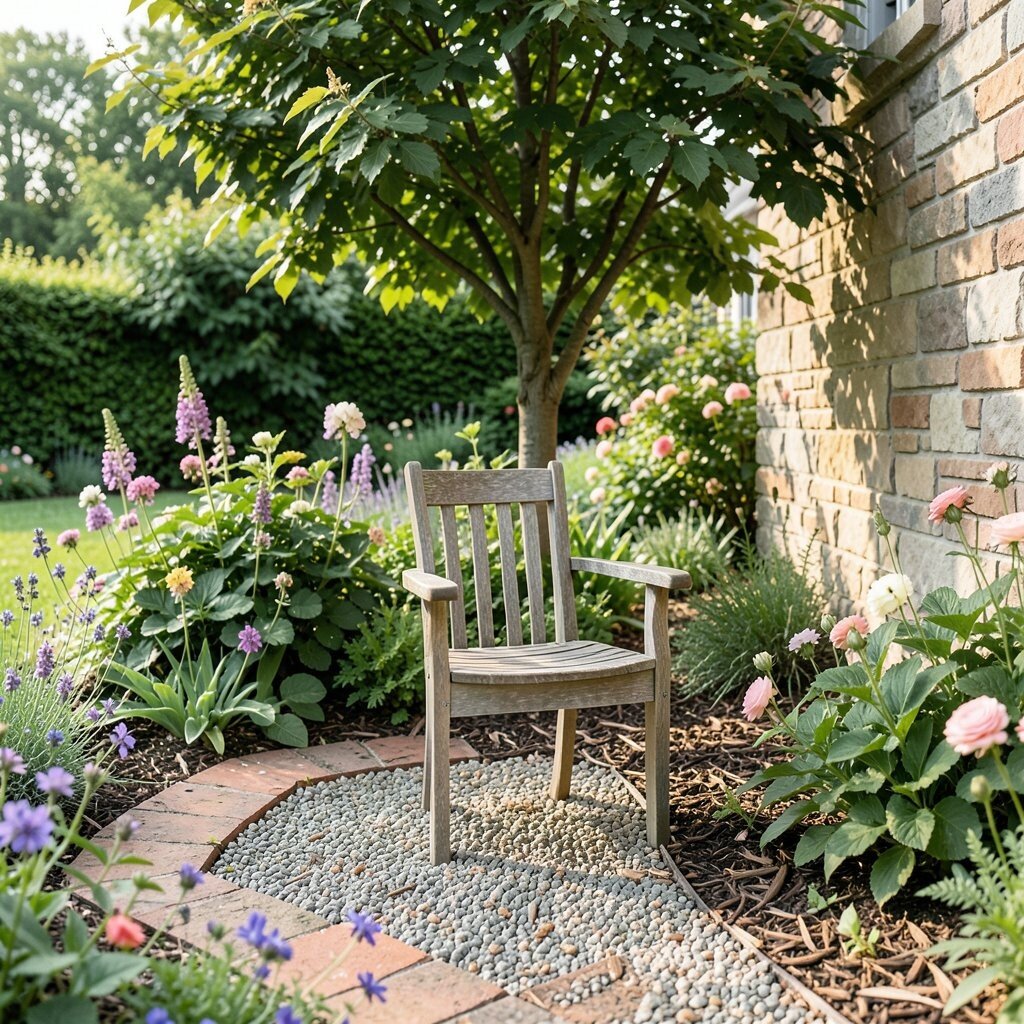
A small chair or bench can change how a garden feels. It turns the space into a place to rest, sip tea, or enjoy the view.
You do not need a full patio to make this work. A weather-safe chair on a patch of gravel, brick, or wood chips can feel just as charming and costs much less. Tuck the seat near flowers, a tree, or a wall so it feels cozy and private.
5. Repeat Colors in Smart Ways
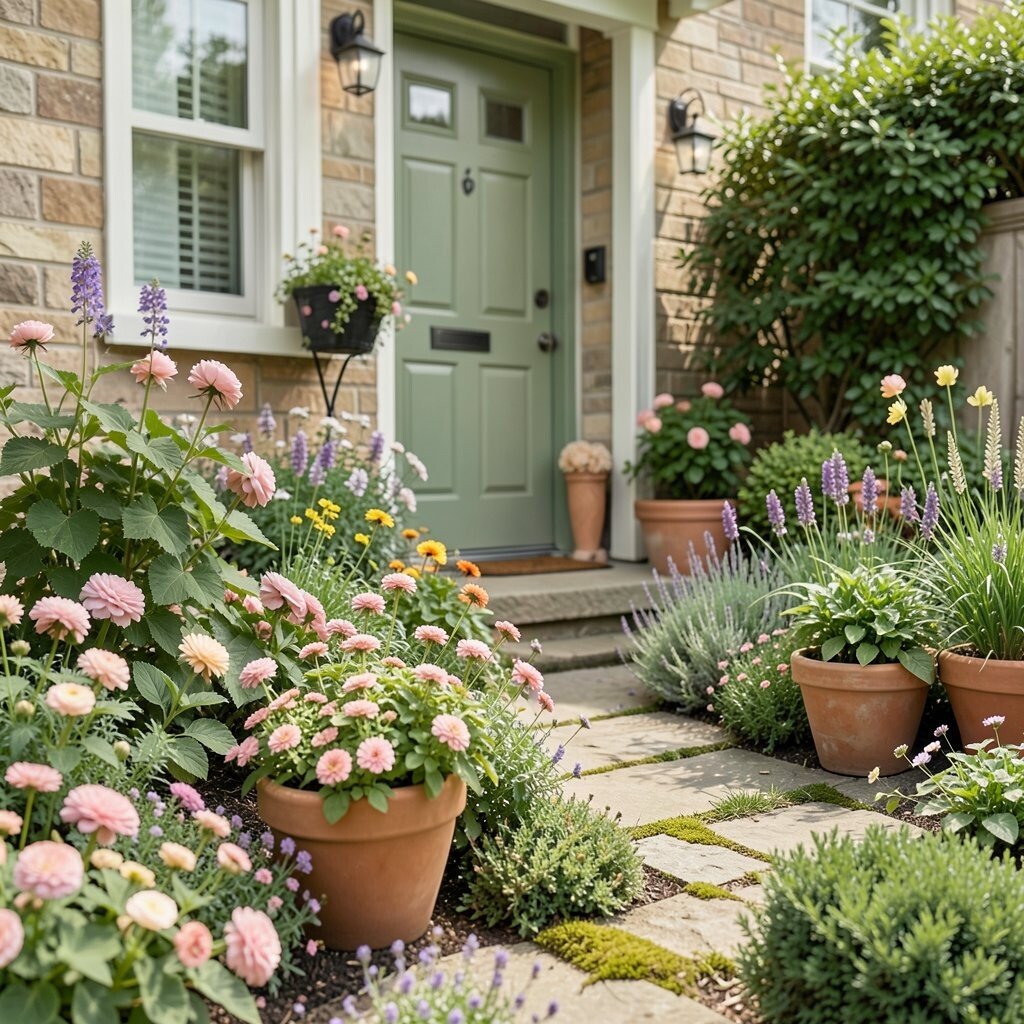
Color repetition makes a garden feel calm and planned. It also helps even a mixed planting look neat and stylish.
Choose a few colors and echo them in flowers, pots, cushions, or garden art. That can keep the space from feeling busy, which is helpful in smaller yards. If you like current design trends, soft greens, dusty pinks, and warm earth tones are popular and easy to pair.
Personal touches matter here too. You might repeat the color of your front door, favorite mug, or outdoor pillow in the plantings. This makes the garden feel connected to your home and your taste without needing a lot of extra spending.
6. Use Containers to Test New Looks
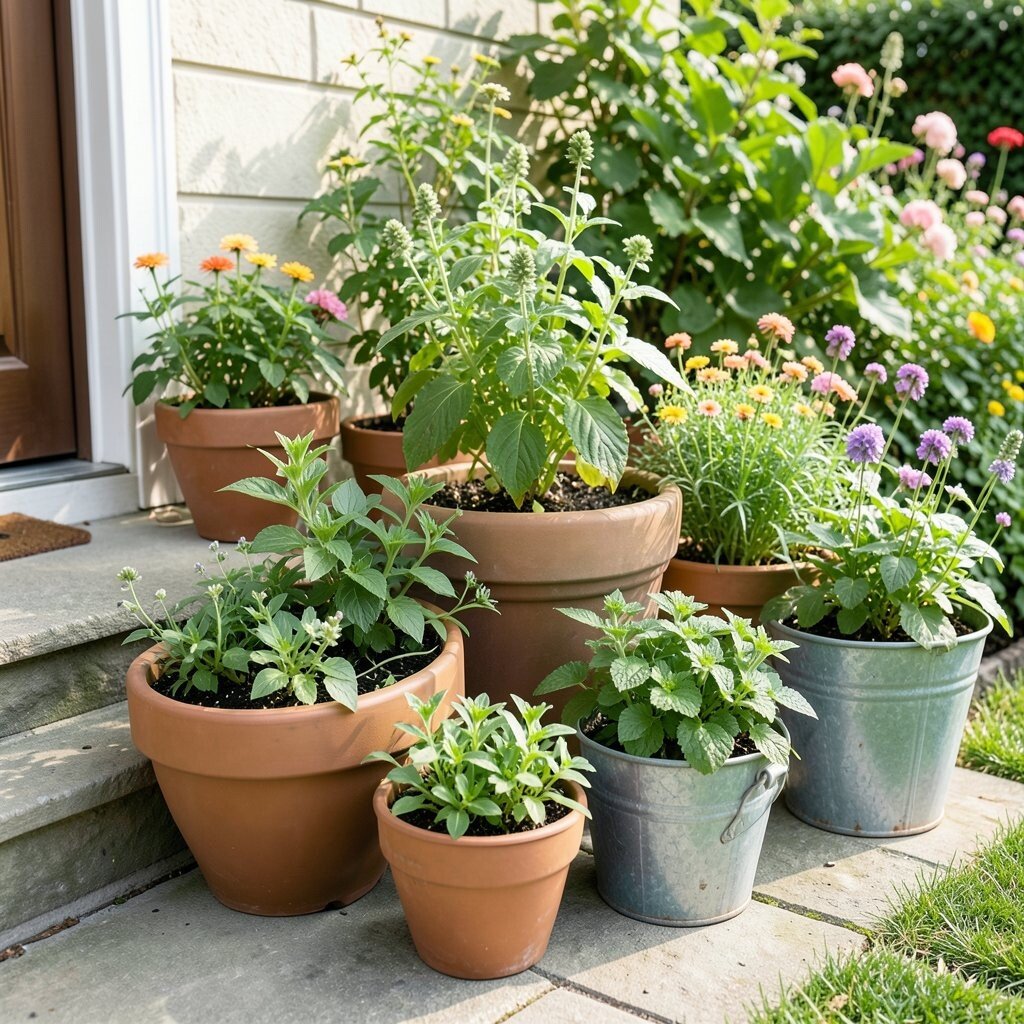
Containers are a smart way to try fresh landscape ideas without a big commitment. They let you move plants around until the layout feels right.
Big pots, small pots, and even old buckets can become part of the design. This is a budget-friendly way to add color near steps, doors, or blank corners. It also lets you change the mood with the seasons, which keeps the garden feeling new.
For a unique look, mix pot sizes and shapes instead of using only one style. A group of containers can feel lively and full of charm. Choose plants with different leaf textures so the display stays interesting even when some flowers fade.
7. Let Native Plants Do More Work
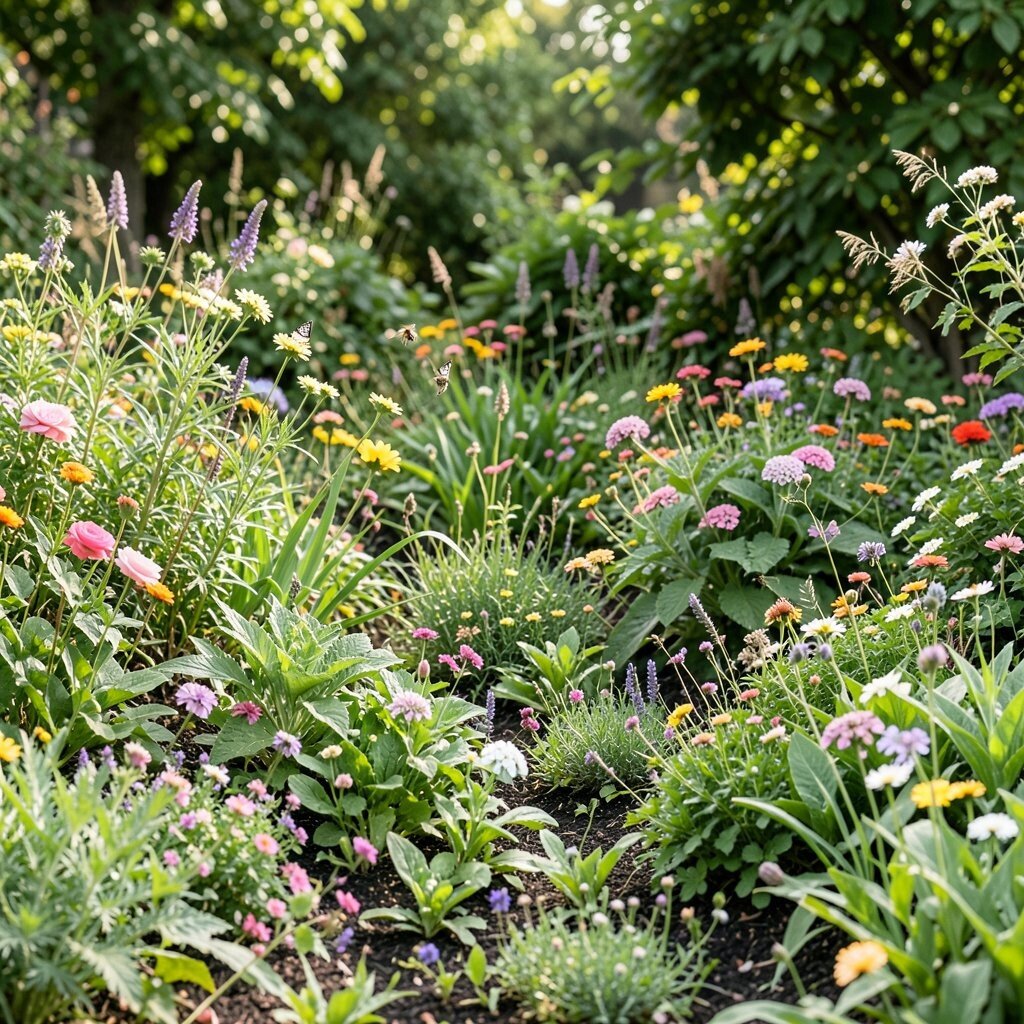
Native plants often fit the land better than fancy imports. They can handle local weather more easily and usually need less water and care.
That means lower costs over time and less work on busy weekends. Many native plants also bring birds, bees, and butterflies, which adds motion and life to the garden. The look can be beautiful in a natural, easygoing way that feels rooted in place.
If you want a unique yard, native plants can help it stand apart from the usual cookie-cutter design. Mix them with a few favorite ornamentals so the space still feels personal. Local garden centers often know which natives do best in your area, so asking for advice can save time and money.
8. Create Layers with Ground Covers
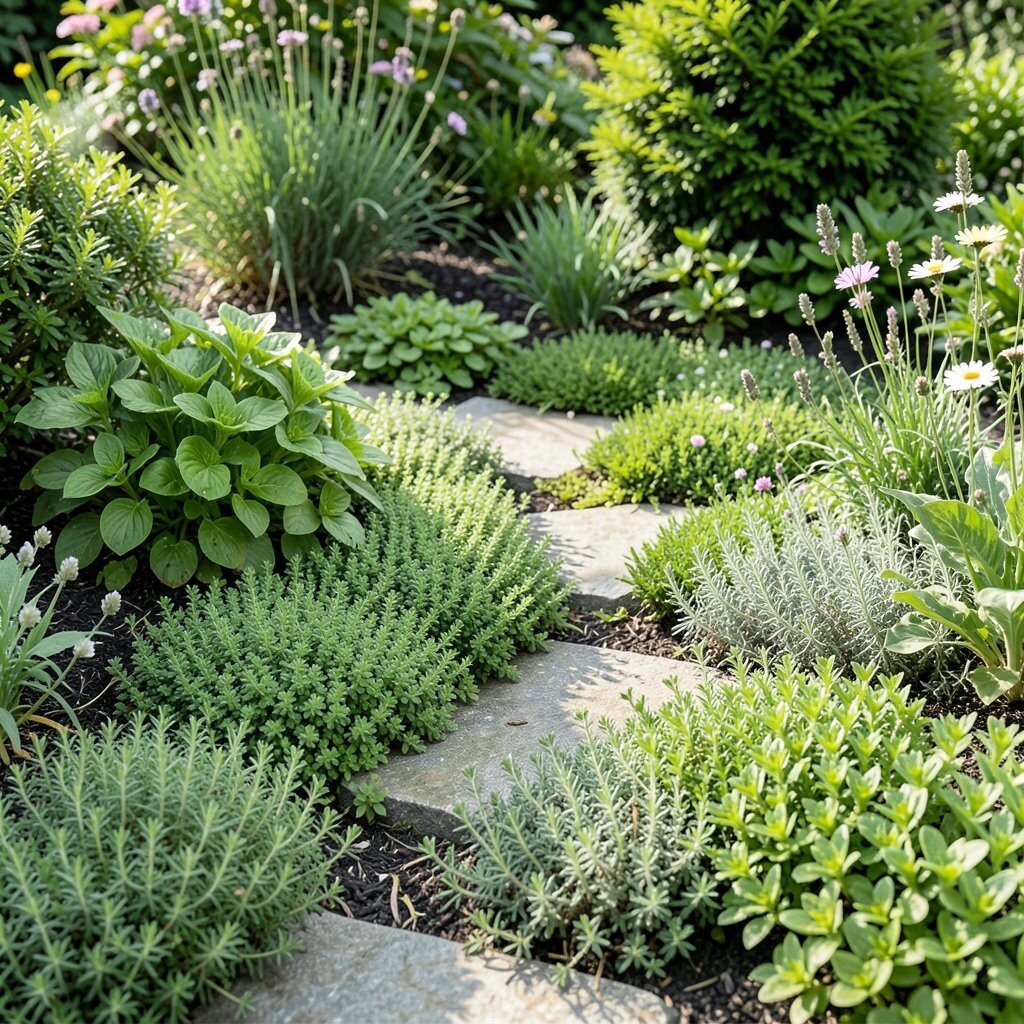
Ground covers can make bare soil look finished and neat. They also help reduce weeds, which saves time and effort later.
Low plants like creeping thyme, ajuga, or sedum can soften edges and fill awkward spaces. This can be cheaper than covering every open area with stone or mulch. The result often feels lush and alive, especially when the plants spread into a soft carpet.
Try placing ground covers near stepping stones or under taller shrubs for a layered effect. That gives the garden a richer look without crowding it. Some ground covers even release a nice scent when brushed, which adds another small pleasure to the space.
9. Make Shade Feel Intentional
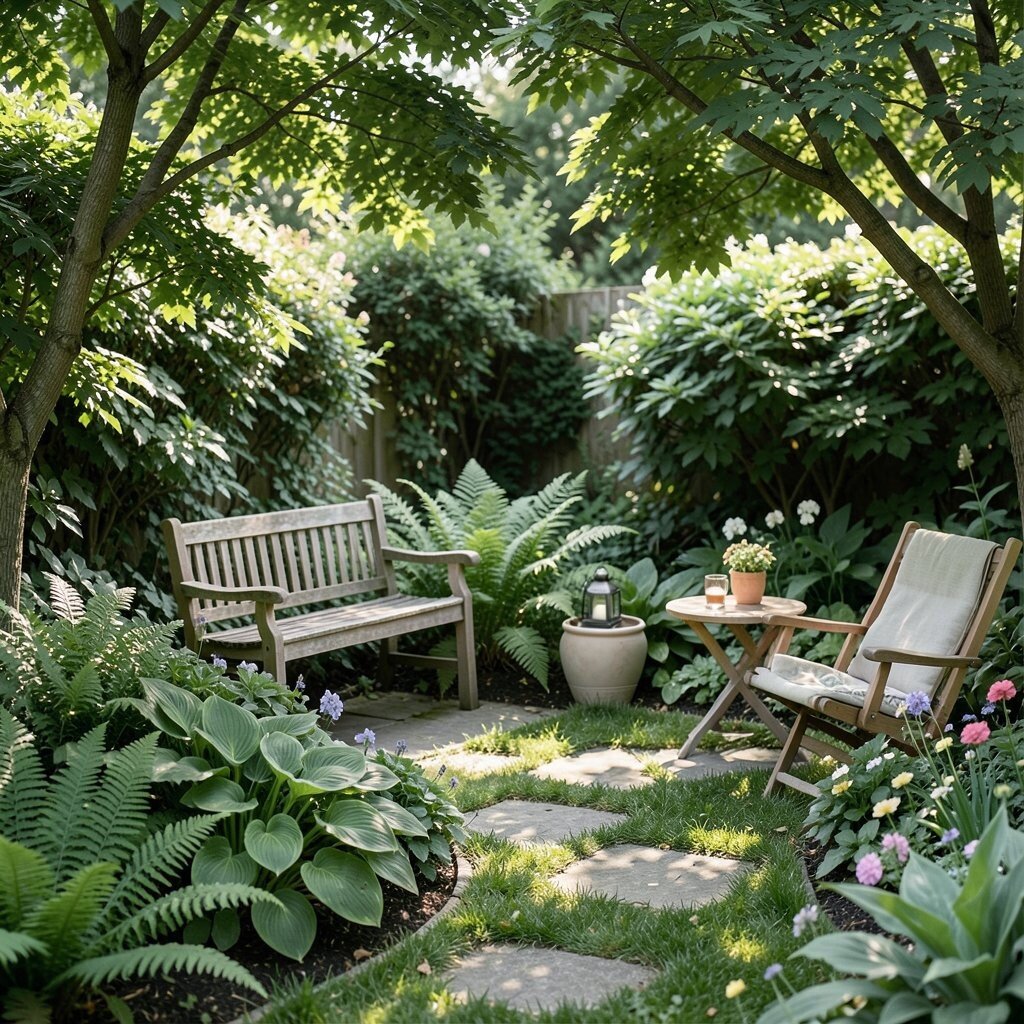
Shady spots are often seen as a problem, but they can become the most peaceful part of the yard. Soft light, cool air, and rich green leaves can create a calm mood.
Use ferns, hostas, and shade-loving flowers to build a gentle scene. A bench, lantern, or pale pot can brighten the area and make it feel cared for. Since shady spots often need less watering, they can also be easier on your water bill.
For a more personal touch, add a reading chair or a small table for drinks. That makes the space useful, not just pretty. Many gardeners now like to design “quiet corners,” and shade is perfect for that kind of retreat.
10. Add Vertical Interest with Trellises
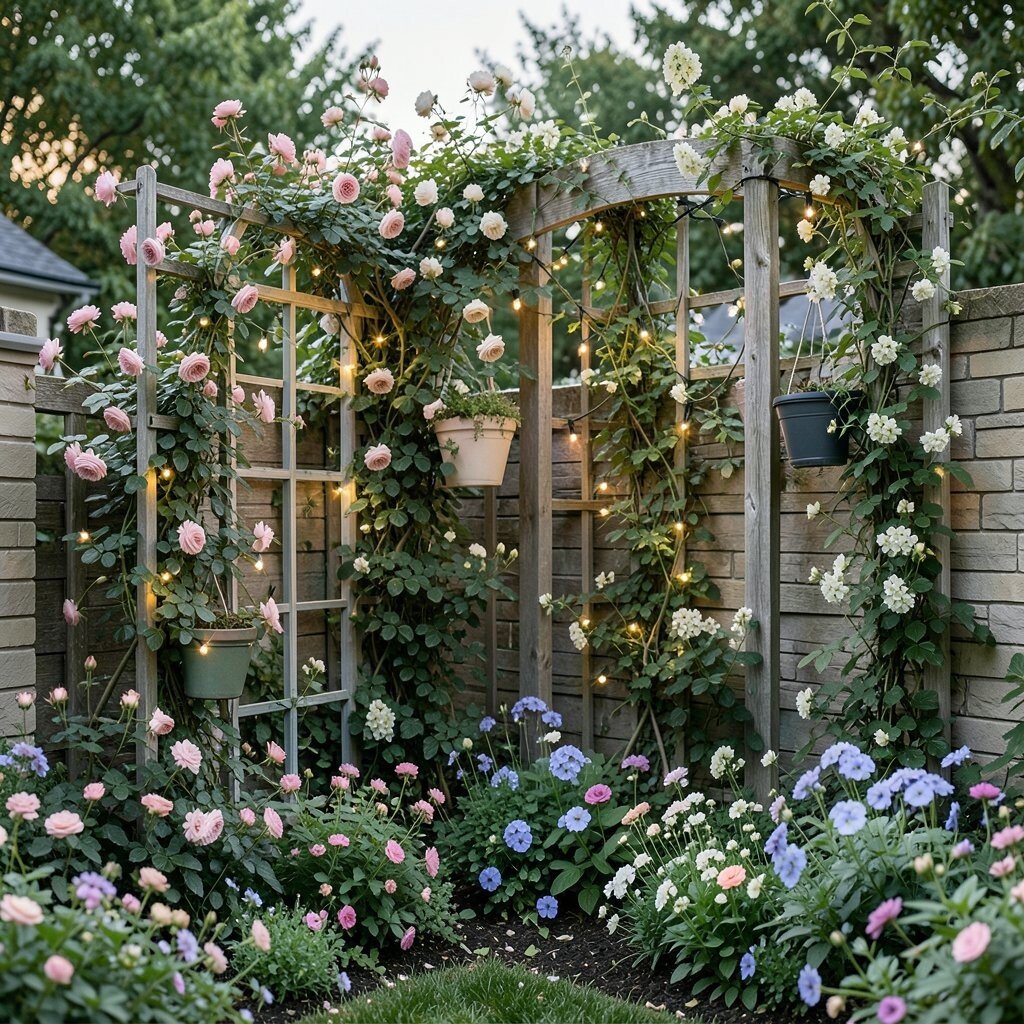
When space is tight, growing upward can make a garden feel bigger. Trellises, arches, and wall planters pull the eye above ground level.
Climbing roses, beans, jasmine, and clematis can all add height and charm. These features can be fairly low cost, especially if you choose simple wood or metal frames. They also help hide plain fences or walls, which can make the whole yard feel more finished.
Vertical pieces work well in modern garden trends because they save space and look clean. You can paint a trellis to match your home or let it age for a rustic feel. Add lights or hanging pots for extra sparkle in the evening.
11. Keep Edges Crisp and Clear
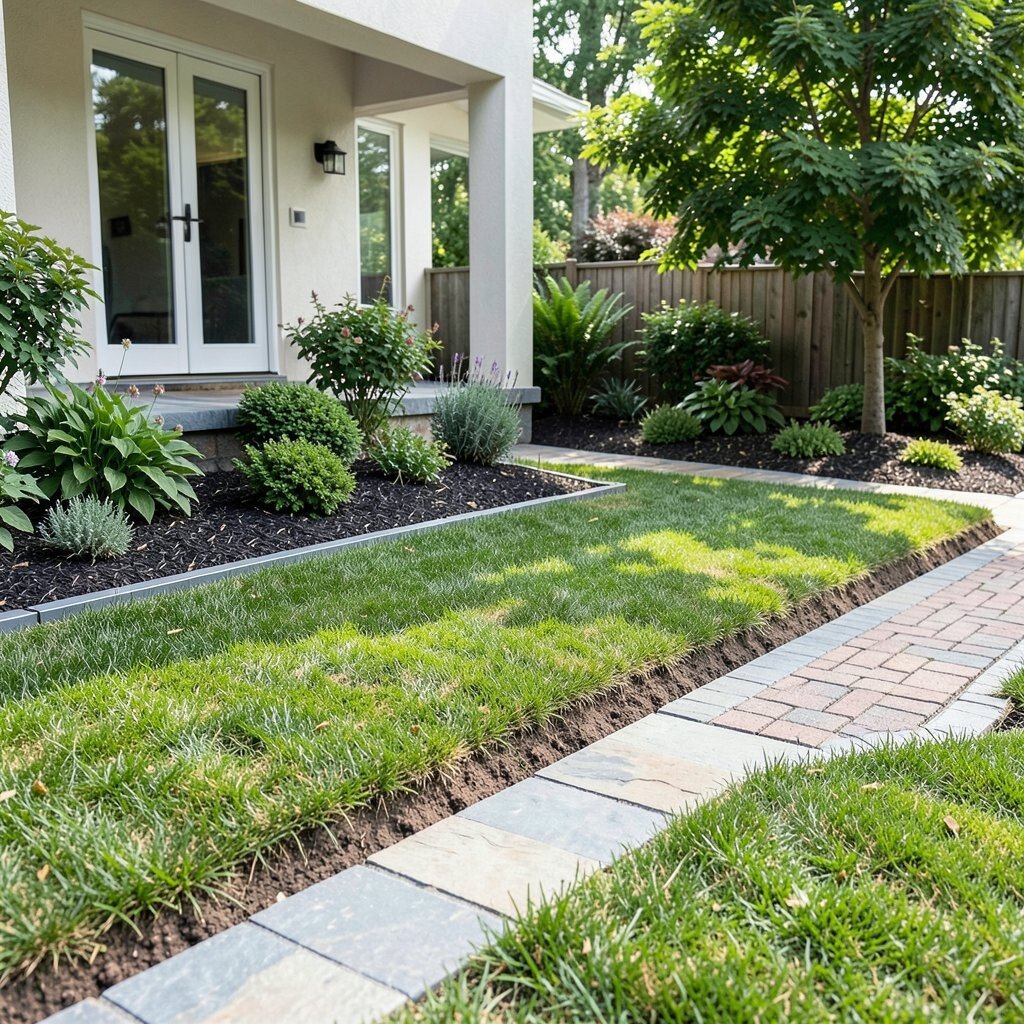
Sharp edges can make even a simple garden look neat. Clean lines around beds, paths, and lawns help the whole space feel organized.
You can edge with stone, metal, brick, or even a deep cut in the soil. Some choices cost more at first, but they may last longer and need less fixing later. Straight edges feel modern, while soft curves feel gentle, so you can pick the mood that fits your home.
12. Use Texture to Add Quiet Drama
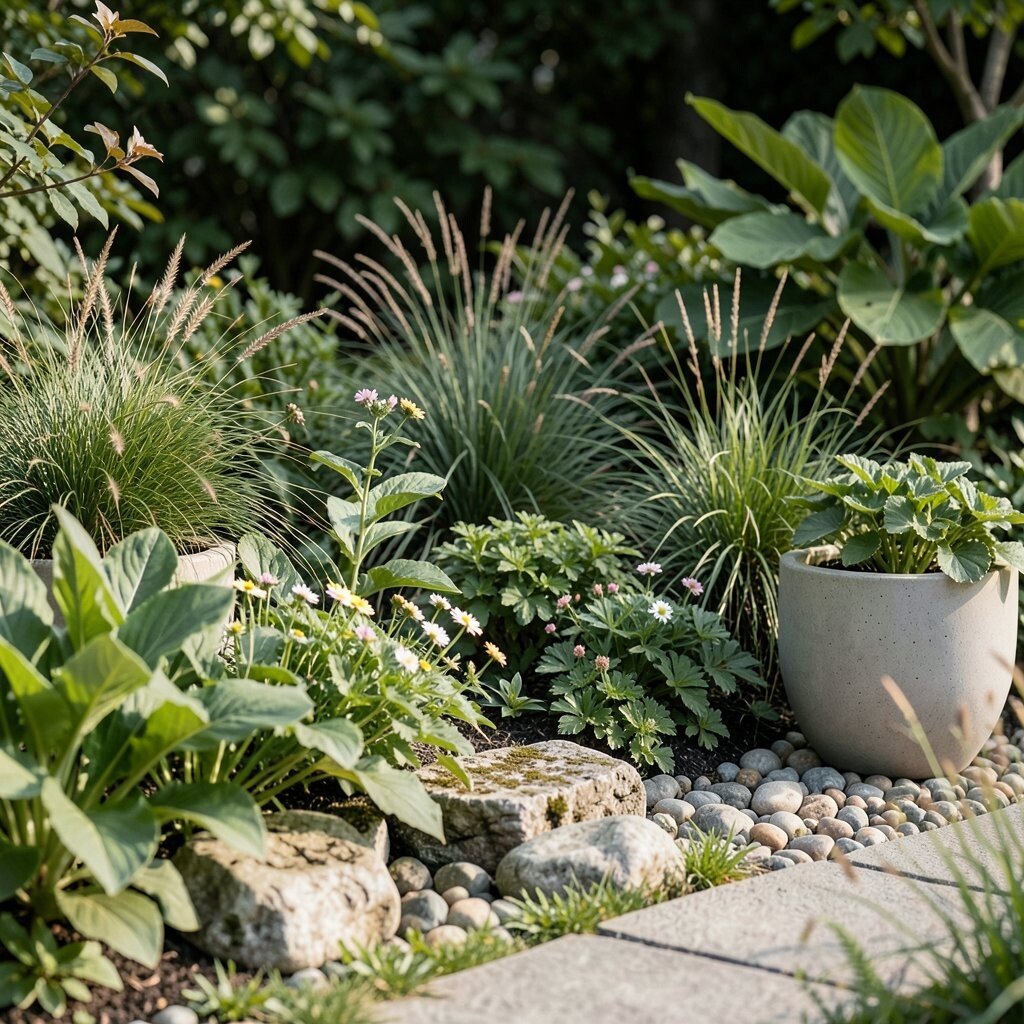
Texture gives a garden depth even when the colors are simple. Big leaves, feathery grasses, rough bark, and smooth stones all work together.
This is a great trick if you want a rich look without buying lots of flowers. Texture often lasts longer through the season, so the garden stays interesting after blooms fade. It can also make a small space feel more thoughtful and full of detail.
Try pairing bold leaves with tiny blooms or soft grasses with solid pots. That mix creates contrast without feeling loud. If you like a current style that feels calm and high-end, texture is one of the easiest ways to get it.
13. Leave Room for Wildlife
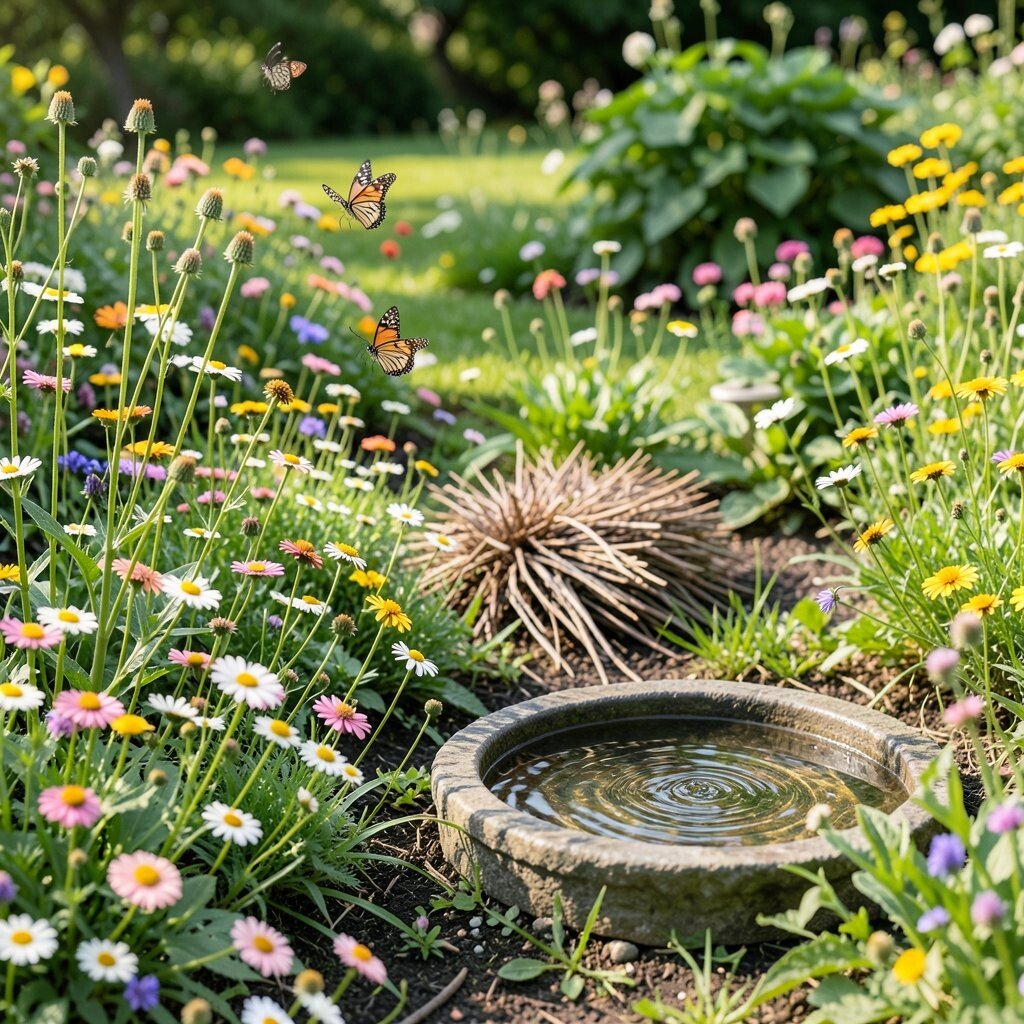
Birds, bees, and butterflies can make a garden feel alive in a very special way. Even a few small changes can welcome them in.
Plant nectar-rich flowers, add a shallow water dish, and leave some seed heads standing. These choices are often inexpensive and can make your yard better for nature. The movement and sound from visiting wildlife add charm that no decoration can copy.
You can still keep the space tidy while making it friendly to animals. A small brush pile, a pollinator patch, or a bird feeder can fit into many designs. This idea also gives children something fun to watch, which makes the garden feel more magical for the whole family.
14. Plan for All Seasons, Not Just One
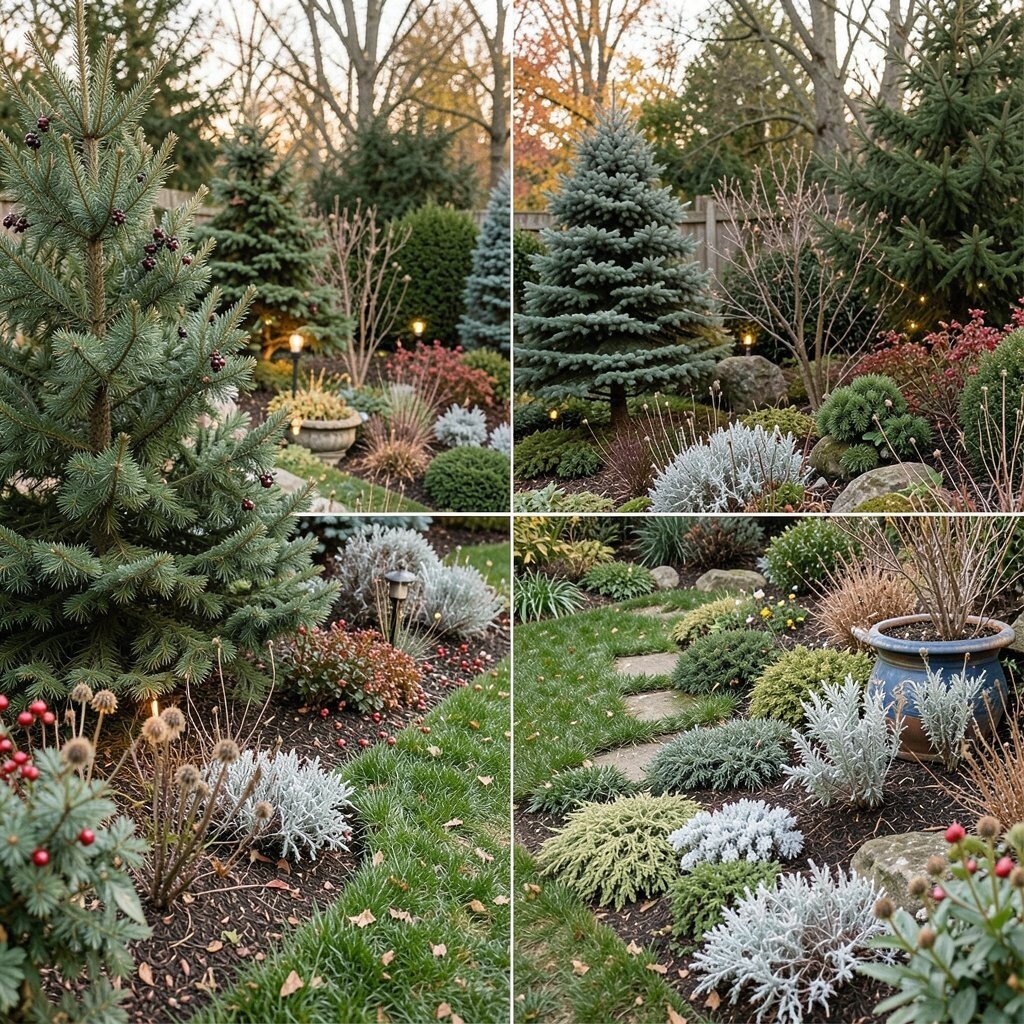
A garden that looks good all year feels more complete. Different plants can take turns being the star, so the space never goes flat.
Use evergreens, berries, bark, seed heads, and winter-friendly shapes to keep the yard interesting. This can save money because the garden stays attractive even when flowers are gone. It also helps you avoid the letdown of a space that looks amazing for a short time and empty the rest of the year.
Think about how the yard looks in spring, summer, fall, and winter before you plant. That makes it easier to choose pieces that work together in every season. A few well-placed lights, a sculptural shrub, or a colorful pot can keep the garden feeling warm and inviting no matter the weather.