Home cooking can feel bright and fun again. A good class can turn plain meals into something you want to make again and again.
1. Bright Basics Knife Skills Class
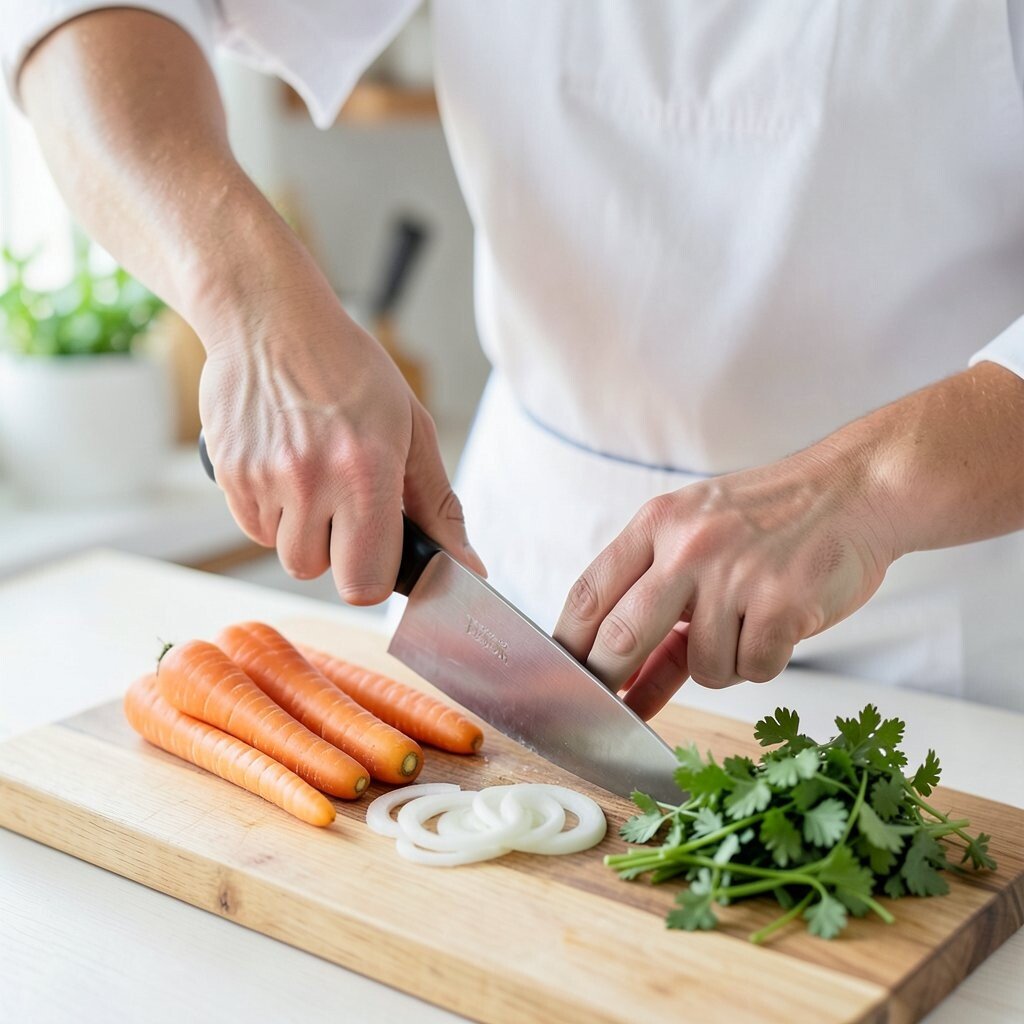
This class starts with clean, simple knife moves that make prep feel calm and safe. You can picture shiny carrots, neat onion slices, and tidy herb piles on a wood board.
The big win is speed, because better cutting saves time at every meal. It also helps food cook more evenly and look nicer on the plate. Many classes use low-cost tools you may already own, so the price stays friendly.
2. Cozy One-Pan Dinner Workshop

One-pan meals are a favorite for busy homes, and this class makes them feel easy. Think golden chicken, soft potatoes, and bright green vegetables all roasting together.
The best part is less cleanup, which is a huge help on school nights. You can swap in your own spices, use what is in the fridge, and keep the cost low. This style is very current because people want fast meals with less mess.
Try adding lemon, garlic, or smoked paprika to give your pan a new mood. If you like more color, choose carrots, peppers, and broccoli for a cheerful look. A class like this can fit many diets, which makes it useful for a whole family.
3. Fresh Pasta From Scratch Session

Fresh pasta feels special, but it can still be simple with the right teacher. You may see soft dough, a dusting of flour, and long ribbons of noodles drying on the counter.
This class gives you a hands-on way to learn a skill that feels fancy at home. It can also save money compared with buying fresh pasta from a store or restaurant. Many people love the trend of making comfort food with a homemade touch.
You can shape the dough into noodles, stuffed pockets, or wide sheets for baking. Add spinach, herbs, or beet juice if you want color and flavor in the dough. A small pasta roller can be a smart buy, but many classes teach by hand first.
Personal touches make this lesson even more fun, like choosing your own sauce. A bright tomato sauce or a creamy garlic sauce can change the whole feel of the meal. The class works well for date nights, family time, or a weekend treat.
4. Fast Stir-Fry Flavor Lab
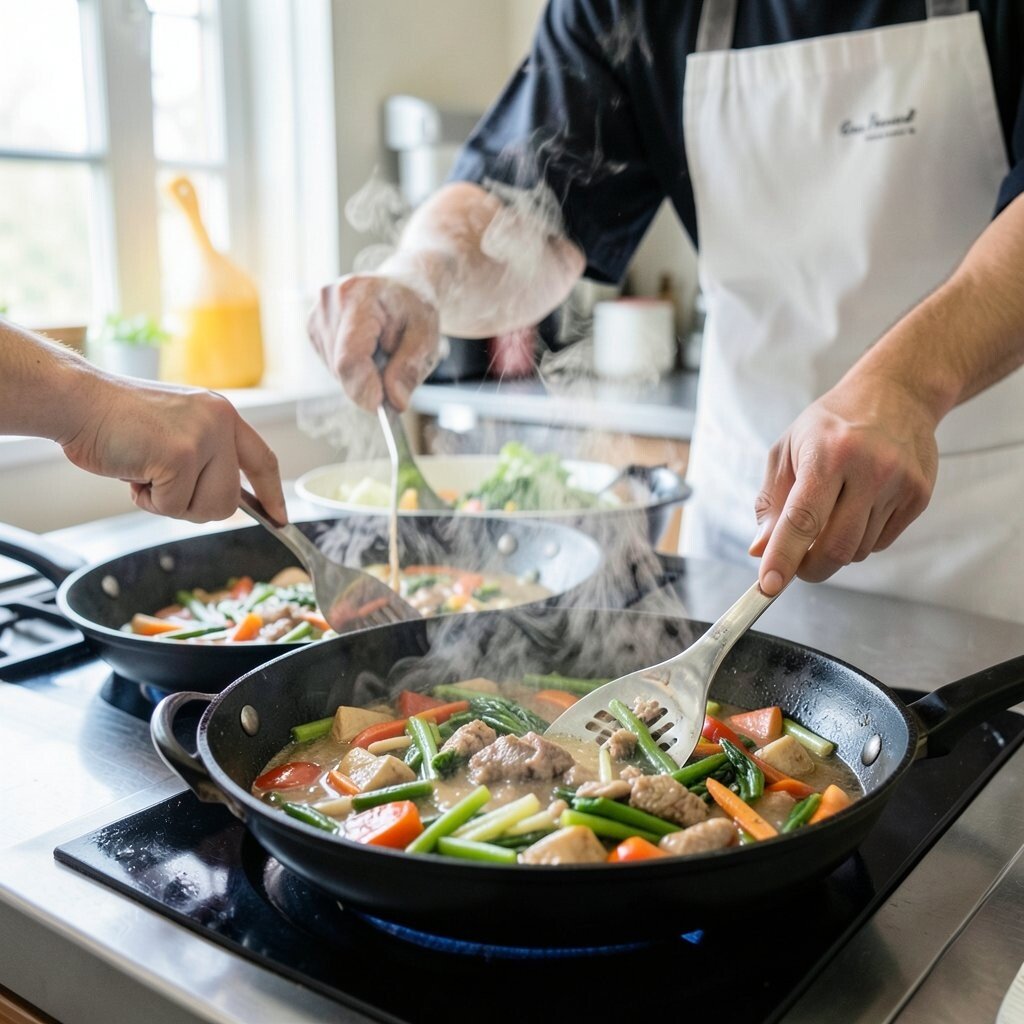
Stir-fry classes are lively because the food moves fast and smells amazing. You may see shiny pans, crisp vegetables, and little clouds of steam rising up.
This style teaches you how to cook dinner in a short time without losing taste. It also helps you use small bits of leftover food in a smart way. Since the ingredients can be simple, the cost often stays low.
5. Sweet and Savory Breakfast Brunch Studio
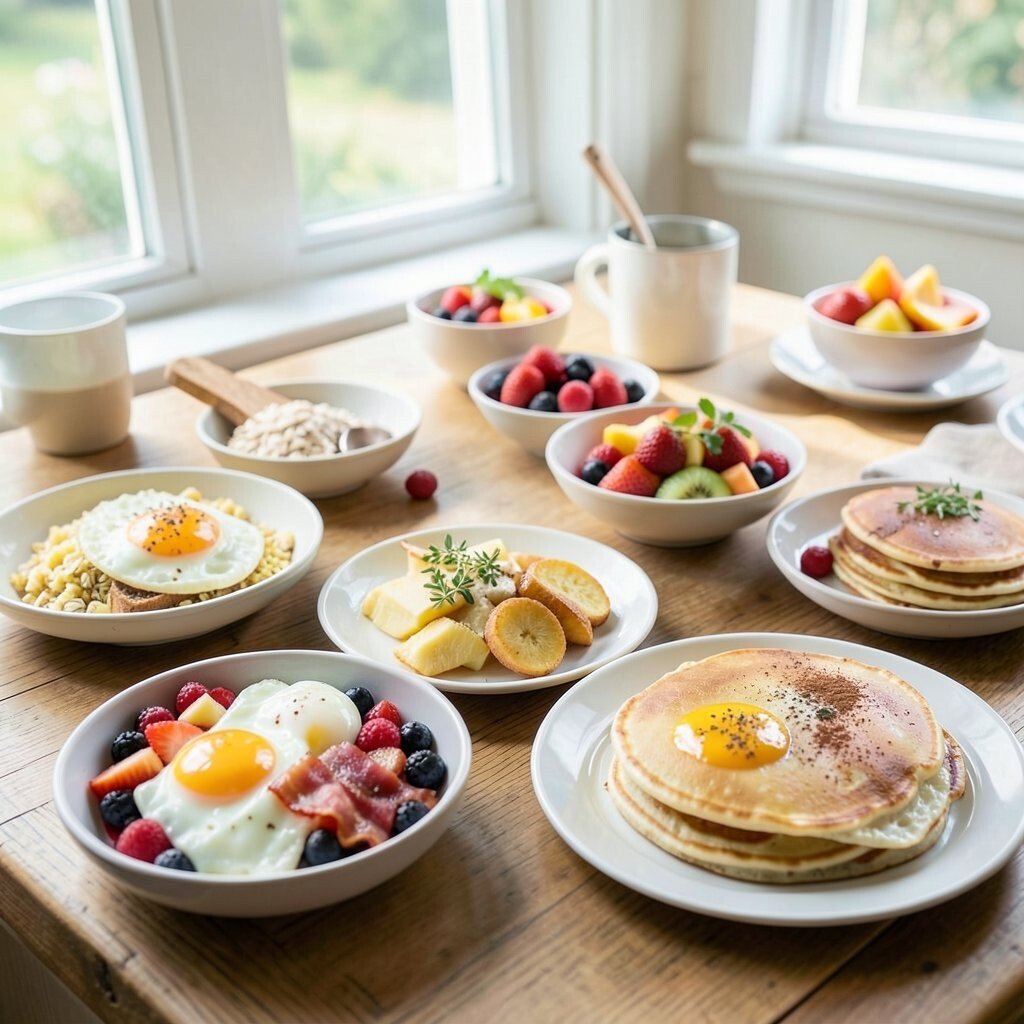
Breakfast can be more than toast, and this class proves it with warm, cheerful plates. Imagine fluffy eggs, berry bowls, and golden pancakes that look great in the morning light.
The class is useful because brunch foods can work for breakfast, lunch, or a lazy dinner. It also gives you many ways to change recipes based on what your family likes. Current food trends lean toward easy brunch at home, so this fits right in.
Try mixing sweet fruit with salty cheese or crispy bacon for a fun balance. You can keep costs down by using eggs, oats, and seasonal fruit. If you want a personal twist, add cinnamon, herbs, or a favorite sauce on top.
6. Soup And Stew Comfort Class
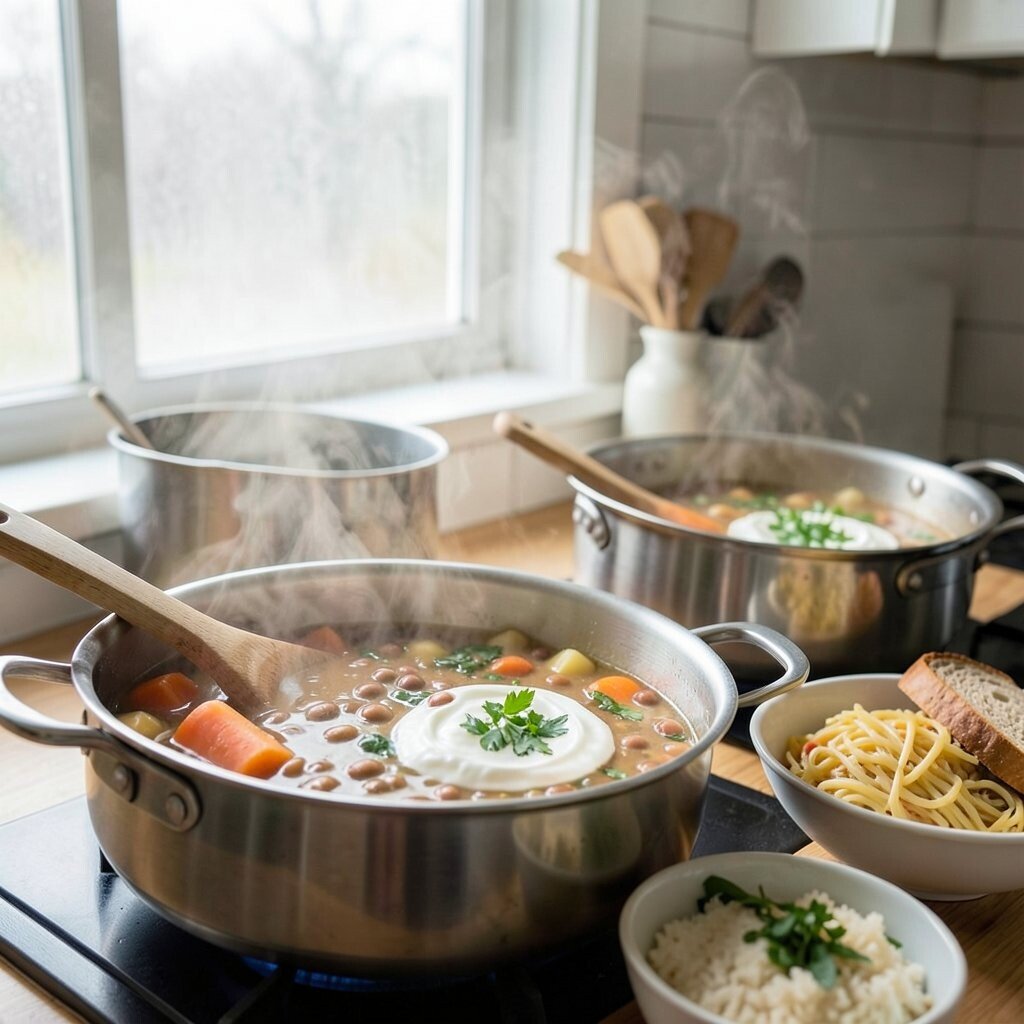
Soup classes feel warm and calm, like a cozy kitchen on a cold day. You can picture bubbling pots, soft carrots, and steam fogging the window.
This class teaches you how to build flavor slowly with simple steps. It is a smart way to stretch cheap ingredients into a full meal. Many home cooks like it because soups and stews are easy to store and reheat.
Use beans, lentils, potatoes, or chicken to match your budget and taste. You can make the bowl look pretty with herbs, yogurt, or a swirl of cream. A good class will show how to adjust thickness, salt, and spice with ease.
Personalization is simple here, since you can make it mild or bold. Add noodles, rice, or bread on the side to make it feel complete. This kind of lesson is great for meal prep and for busy weeks ahead.
7. Colorful Salad And Bowl Building Course

Salad classes are not just about leaves, and this one makes bowls feel bright and full. Think of rainbow vegetables, shiny grains, creamy avocado, and crunchy seeds in one happy bowl.
The main benefit is balance, since you learn to mix protein, fiber, and fresh flavor. It is also a great way to use leftovers in a neat and pretty meal. Bowl meals are still trendy because they look good and travel well.
Choose a base like rice, quinoa, or greens, then add toppings that match your mood. You can keep the price low by using beans, eggs, or roasted vegetables from home. A simple dressing can tie everything together and make the bowl taste rich.
To make it yours, try a theme like taco bowl, Mediterranean bowl, or breakfast bowl. The class can help picky eaters too, because each person can build a custom plate. That makes dinner feel fun instead of stressful.
8. Easy Baking For Busy Homes
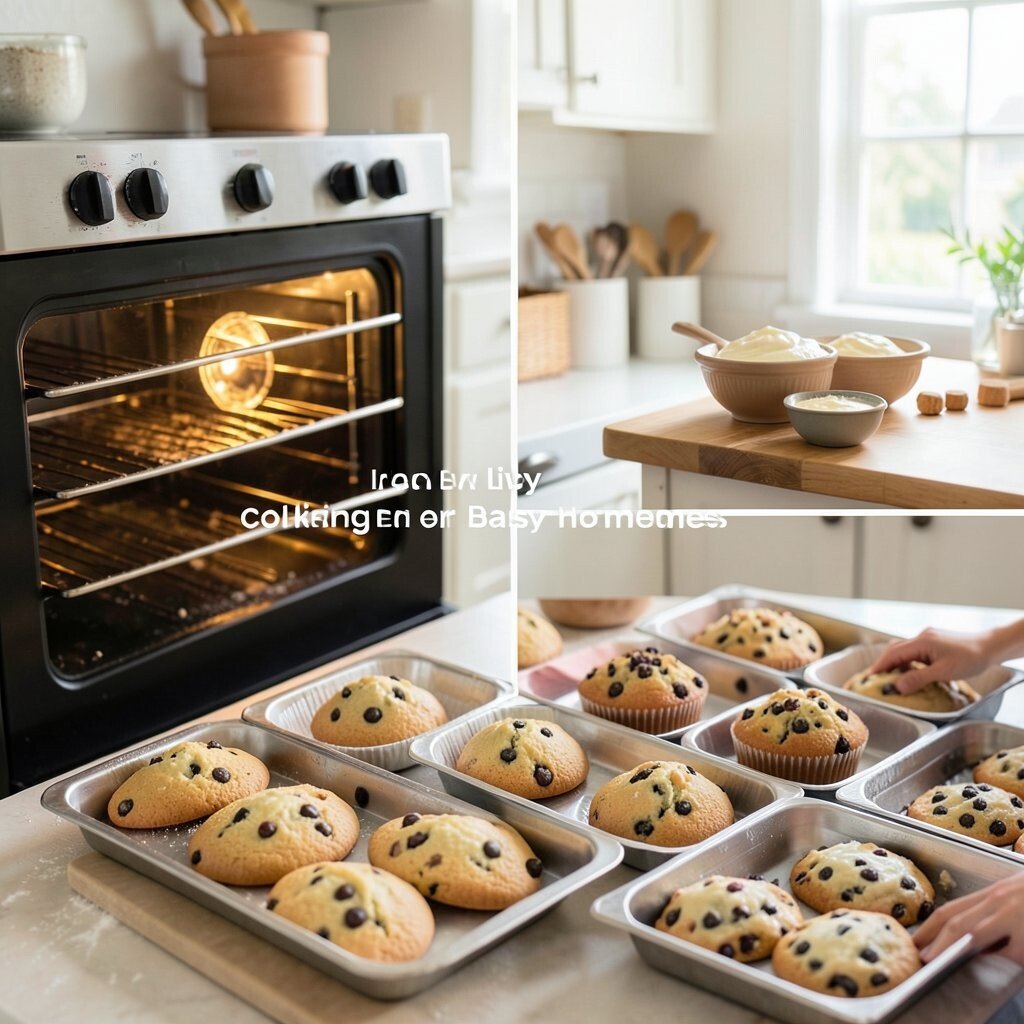
Baking classes can feel magical when the oven fills with sweet, warm smells. You may see soft dough, glossy batter, and trays lined up like little treasures.
This class helps you learn simple treats without a lot of fuss. It can also teach careful measuring, which is useful for many other recipes. If you bake at home, you can save money and make snacks that fit your taste.
Start with muffins, quick breads, or simple cookies before moving to bigger cakes. You can add nuts, chocolate chips, fruit, or spices for a personal touch. Many people like baking classes now because homemade snacks feel comforting and special.
Watch for tips on pan size, oven heat, and mixing time, since those details matter. A teacher may also show how to freeze dough or batter for later use. That makes the class practical for real life, not just for fun.
9. Global Street Food At Home Lesson
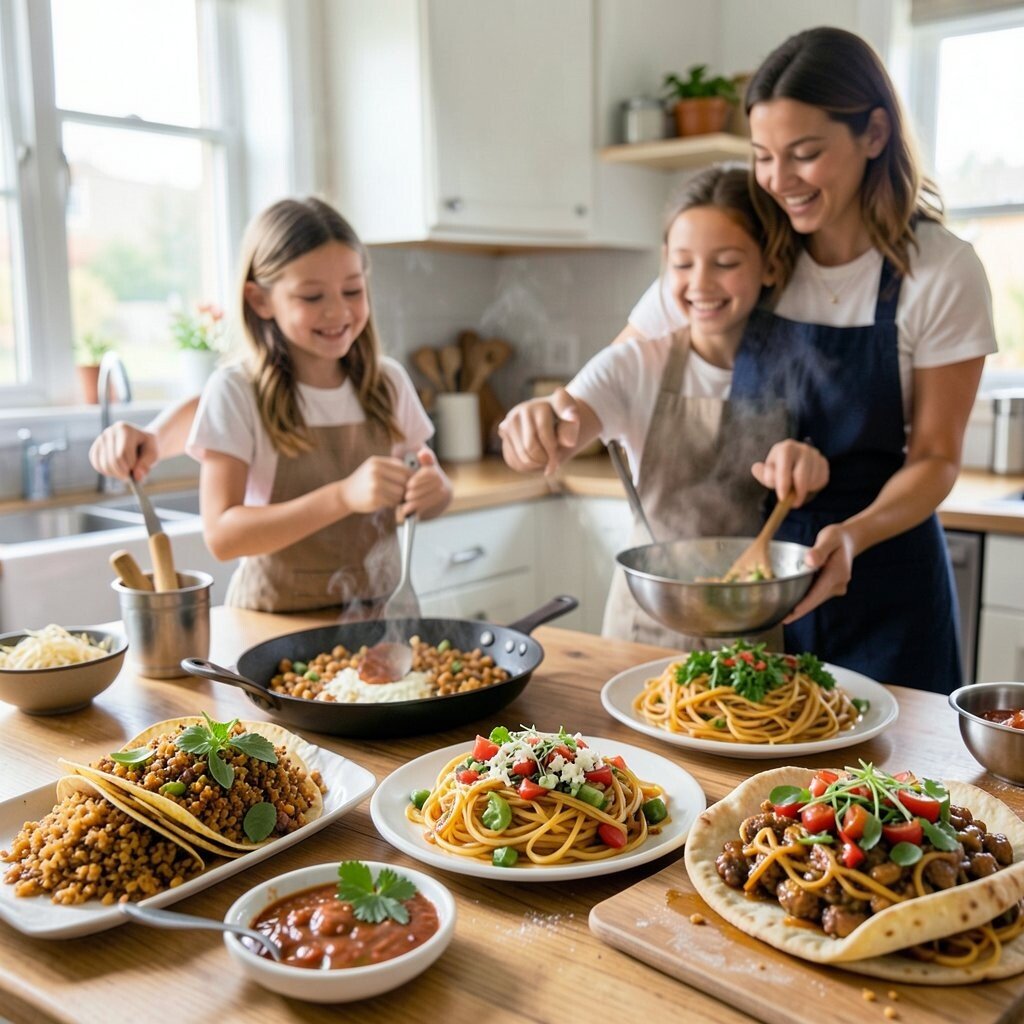
Street food classes bring bold smells and bright colors right into your kitchen. Picture crispy tacos, saucy noodles, or stuffed flatbreads served with fresh toppings.
This type of class is exciting because it adds new tastes without needing a fancy setup. It can also teach you how to use low-cost ingredients in a smart way. Many home cooks enjoy global flavors now because they make dinner feel fresh.
You might learn to make a quick sauce, a crunchy topping, or a simple dough. Try changing the heat level, the herbs, or the filling to fit your family. That flexibility helps you keep the meal affordable and personal.
Ask for tips on pantry swaps if a spice is hard to find. A good teacher will show how to keep the spirit of the dish even with simple items. This class is perfect for anyone who wants a little kitchen adventure.
10. Plant-Powered Weeknight Cooking Lab
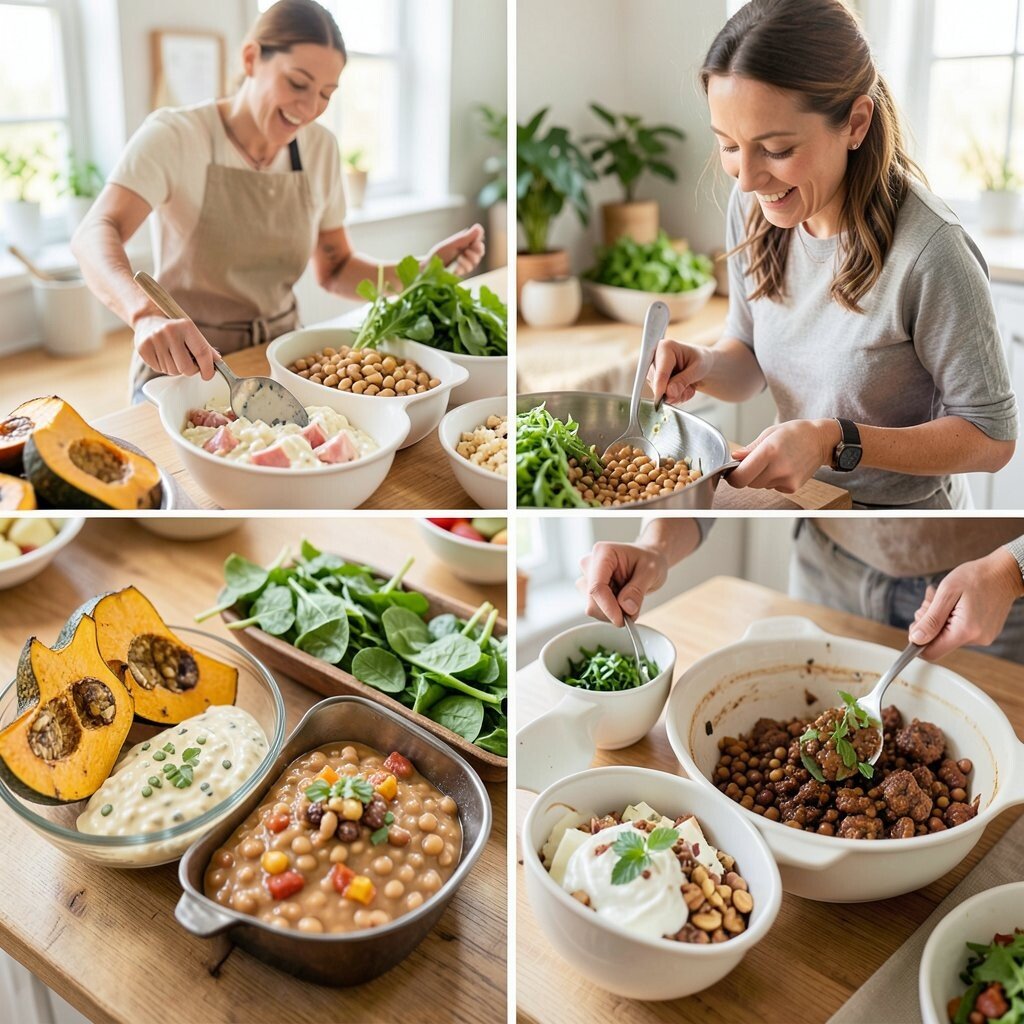
Plant-based classes can be bright, hearty, and full of color. You may see roasted squash, creamy beans, and crisp greens arranged in a lively way.
The class shows how to make filling meals without leaning on meat. It can also help lower grocery costs, since beans, grains, and vegetables can be budget friendly. This is a strong trend because many people want lighter meals that still feel satisfying.
Learn how to season well, since good flavor makes plant meals shine. You can add nuts, seeds, tofu, or yogurt if your plan allows it. A teacher may also share ways to make sauces that feel rich and smooth.
Personal choices matter here, so you can build meals for your own needs. Some people want high protein, while others want more spice or more crunch. The class can give you tools to make plant meals part of normal weeknight cooking.
11. Quick Sauces And Flavor Boosters Workshop
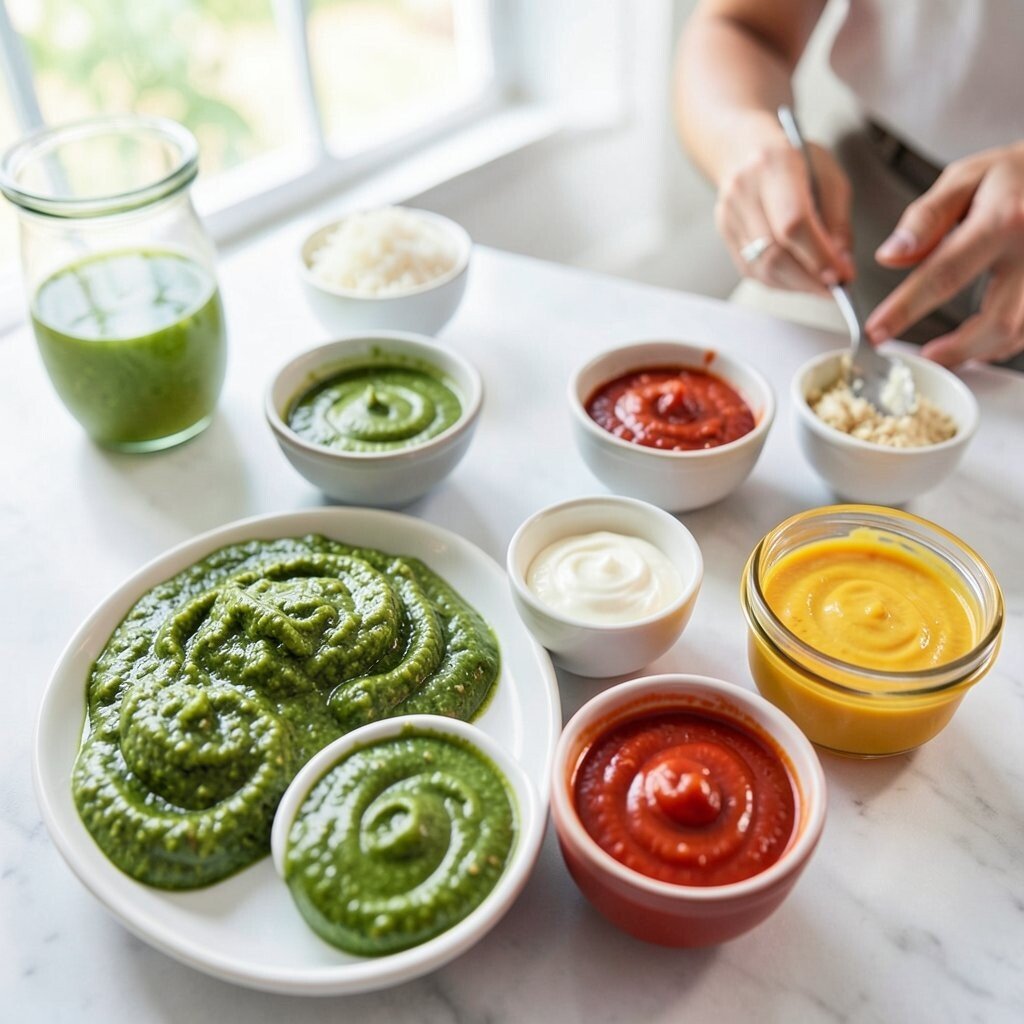
Sometimes the sauce is what makes dinner look and taste exciting. In this class, you may see little bowls of pesto, salsa, cream sauce, and dressing lined up like paint colors.
The benefit is huge because one sauce can change many meals. It can make plain rice, chicken, pasta, or vegetables feel new again. Since many sauces use pantry items, they can be very cheap to make at home.
Try learning a few basic sauce styles, then mix them with your own herbs or spices. A lemon sauce, yogurt sauce, or tomato sauce can fit many dishes. This class works well for people who want fast upgrades without hard steps.
Current cooking trends love bold condiments and easy finishing touches. A good class will show how to store sauces safely and use them all week. That kind of knowledge saves money and cuts down on waste.
12. Family-Friendly Snack And Lunch Box Class

This class is full of cute, colorful food that looks great in lunch boxes. Think rolled wraps, fruit skewers, mini muffins, and veggie sticks packed in neat rows.
It helps families save time in the morning and avoid last-minute stress. You also get ideas for snacks that are tasty, filling, and easy to carry. The cost can stay low if you use simple ingredients and plan ahead.
Try making extra portions at dinner so lunch prep feels easier the next day. You can change the fillings for different ages, diets, or taste buds. That makes the class useful for parents, kids, and busy workers too.
Many people like snacks that look fun, so bright colors matter here. A good teacher may show how to cut fruit, fold wraps, and pack crunchy items so they stay fresh. Small tricks like these make home food feel polished and smart.
13. Simple Seafood And Fish Night Class
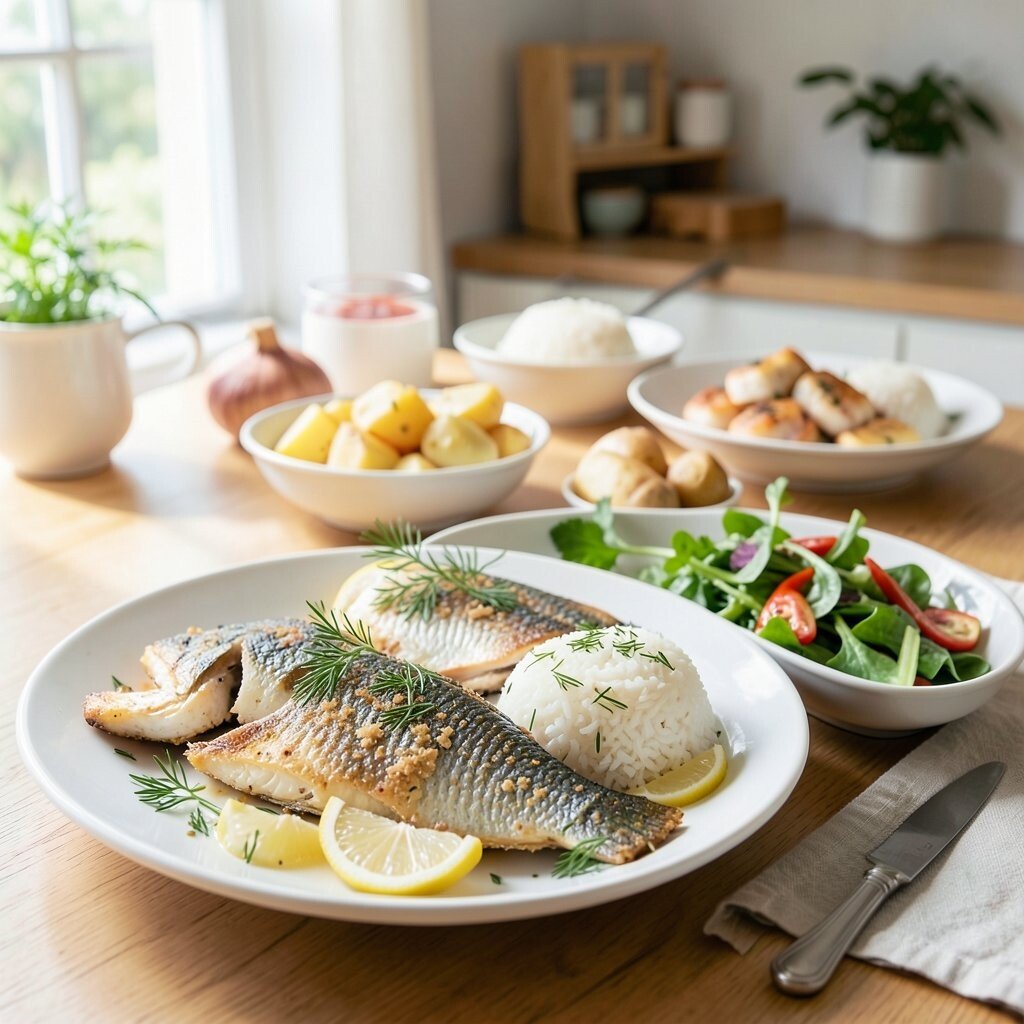
Seafood classes can feel light, fresh, and a little fancy without being hard. You may see flaky fish, lemon slices, and herbs that make the plate glow.
This class helps you cook seafood with care so it stays tender and tasty. It can also be a smart choice for quick dinners because fish often cooks fast. Cost can vary, so the class should point out budget-friendly fish and smart shopping tips.
Learn to season gently and avoid overcooking, since that keeps the texture nice. You can pair seafood with rice, potatoes, or a simple salad for balance. A personal touch like dill, chili, or garlic can change the whole mood of the meal.
Many home cooks like seafood now because it feels lighter than heavy takeout. A good class may also cover frozen fish, which can be easier on the wallet. That makes the lesson practical for real home kitchens.
14. No-Stress Dessert And Treats Studio
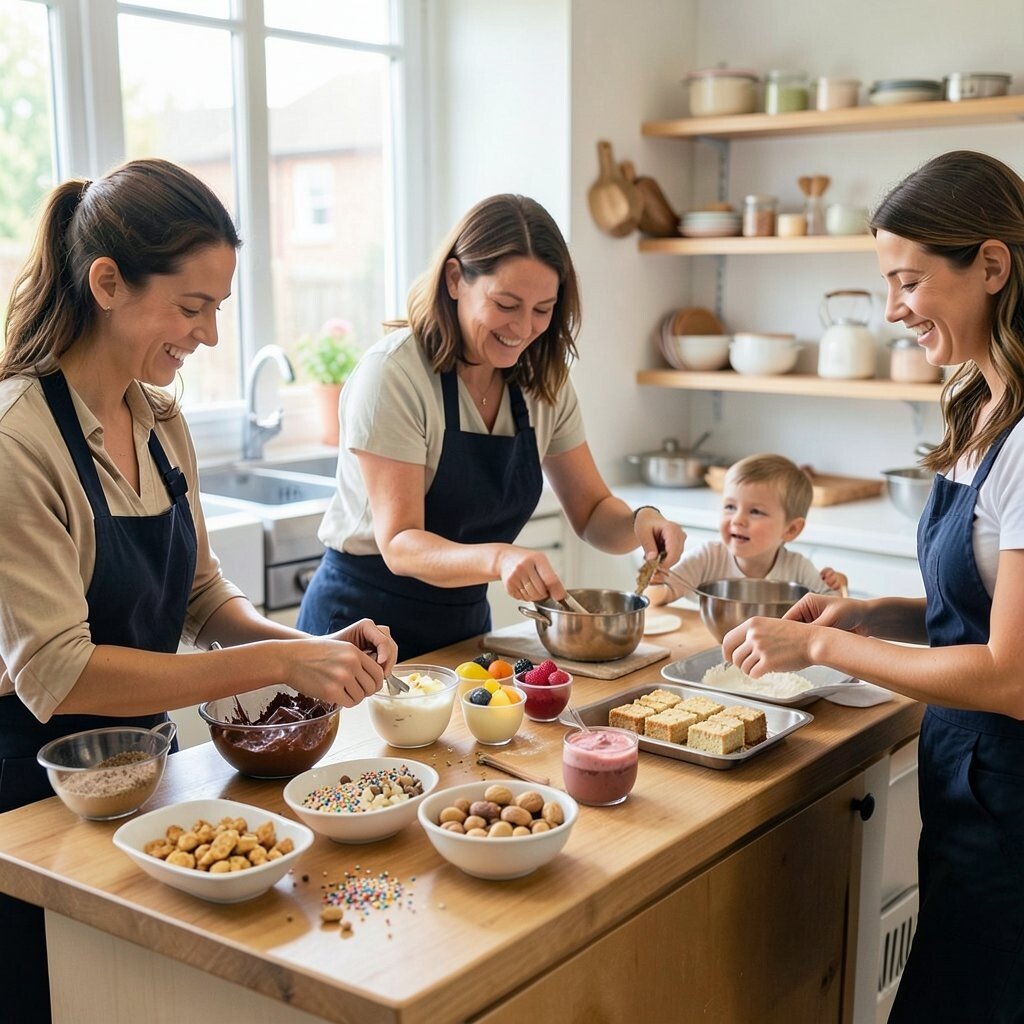
Dessert classes bring a playful mood with chocolate, fruit, cream, and soft cake layers. The kitchen can look like a sweet shop with bowls, sprinkles, and shiny pans.
This class is great for learning treats that do not need a lot of skill. It can also teach you how to make small desserts instead of huge ones, which helps with cost and waste. People love quick sweets now because they fit busy lives and still feel special.
Try fruit crisps, pudding cups, or simple bars before moving to more complex recipes. You can add nuts, citrus, or warm spices to make each treat your own. A class like this can help you host guests or brighten a family night.
Look for tips on portion size, since small treats can feel more balanced. Some teachers also show how to make dessert look pretty with very little effort. That little bit of style can make a simple recipe feel extra inviting.