Play spaces get brighter when kids see math everywhere they look. Simple wall decor can turn everyday curiosity into joyful learning.
1. Number-Path Floor-to-Wall Track
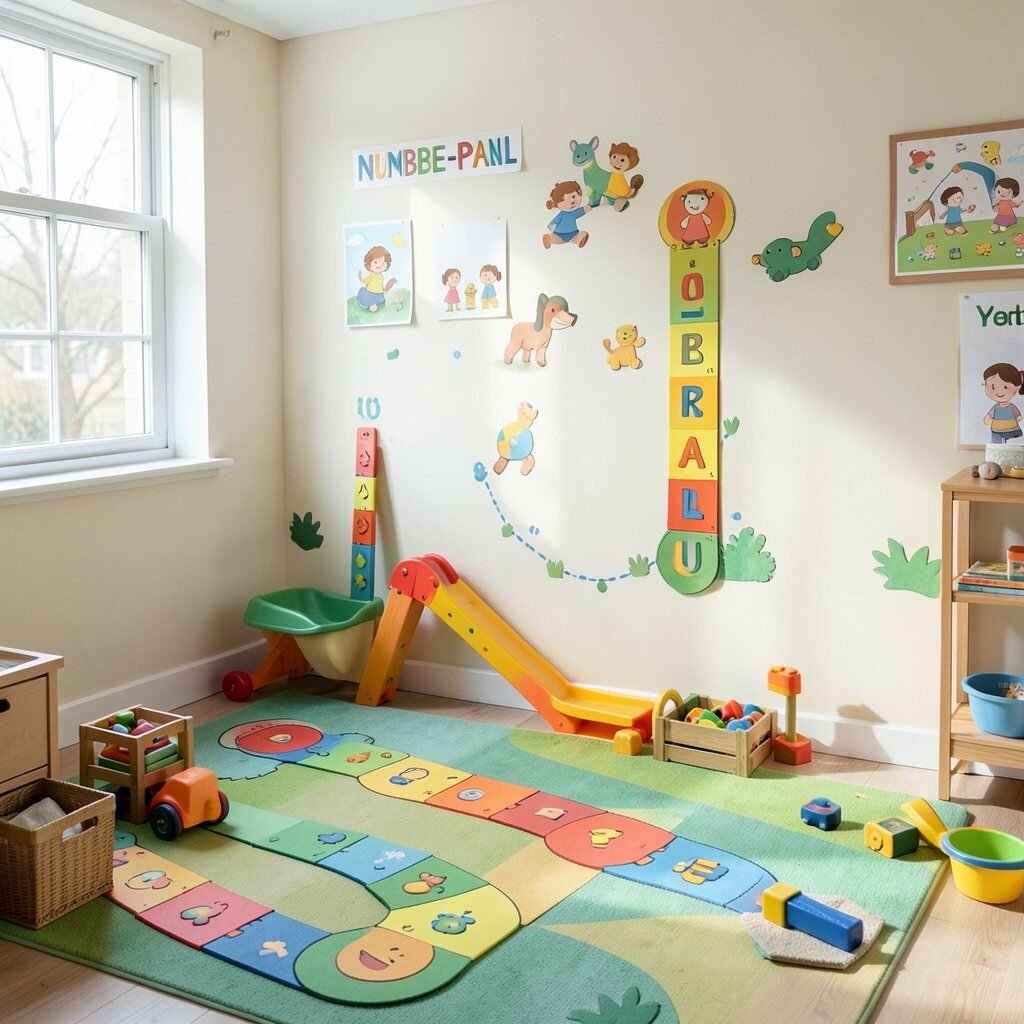
Imagine a winding path on the wall made of bold circles with large numerals. Kids can point, hop, and narrate while they move from one stop to the next.
Use textured paper or foam so fingerprints and little hands can feel the pattern. Keep the direction clear with an arrow, and add a short count-aloud script in kid-friendly wording next to each stop. Personalize by matching the path to your class theme, like ocean “currents” or space “orbits.”
2. Shape Castle With Doorways for Sorting
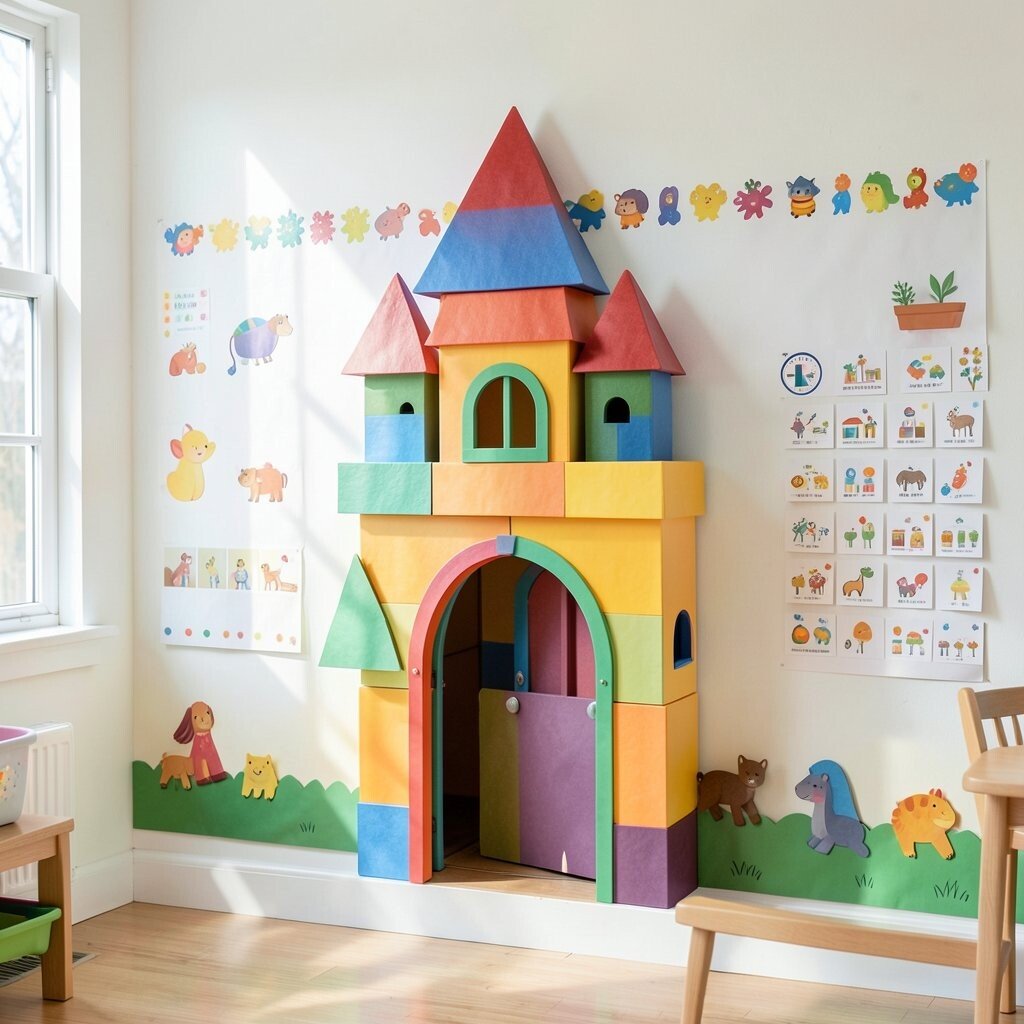
Build a “shape castle” wall scene where each tower has a doorway sized for a specific shape. The big, friendly outlines make it easy for children to notice differences right away.
To make it practical, add small pockets or Velcro squares where kids can stick cutouts. Choose thick, matte materials to reduce glare and keep the scene readable in busy rooms. For cost, repurpose cardboard boxes for towers and print shape cards on sturdy paper.
This idea feels unique because it turns sorting into a story. Let children “visit” a tower when they find the matching shape during free play, and rotate new shapes as skills grow.
3. Number Friends in Speech Bubbles
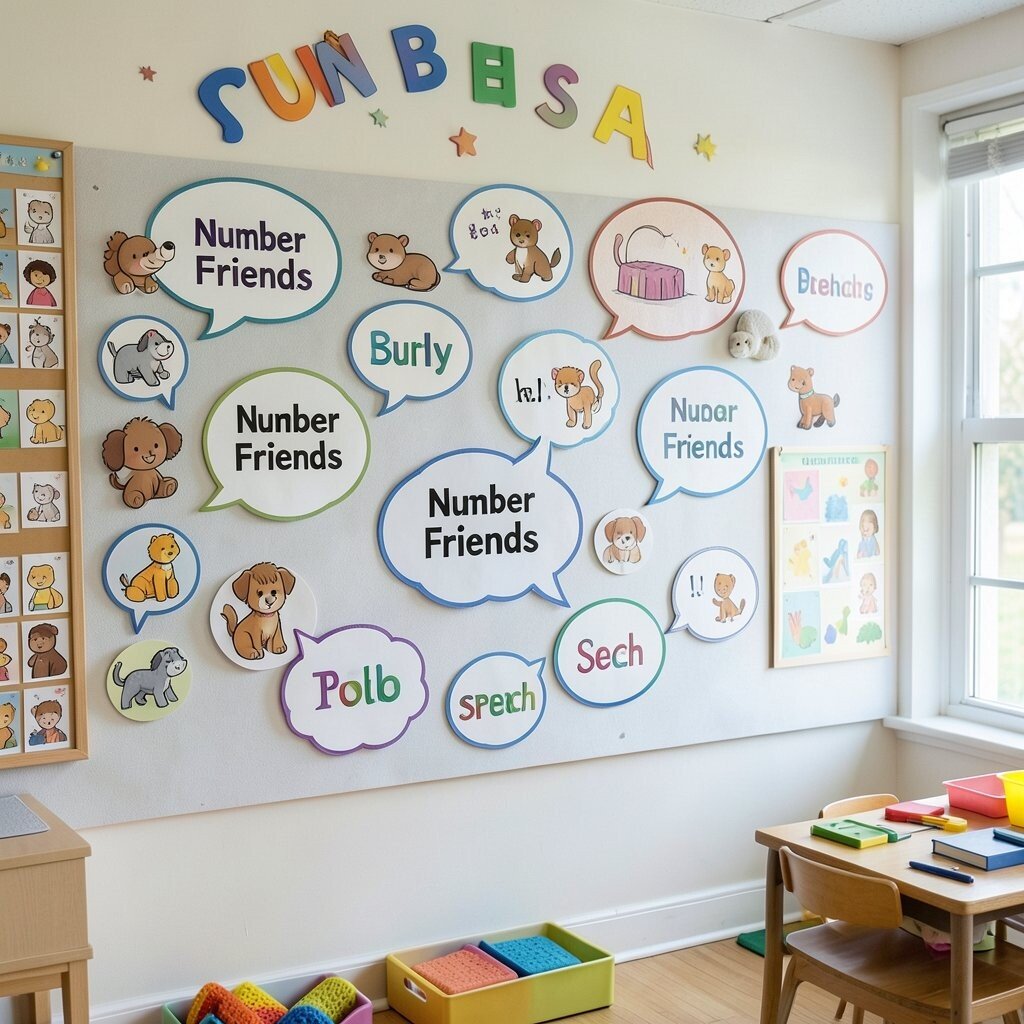
Create a wall of cheerful numbers floating in speech bubbles. Each bubble can show a tiny scene, like a pair of apples or a single star, so the meaning feels concrete.
Write one simple prompt near each number, and keep the visuals large enough for far-away viewing. Add a pocket where you can swap in new picture cards as your classroom activities change. Use colorful marker accents so each “number friend” has a personality.
Kids love reading the bubbles during transitions, and it supports early counting and one-to-one matching. Personalize by letting students choose favorite colors for the bubbles and voting on which number gets the next new picture.
4. Ten-Frame Garden With Grow-Your-Number Seeds
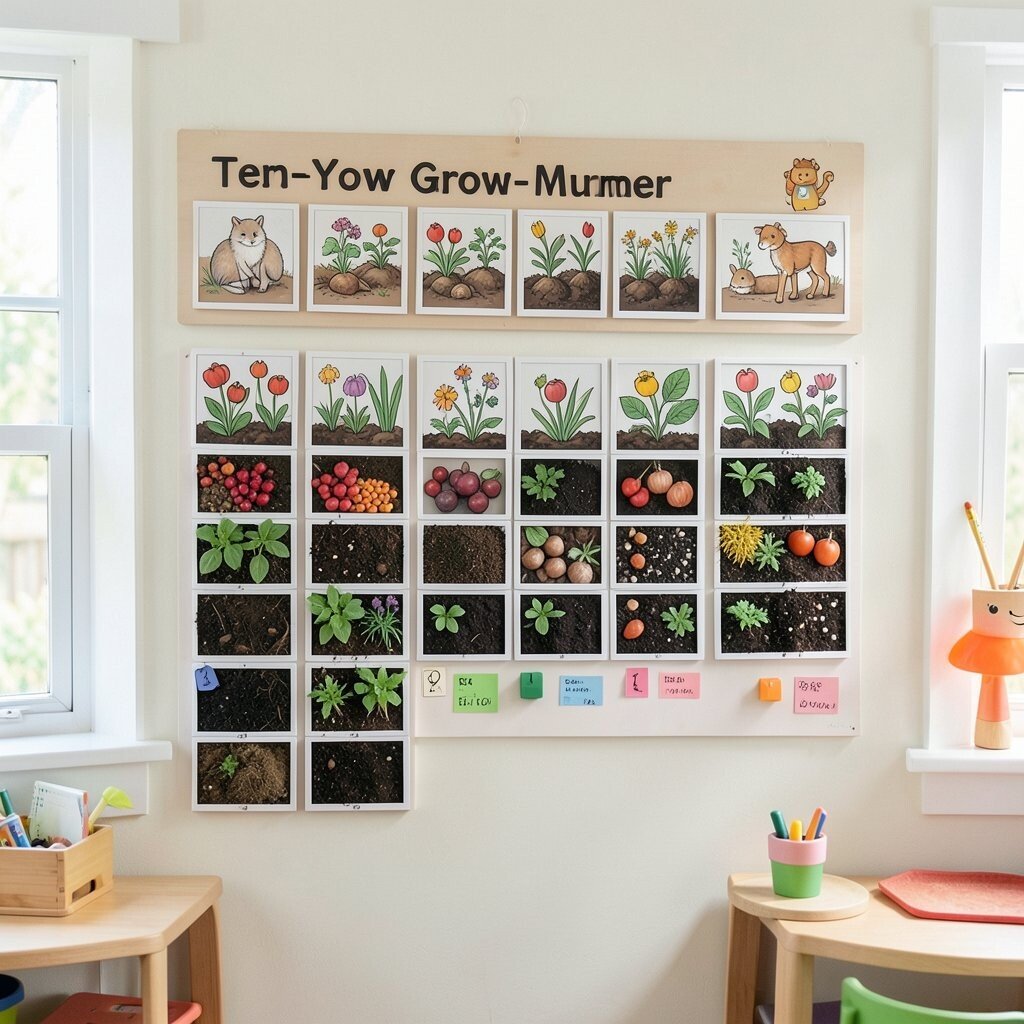
Design a ten-frame garden where grid squares look like soil beds. Add removable “seeds” in paper, foam, or laminated circles so children can build sets on the wall.
When kids manipulate the seeds, they strengthen subitizing and early addition thinking without stress. For practical setup, use Velcro dots behind each seed position so it’s easy to place and remove. Keep cost down by using scrap fabric circles for seeds and printing grid frames from free templates.
5. Pattern Parade Border That Kids Can Copy
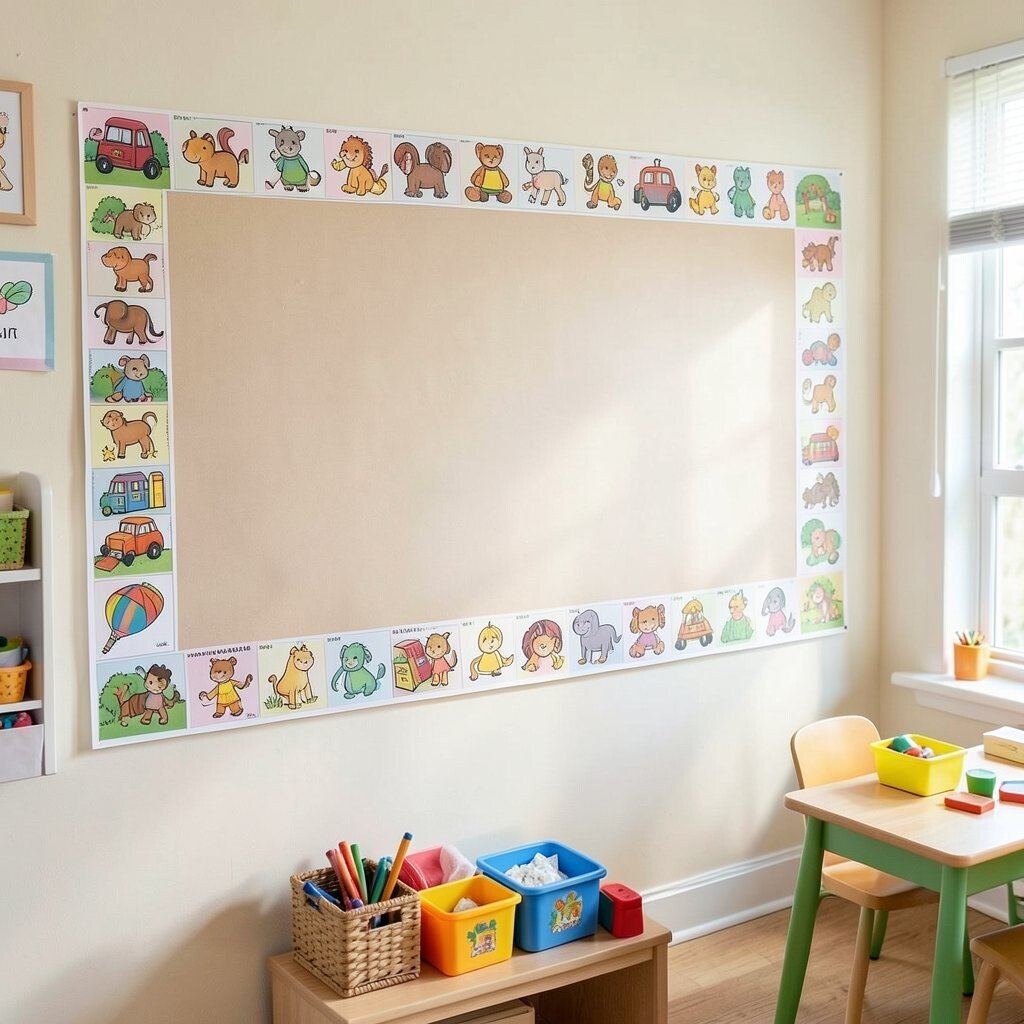
Line the top of your wall with a bright pattern border made of alternating shapes or colors. Think of it as a parade where each unit repeats clearly from left to right.
Use a pattern that matches what you’re practicing, like ABAB, AABB, or simple shape repeats. Add blank spaces where you can place a removable piece, so children can complete the next step. This keeps the activity hands-on while still acting like a constant visual reference.
Personalize by using school colors or seasonal icons, and switch the parade each month. It also fits current trends in classrooms that favor flexible, modular decor instead of one fixed display.
6. Calendar Circle With Daily “Today” Choices
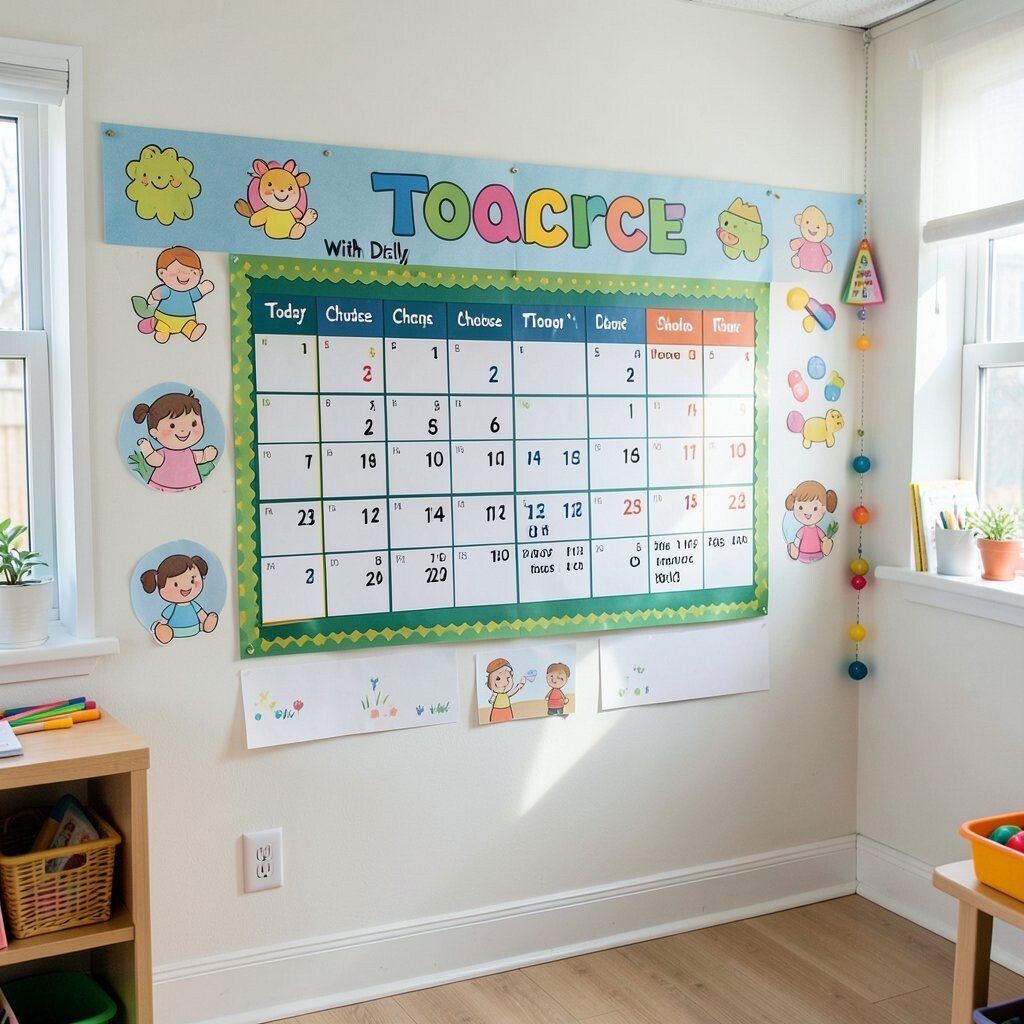
Try a circular calendar display with big rings for day, weather, and a counting highlight. Each ring can include pictorial icons that help kids connect numbers to real life.
Position it at kid height so children can point and move pieces during morning meeting. Use thick laminated cards or magnetic pieces to make swapping quick and neat. To manage cost, print multiple icon sets and laminate them once, then reuse for years.
What makes this unique is the “choice” center built right into the visuals. Let children rotate who moves the pieces and which icon becomes the next “today” highlight.
7. Storybook Math Lines With Character Footsteps
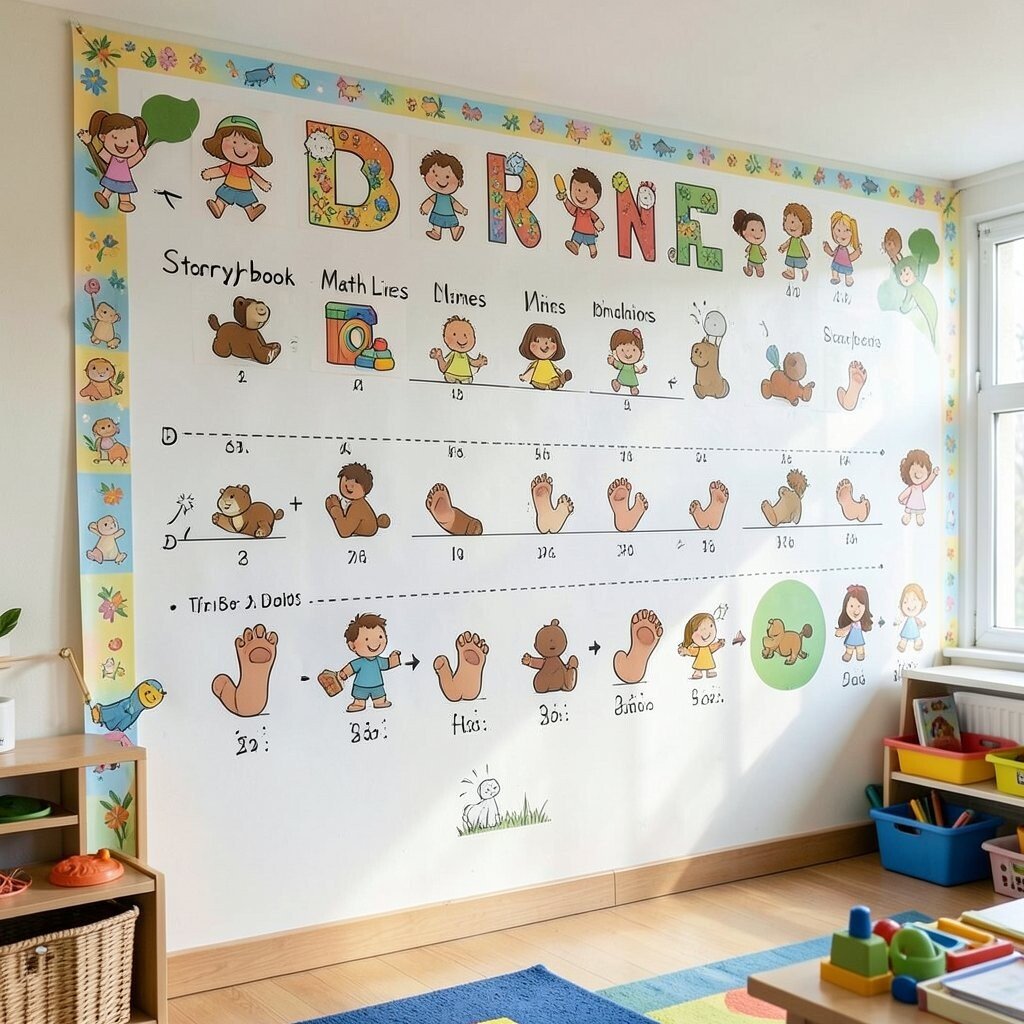
Turn your favorite characters into guides by adding math “footsteps” along a wall. Each step can be numbered and paired with a small scene that suggests counting or ordering.
Place the steps where kids naturally stand, like near a reading nook or activity center. Kids can practice counting while waiting their turn, and teachers can point to the sequence for quick, low-pressure reinforcement. Personalize by using your classroom book list characters or creating original stick-figure friends.
8. Clock Faces for Time Talk During Play
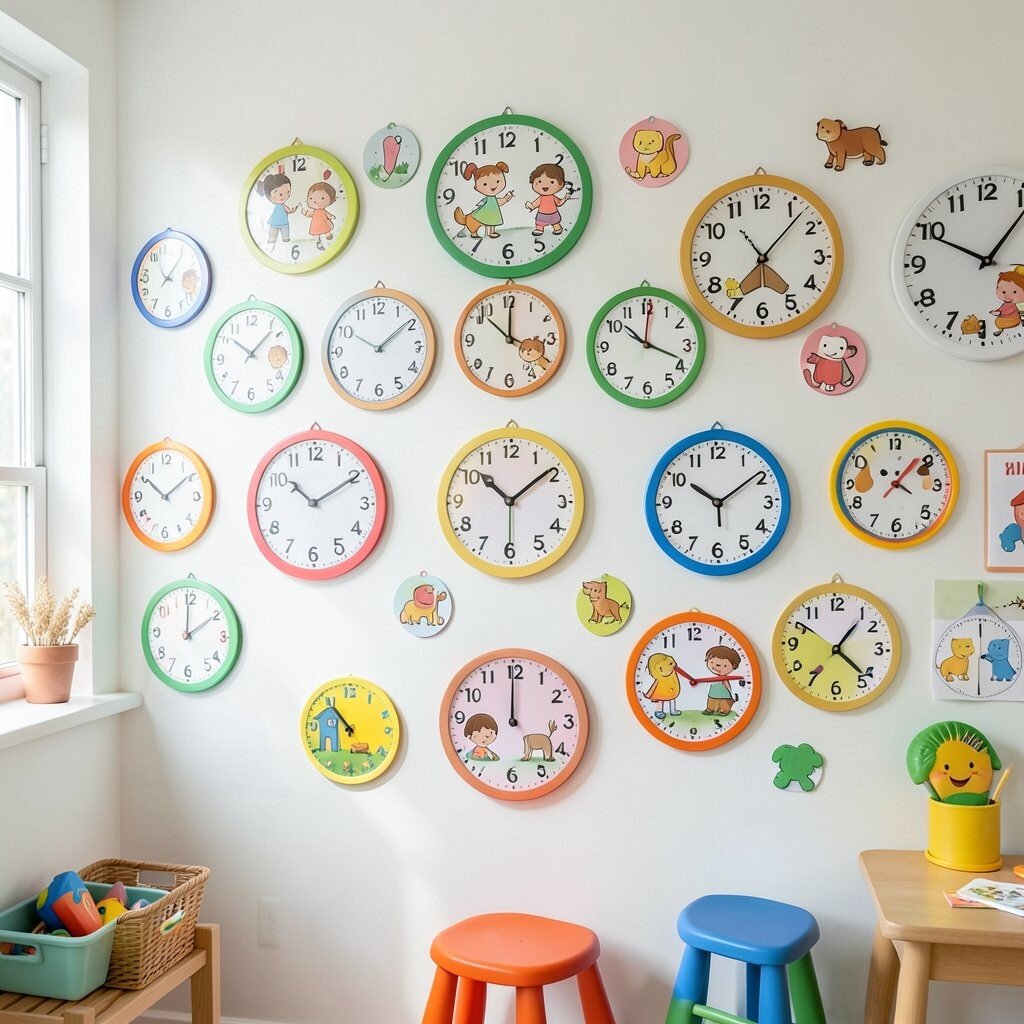
Mount a set of clock faces with movable hands so kids can show short time ideas. Even without formal time reading, they learn that hours and minutes relate to daily routines.
Add visual anchors for morning, snack, and cleanup so children match the hands to the moment. Use large numbers and simple labels placed thoughtfully on the wall, with icons for those who don’t read yet. For cost, use print-and-laminate clock templates and add brass fasteners or plastic brads.
Include a “choose your clock” area so children can set the hands for pretend scenarios, like “playtime” or “dinner.” This makes time talk feel like part of imaginative play rather than a worksheet.
9. Math Magnet Wall With Reusable Cards
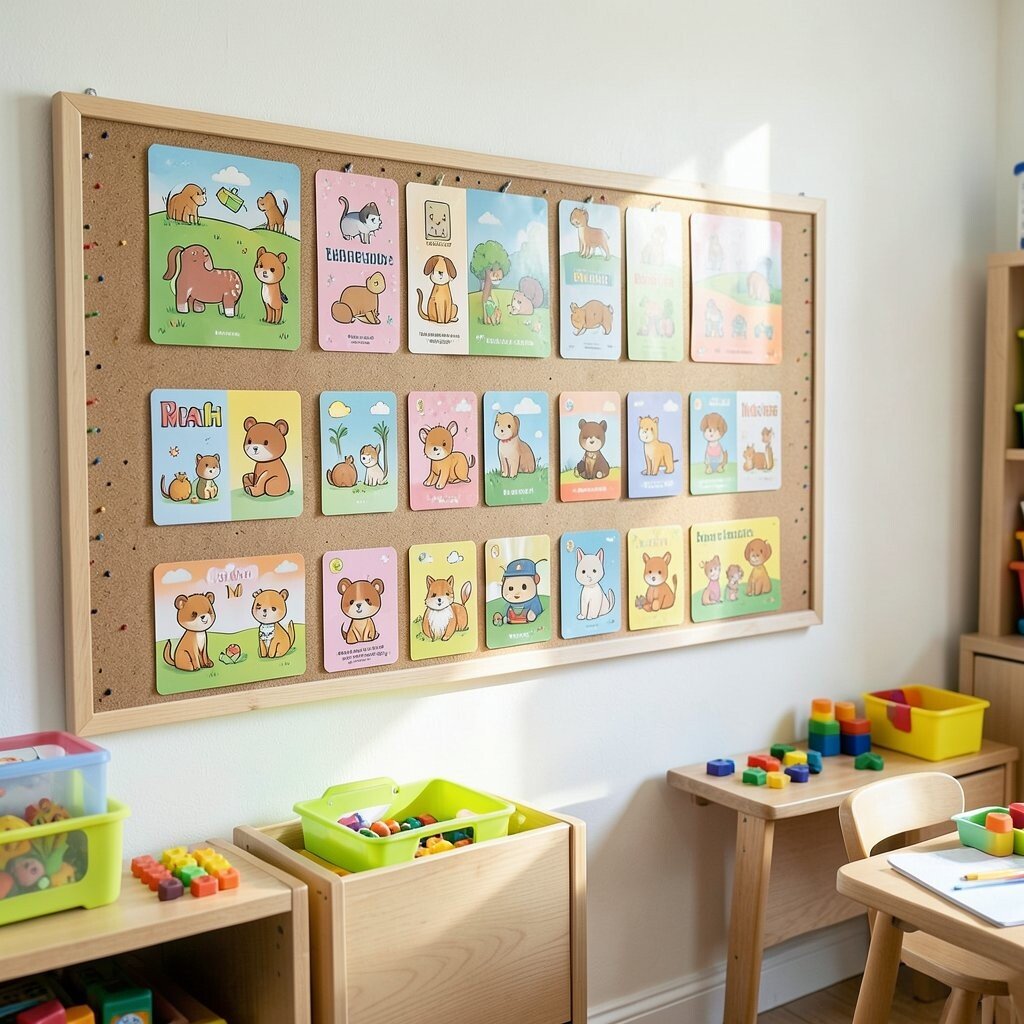
Create a magnet board where kids can mix picture cards and number tiles in free play. The visual organization helps children see relationships between sets, symbols, and objects.
Use zones on the board, like one section for counting, another for sorting, and a third for simple building. Keep magnets strong but not too heavy, and use foam-backed tiles for safe handling. To save money, use leftover magnets from old crafts and print card sets in batches.
This setup is unique because it stays fresh as you add new card packs. Personalize by letting each child decorate one magnet tile, turning the wall into a class community display.
10. Fraction-ish Pizza Slices for Sharing Pretend
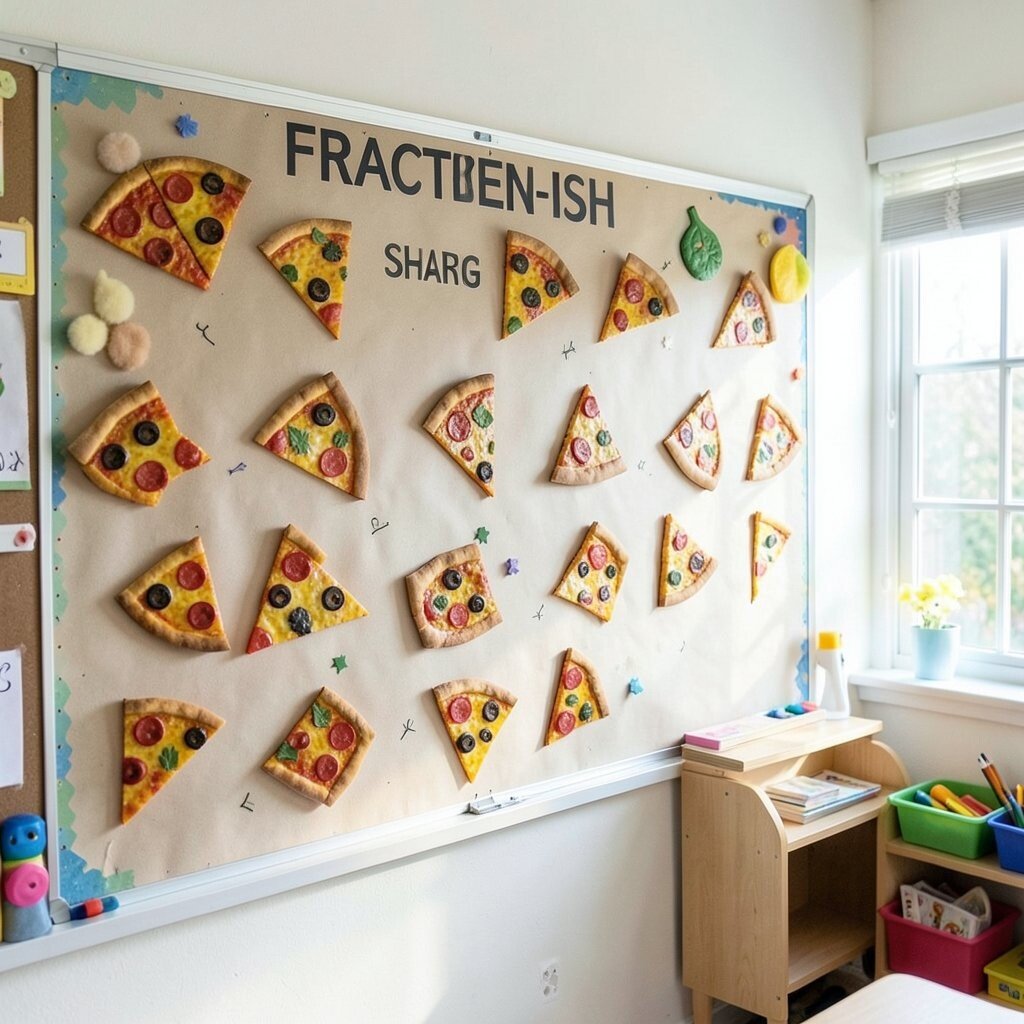
Make a giant pizza on the wall with slices that are removable or outlined for matching. Even kindergarteners can talk about “more” and “less” through sharing stories.
Use big, thick slices and include visuals like topping patterns so children can group like pieces. Place the pizza near dramatic play so kids naturally act out sharing at snack time games. For cost, cut slices from poster board and laminate them so they survive repeated play.
Personalize by adding seasonal toppings, such as apple slices in fall or star-shaped cheese in winter. Current trend classrooms love story-driven math, and this brings math into fun social moments.
11. Measurement Rainbow With Tallies and Height Comparisons
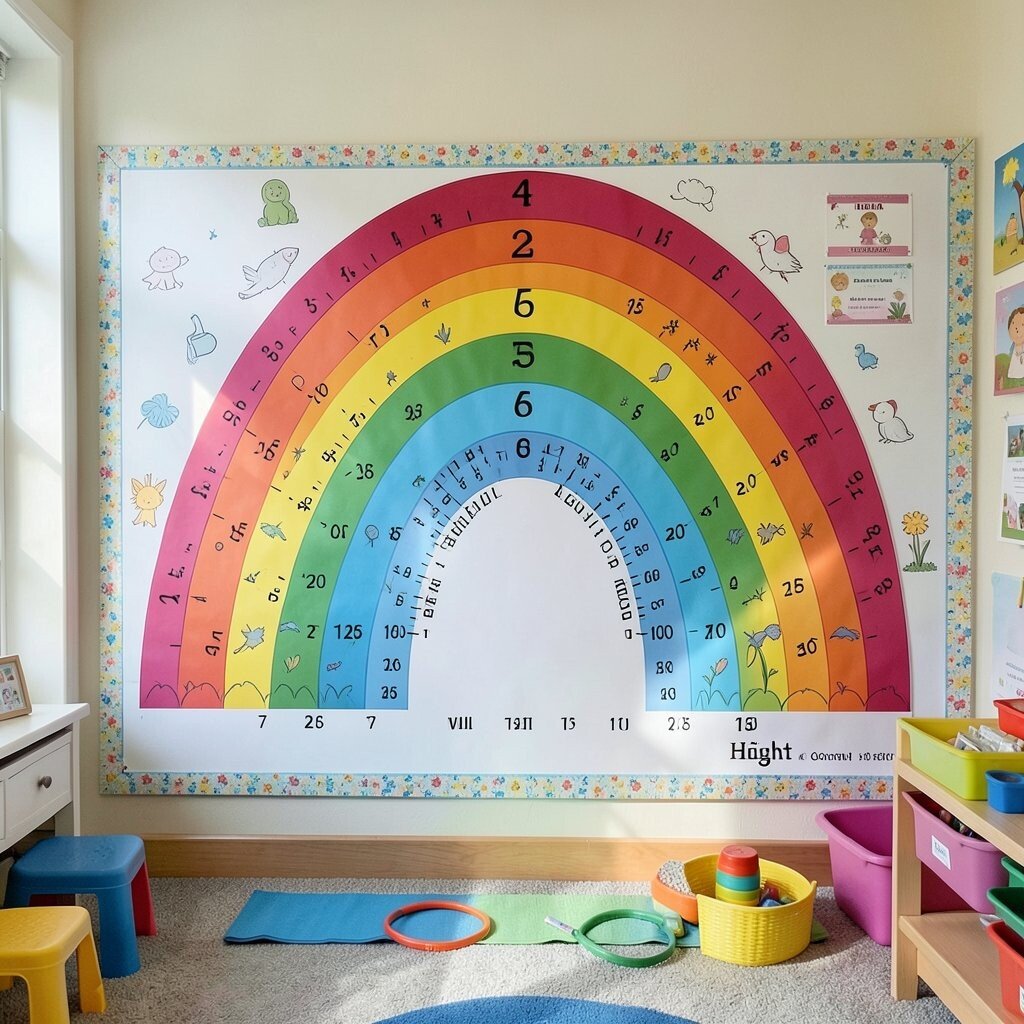
Create a measurement rainbow where each color band stands for a simple height level. Kids can place tall cutouts next to the bands to show which one is taller or shorter.
Keep it practical by including a few “compare cards” with friendly pictures, like a bear and a tree. Add removable markers so children can update the display during rotations. Use craft sticks or cardboard strip rulers for low-cost measuring tools.
This idea helps children practice ordering and language like “taller” and “shorter” through real comparison. It also gives teachers a quick way to check understanding during center time.
12. Number Skyline With Buildings That Stack
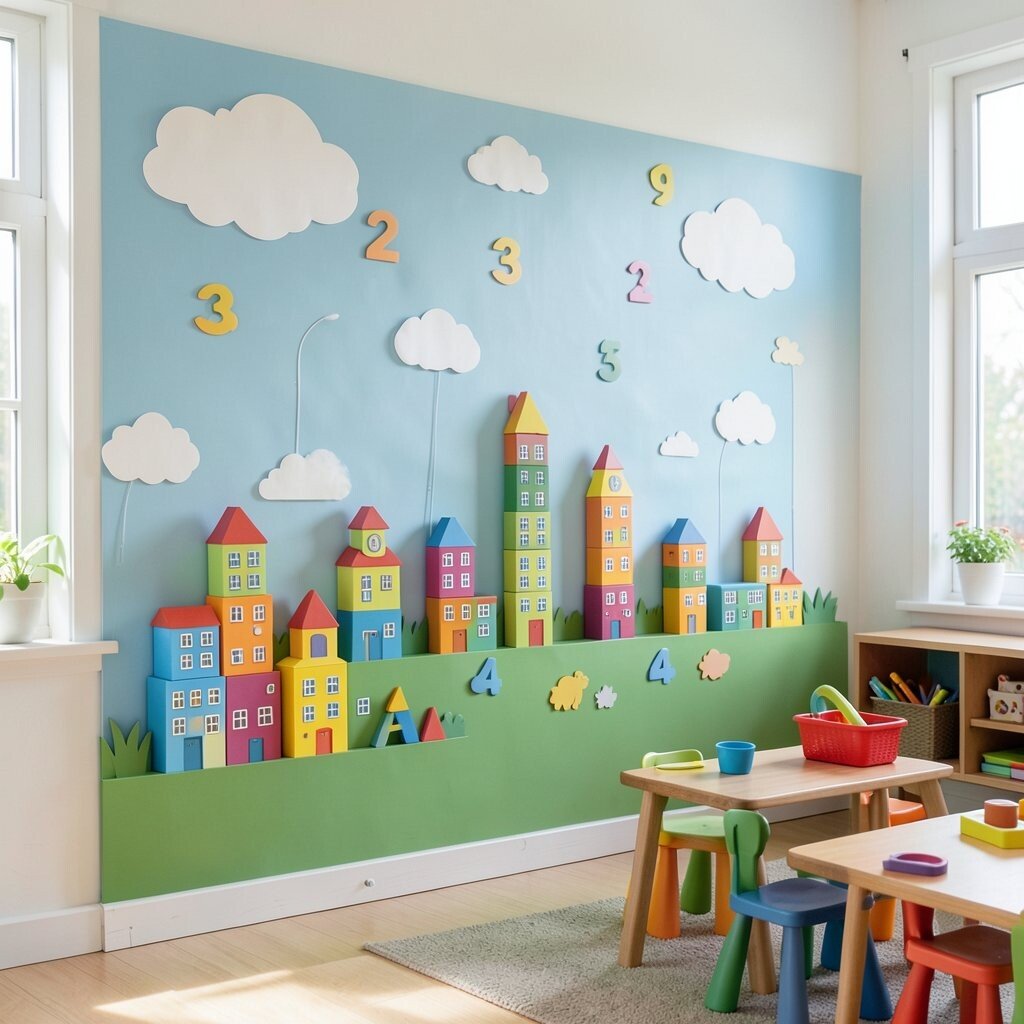
Design a number skyline where each building height matches the number of floors. Kids can line up building cards and “stack” counts to create new street scenes.
Make it actionable by adding Velcro to each building base so children can rearrange floors. When kids build different skyline orders, they practice sequencing and number sense in a playful way. For cost considerations, use cheap foam sheets or cereal boxes for the building shapes and paint them boldly.
Personalize by letting students add a favorite “city” detail, like cars, clouds, or tiny flags. This display feels unique because it blends math with imaginative geography.
13. Dice Dot Constellation Wall for Subitizing
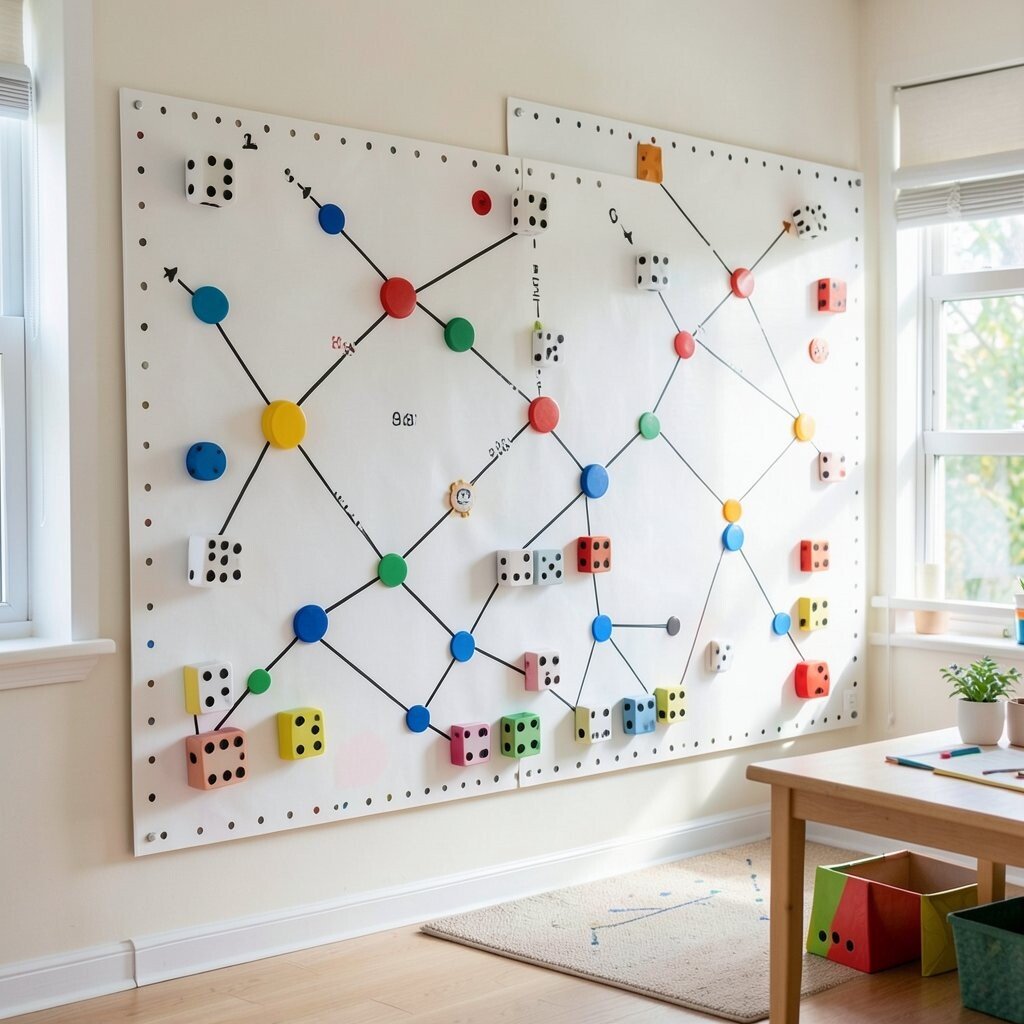
Cover a section of wall with a star map where dot patterns look like dice constellations. Each cluster can show a number of dots without requiring children to count one by one.
Use laminated dot cards with different dice faces, then let children swap them into a nightly “sky” routine. Add a small pocket for dice-shaped count tokens so kids can match sets during play. Keep the layout uncluttered so the dot patterns remain clear from a distance.
Kids benefit because they practice recognizing quantities quickly and confidently. Personalize by adding your classroom mascot as the “guide star” and changing the sky themes during holidays.
14. Addition Story Paths With Removable Outcome Stones
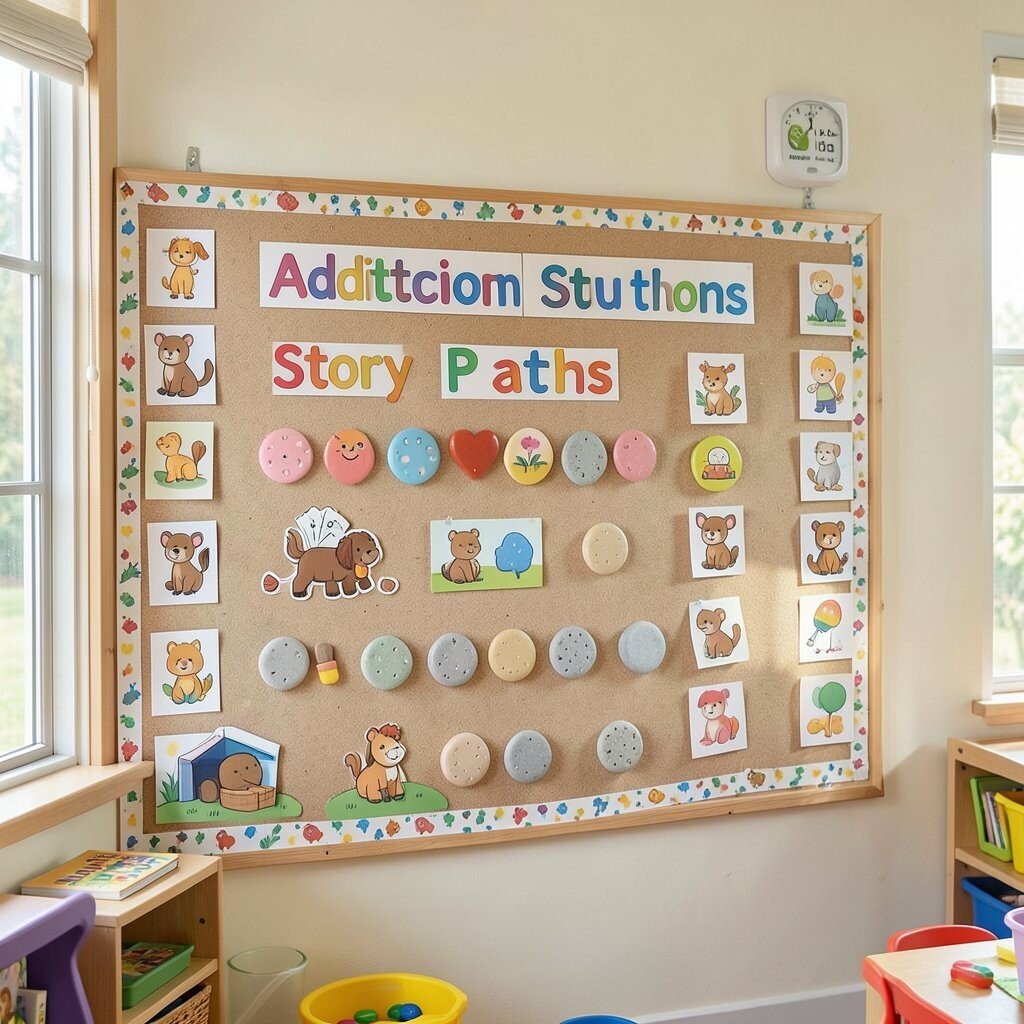
Create two simple “start” lanes that lead to an “outcome” area, like a friendly maze. Kids place removable stones in the outcome spot to show how many come together.
For practicality, make the start lanes hold picture sets, such as three apples and two cups, so children can combine them. Use magnets or Velcro so pieces are quick to move and easy for kids to manage independently. Cost can stay low by reusing bottle caps as outcome stones, with paint and clear laminate.
This is unique because it turns addition into a mini story, not a worksheet. Personalize by writing a short sentence under the outcome area using your classroom voice and routine language.
15. Counting Bears Branches for Quiet Center Play
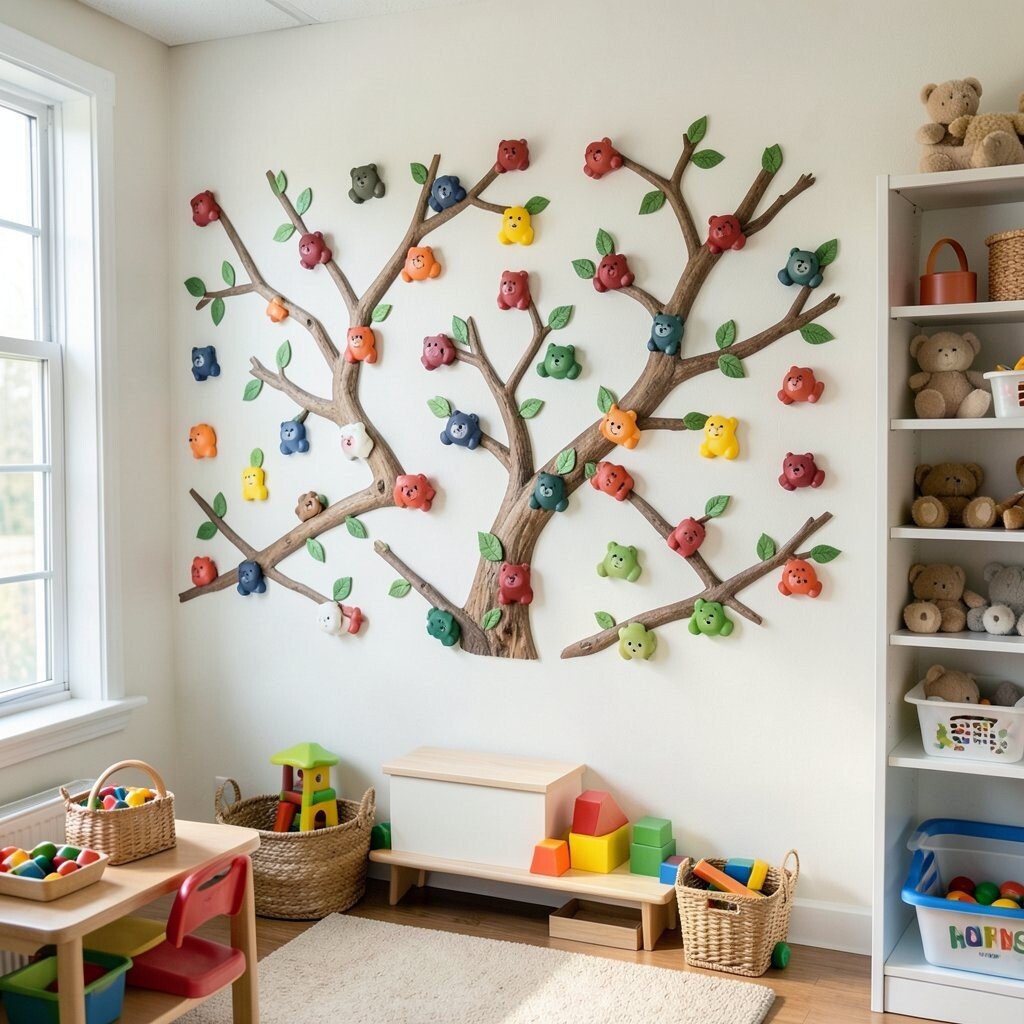
Mount a tree branch display with labeled “bear homes” for different counts. Children can move bear cutouts between branches as they practice counting and matching quantities.
Use large, easy-to-read numerals paired with friendly bear faces so children connect symbol and set. Add an instruction card at a kid level with simple picture cues, like “place the bears in the matching home.” Keep materials sturdy so bears can be handled many times.
This setup supports benefits like calm focus during centers because the activity is self-checking. Personalize by letting each bear represent a child’s name or favorite animal, making the wall feel like belonging.
16. Shape Hunt Frames for Everyday Scanning
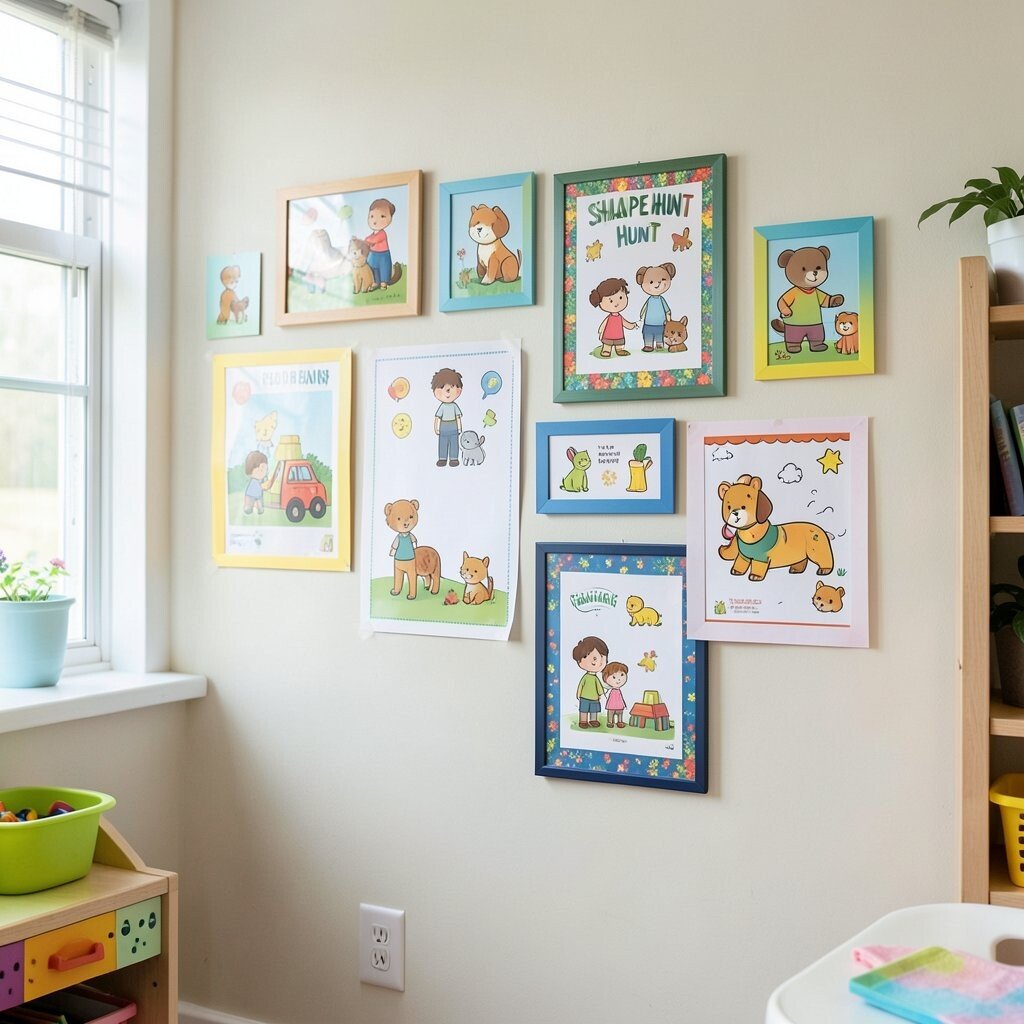
Place several picture frames on the wall, each showing a real-world scene made of simple shapes. Kids can look for hidden matches and point out shapes during scavenger moments.
Turn it actionable by adding a “shape hunt” token jar near the frames so children can collect a token when they find a match. Use laminated frames so you can swap scenes as you change the lesson focus. For cost, make frames from cardboard and cover with clear contact paper or laminate sleeves.
This idea stands out because it uses math as a viewing skill. Personalize by rotating scenes with classroom photos or local nature pictures that fit your community.
17. Number Line Train With Station Stops
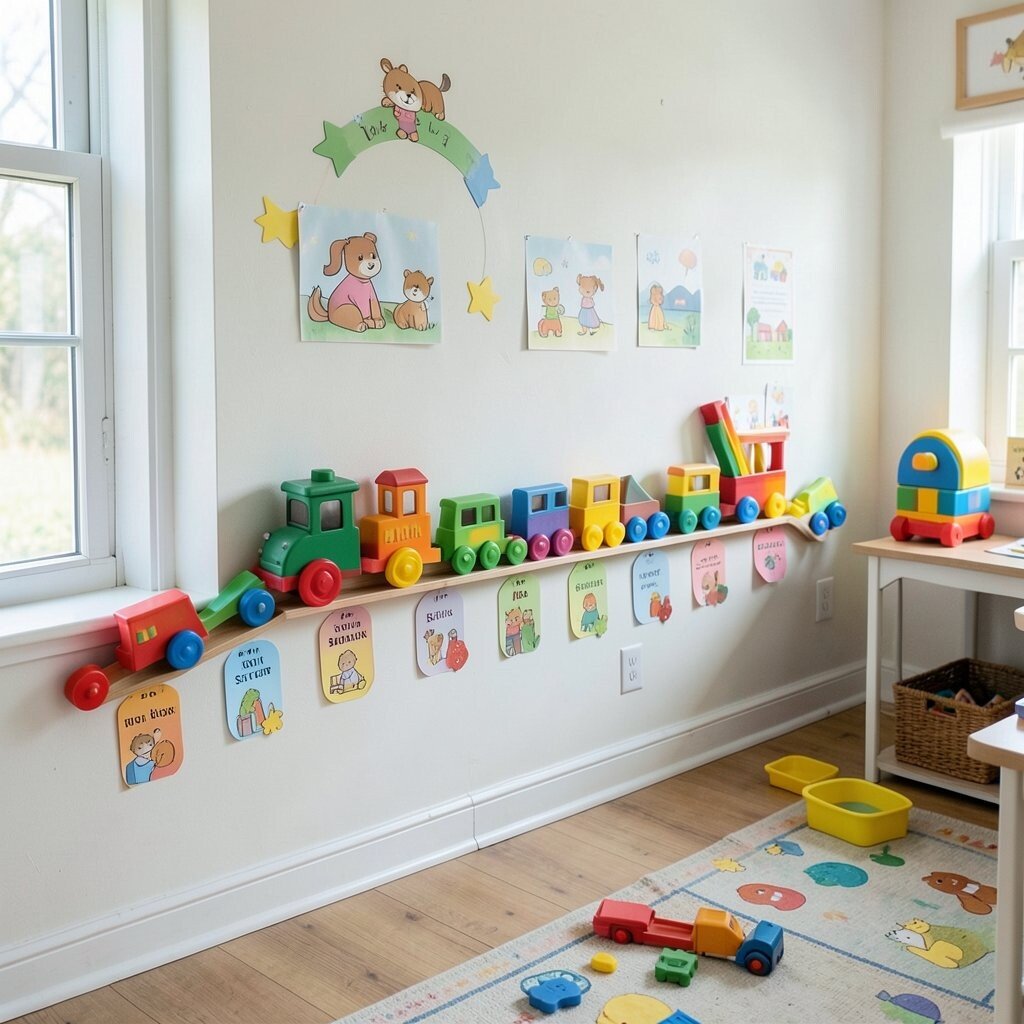
Create a train track number line where each station stop shows a number and a small object. Children can move a paper train along the track to practice order and counting forward.
Use removable station tiles, so you can adjust the range as children improve. Add “previous” and “next” wording using arrows and icons rather than heavy text. For cost, use printed tracks and reuse train shapes from craft projects to keep supplies low.
18. Graphing Buddy Wall With Weather and Favorites
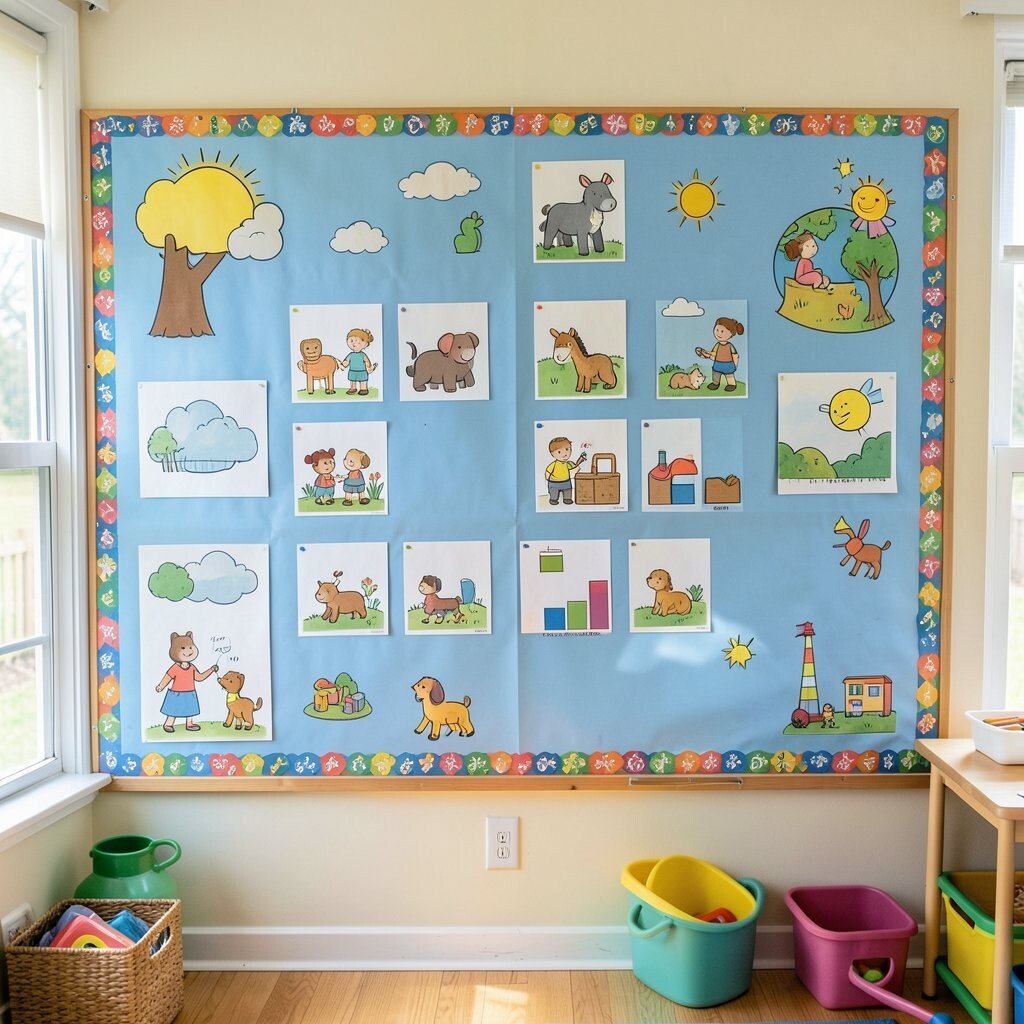
Set up a mini graphing wall where kids record results using magnets or clothespins. Keep the categories simple, like sunny, rainy, and cloudy, or favorite pets and colors.
Kids benefit because they see how information changes and learn that graphs show real choices. Choose bright category pictures that are easy to recognize and match with quick hands-on building. Personalize by letting students decorate each category marker with a small sticker or marker dot.
This connects math to current trends in playful data talks. It also helps teachers gather quick insights into what kids notice and how they speak about quantities.
19. Coordinate-ish Labeled Grid With Sticker Paths
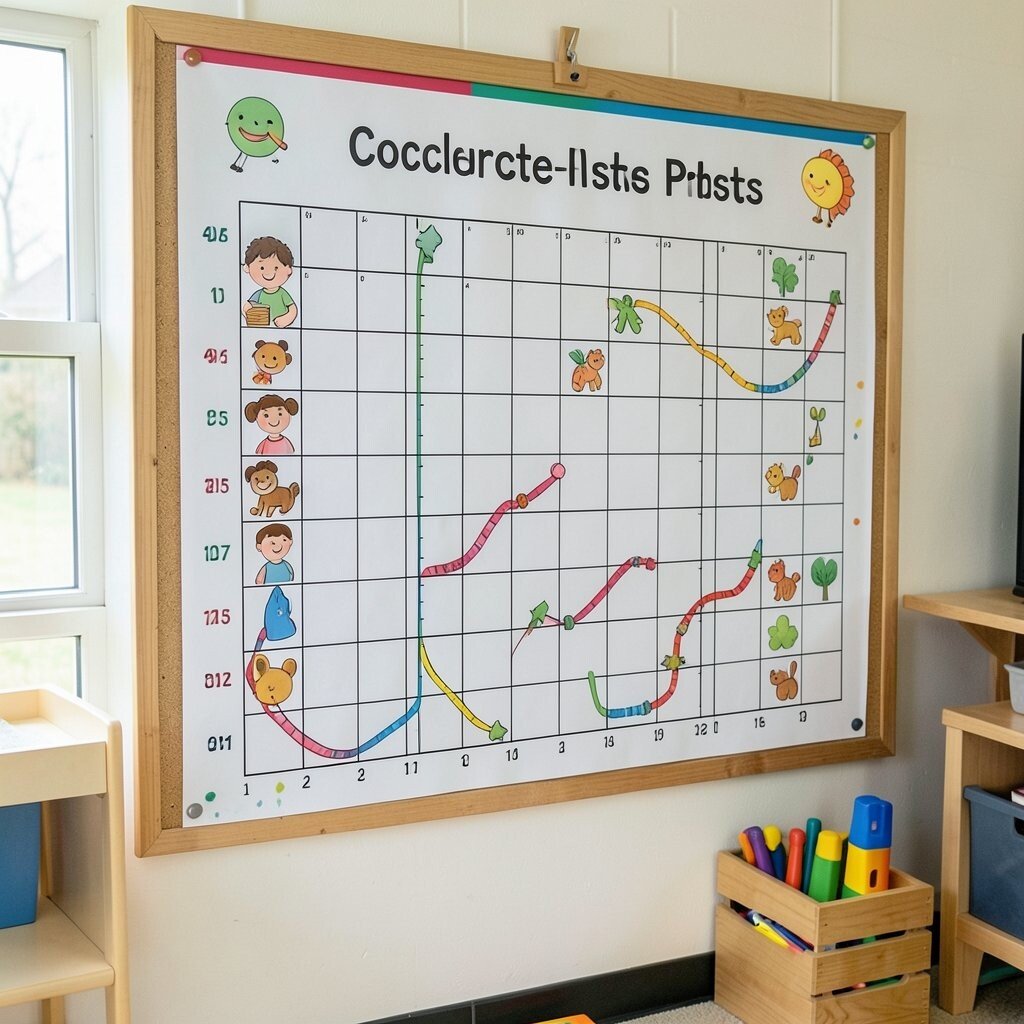
Make a large grid on the wall like a big “map” with labeled rows and columns using icons. Children can place stickers to mark a path in pretend games such as “robot travel” or “animal rescue.”
Keep it practical by using stickers that stick and unstick easily, so the board can be reused. Use simple icon labels to avoid overwhelming young learners, like a star for the top row and a circle for the left column. For cost, print grid and icon sheets and mount them on foam board for durability.
This idea feels unique because it turns direction and location skills into a game. Personalize by letting kids design their own robot routes and adding a class “master map” updated by student choices.
20. Shape Sorting Labels With Color-Coded Borders
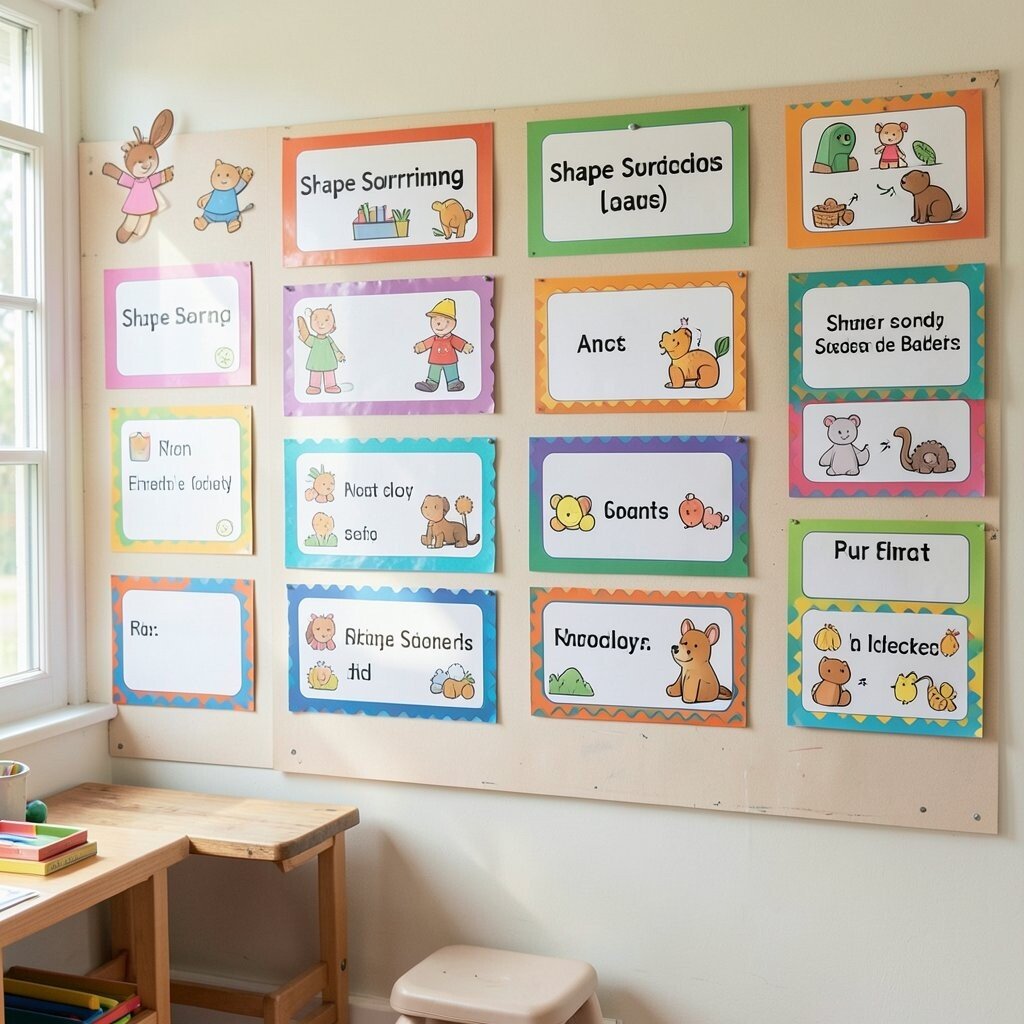
Try a sorting wall with large shape outlines surrounded by color-coded borders. Each shape section can match a storage bin, making the visual and physical spaces consistent.
When children return pieces, they practice matching and reinforce shape recognition through repeated use. Add a few “mystery shapes” that differ slightly, like a square that looks tilted, so kids learn to look carefully. Personalize by choosing colors that match your classroom theme and changing the border colors for each season.
Cost considerations are friendly here because you can make outlines from colored paper scraps and laminate them once. It’s also a current favorite because it supports independence and reduces clean-up confusion.
21. Math Alphabet Posters With Picture Sets on the Sides
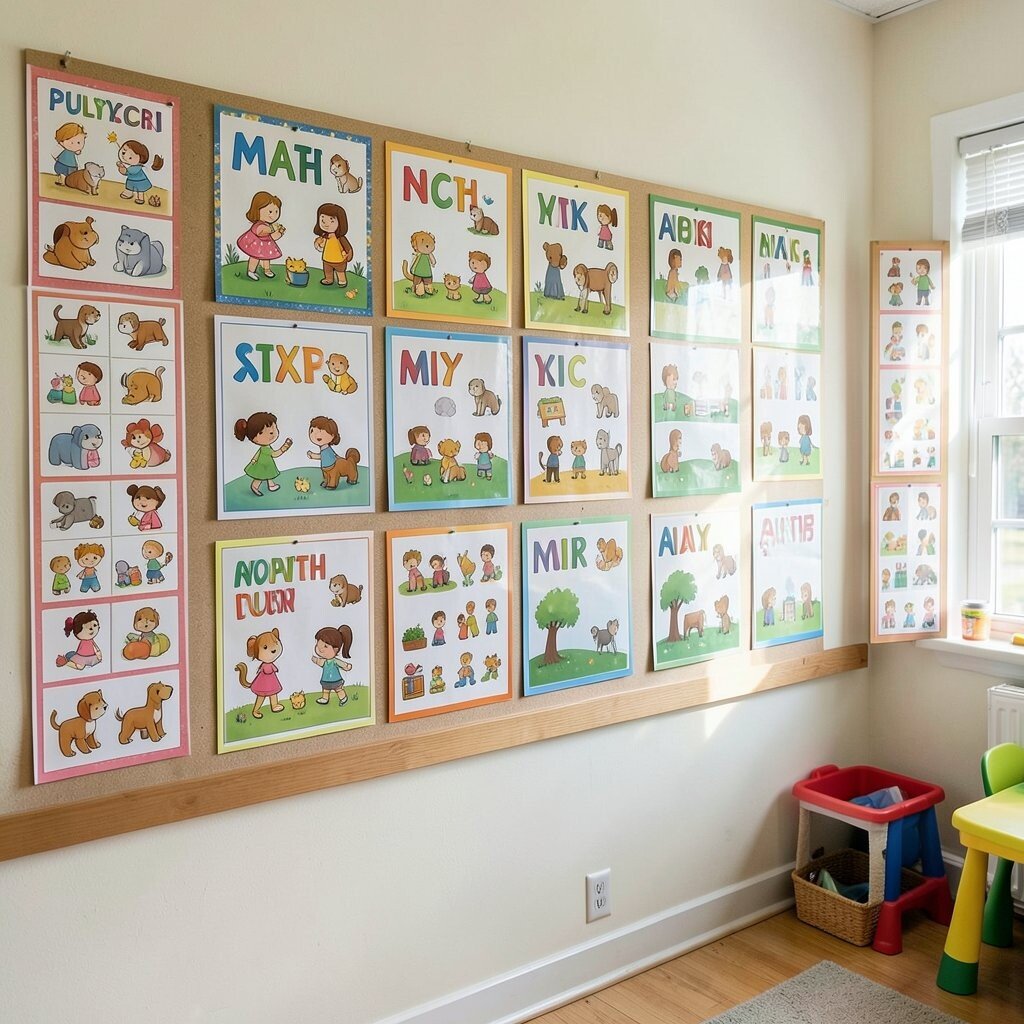
Create a set of alphabet-inspired posters where letters connect to math ideas through pictures. For example, show “A” with apples, “C” with circles, and “S” with stars tied to counting sets.
Use large fonts and strong images so kids can see patterns even at a distance. Add a space beside each poster where you can swap in a new counting card for quick practice. Personalize by including a letter set that matches your classroom phonics pace and adding a few student-made drawings.
This is unique because it blends early literacy and math, helping kids connect language with quantities. Keep materials affordable by printing on cardstock and laminating, then reusing the same frame posters with new picture sets.