Imagine walking into a classroom that feels like a warm hug or a place of endless adventure. These spaces can be more than just rooms; they can nurture creativity, joy, and well-being.
1. Cozy Reading Nooks
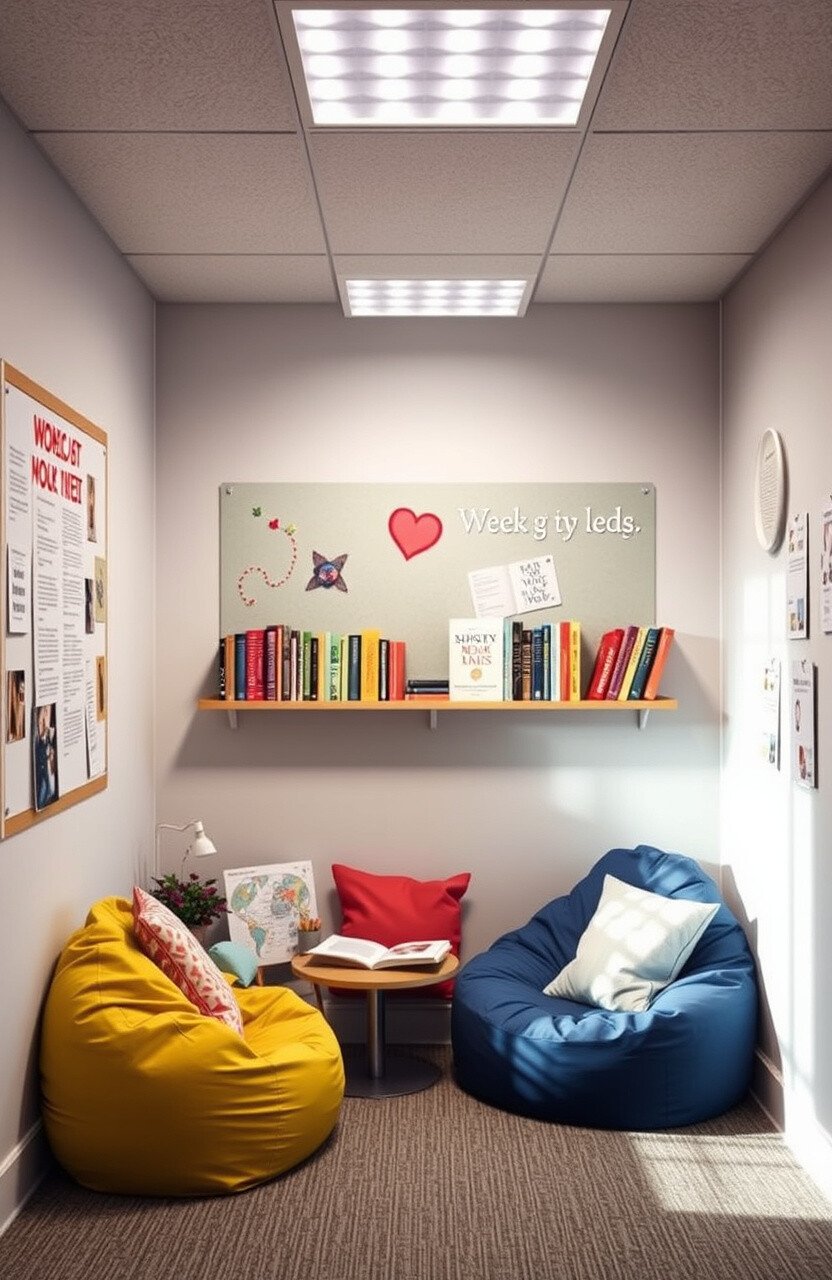
Create little corners with bean bags, soft lighting, and shelves full of books. These cozy nooks invite students to dive into stories and escape into different worlds. It’s like having a small sanctuary within the classroom.
Reading nooks encourage quiet time and help students relax. You can personalize them with colorful cushions or student artwork. They’re low-cost, just requiring some clever repurposing of old furniture or donations.
2. Mindful Breathing Spaces
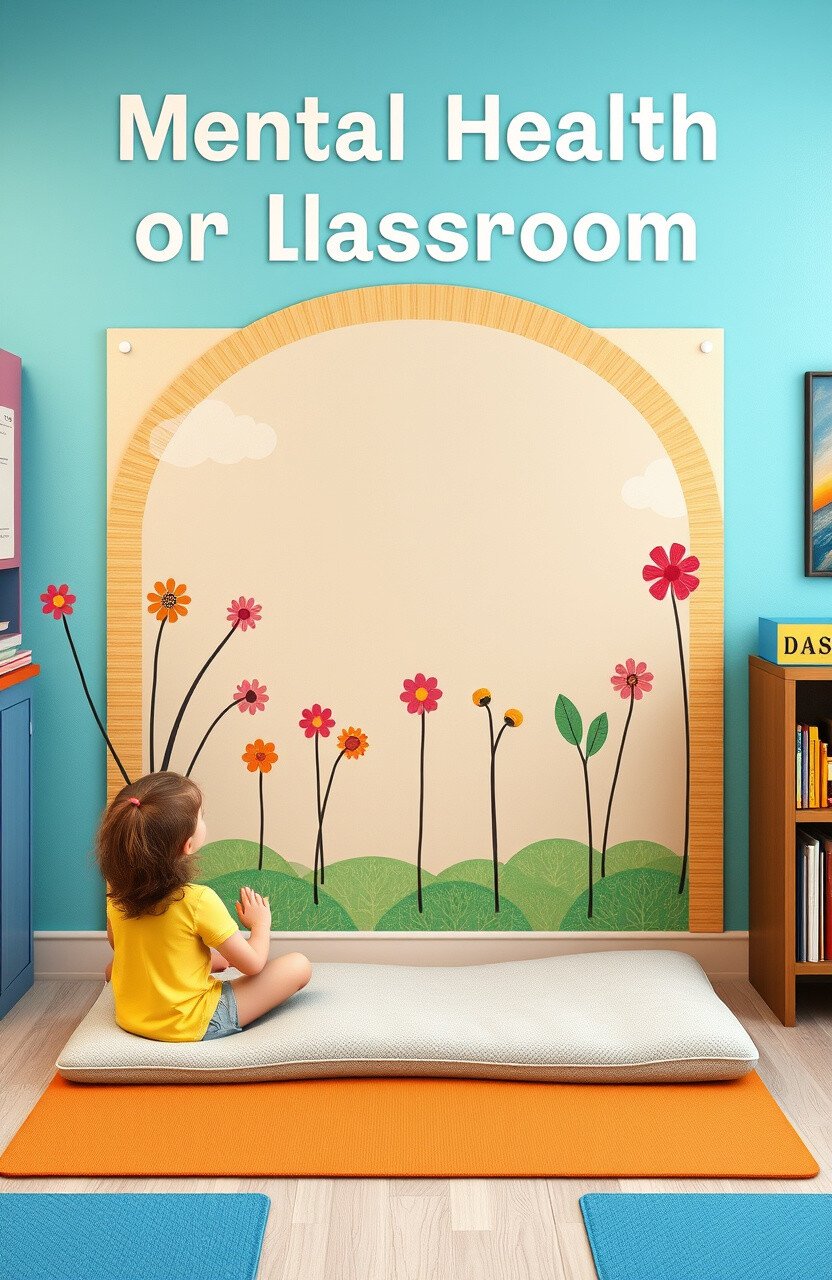
Set aside a corner with soft mats and calming visuals for mindful breathing exercises. This space becomes a breathing retreat where students can practice focusing on their breaths.
Benefits include reduced anxiety and improved concentration. You can decorate the area with peaceful images or nature sounds. It’s a simple, cost-effective way to calm the classroom chaos.
3. Inspirational Wall Art

Cover walls with art that inspires and motivates. Think of colorful posters with positive affirmations or murals painted by the students themselves.
These visual reminders can boost self-esteem and create a positive classroom culture. Personalize by letting students contribute their favorite quotes. Printing costs are minimal, and the impact is priceless.
4. Sensory Play Stations
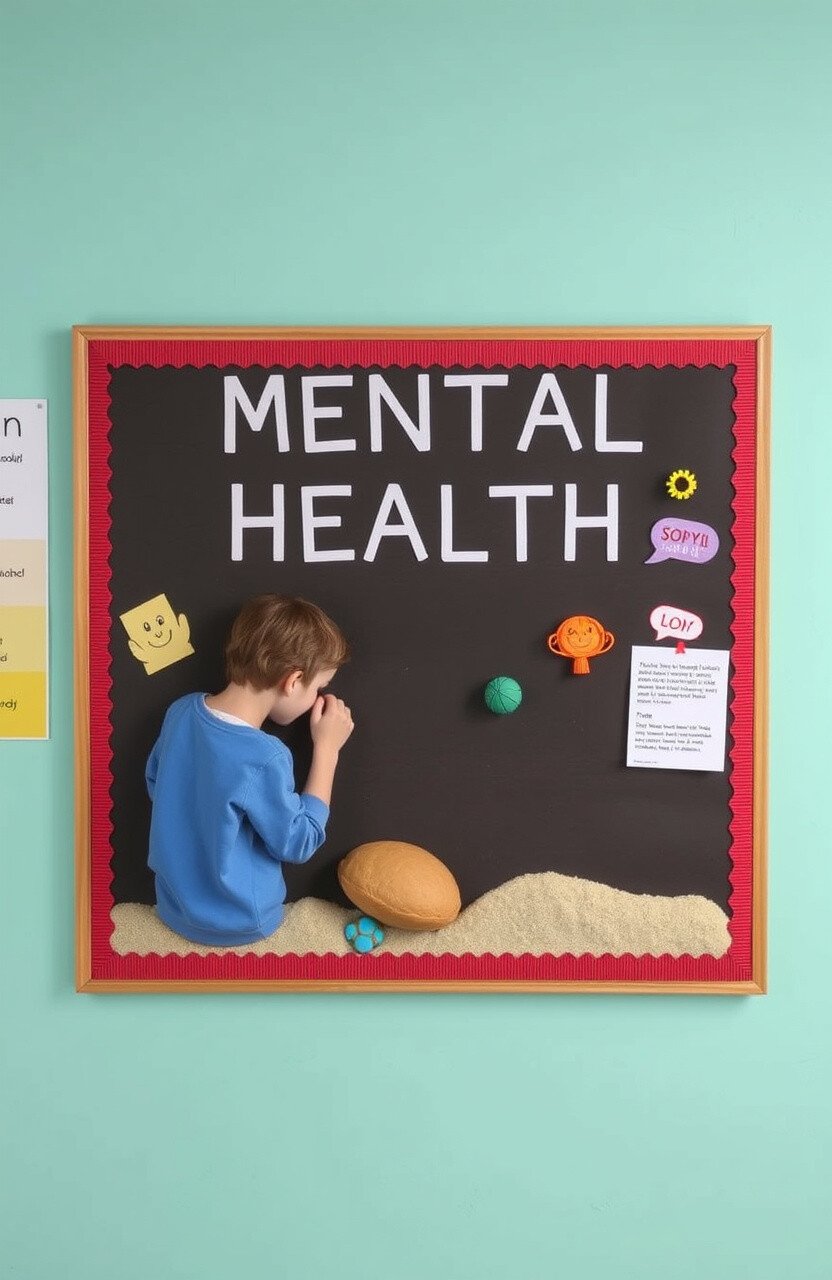
Introduce areas with sensory activities like sand trays, playdough, or textured objects. These stations provide tactile experiences that can be both calming and stimulating.
Sensory play aids in emotional regulation and focus. Customize with different materials each week. A small investment in supplies can yield great returns in student engagement.
5. Nature Elements

Bring the outdoors inside with potted plants or a small indoor garden. A touch of nature can make the classroom feel alive and vibrant.
Plants can improve air quality and reduce stress. Allow students to take turns caring for them. It’s an affordable way to teach responsibility and empathy.
6. Flexible Seating Arrangements

Offer a variety of seating options like standing desks, floor cushions, or wobble stools. Students love having choices in how they learn best.
This flexibility can increase engagement and cater to different learning styles. While it might require some investment, the boost in student morale is worth it.
7. Calming Color Schemes
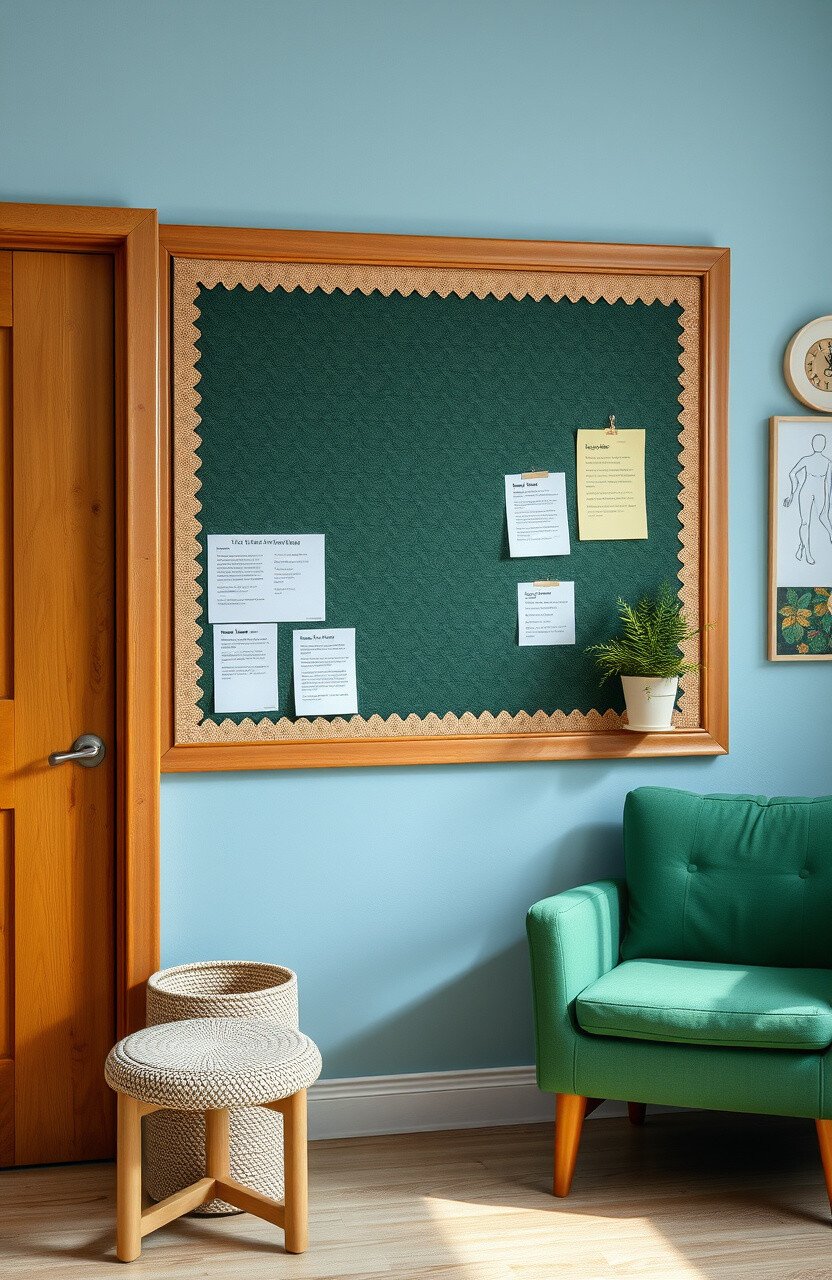
Use soothing colors like blues and greens on walls and furniture. These tones can create a serene atmosphere.
Color psychology suggests these shades promote relaxation and focus. A fresh coat of paint can transform the room without breaking the bank.
8. Gratitude Jars
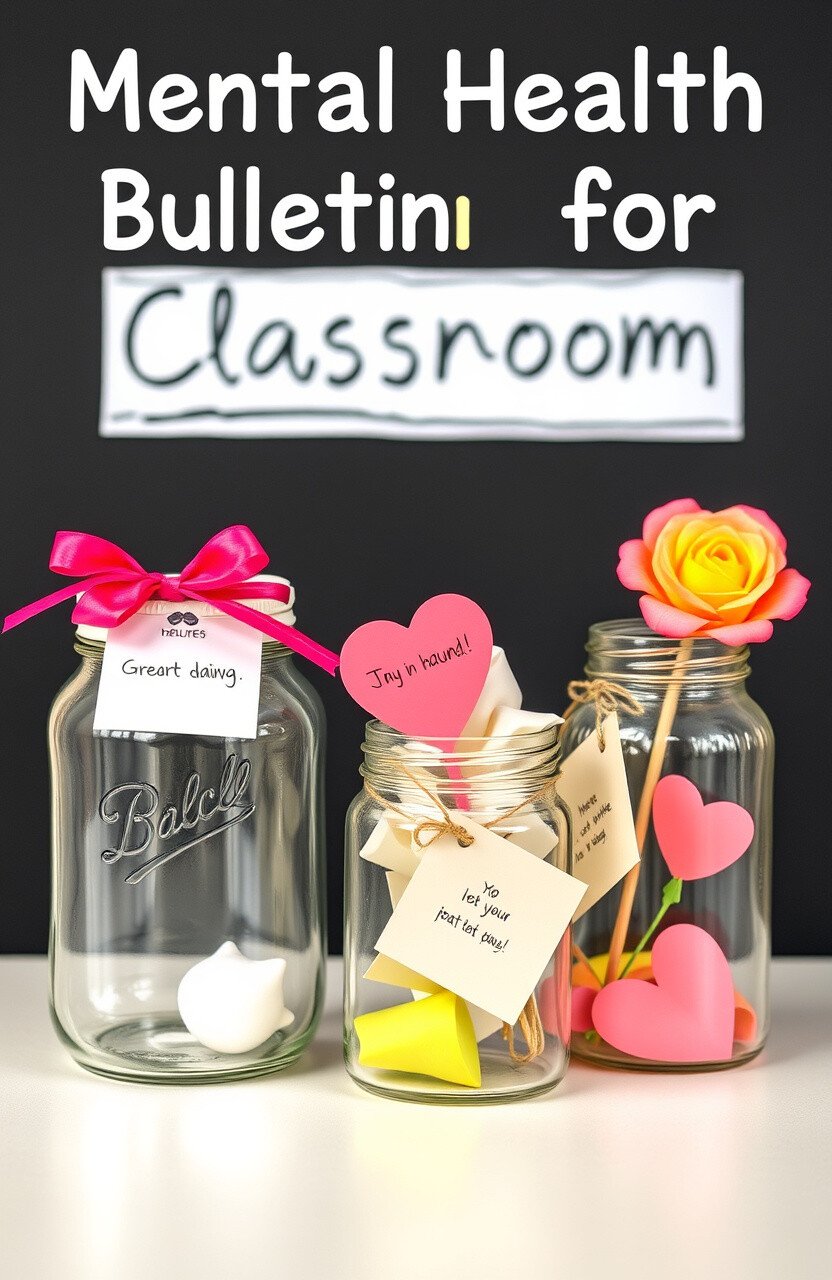
Place jars where students can drop in notes of gratitude. It’s a simple way to encourage positivity and reflection.
Reading these notes can boost mood and foster a sense of community. Personalize jars with decorations or themes. They’re inexpensive to create and maintain.
9. Art Therapy Sessions

Dedicate time for creative expression through drawing or painting. Art can be a powerful outlet for emotions.
These sessions can reduce stress and improve emotional well-being. Encourage students to display their art proudly. Basic supplies are all that’s needed to start.
10. Music and Rhythm
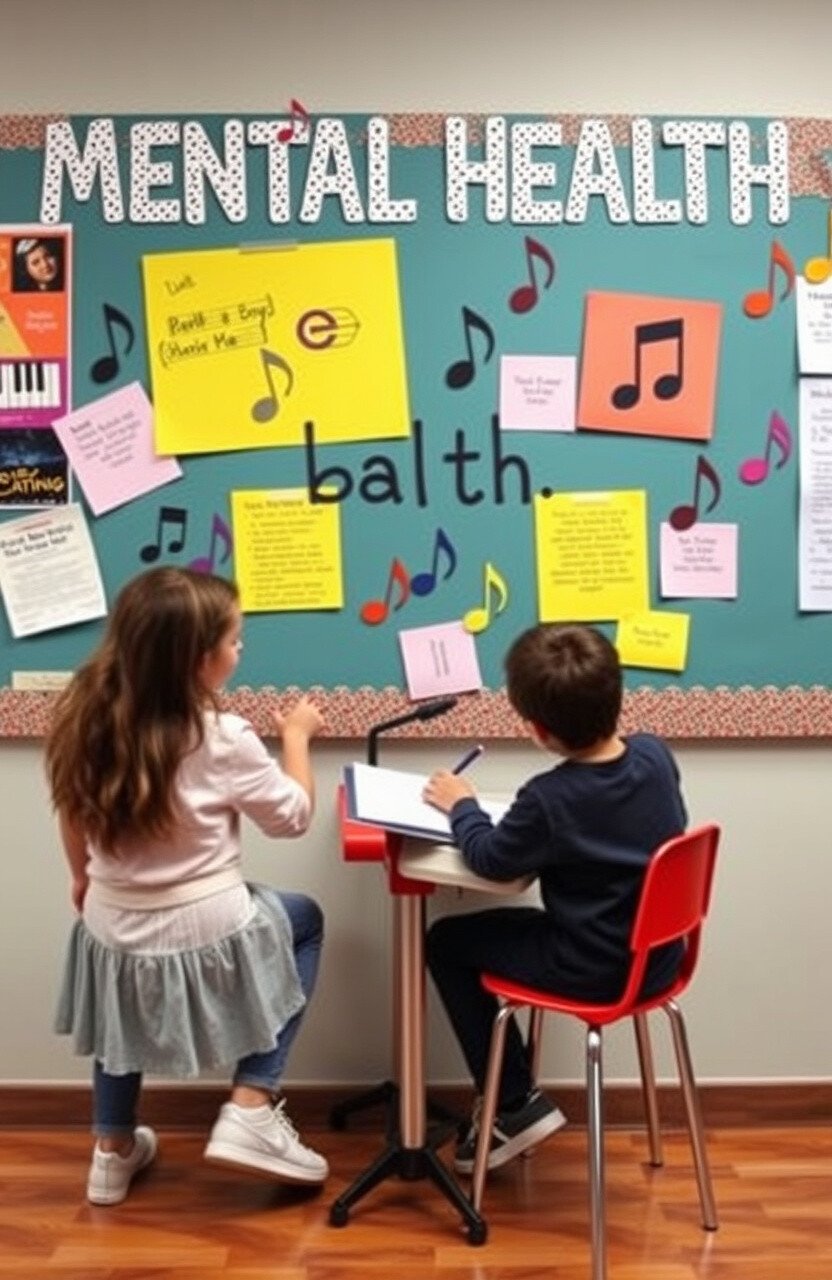
Incorporate music or rhythm activities into daily routines. Music can energize or calm, depending on the choice.
Playing instruments or listening to tunes can enhance mood and focus. Let students suggest songs for playlists. Many resources are free or low-cost.
11. Daily Journaling Practices
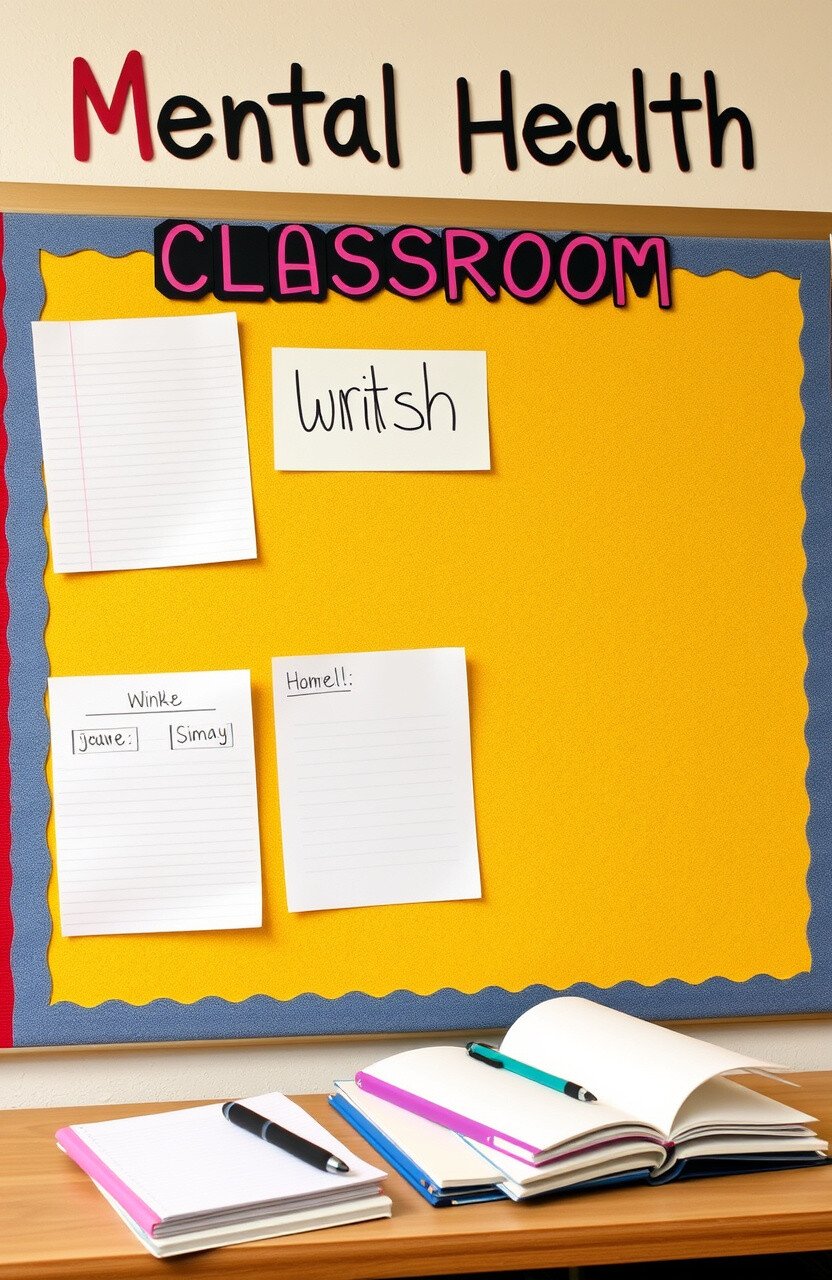
Encourage students to keep journals for thoughts and feelings. Writing regularly can be therapeutic.
Journaling helps with self-reflection and stress management. Personalize with decorated covers or prompts. Notebooks and pens are affordable essentials.
12. Mindfulness Activities
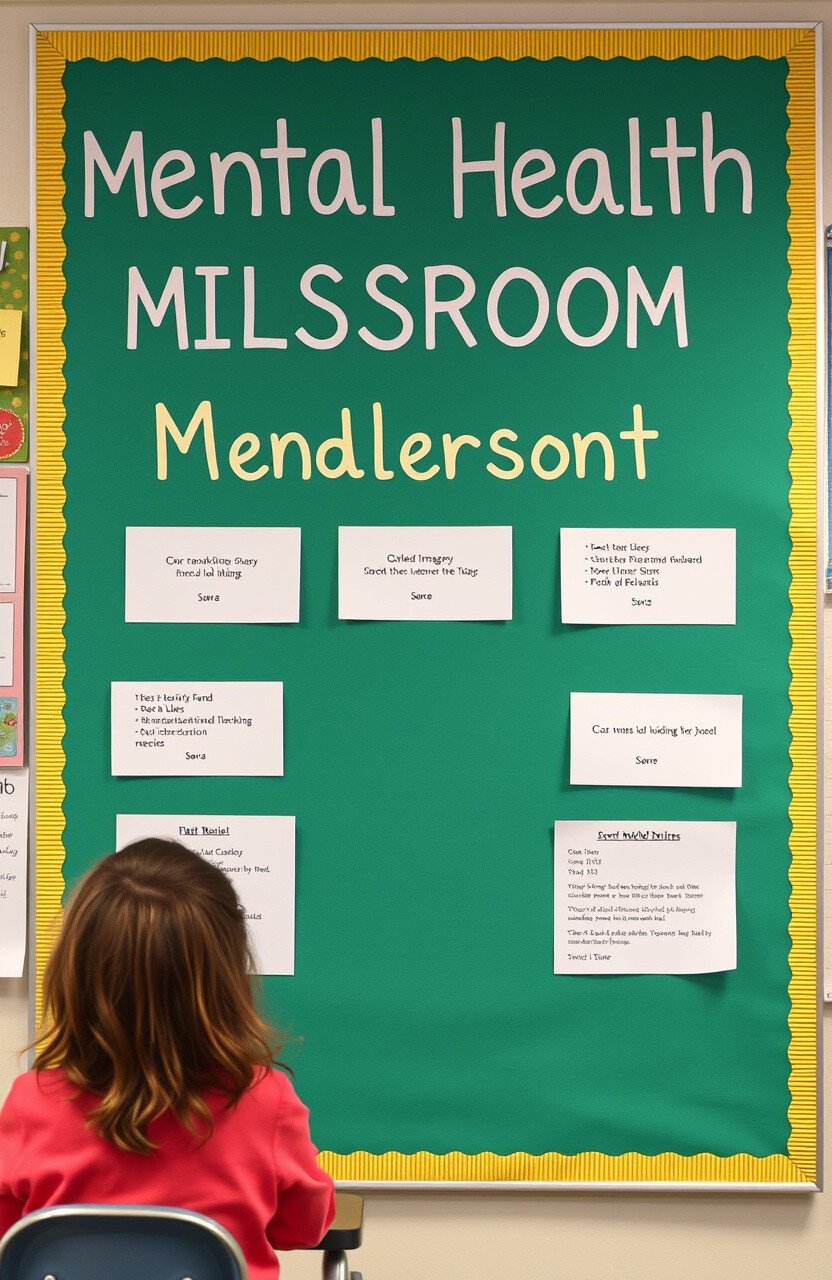
Incorporate short mindfulness exercises throughout the day. Activities like guided imagery or mindful walking can be refreshing.
These practices can improve attention and emotional regulation. Tailor exercises to suit the classroom’s vibe. The cost is minimal, requiring only a bit of time and imagination.
13. Positive Peer Interaction

Foster environments where students can support each other. Group projects or buddy systems can build trust and camaraderie.
These interactions encourage social skills and empathy. Rotate partners to keep things dynamic. It’s a cost-free way to enhance the classroom experience.
14. Classroom Pets

Consider a class pet like a fish or hamster. Animals can bring joy and teach responsibility.
Caring for a pet can reduce stress and increase happiness. Ensure students are part of the care plan. Initial costs vary, but the lessons are invaluable.
15. Storytelling Circles

Create spaces for sharing stories and experiences. These circles can be powerful tools for connection.
Storytelling enhances communication skills and empathy. Encourage creativity with themes or props. It’s an engaging, cost-free activity.
16. Technology-Free Zones

Designate areas where technology is off-limits. These zones encourage face-to-face interaction and rest for the mind.
Tech-free spaces can reduce digital stress and promote mindfulness. Refresh these areas with comfy seating. They’re a no-cost addition to the classroom.
17. DIY Craft Stations

Set up areas with supplies for crafts and DIY projects. Creativity can be a wonderful stress reliever.
Crafting helps students express themselves and relax. Rotate projects based on interests. Materials can be recycled or sourced cheaply.