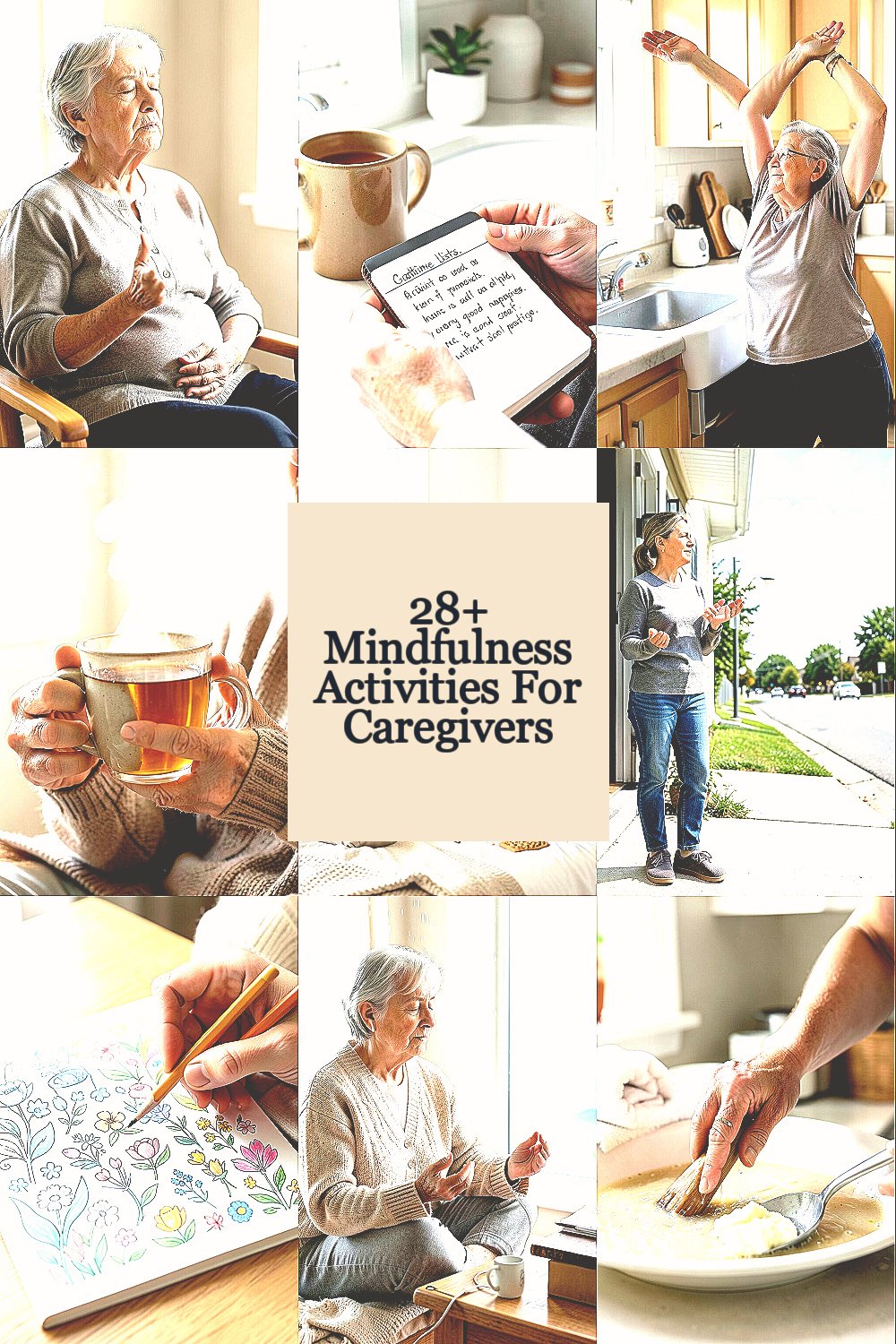
Caregiving can fill every corner of the day. Small mindful moments can bring back a little calm.
1. Try a One-Minute Breathing Pause

Sit in a chair, soften your shoulders, and notice your breath moving in and out. This tiny reset can feel like opening a window in a stuffy room.
It costs nothing and fits into a kitchen break, a waiting room, or a hallway pause. Some people count breaths, while others place a hand on the belly for a more personal touch. Short breathing breaks are a popular self-care trend because they are simple, private, and easy to repeat.
2. Keep a Pocket Gratitude List
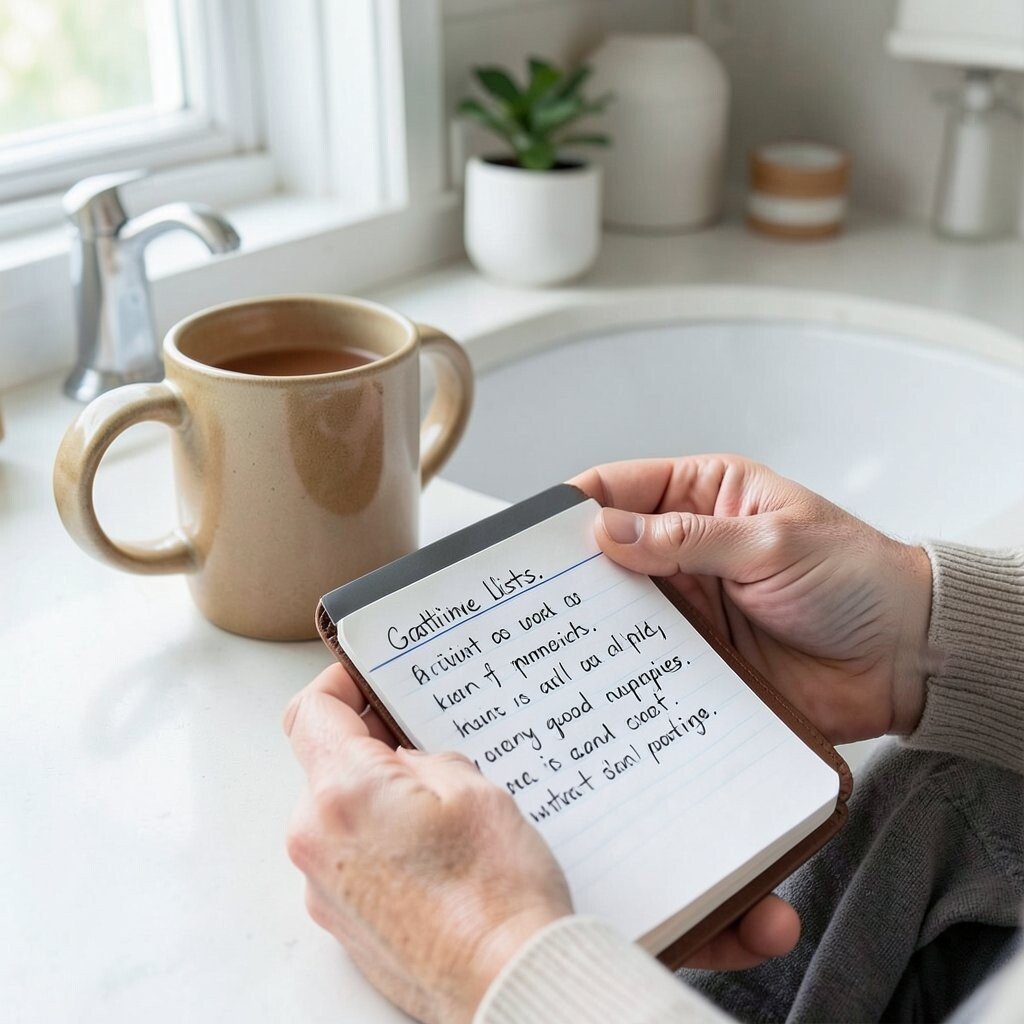
Carry a small card or note app and write down good moments as they happen. A warm mug, a kind text, or a sleepy smile can all belong on the list.
This practice can brighten a heavy day and help the mind notice what is still working. A tiny notebook is low cost, but a fancy journal is not needed. Some caregivers like to keep the list in a wallet, while others pin it near the sink for a quick glance.
Gratitude lists feel unique because they capture real life instead of perfect life. They can be shaped around family, faith, pets, or tiny wins that matter most to you.
3. Stretch Beside the Sink
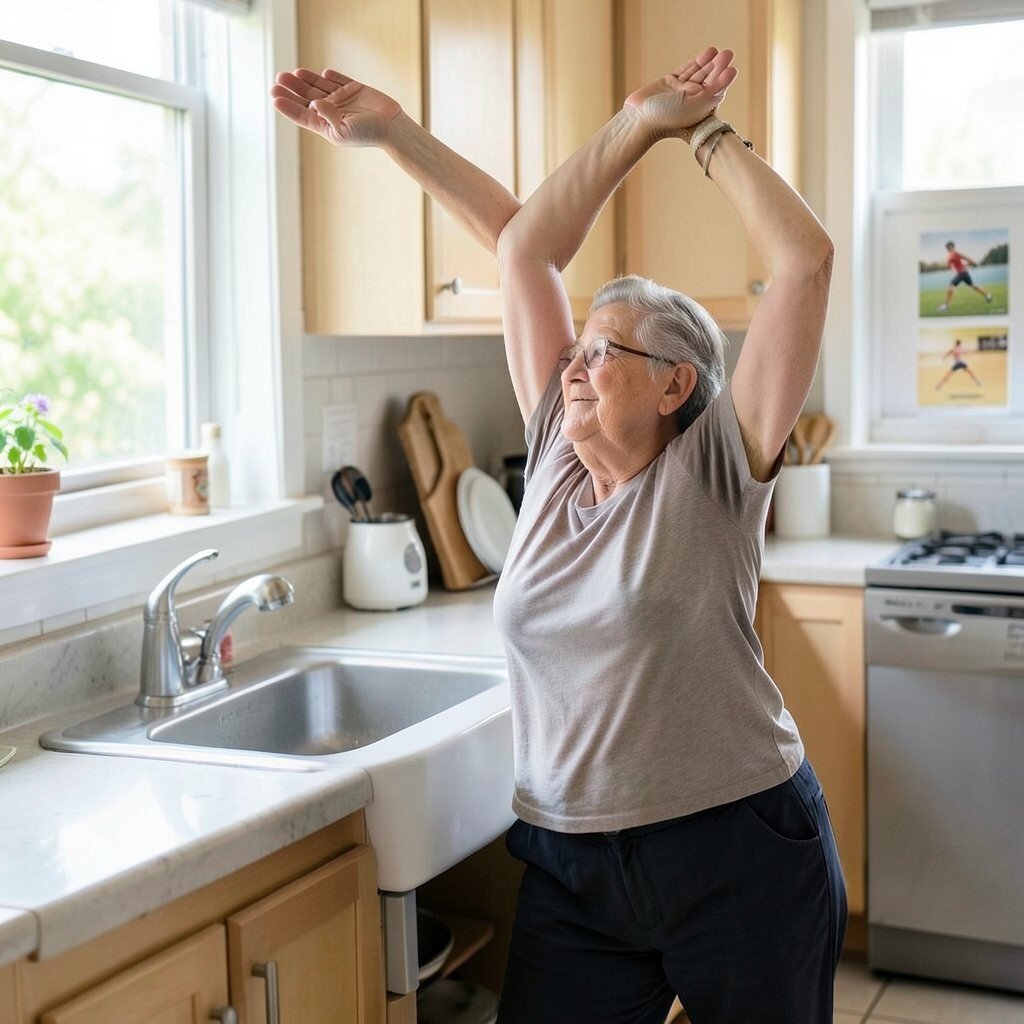
While waiting for water to boil or dishes to soak, roll your neck and reach your arms overhead. These soft moves can wake up stiff muscles and make the body feel less cramped.
Stretching in the kitchen is easy, free, and very practical for busy days. You can choose gentle moves that fit your body, such as ankle circles or shoulder rolls. Many caregivers like this because it turns an ordinary chore into a calming pause.
To make it personal, try a favorite song, a timer, or a stretch card on the fridge. If you want a current wellness trend that costs very little, this is a smart place to start.
4. Sip Tea With Full Attention

Hold a warm cup and notice the steam, color, and smell before taking a sip. This simple ritual can feel like a soft blanket for the mind.
Tea time can support focus, comfort, and a brief break from constant giving. Choose herbal tea, green tea, or even plain warm water, depending on what feels best for your body. A special mug can make it feel more personal, but an everyday cup works just fine.
5. Use a Five-Sense Check-In
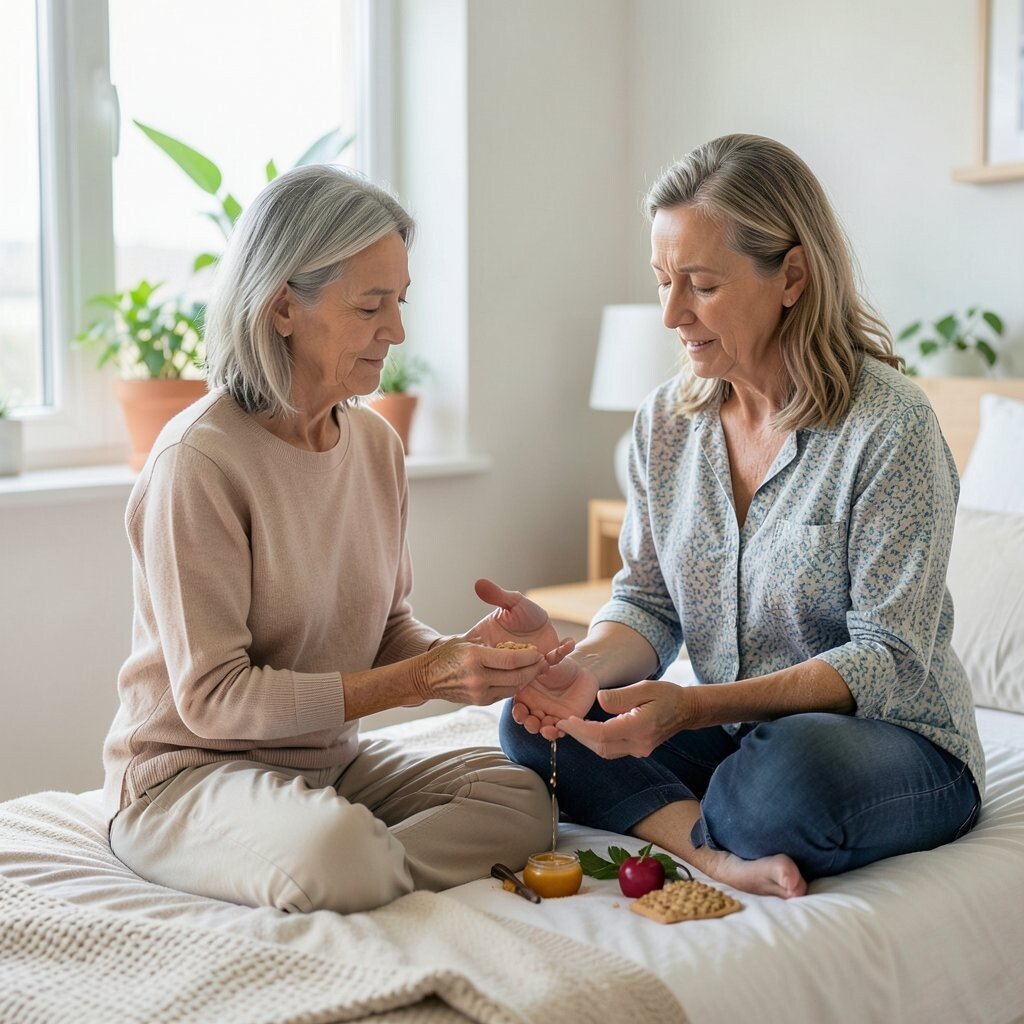
Look around and name one thing you can see, hear, smell, touch, and taste. This brings the mind back to the present when thoughts start racing.
The practice is quick, free, and useful in waiting rooms, bedrooms, or parked cars. It can help lower stress by giving attention a clear job. Some caregivers make it playful by choosing bright objects, soft textures, or favorite scents.
You can tailor it to your day by using a photo, a leaf, a snack, or a song. This kind of grounding is popular right now because it works without needing special tools.
6. Step Outside for a Short Light Break
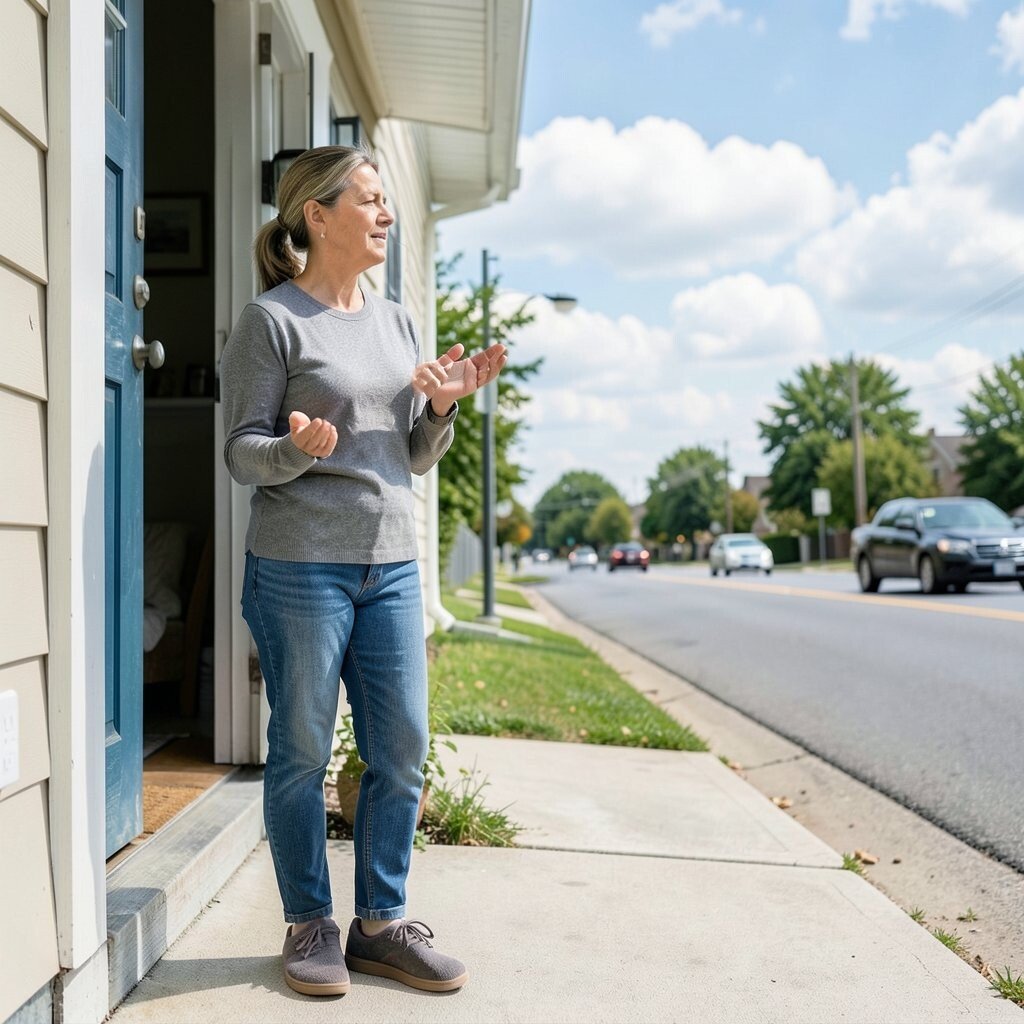
Stand near a porch, doorway, or sidewalk and feel the air on your face. Even a brief look at the sky can make the world feel wider.
Natural light may help lift mood and support a steadier body clock. This break costs nothing and can be done in work shoes, slippers, or whatever you already wear. Some people keep it simple, while others pair it with a slow walk or gentle shoulder stretch.
Personalize the moment by noticing clouds, birds, trees, or the sound of traffic from far away. Outdoor micro-breaks are a growing trend because they feel fresh without taking much time.
7. Color a Small Mindful Page
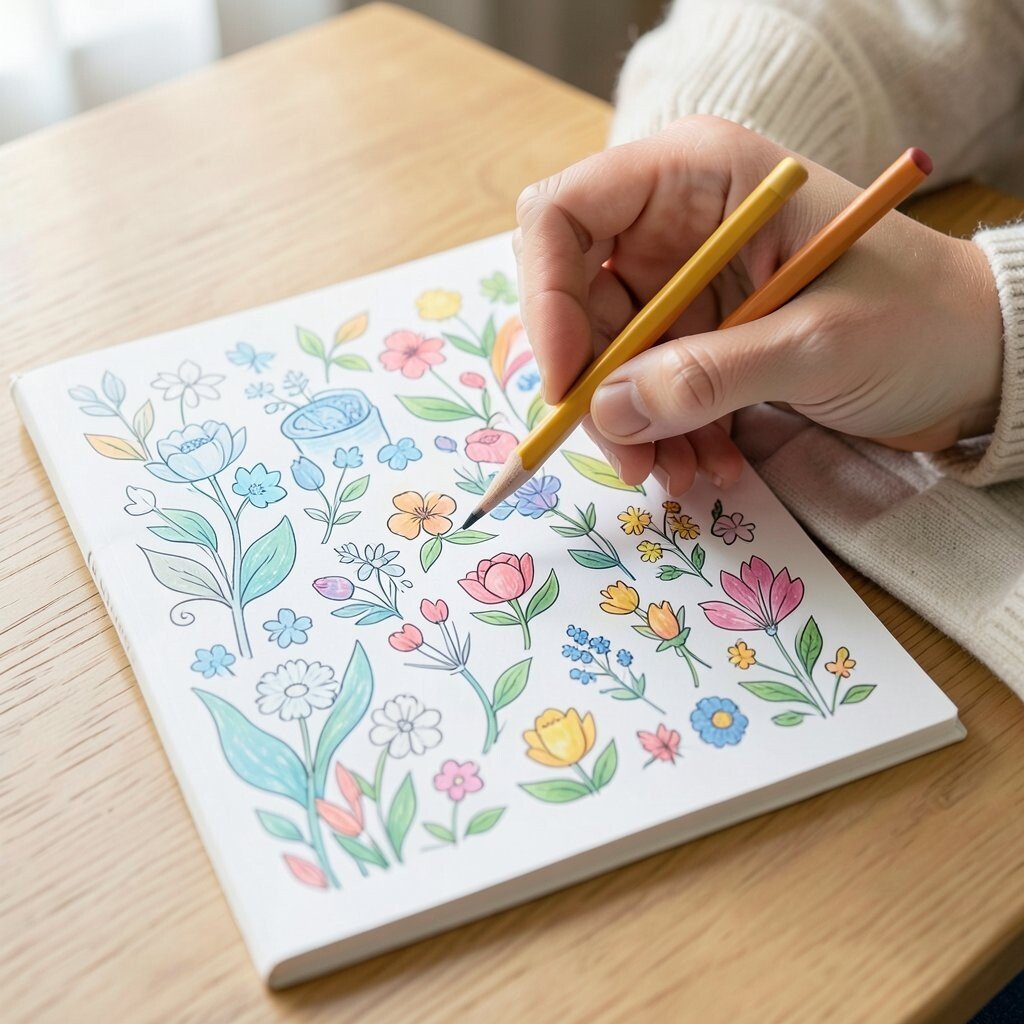
Pick a coloring sheet, sketchbook, or simple doodle page and fill it with color. The repeating motion can quiet busy thoughts and give the hands a peaceful job.
This activity is low cost, easy to start, and friendly for tired brains. You do not need art skill, only a pencil, marker, or crayon that feels good to hold. Many caregivers enjoy this because it gives a clear beginning and end, which can feel comforting.
Make it your own by choosing calming blues, cheerful brights, or colors that match your mood. Coloring books for adults and teens remain popular because they are easy to use and easy to store.
8. Listen to a Calm Sound Track
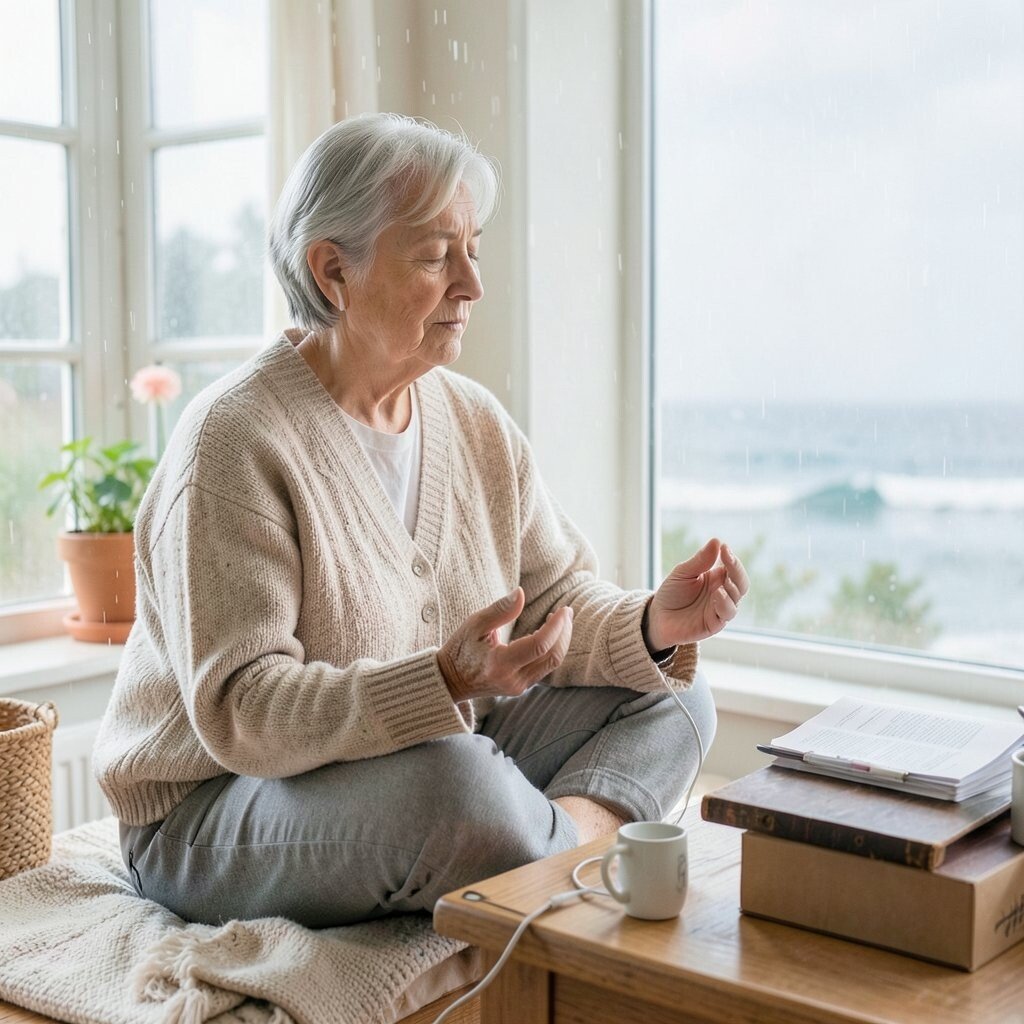
Put on rain sounds, soft music, ocean waves, or a gentle guided track. Let the sound fill the room while you rest your eyes or keep moving through light tasks.
This can lower tension and help the mind stop grabbing onto every worry. A phone and earbuds may be enough, so the cost can stay very small. Some caregivers like sound tracks for chores because they make folding laundry or sorting papers feel less lonely.
Try building a playlist for morning stress, afternoon fatigue, or bedtime wind-down. Audio mindfulness is a current favorite because it fits into busy lives without asking for extra space.
9. Notice Your Hands During Repetitive Tasks
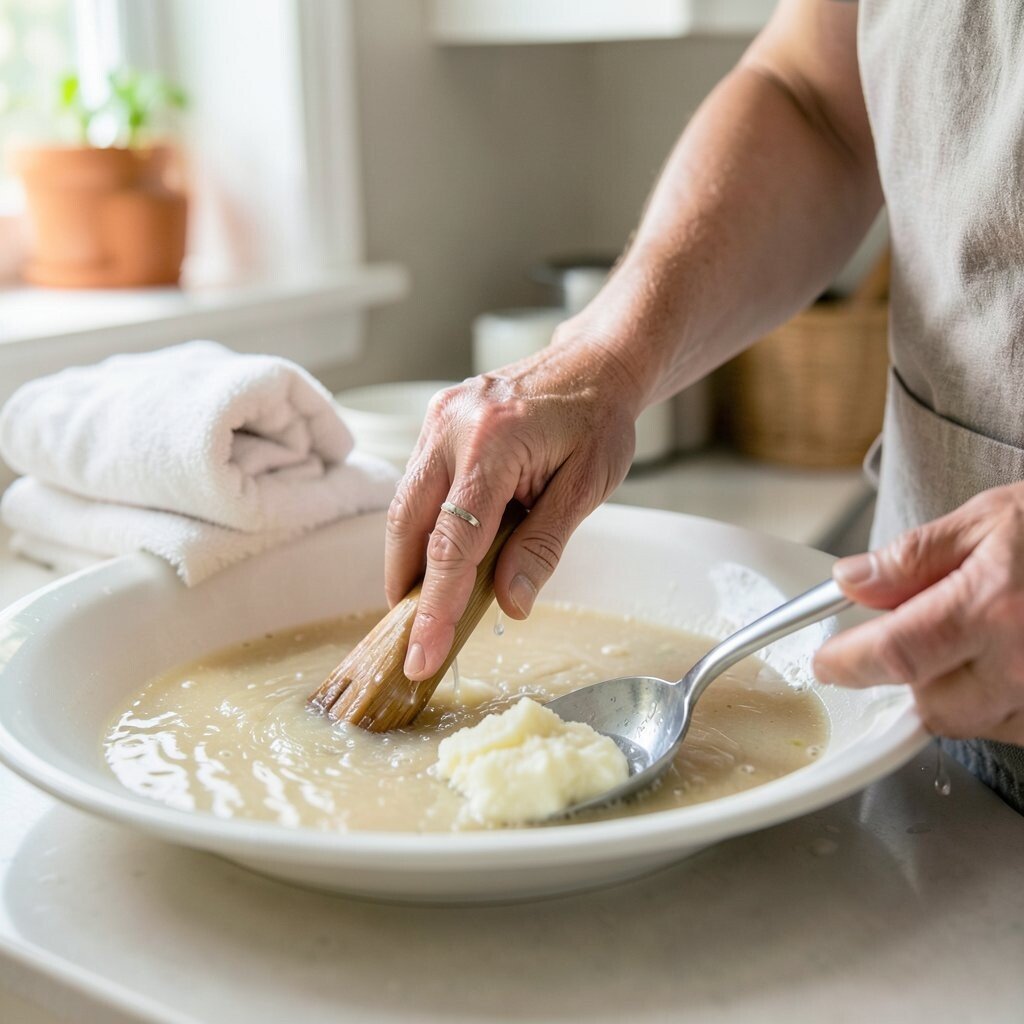
While washing dishes, folding towels, or stirring soup, pay close attention to your hands. Feel the water, fabric, spoon, or soap instead of rushing on autopilot.
This turns an ordinary chore into a calm anchor for the mind. It costs nothing and can be used many times a day. The practice is unique because it works best during tasks that already need to happen.
For a personal twist, choose one chore that you do often and make it your mindful practice. Some people enjoy this trend because it blends self-care with real life instead of adding another job.
10. Write a Tiny Worry Dump

Take a scrap of paper and write down the thoughts spinning in your head. Seeing them on the page can make them feel smaller and easier to handle.
This is a simple way to clear mental clutter before it piles up. A notebook, sticky note, or phone note app all work, so the cost can stay close to zero. Many caregivers use this before bed, during lunch, or after a hard phone call.
You can make it personal by adding one next step beside each worry. Quick writing tools like this are still trending because they help people feel less overloaded.
11. Try a Mindful Hand Massage
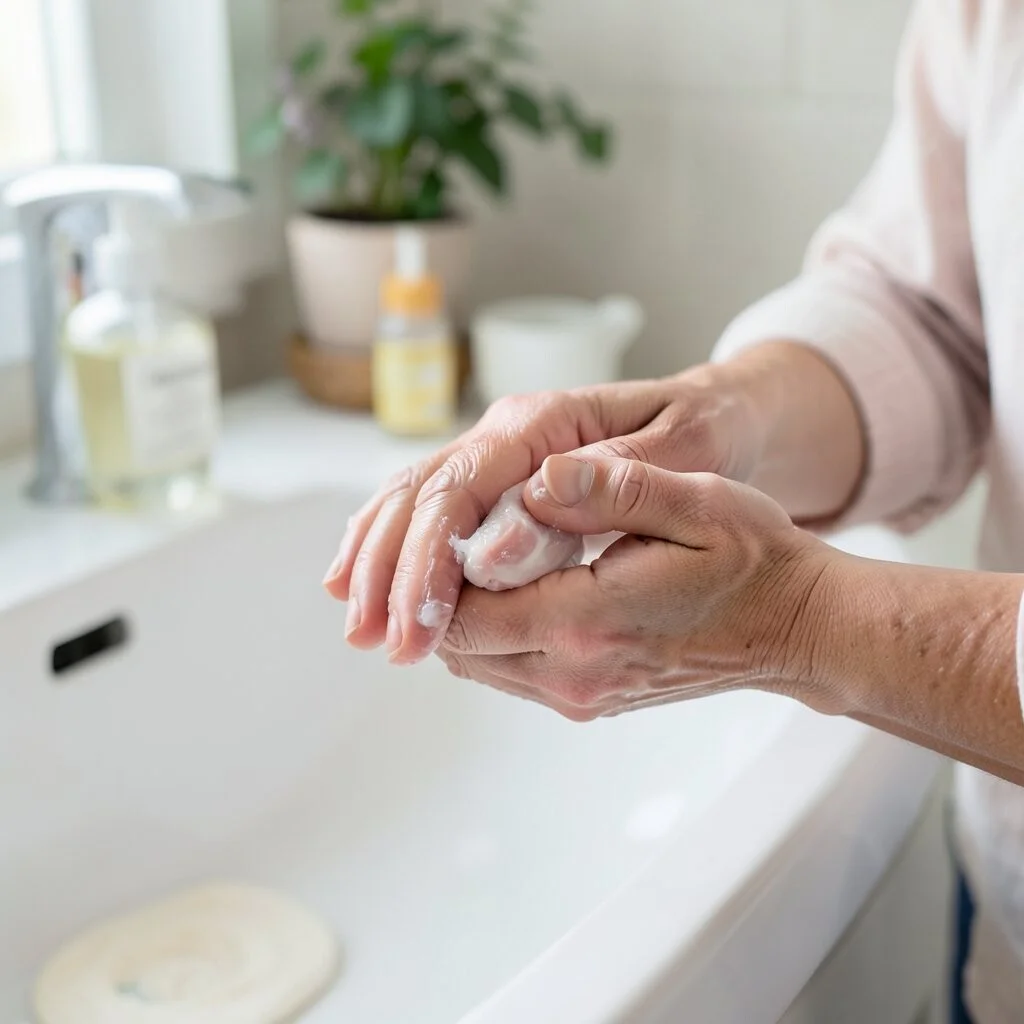
Rub lotion into your hands slowly and notice the warmth and pressure. The skin, scent, and motion can create a small pocket of comfort.
This can ease tension from lifting, cleaning, typing, or holding onto stress all day. Lotion is helpful but optional, so the cost can be very low. Some caregivers keep a small bottle near the sink, in a bag, or beside the bed for easy use.
Choose a scent that feels soothing, such as lavender, citrus, or unscented cream. Hand care is a nice current trend because it feels practical and pampering at the same time.
12. Count Slow Steps on a Short Walk
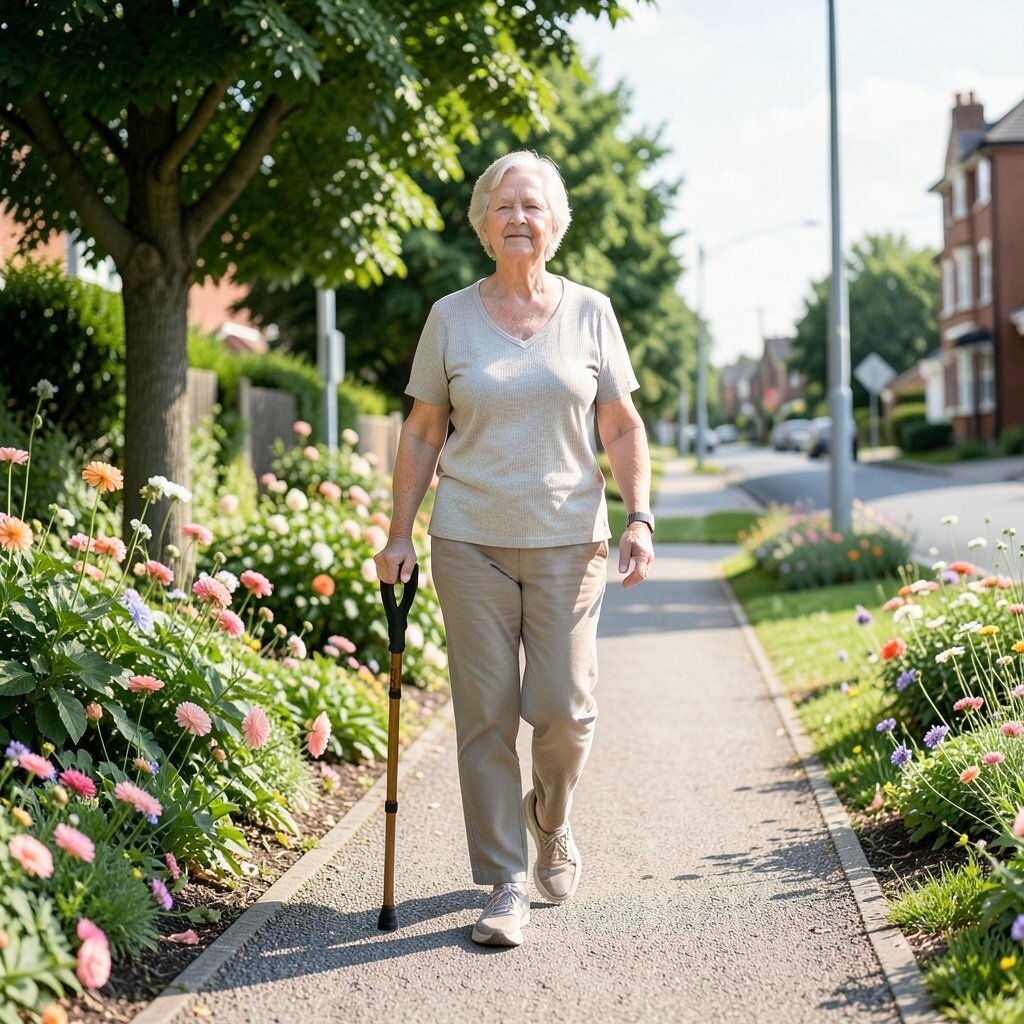
Walk from one room to another or around the block and count your steps in a gentle rhythm. The steady pace can help the mind settle and the body feel more awake.
This activity is free and can be shaped to fit your energy level. A cane, stroller, or supportive shoes can make it more comfortable if needed. Some caregivers use it as a reset between tasks or after a hard conversation.
Make it yours by choosing a path with flowers, shade, or a favorite view. Walking mindfulness stays popular because it is simple, flexible, and easy to repeat.
13. Look at One Object Like It Is New
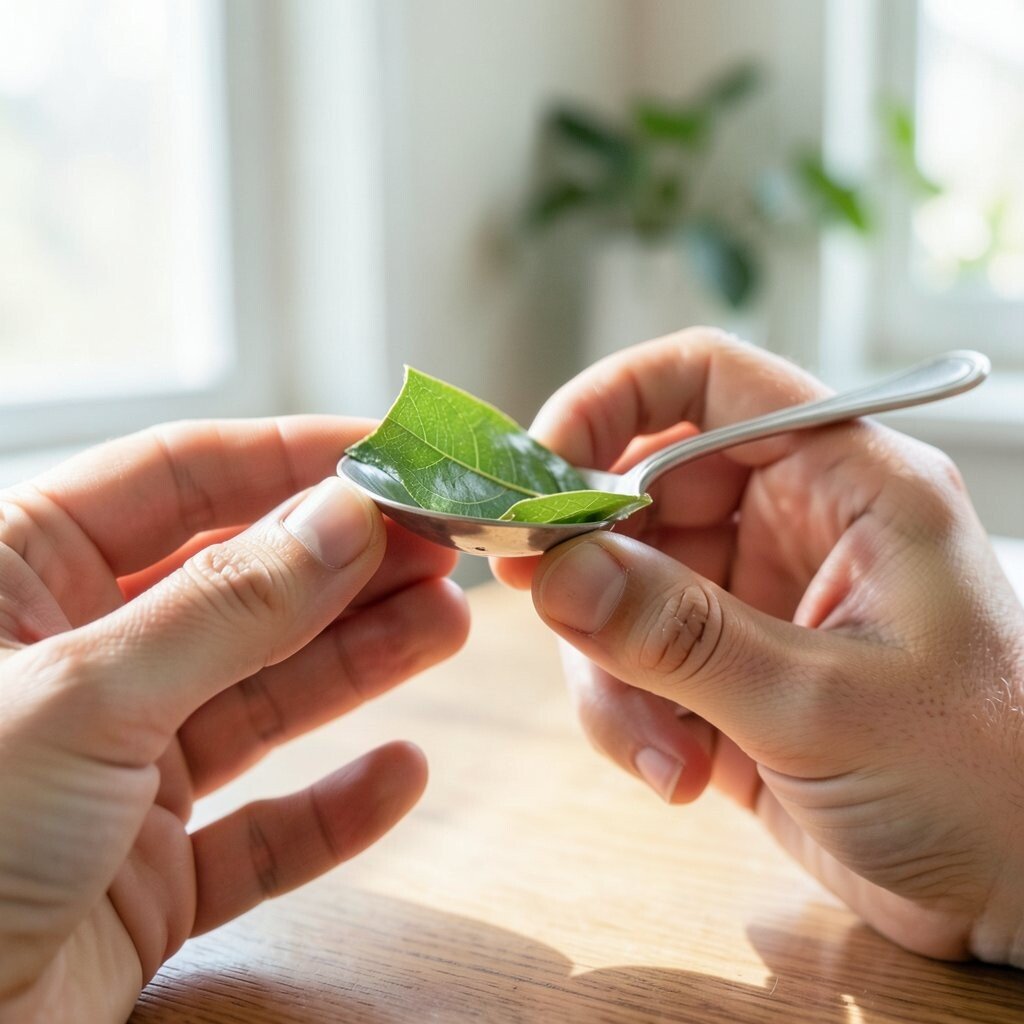
Pick a spoon, leaf, photo, or toy and study it closely for a minute. Notice its shape, edges, color, and tiny details you may have missed before.
This can slow racing thoughts and bring a fresh sense of curiosity. It costs nothing because you can use something already nearby. The practice is unique because it turns an everyday object into a quiet anchor.
Try changing the object based on your mood or the room you are in. Many people enjoy this kind of mindful attention because it feels simple but surprisingly rich.
14. Make a Calm Corner in Your Home
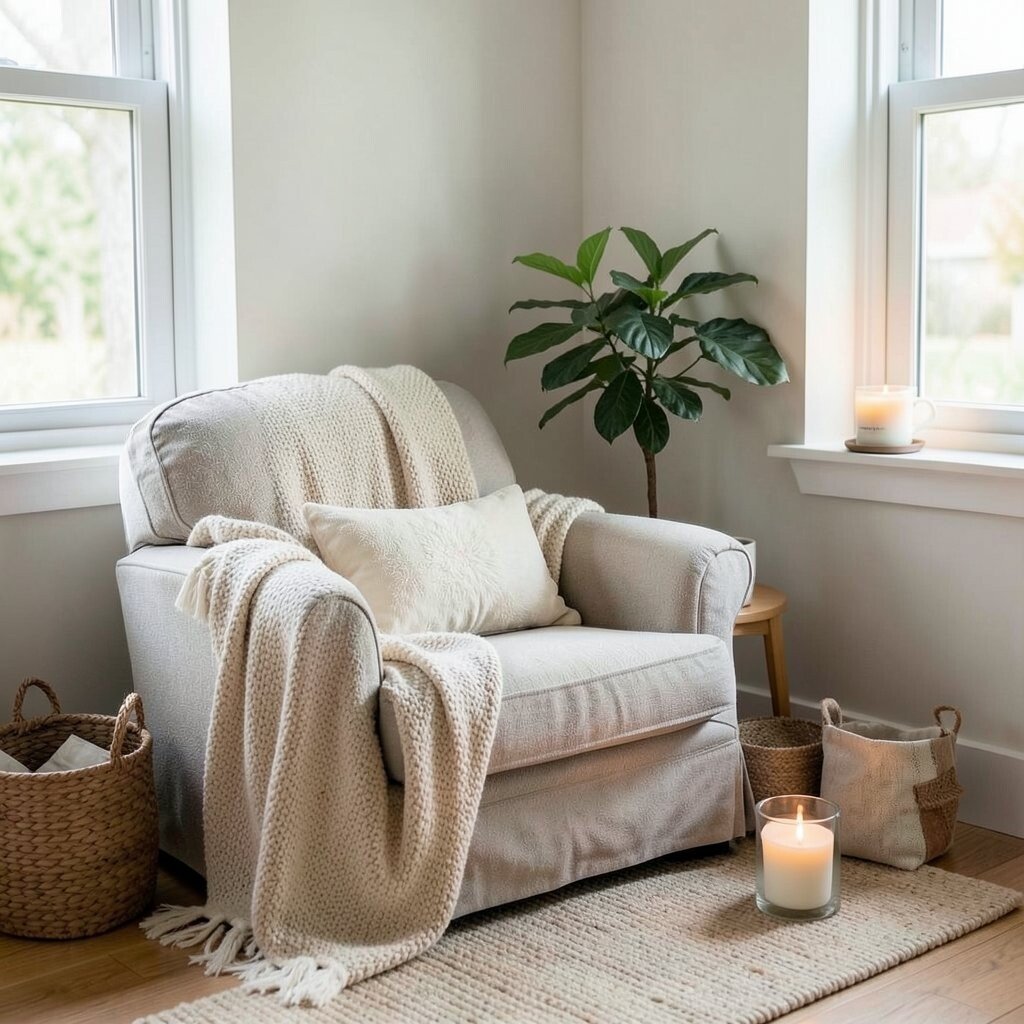
Choose a chair, blanket, or small spot where you can pause without much noise. Even a tiny corner can feel like a soft landing place.
This space can support breathing, reading, stretching, or sitting in silence for a minute. The cost can be very small if you use items you already own. A candle, plant, or favorite pillow can make the area feel more personal and inviting.
Some caregivers like to keep this space uncluttered so it feels easy to enter and leave. Home calm corners are a strong trend because people want self-care that works in real homes, not just in magazines.
15. Practice a Gentle Body Scan
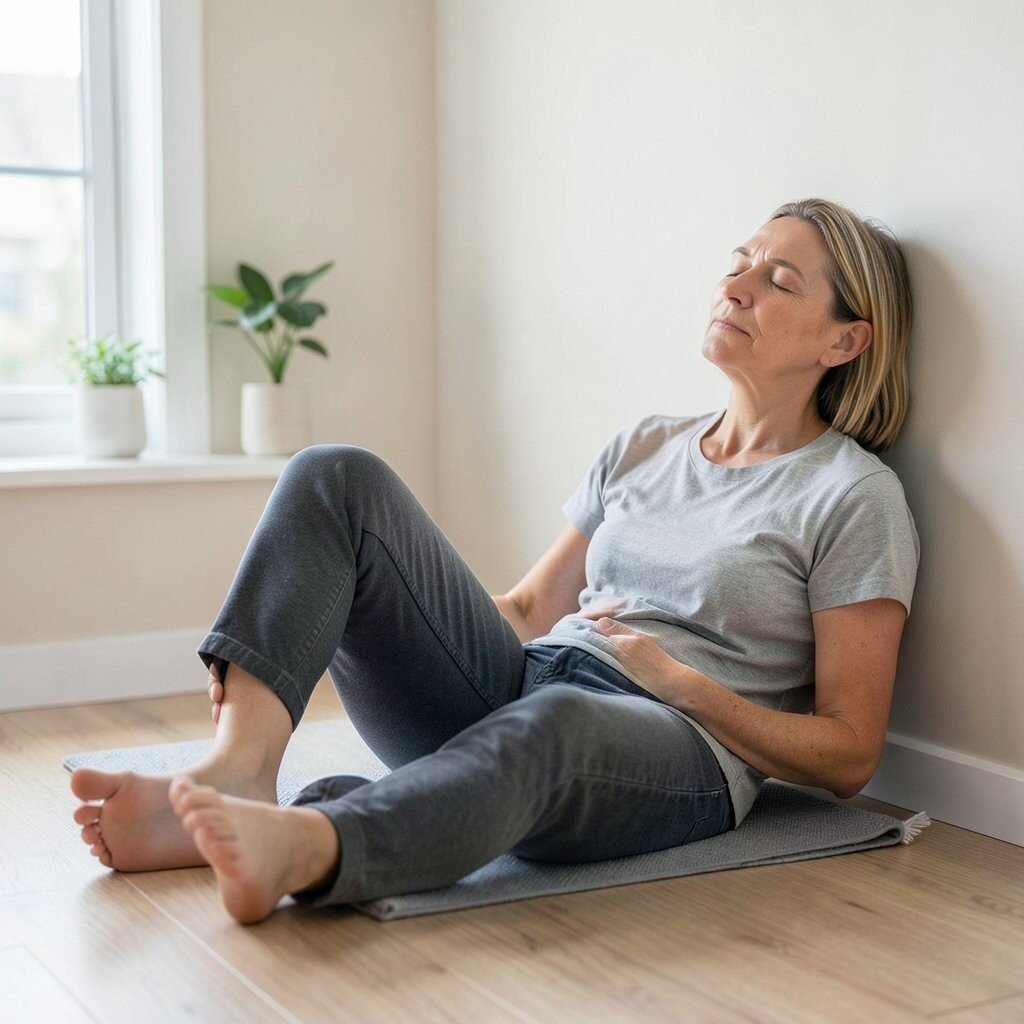
Close your eyes and move your attention from your toes to your head. Notice where the body feels tight, tired, warm, or relaxed.
This can help you spot stress before it becomes too big. It costs nothing and can be done lying down, sitting, or even resting against a wall. Many caregivers like body scans because they create a quiet break without needing movement.
You can personalize the scan by spending extra time on sore spots or skipping areas that feel uncomfortable. Short guided body scans are still a popular wellness choice for busy people.
16. Keep a Nature Jar or Basket
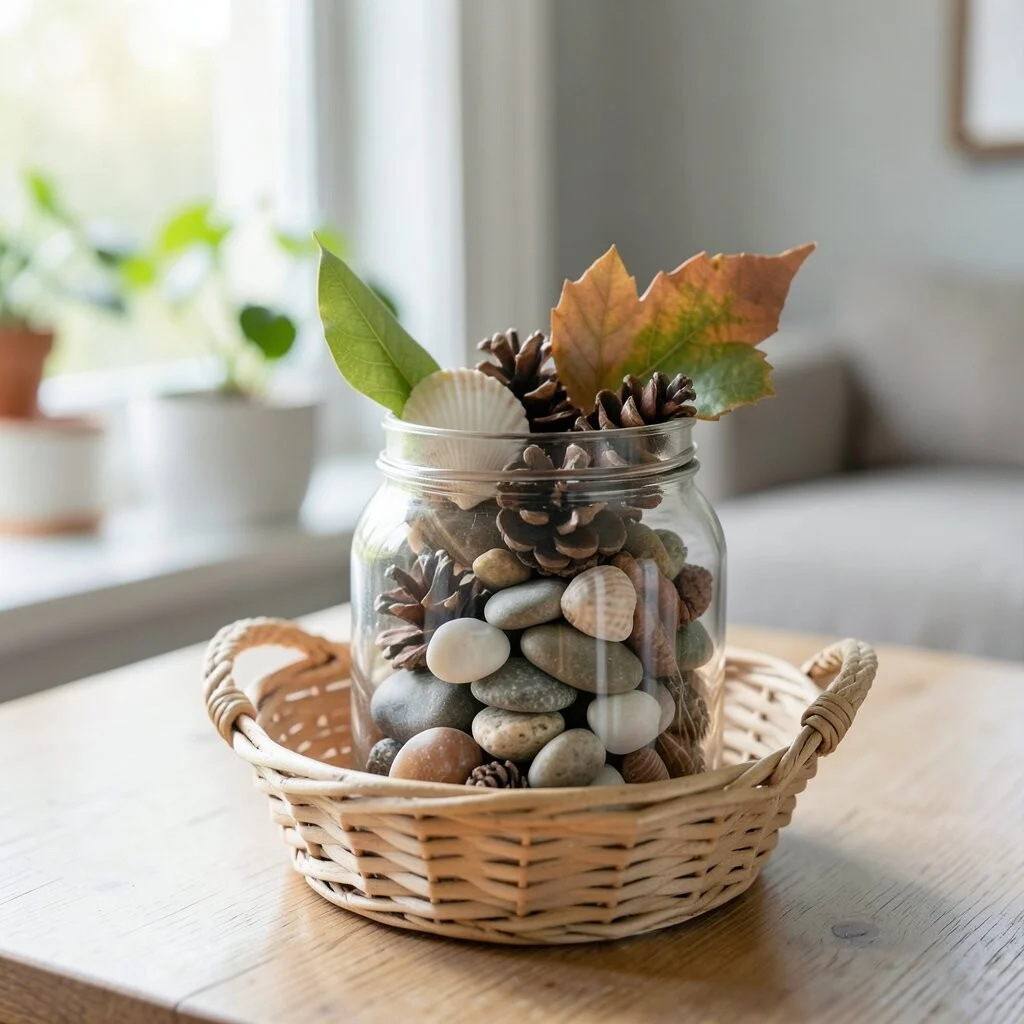
Place a few safe natural items in a jar or basket, such as pebbles, shells, pinecones, or leaves. Looking at them can bring a peaceful outdoor feeling inside.
This is a low-cost way to make your home feel calmer and more alive. The items can remind you of walks, seasons, or special places that matter to you. Some caregivers like to add a new piece each week to keep the practice fresh.
Make it personal by choosing items with meaning rather than just pretty looks. Nature-based home decor remains trendy because it feels soothing and easy to maintain.
17. Use a Mindful Alarm Bell
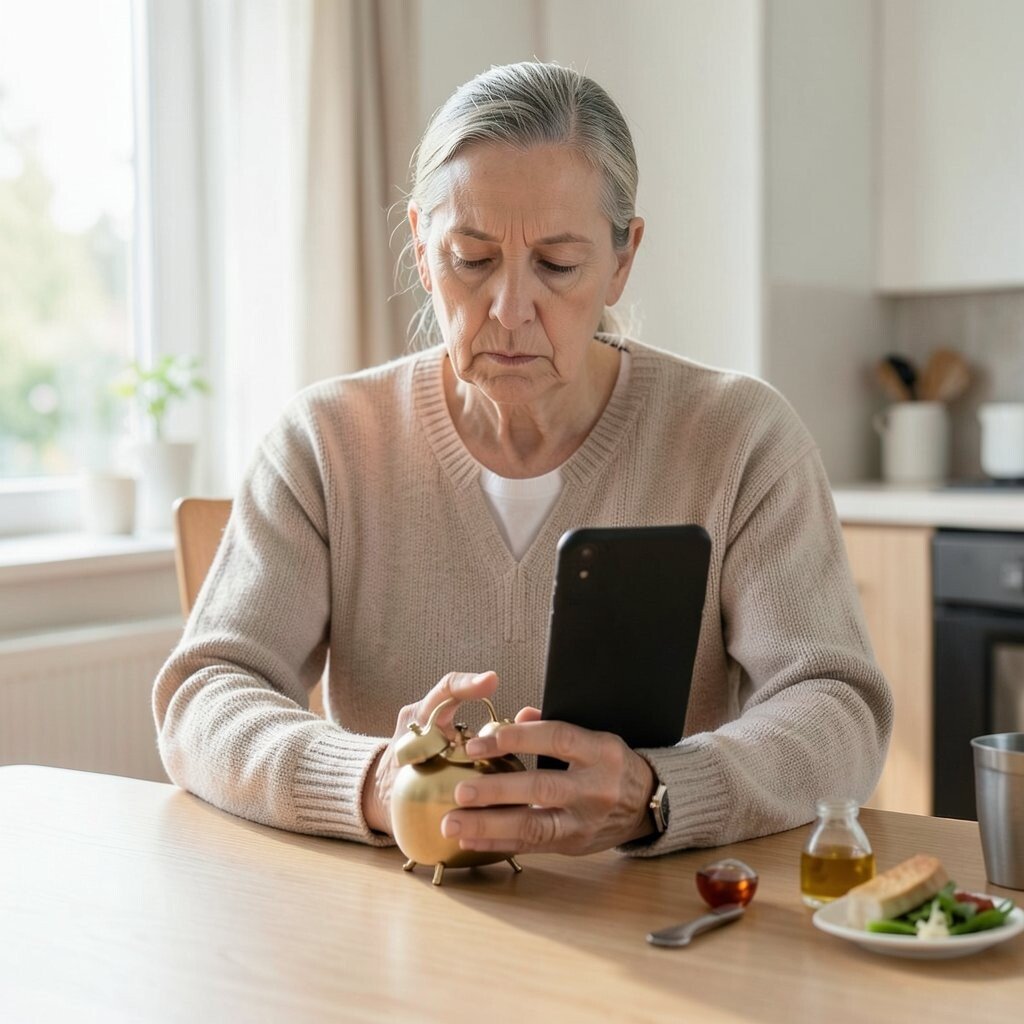
Set a gentle alarm on your phone to remind you to pause and breathe. When it rings, stop for one slow breath before moving on.
This can keep mindfulness from getting lost in a packed day. The cost is free if you already have a phone or watch with alerts. Some caregivers use different sounds for different moments, like lunch, water, or bedtime.
You can choose a soft chime, bird call, or bell sound that does not feel harsh. Tiny reminder tools are popular now because they help build habits without much effort.
18. Try Mindful Eating With One Snack

Pick one snack, like fruit, crackers, or yogurt, and eat it slowly with full attention. Notice the taste, texture, smell, and sound of each bite.
This can make snack time feel more satisfying and less rushed. It costs no extra money if you use food already in the house. Many caregivers find that mindful eating helps them feel more present and less likely to gulp food while standing up.
Make it your own by choosing a favorite snack that feels comforting and easy to portion. Simple food rituals are trending because they fit into real schedules and real budgets.
19. Practice a Kind Self-Talk Phrase
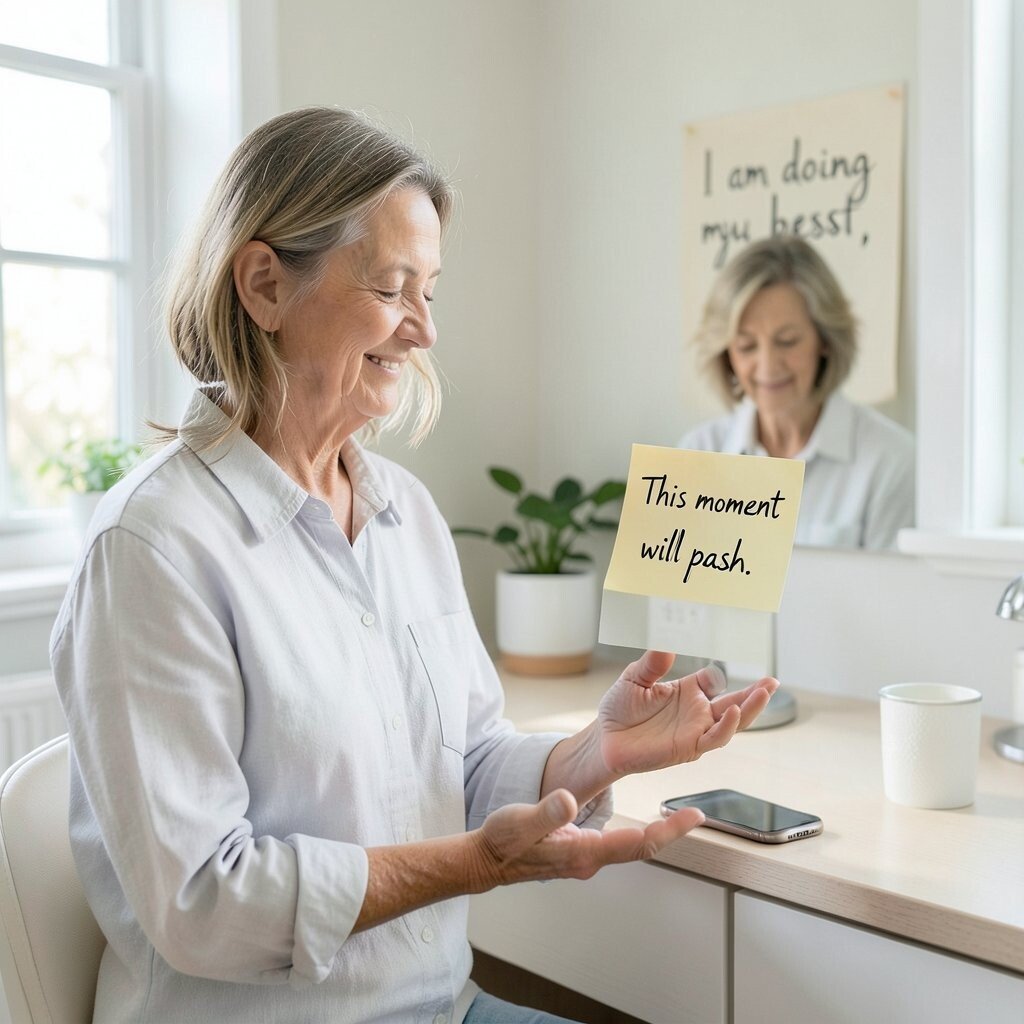
Choose a short phrase like, “I am doing my best,” or “This moment will pass.” Repeat it when stress starts to rise.
Kind words can soften harsh thoughts and make the day feel more manageable. This practice costs nothing and can be used anywhere, from the car to the laundry room. Some caregivers write the phrase on a sticky note, phone screen, or mirror.
You can make it personal by using your own voice, faith words, or family sayings. Self-compassion language is a strong current trend because people are learning that inner kindness matters.
20. Fold Laundry With Awareness
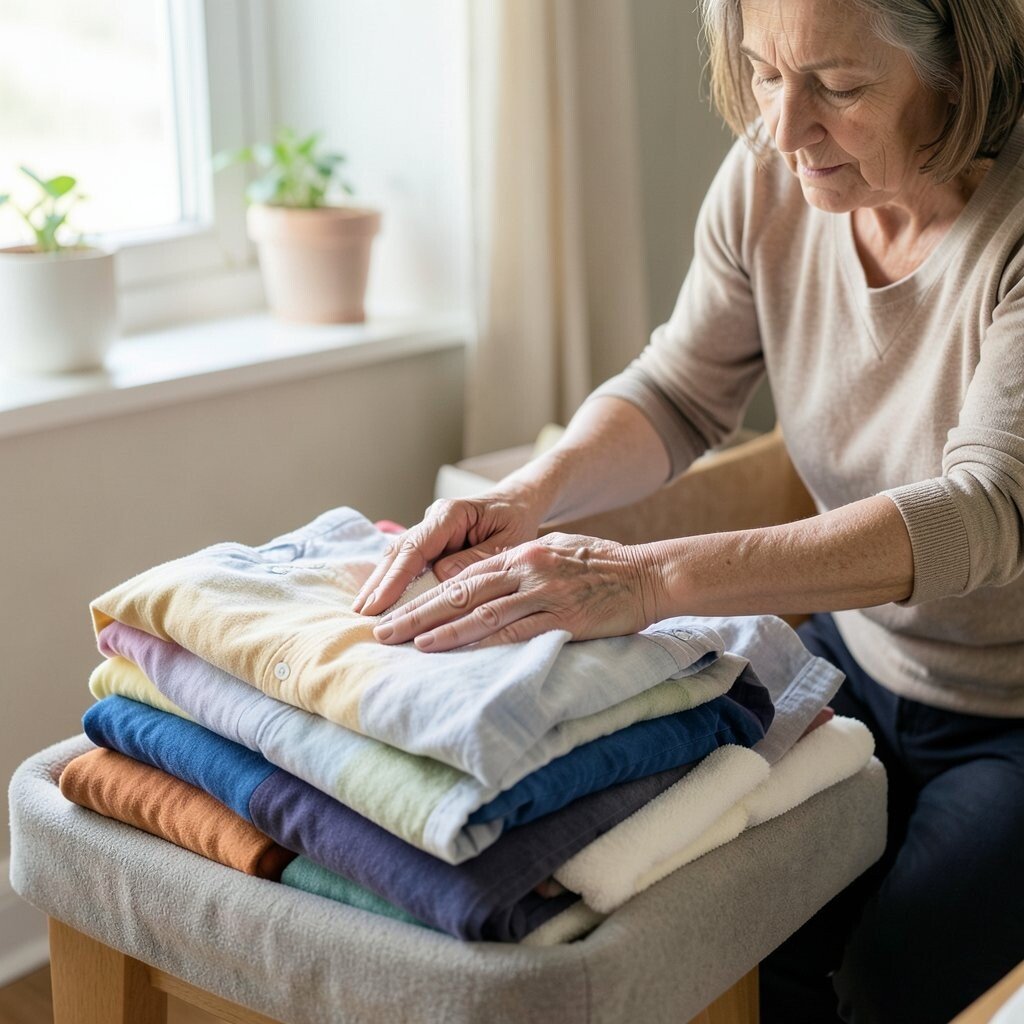
Feel the fabric, shape, and warmth as you fold shirts, towels, or blankets. The repeated motion can become steady and soothing when you slow it down.
This chore is already part of many homes, so it does not add extra cost or extra time. It can help the mind rest while the hands stay busy. Some caregivers enjoy making it a quiet no-phone moment for a few minutes.
Try sorting by color, size, or person to make the task more personal and less dull. Mindful chores are getting more attention because they fit into everyday life so well.
21. Keep a Mini Joy Box
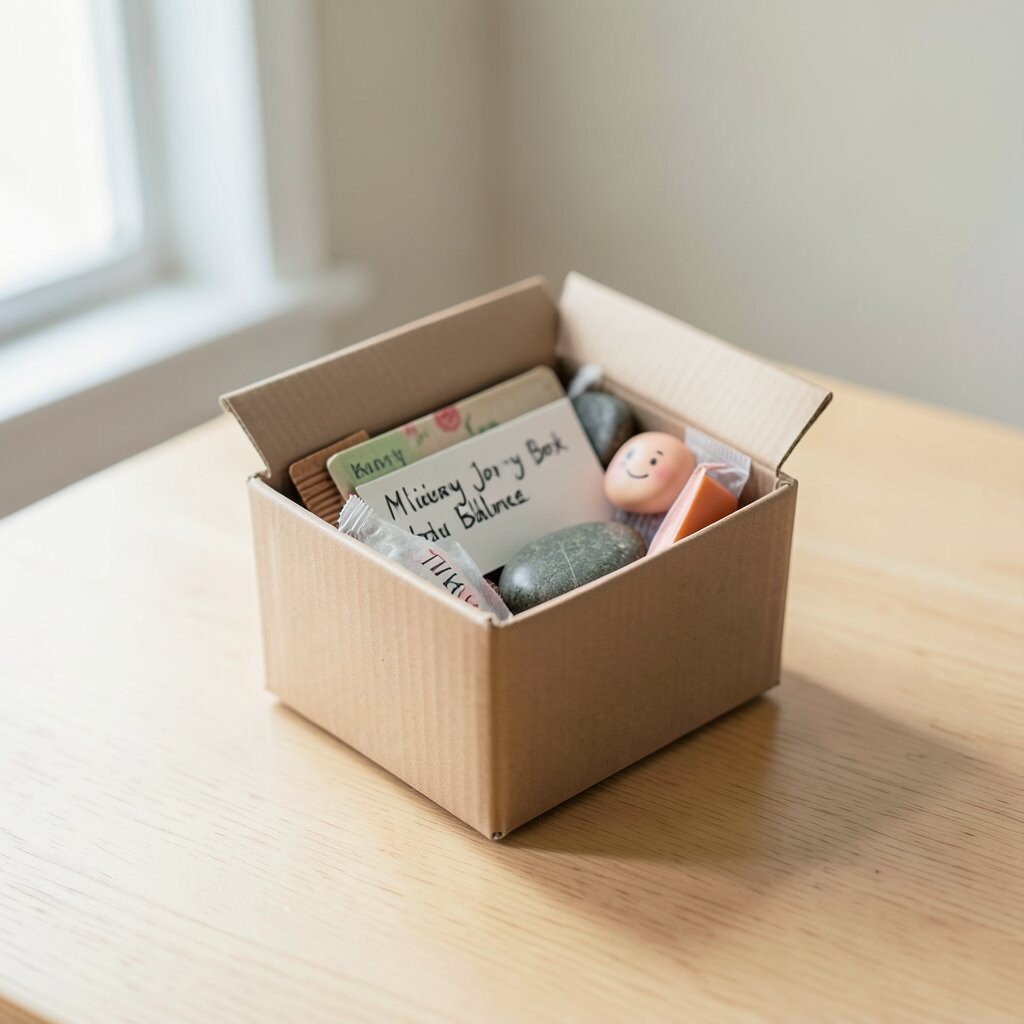
Use a small box or pouch to hold tiny things that make you smile. A photo, a note, a smooth stone, or a favorite tea bag can all live there.
This can be a quick lift on hard days when your energy feels low. The cost can stay tiny because you can use simple items from home. Many caregivers like this because it gives them a ready-made comfort kit.
Make the box match your style, your memories, or your current needs. Personal comfort kits are popular because they are easy to build and easy to carry.
22. Watch a Flame or Gentle Light
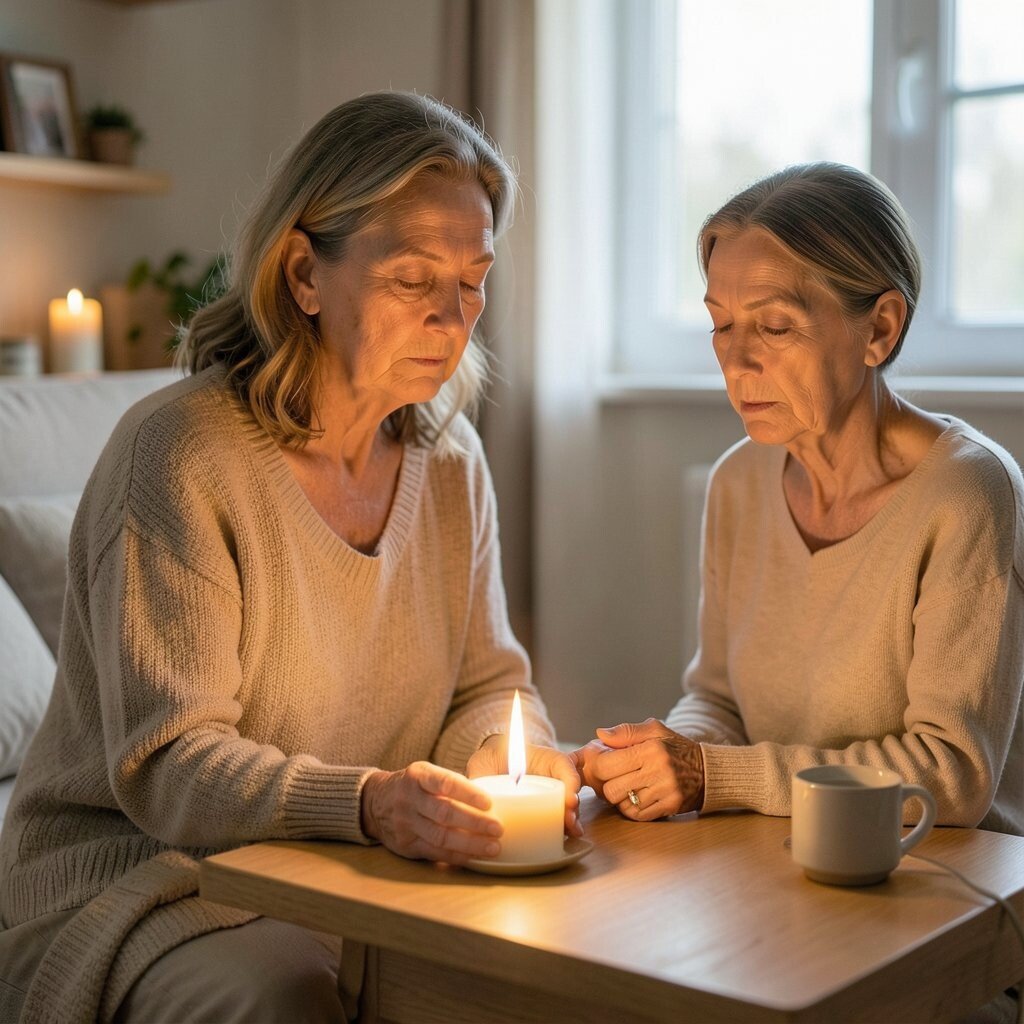
Look at a candle flame, string light, or small lamp and breathe slowly. The soft glow can help the mind settle and the room feel warmer.
This can be a calming evening habit before sleep or after a long shift. A candle may cost a little, but a small lamp or battery light can work too. Some caregivers enjoy pairing light watching with quiet music or a warm drink.
Choose a scent or color that feels safe and soothing to you. Calm lighting is a lasting trend because it changes the mood of a room so quickly.
23. Try a Mindful Sip of Water

Hold a glass of water and notice the coolness before you drink. Take a slow sip and feel how it moves through your mouth and throat.
This tiny practice can be a reset during a hectic day and also support hydration. Water is already available in most homes, so the cost is almost nothing. Some caregivers keep a favorite cup nearby to make the habit more inviting.
You can personalize it with lemon, cucumber, or a straw if that helps you drink more often. Simple hydration rituals are trending because they are easy, useful, and gentle.
24. Sit and Listen to the Room
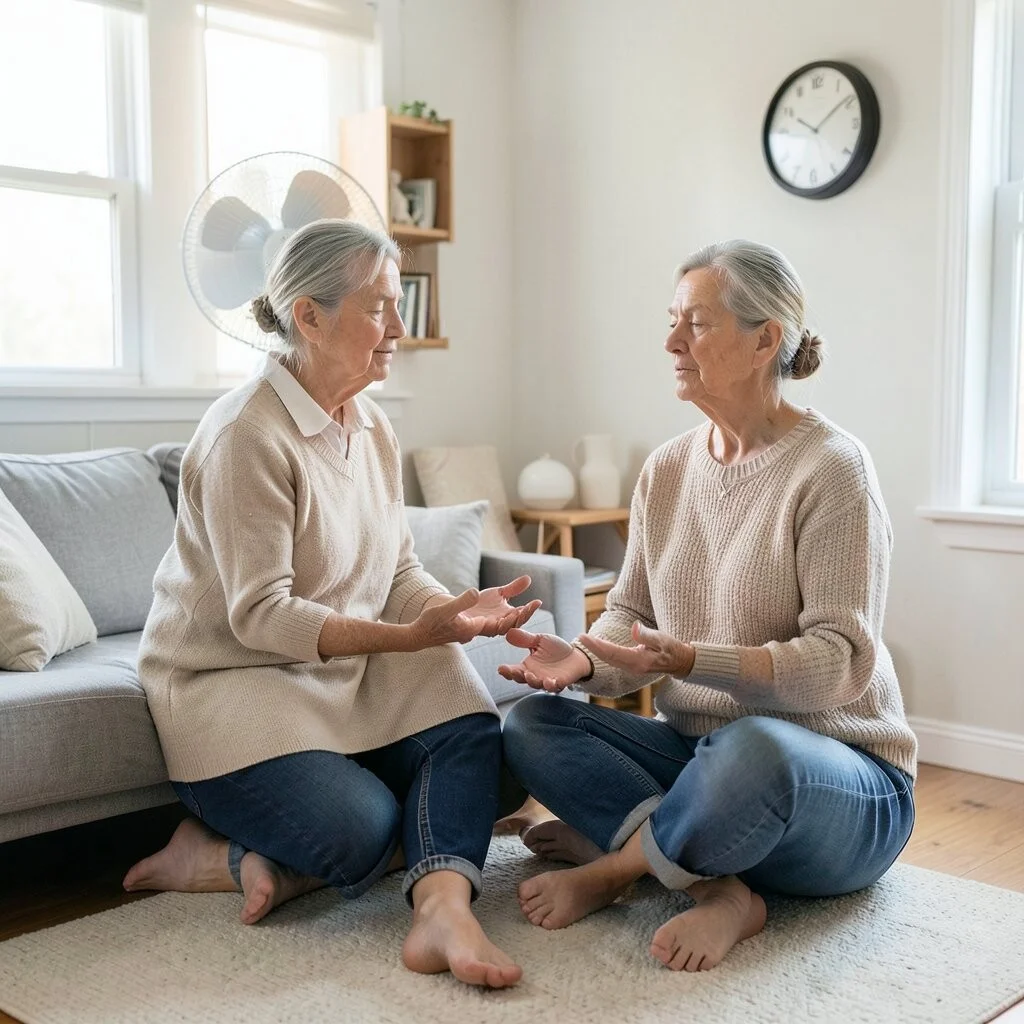
Pause for a moment and listen without trying to change anything. Notice the hum of a fan, a distant voice, a clock, or the quiet between sounds.
This can help you step out of mental noise and into the present moment. It costs nothing and can be done almost anywhere. Some caregivers find it especially helpful after a loud or busy part of the day.
Make it personal by noticing sounds that feel safe, comforting, or familiar. Sound awareness is a simple trend because it works in tiny time pockets.
25. Create a Wind-Down Ritual
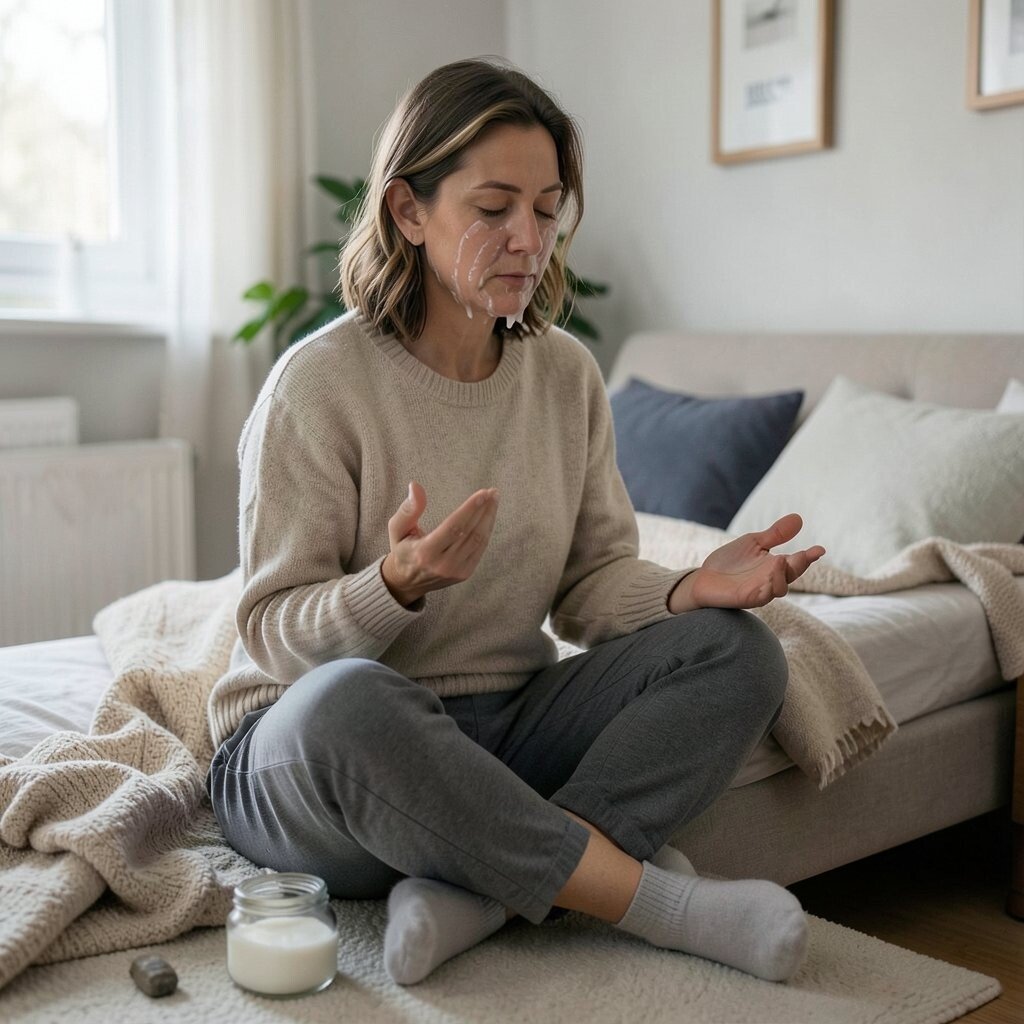
Choose one small action that tells your body it is time to slow down. You might wash your face, dim the lights, or put on soft socks.
Rituals can make evenings feel more peaceful and predictable. The cost can stay low because the best routines often use things already at home. Many caregivers like to keep the same order each night so the body learns the pattern.
Make it yours by adding a scent, a prayer, or a favorite blanket. Bedtime routines are a strong current trend because they help busy people protect rest.
26. Use a Mindful Waiting Moment
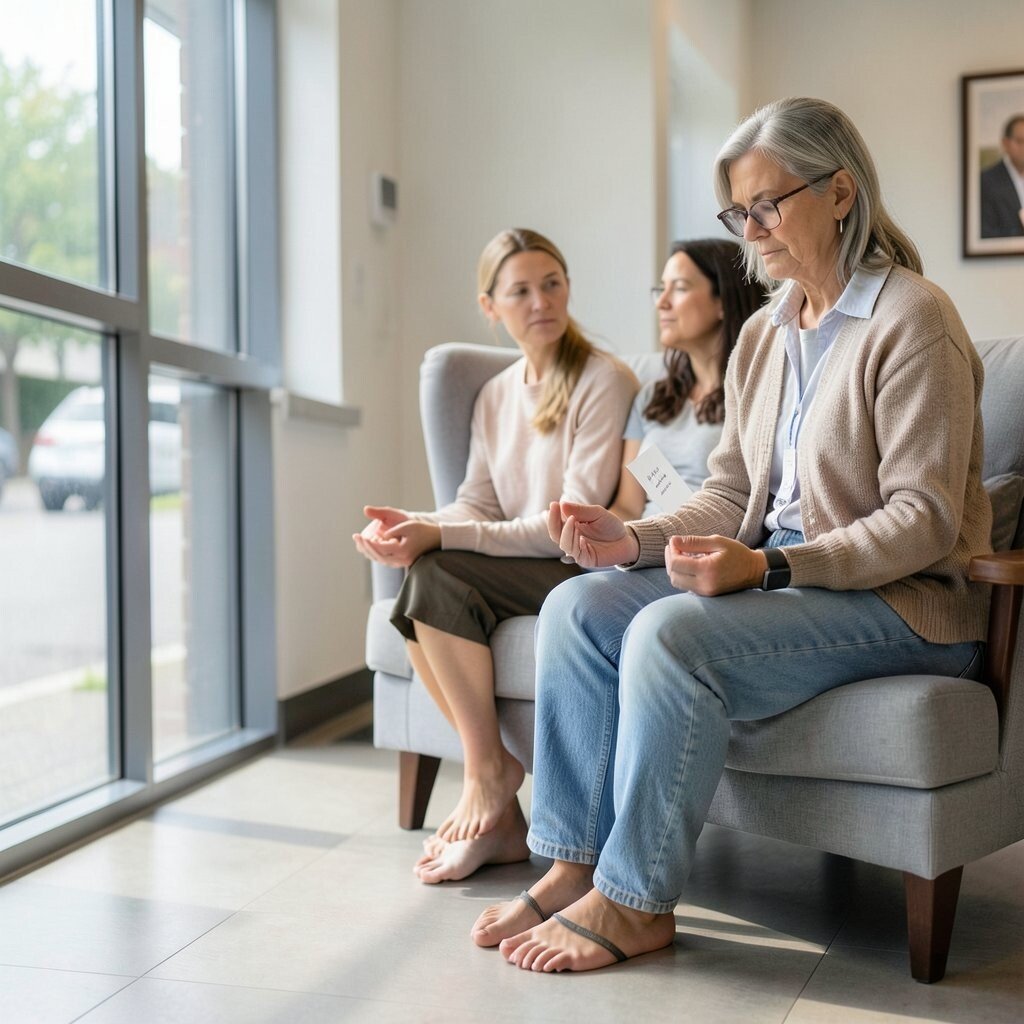
When you wait for an appointment, a call, or a prescription, use the time as a quiet pause. Relax your jaw, notice your feet, and watch the world without rushing it.
Waiting can feel less frustrating when it becomes a mindful break instead of lost time. This costs nothing and works well in lines, lobbies, and parking lots. Some caregivers keep a small card or note on their phone with a calming prompt.
You can personalize the moment with breathing, people-watching, or a quick gratitude thought. Mindful waiting is useful because caregiving often includes a lot of in-between time.
27. Try a Simple Guided Meditation
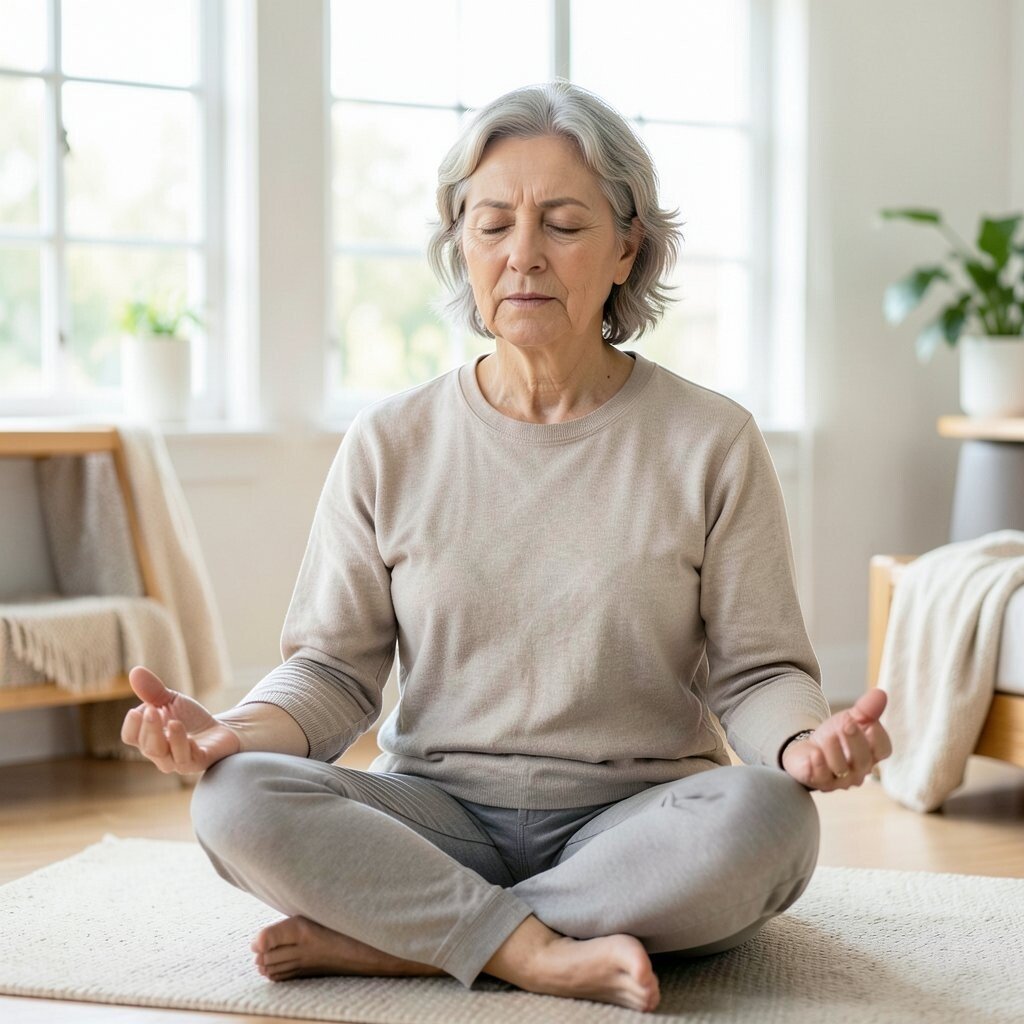
Listen to a short guided meditation from an app, website, or audio clip. A calm voice can help lead your attention when your own thoughts feel too loud.
This can support stress relief, focus, and a sense of being cared for. Many options are free, so the cost can be very low. Some caregivers prefer short tracks that fit into a lunch break or before bed.
Pick a style that matches your mood, such as breathing, sleep, kindness, or body calm. Guided meditation stays popular because it is easy to start and easy to stop.
28. Notice Color in Your Day
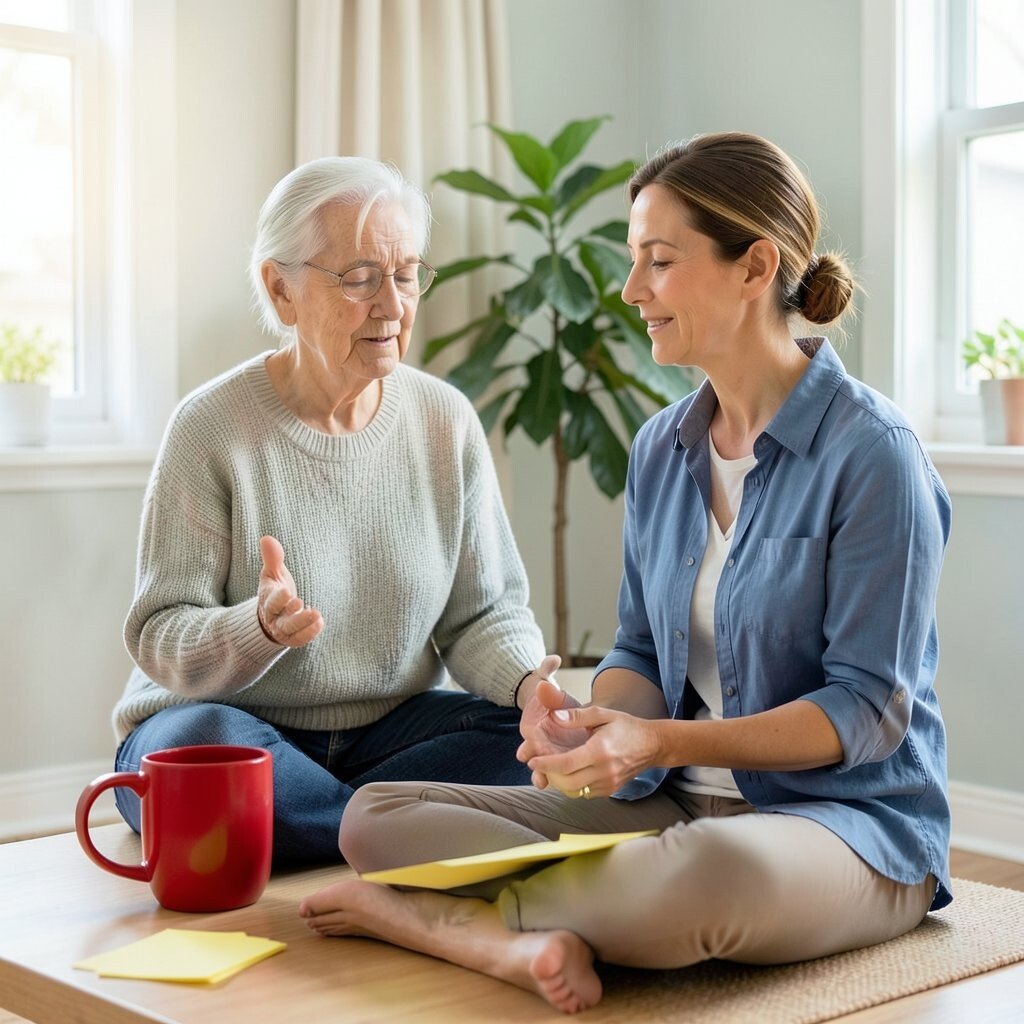
Look for one color and follow it around the room or outside. A red mug, green plant, blue shirt, or yellow note can become a small game for the mind.
This can shift attention away from stress and toward present-moment detail. It costs nothing and can be done alone or with a child, parent, or friend. Some caregivers like it because it feels light and playful without asking for much energy.
Make it personal by choosing a favorite color or one that matches your mood. Color spotting is a fresh trend because it is easy to use and surprisingly soothing.
29. End the Day With a Quiet Reflection
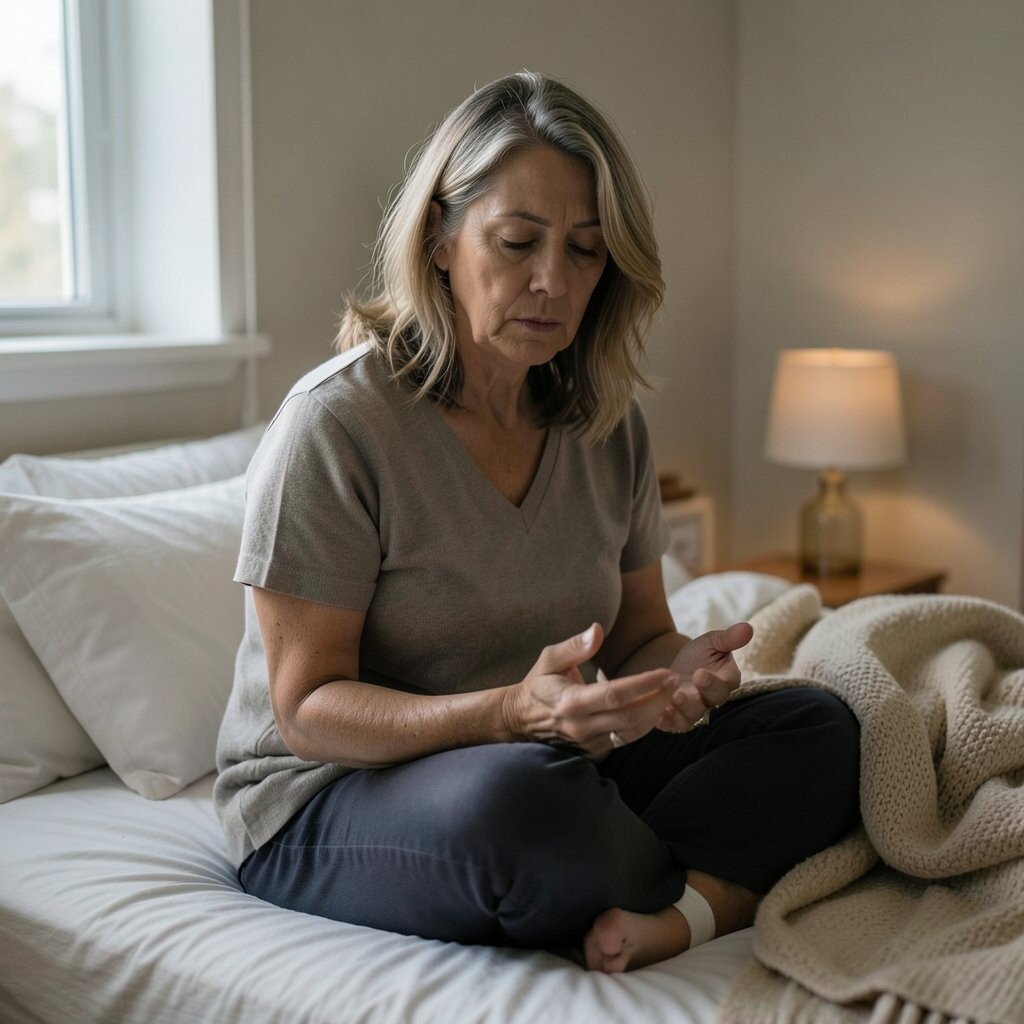
Before sleep, sit for a minute and think about what felt hard and what felt okay. This gentle review can help you release the day without carrying it all into bed.
It costs nothing and can be done in a notebook, in your head, or while lying down. Some caregivers like to name one thing they handled well, even if the day felt messy. A soft blanket, dim light, or calm song can make the moment feel more personal.
This kind of nightly reflection can help you notice patterns, needs, and small wins over time. It fits well with current self-care habits because it is simple, honest, and easy to keep.