Less stuff can feel like more space. A calmer life often starts where no one can see it.
Minimalist living is not only about empty shelves and plain rooms. It is about choosing what truly helps, then making room for peace, time, and ease.
1. Start With a Quiet Morning Reset
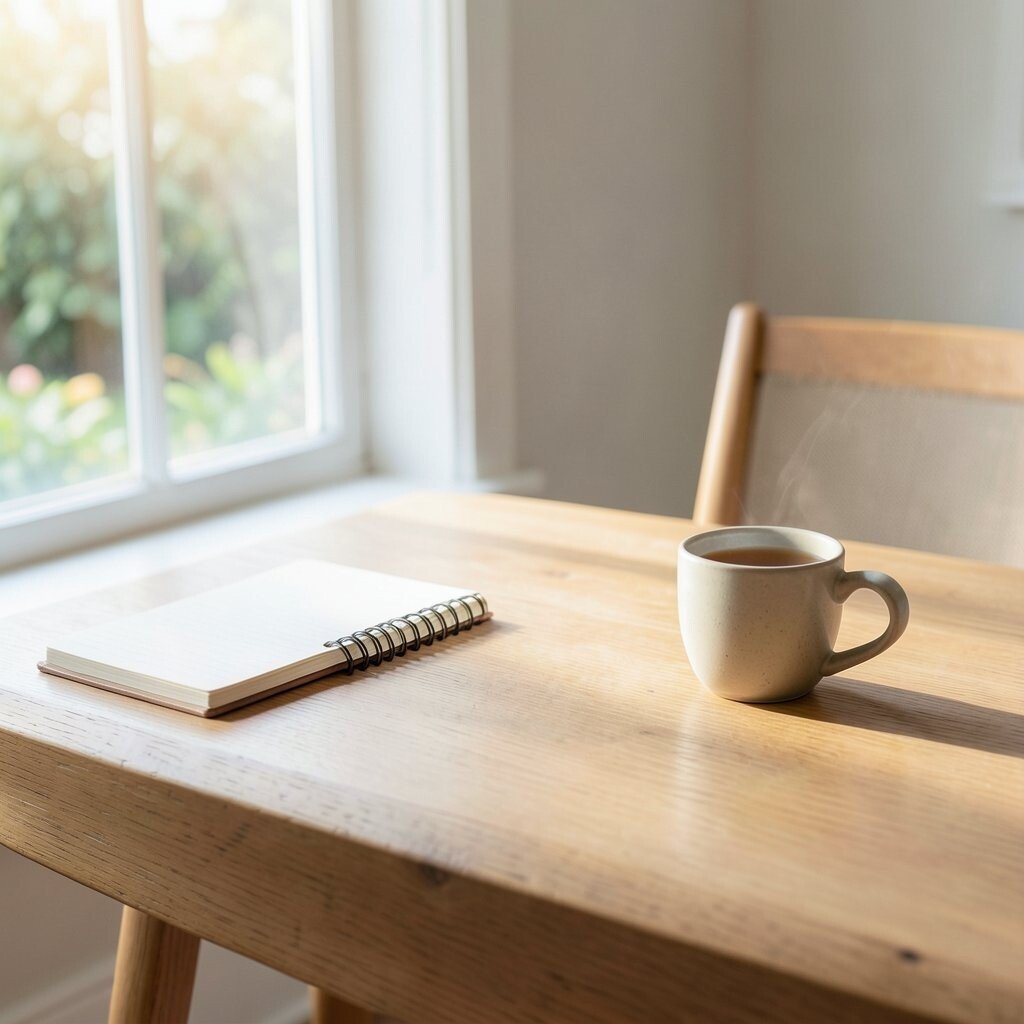
A calm morning can set the tone for the whole day. Picture soft light, a tidy table, and a slow cup of tea before the noise begins.
This habit gives your mind a gentle start and helps you feel less rushed. It is unique because it works from the inside first, not by changing your whole house at once. You can keep it low-cost by using what you already have, like a notebook, a chair by the window, or a simple mug.
2. Keep Only What You Use Often
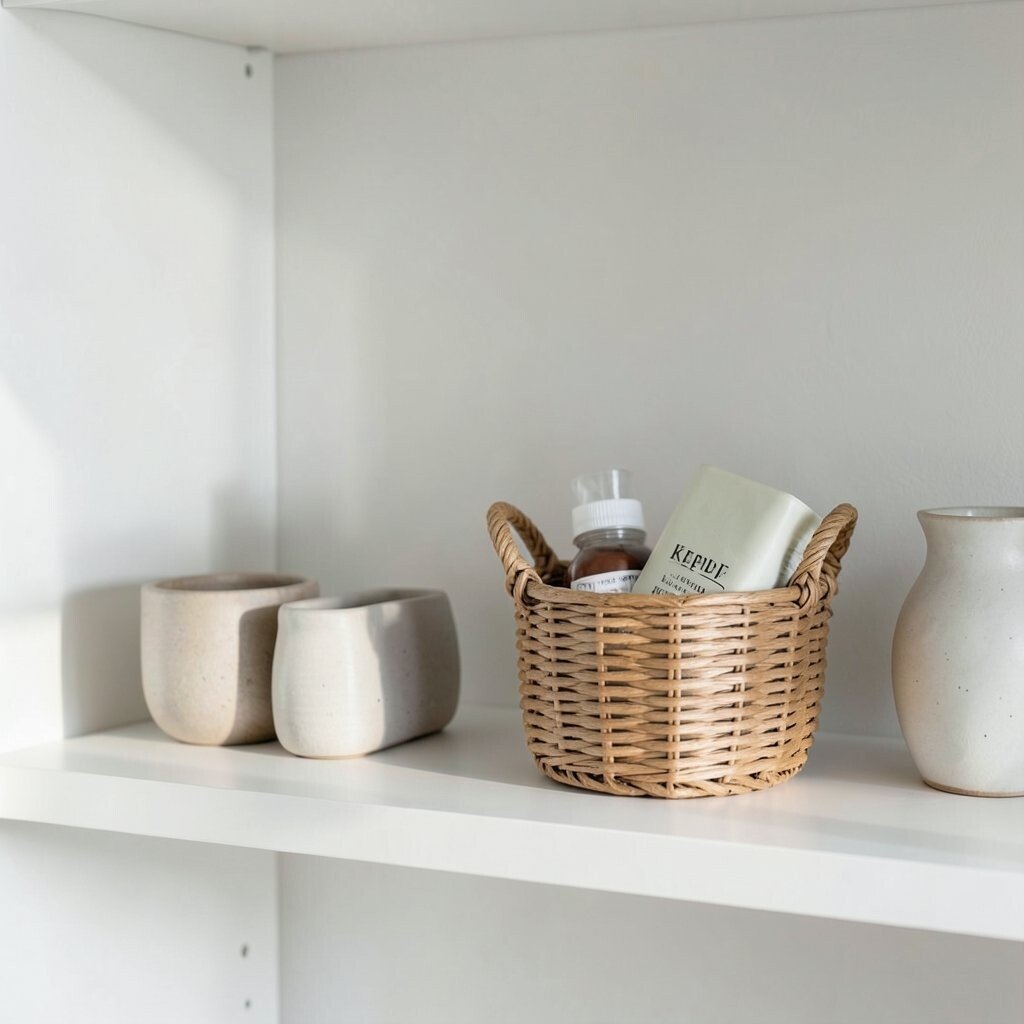
When you touch things every day, they earn their place. A clean shelf with a few useful items can look fresh and feel easy to care for.
This idea saves time because you spend less effort cleaning, sorting, and searching. It also helps you notice what matters most in your real life, not just in your hopes. Try placing daily items in one small basket so your favorites stay close and your space stays neat.
If something is pretty but never used, it may be taking up more than space. A simple rule like “use it, love it, or lose it” can make choices easier and more personal. Many people like this trend because it works in tiny homes, busy homes, and even shared rooms without needing a big budget.
3. Create a One-Surface Rule
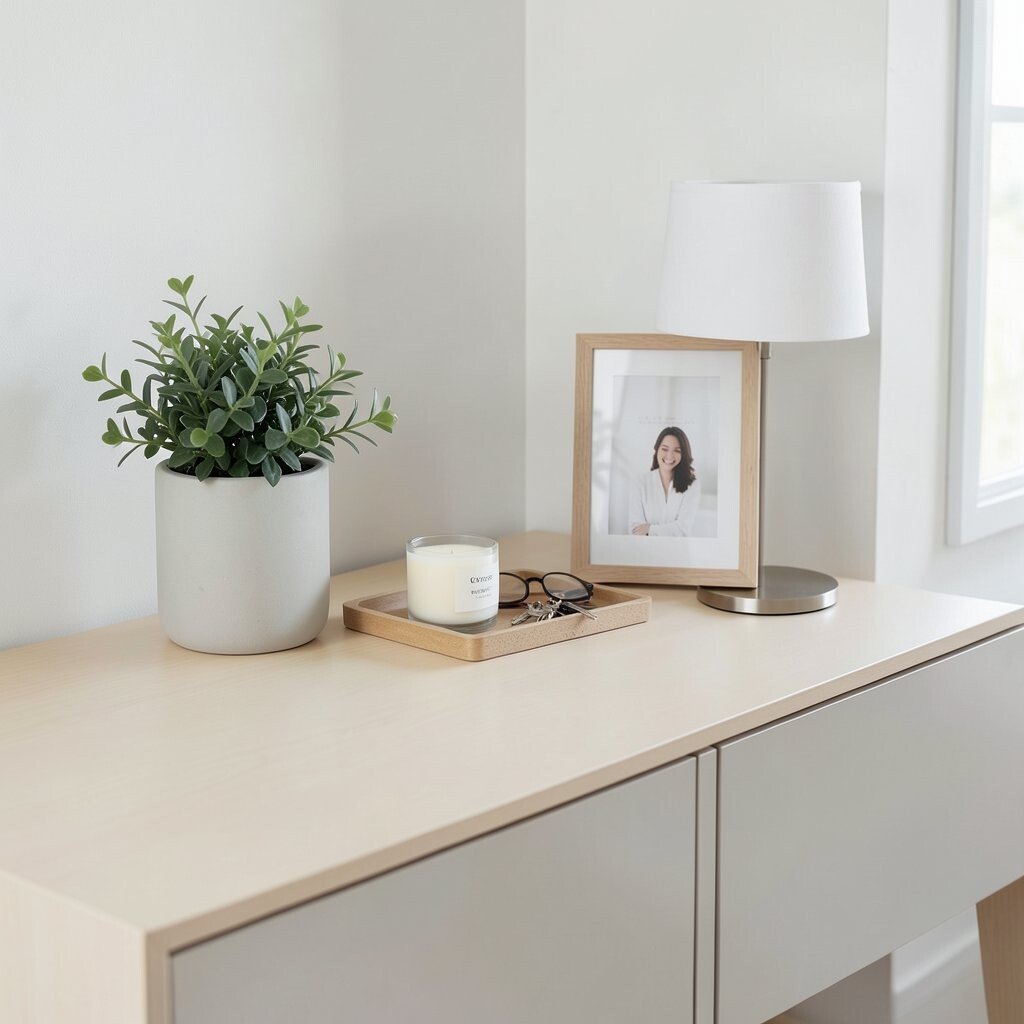
Pick one table, dresser, or counter and keep it almost clear. A smooth open surface can make a room feel bigger and your mind feel lighter.
This is a small change with a big effect because your eyes get a place to rest. It is also easy to personalize with one plant, one lamp, or one framed photo that makes you smile.
To keep the look simple, choose items with soft shapes or calm colors. If you need more function, use a tray to hold a candle, keys, or reading glasses in one neat spot.
4. Use a Short Daily Tidy
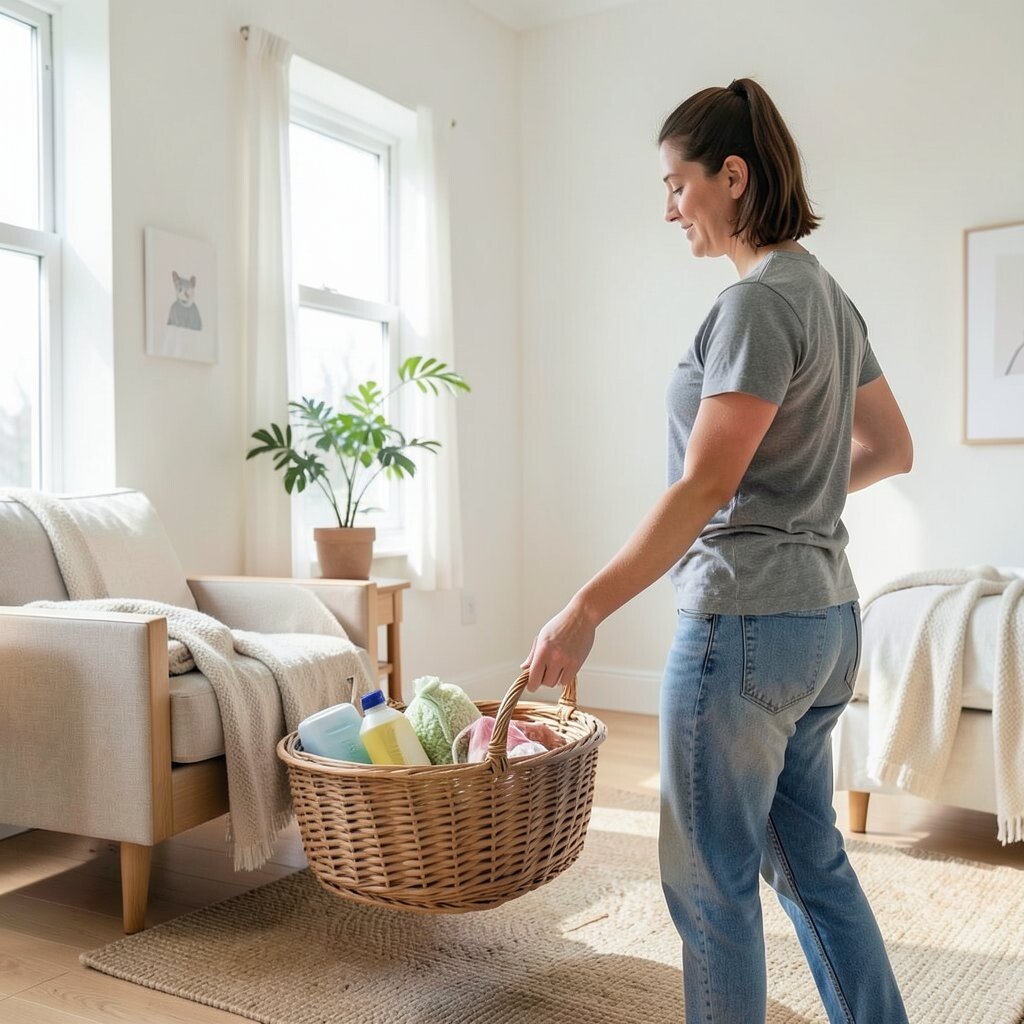
A ten-minute tidy can stop mess from spreading. Imagine moving through your room with a basket, putting each thing back where it belongs.
This habit feels friendly because it does not ask for a huge cleaning day. It can also save money by helping you care for what you already own instead of replacing lost or damaged items.
5. Make a Simple Wardrobe Plan
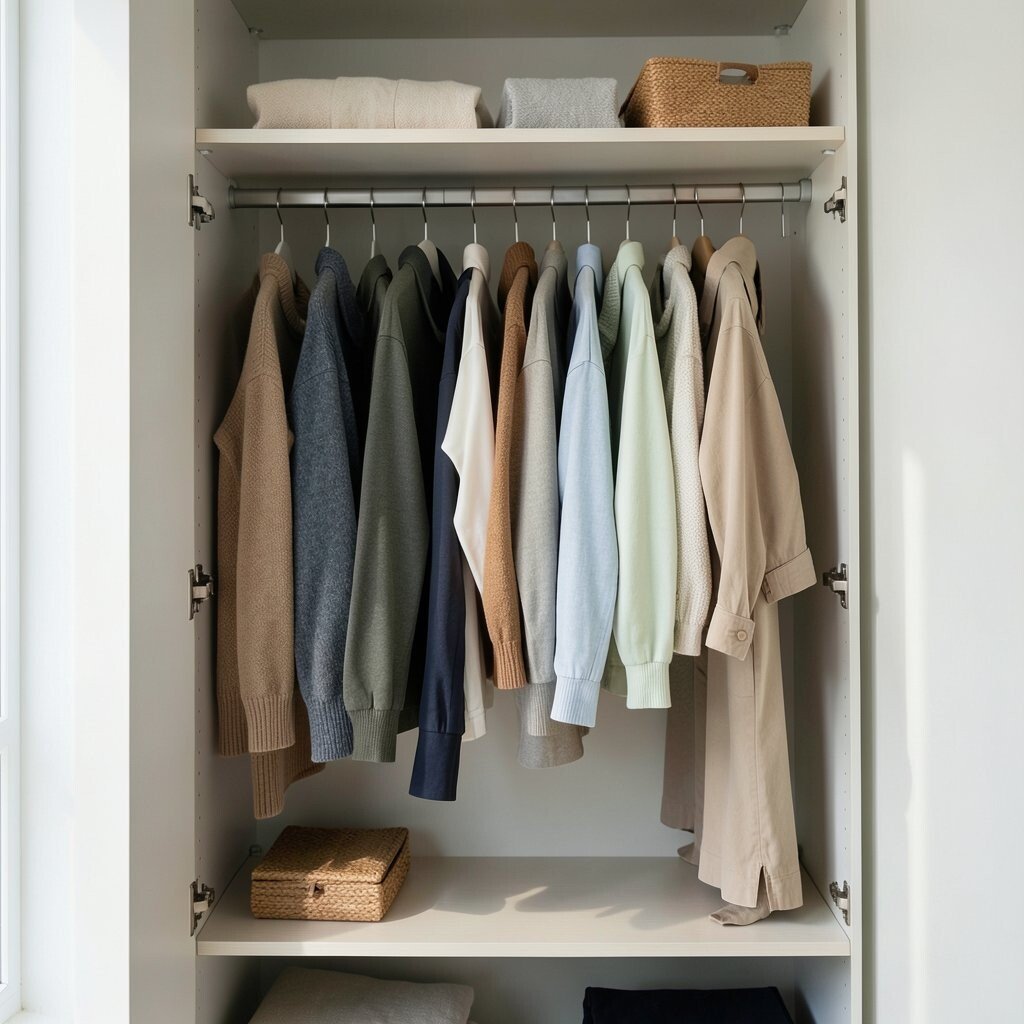
A small closet can still feel stylish. A row of clothes that fit well and match easily looks calm and smart.
This idea is helpful because fewer choices can make getting dressed faster. It is also unique to you when you choose colors, fabrics, and shapes that fit your body and your day.
Try keeping only pieces you wear often and that feel good for your real life. Thrift stores, clothing swaps, and repair patches can keep costs low while still giving you a fresh look.
6. Build a Peaceful Reading Corner
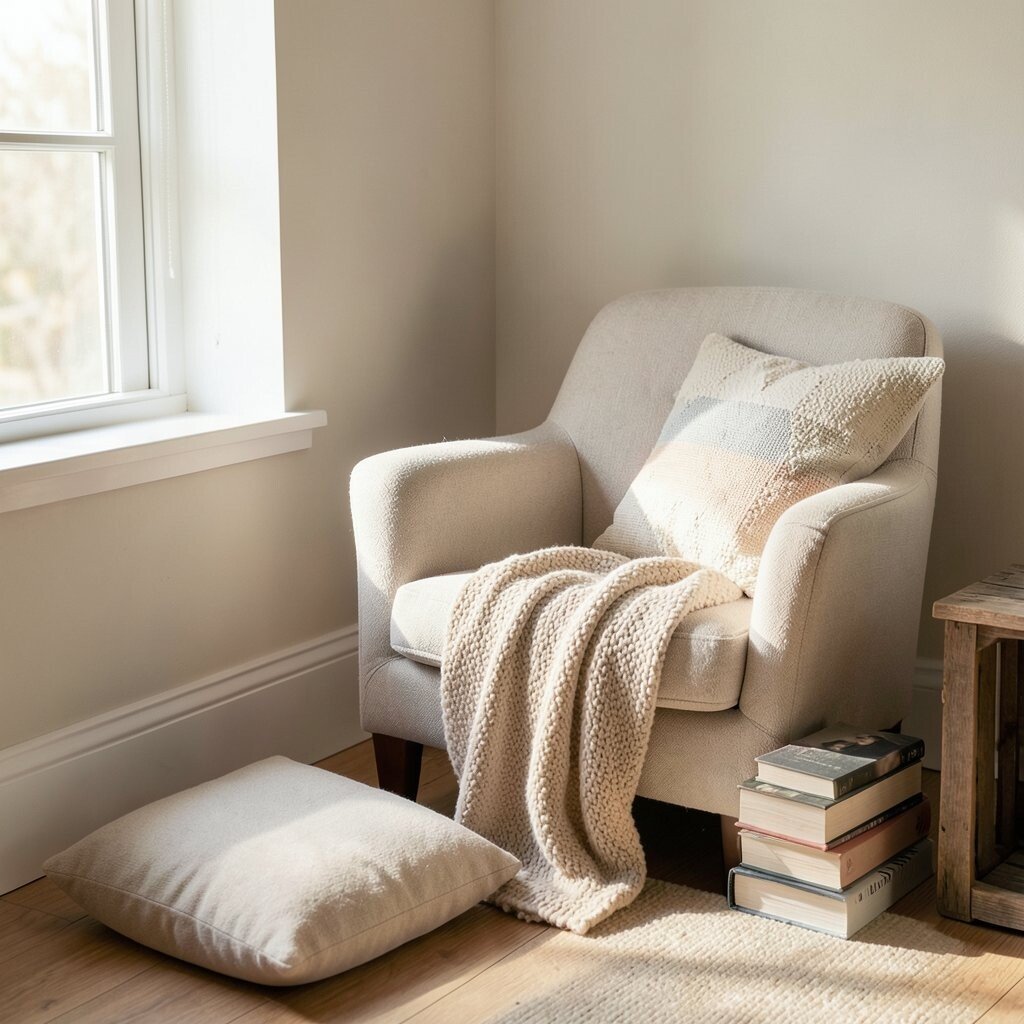
A tiny reading corner can bring a lot of comfort. Think of a soft chair, a blanket, and a stack of books waiting in warm light.
This space invites quiet and helps your brain slow down after busy hours. You can make it personal with a favorite color, a handmade pillow, or a small shelf from an old crate.
It does not need fancy furniture to feel special. Even a floor cushion near a window can become a calm spot for reading, thinking, or resting your eyes.
7. Choose Fewer Digital Distractions
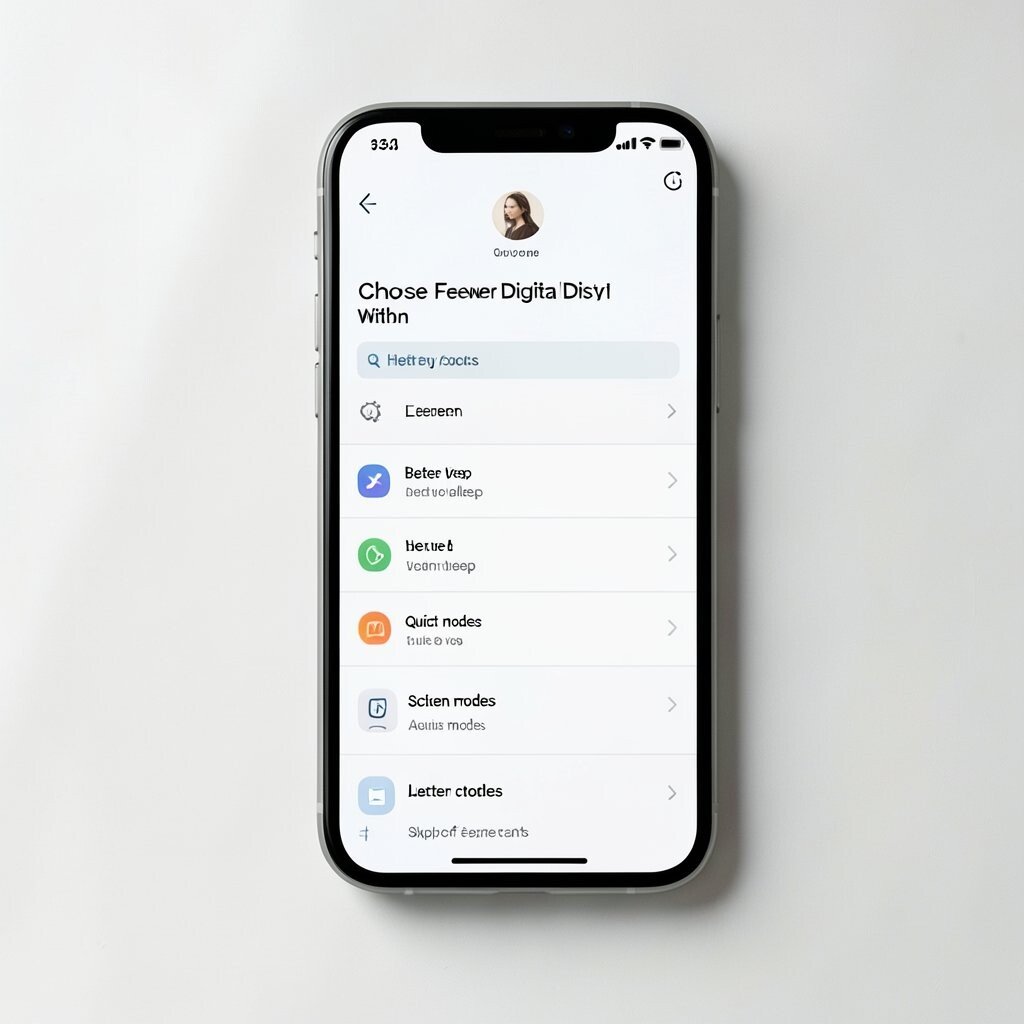
Your phone can feel as crowded as a messy room. A cleaner screen with fewer alerts can make your whole day feel more open.
This habit supports focus, better sleep, and more real-world calm. It is also very current, since many people are trying screen breaks, quiet modes, and simpler home screens.
Start by removing apps you do not use and turning off extra alerts. A plain background and a short list of favorite apps can make your device easier to use and less noisy.
8. Keep a Small “Enough” Basket
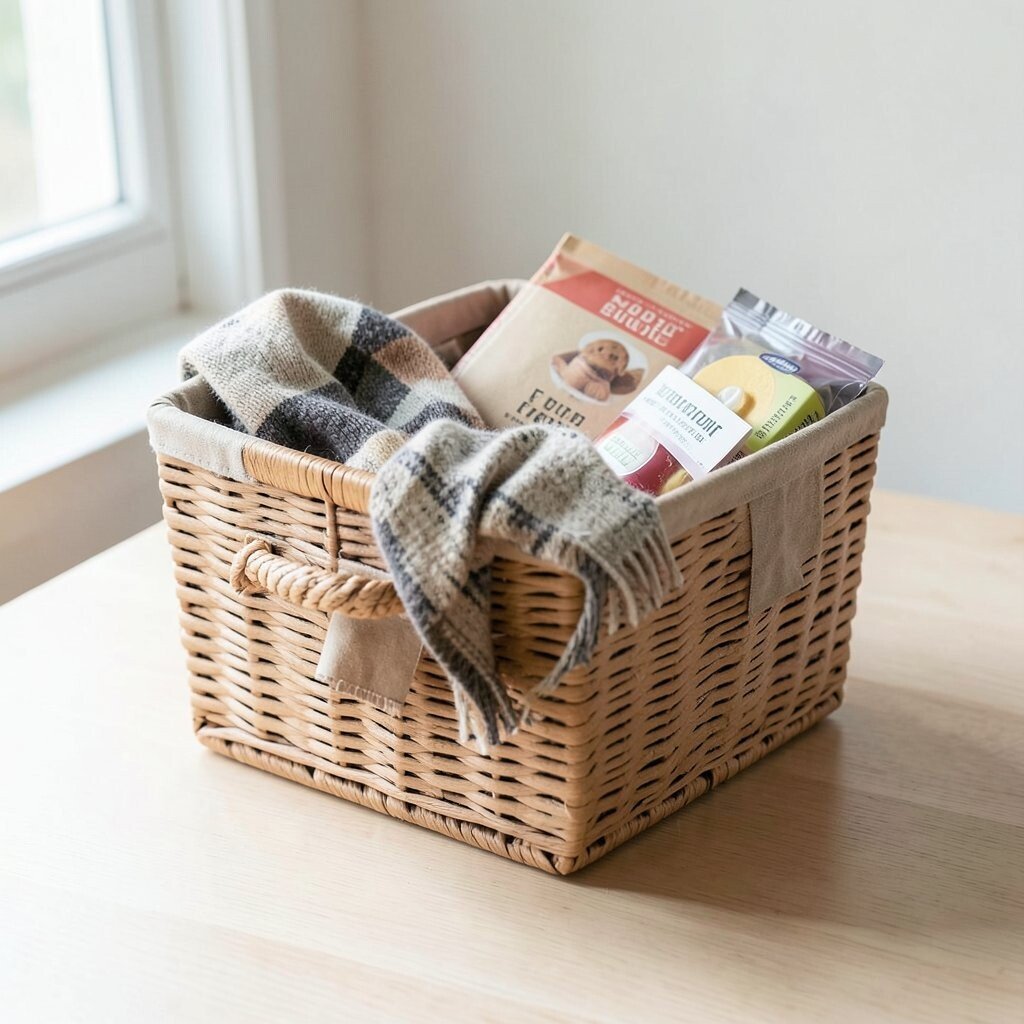
Place a basket or box in one spot for things that feel like enough. It might hold a favorite scarf, a journal, a snack, or a few craft items you truly enjoy.
This idea is special because it reminds you that you do not need a lot to feel content. It can also keep spending in check, since you can see what already fills your needs.
Use a basket that fits your space and style, from woven to fabric to recycled cardboard. When you feel the urge to buy more, check the basket first and ask if you already have what you need.
9. Practice One-In, One-Out
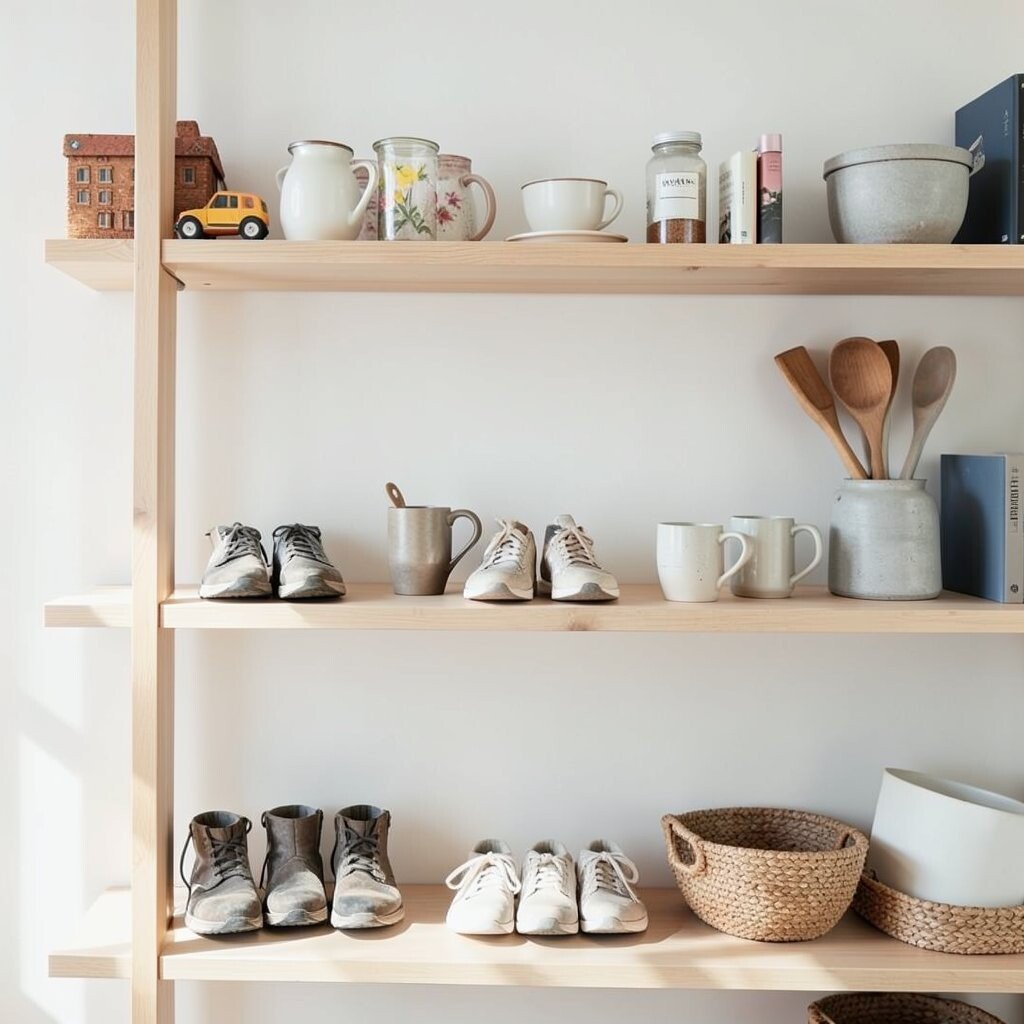
When a new item comes home, an old one leaves. That simple trade keeps shelves from growing too full and makes your space easier to manage.
This method works well for toys, shoes, kitchen tools, and decor. It also gives your belongings more value because each one has to earn its place.
To make it feel less strict, choose a soft rule for the same category. For example, a new notebook can replace an old notebook, or a new mug can replace one you no longer use.
10. Make Meals Simple and Repeatable

Simple meals can feel like a gift on busy days. A neat kitchen with a few ready ingredients often looks cleaner and works better.
This habit saves money because you buy less extra food and waste less of it. It also lowers stress when you have a few go-to meals that you can make without much thinking.
Try keeping a short list of easy breakfasts, lunches, and dinners that you enjoy. Fresh fruit, grains, eggs, soup, and roasted vegetables can be mixed in many ways without needing a big budget.
11. Keep a Calm Color Palette

Soft colors can make a room feel peaceful right away. Picture cream, warm gray, light green, or dusty blue in a space with gentle light.
This approach is unique because it gives your home a quiet style without needing lots of decor. You can still add your own touch through texture, like wood, linen, baskets, or a cozy throw.
If you want a fresh look without spending much, start with small changes like pillow covers or a tablecloth. A calm palette can make even simple items look thoughtful and put together.
12. Use Multi-Purpose Items
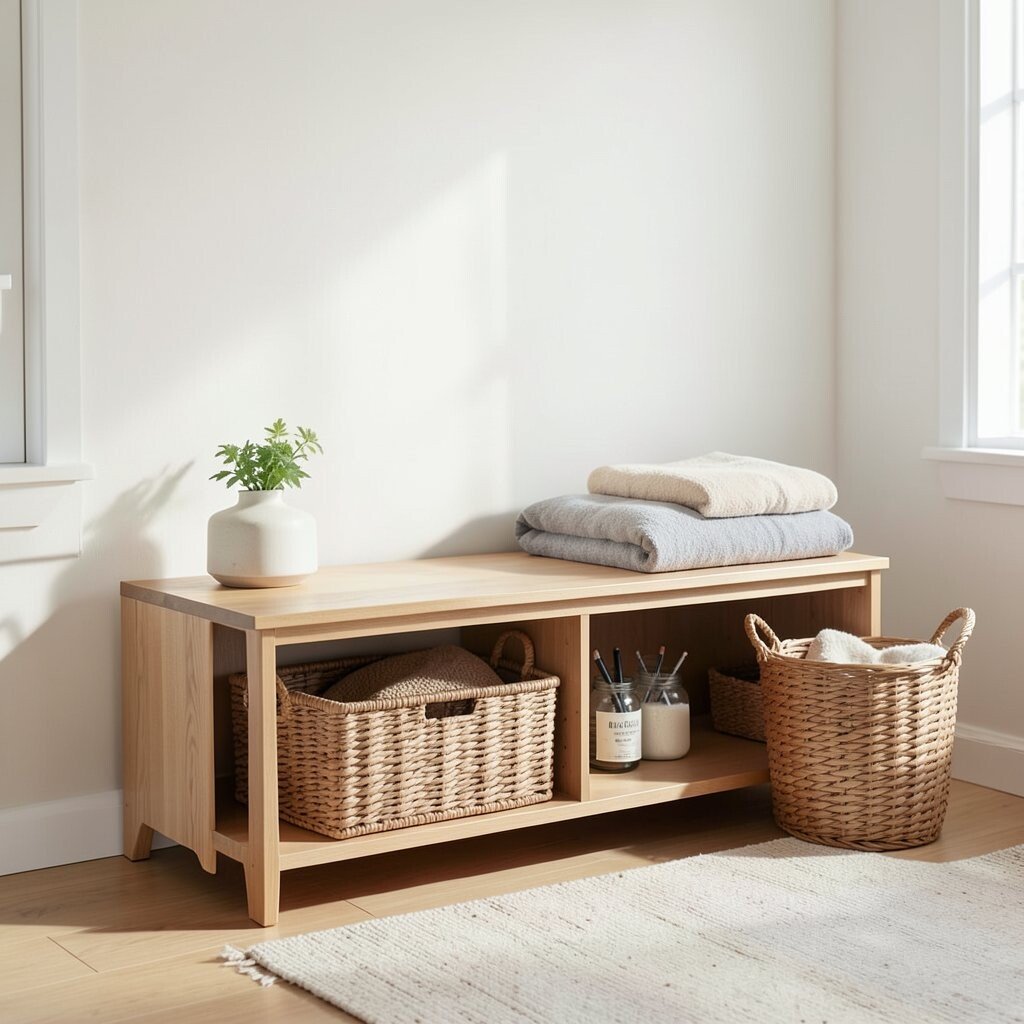
One item that does more than one job can save space fast. A bench with storage, a basket that holds blankets, or a jar that stores pens all help a room feel lighter.
This is a smart trend for small homes and busy families because it cuts clutter and keeps things useful. It also helps your budget since you can buy less while still meeting your needs.
Look for pieces that fit your daily habits instead of buying for looks alone. If you already own something, try giving it a second purpose before shopping for something new.
13. Set a Weekly “Less Is More” Check-In
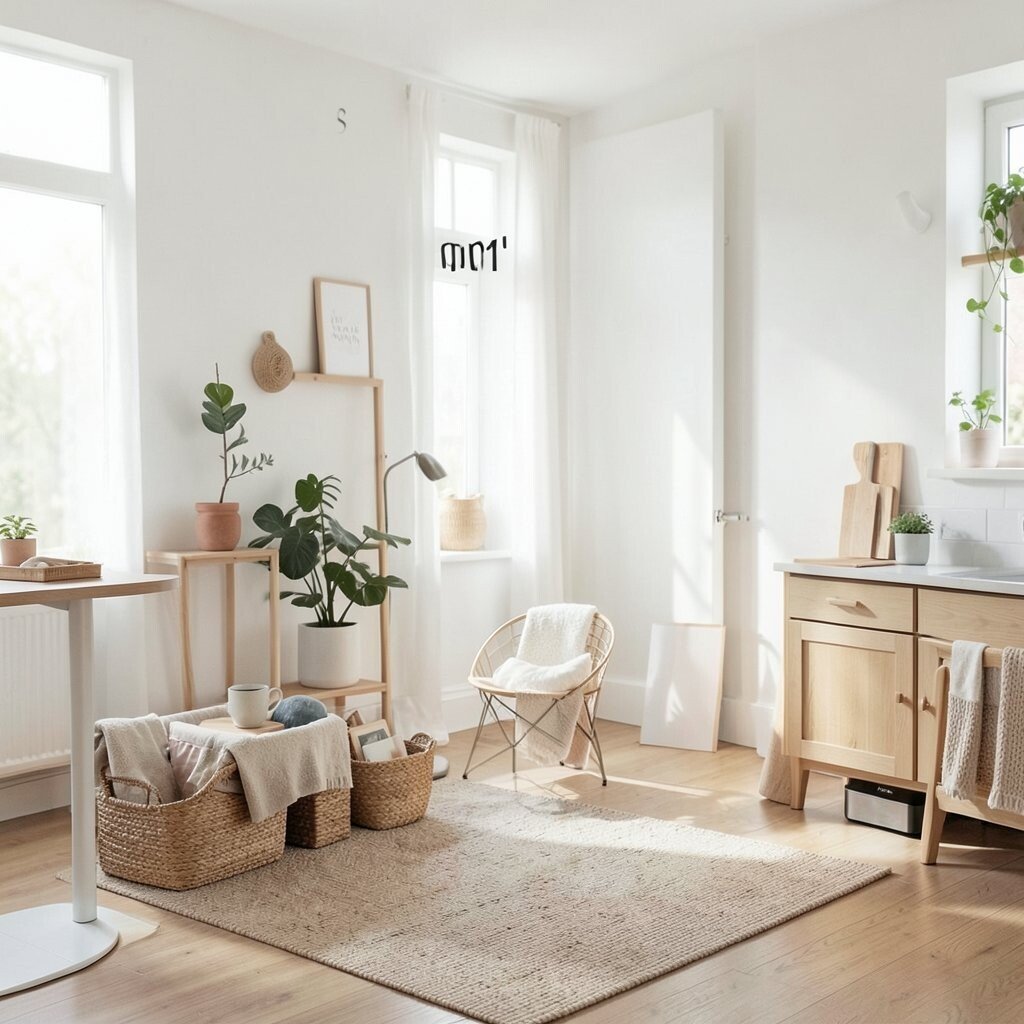
A short weekly check-in can keep your home and mind on track. Stand in each room and notice what feels useful, what feels crowded, and what feels calm.
This habit helps you catch clutter early, before it becomes a big task. It is also personal because you decide what “enough” means in your own life, not someone else’s.
Keep the check-in easy with a cup of tea, a timer, and a small basket for items to put away. Over time, you may need fewer big cleanups because your space stays closer to how you like it.
14. Make Space for Quiet Hobbies
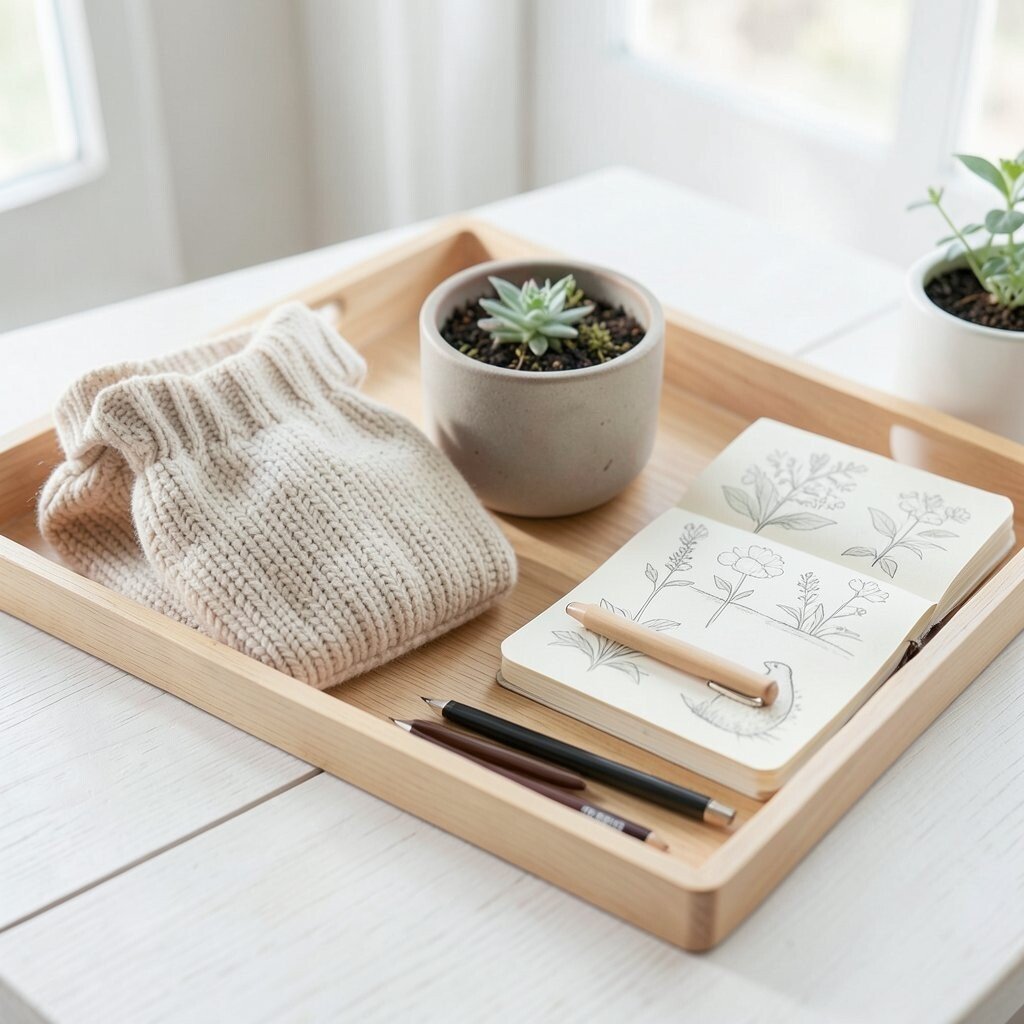
Quiet hobbies can fill your life without filling your house. Think of sketching, knitting, puzzles, gardening, or writing in a small notebook.
These activities bring joy without much clutter, and they often cost less than shopping for new things. They are also deeply personal because they grow from your interests, your pace, and your mood.
Set up a small kit with only the tools you need so the hobby stays easy to start. A simple tray, pouch, or box can hold everything and keep the look neat.
15. Choose Experiences Over Extra Things
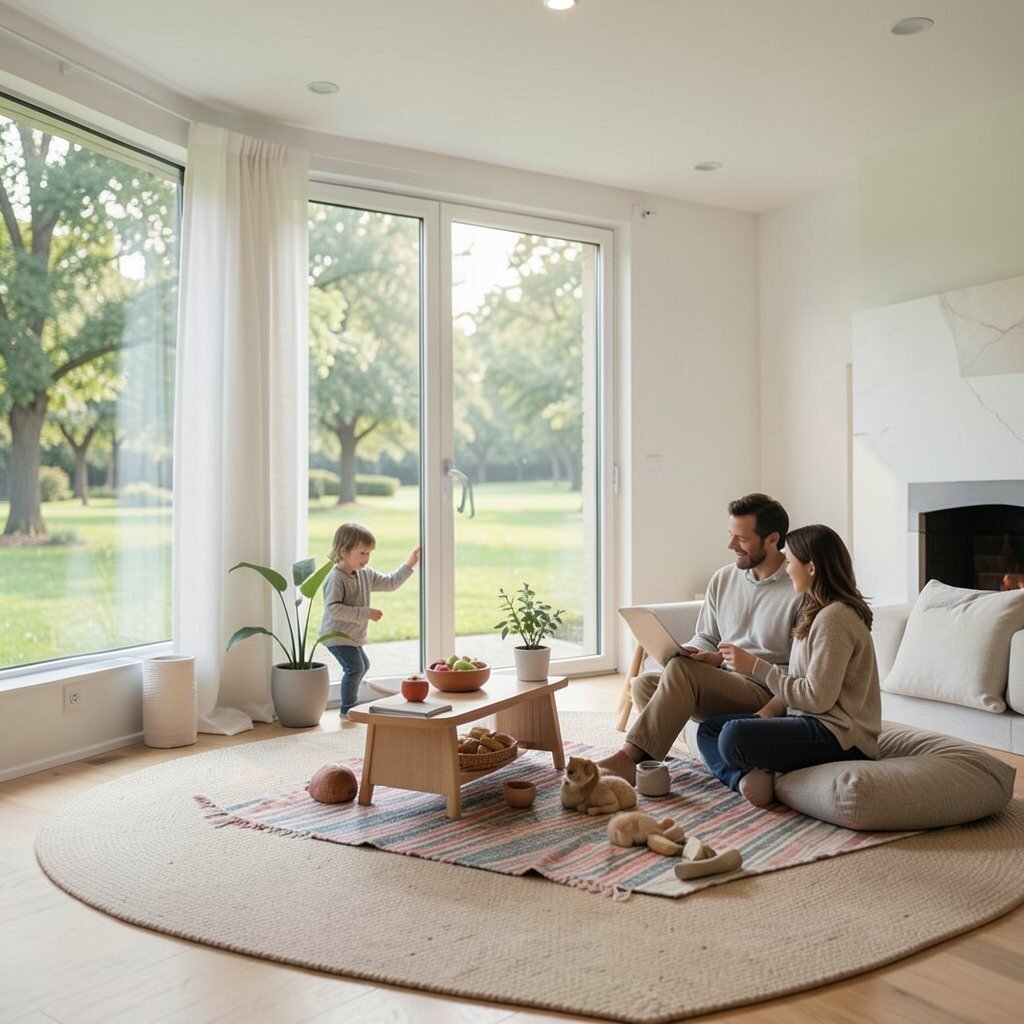
Sometimes the lightest home comes from a fuller life outside it. A walk in the park, a picnic, a library visit, or time with a friend can feel more rich than another purchase.
This idea is powerful because memories take up no shelf space and often last much longer than objects. It also fits modern minimalist living, where many people want more meaning and less clutter.
Plan low-cost experiences that match your style, like cooking with family, watching the sunset, or visiting a free museum day. When your days feel full in a good way, your home does not need to work so hard to make you feel content.