Art Nouveau can feel like a dream made of stone, glass, and iron. Its curves, flowers, and flowing lines can charm a whole street.
Yet this style asks for care, taste, and a steady hand. Small mistakes can make it look heavy, messy, or flat.
1. Copying Nature Too Literally
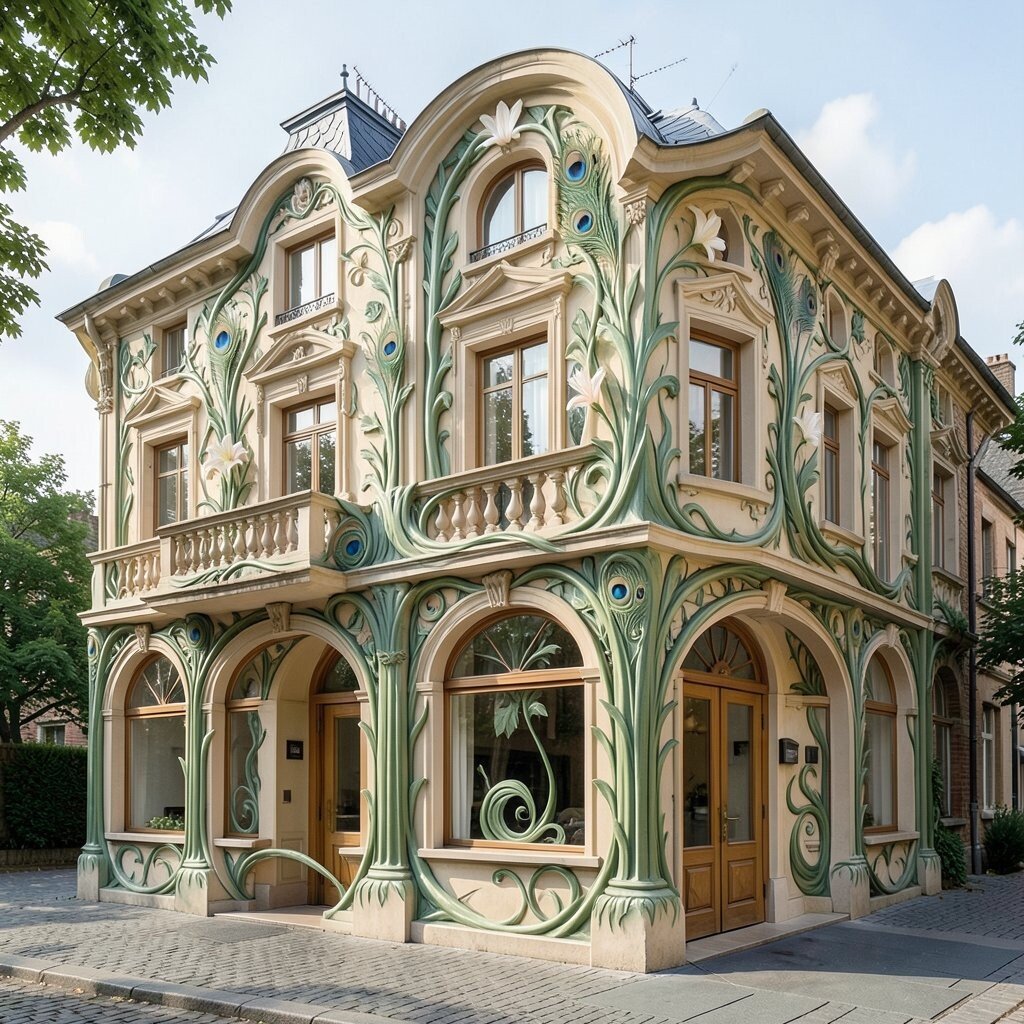
Art Nouveau loves plants, vines, and flowing forms, but it does not need to look like a garden glued to a wall. When every leaf is copied in a stiff way, the design can feel busy instead of graceful.
Good Art Nouveau feels like nature after a soft dream, not a science drawing. Use shapes inspired by lilies, peacock feathers, waves, or stems, then simplify them so they move well with the building. This keeps the style elegant and also saves money because fewer tiny details mean less carving and less labor.
2. Using Too Many Different Motifs
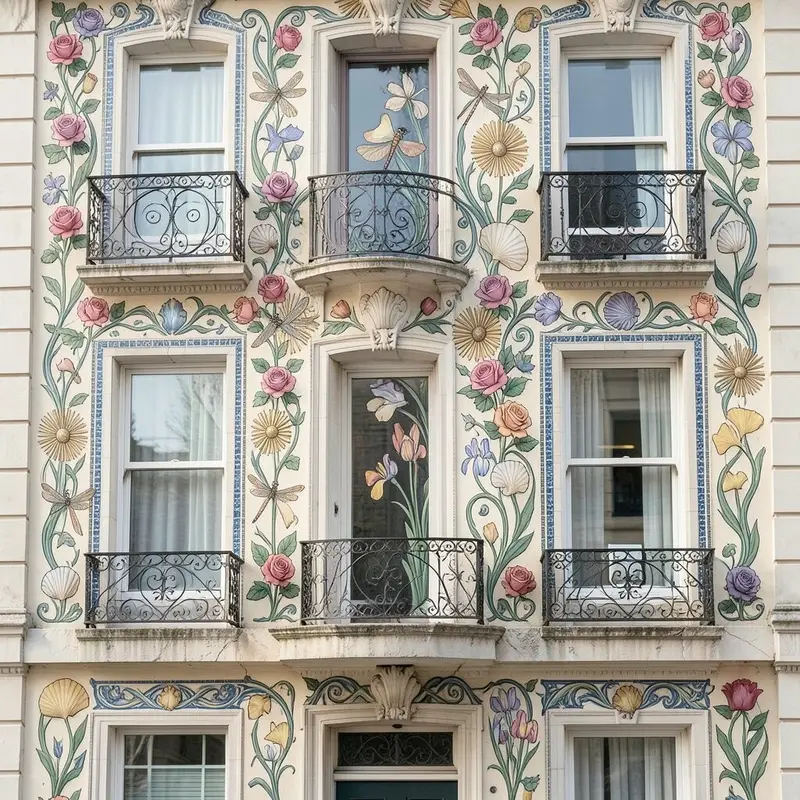
A facade filled with roses, dragonflies, shells, sunbursts, and swirls all at once can lose its voice. The eye needs a clear path, not a noisy crowd.
Pick a few motifs and repeat them in smart ways so the building feels united. A single flower shape can appear in iron railings, tile borders, and window glass, which gives the place a strong identity. This kind of focus also helps with cost, since repeating forms is easier to make than inventing new ones for every corner.
For a personal touch, choose motifs that fit the owner, the site, or the local story. A coastal home might use wave lines, while a city townhouse might lean on ginkgo leaves or iris forms. The result feels special without turning into clutter.
3. Ignoring the Building’s Shape
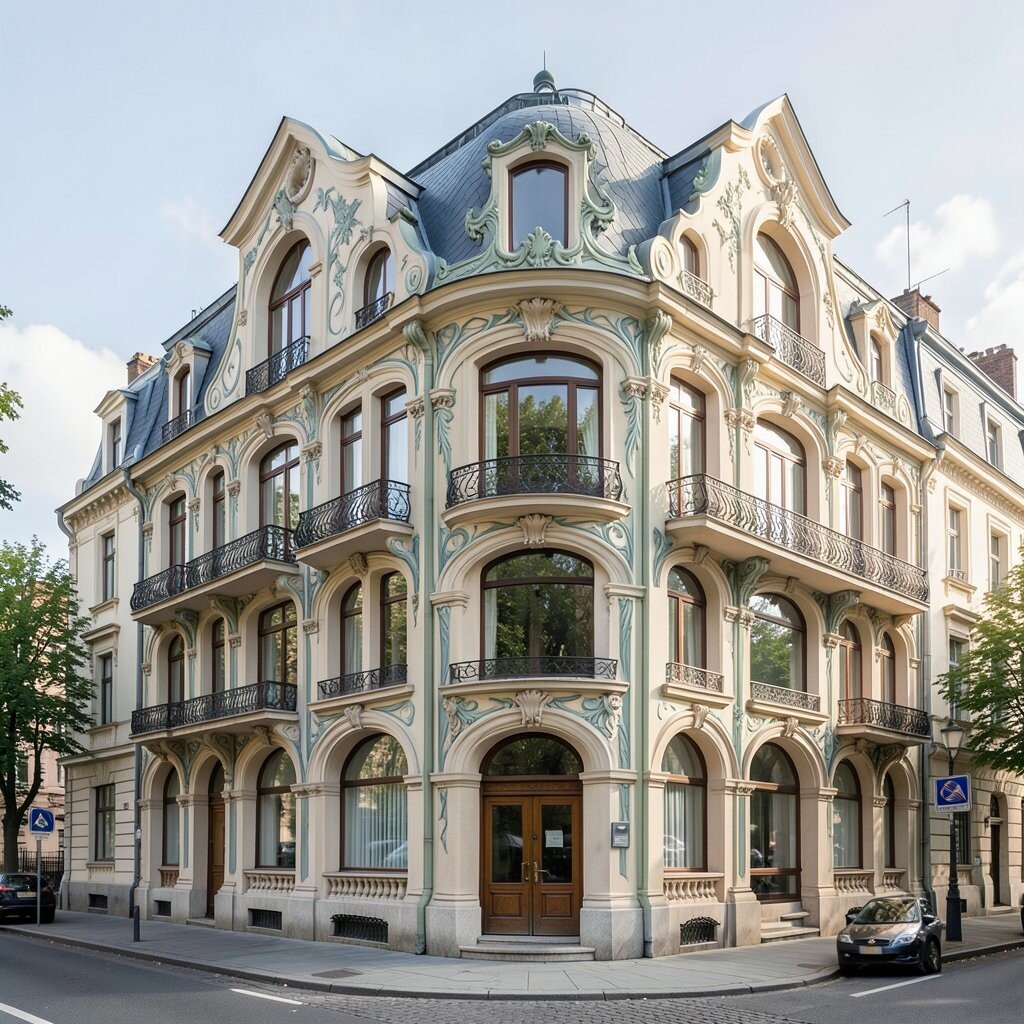
Art Nouveau should work with the building, not fight it. If the curves and ornaments ignore the roof, windows, and walls, the design can look pasted on.
Good planning starts with the shape of the structure itself. Let arches, balconies, and openings guide the decoration so every part feels like it belongs. This makes the building easier to read from the street and often lowers repair costs because the details follow the real structure instead of hiding it.
Many current designers like this clearer approach because it feels calm and fresh. A strong shape with a few rich accents often looks more modern than a wall covered from top to bottom. That balance also makes it easier to update the building later without losing its charm.
4. Choosing Flat, Lifeless Materials
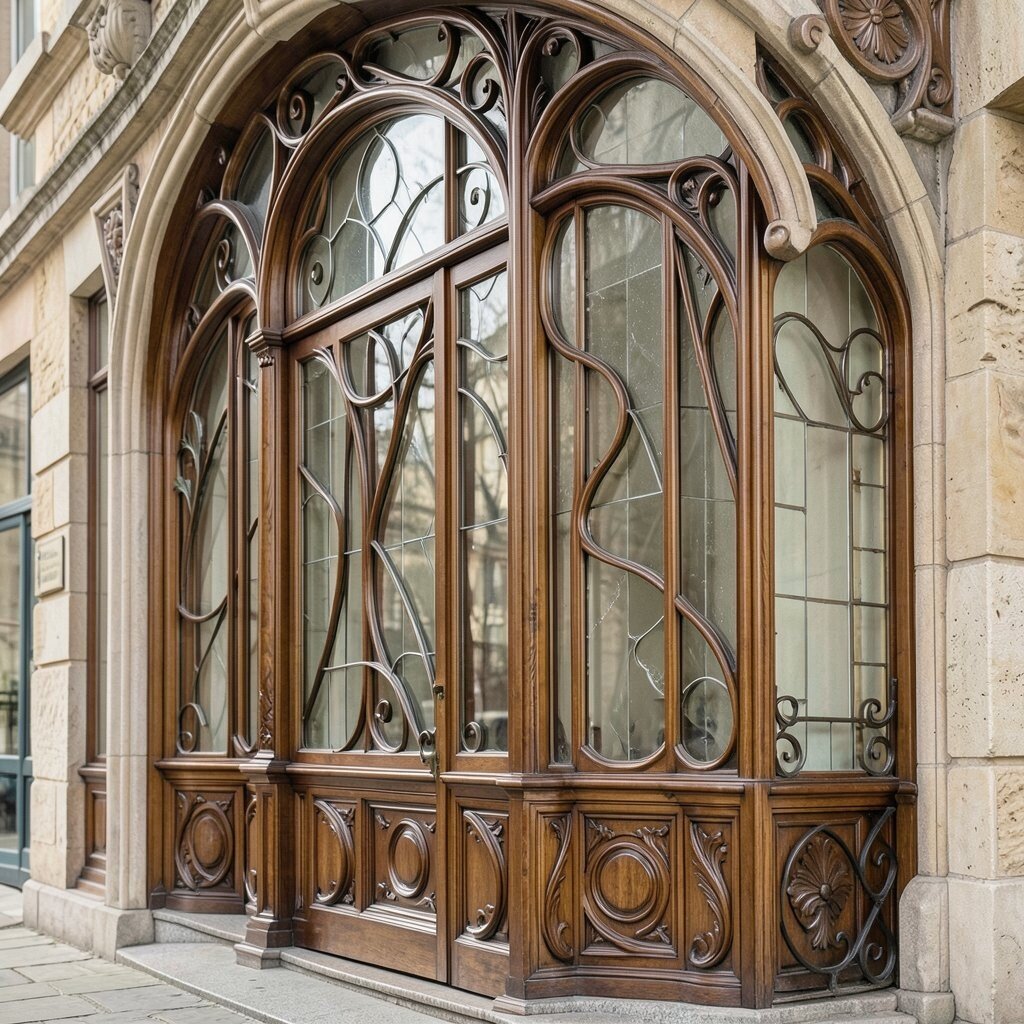
Art Nouveau comes alive with materials that have depth and shine. If everything is dull, plain, or cheap-looking, the style loses much of its magic.
Glass, glazed tile, carved wood, wrought iron, and polished stone can all add warmth and movement. These surfaces catch light in different ways, which makes curves and patterns stand out. Of course, some rich materials cost more, so it helps to use them where people will see and touch them most.
5. Overcrowding the Interior
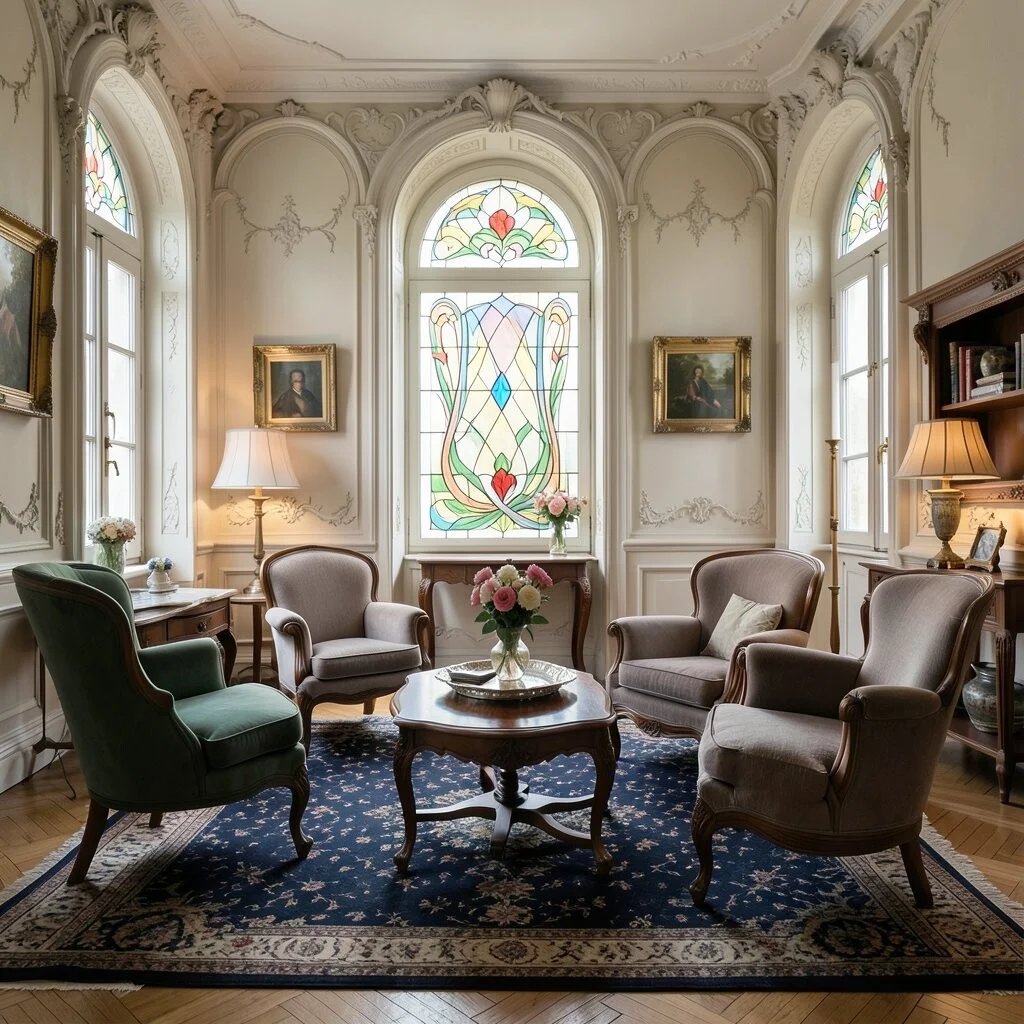
The inside of an Art Nouveau building should feel graceful, not stuffed. Too many heavy chairs, dark rugs, and crowded decorations can block the soft flow that makes the style so lovely.
Choose furniture with curved lines and keep enough open space for the eye to rest. A simple room with one strong stained-glass panel or one elegant lamp can feel more special than a room packed with objects. For a personal feel, mix in a few treasured pieces that match the lines and colors of the space.
This approach also supports current trends that favor airy rooms and fewer, better pieces. People often want homes that feel calm but still full of character. Art Nouveau can do that very well when the room is given room to breathe.
6. Forgetting the Handcrafted Look
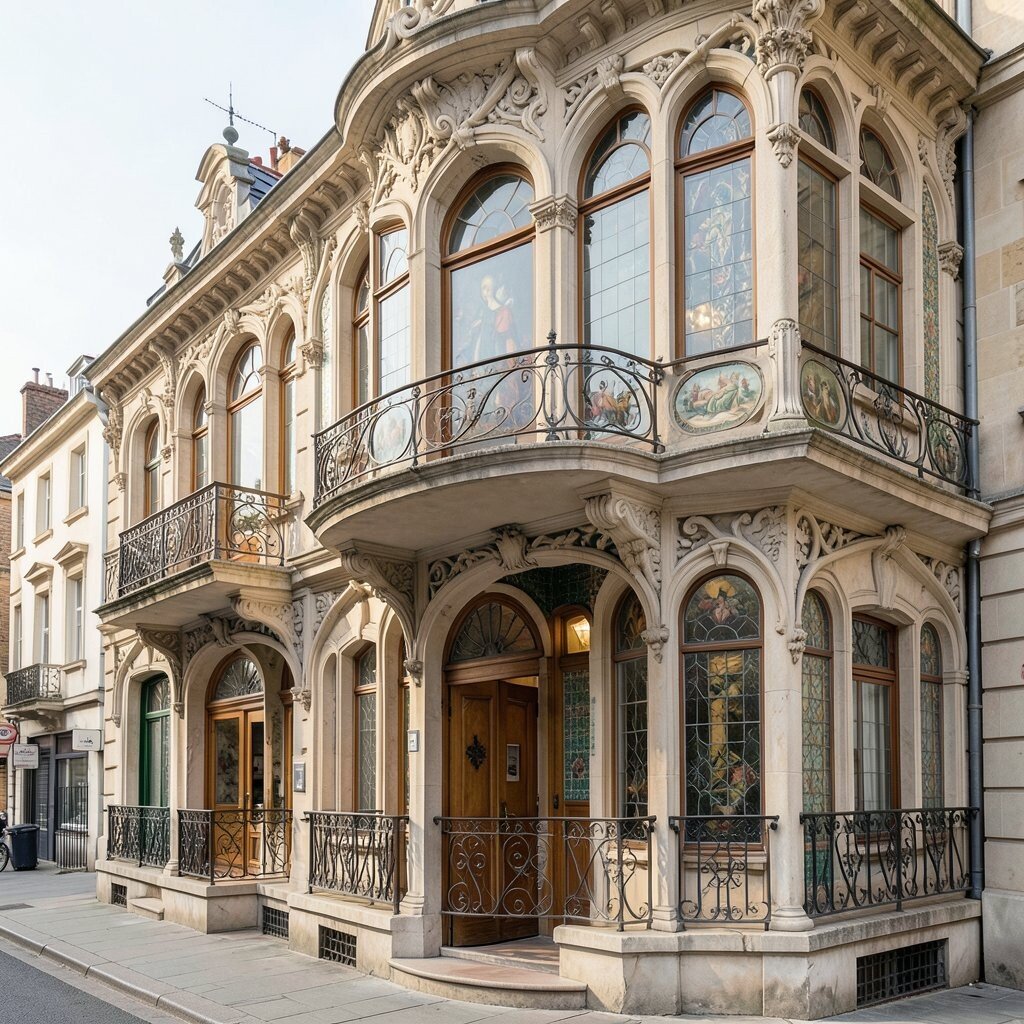
One of the best parts of Art Nouveau is its handmade spirit. If every detail looks machine-made and cold, the building may lose its soul.
Small changes in line, texture, and finish can make a huge difference. Hand-forged railings, painted tiles, and custom glass pieces bring life that plain factory parts often miss. These touches may cost more at first, but they can raise the value and charm of the whole project.
It also helps to leave room for slight irregularity, because perfect sameness can feel stiff. A little human touch makes the design warmer and more memorable. That sense of craft is a big reason people still love this style today.
7. Picking Colors That Fight Each Other
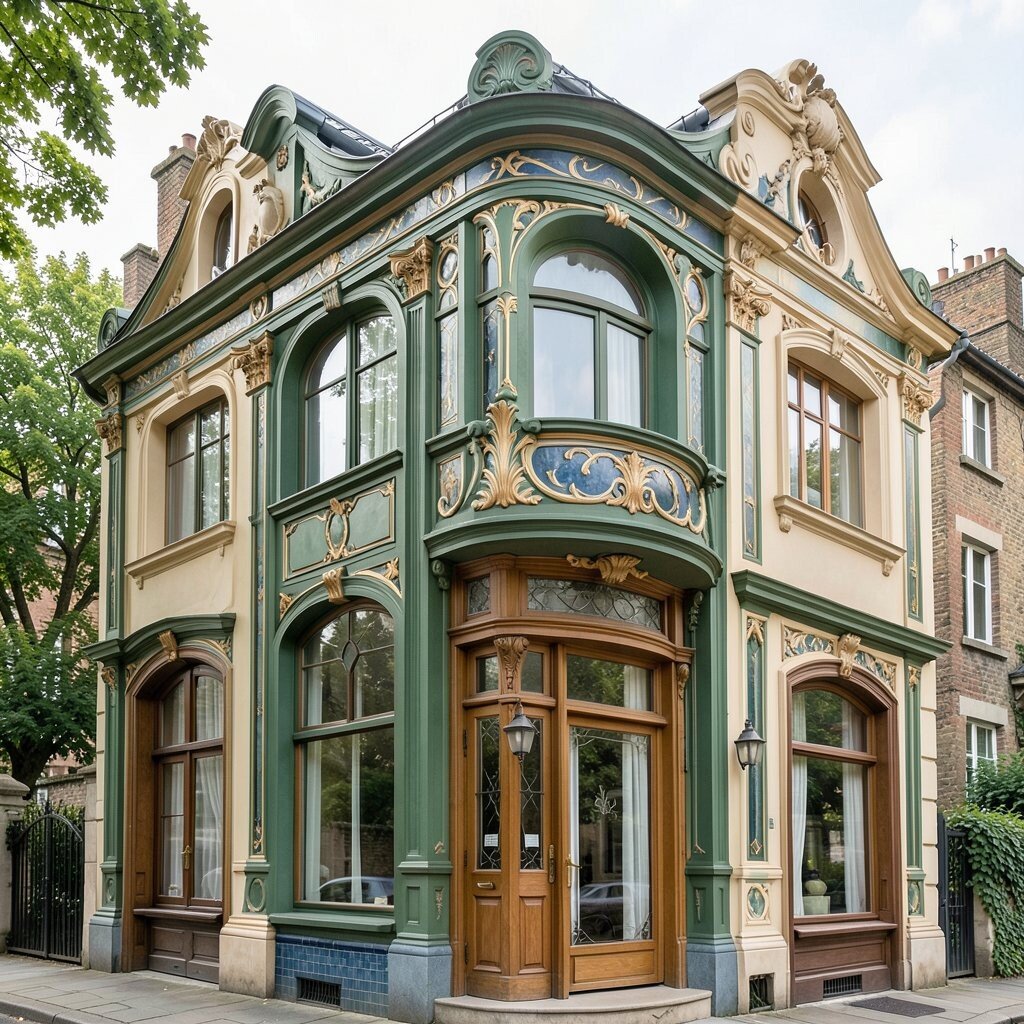
Art Nouveau colors should feel rich, soft, and balanced. Bright shades can work, but if they clash too hard, the whole scene can become loud and tiring.
Deep greens, muted golds, soft creams, warm browns, and jewel tones often suit the style well. Try to build a palette from nature so the colors feel like they belong together. This makes the building look more elegant and can also help with cost if fewer paint colors and finishes are needed.
For a personal touch, use one accent color that means something to the owner or the place. A favorite blue can appear in glass, tile, or painted trim without taking over the whole design. That small choice can make the work feel both classic and fresh.
8. Making Windows Too Plain
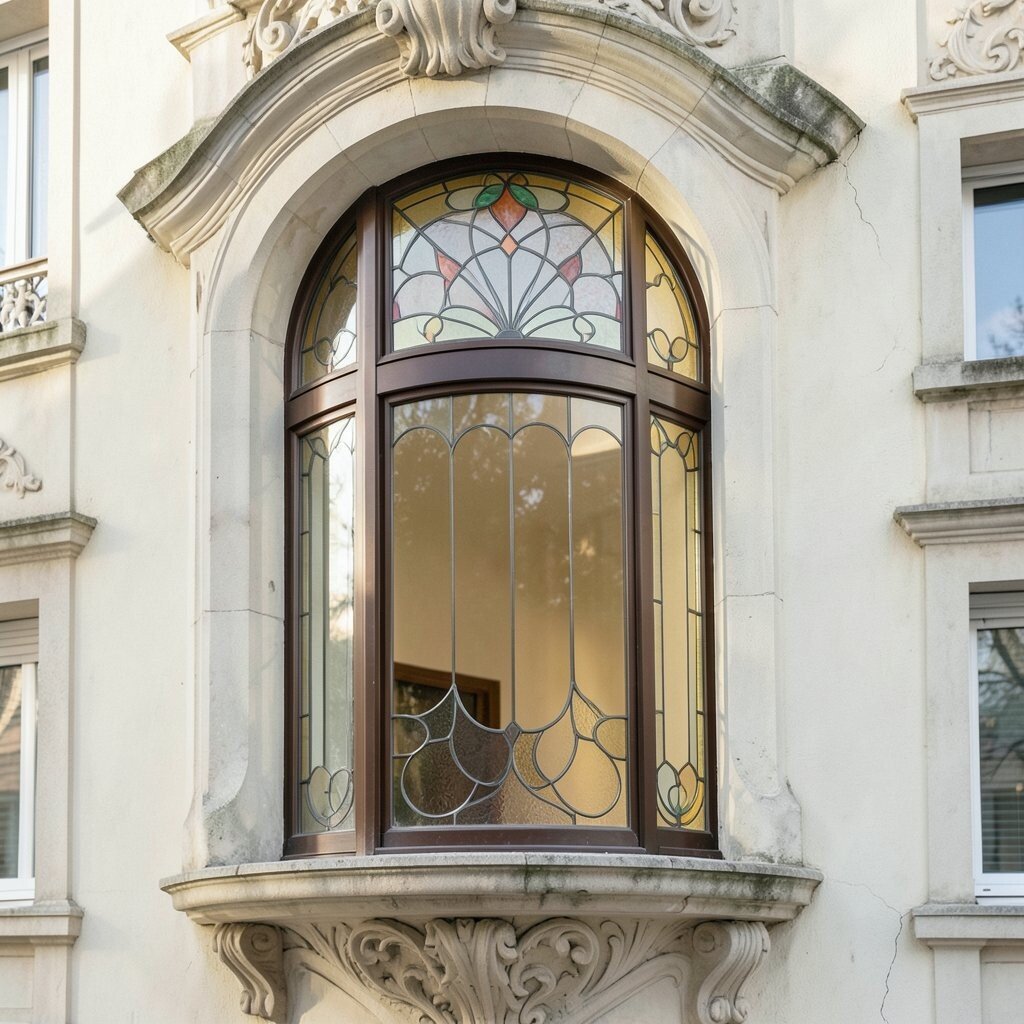
Windows are a big chance to show the beauty of Art Nouveau. Plain openings with no shape, no pattern, and no charm can make the whole building feel incomplete.
Curved frames, stained glass, and leaded lines can turn windows into art. They also guide light in lovely ways, giving rooms a soft glow that plain glass cannot match. If full stained glass is too costly, even a small decorative panel or patterned transom can bring the style to life.
Many modern projects use simpler glass forms with one strong decorative feature, and that can work very well. It keeps maintenance easier while still giving a clear Art Nouveau feel. The key is to make the window part of the design story, not just a hole in the wall.
9. Forgetting the Flow Between Inside and Outside
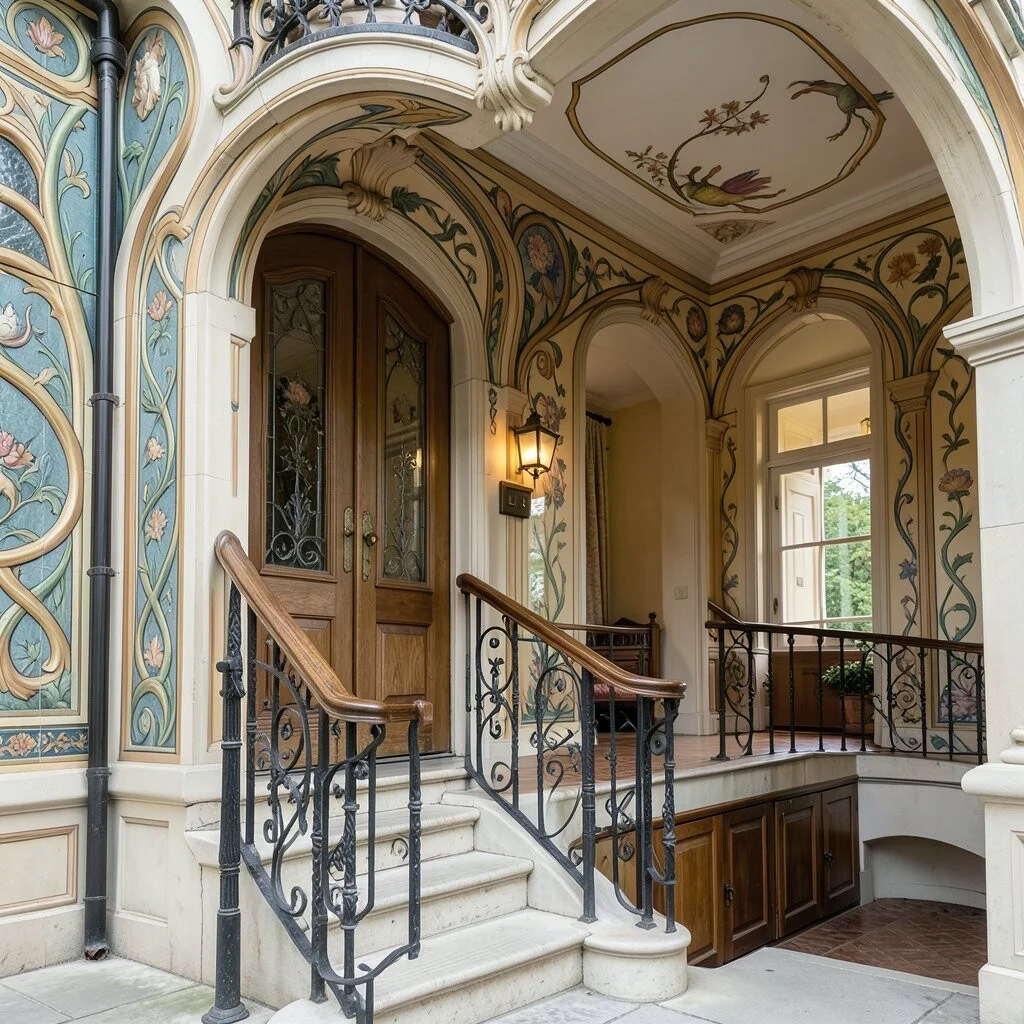
Art Nouveau works best when the outside and inside speak the same language. If the facade is full of curves but the rooms feel sharp and plain, the magic breaks apart.
Carry the same shapes, colors, and motifs from the entrance to the stair rail to the ceiling trim. This creates a smooth path that feels thoughtful and complete. It can also help with personalization, since the owner can choose a theme that appears in several places without needing a full redesign.
Today many designers like this connected look because it feels calm and well planned. It can make a home, shop, or public space feel larger and more welcoming. Even small links, like matching tile and ironwork, can make a big difference.
10. Using Ornament Without Purpose
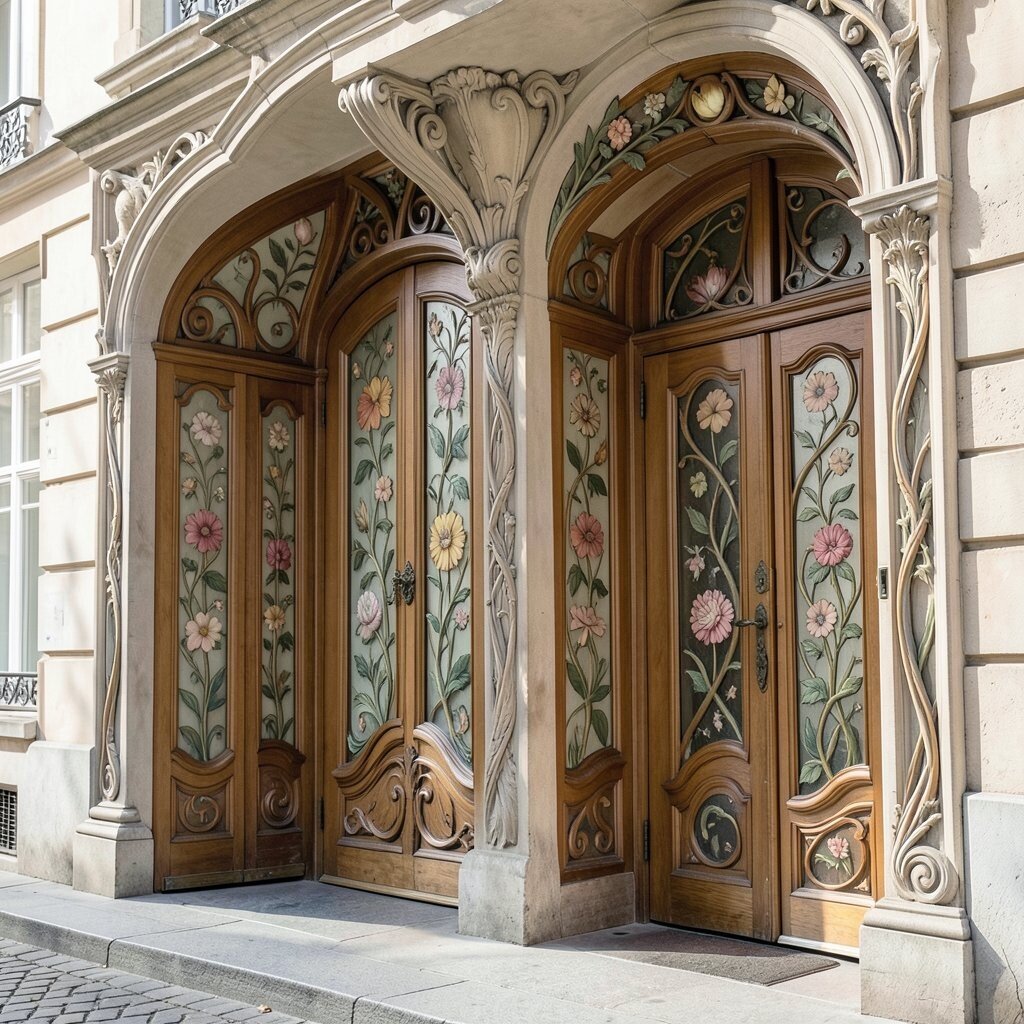
Decoration should do more than sit there and look pretty. When ornament has no job, it can feel weak and random.
In Art Nouveau, a line can guide the eye, frame a doorway, or soften a hard edge. A floral panel can hide a plain surface, mark a special room, or make an entrance feel grand. Thoughtful ornament often saves money too, because it helps you spend on the most visible places instead of decorating everything equally.
Ask what each detail is meant to do before adding it. A useful detail usually feels stronger than one added only out of habit. That simple habit can keep the design clear, useful, and beautiful.
11. Ignoring Local Culture and Climate
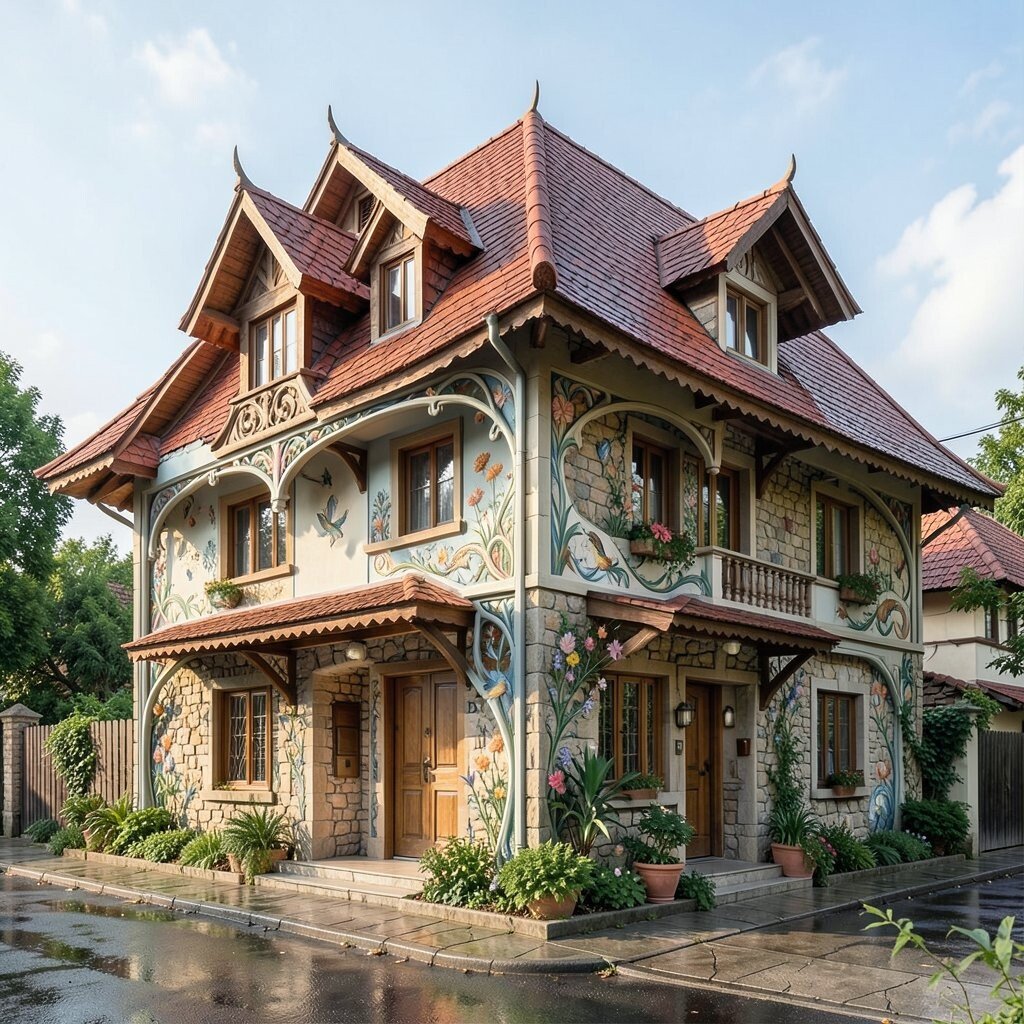
Art Nouveau is a flexible style, but it should still fit its place. A design that ignores local weather, traditions, or building habits can feel out of touch.
In hot places, shade, airflow, and light-colored surfaces may matter a lot. In rainy areas, roof shapes and drainage details become part of the beauty as well as the function. Using local stone, wood, or tile can also help control cost while giving the building a stronger sense of home.
Personalizing the design with regional flowers, birds, or folk patterns can make it feel rooted and real. That gives the building a unique voice instead of a copied look from far away. It also fits a current trend toward designs that honor place and memory.
12. Making the Details Too Small to Notice
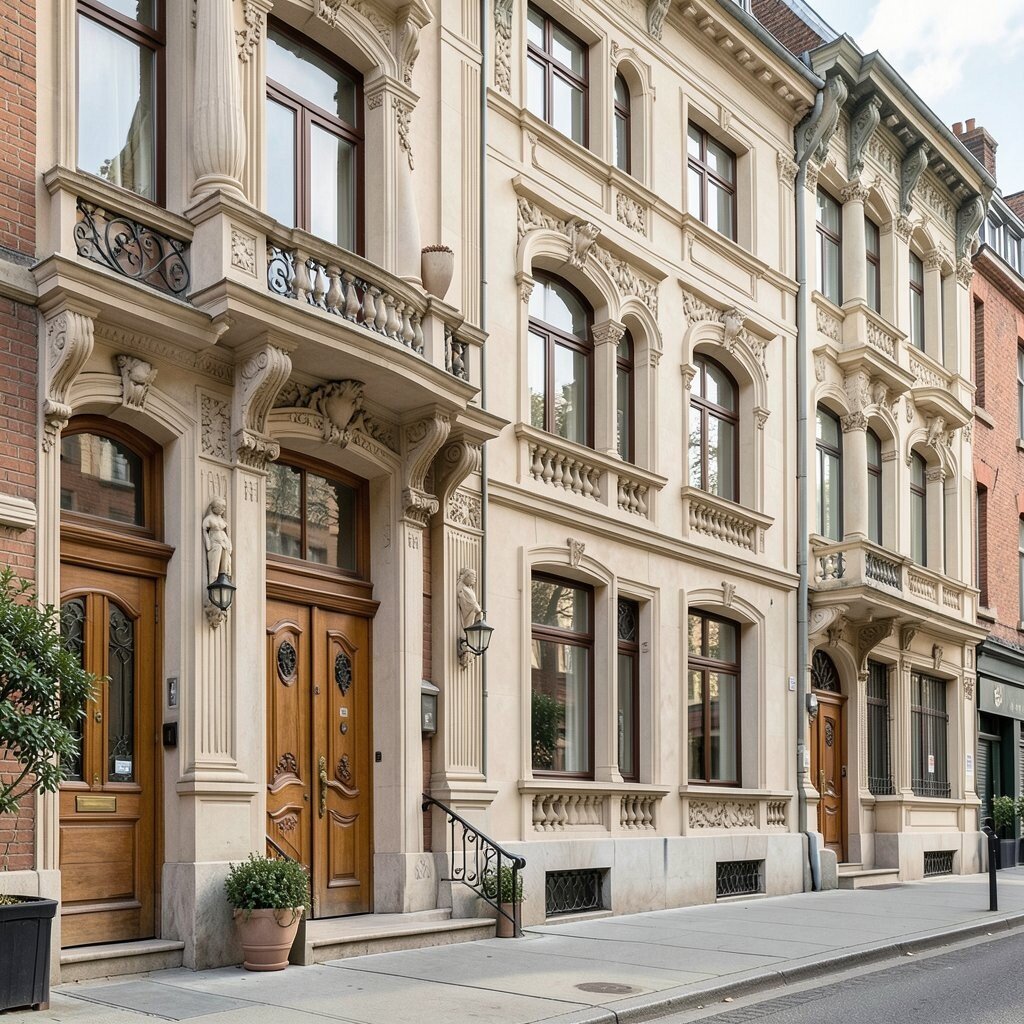
Some builders hide the best parts where no one can really see them. Tiny carvings and faint patterns can be lovely, but if they vanish from view, they waste effort.
Art Nouveau often shines through bold shapes that can be read from the sidewalk or across a room. Put strong details where people will notice them, such as doors, railings, cornices, and main windows. This gives better value for the money and helps the building make a lasting first impression.
That does not mean every detail must be huge. It means the scale should match the setting and the viewer. A good mix of large gestures and close-up delights creates a richer experience.
13. Forgetting Modern Needs
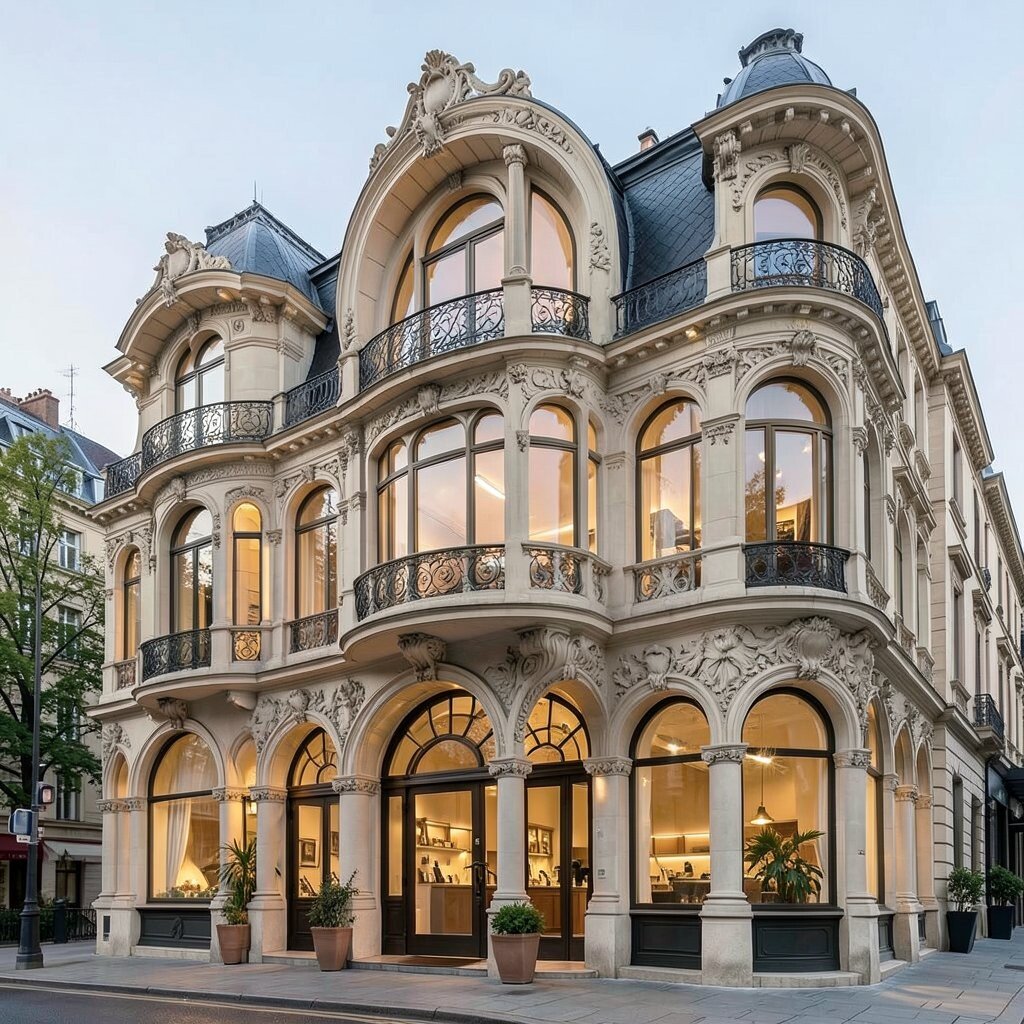
Historic style should still work for real life. A beautiful building that is hard to use, hard to clean, or hard to heat can become a burden.
Art Nouveau can include modern comfort without losing its charm. Hidden lighting, better insulation, and smart layout choices can support the design while keeping it practical. These updates may cost money, but they often save more over time through lower energy use and easier care.
Current trends often favor old-style beauty with modern comfort, and this mix can work very well. The trick is to keep the visible Art Nouveau features while improving what happens behind the scenes. That way the building feels lovely and lives well.
14. Treating Art Nouveau Like a Costume
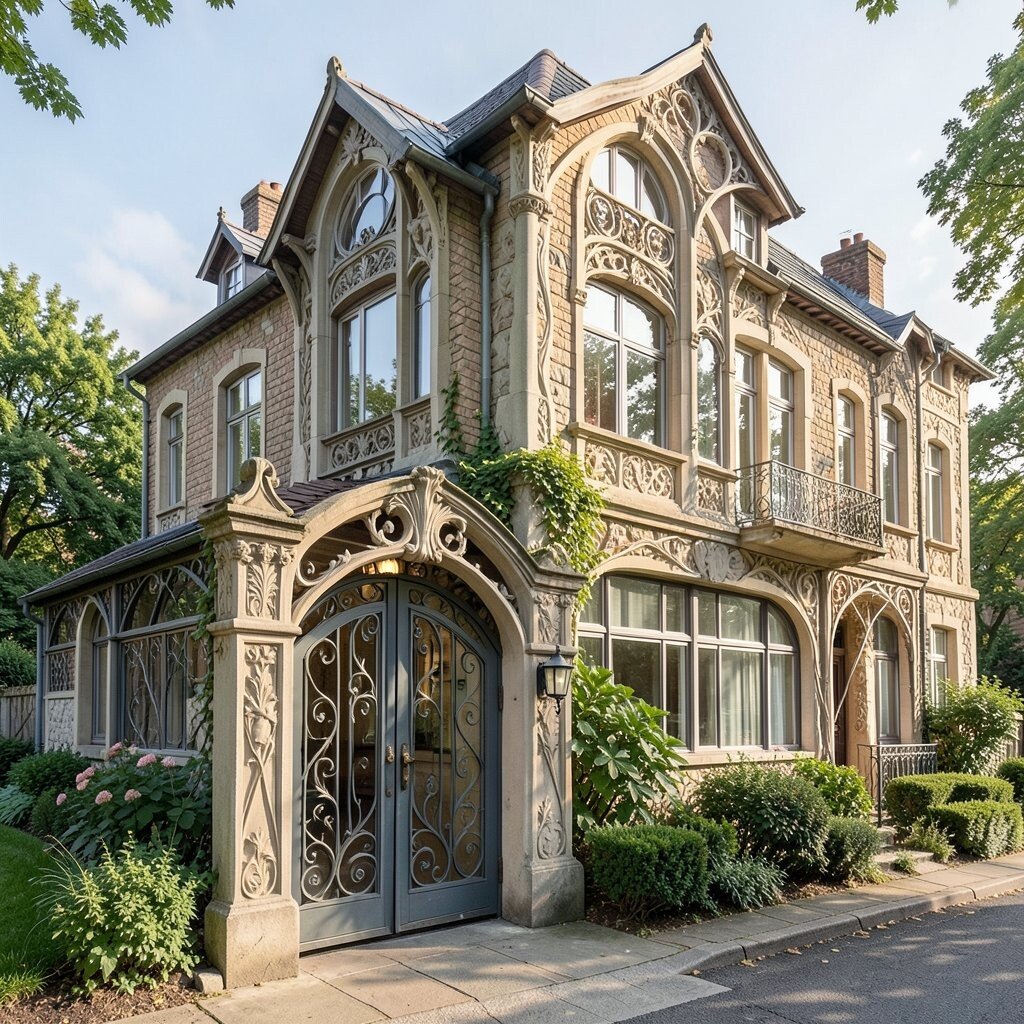
Art Nouveau is more than a set of pretty decorations. When it is used like a costume with no real thought, the result can feel fake and shallow.
True Art Nouveau grows from shape, craft, and harmony, not from a few borrowed curls. To make it feel real, every part should support the same mood, from the front gate to the lamp inside. Personal stories, local materials, and careful choices give the work depth that no quick copy can match.
This is where the style becomes truly unique. A building can borrow the spirit of Art Nouveau without acting like a theme park version of it. When that happens, the design feels alive, useful, and worth the effort.