A home entrance speaks before anyone does. Small choices there can shape the whole mood of a house.
The right entry feels warm, clear, and easy to use. The wrong one can feel crowded, dull, or hard to love.
1. Ignoring the First View From the Street
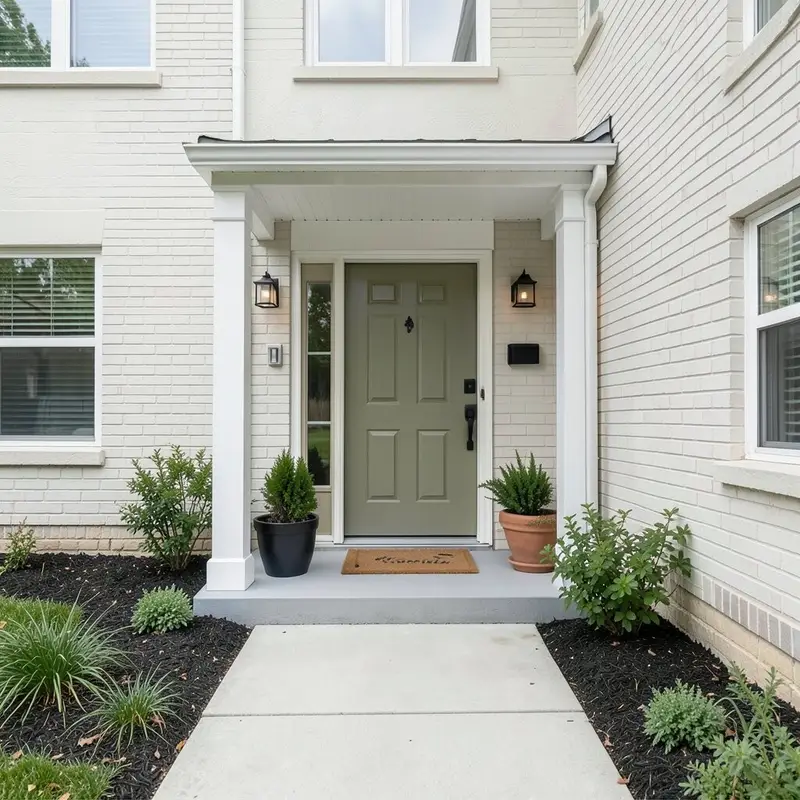
The front entrance should look good from far away, not just when someone stands at the door. If the path, porch, and door do not work together, the whole home can feel off-balance.
A clean view gives the house a strong face and makes it feel cared for. Add a neat walkway, simple plants, and a door style that matches the home’s shape. This can be done on many budgets, from paint and pots to new lights or a fresh door color.
2. Choosing a Door That Feels Too Small or Too Big
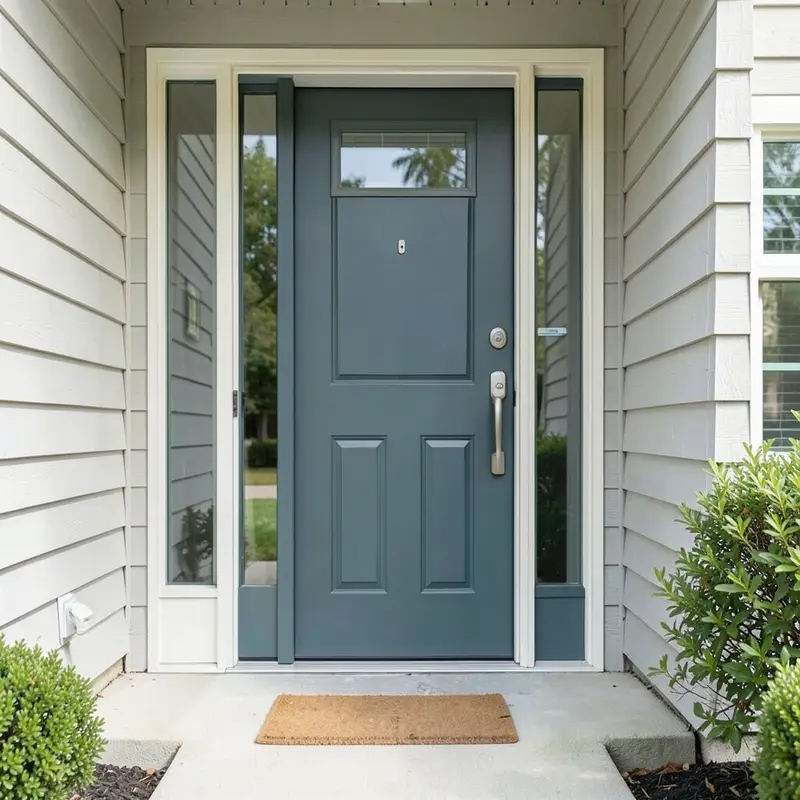
A door sets the scale of the entrance, so the wrong size can make the space feel odd. A tiny door may look weak, while an oversized one can feel heavy and hard to use.
Pick a door that fits the front of the house and the size of the porch. A taller door can feel grand, while glass panels can make a small entry seem brighter and more open. If a new door is too costly, paint, hardware, and trim can still give it a stronger look.
Think about daily life too, not just style. A wider door can help with moving furniture, and a good swing direction can make coming home feel smoother. Many modern homes now use bold door colors, slim handles, and simple lines for a fresh look.
3. Letting Clutter Take Over the Entry
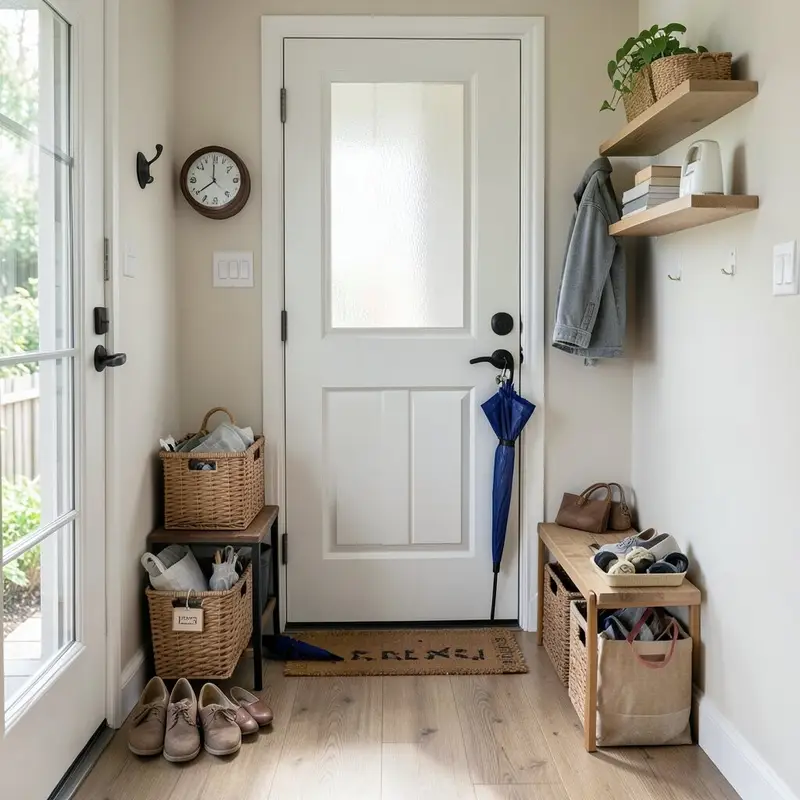
Shoes, bags, mail, and wet umbrellas can pile up fast near the front door. When that happens, the entrance stops feeling calm and starts feeling messy.
A tidy entry makes the whole home feel more welcoming and easier to live in. Use a bench with storage, a small tray for keys, or hooks for coats and bags. These choices do not have to cost much, and they can be personalized with baskets, labels, or family favorites.
Open shelves can help, but only if they stay neat. If the space is small, choose one smart storage piece instead of many little items. A clean entry also helps guests feel relaxed right away.
4. Forgetting About Lighting
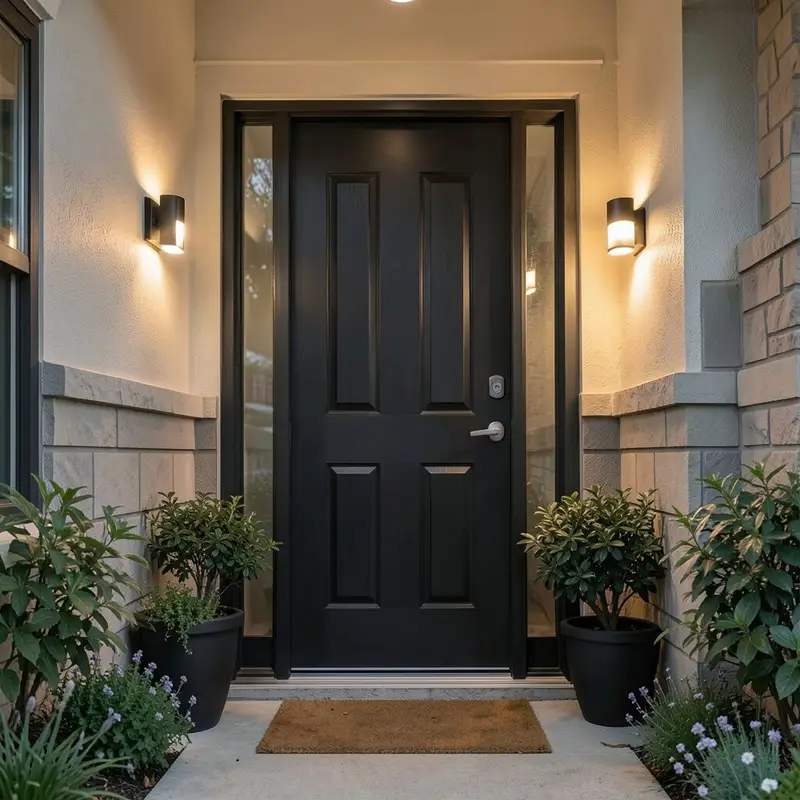
Dark entrances can feel cold, unsafe, and hard to enjoy. Good lighting makes the area look brighter and helps people find the door with ease.
Mix soft wall lights, porch lights, or a lamp near the entry if the space allows it. Warm light often feels more friendly than harsh white light, and it can make wood, plants, and paint colors look better. LED fixtures can save money over time, and motion lights can add comfort and safety.
5. Using Materials That Cannot Handle Weather
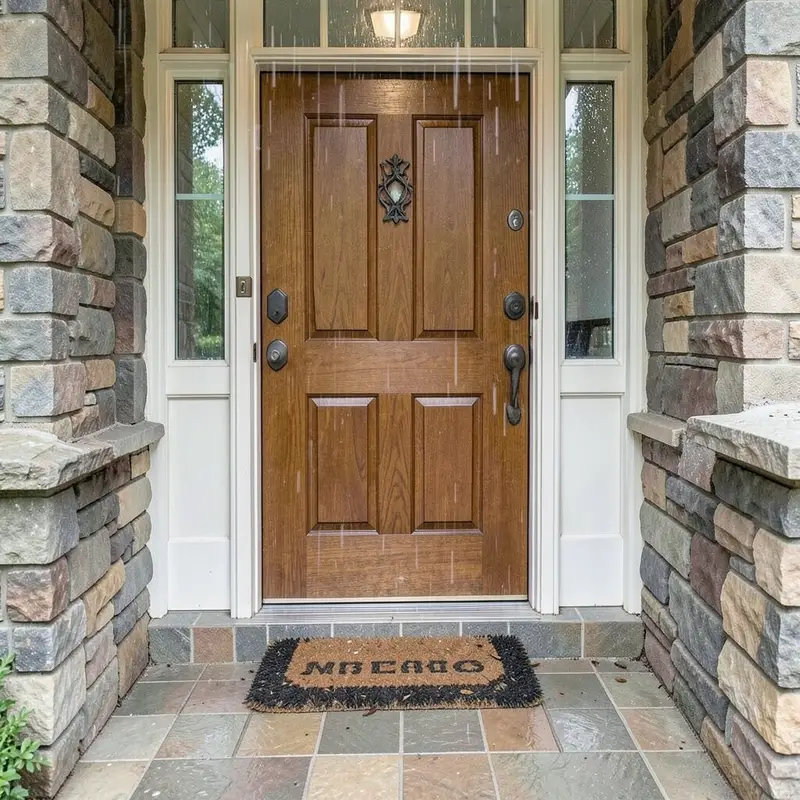
The front entrance faces rain, sun, dust, and muddy shoes, so weak materials wear out quickly. Cheap finishes may look fine at first, but they can peel, fade, or stain before long.
Choose strong materials for floors, mats, paint, and furniture near the door. Stone, tile, treated wood, and weather-safe metal often last longer and look more polished. Spending a bit more at the start can save money later because repairs are less frequent.
Think about the local climate before buying anything. In wet places, slip-resistant floors matter, while in hot places, sun-resistant paint and shades are important. A durable entry keeps its beauty longer and feels more reliable every day.
6. Making the Path to the Door Hard to Read
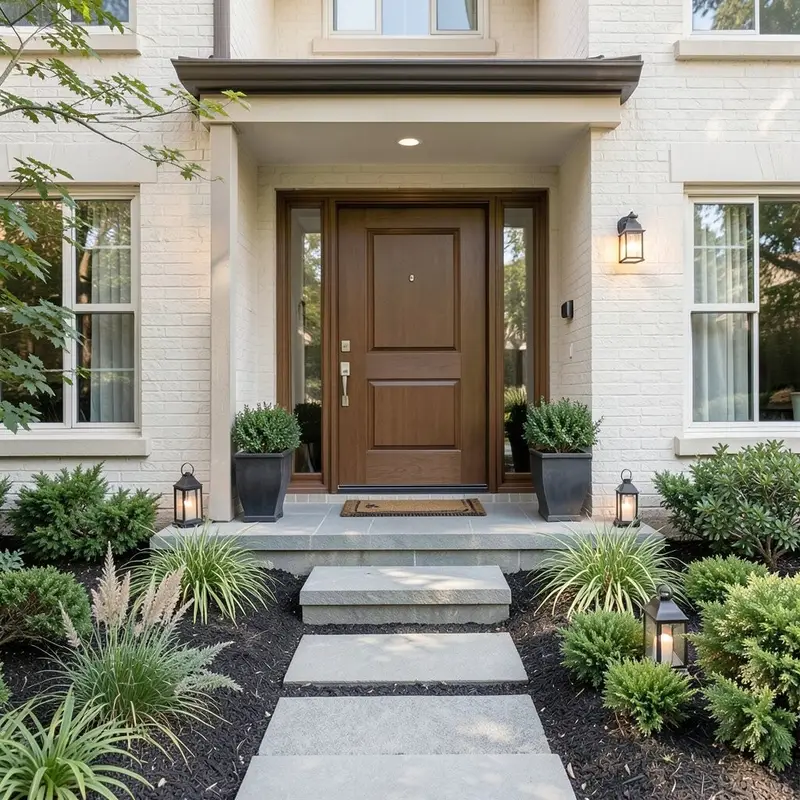
A front path should guide the eye and the feet with ease. If it is too narrow, crooked without purpose, or hidden by plants, guests may feel unsure where to go.
Clear lines help the entrance feel smart and organized. Use stepping stones, a straight walkway, or low plants to frame the route. Even a simple path can feel special if it is clean and well lit.
Curved paths can work too, especially when they match the house style. Add a few accents, such as lanterns or planters, to make the walk feel inviting. This kind of design often costs less than a full hardscape makeover but still gives a strong result.
7. Picking Colors That Fight Each Other
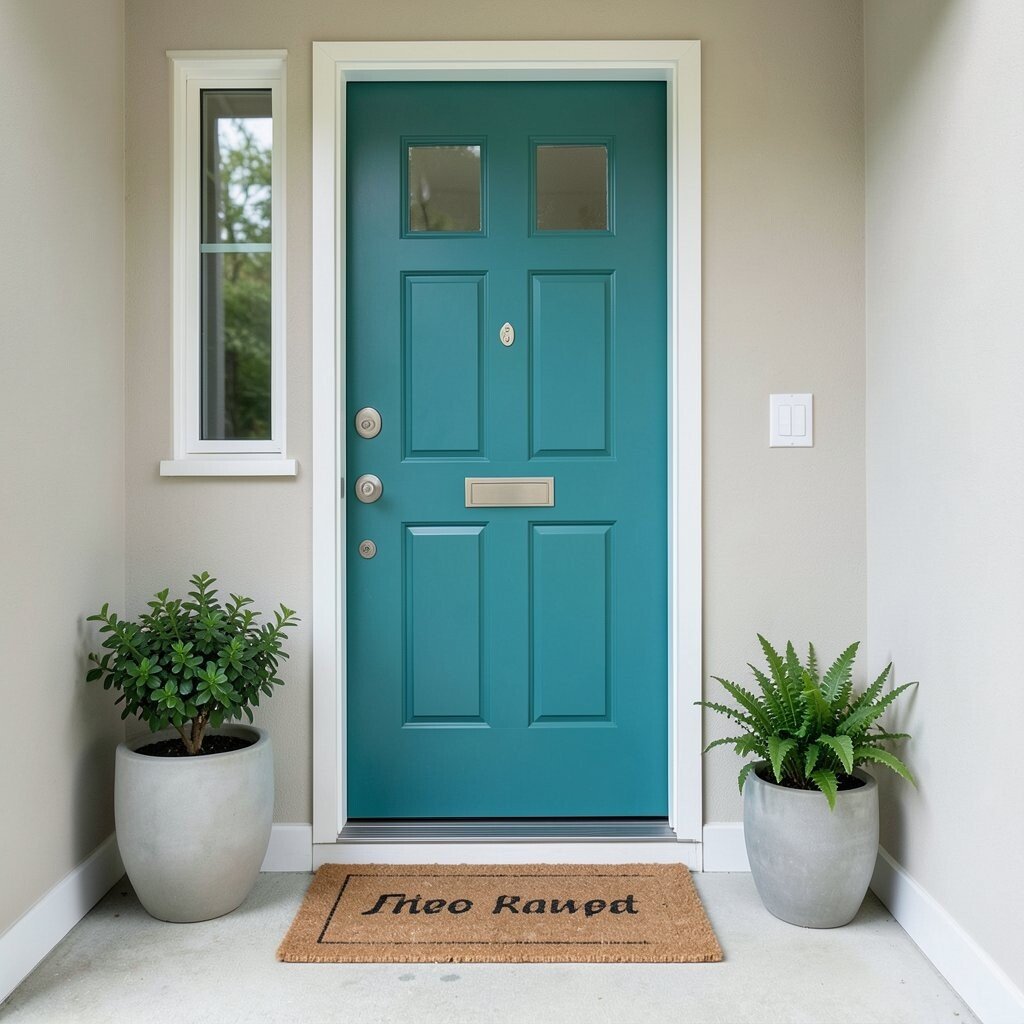
Too many strong colors near the front door can make the entrance feel busy. A loud mix can steal attention from the home itself and make the space look less calm.
Choose a main color story and keep it simple. A door, trim, mat, and pots that share a family of colors often look more polished. Bold color can still work well, but it should feel planned, not random.
Many homes now use one bright accent with soft neutral walls. This keeps the entry fresh and modern without making it noisy. If you want a custom look, try a favorite color on the door and repeat it in small details like cushions or planters.
8. Forgetting to Add a Place to Sit
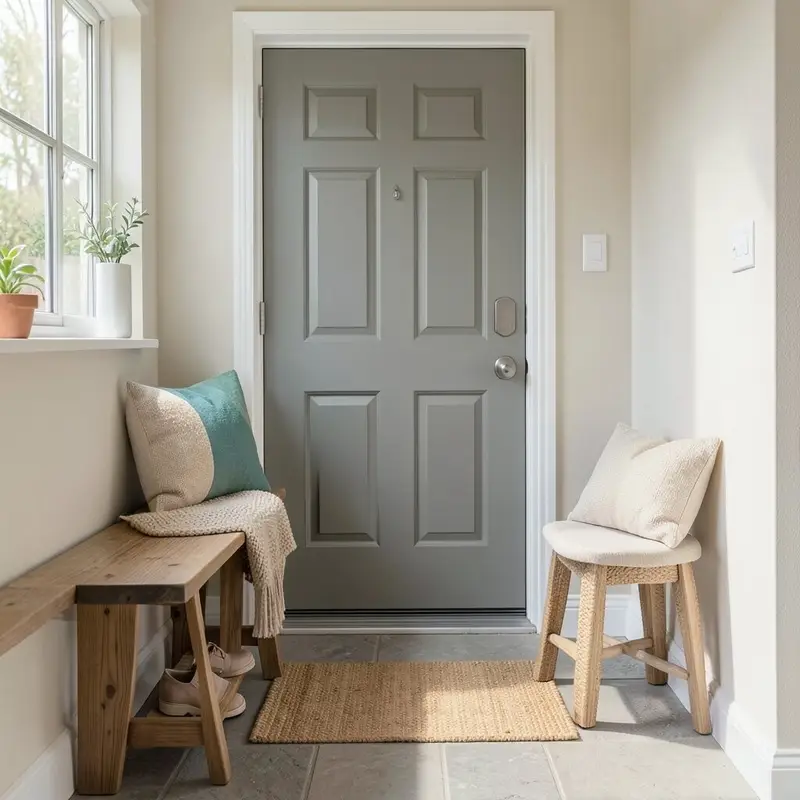
An entrance with no seat can feel less useful, especially for families, kids, or older guests. A small bench or chair can make shoe changes, bag drops, and quick pauses much easier.
Seating also adds charm and makes the entry feel lived in. A wood bench, woven stool, or built-in ledge can give the space a cozy look. If the budget is tight, even a simple stool with a cushion can do the job well.
Choose a piece that fits the size of the area so it does not block movement. A seat with hidden storage can be even better because it keeps the entry neat. Add a pillow or throw in a color that matches the door for a personal touch.
9. Overcrowding the Space With Too Many Decor Pieces
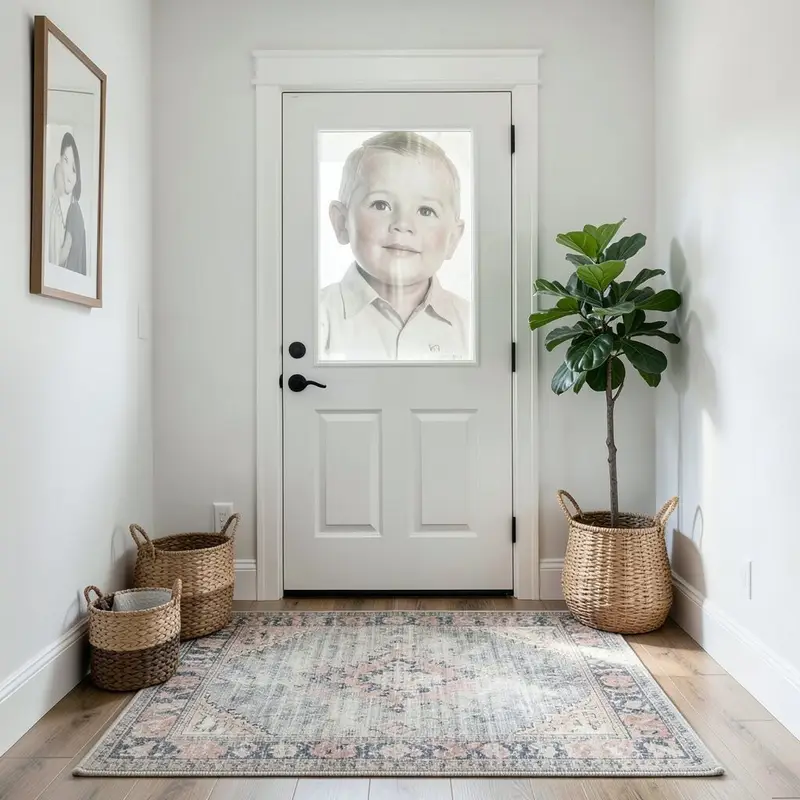
It is easy to love mirrors, signs, rugs, baskets, and plants all at once. But when too many items fight for attention, the entrance can feel small and confused.
Pick a few pieces that truly matter and give them room to shine. A strong rug, one art piece, and one plant may be enough for a stylish look. This approach often costs less too, since fewer items are needed to make the space feel finished.
Think about shape, texture, and balance instead of filling every corner. A simple entrance can feel more modern and more peaceful than a crowded one. Personal items like a family photo or a handmade bowl can add warmth without adding clutter.
10. Skipping the Rug or Mat Layer

A bare entry floor can look unfinished and feel less comfortable. It also gives dirt and water fewer places to stop before they move into the home.
A good mat or rug adds color, texture, and a softer feel underfoot. It can help protect the floor and make the entrance look more complete. Outdoor-safe rugs come in many styles now, so it is easy to find one that fits a simple, classic, or trendy look.
Choose a size that matches the doorway instead of a tiny piece that seems lost. A washable mat is smart for busy homes because it saves time and money. For extra personality, pick a pattern that hints at the style inside the house.
11. Not Thinking About Privacy
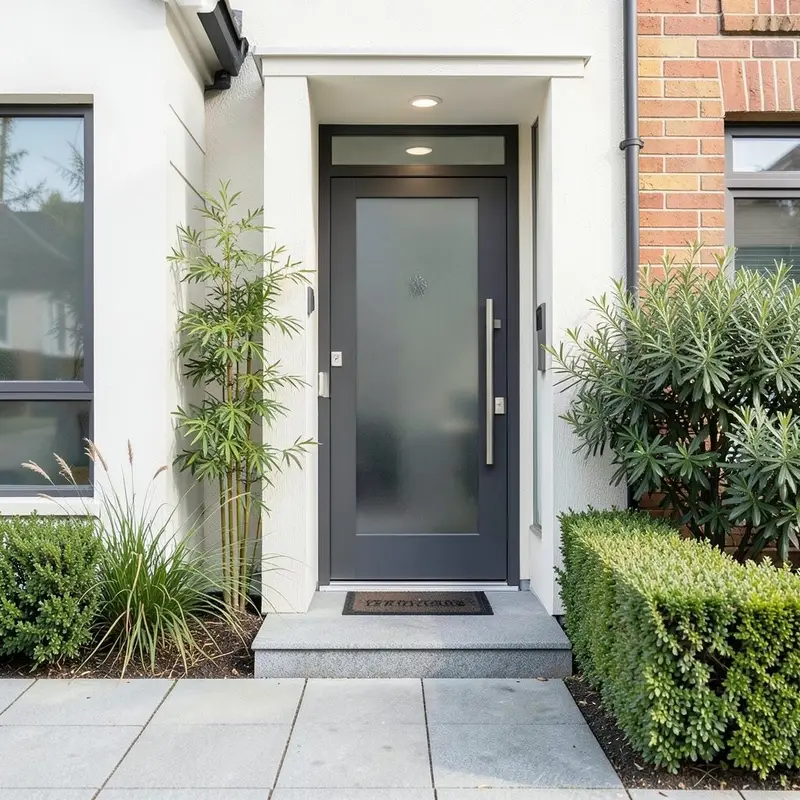
Some entrances feel too open, with every step visible from the road or neighbors nearby. That can make people feel exposed instead of welcomed.
Privacy can be added in gentle ways without blocking light. Use frosted glass, tall plants, a screen, or side panels to soften the view. These details can make the entry feel calmer and more special while still looking bright.
A little privacy can also help the home feel safer. If the entrance is close to the sidewalk, a low hedge or a slim fence may work well. These choices can be budget-friendly and can match the style of the home with ease.
12. Forgetting Storage for Daily Life
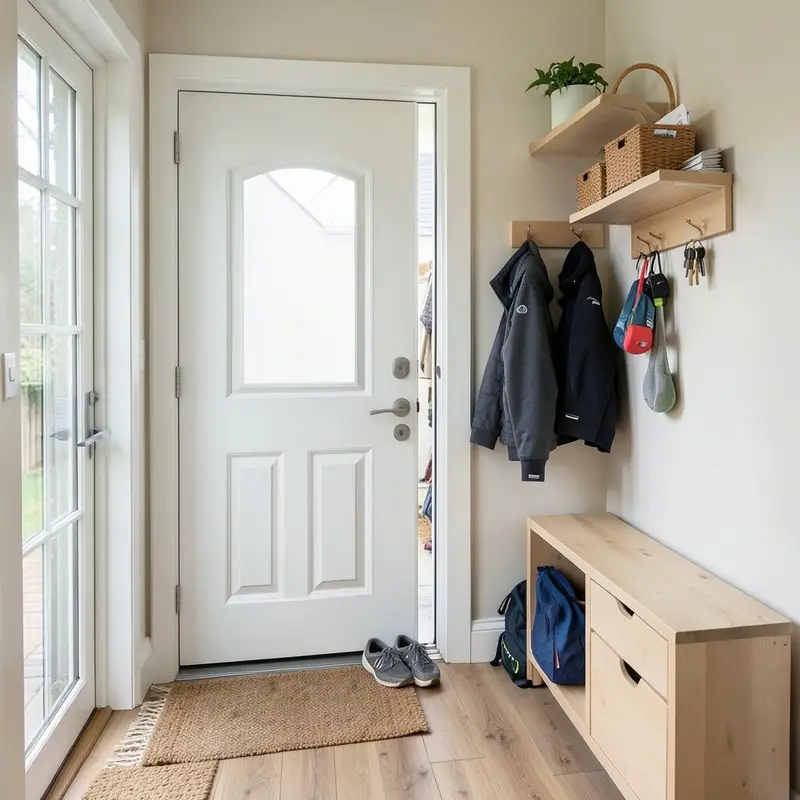
The front door is where life enters and leaves every day. Without smart storage, coats, keys, sports gear, and mail can quickly spread across the space.
Good storage makes the entrance easier to use and much nicer to look at. A wall shelf, coat hooks, drawer unit, or storage bench can keep things in order. Built-ins may cost more, but simple wall tools can still make a big difference.
Try to match storage to the habits of the people in the house. A family with kids may need low hooks, while a couple may want a slim cabinet. When storage fits real life, the entrance feels more personal and far less stressful.
13. Neglecting a Clear Style Theme
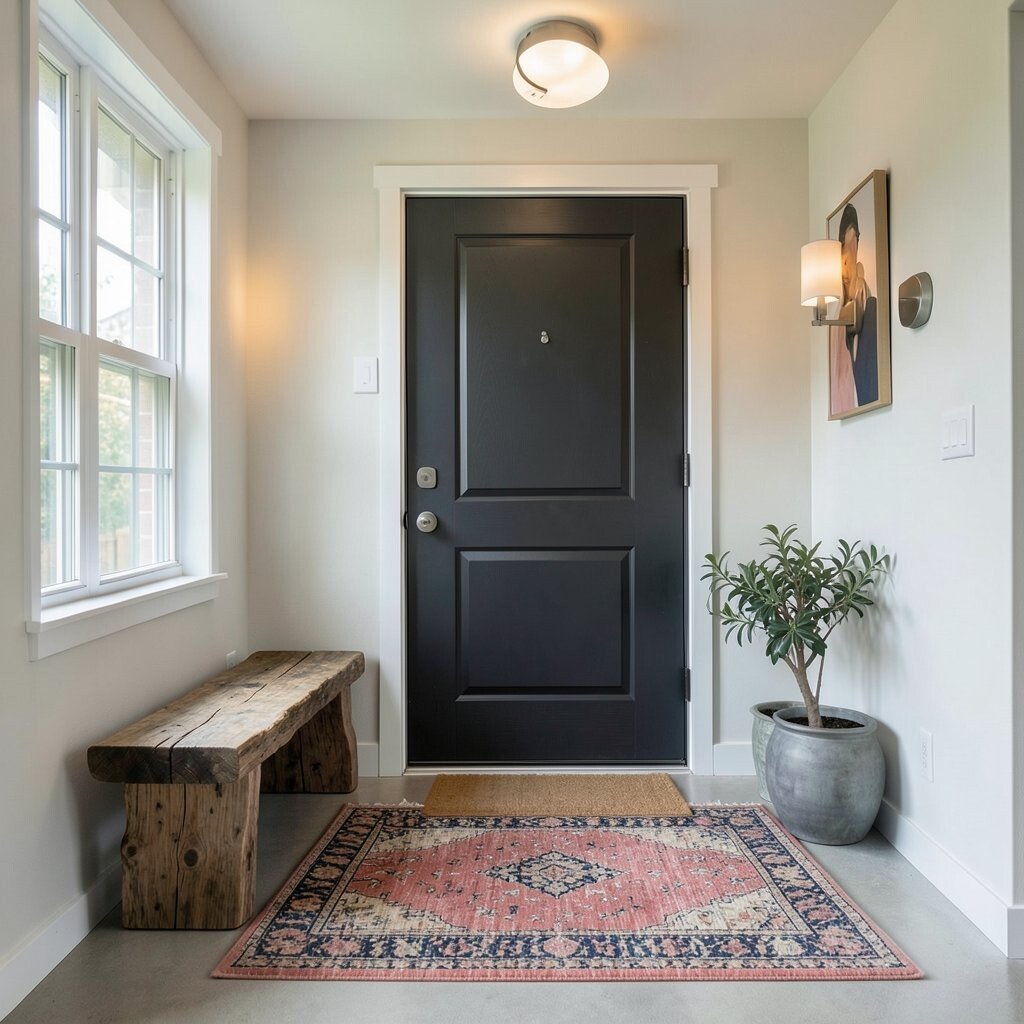
An entrance can lose its charm when it mixes too many styles at once. A rustic bench, shiny modern light, and classic rug may not speak the same visual language.
Choose a main style and keep the rest of the pieces in step with it. That does not mean everything must match exactly, but the items should feel like they belong together. This makes the entrance look more thoughtful and can prevent wasted spending on pieces that do not fit.
Current trends often lean toward natural textures, simple shapes, and warm colors. Still, the best entrance is one that fits the home and the people who live there. Add one or two personal details, like a favorite planter or art piece, to make the space feel truly yours.