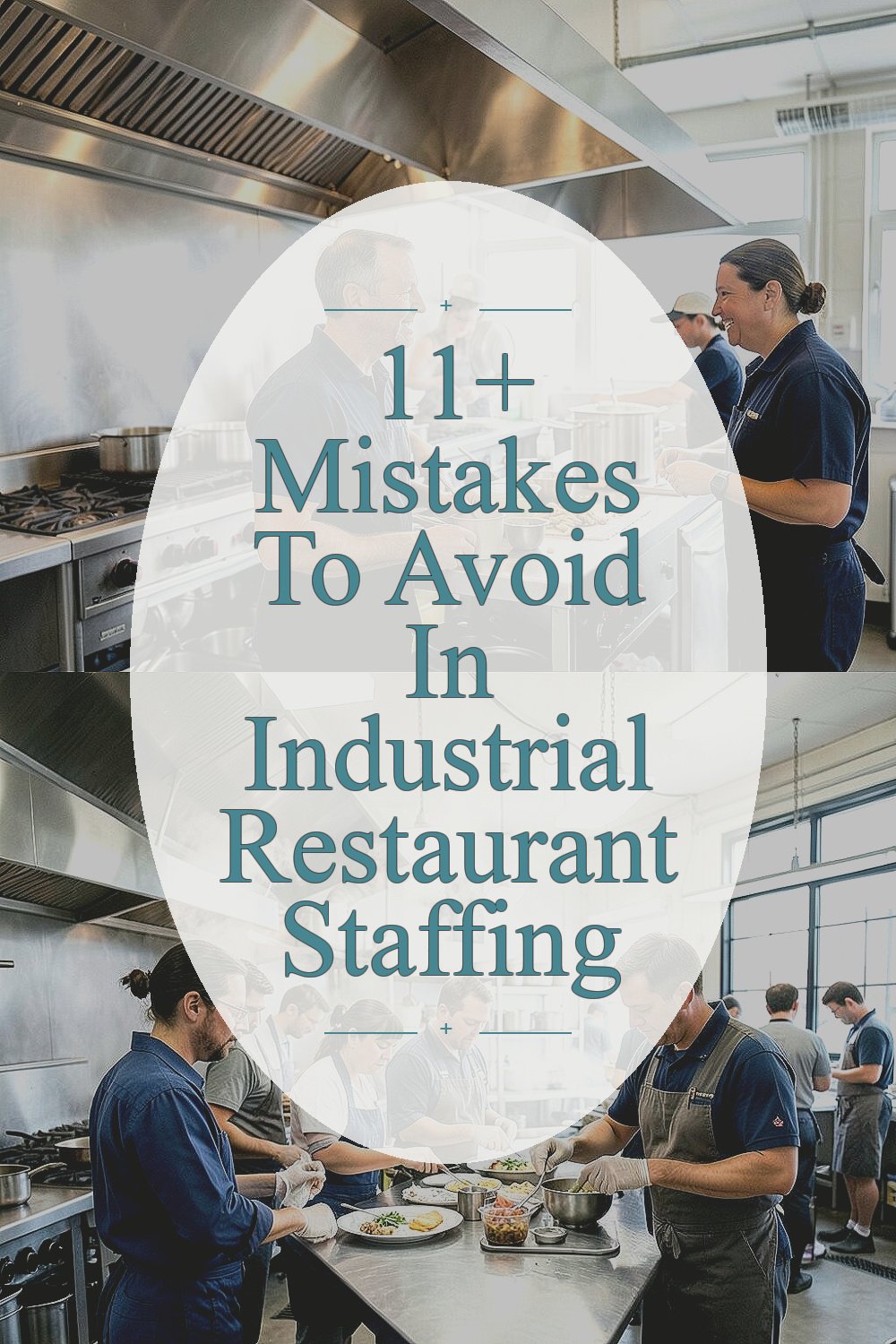
The kitchen is loud, hot, and always moving. One weak hiring choice can throw the whole room off balance.
Industrial restaurant staffing needs speed, skill, and calm thinking. The right team keeps food flowing and guests happy.
1. Hiring Too Fast Just To Fill A Shift
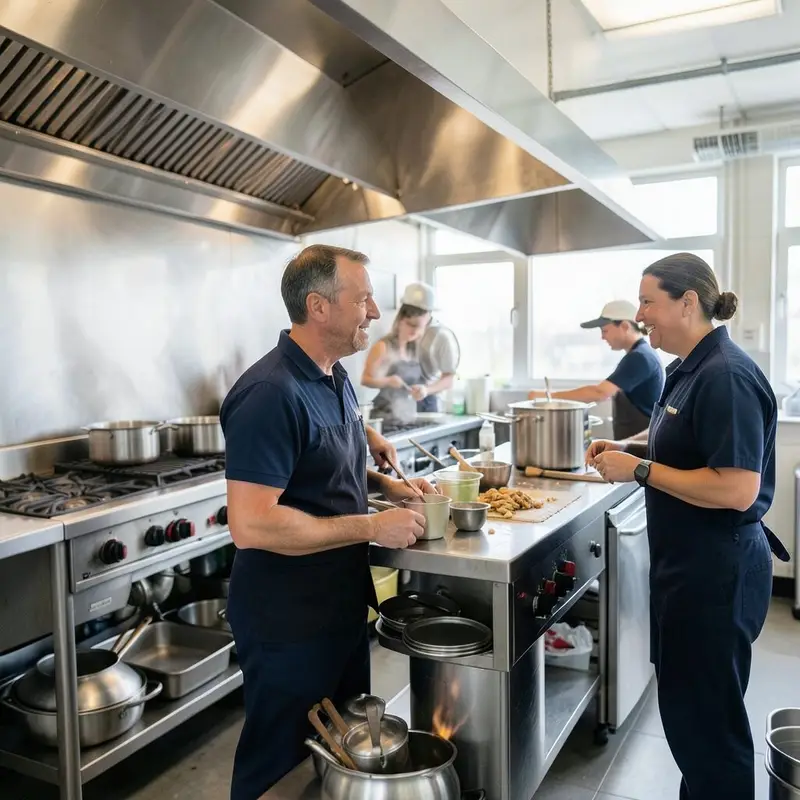
When a busy kitchen has empty spots, panic can set in fast. A quick hire may seem helpful, but it often brings more trouble than relief.
A rushed choice can lead to poor work, missed steps, and awkward team tension. It also costs more when you have to train again, replace the person, and cover mistakes.
2. Ignoring The Real Work Environment
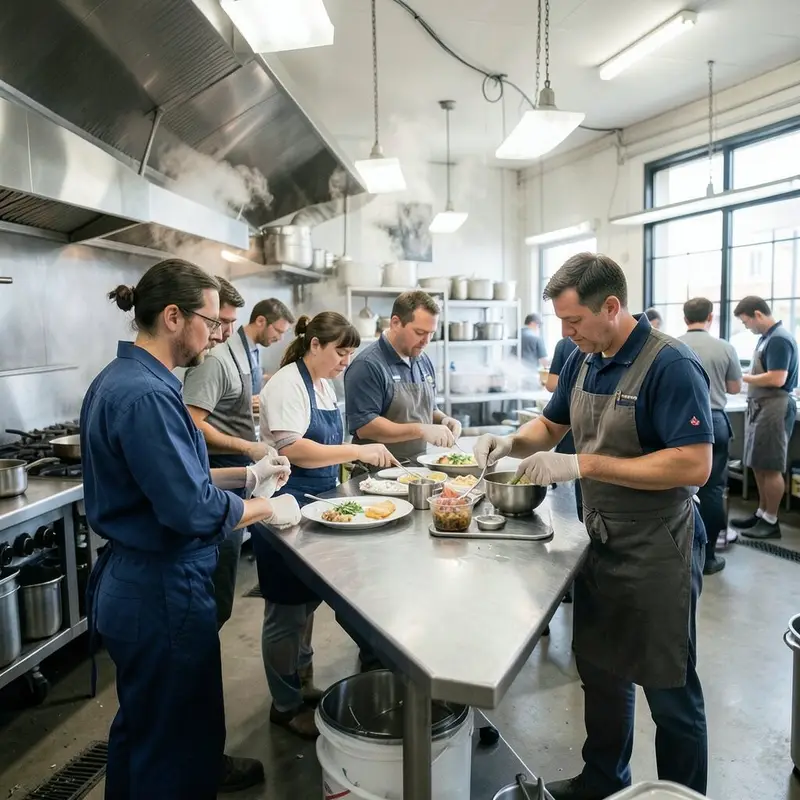
Some staffing plans look good on paper but fail in a real kitchen. Bright lights, steam, noise, and nonstop motion need people who can stay sharp.
Think about the space before you hire. A person who shines in a quiet cafe may struggle in a huge industrial line.
Match the job to the setting, not just the resume. This gives you a team that fits the pace and saves money on turnover.
3. Skipping Clear Job Roles

Confusion starts when no one knows who does what. In a busy restaurant, that can mean missed prep, late tickets, and unhappy guests.
Clear roles help people move with purpose. They also make training easier and give each worker a chance to shine.
Write simple job duties in plain words and share them early. You can also personalize roles for each worker’s strengths, which helps morale and reduces waste.
That small step can lower labor costs by cutting mistakes and repeat work. It also supports current staffing trends that value flexible but focused teams.
4. Forgetting To Check Speed And Stamina
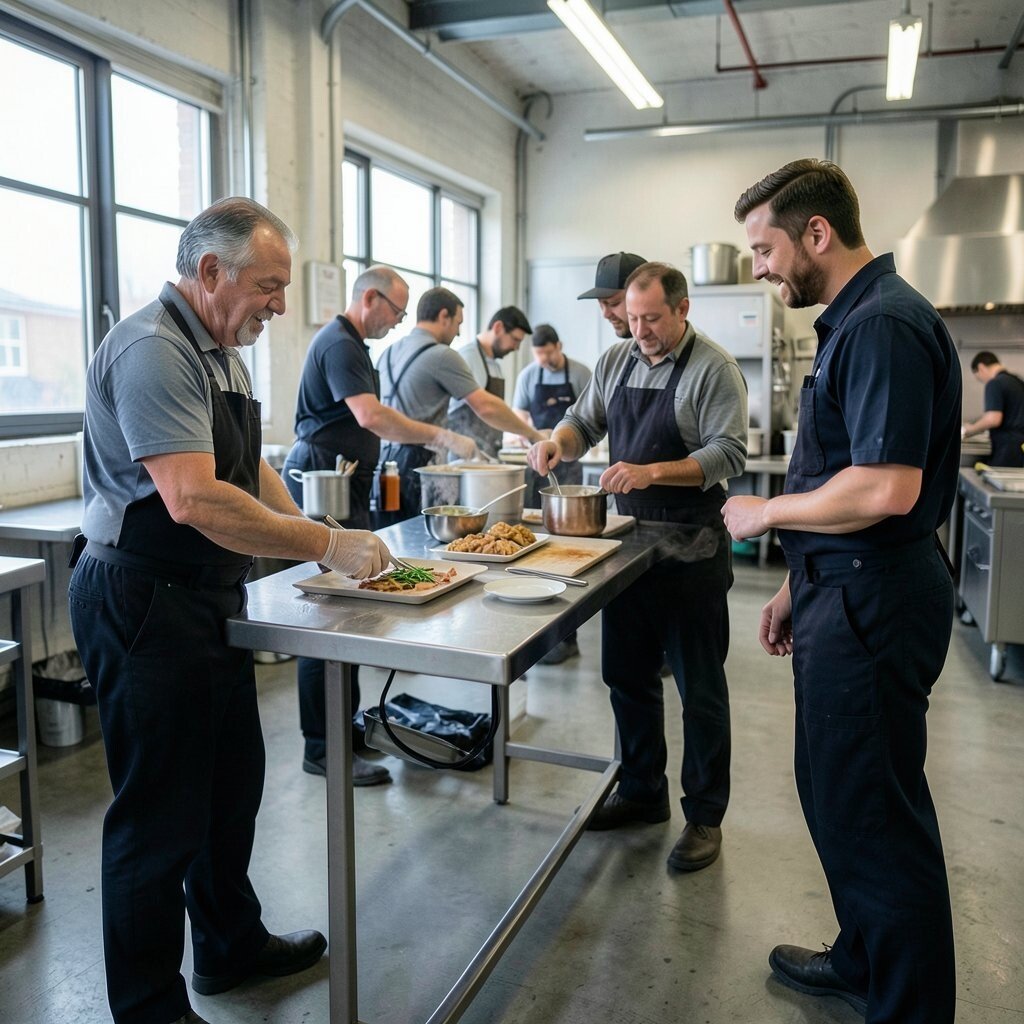
Industrial restaurant work is not slow or gentle. Workers need strong feet, quick hands, and a steady mind through long shifts.
Some people talk well in interviews but fade when the rush begins. A short trial task or skills test can show who can handle the heat.
5. Treating Training Like A One-Time Event
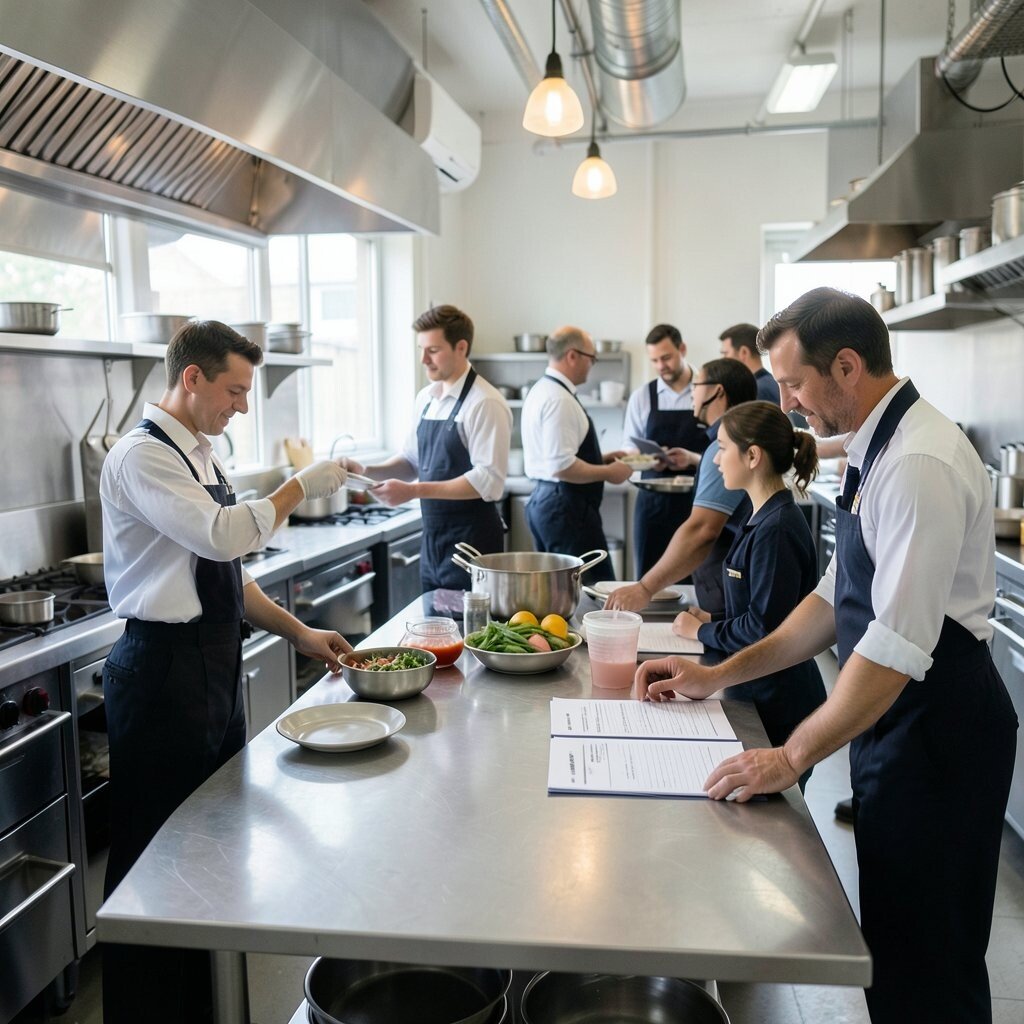
Training should not end after the first day. Kitchens change, menus shift, and safety rules need regular reminders.
Fresh training keeps the team safe and confident. It also helps new hires feel welcome instead of lost.
Use short refreshers, quick checklists, and side-by-side coaching. This can be personalized for visual learners, hands-on learners, and people who need extra support.
6. Overlooking Culture And Team Fit
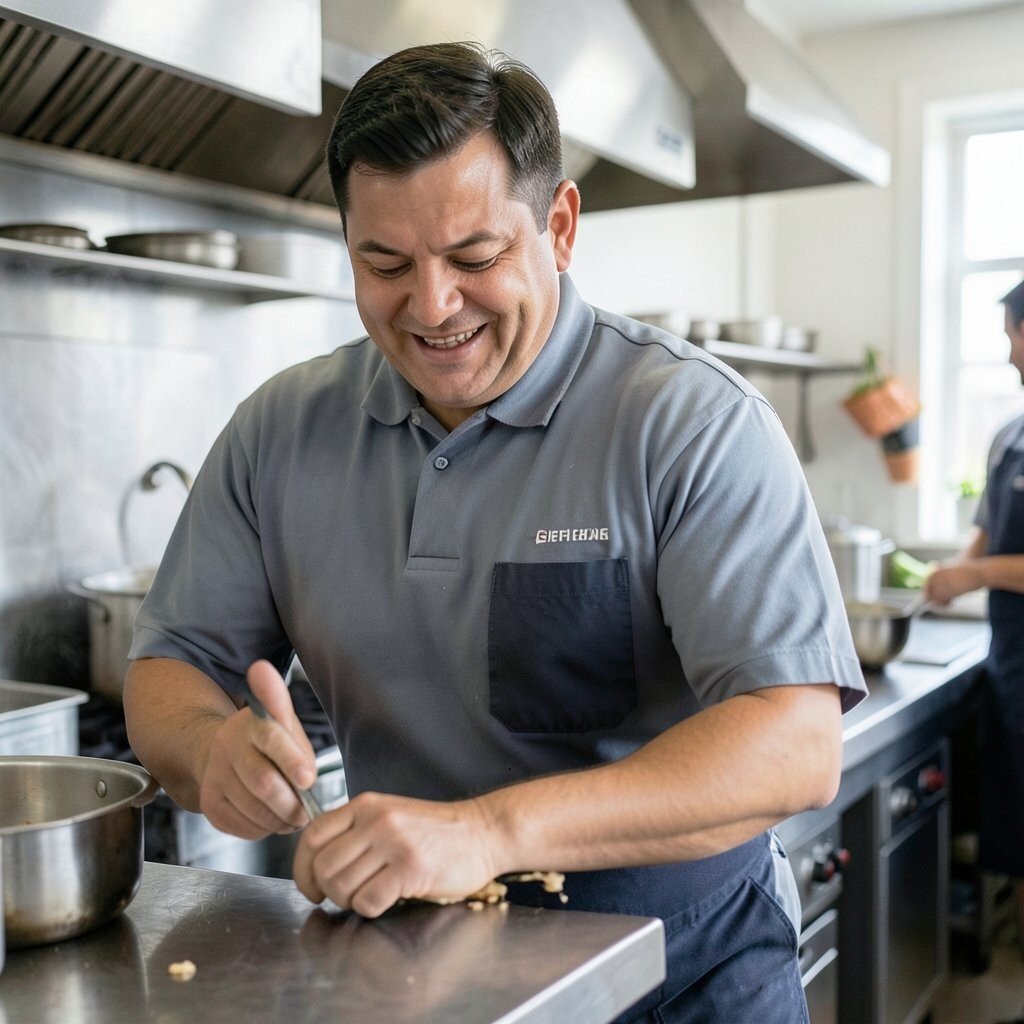
A skilled worker can still hurt the team if the attitude is wrong. One rude voice in a tight kitchen can spread stress very fast.
Look for people who respect others and stay calm under pressure. A positive fit brings smoother service, better communication, and fewer callouts.
Culture fit does not mean hiring the same type of person every time. It means finding people who share the same work values while bringing fresh strengths and style.
That mix can make the kitchen feel lively and unique without losing order. It can also lower replacement costs because people stay longer in a place where they feel they belong.
7. Not Planning For Busy And Slow Seasons
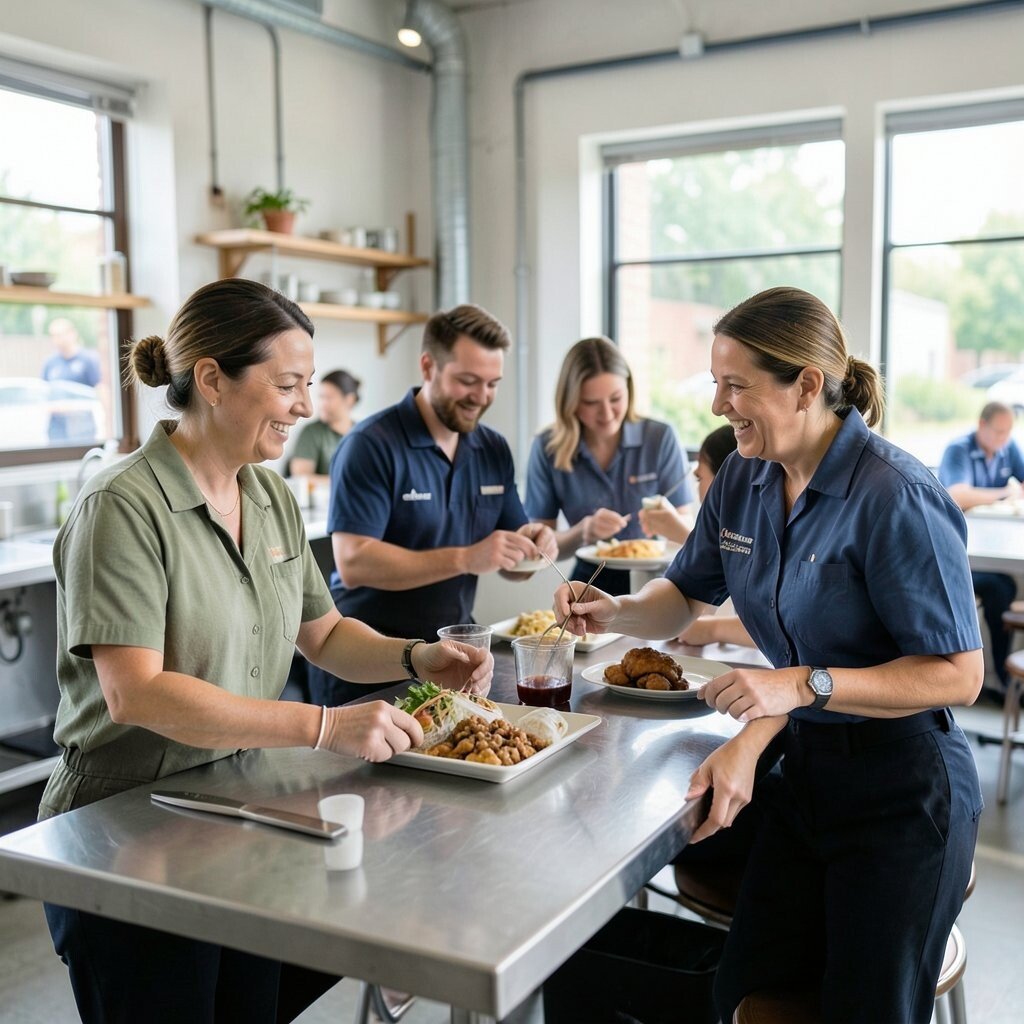
Staffing needs change with holidays, events, weather, and local trends. A team that works well in winter may be too small for summer rushes.
Build a plan for busy times before they arrive. Keep a list of part-time workers, on-call help, and cross-trained staff who can jump in.
8. Paying Only Attention To Wages

Money matters, but it is not the whole story. Workers also care about hours, respect, schedules, and chances to grow.
If pay is the only thing you talk about, you may miss what keeps people loyal. Good benefits, fair breaks, and a stable schedule can be worth a lot.
Look at the full package and compare it with your budget. A slightly higher wage may cost more at first but save money if it cuts turnover and training time.
9. Ignoring Technology And Modern Tools
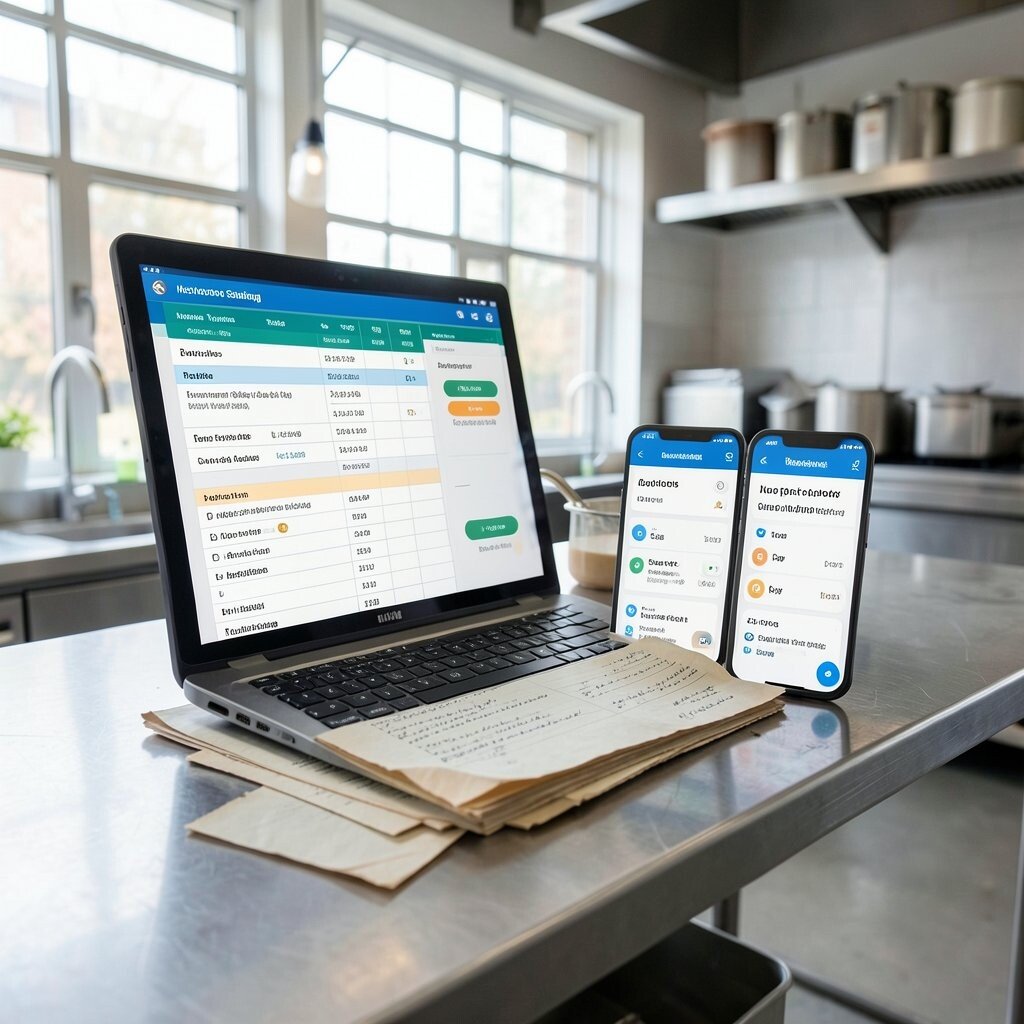
Old paper schedules can get messy in a fast kitchen. Missed messages and last-minute swaps can create a wall of confusion on the screen and in the room.
Modern staffing tools help managers track shifts, skills, and availability. They also make it easier for workers to swap shifts and stay informed on the go.
Choose tools that are simple and easy to read, even during a rush. Personalize the system so each team member gets the alerts and updates they need without extra clutter.
These tools can cut admin costs and save time every week. They also fit a current trend toward mobile-friendly, flexible restaurant operations.
10. Failing To Build A Backup Plan
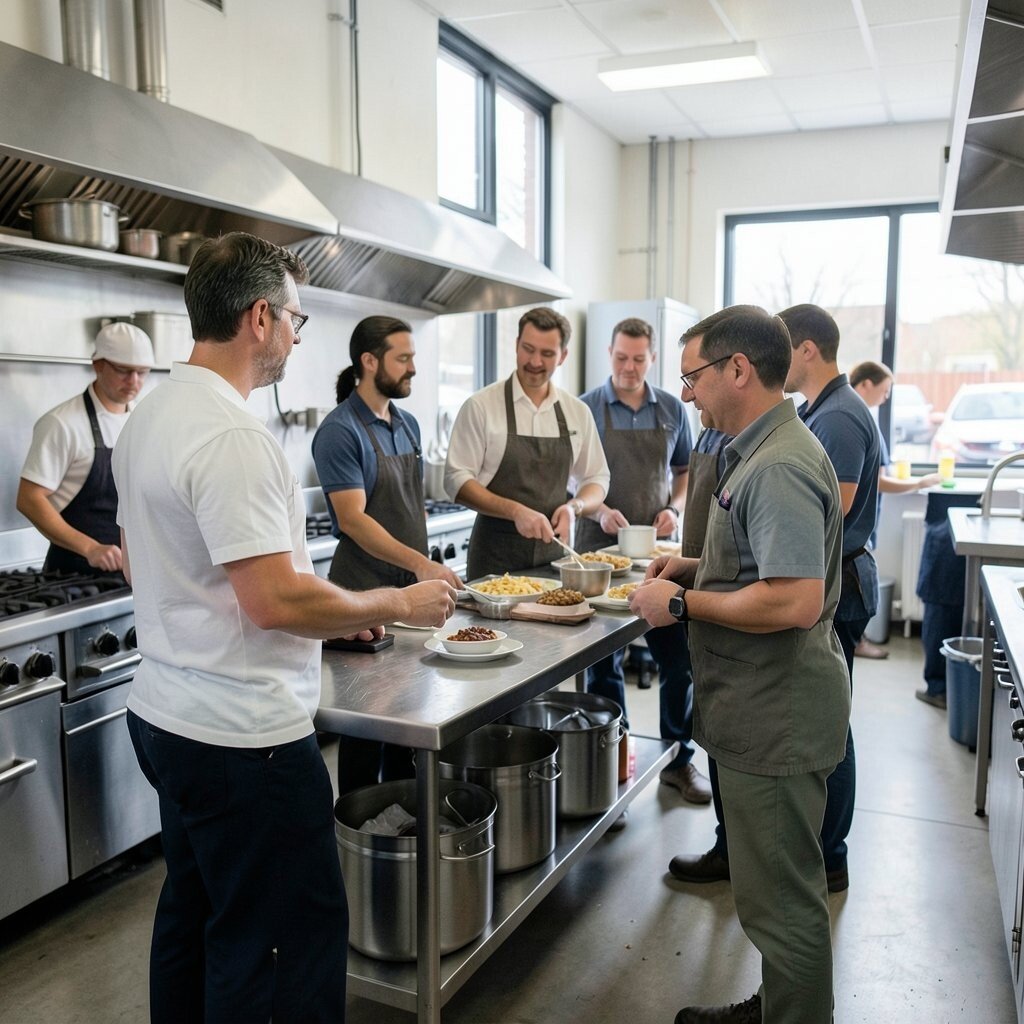
Even great teams get sick, stuck in traffic, or pulled away by emergencies. Without a backup plan, one missing person can slow the whole line.
Keep a small pool of trained backups ready to help. Cross-training can also give your team more freedom and make each shift feel less fragile.
A backup plan should be simple enough to use in a hurry. If it feels too complicated, people will ignore it when the kitchen gets busy.
11. Not Listening To Front-Line Staff
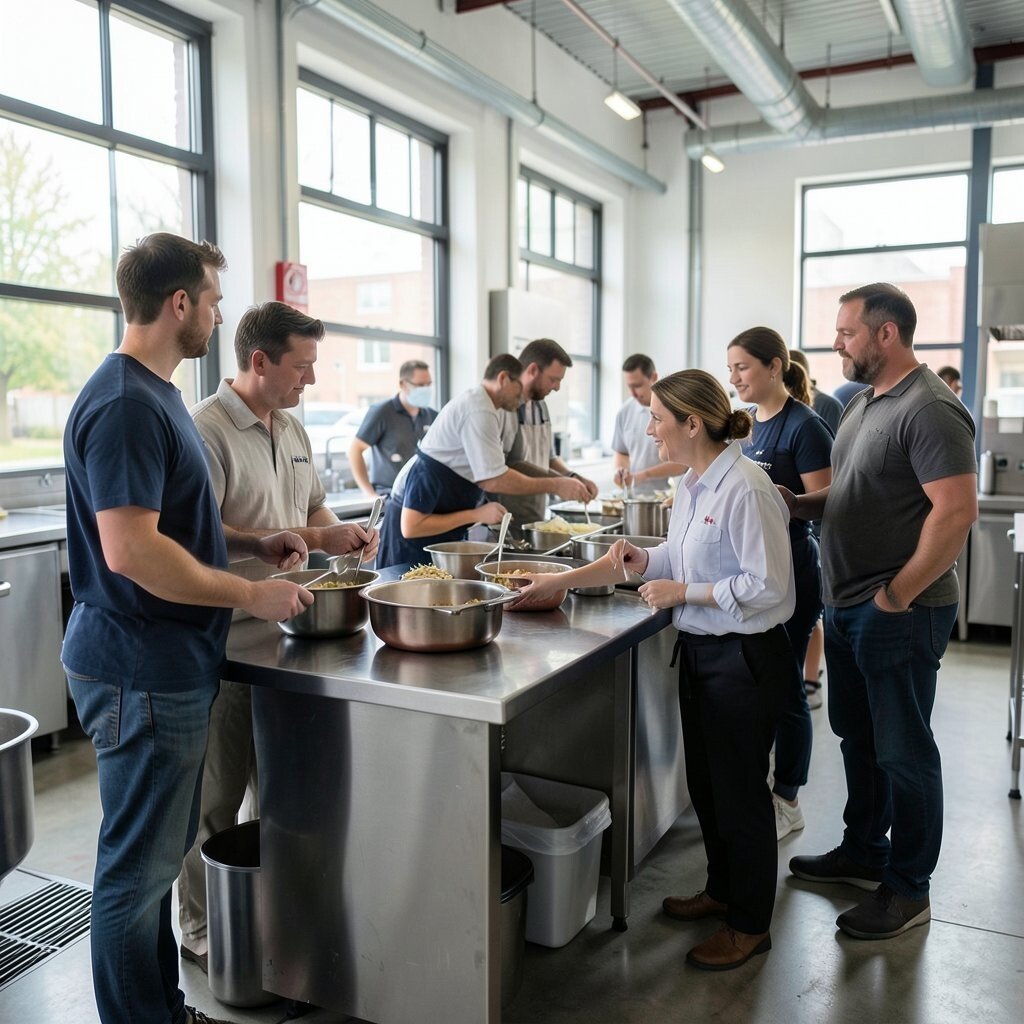
The people on the line see problems before managers do. They know which stations feel crowded, which tasks take too long, and which shifts need more help.
Ask for honest feedback in short talks or quick check-ins. When workers feel heard, they often give better effort and stay longer.
12. Forgetting To Review And Improve
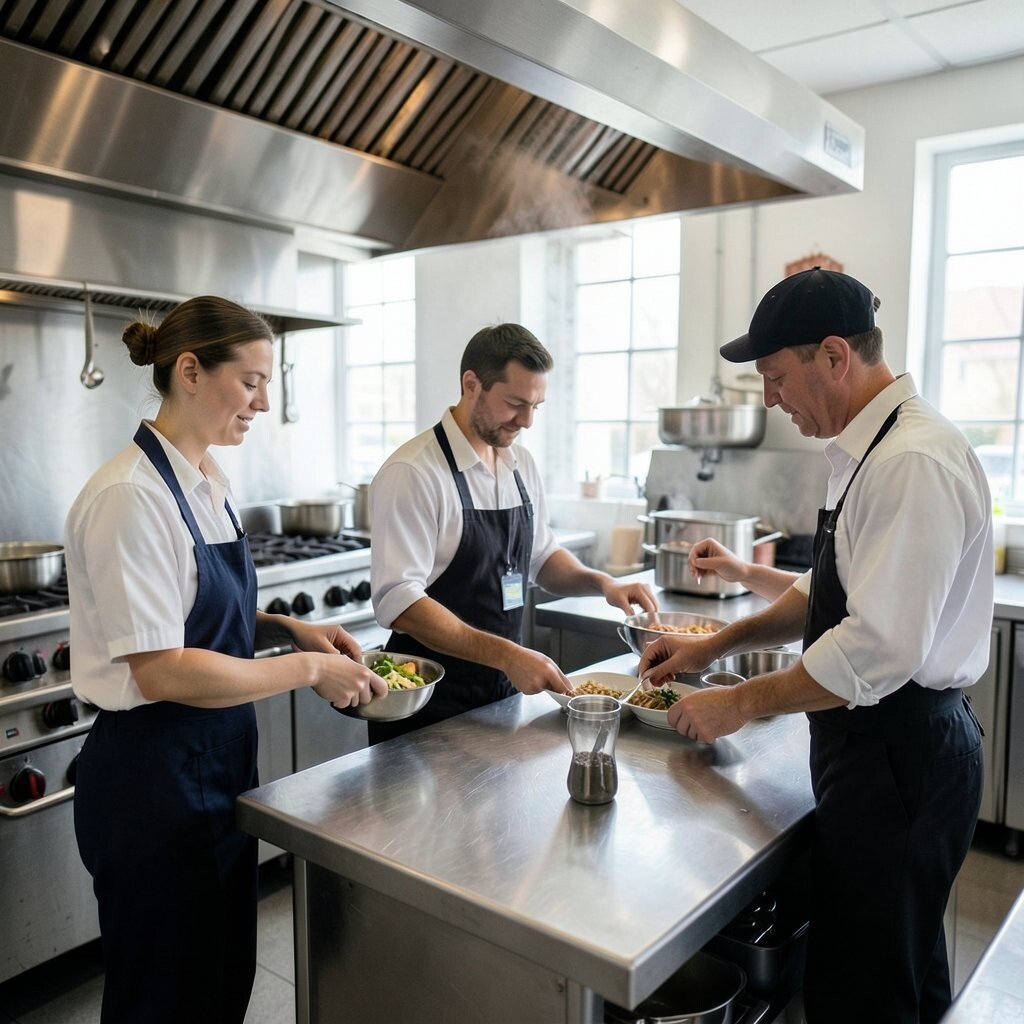
Staffing is not a set-it-and-forget-it job. A kitchen changes over time, and your team plan should change with it.
Review schedules, turnover, guest feedback, and labor costs often. Small fixes can lead to big gains in speed, morale, and service quality.
Use what you learn to shape a better plan for each season and each menu change. That keeps the team fresh, the kitchen organized, and the operation ready for what comes next.