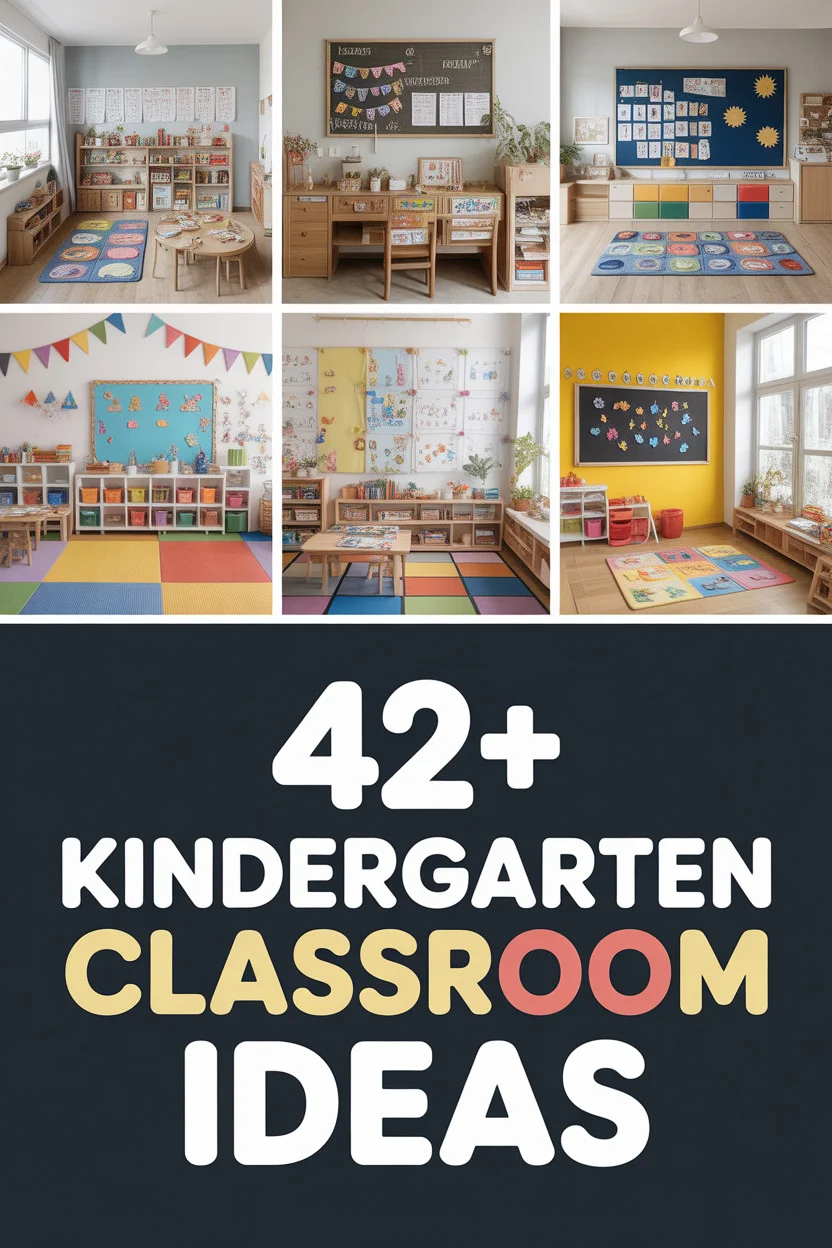
Kindergarten classrooms are magical places where creativity blossoms. The environment plays a crucial role in inspiring young minds. Get ready to feel the excitement as we share some imaginative ideas to make classrooms truly enchanting.
1. Fairy Tale Reading Nook
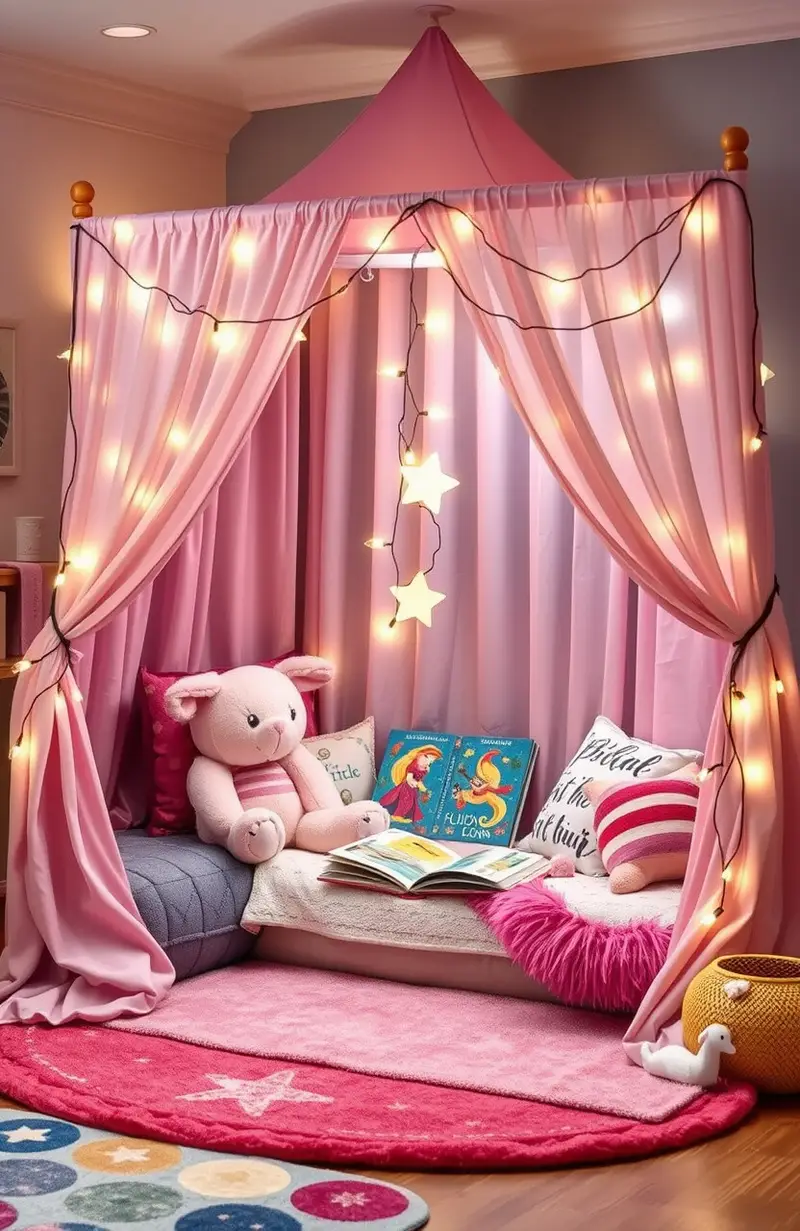
Create a corner that looks like it’s straight out of a fairy tale. Use a small tent or canopy, add soft cushions and hang twinkling fairy lights.
This cozy space invites children to dive into stories with joy. It makes reading an adventure and nurtures a love for books.
Personalize the nook with themed book covers and plush toys. Use colorful rugs to enhance the magical vibe.
Setting up this nook is budget-friendly with DIY decorations. Fairy lights and cushions are often available at a low cost.
2. Interactive Wall Murals
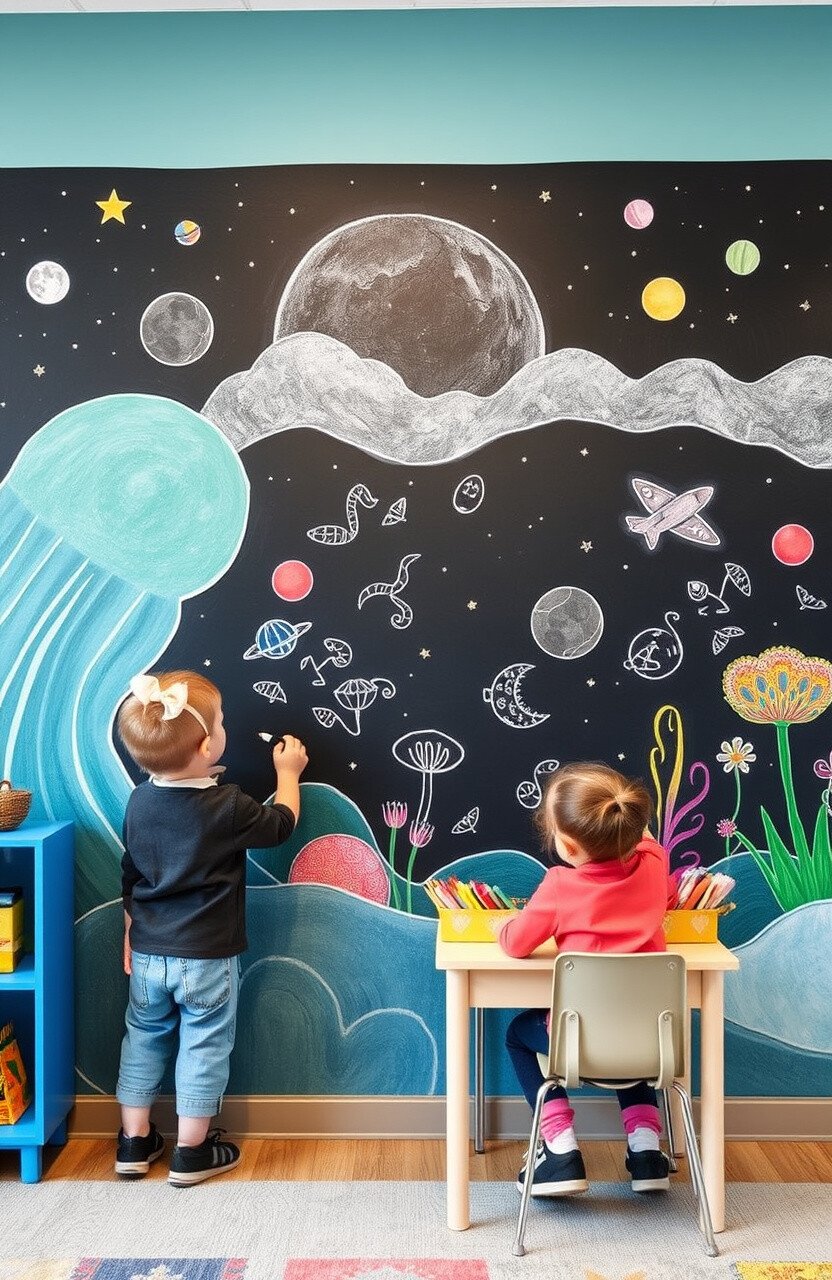
Paint a section of the wall with a scene where kids can add their own artwork. Use chalkboard or dry-erase paint for easy updates.
This idea encourages creativity and teamwork as children contribute to a collective masterpiece. It offers a dynamic visual element to the room.
Let kids choose themes like outer space or underwater worlds. Encourage them to change the mural with the seasons or classroom topics.
Chalkboard paint is affordable and easy to apply. It’s a wonderful way to keep the classroom environment fresh and engaging.
3. Nature-Inspired Learning Zone
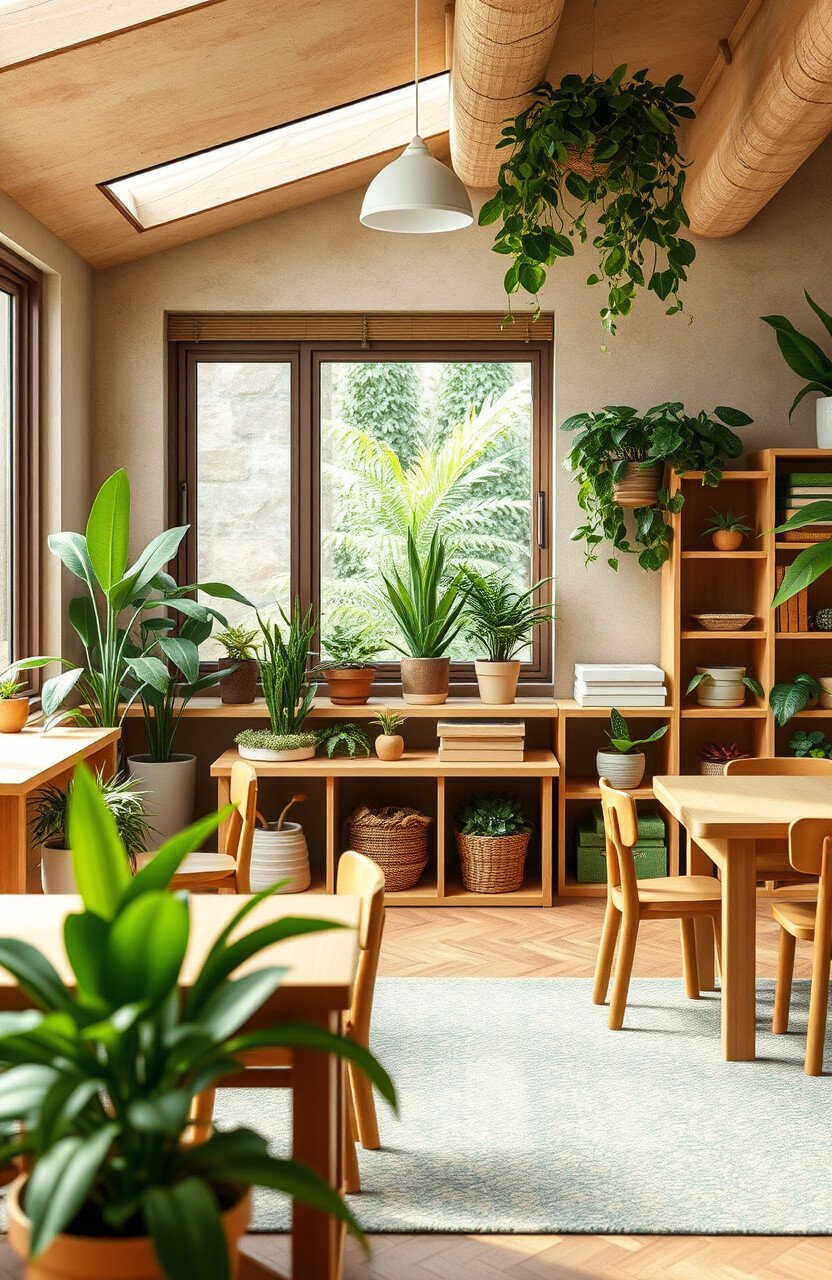
Bring the outdoors inside with plants, natural textures, and earthy colors. Use wooden furniture and soft lighting.
This setting calms young learners and enhances concentration. It connects children to nature, even when indoors.
Incorporate small indoor plants that are easy to care for. Use nature-themed posters and materials to complete the look.
Plants like succulents are low-cost and require minimal maintenance. Second-hand stores often have affordable wooden furniture.
4. Sensory Exploration Stations
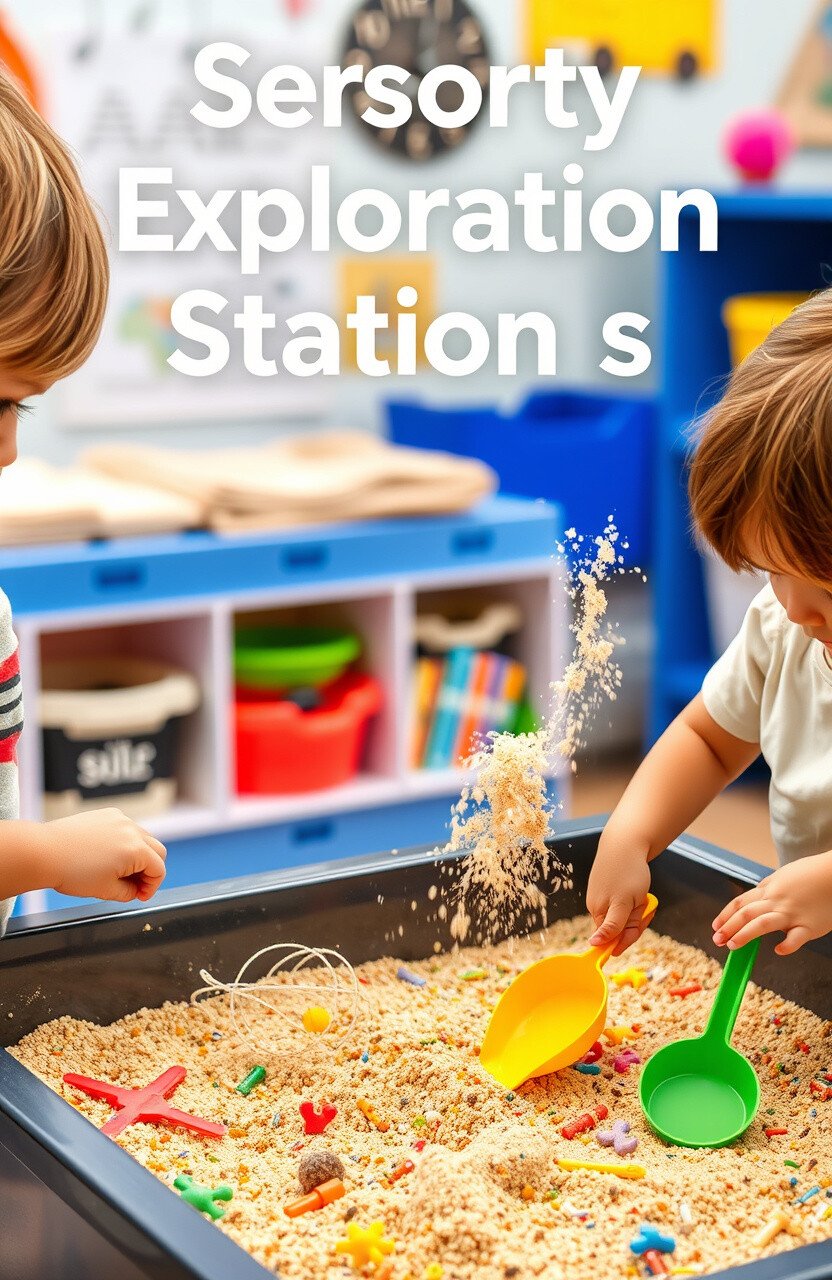
Set up stations with materials like sand, water, or textured fabrics. Rotate items to keep the experience fresh.
Sensory play encourages exploration and aids in development. It provides a hands-on learning experience that children love.
Use bins or trays to contain the mess and make clean-up easy. Offer tools like scoops and cups for added fun.
Most materials can be found inexpensively at craft or dollar stores. Rotate items to fit themes or lessons for variety.
5. Mini Art Gallery
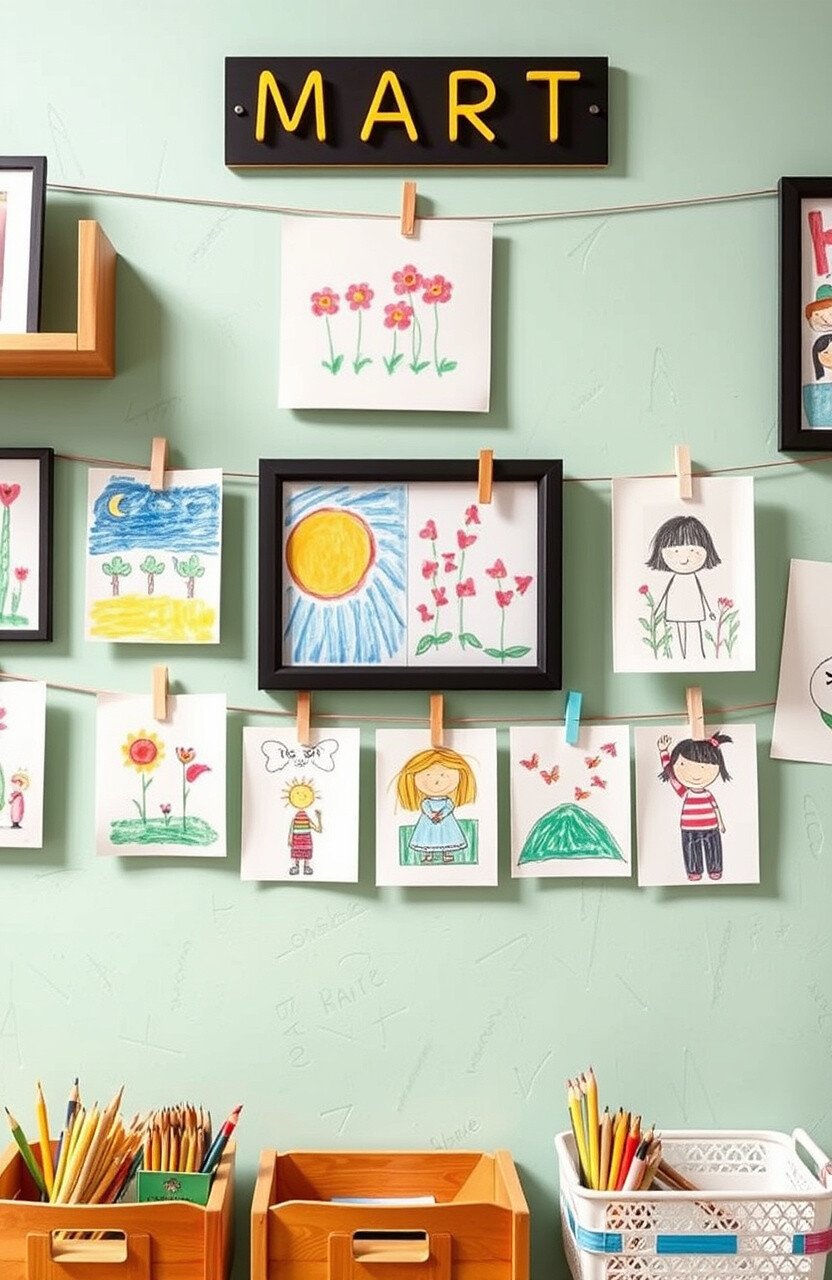
Designate a wall to display students’ artwork. Use frames, clips, or strings to hang their masterpieces.
This gallery boosts confidence and gives a sense of pride. It encourages creativity and showcases the children’s talents.
Change the artwork regularly to keep the display fresh. Let students help curate the gallery to foster ownership.
Frames or clips can be purchased on a budget. Consider using a wire and clothespins for a simple, cost-effective display.
6. Cozy Library Loft
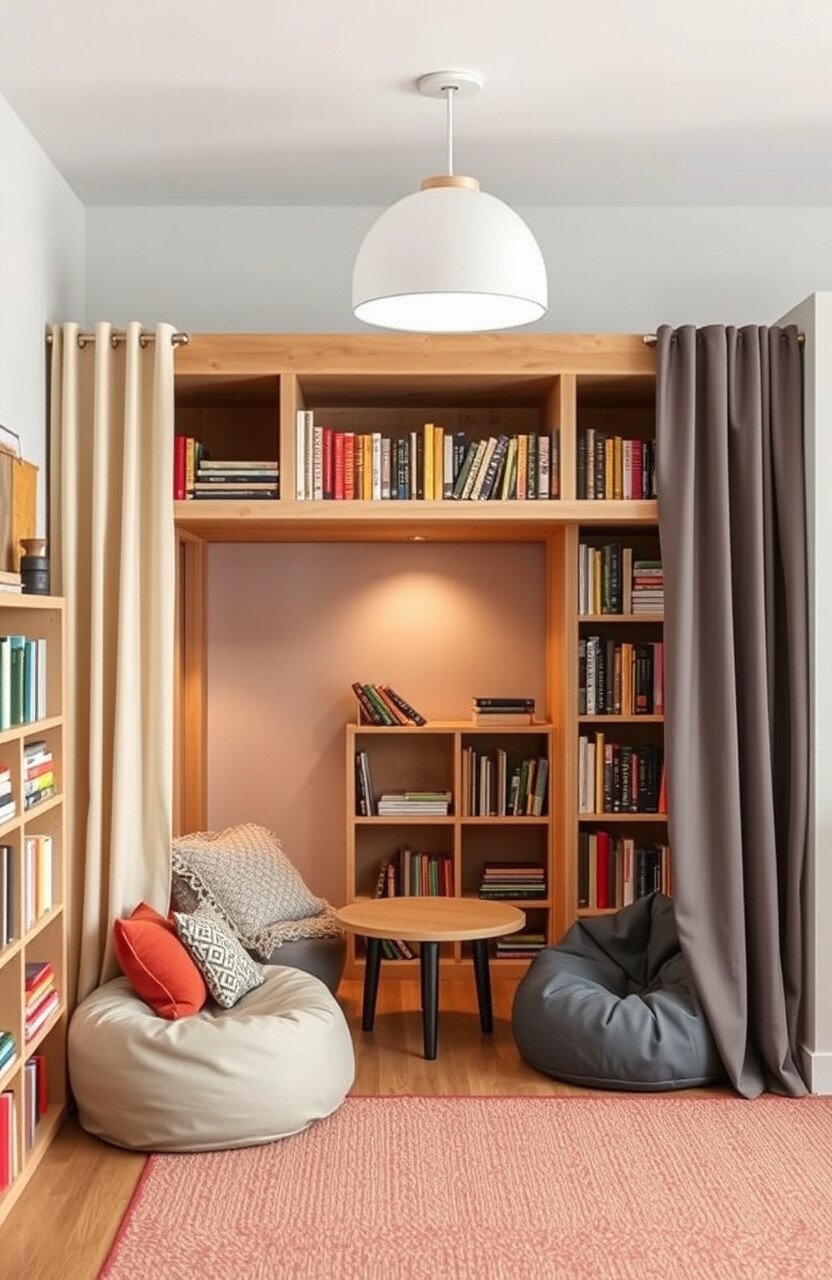
Build a small loft space with bean bags and bookshelves. Use curtains for a secret, private reading area.
This loft creates a special place for quiet time and reading. It makes books feel like a personal adventure.
Encourage kids to bring favorite books to share. Decorate with soft fabrics to make it inviting and warm.
Old pallets and cushions can be repurposed for this project. Curtains and bean bags are available at reasonable prices.
7. Colorful Craft Corner
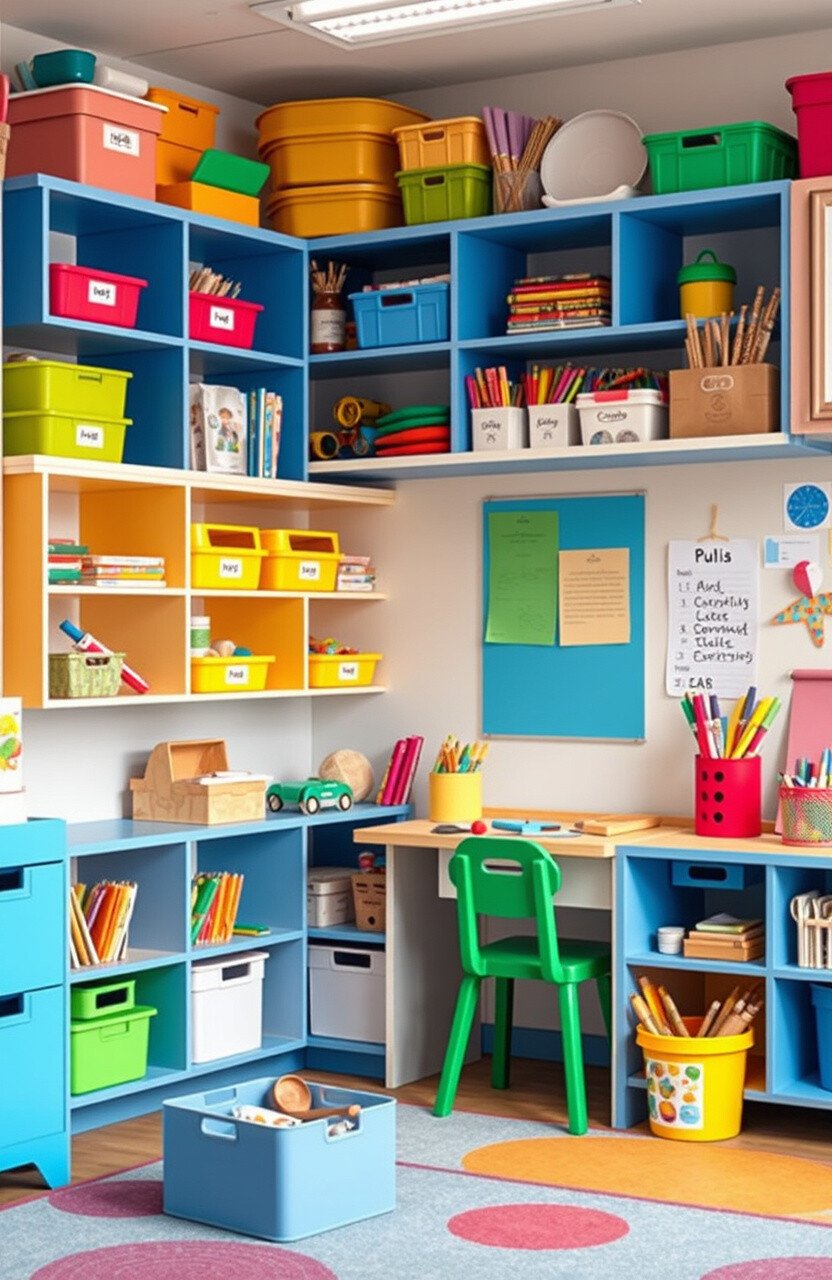
Dedicate a corner with supplies like paper, crayons, and paints. Use shelves or bins for easy access and organization.
This corner inspires creativity and self-expression through art. It offers a space for children to explore different mediums.
Label bins with pictures for easy identification. Encourage sharing ideas and collaborating on projects.
Craft supplies are often on sale at back-to-school times. Using recycled materials can also keep costs low.
8. DIY Puppet Theater
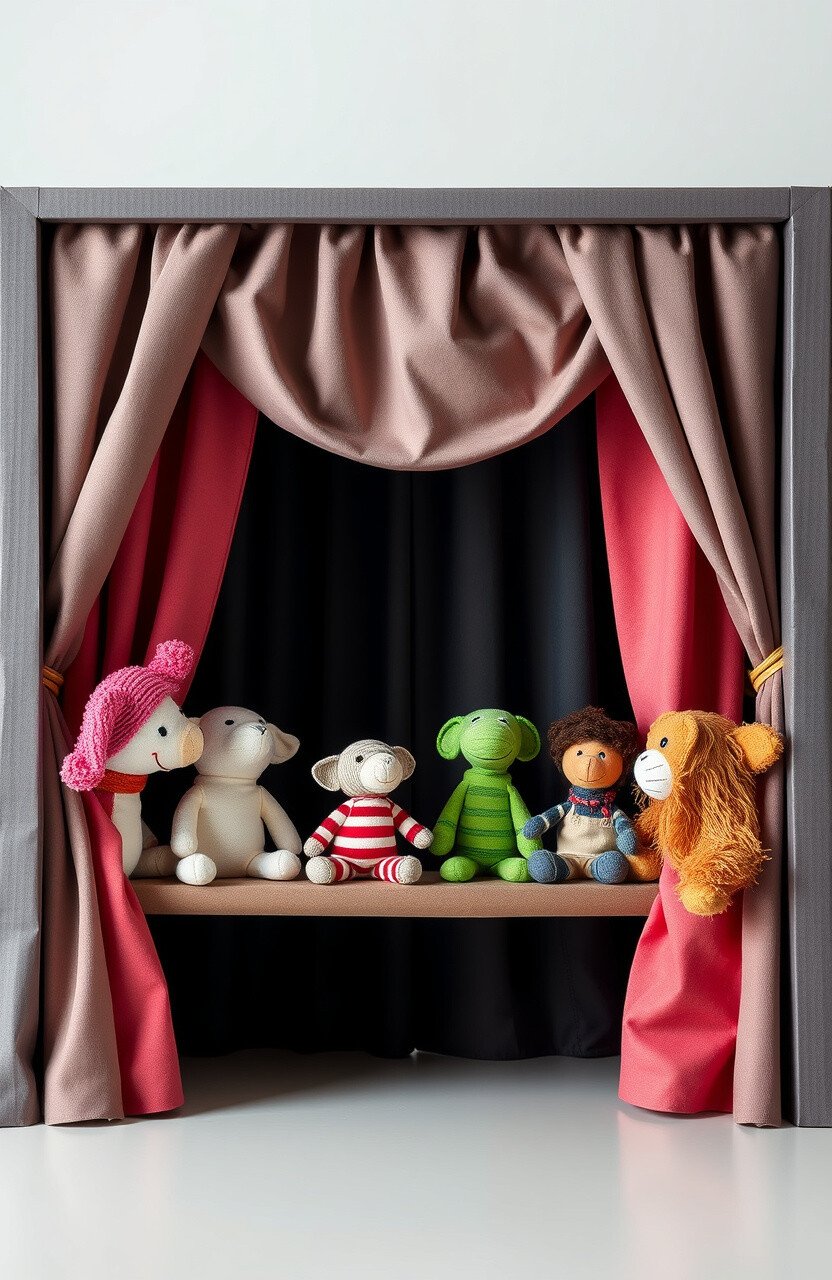
Create a stage with curtains and a backdrop for puppet shows. Use socks or paper bags for simple puppets.
This theater sparks imagination and storytelling skills. It encourages children to create and perform their own stories.
Let students design their own puppets and scripts. Host puppet shows to showcase their creativity.
Scrap fabric and old socks make perfect puppets. Theaters can be crafted from cardboard boxes for an economical option.
9. Interactive Weather Station
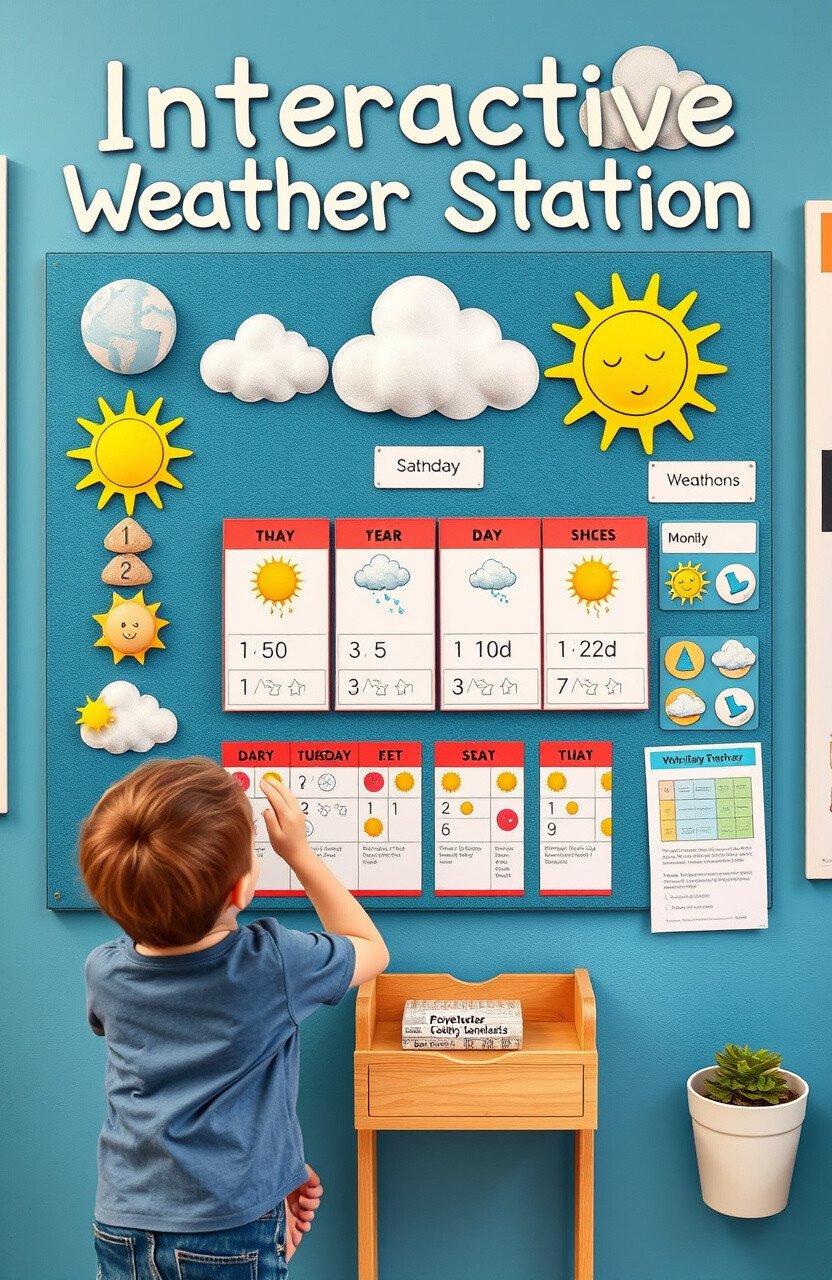
Create a board where children can update the daily weather. Use symbols, charts, and a calendar for learning.
This station teaches about weather patterns and forecasting. It connects daily learning with real-world observations.
Allow children to take turns being the “weather reporter.” Use felt or magnets for easy updates and changes.
Materials can be found at office supply stores and are budget-friendly. Use recycled paper and homemade charts to save costs.
10. Music and Movement Area
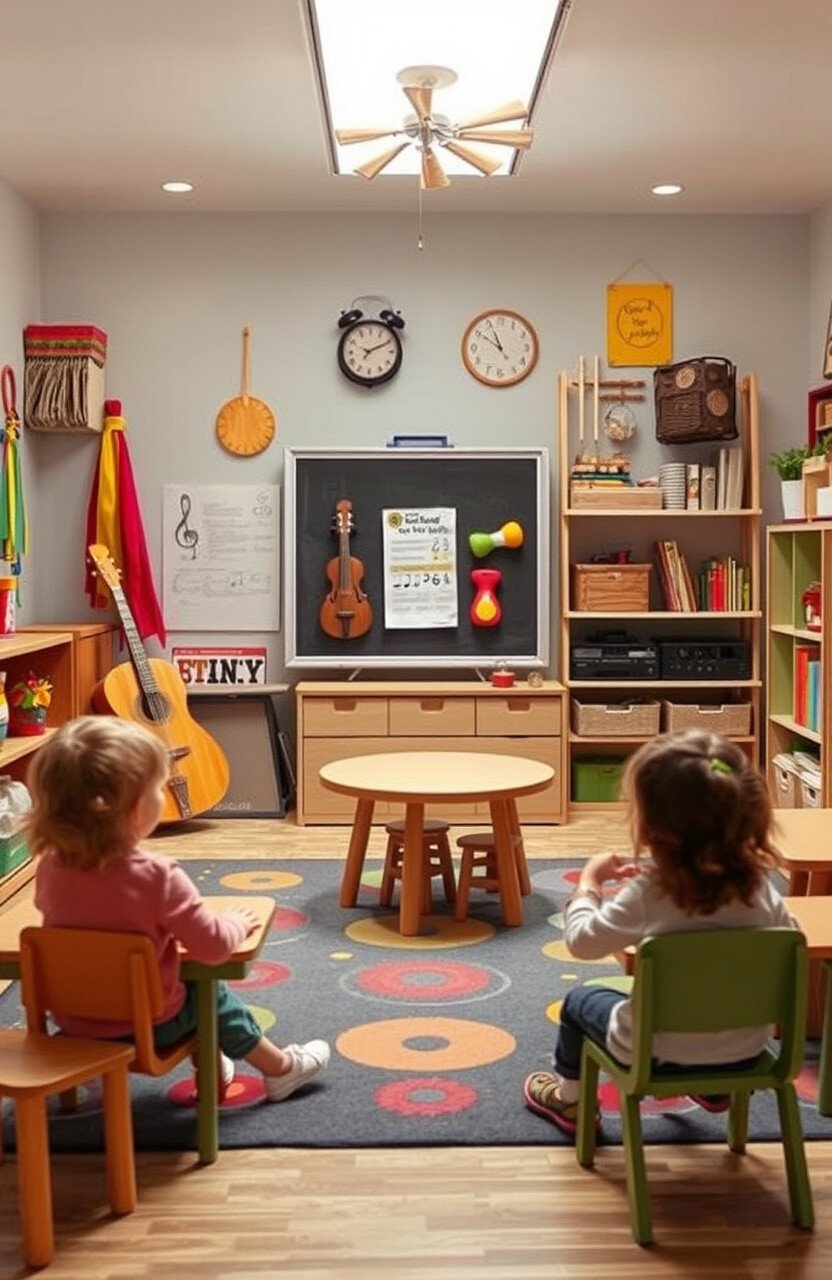
Designate a space with instruments and room to dance. Include items like drums, maracas, and scarves for movement.
This area encourages physical activity and musical exploration. It helps in developing coordination and rhythm.
Host mini dance parties or musical performances. Let children explore different instruments and sounds.
Instruments can often be found second-hand. Scarves and other movement props are inexpensive and versatile.
11. STEM Discovery Zone
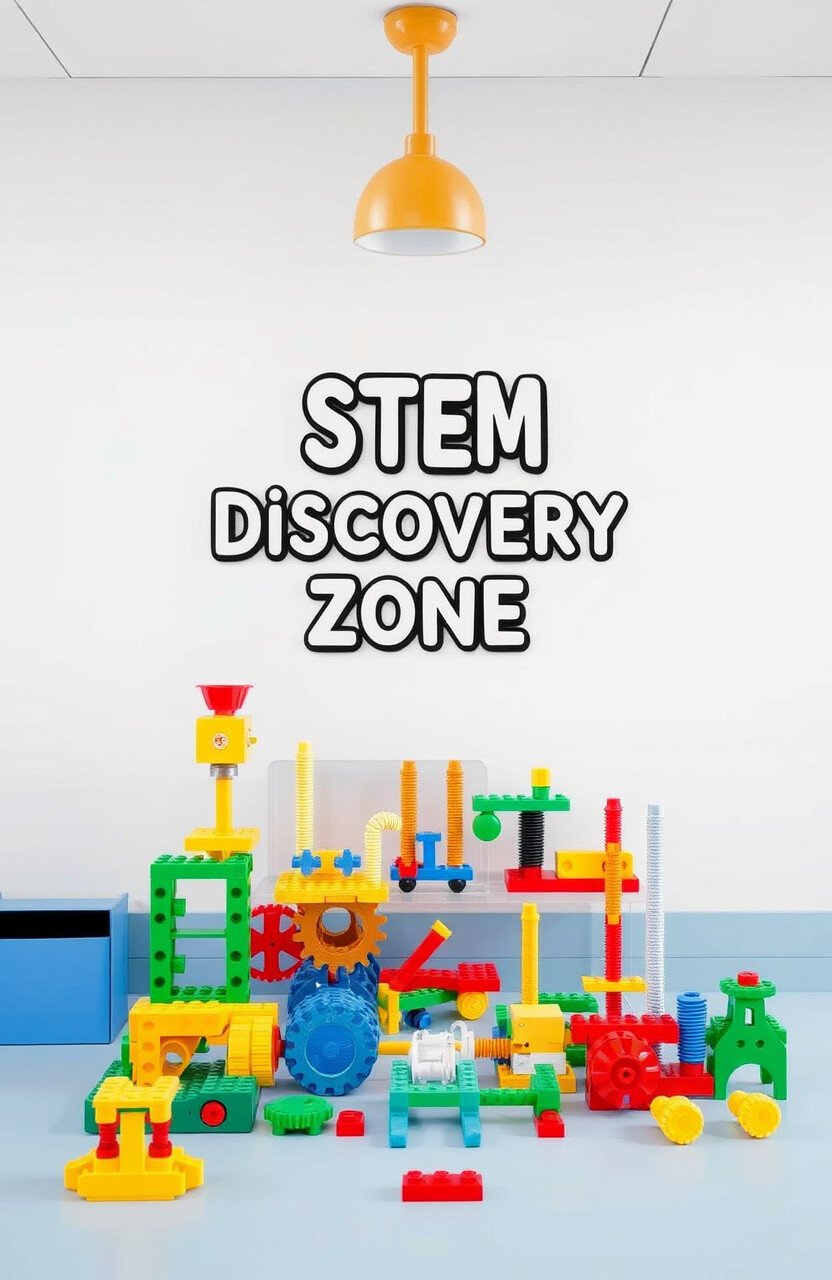
Set up a space with building blocks, gears, and simple machines. Encourage experimentation and problem-solving.
This zone promotes critical thinking and innovation. It introduces basic engineering and science concepts in a fun way.
Rotate materials to keep the challenges fresh. Host mini-challenges to inspire friendly competition and learning.
Many STEM toys are available at educational stores. Use household items like cardboard and tape for budget-friendly experiments.
12. Imaginative Play Area
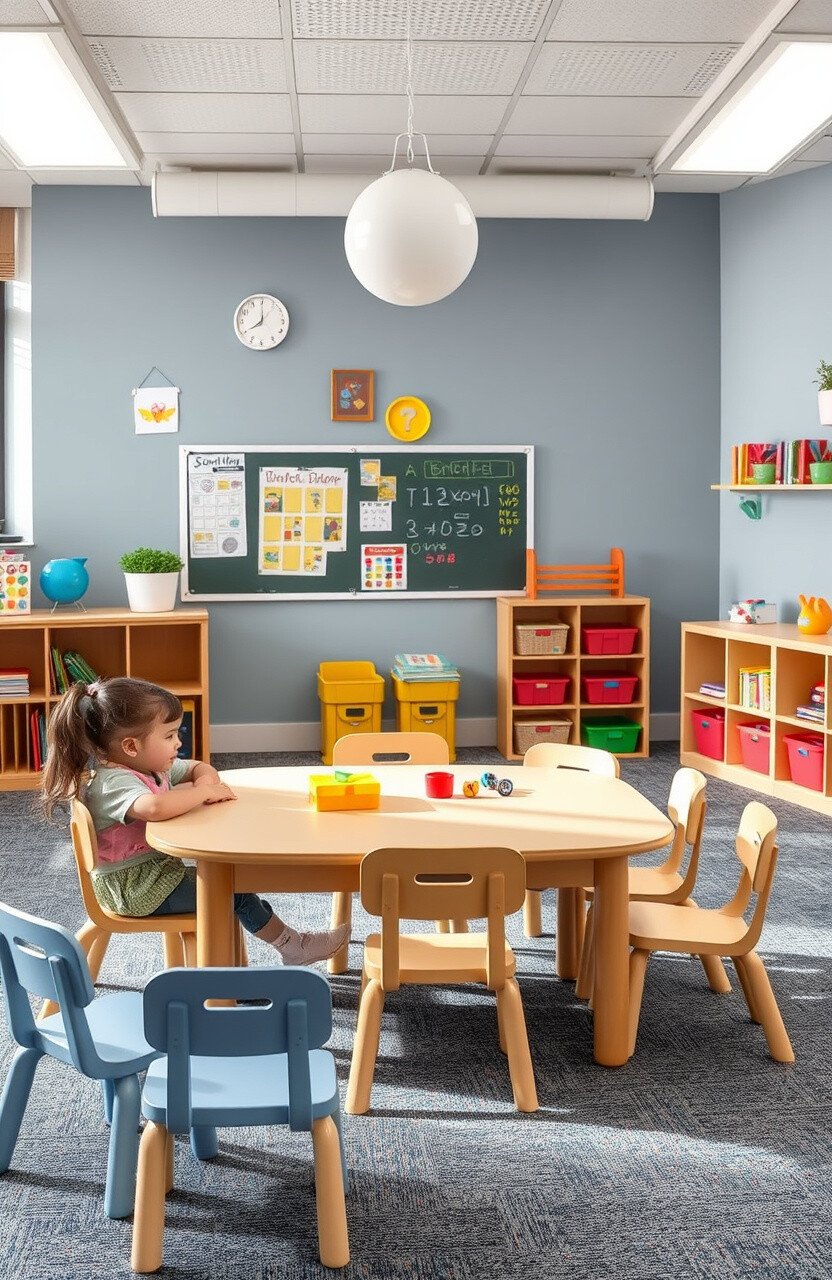
Include costumes and props for role-playing games. Themes like a kitchen, doctor’s office, or space station can be exciting.
This area encourages social skills and creativity. It lets children explore different roles and scenarios.
Encourage kids to create their own stories and settings. Use simple props to let their imaginations soar.
Costumes and props can be made from recycled materials. Thrift stores often have affordable options.
13. Zen Calming Corner
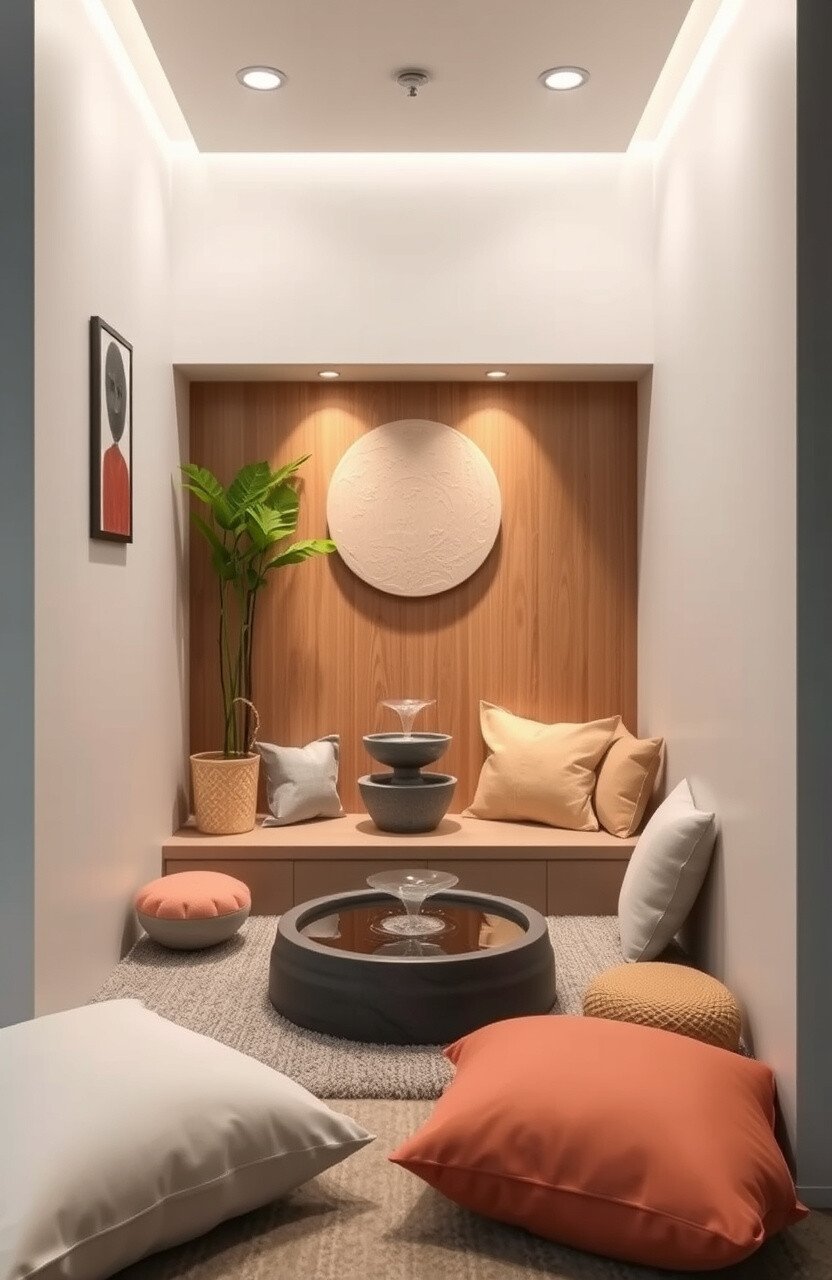
Design a quiet corner with soft lighting and calming colors. Use cushions and a small water feature for relaxation.
This corner offers a peaceful place for reflection and calm. It helps children manage emotions and stress.
Incorporate nature sounds or gentle music. Allow children to use this space when they need a break.
Water features can be small tabletop fountains. Use soft, natural materials for a soothing environment.
14. Alphabet Garden
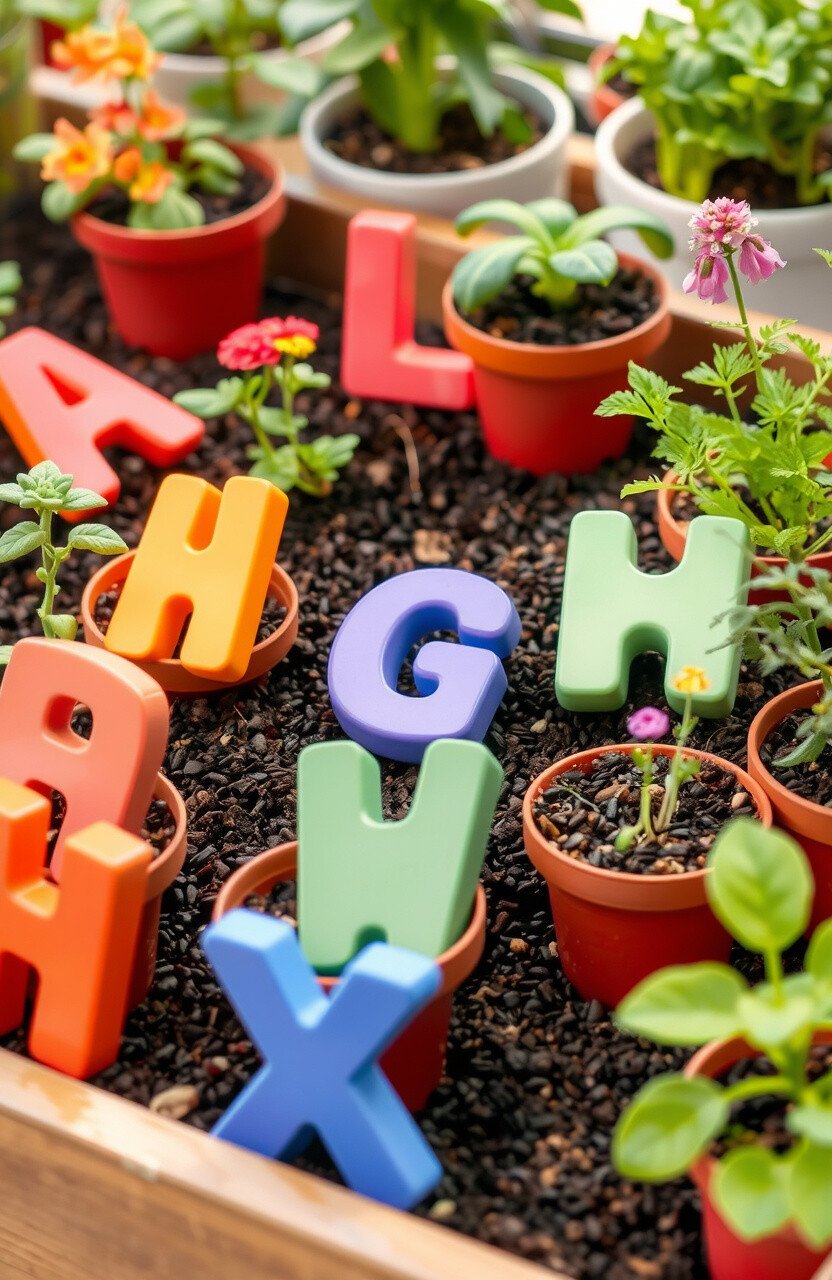
Arrange letters around potted plants or a garden theme. Use them to create words or spell names.
This garden makes learning letters fun and interactive. It connects literacy with nature in a delightful way.
Encourage children to water plants and care for the garden. Use seasonal themes to keep it interesting and educational.
Plastic letters and pots are inexpensive and durable. Seeds are a low-cost way to start a classroom garden.
15. Cultural Exploration Corner
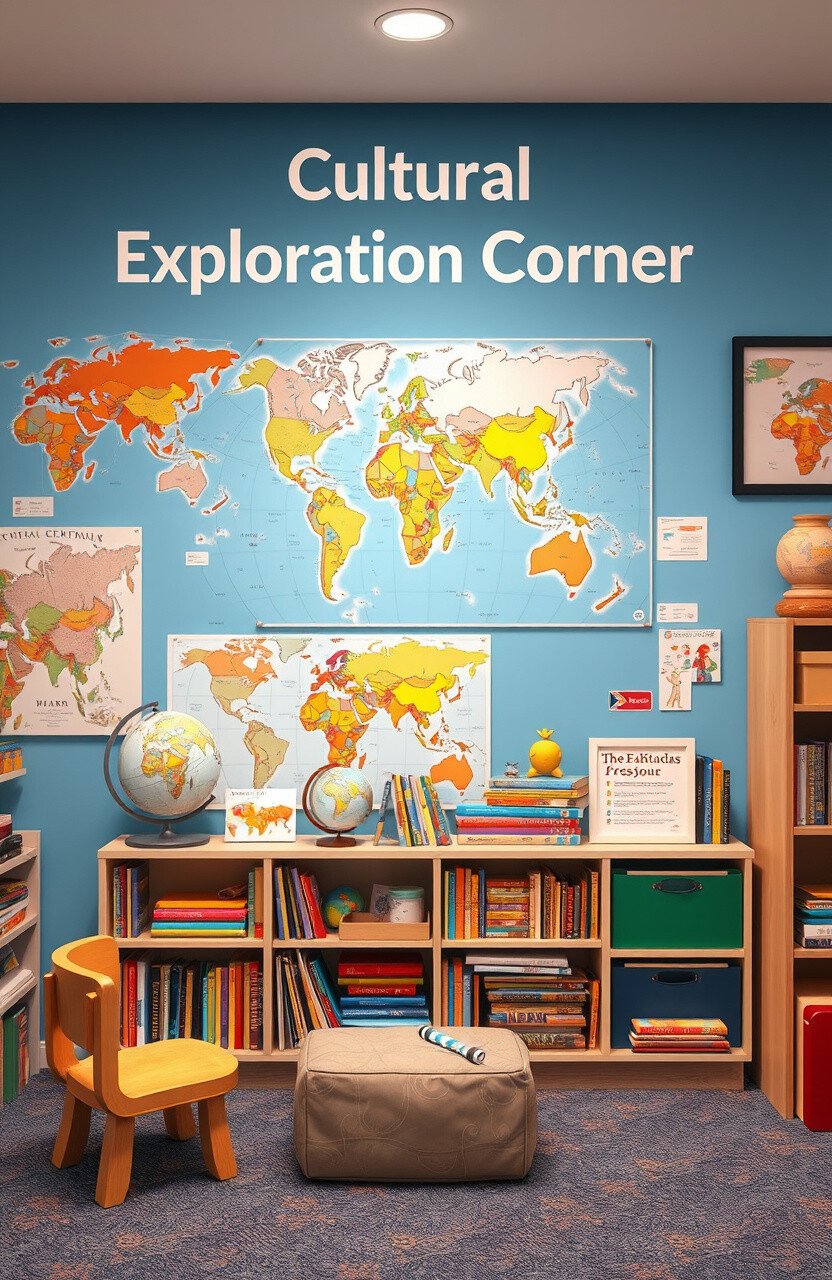
Create a space with maps, globes, and cultural artifacts. Use books and music from different countries.
This corner fosters an appreciation for diversity and inclusivity. It opens young minds to the wonders of the world.
Let students share items from their own cultures. Host cultural days to celebrate different traditions.
Maps and books can be found at libraries or educational stores. Encourage families to contribute cultural items.
16. Puzzle and Game Table
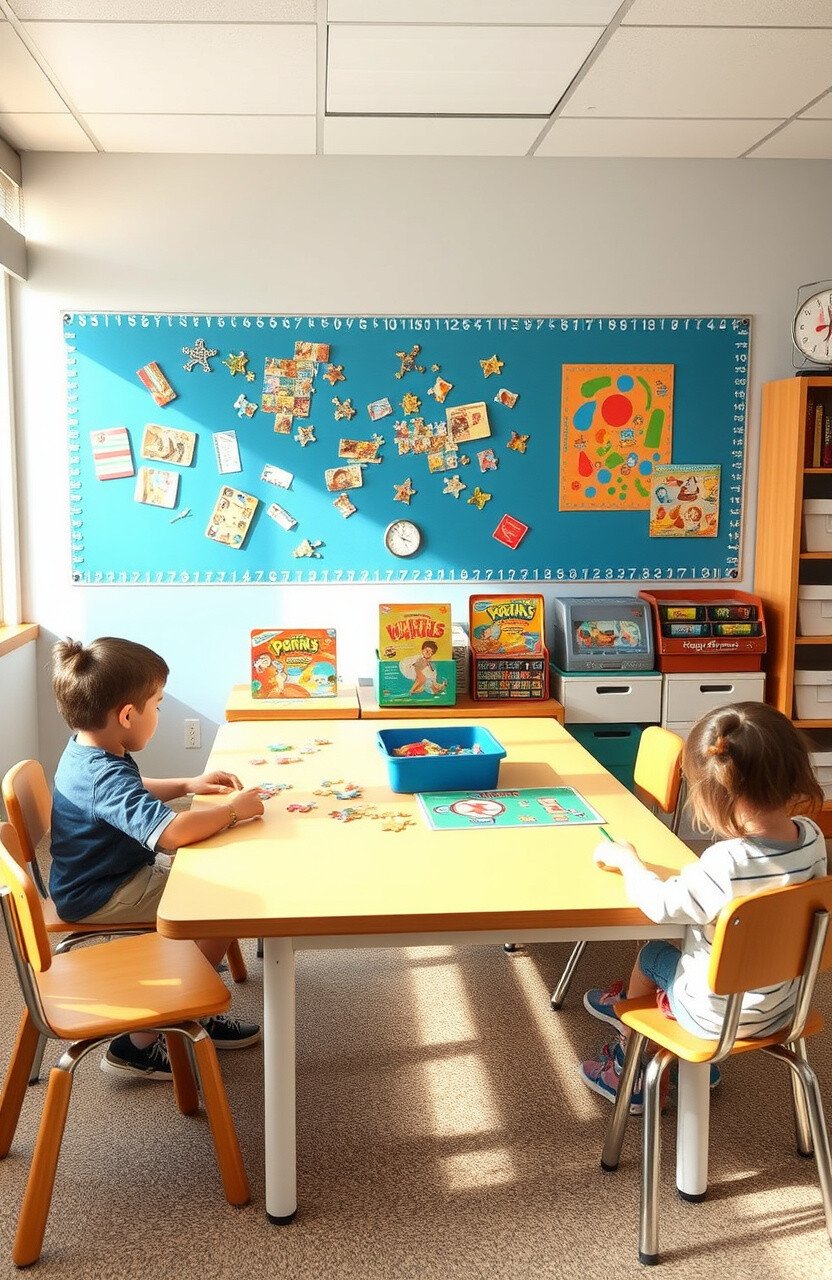
Set up a table with puzzles and board games for collaboration. Rotate games to keep the challenge fresh and fun.
This table fosters teamwork and problem-solving skills. It provides a fun break from traditional learning.
Encourage students to bring favorite games to share. Host game afternoons for a fun and engaging activity.
Puzzles and games can be found at thrift stores. Consider using homemade games for a personal touch.
17. Science Experiment Station
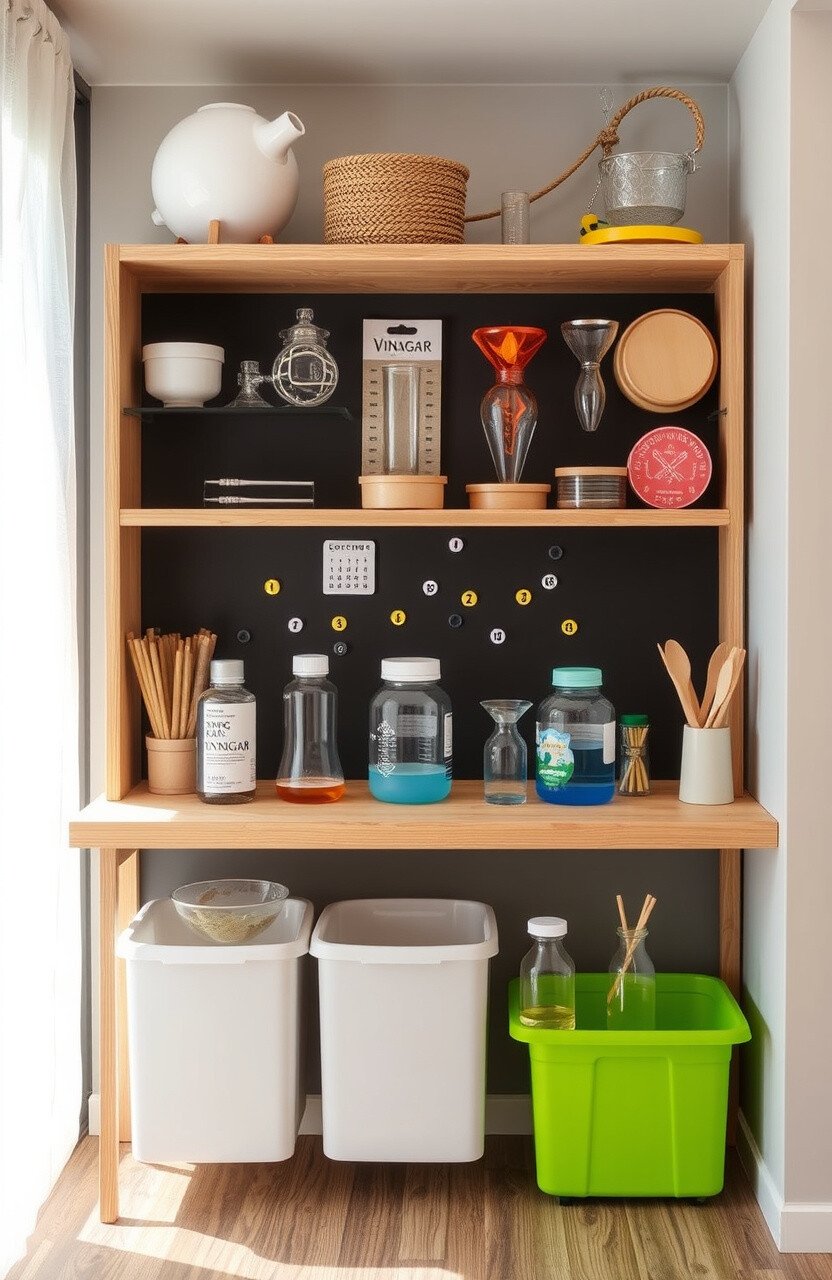
Create a space for simple science experiments with safe materials. Use items like baking soda, vinegar, and food coloring.
This station promotes curiosity and scientific thinking. It provides hands-on learning experiences kids adore.
Change experiments weekly to keep children excited. Encourage them to ask questions and explore outcomes.
Most experiment materials are found in the kitchen. Use plastic trays and containers to manage messes and costs.
18. Travel Adventure Corner
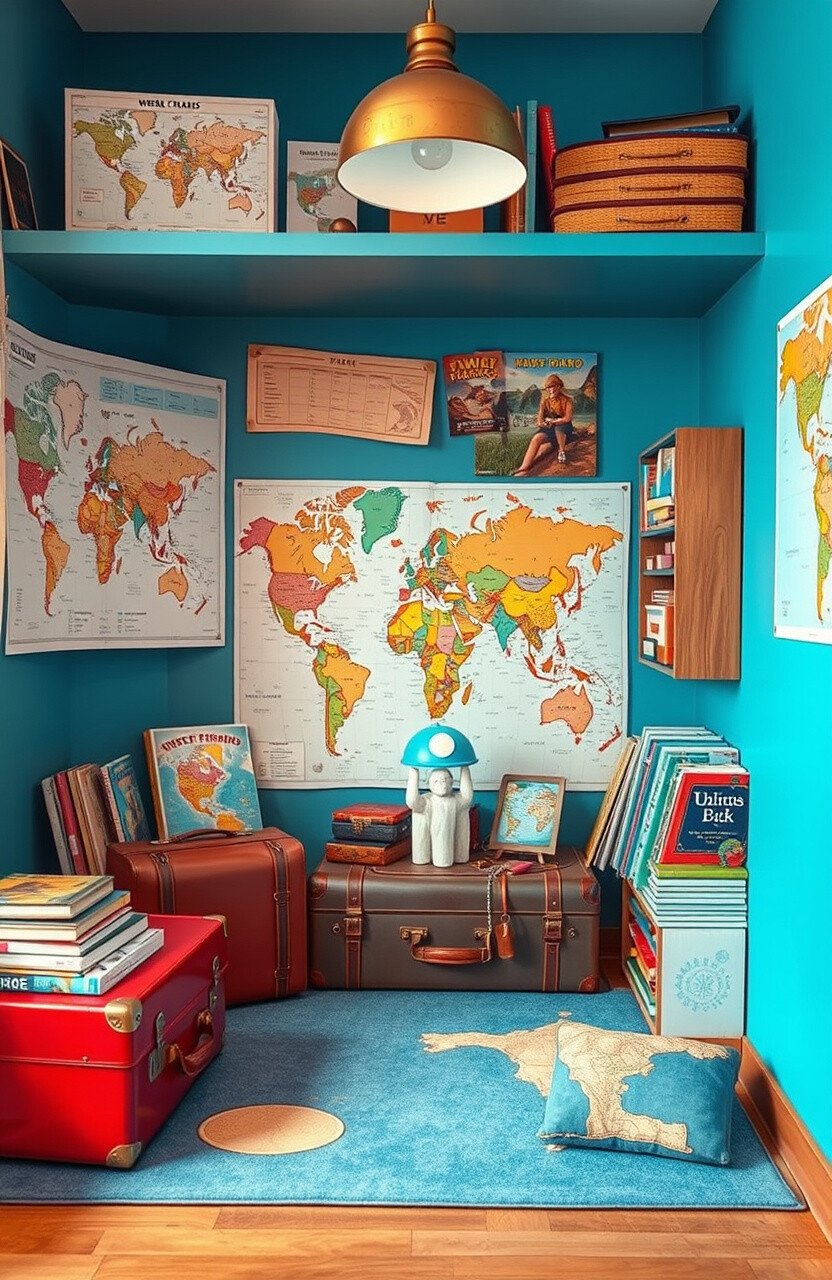
Design an area with maps, suitcases, and travel books. Include artifacts and pictures from different destinations.
This corner inspires wanderlust and global awareness. It lets children explore the world without leaving the classroom.
Encourage kids to share travel stories or dreams. Use props to create a sense of adventure in learning.
Maps and travel books can be sourced from libraries. Suitcases and props are often found at thrift stores.
19. Building Block Bonanza
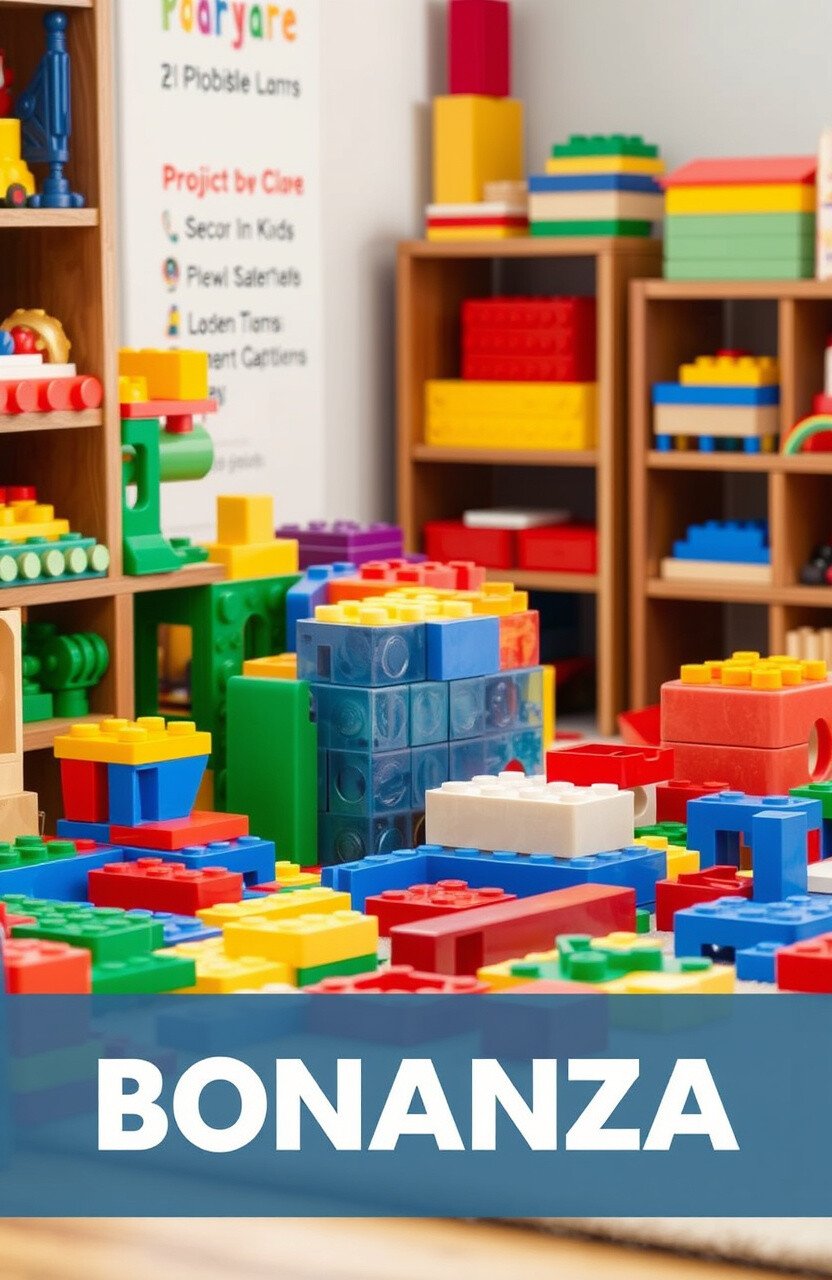
Create a zone with various building blocks and connectors. Let kids construct their own creations.
This bonanza enhances spatial awareness and fine motor skills. It gives children the freedom to build anything they imagine.
Rotate different types of blocks for variety. Host building challenges to inspire creativity and teamwork.
Blocks are available in many price ranges. Consider using recycled materials for extra building fun.
20. Garden of Kindness
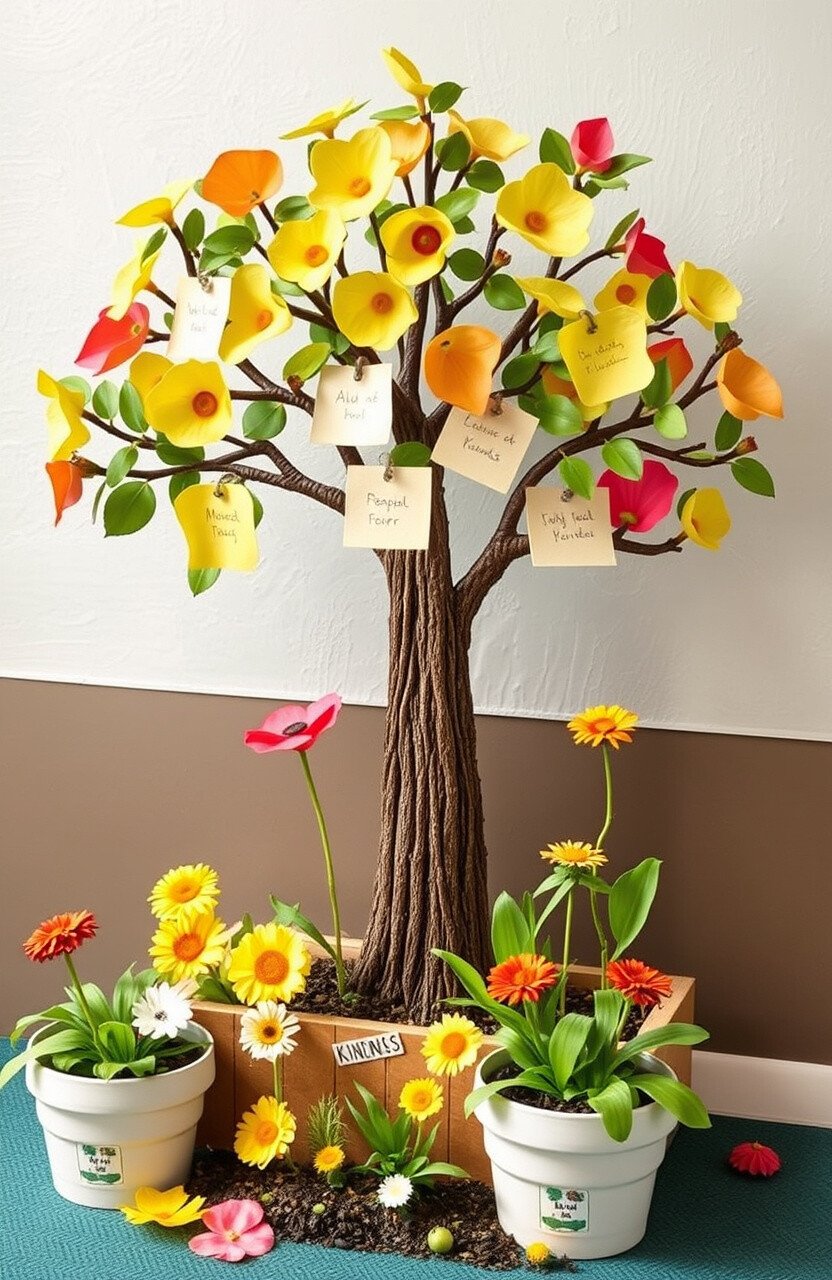
Set up a space with a kindness tree or garden. Use notes or leaves to write acts of kindness.
This garden promotes empathy and positive behavior. It creates a visual reminder of the power of kindness.
Encourage children to add their own acts of kindness. Use seasonal themes to keep it engaging and relevant.
Craft supplies for this garden are inexpensive. Reuse old materials to make it a budget-friendly project.
21. Discovery Table
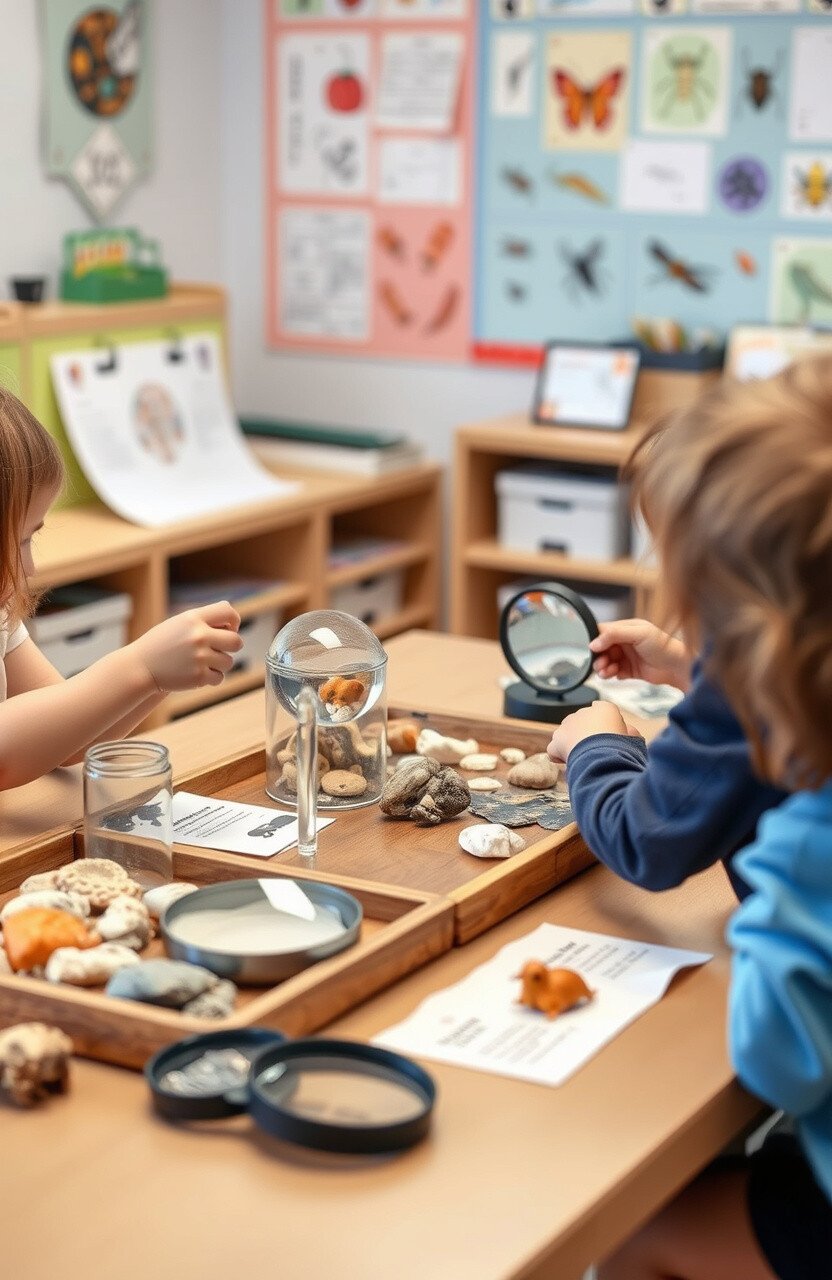
Design a table with rotating themes like fossils or bugs. Use magnifying glasses and informational cards.
This table stimulates curiosity and learning about the world. It makes discovery an integral part of the classroom.
Let students bring items to add to the table. Use themes that align with classroom lessons or interests.
Items for the table can be found in nature or bought affordably. Magnifying glasses are often available in bulk.
22. Whimsical Reading Tree
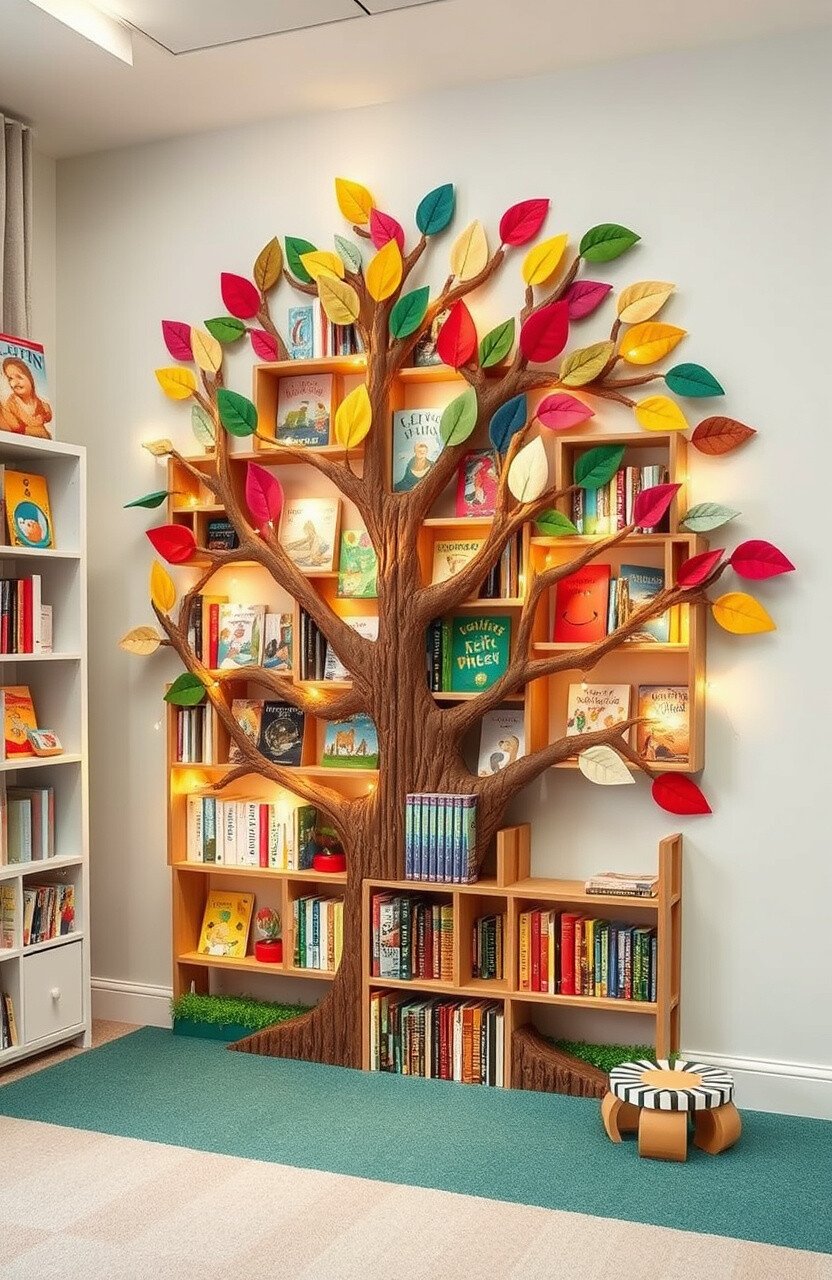
Create a tree-shaped bookshelf with branches filled with books. Use fabric leaves and fairy lights for decoration.
This whimsical design invites children to explore stories. It turns reading into a magical adventure.
Let children decorate the tree with their favorite book titles. Use the space for storytelling sessions and read-alouds.
Fabric and fairy lights are inexpensive and reusable. Consider building the tree from recycled materials.
23. Animal Kingdom Zone
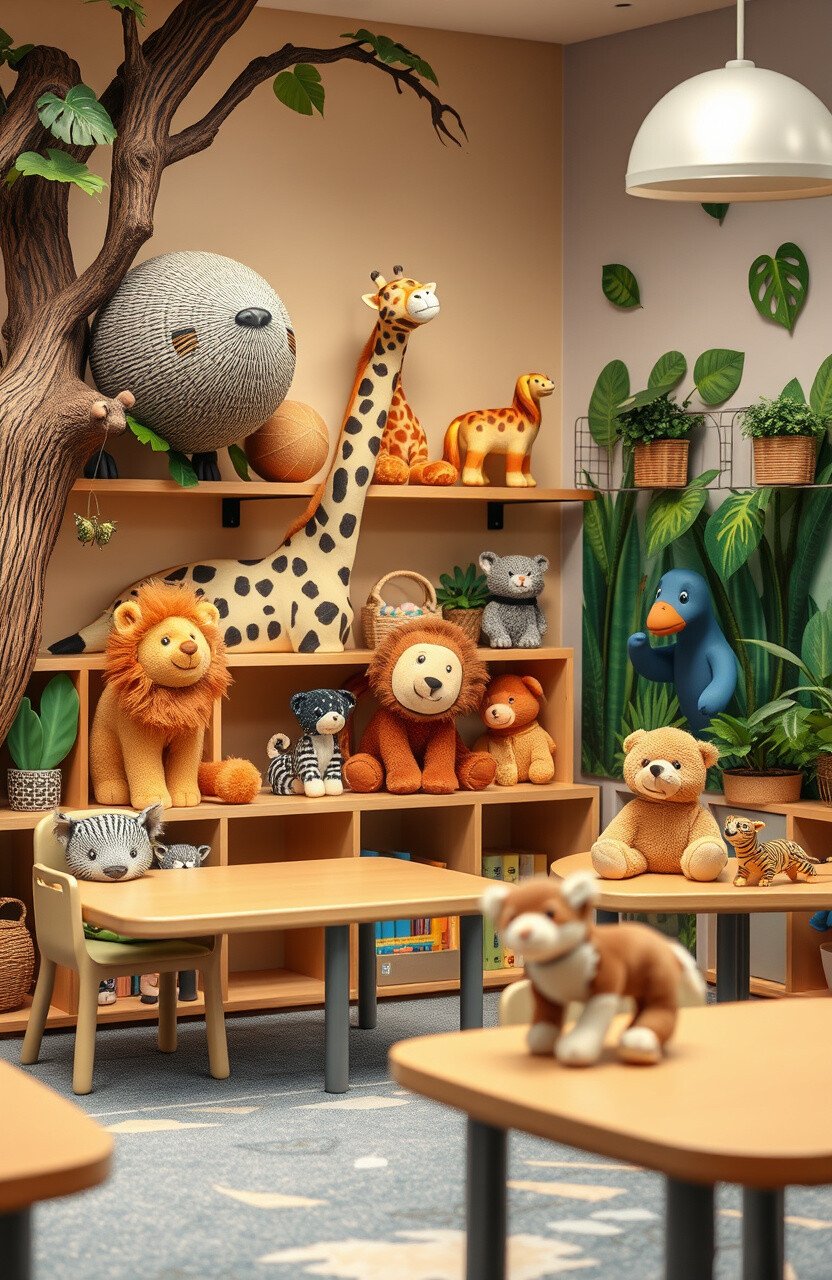
Design a space with stuffed animals and nature sounds. Use books and pictures to explore different species.
This zone nurtures a love for animals and nature. It encourages children to learn about wildlife and ecosystems.
Encourage students to bring animal facts or stories. Use props to create habitats and set the scene for exploration.
Stuffed animals and books are often available second-hand. Nature sounds can be played from a simple speaker setup.
24. Art Masterpiece Wall
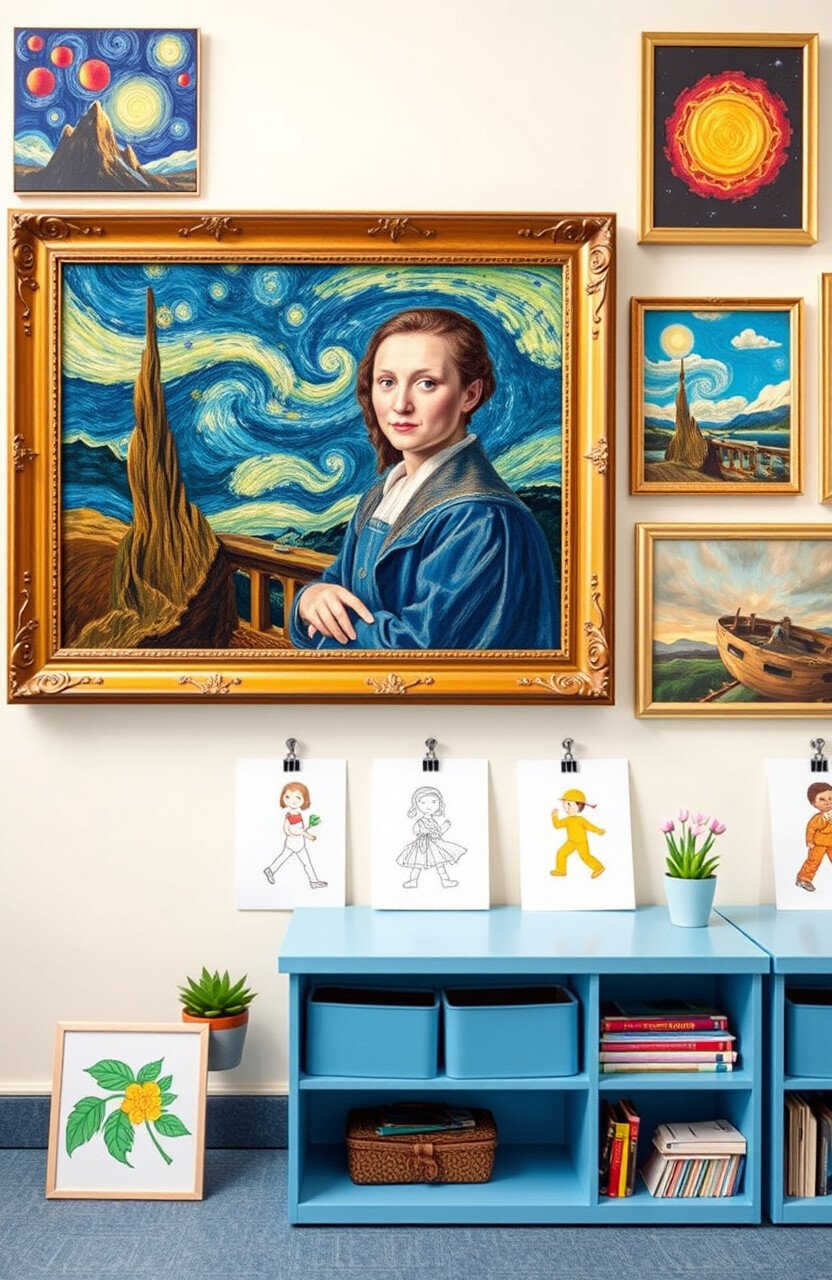
Dedicate a wall to showcase famous art reproductions. Provide materials for students to create their own versions.
This wall introduces children to art history and styles. It inspires creativity and appreciation for artistic expression.
Rotate featured artists to keep the wall fresh and inspiring. Let students take turns being the “artist of the week.”
Prints of famous art can be found online for free. Use simple frames or clips to display student artwork.
25. Cozy Campfire Reading Area
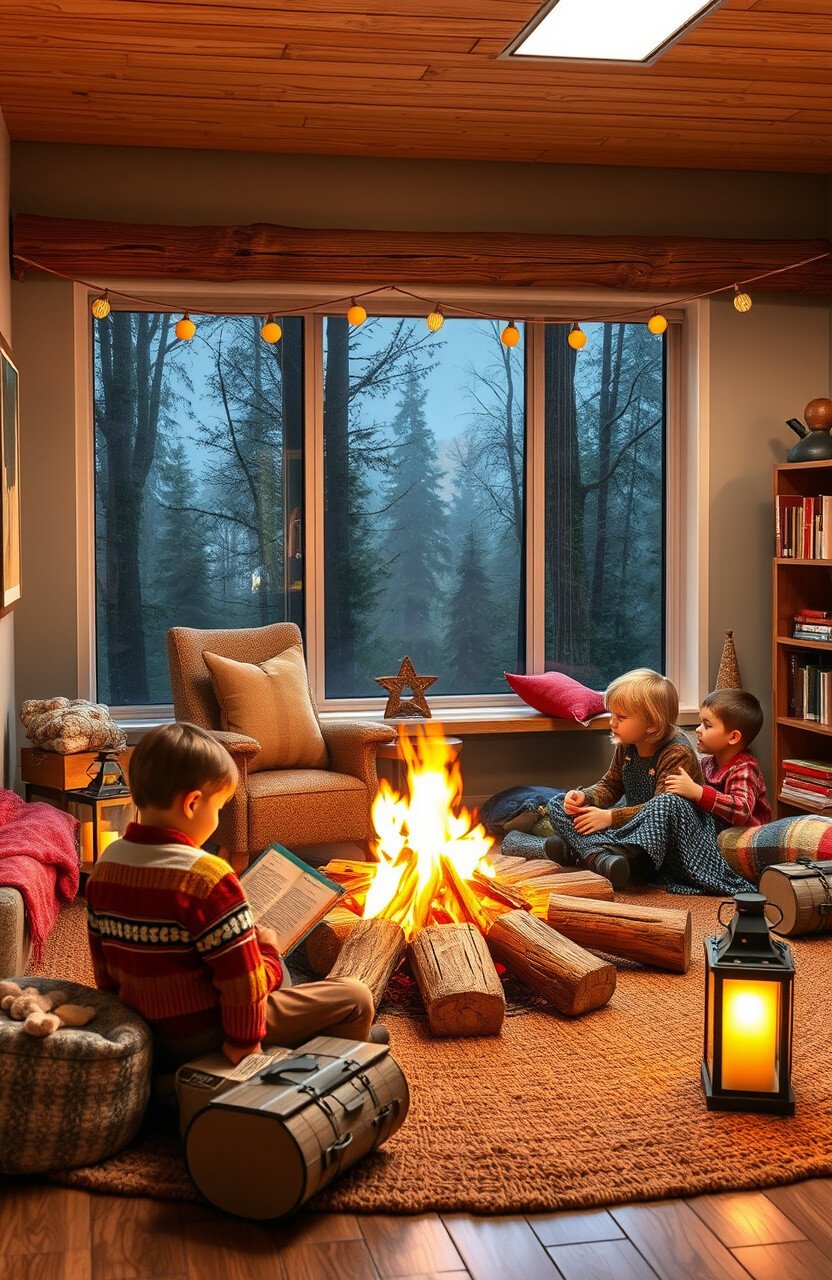
Create a campfire setting with logs and a faux fire. Use lanterns and blankets for a cozy reading experience.
This area brings the outdoors inside, sparking imagination. It makes reading feel like a warm and inviting escape.
Encourage storytelling around the “campfire.” Use the space for group reading sessions and cozy gatherings.
Logs can be made from foam or cardboard. Faux fires and lanterns are available at affordable prices.
26. Under the Sea Adventure
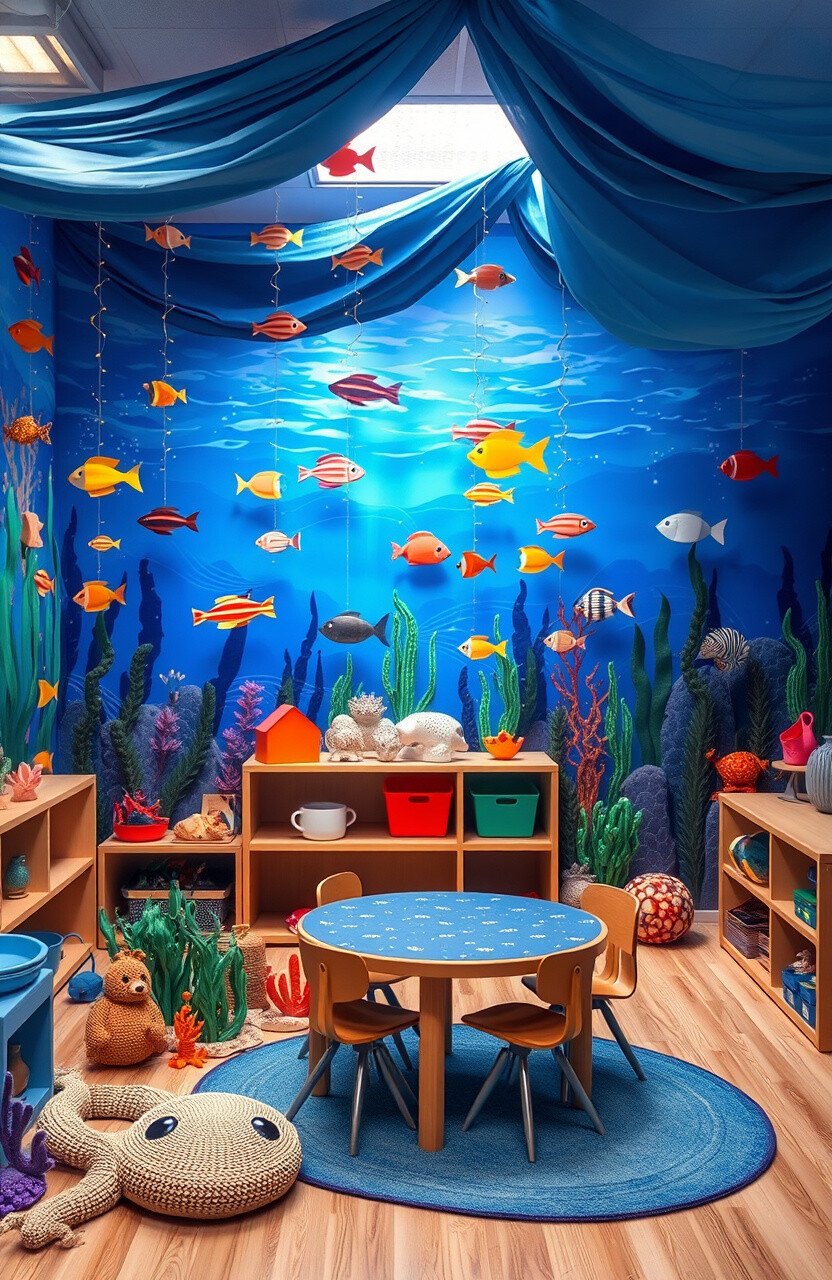
Decorate with ocean-themed items like fish, shells, and blue fabrics. Use music and lights for an underwater effect.
This adventure sparks curiosity about marine life and ecosystems. It creates an immersive learning environment.
Encourage children to learn about ocean creatures and habitats. Use the area for themed lessons and activities.
Many ocean-themed decorations can be DIYed. Use simple materials like paper and fabric for sea creatures.
27. Space Exploration Center
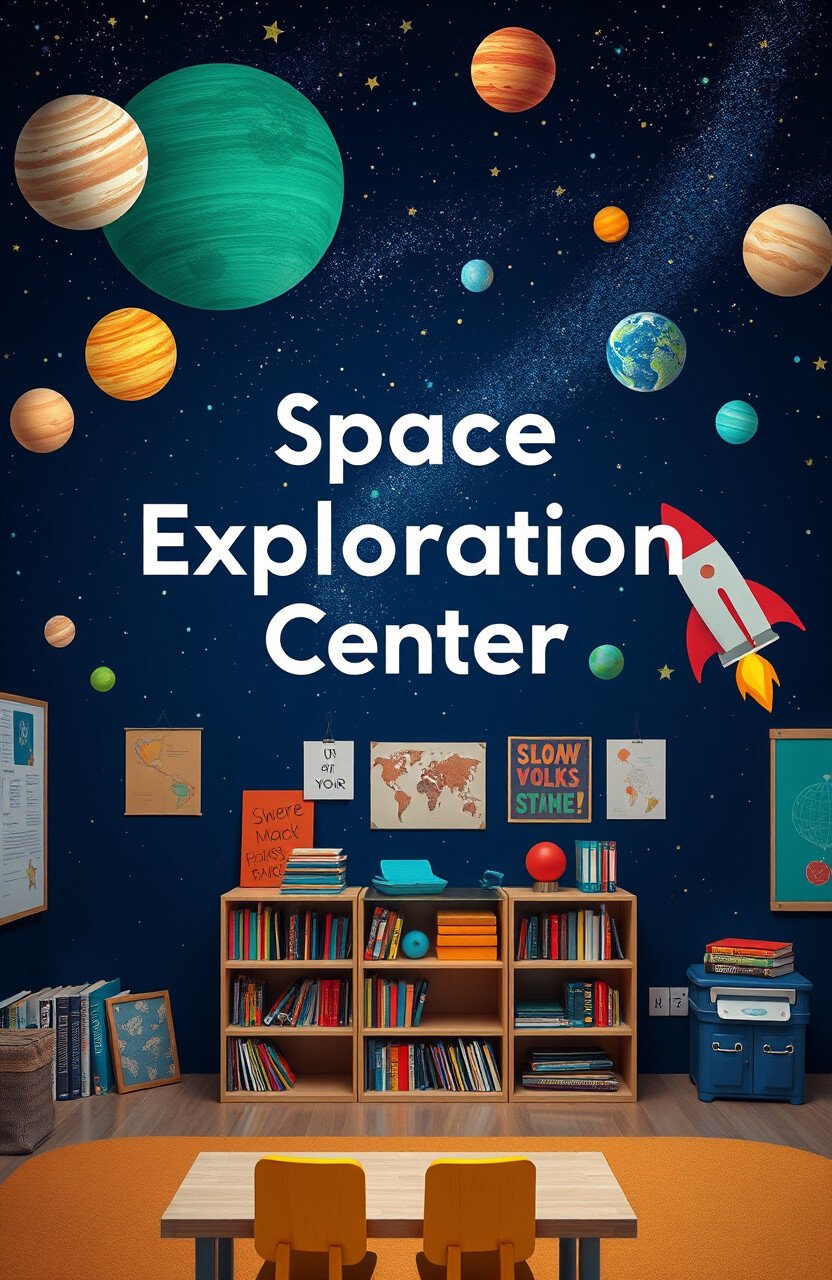
Design a space with planets, stars, and rockets. Use glow-in-the-dark stickers and space-themed books.
This center ignites interest in astronomy and science. It turns the classroom into an exciting universe to explore.
Let students create their own space missions and stories. Host stargazing nights with parents and telescopes.
Stickers and books are inexpensive and widely available. Consider using projectors for a night sky effect.
28. Community Helper Corner
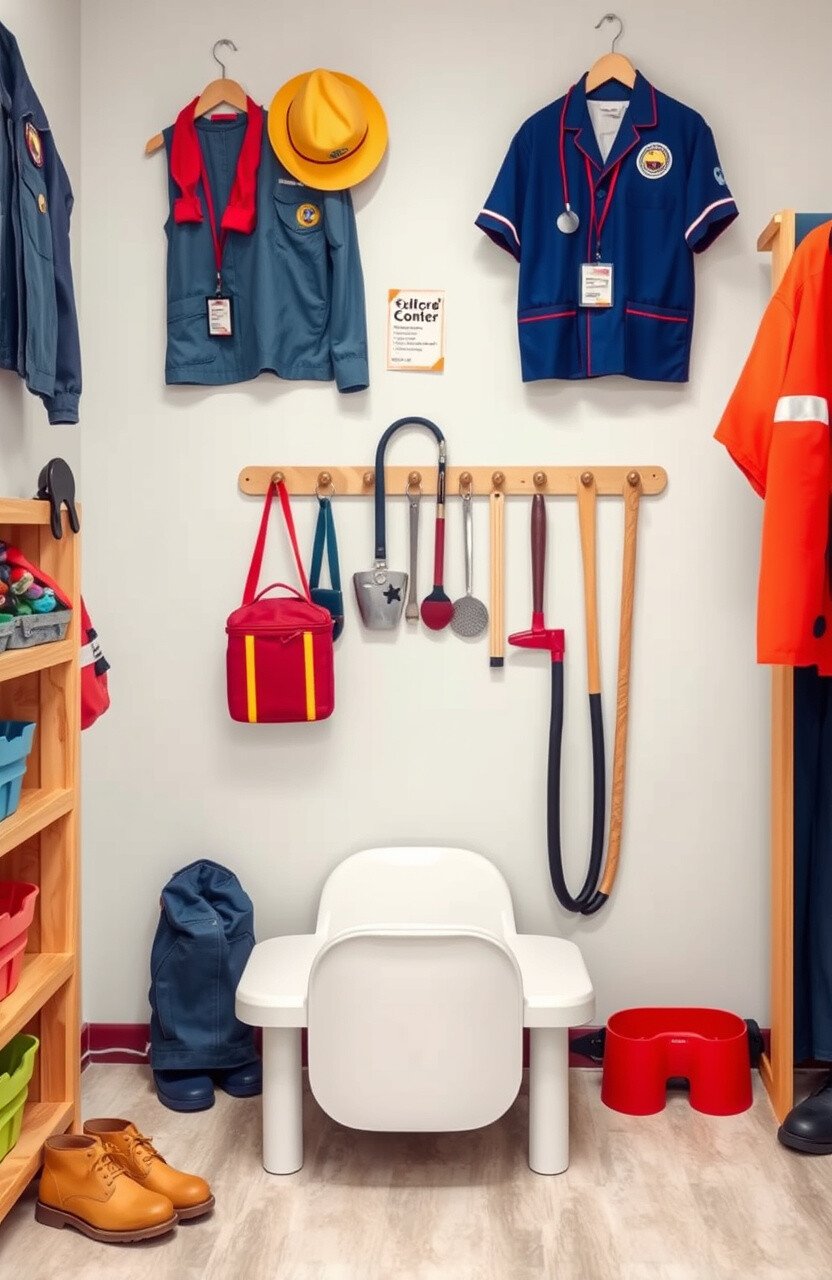
Set up an area with uniforms and tools from different professions. Use props like badges and hats for role-playing.
This corner teaches about various careers and community roles. It encourages children to imagine themselves in different jobs.
Invite community helpers for guest visits and talks. Use the area for themed lessons on helping and service.
Costumes and props can be thrifted or homemade. Collaborate with local professionals for donations or visits.
29. Language Learning Lounge
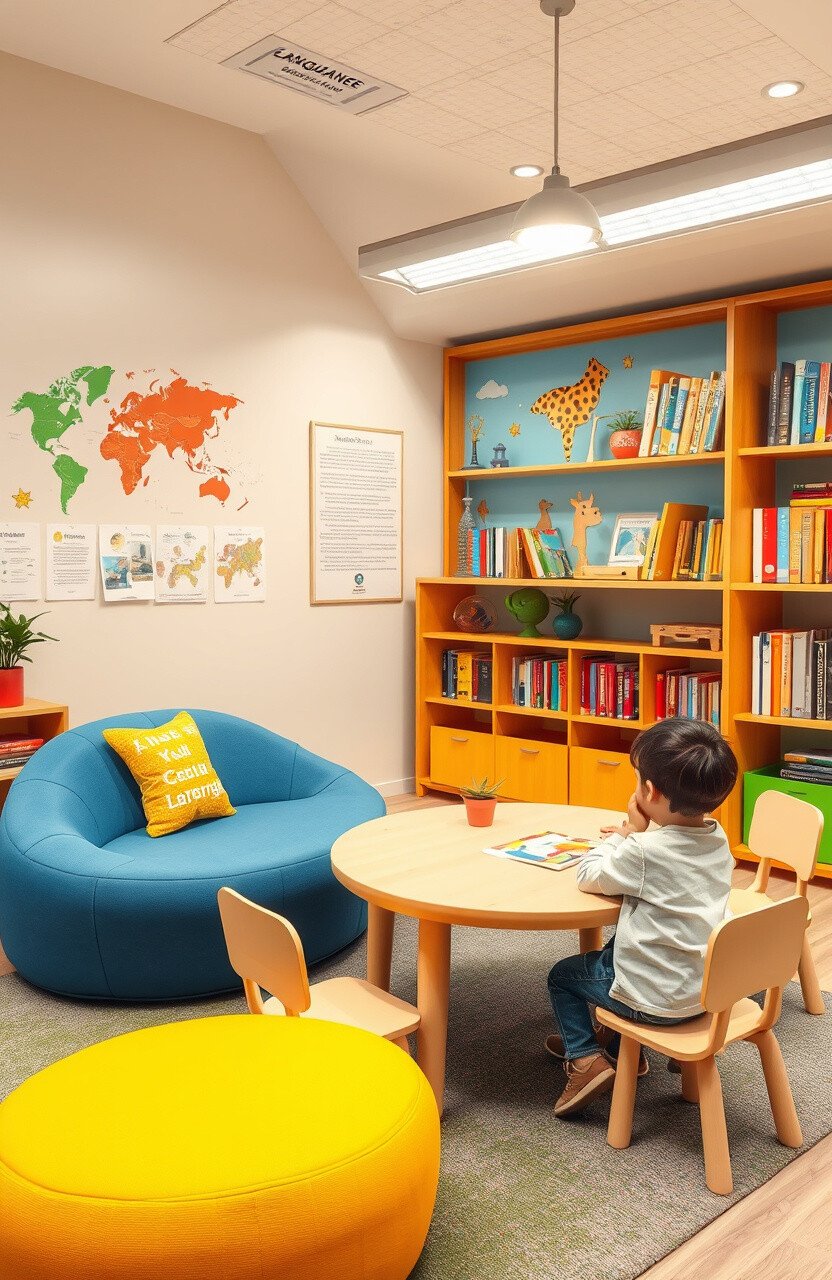
Create a space with books and materials in different languages. Use audio resources and language games for practice.
This lounge encourages interest in languages and cultures. It provides a fun way to introduce multilingual learning.
Encourage students to share words from their languages. Use songs and stories to make learning interactive.
Books and games can be sourced from libraries or online. Audio resources can often be found for free on educational websites.
30. Historical Time Travel Corner
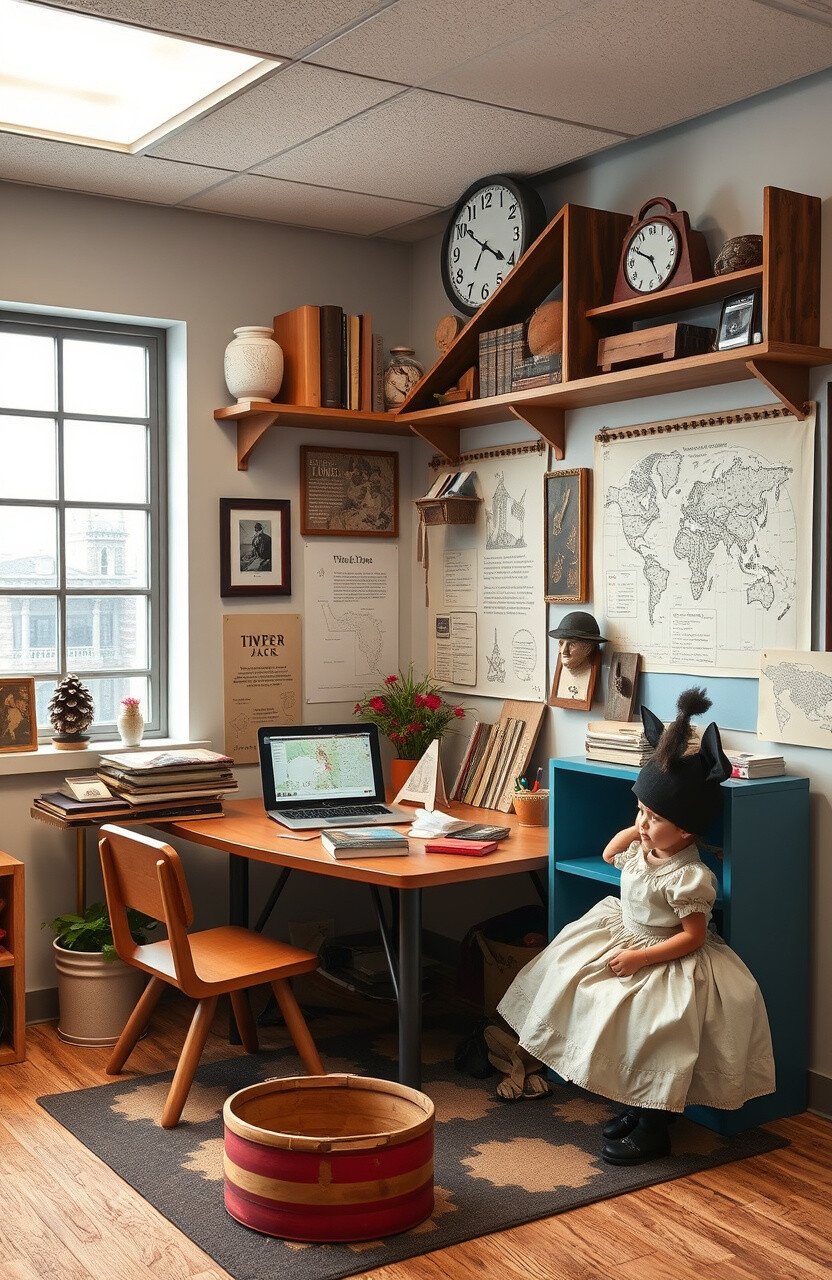
Decorate with artifacts and costumes from different eras. Use timelines and historical stories for learning.
This corner makes history engaging and relatable. It allows children to explore the past in a fun way.
Encourage students to act out historical scenes or stories. Use the area for themed projects and presentations.
Costumes and props can be crafted from simple materials. Many historical resources are available online or in libraries.
31. Math and Logic Lab
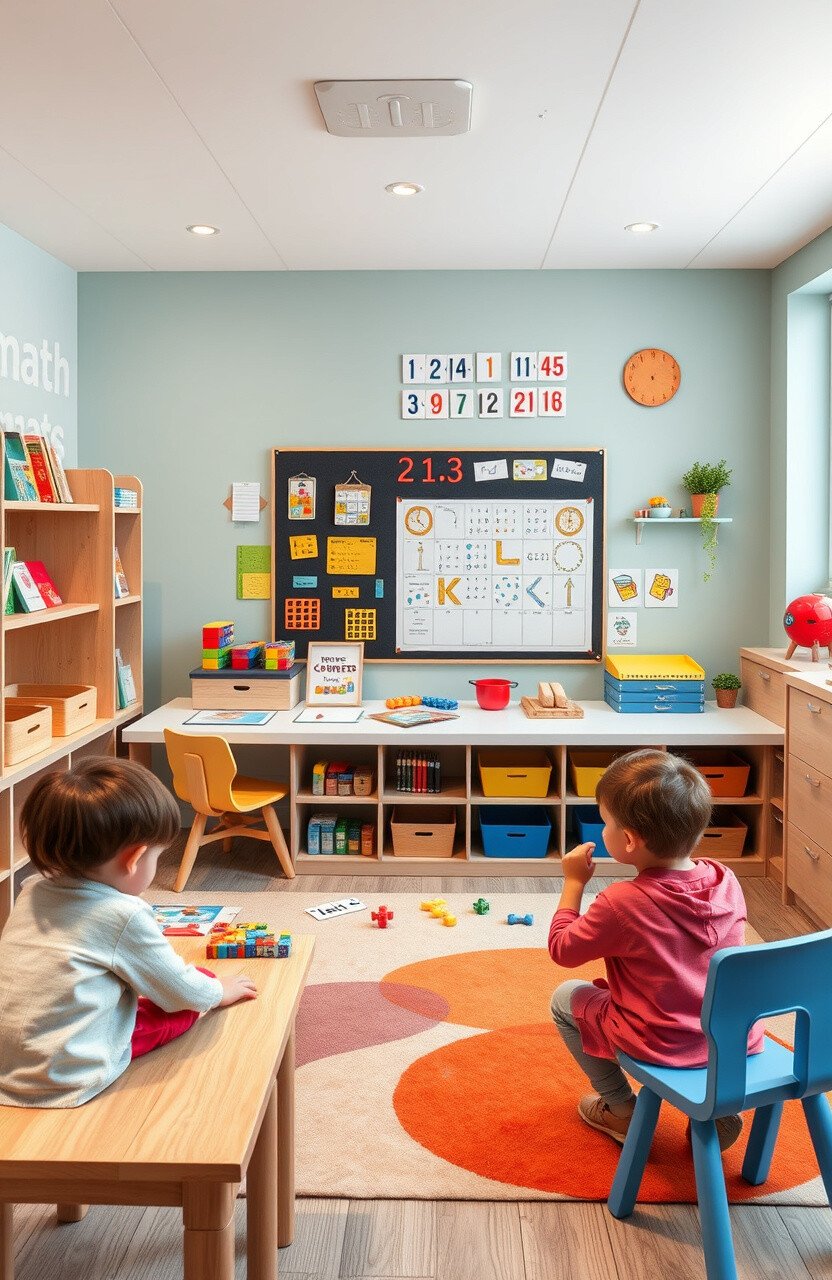
Set up a space with puzzles, math games, and logic challenges. Use manipulatives like blocks and counters.
This lab makes math fun and interactive. It helps children develop critical thinking and problem-solving skills.
Rotate games and challenges to keep the lab exciting. Encourage teamwork and collaboration in solving problems.
Many math games are available at educational stores. Use household items for creative and cost-effective math activities.
32. Bright and Bold Color Zone
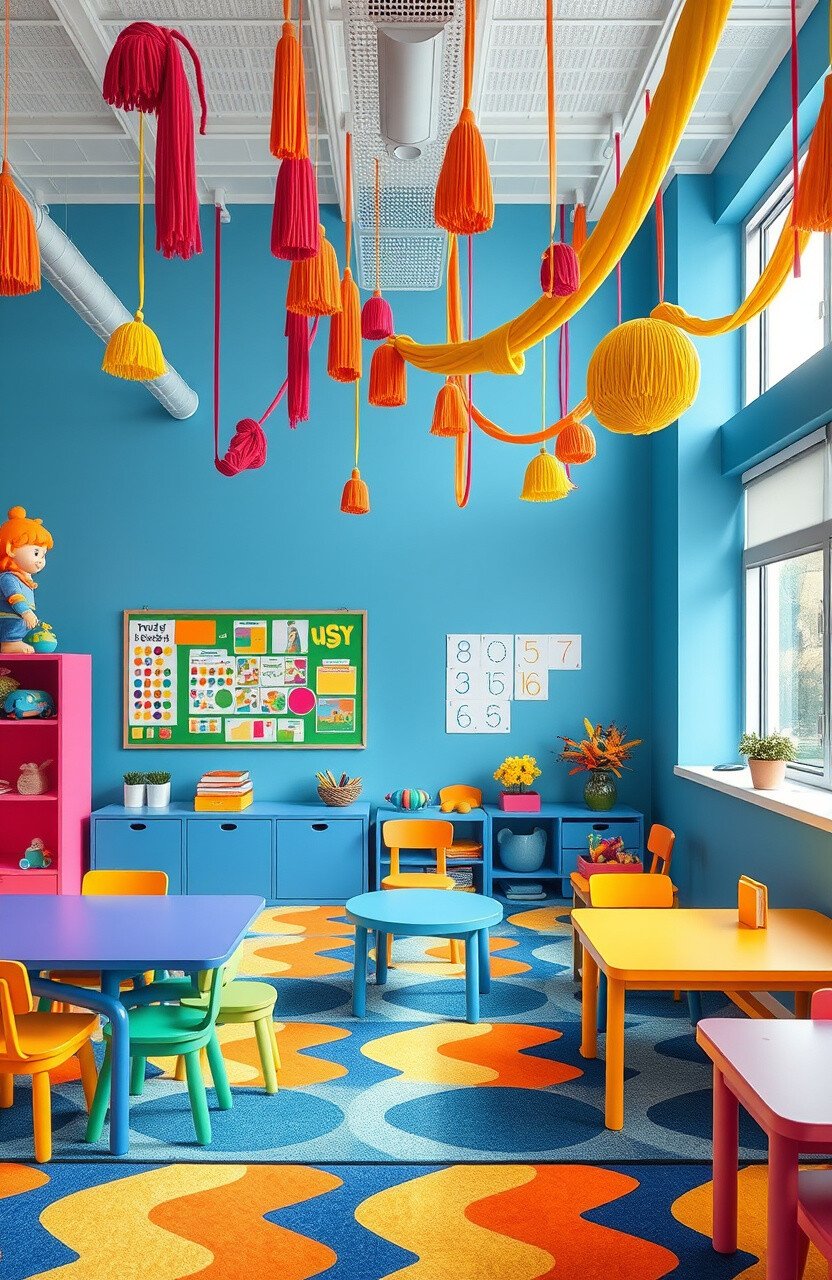
Create an area with vibrant colors and bold patterns. Use colorful furniture and decorations to stimulate the senses.
This zone energizes and inspires creativity. It makes the classroom a lively and exciting place to be.
Let students contribute their own colorful art or decorations. Use the area for activities that celebrate creativity.
Many colorful items can be crafted DIY-style. Fabrics and paints are inexpensive ways to add color to the classroom.
33. Recycled Art Project Wall
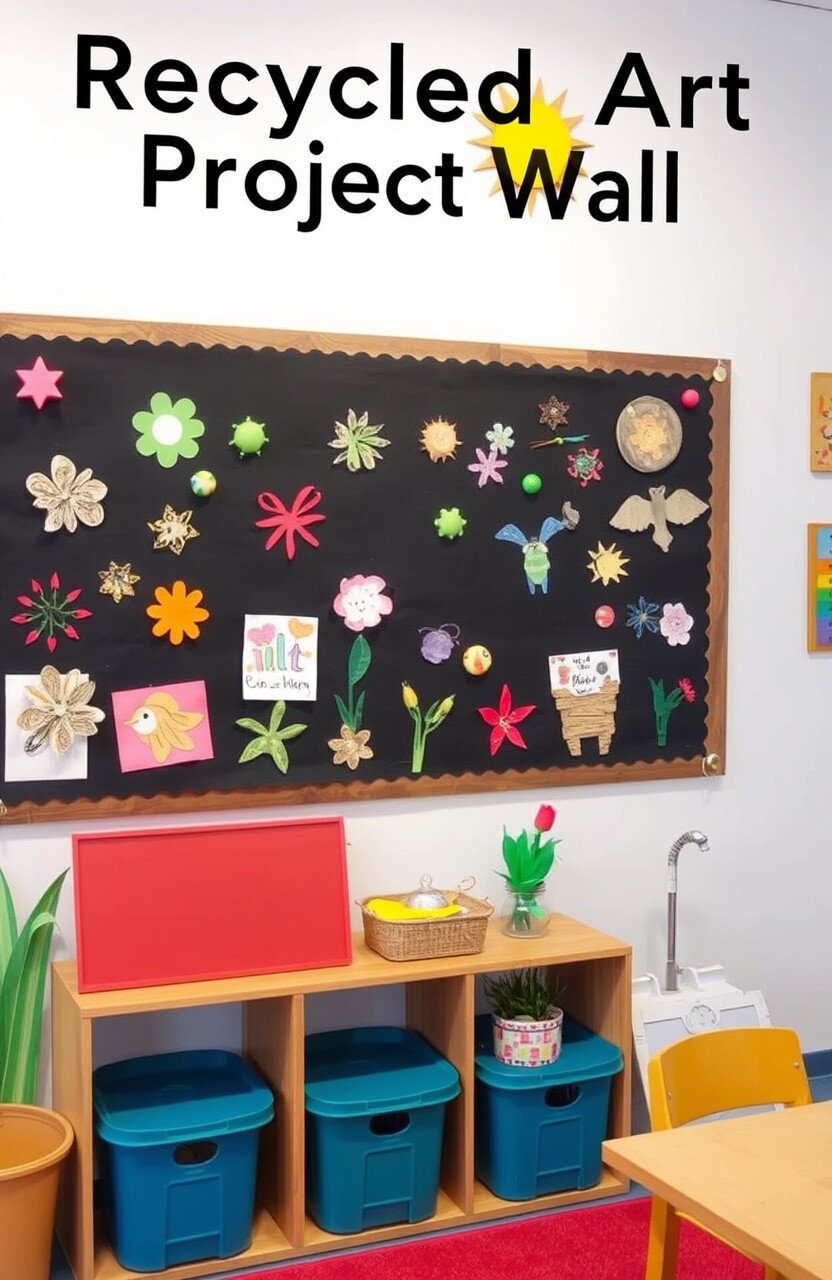
Design a space to display art made from recycled materials. Use old magazines, cardboard, and plastic for projects.
This wall promotes sustainability and creativity. It shows children the value of reusing and recycling.
Encourage students to bring materials and ideas. Use the wall for themed projects and environmental lessons.
Recycled materials are free and plentiful. Encourage families to contribute items from home for classroom projects.
34. Cozy Nature Nook
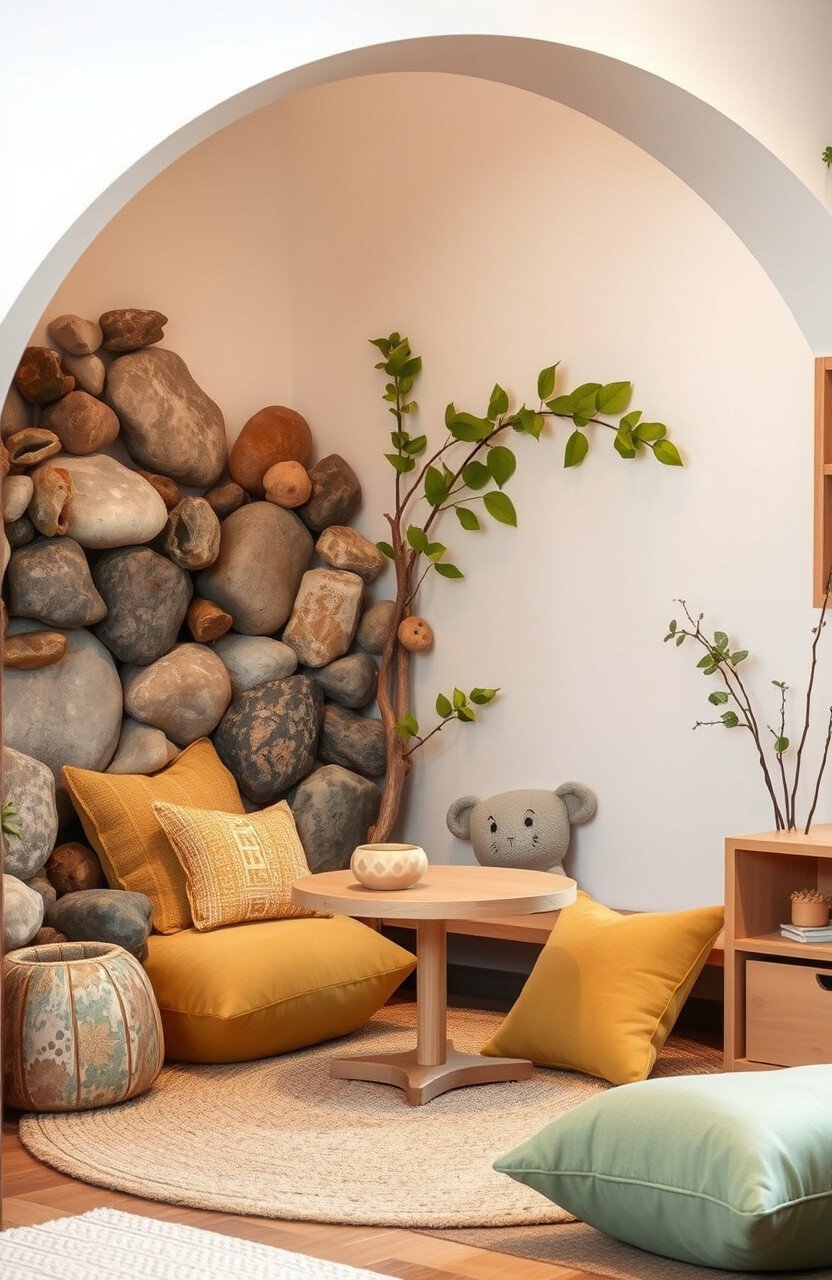
Create a corner with natural elements like stones, leaves, and wood. Use soft lighting and earth tones for a calming effect.
This nook connects children to nature and tranquility. It provides a peaceful space for quiet activities and reflection.
Encourage mindfulness activities like deep breathing or yoga. Use the nook for nature-themed lessons and storytelling.
Natural materials can often be found outdoors for free. Use soft fabrics and cushions for added comfort on a budget.
35. Puppet Storytelling Stage
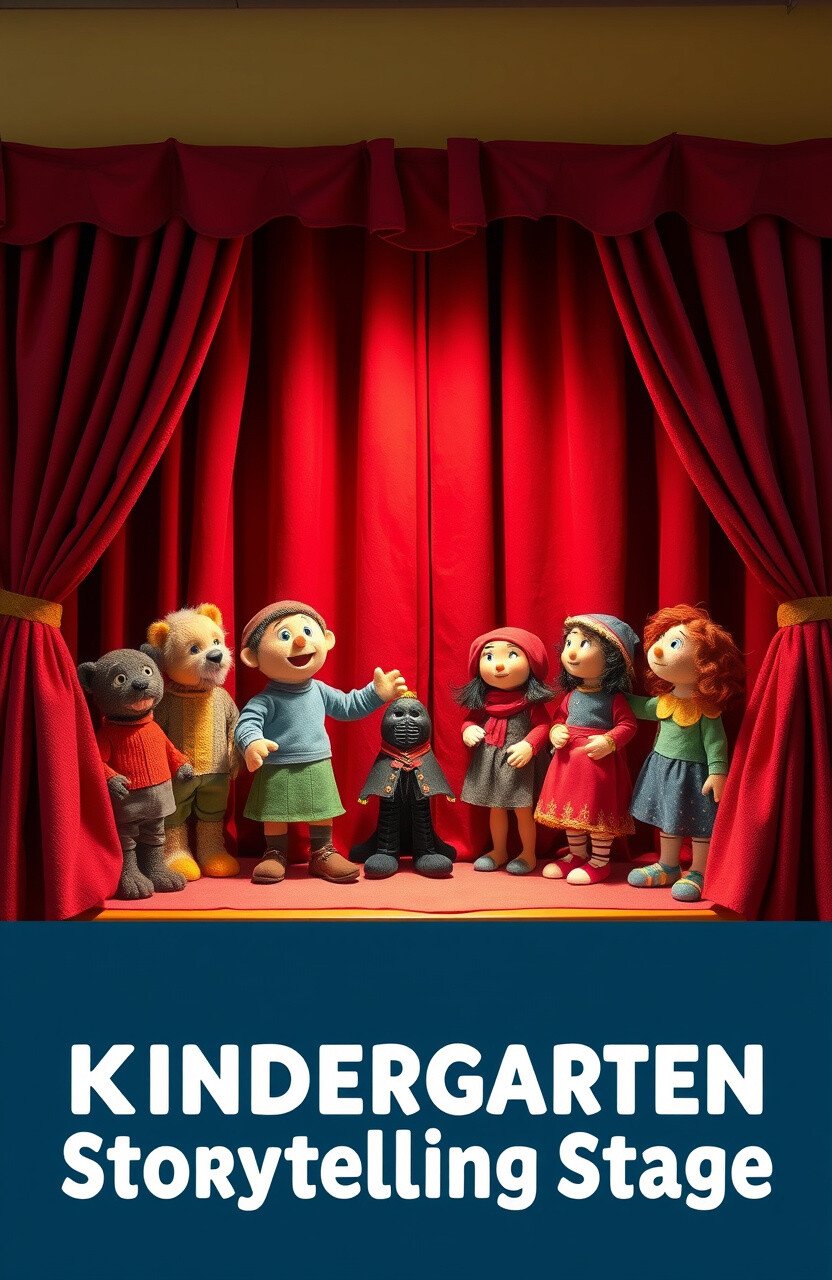
Set up a small stage with curtains and puppets for storytelling. Use themes and stories from around the world.
This stage enhances creativity and expressive skills. It encourages children to create and perform their own narratives.
Host storytelling sessions and encourage participation. Use the stage for lessons on storytelling and performance.
Puppets can be made from socks or paper bags. The stage can be crafted from cardboard or found materials.
36. Seasonal Decoration Station
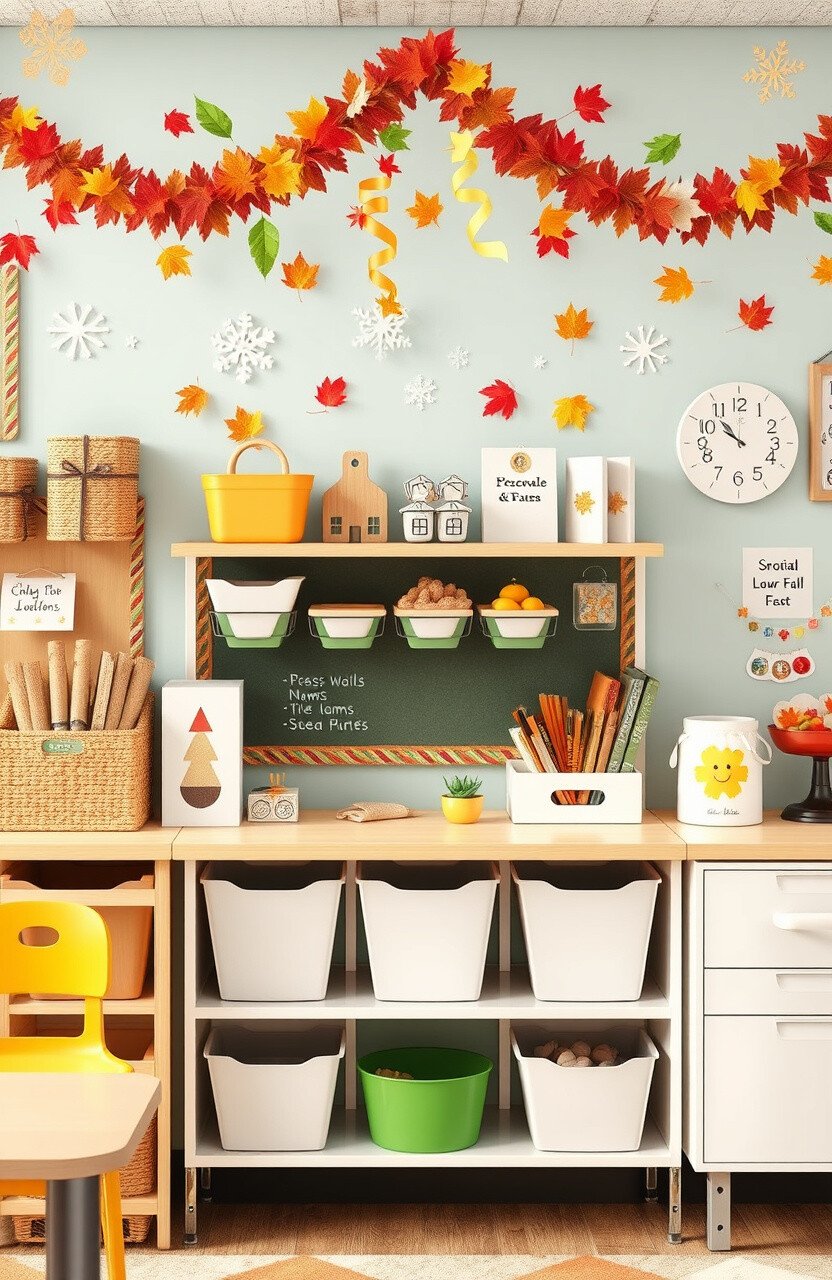
Set up an area for creating and displaying seasonal decorations. Use crafts like paper snowflakes or leaf garlands.
This station keeps the classroom environment dynamic and festive. It helps children learn about seasons and celebrations.
Encourage students to contribute ideas and crafts. Use the station for lessons on weather and seasonal changes.
Many craft supplies are available at low prices. Use recycled paper and natural materials for cost-effective projects.
37. Adventure Story Tent
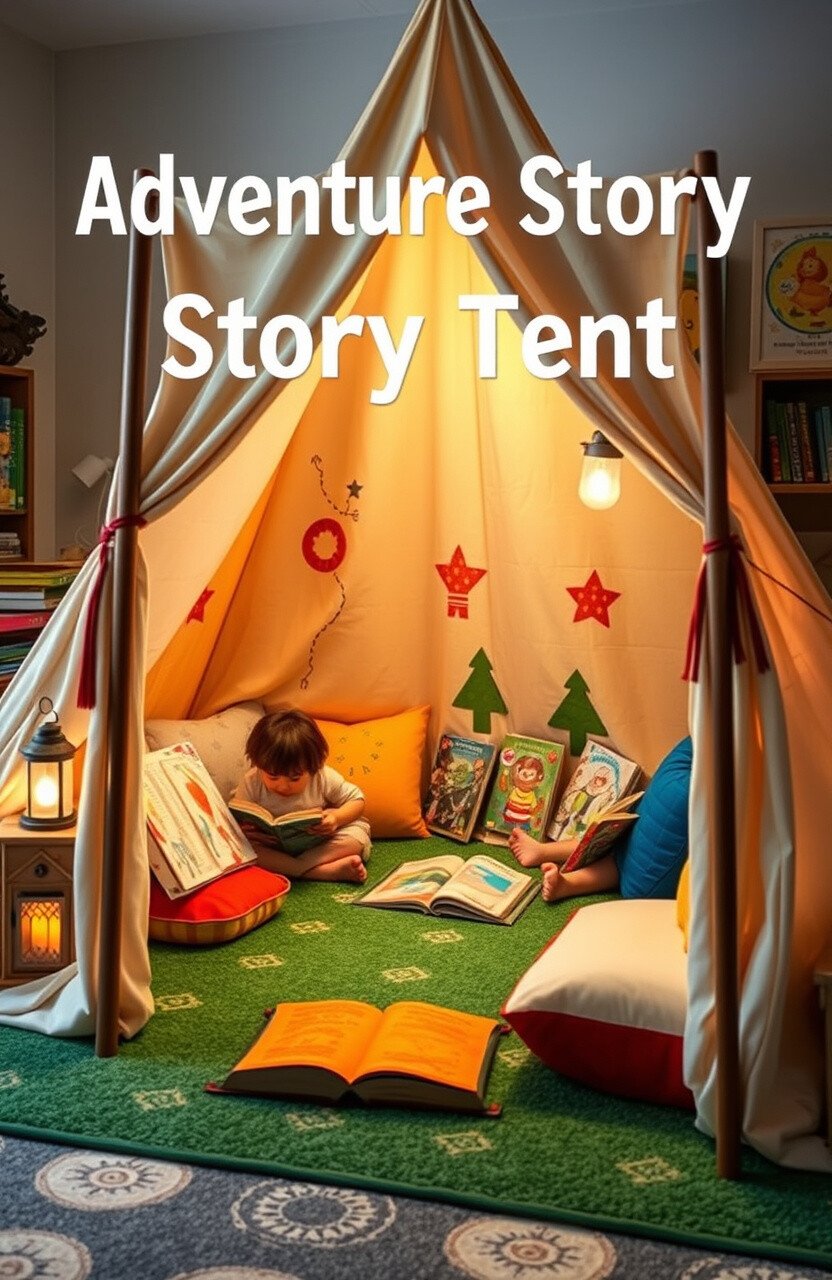
Create a tent with cushions and storybooks for storytelling adventures. Use lanterns and themed props for decoration.
This tent makes reading and storytelling feel like a special event. It creates a cozy and inviting atmosphere for learning.
Encourage students to share their own stories in the tent. Use it for themed reading sessions and quiet time.
Tents can be simple fabric draped over furniture. Props and books can be sourced from libraries or made DIY-style.
38. Art and Craft Carousel
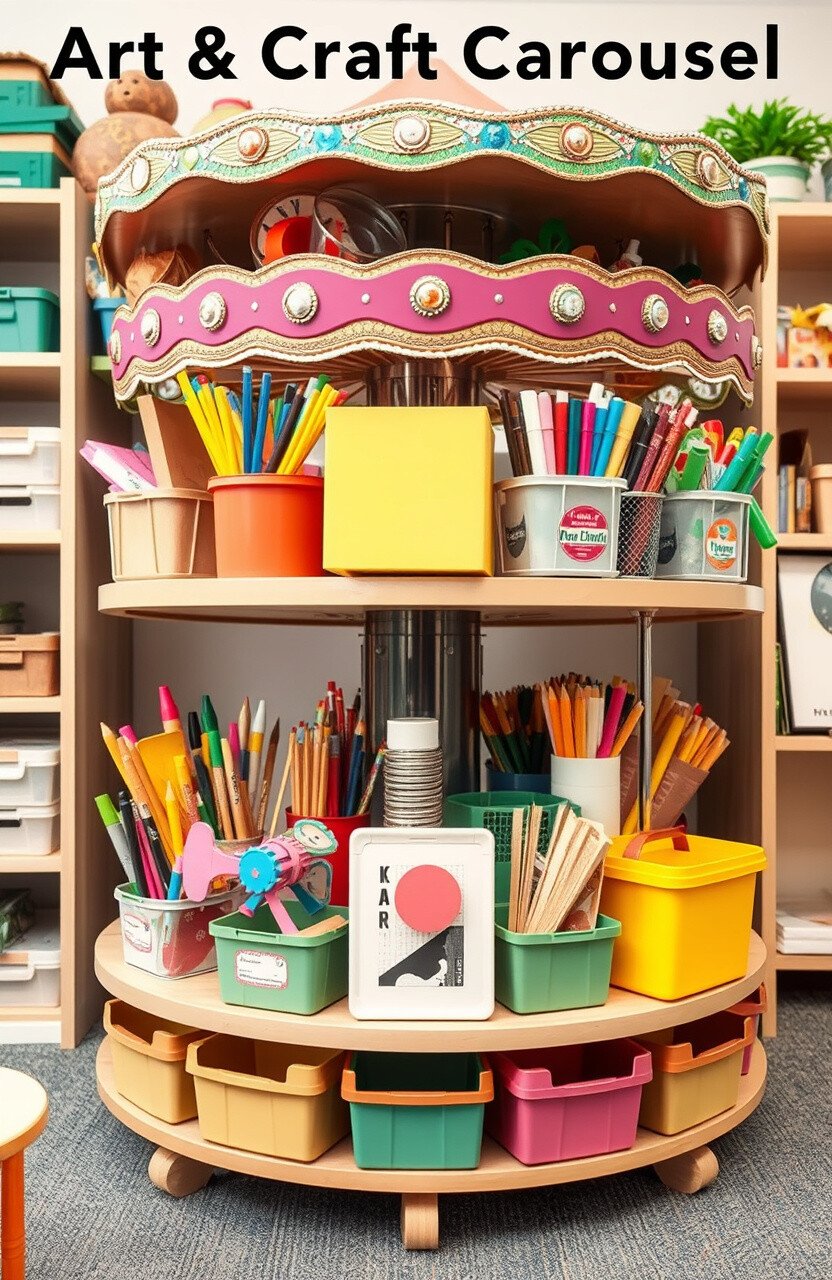
Set up a rotating carousel with different art and craft supplies. Use bins or shelves for easy access and organization.
This carousel inspires creativity and exploration through art. It provides a variety of materials for endless crafting fun.
Rotate supplies to keep the carousel fresh and exciting. Encourage experimentation with different materials and techniques.
Many art supplies are available at affordable prices. Use recycled materials to keep costs low and creativity high.
39. Magical Fairy Garden
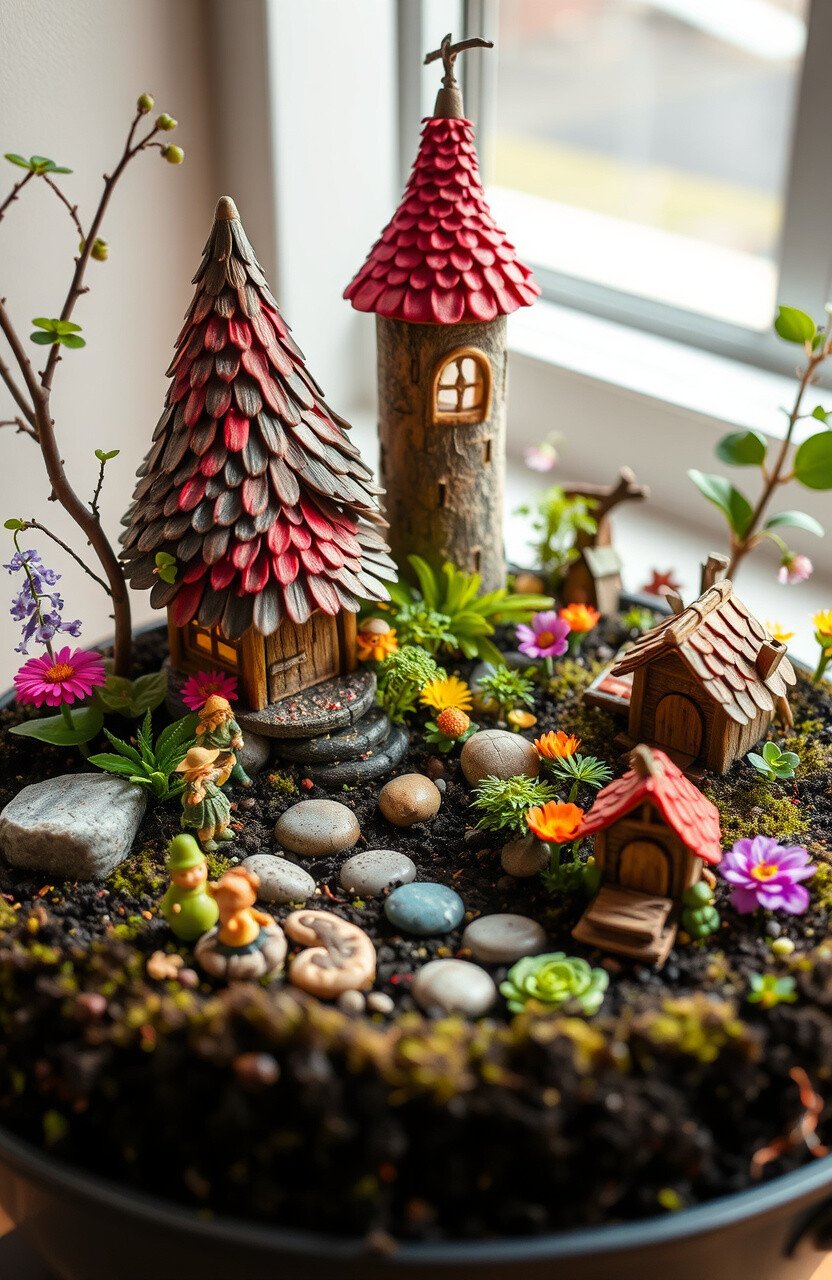
Create a small garden with fairy houses, stones, and plants. Use decorations like miniature figures and fairy lights.
This garden sparks imagination and a love for nature. It creates a whimsical and enchanting learning environment.
Encourage students to add their own fairy tales and stories. Use the garden for lessons on plants and creativity.
Many fairy garden supplies can be found at craft stores. Use natural materials and DIY projects for a budget-friendly setup.
40. World Explorer Wall
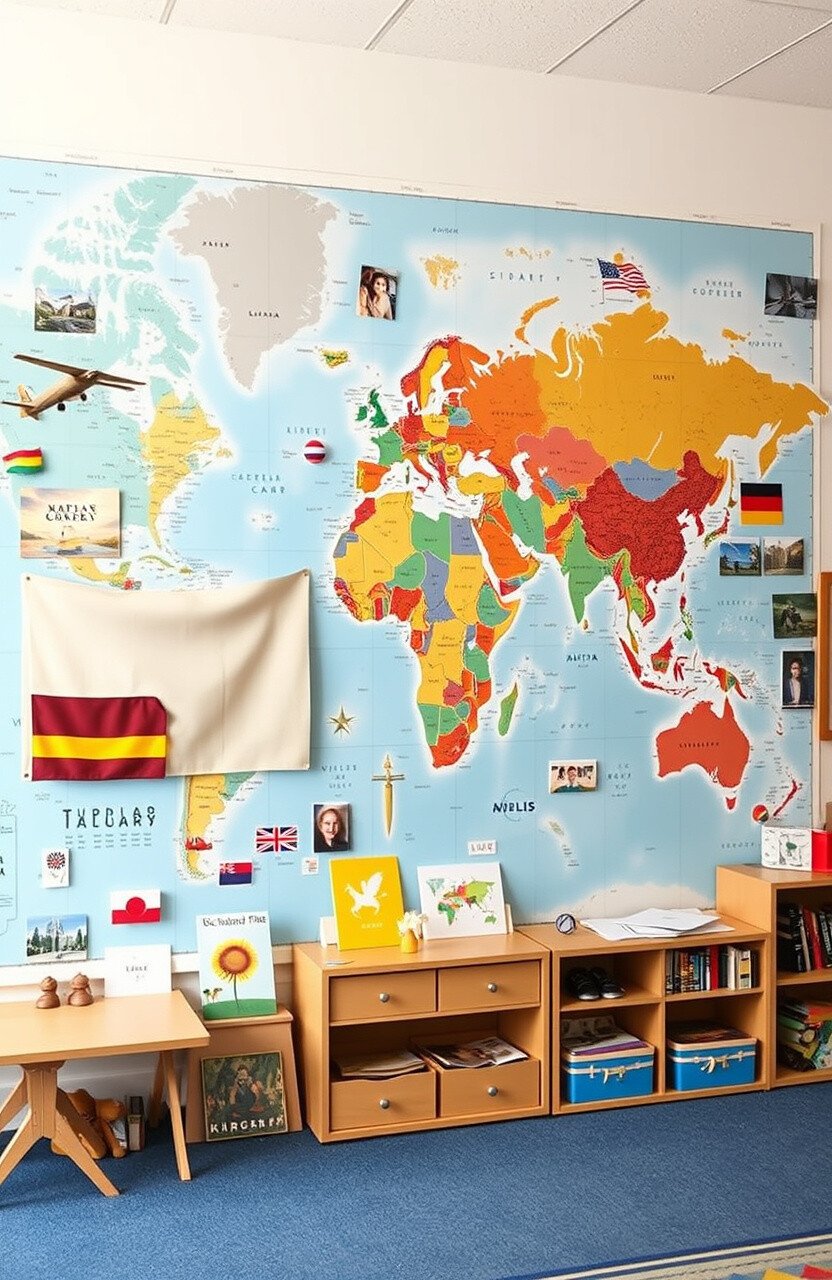
Decorate a wall with maps, flags, and travel photos. Use books and artifacts to explore different cultures and places.
This wall inspires curiosity about the world and its diversity. It provides a visual and interactive learning experience.
Let students contribute their own travel stories or dreams. Use the wall for themed lessons on geography and cultures.
Maps and flags are often available at low costs. Use family contributions for a personal touch to the wall.
41. Cozy Bookworm Burrow
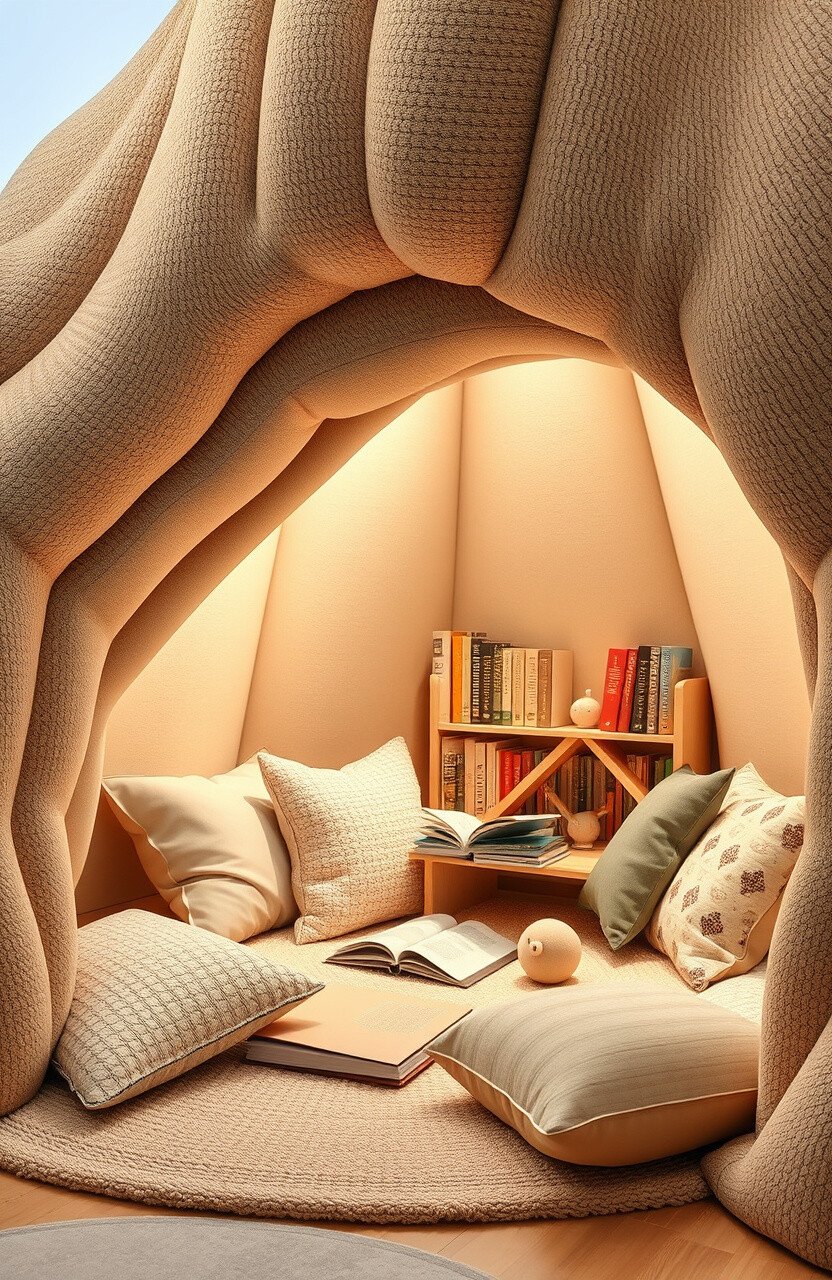
Create a burrow-like nook with pillows and books for reading. Use soft lighting and quiet music for ambiance.
This burrow offers a comforting space for quiet reading time. It makes books feel like a personal escape.
Encourage students to bring favorite books for sharing. Use the burrow for storytelling and reading sessions.
Pillows and books are available at many price points. Use recycled materials for a cozy and eco-friendly setup.
42. Future Inventors Lab
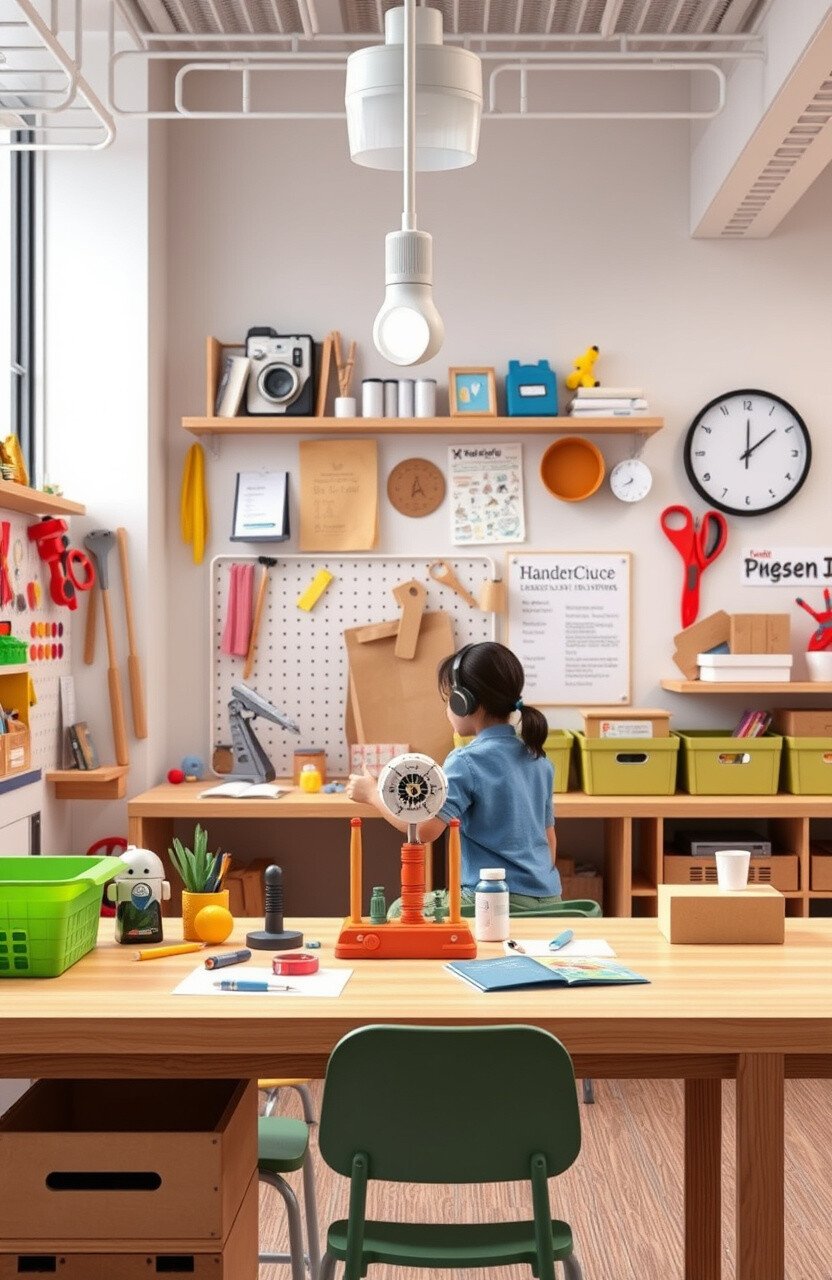
Set up a lab with tools and materials for inventive projects. Use items like cardboard, tape, and recycled materials.
This lab inspires innovation and creativity through hands-on learning. It encourages children to imagine and build their own inventions.
Host invention challenges and encourage collaboration. Use the lab for themed projects and lessons on engineering.
Many materials can be found for free or at low cost. Use household items and donations for an affordable lab setup.
43. Bright and Bold Color Zone
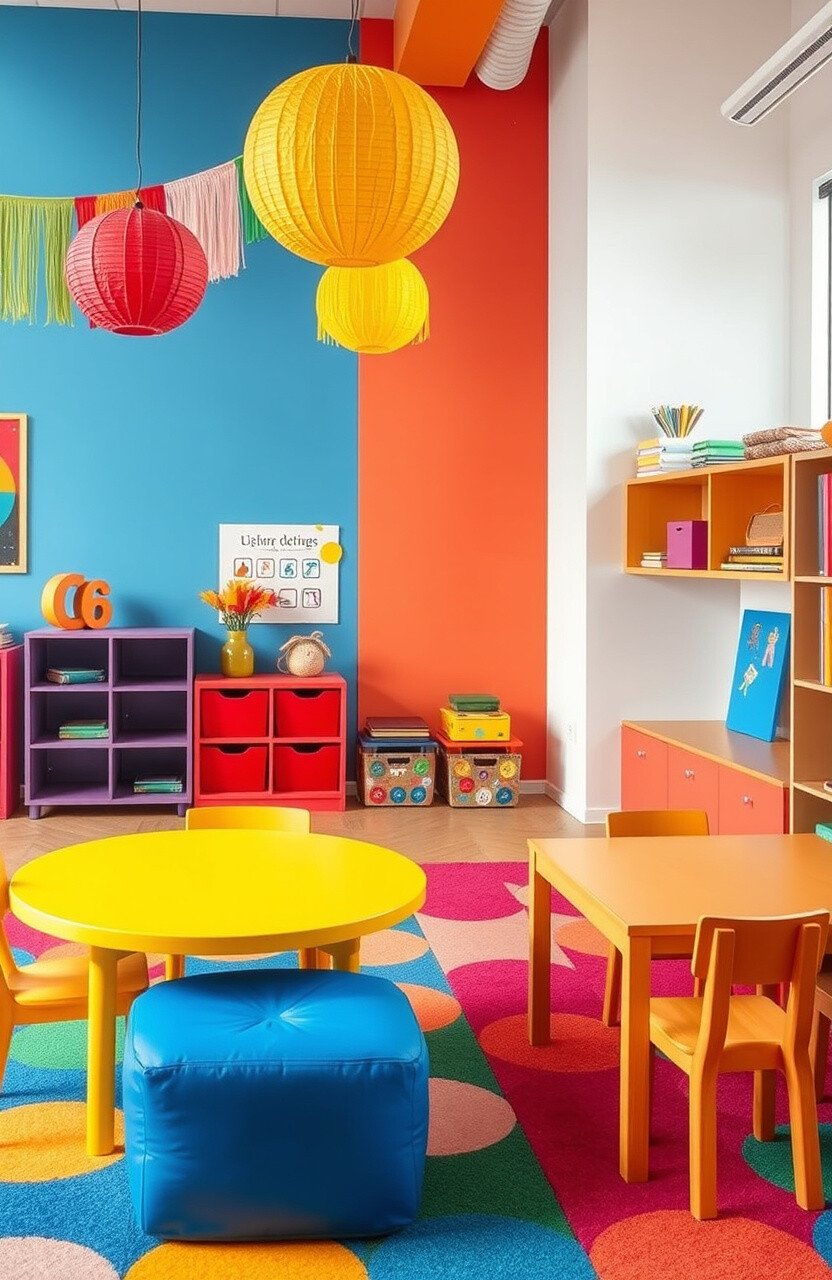
Create an area with vibrant colors and bold patterns. Use colorful furniture and decorations to stimulate the senses.
This zone energizes and inspires creativity. It makes the classroom a lively and exciting place to be.
Let students contribute their own colorful art or decorations. Use the area for activities that celebrate creativity.
Many colorful items can be crafted DIY-style. Fabrics and paints are inexpensive ways to add color to the classroom.