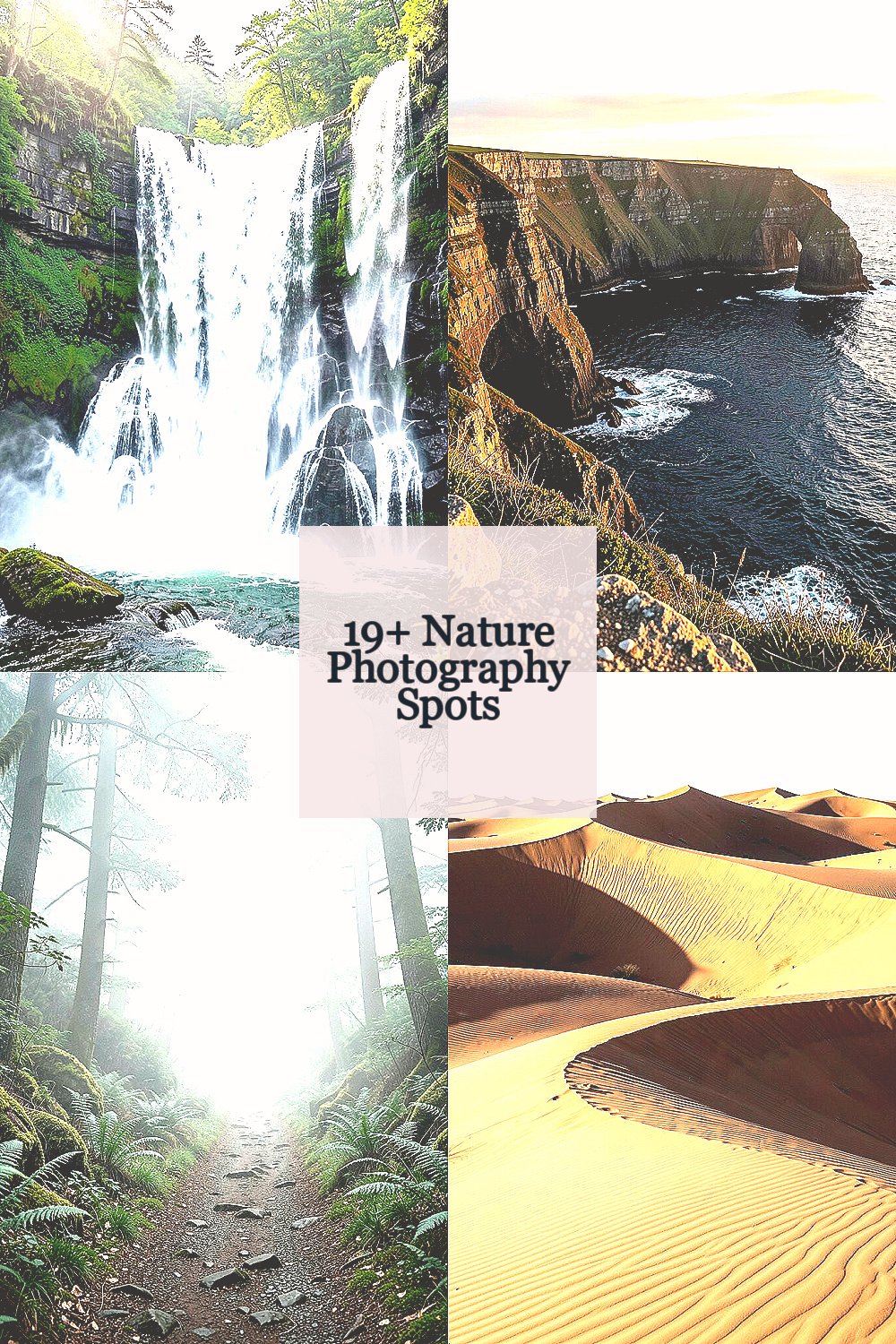
Light has a way of turning ordinary places into memorable scenes. Pack your camera with curiosity and pay attention to the small details.
From misty forests to wide deserts, the world is full of photo ideas waiting for your point of view. Let this guide help you plan trips that feel fun, doable, and deeply visual.
1. Majestic Waterfalls With Dreamy Motion
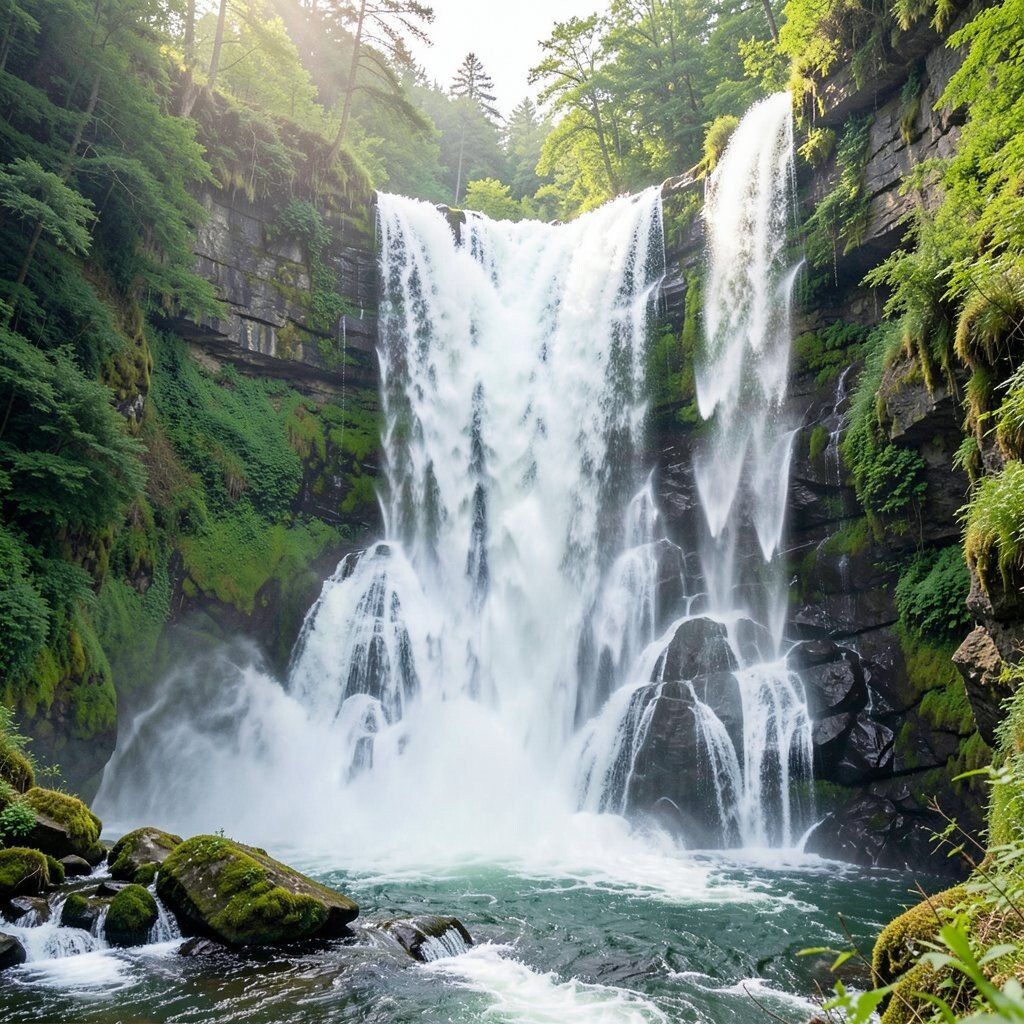
Pick a waterfall where you can shoot from both close and far angles. When the water slides over the rocks, you can use slower shutter speeds to make silky streams that look like living ribbons.
Look for a spot with safe access to viewpoints and watch how the spray changes the light. A longer exposure can soften busy backgrounds, which makes the waterfall stand out and helps viewers feel the sound and cool air.
Use a tripod and a basic neutral density filter if you have one, since daylight can be too bright for motion blur. Frame with foreground textures, like wet stones or moss, so your image feels layered instead of flat.
2. Coastal Cliffs At Golden Hour
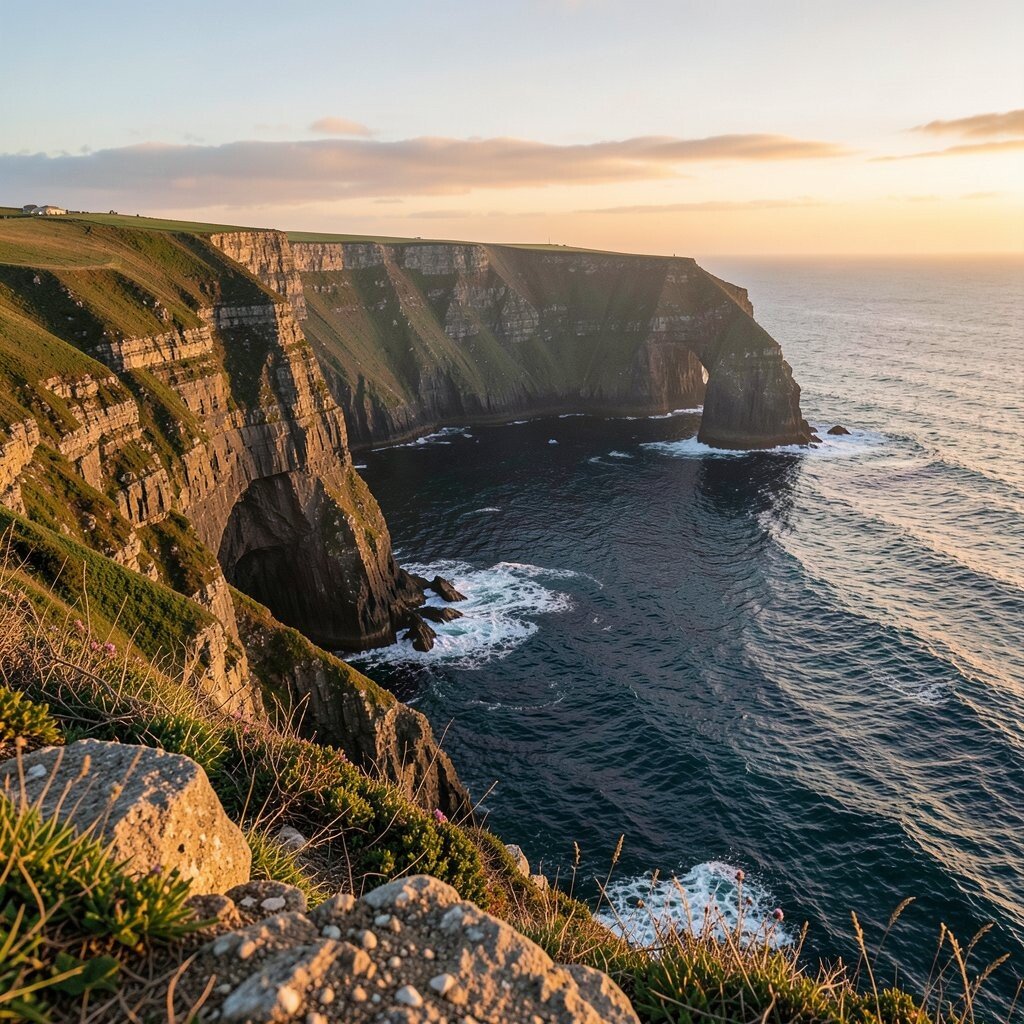
Cliffs and ocean edges give you dramatic lines and strong color contrasts. The sun low on the horizon lights up sea mist and paints the rocks in warm tones.
Bring a lens that can handle both wide scenes and tight details, like crashing foam or seabird shapes. If the wind is strong, stand farther back and use a strap so you can stay steady without rushing.
Try photographing from inside tide pools when they are calm, because the reflections add a calm mirror look. For cost, plan a few nearby shoots instead of far travel, and focus on sunrise timing to get better light without extra gear.
3. Misty Forest Trails Under Soft Canopy
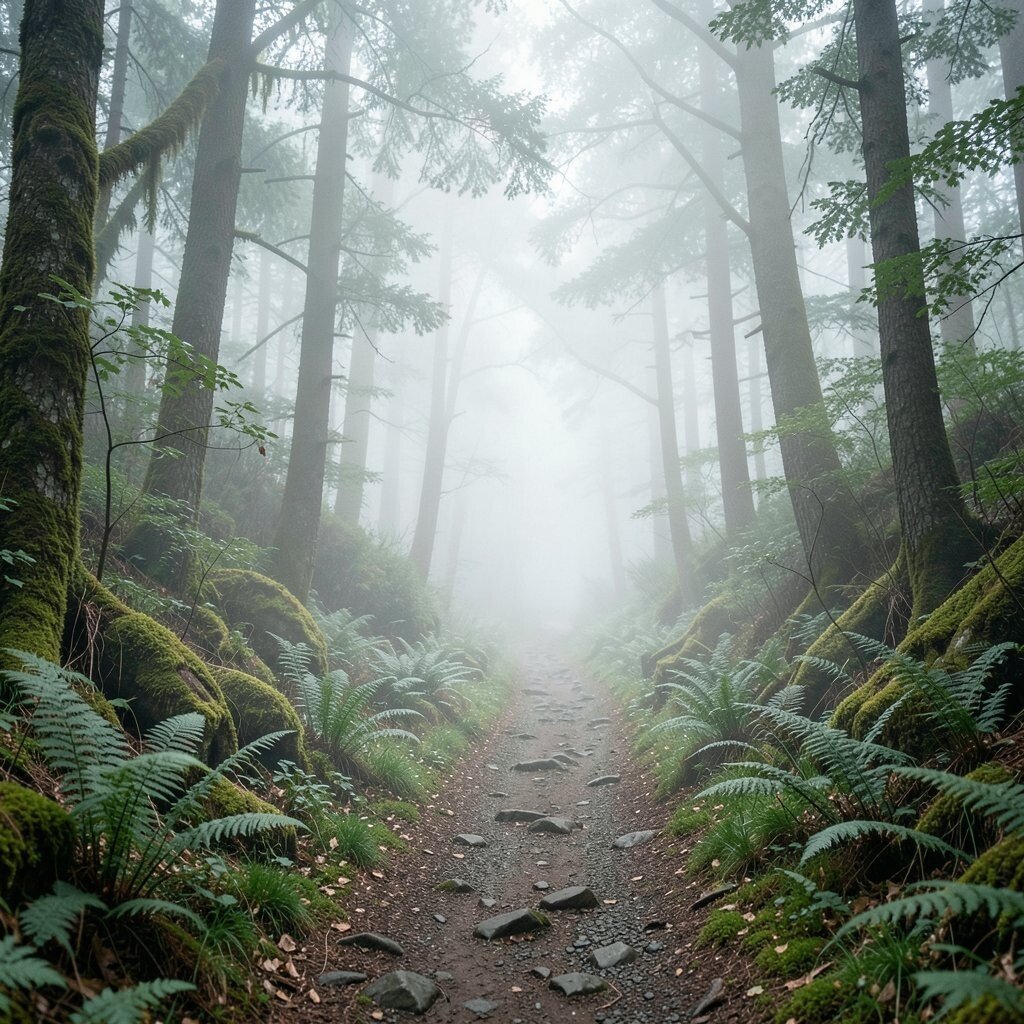
In a dense woodland, shafts of light make tiny dust and leaves look magical. You can capture quiet paths that guide the eye deeper into the scene.
Use a slower shutter or a higher ISO depending on the light so your photos show atmosphere instead of only sharp trees. A wide lens works well for leading lines, while a medium telephoto helps isolate one glowing leaf or trunk.
Personalize by choosing a mood, like moody gray greens or warm golden streaks. If you like current trends, many photographers are leaning into “natural story” frames that include tiny signs of life, such as mushrooms, bark patterns, and fallen needles.
Visit after light rain for richer greens and better texture, but keep your gear dry with a small rain cover. Pack microfiber cloths, because mist and droplets can cling to glass fast.
4. Desert Dunes With Wind-Cut Patterns
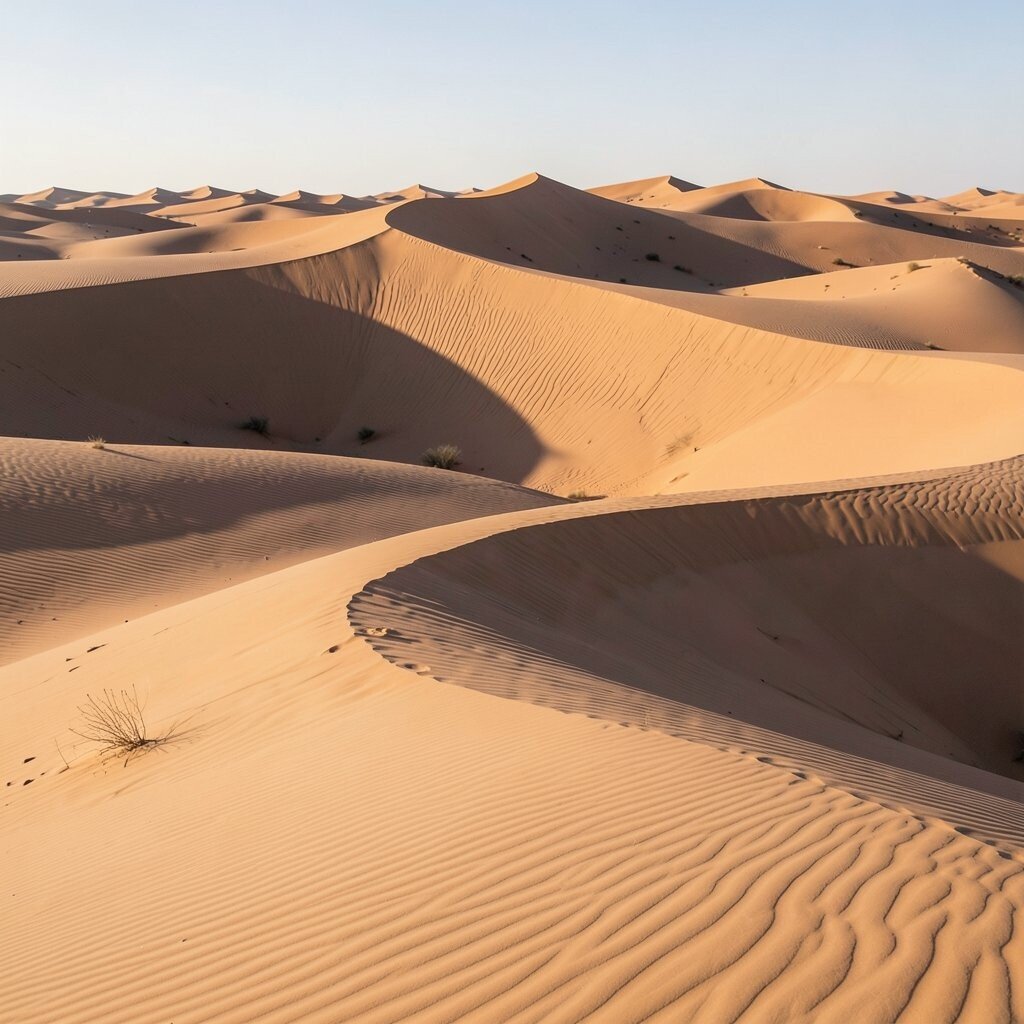
Sand dunes create bold curves that look almost sculpted by an invisible hand. When sunlight hits from the side, ripples pop like waves frozen in time.
Shoot early in the day or near sunset to avoid harsh glare and to keep your shadows long and dramatic. A polarizing filter can help reduce glare off the sand while keeping the sky vivid.
Try composing with one strong foreground ridge plus a distant line of dunes for depth. If you want a low-cost approach, go for local dunes or sandy beaches and focus on direction of light instead of expensive travel.
Personalize your look by using long exposures at night if the area allows, then blend star points with dune lines. Just remember wind can shift sand quickly, so bring a towel and check your tripod legs often.
5. Alpine Lakes With Mirror Reflections
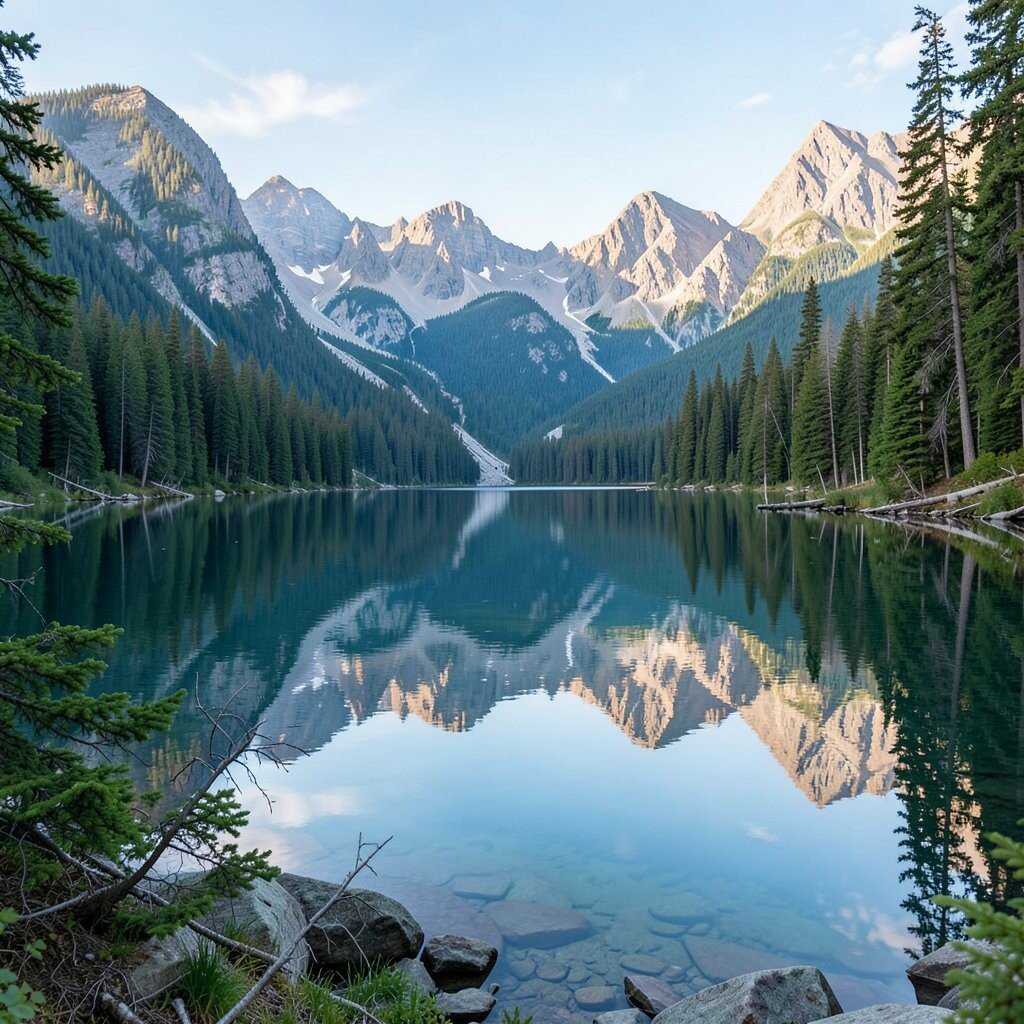
Still mountain lakes can reflect peaks so clearly that the horizon looks doubled. On calm mornings, you can get a clean symmetrical image with a strong center line.
Time your visit for low wind and watch the water surface like it is a character in your scene. A polarizer helps darken the sky and deepen water color while still keeping reflections crisp.
For practical results, scout a few viewpoints and test your settings before the light changes. Consider a wide-angle framing for dramatic scale, and a telephoto for tight reflections that show subtle color gradients.
Uniqueness comes from small details, like floating leaves, gentle ripples, or a lone rock near the edge. If you enjoy modern visual styles, try “foreground-to-background” compositions that include shoreline textures to anchor the story.
6. Lava Fields And Basalt Textures
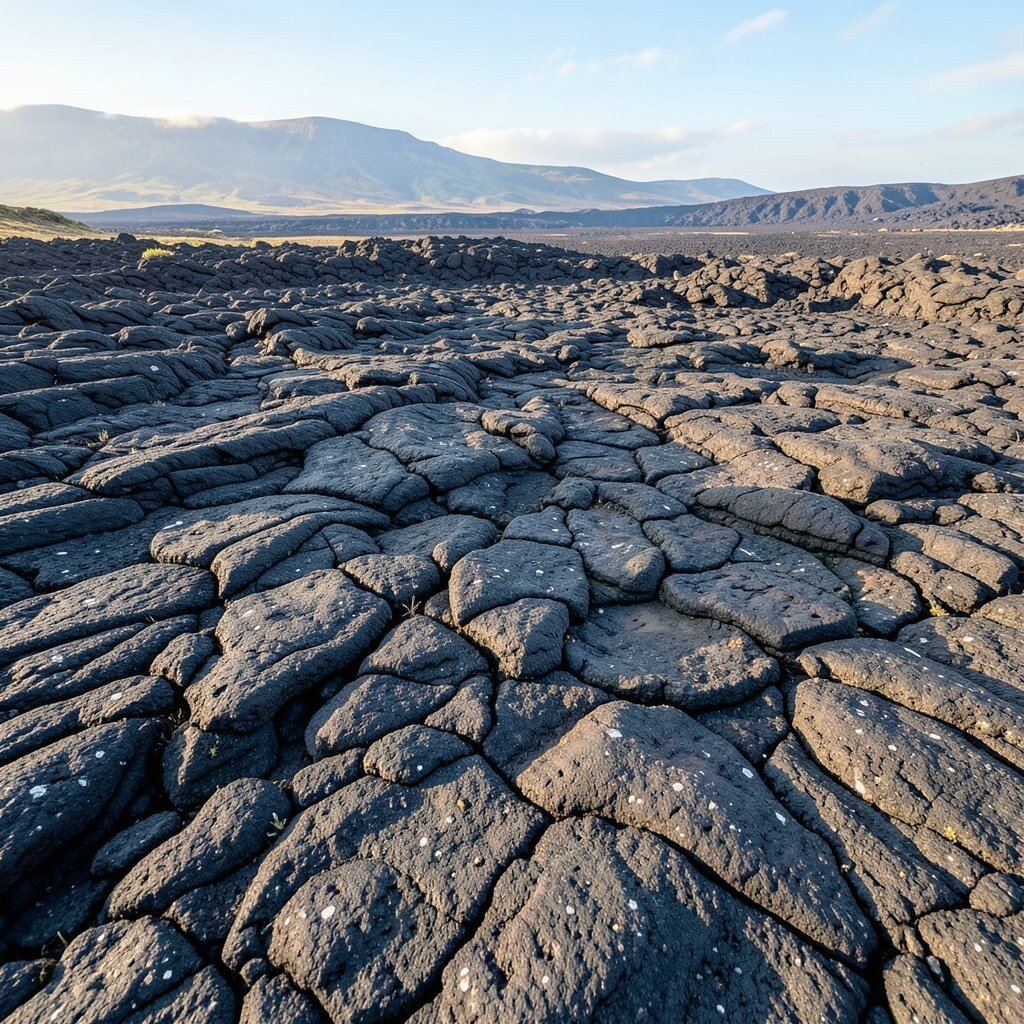
Dark lava landscapes have a rough, graphic look that feels almost like art already. You can photograph the repeating patterns of cracks and ridges for strong texture.
When the sky is clear, try side lighting to bring out relief and shadows in the rock. For a different mood, shoot near sunrise so the low light adds warm highlights without blowing out bright edges.
Bring a lens hood and keep dust off your front element, since dry volcanic areas can be gritty. If you want cost-friendly gear, even a kit lens can deliver impressive detail when you move close and focus carefully.
Personalize your images by setting up a simple composition using one main shape, like a curved ridge, and a leading line into the frame. Many photographers today love minimal scenes that still feel intense, and lava can deliver that look naturally.
7. Redwood Groves With Sky Lantern Light
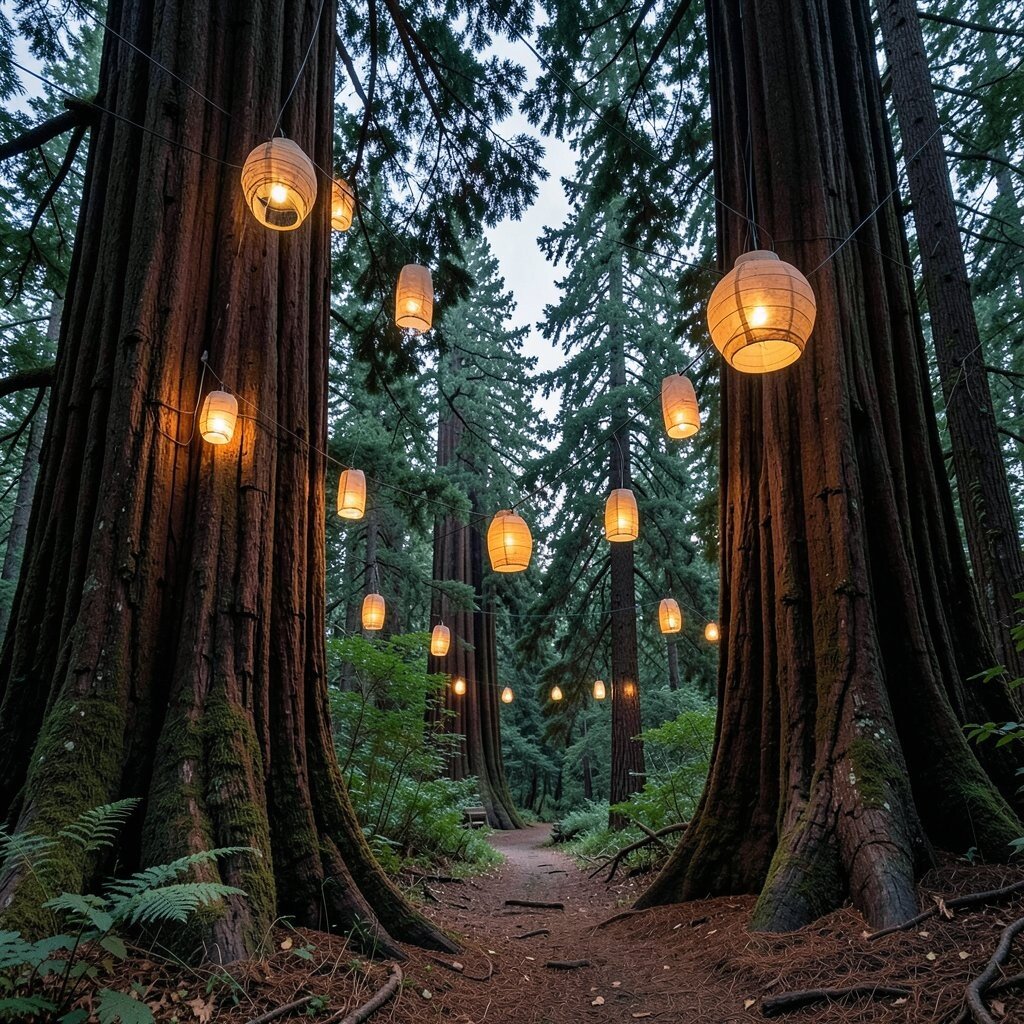
Redwood and tall tree forests make you feel small in the best way. The canopy opening creates glowing light that falls like lanterns from above.
Use a tripod and take time to align verticals so tree trunks look tall and steady. A wide lens helps show depth, while a slower shutter can smooth bright highlights in the sky.
To benefit your photos, look for fallen logs, ferns, and roots that add layers at ground level. These elements make the scene feel lived in, not just tall.
For personalization, experiment with framing that includes a patch of sky between trunks, which gives your picture a natural “breathing space.” If you’re following current trends, many people enjoy moody silhouettes and high-contrast foliage, so adjust exposure to keep highlights controlled.
Pack comfortable shoes and dress for damp, because forests with giants often stay cooler and dewier.
8. Snowy Peaks With Crisp Morning Contrast
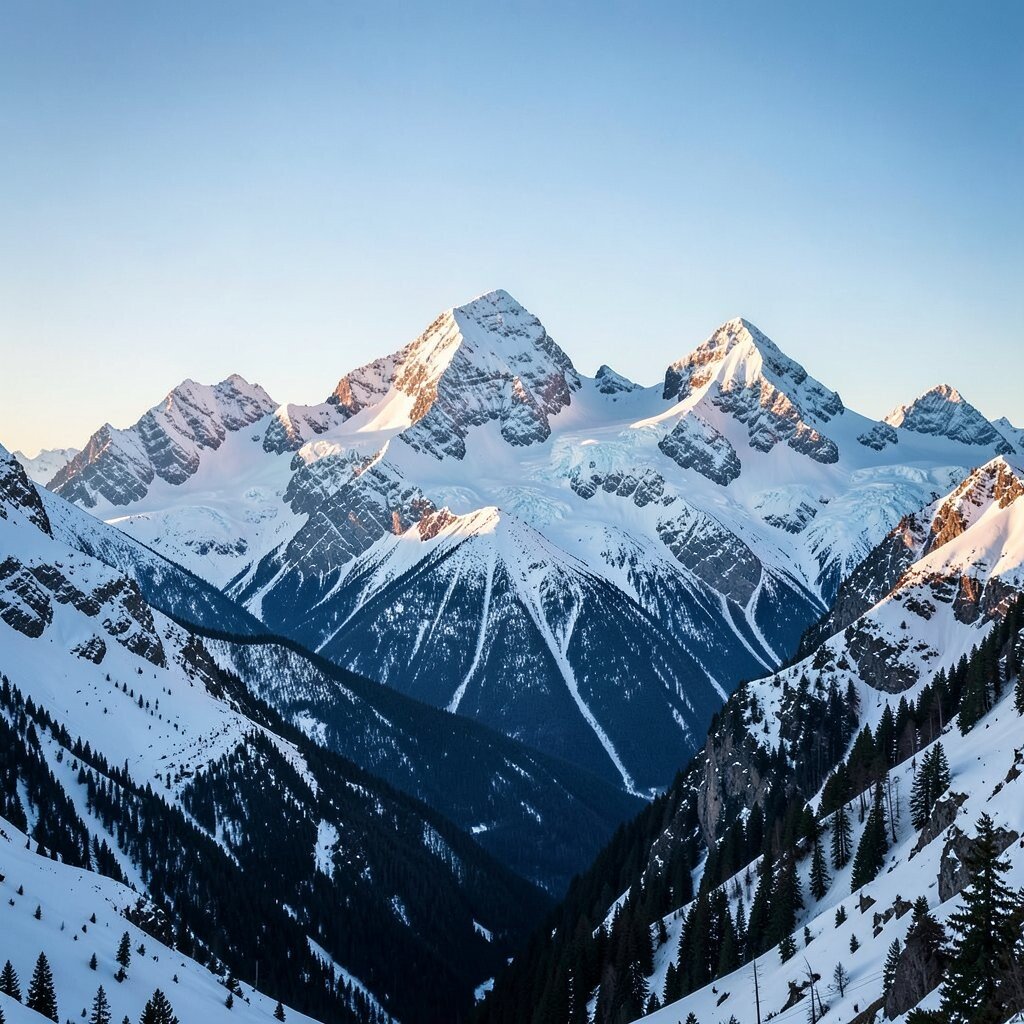
Snow turns every surface into a light catcher, which makes textures pop fast. You can photograph ridgelines, footprints, and drifting patterns for a clean, crisp look.
Set your camera to protect highlights and watch your histogram, since snow can fool automatic exposure. If the wind is strong, use your body to steady the camera and avoid shaking during shutter presses.
For practical tips, shoot when the air is clear and the sky has simple tones, like pale blue or soft gray. A telephoto lens can compress mountains into strong layers, while a wide lens captures how big the landscape feels.
Uniqueness is easy here because every snow pattern is different, especially after fresh snowfall. Cost stays reasonable if you plan seasonal timing and use local slopes or established viewing areas to reduce travel.
Personalize by photographing quiet moments, like hands brushing snow off a rock or a scarf tucked into the frame, but keep it subtle.
9. Autumn Leaf Showers In Park City Streets
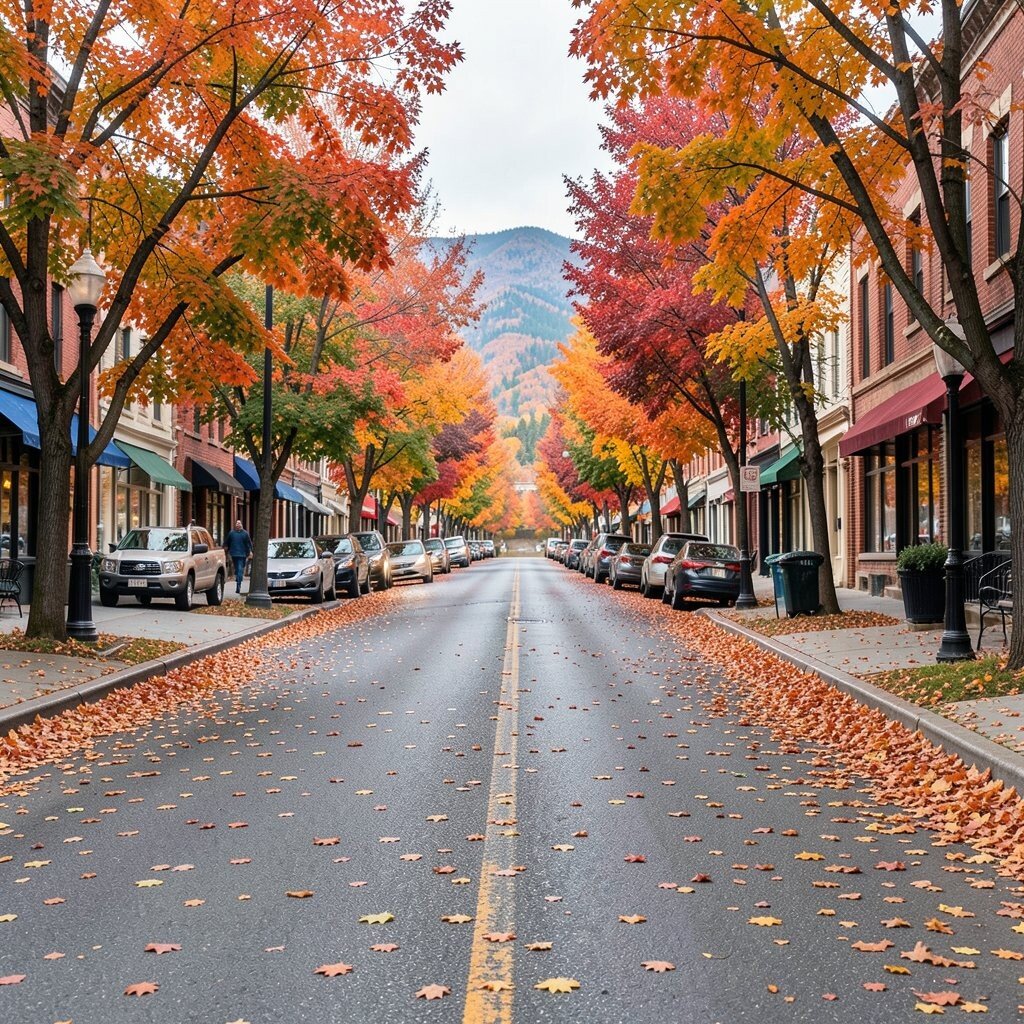
Falling leaves create color that feels playful and close to home. You can catch them midair with a fast shutter or freeze a crisp path through the trees.
Look for sidewalks under deciduous trees, because natural light will bounce off leaves and make rich reds and golds. If you want a dreamy look, use slower shutter speeds and pan gently to blur only the moving leaves.
Try adding a human element, like a blurred figure walking away, to make the scene feel like a story. The benefit is emotional scale, even when the location is simple.
Personalize your style by focusing on one leaf shape, like an oak silhouette, and building a color pattern around it. Many photographers today share “texture-first” autumn photos, and close-up leaf veins look stunning on any camera.
For cost considerations, you can shoot near your neighborhood on windy days and still get great variety just by changing your angle.
10. Mangrove Roots And Tidal Lines

Mangrove forests are full of twisting roots that act like natural sculpture. When the tide moves, you get alternating bands of wet and dry soil that look graphic in photos.
Use a lower camera position so the roots fill the foreground and lead lines pull your eye inward. A wide lens can show the canopy shape, while a telephoto helps isolate one root crossing another.
Watch the tide schedule and plan your shoot when light is soft, like early morning. This keeps mud glossy instead of muddy-looking and helps your images feel clean and intentional.
For practical tips, wear shoes with grip because roots can be slippery and uneven. If you’re doing a low-cost series, bring a simple wet-weather cover for your gear instead of expensive specialty equipment.
11. Coral Reefs And Shallow Water Color
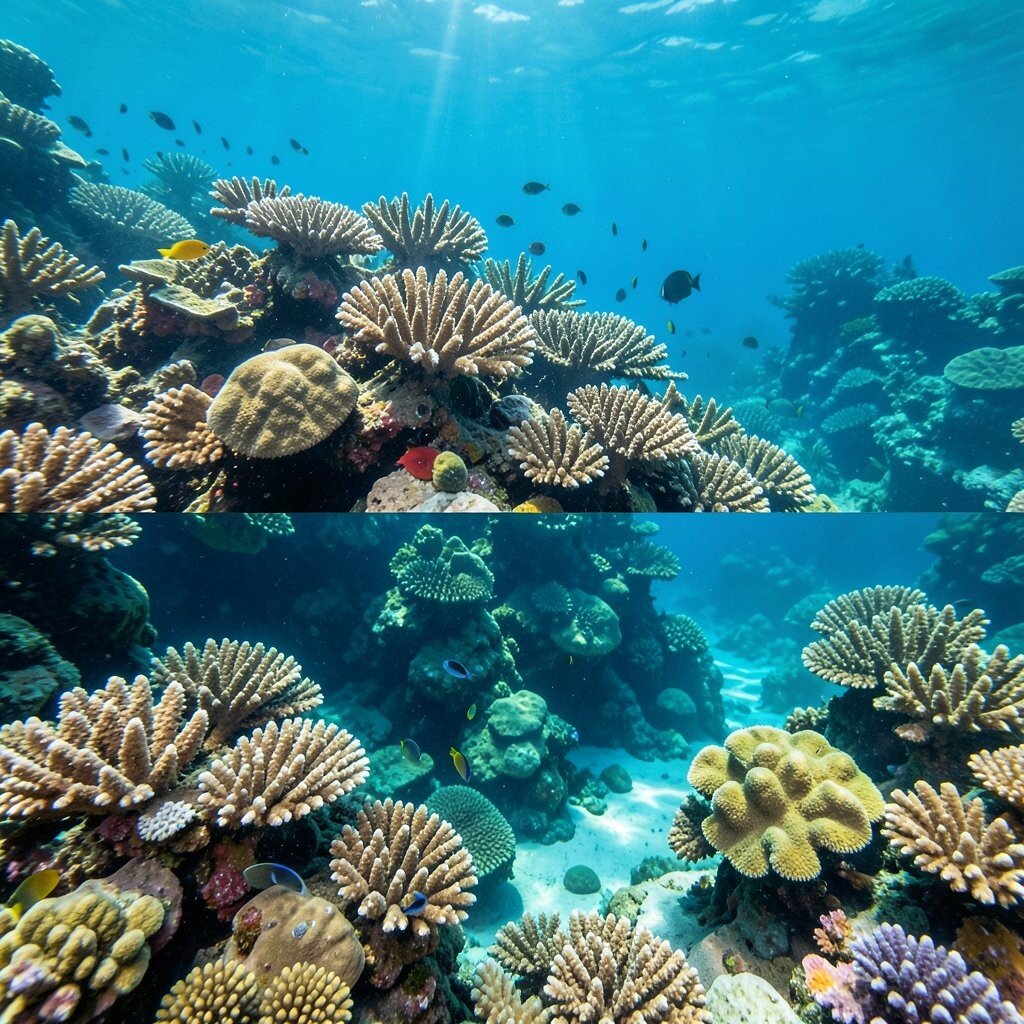
Clear shallow water can give you vivid blues, greens, and sandy gradients. Even from shore, you can often capture colorful patterns that look like watercolor.
If you snorkel or use a waterproof housing, be careful with safety and follow local rules. The benefit of reef photography is natural beauty that needs little editing when you nail white balance.
Compose for layers by including foreground rocks, midwater movement, and a distant shoreline. A polarized filter can reduce glare on the surface, but be ready to test because water color changes quickly.
Uniqueness shows up through small subjects like shell textures, tiny fish flashes, or sea grass curves. Personalize by choosing a color theme, like teal and sand tones, then shoot a set that feels consistent.
12. Grassland Vistas With Herd Shadows
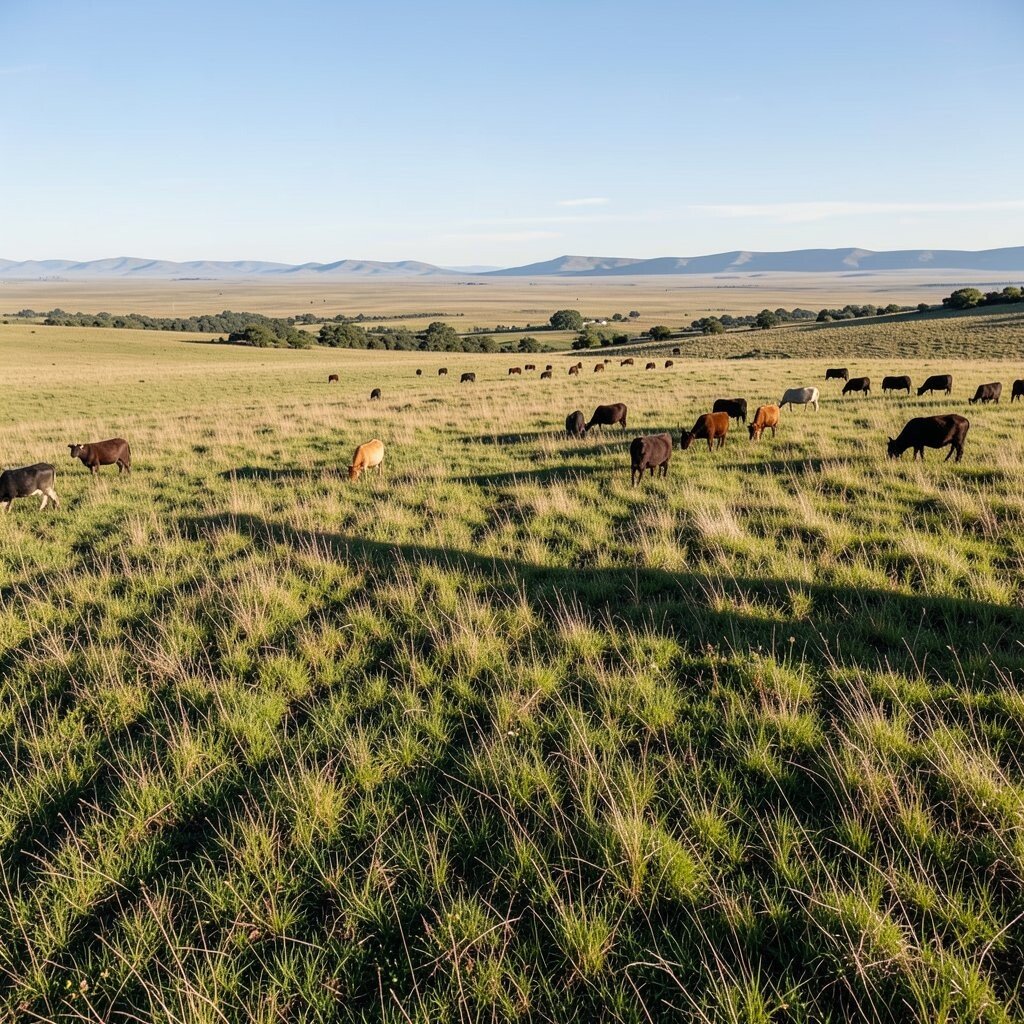
Wide grasslands give you huge skies and strong, readable shapes from animals. You can capture herds as silhouettes or detailed figures with dust and backlit edges.
Try shooting from slightly below eye level to make the animals feel grounded and large against the landscape. A telephoto lens helps keep distance and gives you crisp subject detail without crowding wildlife.
For practical tips, watch the wind direction so your own movement stays quiet and your camera stays steady. Bring a lens cloth and a hat, because grasses can flick dust into the air.
Cost considerations can be friendly here since you might not need many lenses if you plan carefully. A single telephoto for wildlife plus a wide lens for big skies can cover most of what you want.
Personalize by timing your frames to include meaningful shadows across the grass, which makes each image feel like a particular moment.
13. Windy Coastal Meadows With Wildflowers
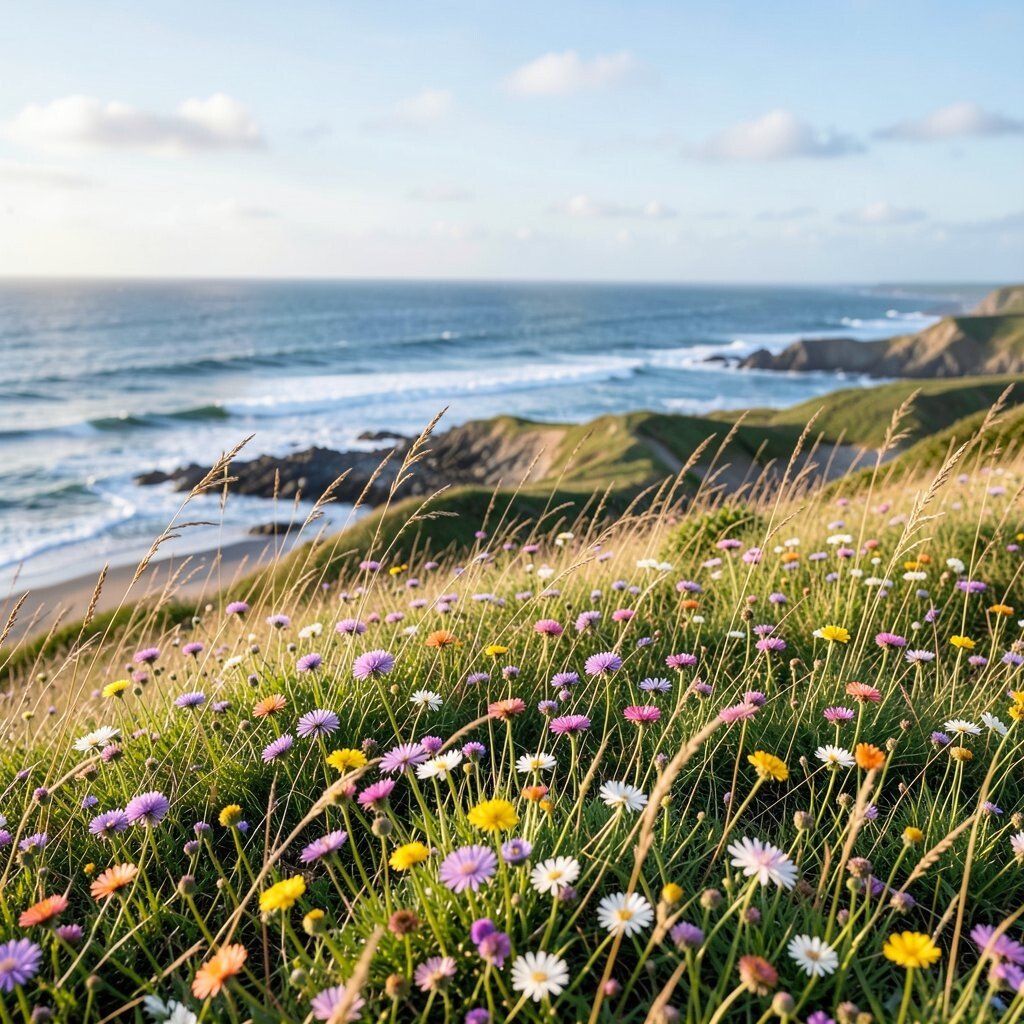
Coastal meadows blend soft weather with bright color, especially when wildflowers appear. The grass moves in gentle waves, creating motion that feels alive.
Use a low angle and focus on one flower in the foreground while the background becomes soft bokeh. This helps the scene feel dreamy without needing heavy edits.
Benefits include easy variety, because one small patch can give you many compositions as the breeze changes. Unique patterns show up in the way flowers cluster, and your camera can capture that natural randomness.
For practical tips, bring a small knee pad and keep your camera settings ready for quick light changes. If you want to follow current trends, try editorial-style images with clean negative space and a single color pop.
Cost stays manageable since these scenes are often accessible without long travel, and you can reuse the same location at different times of day.
14. Desert Canyons With Layered Rock Geometry

Canyons turn the ground into stacked shapes, like pages of a huge book. You can photograph the curves and edges that guide the eye along the trail.
Look for openings where sunlight streams in, because those beams add drama and make dust visible. A wide lens can capture the scale, while a mid-telephoto can find repeating lines and make geometry feel crisp.
To benefit your results, scout for safe footing and plan your hike route before you start. Bring water, since canyon areas can surprise you with heat even when the air feels calm.
Personalize by building a series that follows one theme, like warm orange tones or cool shadow gradients. Many photographers today focus on “abstract landscapes,” and canyon walls can deliver that vibe naturally.
If you want to keep costs low, use your phone’s map app to plan shorter loops instead of long detours.
15. Night Skies Over Dark-Sky Beaches
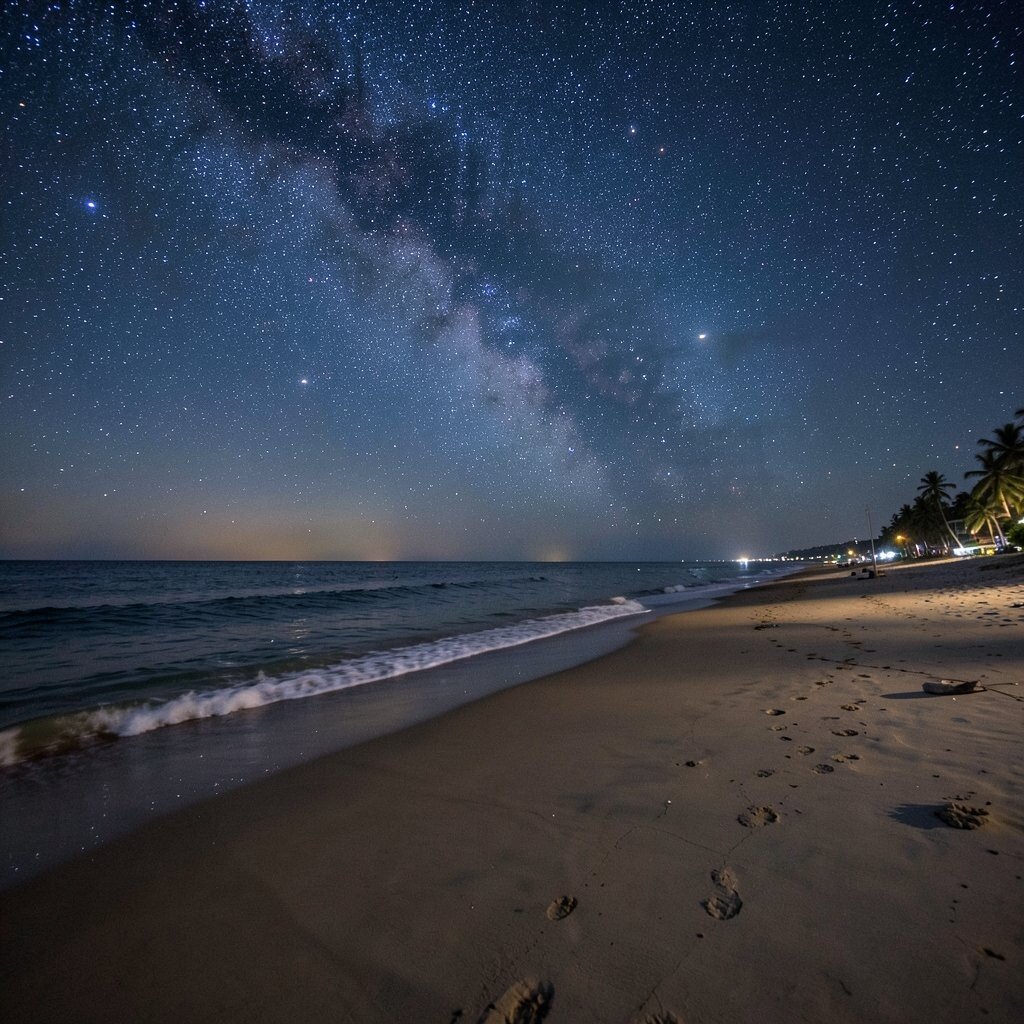
Dark-sky locations let stars look sharp and abundant, especially when skies are clear. The beach adds a natural foreground, like wet sand that reflects faint light.
For practical tips, use a sturdy tripod and a remote shutter or timer so the camera stays still. Consider a wide lens and a higher ISO, then test exposure to keep stars from turning into blobs.
Uniqueness is huge here because you can capture star trails, constellations, and the moon’s glow on water. If you enjoy trends, many people love “environmental astrophotography,” where the stars share the frame with real textures.
Cost considerations are simple, since you can start with basic gear and improve over time. A headlamp with red light helps you stay comfortable while not ruining your night vision.
Personalize by choosing a storytelling foreground, like driftwood silhouettes or gentle wave lines.
16. Water-Lined Rice Terraces With Calm Symmetry
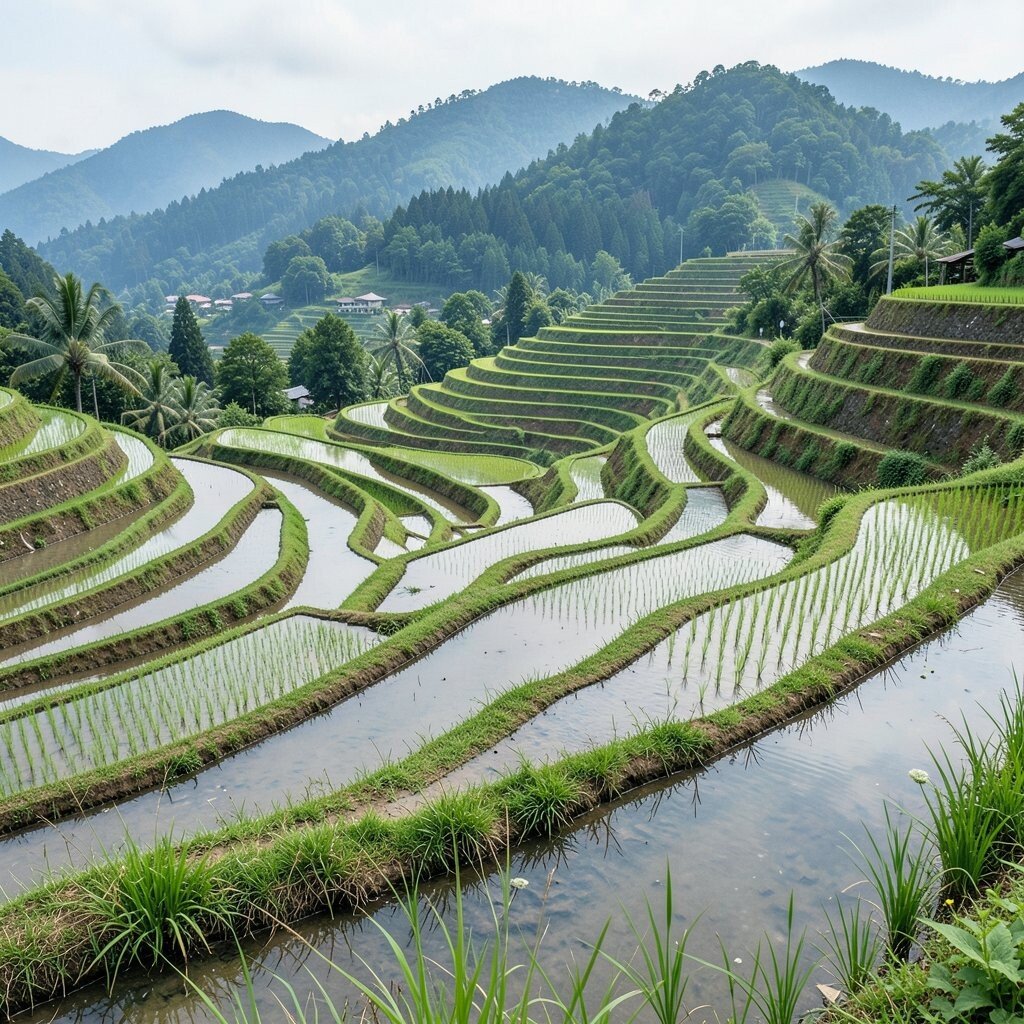
Rice terraces can look like step-shaped mirrors after rain or during flooding. The water surface creates repeating lines that feel neat, calm, and full of light.
Use a viewpoint high enough to see the terrace steps, since this angle makes the pattern easy to understand. A polarizer can reduce glare and help the greens and browns look balanced.
For benefits, you get clean leading lines that guide attention without needing complex scenes. Unique moments include workers in the distance, reflections of hills, or birds moving across the water.
Personalize your photos by photographing at different times, since morning fog can soften everything into a dreamy haze. Cost stays reasonable if you plan during local seasons when roads are accessible and light is kind.
Keep respect in mind, since agricultural areas depend on careful community rules and timing.
17. Limestone Caves With Glow And Shadow Play

Caves are natural studios for contrast, with bright entrances and dark interior forms. You can capture stone textures and winding passages with layered light.
Use a flashlight or headlamp with a diffused beam to paint light gently, then balance it with longer exposure settings. The benefit is control over your story, because you decide what part of the cave becomes visible.
Bring a protective bag for your camera and keep your lens clean, since cave dust can stick. If you’re cost-conscious, a small light modifier like a tissue over a flashlight can create softer illumination.
Uniqueness comes from shapes you notice, like arches and twisting pillars. Personalize your look by choosing one “hero shape” and using framing to make it stand out against deeper shadows.
Current trends also favor dramatic contrast and cinematic mood, and caves naturally deliver that feel.
18. River Rapids With Colorful Long-Exposure Streams
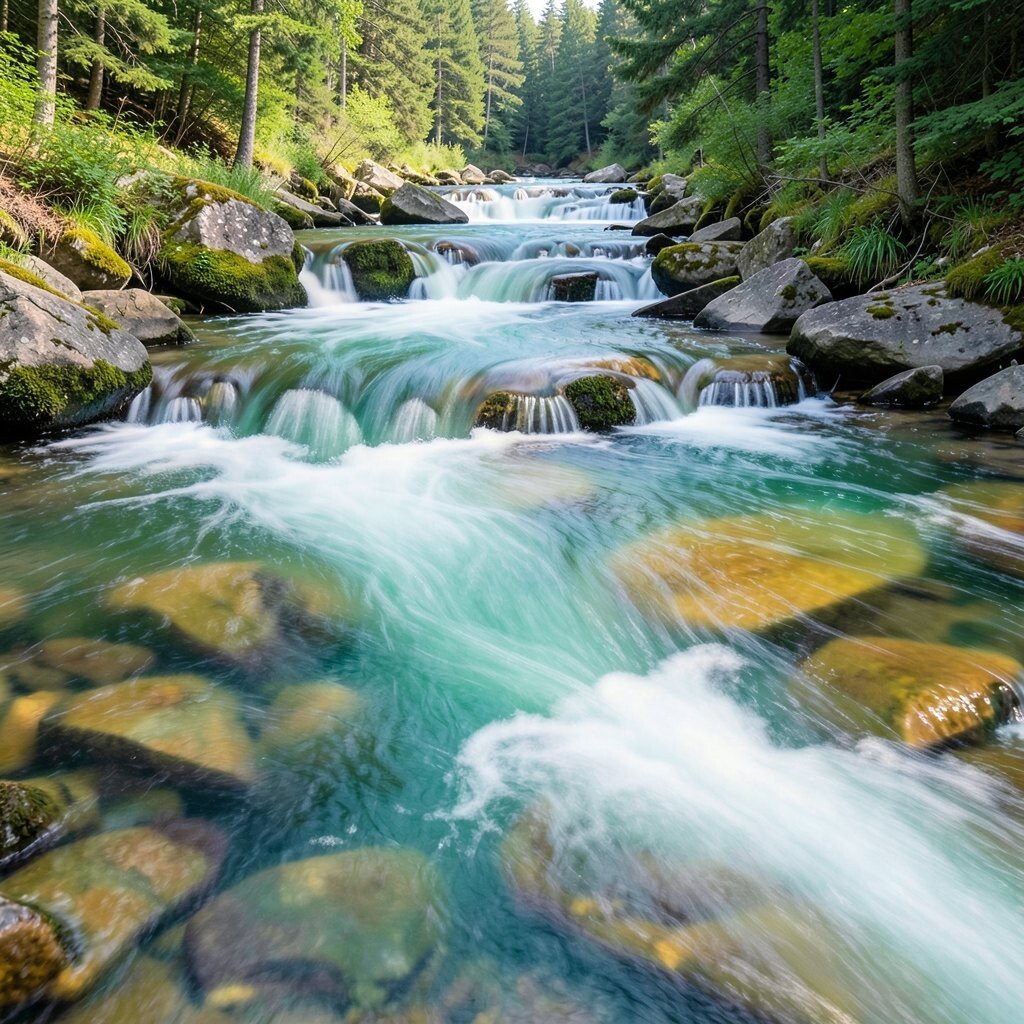
Rivers with rapids create movement you can shape into flowing lines. Rocks break the water into bright splashes, which add energy to your frames.
Use a neutral density filter and a tripod near safe banks so the water smooths while the scene stays steady. Check your focus on mid-river rocks, because autofocus can hunt in reflective water.
For practical tips, arrive early to learn where you can stand without slipping. Keep your gear secure and avoid leaning too close to fast water for safety reasons.
Benefits include a sense of speed and texture, especially when you include both smooth water and sharper splash points. Personalize by choosing a color theme based on time of day, like cool blues during cloudy weather or warm tones at sunrise.
19. Desert Rain Puddles With Surreal Ground Reflections
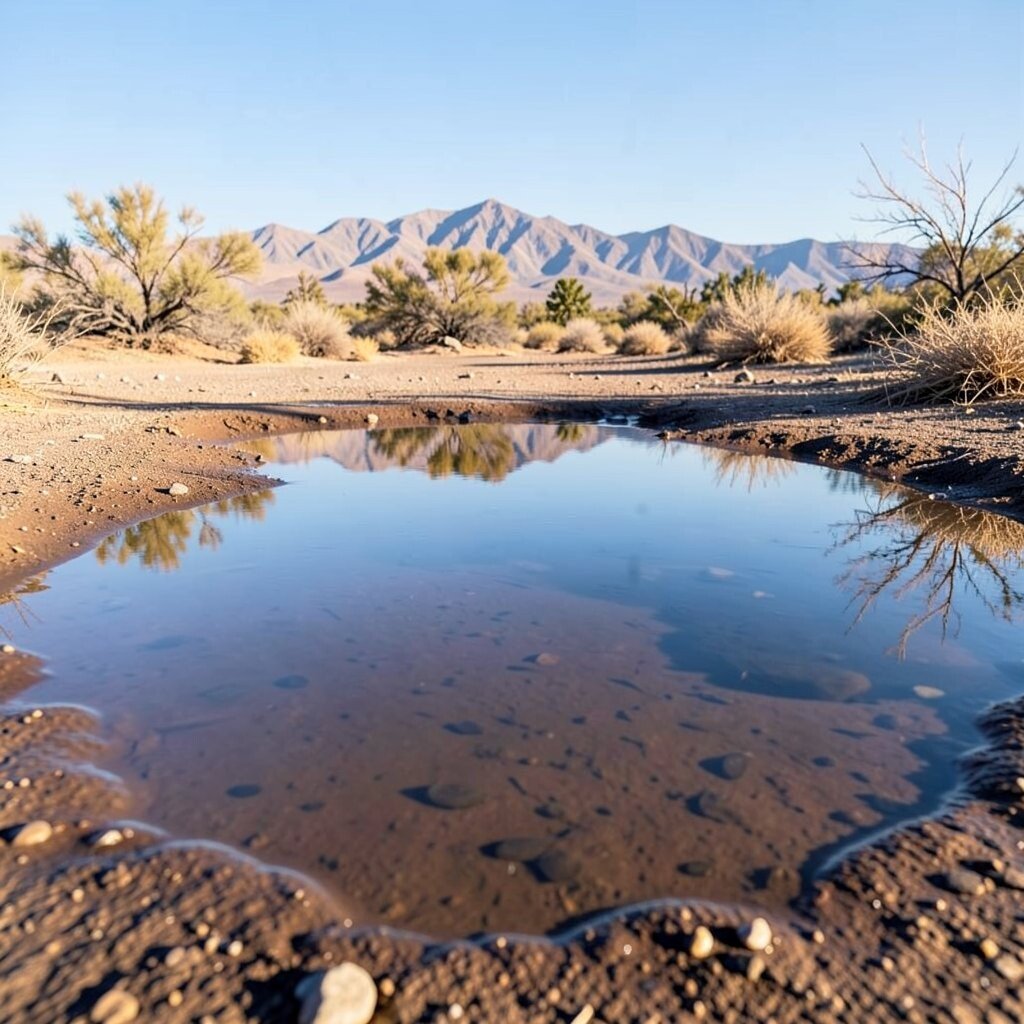
After rare rain, desert puddles can show a sky that usually stays far away. Even shallow water can create mirror-like reflections of clouds and mountains.
Because the puddles can be brief, be ready to photograph quickly and change your angle often. A simple macro or close-focus lens can help you catch tiny ripples and gritty textures around the water edge.
Uniqueness is natural here, since each puddle forms differently and leaves behind patterns of wet sand. The benefit is a surreal feel that looks original without needing heavy editing.
Cost considerations are friendly because you can often shoot near roads or viewpoints you already know. Personalize by collecting a mini set of details, like tire tracks, leaf shadows, or footprints in the damp sand.
Try cloud-heavy days for even better reflections and softer light.
20. City Parks With Nature Meets Architecture
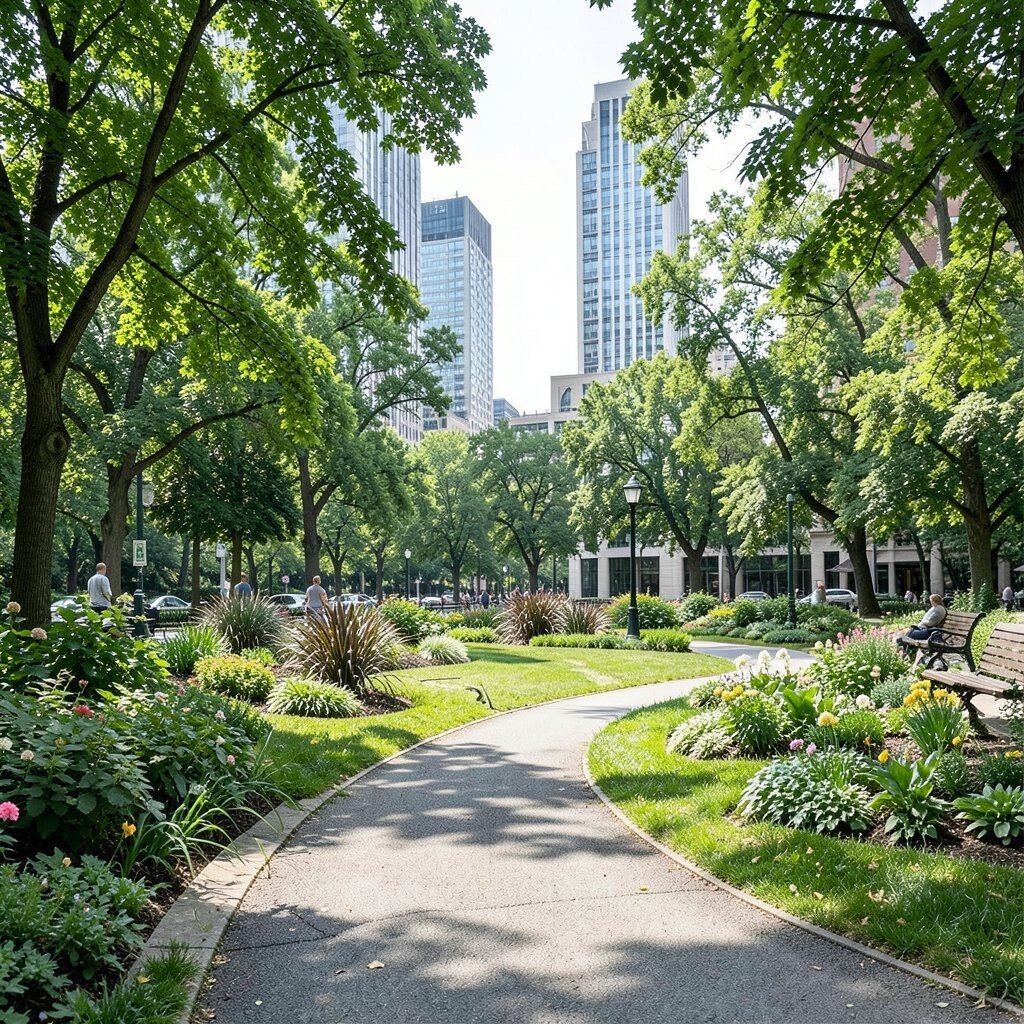
Even in cities, nature shows up through trees, ponds, and wild corners. You can combine architecture lines with leaf texture for a modern, visually balanced look.
Look for reflections in urban water, like small fountains or calm canals, because they let you blend sky, buildings, and greenery. A wider lens helps include context, while a telephoto isolates patterns like branches crossing windows.
Benefits include easy access, predictable safety, and frequent seasonal changes. Uniqueness comes from the contrast of man-made shapes and living movement, like birds landing on a railing or wind moving tree crowns.
For practical tips, shoot during early morning or after rain when surfaces look fresh and colors are richer. Personalize your set by choosing one repeating element, such as curved railings or arched bridges, then pair it with different plants across the seasons.
If you enjoy current trends, try “urban nature” compositions that feel calm and cinematic, not chaotic. You can keep costs low by using what you already have and focusing on timing instead of buying new gear.