Your apartment can look calm, bright, and put together without special talents. Small choices add up fast when the layout and styling work together.
Minimalist design doesn’t have to feel cold. It can feel warm, personal, and totally doable.
1. Start With a Clear, Calm Color Base

Pick a simple color base that feels good to live with. Think soft whites, warm beiges, gentle grays, or pale cream, and let them do most of the heavy lifting.
When your walls, big fabrics, and larger furniture pieces share a similar mood, your space looks tidy even before you clean. Aim for two to three main shades, then bring in one accent color through small items like pillows, a rug, or a framed print.
For practical help, check what you already own and see where the colors naturally match. If you buy anything new, choose it in your base tones first so future updates stay easy and consistent.
2. Choose One Signature Material and Repeat It
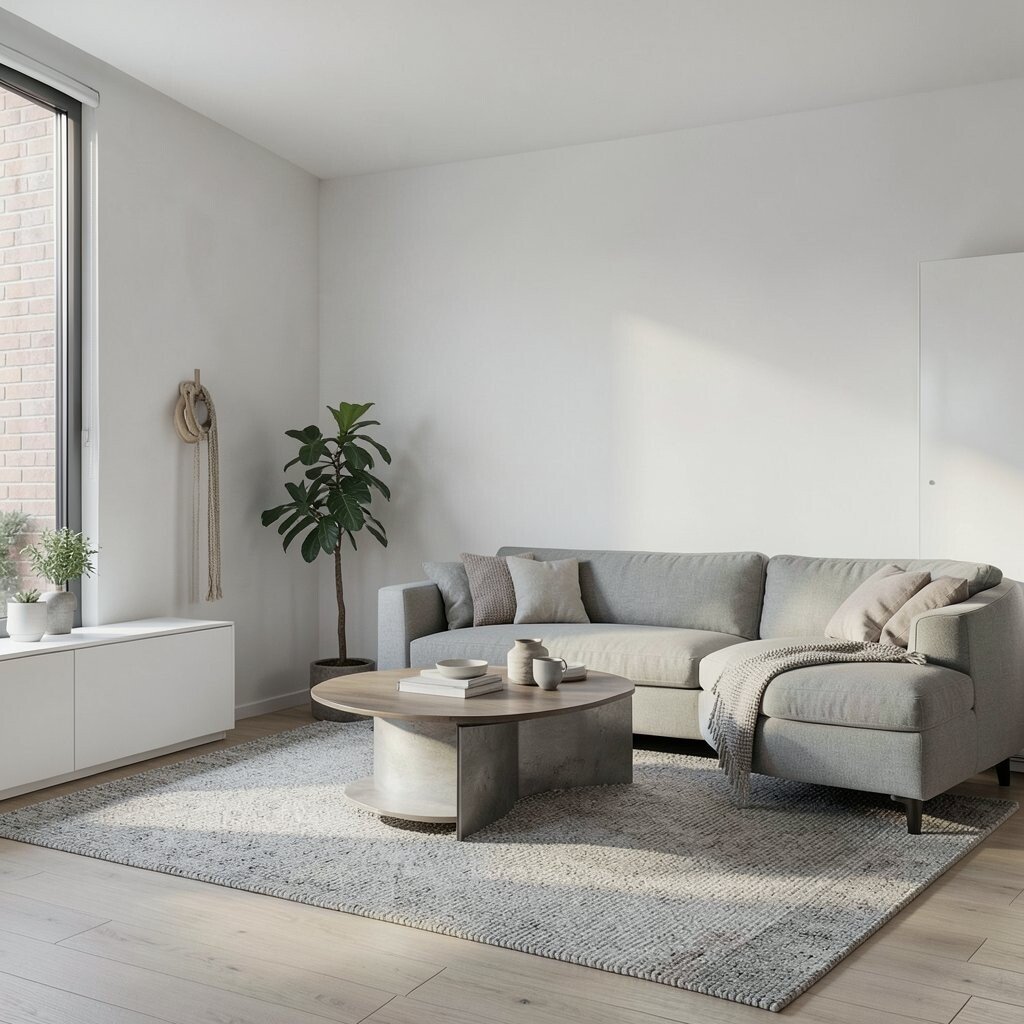
Look around and decide on one material that you love. Wood, brushed metal, rattan, linen, or matte ceramic can all become your design “thread.”
Repeating one material makes rooms feel planned, even when the pieces came from different places. You might see it in a wooden coffee table, a matching tray, and a plant pot with a similar finish.
If you want a quick win, replace only one visible item, like a lamp base or a waste bin. Matching small objects to the same material often feels more stylish than adding many random accents.
3. Let Natural Light Do the Decorating
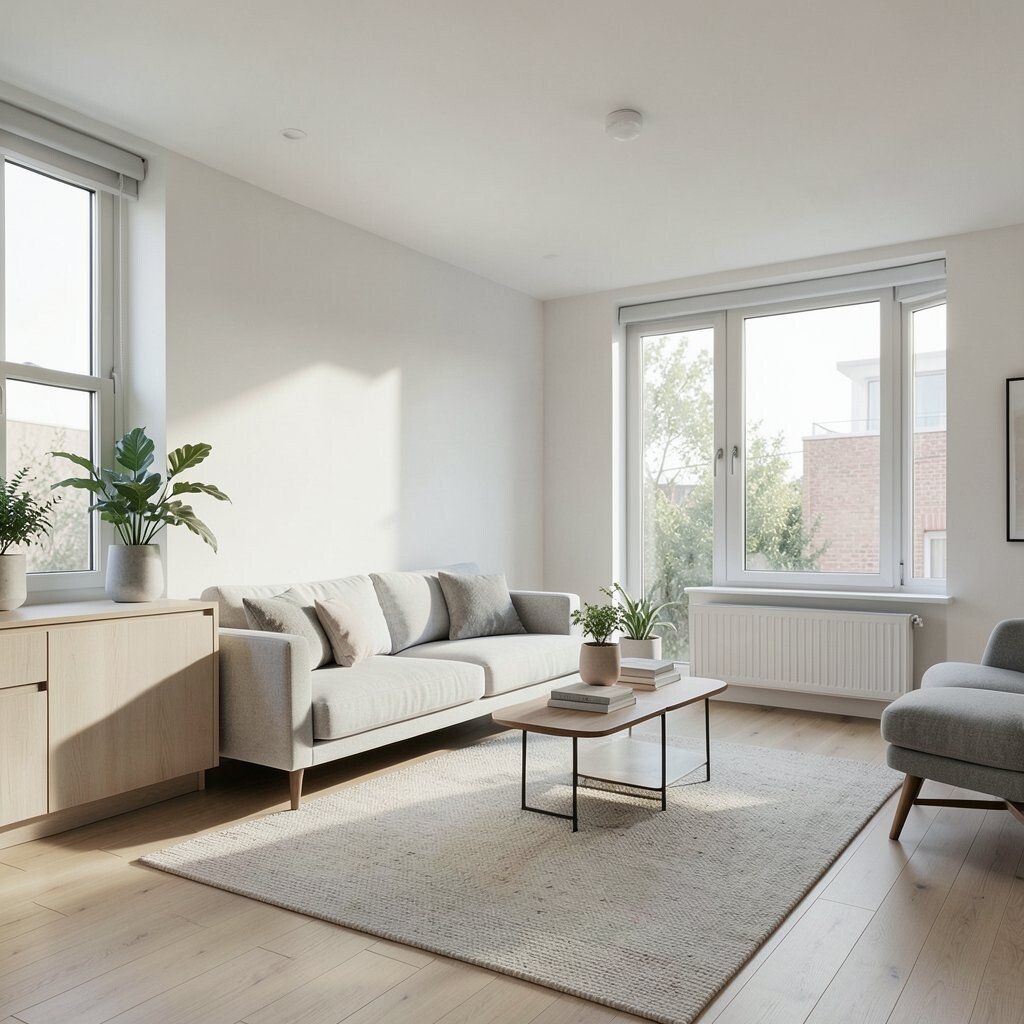
Position your everyday items so light can move freely across the room. Keep window areas clear and use sheer curtains or light-colored blinds to soften harsh glare.
When sunlight hits a clean surface, even basic furniture looks nicer. A bright room also makes walls and floors appear more even in tone, which supports the minimalist look.
Try placing a mirror opposite a window to bounce light around. Keep the frame simple so it adds brightness without visual noise.
For personalization, add one small plant near the window since greenery loves light and makes the space feel alive. Choose a pot that matches your base materials so it looks intentional.
4. Use Rugs to Quiet the Floor Noise

A rug can instantly make an apartment feel calmer and more connected. When it sits under your seating area, it creates a visual “zone” without needing extra décor.
Pick a rug with a low pattern and a soothing color so it doesn’t compete with everything else. Natural textures like jute, flatweave, or wool blends look effortless and fit right into minimalist spaces.
To keep it practical, measure before buying and aim for the rug to extend under the front legs of your sofa or chairs. You can often find affordable options that look upscale when they’re the right size.
If your apartment runs cold in the winter, a warmer rug can feel like a comfort upgrade. Choose a finish that matches your room’s material thread so the look stays cohesive.
5. Keep Wall Art to One Thoughtful Moment
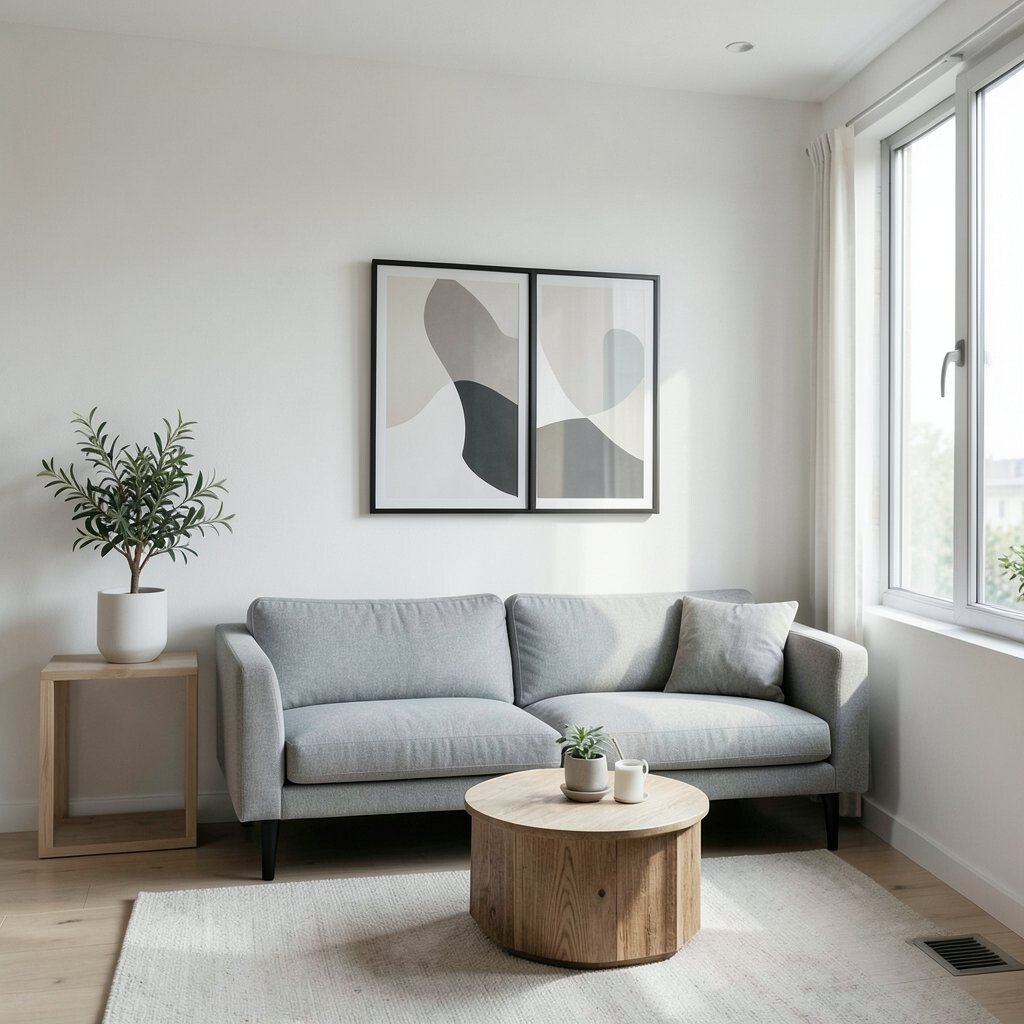
Pick one main artwork and give it a clear place to sit. A large print, a simple gallery arrangement, or a framed photograph can do the job.
When walls stay mostly open, the room feels lighter and less busy. That empty space works like breathing room, letting the one piece you love stand out.
Try hanging artwork at eye level and centering it above a sofa, console, or bed. If you want flexibility, choose a frame color that matches your hardware or one furniture finish.
To personalize without clutter, select art that shows a memory, a place you love, or a color you want to repeat. Keeping it simple also means it’s easy to switch later when your tastes shift.
6. Go Vertical With Shelving Instead of More Stuff
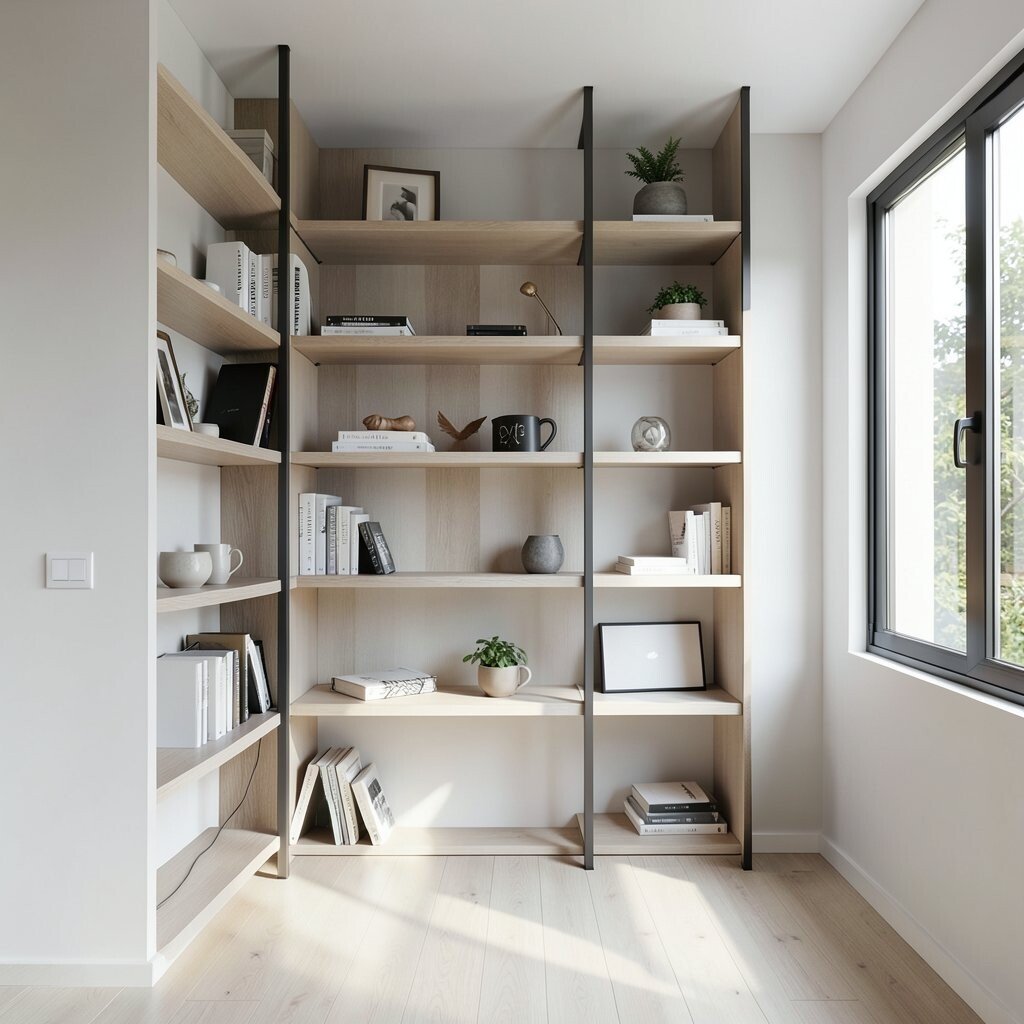
If you need storage, look up before you buy more furniture. A narrow shelf, wall ledge, or tall bookcase uses space without adding a heavy footprint.
Vertical storage also helps your floors stay clean, which is a huge minimalist win. You’ll feel calmer the moment you stop stepping around piles and cords.
Keep the shelves styled with a few items spaced apart so it looks intentional. Use baskets or small bins to hide clutter while still letting the room stay light.
For personalization, place a couple of objects that show your vibe, like a ceramic bowl, a travel souvenir, or a favorite candle. Choose one color for containers so the whole shelf feels steady.
7. Select Furniture With Clean Lines and Real Comfort
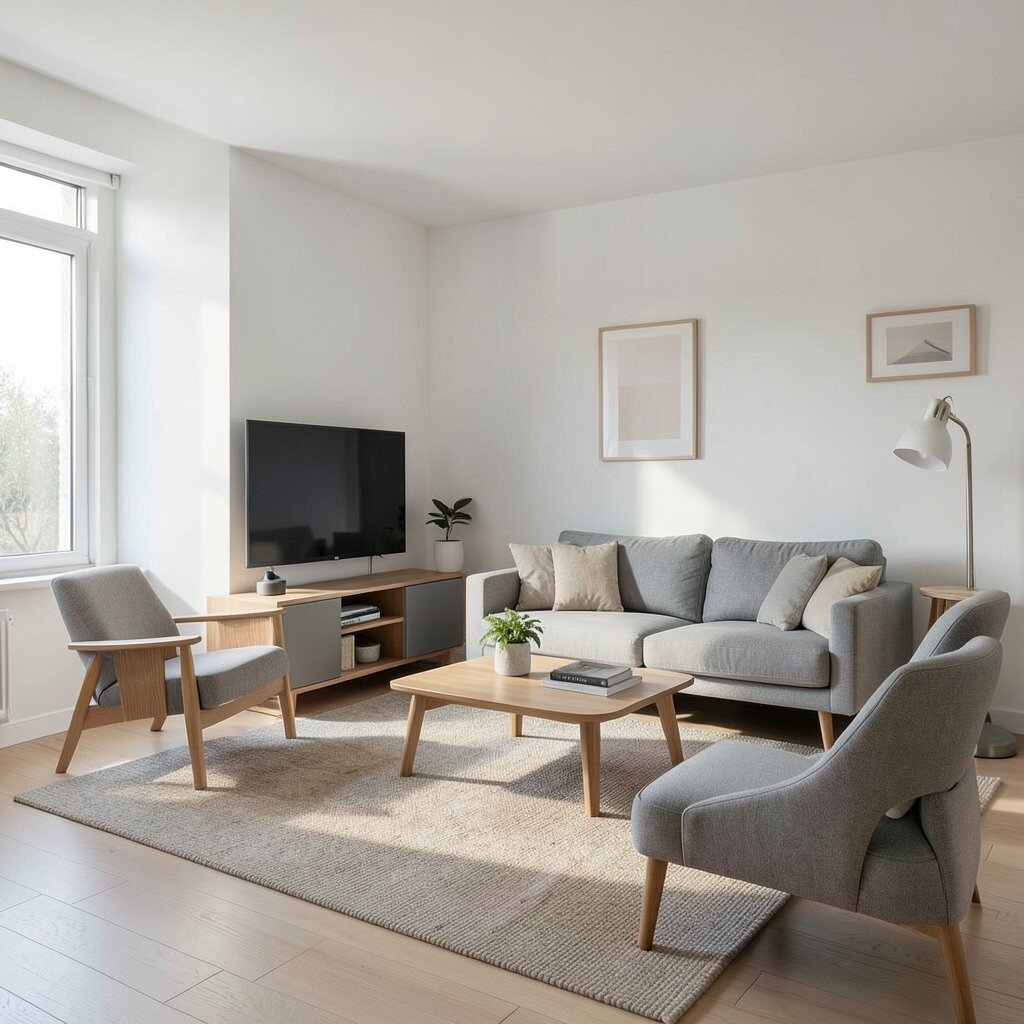
Choose pieces that look simple but still feel good to sit on. A sofa with straight arms, a chair with a light frame, or a bed with a low profile can set the tone quickly.
Clean lines reduce visual “noise,” so your room feels organized even if you live in it daily. Comfort matters too, so don’t sacrifice softness for the look.
When you’re buying, think about scale as much as style. A correctly sized coffee table or dresser helps the room function without squeezing pathways.
If you want to keep costs low, look for quality secondhand items and update only small details like cushions or drawer pulls. Current minimalist style often favors matte finishes and soft shapes, which are easy to match with neutral fabrics.
8. Create a Daily Landing Spot With a Tray

Pick one place for small daily items and make it your “drop zone.” A tray on a console, desk, entry table, or dresser prevents random clutter from taking over.
The visual benefit is instant calm, because keys, glasses, and lip balm stop scattering around. You also save time since you always know where things go.
Choose a tray that matches your material thread, like wood, ceramic, or brushed metal. For personalization, you can swap in a new tray color seasonally or add a small catchall for jewelry.
To keep costs friendly, use what you already have, like a shallow serving tray, even if it’s not perfect. A simple tray is one of the easiest ways to look intentional without spending much.
9. Use Soft Textiles to Make Minimalism Feel Cozy

Minimalist design looks best when it includes warm textures. Throw blankets, linen curtains, and plush or woven cushions add comfort without adding “stuff.”
Layering fabrics creates a visually rich but still simple look. A neutral sofa with two textured pillows can look more styled than a crowded mix of patterns.
Try repeating one textile style across the room, like using similar cushion fabrics in the living area and bedroom. That repetition makes the apartment feel like a single story instead of separate rooms.
For budget-friendly choices, focus on textiles first since they’re often less expensive than furniture. Current trends lean toward natural fibers and calm colors, which pair beautifully with minimalist layouts.
10. Keep Cables Hidden With Simple Routes
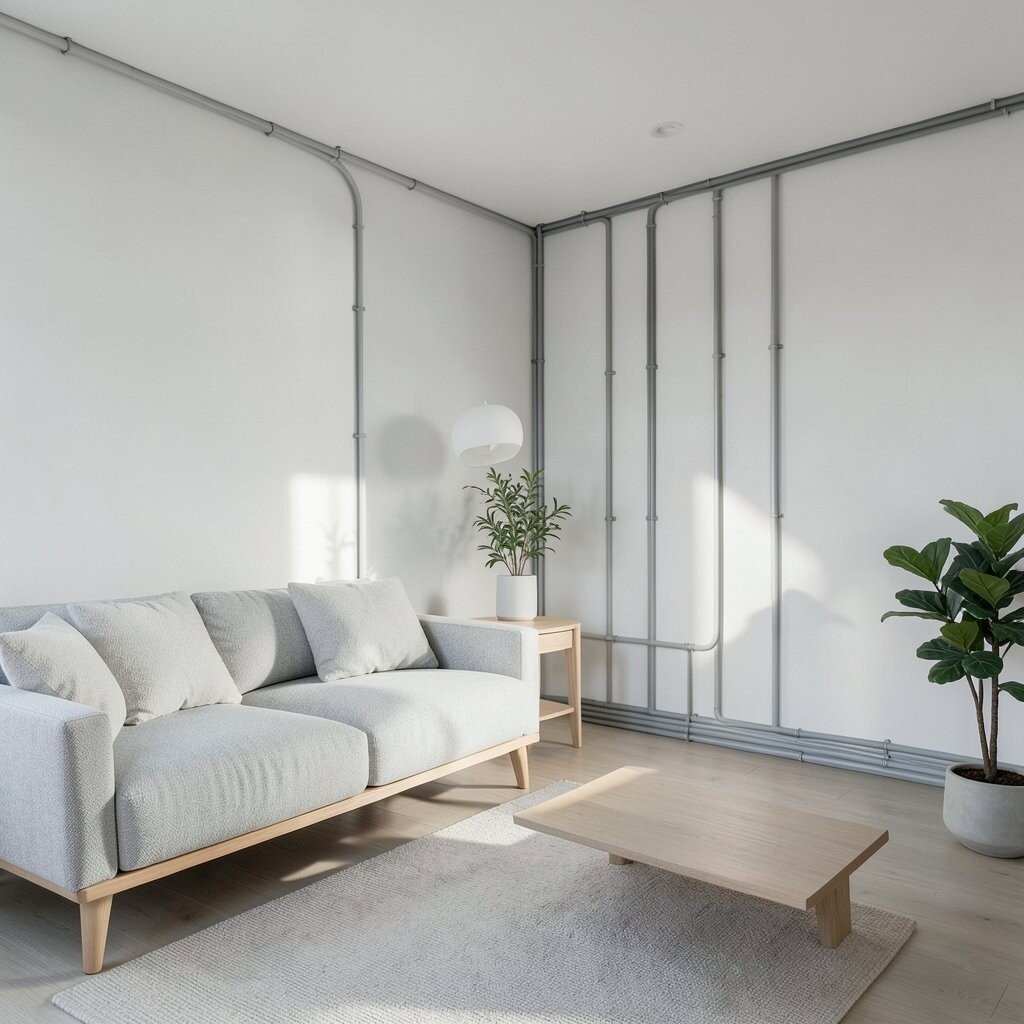
Nothing breaks a minimalist vibe faster than visible cords. If you can see the cable, it becomes part of your visual clutter.
A practical fix is to reroute cords behind furniture and use small adhesive clips or cable sleeves to guide them along walls. Even a small change can make the room look instantly calmer.
You can also place a power strip inside a drawer or behind the back of a console. This keeps charging and electronics neat while still letting you reach everything easily.
For personalization, choose a discreet charging station that matches your décor or use a simple cover for your modem. When the tech disappears, your design looks more intentional and more “easy style” in real life.
11. Swap Out One Storage Piece for Better Organization

You don’t need more furniture, you need the right organization. If your apartment feels busy, start by improving how you store everyday items.
Clear bins, labeled drawers, or simple baskets can make your space look tidy even when life gets messy. When things have a home, surfaces stay clean and minimalist styling gets easier.
Choose containers that blend with your color base. Neutral fabric bins and matching plastic organizers often look better than mismatched colors.
If you want a cost-conscious path, use existing drawers and just add dividers. It’s a small investment that makes your apartment feel like it runs smoothly.
12. Style With One Set of Curated Essentials

Instead of displaying everything you own, choose a small set of essentials you truly use. Curated styling can look polished without needing lots of décor.
Pick a few items that work together, like a book stack with matching covers, a simple candle, and a small plant. When you limit the selection, the space feels purposeful rather than busy.
Try the “less, but better” approach by using one kind of book spine style or one type of frame. A consistent look also supports minimalist trends that favor calm, intentional surfaces.
To personalize, rotate items you genuinely care about, such as a new hardcover, a seasonal scent, or a photo in a favorite color. This keeps the room feeling like you without letting it turn into clutter.
13. Use Lighting That Creates Warm Zones

Lighting can make minimalist rooms feel inviting instead of flat. Instead of relying on one overhead bulb, use a mix of lamps and soft ambient light.
Warm light helps neutral colors look richer and makes textures feel cozy. A lamp near a chair or bed turns that spot into a relaxing zone without adding décor.
Choose lamp shades in simple shapes and matte finishes to keep the look clean. If you can, use bulbs with a warm tone for a comfortable, evening glow.
For practical placement, aim one light at a wall or corner so it creates softness across surfaces. This is a current style favorite because it reduces harsh shadows and makes spaces feel more lived-in.
14. Personalize With One Seasonal Change Only
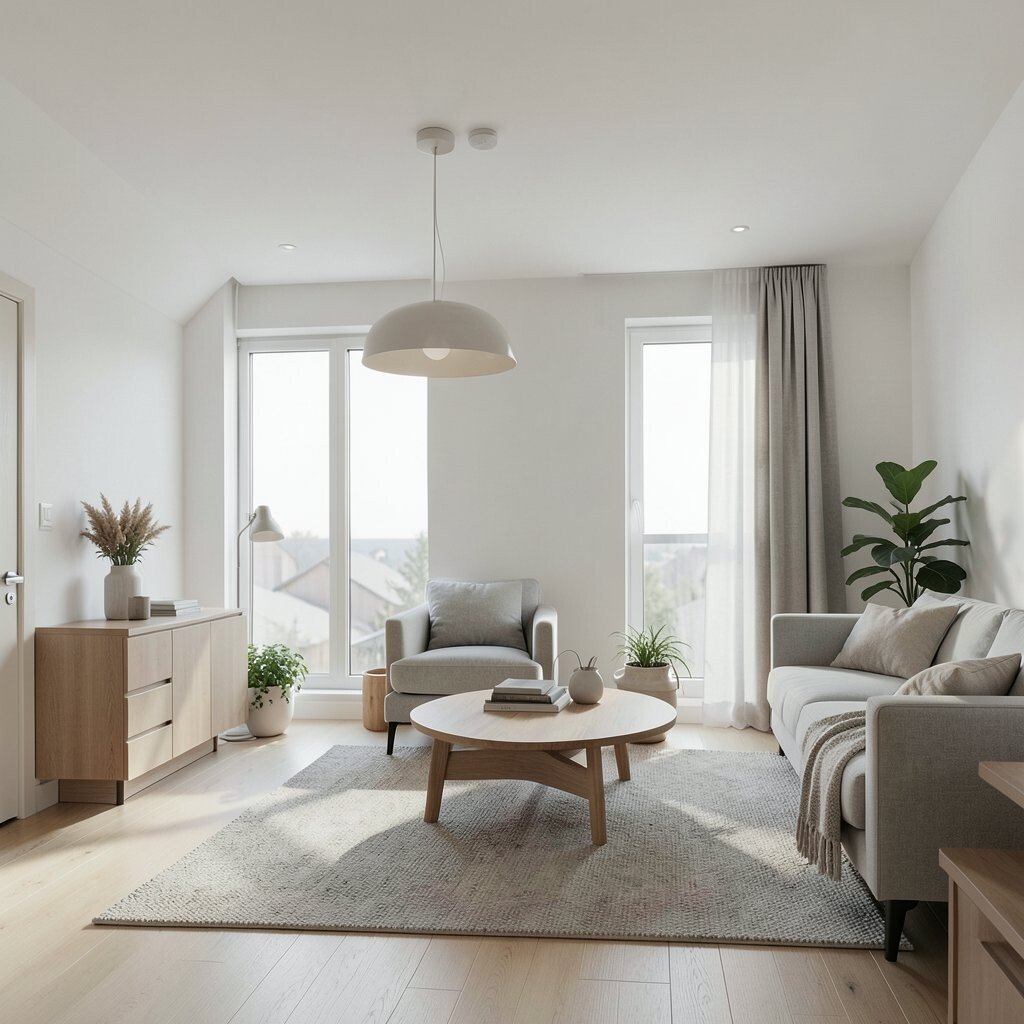
Minimalism becomes easier when you plan one small seasonal update. You can keep the big layout the same and just swap a few items that match the mood.
A simple approach is changing cushion covers, adding a seasonal throw, or switching one framed print. That way your apartment feels fresh without turning into a constant re-styling project.
Choose items that fit your base color palette so the updates look coordinated. If you buy anything new, set a small budget and focus on just one category, like textiles or wall art.
For personalization, highlight hobbies or memories with subtle changes such as a themed candle scent or a new book cover display. The room stays minimalist, but it still feels like home to you.