Busy offices can feel flat, noisy, or hard to settle into. A few smart design choices can change the whole mood.
Good work spaces do more than look nice. They can help people focus, feel calm, and get more done with less stress.
1. Build a Bright Desk Zone

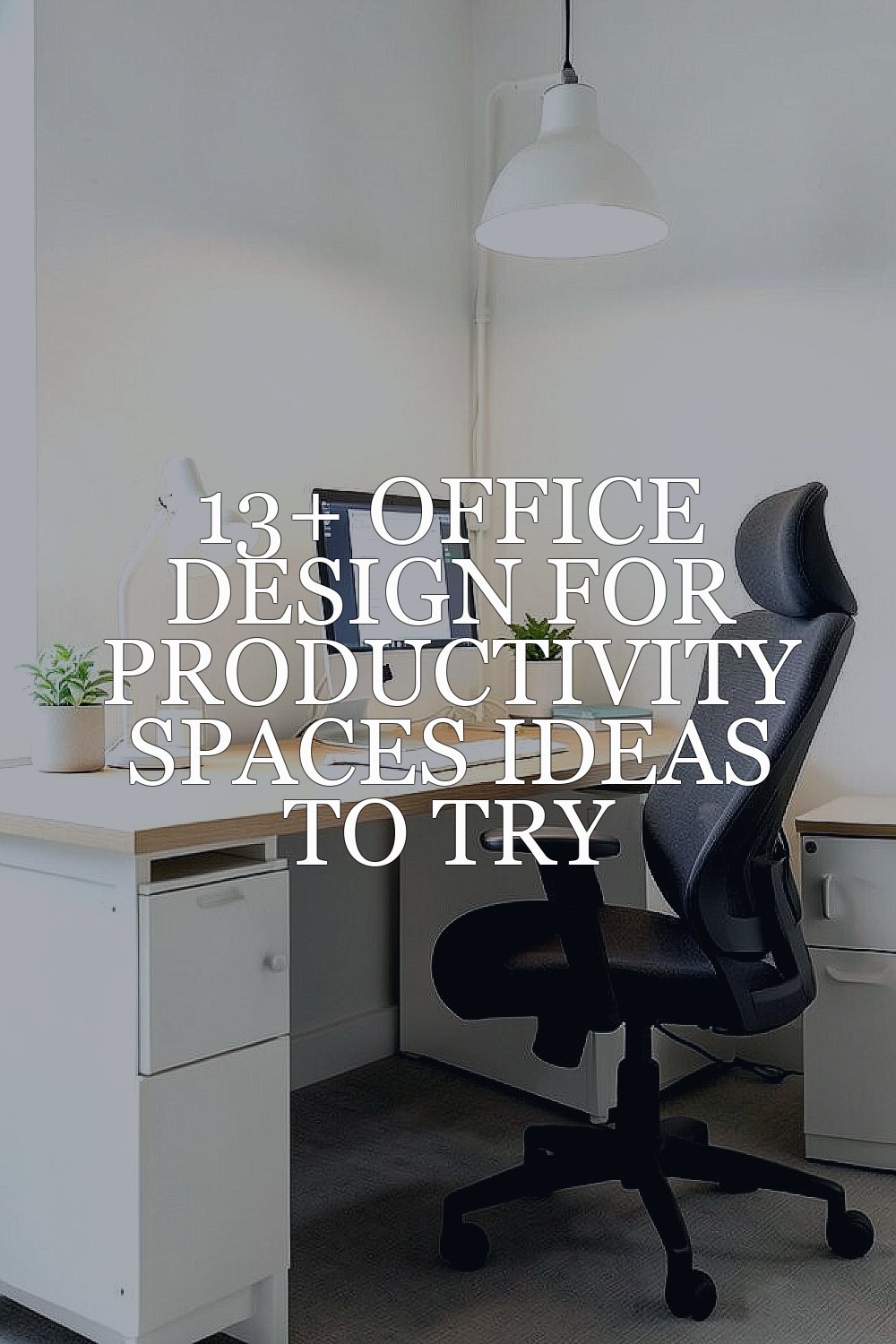
A bright desk zone feels open and fresh, with clean lines, pale colors, and a clear view of the room. Natural light or soft white lamps can make the space feel awake and ready for work.
This setup helps people stay alert and avoid that sleepy afternoon slump. Keep the desk simple, add a small plant, and use a chair that supports the back well. For cost, a tidy desk, a lamp, and a few organizers can be a low-cost start that still looks polished.
2. Add a Quiet Focus Corner

A quiet focus corner gives the eyes and mind a break from busy office life. It can be a small nook with a comfy chair, a side table, and sound-softening fabric.
This kind of space is great for deep work, reading, or careful planning. Try using a folding screen, bookcase, or curtain to make it feel private without building walls. Many offices now like calm, hotel-style corners because they feel modern and useful.
Personal touches matter here, so add a favorite color, a soft throw, or a framed print. If money is tight, use one unused corner and work with what you already have. Even a tiny calm spot can help people reset and return to their tasks with more energy.
3. Use Standing Work Spots

Standing work spots bring movement into the day and help break up long sitting time. They often look sleek, with tall desks, slim stools, and simple tech setups.
This setup can help with energy, posture, and quick meetings. Add a mat for comfort and keep cords hidden so the area stays neat. Adjustable desks are a current favorite because they let one space do more than one job.
To make it personal, choose finishes that match the rest of the office, like wood, black metal, or white surfaces. Costs can range a lot, so start with one standing desk and grow from there. A small change like this can make the whole office feel more active and modern.
4. Create a Team Table Hub

A team table hub brings people together around one large surface. It looks warm and social, with shared chairs, easy reach storage, and room for laptops or paper notes.
This kind of setup helps with quick chats, group planning, and creative thinking. Use a table with a strong top and add power access so devices can stay charged. Round or soft-edged tables are popular now because they feel friendly and less stiff.
You can make the hub feel unique with a bold rug, colorful chairs, or a hanging light above it. If the budget is small, even a basic table can work well with good lighting and simple seating. The main goal is to make teamwork easy and comfortable.
5. Bring Nature Inside

Plants, wood tones, and natural textures can make an office feel alive. Green leaves and warm materials soften hard walls and tech-heavy spaces.
This style can lower stress and make the room feel more pleasant during long workdays. Try a mix of desk plants, floor plants, and a wood shelf for balance. Biophilic design is still a strong trend because it feels fresh and human.
Personalize the look by choosing plants that fit the light in your office and the care level your team can handle. If live plants are too costly or hard to manage, use high-quality faux plants or nature prints. Even a small touch of green can change the mood in a big way.
6. Set Up Flexible Meeting Pods

Flexible meeting pods give teams a spot for quick talks without taking over the whole office. They often look like small enclosed areas with soft seating, a table, and good privacy.
These pods help reduce noise and keep meetings from spreading into work zones. Use glass walls, acoustic panels, or movable screens to shape the space. Many offices like pod-style areas now because they support both teamwork and focus.
To make them feel special, add a bright accent color or a wall with simple art. Costs can stay controlled by using modular pieces instead of building fixed rooms. A pod can be changed later, which makes it a smart choice for growing teams.
7. Make a Color-Boosted Wall
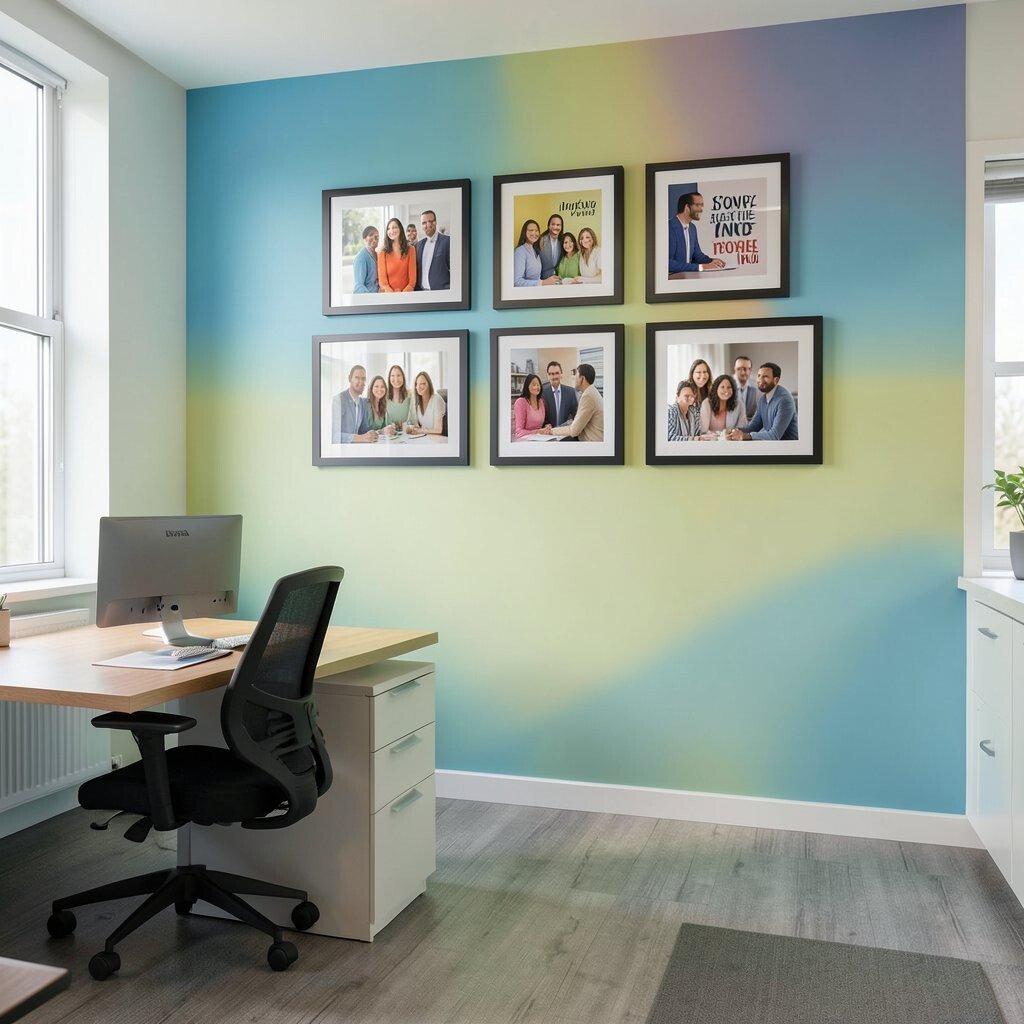
A color-boosted wall can wake up an office fast. It might be a painted accent wall, a bold mural, or a set of framed graphics in a single strong color story.
This idea can lift mood and make the space easier to remember. Use one main shade and a few softer matching tones so the room does not feel too busy. Bright but balanced color is a current favorite in offices that want energy without chaos.
Give the wall a personal touch with team photos, brand art, or inspiring words. If you want to keep costs low, paint one wall instead of the whole room or use removable wallpaper. A strong wall can make even a plain office feel lively and unique.
8. Design a Work Café Area

A work café area feels relaxed, like a mix between a coffee shop and an office. It often includes small tables, comfy chairs, warm lights, and a friendly layout.
This space can help people shift gears, chat, or work in a less formal setting. Add easy-clean surfaces, a drink station, and enough outlets for laptops. Café-style offices are popular because they feel social, modern, and easy to enjoy.
You can make the area feel personal with local art, branded mugs, or a menu board for snacks and drinks. For cost, start with one corner and use secondhand furniture if needed. A cozy café look can make work feel a little lighter and more inviting.
9. Add Storage That Looks Good

Storage does not have to hide in the background. Open shelves, built-in cabinets, and labeled bins can look neat while keeping supplies close.
This helps reduce clutter, which makes it easier to think clearly and move around. Choose storage pieces that match the room style so they feel like part of the design. Clean storage is a big trend because people want offices that feel calm, not crowded.
Try mixing closed cabinets with a few open shelves for a balanced look. You can personalize the shelves with books, awards, or small decor that shows team style. Smart storage can save money too, since it helps protect supplies and reduces the need for extra furniture later.
10. Build a Sound-Friendly Space

Sound-friendly design can make a huge difference in how productive an office feels. Soft panels, rugs, curtains, and fabric chairs can help absorb noise and make the room less harsh.
When a space is quieter, people can think better and feel less tense. Place noisier areas away from focus zones and use plants or bookcases as soft dividers. Acoustic design is a strong current trend because open offices often need help with sound.
You can make the space feel more personal with textured fabrics or a color palette that feels calm. Costs vary, so start with small items like rugs and wall panels before moving to bigger changes. Even a few sound-softening pieces can make the office feel much more peaceful.
11. Create a Creative Brainstorm Zone

A creative brainstorm zone should feel playful and open. Think whiteboards, pinboards, movable chairs, and surfaces where ideas can be written fast.
This setup helps people share thoughts without feeling stuck at a formal desk. Use bright markers, sticky notes, and easy-to-move furniture so the space can change with the task. Many teams now want zones like this because flexible thinking needs flexible rooms.
Make it unique with a bold rug, fun wall graphics, or a writable glass panel. If the budget is small, a simple board and a few mobile stools can still work well. The best brainstorm spaces invite ideas to grow without feeling messy.
12. Add a Wellness Nook

A wellness nook gives workers a quiet place to breathe, stretch, or take a short reset. It can look soft and restful, with gentle lighting, a lounge chair, and a small shelf for calming items.
This kind of space supports mental health and helps people return to work with a clearer head. Use soothing colors, a water station, and maybe a few simple stretch tools. Wellness corners are very popular now because offices are paying more attention to comfort and care.
You can personalize the nook with a favorite scent, a small art piece, or a message board with kind notes. If costs matter, keep the setup simple and use one peaceful corner instead of a full room. A small pause space can make the whole office feel more human.
13. Design for Easy Movement

An office that supports easy movement feels open and smooth to use. Wide paths, light furniture, and clear walkways help people move without bumping into things.
This layout can improve flow and make the office feel less crowded. Try placing shared items in central spots so people do not have to cross the room too often. Clean movement paths are a practical trend because they make daily tasks feel faster and simpler.
Make the layout personal by choosing furniture shapes and colors that fit your team style. Costs can stay low if you rearrange what you already own before buying anything new. A space that moves well often feels bigger, even when the room size stays the same.
14. Mix Work Zones With Home-Like Comfort

Some of the best offices feel a little like home without losing their work purpose. Soft sofas, warm lamps, layered textures, and gentle colors can make a space feel welcoming.
This approach can help people relax while still staying productive. Add a mix of seating, from task chairs to lounge chairs, so people can choose what fits their work. Home-like comfort is a strong trend because many workers want offices that feel less cold and more human.
Use personal details like framed team photos, cozy blankets, or custom art to make the room feel special. If you want to save money, blend a few comfort pieces with standard office furniture instead of replacing everything. A warm and useful office can support both focus and good feelings all day long.