
A good office can change the mood of a whole day. Small design choices often do the heaviest lifting.
1. Use a Bright and Airy Color Palette
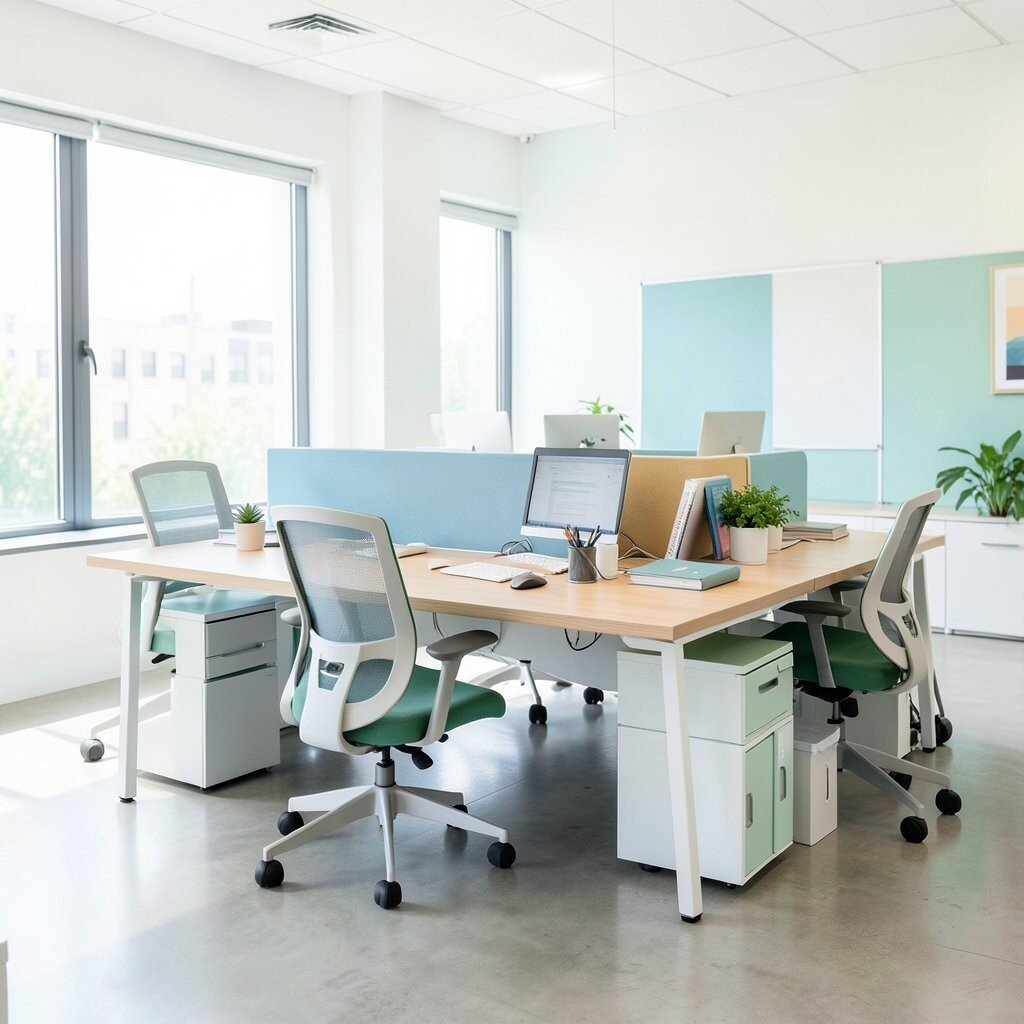
Soft whites, pale grays, and light beige can make an office feel open and calm. These shades help walls, desks, and shelves look clean and fresh.
This style is easy to personalize with art, plants, or a bold chair. It also works well for small offices because light colors can make the room feel larger. If you want to keep costs low, paint is one of the cheapest upgrades with the biggest visual impact.
2. Add a Standing Desk Zone
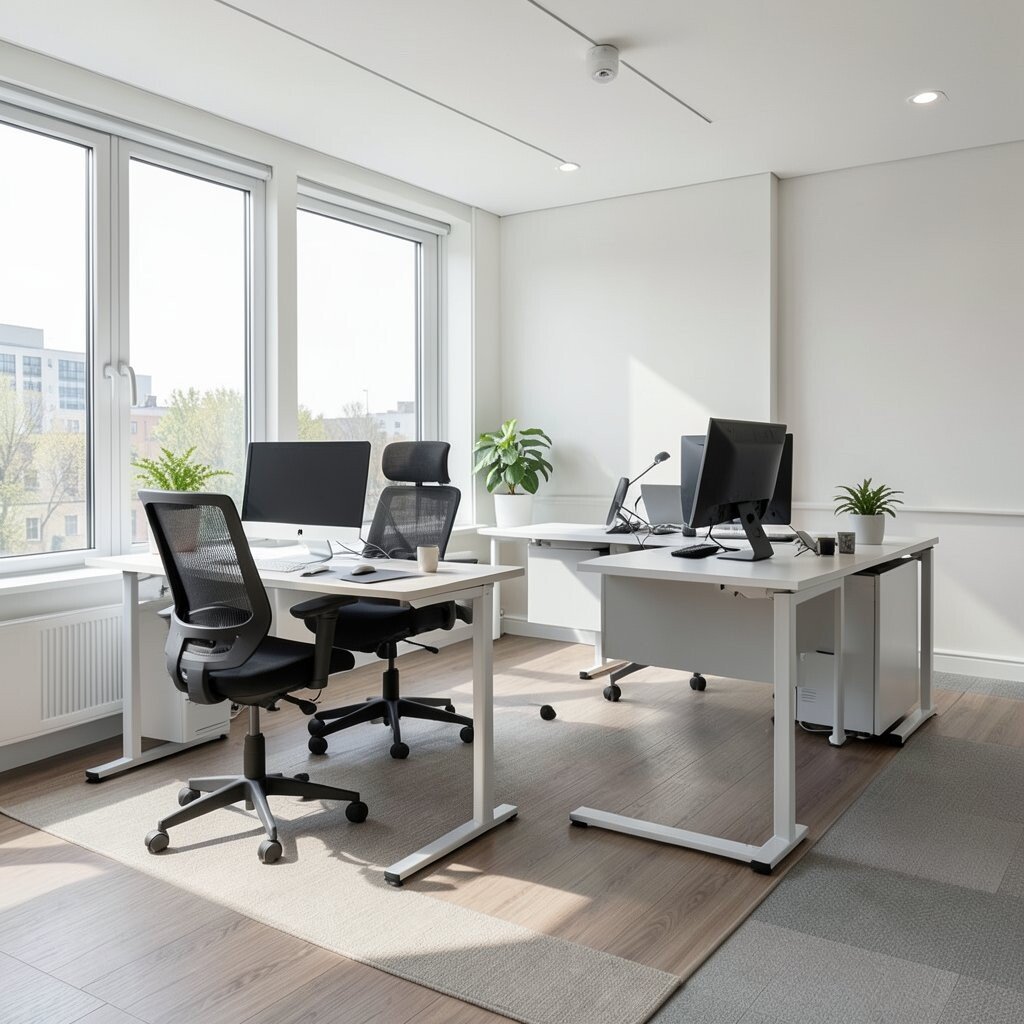
A standing desk can bring more movement into the workday. It also gives the office a modern look that feels active and fresh.
Many people like the energy boost that comes from changing positions during the day. You can choose a full standing desk or a simple desk riser to save money. Add a mat, a lamp, and a small shelf nearby to make the area feel complete and personal.
This idea fits well with today’s focus on wellness at work. It is also easy to mix with a seated setup, so one person can switch back and forth as needed.
3. Bring in Biophilic Design
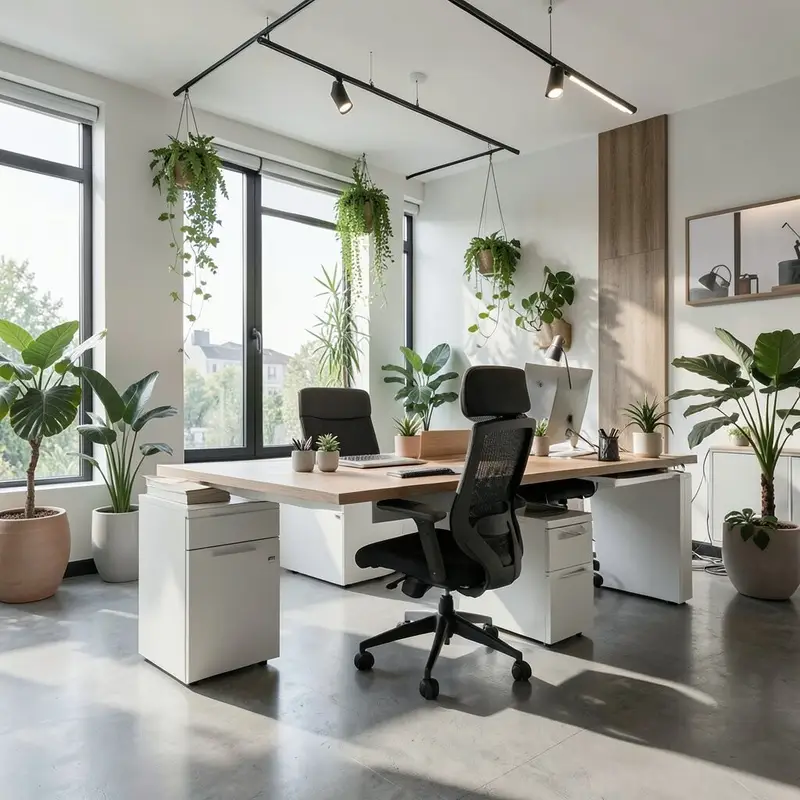
Plants, natural light, and wood finishes can make an office feel more alive. The space starts to look softer and more welcoming right away.
People often feel calmer around natural textures and greenery. A few low-cost plants on shelves or desks can make a big difference without a big budget. Choose easy-care plants if the room does not get much sun.
Wood grain, woven baskets, and stone accents add extra warmth. This style feels current because many offices now aim for a healthier, more human feel.
Try matching plant pots to your brand colors or favorite tones. That little detail can make the whole room feel more personal and thoughtful.
4. Create a Focus Corner
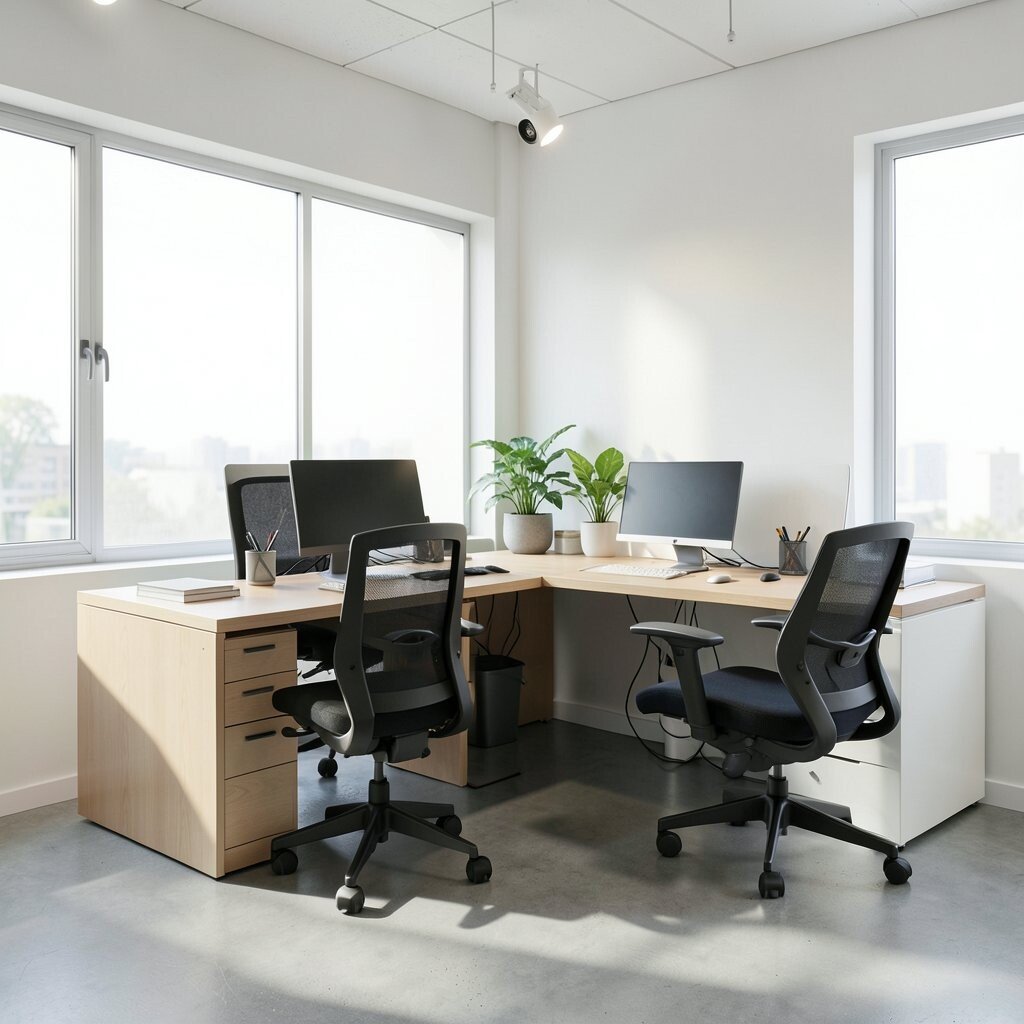
A quiet corner with fewer distractions can help hard tasks feel easier. It gives the eye a simple place to rest.
Use a small desk, a comfortable chair, and a lamp with soft light. Keep the area neat so it feels different from the busier parts of the office. If space is tight, even a screen or bookshelf can help separate the corner from the rest of the room.
5. Mix Open Space with Private Spots
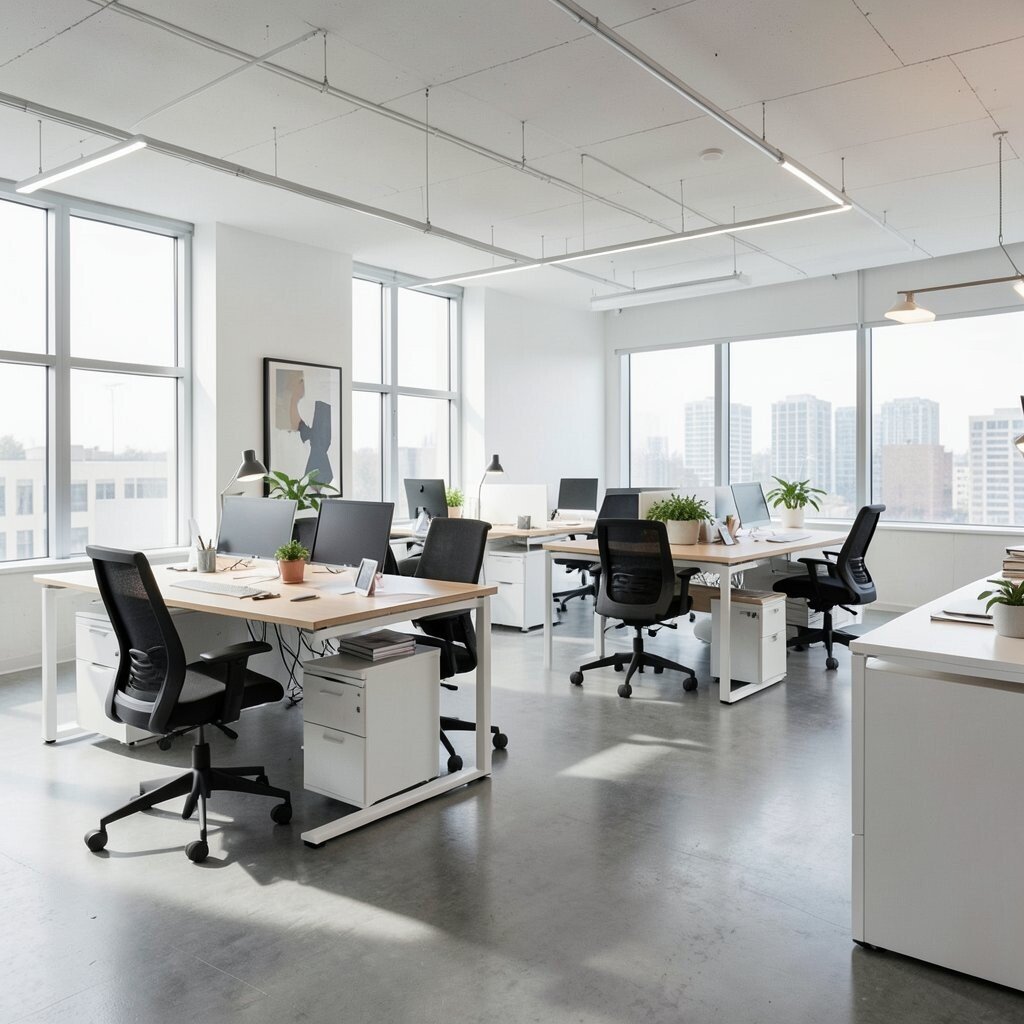
Open layouts can help teams talk and share ideas. Private spots still matter when someone needs quiet time or a phone call.
The best offices often blend both styles in a smart way. Use glass dividers, small booths, or movable screens to create balance. This choice can cost more than a simple open room, but it often pays off in comfort and better focus.
To make the space feel unique, use different textures in each zone. For example, soft rugs can mark calm areas while smooth tables can define group spaces.
Many modern workplaces now use flexible layouts instead of one fixed plan. That makes it easier to change the room as the team grows.
6. Add a Bold Accent Wall
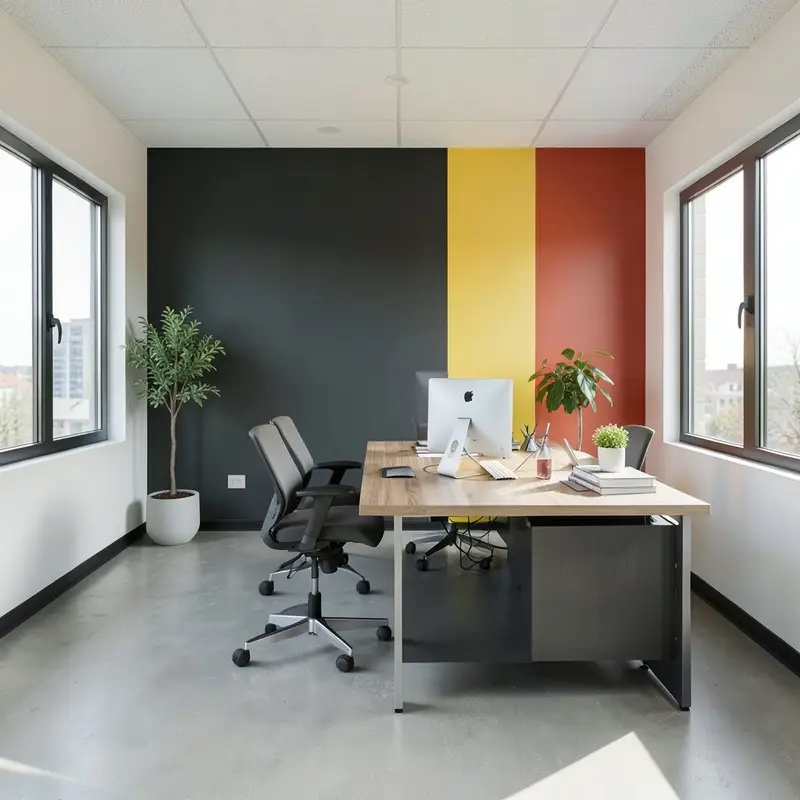
An accent wall can give an office a strong point of view. It adds color and energy without changing the whole room.
Deep blue, warm green, or rich terracotta can all look stylish. If paint feels too permanent, peel-and-stick wallpaper can be a cheaper and easier option. Use the wall behind a desk, sofa, or meeting table for the best effect.
This idea works well for branding too. A company can use its own colors or pattern to make the room feel more connected to its identity.
Keep the rest of the room simple so the wall stands out. That balance helps the office feel bold, not busy.
7. Use Modular Furniture
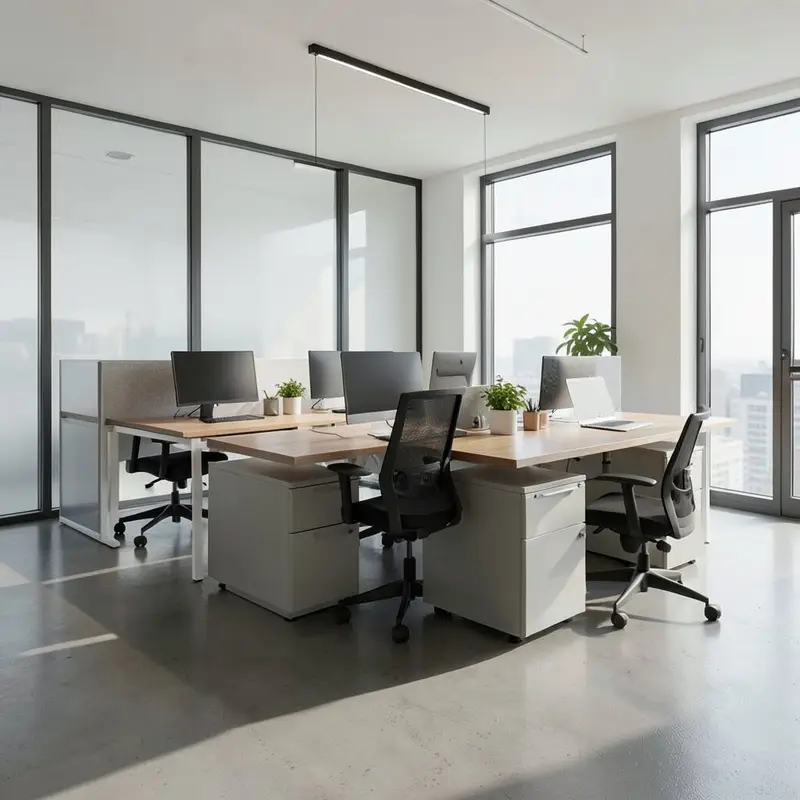
Modular furniture gives you pieces that can move and change shape. That makes the office feel ready for almost any task.
These pieces are great for teams that shift often. You can build a meeting area one day and a quiet work zone the next. The price can be higher at first, but the long-term flexibility often makes it worth it.
Look for ottomans, stackable chairs, and tables that can be rearranged easily. This trend is popular because it supports hybrid work and changing team sizes.
8. Build a Cozy Lounge Area
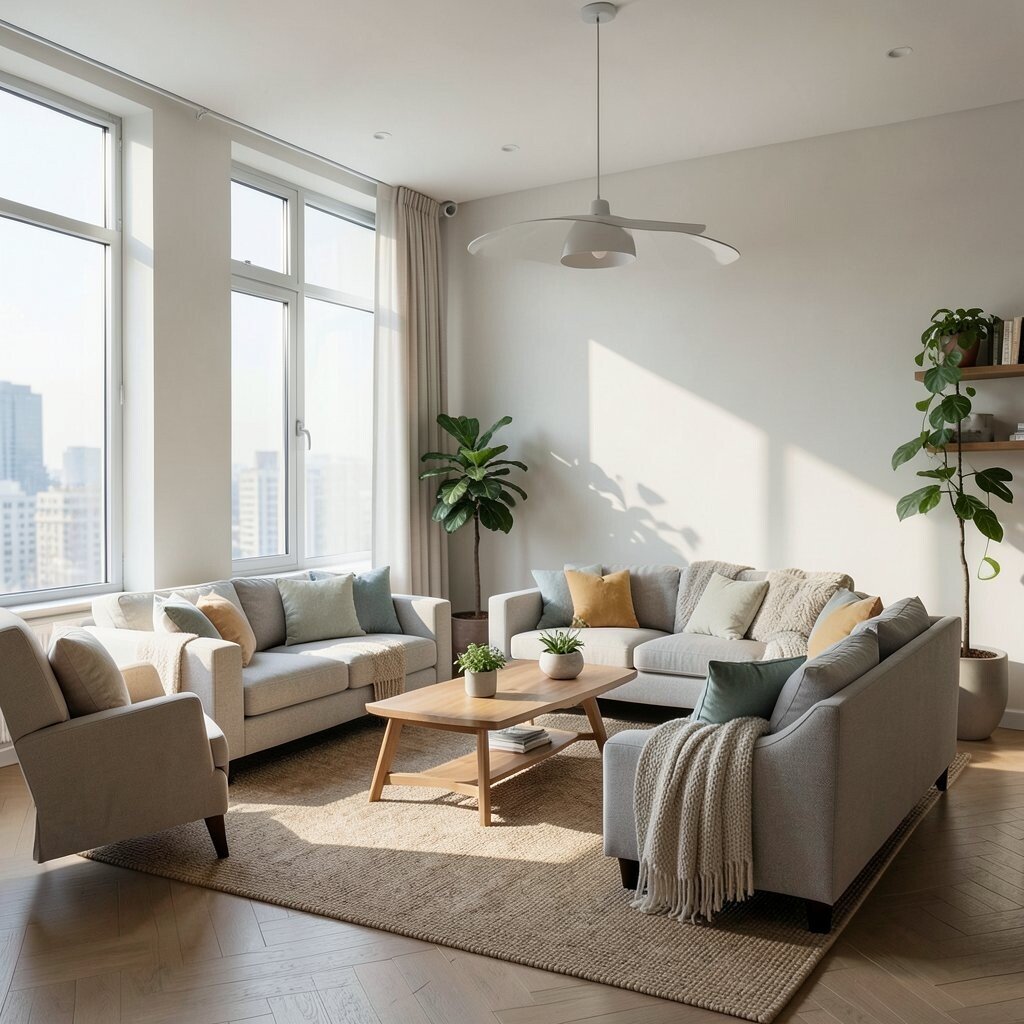
A lounge area can make the office feel less stiff and more human. Soft seating invites people to pause, chat, or think in a relaxed way.
Choose a sofa, a couple of armchairs, and a low table for books or coffee cups. Warm lighting and a rug can make the space feel even more inviting. If you want to keep spending down, start with one strong chair and add more pieces later.
Personal touches like throw pillows or framed photos can make the area feel special. This kind of space often becomes a favorite spot for quick meetings and creative talks.
9. Improve the Lighting Layers
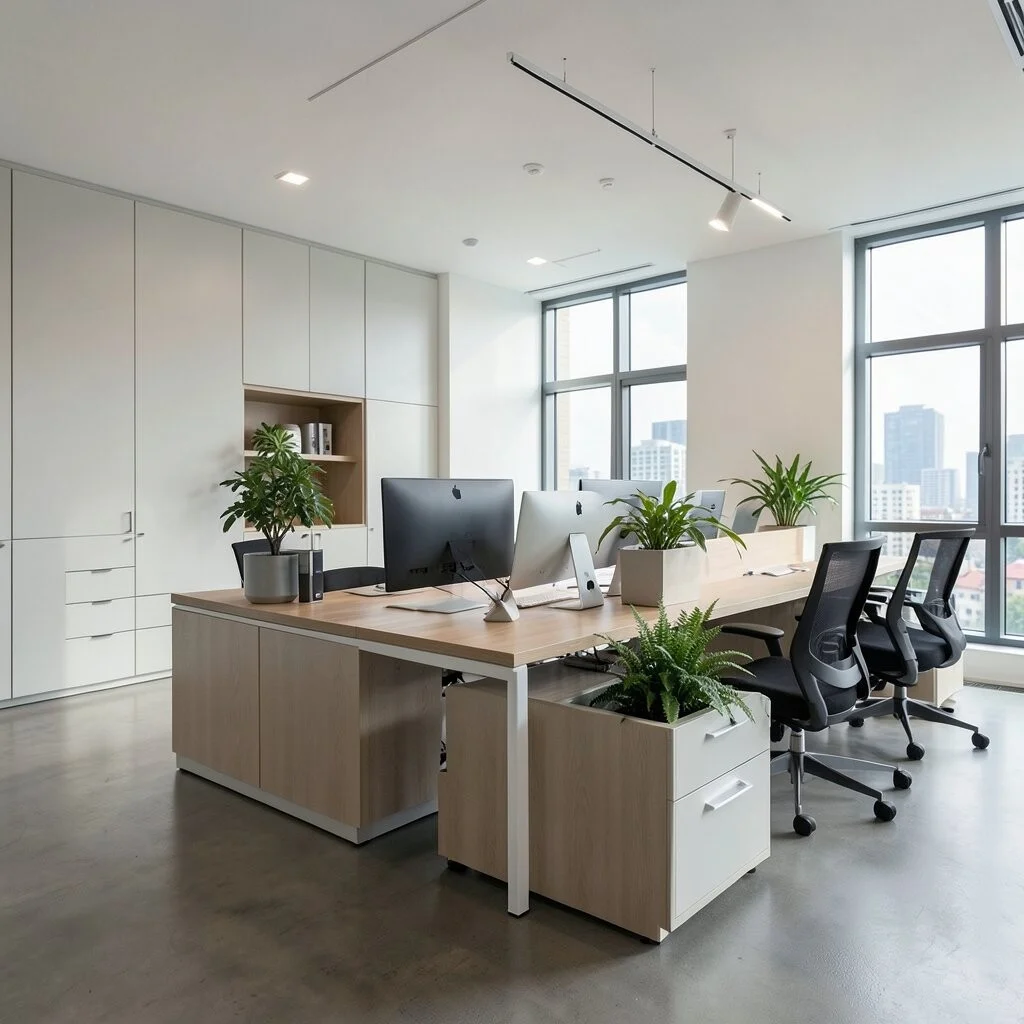
Good lighting can change how an office feels in a big way. A mix of ceiling lights, desk lamps, and soft accent lights creates depth and comfort.
Bright overhead light works for tasks, but it can feel harsh on its own. Add warm lamps to soften the room and help reduce eye strain. LED lights are a smart choice because they save energy and often last a long time.
You can make the office feel unique by choosing lamp shapes that match the style of the room. Sleek metal lamps feel modern, while fabric shades feel softer and more home-like.
Lighting trends now lean toward adjustable and layered setups. That gives people more control over how their space looks and feels during the day.
10. Set Up a Creative Wall
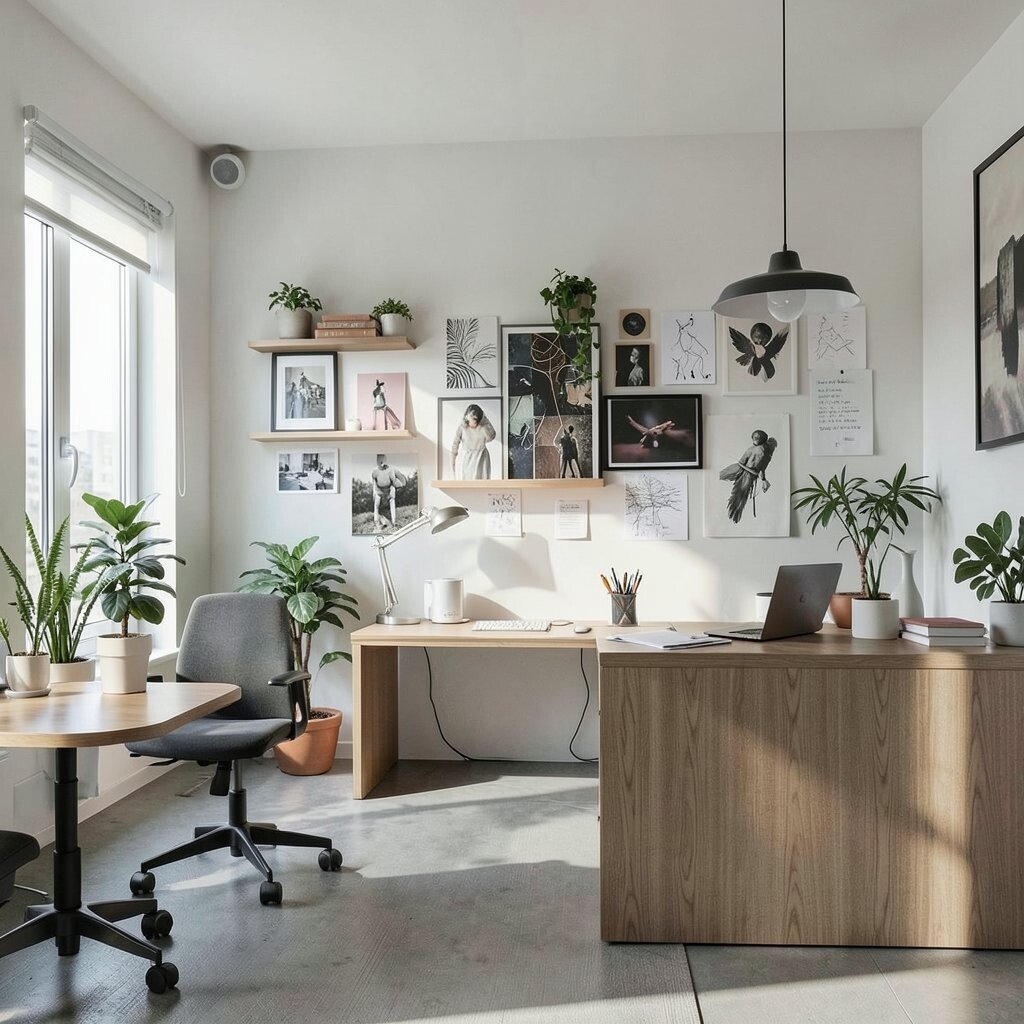
A creative wall can spark ideas and keep important thoughts in sight. It turns a plain surface into a useful part of the office.
Use a whiteboard, corkboard, pinboard, or magnetic board to hold notes and sketches. Teams can post goals, reminders, and fun images that keep the room lively. This is a low-cost way to add both style and function.
Make it personal by choosing a frame color or board shape that fits the room. A neat wall like this can help people feel more organized and inspired at the same time.
11. Add Acoustic Softness

Noisy offices can make it hard to think clearly. Soft materials help absorb sound and make the room feel calmer.
Carpet tiles, fabric panels, curtains, and upholstered chairs can all reduce echo. These items also add texture, which makes the office look richer and more finished. If the budget is tight, start with rugs and a few wall panels in the loudest spots.
This design choice is especially helpful in open offices. It supports better focus, easier calls, and less stress during busy hours.
Choose colors and patterns that fit the rest of the room so the sound fixes still look stylish. That way, function and beauty work together.
12. Make the Reception Area Warm and Welcoming
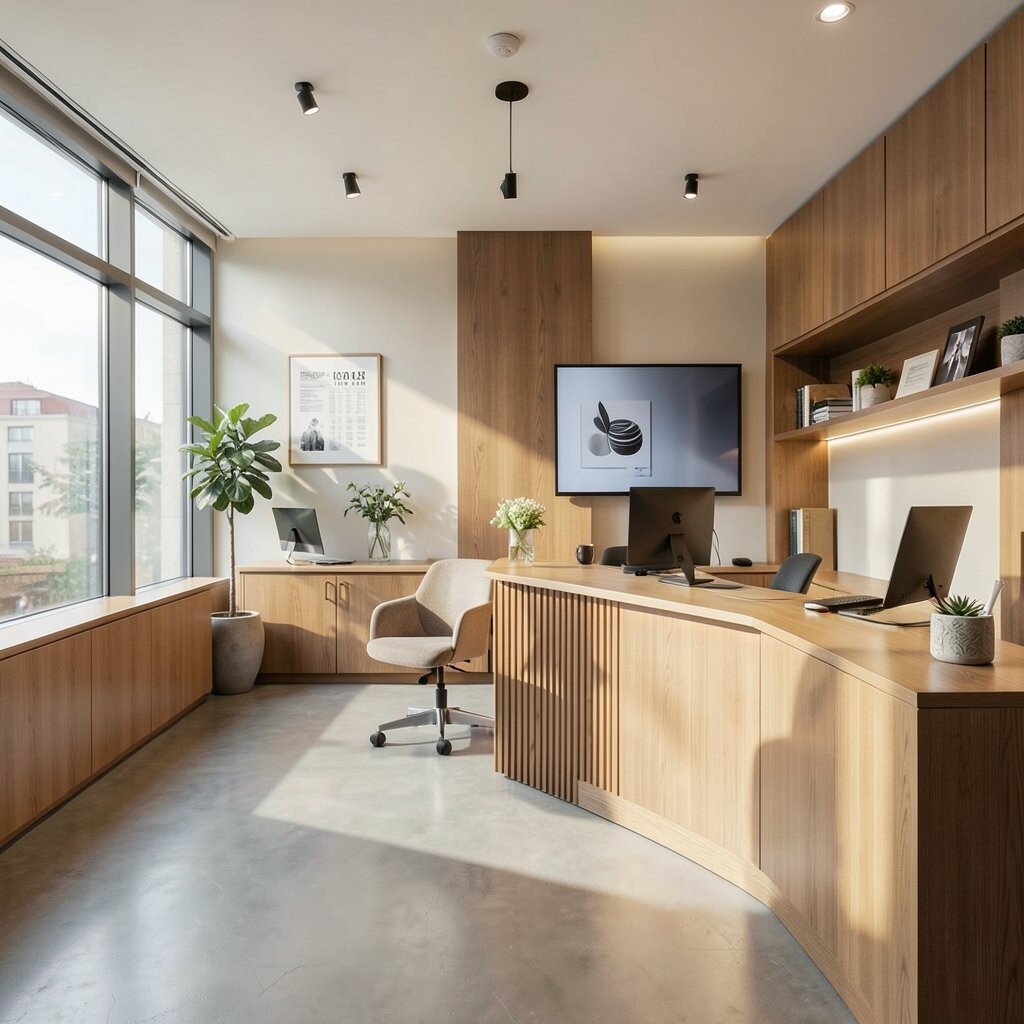
The reception area sets the tone before anyone even sits down. A friendly, polished look can make visitors feel at ease.
Try a clean desk, a comfortable chair, and a simple piece of art on the wall. Fresh flowers or a plant can also make the space feel more alive. For a lower-cost update, new signage and a better lamp can change the mood fast.
This is a great place to show personality without crowding the room. A company can use colors, textures, or local art to make the area feel one of a kind.
13. Use Glass for a Light, Modern Feel
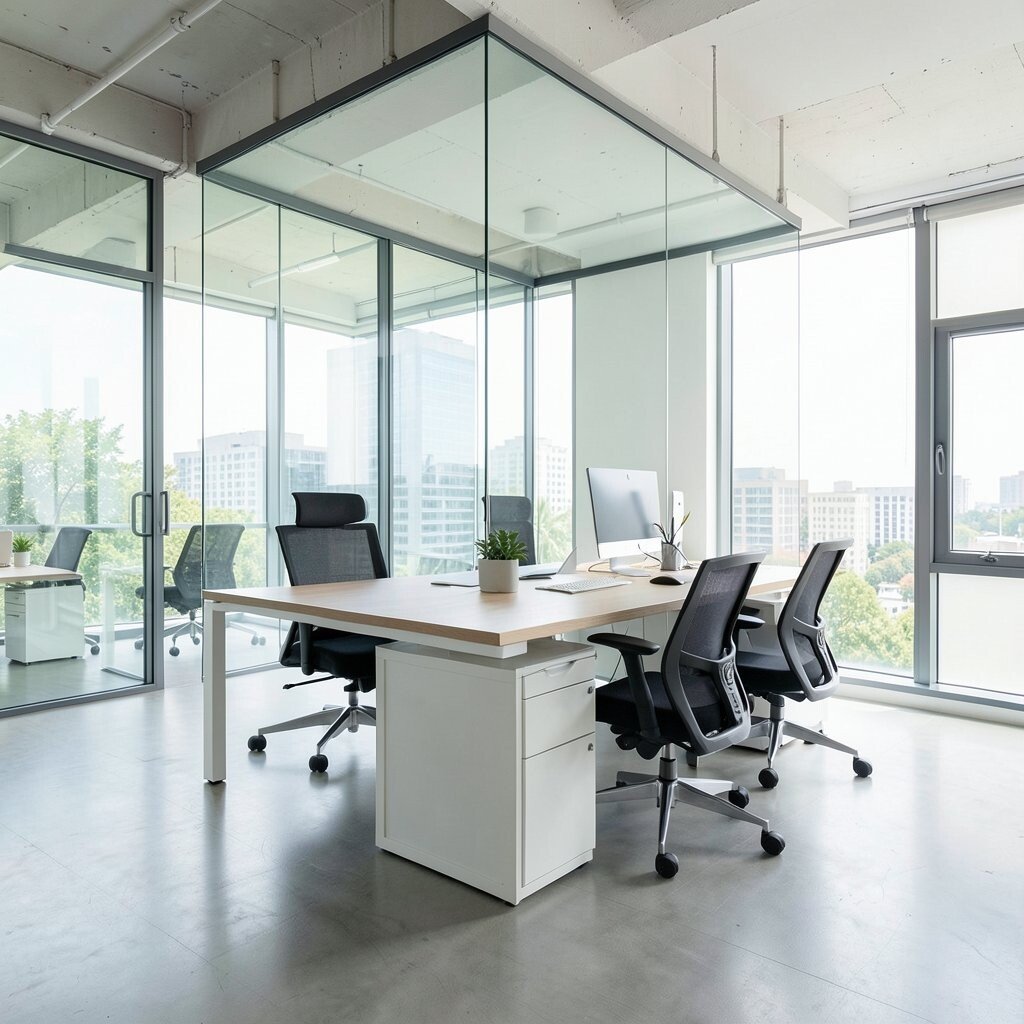
Glass walls or doors can make an office look open and bright. They let light move through the space while still giving some privacy.
This style works well for meeting rooms and private offices. Frosted glass can soften views when full transparency is not needed. It can cost more than basic partitions, but it often makes the room feel more polished and spacious.
Pair glass with warm wood or soft fabric so the office does not feel too cold. That mix of materials is a common trend in modern workplace design.
Small decals or film patterns can add personality too. They also help with branding and give the room a custom touch.
14. Add a Long Communal Table
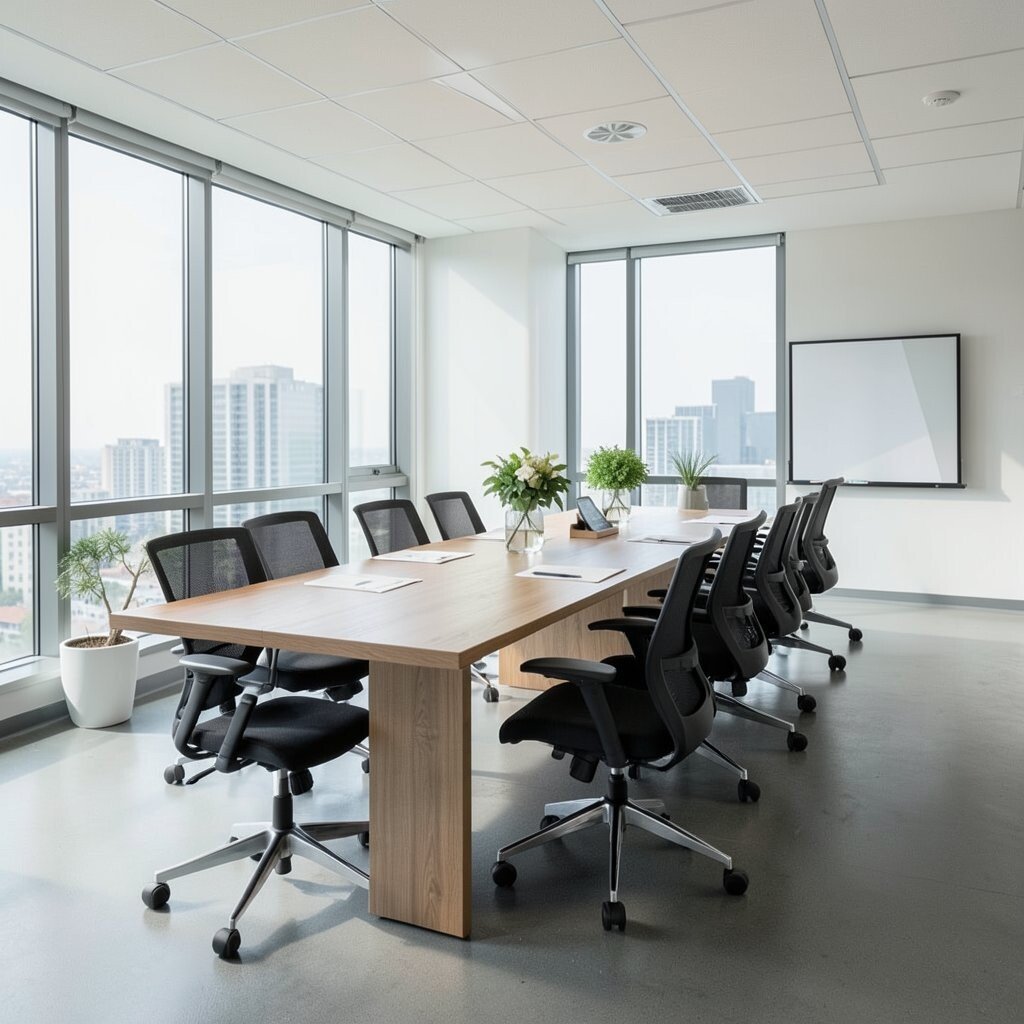
A communal table can bring people together in a simple, natural way. It works for teamwork, lunch breaks, and quick check-ins.
Choose wood for a warm look or metal for a more industrial feel. The table can become the center of the office, especially in a shared space. If you need to save money, one strong table can do the work of several smaller ones.
Use matching chairs for a clean look, or mix them for a more relaxed style. This setup feels current because many offices now want spaces that support both work and connection.
Add a centerpiece like a plant or tray to keep the table neat. Small details like that make the area feel cared for and ready to use.
15. Bring in More Storage That Looks Good
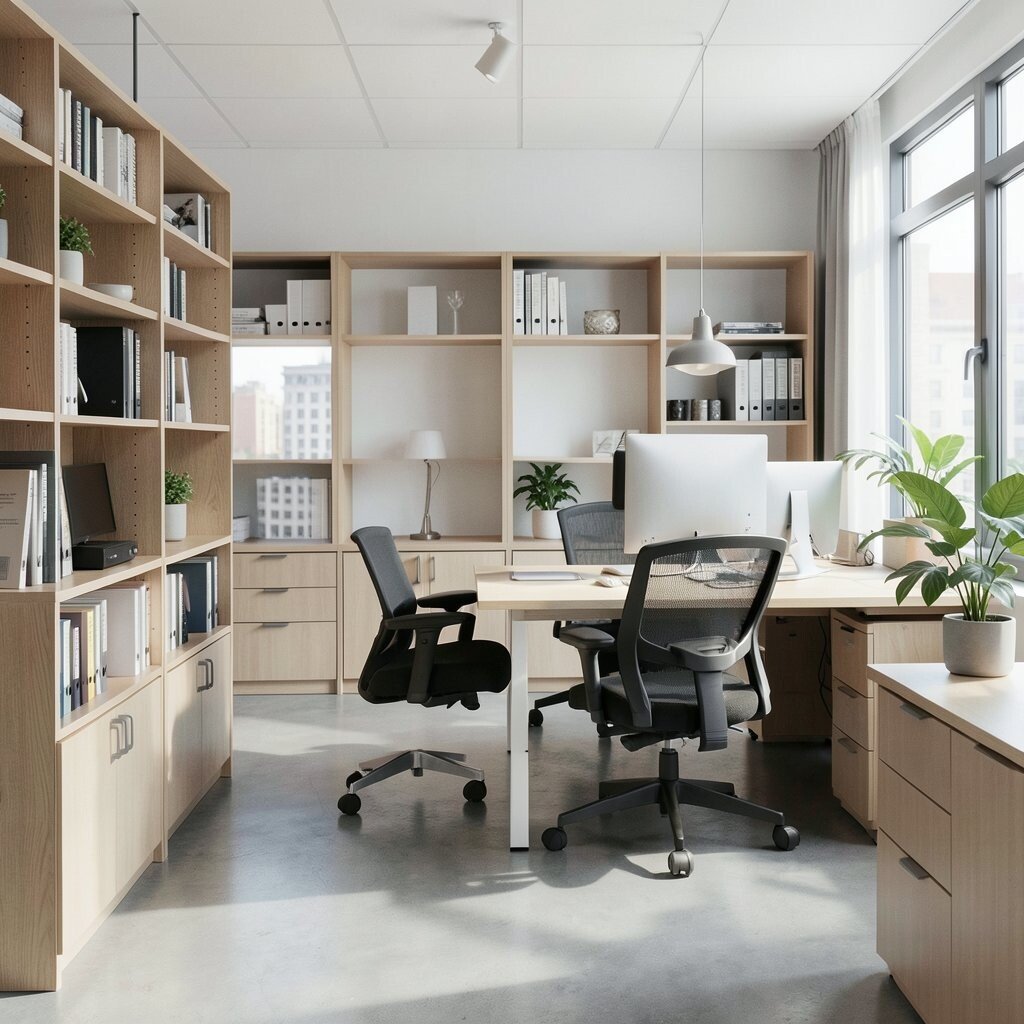
Storage does not need to hide in the background. Shelves, cabinets, and bins can look stylish while keeping clutter under control.
Choose closed storage for papers and open shelves for books or decor. This balance helps the room stay neat without feeling too plain. Costs can stay reasonable if you mix budget pieces with one or two nicer items.
Labeling boxes and baskets makes the system easy to use. A tidy office often feels bigger, calmer, and more professional.
To make storage feel personal, place a few favorite objects on the shelves. That can include framed photos, awards, or small art pieces.
16. Add a Touch of Home Comfort
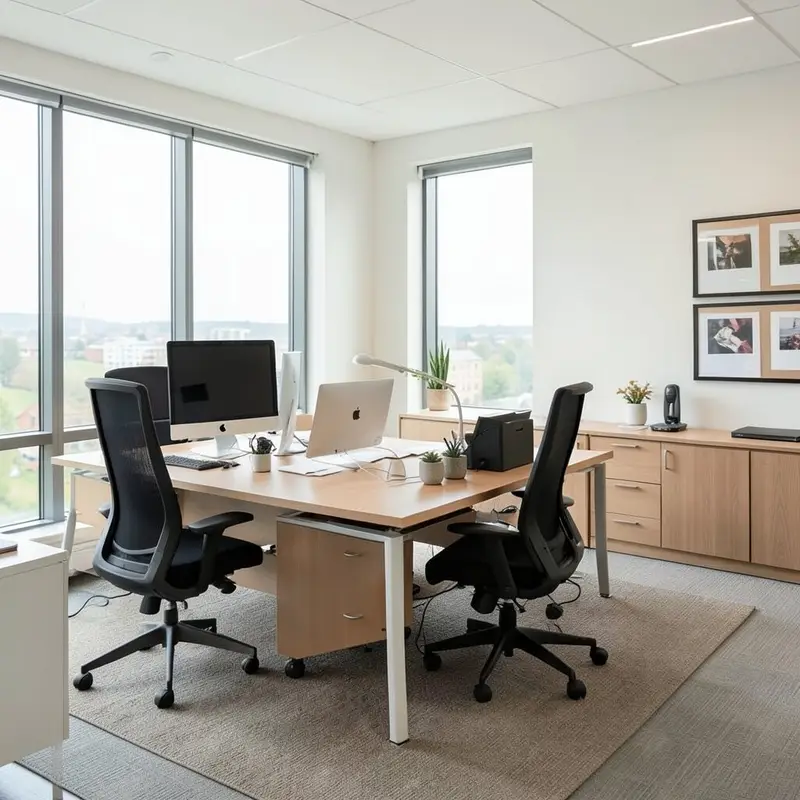
Office design can borrow a few ideas from home to feel more relaxed. Soft textures and cozy details help people settle in.
A plush rug, a throw blanket, or a cushioned chair can make a big difference. These touches are especially helpful in rooms that feel too sharp or empty. You do not need a huge budget to make a space feel warmer.
Keep the look neat so it still feels professional. The goal is comfort with purpose, not a living room copy.
This trend is growing because people want workplaces that feel kind and supportive. A comfortable office can help with mood, focus, and long workdays.
17. Use Brand Colors in Small Ways
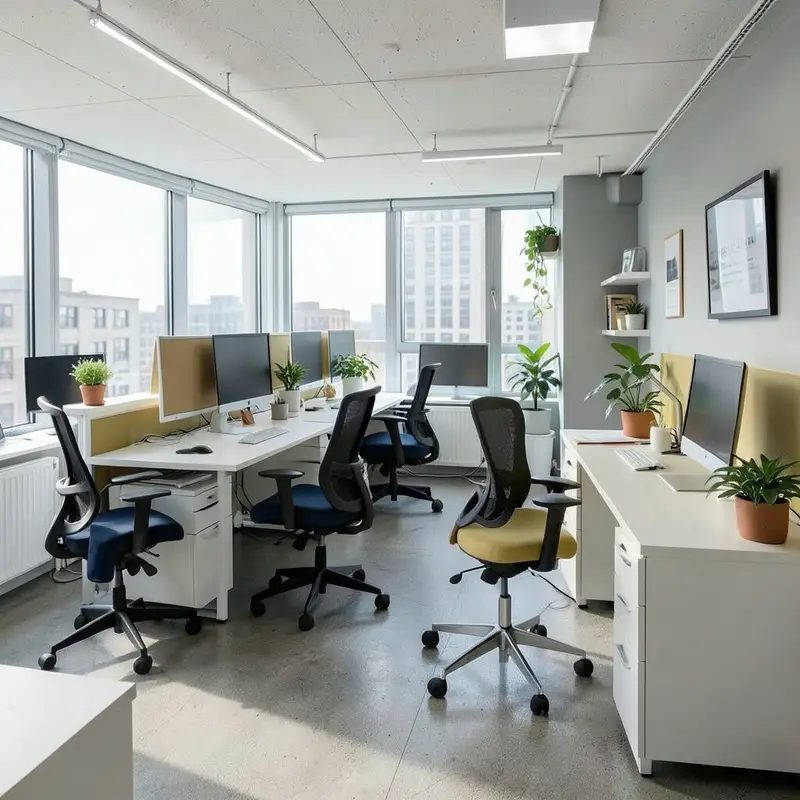
Brand colors can make an office feel connected and memorable. Even a few matching details can make the space look more finished.
Try using brand colors on chairs, cushions, frames, or wall art. You do not need to cover every surface to make the idea work. Small touches are often cheaper and easier to change later.
This approach is useful for client-facing spaces too. It helps visitors remember the company and gives the office a stronger identity.
For a unique look, use different shades of the same color family. That creates depth without making the room feel loud.
18. Make Room for Movement
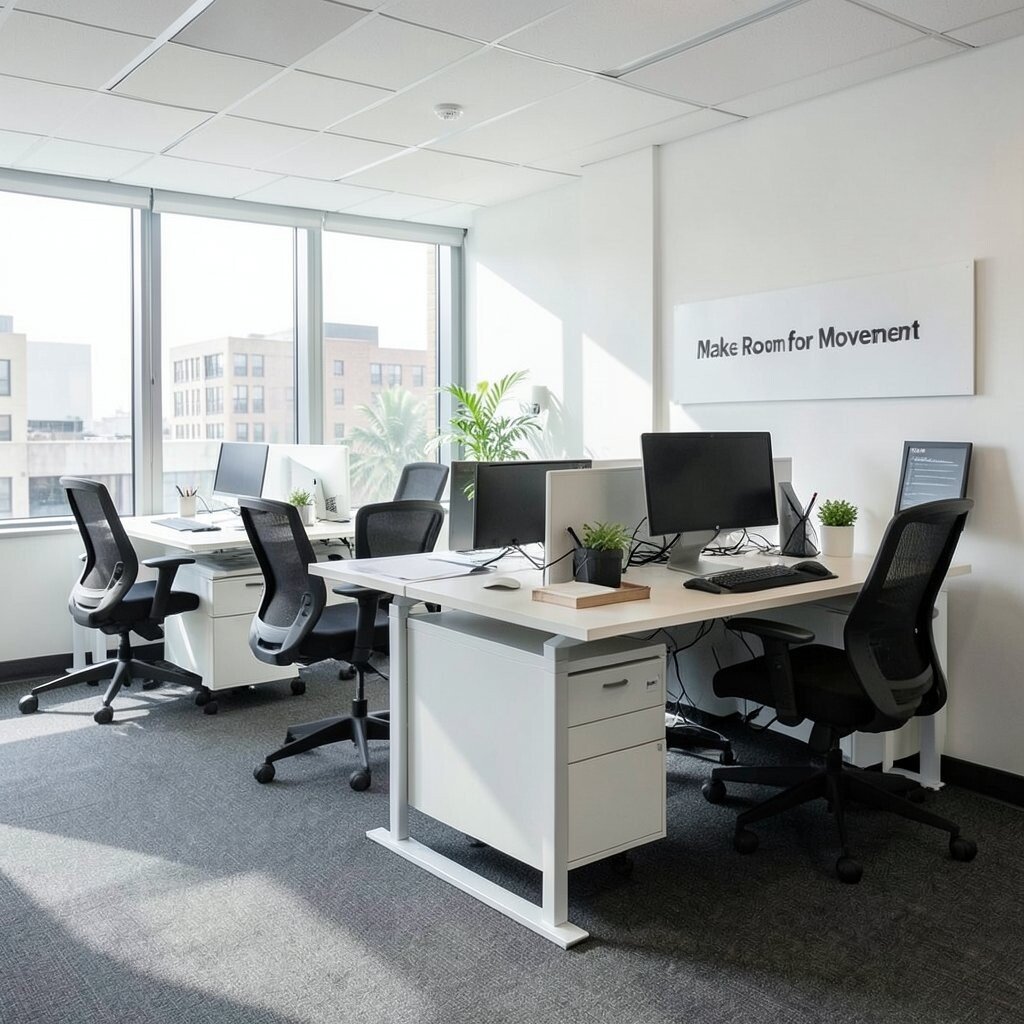
An office should not feel stuck or cramped. Open paths and flexible zones help people move with ease.
Leave space between desks, chairs, and cabinets so the room feels smooth to use. Add a small stretch area, a walking path, or a clear spot for quick breaks. This can support better energy and less stiffness during the day.
Simple floor plans often cost less to maintain too. When the layout is easy to read, the office feels calmer and more useful.
Current workplace trends often focus on wellness and movement. That makes this idea both practical and timely.
19. Add Art That Starts Conversations
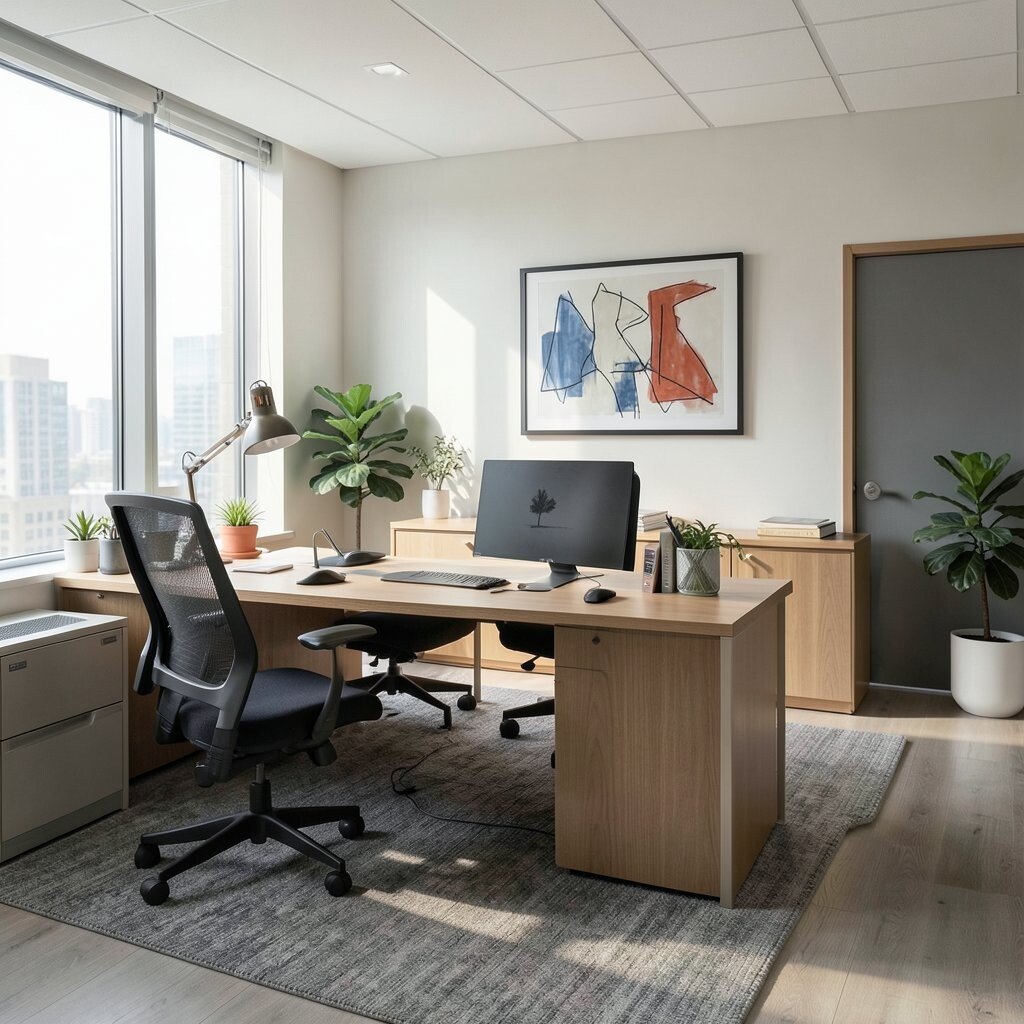
Art can give an office a strong personality. It also helps the room feel less plain and more thoughtful.
Choose prints, photos, murals, or handmade pieces that fit the mood you want. Large art can make a small room feel bold, while a gallery wall can add charm and variety. If you are watching costs, local artists or printable art can be smart choices.
Pick art that feels meaningful to the team or company. That makes the office feel more personal and less generic.
Mix frames and sizes for a relaxed style, or keep everything matched for a cleaner look. Both can work well if the rest of the room supports the choice.
20. Create a Quiet Phone Booth Area
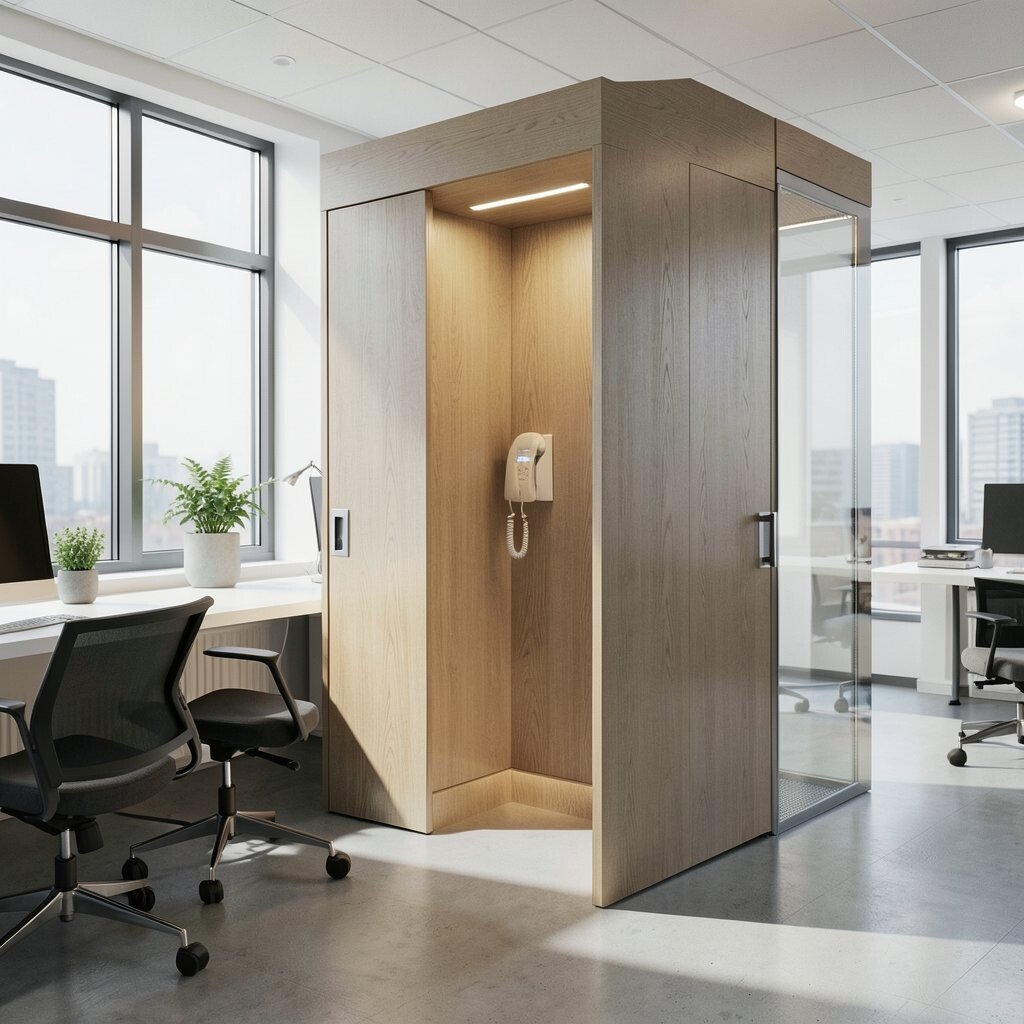
Phone calls need privacy, and open offices often lack it. A small booth or enclosed nook can solve that problem fast.
Use sound-softening panels, a small seat, and a simple shelf or ledge. The space can be compact and still work very well. While built-in booths may cost more, portable versions can offer a lower-cost path.
This idea helps reduce noise for everyone nearby. It also gives people a place to speak freely without feeling rushed or distracted.
Make the booth feel unique with a bright interior color or a fun pattern. Even a tiny space can feel special with the right details.
21. Choose Desk Accessories with Style
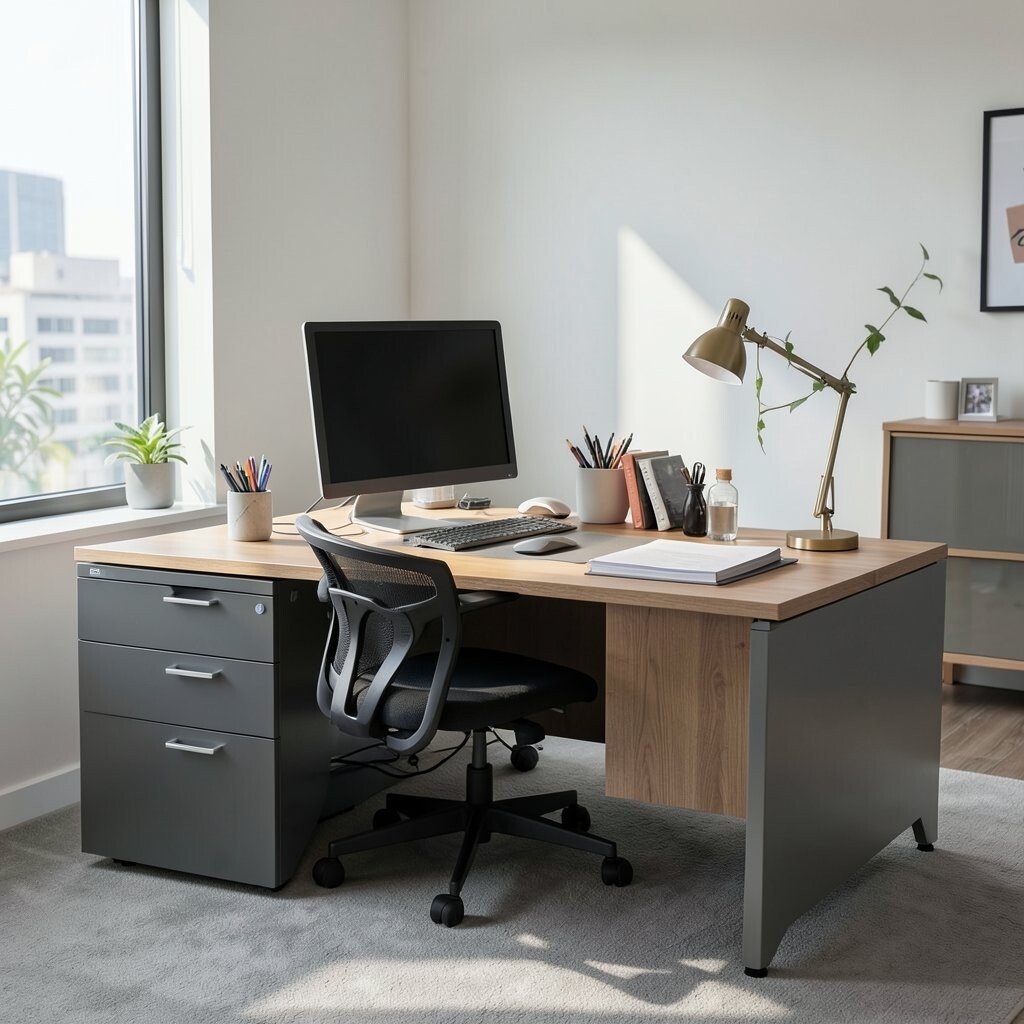
Small desk items can shape the whole feel of an office. Pens, trays, organizers, and lamps all add up.
Pick accessories that look neat and work well every day. A matching set can make the desk feel calm, while mixed textures can give it more character. These items are usually affordable, which makes them a smart place to start.
Personal touches like a favorite mug or a small framed photo can make the desk feel more inviting. Just keep the surface tidy so the style does not turn into clutter.
Many modern offices now lean toward simple, clean desk setups. That look helps people focus and makes cleaning easier too.
22. Add a Refresh Area
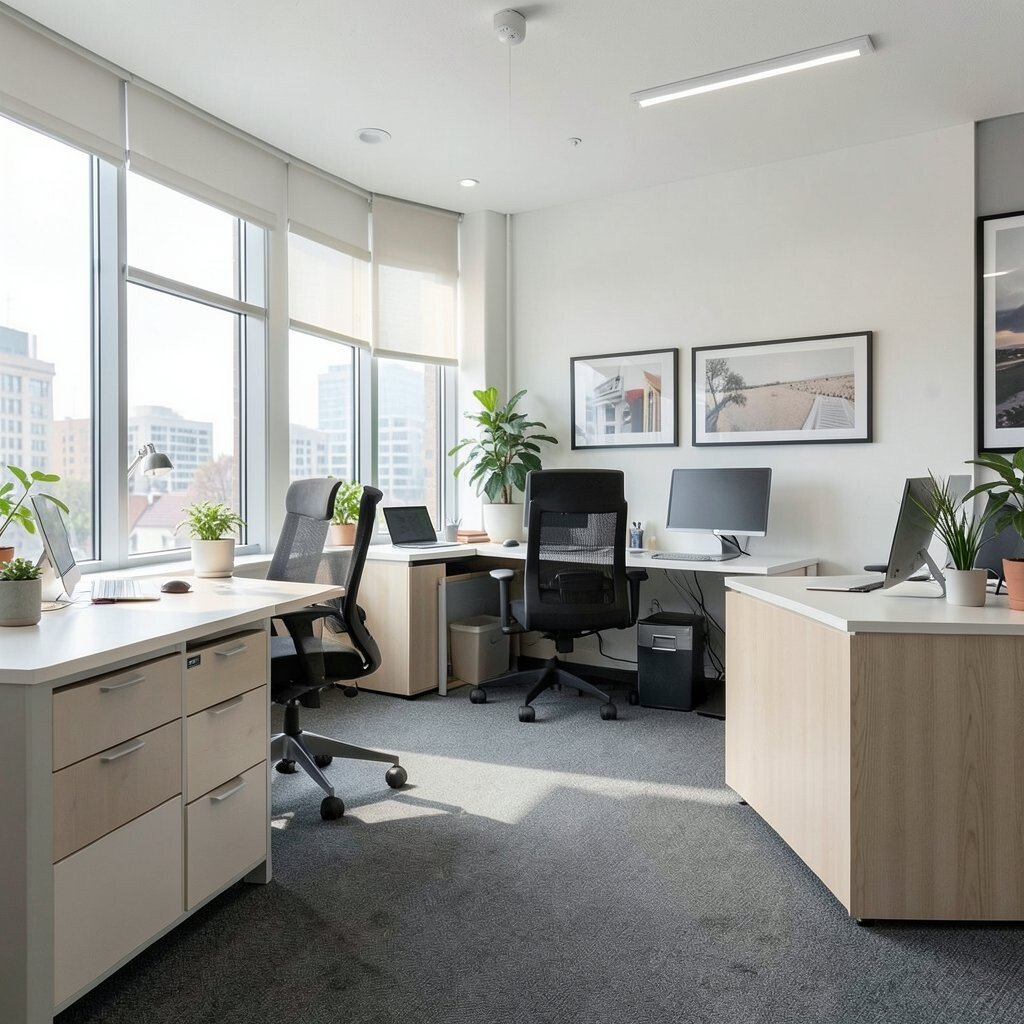
A refresh area gives people a place to pause and reset. It can make long workdays feel easier and kinder.
Set up a coffee station, water dispenser, snack shelf, or small counter with cups and napkins. Bright lighting and easy-to-clean surfaces work best here. The cost can stay manageable if you keep the setup simple and practical.
Use cheerful colors or fun signage to make the area feel lively. That small burst of energy can lift the mood of the whole office.
This kind of space is popular in modern workplaces because it supports breaks and social moments. It can also help team members connect in a natural way.
23. Use Flexible Meeting Spaces
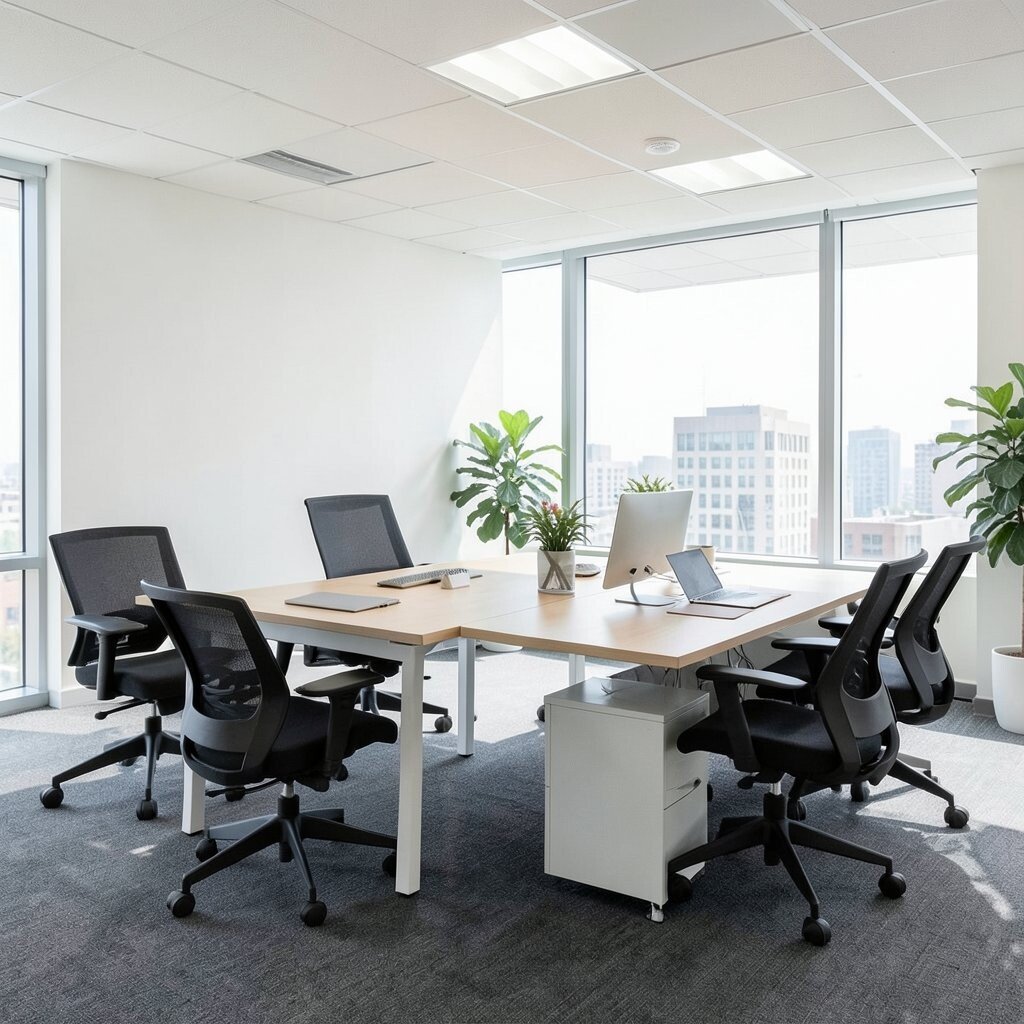
Meeting rooms do not need to stay fixed in one shape. Flexible spaces can fit group talks, solo work, or quick planning sessions.
Use folding tables, stackable chairs, and movable screens so the room can change fast. A room like this can serve many needs without wasting space. It may cost more to set up at first, but it saves room and adds value over time.
Add a screen, whiteboard, or pinboard so the space supports both talking and planning. That makes the room useful all day long.
To make it feel less plain, choose one standout item such as a colorful rug or a unique light fixture. Those details can give the room a clear identity.
24. Add Texture for Depth
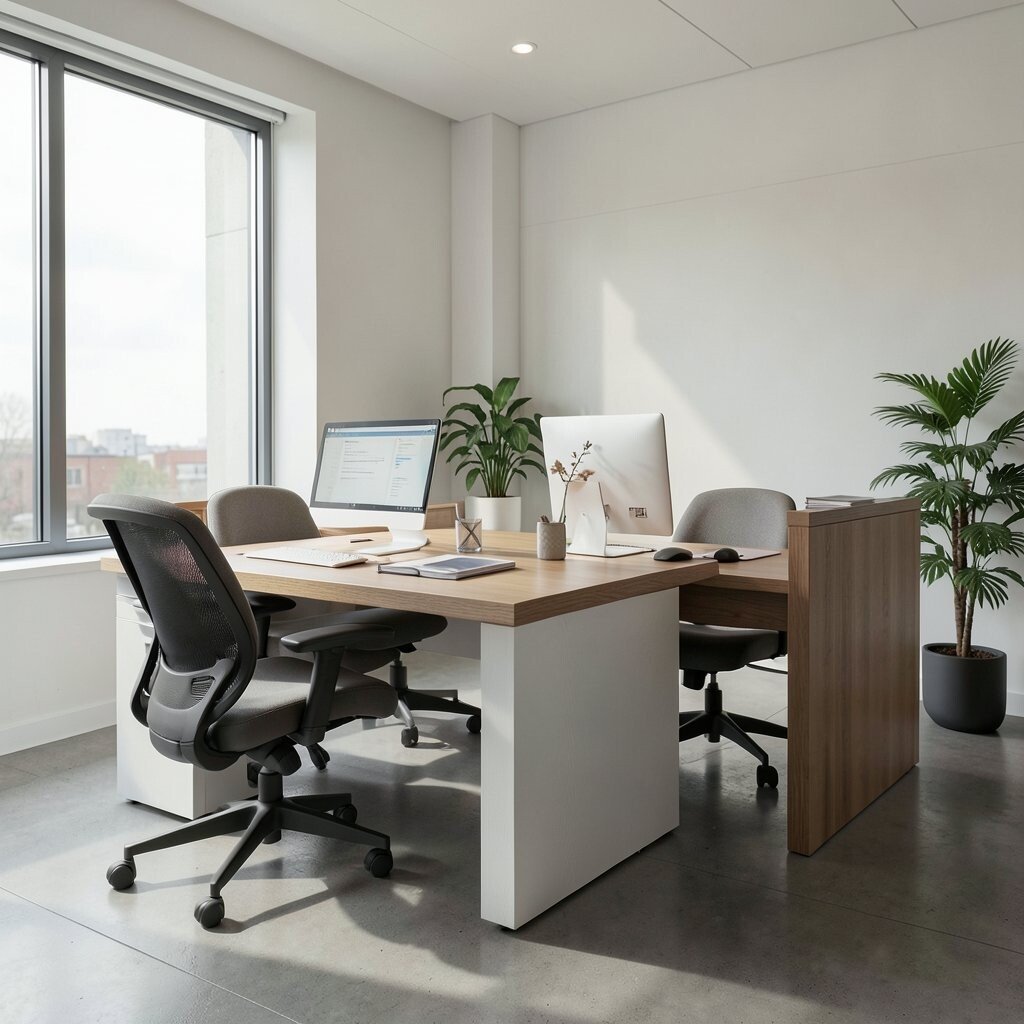
Texture can make an office feel richer even when the color palette stays simple. It keeps the space from looking flat.
Try mixing wood, metal, fabric, glass, and woven pieces. A soft chair next to a smooth table can create a balanced and inviting look. Many of these choices can be done on a budget by swapping only a few key pieces.
Textured walls, ribbed glass, or patterned rugs can also add interest. This design trend is popular because it feels modern without being cold.
Think about how each texture feels as well as how it looks. That sensory mix can make the office more pleasant for everyone who uses it.
25. Design with Sustainability in Mind
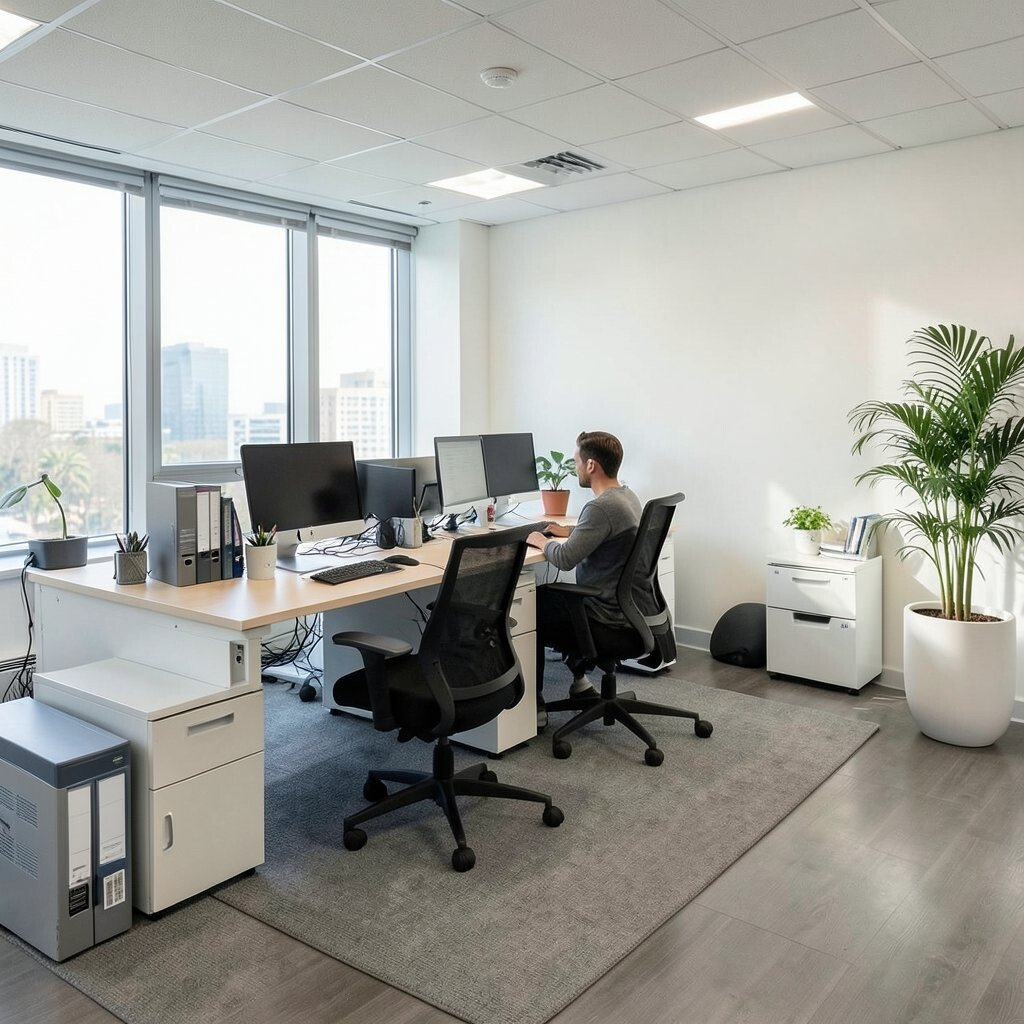
Eco-friendly office design can look good and feel good too. Reused furniture, energy-saving lights, and durable materials all support a smarter workspace.
Choose items that last a long time so you do not need to replace them often. Reclaimed wood, recycled metal, and secondhand chairs can bring character and save money. Plants and natural fabrics can also support a softer, greener look.
This approach can make the office feel more thoughtful and up to date. Many companies now want spaces that match their values as well as their style.
For a personal touch, choose pieces with a story, like vintage finds or local crafts. Those details can make the room feel special and one of a kind.
26. Make the Office Feel Like a Place People Want to Return To
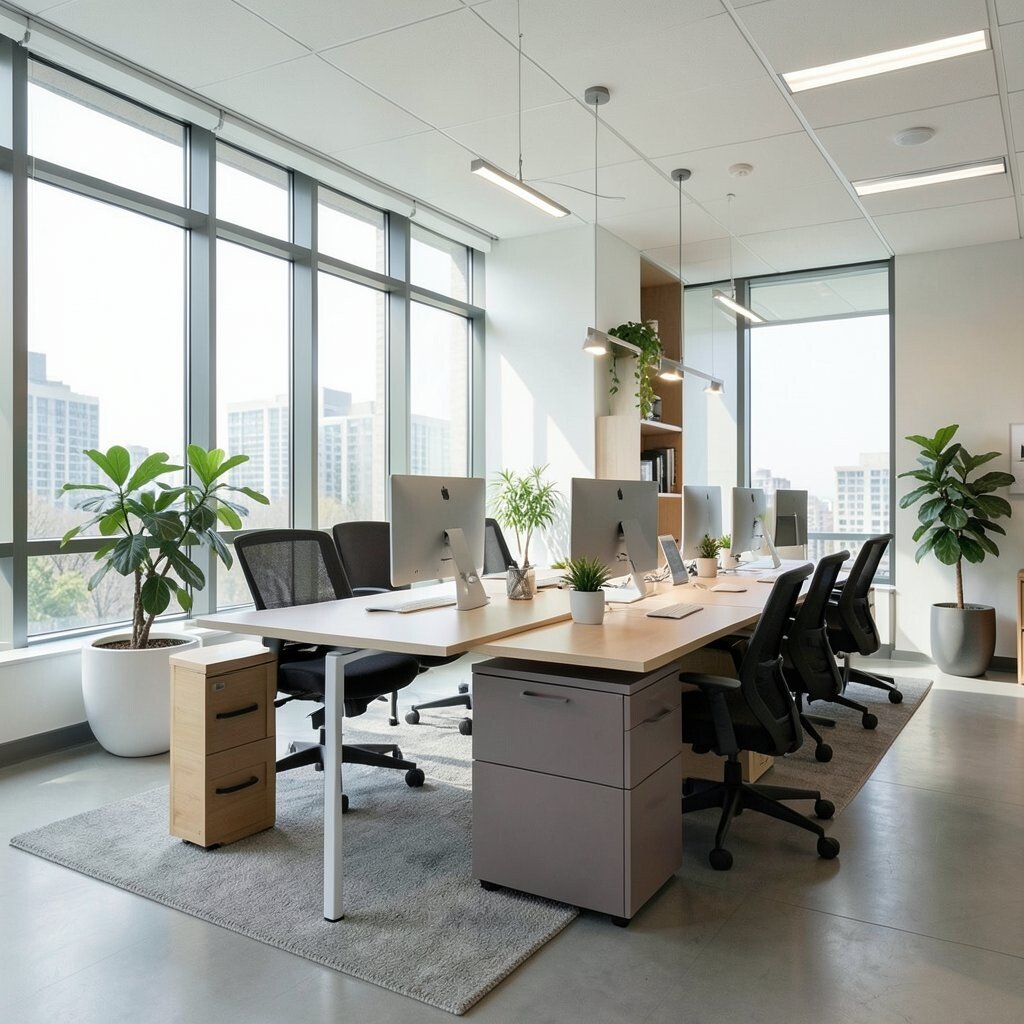
The best office design ideas do more than look nice. They help people feel welcome, focused, and proud of where they work.
Combine comfort, light, storage, color, and flexible spaces in a way that fits your team. Start with the changes that matter most and build from there as your budget allows. A thoughtful office can support better work, better moods, and better days.
Small updates can be just as powerful as big ones when they are chosen with care. The right mix of details can make an office feel fresh, personal, and ready for real life.
Keep the room easy to use, easy to clean, and easy to enjoy. That simple goal can guide every design choice you make.