The first thing you notice is how olive green can make a room feel calmer. It also has that grounded, lived-in warmth that many colors only pretend to have.
When you choose the right shade and finish, your walls can become the perfect backdrop for everything you love.
1. Pick the Right Olive Undertone for Your Space
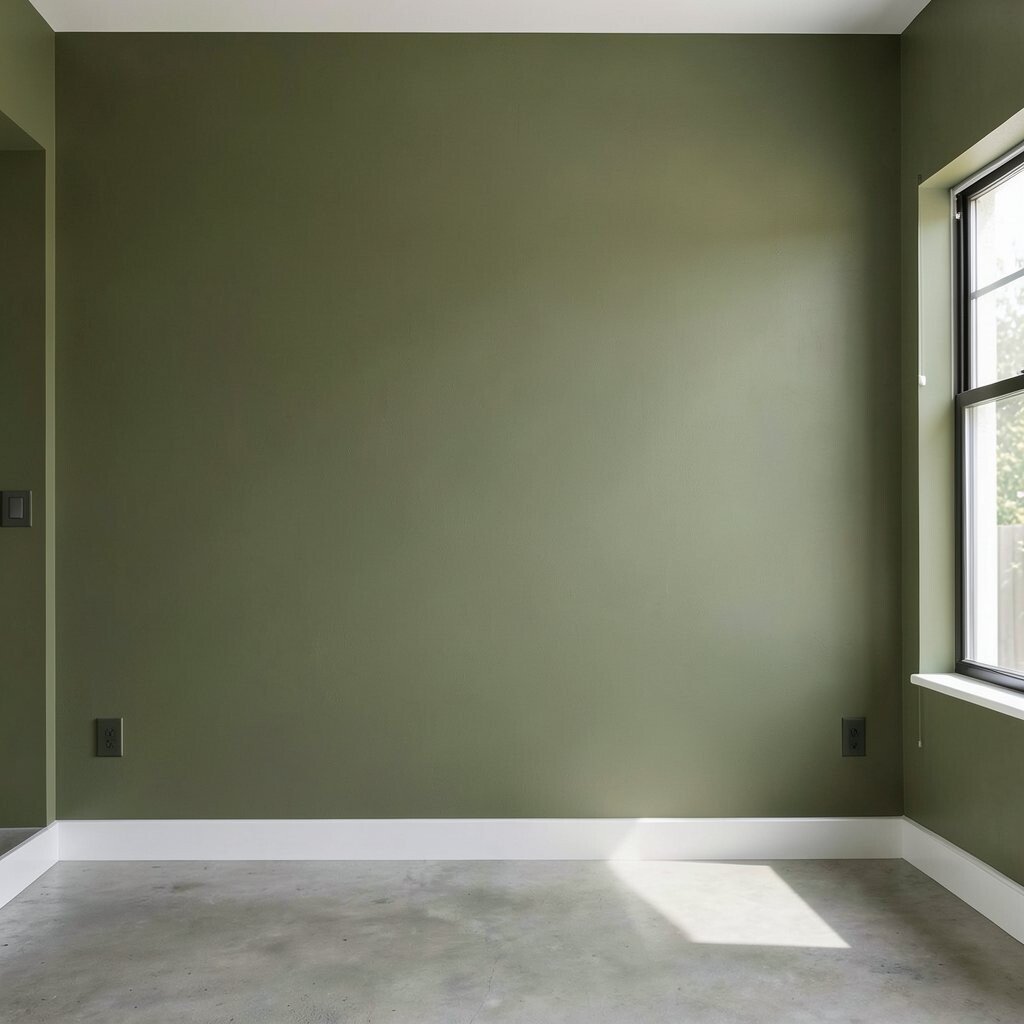
Olive green isn’t one single color. Think about whether your room feels more yellow, more gray, or more earthy, then choose an undertone that matches it.
A warmer olive with a touch of yellow makes spaces feel sunny and welcoming, especially in rooms with limited daylight. A cooler olive leaning gray looks crisp and modern, and it pairs beautifully with brushed metals. If you like a richer, deeper look, go for an olive that feels closer to moss, because it adds comfort without looking dark.
2. Paint in a Soft Matte to Hide Imperfections

Matte paint can make olive green look velvety instead of shiny. When your walls have small scuffs or uneven texture, a softer finish helps them blend in.
In current home styling, matte and eggshell finishes keep walls looking natural and relaxed. To keep the color true, stir the paint well and test it on two different wall spots, since light can change how olive shows up. Use a small brush to cover edges cleanly before rolling the main area, so you do not end up with patchy spots.
For cost, matte paint is often priced similarly to other finishes, but you may need more coats to build coverage. Expect more coats on darker or contrasting previous colors, and plan your budget for primer if your walls are uneven or stained. If you want extra durability in busy areas, choose a paint labeled washable while still staying low sheen.
3. Use Olive as a Feature Wall Behind the Main Seating

A single olive feature wall can make the whole room feel styled. It also helps your furniture look more intentional, like everything belongs together.
Place it behind a sofa, bed headboard, or dining table so the color becomes your visual anchor. The room benefits from added depth, because olive green carries richness without needing strong contrast. For a practical layout, keep the feature wall centered so the eye lands there when you walk in.
To personalize it, pair the wall with natural textures like linen curtains, jute rugs, or wood trays. Choose decor that echoes the undertone, such as cream, warm white, caramel, rust, or deep navy. If you want something trendy, add a simple arch mirror or a framed print with earthy tones, since this look pairs well with modern farmhouse and calm minimal interiors.
4. Pair Olive Walls With Natural Wood for Instant Warmth
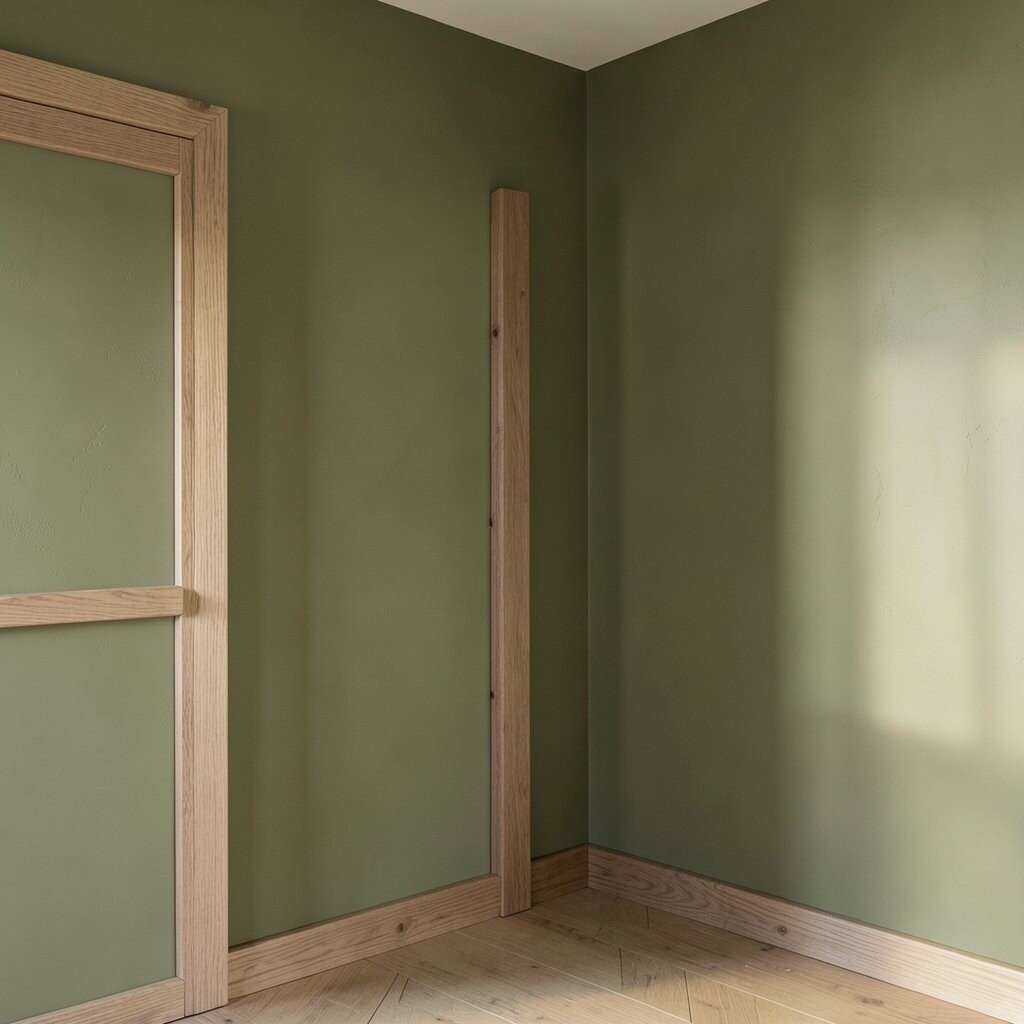
Olive green and natural wood are like best friends. The wood softens the color, and olive helps the wood feel richer and more intentional.
Try light oak, walnut, or even weathered reclaimed wood for different vibes. When you match your wall tone to your wood, the room feels cohesive and cozy. If you have existing furniture, check whether it already leans warm or cool, then pick an olive shade that harmonizes instead of fighting it.
5. Add Layered Neutrals so Olive Feels Airy
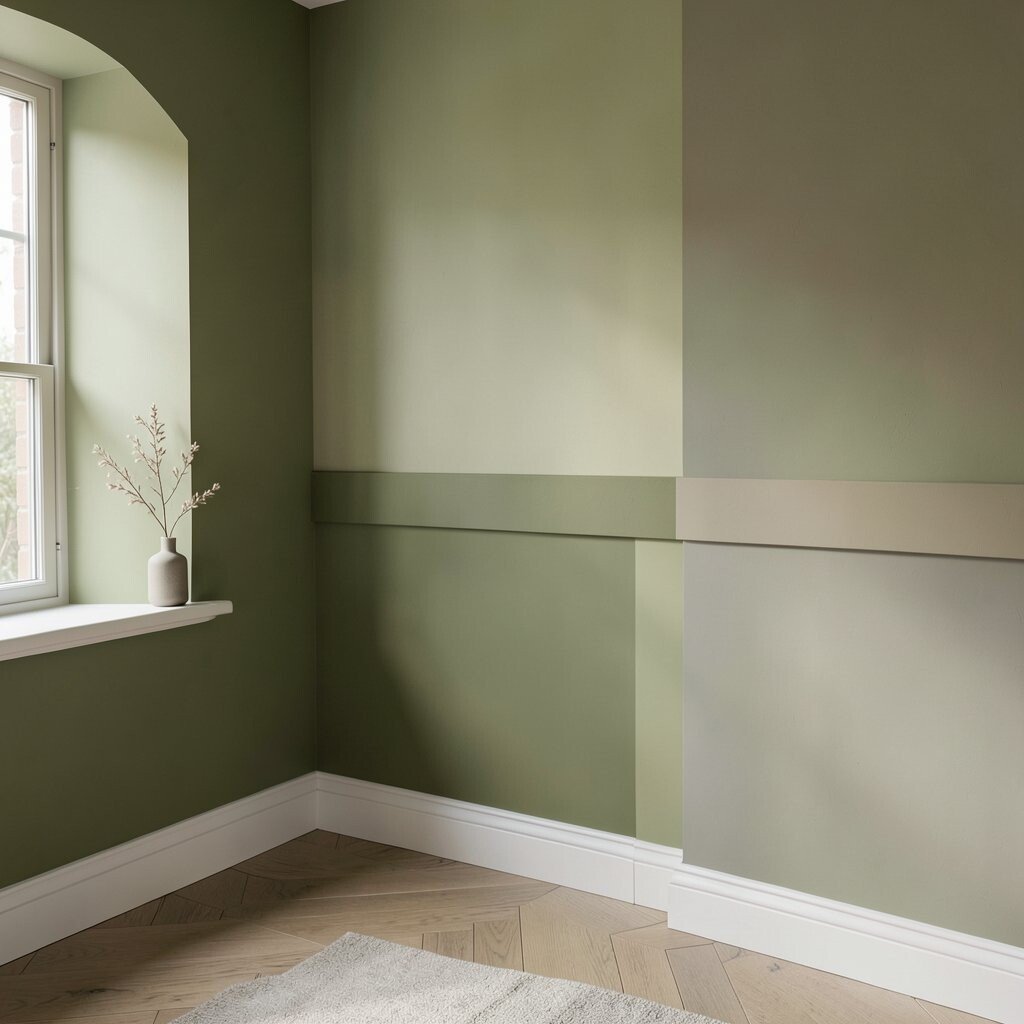
Olive walls look amazing with layered neutrals. You can keep the room from feeling heavy by mixing lighter tones around the green.
Use warm whites, soft creams, and sandy beiges on larger surfaces like curtains, bedding, and area rugs. Add a few medium neutrals such as taupe or oatmeal for depth, and keep black accents minimal for a calm look. This approach supports current trends in warm minimal spaces, where color shows up but the room stays breathable.
If you are working with a smaller budget, change textiles first. Swap throw pillows, add a new duvet cover, or layer a textured runner on the floor to make the olive walls stand out. Because textiles are easier to replace, you can adjust your palette as you learn what shade of olive you truly love.
6. Match Your Hardware and Fixtures to Keep the Look Polished

Even small details can make olive walls feel high-end. When your door knobs, cabinet pulls, and light fixtures fit the color mood, everything looks more planned.
Brass and warm bronze look especially good with olive because they add a gentle glow. If you prefer a cooler style, brushed nickel or satin chrome can work, but keep them consistent. For practicality, choose finishes that are easy to wipe down, since fingerprints show more on glossy metals.
Lighting matters too, so choose bulbs with a warm color temperature. This helps olive appear rich instead of dull, and it makes your home feel cozy during the evening. Plan your upgrades gradually if cost is a concern, starting with lighting and hardware, then moving to bigger pieces once you see the overall effect.
7. Try an Olive Green Ombre or Soft Gradation on One Wall
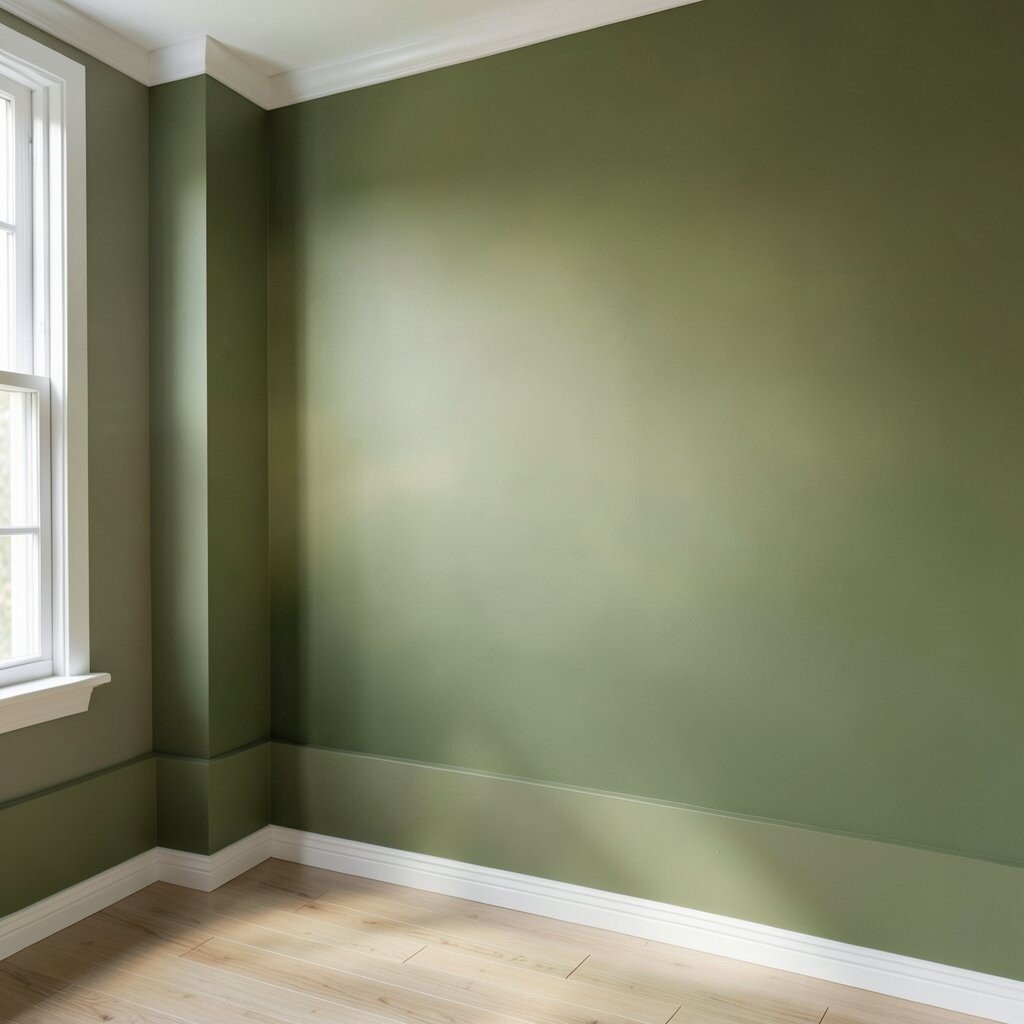
An olive ombre effect can add a dreamy, artistic feel without needing bold patterns everywhere. It also turns a blank wall into a conversation starter.
Keep it subtle by blending from a lighter olive near eye level to a deeper shade near the floor, or the other way around. This technique benefits small rooms because it can add visual movement while still feeling grounded. To make it practical, use painter’s tape and a foam roller, then blend carefully so you do not create hard stripes.
Uniqueness comes from how you customize the gradient width and intensity. Consider matching the darkest part to your furniture, so the room looks balanced and intentional. For cost, you can get most of the look by using just two closely related paint tones and basic tools, which is often cheaper than wallpaper and easier than large mural projects.
8. Create Texture With Limewash or Plaster-Style Finishes
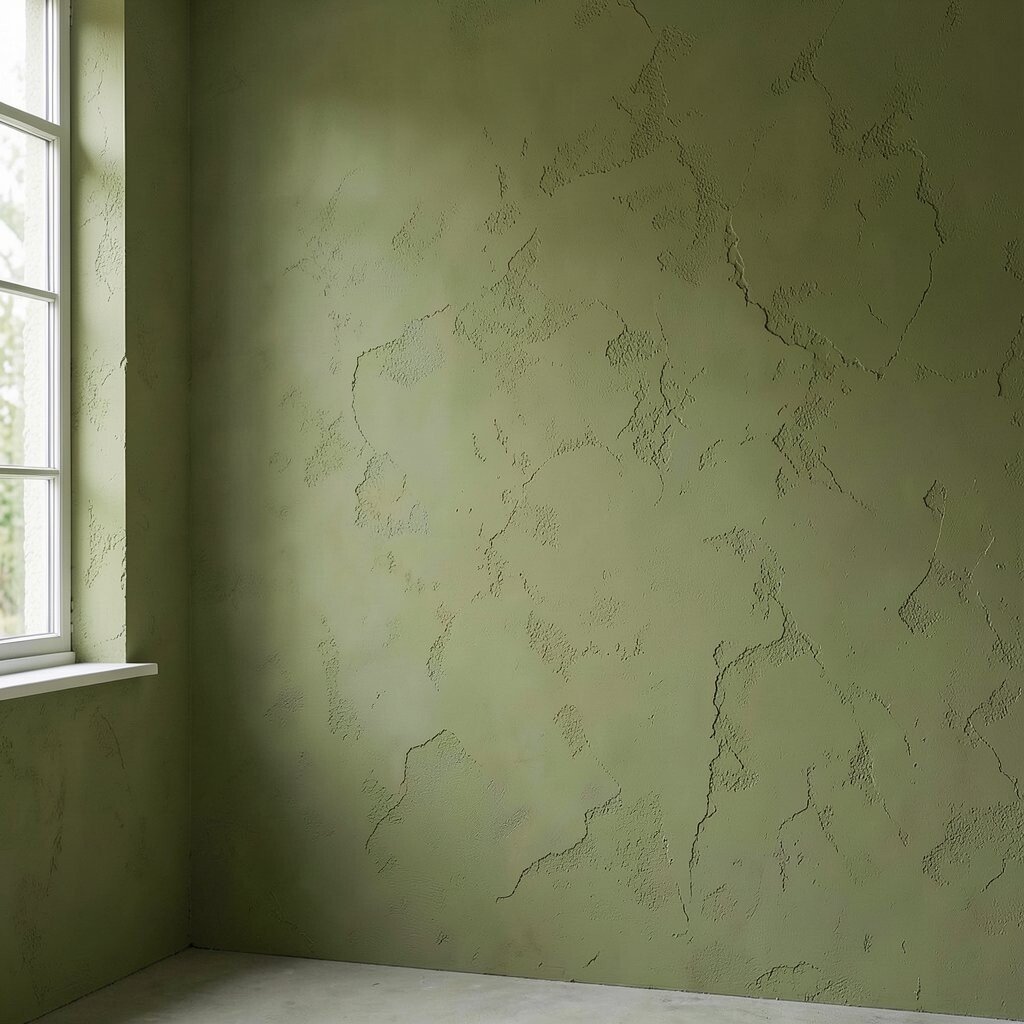
Limewash-style paint can make olive walls feel aged and full of character. The subtle variation across the surface keeps the green from looking flat or too perfect.
This is a great choice if you love the “lived-in” look that still feels clean. Limewash and plaster finishes also hide minor wall imperfections better than slick paint, which makes them practical for older homes. If you want a trendy finish, faux plaster and whitewashed techniques are still very popular because they look natural under different lighting.
To personalize the texture, choose how pronounced the speckling and variation should be. Test a sample section first, since limewash effects can depend on wall porosity. Budget-wise, this method may cost more than standard paint, but fewer decorative elements are often needed because the wall already brings depth.
9. Style the Room With Complementary Greens Without Matching Exactly

You do not have to use only one green shade. In fact, mixing related greens makes olive feel richer and more layered.
Try deep sage, muted eucalyptus, or fern green accents through pillows, throws, rugs, and art. Keep the shades slightly different so the room looks intentional rather than uniform. This approach is popular right now because it feels natural, like a garden palette, while still looking modern and calm.
For practical shopping, pick one accent fabric and repeat its tone in two other places, such as curtains plus a cushion. Olive walls already do the heavy lifting, so you can keep your decor simpler and still get a high-impact look. If cost is a concern, focus on one larger textile like a rug or curtains, then add smaller items over time.
10. Use Olive Green Wallpaper for a Calm Pattern Accent
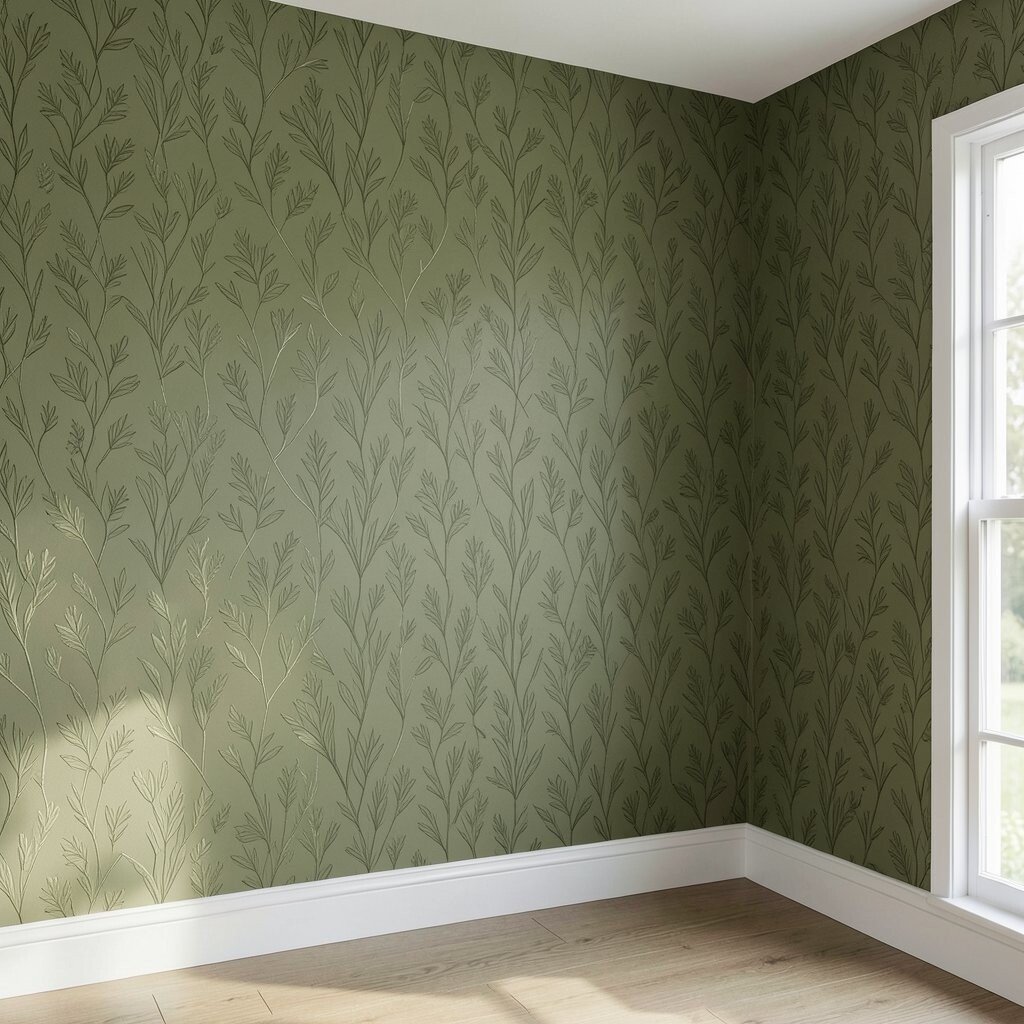
Wallpaper is a powerful way to bring olive green into your home without committing to full wall paint. A pattern can add charm while keeping the overall mood soothing.
Choose designs like subtle botanical lines, soft damask, or textured geometrics that feel gentle rather than loud. This helps your room feel unique, especially in entryways, powder rooms, and dining nooks where patterns can shine. If you want a practical route, place wallpaper on one wall or behind open shelving so you can enjoy it without making installation a bigger job than it needs to be.
To personalize, match the wallpaper to your existing art colors so everything feels like it belongs together. Wallpaper also helps with trends, since many modern interiors are leaning toward statement yet calm prints instead of high-contrast graphics. For cost, wallpaper varies widely, but you can often save money by using it only on the smallest “impact” wall first.
11. Balance Olive Walls With Warm Metals and Soft Blinds
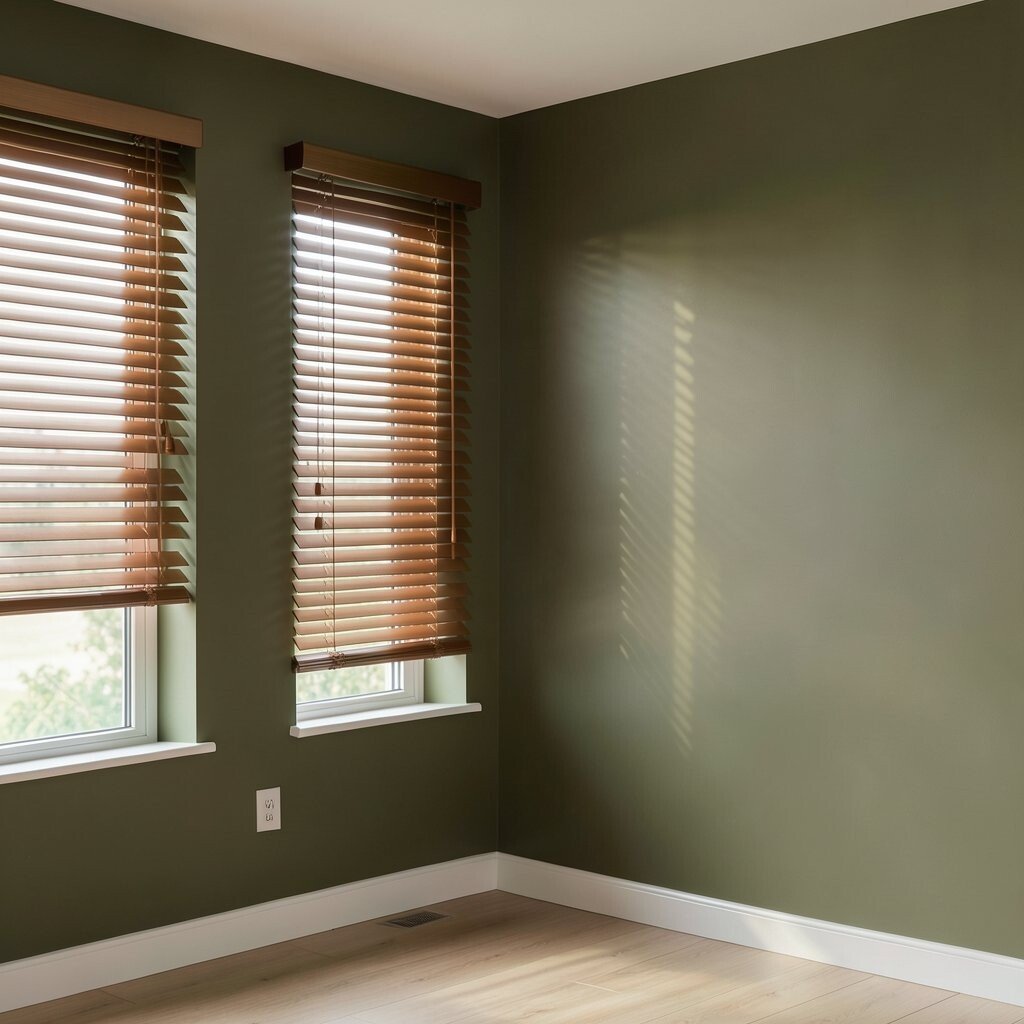
Olive green looks especially inviting when paired with warm, touchable materials. Soft blinds, layered curtains, and gentle textures make the color feel lived-in rather than formal.
Consider Roman shades in cream linen or textured cotton, and keep them light enough to bring daylight into the room. If you like modern style, choose roller shades in a warm white that still lets light filter through. The room benefits because olive becomes the backdrop instead of competing with window treatments.
Add warm metal accents like candle holders, picture frames, or a coffee table base to bring the palette together. This makes your space feel cohesive, and it also elevates everyday items into decor. When budget matters, swap window textiles and add a few metallic pieces before buying bigger furniture, since those changes can happen quickly.
12. Finish With Art, Mirrors, and Lighting That Echo the Earthy Vibe

Olive walls love art that feels natural and grounded. Think landscapes, botanical prints, abstract pieces with earthy tones, or photography with warm light.
For a balanced look, frame pieces in warm wood, simple black, or brushed brass depending on your style. Mirrors help too, especially if they have organic shapes like ovals or rounded rectangles, since they keep the room feeling soft. Good lighting is the final step, so add a table lamp with a warm bulb and a shade that diffuses light smoothly.
To personalize without overbuying, use a gallery style with mixed frame sizes and consistent finishes. This gives uniqueness and makes the wall feel intentional even if your budget is limited. When you plan lighting, consider how shadows fall across olive, because warm indirect light can make the color look deeper and more comforting.