A tidy space can feel like a deep breath. Small changes often make the biggest difference.
1. Start With One Clear Surface
A clean desk, table, or shelf can change the whole mood of a room. The open space looks calm, and it gives your eyes a place to rest.
Begin with the spot you see most often, then move the extra items somewhere else for now. This simple habit costs almost nothing, works in any room, and can make your space feel more personal when you keep only the things you truly like on display.
2. Use Baskets For Loose Items

Baskets make small messes look neat right away. They also add texture, so the room feels warm and finished.
Use them for cords, toys, blankets, or mail so those things do not spread out across the room. Woven styles feel cozy, fabric bins can match many color themes, and simple plastic ones are often the cheapest choice for busy homes.
Pick sizes that fit your shelves or corners, and label them if you want faster cleanup. Many people like neutral colors now, but bright baskets can add a fun touch if your room needs more energy.
3. Group Similar Things Together

Items look calmer when they sit with their own kind. Books, candles, pens, and remotes feel easier to handle when they are not scattered everywhere.
Try placing matching objects in one drawer, one bin, or one shelf section, and keep that pattern going. This method saves time, makes cleaning quicker, and helps you notice what you already own before buying more.
You can also group by color, size, or use if that feels better for your style. Clear containers make the contents easy to spot, while matching boxes can give the room a more polished look without a big price.
4. Give Every Item A Home
Things stay organized longer when each one has a set place. Without a home, even small objects drift from room to room and build up fast.
Choose a spot for keys, chargers, headphones, and other daily items so you always know where to put them. This takes away search time, lowers stress, and can be adjusted to fit your habits, such as using a small tray by the door or a cup near your work area.
The best setup is the one you will actually use every day. A few low-cost containers or hooks can make a big difference, and you can change the layout later if your routine changes.
5. Use Vertical Space
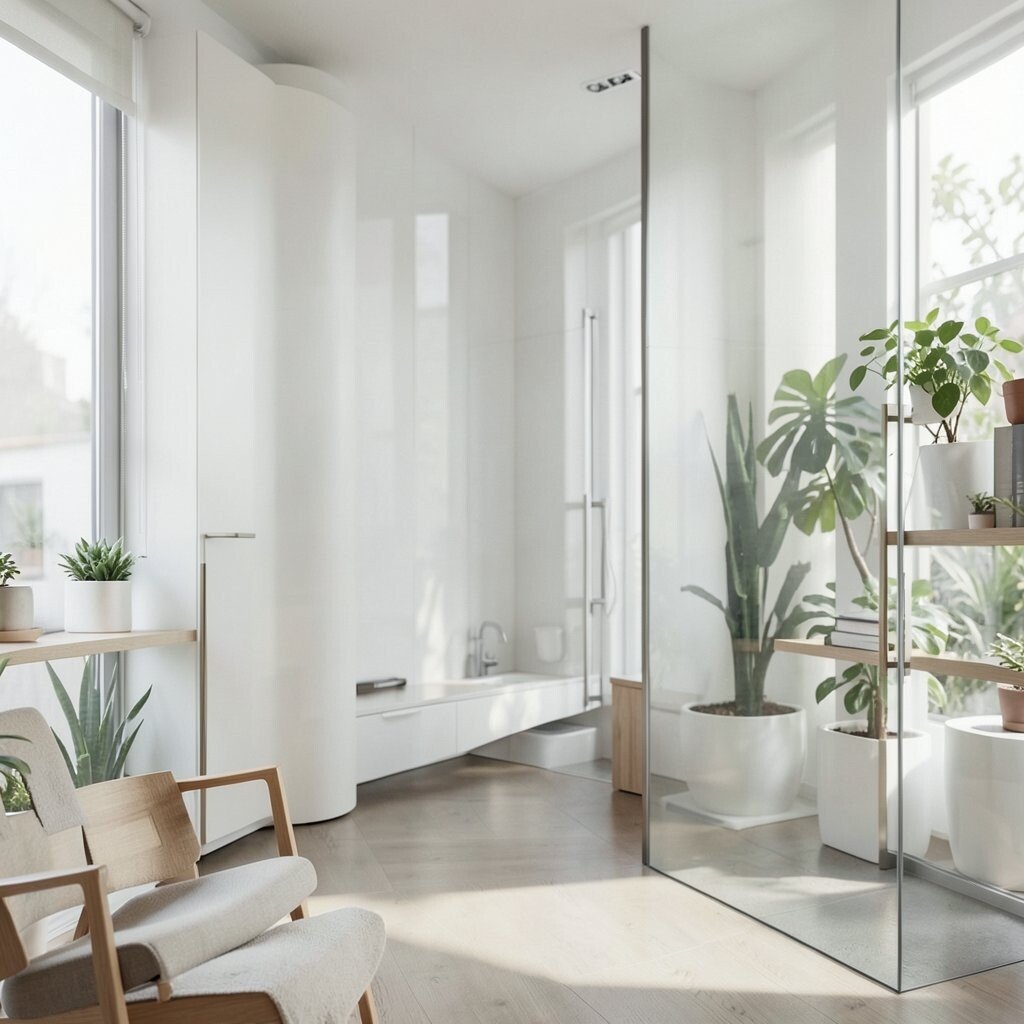
Walls can do more work than people often expect. Shelves, hooks, and tall organizers help keep the floor open and the room looking larger.
Try hanging tools, bags, or coats on the wall, then move books or decor upward on shelves. This creates a lighter look, works well in small rooms, and can be customized with wood, metal, or painted pieces that match your taste.
Many homes now use slim wall shelves because they feel neat and modern. Some options are very affordable, and even one good shelf can free up valuable counter space.
6. Make Use Of Clear Containers
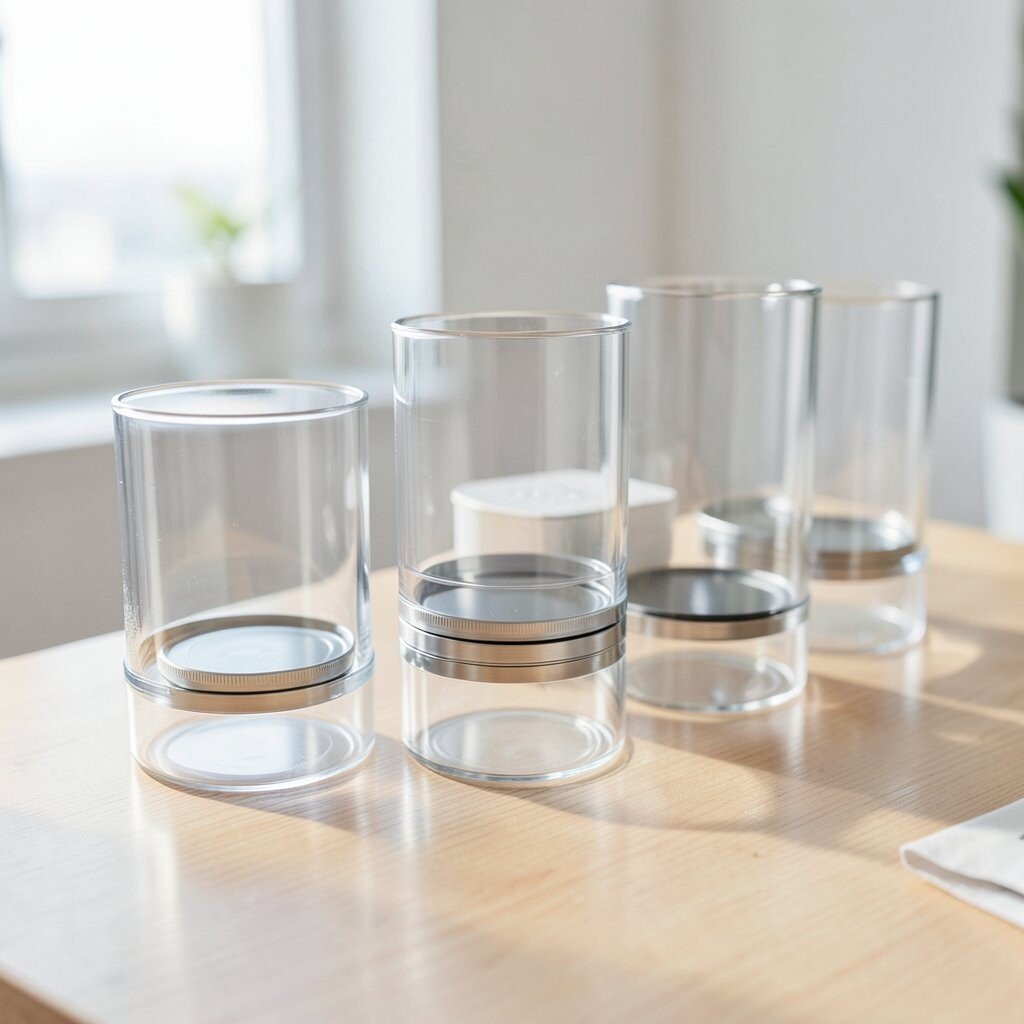
Clear bins and jars let you see what is inside at a glance. That means fewer surprises and less time digging through piles.
They work well for snacks, craft supplies, bathroom items, and office pieces that tend to disappear. The see-through look feels fresh and simple, and it can help you avoid buying duplicates because you can spot what is already there.
If you want a cleaner style, choose containers with straight lines and matching lids. Budget-friendly sets are easy to find, and adding a small label can make the whole system even smoother.
7. Sort By Daily Use

Things you use most often should be the easiest to reach. When daily items sit in front, your routine feels smoother and faster.
Put the most-used pieces in the top drawer, front bin, or front shelf, and place less-used items farther back. This keeps your space practical, cuts down on clutter, and can be adjusted for school, work, cooking, or family life.
You can personalize the setup by thinking about your own habits, not someone else’s idea of neat. A low-cost drawer divider or tray can help a lot, especially in busy areas like kitchens and desks.
8. Add Drawer Dividers
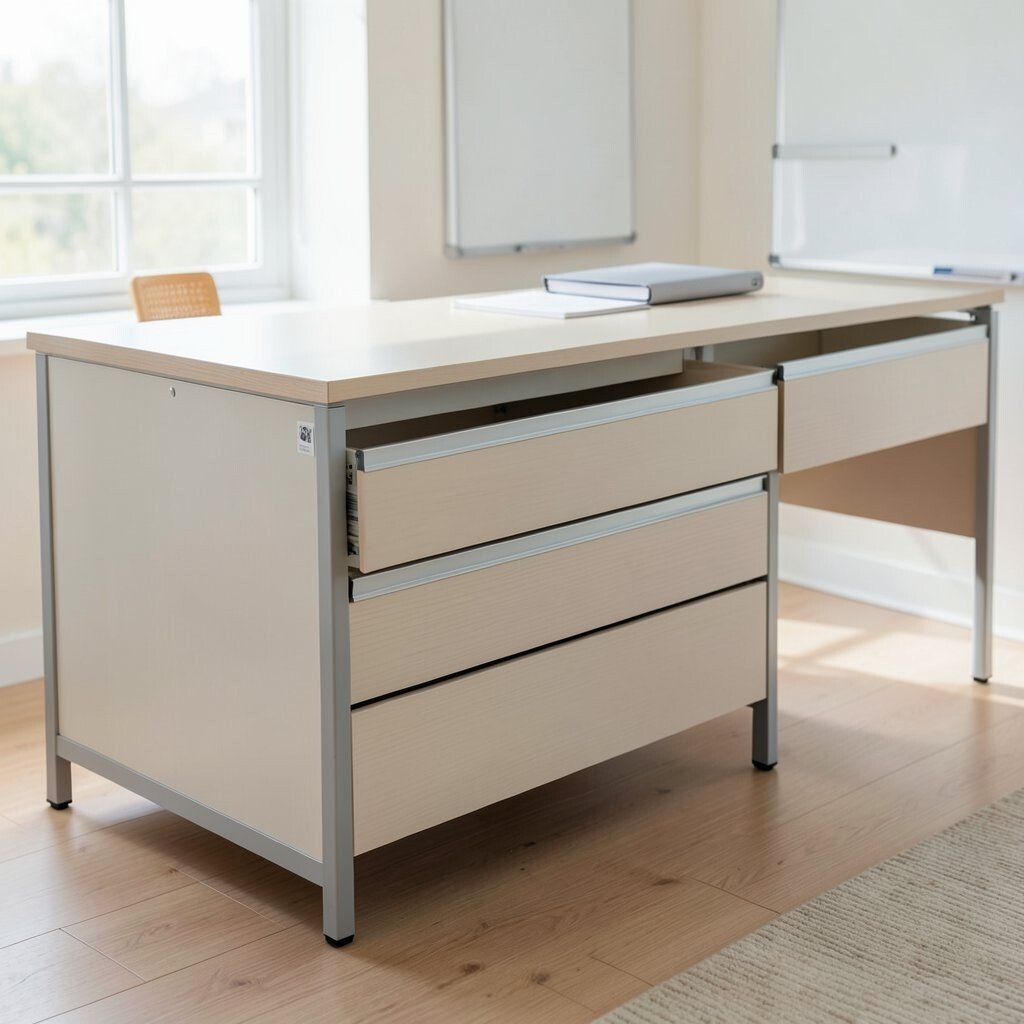
Drawers often turn into one big pile without help. Dividers make each section look crisp and easy to manage.
Use them for socks, utensils, makeup, tools, or office supplies so small items stay in place. This gives the drawer a cleaner look, helps you find things faster, and can even make cheap drawers feel more useful and well planned.
Bamboo dividers, felt inserts, and adjustable plastic pieces all work in different ways. If you want a custom fit without spending much, simple cardboard or store-bought adjustable sets can do the job nicely.
9. Keep Only What You Use
Extra items can crowd a room and make it harder to relax. A lighter space often feels brighter, quieter, and easier to clean.
Look at each thing and ask if it still helps your life right now. Letting go of unused items opens up room for the pieces you enjoy most, and it can make your home feel more personal because only useful or meaningful things stay.
This does not mean you need a bare room. Many people like a simple, lived-in style with just enough decor to feel cozy, and that approach can save money because you stop buying things that do not matter.
10. Make A Landing Zone By The Door
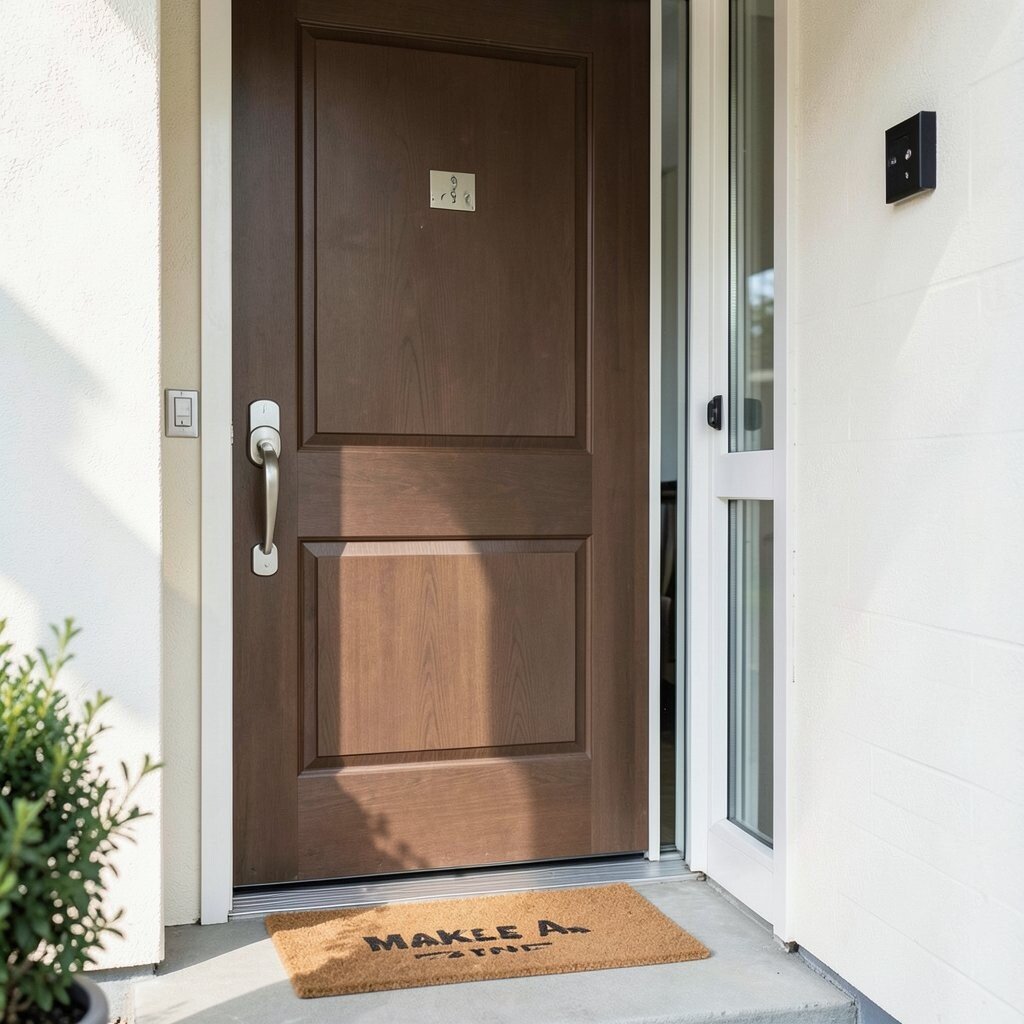
The area near the door can easily become messy. A small landing zone keeps keys, shoes, bags, and mail from spreading through the house.
Set up a tray, hook, bench, or basket in that spot so arrivals and departures feel easy. The area looks welcoming, saves time in the morning, and can be made to fit your home style with wood, fabric, metal, or a mix of pieces.
Even a simple tray or wall hook can work well if your budget is small. Many people like this trend because it brings order right where life gets busiest.
11. Use Labels That Fit Your Style
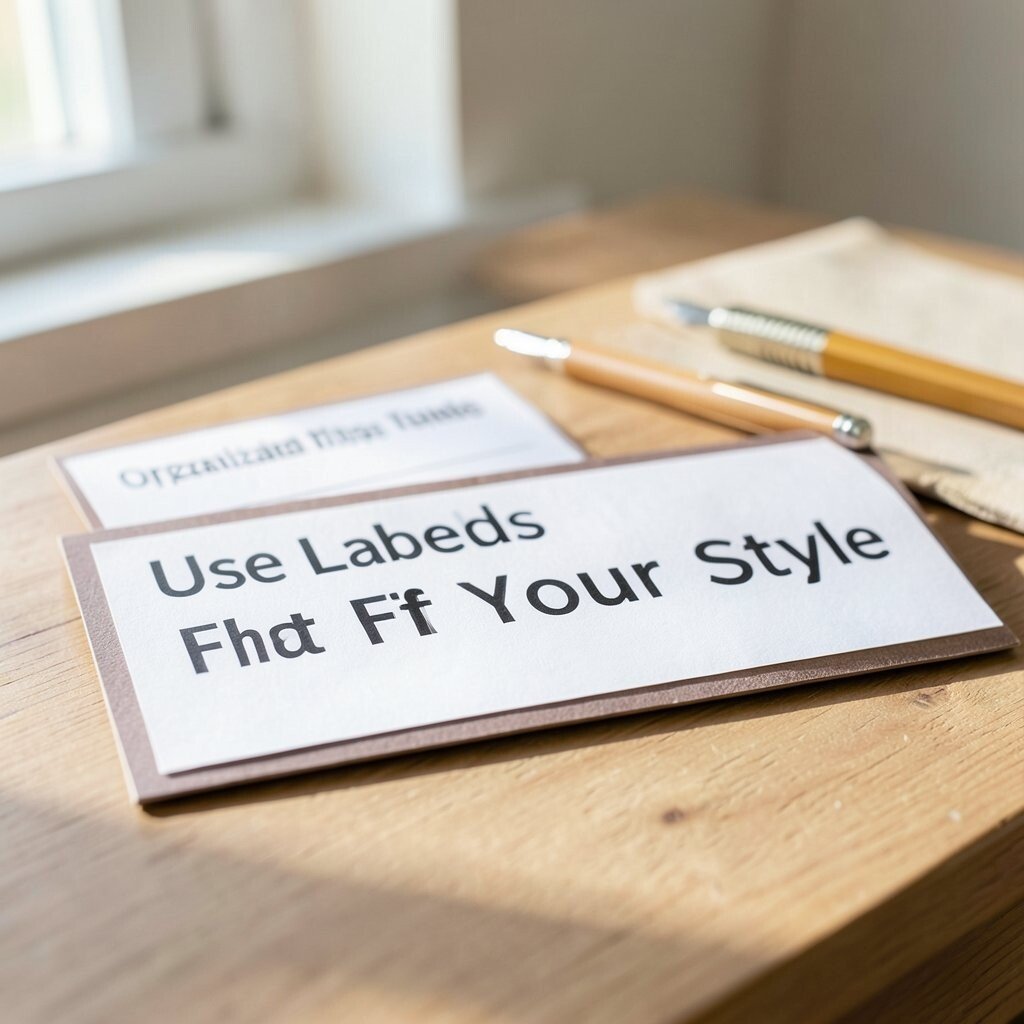
Labels can make storage feel calm and clear. They also help everyone in the home know where things belong.
Try printed labels, hand-written tags, or small signs that match your room, and keep the words short and easy to read. This saves time, supports shared spaces, and gives bins and jars a more finished look without needing expensive storage.
You can go with sleek black-and-white labels for a modern feel or soft script for something warmer. Label makers are popular now, but simple paper tags can be just as useful and cost far less.
12. Create Zones In Shared Rooms
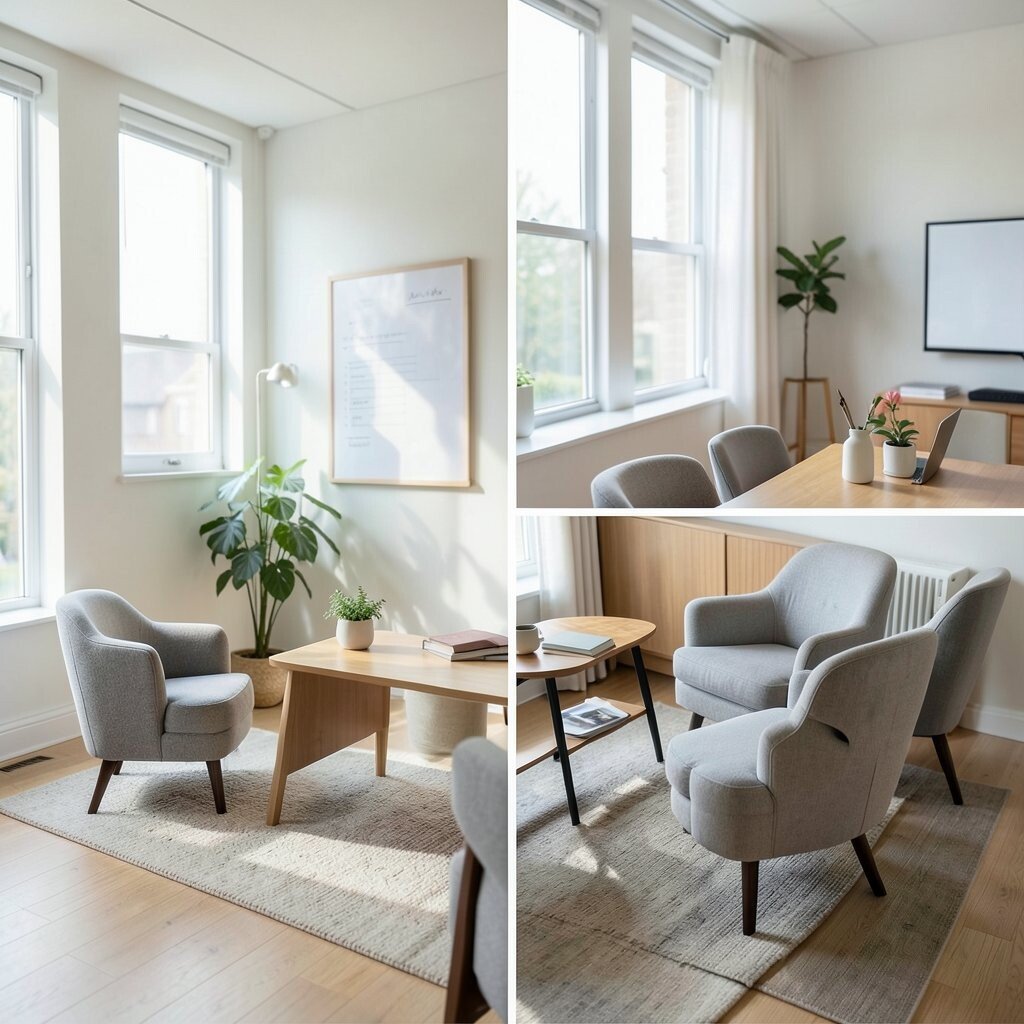
Shared rooms work better when each part has a clear job. A room can feel calmer when reading, working, and relaxing all have their own places.
Use rugs, shelves, or furniture placement to guide each zone and keep things from blending together too much. This makes the room look more organized, helps people use the space better, and can be personalized for kids, adults, or mixed family needs.
Zones do not need walls or fancy changes to work well. A chair and lamp can mark a reading area, while a small desk and tray can set up a work corner without much cost.
13. Stack And Store Upward

Vertical stacking can save a lot of room in crowded spots. The tall look also gives shelves and counters a cleaner feel.
Stack books, folded clothes, or storage boxes in neat piles, but keep the stacks easy to reach and safe to use. This method works well in closets and on shelves, and it can be changed to fit your style with matching colors or mixed textures.
If you want the space to look more current, try using matching stackable bins or boxes with simple lines. Some of the best stacking tools are inexpensive, and they can make a small area feel more open.
14. Hide Cables And Chargers
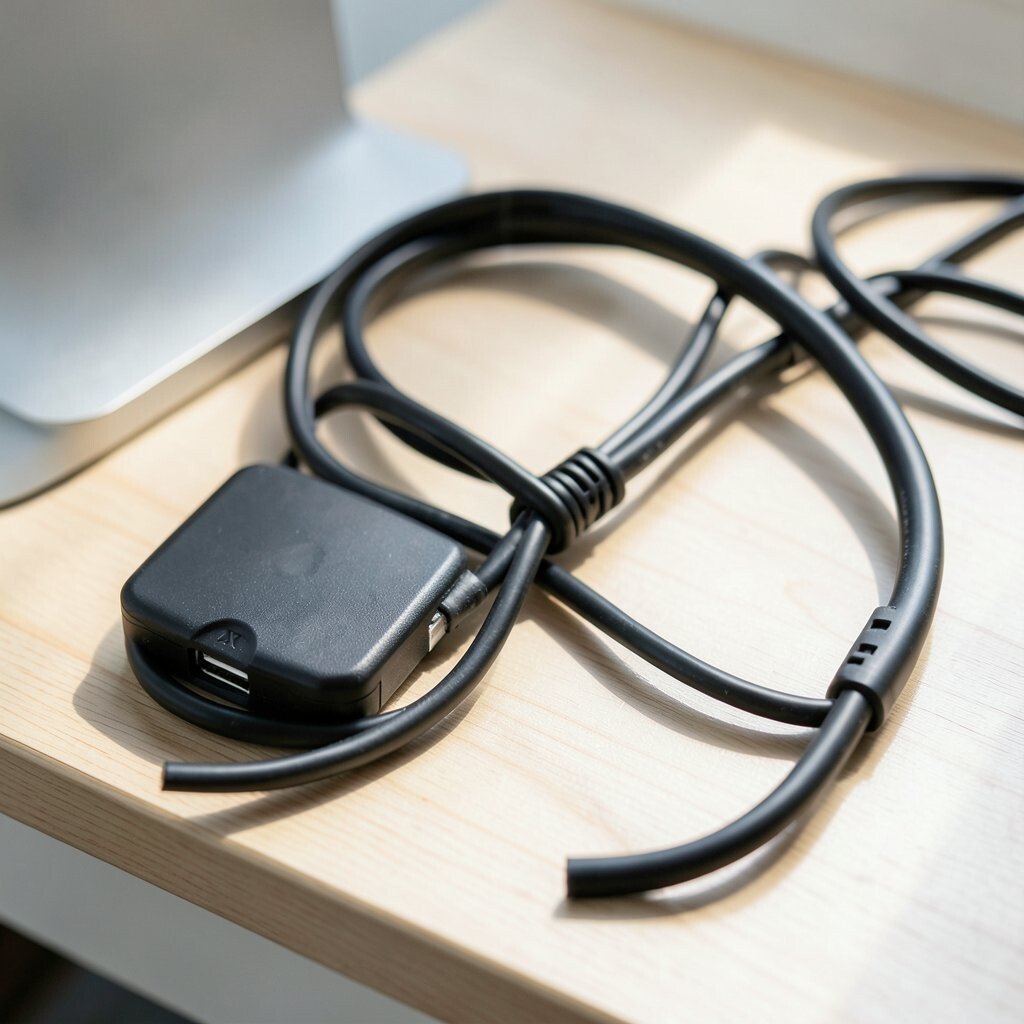
Cords can make even a nice space look busy. When they are gathered neatly, the whole area feels calmer and cleaner.
Use clips, boxes, ties, or sleeves to keep cables from tangling and piling up. This helps protect the cords, makes cleaning easier, and gives desks and TV areas a more polished look that many people want right now.
You can keep a charger station in one spot so devices return there at night. Some cable tools cost very little, and a few of them can make a desk feel much more open.
15. Rotate What You Display
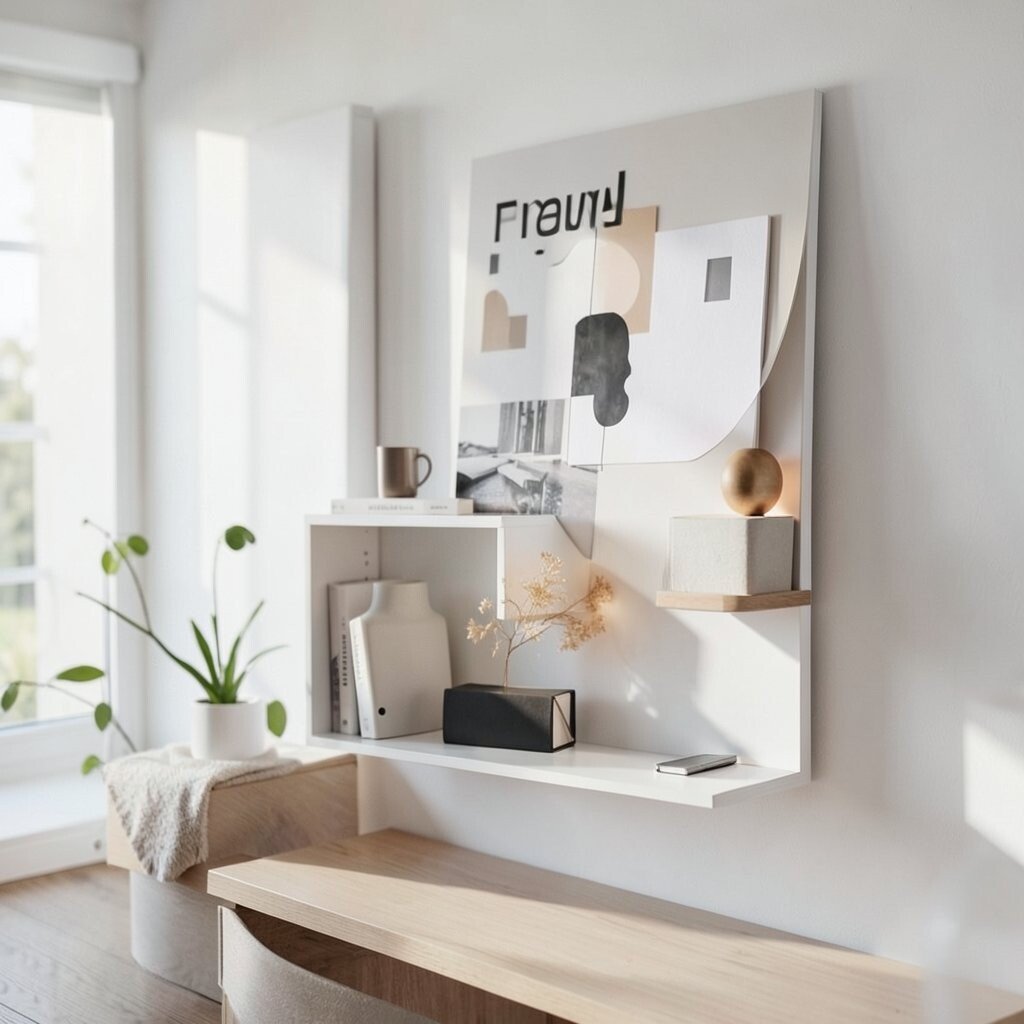
Too many decorations can make a room feel crowded, even when each piece is nice. Rotating items keeps the space fresh without buying a lot more.
Put out a few favorite objects now, then swap them later with others from storage. This keeps your room interesting, lets each item stand out more, and gives you room to show personal pieces that match the season or your mood.
People often like this approach because it feels new without a big expense. A small shelf with changing decor can look stylish, simple, and never boring.
16. Use Matching Hangers
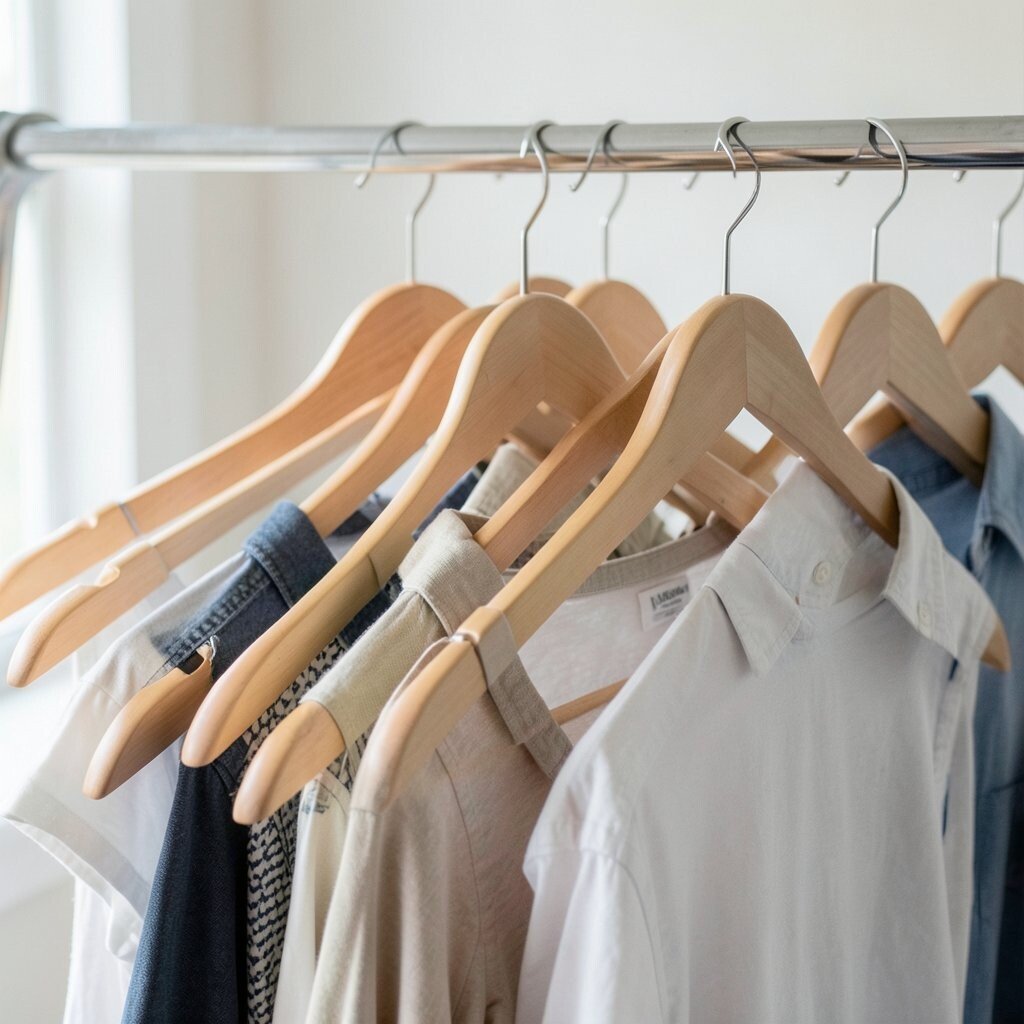
Matching hangers make a closet look clean right away. The clothes line up better, so the whole space feels neat and calm.
Choose wood, velvet, or slim plastic hangers depending on your needs and budget, and keep the same style throughout the closet. This helps clothes stay in place, uses space better, and creates a smooth look that feels more organized than a mix of random hangers.
Velvet hangers are popular because they save space and help clothes slip less, while wooden ones bring a warmer look. If you want a low-cost option, simple plastic sets can still make a big visual difference.
17. Make Cleaning Tools Easy To Grab
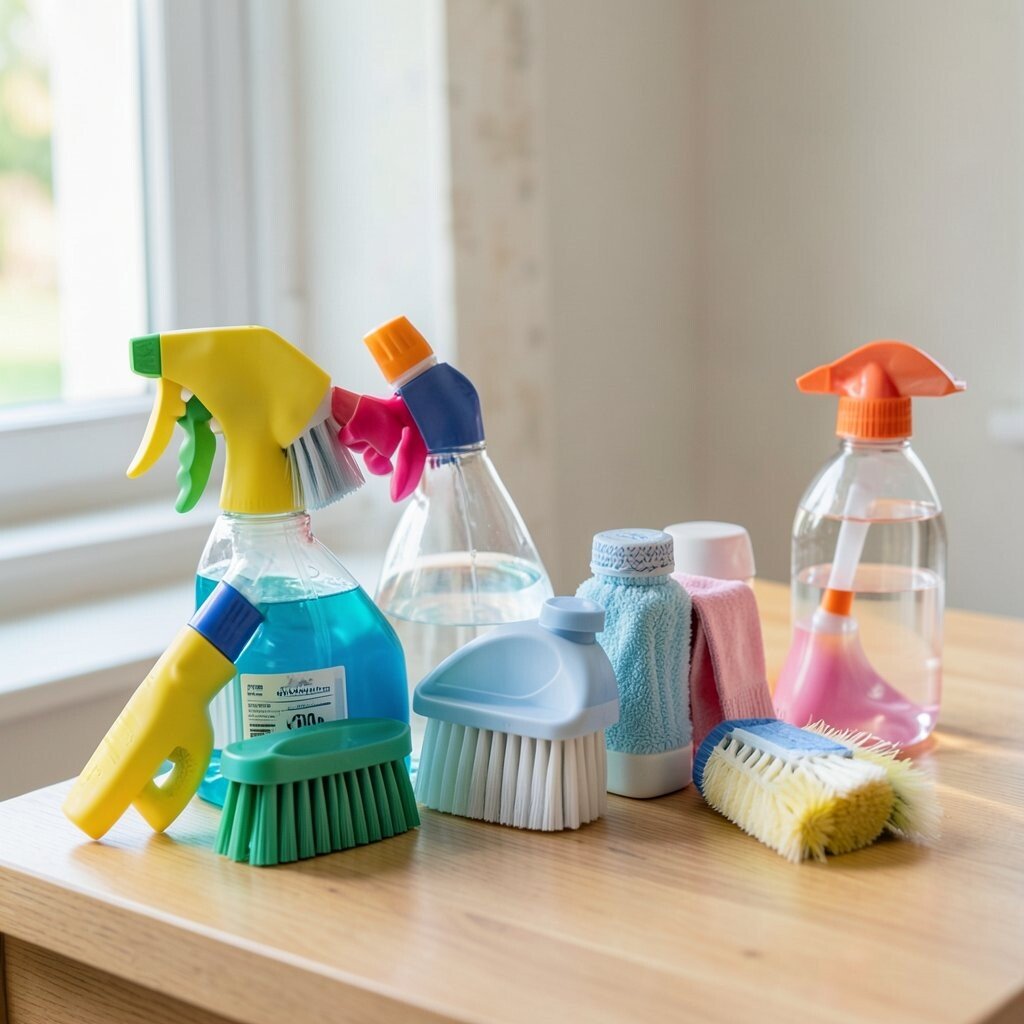
When cleaning tools are hard to reach, chores feel bigger than they need to be. A simple, easy-to-see setup can make upkeep faster and less annoying.
Keep wipes, sprays, cloths, or a small broom in a handy spot so you can handle messes right away. This supports a tidy look all day, works well in kitchens and bathrooms, and can be customized with a caddy or hanging holder that fits your space.
The best setup is often the one you can restock quickly and carry from room to room. Many good cleaning holders are cheap, which makes this one of the easiest habits to keep going.
18. Use Furniture With Storage
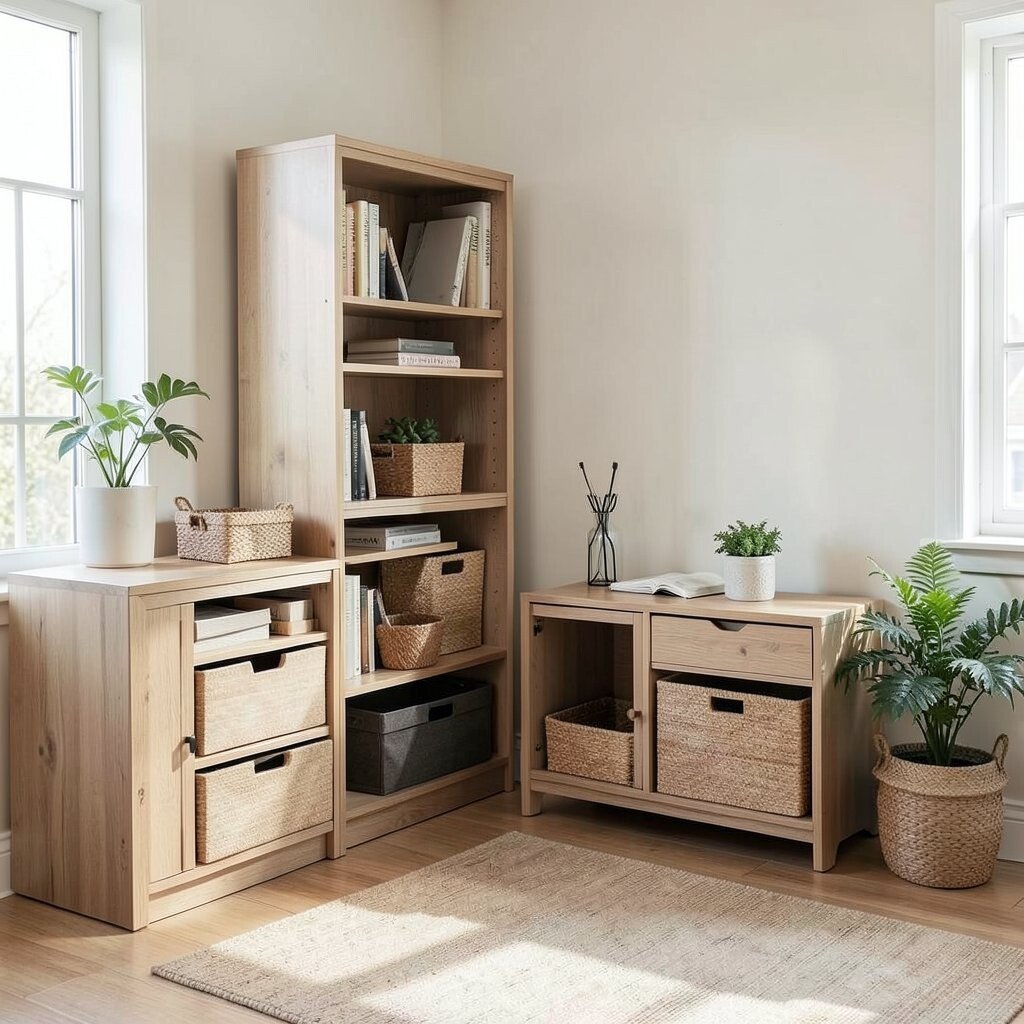
Furniture that hides storage can do two jobs at once. It keeps the room looking simple while giving you a place for things that would otherwise pile up.
Look for benches with lids, ottomans with space inside, or beds with drawers underneath. These pieces make a room feel more open, can match many styles, and are especially helpful in smaller homes where every bit of space matters.
Some newer designs look very sleek, so storage furniture does not have to feel bulky. It may cost more at first, but it can replace other storage items and save money over time.
19. Build A Simple Paper System

Paper piles grow fast if they do not have a place to go. Bills, notes, school forms, and mail can take over a table in just a few days.
Set up a small stack of folders, trays, or envelopes for papers you still need to handle. This keeps important papers visible, reduces stress, and gives your desk or counter a neat look that feels much easier to live with.
You can personalize the system by using colors for different family members or tasks. Low-cost folders and trays work well, and many people like this setup because it cuts down on paper clutter without much effort.
20. Add A Few Open Spots

Not every surface needs to be full. A few open spots make a room feel more peaceful and easier on the eyes.
Leave some space on shelves, counters, and tables so the objects you do keep can stand out. This helps the room look more careful and special, and it also gives you room to add new items later without making everything feel crowded.
Open space is a strong trend because it feels light and simple. It costs nothing, works in any style, and can make even old furniture look better right away.
21. Keep Adjusting As Life Changes

Good organization is not a one-time job. Your needs change, and your space should change with them.
Check in from time to time and move things around if a shelf stops working or a bin gets too full. This keeps your home useful, keeps the look fresh, and lets you make small personal changes without buying a whole new system.
A room feels best when it fits the way you really live, not just the way it looked last month. Some changes are free, some cost a little, and all of them can help your space stay comfortable, useful, and uniquely yours.